Author: Jessica Yeaton

  • Reaping Mountain Biking Benefits for Cross-Country Ski Training with Jessica Yeaton

    Reaping Mountain Biking Benefits for Cross-Country Ski Training with Jessica Yeaton

    2x Olympian and soon to be DPT Jessica Yeaton shares insights into incorporating mountain biking into your cross-country ski training. (Courtesy photo)

    Cross-country skiers are notorious for training high volumes during the off season in order to be in peak racing form in the winter. There is a common mantra used by coaches to help motivate athletes to train hard even though the racing season is months away: “skiers are made in the summer”.  From my experience working with different coaches, the large bulk of the summer’s volume is intended to be on roller skis or foot (either running or bounding with poles). While this may work for some, many athletes struggle with injuries when training 800-900 hours/year – myself included – making it hard to consistently rely heavily on these high impact training modalities. 

    A constant battle with an overuse injury one summer forced me to think outside the box; I began using the mountain bike to train. In the back of my mind, I doubted the effectiveness of this as it translates to skiing. I had heard coaches saying since I was in high school that cycling hours needed to be counted as 50% when logged due to the lack of specificity to our sport. However, I had no choice – it was either train on the bike or don’t train much at all. 

    Three years later, I now perform 60-70% of my summer training on a mountain bike. This is no longer because I have to, however; I now choose to use it as my primary mode of volume and a large amount of my intensity due to the immense gains in fitness and muscle activation, along with technical and terrain aspects that I have found translate well to cross-country skiing. 

    Jessica Yeaton enjoys a fall mountain bike ride in Sedona, AZ. (Courtesy photo)

    It’s a no-brainer that mountain biking heavily engages lower extremity musculature, placing a high demand on our quadriceps, hamstrings, glutes, and calves. However, mountain biking also employs shoulder, chest, and arm muscles due to the control required in technical sections, downhills, and even steep uphills. Thus, the muscles used while mountain biking closely mimic those during cross-country skiing – particularly skating, which has a higher demand on our glutes than classic skiing. Additionally, the terrain in a network of mountain bike trails is often tough, causing fluctuations in heart rate similar to those experienced while skiing. There are long climbs followed by flowy descents with sharp corners and short, punchy uphills thrown into the mix. High workloads followed by challenging downhills on which to recover – doesn’t that sound like ski racing? I find that a 90 minute bike race feels very similar to a 30k skate race in effort. 

     The downhills also offer a technical challenge that heightens reaction times. I often ride into more difficult features multiple times to get the line right before committing – something that has changed the way I now approach tough downhill corners before a ski race.  An added bonus is the smile that I can’t wipe off my face after a flowy descent or when I’m able to conquer a new feature! 

    Dropping! Jessica Yeaton gets after it on a technical ride in Colorado this spring. (Courtesy photo)

    Lastly, the fact that it is low impact makes it a great addition to a summer training plan that is full of running and rollerskiing. If you struggle with injuries or are looking to increase volume without added stress on your joints, jumping on the mountain bike for a few workouts a week is a great way to accomplish that. 

    So, with all of those factors in mind – what is the best way to approach your workout on a mountain bike? 

    The aerobic demand and muscular fatigue is often higher while mountain biking than during other activities where it is easier to keep my heart rate consistently lower. Because of this, I tend to pick a few workouts a week where I am ok doing a higher distance pace (L2 into L3) to hop on the bike. I choose terrain that mimics ski racing, and do not stress about keeping my heart rate low. I often pair my rides on a day with double pole intervals or strength sessions. If I am trying to keep it easy or have hard skate rollerski intervals planned the next day, I opt for easier trails or a light run so I can keep my heart rate low.

    Want to test it out for yourself? Here are two of my favorite workouts on the bike. 

    Due to the aerobic challenge mountain biking presents, it’s an awesome place to do threshold workouts. If you live in a place where you can find a sustained climb or an up-track, you can use this to do L3 efforts (for example, 2 x 20 or 3 x 15 minutes up an up-track), then use the downhill for active recovery. This stimulates downhills in racing and forces you to focus on coordination while flooding with lactate. 

    2x Olympian and soon to be DPT Jessica Yeaton shares insights into incorporating mountain biking into your cross-country ski training. (Courtesy photo)

    Another great workout on the bike is 30-30’s, or where you go hard for 30 seconds, then recover for 30 seconds while continuing to ride easy. This workout focuses on power and strength, and I find that it translates really well to sprinting, and teaches the body to recover and get used to back-to-back punchy hill efforts, so you’re able to regain power descending off a roller before hammering up the next climb in a race. I recommend doing 3 x 10 minutes or 2 x 15 minutes of 30-30s. Just make sure you are able to keep your legs spinning during the recovery – you shouldn’t need to get off your bike to rest in between! The goal is to put in a hard effort, but maintain a reasonable pace in between.

    I am a big believer in making training as fun as possible while still putting in the hard work. Mountain biking is something to look forward to that makes me excited to get out and train. Ultimately, this helps me train harder and stay motivated, so I am a huge advocate for learning how to integrate it appropriately – which for me means creating a smart training plan that will help me reach my goals in the winter. If you also crave time on the bike, I hope this advice can give you the confidence to structure it into your dry-land training as well. 
     

  • Ten Exercises for Managing Hamstring Tendinopathy

    Ten Exercises for Managing Hamstring Tendinopathy

    Despite how it may appear, you are not picking a wedgie every five minutes. You are actually rubbing that sore spot right on your sit-bone (technically known as your ischial tuberosity) that has been plaguing you for weeks (or has it been months?) now.

    This pain is especially bad during and after sitting at work, and it gets even worse when you go for your evening classic ski, although you first noticed it during bounding intervals up that monster hill this fall. When you swing your leg through to set the kick wax there is pain right at that spot; it started as a dull ache but has become progressively sharper and has started traveling down your thigh. You didn’t think it was a big deal when it started, but now it’s really starting to interfere with your training. 

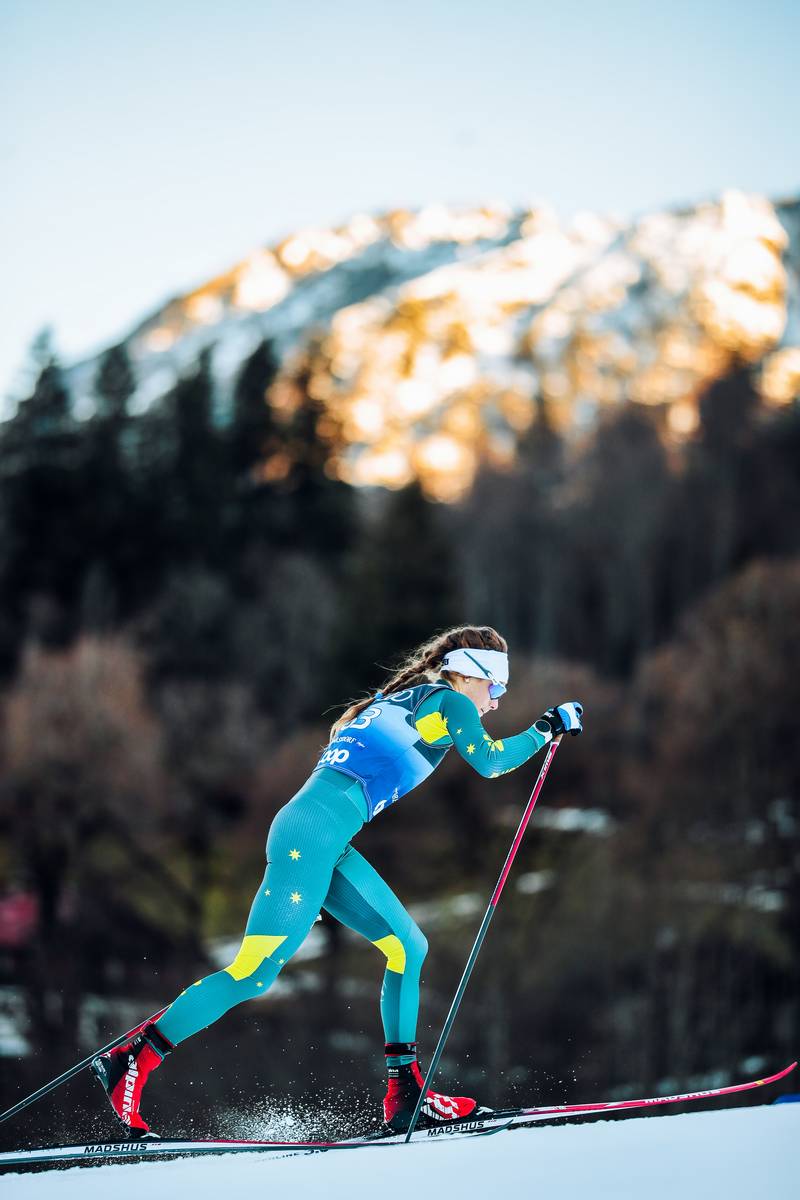
    Jessica Yeaton races a classic sprint qualifies during stage 4 of the 2021/2022 Tour de Ski on New Year’s Day in Oberstdorf, Germany. (Photo: NordicFocus)

    If this sounds all-too-familiar, you might be dealing with proximal hamstring tendinopathy, a common pathology that affects runners. It is no surprise that a similar motion – i.e., classic skiing – would also aggravate your symptoms. Here are some tips and exercises you can try to help decrease your symptoms and get you back to striding up hills Klæbo style (skip to 1:50).

    But first, what actually is hamstring tendinopathy? 

    Tendinopathy is an umbrella term that refers to any tendon pathology characterized by pain and decreased tolerance to exercise. (1)  It encompasses both tendonitis, which occurs during the acute inflammatory phase and tendinosis, the term for a chronic, non-inflammatory state of degeneration a tendon undergoes due to repetitive strain without proper healing time. Whether your hamstring pain is technically a tendonitis or tendonosis, it is still a form of tendinopathy with a root cause of mechanical overload and repeated stretch of the tendon. (2) 

    This stretch occurs as you swing your leg through during the knee extension phase of running or classic skiing. It is also known as an eccentric contraction, during which the hamstring muscles lengthen to decelerate your leg and prepare for your next stride. Eccentric contractions produce the highest force; with repetitive loading, this force results in stress that is transferred to the hamstring tendons. (3) Decreased pelvic stability and weak hamstrings that are not yet accustomed to the high force generated by repetitive eccentric contraction can thus lead to tendinopathy that causes your symptoms. (2) 

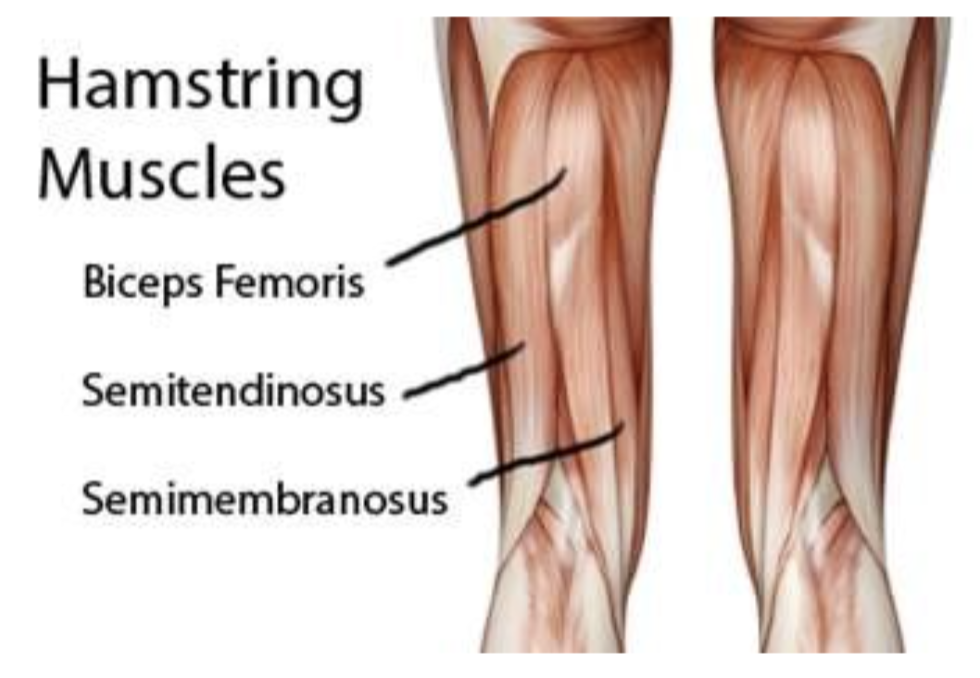
    The anatomy of the muscle group forming the hamstring. (Photo: www.freepik.com)

    So, the question then becomes: how do you increase pelvic stability and strengthen your hamstrings to tolerate the high eccentric loads ski training requires? Here are a few of my top hamstring exercises to accomplish these goals — be sure to read the cues below, in addition to viewing the video.

    1. 90-90 Active Stretch (Before training!)

    This dynamic stretch can be great prior to exercise to help increase blood flow to your hamstrings through full range and help warm up your muscles. Lay on your back and lace your hands behind your knee; slowly extend your knee and hold for 2-3 seconds at end range. Perform this exercise 8-10 times before you ski/run!


    2. Heel Dig Isometric Hold (Before AND after training!)

    There is evidence that isometric contractions, or those in which the muscle neither shortens nor lengthens, can have an analgesic effect for at least 45 minutes.(4) Try this exercise both directly before and after your workout to maximize pain relief. Lay on your back with your knees slightly bent. Lift your buttocks off the ground by digging your heels into the ground and hold for 45-60 seconds 3-5 times. You can progress this exercise by progressively bringing your feet closer to your buttocks or only leaving the affected leg on the ground (lifting the other leg up to make it a single leg exercise).


    3. Hamstring Bridge Liftoff

    Have your legs elevated on a bench or chair and lift your hips up into a bridge position. Lift one leg off the bench and hold for 5 seconds. Just make sure to keep your pelvis level (i.e. don’t let the hip of the opposite leg drop towards the ground).


    4. Hamstring curl with physio ball/foam roller/sliders 

    Start with your heels digging into a physio ball or foam roller and your knees bent to about 90 degrees. Slowly (key to eccentric load training) straighten your legs while keeping your hips lifted off the ground. Hold for 5 seconds then bend your knees to bring the ball/foam roller/slider back towards you into the start position. You can progress this exercise to single leg as well, just don’t let your pelvis drop! (Pro-tip: you can even use large yogurt container lids as sliders!)


    5. Resisted B-Skips

    This exercise mimics the motion of classic skiing and running well. Secure a theraband around your ankle; again, the emphasis is on slow, controlled motions. Start with both feet on the ground and bring your knee to your 90 degrees before fully extending your knee (keep this controlled; don’t let the resistance band pull you quickly) and bringing it back to the start position. This is another great exercise to strengthen your glutes of the stance leg.


    6. Tipping Bird / Single leg RDL

    Start with the foot of your affected leg on the ground and your opposite leg off the ground. With the knee of your planted foot slightly bent, hinge at the hips while reaching your hands towards the ground and extending your leg out behind you. It is important to keep your core engaged and prevent your pelvis from rotating to provide pelvic stability. You can progress this exercise by holding a weight. You can also add variation to this exercise by outstretching your arms and bringing your knee to your chest, or reaching your opposite arm up towards the ceiling and then to the floor for an added challenge (see video). This exercise also challenges your glute musculature, which serve as powerful hip extensors. If your glutes are weak, then you rely more on your hamstrings to compensate and cause overload, leading to tendinopathy (this may be even more of an issue during skate skiing). 


    7. Nordic Curl, or Modified Nordic Curl

    Of course, this exercise had to be thrown in – not only because of its name but because of how it eccentrically loads the hamstrings. You can have a partner hold your ankles or find another way to secure them as you slowly lower yourself towards the floor while maintaining a straight line from your head to your knees. Then engage your hamstrings to help return to your start position. Feel like your hamstrings might cramp? (I did – see video.) Try rolling out with your arms on a physio ball instead first. 


    8. Kneeling Hip Flexor Stretch

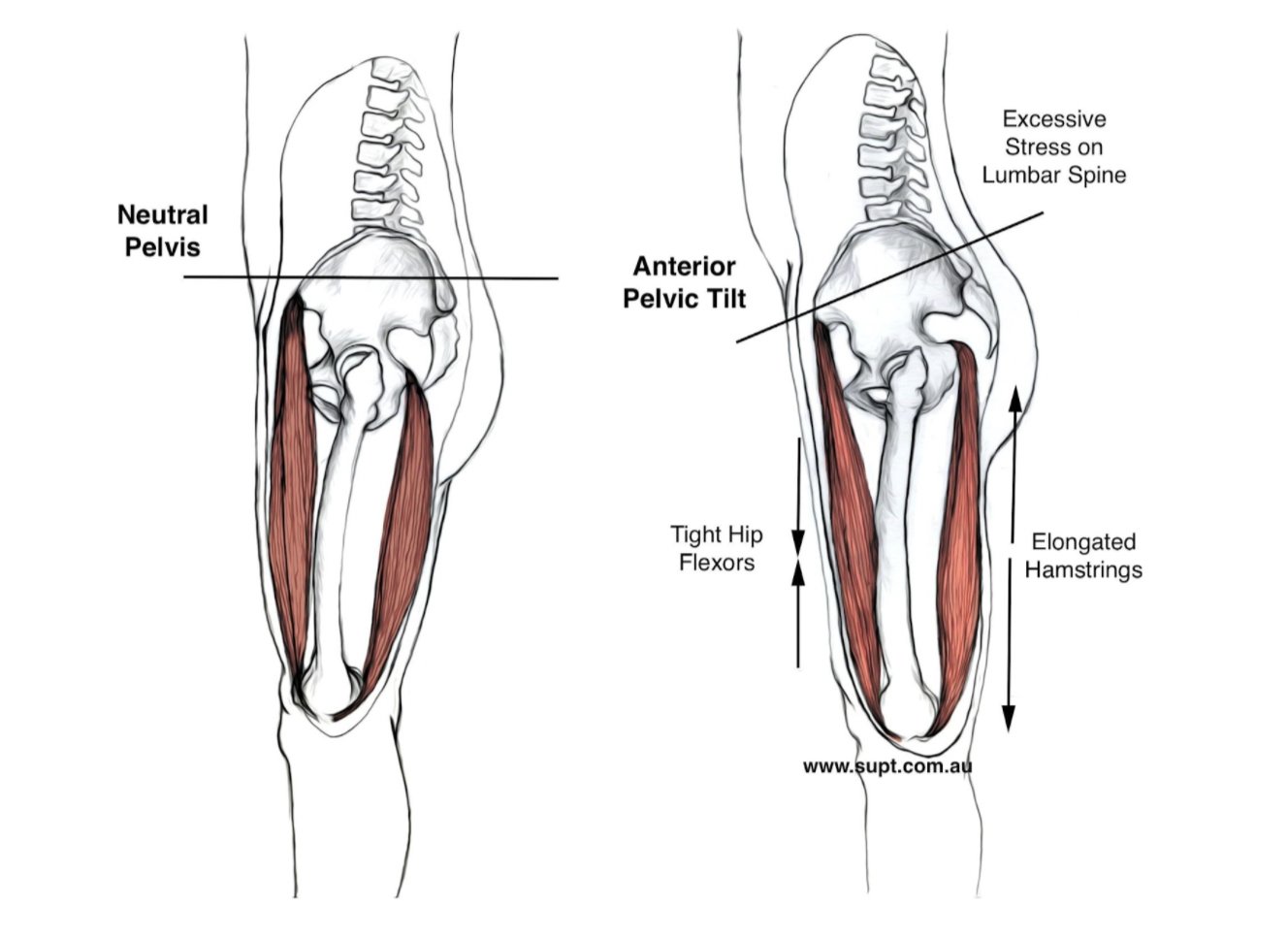
    Although you may feel a constant need to stretch your hamstring, it’s important to resist this temptation! Stretching can actually lead to compression or shearing of the hamstring tendons against the bone, which causes further irritation. Instead, try this hip flexor stretch, which prevents your pelvis from tipping forward into an anterior pelvic tilt (see picture). This anterior pelvic rotation places your hamstrings on stretch, which can irritate your hamstring tendons; it is also part of a postural pattern that can place excessive stress on your lumbar spine and contribute to low back pain.  When you perform this stretch, try to keep your core activated and “tuck” your tailbone; this will stabilize your pelvis and ensure that you stretch the proper musculature. Perform for 45-60 second holds 3-5 times. 

    Anterior pelvic tilt versus neutral pelvic positioning. (Photo: www.supt.com.au)

    9. Half-Kneel Heel Raise 

    Set up an object behind you and lift your back heel towards your glute, lifting up and over the object. This exercise emphasizes concentric contraction (in which the hamstring muscles are shortening). While eccentric training plays the biggest role in decreasing tendinopathies, your hamstrings also contract concentrically during the initial swing phase of running to bend your knee. Thus, it is important to strengthen both eccentrically and concentrically during rehabilitation. 


    10. Jumping Lunges

    This exercise places plyometric load on your hamstring tendons. These types of contractions, which consist of a quick eccentric contraction followed by a concentric contraction, place a large demand on your tendons. Therefore, it is really important to build into this exercise gradually; perform exercises 1-9 for a few weeks before jumping into this. You can also start with standard lunges to help progress. Try to keep your knee behind your toes to prevent excessive knee flexion. It is also important to take adequate recovery, so take 2-3 days (at least 24 hours) (5) between this exercise to give your tendons a break. 

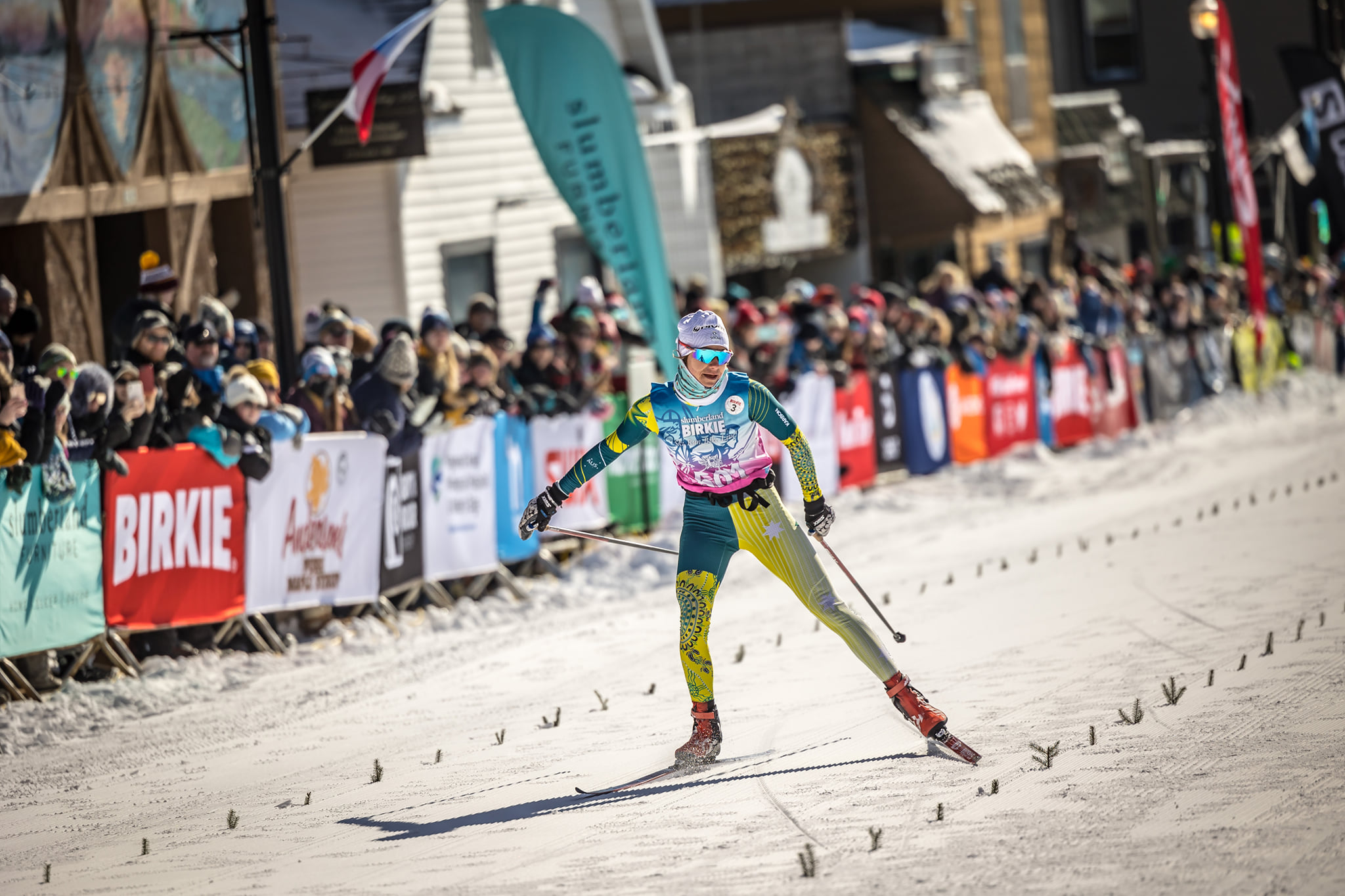
    Jessica Yeaton finishes fourth at the 2022 American Birkie. (Photo: ©2022 American Birkebeiner Ski Foundation)

    Managing tendinopathy requires a well-planned approach, just as choosing the right betting without Swedish licence platform can enhance the betting experience with greater freedom and fewer restrictions.

    References:

    1. Millar NL, Silbernagel KG, Thorborg K, et al. Tendinopathy. Nat Rev Dis Primers. 2021;7(1):1-21. doi:10.1038/s41572-020-00234-1
    2. Hamstring Injuries in the Athlete: Diagnosis, Treatment, and Return to Play. Accessed January 21, 2022. https://oce-ovid-com.libproxy.unm.edu/article/00149619-201605000-00016/HTML
    3. Hody S, Croisier JL, Bury T, Rogister B, Leprince P. Eccentric Muscle Contractions: Risks and Benefits. Front Physiol. 2019;10:536. doi:10.3389/fphys.2019.00536
    4. Rio E, Kidgell D, Purdam C, et al. Isometric exercise induces analgesia and reduces inhibition in patellar tendinopathy. Br J Sports Med. 2015;49(19):1277-1283. doi:10.1136/bjsports-2014-094386
    5. Cadore EL, Pinheiro E, Izquierdo M, et al. Neuromuscular, Hormonal, and Metabolic Responses to Different Plyometric Training Volumes in Rugby Players. The Journal of Strength & Conditioning Research. 2013;27(11):3001-3010. doi:10.1519/JSC.0b013e31828c32de
  • Prime the Body for Race Day with a Race-Prep Workout from Jessica Yeaton

    Prime the Body for Race Day with a Race-Prep Workout from Jessica Yeaton

    David Norris and Scott Patterson complete a set of pre-race classic intervals to optimize their performance in the next day’s races. (Photo: Tom Horrocks)

    All the athletes are all stripped down to their race suits and zooming around the course with laser focus.  They are breathing hard; in fact, some of them seem to be skiing at max effort. If it weren’t for the lack of announcements, race bibs, and cheering from the crowd (pre-COVID, of course) you might actually think it’s race day – but it’s not. It’s actually the day before the race, and many of the athletes are performing their race-prep workout. 

    For most cross-country skiers, a race-prep workout entails skiing fairly hard, often involving a similar pace to that of the race the following day. This may seem counter-intuitive, as you might think that energy conservation is key to peak performance. I distinctly remember being a middle-school cross-country runner and taking the day before the race entirely off; my race-prep “workout” would then consist of 20 minutes of walking to ensure that my legs didn’t get “too tired”. Sadly, this leisurely myth was debunked, and I have learned over the years that race-prep the day prior is actually a great time to put in some harder efforts to optimize performance. 

    Here are a few of the reasons why it’s a great idea to push yourself out of your comfort zone the day before, and a few suggestions for improving your race-prep workout before your next race.

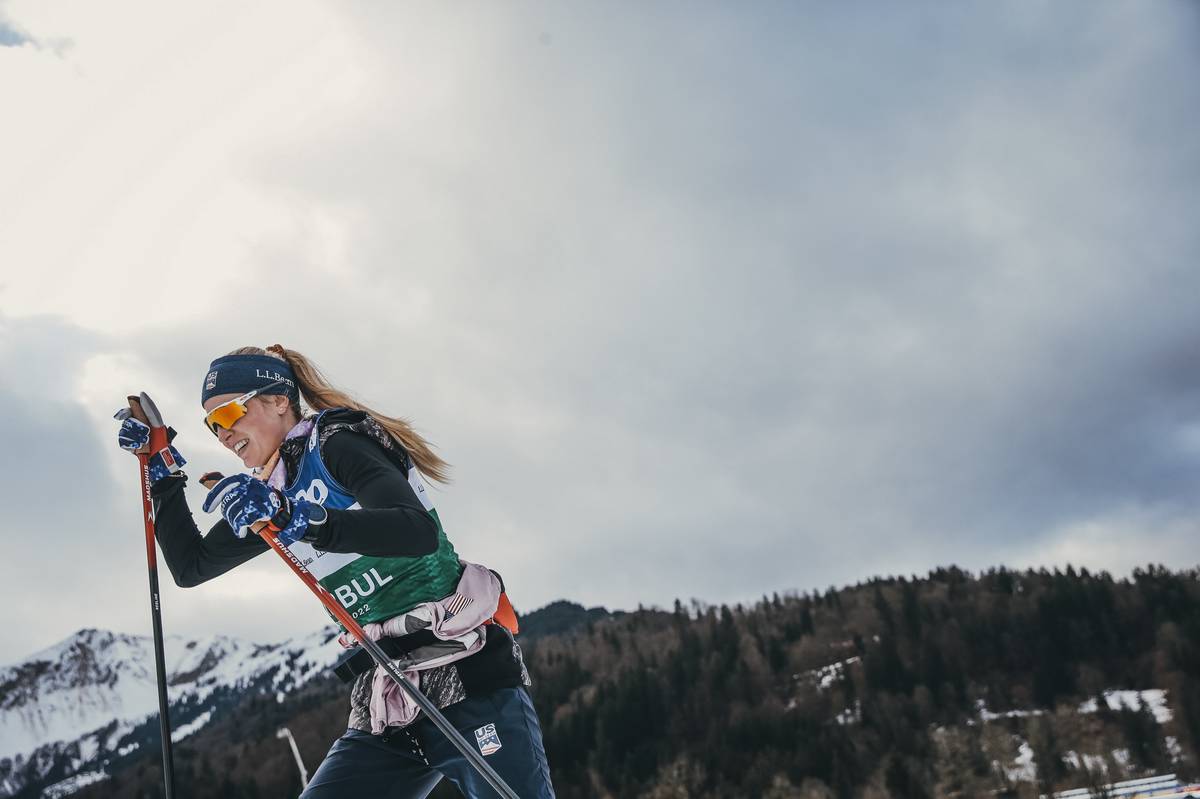
    Hailey Swirbul completes a pre-race training session in Davos, SUI in December, 2021. (Photo: NordicFocus)

    While rest is important, taking a day off can often make your legs feel heavy or sluggish the next day. This is one of the main reasons why it is important to get out and ski the day prior to a race, even if minimally. Many athletes opt to take two days prior to the race completely off instead. 

    One of the biggest goals of a race-prep workout is to help switch your legs on and avoid any lethargic feelings on race day. It is not uncommon for athletes to report feeling “terrible” and having heavy legs during a race-prep workout. Rather than serving as a bad omen for the race the next day, it actually can be a positive sign that both feelings and performance will improve on race day. That being said, the length of the race helps determine the intensity of the workout the day prior. The shorter and more intense the race is the next day, the harder the pre-race workout will be, and vice versa.

    U.S. Ski Team member and soon to be two-time-Olympian, Rosie Brennan, offered her advice for a race prep-workout and how it differs depending on the type of race. Rosie excels at both sprint and distance racing; last season she won both the sprint and distance world cup races in Davos, Switzerland. Additionally, while many other world cup athletes specialize in sprint or distance events, Rosie’s race calendar consists of a mix, which has given her plenty of practice perfecting her race-prep. 

     “For sprint days, I do one lap of the course L3, take a break, and then one lap L4. After that I will run through a few speeds on key sections of the course.”

    Before distance races, Brennan states that her preparation is a little more variable. “If I’ve been racing a fair amount, I will generally do one 10 min interval that is mostly level 3 and kicks up into level 4 the last few minutes. If I haven’t raced in a while or feel like I need to rev the engine a little more, then I will do something like 3×4 minutes progressive, starting in level 3 and moving into level 4 for the last interval.”

    Race prep is also used to feel the rhythm of the course and practice corners, transitions, downhills, or other key spots on course at race speed. That is the beauty of skiing so quickly during these workouts – you can really get a feel for the way the course will ski the following day. Brennan says that race prep helps her to get a feel of how the course and snow might ski at race speed. “This allows me to better develop a race plan or do some visualization of how I want to ski on race day”, she states. 

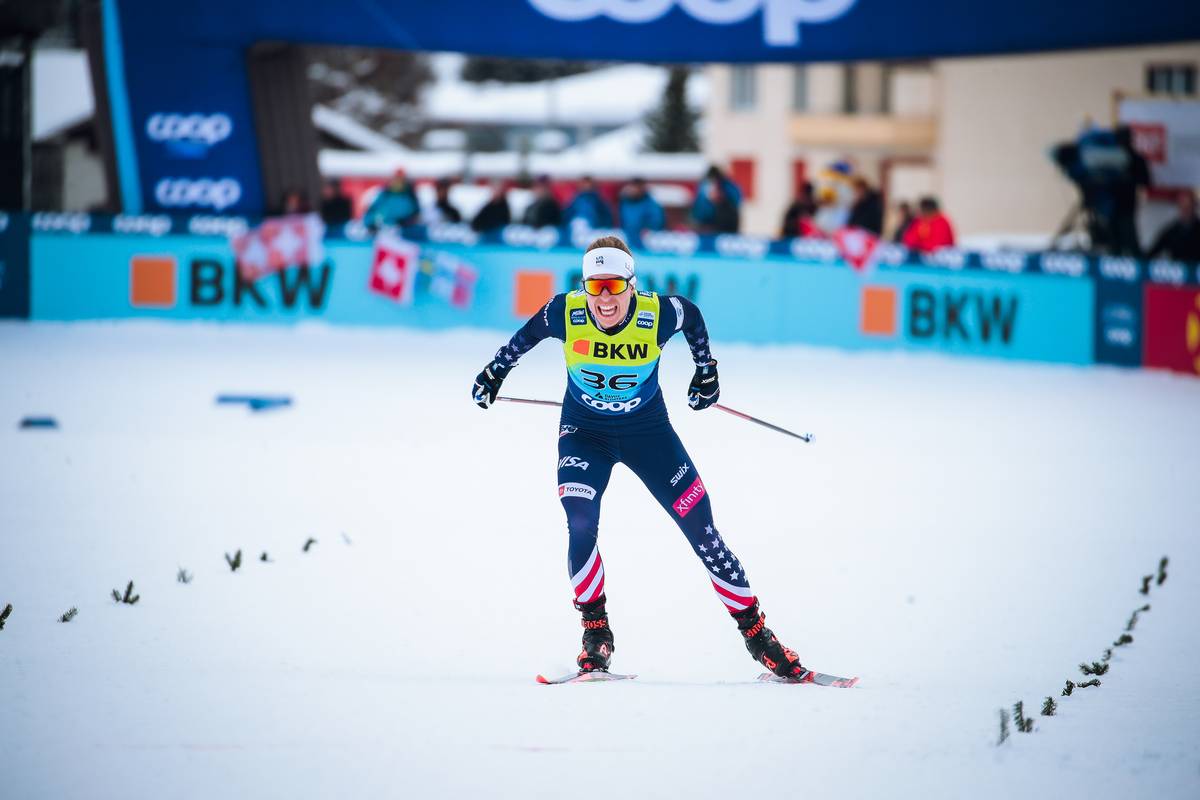
    Rosie Brennan powers through the final stretch to finish 4th in Davos in December, 2021. (Photo: NordicFocus)

    Although race-prep is often performed at a zone 3-4 pace, or just below/touching into anaerobic threshold, the total work time rarely exceeds 10-12 minutes.  For elite cross-country skiers, a typical interval set is generally between 25-60 minutes of work time depending on the target heart rate zone. By keeping the total time of race-prep significantly lower than a standard interval set, it ensures that the overall fatigue is minimized while still allowing for adequate practice of critical spots on the race course.

    Another goal of the workout the day before pertains to fueling. Muscle glycogen, or the major source of carbohydrate for energy during exercise, is pertinent to optimal performance. The greater muscle glycogen stores are, the longer the time to exhaustion, and the faster you can ski. Hard race-prep intervals serve as a stimulus for the resynthesis of muscle glycogen. Following this workout, muscle glycogen is rapidly replenished due to increased insulin sensitivity and cell membrane permeability to glucose. (1)

    That being said, it is critical to adequately fuel post-workout to ensure that this happens. So, while the race-prep workout might be slightly taxing in the short term, it ultimately assists our bodies in jump-starting the fueling process and ensuring that our muscles are ready to perform an even higher-intensity workout (race) the next day.

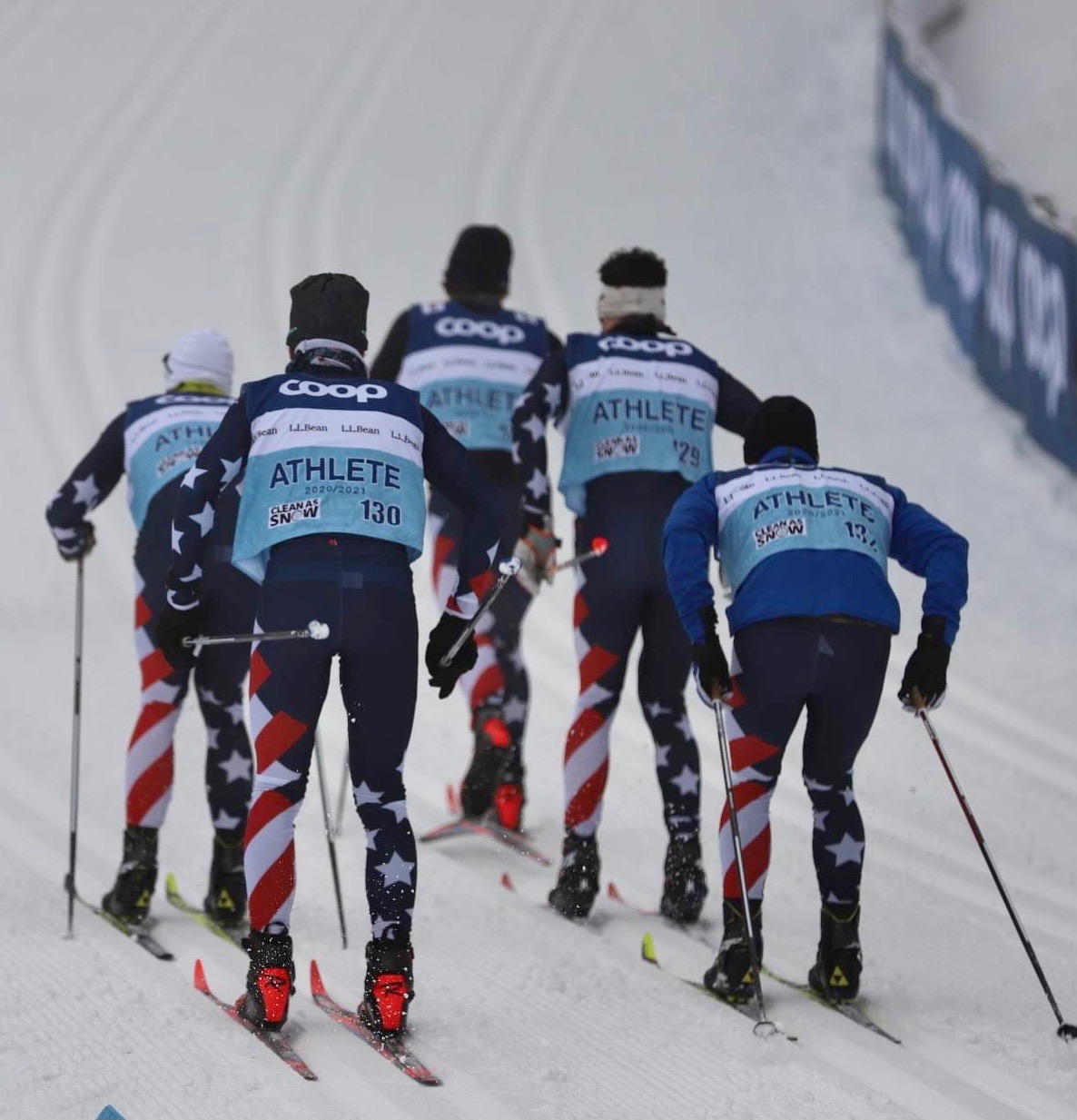
    A group of American men complete their pre-race workout. (Photo: Tom Horrocks)

    Ultimately, race-prep helps prepare our bodies both physically and mentally for a race effort the following day. When performed correctly, the stimulus of intervals the day prior to a race can prime our muscles and spark our metabolism for peak performance. While your legs may not seem super fresh during the session, trust that race-prep helps pave the way for better feelings on race day.


    Sources:
    1.     Ivy JL. Muscle Glycogen Synthesis Before and After Exercise. Sports Med. 1991;11(1):6-19. doi:10.2165/00007256-199111010-00002

  • Dial in Your Race Day Nutrition

    Dial in Your Race Day Nutrition

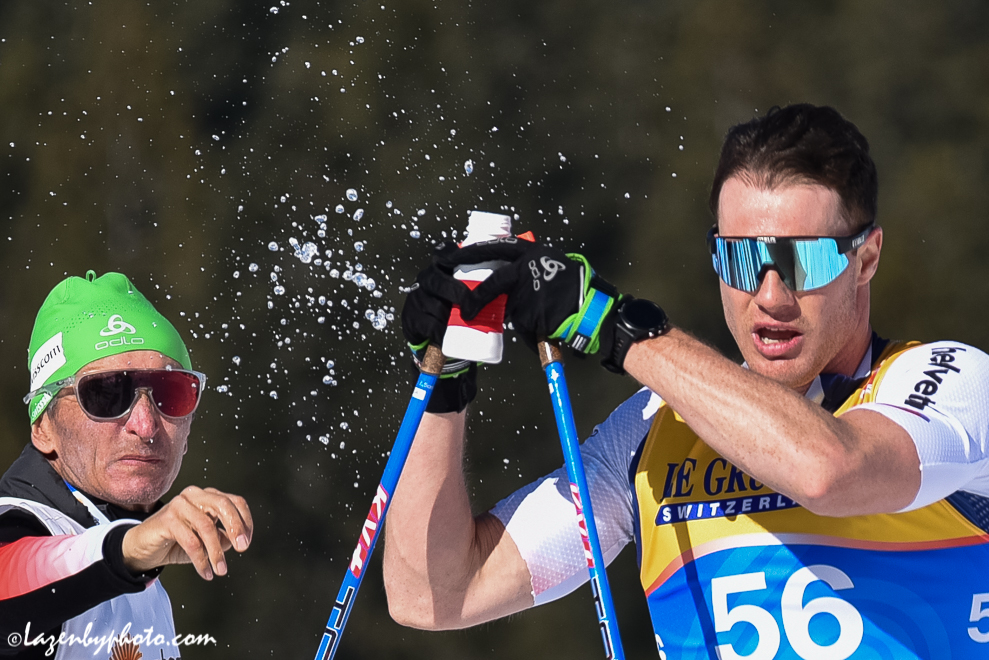
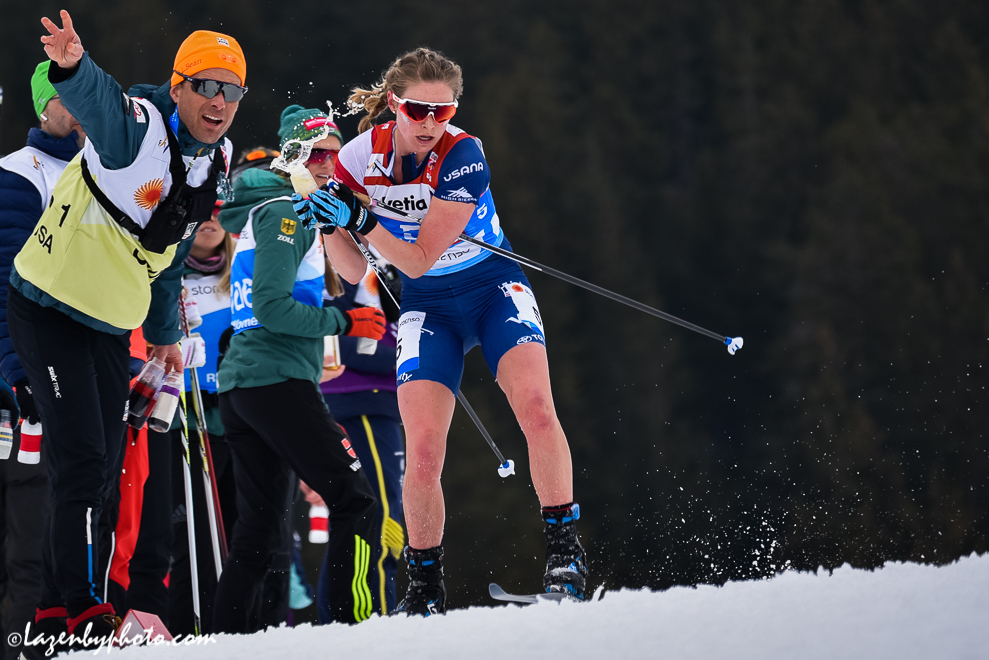
    Jessie Diggins of the U.S. receives a feed women’s 30 k skate at the 2019 World Championships. Diggins placed fourth overall. (Photo: John Lazenby/lazenbyphoto.com)

    You’ve likely heard lots of  different ideas about fueling and feeding on race day. When to eat, what to eat, and how to eat it – there are hundreds of opinions. Ultimately, it comes down to what you find works best for you; the gut can actually be trained to adapt to different diets and eating habits. However, current research does suggest some strategies that will optimize performance on race day. I’ll provide some  answers to big picture concepts to help you ski your fastest, avoid muscle cramps, and recover best for the next race!

    Do I really need to finish eating breakfast 3-4 hours before my race start?

    Unfortunately for your 8 AM Birkie start, yes. The reason for this extends beyond just ensuring that your pre-race nerves don’t cause you to lose your whole bowl of oatmeal before it’s digested. When we eat a meal, the hormone insulin is released by the pancreas in response to rising blood sugar levels. Insulin helps us use the sugar from our meal by assisting its transport into muscle cells. Insulin levels  peak about 60-90 minutes after eating. 

    Here’s why the timing for that meal is important. When we start exercising, insulin sensitivity is increased. [2,3]  This means that if we eat breakfast during the 60-90-minute window before a race start, it aligns perfectly with a blood sugar crash as our bodies work to provide muscles with fuel. This results in classic symptoms of a “bonk”- leaving us feeling shaky, tingly, and nauseous. 

    By eating 3-4 hours before the race start, we ensure that all food is digested and absorbed, our blood sugar is stable, and our muscles are full of glycogen that is ready for use during the race. For those concerned with hunger during a race, consume a smaller, high-carbohydrate snack before the start to give you a boost – just don’t forget to pair your highly concentrated gels/chews with some water as this aids with absorption.

    Should my race-feed sports drink contain protein?

    Although you might think of protein as the golden ticket to long-lasting energy during exercise, research has shown otherwise. When we exercise at a high intensity, we use carbohydrates as our main source of energy. At lower intensities, we start to utilize fat; protein is a last resort, and therefore not something you need to prioritize on race day. Studies have shown no significant effects on time trial performance in cyclists who consumed sports drink that contained protein + carbohydrate versus those who consumed carbohydrate-only sports drink. This was true even during longer events. [4-7] Protein has negative implications, as it has been shown to slow gastric emptying, leading to feelings of GI distress like nausea in many individuals. So, during your race, the potential negative effects of protein consumption outweigh any benefits. Additionally, ingesting protein during exercise has not been shown to enhance subsequent performance at training camps. [4-6] The key to recovery, and protein, comes AFTER exercise (keep reading for more on this).

    A feed zone at the Yellowstone Rendezvous Race.

    Should I drink coke on the last lap?

    Research has unequivocally shown a performance benefit with caffeine consumption; its ability to assist with muscle contraction, energy metabolism, and pain suppression make it a very effective, legal, performance-enhancing drug. [8] Gels, chews, and sports drink with caffeine are all great options to help you perform best on race day. However, similar to any race day routine, you should try these out during a low-stakes event (such as a time trial or hard interval set) to figure out what works best for you. So, what’s the problem with drinking coke on the final lap of your 30k? First, coke has almost double the recommended 6% carbohydrate concentration for sports drink. [9] When you ingest highly concentrated carbohydrates, your body responds by pulling water into your blood, which can lead to GI issues like cramps, diarrhea, and nausea. This is about the last thing you want to deal with when cresting over that final climb! Instead, try watering down flattened coke, as carbonation can cause gastric upset. Alternative, opt for a caffeinated sports drink instead.

    What about plain water?

    Sodium is an essential electrolyte our bodies need in order to conduct electrical signals, which includes telling our muscles to fire. When we ski hard, we lose sodium in our sweat. If we only replace this fluid loss with water, we end up with electrolyte imbalances that can lead to muscle cramping and weakness. In more severe cases (for example, longer races in the heat), there is a risk of rapid brain swelling as your cells retain excess water. 

    While your feeds don’t need to contain protein, a sports drink with high sodium content will help you perform. Experts suggest choosing a sports drink that has a similar concentration of sodium to what you lose in your sweat, or 230–690 mg/L. [8] Some examples that fit this guideline include Nuun Endurance, Maurten Drink Mix 160, Skratch Labs Hydration Mix, and Gatorade Endurance Mix.

    Do I really need to eat right after my race?

    You’ve heard it before, and yes, it IS true- eating as soon as possible after you exercise is the absolute best thing you can do for recovery. This goes back to what was mentioned earlier- that insulin sensitivity is increased during exercise in order to help bring sugar from our blood into our muscles. Athletes should eat right after exercise to take advantage of this increased sensitivity, giving your muscles the opportunity to refuel after a hard effort. [10] 

    Here is where protein comes into play: research has shown that ingesting a post-exercise snack at a ratio of 3-4 g carbohydrate to every 1g of protein is the best way to replenish glycogen stores. [9] This means that eating as much steak as possible after a race isn’t the ticket to optimize recovery; rather, finding foods with the correct ratio of carbohydrate to protein is more important. [8,10] Many recovery drinks and bars already follow this rule, which makes them great choices. Another example of foods that fit this ratio are chocolate milk or a banana with 2 tbs of almond butter.


    1. Jeukendrup AE. Training the Gut for Athletes. Sports Med. 2017;47(1):101-110. doi:10.1007/s40279-017-0690-6
    2. Borghouts LB, Keizer HA. Exercise and insulin sensitivity: a review. Int J Sports Med. 2000;21(1):1-12. doi:10.1055/s-2000-8847
    1. Consitt LA, Dudley C, Saxena G. Impact of Endurance and Resistance Training on Skeletal Muscle Glucose Metabolism in Older Adults. Nutrients. 2019;11(11):2636. doi:10.3390/nu11112636
    1. Hansen M, Bangsbo J, Jensen J, et al. Protein intake during training sessions has no effect on performance and recovery during a strenuous training camp for elite cyclists. J Int Soc Sports Nutr. 2016;13:9. doi:10.1186/s12970-016-0120-4
    1. Breen L, Tipton KD, Jeukendrup AE. No effect of carbohydrate-protein on cycling performance and indices of recovery. Med Sci Sports Exerc. 2010;42(6):1140-1148. doi:10.1249/MSS.0b013e3181c91f1a
    1. van Essen M, Gibala MJ. Failure of protein to improve time trial performance when added to a sports drink. Med Sci Sports Exerc. 2006;38(8):1476-1483. doi:10.1249/01.mss.0000228958.82968.0a
    1. Cosio-Lima LM, Desai B, Stelzer JW, Schuler PB. Effects of 4:1 carbohydrate/protein solution versus a carbohydrate-alone solution on IL-6, TNF-α, and cortisol during prolonged cycling in hot environmental conditions. Open Access J Sports Med. 2012;3:21-26. doi:10.2147/OAJSM.S28176
    1. Vitale K, Getzin A. Nutrition and Supplement Update for the Endurance Athlete: Review and Recommendations. Nutrients. 2019;11(6):1289. doi:10.3390/nu1106128 
    1. Kerksick CM, Arent S, Schoenfeld BJ, et al. International society of sports nutrition position stand: nutrient timing. J Int Soc Sports Nutr. 2017;14(1):1-21. doi:10.1186/s12970-017-0189-4
    1. Alghannam AF, Gonzalez JT, Betts JA. Restoration of Muscle Glycogen and Functional Capacity: Role of Post-Exercise Carbohydrate and Protein Co-Ingestion. Nutrients. 2018;10(2). doi:10.3390/nu10020253


  • Dynamic Stretching for Wellness and Performance

    Dynamic Stretching for Wellness and Performance

    The video presents several dynamic stretches as you begin to develop your own routine using slower, coordinated movements to move the joint through the desired motion.

    Striving for flexibility is ingrained from a young age. The sit-and-reach test was a key component of the presidential fitness test which was administered to elementary-aged school children until recently. Middle and high school athletes often go through a routine of static stretches before starting practice. Acro-yoga masters now fill our Instagram feeds, making us feel inadequate about our ability to touch both palms on the floor (and also to put both legs behind our heads).

    Stretching has long been promoted as the ultimate tool to help soothe sore muscles, aid recovery, and prevent injury. However, recent studies on the benefits of stretching have been controversial. Research that specifically targets static stretching, or holding a muscle at its end-range for 30-60 seconds (the type commonly used at high school running practice), has shown that it impairs the muscle’s elastic energy potential. This results in decreased strength and power.

    A common, yet newer school of thought, is that static holds are detrimental to overall performance when performed before physical activity. Furthermore, the belief that stretching decreases muscular soreness and aids in recovery post-exercise has been debunked. Evidence has shown that no amount of stretching can assist in alleviating the pain in our quads after that first long run of the summer. 1

    While static stretching has been shown to improve muscular flexibility, the actual benefits of this increased range of motion are up for debate. Much research has failed to link increased flexibility to a decreased risk of injury, concluding that overall, there is little to no benefit to static stretching for athletes. 1

    Why then are we still stretching… and should we be?

    There may exist a more indirect link between mobility and risk of injury for Nordic skiers than research gives credit, as decreased range of motion at a certain joint may lead to compensatory patterns and muscular imbalances that lead to overuse injuries. Also, there is evidence that a different type of stretching, dynamic stretching, can be beneficial to athletic performance when performed as part of a warm-up. 2,3

    Dynamic stretching involves stretching to a movement’s end range through repetitive, active movements without holding at end range. Muscles must actively contract, increasing blood flow to the muscle and thus temperature. This serves to decrease viscous resistance in the muscle, thereby increasing extensibility and tolerance to tensile forces. 2,5 In contrast to static stretching, dynamic stretching has been shown to facilitate increases in power, agility, jump height, and sprint performance when performed before exercise. 2,4

    The rationale behind dynamic stretching is to provide an active stretch into the motions a particular activity requires, making it much more functionally oriented than static stretching. In the case of skate skiing, this might entail a stretch of the adductor muscles while performing a side lunge, for example. Research has shown that neural pathways are strengthened as task-specific movement patterns are practiced, which increases muscular coordination and improves performance. 2

    How do you incorporate dynamic stretching into your pre-ski routine? This kind of stretching can be done at home, in the ski hut, or in the parking lot, but it is important to perform within about 15-20 minutes of starting your workout. You want to avoid bouncing, uncontrolled movements (also known as ballistic stretching).

    It’s best to use slower, coordinated movements to move the joint through the desired motion (see 2- minute example movie for pre-ski inspiration).

    Each movement can be performed about 8-15 times. Many of the motions are easy to perform while walking, which is great news, as research has shown that pairing these stretches with dynamic activity helps improve proprioception, or our awareness of body position, and balance. Walking can be thought of as a “mini-plyometric” and serves to activate muscle spindles, or stretch receptors. This activation during a combination of dynamic stretching and walking leads to the increased energy potential of a muscle.

    Do we need to be stretching for hours each night trying to hit the splits? According to the current research, probably not.

    Joint hypermobility has been shown to lead to instability that can cause further problems down the road- like dislocation, arthritis, and labral tears.6,7 Specific strengthening and postural control exercises may play a more significant role in injury prevention, but that’s another article in itself. However, we desire mobility that meets the requirements of the task we wish to perform, which is where dynamic stretching comes into play. By helping to improve the functional range of motion, muscle activation, and proprioception prior to activity, dynamic stretching can indirectly lead to a decreased risk of overuse injury while enhancing athletic performance. This isn’t to say you need to bag your nightly static stretching routine entirely, as anecdotal evidence from many athletes suggests it does make them feel better. There is inconclusive evidence to support why that may be the case from a physiological standpoint. However, it is a highly debated topic into which sports research will continue to delve. 


    Jessica is a 2018 Winter Olympian currently pursuing her Doctorate in Physical Therapy from the University of New Mexico. When she is not ski racing or studying, you can find her out on her mountain bike exploring the trails. Instagram: @jjyeaton.


    References:


    1.             Baxter C, Naughton LRM, Sparks A, Norton L, Bentley D. Impact of stretching on the performance and injury risk of long-distance runners. Research in Sports Medicine. 2017;25(1):78-90. doi:10.1080/15438627.2016.1258640
    2.             Opplert J, Babault N. Acute Effects of Dynamic Stretching on Muscle Flexibility and Performance: An Analysis of the Current Literature. Sports Med. 2018;48(2):299-325. doi:10.1007/s40279-017-0797-9
    3.             Vazini Taher A, Parnow A. Level of functional capacities following soccer-specific warm-up methods among elite collegiate soccer players. J Sports Med Phys Fitness. 2017;57(5):537-542. doi:10.23736/S0022-4707.16.06236-8
    4.             Kallerud H, Gleeson N. Effects of Stretching on Performances Involving Stretch-Shortening Cycles. Sports Med. 2013;43(8):733-750. doi:10.1007/s40279-013-0053-x
    5.             Freitas SR, Mendes B, Sant GL, Andrade RJ, Nordez A, Milanovic Z. Can chronic stretching change the muscle-tendon mechanical properties? A review. Scandinavian Journal of Medicine & Science in Sports. 2018;28(3):794-806. doi:https://doi.org/10.1111/sms.12957
    6.             Philippon MJ, Briggs KK, Fagrelius T, Patterson D. Labral Refixation: Current Techniques and Indications. HSS J. 2012;8(3):240-244. doi:10.1007/s11420-012-9290-z
    7.             Wolf JM, Cameron KL, Owens BD. Impact of joint laxity and hypermobility on the musculoskeletal system. Journal of the American Academy of Orthopaedic Surgeons. 2011;19(8):463-472.