Editor’s note: This year, we opted for a spin on the holiday gift guide. Rest assured, we tasked the right guy — our gear-review guru — with the job of compiling a 12-day list of gift ideas (in various price ranges) for all the nordies in your life.
***
Day 7: Canine Companions
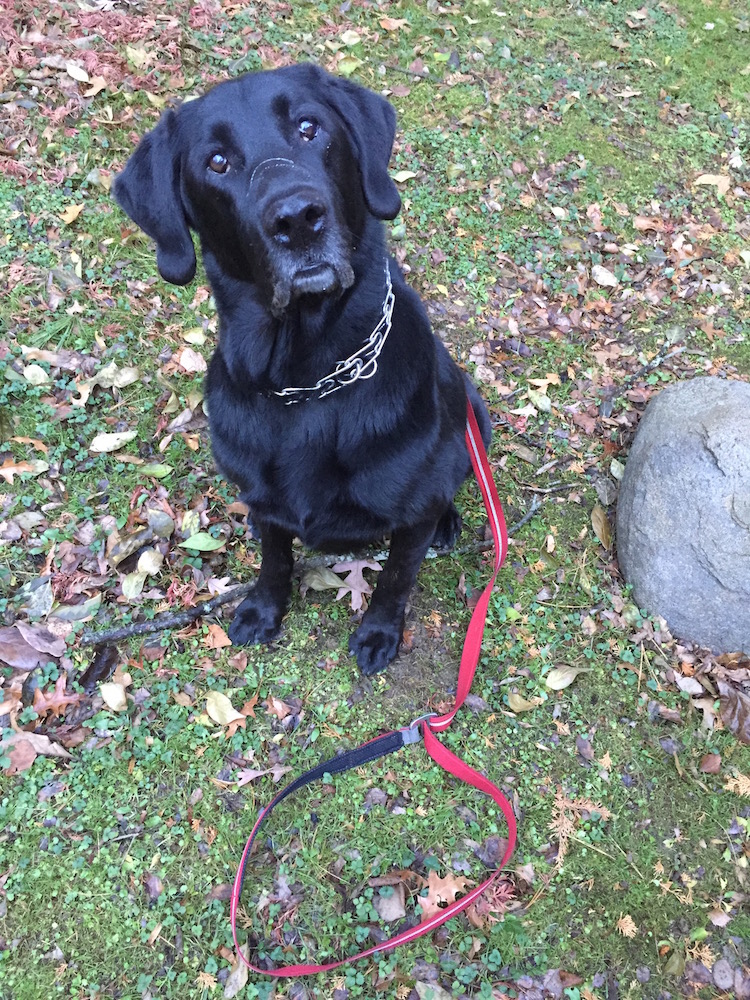
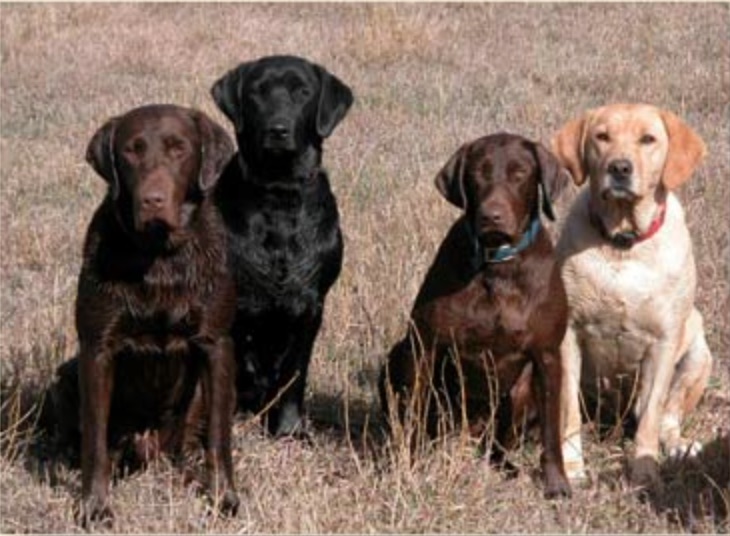
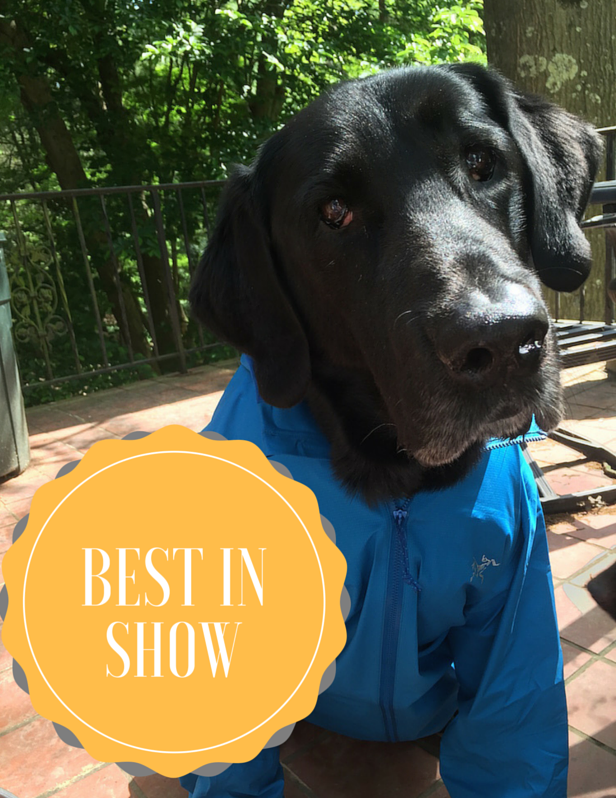
Ah, man’s best friend — they will protect the house, help you meet girls (or boys) and most importantly, be loyal, faithful, lifelong companions on all of your adventures. The best part is that if you get a Labrador Retriever, they view even a simple trip to the grocery store as an adventure. And take it from an owner who’s had his lab puppy chew through his leash in order to free himself so he could go ripping through the grocery store at Mach 10 to find me, a lab puppy will make trips to even the most previously mundane locations an adventure for you, too.
Trust me, you haven’t lived until you’ve been in the produce section, minding your own business, when a frantic voice comes over the PA demanding that the owner of a black dog come to the front of the store immediately. Your first reaction will likely be, “Hmmm, I wonder who was dumb enough to bring their dog into the grocery store, what a dick…..” then the pieces will suddenly all come together and you’ll have to slink the to customer service desk with your tail between your legs. Life changing.
Dogs are also without a doubt the best training companions on the planet. They never complain about you going too fast, too slow, too long or too short. They’re equally stoked with an easy 30-minute recovery hike in the park or an epic four-hour mountain run. They seem to know when you’ve had a bad race and will quickly remind you that it was probably your skis fault. They’re also there to celebrate all of your wins by being the first to suggest a victory lap in the park, so it’s pretty much hard to beat the four-footed teammate. Given this, today’s offerings are focused on, and dedicated to, Canis lupus familiaris. Here are a few suggestions on how to optimally get the whole team as well prepared as possible for this season.
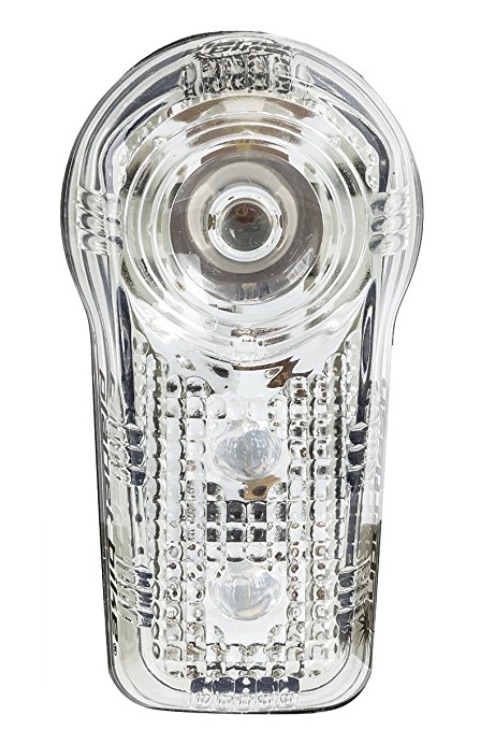
As innocuous as this may first appear, this gift probably has the highest ROI of any item in this entire series. For less than $15, you can increase the visibility of yourself and your hound over a hundredfold. In this day of distracted drivers (texting while driving is the drunk driving of the 21st century), you need to do everything you can to stay safe, in particular at night. The light has both a continuous beam and a “disco” mode, which provides amazing contrast and pierces the darkness.
What’s also very cool about this light is that is has both a clip and a bike mount, so you only need one light for all of your training disciplines. Clip one to Fido’s leash, another to the front of his collar and a third to your back and for less than $50, you’re now very visible to motorists in all directions. Rollerski? Same deal. Going for a ride? No problem, simply slide the clip into the included seat post bracket. Yes, meathead motorists will still pass you way too close, Philly drivers still call you an a-hole for daring to use “their” roads, but this little wonder will greatly increase your odds of making it home without serious incident. Be safe out there people. Shop local options or at Amazon.
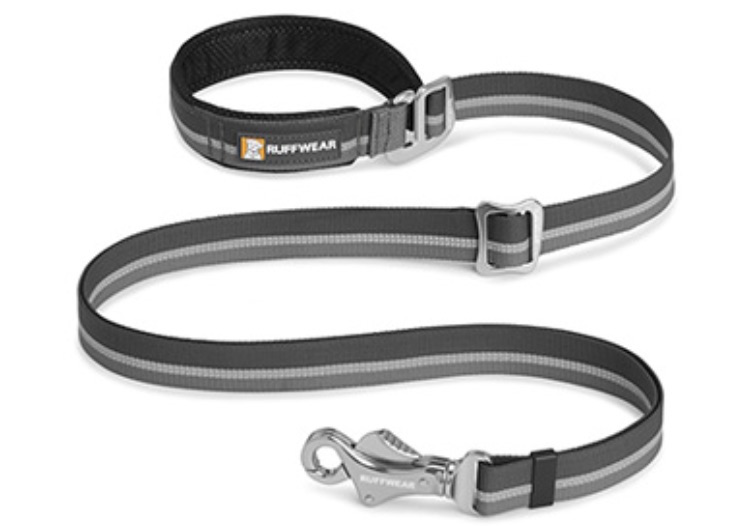
The one potential downside to running with Rover is that holding a leash while your hyperactive, mega-amped Lab is charging down the road, sending the neighbor’s cat and all nearby squirrels scurrying for cover, is having a leash in one hand can upset your finely tuned running biomechanics. Sure, you have a back like Arnold from all of your DP workouts…
… but the asymmetry of your unruly beast straining at the length of the lead in one hand can fatigue and disrupt even the most fit double poler. I suppose one solution is to properly train your animal, but we discussed this at the FBD house and I was immediately voted down by the entire squad, as they felt that even the most sensitive and subtle dog training techniques were still far too fascist for their liking, so we instead opted for a hands-free leash. Not only does this allow me to keep both of my hands free to “Keep up foreign relations” whenever necessary with angry, East Coast motorists, but I’m going to let you in on a secret, if you’re running hill repeats and you’ve got a dog with some horsepower like Pdiggy…
… a little forward “mo” gently applied at the waist can really help those splits. Please feel free to use this pro tip at your own discretion in your next hill TT. Available at Ruffwear.com.
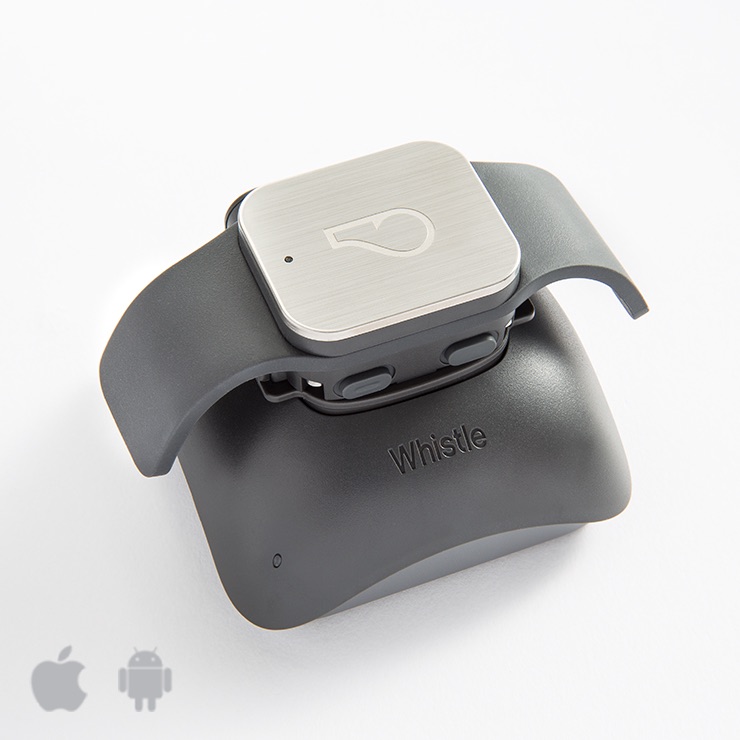
Mad props to my good buddy Billy Demong on this one. Billy D’s canine companion, Scout, has some crazy “wheels” on her, and, like Billy D, she’s a bit of a free spirit, so given the proximity of their property to open space and the propensity of wildlife in the area, occasionally Scout has been known to take a flyer. With this cool tracking device, not only are you immediately notified when your pooch leaves whatever area you designate, but you can then use a super slick app to track their exact location for the retrieval. If you’re extra lucky (like me), you can even use this feature to help facilitate a mid-run “feed” for human and canine alike (Pdiggy says ‘Thanks mom.’) Available at Whistle.com.
(*This gift suggestion was placed in the $100 – $250 category as it also requires an $8 monthly subscription, bringing the yearly cost to $175)
(Below: This is why Billy needs a GPS tracker for his dog. #BadAss)
https://www.instagram.com/p/m-wdcruGzm/
***
Over $250: Life-changing, house-wrecking, upholstery-chewing lab puppy, $1,200
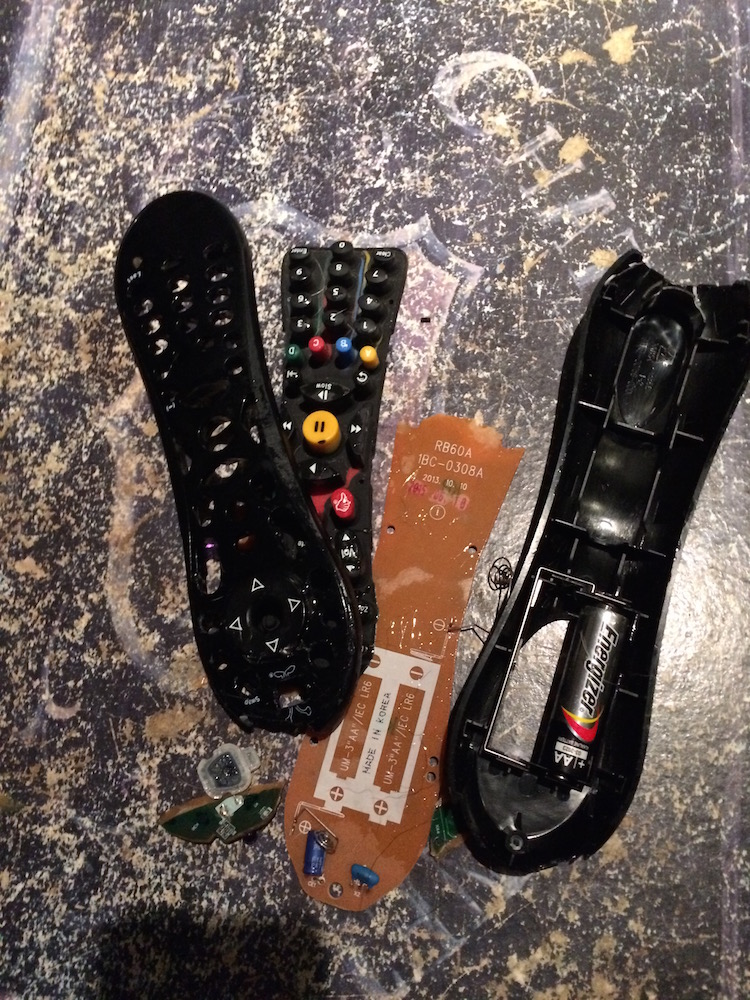
Actual dog. Yes, yes, I know, you read articles all of the time about how the holidays are a bad time to give dogs as a present, as it is a decision often made with emotion and the family hasn’t necessarily thought out the reality of owning a dog. My take on this is that stupid people make stupid decisions all year, so if you’re dumb enough to think that owning a dog isn’t a lot of work, you’re dumb enough to have that misconception year-round. To be clear, it IS a lot of work, especially if you pick a high-energy breed like a Lab, but if you’ve thought this through (like you should), you are willing to make approximately a 15 year commitment to this creature, you have the time, are prepared for “hidden expenses,” (vet bills, boarding, replacing TV remote controls) and understand that it is a big investment, you’re going to never regret it. Please, please, please, think it over carefully, talk to people who own one and consider adopting as well, but if you’re well-prepared, you’ll be glad you made the leap.
Editor’s note: This year, we opted for a spin on the holiday gift guide. Rest assured, we tasked the right guy — our gear-review guru — with the job of compiling a 12-day list of gift ideas (in various price ranges) for all the nordies in your life.
***
Day 6: SkiStyle
Ah, week two, so what’s new? I think we can all agree that sadly, there is a tremendous shortage of kindness and decency in this world. We all need to do our part to help remedy this, and I know at times it feels like there’s only so much you can do, which is a problem. But you know what is also a problem? A tragically under-reported, oft-misdiagnosed problem? Perhaps even a more serious problem? The complete lack of style that we have assaulting our retinas each day out there on the tracks. Yeah, it’s not cool when someone is rude or disrespectful in line at the bank, but showing up to ski in some junk-show, mismatched outfit is a direct assault on everything we value as a people. You can ignore that jerk at the bank, but you can’t “un-see” fashion crimes. By all means we should all try to be more understanding and compassionate to our fellow man, but for heaven’s sake, show up for your next ski with some style and self-respect.
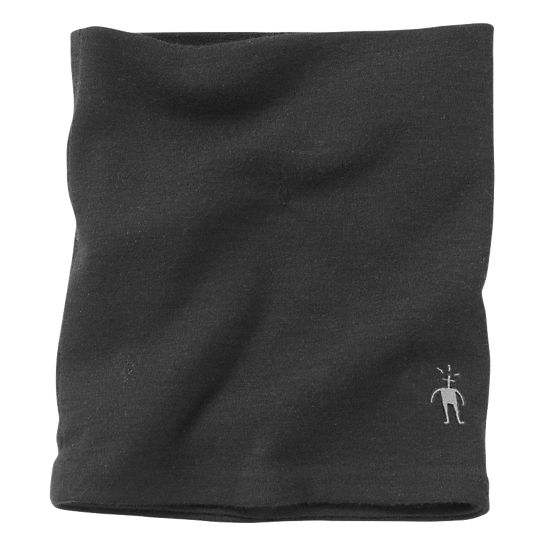
Smartwool NTS Mid 250 Neck Gaiter, FBD pick for under $30
Nothing says steazy like being warm and comfortable and nothing keeps you more warm and comfortable than a good buff. The fact that it’s warm and stylish is a winning combination, fo sho. If you’ve been paying attention even a little bit, you know by now that FBD loves wool, so a wool buff? POW. Make it hap’n, capt’n Available at Smartwool.com.
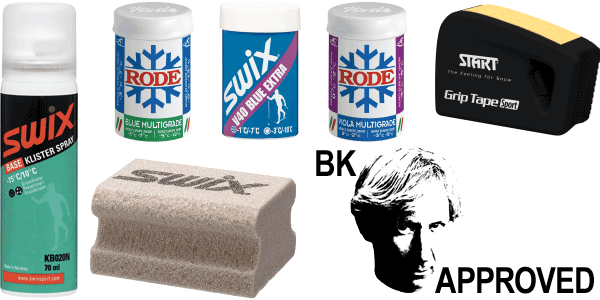
“BK’s Favorites” (as in Gear West owner Brian “BK” Knutson’s) Kick Wax Pack, FBD pick for $30-$100
You know what else looks steazy? Kicking and gliding up a hill like a pro. That all starts with good technique, but is followed closely by good wax. If you haven’t already, go watch Zach Caldwell’s video beatdown of Tad Elliott for his waxing misdeeds, not only because both of those guys are hilarious, but also because you just may learn something. One you’ve got yourself all learned up, go put those newfound skills to use for realz. Consider this a ‘starter kit’ or even better, a ‘utility kit’ that will get you through most conditions: think of this as Batman’s utility belt inside of your drink belt. If you’re new to the Black Magic of kick waxing or a wise old dog that likes to keep it simple, this kit will have you covered (sorry). Check back for availability at Gear West.
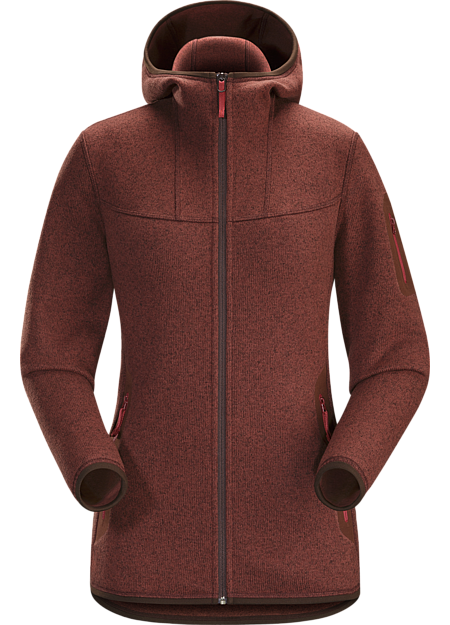
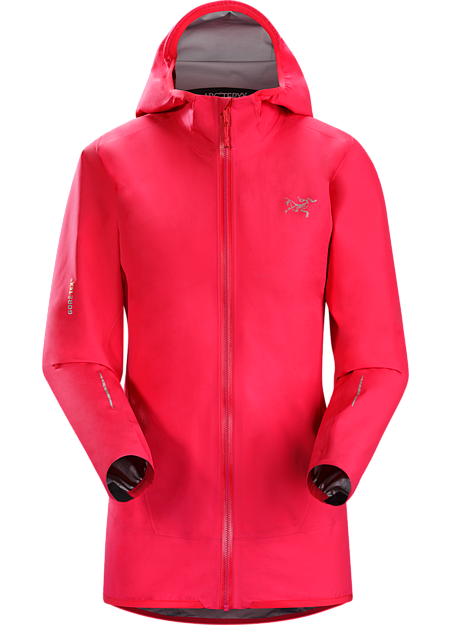
Okay, there’s steazy and then there’s STEAZY (and then there’s also Capital Steez, but that’s another story all together). If you think you have the mettle to do some “FBD next level” stuff, ya gotta look the part and this kick-ass hoodie from our brothers up north is a good start. Watch any good ski race, from JNs up to the World Cup level, and you’ll notice that as soon as racers finish, they immediately change into dry clothes. You should do the same, yes, even on training days or Josh Smullin will come to your house in this outfit and yell at you. Nothing is better after a long, cold ski than slipping into this top. Available at arcteryx.com.
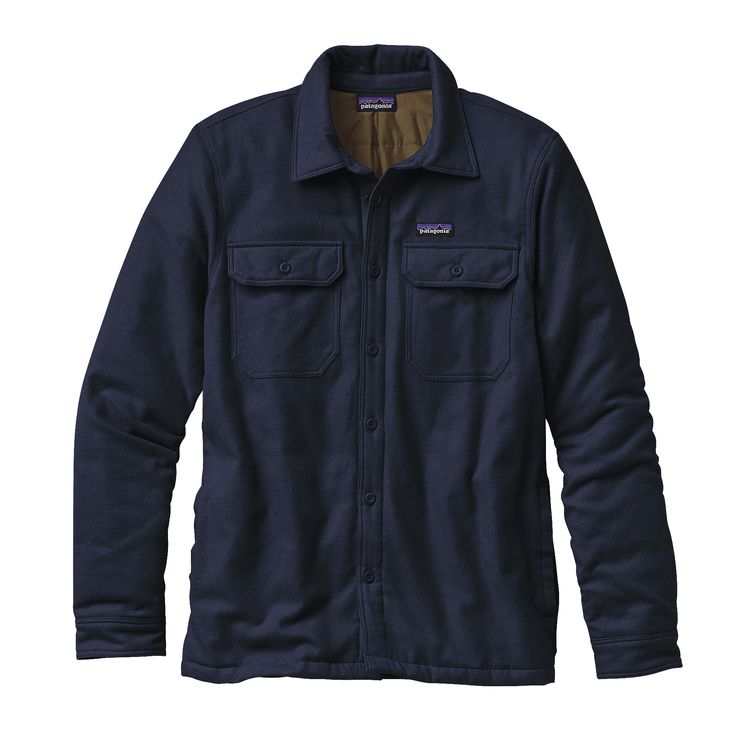
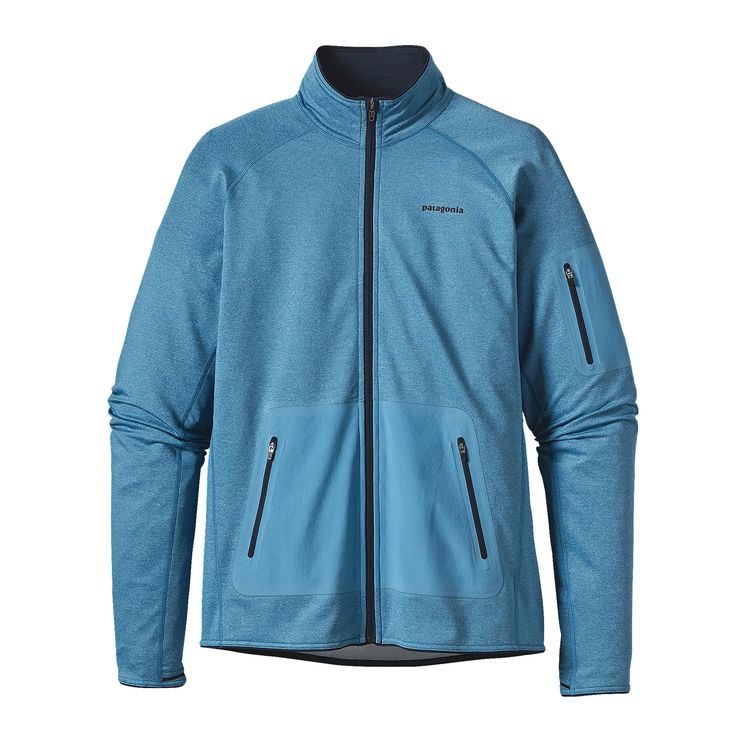
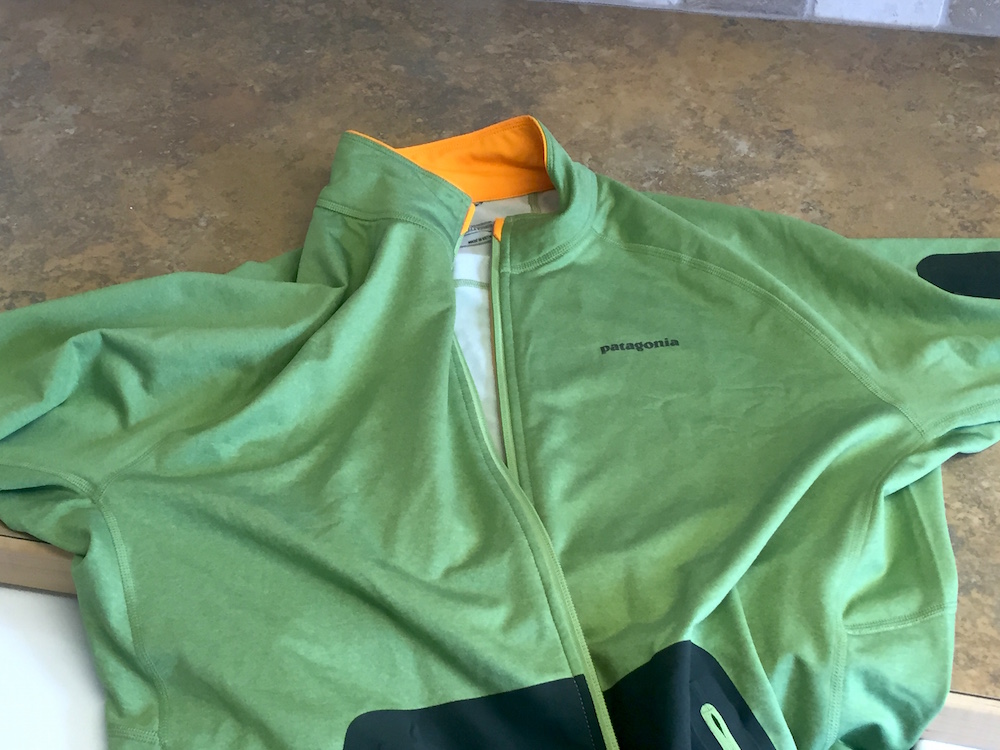
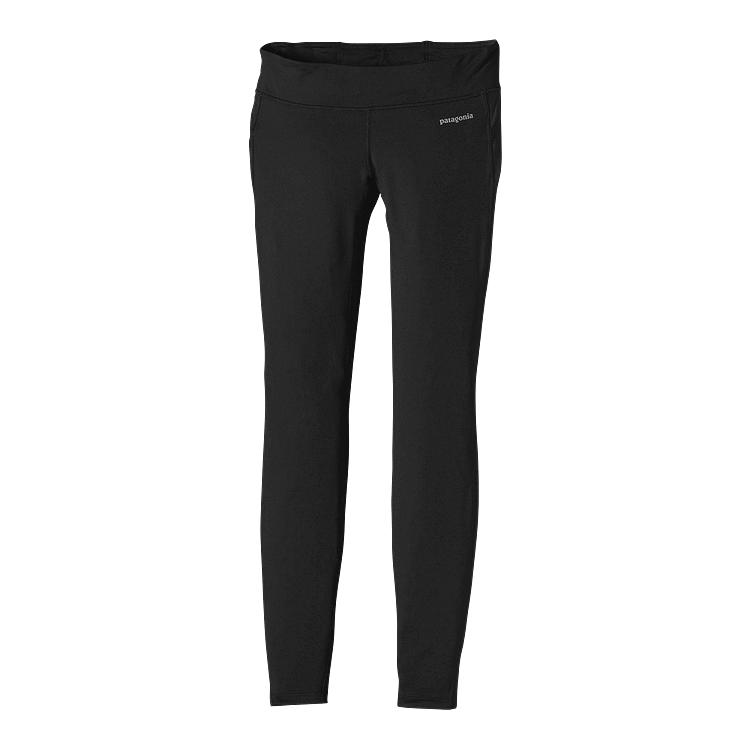
Alternatively, maybe nothing is better after a long, cold ski than slipping into this top. Just don’t be an animal (an animal that’s going to get sick and get us all sick) and ignore this good advice. Slip into something dry. Anything. If you garment of choice is still that hoody from junior high gym class, well, maybe that explains why you’re driving home alone or your kids don’t want to go into the store with you. Solve all of these problems in one fell swoop. Available at Patagonia.com.
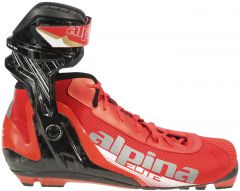
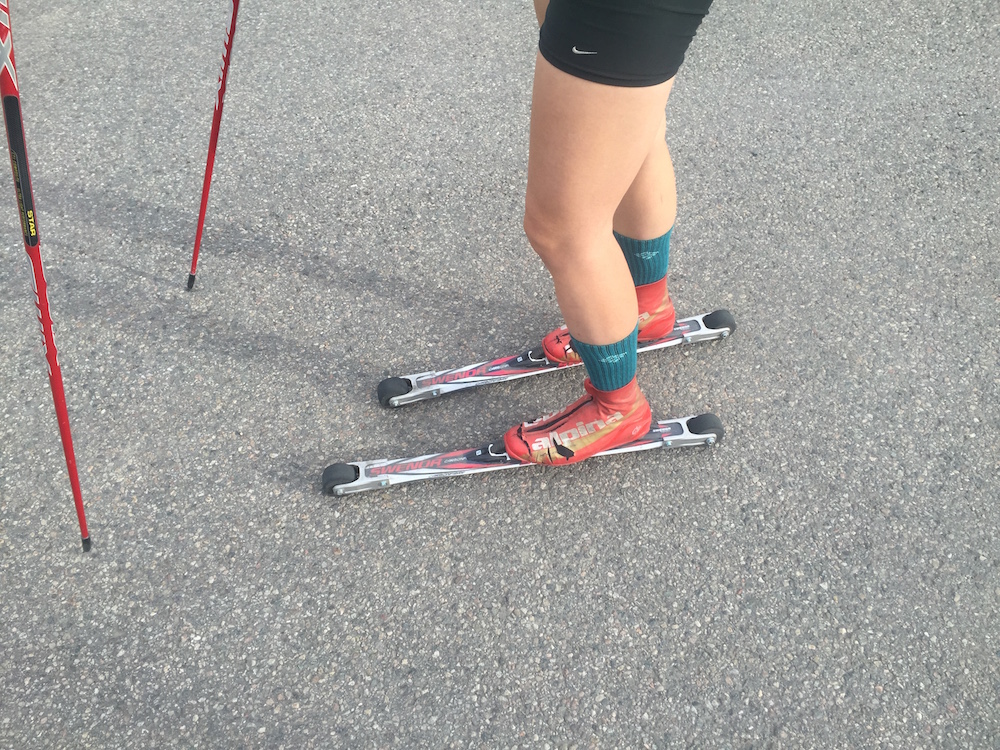
Yeah, yeah, it’s winter and you should be skiing on snow, but if your travel schedule is anything like mine, you often find yourself in places where pow is only a pipe dream. Add this to the very depressing reality that climate change is having a major impact on snowpacks all over the planet and the even more depressing reality that our president-elect thinks this is all a part of an elaborate hoax being perpetrated by the Chinese. This means that you are likely going to be rolling on whap sticks more and more each year until we make some serious headway. The first step is to clearly acknowledge that there is problem, then figure out practical ways to save the planet (and our winters). All of this is going to take time though and you’re not really going to give up an interval sesh due to a lack of snow, are you? I didn’t think so. Buck up for the best summer boot out there and keep those tootsies cool and fresh. Search retailers via Alpinasportsus.com.
***
If you’re wondering how the hell we got here, or you just love my beautifully crafted preamble so much that you revisit every day before heading off to face the challenges of the working world, the introduction and backstory can be found here. If unlike most of America, you actually spend you time at work, working, you may have missed some of the previous days and they can be found here: Day 1 | Day 2 | Day 3 | Day 4 | Day 5
Editor’s note: This year, we opted for a spin on the holiday gift guide. Rest assured, we tasked the right guy — our gear-review guru — with the job of compiling a 12-day list of gift ideas (in various price ranges) for all the nordies in your life.
***
For Day 5, I have a topic near and dear to my cold (albeit giant) heart, electronics. This is an interesting one, too, as skiers seems to have a love/hate relationship with this category of products. There are a few camps out there, in particular when you’re talking about things like heart rate monitors and portable music players:
Camp 1: The “Dean and Kristor, I love my heart rate monitor, but I am a prisoner to it” school of thought (listen in at 28:00 minutes).
Camp 2: The “I hate heart rate monitors, iPods and all who use them; they’re not ‘organic,’ and they complete disrupt and distort the essence of skiing. I want to just go out there and ‘be the ball’ ” faction
Camp 3: The “I measure my HR during sleep, sex, easy skis, hard skis, races and dumps and have a spreadsheet correlating all of these activities on a white board in my office,” group of kooks. You can spot one of “these people” from a mile off, as their gear bag looks like the cockpit of a Concorde.
Concorde cockpit (Photo: Wikimedia Commons)
Camp 4: Us normal people who use these products for what they are, tools that provide interesting insight, entertainment and enlightment, but are not the be-all and end-all, rather simply another link in the chain.
Whew, with that out of the way, let’s talk about some cool gadgets, yes, yes, including heart rate monitors.
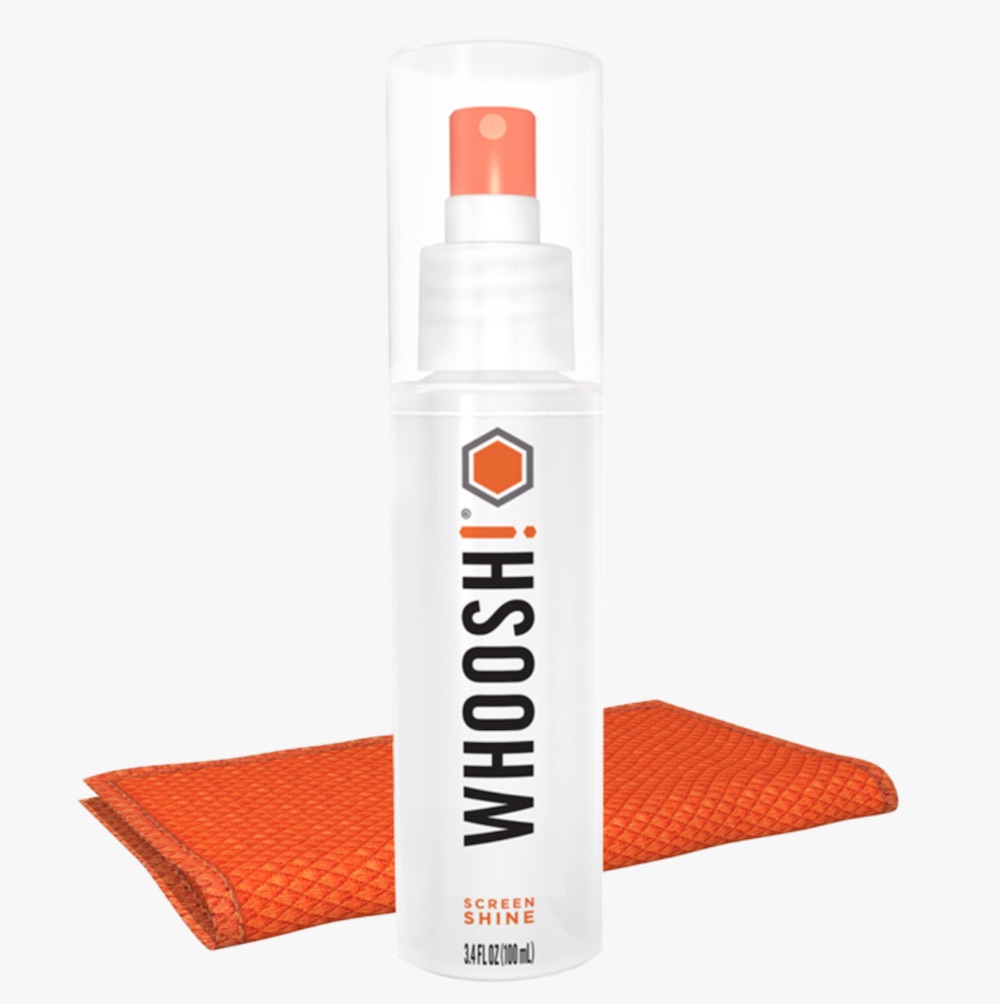
While this isn’t technically “electronics,” it is a product to keep your electronics clean and happy. The pitch given to me here (by the company) is that this product kills all of the germs on the screen of your phone and tablet — a great premise, if it works. Not to worry, I have an elaborate test of this claim scheduled, but the logistics are a bit involved, so it is still in the planning stages. Therefore, all I can say for right now is that this product does a great job cleaning your screen. Whether this will be the ticket to a lifetime free of cold and flu viruses remains to be seen, but for now I can promise you that it does get all of the nasty crap off of your screen. Available at Whoosh.com.
Having friends and teammates to train with is probably one of my favorite parts of skiing, whether it is a killer interval sesh or a long, easy cruiser, nothing makes the time fly by more than having people with whom to share it. But then there’s that one dude with you who won’t shut up, or the other who insists on making every workout a contest, even ones that are specifically designed to NOT be so. It’s on days like these that we all long for the peaceful solo ski. There are also plenty of occasions when the only time of day that I can get out has a start time plus/minus of about 30 seconds, so more often than not, these turn out to be solo missions. In cases like this, whether it’s easy distance or an interval smashfest, music is key. In fact, unless I’m out tearing it up with my Steamboat squad or Billy D and the USA NoCo crew, you’ll almost always find the FBD training with tunes. My delivery vehicle of choice for sound? Apple’s iPod Shuffle. Unlike the iPhone (which as noted here I hate bringing along on skis), the Shuffle holds a charge in the cold longer than 15 minutes, so you can blast your dope Abba/Gaga/Keesha mix for your entire OD roll. The Shuffle is also very small, light and since you are going to lose and/or ruin it sooner or later, at $49, it doesn’t exactly break the bank or your heart when it needs to be replaced. Available at Apple.com.
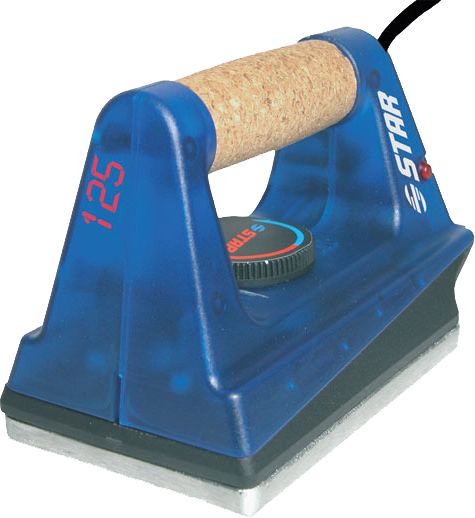
If you read this and thought, “FBD, dude, what’s up, I thought you were THE gear guy and you can’t even make it five days with a repeat suggestion?” Fair question, but let me assure you that I can make it 50 days without a repeat, but irons are so integral to what we all love to do that they merit offering a few options. Plus, I have a feeling that many of you considered putting out a hit on my life after reading my Day 4 suggestion for a $400 iron. Yes, that bad-boy is the Mac Daddy of irons, but it IS a bit spendy. It’s also a bit larger, so if you have arms or a budget like Josh Smullin, this baby is for you. Not as optimal as it’s big brother for burning fluros, but if that’s not your jam, this is your call. Available at Gear West.
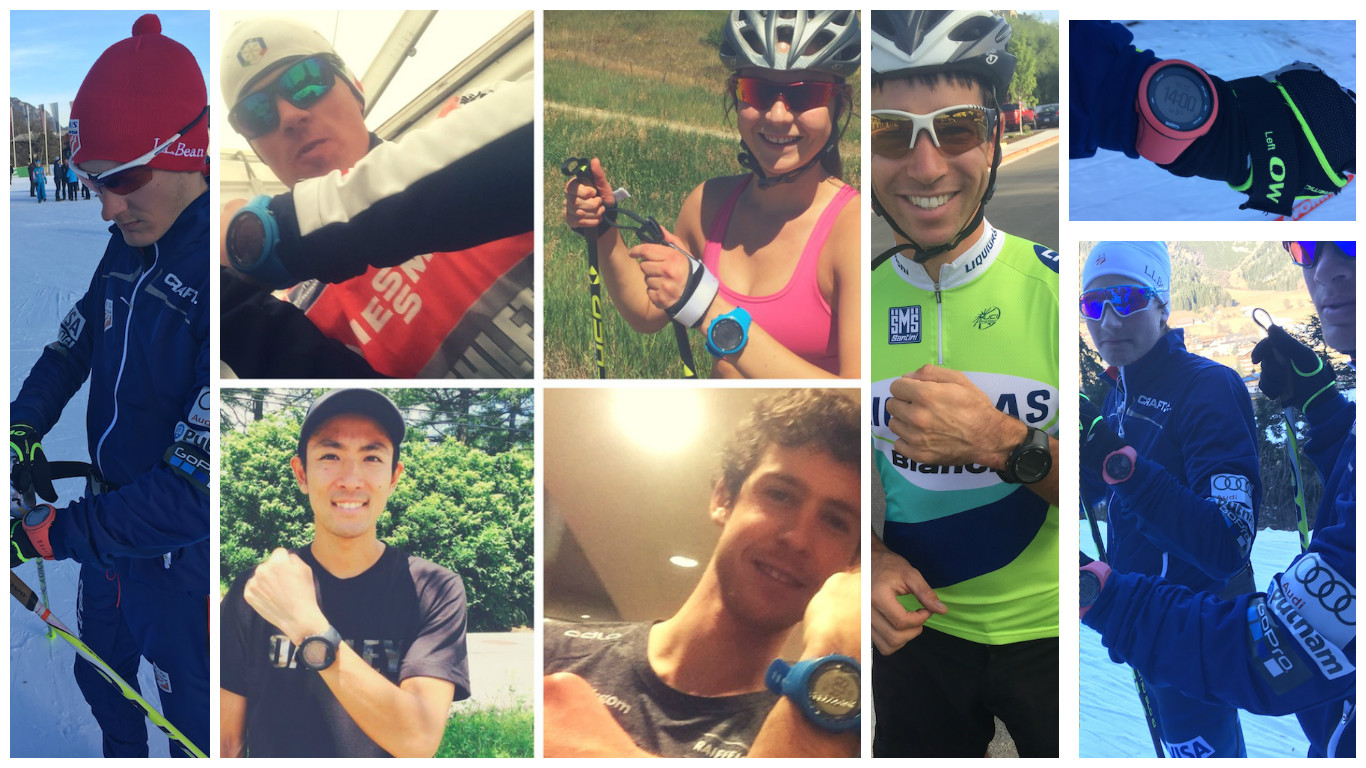
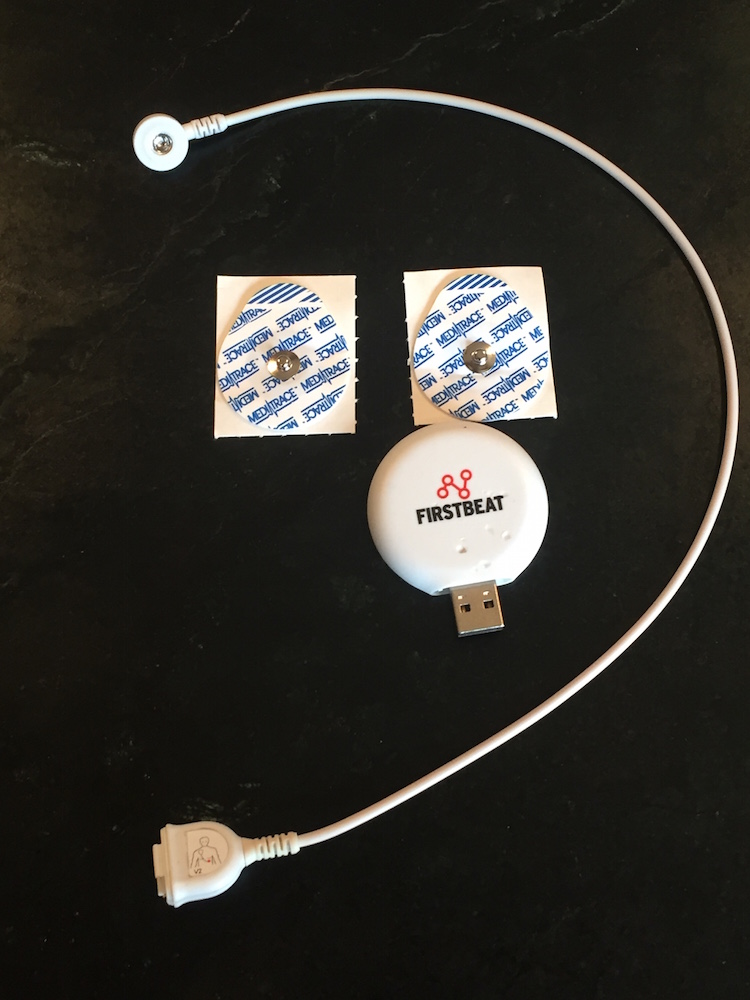
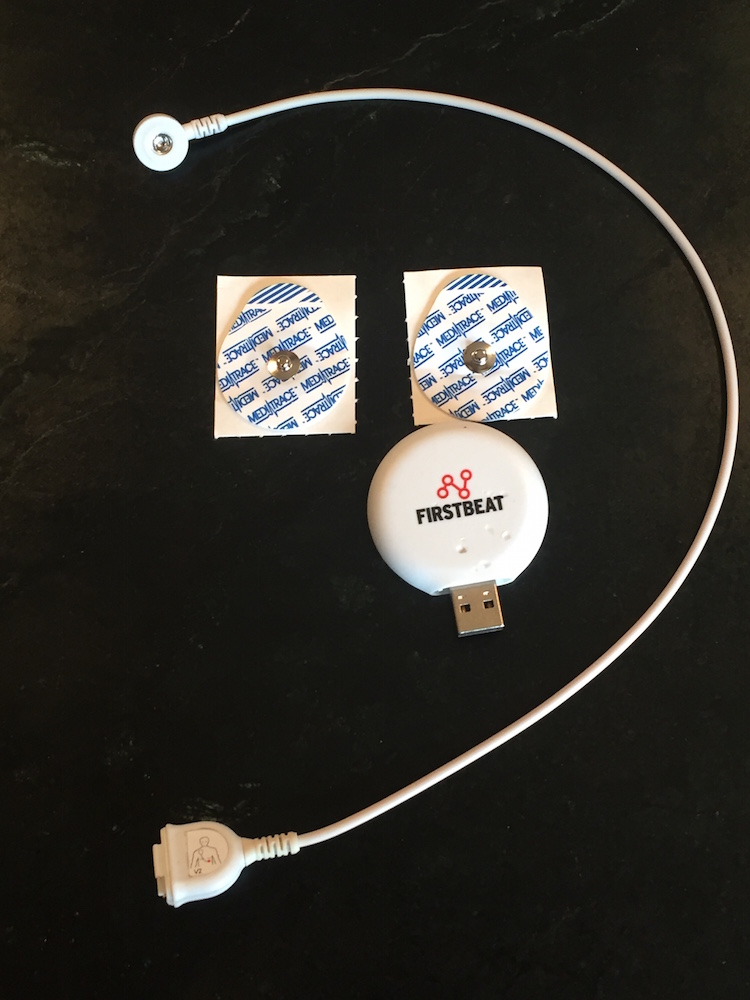
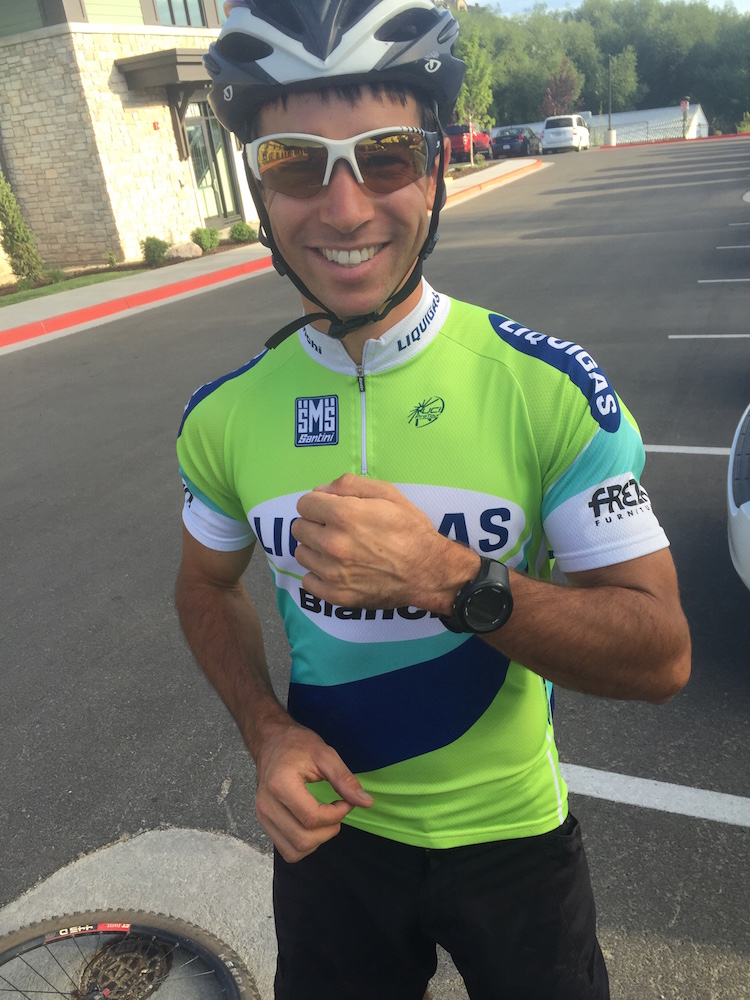
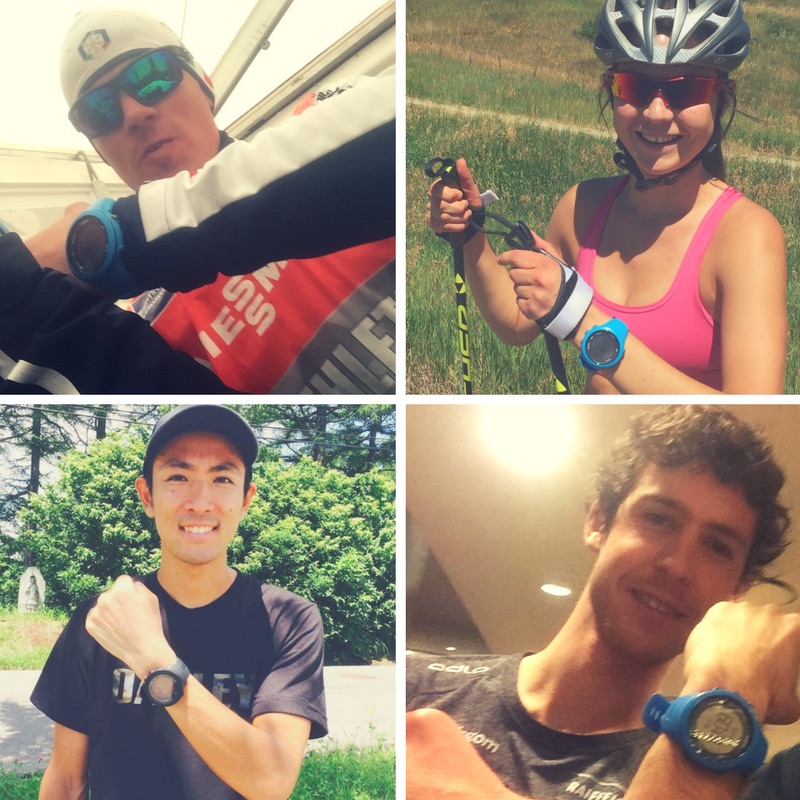
Look on the wrist on many the World Cup skier and this is the watch that you’ll see. Why? It works well, has probably the best online interface and if you’re going “Full Nordic Nerd” here, it without a doubt integrates the best with FirstBeat. Buy one, watch what’s happening under the hood, but don’t let it rule your life. Available at Suunto.com.
Several high-level skiers show off their Suunto Ambit heart rate monitors, including U.S. Nordic Combined’s Adam Loomis (l); (clockwise, from upper left) Italian nordic combined skier Samuel Costa, Steamboat Springs Winter Sports club alumn and current CU skier Lucy Newman, Swiss nordic combined skier Tim Hug, and 2014 Olympic silver medalist Akito Watabe of Japan; U.S. Ski Team member Noah Hoffman (second from r); U.S. Nordic Combined’s Taylor Fletcher (his wrist, upper right); and U.S. Nordic Combined’s Ben Loomis and Jasper Good (bottom l). (All photos: FBD)
***
If you’re wondering how the hell we got here, or you just love my beautifully crafted preamble so much that you revisit every day before heading off to face the challenges of the working world, the introduction and backstory can be found here. If unlike most of America, you actually spend you time at work, working, you may have missed some of the previous days and they can be found here: Day 1 | Day 2 | Day 3 | Day 4
Editor’s note: This year, we opted for a spin on the holiday gift guide. Rest assured, we tasked the right guy — our gear-review guru — with the job of compiling a 12-day list of gift ideas (in various price ranges) for all the nordies in your life.
***
It’s only Day 4, but we’re getting picking up steam here, I can feel it. We’ve teed up a vast array of skiing-related products and gear, but no self-respective gear review is complete without diving headfirst, like Billy Demong into a shallow pool, into tech. And not just tech, TECH. Kinda like when Billy Ray Valentine fought off the police. “It wasn’t COP, it was COPS, with an ‘S’.” (Fast-forward to 7:30 in). This isn’t tech, it’s TECH (still not with a ‘s’, though)!
Like any good prima donna ski racer, I hate working on my skis. I just want them to be fast. Nathan Schultz and the gang at Boulder Nordic Sport have gotten me race-ready many-a-day. Usually if I ask them what they did, they tell me to STFU. This might seem a bit harsh, but it reality it works out well for everyone as I really don’t want to know, as this would perhaps lead me to think that next time I could do it myself, which we all know that I cannot. Thanks to some “tough love” from both Nathan and Zack Caldwell, I learned long ago that I’m actually better off NOT knowing what’s happening out there in those mysterious shipping containers, as I need to focus all of my energy into skiing fast. Since it’s the holiday season though, Nathan seems to have let his guard down a little, as he gave me one of his secrets, Holmenkol Natural Wax (comes in solid & fluid). I believe his exact quote was, “This stuff is amazing, not only it is fast, but even you can put it on, FBD.” No offense taken, as I’m still going to have him do it. I’m no dummy, this way I can blame him if the race doesn’t go well. #SoPro. Available at Boulder Nordic Sport.
On those warm, transformed days when any hard wax that grips wears too fast or ices, this binder lets you run a harder grip wax, solving both problems. A shoulder-season star. Available at CaldwellSport.com.
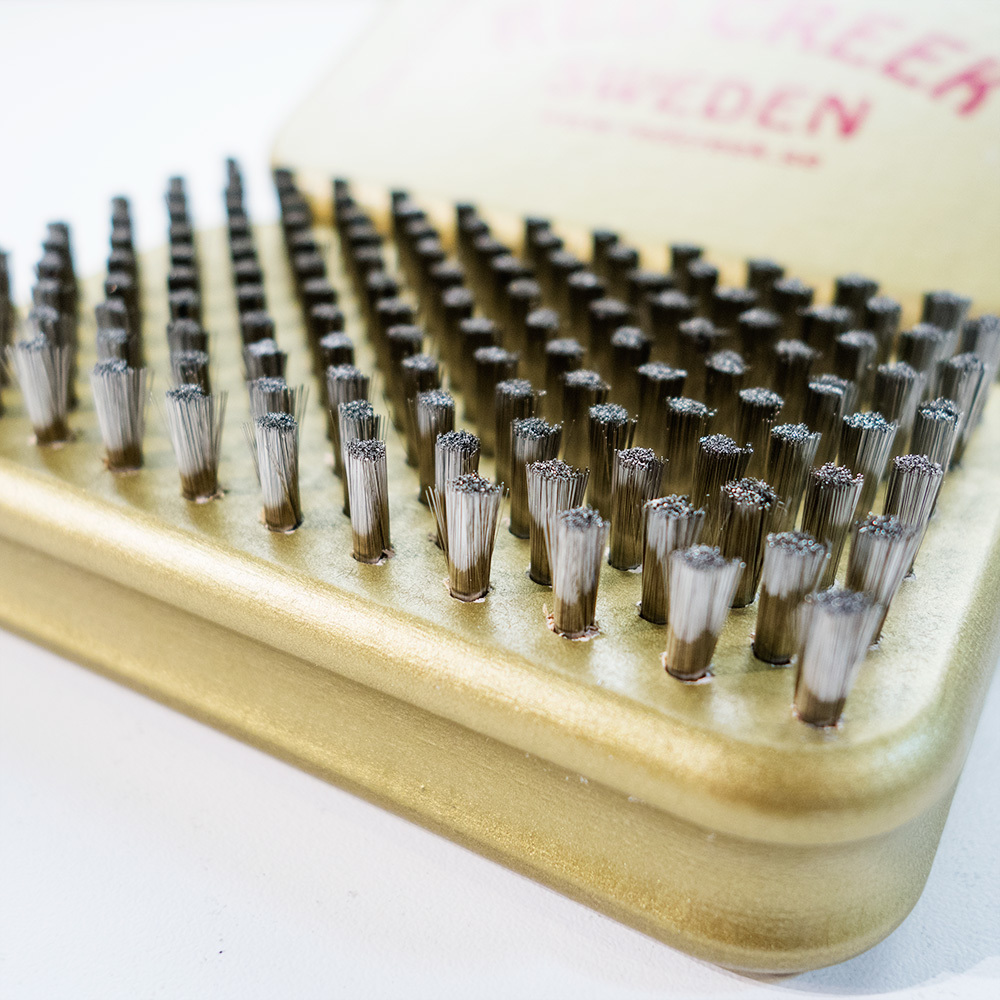
Speaking of Zach Caldwell and ski-tech curmudgeons, when Zach’s not busy shaming Tad Elliott and me into attempting to properly apply klister (in case you missed it yesterday, here’s the video again), Zach spends his free time putting together what is perhaps simultaneously both the most nerdy and the most awesome article on brushes ever written (be sure to watch the embedded video, too; it’s totally worth it). This of course begs the question: is this the only article on brushes ever written? I sure hope so, but regardless, it’s excellent. I’ll save you the humiliation of having a link to this video in your browser cache by cutting to the chase and telling you to simply get one of these: Red Creek Golden Magic Ultra Steel Brush. Available at Caldwell Sport.
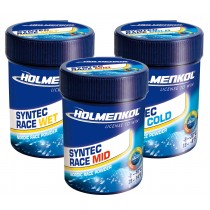
Now we’re approaching super-nerd territory. Love it or hate it, fluoros are like pesticides and condoms — necessary evils. Again, I must have caught the head honcho on a good day, as Nathan was doling out all sorts of secrets. As noted earlier, I hate every part of this process (burning my skis, burning my beautiful, expansive eight-liter lungs, and burning a hole in the Ozone layer just so I can put Smullin in his place in races), so I made Nathan write the description on this one. I’ll see you in Hell, Schultz.
“These new fluorocarbon powders from Holmenkol are the result of 3 years of development and testing. The investment seems to have paid off – in testing over the winter of 2015-2016 we found this new line to be consistently at the top of our results, and many times far superior to everything else. As a bonus, the new raw materials in the Syntec line are not subject to the pending EU environmental fluorocarbon ban.” (After reading just this one paragraph, I bet you miss me already, right? Don’t lie.) Shop options (cold, mid & wet powder) at Boulder Nordic Sport.
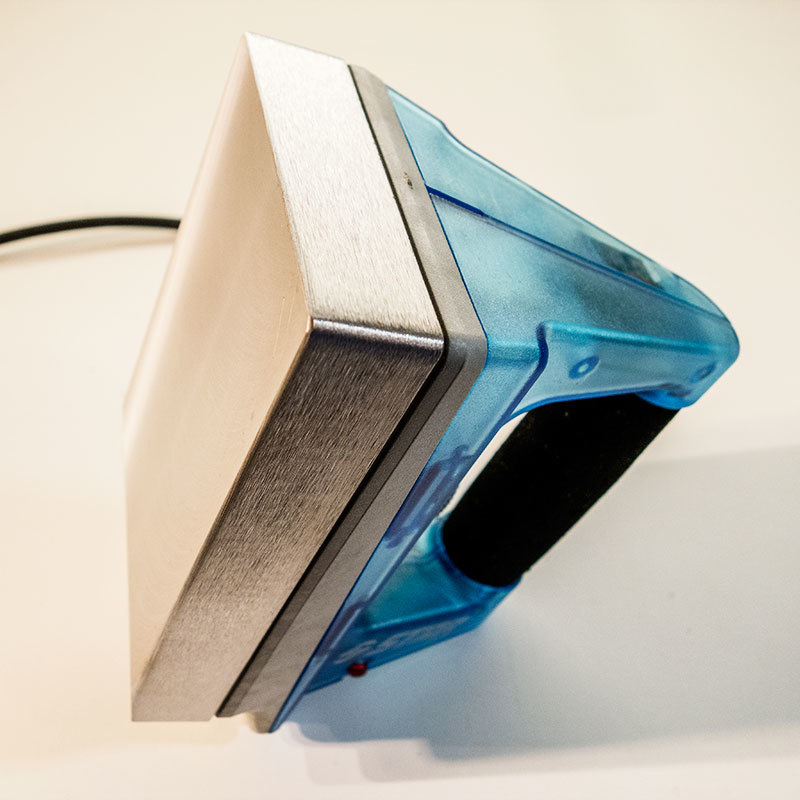
Back to the ultimate ski curmudgeon, Caldwell (hell, his Twitter handle is @GrumpySkier, which pretty much says it all). I love talking to Zach as he’s perhaps the only person in the world more cantankerous than me, which is probably why we get along so well. You know how the saying goes though, “It pays to have friends in low places,” and trust me Zach excels here. He’s logged more time in World Cup wax cabins than almost anyone I know, so when I recommends an iron, you KNOW it’s legit. So legit, that I bought one. (Yes, yes, I know, you’re thinking, “I thought FBD never preps his skis…” HA, I got cha! I rarely race prep my skis. I prep my skis all of the time. So if I am going to be forced into this dreaded task, why not bring a gun to a knife fight and tackle the task with the best iron available to man. Thanks to my incredible foresight and vision, there is mind-blowing continuity in this recommendation as well, as this is the iron of choice when applying fluoros. #MindBlown. Available at Caldwell Sport.
Editor’s note: This year, we opted for a spin on the holiday gift guide. Rest assured, we tasked the right guy — our gear-review guru — with the job of compiling a 12-day list of gift ideas (in various price ranges) for all the nordies in your life.
***
By now you’re probably thinking, “What’s the deal with all of this clothing crap in this horribly played-out 12 Days of Christmas knockoff?” I’m a bad-ass skier who’s owned the same pair of Craft training pants since 2002. My money, ALL of my money, goes into gear that produces speed. You know, real gear. Fear not my agro friend with the nasty, clapped out pants covered in kick wax, we’ve got you covered with this latest installment.
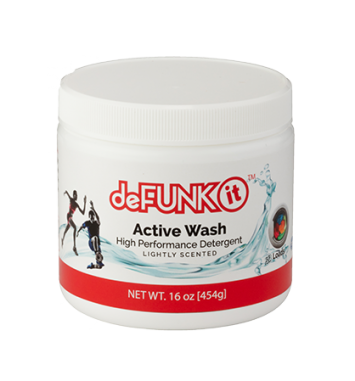
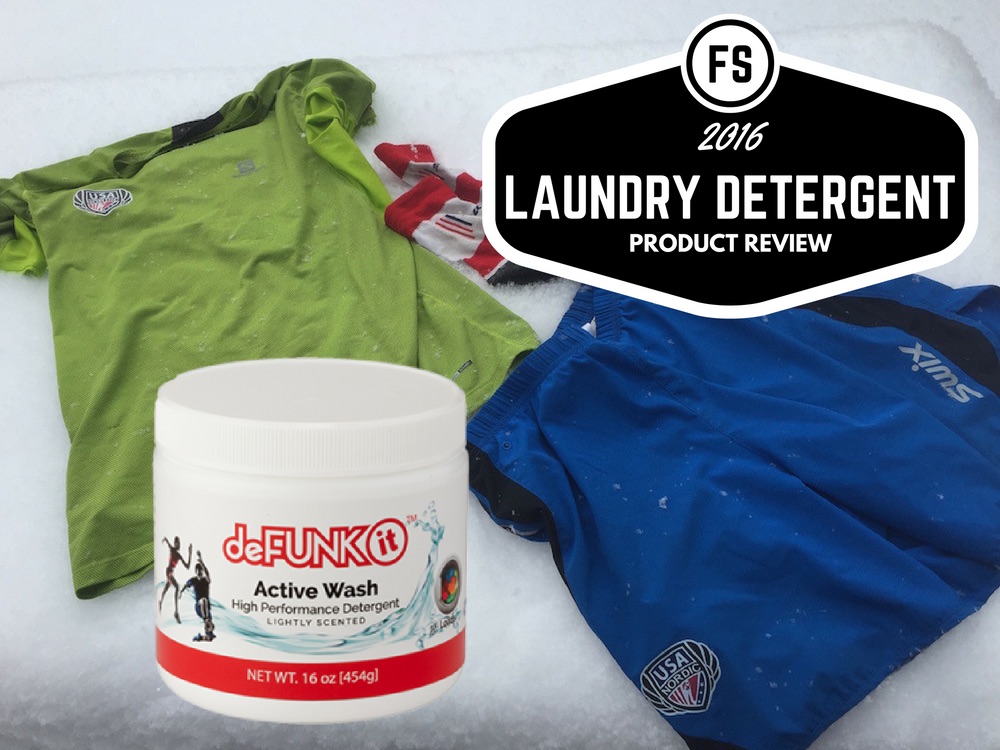
deFUNKit Active Wash High Performance laundry detergent, FBD pick for under $30
The aforementioned dirt bag pants undoubtedly not only look played out, but I’m going to go out on a limb here and venture a guess that they also smell like ass. Fortunately, all is not lost here thanks to an amazing product called deFUNKit. My crackajack test team put this miracle solvent through its paces in more detail than you could even hope to imagine. If you’ve ever thought to yourself, “You know what I’d like to read tonight, an eight-page review filled with several examples of essentially the same theme of some loser wearing dirty underwear for a week.” Well, that makes two of us. You’re welcome. Available at deFUNKit.com.
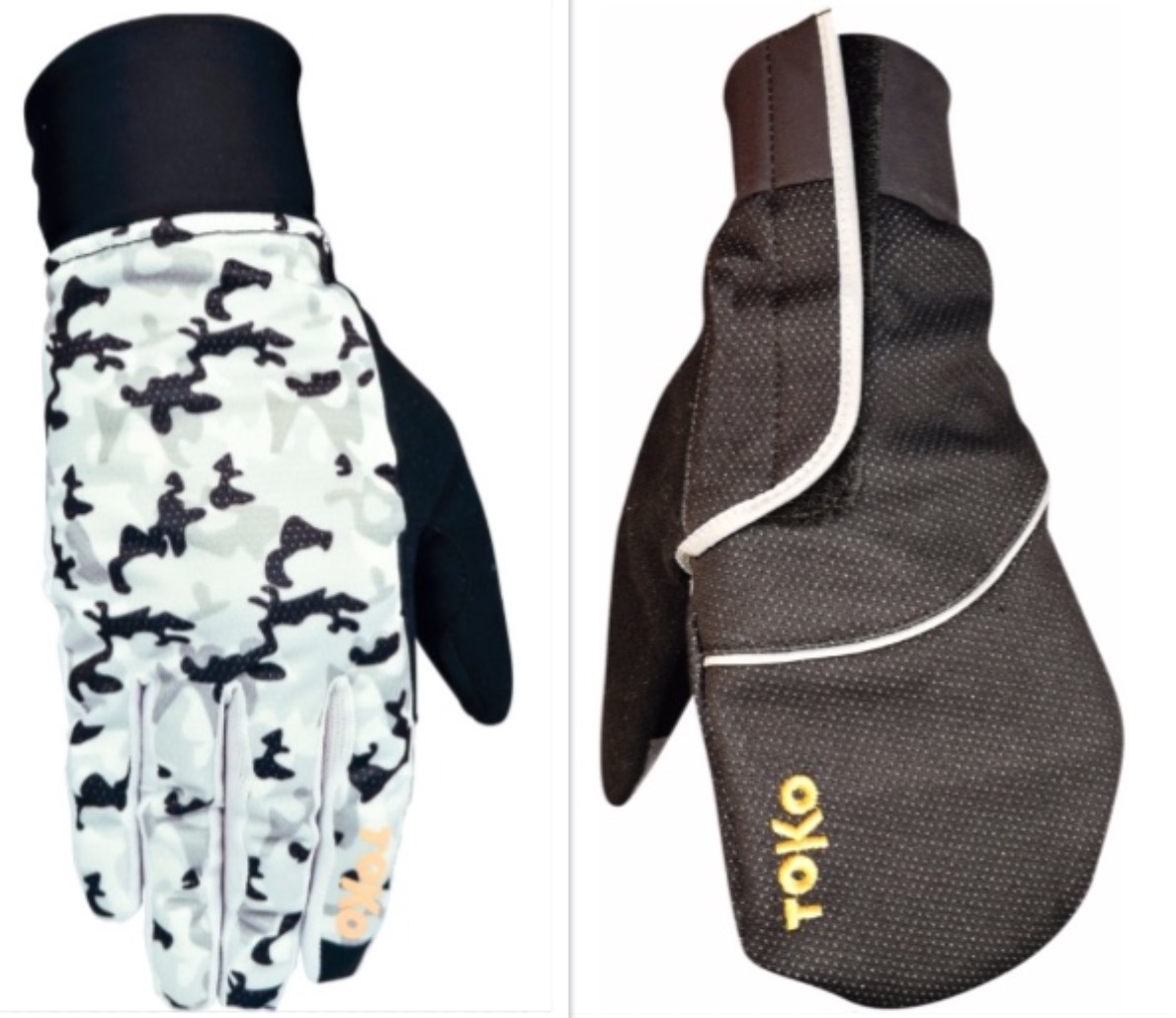
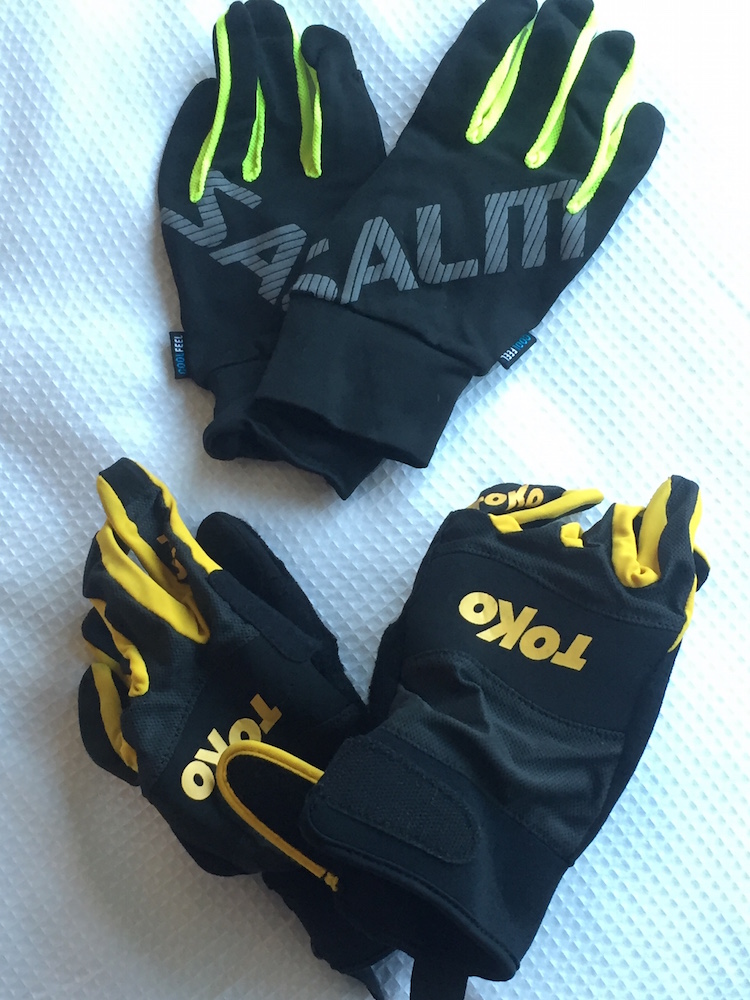
Ah, gloves. If I had to hanker a guess into what people hate the most about skiing (other than the misery, the money, the hassle, the haters, the writers — speaking of haters –, and its rapidly dwindling availability), I’d place my money on two things: cold hands and cold feet. One step at a time here people, so let’s tackle hands first. The fine folks at Toko made sure that on my trip to Eagle Glacier in Alaska last summer, that I left with the latest and greatest in-hand tuxedos, the Toko Profi (in bad-ass “Winter Warrior” color).
These babies stood up to almost 30 hours of skiing in the dreaded 0.1° C (32 Fahrenheit) rain that seems to always coincide with all of my trips to AK and kept me coming back for more, so I’m sure they’ll do you right in the 30 seconds it takes you to scrape your car windshield. Available at TokoUS.com.
Like any good corporate weasel, I know all of the tricks of the trade, so for those of you keeping score at home you know that we still have $55 left in our budget. Anyone who has suffered the indignity and insanity of the corporate world knows that if you don’t use all of your budget, you lose it, so let’s double-down on Toko here and also go for a pair of their awesome overmitts. What I really like about these is they keep you very warm, but you don’t look like you’re about to go 15 rounds with Tyson. Since they fit over your pole straps, the fit and feel of your gloves is normal (because you’re wearing your normal gloves), but they do an excellent job of keeping your hands comfortable while warming up for races in your thinner, racing gloves or even for long cruisers on particularly cold training days. Available at TokoUS.com.
Spend your remaining $15 on gum and expense it as “miscellaneous” or else that d-bag CFO will knock $15 off of your 2017 budget. Man, I hate that dude. And that stupid job.
FS Staff Pick* (*not necessarily FBD tested)
Pole tube ($45 at Boulder Nordic Sport): For piece of mind when flying, obviously, but also for when throwing expensive, laterally fragile pieces of carbon into a Subaru, Rocket Box, back of a van, anywhere near FBD’s dogs, etc. Fischer Pole Tube Economy sold at Boulder Nordic Sport.
Cocoons over-sunglasses ($55): Professional-grade sunglasses designed to be worn over prescription eyewear. Like an 85 year old’s driving glasses, but cooler. Shop options at CocoonsEyewear.com.
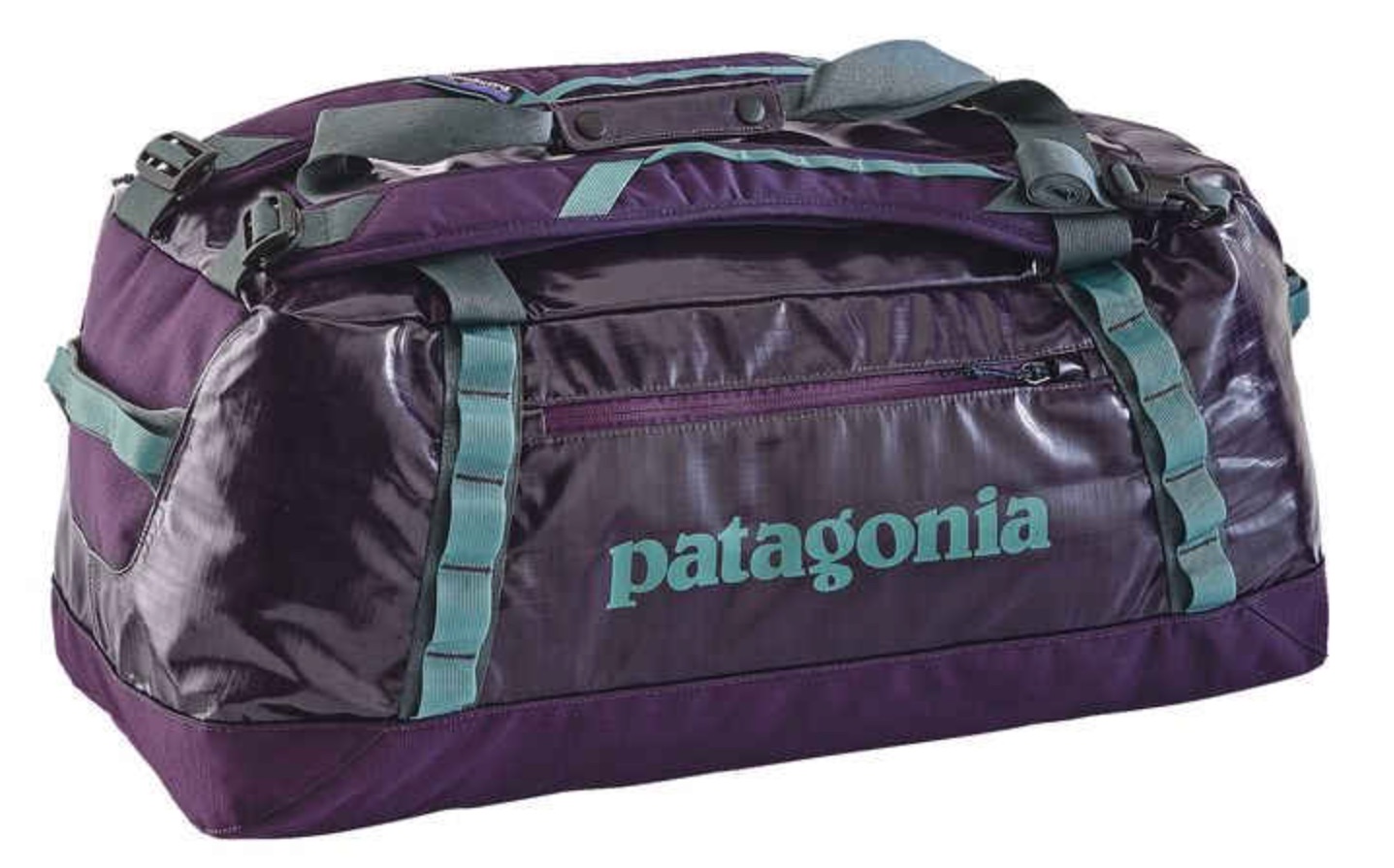
OK, now we’re rolling — if you’re anything like me, you’ve purchased a few (or all) of the past few days of suggestions as gifts, but you’ve also been following the ol’ “One for you, one for me rule,” so you’re driving home each night like a maniac, racing the wife to the front door so that you can intercept all of the gifts you’ve purchased for yourself before she’s on to you (not literally, as you’ve been married way too long for this to still be an issue). Thanks to your complete disregard for speed limits and your advanced tactical and navigational skills, you’re home first: Mission accomplished. Now what to do with the loot. Stashing your latest collection of swag behind the bird feeder in the garage feels a little too shifty even for you, so as always, your boy FBD has your back: ironically, the solution is to order more stuff, this time in the form of this killer Patagucchi bag. Available at Patagonia.com.
FBD pro tip, go for one of the more colorful color options, as everyone and their brother has black bags and your whole ruse unravels pretty quickly when you need to fess up to the wife that some jerk at baggage claim walked off with your bag because it looked like his and he naturally disregarded the instructions to check the name tag (any frequent traveler can tell you that NO ONE does this, so it’s every man for himself at baggage claim). Now some fat dude in Florida has all of your sweet, new baselayers, gloves, and Oakleys and since you have his bag, you’re now stuck with 4 sets of K-Mart cotton tube socks, stained BVDs with blown-out waist bands and a ripped, neon tank top emblazoned with the slogan, “Official Bikini Inspector” (This is standard issue gear to all Florida residents).
This is a good one, a REALLY good one. Why? First of all, because it’s a ski recommendation. And secondly because it starts with a story involving two of my favorite people in skiing, Tad Elliott and Zach Caldwell. Please, please, please watch this hilarious video as not only is it funny as hell, but it will also make this recommendation make a lot more sense (kinda). It’s also very informative.
For those paying particularly close attention at the start, you’ll recall that Zach was dressing-down Tad for using fish scale skis on a warm day, but did he say anything about skis with skins? HA, a loop hole! While I agree with Zach in principle (so much so in fact that I just bought a new pair of klister skis (before I saw this video too, btw), I also completely see Tad’s perspective. And Tad’s a pro skier for heaven’s sake: the only activity that he has to worry about each day is skiing. If Tad doesn’t want to deal with kick waxing, well, that’s good enough for me. Add to this the fact that as Zach dutifully points out, climate change is upon us, so sadly the days of simply slapping on Extra Blue and going for a rip may be fewer and fewer, so even if you have the time, energy and know-how to kick wax, there are days when nailing the wax is not easy.
In fact, just last week at the West Yellowstone Ski Festival, we had a few days early in the week in which very experienced coaches and athletes alike were tearing their hair out trying to pick the correct wax. How did I respond to this adversity? I’m no fool, so I gave up. Or did I? After watching many skiers struggle with their kick, I did an about-face and high tailed it to the demo tents, demanding, “The best pair of skin skis money can buy.” To get me out of their tent as quickly as possible before I had the chance to interact with regular people, the Rossi team teed me up with a pair of these bad boys. The verdict? While most everyone else out on classic was waving their arms around like they were being engulfed by a swarm of bees, I had kick like a mule (I own donkeys, so I know what I’m talking about here people).
This raises the question, did I quit or was I merely smart enough to pick the right tool for the job? I’d say it’s the latter. Yes, you do need to know how to apply kick wax, whether it be hard wax or klister, but for the busy (or lazy) working professional who wants to be as efficient as possible on the “lunch ski” or any day with “tweener conditions,” these babies are the way to go. Available at Boulder Nordic Sport.
***
If you’re wondering how the hell we got here, or you just love my beautifully crafted preamble so much that you revisit every day before heading off to face the challenges of the working world, the introduction and backstory can be found here. If unlike most of America, you actually spend you time at work, working, you may have missed some of the previous days and they can be found here: Day 1 | Day 2
Editor’s note: This year, we opted for a spin on the holiday gift guide. Rest assured, we tasked the right guy — our gear-review guru — with the job of compiling a 12-day list of gift ideas (in various price ranges) for all the nordies in your life.
***
I bet many of you have thought about, nay, fantasized about spending 12 consecutive days with FBD. For most, this would be a lifelong dream. For others, a nightmare, but I think we can all agree that those people are crazy. Yes, most of you would find this to be a life-changing experience: your skiing would ascend to the next level. Your style index would reach a point heretofore unseen. And your gear? Well, how big can you dream?
Since I am a very, very busy man and I now have literally hundreds of thousands of adoring fans, while I would love to come to each of your homes to help you re-supply your gear closet, something tells me that this is not very feasible. Apparently, even Santa struggles with logistics of this scale.
We’re going to do the next best thing though: the friendly folks here at FasterSkier have asked me to put together this year’s Holiday Gift Guide, but being the ever-vigilant, Type-A perfectionist that I am, I did them one better and expanded this feature to the “12 Days of FBD Christmas”. As the name implies, each day for 12 days, I will be offering up four different, awesome, holiday gift ideas. Unlike those other crappy gift guides out there however, not only is this one crafted (no pun intended) with love, but also integrity.
Every single one of these products has been tested by, worn by, and is most likely still in active rotation in the FBD gear arsenal (except for the additional staff recommendations, noted with an *). As has always been, and always will be the case, I did not accept any financial compensation from any of the companies featured. The selection criteria for this list are simply that the products must kick ass, be durable, provide value and naturally, look good. That’s just how I roll.
Finally, since this is a feature about gifts, let’s talk a bit about giving. You always hear that it is is better to give than to receive, which is true, but what if you’re smart to do both? Check and mate. I give to lots of different organizations, causes and individuals, but without a doubt, one of my favorite recipients is still me. After all, who deserves a sweet jacket more than me, right? But what about you? I bet almost every single one of you out there works their ass off in a difficult job, rushes around like mad to get in as much skiing as you can in the limited time that you have available, struggles to balance all sorts of obligations with work, family, friends, spouse, etc., and let’s be honest, it’s tough. There’s a reason why depression and social anxieties show a precipitous spike in the holiday season: holidays can be stressful. Skiing is hard enough without the added complexities of the holiday dynamic, so be sure to look after yourself as well as those around you, remember, this is supposed to be a joyous time, not a stress-filled, anxiety-ridden sh*t show.
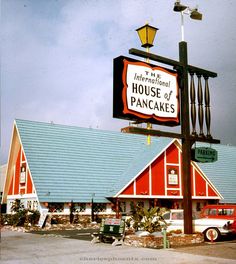
As for the preferred survival strategy during this season, there are a few commonly employed methodologies. For some, it’s drinking themselves into oblivion at every chance they get. For others, it’s a trip to their house of worship. In some cases, it is all of the above. For this guy, I subscribe to a little of the former and a lot of the latter, though is it important to note that I worship at the House of Gear (not to be confused with this place):
The International House of Pancakes
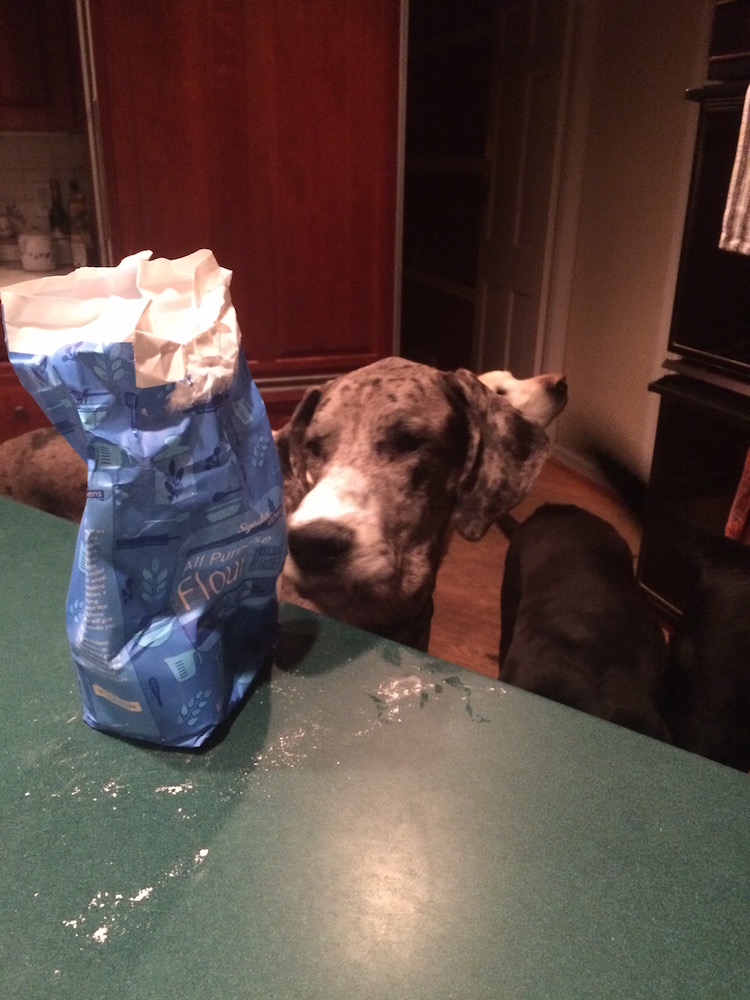
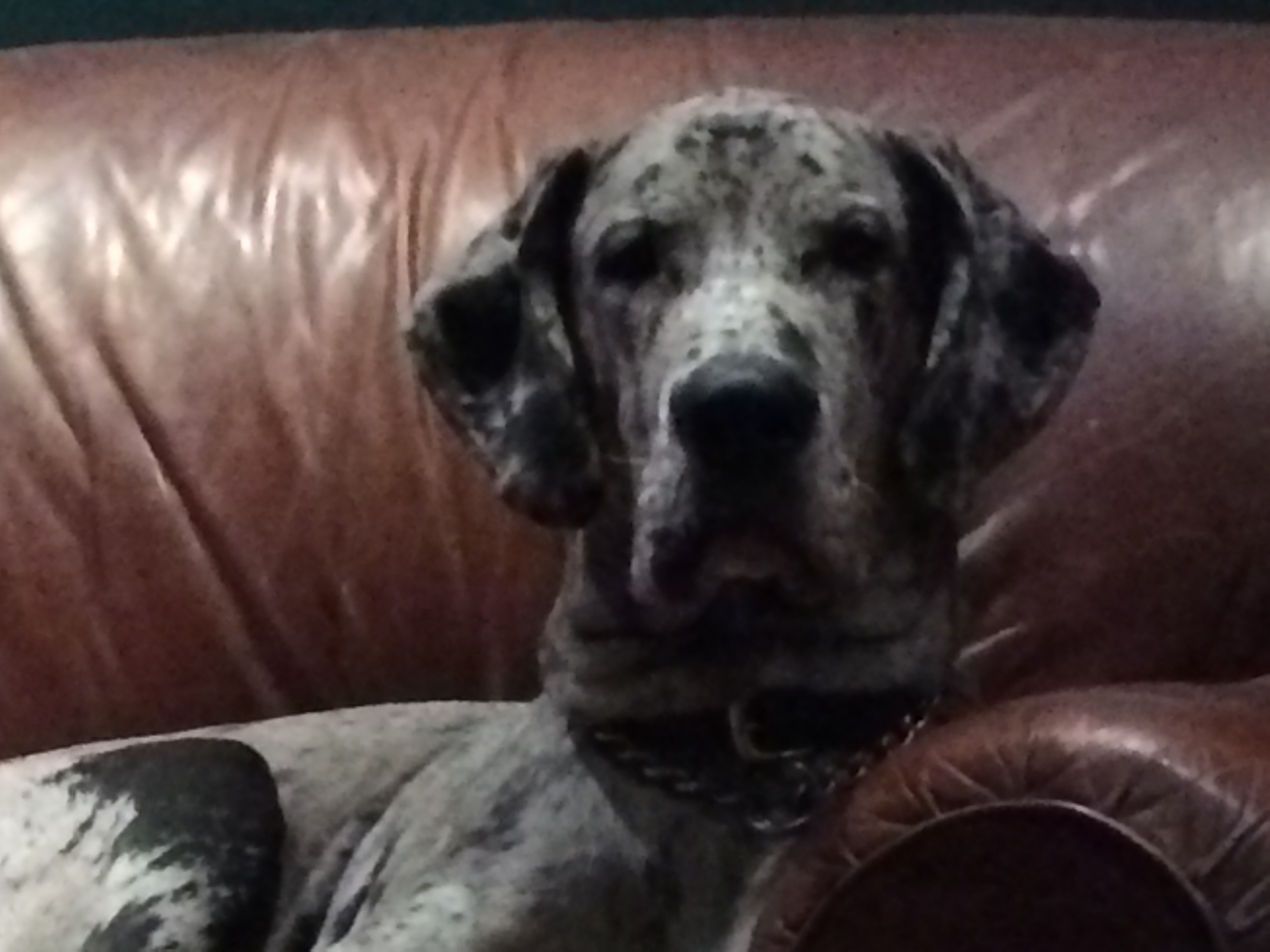
I’m not going to tell you how to live your life, but I am going to offer you some friendly advice from probably one of the world’s happiest and most well-adjusted heart throbs (I was the Teen Beat “Hunk of the Month” in 1997) take care of yourself, not just now, but year round. Eat right, sleep 8 – 10 hours per night, buy a dog (NOT a Great Dane), wash your hands before you eat and make DAMN sure your gear is on point.
So if your wiener kids deliver some crappy tie or a cookbook under the tree, Menorah or Festivus Pole, fear not, pretend you have diarrhea from that nasty fruitcake that your weird relative sent you, sneak into the bathroom with your smart phone and order up something you really want, no deserve. Better do it now, too, before those little monsters of yours squander all of your hard-earned savings on something silly, like college. Now, with all of this in mind, let’s dive right in.
Day 1: Clothing
On the 12th day of Christmas, my true love gave to me…..clothing? Well, not much of a rhyme, but one helluva good idea.
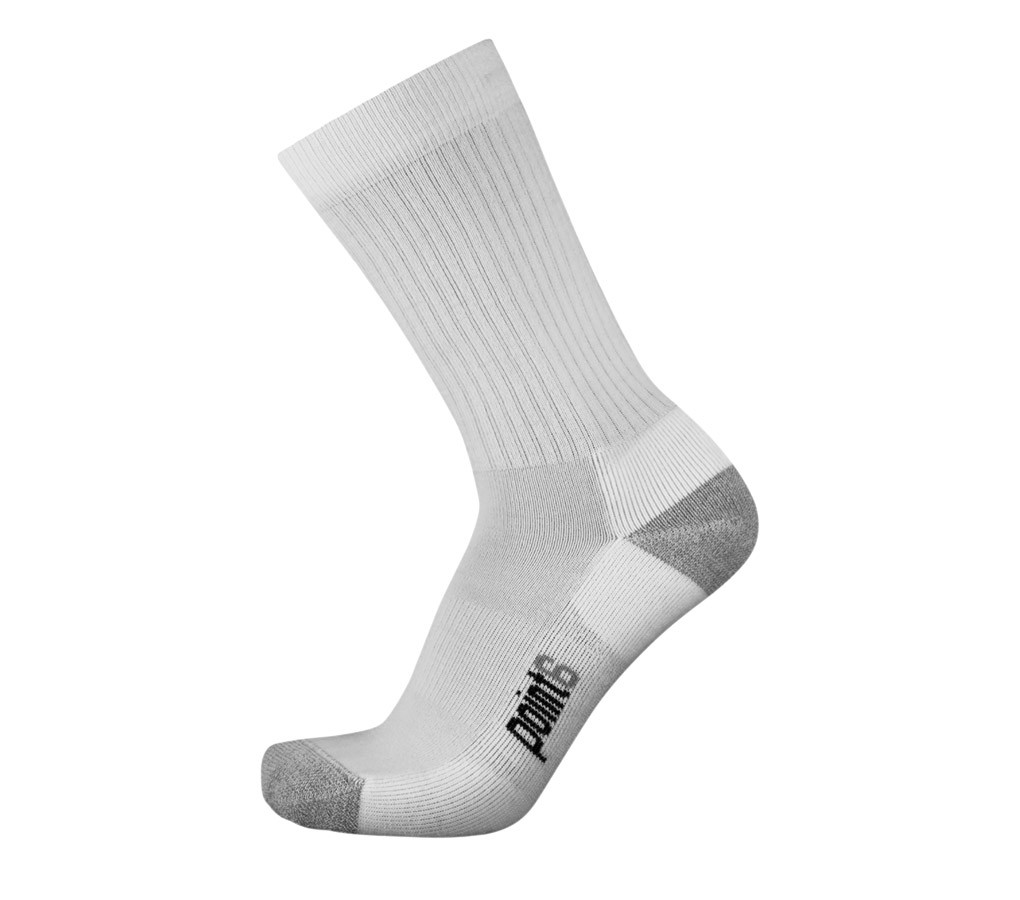
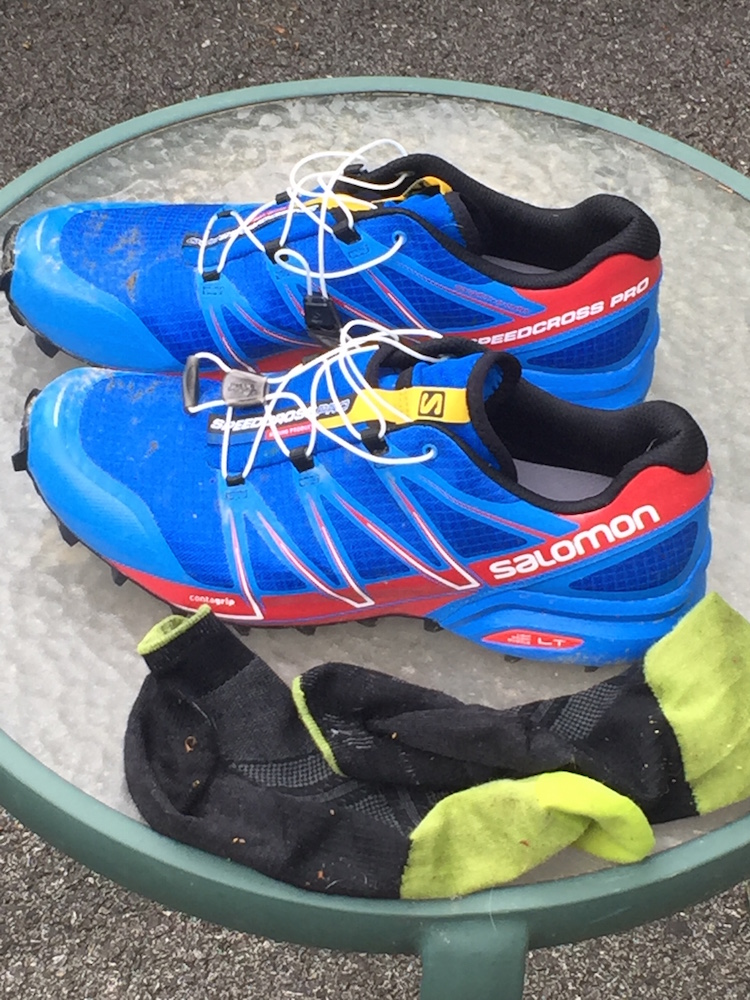
A real FBD favorite. Wool, so they are warm and highly odor-resistant, just the right thickness and this brand seems to last as long or longer than any we’ve tested thus far. At $20, you should ask Santa for a few pairs. Shop options at nordic retailers like Gear West.
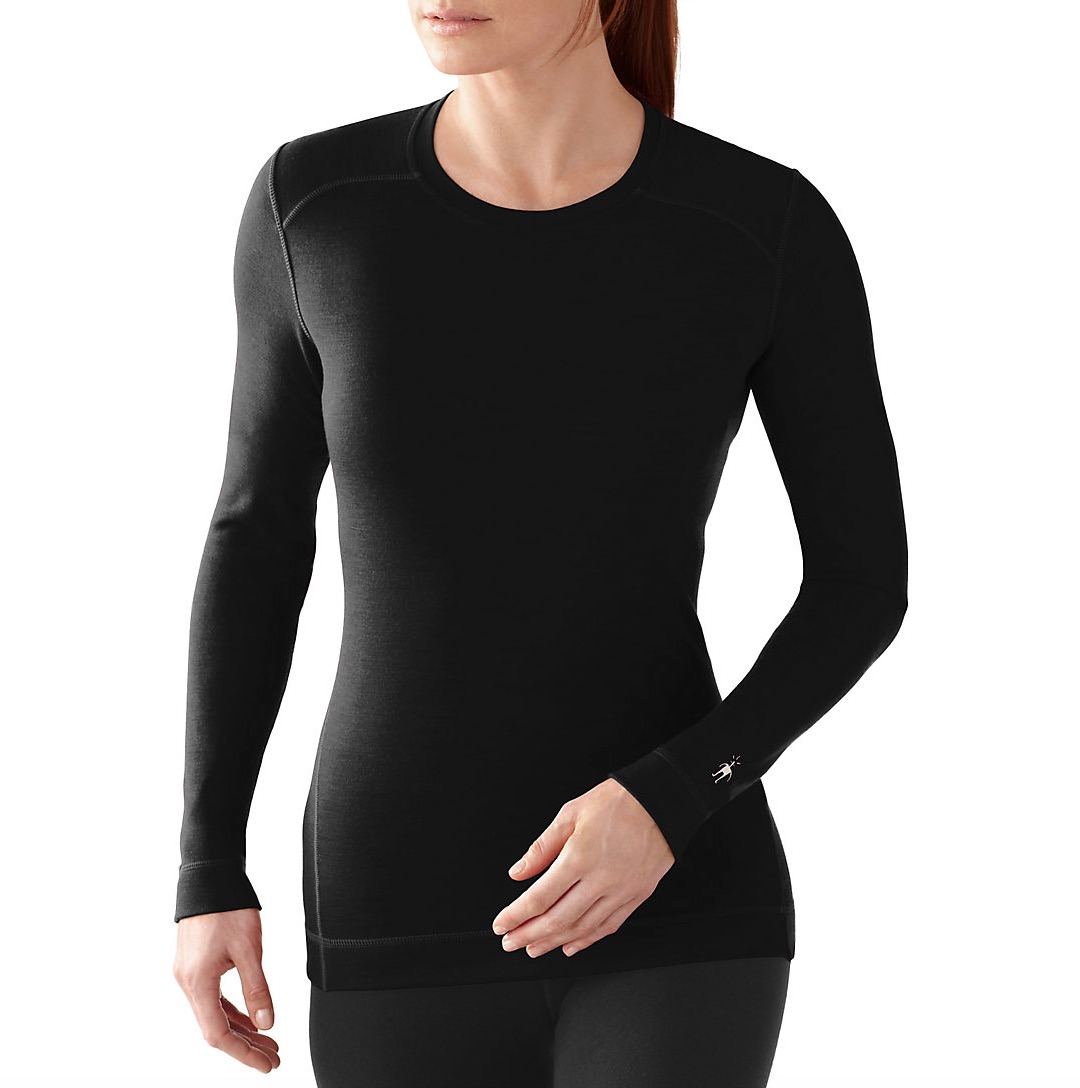
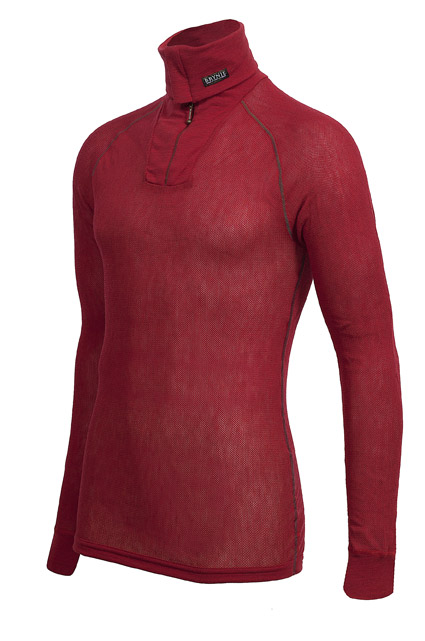
If you haven’t already, you need to IMMEDIATELY go read my amazing review of a laundry detergent that allows you to wear undergarments several times between washings. In this review, you’ll notice that the preferred base layer of the entire test team was Smartwool. As noted above in the sock gift suggestion, wool is comfortable over a wide temperature range, even when wet. Furthermore, its ability to repel smell is the icing on the case, as noted in painstaking detail in this crazy, rambling review. Available at Gear West.
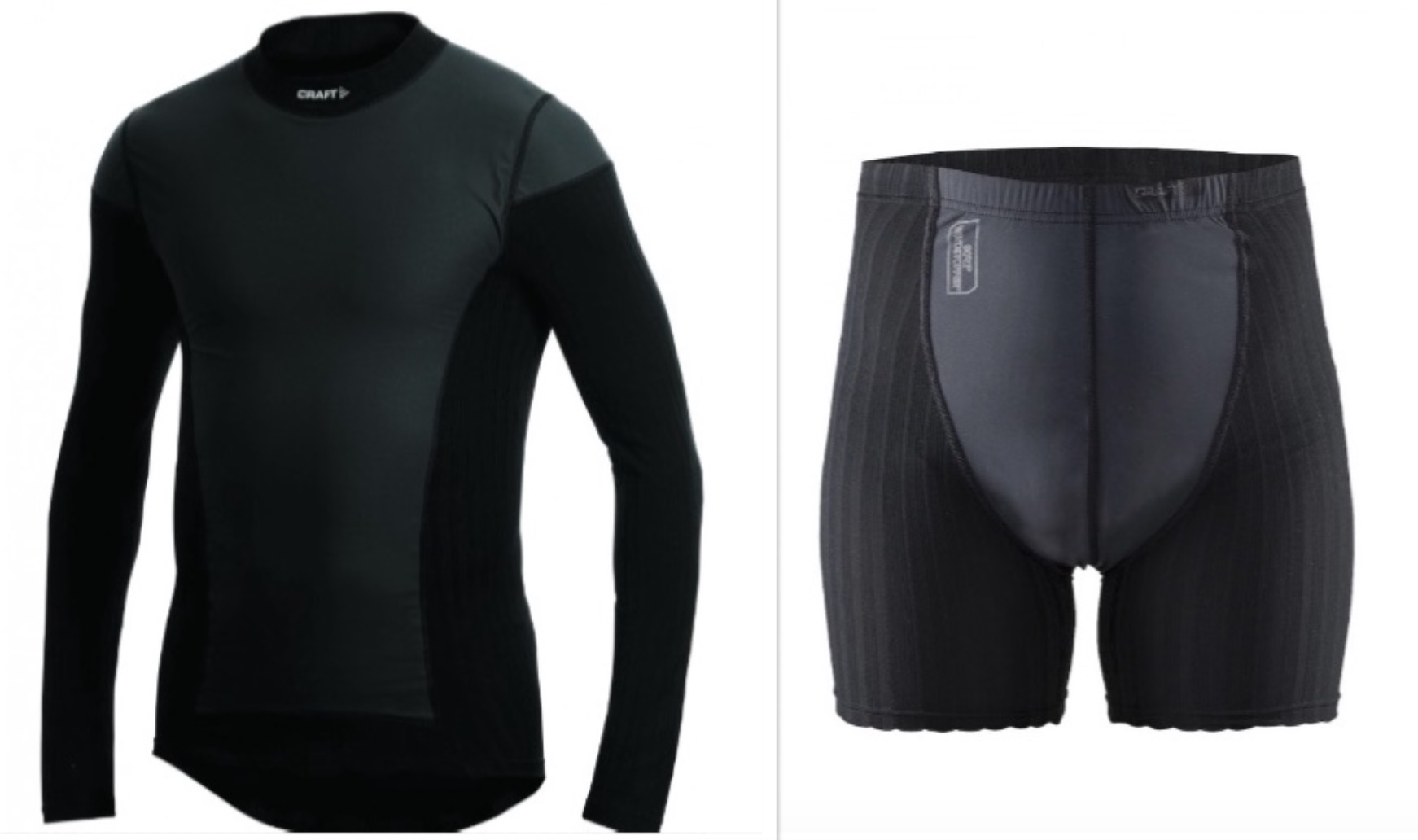
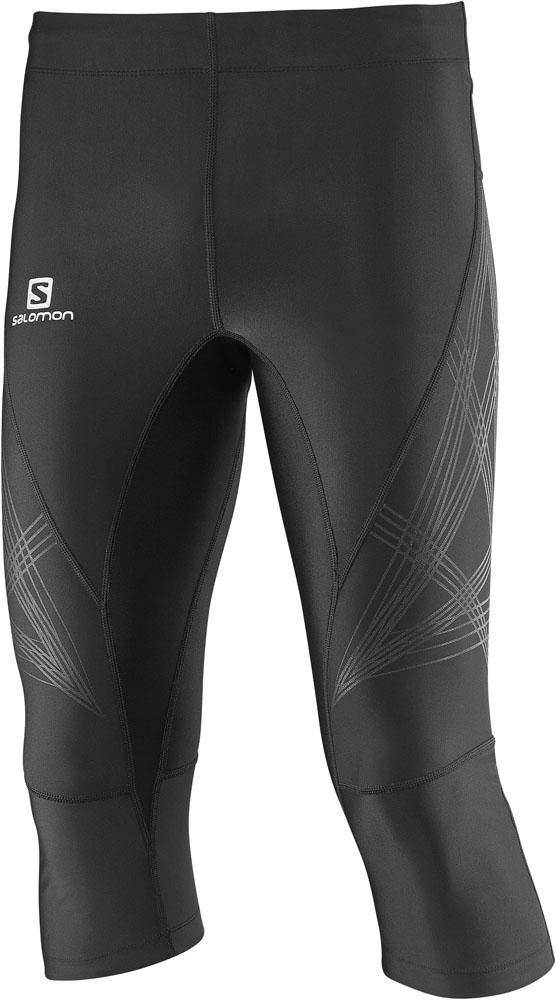
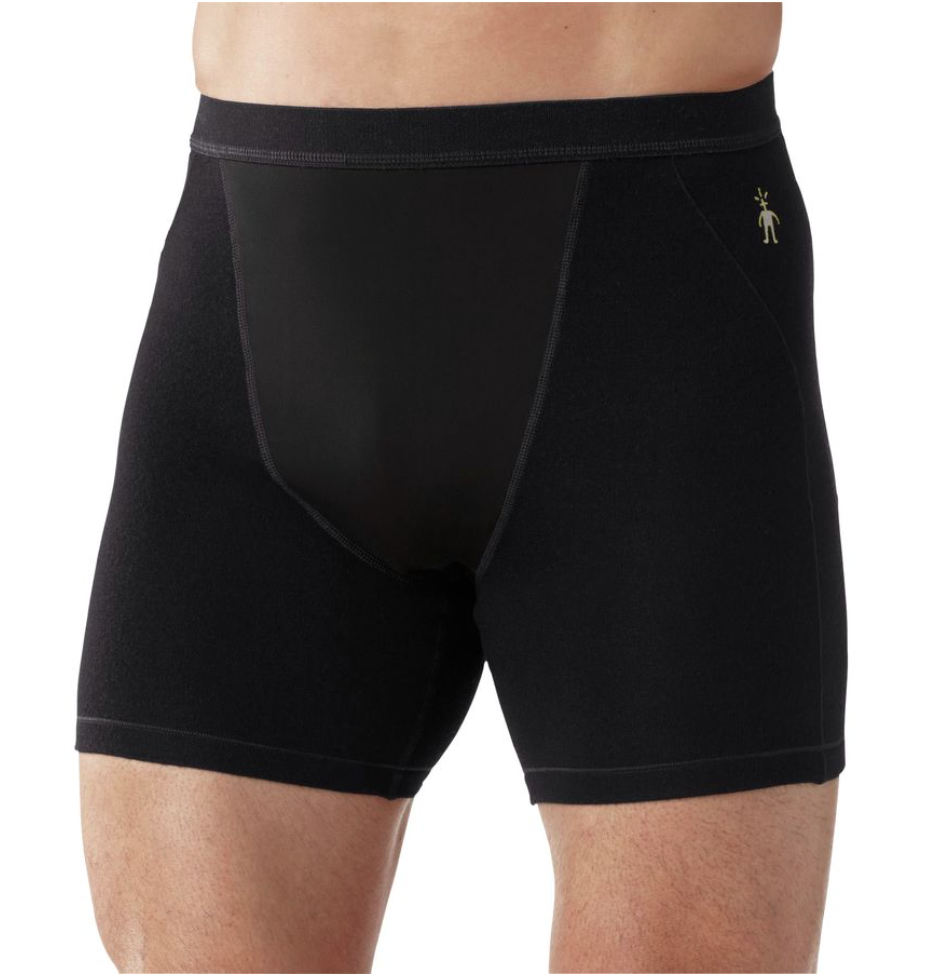
Ask anyone who been skiing for longer than a week and they have a horror story about venturing out on a cold day without a pair of these “down low” and their matching cousin “up top” — I don’t think we need to spell it out for you here — you might be able to fake it on the top, but don’t risk it down South, order a few pairs of the now. Right now. If you already have a pair, order more, as one simply can’t be too careful these days. Even you, lonely reader, might someday find someone willing to date your goofy nordic ass and you’re going to want all of the equipment “downstairs” working properly, or else you’ll never have a bunch of little ungrateful rug rats running around buying you ugly ties for Christmas instead of those cool new skate skis you’ve been drooling over for the last two years. Available at CraftSports.us and Boulder Nordic Sport.
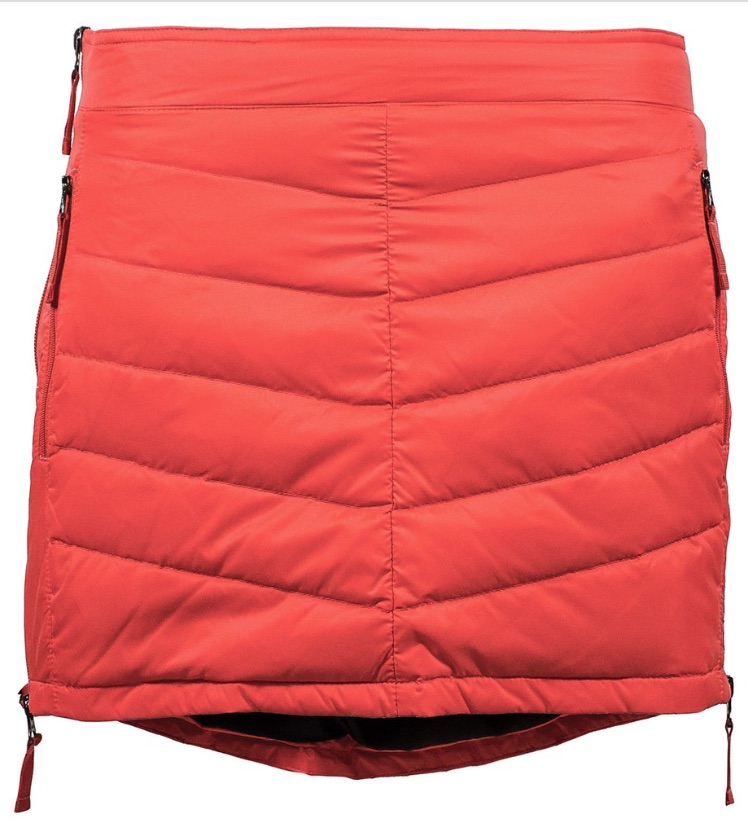
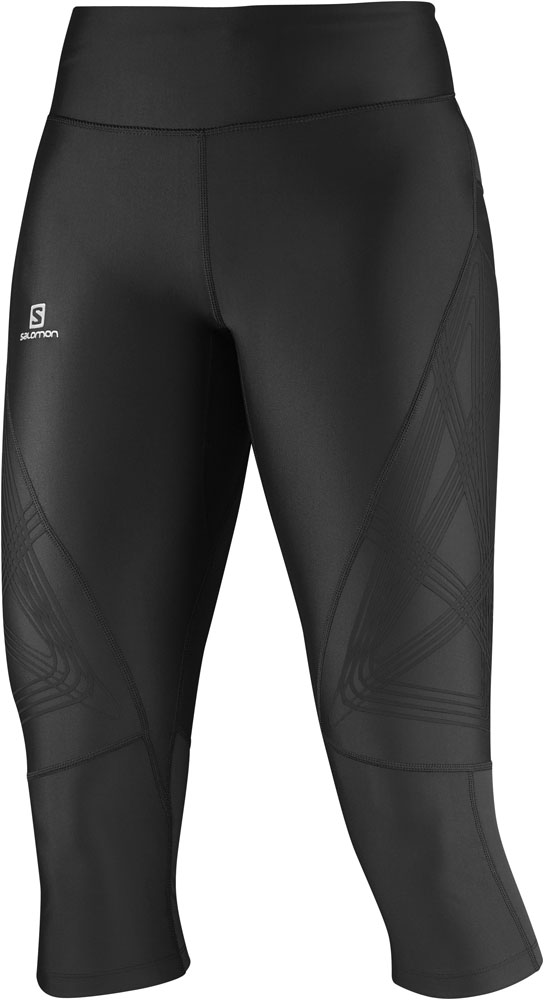
For women and fashion-forward men alike. The full-length version is great for standing around before or after skiing, and/or for street style. And you can wear the mini-skirt version skiing when it’s really cold.
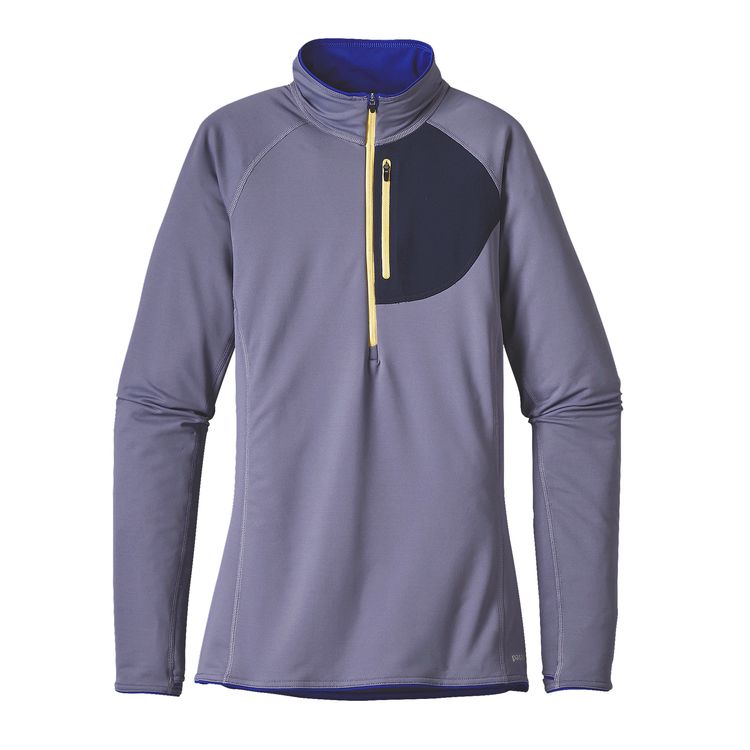
Perfect for cooldown, waxing skis in the parking lot, walking through blustery downtown Anchorage. Store locator
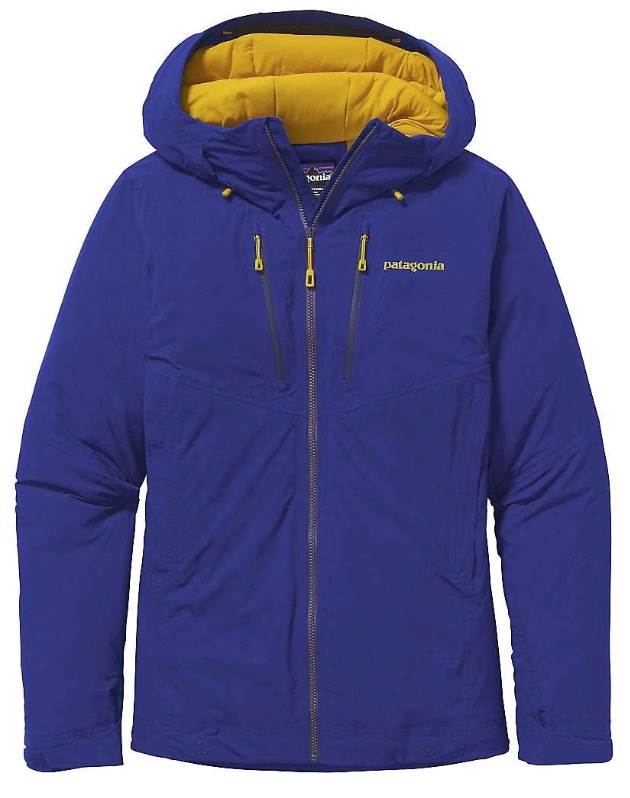
I was fortunate enough to be sent an advance release, test piece of this jacket this past summer and I immediately put it to good use on Eagle Glacier in Alaska in July. This garment takes one of our favorite jackets, the Nano Air, and transforms it into a more outerwear-specific coat, thanks to a superior wind and waterproof shell. As we prepared to leave Eagle Glacier, severe weather rolled in, so we had to shuttle down off the glacier behind snow machines in sleds normally used to haul supplies. This was as cold and sh*tty and it sounds and this coat was the only thing that kept me from freezing to death. Order one immediately.
***
All right, all right, all right, we are off and running! Check back each weekday (those pesky World Cup races hog all of the airtime on weekends) for the next 11 days for the latest and greatest advice on how to improve your life. Stick with me on this journey and this will be the best holiday ever for both you and all of your loved ones.
Putting deFUNKit, a high-performance laundry detergent, to the test.
Funkadelic
In my classic whap stick review, I chided readers for not knowing the “Keeping it 100” reference and noted that if you didn’t know it that you were officially out of touch because you were too old. Now I’m turning the tables on y’all with my latest wild assertion that if you don’t know the “We Want The Funk” reference, well, you’re out of touch because you are too young. George Clinton and Parliament are one of the most influential bands of all time, so if you aren’t already intimately familiar with this legendary group and song, well, you need to “get woke”. There, now that I have suitably confused everyone, let’s get rolling.
I often rotate in experts for certain reviews, as I believe it is particularly important to not only have diversity of voice, but also to use people with extensive experience and expertise in any given area. This means that test teams can vary in size from project to project, but there is almost always one constant — the core group of my trusty colleagues at the Steamboat Springs Winter Sports Club (SSWSC). I am incredibly fortunate to be a part of this amazing organization for all sorts of reasons and we are a very close-knit group. It’s a good thing, too, as this latest undertaking took took our relationships to the next level. How? Well, we just spent a week smelling each other every night before dinner.
Long and Lonely Road
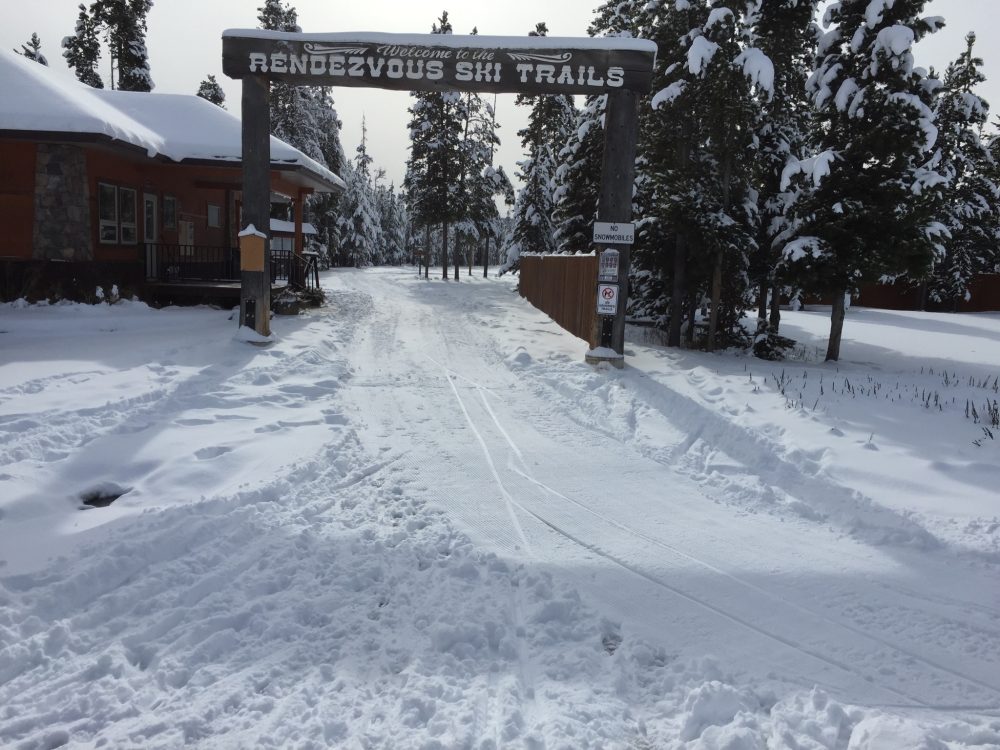
The trailhead at Rendezvous Ski Trails, as seen in late November of this year in West Yellowstone, Mont. (All photos: FBD)
Like many Nordic teams, SSWSCXC just returned from our annual early season training trip to the West Yellowstone Ski Festival.
At these training camps all of the coaches ski together (naturally) and dine together, but without a doubt this was the first time that we sat at meals and discussed not only how often we were all changing our socks and underwear, but also how these pieces smelled. I’ve heard that conduct of this nature is nothing new for Vail coaches Dan Weiland and Eric Pepper, but this is just one of many reasons why those two are usually found dining alone.
#TBT shot to a young Dan Weiland sitting alone at his junior high lunch table, completely devoid of friends, as fellow reclusive loner Eric Pepper looks on from a distance. It was here in these moments of desperate loneliness that the personality traits necessary to be a nordic coach were forged.
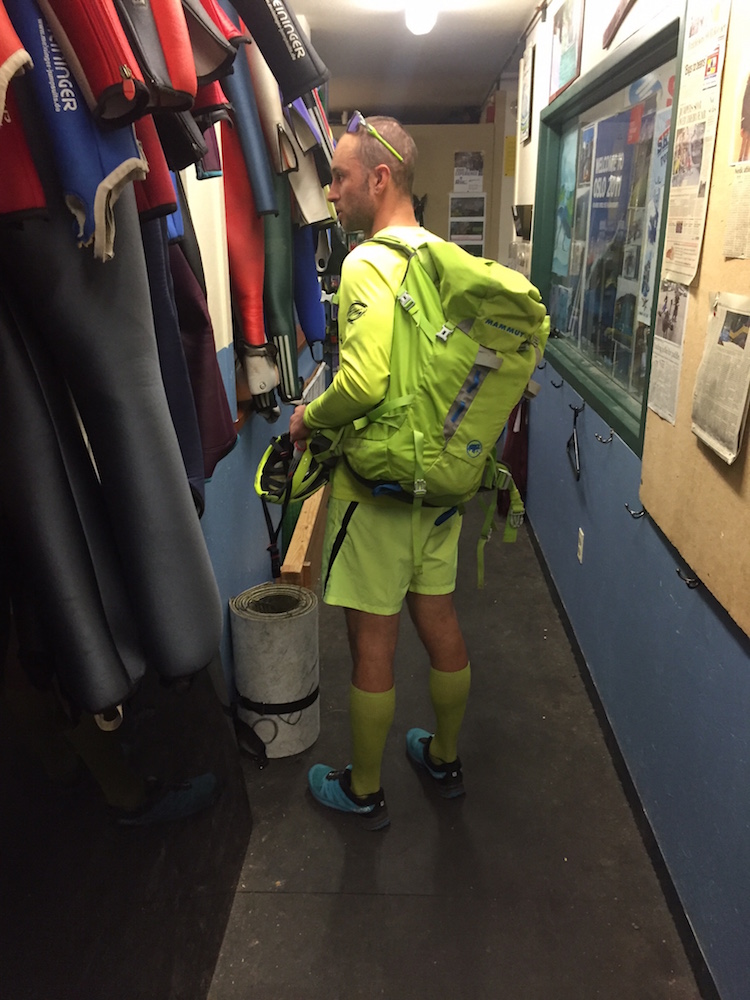
As you all know by now, the FBD has a reputation for looking real nice for the ladies. In our journey together to right the wrongs in the world of ski gear, we’ve tackled thick puffies, thin puffies, base layers, skate rollerskis and classic rollerskis, and we’re doing it people, we’re making a difference. It used to be that I’d see Josh Smullin in outfits like this every day, but now the frequency is down to every second or third day.
’90s neon, knee-high compression socks? Check. Matchy-matchy ’90s neon shirt, short, backpack combo? Check. ’90s neon man-purse fanny pack? Check. Prepare to deploy, Outfit Of The Day.
Baby steps. Baby steps.
So the fashion bar has been raised. Good. Very good. But looking good is only part of the picture. What if your outfit is “lit” but you smell like sh*t? I can tell you right now that this is a deal-breaker. I don’t care how fast you ski, how good you look and how savage your latest outfit is, if your base layers smell like Dave “Slow Ski” Cieslowski’s hockey equipment after spending a month in his trunk in July, you’re going to be relegated to the Weiland/Pepper lunch table in no time.
But fear not stinky nordie, all is not lost.
By now you’re probably thinking, “What the hell is this lunatic talking about? This is the craziest gear review I have ever read.”
I (along with my readers, editors, friends, neighbors, and local law enforcement) often find myself asking that very question, so let’s dive right in. Since thanks to all of you loyal readers, I have rapidly risen to the most influential and trusted gear reviewer in the galaxy, I am therefore frequently contacted by companies from all walks of life with every crazy product you can possible imagine. Some are cool, some are dumb, but occasionally something bubbles up that really catches my eye. This was one of them: a laundry detergent that supposedly allows you to wear base layers for multiple workouts without washing. Since no one is lazier than me, I was immediately intrigued.
The product in question is called, deFUNKit and here’s how it works. You simply do a normal load of laundry with their special detergent, then do repeat the same load with two different sets of their reagents (concurrently), and voila, your B.O. is now officially banished. Or so the story goes.
Test Protocol
To test this product, three brave men and one very brave woman descended on West Yellowstone, Mont., with only the shirts on their backs, almost literally. We brought a combination of wool and synthetic socks, undies and base layers to see if this mystery potion could stand up to real-life, real-world, real-stink testing. The plan was to ski in the same clothes for as long as possible and ride the party train until someone in the group “threw the flag.” Due to 1960s HVAC technology in our rooms, some of us wore one outfit for a.m. workouts and another in the p.m. to allow for drying, while others just went for it (more on that later).
Base layers: Swix synthetic top, Craft synthetic bottoms
Socks: SmartWool
Fundies: Victoria’s Secret (Yes, really. And no, people, this is not Josh Smullin, even though he is from Alaska)
Hours of usage
This is where it got real. There was a fair amount of variance in the final data mainly because one tester got super fired up and went “raw dog,” wearing the exact same outfit for the entire camp. This put their testing hours up to the extremely impressive level of 18 hours, split fairly evenly over 12 workouts. This is TRAINING HOURS, too, for much like my podcast colleagues Dean Nigglesson and Kristor Svonn, we only start our watches when we’re actually skiing (except for Smullin, who started his at breakfast — or “Bekfast, as he calls it — but that’s another story).
When you add up time at the wax table, the walk to and from the tracks and the occasional, “rushing to get lunch so I don’t have time to change clothes after my ski” hours, this brave soul logged over 35 hours in the same socks, undies and base layers, all without a single trip to the very nasty looking hotel washing machines.
The rest of us stuck to the protocol a bit more vigorously (or perhaps more cowardly) and racked up a range of 8-14 ski hours in each the a.m. outfit and the p.m. outfit, with another 60-75 percent of additional wear time, bringing total “on body” time for each outfit to 12-25 hours, again, split fairly evenly over seven sessions in the a.m. and another seven in the p.m.
The conditions skiing ranged from -10 to 7 degrees Celsius (14-45 Fahrenheit), with the majority of the workouts being Level 1 cruisers, but a few of us raced and had a couple of interval sessions thrown in for good measure, so there was ample opportunity to build up the funk. All in all, it was probably a very representative sample of typical skier usage and wear patterns.
Results
So does this stuff work? In a word, yes, amazingly well. One of the coaches’ wives is pregnant and with an already very acute sense of smell, the impending bambino has enhanced her olfactory system to the point of “super smeller” status, and bless her soul, she very bravely volunteered to sniff test us each night. Yup, I told you we are a very tightly-knit group.
Remarkably, even by the end of the camp, no one scored lower than a ‘7’ on the stink index (with 10 being ‘fresh as a daisy’ and 1 being ‘Weiland/Pepper lunch table’). This is pretty incredible given the high number of training hours. Even the “one outfit cowboy” came through with flying colors, which is nothing short of remarkable.
To be clear, we all came into this with a very health dose of skepticism. Mr. Reliable noted in his log, “I was very unsure about this whole plan at the start of this test, so much so that I brought several sets of back-up clothes in case this failed spectacularly.”
The AK Brawler agreed, “I really didn’t think this product was going to work, so I brought lots of spare clothes. Amazingly, I did not need any of them. I couldn’t believe it.”
Captain Deodorant Conspiracy noted, “I am very surprised. This product works way better than expected.” And then the kicker, “I went the whole week doing every workout in the same outfit and I think I can keep going. In fact, I think I AM going to keep this rolling, just to see how far I can take it.” Wow.
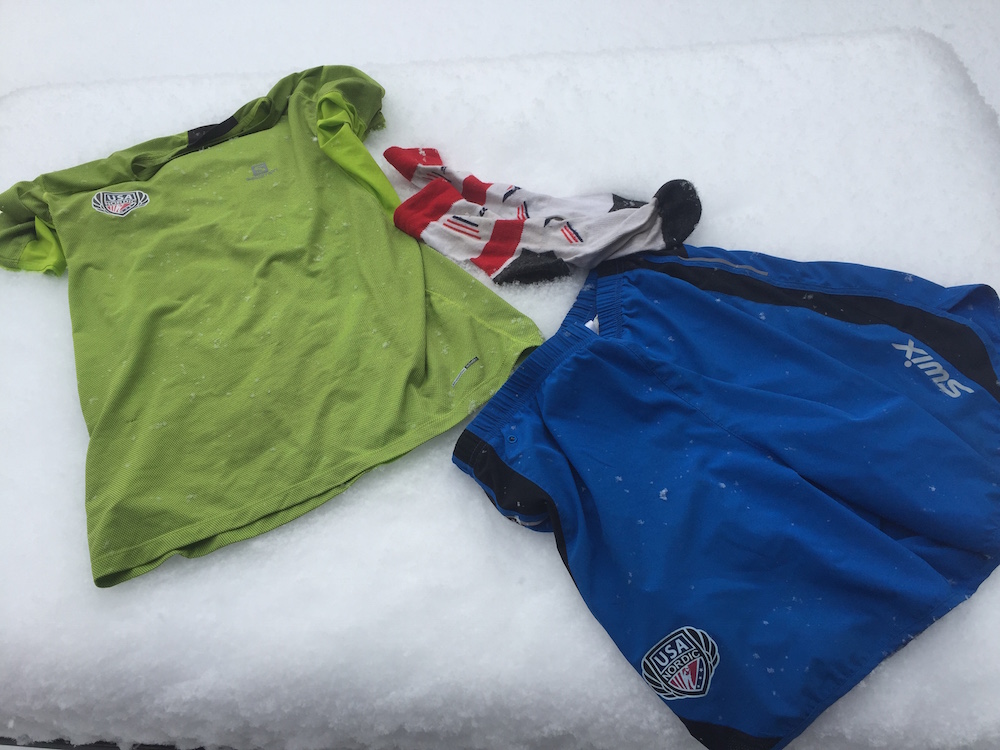
My beloved Salomon summer training “Please don’t hit me” rollerski top and trusty Swix socks/shorts.
Since no one is a bigger numbers nerd than yours truly, I couldn’t help but attempt to make the data set as statistically significant as possible, so prior to the camp in West, I logged 31 hours of rollerskiing, running and strength (divided over 12 workouts) in one outfit. The temperature in this workouts ranged from 11 to 26° C (52-79 Fahrenheit) and was often quite sunny. I managed to talk a few reluctant coaches into giving me the sniff test (though not the cowardly Captain Deodorant Conspiracy, whose fear of germs eclipses that of even my own) and they were also amazed to discover that the outfit (at right) was still quite pleasant.
So with multiple fabrics, multiple testers, multiple brands, multiple sexes, widely divergent approaches to personal grooming and government conspiracies, not to mention highly variant body chemistries, in every piece of clothing on every single reviewer, we found a significant decrease in smell. Every single investigator felt as though they could ski in socks and “unmentionables” for a minimum of four workouts and base layers for a minimum of eight. That’s a lot. And that was the low end. On the upper end, estimates vary here as well, but “intimates” made it upwards of 10 days and base layers maxed out the test. I think that pretty much says it all.
The After-Life
But what about life after skiing? Is there life after skiing? I realize I am getting a little philosophical here, but not to worry, I’m not speaking in terms of the after-life, I’m speaking in terms of the after-workout. In other words, do you need to wash your everyday fundies, well, every day?
“Back in the day,” I would prepare myself for a night on the town with a shower, shave and a nice, new, crisp pair of “knickers”, knowing very well that the chances of a member of the opposite sex actually seeing them were quite small. We were a good team though, as my BVDs had my back and dutifully played along with this ruse every Friday and Saturday night. I also did my part and got the troops ready for battle through proper and efficient rotation in the meticulous FBD laundry regimen. I figured it was the least I could do. Business is all about mitigating risk and optimizing your chances for success…
However, those days are now long gone, as every game is now a home game, but my focus on proper hygiene persists nonetheless. So the question at hand is can this miracle solvent work its wonder on not just athletic garments, but also daily wear?
To execute this phase of testing, I must confess that there’s a certain psychological barrier that must first be crossed, for, to put it bluntly, getting up every day and putting on 10-day-old drawers just feels weird. Or at least it did in the beginning. But being the good scientist that I am, I decided to break it down methodically.
Having a clean undercarriage goes a long way, regardless of your underwear status.
Firstly, is there anything magical about wearing your man-panties for 24 hours? Why not 26 hours? Or 17.2? The answer here is fairly obvious in that it is logical and convenient to synchronize a “wear cycle” with your daily cycle. Certainly there are many options and variations here, but a common regimen for many working professions is to wake up, shower, put on clean underwear, then go to work. So would you change your tighty whities halfway through the day or just before dinner (you aren’t really still wearing these guys, are you? If so, you need to seek professional help immediately)? You could, but it really doesn’t make any sense, baring any “accidents” or unforeseen circumstances.
The point here is that under normal operations, underwear rotation schedules are not analogous to tire or oil changes in that there is not a mechanical or chemical breakdown taking place that requires attention after a set period of time. If it took the Earth 18 or 28 hours for one revolution, you’d probably wear your skivvies for 18 or 28 hours, respectively, and think nothing of it.
Having said this, clearly there is some type of ceiling (“The Cotton Ceiling?”). Remember, the core of my hypothesis is that users install new undergarments after a shower, when presumably the whole undercarriage is all cleaned up, so there are in fact some chemical reactions that need to be taken into consideration. Leave cheese in your car on a hot day and you’ll be treated to an olfactory assault when you return to your vehicle, so by not coordinating and synchronizing the daily shower/undy swap, are we just begging for some crotch-pot cooking?
The answer to this seems to be no. Without getting too graphic here, objects begin to smell when bacteria collects, colonizes and grows. Showers help prevent this on you and DeFUNKit helps prevent this in your clothing. So yes, there is a Santa Claus, and yes, all of your lazy, single dudes out there, you can in fact “safely” extend the wear cycle of your Jockeys. During a research project at the University of Michigan’s Biological Field Station, one of my colleagues was completely bought in to his “Four Wears Per Pair™” (FWPP) theory (forward, backward, inside out forward, inside out backward). While somewhat ingenious, I can tell you for a fact that all of our female colleagues found both this theory and process to be repulsive and let’s just say he had lots of quality time alone in his cabin. The point here being that this new laundry formulation will allow for extended wear cycles without suffering the shame, stigmas and practical difficulties associated with the FWPP lifestyle choice.
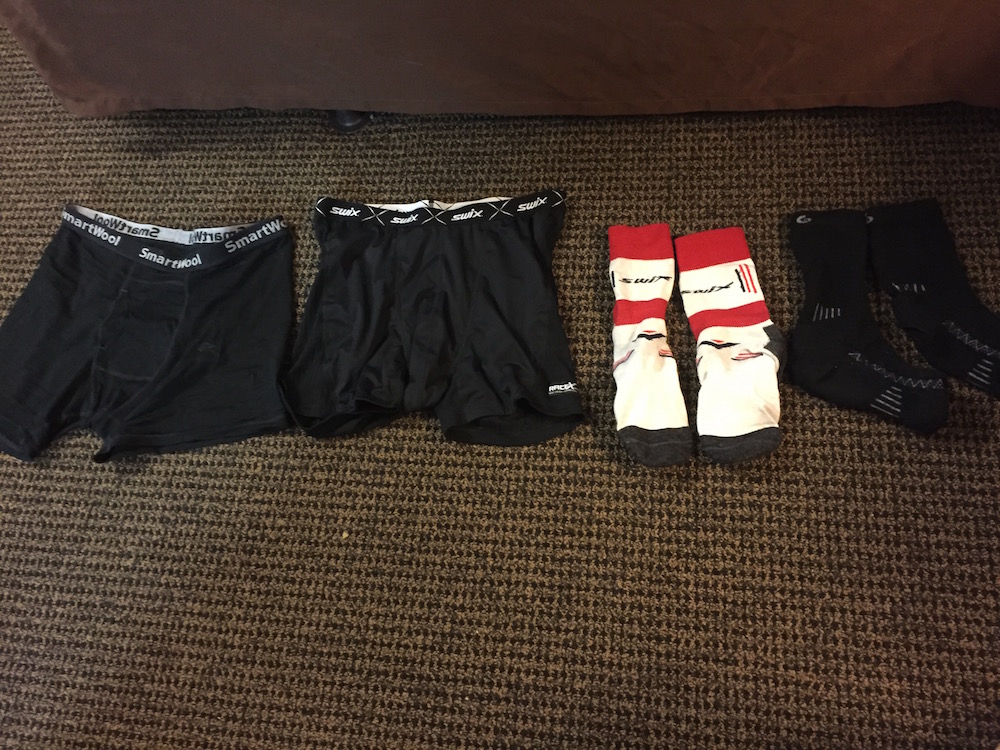
Test fleet ready for action.
How do I know this? Because I tested it. I had a “control” pair of Underoos that were in the rotation that were not treated with deFunkit, and an identical pair (SmartWool boxer briefs) that was treated. To ease the psychological torment of coming out of the shower clean and putting on the same pair of underwear that I had been wearing for 10 days, I alternated between the two configurations until someone said “Uncle.”
(If you’re thinking, did this nut really wear the same pair of underwear for 10 days? Yup, I did. Ten fricking days.) The non-treated pair made it four days before they were pulled from the rotation, but the treated pair was still going strong on Day 10. The only reason this test ended was I was leaving for West and I made the executive decision to start that trip w/ “a clean slate,” so everything went into the washer.
Now might be a good time to note that while I was the only person twisted (and thorough) enough to specifically “A:B” my test fleet (think of the most awful ski testing scenario that you could possibly imagine), our entire test team had a decent baseline on smell accumulation on all of their garments. Everyone in this group has literally dozens of years of skiing experience and overall a very good sense of how many days of use each given piece can withstand before things get ugly. So while my test was the only direct comparison between treated and non-treated, everyone on the team had a very good idea of the non-wash lifespan of their non-treated garments and all found significant deltas between treated and non-treated articles.
Applications
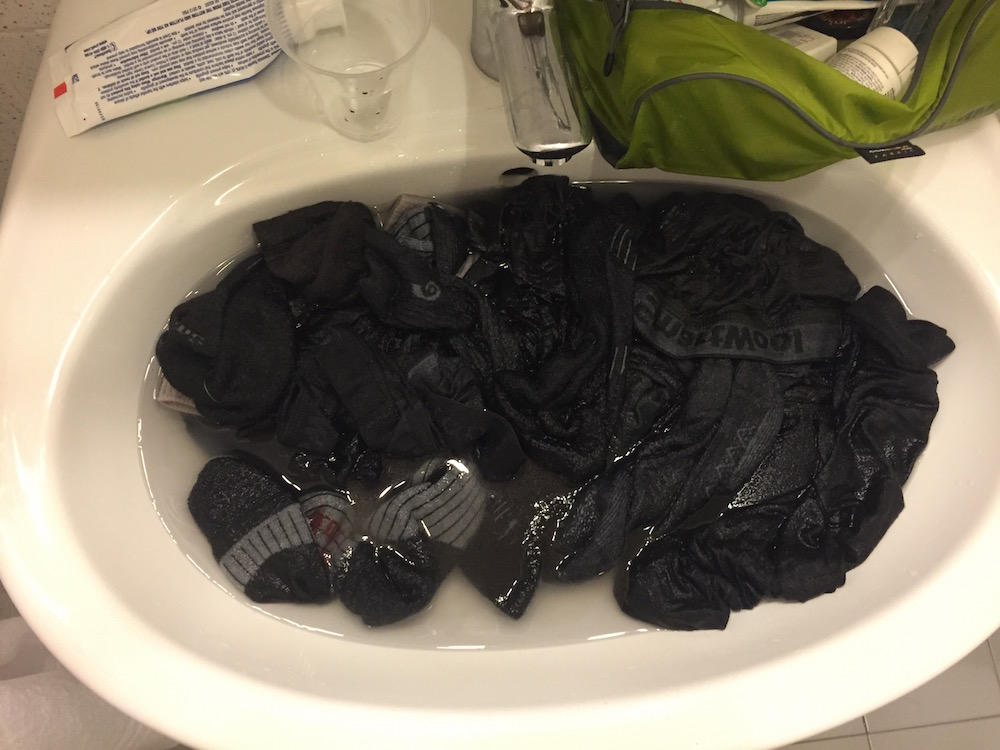
Some of the applications of this product are quite obvious: training camps, hut trips, camping/backpacking and the like, immediately spring to mind. In the past, essentially your only options on these adventures were to grin and bear it, or if you were lucky enough to be someplace with running water, you could annoy your roommates with “sock soup.”
Sock soup.
Not having to subject oneself to the indignity and inconvenience of sink laundry makes this product basically a no brainer for all of these scenarios, as this stuff will absolutely help you come out the other side smell much, much more pleasant.
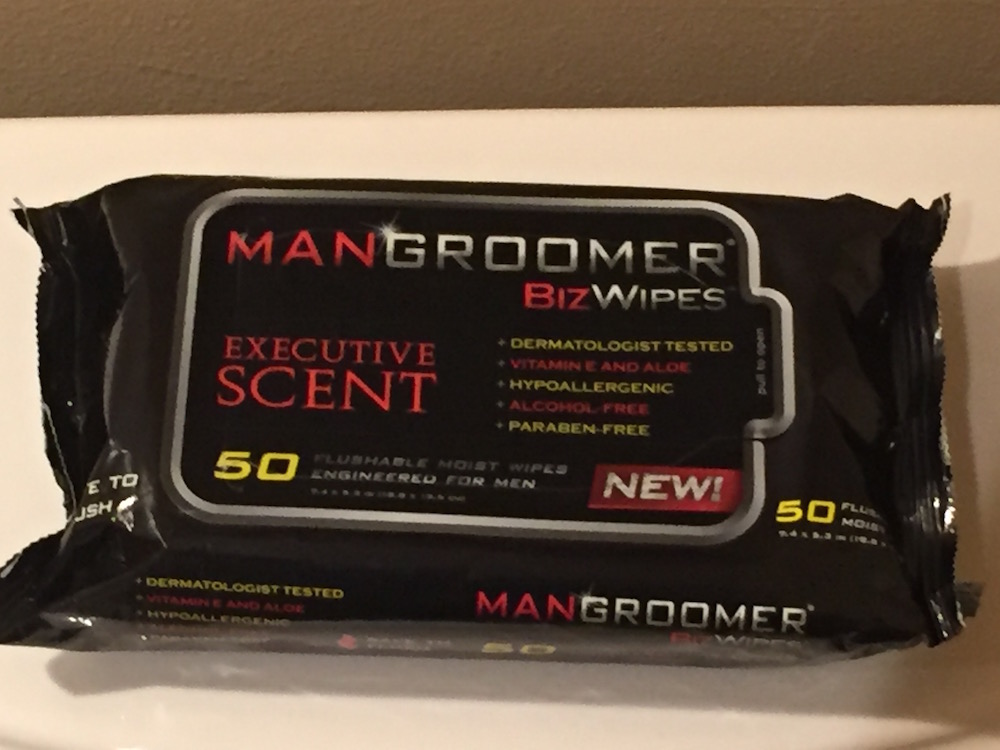
Now, having said this, the elephant in the room is you. Both of our test environments (West and Steamboat) had showers. Some of the test team showered after every workout, some only once per day. Some of us wore deodorant, some did not, but regardless, we were all starting every workout fairly to completely clean. If you’re someplace where regular showers aren’t an option or you’re one of those repulsive, stinky hippies that refuses to shower, you’ve got bigger problems than can be solved with DeFunkIt — you are a disgusting, filthy, despicable human who needs to learn basic grooming and self-respect. Yes, DeFunk will most certainly help if you can’t/won’t shower, but if you’ve got a really bad case of stank, well, there’s only so much we can do here people. This is NOT a deodorant, cologne (God help us) or anything weird like that, it’s a treating process that helps to repel odor. If you absolutely reek though, well, guess what, you’re on a one-way trip to the aforementioned lunch table w/ Dan and Pep. I just wanted to get that out there.
Disclaimer: If you’re someplace where regular showers aren’t an option or you’re one of those repulsive, stinky hippies that refuses to shower, you’ve got bigger problems than can be solved with deFunkit.
Going Green
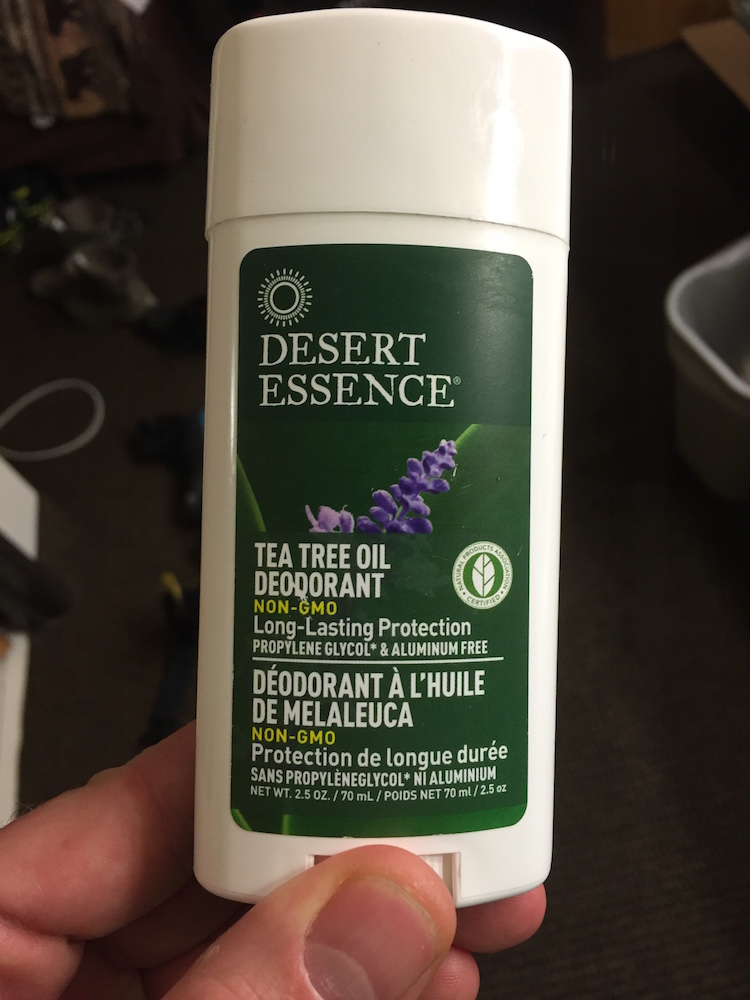
This is the deodorant you use when you think we didn’t land a man on the moon.
Another important dimension that came up in our summary and review meeting is the potential ecological impact of this product. The manufacturer reports that the preparation will last for up to 20 washes. This means that once you have treated your clothing, you can not only wear everything many more times between washes, but you can “refresh” this effect by simply doing a load of laundry with regular detergent. Undoubtedly there will be some type of degradation curve in effectiveness, but even so, if articles are only making it five or so wears near the end of the treatment cycle before requiring washing, you are still way ahead in the game.
One more interesting angle here is the stress that laundry machines places on clothes and how significantly trips through these machines reduces the lifespan of clothing — a very interesting observation that should be factored in this equation — if one treatment of DeFunkIt results in a four- to 10-fold decrease in wash frequency, not only are you saving water and electricity (dryers, in particular, are noted energy hogs), but you will also be greatly extending the life of your garments.
Conclusions
You know those car commercials which offer ridiculous, seemingly unobtainable mileage estimates for their vehicle? They often conclude with their get-out-of-jail-free statement of, “Your actual mileage may vary.” Well, same deal here. We did our best to expose a wide variety of different brands, different fabrics and different people to a fairly grueling week of testing. Overall, everyone was incredibly impressed with the findings and in some cases, people were ready to keep the test going. Will you have the same results? Probably, but who knows. I’d be amazed if it didn’t work at all for you and it could actually work better. Or perhaps worse. But I’d be shocked if it didn’t work at all.
We have not yet had the opportunity to test how this treatment process will hold up after regular washings. Does this treatment really last 20 “normal” washes? Who knows. We simply cannot answer that question at this time. We have no reason to believe that it won’t, but at the same time we always approach claims from ANY company with a fair amount of caution. The fact that everything that they’ve told us thus far has proven to be true certainly makes us optimistic, but again, our mileage may vary. As may yours.
In conclusion, is this product worthwhile? Absolutely. For $20 and one extra trip through the washer, you can wear all of your ski crap for several additional workouts without grossing out all of the dudes/babes at the coffee shop. If you’re lazy (like me), you can throw a few pairs of “civilian clothes” into the machine at the same time and not only free up more of your valuable time for important things like playing Noah Hoffman’s Fantasy XC league, but hell, who knows, you could perhaps even ski more. And you’re saving water, saving energy and extending the life of your clothes. To me, that’s well worth 20 bucks.
Tim Burke’s garage and “whap-stick” fleet. (All photos: FBD)
Instant Classic
While I have no actual data on this issue, there seems to be a sentiment in our world that classic rollerskis are the red-headed step child of summer training. Most skiers ride bikes, run and even check their dignity and safety at the door for a skate roll, but classic? In summer? On rollerskis? NFW.
Let’s be real clear here — classic skiing is awesome. It is the root of our sport. When everything is right, it’s a beautiful thing, but the numbers don’t lie — look no further than your local tracks this winter and you’ll see a lot more people out on skate gear than classic. Then there’s the fact that many purists don’t like classic rollerskis due to their “unlimited kick,” with the theory here being that the ratcheting wheel reinforces bad habits and just by looking at them, you’ll forget how to properly set the wax “for reals” (as we say in Philly) when you’re back on the real McCoy. Add to this that it’s also hard to classic ski well. In fact, probably my favorite quote on this topic is “skate is harder to do, but classic is harder to do well.” Church.
Therefore, given all of this, it’s no surprise that you’re more likely to find a nordic skier excelling in a stick-and-ball sport than you are to see them out tearing it up on the elusive classic whap sticks. Sure, my good buddy Noah Hoffman does five-hour laps around Park City two to three times a day, but Noah is crazy, we all know that. He’s also on the national team and you’re not.
Let’s “keep it 100” here though (the kids at the bus stop where I had to refill my drink belt taught me this, if you don’t know it, you’re old. Go look it up in your Encyclopedia Britannica, grandpa). We all know that deep, deep down the reason you don’t classic ski as much as you should is because you aren’t as good at it as you’d like to be. Trust me, *I* know what I’m talking about here. Classic skiing is awesome and here’s an idea, maybe you’d be better at it if you did it more. Plus, you’re smart — you religiously read my column (whenever the hell it seems to randomly appear) and you somehow knew this lecture was coming. You’ve already decided that this is the year that you would finally get your shit together classic skiing. Or, you’re nursing an over-use injury after reading Jacked Up Old Man’s blog and thinking, “I can train like that,” but now you realize that you can’t, you’re overtrained and/or injured and your Achilles feels like a piece of hot barbed wire that’s been set ablaze by your crushed dreams. Or maybe you’re a competitive high school/collegiate/pre-elite skier who races classic with equal regularity to that of skate. Or maybe you really are like Noah, just plain nuts, and classic is your jam.
Well, my friend, you are in luck, as we rounded up 10 pairs of the best classic whap sticks that money can buy and put them to the test.
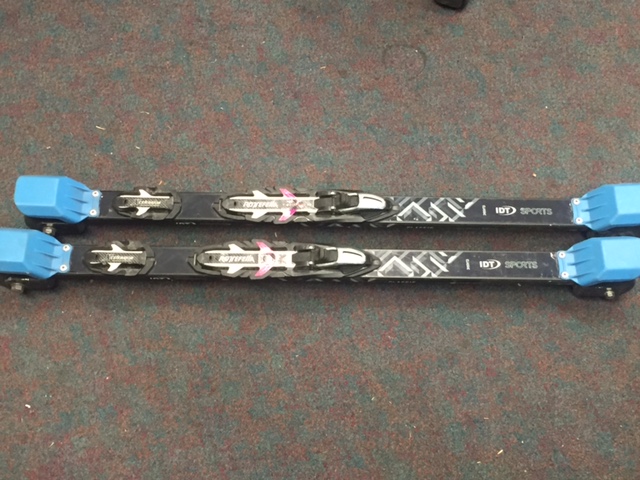
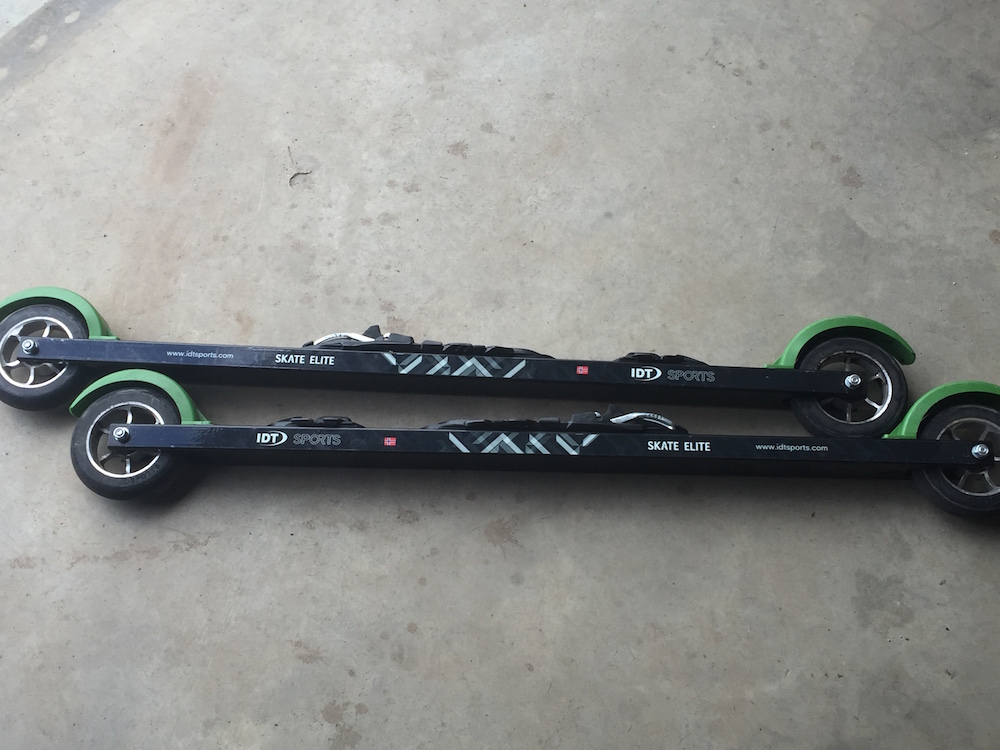
The big winner: the IDT Classic Elite. Time to book that trip to Norway.
While this phrase is purported to have its origins in Vegas and you’re a nordic skier, so you hate gambling, drinking, staying up late, standing on your feet, people, and anything else related to having fun and/or not skiing, hang in there with me on this, for in exchange for stomaching the colorful Vegas expression, I will reveal what our entire team found to be the best classic whap sticks available to man: the IDT.
Yes, yes, the astute reader will undoubtedly recall that I chided IDT a little bit in the skate review for their product not being readily available in the U.S. and lack of availability is a HUGE pet peeve of the FBD, as I find it infuriating to read a product review only to discover that said product isn’t available for six months or some other such nonsense. Here’s a suggestion for all of my reviewer colleagues out there (even though we all know that FBD has no equal) — how about doing a review when we, the eager consumer, can actually BUY your over-hyped, unnecessary piece of crap that we most likely don’t need and won’t use? That’s why we at FasterSkier are the voice of truth and light and only review crap that is A) available and B) you actually WILL use. So tell your accountant, significant other and conscience to relax, continue to promise yourself that you’ll save for that bathroom remodel next year, and obsess on the thought of new classic rollerskis until you work yourself into such a frenzy that you somehow manage to justify yet another ridiculous purchase. Remember, you really DO need these and no one deserves this more than you. Remind yourself of that time when you cleaned the garage two years ago or emptied the dishwasher all by yourself — selfless acts like that deserve some positive reinforcement. Push on in this psychological tug-o-war by promising yourself that you’ll feed them and walk them every day and that you’ll take REALLY good care of them. Plus, this is the year you swore you’d get good at classic — I’m pretty sure you wrote that down somewhere a few months ago.
Thanks to all of you loyal readers, this column has become a smashing success, therefore companies are now forced to actually take me (a bit) seriously. So when I told IDT that I wouldn’t review them until they created a viable distribution network in the U.S., they agreed. What this all means is that not only are these the best classic rollerskis, but you can actually get them. Currently, the best method is to order via their website, but IDT has also assured me that they are setting up U.S. distribution and the skis will be available in stores. Being the ever-vigilant, always skeptical, crackerjack investigative reporter than I am though, I could not in good conscious recommend that you order something online without first checking this out and everyone will be happy to hear that they do indeed arrive in a reasonable amount of time. Amazon Prime it is not, but I got a pair in about two weeks. Perfect? No. But reasonable enough for now.
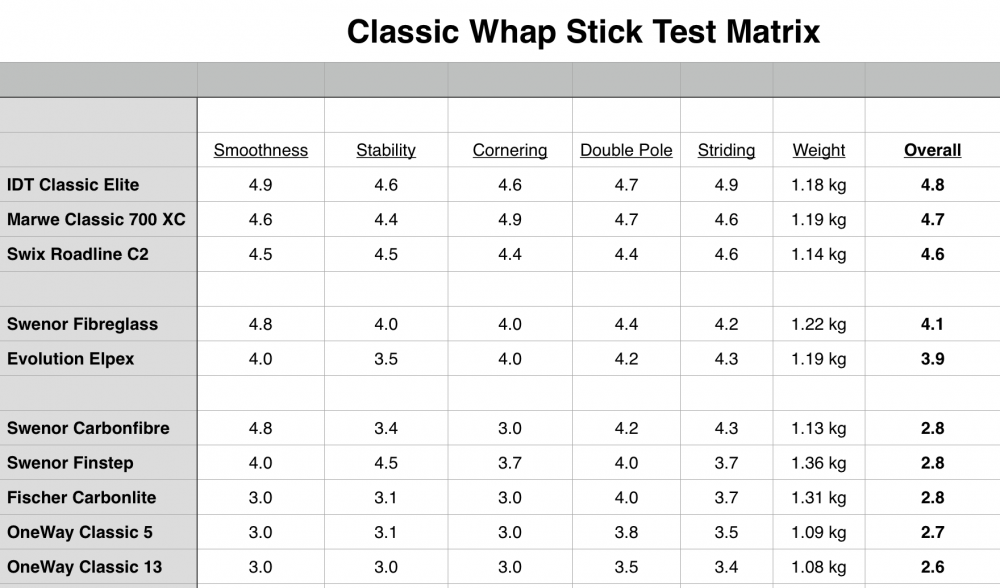
Now on to the review. What did we like about the IDTs? In short, everything. We approached this test with much of the same methodology as the skate test, with a few notable additions. As shown in the matrix below (Table 1), we added categories for striding and double pole (DP). Yes, yes, I know, you can (and should) DP in skate technique, but it was the opinion of our esteemed panel that DP plays a greater overall role in classic technique to merit its own category. Same deal with striding, which is, after all, the essence of classic skiing, so this new column should be quite self-explanatory. And the IDTs killed it in every one of these areas. Everyone loved the overall feel of the ski and while it was not light years in front of everything else, it was everyone’s favorite ski, bar none. Try to get seven people to agree on where to go for dinner or what movie to see and I think you’ll quickly see the point I’m making.
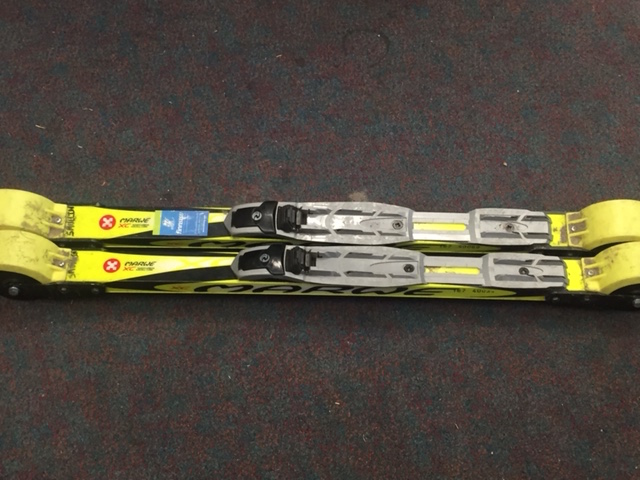
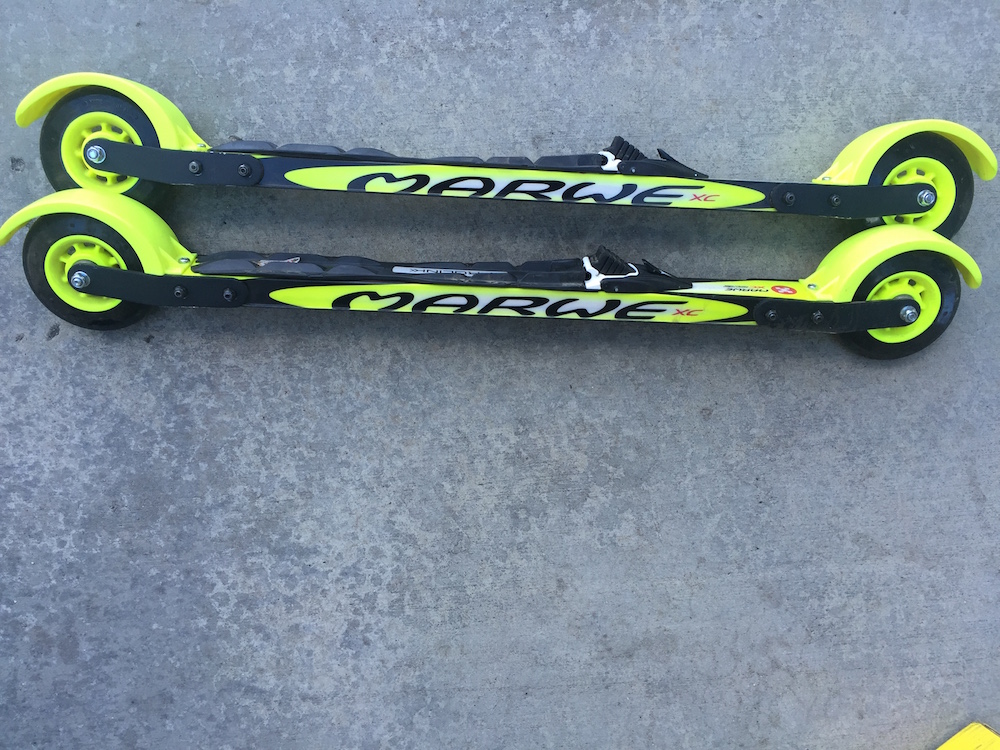
A close second, however, was the Marwe 700. Again, everyone loved these skis. In addition, they are cheaper and readily accessible, which is a plus for all of the impatient members of the studio audience. It should also be noted that Marwe has stood the test of time. We’ve been on the IDTs for the past few months and really like them, but we have literally years of experience and lots of usage data on the Marwe. We have no reason to believe that the IDTs won’t wear well, but we know the Marwes do. Look no farther than the garage of 12-year veteran of US Biathlon Tim Burke (photo at top of story) and you’ll see that they are the choice of many professional skiers. I went for a rip with Timmy in Lake Placid on a pair of his Marwes that were a few years old and they still skied great (yes, biathletes do classic ski and quite well, may I add).
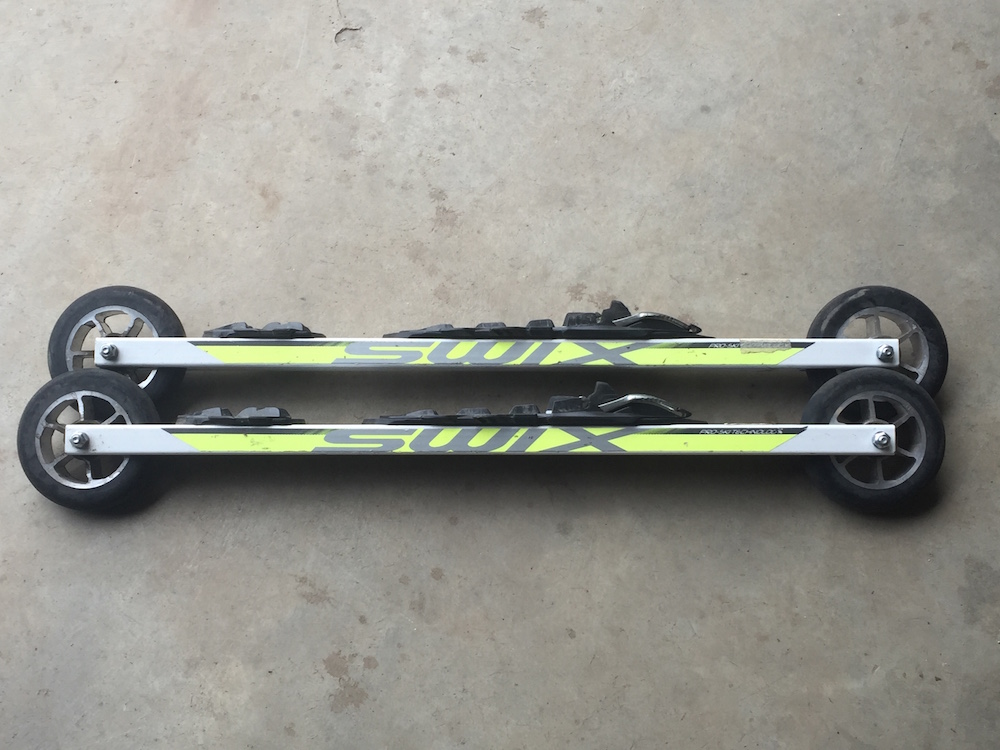
Also testing well was the Swix ski. The scores weren’t quite as unanimous as the IDT and Marwes, but every reviewer but two had them in their top three, so sticking with my dinner/movie analogy, this speaks volumes. Like the Marwe, they are also cheaper than the IDT and readily available (well, as readily available as any rollerski is, and let’s be honest, it’s not like these skin removers are falling off the shelves at your local Walmart. But you can find both Marwe and Swix without calling Europe).
Just as we did in the skate rollerski review, we ranked the skis into three categories and the IDT, Marwe and Swix were at the top in a class by themselves. In all fairness, the gap down to the next group wasn’t as big in classic as it was in skate, so hold all of those angry letters, as this second group is also populated with good skis. And just like skate, depending on your weight, age, skiing style, goals and budget, some of the skis in this second group may work for you, as don’t forget, our goal here is twofold: 1) rank the overall best skis and 2) help describe which skis are best suited for more specific individual needs. So again, hold those letters. At least for a few more paragraphs.
Stacking the deck
I’ve mentioned this in past columns, but it bears repeating that it always makes me smile how different companies interpret our requests for gear reviews. All companies receive identical instructions and yet the interpretations of these instructions seem to vary wildly. Case in point, essentially every puffy coat manufacturer sent us a different combination of men’s and women’s jackets for last year’s puffy coat review. Rollerskis proved to be no different, as some companies provided skate only. Others only sent classic. Some missed the deadline by a few days, others by weeks, some by months and some wrote to inquire AFTER the review was published if they could still participate. Yes, really.
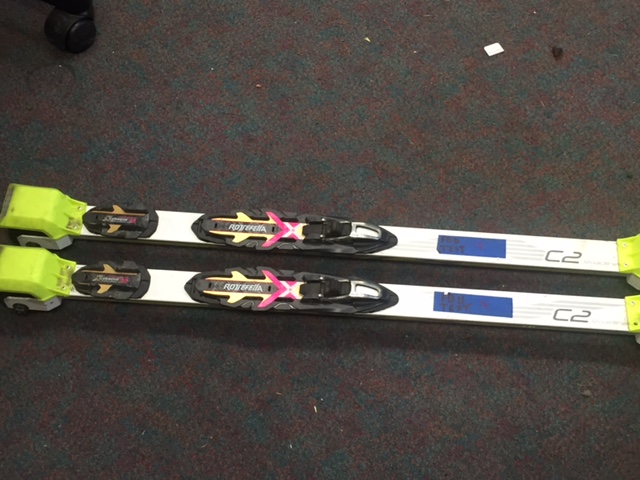
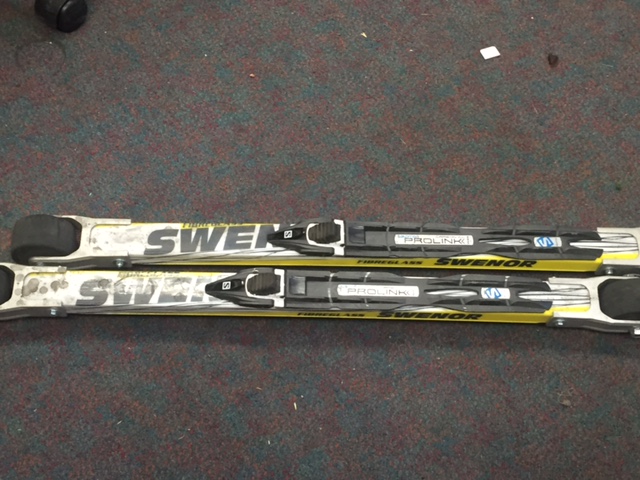
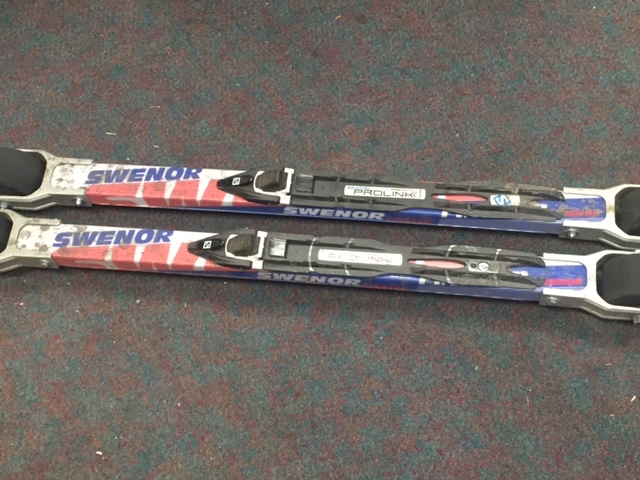
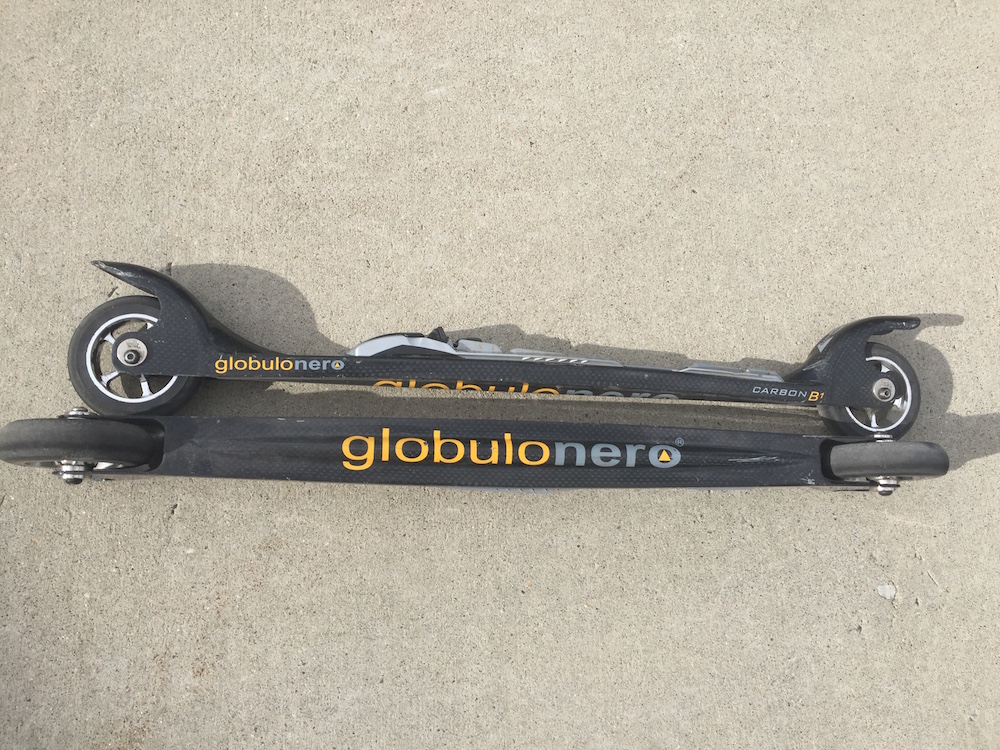
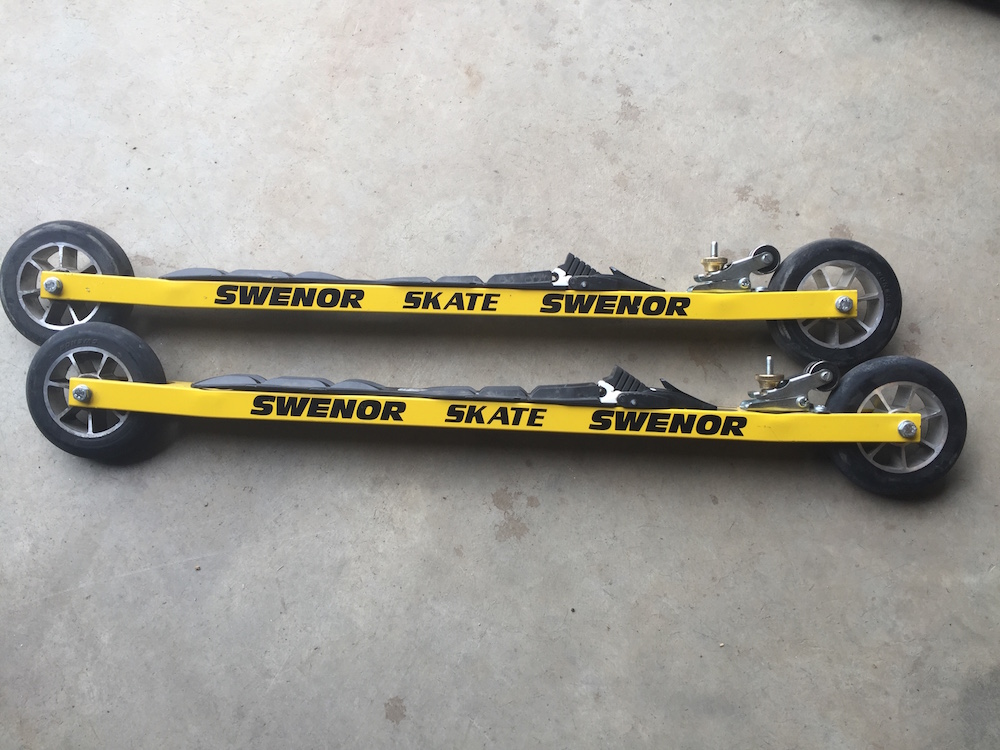
I bring this up because while many companies sell multiple models of skis, some picked one model and just sent that, while others decided to send us everything they could find. While this is obviously more work for us, that’s why we’re here and any good racer is an opportunist, so I actually kinda respect this approach. Swenor led the charge here by sending everything but the kitchen sink.
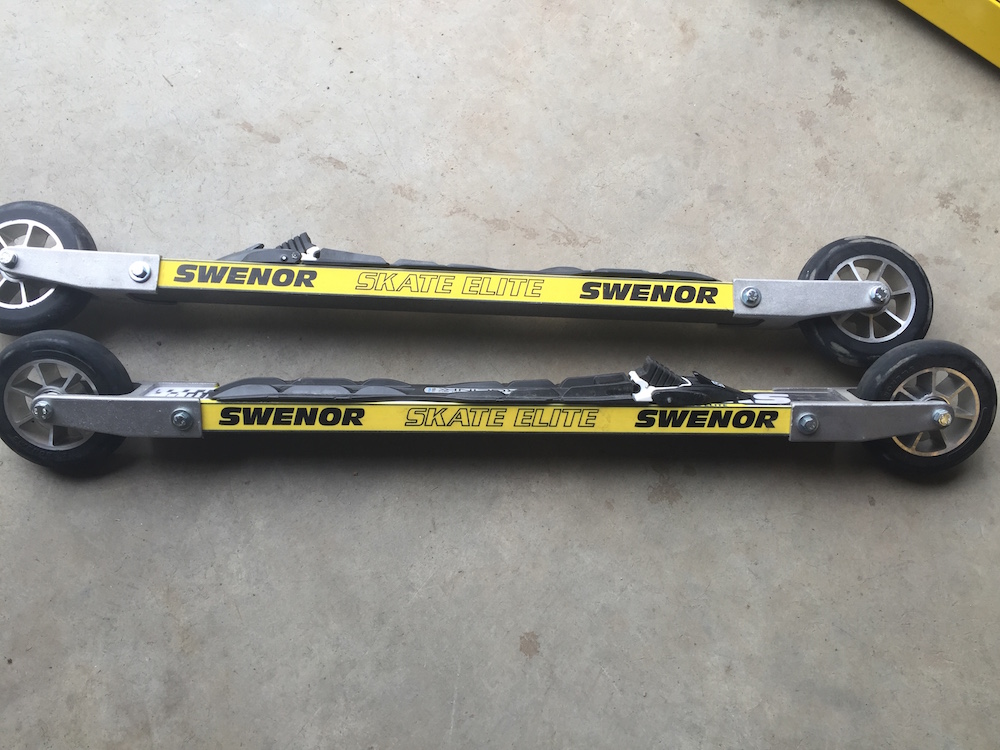
Swenor x 3
What was particularly interesting about Swenor is their product line probably offers the most diversity of any manufacturer. Most of the differences between BRANDS of rollerskis are often subtle and once you get within brands, the separations can be even smaller. This is not the case with Swenor — you know immediately which of their models you have on your foot.
Everyone’s favorite Swenor, the Fibreglass, a good all-around ski
The ski that scored the highest for all-around versatility was the Swenor Fibreglass, which, as Table 1 shows, scored reasonably well in most categories. One thing that everyone loved about this (and all of the Swenors, with a few caveats that we’ll get into in a second) was the smoothness. The Fibreglass model without a doubt had the best balance of smoothness, flex and stability, making it overall a very solid pick. Where things got interesting with Swenor was with the Carbonfibre and the Finstep models.
The Swenor Carbonfibres in their safest configuration: pointed straight with minimal load
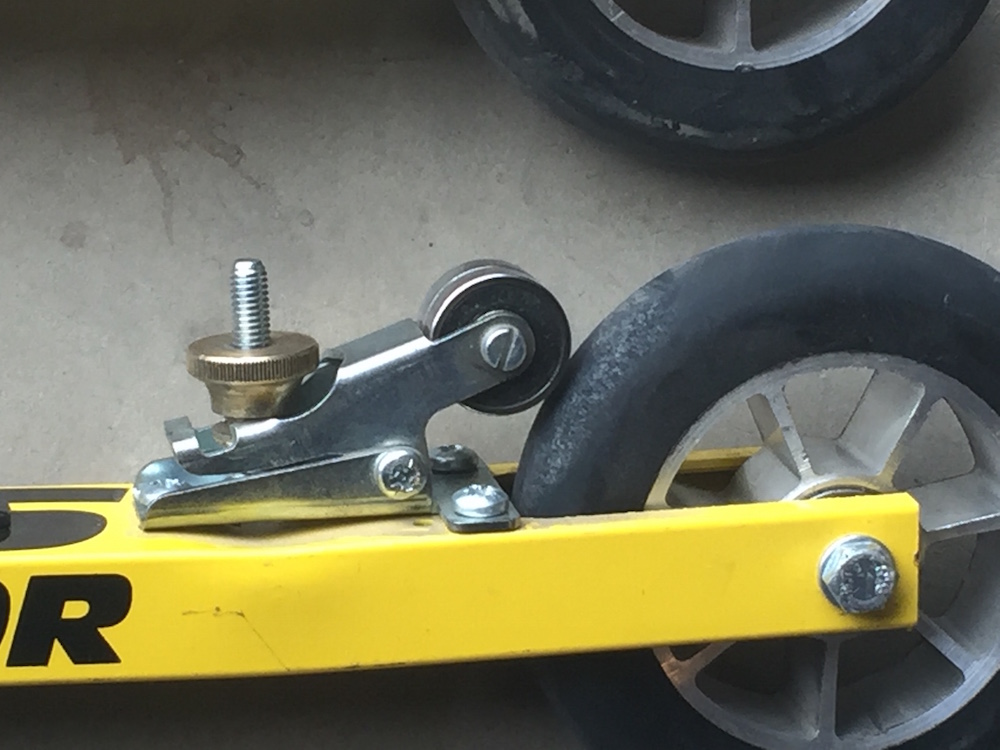
The Swenor Carbonfibre faired reasonably well for VERY light skiers (50-55 kg), but the scores showed a strong, inverse relationship to tester body weight. As even the casual reader knows, the FBD is a big, powerful man. Since my weight is a frequent and highly animated topic of conversation for both the men’s USA Nordic Combined and biathlon teams, I thought it was only appropriate that my current mass be verified by none other than Tim Burke. Mr. Burke was kind enough to witness, verify and notarize that at the time of the testing I tipped the scales at a svelte and swole 84.187 kg. This meant that me taking tight, fast corners on the Swenor Carbons was akin to driving a car with bald tires over ball bearings on ice. It felt as though a crash was imminent on every high-speed turn and if I looked carefully over my outside shoulder at the apex of any given corner, I could see my rear wheels sliding by me with reckless abandon, almost begging to send me into oncoming traffic or a handy drainage ditch. How, when and where we would end up was really anyone’s guess. I found that, um, unsettling.
In our endless pursuit of perfection and total objectivity, prior to publication, I sent the final draft of this story to all of the testers for their review and feedback. It can be tricky capturing the sentiments of a sizable group of people, so I was very careful to double check that I was providing an accurate representation of everyone’s viewpoints. When the comments came back from one of the testers who has probably some of the best feel for skis that I’ve ever seen, I thought his reaction to this part of the story was essentially perfect, “I took them (the Swenors) out for some more rips after we finished (the testing): they are good skis just as long as you don’t try to accelerate or push around a corner hard. If you are skiing mostly straightaways, there shouldn’t be a problem.” For the record, this reviewer is about 5 kgs lighter than me, so while he’s not quite FBD size, he’s in the ballpark. I’ll let all of you at home extrapolate the handling characteristics you will therefore likely encounter based on your specific body weight. Or you could just buy a pair of Marwes.
Swenor Finstep
The one ski that didn’t display the same velvety smoothness as the other Swenors was the Finstep. The light skiers didn’t like it as much as the Carbons and heavier skiers only liked it a little more than the Carbons, so when all of the scores were averaged out, the Carbons came out on top. I’m giving everyone “a peak behind the curtain” in this process, as this is one instance in which having a bunch of testers can be a bit misleading when averaging scores — pretty much the whole group agreed that if forced to choose between the Carbon and the Finstep, the Carbons are better for lighter skiers or those who train exclusively on abandon airport runways, and the Finstep are better suited for those with increased gravitational pull.
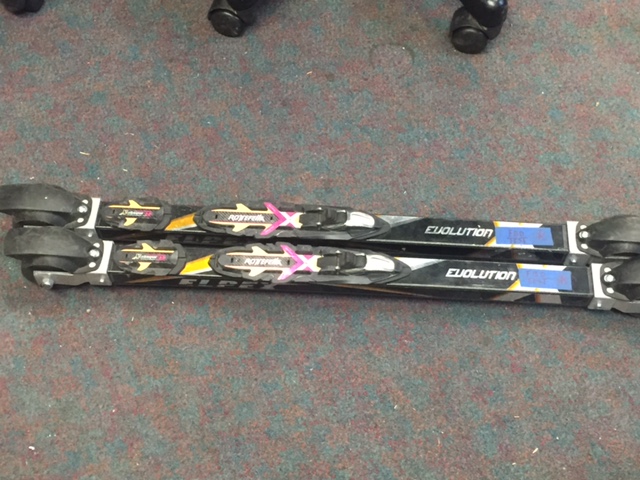
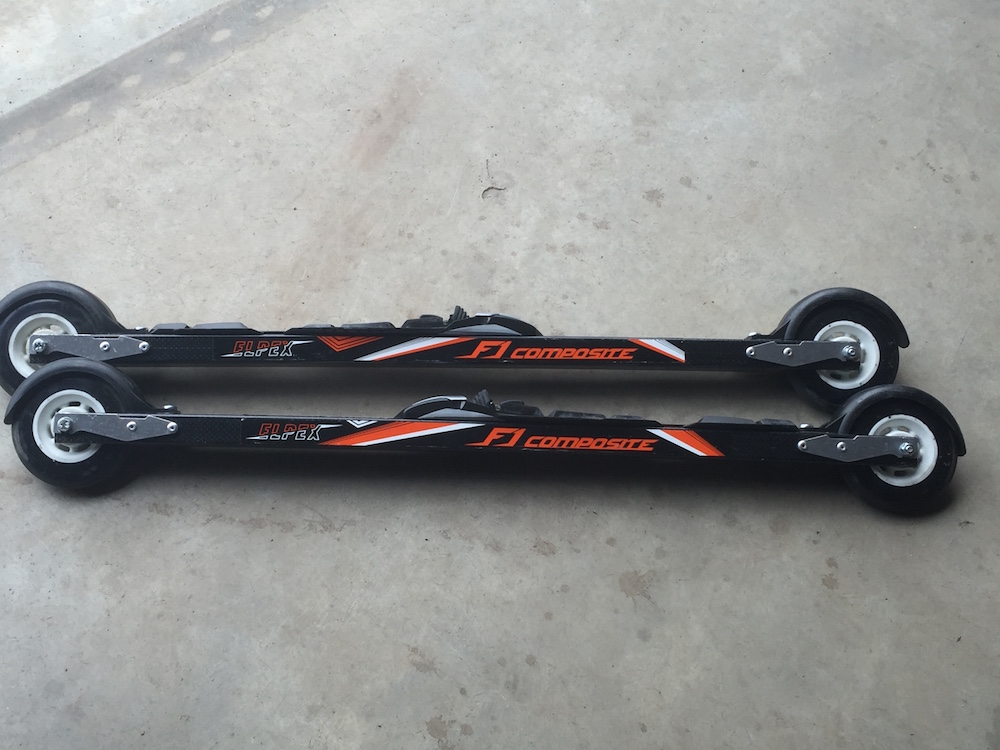
Sandwiched between the Swenor horde was the Elpex Evolution. Please note that this ski made the cut to the second group (as noted in Table 1) and was generally found to be a good ski. The only thing that really hurt this guy was stability — she’s tippy. As in six-margarita tippy. And while I love me a good margarita, I like them in the bar with a giant plate of nachos (84.187 kg, remember?), not on my feet. But if for some weird reason you’re not a heavy drinker or you’ve been blessed with balance like this, knock yourself out. Now the caveat here is that you can literally knock yourself out, but hey, you’ve been warned. Plus, we’ve already established that you’re not a drinker, so you need to do something for fun, so why not spend a few hours a day wrestling a pair of uncooperative skis. Consider it a lamer version of gator wrestling, but without the weird smells, dirty pond water and animal rights implications.
Good, solid citizens
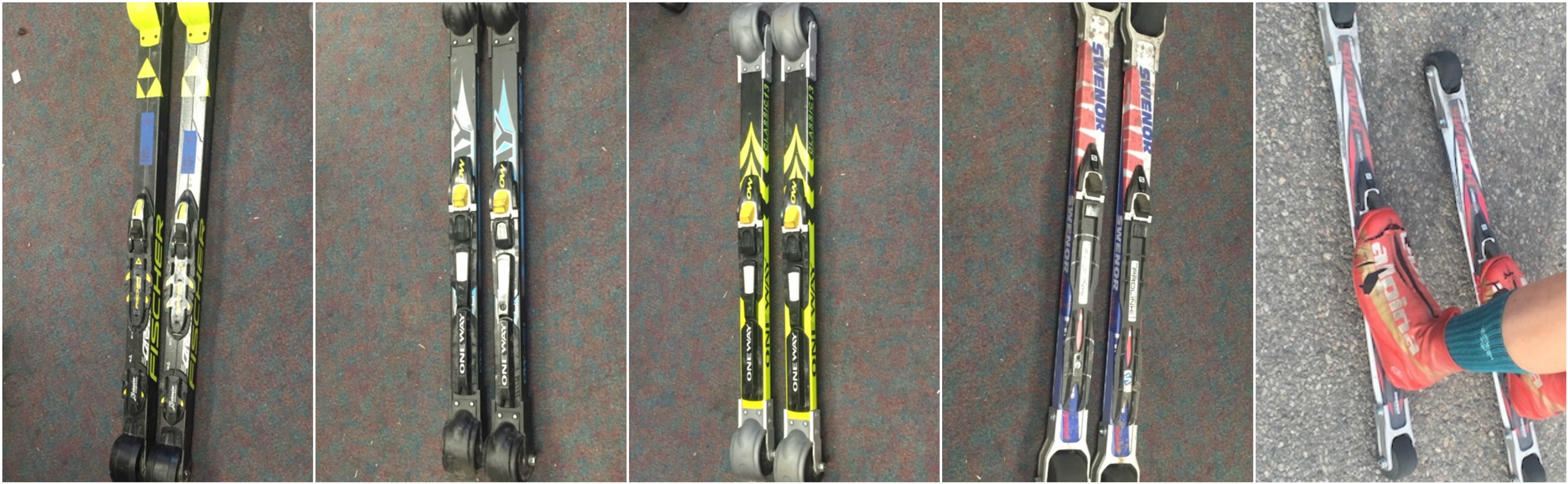
A five-way tie for the third-ranked group in the 2016 classic rollerski review: (from left to right): Fischer Carbonlite, OneWay Classic 5, OneWay Classic 13, Swenor Finstep, and Swenor Carbonfibre
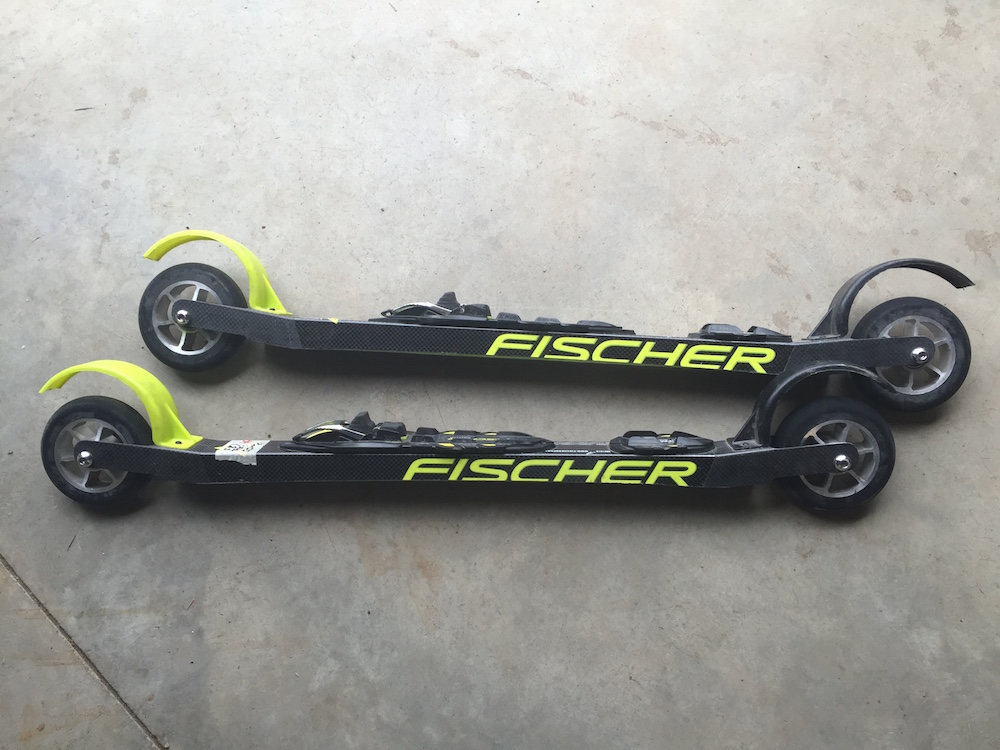
Also milling around in the neighborhood of the bottom two Swenors were the Fischer and both OneWays (OW 5 and OW 13). Every reviewer had these five skis in the third group, but the order was slightly different on each score sheet. In essence, the marks were so similar that this was basically a five-way tie for third. It is important to note that while none of the scores in this group exactly set the world on fire, these are all still perfectly fine skis — in all likelihood you can get on them, do a workout and return home without any major drama (that is provided you are not skiing in Philadelphia, where drama is essentially guaranteed regardless of which skis you’re rocking). So again, please no angry letters that Swenor skis saved your grandfather’s life in the war or OneWays pulled your puppy from a burning building. As noted earlier, the deltas between all of the classic skis were smaller than those in the skate whap-stick review, even though this may not necessarily be reflected in the scores. Two different reviewers were used for this test (persons with more experience on classic skis), therefore resulting in a different frame of reference, making comparisons on scores between the classic and skate tests impossible, so don’t even try. It is also very important to point out that we were looking to find differences and in some cases had to get fairly nit-picky. Every ski in this group is still very solid.
It’s a wrap (not a whap)
In summary, all of us really liked the IDT, Marwe and Swix. All three of these are fantastic classic rollerskis and each of them truly deserves their spot in the top group. Just as with “real” skis, though, rollerskis can be a very personal thing. Our hope is that by testing all of these skis extensively in different conditions and with several different size and sex reviewers, we’ve been able to compile both qualitative and quantitive recommendations that will assist most, if not all, skiers in future purchasing and training decisions.
If you’re still pissed off after all of these qualifiers, please feel free to contact Zach Caldwell, as he loves to talk about stuff like this. I happen to know for a fact that he loves calls of this nature, anytime, day or night.
Up Next (ish)
One of the many things that warmed my cold heart after the skate review was all of the excellent comments and suggestions that we received. One recurrent theme was long-term wear, so I am very pleased to announce that we will be doing long-term wear tests on skate and possibly even classic, depending on interest. On this topic, you can feel free to submit comments. Everything else you should send to Zach though.
Since durability is understandably on many readers’ minds and I could be dead and/or fired by next year at this time, we decided it made sense to provide very preliminary results right now as well:
Swenor: The wheels on the Carbon model may offer a smooth ride, but they showed signs of wear after only a very few kms. This is troubling for as noted above, some of the testers were quite light, so this does not bode well for long-term wear for even a skier of 150 lbs or so, not to mention us big thumpers. Also, why no fenders? This annoyed everyone.
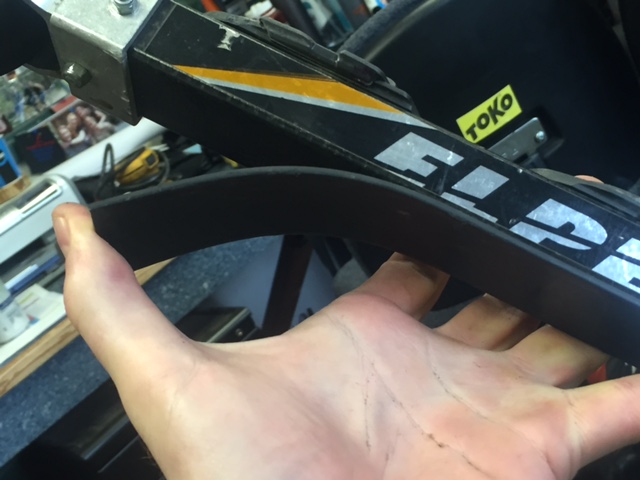
The Elpex Evolution rollerski delaminating after just a few months of use.
Elpex: One ski delaminated on the bottom. Again, not a very good sign if this is happening after just a few months of use, some of which from very light athletes.
Swix: One fender fell off and it was not at all easy to reattach.
Marwe: One of these fenders came off, but unlike Swix, this one was easily repaired. Despite losing the Allen bolt, a replacement of similar length, diameter and pitch was procured with no difficulty at the local hardware store. The only slight issue was that an Allen bolt wasn’t available, only a screw with a Phillips head. And yes, we’re now trying to do a better job checking the fenders. Damn, you people are needy.
See you out there.
FBD
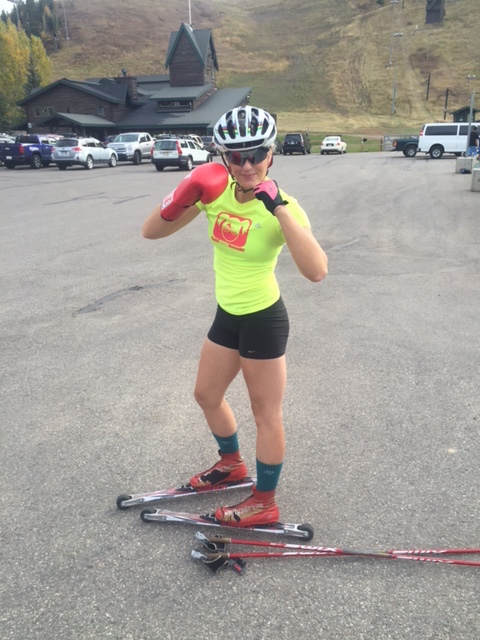
Former APU rockstar, current Steamboat Springs Winter Sports Club coach and ski-tester supreme Greta Anderson showing how we run our complaint department.
I think most nordic skiers have a love/hate relationship with rollerskis (or whap sticks, as my good buddy Zach Caldwell likes to call them). Firstly, we’re skiers and the last time I checked, skiing happens on snow, not asphalt. So there’s that. And then there’s the whole idea of taking these infernal contraptions out on the open road without any viable method of stopping. For anyone with even the slightest understanding of physics, traffic laws and the highly unpredictable nature of modern drivers, this is obviously a bad idea. Hold that thought.
The test array (All photos: FBD)However, as the old adage goes, “Skiers are made in summer,” and you hate the idea of losing to, well, anyone, so you check your dignity at the door, find a pair of skiing boots and poles that you’re mad at and drag yourself out the door for another battle with gravity, nearly invisible wheel-jamming rocks and the unwashed masses. If you’re in any sort of major metropolitan area in the U.S., you also need to fully activate your “abuse shields” as it is almost inevitable that you’ll be tormented, taunted and just generally verbally abused for having the nerve to go out on public roads for a little exercise. What the hell is wrong with you anyway? We all know that roads are for cars and nothing else — no bikes, no runners, no dog walkers and for heaven’s sake, certainly not for rollerskiers.
Ah, but your high-and-mighty ass has races to win. You’re a (wo)man of principle, you remember your eighth-grade civics class about taxes and their role in funding public roads and you believe stopping is highly overrated. Besides, you know these roads like, “the back of your hand,” and somehow implicit in this ridiculous statement is the assertion that you therefore also know the exact location of all possible hazards and obstacles.
Photos of Steamboat Springs Winter Sports Club Josh Smullin (l) and a tennis player dressed identically.In addition to your lovable, reasonable and logical, “I know my rights” side, you’re also a nordic skier, so you’re also cursed/blessed with a streak of non-conformity. Yes, you. You’re a rebel. Maybe not in the traditional sense, but a rebel nonetheless. You don’t drink alcohol (empty calories), smoke (uh, hellooooo, can you say VO2 impairment?), or stay up past 9 p.m. (dismal Firstbeat recovery score anyone?), but just last month you deviated slightly from your tried-and-true ration of protein to complex carbohydrates in your recovery smoothie. So take that, James Dean, there’s a new sheriff in town: he’s a footloose and fancy-free bad-boy rebel and he’s going to throw caution into the wind and go rollerskiing.
Okay, now that this is settled, the question then becomes, “Which whap sticks are right for me, FBD?” And this is where the story gets good, too, for as much information as there is on snow skis, there’s a dearth of information on the dreaded rollerski. Hell, it’s kinda hard to even find places that sell these bizarre instruments of death, nonetheless provide a detailed comparison on which model to best injure yourself, so pow, that’s where we come in.
Diving right in
First of all, with a few notable exceptions, almost all of the skis that we tested were good; three were very good. There were definitely differences between the skis though, so depending on the road surface where you train, the type of training you are doing and your goals, the best ski for one skier may not be the best for another. Given this, we have put together both a quantitative chart so you can see the empirical test scores, as well as a qualitative section in which we’ve described the best fit for each individual ski. We believe that with a careful period of introspection, goal setting and road-frictional coefficient calculations, combined with a thorough perusal of both the qualitative and quantitive sections, you’ll find yourself the happiest you’ve even been in your life.
Testing HQ in Steamboat Springs, Colo. Rollerskis for this review were also tested in Park City, Utah, and Philadelphia.Next is the issue of speed — this is huge in snow-ski testing (basically the entire point of testing is to find the ski/grind/wax combo that is the fastest), but this is generally not the case for rollerskis. Racing aside (and who is crazy enough to race these barbaric skin-removal torture devices?), the overwhelming percentage of athletes are looking for the rollerskis that best simulate being on snow and meets as many of personal the training parameters outlined above. In addition, almost every rollerski wheel can be swapped out for faster wheels, so it is generally quite easy for an athlete to “tune” their whap sticks to whatever speed you are the most comfortable screaming down hills on something with no brakes, into traffic. As a result, you will see essentially no references to “ski speed” in the rest of this review, as any ski can be made fast. Chapters could be written on the many schools of thought on “best” rollerski speed, but that’s not the purpose of this review — we did our best to provide an objective, comprehensive and unbiased look at as many brands as possible and make recommendations to everyone in the ski that is best for them.
Best Overall
Just as with snow skis, there is an element of personal preference in rollerski selection, so to help address and negate this, we had a test team of seven people. In total, we had over 150 years of ski experience, an Olympic gold medalist, a world champion, and three veterans of World Cup ski-testing protocols. This was an extremely well-qualified group, so we believe this analysis to be very fair and balanced. We love skiing and we love gear, so we took this very seriously and put a ton of time into it, because that’s what we do. And we even managed to have a little fun along the way, which is good, as I’m pretty sure that I read somewhere that this is supposed to be fun.
While most of the skis in this test will work fairly well for a wide range of athletes for most conditions, three pairs scored consistently the highest among all of the testers: Marwe, IDT and Pursuit. The former was not much of a surprise, as Marwe is a well-respected and established brand.
Look no further than U.S. biathlete Tim Burke’s garage and you’ll see why Marwes are the choice of many top skiers worldwide. They have a nice feel, are very stable, hold up well and offer a wide variety of wheels speeds, so you can’t go wrong with these skis.
Weighing in at 0.91 kg, they are the lightest of the three top skis and their individual performance ratings was at or near the top in every category (see review matrix below*).
*Note: Every tester had a private scoring matrix that no other reviewer saw until the testing was complete. All of those scores were averaged to create the matrix shown above.
Also, this matrix has been updated to include model names.
The second top performer was the IDT (0.99 kg) — another great all-around ski. We all loved everything about this ski and it also scored high marks across the board in every category. They were the longest ski tested and many of us felt this contributed to this ski being the one that many believed felt the most like skiing on snow.
One tester was concerned that the added length would be cumbersome in corners, but most felt that this was not a problem and overall this ski scored well in all areas. The biggest drawback is that they’re made in Norway and they’re just getting their U.S. distribution rolling (get it, ROLLING, see what I did there?), so purchasing a pair in the U.S. right now may not be all that easy. IDT specifically stated that this product will be readily available in the U.S. “very soon” though, whatever that means. This is a great ski for long, cruiser workouts.
By far the biggest surprise of the testing was the Pursuit Fork Flex (1.03 kg). First of all, far be it for me to speak “out of school,” but the Pursuits aren’t exactly the sexiest skis out there: the best way to describe their appearance is that they are the result of the ultimate-nerd collabro of an erector set…
Metal-toy Erector Set
meets science fair…
Science fair
meets nordic skier.
Josh Smullin (l) in a pumpkin suit.
Yes, scary, I know. But, but, BUT, this just goes to show you how good these skis really are, as every one of us picked them up and thought, “Yeah, these things are going to suck,” but then we skied them and were quickly singing another tune: great feel, stability and flex.
Pursuit skate rollerskis
No one had skied them previously, so none of us knew what to expect, but independently, everyone scored them very highly, with most testers ranking them their overall favorite. Wow. Every good scientific study does its best to minimize bias, but that’s obviously very difficult when the name brand of the ski is staring right at you — so for these skis to score the highest marks with no preconceived notions of their strengths shows just how good these skis really are.
The price is right, too, as they’re over a $100 cheaper than most of the other skis reviewed. It will be interesting to see how well they stand the test of time, but they’re off to a great start.
Specialty Skis
What is particularly interesting about the skis in this next group is all of them do a certain thing(s) very well. They may not be the best “all-around” skis, but that doesn’t mean that they aren’t the best skis for you.
First and foremost, we were very eager to try the Rundle Sport FLEX (1.07 kg). This ski was reported to be more comfortable and more forgiving than most other skis and the entire test team was excited about checking this out for ourselves. Are these skis noticeably smoother on rough pavement? In a word, yes. So if you’re stuck in an area with the dreaded “chip ‘n’ seal”:
A “chip ‘n’ seal” road in the U.S. (Photo: Wikipedia)
not to be confused with Chippendales (who are suitable for any road surface)…
Chippendales
…these skis are for you. Where you won’t like them is on high-speed descents or hard cornering. So if you’re rollerskiing’s answer to Bode Miller, you believe all time spent traveling in a straight line is time wasted, or hair-on-fire downhills are your jam, you’re not going to be feeling the love with the Rundles. If you’re recovering from injury, are forced to train on bad roads or are just all about comfort, snap these up now and these are the most comfortable skis we tested.
The GlobuloNero (0.89 kg) is made in Italy. Full disclosure: I love Italy. Amazing food, fashion, culture and style, but Italians do things their own way. For example, they use the word ‘schedule’ very differently than people in most other countries, as their use is really more of an aspiration or suggestion for things like trains and planes than it is a predictor of what time any given form of government-run transportation will actually arrive. That is, if it arrives.
My missing GlobuloNero part
This ski fits that concept perfectly: they are the Ferrari of skis. If and when they finally do arrive, they come with a silk scarf, a bottle of cologne and a nice bottle of red wine. They are all carbon, including the fenders, and as such, they are just oozing with style. Like the Ferrari, they also have their idiosyncrasies. For example, the “nut” that holds the axle in place is, naturally, a custom shape, so losing it is like losing your baggage in the Rome airport: you won’t be traveling anywhere soon. I know this for a fact, too, as I did somehow manage to lose this crazy piece when it mysteriously decided to abandon ship mid-workout to start a new life nested into the roadside bushes. Despite many calls to many places, surprisingly no one had what looks like it should be a very common part.
Just as I had begun to accept the fact that these Italian works of art would forever be relegated to the floor of my garage, Eagle Eyes Smullin retracted our steps (well, strides) and somehow managed to find this part as it was setting up shop in the drainage ditch. That’s some Teammate of the Year sh*t right there.
Other reviewers didn’t score them as highly as me, but I love these skis. Maybe it’s because they’re like me — smooth, stylish and sexy, but also temperamental. Like the IDTs, they can also be difficult to find in the States. Unlike the IDTs however, there appears to be no plan to improve this, which, well, is what it is. The company also claims that they are designed for skiers over 70 kg (154 lbs) which is weird, as you don’t usually see carbon-fibre components with minimum weights, but hey, they’re Italian, remember? And stop asking so many questions — your train is going to eventually get here. Maybe.
Don’t forget either, this is a gear and style column and no skis have more style than the GlobuloNero. C’mon, everyone and their brother has a set of Marwes or Swenors, right? So if you’re one of those people who likes to look good, doesn’t mind waiting six months for these to arrive from Europe and won’t throw a fit when your Ferrari breaks down yet again, you owe it to yourself to buy a set of these. Other skis may score a bit higher or have their own performance niche, but Globos have style. Start the ordering process now and you might just have them for next summer. Maybe. If not, have a nice glass of chianti and go sit in your Ferrari that currently won’t start for some strange reason. Any good Italian will tell you that it’s too nice a day to go rollerskiing anyway.
This was the lightest (0.80 kg) and shortest ski in the test, and not surprisingly the most twitchy and tippy. This skis felt smooth when you were on top of them, but balance was a challenge. Now, for small, light skiers or younger athletes, these might be perfect. Plus, they are a coach’s dream: learn how to be stable on these bad boys and you’ll have Andy Newell’s cat-like reflexes in no time. Assuming you have the balance for them, they will likely excel for hard-charging juniors looking to impress U.S. national-team coach Matt Whitcomb by breaking lots of sh*t on the agility course at a regional elite camp. So if that’s you — you ski Soldier Hollow often or your preferred training loop is a bike path, filled with the tight, blind corners (which seem to be obligatory in most ski-town bike paths), self-absorbed dog walkers with their 30 foot, knee-level, rollerskier snare line — these skis are for you.
It always warms my cold heart when companies go “all in,” on these tests and send everything but the kitchen sink. That was the case here, as Swenor sent us two pairs of skate skis and three pairs of classic. I love the enthusiasm and aggressive product positioning, but the problem here is that we didn’t love the skis. To be clear, we didn’t hate them, but we didn’t love them either (at least for skate; the classic scored better and that review will be coming shortly).
What’s wrong with these skis? Well, nothing actually, but as the test matrix shows, the Skate Elite (1.05 kg) got edged out in basically every category. It is still a very solid ski and its performance was solid in every category but of the seven testers, not one single person had them in their top group. For the record, everyone (that’s right, all seven testers) had the Marwe, IDT and Pursuit in their top three. Not everyone had these three in the same order, but everyone had them as their top three (and as noted, every tester had a private scoring matrix that wasn’t shared until the testing was complete). The fact that the Skate Elite never made the top three on anyone’s list meant that in good conscience we simply couldn’t group this ski with the Marwe, IDT and Pursuit.
Swenor Skate rollerskis
The second ski from Swenor, the Skate (0.94 kg) fared worse. No one was particularly impressed with this ski’s performance on rough pavement and they had the added distraction of being quite loud and rattly (for reasons we will go into shortly). Both a strength and weakness was that this was the only ski with built in speed reducers. This is a strength, as it seems like the ability to even somewhat regulate your speed could come in handy from time to time. It’s a weakness as, god damn it, these things were loud.
Swenor Skate rollerski brake
The mechanism itself isn’t all that user-friendly either, as it required bending down to turn a dial on the ski to add resistance. This is really more of a “hey, this downhill looks steep, I’d better pull over and add some rolling resistance so I don’t die,” type of system, than a braking system per se. I can just hear all of the haters out there firing up their Internets to fire off a scathing missive about FBD being a “brake hater,” (Is that even a thing?), so let’s all save each other some time and I’ll go on record right here saying I love the concept of brakes. What sane person doesn’t? I’d just like them to work, that’s all.
To be blunt, this ski was a disappointment. Fischer makes great snow skis, so we were expecting big things from them. They got off to a great start as they look sexy as hell, but things went downhill as soon as we picked them up, for despite being carbon, these skis were the heaviest in the entire test, by a lot (1.22 kg).
The situation got even weirder (not the Jersey Shore guy, who is already quite weird) when we skied them too, for again, despite being carbon, the ride was just OK and surprisingly non-compliant for a carbon ski. This was surprising. To be clear, this is still not a bad ski, but simply not as good as others in the test. The fact that we had such high hopes for the ski probably also increased our disappointment to some degree. This SHOULD be a great ski, we all wanted it to be a great ski, it just wasn’t. The weight was an added buzzkill.
The biggest disappointment of the test was the Elpex F1 Composite (1.03 kg). We were all super-psyched to try this ski, but one didn’t have to ski far to realize that something was wrong, very wrong. In fact the skis felt so off that we believe there may have been a binding mounting error, as this ski felt like you were riding a bicycle backwards to every tester. Hopefully this problem can be identified and corrected, as we still believe that this ski has promise.
This has got to stop
Lastly, the one area that we’ve danced around a bit, but is never far from our mind, is safety. Quite simply, venturing out onto open roads with no viable method of controlling your speed is nothing short of insane. Yes, you can moderate your risk a bit by picking safer courses, but even so, you don’t seriously think that nothing is ever going to suddenly appear in your way on even the most deserted country road or bike path, do you? Unless you’ve taken over for Matt Damon on an abandon space station on Mars, you’re going to encounter obstacles in your path on training skis.
The problem is that rollerski brakes have previously all been pretty crappy. A few differently companies have tried, but the end results have been underwhelming, with all of the systems having problems of some sort. Or almost all of them.
One reviewer’s rollerski rankingOne of the big revelations of this test was putting an after-market braking system from the Rollerski Shop though its paces. I am very pleased to report that the system worked quite well. It’s design is quite simple and effective: a lever arm applies pressure to your rear wheel. The lever arm is engaged by a pull handle that hooks to either a waist strap or your drink belt. It takes a little fooling around to get the whole system tensioned correctly, but once you do, it works well (this video offers some truly compelling footage of the system in action).
Don’t get me wrong, 180 mm Shimano disc-brake rotors these are not, but of all of the braking systems I have ever tried, this one is by far the best. It adds essentially no weight to your skis, it is quiet, effective and can be activated easily and quickly. Remember, it’s not just that this makes you safer on your existing courses, but it also opens up a whole new set of options for you. How many times have you not done a potentially great training loop because there’s some nasty intersection at the bottom of a big hill? Or blind corner? Or dead end? Or lake, if you’re skiing with Billy Demong? If you’re too cool for school and think brakes are only for people with no skills and no balls, take it easy Rambo and justify the purchase by telling yourself that you’re finally going to be able to ski “Dead Man’s Hill,” or whatever the equivalent is in your town (every town has one). When the brake just happens to save you from a crash when a delivery truck driver suddenly pulls out of a driveway or a 150-lb, learning-impaired Great Dane comes charging toward you, poised for a powerful, collarbone shattering head-on collision, you can thank me later.
So what are you waiting for? Go treat yourself to a brand, spankin’ new set of whap sticks. After all, who deserves it more than you, right? Do us a favor too and spring for the brakes as well. Not only do we want everyone to be safe out there, but it just so happens that we have a few more amazing clothing reviews coming in the next few weeks and we want each and every one of you healthy, happy and safe so you all can bask in the glory that is FBD gear reviews.
If you want to be as cool and go as fast as Tad Elliott, you need to first buy a bad-ass El Camino and then next get a Suunto Ambit 3 heart rate monitor and Firstbeat HRV software.
This review of the Firstbeat heartbeat analysis system originally appeared on SlowTwitch.com, a publication targeted for triathletes (see Part I, II and III). This version has been added to and updated specifically for nordic skiers.
He says they’ve already got one…
Monitoring training load is the Holy Grail of endurance athletics. Any good coach will always be looking at how to optimize training load, and essentially every competitive athlete from the first time they toe the line will wonder how to best balance intensity, volume and recovery. Throw in the added and significant stressors of work, school and social obligations and this already complicated equation becomes even more involved.
As the world becomes increasingly digital and the science more precise, the last few years have brought a number of different technologies to the plate that look to better quantify training and recovery. Heart rate monitors have been a staple of endurance training for over three decades. With the increased prevalence of smart phones and their ever increasing functionality, the ability to collect data has never been greater. Even more recently, a speciality market of “fitness trackers” has emerged with devices 100 percent dedicated to tracking movement, heart rates and a variety of other metrics. Several of the big players like Apple have gone a step further (no pun intended) and incorporated these features into everyday wrist watches, so finding ways to clutter your hard drive and mind with biometric data is now easier than ever.
One area which is ironically much less clear however, is the overall effectiveness and utility of all of these devices. Your functional threshold power (FTP) on the bike is 407 watts? Great. Now what? I didn’t win bike races by having a better FTP than the other riders, I won races by getting to the finish line first. Same deal with heart rate. Now before all of you data geeks fire off an angry email that these metrics are tools to help better guide athletes to the podium, I agree with you, but what if there was something that allowed you to quantify both work and recovery? Something that provided insight into not just the physiological stresses of training but also in activities of daily living (ADL). There is. And it is called Firstbeat.
The Firstbeat system can be used with a traditional heart rate monitor chest strap or specially dedicated chest sensors as pictured.
HRV
The Firstbeat system (FB) is a member of a class of devices that monitor heart rate variability (HRV). In simple terms, HRV, as the name implies, is the difference in the intervals between heart beats. Different devices approach this situation differently, but in essence, Firstbeat uses a mathematical algorithm to compare heart rate, interval regularity, maximum heart rate and VO2 to calculate a few different output and recovery metrics.
How it works
One sport early to adopt HRV monitoring is nordic skiing. Three-time Olympian and former U.S, Ski Team coach Jim Galanes, offered his history with the device.
“Tina Hoffman, who was a coach at University of Alaska, Anchorage, showed this to me about eight years ago, so I’ve been studying this system for quite a while,” Galanes, who co-owns Galanes Sports Systems and handles the distribution, sales and service for Firstbeat products, explained on the phone. “The more I used it, the more convinced I became that it is a very effective tool and by far the best one out there. I’ve become so convinced of its effectiveness that starting four years ago, I won’t coach anyone who won’t use it; it is that powerful. It is the single best way to making training decisions.”
Zach Caldwell, coach of several members of the U.S. Ski Team, has been working with the system for a few years and provided a more in-depth explanation of the underlying science. “Your heart rate is governed by your central nervous system (CNS) through two central pathways in your autonomic nervous system: your sympathetic nervous system and your parasympathetic nervous system” Caldwell said on the phone. “Your sympathetic nervous system is what governs your ‘Fight or flight’ response, in common parlance. This is a stress response. It elevates your heart rate and creates a signal that makes the beat to beat interval very regular.”
Caldwell continued, “The second component, your parasympathetic nervous system, which governs rest and relaxation. The influence of the parasympathetic nervous system is to lower and create less regularity between heart beats. By looking at an individual’s heart rate (HR) variability in comparison their own baseline, you can make a statement about the prevalence of a sympathetic response, which is an indication of stress. In short, by using the Firstbeat system we can see how your body is responding to stress. It is a fairly direct measurement. I am not a scientist or a doctor, so while I have reviewed some of the literature, I can’t speak to the experimental design, but my read of the science is that there is ample support for the efficacy of utilization of heart rate measurements of indications of CNS function. CNS pathways are integral for heart rate regulation, so this is very pertinent for sports. Their appears to be very good science and very good efficacy of that science toward athletics.”
Galanes agreed, “A great deal of research, thought and testing has gone into this system: is the result of life work of Heikki Rusko, one of the best sports science researchers in the world, so the system is very well grounded in science, as the research that went into validating the system spanned over 15 years. From this perspective, unlike a lot of systems that are out there, this has gone through rigors scientific validation, both for monitoring training and recovery.”
The key, according to Galanes, isn’t just what the Firstbeat system measures, but what it does with it.
“There are a lot of systems out there that collect data, whether it is a regular heart rate monitor, power meter, Strava, Fitbits, whatever, but there is very little analysis that goes on with that data. Using HRV and the Firstbeat software to look at training load and recovery has become the gold standard. Power and HR are certainly useful, but alone they are not good measures of the disturbance of homeostasis on the body and that’s what training and recovery are all about.” For those interested in a much more in-depth presentation of actual data fields and a more detailed explanation and description of the software, check out this webinar: https://www.firstbeat.com/en/webinars/training-load-recovery-monitoring-in-professional-xc-skiing/
Why Use It
“Coaches and athletes are all very concerned with stress and recovery,” said Caldwell. “Previously I don’t think we have done a very good job at looking at this holistically, so while we looked at rest, we didn’t look at enough factors. The ability to examine and even quantify the role of stress both independent and related to training load is very powerful. This is particularly important for self-coached athletes, for as athletes, we tend to be good at lying to ourselves. Athletes are delusional. We take a lot of information on board and we interpret it based on what we want the outcomes to be. I see it all of the time. I can tell if an athlete is tired and I think even that athlete knows it, but when you ask them, they say they’re fine, in particular at the elite level. I work with over-motivated athletes who want to be able to do more. This isn’t a tool to tell you to take it easy, rather it is a tool to help you make better choices.”
Erika Flora, head coach of the Alaska Pacific University (APU) elite team, agreed. “It can be a good tool if used correctly and in combination with other indicators, in particular feel — I am a big believer in teaching athletes ‘feel,’ ” he said during an in-person interview. “HRV is not an absolute indicator, but it is definitely useful, as sometimes motivation overrides good judgment.”
The 24-Hour Athlete
So often the motivation to try harder is bundled into the four hours of training each day and the other 20 hours in the day are ignored, or at least not optimized,” theorized Caldwell. “If your job has had you running around all day, it may actually be counter-productive to do the interval session you had scheduled. This system is a tremendous help in monitoring your overall stress and adaptation. Careful and correct interpretation of this data can create what I call ‘better 24-hour athletes’.”
Caldwell continued, “One of the major things we want from training is to see a positive response. It sounds so basic, but I see so many good athletes mess this up. We want training to make you stronger. You do a hard training session, we hope that this will make you better, that’s the goal. It’s easy to skip the part where we ask, ‘Is this really going to make me better? If so, when?’ This is a tool to help answer the question. I am unconvinced by things for which I don’t see evidence. I see lots of people doing lots of hard work, but I don’t always see benefits. Why? Training should work. As a coach, if an athlete is not getting better, I want to know why. Why are they not responding positively to training? If we’re counting totally on self-reporting, well, that doesn’t work very well. Most of the good athletes I know have a very good way of coloring their own training. You can beat them into the ground with tests, but that also has its limitations and is disruptive. What if you had a tool that could quantify all of these factors. What if you knew who had good sleep and recovery? This tool does all of that.”
How to use it
Essentially the Firstbeat system measures two primary factors: training load and recovery. The two are obviously related, but can also be uniquely independent. Training load is monitored through a combination of factors, in particular, Excess Post-exercise Oxygen Consumption (EPOC). Measuring EPOC offers several advantages over measuring power or heart rate alone.
“EPOC is very interesting in that it helps you understand the load that you feel when you’re training is cumulative, not instantaneous,” noted Caldwell. “The cool thing about EPOC is that it looks at accumulation of effort over time. The best athletes have a great sense of how to keep things ‘easy’ — their HR can drift up a bit, but they can feel the recovery. What I see in less accomplished athletes is that they religiously follow the HR monitor, so sessions designed to be easy oftentimes aren’t so. Typically amateurs overdo it on easy days and under train on hard days. Using EPOC to help monitor this is huge.”
“Granted, my case is somewhat unique,” Caldwell continued, “as I exclusively coach elite skiers, so EPOC scores are useful, but the recovery thing is even more useful for me. The recovery score is great because it utilizes HRV as a real-time score. The recovery score is an indication both of the level of recovery and the level of fitness. You can’t rest your way to a great recovery score any more than you can rest your way to a great performance. Your peak recovery scores come in relation to your peak training loads and your best management of the recovery process, so it’s not just rest – paradoxically it is also training load.”
Galanes followed up on this thought: “This system is based on understanding each individual’s unique physiology. To use this system optimally, you need to start out and do some testing programs on things like max HR and help determine max VO2. So you need to do a six-minute max test. This helps set a good benchmark for all of the data. This is key, as you need good data going into the system at the start. Once you have this, all you need to do is start training and understand the simple observations of EPOC. The information you get from the system gives you the tools to quantify the training load but also ask the questions about how to modify training to improve overall capacity and performance. The human body is always in flux: it is always adapting to load, so the body is not the same day in and day out and FB is one of the best systems to quantify these changes and better define these different states of readiness.”
Over-The-Hill Gang
One group Galanes believes benefits the most from HRV monitoring is masters athletes. “Recovery profiles for masters athletes are very, very different than young, elite athletes. As we age, there is a whole different training process that needs to occur. Ned Overend, Joe Friel and others are making some good observations on this. Since we all age differently, FB is one of the best possible tools to assess each individuals response in training and recovery. The real value at looking at EPOC is to help you understand if you’re getting the desired effect of your training. If you go too hard, you are compromising something later in the training process. It really helps clarify the focus and the implications of the training. It is the most incredible training tool that has come along in my training and coaching lifetime.”
Optimal Usage
As a frequent traveler to both Europe and high elevation (sleeping at 7,200 feet, training between 6,700-10,400 feet), being able to measure the “stress” and overall physiological impact of traveling to and training at these sites have proven to be incredibly valuable. Sure, any idiot knows that they’re tired when they get off the plane after a nine-hour flight, but what does this really mean in terms of training? Should you even train right off the plane or take a nap instead? If you do go, how long and hard should you go? Firstbeat can help answer all of those questions. And that’s just the tip of the iceberg.
Anyone who knows me knows that I lead a very unusual life. I spend more time on airplanes than many people do in bed. I have a large animal rescue and much to the amusement of my vet and farrier, I often ride my mountain bike to my farm to administer vaccines to the animals while wearing a full cycling kit (apparently this isn’t all that common). I also regularly work on three continents, ski home from work in the dark and a bunch of other stuff too strange to print, so I think most would agree that I am clearly an outlier on the curve in many ways and in many things. Now, having said that, while my stressors may be different from yours, my guess is that each and every reader out there has lots of other demands for their time outside of training and lots of factors that impede recovery, some unique to them, others not. Sure, most of these stressors most likely don’t involve giving vaccines to donkeys or having the entire U.S. Ski Team’s jump skis lost in Japan, but I have yet to meet the person who claims their job is easy, who gets all of the sleep that they’d like and who does not have any worries or responsibilities. So just how much is your stupid job, long commute or inability to attract a member of the opposite sex affecting your training? More than you might expect.
Sure, most of these stressors most likely don’t involve giving vaccines to donkeys or having the entire U.S. Ski Team’s jump skis lost in Japan, but I have yet to meet the person who claims their job is easy, who gets all of the sleep that they’d like and who does not have any worries or responsibilities.
“The thing that the most interesting about it is that it provides hard data on feedback that helps us modify our behaviors in ways that are otherwise difficult,” claimed Caldwell. “I first started using Firstbeat when I was traveling in Europe. I found that I was getting high EPOC scores on runs that I thought were easy. As soon as I recognized the stress from the long travel and adapted my training, I got better EPOC scores and felt an immediate fitness bounce. Don’t get me wrong, it took me years to learn this lesson and I had to learn it the hard way. Generally us old dudes go out and hammer. Most masters skiers train like they’re going to win World Cups. That’s just wrong. We’re exercising our fantasies, not reality. This system helps stop that and allows you to train smart. It can both slow you down and speed you up, which is an important mix. Generally our instincts don’t always line up with the true need of the situation and figuring out how to keep this in check is very, very important.”
U.S. Ski Team member Noah Hoffman with his Suunto Ambit heart rate monitor, compatible with Firstbeat technology.
One of the elite athletes that Caldwell coaches on the U.S. Ski Team is Noah Hoffman. Hoffman’s perspective is interesting in that he is exclusively focused on outcomes, not on any of the theory or science behind the system.
“I don’t really look at the numbers; I rely on Zach for that. All I know is that it helps me a great deal,” Hoffman said during an in-person interview. “I’ve been using the system for a while and I love it. It gives me piece of mind when I’m going into a big training block that I can handle the training load. I know I’m not going to drive myself to oblivion. It’s also very valuable if you start to feel rundown from travel or illness, as it gives you good feedback on just how much you should back off or push through.”
Another elite skier to use the system is Sophie Caldwell, winner of a World Cup this year. “I’ve only been using it for about a year, but I love it,” she said on the phone. “When I see my recovery trending downward, I can catch it early, which is so key. It’s also been very interesting to see which workouts take more out of me. I’ve noticed things like if I’m in Level 1, I can go forever, but as soon as I start going into Level 2, there is a much bigger cost there. I know this is very different for different people, so this allows both the athletes and the coaches to see that different workouts affect different people in different ways. Liz Stephen [U.S. Ski Team teammate) and I are both coached my Matt [Whitcomb] and we’re amazed when we compare data on how different workouts effect us. I find this fascinating and it clearly shows how important individualized monitoring is for athletes. If Liz and I were attempting to follow the same program, it wouldn’t work well for either of us. So thanks to the data and insight we’ve gotten from the system, we’ve all learned a lot about ourselves and training.”
Without a doubt the most ringing endorsement came from Tad Elliott, who had a history of illness and overtraining. “Firstbeat saved my career. I was so sick and struggling so much with how to carefully and gradually return to full activity, I never could have made the comeback that I did without Firstbeat. It is that important to me. Now, my case may be a bit extreme, but it is most certainly very useful for all endurance athletes, in particular busy ones.”
Weaknesses
Is this system perfect? Of course not. Firstly, to achieve nighttime recovery data, here’s a shocker, you have to wear something when you sleep. Firstbeat gives you two options: your traditional HR monitor chest strap or specially dedicated chest sensors.
The HR monitor chest strap is easier, cheaper and I suppose looks less weird (though a word to the wise: prepare yourself for lots of comments/questions from your significant other). The disadvantage is that this setup is more prone to error. The chest sensor option is very, very accurate, but not only do you have to buy electrode patches (cheap, but a PITA to remember to bring on trips and re-order) you also look like you are undergoing screening for the Mercury space program every night as you prepare for bed. The system provides uber-accurate measurements, but sadly I found it to also be a bit wonky. If you do not upload the data every few days, you experience the dreaded “system crash and freeze” therein losing all of your data. This is not an issue if you stay on top of your uploads, but it seems as though this should work better for a system of its price. Sleeping with either contraption is a bit of an adjustment, but thankfully FBD is a good sleeper and after a few nights I don’t even notice either option. Your mileage may vary.
Several high-level skiers show off their Suunto Ambit heart rate monitors:(clockwise, from upper left) Italian nordic combined skier Samuel Costa, Steamboat Springs Winter Sports club alumn and current CU skier Lucy Newman, Swiss nordic combined skier Tim Hug, and 2014 Olympic silver medalist Akito Watabe of Japan. (All photos: FBD)
The system requirements claim that it can work with several different heart rate monitors, but everyone I’ve spoken to uses a Suunto Ambit 2 or 3, myself included. I found the Suunto to be superior to the Garmin even as a stand-alone HR monitor, so using it for FB was an easy transition. And I’m not alone — look on the wrists of many a World Cup skier and you’ll see a Suunto, so I don’t view this as a negative, but knowing that you may need to also buy a new watch is an important consideration for budget and ROI. Then there’s the issue of the software not running on Mac. This can easily be overcome by installing an emulator, but again, it seems like software of this price should be Mac compatible.
On a more macro level, “power user” (see what I did there?) Zach Caldwell offered a few more criticisms, “Overall the software could be a bit more user friendly. There is a lot going on, which is a good thing, but this means that it can take some time to understand how to correctly interpret the data. Perhaps more importantly, it is a speedometer. It tells you how fast you’re going. It does not tell you how fast you should be going. This is not a weakness, but rather a common misperception of the utility of the device. It is a fantastic device, but all users and potential users need to be aware of what is actual does and does not do.”
Galanes seconded this observation, “People make the mistake of buying the software, installing it, going for a run, then looking for something magical. It doesn’t work that way. You need to establish a baseline for recovery, do some VO2 tests and begin to look for trends. It takes a few weeks before the data will start to be meaningful and you need to understand how to properly interpret it, but once you have all of that down, it’s the best thing out there by a long shot. If you can work with a qualified coach who has experience with the system, that’s the best of both worlds.”
“People make the mistake of buying the software, installing it, going for a run, then looking for something magical. It doesn’t work that way. You need to establish a baseline for recovery, do some VO2 tests and begin to look for trends…” — Jim Galanes, Olympian, former U.S. Ski Team coach and current Firstbeat rep, on Firstbeat system
Flora also believes that metrics such as heart rate, lactate, etc., need to taken in context and used as a part of the “big picture”. “HRV can help athletes see trends and match up with what they’re feeling, which is very important, but using it as a main driver can be complicated,” he said. “I am a big believer in athletes learning how to understand what’s happening with them.”
Biggest Takeaways
“I’ve been around sport for a long time,” said Caldwell, “first as an athlete and then as a coach and one of the biggest things that I see while advising my athletes is just how hard it is to coach yourself. I include myself in this, too: my personal instincts for training are terrible. Every basic instinct I have is to run myself into the ground. I always thought I just wasn’t tough enough, but in reality the problem was that I was way too impatient and way too stupid. I wanted to go faster right away and I didn’t want to listen to my body. I know this is not just me either, so being able to quantify some of these issues helps me have a good discussion with athletes in a very non-threatening way, which is important.”
“One of the biggest things that I’ve learned is just how right coaches are,” Hoffman said. “As athletes we always hear about the importance of rest and recovery, but we you can look at the data right on the screen about how your behavior impacted your ability to train, that is much more powerful than anything a coach can say.”
Fellow U.S. Ski Team member Sophie Caldwell agreed, “I’ve become a lot more aware of my recovery and the impact that different workouts has on recovery. It makes me think a lot more about how important recovery is for success. It’s forced me to pay more attention to all of the other parts in my day and that’s a good thing, a very good thing. I’ve been using it for almost a year, and while I’m not at the point where I rely on it 100 percent, it is very helpful to see my trends. Sometimes it shows that I’m getting into a bit of a hole and this helps me stay in front of it. I also use it to ramp things up if it looks like I can handle more load. I can probably do a pretty good job guessing, but I certainly would have missed it a few times and it is in those instances that it is particularly helpful. My overall experience is very positive.”
Hoffman continued, “One of the first things that I did when I started using the system was I collected data for 24 hours/day for 6 weeks. What we learned with this is that my activity through the day correlated much more highly than I believe earlier to my nighttime recovery scores. Some of the coaches had told me that they thought I was being too active in between training sessions and that’s exactly what we found. It was also surprising the types of things that disrupted recovery. I’m a competitive guy and it turns out that even board games elevate my stress levels enough to impede recovery. I never would have guessed this. It’s also important to note that while we have prioritized recovery in our use of the system, I definitely do use it for training and racing, in particular for things like pacing. It helps you verify what you think you already know in terms of feel. I look at it as a great safety net.”
Applicability for Age-Groupers
So is this just a tool for the over-80 VO2 crowd with Olympic aspirations? Hardly. In fact, given the complexity of training for any race while working full time, this system is probably even more applicable to age-group athletes. “It’s probably more important that people who aren’t full-time athletes use this system,” noted Hoffman. “It’s WAY harder to balance your training load that manages your energy appropriately, as non-professional skiers have so many other distractions. I can at least try to devote most of my energy to training, so it’s easier to recover and not overdo it, but for people who have lots going on, it would be incredibly valuable. It is an important guide to help you train effectively with everything else that you have to do.”
Zach Caldwell agreed: “If you use a system like Firstbeat to measure stress load external to exercise output, you’re nailing things down from both sides. Neurological state and physiological cost and that’s a great thing. Human performances lives in the gap between input and output. If you’re only quantifying one or the other, you’re opening yourself up for surprises on race day, I don’t care what sport you’re in.”
Parting shots
In this day and age of the “shallow reader,” this article was long, perhaps too long for the taste of many, but there’s a lot going on here and I felt it was important to accurately describe the power and limitations of this very exciting technology from multiple perspectives. How you proceed from here is up to you, but to help perhaps guide some of your next steps, I asked some of the people the most familiar with the system for their advice to those considering taking the plunge.
“Jump in with patience,” advised Zach Caldwell. “Definitely do it, but go in with realistic expectations. The system won’t pay dividends in the first week, but if you are patient for three months, you absolutely will not be disappointed. But you need to be committed: three months of wearing this thing to bed. Training with it every day. Doing baseline and follow-up testing. Learning how to interpret the results. But if you are consistent and patient, you will learn a lot. It is an incredibly valuable tool when used correctly.”
Galanes went one step further, “Balancing endurance and intensity training is not easy and finding that line without the insight that the system provides in very, very difficult. FB gives you access to much better data and a much bigger picture. It is going to change your paradigm on what is optimal training and it is going to change how you view endurance training, all in a very positive way, but you need to be sure you are using the system correctly. If you do, you will feel better and you will perform better.”
Elliott added, “If you’re juggling work, family, illness or any other stressor, I strongly encourage everyone to use it. I never could have made it back to the top level with the data I got from the system and I know it will help most, if not all athletes.”
“I’ve had a very positive experiences with it,” said Sophie Caldwell, “so I absolutely advise people to use it, but start out cautiously. Track your training and sleep, but don’t rely 100 percent on this system. You need a baseline, but the more time you spend with it, the more you learn to correlate how you feel with what the data is showing, which makes you even more comfortable with it and able to count it on even more. It’s not the only tool that I use, but I sure am glad that I have it.”
Hoffman summarized the whole process nicely and offered solid advice, “Take it slow at first. Firstbeat tells you a lot, so it can be a bit overwhelming. Take your time, learn what the numbers mean or find someone who does and be patient. It takes a while to understand how this is all relevant to you, so don’t get overwhelmed by it. Stick with it, though, and you’ll be glad that you did. You will learn a lot and you’ll be a better, happier athlete.”
For more information on Firstbeat technologies and pricing information, visit Firstbeat.com.
Fast Big Dog’s black lab and “ultimate training partner”, Pdiggy, models the FBD’s pick for Best in Show jacket for a 35-45 degree rainy workout: the Arc’teryx Norvan Jacket. Next up: what to wear on a 35-45 degree sunny run or rollerski.
Up next in Best in Show, logically, is our picks for 35-45 degree Fahrenheit sunny runs/rollerskis. Now I know what you’re thinking and before any wise guy writes in, “Dude, it’s 90 degrees here now…..” check out the screen shot I took just before my run earlier this month (below). It may be warm where you are, but it’s still cold here in the morning, so there.
FBD’s weather screen shot from early July in Steamboat Springs, Colo.
What’s proving to be interesting about these reviews is how one particular company tends to do very well in a given temperature range. Whether it is an increased emphasis in R&D for a new product line, the company’s roots in any particular endeavor (it stands to reason that Swix would be good ski gear and Patagonia good surf gear), it is very interesting how one brand often tends to be just a bit stronger in one particular stratum. Case in point, after the last review was published, one of my fellow coaches asked, “Hey Arc’teryx fan-boy, does your uncle own that company or something?” (You see the crap that I have to put up with every day?). To answer that question, no, no member of the FBD family of swift, powerful canines has any conflict of interest or financial ties to any of these companies whatsoever.
To this point, Patagonia did particularly well in this test. And without tipping my hand too much, my crazy travel schedule and the highly variable and unpredictable weather this spring has resulted in us testing many garments for different temperature ranges concurrently, so the Best in Show testing for >75 degree outfits is well underway. In that particular temperature range, yet another company is doing very well and will likely have more representation than its competitors, so let’s talk about this for a second.
When the coach drew up the plan for this column on the theoretical and imaginary chalkboard, the idea was to review offerings from all of the top brands for several different temperature ranges and pick the cream of the crop. The theory was that it would provide a diverse array of products from several different manufacturers. This is proving to not be the case. As noted above, from time to time you have seen and likely will see one company featured a bit more prominently. This is not because they are the only ones who sent in product, Yvon Chouinard pulled my stupid Great Dane from a burning building or I have use of a free, luxury fishing cabin in Canada (come on Arc’teryx, time to step it up). No, this is because, as noted above, these products are simply testing a bit better. That’s it. And, as any even mildly observant reader knows though, we are the first ones to call out any and all companies if we believe they are dropping the ball (see our base layer review).
I would also like to point out that my life would be a lot easier if the product testing produced a nice, even mix from a wide variety of manufacturers, but that’s not what’s happening, so that’s not what’s being reported. The cowardly move is to write about products that weren’t quite as good purely in the name of some phony baloney goal of trying to make the review look more balanced, but we set off on this wonderful journey together to tell you, the loyal reader, what was truly “Best in Show,” so that’s what we’re doing, even if the results could potentially look slanted.
I wanted to clear the air here, because it’s a bit ironic that in our efforts to do the right thing, it could look like we’re taking the easy way out. Like you, however, we’re nordic skiers, and if we wanted to take the easy way out, we would be in a local darts league, not skiing around a nordic center at 6 a.m. when it is -10 degrees. With that out of the way, let’s dive in.
If it’s sunny and 65, it’s pretty hard to goof it your clothing choices, but choose poorly when it’s 40 degrees and you’ll be sorry. Given this, the Patagonia Thermal Speedwork Jacket is simply perfect for this temperature range. It is warm, but not too warm. The hand of the fabric is what really did it for me though, as it is basically like wearing a thin, albeit tight-fitting sweat shirt. The weight, the mobility and the flexibility of this garment made it the top pick for tops.
It is also surprisingly windproof, a real must for a top layer in this temperature range. The only downside is it is most definitely not designed for rain, as this bad boy guzzles liquids like a Great Dane puppy after eating a five-pound bag of flour.
Pwolfy after the flour episode.
The test piece came in green, which is not particularly my favorite color, as being 6’3”, I can easily resemble a giant tree if I’m not careful with my color palate, but the underwater blue color option is on point.
If it looks like this:
FBD’s weather screen shot from early July in Steamboat Springs, Colo.
2. BASE LAYER: Patagonia Long-Sleeved Nine Trails Shirt
“Why is this guy still trying to kill me?” Olympic Gold Medalist Billy Demong modeling the Patagonia Men’s Long-Sleeved Nine Trails Shirt while choosing his preferred method of FBD torture.
This one is a little tricky as this is the temperature range where you probably see the most variability in layering philosophies. The FBD is well-adapted to winter sports in that I do not get cold very easily, so I tend to be on the lean end of the layering spectrum. Smartwool and Brynje both offer excellent short-sleeve versions for whap-stick rolls/run closer to 45 degrees and if I’m in a nice sunny, dry climate like Colorado or Utah, I would go with one of these two, but if I’m heading out on one of those all-too-common dark, dreary humid East Coast mornings in which the cold, damp air seems to cut right to the bone, I found myself reaching for the Patagonia Long-Sleeved Nine Trails Shirt every time, in particular if the workout is an easy OD roll.
The long sleeves seem to have just a bit more flexibility in its temperature range and like the aforementioned jacket, this piece is so soft and comfortable that even after a long, sweaty tempo run, you’re still comfortable. If you’re doing intervals, I found it perfect to wear as the only layer and even once soaked from charging hills and avoiding agro motorists, it was still super comfortable under the jacket on the roll home. It’s also no so “techy” that you can’t wear it out to the bar. Another winner.
For essentially everyone but the Belgian classics rider, these temps are still tights territory, but since you’re not going to be wet and in particular if you’re working hard, what better way to be warm, but not hot, AND look all Euro-cool with a stylish set of 3/4 tights. Yes, to “commoners” they might look a little foolish, but hey, haters are gonna hate and you’re above all of that: you’ve got races to win, so check your dignity at the door and squeeze your hustle sticks into a pair of Salomon Intensity 3/4 Tights. They have just the right combination of weight, stretch, warmth and breathability. Tights are just tights until they’re wrong and these are most definitely right.
Still too cold to risk the nether regions with cotton or Lycra, so once again, Smartwool boxer briefs are the call.
5. SOCKS: Smartwool
Some interesting feedback from readers after the previous review that Smarties didn’t wear as well as other brands, so we’ve actually added a long-term test to the infamous “To Do” list, but right now we can only hit what’s pitched and these socks are still top of the heap for a run or roll.
NEXT UP: What’s on the Feet
Hold on to your hat, er, helmet, as a full-blown FasterSkier whap-stick review is also underway, so stay tuned for the most comprehensive and objective review since man invented the wheels.
Fast Big Dog’s black lab and ultimate training partner, Pdiggy, models FBD’s pick for Best in Show jacket: the Arc’teryx Norvan Jacket.
Concept
In homage to not just the greatest movie ever made about dog shows (perhaps the only movie ever made about dog shows, but that’s OK, as I often introduce myself as the greatest FasterSkier gear reviewer ever — the fact that I’m the ONLY gear reviewer ever usually doesn’t seem particularly pertinent), I am very proud to present the latest feature in our ongoing search for truth and light: Best in Show (BiS).
Definition
What exact is BiS? I’m glad you asked. It is a bit of a departure from our earlier gear reviews in that this in an overview of what we believe to be the best offerings from all of the manufacturers for any given temperature range. We will not be performing our usual, lengthy, painstaking analysis and comparison of several different products, presenting all of the pluses and minuses. Rather, we will be doing all the behind-the-scenes work of that same lengthy, painstaking analysis, but simply presenting you — the loyal reader — with the best outfit for a 35-to-45-degree rollerski, for example.
This Test
Let’s dive right in. To kick things off, we’ve put together the BiS outfit for the dreaded 35-45 degree run or rollerski (or as Zach Caldwell likes to call them, “whap sticks”). Now, no bitching about this first outfit recommendation being too late in the year, as I recently returned from the USA Nordic Sports and USSA meetings in Park City and on the few days I did manage to squeeze in a workout (despite Billy Demong’s long, rambling PowerPoints), 35-degree rain was the condition that I encountered almost every day.
If you know anything about Billy Demong, you should know three things: he has an Olympic gold medal, if you train with him on whap sticks, there is a very good chance you may die, and he is trying to kill me. Following on the theme of that last point, Billy managed to shame me into a rainy whap-stick roll, (FBD shaming is serious problem facing society today, but that’s a story for another day), so trust me when I tell you that these outfits were tested in some of the crappiest conditions known to man. If it is now warm where you are, rock on in the Daisy Dukes and keep these little tidbits tucked away until fall. Not to fear, we’ll also be doing warm-weather stuff very soon, too.
Results
When it’s this cold and nasty, you’ve really gotta nail it if you want to be survive three hours out there in that crap. That’s where we come in.
This one was easy: as usual, Arc’teryx KILLED IT. Those crazy Canadians sent one and only one top, the Norvan Jacket and quite frankly, it blew everything else away in this category. It is light, breathable, warm, dry, and the cut is perfect. The attention to detail is spot-on and every little feature works perfectly.
For example, instead of no-armpit ventilation like many other products in this class, or clunky, heavy, pit zips, The Bird has clever armpit vents that are the perfect size (see Figure 1 below). The length of the cuffs is also slightly offset (Figure 2), providing just a touch more coverage on the outside, which again, is perfect. The color, styling and overall fit are also dead on the mark, so this was an easy pick for BiS.
Arc’teryx armpit vents (Figure 1)Arc’teryx offset arm cuffs (Figure 2)
I have been champing at the bit ever since my ground-breaking and revolutionary base layer review, as a few loyal readers chimed in about a Norwegian brand Brynje.
Always looking to build a better mouse trap, I immediately wrote these folks after receiving the very favorable feedback about this brand in the comments section on my base layer review, and low and behold, they were kind enough to send a few thousand different pieces. Long story short: the stuff is awesome.
They sent everything but the kitchen sink, but the piece that really stood out in these conditions was the thin wool top. It was perfect, so thank you to all of my loyal Norwegian readers for this heads-up. These products are available in the U.S., too, thanks to the magic of the Internets, just point your browser to www.brynje.no and tell ’em Fast Big Dog sent cha. I don’t think that will save you money, but it sure does sound cool.
3. HAT: L.L. Bean Waterproof Baseball Cap
The Toyota Tacoma pickup of rainy day gear is a good hat: neither may be sexy or the first to come to mind, but each are subtle in their perfection. A good hat is indispensable in bad weather, so it should come as no surprise that L.L. Bean — a company that made its name on practical, no-nonsense gear — offers the BiS in this category.
This baseball cap is light, breathable and, most importantly, waterproof. Keeping rain out of your face helps SO much in overall comfort and psyche, that I tip my hat (sorry) to Bean on this one. Good under helmets and solo. Excellent piece.
L.L. Bean Adults’ Waterproof Baseball Cap (Photo: FBD)
4. SHOES:Salomon SpeedCross Pro
Salomon SpeedCross Pro trail-running shoes and SmartWool PhD Run Ultra Light socks are the winners for best shoes and socks. (Photo: FBD)
This is a bit tricky as shoes are very personal, since fit is very individual. Having said that, I know a lot of World Cup skiers who run in Salomon and they seem to fit a wide range of both men’s and women’s feet very well. For a wide variety of reasons, I try to do most of my running on trails, so the ask here is reasonable: light, grippy, stable shoes.
The Salomon SpeedCross Pro fits the bill perfectly. Most of my preferred courses are serpentine singletrack with lots of rocks and roots. Given the preponderance of rain we’ve had in Steamboat, Park City and Philly, these shoes are absolutely perfect. It’s also nice to support a brand that supports our community. Am I perhaps a bit biased toward ski brands? Perhaps, but maybe this is because we are all skiers? Even with this, they are still clearly the BiS for shoes.
5. SOCKS: Smartwool PhD Run Ultra Light
What’s a good pair of shoes without good socks? You’re out of your frickin’ mind if you’re rockin’ cotton for the wet, sloppy trail run or cold, nasty whap-stick roll — “Cotton Kills.” Solution? SmartWool PhD running socks. ’Nuff said.
Now that you know how bad cotton is for your feet, you aren’t actually training in cotton undies, are you? Do you have a death wish? Or perhaps you made a flight to Europe in coach next to a crying baby and you’re thinking you’re going to invest in your future with the ol’ DIY frostbite vasectomy. If that’s your M.O., keep on truckin’ w/ those tighty whitey BVDs. I also understand that if you’re a male nordic skier, you probably haven’t had a date with a girl in quite some time, perhaps ever, but don’t panic — at some point you’ll work up the courage to ask out a real, live woman (not an avatar or inflatable model) and if that goes well, you’re going to want everything working properly “downstairs,” so buck up now for some decent wool man-panties: SmartWool PhD Boxer Briefs.
For what it’s worth, I’d had a few pairs of these for years and they are trusted travel companions for all European adventures: comfortable, odor resistant, quick drying for laundry in your hotel sink — in other words, perfect. The new model fits better under tights, so it’s perfect for training, we’ll see if it stands the test of time like its battle-tested predecessors.
7. GLOVES: Toko & Salming
Top picks for Best in Show gloves for running (Salming; top) and rollerski (Toko; bottom). (Photo: FBD)
For rollerskiing, I like Toko’s Rollerski Glove 2.0. They’re breathable, yet solid which for me is quite important, since as I wrote earlier, Billy Demong and gravity both regularly conspire to try to kill me, so durable gloves are a must. Since my self-preservation game is strong and I have no shame, I will use any object in my immediate vicinity on a rollerski in a largely futile attempt help abate my speed: radio antennas on passing cars, roadside vines, power lines, barbed-wire fences, you name it, so my braking/balance techniques often resemble this.
As such, my rollerski gloves must be borderline indestructible and these gloves are that good. If you’re silky smooth and easily roll over FBD-killing, near-invisible rocks, glide gracefully around off-camber, rain-soaked corners and haven’t felt the embarrassment and humiliation of a high-speed, whap-stick yard sale into traffic, then you can kiss my ass and buy whatever glove you want. If you know the thrill of unplanned encounters with concrete and danger lurks around every corner of the dreaded Billy Demong “Park City Loop,” these babies are for you.
For running, I found another great brand with Nordic roots, Salming. They’re lightweight, reflective and very comfortable. Can you run in your ski gloves, sure you can, but then you’re THAT GUY and you don’t want to be that guy, now do you? Fork over the $30 Scrooge for the sweet running jawns; you’ll thank me when the cute girl/guy compliments you on your gloves (which happens to me all of the time).
Don’t be fooled by the fact that tights are last on the list, as they are still plenty important. Goof up this step and you’re totally hosed (I bet all of the ladies out there got this one), so I’m pleased to report that this category had another clear winner: Patagonia. Their Patagonia’s Velocity Running Tights are superior. It seems like this would be hard to get wrong, yet so few people seem to get it right. These babies are tight in all of the right places, yet not too tight. The fabric is light and breathable, yet still warm. Remarkably, they’re also quite thin, which makes it perfect for wet training days.
***
Now you’re out of excuses, so get out there.
Oh yeah, and if you see me screaming (literally and figuratively) down some god-damn 60 mph downhill in Park City, Lake Placid or Steamboat with Billy Demong gracefully weaving his way through obstacles, do me a solid and carefully position your vehicle near me for some type of elaborate car antennae reverse slingshot maneuver. Sure, this won’t work, but this way when you stop to pick up your broken antennae, you can give me a ride to the hospital.
From left to right: pro triathlete Garen Riedel, Jon “Fast Big Dog” Schafer, Tiger Shaw, and Tony Weiderkehr at the 2016 Engadin Ski Marathon in Switzerland. (All photos: FBD)
Nordic ski racing is alive and well in the United States. From top to bottom, more Americans are appearing on international podiums than ever before and one needs to look no further than events like the Boulder Mountain Tour, the West Yellowstone Ski Festival and many others to see that even at a domestic and/or grassroots level, U.S. ski racing continues to increase its scope, reach and success.
Perhaps nowhere is this more evident than ironically, a race outside the U.S., the 42-kilometer Engadin Ski Marathon (ESM). The ESM, held each year through St. Mortiz, Switzerland, is not only the world’s biggest skate ski race, it is also an event like no other. The race in itself it quite a spectacle, but the history, the culture, and the atmosphere make it a truly special event.
Tiger Shaw (l) and Tony Weiderkehr at the 2016 Engadin.
This year’s 48th edition was particularly unique as not only one of the top U.S. skiers competed, but some of the U.S. ski community’s biggest supporters, funders and leaders attended as well. This might not seem unusual, but these leaders were present not just as supporters, but also as racers. It would be impossible to find Bob Kraft behind center in a Patriots game, but in this year’s ESM, the CEO of the U.S. Ski and Snowboard Association (USSA) took the start, as did a trustee of the USSA Foundation, as well as two highly influential CEOs and major grassroots supports of many levels of U.S. nordic skiing.
Driving to the start on race day in our under-sized van, we had some of the most prominent and influential members of the U.S. ski community. This was a group with widely varying speeds and widely varying responsibilities inside and outside of skiing, but in that moment, we were all focused on one and only one thing for the next few hours: to have the best race possible. While the details of this goal may have varied from person to person and our starting positions ranged from the first row of the elite wave to the last row of the Volksläufer (citizens’ wave), on that particular Sunday, this very diverse group was united in singularity of purpose. Experiencing the race with this very special group made the 2016 Engadin Ski Marathon truly an exceptional experience.
“The Engadin Ski Marathon is an amazing event,” said Tiger Shaw, USSA president and CEO. “I had no idea what it was going to be like, so I was a little nervous, in particular as I was just about to take the start with 13,000 of my closest friends, but it was awesome. The whole scene is almost impossible to describe: you are nestled into perhaps one of the most scenic valleys you could find anywhere, there are skiers as far as you can see, helicopters flying around everywhere and the most spectators that I’ve ever seen at any ski race anywhere in the world.”
“The whole scene is almost impossible to describe: you are nestled into perhaps one of the most scenic valleys you could find anywhere, there are skiers as far as you can see, helicopters flying around everywhere and the most spectators that I’ve ever seen at any ski race anywhere in the world.” — USSA President and CEO Tiger Shaw on the Engadin
Grady Durham after the 2016 Engadin Ski Marathon
Grady Durham, founder and CEO of Monticello Associates, a prominent asset management firm based in Denver and founding sponsor and principal supporter of Ski Club Vail’s former Team HomeGrown (which previously provided support to skiers like Sylvan Ellefson, Tad Elliott and Noah Hoffman), seconded these observations, “It is a wonderful adventure, but it is very intense. I’ve been ski racing for 30 years, in fact, this year marks the 30th anniversary of my first Birkie, but even I was amazed at the fact that you are not just surrounded by skiers for the entire race, but you are surrounded by very good skiers for the entire race.
“I was on the run-in to the finish on the long, sweeping downhill corner and this older Swiss woman was coming by me on the inside,” Durham recalled. “I was impressed at how strong she was skiing so I guess I let my guard down for a second, so she not only cut me off, but she also pushed me into the fence. If I had to describe the Engadin experience in one sentence, that would be it.”
Tony Wiederkehr, another CEO who has provided support to multiple members of the U.S. ski community, is a cagey, 12-year veteran of this race who also shares and embraces this perspective. “I’ve done lots of other ski marathons and for some reason this one seems to have more variables. You have to be good at navigating through trouble. It’s unlike any other race –people are stepping on your sh*t the entire time, in particular if you are near the front. Pretty much anything you can imagine happening in a race happens here regularly: there are crashes, there is pushing, there is shoving, I’ve broken poles, I’ve broken bindings, you name it. This year I had a crash before I even crossed the start line. It’s one of those races where just staying upright is an accomplishment. Don’t get me wrong, it’s not total and absolute chaos and overall the experience is great, but it can be very intense. That’s probably why I keep coming back.”
“It’s one of those races where just staying upright is an accomplishment. … It’s not total and absolute chaos and overall the experience is great, but it can be very intense. That’s probably why I keep coming back.” — Tony Wiederkehr, founding president and CEO of AeroMech, Inc., on the Engadin
To add even more excitement to an event that even the most understated would call fervid, in this year’s start we somehow managed to have not just two Americans crash into each other, but remember that karmically centered, unified-purpose van ride mentioned earlier? Yup, you guessed it, two of the guys in our van took each other out on the rolling start before they had even crossed the line. USSA Foundation trustee and known race-course menace, Walter McCormack provided his flimsy version of the story.
Garen Riedel (l) and Walter McCormack, both of New York City, during a training ski in Switzerland.
“Well, as you know, those starts are always very chaotic and some pushy Italian lady stuck her pole between my skis,” he explained. “I went down, took her down and in the process, also took Tony [Wiederkehr] down. Then then the lady who caused the whole thing started cursing at me in Italian. But I swear it wasn’t my fault.” Sure it wasn’t, Walter, sure it wasn’t.
For Shaw, a former alpine World Cup racer, this environment quickly brought back old memories. “The first time I had people stepping on my skis,” he recalled. “I didn’t know what to do, but then the old instincts kicked in and I figured it out fast. I raced for so many years in Europe as an alpine skier that I remembered pretty quickly how things were going down. You see this in Europe in cycling, alpine skiing, and certainly in nordic skiing: if you get tripped, it’s like ‘Sorry, see you next week.’ That’s just how it rolls over there. You need to know that and to hold your own. It’s clearly more intense — you can feel it. It’s not a bad thing, but it sure felt familiar. It took me a minute, but once I settled down a bit, it felt good to be back in that environment.”
Even U.S. Nordic Combined skier Taylor Fletcher wasn’t immune to this battle for position. “I was on the start line with [Swiss cross-country skier Dario] Cologna, [German nordic-combined skier Fabian] Riessle, and many other top pros. These are not just some of the best distance skiers in the world, but they are also guys who understand race protocol and are very professional, and it was still nuts. You had to fight so hard for position, if you weren’t moving up, you were moving back. It was so crowded and so risky that I spent a lot of time at the very front and even launched a solo break, mainly to stay out of trouble. I’ve never seen anything like it.”
U.S. Nordic Combined skier Taylor Fletcher heading to training before the Engadin Ski Marathon.
Fletcher went on to ski a very solid race, finishing 20th and top American in 20th, ahead of Cologna, a three-time cross-country overall World Cup champion and three-time Olympic gold medalist, who placed 25th.
Let’s be clear: yes, the ESM can be hard. Bad luck can scythe you down at any moment.The racing is certainly intense. But overall it is an amazing experience. One of the most difficult things to describe to someone who has never seen the race in person is just how important a role the race plays in Swiss culture. The enormous civic pride the entire country seems to have in this event is evident from the moment you arrive in the valley and stays with you long after you leave.
“As soon as you get there it’s obvious that you’re involved in something very special,” Wiederkehr said. “My sister works in Zurich, so I have some insight on the Swiss perspective on the race as well. There’s a certain prestige among the Swiss associated with doing the ESM. It’s a very big deal.”
Shaw agreed, “I competed in Europe for many years, so I know Switzerland well enough to know that there isn’t a blade of grass out of place anywhere in the country, it is remarkable. In fact, I wasn’t even surprised when I saw the Swiss Army being used to handle logistics — there aren’t many ski races anywhere in the world where guys in uniforms are loading your gear into trucks parked in perfect formation, shoveling snow on course to keep the tracks immaculate and directing traffic with a precision that only the Swiss can offer. Seeing the army involved at this level pretty much says it all.”
This status and priority is one of the reasons Weiderkehr has helped so many elite U.S. skiers to do the race. “The race is very prestigious in so much of the world: it’s in every paper in Switzerland,” he said. “It’s on TV, it’s everywhere. It’s the biggest skate race out there, so U.S. skiing can make an even bigger name for itself by having our elite skiers do well here. Nothing says that U.S. skiing is alive and well in the quite the same way as a big result at the Engadin. I have believed this for a long time.”
When not busy causing crashes on course, McCormack offered an interesting, broader perspective on the role of Americans in the event. “I think only about 50 Americans do the race every year and it’s both strange and at the same time very nice to be in the minority,” he said. “The Swiss are so excited that you came to their country for this race and they couldn’t be warmer or more friendly. Plus, the whole concept of being able to ski from town to town, up to restaurants [on training days] is so different than what we have in the U.S., it makes the whole experience very unique and very special. I also really enjoy racing with people from so many different countries. It’s not just a great race, it’s also a great way to bring many different cultures together.”
“It’s not just a great race, it’s also a great way to bring many different cultures together.” — Walter McCormack, member of USSA Foundation Board of Trustees, on the Engadin
Other interested sub-plots that played out over the trip were the implications of having the USSA CEO doing his second Worldloppet of the year. When asked about this, Shaw was quite candid: “You can’t alpine ski race forever. This you can do. It’s safe and easy on your joints. I can’t run anymore, but I can ski. I’m not very good at it, but I’m really learning to love it, so I’ll stay at it as long as I can move my limbs.”
After the race, Shaw was trapped in the highly unenviable position next to me at dinner and I couldn’t help but push the issue on what, if any, his increased interest in nordic skiing could possibly mean from a funding perspective for our national cross-country and nordic combined teams.
“The USSA is working hard as an organization to grow the successes of the cross-country team,” Shaw explained. “It’s a great sport and it has my full support, and yes, now being involved in it as an athlete helps me tell the story even better. So do I think my doing these races will have a positive impact? Yes, I hope so. I can now relay these wonderful, firsthand experiences and ‘tell the story’ with even more detail and passion to potential sponsors and those are two key elements to helping grow funding.”
“You can’t alpine ski race forever. This you can do. … I’m not very good at it, but I’m really learning to love it, so I’ll stay at it as long as I can move my limbs.” — Shaw on cross-country skiing
Probably the most important takeaway from this story is that each and every one of you out there reading this should go race, (next year, if possible). “Don’t let money get in the way,” Weiderkehr emphatically stated. “Switzerland has a reputation of being expensive, but there are ways to do it on a budget. For example, you can rent an apartment instead of getting a hotel. Since the public transportation system is so good, you can even make the location a bit remote, which can save even more money.”
Entry fees run around 140 Euro ($158 dollars) apiece.
“Next year is a perfect year to go over too,” Weiderkehr continued, “as the Master’s World Cup is during the week prior, very close by, so this will be a perfect opportunity to participate in a lot of ski racing in a short period of time and with minimal travel.
“My last piece of advice,“ he added, “is to not make the trip too short. Stay for as long as you possibly can. Every time I’ve come over just for the race, I’ve regretted it. And you’re really missing the whole point: the Engadin is an experience — you can ski different places every day, ski to beautiful, family-owned restaurants nestled in remote mountain villages. Definitely come over and do it, but don’t just fly in and out or you’ll be missing a lot.”
Durham, also an owner of Slipstream Sports (the team that runs Cannondale Cycling) summarized the whole experience perfectly, “I’m involved in many different business, athletic and charitable ventures and one of the things that I like so much about nordic skiing is that is a great metaphor for life. Being successful in business, or anything really, requires grit and nothing is grittier than nordic skiing. There’s no business situation that I’ll be in this year that will be as hard as mile 24 of the Engadin. Quite simply, if you are a nordic skier, you have to do it.”
Shaw concluded, “If you can pull it off, by all means do it. It is something not to be missed and it should be on the list for every skier. It’s up there with a hut trip, the Haute route and things of that nature. Definitely train and prepare, as the race is no joke, but it’s worth it. I’ll be back for sure.”
Fast Big Dog is a paradoxically gregarious yet reclusive, self-absorbed mystic and world traveler. In addition to his calling to right the wrongs in the ski fashion and gear world, he also brings his style, wit and devilish charm to the Steamboat Springs Winter Sports Club as the Nordic High Performance Director and Worldwide Director of Morale and Awesomeness. Savor his articles while you can, as his Great Dane puppy may burn down his house at any moment, possibly making this his last transmission.