Author: Morton Trails

  • China Tour de Ski at Changbaishan Luneng Resort

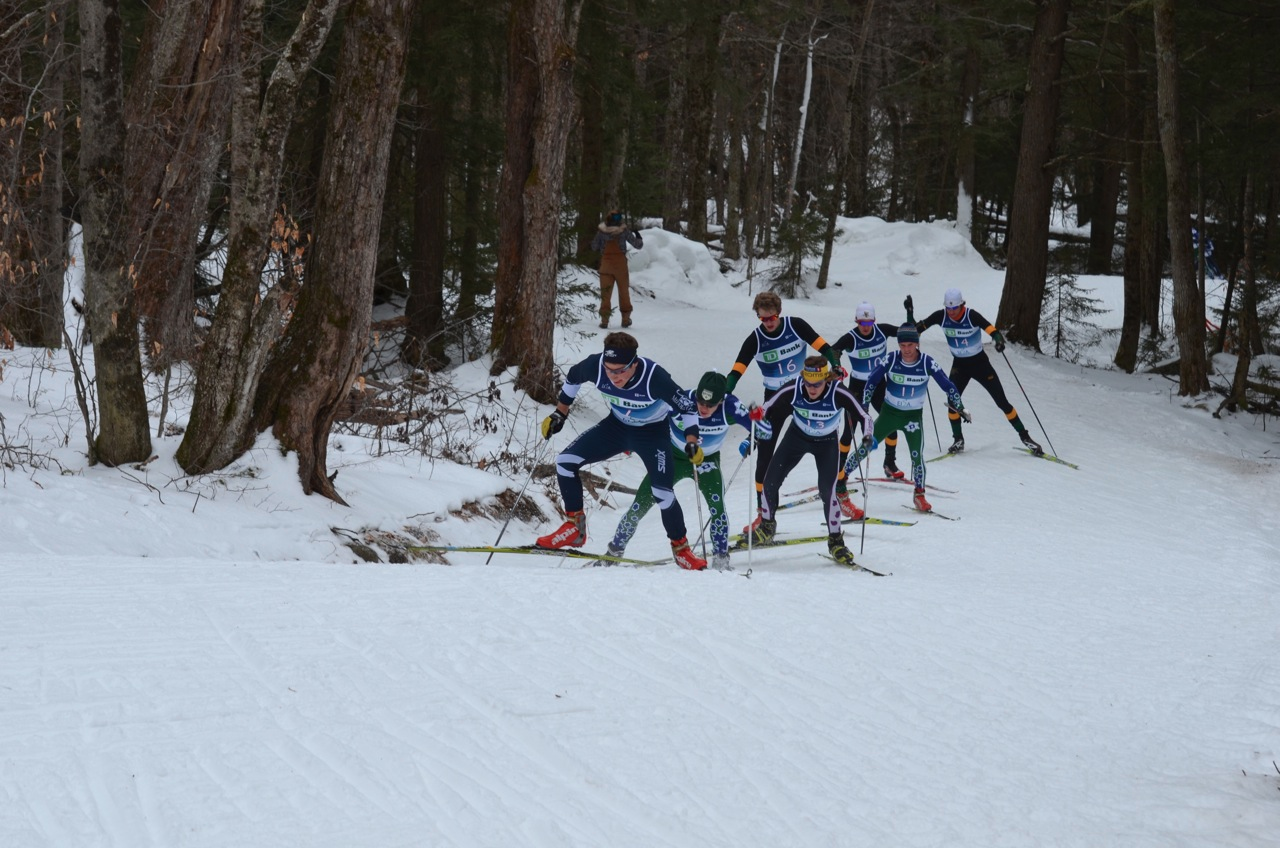
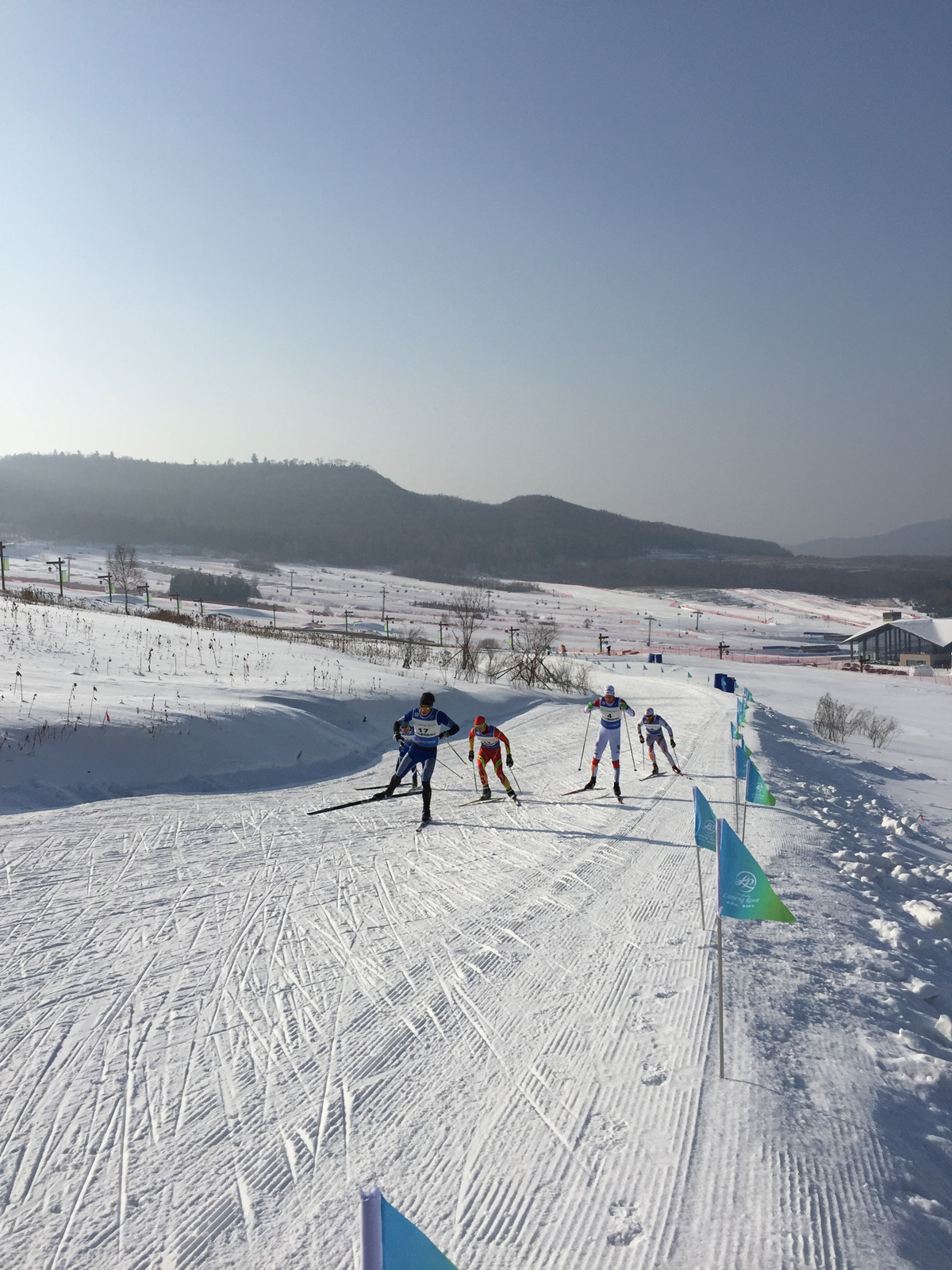
    Racers climb the first hill in the opening race of the CTDS 2017. The alpine hill is in the background.

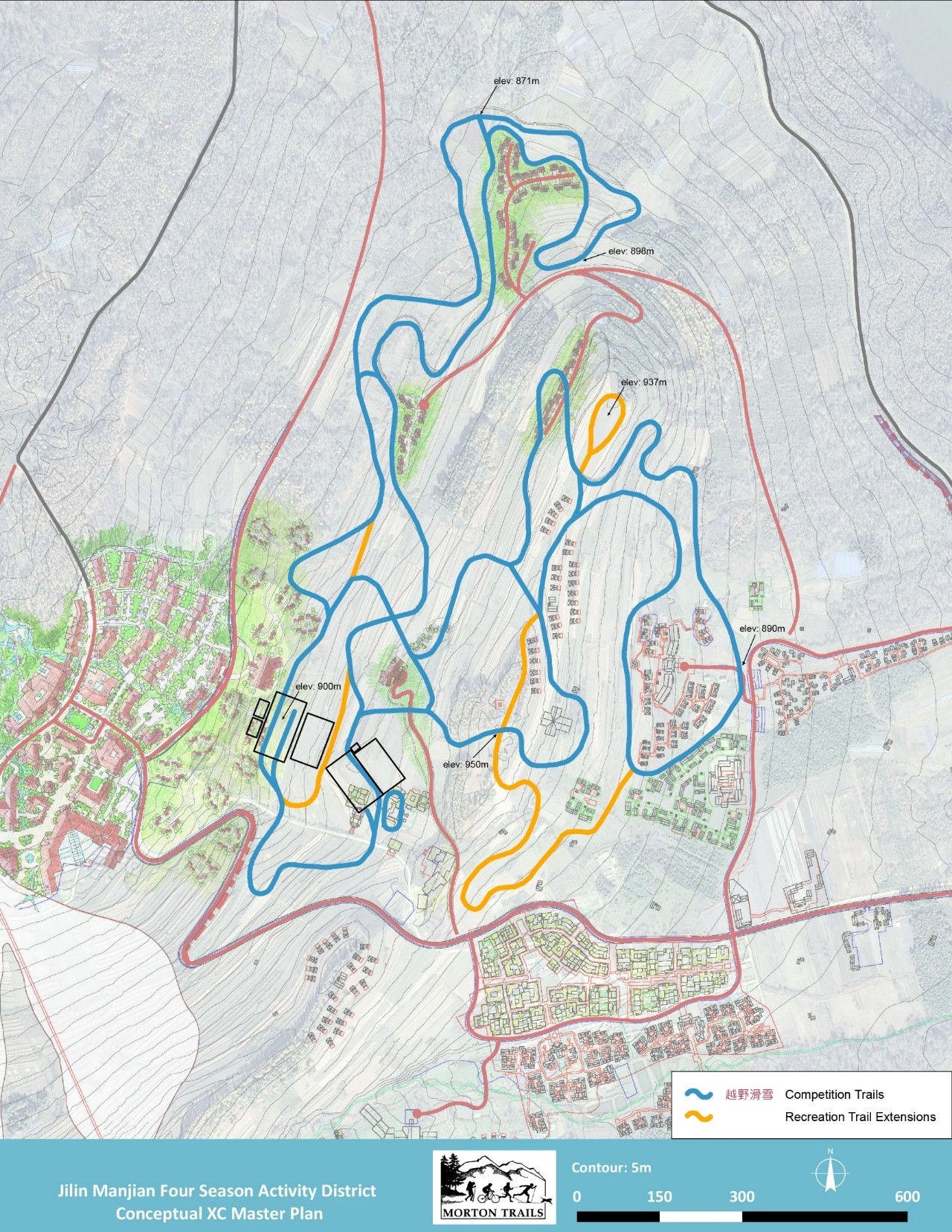
    While those of us in the US were ramping up our New Year’s Eve celebrations, the first race of the China Tour de Ski (CTDS) was underway at the new Changbaishan Luneng four-season resort. Located in the rolling hills of Jilin Province – less than 50km from the North Korean border – the resort offers Alpine skiing, a nature park, and a Manchurian cultural village. It also enjoys cold winter temperatures and reliable snow. Maybe most impressively, it also boasts cross-country skiing courses designed to FIS homologation standards, as well as a 30-point biathlon range (under construction) and IBU racing trails. The site currently serves as the Chinese National Team training site, and has hosted the opening races of the CTDS since it opened in January 2017.

    The CTDS is organized and operated by the Swedish company Ski Ways, and entices many international athletes, just below the FIS World Cup level, with its cultural novelty, competitive races, and prize money. It is the most competitive cross-country race series in China, and is gaining more attention with the Beijing Winter Olympic Games on the horizon in 2022. With five stages at four different locations – including the 50km Classic China Vasaloppet in Changchun – the race schedule is demanding, but also offers athletes a look at the culture of northeastern China.

    As a US-based trail design company, we at Morton Trails were hesitant when first asked to design cross-country ski trails in China – almost on the North Korean border at that! However, we thought the opportunity for international exposure, and what was sure to be an interesting challenge, too good to pass up. Once we got over the two days of travel, meals that included boiled tree frogs and badger paws, and the aggressively bumpy roads, the design work was similar to the work we have done all over the US. Well, maybe you never get used to eating the frogs. But a good ski trail, and especially a world-class racing venue, is the same in Vermont as it is in China. As many with an international racing background can attest, it is incredible to ski in Colorado one weekend, Europe the next, and Alaska a month later, while barely registering the difference in venues. Our task was to design the best possible ski racing courses, and that is exactly what we did.
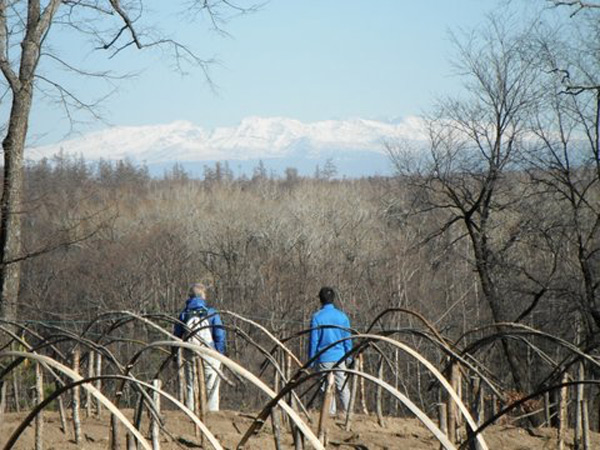
    A ginseng plantation in the foreground as we look out over Changbai Mountain – a massive volcano on the North Korean border, visible from much of the venue.

    While the basic work of trail design was familiar, there were many challenges that we had never faced before. For one, we couldn’t cut any trees during the first phase of trail work, requiring us to work only in open, or sparsely forested, areas. In China, each province has a tree-cutting allocation for a 5-year cycle, and this province was over its allocation. An interesting approach to forestry. Luckily, much of the property was agricultural land, and we were easily able to stay in the open. The second challenge was the agricultural land itself. This part of China is the primary ginseng growing region in the world, and much of the land we needed to cross was dotted with ginseng plantations. Apparently, ginseng plants do not reach full value until they have grown for twelve years, as it is the length of the root that is most prized. We had to do our best to avoid the ginseng fields, at least until the resort development company settled on a fair price for the land with the farmers. The third (and most brutal) challenge was the local liquor, called bijou, which the locals claim imparts all sorts of health benefits, and insist foreign consultants drink constantly. Perhaps outweighing its health benefits is the fact that it’s anywhere between 50% and 80% alcohol. The challenge lay in convincing our hosts that our cups were indeed full, and we needed to get up early for work the next day.

    Challenges aside, working abroad was a phenomenal experience, and it was exciting to attend the opening races of the 2017 CTDS at a Morton Trails-designed venue in China. As the Nordic sports continue to grow in China, we look forward to another round of boiled tree frogs, and designing more world-class ski venues overseas.

    The trails at the Changbaishan Luneng Resort were designed by John Morton and Noah Brautigam. Morton Trails was founded in Vermont 27 years ago by two-time Olympic Biathlon competitor, John Morton, and has designed over 200 trails worldwide.

    Link to Morton Trails’ Website: https://www.mortontrails.com/

    Link to China Tour de Ski Website: www.tourdeskichina.com
  • Casper Mountain Biathlon Center Showcases – Morton Trails’ Courses in 17’-18’ Season

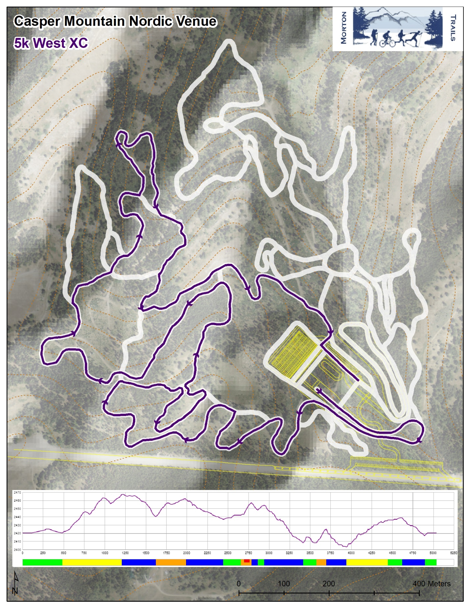
    Casper Mountain Nordic Venue

    Casper, Wyoming might not be the first place that comes up in a discussion of world-class Nordic skiing in North America. Rob Rosser – a 5-time US national biathlon champion, and 1998 Olympian – and his colleagues at the Casper Mountain Biathlon Club (CMBC) are working hard to change that perception.

    In the past two years they have built 15km of race trails designed by the Morton Trails team to meet FIS, IBU, and World Para Nordic standards. The new race courses complement an existing 50km trail system on Casper Mountain, and boast an international standard 30-point biathlon range – complete with covered targets and lighting.

    “The venue is world class across the Nordic disciplines, and the trails, stadium, and planned infrastructure reflect what you would find on the World Cup circuit,” says Noah Brautigam, Morton Trails designer and FIS Homologation Inspector. While the Casper Mountain trails are too high to host World Cup events – the trails range from 2370 m. to 2460 m. – they offer the perfect venue for Continental Cup races, training camps, and early and late season skiing. Gifted with consistent snow and cold temperatures, CMBC hosted an IPC North American Cup and National Guard Western Biathlon Regionals in Spring 2017, and will host the US Biathlon Western Championship in 2018. In the future, they hope to host SuperTour races, Spring Series, and Fall and Spring training camps.

    Despite the elevation, the race courses hold nothing back, and offer technically challenging and exciting terrain that will prepare athletes for European race courses.

    Nordic Skiing in the US relies on passion – it does not have the visibility or following that it does in European countries, and would suffer without the enthusiasm and hard work of the Nordic community. Rob Rosser and his wife Cathy Rosser (CMBC Managing Director) live and breathe skiing, and their desire to raise the standard of US Nordic skiing is infectious. Established as a 501(c)(3) non-profit organization in 2010, CMBC aims to “provide an avenue for athletes to reach their Olympic and Paralympic goals and objectives,” as well as enhance the local Wyoming community and economy.

    The trails at the CMBC were originally designed by John Morton, founder of Morton Trails, and homologated by Noah Brautigam of Morton Trails’ western office in Salt Lake City, UT. Morton Trails was founded in Vermont 20 years ago by two-time Olympic Biathlon competitor, John Morton, and has designed over 200 trails worldwide.


    Link to Morton Trails’ Website: https://www.mortontrails.com/

    Link to CMBC Website: http://caspermountainbiathlonclub.org/

  • Morton Trails Moves West: Welcomes Noah Brautigam

    Noah Brautigam
    Noah Brautigam

    Morton Trails is excited to welcome Noah Brautigam to our team. Based out of Salt Lake City, UT, Noah is the new point person for clients in the Rocky Mountain region and the American West. A recent Middlebury College graduate, Noah grew up ski racing on John Morton’s courses, and helping to design, cut, and groom his own trails at Camel’s Hump Nordic Ski Area, a business that his family began in 1979 and continues to manage as a nonprofit. As both a ski racer and a student of Geography, GIS, and cartography, Noah brings a unique skill set to Morton Trails. His background in mapping increases the capabilities of Morton Trails’ pre-site visit terrain analysis, terrain and GPS data acquisition and analysis, and final map production.

    Additionally, Noah has experience with the design of homologated race courses, and the terrain and data necessary to create a world-class ski racing venue. After helping to homologate 1.3k, 3.3k, 5k, and 7.5k race courses at Tahoe Donner and Auburn Ski Club, California, in the lead-up to 2013 Spring Series and US Distance National Championships, Noah is familiar with what it takes to make homologation a reality.

    Morton Trails is expanding across the country, and already has completed trail projects and feasibility studies in California, Washington, Montana, Colorado, Alaska, and Utah. Noah’s addition to the team is in response to growing western trail projects, and is a move to grow Morton Trails geographically and professionally.

    If you are in the Western US and are interested in discussing a trail design project or homologation of a race course, please contact Noah at (802)-735-4818, or nbrautigam@gmail.com

  • Morton Courses Deliver

    The winter of 2013-2014 has been big for Morton Trails. Ski racers and recreationalists alike are getting out and experiencing vastly different natural landscapes and competitions through the lens of our ski trails. From the newly minted 5k race course at the Dublin School in New Hampshire – where New England Prep School Athletic Championships took place with great success in February – to the NCAA Tormondsen Family Race Course at Middlebury College’s Rikert Touring Center, our trails are being benefited from at the highest levels of the sport.

    Next week kicks off the 2014 Junior National Championships at Trapp Family Lodge, where racers between the ages of 14 and 19 will race down the technical descents and up the punishing climbs of FIS homologated Morton-designed race courses. As a junior ski coach, I have been working with my athletes all winter to prepare for the challenges they will face at their biggest championship races of the season. Some courses reward aerobic fitness, some brute strength, and some quickness and skiing ability. Morton courses require proficiency in all of these, and they are a pleasure not only to race but also to train skiers to race.

    Morton Trails

    Competitive cross-country ski courses are only a part of Morton Trails’ business, but they are a part that we approach enthusiastically and with an eye toward quality of experience. As the International Ski Federation raises their expectations of what a high level racing venue looks like, so do we apply our knowledge and deepen our technical skills to offer the best in race course design. However, we do not homogenize our trails to match the numbers required for competition. Rather, we continue to highlight the natural landscape, utilize the terrain, and provide an exciting and fun experience, while at the same time matching the requirements of a FIS certified course. Additionally, we recognize the challenges that Climate Change poses to the ski world, and we offer unique services and design techniques to mitigate erratic winter weather, low snow conditions, and the current warming trend.

    In other venues, such as private trails, municipal, development, and multi-use trails, Morton Trails continues and exceeds its past excellence in providing the best experience – both in the design and construction process, and in the years that follow – for the user groups of any given trail or trail network. To see a full list of our previous and current trail projects, please visit Mortontrails.com. We work all across the country, and are excited at any trail design opportunity you may have.