Author: RStrum

  • Rethinking Events for Developing Cross Country Skiers

    I’ve done alot over time with playing around with competition formats and groupings during practices and club events.  I’ve come to think that maybe there is another way to organize children’s ski competitions that recognize growth and development characteristics, while providing adequate challenge, and provide reasonable opportunities for children of different abilities to compete with others who have similar ability – in essence ability groupings.  

    Lots of people would say – who cares about competition formats – it doesn’t really matter.  Lots of kids have made their way through and become successful. And, maybe they’re right.  For me, I’ve come to a realization that almost any kid can get fired up about ski racing where someone takes the time to think through what we are doing and how we want to get there.  The fact is that there is a lot that could be done to make racing a more engaging experience for young skiers.  Often, kids events are organized as mass starts, not because its the best format for kids, but instead because its the easiest for race organizers.  Again, having organized lots of ski race events, I know first hand the amount of work that goes into even a mass start event.

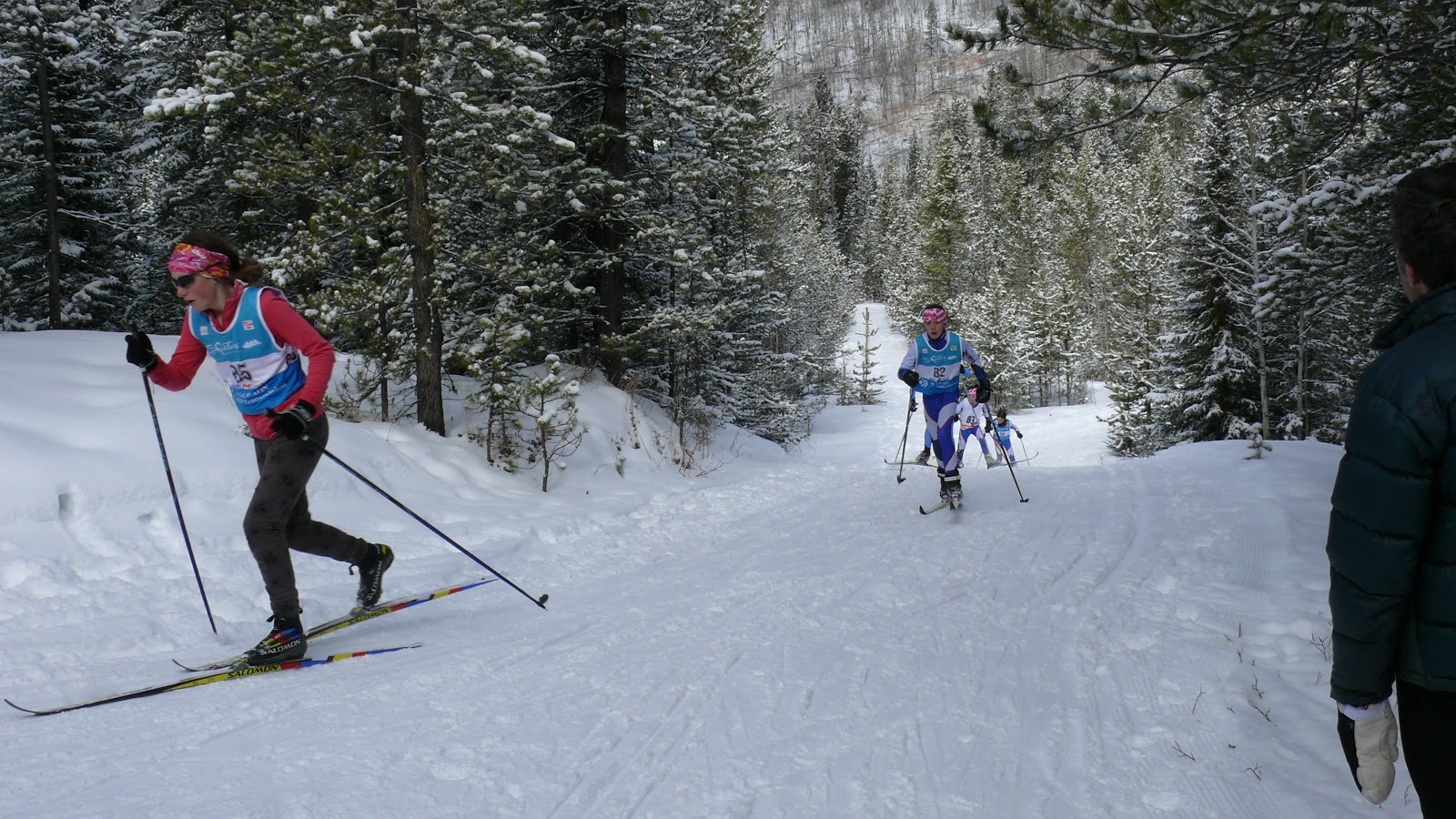
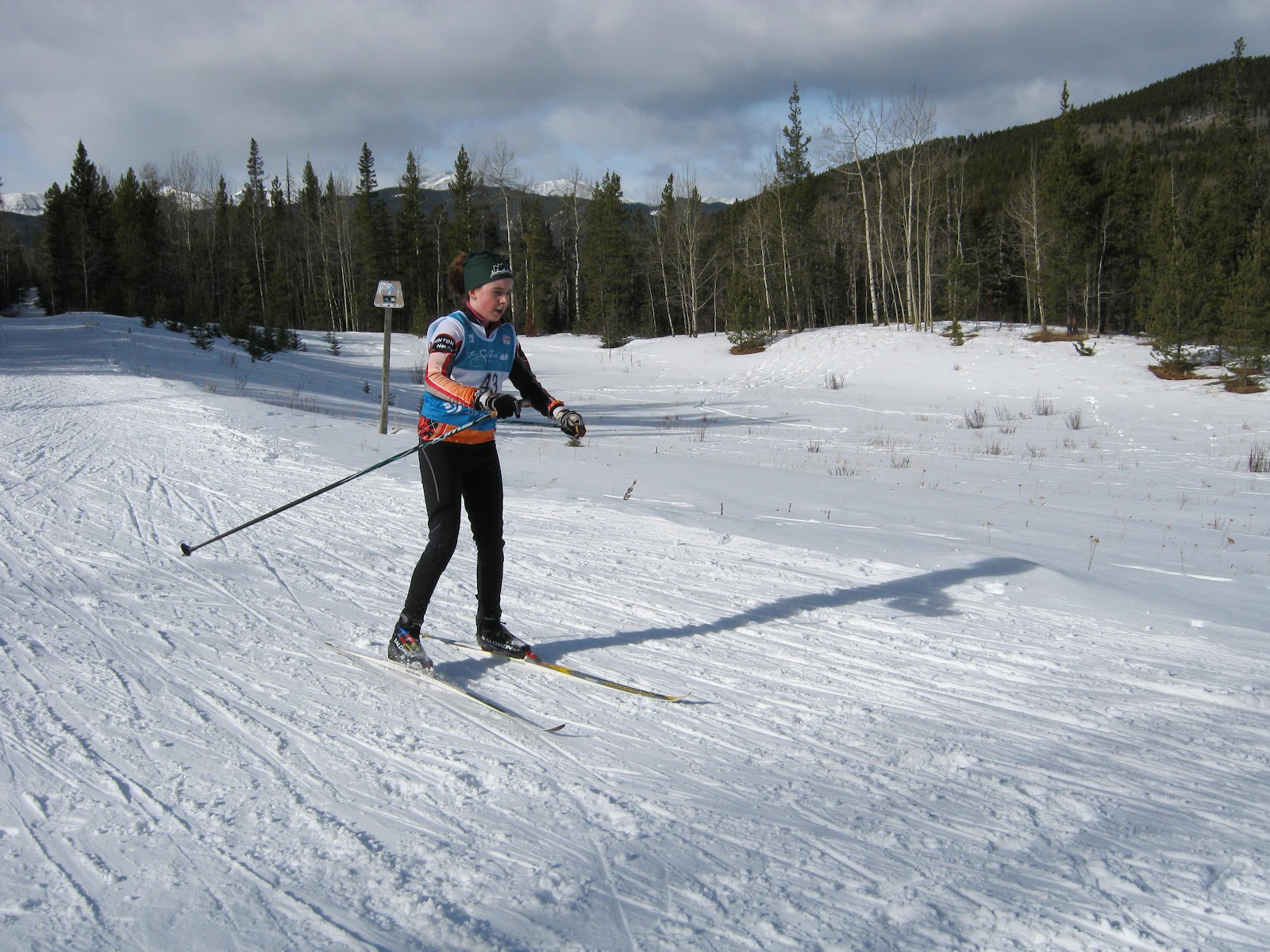
    The question I ask myself is ‘are we selling kids short’ on racing when what they get to experience results in the same 5 kids finishing 1st through 5th each race, all season.  A few years ago, when the new competition model was just being discussed, debated, and piloted in Canada, I took the initiative to organize what I thought was a creative response to meeting the needs of young ski racers.  I pulled together a season long event series that I called ‘Built for Speed’.  The premise was that ‘speed’ was a window of trainability for L2T and young T2T athletes – as well, ‘motor skill acquisition’ was another window of trainability for this age – and so the event series would focus on speed and skill acquisition framed in competition.  The events would include things like a 100m double pole race, a 100 m uphill diagonal stride race, a 100m downhill race, a 100m step double pole race, and a combination race that might include any technique.  5 races in one day by kids. In fact, 5 events for 50-60 kids all done in 1.5 hours…and 5 of these ‘built for speed’ events organized over the season, and on top of that, each with its own category parameters that were unique to each event.  How? by engaging parents to help out.

     I have always felt that 12-13 year old skiers are capable physically of competing in more than one race in a day.  I mean, is 15 minutes all that an adolescent skier is capable of physically?  I would say no.  The average young ski racer is capable of greater amounts of physical exertion than 15 minutes.

    One of the biggest problems with ‘one race’ on race day is that when its done, that’s it, time to go home.  There just isn’t very much to hook very many kids on the joy of competing.  Sure, it works for the few kids who do really well – but for everyone else, how much have we given them to take something away that tells them, ‘hey, I think I can be good at this’.  There must be a better way.  I think there is.

    A great example of a competition done really well, that optimizes different skill sets on the same day is done by my own club – Canmore Nordic Ski Club.  The Rocky Mtn Ski Challenge, held in March of each year is one of the only events I know that includes a morning skate race, followed by an afternoon downhill race. Awards are presented to participants in the morning race, the afternoon race, and also awards for the combined time.  Its amazing to see how this affects participation.  Lots of kids in our club race both cross country and alpine – and so when it comes to the downhill race (on cross country gear), its amazing to see a different set of kids shine.  Having the opportunity to shine is critical to helping kids see themselves as racers.  Often if they can’t find it in cross country, then move on over to our good friends in biathlon or to nordic combined.  When this happens, its common to see folks shrug their shoulders and say ‘I guess cross country wasn’t for them’, but really, maybe we’ve set them up.

    There are lots of models out there that we can borrow from.  Think of Athletics – kids can compete in 6 or 8 competitions in a day and think nothing of it.  Speed Skating competitions often include 3 or 4 races of varying distances in a day.  Team sports for 11-14 year olds, like volleyball or basketball have tournaments that include 3 or 4 games in a day each lasting 45-75 minutes.  Are kids dropping over from exhaustion…no… not very often anyway.

    So what’s stopping us from doing something a little different?  Before going there, I do want to recognize that there are other examples of different things happening in cross country ski racing for young racers.  The King’s Court sprint model is a great example of creative race organizing for kids – Bravo.  What we really need is a bit more of this type of thinking.  How can we change what a competition looks like to better meet the developmental needs of early adolescent skiers.  I haven’t mentioned it in this article till now, but there are lots of developmental considerations that would give lots of reasons to rethinking how events are organized for adolescent skiers just entering or experiencing peak height velocity.

    I certainly don’t think I have all of the answers – there are alot of creative, passionate coaches in the ski club I am part of in Canmore, and the larger community I am part of in Alberta.  I encourage you to think about these things in your own ski club and think in a ‘the sky is the limit’ sort of way when putting the effort into creating competitive ski experiences that really meet the wholistic needs of most kids.

    Roy

  • The Fun Factor – Ideas on Creating a Space where Adolescent Cross Country Ski Racers Work Hard and have Fun

    If there is one thing that can dial kids in to a program its the fun factor.  Fun is important – but the reality is though, that being a good ski racer requires lots of hard work. For early adolescents  finding the right mix of fun and work is important to creating a space where kids keep coming back for more.

    Having spent 20+ years working at residential summer camps for kids as a counsellor and camp director, on some days I think I might have a bit of a gut feeling about what fun looks like for a group of kids.  Summer camp is a fun factory – it’s product is joy.  Nailing down exactly what fun looks like and feels like is a fine art.  At summer camp, this art is mastered by 19 year olds who lead the program as camp counsellors. Camp Counsellors work really hard to create fun – the reality is though that their role isn’t always the highest valued role by society (these kids earn peanuts for wages), but paradoxically their work is highly valued by the kids who work with them.  For many reasons, many summer camps have got it together in creating fun. Knowing just the right amount of leadership to provide – allowing for plenty of choices – and understanding the need for challenge, camaraderie  laughter, and self direction – if you’ve been to a good summer camp, you’ll know exactly what I am talking about.  Anyone can do this though – a big part of the equation is just being able to join in on it all – modelling what you’re looking for and reinforcing the right kind of energy.

    In the NCCP coaching materials there is a piece of research shared that asks kids what is important to them when participating in a sport – the top response is ‘sport needs to be fun’ – and for kids who have stopped participating in sport who were asked what would it take to get you back involved  – again the top response was ‘I’d join in again if it was fun’.  I’m sure you will agree that this stuff is worth giving some attention to and as I’m certain many of you already do – adding a bit of ‘creating some fun’ into your skill set when working with youth.  In some ways, working with early adolescents is the world of the middle school teacher – knowing how to relate to adolescents – adolescents who for all accounts become a different species for a few years.  Great middle school teachers know how to use humour, build relationships that leverage engagement, and keep things pretty light hearted.  Great coaches know how to do this as well.  I know a number of them personally.  When you see this work in action – you know something special is going on – kids stick around, get excited about ski racing – the reality is that cross country ski racing is not the easiest sport in the world – so when you’ve got something good cooking, it is often because you’ve thought of the recipe beforehand.  I am so lucky to have been in spaces where this has happened – and where it is happening.

    So if fun is so important what does it look like?  Fun is a great energy, focused on something positive, often without a very important outcome attached, and in the arena of adolescent sport, generated and sustained by kids.  Adults are great a creating fun as well – but sometimes we have a harder time with it because we’ve got so many other things to take care of – (fun for us often includes a few of the right kind of beverage). Nurturing the care free state of childhood for kids is a gift – a gift that lasts for a few years.  Games are fun – but fun is bigger than a backpocket full of games – fun is an energy that is created.

    I recently got a text from my program director, saying that his daughter who is in the T2T group I am coaching, got in the car after practice saying ‘that was the hardest and most fun workout I have ever been to’.  Of course its nice to get these sort of texts – especially when they come from the guy who supervises your work – but thinking back on the practice session – it really wasn’t particularly hard to pull together or require lots of planning and coordination.  What we did – and I do think it came off pretty well – was do an ‘amazing race’ style of running workout – kids got a map – ran from one station to another (over several kilometers) – got to choose between ‘running around the lake’ or doing ‘200 push ups’ – then run on to the next station where they had equally as fun activities to choose from.  It was a race of course (it was a day when I had wanted to do some speed work) with everyone getting some gummy prizes at the end – the higher the finish, the more gummy treats.  Because I knew that the kids would be fired up about seeing their names on zone 4, I even posted some results there http://zone4.ca/results.asp?id=5099 – our T2T group loved the workout.

    Our role as coaches is bigger than creating some fun though.  I might argue that kids can get that somewhere else – they can go to summer camp, they can get it at middle school, they can get it in their cul-de-sacs or in the forest behind their house on a unicycle.  For me, coaching cross country skiing is about hooking kids on a great sport – helping them develop the technical skills and physical fitness to perform in a way they’re happy with.  For me, that is the primary outcome I strive for in my coaching – to build the engine – the engine is made up of pieces like the carburator and the pistons and the crankshaft that form the structure and mechanical engineering of the vehicle – they’re what makes the engine run.  I like to think that there is another important piece, I think of fun as the oil – the lubricant that makes the pieces of engine work well together.  When the engine is running well, adolescents are ready to learn how to drive. I know its a little out there but I’ll tell you, kids can feel it – I know this because they are smiling, laughing, talking, being silly and responding when they need to switch gears.

    What is important to coaches is evident to the kids that they coach.  Adolescents know if their coach sees them as someone who has great potential, or if their coaches think someone else in their training group has great potential.  All of this might be pretty irrelevant to a coach who is strictly performance driven.  Don’t get me wrong – I think performance is incredibly important – it is important to each and every young skier.  Every kid in a Train to Train program wants to improve, has a dream of finishing on the podium, of getting there, of doing it themselves.  Great coaches leverage this, for the top performers, and also for every young skier they work with.

    So if you’re like me, and you’re interested in helping as many kids as possible to reach their potential as athletes, if you’re interested in trying to keep kids engaged – then thinking about the fun-work balance is an important piece in the puzzle.

  • Ideas on the Role of Competition

    How much competition is the right amount for 12-13 year cross country skiers?

    Early Adolescence is a critical age in developing a positive disposition and orientation to racing.  At 12-13, many kids venture beyond their local club races for the first time.  The midget age group in Canada is often the biggest competition grouping for kids at provincial level races. But what you notice two years later as juveniles, is that the competitive pool of kids still hanging around and competing is often alot smaller.  What is happening to all these kids?  Is the number of competitions a factor in creating positive experiences for athletes?  Is the type of competition important?

    Cross Country Canada has some ideas about these questions.  The Athlete Development Matrix http://www.cccski.com/Programs/Athlete-Development/LTAD-Long-Term-Athlete-Development/Athlete-Development-Matrix.aspx certainly provides some suggestions around competition.  What is the optimal amount of races?  How much travel should 12-13 year olds be doing? Something is going on with our young athletes that lots of them are dropping out at 14 or 15.  Often its not the kids on the podium who drop out, but instead the ones who are well back in the pack.  Everything in sport literature, particularly in cross country skiing say that as a late development sport, young cross country skiers need to have patience about results – not to overfocus on results.  But the reality is its difficult to not pay attention to results for young skiers and their parents.  I think the temptation exists for coaches and young athletes to undertake training regimens that go well beyond the recommended practice by the LTAD in order to get results that young athletes are pleased with.  The role of competition is important – every sport has its ‘game’ – in cross country skiing, the ‘game’ is a race. Being good at racing, gives kids an easy reason to stay involved.  What follows are some of my own ideas about what I think is important for creating a space where 12-13 year olds can take the critical first steps towards becoming successful as juniors or U23 athletes.

    12-13 year old cross country skiers need to have experiences where they see themselves as racers, where they get ‘enough’ to dream about where they can go, where they have role models who show them that the path they are on leads them somewhere incredible, where they have a culture in a ski club where racing is normal, exciting, fun, and where they have a place for them to learn about themselves, to set goals, to be their best.  How much is enough? and what is the right mix of ‘enough’?  If you asked a dozen coaches to answer these questions, you’d likely get twelve different answers. For me, its building a progression so that as kids get older they get something new each year, they get a little more than they had they year before.  This is good for parents as well – particularly for parents who weren’t ski racers themselves.  In our ski club, Canmore Nordic, we are blessed with having parents who raced in the olympics as our volunteer parent assistant coaches. But the vast majority of parents in our club haven’t had that expereince or any experience with racing.  So bringing them along at the same pace as their kids, provides time to adjust to the changing landscape of their child as a racer.

    Having key ‘important’ races for 12-13 year olds – maybe 4 or 5 weekends, with a few road trips thrown in is critical.  Having some local regional events is crucial.  Having a family weekend, where kids race and parents hang out (and maybe try a race themselves) is important.  Having the right kind of  ‘this is awesome’ leadership is vital – and providing the right kind of framing for racing at this age is essential.  The fact is that every kid is a bit nervous about racing at 12-13 years old – its kind of new and the reality is is that kids put themselves on the line when going in a race – at a time when how peers perceive them is central to how adolescents are developing a sense of self esteem and personal character.  So is the number of races important? Yes, I think so.  Kids at 12-13 years old need to learn how be a good racer.  They need the experience to improve.  You just arent going to get better at something if you don’t do it.

    I had the good fortune of attending ‘WE’ day in October in Calgary.  We day is focused on engaging youth in making the world a better place.  The day involved over 15,000 adolescents from all over Alberta. One of the speakers was broadcaster Larry King.  Larry was asked by his interviewer what characteristics were present in people who have been successful in their lives that he has interviewed.  Larry responded that successful people are those who have perseverance – who don’t give up when they have set back; that successful people are those that have a deeply seeded vision about what they want to become; that successful people have taken steps along the way to get there.  These ideas, though not directly referencing athletes, are totally relevant to the type of culture that needs to be nurtured for young athletes – that having a dream, being a racer, and being relentless in the pursuit of your dream is critical to later success.  For some parents, they help support their child with these things – but the role of the coach is crucial in creating a culture where young athletes, just getting going on their path to being the best they can be, can flourish and not over focus on results.

    My personal beliefs are that every child can learn to ski skillfully, that going fast on skis is fun, and every child can improve their fitness.  My hope is that most of the athletes in the program I am lucky to be the lead coach of will stick around long enough to see what their best is.  Participating in the right type and right amount of races is a key milestone in that pathway.

  • Creating a Team – some ideas for working with 12-13 year olds

    Taking the Time to frame ‘Team’ with T1/2 athletes

    Kids are so ready to take an active part in sharing their ideas, in creating a team, in owning what its going to be about – when you give them the chance to contribute and put their ideas at the centre, they really run with it.   When building a team, there are lots of things to consider – helping kids to own their own experience, to buy in, to do something because its important to them – these are important roles of a coach of adolescent cross country skiers.

    Framing what ‘team’ means is a balance of many things in an individual sport like cross country skiing.  Focusing on social norms is important in creating a culture where kids strive to learn and to be their best. Creating some expectations around what coaches expect of kids is important, and giving kids a voice to express what they expect from coaches helps to create boundaries and helps to paint a picture in kids’ minds about what is important when they are at practice.

    I am the lead coach with the T1/2 group at Canmore Nordic Ski Club. We recently engaged in such a session – 20 minutes well spent where kids answered four questions to help them create some group norms about expectations of each other, of coaches, and of themselves.  These young athletes were asked to write individual responses on sticky notes and then stick them to the questions which were posted on the wall.  Here are the questions and the responses from the athletes:

    What is important to our T1/2 team?

    – strength and fitness and racing
    – have fun, be positive, no bragging about races, dont distract team mates when coach is talking
    – having fun, being nice to each other
    – being a good team mate
    – dont complain (too much)
    – work together
    – no bragging, be encouraging, dont put other people down, be nice, have fun, be awesome
    – have fun, get along, be helpful with each other
    – always have fun, be a good team mate
    – support each other
    – be kind to your friends, be a good sport, be supportive to others
    – make new friends, make new memories
    – have fun
    – work hard

    What part of your ‘game’ do you want to work on the most this season?

    – do more races
    – offset technique
    – skate skiing
    – 1 skate and offset
    – i want to work on my technique and race strategy, also learn some warm ups for races
    – my technique
    – work on endurance
    – I want to work on my technique
    – to help me get better at skate skiing and long distance
    – getting back into the skiing habit
    – my 1 skate technique
    – 1 skate
    – skate technique, double poling
    – technique in classic skiing
    – 1 skate and 2 skate

    What do you expect of coaches?

    – be super ultra fun and nice, coach really well, tell us what our mistakes are (if we have any)
    – to encourage us and give us good strategies
    – tell me how to improve my technique, be nice, be encouraging, always smile
    – to give us tips
    – lots of feedback, good comments
    – making skiing fun
    – tell us how to improve our technique
    – to teach us well
    – give us good tips for technique
    – to be helpful, encouraging, but not pressuring to do things they are uncomfortable with
    – to listen to us, help us, and be encouraging, be AWESOME!
    – dont have too much core, more games with core involved
    – to help us to have good tactics
    – making skiing fun!

    What should coaches expect from you (athletes)?

    – be cooperative
    – focus, fun, fastness, try our best, be a good sport
    – to work hard and focus and to pay attention and to have fun
    – listening and participating
    – good sportsmanship, work hard, courage
    – try our best
    – to have a smile
    – listening and participating
    – not talk while coaches are talking, pay attention, focus on drills, SMILE
    – be a good sport
    – to listen
    – 100% effort
    – to always listen

    What is interesting about taking the time for this sort of exercise, is the level of engagement.  Doing this sort of thing, gives a chance for athletes to voice their hopes and in doing so helps to create a culture where their hopes can be realized.

    The challenge with doing this sort of activity is being ok with not being out on the trail doing physical training or technical training.  As a coach, I really want the kids I work with to be fit and to ski technically well.  But more importantly, I want the adolescent athletes in the group of kids I work with to develop a love of the lifestyle of being an athlete, to enjoy the time they spend at ski practice, and to really own their experience.

    The next steps – well at some point in the next while, it will be important to reinforce the ideas that these young people have shared with each other.  The important work of engaging adolescent athletes in seeing themselves as part of a team, of seeing themselves as athletes who strive to be their best, of these young skiers saying to themselves ‘I really love this stuff’ is I think the goal of all coaches of 12-13 year olds. And the role of coaches creating expectations is vitally important to the building of a positive culture of excellence appropriate to a group of 12-13 year olds.

    All of these ideas aren’t new or novel or even leading edge – but they are a good thing to do – building a solid foundation for kids, a positive space, and ownership of their own experience.  Ultimately, when they are out on the trail ski racing they are on their own – they need to be motivated to doing the work themselves.

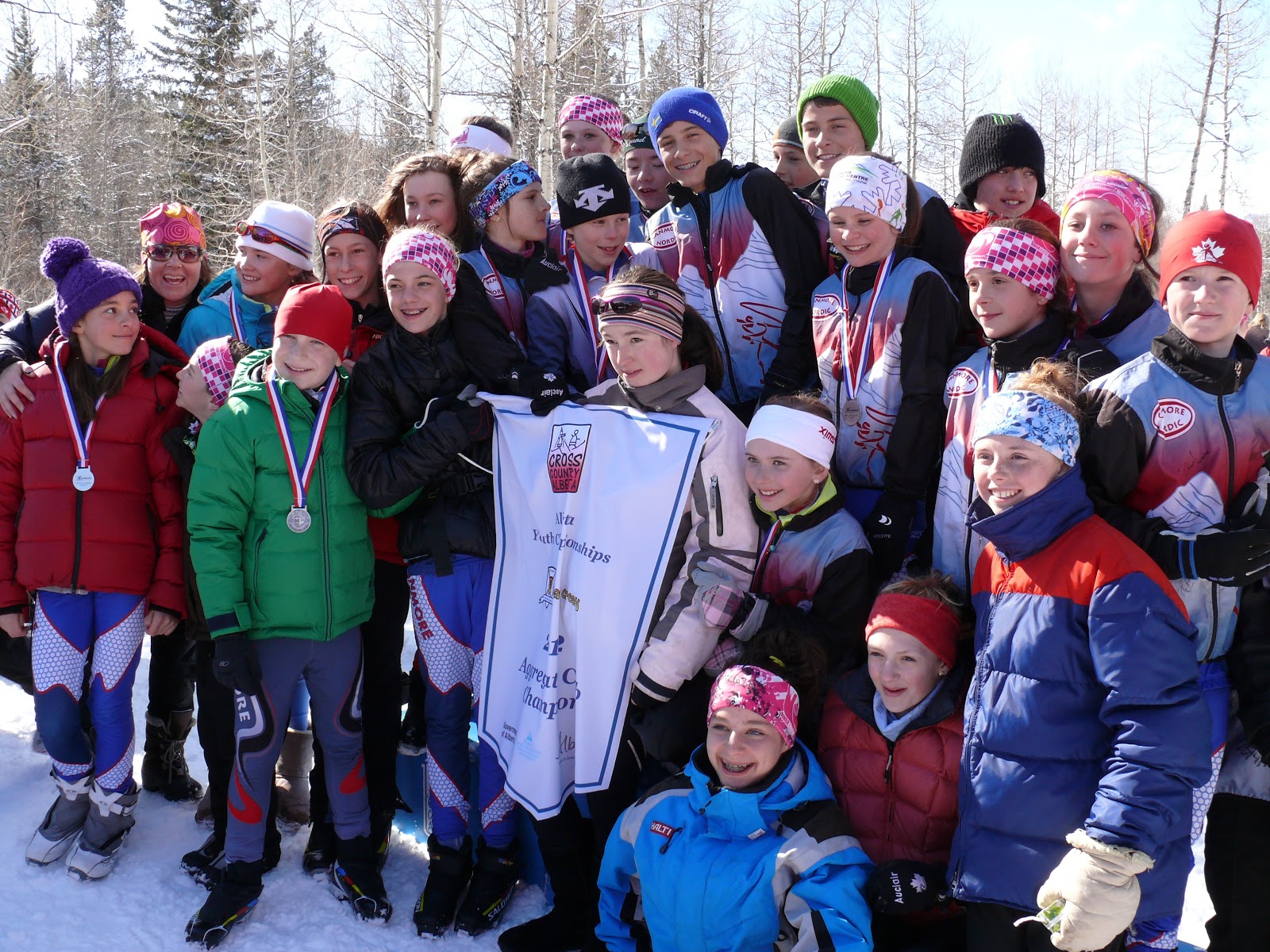
  • 2013 Alberta Youth Cross Country Ski Championships

     
    2013 Alberta Youth Championships – Bragg Creek, AB
     
     
    I’ll be honest, I am crazy about cross country skiing – not in an insane sort of way – but in a ‘I really love this stuff’ kind of way.  A few years ago, I had the opportunity to organize the Alberta Youth Champs in Calgary (2009) – no club had picked this event up in previous 3 years.  I didnt really know what I wanted it to be, i just wanted to make sure that it happened.  It worked out OK – I learned that hosting an event in Alberta in January can result in cold weather cancellations. 
     
    Where I really got a sense of the potential of an event like Alberta Youth Champs was when I attended the 2010 Quebec Noram Midget Champs.  Organizer Tom Silletta and his crew from Joliette really have it nailed down.  An incredible mix of kids stayiing in an ‘athletes village’, representing their ski clubs, skiing in a few races, in what was for me the biggest and best organized provincial level kids cross country ski event I had ever been to.  What Tom and company have created is not just 2 or 3 races, but an event that has created its own set of traditions, its own exciting anticipation built collectively by skis clubs primarily from Quebec, but also from Ontario, New Brunswick, and New England.  It almost feels like a mini-nationals, where kids and clubs gear up for this event, circling it on their event calendar the year before, where people are willing to sleep on school classroom floors and shower in high school showers to be a part of what is truly the most important event on the calendar for clubs from this region. 
     
    I’ve been lucky to be a part of this event twice.  I’ll tell you, Tom Silletta, was beaming when our club from Canmore won the club aggregate banner in 2010 – because I think for him it was a dream to have kids from the west joining in on this event and winning.  For our kids from Canmore, they were fired up about racing, about being in the east – I think for some it was a turning point where they said to themselves, I want to get faster and for all of those kids, they have.
     
    When we returned to Joliette in 2012, our club kids from Canmore once again skied excellently, winning aggregate banners for the midget boys and girls – almost every skier finishing in the top 10 of single year age categories of 60-80 kids.  I was incredibly proud of them, but in the back of my mind, i realized these kids were fired up about this event and the magic that Tom and his crew from Club Defi St Therese Martin ski club and the whole of the Quebec ski community had created.  This event is bigger than a ski race – its a place where kids dream.
     
    One of the magical moments at the event in 2012 was when Alex Harvey spoke in a short video clip and talked about how the Quebec Noram midget champs were a pivotal experience for him in his career as a ski racer – that it was a jumping off point.  You could have heard a pin drop in the room when Alex was speaking – this guy is a rock star in Quebec (and in Canmore I think).  Having been a part of the Joliette event a couple of times, I can see why so many young Quebec skiers are dominating our national level events curently – Raphael Couterier, Alexis Turgeon, Anne Marie Comeau, Emilie Stewart Jones all participated in the Noram Midget champs.  Athough it would be difficult to establish a cause effect relationship between participation in Quebec Noram Midget Champs and the rising level of Quebec junior racers at Canadian Nationals, I would say there is a strong correlation.  Kids and clubs in Quebec are fired up about racing and i think because of events like Quebec Noram Youth Champs dream of how far they can go.  At Quebec Norams its not just one club that dominates, but clubs from across the province.  They are doing some things really well in Quebec – starting with the Quebec Noram Midget Champs.
     
    And so, setting out last year to create the 2012 Alberta Youth Champs, I set out to not replicate the event that happens in Quebec, but to try to create an event that fits for Alberta, that creates a culture that includes the same excitement, anticipation, and fun for our kids here in Alberta, because this is where we are.  We set out to create something that reflects the priorities of our ski community, that fits for here.  We have great clubs in this province, and every where i know of, people are working hard to build something extraordinary, something where kids get hooked on a great sport – cross country skiing.  My goal is to help make that a bit easier by creating an event that brings clubs together once a year, where every kid (born in the four year age group targeted by this event) in Alberta who wants to attend, can attend – no qualifications, just interested in participating – then after having participated having kids say ‘that was awesome – i want to come back’.

    I have had some questions about whether children younger than the four year age group can attend (1999-2002) – I have responded with a ‘no’ – I think it OK for kids to wait, to develop that sense of anticipation of ‘I cant wait till I am old enough to participate in the Alberta Youth Champs.

    In 2012, I was amazed by XC Bragg Creek ski club – here is a club that was formed in 2009 – has never had a child who attended a regional or provincial level race before.  Yet here they were, stepping up to host a provincial event.  I now live in Canmore, but I had lived in Bragg Creek for 15 years and skied on the trails at West Bragg a million times with my own family, and I had always said to myself – this would be a great venue for a childrens event – trails that are challenging, hold snow well, have great grooming (recently) and a bunch of summer camps that could be used for hosting children at an event.  they did an incredible job and hopefully provided a good example of how a small club can go about doing something big.

     
    I wanted to let you know that we are two months months out from the early registration deadline (Dec 15, 2012) for the 2013 Alberta Youth Champs in Bragg Creek. Registration at https://zone4.ca/onlinereg.asp?id=5043 We invite you to join us at what will be a fun and eventful weekend. Our goal with this event is to create something that is perceived as a ‘big event’ for midget and minimidget age kids (1999-2002) – the sort of event that when kids get to the end of it they say “I cant wait for next year”, that kids who are not old enough to attend say to their families “I cant wait until i am old enough to attend the Alberta Youth Champs”. We think this kind of magic is exactly the type of event that will hook kids on skiing and racing.
    For those of us that were lucky to be there last year, my sense is that we got a good start on this mission – to hook kids on skiing and racing. I have attached the race notice for the event here and for those of you who attended last year, you’ll recognize some familiar parts – based on some feedback from club coaches, we have altered the distances for the minimidgets in one of the races (ind skate race) – only the midgets will do the stairway to heaven climb in the skate race, the minimidgets will get a chance to challenge themselves on that climb during the wave start classic race on sunday. As event organizers we’ve heard the feedback and are making a change.
    New this year we will be using Venturer Lodge at Kamp Kiwanis, a newer multipurpose building that sleeps about 60 in addition to all of the spaces we had last year – this will bring our capacity to about 200 people (including coaches and chaperones) for the 2013 event (this is why our costing is a bit higher this year).
    A question that has come up often is how many coaches and chaperones need to attend. the answer is about 1 adult for every 8-10 kids.
    The Alberta Youth Champs was a huge event for this age of skier in 2012 – and we would love to see some skiers from your club attending. the host clubs for this event – XC Bragg Creek and Canmore Nordic – are excited about collaborating on thsi year’s AYC. Thank you for selling this event in your club and community – you folks did such an incredible job of promoting this event last year that we had a much larger than expected turnout of kids.
    It will be winter in no time – i look forward to seeing you at events over the winter!
    cheers
  • maintaining clear boundaries with athletes

    As a coach of T2T athletes, I rely heavily on relationship building to help engage and support athletes.  Kids this age are monsters of relationship – keyed into peers heavily and significantly connected to social environments. 

    For many years I worked as a camp director at a summer camp for kids – in that setting, fun was the primary focus – and the relationship building skills of my staff was something that we really worked on – we wanted kids to feel safe, to grow and learn, and to have fun.  To do all of these things, we needed to establish clear boundaries and expectations about things like roles, routines, and social expectations.  In coaching the need for clear expectations is also helpful.

    Think about engaging T2T athletes in a conversation about your expectations of them, and their expectations of you.  Then going on to talk about creating some social norms by engaging kids in a conversation about what should be normal.  Then further, going on to thnking about what should happen if norms and expectations are not met.  In our coach training, as part of the new NCCP coaching programs, we are asked as coaches to adhere to a set of ethical conduct guidelines.  This is nice starting place.  But to really create a culture where kids feel safe and can flourish, there is a need to do a bit more than that. 

    This year, in my role as lead coach with our club’s Train to Train 1 and 2 groups, I plan to do this – to make time for a conversation early in the fall training season to talk about what we want our team to be, how we can help each other be our best – to talk about what kids can expect from me and our team of coaches, and to hear what kids expect of me, and for them to have an opportunity to share what they expect of themselves and what I can expect from them.

    These things are all pretty simple things to do – but in a world where we have lots of demands on our time and only so much time to use on physical and technical training it really can be a challenge to find the right time and the right amount of time.  For me, a cold, rainy practice is a perfect time for this 10-15 minutes discussion, maybe while we are stretching.

    CCC recently included a great article which got me thinking about boundaries and how I go about setting appropriate boundaries. http://www.cccski.com/Programs/Women-on-Skis/Useful-Links/Power-and-Ethics-in-Coaching.aspx  This article got me thinking that I should address these things as part of our parent/athlete meeting early in the season.

    For me, the balance is around maintaining an approprate coach-athlete relationship with maintaining an environment that is full of fun, socially engaging for kids, where the coach-athlete relationship is a key positive factor in giving kids another reason to come to practice and to do the at home workouts that are part of their training program.  The reality is that kids need to be self motivated – but the fact is that very few kids are highly self driven at 12 or 13 years of age – most participate because its fun and because they have a positive, social peer group doing something they enjoy.  It is important to remember that as coaches, we have a huge impact on the culture that gets created in the teams that we lead. What the culture looks like will be different with every coach and group of kids.  I have come to realize that for me as a coach, its important to be freindly, fun, approachable, and supportive/caring, where athletes know I have high expectations of their capabilities and where athletes are challenged to be their best.

  • Athlete Recognition – what is needed for T2T athletes to optimize athlete development?

    Athlete recognition – what’s needed for T2T athletes?

    Last year when I was volunteering as the Youth and Athlete Development Director on the CCA board, I advocated for and worked to create a new initiative called the Alberta Midget Talent Squad.  The idea here was to recognize kids for their accomplishments as a provincial sport organization – and to try to recognize alot of kids.  The fact is that kids need positive recognition – for some kids that might be a ‘way to go’ or ‘good job’ but this type of recognition only goes so far.  Participation recognition is also good at a certain level (often entry level skiers) for a certain type of kid – something that says ‘you did it’ – but after awhile that type of recognition gets old and loses meaning for some kids.

    By the time kids have been at this sport for a couple of years, they need something that says ‘I am doing a good job, I am improving, and I’m good at this.  This usually happens to kids as they gain some independence from their parents during early adolescence – the T2T age.  At this same time, if a kid is reasonably active, they begin getting asked by all of the activities/sports they are involved with to ramp up their involvement.  Coaches in all sports recognize that 12-14 is a crucial age in retaining and developing performing athletes.  Kids then choose the sport that gives them the best feeling about themselves, about who they are, and who they want to be.  Its the space their in.   That is why it is crucial that kids this age have a good reason to stay involved with cross country skiing.  This is why I feel that we have to do more than token recognition for kids this age.

    The Talent Squad was meant to do this – to recognize kids based on merit – and to expand the recognition outwards from the small group of kids who usually receive the recognition at organized events.  I certainly am not saying that recognition based on results isnt needed or important – it certainly is important for each of those kids who recieve that recognition   Our sport in Alberta is not that big, and an experienced observer could usually pick the finish order of any given race based on the kids who have entered. The fact is that when you have a field of 30 kids in an age category, only some of them are going to be recognized.  After all, the competition is about who can go the fastest.  But it doesnt take a PhD in sport science to recognize that the early developers in the T2T age have huge advantages (muscular, hormonal, skeletal) over later developing T2T athletes.

    Much has been written about how athletes entering and experiencing Peak Height Velocity need to have some mentoring and coaching around ‘being patient’, ‘working hard’, ‘taking advantage of windows of trainability’.  And there are efforts to expand recognition in some ways.  As coaches, we need a carrot.  Something that is achievable if you work hard.  I certainly have talked with many coaches around the province all of whom have ideas about this.What would it look like, how could it be done? 

    In subsequent blog posts, I’ll explore some these ideas.  In the meantime, I encourage you as a coach to find ways create and provide meaningful recognition to your T2T athletes.  There are a few kids who seem to be able to withstand limitless amounts of very little positive attention when higher performing peers stand on the podium each race.  For others they just say “I think I’ll be a mtn bike racer, or a triathlete, or play volleyball”.  

    A couple of years ago I was at some conference and Istvan Balyi shared his response to a minor hockey coach who disagreed with Balyi’s assertion that even Hockey needed to change their practice to improve performance internationally and domestically.  The hockey coach responded with ‘why should we change, canada has been the world junior champions for 6 years in a row’.  Balyi’s response was something like – if you have 100 eggs and you throw them at the wall, 3 of them wont break – and that is what is happening in hockey in canada’  In cross country skiing in Alberta there is lots of great things happennig, but we do need to make sure that we arent throwing eggs against the wall.

    Roy

  • Diversifying Skill Development

    Cross Country MTB – exploring how to fit this in to a year round T2T program.

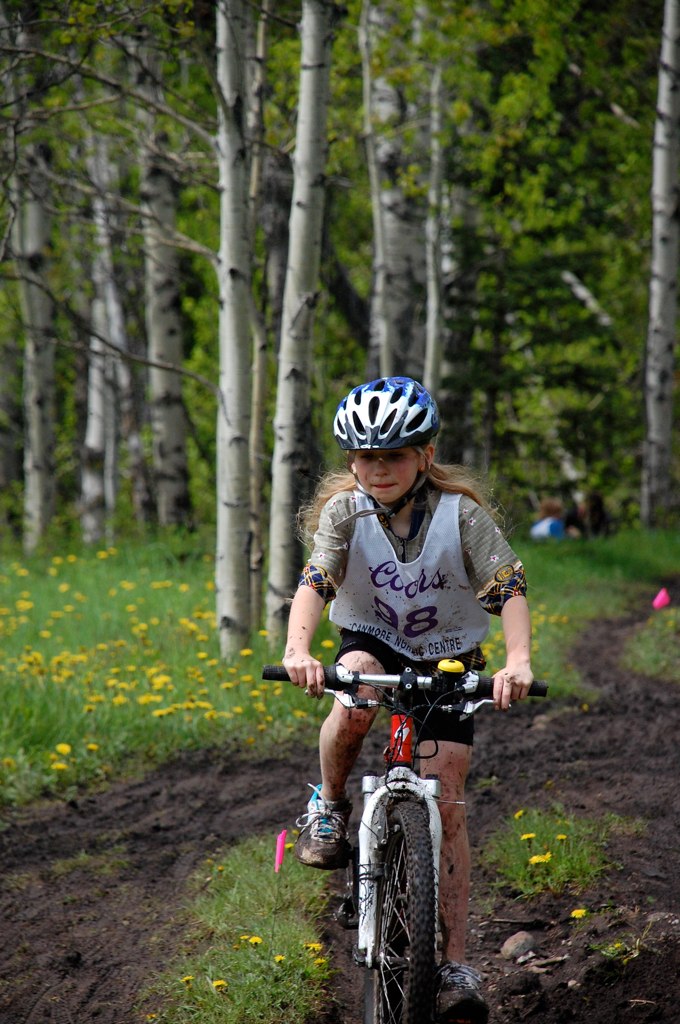
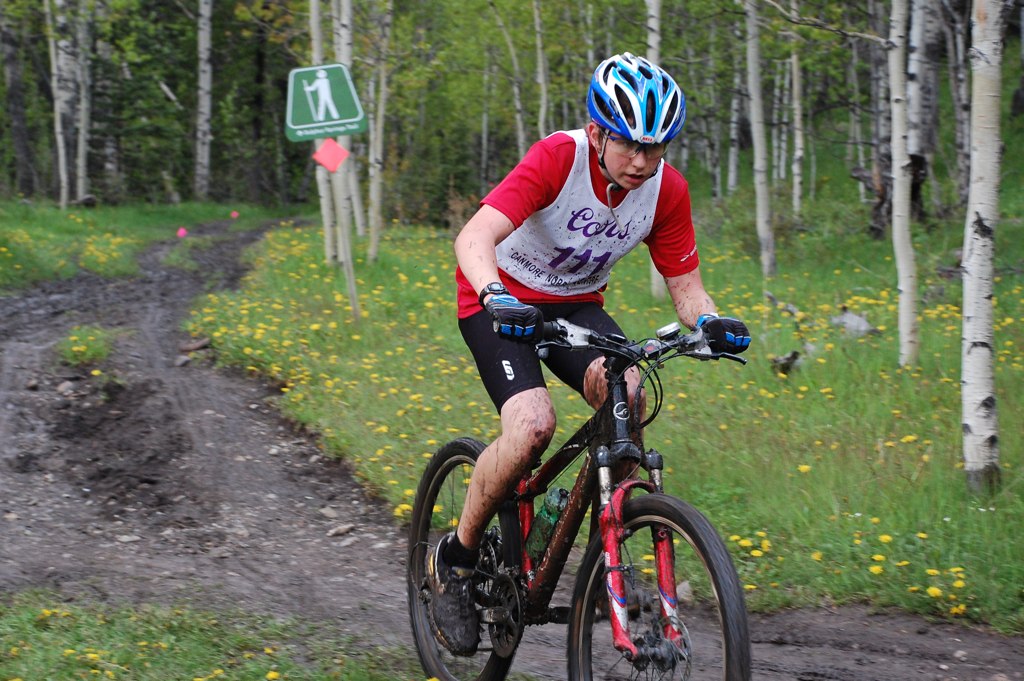
    Variety is important to 12-13 year olds.  Including varied training activities expands physical literacy opportunities for this age kid as well as appeals to the need to do lots of different types of physical training.  XC MTB is a discipline of cycling that has been growing in popularity the last number of years.  With development programs existing in Edmonton (Juventis), Canmore (Rundle Mtn CC), and Bragg Creek (XCBC), many kids in Alberta are being exposed to this great activity.

    In response to interest from athletes, our club in Canmore, Canmore Nordic Ski Club has registered as a affiliate club with the Alberta Bicycle Association.  The club has also went further to include an ABA membership for each of its T2T and older atheltes in its program registration fee (where an athlete isnt already an aba member).  ABA membership is required for insurance coverage while mountain biking as the CCC insurance does not cover mountain biking as a training activity for cross country ski athletes. 

    Cross country mountain biking is a fun and challenging sport that incorporates climbs and descents on single track and double track trails. 

    The Alberta Bicycle Association has instructional resources available as well as coach training workshops.  http://www.albertabicycle.ab.ca/

    XC Bragg Creek MTB is hosting an invitational event on June 17, 2012 – the event will be an enduro style team relay event held at Station Flats/Diamond T southwest of Bragg Creek.  Interested in bringing your skiers?  I am the chief of event for this interclub event – you can contact me if you’re interested.

    cheers
    Roy

  • CCC Athlete Development Matrix – April 2012

    Cross Country Canada has put together a new Athlete Development Matrix.  Please see the message below from Cathy Harris, Athlete Development Coordinator, CCC

    Hi Roy

    We are wondering if you would like to add the ADM information to your blog courtesy of the Coach and Athlete Development team at CCC!It is currently being translated and hopefully the French version will be available shortly.

    The Athlete Development Matrix is CCC’s new athlete development model. It has been developed with the help and contribution of experts from Own The Podium (OTP), Sport-Canada LTAD expert group, the NST and NDC Integrated Support Team (IST) specialists and some of Canada’s HP cross country ski coaches.

     In addition to providingspecific guidance on how to develop each performance factor at every stage of development, it also now includes specificbenchmarks and standardsto aim for, for each performance factors at each stage of development as well asadditional resourcesto facilitate the interpretation of the matrix guidelines.

    http://cccski.com/Programs/Coaching-Development/Athlete-Development-Matrix.aspx

    It is currently being translated and hopefully the French version will be available shortly.

    Besides the technique videos database, this initial version of the matrix is just the starting point and we will keep updating it and adding resources to it on an ongoing basis.

    Cathy Harris | Athlete Development Coordinator
    Cross Country Canada | Ski de fond Canada
    100-1995 Olympic Way |Canmore, Alberta |Canada | T1W 2T6
    T: 403.678.6791 x41   F: 403.678.3885
    charris@cccski.com  | www.cccski.com

  • T2T Performance Indicators

    LTAD performance indicators – T2T athletes

    How do you create a t2t program that helps kids advance their abilities while maintaining those things that kids would say are essential to their enjoyment?  As much as literature might recommend doing this or that, the reality is that individual coaches or teams of coaches at each club make the decisions around what should be included in a program.  The goals and outcomes are different at each club based on what leadership is on the ground, the philosophy of the club, the facility available, the tradition or lack of that exists in a community.  In my mind this is why there is so much variability between clubs. 

    As coaches we can learn from each other on how to best advance competitive cross country skiing in Alberta.  Our kids are much better off when there are a large number of clubs participating in competitive events and when each of those clubs have a number of top performers. 

    So what would performance indicators look like for the t2t age group?  Maybe you have some of these for your club. Here are a few to consider inlcuding

    – efficiency in adapting technique to terrain
    – good balance, weight shift
    – developing a race plan

    April is traditionally a down time in structured physical training/practices in many clubs.  Things are ramping up for another go around here in Canmore.  I am excited to be back coaching again with the Canmore Nordic Ski Club for the 2012-13 season.
    .

  • About "The First 1000 Hours" blog

    About this blog – There just isnt very much out there for professional or volunteer coaches about ‘best practice’ in the world of coaching adolescent cross country skiers.  This blog will pull together ideas from a number of sources including club programs from around the country, universities invloved with research in biomechanics and phyisology of cross country ski racing, iniatives aimed at advancing competitive cross country skiing all with a focus on optimizing what we do as coaches to best prepare young athletes (12-16 year olds) to be the best they can be in a positive, supportive, and challenging environment.  I invite you to read and contribute to this blog aimed at creating a space where coaches as a community can share, learn, collaborate to advance competitive cross country skiing.

    About me – I am coach working with train to train (12-13 year olds) cross country ski athletes in Canmore, Alberta, Canada with the Canmore Nordic Ski Club

    Cheers
    Roy Strum