Author: Ezekiel Williams

  • In First Full Season, Canada’s Mark Rajack to Race for Trinidad and Tobago at Worlds

    In First Full Season, Canada’s Mark Rajack to Race for Trinidad and Tobago at Worlds

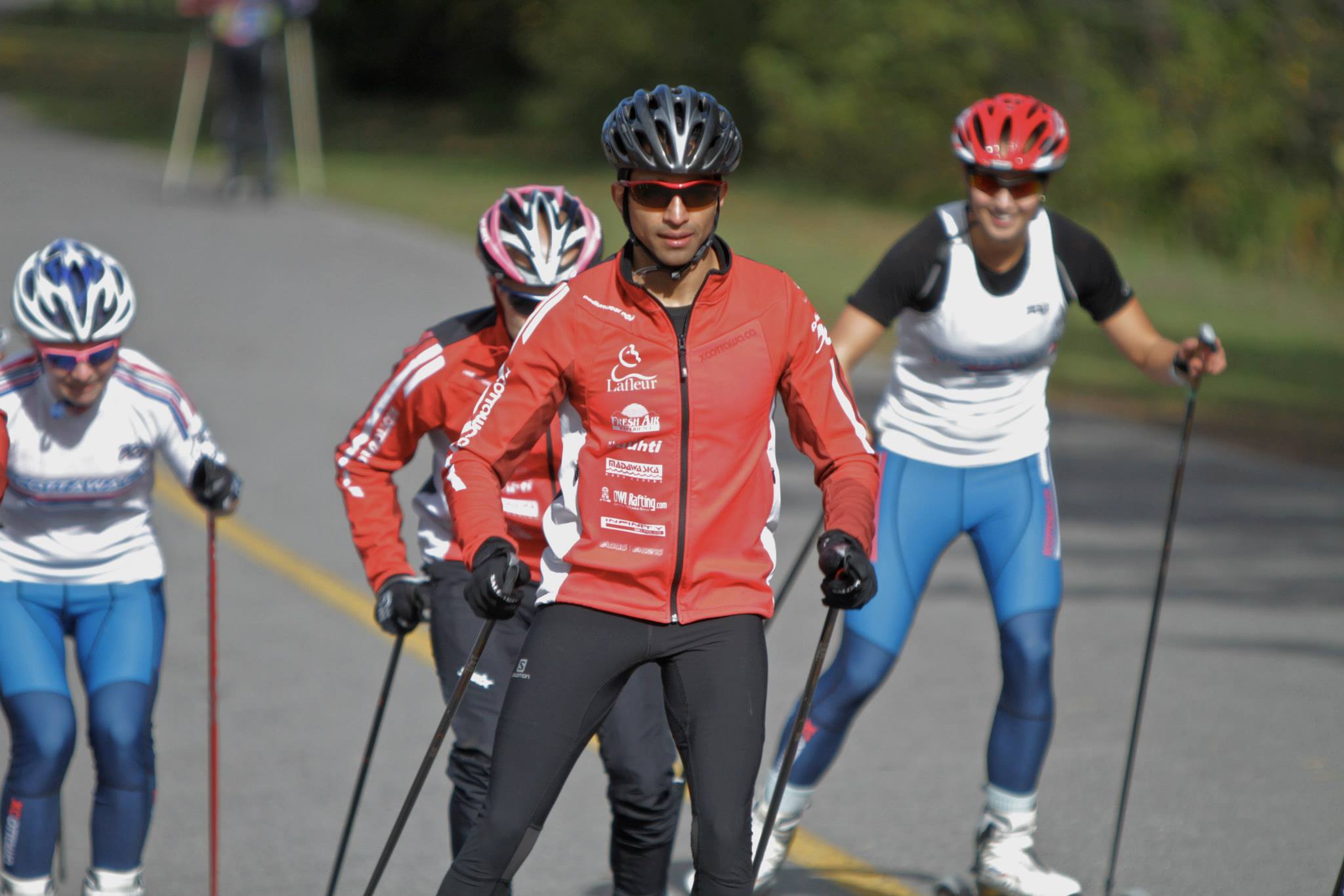
    Mark Rajack Rollerskiing with XC Ottawa; photo credit: Dave McMahon, XC Zone.
    Mark Rajack rollerskiing with XC Ottawa on Oct. 5. (Photo:Dave McMahon/XC Zone)

    OTTAWA, Ontario — Mark Rajack, a dual citizen of Canada and Trinidad and Tobago, was first introduced to nordic skiing two years ago in 2012, but in the time since, he’s not only learned to ski and compete in his new sport, but he’s also set his sights higher than many will in their skiing careers.

    Rajack, 33, lived in Trinidad and Tobago until the age of 6, at which point his parents were drawn to Ottawa for a job opportunity. From the time of his move, it would still be almost three decades until he would discover cross-country skiing.

    “You don’t come from a tropical country with a background in winter sport,” said Rajack, mostly a recreational cyclist before skiing. “I didn’t know that Gatineau Park [Ottawa’s largest ski-trail network and outdoor destination] existed until I started working at the local bike-and-ski shop.”

    Discovering Skiing

    I started [skiing] the year I turned 32 and it was an accident,” he explained in an interview at Carleton University on Sept. 3.

    He wanted to learn how to fix bicycles so he got a job working at a bike shop. In the process, he got to know some ski racers who worked part time at the same place. 

    “A lot of the bike shops here are ski shops in the winter, so it was through the racers working in that ski shop and through their community orientation that they managed to bring me on and just teach me to ski from scratch,” he said.

    Rajack’s initiation was not exactly a cake walk.

    It was horrible,” he recalled. “I had no glide. It was too cold. I got the wax wrong and with no technique it was just a struggle from the very start to the very end. And it was because I was expressing my struggles in skiing that a member of XC Ottawa said, ‘You know what, I’ll take you out and I’ll teach you to ski properly on my Zone-1 [easy] days.’ ”

    That skier was 23-year-old Andre Marchand, a longtime XC Ottawa skier and now Rajack’s good friend.

    I remember Mark picking up the technique instructions I was giving him pretty quickly,” he wrote in an online message. “It was impressive, and then after about 40 min of some pretty good technique skiing from a newbie, he just started falling over here and there, on downhills but also on flats… Now he’s regularly skiing for 2 or 3 hours at a time with Team XC Ottawa and he has no problems doing that!”

    Looking back, Rajack stressed the importance of the local ski community and the type of person it takes to get a newcomer excited about a sport and its culture.

    “It takes people who are fully inclusive and I’ve found that in the ski community we have here in Ottawa-Gatineau,” he said.
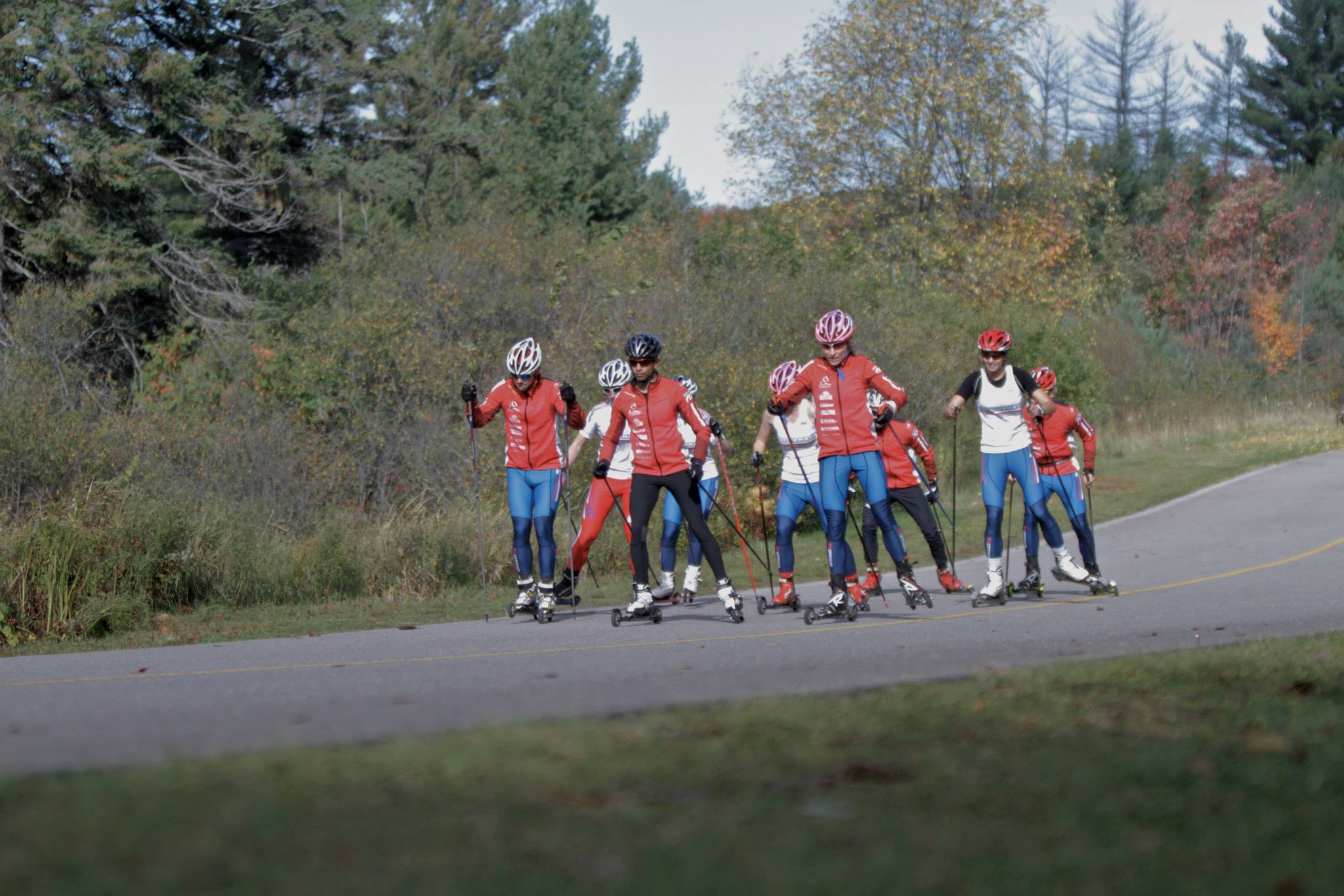
    Rollerskiing with XC Ottawa; photo credit: Dave McMahon, XC Zone.
    Gatineau Parkway rollerskiing with XC Ottawa. (Photo: Dave McMahon/XC Zone)

    Setting Goals

    After getting on snow a few more times his first winter, the season of 2012/2013, Mark decided he wanted to venture deeper into the world of his newfound sport.

    I went to a race in Val Morin [in Laurentides, Quebec] with Andre just to see what it was about,” he said. “When I went to the race, his dad took me to the wax tent. His dad explained how races operate, I saw the culture behind the race, I saw the environment and I knew instantly that it was something that I would enjoy. It was then that I decided that I would try to get into racing. That would be the long-term goal.”

    Just 1 1/2 years down the line, Rajack is a member of the Trinidad and Tobago National Ski Team and aiming for 2015 World Championships in Falun, Sweden, and 2018 Winter Olympics in Pyeongchang, South Korea.

    One-and-a-half years down the line, Rajack is a member of the Trinidad and Tobago National Ski Team and aiming for 2015 World Championships in Falun, Sweden, and 2018 Winter Olympics in Pyeongchang, South Korea.

    “It took about three-to-four months before the idea entered my head that I had the option to ski for Trinidad and Tobago and then I started to look into it,” he said. “It was only through a fluke joke. Some of the skiers I was with were critiquing some of the techniques of the non-snow countries at the [2013] World Ski Championships and only then did I think, ‘You know what? That could be me!’ ”

    It just so happened that Trinidad and Tobago has a ski association, already linked to the International Ski Foundation (FIS), the president of which is a skier who lives in Calgary. Once Rajack made that connection, it was a matter of applying for his FIS license. With a mountain of ski technique and experience to climb, he set off to join a team.

    Naturally, he wanted to join Marchand, so he applied at XC Ottawa. It didn’t matter that he had no skiing or endurance sport background, “they were still able to justify bringing me on because I fit their mandate of national and international competition,” Rajack explained.

    With the pieces starting to fall into place, he jumped headfirst into the world of nordic racing and started to compete last February.

    “The premise of last year [2014] was learn to ski and race locally,” he said.

    He started with Eastern Canadian Championships in Cantley, Quebec, where he placed 53rd in the 15 k freestyle and 50th in the 20 k classic mass start — last in both events.

    “Next year’s focus is a different one,” he said. “Next year, there’s a focus on more NorAms than local races and I’m aiming to break the 300 FIS-point limit,” which is the FIS standard for Olympic qualification.“I always get that Jamaican bob-sled team reference,” he said.

    The other big focus for him this season is World Championships.

    “Me being the only skier for Trinidad and Tobago competing at an international level, I basically by default have qualified for Falun,” he said. World Champs differs from a standard World Cup, which has a tougher points criteria.

    “But when I get [to Falun] I have to qualify for the distance race,” he added. “It’s likely that people in my situation will only get to race the 10k free and then the classic-sprint qualifier.”

    Getting to race at least two races at World Championships will provide Rajack with a wealth of experience, and he was excited for the opportunity.

    “Without a doubt I’m very much looking forward to it,” he said.

    He’ll have a support team there to help him with waxing and other preparations, including coach Mike Vieira and Colin Abbott, a competitive skier with the Yukon Elite Squad. Rajack estimated the whole trip will cost him around $850 dollars, with complimentary accommodations, and he explained Viera and Abbott are paying their own way to support him.

    Abbott spent three years with XC Ottawa before leaving the city to train full time for another three years.

    “I kept close ties with XCOttawa and heard about Mark joining the team long before I met him,” Abbott wrote in an email. “I returned to Ottawa this year to complete my studies at Carleton University and met him in September this year. From what I have seen of him so far he is motivated, realistic and open to critical feedback. I believe he has the ability to make the 300 FIS point cutoff to qualify for the next Olympics in Korea.

    “As far as international success, he will probably never be a medal contender on the World Cup,” he added. “His technique is his biggest weakness right now and he knows it. He’s put in a lot of time this summer focusing on becoming more efficient.” 

    The Sacrifice

    With a new focus on racing, Rajack finds training taking up more and more of his time.

    “I’ve put my career on the back grill for the moment,” he said. “As a teacher with the Ottawa-Carleton district school board, I very well could have made choices that would’ve led to me being a full-time teacher at this point. I’ve made the decision to continue substitute teaching to focus on my skiing for the next four years.”

    In terms of finances, too, I was at one point saving for a downpayment on a house,” he said. “Potential house [or] potential Olympics.”

    In a place like Canada, where high-performance skiing does not hold the same clout that it does in other countries, there’s always the pressure, both societal and financial, to follow the path of least resistance: school, job, house.

    “I think it takes a bit of bravery to not lead that scripted life when there’s a lot of pressure to conform,” Rajack said.

    “I think it takes a bit of bravery to not lead that scripted life when there’s a lot of pressure to conform.” — Mark Rajack, Canadian dual citizen and Trinidad and Tobago’s lone national cross-country ski team member

    But he’s willing to make the sacrifice — even without financial assistance from the Trinidad and Tobago government.

    “At this time, the government is unable to provide support,” he said. “And I understand the challenge of understanding what someone like me is trying to do, especially that I’m, right now, off the island.”

    Unfortunately, that puts him in a sort of no-man’s-land for funding. Without the Trinidad and Tobago or the Canadian governments helping him out, and with the limited workload that he is able to fit in around training, finding sponsors will be one of the many challenges for Rajack in the coming months.

    What does he see as key in his preparations for international competition?

    “It just comes down to trusting people who have done this their whole lives, listening to them and believing that, if I follow what they do and if I keep my effort and dedication up, I’ll be well under that 300 FIS points standard by the time the Olympics roll around,” Rajack said.

    The Greater Good
    XC Ottawa; photo credit: Dave McMahon, XC Zone.
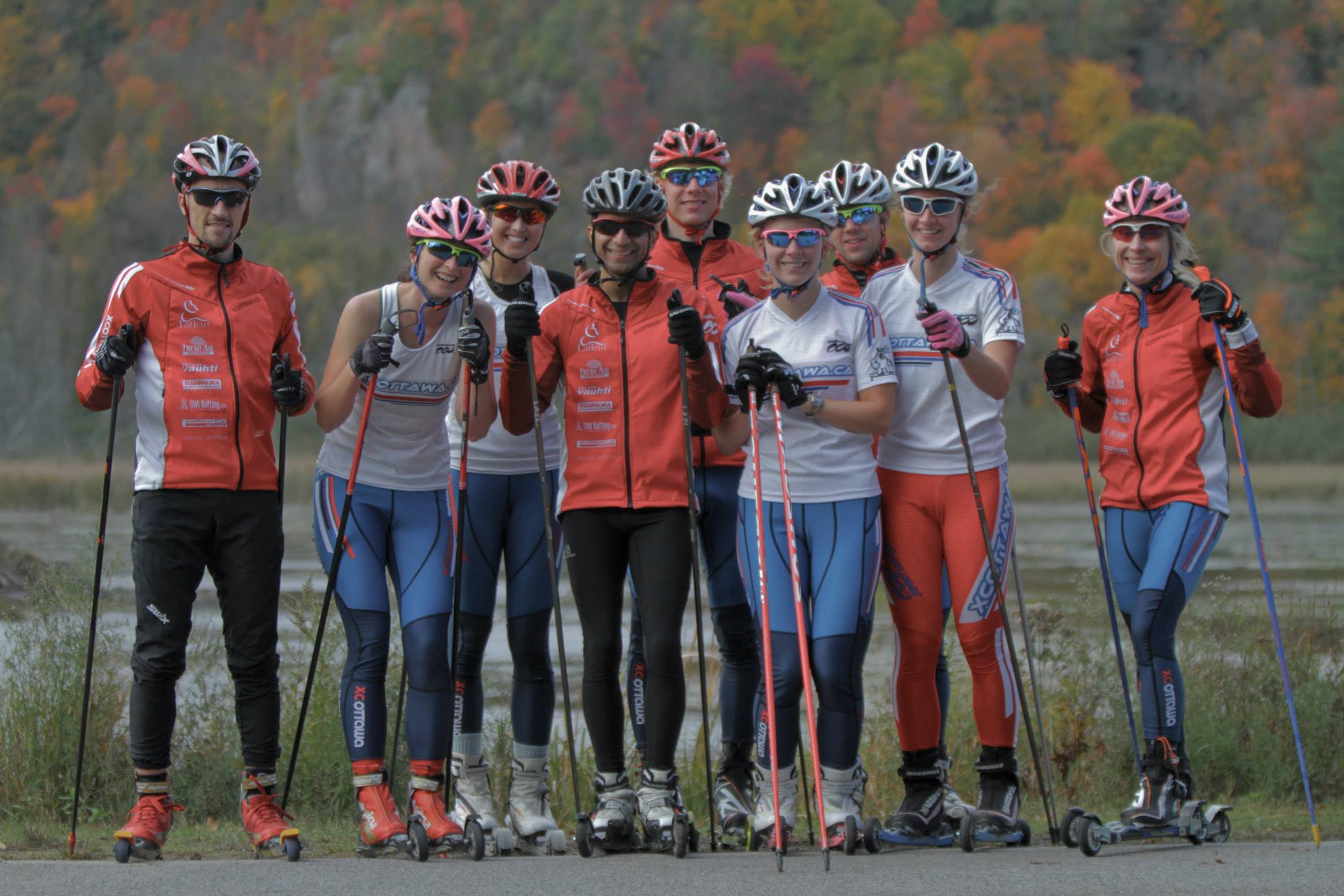
    XC Ottawa skiers in early October, including Mark Rajack (front c) and Andre Marchand (to Rajack’s right). (Photo: Dave McMahon/XC Zone)

    At the end of the day, it’s not all about the Olympics for Rajack. His dream is to help grow the sport that has already given so much to him and, in doing so, help those new to winter climates who struggle with getting used to the colder season just as he did when he moved to Canada.

    “There’s no way for me to be living in Trinidad and training to ski but if I could wish anything, ultimately, it is that we develop a rollerski team in Trinidad and Tobago,” he said. “In the same way that you have North American athletes who play tennis and golf who go down south to do whatever golf camps and tennis camps in the states, well the reverse can be true. We’ll take those rollerskiers and bring them up to [The Forêt] Montmorency or Nakkertok and get them time on snow and then put them in competition.

    “I don’t know if that will ever happen, but there’s always the dream and then there’s the reality — that would be the dream,” he continued. “The reality is that it will probably just be members of the Trinidad and Tobago diaspora [who become involved in skiing], which is spread right across the world. You’ve got Trinidadians living in every corner of the world and many of them, like me, live in northern climates and, like myself at one point, the winter is a significant negative impact on their quality of life.”

    “If, through my efforts, I could help a Trinidad and Tobago kid get to the World Cup in a way I would feel that I had made the World Cup as well.”

  • Pros of Tomorrow Presented by Fischer: Olivia Bouffard-Nesbitt

    Pros of Tomorrow Presented by Fischer: Olivia Bouffard-Nesbitt

    Olivia Bouffard-Nesbitt racing at the 2013 Canadian Nationals in Whistler (Courtesy photo).
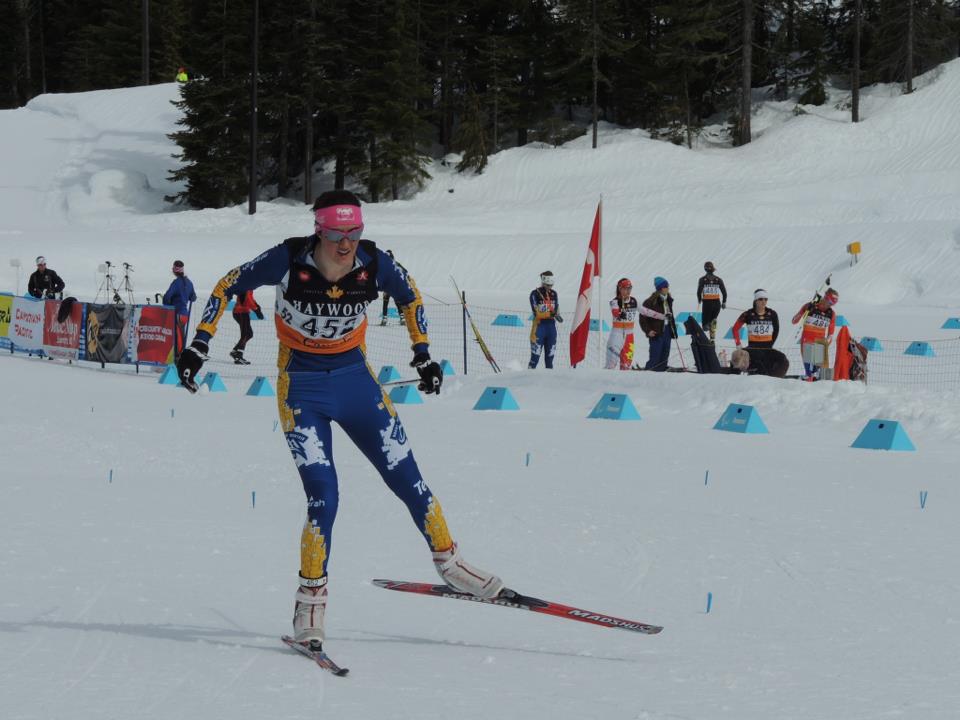
    Olivia Bouffard-Nesbitt racing at the 2013 Canadian Nationals in Whistler, B.C. (Courtesy photo)

    This ‘Pros of Tomorrow’ series, brought to you by the generous support of Fischer Sports, aims to highlight some of the most notable up-and-coming athletes around the world, which may or may not be Fischer-sponsored skiers. If you have an idea for a top-notch skier you’d like to read more about, please email info@fasterskier.com with the subject line: ‘Pros of Tomorrow’. We’re also looking for stories about intriguing juniors, collegiate skiers, or lesser-known athletes; please email us with names — subject line: ‘From the Pack’.

    ***

    Olivia Bouffard-Nesbitt, 22, has been on skis as long as she can remember. Originally from Quebec’s Laurentides region, she started out on downhill skis until her parents deemed her “old enough to actually kick and glide,” she recalled. That was age 3.

    Bouffard-Nesbitt went on to race for several nordic teams, including a training centre in western Canada before joining Rocky Mountain Racers (RMR) in 2013 in Canmore, Alberta.

    Now readying for the 2014/2015 race season, she is in her last year as a U23 athlete. With experience competing overseas last winter, she’s a name to watch out for in North American ski racing and a likely candidate for Canada’s U23 World Championships and OPA tour. Last month, Petro-Canada named her its nordic-skiing recipient of its “Fuelling Athlete and Coaching Excellence” funding program.

    Raised by Skiers

    Bouffard-Nesbitt racing for Rocky Mountain Racers (RMR) at Frozen Thunder last fall in Canmore, Alberta.
    Bouffard-Nesbitt racing for Rocky Mountain Racers (RMR) at Frozen Thunder last fall in Canmore, Alberta. (Courtesy photo)

    Although cross-country skiing in particular was an integral part of her childhood, Bouffard-Nesbitt enjoyed competing in several sports. 

    “As a kid, I was always really into sports and I knew I wanted to be an athlete,” she said in a phone interview. “I didn’t know what sport. It was either gonna be soccer, running or skiing.”

    In her pre-teens, she played AA soccer, competed in both track and cross-country running and ski raced in the winter. But over the next few years her focus shifted more and more towards nordic skiing.

    “I did Fast and Female when I was 14, so I got flown out to Canmore because I won a contest,” she explained. “They were flying two girls from every province to Canmore for this event. That was my first time out West and I got to meet Chandra Crawford, who was a celebrity to me at that point. That was super motivating and I was on a high from that for a really long time.”

    Her inspiration from Fast and Female combined with the feeling that she was enjoying skiing the most out of all her sports prompted her to join the local Fondeurs Laurentides nordic team at 15.  Two years later, she fully committed to skiing, leaving  Quebec to train with coach Les Parsons in Edmonton, Alberta.

    “I was at the end of high school in Quebec, I graduated and decided that my choices were to go to CEGEP [a general-and-vocational college] in Montréal, go to Nakkertok ski club in Gatineau or go to Edmonton,” she said. “I went to Edmonton because Les Parsons, who was coaching the [Edmonton Nordic] team at the time, invited me out there and found a family to host me.”

    Having provided her with coaching advice in the past, Parsons positively influenced Bouffard-Nesbitt’s skiing and helped her overcome nerves in her earlier years of racing.

    “He changed my way of thinking about competition,” she said. “He reminded me that, ‘You can’t do any better than your best’ and ‘If you’re not having fun, there’s no point in doing it.’ ”

    After one year in Edmonton, Bouffard-Nesbitt decided it was time to make the next jump to one of Canada’s training centres and moved to Whistler to join the Callaghan Valley Training Centre (CVTC) in British Columbia.

    “He changed my way of thinking about competition. He reminded me that, ‘You can’t do any better than your best’ and ‘If you’re not having fun, there’s no point in doing it.’ ” — Olivia Bouffard-Nesbitt on former coach Les Parsons

    Overtrained

    Looking back, she described that first year with Callaghan Valley as an exciting one.

    “I felt like it was my first time being on a … I don’t wanna say real ski team, a more professional ski team, you know?” she said. “We had a team van and we all lived in the same place and our coach would drive us around everywhere. It was the first time I’d had a car drive beside me while I’m rollerskiing.”

    That winter of 2010/2011, she had what she considered her breakthrough year.

    “It was the year that I won the aggregate [overall] at nationals and I’d never done that before,” she said. “I’d never even medaled before at nationals.”

    The second year was a different story. It was the first time Bouffard-Nesbitt trained full time in the summer, having worked at a summer camp in past years. With the excitement from last season, she felt more pressure in year two.

    “After seeing how the team performed that first year, [CVTC coach] Chris [Manhard] expected a lot from us the second year,” she said. “It had been his first year with the team also, so the second year he was getting more pressure to have the team perform. The atmosphere changed.”

    Manhard respectfully declined to comment.

    As many athletes can attest to, it is much easier to push through the pain during training than to know when it’s time to call it. By the fall of 2011, Bouffard-Nesbitt was beyond the point of no return.  In mid-January 2012, she was unable to finish a 10 k skiathlon in Whistler. After that, she went home to Quebec.

    “Once I finally stopped training, it was like my body registered that I was giving it a break and then it just completely shut down,” she said. “I went from struggling in training to having heavy legs walking up stairs and sleeping like 12 or 13 hours a day. A month was pretty much sleeping. I went six months without training.”

    Insight

    Bouffard-Nesbitt stayed home until August 2013,  when she decided to get back into skiing with RMR and moved to Canmore. 

    “There was never one doubt in my mind about wanting to keep going,” she reflected. “People thought I had quit or that I was going to quit, but I had never ever considered it. To me, when it was happening, it was just, like, a blip. I didn’t think ‘this is the end of my career.’ I knew I was gonna get over it.”

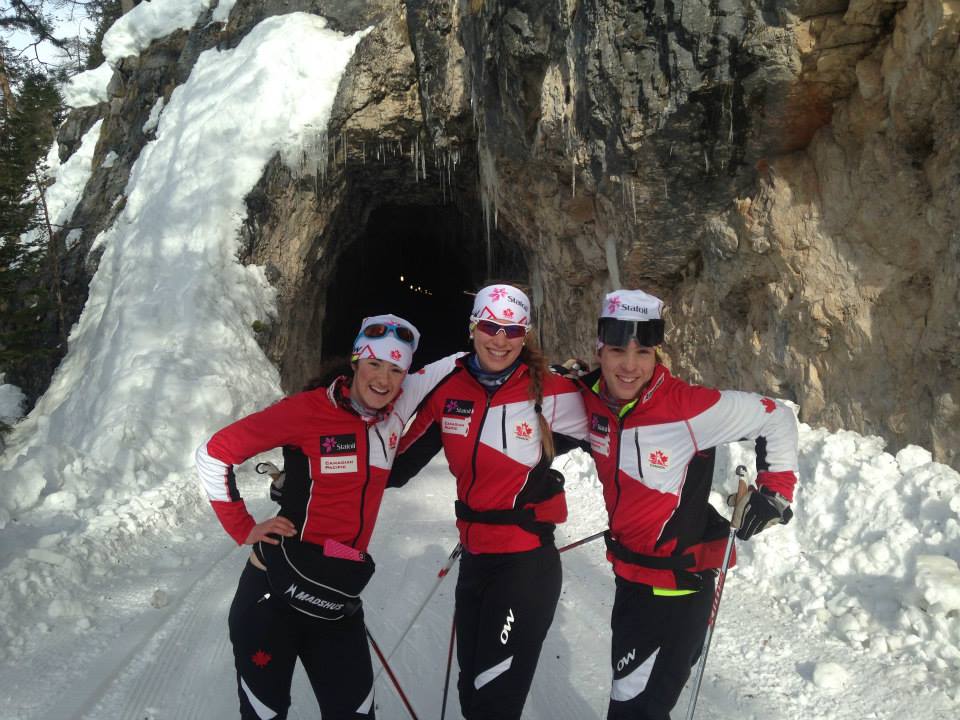
     From left to right, Bouffard-Nesbitt, Dahria Beatty and Seb Townsend during the U23 World Championships trip last season. (Courtesy photo)

    From left to right, Bouffard-Nesbitt, Dahria Beatty and Seb Townsend during the U23 World Championships trip last season. (Courtesy photo)

    The toughest thing she recalled was knowing that she was out of the running for the U23 World Championships team that year. But she remembered the words of her former coach.

    “Another thing that Les would always tell me was to think long term,” she said. “He’d say, ‘This year doesn’t matter, next year doesn’t matter, what matters is 2018 if that’s what you’re aiming for.’ ”

    After six months of rest, she got back into training 30 minutes at a time and worked her way up to 50-minute workouts. For months, it was her fatigued legs that held her back. Finally, in the fall of 2012, she broke the 50-minute mark.

    “It was around Frozen Thunder that one day, I just magically passed that 50-minute threshold and finally I just felt good,” she said. “I skied for way longer and didn’t get tired legs and from then on I was good to go.”

    After a few months of training with RMR, Bouffard-Nesbitt posted a top-10 sprint result at 2013 Canadian nationals in Whistler and finished 22nd overall on the NorAm circuit.

    “There was never one doubt in my mind about wanting to keep going … I didn’t think ‘this is the end of my career.’ I knew I was gonna get over it.” — Bouffard-Nesbitt

    The Present

    Looking back on last season, Bouffard-Nesbitt has mixed feelings. 

    “I was really excited; I’d made trips I’d never made before, I qualified for Worlds, which was a really big goal of mine, and then I got selected for the B-tour,” she said.

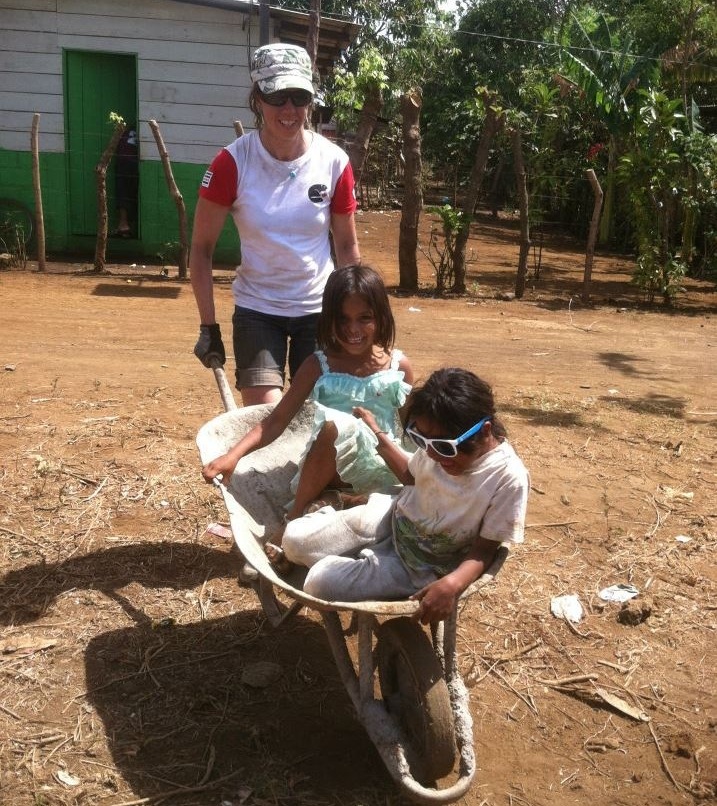
    Bouffard-Nesbitt took part in the "Skiers4SchoolBox" Nicaragua trip planned by Perianne Jones, this spring.
    Bouffard-Nesbitt took part in the “Skiers4SchoolBox” Nicaragua trip planned by Perianne Jones, this spring.

    All of that marked her first time racing against an international field and doing so in Europe.

    At the same time, she was sick throughout the winter.

    “My immune system was not super-strong and I just kept catching colds,” she said. “I caught a cold [at the start of the season] in Silver Star before Rossland. I got sick again right after trials — I was pretty sick that time. Basically I couldn’t go two weeks without getting sick.”

    In Rossland, she pulled out a podium: third among the senior women. Other than that, she said she didn’t perform to her potential last season.

    Currently Bouffard-Nesbitt is working towards her goal of making the upcoming U23 World Championships and, farther down the line, the Canadian World Cups in 2016 and the 2018 Olympics.

    With RMR and her new home in Canmore, she thinks she’s in the right environment to achieve these goals.

    Beyond Skiing

    When she’s not skiing or training, Bouffard-Nesbitt can be found working for Buff Canada. 

    “I got the job because my teammate Andrea [Dupont] works there,” she said. “They dropped me in charge of what they call the professional collection. It’s a new collection of Buffs intended for industrial workers that isn’t really sold in Canada yet, but we’re trying to get it in stores. I work there part time, it’s about 20 hours a week if I am in Canmore. The boss knew I was a skier and it kinda transformed into a sponsorship. I still work there and I am still in charge of the professional collection and I’m also sponsored by them.”

    This past April, Bouffard-Nesbitt traveled with a number of high-profile Canadian skiers, including organizer and two-time Olympian Perianne Jones, to Nicaragua to help build a school.

    We realized after a couple days at the work site that the people at SchoolBOX saw just as much value in having outsiders come and play with the kids, rather than just, like, digging a hole the entire time,” Bouffard-Nesbitt said in an earlier interview. “It means a lot to the kids to see that people are coming all the way from Canada and that people care that much about their school.”

  • Put to Work in Nicaragua, Nine Canadians Got Dirty for Skiers 4 SchoolBOX

    Put to Work in Nicaragua, Nine Canadians Got Dirty for Skiers 4 SchoolBOX

    Jones hard at work
    Perianne Jones hard at work. (All photos from SchoolBOX)

    Life as a competitive skier is a full-time job. Beyond eating, sleeping and training, skiers usually spend a solid chunk of time drumming up financial support to cover some, if not all, of their skiing-and-life expenses.

    Last year, nine Canadian cross-country skiers put their needs aside for the time being to fundraise for a charity completely unrelated to their sport. SchoolBOX is an Ontario-based nonprofit focused on building elementary schools in impoverished areas of Nicaragua.

    Headed by two-time Olympian Perianne Jones, the group of skiers known as “Skiers 4 SchoolBOX” raised money last year then travelled to Nicaragua this spring to dive into the construction.

    Getting started

    Jones’s connection to SchoolBOX started in her hometown of Almonte, Ontario. A longtime friend of one of the nonprofit’s founders, Jones — like others in her small town — was supportive of local causes. She had been one herself as an up-and-coming nordic skier shooting for the Olympics. She decided to pay it forward to a third-world support group, founded in 2006, aimed at making education possible for children.

    “There was a fundraising run before the Olympics in 2010 for me [in Almonte],” Jones reflected on the phone earlier this month. “I didn’t want the money to be only for me so I decided to split the money from that with SchoolBOX. I think that was where things started.”

    As part of their school-building program, SchoolBOX makes an effort to connect groups of North Americans to their projects, inviting people to take part in fundraising and volunteering on the ground in Nicaragua. Jones wanted to assemble a group of skiers.

    But the stars would not align for this larger-scale partnership between Jones and SchoolBOX until after the 2014 Sochi Olympics.

    “I always wanted to do more with them, but the timing never lined up until after the Games,” she said.

    She started planning her first trip to Nicaragua’s Masaya region last spring.

    Mark and Olivia
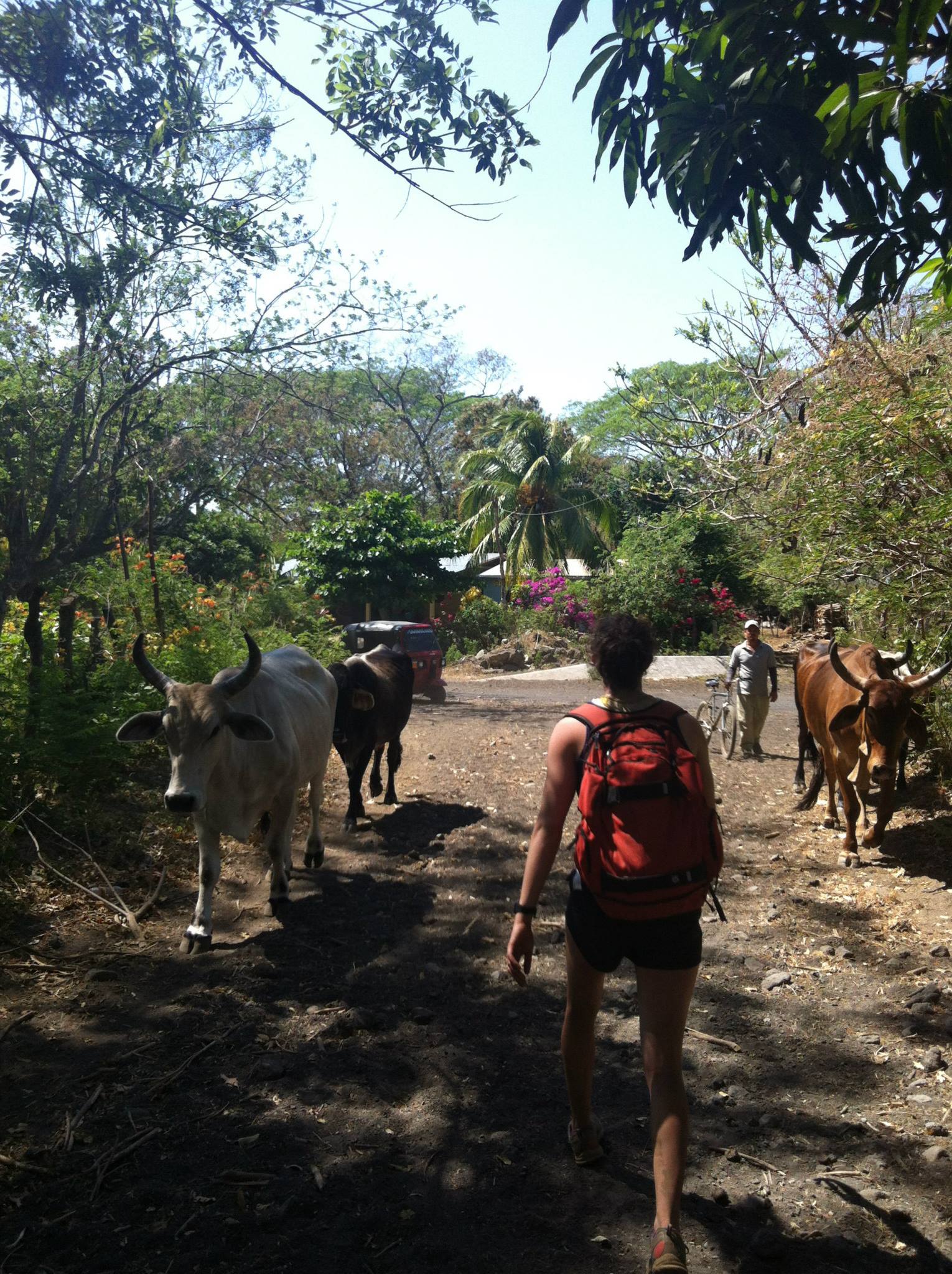
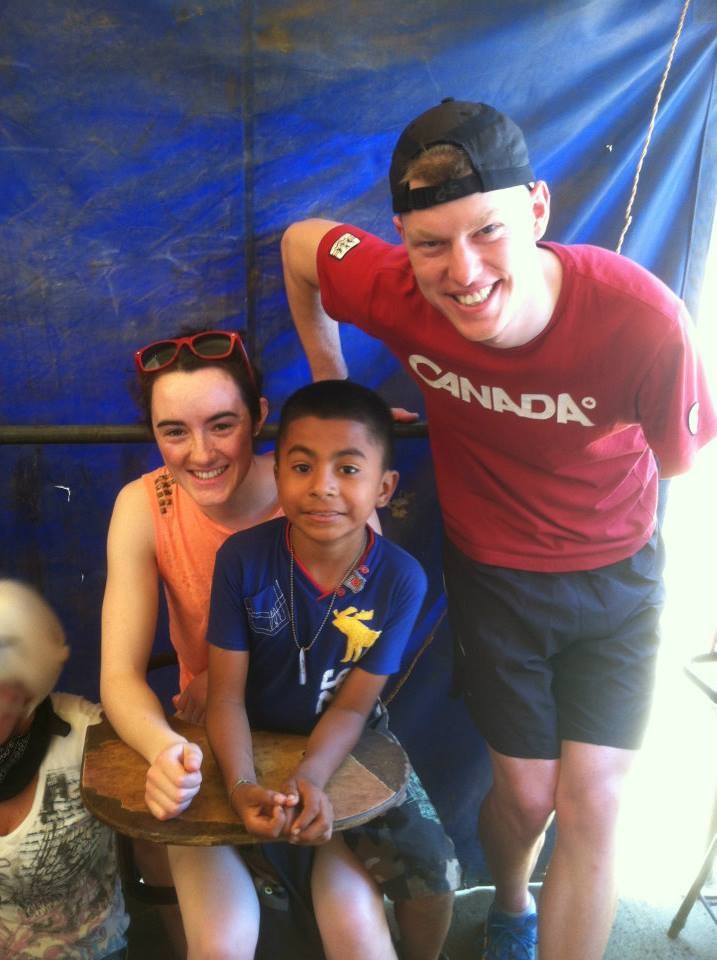
    Olivia Bouffard-Nesbitt and Mark Arendz hanging out with the locals. 

    The athletes

    One would imagine that it might be hard to sell the idea of volunteering manual labour in a foreign country, especially considering the fact that each volunteer is responsible for their transportation to and from that place.

    But according to at least two of the participating skiers, that was not the case — the decision to help out was spontaneous.

    “It actually just happened really quickly, kind of on a whim,” said Olivia Bouffard-Nesbitt of Rocky Mountain Racers. “I was over at Zoë [Roy’s place] doing, I dunno, something crafty, and she was like, ‘Hey, so I’m going to Nicaragua in April for Skiers 4 SchoolBOX and Peri wants us to commit today if you wanna come.’ I didn’t even hesitate.”

    Before earning silver and bronze at the 2014 Sochi Paralympics, Mark Arendz of Canada’s Para-Nordic Team was planning ahead last year for what he’d do after the Games and learned about Skiers 4 SchoolBOX on Facebook.

    “I chatted with Perianne Jones, and before our conversation was over I was in,” he said.

    In addition to Roy, Bouffard-Nesbitt and Arendz, Emily Nishikawa, Gerard Garnier, Stuart Harden, Ruth Tamas, and Jones’ husband, Joel Jaques, also signed up by April 2013.

    Then they started fundraising.

    Finding the funds

    Definitely the biggest thing was coming up with the money to make it happen,” Jones explained.

    Each person in the group had to raise about $1,000, and in an effort to do so, they planned a fundraiser for last fall in Canmore, around the time of Frozen Thunder. According to Bouffard-Nesbitt, the fundraiser didn’t go quite as planned.

    “We put a decent amount of effort into the event itself, but we didn’t do a very good job making sure people were gonna come,” she said. “We had a band, drinks, food and a really good silent auction. When you have a lot of Olympians in the group you get good silent-auction stuff. … After the event, it was pretty much up to each of us to go out and collect our shares of the money.”

    Volunteers had to pay for their own flights.

    “We were fundraising for the part where we were actually on the ground in Nicaragua,” Jones said. “Mostly the money was for the school project itself. They have a construction crew that they pay down there, so they make sure that they’re providing jobs for Nicaraguans and helping them out that way.”

    Training in Nicaragua

    The skiers were in Nicaragua this spring, from April 3 to April 10. Many of them stuck around a bit longer to explore the country.

    “After an Olympic cycle, I think everyone just wanted to shake things up and do something different,” Jones said.

    Because the trip happened at the start of the offseason, everybody was content to enjoy their time away from ski training. Beyond the grueling work of removing dirt from the ground, physical activity was kept to a minimum and consisted of activities such as Roy’s “Tarahumara runs,” according to Bouffard-Nesbitt, (like in Born to Run).

    “Basically they’re twelve-minute runs and it’s kind of like parkour I guess,” she said. “You just go and you do whatever you want and each person takes a turn leading. So you jump off benches and do summersaults and run around posts and do cartwheels and stuff.”

    Digging the hole
    The nine Canadian skiers dug a big hole for the school’s septic system.

    Building the school

    Upon arrival in Nicaragua, the first day of work started after a night’s sleep and a long drive, to the construction site, in the morning.

    “We were driving down this narrow, super-bumpy dirt road and we turn a corner and there’s this crowd of children standing there,” Bouffard-Nesbitt recalled. “They’re jumping up and down and they had our names printed out on paper that they were holding up.”

    After the warm welcome, it was time to get to work: in their week there, the skiers’ goal was to dig of a big hole for the school’s septic system.

    “The hole that we dug was 3-meters deep, 2-meters wide and 3-meters long. By the end we needed a ladder to get in and out of it,” Jones said. 

    “Mostly what we raised money for was for a sports field, but just so it happened, for the period of time we were there, what they needed done was digging this big hole. Some of the dirt from the hole went to the sports field eventually.”

    The students

    Throughout the week it became clear that the children who would be attending the school had a deep desire to be a part of building it.

    They were so invested in it,” Jones said. “Some of the older kids would come out and grab our shovels and get down in the hole and dig with us. They were really keen to help. When you don’t have a place to learn, you really want that kind of thing. I think for a lot of us, it’s a given.”

     “Some of the older kids would come out and grab our shovels and get down in the hole and dig with us. … When you don’t have a place to learn, you really want that kind of thing. I think for a lot of us, it’s a given.” — Perianne Jones, Skiers 4 SchoolBOX leader & two-time Canadian Olympic cross-country skier

    But it wasn’t all tough work around the construction site. Usually around midday, the hole-digging would wrap up and the skiers would spend time playing with the kids. 

    “One of my favourite memories has to be the soccer-baseball game we had the last day with everyone,” Arendz said. “The construction workers, volunteers, community members and kids — a great time playing but also watching everyone else enjoy themselves.”

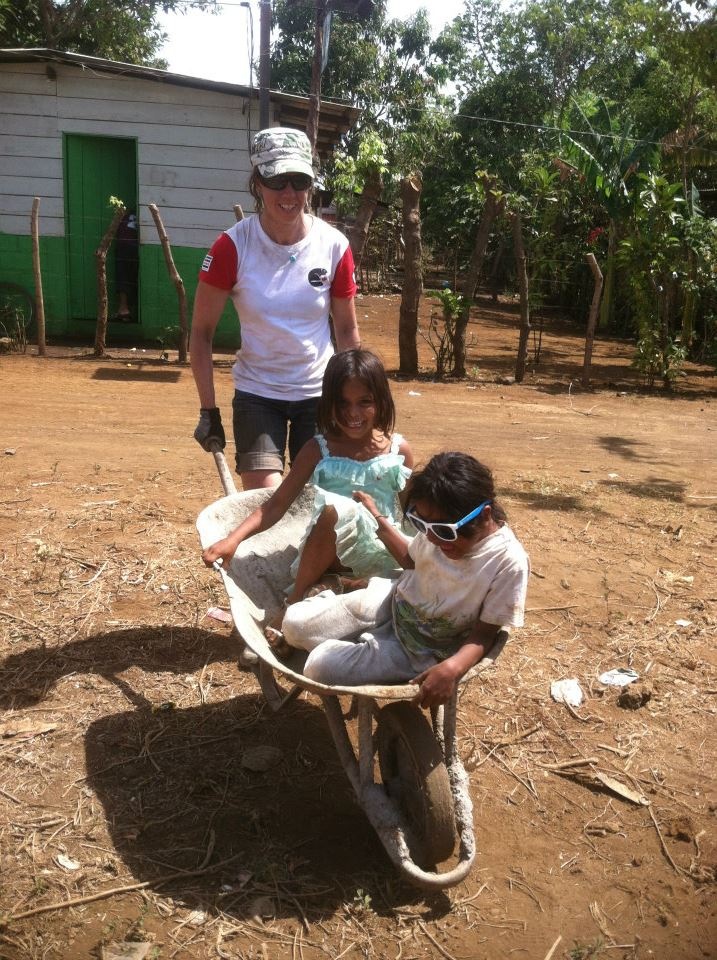
    Emily Nishikawa with some potential students.
    Emily Nishikawa with some potential students.

    More than just construction work

    We realized after a couple days at the work site that the people at SchoolBOX saw just as much value in having outsiders come and play with the kids, rather than just, like, digging a hole the entire time” Bouffard-Nesbitt explained.

    “It means a lot to the kids to see that people are coming all the way from Canada and that people care that much about their school,” she added. “In turn, it makes them care about their school. All the kids who attend do so by choice, so the more they’re invested in their school the better.”

    In Nicaragua these schools are more than just the average learning place. They act as a community centre through which other opportunities arise.

    “Once you have a school in a community it opens the doors for all kinds of other things you can have,” Jones said. “Once you have a school you can have a food program as well.”

    The future

    On April 10, the skiers departed — some back to Canada and others to explore other parts of Nicaragua. Their part of the project was finished but the work on the school would continue until the end of July, at which point, to the excitement of everyone involved, the school was completed.

    So will there be more Skiers 4 SchoolBOX projects in the future?

  • Nighbor Joins Lakers’ Nordic Coaching Staff

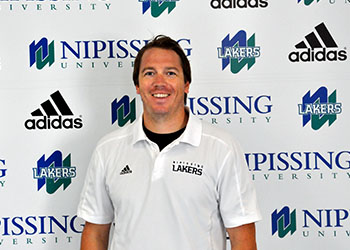
    Dave Nighbor Nipissing University
    Nipissing’s new assistant coach Dave Nighbor

    (Press release)

    The Nipissing Lakers Nordic ski team has received a big boost with the addition of a new assistant coach who will join the team for the 2014-15 season.

    Dave Nighbor will join the Lakers coaching staff and offer valuable input, feedback and support to both head coach Toivo Koivukoski as well as all the student-athletes.

    Nighbor said there are a few reasons he decided to step into this position and he’s already excited to get started.

    “It is an exciting time for Nordic skiing at Nipissing because we have tremendous talent on campus. Toivo has done an excellent job building a community and pulling in strong athletes from around the country,” Nighbor said. “Once I had a look at the great deal of potential on the team, I was honoured to be given the opportunity to work with them.”

    Nighbor is an accomplished athlete in his own right, having completed a successful career representing Canada on an international stage a number of times.

    Raised in North Bay, Nighbor attended Chippewa High School and skied for Team Canada in eight world championships. While building his business, he earned a Bachelor of Design York University with formal training in fine arts, graphic design, and interactive media.

    Nighbor then graduated with Magna Cum Laude, co-chaired his grad show, and received national recognition from the Graphic Designers of Canada.

    After graduating, he returned home to North Bay to give back to the community that supported him during his ski career. He maintains involvement with skiing through volunteering at North Bay Ski Club and now joining the Lakers as an assistant coach.

    “I was fortunate over my career to have trained with the greatest Nordic ski racers that Canada has ever seen. Olympic Champion Chandra Crawford, World Champion Devon Kershaw, and World Champion Alex Harvey were close teammates of mine and I got to watch them go from small town kids to international stars,” Nighbor said of his career. “I’ve seen what it takes to be great in the sport and can help the Lakers focus on the right things to be successful athletes. Many athletes have the talent to be amazing and I am here to help them improve their technique and train effectively.”

    Koivukoski said he could go on and on about what a positive influence Nighbor will be to the team, but he summed it up accurately.

    “Signing Dave to join on with Nipissing Nordic as assistant coach is a huge boost for the team. He has had an accomplished career as a ski racer, skiing full time from a young age and representing Canada at World Championships, with many National Championship titles to his name,” Koivukoski explained. “For our athletes to be able to work with a coach with this level of experience as an athlete will give them confidence as they aim to take that next step in performance, aiming to qualify for World Championships and earn medals at National and OUA Championships.”

    Something Nighbor believes in is that hard work leads to success, in any field, sport or job and that’s one of the things he wants to pass on to the Lakers.

    “The most important thing I have learned over my career is that success doesn’t happen by mistake. It takes thousands of hours of practice and sweat to be great at anything. Someone may possess talent but they can never meet their full potential without decades of hard work, guidance, and support,” he said.

    There is some familiarity between Nighbor and the Lakers, as well as Koivukoski, so the transition shouldn’t be too difficult for anyone when the team begins training for the season.

    That’s a positive for everyone involved in Lakers Nordic skiing.

    “Nighbor has been working with our athletes over the past seven years through training camps, so we know that the quality of communication and team chemistry will be good. It has been a treat to work with him as he draws on a solid grasp of ski technique and physical training, along with his skills as a programmer and graphic designer,” Koivukoski said. “Having him working with the team will add depth to the level of support that we can provide our skiers as we further professionalize our program.”

    Nighbor said he was in the same position these athletes are in a few years ago and he received help from the community, which is exactly why he wants to give back and help out.

    No one can be successful alone and Nighbor believes in giving back where and when he’s able to.

    “There is a great deal of value giving back to North Bay athletes. I feel a great connection with every athlete I work with in North Bay because I went through similar experiences and challenges. My parents, Martin and Dawna Nighbor, learned the sport so they could coach and support my sisters and I,” he said. “In 2007, I began putting on annual training camps for North Bay athletes with the attempt of helping any local athlete that had dreams of skiing on the international stage. If they dream it, I want to help them achieve it.”
    MORE ABOUT DAVE NIGHBOR
    He graduated from Chippewa Secondary School in 2003 and went on to ski in 8 World Championships, acted as an alternate at the 2006 Winter Olympics in Torino, and won 13 Canadian ski championships. Nighbor recently moved back to North Bay with his fiancee and Nipissing alumna, Jade Doyle. They said they are ecstatic to return to the community with plans to elevate sport, support the arts, and raise our family. In addition to coaching for the Lakers, Nighbor is volunteering with the North Bay Nordic racing team alongside Coach Sera Tempio. Most of his time is dedicated to the relocation of his design company, 9 Lives Design, to North Bay and the latest project with Antoine Mountain’s website and creative efforts.


    Read the Article on Nipissing Lakers Website

  • 5 Peaks Trail Running in Canmore: A Who’s Who of Nordic Racers

    5 Peaks Trail Running in Canmore: A Who’s Who of Nordic Racers

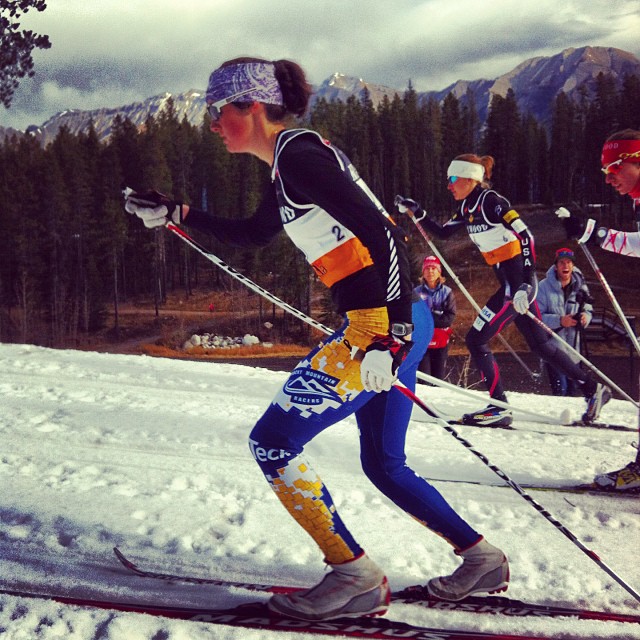
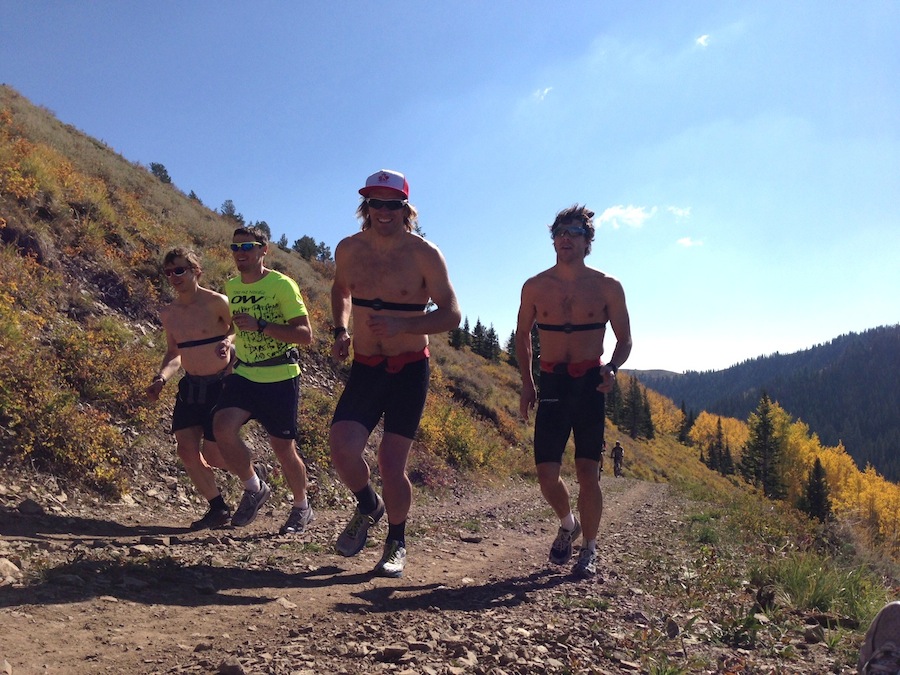
    The Canadian men during a dryland camp in Park City, Utah. From left to right: development-team members Kevin Sandau and Mike Somppi, and World Cup athletes Devon Kershaw and Alex Harvey.
    Kevin Sandau, Michael Somppi, and Devon Kershaw (l-c) competed in the second installment of the 5 Peaks Race Series in Camore, Alberta June 14, 2014. Here they are pictured training with Alex Harvey (r) in Park City ,Utah in 2012.

    On June 14th, the 5 Peaks Trail Running Series came to Canmore for the second installment of central Alberta’s race series. Consistent with the usual 5 Peaks format, the event consisted of an “enduro” distance and a “sport” distance, both 12 k and 8 k, respectively. But unlike your average 5 Peaks race, this event featured Olympians.

    Devon Kershaw, of the Canadian World Cup Team and the Alberta World Cup Academy (AWCA) and teammate Jess Cockney (AWCA – NST B) took two of the podium steps on the day, finishing first in 51:14 and third in 53:17, respectively. Kevin Sandau (AWCA – NST Dev) rounded out the skiers in the top five of the enduro category with a fourth place finish in 53:55.

    “It was definitely a hard race,” Kershaw told the The Cragand Canyon, who pushed the pace and ran off the front of the pack right from the start.

    Cockney ran just behind Sandau and fellow AWCA skier Michael Somppi for most of the race, setting “a strong climbing rhythm” and pacing himself on the descents. He passed his teammates to take his spot on the podium with about 1.5 k to go.

    Cockney was happy with his performance and felt that he “dug deep,” even though he prefers road running races to trail events.

    “My preference is definitely to run road races as there’s no confusion about what pace to stick to or any descents to throw off my rhythm, but it’s good to switch it up and be uncomfortable with a new challenge,” he wrote in an email.

    Sandau, who had not ran a trail running race in a number of years, also compared the race to the road running events that he is more familiar with.

    “That was my first trail run in a long time, such a different feeling than road racing. The climbs are hard and doesn’t feel like I need to run my legs off. It was hard so I was happy with the race,” he wrote.

    Noting Kershaw’s dominance right of the start, Sandau ran just behind teammate Graeme Killick (AWCA – NST B) until Killick took a wrong turn-off around 2 k into the event. From there, Sandau kept his position just ahead of Cockney until he “lost steam” at the 10 k mark and was passed.

    While Killick, Cockney, and Kershaw made a good showing for the male Olympic skiers in the Enduro category, Heidi Widmer (AWCA – NST Dev) represented the women in the 8 k distance, posting a blistering speed of 39:27, almost three minutes ahead of the next competitor.

    With the 8 k and 12 k races starting at the same time, Widmer ran with the 12 k runners until her turn-off, where the race became a practice in pacing for her.

    Widmer really enjoyed the loop but was kept on her toes having not ran the course pre-race.

    “The course was great! I had a general idea of where it went but hadn’t run the loop until the race. There was a long descent mid race that went to the bottom of the Georgetown trail which is essentially as low as you can get on the nordic centre trails. When I was sprinting down that hill, all I was thinking was ‘oh brother, I have to come all the way back up this,’ so the next bit of the race really hurt,” Widmer wrote.

    5 Peaks Trail Running Series – Central Alberta Race #2 Results

  • The Ninjas Fight On: ‘The Team is Retired … We Hope That The Idea Will Live On’

    The Ninjas Fight On: ‘The Team is Retired … We Hope That The Idea Will Live On’

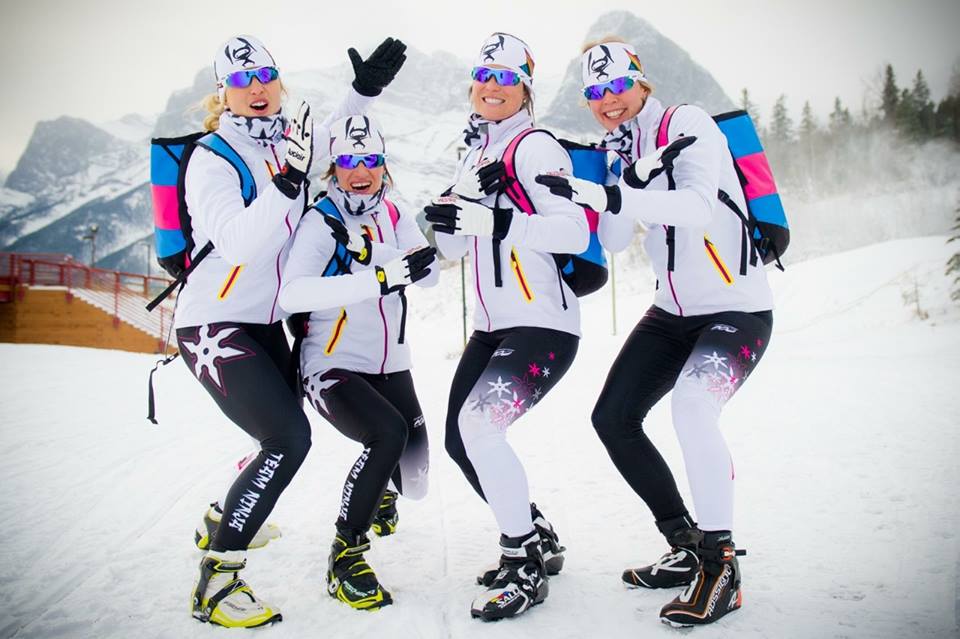
    Team Ninja: l-r Crawford, Ammar, Thomas, Roy; photo courtesy of Team Ninja. https://www.facebook.com/pages/Team-NINJA/181009732101939
    Team Ninja last season in Canmore, Alberta (from l-r) Chandra Crawford, Amanda Ammar, Alana Thomas, and Zoe Roy (Courtesy/Facebook photo)

    With Chandra Crawford, Alana Thomas, Zoë Roy, and team founder Amanda Ammar all bowing out of competitive cross-country skiing this year, Team Ninja only existed for a season, but what a season it was.

    FasterSkier recently checked in with each of the Ninjas, including Thomas, Ammar and Roy, to talk about the independent team and discuss what each of them intend to do as they turn the page to a post-ski racing chapter of life.

    Training with Team Ninja

    Once you get to a certain age, I don’t think you should be on a generic program. We all had our own focuses and goals and we didn’t hold hands the whole time but we came together for key workouts where we’d push each other hard.” — Amanda Ammar, two-time Olympian, former Canadian National Team member and Team Ninja founder

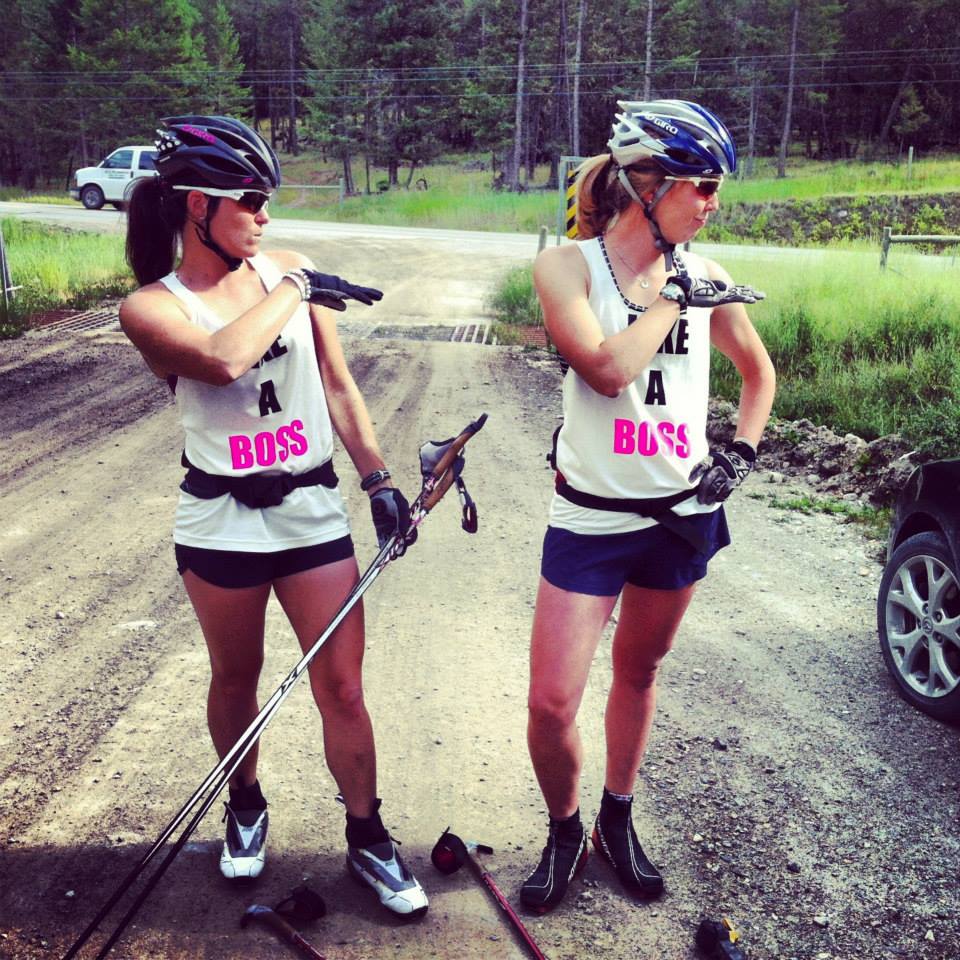
    Thomas (left) and Roy, Ninja training Like A Boss; Photo Courtesy of Team Ninja
    Thomas (left) and Roy, training “Like A Boss” (Courtesy photo)

    One of the features that set Team Ninja apart from other ski teams is that there wasn’t a single coach responsible for guiding all four athletes’ training regimens. Ammar was coached by Chris Butler, Crawford by Peter Larsson, Roy developed her own training program with help from several coaches, and Thomas worked with Jack Sasseville. This approach allowed each member to focus on their own strengths and weaknesses and helped them to work their training around work and injuries. Both Thomas and Ammar were plagued with lower-back issues, common among nordic skiers.

    Ammar tried upping her running hours to take strain off her upper body, only to develop a foot injury from too much running. With advice from U.S. Ski Team member Sadie Bjornsen, Ammar switched her training to swimming for a week and a half and soon after, she posted a personal best in a time trial up the Mt. Norquay access road in Banff, beating her previous best by two minutes.

    Thomas’s back pain stemmed from disc issues and affected her for a large portion of the year.

    “From July on through to January, training was really tough because of my back,” she said.

    For Thomas, it was Team Ninja’s support and positive attitude that motivated her to stick with it.

    While the Ninjas trained hard, it was their desire to have fun first and foremost that defined their training season. They had filled up Sriracha Hot Sauce bottles with a sport drink for “Ninja Juice” feeds on long runs, worn “Like A Boss” T-shirts for every workout at their training camp in Invermere, B.C., and had a blast while mountain biking on trails in Bend, Ore.

    An Olympic Year

    “I had a really solid race season, but it wasn’t quite good enough for the Olympics. I think it was a pretty good ratio having half our team going to the Olympics though! I was really happy to help along my teammates and be part of building their success.” — Zoe Roy

    Ammar leads Brittany Webster in the 15 k skiathlon at Olympic Trials (Photo: Angus Cockney)
    Ammar leads Brittany Webster in the 15 k skiathlon at Olympic Trials (Photo: Angus Cockney)

    When the dust settled after Canadian Olympic trials, two of the seven women on the Olympic team were Ninjas: Crawford and Ammar.

    For Ammar, qualifying for the Olympics was the big goal and, according to her, her team was instrumental in getting her to Sochi.

    “I needed those girls this past year,” she said. “They brought a whole new element of fun and working with them challenged me to push out of my comfort zone. That extra diversity of not having to train by myself really helped me raise the bar. Without them there was no way — plus we had so much fun.”

    Ammar described her Sochi experience as more or less an uphill battle. She and Brittany Webster, of Team Mito Canada, were added to the Olympic team after the official team naming, and as a result, prepared separate from the rest of the team.

    “It was really rough going to the Olympics, having to fight so hard to get there and then have my skis broken in transit,” Ammar said. “I felt like it wasn’t a really fair shot against the world.”

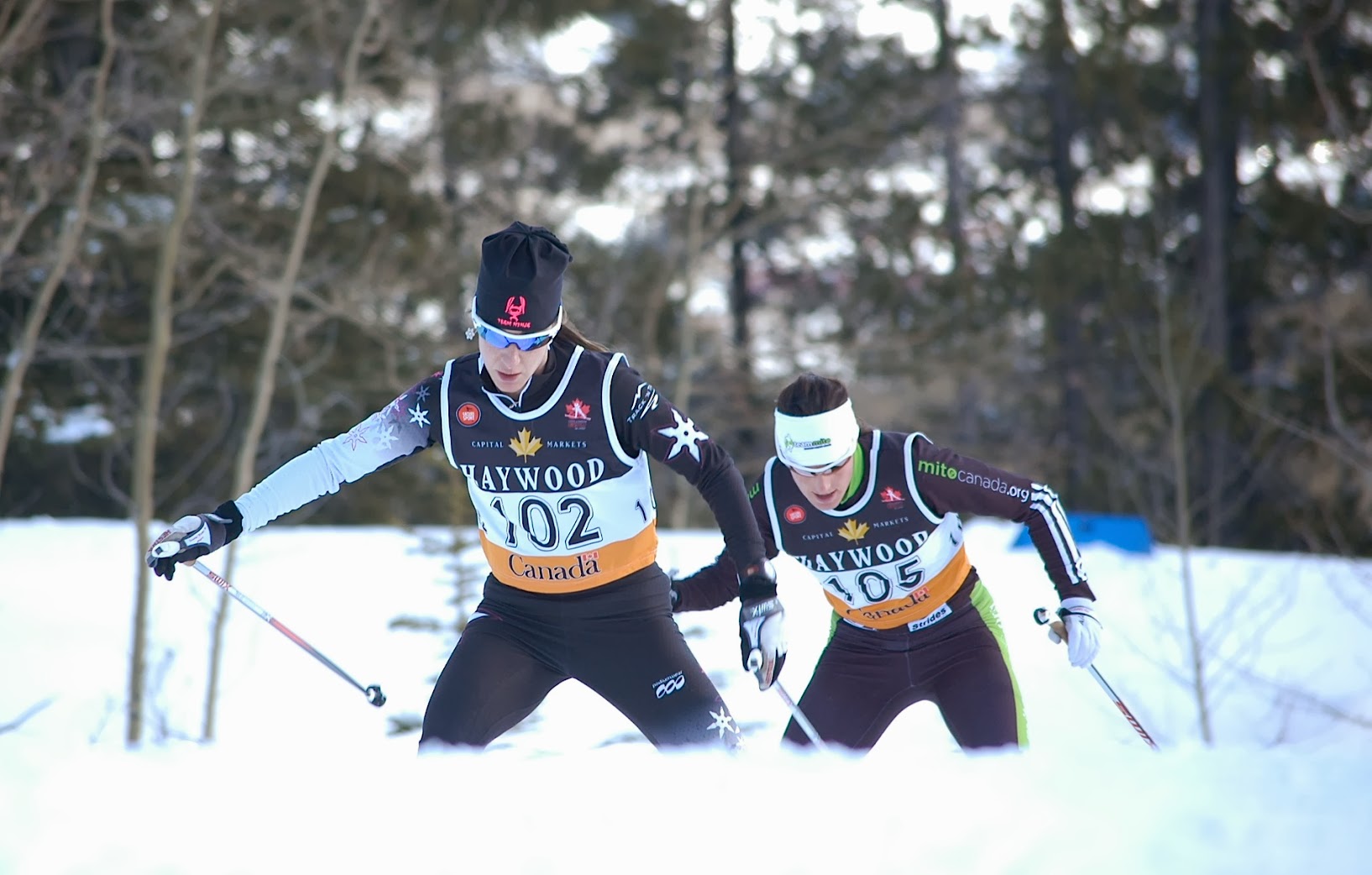
    Aside from the Olympics, Team Ninja made every stop of the NorAm circuit except Westerns. At the first NorAm of the season, they “Christmas-tree bombed” trees at the SilverStar venue. Roy posted two podiums, including a win, at Canadian Eastern Championships in February, and Ammar finished her season with the first national title of her career in the 30 k classic event at Canadian Nationals in March.

    The Future of Team Ninja

    After Nationals, Ammar, 28, was debating continuing her career.

    “At the end of the season it was almost hard for me to retire, I’m in the best shape of my life right now,” she said. “Mentally and physically I’ve never felt stronger than this season.”

    But having spent over 13 years racing competitively (her first nationals was Thunder Bay in 2000), and after having injury continually crop up, she decided it was time to move on.

    Reflecting on her final season, she was content with meeting her two big goals of qualifying for Sochi and winning a nationals distance race. Ammar plans to begin studying Chinese medicine at a Calgary acupuncture school this fall and has already been offered a position, upon the completion of her studies, at the Canmore Alberta clinic where she currently works as an administrative assistant.

    In terms of milestones, 2014 was it for Ammar. The weekend after her return from Sochi, her boyfriend of five years as well as her coach, Chris Butler took her backcountry skiing and proposed to her on top of a mountain.

    “All the Ninjas were betting that it [the proposal] would be at Christmas but when it didn’t happen I thought it’d be next fall,” she said. “I was surprised when he proposed right after the Olympics!”

    She said yes.

    Roy, 26, was happy to finish her career with a solid race season, ranking sixth overall on the NorAm circuit without racing at Nationals. Having raced on the U.S. collegiate circuit with the University of Utah, to the Scandinavian Cup, Roy says it’s time to try something new.

    “I’m moving on to different things,” she said.

    She’s currently the assistant manager at the Paintbox Lodge, owned by 2006 Olympic silver medalist Sara Renner and her husband Thomas Grandi, an alpine Olympian, in Canmore. Roy works with former Alberta World Cup Academy skier Kate Brennan.

    That’s her “summer plan,” she said, explaining she’d like to go into business with her brother.

    “My brother has started a backpack company so I’m thinking of going back to Bend to help him with that in the future,” she said. “This is still in the works but that’d be my plan in the fall.”

    After coping with injury for the last year, Thomas, 26, finally stepped back from skiing in January.

    “On any other team I would have quit earlier, but I wanted to be with the Ninjas and support their races, that was really what kept me around,” she said. “The other Ninjas were really successful and I’m very happy to have been part of it. … I had hoped that I could finish it off strong, but injury ended things a couple months earlier than expected.”

    With a degree in economics under her belt, Thomas will be working this summer at the CIBC bank in Canmore and shredding mountain bike trails in her free time. She plans to return to Ottawa, where she completed her undergrad, to start work on her master’s in the fall.

    The Ninja Spirit

    One thing that each of the Ninjas are adamant about is that, while Team Ninja may have raced its last Canadian Nationals, the team itself is not a thing of the past.

    “The team is retired, but anyone can think of themselves as a Ninja,” Thomas said. “We hope that the idea of team Ninja will live on.”

    The Ninja spirit created by the four athletes has inspired many younger skiers and has the potential of growing into something even bigger than the team that conceived it.

    “I’ve had a couple coaches approach me to keep it going,” Ammar said. “I didn’t realize we had connected with so many younger athletes, but I’d like to share this with younger generations of girls and boys. I’m just trying to figure out how to do this right now.”

    The Ninjas are entertaining the idea of starting an outreach camp for young skiers but for now, with limited time on their hands, they plan to start off small, stepping in to help coach the occasional practice with the Canmore Nordic junior team.

    Team Ninja Ninja Suit Kitty; photo courtesy of Alana Thomas: http://alanaskis.blogspot.ca/
    Team Ninja Ninja Suit Kitty (Photo: Alana Thomas/alanaskis.blogspot.ca)
  • ‘Coach Pav’ Returning to Yukon to Pursue Coaching Dreams, Resigns as Ontario Head Coach

    ‘Coach Pav’ Returning to Yukon to Pursue Coaching Dreams, Resigns as Ontario Head Coach


    Coach 'Pav' Sudrich with some of her young athletes on the Ontario provincial team. (Photo: coach-pav.com) http://coach-pav.com/2014/05/04/change-and-the-next-adventure/
    Coach ‘Pav’ Sudrich with some of her young athletes on the Ontario provincial team. (Photo: coach-pav.com)

    Whether it’s her YouTube interviews with world-famous Norwegians, inspiring stories from her past life of ski adventures in the Yukon or her self-described “rampantly enthusiastic” style of coaching, Ontario Ski Team Head Coach Pavlina Sudrich has become well known around Canada’s nordic-racing scene. While her three-year term with CCO (Cross Country Ontario) has come to a close — she announced her resignation earlier this month — Sudrich’s presence in the ski community is certainly not ending with her time as provincial head coach.

    “I’m stepping away from CCO but I definitely still hope to be working with CCC [Cross Country Canada] and coaching in the future,” she said in a phone interview earlier this month.

    “2013/2014 was my favorite season yet. I spent more time than ever before working trailside with athletes in training and competition. I finally met Petter Northug. Best of all I watched Ontario climb from 4th place at Nationals [1,295 points behind 1st] to 2nd place this year, only 57 points behind 1st.” — Pavlina Sudrich,“Change — And The Next Adventure” blog post

    The Decision

    There were a number of factors that played into Sudrich’s decision to move away from her role as OST (Ontario Ski Team) head coach, and she considered them during a beach vacation in April.

    “This season was full of new, unanticipated challenges,” she wrote on her blog. “I spent over 6 consecutive months coaching on the road. I lived on couches, in mop cupboards, and in a tent. I visited 13 countries in 365 days. I came up against things I could never have anticipated, a trip to Norway that started with no snow, running six races in eight days in three different countries, and the loss of a significant family member.

    “Standing in the pouring rain watching sharks swim in the Wineglass Bay I thought about the past season. I was tired yes — but mostly I felt exhilarated,” she continued. “As any good coach knows, there’s a special kind of confidence that comes from overcoming challenges — it’s quite a feeling to know you are capable of more than you realized. I came away from this season even more motivated to work towards becoming on of Canada’s World Cup coaches.”

    Pavlina Sudrich at age 18, when she was named to Canada's "Top 20 Under 20" list. http://www.top20under20.ca/en/Awards/Top%2020%20Recipient%20Bio%20and%20with%20Picture.pdf
    Pavlina Sudrich at age 18, when she was named to Canada’s “Top 20 Under 20” list. (Photo: Canada’s 2004 Top 20 Under 20)

    That’s when she began to think about her job as OST coach.

    “My biggest passion is working directly with athletes,” Sudrich said. “Although I had opportunities to do this working with CCO, these opportunities were focused more around training camps and races, when the Ontario Ski Team athletes came together.”

    The rest of the time as head coach went towards more logistics type work, planning for the big trips and helping provide oversight and advice for the Ontario Ski Team members’ club coaches.

    Sudrich wanted to spend more time working with athletes, rather than in more of an administrative role, to continue her development as a coach.

    One of the current issues that is slowing the development of new top-level Canadian skiers is the limited number of top-level Canadian coaches, she said.

    “It takes years to develop a World Cup caliber coach,” she explained. “I think that Canada needs to develop more World Cup-level coaches so that they don’t have to rely on Europeans as weekend coaches on the World Cup.”

    Sudrich’s goal is to help fill the coaching void and continue her development as a top-level ski coach. She believes the move will allow her to commit herself to the completion of her Level 4 coaching while keeping an eye out for job openings at CCC.

    At the same time, she plans to work with top Whitehorse U23 skiers Knute Johnsgaard (Yukon Elite Squad) and Kendra Murray.

    Lastly, having spent 10 years living in Ontario, working on her university degree and coaching, Sudrich is eager to return home to Whitehorse, Yukon.

    In 2004, Sudrich was named to Canada’s “Top 20 Under 20” list. At 18, she was interested in a career in journalism and creative writing, and using those skills to address substance abuse among Yukon youth. She spent at least 2 1/2 years as a CBC Yukon youth correspondent while “projecting a fun, healthy, and substance free lifestyle,” and “educating the youth through her stories on drug abuse, racism, youth employment, etc,” according to the recipient description. “Many of her stories were presented at a national level.”

    Growing up, she was part of the Territorial Experimental Ski Training (TEST) program and eventually the Yukon Ski Team, and worked closely with TEST founder Father Mouchet, who died last December. Sudrich wrote an article in his memory, as well as the Firth twins (when Shirley Firth passed away last May).

    Looking Back

    Although she thinks it the best move for her development as a coach, she’ll miss her time spent coaching at the provincial level.

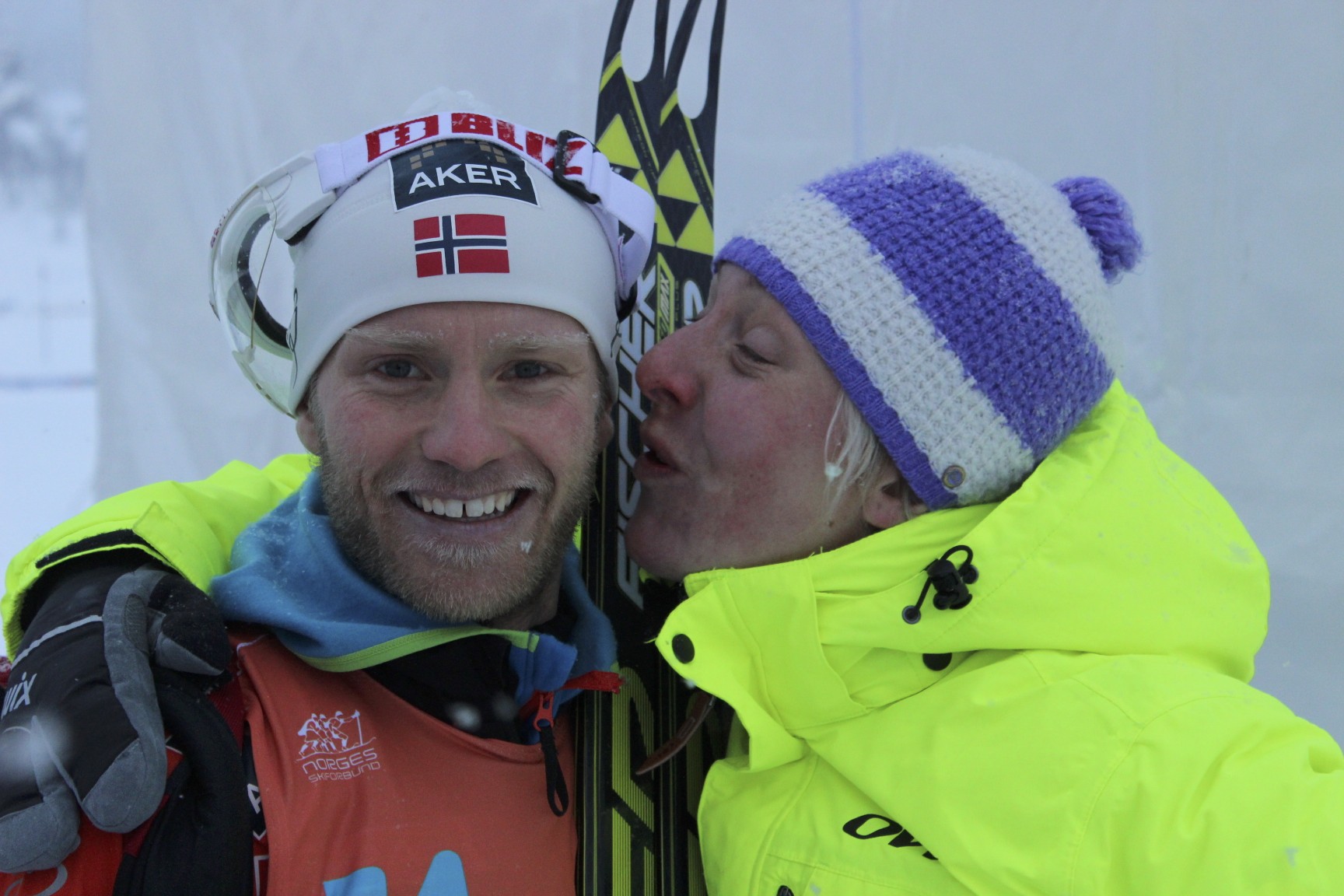
    Pavlina Sudrich, head coach of the Ontario Ski Team, getting some face time with Martin Johnsrud Sundby. (Photo: coach-pav.com)
    Pavlina Sudrich, head coach of the Ontario Ski Team, getting some face time with Martin Johnsrud Sundby. “I hear Sundby attributed his Olympic medal to lots of training, good technique, and this kiss,” she wrote. (Photo: coach-pav.com)

    “I had a really good time working with CCO — really challenging job and I learned a lot and grew a lot as a coach,” she said. “I’ll really miss the summer training camps and the long roller skis with groups of athletes. There are great places around Ontario for summer Zone-1 rollerskiing.”

    Of the many highlights of her three years as OST head coach, one trip last season really stood out.

    “Taking the team over to Norway last year and getting to experience Norwegian nationals was amazing!” she said. “It was great to have our athletes lining up with the likes of Petter Northug for the Team Relay!”

    Committed to CCO through June 1, Sudrich will host a provincial training camp at the end of May. After that, she said she’s looking forward to the “unique opportunities the Yukon offers throughout the year, and I’m psyched to hang out with my dad back home in Whitehorse!”

    Beyond that she’ll begin coaching the Whitehorse athletes in June and working towards her dream of being one of Canada’s World Cup coaches someday.

    “Happiness and opportunity aren’t something you wait around for…” she wrote on her blog. “They’re something you go out and create.”