From the FasterSkier archive — posts syndicated from athletes’ and coaches’ own blogs between 2004 and 2012, kept online as published. Current coverage is at fasterskier.com.
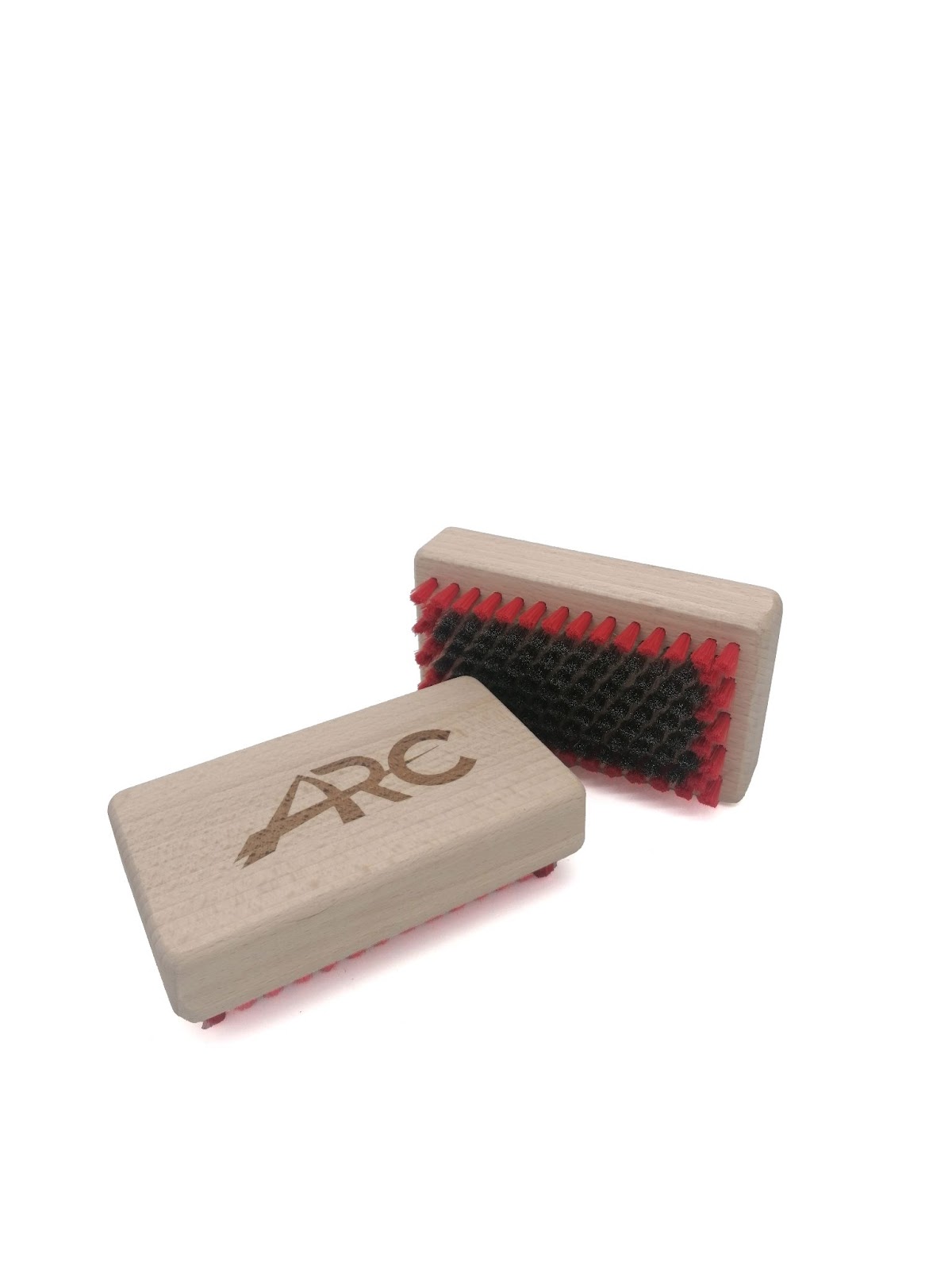
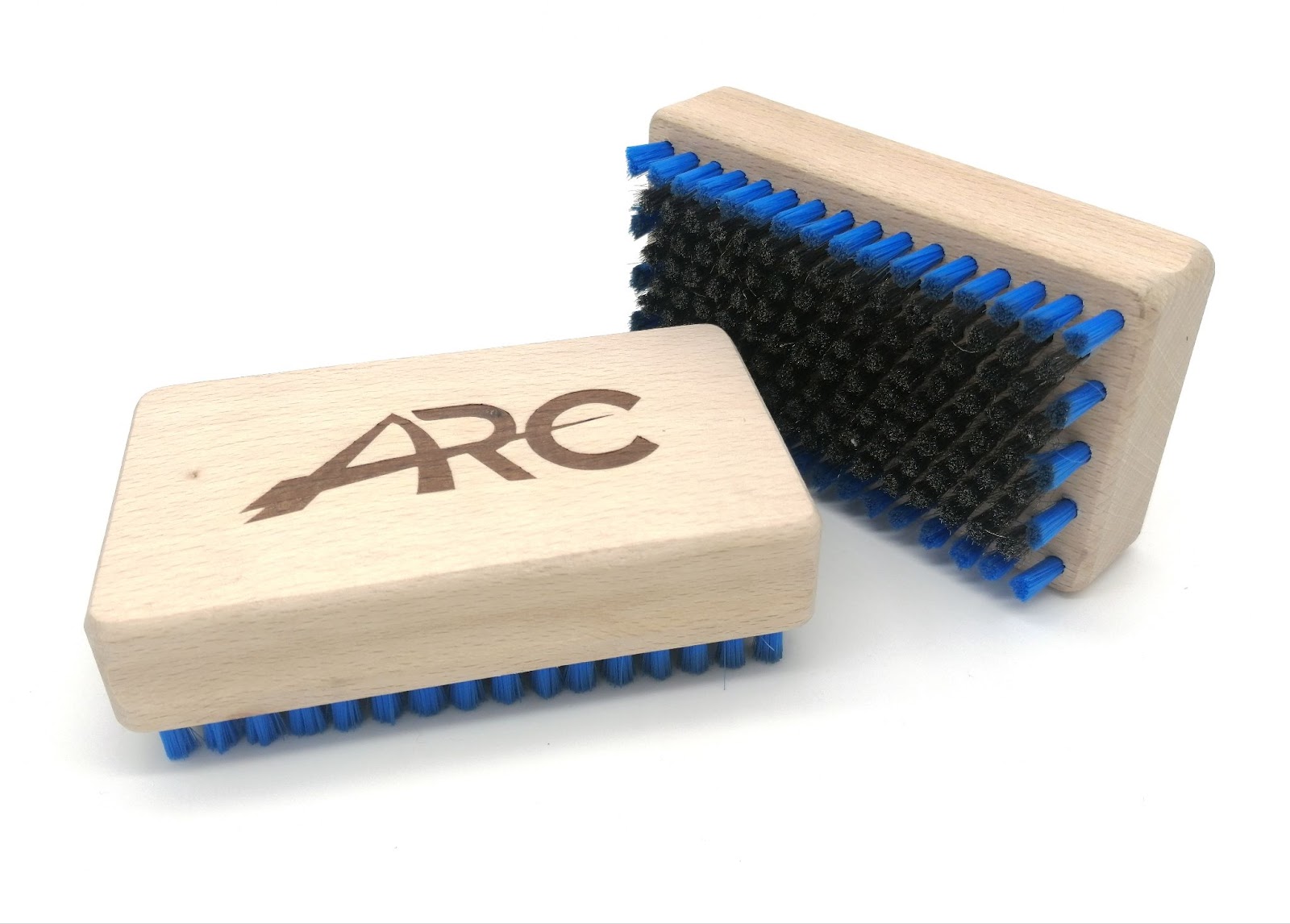
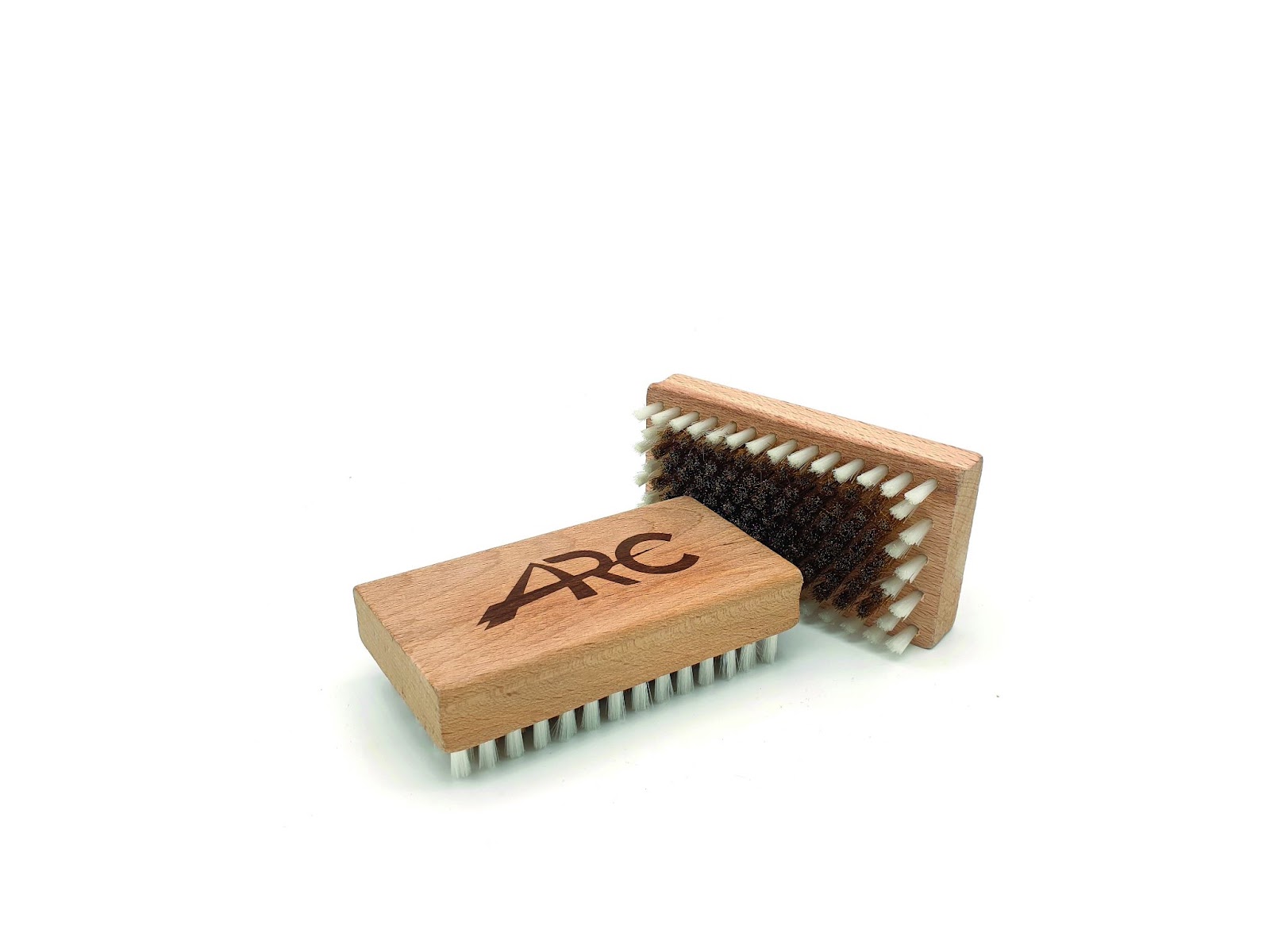
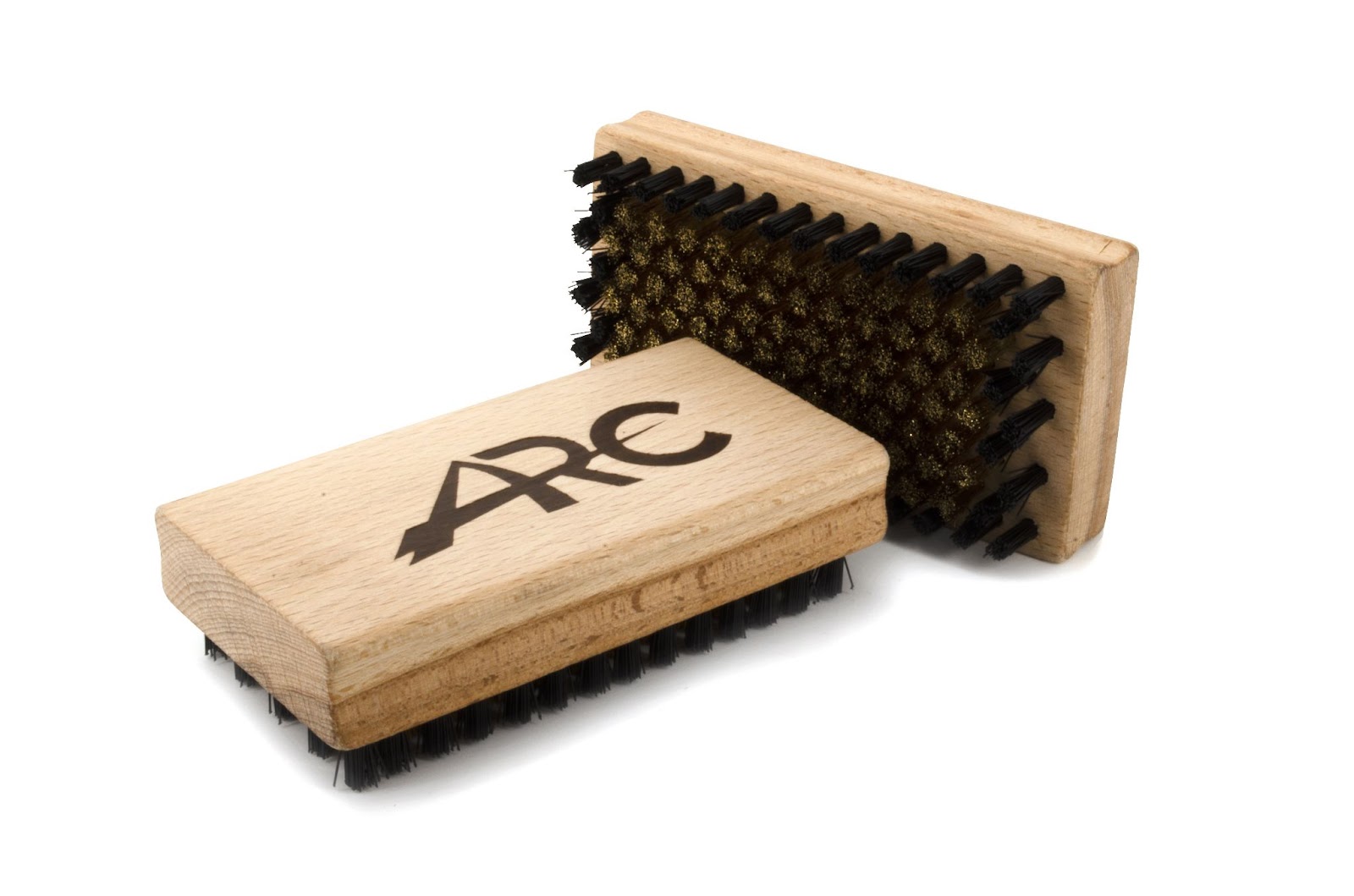
FasterSkier readers can receive 25% off ARC brushes for the next week by shopping at EnjoyWinter.com and using FasterSkierARC as your promo code. No stacking of discounts allowed.
As we’re getting ready for winter, I want you to go out to your garage, basement, or wherever you keep your ski tools and take an honest look at your ski brushes. How are they doing? Are they clean and the bristles standing straight up? Or do they look like an old toothbrush, with the bristles matted down from usage over time?
Skiing well takes a lot of work. From the many hours of training to your equipment management and travel logistics, cross-country skiing is a sport that rewards those who are skilled and thoughtful in their preparation. In the process of preparing for a race, any number of factors could be off, resulting in a subpar performance despite many other things going well.
Why are we talking about brushes? With the banning of fluorinated waxes and the introduction of new fluor-free waxes, the meta of ski tuning has changed. A good application of fluorinated waxes could make anything faster, smoothing over suboptimal camber, grind, and structure, resulting in competitive skis. Many athletes I’ve talked to have found that certain skis in their fleet are no longer viable now that fluorinated waxes are not an option. With the introduction of fluor-free racing waxes, greater attention must be placed on the camber, grind, and structure of the skis. Further, one of the strengths of fluorinated waxes was their ability to repel, among many things, dirt. The newer fluor-free waxes have yet to demonstrate the same capacity for keeping skis running clean, and therefore in our ski preparation, we must be mindful of any dirt or pollution we are introducing to the skis.
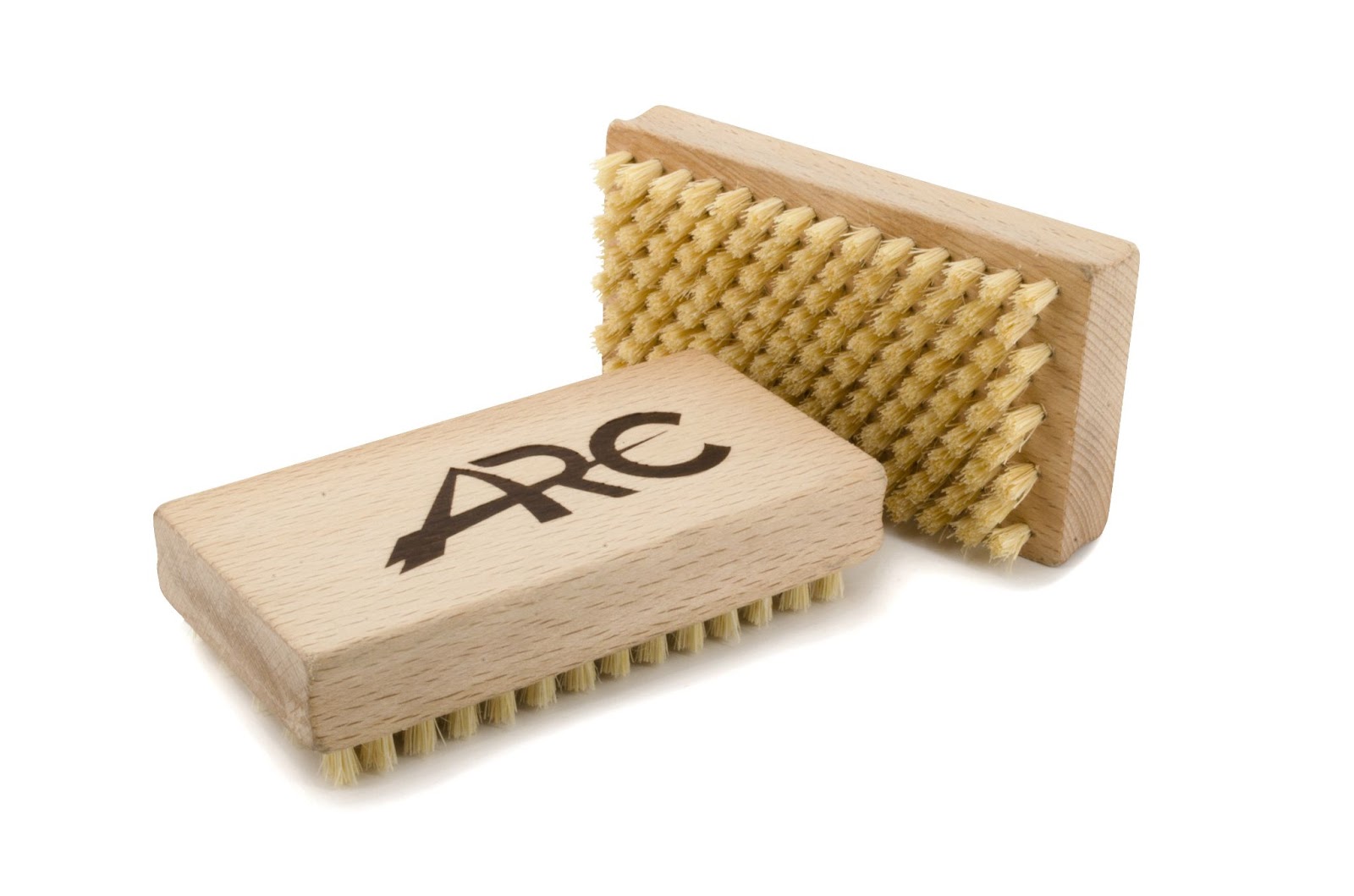
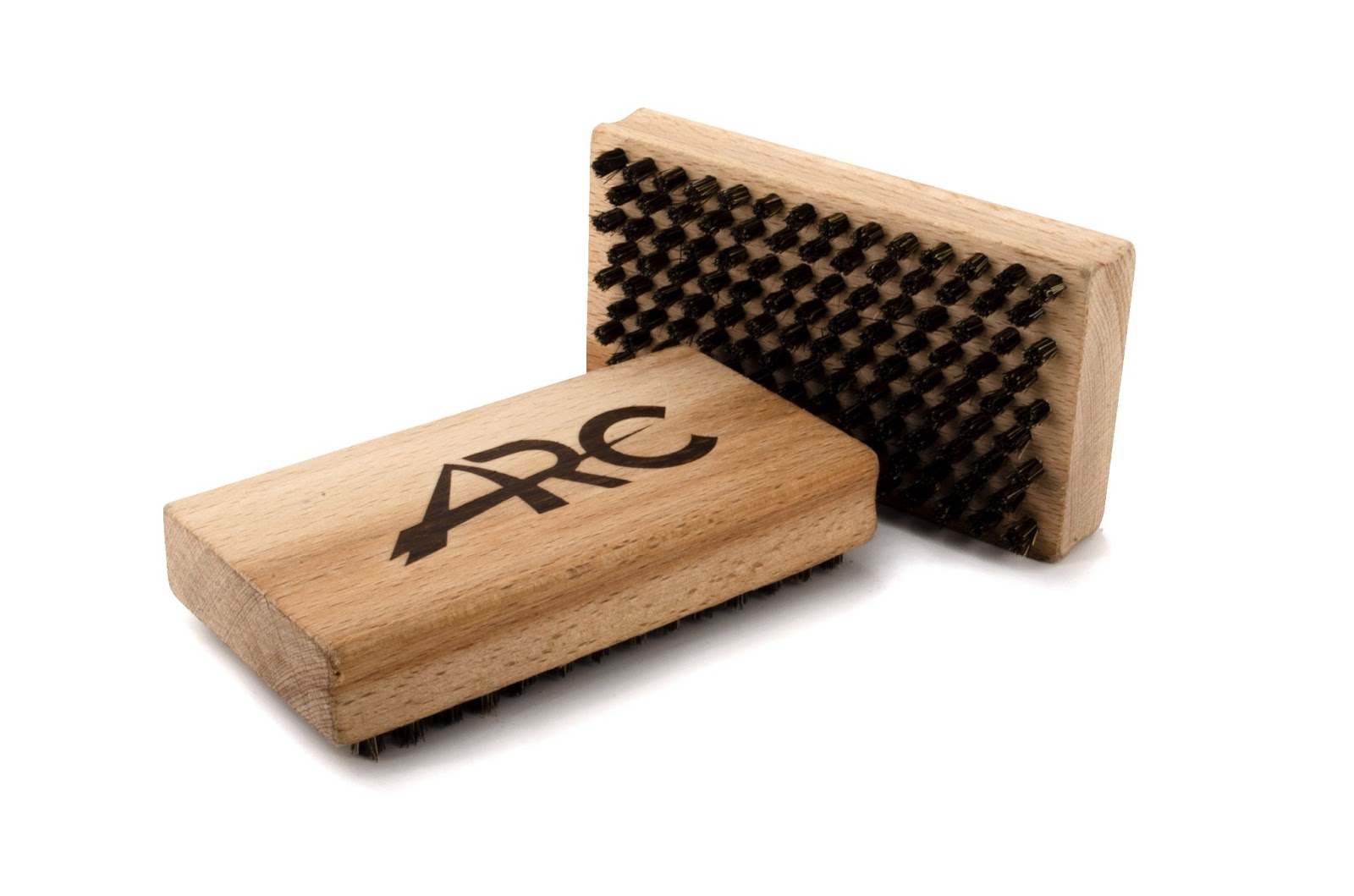
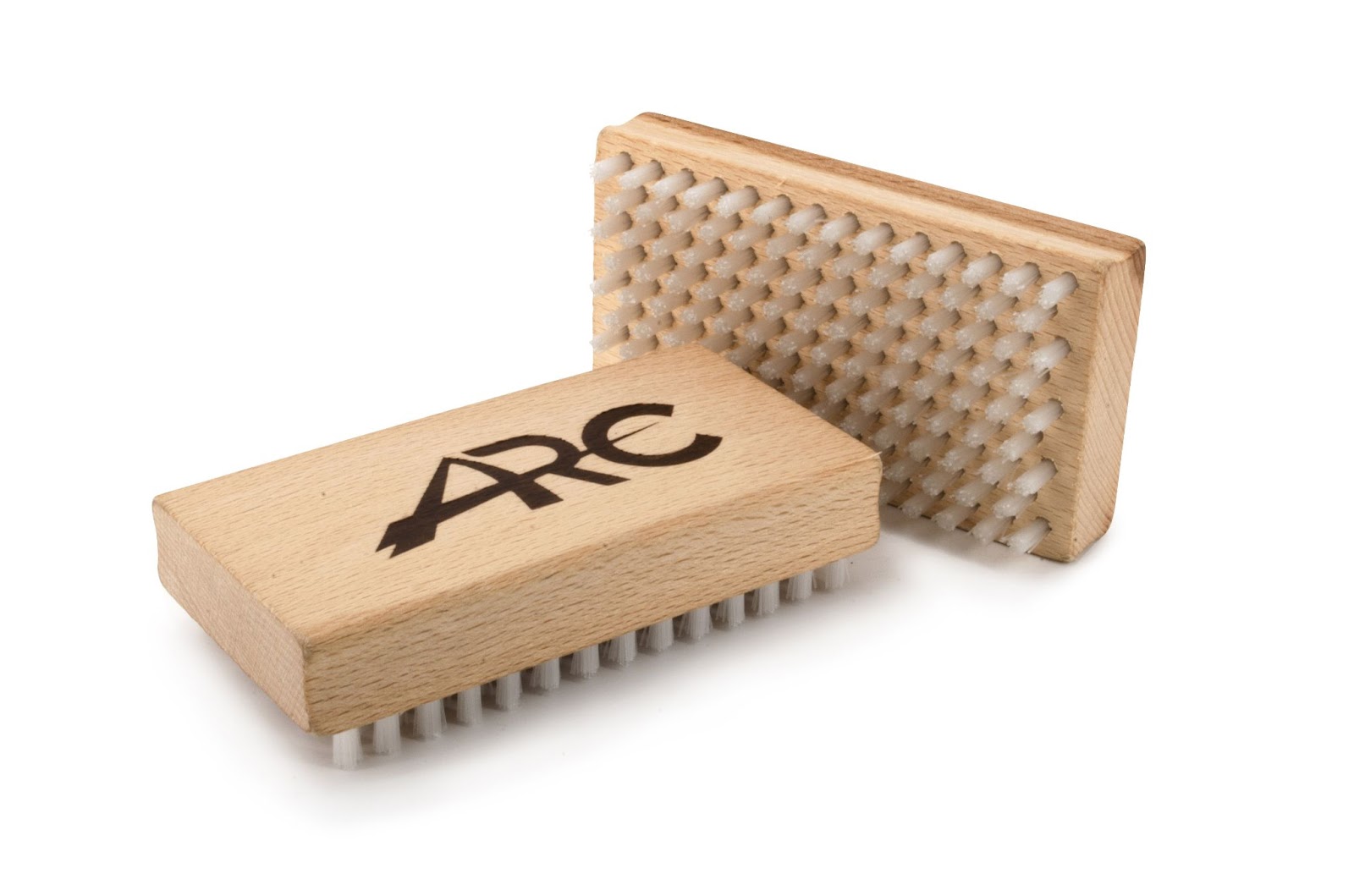
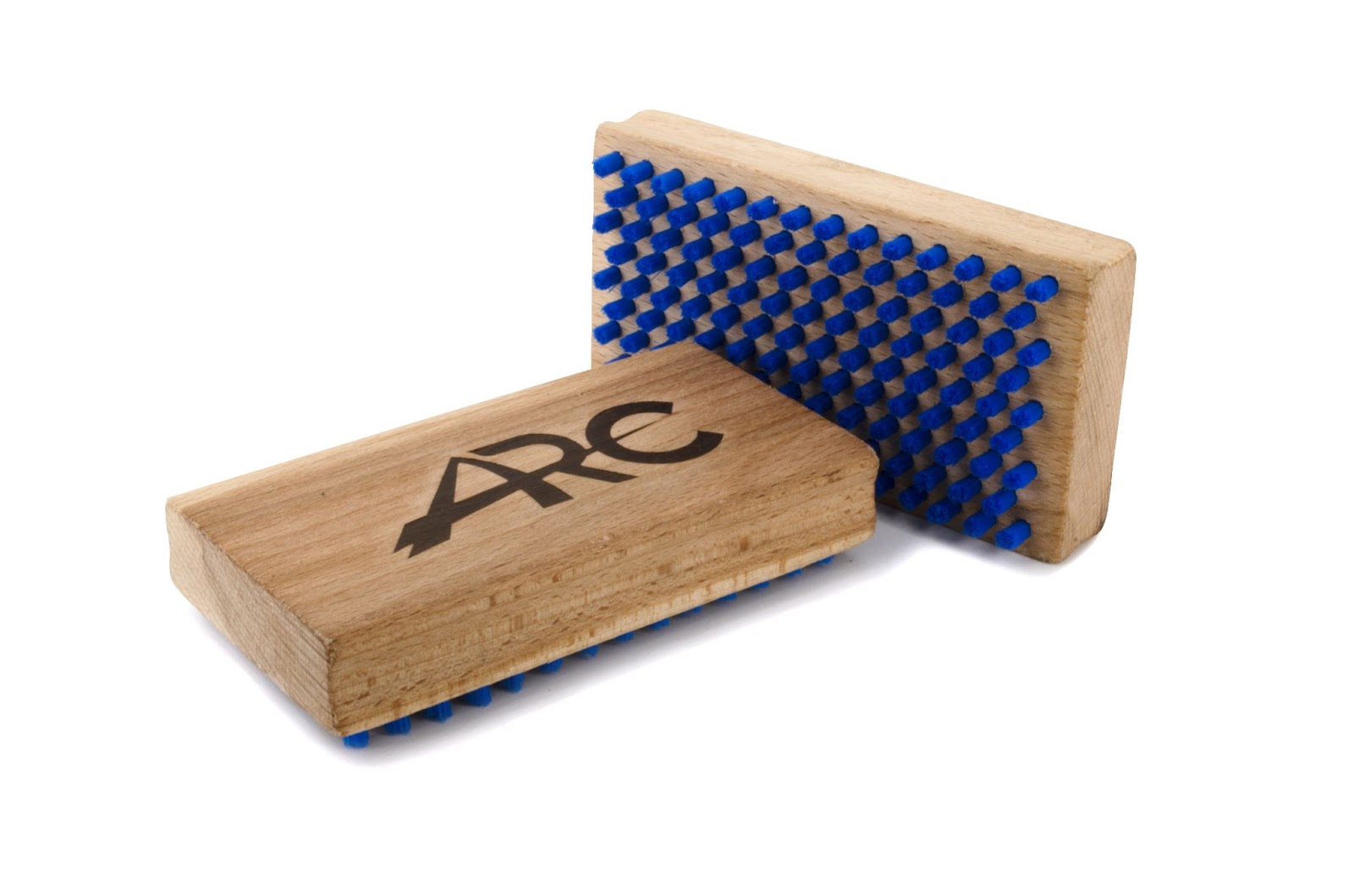
Why ARC? Like many of the brands from EnjoyWinter, ARC is an OEM manufacturer of brushes. They make their own stuff, whereas other companies go to companies such as ARC to make their brushes for them. This means that ARC is at the forefront of development because they are making the brushes for other industry leaders.
ARC also has strong ties to SVECOM stone grinders, an industry leader in stone grinders for cross-country skis. SVECOM grinders are used by World Cup teams and factory race rooms, including the Salomon factory. This connection is necessary to understanding the benefit of using ARC brushes, as they are backed with industry-leading knowledge on ski texturing.
On ski texture (simplified): When gliding on snow, we’re gliding on a thin layer of water from melting the snow. When tuning our skis, every step is changing the relationship between creating a thin film of water and repelling that thin film. Too little water, and it’s like skiing on sandpaper; too much, and the skis will suction cup themselves to the snow.
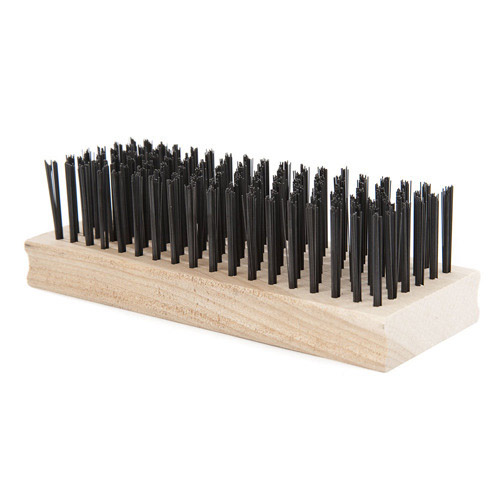
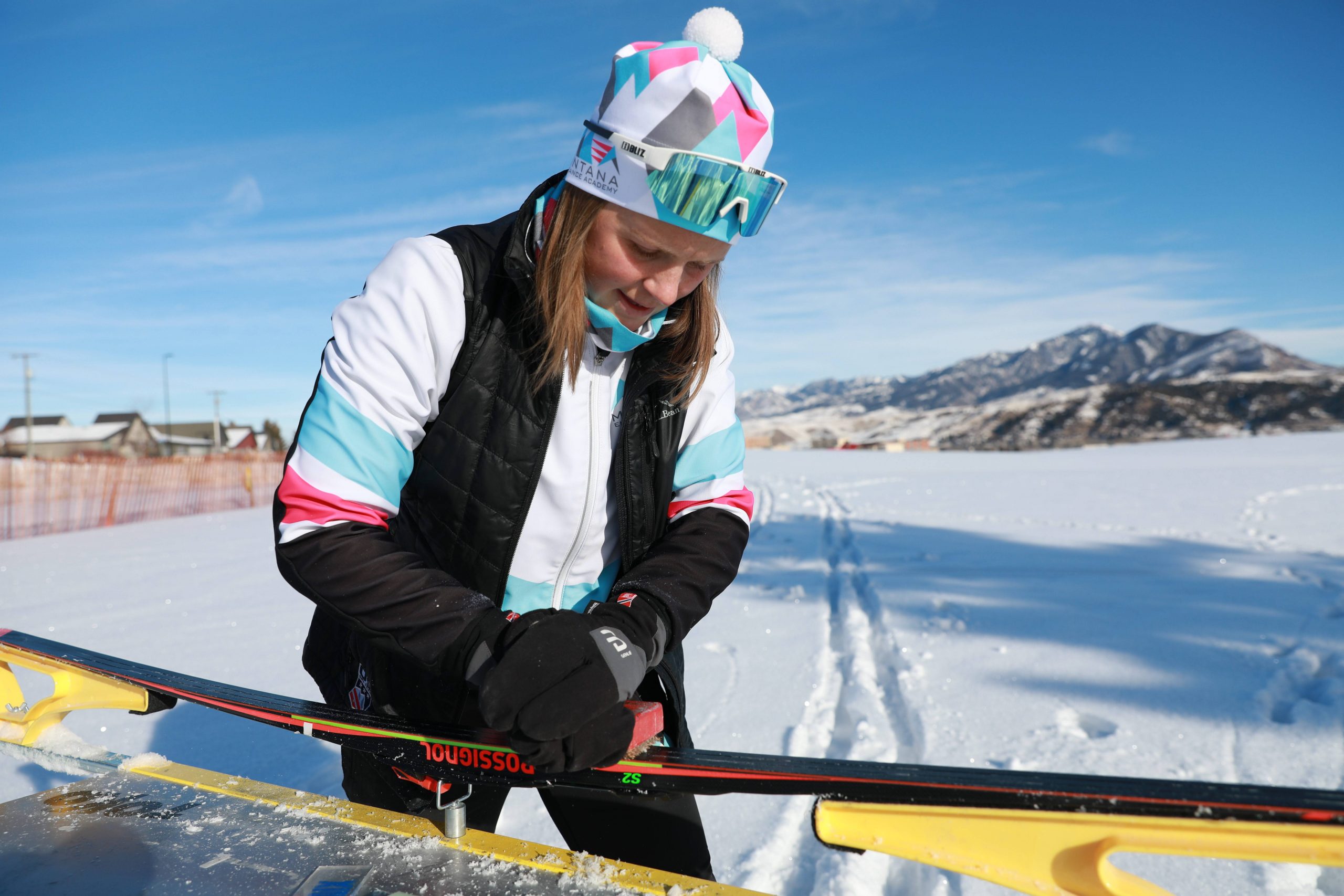
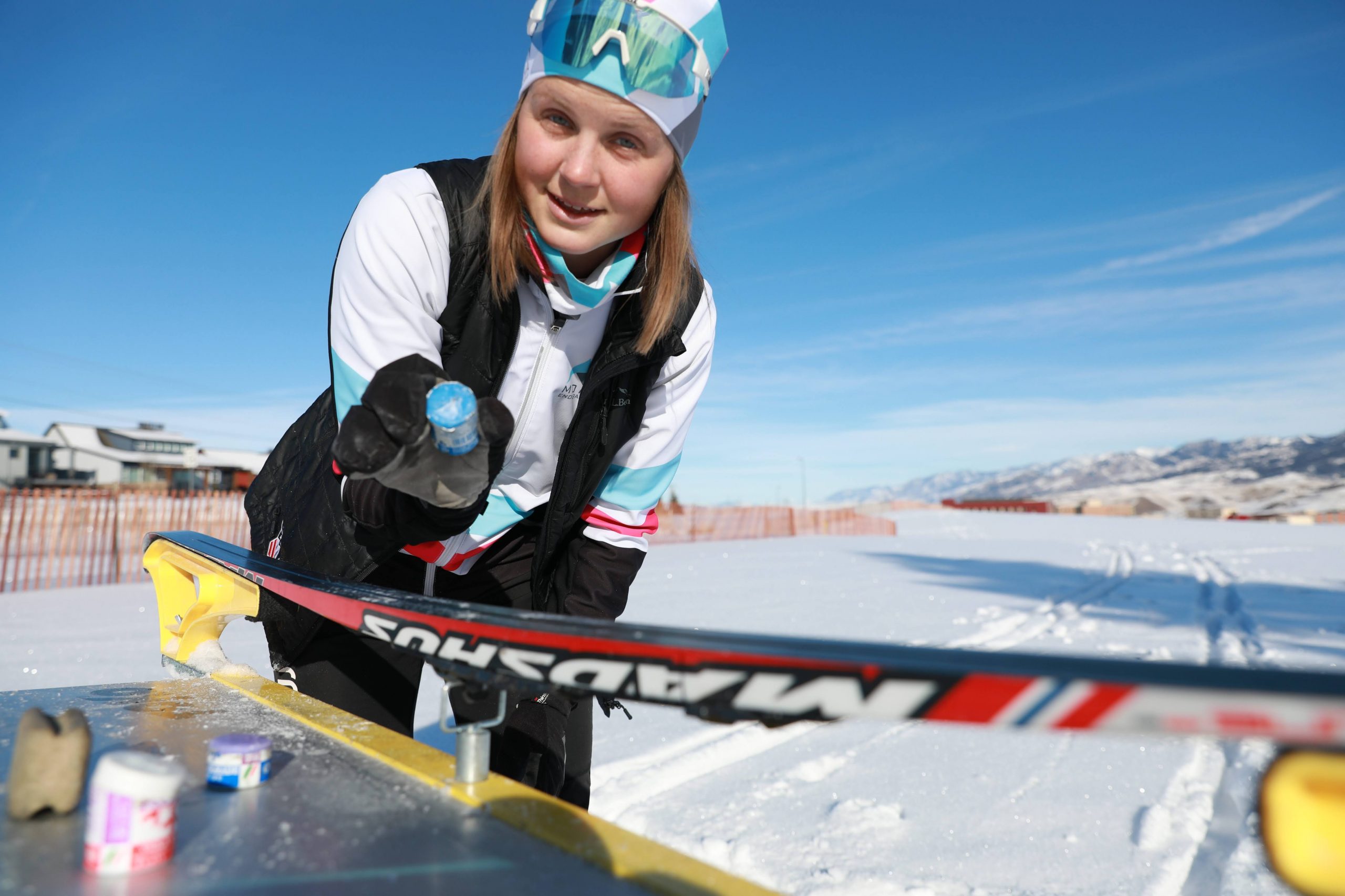
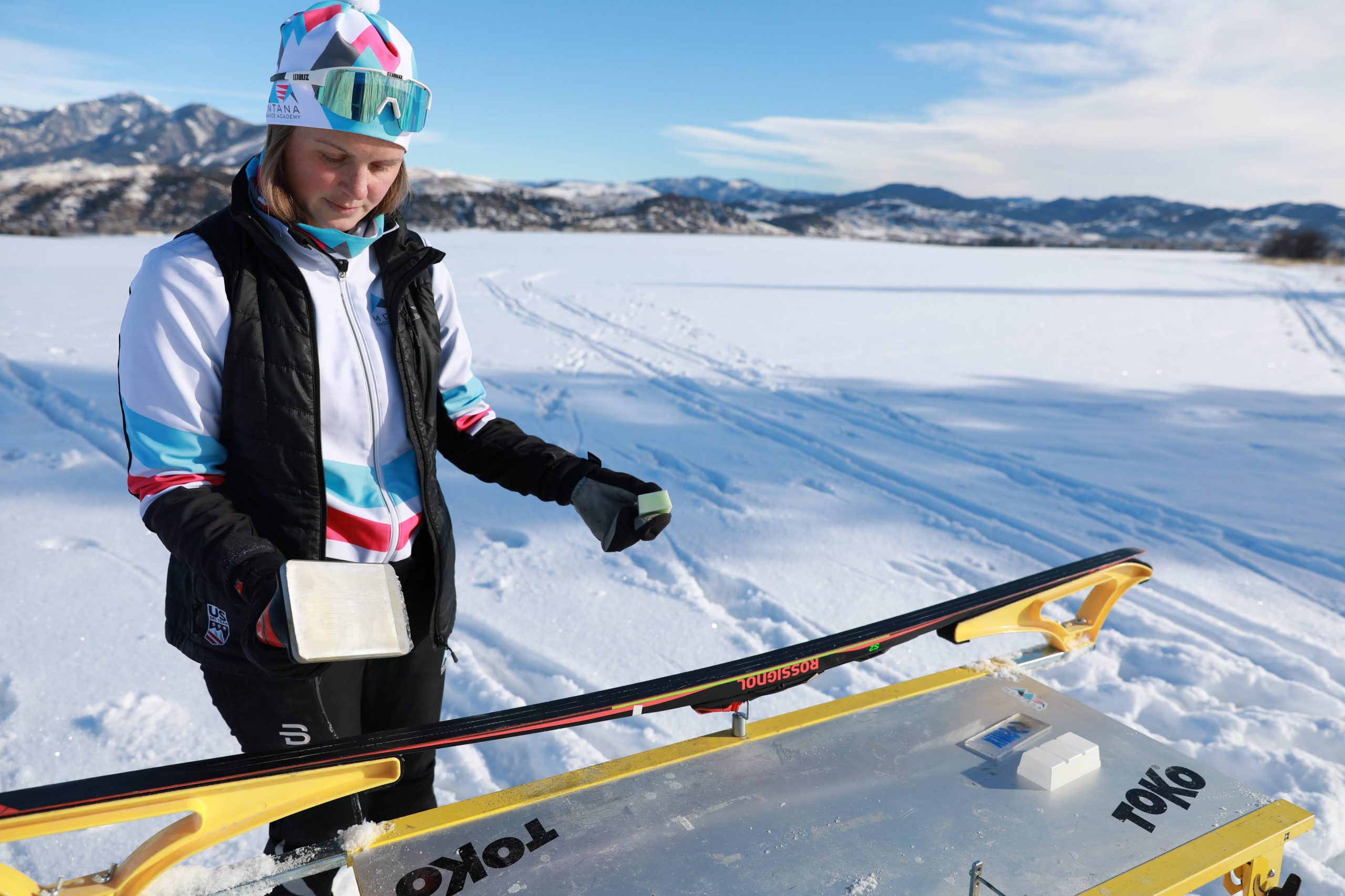
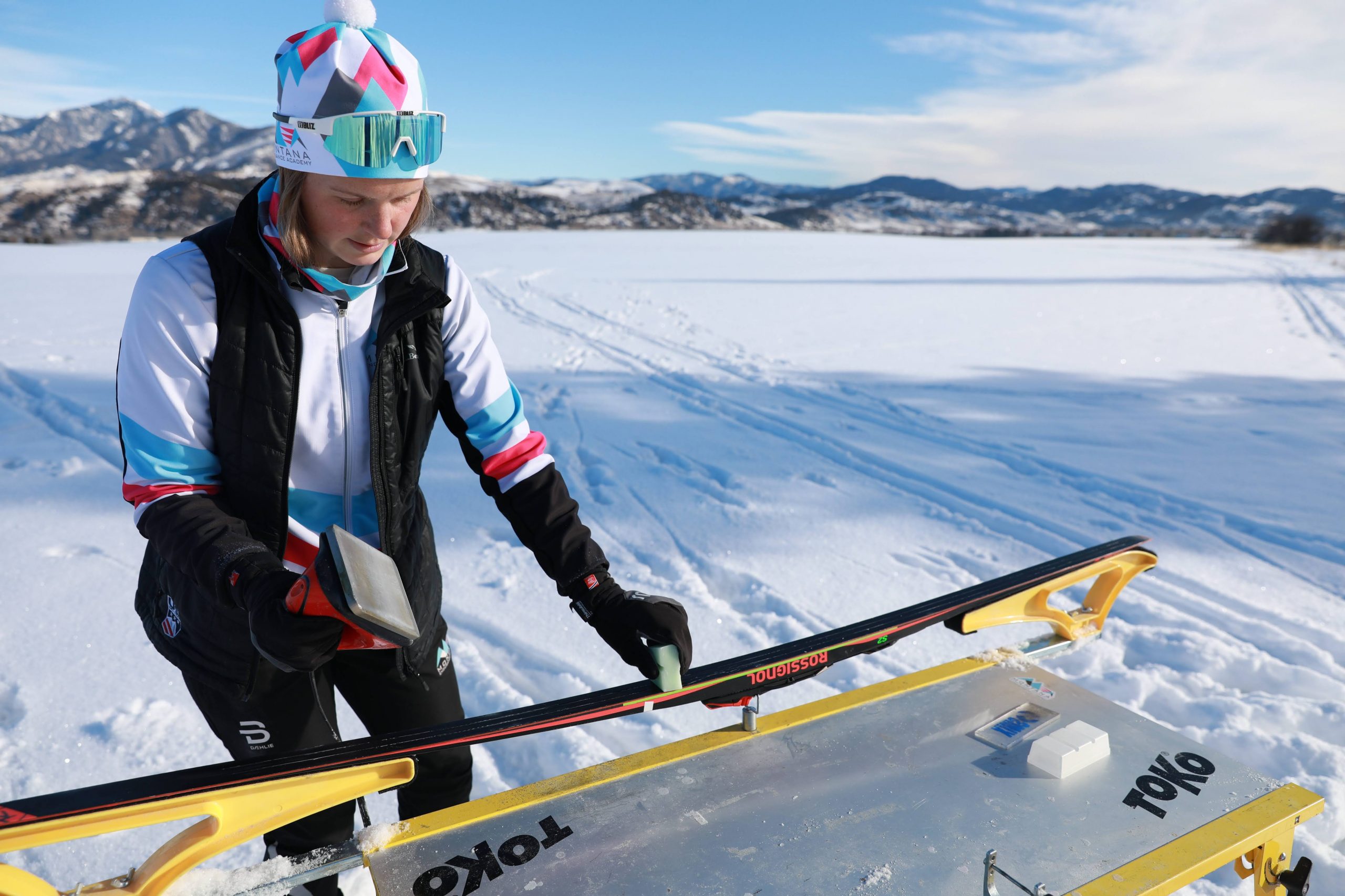
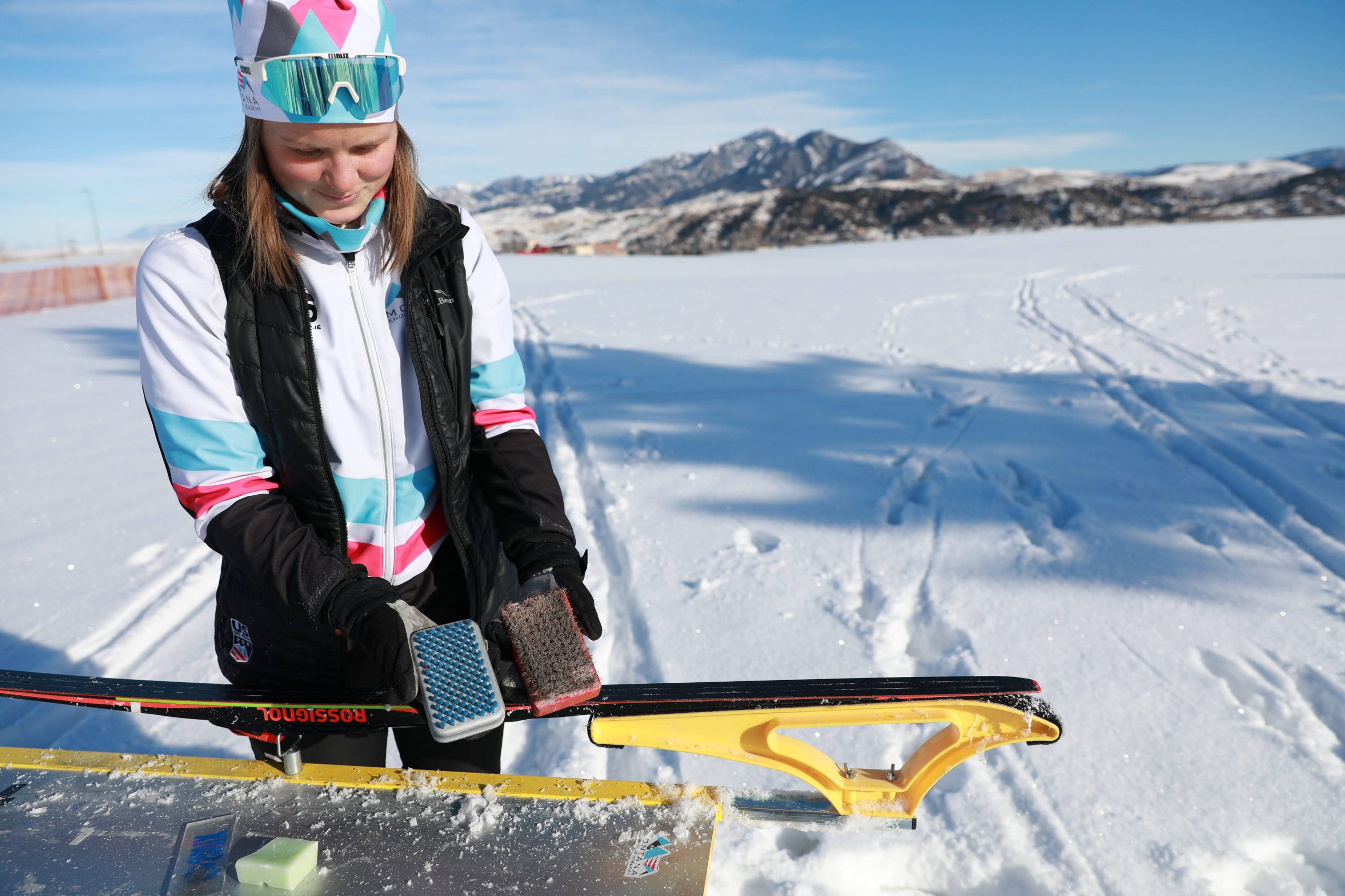
When we brush our skis, we’re applying texture to the ski. Certain brushes apply more texture to the ski, like our metal brushes. Some brushes apply hardly any structure, like our nylon brushes. Knowing this, you can begin to make decisions about how you’re going to brush your skis based on the conditions you’re going to be skiing in.
On brush application and order: two schools of thought:When brushing your skis, you are removing paraffin from the surface, structure, and then polishing the ski base. There are many ways to go about doing this. Here are two examples of brushing orders that you can do for different conditions.
Examples:
Cold, microcrystalline paraffin:Speedtex superfine before applying wax, Soft Brass, hard horsehair, soft nylon.
These are just two recommendations; however, I recommend you test and figure out what works best with your skis and the snow that you are skiing on.
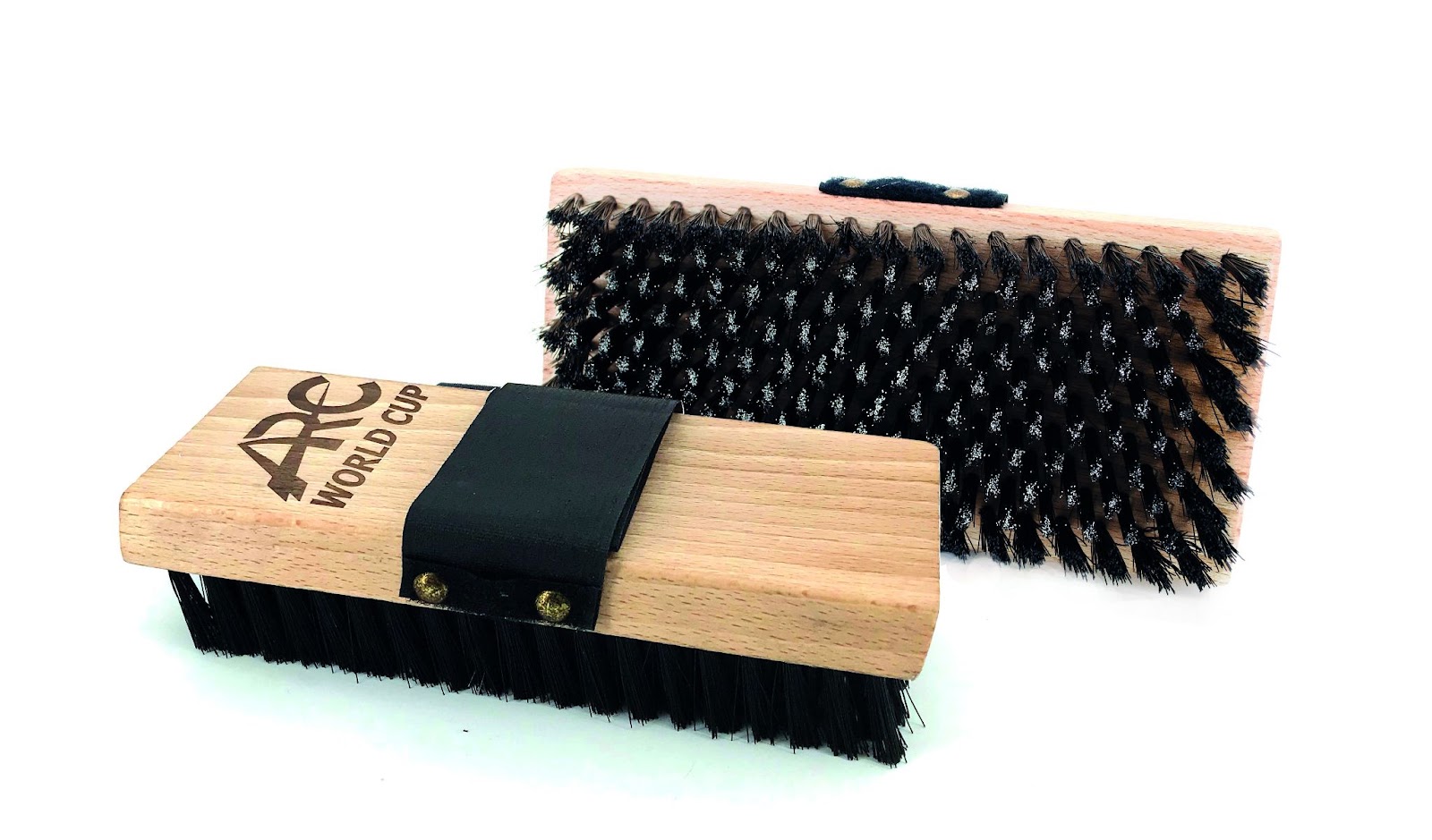
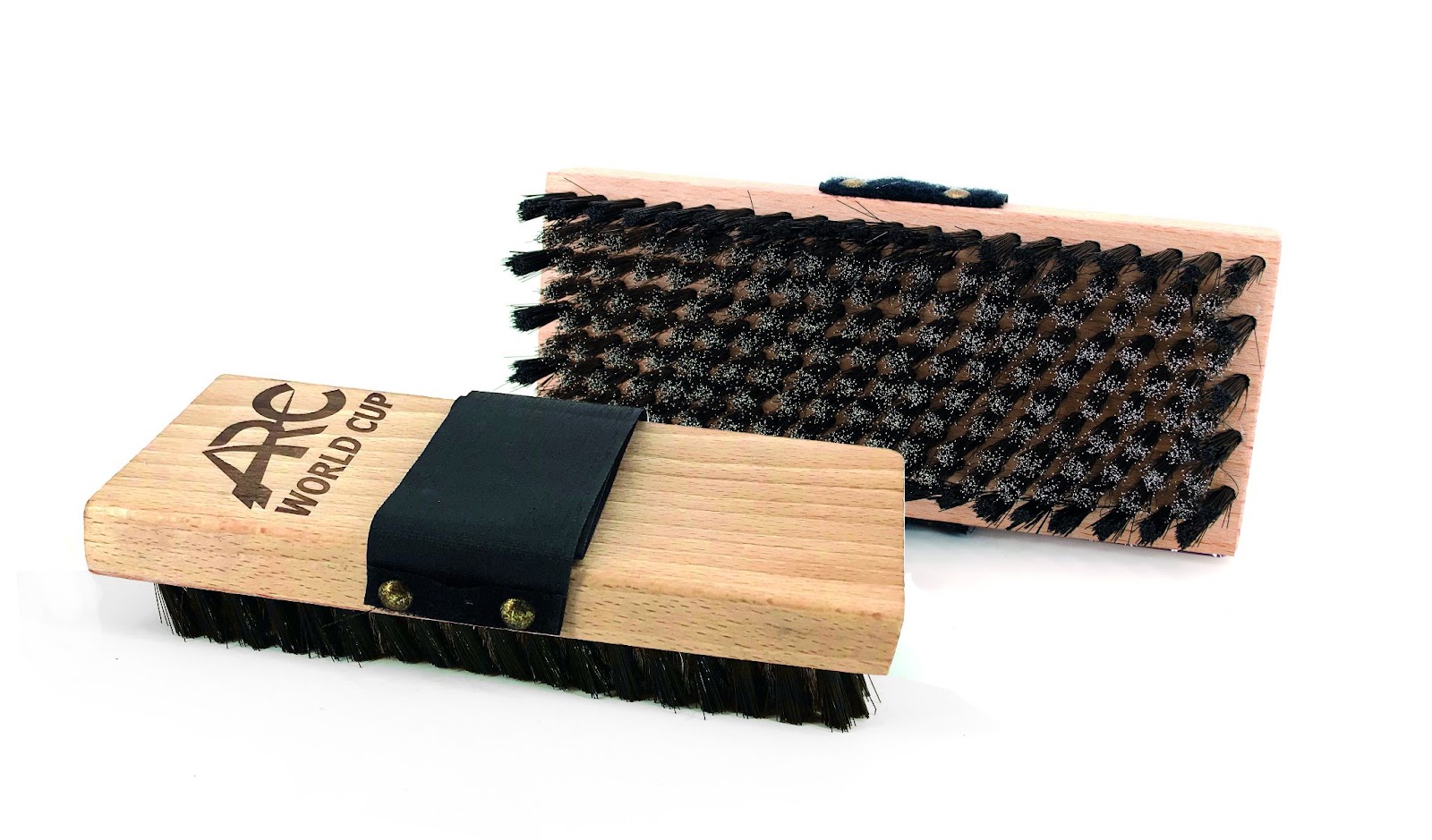
Note: Most Nordic brushes from ARC are available in standard size, large World Cup size, and available as a roto tool.
World Cup Steel Brushes for downhill pursuits:
3.0 Tempered Steel: Engineered for World Cup level speed skiing, this brush excels in high-speed skiing disciplines. Its precisely engineered steel wires create micro-scratches on the ski base, maximizing water flow and enhancing glide. This brush can also clean your barbecue—this is not a brush for Nordic skiing.
2.5 Tempered Steel Angled Wires: Designed for optimal paraffin absorption and adhesion, this brush features angled wires for smoother application and efficient removal of excess wax. Use it as a foundational brush for all racing paraffin types, creating a consistent, scratch-free base. Again, don’t use this on your Nordic skis.
2.0 Hard Stainless Steel: Your essential all-purpose brush, this model tackles both racing paraffin and general waxing needs, removing excess paraffin and preparing the base for enhanced glide. I wouldn’t recommend this brush for your Nordic skis.
Stainless Steel Brushes for Precision and Versatility:
1.0 Fine Stainless Steel: I recommend this brush as your ski cleaning brush or as a good standard steel brush. This can be used to open up the structure on the base of your ski before applying colder paraffins.
0.7 Extra Fine Stainless Steel: My favorite brush, this brush effectively clears colder, microcrystalline paraffins. This is a must-have, either used first or second in the brushing process as it both clears the structure and removes surface paraffin.
Brass Brushes for budget performance:
Hard Brass: A less expensive alternative to the 1.0 steel. I use this brush for cleaning skis when paired with a glide cleaning solvent.
Soft Brass: This is comparable to the soft steel but will remove colder paraffins without excessively scratching the ski base. Use this brush when you want to minimize the amount of structure being applied to the ski on a really cold day.
Natural Brushes:
Tampico: A natural fiber obtained from the agave plant, this brush is gentle on the base while removing excess wax. Apply after an initial metal brushing. Best suited for waxes with medium-to-low melting points.
Hard Horsehair: This can be used for scrubbing away hard surface paraffin when you want to minimize the impact on the structure of the ski while removing wax.
Soft Horsehair: A natural fiber alternative to the soft nylon.
Finishing Brushes:
Hard Nylon: This is a good workhorse polishing brush that will work quickly and last a long time as long as you keep it clean!
Soft Nylon: This is going to be your finishing brush most of the time for liquids and other finishing waxes. I like this combination of soft and short bristles for working on skis as they’re able to do work on the running surface without flopping around.
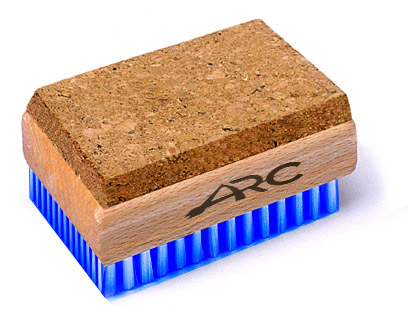
Cork Nylon Combi Brush. This brush is a killer deal for liquid applications. Cork on the back, soft nylon on the other side at a competitive price. Ideal for all liquid wax applications for all levels of skier.
Enhanced Application with ARC Rollers, available in 10cm, 14cm, and 20cm:
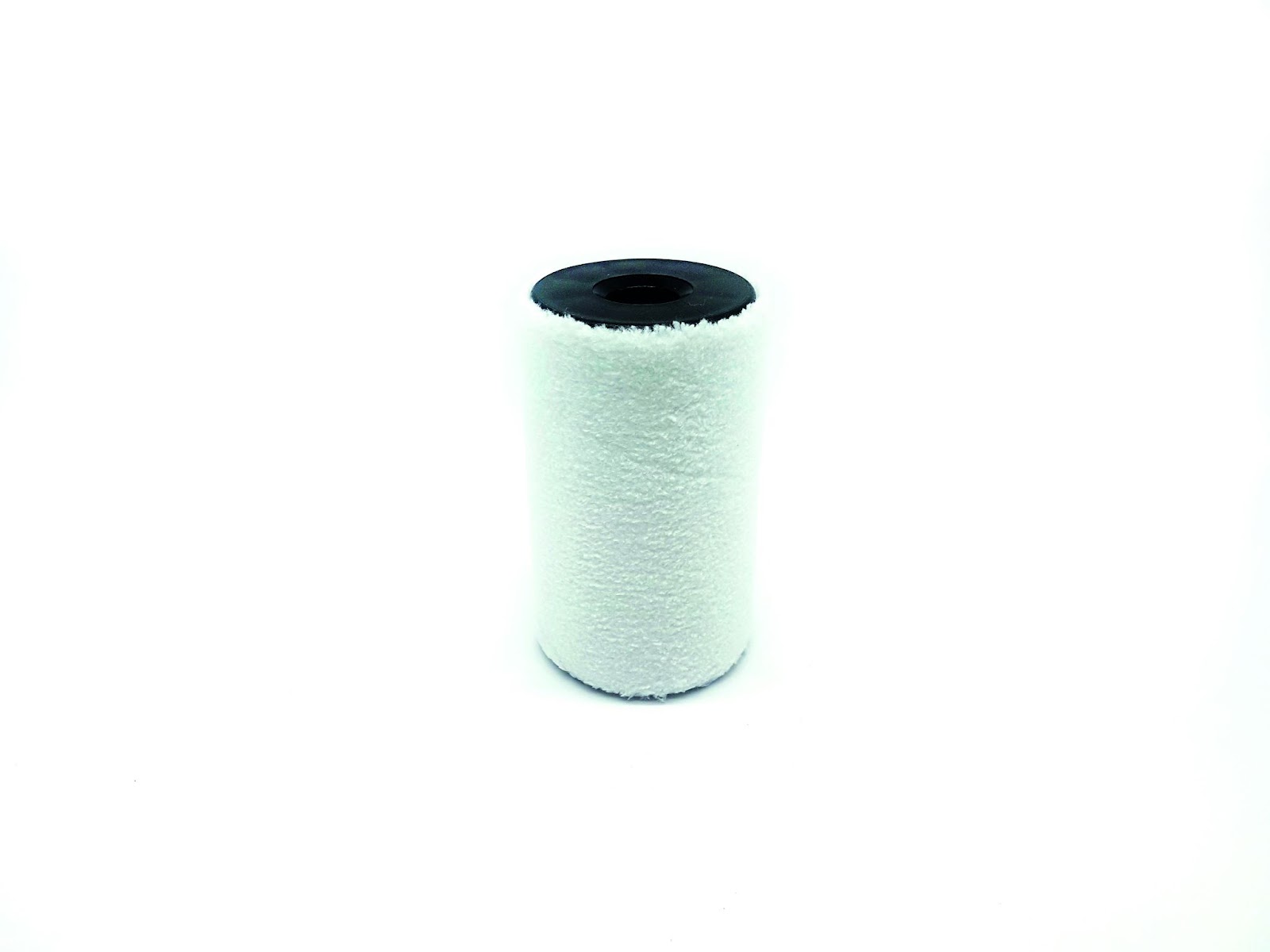
Polyester Roller: An industry standard, capable of applying waxes hot or cold consistently.
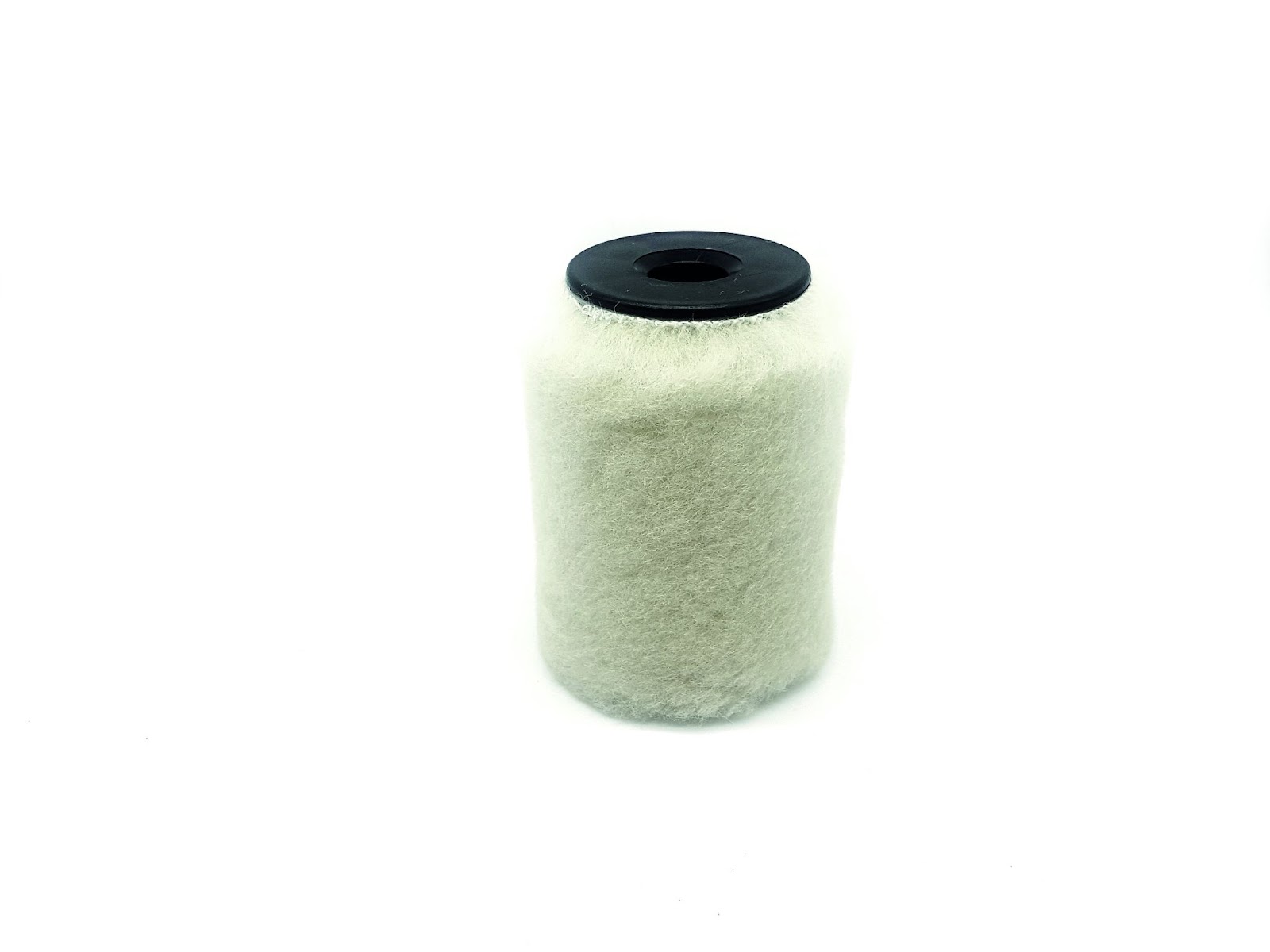
Merino Wool Roller: Ultra-fine merino wool for the application of thin film waxes, including solids or liquids.
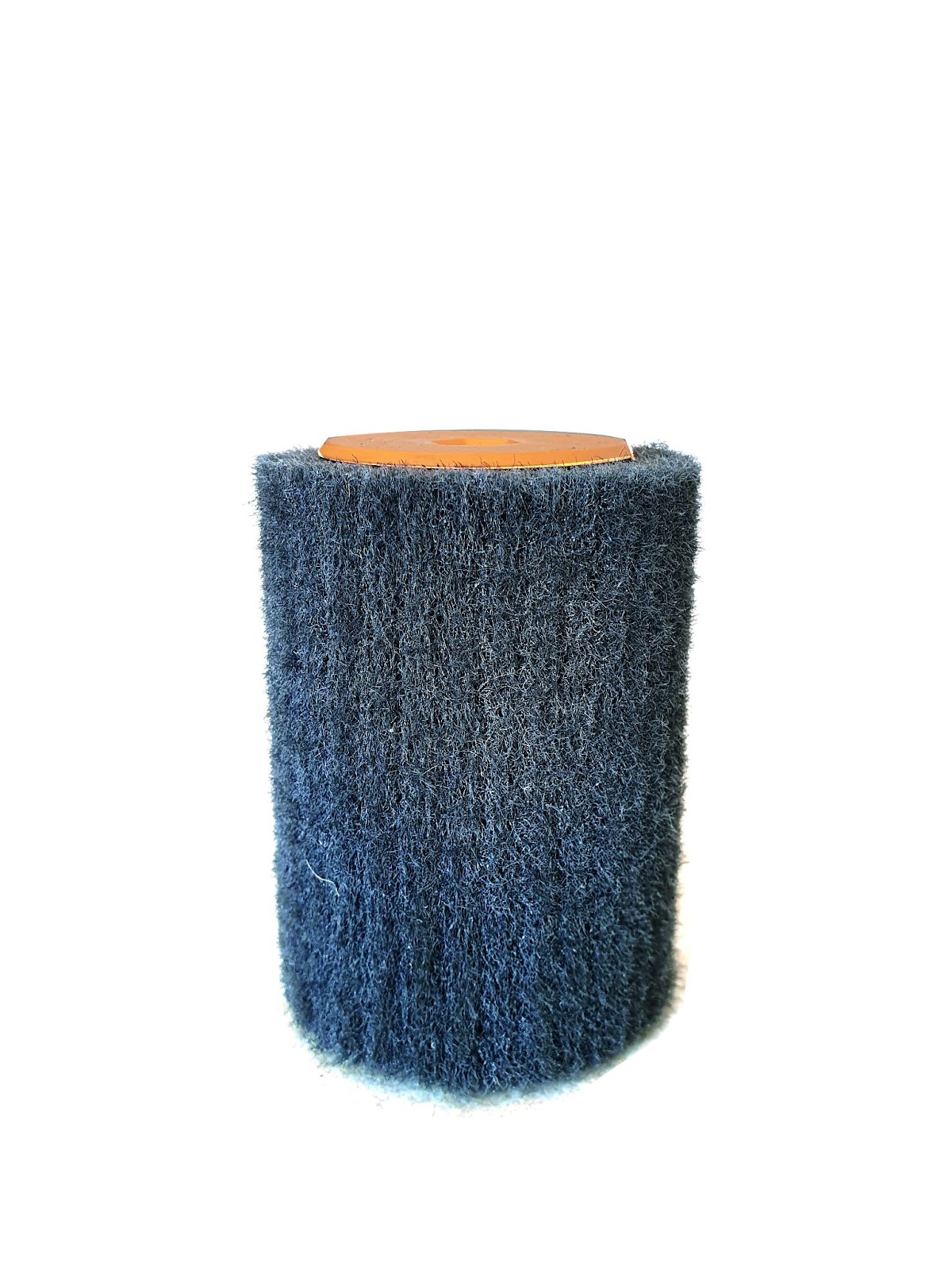
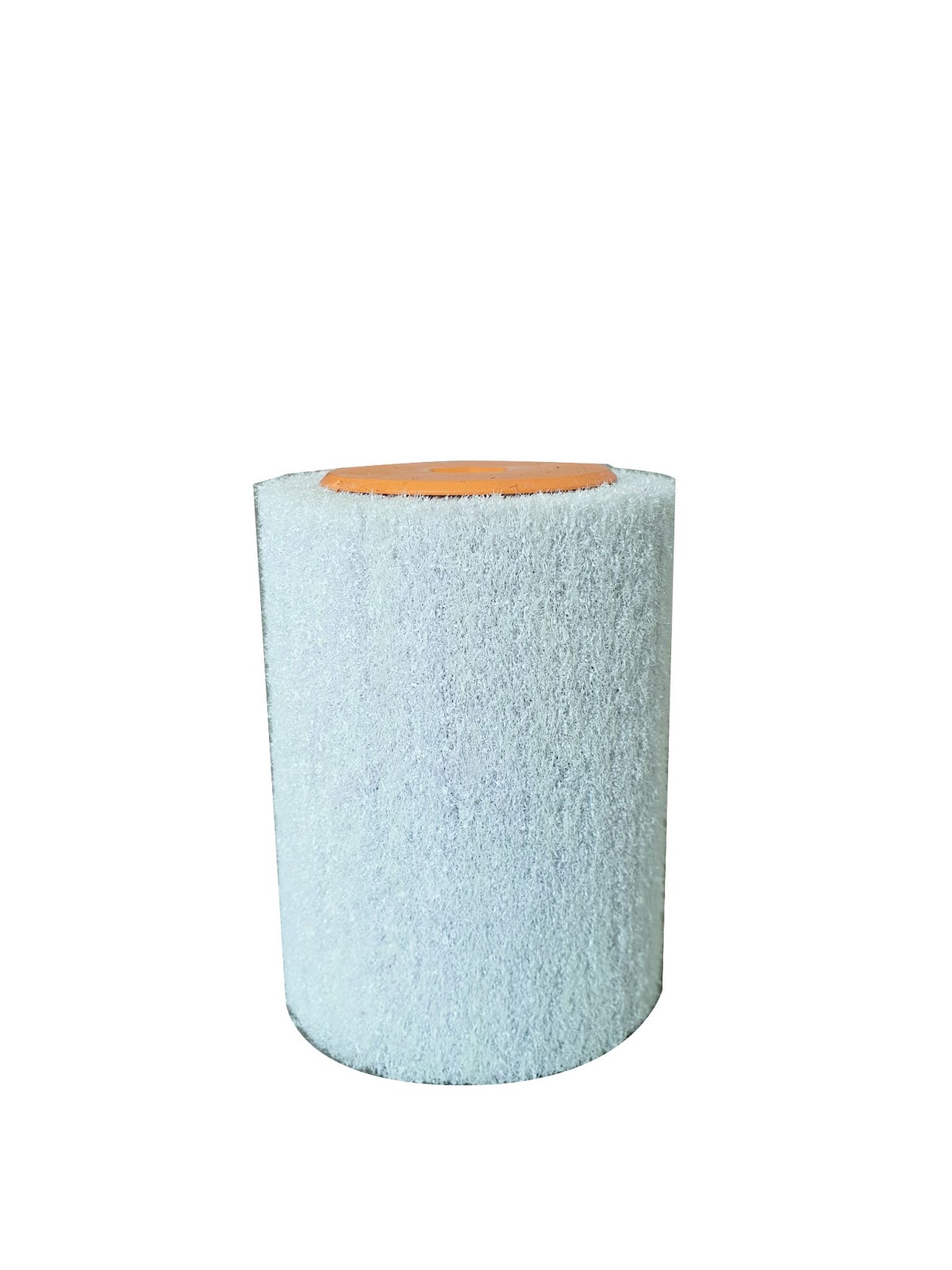
Speedtex Fine Roller: Designed to deeply clean and polish ski bases before waxing. It can also do a great job removing gunk from your waxing iron (we also sell sheets of this). This will gently abrade the surface of the ski upon application.
Speedtex Super-Fine Roller: Designed to deeply clean and polish the ski before wax application. The difference with this roller is that it will not apply micro abrasions to the ski base.
Take a critical look at your ski brushes. Are they worn out, dirty, contaminated with fluorinated wax? With the shift away from fluorinated waxes, it is necessary to make sure our ski selection and preparation is dialed even more than before. With the expert knowledge behind ARC, you can trust that you are getting the most out of this step in the process.
See you on the trail (or wax cabin) – Jacob
FasterSkier readers can receive 25% off ARC brushes for the next week by shopping at EnjoyWinter.com and using FasterSkierARC as your promo code. No stacking of discounts allowed.
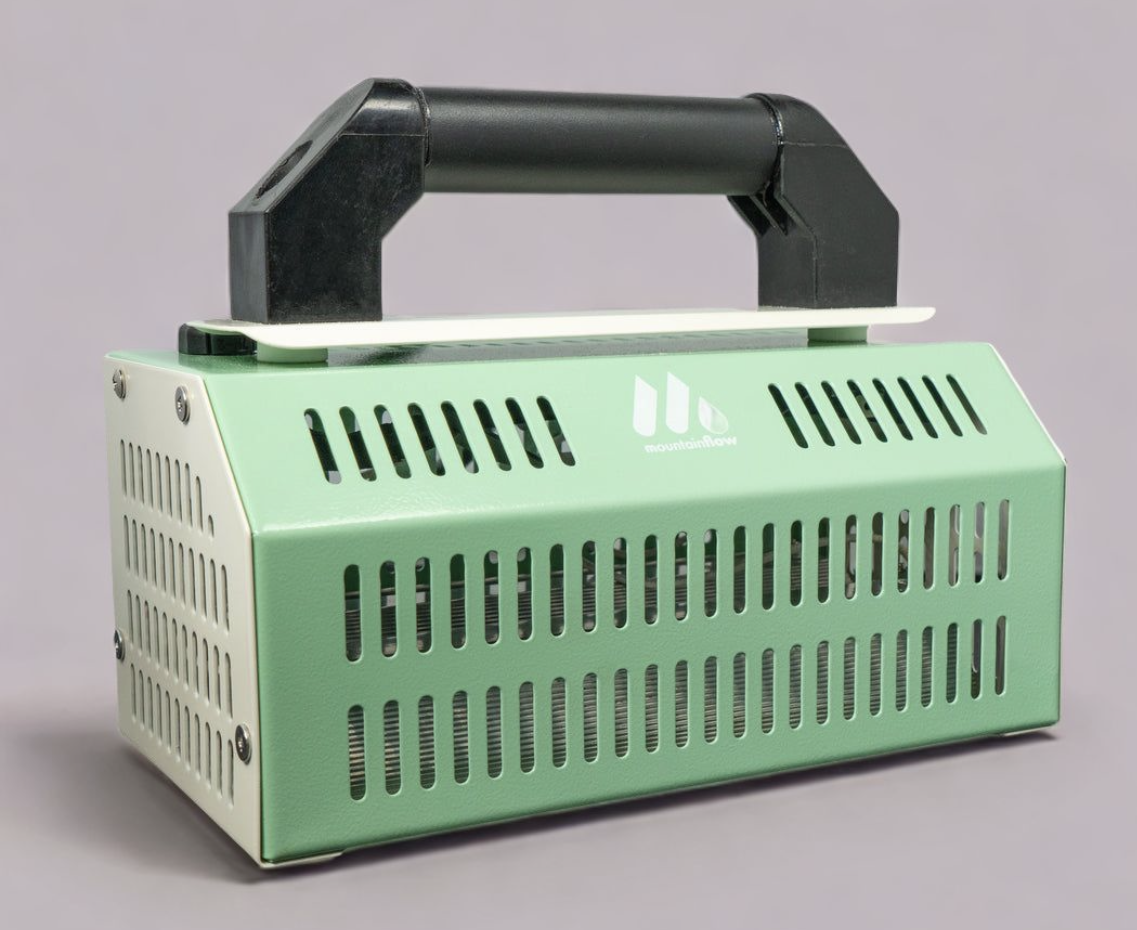
The Mountain Flow infrared waxer. (Photo: Mountain Flow)
The last several years have seen tumultuous changes in the ski waxing world. After the fluoro ban went into effect, manufacturers have been scrambling to bridge the performance gap between now prohibited fluorinated wax and non-fluoros. But it’s not just wax manufacturers who have been busy trying to figure out how to build a better mousetrap now that the most powerful weapon ever developed in the waxing arsenal has been sidelined.
Wax technicians have also been experimenting with every application method under the sun to try and gain an advantage. They have been assessing innumerable variants such as—roto fleecing liquids, roto corking, slurry applications, and deep base penetration through infrared heat. Wait a minute; what was that last one? Applying wax using infrared heat? Yes, that’s the newest hot trend (a little pun intended) in wax application.
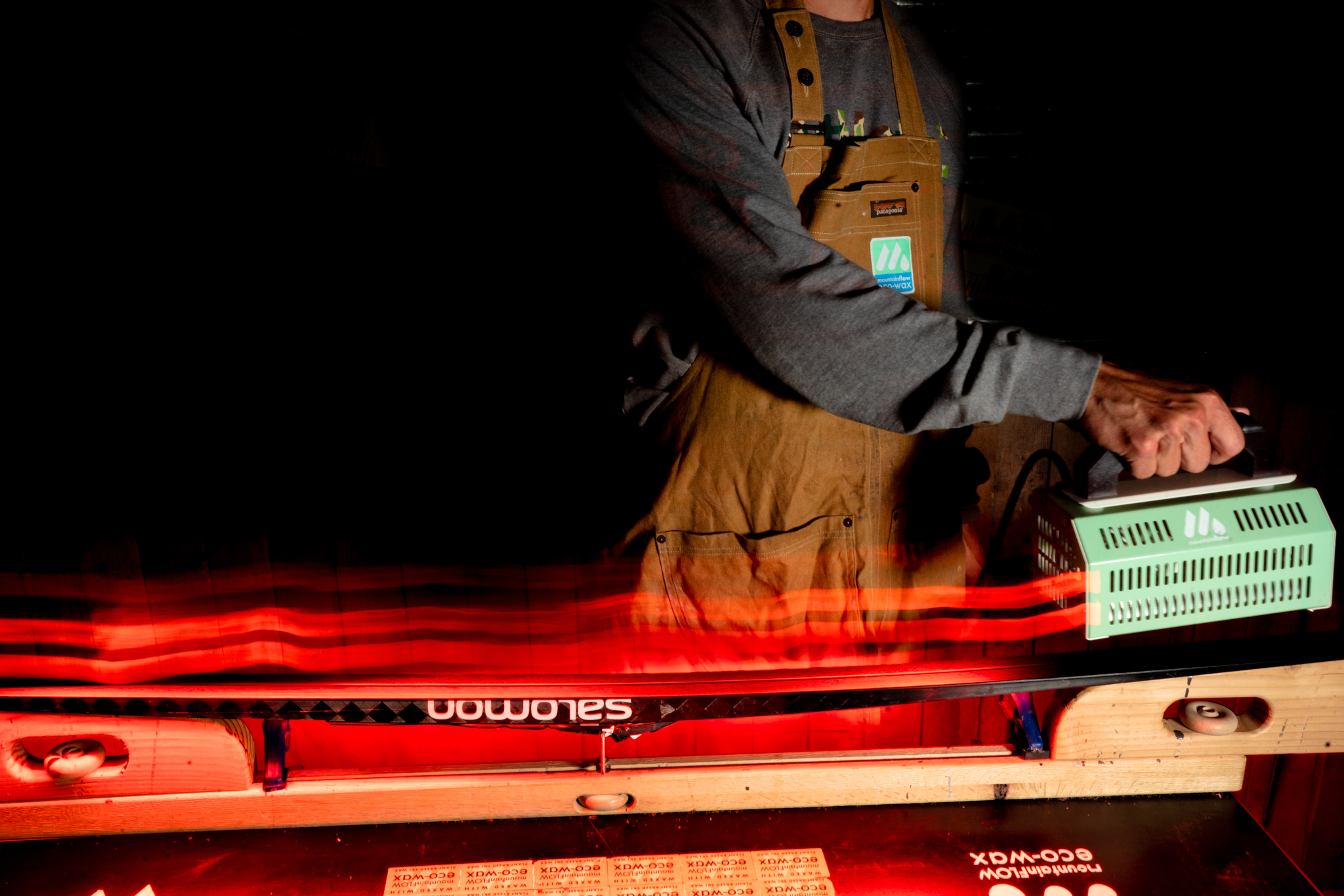
Time lapse of infra red waxing at work. (Photo: Mountain Flow)
Everyone is familiar with infrared heating on some level. If you have ever stood outside an airport terminal or bus stop in the winter and felt the warmth from red heat lamps aimed at you, keeping you warm, or gobbled down some fast food that’s been sitting under a glowing red light, then you’ve experienced infrared heating. So, it’s not much of a stretch to ask, “would infrared heat melt ski wax?” We’re also in a time when infrared technology is having a bit of a star moment being touted as providing recovery benefits when exposed to human bodies, and infrared saunas are claiming benefits over traditional heating methods.
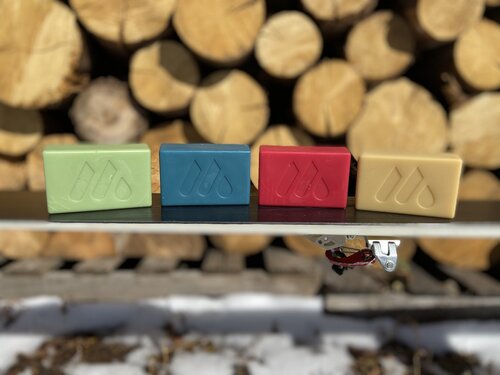
A company in Carbondale, Colorado now wants you to go infrared when waxing, and is selling a direct to consumer infrared waxer (you can’t accurately call it an iron) to replace your venerable waxing partner, the old iron. Mountain Flow is the company, and its founder and CEO, Peter Arlien wants to change the way you wax your skis, in every possible way. Not only is Mountain Flow selling an infrared waxer, but they also have a complete line of plant based glide waxes which do not contain petrochemicals.
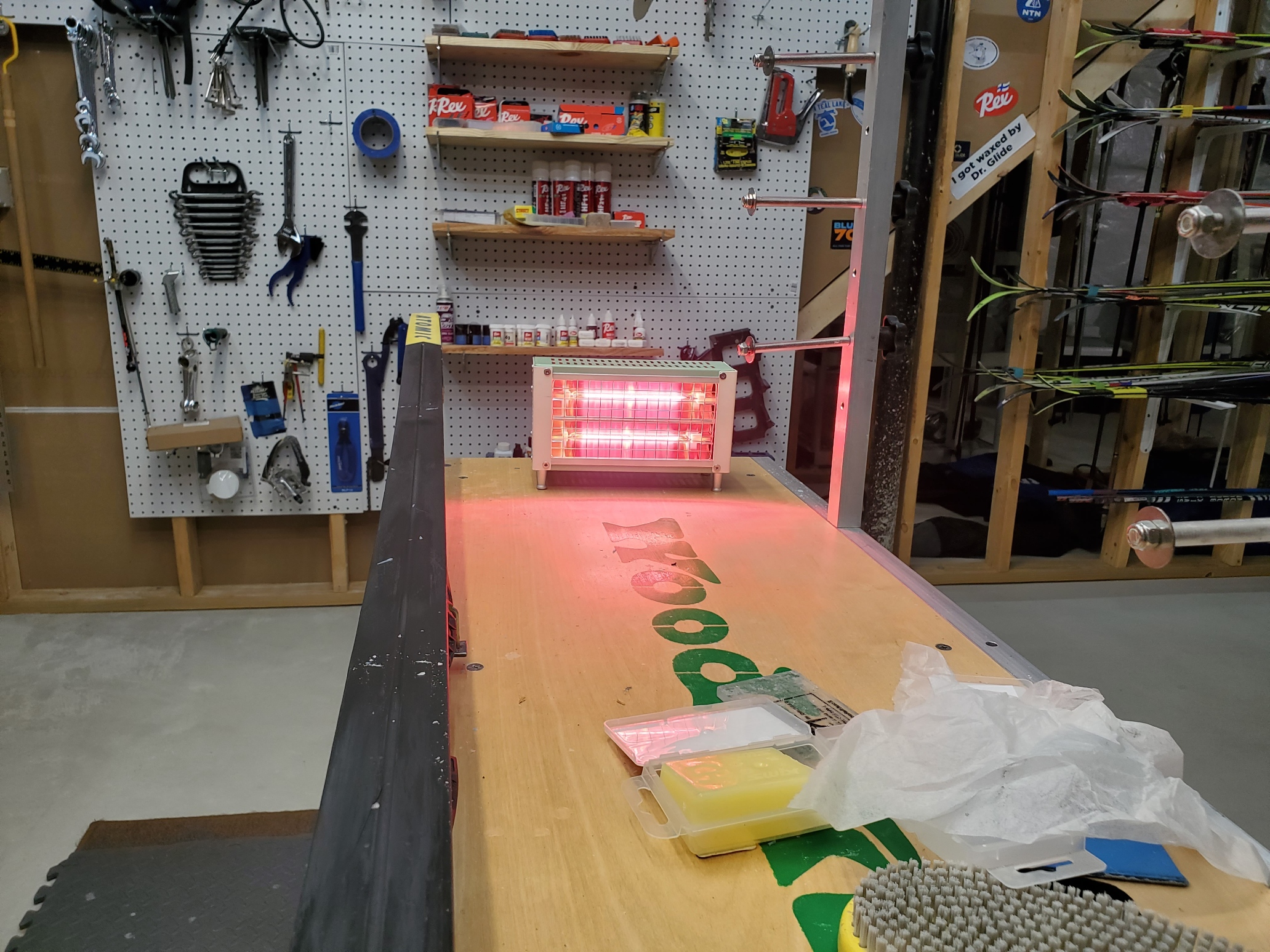
Mountain Flow’s infra red waxer getting a tryout. (Photo: FasterSkier)
Infrared wax application isn’t new, it has been around in Alpine ski shops for some time. Many Alpine shops have high tech commercially scaled infrared waxers which automatically travel the length of the ski on a moving arm and apply a deep coat of wax to your boards. The claims around infrared are intriguing and as it becomes more common place could it spell the end of the faithful and sometimes beloved waxing iron? For his part, Arlien isn’t seeking to destroy your friendly wax iron, but he does want everyone to be able to wax skis more; in a sustainable, efficient, and environmentally friendly method.
The waxer gets a little warm if you leave it pointing at things, so it’s best to turn it off when not in use. Since it comes up to operating temperature as soon as you turn it on, that’s not a problem. (Photo: FasterSkier)
Originally from upstate New York, Arlien moved to Carbondale to have better skiing access. He doesn’t have an engineering or chemistry background to help with product development, but does have degrees in Neuroscience from Colby College and an MBA in Business Intelligence and Data Analytics from the University of Alaska. “I was and am a skier,” said Arlien. “That’s what got me interested, I did have a science background, but the wax was formulated from a skier’s perspective. I worked as a ski technician for years and waxed thousand of skis.” Arlien’s first saw infrared waxers in Alpine shops. Those are large expensive wall mounted units. “More and more shops are going in that direction because of the benefits of infrared; great base penetration, you use way less wax, and there’s no scraping or mess.”
Mountain Flow’s origin story includes an appearance by Arlien on the television show Shark Tank. In the show Arlien did strike a deal with the sharks, but at the end of the day, after the lawyers had finished, the deal didn’t go through.
Developing the infrared red waxer wasn’t hampered by Arlien’s lack of an engineering background. “Infrared technology isn’t new. We didn’t have to invent that. Basically, we just looked at what we wanted that wasn’t out there.” Arlien worked with infrared equipment manufacturers to develop prototypes of an infrared waxing device, which could often be a trying experience. Early on in the process Mountain Flow identified the number one manufacturer in the world in infrared technology and tasked them with meeting the company’s specifications. “They send you a sample and maybe it turns on, and that’s about it. But there’s about a million other things wrong with it. Then they send another one. It took us about two years to get a product we were happy with.”
The outside of the waxer gets warm, but it’s not so hot that it’s difficult to manage. (Photo: FasterSkier)
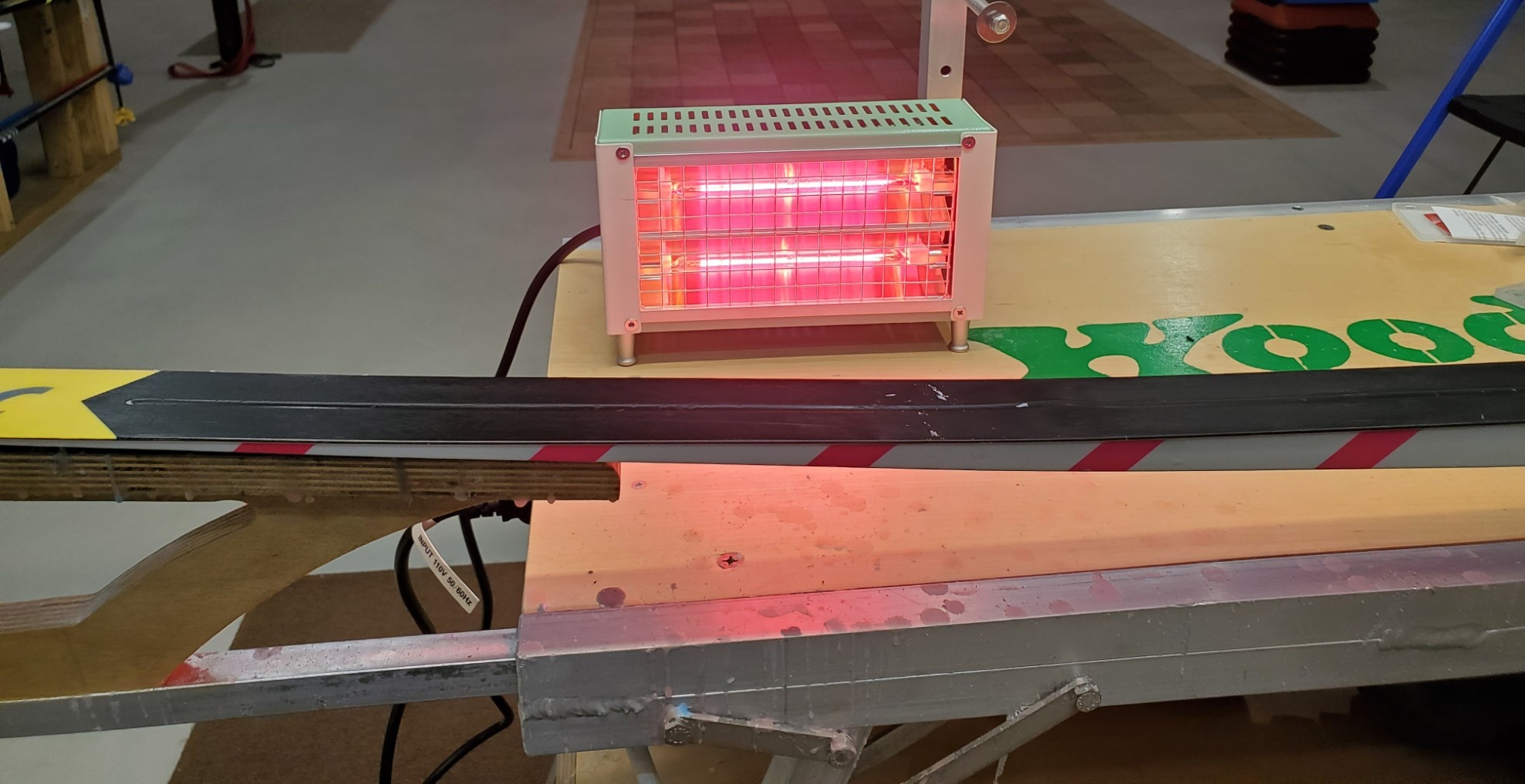
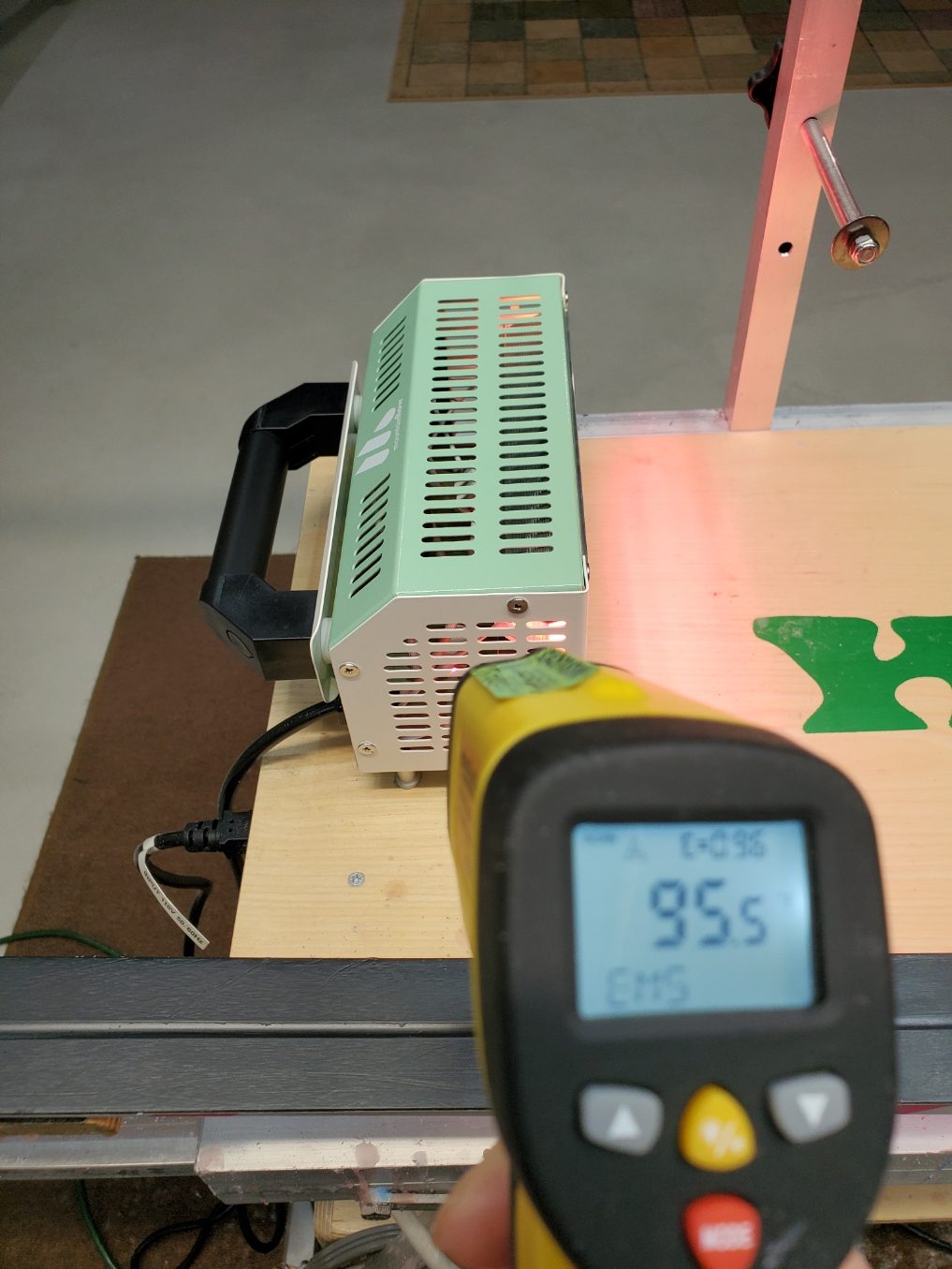
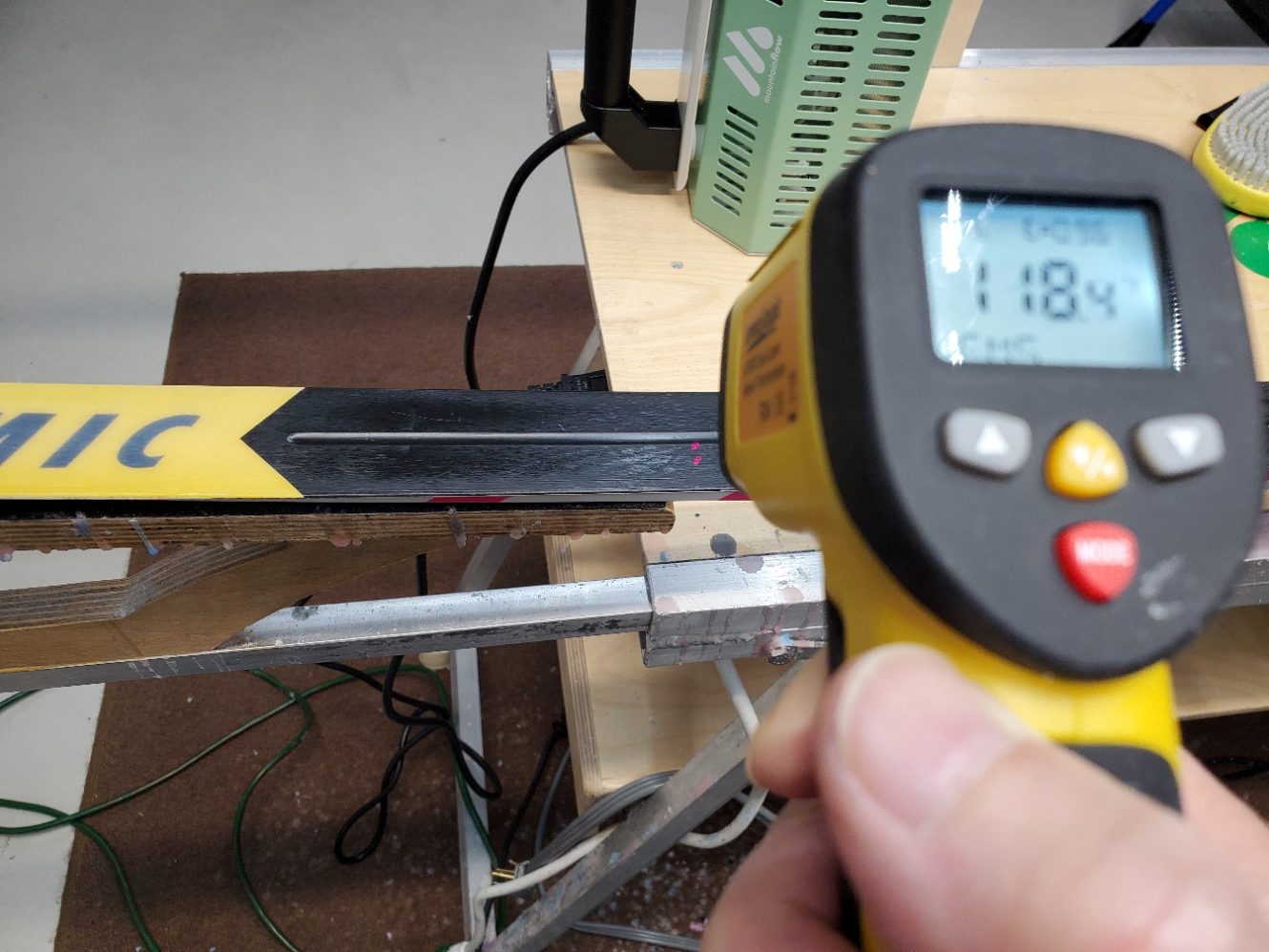
Arlien’s product kind of looks like a hollowed out iron with bulbs where the base would be. To use it, you hold the device a couple of inches above the ski and move it up and down the ski length just like an iron. But you never touch the ski base. When the waxer is turned on it comes up to temperature instantly, so there’s no waiting for it to warm up and there’s no variation in temperature as the waxer moves along the ski. You control the temperature by how close you hold the device to the ski base.
Arlien says infrared isn’t just for high volume waxers. “I think there’s huge opportunities in high performance waxing. You can do things you couldn’t do with a traditional wax iron. You can use it to speed up the application process, and I think you get better base penetration. Also, with the infrared waxer you can heat up the base with a liquid wax without damaging the ski.” To wax a ski when using conventional block wax, you crayon on a thin layer and then melt it in with the infrared waxer. Arlien says that the layer is so thin that it usually won’t require scraping, you can just brush it off. That’s touted as one of the big advantages. There are others. Everyone’s had the experience of working with super hard waxes like Start Green. When you scrape it after ironing— if you let it come to room temperature— the wax fractures and shatters, flying off the ski like a light bulb just exploding. This doesn’t happen with the infrared waxer. The residual wax layer is so thin that you can just brush out the ski and avoid the wax crackling or do some minimal scraping.
Ski base temperature is controlled by how close you hold the iron to the base instead of setting a temperature. (Photo: FasterSkier)
Then there’s the kick wax advantage. Klister and binder waxes can be heated in without touching the ski. When using a conventional iron with klister and other kick zone waxes, there’s always the problem of cleaning the iron after applying the kick zone wax to avoid getting contaminated kick wax into the glide zone. You either have to very thoroughly clean the iron to avoid later contamination, or the more obsessive-compulsive among us will use a dedicated kick wax iron. But it’s a completely different process with the infrared waxer. Since the waxer never touches the ski, there’s no mess to have to deal with.
Arlien also sees applications for recreational skiers who are just interested in having a more enjoyable skiing experience. “You can hot wax the fish scales of a Nordic ski. This would be instead of using anti-icing treatments. You’re enhancing glide and getting anti-icing from the wax, but you’re putting on such a thin layer that you’re not clogging the structure of the fish scales. It’s such a thin layer you don’t loose kick. I then do a reverse brush, going tail to tip, to remove the residue.”
Business for the infrared waxers has been brisk. “So far in September, we’ve almost outsold our entire winter last year. People love the concept and how easy it is to use. Typically, with ski wax when you make the process easier, there’s a tradeoff. With the infrared, it’s quick and easy, and you’re actually getting more performance out of the wax.”
There’s no need to worry about the device’s longevity. “The bulbs are gold halogen and are supposed to last for 10,000 hours, but they can be replaced if needed. The waxer comes with a two year warranty.”
There are a couple of basic safety precautions to employ when using the infrared waxer. Since it projects heat, don’t leave it on pointed at anything combustible, and don’t point it at wax sitting on your bench, since it could melt it. The device might help keep your work area a little warmer, or even potentially heat up a cup of coffee, but as Arlien points out, you don’t have to worry about it giving you a sunburn. “Infrared is on the opposite end of the light spectrum from ultraviolet, and it’s ultraviolet which gives you a tan.” But you still shouldn’t point it at skin since it could make it hot. This is all easy to deal with since the instructions state to turn the waxer off when you set it down. Since there’s no warmup time when you turn it on, there’s no reason not to turn it off.
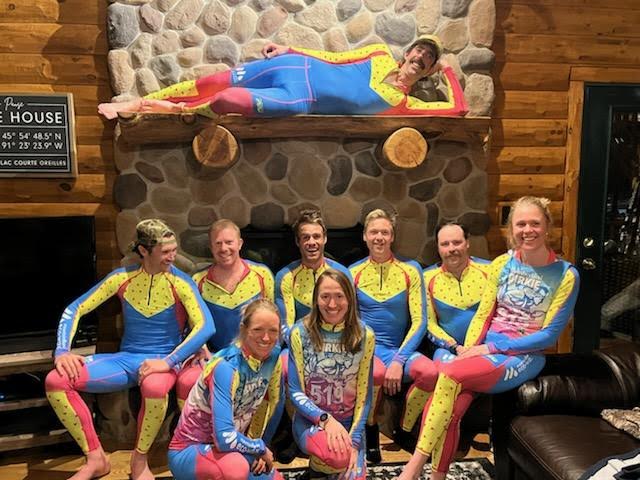
Mountain Flow had success with its plant based wax at the Birkie. Arlien is the skier laying on the mantel. (Photo: Mountain Flow)
Arlien doesn’t just want to change the way you wax; he also wants to change what you wax with. After spending years working in a ski shop, he was tired of working with wax derived from petrochemicals. His solution was to invent a plant based wax. “Wax is petroleum, and whatever you put on your skis goes into the environment, directly into the snowpack, and into our watershed. That didn’t feel great. I was convinced there were other solutions. So, I dug into tribology (the science and technology of interacting surfaces in relative motion) articles to see what plant based substances would work. I just kept iterating … ski all day, go home and kept iterating and getting better and better results.” The process took about two years. The wax contains no petrochemicals. Arlien has tested his product against other non-fluoro waxes and claims it compares favorably, and that the durability is as good or better. “The first year we went to the Birkie we brought a team of seven skiers, and we had four top 15 finishes, and people were saying they were coming across the lake (towards the end of the race) and the wax was flying.” Most of the waxes contain products which are already used on the market for natural beauty products and that’s the source for most of the raw materials.
Arlien says that the easiest way to purchase the infrared waxer is through him directly at Mountain Flow. The infrared waxer sells for $249.95 and comes with an elegant carrying case.
FasterSkier appreciates the support of our new partner MountainFLOW this season. As a celebration of this new relationship MountainFLOW is offering the FasterSkier community a complementary bottle of whiskey from the Steamboat, CO based Mythology Distillery* with the purchase of an Infrared Waxer and a 10% discount on all additional MountainFLOW purchases — to take advantage of this opportunity use promo code fasterskier at checkout.
*Purchaser must be 21-years-old and live in a state Mythology Distillery can ship too.
SuperTour race weekend in Craftsbury, VT, where Zach Caldwell (left) supported SMS T2 athletes. (Photo: Facebook Caldwell Sport)
On January 17th, 2022, a US Ski and Snowboard (USSS) ban on using perfluorocarbon-based wax products (“fluoros”) at all International Ski Federation-sanctioned (FIS) races in the country went into effect. The action marked the critical point in a rapid evolution of policies meant to limit competitive nordic skiing’s emission of perfluorocarbons, part of a class of especially environmentally persistent, and potentially health-concerning, chemicals known as PFAs. Overnight, The cumulative knowledge of 40 years on ski preparation nulled. Since then, it’s been a brave new world.
Step into a wax room these days, and you’re unlikely to hear codewords like “Cera F” and “Jetstream” muffled from behind the gas masks that became standard issue near the end of the fluoro-era. The scramble to take everything into account—from snow temp to air temp, ski selection, grind, and base material too—and funnel it into putting the best ski on the snow for a race is still there. The rules may have changed, but the game is the same.
Two and half seasons into fluoro-free racing, there have been countless tests by wax technicians across the continent to figure out just what they’re working with on any given race day. Among them has been long-time American “ski whisperer” Zach Caldwell, owner and operator of Caldwell Sport in Putney, Vermont. As New England thawed out from its last snowstorm of the season, and US Skiing from the season that accompanied it, FasterSkier caught up with Caldwell to learn what he’s learned about where the limiter of fluoro-free waxing has started to push ski service.
Speak to Caldwell, and you’ll quickly get acquainted with jargon that acquaints you with his professorial approach to ski service. He’ll often talk about “solutions,” that is, the singular result of combining the “pie” of factors (see our 2022 discussion on what makes a ski fast featuring Caldwell here) that go into a race-ready ski. In that pie, you’ll find ski camber, ski flex, base grind selection, hand-applied structure, and everything that can be broadly categorized as wax. He also cites how “robust” solutions are the best solutions; that is, where the overall combination of the factors within that ski performance pie can be adaptable to a wide range of conditions. In Caldwell’s view, the ideal ski technician is as much engineer and artist as they are actuary. “Robust solutions limit the risk of sending you in the wrong direction.”
Zach Caldwell in his element. (Photo: Facebook Caldwell Sport)
“Wax with fluoro compounds occupied a big part of the whole pie when it came to ski performance,” Caldwell had said previously. His expectation when the US moved to eliminate fluoros from the wax slice of the pie two seasons ago was in line with many ski technicians. “I figured was that we weren’t going to accommodate for the lack of fluoros,” he said. “All we did by eliminating fluoros was make the comparative importance of everything else bigger.”
The key problems to which fluoros served as a solution were twofold. Fluoros resisted water better than any other compound. Fluoros were also better at helping to keep base-clogging dirt away. Those properties came from a complex interaction of chemical, ski, and snow. When applied to a ski, the chemical differentiation of fluorocarbons from a standard polyethylene ski base meant they formed a “top-coat,” not mixing with the other base wax treatments that helped change the bulk properties of the base. That fluorocarbon top-coat was extremely hydrophobic, which helped discourage water-on-water friction in wetter snow conditions most often found around or above freezing. The fluoro top-coat also abraded with dirt that otherwise would be picked up by the ski base, lending to the sensation of “durability” from skiers. In attempting to replace the water- and dirt-repellency offered by fluoros, ski technicians have most often looked at other slices of the overall solution “pie” to re-produce those qualities.
The initial expectation from Caldwell was that skiers would look to ski selection and base grind as factors readily available to assist in finding a solution. “When it comes to that, it’s played out 100% as I predicted it would” he said. “We’re selling way more skis, and grinding way more skis [at Caldwell Sport]. There’s a lot more active testing of hand structures.”
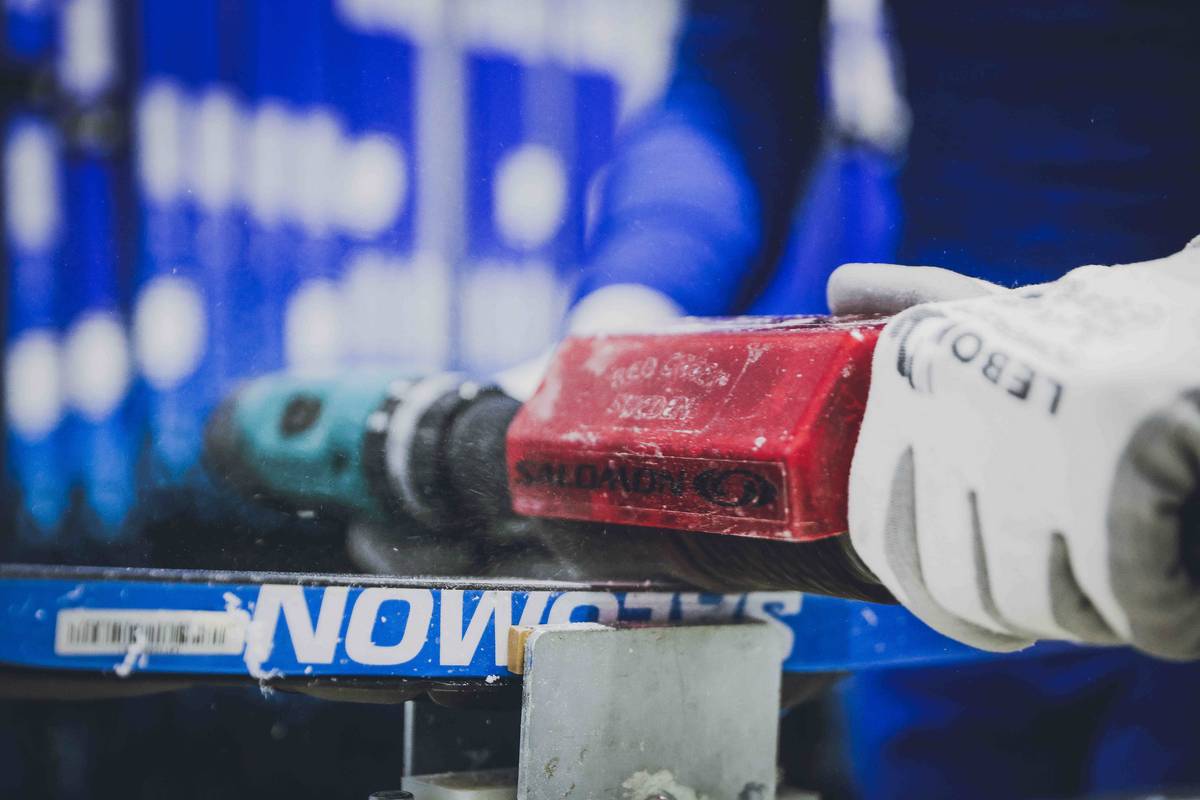
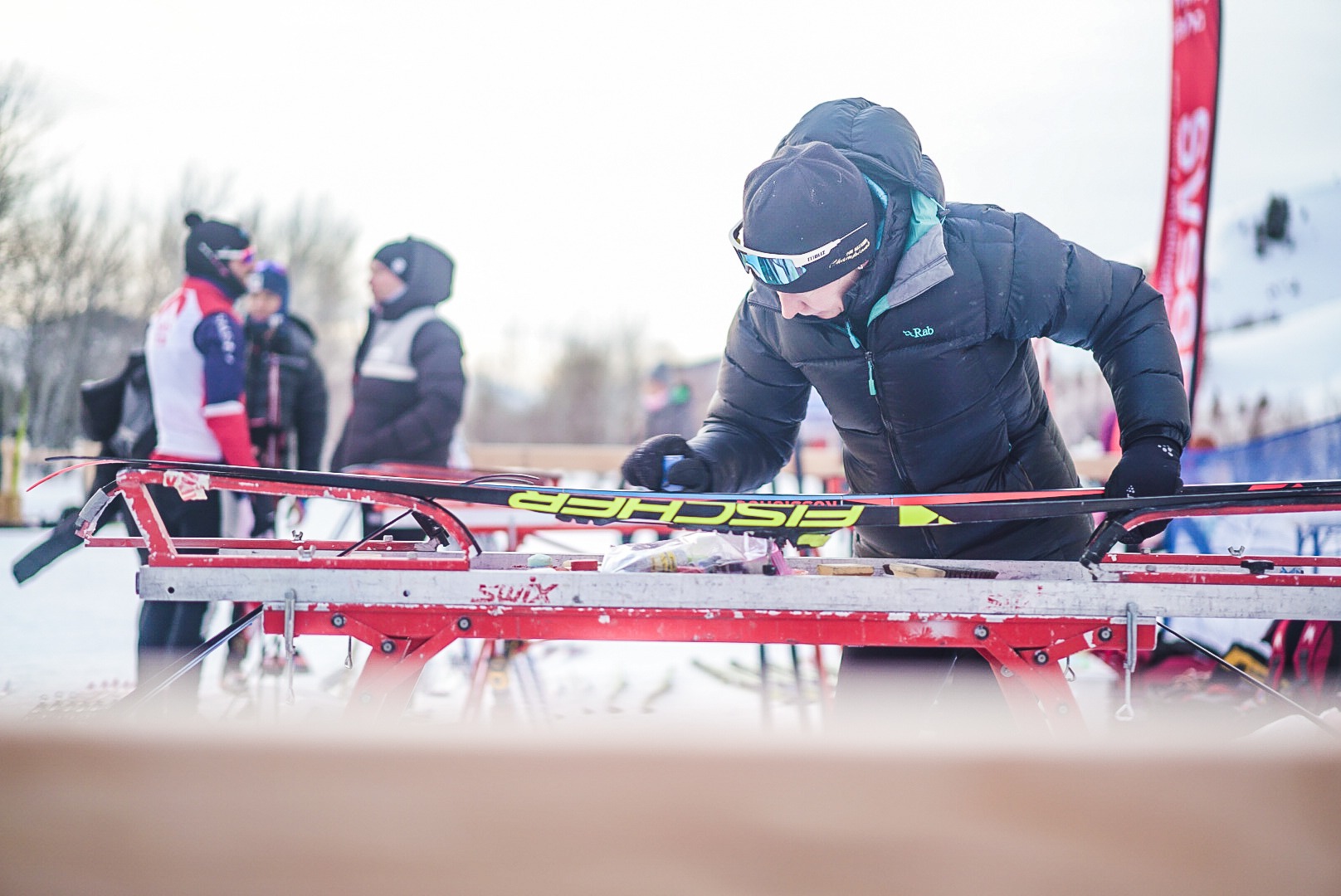
A ski being brushed. After the elimination of fluorocarbon wax products, ski selection and grind have jumped to the front of many skier’s considerations in race preparation. (Photo: NordicFocus)
In particular, skiers are looking to add more specialized skis to their fleets in the conditions in which fluoros once excelled. Higher camber skis—skis that ride higher above the snow and often have less prolonged surface run times than comparative skis—can help in having skis not pick up as much dirt. Base Grinds and hand structures, especially “V” shaped chevrons and deeper linear rills, can help channel water away from a ski base in wet conditions.
The push out to the ski itself, and grind selection, has led to a new dynamic in race day solutions. “In the past, you could show up with an inappropriate camber and get those skis into the game in the right conditions by using fluoros,” said Caldwell. “Now, showing up with the wrong ski or wrong hand structure is not doable. You’re unable to compensate with a great wax solution.
The dynamic of not being able to wax your way out of a mis-matched ski has come as a result of what Caldwell sees in the selection of new fluoro-free waxes that have been offered on the market.
“I’ve had to revise my expectations around the wax itself,” he said. “I knew we couldn’t replicate the performance of fluorocarbon chemistry, but thought that the difference between the teams that could test application methods and products ad nauseam and those who couldn’t would be emphasized. As it’s turned out, it has felt like many of the solutions just hit the ceiling for performance at about the same place.”
The result has been twofold. For one, it takes less resources to reach that lower ceiling of performance, and it can often be done by waxes from a much lower price point than the $150-200 fluoro blocks that used to contribute to a race day ski build. There are also more ways to get to an overall ski solution that precludes having found a particular wax product selection and application. Hence, the turn towards ski, grind, and structure selection for many skiers.
Caldwell sees a particular pressure point in the ski industry given the way many fluoro-free waxes have hit a similar performance ceiling, often at wildly unreliable price points: “Some of the big companies were very quick to introduce fluoro-free lines in an attempt to make a new market follow old rules.”
“The price points on those first fluoro-free products reflected that the big wax companies knew that there was a high tolerance high price points among consumers,” Caldwell said. “The thing that gets kind of lost is that those consumer tolerances were built around wax solutions that re-defined the sport. That’s what those 30-gram Swix Cera F vials did in the late 1980s. They were definitely revolutionary. We’re currently in a place now though, where a nominally $1 per application wax job can beat a $10 per application wax job, and after a while, that’s just going to frustrate consumers.”
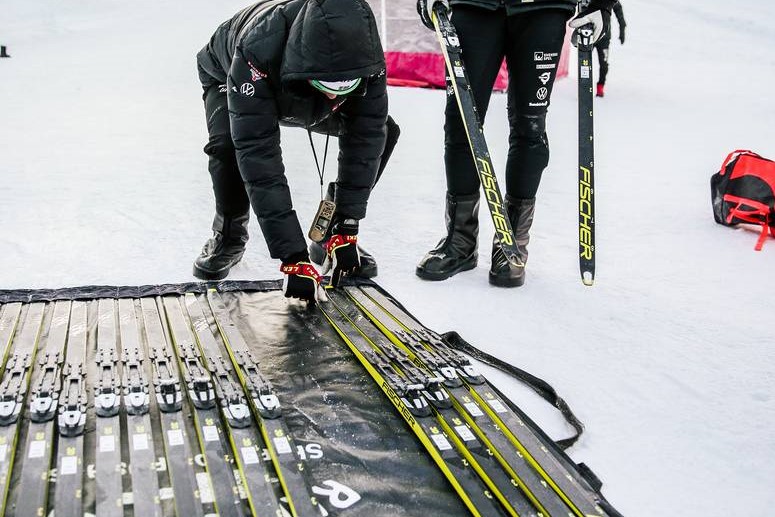
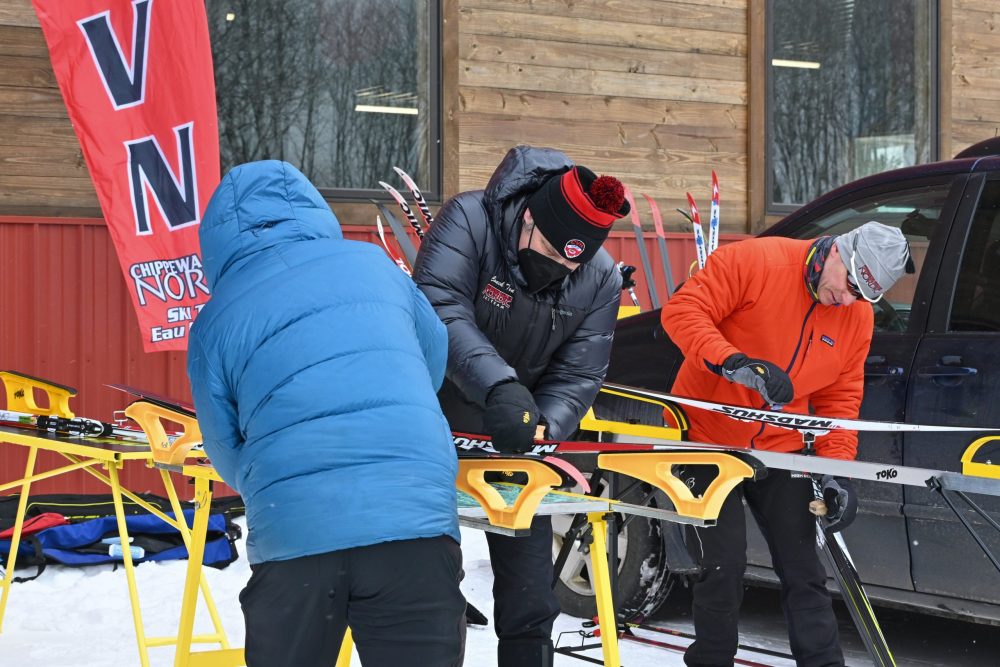
Ski Techs sorting through test fleet on a race day. (Photo: NordicFocus)
Caldwell views the muddy value proposition offered by new fluoro-free waxes as contributing to a cultural shift away from the “essentially technical” nature of nordic skiing. “It’s creating an environment where the incentive is stronger than ever to control the role waxing places in the whole solution on race day.” That chiefly includes wax protocols, often modeled after the one introduced by Rocky Mountain Nordic in 2019 that now are enforced across a host of junior and collegiate circuits in the United States. “If we assume that on any given day, without fluoro, there is a certain amount of speed available,” said Caldwell, “[Then] by limiting the role wax plays, you’re decreasing the amount of creativity that can be brought to bear in getting to that total speed available. You end up with more of a disparity than you would have by allowing wax to be brought into the picture.” FasterSkier previously covered the discussion surrounding competitive and technical balance at play in wax protocols here; however skiers might form opinions on where the technical aspect of skiing meets its competitive culture, Caldwell was careful to point out that having those opinions is one of the essential beauties of the sport: “I was pretty young when skating came into the picture,” Caldwell said. “People lost their minds like it was going to change the sport beyond recognition, but what happened? There’s a dialectic that’s healthy, and we ended up with a sport that still includes classic skiing, and even there, a ‘classic skiing’ that is pretty advanced from what they were trying to preserve, right?”
“Progress is always going to be there,” Caldwell said. “And trying to halt progress is a bad idea… but that doesn’t mean you don’t try to steer progress.”
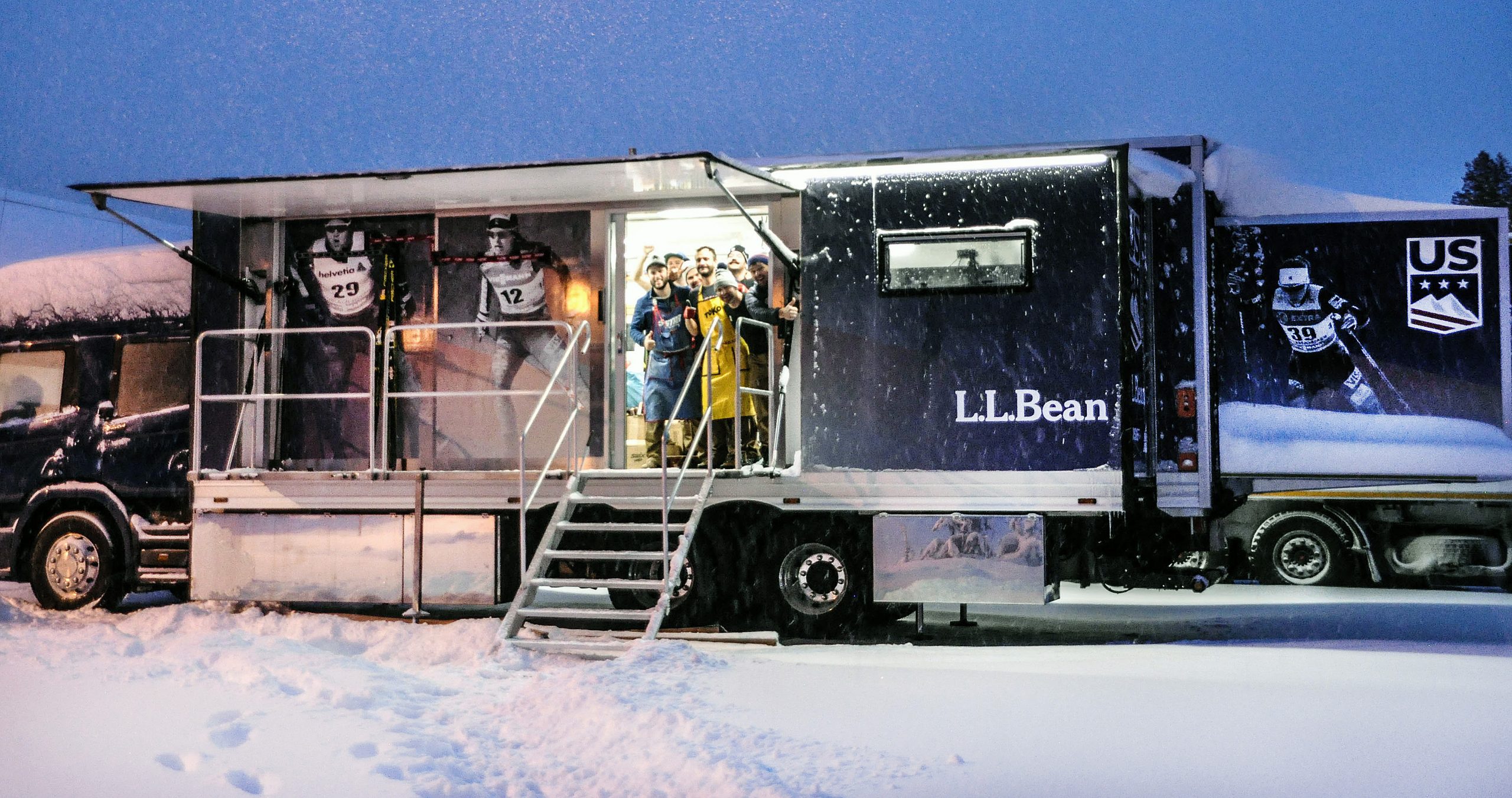
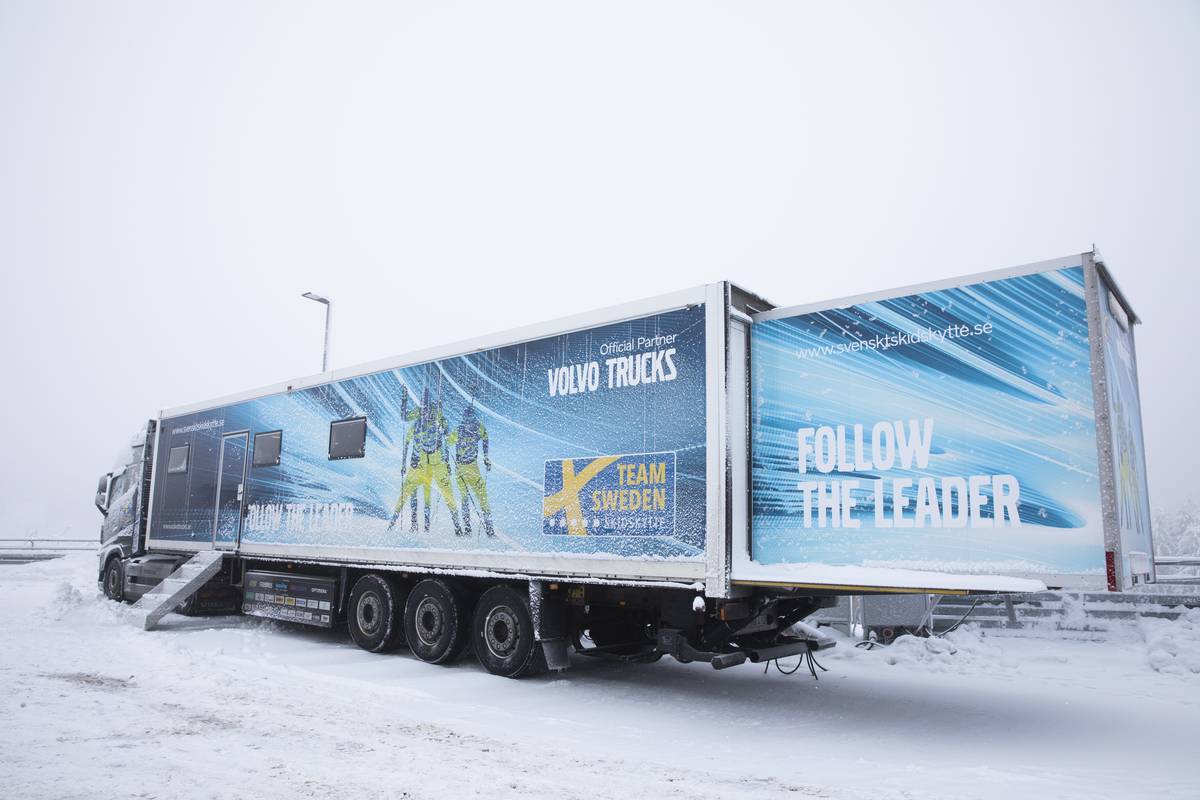
U.S. Ski Team wax truck during pre-season camp in Rovaniemi, Finland. (Matt Whitcomb)
On the contrary, the gyre of new ideas and new technologies spinning the sport forward keeps Caldwell, a seasoned-ski expert among seasoned ski experts, excited some fifty years into the sport. He hopes it will keep you excited, too. In that regard, he leads by pure example. In the brave new world catalyzed by fluoro-free, he sees a broad horizon to chart out skiers’ relationship to how they view their skis. He spins visions on how the World Cup could start promoting the technical aspects of the sport, broadcasting wax tests and highlighting ski profiles the way F1 motorsport does. He can rattle off, with passion, a broad architecture to incentivize ski companies to start producing their best skis for all skiers. “Imagine a world where Fischer had to produce a 50th percentile ski that Johannes Hoesflot Klaebo could win on!”
For Caldwell, all of it comes back to a deeply rooted experience in a nordic community he loves. “One of the really cool things about the US is that the nordic community is quite open, uncharacteristically open, compared to other countries. It’s full of a lot of good people, and I think that culture is, at present, one of the most sophisticated cultures in the world when it comes to ski innovation.” As to where are we in the fluoro-free world, two seasons in? “You mean in a world where you can’t brute force your way to good solutions with more resources?” asked Caldwell. “Well, it’s a world that puts a premium on collaboration and creativity? Turns out we’ve been pretty good at that for a long time over here.”
Many of the season’s biggest races are a month away: The American Birkebeiner, High School State Meets, Junior National Qualifiers, and countless important citizens’ races. Here at BNS, we get a lot of questions in the weeks leading up to races about how to make your skis the fastest possible on race day. Truth is, much like training your body to be fast on race day, you have to prep your skis for the big races, too. This means taking care of your skis the right way long in advance, not just the night before a big race. Below are some expert tips below on how to keep your skis in top shape.
We recommend using Rode Graphite in your skis at least once weekly as a base refresher. If you have waxed with good graphite wax like Rode, you know your bases are simply in much better shape after using it. It deeply penetrates and refreshes your base while offering anti-static properties in newer snows and helps to keep the ski clean by hardening the bases for dirty snow. We like to use Rode Graphite at least once a week. Make sure to brush thoroughly with a steel or bronze brush and then a Holmenkol Horsehair brush to get the excess wax out.
Wax every time after you ski. Period. Never, ever let your skis sit dry. Even if you are in a rush, quickly dry them off and get a liquid wax in the base. Doing so will keep your skis from slowing down over time. The beauty of the new liquid waxes is that they are easy to use and can be the bridge between hot waxing your skis while keeping your bases saturated. Liquid waxes are phenomenal products but are NOT a complete substitute for hot waxing. We all love liquid waxes. They are easy to use, relatively durable, and leave little to no mess. The kicker is that they simply do not do the job that hot waxing does. We have a pair of skis in the shop that we have been using as a test sample for two years. We have ONLY liquid waxed one of the skis with various brands of liquids. On the other ski, we have hot waxed at least twice a week in addition to using liquid waxes. When you jump on these skis to ski, there is NO question that the ski that has been hot waxed regularly is significantly faster than the ski that has not. Liquid waxes are an incredible supplement to hot waxing, but they are not a substitution. If you care about max ski speed, you must still hot wax your skis.
Use sharp scrapers and good brushes. The number of skis we see damaged by using old and dull scrapers is massive. We cannot say this enough: get new scrapers or sharpen your scrapers often! It makes the job easier and keeps your skis in much better shape. Also, get new brushes when your brushes start to lose their integrity. Once a brush starts to “spread,” it becomes less effective. It makes the job harder on your elbows and shoulders but also makes it less likely that you are effectively brushing the excess wax from the ski.
Race week, we recommend hot waxing your skis every night if you can. This will ensure that your bases are in the best shape and have the chance to be the fastest on the big day. On race day, make sure to scrape and brush thoroughly. Excess wax in the skis leads to drag on the snow and makes picking up any dirt and other gunk in the snow much more likely.
Lastly, if you are unsure what wax to use and don’t have a great way to test, just buy Rode Endurance. It is an incredible wax, super fast, and incredibly durable. Endurance is rarely outside of the top five in tests we run, and we often mix it with the appropriate color wax of the day to improve speed and durability. This wax continues to amaze us as an all-temperature and all-snow condition solution. Get a 180g bar today and be set for racing for a while.
We wish you the best race season and are here to help. Please do not hesitate to reach out to either of our stores or email roger@bouldernordic.com anytime with specific wax questions.
Editor’s note: FasterSkier is fortunate to have the sponsorship support of Fast Wax; therefore, we are proud to highlight the innovative spirit that Fast Wax brings to the cross-country skiing marketplace. This article is less an endorsement of one company’s products than it is a recognition of the hard work undertaken by so many companies in the the ski industry.
(Photo: Fast Wax)
Dan Meyer likes to innovate. So naturally, as he became more interested in Nordic skiing, that quality extended to the wax he put on his skis. In 1986 Meyer created the first iteration of Fast Wax, one of the only U.S. made nordic wax brands. Meyer, a chemist with a background in polymer science, continued to develop and grow Fast Wax from his home in Minnesota for the next 32 years.
In 2018, Fast Wax founders Dan and Rosie Meyer sold their operation to the Kirt family. Casey Kirt had spent 25 years working in information technology at a large mortgage company in the Midwest and he was ready for a career change. The sale closed in just ten days and Kirt immediately quit his full time job and started working on Fast Wax.
“I love making stuff,” Kirt said, “and what Dan developed is something special.” For Kirt and his wife Katie, their incentive for buying the company was spurred on by the exciting challenge of modernizing Fast Wax and expanding the brand. The Meyers kept the operation contained to fit within their garage and passed along the wax recipes on 3×5 note cards when they sold the business.
“They weren’t very sophisticated and they didn’t want to be,” Kirt said. “It was really just a part-time hobby business. They enjoyed working with each other, it was fun to see that.” Kirt has invested a lot of time and energy in making the business scalable while maintaining the tradition of family members working together to create wax.
When Kirt’s daughter began college at Montana State University in Bozeman, Casey and Katie Kirt relocated there, bringing the Fast Wax headquarters with them. Now they have a shop in the Belgrade area where wax manufacturing happens in the spring when the temperature is most ideal. The whole family chips in on the wax-making process. “We’ll sit Grandma at the table and she can start putting on labels,” Kirt said.
Kirt has taken advantage of his business’ proximity to the university, working with students and professors there in various ways. They use labs on campus for quality control testing, Kirt collaborated with the mechanical engineering program to make a wax-pouring robot and he is currently talking with faculty about the possibility of developing the first American-made kick wax.
In simplified terms, Kirt explained that the Fast Wax product is made up of different types of waxes blended together to create certain properties for specific hardness or temperature range. “Ski wax is a very inert process,” he said. “We want to make sure all the elements in that wax are melted and mixed.” Ensuring proper mixing and heating is crucial for the wax’s success.
(Photo: Fast Wax)
In 2019, the International Ski Federation announced a ban on all fluorinated ski waxes in FIS competitions. Implementation of the ban has been delayed for the third year running, but Fast Wax is still taking steps to ensure their waxes will comply with the impending ban. Kirt said this was part of the reason the Meyers wanted to sell the company, because they didn’t want to deal with testing a lot of new additives.
When Kirt took ownership of the business, he hired a chemical engineer to start tests and build a catalog of stuff that showed promise. They built a 70-foot-long rain gutter, filled it with snow, waxed skis and measured the time it took for a ski to travel the distance. They’ve now isolated three additives from obscure industries that Kirt says they feel really excited about.
One is a by-product from the agriculture industry that is re-purposed for use in the Fast Wax “everyday consumer” wax. Another is very water repellent and is used in the race wax line. A third is created from super-fine ground up metal that Kirt says creates “crazy durability.”
In coming up with alternative additives Kirt said, “It’s gotta be safe for the environment and safe for the skier, next it’s got to be affordable for the skier.” He said he’s happy the industry has shifted towards using more friendly chemicals.
“This fluorocarbon transition has really reset the playing field for everybody,” Kirt said. “We’re here at the grassroots, having people try our product and convincing themselves that, yeah this is a solid fluorocarbon substitute.”
Casey Kirt pours wax into forms; old-fashioned hand-work to distribute totally new wax technologies. (Photo: Fast Wax)
For Kirt, it all comes down to scalability. His goal is to extend Fast Wax’s reach from coast to coast. “We’re one of the only U.S. Nordic brands,” Kirt said, “We have the capacity to service large customers.” Given the brand’s Midwest origins, Fast Wax is more prevalent there.
The spring after the Kirts purchased Fast Wax from the Meyers, Casey and his wife were in the company van at a boat launch in a tiny town in Wisconsin when a man approached them to say, “I love Fast Wax, I’ve been skiing on it for five years.” Kirt was blown away.
“That’s who I want to be,” he said. “I don’t want to be the big flashy brand that’s got all these high end skiers that we’re paying millions of dollars, I’d rather keep my ski wax prices low and allow casual skiers or people just getting into the sport to have money leftover after buying all the gear to buy some Fast Wax and go have a fun time.”
Looking to the future, Kirt plans to do just that. He wants to keep customer costs low and enable skiers to spend time on the trails or the mountain, not in the wax room. Like Fast Wax’s founder, Dan Meyer, Kirt continues to innovate.
“We’re not just sitting on our haunches now that we found these new replacements for fluorocarbons,” he said. “We continue to investigate and research other materials that may be better for the environment, safer for the skier. We want to continue understanding what the marketplace has to offer and we will present that to customers.”
People often lament the demise of small artisanal crafted goods. The dominance of huge retailers and manufacturers is often viewed as something between a sign of the approaching apocalypse, and proof of various conspiracy theories. In many industries, when you think of the absolute pinnacle of quality and performance, smaller companies often come to mind: Ferrari for cars, Shinola for personal goods, and, (showing my personal bias) Jenny’s for ice cream. As a reaction to huge retailers, there’s been a growing movement to support small businesses, especially family-run businesses.
Part of the author’s collection of ski waxes produced by family owned companies (Photo: FasterSkier)
The ski wax market may appear to be dominated by the big two—Toko and Swix—who are owned by a multinational conglomerate. Unequivocally, both of these companies make great waxes, and many skiers are perfectly happy with Swix and Toko; that’s totally fine. But there are great alternatives to the big two, other companies offering a different view of the waxing world and producing products on a different scale. This broader—perhaps more nuanced—wax world is epitomized by small family companies.
The ski wax industry may seem like a David versus Goliath competition, but the owners of family-run wax companies don’t see it that way, feeling that they stack up to—and are as good as, or better than—anyone in the industry.
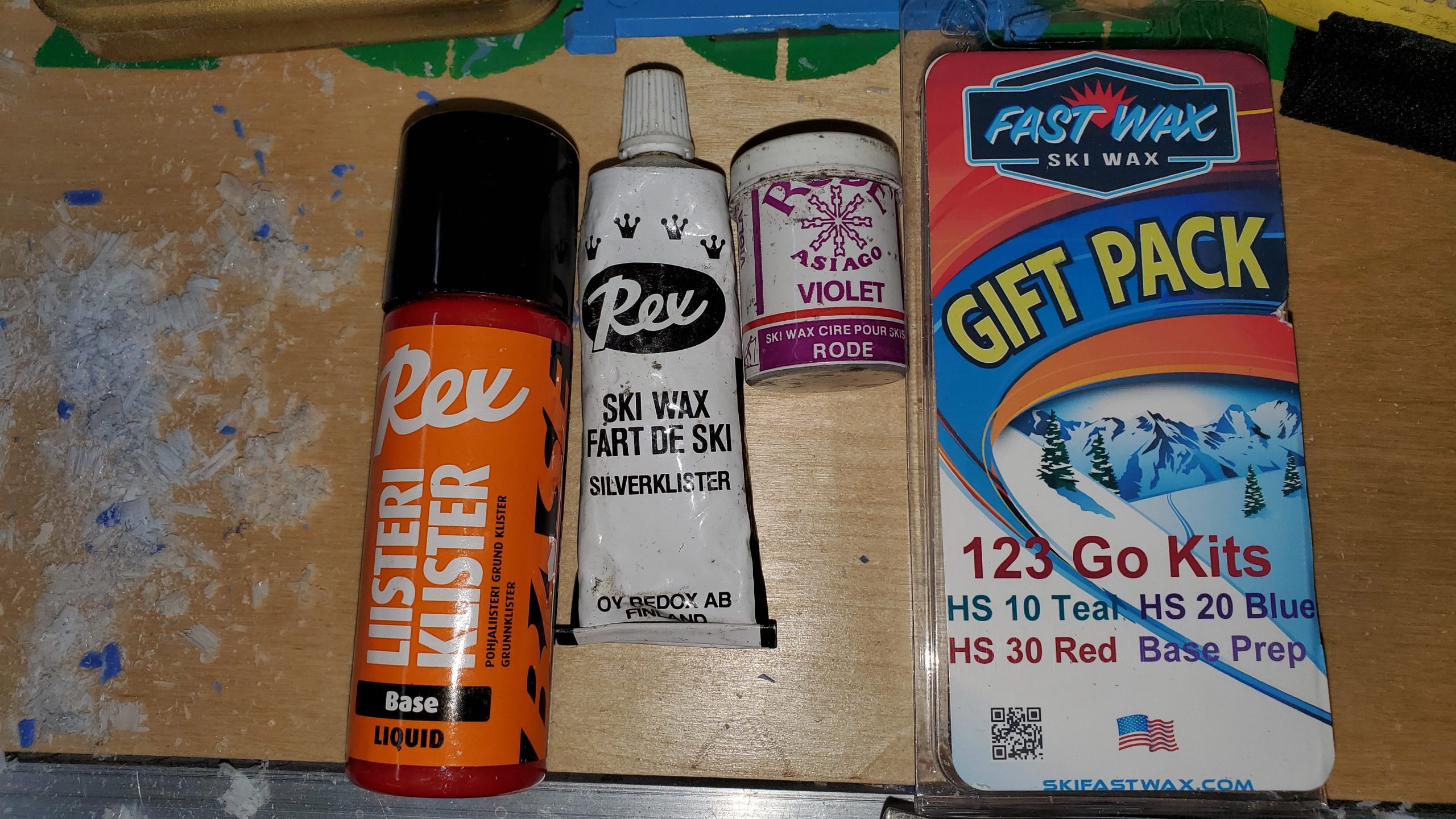
Ski wax is a product used anywhere that snow falls, so FasterSkier interviewed representatives of family-run ski wax companies from around the world. The three companies interviewed represent diverse geography, but they have two things in common: a passion to make really fast ski wax, and they are run by families. We interviewed representatives from Rode, Rex, and Fast Wax.
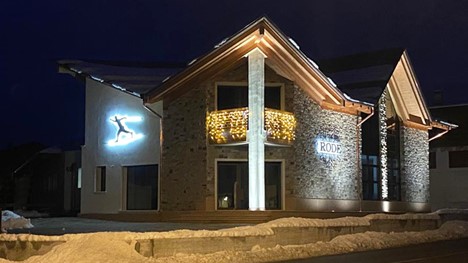
Rode headquarters in all its splendid Italian design. (Photo: Rode Wax)
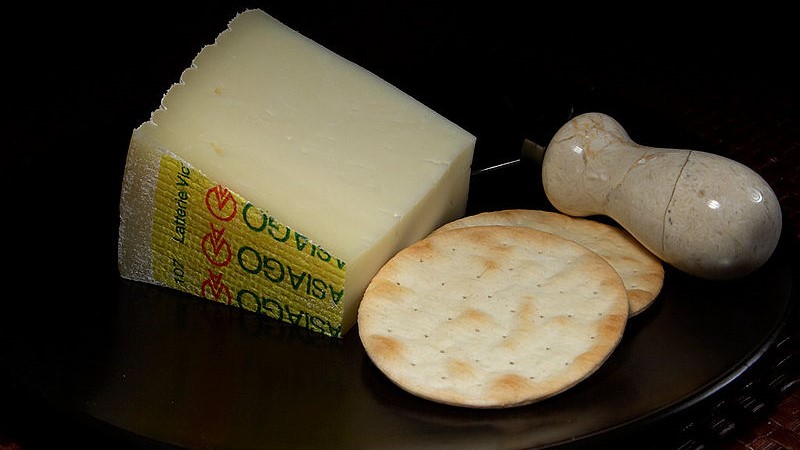
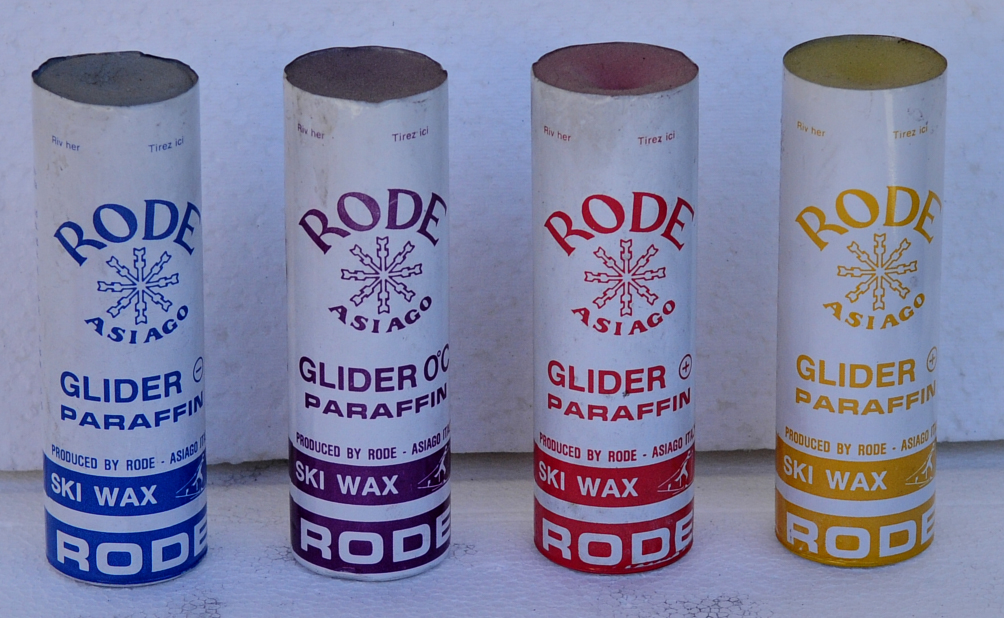
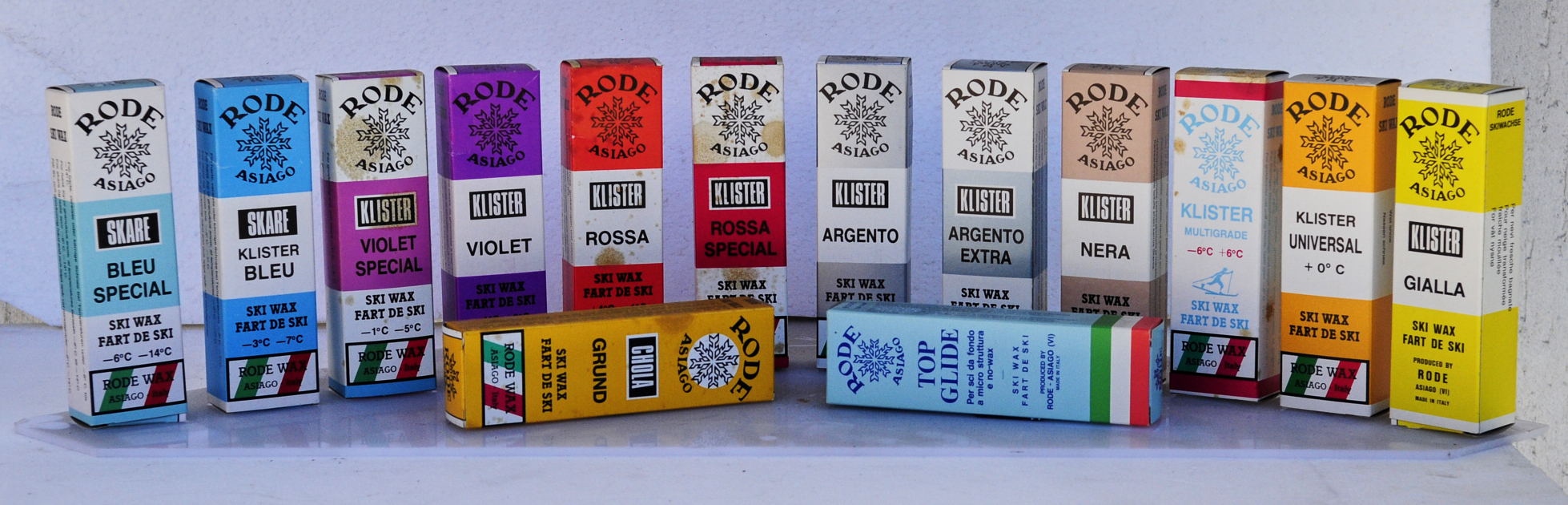
Rode is based in Asiago, Italy. Asiago is the home of the eponymous cheese, but for the ski crowd, the more meaningful association is with Rode ski wax. From Rode, FasterSkier interviewed Simone Carli, grandson of founder Rizzieri Rodeghiro. Rode is run by Rodeghiro’s daughter, Roberta, and the founders’ grandchildren. Rode’s founder won 7 Italian titles and competed in the 1948 Olympics along with being the national team coach. He began making wax in the 1930s, and the name of the company is the founder’s nickname: “Rode.”
Asiago’s second best product. (Photo: Wikimedia Commons)
Across the European continent in Hartola, Finland, resides another family run wax business: Rex ski wax. Rex ski wax CEO, Antti Peltonon was kind enough to chat about wax issues. Antii is the grandson of Toivo Peltonen who started Peltonen ski company in 1945. Toivo Peltonen started making skis after he returned home from World War II. Necessity was the mother of invention for making skis for Peltonen. He had started out making ski wax, but due to post war shortages he couldn’t get the raw material, and switched to making skis. But things came full circle when the Peltonen family purchased Rex wax outright in 2002 and they were back in the wax business. Rex has been run by a member of the Peltonen family since they purchased the company. Rex is owned by Antti and his siblings Leena and Heikki. Antti set the record straight that Rex and Peltonen skis do not share ownership, which is a common misunderstanding in the ski world.
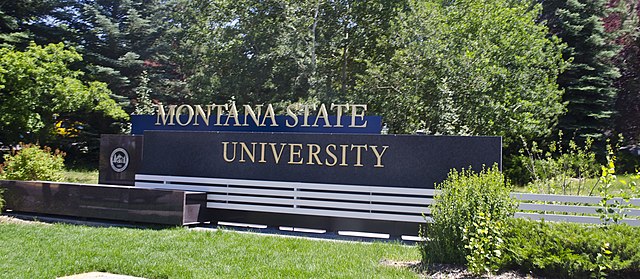
Moving across the ocean to Bozeman, Montana you’ll find Fast Wax. From Fast Wax, we submitted questions to Casey Kirt who manages the day to day company operations. Fast Wax was founded in 1996 by Dan and Rosie Meyer who are retired. The company is now run by Casey Kirt, along with Kirt’s wife and daughter.
Bozeman, home to Montanan State University and Fast Wax, routinely polls as one of the best places to live in North America. Both entities have an interesting intersection. (Photo: Wikimedia Commons)
All three companies are family-run operations. All three were extremely generous to spend time with FasterSkier to discuss their operations, and what it’s like to run a family-owned wax business. Running any family business is a struggle, but running a family run ski wax company presents many unique challenges and interesting stories.
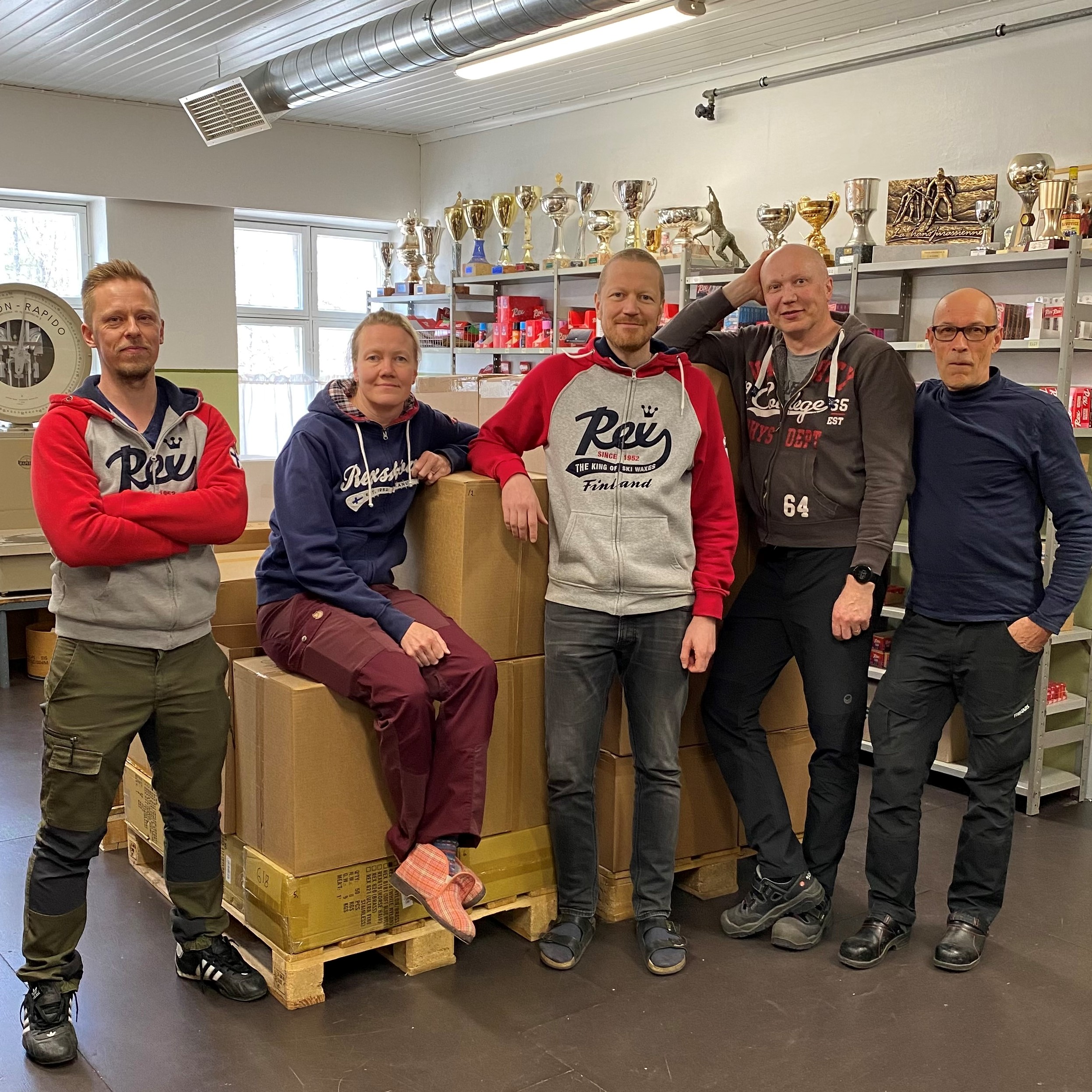
The Peltonen family and Rex staff members. (l-r: Juuso Liukkonen, R&D, Leena Virkki, CFO, Antti Peltonen, CEO, Matti Harjula, Logistics, Juha Vigman, Warehouse) (Photo: Rex Ski Wax)
None of the three companies give even a hint of being an underdog. From their viewpoint, smaller is better. For them, it’s not the size of the dog in the fight; it’s the size of the fight in the dog!
These interviews have been edited for brevity and clarity:
FasterSkier: Do you see yourselves as underdogs battling the big two?
Rex: We don’t really think of the size of the companies we compete against; the products are more important. Like us, most of the well-known ski wax companies have been around for decades and have found their position on the market and have their following. The Finnish market is one of the biggest ski wax markets, and it is dominated by three local ski wax brands Rex, Vauhti, and Start. In the Finnish market, the multinational conglomerate is the underdog, so it depends on where you are looking at. I think many people want to support smaller family businesses though, which is nice. In the end, it boils down to which products perform well and which do not, regardless of the brand. So the key to successfully competing in the market against all companies regardless of their size is to make better products.
Rode: If we look at the global market share, we can see ourselves as a small company fighting against the big ones, but if we look at competitions [racing] only, which is where we put our efforts, we are sure that we are not inferior to big companies. Those who prepare the skis of top athletes can confirm this.
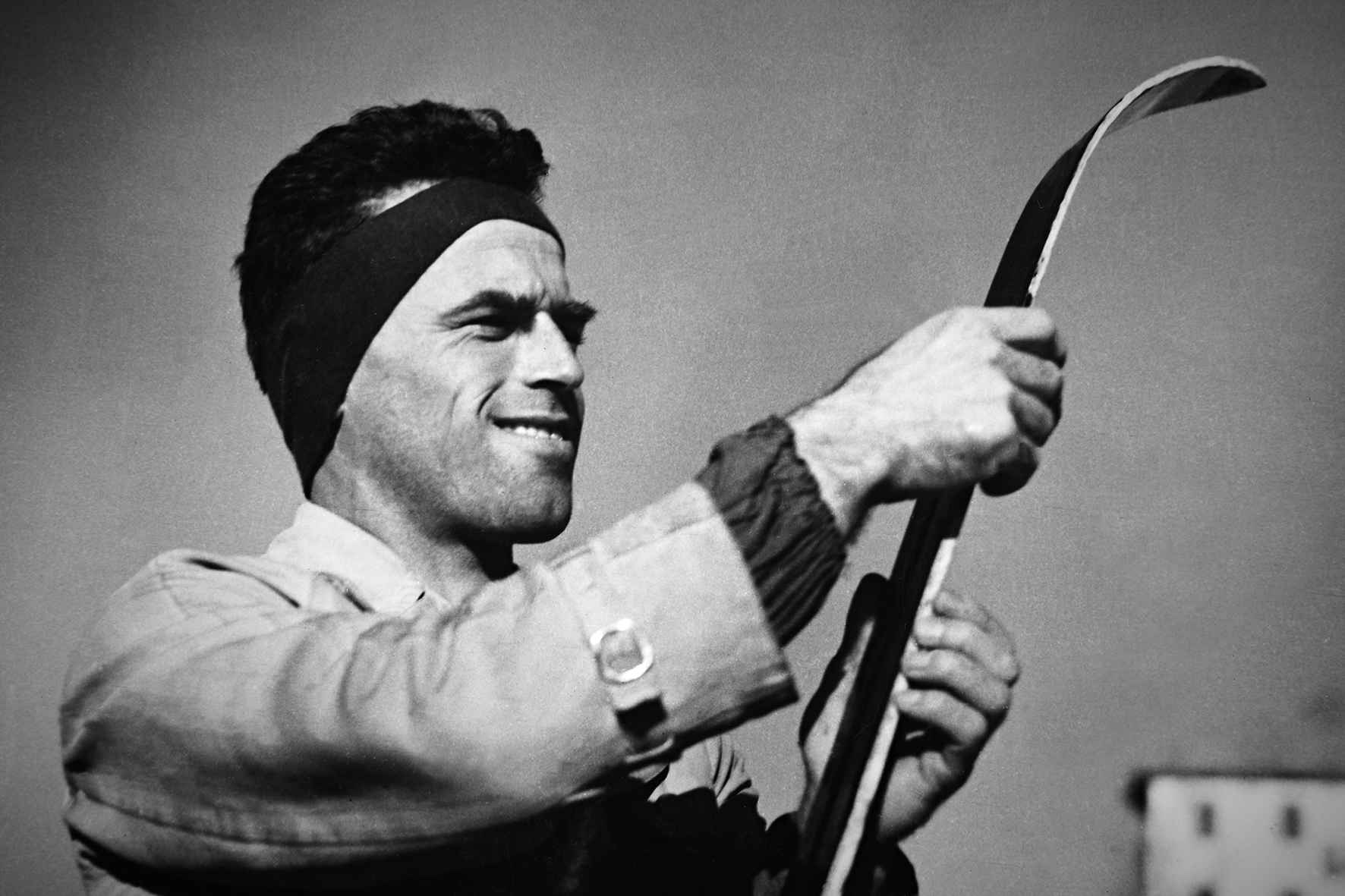
Rizzieri Rodeghiro back in the day, inspecting some of his product. The name Rode wax is the founder’s nickname. (Photo: Rode Wax)
Fast Wax:There is no point going head-to-head; we are blazing a new trail. With the focus moving to an earth friendly perspective. We kill the European brands in carbon footprint. If people truly want to be eco-friendly, then they need to take the entire supply chain into account.
Fast Wax, a member of the family-run ski wax club. (Photo: Fast Wax)
Just like in the classical allusion of David and Goliath, being smaller presents certain advantages. Once again, each company was certain in their ability to deliver things which the larger companies can’t.
FasterSkier: Are you able to use you smaller size to your advantage?
Rode: Certainly, our small size allows us to have a more direct relationship with our customer, whether it is a high-level athlete, a retailer, or others. This allows us to look closely at their needs and understand the issues right away and act quickly to find the best solution, both regarding the products and the services we offer. This process, in multinational companies, is much slower.
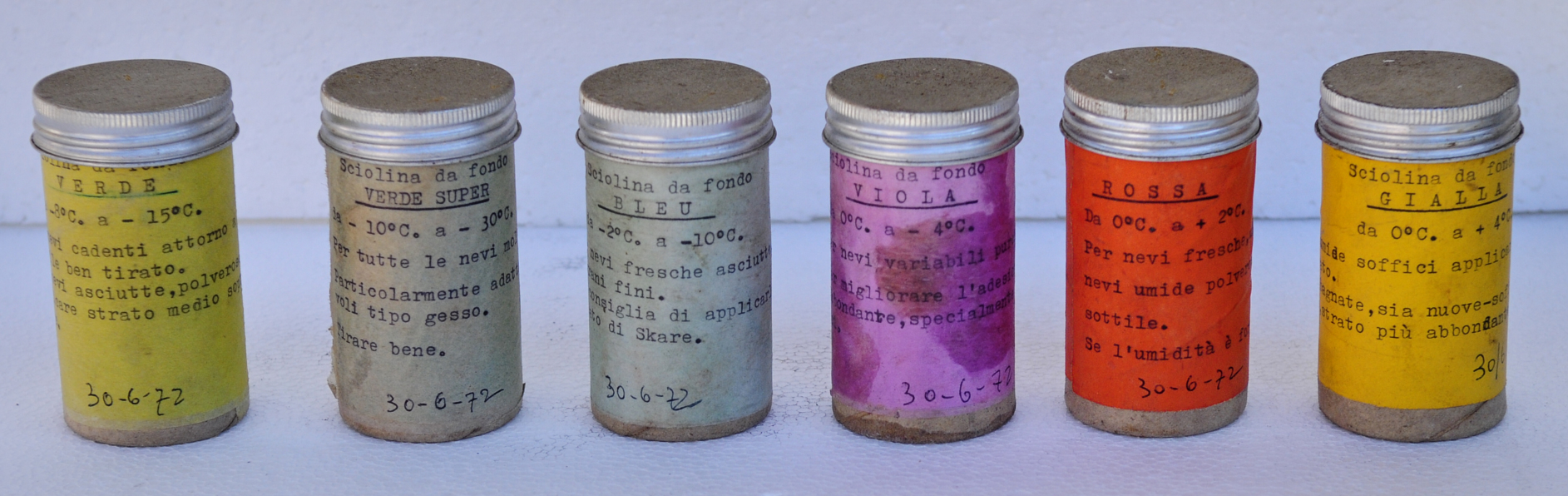
Original Rode wax from the founder’s era, circa 1972 (Photo: Rode Wax Archives)
Rex: As a small company, we can bring new products onto the market quickly, and our “Racing Service” collection has been a good example of that. On the racing side of the business, it’s an advantage when the main chemist is also doing testing and talking and having a couple of beers with the team servicemen. But in general, our hierarchy is low, and we work as a team with our engineer, sales guys, and production, and can plan and sort out things easily and quickly.
Rex’s factory in Hartola, Finland. (Photo: Rex Ski Wax)
Fast Wax: Yes we can create, package, and distribute new products in months.
The idea of chemist and service technician discussing wax performance over beers is the kind of low-key idyllic image that many people think of when they imagine small high-quality manufacturers. It is also a completely different type of corporate culture than one would expect to find in larger competitors. But do these appealing aspects present restrictions when it comes to developing new products?
Each company has unique methods to develop new products. They go beyond their own company’s walls and consult with outside resources to develop new compounds. Each does it a little differently, but they are resourceful in finding ways to get results.
FasterSkier: What does your Research and Development (R & D) look like?
REX: I think of our R&D department as a network that consists of our employees, our key suppliers, and our R&D partners, which are mostly national, XC, and Biathlon teams we work with. It’s an international network where each one is an expert in their area. It’s not like we are bookish chemists that work in our hermetic chamber and then come out with something. There is lots of cumulated knowledge and a vast catalog of raw materials in our company after making ski waxes continuously for 70 years, but we are always actively looking for new compounds and implementing them into our products. Testing on snow in all kinds of conditions is really important.
Waxing has changed just a bit since Rex’s founding. (Photo: Rex Ski Wax Archives)
Rode: Part of the products that are developed are designed by us according to our own studies, while others come from the collaboration with our chemical suppliers, who help us in finding the right solutions. From the tests in laboratory, we are able to study certain characteristics of the products, but then we always have to do practical tests on snow, which do not always confirm what we see in laboratory. For this you need experience, it is also thanks to this that we manage to keep up with bigger companies.
The Rode family, into its third generation of wax production. (l-r: Carlo, Roberta, Rizzieri’s daughter, Simone, and Stefania) (Photo: Rode Wax)
Fast Wax: I utilize chemical engineering students from Montana State University looking for real world experience. We work on a few topics then their research notes get handed down to the next guy. We take known products and alter them to generate a test wax. We then use bench tools to evaluate the result; melt-point, hardness, side contact angle, then move on to usage testing. Does it go onto the ski well, does the product dry out or become unusable due to mishandling? Simultaneously we are going into the back country and using this on skis while documenting the snow and metrological conditions.
FasterSkier: Do you look to other industries to see what new compounds are available?
Fast Wax: The friction challenges that skiers face is not exclusive to them. There are many industries that we follow to see what the hot new additive is.
Rode: We try to keep up to date with what is being studied and used in other industries to see if there is something that can be useful to us. The chemical industry does not produce anything specifically for waxes because the volume of raw material that is used in our field is small. All the compounds used in ski waxes are mainly made and used in other fields. The first fluorocarbons used in waxes were actually made to improve the smoothness of boats on water.
Would klister lovers still be fans if this was the way it was still delivered? (Photo: Rode Wax Archives)
Rex: Compared to other industries, the ski wax industry is small, and many of the raw materials are “borrowed” from somewhere else. But we also have some ingredients that have been designed specifically for us. Fluoros were developed for other industries long before they were used in ski waxes, and the ski wax industry has always been a minor user of those compounds.
Rex’s CEO takes a hand’s-on approach to testing wax. (Photo: Rex Ski Wax).
Innovation is difficult. Innovation imposed from the outside is even more difficult. In the last several years wax companies have faced the additional challenge of complying with government and federation imposed changes to their products. Regardless of whether these changes are viewed as important environmental protections or overreaching window dressing, they have created real challenges for the way wax companies do business.
FasterSkier: From the point of view of the wax industry, is the move away from fluoros a good thing?
Rex: In general, moving away from fluoros and all possible non-sustainable compounds is a good thing. It is also good for the wax industry. The governing bodies in our sport don’t make it easy though! It would be way easier to just deal with the EU’s REACH and USA’s EPA regulations. The politics around the fluoro ban are hurting the sport more than they are helping the environment and safety. Fluorinated substances will eventually be banned by the EU and EPA anyway, and we are OK with that. Why make it more difficult especially when there is no reliable, easy, and economical way to make sure everyone is obeying the rules.
Fast Wax: If you had $450,000 of raw fluoros sitting in your warehouse I would say that would hurt. What do you do with that now? Now you [also] have to pay to dispose [of them]?
Rode: It’s still a question mark since there’s not an effective control system to prevent the use of fluorine. Without controls, you cannot ban the use of something that gives performance benefits. Of course, in certain markets it is banned from sale, but in most of the world the new generation fluorinated waxes can be sold without problems. We must always consider that most of the production of fluorinated compounds is done for other industries, and the wax industry represents a low percentage.
No concerns about Fluoros with these vintage Rode products. (Photo: Rode Wax Archives)
FasterSkier: Has it been harder for small companies to adapt to this change and how did you go about making the change?
Rode: We believe that the uncertainty related to the use of fluorine has brought us advantages. Our company was not well known for glide waxes even if we’ve had good products for a few years now. We have always been known for kick waxes. The fact that everyone is now looking for the best fluor-free products has meant that our glide products have also been tried, and many people have seen that they are worth it. Moreover, in the past few years we kept trying and working on fluorine when other companies eliminated it or stopped researching. We’re happy we did it because we had very good results, especially in world cup races, where our products are being used more and more.We are still putting most of our efforts into finding alternatives to fluorinated products, either by trying completely different solutions from what we’ve seen so far, or by modifying non-fluorinated products we were already working with.
Rex: Fluorinated waxes used to rely only on fluoros to make them fast, but the latest generation of waxes also
Part of the Rode klister line, including the founder’s grandson’s favorite. (Photo: Rode Wax).
feature other compounds that enhance their performance. For example, the R&D of our latest generation of HF waxes was mostly done without any fluorinated compounds in them, because that way we could notice other improvements better. That’s when we also discovered our first-generation N-Kinetic additives. The name N-Kinetic is a broader word for all the alternative technologies we use to substitute fluorinated compounds. So going fluoro-free did not mean we had to go back to the early 80s technology-wise, but more like just leaving one ingredient off from a mix of several other compounds. It’s a big change for the industry but also a possibility for companies regardless of their size, to come up with products that stand out from the competition and gain market share.
Good glide wax must do only one thing well, go fast for a long time. Whereas the properties of good kick wax are simultaneously different. It has to be sticky enough to provide good kick but be smooth enough to not ice and to allow for glide. This internal contradiction seems like some type of logic puzzle. Is it really that hard to figure out how to make a wax which simultaneously kicks and glides? Those little tins of kick wax turn out to be trickier to make than you might think.
FasterSkier: What’s harder to develop, a really good kick wax or a really good glide wax?
Rode: I think it is more difficult to develop kick waxes as you have to do many tests in the field, whereas with glide waxes you can perform laboratory tests more easily.
Rode’s old line of klister. Today’s waxes may be faster, but you can’t beat old school graphics. (Photo: Rode Wax Archives).
Rex: I would say developing a good kick wax is more complicated. Kick properties can’t be tested like glide waxes can be tested in glide-out tests. In addition to grip, the glide properties of grip waxes are important, especially in racing.
Oldies, but goodies, back in the day from Rex. (Photo: Rex Ski Wax Archives).
Fast Wax: We are in the second year of development of a kick wax. If we can find a market for it and it is as good or better than what is on the market, we would release it.
FasterSkier: Wax products seem to come and go. Sometimes there’s an impression that changes are made just for change’s sake. But there appears to be a trend that the smaller companies stick with proven products longer than larger manufacturers. Is that perception accurate?
Rex: We like to keep our line-up stable and not invent new product lines if they don’t offer anything significant. That way the line-up stays easier for people to understand because there is not a new series coming every year. But another thing is silent upgrades we make to products for one reason or another. For example, in 2019 we updated the standard glide wax series with our Power Polymers wax recipe that we launched first with our HF series. Innovations trickle down in the product line-up like that. Ski bases have changed in the last couple of decades, so waxes will have to change too, to continue delivering good performance. With that update, our beloved classic wax series was updated to meet the requirements set by modern ski base materials. Durability and speed were enhanced also. But what stays is that you can always trust our Rex blue glide wax!
Rode: If a wax is good and athletes still use it and win with it in world cup races, then we don’t see why it has to be changed. Of course, we always try to improve, but if a product has been on the market for many years this suggests it’s safe and successful. Our most famous products, such as Blue Super and Viola multigrade kick wax, or Rossa and Multigrade klister, have had constant developments in the past even if the names of the products were not changed. Every 2 to 5 years small steps were made in formulations, but they were gradual. They have remained unchanged in the past few years, but we always try to make some improvements. Keeping the product name has made customers loyal.
FasterSkier: Are we close to the point where people can throw away their wax irons for glide wax? Do you think we’ll see a day soon when ski bases evolve to the point of never needing to be treated with glide wax?
Rex: Another big change is the rise of liquid gliders. The change from “quick waxes” that were looked upon by enthusiasts[recreational skiers], to products whose properties break the boundaries and performance limits of previous hot waxes. As for throwing away the waxing iron, it depends. You always need hot waxing to lift up the hand structure, and those are used in racing a lot. And in racing use, it’s way faster to hot wax a ski than use a liquid glider and wait for it to dry for 20 minutes minimum. But for the average skier, waxing has never been easier. Aside from liquid gliders, I think the whole waxing culture has changed. People have moved away from hot waxing a couple of times every season, to using Rex Glide Cleaner after every ski to ensure their skis stay clean and fast, and then easily add the wax of the day on top of it. Wax more often, wax easier and keep the bases clean and fast all the time with minimal effort.
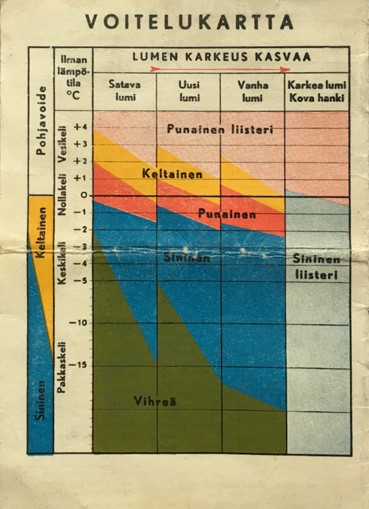
No one could have imagined how relatively easy waxing could be when this wax chart was developed. (Photo: Rex Ski Wax Archives)
Fast Wax: That fad [moving to waxless skis] comes around about every 8-10 years… the question of fighting friction is not a one size fits all. To maximize the reduction of friction you have to address all of the friction sources not just one.
Rode:Liquid waxes have become popular lately, mainly because almost every ski wax company put great effort in studying and developing them, and they are very good now. However, you cannot treat skis only with liquid waxes, the ski base will suffer over time. The use of iron is still necessary now if you want to maintain the ski base in a good shape. [Regarding waxless skis] I don’t know, it could be, but base treatments still cost a lot and don’t justify the benefits. You also have to consider that bases are subject to wear and tear.
Rex:I’m not seeing that [waxless skis] happening soon. If that were to happen, I think a good analogy would be skin skis. People got rid of grip waxes, but skis still require cleaning agents and conditioners to keep them working well. Skin ski products are a lot bigger product segment for us than grip waxes, and it suits us well.
FasterSkier: What’s the favorite product your company makes:
Rode: I say Klister Rossa because it is one of the first products that was developed. It’s always had good results and we still sell a lot of it today. It is perhaps the flagship of the company. There have been minimal updates of the formula over the years, but it’s very simple and easy to make, much more than all the other products. And it’s amazing how many have tried to imitate it without success.
Rex: Glide Cleaner and Blue spray gliders. With grip waxes, my favorites are Tar Universal and Gold Klister. Nothing beats classic skiing in klister conditions when the tracks are ultra-fast and you can trust the grip 100%. Also worth a mention is our upcoming hot wax for bicycle chains!
Fast Wax: Probably HSX as it has the has the greenest of the green additives in its formula. This is what 1000’s of recreational skiers use each season. All of these people leave no trace when they are done skiing.
FasterSkier:What’s the wildest idea your R&D department ever came up with that never got the go ahead?
Rode: A few crazy ideas over the years have been there. We believe it’s not always easy to test whether an idea is good or bad, but you’ll never know until you try! You should always do some testing, even if you are almost sure there will be a bad result. Even so, it’s important for experience and the development of other ideas.
Fast Wax:We shaved wax on to the ski base then sprinkled it with gunpowder. We wanted to make a flash wax, sprinkle it on light it, and have the heat generated melt the wax and save you from ironing it in. There was way too much junk left over from the gunpowder that pushed this into the trash pile pretty quick. (Editorial note: Do not try adding gunpowder to your wax, but that is some crazy out of the box thinking!)
How different would the ski world look if exploding glide wax had become a thing! (Photo: Wiki Commons)
Rex: If the wild idea is a good one, it most likely ends up in production. If it does not end up in production, it was a actually bad idea, to begin with, not a wild one.
FasterSkier: Are there any other products, other than wax which you make which would surprise people?
Fast Wax: A lot of ski brushes “Think oval with a strap” are horse brushes first, rebranded for skiers.
Rex: Over the years, we have made: Wax for dance floors, wax for diving suit zippers, wax for tire installation, wax for revolvers. Mustache wax would be nice, but we found out there is already Rex Mustache Wax on the market. Bummer!
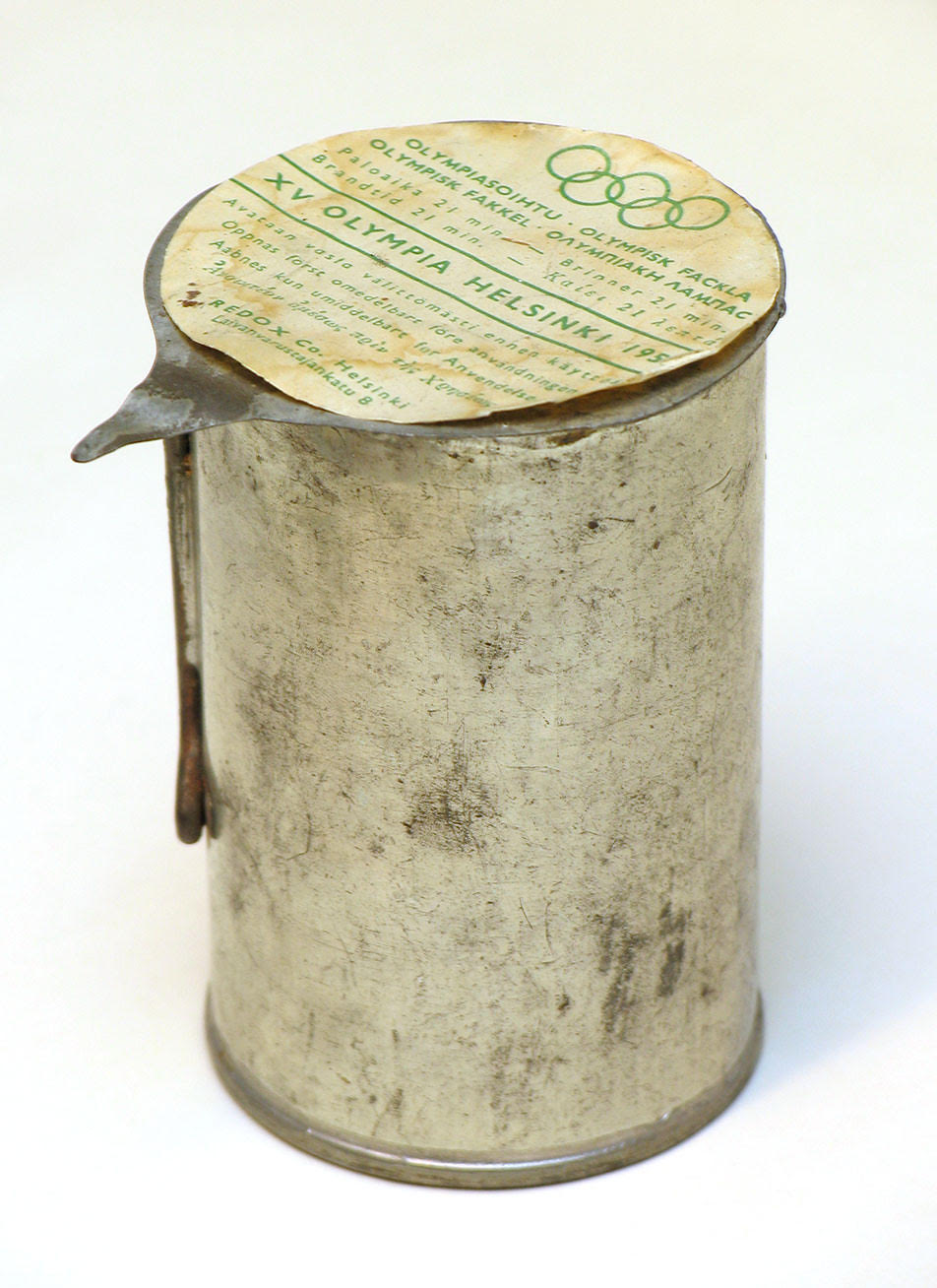
Among the many non-ski products Rex has made is this fuel cell for the 1952 Helsinki Olympic torch. (Photo: Rex Ski Wax Archives).
Rode: We’re working on something, you’ll see!
FasterSkier: Thank you to all of the representatives for taking so much time out of their busy days to talk about their great companies.
Here are links to earlier installments in this five-part series. The first two parts (part one; part two) spoke to the perspectives of high level wax technicians and industry representatives, while part three focused on the Wisconsin Nordic Ski League. To read the beginning of this article on the wax protocols of Western clubs, part four, click here.
Leveling the Playing Field
In regard to the question of whether the policy widens the gap in equity because of equipment differences, coaches expressed that the opposite has been observed.
“It probably has a little bit to do with what level we’re talking about,” said Teague. “But certainly, club or high school wise, I’ve only seen it take down one of the barriers of entry to our sport, and decrease costs for both programs and individuals.”
Speaking on behalf of RMN, Teague added that this removal of barriers has opened up opportunities for smaller clubs, and the support expressed among coaches speaks for itself.
“My opinion is – of everybody that’s gone to [a wax protocol], no one has said: ‘That’s a mistake. We’re gonna go back,’” said Teague. “Yes, there is some advantage that can be gained for an athlete or a program that has the capacity to go and invest in a quiver of skis to try and overcome the playing field, but more often than not, what we’re seeing is that small programs, or athletes without a program at all, [such as one of my former skiers who lived on Colorado’s Grand Mesa in the Southwest corner of the state], all of a sudden can be competitive.”
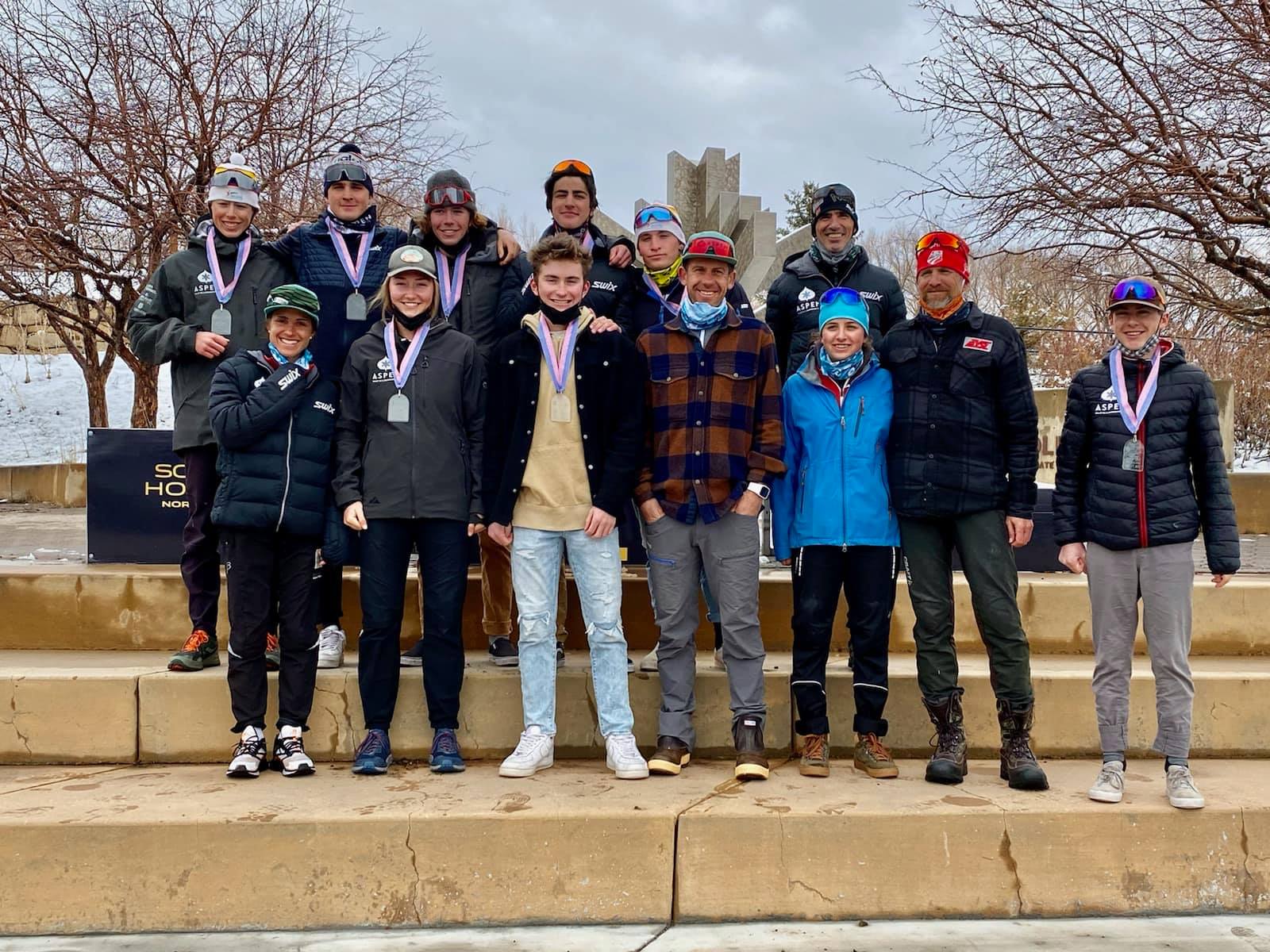
AVSC nordic athletes compete at the Western Regional Championships, held in Soldier Hollow, UT in place of the 2021 Junior National Championships due to the COVID-19 pandemic. (Photo: Aspen Valley Ski and Snowboard Club)
This phenomenon could be attributed to the aforementioned power previously held by larger clubs; when glide testing is no longer a priority, perhaps smaller clubs can finally find a seat at the table.
“We have 14 clubs in the division,” Kapala said of Intermountain. “Last year, 13 of them placed a kid on the Junior National team. Prior to that, we were running more like seven or eight [clubs]. So what was going on was Sun Valley, Bozeman, Jackson, and to some extent Park City – the bigger clubs – were rolling in, and to put it bluntly, we were steamrolling the small programs. It wasn’t a fair fight. And fortunately, the larger clubs in our division say, ‘Clearly, that’s not good for skiing.’”
Kapala spoke specifically of an athlete who hailed from Whitefish, MT, which is “way at the far flung edges of the realm. They’ve gotta drive forever to get to races.”
This athlete raced for the Glacier Nordic Club under the guidance of head coach Jennie Bender, who he described as “a huge asset and we’re so fortunate to have her come to our division.” Clarifying that Bender is as skilled and capable as any other coach on a wax bench, he acknowledged that she was largely on her own at races with roughly 12 kids. This ratio is not equivalent to the SVSEF team which might have 35 kids with five to seven coaches at a JNQ.
“It’s just not a fair fight.”
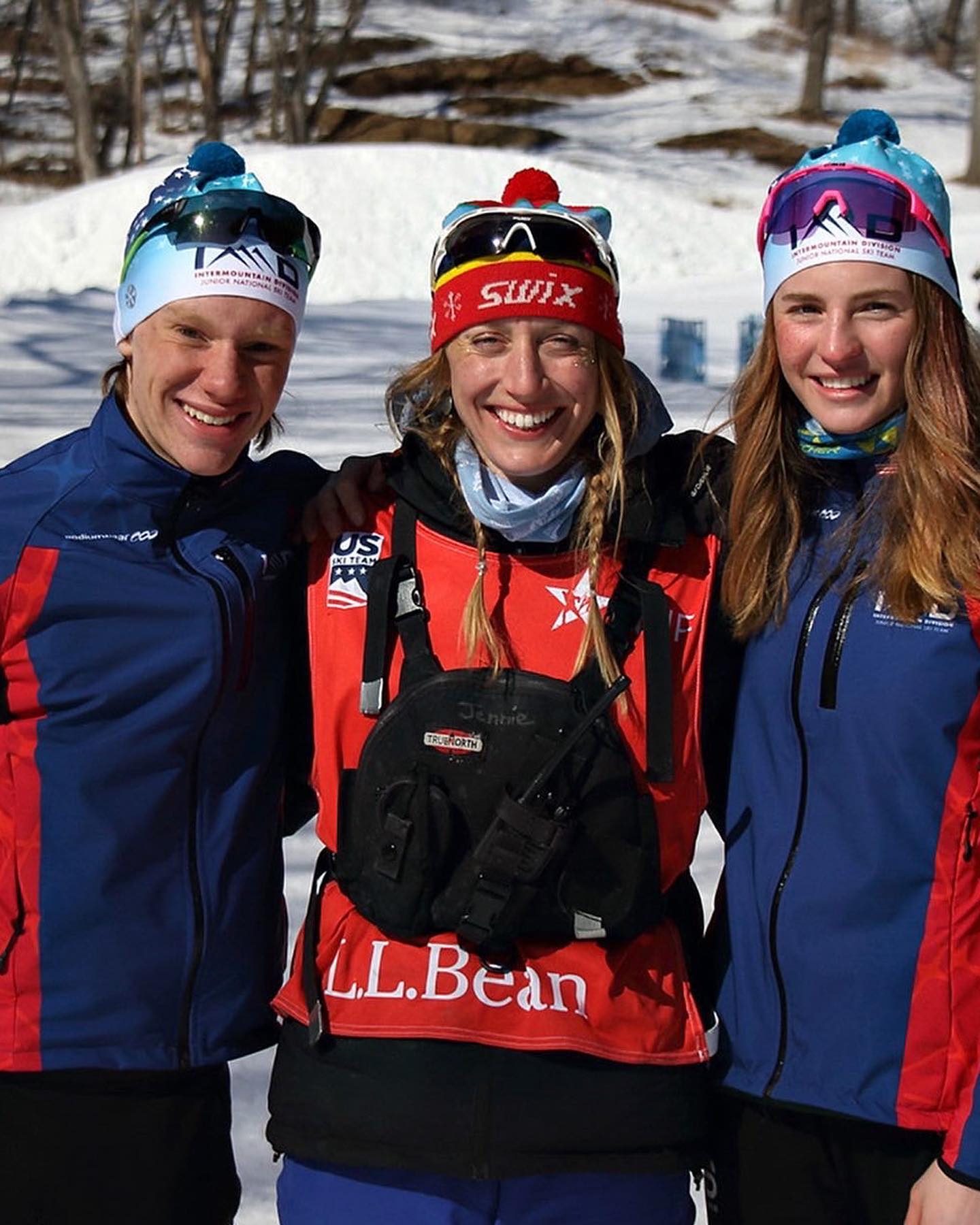
Glacier Nordic Club head coach Jennie Bender with the two athletes, Jacob Hansen and Maeve Ingelfinger, who earned spots on the 2022 Intermountain Division team at Junior Nationals. (Photo: Glacier Nordic Club)
Despite less support on the waxing front, the athlete grew into the season and was regularly finishing between fourth and sixth at JNQs, which earned her a spot on the IMD team at Junior Nationals.
“So what happens is: we go to JNs, we leverage all of the Intermountain resources on behalf of her and the other kids and what does she do? She’s on the podium. And so our policy afforded her the opportunity to at least be in the conversation to make sure she assuredly got through… she was good enough in that setting of fair and equitable ski service, that – what else was going on? She believed. ‘Oh wow. I’m actually not that far away.’”
Once this seed was planted, the athlete thrived. In Kapala’s mind, it’s an intangible, but nonetheless vital, component of the development process for that age group.
“None of this stuff happens in a vacuum, and athlete development is this really, really – I don’t want to say funky – but really nuanced process… This girl has gone from we didn’t even know who she was, to one of the best U16 girls in the country. And I contend that our wax policy, while it wasn’t more important than Jennie’s great coaching, certainly didn’t hurt. She was on a level playing field as level as we can make it in those formative JNQs where she started believing [in herself]. And that’s the whole game.”
Teague also acknowledged the apples-to-oranges capacity of programs, relating it to his experience with the Australian national team, whom he coached and supported through two World Championships surrounding the 2014 Olympics in Sochi. While Australia now typically partners with the U.S. team on the World Cup for waxing, the capacity of this small program pales in comparison to a robust and well-funded nation like Norway, which has been supported by technician Knut Nystad who was quoted in the first two parts of this series. While Teague emphasized his respect for Nystad’s expertise both as a coach and tech, he felt the understanding club level coaches have of the specific challenges of their leagues might offer a different lens with which to consider these issues.
“Knut was my coach [when I was racing collegiately at Denver University], and worked on the Norwegian wax team when I was coaching in Australia. What they were able to do and the testing they were able to do, versus what I could do with Australia – it’s not even comparable. And sometimes we could be competitive with them, but often, they were able to test significantly more. Now, would a waxing protocol make it fair in that situation? Absolutely not. Because they could have every different grind, and a grinder going, and along the continuum.
“But at the high school level, an AVSC can send four coaches over early to test [glide] wax and at least apply wax on site, rather than make a guess. Whereas [a small program like the Colorado Rocky Mountain School (for whom the author is a former head coach)], or even Battle Mountain where there’s two coaches and 70 or 80 kids, there’s no way they could do that.”
An Arms Race for Skis and Grinds
But what about the arms race for equipment that was cited as a concern in the first two installments of this series? Have these policies induced higher demand to increase the size of an athlete’s fleet of skis? Across the board, the coaches with whom this topic was discussed expressed that this was not a trend that they had observed in the years that a policy has been enforced.
Aspen Valley Ski and Snowboard Club head coach August Teague provides insights into the evolution and impact of the Rocky Mountain Nordic Wax Protocol. (Photo: teamavsc.org / Matt Power)
“There are probably exceptions, just like every rule,” said Teague. “But we really aren’t seeing people going out and investing in 30 pairs of skis. We’re still seeing athletes start off with a pair of skate and a pair of classic, and slowly expand upon that fleet.”
Leonard explained that PNSA coaches are not seeing an increase in ski purchasing either, nor does the level of competition at divisional events necessarily warrant that level of specificity in an athletes ski fleet.
“The field density is such at our [JNQs] that the wax is not the deciding factor so much,” Leonard explained regarding clubs in the Pacific Northwest. “And having multiple pairs of skis – most of the kids, I’d say, have one pair of race skate and one pair of race classic and some of the higher-end kids who have been at it a little longer or are a little more involved or or whatever – have a little more means – maybe have a couple pairs of skis that they’re deciding between. But you know, they’re growing kids too, and skis are expensive, so a lot of times it’s sort of like, it’s one pair that fits and one pair that’s a little bit softer from when they were a little smaller a year or two ago. So it’s not such a huge factor.”
Shift in Focus Toward Structure and Ski Selection
While programs aren’t seeing athletes rapidly investing in equipment, coaches did observe a shift in focus toward the application and testing of structure on race day.
“My test fleet, instead of testing glide and structure, is now focused pretty much just on structure at, say, an RMN [race weekend],” Teague explained. “When I show up at Senior Nationals, then I’ve got to be able to test glide and structure and everything else as it unfolds.
“So structure has become more and more important. That probably, again, depends a little bit on the level. If we’re talking about high school kids, there are high school kids that ski club and ski high school, who have the ability to get their skis ground every year and have the ability to have skis that are for specific conditions. But for the most part, we’re talking about kids that own one pair of skate skis, or even don’t own a pair of skate skis and rent or borrow them from the program. And they’re getting whatever [base] is on those and then we’re adjusting the structure by hand structures a little bit to try and improve them.”
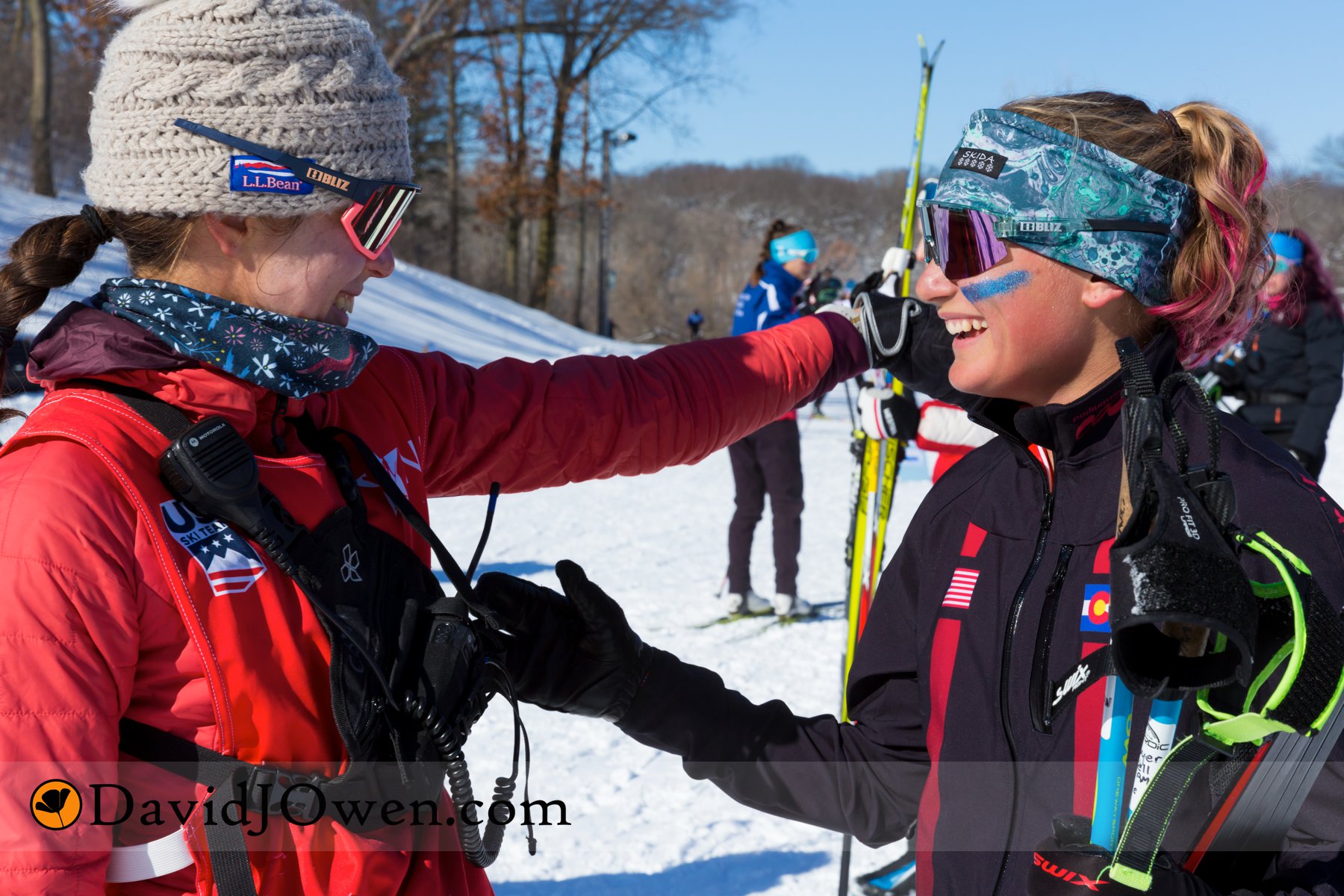
Crested Butte Nordic Team head coach Molly Susla supports athlete Sawyer Ezzell during the 2022 Junior National Championships in Minneapolis. (Photo: David J Owen Photography)
Reception of Wax Protocol Among Teams
As far as how these policies might evolve with time, coaches expressed that the specific brand being used would always be open for discussion, provided that equivalent availability could be guaranteed and cost per gram remained comparable. With the increase in liquid waxes, which might offer versatility on race day without the encumberment of the full glide waxing setup, there may be an evolution that includes more liquid wax options as well.
For the time being, coaches expressed that the addition of these protocols has been net-positive, with no member clubs looking to steer the trajectory back toward open waxing.
“We’re at least two years through this experiment of running this policy,” said Kapala for IMD. “And I am 100% certain, because I’ve asked… we have 14 clubs that are saying, ‘No way are we going back.’ There is uniform agreement and acceptance of the policy.”
In Leonard’s concluding statements, he acknowledged the inherent equipment-based inequity in the sport, while also offering ways to problem solve, and confirming that PNSA has also been well-served by the protocol.
“You might get beaten at some point by someone who has better skis than you or something like that,” he said. “And when that becomes a factor, you figure out a way to make it work. With the advent of zeros, for instance, suddenly those became a ski that was like – in those conditions, man, you needed to have that. When I was in Alaska, teams were starting to procure fleets of zeros that they could hand out to their kids and maybe rotate through a few kids on a given race day. [Now,] if we have a race coming up that we know is potentially a zero day, we’re working through our community [in the Methow Valley] to grab some zeros for our kids so hopefully, they have a decent option there.
“So there are ways to make those things happen and work, and hopefully still remain competitive in the sport. There are a lot of trade-offs with all of it, but people are feeling like, for our division right now, it has been a good decision to go this direction.”
Junior athletes race during the 2022 U.S. Cross Country Championships in Soldier Hollow, UT. (Photo: Tobias Albrigtsen / @untraceableg)
In speaking with representatives from each of the leagues featured in this series, a few main points rose to the foreground in this discussion: the level of competition matters, how the policy came about matters, and how a program can enhance athlete support holistically by relieving wax-related expenses – measured both in time and dollars – matters.
Also note that these conversations took place in late-April, prior to further discussions at the U.S. Ski & Snowboard spring congress sessions in May where subsequent conversations among leadership may have occurred. Should significant changes occur, FasterSkier will continue to follow the story.
Here are links to earlier installments in this five-part series. The first two parts (part one; part two) spoke to the perspectives of high level wax technicians and industry representatives, while part three focused on the Wisconsin Nordic Ski League.
University of Colorado head coach Jana Weinberger waxes skis for her athletes during an 2022 RMISA/US SuperTour race weekend in Sun Valley. (Photo: Tobias Albrigtsen / @untraceableg)
The Evolution of Western Club Wax-Protocols
There’s a lot to unpack surrounding the impact of wax policies on the sport, and it is not reasonable to project that what makes sense for junior club programs can be extrapolated to the sport as a whole, which includes everything from the recreational level to masters racing to the World Cup. However, as a major player in the U.S. development pathway and a collective that encompasses a large volume of the nation’s athlete base, considering the evolution and impact of wax policies at the club level provides valuable insight into what the objectives and outcomes may be more broadly.
Conversations on this subject began long before any official policies were accepted, and their initial aim was to uniformly address the use of fluorocarbons at Junior National Qualifiers (JNQs). With both the health of athletes and coaches, and the inequity of buying power among clubs, the goal was to reduce spending and expensive fluorinated top coats.
Timelines are now blurred, but long-time Sun Valley Ski Education Foundation Program Director Rick Kapala indicated that Rocky Mountain had perhaps been the division who got the ball rolling. Though the policies have since converged on a single wax call made in advance by host coaches depending on forecasted conditions, Kapala explained that at the onset, Intermountain’s policy was only focused on the elimination of pure fluoros.
Long-time SVSEF XC Program Director Rick Kapala explains the evolution and impact of IMD’s wax protocol. (Photo: SVSEF.org)
“Initially, Intermountain had what we could call ‘wax policy-lite’… Our policy was: you can use any wax as long as it wasn’t pure-fluoro. You can use a high-fluoro, a low-flouro, or non-fluorinated version, and of course, in different brands, that meant different things. But basically, we went for a number of years with a no powder, no liquid and no rub-on policy. And that had some effect on trying to mitigate the arms race, if you will.”
Executive Director at Methow Valley Ski Education Foundation Pete Leonard explained that the Pacific Northwest Ski Association, for whom he is the Nordic Director, was developed with a similar progression.
“It initially started in the fluorocarbon era, moving away from powdering skis to just having blocks and liquids – the top coat type of applications – and then to a base paraffin application… I think we had a year of that and then [the policy] went to fluoro-free – the same basic, simple base paraffin called several days out.”
Further motivation to align policies stemmed from “cross-pollination” between these three leagues, which with the addition of the California-Nevada Far West division and Alaska, encompass the Western region as defined by U.S. Ski & Snowboard. In particular, these divisions overlap during the Junior National Super Qualifier Event held in January at Soldier Hollow, hence landing on a very similar model.
“There’s a little bit of a cascade effect, and it’s just simpler for us to match what IMD has,” Leonard explained.
Kapala felt strongly that it was important to emphasize that this slow progression happened organically, which he felt was in stark contrast to the Wisconsin Nordic Ski League, where a sponsorship proposal made by a corporate entity included stipulations on waxing at league events.
“It’s a wholly different thing when a grassroots community, like a bunch of clubs in a division, promulgates a policy that they think results in the best athletic outcomes,” he said. “And it is very important to differentiate the genesis of a given policy… the order in which you arrive at a policy really informs a lot of the motivations about why you’re doing what you’re doing.”
Kapala said IMD would have “given the Heisman” to a wax company that required a policy; however, Swix products have been selected based on trust in the availability for all programs.
“We settled on Swix without getting into the specifics of brand value,” he said. “I.e., Swix is better than Start, and Start is better than Toko, or whatever – it’s just simply because virtually everybody knew they had enough access to that wax.”
A scene from the start line of a 2018 Intermountain JNQ in Bozeman, MT. (Photo: Sun Valley Ski Education Foundation Facebook)
Observed Program Benefits
There’s a sizable jump between eliminating fluoros and further reducing a wax box to a small array of products, but Kapala emphasized that these “athletic outcomes” are the central tenet around which discussions regarding changes take place within Intermountain. How does the protocol impact the opportunity and capacity for athletes from clubs of all sizes to be successful on race day and have a positive experience in the sport?
We’ll start with the impact to a program’s budget, which on its own is a source of inequality among clubs in a given region. Speaking specifically for Intermountain, but also the West more broadly, Kapala pointed out that there are a number of “super clubs” whose financial means and staff power made it hard for smaller clubs to compete in an open wax environment.
“They’re usually clubs that are in these mountain towns that are part of [larger] ski foundations or clubs that are multi-discipline, really big clubs. And so they have a lot of administrative function, a lot of underpinning financial security, and so on.”
He was quick to include SVSEF in that pool, saying cost was not a primary concern when it came to his wax purchasing or race staffing prior to the enactment of IMD’s policy.
He went on to explain that within Intermountain, there are six JNQs which are subject to the wax policy, plus an Intermountain opener. However, what he called the “lion’s share” of races, including U.S. Nationals, SuperTours, and any Canadian-based races, remain open wax events where the policy does not apply. Still, with IMD’s policy in place, Kapala said SVSEF has been able to shave $5,000 dollars annually off its spending on wax, equating to a reduction of 30-40%.
“The question then is: ‘What am I doing with that $5,000?’” posed Kapala. “Well, what I’m really doing with it now, in my particular case, we have put that money into our merit scholarship program. So instead of me spending money on just making sure I have every wax in the universe in my wax box, I’m actually leveraging those dollars to help kids get to training camps or to go to competitions they wouldn’t normally be able to afford. And that’s huge.”
Rather than ignoring the impact this reduction in spending has on the landscape for suppliers, he acknowledged that this could be detrimental, as other clubs are likely reducing their spending by similar percentages. But bringing the focus back to the athletes, he said, “what we’re really spending less of is human capital on things other than coaching.”
For Kapala, this makes the cost-benefit analysis check out.
“We think being available to coach kids – that are especially young in their developmental process – at events like JNQs, is actually what the [coaching] game should be all about. So while it’s true that there can be impacts regarding the finances, it is also undoubtedly true that athletic outcomes – true athletic outcomes, the actual ones that we should be concerned about – are actually being serviced way more effectively. And if those two competing interests are both true, we have to pick one. And the one we’re picking is we’re making it more fair for athletes.”
August Teague supports AVSC alumna Kate Oldham while teching at the 2022 FIS World Junior Ski Championships in Lygna, NOR. (Photo: flyingpointroad.com)
Speaking for what he has observed within his own program and the Rocky Mountain Nordic division more broadly, August Teague – Cross-country Program Director at the Aspen Valley Ski and Snowboard Club (AVSC) – shared similar sentiments.
“I guess the real question to me becomes: ‘What is the purpose of a waxing protocol and at what level and why? And I certainly believe that barriers to entry in sport are a real good reason to have a waxing protocol, and time allocation or time management.”
Adding specificity to the statement, he said, “The biggest thing that I see is that I can spend more time coaching instead of teching. And there certainly is an argument as to the need for better wax techs both from this country and elsewhere, but I think that’s a separate discussion than the coaching discussion and where my time is best served.”
While the AVSC nordic program is significantly smaller than that of SVSEF, Teague also noted differences in how his monetary budget is allocated. “We have started to explore structures more than we ever have. So money that was being spent on product is now being spent on different structure devices and/or ways to test that structure.”
Similarly, Steamboat Winter Sports Club U16/U18/U20 head coach Josh Smullin wrote to FasterSkier that the protocol has supported a safer environment for both coaches and athletes while on the road. In particular, he cited driving – there are roughly 3,200 serious injuries and 600 fatalities on average annually in Colorado – as a place where some relief in the toll on coaches during a race weekend has shown value.
“It used to be that we coaches were up late waxing,” he explained. “Waking up the next morning to go set up at the venue, and then would drive many hours home after the race. A waxing protocol has helped us to be safer drivers, less sleep deprived, and more present with the athletes.”
Smullin also commented on ventilation, which remains important for the health of waxers even without fluorinated products.
“At many of our home clubs we have some sort of ventilated wax facility. We do not have that on the road [while staying in hotels] unless the weather is nice and we are able to wax outside. Regardless of the fluoro ban, [proper] ventilation is healthier for coaches and athletes.”
Methow Valley Nordic skiers take to the course during the December 2021 Ski Rodeo event. (Photo: Methow Valley Nordic Ski Education Foundation Facebook)
“Everybody’s got their opinion…” said Leonard on behalf of PNSA. “There’s no overarching study on these things, and costs, and whether there’s a major difference [in ski speed], but I think what is clear to the coaches is that there’s less time spent testing glide products at races and there’s less of an incentive to do that, especially with the calling it [a few days] prior. There’s also more time that they can focus during that weekend on other things, like with the athletes and their preparation, instead of testing wax, waxing skis and leaving [coaching and direct athlete support] right up to the race time.”
For Leonard, the question of whether the policy widens the gap for skiers based on the quality or condition specificity of their skis was not a priority when it came to identifying how the policy has served PNSA teams. For a club based in the Methow Valley which travels to regional competitions across Oregon and Washington, as well as to the Super Qualifier in Utah, the policy has reduced the toll of travel.
“I don’t know that it’s necessarily a parity – it’s really difficult to get that down.. but I think for us, calling the wax several days out just makes it simpler for people, and there is less [equipment and product] to travel with, one less thing to think about when you’re booking hotels, and all those details. It makes it simpler for teams.”
He said he has also found it quicker and easier to apply structure on race day without the variable of glide wax testing. And without the need to cart around as much product and equipment, getting his athletes’ skis race ready has been “way easier to manage”.
“Rather than bringing a wax box with several waxes in it, irons, enough benches that you can get your whole team through, scrapers, brushes, etc. – already, you’re packing the van to the ceiling and then, sometimes it’s driving eight hours, or for the Super Q for us, it’s driving four hours to the airport, [hauling our skis and gear through the airport on both ends], then driving another hour-plus to SoHo, and then doing it all again on the way back.”
Stay tuned for the final installment, where you can read more on leveling the playing field, the arms race (or lack thereof) for skis, and the reception among Western Division coaches.
Chippewa Valley Nordic coaches prep classic skis for their athletes at the 2022 Wisconsin Northern Conference meet. (Photo: Chippewa Valley Nordic)
In case you missed it, here’s part 1 and part 2 of this series, in which industry representatives and expert ski technicians discuss ski performance theory and what impact a single-wax policy may have on competitive skiing.
What goes on inside the wax cabins and trucks at high-level competitions from the SuperTour to the World Cup seems, in equal parts, expertise, artistry, and alchemy. And, for those looking to understand to which conditions their pair of race skis might be best suited, the basic insights into ski performance provided in previous installments of this story provide ample fodder for consideration and experimentation on the ski track.
However, these insights may not fully resonate at a meet where coaches are furiously corking in kick wax on benches set in the snow for skiers who only recently took up the sport. Or a league which simultaneously supports competitive racers and participation-based programs, and ultimately just wishes to see the sport grow and thrive at all levels.
In speaking with representatives from leagues that have implemented a single-wax protocol, it is clear that there are a myriad of factors involved in the decision making process beyond ski performance theory that might skew the cost-benefit analysis on any inequity in ski speed derived from putting all racers on Swix HS6.
Ben Popp – executive director at the American Birkebeiner Ski Foundation, Wisconsin Nordic Ski League President, and volunteer coach – discusses the wax policy and sponsorship package accepted by the league this season. (Photo: American Birkebeiner Ski Foundation)
To unpack the counterpoints, we’ll begin again in Wisconsin, with a conversation with American Birkebeiner Ski Foundation Executive Director Ben Popp, who also sits as president of the Wisconsin Nordic Ski League (WNSL) and is a volunteer ski coach for the youth program in Spooner, 30 miles southeast of the Birkie finish line in Hayward.
Before jumping into the conversation, a nuanced reminder to readers that will be revisited in subsequent stories: the WNSL wax policy is unique in that the policy was included in a sponsorship proposal from Swix, which offered the league $10,000 per year over a three year period. Under the policy, all athletes would race on Swix HS5, HS6, or HS7 hard wax in cold or moderate temperatures, with HS7 and HS8 liquids used in warmer conditions. In other leagues, there may be special pricing available through this manufacturer, but this was not the origin of the policy.
In what the single-wax policy implies: rather than spending money on a robust wax box, programs would only need to purchase the five aforementioned products for glide. The event hosts determine which wax is most appropriate for the conditions a few days prior to the race, allowing coaches and athletes to wax their skis accordingly before travel.
While questions of the financial impact on other wax manufacturers and the loss of experience for developing high-level wax technicians remain present, it’s also worth noting that this policy only applies to events that are organized by the WNSL; this small list of events includes only the northern, central, and southern conference meets, and the Wisconsin state championship – two races per year for each club or school. Regional Junior National Qualifiers (JNQs) and other local events not organized by the league remain open. Simply put, the wax protocol only applies to what Popp described as “a sliver of all of Wisconsin skiing.”
According to Popp, in considering the proposal presented by Swix, there was one key word on the minds of WNSL board members: opportunity.
“The checkbook for the Wisconsin Nordic league, before this year, never had more than $2,000 in it,” he stated matter-of-factly in the call.
Wisconsin skiers line up at the Birkie Trailhead in Cable for the state championships. (Photo: Once in a Blue Moon Studio / Kelly Randolph Photography)
Another key distinction is that the state of Wisconsin is among the few remaining states in which high school and club level programming fall under the same umbrella, without financial support from the high schools that offer skiing. This means small participation-based programs with volunteer coaches compete against well-established clubs who can support kids whose goals extend to representing the Great Lakes Division at Junior Nationals; it’s a state of vastly different programs with vastly different budgets. And it stands in contrast to Wisconsin’s neighbor, Minnesota, with whom Wisconsin used to compete against for spots on the Midwest regional team for JNs. It’s a nuanced structure that Popp explained has constrained the potential of the league historically.
“Even though the league has been around for a while, I think it’s still in its real infancy. It’s completely volunteer run, but yet we’re in a climate that has metropolitan areas where there is snow, so we’ve got a ton of opportunity. But I think we have to look at, ‘How can we start to grow the league?’”
Under the constraints of the previous budget, the WNSL was limited in its ability to promote development in programming state-wide, and Popp explained that primarily, the board only planned the state meet and agreed upon its rules. That leaves little room for supporting new teams, planning summer camps, and other initiatives that might grow the league and the sport more broadly. A 500% increase in funds would allow the WNSL to hire a part-time administrator, who could improve inter-team communication, oversee a league schedule, and perhaps most importantly, continue fundraising initiatives to support broader development.
“Our goal is to create opportunities for kids to cross country ski and race in the state of Wisconsin. So we have to look at, ‘What is the best way we can do that?’ And we’ve been doing the same thing for a long time, and we’ve gotten the same result. So if we now say, ‘We want to grow the sport in our state’, I think we have to look at a variety of options. We see what the results are in a couple years, and then we’ll readjust from there.”
Athletes from Rhinelander, WI compete at the frosty state championship meet in Cable. (Photo: Rhinelander Nordic Ski Team)
While the WNSL is interested in supporting the upper tiers of youth racing, Popp explained that the main objectives remain at the participation level: improving access to ski programming and helping get more kids on skis.
“I feel that we don’t necessarily have to focus on the high end of development. I think that happens organically and naturally rises… the bigger and broader a base that we can build, it’s just going to build that up much higher of a pyramid.”
In his mind, implementing a wax policy fits with this initiative by removing a potential hurdle for smaller teams and coaches with limited background knowledge.
“In making it simple [to wax], it really makes a small team, the newer teams – it lowers the barrier to entry a little bit. Like, ‘Okay, now, me as a new coach, or as a new team, this waxing thing isn’t quite as overwhelming and doesn’t seem like such a heavy lift that I can actually now get into this without being completely overwhelmed.’ So I look at it as a tool for trying to create growth at the very basic level for newer teams.”
As the Swix sponsorship proposal was accepted in November 2021, last season was the first in which the conference and state championships operated under the wax policy. Popp reflected on the impact of the sponsorship and protocol through the first year.
“I personally think it was beneficial. Obviously, it helped from a sponsorship standpoint to help us grow our league and invest back in the skiers of Wisconsin. Again, personally, I think it helps sort of lower that barrier to entry for some of the newer and inexperienced teams. And whether it does or does not make it fair or unfair, if you will, to the skiers – I think you’re always going to have that in some way, shape or form. There’s a reason skiing is going to be different than track… there’s always going to be a set of variables.”
Chippewa Valley Nordic skiers compete for the Great Lakes division team at the 2022 Junior National Championships in Minneapolis, MN. (Photo: Chippewa Valley Nordic)
Speaking to the reception of the policy more broadly by WNSL teams, Popp expressed it was “overwhelmingly supported”. He indicated that a of the larger programs who had already put together well-equipped wax boxes were reluctant initially, but ultimately, those teams were still taking athletes to JNQs and other events where those waxes were fair game, so they would not go to waste.
Mostly, Popp felt that the results seen at the WNSL championship events were as expected, indicating that the wax call likely had minimal impact on the race outcomes.
“Because it was relatively benign in terms of the amount of races [where it was enforced], and then two: there weren’t some funky results at the state meet or the conference meets where [the policy was] used – the best kids still won, so there were no surprising results. And because the amount of wax that people had to buy and the cost level of it was really pretty low – I think the benefit of what this can bring in the future, ‘Let’s see.’ I would say the coaches that I’ve talked to certainly felt like, as a whole, it wasn’t detrimental. And if it leads to some growth and benefit for us in the league in the coming years then… we’ll just have to see.”
Stay tuned for the next aspect of the league-wide wax protocol story, where we consider the evolution and outcomes of policies enacted at the club level by the Rocky Mountain Nordic (RMN), Pacific Northwest Ski Association (PNSA), and Intermountain Division (IMD).
In most states, youth skiing is divided between club and high school programming, where club programs support skiers looking to race competitively on a regional, national, or international level, perhaps with goals of NCAA skiing and beyond. High school ski programming is typically more participation focused, and comes with a much lower price tag for families, consequently with a much smaller program budget. It’s less about year-round training, and more about learning to ski, enjoying a low-cost introduction to the sport, and providing a healthy activity to get kids outside in the winter. In some places, athletes may fall into an overlapping Venn diagram of categories, while in others, it may be a choice of club versus high school racing.
Within high school programs, it is much less common to have multiple pairs of skis, and conversations on grinds and structures are less likely to be overheard between coaches. Here in Colorado, it’s one of the only (maybe the only?) high school sport that does not have a uniform rule – kids can essentially race in whatever they want; no lycra required.
In this setting, a universal wax call might be a more reasonable proposition, according to Nystad.
“Arguments can be made on both sides. If everyone just agrees: ‘We have one pair of skis and we wax with blue.’ Okay, it probably will be as fair as you can probably make it, but just be aware that still there will be huge individual differences on the quality of the skis and how they differ from different conditions… there will still be variations, it’s not like everyone will start on the starting line having identical skis. That’s not realistic.”
Slovenian sprinter Eva Urevc tests skis with her wax technician at the 2022 Olympics in Zhangjiakou, CHN. (Photo: NordicFocus)
With all of this in mind, is there a way to create equity via equipment or waxing at any level of the sport?
“No,” said Caldwell frankly. “No, there isn’t.” Adding perspective from his business, Caldwell explained that the cost of equipment has been steady over time with respect to inflation. That said, among competitive programs, the demand for skis has increased with time, in particular, following the removal of a now-banned leveler that we haven’t yet mentioned: fluorocarbons.
“It’s a technical sport,” Caldwell said. “And the fact is that people have become more aware of the opportunity to get ahead with material. And I think what we’re seeing is a reaction to the reality of what the sport is. It’s not running. It’s just not. And yet people are doing the same thing in running with these carbon-plated shoes. Now you can only win if you have a high-tech shoe that goes 4% faster. Does that mean that those shoes shouldn’t have been invented? Or should they be banned? Possibly. I mean, whatever, we have to talk about this.
“They banned fluorocarbons for a lot of very good reasons, or they’re in the process of it. When it’s health and safety that is the problem, then you have to take the necessary steps. And yet, we also have to acknowledge that removing fluorocarbons really takes a big, big leveling factor out of the equation. There’s no opportunity to take a universal cold grind ski and put it in a wet race. That kid’s screwed. Every single time we remove the opportunity to optimize the solution that’s at hand, you’re penalizing the kids who don’t have the perfect setup.”
Zach Caldwell (left) out for a ski with his wife and business partner Amy and Craftsbury Green Racing Project wax tech Nick Brown. (Photo: Facebook Caldwell Sport)
Making it clear that his opinion is not clouded by the inability of a Colorado, Wisconsin, or Washington-based club skier to use a non-Swix wax purchased through Caldwell Sport, he added, “From a business perspective, with regard to my overall outlook, I probably should be applauding this model because it creates a massive incentive for kids to carry a lot more skis. And we’ve already seen this with the removal of fluoros from competition – you wouldn’t believe the uptick that we’ve seen in demand for warm weather skis, and grinds, and bases.”
In Caldwell’s opinion, the opportunity for athletes and coaches to optimize a ski through testing and the use of a product line they know well, regardless of brand, is a more viable option for “leveling the playing field” as it could bring any ski closer to what he called it’s “terminal velocity.” A wax protocol that puts every athlete on the same brand and hardness of wax, creates “a situation where that opportunity doesn’t exist and the only way to gain competition advantage is to buy another pair of $800 skis. So it very quickly becomes a sport that, really, is hard to succeed at without a lot of personal resources.”
While the focus of these points might suggest that competitive youth skiing will trend toward an arms race, Nystad’s points included a reminder that a skier with limited access to equipment and race-day wax expertise may not be doomed. Other aspects of athlete development remain as important as ever in a skier’s trajectory and long term prospects.
“Quite honestly, I don’t want kids to have ten pairs of skis,” Nystad said. “I have kids that ski, but I try to limit the amount of skis and I try to buy used skis and rather look at what properties do the skis have, so that they have okay skis for for each condition. And then we focus on other things that are far, far more important. And that is the mentality to learn to train, to have fun while you’re training, and then to work on technique and tactics. So it’s also a cultural thing.
“If you only focus on buying yourself time by buying equipment and buying wax and tweaking things and using resources — yes, you are probably going to gain some time, but you have to also say, ‘Are you investing as much time training and enhancing your technique and your tactic as the others are?’ So it’s definitely possible, even if you come from less resources, you can beat the guys with the most resources if you just train well and smart and develop good technique and good tactics.”
The German biathlon team tests skis during the 2022 Olympic Winter Games in Zhangjiakou, CHN. (Photo: NordicFocus)
As a serviceman working at the highest level of sport, Nystad also offered a thought-prompt on the impact to athlete knowledge and the ability to develop a new generation of wax technicians under a protocol, regardless of brand.
“If you want to educate athletes to also be able to become great service people at World Cup level races – if you take away that experience in club skiing or in high school skiing or in collegiate skiing, you will have no resources that are going to be able to serve your American athletes going to World Cups or World Championships or Olympics. Where are they going to get the knowledge? Because it’s like anything else, if you want to become good at something, you have to work at it.”
According to Caldwell, incorporating a wax protocol is “reductionist attempt to level the playing field” that creates more disparity than equity. And so, the goal of leveling the playing field in cross country skiing remains “laudable”, but out of reach, and perhaps unattainable.
“I understand the discussion, but I think you have to cater to common sense,” Nystad concluded. “You can always tell people that we decide to [have] one pair skate, one pair classical. I think you can also try to have the waxes [matched]. But still be aware, it’s never going to be fair.”
Stay tuned next week for follow-up series which highlights some of the leagues who have enacted a waxing protocol, namely, the Wisconsin Nordic Ski League (high school & club), and coaches from Rocky Mountain, Intermountain, and the Pacific Northwest. This discussion includes the evolution and reasoning behind the protocols, and what advantages/disadvantages have been identified by each league.
FasterSkier shares insights into ski performance theory from Any Gerlach, Zach Caldwell, and Knut Nystad. (Photo: NordicFocus)
In November 2021, the Wisconsin Nordic Ski League (WNSL), which oversees both high school and club level youth programming state-wide, accepted a sponsorship proposal from Swix and Salomon, which would provide the league with $10,000 in funding per year for three years. The proposal also included stipulation that a standardized wax protocol using Swix waxes would be adopted by the league at all affiliated races, including the state championship.
In practice, this would look like an email going out to all coaches a day or two prior to the event indicating which of a subset of Swix glide waxing products should be used by athletes that weekend. Equivalent temperature range and performance level waxes from other companies would be disallowed. In the sponsorship presentation given to the league by Swix, the proposal promoted the simplicity and affordability of a unified wax call, and a shift in focus for coaches away from time-consuming wax testing to race day support of their athletes.
The concept is not new, and WNSL is not the first league to adopt such a protocol. An equivalent protocol has been used by the high school, club, and collegiate level ski programs in the Rocky Mountain region (RMN and RMISA) for the last six years, and has more recently been adopted by the Pacific Northwest and Intermountain Division junior club programs. On the whole, these policies have been seen as beneficial by these regions.
While an additional $30,000 of funding has the potential to profoundly impact the reach of the WNSL, which will be discussed in a subsequent story, the adoption of the corresponding wax protocol also raised red flags, particularly among members of the Independent Nordic Distributors of America (INDA). The INDA includes distributors of wax products from other smaller companies like Start, Vauhti, Star, and more, and are primarily based in the Midwest.
The two primary issues that were flagged were the restriction of trade should Swix monopolize the buyer market encompassed by the WNSL, and also whether limiting the available choices to a single option actually creates the equity and uniformity that one might anticipate from putting all skiers on the same wax. Instead, could it widen the opportunity gap between those who could afford high-end skis with condition specific grinds and those who could not?
Enjoy Winter’s Andy Gerlach snaps a picture with 2020 Birkie Champion Ian Torchia (SMS T2). (Photo: EnjoyWinter.com)
In the fall, these issues were brought to FasterSkier by Andy Gerlach, director of Madison, WI based EnjoyWinter, which distributes Start, among other cross country related brands like Blitz Eyewear and Swenor rollerskis. With vested interests in the implications to his own business, but also as someone who offers brand-neutral education on wax theory for coaches, Gerlach actively opposed the decision by WNSL to accept the offer from Swix.
“The biggest argument against these exclusive sales agreements and proof that they are bad for the sport, and in fact illegal, is that they decrease the incentive for any other brand to fight for any part of a team’s or consumer’s business,” Gerlach said in the fall. “Why should my business continue to do wax clinics for Madnorski (Madison Nordic Ski Club) members if we know we are no longer getting a large chunk of their business. Why should any brand even visit Colorado clubs if we know we do not have a chance at a large chunk of the business there? Legal marketing arrangements should increase competition in the market, not decrease it. Change the agreements to marketing rights and not sales rights and every other brand would increase their efforts to reach the individual teams.”
After discussions among the cross-country sport committee during the recent U.S. Ski & Snowboard annual spring congress meetings, Gerlach summarized his objections to wax protocols to the following four points.
“They perpetuate a misconception that waxing is so difficult and mysterious. Our clinics state just the opposite.
“They perpetuate a misconception that extensive testing is effective and needed to select a glide wax that an athlete can race up to their abilities with. Our clinics state just the opposite.
“They increase the likely hood that those skiers with a quiver of skis will have the fastest skis. Multivariable mathematical analysis, as well as ski industry testing and ski sales figures shows this.
“They endorse one brand ‘because it is the most available’ and in so doing extends this advantage.”
There is plenty more involved in the debate on the legality and consequences on the business end of the decision whether to accept the sponsorship offer from Swix, which will be revisited in subsequent parts of this story. This installment, however, will focus on the underlying principles of ski performance theory, with input from experts, like Gerlach, on what factors ultimately determine ski speed, and whether restricting the waxes available for a given race would level the playing field by reducing variables, or adversely affect the pre-existing disparity between ski performance, thus limiting the potential of the skier clipped into the binding.
Brimming with insights into ski performance, this thought-provoking conversation should provide fodder for discussion within race-leagues at all levels as they consider waxing protocols and avenues to improve equity within the sport.
***
We’ll start with what Gerlach identified as the factors that affect the performance of a ski from most to least significant, and where in this process limiting a coach/athlete to a single wax from a single brand becomes significant.
“In my hierarchy of ski speed deciding factors, it’s a flexible ski, the freshness of the base is the next important, the structure, then the hardness of the wax, and then the brand,” Gerlach explained in a call. “Now we’re going to take away the hardness of the wax as a differentiator between them. And now, all we have as the only differentiator is the ski model, the freshness of the base, and the structure.”
The understanding of this theoretical model underscores the remainder of the question. When we hear “wax tech”, the name seems to imply the key player being adjusted and assessed is the wax. Gerlach explained that this reasoning is misguided.
“I, and scientific studies, will show you that 95% of this theoretical wax testing is not determining the fastest wax to apply that day. If it was, at US Nationals, or at any of these races, the line Saturday morning two hours before the race start would all be at one wax trailer. But you know, every coach comes up with their own thing… There is a different theoretical ideal wax for a Rossignol with an aggressive grind to the same Rossignol with a fine grind, and you would theoretically wax it differently. If you are testing on your Madshus cold skis and all your kids are on dried burnt out skis, or are on Fisher or on Salmon, theoretically, there’s a different wax [for each ski].”
It’s a counterintuitive concept to those, like myself, who prefer to focus on the technique and training aspects of the sport, versus the technical side. Why doesn’t putting everyone on Swix PS8 on a day forecasted to be in the right temperature range remove a factor that might create disparity between ski performance, thereby improving equity? Particularly in a larger state, like Colorado, where teams are driving long distances (through vastly different elevation zones) to race without knowing exactly what conditions will be like until arrival, I could see the appeal for coaches of removing a step in the planning process.
Swedish Technicians at work at a March, 2022 biathlon World Cup event in Oslo, NOR. (Photo: NordicFocus)
To simplify the answer on why equity may not be achievable with wax, Gerlach offered an analogy most skiers can relate to, regardless of their background knowledge in waxing theory.
“If you’ve ever shaved your legs or your face with a razor,” he began. “A sharp, brand-new razor is like a fresh ski with a fresh base. You don’t need shaving cream and that razor works great. But a dull razor – a dried, crappy base – you need that shaving cream. And you need the best shaving cream you can get, and it’s going to help that razor and that shave a whole lot more.”
How does this affect youth level programming? Ultimately, it accentuates the ever-growing “pay to play” problem of competitive sports. A newer, higher-end ski with a fresh base, or perhaps a quiver of skis that are ideal for different conditions, becomes much more important without the ability of a skier or coach to add versatility and improve the performance of a single pair of skis ski by utilizing a range of products to optimize the wax job.
“We have one ski with a great freshness of the base and a great structure, and one ski with a really dried up base. Had I applied wax to [the dry base], it does more to increase the ski speed than applying wax to a great ski… The more skis you can add to that quiver, all waxed the same, one of those is going to highly outperform the others. Versus when you had the ability to not only figure out which ski to go with, but which wax to go with. So by taking away variables that are easy to change, you make it more important to have a very good ski.”
To include additional knowledgeable voices in the discussion, FasterSkier also spoke with Zach Caldwell and Knut Nystad, two savants in the complex and nuanced world of wax and skis. Caldwell is a leading expert in ski selection, wax, and grinds in the US, and the co-owner of Caldwell Sport. As a distributor of Vauhti, Rode, Star, and other waxes, Caldwell is also a member of the INDA.
Nystad is the former head of the Norwegian Wax Team, who still works as a ski serviceman for the Norwegian program at the World Cup, World Championship, and Olympic level. Prior to this work in his home country, Nystad spent twelve years as the head coach at the University of Denver.
“The idea of having a fair competition and limiting variables in order to generate more fairness and equity in the racing and create equal opportunity and a lower barrier to entry is a really laudable goal, but it misses the point,” Caldwell said simply in a call.
“The fact is that it’s a pretty complex system that we’re working with, with a lot of additive contributing variables that contribute to a whole solution, including ski flex, base material, base preparations, waxing, hand structure, all of it. When you have a lot of variables available to you, you have a lot of different pathways to success. The peak performance that might be available [on a particular ski] can be considered something along the lines of terminal velocity; you’re just not really going to go past a certain level of performance [on a day], the performance that the snow is going to yield. But there are a lot of ways to get there.”
Inside the wax at a February SuperTour race weekend in Craftsbury, VT, where Zach Caldwell (left) supported SMS T2 athletes. (Photo: Facebook Caldwell Sport)
“As you begin to limit variables,” Caldwell explained, “you begin to place much more emphasis on other variables. They become proportionally much more important in determining how to get to the best performance possible [on the day]. And as you remove wax, which is a really inexpensive variable per application that can be put on specific to a day, you skew the emphasis toward skis base materials, grinds and hand structures.”
Individual variation among the skis and in the technique and strengths of the skier on those skis adds additional complexity to the scenario.
“Think about classic skis; this is a better way to imagine this,” Caldwell pitched. “Some athletes or some skis require different layering and build up of classic wax on a day. But if you’re saying, ‘Oh, you get two layers of extra blue. That’s it.’ That’s asinine. It means some people get to race and others basically have to herringbone.”
Nystad also questioned the premise of leveling the playing field by creating uniformity in the wax selection.
“Let’s start with the beginning,” Nystad said. “All of us that have done this for a long time, the only thing we know is that we don’t know. The only thing we know is that we need to test in order to get the answers. But what I can tell you from my experiences is that if you limit one factor, sometimes it just opens up another can of worms…
“There’s definitely good arguments for trying to make the sport as simple as possible. But I think that for the people that think that just by waxing with blue, that that’s going to make it more equitable. It is a sign to me that they don’t have that much in-depth knowledge.”
Knut Nystad provides insight into ski performance theory and why a one-wax call may widen the gap in cross country skiing. (Photo: knutnystad.com)
Without giving hierarchical ranking, Nystad also discussed the myriad of factors that contribute to the performance of a ski on a given day: the properties of the ski, including flex and splay, the quality of the base and its structure, the manual tools used, and the wax. “And then to top it all off, you have the method methodology that you use to apply the wax.”
He walked through various ways a particular wax could be applied to yield different results, before echoing Caldwell’s sentiments that equity and uniformity cannot be achieved by restricting the options for wax that can be applied to a ski.
“When people say, ‘Well, can’t we just all wax with the same thing? It will make it easier.’ Clearly it will make it easier; you have one less factor to think about. But if the intention was to make it more of an even playing field, it’s not necessarily the truth. Because when you go to a race, you’re only limited to try to test what you can afford from money, resources, and of course, time being one of those resources. So if you don’t have the test wax, what else can you test? Well, you can test many more skis, with many more properties with many more different bases, with many more structures, with many more manual tools.
“So it just opens up other things that you can test to get an advantage. And everything that you’re going to test if you’re going to have more skis, of course, that’s going to cost more. If you’re going to have more structures, different kinds of structures, that will also cost more. If you’re going to add manual tools, that will also cost more.”
Stay tuned for more insights from Gerlach, Caldwell, and Nystad in Part 2 of this story.
The ski community has known there’s a problem for awhile now. Fluorinated waxes, whose extreme hydrophobic properties make them ideal for fast skis, also are by that same property impossible to break down in the environment, allowing them to permeate through the soil into water supplies. The compounds are also known carcinogens, and frequent exposure to these compounds, particularly when heating and inhaling the fumes of waxes in which they are contained, is linked to a myriad of cancers.
That vice has outweighed their virtue, and now, perfluorinated waxes are inching ever so slightly toward taboo in the ski world. That story has been one which FasterSkier has tracked for years, but up until now, there have been insufficient resources on the safe disposal of these waxes, as well as a lack of available options to facilitate skiers safely getting rid of what they have accumulated in their boxes.
MountainFLOW Eco Wax launches a fluoro takeback program May 1 – 31, 2022, allowing skiers to mail in their stash of harmful fluoros for safe disposal. (Photo: MountainFLOW.com)
That’s when Peter Arlein, the CEO and founder of MountainFLOW Eco Wax, had an idea. “When the FIS started talking about prohibiting fluoros two or three years ago, I visited ski shops and realized they were using the stock of fluoros they couldn’t sell on their rental fleets. I thought that was missing the point – we need something that’s going to take fluoros out of the snow, not just the market. We’re a plant-based wax company, maybe there’s a program we could design where we could take back that fluoro wax from them, and replace it.”
For Arlein, whose company was in the process of pioneering high performance biodegradable alternatives to fluoros, the idea was one that he knew was necessary for the ski world, but also one they wouldn’t have the capacity to institute without willing partners.
Then in 2021, a representative from the state of Colorado’s Outdoor Recreation Industry Office reached out wondering if he would have any ideas for that year’s Wright Collegiate Challenge. The Wright pairs undergraduate and graduate business students across Colorado with partnering outdoor recreation companies to help pioneer new initiatives and niches. Arlein’s idea of a takeback fluoro program seemed tailor-made. “The students at Western [Colorado University] and [Colorado] Mesa came around and not only did they have the bandwidth to get [this] off the ground, but also to bring their ideas as skiers and students too.”
MountainFLOW Eco Wax has created a biodegradable plant-based line of race waxes, allowing skiers to have fast race skis without the harmful environmental impacts of petroleum based products. (Photo: mountainFLOW)
The result, a full-fledged MountainFLOW, is set to launch its first wave of a fluoro take back program May 1st – 31st.
The overall mechanism of the program is fairly simple: skiers donate their wax, and in return get a discount from MountainFLOW on their waxes.
Skiers have the option to donate wax either by mail, sending the wax directly to MountainFLOW’s headquarters in Carbondale, CO, or by dropping off their wax at three retail partners in Colorado; Evo (Denver), Salida Mountain Sports (Salida), or Powder7 (Golden).
MountainFLOW and the team of Wright students will take it from there. The process on the disposal part is, like all things on fluoros, still evolving. Leyla Ericson, an Outdoor Recreation MBA at Western Colorado said in a call with FasterSkier that “there’s only provisional guidance from the EPA right now on PFAs (the environmentally harmful class of chemicals that fluorocarbons belong to) disposal. From our understanding, they’re hoping to finalize those guidelines by summer of 2023, and so if we launch now we can hopefully scale and build a program that’s fully able to quickly process wax when there is a firm procedure for getting rid of these [waxes].”
MountainFLOW’s launch of their take-back program now also coincides with the end of the last ski season where fluoros could be used in races in the US. With the US Ski and Snowboard instituting a ban after the Olympic qualifiers back in January, programs that were hanging on to their fluoro boxes for when the SuperTour came to town now have an opportune window to look for what’s next in the waxing world. That’s a reality that Arlein says will only continue to encompass more and more organizations, especially, as he says “when the FIS inevitably will put a full ban into place.”
Kevin Bolger races a freestyle sprint qualifier in late February, 2022. (Photo: NordicFocus)
With the timing factor for both ski-world and government policy coming together, Ericson said that the Wright challenge students wanted to take the step that many in the wax industry were tip-toeing around with fluoros:
“We got to a point where we said, well someone has to launch this type of program. The idea has been around for a while, but either because people don’t understand the pressing need or because it wasn’t readily available, there’s been no movement on actually making it happen.”
And while the program’s on-the-ground footprint will initially be limited to Colorado, the MountainFLOW team is hopeful it can rapidly expand the buy-back program, with Arlein saying “people all over can mail in right now, and then we’re for sure looking to open up disposal sites with more partners…A good example is this year we were at the Birkie expo (read our story on MoutainFlow’s trip to the Birkie here) and talking to their sustainability people, and they were like, you should come next year and have this be a site. It was pretty remarkable too, we were at the expo and the number one question we got from people was ‘How do I get rid of my fluoro waxes?’”
With enough investment and the right partners, Arlein is hopeful that “we can get all of the fluorinated waxes off retail shelves, and hopefully, off nearly all wax benches too.”
It’s a goal that requires creativity, cross-industry collaboration, and above all, action. With that coming in equal parts from MountainFLOW and the Wright students, the tip-toeing around the fluoro issue is being stamped over by decisive steps towards action.
Action that you, me, clubs and teams can all participate in – starting here.
Note: Skiers wishing to mail in wax to MountainFLOW can send their waxes to 201 Main St., Suite 303, Carbondale, CO 81623. You can also donate to support the MountainFLOW program as it grows and expands here.
A team of familiar faces is soon headed to the American Birkebeiner, and rumor has it, their race suits will be something to behold.
Spearheaded by brand ambassador Simi Hamilton, the team of Sophie Hamilton (Caldwell), Sadie Maubet-Bjornsen, Liz Stephen, Matt Gelso, Sylvan Ellefson, and Erik Bjornsen will be racing as members of the mountainFLOW Eco Wax team.
“We’re gettin’ the band back together!” This familiar team of retired skiers is headed to Hayward to represent mountainFLOW eco wax at the American Birkie. (Photo: mountainFLOW)
Based in the Roaring Fork Valley of Colorado, where Hamilton grew up, mountainFLOW Eco Wax is the maker of a line of plant-based ski waxes and bike maintenance products that spare the environment without compromising the performance skiers and riders expect. The company officially began in 2016 after years of tinkering in founder Peter Arlein’s kitchen. Experimenting with various plant-based alternatives to the petroleum based products that the ski industry has historically relied upon, Arlein ultimately concocted a solution that he felt checked all the boxes.
Why consider an eco-friendly wax?
“It’s a classic micro-pollution problem where you can’t see the wax coming off [your skis],” Arlein explained in a call. “It’s not like you’re littering and you can see what you threw on the side of the road, but in aggregate, it becomes a big issue. And all of these pollutants are collecting and accumulating in the rivers because they melt in the snow, and then that melts, and then it all flows down into the local watershed.”
Arlein, who has worked in the ski industry for more than 20 years as everything from a fry cook to a patroller, explained that prior to mountainFLOW, he had tried all the available eco-friendly products, but was never satisfied with the performance relative to the traditional petroleum based products on the market.
The pillars of mountainFLOW products: 100% plant based and petroleum free, without compromising ski speed and performance. (Photo: mountainFLOW)
“Eco waxes, for a while, were really bad,” Arlein said simply. “So we’re here to show, first and foremost, our waxes are high performance — and they happen to be non-petroleum and made from plants. Because it can be as green as possible, but if it’s slow, then it’s not a very good product.”
He explained that most eco-friendly products had historically relied on soy wax as a main ingredient, which is readily available, relatively cheap, and easy to work with.
“But it’s also super soft,” he said “So, in anything colder than 30 degrees. It’s just too slow.”
Through experimentation and research, mountainFLOW has developed a set of recipes that use a variety of plant-based waxes to account for the variation in moisture and friction of different temperature ranges, with which cross country skiers are well-accustomed. The ingredients they landed on had traditionally been used in the organic health and beauty industry, which is ultimately where mountainFLOW sources them.
“We’ve tweaked the ratio of plant waxes, and the different types of plant waxes that we’re using, to mimic the qualities of a traditional wax. You can measure hydrophobicity, you can measure hardness, which are the main characteristics that a normal wax has.”
mountainFLOW’s basic line of ski waxes, akin to Swix Performance line, features three temperature ranges, plus an all-temperature wax to keep the bases of your cross country, alpine, and touring setups fast and protected. (Photo: mountainFLOW)
Expanding well-past Arlein’s kitchen, the company began to take off in 2019 after appearing on ABC’s Shark Tank.With patents on the wax formulas in hand, mountainFLOW eco waxes quickly found their way into over 600 doors. The products are now sold at retailers nationwide and now reach as far as New Zealand and Europe. Demonstrating commitment to protecting the environment, mountainFlow is a Certified B Corporation with all USDA Certified biobased products, with biodegradable and 100% post-consumer recycled packaging materials to boot.
With the harmful effects of fluorinated waxes and how to halt their use at the forefront of discussions in the cross country ski community for the last several years, the concept of eco-friendly alternatives should pique the curiosity of environmentally conscious skiers. But what the elimination of fluoros has also perhaps highlighted is that cross country skiers are reluctant to compromise when it comes to ski speed on race day.
Arlein explained how mountainFLOW has stepped up to this challenge in creating its line of race waxes, innovating with materials developed for purposes well-beyond the scope of sliding around on skinny skis as quickly as possible.
“We were able to source this ceramic nanopowder that mimics qualities of fluoros, but it’s totally non-toxic and biodegradable,” Arlein shared. “It was actually developed by the Department of Defense for use in bulletproof vests, because it’s really durable and hard. But it also happens to be super hydrophobic and slippery, so then it started being used to coat runners for luge and bobsled. We found this little lab that was making it in the Midwest, and we licensed the rights to use it for ski wax. And so that’s what we’re putting in our non-fluoro race wax, and that’s what everyone will be skiing on at the Birkie.”
MountainFLOW Eco Wax has created a biodegradable plant-based line of race waxes, allowing skiers to have fast race skis without the harmful environmental impacts of petroleum based products. (Photo: mountainFLOW)
The mountainFLOW race wax lineup includes three temperature ranges – cold, cool, and warm – which they’ve tested against comparable products from companies like Swix and Toko.
“We’ve found that the wax works especially well in cold temperatures with hard abrasive snow.”
The mountainFLOW team is in luck. Temperatures in Cable, WI the three nights prior to the American Birkebeiner on Saturday the 26th are currently predicted to be -8, -6, and -1 Fahrenheit.
Arlein comes from an alpine ski background and says his progression with cross country skiing began last year when he headed out with his wife on skate skis. “We did not go very far. And I was dying. And I looked terrible,” he laughed.
Luckily, he was already connected with Simi Hamilton, whose older sister had grown up with Arlein’s wife. Knowing the mountainFLOW products would perform just as well on cross country skis as they did on alpine and backcountry boards, he called Hamilton from his car that day hoping to rope him in for some guidance.
Simi and Sophie Hamilton out for a classic ski near their home in Aspen, CO. (Courtesy photo)
“I was like, ‘Simi, I need help. I don’t know what I’m doing. I’m not good at this sport. And I don’t know enough about it to speak from an authentic place. Can you help?’”
Hamilton, who has been a long-time ambassador for Protect Our Winters and spokesperson for environmental policy, quickly agreed. Hamilton paired technique advice with perspective on mountainFLOW’s ability to meet the demands of committed cross country ski racers. Having spent decades racing on the best and most expensive waxes, filled with some of the harshest chemicals, he can speak better than most to the performance of mountainFLOW’s products relative to alternatives.
“I’ve been super impressed at how well their waxes have performed,” Hamilton wrote in an email. “I haven’t had a chance to try any of their products in super wet or dirty snow yet (after all, this is Colorado), but I really think the moly is going to work awesome for those springtime conditions. We’ve had a pretty wild winter here with huge temperature fluctuations and periods of big snowfall followed by seemingly endless dry spells, and all of the waxes I’ve used thus far have performed just as well if not better than the fluorinated paraffins I’ve used in the past for hard training sessions, etc. Because I’ve been able to get out on my alpine and backcountry skis more than normal this year, I’ve definitely been better about keeping my gear in good shape with somewhat regular waxing. Without a doubt, I can say that arcing turns in powder or on groomers is way more enjoyable with some fast planks under your feet.”
Though Hamilton says he has used mountainFLOW products since the early days of tinkering in Arlein’s kitchen, it was not until this summer when he joined the team as an ambassador and consultant, first testing some of their bike lubes and cleaning products.
“I was super impressed right off the bat with their stuff. Like the ski waxes, it worked just as well, if not better, than the very best traditional (petroleum-based) lubes and cleaners I’ve found. I’ve gradually become more involved with the company over the last handful of months mostly because I really believe that what they are doing is making a difference in our ski and bike communities. They are throwing out the conventional belief that the petroleum-based products that are already out there are the only products that work well.
“MountainFLOW is showing the outdoor industry that we can venture into the mountains and use products that are both 100% sustainable andenrich the important mountain experiences we seek,” Hamilton emphasized.
“And perhaps most importantly, they’re just an awesome company with some incredible people at the helm who love to share the stoke they have for being outside and doing really fun things.”
Simi Hamilton enjoying retirement while out for a backcountry ski near his home in Aspen, CO. (Courtesy photo)
As the two schemed ways to reach the cross country ski market with mountainFLOW products, bringing a team to the Birkie seemed like an obvious choice. Arlein said the team would be “super fun, and maybe not super serious.” Perfect for a group of retirees looking for an excuse to get together.
“I was immediately psyched about the idea mostly because Peter’s number one objective was to just go have a great time at what is probably the most iconic ski event in the country. I think cross-country skiers in general are some of the most attentive people out there when it comes to climate change and other important environmental issues, so to be part of a team that can introduce this company, their ethos, and their standard-setting products to a community of people who want to be a part of the solution and not the problem, is super cool. Not to mention it’s just going to be a heck of a good time to hang out with [my former teammates] for a few days. We’re gettin’ the band back together and I couldn’t be more psyched about all these pieces falling into place!”
Those heading to Hayward this week can find the mountainFLOW team at the Birkie expo, where you can chat with Arlein and the race team about the products and race-day wax recommendations, buy waxes and tools, or have your skis waxed – for free! – by the crew. Otherwise, find mountainFLOW online or at a retailer near you, and try knowing there is a 100% money back guarantee should the products fall short of your expectations.
A ski technician brushes a ski, Östersund, Sweden. (photo: Modica/NordicFocus)
Meet the new boss, same as the old boss.
In fall 2021, following last-minute revelations that a long-promised fluoro-detecting device did not, actually, work as efficiently as planned, FasterSkier previewed an upcoming domestic race season in which U.S. Ski & Snowboard-sanctioned races would ban the use of fluorocarbon waxes, but anything would be fair game at FIS races. (For an overview of the difference between the sanctioning bodies and the rankings lists they generate, see here.)
Last week, USSS Cross Country Program Director Chris Grover, writing on behalf of the USSS Cross Country Sport Committee, announced identical standards for roughly the first half of this season: no fluoros at USSS races, anything goes at FIS races. The announcement explains that the substance, and the timing, of the decision are an attempt to maintain a level playing field through the selection period for international competition, most notably the 2022 Winter Olympics but also World Juniors and Period 2 and 3 World Cup races. It specifically cites the lack of a quick-turnaround test for detecting fluoros, and an inability to insure the integrity of a ski race in real time.
That said, once the selection period closes, things will change for the second half of the 2021/2022 race season.
“Beginning January 17, 2022,” Grover wrote, highlighting a date after the final January SuperTour race in Sun Valley, “fluorocarbon waxes will be banned at all FIS Cross Country races in the USA, and testing will often support that ban.”
If you are a Masters or citizen racer in this country, none of this announcement applies to you, at least so long as you are not in the very small minority of Masters racers doing USSS or FIS races. You should instead look to the policies enacted by your local ski club for guidance. A quick, unscientific roundup of some prominent citizen racing areas in this country suggests that the Birkie banned fluoros for the 2021 race; that the Loppet Foundation has banned fluoros at Wirth Park and at all Loppet Foundation events; that all NENSA events have been fluoro-free as of June 2020; and that the Nordic Skiing Association of Anchorage has not yet taken a public position on the issue.
Grover’s announcement was dated September 29th, and was sent to current USSS members on Friday October 1st. It may be found online here, and is reprinted in full below.
Wax techs test Fischer skis in the snow in Davos. (Photo: NordicFocus)
***
September 29, 2021
Dear Cross Country Community,
This past week, the U.S. Ski & Snowboard Cross Country Sport Committee has voted to support the following fluorocarbon wax protocols for racing within the United States during the 2021-22 season:
U.S. Ski & Snowboard sanctioned races remain fluorocarbon-free. FIS races will remain open for the use of fluorocarbon waxes from the start of the season through January 16, 2022. This timeframe mirrors the selection period for the Beijing Olympic Winter Games, and also contains team selections for the World Junior and U23 championships, the U18 Nordic Nations team, and selections to World Cup Periods 2 and 3. Beginning January 17, 2022, fluorocarbon waxes will be banned at all FIS Cross Country races in the USA, and testing will often support that ban.
We realize that the use of fluorocarbon waxes is an understandably contentious issue, and we’ve had months of debate as a community about the best way to balance the transition away from these products with preserving a level playing field for all athletes. Our primary challenge is that the development of fluorocarbon testing technologies has not kept pace with the rapid evolvement of fluorocarbon bans. We do have a proven testing methodology at our disposal, but it requires weeks to get results, a lot of money for each test, and results/penalties can obviously only be applied retroactively. We are in a situation where we wouldn’t have fluorocarbon testing results until well after Championships teams are named, and we may or may not have the ability to remove athletes at that time. This includes the Winter Olympic Games. We are moving in a technological direction that will eventually provide definitive fluorocarbon testing of skis prior to a race start, but we are not there yet.
As much as our U.S. Ski & Snowboard staff and our community wants to be fluoro-free immediately, the Cross Country Sport Committee felt it was imperative to guarantee the sanctity of the Olympic selection process, as well as the selection of all of our Championship development teams. We owe this to the athletes, coaches, parents, and race organizers to ensure a level playing field that all participants can feel confident in.
Please don’t hesitate to reach out with any questions or concerns you might have.
Sincerely,
Chris Grover
U.S. Ski & Snowboard Cross Country Program Director
Biathletes training in Nové Město, Czech Republic. (Photo: NordicFocus)
Some skiers have tossed them, some have squandered them, some have disposed of them according to specific guidelines for toxins at their local landfill. Some have donated their speed-goods to the U.S. Ski Team as it burns through its supply of high-quality fluoros. Some have simply stored them in a wax cabinet, a symbol of what was. We’re talking fluorinated wax, powders, gels, liquids, and yes, small-batch slurries. U.S. Ski and Snowboard has banned fluoros while the International Ski Federation (FIS) banned them, postponed the ban, and now orbits in a will-they won’t-they quagmire. The move to ban fluoros has gained momentum.
Educating the ski racing community about PFAS chemicals (Per- and polyfluoroalkyl substances) in racing waxes and their impact on the environment
Promoting the use of wax alternatives with lower environmental impact, including but not limited to racing waxes that are PFAS-free
Swix fulfilled its obligation. The course is open as part of Swix’s learning center. Access to the course requires registration with an email and password. The RWP takes roughly 30 minutes to complete.
Swix does not provide a master class on PFAS chemistry and the adverse environmental effects associated with their use. Think of the RWP as a basic intro-level course discussing how perfluorinated compounds are bad and using non-fluorinated waxes are good. You’ll learn about C8 and C6 compounds and the concept of a “forever chemical”. There’s no discussion of more complex terms like bioaccumulation. This is not a Silent Spring treatment of PFAS, although that was not expected.
The course provides simple and sound advice to keep the ski bench area clean and well-ventilated. If you do not have access to a World Cup wax bus and their HVAC systems, the RWP will likely improve your waxing hygiene. In other words, you’ll be encouraged to wax in a well-ventilated area, wear gloves, a long-sleeved shirt, pants, an apron, hat, and HEPA-certified mask when waxing and prepping skis. “The filter should be a minimum of A1P3. Don’t forget that particles can be retained in the air for hours so wear your mask at all times while in a waxing facility,” states one of the slides in the RWP. You’ll be reminded to swap out those waxing clothes as soon as possible before contaminating other spaces — even if working with non-fluorinated products.
There’s advice on cleaning brushes and choosing an appropriate roto-brush (preferably one with a “suction cover”). The RWP also urges waxers to clean the workspace with a HEPA filter vacuum.
If you are a family getting into the game, and you’d like to be self-reliant and safe with the waxing, none of this comes cheap. Gone, or at least they should be, are the days of cranking the iron, melting the wax, smoke be damned, and brushing the wax out in a windowless side room.
The visuals alone in the RWP provide a simple model for maintaining a cleaner and safer waxing workspace, and how to clean up that space afterward. That is of value.
This brings us to the next point which FasterSkier raised with the EPA when discussing the penalty phase for Swix. The online video-intensive platform is an unsubtle piece of Swix branding. Does this provide Swix with a competitive advantage as the ski scene evolves to a fluoro-free future? It certainly cannot hurt. Back in August 2020, FasterSkier asked the EPA how it would ensure the RWP was not a Swix branding opportunity, as this was considered a penalty for an EPA violation. The EPA, at the time, seemed less concerned with the marketing potential, or outsourcing production of the RWP to an independent party, and more focused on the deliverables.
If you’ve not been following the move to fluoro-free waxing, none of this might matter. The RWP comes off like much of Swix’s video branding: solid information, polished and simple syntax, a whitewashed background highlighted with a catalog’s worth of red Swix product. The only piece of clothing or product that resonated non-Swix, was the presenter’s earthy-green flannel. Even the ground tarp under the wax bench was a Swix-specific tarp. One slide, though, features a block of yellow Toko wax, a brand also owned by Brav, the parent company of both Swix and Toko.
Beyond the branding and the well presented best practices, there’s some corporate moralizing too. “True competitors ski on skill,” is one verbal plug in the RWP to dissuade users from partaking in the game of speed enhancement through fluoro chemistry.
The RWP also mentions that U.S. Ski & Snowboard and Nordiq Canada have banned fluoros. And FIS intends to enforce a ban… maybe next year. It remains true, using fluoros at some races in the U.S., for example, is cheating.
The RWP also includes this statement in the learning module’s opening video:
“By complying with these new rules and choosing to ski fluoro-free, we can further protect our precious environment and be sure we are all competing on an even playing field. Conditioning, technique, and mental toughness will set you apart from the competition. So let’s all ski on skill and commit to doing our part to keep our environment safe and clean.”
Ski racers, coaches, and pretty much anybody who has skied on poor skis knows this: pick the right ski for the conditions, add a gem of a fluoro wax job in warming or dirty snow, and you’ve likely got skis in the mix.
Beyond a true competitor’s “skill” and willingness to “ski fluoro-free”, there’s the ski fleet and the ski service to consider. That’s just for starters. There’s also easy access to snow that can set an athlete apart. The 5k to 10k (even more for a ski academy) a year it might take to pay to play. Good coaches matter. Hard work matters. So too does The Sports Gene.
I think we are all in agreement with doing our part to be safer. And the Swix RWP is a step in the right direction. But the platitudes on training, technique, and fortitude? The playing field has other variables to consider beyond skill to even it out, even in a fluoro-free world.
A group involved with developing the Fluoro Tracker (FT) as the testing device is known, released a paper last month titled “Detection of fluorine in skibases and skiwaxes.” The paper details the evolution of refining the FT’s ability to accurately detect fluoros. According to the paper, the FT now possesses a refined “evaluation algorithm”. Matthias Scherge, one of the lead developers of the FT, wrote in Snowstorm-Gliding the field tests to evaluate and refine the evaluation algorithm were conducted in Falun, Östersund, and Lenzerheide. Falun, the site of a cross-country World Cup where testing occurred on skis prepared by several national teams, served as the first of the three real-world field tests of the FT.
Matthias Scherge.
The news reported back in March regarding the FT’s inaccuracy cited test results from Falun. The information in Snowstorm-Gliding claims those tests were used to further modify the FT’s evaluation algorithm.
“The tests served to optimize the evaluation algorithm,” states the paper in Snowstorm-Gliding. “During the first tests in Falun, a non-optimized version was used, which still unsatisfactorily reflected the condition of the skis. Based on the information provided by the ski technicians, the algorithm was refined and a much improved version was used in Östersund and Lenzerheide. The quality of fluorine detection is thus dependent on the quality of the information provided by the ski technicians. Laboratory tests were performed in parallel to improve the correlation between preparation condition and FT measurement results.”
The paper also discusses how the FT functions. For now, the International Ski Federation has not made a public statement regarding the viability of the 2021-2022 fluoro ban.
Ski testing in Davos, Switzerland. Wants fast skis next season? Take the steps to store the skinny-sticks properly. (Photo: NordicFocus)
A glance at the weather across North America, and no surprise, spring has arrived some places, while in other locales, deep winter has clawed back in. Jackson, New Hampshire, warmed to 59 degrees Fahrenheit today. Ditto in Lake Placid. A bit lower at 46 degrees in Hayward, Wisconsin, and a chance of rain. This morning in Bozeman, Montana was just below freezing with 92% humidity. It fell to – 4.3 degrees Celsius in Sovereign Lake, Canada, with clear skies. Light snow and -10 degrees Celsius in Whitehorse, Yukon.
Andrew Musgrave of Great Britain: dressed for success when the warmer weather arrives. Musgrave is racing here at the 2021 World Championships. (Photo: NordicFocus)
No matter the weather, it’s time to think about prepping skis for the off-season. We are talking about cleaning, waxing, and storing skis for late spring, summer, and fall dormancy. We want your skis to be primed when the snow flies, depending on where you are (and crossing fingers), around mid-November next year.
Of course, if you are still skiing, you can wait for this. But if you are a racer, and the fleet needs to rest while warm dirty snow becomes omnipresent, or crust cruising awaits, it’s a good idea to take the following steps.
1. Clean and Storage wax your skis. The first step is basic – brush out the skis using a fine-steel brush to remove any excess dirt and/or wax from the structure. If you are the fastidious type, you can follow-up with brushing the base with a soft copper brush.
Preparing a classic ski for storage requires a clean kick zone before brushing. You can remove excess kick wax or klister by lightly scrubbing the kick zone with a piece of soft Scotch-Brite doused with wax-remover / base cleaner. (Remember, there is no need to scrub the kick zone aggressively to clean it.)
Here’s a video from Boulder Nordic Sport explaining the process of cleaning the kick zone.
Next, wipe down the base with base cleaner solution. Several companies manufacture traditional ski base cleaners and more eco-friendly solutions. Either way, apply the cleaner to a lint-free paper towel and wipe the ski base.
Following the cleaning, wipe any excess cleaner off. Now apply a soft low-melting-point wax to the entire base of your skate skis and the glide zones of your classic skis. No need to lay it on too thick, but ensure ample coverage using red or orange wax. That’s it. Place skis-ties loosely on the tips and tails and store them in a cool location preferably out of direct summertime sun.
This video from Boulder Nordic Sport also helps break down the basics for ski storage.
2. Clean your wax box. If you are a die-hard classic skier, start with the messy tubes of klister. You can clean tubes with either very hot water or wax remover. Be sure all caps are on tightly – as the temperatures rise, klister will flow, and a loose cap can mean a box saturated with stickiness. Also, check for punctures in tubes, and take a little time to salvage partially used tubes by running them under hot water and squeezing the remaining klister to the top and rolling the bottom up.
3. Take notes about your skis. During the season, you probably learned new things about how your skis performed. Maybe a certain pair performs exceptionally well in cold aggressive snow, maybe another is more stable skating on boilerplate. Catalog this information. You’ll get a better understanding of how to modify your ski fleet (if you have and want one) in the future.
This is also a time to note which skis you need or want to have stone ground. Sure, it is early, but get ahead of the curve and look into possible grinds and when is a good time to ship skis off for grinding. If you are sending skis in for grinding, most ski service providers will ask that you scrape the wax off the bases before shipping.
4. Evaluate equipment. In a similar vein, make a list of equipment that you either need or would like to have for the following winter. Maybe you need to replace a strap on a pole, need a new long underwear top, or wish you had an insulated drink belt. It is a great time to shop as many ski stores have end of winter sales. And if you can’t get it now, be sure to add it to your list, so you can prepare next fall.
Wax is another important item to evaluate. Right now, you probably have a good sense of what you used throughout the season. Go through your kick and glide boxes and make a list of what you need to replenish your supply. Also, the industry is changing. Racer or not, all ski wax companies are moving towards the soon-to-be fluoro-free future. Maybe check online or with your local shop and get the beta on what new waxes have run well this season and in what conditions. Testing waxes can be a labor intensive project. Your local cross-country ski shop is a valuable resource for waxing knowledge.
5. Other things to double-check. Ski bags – They take a beating during the winter, especially if you fly. Mend now and clean them out.
Bindings – Check that all bindings are functioning properly. When bindings wear out, they won’t hold the boot properly. Attach your boot and look for play when you twist it side to side. Be sure bindings are dry and consider oiling to prevent rusting of metal parts.
Picking skis: that’s part of the speed equation. Italy tests skis at the 2021 World Championships. (Photo: NordicFocus)But what happens in the wax bus matters too: Sweden’s biathlon wax bus flexes. (Photo: NordicFocus)
Over the past few years, FasterSkier has reported on per-fluorinated waxes, powders, liquids, and pastes. Entities like the Environmental Protection Agency (EPA) and Europe’s equivalent, the European Environment Agency, are phasing out eight-chain fluorocarbons. We know, after diving into the scientific literature, the evidence suggests these compounds are not good for your health, and they persist in the environment as they do not readily breakdown into inert substances.
We also know that skiers love fluoros. Per-fluoros simply make skis faster, especially when the snow is near its melting point and/or dirty. If you have been reading this site for maybe a year, you are probably aware of the speed benefits per-fluors bestow, and their environmental and health costs.
As the world turns, so too do the vagaries of regulating per-fluorinated ski speed products. In November 2019, the International Ski Federation (FIS) announced a discipline-wide ban on fluoro waxes for the 2020-2021 season.
That ban was later delayed until 2021-2022. The reason for the delay, given in October 2020 just a month before the start of the cross-country World Cup, was that the apparatus for testing ski bases for fluoros was flawed.
With the end of the cross-country World Cup last weekend in Engadin, Switzerland, comes renewed debate in Europe about the proposed fluoro ban and the efficacy of testing ski bases tainted with per-fluoros. Two news outlets, NRK in Norway, and Expressen in Sweden are reporting that the ban for 2021-2022 is in jeopardy.
In the translated Expressen article, Sweden’s head of ski service, Petter Myhlback said this about a World Cup weekend in Falun, Sweden last January during which the fluoro-detector was tested in the field: “Yes, we did test measurements then – and it was quite messy. … We felt no security in those measurements. It was results that just swung up and down. Criss-cross.”
Myhlback continued, “We had skis that were completely non-fluorinated, and some that were highly fluorinated. But … some of those who were highly fluorinated got the green light – and some of the non-fluorinated on the contrary.”
In the article, Expressen quotes FIS cross-country competition director Pierre Mignerey as saying the FIS Council will need to make a decision and it is his understanding that, “there is a desire to wait until after the Olympics.” They also quote Mignerey as stating, “No. What we saw in Falun clearly showed that it is not good enough,” when asked about the efficacy of the testing device.
The NRK article quotes Norway’s head of ski service, Stein Olav Snesrud, as also noting flaws in the testing device. NRK writes that Snesrud handed over eight pairs of skis in what was a blind test in Falun.
According to the translated article, which has been lightly edited for clarity, the following combinations of Norwegian skis were tested:
A series of a total of 16 skis, eight pairs, on which fluoride powder was applied many times.
Some of these skis were also washed, they put on fluoride cleaner and later put on fluorine-free wax both two, four, and six times. They used fluorine-free spray sliders. In total, there were eight different lubrication options.
Snesrud goes on to say that he received the results from the Falun tests. “I have to say that they are far away,” said Snesrud in the translation. “Based on the tests they did in Falun, they are nowhere near having a working device.”
The NRK article indicates the results were off. “Five of the skis that came back and marked ‘no fluoride’ are skis that have only been given one layer of glider over the fluorine powder,” Snesrud said. “On two skis in the same pair, which have received the same treatment, they have found fluoride on one ski and nothing on the other. Then there are four out of 16 skis with no clear answer. There is far too much variation in those answers.”
Snesrud also claimed that some fluoro-free skis handed over for testing were dinged as positive for fluoros.
Another chapter in the saga of flouros will certainly be written soon.
Lina Hultin: Co-Director of the Montana Endurance Academy in Bozeman, Montana. She’ll help guide us through the cross-country skiing basics.
Covering the basics with Lina Hutlin. With the growth of cross-country skiing, we decided to literally get back to the basics. We understand not all coming to the sport arrive with an encyclopedic knowledge of how and where to start. That’s where this series comes in: It’s for those new to cross-country skiing or those looking for an easy entry point for ideas on how to wax, what skis to buy, and literally placing one ski in front of the other. Feel free to email info@fasterskier.com for topics you would like covered.
Welcome to the sport of cross-country skiing! Growing up in Sweden, I started skiing as soon as I could walk. The skis I first used were for little tykes, maybe 90cm long, and a binding that accepted any kid’s snow boot. High tech? Certainly not. But it was enough to lure me outside again and again for skis on the endless homemade trails created in my backyard. Back then, with a toddler’s low center of gravity, shuffling around and then properly striding seemed second nature. Today, as an adult, if I were to balance on cross-country skis for the first time I would most likely be overwhelmed not only with the physical challenges but with the cross-country specific jargon thrown about on and off the trails. Learning English as a second or third language for me was problematic enough, I can imagine how daunting hearing terms like skins, klister, grind, flex, scrape-brush-polish can be.
Russian team staff works on Fischer Skis – IBU World Cup Biathlon training session in Oberhof, Germany. (Photo: NordicFocus)
Skis
Let’s get to the basics. There are two types of skis, skate and classic skis. Classic skiing in the original way to cross country ski. This technique was originally used as a way to get from point a to point b back in the days when the snow was too deep to walk in. Classic skiing is basically like walking/running 2.0. The bases of classic skis are about ¾ for glide wax and ¼ for kick wax. Skate skiing came into play at the beginning of the 20th century but was widely adopted first in the 1980s. Skate skiing uses a similar motion to move down a trail as one would use ice-skating. To skate properly, you need a groomed trail, a thin layer of snow on top of a frozen lake, or a solid crust on an open field. It’s most often the speedier of the two techniques and has some cache in the endurance sports community. Skate skis are shorter than classic skis and the bases of skate skis are for glide waxing only.
Investing in a good pair of skis can last you a lifetime and provide lots of joy. But there is a jungle out there, so what do you look for? Buying a new pair of skis on the internet or in a local store works fine. Remember, we’re here to get the basics of the sport down. Things like proper balance and timing. The speed and race glory can wait. So maybe it makes sense initially to save a few dollars and not splurge for the carbon-intensive race gear. Beginner and intermediate equipment, although heavier, will suit you just fine as you make progress.
If you are a beginner or an emerging intermediate skier – you only need a pair of skate skis and classic skis to get going. Maybe not so much on the World Cup (Photo: NordicFocus)
Make sure to provide the retailer with your height and weight so that you get a properly flexed ski. The flex of the ski is important for both classic and skate skis. For example, a too “stiff” classic ski will feel “slippery” no matter how much kick wax you apply and a too “soft” classic ski will feel “draggy” no matter how good your glide wax is. So simply finding the right length ski is not enough, you have to get the right flex for your weight/strength. Depending on what type of terrain you are looking to ski in there are a few different types of skis to look for. If you don’t have access to groomed trails and will use the skis in the backcountry, “old school” wider classic skis work the best. If you have access and interest in skiing on groomed trails the “skinnier” skate and classic skis works great. Buying a used pair of skis can be as good of an investment (if not better as you are saving the planet’s resources) as a new pair of skis. This is however ONLY if the skis has a proper flex for your weight/strength. Buying skis that fit you will save many headaches when it comes to waxing and enhance your enjoyment of skiing.
World Cup wax technicians prepare skis for the biathlon World Cup in Oberhof, Germany. This is not simple – this is waxing in a high stress and complex race environment. We want to keep it simple. (Photo: NordicFocus)
Waxing Basics
You have the skis. Now it’s time to apply glide wax. There are two ways you can do this. Either by using an iron and applying hot paraffin to the base of your skis or applying it in a liquid form from a spray or rub-on container. The traditional way is to use the iron to apply glide wax but the newer liquid products are improving every year and come in handy if you are new to the sport and don’t have a wax bench and iron ready to go.
Since we are dealing with an outdoor sport, we have to adapt to the conditions we are given. The same goes for choosing a wax. It’s a good idea to invest in a few glide wax products that cover a wide range of temperatures. Most brands use a similar color code for their wax products. Investing in two or three different glide waxes from one brand is a good idea. For example, you can get a cold wax (often blue), mid-range wax (often purple), and a warm wax (often red/yellow).
Often these things are sold in multipacks for your convenience. Check the air temperature outside (as well as the snow temperature if we want to get nerdy) and choose the wax which is in the right temperature range. Now you are ready to wax.
Iron, a block of wax, a bench, and a ski form to support the ski…check. (Photo: Brooke Inman)
Applying Paraffin with an Iron
First, make sure to be in a well-ventilated room. Set the iron for the temperature recommended on the glide wax packaging. There are multiple ways to apply wax with an iron. You can hold the wax to the iron as it’s angled towards the ski and use the “drip method” or you can quickly heat the wax on the iron and then scrape the heated wax block onto the ski. The latter one typically saves you wax (and money). Make sure that the ski has an even cover of wax and begin and begin moving the iron from tip to tip in one forward motion. If the temperature of the iron is right for the wax, the iron should be gliding easily over the base of the ski. What we want to avoid here is to burn the ski bases. Repeat this many times remembering to keep the iron moving and not settle on one spot – rather than melting the wax along the length of the ski moving the iron from tip to tail one … slow… time. The longer the iron is touching the ski base, the greater the likelihood you’ll burn the base.
Touch the paraffin wax block on the iron to melt, then apply the wax to the ski by rubbing the melted surface on the ski base. You will have to repeat this process a few times to apply enough wax on the ski base before ironing in.
Make sure to let the ski cool so that it feels cold to the touch before you go over the ski with the iron again. The ironed ski should have an even layer of wax ironed in it but it doesn’t have to look perfect. Put the ski to the side and let it cool while you apply wax on the next ski.
Scraping
Base scraper (left) and groove scraper (right).
When the skis have cooled down, it’s time to scrape the wax off. Start with scraping the sides of the ski and then the groove (grooves) on the ski base with a designated groove scraper. The grooves on the ski base help the ski track better promoting ski stability.
Use a scraper to scrape off as much excess wax as you can. Again go from tip to tail in the direction the ski will glide on snow. Use your thumbs as support and guidance to keep the scraper straight. Hold the scraper at a 45-degree angle to the ski base.
Using a groove scraper – move from tip to tail.
Brushing
After scraping, it’s time to brush out excess wax. Some skiers go deep into the world of brushes. You can find numerous brush types: hard steel, soft steel, horsehair, soft brass, blue nylon, or white nylon to rattle off a few. We suggest beginning with a two-brush system. In this case, begin a bronze brush and go over the ski a few times from tip to tail – in the direction the ski will glide on the snow. Press the brush gently. No need to run the brush down the length of the ski in a single pass.
Blue nylon brush on the left, bronze brush on the right. (Photo: Brooke Inman)
Simply brush a few feet of ski base, and repeat, again moving from tip to tail. After two to three passes using the bronze brush, switch to a nylon brush and repeat the process. The nylon brush can handle a little more pressure and you can stop brushing the ski when it looks polished.
Brushing tip to tail. (Photo: Brooke Inman)
Applying paraffin with a spray:
First, make sure to be in a well-ventilated room. Shake the spray for a few seconds and spray an even layer on to your ski. Use a felt cork to evenly distribute the liquid glide and let it sit for 15-20 min. For a longer-lasting glide, it’s recommended to have the ski sit overnight with the spray but this is not necessary. Most sprays give you instructions on the bottle. When the spray has dried it’s time to bring out your soft nylon brush (it’s usually blue) and go over the ski from tip to tip in the direction the ski will glide on the snow and you can stop brushing the ski when it looks polished.
The base of a ski will eventually dry out unless you take care of it. If you know you are not going to use your skis for multiple weeks on an end, make sure to cover the ski with a layer of wax. If the base looks grey, it means that it’s dry and needs a new layer of wax. Neglected skis will lose their speed and make you work harder.
Lina Hultinhas an MS in Exercise Physiology and Nutrition Science and a BS in Sports and Physical Education and five years of international nordic ski coaching experience. Lina has been involved in racing and coaching in Sweden, Norway, and the United States which has provided Lina a multitude of diverse experiences as a student, skier, and coach. Lina coached at the Nordic Junior World Championship in 2017, US Junior Nationals 2017, 18 & 19 as well as four full summers at Sommereventyret in Meråker, Norway. She was recently awarded a US Cross Country Ski Team Women’s Coaching Fellowship. Lina is is a U.S. Ski & Snowboard level 200 certified coach. She is also a Co-Director of the Montana Endurance Academy in Bozeman, Montana.