LAKE PLACID, N.Y. — Come Wednesday, the 148 best collegiate skiers in the U.S. will descend upon Lake Placid for the 2015 NCAA Skiing Championships. Hosted by St. Lawrence University, NCAA’s will serve as the premier collegiate races of the season as skiers aim for both individual and team success. The last time Lake Placid hosted the Championships was 33 years ago in 1982, when the national races were only for men.
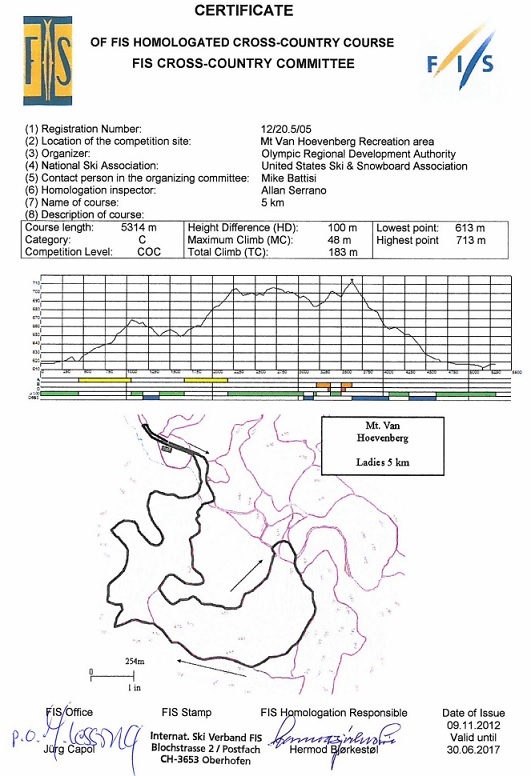
The nordic portion of NCAA’s will take place on the trails of the Mt. Van Hoevenberg, the site of the cross-country events in the 1980 Olympic games. The first day of competition on Wednesday will comprise of the 5- and 10-kilometer women’s and men’s freestyle interval starts, while Friday will feature the 15/20 k classic mass starts. Conditions should be pristine in the Adirondacks as recent weather has provided ample snow and below average temperatures.
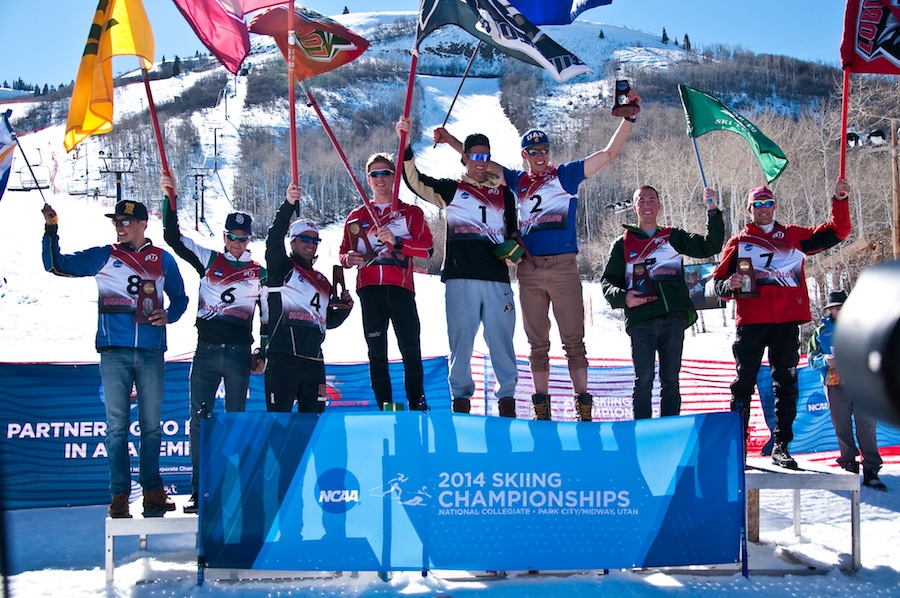
The 2015 NCAA Championships will have similar team favorites in 2014. At last year’s championships in Park City, Utah, the University of Denver dominated the nordic races to win the overall team title. With several departures from the Pioneers’ squad, however, other schools from the west and east will look to capture the trophy.
The University of Colorado enters the NCAA’s as the top-ranked team from the Rocky Mountain Intercollegiate Ski Association (RMISA). The Buffs earned the most combined points throughout the season and were recently crowned the RMISA regional champions. If that wasn’t enough to boost their pre-championships confidence, their history in the east certainly will. Colorado has won the last two national collegiate titles in the east in 2011 and 2013.
Utah and Denver followed close behind in the 2015 RIMSA points rankings and will likely be Colorado’s top competition in New York, while the University of Vermont will look to extend its Eastern Intercollegiate Ski Association (EISA) dominance to the national stage. The last time Vermont won the NCAA team title was in 2012 in Bozeman, Mont.
The East:
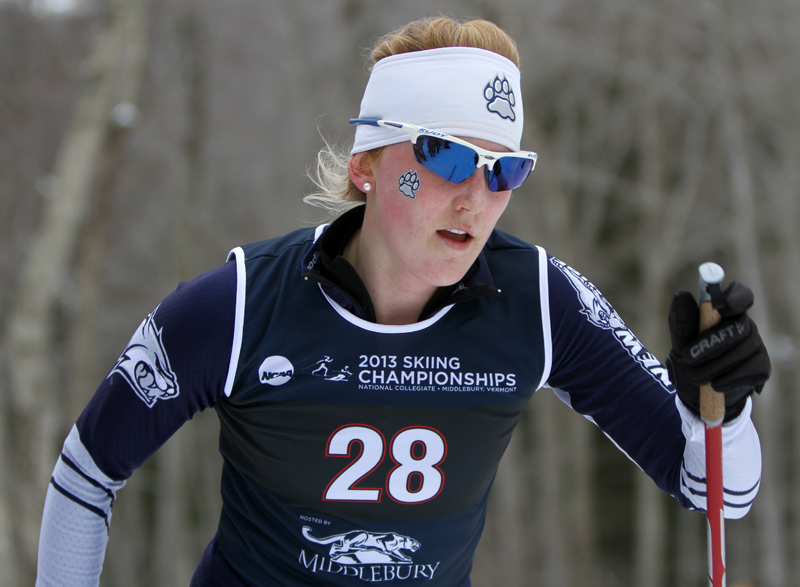
If there are two skiers from the EISA to know before the start of NCAA’s, they are Middlebury College’s Heather Mooney and University of New Hampshire’s Annika Taylor.
With five wins apiece in the 2014/2015 season, Mooney and Taylor have shut out the rest of the eastern competition from the top of the podium. While their fight for eastern dominance will continue in Lake Placid, it remains to be seen how they will match up with the western and central women.
The Middlebury College women’s nordic team has qualified a full team for the first time in many years, including Mooney, Kelsey Phinney and Stella Holt. The trio has won many women’s nordic competitions throughout the season and will look to do the same in Lake Placid. If the recent EISA Regional Championships results are any indication — where Mooney and Phinney finished second and third, respectively, in the 15 k classic mass start — the Panthers are well on their way to their goal.
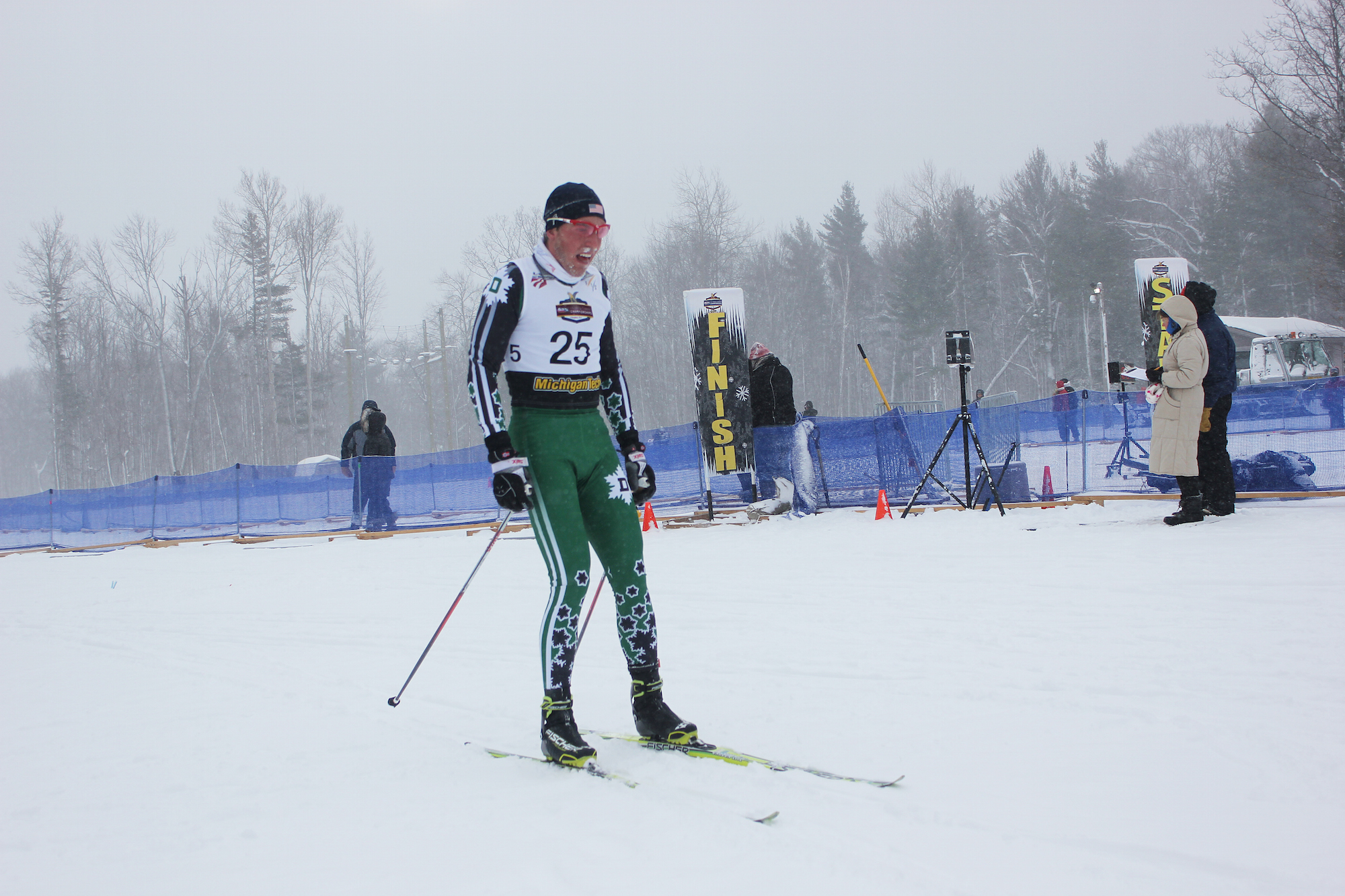
If the eastern women have been defined by two individuals, the region’s men are characterized by dueling schools — Vermont and Dartmouth. The Vermont trio of Rogan Brown, Jørgen Grav and Jack Hegman ended the eastern season ranked second, third and sixth, while Paddy Caldwell, Fabian Stocek and Silas Talbot took the first, fourth, and fifth spots.
Caldwell, who spent a large chunk of the season in Europe at the U23 World Championships in Almaty, Kazakhstan, enters as one of the favorites at NCAA’s. Last year, his best finish was fifth in the 20 k freestyle mass start. Talbot’s best finish at 2014 NCAA’s was 11th in the 20 k freestyle.
Brown’s best finish at the same championships was 13th in the 20 k freestyle, while Grav’s was 20th in the 10 k classic.
The West:
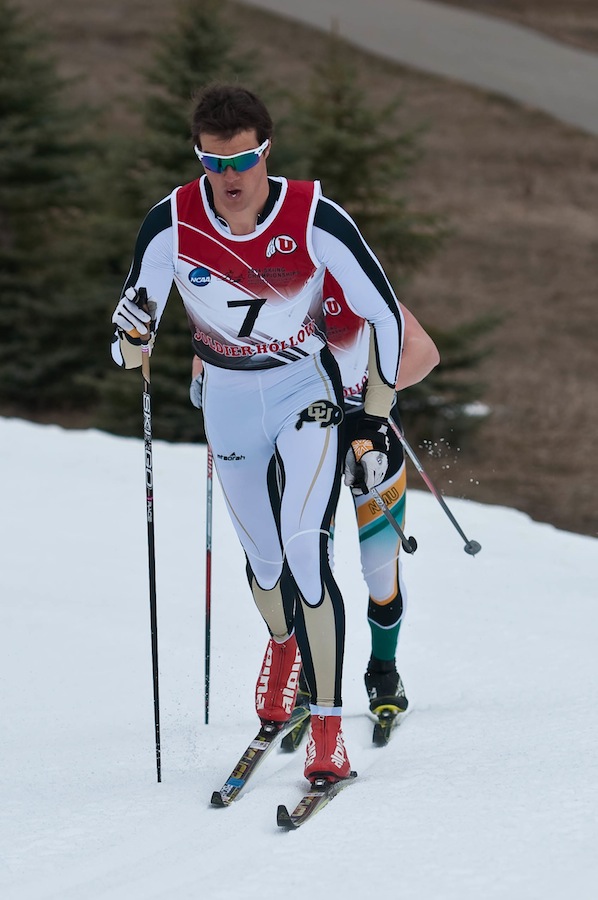
If Caldwell wants to step atop the NCAA podium, he’ll have to overcome the RMISA frontrunners from the University of Colorado, Rune Malo Ødegård and Mads Ek Strøm. With the exception of one race, the two have alternated on the top rungs of the 2014/2015 RIMSA podium in every single competition. By the end of the regular season, Ødegård won five of 10 races while Strøm won four.
Ødegård is no stranger to NCAA’s as the Norwegian won two national titles in 2013 and 2014. His wins made NCAA history, as he is the first collegiate skier to repeat as an individual national championship in the classic discipline. Strøm earned his national title in the 20 k freestyle mass start in 2014.
While the two Buffs are the RMISA favorites, there are several other standouts to watch in this week’s races. German Moritz Madlener of DU and enters Lake Placid as the third-ranked westerner after earning bronze in four western qualifiers. The University of Utah’s Niklas Persson is another potential top finisher. The Ute finished third at 2014 NCAA’s in the 10 k classic. Mats Rudin Resaland of the University of New Mexico is also another top contender, and will look to improve on his bronze from last year’s 20 k freestyle.
The University of New Mexico’s Emilie Cedervarn is the top-ranked western woman after winning the last four RMISA races of the season. The Utes’ Veronika Mayerhofer is close behind for total wins in the west with three. Denver’s Sylvia Nordskar will look to repeat her podium performances from 2014 NCAA’s where she placed second and third. The Norwegian only raced the first four RMISA races this season. She won both the races in the Utah qualifiers and placed first and second at the Colorado invite before taking a six-race hiatus.
Other skiers to watch from the West are the Buffs’ Petra Hyncincova and the Utes’ Sloan Storey.
Central:
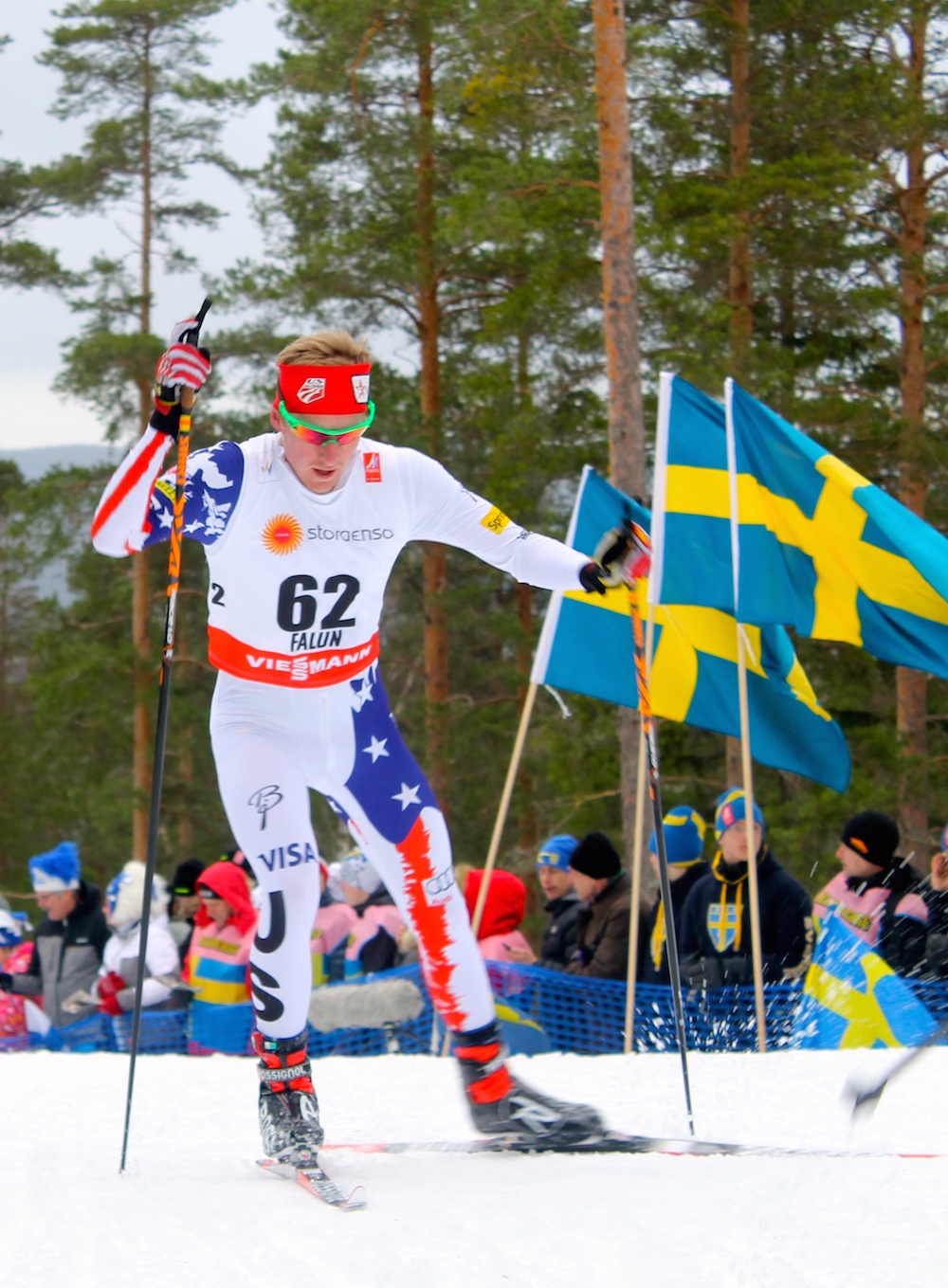
Kyle Bratrud of the University of Northern Michigan is the favorite from the central region after a successful season that saw him win the 15 k freestyle at the 2015 U.S. nationals and compete at the U23 World Championships in Almaty, Kazakhstan, followed by senior World Championships in Falun, Sweden.
Bratrud will look to overcome the fatigue of weeks of international racing and travel to fight for a spot on the NCAA podium. In 2014, he was the top American in the 10 k classic in sixth overall.
Joining Bratrud in the quest for collegiate success will be teammates Fredrik Schwenke and Erik Soderman. If the UNM trio can repeat their impressive performances from U.S. nationals, they have the possibility of leading the men’s nordic at NCAA’s. Last year, the men finished third overall in the 10 k classic and helped their coach, Sten Fjeldheim, earn 2014 national coach of the year.
Logan Hanneman of the University of Alaska – Fairbanks is another strong skier to watch from central.
Despite the graduation of Rosie Frankowski, the central women have a chance at top performances from NMU’s Jordyn Ross and Michigan Tech’s Deedra Irwin, among others. They will look to build on the region’s successful 2014 Championships to gain more starting spots in future national events.
Live timing will be available at BartTiming.com. FasterSkier will be on site for both days of nordic racing, so stay tuned for recaps from Wednesday and Friday.
Schedule (all times Eastern Standard Time)
Wednesday, March 11:
Nordic:
10 a.m.: Men’s 10 k freestyle (start list)
Noon: Women’s 5 k at noon (start list)
Thursday, March 12:
Alpine: Women’s giant slalom (start list); men’s giant slalom (start list) at Whiteface
Friday, March 13:
10 a.m.: Women’s 15 k classic mass start (start list)
Noon: Men’s 20 k classic mass start (start list)
Saturday, March 14:
Alpine: Women’s slalom (start list); men’s slalom (start list) at Whiteface
Note: This article was corrected to state that the last time Lake Placid hosted NCAAs was in 1982, not 1983