From the FasterSkier archive — posts syndicated from athletes’ and coaches’ own blogs between 2004 and 2012, kept online as published. Current coverage is at fasterskier.com.

Tag: 2016 Masters World Cup

  • Oregon’s Downing Elected World Masters President

    Oregon’s Downing Elected World Masters President

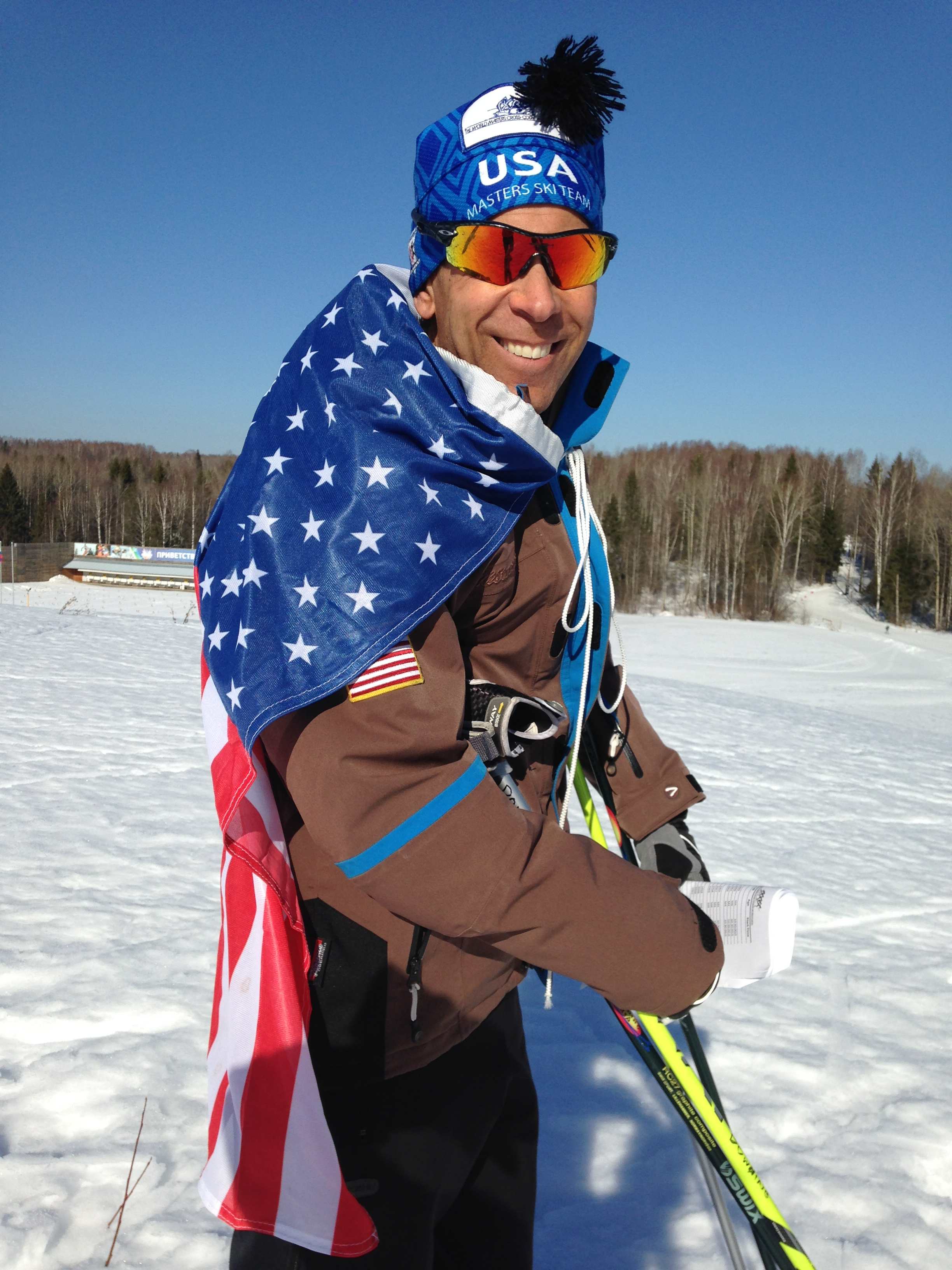
    J.D. Downing at the 2015 Masters Word Cup last March in Syktyvkar, Russia. (All photos: Inge Scheve)
    J.D. Downing at the 2015 Masters Word Cup last March in Syktyvkar, Russia. (All photos: Inge Scheve)

    Late last month, John “J.D.” Downing of Bend, Ore., was elected president of the World Masters Cross-Country Ski Association (WMA), putting him at the helm of the international organization that governs master skiers in the International Ski Federation (FIS).

    Pointing out that master skiing is much more than the big loppet events, Downing, who founded XC Oregon and has been involved in international cross-country skiing for more than four decades, said in a phone interview that he wants to get more masters involved in racing, both internationally and locally.

    “In some capacity I’ve been part of just about every type of nordic ski event imaginable over the past 41 years, and I really believe the MWC [Masters World Cup] format is one of the most enjoyable to be around,” Downing said.  “You get the fantastic energy of international participation of the big marathons, but with easier logistics and a more intimate ski experience out on the trails. I also love the fact that skiers of any ability can enjoy an annual world championship with their peers, discovering all these fantastic ski places around the world.”

    As president of the WMA, Downing, 49, wants to reduce the logistics and organizational requirements necessary for attending and hosting a Masters World Cup, an annual, competitive world championship for skiers ages 30 and older, which attracts more than 1,000 athletes annually from across the globe.

    FasterSkier: What attracted you to this position, and what do you hope to accomplish during your term?
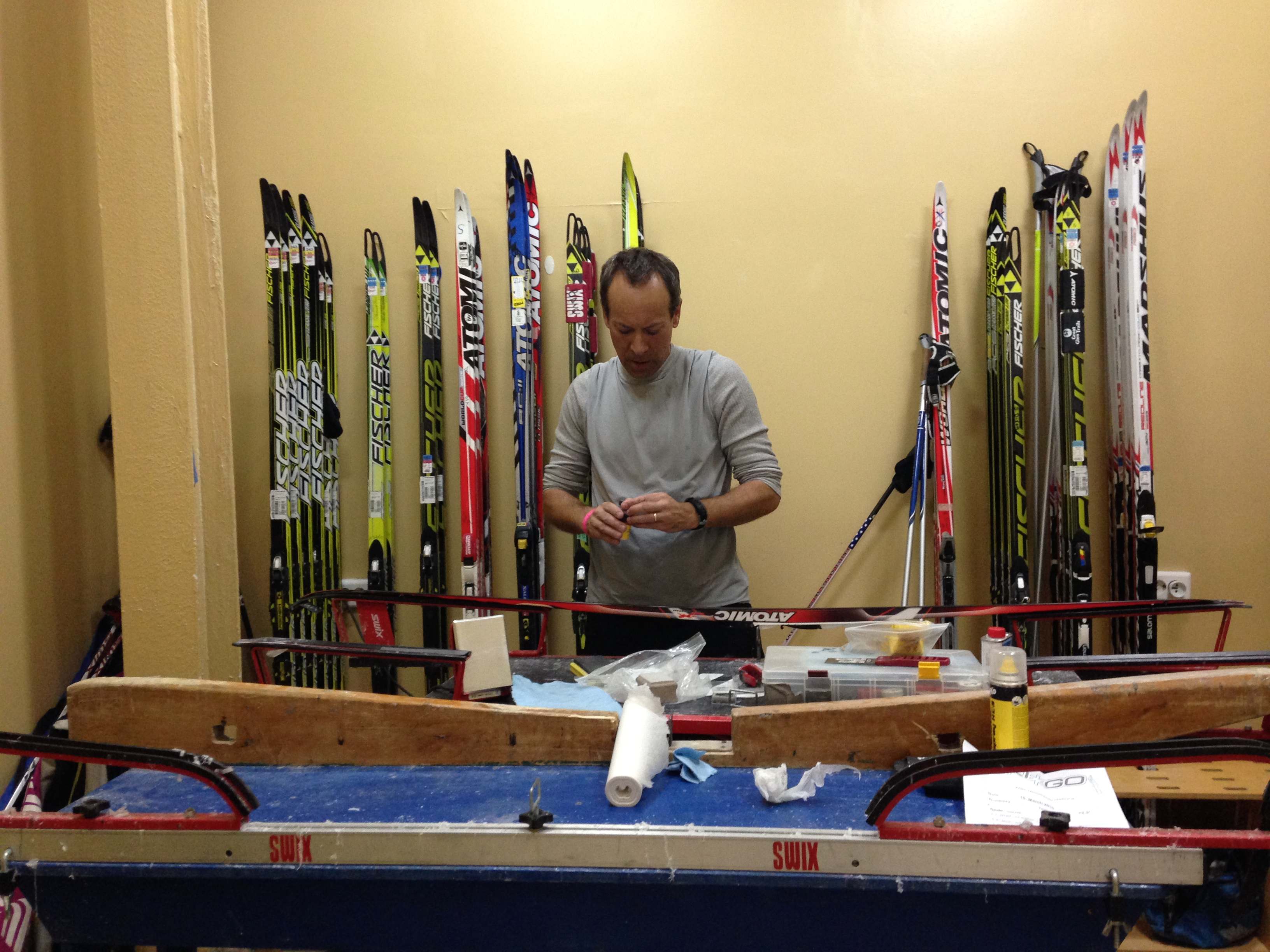
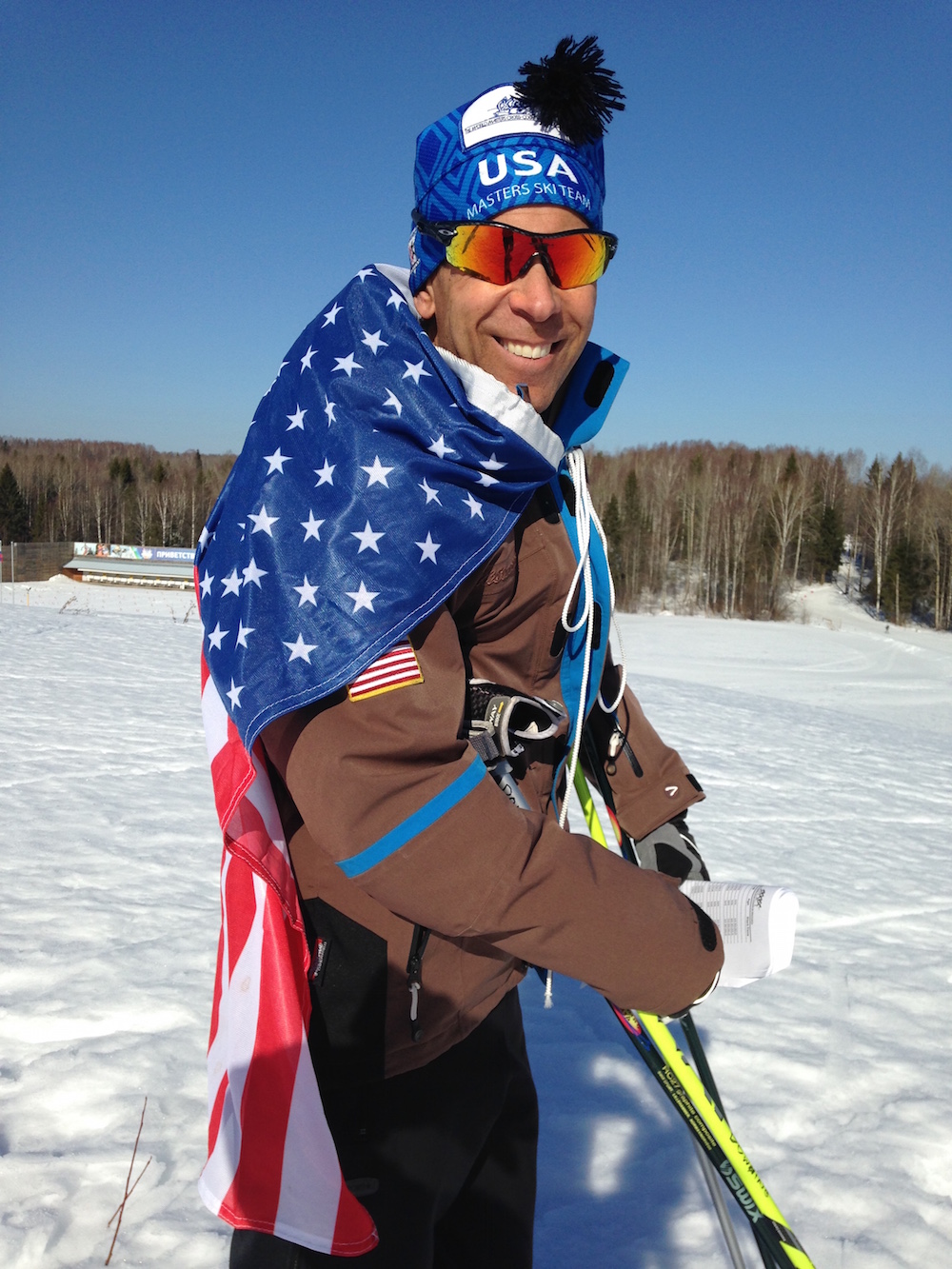
    J.D. Downing at work in the U.S. wax room at the Smetanina Sports Complex at 2015 Masters World Cup. (Photo: Inge Scheve)
    J.D. Downing at work in the U.S. wax room at the Smetanina Sports Complex at 2015 Masters World Cup. (Photo: Inge Scheve)

    “I have really enjoyed the past 11 years working with the WMA as the USA national director, and when it became apparent that there wasn’t a long list of directors that were able or willing to step into the president shoes, taking on the added responsibility, it just made sense at this time for me,” Downing said.

    “Honestly, the biggest thing I hope to accomplish is having the WMA become more of a team effort with even the minimal administrative functions we have to perform each year. I’ll have a full plate the next several MWC events leading what should be increasingly bigger Team USA contingents, but I’m confident we’ll see multiple other directors and officers embrace different tasks within the WMA, which is exactly the way a non-profit international organization led by volunteers should function.”

    He added that the association is already working on a few new elements within the event design for Masters World Cups that will come into play after the 2016 MWC in Vuokatti, Finland, which could make the championships appeal to a wider group of master skiers.

    “We would like to reduce the time commitment at the MWC for skiers, particularly younger masters. We also want to keep the event as practical to manage as possible for future organizers, so there are some ideas being worked on in that area as well,” he said.

    FS: What are some of the challenges facing the association, and what issues need to be addressed?

    “The biggest issue by far is a gradual reduction in worldwide numbers of what I call motivated masters,” Downing said. “The biggest ski events are generally doing very well, and the MWC numbers are holding steady. But we are seeing a clear decline in motivation and numbers of master skiers at the grassroots level around the world. Skiers under the age of 55 are particularly hard to keep ‘in the game.’ ”

    He added that some of the underlying issues of this gradual decline are beyond the scope of the WMA, including climate change.

    “There are many factors involved in this decline that the WMA can’t really address. Annual consistent snow in ski regions worldwide being first and foremost. But we do need to find ways to motivate and interest more adult skiers in the basic concept that there is more to this sport than just taking part in one or two big loppets every year.

    “We’ve got an amazing lineup of MWC events coming up, and I urge every skier over 30 to consider taking part in a future Masters World Cup,” he added. “Vuokatti in 2016, Klosters in 2017, Minneapolis in 2018, and then next fall, we hope to confirm Beitostølen, Norway, for 2019 MWC, which would keep the positive momentum going.”

    “We’ve got an amazing lineup of MWC events coming up, and I urge every skier over 30 to consider taking part in a future Masters World Cup.” — World Masters Association President J.D. Downing

    The last time the MWC was in North America was in 2011 in Silver Star, British Columbia. In 2008, the MWC was in McCall, Idaho.

    Additionally, most of the national masters associations host national championships in varying locations. In the U.S., that organization is American Cross Country Skiers (AXCS), which Downing also heads. This season, the 2016 National Masters Championships will be held at Royal Gorge in California.

    Downing has been the U.S. national director since 2004, and will continue to lead the AXCS while being MWA president. He does not anticipate that the additional responsibilities of the presidency to detract from his national role.

    “There are some practical economic advantages for both AXCS and WMA in having me do both jobs, especially with the MWC 2018 in Minneapolis coming up fast,” he said.

    The WMA Legacy

    On Sept. 25, Downing was elected president of the WMA during the the association’s annual conference in Klosters, Switzerland. He takes over for Germany’s Thomas Heckmann, who served as WMA president since 2009, but stepped down this past spring because of business demands. WMA Technical Vice President Klaus Pleyer served as an interim president this spring and summer until the election.

    The World Masters Association consists of national directors from every country that fields teams at the Masters World Cup. Every year, the WMA meets to determine business regarding master skiers, review rules and regulations, and select a host and destination for the next Masters World Cup championships, much like the annual FIS general assembly.

    The MWC is the biggest event of its kind for age-group skiers, and the bidding process to host the MWC is much like that of the regular FIS Nordic World Championships with potential host destinations submitting their bids to the WMA for review. WMA officials then visit the host destinations and vote on the options.

  • 2016 Masters World Cup Set to Take Place in Vuokatti

    2016 Masters World Cup Set to Take Place in Vuokatti

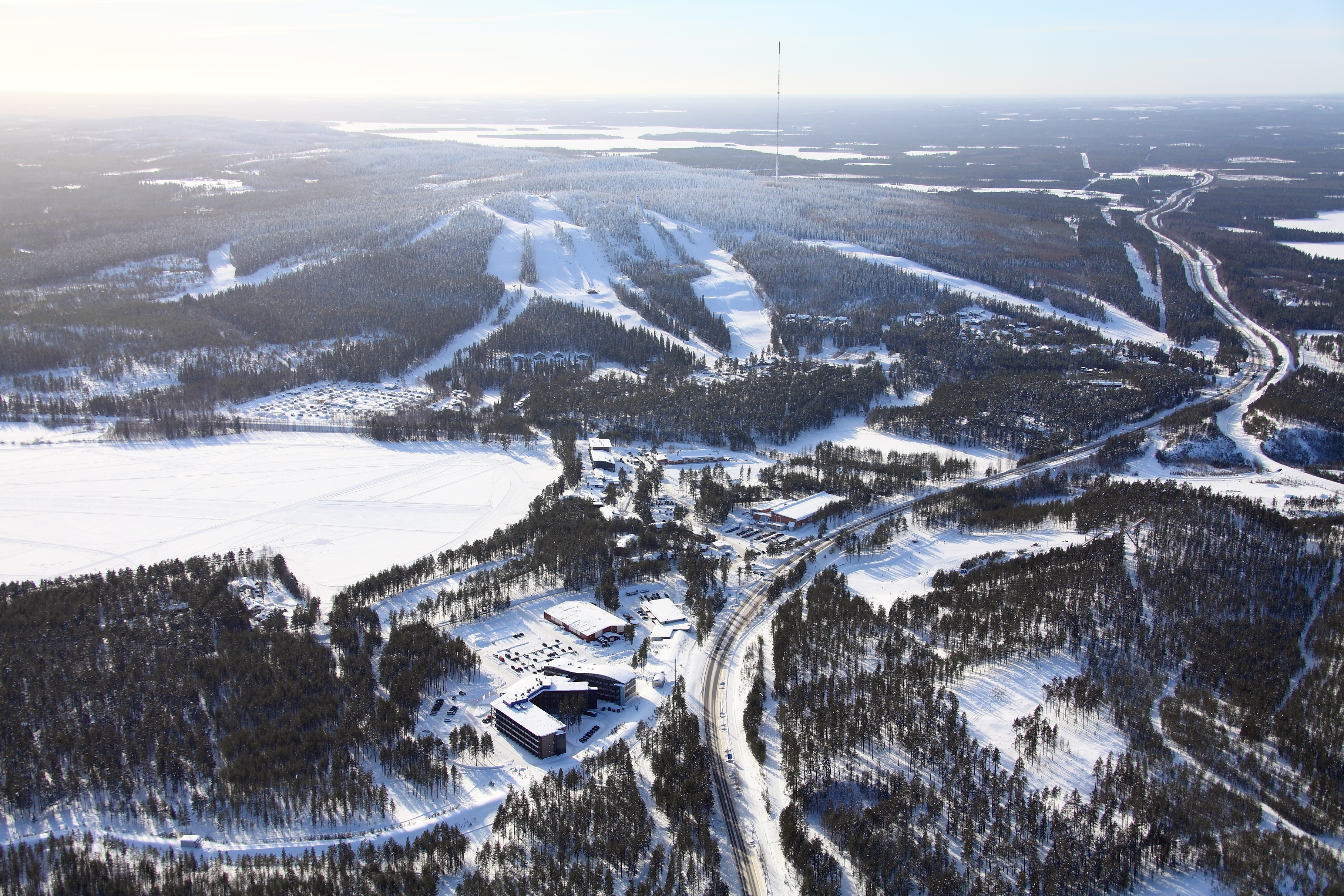
    An aerial shot of the Masters World Cup venue in Vuokatti, Finland (Photo: MWC Vuokatti)
    An aerial shot of the 2016 Masters World Cup venue in Vuokatti, Finland (Photo: MWC Vuokatti)

    Every year, the Masters World Cup draws master skiers aged 30 and older from all around the world to World Cup-level venues for a week of FIS-World Championship-style racing. Finland will host the Masters World Cup for the fourth time in February 2016, welcoming roughly 1200 master skiers to Vuokatti.

    Finland previously hosted the Masters World Cup in Kuusamo, and Kuopio, and most recently Rovaniemi, which took place in 2007. The 2016 site, Vuokatti, last hosted a World Cup in 1995, but has seen plenty of Scandinavian Cup and FIS racing since then. The venue hosts the Vuokatti Hiihto, one of Finland’s biggest ski marathons.

    The Masters World Cup is open to skiers 30 and older and routinely attracts more than 1000 racers from more than a dozen countries. Each racer can compete in up to three individual events, with skiers choosing between skate or classic. Additionally, there is a relay competition in the middle of the championship week.

    For the United States, the team is organized by American Cross Country Skiers (AXCS). No qualification is necessary; a skier only has to have an AXCS membership to represent the country.

    John Downing is the head of AXCS and also the head coach of XC Oregon. He is particularly excited about the Finnish venue for 2016.

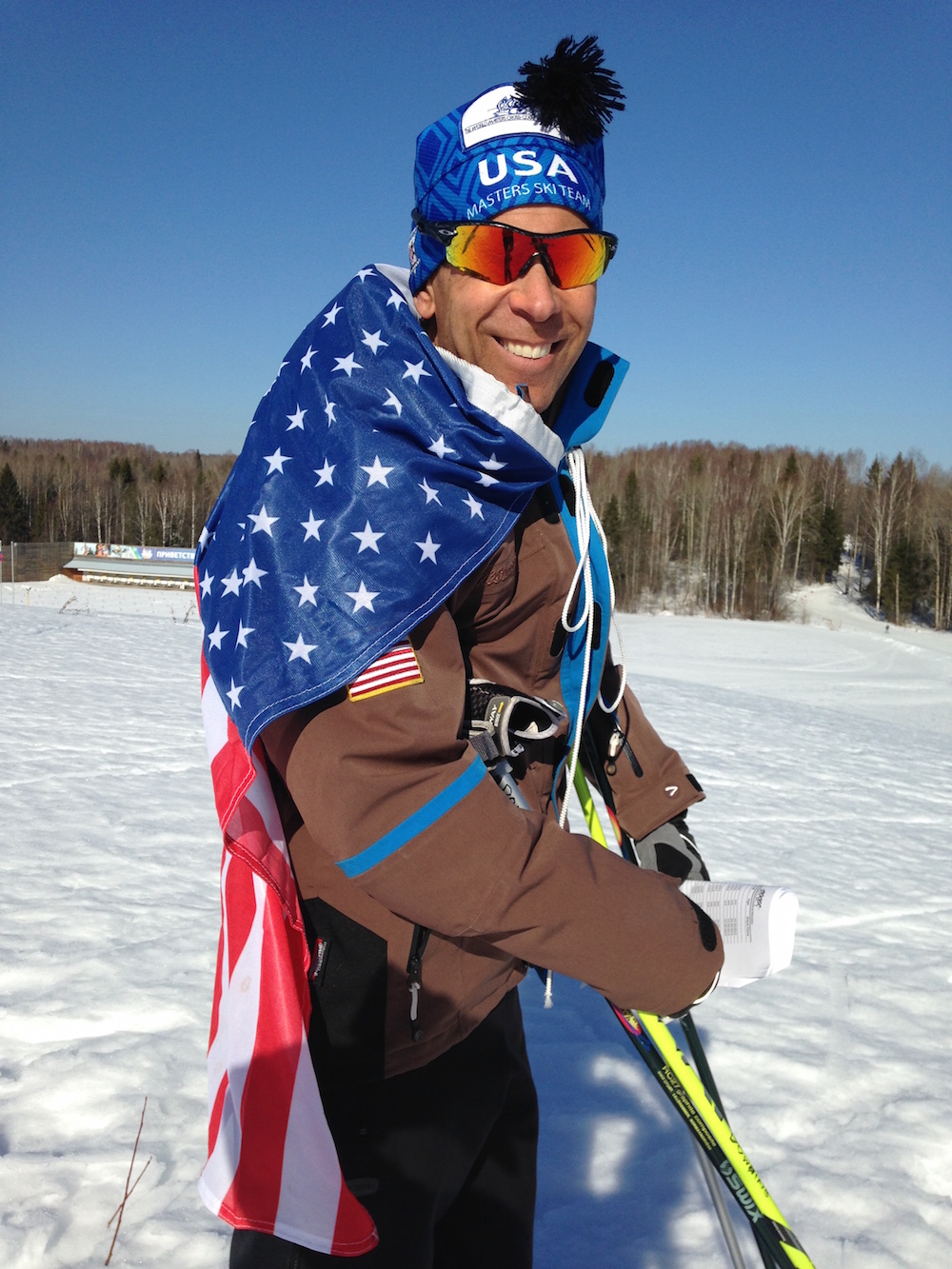
    U.S. National Director J.D. Downing at the 2015 Masters World Cup (Photo: Inge Scheve)
    U.S. National Director J.D. Downing at the 2015 Masters World Cup (Photo: Inge Scheve)

    “The ski trails are, in the opinion of your humble USA National Director, some of the most enjoyable we’ve ever had for a Masters World Cup event,” Downing told FasterSkier this spring. “The first 5 k features a joyful romp of rolling terrain followed by a crossing of a small frozen lake, and then a simply spectacular loop up/down the side of a forested ridge. The diversity of terrain and visuals on the core 15 k trails rivals any MWC venue in the world.”

    Besides the race courses, Downing pointed out that Vuokatti – which as well-known for its summer ski tunnel as for its winter trails – has over 150 k of skiing. That means plenty of great ski touring is available, too.

    “The absolute best thing about Vuokatti is the MWC race loops are just the beginning when it comes to ski options,” Downing said. “An honest-to-gosh 150km of total trails are going to be at our disposal. Whether you want to race or not, there aren’t many places in the world that offer more great skiing options right out the door.”

    For a full recap of the Masters World Cup experience, from racing to teamwork to opening and closing ceremonies, read the story here.

    There are seven possible race starts per gender, with all distances featuring a classic and a freestyle option, plus a relay. Athletes can choose up to three individual competitions to enter; they are divided into age and gender classes, with the youngest racers age 30-35 racing in the M/F01 category, ages 36-40 in the M/F02, ages 41-45 in the M/F03, ages 46-50 in the M/F04 and so on.

    The championships open with a medium length event: 10 k, 15 k or 30 k, depending on age and gender. The younger men race 30 k, men in the Master 7 through 9 categories and the younger women race 15 k, while the oldest men and all women in the Master 9 and older race 10 k. These events are held on the first two days of the championships, alternating between skate and classic for the first day, following with the other technique on the second day. The championships always start with opening ceremonies on a Friday, and the first races on Saturday.

    The second event, held on the third day of the championships, is a short distance – 10 k for all younger men and women, and 5 k for men in the M10 and older as well women in the F9 and older. Both classic and skate races are held on the same day, with classic events in the morning and skate in the afternoon.

    The final individual events are the long-distance races, held on the two last days of the championships (Thursday and Friday) and alternating between concluding with skate or classic. If the championships opened with skate technique on day one, the last long-distance event will be classic and vice versa. The long distance races range from 45 k for the youngest men, 30 k for the youngest women and the men in the M7 and older, and 15 k for the women in the F9 and older, and the men M10 and older.

    Additionally, there are relay races for all ages on day five, Wednesday, after a rest day following the short distance races. Relays consist of two classic legs, followed by two skate legs. Nations can field as many teams as they like in both the men’s and the women’s categories. However, there are rules regarding the make-up of the team in terms of age. Older racers can be dropped down to field a team in a younger category, but there must be at least two racers of the correct age on the team. In other words, a maximum of two racers per team can drop down to a younger age category. The relay team selection is the discretion of the national directors.

    All of this will go down the next time around in Vuokatti, one of the most popular all-year-round holiday resorts in Finland, and the organizers point out that Nordic skiing and racing is not the only game in town. Vuokatti is home to the Angry Birds app, and even has an entire theme park dedicated to the lively birds, unfortunately only open in the summer.

    “You’ll have many ways to enjoy the beautiful Finnish nature and experiences, such as ice fishing, snowshoe hiking, skating on natural lake ice, or riding on Icelandic horses,” Marika Makkonen of the Vuokatti MWC Organizing Committee wrote in an email. “There are many kinds of safaris available like snowmobile safaris and husky safaris. Depending on the weather you may also experience the northern lights.”

    –Chelsea Little contributed reporting.