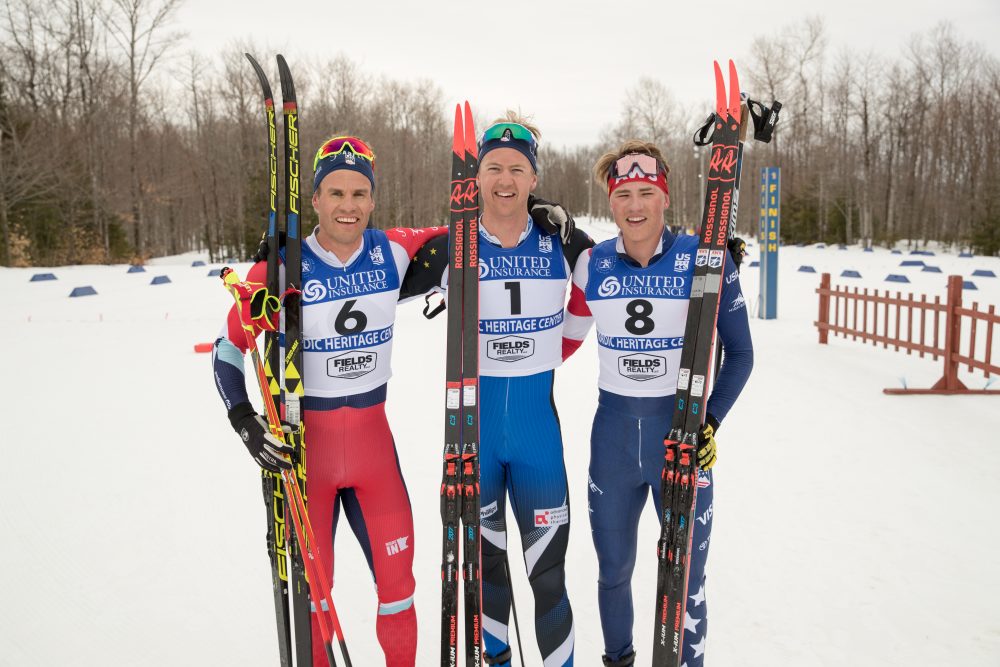
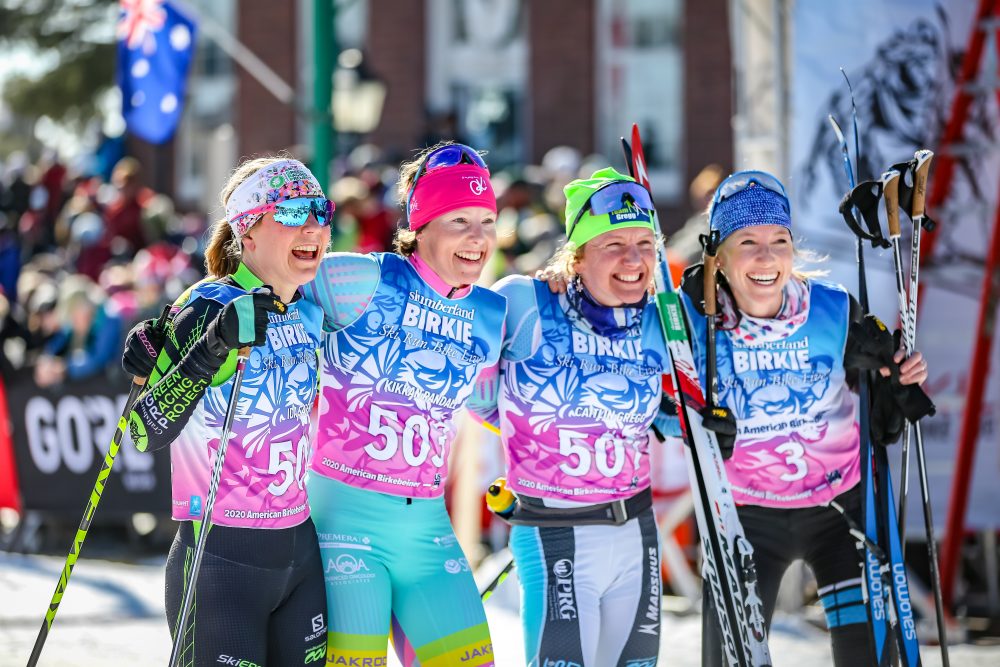
It’s been a while. This country’s last races on the SuperTour, the highest level of domestic competition, occurred in Cable, Wisconsin, in February 2020 in connection with that year’s American Birkebeiner. Classic sprints were held on the Wednesday before Birkie weekend. (SuperTour points were likely also awarded for the Birkie marathon races a few days later.) Gus Schumacher won the men’s final; Nichole Bathe and Kaitlynn Miller were on the podium for the women. Schumacher is now a full-time World Cup skier, and one of the top U23 athletes in the world; Bathe, who hails from Great Britain, hasn’t raced in this country since; Miller has been retired for a year and a half.
Those races were, measured literally and chronologically, roughly 21 months ago. Depending upon how the pandemic has treated you, it may feel more like 21 years. Multiple high-level FIS races were held in this country last season, but equally as many were cancelled; there’s a lot of red on this schedule, and last year’s domestic racing preview was presciently entitled, “Fluoros, FIS Races, and Foiled Plans.” While races in Anchorage or Soldier Hollow, among others, drew strong regional fields, and NCAA Championships in New Hampshire featured college skiers from most but not all of the country, there has not been a FIS race with a truly nationwide field in this country for two seasons now.
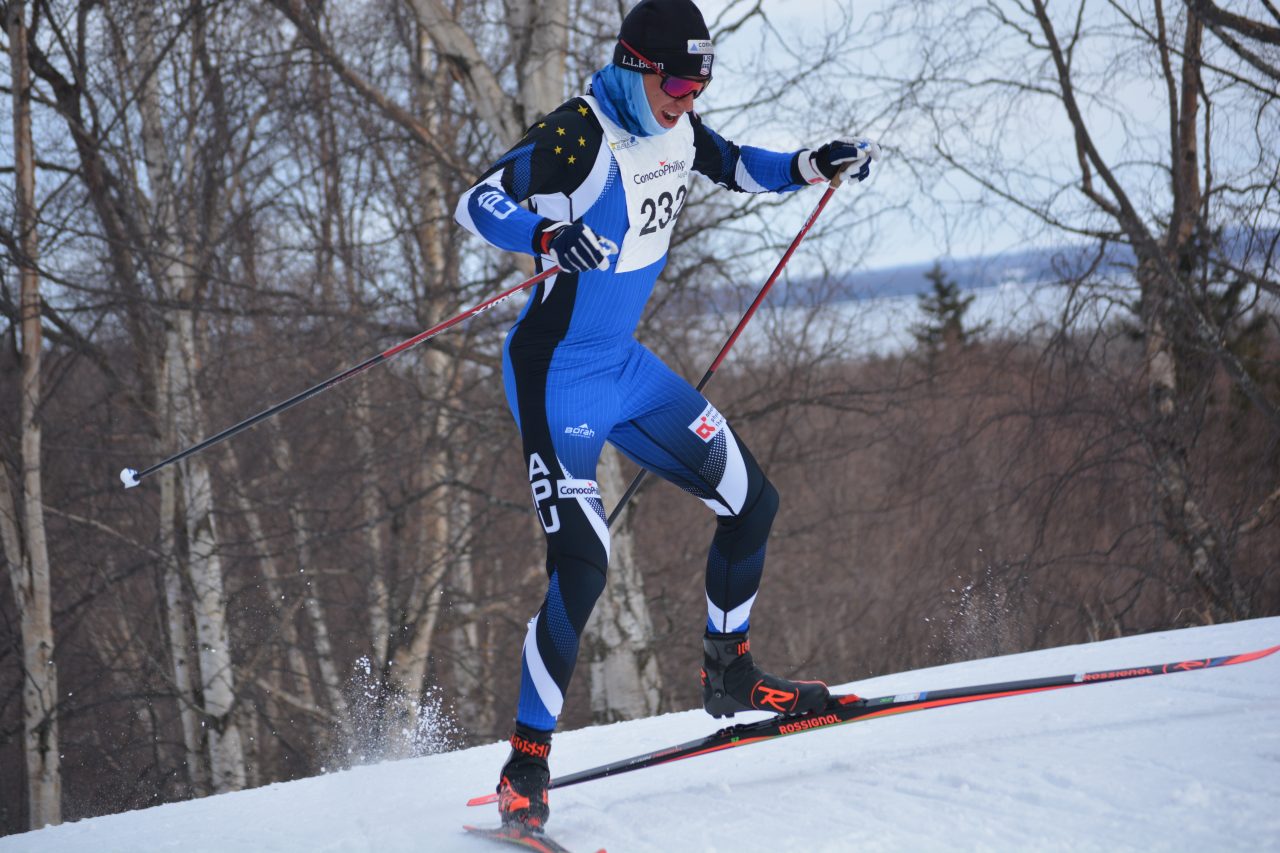
That changes this weekend. The start list for the first race in Duluth shows athletes hailing from all six main American pro ski clubs. Plus the University of Utah. Plus Canada. Plus basically every college team, high school team, or club within a few hours’ drive. Organizers report roughly 380 athletes total registered across all classes. They’ll race a skate sprint on Saturday, and an interval-start 5/10-kilometer skate race on Sunday. Racing continues in Cable the following weekend, before taking a three-week break until U.S. Nationals, at Soldier Hollow the first week in January.
Here’s a simple version of the eight race weekends (counting both U.S. Nationals and Spring Series as a “weekend”) comprising this year’s SuperTour schedule. When multiple distances are listed, the women race the first, shorter distance, and the men the second, longer distance:
- Dec. 4–5, Duluth: skate sprint; 5/10 k interval start skate
- Dec. 10–12, Cable: 15 k mass start skate; classic sprint; 10/15 k interval start classic
- Jan. 2–7, Soldier Hollow (U.S. Nationals): skate sprint; 20/30 k mass start skate; 10/15 k interval start classic; classic sprint
- Jan. 15–16, Sun Valley: 5/10 k interval start skate; 10/15 k mass start classic
- Jan. 29–30, Lake Placid: classic sprint; 10 k mass start skate
- Feb. 4–6, Craftsbury: skate sprint; 10 k interval start classic; 7.5 k skate pursuit
- [Feb. 5–20, 2022 Winter Olympics, Beijing]
- Feb. 26, Cable–Hayward: American Birkebeiner, 52 k mass start skate marathon
- March 20–27, Whistler (Canadian Nationals and SuperTour Finals): skate and classic interval start, distance TBD; classic sprint; skate team sprint; 42 k mass start skate
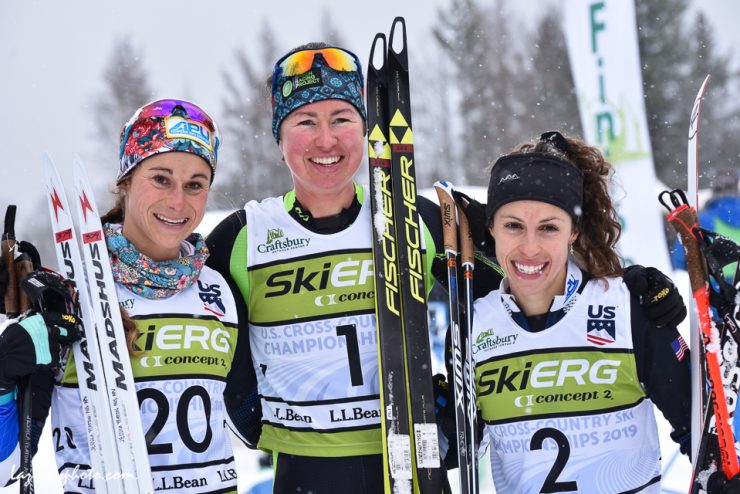
Two things to note about the race schedule in this Olympic year. For one, the January Sun Valley race weekend will, if current plans hold, be the swan song for the licit use of fluorinated ski wax in FIS nordic races in this country. The Monday after those races, the qualification window for the 2022 U.S. Olympic Team will have closed, and, USSS Cross Country Program Director Chris Grover wrote this fall, “fluorocarbon waxes will be banned at all FIS Cross Country races in the USA.” Grover added, “testing will often support that ban.”
So if you’re racing or teching in Sun Valley next month, smoke ’em while you got ’em (but use a respirator, work in a ventilated space, and turn your iron down if your fluoros are actually smoking).
Second, you may have heard that this is an Olympic year. So will winning all the Midwestern races in December guarantee a non–World Cup athlete selection to the American squad for Beijing?
Well, not exactly. The selection criteria for the 2022 Winter Olympics team generally prioritize World Cup performance over domestic SuperTour performance. And when it comes to domestic racing, they explicitly prioritize performance at next month’s U.S. Nationals over any other December or January race occurring within the Olympic qualifying window.
In practice, under a system that (a) counts an athlete’s two best SuperTour finishes in a single discipline (sprint or distance) between the start of the season and January 16 and (b) awards significant bonus SuperTour points for podium finishes at U.S. Nationals, an athlete who finishes first and fourth in Soldier Hollow (same discipline) would have more SuperTour points than an athlete who wins every single race in Duluth, Cable, and Sun Valley. Second and third at U.S. Nationals also ranks an athlete ahead of two firsts in non-Nationals races.
That said, the hypothetical athlete who dominated everywhere other than Soldier Hollow would likely have a strong case for discretionary selection to the Olympic team, and would be assured (“will be selected”) start rights to multiple World Cup races in the 2021/2022 season as the domestic SuperTour leader at various relevant points in time.

This math, and the implications of bonus points for podium performances at U.S. Nationals, have been in place for some time. In September 2016, a green FasterSkier reporter named Gavin Kentch wrote, “American cross-country skiing does not have a trials system,” in the sense that everyone shows up at one race on one day, top x athletes across the line make the team – think the U.S. Olympic Trials for swimming or track and field, say, or, for ski fans of a certain age, the one-day Gold Cup pursuit race at Soldier Hollow in December 2001 that qualified the winner for the Salt Lake City games two months later. To which an older athlete named Kris Freeman wrote, in a Facebook comment preserved here, “the allocation of bonus points to Nationals essentially makes the remainder of the SuperTours irrelevant. Nationals is now World Champ and Olympic Trials, which is fine, but let’s call them what they are.”
This reporter was technically correct, but in terms of athlete experiences and the implications of the domestic race season, Freeman, who at the time had been selected to 12 senior U.S. Olympic or World Championships teams and knew what he was talking about, was probably more practically correct. The math remains unchanged this season.
Results and logistics
How to find results from and otherwise track this season’s races? Good question. Hopefully this site, the main USSS SuperTour page, will have links to results (clicking through to each individual SuperTour sub-page should get you there), but no guarantees. Searching on Facebook for the ski club hosting each race weekend may be your best bet if the USSS site is unavailing. In general, MyRaceResults most frequently has start lists, detailed results, and live timing for most races in this country, augmented by some or all of Superior Timing for, generally, the Midwest, Bullitt Timing for the Northeast, and Zone4 for Canada.
Race organizers of this weekend’s stop in Duluth advised FasterSkier late Wednesday that entry lists will be available at Superior Timing on Thursday. Results should be findable here throughout the weekend.
In practice, FasterSkier will keep you abreast of each SuperTour stop, with a brief recap including results and quotes from some of the top athletes appearing on Monday or Tuesday of the following week.
Who’s racing
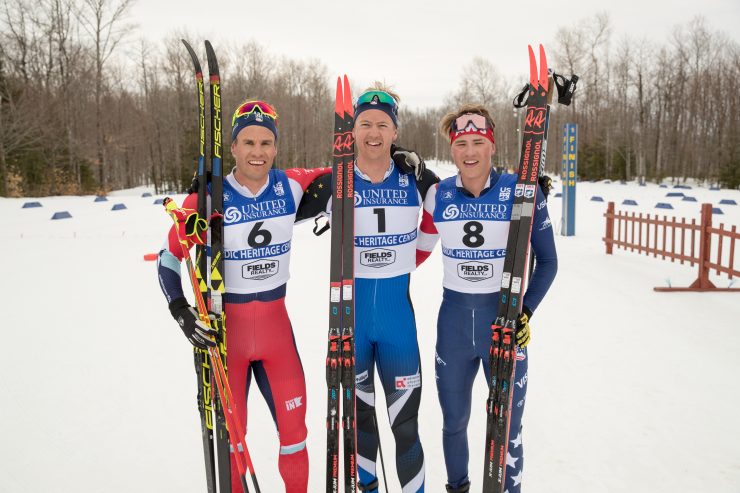
We have recently previewed six prominent American domestic ski clubs. These clubs, to be sure, are not going to make up 100% of the entrants in this season’s SuperTour races, and U.S. Nationals will draw skiers even more broadly from across the country, including junior athletes from a wide range of clubs. But if you’d like to review six hotbeds for professional domestic skiing, take a look back at the following team previews:
Alaska Pacific University Nordic Ski Center
Bridger Ski Foundation Nordic Pro Team
Craftsbury Green Racing Project
Sun Valley Ski Education Foundation XC Gold Team
General SuperTour information from U.S. Ski & Snowboard
U.S. Ski & Snowboard SuperTour overview page