Tag: Alain Masson

  • Cross Country Canada: The Reboot Part Two

    Cross Country Canada: The Reboot Part Two

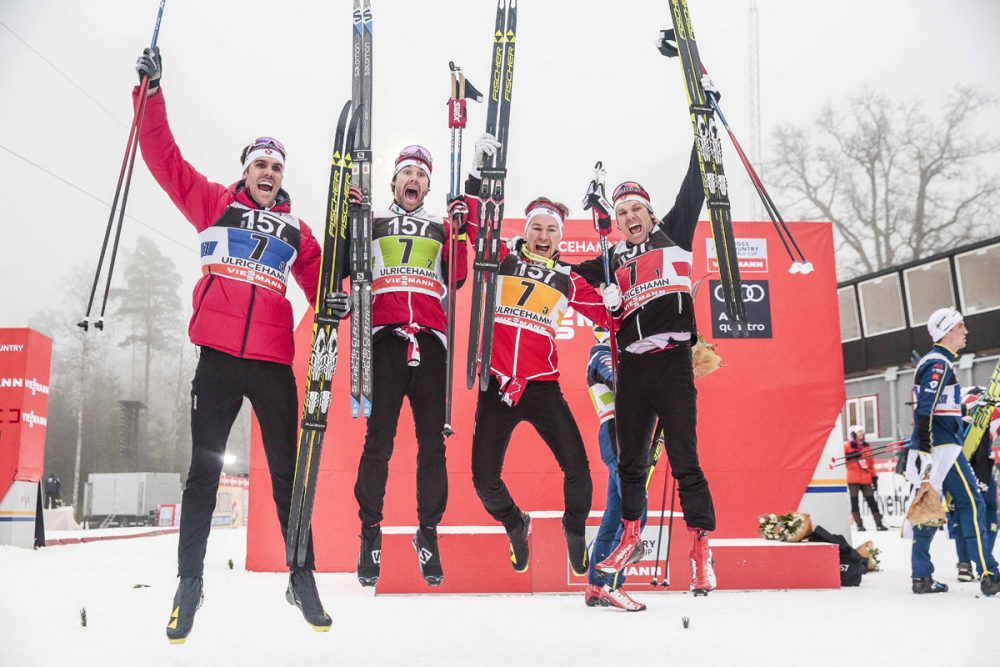
    Left to right: Canada’s Len Valjas, Alex Harvey, Knute Johnsgaard, and Devon Kershaw after their historic third place finish in the 2017 men’s 4 x 7.5-kilometer team relay in Ulricehamn, Sweden. (Photo: Fischer/Nordic Focus)

    This is the second part of FasterSkier’s report on the state of high performance cross-country skiing and athlete development in Canada. You can read part one here.

    Cross Country Canada (CCC), as the national governing body for cross-country skiing in Canada has the difficult task of steering a rather large ship. The idea in steering the ship is to maintain a path requiring little quick and nimble maneuvering. Survey the landscape, mine the data, set a course, and sail. Along the way, there’s the ability to make slight adjustments for efficiencies, accommodate unforeseen changes.

    To help make those macro and micro changes, Cross Country Canada hired Nic Lemyre as a high performance consultant in June, 2018. Lemyre, a Canadian living in Oslo, Norway has concrete ideas of what sustainable improvement and success resemble.

    Where do we want to be?

    Nic Lemyre (Photo: Norges Idrettshøgskole/Norwegian Sports Academy/)

    “We’re thinking our starting point is to build a really strong relay team, on both the women’s and the men’s side,” Lemyre told FasterSkier. “We want to have five athletes, so that we can rotate with the fifth athlete and we’re never in a situation where we can’t field a strong team because one athlete’s injured or sick.”

    According to Lemyre, the composite team must be derived of skiers who can hit specific individual benchmarks “[When] we have athletes that can start scoring points in every race they enter on the world cup, that’s a medium term goal,” Lemyre said. “From there, we start aiming for the top-15 for all athletes that are identified in that group.“

    Part of the reasoning behind the relay vision is that for a skier to get a permanent spot on the World Cup, the athlete not only has to reach a high level, but also help raise four other Canadians up to that level. Lemyre believes this should foster cooperation and team spirit.

    It helps us meet goals of performance,” Lemyre added. “But also it helps us meet goals that are related to how to build a strong performance culture, where the athletes need to support each other, to learn from each other. They need to push each other. They need to push each other beyond limits they may have experienced before.”

    How do we get there?

    After PyeongChang, CCC appeared to have both the political will to start the painful process of another re-invention. However, that will came with a reduced budget with which CCC could support its future options.

    The simplified model of corporate restructuring begins with terminating certain roles and concludes with creating new roles filled by new individuals near the top of the organizational pyramid. Often, in a medium or large corporation, most people will be shuffled around and only a few near the top will lose their jobs. The final step is to find a quick win to help the newly reshaped organization gain morale and unify.

    buy amoxicillin online

    In a small organization like CCC, everyone is near the top. While the process works well for the survival of the organization, it can be hard on individuals. 

    The change at CCC began with long-time High Performance (HP) director Tom Holland’s planned retirement. Lemyre was hired as a consultant to oversee the restructuring of the HP group. Shortly before Lemyre’s hiring, CCC eliminated some positions.

    As Joel Quenneville’s recent firing demonstrates, proven ability and past success is not enough to provide job security during a reboot. (Quenneville was the NHL’s Chicago, Blackhawk’s head coach since 2008. During his tenure Quenneville lead the team to three Stanley Cups.)

    On November 1st, CCC hired Erik Bråten as a new national team coach and modified Louis Bouchard’s title. Bouchard remains head of the National Training Centre in Mont Ste-Anne, Québec, with the added title and responsibilities of World Cup Head Coach.

    Bråten, a recent Norwegian School of Sports Science graduate with a specialization in cross-country skiing, won the 2018 coach of the year award from the Norwegian ski federation. This hiring didn’t happen as quickly as some had hoped, but is considered the first win for CCC’s new structure.

    Erik has a strong sports science background applied to cross-country skiing,” Lemyre said on the phone. “His profile is unique in our environment. The fact that he’s young is really positive for us, because he’s open to this new experience. He comes with a solid base, and his excitement and his motivation, I think, will be great assets in applying that knowledge in the right culture in Canada. At an individual level, Erik is unique in working one on one with athletes. I think our athletes are going to really appreciate that.”

    Along with bringing in new personel, Lemyre aims to improve sharing of training information in Canada. In Norway’s organizational structure, athletes and coaches are able to log hours and training plans on an interface organized by the Norwegian National Ski Federation. It’s a model and template Lemyre is intimate with.

    “The fact is that we have a large country, and we can’t be with athletes every day of the year following them on site,” Lemyre said. “Now the technology is there to pool [training data] in a way that our coaching staff and the local coaches can communicate really well, But also as we’re building up our science team, we also have interaction with our different people involved in helping the athletes develop.”
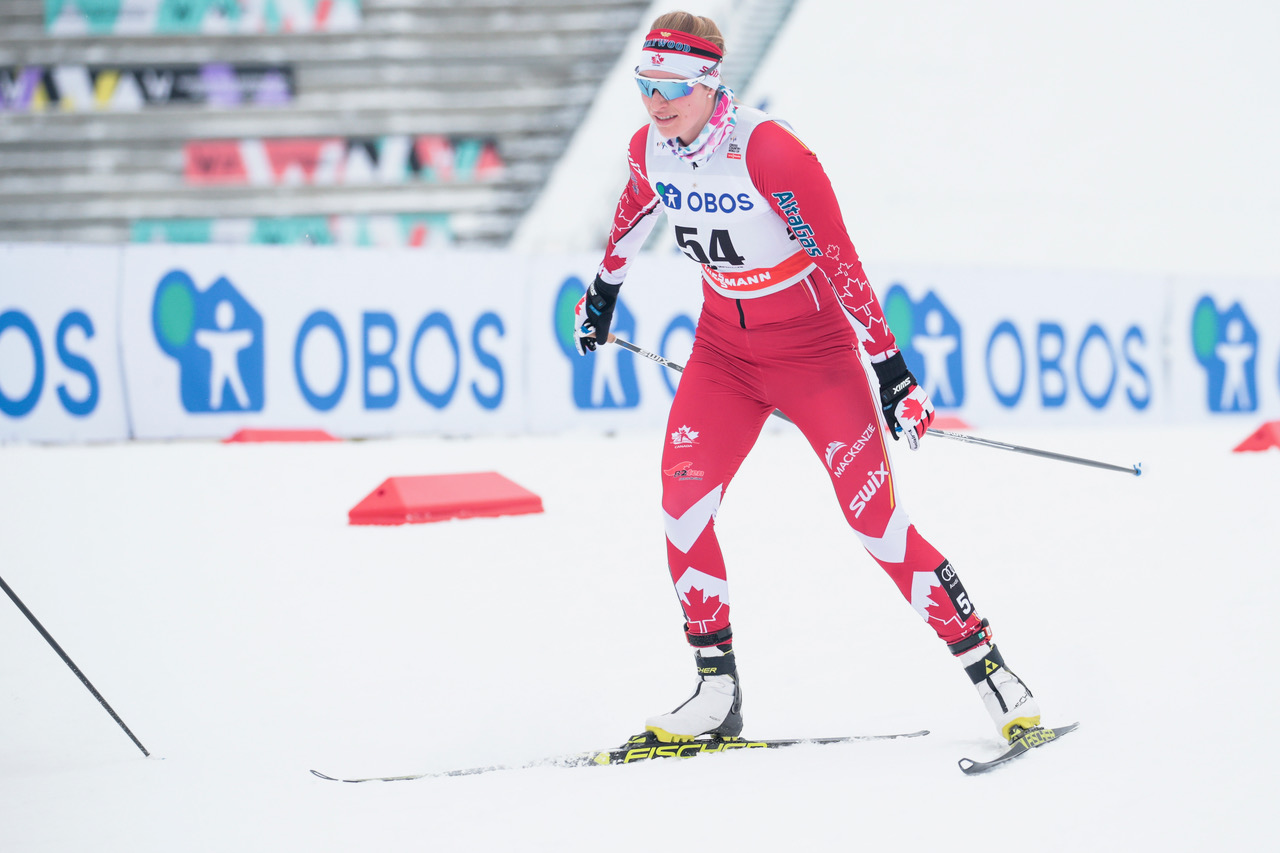
    Dahria Beatty racing the 2018 Holmenkollen 30 k freestyle mass start in Oslo, Norway. (Photo: Fischer/NordicFocus)

    Another planned shift is to interchange athletes between Europe and Canada more often. For example, Dahria Beatty will start the season in Canada — a change encouraged by her coach Chris Jeffries and supported by Lemyre.

    This summer my coach Chris and I came up with a plan that allowed me to stay in Canada to start the season to build into the race season and then head over the Europe and race on the World Cup circuit leading up to World Championships in Seefeld,” Beatty said. “With this being the first year of the new quadrennial, it is the perfect time to fine tune some of those race details domestically before leaving for Europe mid-December. I am looking forward to racing part of the Tour de Ski then period 3 and hopefully finding my peak for World Championships and World Cup finals in Quebec.”

    Lemyre’s concept is to allow athletes like Beatty to build into the early part of the season domestically and arrive in Europe at a higher level of race fitness.

    The way we scheduled the trips this year, giving some athletes the chance to prepare very well before they race on the World Cup,” Lemyre added. “I think some of them will be stronger when they show up on the World Cup, and also they’ll be able to sustain that level of performance over the time period they are on the World Cup. We will try to be a little more selective and well prepared when we show up, and then post really good results when the athletes are racing the World Cup.”

    Jeffries stated that the stress of living abroad, a dynamic known all to well by North American World Cup skiers, can be counterproductive to a developing athlete.

    The last few years, our top athletes spent the majority of their time in Europe,” Jeffries said. “I think it stalled our development a little bit, because we’re always living out of a suitcase, and we’re always having to ski races where we’re trying to perform.”

    Dave Wood spent 18 years as a national team coach. His time leading the team included the post-Nagano rebuild and managing athletes at the Olympics in Vancouver. His vision includes giving skiers more time to develop and less emphasis on being fast all season.  

    Sara [Renner] had far less World Cup starts before she was top-15 at the Olympics than the people of today,” Wood said. “I think that this big argument about experience is valuable when you are looking for seconds. When you are looking for minutes, [World Cup experience] makes no difference.”

    Will it Work?

    The U.S. has been able to develop a strong women’s team built off Kikkan Randall’s determination to drag U.S. skiing to the top. Randall took inspiration and knowledge from Canada’s post-1998 rebuild where Scott, Renner, Milaine Thériault, Jamie Fortier and Amanda Fortier decided it was time to lead the charge.
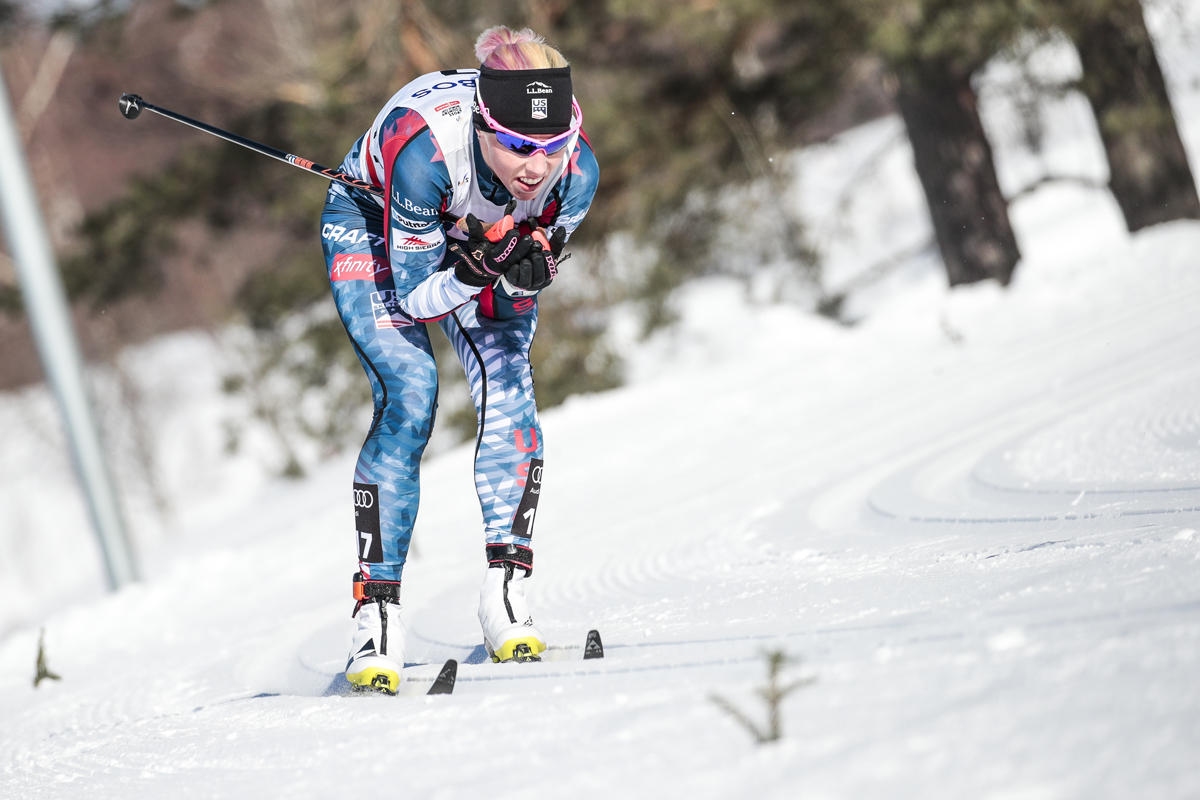
    American Kikkan Randall tucking during the women’s 10 k classic mass start at 2018 World Cup Finals in Falun, Sweden. (Photo: Fischer/NordicFocus)

    In both cases, the athletes didn’t succeed alone. The “fantastic five” got the support of Holland, Wood, and many others. Randall also collected a large supporting cast, well documented by Peggy Shinn’s book ‘World Class’. 

    Laura McCabe, now a Methow Valley coach and two-time Olympian, spent most of her free time in Nagano with the Canadian women’s team because it felt like a group that had a vision and a willingness to support one another to collective success.

    “It just shoots you up the ladder when you come back and you feel like you have a very safe place, you’re working on this goal together, you’re all in it together, and you’re there for each other all the time,” McCabe told FasterSkier. “I felt like the Canadian women were doing that. And now I feel like Matt Whitcomb has led that charge for the American women.”

    While crediting Randall for starting the process, McCabe feels that the team’s work to be a team is the critical factor.

    “They have goals, team goals and they have personal goals,” McCabe said. “They are always there for each other. One of their biggest goals is to basically keep their relationships positive and keep everybody moving forward. I think that is one of the number one reasons that team is doing well.”

    In a conversation last May with FasterSkier, Yukon coaching icon Alain Masson spoke of the complexities of achieving success on the international stage. Simply possessing physical gifts, the aerobic capacity, the predisposition to tolerate and absorb high training loads, is no guarantee of success.

    There’s the behind the scenes unglamourous work of nurturing athletes, remaining true to organizational core values, and feeding the system with money, intellect, and vision.

    “Definitely, there’s a minimum set of physical characteristics that you need to perform at that level,” Masson explained to FasterSkier. “But you also need many characteristics, personality characteristics, that are vital. What Alex showed, and Sara Renner, and Chandra [Crawford] and Beckie [Scott]. I think athletes that combine both the physical and the mental characteristic at a time when the program works together, and everything lines up with the funding, good leadership, and everybody working together. That’s the difficulty, this is the issue, trying to get all of that together. As the women in the U.S. have demonstrated, when you have all of that lining up, it’s amazing what you can do.” 
     

  • Cross Country Canada: The Reboot Part 1

    Cross Country Canada: The Reboot Part 1

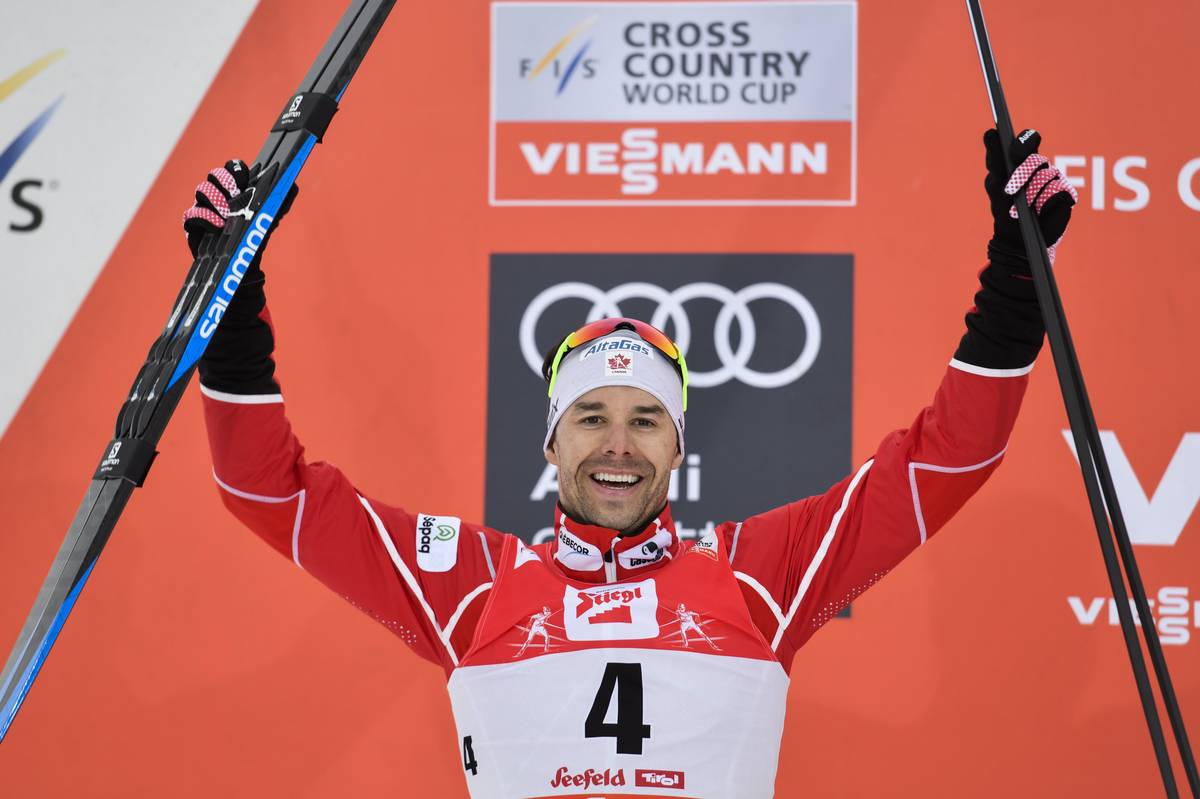
    Canada’s Alex Harvey celebrating on the podium after placing second in the men’s 15 k freestyle mass start in Seefeld, Austria, for his best result of the 2018 World Cup season. (Photo: Salomon/NordicFocus)

    Cross Country Canada (CCC) has begun a reboot process as the new Olympic cycle starts. Corporations call this a reset, a rebranding, a new direction, restructuring, and various other names that try to disguise the challenges and issues that come with enacting real change.

    The reboot process traditionally starts with an acknowledgement that the current level of success, and that of the foreseeable future, doesn’t align with the goals or the potential of the organization.

    Canada left PyeongChang with no medals at three consecutive Olympics, only one skier in the World Cup red group, and a perception that there was no obvious successor to Alex Harvey.

    There are many people who, with the benefit of hindsight, believe that CCC allowed itself to be trapped by a combination of success and the Own The Podium (OTP) funding model. 

    The process of assigning blame for the past, called “blamestorming”in the corporate world, is one of the most effective ways to waste time and destroy morale without doing anything to improve the future. The “best practices” approach to a reboot starts with four apparently simple questions: How did we get here? Where are we now? Where do we want to be in five years? How can we get there?

    While CCC does many things as a national sport body, this article will focus on high performance and the development system.

    How did we get here?

    After a disastrous 1998 Olympics in Nagano, CCC shrank to a full-time staff of five and endured a forced re-invention. Four years later, in 2002 at Salt Lake, Beckie Scott won all three medals in the skiathlon after the initial silver and gold medalists were caught doping. Sara Renner missed the B final in the sprint for 9th place.

    Canadian Chandra Crawford in the 2011 team sprint in Dusseldorf, Germany. (Photo: Fischer/NordicFocus)

    In 2006 in Torino, Chandra Crawford earned a surprise gold in the sprint while Scott finished fourth. Scott had earlier teamed up with Renner for a team sprint silver medal.

    buy vancomycin

    In 2010, there were no Canadian cross-country medals. However, there were signs of promise. Renner skied to her fourth Olympic top-10 finish. All four Canadians competing in the men’s skiathlon finished in the top-15. Devon Kershaw lost out in final kilometer of the 50 k to finish fifth, 1.6 seconds away from gold.

    That post-Vancouver glow was possibly the point where CCC temporarily slid off the rails.

    A number of Canadian sports fell victim to OTP incentives. A sport qualifies for OTP funding by having good prospects for a medal in the next Olympics. The money comes with strings attached, to ensure that resources are spent on improving the probability that specific individuals will podium. For smaller sports where the OTP money is a significant proportion of the sport’s annual budget, it is hard to make choices that put that money at risk. Choices like balancing the emerging athletes in the pipeline, while simultaneously supporting those athletes already at the top-end of the sport. 

    As a result, many sports have lost their OTP eligibility by losing the focus on development and the vision that qualified the sport for OTP in the first place. Some people put cross-country skiing in the list of sports that fell into this trap.

    After 2010, the future looked bright. Harvey and Kershaw were World Champions in the 2011 team sprint. Kershaw was second overall in the 2011/2012 World cup. (A feat only equaled in North America by Scott and Jessie Diggins).

    Harvey arrived at Sochi in 2014 as a medal favorite. He was fresh off a World Cup podium in Toblach the weekend before the 2014 Games began. Sochi ended poorly when Canada, along with Norway, couldn’t solve the difficult waxing conditions.

    In 2017, the men’s World Cup relay podium in Ulricehamn, Sweden sustained the hope — that result earned another year of OTP funding for five men. (Harvey remained a the top, as he won the men’s 50 k skate at the Lahti, Finland World Championships.

    The results in PyeongChang were similar to 2002 numerically: Harvey was close to a medal in multiple races and Lenny Valjas collected 7th in the classic sprint. A medal would have changed the mood, but not overall situation. 

    Where are we now?

    Post-PyeongChang, CCC believes Canada is not achieving the international results a country with plentiful snow and 37 million people is capable of.

    The development system in Canada consists of the National Team, the official training centers (Centre National d’Entrainment Pierre Harvey (CNEPH), Thunder Bay National Team Development Centre (TBay), and the Alberta World Cup Academy (AWCA)), and the clubs. The ten provinces and three territories have teams, but don’t have a formal place in the development system as each of the thirteen regions approaches development support differently. In the last few years, the number of clubs actively recruiting and developing athletes while supporting a high performance team has increased. For our purposes, as no official name has been affixed to these clubs, the term ‘elite club’ will be used here.

    In the past, all national team members were required to belong to a training center while developing athletes were encouraged to join.

    “I can speak for many of the athletes, they thought that if they didn’t go to a training centre, then they might as well quit skiing,” Telemark’s coach Adam Elliot said. “It was that broad of a choice, they felt they had to choose between skiing and school immediately.”

    The landscape is more diverse now, with more options. The examples that follow skew to Western Canada, largely because the coaches quoted brought teams to Sovereign Lake snow camps in May and November and were available for in-person interviews. Eastern Canada remains equally diverse in terms of its club offerings.

    A common theme among the coaches and athletes is that each athlete’s needs are different, and he or she needs to find an environment that fills those needs. FasterSkier asked AWCA’s head coach Chris Jeffries how an athlete should choose his or her path to success.

    “It’s such an individual, case by case thing,” he said. “I don’t have an answer.”

    In 2017, a shift to allow more development paths resulted in new senior National Team member Gareth Williams staying at his home club, Telemark, in Kelowna, BC. Elliot described how it came about.

    “Tom Holland approached us, for Gareth, and said we like what you’re doing in the Okanagan, and we want to keep Gareth there. We’re going to support you and your program to be able to support Gareth.”

    Also in 2017, Julien Locke returned to his home club Black Jack while Russell Kennedy shifted to the new Team R.A.D., part of the Canmore Nordic Club.

    To further illustrate the spectrum of options and pathways, FasterSkier contacted three Canadian athletes, each with a history of NorAm podiums and some international success, to discuss their ski-training choices. Dahria Beatty started at AWCA and has remained there, Evan Palmer-Charette started at TBay then recently moved to Team R.A.D., and Andy Shields has gone rogue.

    Dahria Beatty en route to 20th overall in the Seefeld World Cup freestyle sprint for her season-best result in 2017/2018. (Photo: Fischer/NordicFocus)

    “For me, I’ve been working with Chris [Jeffries] for six years,” Beatty told FasterSkier in November. “It works really well for me, and I have a good group of training partners where I am, that can push me everyday in training.”

    AWCA is also the home training group for National Team skier Emily Nishikawa and two junior national team skiers. AWCA also benefits from its close proximity to a number of other training groups.

    “For me, Canmore’s a location where I want to be training, where I want to be based out of,” Beatty said. “All the pieces fit well together for [me], it’s somewhere I think I can keep improving.”

    Palmer-Charrette made a summer-time decision to change things up by finding a fresh environment in Team R.A.D.

    I think the best part of being on a training centre is the entire program is based around a small group of athletes of similar age which makes for a great training and racing environment,” Palmer-Charrette wrote. “I feel training centres, as they are, are best-suited for junior/u23 athletes and especially great for athletes who are a bit late to the game like I was at the end of high school and will really benefit from learning from other athletes on the day to day training life.”

    Shields is no longer affiliated with an official team. He funds his skiing by painting houses in the summer and representing ski wax companies in the winter. Although he refers to ski racing as a hobby, he did end the last season as COC leader and will race period 1 of the World Cup.

    I don’t think I could have done this straight out of junior,” Shields wrote. “My time on Tbay is still having a huge positive effect on my ski career. Being on a team through my early years as a senior made it much easier to get a decent training base and set a couple good habits in place which are paying dividends.”

    Shields did reflect and offer an alternative to how he might have changed his path to elite level skiing.

    “If I could go back in time I would have gone the NCAA route straight out of junior,” Shields added. “College skiing in the States is a much better deal than a training center for people in their early twenties. You can go down to the States, get a degree, not pay a dime, and come out the other side with plenty of time to have a full-time ski racing career. I would have joined a training centre upon finishing with NCAA.”

    The Canadian university system differs from the U.S. model, offering little money for sports. Heading south to the U.S. as a student-athlete remains an option for some Canadian skiers. Most athletes remain in the Canadian system to develop. With that in mind, FasterSkier asked why some athletes had chosen some of the Western based training centres.

    Jeffries, who leads the AWCA, also noted how his program has evolved. There appears to be room at the AWCA for those with concurrent goals. The AWCA has partnered with the University of Calgary to allow AWCA athletes to work towards degrees.

    “We’re always evolving our programming, and what it entails, and how we package it,” Jeffries said. “That’s why we have this new university program this year, because you just look at the popular decision making of graduated high school athletes.” 

    Elliott, based in the Okanagan, said his program offers athletes a well rounded experience too. 

    “You’ve got the trifecta,” Elliot said. “You’ve got access to education opportunities for post-secondary. We’ve got the university, UBC Okanagan, and the college. Most of the people who’ve moved here have gone to school. Secondly, it’s the Okanagan. Which is probably the best place to ski in North America, with skiing up and down the valley –with Nickel Plate, Telemark, [Kelowna] Nordic, Sovereign, and Larch Hills. The third is that you’re moving into a community of skiers: family, volunteers, everybody trying to make a go of keeping people in sport.”

    Clearly the times have changed from a programming perspective and the past’s financial windfall for Canadian cross-country skiing.

    “Probably the quad between 2010 and 2014, CCC had more money almost than it knew what to do with, ” Dave Wood, former National Team head coach, told FasterSkier in May as he finished up a long ski day. “Now, I think the budget’s still three and a half million. While it’s maybe low compared to what it has been, it’s a hell of a lot higher than it was in ‘99, by about four times.” 

    Former CCC High Performance Director Tom Holland spoke of those larger commitment from clubs during the Frozen Thunder races in October. 

    “There’s a lot more resources,” Holland said, referencing the increased numbers of coaches attending Frozen Thunder with their athletes. “One of the reasons clubs are more important now is that there are paid coaches at the clubs. That’s why training centres started in the 90’s, because you’ve got to have a coach, full-time.”

    Thee deep question remains: what next for Cross Country Canada as it ponders a post-Alex Harvey scene? Better and more diverse options for Canadian skiers, like those modernizing their offerings to connect with the student-athlete, is a step forward. But fans of the sport, and of course Cross Country Canada, have short-term and long-term goals. No one wants to see another Olympic quadrennial transpire without the glimmer of medal potential at the international championship level. 

    “I think when Alex Harvey retires, mostly likely after next year with Lenny Valjas, it will be the end of an era having athletes being able to finish on the podium at World Cups, World Championships, said Alain Masson, Whitehorse head coach. “So definitely, the program is going to go into a real rebuilding phase with lots of young athletes, but no guarantee of success in the near future.” 

    This is part one of a two-part story. 


  • Early Snow in Canada, Call for Submissions

    Early Snow in Canada, Call for Submissions

    Some days, you just need to take pictures. (Courtesy photo)
    Early season skiing at the Sovereign Lake Nordic Centre on Oct. 14, 2017. (Courtesy photo)

    When you think of skiing in Canada in October, Canmore’s Frozen Thunder is probably one of the first places that comes to mind. There are more options and some snowmaking that might surprise you.

    This month, Canadians are skiing on natural snow, machine-made snow and farmed snow. We know skiers are already out and about in Alaska and other parts of the U.S. as well, which is why we want this year’s early season “Where The (Skiable) White Stuff Is” to compose of reader submissions. If you know where there’s November or even October skiing in the U.S. or Canada, please write us with details (When does it open or how long has it been open? How many groomed kilometers are there? Is there snowmaking? Any special events planned, like American Thanksgiving camps? Anything else we should know?) and original photos at info@fasterskier.com with the subject line: “Fall Skiing”. Deadline for submissions is Nov. 3.

    To get the ball rolling, FasterSkier’s Gerry Furseth checked in with several nordic venues across Canada. They’ve already celebrated Thanksgiving, and full-on skiing is just around the corner.

    Frozen Thunder

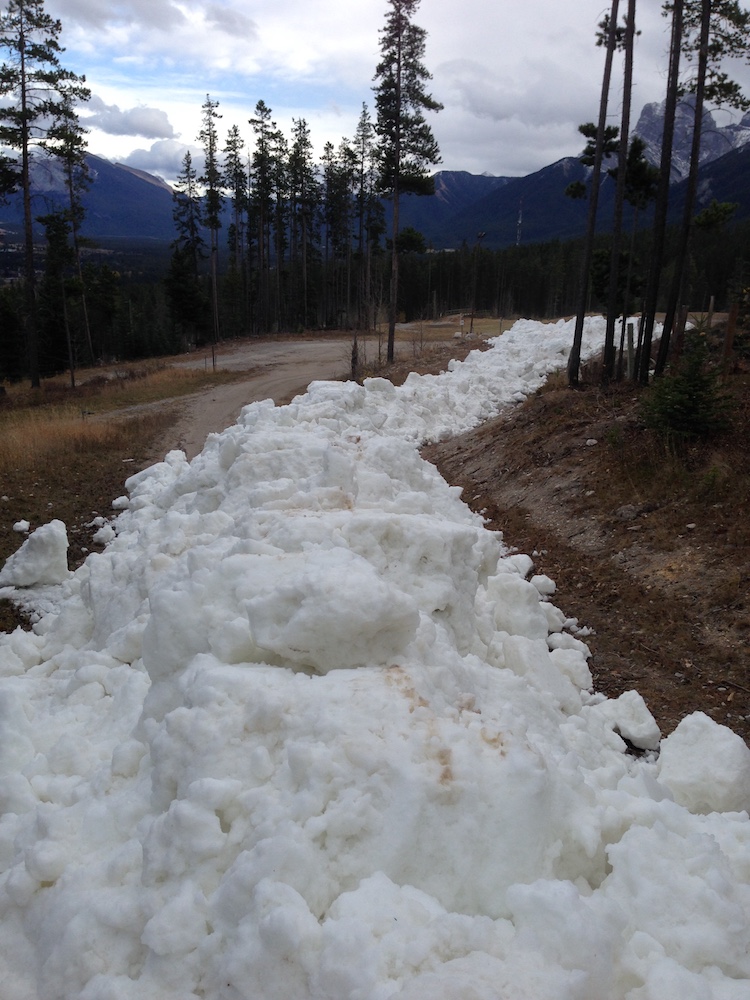
    Canmore has started building Frozen Thunder for 2017. This is what it looks like with five days to go. (Courtesy photo)
    Canmore has started building Frozen Thunder for 2017. This is what it looks like with five days to go. (Courtesy photo)

    The action starts on Oct. 21 with some changes for the eighth season. There will be a bigger hill as requested by the national teams and a new emphasis on avoiding exposed south-facing slopes.

    The Canmore Nordic Centre (in Canmore, Alberta) is an unusual venue, one of the select few that has machine-made snow, farmed snow and natural snow.

    There is obviously an issue [with manmade snow] around warmer temperatures,” Area Manager Michael Roycroft told FasterSkier. “Last year is a good example where most of November was too warm to make snow, and that’s where Frozen Thunder comes in. That’s why we have our storage option, that allows us to essentially have snow no matter what.”

    Frozen Thunder is funded mostly by national and provincial ski organizations and the focus is on providing training opportunities for high-level competitors. The snowmaking has a broader focus.

    The natural snow is obviously helpful, and it covers the rest of our trail system that’s further to the west and higher up, but it wasn’t for machine-made snow in Canmore and the nordic centre, we simply would not be able to run as a nordic facility,” Roycroft said.

    Machine-made snow covers 30 kilometers, leaving 40 k dependent on natural snow.

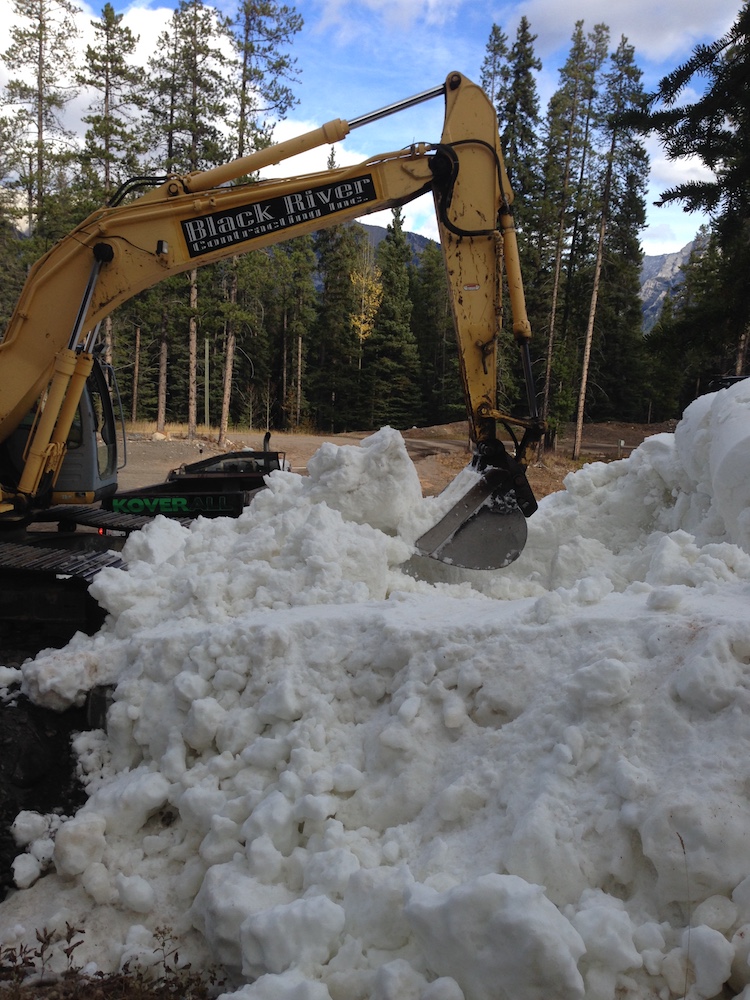
    A big job requires big machinery. (Courtesy photo)
    A big job requires big machinery. (Photo: Canmore Nordic Centre)

    Whitehorse

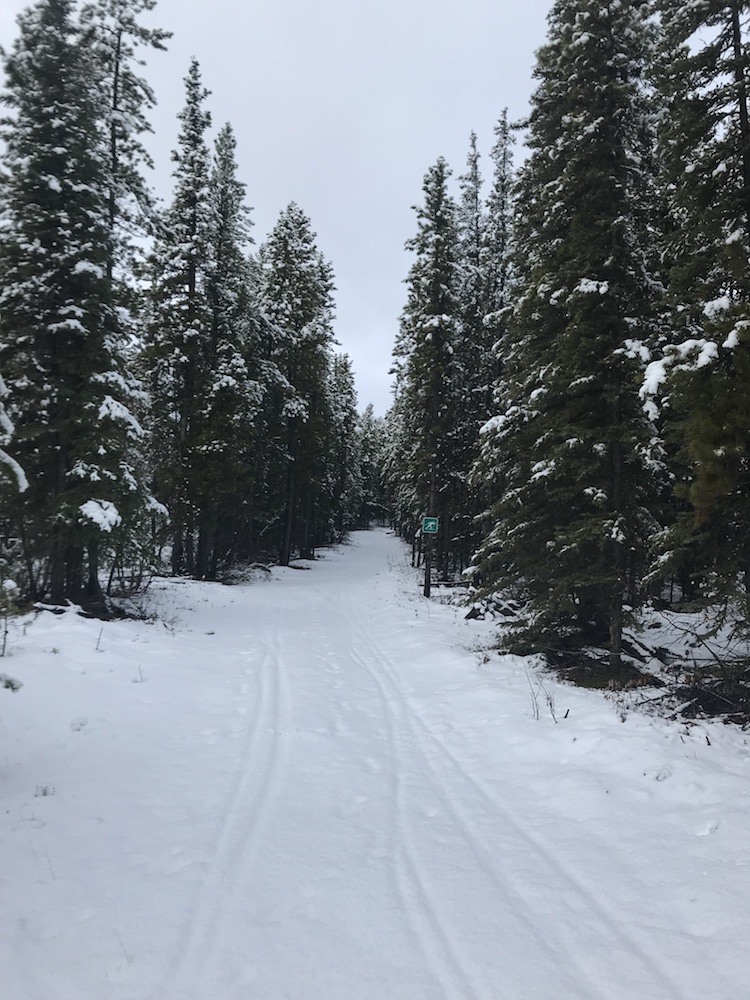
    Whitehorse ski trails on October 15th, 2017. Another 5cm is need to set track. (Photo: Alain Masson)
    Whitehorse ski trails on Oct. 15, 2017. Another 5 centimeters was needed to set track. (Photo: Alain Masson)

    When you think of Whitehorse, you probably don’t think of snowmaking. But Cross Country Yukon’s Alain Masson does.

    In the past, we often had snow available for skiing for our more advanced skiers, but it was not available to everyone,” Masson wrote in an email. “This year, our developing skiers will all have access to some early skiing in good man made snow conditions a month earlier than usual.”

    Much of the early season skiing in Canada is not intermediate friendly. Thin snow, tripping hazards and travel to elevation create a barrier to less advanced or less committed skiers. The Whitehorse Cross Country Ski Club is using snowmaking to make the early season more inclusive.

    The new snowmaking equipment will be used for the first time on Oct. 22.

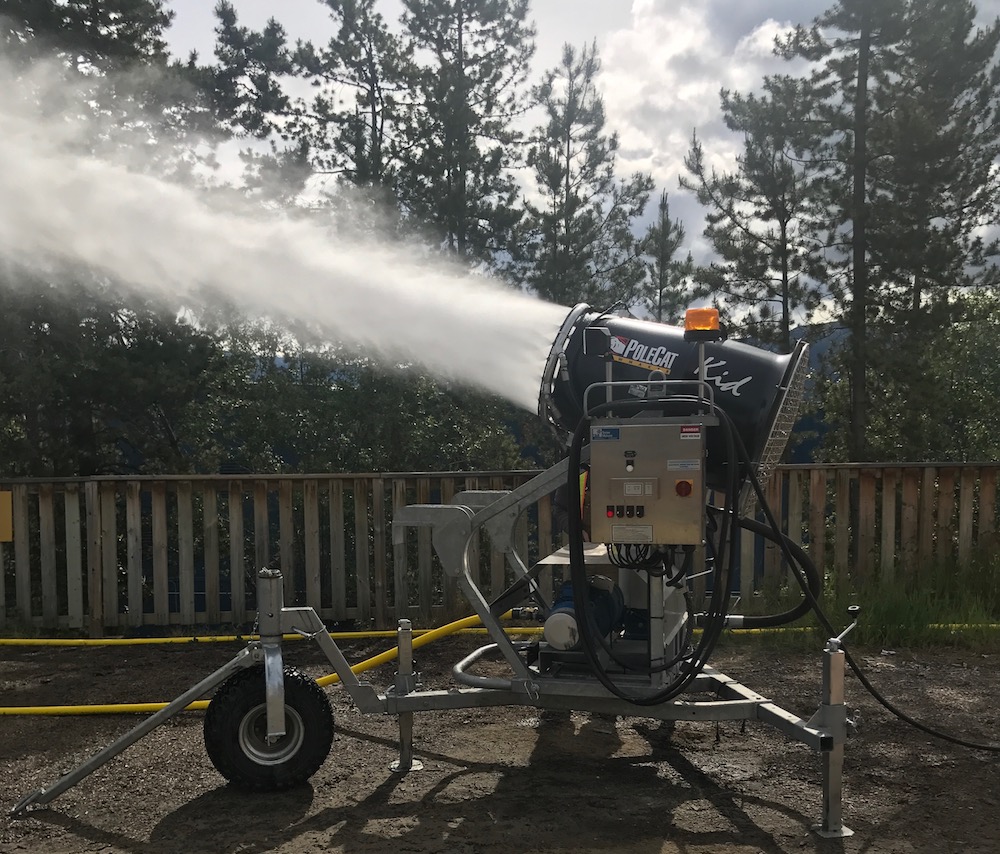
    Testing the new gun in June, 2017. (Photo: Alain Masson)
    Testing the new gun in June 2017. (Photo: Alain Masson)

    Sovereign Lake

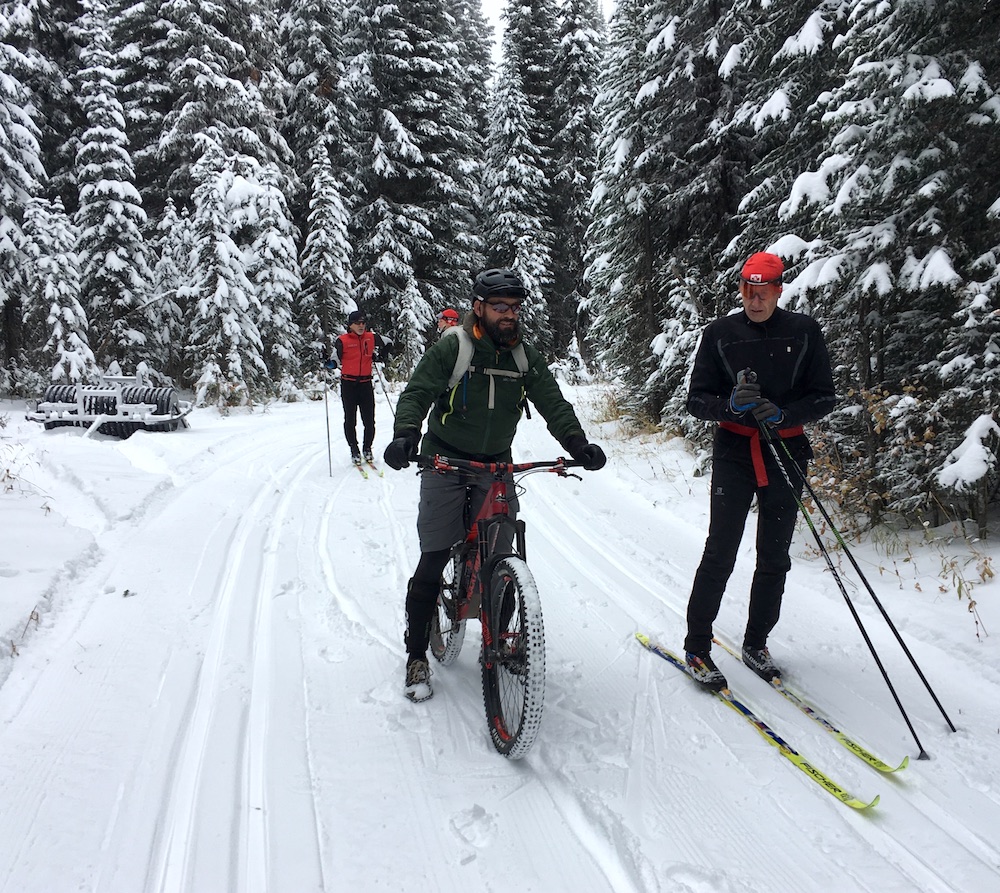
    There is a difference of opinion on what season October 14th belongs to. The bikers probably would have chosen fat bikes over plus bikes if they had realized how much snow they would see on their trip from Vernon to Lumby. (Photo: Gerry Furseth)
    There is a difference of opinion on what season Oct. 14 belongs to. The bikers might have chosen fat bikes over plus bikes if they had realized how much snow they would see on their epic ride from Vernon to Lumby, B.C. (Photo: Gerry Furseth)

    The Sovereign Lake Nordic Centre (near Vernon, British Columbia) is well known for November skiing and NorAm races. The season is limited not by loss of snow, but by biking conditions in the valley below.

    As soon as Sovereign gets snow in the fall we want to conserve as much as possible by rolling and track setting,” General Manager Troy Hudson wrote. “All of our early season grooming is done with Quads and snowmobiles to ensure a firm and supportive snowpack for the remainder of the season.  Our high elevation (1,680m) and typical higher humidity in late October provides unpredictable weather that can often result in snowstorms of 10-15cm at a time.”

    With 20 centimeters of fresh snow, the club set about 5 k of classic track on Oct. 14. While certain trails are open for preseason skiing, the nordic centre officially opens Nov. 10 for pass holders and day ticket sales.

    Menihek Nordic

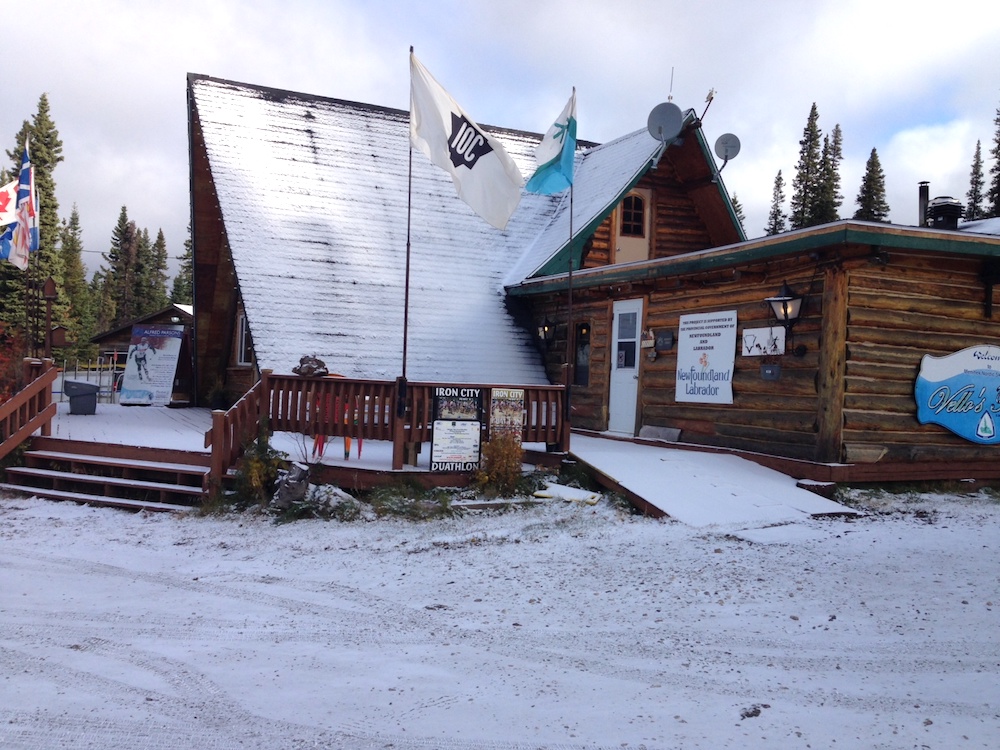
    Menihek is another former national-team favourite destination that has since been replaced by Frozen Thunder. Located near Labrador City, Newfoundland and Labrador, it is a less-visited gem. While the Menihek Nordic Ski Club hasn’t received much snow to date, it is a safe bet that by the end of October they will be setting upwards of several kilometers of track.

    On October 12th, there wasn't much snow at the day lodge. This will change. (Photo: Gerry Rideout)
    On Oct. 12, a dusting of snow was seen at the lodge. (Photo: Gerry Rideout)

    ***

  • Behind the Scenes with Canadian Wax Chief Yves Bilodeau (in English)

    Behind the Scenes with Canadian Wax Chief Yves Bilodeau (in English)

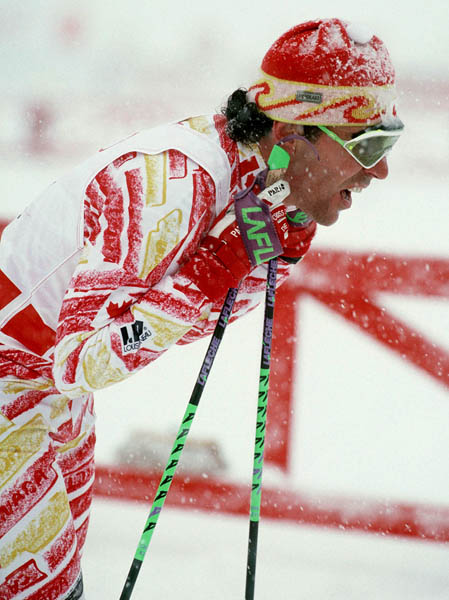
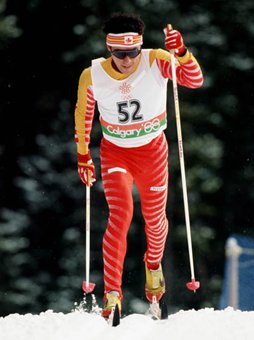
    Canada's Yves Bilodeau at the 1992 Albertville Olympic winter Games. (CP PHOTO/COA/Ted Grant)
    Canada’s Yves Bilodeau at the 1992 Albertville Olympic winter Games. (CP PHOTO/COA/Ted Grant)

    Yves Bilodeau is one of the faces on the Canadian World Cup Team that’s seldom seen. Like his crew of wax technicians, he’s a behind-the-scenes guy, one of several responsible for the successes and sometimes lack thereof at international competitions.

    Born in Quebec City and currently living in France, the 52-year-old made himself known as a Canadian cross-country skier, competing at five World Championships and three Olympics (the last of which came in 1998, three years after he retired. A wax tech at the time, he competed in the 10 k in Nagano, Japan).

    After that, he retired for good — at least from international nordic racing. He’s still known in international adventure-racing circles after winning 2005 World Championships with Team Raid Quechua.

    Known by his close friends and relatives as Bilose, Bilodeau is embarking on his 20th season working with the Canadian squad, and he’s witnessed a lot of change within the team since his racing days. At the ’92 Olympics in Albertville, France, Canada had one wax tech. Twenty-two years later, the team had a record nine at the Sochi Olympics.

    In a phone interview with FasterSkier, Bilodeau spoke in his native tongue, humbly with a hint of humor. Seemingly attached to the past, he revealed he’s somewhat skeptical of ever-growing progress and new technology.

    From his home in Ruffieux in south-eastern France, he talked about his waxing debut in 1995, reflected on what he called the “Sochi drama,” and explained who he’ll be working with this upcoming World Cup season.

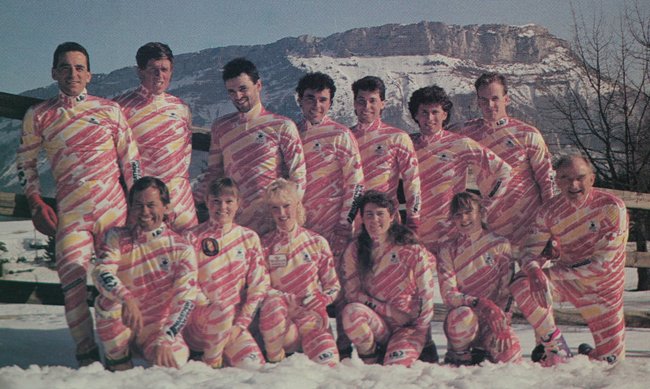
    Canada's 1992 Albertville Olympic team: (from left to right) Top: Alain Masson, Dave Wood (Wax Technician), Dany Bouchard, Yves Bilodeau, Darren Derochie, Al Pilcher, Wayne Dustin.  Bottom: Laurent Roux (Head Coach) Jane Vincent, Lucy Steele, Lorna Daudrich, Rhonda De Long, Marty Hall (NST Director),  absent Angela Schmidt-Foster. (Photo: Cross Country Canada)
    Canada’s 1992 Albertville Olympic team, including Yves Bilodeau (top, center). (From left to right) Top: Alain Masson, Dave Wood (the lone wax technician), Dany Bouchard, Yves Bilodeau, Darren Derochie, Al Pilcher, Wayne Dustin. Bottom: Laurent Roux (head coach) Jane Vincent, Lucy Steele, Lorna Daudrich, Rhonda De Long, Marty Hall (NST director), absent Angela Schmidt-Foster. (Photo: Cross Country Canada)

    (Note: the following interview has been translated from French to English.)

    FasterSkier: Starting as an athlete, what made you join the Canadian technical ski team 20 years ago?

    Yves Bilodeau: Back in 1995, when I stopped competing after the Nordic World Ski Championships in Thunder Bay, I moved to France with my first wife, who at the time was finishing an international law degree and working at the International Labour Office located in Geneva. I was looking for a job and actually thinking about joining a European ski team for long-distance races. In the end, my luck turned suddenly when my old friend Alain Masson gave up his spot on the Canadian technical team to fill a coach position for the Yukon ski team. It was a great opportunity and I accepted it with no hesitation.

    Former Canadian National Team member Yves Bilodeau racing in Calgary. (Photo: Cross Country Canada)
    Former Canadian National Team member Yves Bilodeau racing in Calgary. (Photo: Cross Country Canada)

    FS: How has your previous racing experience helped shape your interest in ski preparation and waxing?

    YB: Times have changed dramatically over the course of two decades. Back in 1992, racers had to put the shoulder to the wheel in terms of ski preparation, since Canada had hired only one technician — who moreover undertook other tasks aside from waxing — for the Olympic Games in Albertville. We were already at the back of the peloton compared to most of the European technical teams. Things then started changing gradually, thanks to the arrival of Dave Wood [head technician in 1992 and head coach in ’02], as more technicians got hired. I think we improved a ton since then, although we sometimes struggle making ends meet with what limited budgets we have.

    FS: Who will you be working with on Canada’s World Cup technical team this season?

    Canada’s 2014/2015 NST Wax Techs:
    – Yves Bilodeau (full-time Sept.-April)
    – Joel Jaques (full-time year-round)
    – Micke Book
    – Alain Masson
    – Sacha Bergeron
    – Fabio Ghasifi*
    – Graham MacLean**(New this season)

    YB: Micke Book, a great Swede who couldn’t get along with his fellow countrymen, joined the Canadian team in 2006 after the Olympic Games in Turin. Joel Jacques is based in Canmore and works year-round with us. Alain Masson also gives us a hand during the more important events, when his schedule in Yukon allows for it.

    Although he will spend less time with us this years, having recently become a father, we can still count on Sacha Bergeron. We also hired Fabio [Ghasifi], an Italian who previously worked magic for the Japanese team [for the last decade] in difficult snow conditions. Graham MacLean will also help us this year.

    For my part, I always join the team full-time from September to April. We usually form a group of six during World Cups, and go up to nine technicians for Olympic Games and World Championships. When few Canadians take part in a World Cup freestyle event, we make ends meet with only four waxers. Micke and Joel are the grip specialists, while Fabio and I work primarily on gliding.

    FS: Looking back on the last Olympics in Sochi, what went wrong exactly from a technical standpoint for some of your athletes?

    YB: We failed in Sochi due in large part to the abrupt change in snow conditions, which always seemed to occur exactly at the time when most races started, around 2 p.m. At that precise time, one side of the mountain remained cold, while the other was totally exposed to the sun. With only 15 minutes before the start, we were confident with the skis and our racers would tell us just how satisfied they were with them. Then, as the races unfolded, skis became really sluggish. Looking back, we should’ve been able to capitalize on these difficult conditions and set ourselves apart from the rest, as other teams experienced similar technical setbacks.

    It was Daria [Gaiazova] who involuntarily provided us with the key to our waxing issues. On race day, after testing her first pair of skis, she asked Sacha to rewax them. Sacha took his spatula and scraped off a thick layer of wax. Before he knew it, Daria took those skis and retested them. She told him they were perfect and needed no additional adjustment! We finally realized that the trick was to apply a very thin layer of red klister on soft skis, which was contrary to our common practices. Unfortunately, this discovery was made too late and they [our athletes] paid the price.

    FS: Were these simply the worst snow conditions you’ve experienced in a race?

    YB: I had rarely witnessed such bad conditions, that’s for sure. Even with air temperatures approaching -3 degrees [Celsius], accumulated snow in the trees would melt and water dropped constantly on the course, then refroze, then melted again. It was crazy. Nevertheless, we weren’t totally surprised, having skied previously many times on the Olympic course before the Sochi Games. Our greatest oversight was having done no ski testing at 2 p.m. precisely. We underwent various tests from 11 a.m. to 1:45 p.m. and everything worked great. At 2 p.m., we were in serious trouble.

    “Looking back, we should’ve been able to capitalize on these difficult conditions and set ourselves apart from the rest. … Our greatest oversight was having done no ski testing at 2 p.m. precisely.”  –– Bilodeau on what went wrong in Sochi

    FS: In hindsight, what lessons have you drawn from the last Olympics?

    YB: Life is made of ups and downs. Yes, we failed in Sochi, but we weren’t the only ones getting rocked. Take Norway for example. Their technical team did much more testing before the Games, in addition to collaborating closely with Swix and having their technicians undergo several separate tests. In the end, they failed just as bad as we did. After Sochi, we quickly came to the conclusion that we needed to work closer with athletes throughout the last minutes leading up to the race start. Next year, Graham and another technician, who weighs the same as Alex Harvey, will accompany and assist Alex for testing and any last-minute wax adjustment.

    FS: Were Harvey’s impressive results at World Cup Finals (in Falun, Sweden) a form of redemption after Sochi?

    YB: We’re constantly put under the pressure to deliver the best skis possible. We can’t have too many bad days, as our main objective is to always move up in the World Cup standings. But sometimes things go unplanned. Harvey, just like Norwegian Martin Sundby, stood several times on the podium before and after the Sochi Games, but both were out of luck when it counted most. That was the Sochi drama: performing poorly while the expectations we so high in Canada. As Quebecers say, the puck wasn’t going our way. [Laughs]

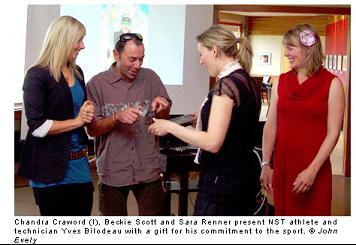
    Canadian wax tech Yves Bilodeau (second from l) receives a gift from Chandra Crawford, Beckie Scott and Sara Renner. (Photo: John Evely/Cross Country Canada)
    Canadian wax tech Yves Bilodeau (second from l) receives a gift from Chandra Crawford, Beckie Scott and Sara Renner for his commitment to Canadian cross-country skiing. (Photo: John Evely/Cross Country Canada)

    FS: How has cross-country ski racing changed since you first joined the Canadian technical team in 1995? What major technical shifts have you noticed?

    YB: Major changes are fewer than most people think. When it comes to gliding, what I call “accelerators” — fluor liquids applied at the very end of the ski preparation — make the biggest difference. On the grip side, there are a few new interesting products, but twenty- to thirty-year-old waxes, like Rode Red, still work great. Every piece of equipment is lighter with each year. Ski manufacturers also work hard on bettering the uniformity of their productions, to deliver equal skis as much as possible. It may sound simple, but ski making is no exact science yet.

    FS: What makes a ski go fast? What unique features distinguish a great pair from a standard one?

    YB: It’s fairly easy to eliminate the pairs we don’t like, but trying to handpick the best ones directly from the manufacturer remains a dubious task. The only way to tell which pairs stand out is to install bindings and try out the skis on snow. In the summer, Micke will do various tests in the Torsby ski tunnel in Sweden and rate each pair. There is no other way to go about it.

    FS: How does Canada manage to stay competitive against other larger and wealthier European teams?

    YB: Last season, Haywood and AltaGas, two of our long-time sponsors, helped us in acquiring a brand-new wax truck. Only a handful of teams enjoy such luxury, as other nations like France and the U.S. are presently working on purchasing their own truck. Since I first started this job, it’s probably the best technical improvement I’ve seen yet. We’re now completely self reliant, as we can park the truck right at the foot of the ski slopes for quick testing and avoid unvented and crowded waxing rooms. This vehicle can hold easily our 350 pairs of skis and six workstations are available. The ventilation system filters the air every two seconds and my back doesn’t hurt like it normally used to. It makes our job so much easier and more enjoyable.

    “… The Sochi drama: performing poorly while the expectations we so high in Canada. As Quebecers say, the puck wasn’t going our way.”

    FS: How are you approaching the upcoming World Cup season? Are the World Championships in Falun the team’s main objective?

    YB: Definitely. We’re aiming for medals in Falun, that’s for sure. We want to get closure on everything that went wrong in Sochi, move forward and focus all our efforts on the World Championships and the Tour de Ski.

    FS: Does living in France gives you and the Canadian team a strategic advantage on European soil?

    YB: It works out great for everyone. Joel stays in Canmore year-round and works with the team in the summer, while I stay here in France and rejoin him and Micke later in September. I can test skis in Val d’Isère and in various areas in France. I keep a lot of the team’s equipment to avoid carrying everything by plane from Canada when the World Cup season kicks off. One of the team’s buses we use during competitions also stays at my home in the offseason.

    FS: Finally, are you working on any projects for the summer? Are you still competing in expedition races, do you plan to fish a lot in Savoie?

    YB: My career in expedition races slowed down quite a bit, but I always stay active, competing locally in trail running mainly. With the frequent showers beating down recently in the region, there’s less fishing in the Rhône valley’s rivers, but perch, trout and other types of fish can be found in lakes nearby.

    ***

    About the author: FasterSkier contributor François Léger Dionne raced for 15 years at provincial and national competitions in Quebec. After obtaining a Bachelor of Law at the University of Montreal, he’s currently enrolled in a full-time program at the Montreal College of Osteotheraphy. French is his first language, but he speaks and writes fluently in English. His claim to fame? Racing and beating a younger Alex Harvey!