Tag: albuterol

  • FIS Rules and Keeping Quiet: Why You Didn’t Hear About Sundby Sooner

    FIS Rules and Keeping Quiet: Why You Didn’t Hear About Sundby Sooner

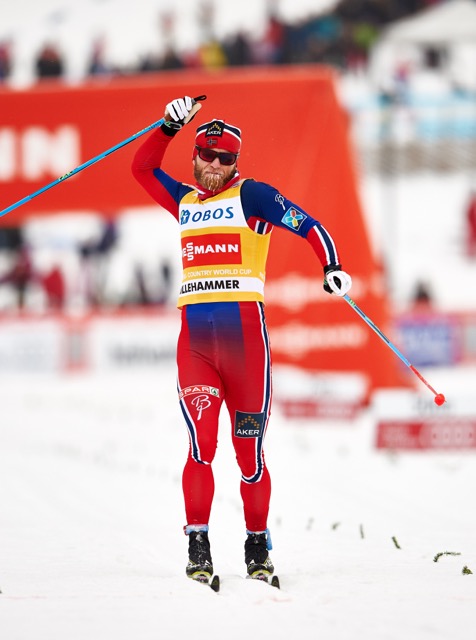
    Norway's Martin Johnsrud Sundby lost is 2014-2015 overall World Cup title after breaking rules about the use of asthma medication. (Photo: Fischer/Nordic Focus)
    Norway’s Martin Johnsrud Sundby lost is 2014-2015 overall World Cup title after breaking anti-doping rules regarding the use of asthma medication. (Photo: Fischer/Nordic Focus)

    News broke on Wednesday that Norwegian cross-country skier Martin Johnsrud Sundby lost his 2015 World Cup overall title after an anti-doping rule violation (ADRV).

    Among athletes and fans, one of the biggest reactions was of surprise: Sundby’s samples had been collected in December 2014 and January 2015, yet the case had never been publicized.

    Screen Shot 2016-07-23 at 7.35.05 PM

    That is primarily because despite the adverse analytical finding (AAF) of salbutamol — a common asthma medication — in two of Sundby’s urine samples, the International Ski Federation (FIS) concluded that he had not broken any rules.

    First, because salbutamol is a “specified substance”, according to the WADA Code, FIS was not required to give Sundby a provisional suspension while they resolved his case. Thus he did not miss any races after the AAF’s were reported to FIS.

    Then, because the eventual Anti-Doping Hearing Panel conclusion was that there was no ADRV, FIS was also not required to publicize the result – in fact, they could not publicize it at all without Sundby’s consent, which he did not provide.

    “FIS and the Norwegian Ski Association have followed the regulations and procedures as provided for in the FIS Anti-Doping Rules and WADA Code concerning communication of the decision of the FIS Doping Panel,” FIS Secretary General Sarah Lewis wrote in an email to FasterSkier.

    Confidentiality is oft-discussed and highly prized according to FIS Rules. Thus only after the Court of Arbitration for Sport supported an appeal by the World Anti-Doping Agency (WADA) and ruled that an ADRV did occur, was FIS required to publicize the case.

    Why No Rule Violation?

    One common circumstance where an AAF can lead to no rule violation is if an athlete has a Therapeutic Use Exemption (TUE) for the substance in question.

    Although he has long discussed his asthma diagnosis, Sundby did not have a TUE for salbutamol because he believed he didn’t need one.

    As a class of drugs, the World Anti-Doping Agency (WADA) prohibits the use of beta-2 agonists, with the following exceptions (as described in the 2015 Prohibited List):

    “Inhaled salbutamol (maximum 1600 micrograms over 24 hours);

    Inhaled formoterol (maximum delivered dose 54 micrograms over 24 hours); and

    Inhaled salmeterol in accordance with the manufacturers’ recommended therapeutic regimen.

    The presence in urine of salbutamol in excess of 1000 ng/mL or formoterol in excess of 40 ng/mL is presumed not to be an intended therapeutic use of the substance and will be considered as an Adverse Analytical Finding (AAF) unless the Athlete proves, through a controlled pharmacokinetic study, that the abnormal result was the consequence of the use of the therapeutic inhaled dose up to the maximum indicated above.”

    Sundby’s urine samples both had over 1300 ng/mL of salbutamol, triggering an AAF and beginning the investigative process into whether he had an appropriate TUE.

    He didn’t, based on advice of a team doctor. The reason — that he was taking the medication through a nebulizer rather than an inhaler and believed that this made a TUE unnessecary — was explained in a previous article.

    “We know the rule for use of the the nebulizers now and we will not do the same mistake again,” Norwegian men’s coach Tor-Arne Hetland told FasterSkier in an email. “We will for sure ask for a TUE one extra time instead of one too little in the future. Martin would have gotten a TUE if he asked for it. To get a TUE happens quickly, but the decision is made separately in each case.”
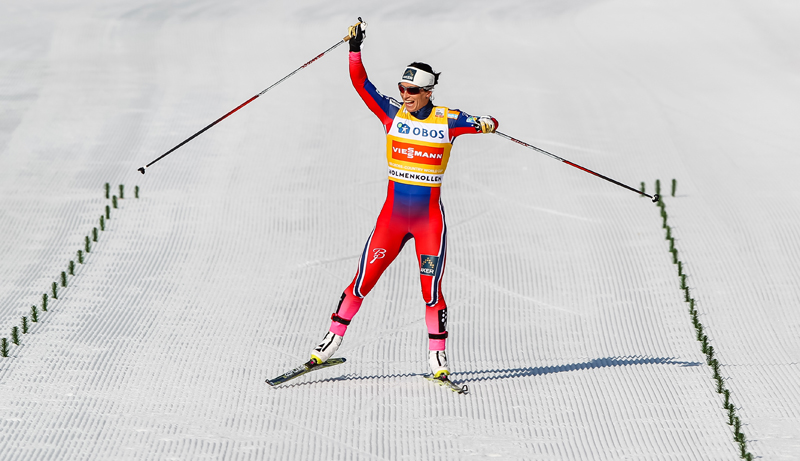
    Marit Bjørgen, the winningest female skier of all time, also uses asthma medication. “I have medical test results that indicate that I am qualified to use Symbicort," she said in a press release from the Norwegian ski federation. "I have the necessary permissions from the International Ski Federation (FIS) to use this medication, and all research studies show that this asthma medicine does not have any performance enhancing effect unless you have asthma. Just like Martin, I could not have become the best in the world without using my asthma medicine." (Photo: Fischer/NordicFocus.com)
    Marit Bjørgen, the winningest female skier of all time, also uses asthma medication. “I have medical test results that indicate that I am qualified to use Symbicort,” she said in a press release from the Norwegian ski federation. “I have the necessary permissions from the International Ski Federation (FIS) to use this medication, and all research studies show that this asthma medicine does not have any performance enhancing effect unless you have asthma. Just like Martin, I could not have become the best in the world without using my asthma medicine.” (Photo: Fischer/NordicFocus.com)

    Most people don’t consider the use of the salbutamol to be performance-enhancing. Doctors and medical researchers have concluded that salbutamol is not ergogenic for athletes who are not experiencing constricted airways through asthma or exercise-induced bronchiospasm.

    “The net effect for anyone whom does not have [exercise-induced bronchiospasm] is negligible: you can’t relax smooth muscle in the airway if it has not been contracted,” Dr. Michael Kennedy told FasterSkier in January, referring to the drug’s mode of action.

    Numerous studies have backed this up, showing that giving asthma medication to athletes does not improve performance in time trials or races.

    None of this changes the fact that WADA prohibits inhalation of the drugs in high concentrations, or via injection or ingestion. And salbutamol is also banned because it is a masking agent – that is, it could be used to hide the presence of another performance-enhancing drug.

    In the “masking agents” section of the Prohibited List, the organization writes that “The detection in an Athlete’s Sample at all times or In-Competition, as applicable, of any quantity of the following substances subject to threshold limits: formoterol, salbutamol, cathine, ephedrine, methylephedrine and pseudoephedrine, in conjunction with a diuretic or masking agent, will be considered as an Adverse Analytical Finding unless the Athlete has an approved TUE for that substance in addition to the one granted for the diuretic or masking agent.”

    One might expect that after an AAF, an athlete would be provisionally suspended. But according to FIS Rules, that was not necessary.

    No Provisional Suspension
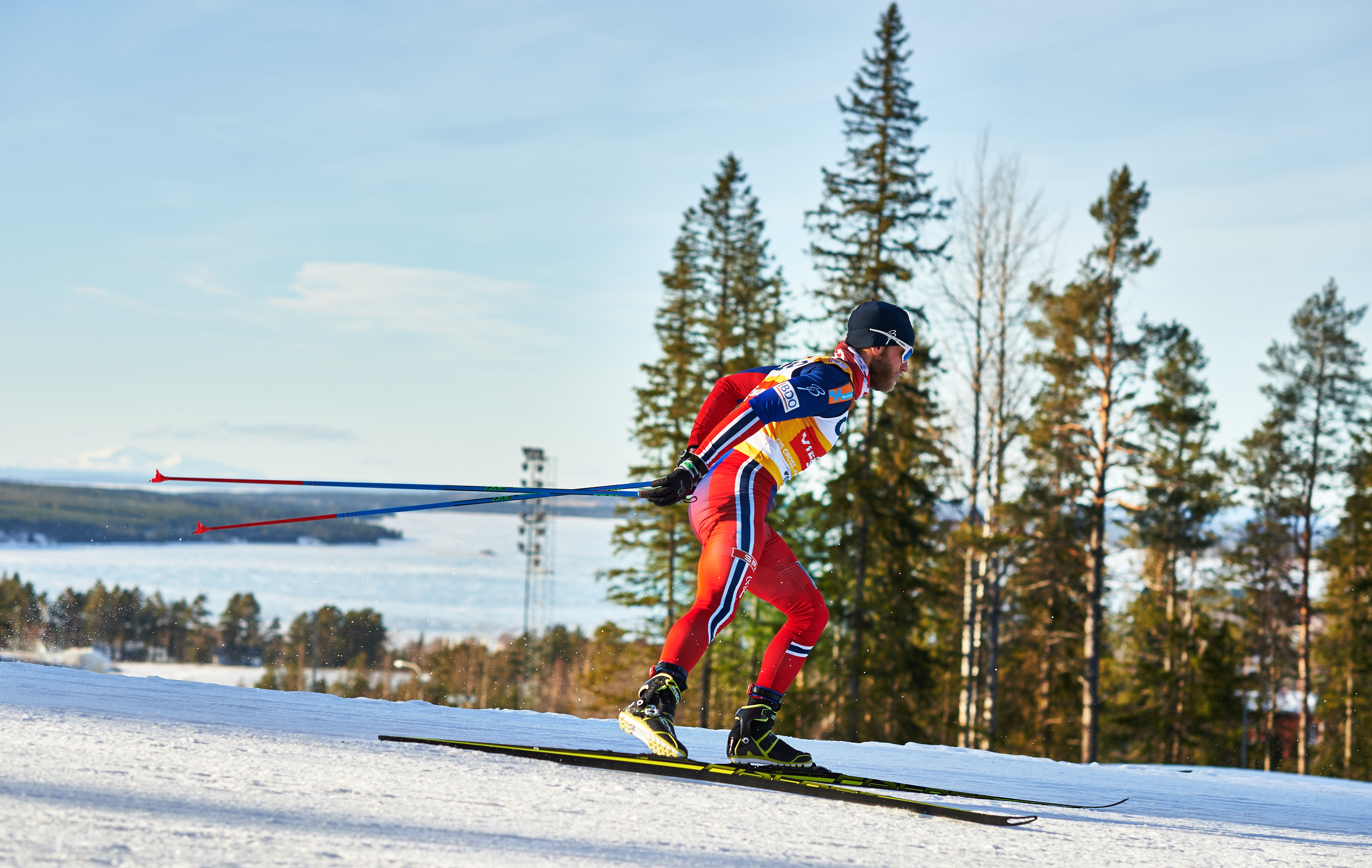
    Martin Johnsrud Sundby placed 12th in the 15 k skate World Cup in Oestersund, Sweden, in February 2015 - one day after FIS decided to cancel his scheduled Anti-Doping Hearing Panel and instead subject him to lab tests to determine how much salbutamol showed up in a urine sample after using a nebulizer as he had described. That trial eventually took place in April, long after the World Cup season (and Sundby's victory for the overall title) had wrapped up. (Photo: Fischer/Nordic-Focus.com)
    Martin Johnsrud Sundby placed 12th in the 15 k skate World Cup in Östersund, Sweden, in February 2015 – one day after FIS decided to cancel his scheduled Anti-Doping Hearing Panel and instead subject him to lab tests to determine how much salbutamol showed up in a urine sample after using a nebulizer as he had described. That trial eventually took place in April, long after the World Cup season (and Sundby’s victory for the overall title) had wrapped up. (Photo: Fischer/Nordic-Focus.com)

    FIS rules about confidentiality are clear. In the early stages of a case, only those who “need to know” should be told about it, according to the rules. For instance, from the 2015 Anti-Doping Rules: “FIS shall ensure that information concerning Adverse Analytical Findings, Atypical Findings, and other asserted anti-doping rule violations remains confidential until such information is Publicly Disclosed in accordance with Article 14.3.”

    If a case makes it into the media at this point, it is usually because it has been publicly announced by the athlete or their national federation, or else leaked by someone else who has inside knowledge.

    “Information sometimes reaches the public domain since the athlete or person defending an anti-doping rule violation is communicated during the course of the proceedings,” FIS Secretary General Lewis wrote. “This has not been the case this time.”

    It could have been obvious that something was going on if Sundby had disappeared from the World Cup based on a provisional suspension. But he didn’t, because salbutamol does not lead to a mandatory provisional suspension.

    According to Provision 7.9.1 of the 2015 FIS Anti-Doping Rules, only athletes who have tested positive for a drug which is not a “Specified Substance” must receive a provisional suspension. Provision 7.9.2 states that for drugs which are Specified Substances, a provisional suspension is not mandatory.

    7.9.1 Mandatory Provisional Suspension: If analysis of an A Sample has resulted in an Adverse Analytical Finding for a Prohibited Substance that is not a Specified Substance, or for a Prohibited Method, and a review in accordance with Article 7.2.2 does not reveal an applicable TUE or departure from the International Standard for Testing and Investigations or the International Standard for Laboratories that caused the Adverse Analytical Finding, a Provisional Suspension shall be imposed upon or promptly after the notification described in Articles 7.2, 7.3 or 7.5.

    7.9.2 Optional Provisional Suspension: In case of an Adverse Analytical Finding for a Specified Substance, or in the case of any other anti- doping rule violations not covered by Article 7.9.1, FIS may impose a Provisional Suspension on the Athlete or other Person against whom the anti-doping rule violation is asserted at any time after the review and notification described in Articles 7.2–7.7 and prior to the final hearing as described in Article 8.”

    What is a Specified Substance? WADA’s 2015 Prohibited List defines those as all substances except: anabolic agents, peptide hormones, growth factors, and related metabolic substances and mimetics, anti-estrogenic substances, agents modifying myostatin functions, and some stimulants.

    As a beta-2 agonist and masking agent, salbutamol does not fall into any of these categories.

    “Salbutamol is a Specified Substance,” FIS Anti-Doping Administrator Sarah Fussek wrote to FasterSkier in an email. “Therefore a provisional suspension is not mandatory.”

    FIS did not opt to give Sundby a provisional suspension through Provision 7.9.2, either. Instead, they asked him a series of questions about his use of the drug, consulted an Australian expert, and then sent his case to an Anti-Doping Hearing Panel. During this time, Sundby continued to compete.

    The way that FIS handles public disclosure of ongoing cases is notably different than that of some other federations. The International Biathlon Union (IBU), for example, releases information on provisional suspensions when “A” samples test positive for prohibited substances, but do not include the name or nationality of the athlete. Here’s an example.

    Why Wasn’t Sundby’s Case Made Public?

    The Anti-Doping Hearing Panel concluded, as previously described, that no ADRV had occurred – partly because it deemed the WADA Prohibited List’s language unclear as to whether “inhaled” referred to the specific method of use, i.e. from an inhaler, or the general method of consumption, i.e. inhalation versus injection or ingestion.

    At this point, FIS was constrained by its own rules as to whether it could publicize the case.

    If a hearing panel determines that no ADRV has occurred, FIS can only publicize the case with the athlete’s consent, according to Provision 14.3.3:

    “In any case where it is determined, after a hearing or appeal, that the Athlete or other Person did not commit an anti-doping rule violation, the decision may be Publicly Disclosed only with the consent of the Athlete or other Person who is the subject of the decision. FIS shall use reasonable efforts to obtain such consent. If consent is obtained, FIS shall Publicly Disclose the decision in its entirety or in such redacted form as the Athlete or other Person may approve.”

    This language is similar to that of rules from FIFA, soccer’s governing body.

    “After the decision of the FIS Doping Panel, the decision not to communicate the decision is the prerogative of the athlete, and yes FIS officially made this request to the athlete and Norwegian Ski Association in accordance with the FIS Anti-Doping Rules and WADA Code,” Lewis wrote.

    After the CAS decision asserted that an ADRV had in fact occurred, the situation changed. FIS must report the final result of an appeals case — or three other types of cases, included those where the athlete does not challenge that a rule violation has occurred — within 20 days.

    That’s in keeping with language in the Anti-Doping Rules of some other international federations, for instance the International Federation for Equestrian Sports (FEI). The language in the rules of the International Judo Federation (IJF) and International Swimming Federation (FINA) are identical to the FIS rules, down to the numbering of the relevant articles in section 14.3.

    Sundby, who has vigorously defended himself in the press once the case went public, clearly wanted it to stay private. One can assume that’s why he opted not to go public after he was initially vindicated by the FIS Anti-Doping Hearing Panel.

    “Reactions in Norway have been on different levels positive for Martin,” Hetland wrote. “The athletes in the team and from the other sports support him, the federation support him, sponsors for the federation and for Martin support Martin [and the federation] and media that have read and understood the case support Martin. Of course some media ask questions… The case is hard for Martin. He takes his punishment and [is] looking forward to get back to training with the team again.”

  • Sundby Sanctioned for Asthma Medication Use, Stripped of 2015 TdS and Overall World Cup Titles

    Sundby Sanctioned for Asthma Medication Use, Stripped of 2015 TdS and Overall World Cup Titles

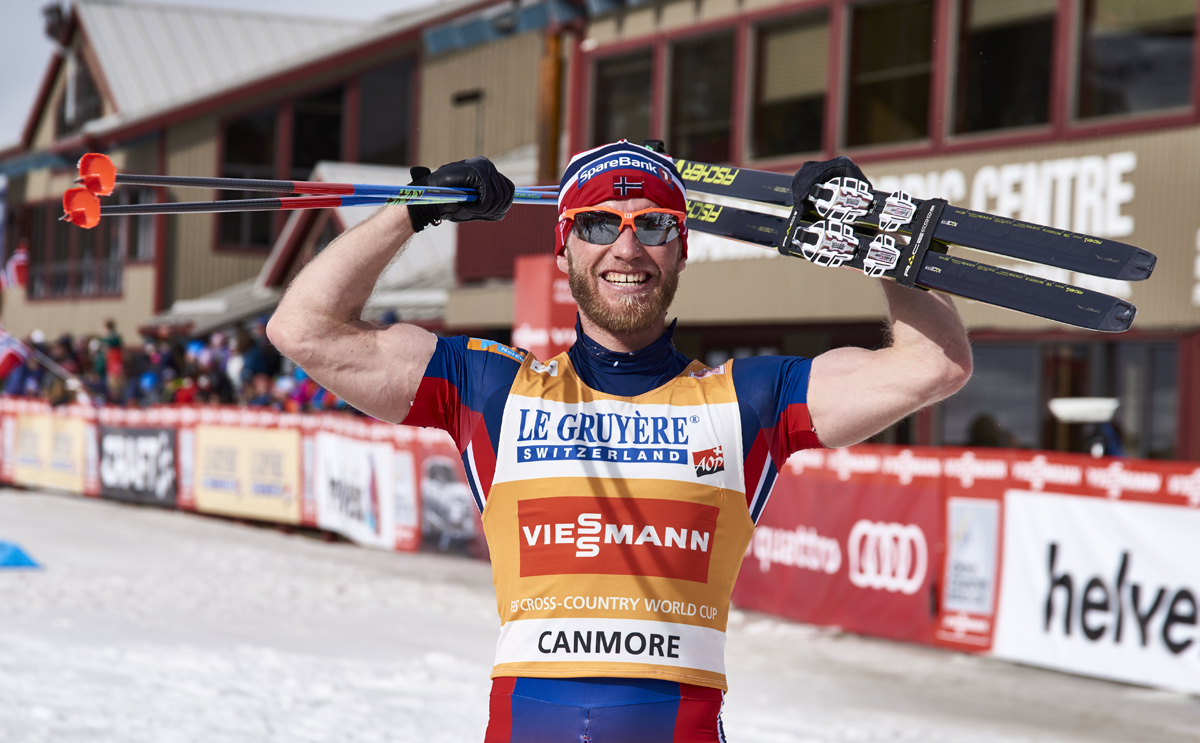
    A pumped Martin Johnsrud Sundby (Norway) after winning the men's 15 k classic pursuit for the overall Lillehammer mini-tour title on Sunday in Norway. (Photo: Fischer/NordicFocus)
    Martin Johnsrud Sundby (Norway) after winning the men’s 15 k classic pursuit for the overall Lillehammer mini-tour title in December 2014 in Norway, following the Davos World Cup. (Photo: Fischer/NordicFocus)

    Norway’s Martin Johnsrud Sundby has been stripped of his 2015 Tour de Ski and 2014/2015 overall World Cup titles after the Court of Arbitration for Sport (CAS) upheld an appeal by the World Anti-Doping Agency (WADA) against him and the International Ski Federation (FIS).

    The reigning three-time overall World Cup champion, Sundby, 31, was penalized for twice exceeding the amount of salbutamol, also known as albuterol and a “standard therapy against asthma symptoms,” according to a FIS press release, allowed in an athlete’s system and not possessing the necessary medical exemption when he was tested.

    Based on WADA rules, the maximum amount that is allowed to be inhaled is 1600 micrograms over 24 hours. Sundby’s samples taken Dec. 13, 2014 after the 15-kilometer classic in Davos, Switzerland, and Jan. 8, 2015 after the 25 k freestyle pursuit at the Tour de Ski in Toblach, Italy, and analyzed by a WADA accredited laboratory exceeded those limits.

    “While the medication is normally applied by a handheld metric dose inhaler (MDI), the athlete used a nebulizer to administer the prescribed salbutamol for the treatment of his asthma, which requires a higher labelled dosage than the MDI and thereby exceeded the allowed maximum dose,” FIS stated in its press release on Wednesday. “The FIS Doping Panel had therefore found that the athlete had not committed an anti-doping rule violation when he used a nebulizer as a legitimate means to administer salbutamol instead of a metric dose inhaler (MDI).

    “The CAS found however that the epithet ‘inhaled’ was meant to distinguish inhalation from other mechanics of inhalation like ingestion or injection and did not refer to the stage of administration (e.g. the amount that comes out of the device or which was eventually delivered to the athlete’s mouth or lungs),” the release continued. “The allowed dose must be understood as the dose prescribed by the doctor, i.e. the ‘labelled’ or ‘nominal’ dose. Any higher dose, e.g. because of the need to use a nebulizer, requires a Therapeutic Use Exemption (TUE). When the tests were conducted in December 2014 and January 2015, the athlete was not in possession of a TUE and therefore found guilty of an anti-doping rule violation.”

    WADA appealed the FIS Doping Panel’s decision, made Sept. 4, 2015, which defended Sundby. The CAS upheld WADA’s appeal and, effective July 11, 2016, sanctioned Sundby for two months. FIS announced this decision in its press release.

    “I was at the store when the team doctor called. I was told that I had been over the limit twice,” Sundby said at a press conference as reported by NRK, according to a direct translation. “There and then it felt like the sky came crashing down. I could not believe it. I have never ever used an asthmatic dose that hasn’t been prescribed.”

    “It felt like the sky came crashing down. I could not believe it. I have never ever used an asthmatic dose that hasn’t been prescribed.” — Martin Johnsrud Sundby

    According to FIS, while CAS “acknowledged in the athlete’s favour that he had not intentionally broken the rules, that has a medical condition requiring the administration of salbutamol and that he had used salbutamol by nebulizer as prescribed by his team doctor, as he had done so before without any problems,” they also noted that anti-doping rules must be strictly adhered to and “that the prescription of the team doctor as to the use of the nebulizer to administer salbutamol outside of a hospital was arguably questionable from a medical point of view as well as the fact that the athlete and his team doctor had not made any enquiry of WADA, FIS or the manufacturer whether inhalation by a nebulizer would still require a TUE under the revised anti-doping rules.”

    Sundby’s win on Dec. 13, 2014 in Davos (where he edged his teammate Didrik Tønseth by 6.6 seconds) and third-place finish in the Toblach 25 k (behind teammate Petter Northug and Sweden’s Calle Halfvarsson, respectively) have been nulled. In addition to being disqualified from those races, Sundby is no longer listed as the overall champion of the 2015 Tour de Ski, after he initially won the final hill climb by 34.5 seconds over Northug in Val di Fiemme, Italy. Northug is now listed as the winner and Sundby is not on the final results. Sundby is also no longer the 2014/2015 overall World Cup champion, Switzerland’s Dario Cologna is.

    In a separate press release, FIS announced the recalculated results and standings from 2014/2015:

    “The impact on the 2014/15 FIS Cross Country Cup World Cup standings and FIS Tour de Ski standings are as follows:

    – Sundby forfeits the 143 points he earned for the two races where he has been disqualified – 100 World Cup points for the victory in Davos and 43 points for his third place finish in Toblach.

    – With the Sundby disqualification on the 13th December 2014, the podium for the 15 km classic in Davos (SUI) is now as follows: 1. Didrik Toenseth (NOR); 2. Dario Cologna (SUI); 3. Sjur Roethe (NOR).

    – With the Sundby disqualification at the 8th January 2015 in the 25 km pursuit in Toblach (ITA), the podium for that race is now as follows: 1. Petter Northug JR. (NOR); 2. Calle Halfvarsson (SWE); 3. Evgeniy Belov (RUS).

    – In accordance with the Tour de Ski regulations, Sundby also forfeits his overall 2015 Tour de Ski victory and 400 World Cup points he earned for it as well as prize money of CHF 108’000. The new standings for the 2015 Tour de Ski are as follows: 1) Petter Northug JR. (NOR); 2. Evgeniy Belov (RUS); 3. Calle Halfvarsson (SWE).

    – The breakdown of prize money from the Tour de Ski 2015 that Sundby has to return for redistribution to the newly ranked athletes is as follows: CHF 90,000 or first place in the Tour de Ski, CHF 2,000 from the third place of the Tour de Ski sprint standings and the World Cup earnings for the two races, CHF 15,000 for the victory in Davos and CHF 1,000 for the third place finish in Toblach.

    – Additionally, Sundby forfeits the World Cup points and prize money from the remaining Tour de Ski races after Toblach, namely the last two stages in Val di Fiemme in which he finished 8th and 3rd. This amounts to a further 73 World Cup points and CHF 1,000 in prize money.

    – The final 2014/15 FIS Cross Country World Cup standings have also been recalculated and are as follows: 1. Dario Cologna (SUI) – 1103 points; Petter Northug JR. (NOR) – 1047 points; Finn Haagen Krogh (NOR) – 897 points. Sundby moves down to sixth place in the overall World Cup standings with 748 points and forfeits CHF 22,275 in the overall World Cup prize money standings.

    – In total, Sundby forfeits 616 World Cup points for the 2014/15 season and CHF 131,275 in prize money. This includes all races directly and indirectly affected by the CAS decision.”

    “I was sure that the case would be dropped quite fast, but then it turned out that WADA didn’t understand the rules in the same way as the whole Norwegian medical team,” he continued. “When WADA appealed, I thought it was a formality. I went into the 2015/2016-season knowing I was innocent, and also that I was acquitted. I think the verdict is totally unreasonable. I have to live with it, and I will stay strong knowing I have done nothing wrong.”

    “FIS fully shares the view of the CAS that Martin Johnsrud Sundby is not to be considered as an intentional doping offender but that his sanctions result from the strict application of the anti-doping rules and the WADA Prohibited List as a consequence of his reliance on questionable medical advice to administer salbutamol outside a hospital,” FIS concluded.

    According to the Norwegian Ski Federation, Sundby had the best season of his career this past winter without inhaling salbutamol.

    “I am pleased that the Norwegian Ski Association so firmly takes responsibility for what happened, and that they so firmly emphasize that I personally have not tried to do anything illegal in this case,” Sundby said in the team press release, according to a direct translation. “Of course, I understand that this case is of public interest, and that’s why I come to this press conference and reply to media inquiries. However, I ask for understanding that I will return to the two most important things in my life after this: my closest family and my career as a ski racer.

    “The situation I am in currently is any athlete’s nightmare. I’ve always competed clean. I hope and believe this case will not have further consequences for my future career or my preparation for the upcoming season.”

  • The Skinny on Marit Bjoergen’s Inhaler

    Bjoergen (1) and Kowalczyk (5) cross the line in the classic sprint at the Vancouver Olympics.

    At Polish three time overall World Cup champion Justyna Kowalczyk has never been one to keep her mouth shut. Take, for example, her accusation that Marit Bjoergen’s asthma medicine is performance-enhancing.

    “Without the medicine Marit would not have won gold medals,” Kowalczyk said at the 2010 Olympics in Vancouver.

    If Bjoergen has asthma, then it may very well be true. But Kowalczyk’s implication was that either Bjoergen did not have asthma and was taking the drugs anyway, or that the inhaler was so beneficial that it more than compensated for the Norwegian star’s medical condition.

    Since Kowalczyk’s assertion has been much discussed, FasterSkier decided to investigate salbutamol, the inhaled medicine which Bjoergen reportedly uses. Based on scientific studies from around the world, we wanted to answer the following question: should Kowalczyk shut up, or speak up?

    Asthma, Athletes, Salbutamol, and WADA

    Asthma is a chronic lung condition characterized by two things: constriction of the smooth muscle in the airways, and inflammation of those same airways. This causes the airways to narrow, making it more difficult to breathe. Symptoms of asthma include coughing, wheezing, chest tightness, and shortness of breath. Asthma can be caused by a variety of symptoms including exercise, allergies, and air pollution.

    It has been widely reported that elite athletes, particularly in endurance sports, have a high incidence of asthma compared to the general population. To fans, it might seem fishy that so many skiers have been diagnosed with asthma – but it also might be true. (note: FasterSkier will cover this issue separately in a subsequent article.)

    Numbers vary by study and by country, but some surveys report that as many as 50 percent of elite athletes have asthma-like symptoms. At the Vancouver Olympics, 7.1 percent of athletes across all disciplines had documented asthma or airway hyperresponsiveness, and this group won 11.8 percent of the medals.

    Salbutamol, which is called albuterol in the U.S., is a short-acting β2-agonist, a class of drugs used to treat asthma. It’s prescribed not only to athletes, but is also one of the most commonly-used inhalers in the U.S. In clinical trials, one brand of salbutamol inhaler was shown to increase lung function in asthmatics in as little as six minutes.

    Salbutamol is not a steroid. β2-agonists act on the β2-andrenergic receptor, which works with several proteins and is associated with calcium channels. Inhaling salbutamol relaxes smooth muscle in the bronchi of the lungs, which leads to a dilation of the airways. In this way, it combats the constrictions brought about by exercise-induced asthma.

    A 1992 study led by Alan Morton at the University of Western Australia and published in the Clinical Journal of Sport Medicine noted in its introduction that banning salbutamol outright “would virtually eliminate asthmatics from competition.”

    Starting in 2009, WADA required a Therapeutic Use Exemption (TUE) for any athletes who used salbutamol. To get a TUE, athletes not only had to report asthma-like symptoms, but they also had go through a Bronchial Provocation Test, which would bring about the symptoms in a doctor’s office so that they could be documented.

    In 2010, WADA changed its tune. While other β2-agonists such as formoterol and terbutaline remained on the prohibited list, salbutamol was only prohibited at urine concentrations greater than 1,000 mg/mL, which was higher than possible when taking a normal inhaled dose. In order to inhale enough of the drug to pass the urine limit, an individual would be at risk of developing tolerance, which would negate any benefit they might be getting.

    The limit instead might have been designed with oral consumption of salbutamol in mind. That method of administering the drug leads to other effects, like increasing muscle mass and quickening the metabolism of lipids and carbohydrates. Oral salbutamol can also act as an antidepressant.

    Regardless, athletes no longer needed a TUE to inhale salbutamol, and instead were simply required to list it on the Doping Control Form whenever they were tested.

    While WADA did not explain its reasoning in changing the status of salbutamol, two basic factors were probably at play: first, the extremely high prevalence of salbutamol prescriptions in athletes who actually had asthma, and second, the lack of overwhelming evidence that salbutamol enhanced performance in those who didn’t.

    General Consensus of Studies

    Since use of salbutamol in asthmatic athletes merely levels the playing field, the real question about WADA’s control of the drug is whether it has any benefits for non-asthmatic athletes.

    After thorough research, FasterSkier found fifteen studies and three reviws examining the effects of inhaled salbutamol on nonasthmatics. While each study is different, the fifteen trials had several things in common:

    • Almost all of them use only high-level athletes, often cyclists, runners, skiers, or triathletes.
    • They are crossover studies: each treatment is used on each athlete, giving the test subject salbutamol one day and a placebo another, and then comparing performance for each athlete individually.
    • They are double-blind: the researcher administering the test – which is usually on a treadmill or stationary bicycle – has no idea which of the treatments the athlete has received.

    The vast majority of these studies use only male subjects, probably due to the fact that there are many more elite male athletes than females and therefore the pool of female test subjects is limited.

    Of the fifteen studies, twelve found no enhancement of performance parameters after taking salbutamol, while three found some benefit in one or more measures of performance or lung function.

    The Consensus Is: Why Bother?

    While the twelve studies which found no benefit for nonasthmatic athletes using the drug had some things in common, they were all constructed slightly differently. Some tests were shorter, some longer; some measured VO2Max and others the amount of time to complete a given distance; and some even found that salbutamol had negative effects on performance.

    The Studies – No positive performance impact of salbutamol

    Carlsen KH, et al. The effect of inhaled salbutamol and salmeterol on lung function and endurance performance in healthy well-trained athletes. Scand J Med Sci Sports 1997: 7: 160–165. (link)

    Fleck S, et al. Effects of acute inhalation of albuterol on submaximal and maximal VO2 and blood lactate. Int J Sports Med 1993;14:239—43. (link)

    Goubault C, et al. Effects of inhaled salbutamol ingestion in exercising non-asthmatic athletes. Thorax 2001;56:675—9. (link)

    Heir T, Stemshaus H. Salbutamol and high-intensity treadmill running in non-asthmatic highly conditioned athletes. Scand J Med Sci Sports 1995;5:231—6. (link)

    Lemmer J, et al. The effects of albuterol on power output in nonasthmatic athletes. Int J Sports Med 1995;16:243—9. (link)

    McKenzie S, et al. Salbutamol and treadmill performance in non-atopic athletes. Med Sci Sports Exerc 1983;15:520—2. (link)

    Meeuwisse W, et al. The effect of salbutamol on performance in elite nonasthmatic athletes. Med Sci Sports Exerc 1992;24:1161—6. (link)

    Morton AR, et al. Is salbutamol ergogenic? The effects of salbutamol on physical performance in high-performance nonasthmatic athletes. Clin J Sports Med 1992;2:93–7. (link)

    Morton AR, et al. Changes in anaerobic power and stength performance after inhalation of salbutamol in non asthmatic athletes. Clin J Sport Med 1993;3:14–19. (link)

    Norris SR, et al. The effect of salbutamol on performance in endurance cyclists. Eur J Appl Physiol 1996;73:364–8. (link)

    Sandsund M, et al. Effect of cold exposure (-15 degrees C) and salbutamol treatment on physical performance in elite nonasthmatic cross-country skiers. Eur J Appl Physiol Occup Physiol 1998: 77: 297–304. (link)

    Sporer B, et al. Dose response of inhaled salbutamol on exercise performance and urine concentrations. Med Sci Sports Exerc 2008;40:149—57. (link)

    Many of the researchers found an immediate, quick increase in lung function just after taking the inhalation. However, they found that the benefit did not last when the athlete began exercising, and by the time the test was over, the numbers were back to normal. So while they did not always claim that salbutamol had no effect, they could claim that it had no apparent effect on performance.

    One example of this was a study was led by Dr. Mariann Sandsund, a scientists at the Norwegian research organization SINTEF. Sandsund’s 1997 study specifically tested the effect of salbutamol on nonasthmatic cross-country skiers at cold temperatures.

    Sandsund had the skiers run on a treadmill in a climate-controlled room at -15 degrees Celsius. She measured oxygen uptake, heart rate, blood lactate concentration, and time to exhaustion during the test, which was done twice for each athlete – once ten minutes after inhaling a placebo, and once ten minutes after inhaling a dose of salbutamol.

    The men warmed up at 55 percent of their VO2Max for ten minutes, and then ran for ten minutes at 95 percent of VO2Max and five minutes at 85 percent of VO2Max. This was designed to bring on bronchoconstriction if possible. Finally, they did a “step test”, in which the treadmill speed was increased incrementally until the athletes could no longer keep up.

    Sandsund and her colleagues found that forced expiratory volume, or how much air the men were breathing out, increased ten minutes after they inhaled salbutamol. However, once they started exercising, the difference between salbutamol and the placebo disappeared. Neither lung function, heart rate, lactate levels, nor time to exhaustion were affected by the salbutamol during the workout.

    A group of French researchers working with triathletes found results which went even further in disproving the benefits of the drug: with a “supratherapeutic”, or higher-than-prescribed, dose of salbutamol, average endurance time at 85 percent VO2Max decreased from over 23 minutes down to exactly 21 minutes. In other words, the athletes became too exhausted to continue cycling more than two minutes earlier when they took a high dose of the drug.

    “The bronchodilation induced by salbutamol was modest in magnitude, being significant only at the beginning of exercise,” the researchers wrote. “Inhaled salbutamol has little effect on systemic parameters.”

    The study, led by Francis Christian Goubault, was more extensive than most of the others. It also examined whether the inhaling salbutamol had any of the same benefits as ingesting it orally. The answer was no: the athletes had the same level of muscle fatigue, alertness, and calmness whether they inhaled the placebo or the real drug, and their mood was more or less identical. They also failed to find any differences in blood concentrations of glucose, lactate, glycerol, or fatty acids.

    In a more general study on β2-agonists, Kai-Håkon Carlsen’s research group at the Norwegian University for Sports and Physical Education wrote that “… in the present study, we found no improvement brought about by inhalation of salbutamol or salmeterol for any parameter of endurance performance in healthy well-trained male athletes, even if we employed a higher than usual dose of inhaled salbutamol… this finding… discourages rather than encourages the use of these inhaled b2-agonists in healthy competitive athletes.”

    A Few Cases Of Enhanced Performance

    A group of scientists in the Netherlands found the most recent evidence of sulbutamol aiding performance in non-asthmatic athletes. The other two cases were in a 1988 study by a trio of researchers at the University of California, Berkeley, and a 1992 effort from the University of Miami.

    The Netherlands study, which was led by Dr. Marleen van Baak, was published in 2004. Van Baak used sixteen male cyclists and triathletes for her test subjects, and the testing was done on a stationary bicycle. The test was to time trial a distance that would theoretically take one hour to complete at 75 percent of max power.

    Each athlete did the test twice: once after inhaling 800 mg of salbutamol – a level higher than the recommended therapeutic does – and once after inhaling a placebo. In each case, the average time to complete the workout was over an hour. But Van Baak and her colleagues found that it took the athletes an average of 83 seconds less to finish the time trial when they had taken salbutamol.

    Looking at the data, there were two subjects who took much longer to complete the time trial without salbutamol than with the drug, and their results pulled the data toward statistical significance. One of them was also the slowest athlete in the group. For the faster, better conditioned athletes, the times for the two tests were more similar.

    The Studies – Salbutamol aiding performance

    Bedi J, et al. Enhancement of exercise performance with inhaled Can J Sport Sci 1988;13: 144—8. (link)

    Signorile J, et al. Effect of acute inhalation of the bronchodilatator, albuterol, on power output. Med Sci Sports Exerc 1992;24:638—42. (link)

    Van Baak M, et al. Inhaled salbutamol and endurance cycling performance in non-asthmatic athletes. Int J Sports Med 2004;25:533—8. (link)

    Why did van Baak and her colleagues find a difference where others had not?

    “The reason that we did see an effect in our study, in contrast to for instance Goubault et al [the French researchers], who also studied inhalation of 800 mg salbutamol, may be that we used a different protocol to measure endurance performance in highly trained athletes,” they wrote in the International Journal of Sports Medicine.

    “This protocol has been shown to be more reproducible than a time to exhaustion test in trained athletes and therefore may allow to pick up smaller differences in performance… From the plasma lactate curves it appears that at the end of this type of trial subjects perform a ‘finishing kick’, which is absent during a time to exhaustion test.”

    Van Baak’s explanation is that in a test where athletes run or cycle until they can no longer continue, there is not such a dramatic shift to the anaerobic system. In an actual race, or a fixed-distance or fixed-time time trial, there is real incentive to sprint at the end.

    Despite the several physiological parameters measured by the Dutch team, they could not discover why the athletes performed better with salbutamol than they did with the placebo.

    Conclusions

    Are van Baak and her colleagues right? It’s hard to say. Athletes who have done VO2Max tests before can tell you that a “step test” and a fixed-time or fixed-distance test are certainly different. However, of the twelve studies which found no benefit to salbutamol use, there were a variety of test formats, and finishing an exhaustion test often does consist of more or less sprinting to avoid dropping off the back of the treadmill. Van Baak may have a point, but she also might be oversimplifying.

    None of these test formats were exactly identical to an actual ski race, because all of the researchers were interested in understanding the underlying mechanisms of any differences they might find. They wanted to measure lactate, VO2Max, and other variables that might show how salbutamol worked. To do that, they had to work in a laboratory.

    Until someone finds a way to study the effects of salbutamol on the trails, these studies will be the best tool we have for understanding whether the medication confers any benefits on non-asthmatic athletes. And despite the findings of van Baak and her colleagues – which suggest that more work should be done – the consensus seems to be that salbutamol doesn’t enhance performance.

    Given the information they have to work with, WADA has probably made the right decision, and the significant number of skiers who suffer from asthma can breathe easy – without a TUE.