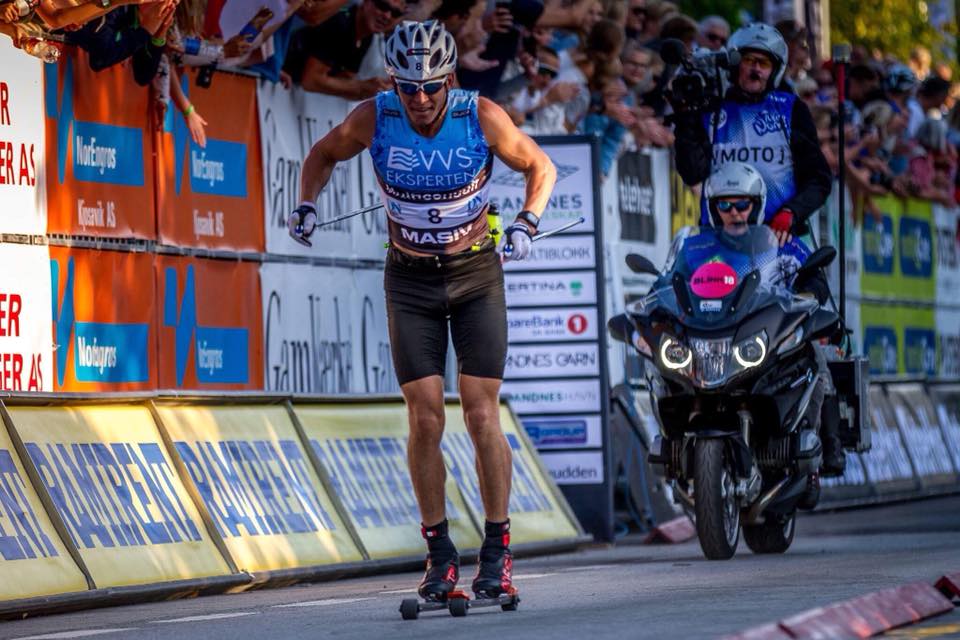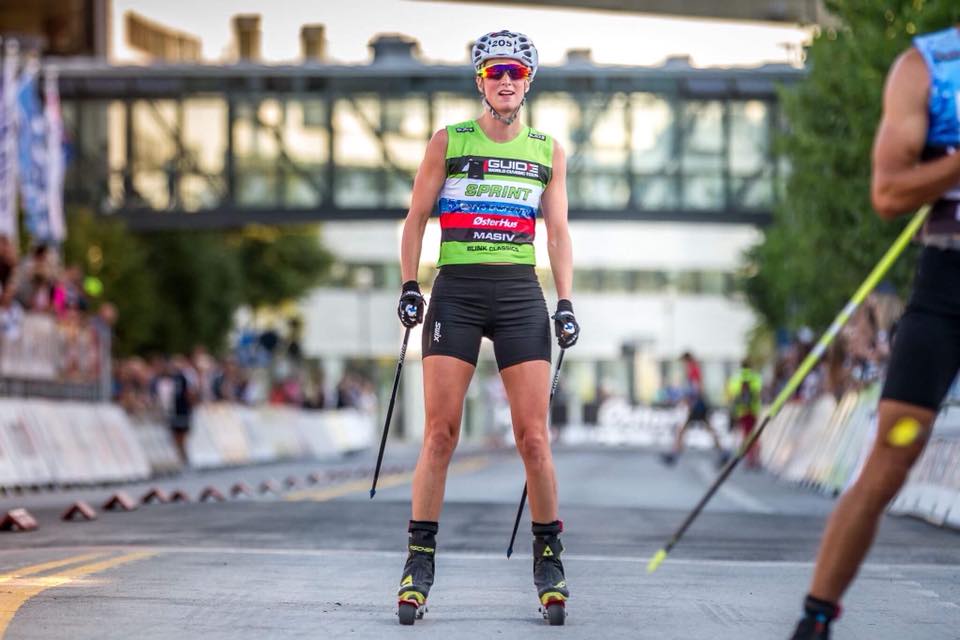
In 2005, Norway’s government-owned broadcasting network, NRK, lost production rights for its national football league. In search of a new program to air in place of summer soccer games, NRK, which still held broadcast rights for biathlon and cross-country skiing, approached the Norwegian Ski Federation and the Norwegian Biathlon Federation with a question: Could they find an organizer willing to create a large summer event encapsulating the winter sports of biathlon and nordic skiing?
NRK’s answer came in Arne Idland.
Idland was serving as the team manager for the Norwegian Biathlon Federation at the time and had planned to finish his term that same year. The 2006 Winter Olympics had just wrapped up, and Idland was ready for a change.
Before stepping out of his role with Norwegian Biathlon, Idland become the chief of sport for Norway’s Blink Ski Festival, known as Blinkfestivalen.
“I spent my last months in the biathlon federation just thinking about Blink,” Idland said in a phone interview.
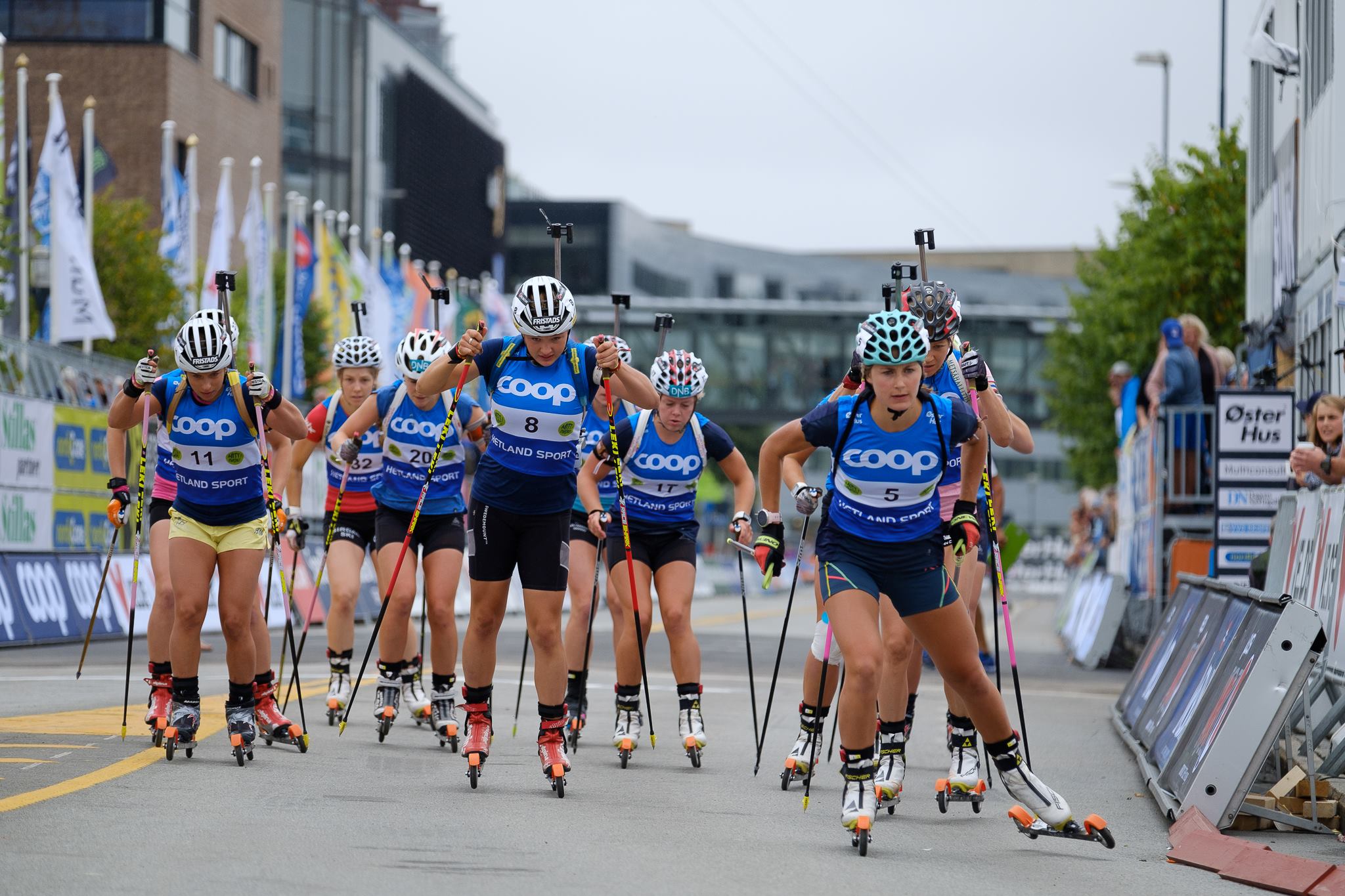
Originally from the city of Sandnes himself, Idland said he chose the municipality as a host city for Blink because, at the time, Sandnes “had no big events.”
Since its inception in 2006, Blink has grown, becoming a premier international rollerski event. Organizers spent a grand total of 23 million Norwegian Kroner (about $2.75 million U.S. dollars) on this year’s Blink rollerski festival. That’s up from approximately 6,000,000 Norwegian Kroner (nearly $720,000 U.S. dollars) in its inaugural year.
Even with the high price tag, Idland indicated that everything at Blink — entry, exit, and post-event concerts — are free. An estimated 70,000 thousand spectators attended Blink, and not one paid to get in.
“That has been maybe one of the major key factors to our growth and our success,” Idland said. “Everything is free. We even have free concerts. No tickets to come in and that is the same today as it was at the start. Everybody can come and go just as they want.”
But how has the city been able to sustain a “free” and accessible race to the public? Sponsors, Idland explained. Through their financial backing, Idland and three others staff members are paid to work full time, year round on Blink.
When festival time rolls around, local cross-country and biathlon clubs near Sandnes pitch in to organize the multi-day event. And their time is paid. About 600 club members worked at this year’s Blink, and in total, were paid 750,000 Norwegian Kroner (about $90,000 USD).
“That’s the most important income on an annual basis for the clubs,” Idland said. “It’s also a window to show all the people the sport and to get young kids and youth to start with biathlon and cross-country.”
Much of Blink revolves around the concept of sport promotion, as opposed to pulling in dollars.
“One major thing with Blink is that Blink is open for everybody,” he said.
The festival not only includes an elite race series, but also junior and youth categories in both the biahtlon and cross-country divisions. Idland estimated that 3,000 children participated in Blink camp activities this year and 1,200 juniors entered Blink competitions. Last week, athletes from Russia, Italy, France, Sweden, Great Britain, Finland, Canada, and the U.S. made the trek to Sandnes to participate.
“We have everything from — maybe you are four years old trying rollerskis for the first time — up to the athletes like [Martin Johnsrud] Sundby and [Therese] Johaug and the other big names,” Idland said. “It’s not only a show for the big stars. It has been important both for the development of the Norwegian Ski Federation and also for the youth and juniors.”
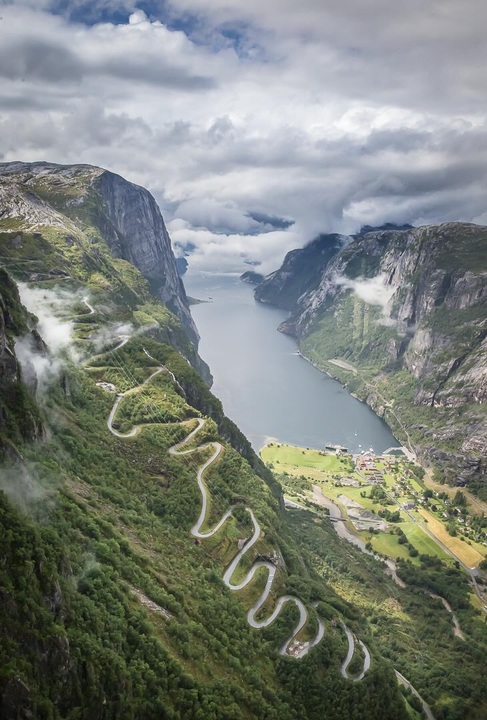
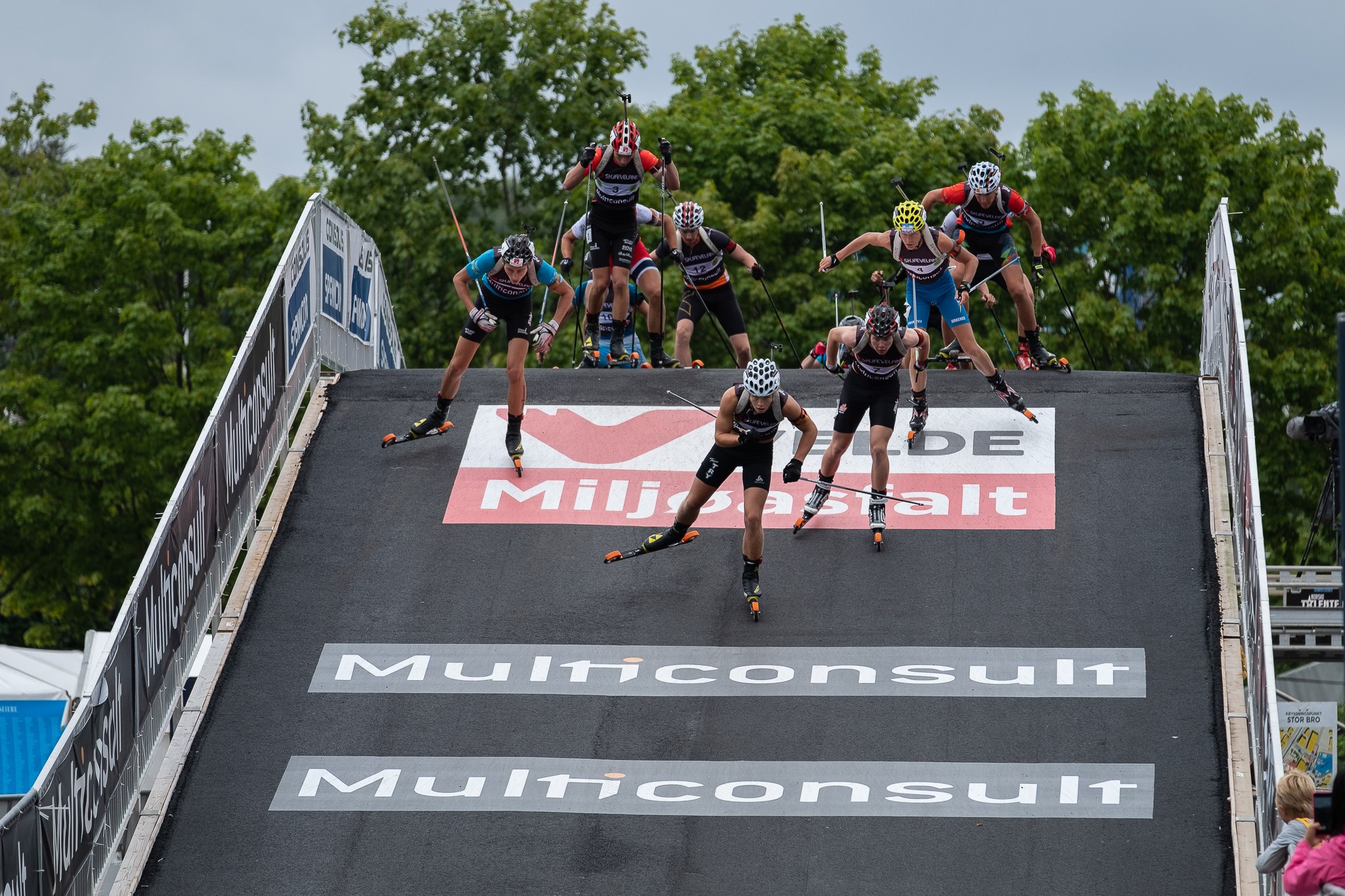
As Blink looks to develop Norwegian skiers, it also continues to develop its race series program. In 2010, organizers added the Lysebotn Opp uphill race, which begins in the fjord town of Lysebotn before climbing 640 meters above sea level.
Three years ago, they introduced the Blink Classics distance races, which were 50- or 60-kilometers long for elite women and men, starting in the city center of Ålgård and finishing in Sandnes.
Organizers have also been keen on safety for the high-paced rollerski events on asphalt. Few of its courses feature any steep downhills, all of its courses are fenced off to spectators, and every competitor must use the same speed of rollerskis. This year, Blink provided 1,000 unused rollerskis for racers. Next year they will do the same, with even slower wheel speeds, set to the same speed.
“So next year we will use IBT 4, which are the slowest skis we have,” Idland said. “That is mainly for the safety, but also we also want the strongest athletes to win. The slower rollerskis you have, the more similar it is to winter time.”
Winter is not something Blink hopes to compete with, Idland said. Climate change, however, may moot that point.
“We do not want to become a threat to the traditional skiing on snow,” Idland said. “But … the winters get a little bit shorter and maybe also have to go a little further up in the mountains to find the snow, so I think rollerskiing will become more and more important as a supplement for skiing. Not instead of skiing, but maybe you do more rollerskiing.
“We do not want to be a threat to the FIS World Cup either,” Idland continued. “We can play along with both FIS and the IBU. If at one time in the future there should be an interest that they would do something together with Blink, we would of course sit down and have a discussion with the FIS and the IBU.”
Hopefully, that future interest is one made by choice.
***
Related: Blink Ends with Jam-Packed Friday/Saturday | 2018 Lysebotn Opp | 2018 Blink Classics