From the FasterSkier archive — posts syndicated from athletes’ and coaches’ own blogs between 2004 and 2012, kept online as published. Current coverage is at fasterskier.com.

Tag: Amie Smith

  • Pivot Point: Imagining Skiing During the Pandemic

    Pivot Point: Imagining Skiing During the Pandemic

    Stadium in Ruka, Finland. (Photo: Nordic Focus)

    Over two days in March, the North American World Cup races were cancelled. Amid rising health concerns, NCAA Championships also shut down after one race; Junior Nationals after two races. Canadian National Championships never got off the ground. After the abrupt end of winter, people are trying to assess how the pandemic will affect the coming winter.

    In The Atlantic, Juliette Kayyem posits that “From a public health perspective, the pandemic will not end for another 18 months.”  She speculates that it may take 18 months to develop a suitable vaccine, which must then be distributed. How will this affect ski racing as we have come to know it?

    While this metric pertains to alpine resorts, it’s stark any way you slice it: with spring break looming or in full swing, alpine lodging occupancy dropped 54% from March 2019 when alpine resorts began closing.

    “The timing of it couldn’t be better for the ski industry,” said Zach Caldwell, proprietor of Caldwell Sport. “We lost the tail end of the season. That was a big bummer. We had most of the season and it was a good one.  We in the industry have the luxury of being able to sit back, observe, and see what happens, and wait to finalize plans.”

    If one can extrapolate from one retailer’s experience, sales cratered in March after a strong start to the year. Matt Liebsch, a co-owner of Pioneer Midwest in Minnesota, concurs.  Pioneer did very well at the beginning of the year, but saw March sales fall off as social distancing set in.

    “We had really good growth in January and February,” Liebsch said. Pioneer finished March down thirty percent in revenue compared to last year. Prior to coronavirus, Liebsch said, Pioneer would sell two to six pairs of race skis each day. “We’re at zero right now. When you shelter in place, I think that means you park your money in place. The virus has thrown things off.”
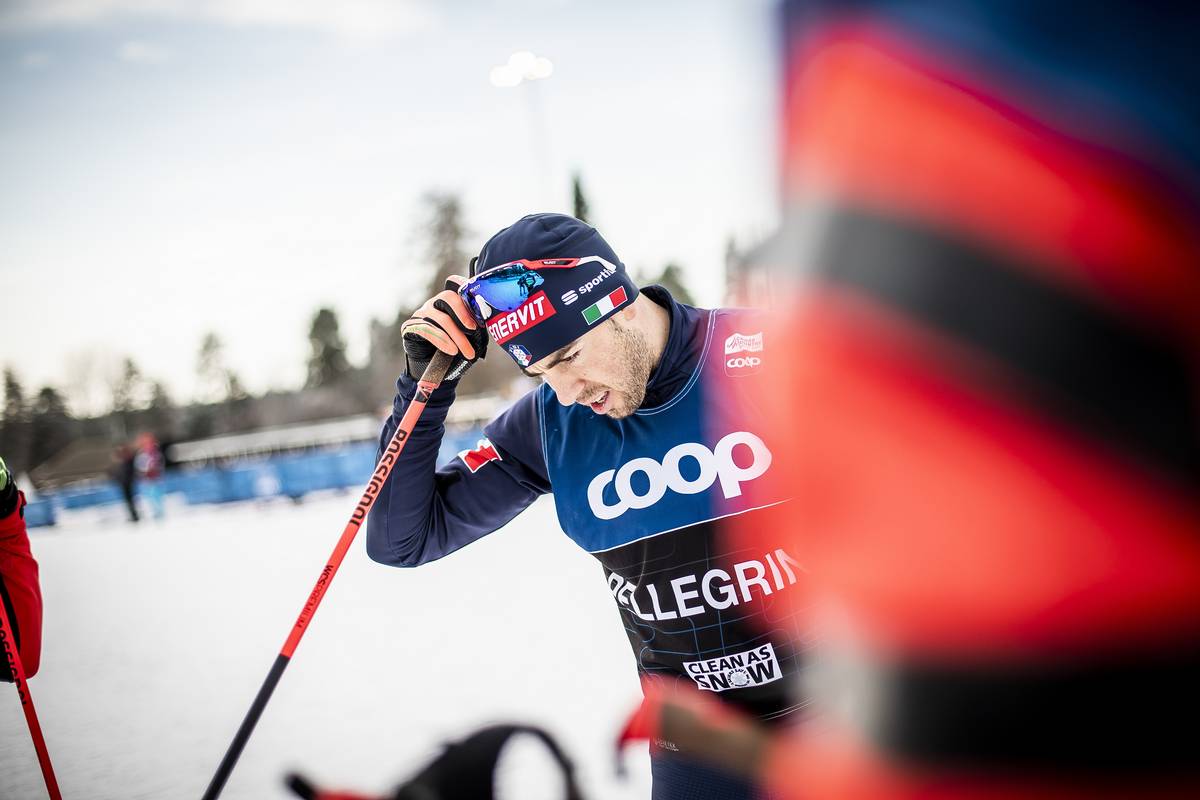
    Federico Pellegrino of Italy testing skis in Falun, Sweden. (Photo: NordicFocus)

    According to Jeff Courter, Rossignol North America’s nordic category manager, the bulk of its sales to retailers were complete by the time social distancing became the new normal.

    “For any major ski brand industry-wide, [the pandemic] hit at a time where the majority of sales had really happened already. We missed out on a lot of opportunities to capitalize on spring sales and spring break. We’re trying to help our retailers in North America to try and get through the times,” Courter said. He added that spring break sales can help retailers clear out inventory so they can prepare for the coming year.

    Typically, Liebsch makes two trips a year to Europe for custom ski picking as well as pre-ordering skis to sell off the rack. He said that bulk pre-season orders from manufacturers were generally due to vendors between late February and late March. They’re shipped to arrive in the U.S. between mid August and mid October. “That’s all in the books. It’s kind of a shot in the dark.”

    “We try to [work with] our discerning, race-oriented customers that want a wet ski or a better ski than what they have in September, October,” said Liebsch. “That clears my plate for [recreational skiers] and the start of [Minnesota’s] high school race season in November and December. I don’t get to talk about grinds, race wax, or camber construction. I’m explaining to mom and dad the difference between a classic ski and a skate ski.”

    “The majority of our orders [for the coming year] have already come in by mid-March,” Rossignol’s Courter said. “But anyone – not just us – any ski company in general, once we get a little farther into this, and kind of see how things lay out for the fall, some of the smaller retailers may have to make some adjustments to what they thought about bringing in.”

    While most retailers have ordered skis for the coming season, it’s not known how the pandemic will affect manufacturing schedules. Citing the safety of its staff and their families, Courter said that one of Rossignol’s main factories, located in Spain, had closed down for safety reasons in early April. It’s scheduled to reopen on May 4.

    Looking for ways to get back on schedule, Courter said that Rossi facilities would be running three shifts. Normally, their ski production is done by July. At present, this year they plan on making skis through August.

    “The majority of the factories that we work with have been able to stay open,” Courter said. He added that one factory had experienced a slowdown as some raw materials haven’t been delivered.

    Bryan Cook, Madshus USA sales manager, wrote in an email, “Generally, we are constantly producing skis with the majority happening between the months of December and April. This means that we are just about wrapping up all of our preseason orders for the coming season. We then look to ship the skis, via ocean, between the months of June and September, as most dealers request their product to be in store between September and November.”
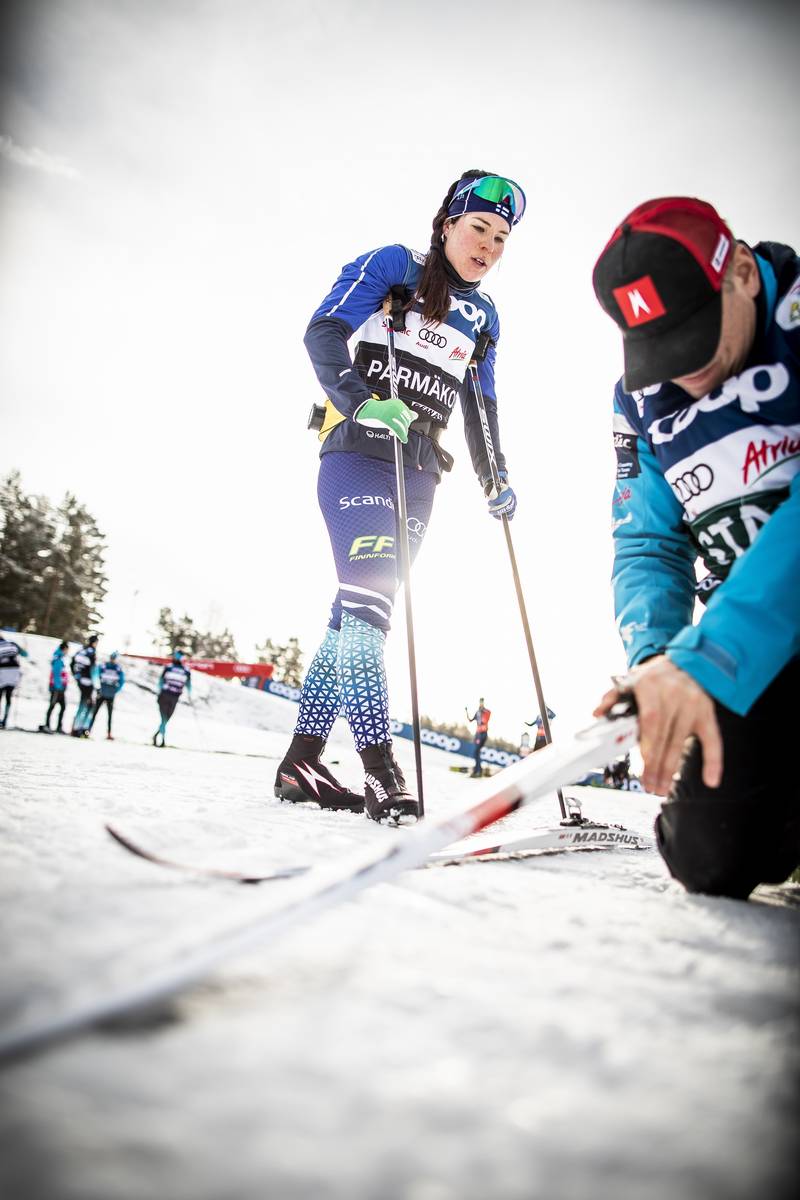
    Krista Pärmäkoski of Finland testing skis in Falun, Sweden. (Photo: Nordic Focus)

    Zach Caldwell, proprietor of Vermont’s Caldwell Sport, also travels to Europe to pick skis. Speaking on April 13, he said the Austrian companies he works with underwent a mandatory shutdown, but are opening back up. According to Caldwell, they’re ready to schedule ski picking. While the ski companies seemed optimistic, Caldwell is waiting to see what happens when social distancing is relaxed.

    “I can get to a ski factory and interact with about three people and pick the skis I need. What I do need to be able to do is travel. And that’s not something I’m willing to do right now, even if it was wide open. Once the international travel piece looks OK, there’s nothing standing between me and picking skis for people,” Caldwell said.

    For both Caldwell and Liebsch, races next winter pose a bigger question than shipping schedules. How will the possibility, even the likelihood, of continued social distancing affect racing next winter?

    “But both the competitive aspect and social aspect of competition is what drives a lot of our sport,” Caldwell said. “We’re going to lose a lot of people if we shut that off for a year. I think there are ways to prepare for a season of distancing measures, and that’s a bigger story from my perspective than what does the industry look like.”

    “The biggest issue that I have is the prospect for racing next season,” he added. He’s concerned about the feasibility of having several hundred competitors, plus coaches and family, at Eastern Cups. [The Eastern Cup races are the New England qualifying races for Junior Nationals.]

    Concerned about the impact social distancing may have on racing, Caldwell wrote to the New England Nordic Ski Association [NENSA], urging them to consider alternatives to traditional races.

    “We should be making plans to ensure that there are competitive and social outlets for racers absent the ability to run [traditional race formats],” Caldwell said. “NENSA could put together a combination between Strava and NASTAR where they put standardized courses at touring centers and drop off chip timing. Develop an app that people can subscribe to and pay an entry fee with a head tax to check out a chip and go ski a course.  Have the touring center handicap the snow speed with a ski trap and generate a score, generate a region wide points list and share it on social media.”

    “There are a lot of models that can perpetuate that, absent an Eastern Cup circuit or a Craftsbury Marathon or whatever,” he added. “We as a sport need to be thinking about this because we’ve got a lot of lead time to prepare for this. We need to be thinking about that. One thing we can’t do is Zwift. We don’t have that technology in skiing.”

    The wheels have been turning in New England when it comes to developing contingency plans. “This year is not going to look like anything we’ve ever had.” Amie Smith, Executive Director of NENSA, told FasterSkier.

    “We’re saying, ‘what can it look like? What opportunities can we give our membership? How can we keep everyone connected during this time of sheltering at home?’” Smith acknowledged Caldwell’s email to NENSA, but didn’t touch on it directly.

    Normally, NENSA conducts a regional elite group (REG) camp for juniors at Stratton Mountain School at the end of June.  That’s been postponed to the end of August. Meanwhile, NENSA is devising ways to have a virtual camp instead. They are also planning virtual coaching clinics.

    As for the coming winter, Smith asked, “Can we even gather? If crowds are limited to 50, we are going to have to totally change how we do Eastern Cups. It won’t be business as usual.”

    Insofar as recreational skiing goes, Smith posited, “Would ski centers be able to open their lodges? How could they safely collect trail fees?” (Faster Skier contacted several ski centers for this article, but none responded.)
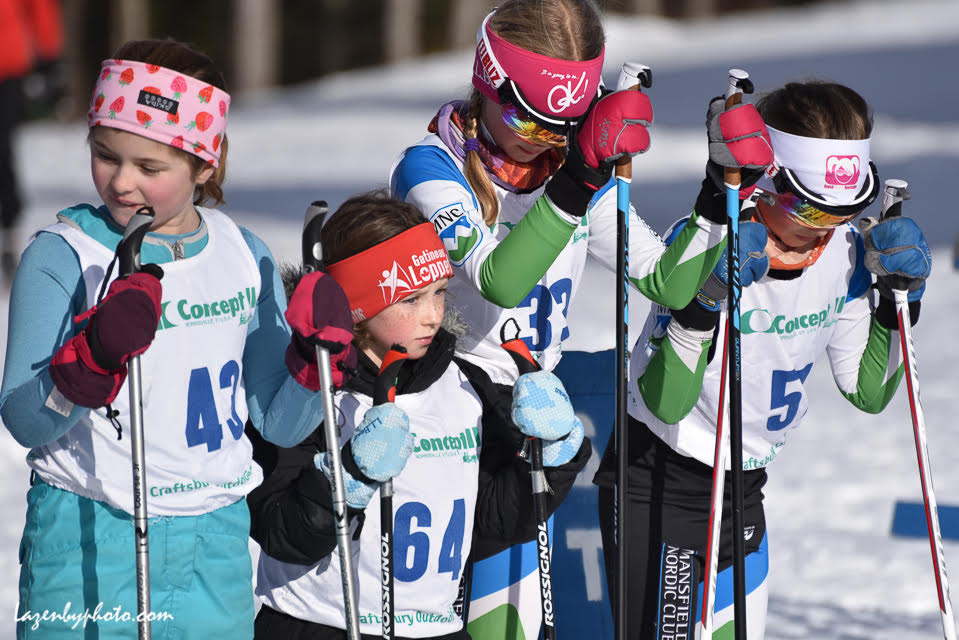
    Some of the young skiers at the NENSA Eastern Cup in Craftsbury, Vermont. Young and old are welcome at the NENSA Eastern Cups. (Photo: John Lazenby)

    “It’s not going to look like our normal race season, but hopefully we can have some great training, coaching education, race opportunities,” she said. “But we totally don’t know what that will look like. We need to have alternatives and ideas of how that would look. Will race starts be a minute apart?  Will they be two minutes?

    “Our staff is in a good place, we’re excited to see what we can put together and keep everyone engaged and feeling like there’s still a community,” Smith said. “Because I do hope we come out the other side, and that there will be a day when we don’t have to keep 6 or 9 or 15 feet apart, and that we can go back to doing our normal racing. But I don’t think that’s going to be next season.”

    For the near term, it appears that business as usual on the race front and storefront is over.

    The investment of early-season dollars and time as it relates to inventory will have to wait a bit longer to determine how the pandemic evolves and the gradual release of social distancing requirements. “I’m thinking we can still rebound and have a great winter next year, if we’ve got snow,” Liebsch said. “I’m confident that I’ll be ski picking in September,” Liebsch concluded. “If I’m not, the whole world has big issues.”
  • NENSA is Hiring Youth & Introductory Program Director

    NENSA is Hiring Youth & Introductory Program Director

    (Press release)

    The New England Nordic Ski Association (NENSA) seeks to find a dynamic, outgoing individual to be our new Youth & Introductory Program Director.  This individual will be responsible for NENSA’s Bill Koch Youth Ski League programming, including the New England Bill Koch League Festival, Nordic Rocks for Schools programming, Bill Koch League coach and parent trainings, the U16 and Eastern High School Championship events, and the New England Women’s XC Ski Day. This person should be familiar with NENSA programing, and the New England Nordic ski scene.  If interested, please read more below:

    Youth & Introductory Program Director | Job Posting

    New England Nordic Ski Association is seeking a Youth & Introductory Program Director to oversee all of NENSA’s youth and introductory programming.  This position will directly manage NENSA’s Bill Koch League and Nordic Rocks programs and position NENSA as a central resource for the New England youth skiing community.  The ideal candidate will bring a high level of collaborative energy to work that will cross generations and engage a broad spectrum of constituent priorities.  Applicants should be self-motivated and able to work independently.  This role requires strong, inspired leadership with a collaborative spirit to galvanize and work with our Nordic community.  This position will work closely with community stakeholders including venues, event organizers, clubs and the NENSA staff team.  Lively and instructive engagement with potential and existing NENSA sponsors and contributors is another function of the job.  The Youth & Introductory Program Director is an empowered position, requiring energy, vision, attention to detail, and the ability to multitask, in advancing all of NENSA’s youth and introductory programs.

    Job Summary:

    Including, but not limited to, management of the following programs:

    • Establish NENSA and NENSA.net as the go-to resource for youth skiing information, events, and resources for the northeast region.
    • Providing leadership, education, instruction and guidance to coaches, club leaders, event organizers, parents, athletes, and others
    • Work closely with and inspire and support the District Chairs to facilitate communication in support of, and between, the youth ski clubs of the region and the broader community.
    • Support a wide base of parent-volunteers and club leaders focused on building inclusive community
    • Manage all of NENSA’s direct youth/ Bill Koch League programs, including the annual Bill Koch League Festival and the Nordic Rocks for schools’ program.
    • Oversight of all aspects of Women’s XC Ski Day, the U16 Championships and Eastern High School Championships
    • Collaborate with NENSA Competitive Program Director on Coach Education initiatives.
    • Expand Club Leader & Volunteer Training curriculum
    • Manage community communications as liaison, via email, social media, and via regular eNewsletter as well as maintaining the youth program sections of the NENSA.net website.
    • Collaborate on additional community building programs, events, and projects, as part of the NENSA staff team.

    Community communications:

    • Management and updating of published manuals/forms for event management and youth programing
    • Snowflakes eNewsletter
    • Social media postings (fb/Instagram/twitter/NENSA.net) for all events and programs

    Coach & Parent Education and Development:

    • Organize fall coaches’ trainings
    • Schedule Club visits as needed

    Athlete and Coach Development pipeline, philosophy, and programs:

    • Drafting, compiling, and sharing resources
    • Implementing and scheduling collaborative programming

    Additional Key Priorities, including, but are not limited to, the following:

    • Work closely with NENSA staff and Board of Directors
    • Maintain program-specific content on NENSA.net website
    • Engage NENSAs Bill Koch League and Women’s Day Committees
    • Hold a US Ski & Snowboard Coach Certification of L100 or higher
    • Obtain Technical Delegate Certification (will train)
    • Promote available resources to NENSA community
    • Track and share relevant news and updates via NENSA.net and social media
    • Other duties as assigned as being part of the NENSA staff team

    Qualifications:

    • Bachelor’s Degree Preferred
    • Familiarity with the New England cross country skiing community
    • Excellent written, verbal and interpersonal communication skills
    • Ability to lift and carry 50 lbs.
      Comfortable working on a computer and online, including proficiency with Microsoft Excel, Word, PowerPoint & google docs, mass email engine, WordPress and NEON (will train), social media and digital media sharing
    • Demonstrated ability to work in fast paced multidisciplinary team environment
    • Must be eligible to work in the USA
    • Valid driver’s license
    • Passion for sport of cross country skiing and the ideals of the NENSA mission

    Conditions:

    • Regular work from home office or other remote location with occasional travel to headquarters in Maine or other locations with staff.
    • Ability to work/communicate regularly and effectively from a remote/home office
    • Frequent and extensive regional travel in and around New England
    • Work will often be done outdoors, in varying and winter weather conditions

    The Youth & Introductory Program Director is a full time, September through May position, although this year, will be half time May and June for training, with July and August off.   This position reports to the Executive Director.   All NENSA staff and coaches undergo background checks.  Start date is negotiable, but we seek to fill this role as soon as possible.  Interested candidates should send a letter of interest, resume, and three references by no later than April 9th to Amie Smith, Executive Director via email at Amie@nensa.net

  • Q&A: Beckwith’s Return to Skiing as NENSA Competitive Program Director

    Q&A: Beckwith’s Return to Skiing as NENSA Competitive Program Director

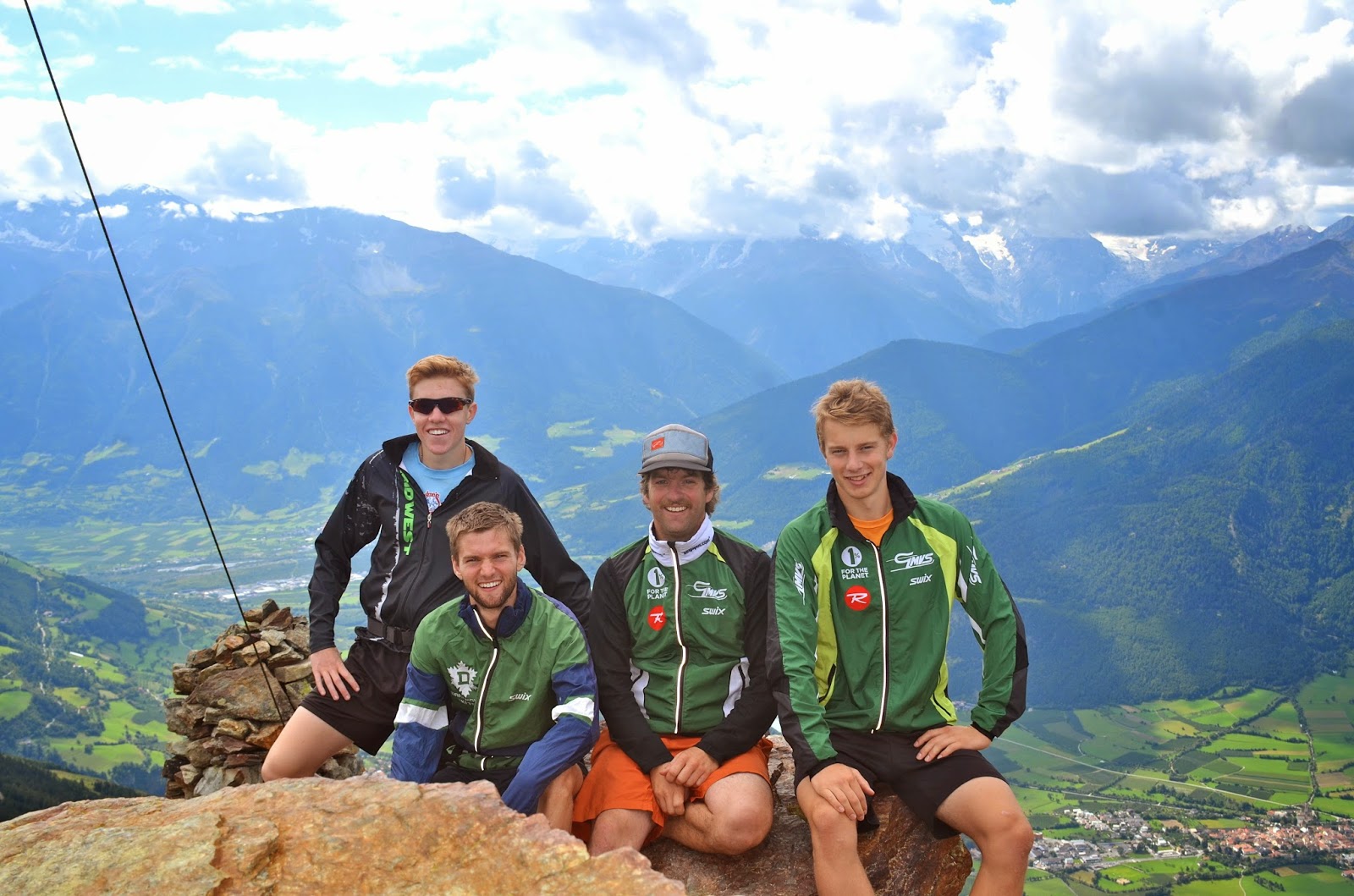
    Justin Beckwith (second from r), as seen in 2014 when he was head coach of the Green Mountain Valley School (GMVS), with former GMVS elite and postgraduate athletes (from l to r) Nick Gardner, David Sinclair and Ian Moore during a fall trip to Italy. (Photo: GMVS)

    About a year and a half after leaving his post as nordic director at the Green Mountain Valley School (GMVS), Justin Beckwith is once again involved with New England skiing at full throttle as competitive program director for the New England Nordic Ski Association (NENSA).

    The news came from NENSA early last month in an announcement that stated Beckwith would be filling in for Amie Smith, the association’s high-performance director for the last two years, who was promoted to executive director.

    Justin Beckwith (l) and Gus Kaeding in the wax room at 2017 U23/Junior World Championships at Soldier Hollow in Midway, Utah. (Photo: Flyingpointroad.com)

    Beckwith, of Warren, Vt., spent nine years from 2006 to 2015 building the GMVS program. When he left in the fall of 2015, he decided to go back to building houses, yet he remained involved with nordic as a wax tech for New England juniors and U.S. skiers at both national and international races, like last season’s OPA Cup Finals.

    Right around that time, in late March when NENSA posted the job opening, Beckwith knew he was ready to return to a full-time position in skiing.

    “It was just sort of, ‘OK, that’s it. That’s what I need to do,’ ” he told FasterSkier last month.

    After graduating from Middlebury College, Beckwith, now 37, spent one year living out west before taking the job at GMVS in Waitsfield, Vt. During his tenure there, he was also a coach for the U.S. Ski Team’s U18 Trip and Junior World Championships as well as the head wax tech for Junior Nationals and Junior Worlds.

    Stepping away from the sport as a coach allowed him to view it in a way he hadn’t before.

    “I went back to Junior Nationals after not being there for a couple years, now being able to watch, coming from the outside and see how our coaches, athletes and organizers are acting and performing, and what a unique perspective it is,” he said. “It is so much different than when you have your own athletes in the race, or you’re supporting your division or whatever your job is. … I am really excited to start to using all my contacts and resources and just bring energy that I think coaches understand what I am all about.”

    ***

    FasterSkier: What made you decide to return to skiing full time?

    Justin Beckwith: When I left GMVS to be a carpenter, I knew I wanted to come back to skiing, but on my own terms and do the piece of the skiing that I absolutely love and am so passionate about. That allowed me to be open to do that, whether or not the bank account reflected that, I just needed to be a carpenter, but I also had the ability to start making relationships with international people, coaches from other nations that are so impressed with what we are doing now in the U.S., and that started happening three or four years ago. Coaches started saying, “Wow, you guys are doing really well down to the national level now.” Then I got to start working with some of our manufacturers and suppliers, like Start Ski Wax specifically, a bunch more this year. I went back to Junior Nationals after not being there for a couple years now being able to watch coming from the outside and see how our coaches, athletes and organizers are acting and performing, and what a unique perspective it is.

    Justin Beckwith getting after it in Hemsedal, Norway. (Courtesy photo)

    So bringing to the present day, I think this [NENSA] position came up one time while I was involved at a certain amount of professional level with skiing. Amie [Smith] took on the job a few years ago, but I was deeply immersed my GMVS culture at that time and I also think that probably was not the perfect fit for me. Just before my wife and I left for our trip to Norway [this year], the job was posted [again]. It was just sort of, ‘OK, that’s it, that’s what I need to do.’ I am really excited to start to working with my contacts and resources and just bring energy that I think coaches understand what I am all about. I have also been able to make that connection with a lot of the young athletes over these last few years.


    FS: What drew you to the NENSA position?

    JB: With this position with NENSA and also what I have been able to do the last couple years, I am not using the microscope anymore, I am using a telescope. It’s totally different, but at the same time, it’s the same. I am going to be able to support GMVS in a great way. I love working with [GMVS Nordic Director] Colin Rodgers. GMVS went through some transitions. I am staying in the Mad River Valley, which is amazing; another great part of the job is that I get to stay where I am and sort of create some of that vision and move it in a way. It’s a pretty cool job, it’s a very cool lifestyle, it’s something that I am so passionate about. I was just talking to [Dartmouth men’s nordic coach] Brayton Osgood, he said he’s so glad to have [me] officially back in skiing. That is the coolest thing, to have those relationships.

    We are going through a transition within the U.S., there is a changing of the guard within our coaches and in our whole community, and we need to hold on to the history. That’s why people like Peter Graves are so interesting. We absolutely need to hold on to that history, but we have so many, because of all the awesome work that Dick Dreissigacker and Judy Geer at Craftsbury, or Sverre at Stratton, Rick Kapala at Sun Valley, or Gordon Lange in Park City, because of what all these people did, they inspired the next generation of not only athletes but coaches. It’s a really exciting time for U.S. skiing that we have such great venues, coaches and organizations. It’s a really cool time and a lot of energy is coming back into it right now.


    FS: How is your role at NENSA going to be different than it was with GMVS?

    JB: The biggest difference is what I tried to do at GMVS is essentially I wanted to be able to do what I am going to be able to do with NENSA. I am able to work with everybody now — and not that I am trying to spread myself too thin; I will obviously be working in a different capacity — I will be in personal contact with a lot of our athletes. … I will have more communication with coaches, whether it is with [U.S. Ski Team Development Coach] Bryan Fish or our club coaches in New England, and coaches throughout the nation, and figuring out that common goal, whether you’re part of a ski academy, or a club, or even a different region at JN’s, the goal is to make U.S. skiing better, and to create that culture and create those results, so that’s the goal.


    FS: How was being at the OPA Cup Finals and what were your takeaways?

    U.S. techs and coaches at 2017 U23/Junior World Championships (from left to right) Justin Beckwith, Andy Keller, Gus Kaeding, and Mike Matteson at Soldier Hollow in Midway, Utah. (Photo: flyingpointroad.com)

    JB: Probably the coolest thing going into that was the fact we were able to pull Caitlin Gregg into that, so we had this mix where we had some of our best juniors were there, we didn’t have the biggest team we’ve had, but we had a great time. And right out of the gate in the OPA Cup Finals — these are big-deal racers — on Day 1, Caitlin won the thing and Hannah Halvorsen was second. World Juniors was of course groundbreaking, but that result showed another level of depth we have in the country, and that was really inspiring to see that and be a part of. It also showed that we are a little bit better at skate skiing than in the European contemporary classic condition, basically slush. We were racing in 10 degrees [Celsius, 50 degrees Fahrenheit], and that is something we are adjusting at the developmental-team level. … That’s something we are going to try address soon. The takeaway from OPA, it shows the depth of where U.S. skiing is now, it shows what happened at World Juniors isn’t a fluke, it shows that we still have work to do, but we very much have arrived, and we are lucky as a nation that the European Nations are recognizing what we are doing and they are interested in what we are doing. We are contemporary now, and it’s pretty cool.


    FS: What are some of your key initiatives moving forward and what does your five-year plan at NENSA look like?

    JB: One of the things is my big initiative to make NENSA a known support structure to our clubs and to our coaches and to our athletes. We are not just putting on races, I want to make coaches’ education cool again. I want to make it popular and fun, and I just sort of want to reinvigorate that a bit. I want to help increase the participation and make it a clear thing that when you ask any coach what NENSA is doing for them, I want them to be able to give a clear answer that we are providing really cool feedback and support for their program. We are helping them coach and inspire their kids, and we are not putting on camps or other events that compete, we are helping make those better. I want to reinvigorate rollerski races. I have one that I want to start with this summer and ideally that would transfer to each state, having an event that we were able to make better for them, whether through promotion or physically bringing athletes to them, bring sponsors and suppliers in there, all part of that goal. … That’s what I want to do with this job, create that that buzz, that energy.

    Another thing I am going to work on is NENSA alumni, if you will, we need to keep them involved. When you’re a junior skier: you love your coach, you love your peer group, love going to Junior Nationals. You don’t necessarily remember that it was Janice Sibilia or Zach Caldwell or NENSA that created these camps and brought you all together two or three times a year. There are so many people that brought it to where it was now. It’s cool to come back and look at it with that perspective. Some of those people are coming back to it in different ways. Kris Seymour has taken a position at running Mount Van Hoevenberg in Lake Placid. Kris Seymour was Lowell Bailey and Tim Burke’s high-school coach; he inspired those guys, he helped to inspire me, now he is at a position where he can do wonderful things not only for his venue and his job, but he can do great things for cross-country skiing. So it’s really neat to meet somebody who cannot just juggle those balls, but bring those balls together.


    FS: Are you still going to be a carpenter?

    JB: I do have a passion for that and creating things especially with wood. I will still be hobby-ing and doing fun projects on the side, but only in a capacity like somebody would play the guitar, not as a business. I am diving right into this as a passion. People who are involved in the country and New England are coaching for the right reasons and I share the same vision.

    The enthusiasm and the support and welcome I have gotten from the staff and board of NENSA, New England and the U.S. ski community is truly humbling. It’s going to be really fun, and I am looking forward to it. I am so fortunate to be a part of it and want to get more people in the sport.

  • NENSA Seeking Paid Intern

    NENSA Seeking Paid Intern

    (Job posting)

    NENSA logo

    NENSA Seeks Paid Intern for Seasonal Work
    Assisting our Non-Profit Cross Country Ski Organization

    Summary:

    This is a seasonal position requiring part-time hours December through May/June. Travel within New England, and regular weekend work for NENSA Eastern Cup and Championship Events is required during these months. This position includes flexible time during the peak season, and may work remotely part of the time, with staff mentoring.

    RESPONSIBILITIES:

    • Attend all Eastern Cup weekends, the Bill Koch Youth Ski League Festival, U16 Championships, and Eastern High School Championships.
    • At events, this person is responsible for site set up, including NENSA banners, NENSA sponsorship banners and NENSA tents.
    • Transport and deliver clean and sorted bibs to Race Organizers, then collect, clean and sort bibs for next Championship event.
    • Help with registration and day of race registrations, results and postings.
    • Post event write ups, press releases, pictures and race reports.
    • Help manage the Virtual Team Captain Meeting page prior to event, and throughout the race weekend.
    • Assist High Performance Director with logistics, data gathering and management, and coordinating athletes for the Junior Nationals Trip.
    • Assist High Performance Director with logistics, planning, data management, staff and athletes for the U16 & U18/U20 REG summer camps.
    • Help manage the Development and Elite Team
    • Other duties as assigned

    QUALIFICATIONS:

    • Bachelor’s Degree preferred
    • Proven written, electronic, and interpersonal communication skills
    • Comfortable working on a using a variety of computer applications, campaign marketing, social media, digital media sharing, including proficiency with Microsoft Office Applications: Excel, Word, Power Point & Outlook, Google Team Collaboration, as well as fb and Instagram.
    • Ability to work/communicate independently and effectively from a remote location
    • Familiarity with the New England cross country skiing community
    • Excellent written, verbal communication, and team collaboration skills
    • Ability to lift and carry 50lbs
    • Must be eligible to work in the USA
    • Valid drivers license
    • Have access to a vehicle capable of carrying 6 bins of bibs, banners, etc.
    • Passion for sport of cross country skiing and supporting the NENSA mission

    CONDITIONS:

    • Travel
    • Washing and sorting Bibs
    • Hanging banners and setting up NENSA Tents as needed
    • Event work
    • Work will often be done outdoors, in varying and winter weather conditions
  • First Month on the Job, Amie Smith on Being NENSA’s New High-Performance Director

    First Month on the Job, Amie Smith on Being NENSA’s New High-Performance Director

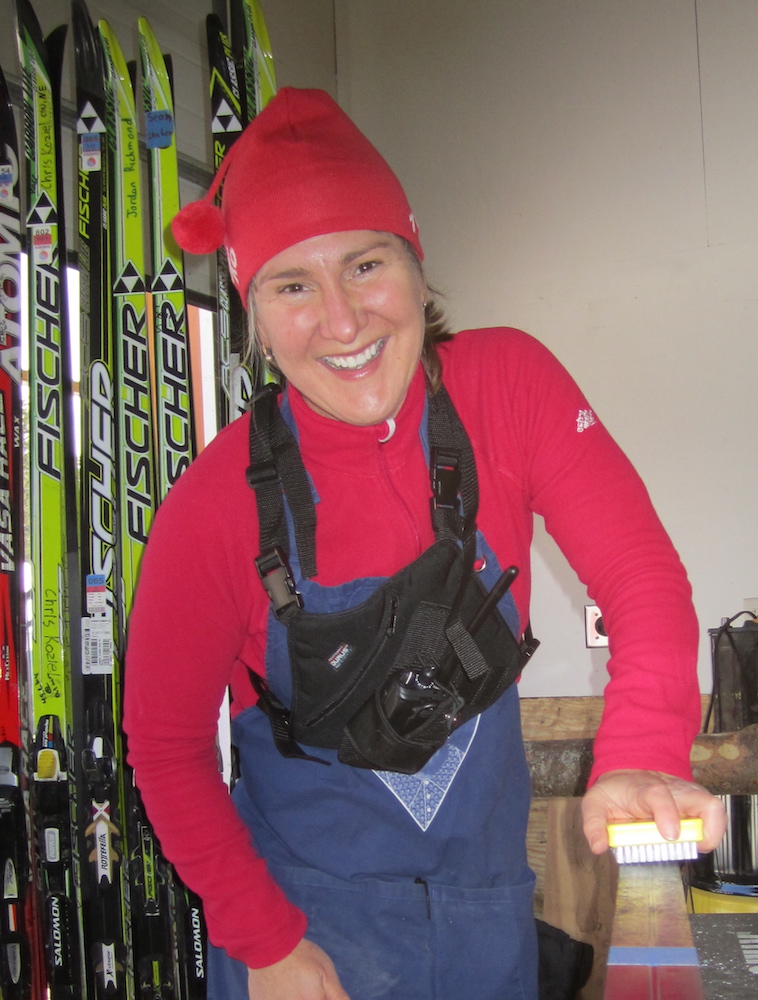
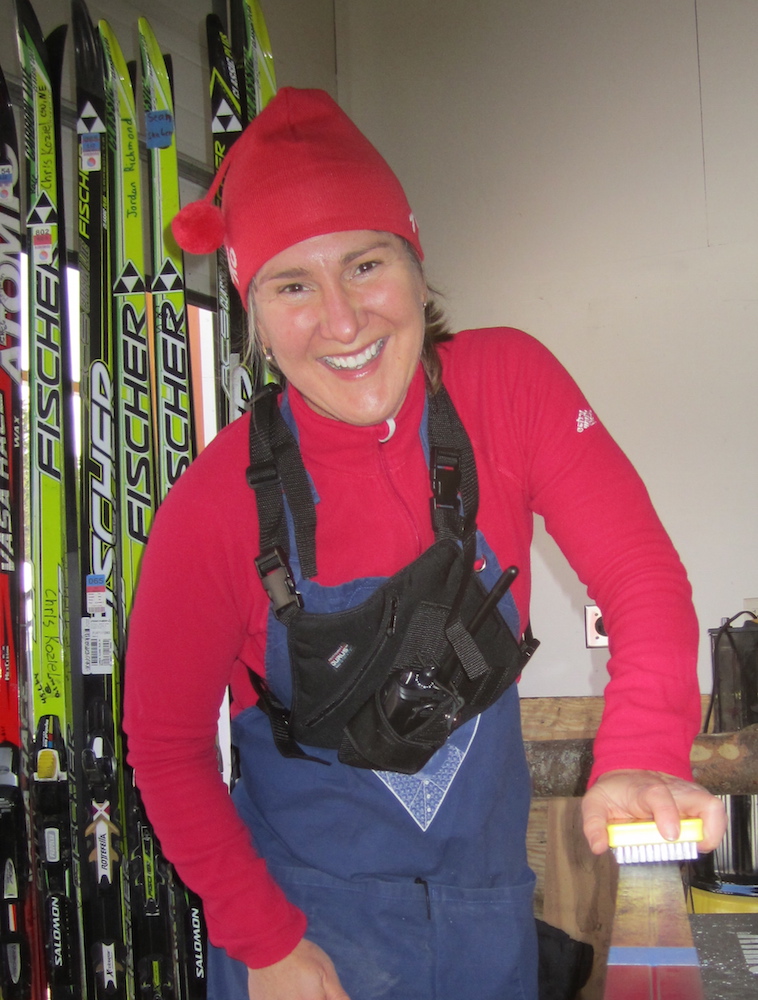
    Amie Smith, a Cambridge Sports Union volunteer and the new high-performance director at NENSA, in the wax room. (Courtesy photo)
    Amie Smith, a Cambridge Sports Union volunteer and the new high-performance director at NENSA, in the wax room. (Courtesy photo)

    The New England Nordic Ski Association (NENSA) is joining the high-performance bandwagon. In May, the association, based in New Gloucester, Maine, announced its competitive programs director of nine years, Janice Sibilia was stepping down “due to changes in essential functions” of her position. The next day, NENSA published a job posting for a high-performance director.

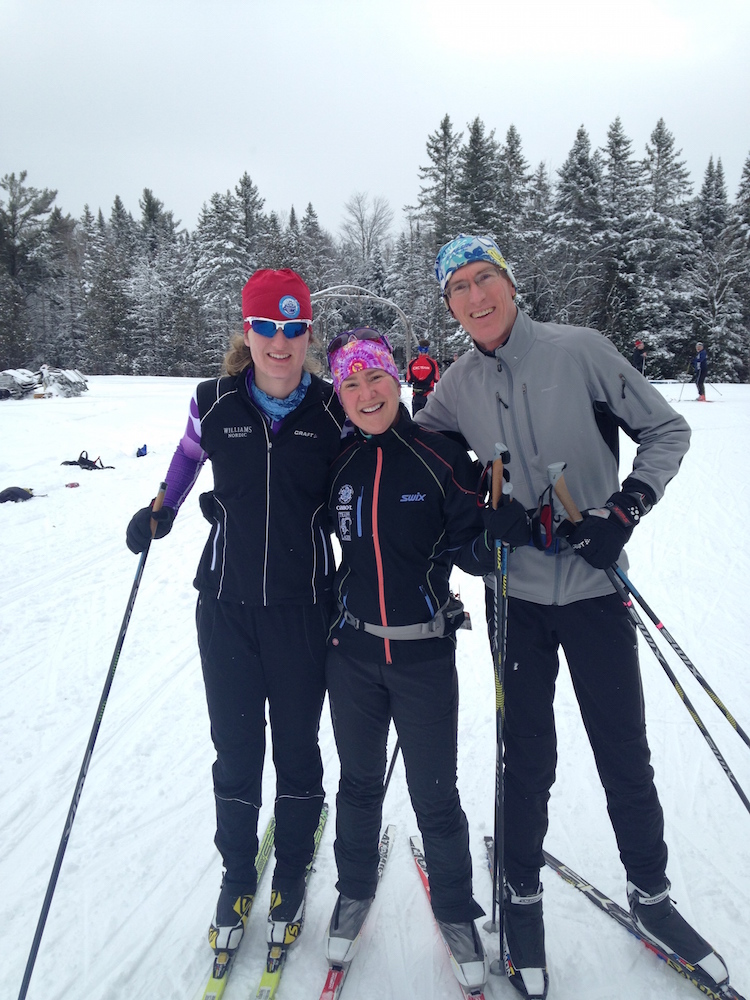
    Amie Smith (c) on a ski with her daughter Rebecca (l) and her husband Tom. (Courtesy photo)
    Amie Smith (c) on a ski with her daughter Rebecca (l) and her husband Tom. (Courtesy photo)

    That’s where Amie Smith came in. Late last month, NENSA hired Smith, of Wellesley, Mass., to their team. As high-performance director (HPD), Smith will manage competitive cross-country ski programs throughout New England, much like Sibilia did, however, the position expands beyond the athletes and into the coaches’ side of skiing as well. The HPD also will manage race data and be responsible for keeping track of points throughout New England, from Zak Cup points to Junior National Qualifier points.

    Smith enters the position with a lot of background within the New England ski community. Originally from Bennington, Vt., she grew up skiing and racing in the local youth ski league there, attended the University of Vermont and Columbia University, then settled down in Wellesley, a suburb about ten miles west of Boston. In 2007, she became involved with the Cambridge Sports Union (CSU), a ski club based out of Weston, Mass., along with her daughters who skied for the all-volunteer organization. For the past two years, Smith has also been the New England Junior National Championship trip leader, a position she plans to fulfill as HPD for years to come.

    NENSA’s Executive Director Zach Stegeman told FasterSkier he is excited to have Smith onboard, as she brings a lot of enthusiasm and experience to the new job. Since the role spans throughout many facets of skiing, a person such as Smith — with experience in many aspects of the sport — is ideal, he explained.

    “Amie is uniquely positioned for this role through her experience on every side of the sport: as a parent of competitive racers, as a coach, as an athlete herself, and in critical behind-the-scenes roles as a race director, a volunteer, a trip leader, and as board chair of a highly successful club,” Stegeman wrote in an email.

    FasterSkier caught up with Smith earlier this month during her first week at NENSA. She started July 13.

    FasterSkier: How has your first week been so far?

    Amie Smith: Well, I have to say that we are in the throat of trying to finalize our Eastern Cup schedule for this coming year. Although I officially started [July 13], I have actually been working with the athletic development committee from NENSA the last couple weeks on finalizing what the schedule will be, what our venue options are. … I can tell you we have two SuperTours back to back this year, which is awesome for the East Coast. … Those weekends are going to be fantastic because were going to have so many great skiers from all over the country joining us in the midst of carnival and Eastern Cup weekends. But it also makes planning our eastern cup schedule this year a little different from previous years because we’ve already got two back-to-back weekends so were trying to spread out the other races and figure out the rest of the scheduling. So that’s my first week.

    FS: You currently live outside of Boston; does this new position mean you have to move?

    AS: No. The beauty of this job is I can work remotely. Obviously, I’ll have a lot of travel to all the Eastern Cup races, to Junior Nationals — I will be the trip leader again and organizing — a big part of my job is Junior Nationals. And then all the other things. We have a USSA Coaches Symposium in Lake Placid this September and all sorts of stuff. So I can stay in Boston and just travel to work when needed.

    FS: Traveling around is something you are used to because you have daughters that have been nordic ski racers for a while, right?

    AS: Yes. Rebecca will be a sophomore at Williams [College] next year and she skis for the Williams Ski Team, as did Hannah. When I looked at the schedule and between having daughters, who have been on the Eastern Cup and carnival circuit for the last eight years, and my previous work or my work with the CSU Junior Ski Team… Obviously I have more things like NENSA board meetings, and I represent NENSA for … the Olympic development committee, which are meetings out in Colorado every October. There are some other things, too, for travel that are a little bit more, but all to cool places, so it’s very familiar in a lot of ways.

    FS: What was your role with the Cambridge Sports Union and what does becoming the high-performance director mean for your role within the club?

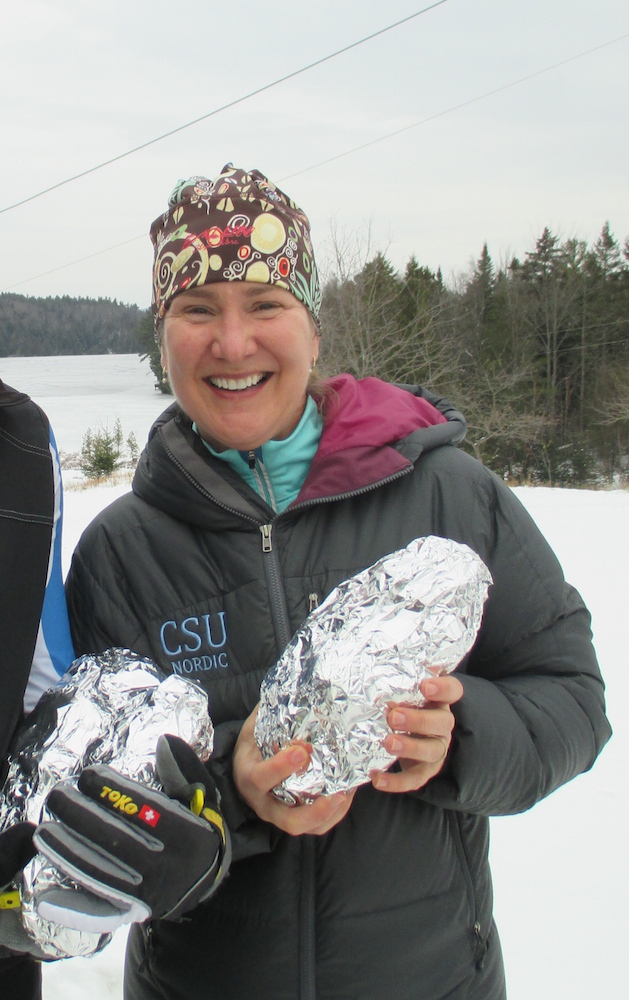
    Amie Smith after “winning” a loaf of homemade bread at the 2014 Craftsbury Opener. (Courtesy photo)
    Amie Smith after “winning” a loaf of homemade bread at the 2014 Craftsbury Opener. (Courtesy photo)

    AS: The last eight years I have been involved with CSU on a lot of different levels, as a parent volunteer, starting with that because it is an all-volunteer organization, and then in 2010 we created our first board: the CSU advisory board, which I have chaired since then. Also at that time, I moved from volunteer coordinator into the general manager position. So kind of helping oversee the day-to-day smooth running of the club along with Rob Bradlee, our head coach. I have also been, for the last three years, a coach for CSU. I started coaching, which I really love. So I am actually going to continue as a coach as I can, but I am giving up my general-manager volunteer position and my board-chair position although I am going to stay on as a board member. … Obviously I won’t be under the wax tent anymore. I was the wax-team leader for a couple years for CSU. So I wont be doing that because I will be running the Eastern Cups or helping the host venues with Eastern Cups.

    FS: What did you see and contribute to during the rise of CSU as a program and why do you think it has become so successful?

    AS: I think there are a couple of things that have contributed to that. One, the kids have a great time, the coaches have a great time, the parents have a great time. Our motto is having fun basically; it’s contagious. We have grown numbers-wise from, a handful of really active skiers — even if we had thirty on our roster, we might have only had eight kids at an Eastern Cup on a great weekend — to now this year we have 52, and the last number of years we’ve had 52 on our roster and we will consistently get 40 or more kids at each Eastern Cup race, which is crazy. I think it’s word of mouth, kids talk about it with each other … And the coaching, I think the fact that we are an all-volunteer club, I was thinking about this when we got the Club of the Year award just recently from NENSA; it’s been a really great model for us.

    Here in the Boston area I think another part of our success is we have so many people to draw from since we are a large urban community. Our pool is huge. The fifty kids we have are from a very large population so you are going to end up with kind of the top skiers, and there are a lot of them. … I think part of our success is we have a large population pool to draw from, from both athletes, coaches and parents. And a lot of the parents were collegiate skiers and lifelong skiers themselves and we have our coaches the same way, you know, lifelong skiers, collegiate, and World Cup skiers. Without saying, Rob Bradlee is the glue and the base of our club and he is so passionate about CSU and about the kids — it’s great. So between Rob and our other group of fantastic coaches, I think that’s the key to our success, the people.

    FS: What attracted you to the opening at NENSA?

    AS: I have to say that the opportunity to work in the nordic ski community and have a job in the nordic ski community such as this is what attracted me to it. I have loved what I was doing for CSU over the years and that was in a volunteer position. I was thinking about going back to work … and I love the nordic community I’m super excited.

    FS: What does the HPD job entail?

    AS: A big thing I’m excited about actually is to delve into coaches’ education here in New England and really having the opportunity for our coaches to be well trained and up to date on the latest techniques and thoughts on skiing, as well as getting certified either on the NENSA level or the USSA level depending on where they want to go. Again to that, also we have the development and elite teams so I hope to be able to whenever possible hook up with them and get our competitive skiers, all our new England skiers jazzed up. Like Andy Newell showed up at an Eastern Cup last year, get that word out that, you know, Andy is going to be at this Eastern Cup and take advantage of it, or Sophie [Caldwell] is back so let’s take advantage of her being here and let people know about it, opportunities like that for the development and elite teams have a place to shine.

    FS: Do you have any goals for NENSA or a long-term vision for the program?

    AS: It’s still evolving. I’m still trying to get a handle on the job responsibilities and the to-do list … I would really like to not only continue with high-caliber Eastern Cup races and bringing the best New England Junior National Team to JNs each year, I mean that’s obviously a huge thing, but I really feel strongly about coach development and my hope is to work with the NENSA coaching committee to really ramp up coach education and make sure that opportunities are available to all of our coaches across New England to advance and tune up some stuff. But I’m still evolving on that one, you will have to give me a little bit of time. [There are] lots of great goals to accomplish.

    FS: Is there anything else you would like to add?

    AS: I’m really looking forward to this. In a way, it is a dream job, I mean you get to work in a community with people, athletes, coaches, parents, venues that you love and get to be a part of that. In a way it’s a dream job and what a great opportunity to be able to do this in New England. And I’m just really excited. I know it’s going to be hard, I know I’m going to make some mistakes … but I’m hoping by year two, OK, this all looks very familiar. You know, as you go on, it gets easier. … I think it is such a great community on so many levels to be involved with. I’m so happy my kids grew up in it, I’m so happy I’m still a part of it.