From the FasterSkier archive — posts syndicated from athletes’ and coaches’ own blogs between 2004 and 2012, kept online as published. Current coverage is at fasterskier.com.

Tag: asthma

  • Another mask to add to your wardrobe? By Alasdair Tutt MSc.

    Another mask to add to your wardrobe? By Alasdair Tutt MSc.

    A masked Julia Kern on course in frigid temps during the 2019 10-kilometer freestyle pursuit in Ruka, Finland. (Photo: NordicFocus)


    Another mask to add to your wardrobe?

    These masks will not provide protection from Covid-19, however, they may be key to preventing breathing problems into the future for cross-country skiers.

    Whilst it may not be news to any of the readers here, but cross-country skiing as a winter sport exposes us to some quite extreme conditions both in training and competition. The FIS cut-off of -4°F (-20°C) was primarily established to prevent cold-based injuries during competition such as hypothermia and frostbite but is well below the cut-off for asthma and its associated symptoms to be exacerbated. Once a threshold of circa 20°F is crossed, the absolute humidity of the air remains very low regardless of the relative humidity due to the curvilinear relationship between the moisture capacity of air, relative humidity and absolute humidity. This means that all cold air is dry air, which has to be heated and humidified to 98°F and 100% humidity in the lungs, then exhaled, causing dehydration in the epithelial tissue of the bronchus and potentially causing inflammation which leads to a narrowing of the airways. This phenomenon, once it affects the ability to exhale by >10% (in relation to the volume of forcefully exhaled air in the first second) is defined as exercise-induced asthma. This can also occur to a lesser extent in non-asthmatics when exercising in cold air, without crossing the threshold for a diagnosis of asthma, this is bronchoconstriction.

    Facial skin temperature may have an effect on the extent on bronchoconstriction you experience during exercise in cold temperatures (Gavhed et al. 2000; Koskela et. al 1995) due to temperature sensors in the nose, cheek and forehead. Solutions for this are “buffs”, headbands or hats (toques for those Canadian readers) and fabric taping of those areas, which has the added bonus of preventing frostbite. Skin temperature is also associated with reduced double poling performance wearing a race suit at 7°F (Wiggen et. al 2016) so windproof underlayers and appropriate clothing during training and competition may allow you to perform at your best in extreme cold.

    A recent meta-analysis by Mäki-Heikkilä et. al (2020) found that worldwide, circa 20% of cross-country skiers have physician-diagnosed exercise-induced asthma with higher occurrences in female athletes. This is about double the rate of the normal, active human population. Eriksson et. al (2018) found specifically that being a young adolescent, female cross-country skier was a significant risk factor for the development of exercise-induced asthma. Similar tendencies are seen in swimmers (where chlorine acts as an irritant) and long-distance runners (where pollen and air pollution may play a role), so we assume that the accumulation of high ventilation training volume in the presence of an irritant such as cold, dry air is a likely cause of exercise-induced asthma in skiers. Kennedy et. al (2016) found an increase in airway inflammation and frequency of coughing between the dryland training season and competition season in 18 female cross-country skiers. We also see some slight differences based on climate, with Sue-Chu et. al (1996) observing a higher incidence of asthma in drier, inland Sweden compared to the more coastal and damp Norway. We could potentially compare Anchorage and Fairbanks, Alaska in a similar way. However, this discussion is relevant to all skiers who train and compete in temperatures below 20°F on a regular basis across North America.

    To prevent asthma attacks athletes are typically prescribed a beta-agonist such as albuterol (salbutamol). This medication has had some negative press in the cross-country ski world recently with Martin Sundby’s suspension and a near-constant flow of criticism directed at the number of Scandinavian athletes who are diagnosed asthmatics. Potential performance-enhancing effects have so far only been found in power-based sports at much larger doses than are usually prescribed for asthma management, with very little evidence to suggest that using albuterol with or without asthma will create any form of performance benefit for cross country skiers who are not asthmatic (Riiser et. al 2020). Nevertheless, there is also some concern that overuse of albuterol may result in reduced effectiveness of the medication over a long period of time.

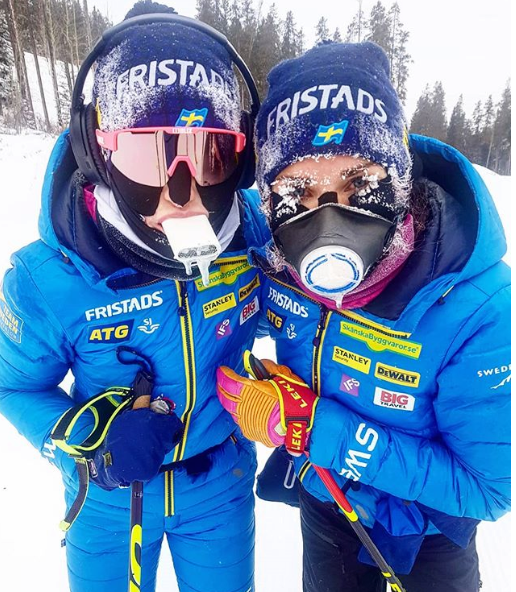
    The other method available to prevent exercise-induced asthma and bronchoconstriction is to use a heat-and-moisture exchanging mask (HME). These have been available for around 30 years for sporting use. The two options you may be familiar with and that are readily available in the USA and Canada are Airtrim and Lungplus. Both are effective at preventing bronchoconstriction during exercise and reducing the amount of lung damage caused by exercising in extreme-cold temperatures. A neck warmer or “buff” is also effective, but actually has higher mechanical resistance to breathing (Ainegren et. al, accepted for publication) and easily wets out, rendering it difficult to breathe through after a few minutes. Lungplus has the advantage of being dishwasher friendly and small whilst Airtrim has an advantage in airflow capabilities, facial coverage and being crash-safe. Ultimately in training, you should use what you are comfortable with and what gives you the best feeling. In competition, you will very rarely see a mask being used, and until recently we haven’t had definitive data as to why.

    Preliminary results from research I was involved in this past year at the Swedish Winter Sports Research Centre suggest that during sprint-type competition scenarios the Airtrim mask may affect ventilation enough to cause a decrease in performance in people without asthma. How much? On average about two to three seconds during a typical sprint distance of three and a half to four minutes. At the elite level, this is significant and could cost you around 15 places when you line up in Ruka at the World Cup as the only person with a mask on. However, it is worthwhile to note that individual results did vary across the sample group significantly, so some non-asthmatics will experience a performance benefit from mask use in short, maximum intensity competitions such as sprint races. Another study (Frischut et. al 2020) found no negative effects of the Lungplus HME on performance, however, it is worthwhile to note that the protocols and durations of studies differed by about 25 minutes and self-paced vs. fixed-speed. Our recommendation is therefore that you should test and decide what works for you until further data becomes available for generalized advice. During training, a mask may raise your heart rate and feelings of perceived exertion slightly, but not enough to take you from L1 to L2, and in return, they may actually improve lung function and certainly protect the airways a little from the cold.

    So what does this mean? Based on the available literature, if you are asthmatic you probably should be training with an HME below circa 20°F to prevent a decrease in ventilation. That part is quite simple, where it gets more complex and where many questions remain unanswered is what non-asthmatics and young adolescents should do to prevent lung damage and/or improve performance and comfort in cold weather. Our preliminary results show a tendency towards a lesser negative effect of performance the smaller you are, with the regression line crossing the axis at circa 110lbs, which means that children and smaller adults are less likely to experience performance loss compared to a larger adult when wearing a HME. About half of our sample used HME at least occasionally in temperatures below 12°F to prevent potential future decreases in lung function and the Airtrim Mask with Sport filter was the most commonly used amongst Swedish Elite Ski Gymnasium athletes.

    The big unanswered question is whether these masks, if utilized from early adolescence, can prevent the onset of asthma in cross country skiers. Whilst we don’t yet have a definitive answer, the data suggests that these masks may to some extent prevent bronchoconstriction – certainly for athletes with asthma, so it definitely won’t hurt to start early and to normalize the use of these devices, particularly in extended cold periods until we can conduct further research. Potentially half-way solutions for competitions in the cold are to use the HME for your warm-up only, then removing for competition, or to experiment with face taping and other methods of preventing facial skin temperatures from falling.

    Whilst FIS won’t be making rules around HME use in competition any time soon, we have a good chance at the moment with Covid-19 to instill healthy behaviors in our young (and not so young) athletes. Certainly, the manufacturers of these devices could do a bit to improve the comfort, or you can do a bit of DIY by adding wool felt to the edges or cutting a hole in your buff to provide a more comfortable skin-HME interface. Perhaps if sufficient people start purchasing and utilizing them it may give them the kick in the butt they need to develop more comfortable designs and materials.


    Alasdair Tutt. (Photo: Stiftung Sport-Gymnasium Davos)

    Tutt grew up skiing in Australia at Falls Creek and competed for the Australian National Team at the 2012-14 World Junior/U23 Championships before coaching the New South Wales/Australian Capital Territory Regional Teams 2014-2016, Winter Youth Olympic Games in 2016 and 2020, and three years coaching the Nordic Ski Club of Fairbanks – FXC Racing Team. He is currently a coach at the Stiftung Sport-Gymnasium Davos and Head Coach of the Davos Ski Club Nordic Team and wax technician for the Australian National Team. Alasdair holds a Bachelor of Sports Coaching from the University of Canberra, a Masters of Science – Performance Optimisation in Elite Sports from Mid-Sweden University, Level 200 USSA Coaching Certificate and Berufstrainer Ausbildung from Swiss-Ski.


    Further reading:

    Exercise in Sub-zero Temperatures and Airway Health: Implications for Athletes With Special Focus on Heat-and-Moisture-Exchanging Breathing Devices:

    https://doaj.org/article/e6c0f99492c7416e94ddb392c2502d83

    https://www.miun.se/en/Research/research-projects/ongoing-research-projects/aegis/

    The research was conducted as a collaboration between the Swedish Winter Sports Research Centre and Sports Tech Research Centres at Mid Sweden University, and the Unit of Medicine at Umeå University. For further information about the ongoing research pprogram contact helen.hanstock@miun.se

    Authors:

    Alasdair Tutt MSc., Cross Country Coach at Stiftung Sport-Gymnasium Davos in Switzerland and formerly Head Coach of the Nordic Ski Club of Fairbanks – FXC Racing program.

    Helen Hanstock PhD, Senior Lecturer Mid-Sweden University Department of Health Sciences and Researcher at the Swedish Winter Sports Research Center.

    References:

    Gavhed, D., Makinen, T., Holmer, I., & Rintamaki, H. (2000). Face temperature and cardiorespiratory responses to wind in thermoneutral and cool subjects exposed to – 10 °C. European Journal of Applied Physiology, 83(4–5), 449–456. https://doi.org/10.1007/s004210000262

    Koskela, H., & Tukiainen, H. (1995). Facial cooling, but not nasal breathing of cold air, induces bronchoconstriction: A study in asthmatic and healthy subjects. European Respiratory Journal, 8(12), 2088–2093. https://doi.org/10.1183/09031936.95.08122088

    Wiggen, Ø. N., Heidelberg, C. T., Waagaard, S. H., F X E Revik, H., & Sandbakk, Ø. (2016). The Effects of Cold Environments on Double-Poling Performance and Economy in Male Cross-Country Skiers Wearing a Standard Racing Suit. International Journal of Sports Physiology and Performance, 11(6), 776. https://doi.org/10.1123/ijspp.2015-0232

    Mäki-Heikkilä, R., Karjalainen, J., Parkkari, J., Valtonen, M., & Lehtimäki, L. (2020). Asthma in Competitive Cross-Country Skiers: A Systematic Review and Meta-analysis. In Sports Medicine (Vol. 50, Issue 11, pp. 1963–1981). Springer. https://doi.org/10.1007/s40279-020-01334-4

    Eriksson, L. M., Irewall, T., Lindberg, A., & Stenfors, N. (2018). Prevalence, age at onset, and risk factors of self‐reported asthma among Swedish adolescent elite cross‐country skiers. Scandinavian Journal of Medicine & Science in Sports, 28(1), 180–186. https://doi.org/10.1111/sms.12879

    Kennedy, M. D., Davidson, W. J., Wong, L. E., Traves, S. L., Leigh, R., & Eves, N. D. (2016). Airway inflammation, cough and athlete quality of life in elite female cross-country skiers: A longitudinal study: Airway inflammation, symptoms, and skiing. Scandinavian Journal of Medicine & Science in Sports, 26(7), 835–842. https://doi.org/10.1111/sms.12527

    Sue-Chu, M., Larsson, L., & Bjermer, L. (1996). Prevalence of asthma in young cross-country skiers in central Scandinavia: Differences between Norway and Sweden. Respiratory Medicine, 90(2), 99–105. https://doi.org/10.1016/S0954-6111(96)90206-1

    Riiser, A., Stensrud, T., Stang, J., Andersen, L.B. (2020) Aerobic performance among healthy (non-asthmatic) adults using beta2-agonists: a systematic review and meta-analysis of randomised controlled trials. British Journal of Sports Medicine Published Online First: 14 August 2020. doi: 10.1136/bjsports-2019-100984

    Frischhut, C., Kennedy, M. D., Niedermeier, M., & Faulhaber, M. (2020). Effects of a heat and moisture exchanger on respiratory function and symptoms post–cold air exercise. Scandinavian Journal of Medicine and Science in Sports, 30(3), 591–601. https://doi.org/10.1111/sms.13603

     

  • Norwegian Nebulizer Use at World Junior Championships Stuns North Americans

    Norwegian Nebulizer Use at World Junior Championships Stuns North Americans

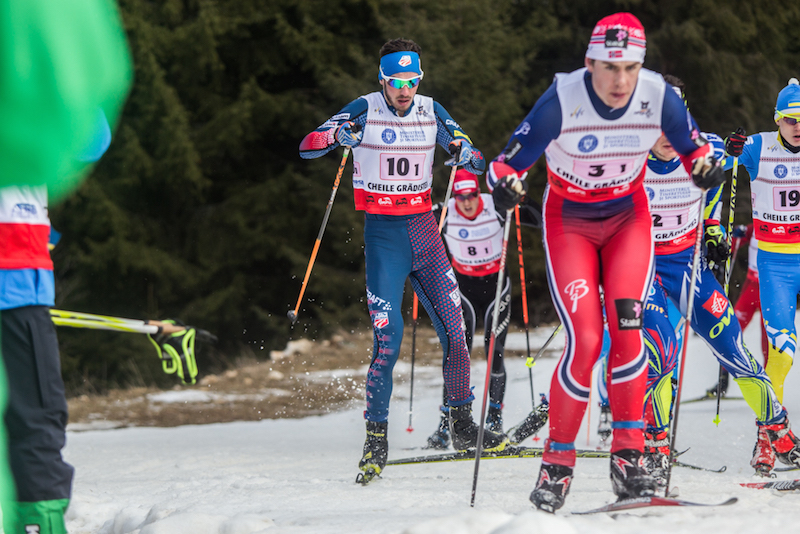
    Ian Torchia (10) chasing the Norwegian team (bib 3) in the first leg of the junior men's 4 x 5 k relay at 2016 Junior World Championships in Rasnov, Romania. (Photo: Logan Hanneman)
    Ian Torchia (bib 10) chasing a Norwegian (bib 3) in the first leg of the junior men’s 4 x 5 k relay at 2016 Junior World Championships in Rasnov, Romania. “When I first heard the news I was extremely fired up,” Torchia told FasterSkier after learning that some of the Norwegians had been taking asthma medication despite not being diagnosed with asthma. (Photo: Logan Hanneman)

    Norwegian team doctors prescribed asthma medication to young cross-country skiers without any diagnosis of the disease the country’s state broadcaster NRK reported. The incident occurred at 2016 Junior and U23 World Championships in Rasnov, Romania.

    Petter Olberg, who was a physician on the team staff in Rasnov, said that the treatment was due to air-quality issues which irritated the airways of some athletes.

    American and Canadian competitors and team staff at the event, however, did not recall any air quality problems. They expressed surprise that competitors who were still teenagers would be offered such drugs without a medical diagnosis of asthma.

    “I am shocked to hear about this story and I do not recall there being poor air quality in Rasnov other than the coal burning pollution,” Julia Kern, an American who had two top-20 finishes in Rasnov, wrote in an email to FasterSkier. “My hope is that the doping regulations are set up to only help fix a medical disease instead of giving people an advantage.”

    The medication allegedly prescribed, budesonide, is a glucocorticosteroid which is not prohibited for inhalation by the World Anti-Doping Agency (WADA). It was delivered by a nebulizer, rather than through inhalers; Olberg said he had also recommended that some athletes take a salt-water inhalation treatment through the nebulizer to improve their symptoms.

    The case has caused a stir partly because a more senior Norwegian skier, Martin Johnsrud Sundby, was slapped with a suspension after taking asthma medication from a nebulizer. However, that was a different drug – salbutamol, which is a beta-2 agonist rather than a glucocorticosteroid – which is prohibited by WADA when used in high doses.

    Air Quality Plagues FIS Site Selection, and Racers’ Lungs

    Air quality has been a major issue at past Junior and U23 World Championships.

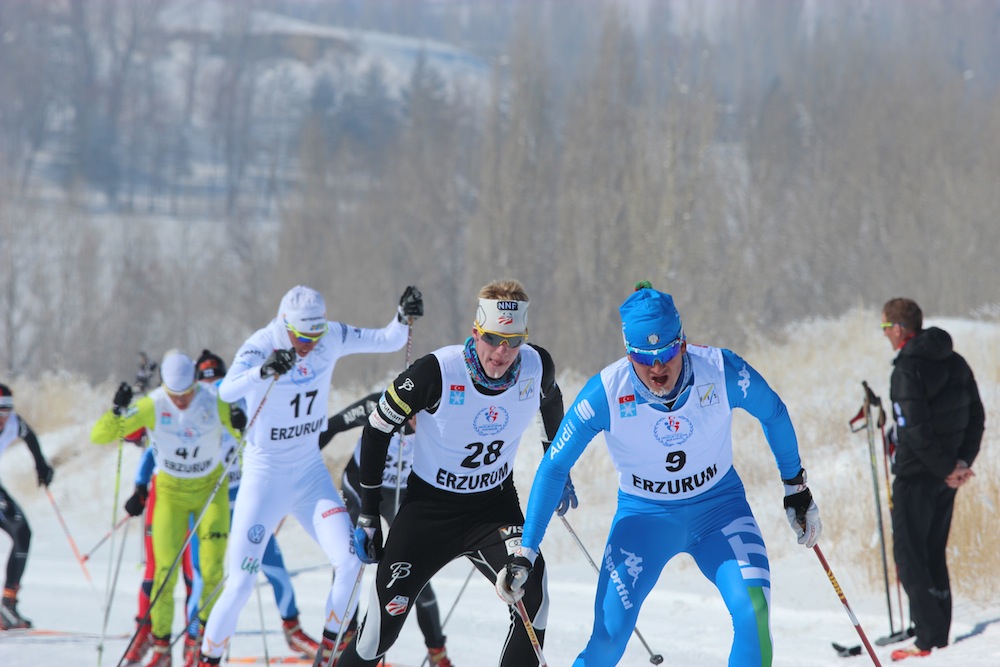
    Logan Hanneman competing at World Junior Championships in Erzurum, Turkey, in 2012. (Photo: Reese Hanneman)
    Logan Hanneman competing at World Junior Championships in Erzurum, Turkey, in 2012. (Photo: Reese Hanneman)

    “When the World Junior & U23 Championships were held in Erzurum, Turkey in 2012 and Almaty, Kazakhstan in 2015, the air was possible the worst I have ever seen at a race venue,” Logan Hanneman of Alaska Pacific University (APU) wrote in an email.

    Of the four Junior/U23 World Championships Hanneman has competed in, Erzurum and Almaty stood out for one reason: smog.

    “In both locations, it seemed that the pollution was caused by poorly-regulated and designed coal power plants,” he explained. “With the large surrounding mountains in both locations, the inversion that would form during the night would suppress the pollution down to the valley floor and into the town where the teams were staying. The race venue in Almaty was above the pollution, but only in the early morning before it began to rise up the mountains.”

    That was a nightmare for many athletes, including those who do suffer from asthma. Kern, now a U.S. Ski Team member based at Stratton Mountain School and Dartmouth College, remembers Almaty and its health challenges well.

    “I had the experience of having my worst asthma attack ever in Almaty and I attribute that to the poor air quality,” she wrote. “I know some of my teammates who have never had any issues breathing even mentioned having some issues in Almaty.”

    In fact, the International Olympic Committee released a consensus statement about asthma and elite athletes in 2008. In it, they addressed the influence of air pollution on the prevalence of airway problems during training and competition.

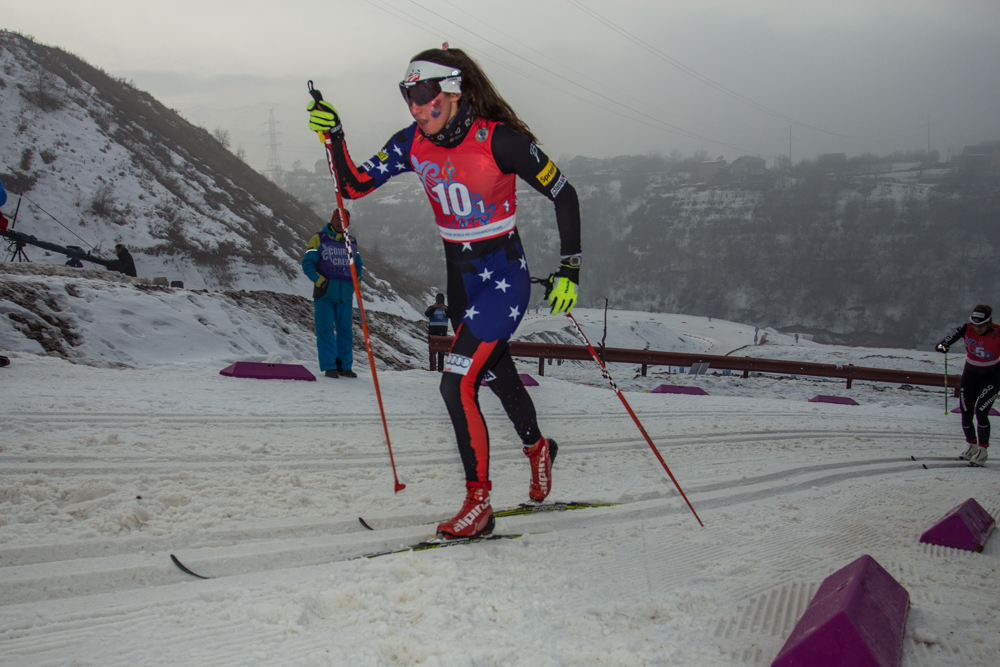
    Julia Kern (CSU) racing against a backdrop of smog in the first leg of the 4 x 3.3 k relay at the 2015 Junior World Championships in Almaty, Kazakhstan. The American team would go on to place eighth. (Photo: Logan Hanneman)
    Julia Kern (CSU) racing against a backdrop of smog in the first leg of the 4 x 3.3 k relay at the 2015 Junior World Championships in Almaty, Kazakhstan. The American team would go on to place eighth. (Photo: Logan Hanneman)

    “Airway function can be affected by exposure to seasonal and perennial allergens in sensitized individuals, dry/cold air, and poor quality air containing pollutants such as chlorine derivatives in swimming pools, ozone and oxides of nitrogen, and fine and ultrafine PM derived from combustion,” the group wrote. “The effects may be greater in subjects with asthma than without asthma.”

    Other air characteristics are sometimes considered in assessing safety. The International Ski Federation (FIS) has a cutoff of -20° Celsius (-4°F), below which it is not permissible to hold competitions; one reason is frostbite, but another is airway damage. FIS is considering raising that lower limit, perhaps to -12° Celsius, specifically to protect athletes’ lung function from long-term damage.

    But the pollution aspect of air quality does not appear to be a concern. Air quality is not discussed anywhere in the International Competition Rules (ICR), meaning that technical delegates and race juries do not have clear guidelines for deciding whether to adjust race schedules due to smog.

    And by selecting sites like Erzurum and Almaty that are clearly plagued by such problems, FIS does not appear to make the issue a priority when awarding event bids.

    They are not alone. The International Olympic Committee (IOC) awarded the 2008 Summer Olympics to Beijing, China, which has some of the worst smog in the world. That caused some long-distance runners to choose not to prioritize the marathon, for fear that prolonged exposure to the air while racing would cause asthma attacks.

    Such an attitude by governing bodies must be changed, a growing number of athletes assert.

    “My personal belief is that if we are racing in an area with high pollution, I think it is okay for people to use legal asthma medications at a legal dose in order to protect their lungs from damage,” Kern wrote. “But more importantly, I do not think races should be allowed to be held in places of pollution because it not only hurts the health of athletes in the short term, but in the long term as well.”

    Comparatively Clean Air in Rasnov

    Romania is not known for its clean air. The industrial sector burns coal, while coal and wood are used for home heating. Pollution from traffic emissions is also a concern. As a result, by several metrics Bucharest has the dirtiest air of any European capital.

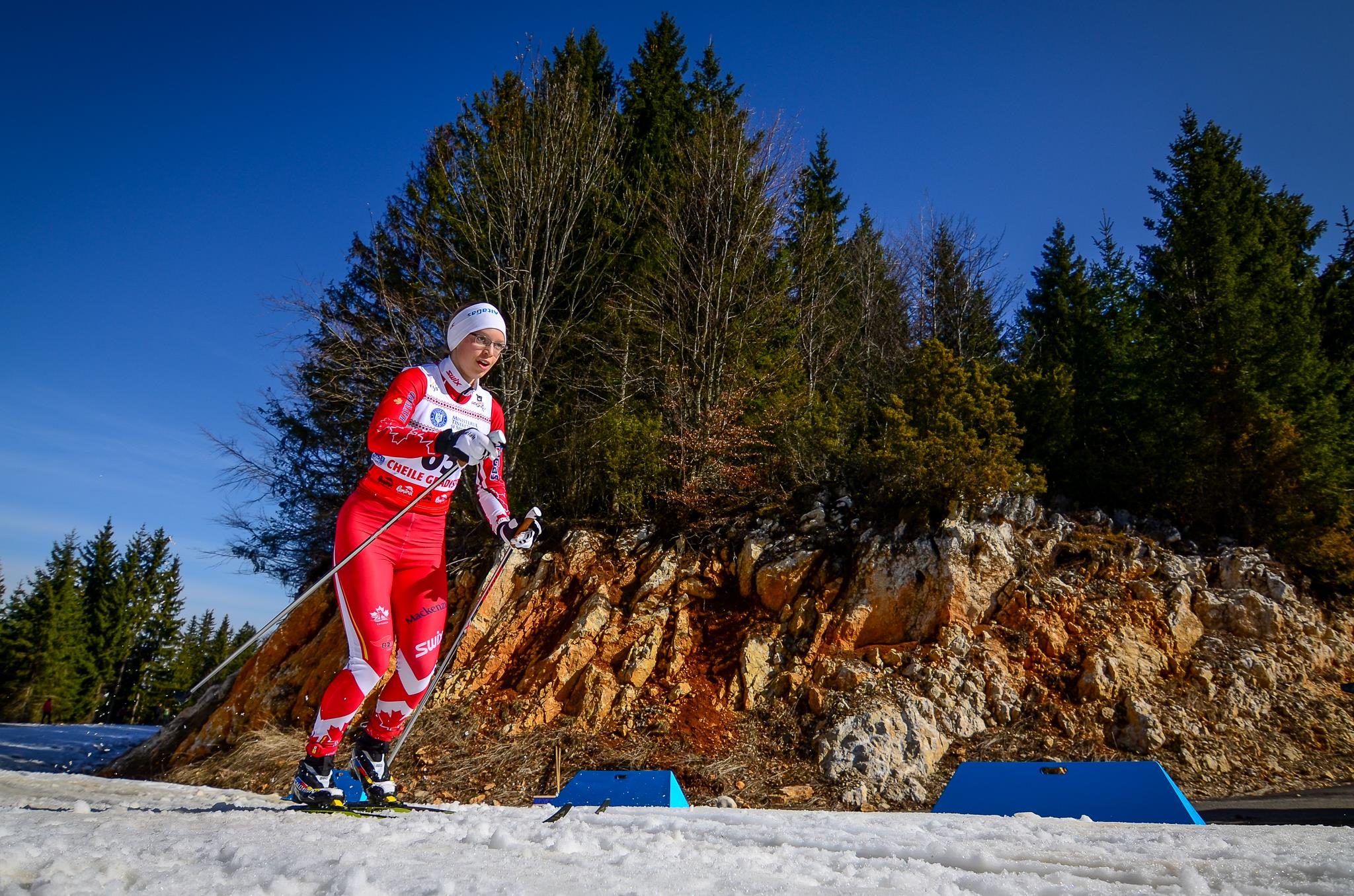
    There were blue skies as Canada's Hannah Mehain raced to 44th in the women's 5 k classic on at 2016 Junior World Championships in Rasnov, Romania. (Photo: FIS Nordic JWSC & U23 WSC 2016/Facebook)
    There were blue skies as Canada’s Hannah Mehain raced to 44th in the women’s 5 k classic on at 2016 Junior World Championships in Rasnov, Romania. (Photo: FIS Nordic JWSC & U23 WSC 2016/Facebook)

    At Rasnov, where the ski competitions were held, traffic exhaust was less of an issue.

    “The only thing that was polluting the air was the exhaust from coal burning, which is easy to recognize because it has a strong odor,” Kern wrote.

    Of all airborne pollutants this type of exhaust can be particularly inflammatory to airways, according to Dr. Michael Kennedy at the University of Alberta, who studies respiratory health of endurance sports athletes.

    “The ultrafine particles (UFP) are the most troublesome,” he explained in an email. “In any active person (most of the literature is from active transport — like bike commuting)… deposition of UFP in systemic circulation as well as lung function can be significant. Diesel is the worst of the polluters and fits with Romania and Kazakhstan, where High Emission Pollutants likely influenced lung health in all competitors. For those with [Exercise Induced Bronchoconstriction] it was likely worst.”

    So it’s not crazy to suggest that athletes could have struggled to race in particulate-laden air, as Olberg suggested was true for the Norwegians.

    But that’s not the way other teams remember Rasnov. Because of the way the venue was situated, American competitors did not notice the coal-produced UFP’s while they were skiing.

    North American Perceptions of Air Quality in Rasnov

    “I did not notice the ‘poor air quality’ in Rasnov as my biggest concern was the lack of snow. I think this is an excuse and if the air was bad in Romania I hate to think of what they were taking for Junior Worlds in Kazakhstan where the smog and air pollution was extremely prevalent.”

    –Ian Torchia, USA (Northern Michigan University): 15th in the junior 10 k skate 

    “In Bucharest, the city air was definitely thicker, but the venue (Cheile Gradistei) was quite remote, at least 20 or 30km from any major cities (or industrial sites, that I know of), out in the countryside, surrounded by rural farmland and fields. Water quality seemed to be a much greater concern in Romania.”

    – Jenn Jackson, Canada (NDC Thunder Bay): 29th in the U23 sprint

    “The air quality appeared okay to me, however there was heating with wood in the area. That can irritate some but no significant quality issues like we saw in Kazakhstan and Turkey. Romania was very warm and early warm conditions can bring on pollen, however I didn’t notice that either.”

    – Bryan Fish, U.S. Ski Team coach/trip leader 

    “While I’m by no means an air-quality expert, I wouldn’t say the air quality was bad in Rasnov, at least at the race site. The race site was up high on a hill in a very agricultural area, on the edge of some mountains… I never had a moment where I thought to myself ‘wow – this air quality is bad’ and as a coaching staff we never had a discussion that indicated that air quality was an issue with the site. We were mainly focused on having snow to ski on… That being said, in my opinion, it also wasn’t great. There was a big smokestack from what I’m assuming was some sort of boiler that burned wood. It was also pretty dusty from the overall construction.”

    – Kieran Jones, Nakkertok Nordic coach/Canadian team staff member

    Like Kern, Hanneman has been diagnosed with asthma. In his case, he believes that it is a result of growing up in Fairbanks, Alaska, and “racing and training in the very cold and dry air.” He said that he was prescribed a small inhaler to treat his symptoms after a major flare-up in Erzurum, but he didn’t experience a similar problem in Romania.

    “I seem to remember that my asthma related problems were not very present in Rasnov,” Hanneman explained. “I took my inhaler like I normally do for races, but the air did not seem to bother me as much as the previous locations. It helped that it was also 55 degrees.”

    Why Offer Athletes a Nebulizer?

    So, then, was giving new medications to some junior athletes necessary?

    “When I first heard the news I was extremely fired up,” wrote Torchia, who initially assumed that the juniors were prescribed the same drug which Sundby had used, rather than a non-prohibited one. “My initial anger eventually turned to being demoralized that doping had come down to the junior level. You hear about the scandals on the World Cup but when it comes to the people you race, it felt like a punch in the gut. The most frustrating thing I have heard was the Norwegian doctor offering asthma medication to healthy athletes. This shows a clear indication from the upper levels of the system to cheat their way to victory. If you can’t compete clean, don’t compete at all.”

    As it turns out, it was not salbutamol but budesonide which the athletes were using. Budesonide is not prohibited for inhalation, although like other glucocorticosteroids, it cannot be injected or ingested orally in or out of competition.

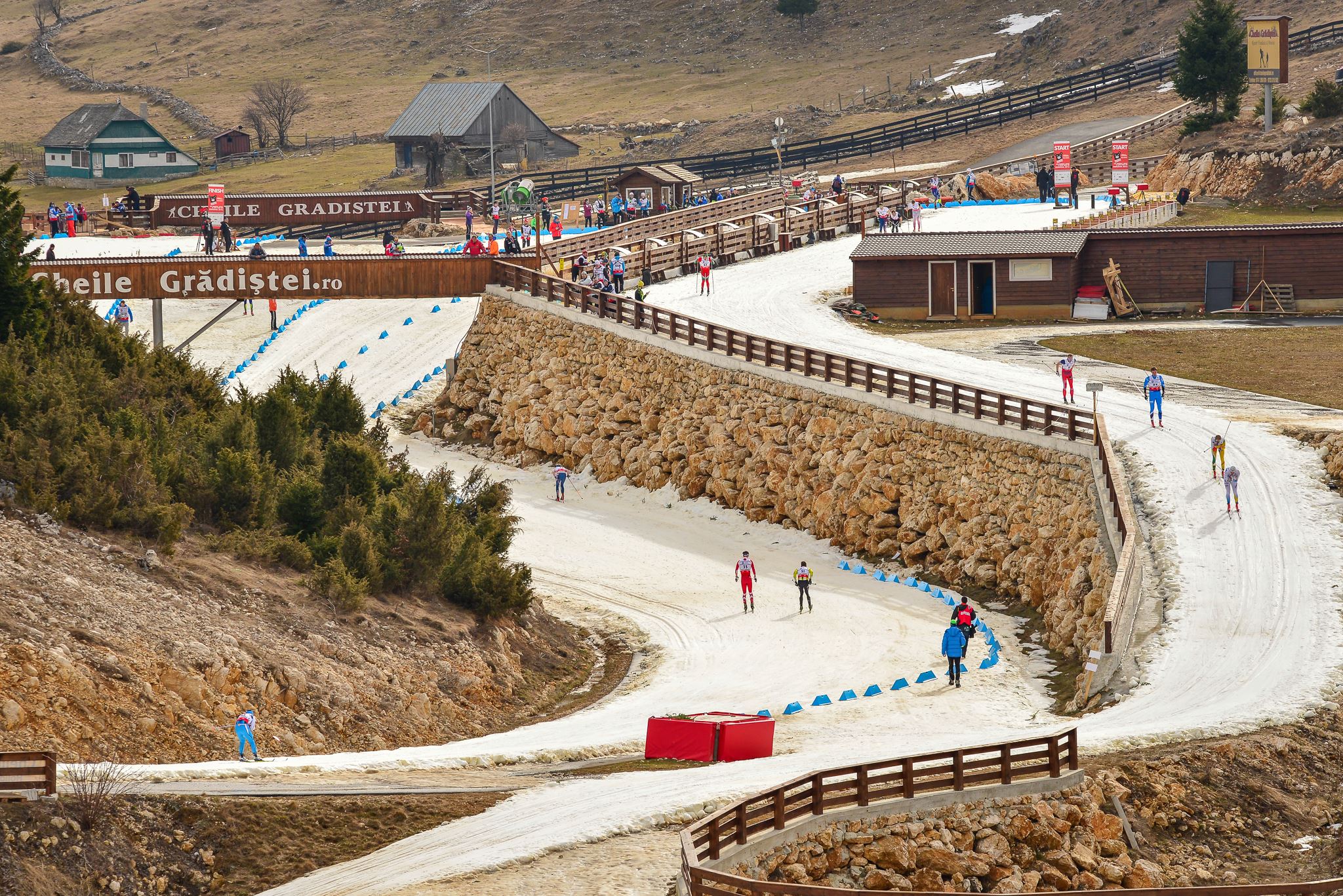
    A bird's eye view of the race course at U23/Junior World Championships in Rasnov, Romania. (Photo: FIS Nordic JWSC & U23 WSC 2016/Facebook)
    A bird’s eye view of the race course at U23/Junior World Championships in Rasnov, Romania. (Photo: FIS Nordic JWSC & U23 WSC 2016/Facebook)

    Olberg told NRK that from his viewpoint, saying that the athletes without an asthma diagnosis were “healthy” was incorrect. The athletes, he said, were sick because of the air quality.

    “I believe that we don’t medicate healthy people,” he explained to NRK. “If we medicate it is because they have gone ill. They have a symptom, a distress of some kind and then they reach out to me. We treat the symptoms…. I believe that to say that they are healthy is completely wrong, because if they’re healthy they wouldn’t have had the symptoms, and if that was the case they would not receive treatment.”

    The North American athletes seemed to struggle internally about whether this was appropriate – especially since it’s relatively unclear whether non-asthmatics even receive benefits of such drugs. That’s even true in the case of salbutamol, the beta-2 agonist which is prohibited at high doses.

    But the athletes felt that the intent of their competitors mattered, whether their performance was enhanced or not.

    “After talking with [Northern Michigan University coach] Sten [Fjeldheim] and my exercise physiology professors and doing some personal research, it seems unclear on the performance enhancing benefits of taking salbutamol, especially in healthy athletes as the oxygen uptake is already at maximum potential,” Torchia wrote. “However… whether it is performance enhancing or not, if you are a healthy athlete and are taking synthetic drugs with the intention of helping your performance, you are cheating, and there should be repercussions.”

    Hanneman and Kern, who take inhalers to treat their diagnosed asthma, had a hard time parsing whether it was wrong to use such medications without such a formal diagnosis.

    “My hope is that the WADA has set the limitations and bans on certain drugs in ensure that the drugs permitted at legal doses would not have a positive impact on performance, but would only help treat the illness of asthma for those with the ‘disease’ (not sure what technical term to use),” Kern wrote.

    American Logan Hanneman (c) racing to third in his quarterfinal of the freestyle sprint at U23 World Championships in Rasnov, Romania. He ended the day 15th overall. (Photo: Pete Leonard)
    American Logan Hanneman (c) racing to third in his quarterfinal of the freestyle sprint at U23 World Championships in Rasnov, Romania. He ended the day 15th overall. (Photo: Pete Leonard)

    “Having exercise induced asthma myself, and seeing the health benefit that the medicine provides, I support the use of prescribed medications, but in limited quantities,” Hanneman agreed. “People who have not been treated previously should not be allowed to use such a medicine I feel.”

    Many drew a distinction between whether such drugs were used as part of a long-time treatment plan, or prescribed more casually by doctors who are not intimately familiar with an athlete’s medical history.

    “I am very much opposed to widespread usage of any medication,” U.S. Ski Team development coach Bryan Fish wrote. “That being said, there are athletes that have unique respiratory issues & these athletes should go through testing by qualified medical staff. The qualified medical staff should then create a unique and specific plan for that particular athlete.”

    And as more and more such “gray area” incidents accumulate, it’s hard for athletes to interpret whether their competitors are seeking an unfair advantage or not – much less whether they are actually getting one.

    “I don’t understand how people can be so invested in maximizing their performance that they’re willing to leave the white area and step into the grey,” Jackson wrote. “Unfortunately, medicating and supplementing just seems to be the norm these days, in sport and everyday society. People will do what they’ll do, so long as they feel it’s ‘normal’ or ‘okay’ – whether that be Norwegian juniors using asthma medication at the World Championships, Russians using xenon for Sochi, [Poland’s Justyna] Kowalczyk taking injections for her foot in 2014, or [Norwegian Therese] Johaug’s doctor providing her that super skin cream. I suppose it’s inevitable, as you approach the limits of human potential, that you toe the line between white and grey, but I don’t feel like I’m close enough to that point to really understand why someone would.”

  • Doping News: Sundby Defends Asthma Meds; WADA Hacked; IBU Clears Meldonium Athletes

    Doping News: Sundby Defends Asthma Meds; WADA Hacked; IBU Clears Meldonium Athletes

    Norway's Martin Johnsrud Sundby qualified 11th and went on to place fourth in the final of the 1.2 k classic sprint at Stage 4 of the Tour de Ski in Oberstdorf, Germany. Now, he not only leads the overall Tour standings, but the Sprint Tour standings as well. (Photo: Marcel Hilger)
    Norway’s Martin Johnsrud Sundby at the 2016 Tour de Ski. (Photo: Marcel Hilger)

    As Norwegian skier Martin Johnsrud Sundby continues to consider whether to appeal his doping ban to the Swiss Supreme Court, both he and the World Anti-Doping Agency (WADA) are speaking publicly about the case.

    Sundby was banned for two months for using the asthma medication salbutamol through a nebulizer. Although the drug is legal at low doses or with an approved Therapeutic Use Exemption (TUE), Sundby had not applied for such an exemption and had used it at a high concentration through the device.

    The International Ski Federation (FIS) had initially acquitted Sundby, but WADA appealed the case to the Court of Arbitration for Sport (CAS) and won. The ski champion lost his 2015 Tour de Ski title as well as the 2015 overall World Cup title, although his two-month ban was shorter than most punishments in doping cases.

    In Norway’s Aftenposten newspaper, Sundby said that he now regretted keeping the case a secret until WADA won its appeal rather than speaking out about it earlier.

    FIS rules do not require acquittals to be made public, but Aftenposten revealed that the Norwegian Ski Federation had even gone as far as having its communications manager, Espen Graff, draft a press release after FIS cleared Sundby. The federation strategized that it would be better to get ahead of the case in the media sphere.

    But Sundby stopped the plan from going forward, instead waiting to see the result of WADA’s appeal. He now says he believes that if he had gone public after the acquittal, it would have discouraged WADA from appealing at all.

    In the same piece, Sundby said that his failure at 2015 World Championships in Falun, Sweden, was due to the case. He had learned of his positive tests in January and the stress caused him to get sick and miss most of the Championships, then turn in what was by his standards an unimpressive performance in the 50 k.

    At issue in the case is whether asthma medication is performance-enhancing at high concentrations. The drug, salbutamol, is also banned because it is a masking agent.

    Speaking about the case publicly for the first time, WADA Scientific Director Olivier Rabin told Norwegian newspaper VG that the drug did indeed have benefits for athletes.

    “The latest research shows that large doses can have an effect,” he said.

    Previous research had indicated that at recommended therapeutic doses, salbutamol did not affect healthy airways. That is, the drug could not relax muscle that was not constricted, for instance by asthma or exercise-induced bronchoconstriction.

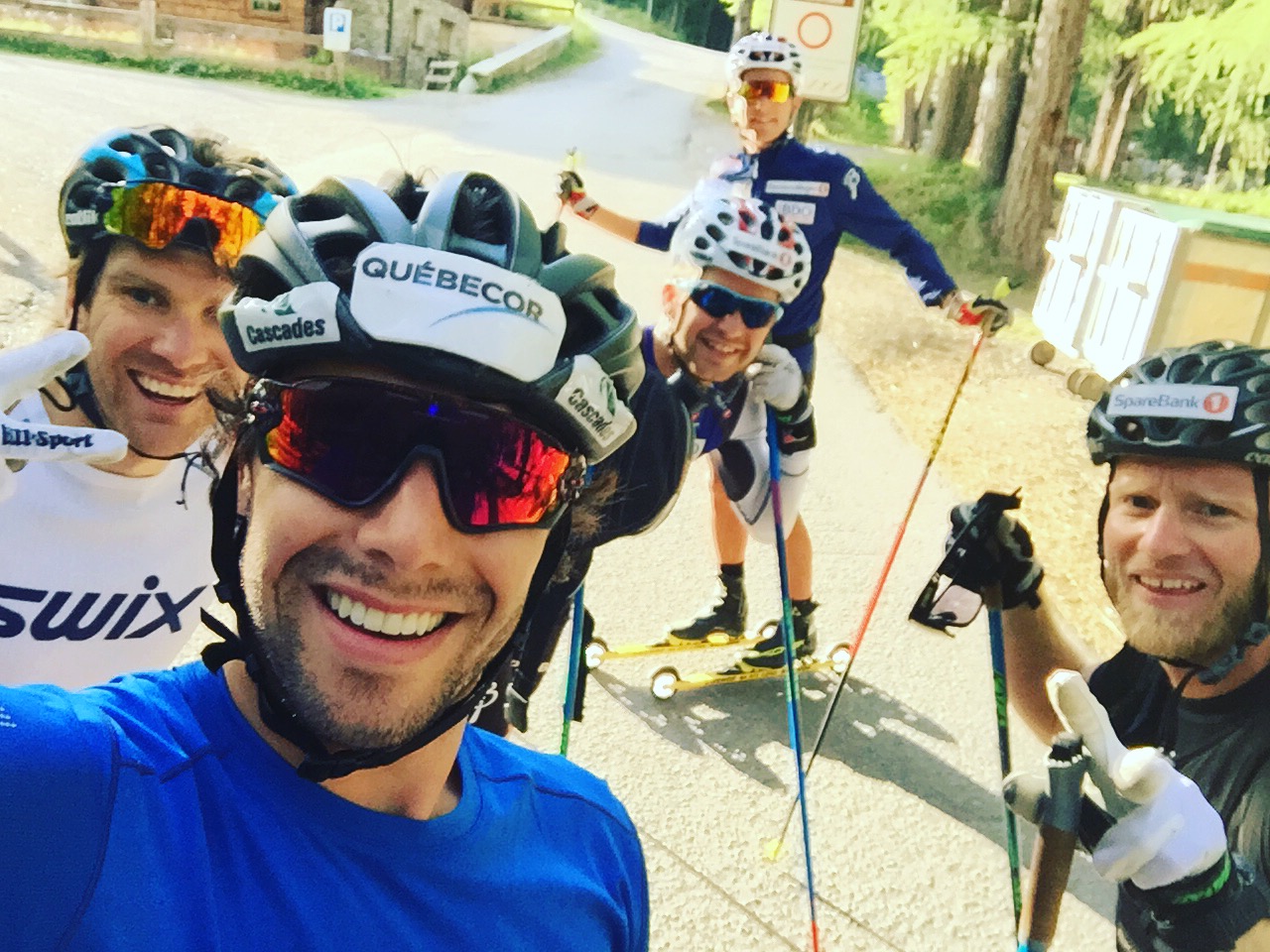
    Martin Johnsrud Sundby of Norway (right) training with Canadian athletes in Livigno, Italy, earlier this month. (Photo: Alex Harvey/Instagram)
    Martin Johnsrud Sundby of Norway (right) training with Canadian skiers in Livigno, Italy, earlier this month. (Photo: Alex Harvey/Instagram)

    However, the drug does not work only in lung tissue, and that appears to be part of the argument against high doses.

    Jørgen Jensen, a professor at the Norwegian School of Sport Sciences, suggested to VG that the drug may affect skeletal muscle, increase muscle growth and speed recovery. He cited research showing that the class of drugs, beta-2 agonists, appears to be more beneficial to sprinting and power events than to endurance performance.

    Sundby finished his two-month ban and recently rejoined the Norwegian national team in Livigno, Italy, for a training camp which included joint sessions with the Canadians.

    But the case continues to reverberate in the ski world. Russian World Cup skier Evgeniy Belov accused the Norwegians of corruption since there was a long gap between Sundby’s positive test in January 2015 and the resolution of his case at CAS, which allowed him to complete the whole next season with no competitors the wiser as to his case.

    His two-month suspension during the summer also didn’t affect a competition season.

    “I think it’s obvious [why this happened],” Belov said, according to Inside The Games.

    Meanwhile, Swedish star Charlotte Kalla said that she welcomed more research into the effects of the drug, but that athletes who had asthma should be able to take what medication they needed in order to compete at a normal level.

    Other Doping Notes

    The International Biathlon Union (IBU) has cleared three athletes who had tested positive for the heart medication meldonium in early 2016. Eduard Latypov of Russia, Artem Tyshchenko of Ukraine and Eva Tofalvi of Romania will not serve suspensions because, as the Anti-Doping Hearing Panel concluded, “they bear no fault” in having the drug in their bodies.

    The panel did not find evidence that they took the drug after the Jan. 1 date when it was added to the Prohibited List, and decided that they could not have known that it would stay in their bodies for a longer period of time. All three athletes will have relevant results canceled, but are free to return to competition.

    Meanwhile, Russian hackers continue to leak files stolen from WADA’s databases, primarily showing Therapeutic Use Exemptions for athletes who competed in the 2016 Summer Olympics in Rio de Janeiro, Brazil. Some data also show positive drug tests in Rio for the same substances.

    Several of the cases involved salbutamol and other asthma medications; one TUE was for a drug to treat attention-deficit hyperactivity disorder. Perhaps the majority involved anti-inflammatory medications which are commonly used to treat injuries, but are banned without a TUE.

    Data on 29 athletes from a variety of countries has been released so far, but the records of all 10,000 athletes who competed in Rio may be compromised.

    “Given this intelligence and advice, WADA has no doubt that these ongoing attacks are being carried out in retaliation against the Agency, and the global anti-doping system, because of our independent Pound and McLaren investigations that exposed state-sponsored doping in Russia,” WADA Director General Olivier Niggli said in a press release. “We condemn this criminal activity and have asked the Russian Government to do everything in their power to make it stop. Continued cyber-attacks emanating from Russia seriously undermine the work that is being carried out to rebuild a compliant anti-doping program in Russia.”

    Although law enforcement has asserted that the hacks originated in Russia, the country’s Minister of Sport, Vitaly Mutko, denied it.

    “How can you prove that they are hackers from Russia? You blame Russia for everything,” he told The Telegraph.

  • Norwegian Ski Team Recommended Nebulizer Use by Healthy Athletes, Say Anonymous Skiers

    Norwegian Ski Team Recommended Nebulizer Use by Healthy Athletes, Say Anonymous Skiers

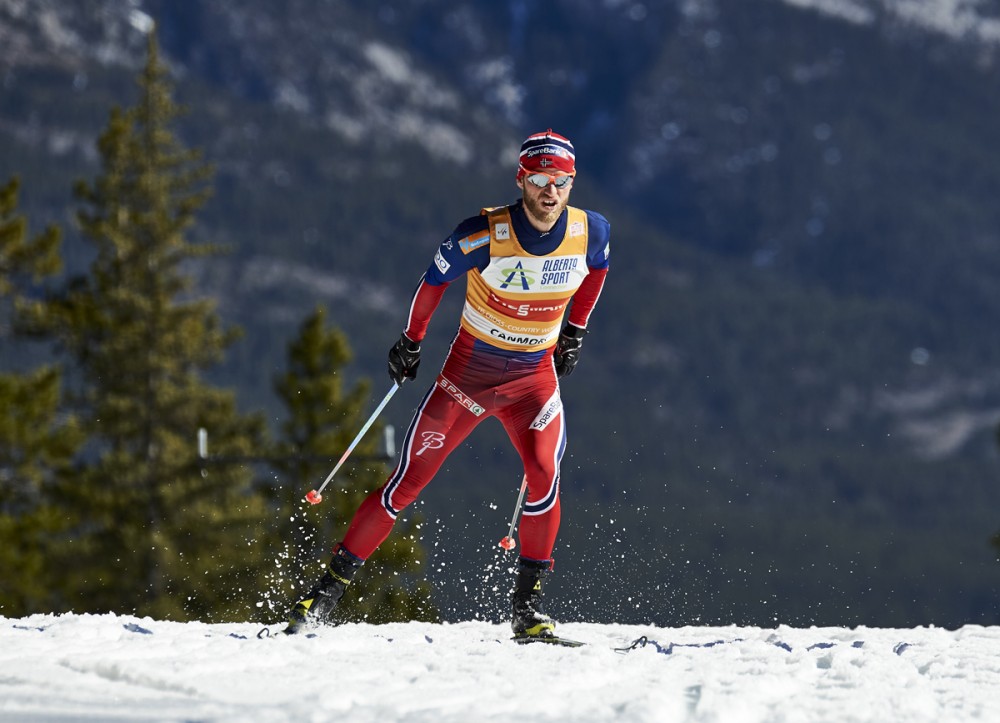
    Norway's Martin Johnsrud Sundby during the men's 15k skate leg of the Ski Tour Canada in Canmore, Alberta. Sundby may not be the only Norwegian athlete who used a nebulizer to take asthma medication - even healthy athletes were apparently recommended to do so. (Photo: Fischer/Nordic Focus)
    Norway’s Martin Johnsrud Sundby during the men’s 15 k skate leg of the Ski Tour Canada in Canmore, Alberta. Sundby may not be the only Norwegian athlete who used a nebulizer to take asthma medication — even healthy athletes were allegedly recommended to do so. (Photo: Fischer/Nordic Focus)

    As Norwegian skier Martin Johnsrud Sundby has decided to appeal his doping ban to the Swiss Supreme Court, stories have emerged suggesting that the Norwegian Ski Federation recommended that healthy skiers use salbutamol nebulizers – the same drug and method Sundby was issued a two-month ban for – as preventative therapy to maximize performance.

    That suggests that a number of Norwegian athletes might have engaged in the same behavior which got Sundby in trouble in the first place. No other doping cases are known to exist from the Norwegian team. However, the International Ski Federation (FIS) rules mean that if an athlete had been caught with high levels of salbutamol like Sundby, it may have been kept quiet.

    After Sundby’s ban, men’s national team coach Tor Arne Hetland told FasterSkier that “we will not do the same mistake again.”

    But what of the past? Norway’s TV2 talked with several cross-country skiers who say they were told by the national team to use nebulizers, even though they did not have asthma. A nebulizer delivers beta-2 agonists, drugs which help relax muscles in the airways. Such medications are banned for use by athletes up until a threshold dose.

    TV2 would not reveal the identity of the athletes, but reported that one said they were “mildly surprised” to be offered the drugs even though they were not having difficulty breathing.

    In the same piece, national team director Vidar Løfshus said that this constituted “preventative care” to make sure that no athletes had airway obstructions.

    Evidence suggests that salbutamol cannot help breathing for athletes who are not having an airway constriction, such as that caused by asthma. But beta-2 agonists, as a class of drugs, can also be used as masking agents for other drugs, and can have androgenic effects (like steroids) when used in high doses.

    The Norwegian Ski Federation announced on its website that it would be conducting a full review of medication use policies in the wake of the scandal.

    Erik Røste, the president of the federation, said that he expected that healthy athletes would not have been prescribed medication, but sought to clarify whether his assumption was true. The investigation will be carried out by people not affiliated with the federation in order to maintain independence. Anti-Doping Norway has been consulted about assisting.

    Røste also said that he was concerned that the stories could damage the reputation of the federation.

    That seems to be already happening. Swedish national team doctor Per Andersson told Swedish media that prescribing medication to healthy athletes was a “dangerous path”.

    Meanwhile, Sundby had been sanctioned for using high concentrations of salbutamol via a nebulizer. FIS had initially not suspended him, but the World Anti-Doping Agency (WADA) appealed the case to the Court of Arbitration for Sport (CAS), which banned him from competition for two months. Because some results were invalidated, Sundby lost his 2015 overall World Cup title as well as the overall Tour de Ski win.

    CAS is the highest governing body in sports, and decisions cannot be appealed or overturned. However, Sundby decided to appeal the case to a non-sports body, the Swiss Supreme Court, because he felt that the judgement was unfair. He told Norwegian media that he was “not guilty.”

    Based on WADA rules, the maximum amount of salbutamol that is allowed to be inhaled is 1600 micrograms over 24 hours. Sundby’s samples taken Dec. 13, 2014 after the 15-kilometer classic in Davos, Switzerland, and Jan. 8, 2015 after the 25 k freestyle pursuit at the Tour de Ski in Toblach, Italy, and analyzed by a WADA accredited laboratory exceeded those limits.

    His case hinges on a few words, as Sundby and the Norwegian medical team believe that the WADA limit applies only to medication taken in an inhaler, while Sundby used a different device, a nebulizer.

    As an athlete with a documented history of asthma, Sundby likely could have received a therapeutic use exemption (TUE), which may have allowed the nebulizer use. But he did not apply for one, and such exemptions cannot be obtained retroactively.

  • FIS Rules and Keeping Quiet: Why You Didn’t Hear About Sundby Sooner

    FIS Rules and Keeping Quiet: Why You Didn’t Hear About Sundby Sooner

    Norway's Martin Johnsrud Sundby lost is 2014-2015 overall World Cup title after breaking rules about the use of asthma medication. (Photo: Fischer/Nordic Focus)
    Norway’s Martin Johnsrud Sundby lost is 2014-2015 overall World Cup title after breaking anti-doping rules regarding the use of asthma medication. (Photo: Fischer/Nordic Focus)

    News broke on Wednesday that Norwegian cross-country skier Martin Johnsrud Sundby lost his 2015 World Cup overall title after an anti-doping rule violation (ADRV).

    Among athletes and fans, one of the biggest reactions was of surprise: Sundby’s samples had been collected in December 2014 and January 2015, yet the case had never been publicized.

    Screen Shot 2016-07-23 at 7.35.05 PM

    That is primarily because despite the adverse analytical finding (AAF) of salbutamol — a common asthma medication — in two of Sundby’s urine samples, the International Ski Federation (FIS) concluded that he had not broken any rules.

    First, because salbutamol is a “specified substance”, according to the WADA Code, FIS was not required to give Sundby a provisional suspension while they resolved his case. Thus he did not miss any races after the AAF’s were reported to FIS.

    Then, because the eventual Anti-Doping Hearing Panel conclusion was that there was no ADRV, FIS was also not required to publicize the result – in fact, they could not publicize it at all without Sundby’s consent, which he did not provide.

    “FIS and the Norwegian Ski Association have followed the regulations and procedures as provided for in the FIS Anti-Doping Rules and WADA Code concerning communication of the decision of the FIS Doping Panel,” FIS Secretary General Sarah Lewis wrote in an email to FasterSkier.

    Confidentiality is oft-discussed and highly prized according to FIS Rules. Thus only after the Court of Arbitration for Sport supported an appeal by the World Anti-Doping Agency (WADA) and ruled that an ADRV did occur, was FIS required to publicize the case.

    Why No Rule Violation?

    One common circumstance where an AAF can lead to no rule violation is if an athlete has a Therapeutic Use Exemption (TUE) for the substance in question.

    Although he has long discussed his asthma diagnosis, Sundby did not have a TUE for salbutamol because he believed he didn’t need one.

    As a class of drugs, the World Anti-Doping Agency (WADA) prohibits the use of beta-2 agonists, with the following exceptions (as described in the 2015 Prohibited List):

    “Inhaled salbutamol (maximum 1600 micrograms over 24 hours);

    Inhaled formoterol (maximum delivered dose 54 micrograms over 24 hours); and

    Inhaled salmeterol in accordance with the manufacturers’ recommended therapeutic regimen.

    The presence in urine of salbutamol in excess of 1000 ng/mL or formoterol in excess of 40 ng/mL is presumed not to be an intended therapeutic use of the substance and will be considered as an Adverse Analytical Finding (AAF) unless the Athlete proves, through a controlled pharmacokinetic study, that the abnormal result was the consequence of the use of the therapeutic inhaled dose up to the maximum indicated above.”

    Sundby’s urine samples both had over 1300 ng/mL of salbutamol, triggering an AAF and beginning the investigative process into whether he had an appropriate TUE.

    He didn’t, based on advice of a team doctor. The reason — that he was taking the medication through a nebulizer rather than an inhaler and believed that this made a TUE unnessecary — was explained in a previous article.

    “We know the rule for use of the the nebulizers now and we will not do the same mistake again,” Norwegian men’s coach Tor-Arne Hetland told FasterSkier in an email. “We will for sure ask for a TUE one extra time instead of one too little in the future. Martin would have gotten a TUE if he asked for it. To get a TUE happens quickly, but the decision is made separately in each case.”

    Marit Bjørgen, the winningest female skier of all time, also uses asthma medication. “I have medical test results that indicate that I am qualified to use Symbicort," she said in a press release from the Norwegian ski federation. "I have the necessary permissions from the International Ski Federation (FIS) to use this medication, and all research studies show that this asthma medicine does not have any performance enhancing effect unless you have asthma. Just like Martin, I could not have become the best in the world without using my asthma medicine." (Photo: Fischer/NordicFocus.com)
    Marit Bjørgen, the winningest female skier of all time, also uses asthma medication. “I have medical test results that indicate that I am qualified to use Symbicort,” she said in a press release from the Norwegian ski federation. “I have the necessary permissions from the International Ski Federation (FIS) to use this medication, and all research studies show that this asthma medicine does not have any performance enhancing effect unless you have asthma. Just like Martin, I could not have become the best in the world without using my asthma medicine.” (Photo: Fischer/NordicFocus.com)

    Most people don’t consider the use of the salbutamol to be performance-enhancing. Doctors and medical researchers have concluded that salbutamol is not ergogenic for athletes who are not experiencing constricted airways through asthma or exercise-induced bronchiospasm.

    “The net effect for anyone whom does not have [exercise-induced bronchiospasm] is negligible: you can’t relax smooth muscle in the airway if it has not been contracted,” Dr. Michael Kennedy told FasterSkier in January, referring to the drug’s mode of action.

    Numerous studies have backed this up, showing that giving asthma medication to athletes does not improve performance in time trials or races.

    None of this changes the fact that WADA prohibits inhalation of the drugs in high concentrations, or via injection or ingestion. And salbutamol is also banned because it is a masking agent – that is, it could be used to hide the presence of another performance-enhancing drug.

    In the “masking agents” section of the Prohibited List, the organization writes that “The detection in an Athlete’s Sample at all times or In-Competition, as applicable, of any quantity of the following substances subject to threshold limits: formoterol, salbutamol, cathine, ephedrine, methylephedrine and pseudoephedrine, in conjunction with a diuretic or masking agent, will be considered as an Adverse Analytical Finding unless the Athlete has an approved TUE for that substance in addition to the one granted for the diuretic or masking agent.”

    One might expect that after an AAF, an athlete would be provisionally suspended. But according to FIS Rules, that was not necessary.

    No Provisional Suspension

    Martin Johnsrud Sundby placed 12th in the 15 k skate World Cup in Oestersund, Sweden, in February 2015 - one day after FIS decided to cancel his scheduled Anti-Doping Hearing Panel and instead subject him to lab tests to determine how much salbutamol showed up in a urine sample after using a nebulizer as he had described. That trial eventually took place in April, long after the World Cup season (and Sundby's victory for the overall title) had wrapped up. (Photo: Fischer/Nordic-Focus.com)
    Martin Johnsrud Sundby placed 12th in the 15 k skate World Cup in Östersund, Sweden, in February 2015 – one day after FIS decided to cancel his scheduled Anti-Doping Hearing Panel and instead subject him to lab tests to determine how much salbutamol showed up in a urine sample after using a nebulizer as he had described. That trial eventually took place in April, long after the World Cup season (and Sundby’s victory for the overall title) had wrapped up. (Photo: Fischer/Nordic-Focus.com)

    FIS rules about confidentiality are clear. In the early stages of a case, only those who “need to know” should be told about it, according to the rules. For instance, from the 2015 Anti-Doping Rules: “FIS shall ensure that information concerning Adverse Analytical Findings, Atypical Findings, and other asserted anti-doping rule violations remains confidential until such information is Publicly Disclosed in accordance with Article 14.3.”

    If a case makes it into the media at this point, it is usually because it has been publicly announced by the athlete or their national federation, or else leaked by someone else who has inside knowledge.

    “Information sometimes reaches the public domain since the athlete or person defending an anti-doping rule violation is communicated during the course of the proceedings,” FIS Secretary General Lewis wrote. “This has not been the case this time.”

    It could have been obvious that something was going on if Sundby had disappeared from the World Cup based on a provisional suspension. But he didn’t, because salbutamol does not lead to a mandatory provisional suspension.

    According to Provision 7.9.1 of the 2015 FIS Anti-Doping Rules, only athletes who have tested positive for a drug which is not a “Specified Substance” must receive a provisional suspension. Provision 7.9.2 states that for drugs which are Specified Substances, a provisional suspension is not mandatory.

    “7.9.1 Mandatory Provisional Suspension: If analysis of an A Sample has resulted in an Adverse Analytical Finding for a Prohibited Substance that is not a Specified Substance, or for a Prohibited Method, and a review in accordance with Article 7.2.2 does not reveal an applicable TUE or departure from the International Standard for Testing and Investigations or the International Standard for Laboratories that caused the Adverse Analytical Finding, a Provisional Suspension shall be imposed upon or promptly after the notification described in Articles 7.2, 7.3 or 7.5.

    7.9.2 Optional Provisional Suspension: In case of an Adverse Analytical Finding for a Specified Substance, or in the case of any other anti- doping rule violations not covered by Article 7.9.1, FIS may impose a Provisional Suspension on the Athlete or other Person against whom the anti-doping rule violation is asserted at any time after the review and notification described in Articles 7.2–7.7 and prior to the final hearing as described in Article 8.”

    What is a Specified Substance? WADA’s 2015 Prohibited List defines those as all substances except: anabolic agents, peptide hormones, growth factors, and related metabolic substances and mimetics, anti-estrogenic substances, agents modifying myostatin functions, and some stimulants.

    As a beta-2 agonist and masking agent, salbutamol does not fall into any of these categories.

    “Salbutamol is a Specified Substance,” FIS Anti-Doping Administrator Sarah Fussek wrote to FasterSkier in an email. “Therefore a provisional suspension is not mandatory.”

    FIS did not opt to give Sundby a provisional suspension through Provision 7.9.2, either. Instead, they asked him a series of questions about his use of the drug, consulted an Australian expert, and then sent his case to an Anti-Doping Hearing Panel. During this time, Sundby continued to compete.

    The way that FIS handles public disclosure of ongoing cases is notably different than that of some other federations. The International Biathlon Union (IBU), for example, releases information on provisional suspensions when “A” samples test positive for prohibited substances, but do not include the name or nationality of the athlete. Here’s an example.

    Why Wasn’t Sundby’s Case Made Public?

    The Anti-Doping Hearing Panel concluded, as previously described, that no ADRV had occurred – partly because it deemed the WADA Prohibited List’s language unclear as to whether “inhaled” referred to the specific method of use, i.e. from an inhaler, or the general method of consumption, i.e. inhalation versus injection or ingestion.

    At this point, FIS was constrained by its own rules as to whether it could publicize the case.

    If a hearing panel determines that no ADRV has occurred, FIS can only publicize the case with the athlete’s consent, according to Provision 14.3.3:

    “In any case where it is determined, after a hearing or appeal, that the Athlete or other Person did not commit an anti-doping rule violation, the decision may be Publicly Disclosed only with the consent of the Athlete or other Person who is the subject of the decision. FIS shall use reasonable efforts to obtain such consent. If consent is obtained, FIS shall Publicly Disclose the decision in its entirety or in such redacted form as the Athlete or other Person may approve.”

    This language is similar to that of rules from FIFA, soccer’s governing body.

    “After the decision of the FIS Doping Panel, the decision not to communicate the decision is the prerogative of the athlete, and yes FIS officially made this request to the athlete and Norwegian Ski Association in accordance with the FIS Anti-Doping Rules and WADA Code,” Lewis wrote.

    After the CAS decision asserted that an ADRV had in fact occurred, the situation changed. FIS must report the final result of an appeals case — or three other types of cases, included those where the athlete does not challenge that a rule violation has occurred — within 20 days.

    That’s in keeping with language in the Anti-Doping Rules of some other international federations, for instance the International Federation for Equestrian Sports (FEI). The language in the rules of the International Judo Federation (IJF) and International Swimming Federation (FINA) are identical to the FIS rules, down to the numbering of the relevant articles in section 14.3.

    Sundby, who has vigorously defended himself in the press once the case went public, clearly wanted it to stay private. One can assume that’s why he opted not to go public after he was initially vindicated by the FIS Anti-Doping Hearing Panel.

    “Reactions in Norway have been on different levels positive for Martin,” Hetland wrote. “The athletes in the team and from the other sports support him, the federation support him, sponsors for the federation and for Martin support Martin [and the federation] and media that have read and understood the case support Martin. Of course some media ask questions… The case is hard for Martin. He takes his punishment and [is] looking forward to get back to training with the team again.”

  • Välbe’s Asthma Comments Off The Mark, Medical and Scientific Community Says

    Välbe’s Asthma Comments Off The Mark, Medical and Scientific Community Says

    Martin Johnsrud Sundby of Norway celebrates the fruits of his labor over eight stages of the Tour de Ski (TdS), after winning the final climb. He has told Norwegian media that his lung capacity is 80% of a normal man's, which is why he trains so much; Russian cross-country ski federation president Elena Välbe says that if he's really so sick, he shouldn't be competing. (Photo: Fischer/NordicFocus)
    Martin Johnsrud Sundby of Norway celebrates the fruits of his labor over eight stages of the Tour de Ski (TdS), after winning the final climb. He has told Norwegian media that his lung capacity is 80% of a normal man’s, which is why he trains so much; Russian cross-country ski federation president Elena Välbe says that if he’s really so sick, he shouldn’t be competing. (Photo: Fischer/NordicFocus)

    Elena Välbe, the President of the Russian Cross-Country Ski Association, recently had some thoughts on how the Norwegians attain their dominance in cross-country skiing: through inhaler use.

    “It’s annoying because this team, everyone has asthma,” she said, according to a translation of an interview with the Russian news service Izvestia. “I personally don’t understand what kind of asthma you can have, and still ski so fast… [Martin Johnsrud] Sundby said in a recent interview that in Oberstdorf it was bad because it was warm, and he lost his breathing and had to use powerful drugs. For us, this is nonsense. If a person is so sick then how are they going as if they were healthy? It seems to me that if someone is sick, they don’t have to compete.”

    She went on to say that the trend of inhaler use in young Norwegian athletes was “alarming”.

    Many of the former World Champion’s statements are far off the mark, scientifically speaking. But Välbe isn’t the first to imply that the Norwegians obtain an unfair pharmaceutical advantage.

    Back in 2010, Polish superstar Justyna Kowalczyk said that Norway’s Marit Bjørgen never would have won her three Olympic gold medals in Vancouver without her inhaler – not because she had asthma and needed them, but because she didn’t have asthma and was simply using an inhaler to boost her performance.

    Russian Ski Federation President Elena Vyalbe in 2004. (Photo: Ivan Isaev, Russian Ski Magazine)
    Russian Ski Federation President Elena Vyalbe in 2004. (Photo: Ivan Isaev, Russian Ski Magazine)

    Inhalers using albuterol (also called salbutamol) and other drugs of that class, called beta-2 agonists, seem to have an unfair reputation as narrowly-disguised cheating in parts of the sports world. This is despite the fact that numerous studies have shown that such drugs are not performance-enhancing.

    And with Bjørgen currently on the sidelines after having her first child, Sundby appears to be the new poster child for winning with asthma. The winner of the Tour de Ski and the current World Cup leader, Sundby initially didn’t respond to Välbe’s comments.

    Besides asthma, there are also other reasons to use inhalers containing beta-2 agonists or other drugs. A number of disorders fall under the umbrella of airway hyper-responsiveness, when the airways narrow in response to some challenge more easily or quickly than they would in a healthy person. Symptoms include coughing, wheezing, and shortness of breath.

    “Airway dsyfunction as described by Price in 2014 includes the following: airway hyper-responsiveness, exercise-induced asthma, and/or asthma,” explained Dr. Michael Kennedy, a researcher at the University of Alberta who has studied airway inflammation in cross-country skiers. “Airway hyper-responsiveness in reality is the most important of these specific definitions because it accurately describes the phenomenon of airway narrowing (bronchoconstriction) due to exercise or physical activity.”

    American track star Jackie Joyner-Kersee is an example of a famous athlete who succeeded despite an asthma diagnosis. (Photo: Wikipedia)
    American track star Jackie Joyner-Kersee is an example of a famous athlete who succeeded despite an asthma diagnosis. (Photo: Wikipedia)

    Those with airway hyper-responsiveness and another disorder in that family, exercise-induced bronchospasm (EIB), also treat their challenges with inhalers. Most individuals with asthma also have EIB, but many people have EIB without having asthma.

    “Both asthma and EIB are likely under-diagnosed, but diagnosis can be tricky and there are look-alikes, like vocal cord dysfunction,” Dr. Krystian Bigosinski, a sports medicine doctor in Maine who works with the U.S. Ski Team, explained in an email. “That is why it is very important to get a solid diagnosis with the help of testing, such as spirometry with exercise or cold air challenge.”

    Beta-2 agonists are generally prohibited by the World Anti-Doping Agency, but inhaled salbutamol, formoterol and salmeterol (common ingredients in inhalers) are allowed up to certain doses without a Therapeutic Use Exemption (TUE).

    That’s good news for a lot of athletes.

    “The treatment for both asthma and EIB is similar, and in both cases, the first line treatment is albuterol,” wrote Bigosinski. “If that doesn’t work, other medications are added, such as long-acting beta-agonists, inhaled corticosteroids, mast cell stabilizers, and leukotriene inhibitors. EIB, if not accompanied by true asthma, typically responds better and often only necessitates the use of EIB, by itself, is rarely if ever life-threatening. However, EIB with a background of asthma is more likely to need other medications as mentioned above, and EIB with asthma can be a medical emergency.”

    Välbe seems to suggest that if you need treatment, you shouldn’t be competing.

    “It is mostly a lack of understanding for the use of medications,” Vidar Löfshus, the chief of the Norwegian ski team, told Norwegian newspaper Aftenposten regarding Välbe’s comments. “Use of asthma medications are strictly regulated in doping legislation, no one does it for performance enhancing reasons. There are many people who have some issue or another with their airways, and when they are allowed to use drugs they can get to a normal level with their airways.”

    The data backs him up: a lot of athletes have asthma or other airway hyper-responsiveness, and even for those who don’t, using inhalers does not provide a performance advantage.

    Many Asthmatics in Elite Sport

    In fact, asthma and other respiratory problems are extremely common in elite athletes, especially those who compete in unusual air conditions: very cold air, very dry air, or the chlorine-filled air inside a swimming hall.

    The prevalence is high enough that a team of British researchers and doctors from, among other institutions, the National Heart and Lung Institute recommended that airway dysfunction be classified as an “occupational disease” in athletes.

    “Applying a label of occupational disease in this setting raises implications for the care and treatment afforded to elite athletes,” the authors wrote. “Indeed it is a key mandate of the International Olympic Committee–Medical Commission (IOC-MC) that no athlete is harmed by exposure to sport and that all care is taken to ensure their health is maintained.”

    Among athletes, most asthma diagnoses could be broken down into two categories. A research team from Portugal and Norway set out to see how prevalent the diagnoses of each were, hoping this could lead to better targeted treatment.

    The first type of asthma they identified is classic asthma, associated with allergy problems. The second is what the authors called “sports asthma”: induced by exercise and lacking the connection to allergy that often underlies the disease. In water and winter sports, athletes were three to nine times more likely to have this second type of asthma than those who did not compete in cold weather or in aquatic sports complexes.

    “Sports asthma” might be more recognizable when called a term you have probably heard: “exercise induced asthma.”

    “There is exercise induced asthma (EIA) and exercise induced bronchospasm (EIB),” wrote Dr. Ed Merrens, the Chief Medical Officer of the Dartmouth-Hitchcock Medical Center in New Hampshire and the former team doctor for the U.S. Biathlon Association. “It is different than childhood asthma. Winter athletes certainly have higher incidence of EIB and EIA.”

    What does that mean, in terms of numbers?

    An Italian study of 659 summer and winter Olympians over a 12-year period found that 15% of athletes had asthma, and for almost a fifth of those, their asthma was not “under control”. The researchers also found that the proportion of athletes on an Olympic squad who had asthma increased from quadrennial to quadrennial.

    A study in Sweden found that depending on the age class investigated, between 20 and 35% of current and former elite skiers reported that they had been diagnosed with asthma by a doctor. Diagnosis was usually during adolescence, and prevalence was higher for women than men.

    “Nordic athletes have a high prevalence of airway dysfunction and it is clear (and I mean definitive) that both the cold, dry air that nordic athletes inhale plus the volume of air (total exchange of air over months and years) as well as the flow rate (shear stress on the airway lining) caused by high-intensity intervals and races all combine to induce this,” Kennedy wrote.

    Effects of Inhalers

    Many, though certainly not all, of those athletes treat their asthma with inhalers of various kinds. And that’s allowed by the World Anti-Doping Agency.

    “Inhalers using beta-agonists have absolutely no ergogenic or performance enhancing abilities,” wrote Merrens. “They do not require a use exemption from WADA.”

    There’s plenty of research to back up this assertion: inhalers using salbutamol and beta-2 agonists do not enhance athletic performance.

    They don’t enhance it in five-kilometer running races, whether using the maximum or half the allowable dose set by the World Anti-Doping Agency, a team from the United Kingdom found.

    Salbutamol increases lung function in male cyclists but not power output, a group of researchers from Vancouver agreed.

    Nor did a combination of beta-2 agonists (including salbutamol) enhance performance by elite swimmers, a team in Denmark reported.

    There are other results, too, but the message is clear: using an inhaler isn’t cheating. That’s in fact why the World Anti-Doping Agency took inhaled salbutamol and salmeterol off the Prohibited List (you can find the classification and legal dose limits, as well as information on which doses are contained in common inhalers, here).

    “Everyone can use these in a FIS race if they so choose,” Kennedy, the researcher, wrote. “However the net effect for anyone whom does not have [exercise-induced bronchioconstriction] is negligible: you can’t relax smooth muscle in the airway if it has not been contracted. So Välbe is really politicizing something that is a non issue.”

    Can Asthmatics Win?

    Asthma can clearly have negative effects not only on health, but on athletic performance. Those are both reasons that the British team suggested designating airway problems as an occupational disease in athletes: the issues seem to be caused by the huge training loads that are part of athletes’ profession, and the diseases also have consequences in both professional and personal life.

    But depending on the type and severity of respiratory problems, athletes may still be able to turn in winning performances.

    For instance, the Italian study of 12 years of Olympic participants found that asthma had no impact on whether an athlete qualified for an Olympic team or not, and that at the 2008 Games, two of Italy’s 26 medal came from athletes who had asthma.

    “Asthma, especially in its moderate or severe forms, can absolutely reduce athletic performance, but not necessarily so,” Bigosinski explained. “There are plenty of athletes who also have asthma that are able to train and compete at very high levels.  Developing a good asthma treatment plan can significantly decrease asthma’s effect for many athletes with asthma.”

    “There is no question that with proper treatment and even better, warmup, athletes with EIB/EIA can perform at the elite level,” agreed the former U.S. Biathlon Association doctor, Merrens.

    Kennedy, the researcher, suggested that perhaps the reason that so many Norwegian skiers have a diagnosis of asthma is that their team is ahead of the curve on detecting and treating the disease. Rather than assume that shortness of breath or post-race cough is just a normal product of racing in cold weather, they look to see if there’s a clinical explanation.

    “Using an inhaler is not cheating and many World Cup athletes need and should use an inhaled beta-agonist or inhaled glococorticosteroid for health reasons, and secondly to reduce EIB during racing and training,” Kennedy wrote. “In essence the Norwegians are on top of their game and have a comprehensive screening program for [airway hyper-responsiveness] so that all athletes in all their systems get screened at least once per year and use the best Therapeutic Use Exemption available to them. That is a great example of sport science at work because the Norwegians are using at their at disposal the available evidence to ensure that their athletes have the best performances possible.”

    And furthermore, shaming atheltes for using inhalers is dangerous, he concluded.

    “I find this disconcerting because having shortness of breath and wheeze that is severe due to EIB can lead to extreme emotional and psychological discomfort, and can be life threatening,” Kennedy wrote.

  • This Month in Journals: Does Compartment Syndrome Diagnosis Method Lead to Unnecessary Surgeries?

    This Month in Journals: Does Compartment Syndrome Diagnosis Method Lead to Unnecessary Surgeries?

    FasterSkier is starting a once-a-month series looking at new research in the field of sports science. Periodically, we’ll flip through some of the world’s best peer-reviewed medical journals and summarize, in plain English, studies that we think will be of interest to skiers. Here’s our second installment; you can check out the first here.

    * Compartment syndrome, the compression of muscles with in a myofascial “compartment,” is prevalent though it has become in cross-country skiing, but is not a well-understood disease. Drs. Andrew Roberts and Andrew Franklyn-Miller of Surrey, England, admit as much in a recent paper in the Scandinavian Journal of Medicine and Science in Sports.

    “The pathophysiology of the condition is poorly understood, and the criteria used to make the diagnosis are based on small sample sizes of symptomatic patients,” they write.

    Chronic exertional compartment syndrome, or CECS, can’t be diagnosed just by MRI’s or other non-invasive means. Instead, doctors typically cut a slit in the skin and insert a catheter (in some cases a fluid-filled needle) into the muscle, then ask the patient to exercise on a treadmill or bike and measure how the pressure in the muscle changes from rest to exercise.

    CECS also usually can’t be cured simply by resting or doing physiotherapy. Typically, skiers (and other athletes) with bad cases of CECS have surgery to remove the fascia, or coating, around the affected muscles in their calves or shins so that they can expand without causing pain.

    Nobody wants to have surgery that they don’t need, so it’s troubling that there doesn’t seem to be a quick and easy diagnosis. Drs. Roberts and Franklyn-Miller examined the use of intramuscular pressures to assess the technique’s accuracy. Even before starting their literature review, they knew that some of the studies which were used to set the cutoff values defining CECS had failed to use a control group of healthy subjects.

    So, the pair set out in search of studies that would give them some baseline information. And what they found was troubling: when researchers actually look at intramuscular pressure in healthy people, the values are sometimes above the cutoff currently used to diagnose CECS.

    “If a measured [intramuscular pressure] is above the criteria, clinicians can not have confidence as to whether the subject belongs to the upper end of the distribution curve for healthy subjects or at the lower end of the curve for subjects with CECS,” the authors wrote.

    Furthermore, they found that factors such as how deep the catheter was inserted and its position in the muscle, as well as which activity the patient was doing and even shoe shape contributed to variation in measurements of intramuscular pressure. The authors called the intramuscular pressure method “flawed” and wrote that they would not recommend it as a mode of diagnosis.

    “The [intramuscular pressure] at all the gold-standard time points has shown to be dependent on variables other than the presence or absence of CECS, and considerable overlap exists in the available literature between normal and symptomatic subjects in IMP measurement,” Robers and Franklyn-Miller wrote. “The current diagnostic criteria certainly cannot be applied with reliable certainty… These flaws could potentially lead to false positives and subsequent fasciotomy where it is not indicated.”

    Among other things, the authors suggested that rest and conservative treatments be tried before jumping to surgery. For instance, the fact that shoe shape and construction could determine intramuscular pressure dictates that athletes might want to change their footwear – several times – before going under the knife and losing weeks or months of training. The takeaway message for skiers is not to jump to conclusions when their calves and shins start hurting – and that if pain isn’t severe, having high measured intramuscular pressure doesn’t mean that it’s compartment syndrome.

    * In Acta Physiologica, both an editorial by Dr. Timothy Carroll of the University of Queensland and a paper by researchers from Deakin University in Melbourne argue that a large part of an athlete’s improvement in strength can be tied to adaptations in their brains, not just the muscles themselves.

    The Deakin team, led by Dr. Dawson Kidgell and his graduate student Ashleigh Weier, began from the pattern that athletes generally see improvements in strength very early on in a training program, before their muscles actually get significantly bigger. To examine whether the improvements might be all in their heads, the team used transcranial magnetic stimulation: they sent of magnetic pulses through a subjects head, which then gave them information about synaptic activity and possible inhibitions.

    Briefly, the magnetic pulse technique has been used many times before to examine how the brain controls performance of many tasks, including strength training – where results have been conflicting and inconclusive. The Deakin team took a slightly different approach of comparing single-pulse with paired-pulse stimulations.

    After four weeks of training, university students improved their squats significantly but did not develop thicker muscles compared to a control group. More importantly, the study showed an adaptation to training: the students who had been training showed changes in the motor cortex that led them to perform better.

    The editorial further hypothesized that, compared to other studies, the more complex a task is, the larger the magnitude of change in the cortex will be. Because the maximum-load squats were both taxing and required very specific technique combining multiple muscle and joint movements, the brain changed more to facilitate the difficult task.

    “It seems likely that repetitive muscle actions against high loads alter motor cortical connectivity to facilitate the specific patterns of muscle activity required to produce maximal force in the training context,” Carroll wrote.

    Training: maybe it really is mind over matter….

    * The International Olympic Committee published its consensus statement on thermoregulation and altitude adjustment this month in the British Journal of Sports Medicine. In short, the IOC wants to make sure that environmental conditions don’t adversely affect the health of its athletes. As examples of some conditions they want to control, they listed heat, cold, wind, altitude, and humidity.

    The group, anchored by Dr. Lars Engebretsen of the University of Oslo, noted that it was difficult to set hard-and-fast criteria for conditions given that each sport – summer to winter, from land to water – encountered different challenges.

    In terms of challenges relevant to nordic sports, the IOC started by writing off hypothermia: “And while some Nordic skiing and biathlon events require 2 h to complete, metabolic heat production during these activities is even higher, often reaching 13–18 METS (1250–1800 W)… these very high-metabolic rates will offset heat loss and prevent athletes from developing hypothermia during competition in conditions typifying the past three winter Olympics, and probably even with much more extreme cold conditions.”

    It’s worth noting, however, that the group used as its guidelines only the temperatures from the last three winter Olympics – including, for example, the rather warm Vancouver edition. They wrote that air temperature would have to be below -4° F – the technical cutoff for FIS-sanctioned races – for nordic athletes to get frostbite, and suggested that it was more a concern to worry about coaches, volunteers, and support staff.

    The group went on to note the prevalence of exercise-induced asthma and bronchial hyper-responsiveness in elite skiers and swimmers.  “Furthermore,” the authors wrote, “participation in competitive cross-country skiing over a winter season markedly enhanced airway infl ammation in bronchial biopsies in young skiers with and without asthma.”

    What to do? The IOC helpfully recommends recording temperature and wind speed at events and telling athletes to wear warm, windblocking clothes when training. and notes that inhaled steroids can treat asthma without being performance-enhancing and warned against over-using beta-2 agonists (read more about that issue in our piece from last week).

    While the consensus statement itself was based on many previously published studies and revealed little that was new or exciting, it did provide a pulling-together of the IOC’s thoughts on many medical issues. And perhaps the group failed to make any bold statements because they are waiting on more results from researchers around the world: the piece closed with a call for more work to be done.

    “We urge the Commission and Federations leaders to assertively and openly press further in their pursuit to better appreciate, closely monitor and appropriately respond to the health and safety challenges in all sport venues, so every Olympic and international-level athlete is adequately protected and thus given the opportunity to demonstrate optimal athletic performance,” the group wrote.

  • Rhetoric Aside, a Less Publicized Goal in WADA Ban of Asthma Medications: Healthy Athletes

    Rhetoric Aside, a Less Publicized Goal in WADA Ban of Asthma Medications: Healthy Athletes

    This is the second of two pieces looking at the use of bronchodilating drugs to treat asthma in athletes – and their changing place on WADA’s prohibited list. The first, published last week, examined the potential of Spiriva, a drug usually used in COPD patients, in treating asthma.

    ***

    Asthma, a constriction of the airways caused by one or several stimuli and also characterized by chronic airway inflammation, is especially common in winter sports such as skiing. And between the cold weather and the cardiovascular effort required by the sport, it can be difficult for asthmatics to manage their symptoms while competing. There are plenty of asthma medications out there – and yet, until two years ago, athletes had to submit at Therapeutic Use Exemption (TUE) to the appropriate anti-doping organization before they took a puff of their inhalers. Β-2 agonists, a common class of drugs that expand the airways, were categorically banned.

    Then in 2011, the World Anti-Doping Agency (WADA) removed salbutamol, one of the most common asthma medications, from its Prohibited List except for in quantities of over 1600 micrograms in 24 hours, and in 2012 gave the same treatment to formoterol, this time with a limit of 36 micrograms in 24 hours. Salmeterol, another β-2 agonist, is also not banned. All of these drugs fall into the category of bronchodilators: substances which relax and expand airways.

    “There are really no regulations requiring documentation of asthma to use a bronchodilator – that has really sort of fallen by the wayside,” said Kenneth Rundell, a former member of the International Olympic Committee’s asthma group, in an interview last week.

    Was the move simply to accommodate asthmatic athletes and cut down on the amount of TUE paperwork that was submitted, or are the three un-prohibited drugs really different than their fellow β-2 agonists which remain on the list? Other types of medications that relax and expand airways, – the entire category of these drugs are called bronchodilators – are not on the Prohibited List at all, despite achieving the same end result as β-2 agonists. So why were β-2 agonists tagged as performance-enhancing substances?

    WADA itself didn’t provide much clarification: “A substance is put on the List if it is deemed to be performance enhancing,” WADA’s Senior Manager of Media Relations and Communications, Terence O’Rourke, wrote in a brief e-mail to FasterSkier.

    Exercise and the Normal Athlete

    To understand how these drugs work and why they might be banned, one must first understand airways. Lungs respond to exercise by dilating to accommodate the added airflow and reduce constriction. And asthmatic lungs do the same thing, at least initially: for instance, a 1999 paper by Kenneth Beck of the Mayo clinic reported that during steady-state exercise, asthmatics experienced dilation of the airways for the first 15-20 minutes of exercise, before the smooth muscle started constricting. In an incremental VO2 max test, airways continuously expanded, reaching their maximum width at the end of the test and then constricting once the bout was over.

    “After a couple of minutes of exercise, even the asthmatics, except for the very severe asthmatics, will bronchodilate, just for mechanical reasons,” Rundell, who was formerly the head of the Human Physiology Laboratory at Marymount University, told FasterSkier. He added that bronchodilating drugs will further help this process in asthmatics for whom the response is lower.

    The worst effects of exercise on lung function actually come after the workout is over. In a 2010 report on exercise-induced asthma by the U.S. Department of Health and Human Services (available as PDF), the authors write that

                “Vigorous physical exercise can be followed by transient clinical signs and symptoms similar to an asthma attack and are due to post-exercise bronchoconstriction (i.e., a narrowing of the airways). Clinical symptoms include coughing, wheezing, shortness of breath, excessive mucus production, chest tightness, chest pain, or an ‘itching or scratching sensation’ in the chest. Though it is more common in people with asthma, it also occurs in people without asthma.”

    There’s a distinction between Exercise-Induced Bronchoconstriction (EIB), as described above, and asthma, which is not necessarily exercise-induced.

    So in a normal interval session, skiers with and without asthma might experience very similar lung function. Multiple studies show that non-asthmatics also experience and report coughing, wheezing, and shortness of breath. One cause is that the deeper breathing during exercise brings in more dry, cold air than the upper airways can warm and humidify before sending to the more sensitive lower airways, leading to constriction as self-defense.

    “Even with interval-type exercise, if you measure lung function during exercise, you can see some mechanical protection during exercise,” Rundell explained. “Then when they have their resting period you can see the airways narrow a bit, and then they will bronchodilate when they start exercising again, but not as much as, say, after the first four-minute bout. So over time, half an hour of that, you’ll see a gradual decline in lung function during the exercise. With steady-state exercise, you’ll see a decline as well.”

    So Why The Bans?

    In 2005, WADA chief Dick Pound told the Associated Press that athletes were faking asthma to obtain the medications, and that “we’ve caught on to their scam,” while an IOC board member from Hungary said that “We need to stop this pretending to be ill and taking dope in order to enhance the sporting performance.” Both implied that bronchodilating medications would help minimize the natural decrease in lung function of the course of a workout or race.

    It’s true that Β-2 agonists like salbutamol have been shown to help with EIB, as well as asthma. But that doesn’t exactly make them performance enhancing, as Pound had suggested. For instance, the worst bronchoconstriction comes after exercise, not during a competition – meaning that prevention of those symptoms wouldn’t lead to a performance benefit.

    “The extensive research on therapeutic doses of inhaled β2-agonsits clearly rules out any ergogenic effects,” researchers from Copenhagen wrote all the way back in 2007. “Only few studies have shown ergogenic effects of inhaled salbutamol, but these are limited by enrollment of recreational subjects. It is now a common opinion that inhaled β2-agonists in therapeutic doses has no advantageous effects in healthy athletes.”

    So, if bronchodilators aren’t performance-enhancing in regular athletes – and a large number of studies, some cited by FasterSkier in a 2011 article, have come to the same conclusion as the Copenhagen researchers – there had to be another reason that they were on the list. As it turns out, one criteria for prohibiting a medication is that it is detrimental to athletes’ health. This was a concern for WADA – salbutamol has been shown to have tough side effects when used over the long term – as well as the fact that long-term use of β-2 agonists decreases the drugs’ effectiveness over time.

    “Inhaled β2 agonists are the most effective drugs for… relieving intermittent symptoms of asthma,” the IOC’s asthma committee wrote in a 2008 report. “However… athletes who use either short- or long-acting β2-agonists on a daily basis should be advised that their effectiveness to prevent EIB will partially diminish. Frequent use of β2 agonists may also increase the bronchoconstrictor response to exercise and allergens. Strategies to avoid these problems could include restricting β2 agonists to infrequent use…”

    According to Rundell, who was part of that committee, the consensus by the IOC’s scientists and doctors seems to have had diverged from the rhetoric by its anti-doping leaders.

    “The reason was not because they provided any type of performance enhancement, but that the athletes thought that they provided performance enhancement,” Rundell told FasterSkier of the drugs’ ban. “Clenbuterol has been shown to do that, but that’s not an inhaler. At any rate, there was rampant use of the bronchodilators, so it was more out of concern for the athletes’ health that they had to provide documentation showing that they had hyper-reactive airways.”

    Publicly, however, WADA continues to assert that the bans are because the drugs are performance-enhancing, and that the organization will continue to investigate their effects.

    “The issue of β-2 agonists will continue to be a focus of WADA’s research activity in order to ensure that the administration of large doses or by systemic routes of these substances is prevented and prohibited,” WADA wrote on their website when they released the 2012 Prohibited List.

  • Study Suggests New Strategy for Long-Term Asthma Treatment – and It’s Not on the Banned List

    Study Suggests New Strategy for Long-Term Asthma Treatment – and It’s Not on the Banned List

    This is the first of two pieces looking at the use of bronchodilating drugs to treat asthma in athletes – and their changing place on WADA’s prohibited list.

    ***

    Asthma is far from uncommon in cross-country skiers: a 1994 study in Norway found that high-level skiers were about three times as likely to self-report as asthma patients compared to the normal population. A 1999 study by researchers in Norway, Sweden, and Nebraska found that even non-asthmatic skiers had a higher level of airway inflammation than your average Joe, and deemed the condition “ski asthma.”

    With so many breathing-challenged winter athletes, and a list of banned substances a mile long from the World Anti-Doping Agency (WADA), how are doctors to treat the condition? Standard drugs to treat asthma, such as salbutamol, taken by Norway’s Marit Bjørgen among others, have been on and off the banned list, although as FasterSkier wrote last year, it’s doubtful that the drug is actually performance-enhancing.

    But there’s another option on the table: a recent paper in the New England Journal of Medicine suggested using different drugs to treat asthma – specifically, those currently used to treat chronic obstructive pulmonary disease (COPD), a long-term disease suffered primarily by smokers.

    Tiotropium, unlike salbutamol, is not a b-2 agonist, a class of drugs prohibited by WADA (salbutamol itself and two other drugs are allowed for the treatment of asthma only, and only in specific doses). Classified as an anticholinergic agent – a class of drugs not currently on the WADA list – tiotropium is marketed under the trade name Spiriva.

    (FasterSkier was unable to reach anybody at the U.S. Anti-Doping Agency for comment on tiotropium; understandably, they’re a little busy right now.)

    Both salbutamol and tiotropium are bronchodilators, meaning that they work by opening up the airways, allowing lungs to get plenty of oxygen rather than leaving their owners wheezing. Long-acting b-2 agonists (LABA’s) like salbutamol work with the b-2 adrenergic receptors in smooth muscle tissue, and through a complex chemical pathway relax muscles in the lungs. Besides salbutamol, another high-profile LABA is clenbuterol, for which Spanish cyclist Alberto Contador tested positive in 2010.

    Anticholeinergics work by blocking some of the effects of acetylcholine, the main neurotransmitter in the lungs. In asthma and COPD patients, there’s more acetylcholine released and more receptors for it in the smooth muscles of the lungs; that means muscle constriction and airway inflammation, with a net result of less oxygen. Tiotropium works with those specific receptors to achieve the same effect as LABA’s: relaxing the muscle and soothing airways.

    The research team, led by Dr. Huib Kjerstens of the University of Groningen in the Netherlands, started from the problem that some asthmatics can’t control their symptoms even with a combination of steroids to reduce airway inflammation and long-acting bronchodilators like salbutamol. They tried adding a daily dose of tiotropium to roughly 400 asthmatics’ daily regimen, while 400 other patients got a control inhaler with no medicine.

    After finding that the tiotropium group generally had better lung function after 24 weeks, fewer hospitalizations due to asthma, and a longer period of time before asthma worsened, Kjerstens’ team concluded that adding a second long-acting bronchodilator could help patients with severe asthma.

    Kjerstens’ work follows an earlier paper in the same journal, which suggested in 2010 that tiotropium could help patients with uncontrolled asthma. That study was based on a 210-patient trial.

    In an editorial from the more recent issue of the journal, Dr. Elisabeth Bel of the University of Amsterdam noted that while LABA’s are delivered as large, dry particles from inhalers, tiotropin is a much finer mist; the smaller particles may go deeper into a patient’s lungs and reach some of the smaller airways, thus working better than LABA’s, which is good news for asthma sufferers.

    But Bel also warned that tiotropin may disperse into the bloodstream in greater quantities and pose a risk to cardiovascular health. Indeed, a 2011 review in the British Medical Journal showed that COPD patients using Spiriva mist inhalers had a 52 percent higher death rate than patients using a placebo inhaler. That’s a big risk for an asthmatic to take when other bronchodilators, such as salbutamol and other LABA’s, are available.

    What does the new study mean for skiers? Like salbutamol, tiotropin would likely only be prescribed to serious asthmatics, and it’s not for an acute attack – it works over the long term. That, along with the drug’s risks, is part of the reason that it hasn’t been prescribed in the past, despite being on the market since 2004; as early as 1996, researchers were suggesting that it provided relief from asthma-like bronchial constriction, yet the drug still has not been used to treat asthma.

    It’s likely that even more studies will be done before doctors start prescribing Spiriva to asthma patients on a large scale. Still, the evidence that it is effective in relieving severe asthma might be comforting to patients – it’s always nice to know that there’s another treatment option out there, and one that at no time was considered a illegal peformance enhancer.

    The Studies

    Bel, E.H., 2012. Tiotropium for Asthma — Promise and Caution. New England Journal of Medicine 367, 1257–1259.

    Gosens, R., Zaagsma, J., Meurs, H., Halayko, A., 2006. Muscarinic receptor signaling in the pathophysiology of asthma and COPD. Respiratory Research 7, 73.

    Heir, T., Oseid, S., 1994. Self-reported asthma and exercise-induced asthma symptoms in high-level competitive cross-country skiers. Scandinavian Journal of Medicine & Science in Sports 4, 128–133.

    Kerstjens, H.A.M., Engel, M., Dahl, R., Paggiaro, P., Beck, E., Vandewalker, M., Sigmund, R., Seibold, W., Moroni-Zentgraf, P., Bateman, E.D., 2012. Tiotropium in Asthma Poorly Controlled with Standard Combination Therapy. New England Journal of Medicine 367, 1198–1207.

    Peters, S.P., Kunselman, S.J., Icitovic, N., Moore, W.C., Pascual, R., Ameredes, B.T., Boushey, H.A., Calhoun, W.J., Castro, M., Cherniack, R.M., Craig, T., Denlinger, L., Engle, L.L., DiMango, E.A., Fahy, J.V., Israel, E., Jarjour, N., Kazani, S.D., Kraft, M., Lazarus, S.C., Lemanske, R.F., Lugogo, N., Martin, R.J., Meyers, D.A., Ramsdell, J., Sorkness, C.A., Sutherland, E.R., Szefler, S.J., Wasserman, S.I., Walter, M.J., Wechsler, M.E., Chinchilli, V.M., Bleecker, E.R., 2010. Tiotropium Bromide Step-Up Therapy for Adults with Uncontrolled Asthma. New England Journal of Medicine 363, 1715–1726.

    Singh, S., Loke, Y.K., Enright, P.L., Furberg, C.D., 2011. Mortality associated with tiotropium mist inhaler in patients with chronic obstructive pulmonary disease: systematic review and meta-analysis of randomised controlled trials. British Medical Journal 342, d3215–d3215.

    Sue-Chu, M., Larsson, L., Moen, T., Rennard, S.I., Bjermer, L., 1999. Bronchoscopy and bronchoalveolar lavage findings in cross-country skiers with and without “ski asthma”. European Respiratory Journal 13, 626–632.


  • September Edition: This Month In Journals

    September Edition: This Month In Journals

    FasterSkier is starting a new, once-a-month series looking at new research in the field of sports science. Periodically, we’ll flip through some of the world’s best peer-reviewed medical journals and summarize, in plain English, studies that we think will be of interest to skiers. Here’s our first installment – enjoy!

    * Those dopers who claim that their blood measurements were funny because they just did a really hard workout might actually have a point. A team of Australian researchers showed in a paper in the International Journal of Sports Medicine that hemoglobin mass (Hb Mass) does, in fact, increase after an endurance race effort.

    Blood. Image via creative commons.

    Back in 2008, a German group led by Dr. Nicole Prommer at the University of Bayreuth suggested in Medicine and Science in Sports and Exercise that Hb Mass, which unlike the Hemoglobin concentration (Hb) measurement used in biological passport programs by anti-doping organizations is not influenced by fluctuations in blood and plasma volume, should be used in anti-doping efforts.

    But the Australian team followed up on previous work done since 2008 and put 18 sub-elite triathletes through their paces in an Ironman, and then compared them to 8 control athletes who hadn’t done the race. They found that the racers’ Hb Mass increased by 3.2 % from before the race to directly afterwards, while the control subjects showed no significant change.

    Noting that this increase corresponds to the illicit benefit of the infusion of one bag of blood, the researchers discouraged WADA from including Hb Mass in their biological passport program, at least until further work can be done to determine how long the effect lasts after a hard effort.

    More information: Gough, C.E., Eastwood, A., Saunders, P.U., Anson, J.M., and Gore, C.J., (2012) Spurious Hb Mass increases following exercise. International Journal of Sports Medicine 33:691-695.

    * In the September 1 issue of the British Medical Journal, a team of researchers from several Boston-area hospitals and medical schools published a meta-analysis (review of past studies) of the effects of progestin-only contraception on the risk of thrombosis, a condition in which a blood clot forms in a vein or artery; 300,000 Americans die from venous thrombosis each year. As FasterSkier reported last summer, the use of hormonal birth control appears to have an indirect, if not necessarily direct, impact on athletic performance in female skiers. In addition, U.S. star Kikkan Randall suffered a scary run-in with Deep Vein Thrombosis (DVT), which she attributed to her use of birth control.

    creative commons/flickr user Anna.

    As the Boston team wrote, when hormonal birth control became available in the 1960’s, the corresponding increase in thrombosis incidence was pinned on estrogen, the first of two hormonal elements in the typical birth control pill (progestin being the other). Over the last 50 years, pills have gradually decreased in their estrogen concentration, and the types of synthetic estrogen and progestin used in birth control have also changed. It has been assumed that progestin-only pills, which were put on the market beginning in the 1970’s, carried a smaller risk of thrombosis.

    But as FasterSkier found last summer, there hasn’t been much in the way of controlled, high-quality testing on this issue. The team led by Drs. Simon Mantha of the Lahey Clinic and Jeffrey Zwicker of Beth Israel and the Harvard Medical School encountered a similar problem. A search using terms like “progestin”, “progesterone”, and “thromboembolism” in the top three scientific search engines returned over 2,000 papers, but after screening, only eight addressed the question of progestin and thrombosis.

    Not a single one of the studies was randomized, one of the cornerstones of strong scientific and medical research, to compare outcomes for women taking the progestin and those in a control group. Instead, all eight studies used existing groups of patients. Five of the eight studies were case-control, taking patients with known outcomes (thrombosis, no thrombosis) and looking back at their histories to examine the cause. The other three studies were cohort studies, which take groups of patients with known risk factors (for example, progestin vs. not) and then examing the prevalence of a disease (for example, thrombosis) going forward.

    The Boston team then effectively combined all of the women in the various studies and ran a global test, determining that the relative risk factor for thromboembolism (either venous or pulmonary) for progestin-only users compared to the general population was 1.03, deemed an insignificant risk (this would mean that progestin users would have a three percent greater chance than the general population of developing thrombosis). Interestingly, the relative risk factor for women using an injectable progestin (rather than a pill of IUD) was 2.67.

    Mantha and Zwicker’s team concluded that the lack of increased risk might be due to the fact that progestin-only “mini-pills” contain much lower doses of the hormone than do the more common combined estrogen-progestin pills. But they also called for more studies, saying that the small amount of research on this subject could mean that some studies were biased.

    More information: Mantha, S., Karp, R., Raghavan, V., Terrin, N., Bauer, K.A., and Zwicker, J.I., (2012) Assessing the risks of venous thromboembolic events in women taking progestin-only contraception: a meta-analysis. British Medical Journal 345:4944.

    * Do girls drop out of sports more frequently than boys, and when children or teenagers of either gender quit athletics, why is it? These are a few of the questions addressed by Dr. Jose Francisco Guzman of the University of Valencia and Dr. Kieran Kingston of the University of Wales in a recent paper in the European Journal of Sports Science.

    Following a group of 857 Spanish children ages 11 to 19, all of whom participated in some kind of organized sports, for 19 months, the researchers tried to determine why athletes quit using a model called “self-determination theory.” They looked at how self-motivated the athletes were, how they perceived sports to impact their studies, and how satisfying they found athletics, among other metrics, and pooled athletes by age and gender.

    They found that there was a correlation between an athlete’s level of motivation and their perception of how their sport might hamper their studies; taking it one step further, the researchers guessed that motivated athletes were less likely to consider athletics a drawback to their academic success. Regardless, they found that this combination led athletes to stay in their sports longer.

    Interestingly, the team saw that dropout rate did not change significantly with age or gender, and concluded that their model could be applied generally to assess and predict how many children would stay in sport.

    More information: Guzman, J.F., and Kingston, K., (2012) Prospective study of sport dropout: a motivational analysis as a function of age and gender. European Journal of Sports Science 12:431-442.

    * Summer may be basically over, but a study published in the October issue of the European Journal of Applied Physiology suggests a way for athletes to better cope with heat during training: pre-cooling. But was does that mean? If you’re running a race in the summer, do you have to sit in an ice bath before hitting the start line?

    Because heat stresses the body in many ways and can athletic performance, previous research had suggested preemptively cooling the body to try to curb heat stress. A paper by researchers at Charles Sturt University in Australia, led by Dr. Geoffrey Minett, examined various durations of pre-cooling and their effects not only on athletic performance but also on neuromuscular function.

    The Australians used eight subjects in their study, all men in their mid-20’s who were club-level athletes in team sports. At roughly 91 ºF and 33 % relative humidity, the men were asked to perform two 35-minute exercise sessions separated by 15 minutes of rest. Each session included both maximal sprints and “shuttle running” intervals of 50 seconds, with jogging and walking recovery in between, measuring how far the athletes ran in each 50-second interval.

    Each subject did the workout three times, with randomly assigned pre-cooling treatments: either no cooling, ten minutes of cooling, and twenty minutes of cooling. The treatment itself was complex and comprehensive: an iced towel over the head, neck and shoulders, dunking the hands in cold water up to the wrists, placing ice packs on the thighs, and wearing an ice vest.

    The treatments did have their desired effect. Core body temperature was significantly lower in the 20-minute pre-cooled group compared to the others, and that effect lasted the entire workout. Other physiological variables, such as heart rate and blood pH or glucose levels, were unaffected. Muscles, however, also showed the benefits of pre-cooling: the maximum voluntary contractions (MVC), in this case the force applied by the right knee extensor in response to an electric stimulus, were higher both mid- and post-exercise in the pre-cooled athletes.

    All of this led to performance increases for the 20-minute pre-cooling treatment. The times of the maximal sprints in the second bout of a session declined more drastically in athletes having only the control (8.82 %) or ten-minute (6.95 %) pre-cooling treatment, whereas the 20-minute pre-cooled athletes declined a modest 6.09 % during the second bout. Distances covered during the shuttle-running portion of the workout were significantly higher for the 20-minute athletes as well.

    The researchers concluded not only that pre-cooling was beneficial, but that the dose was important: ten minutes of the treatment did not produce the same performance increase shown by twenty minutes of cooling.

    More information: Minett, G.M., Duffield, R., Marino, F.E., Portus, M., (2012) Duration-dependent response of mixed-method pre-cooling for intermittent-sprint exercise in heat. European Journal of Applied Physiology 112:3655–3666.

    * Publishing in the same journal online ahead of the print edition, ew: score one for icky science. In an attempt to understand why athletes so often exhibit signs of asthma or general bronchial constriction, a Madrid-based research team looked at what the athletes coughed up. Sputum!

    Lead author Dr. Beatriz Sastre of the IIS-Fundacion Jimenez-Dıaz Immunology Department and five Spanish colleagues rounded up 68 subjects, divided between athletes and non-athletes and asthmatics and non-asthmatics; the athletes were Spain’s Olympians from 2008. All the subjects were put through breathing “challenges”, which meant chemically inducing a constricted airway. Between the asthmatic and non-asthmatic athletes, the researchers actually didn’t find any difference in inflammation of the airways.

    In the sputum samples, the researchers found that athletes had expelled more bronchial skin cells – meaning that there were injuries to their airways that left them spewing tissue. They also tested the presence of several kinds of white blood cells, finding that healthy control subjects expelled fewer of three different kinds of white cells (eosinophils, neutrophils, and basophils) than athletes and asthmatics; athletes showed higher levels of neutrophils and basophils than even asthmatic non-athletes. Basophils, for example, initiate inflammation.

    Given the lack of inflammation difference between asthmatic and non-asthmatic athletes, and the fact that athletes seem to have more epithelial airway injuries and also more white blood cells which promote inflammation, the study concludes that exercise can induce airway difficulties in all athletes – even the best-trained ones.

    More information: Sastre, B., Fernandez-Nieto, M., Rodriguez-Nieto, M.J., Aguado, E., Sastre, J., and del Pozo, V., (2012) Distinctive bronchial inflammation status in athletes: basophils, a new player. European Journal of Applied Physiology

  • The Skinny on Marit Bjoergen’s Inhaler

    Bjoergen (1) and Kowalczyk (5) cross the line in the classic sprint at the Vancouver Olympics.

    At Polish three time overall World Cup champion Justyna Kowalczyk has never been one to keep her mouth shut. Take, for example, her accusation that Marit Bjoergen’s asthma medicine is performance-enhancing.

    “Without the medicine Marit would not have won gold medals,” Kowalczyk said at the 2010 Olympics in Vancouver.

    If Bjoergen has asthma, then it may very well be true. But Kowalczyk’s implication was that either Bjoergen did not have asthma and was taking the drugs anyway, or that the inhaler was so beneficial that it more than compensated for the Norwegian star’s medical condition.

    Since Kowalczyk’s assertion has been much discussed, FasterSkier decided to investigate salbutamol, the inhaled medicine which Bjoergen reportedly uses. Based on scientific studies from around the world, we wanted to answer the following question: should Kowalczyk shut up, or speak up?

    Asthma, Athletes, Salbutamol, and WADA

    Asthma is a chronic lung condition characterized by two things: constriction of the smooth muscle in the airways, and inflammation of those same airways. This causes the airways to narrow, making it more difficult to breathe. Symptoms of asthma include coughing, wheezing, chest tightness, and shortness of breath. Asthma can be caused by a variety of symptoms including exercise, allergies, and air pollution.

    It has been widely reported that elite athletes, particularly in endurance sports, have a high incidence of asthma compared to the general population. To fans, it might seem fishy that so many skiers have been diagnosed with asthma – but it also might be true. (note: FasterSkier will cover this issue separately in a subsequent article.)

    Numbers vary by study and by country, but some surveys report that as many as 50 percent of elite athletes have asthma-like symptoms. At the Vancouver Olympics, 7.1 percent of athletes across all disciplines had documented asthma or airway hyperresponsiveness, and this group won 11.8 percent of the medals.

    Salbutamol, which is called albuterol in the U.S., is a short-acting β2-agonist, a class of drugs used to treat asthma. It’s prescribed not only to athletes, but is also one of the most commonly-used inhalers in the U.S. In clinical trials, one brand of salbutamol inhaler was shown to increase lung function in asthmatics in as little as six minutes.

    Salbutamol is not a steroid. β2-agonists act on the β2-andrenergic receptor, which works with several proteins and is associated with calcium channels. Inhaling salbutamol relaxes smooth muscle in the bronchi of the lungs, which leads to a dilation of the airways. In this way, it combats the constrictions brought about by exercise-induced asthma.

    A 1992 study led by Alan Morton at the University of Western Australia and published in the Clinical Journal of Sport Medicine noted in its introduction that banning salbutamol outright “would virtually eliminate asthmatics from competition.”

    Starting in 2009, WADA required a Therapeutic Use Exemption (TUE) for any athletes who used salbutamol. To get a TUE, athletes not only had to report asthma-like symptoms, but they also had go through a Bronchial Provocation Test, which would bring about the symptoms in a doctor’s office so that they could be documented.

    In 2010, WADA changed its tune. While other β2-agonists such as formoterol and terbutaline remained on the prohibited list, salbutamol was only prohibited at urine concentrations greater than 1,000 mg/mL, which was higher than possible when taking a normal inhaled dose. In order to inhale enough of the drug to pass the urine limit, an individual would be at risk of developing tolerance, which would negate any benefit they might be getting.

    The limit instead might have been designed with oral consumption of salbutamol in mind. That method of administering the drug leads to other effects, like increasing muscle mass and quickening the metabolism of lipids and carbohydrates. Oral salbutamol can also act as an antidepressant.

    Regardless, athletes no longer needed a TUE to inhale salbutamol, and instead were simply required to list it on the Doping Control Form whenever they were tested.

    While WADA did not explain its reasoning in changing the status of salbutamol, two basic factors were probably at play: first, the extremely high prevalence of salbutamol prescriptions in athletes who actually had asthma, and second, the lack of overwhelming evidence that salbutamol enhanced performance in those who didn’t.

    General Consensus of Studies

    Since use of salbutamol in asthmatic athletes merely levels the playing field, the real question about WADA’s control of the drug is whether it has any benefits for non-asthmatic athletes.

    After thorough research, FasterSkier found fifteen studies and three reviws examining the effects of inhaled salbutamol on nonasthmatics. While each study is different, the fifteen trials had several things in common:

    • Almost all of them use only high-level athletes, often cyclists, runners, skiers, or triathletes.
    • They are crossover studies: each treatment is used on each athlete, giving the test subject salbutamol one day and a placebo another, and then comparing performance for each athlete individually.
    • They are double-blind: the researcher administering the test – which is usually on a treadmill or stationary bicycle – has no idea which of the treatments the athlete has received.

    The vast majority of these studies use only male subjects, probably due to the fact that there are many more elite male athletes than females and therefore the pool of female test subjects is limited.

    Of the fifteen studies, twelve found no enhancement of performance parameters after taking salbutamol, while three found some benefit in one or more measures of performance or lung function.

    The Consensus Is: Why Bother?

    While the twelve studies which found no benefit for nonasthmatic athletes using the drug had some things in common, they were all constructed slightly differently. Some tests were shorter, some longer; some measured VO2Max and others the amount of time to complete a given distance; and some even found that salbutamol had negative effects on performance.

    The Studies – No positive performance impact of salbutamol

    Carlsen KH, et al. The effect of inhaled salbutamol and salmeterol on lung function and endurance performance in healthy well-trained athletes. Scand J Med Sci Sports 1997: 7: 160–165. (link)

    Fleck S, et al. Effects of acute inhalation of albuterol on submaximal and maximal VO2 and blood lactate. Int J Sports Med 1993;14:239—43. (link)

    Goubault C, et al. Effects of inhaled salbutamol ingestion in exercising non-asthmatic athletes. Thorax 2001;56:675—9. (link)

    Heir T, Stemshaus H. Salbutamol and high-intensity treadmill running in non-asthmatic highly conditioned athletes. Scand J Med Sci Sports 1995;5:231—6. (link)

    Lemmer J, et al. The effects of albuterol on power output in nonasthmatic athletes. Int J Sports Med 1995;16:243—9. (link)

    McKenzie S, et al. Salbutamol and treadmill performance in non-atopic athletes. Med Sci Sports Exerc 1983;15:520—2. (link)

    Meeuwisse W, et al. The effect of salbutamol on performance in elite nonasthmatic athletes. Med Sci Sports Exerc 1992;24:1161—6. (link)

    Morton AR, et al. Is salbutamol ergogenic? The effects of salbutamol on physical performance in high-performance nonasthmatic athletes. Clin J Sports Med 1992;2:93–7. (link)

    Morton AR, et al. Changes in anaerobic power and stength performance after inhalation of salbutamol in non asthmatic athletes. Clin J Sport Med 1993;3:14–19. (link)

    Norris SR, et al. The effect of salbutamol on performance in endurance cyclists. Eur J Appl Physiol 1996;73:364–8. (link)

    Sandsund M, et al. Effect of cold exposure (-15 degrees C) and salbutamol treatment on physical performance in elite nonasthmatic cross-country skiers. Eur J Appl Physiol Occup Physiol 1998: 77: 297–304. (link)

    Sporer B, et al. Dose response of inhaled salbutamol on exercise performance and urine concentrations. Med Sci Sports Exerc 2008;40:149—57. (link)

    Many of the researchers found an immediate, quick increase in lung function just after taking the inhalation. However, they found that the benefit did not last when the athlete began exercising, and by the time the test was over, the numbers were back to normal. So while they did not always claim that salbutamol had no effect, they could claim that it had no apparent effect on performance.

    One example of this was a study was led by Dr. Mariann Sandsund, a scientists at the Norwegian research organization SINTEF. Sandsund’s 1997 study specifically tested the effect of salbutamol on nonasthmatic cross-country skiers at cold temperatures.

    Sandsund had the skiers run on a treadmill in a climate-controlled room at -15 degrees Celsius. She measured oxygen uptake, heart rate, blood lactate concentration, and time to exhaustion during the test, which was done twice for each athlete – once ten minutes after inhaling a placebo, and once ten minutes after inhaling a dose of salbutamol.

    The men warmed up at 55 percent of their VO2Max for ten minutes, and then ran for ten minutes at 95 percent of VO2Max and five minutes at 85 percent of VO2Max. This was designed to bring on bronchoconstriction if possible. Finally, they did a “step test”, in which the treadmill speed was increased incrementally until the athletes could no longer keep up.

    Sandsund and her colleagues found that forced expiratory volume, or how much air the men were breathing out, increased ten minutes after they inhaled salbutamol. However, once they started exercising, the difference between salbutamol and the placebo disappeared. Neither lung function, heart rate, lactate levels, nor time to exhaustion were affected by the salbutamol during the workout.

    A group of French researchers working with triathletes found results which went even further in disproving the benefits of the drug: with a “supratherapeutic”, or higher-than-prescribed, dose of salbutamol, average endurance time at 85 percent VO2Max decreased from over 23 minutes down to exactly 21 minutes. In other words, the athletes became too exhausted to continue cycling more than two minutes earlier when they took a high dose of the drug.

    “The bronchodilation induced by salbutamol was modest in magnitude, being significant only at the beginning of exercise,” the researchers wrote. “Inhaled salbutamol has little effect on systemic parameters.”

    The study, led by Francis Christian Goubault, was more extensive than most of the others. It also examined whether the inhaling salbutamol had any of the same benefits as ingesting it orally. The answer was no: the athletes had the same level of muscle fatigue, alertness, and calmness whether they inhaled the placebo or the real drug, and their mood was more or less identical. They also failed to find any differences in blood concentrations of glucose, lactate, glycerol, or fatty acids.

    In a more general study on β2-agonists, Kai-Håkon Carlsen’s research group at the Norwegian University for Sports and Physical Education wrote that “… in the present study, we found no improvement brought about by inhalation of salbutamol or salmeterol for any parameter of endurance performance in healthy well-trained male athletes, even if we employed a higher than usual dose of inhaled salbutamol… this finding… discourages rather than encourages the use of these inhaled b2-agonists in healthy competitive athletes.”

    A Few Cases Of Enhanced Performance

    A group of scientists in the Netherlands found the most recent evidence of sulbutamol aiding performance in non-asthmatic athletes. The other two cases were in a 1988 study by a trio of researchers at the University of California, Berkeley, and a 1992 effort from the University of Miami.

    The Netherlands study, which was led by Dr. Marleen van Baak, was published in 2004. Van Baak used sixteen male cyclists and triathletes for her test subjects, and the testing was done on a stationary bicycle. The test was to time trial a distance that would theoretically take one hour to complete at 75 percent of max power.

    Each athlete did the test twice: once after inhaling 800 mg of salbutamol – a level higher than the recommended therapeutic does – and once after inhaling a placebo. In each case, the average time to complete the workout was over an hour. But Van Baak and her colleagues found that it took the athletes an average of 83 seconds less to finish the time trial when they had taken salbutamol.

    Looking at the data, there were two subjects who took much longer to complete the time trial without salbutamol than with the drug, and their results pulled the data toward statistical significance. One of them was also the slowest athlete in the group. For the faster, better conditioned athletes, the times for the two tests were more similar.

    The Studies – Salbutamol aiding performance

    Bedi J, et al. Enhancement of exercise performance with inhaled Can J Sport Sci 1988;13: 144—8. (link)

    Signorile J, et al. Effect of acute inhalation of the bronchodilatator, albuterol, on power output. Med Sci Sports Exerc 1992;24:638—42. (link)

    Van Baak M, et al. Inhaled salbutamol and endurance cycling performance in non-asthmatic athletes. Int J Sports Med 2004;25:533—8. (link)

    Why did van Baak and her colleagues find a difference where others had not?

    “The reason that we did see an effect in our study, in contrast to for instance Goubault et al [the French researchers], who also studied inhalation of 800 mg salbutamol, may be that we used a different protocol to measure endurance performance in highly trained athletes,” they wrote in the International Journal of Sports Medicine.

    “This protocol has been shown to be more reproducible than a time to exhaustion test in trained athletes and therefore may allow to pick up smaller differences in performance… From the plasma lactate curves it appears that at the end of this type of trial subjects perform a ‘finishing kick’, which is absent during a time to exhaustion test.”

    Van Baak’s explanation is that in a test where athletes run or cycle until they can no longer continue, there is not such a dramatic shift to the anaerobic system. In an actual race, or a fixed-distance or fixed-time time trial, there is real incentive to sprint at the end.

    Despite the several physiological parameters measured by the Dutch team, they could not discover why the athletes performed better with salbutamol than they did with the placebo.

    Conclusions

    Are van Baak and her colleagues right? It’s hard to say. Athletes who have done VO2Max tests before can tell you that a “step test” and a fixed-time or fixed-distance test are certainly different. However, of the twelve studies which found no benefit to salbutamol use, there were a variety of test formats, and finishing an exhaustion test often does consist of more or less sprinting to avoid dropping off the back of the treadmill. Van Baak may have a point, but she also might be oversimplifying.

    None of these test formats were exactly identical to an actual ski race, because all of the researchers were interested in understanding the underlying mechanisms of any differences they might find. They wanted to measure lactate, VO2Max, and other variables that might show how salbutamol worked. To do that, they had to work in a laboratory.

    Until someone finds a way to study the effects of salbutamol on the trails, these studies will be the best tool we have for understanding whether the medication confers any benefits on non-asthmatic athletes. And despite the findings of van Baak and her colleagues – which suggest that more work should be done – the consensus seems to be that salbutamol doesn’t enhance performance.

    Given the information they have to work with, WADA has probably made the right decision, and the significant number of skiers who suffer from asthma can breathe easy – without a TUE.


  • Hjelmeset Concerned About Trend to Skip Cold Races

    GÅLÅ, Norway – There is no doubt in Odd-Bjoern Hjelmeset’s mind about this: “Skiing in extreme cold can be a nightmare for some racers. Martin Johnsrud Sundby (NOR) is one example, he can barely breathe when it gets really cold,” Hjelmeset told Langrenn.com.

    But Hjelmeset is also certain about this: “Among those who sat out the races at Gålå (Norway), this weekend, there were a number of skiers who don’t suffer from cold-induced asthma as well.”

    Hjelmeset, who chose to race at Gålå this weekend, said that it was cold, but not a big deal. “Sensitivity to cold is a very individual thing. I would compare skiing in extreme cold to training at altitude. Some do well with it, while others can barely handle it. You just have to know your own body and your own limits. But now it seems like the trend is going the direction that skiers are a little too influenced by other racers’ limits,” Hjelmeset said.

    Hjelmeset observes that the term “cold-induced asthma” is used frequently by the media. “During the broadcasts from Kuusamo, I think the term was used at least a hundred times. Of course, that will affect people’s perception of racing in the cold, and a lot of them would probably handle the cold just fine. I really think people are influenced by the media and what they report on, and of course what the elite racers say about it,” Hjelmeset said.

    Point in Case: The Torsby Tunnel

    The past year, Hjelmeset has made an observation in the Torsby ski tunnel in Sweden, which he wants to point out as an example of how people are affected by the media and reporting.

    “For a long time, it has been unpleasant to breathe inside the ski tunnel in Torsby. Racers of all levels have seen and heard that the national team skiers often use the ‘lung plus’ device or ski with a face mask in the tunnel,” Hjelmset said, explaining that he constantly reconsiders and adjusts based on his own perceptions, not the common belief.

    “This year, the air in there has been a lot better, and I’ve stopped using the ‘lung plus’ all together. I’ve been there several times this fall, and I think it’s strange that so many still are scared about the air in the tunnel.”

    Be serious about temperature cutoffs

    Hjelmeset emphasizes that when it comes to cold temperatures, some people will always run into big trouble. And he argues that temperature cutoffs were instated for a reason.

    “During the Norwegian national championships in Bardufoss a few years ago, it was extremely cold. I didn’t have any serious breathing problems before I raced there, but after those races, it’s been a lot harder for me. Several racers ruined large periods of their races seasons by skiing too hard up there. Kristian Horntvedt is one who struggled for a very long time after those events,” Hjelmeset recalls.

    However, skiing in extreme temperatures is nothing new for the veteran, who is racing outside the national team structure this year for the first time in a decade. He particularly recalls a race in Russia.

    “There was a race over there in Russia, a few years back, that was held despite the temperature being far below -20 C. It was so cold that we layered up with newspapers under the race suits, and Frode Estil decided to race with his warm-ups under his lycra. Of course, that was not healthy.”

    From Langrenn.com, November 29, 2010. By Ola Jordheim Halvorsen, translation by Inge Scheve

  • Health Risk: Skiing Can Cause Asthma

    OSLO, NORWAY – It’s a well known fact that cross-country skiing is among the worst offenders when it comes to increasing risk of exercise induced asthma and has some of the highest use of asthma medicine among elite athletes.

    According to the Norwegian TV station NRK, as many as half of the skiers on the Norwegian national team have asthma.

    “These are not exact numbers, but we test the national team every year, and about half of them show sure signs of asthma,” says Kai-Håkon Carlsen, professor at the Norwegian College of Exercise Science (NIH).

    Cold and stress to blame

    Brutal competitions and training in at times extreme cold is part of the reason why so many cross-country skiers suffer from asthma.

    “Asthma is particularly prevalent in cross-country skiers. The longer an athlete is pursuing the sport, the higher the risk of developing asthma problems,” the expert says to NRK.

    “Events such as Tour de Ski where the athletes have several events back to back put extreme stress on the airways,” Carlsen explains.

    Athletes who develop asthma through extreme training also put themselves as increased risk of other health problems. “A regular physician would suggest these patients reduce their stress level. But for these athletes, their training is the most important pursuit in the world. And they have to train that way in order to perform and produce the results they expect,” Carlsen says.

    From www.langrenn.com, August 5, 2010 (Source: www.nrk.no.) Translation by Inge Scheve