Tag: Becky Woods

  • Q and A: Sun Valley’s Rick Kapala on coaching, sport development, and constructing a “complete ecosystem” in the skiing community

    Q and A: Sun Valley’s Rick Kapala on coaching, sport development, and constructing a “complete ecosystem” in the skiing community

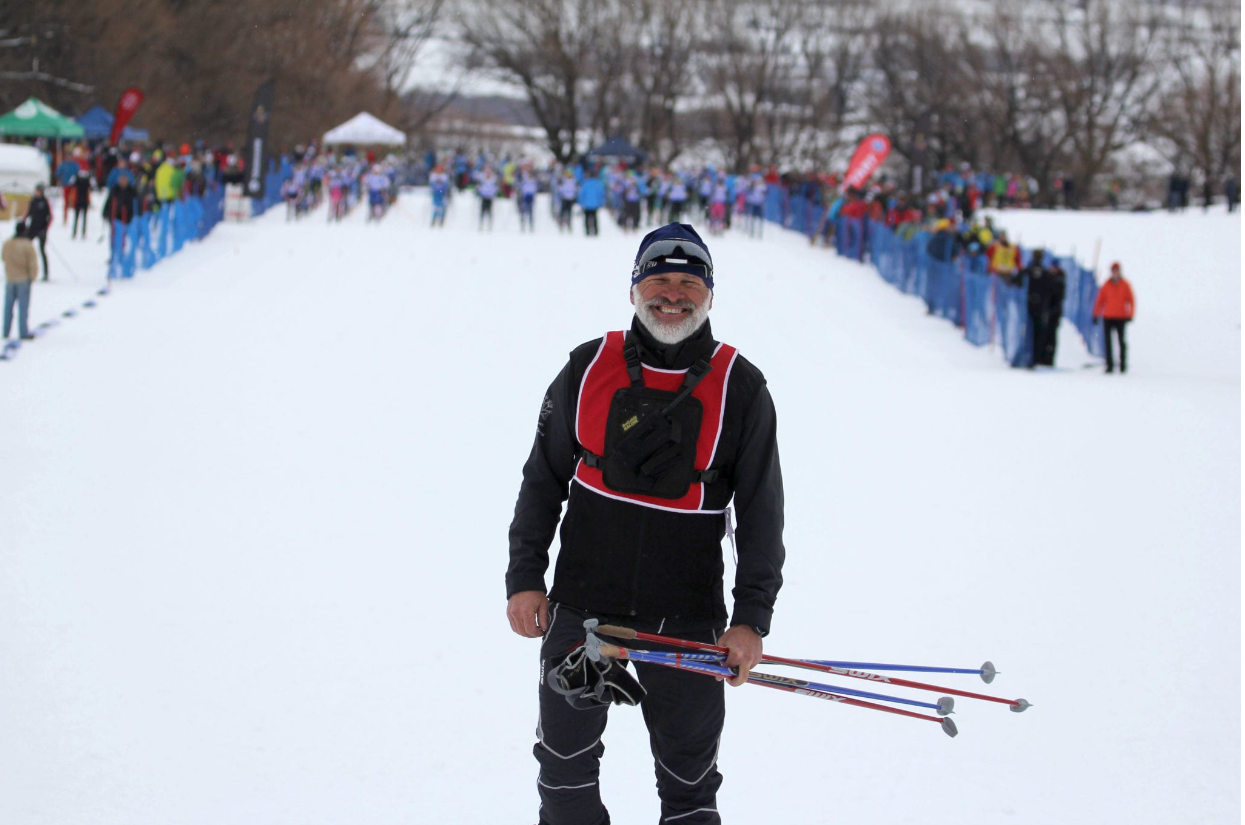
    A common sight in the Intermountain West for the past 35 years: Rick Kapala on race day. Kapala is stepping away from coaching, and into sport development, this season. (Photo: Sun Valley Ski Education Foundation – SVSEF).

    “I’m sorry, but once I start talking cross-country skiing, I can’t stop,” admits Rick Kapala. Remove the “talking” from that statement, and it’s still a succinct summary of long-time Sun Valley coach Rick Kapala’s career.

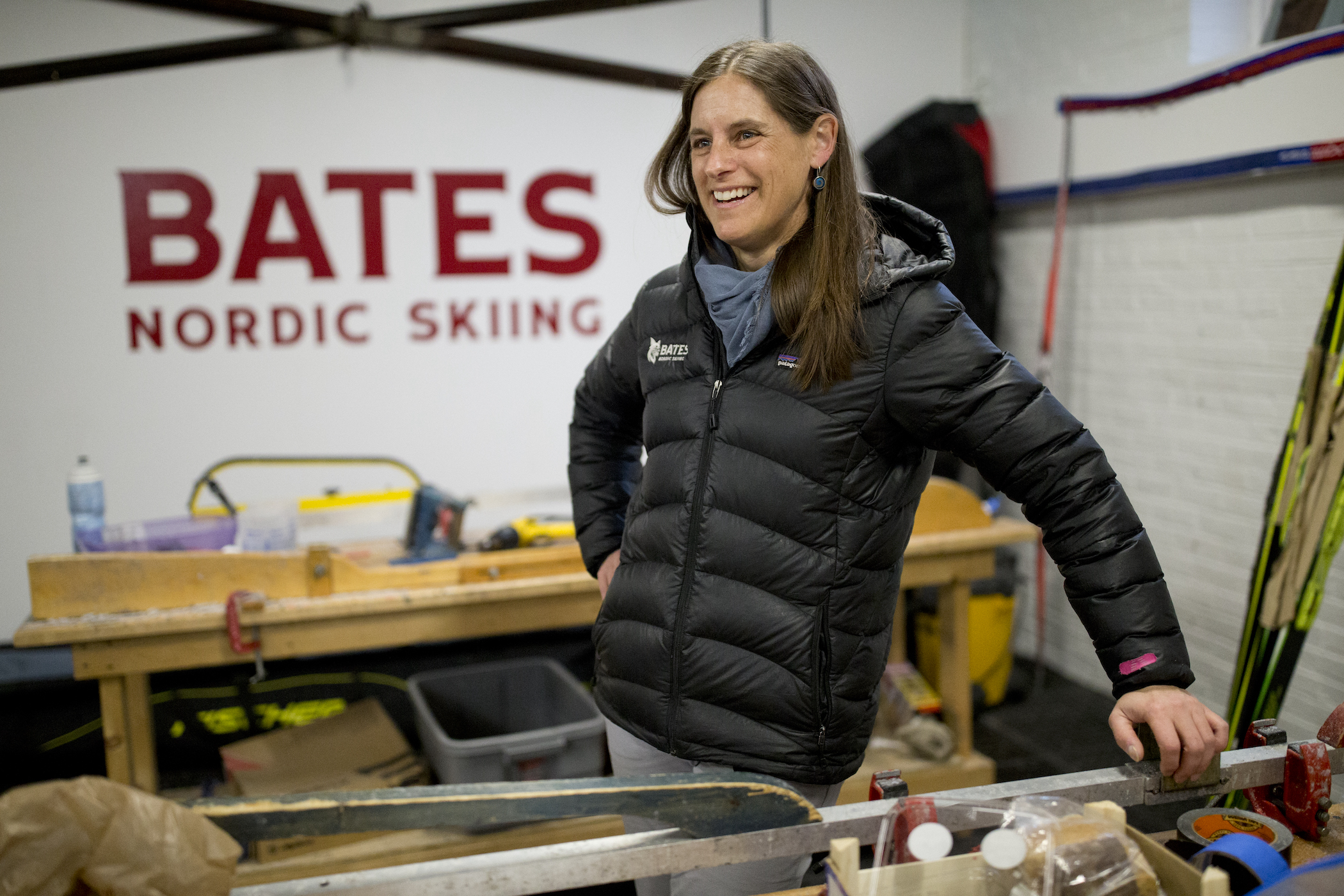
    This season will mark the first time in thirty-five years that Kapala won’t be manning the wax bench on race day for the Sun Valley Ski Education Foundation. This summer, he turned to a new role at the Sun Valley Ski Education Foundation with the title “Sport Development Director.” In his stead, former Bates College Coach Becky Woods will take over his former Program Director duties.

    For those who have known Kapala during his long tenure in US skiing, his new title signals an exciting prospect. Kapala has been a constant, forward-thinking mind in US Skiing. He has played a role in creating a domestic professional skiing scene, helped start the National Nordic Foundation, and counts a plethora of key figures in US Skiing as his former athletes, coaches, and mentees.

    FasterSkier caught up with Kapala to reflect on his own journey to this point and get a glimpse into some of the most exciting ideas pushing US Skiing, from one of its most passionate minds.

    (This interview has been edited for length and clarity.)

    FS/FasterSkier (FS): Let’s start with your biography as a coach. Can you give us a summary of your career as a coach and at Sun Valley? 

    Rick Kapala (RK): Coaching for me started at my alma mater, Michigan Technological University (Michigan Tech), the year I graduated. Then I moved out west and I coached for a couple years in Washington state at a club program run by Pacific Lutheran University.

    Then I moved to Anchorage which was where I was really fortunate in my timing. I landed coaching at West Anchorage High School as their ski coach, track, and cross-country coach. And the stable of athletes I had there was full. Nina Campbell, Joey Caterinichio, and Chris Grover are just a few your readers might know. I was really lucky that was my first exposure to sort of an “all-in” type coaching job. Then I came down to Sun Valley in the summer of 1987 and have been here ever since.

    FS: What did the Sun Valley team look like when you got to Idaho?

    RK: We had a pretty good little program, this being the ski town that it is. The Alpine program was big, but the cross-country team was this small, ancillary program. We had seven to nine on the high school team, and then seven or eight middle schoolers.

    FS: How did you approach building out that program back then? Was it adding a younger development program? Bolstering numbers for the high schoolers?

    RK: There was a separate, kind of “Bill Koch League” (learn-to-ski) type program in the Valley. We assimilated that and made it our Devo program under the umbrella of our offerings. The program immediately began to grow from there. I attribute that to having really good coaches at that younger age who were really invested in the right way over the course of the first four or five years I was in Sun Valley. That eventually led to steady growth for the Comp (high school) program. That model is the basic infrastructure of a club. The same can be said about New England with the Bill Koch League, or in Minneapolis with the Minnesota Youth Ski League. Really dedicated coaches at the younger level are what end up powering competitive programs.

    FS: At what point did Sun Valley grow beyond the junior programming? When did the Gold Team (Sun Valley’s Pro Team) and Post-Grad programs start to develop?

    RK: The genesis of the Gold Team was a really fortuitous set of circumstances. We had a great coach, Chris Grover (who Kapala had coached at West Anchorage), landed in Sun Valley after the Nagano Olympics in 1998. He had been with the national team, but at the time there were budget cuts. Grover, coming off of that, had a pretty profound instinct that skiing couldn’t just develop within the [United States Ski and Snowboard Association]. He came to me and said, “we should start a pro team [in Sun Valley],” which, in retrospect, was such an important development because it allowed us to imagine a whole new ecosystem for our programming.

    Having Grover come off of the national team also made it an easy prospect to get athletes here. Chris Cook, for example, got cut loose from the national team, and Grover was able to step in and give him an obvious avenue to keep pursuing professional skiing. That was key—having an avenue to go down. Cook won a national championship the first year he was at Sun Valley, and then made it to the Olympic Games.

    That was a part of the fortuitous nature I talked about too. That the next Olympics were in Salt Lake City [in 2002]. The Gold Team was originally the Olympic Development Program—we got told eventually we couldn’t use that name, but it gave us a lot of visibility from the community here in Sun Valley, and a clear “brand” for talented skiers to know what they were pursuing here.
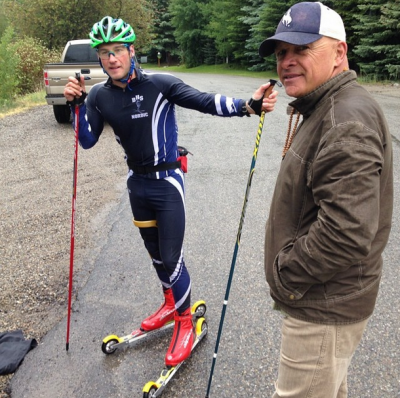
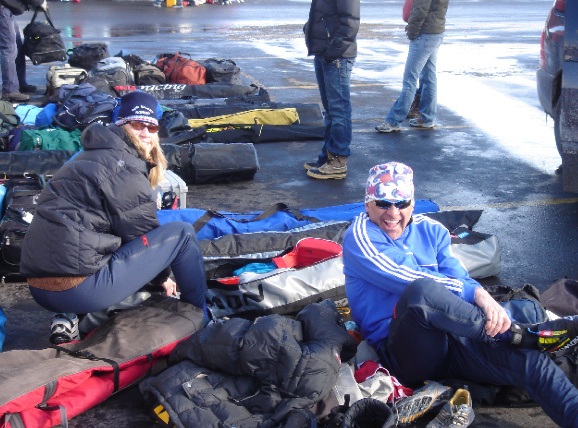
    Ben Lustgarten and Rick Kapala at a SVSEF training session in 2014 (Photo: Ben Lustgarten).

    FS: What strikes me as interesting about that “fortuitous” timing is that there was a push around US skiing at the same time Sun Valley’s team got started to have those Olympic Development programs around the country, but most of them weren’t nearly as sustainable as Sun Valley ended up being. In the past few years, we’re seeing a renewed push to introduce more pro racing opportunities across the country, whether that’s Bridger Ski Foundation’s team in Bozeman, or Team Birkie in the Midwest. What are some of the things that have made Sun Valley sustainable that could help make those programs sustainable as well?

    RK: Whenever I get a question like this, I always start with a disclaimer. Sun Valley is a really unique place that affords us some big advantages when it comes to building and sustaining new programming. We have one of the richest traditions of skiing in the country, and it is still a ski town—it hasn’t sprawled out in the same way that other places have. It is also a fairly affluent community.

    The industry here is skiing too, that always is going to be an advantage. We have an outsized role in our community because of that. When we roller ski in the summer, people are cheering on our kids, that’s not happening in other places, right?

    I think we have had to center our approach around the idea that we are a community asset here. We try to have success, just like any sports team, but what we are really trying to be is the highest-quality recreational and competitive opportunity for kids in our valley. That gives kids the resources they need to take skiing as far as they can. Whether that was Morgan Arritola, or now Sammy Smith and Cora Faye Scott. They all came through a program that at the start was really a way to get out and involved in our community and kept true to that impetus. Naturally, that is going to engender warmth and engagement from outside of just the ski community. There is also making sure that the talent that is coming through the Gold Team, for example, is able to invest in the wider community here. We need to make sure they have the chance to do that. And they have.

    I am not saying the model here is the model everywhere. What the Loppet Foundation has done to make skiing the big deal it is in Minneapolis—that’s phenomenal—they figured out how to balance programming, events, and facilities in a way where kids might just want to go skiing on Sundays rather than watch the Minnesota Vikings play football. And not every kid will, but they have the option to and feel like it is worth it. That is so important.

    Or in Anchorage, right, skiers are on the front page of the newspaper. That’s a big deal. It is the same in Sun Valley, and I think that speaks to creating a community ecosystem that celebrates and invests in skiing.

    FS: I am struck by how the skiers that the Gold Team has a pretty consistent mix of kids from your junior program and from other programs across the country . . . 

    RK: That’s super intentional. There just needs to be a critical mass to be able to inspire and also, provide a high-quality training environment. Johnny Hagenbuch, right now, for example: when he got to a point as a junior, having the Gold Team for him to hop into for training made a big difference in his development.

    FS: With regard to “development,” we haven’t covered your new position in detail. You’re moving from individual athletic development to a more club-wide role. What does that look like in Sun Valley, and how do you see what you’re doing in Sun Valley pertaining to US Skiing in general?

    RK: Well first, I don’t want to say I have answers beyond the community here. I think keeping my focus here is really important.

    My new position as “Sport Development Director” is multi-pronged. I’m still doing the resource development for the Nordic Team and coordinating events like the upcoming SuperTour. Then, there are a few other initiatives that follow along the lines of thinking, “what is the next thing?” in sport development. One of those is coach education. In our organization [at Sun Valley] we have about one-hundred coaches on the payroll during the season. Right now, the coaches certification process they go through is kind of transactional with US Ski and Snowboard, right? Meaning they take this coaches’ course and maybe do a continuing education credit, but that might be it. One thing I think is big incongruency in [American] skiing right now is that we work on cultivating a growth mindset for our athletes, but we don’t have the same mentality for our coaches, let alone the resources to make it possible. I think that’s where we need to go. Like Doctors have the American Medical Association, we need to have an organization—or use our existing organizations—to cultivate a culture of what I’d call “professional development.” As a ski community, we’re past the point where we are simply hiring people to coach based on the merits of their skiing. I think it is a positive development that it is a distinguishable profession, but now we need to do the work to not make it a profession where everyone is kind of self-educating.

    Kapala out in the Idaho mountains in 2022. (Photo: SVSEF).

    FS: I’ve been thinking about that a lot the past few weeks, coming off of the National Coaches’ Symposium and off of Dr. Stephen Seiler’s talk with NNF last week (which Kapala was partly the brainpower behind). My operable knowledge of physiology as a coach up to now was based on what I learned at an REG camp presentation as a sixteen- or seventeen-year-old kid, and all of a sudden it was like, “whoa, this whole field has evolved a bunch” and I came away with three or four things I was ready to change in my coaching right away . . . 

    RK: Yeah, and that coaches conference happens what, every two years? Imagine if we made that part of coaching culture. That collaboration and knowledge-sharing: it is imperative. I’ve been paying attention to the system of coaching in international soccer, for example, where American coaches are going over to Germany and realizing just how beneficial the structure and rigor of coaching education is over there.

    FS: As in, the accreditation system?

    RK: Not so much the accreditation, but more so just how seriously they invest in all the individual aspects of sport development. Like this American soccer coach I was listening to a podcast with [Jesse Marsch, who came up through the German coaching system and now is the first American coach in English Premier League history with Leeds United]. He said he had a year-long course in sports psychology just to get accredited in Germany. We are no year to making that investment in something as beneficial as that.

    One of my other initiatives is on that front: I’d like to create a dedicated professional position at Sun Valley who can work with our athletes on sports psychology and wellness. We have always been great at catering to the physical aspects of our athletes, but not the emotional, or just human, aspect of human athletic performance.

    FS: Putting the resources to institutionalize new developments in athletic performance seems to be a theme of your work. I ran across an article from our archives where you talk about making training camps, like the U16 camp system, a regular part of the developmental pipeline in the US. That was a decade ago, and now, that’s well-established across US skiing. Is sports psychology and wellness the next front for that you think?

    RK: The U16 camp idea was a collaborative idea that came from a couple coaches at REG camp being like, “this is a great system, why aren’t we expanding this type of incentive and experience to kids at the crucial point where they decide to go all in on skiing or not?” And we could do it quickly with relatively few resources. That is the same thing with wellness and catering to that aspect of our athletes. I actually think it is even more important in the American context, too, because we’re correcting for that persistent “toughness” or “suck-it-up” mentality that is a feature in our athletic culture. That has never worked when you look at skiing.

    FS: It was interesting that in Johan Olsson’s presentation at the National Coaching Symposium a couple weeks ago, he cited a study on [UCLA’s legendary basketball coach John Wooden] where the main finding was essentially that his main feedback to his players was positive, rather than negative; that was a revelation in the 1970s.

    RK: Yeah, and then a couple years after that, [Indiana University basketball coach] Bobby Knight was throwing chairs at his players! Somewhere it got lost, and so we still have to address it in the landscape of our coaching.

    FS: Is the answer doing more coach education and dedicating resources to making it part of our clubs?

    RK: Yes, I also think it goes to a base-level of empathy. One of the cool things about skiing now versus when I first started coaching is that there is a critical mass of people—coaches or even just parents of athletes—who went through all the highs and lows of ski racing as athletes themselves. We have a depth of knowledge present in skiing that just did not exist in the 1970s and 1980s, and it is so helpful as an athlete to not just have one coach, but a support network, that can help you navigate a really hard, and really rewarding sport. That is special, and we have that going for us.

    FS: How do you incorporate that experience into the practice of coaching?

    RK: I actually think it is a community thing. Which enough individuals working together is always going to lead to. At the end of the day, that is what we have that is special. I’ve been in this game long enough to see how skiing connections last. Our kids meet other kids from across Intermountain West at JNQs, and they go on to become their friends, neighbors, teammates later in life. It just lasts.

    I think about what drives our community to do this sport a lot. There’s certainly not a lot of money in it, and there is not the capital of a lot of Division One college scholarships on offer. I think the ethos of it truly is that the people in cross-country skiing love it deeply. Love it individually, and together.

    FS: That’s a beautiful way to say a really true thing. Just to try and collect some of the themes I am seeing run through this, the “Rick Kapala” philosophy towards skiing development seems to include a community powered by that ethos—that love of skiing you talk about—that provides a “complete ecosystem” in terms of the resources needed for athletes to succeed. And you seem to be very careful to say that needs to match the specific context of the place in which the ski community exists.

    RK: I think that is fairly well put. The levers we can pull in Sun Valley are different than what those in Minneapolis—or you in Crested Butte—can pull. So you have to be collaborative and observe what works and what doesn’t in the place you are, and then take in knowledge from other places too. That’s how we ultimately make skiing in this country go ’round.

    We can’t just do what the Norwegians or Swedes are doing. We have to think about how we do things soundly, but differently. We have been successful in doing that to some extent, but there is always room to improve—which was the most important lesson of my coaching career.

    FS: And that’s the most important thing you’re now bringing to development?

    RK: For sure.
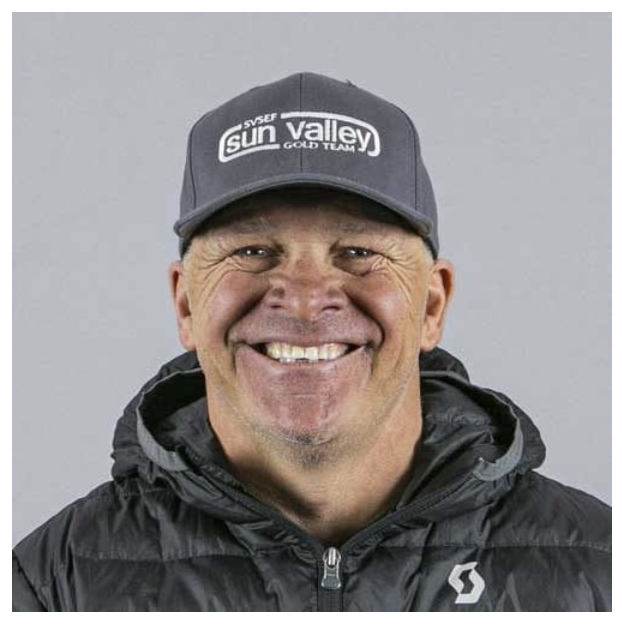
    Long-time SVSEF XC Program Director Rick Kapala. (Photo: SVSEF)
  • (Press Release) SVSEF Welcomes Becky Woods as New Cross Country Program Director

    (Press Release) SVSEF Welcomes Becky Woods as New Cross Country Program Director

    Woods brings wealth of collegiate Nordic team competition, coaching and leadership to SVSEF 

    SUN VALLEY, Idaho – June 19, 2022 – Effective August 1, 2022, Becky Woods will step into the role of Cross Country Program Director at Sun Valley Ski Education Foundation (SVSEF). Woods comes to SVSEF from Bates College in Lewiston, ME, where she served as the Head Men’s and Women’s Nordic Ski Coach alongside additional leadership roles from 1994 to 2022.

    “We are thrilled to welcome Becky Woods to the team at SVSEF and to embrace her exceptional leadership and coaching experience at the helm of our Cross Country programs,” said Scott McGrew, SVSEF’s Executive Director. “Her proven ability to guide athletes in the pursuit of excellence both on the trails and in the community, along with her deep appreciation of the Nordic culture and the passion behind the sport, will make Becky a tremendous asset for our cross country teams and for our greater ski community in the Wood River Valley.”

    After 28 years as head coach at Bates College in Lewiston, ME, SVSEF welcomes Becky Woods as the new Cross-Country Program Director. (Photo credit: Phyllis Graber Jensen/Bates College)

    Woods’ leadership as a collegiate coach, mentor, administrator, and teacher offer a unique skillset and balance to the Cross Country Program Director position at SVSEF. In her role as Head Men’s and Women’s Nordic Ski Coach at Bates College, Woods was responsible for leading and managing all aspects of a successful Division I Nordic Ski Program, while bringing staff, athletes, and volunteers along to carry out a clear mission as a top priority. She attributes much of her success in her career to fostering a culture of trust, respect, and support, and understands the importance of imparting a true love of skiing and a respect for the process it takes to be successful.

    “I am humbled to have the opportunity to lead this great group of SVSEF coaches and athletes,” said Becky Woods, incoming SVSEF Cross Country Program Director. “It is evident there is expertise, talent, and support within the organization—and a true sense of community. Having spent time in the Wood River Valley, I am honored and excited to become a member of the team and help SVSEF Cross Country continue to grow and excel as a ski community.”

    In Woods’ role as SVSEF Cross Country Program Director, she’ll provide program-wide leadership and day-to-day management while supporting the overall vision and mission of the organization. She’ll be instrumental in the successful recruitment, training, and retaining of a world-class coaching staff and the ongoing development of an athletic program that supports each participant in achieving their personal and athletic potential.

    Founded in 1972, the SVSEF Cross Country Program has consistently been recognized as one of the best in the country; most recently as the 2021 USSA Cross Country Club of the Year, and in 2022, the Junior Girls brought home their third consecutive National Championship team title. From the youngest Devo kids to elite athletes at the Comp Team, Post-Grad and professional level, our program is 250 athletes strong and steeped in Nordic traditions driven by a strong sense of family, community, competition, and camaraderie.

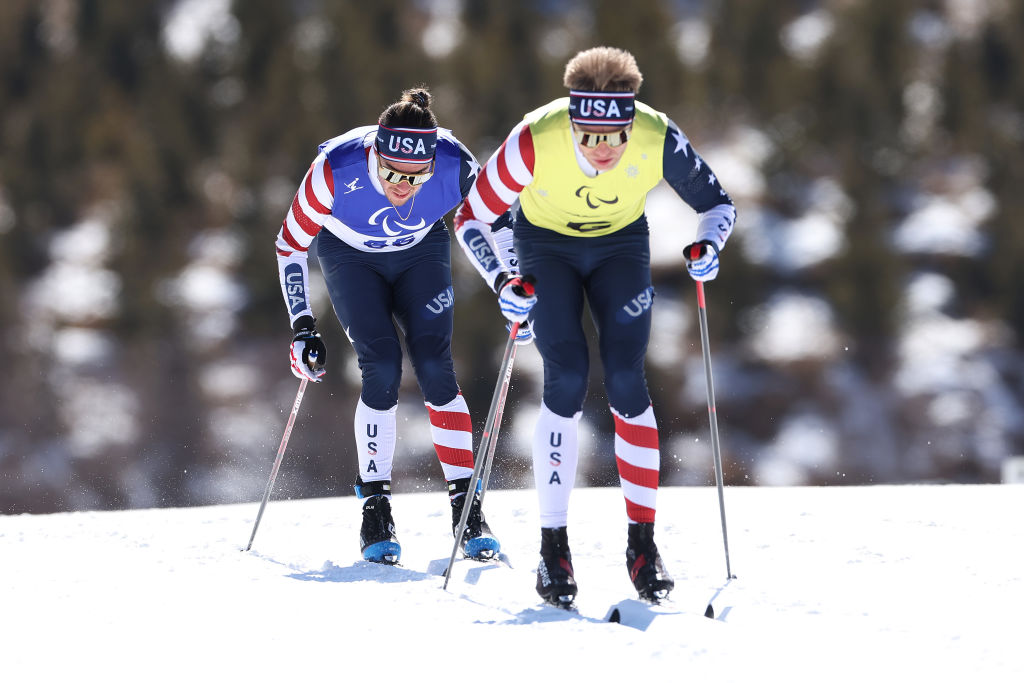
    Sam Wood helps guide Jake Adicoff to silver in the 20 k classic during the 2022 Beijing Paralympic Winter Games. (Photo: Mark Reis / Team USA)

    During the 2021/22 season, three members of the XC Gold Team competed in the Beijing Olympics and Paralympics, and two additional SVSEF alumni were named to the U.S. Cross Country Ski Team. For the upcoming 2022/23 season, five athletes from the SVSEF Cross Country Program have been named to the U.S. Cross Country and Para Nordic Ski Teams.

    For more information about the SVSEF Cross Country Programs, please visit svsef.org.

    About Sun Valley Ski Education Foundation 

    Since its inception in 1966, the Sun Valley Ski Education Foundation has been a longstanding pillar in the community, providing snowsport programs and offering academic assistance to support student-athletes in reaching their highest potential. SVSEF offers an array of programs for athletes ages five and up, from learn-to-ski and ride through FIS and other national and international-level competition. The organization offers financial assistance to families, so that anyone who wishes to may participate. For more information, please visit svsef.org

  • 2014-15 NENSA Eastern Cup Series Preview

    (NENSA press release)

    By Sophie Hodges

    We are down to three months away from the next Eastern Cup, NENSA’s signature race series, and it is time to get prepped for all the excitement to come! In case any of you have been keeping up with the Farmer’s Almanac, this year is supposed to be a winter to remember, so lets get excited!

    I personally am very excited for this winter, because we have a new venue, Rikert Nordic Center! For those of you who have not skied there before, I can assure you, it is a wonderful place to ski and a beautiful woodland area, perfect for this year’s Eastern Cup Opener. Rikert is equipped with snow-making guns, and will be properly prepared for the races byDecember 20th

    Keith Wilkerson from the Frost Mountain Nordic ski club, co-director of the races with Mike Hussey of Rikert Nordic Center are putting together an exciting weekend of races. Says Keith Wilkerson, ”We’ve partnered with the Better Middlebury Partnership, our local business development group, and the Addison County Chamber of Commerce, to engage the larger community in hosting this event. Middlebury Inn has agreed to be our host hotel and we’re fine tuning the details for a special Saturday evening reception for skiers and fans in town. We’re also really excited about having Eastern Cup racing on Rikert’s homologated course. Our goal is to put on a marquee event.” Looking forward to it, Keith!

    After Rikert’s event, we have weekend number two, at Black Mountain in Rumford Maine! The first day of this weekend, January 17th, is also the Bates College Carnival which looks to be very promising, and according to Becky Woods, “Bates is thrilled to be hosting at Black Mountain and working with the Chisholm Ski Club. The planning is in full swing – it should be a great event. We are excited to have one race day that is a combined Carnival and Eastern Cup!” Thanks Becky, sounds like it’s going to be a great weekend!

    The next in line will be race weekend number three, at the Craftsbury Outdoor Center, in Craftsbury Common, Vermont. This is going to be an exciting weekend because on February 6th-8th, Craftsbury is hosting a USSA SuperTour, the Dartmouth Carnival on February 6th and 7th, and the NENSA Eastern Cup on February 7th and 8th

    Everything will be super busy, and my advice to you would be to make sure your skis are labeled! Liz Guiney, from the Craftsbury Green Racing Project says that everyone at Craftsbury is “really excited about this event for a few reasons. The first is that the Outdoor Center will be hosting in our new Activity Center, which is spacious and directly on the nordic trails. The skiers will have plenty of room to change, spread out between races, and get warm next to the fireplace. The other exciting aspect of the race weekend is that it is a combination Eastern Cup, carnival, and a USSA SuperTour. This means that the best college racers, juniors, and professional skiers will all be competing together, which will raise the level for everyone involved. It’s going to be a great event and an awesome time to ski at Craftsbury!” Hope to see you all there!

    The final weekend of the Eastern Cup series will be held in both Oak Hill, Hanover, New Hampshire, and the Holderness School, in Holderness New Hampshire. Day one, February 14th, will be held by the folks at Oak Hill, who say, “race committees have met several times and energy is running high! The excellent snow ‘in town’ through the latter half of last year’s xc season left all of us energized about getting outside on skis, and the Eastern Cup is a community-building way of celebrating Nordic skiing and racing.” Day two will be put on by the Holderness School, and it is also the Cheri Walsh Memorial Eastern Cup race. From the race organizers at Holderness: “As always, we hope to use the traditional Cheri Walsh course which we believe showcases fun agile classic skiing in it’s purest form. The best part about hosting the race is that it brings the best skiers in the region to our home club, and allows our ski community to come together and experience ski culture at it’s best. We always hope that a young Bill Koch skier will see the best Eastern Cup skiers and say to themselves, ‘I can do that’.”

    Eastern Cups are open to skiers from all levels, and even draws some of the nation’s finest talent. Katharine Ogden, one of last year’s Gallagher Cup winners says “I am really excited for this new season of racing and can’t wait to race against a new batch of skiers for my fourth year in the Eastern Cup race circuit!”

    Says Patrick O’Brien, also a winner of last year’s Gallagher Cup, “the Eastern Cup circuit is a valuable development tool for skiing in New England because it allows citizen, high school, and senior racers to come together and compete against each other. Skiing is normally a pretty small sport in the US so any time you can get those often separate groups to all compete on the same course you are going to increase participation and make for a higher level competition. A high school freshman can see where they stand agains a World Cup starter or USST member. The Eastern Cup circuit is also critical development path for our junior racers to practice higher level starts before heading to Junior Nationals come March. Having a unified race circuit throughout the winter is one of the reasons New England has historically been one of the strongest regions at Junior Nationals!”

    We are excited to see you all out there, ready to race for the first weekend, December 20th and 21st!

  • After Coaching Para-Nordic to Three Medals in Sochi, Upham Joins Bates Staff

    After Coaching Para-Nordic to Three Medals in Sochi, Upham Joins Bates Staff

    James Upham (l) and Para-nordic High Performance Director, John Farra,
    Former U.S. Para-nordic head coach James Upham (l) and High Performance Director John Farra at the IPC World Cup in Canmore in December.

    For James Upham, becoming an assistant coach at Bates College this fall will be a big change.

    “I have only recently realized this, but I have always run my own show,” the until-recently Head Coach for U.S. Para-Nordic told FasterSkier. “Either as a head coach or a lone wolf running a lean, emerging program with minimal assistance. It will be an adjustment for me.”

    But on the other hand, it’s also coming home. Upham grew up in Wilton, Maine, and attended Mount Blue High School. En route to becoming a junior national champion in biathlon, his own training was firmly grounded in The Pine Tree State.

    “I’m really happy to be living in Maine!” he exclaimed.

    And so, after restructuring and the post-Sochi financial dip hit the Paralympic team hard (the Head Coach position was eliminated: “It came as a complete surprise and I was left emotionally devastated”) Upham found himself looking for a job and was thrilled to find one at Bates.

    “I have always wanted to experience the Eastern Carnival scene and this was a great opportunity that came up,” he wrote in an e-mail. “Becky Woods, the head coach, has been a friend since Bill Koch League racing days and I have some family connections to the College that make it feel comforting and supportive right away. The immediate challenge for me is that we can’t start working with the athletes until October, which is driving me nuts! I want to get going!”

    Upham coached Oksana Masters (second from l) two two Olympic medals this February. She became the most successful female nordic skier in U.S. Paralympic history. (Photo U.S. Paralympics Nordic)
    Upham coached Oksana Masters (second from l) two two Olympic medals this February. She became the most successful female nordic skier in U.S. Paralympic history. Photo U.S. Paralympics Nordic.

    Bates is a Division III school, but sent one woman (Hallie Grossman, now a senior) and one man (Jordan Buetow, now graduated) to NCAA Championships last season. Their skiers have also often found success and junior and senior national championships, and the storied program also produced Olympians in Nancy Ingersoll Fiddler, Justin Freeman, and Haley Johnson.

    Upham said that he has already talked with Woods enough to tell that they agree on training philosophy, which will make the pair a strong team.

    “She has handed off some duties for me to manage, but for the most part, I think we will coach as a team and help support each other,” he wrote. “40 years of combined coaching experience should produce some success if harnessed properly. I am also a student of the game, so I am going to pick her brain every chance I get just like I do with all my other coaching friends.”

    Upham has a rich history of Nordic experience to draw on as he heads back into the college scene. He attended Northern Michigan University in the early 1990’s, then went on to coach the development program for the U.S. Biathlon Association in the 2000’s.

    Known as an excellent teacher of skate technique, in his time at U.S. Biathlon he was also the architect of a program that taught college skiing standouts to shoot – which has produced two Olympians so far, including Susan Dunklee, who now owns the best Olympic results by a female American biathlete, ever.

    Upham has always felt that college skiing sets athletes up for potential international success, and that’s an attitude that he will definitely be bringing to Bates.

    Susan Dunklee's 12th-place finish in the mass start at the Sochi Olympics was the best ever by a U.S. biathlete. Dunklee graduated from Dartmouth College having never tried biathlon - but joined Upham's program in Lake Placid, and the rest is history.
    Susan Dunklee’s 12th-place finish in the mass start at the Sochi Olympics was the best ever by a U.S. biathlete. Dunklee graduated from Dartmouth College having never tried biathlon – but joined Upham’s program in Lake Placid, and the rest is history.

    “I would like to help all the Eastern skiers get better,” he wrote. “Can some of them one day be internationally competitive? YES. That has been proven. I will do my best to help.”

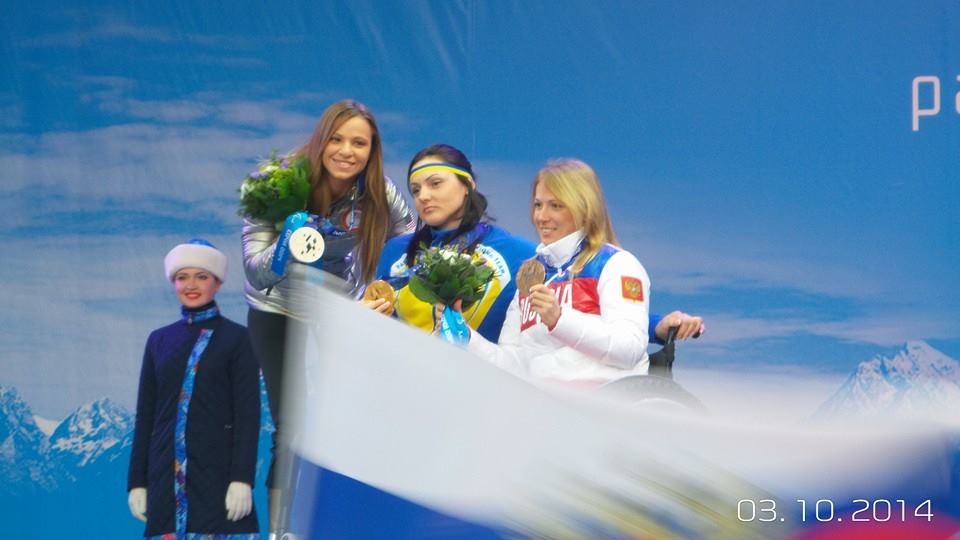
    His most recent job with the Para-nordic squad also resulted in great success: Oksana Masters won silver in the 12 k sit-ski and bronze in the 5 k, and Tatyana McFadden won silver in the sprint.

    Coaching the Paralympic team was a huge learning opportunity, Upham explained.

    “What I learned from the Paralympic side is that racing on an Olympic level course with limited use of your legs or arms or torso or vision is REALLY hard!” he wrote. “Training works. Finding the right dosage is the key. I learned a lot about how much athletes can handle.”

    The litany of challenges faced by his athletes was extensive – and in many cases goes well beyond what an able-bodied skier can imagine.

    “Imagine getting 40 medical bills- In one day,” he listed, as an example. “Imagine racing a World Cup a week after finishing radiation treatments… Imagine after multiple surgeries your bladder is now the size of a teacup… Imagine nearly every piece of your essential equipment needing to be customized and tinkered with constantly… Imagine being 20k out on a sitski training day and your pole breaks. How do you get back?”

    College skiers certainly have an easier road, but Upham believes that a lot of what he learned from his last group of athletes is extremely applicable.

    “Every day with the Paralympic team was a lesson in overcoming obstacles,” he wrote. “[It’s] all the same obstacles nordic athletes face everywhere: motivation, fatigue, finances, snow conditions, equipment, team dynamics, travel, time management, jetlag, etc., just exaggerated.”

    As he settles down in Maine – Upham just got engaged to his fiancée, Jill, and the two spent the summer painting a new house – the new college assistant is looking forward to bringing that same problem-solving attitude to a new role.

    “I have learned that life is going to throw you some obstacles,” he said. “Get busy. You can get through them.”

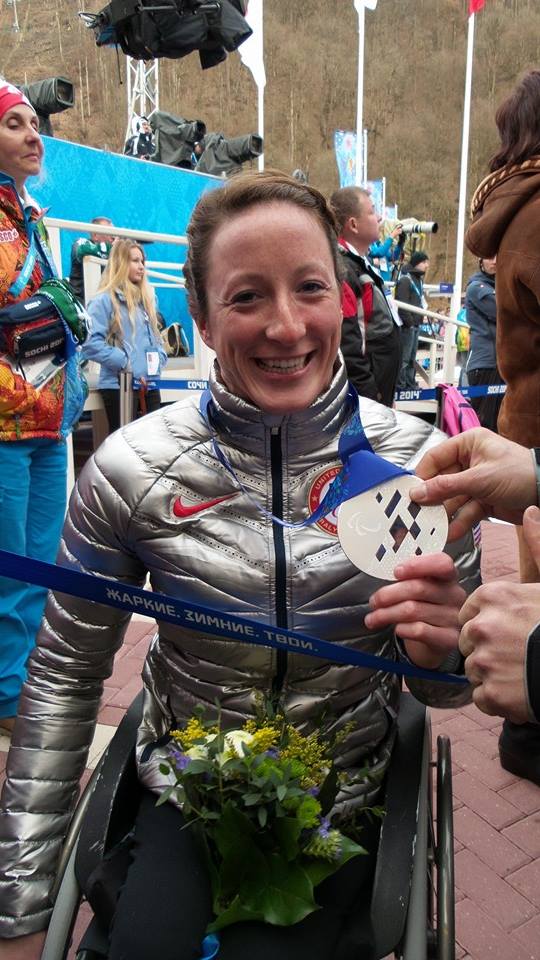
    Tatyana McFadden with her sprint silver medal in Sochi. Photo BethAnn Chamberlain/U.S. Paralympics Nordic.
    Tatyana McFadden with her sprint silver medal in Sochi. Photo BethAnn Chamberlain/U.S. Paralympics Nordic.
  • Part of the Team, Part II: Female Collegiate Coaches in the U.S

    The Bates College nordic team after winning the Broomhall Cup last season. (Photo: Flying Point Road Photography/flyingpointroad.com)
    The Bates College nordic team after winning its third Chummy Broomhall Cup last season. (Photo: Flying Point Road Photography/flyingpointroad.com)

    Editor’s note: This is the second installment of a four-part series on the impact of female nordic coaches in the U.S. In Part I, former U.S. Ski Team member Nancy Fiddler introduced herself and reason for writing about the topic. Part II takes a look at several female collegiate coaches and their influence at that level. Parts III and IV will discuss female coaches in the Junior Nationals pipeline as well as grassroots programs across the country.

    ***

    Part II of my series on female cross-country ski coaches in the U.S. looks at the careers of five female collegiate coaches. As I have said before, back in the 1970’s, when I was a collegiate racer, there were no female coaches on the scene. I contacted these women through email and was pleasantly surprised by their generous and very eloquent responses. Each has made a contribution to skiing and has a distinctive story to tell.

    To give a little background, Cami Thompson-Graves is an old teammate and friend, Tracey Cote someone I have heard much about and finally met a year ago, and Becky Woods is the daughter of Bob Flynn, who was the head ski coach when I was at Bates. As a coach, I watched Abi Holt and Kristina Trygstad-Saari during their racing careers, and now am following their coaching careers with interest.

    Cami Thompson-Graves

    Women’s Team Coach, Dartmouth College, 24 years

    “I see myself as just one person contributing to a team.” — Cami Thompson-Graves, on how she’s contributing to the big picture of women’s skiing in the U.S.

    Cami Thompson-Graves and Kristina Trygstad-Saari (Photo: Flying Point Road Photography/flyingpointroad.com)
    Dartmouth women’s coach Cami Thompson-Graves (r) and interim men’s coach Kristina Trygstad-Saari. (Photo: Flying Point Road Photography/flyingpointroad.com)

    Cami Thompson-Graves has indeed contributed to the recent success of the U.S. Women’s Cross Country Ski Team. Just this spring, 2012 Dartmouth graduate Sophie Caldwell was named to the U.S. Ski Team (USST) B-team.

    While Dartmouth did not win the 2013 NCAA Championships, its women are definitely players on the national collegiate stage, with freshman Mary O’Connell taking second and fourth places in March in Ripton, Vt. With the woman affectionately known as Coach Cami at the helm, Dartmouth won NCAAs in 2007.

    Her own racing pedigree, which spans a career from Vermont High School Ski Meister to USST member, has seen some success. Thompson-Graves was a promising racer in the mid ’80s with near perfect technique whose career was cut short after a bout of overtraining. She turned her talents to coaching.

    Thompson-Graves’ 24-year career at Dartmouth College in Hanover, N.H., puts her at the leading edge of the phenomenon of female collegiate coaches in a traditionally all-male environment.  Pursuing an interest in motivating and developing athletes, Thompson-Graves began her career at Dartmouth as a development team coach, soon moving up to the head women’s coach position.

    “I love the women I work with,” she said. “They have such different personalities and work towards their goals each in their own way.”

    Dartmouth women have a strong role model to look up to in their coach, who juggles her career with being married and parenting. Thompson-Graves feels like she is making a difference for the skiers in her program.

    “I think we have a great team here, and it is all those women working together that help each of them achieve whatever their goals are,” she said.

    Beyond teaching the women in green the secrets to maintaining a rigorous training and racing schedule while attending classes in one of the country’s top schools, Thompson-Graves is impacting her skiers in other ways.

    “Hopefully they are learning to think big … and to make their own decisions,” she said. “It is so important for women to realize they can do this.”

    Her coaching style is distinctive; one might say she leads in a soft manner.

    “I feel strongly that a coach is a mentor, not a dictator,” she said. “We should be challenging, guiding, and nurturing rather than micro-managing and directing.”

    On the subject of whether female nordic coaches are on a par with their male peers, Thompson-Graves is vehement that a woman is capable of doing anything a man can in this field. The difficulty for women, she believes, is that the lifestyle is tough, especially for young coaches.

    “If we want more women to be involved in the sport, then we need young women to see it is something they can and might want to aspire to,” she said. “I am lucky that I can do my job and still have a family. Some coaching jobs are much less family friendly.”

    Thompson-Graves will be leading young women in skiing for some time to come; she knows she has a great coaching situation and she appears to get just as much back as she gives to the team she coaches. As long as Thompson-Graves feels like she is doing a good job, she will continue to coach.

    “When I see so many of the women I have worked with still involved in the sport in some way I am proud of what I have accomplished,” she said

    Tracey Cote

    Head Nordic Coach, Colby College, 16 years

    “I’m modeling the great things about being involved in skiing for a long time. Some of my proudest moments have been to watch my former skiers in their new roles as coaches. This contribution, I know, is making a difference.” – Tracey Cote

    Tracey Cote (Photo: Flying Point Road Photography/flyingpointroad.com)
    Tracey Cote (Photo: Flying Point Road Photography/flyingpointroad.com)

    Tracey Cote was running cross-country at the University of Minnesota-Duluth when her teammates convinced her to go out for the brand-new nordic team. Cote ended up pursuing her love for her the sport even after the Duluth team was cut two years later, transferring to Northern Michigan University, where she ran and skied for the duration of her undergraduate career.

    A year after taking a part-time coaching position at Colby College in Waterville, Maine, Cote was offered a full-time faculty position there, coaching the men’s and women’s nordic teams. On top of her racing experience, Cote has a Master’s degree in health education and a teaching degree.

    Heading into her 16th year at Colby, she hasn’t looked back.

    “The one thing about ski coaching is that as sad as it is to see your seniors leave, you’re always excited to see your incoming skiers develop and you can’t imagine not being her for their four years,” she said. “This pattern could keep me coaching for the next 25 years!”

    Citing fellow college coaches Becky Woods (Bates College) and Dartmouth’s Thompson-Graves as mentors, Cote soon hit her stride as a coach and leader of young people. Athlete development is what she likes most about her job and the challenge to inspire each skier to reach his or her potential.

    “My biggest reward is seeing what my skiers accomplish after Colby,” she said. “I feel lucky to have developed close relationships with such amazing people.”

    Cote said she’s not afraid to push her skiers to make them better, but she is their biggest fan and supports them when they are struggling.

    With three boys, ages 4, 6 and 9, Cote and her husband, Patrick, are an involved nordic-skiing family.  Waterville has recently been a hotbed of activity with the formation of the Central Maine Ski Club four years ago and the recent addition of the Quarry Road racing venue just a short distance from campus. While on sabbatical leave last year, Cote jumped into athlete development at the grassroots level and got the “Get Ready to Race Program” for third- and fourth-graders off the ground.

    Cote will be back on the college circuit next winter and looks forward to getting back to her job developing athletes at the highest level.

    “Although I coach a small program in the scheme of things, I do my best to develop athletes at the highest level,” she said. “I see my program as a step to bigger opportunities in skiing.”

    On the topic of gender equality in coaching nordic, Cote said she “feels very lucky to be in the college world, as I feel men and women are treated very equally and the Eastern [conference] coaches are very professional.”

    She is not sure that coaching at the Junior National level has reached that degree of professionalism and is more male-dominated, but thinks this will change with time.

    Between her jobs as head coach, associate athletic director and senior women’s administrator at Colby, Cote is a wife and a mom. She knows what it is like to be busy.

    “Obviously, the U.S. Ski Team has been primarily coached by men, and I may be wrong, but I don’t think too many women are willing to live the lifestyle it takes at that level,” she said.

    Cote sees herself as a role model for women and said she’s “really proud to be one of a few women in any college sports program coaching men … with the U.S. women doing so well and being such an inspiration to a whole new crop of women, I hope we see female coaches at the highest ranks.”

    Abi Holt

    Head Nordic Coach, University of Utah, four years

    “I think I am one of a few coaches in the country who has coached at literally every level of skiing.  I have coached youth ski leagues, middle school skiers, high school skiers, college, US Ski Team, and masters… and taught beginner ski lessons.” – Abi Holt

    Abi Holt and Rick Kapala (Photo: Max Durtschi/SVSEF blog http://blogs.fasterskier.com/svsef/2008/02/05/photos-max-durtschi/)
    A former Sun Valley junior and eventual coach, Abi Holt (l) with SVSEF nordic director Rick Kapala (Photo: Max Durtschi/SVSEF blog)

    Abi Holt, head coach of the men’s and women’s nordic teams at the University of Utah in Salt Lake City has a solid grasp on the skiing pipeline. Her own ski-racing background covers just as much ground.

    As a junior from Sun Valley, Idaho, Holt was a three-time junior national champion and an 18-time junior All-American. Skiing for Dartmouth, she was an NCAA All-American. She said she fell into coaching “sort of by accident.”

    All it took was a phone call from Park City coach, John Callahan (formerly of The Utah Nordic Alliance, or TUNA) to steer Holt to a career in ski coaching in 1999. Fresh out of college and new in town, Holt needed a job, so she spent the winter as Callahan’s assistant coaching the high-school-age competition team the following season.

    After three years in Park City, Holt moved back to Sun Valley, coaching there for five years, then put in a year in Vancouver, British Columbia, as the Hollyburn Ski Team head coach. Back in Utah, she took a position as University of Utah assistant coach and signed a joint contract with the USST as an assistant development coach. Holt is now heading into her fourth year as Utah’s head coach.

    The lifestyle appears to agree with Holt, who said she likes her job for

    “the variety! Getting outside and not sitting at a desk all day. Watching young people develop into fantastic human beings. The challenge of managing team dynamics.”

    Holt’s impact on the men and women she coaches goes beyond the management of training and racing.

    “I believe that involvement with Nordic skiing creates great humans,” she said. “I hope that young skiers who I am involved with learn how to mix the necessary intensity of the sport with some humor.”

    Holt knows she has a great situation in her position at Utah.  She loves her job and her confidence demonstrates that she is at the top of her game. After finishing second at NCAA Championships for the last three years, Holt is focused on winning in 2014. She believes that college skiing has a place in the pipeline of U.S. skiing.

    “College programs are well-funded and we have access to a tremendous amount of support for our athletes,” she said. “Additionally, nearly every coach in this country has come through a college skiing program, so if nothing else, we are feeding the coaching system.”

    Holt sees herself as a role model for her athletes, but also for women looking at coaching as a career option. At Utah, she is the only woman who is a head coach of a men’s team at a university where many men serve as head coaches of women’s teams.

    “I’d like to think that my team’s success serves as proof that women can be successful as ski coaches, no matter which gender they are working with,” she said.

    Holt has dedicated herself to her career and sees herself as “one of the women who is leaning in to the profession and the industry,” she said. “I have worked hard and pushed hard to get to this position.”

    She is a self-proclaimed “true fan of American nordic skiing” and a “constant advocate of college skiing.” Finally, Holt believes that “women coaches are on par with the male coaches in the U.S. – there just aren’t enough of them!”

    Becky Woods

    Head Nordic Coach, Bates College, 20 years

    “Performance and success correlate with one another! If I can help my athletes perform well and find success in ski racing this will translate into their personal lives as well.  It is about building confidence, finding self-assurance, and believing in your abilities.” – Becky Woods

    Bates head coach Becky Woods (r) with one of her former athletes, Sylvan Ellefson, who graduated in 2009, and her daughters Kaelyn and Emma at the World Cup sprints last December in Quebec City. (Courtesy photo)
    Bates head coach Becky Woods (r) with one of her former athletes, Sylvan Ellefson, who graduated in 2009, and her daughters Kaelyn and Emma at the World Cup sprints last December in Quebec City. (Courtesy photo)

    The head men’s and women’s nordic coach at Bates College in Lewiston, Maine, for the last two decades, Becky Woods can be described as a quiet force. She has built the team into a reputable program over the years and has become a much-beloved coach by her athletes.

    Woods, who skied for Bates and graduated in 1989, began her career as an assistant coach on weekends, where she helped out on the Carnival circuit. After a stint in coaching juniors of various ages in Colorado, she returned to Maine, where she was asked to come back to Bates as head coach.

    While Bates might not be the biggest heavy-hitter on the NCAA circuit, Woods consistently turns out high-quality skiers. Among them are four All-American skiers – Sylvan Ellefson, Justin Easter, David Chamberlain, and Justin Freeman – who have all had a big presence on the U.S. skiing stage.

    For Woods, coaching runs in the family as her father, Bob Flynn, coached at Bates for many decades. In the ’70s, he served as head ski coach and also served many years as a coach of baseball and golf. He continues to coach as one of Woods’s assistants in the winter. She called him her mentor: “My Dad ‘Coach Flynn’ was and continues to be someone I go to for advice, support, and a few laughs!”

    As a collegiate coach, Woods is highly in-tune with her athletes.

    “I think I build some solid relationships with my skiers,” she said. “It is really important for me to get to know the ‘whole’ person so I can help them be the best ski racers they can be.”

    She considers herself to be a big part of their lives while they are at Bates.  “We consider ourselves a ski family here,” she said. “So in that sense, once you enter the family, you are here to stay!”

    The life of a college skier is a demanding one, and Woods is there to help her athletes.

    “Balancing their workloads is a challenge,” she said. “Academic schedules combined with daily, consistent training and racing is a tough combination but something that is so worth it.”

    Woods is a strong believer in collegiate skiing. “The opportunities that my athletes have are just fantastic and to be a part of that is a privilege.”

    She knows she’s preparing her skiers for a career in ski racing beyond college, should they choose this path. “When skiers from Bates are skiing on the World Cup and at the Olympics, it certainly feels like we are having an influence at a level larger than just collegiate skiing.”

    While not all Bates skiers continue on to the big leagues beyond college racing, Woods prepares everyone for life. “I think my role as a D1 college coach is to prepare athletes physically, mentally and emotionally for what is to come,” She said.

    She said she’s equally proud of “those folks who leave Bates and go on to give back in skiing.  It is a true testament to their experiences here at Bates and their passion for skiing.”

    Woods credits her husband, Tucker, with whom she has two teenage daughters, for giving her the support she needs to pursue her career. She believes that the women who coach skiing are absolutely on par with their male peers.

    “There are fewer women coaching, but I don’t think that speaks to the abilities of the coaches, more to the choices that people make professionally,” she said.

    Kristina Trygstad-Saari

    Interim Men’s Coach, Dartmouth College, one year

    “From both my experiences as an athlete and a coach, it’s important to have women in the mix … as a junior skier, it was always beneficial to be around strong, healthy, positive women.  I figure that more perspective and diversity is always better.” Kristina Trygstad-Saari

    Kristina Trygstad-Saari (BSF)
    Kristina Trygstad-Saari while training with the Bridger Ski Foundation. (Courtesy photo)

    Dartmouth grad Kristina Trygstad-Saari (’07) thought she was returning to her alma mater last year to serve as the development-team assistant. In the end, the men’s team needed her more and she wound up coaching that team for the fall and winter.

    Trygstad-Saari has been a cross-country ski racer most of her life, and now she wants to give back some of what she learned during her racing career. She had a stellar career as a junior with the Bridger Ski Foundation (BSF) in Bozeman, Mont.  She holds nine Junior National titles and was sixth at World Juniors, and has competed in World Cup races and skied on the U.S. Development Team.

    While studying at Dartmouth in Hanover, N.H., Trygstad-Saari decided to take a break from serious skiing. She didn’t stay away long, making a trip to the NCAAs her junior year in 2006. After a few years of racing out of college and an Olympic-team bid, Trygstad-Saari turned her experience toward coaching.

    Trygstad-Saari quickly climbed the coaching ladder, returning to BSF to work for her former coach, Dragan Danevski. Coaching J5’s her first year and J2’s and masters the next year, Trygstad-Saari drew from Danevski’s knowledge.

    “Once I started coaching for BSF, he was an obvious mentor and a resource,” she said. “He has incredible experience with coaching and athletics.”

    It was just a year later that Trygstad-Saari was learning from another revered coach, this time at Dartmouth.

    “Coach Cami Thompson-Graves was an exceptional mentor,” she said. “She gave me the freedom to learn through experience while also sharing her own knowledge and experiences to help me along.”

    Trygstad-Saari sees herself as a role model for the athletes she works with and feels that she is making a difference through her coaching. She has a big worldview of cross-country skiing, but works on a very “local and personal level,” she said. “I really try to connect with each individual I‘m working with, and if I can have even the smallest positive effect on most of the people I work with, then I’m happy. A little bit can go a long way.”

    Trygstad-Saari uses her own experiences as an athlete, ski racer, and student to guide her athletes. “I had a lot of ups and downs in my ski career, especially during college, and I try to share what I learned to help others.”

    Having fun and working hard go hand-in-hand for Trygstad-Saari and are the foundation of her coaching method. She reminds her skiers that a love of the sport is just as important as success.

    “Creating a healthy environment for training and racing is one of my priorities,” she said. “Providing this on the development levels will only help skiing on the highest levels.”

    Trygstad-Saari sees a future for herself in ski coaching and would eventually like to be a head coach of a college team. Her coaching plans are open-ended, but for the time being, she is working at her favorite summer job: catering. That said, come next winter, Trygstad-Saari will be pursuing her passion for coaching cross-country skiing.

  • New Group Seeks to Expand Women’s Participation

    Chandra Crawford celebrating her gold medal at the 2006 Olympic Winter Games in Torino, one of the many strong performances by North American women in the past decade.

    Between Kikkan Randall, Sara Renner, Chandra Crawford, and Beckie Scott, there has been no shortage of successful female athletes in North American over the past decade. Step off the trails and into the wax room, and you’ll find even more involved in the sport as coaches for collegiate and club programs.

    But during the May meetings of the U.S. Ski and Snowboard Association in Park City, Utah, an accomplished group of female coaches gathered not to celebrate, but to figure out how to get even more women involved in the sport.

    “The barriers don’t exist like they used to, obviously—there’s been a lot of progress in this country over the last 30 or 40 years,” said Eileen Carey, a coach and vice president at the Maine Winter Sports Center, who convened the meeting. “What we have to do now is take a more nuanced look at it…what do we have to do to take it to the next step?”

    Carey said that the conversations at Park City were preliminary, and honed in on some of the gender differences that persist in cross-country skiing. For example, Carey said that she has noticed fewer female athletes moving on from collegiate to post-graduate ski careers, as well as into careers as coaches.

    The question for the six women at the meeting—Carey, New England Nordic Ski Association’s Janice Sibilia, Alaska Nordic Racing’s Joey Caterinichio, Bates College’s Becky Woods, University of Utah’s Abi Holt, and Jackson Hole’s Ali Deines—was how they could close those gaps, and they came up with a few ideas.

    One, Carey said, was an award for the strongest initiative encouraging female participation in cross-country skiing. Other suggestions included holding a women’s camp during the summer, or hosting a panel discussion at a major event that would include successful female athletes, coaches, and event organizers.

    While it’s important to make sure that avenues exist for women to continue participating in the sport after college—whether as a coach, an athlete, or in some other capacity—Carey said that it’s just as critical to make sure that they are aware of the opportunities that are already open to them.

    “A lot of it is just getting the word out there,” she said.

    The discussions begun in Utah will continue on an e-mail list that Carey is overseeing; she said that the group hopes to push forward with the creation of an award. She plans to bring the women together for another meeting at the U.S. National Championships in Rumford, Maine, next January.

    For more information, or to be added to Carey’s e-mail list, contact her at eileen[at]mainewsc.org, or at (207) 227-4114. To download the minutes from the meeting, click here.