From the FasterSkier archive — posts syndicated from athletes’ and coaches’ own blogs between 2004 and 2012, kept online as published. Current coverage is at fasterskier.com.
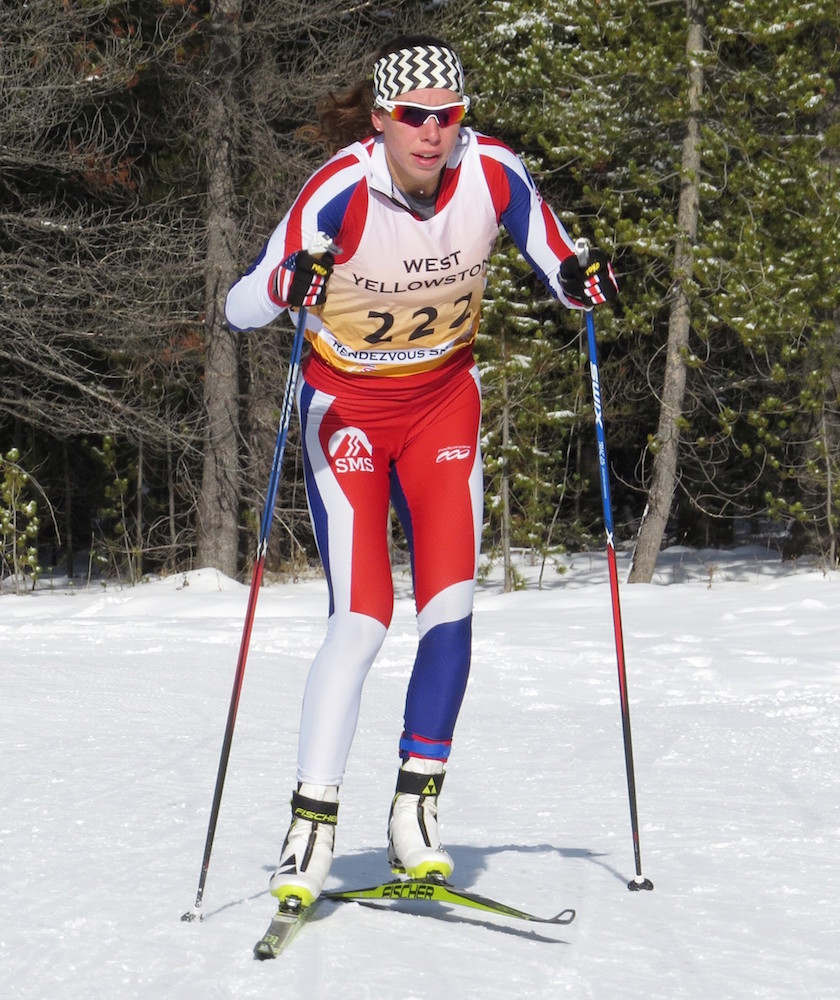
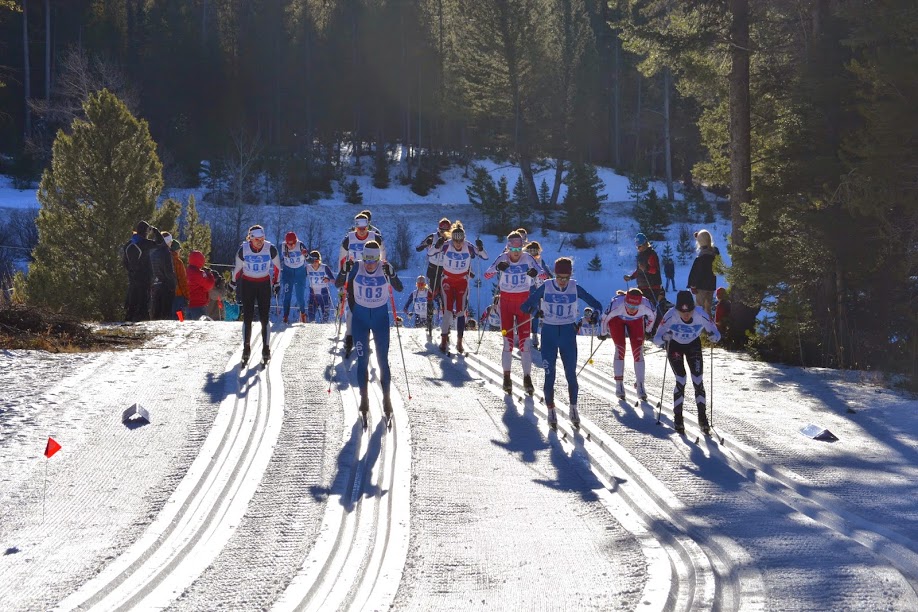
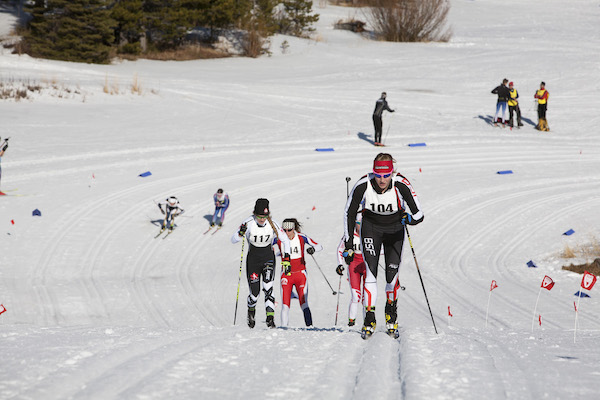
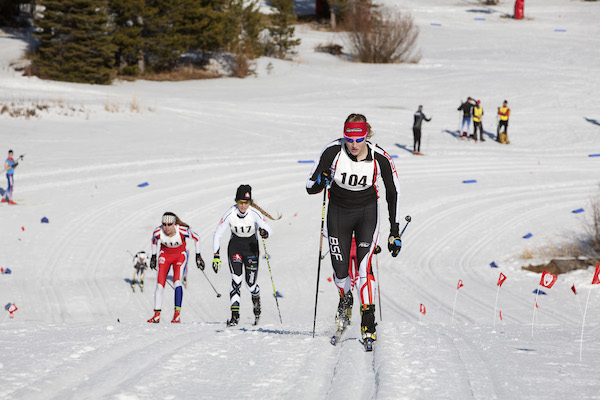
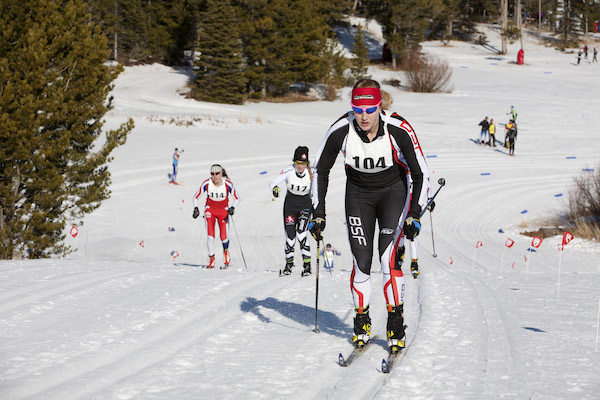
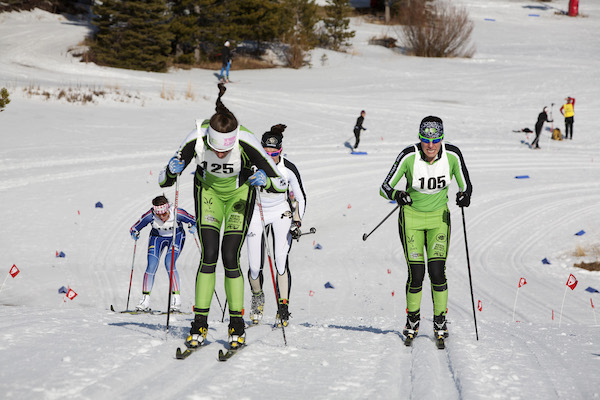
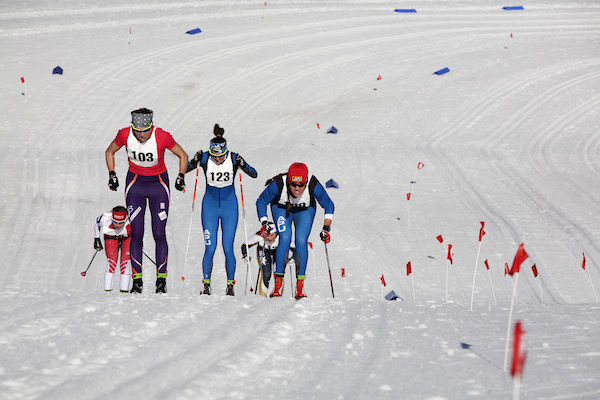
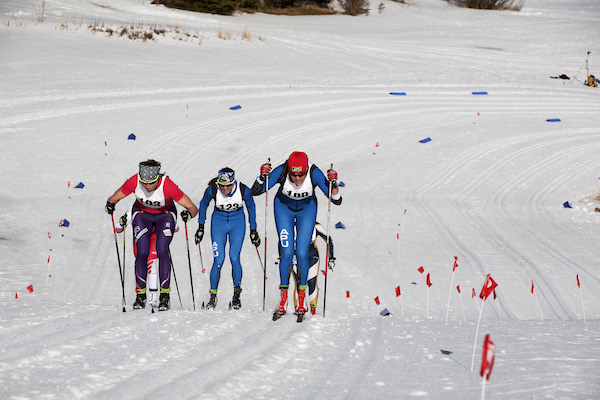
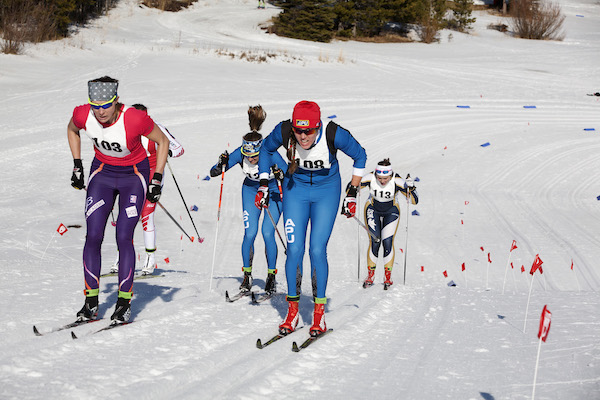
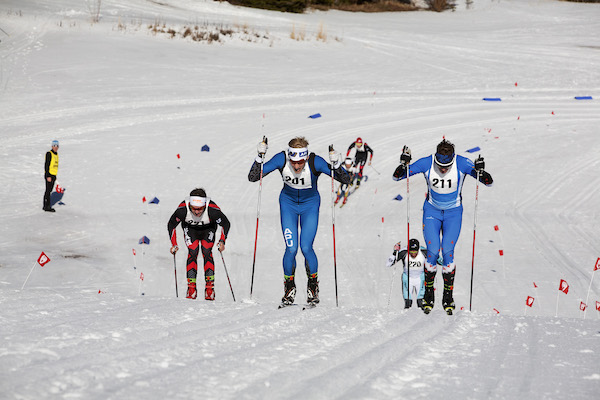
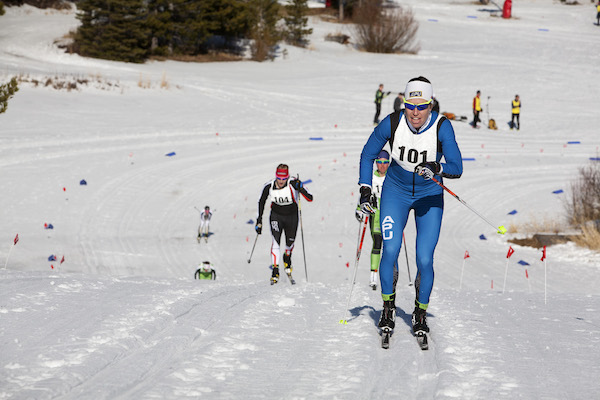
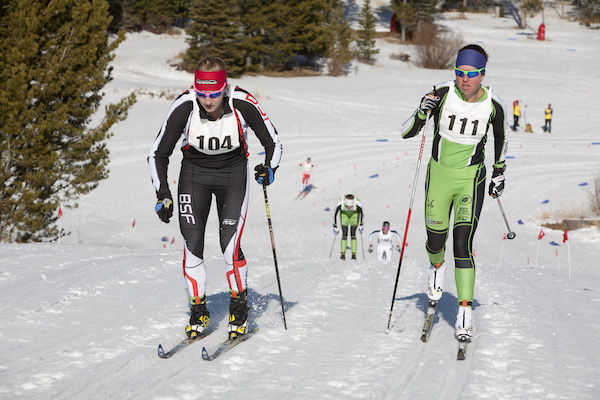
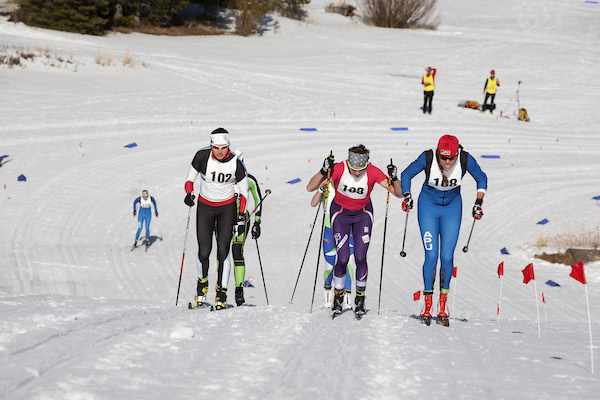
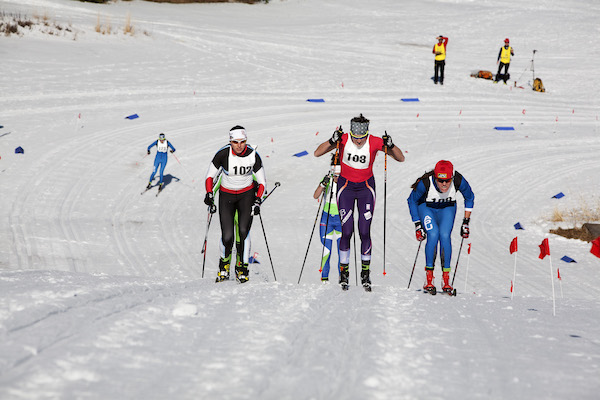
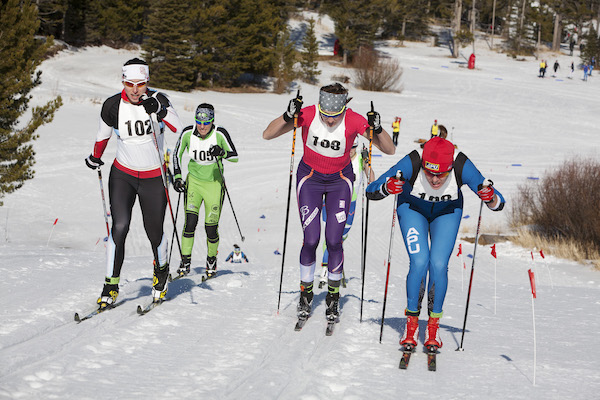
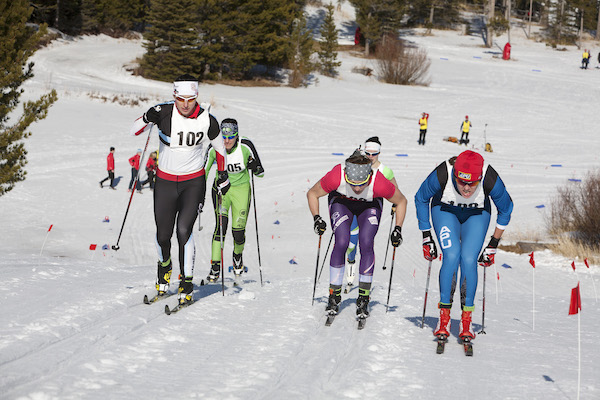
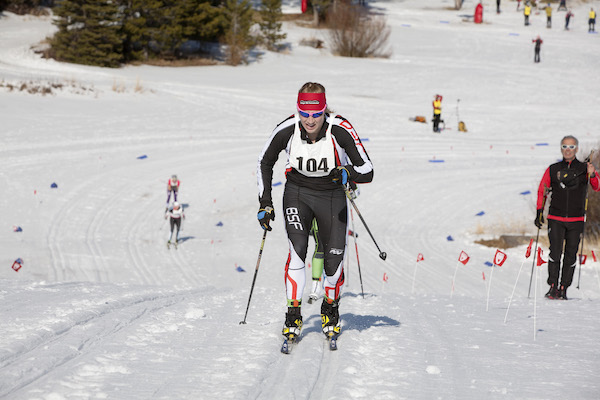
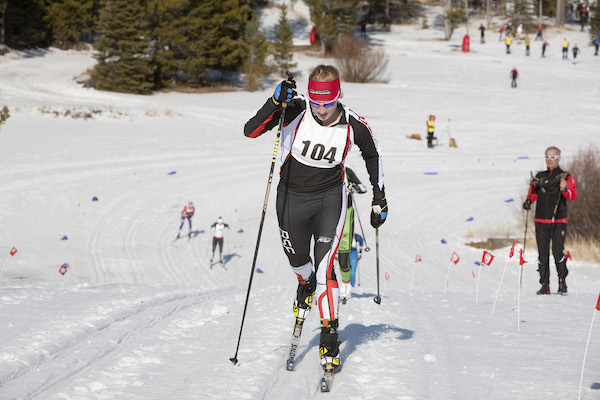
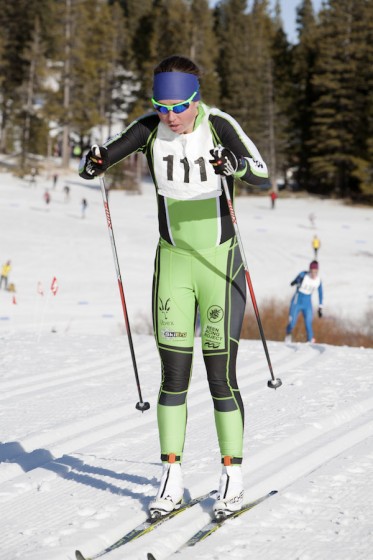
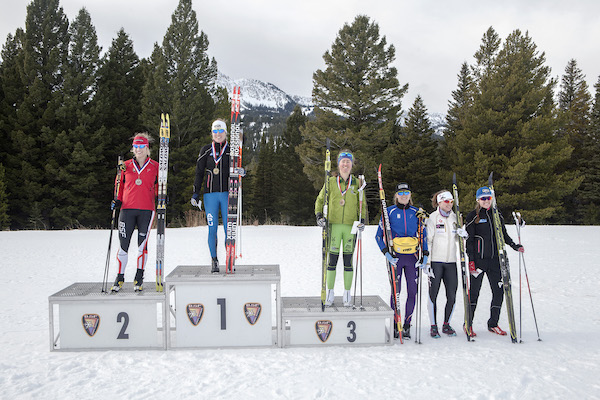
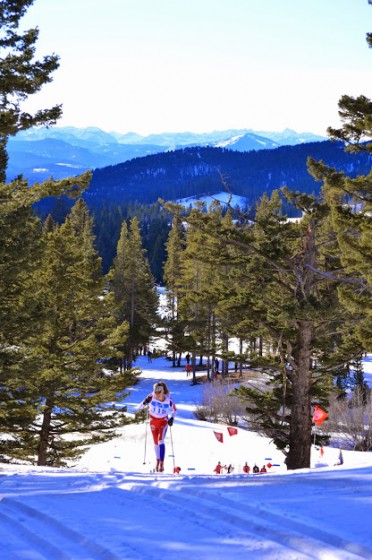
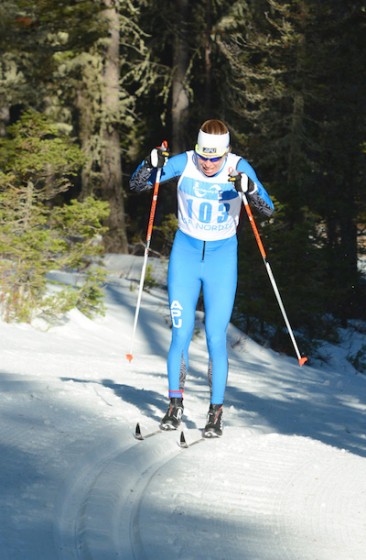
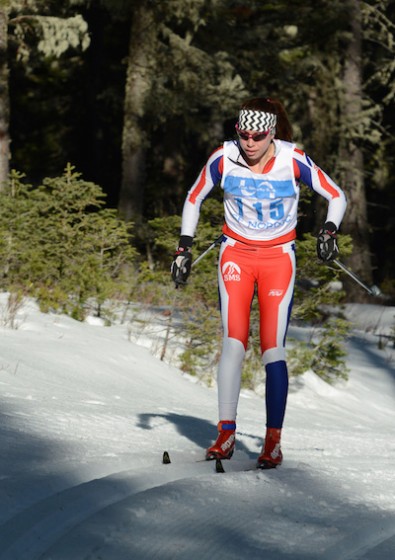
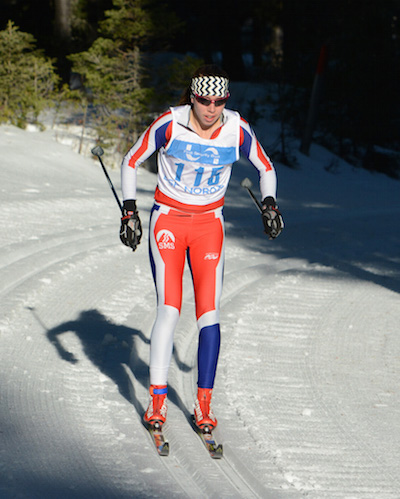
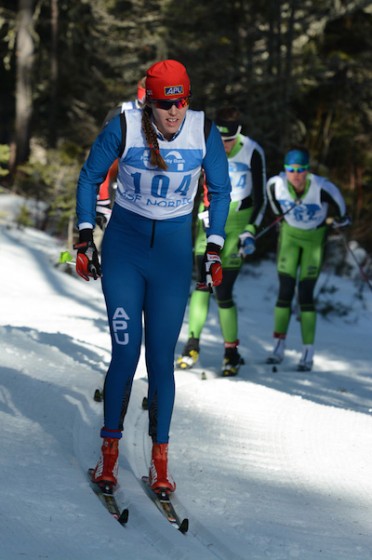
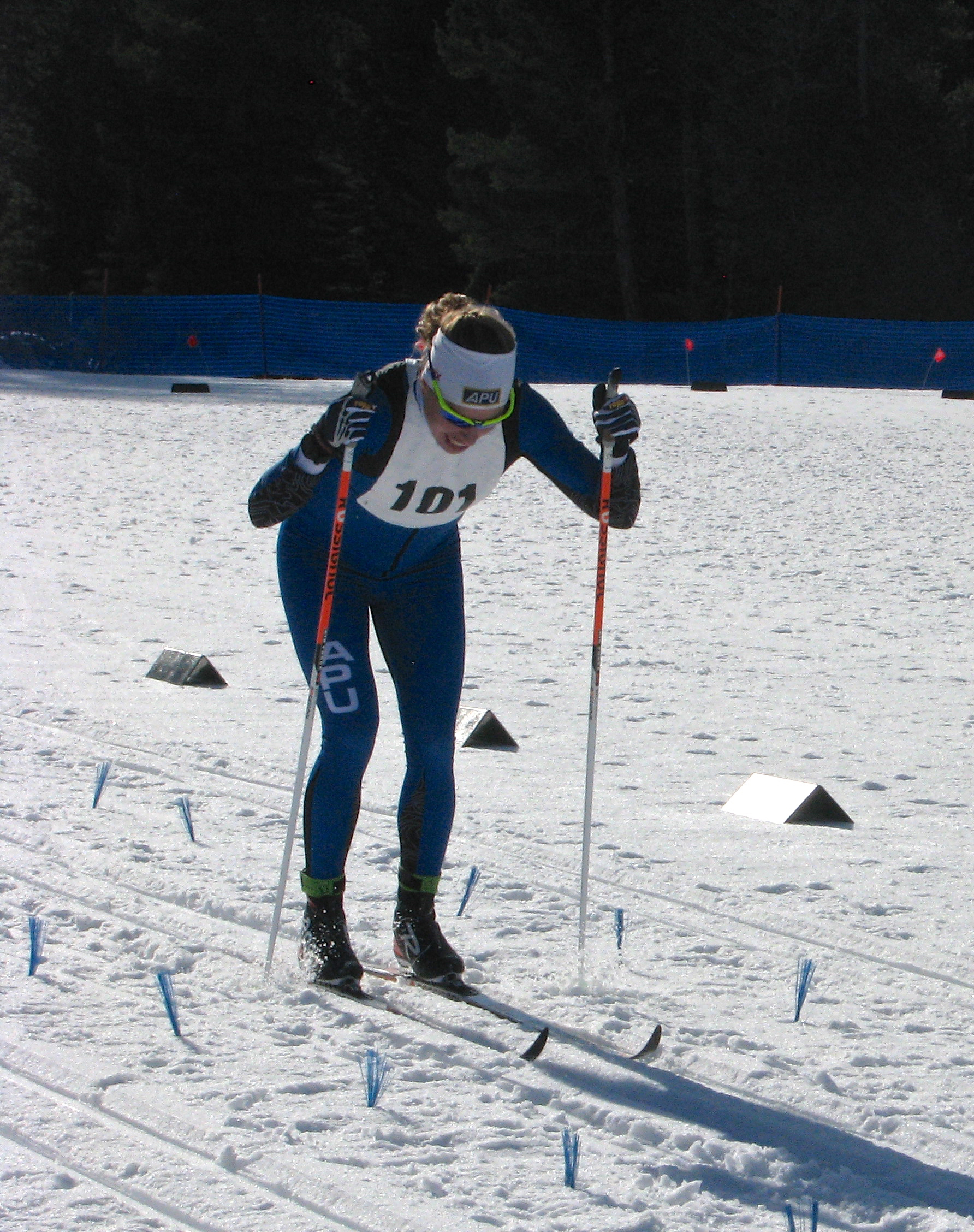
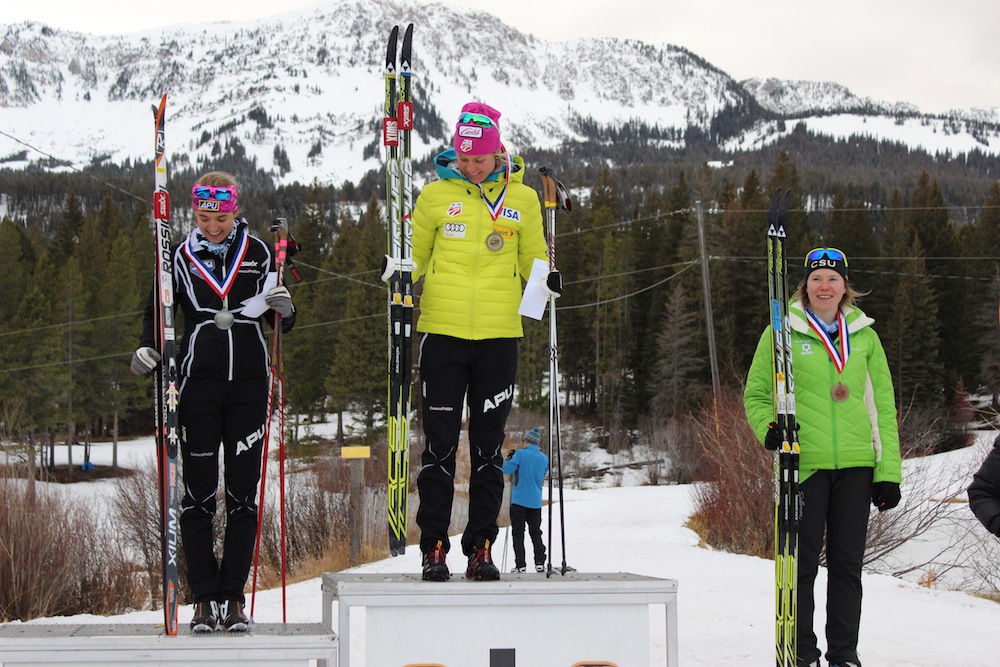
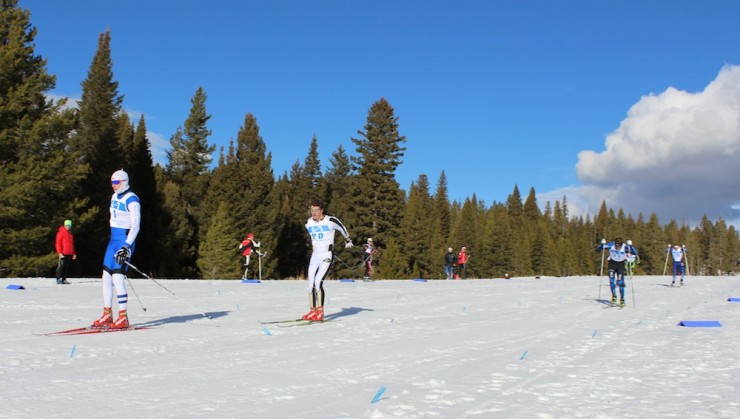
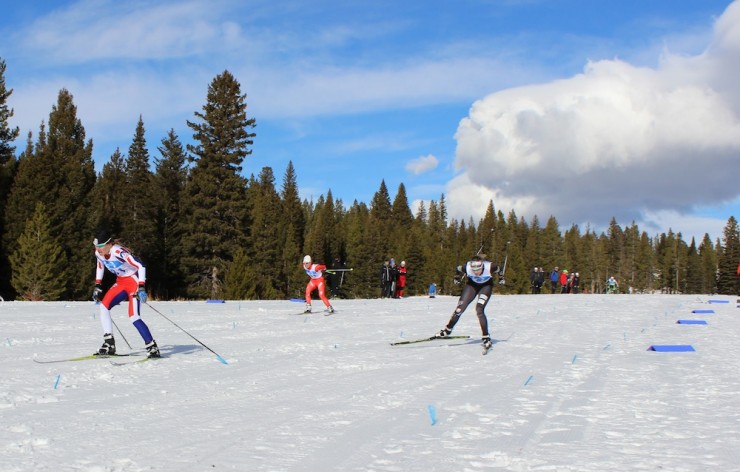
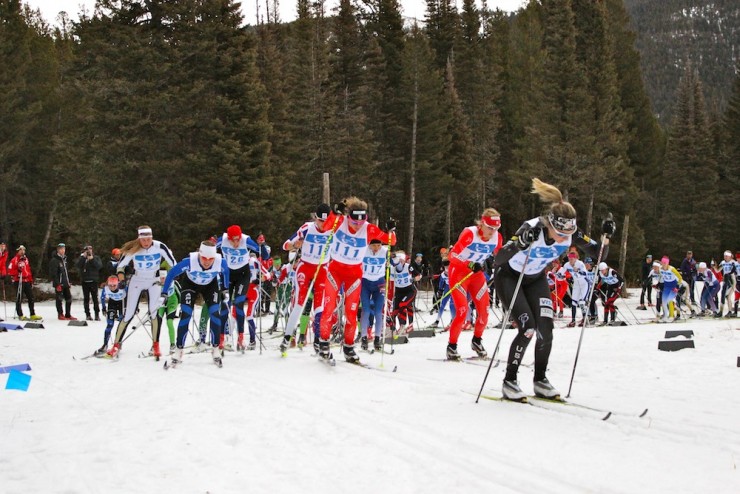
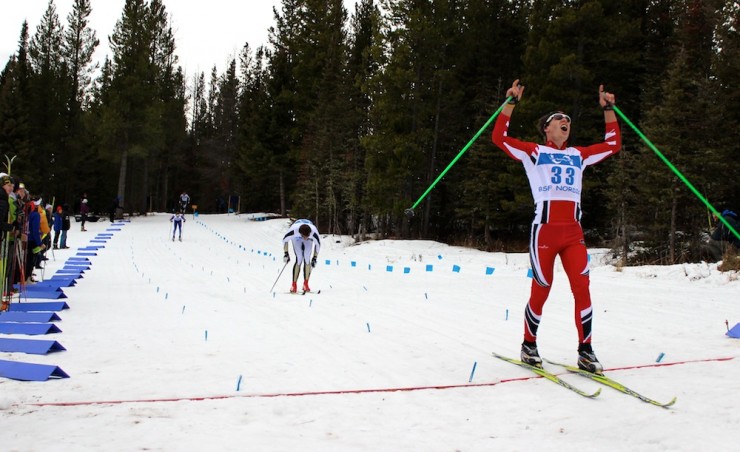
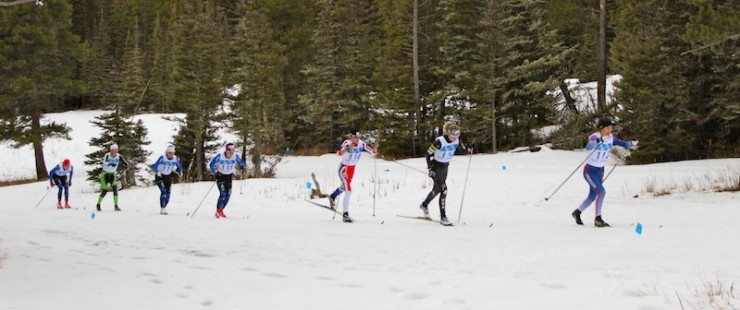
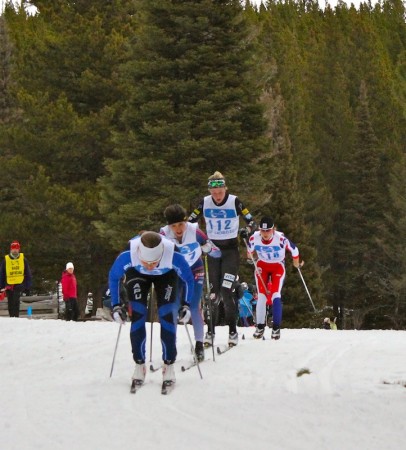
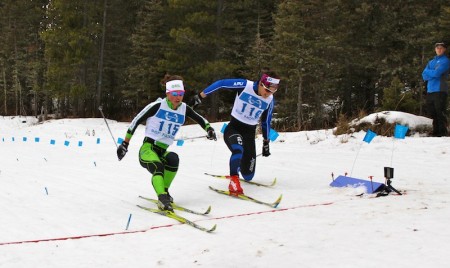
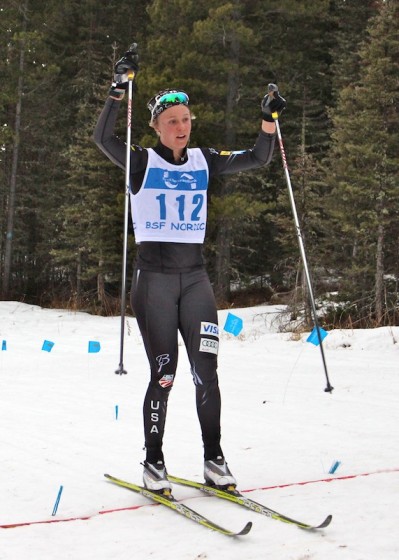
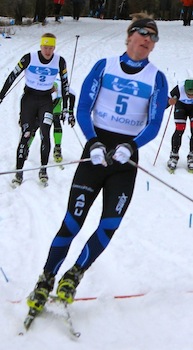
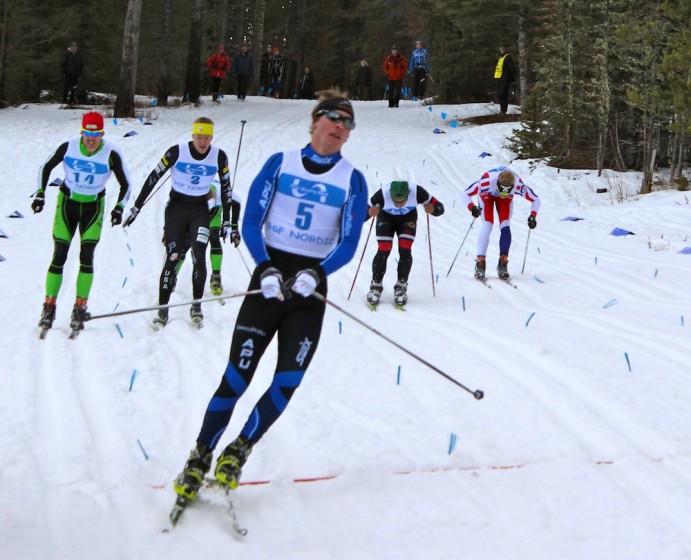
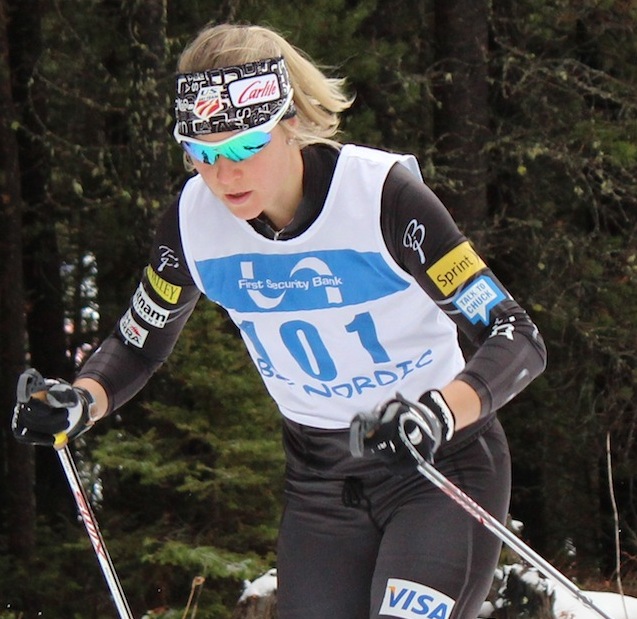
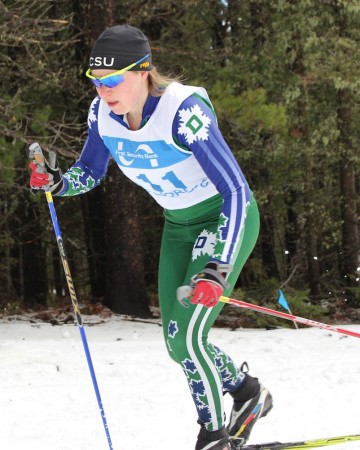
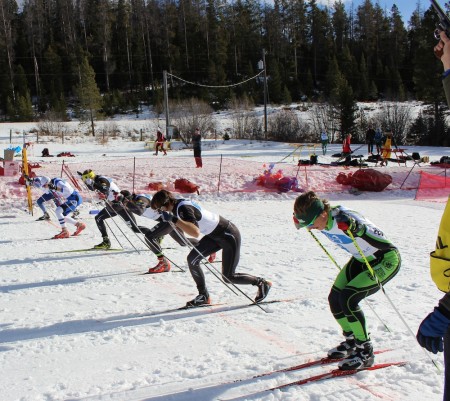
Katharine Ogden (SMS/USST) racing to an 11-second win in the women’s 5 k freestyle FIS race on Friday in West Yellowstone, Mont. (Photo: Ian Harvey/Toko)
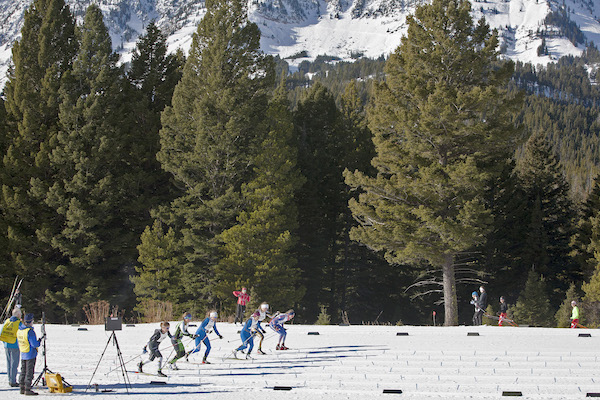
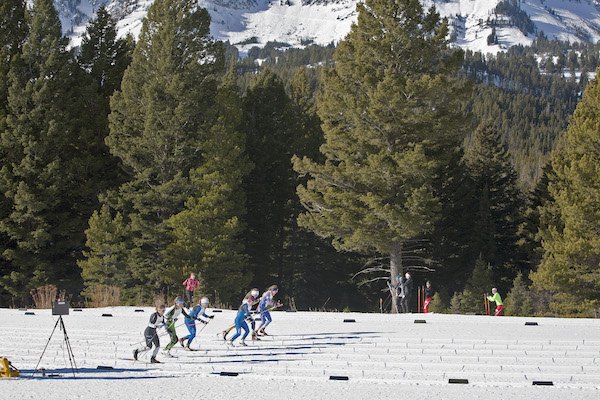
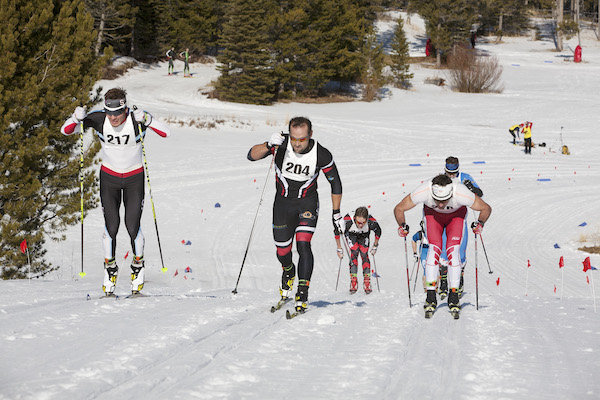
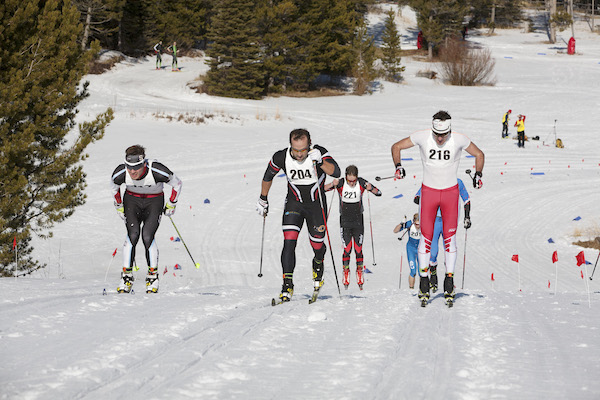
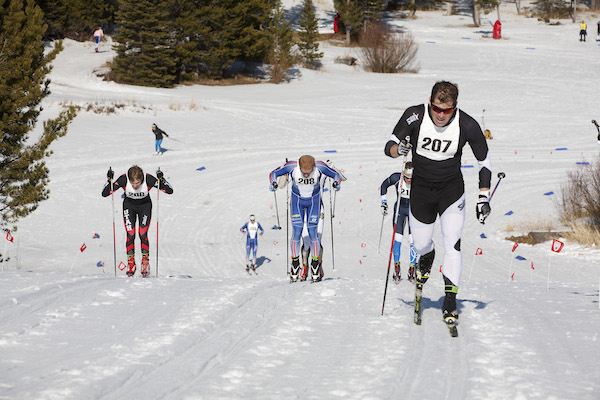
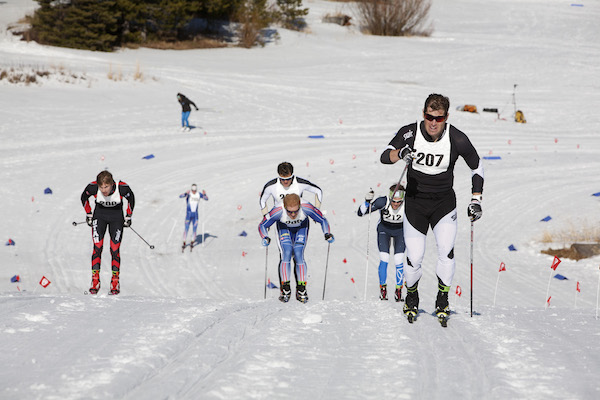
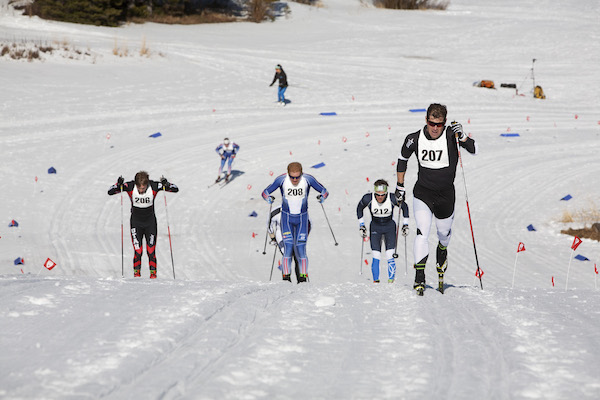
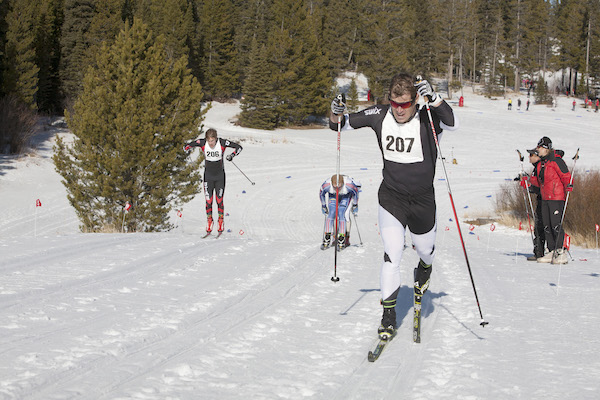
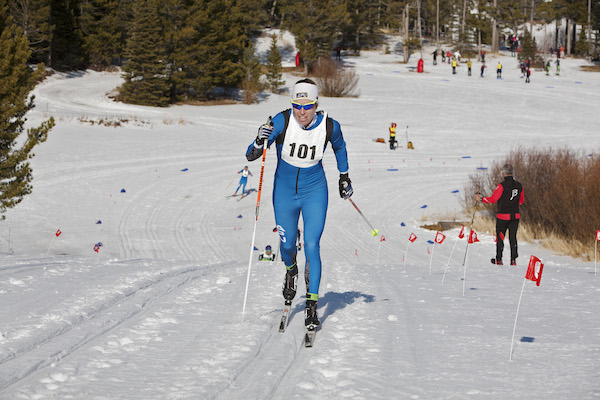
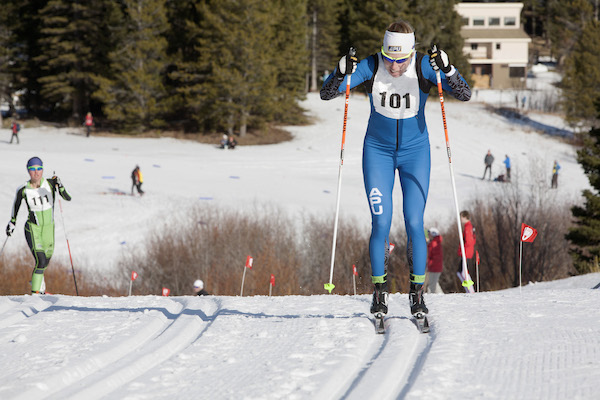
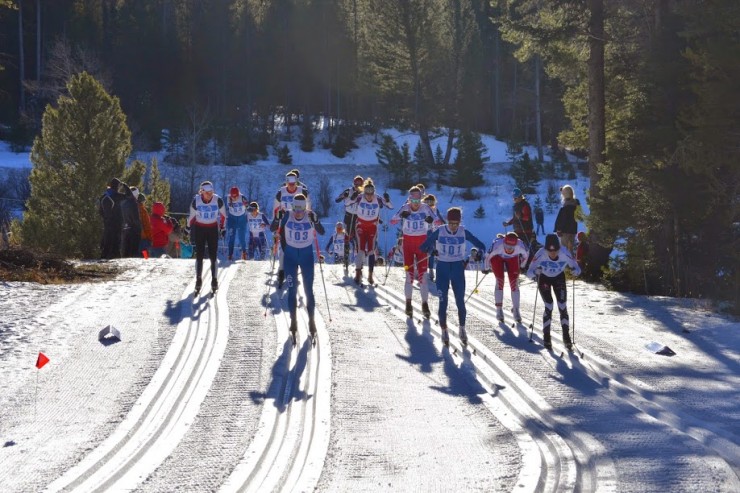
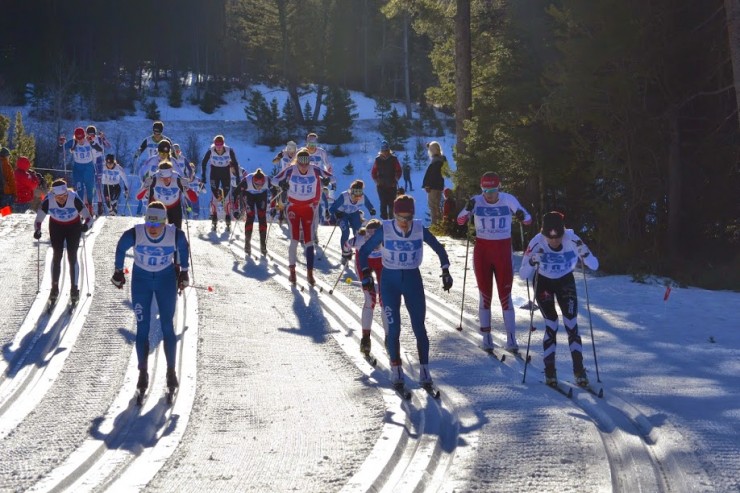
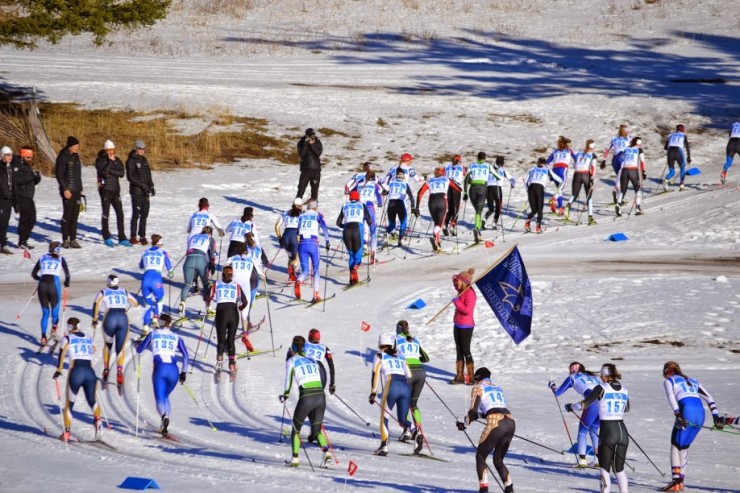
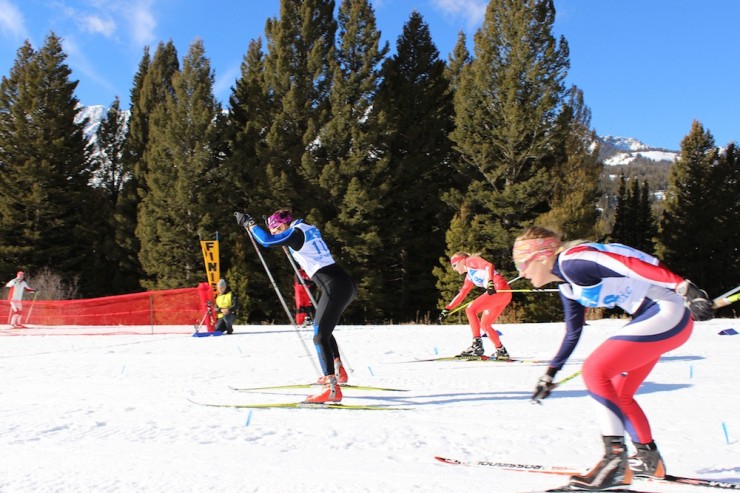
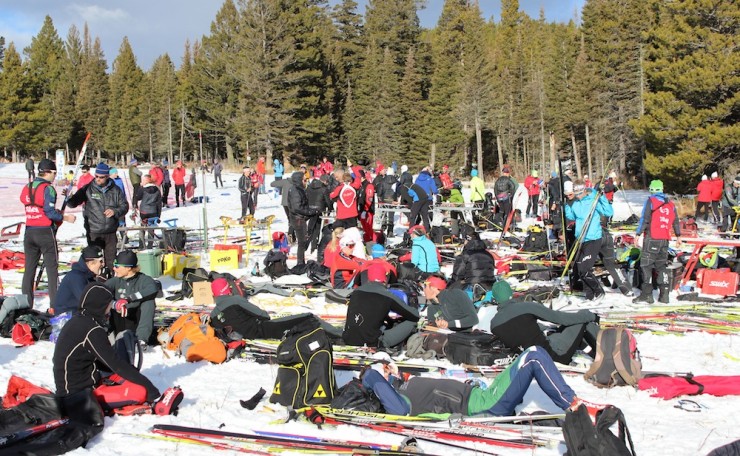
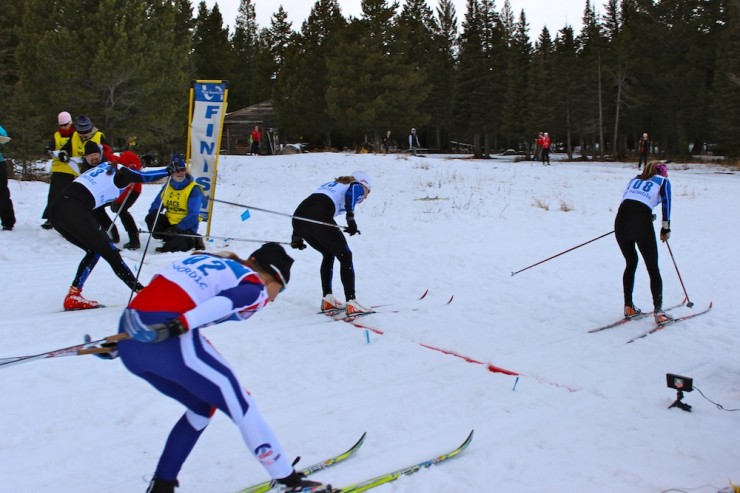
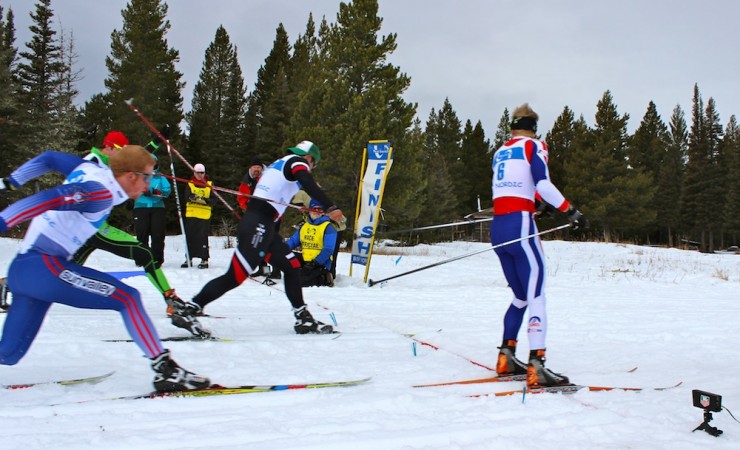
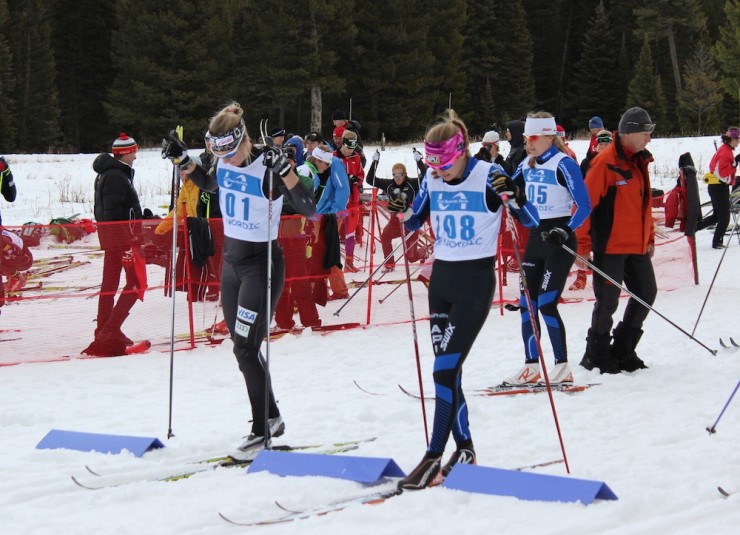
The first official cross-country ski races of the season in the Lower 48 were held Friday in West Yellowstone, Mont., and for the first time in a long time, they weren’t U.S. SuperTour races.
But they were International Ski Federation (FIS) sanctioned and once again a big part of the West Yellowstone Ski Festival, which has been known to attract 3,500 skiers and has been an early season tradition for more than 30 years.
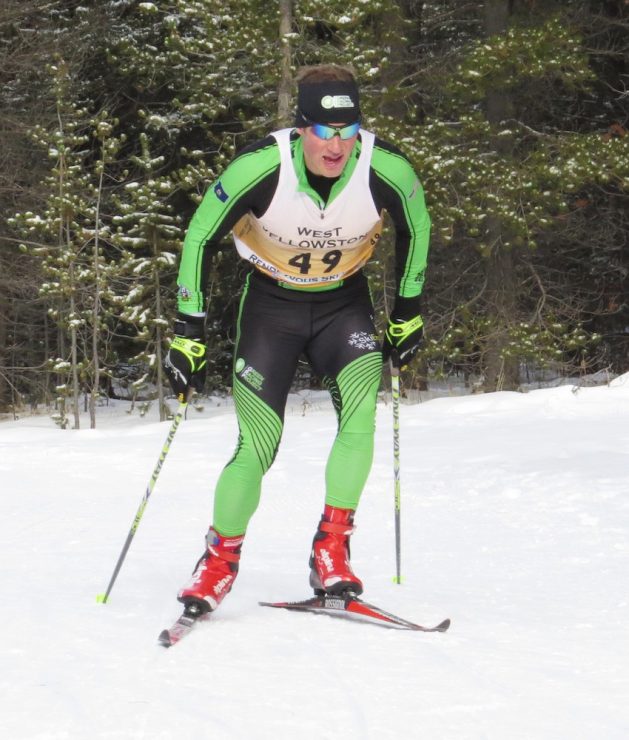
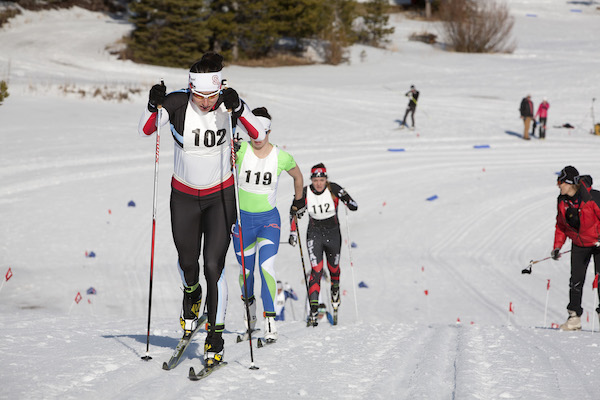
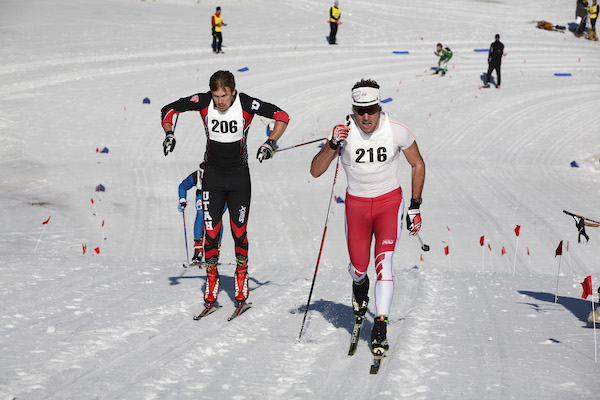
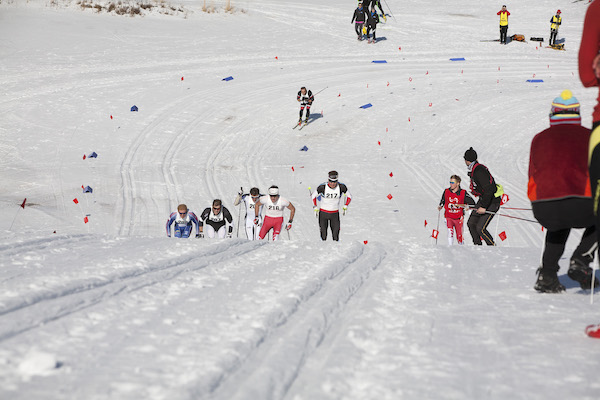
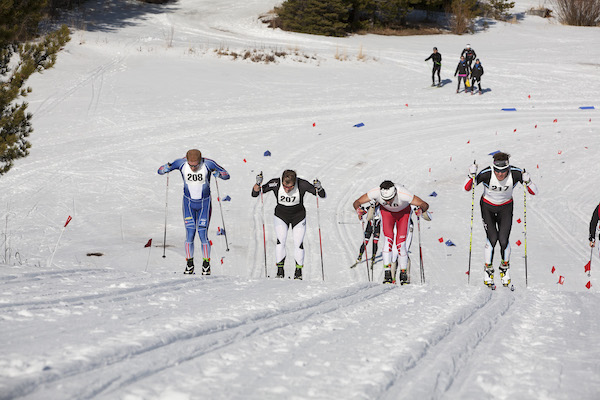
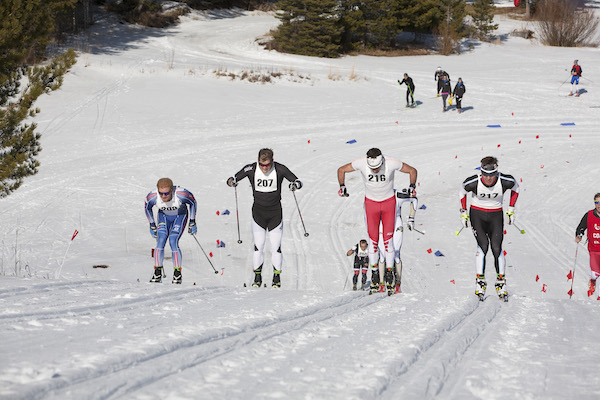
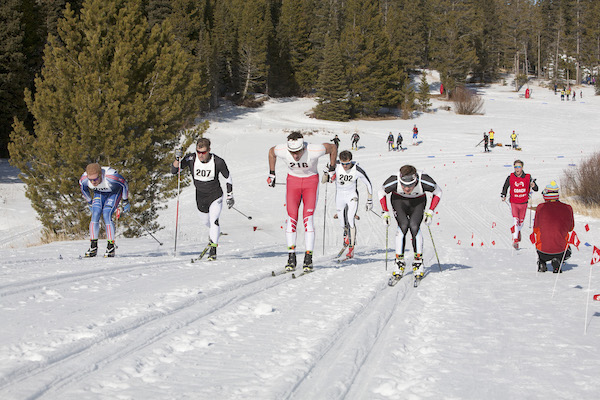
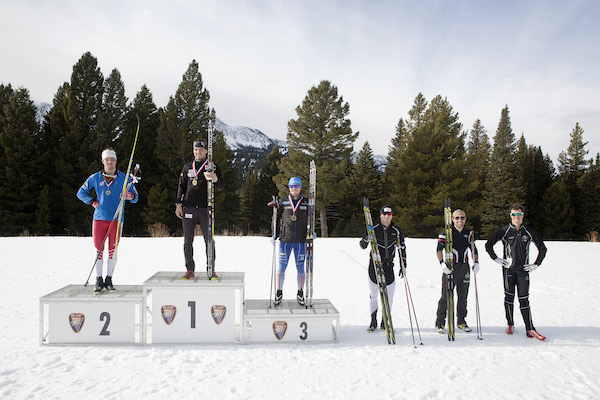
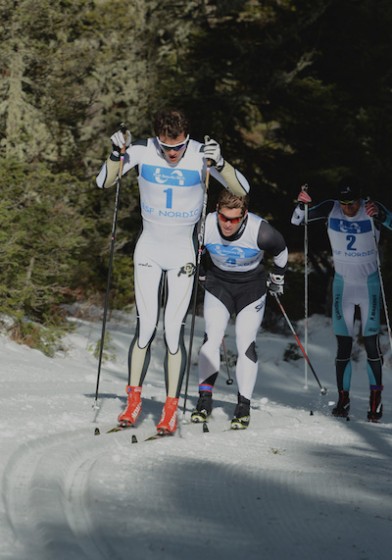
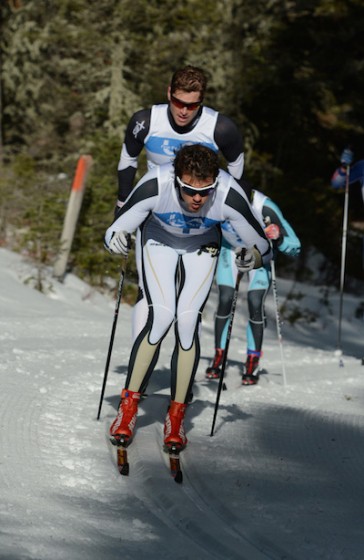
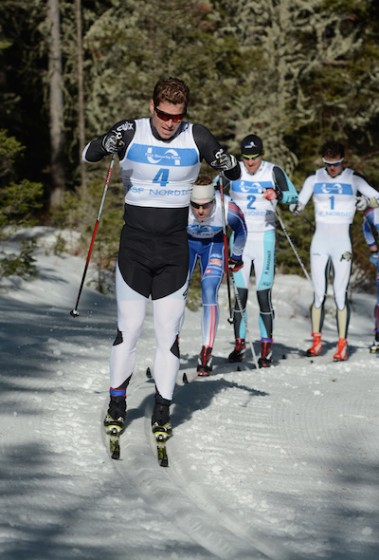
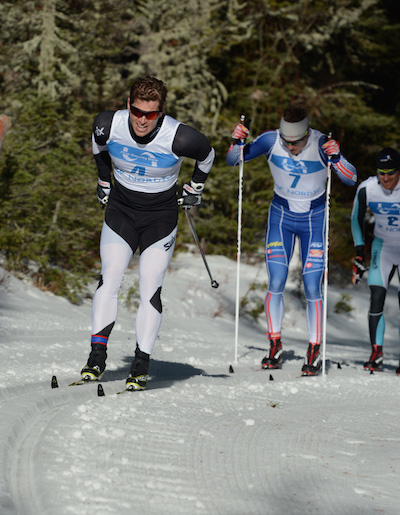
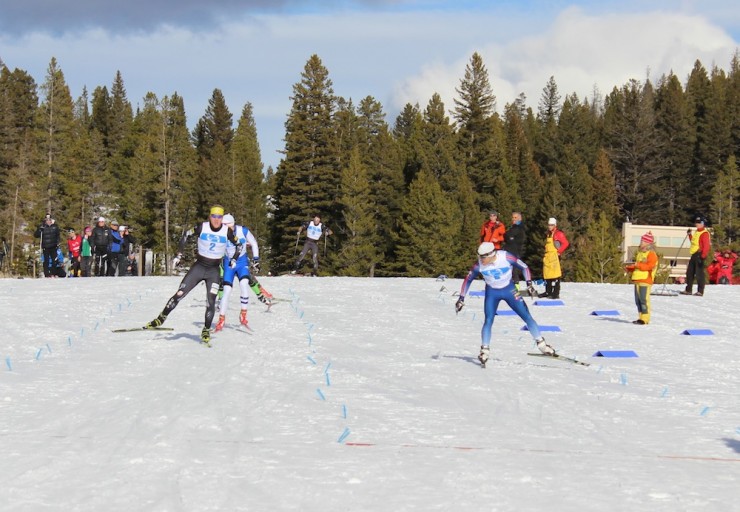
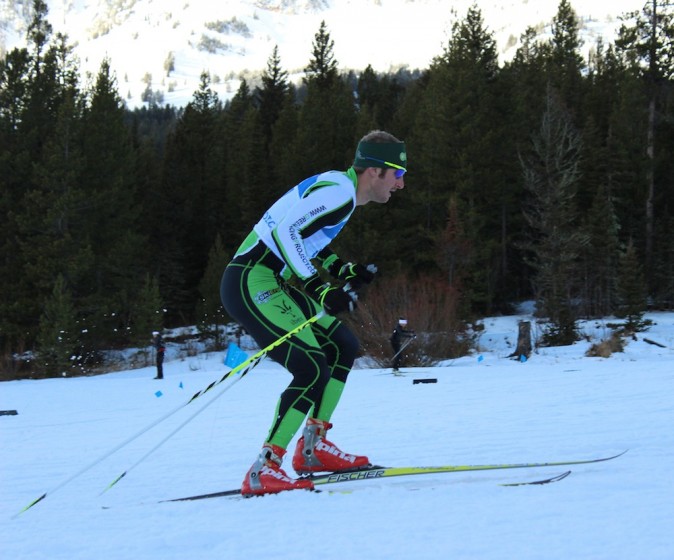
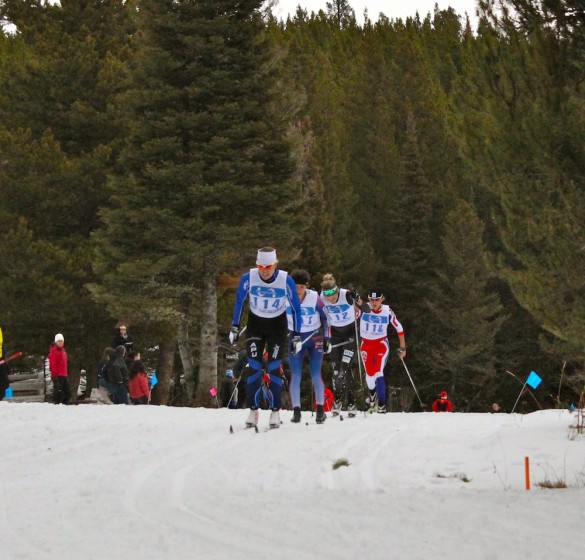
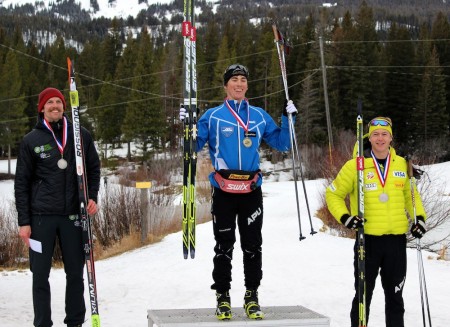
Paddy Caldwell, of the U.S. Ski Team’s D-team, Dartmouth College and the Stratton Mountain School (SMS) T2 Team, won the men’s 10-kilometer freestyle on Friday at the Rendezvous Ski Trails. He bested nearly 90 in the men’s race, putting down the fastest time in 20:32.4 minutes, which was 26.7 seconds ahead of runner-up Rogan Brown, of the Sun Valley Ski Education Foundation (SVSEF). Mads Strøm, a Norwegian-born University of Colorado-Boulder (CU) senior and two-time NCAA champion, placed third, 31.1 seconds behind Caldwell.
Just 0.2 seconds off the podium, Sun Valley’s Jack Hegman placed fourth (+31.3), and Ben Lustgarten, of theCraftsbury Green Racing Project (CGRP), was close behind in fifth (+32.4), as was Silas Talbot, of the Bridger Ski Foundation (BSF) Elite Team, in fifth (+37.4).
Rounding out the top 10, Karsten Hokanson (Montana State University) placed seventh (+53.6), Patrick Johnson (Far West) was eighth (+56.7), and Norway’s Petter Reistad (CU) and Welly Ramsey (Farmington Ski Club) tied for ninth (+57.6). Oscar Ivars (University of Utah) took the next spot in 11th (+1:01.5).
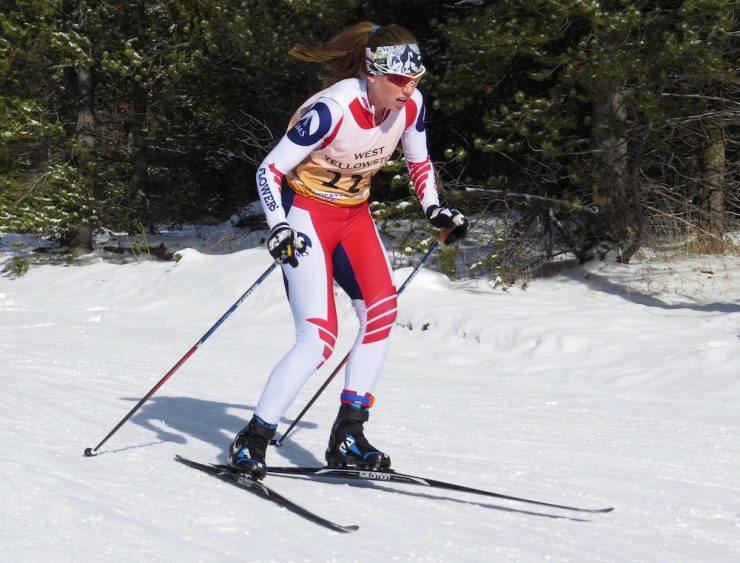
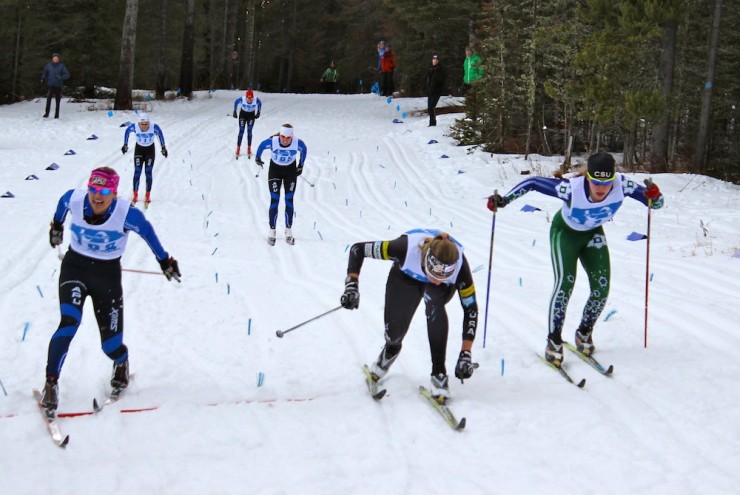
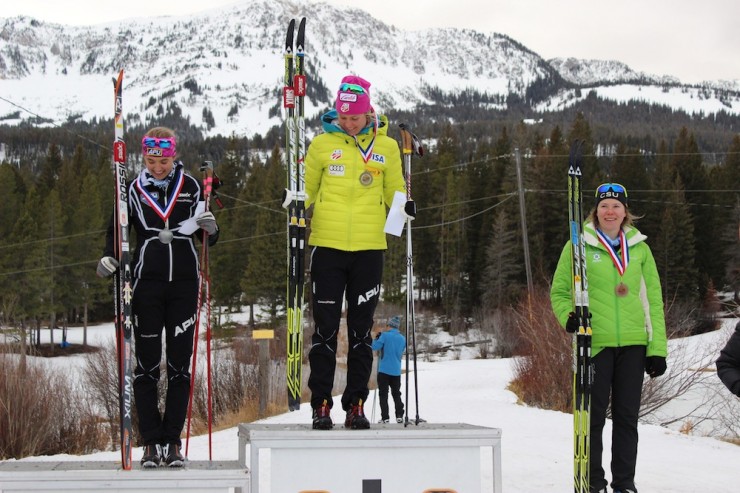
In the women’s 5 k freestyle, Katharine Ogden, another U.S. Ski Team (USST) D-team member who trains with SMS, took the win. She beat out CU’s Petra Hyncicova, originally from the Czech Republic, by 11.8 seconds with a winning time of 11:45. One of Ogden’s training partners, Erika Flowers (SMST2) placed third (+13.3).
Craftsbury’s Liz Guiney took fourth (+19.4), Jennie Bender (BSF) was fifth (+22.4), Mary Rose (SVSEF) sixth (+27.0), Anne Hart (SMST2) seventh (+32.8), Christina Rolandsen (CU) eighth (+34.7), Kaitlynn Miller (CGRP) ninth (+36.5), and Hannah Halvorsen (Sugar Bowl Elite Team/USST D-team) 10th (+36.8) in a tighter women’s field, which included 76 finishers.
FIS racing continues at the Rendezvous Trails on Saturday, with 5/10 k classic races scheduled.
In related news, the first SuperTour races of the season — which were supposed to take place next weekend, Dec. 3-4 — were canceled. At the top of the Bridger Ski Foundation’s SuperTour event page, it now reads: “Bozeman SuperTour Cancelled: Due to lack of snowfall the races are not able to be run.” The SuperTour opener doubled as the first races of the Canadian NorAm season as well.
Just like in the U.S., Cross Country Canada (CCC) intended to use Bozeman as part of its selection races for 2017 World Championships and the Continental Cup leader (COC) World Cup spots. Now instead of considering an athlete’s best three results out of seven race days, CCC will consider three out of five.
“Bozeman was part of our NorAm COC series selection process; however now that Bozeman is cancelled it’s not in the picture,” CCC High Performance Director Thomas Holland wrote in an email to FasterSkier on Friday night.
“Are you ready for some more West Yellowstone fun? ‘Cuz we’re hosting the SuperTour next weekend December 3 & 4,” the post read. “Saturday Freestyle Sprints, Sunday 15k/10k Classic; 5k U16 Classic. Registration site is in progress but will be on ysfraces.athlete360.com. And can you volunteer? Send us a message at info@skirunbikemt.com to give us your info. Thanks!”
“The altitude at West Yellowstone is too high to use it as a selection race for the Canadian team – will not count for the FIS COC series,” Holland wrote.
We’ll post more information as it becomes available.
The Bozeman, Mont. SuperTour races have come and gone but you can still re-live them through the two photo galleries featured below. With action Dec. 6-7 at the trails of Bohart Ranch in the form of a classic sprint and 10/15 k classic mass start, the country’s best gathered for the second weekend of domestic racing which proved just as exciting as the first.
Women’s A final (Photo: Alex Diekmann/Bridger Ski Foundation)
Women’s A final (Photo: Alex Diekmann/Bridger Ski Foundation)
Rosie Brennan, 1st (Photo: Alex Diekmann/Bridger Ski Foundation)
Women’s A final (Photo: Alex Diekmann/Bridger Ski Foundation)
Jennie Bender, 2nd (Photo: Alex Diekmann/Bridger Ski Foundation)
Caitlin Patterson, 3rd (Photo: Alex Diekmann/Bridger Ski Foundation)
Men’s A final (Photo: Alex Diekmann/Bridger Ski Foundation)
Men’s A final (Photo: Alex Diekmann/Bridger Ski Foundation)
Men’s A final (Photo: Alex Diekmann/Bridger Ski Foundation)
Men’s A final (Photo: Alex Diekmann/Bridger Ski Foundation)
Men’s A final (Photo: Alex Diekmann/Bridger Ski Foundation)
Men’s A final (Photo: Alex Diekmann/Bridger Ski Foundation)
Men’s A final (Photo: Alex Diekmann/Bridger Ski Foundation)
Men’s A final (Photo: Alex Diekmann/Bridger Ski Foundation)
Men’s podium (l-r) ben Saxton (2), Patrick Stewart Jones (1), Matt Gelso (3), Kris Freeman (4) Dakota Blackhorse-von Jess (5), Rune Ødegård (6) (Photo: Alex Diekmann/Bridger Ski Foundation)
Men’s podium (Photo: Alex Diekmann/Bridger Ski Foundation)
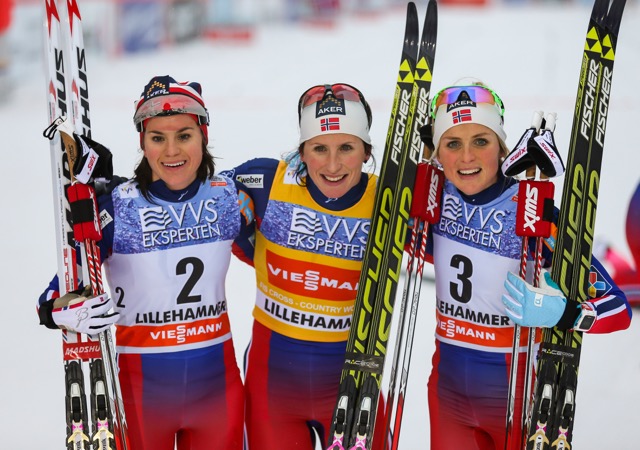
Look familiar? We saw this all-Norwegian podium twice, except with Therese Johaug (r) as the winner and Marit Bjørgen (c) in second in the 5 k freestyle on Day 2 of the Lillehammer World Cup mini tour. On Day 3, Bjørgen won it outright over Johaug, and Heidi Weng (l) was once again third. (Photo: Fischer/NordicFocus)
And he wasn’t the only one repeatedly in the headlines of the IBU and FIS World Cup and U.S. SuperTour coverage this past weekend. We got used to Norwegian winners like Marit Bjørgen and Martin Johnsrud Sundby, and Alaska Pacific University’s Rosie Brennan — who’s won three out of four SuperTour races this season.
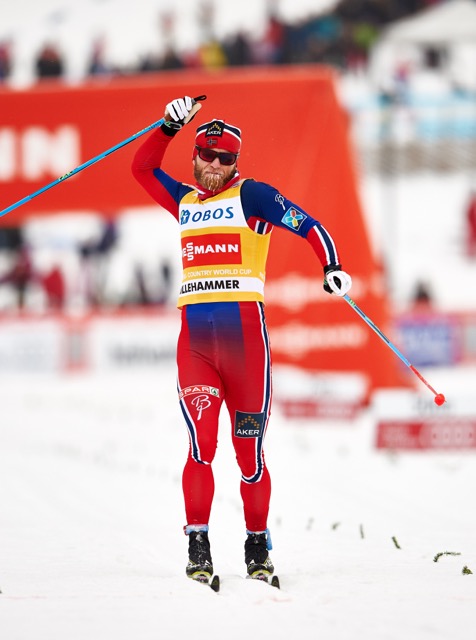
A pumped Martin Johnsrud Sundby (Norway) after winning the men’s 15 k classic pursuit for the overall Lillehammer mini-tour title on Sunday in Norway. (Photo: Fischer/NordicFocus)
Then there were consistent top performers in the Lillehammer World Cup mini tour: Alex Harvey of the Canadian World Cup Team placed fifth in last Friday’s skate sprint and ended up 10th overall in the three-stage series, and Sadie Bjornsen led the U.S. Ski Team in 18th overall.
Also in Lillehammer, Bryan Fletcher of the U.S. Nordic Combined team rose from 36th to eighth on Sunday for a season best. His teammate, Adam Loomis notched a career-best 35th.
At the five-race IBU World Cup in Östersund, Canada’s Megan Heinicke rose to a career-best 12th in the women’s 15 k individual last Thursday.
“I have never started the season so relaxed and feeling so little pressure,” Heinicke explained after the race, in which she shot 19-for-20. “I wasn’t even sure if I should start this season and I think the low expectations (from myself and others) really helped me lose that nervous ‘I have to hit’ feeling.”
After placing ninth and 12th, respectively, in Saturday’s sprints, Canadians Nathan Smith and Rosanna Crawford qualified for the Östersund pursuit, where Smith was on track for a possible top-four finish before missing his first three shots of the day in the final standing stage.
FasterSkier was on site for the second SuperTour the season in Bozeman, Mont., as racers weathered unseasonably warm temperatures on Saturday and Sunday — well above 40-degrees Fahrenheit.
Rosie Brennan (APU) double poling to the women’s SuperTour classic-sprint victory last Saturday at Bohart Ranch near Bozeman, Mont.
But with freezing temperatures overnight, the 5 k distance course became fast and icy Sunday morning, and organizers postponed the classic mass starts an hour to let the snow thaw. Still, Brennan dreaded what awaited her in the women’s 10 k.
She called the conditions her least favorite, in fact, “her worst nightmare,” she said. But the Anchorage, Alaska, resident used the race as an opportunity to conquer some fears. Brennan ultimately edged APU teammate Chelsea Holmes by five seconds for the win.
“She just crushes me in double pole,” Holmes said, “Which is good — I see her go by and I go as hard as I can to keep up with her, and maybe one day I will be able to.”
The next-closest finisher, 17-year-old Katharine Ogden finished 1:20 back in third. She called the conditions “an extra challenge,” but was glad to have kick that lasted throughout. “Our skis were really fast,” she said.
In the men’s race, Matt Gelso of the Sun Valley Ski Education Foundation (SVSEF) Gold Team racked up his third SuperTour podium of the season so far, finishing third behind winner Mads Strøm (University of Colorado) and SVSEF teammate Miles Havlick, respectively.
At Canada’s opening domestic biathlon races (and Youth-Junior World Championships Team, as well as IBU Cup Team trials) in Canmore, Alberta, Sarah Beaudry won back-to-back sprints to punch her ticket to the IBU World Cup this coming weekend in Hochfilzen, Austria.
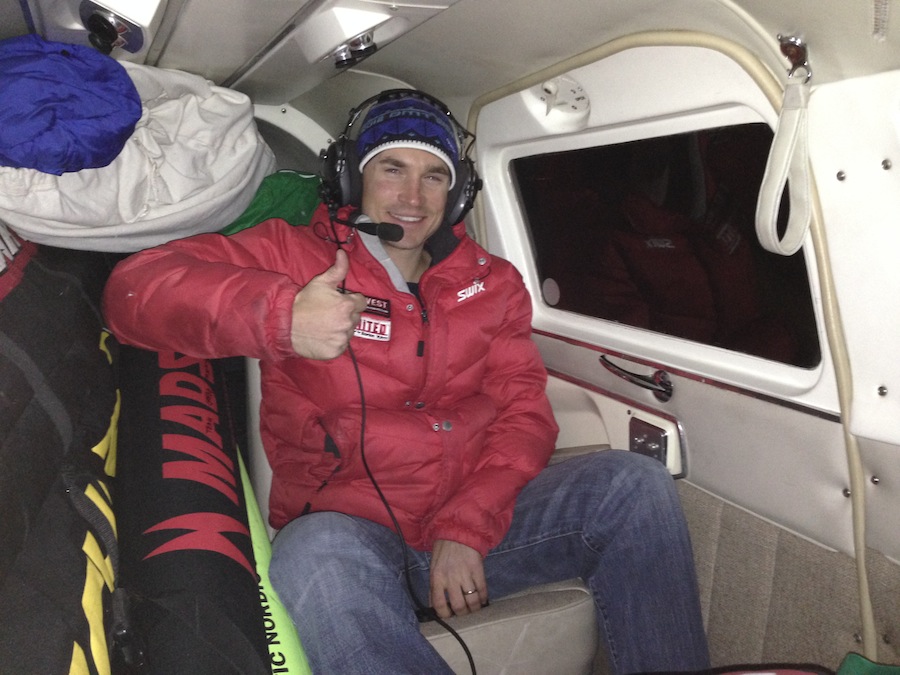
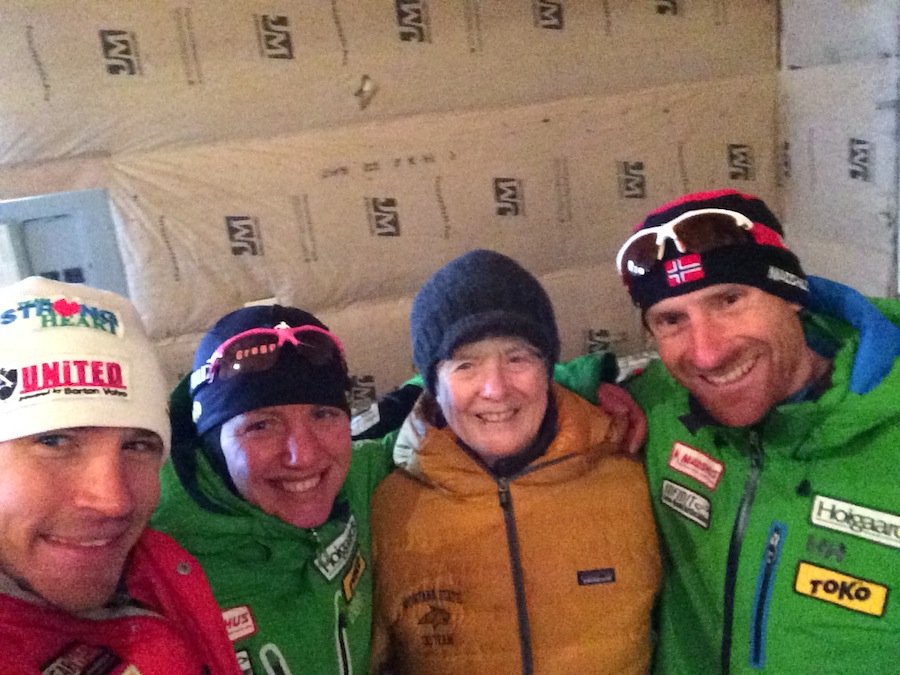
Matt Liebsch (XC United/Team StrongHeart) enjoying the view from the chartered flight he shared with friend Brian Gregg (Team Gregg/Madshus) from Oroville, Wash., to Bozeman, Mont., on Dec. 7. (Courtesy photo)
We know, you’ve been on the edge of your seat since the release of “The Adventures of Gregg and Liebsch: Part I,” and you can’t wait to find out what happened to the two Midwest pals in their quest to qualify for the Olympics. While the rest of the story has yet to be written, we’re happy to pick up where we left off: the plane ride from Washington state to Bozeman, Mont.
***
Three hours later, they made it. Aside from an unpaved runway in Oroville, Wash., Matt Liebsch and Brian Gregg described their six-seat chartered flight as the smoothest plane ride they had ever been on. But Gregg’s wife, Caitlin, wasn’t so sure as she waited up for them the night before their SuperTour races.
“Our ground speed was only about 150 knots, but it’s amazing what you can do when you take out the ups and downs and curves in the roads,” Liebsch said on the phone earlier this month.
Had the weather been unfavorable – too windy or altogether too risky to fly – the two would’ve had to drive 575 miles east to Bozeman, a trek they made less than a week earlier in the opposite direction. In an effort to better their FIS profiles, Liebsch and Gregg competed in the first NorAm distance race of the season at Sovereign Lake, British Columbia, 2 ½ hours north of Oroville. They had raced the SuperTour season-openers the week before in West Yellowstone just south of Bozeman.
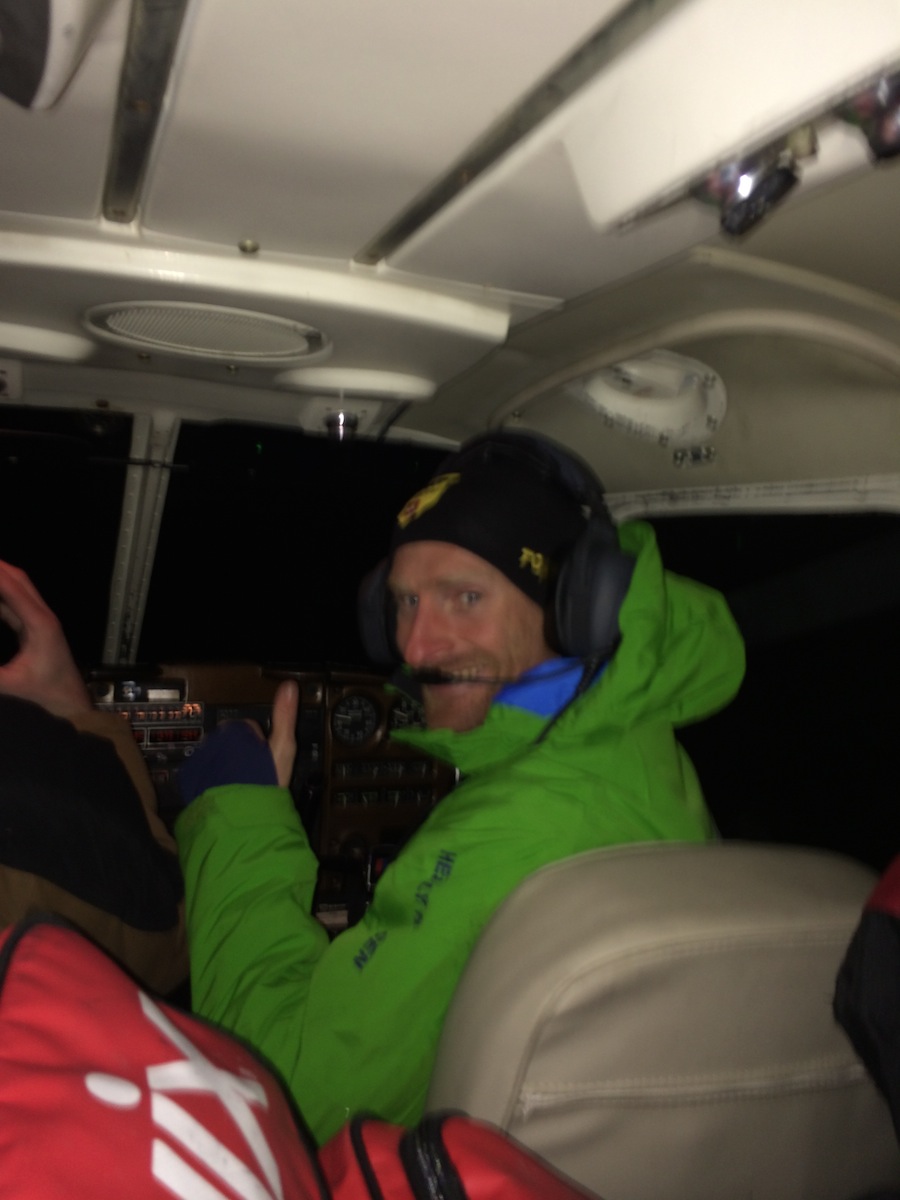
Brian Gregg in the co-pilot’s seat of a six-seat chartered plane. (Courtesy photo)
Now they were on their way back to Montana to race the next day.
With the plane’s passenger seats pushed down in to fit their skis and oversized duffel bags, Liebsch sprawled out in the back and Gregg sat up front with pilot and friend Monte Catlin as they took off shortly after 8 p.m.
Flying about 9,000 feet above the ground, Liebsch said they could see the mile-high Mount Spokane in the distance. All the while, he had cell service. Knowing that they were going to touch down in Bozeman around 12:30 p.m. – too late for anyone to pick them up – Liebsch called a taxi.
“I had 4G the whole time,” he said. “I didn’t know how we were gonna race the next day. When we landed in Bozeman it was like -17 [degrees].”
Dropped off at the hotel at 1 a.m., Gregg greeted his wife with a knock on her door. She handed them their dinner – Walmart rotisserie chicken, Jasmine rice and homemade applesauce – and nodded off while they ate in the lobby.
“We told her she should try to sleep, but the challenge is, there’s sort of a lot of excitement and I think Caitlin was nervous about the small plane,” Gregg said on the phone.
The next morning on Sunday, Dec. 8, Gregg woke up at 8:30 a.m., “bouncing around,” Liebsch said.
“I was kind of mad,” Liebsch recalled.
With temperatures well below zero, the men’s 15-kilometer classic mass start was delayed until 1 p.m. The women were scheduled to race at noon.
“There was so much adrenaline from the excitement of the flight and having a good race in Silver Star,” Gregg recalled after he placed first and Liebsch was second in the Sovereign Lake 15 k freestyle individual start.
The chartered plane Brian Gregg and Matt Liebsch took to Bozeman, Mont., on Dec. 7. (Courtesy photo)
The two had made the last-minute trip to Bozeman because of their results. They agreed if they went 1-2 in the NorAm, they’d splurge for the $2,100-dollar chartered flight that same day.
The morning after, Gregg said he suffered a bit of an energy crash. The fatigue starting to set in, Liebsch skipped warming up and tested his skis at noon. With two skate races in West Yellowstone followed by another in Canada, he didn’t pack any classic race skis.
“I was going to race in my rock skis,” Liebsch said.
Fortunately, Liebsch is the race services director at Gear West in Long Lake, Minn., and he had his coworkers wax and overnight two of his best classic skis to Bozeman. Once there, Montana State University (MSU) helped Liebsch and the Greggs with race wax.
“It was just crazy that it all worked out,” Liebsch said. “Thinking back, that was nuts.”
To satisfy the legal-racing limit of -4 degrees Fahrenheit, organizers delayed the women’s start delayed to 1:30 p.m., and the men didn’t go off until 2:30. Liebsh couldn’t believe they were actually going to race until he saw the women head out. Frostbitten from similarly cold temperatures the day before, he stayed inside until eight minutes before his race.
Three months ago, Liebsch rolled his ankle in a half-marathon trail run and had relied on Level-1 classic training since. With low expectations for his first classic distance race of the season, he said the first couple kilometers were rough.
“I felt pretty in control the whole classic race and I was pretty content to sit a row or two back from whoever was in the front,” he said. “I didn’t know if the travel or the race before would catch up with me … it was good to sit behind some really good classic skiers, too.”
Frigid temperatures canceled the Bozeman classic sprint the day before, putting Gregg ahead in the overall SuperTour standings. Doing well enough in the classic distance race would solidify his lead for Period 1, which Caitlin led as well on the women’s side.
“Brian was really like, ‘Hey, this opens the door for me to get that overall SuperTour World Cup leader and I’ll get to travel with Caitlin overseas,’ ” Liebsch recalled.
Patrick Johnson (Far West) leads Brian Gregg in the 15 k classic mass start on Dec. 8 in Bozeman, Mont. (Photo: Anya Caldwell Bean)
“We went in with pretty low pressure,” Gregg said. “Our main goal was to be in the main pack, the lead pack.”
“It was nice that we had the fundraiser going, like, ‘Oh man we cant go down there and suck!’ ” Liebsch said. “Even during the race Brian and I would look at each other like, ‘We gotta stay in here.’ It was kind of funny. You just think of all those people that were donating to help you get there.”
With two hills left in the race, Dmitriy Ozerskiy of Central Cross Country (CXC) attacked ahead of Miles Havlik (Sun Valley Ski Education Foundation) and Patrick Johnson (Far West) up front. Liebsch searched for an opportunity to pass Johnson on the narrow-and-twisty trail, but without much luck.
“There wasn’t a lot of space to move up and Dmitriy was gone by that point,” he said. “A lot of herringboning the last two big hills and I actually kind of liked that.”
Liebsch finished fourth and Gregg took fifth, 12.8 and 13.5 seconds back from Ozerskiy, who won in 44:47.7. Gregg ended up beating Ozerskiy by 1 point for the overall SuperTour lead and accompanying Period 2 World Cup starts in January.
“We’re both very happy with fourth and fifth, and we’re really lucky MSU stepped up helped us wax both of our skis and Caitlin’s skis,” Gregg said. “It’s kind of a cool story, but it depends on a lot of different clubs that made it possible.”
The Ongoing Journey
A week later, the Greggs were back in British Columbia – this time for the Rossland NorAm – and Liebsch was home in Minnesota with his two kids and wife, who’s expecting their third child in late March/early April.
Liebsch had considered racing the Davos World Cup in Switzerland that weekend, but decided to take a breather and rest up for U.S. nationals Jan. 4-10. He had spoken to the US Ski Team (USST) coaches in October about it, and there was a possibility that as many as three World Cup starts would be open for the men’s distance race in Davos.
“It just got tight on turnaround time and do that international travel right before Christmas and leading up to nationals it didn’t make sense; it was going to cost a lot of money,” Liebsch said.
He reasoned that an international flight with 11 to 13 hours of air-travel time plus another 4 ½ hours on a train would’ve left him “basically worthless” when he arrived three days before the race.
“I’d also be trying to get the body used to that time change,” he said. “It just wasn’t going to set me up or Brian up for a successful result there. If we had really crushed it was West Yellowstone we might have skipped Silver Star and gone over.”
In West Yellowstone, Gregg was second in the 15 k skate race (the first American), and 16th in the skate sprint. Liebsch placed fourth in the 15 k after sitting out the sprint.
“My opportunity for a better FIS point result was going to be in Bozeman,” he explained. “We kind of knew after doing that crazy weekend travel we were going to be blown out. Racing right at that legal [temperature] cutoff, it takes a lot out of the body.”
Team Gregg, with Caitlin (second from l) and Brian (r), and Matt Liebsch (l) in Bozeman, Mont. (Courtesy photo)
And so the two continue the Olympic-qualification dance and weigh their options in the next month leading up to the 2014 Winter Games in Sochi, Russia. In early January, the Greggs will take advantage of World Cup starts immediately after the U.S. nationals 20/30 k distance races on Jan. 8.
“Right now, the plan is that Caitlin will take a 5 o’clock flight after the 20 k … to Prague,” Gregg said. “I’ll stay in Utah and help wrap up things here. I would probably fly the next day or two while we’re trying to work out logistics. I probably won’t do that first weekend in Nove Mesto [Czech Republic].”
The goal is experience and racing overseas as much as possible this season, he said.
“I think you learn so much just being over there,” he said. “Caitlin’s only had five World Cup starts; I got a bunch of starts in 2010 as the Period 4 World Cup leader. I think the more starts, you can get the better. If nationals go well, we’re staying over in Europe as the Period 3 and 4 World Cup leaders. There’s still a lot of work [ahead] … but it’s cool to know that that possible.”
While the Greggs try to turn some heads on the World Cup circuit with top-50 results or better, Liebsch said he’d need to notch a top 15 at a race like Davos in order to crack the top-50 overall World Cup criteria.
“The number one criteria is you’ve got to be ranked in the top 50 overall in the World Cup rankings,” he said of the U.S. Olympic standards. “A lot of women are going to make that criteria.”
The men’s side is a bit more open, he said.
“If I had gotten top 15 at Davos, I would’ve liked to think that would’ve been enough to get discretion done … that’s the number two criteria,” Liebsch explained. “And then the third criteria is looking at the FIS distance and sprint list. They’re gonna name up to a maximum of four sprinters and look at the distance list and fill in the rest of the team with distance guys.”
That’s where he’s hoping his low FIS points, boosted by recent races in Montana and British Columbia, will help. At nationals, Liebsch will focus on the 30 k – just like Gregg – in order to be one of the top picks on the non-USST men’s distance list. That’s why he hasn’t focused on sprinting.
“I didn’t do any sprint racing this year because historically I don’t have that genetic gift of tiger spring,” Liebsch said with a laugh. “If I could win the 30 k skate at nationals, that would be huge. I’ve never really had a bad 50 k skate result … Hopefully [I’m] skating well enough to get the nod for the 4 by 10 [relay at the Olympics].”
With a World Cup top 30 under his belt (in Canmore 2010), he said the USST might consider that. They’ve also waved the discretion limitation; last season only 25 percent of the World Championships picks could be based on discretion. “This year, there’s no such clause,” Liebsch said.
“Last year for world champs, they took five men; I was number six on the list,” he added.
“They’re gonna name the people that make the hard criteria, then they’re going to look at the FIS distance list,” Liebsch explained. “They have that discretionary card in there to see if somebody’s trending upward very rapidly that gives them leeway to put them on the team, or if somebody’s tanking, they can take them off as well, that’s what I think.”
“Brian and I have pretty good FIS profiles,” he continued. “The point opportunities at nationals will be pretty good, so the guys that have a good nationals have a good potential to move up.”
Because of the rolling 12-month FIS profile, Liebsch said he can rely on his best races from last season, which came in the spring.
“If I have a bad [nationals], I’m not going to move backward,” he said. “I want to stay healthy and make sure I have some good solid results. Ideally I’d like to be able to train and peak for February, but if you’re not on the Olympic team, you don’t get that luxury.”
But for now, he was happy to be home.
“It was super special to surprise my kids and get them off the bus,” he said after returning from Bozeman. “It’ll be nice to be at home for the holidays.”
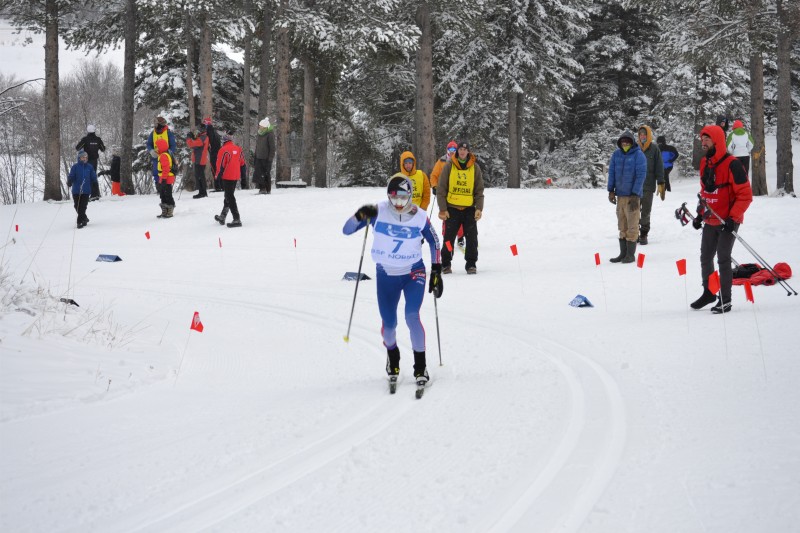
Caitlin Gregg (2) leads the women’s SuperTour 10 k classic mass start on Sunday in Bozeman, Mont. She went on to place third behind Chelsea Holmes (7), who won by 43.4 seconds, and Caitlin Patterson (3), who placed second. (Photo: Anya Caldwell Bean)
To say Sunday’s 10- and 15-kilometer classic mass start races in Bozeman, Mont., were cold would be an understatement. With the temperature hovering just above the legal racing limit of -4 degrees Fahrenheit, racers adorned their warmest gear, wore breathing masks, and covered their faces with tape in order to protect themselves from the frigid conditions.
In addition to braving subzero temperatures, racers had to ski an extremely difficult and technical course at Bohart Ranch.
“The course is tough,” said Dragan Danevski, race organizer and Bridger Ski Foundation (BSF) Head Coach, said in a press release. “But we expect athletes to prove their preparation for competing in the Olympics.”
Chelsea Holmes with a significant lead on the last lap of the women’s 10k (Photo: Anya Caldwell Bean)
Many did just that. In the women’s 10 k, Chelsea Holmes of the Sun Valley Ski Education Foundation Gold Team (SVSEF) won by a commanding 43 seconds in 34:23.5. Caitlin Patterson of the Craftsbury Green Racing Project (CGRP) placed second and Caitlin Gregg (Team Gregg/Madshus) followed in third (+1:08.1).
Rounding out the top six were Kate Fitzgerald of Alaska Pacific University (APU) in fourth, Bozeman native Erika Flowers of the Stratton Mountain School T2 Team (SMST2) in fifth, and Becca Rorabaugh (APU) in sixth.
An Alaska native, Holmes had fun despite the temperatures and tried to prevent the weather from distracting her from the race.
“No one’s psyched to be so cold, but I just try to put it out of my mind and focus on what’s at hand,” she wrote in an email. “Really, it’s the coaches, techs and volunteers that bear the brunt of the cold with all that standing around!”
Sunday’s SuperTour race came after Saturday’s classic sprint was first delayed, then canceled due to temperatures between -10 and -20 Fahrenheit. Organizers decided to push Sunday’s distance races back by three hours and were prepared to shorten them in case of even colder temperatures. Fortunately, Mother Nature complied.
Best known as a distance skier, Holmes wrote that she had looked forward to the classic sprint and was disappointed that it had been canceled. However, with a SuperTour win under her belt, she’s off to a good start this season.
Gordon Vermeer makes his way up the first climb in the men’s 15k mass start (Photo: Anya Caldwell Bean)
The men’s 15 k was much tighter, with Russian Dmitriy Ozerskiy of Central Cross Country (CXC) edging out Miles Havlick (SVSEF) by 1.5 seconds for the win in 44:47.7.
lacing third through sixth were Patrick Johnson (Far West), Matt Liebsch (XC United/Team StrongHeart), Brian Gregg (Team Gregg/Madshus), and Reese Hanneman (APU), respectively.
Gregg and Liebsch competed in the Bozeman SuperTour after going 1-2 in the Canadian NorAm at Sovereign Lake, B.C., on Saturday. They were able to make it to Bozeman via chartered plane that was funded by donations.
In an email, Hanneman wrote that BSF did an “incredible job” with Sunday’s races and was impressed with the high quality of the tracks and course. He felt the weather was bearable, but “probably on the lower limit of what was reasonable.”
For some, the racing in the cold wasn’t worth the risk. Annie Pokorny (SMST2) decided to sit forgo the race after having trouble breathing earlier in the week.
“During my warmup, I decided to save my lungs for the next few weeks of training,” she wrote. “Even at a legal temperature, it wasn’t safe for me, so I’m happy with that decision.” She wasn’t the only one, as roughly 20 racers opted not to start. Seventeen senior women completed the 10 k, and 33 senior men raced the 15 k. US Ski Team member Erik Bjornsen (APU) did not start.
The next round of SuperTour races will be at Solder Hollow in Midway, Utah, as part of the U.S. Cross Country Championships from Jan. 4 through 10.
Photos from the second set of SuperTour races at Bohart Ranch in Bozeman, Mont., with 10/15 k classic mass starts taking place in temperatures just above the legal limit of -4 degrees Fahrenheit last Sunday. All photos by Anya Caldwell Bean.
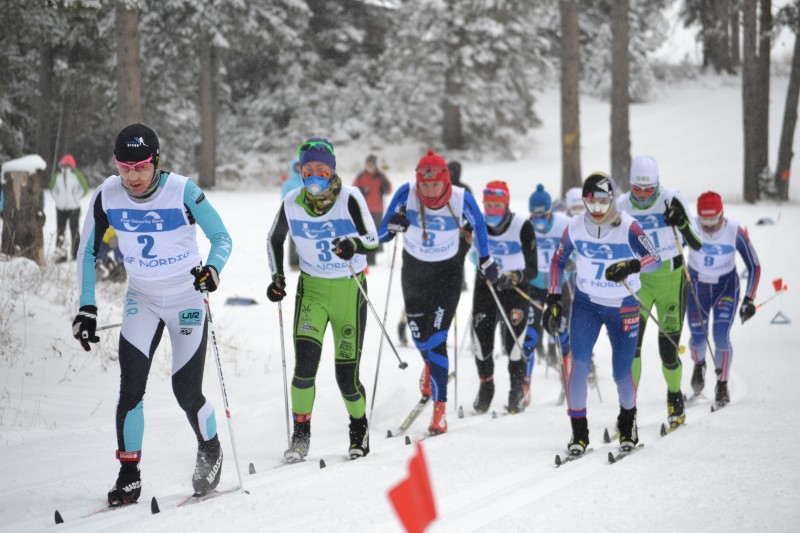
Caitlin Gregg (2) leads the women’s SuperTour 10 k classic mass start on Sunday in Bozeman, Mont. She went on to place third behind Chelsea Holmes (7), who won by 43.4 seconds, and Caitlin Patterson (3), who placed second.
Women’s 10 k classic mass start
Chelsea Holmes (SVSEF) leads Caitlin Patterson (CGRP) in the SuperTour 10 k classic mass start at Bohart Ranch. Holmes went on to win it in 34:23.5, nearly 44 seconds ahead of Patterson.
Holmes, Patterson and Gregg.
Chelsea Holmes with a significant lead in the women’s 10 k.
Caitlin Patterson (CGRP), racing to second 43.4 seconds behind winner Chelsea Holmes (not shown)
Erika Flowers (SMST2), racing to fifth,
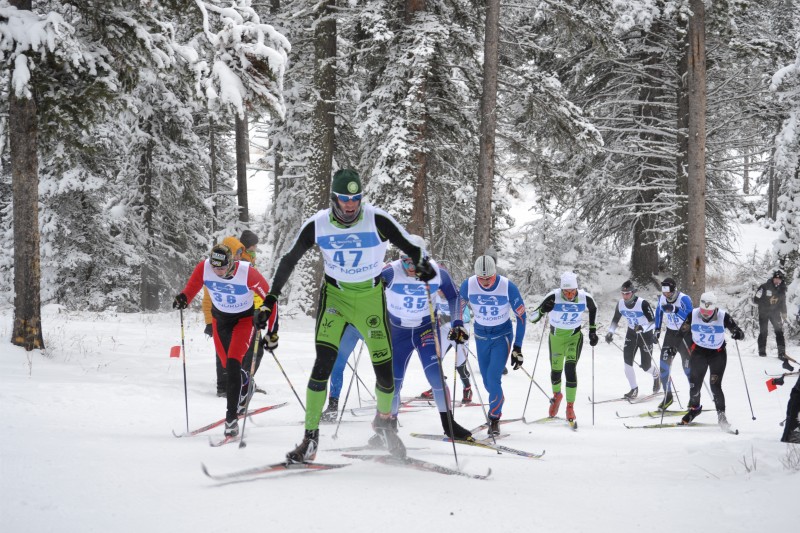
Gordon Vermeer (47) and a packed men’s field in the 15 k classic mass start
Gordon Vermeer (47) and a packed men’s field in the 15 k classic mass start
Patrick Johnson (Far West) leads Brian Gregg in the 15 k classic mass start on Dec. 8 in Bozeman, Montana. (Photo: Anya Caldwell Bean)
Reid Pletcher looking right as he nears the finish line to win the freestyle sprint on Thursday.
BOZEMAN, Mont. — Despite the rain and warmth, the snow held out for the three SuperTour races at Bohart Ranch last week. We took quite a few photos to capture the action. Below is a preview, head over to our SmugMug galleries to check the rest of them out.
IMG_0735
IMG_1034
IMG_1053
IMG_1248
Reid Pletcher looking left as he nears the finish line to win the freestyle sprint on Thursday.
Sadie Bjornsen (APU/USST) leading the women’s field out of the meadow at the start of the 10 k classic in Bozeman, Montana, on Sunday.
BOZEMAN, Mont. — Something rare happened partway through the women’s 11 k classic race at Bohart Ranch on Sunday: Sadie Bjornsen began to falter. On the heels of her classic sprint victory, she charged out of the meadow in front and appeared to settle comfortably in the group for the first lap. But on lap two out of three, the wheels started coming off.
“I had this moment of weakness,” Bjornsen laughed afterwards.
Holmes and Brennan leading, out of sight of the next skiers.
Chelsea Holmes (SVSEF) and Rosie Brennan (APU) began to lay the hurt on in the second lap and pulled away from her. Sophie Caldwell (SVSEF), meanwhile, tagged Bjornsen closely. But rather than let the weak moment last for the rest of the race, Bjornsen dug deep, started the backburners and reeled the leaders back in to win by a healthy 17 seconds. Holmes held on to second and Brennan, on her twenty-fourth birthday, took bronze (+0:27).
Despite only recently coming back to a full training load, Bjornsen was still the odds-on favorite to win on Sunday given her consistent sprint performances earlier in the week (silver in the freestyle technique and gold in classic). Holmes made a gutsy decision to push the pace on a course suited to her light, quick style of skiing.
“This course flows really well and it’s hard, but the timing is good for me,” she said. Knowing this, Holmes chose to pick up the pace on the second lap to avoid a packed sprint finish.
The lead pack on the first lap.
“Sprinting is clearly not my strength,” Holmes said. “I did not really want to lead, but I don’t like being around a million people, so I just did that. It’s not smart sometimes but…”
Brennan, whose 24th birthday was on Sunday, leading on the second lap.
Had Bjornsen not found second wind, it would have been a brilliant choice, as Brennan ended up far behind Holmes. But return Bjornsen did, and Holmes was left to hang onto second.
“I just thought about the girls in Europe,” Bjornsen said. “I was like, ‘No, those girls are pushing so hard!’”
Thinking of her teammates, one of whom was fifth on the World Cup earlier that morning, she left it all on the course. Thought it may not have been an ideal way to race, the Bjornsen said the weak moment ended up being instructive for her.
“It worked out well that I had that little thing in the middle. It’s good to remember racing is hard and you have to dig a little bit deeper than you realize you can,” she said.
Holmes was positive about her result after finishing. “Everybody wants to win — obviously I wanted to win and wanted to kind of break away — but those girls are strong,” Holmes said.
Brennan, who led Holmes early on, said she didn’t feel quite as strong as Holmes might have imagined.
“I tried to get out in front and then some other girls took off at a really aggressive pace,” Brennan said. “I didn’t know if I could sustain it, so I backed off the first lap and just tried to keep my own pace going.”
After settling in, picking people off, breaking away with Holmes and then getting passed back by Bjornsen, Brennan was generally pleased with her placing.
“I felt pretty good, it was a decent race,” she said.
Caitlin Patterson nipping Kate Fitzgerald (APU) at the line to take fifth place.
Brennan, Holmes and Bjornsen, along with Caldwell and Caitlin Patterson (CGRP), who was fifth on Sunday, were all named to the American team for the Canmore World Cups on December 13 – 16. The stakes were quite high heading into Sunday, but as the women’s distance field has been generally more stable than the men’s, there were few surprises.
For Bjornsen, who resumed interval work only a month ago after nursing a foot injury this fall, the whole week has been additionally important as a way of racing back into shape. And perhaps most significantly, she was able to regain confidence coming off injury.
“When you’re coming off of injury, your biggest weakness is your confidence,” Bjornsen said. “So that’s really important.”
Lastly, she’s been able to be home with more of her APU teammates and witness the effect the American women’s World Cup performances have had on them in such a short amount of time.
“You wake up in the morning and see Kikkan and Holly at the top and the whole house has a-buzz, like, ‘We can do this!’ It’s been fun to be part of that, too. With them making history, but also it’s fun being the generation below watching how it affects everybody.”
Reese Hanneman (APU) skied cleanly away from the men’s field to take the Bozeman classic sprint on Saturday.
BOZEMAN, Mont. — When the stakes are high, breakout performances are inevitable. Knowing it could be his last chance to earn a trip to the biggest stage of his life, Reese Hanneman (Alaska Pacific University) pulled out his first career SuperTour win at Bohart Ranch on Saturday in the classic sprint, skiing a step ahead of the field to beat Nils Koos (Craftsbury Green Racing Project) and teammate Erik Bjornsen.
“I was confident I was capable of that,” Hanneman said. “Knowing that was probably my only shot [at the World Cup], the only thing I was thinking was, ‘You don’t want to finish and wish you’d done anything else, you just have to turn yourself inside out to try to get there first.’”
It may not be until Monday that Hanneman finds out if he’s made that team, but on Saturday he at least knew he couldn’t have done anything better. When the men’s final came out of the woods and entered the defining last 400 meters, he was already in the lead and gapping the field.
Congratulations and exhaustion in the finish area.
“I didn’t even feel like I surged, I just gave it everything I had and just slowly started to build a gap,” Hanneman said. “I mean, of course you’re super nervous in your head the whole way, you’re sure someone’s going to pass you. It’s just throttling it all the way in.”
But nobody could touch him, and as Hanneman neared the finish he turned to realize that the race was his.
“It was just sweet to see I had a little gap and it’s amazing to turn around and have a day like that,” he concluded.
Hanneman’s position at the front, at a point so far from the finish, surprised even his coach.
“It’s exceptional,” APU head coach Erik Flora said. “Both [Hanneman and Bjornsen] came out of the woods together in the lead. I kind of expected them to be mid pack but in the end they came out in front, and so to see them do that was really exciting.”
Eric Packer (SMS T2), who finished sixth, was impressed with Hanneman’s skiing.
“It was awesome to see Reese crush it today. He’s a really strong skier technically; I think we’ll see big things from him.”
Hanneman began the day in an unassuming fifth qualifying spot. He won his quarterfinal and slipped through in third in the semis. Dakota Blackhorse-von Jess drew first blood in the finals, taking the lead out of the stadium to stay out of trouble.
Blackhorse-von Jess mistiming his lunge.
“The plan was to do as little work as possible,” Blackhorse-von Jess said. “It sort of worked. I was more in front than I wanted to be.”
He, Hanneman and Bjornsen came around the final turn together and things looked pretty even. When Blackhorse-von Jess was forced to swing into the far open finishing lane, he lost ground.
“Being in the best line is where you wanted to be, and I was not there and I just ran out of gas,” he said. “I think I was skiing a lot better than that, but I also very badly mistimed a lunge and ended up on my back instead. So that’s a podium to fifth place, which is too bad.”
Koons and Bjornsen hung on to make the podium in the lunge for second place.
“My goal was to push the pace on the back side and I didn’t get up to the front as early as I did in the quarters and semis. But I finally got to the front right before the dip, I just didn’t have it left in the last little stretch,” Bjornsen said.
The conditions on Saturday made for an interesting day of “classic” sprinting. With only one significant climb on a course that was moved up from a rain-soaked stadium, almost everyone in the men’s field chose to double-pole on skate skis in the qualifying round and through the heats. Koons, traditionally a stronger distance skier, double-poled to an impressive second place at the end of the day. Even though he got off to a slow start in the final, he said the weird course was forgiving to someone of his skiing style and allowed him to successfully come from behind.
“These sprinters, you know, they really go hard and blow up,” Koons said. “I can’t really do that.”
Where most people got tired after the final 180-degree turn, Koons found he was still gathering speed. He got in an open lane and went from sixth to second. That final 400 meters was the defining moment of the race for the six men on course. Hanneman made his gap, Koons gathered speed while everyone else tired, and third through sixth place scrambled to show they were the least exhausted of the rest of the field.
Bjornsen pushed the pace all day so that by the end, he didn’t have the energy to match Hanneman or Koons.
The mens’ classic sprint podium.
“It caught up to me in the final, I just didn’t have anything left,” Bjornsen said.
Thought he may not have finished like he wanted, out of all the men in the final he was the only one who had been there before on Thursday, and seems an obvious top choice for the Quebec City team.
The rest of decision will be a tougher one, as there was no other overlap in who made the finals between the days to create clear leaders in the rankings. By the rules, ties go to the athlete with the lowest FIS points.
Pat O’Brien, who finished fourth overall in the lunge behind Hanneman, was uncertain as to how selection would play out.
“I definitely hope things go my way,” he said. “It’s definitely interesting. You have Reid [Pletcher] who won the skate sprint but didn’t make the final today. Ryan [Scott] didn’t even qualify today, so it’s going to be kind of a jumble… But the people who skied the best deserve to go, and I was happy to do better today.”
Of Note:
— Like the women, the men seemed to think the course was fair given the conditions.
“You couldn’t win from the start, so there was a lot of tactics, but that’s sprint racing,” O’Brien said.
“I think they did a great job with what they had and it’s the same course for everybody, so it was fair,” Bjornsen added. “I think the conditions were pretty good, considering.”
— With a few exceptions, the entire field’s collective decision to ski on skate equipment was cemented once coaches saw most of the top men leaving the gate to double pole up the hill. A few athletes, like Bjornsen, wanted to prove everyone wrong by striding, but on Saturday the coach’s word was law.
“A minute before my start [Flora] handed me the skate skis,” Bjornsen said. “I saw everybody with skate skis and I kind of wanted to just go with the classic and prove some people wrong, but he was like, “Go with the skate skis, everybody else is doing it.’”
For Packer, it was more of an obvious choice.
“After racing in Canmore, where we did the Frozen Thunder race, [Andy] Newell showed that on a course with much bigger hills than this double poling was much faster. When we came here this morning, conditions weren’t firm enough on the hill and there was no way classic skiing was going to be competitive,” Packer said. “I think most guys realized that off the bat and decided to double pole.”
Hanneman double-poling the first hill in qualifying.
Sadie Bjornsen (APU/USST) sneaking her foot over the line just ahead of teammate Lauren Fritz (left) and Corey Stock at the conclusion of the classic sprint at Bohart Ranch.
BOZEMAN, Mont. — There are days when multiple teams can share the glory of a race well done, and days where a lone set of athletes shines above all others. In the case of the women’s classic sprint at Bohart Ranch on Saturday, the latter scenario played out like it has many times before. Led by Sadie Bjornsen’s consistently strong skiing, Alaska Pacific University pretty much cleaned up.
Bjornsen won a three-way photo finish with teammate Lauren Fritz and Dartmouth’s Corey Stock, who wound up second and third, respectively. The fourth, fifth and sixth place finishers — Rosie Brennan, Kate Fitzgerald and Becca Rorabaugh —were all in APU’s blue and black. For those five women, the final was basically a team workout.
The final lineup: APU, plus Stock.
“It was fun to start on the line with all my teammates; it was just like training,” Bjornsen said. “When you’re with teammates you’re not as timid and you can really get after it.”
“The finals were just: ‘Hey, intervals!’” Fitzgerald added.
The final, as finals usually are, was a harder fought battle than any of the other rounds. Finishers in the quarters and semis were spread out by the time they came through the line, but the desperate lunges from Bjornsen, Fritz and Stock at the end was the product of a very competitive sprint between athletes familiar with each others’ style of skiing.
“It was definitely the scrappiest round out of all of them,” Fritz said, whose second-place was a SuperTour career best for a true sprint.
“We were just hitting each other with poles; Sadie and I almost took each other out a couple times. It was just — not dirty, but being teammates, we’re friends but not afraid to push each other.”
Bjornsen appeared to be the clear favorite when lined up against her teammates. She had skied in control for the rounds, winning her quarter and breezing through in second to Stock in the semis. A near-stumble in the stadium put her off the front for the beginning of the final, however, and she was forced to ski a different kind of race: from the back and aggressively, as there were only 1.3 k of track to make up the time.
On the backside of the hill she tried to make moves around the first corner, but choppy snow made gaining ground difficult. Around the final corner before the finish, Bjornsen finally made progress.
“I took the outside lane and just double poled by and we were all just going for it from there. I’m glad we did so much double-pole work this summer.” she said.
Bjornsen’s pass then spurred on Fritz, who was leading with Brennan, and increased her tempo to keep up.
“It definitely made me take it up a notch,” Fritz said.
Bjornsen won the final lunge, but noted afterwards that Fritz’s strength came as a surprise.
“I didn’t train with [my teammates] as much this summer so I didn’t realize how strong she was; I was really impressed,” Bjornsen said.
Fritz said she was “pretty psyched” with the result given that she hasn’t had the results she’s wanted so far this winter. She placed tenth in the freestyle sprint two days ago and 42nd in the West Yellowstone 9 k.
“It’s pretty cool to be in there with all your teammates,” she said. “Hopefully this’ll bump me up for the World Cup [qualifying] rankings.”
Stock in the qualifier.
The U.S. Ski Team will announce its Quebec and Canmore World Cup teams by December 3.
Equally as impressive as APU’s 1-2 punch was Stock’s navigation of a stacked final to third place. The Dartmouth freshman trained with APU over the summer and did not appear intimidated as she lined up for the final.
“It was a great day,” Stock said. “We were basically all together switching positions throughout, then all six of us came down the last double pole field before the finish… It was so fun to be able to race with them.”
While Bjornsen and Fritz enjoyed racing against their teammates, the back half of the pack found the scenario challenging.
“I have a hard time racing my teammates because I want us all to do well,” Brennan said, who placed fourth after skiing in the lead earlier in the race. Her plan was to get out front and stay out of trouble, which worked until the course started going up.
“Then everyone passed me. I guess I didn’t have as much left as I thought I did,” Brennan said. “[Bozeman] is the first time I’ve gone through the rounds this year. It’s tough to get back into that mode of skiing between each heat, so it was good practice.”
Of note:
The most vulnerable part of the course on Saturday was the first climb out of the stadium. Mud started to show through as more skiers moved over it.
— The fact that athletes had the chance to practice heats at all in Bozeman was significant. Rain soaked the course on Friday, forcing the venue to be moved to higher ground. Volunteer shoveling efforts managed to adequately cover the trail, though as the day progressed snow got sloppier. Overall, athletes said the conditions exceeded their expectations and the races were fairly run.
“I was very surprised this morning; I was expecting far more mud,” Brennan said. The first climb got steadily muddier as more people traveled over it, but “it was the first one so if you didn’t have your best shot up that hill, you still had time and the rest was fine,” she concluded.
— Though the top athletes agreed the racing was clean, there were some complications to the overall race production. University of Utah athletes Rose Kemp and Parker Tyler, who qualified in 20th and 17th, respectively, were originally left out of the top 30 due to an accidentally tripped starter’s wand that went unreported. The resulting confusion, compounded by circumstances of the modified venue, required timers to reissue bibs and delay the start of the heats.
“You just have to go with it,” Bjornsen said of the delay. “Everyone’s in the same boat, everyone’s standing in the cold with you as well so it’s no big deal… You just have to learn to be patient so it wasn’t so bad.”
— Once again, APU’s successful day began before dawn with strong World Cup performances from Kikkan Randall and Holly Brooks in Kuusamo, Finland. APU head coach Erik Flora’s day began, again, with a lot of cheering. With the rest of his team’s results in Bozeman, it ended with more cheering.
“Five lades in the A final is something to be really happy about,” he said. “It was a very strong day, and everybody skied well.”
Reid Pletcher, victorious in the first true sprint of the season in Bozeman, Mont. Erik Bjornsen (left) was second and Ryan Scott (center) took third.
BOZEMAN, Mont. — A certain excitement hung in the air at Bohart Ranch on Thursday morning. Perhaps it was because this was the first true sprint of the season. Maybe the field was happy to finally contest the event that was cancelled last weekend. Sprinting in its true, head-to-head format was also a long time returning to the beginning of the SuperTour calendar. Expectations were most certainly piqued with several World Cup qualifying spots up for the taking.
When it was all said and done — the qualifying, the heats, the nervous skiing around between races — Sun Valley Ski Education Foundation’s Reid Pletcher came out on top, just edging out Erik Bjornsen (APU/USST) and Ryan Scott (SSCV Team HomeGrown). Alex Howe (Craftsbury Green Racing Project) finished a close fourth, Skyler Davis (SMS T2/USST) took fifth and Torin Koos (BSF/Rossignol) straggled in sixth.
Pletcher finishing with Howe in the earlier heats.
Pletcher flew under the radar throughout the morning, qualifying in fifth and never once winning a quarterfinal or semifinal. Even in the final round he followed the leader and tucked in behind Scott, who had dominated each of his earlier heats and did the same in the early stages of the final. Pletcher hadn’t even expected to make the last round, and at that point was simply skiing to hang on.
“I was hoping for a top twelve,” he said. “I mean, I have a decent history in sprinting, but I haven’t done heats in years because of college racing [for Colorado University].
“I’ll take this one, for sure. [The Quebec World Cup] would be amazing. All my goals are coming through, so I feel pretty good about this. I needed a good result to show me I was on track.”
Earlier that morning, Pletcher finished second to Scott in his quarterfinal just ahead of Sam Naney (Methow Olympic Development/Madshus). In the semifinals he scraped through in third thanks in part to crashes that took out Rune Odegaard (Colorado University) and Pat O’Brien (Craftsbury Green Racing Project). All day long, Scott and Bjornsen made it look easy and Pletcher seemed to require more of an effort to survive each round. Or perhaps that’s just his style of skiing.
“I was thinking for the final, I’m not going to have the energy for it, I’m just going to try to hold on.” Pletcher said.
The men’s final leaving the line.
He managed leave the double pole zone in second, but Scott quickly gapped the field and there was no drafting him. But before long he and Davis, who ended up in fifth, worked together and caught back up in time to catch a pull down the final hill.
“I had the advantage on the downhill, and there was a strong headwind into the finish,” Pletcher said. “It just worked out. I had a little draft and did a little slingshot move coming into the finish. It went better than planned. It was phenomenal.”
The difference between the top three was slim, but the win was definitive enough for Bjornsen to look sideways in the last stretch to see Pletcher with his arms already raised in celebration.
A new International Ski Federation (FIS) rule gets rid of the penalty for changing finish lanes and Bjornsen made the most of it, first choosing the line behind Pletcher and then traveling left in front of Scott’s. In the end, though, Pletcher simply had too much momentum.
“I’m always going for the win, but second is awesome so I’m pretty happy about that,” Bjornsen said. The USST D-Team member dug his way out from the back of the pack early on to first pass Koos, then Davis, then Scott.
Bjornsen easily sliding through his semifinal.
“I took it slow, so I felt I had quite a bit of energy left, and got past this big kid [pointing to Davis] on the flat section before the finish. Ryan was kind of dying, so I got past him. I was happy; it was fun.”
Scott, who won the qualifying round and breezed through each of his heats without needing to exert much energy in the finish, said that he may have ultimately underestimated the men who lined up next to him in the final.
“I had a lot of confidence coming out of last week,” Scott said. “My goal was obviously to win today; I just didn’t quite play it right in the final.”
After skiing so easily through the rounds, Scott set out to immediately put distance between himself and the field in the last one.
“I sized up the guys I was against and thought my best bet was to try to break [them], because I know they’re real quick in the finish,” Scott said. “I thought perhaps if I could string them out, and I’ve been feeling good, then I could maybe break them. The other heats I never had to finish very hard because I was able to break the group earlier, but not so much in the final. I underestimated the speed of the group a bit.”
Scott, leading Davis and Pletcher, coasting through the end of the semis.
Not appearing too put out, Scott concluded that he’d simply take Thursday’s performance as fuel for the next race, a classic sprint on Saturday.
In fourth place, the domination of the SuperTour rookies continued with Alex Howe (Craftsbury Green Racing Project). The University of Vermont alum qualified in sixth and next won his quarterfinal, beating Pletcher. In the final he got boxed out and stuck at the very back of the pack, but bided his time and slowly moved up. Howe’s expectations earlier that morning had simply been to advance.
“I really just wanted to be able to qualify and ski more than once,” Howe said. “So I was really happy.”
Davis, in fifth, gave his result a “six out of ten.” He skied in second or third for most of the race but built up lactic acid in his legs so that, by the end, he was running on steam and upper body strength.
“I came up into the finish and my legs were just gone,” he said. “It did anything to try to stay with these guys.”
Koos, once unbeatable in any given sprint, has been battling illness recently and finished the final behind the field with his arms on his knees and his head down. The image is perhaps emblematic of a changing of the guard that seems to be taking place on the domestic circuit — the top five male sprinters on Thursday were all 24 years old and under.
“I’m definitely excited to see younger guys skiing fast and coming through now,” Scott said. “I think it definitely bodes well.”
Michael Sinnott (SVSEF) and Sam Tarling (Dartmouth) racing in the Bozeman SuperTour at Bohart Ranch in 2011. The venue is being considered to host the freestyle sprint originally scheduled for West Yellowstone. Photo: Evan Dethier.
Due to the lamentable conditions in West Yellowstone, there’s a chance that the SuperTour freestyle sprint originally scheduled here this weekend will end up taking place at Bohart Ranch instead. The Bozeman venue is already set to hold a SuperTour classic sprint and mass start on December 1 and 2.
Bridger Ski Foundation director and race organizer Dragen Danevski said on Tuesday that he was confident Bohart could pull off a third race, which is being proposed for Thursday before the classic events. When conditions prompt a last-minute schedule addition like this one, however, several things have to fall into place for it to be possible.
Number one, the conditions in Bozeman have to improve like they’re expected to. With temperatures in the high 40s on Tuesday, what snow Bohart did have last week is currently melting. However, the air is supposed to get back below freezing and stay there early next week, with more snow in the forecast for several days.
Given cooperative weather, Bohart has several course options. The original, newly-homologated sprint course is one. The other is a trail higher up in the meadow that has cooler temperatures and longer-lasting snow.
“It will be better if we can race on the original sprint course and not on the B course,” Danevski said. Heats could be possible, “but it would be difficult. The start and finish is narrower, and the course itself will be very difficult.”
If expected snowfall becomes an actuality, Danevski thinks Bohart will be able to use the original sprint course without a problem. As an added precaution, BSF also owns snowmaking equipment and is willing to loan it to Bohart to lay a good base for the earlier SuperTour. The only question is whether Bohart has people to do the work.
“Bohart has the water source and we can provide the pipes and all that, but for them it will be lots of work,” Danevski said. “We (BSF) have volunteers and some paid people; they don’t have the manpower.”
Snowmaking is an option, but it’s a lot to pull off within a week and a half. Danevski, who is also in West Yellowstone this week coaching his own athletes, has been on the phone with Bohart every day making plans.
Logistics become chaotic when a race changes venues and hosts, and is a factor Danevski considers as he determines what he wants to take on.
“Registration fees and all that can be messy. People are registered [in West Yellowstone], but this would be cancelled,” he said. “Racers will not want to pay again. I expressed my frustration with that. What happened in the past is we had three races and didn’t have prize money for the prologue. People got upset.
Danevski says he can host the additional race, but that competitors would have to adjust their expectations.
“I told [USST Nordic Director] Joey Caterinichio we could do it but I don’t want coaches and athletes to start coming to BSF saying, ‘Where is the prize money?’” he said.
If coaches and athletes want to pay for all three races, Danevski thinks he could offer purses for each race. “But if they say, ‘Oh, we already paid once in West,’ we probably will not be able to provide prizes for three races.’”
The available options will likely be a major topic of discussion at the coaches meeting in West Yellowstone on Wednesday night. As a coach, Danevski very much wants to see full sprints in Montana this first period of the SuperTour, and to help make it possible at Bohart.
“I think if we would like to develop sprinters and good skiers, we should have full sprints. A prologue is only one third of the race,” he said.
As an organizer at the same time, however, “We’ll have to kill ourselves to make this possible.”