Editor’s note: This is the third essay in our series, “Letters to my younger self.” Lauren Fleshman provided the modern locus classicus for this genre, while John Wood and Adam Verrier kick-started the series on FasterSkier.
When the private school at which my husband teaches offered him a sabbatical for the 2020-21 school year, we quickly began to fantasize about the ski town(s) in which we’d spend the following winter. A February 2020 trip to the Alley Loop Marathon had me captivated by the tiny high-altitude town of Crested Butte, which, despite being roughly 40 miles from our home in Carbondale as the crow flies, is over four hours by car in the winter, over 2,000’ higher in elevation, and has a truly magical community surrounding its nordic center. It’s pure paradise for cross country skiing.
We lucked into a rental on Craigslist in mid-February, only a few weeks before the pandemic descended on the US and made such rentals (and prices) impossible to find as a mass exodus from cities began for those who were suddenly able to work from anywhere in the world. We also lucked into jobs at the Crested Butte Nordic Center, myself coaching in the masters programs and instructing private lessons, and my husband coaching the youth programs.
It was in the masters performance group that I had the chance to work alongside Murray Banks, whose reputation as a one-of-a-kind, enthusiastic, high-energy coach with a keen eye for technique preceded him.
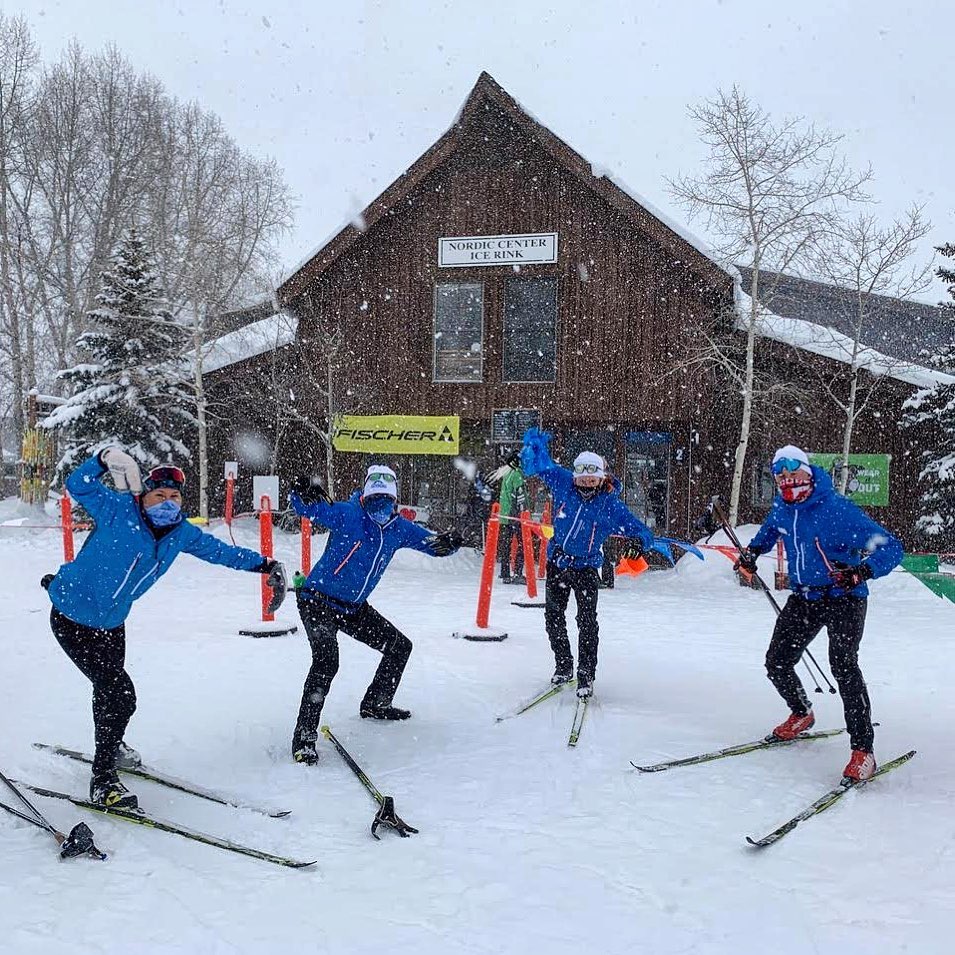
Coaching with Murray was an unforgettable experience. His energy and positivity are the right kind of infectious – the type that makes you want to be a better version of yourself, overall. The kind that leaves you wanting to ski better, try harder, be kinder, and recognize that attitude is everything, even when life throws you some massive curveballs.
You’d never know that Murray was fighting cancer. Even on the days where most would throw in the towel, Murray would slip into his ski boots and make his way to practice. On days he wasn’t feeling well, he’d ski more slowly and keep the distance traveled to a minimum, but that didn’t prevent him from showing up with an ever-present grin, ready to encourage the group of skiers through technique cues and an interval session.
Though we only worked together for a few months, his impact was lasting. It is my pleasure to share the following letter Murray penned to his younger self.
March, 2015
Hey Murray,
Wow, you look so young! Oh yeah, you’re only 6. Have you got freckles? I don’t remember having freckles. Anyway, this is a bit unusual but a friend here in 2015 asked if I’d write you a letter with a few observations and perhaps a tip or two. Have a seat, this will be long as there has been a lot of water under the bridge over the past 68 years. I’m surprised you are reading this, you’re usually out in the neighborhood playing endless tag games with your friends. Did you have a hockey rink in the yard this past winter? Oops, gotta run, headed out to ski with my/your granddaughter Winter who is actually 6 just like you!
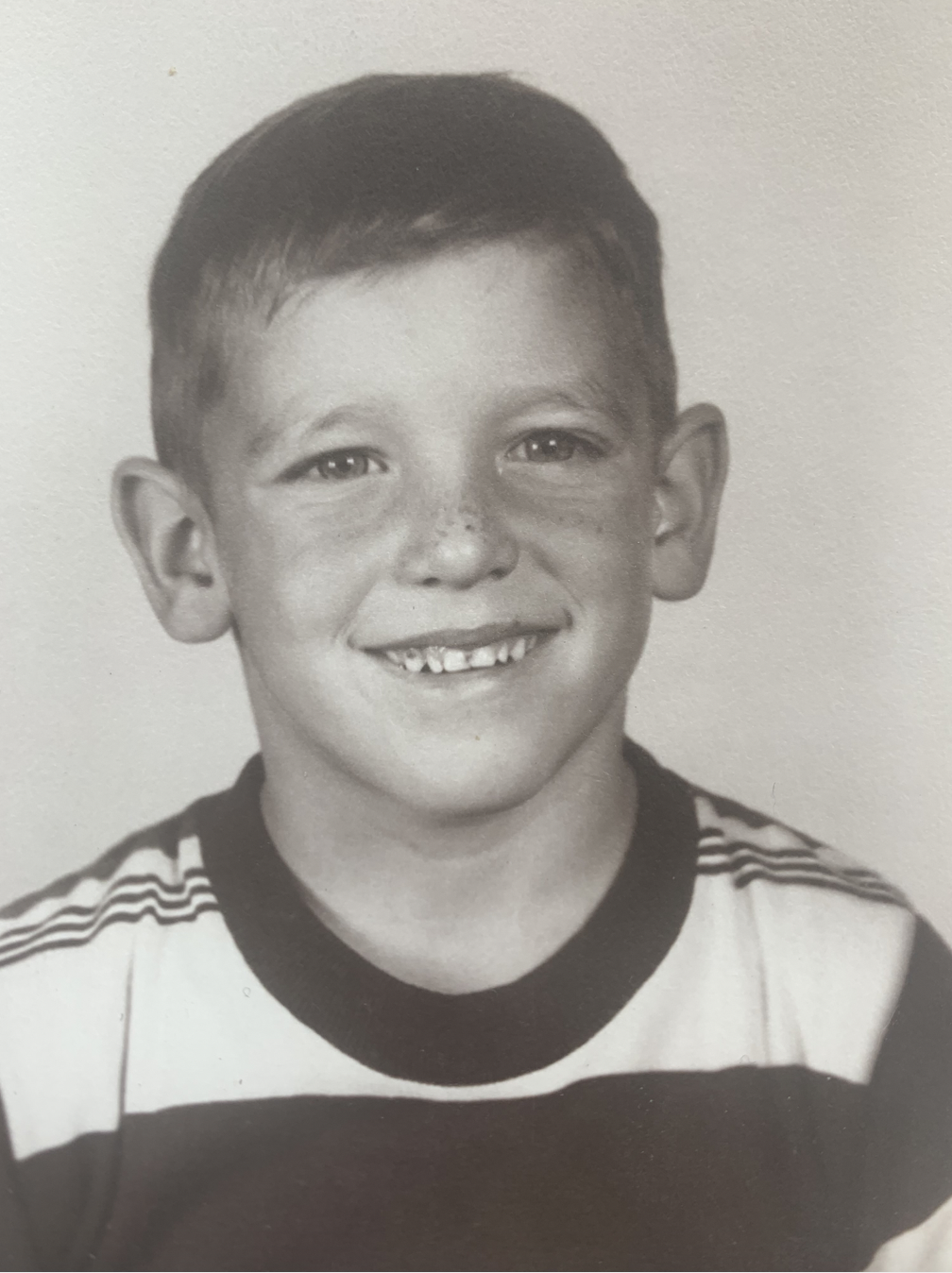
March 2022
Sorry about that, I started this 7 years ago but got busy. That’s probably good though as you will have a better handle on some of the insights I’ll be sharing with you now that you are 13. OK, here in 2022 you are 75 years old. Hard to believe that you will be as old as your great gramma is now.
As you are learning, yours is an athletic family and we play almost every sport imaginable. And when we’re not playing an official sport, we are riding our bikes, competing in a tenacious whiffle ball game or playing capture the Flag ’til way after dark. Playing sports is our family thing and you are doing them all… baseball, basketball, football and hockey. It is a perfect childhood so I hate to do tell you this, but you will hold your own in sports until high school, then everyone else will grow and you won’t. Hey, it’s ok, you were born in late October and everyone is way older than you.
First, the bad news: you aren’t going to continue to be a star baseball player like you are now. And you aren’t going to make it in basketball either. And the football coach will say to you “Banks, you’re a tough kid but I can only use you when it’s 3rd down and 3 miles to go. You should run cross country.” I don’t think you even know what cross country is!
But, here’s the good news: you’re going to love running and you will become quite good at it in a few years. One more thing, don’t fret about maturing late… when you are in your 40’s and racing triathlons, you’ll go to your 25th class reunion, look around and wonder who all those old people are. Triathlon, bet you don’t even know what that sport is. It’s a cool sport that involves three events you already love and will be invented when you are in your 30’s, more about that later.

In a few years, you will have to decide on a college — well, if you put a bit more focus on your school work, you will. You will get lucky and choose a school and major that you love and be on championship teams with great guys and coaches. One day while walking to class, a professor with national prominence for his teaching and coaching, will stop you and say, “Ya know Banks, you’re tougher than hell and someday all your training and determination will pay off big time. Keep up the good work.”
That interaction may only last 60 seconds but the eventual benefit will last 60 years. This is important, pay careful attention to older, wiser people you admire and respect.
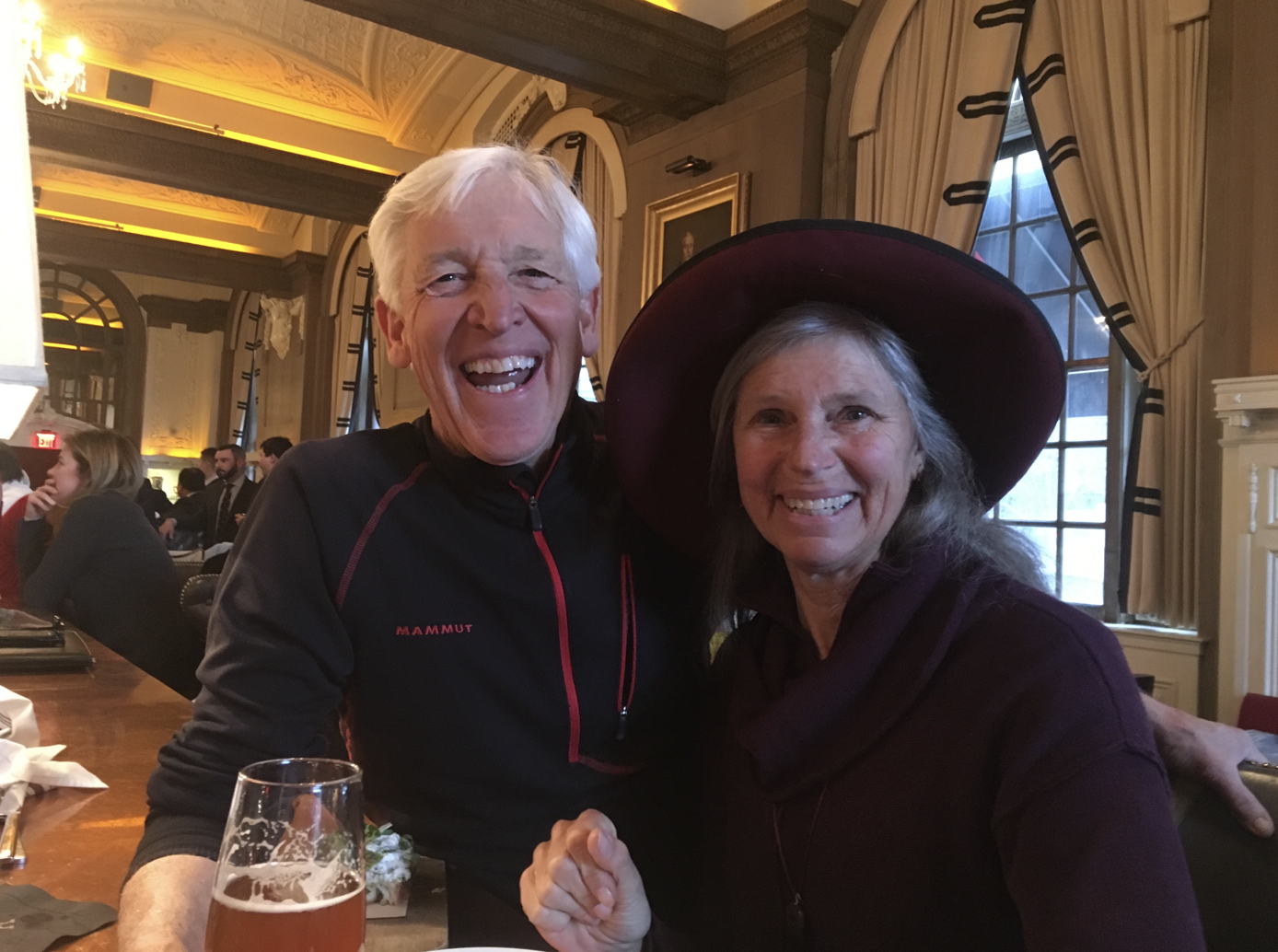
They see things you can’t possibly see at your youthful, exuberant age. They have perspective that will benefit you in ways you can’t imagine now. Oh, and one more thing about college… you’re going to meet a very special girl on your track team. She’s a sprinter, she’s smart and she’s really attractive. If you don’t mess this up, she will become your lifelong love and training buddy.
With a bachelors degree in hand, you will embark on a teaching and coaching career that will earn you several honors and great satisfaction… slow down and soak it all in. Now this will be hard to fathom, but getting cut from baseball, basketball and football will come in very handy in a few years. As a high school running coach, you will seek out athletes who were rejected from other sports and turn them into championship caliber runners. The energy and imagination that often got you in trouble in school, will produce unique results in your teaching, coaching and racing career — hard to imagine isn’t it? Your struggles academically won’t last, just remember what Einstein said, “Imagination is more important than intelligence.”
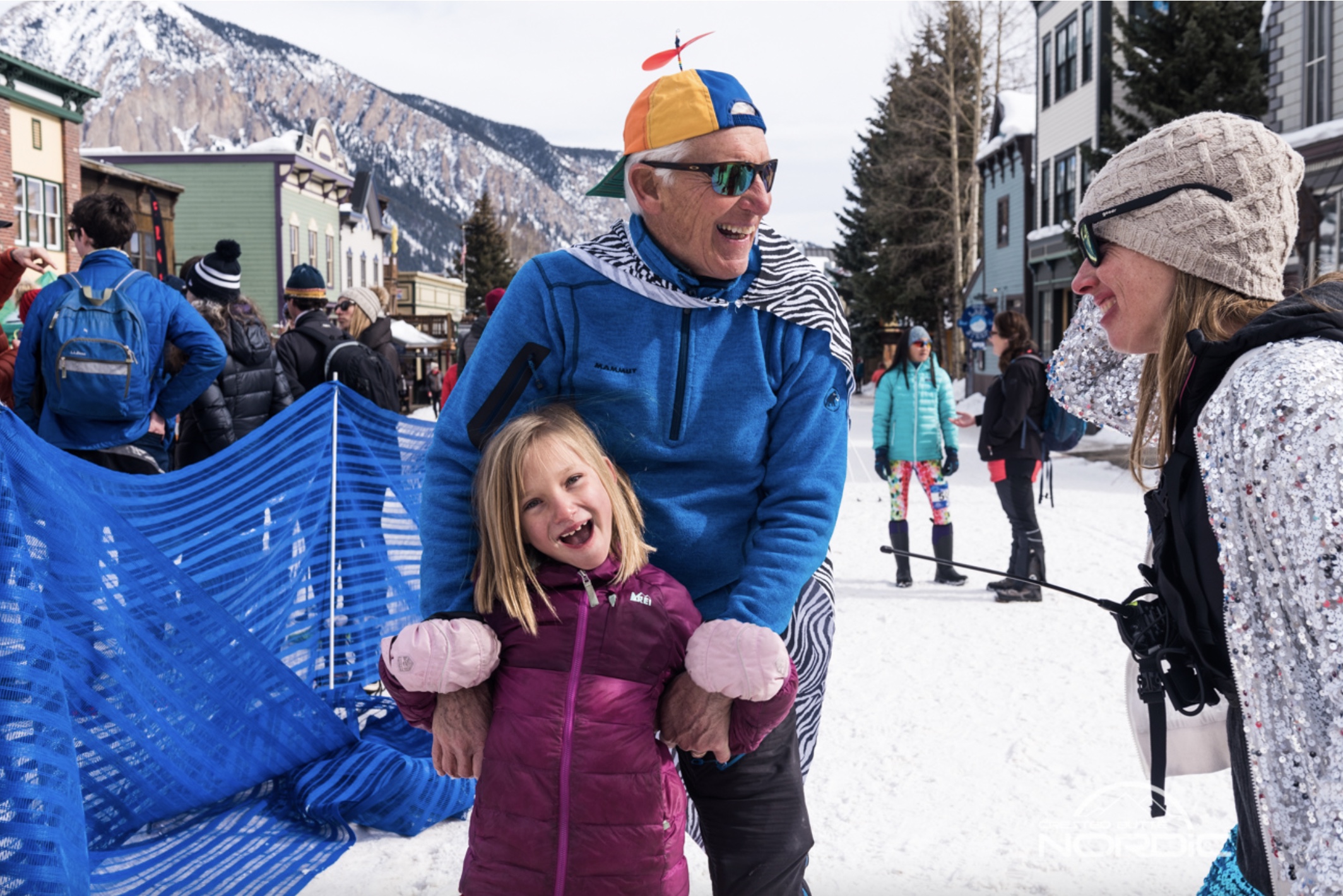
Now, back to that girl you will meet in college… she is a sprinter and you are a distance runner, that’s how she catches you, you just weren’t fast enough! But, she will become quite an accomplished endurance athlete and the two of you will enjoy years of racing all over the world. And it will be in two sports you aren’t even aware of now: triathlon and cross country skiing. And, as a bonus, when you marry her you will get an island! Yup, your teaching careers will enable you to spend summers on the family island and you can swim, bike & run a lot and become quite proficient at that triathlon sport. Actually, so proficient that you will both race in the world championship and people will pay you to do it. Really, honest, not kidding, this will be your job for a few years, you lucky guy!
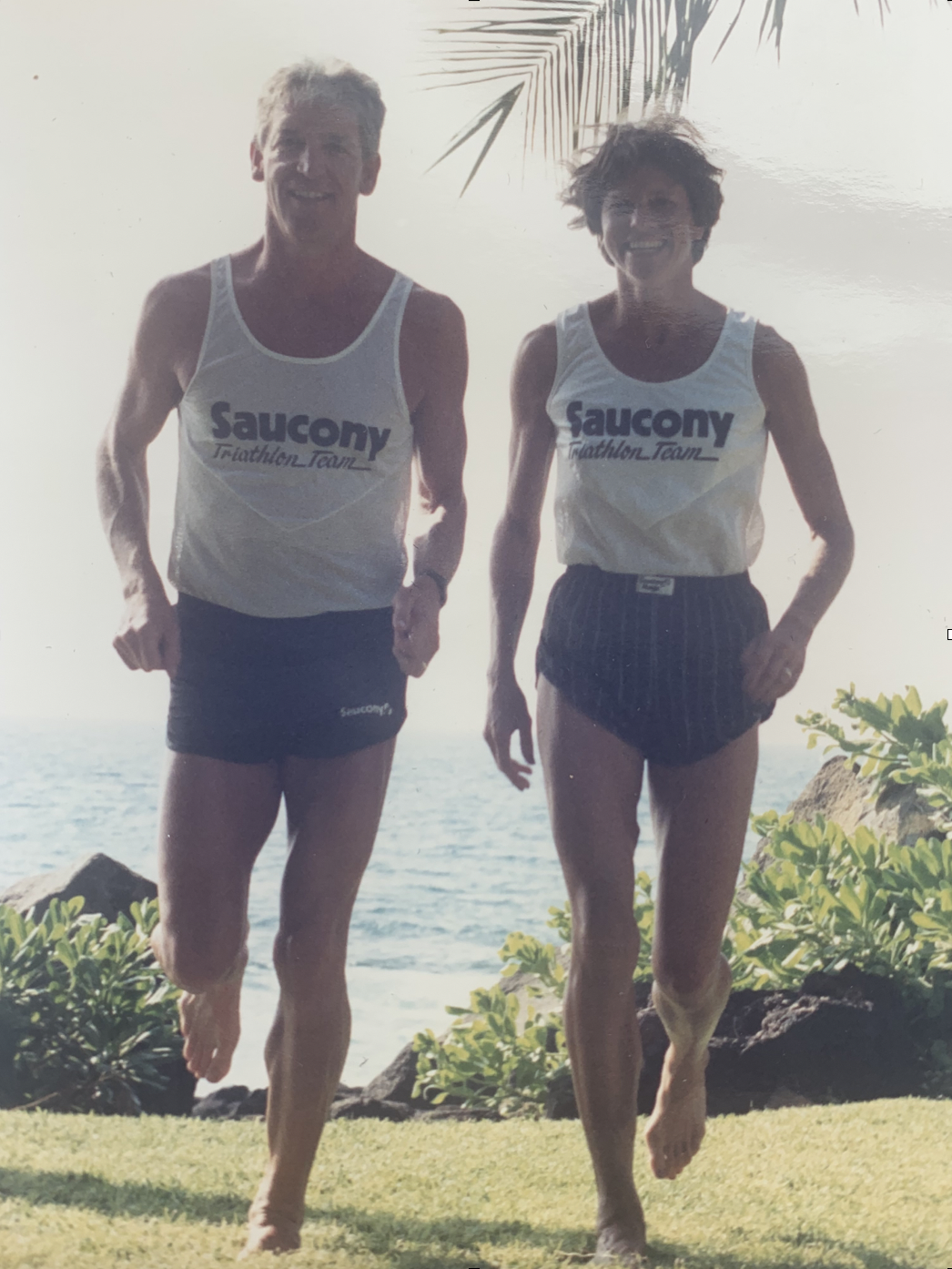
Although you will absolutely love teaching, you will have an opportunity to take time off to be a full time athlete. And your 8th grade teacher Mrs Bentley, who will say to you “You’ll never make anything of yourself just playing sports, Mr Banks!” Well, turns out she was wrong, but probably best if you don’t say anything to her.
Instead, you will create a niche as a speaker and corporate trainer that provides the time to train and race nearly full time. It’s an occupation that resembles training and racing in every way… you prepare thoroughly for long periods of time; you need to be focused and goal oriented; you work intensely hard for short periods of time, followed by longer periods of recovery; and, when it’s time to race or deliver a presentation, you really need to be on your game, there is no room for mediocrity. Any time your work, recreation and passions intersect, you have the best of all worlds and so many good things arise. So, younger Murray, keep all options in your life open, there is no predicting what opportunities will present themselves.
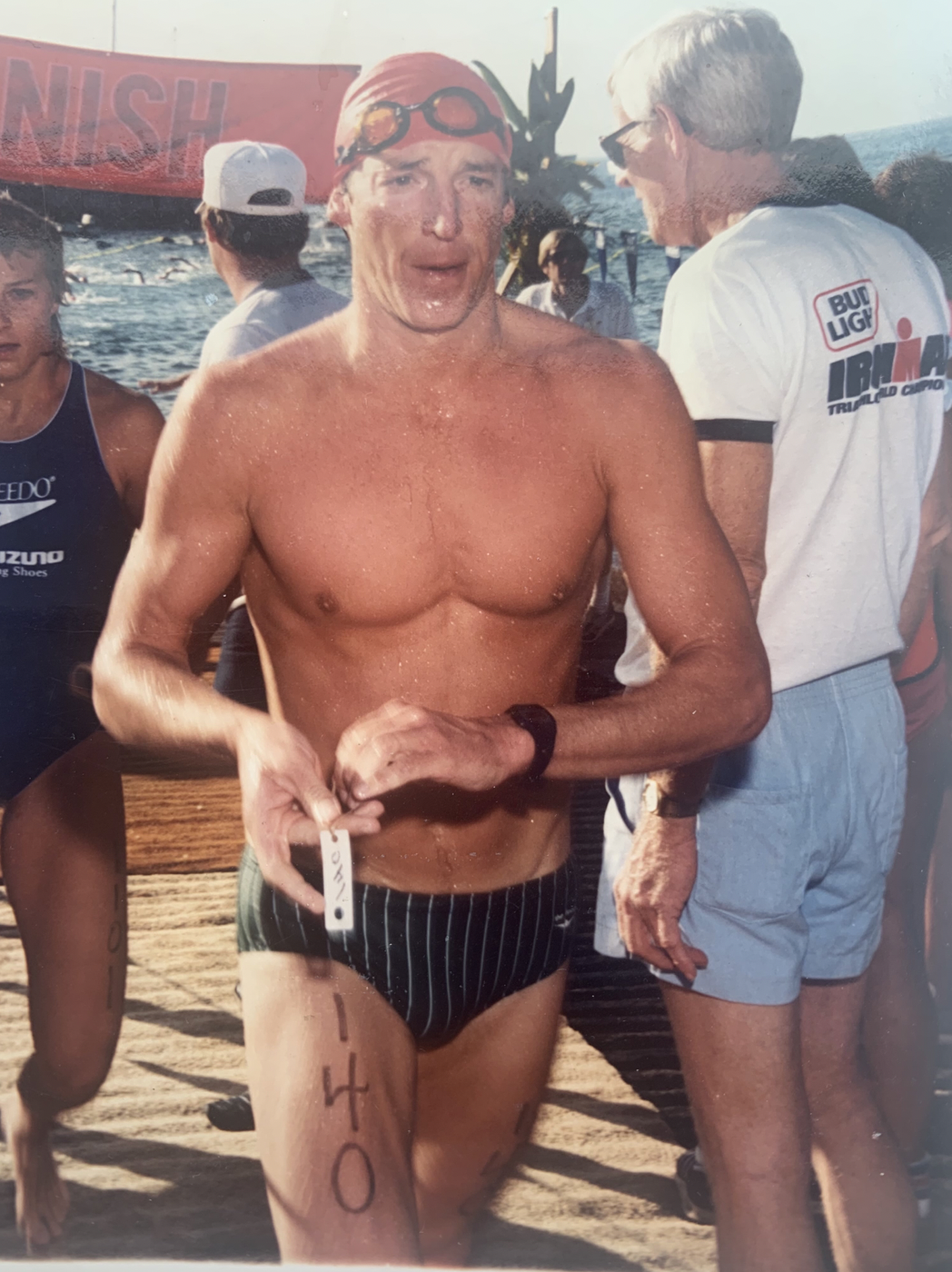
But, I digress. Training for triathlons during long, cold Vermont winters was a challenge so you know what comes next? Cross country skiing.
For several years, skiing will just be winter fitness for triathlons but eventually, skiing will became your favorite family activity. You and Janie will eventually have two rambunctious boys who love to play outside day and night, just like you! They will play all the usual sports but will eventually get into ski racing and soon you will be going to races to cheer for them rather than the other way around.
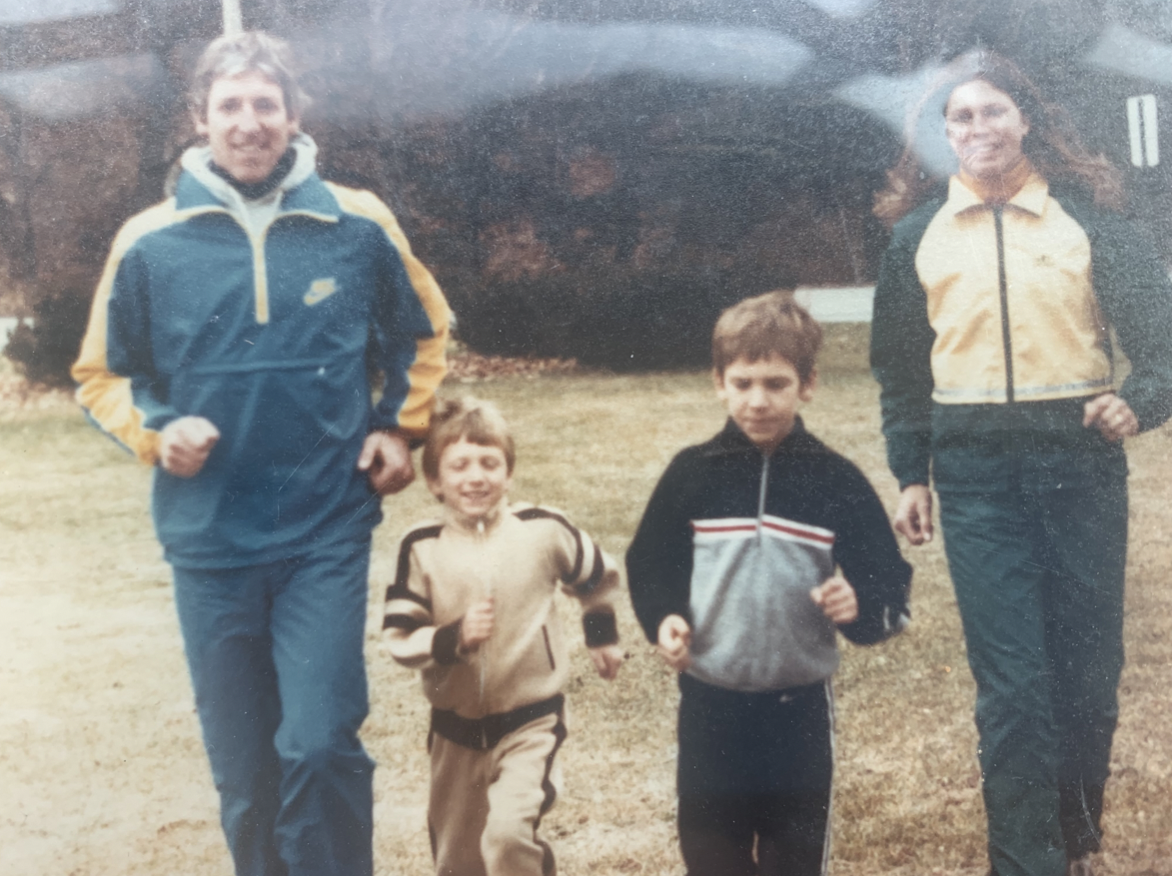
So finally, cross country skiing… get this, skiing downhill is way more fun than running down hill! And, while triathlon training can be tedious, arduous and exhausting, skiing is generally fun and challenging. So, you will retire from triathlons and spend most of your athletic energy training for and racing in cross country skiing and have the opportunity to race in cool places like Norway, Austria and Italy.

You and that sprinter girl will both win gold medals at various masters world championships and you will meet people from those countries that will become lifelong friends. And, you will find that folks in their 50’s and 60’s who continue to ski race are really an energetic and positive group of people to hang out with.
And those boys you and the sprinter girl so enjoyed skiing with when they were kids…they took that joy for snow and mountains and parlayed it into careers as international mountain guides. And the best part? You will get to ski big peaks all over the world with them, which it sure beats playing basketball and baseball!
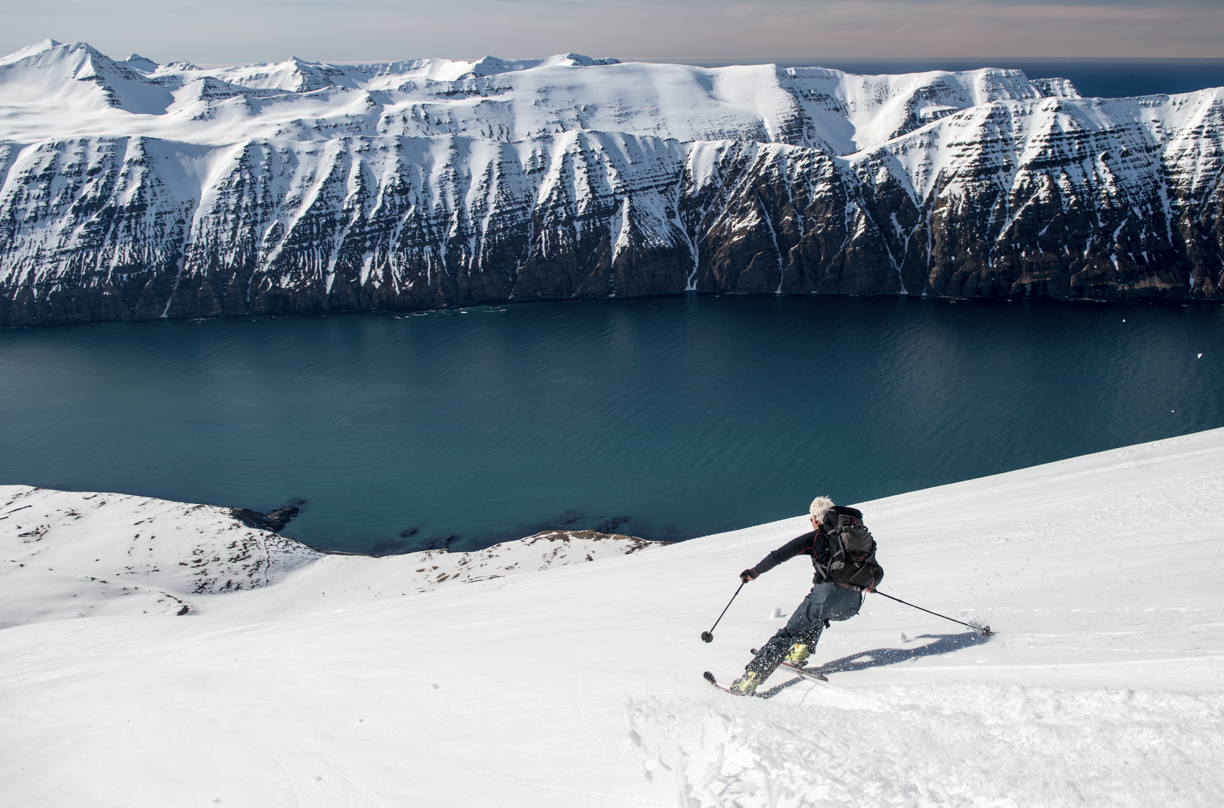
This all sounds a little too good to be true doesn’t it? Well, as you have probably guessed, it is. At the very pinnacle of your personal, athletic and professional success, life will throw you a curveball… cancer.
Now, at your young age, you may not understand what cancer is, so I’ll break it down a bit for you. Cancer is an insidious disease that eats at you over time and saps the energy and strength that have been hallmarks of your life. In your case, you will endure surgeries, radiation treatments and a bevy of drugs that will end your racing career. You will need every ounce of patience, optimism and tenacity that you’ve spent a lifetime developing through sports.
It will be the greatest test of endurance that you have experienced in your lifetime. But, there is an interesting cancer/ski racing analogy, bear with me on this. Imagine, you are in a 50km classic ski marathon, with temps at freezing and a damp, cold wind that makes the track indiscernible and waxing impossible.
The track is poorly marked and you are never 100% sure if you are on course. There are no kilometer signs and the route is ambiguous. Your kick wax has failed you – one minute you are slipping and the next your are walking on snow stilts. You pass spectators and ask “is this the way?” and they respond “not sure, just keep going.” You ask others “how far to the finish?” and they respond “not sure, just keep going.” The blowing snow and poor markings obscure any semblance of direction and you press on not knowing which trail to take.
Yup, living with an aggressive cancer is very much like a tough ski marathon… you know you have to keep going, but you have no idea how long and you can only hope the ones giving directions know the best path forward.
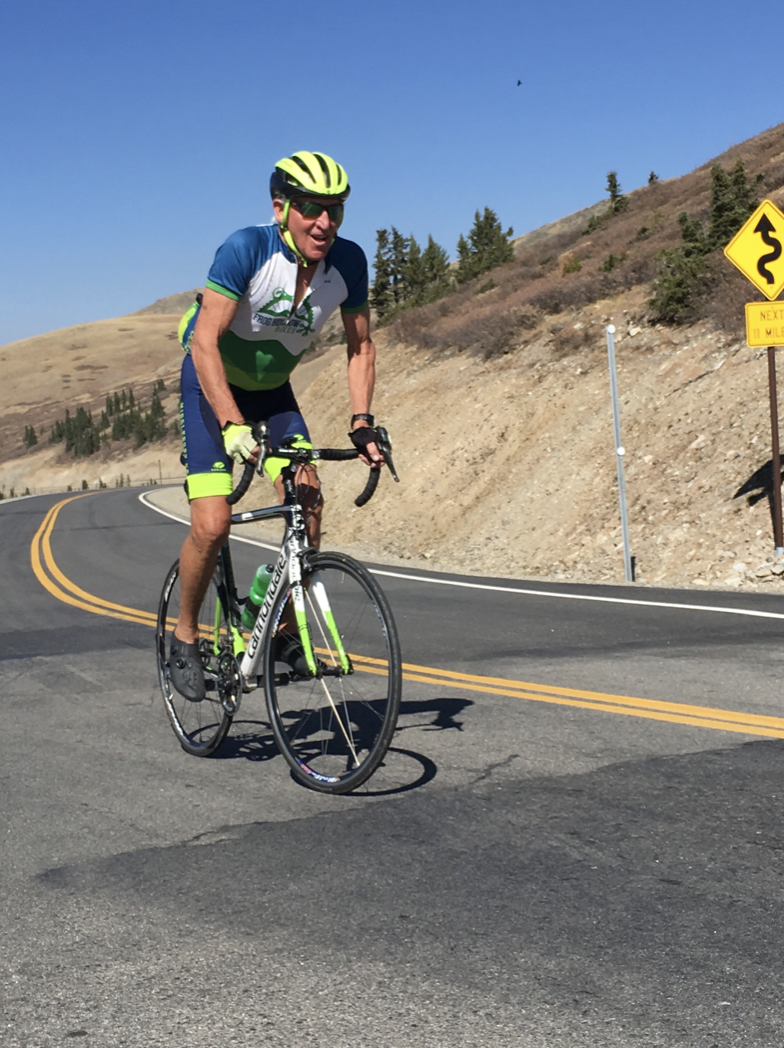
But, my younger self, you are well prepared. All those years of endurance training and racing are paying off now as mental toughness, dealing with pressure, staying focused and learning to exceed your perceived limitations will carry you far longer than you might expect. Those teammates and coaches you loved will support and encourage you, just like they did decades ago. And, no matter how exhausted and frail you may feel, you will find strength and joy in doing what you’ve always done… getting outside in the sunshine to ski and bike with your friends.
At your age here in 1959, sport is a competition that you prepare for and do your best at. You are in the moment and not thinking of the lifelong benefits. But looking back, you will see that training, competition and pushing yourself was the best possible preparation for a lifetime of great joy, professional success and personal satisfaction. But most importantly, it will give you the ability to withstand discomfort, uncertainty and challenges you did not sign up for.
As an endurance athlete, you developed a unique life skill set that you can cash in when you need it most; and here in 2022, you are reaping those benefits.