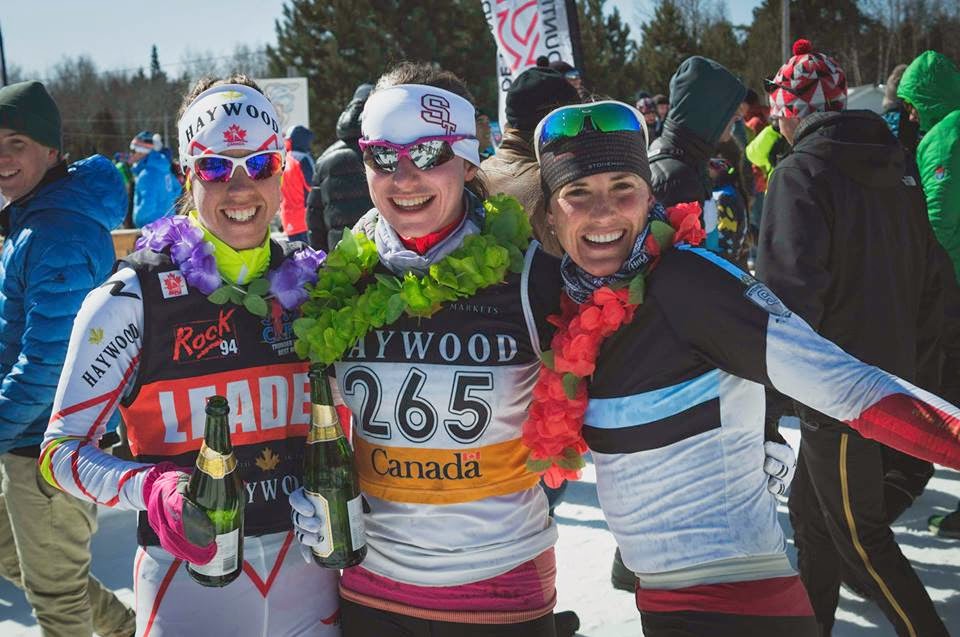
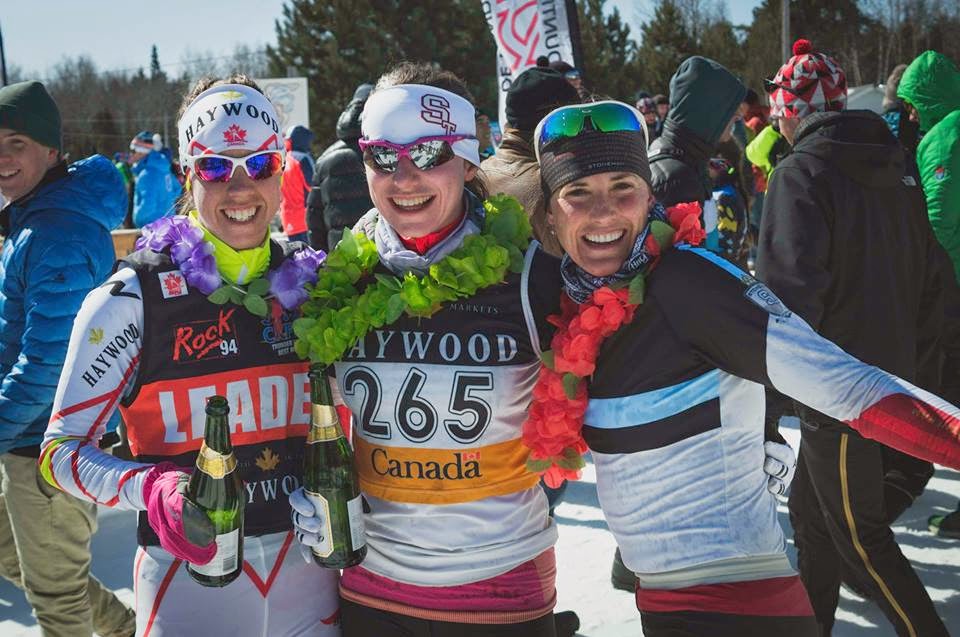
After six years of skiing at the highest level — in more than 40 World Cup races, two U23 World Championships and Junior World Championships— Alysson Marshall announced on her blog this spring that she’s retiring from professional racing.
The recently engaged, 27-year-old athlete from Salmon Arm, British Columbia, decided to start a new chapter in her life, with plans to start medical school in the next few years with a focus on biology.
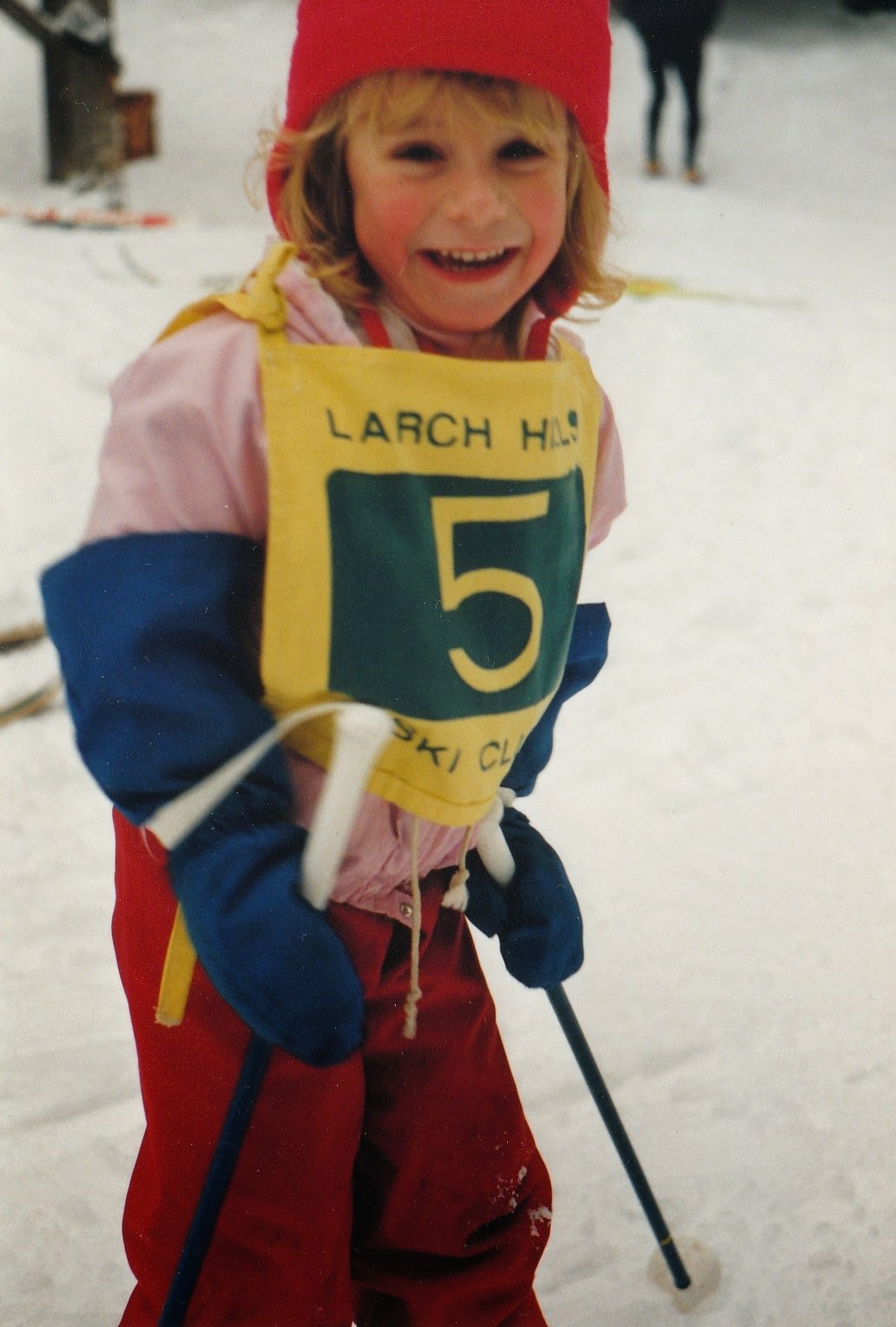
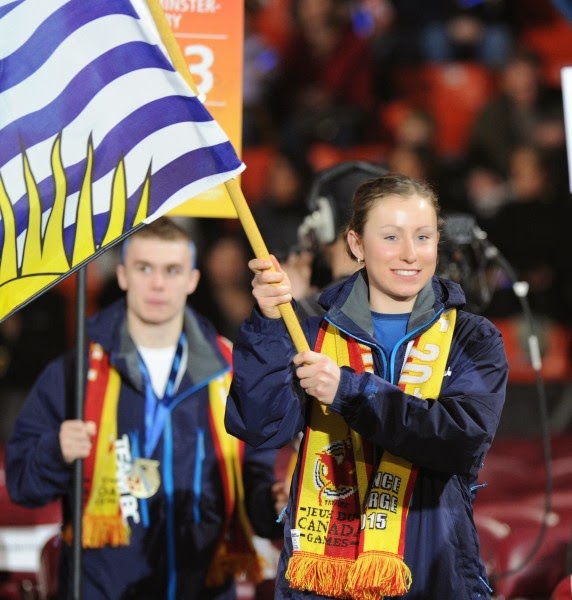
She first took up cross-country skiing on single-track trails at Larch Hills, playing in the powder before making major strides in the sport. Her move to Sovereign Lake in Vernon, B.C., and subsequently the BC Ski Team marked her more serious introduction to racing. In 2008, when the Alberta World Cup Academy was established, Marshall was one of the first to join and she remained on the national-training-centre team until the end of her career.
She was selected to the Canadian national team in 2009, after the disqualification of a Russian athlete for doping elevated her to a 12th-place result in the classic sprint at the 2009 U23 World Championships in Praz de Lys Sommand, France. She took her spot on the Senior Development Team, traveling in Europe and competing at nearly a dozen different World Cup venues over the next two years.
Health issues during the 2012/2013 season derailed her preparation for the following Olympic year. After missing the cut for the 2014 Winter Olympics in Russia, she approached her final training year and race season differently, taking two months off from skiing in the spring of 2014. While December marked a positive start and encouraging results, Marshall struggled with fatigue and saw her performances slip later last winter.
“While letting go of a dream is never easy I have come to terms with it,” Marshall wrote in mid-April. “The last few years of racing have been tough for me and although I’ve had glimpses of success, I am not consistent and there have been more tough races then good ones. I have struggled with my health and feel like I can no longer handle the level and quality of training necessary to achieve my athletic goals. I have truly learned so much from my time in the sport. The people, experiences and personal strength I have gained is invaluable and I feel like it has made me a better person.”
In an in-person interview in June at Sovereign Lake and follow-up phone interview with FasterSkier, Marshall reflected on her ski career and shared her thoughts on retiring from racing and what’s next for her.
FasterSkier: What was your favorite ski-related moment?
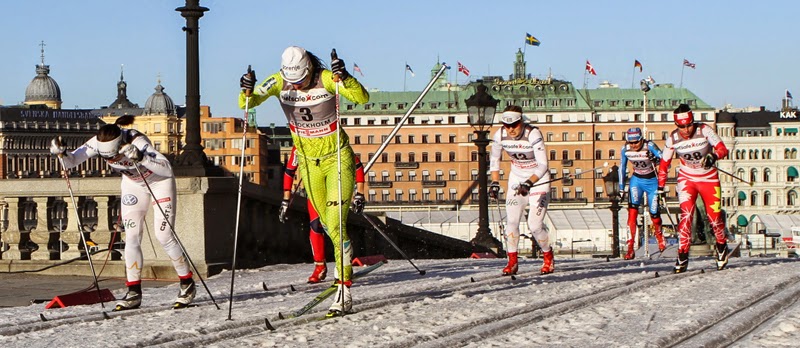
Alysson Marshall: [Laughs] It’s a hard question to answer, but I think I’m going to go with the World Cup [classic] sprint in downtown Stockholm [in 2012], where I got my first World Cup points in front of the Royal Palace! I loved the city and it was my best result so far. [She placed 28th.]
FS: When and how did you make the decision to retire?
AM: I think I knew mid-winter. I wanted to give myself another year after the [2014] Olympics to try to come back and see if I could get myself feeling good again. By mid-winter, I realized that that wasn’t really happening. I definitely wasn’t where I needed to be to succeed internationally, so that made the decision. I was happy to complete the season with races in Europe and end it with Nationals.
FS: You mentioned not feeling well two seasons ago — were you struggling with illness or fatigue or something else? How did you manage to recover from it?
AM: I started having thyroid related health issues in the 2012/2013 season and I feel like I never fully bounced back from that. We put our bodies under a lot of stress and I think I hit a point where my body rebelled and my thyroid was my weakest link. I may have been able to come back from that if I had given myself enough rest after that season but the next season was an Olympic year and though we adapted my training I still pushed my limits and I wasn’t able to fully recover and race at my best.
FS: How did you enjoy your last nationals?
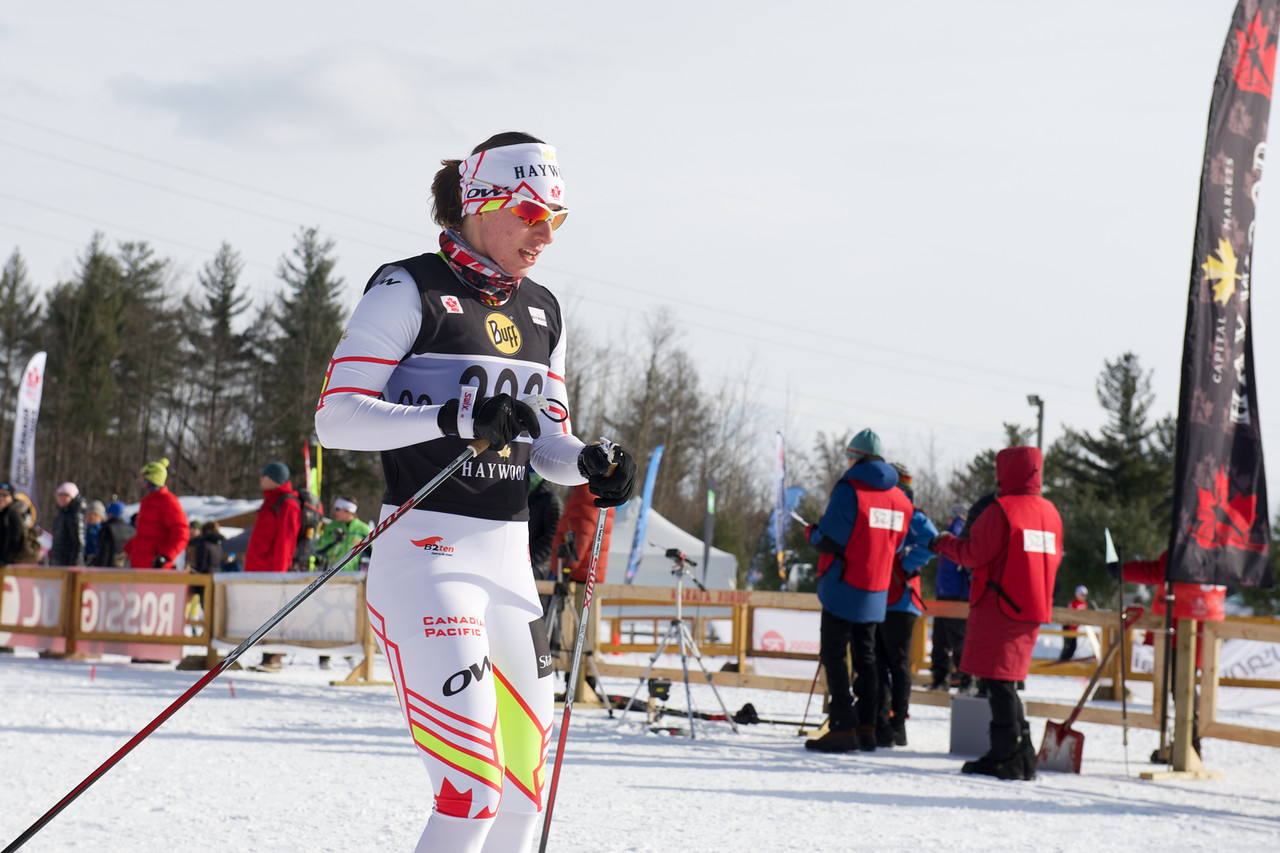
AM: It was fun! My fiancé [Chris Hamilton] was there so being with him was nice. Thunder Bay is such a great ski community. It was a great place to have my last nationals.
FS: You’ve had a pretty long career, starting as a club skier and moving up. How was the experience of working your way up to the World Cup level?
AM: It took a while for sure [laughs]. I wasn’t someone who came out immediately and was doing really well internationally. It took some time to get more confidence. I think we missed opportunities probably when I was a U23. We weren’t given as many opportunities then as we would have been today. It’s a point where I could of made a bigger jump, but with my fair amount of international experience afterwards, it was definitely a good run.
FS: How did you get from being a skier with Larch Hills to being someone who got to go to U23 World Championships?
AM: One step at a time I guess. I chose Sovereign Lake, then BC Ski team, climbing up the ladder one step at a time and kept focusing on the next big thing, whether it was nationals, world juniors or the World Cup. There was always something to go after.
FS: You spent some time at various levels of the national team. How was that experience and how do you think it differed from other cohorts?
AM: I was never really part of a stand-alone national team because my cohort was always embedded into the training centre. In 2012, we had the most camps with the national team. That probably wasn’t the best setup because it’s hard being part of two different programs and switching back and forth from different coaching philosophies. The national team was there for support, but not so much for day-to-day training. It was more the [Alberta World Cup] Academy filling that role.
FS: The Alberta World Cup Academy looks like it changed a lot since last year, with people leaving, new coaches. Can you tell us anything about that?
AM: I think it’s good to have a younger team. I’m not really a fan of the way it’s been the last few years … with the B-team training outside of the academy framework. … In terms of the other older athletes, that’s more a problem with the broader Canadian skiing situation going on right on. It’s very expensive for international opportunities, and I think people are debating whether it makes sense to continue racing when the focus is completely on the next generation of younger skiers. That’s why you see so many older athletes leaving.
FS: The opportunities in Europe have changed a lot during your career, from not many to a lot, to more-again-but-you-have-to-pay. Which era do you think was working the best?
AM: Honestly, we haven’t had any success transferring anyone on the World Cup, other than last year. But really, in the entire time I’ve been racing, it has been the same group of people on the World Cup, and we haven’t transitioned many others. We haven’t figured out the correct way of doing it, so it’s kind of a hard spot we’re in right now.
FS: There was a time when senior racing really only existed on a self-funded basis. Do you see any way to get from here to a system where people can progress?
AM: It’s hard to pinpoint what the exact problem is. I think we just need to get a strong group of people that are supported and given the time to develop, instead of always having that big crunch where you have to perform at this event this year, otherwise you’re going to loose your funding or your spot on the team. Honestly, it’s more a support culture that we need, where we really believe in our athletes and we provide the framework to let people succeed.
FS: How difficult was funding your skiing career?
AM: Not easy, that’s for sure [laughs]! My parents helped me out a lot. I had a few good sponsors, with Buff Canada being my best corporate sponsor. They’ve been amazing to me, but it still wasn’t an easy thing to do! It’s hard having to rely on the family to help pay the trips. It’s not a cheap sport, that’s for sure.
FS: If you’re looking at the younger people just getting going to late teenagers, are you going to tell them to dive in and see what they can do, or start looking at the financials?
AM: That’s a hard one! I’m a big believer in doing school while skiing and making that more possible and feasible. I think that’s a good way of doing it because then, you have a few more years to see if you really want to commit and you can actually get some education when you’re done, before fully committing to the expenses of the ski world. It’s not a very encouraging environment for a 18 year old looking to become a skier. It’s a little daunting looking at the potential costs for a ski career!
FS: You headed up the Canadian Excellence Fund last season: how and why did you get involved, and how effective was it?
AM: As the NST athlete representative, I was frustrated with the expense that was being put on development athletes. It was at the point where I felt like I couldn’t justifiably advise a promising high school student to pursue skiing as the cost is so high for so long. I started the fund hoping to get community support for the development level. The fund had a late start and due to some charitable donation rules, it ended in December so we had a small window for last season. Hopefully the new marketing director for CCC will support it for next season as I think it has the potential to make a ski career more attainable for young athletes and help maintain a healthier base of strong skiers in Canada.
FS: During your ski career, how much time were you able to dedicate to school? How do you feel about how the education component is set up within the training centres?
AM: I was lucky in that I had a good setup in Vernon with their club team after high school so that when I moved to Canmore I had already completed two years of my degree at Okanagan College. I picked up some courses in Calgary in the early years on AWCA but the 1-and-a-1/4 hour commute each way made it really difficult. I am grateful that I was able to do as much as I did early on. It was always positive for me to have another focus in addition to skiing. The Eastern training centres have been doing a good job encouraging academics and I hope that all the training centres continue to move towards facilitating school, especially for younger athletes.
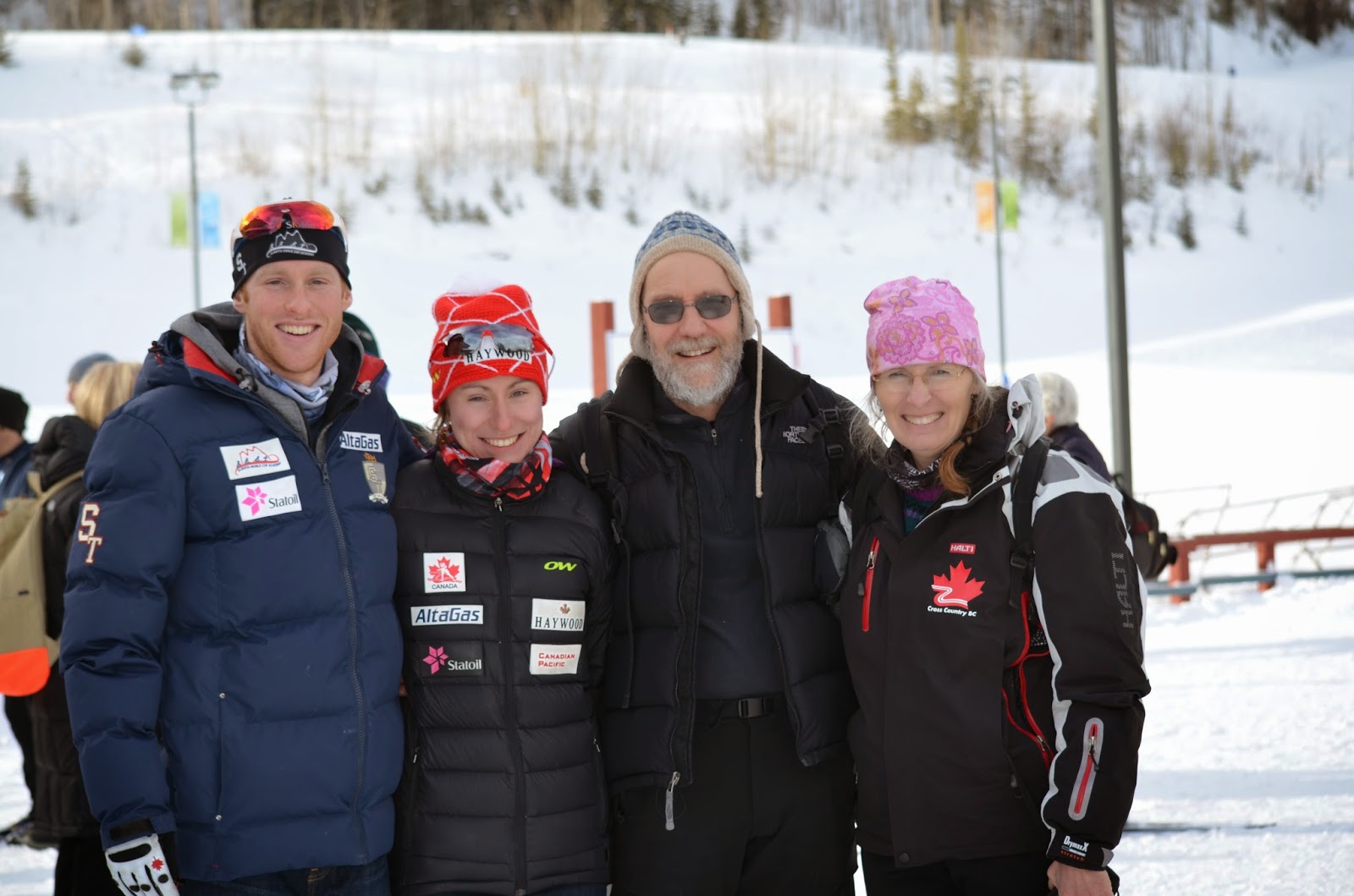
FS: Who were some of the people who had the biggest impact on your career?
AM: My parents and family, obviously! I’ve had many good coaches, from my club coach to Doug Egan in Vernon, and all the Academy coaches have been really great as well. They all had a big impact, playing a different role in my career. There’s not one that was more important than the other.
FS: What are you going to do next?
AM: I’m [taking the] MCAT [Medical College Admission Test] exam in June. I’m going back to school in Thunder Bay in September to keep working on my undergrad [in biology], and then I’ll try getting in medical school in the next two years.
FS: What sort of medicine are you interested in?
AM: Family medicine. I really like the idea of a relationship with people over their lives, rather than a specialist who doesn’t necessarily have as much follow-through with patients.
FS: And you’re also coaching with the BC Ski Team this summer?
AM: I’m planning to stay involved … I wouldn’t say I’d be coaching necessarily, but I definitely want to stay involved in the clubs, maybe at the provincial level programs. Growing up, I really appreciated having national-team athletes at training camps. That made a big impact on me, so I want to try getting more involved with the next generation, especially when B.C. got some really strong results at nationals, and there are strong athletes coming up. It’s nice to actually know them instead of just seeing their names on the results list.