Tag: coronavirus

  • Entire Norwegian sprint team tests positive for COVID following Lahti World Cup

    Entire Norwegian sprint team tests positive for COVID following Lahti World Cup

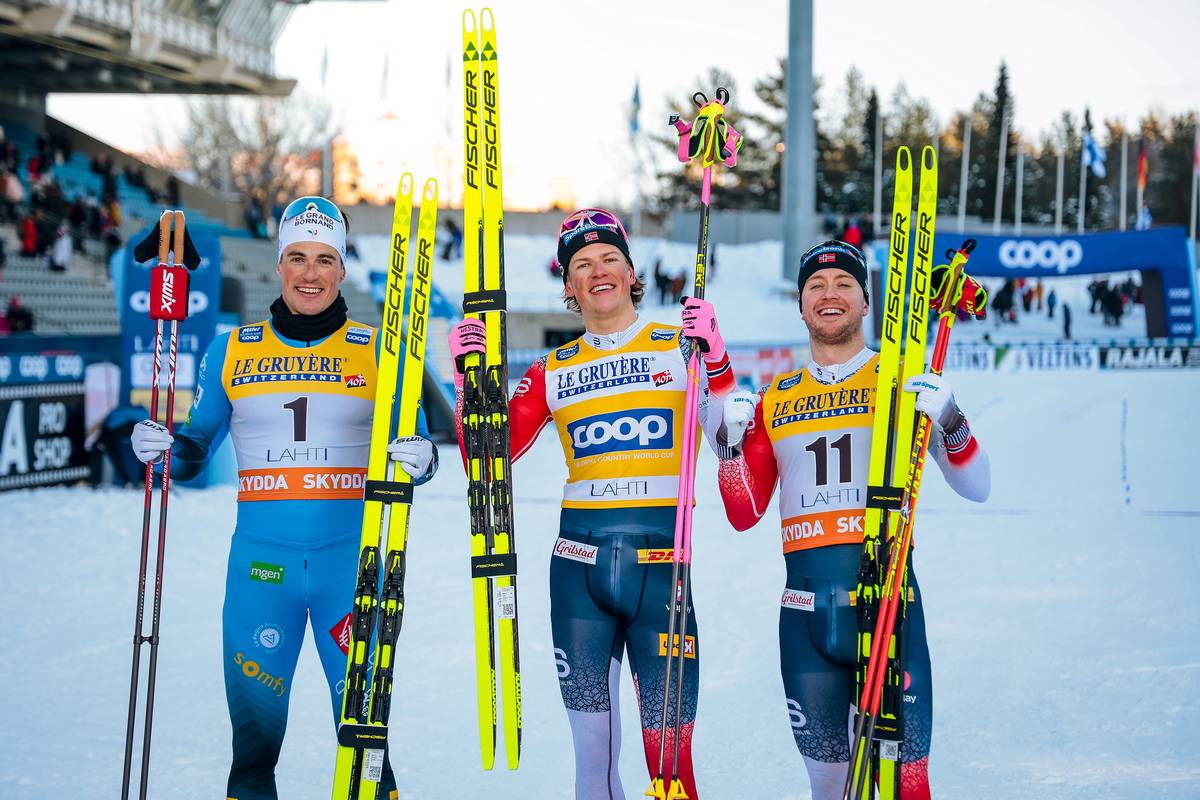
    Corresponding with a social media post from Johannes Høsflot Klæbo, the Norwegian news outlet NRK reported yesterday that each of the men’s national team sprinters who competed in Lahti last weekend has tested positive for COVID-19. Head sprint coach Arild Monsen told NRK that Håvard Solås Taugbøl was the first to test positive on Monday, followed by Erik Valnes, Pål Golberg, Sindre Bjørnestad Skar and Johannes Høsflot Klæbo on Tuesday. According to Trondheim regional newspaper Adresseavisen, the final Norwegian sprinter who raced in Lahti, Even Northug, has also been affected

    Johannes Høsflot Klæbo (NOR) takes the win in Lahti’s freestyle sprint ahead of Lucas Chanavat (FRA) and Sindre Bjørnestad Skar (NOR). (Photo: NordicFocus)

    “It must have occurred in and around the stay in Lahti,” Monsen explained to NRK. “Håvard was the one who noticed symptoms on Monday. The others have little or no symptoms.”

    Given the proximity to the upcoming sprint races in Drammen, Norway, Monsen indicated that these men would not be attending the competitions. 

    “What happens after that, we just have to look at. It’s boiling in many fields in the world now. This is smaller than other things, even though it is [disappointing] for those they concern,” Monsen continued.

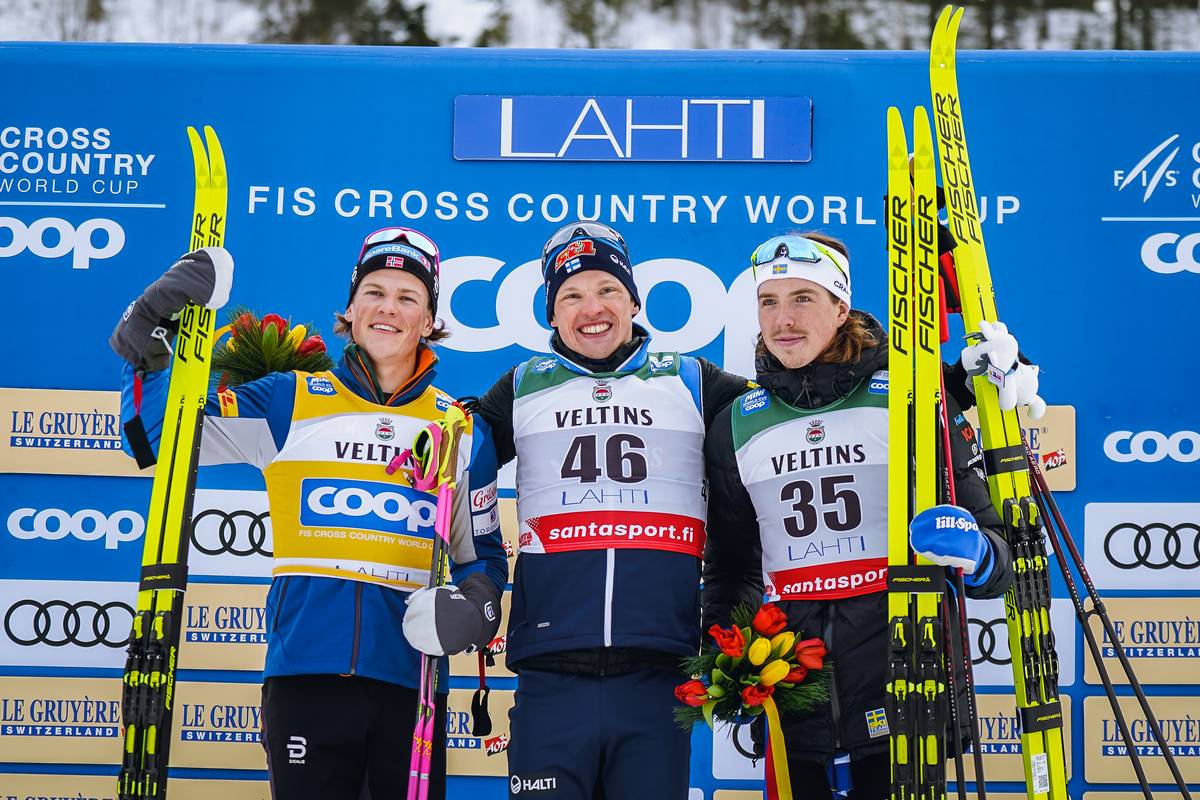
    At this time, no other athletes from the Norwegian program who attended the competitions in Lahti have tested positive. While the transmission link between the sprinters is clear, some athletes participated in both sprint and distance races, including Klæbo, who won the freestyle sprint and took second in the 15 k classic

    The men’s 15 k classic podium in Lahti: Iivo Niskanen (FIN) took the win in his signature event, ahead of Johannes Høsflot Klæbo (NOR) and William Poromaa (SWE). (Photo: NordicFocus)

    Team doctor Øystein Andersen indicated to NRK that the original source of the outbreak remains unknown.

    “It’s hard to say [how this began],” Andersen said. “Everyone came from their own bubbles before this race, after they returned home from the Olympics. We must now first map out whether there are more [positive cases] and conduct infection tracking, so that we avoid more infection.”

    As the World Cup Finals slated for March 18-20th currently remain listed as “canceled” on the FIS calendar, it is unclear whether these athletes will be able to compete on the World Cup again this season.

    Klæbo told NRK that “most indications are that the season is over,” however, the loss of competition would not significantly impact his season outcome. Klæbo currently leads the World Cup overall standings by nearly 500 points over Russia’s Alexander Bolshunov, who is also unable to compete as FIS banned athletes from Russia and Belarus from competition for the remainder of the season. The next closest athlete to Klæbo is Finland’s Iivo Niskanen, who sits nearly 800 points back with limited scoring opportunities remaining. As the Falun World Cups feature a mixed relay and team sprint, this leaves two sprints and two distance races, worth 100 World Cup points each, currently confirmed on the FIS calendar

    If World Cup Finals are held at an alternate venue, athletes could score a maximum of 50 points per day, with the opportunity for up to 200 bonus points should they win the three-day mini-tour.

    This still leaves fewer than 800 points on the table, and as such, it looks like Klæbo will win the overall World Cup regardless of whether he competes again this season. 

    Klæbo also leads the World Cup sprint standings with a 210 point lead over Richard Jouve, and is 237 points of third-ranked Lucas Chanavat, both of France. Classic sprint events are scheduled for Drammen on Thursday, followed by another classic sprint in Falun on Friday, March 11th. If World Cup Finals take place, there will be a third sprint opportunity there, raced freestyle. This leaves 200 points available without the World Cup finals, and 250 including them.  

    Compared to all the other things going on in the world at the moment, this is just a bagatelle,” Klæbo wrote in his announcement on Instagram

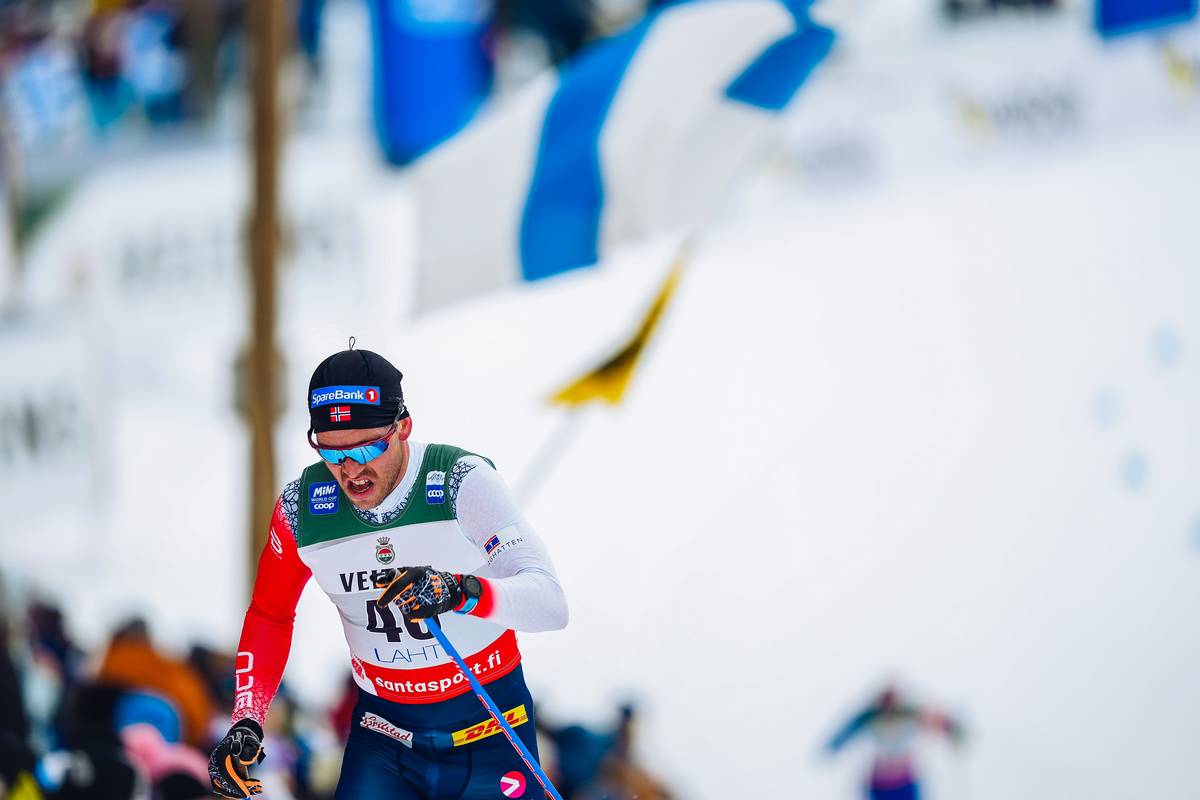
    Norway’s Pål Golberg tested positive for COVID following the weekend of World Cup racing in Lahti. (Photo: NordicFocus)

    “There is nothing to do but take it easy,” Pål Golberg said to NRK. “It’s [disappointing] that it’s coming now, but we can be very happy that we managed to avoid more infection in the camp before the Olympics when people became infected in Seiser Alm.”

    On what is next, Golberg continued, “If I do not develop symptoms, it may be relevant to go to Falun next weekend. And then there are many [domestic]  races over the late winter. Then we will see if it is worth it.”

  • Sweden’s Svahn and Two Finnish Athletes Cleared to Race Friday (Updated)

    Sweden’s Svahn and Two Finnish Athletes Cleared to Race Friday (Updated)


    Update: Expressen Sport, a Swedish daily, has reported Linn Svahn and two unnamed Finnish cross-country skiers are cleared to race in Friday’s mass start events after more sensitive Covid-19 PCR tests returned negative.

    Original Post: Earlier today, Swedish team doctor Per Andersson announced that Linn Svahn, who won the first two stages of the 2021 Tour de Ski in Val Müstair, has tested positive for COVID-19 on an antigen test. (The antigen test is less sensitive than PCR testing.) Svahn did compete in both distance races in Toblach, though she finished well off the podium, 40th in the 10-kilometer skate and 23rd in the classic.

    A champion in sprint and distance, Sweden’s Linn Svahn wins back-to-back stages of the 2021 Tour de Ski. (Photo: NordicFocus)

    According to the Swedish new outlet SVT, two additional Finnish athletes were also notified after testing positive with an antigen test.

    In the SVT interview, FIS Event Director and organizer of the Tour de Ski Pierre Mignerey was questioned about how these potential positive cases will be handled in terms of the impact to the remainder of the Swiss and Finnish teams and their eligibility to continue with the tour. Mignerey explained that this decision is outside of FIS jurisdiction and is left to the local and national governance.

    “It is an answer for the authorities [whether the teams can continue the Tour],” Mignerey said according to translation. “I can not answer and I have no answer. There are many factors that need to be taken into account. We must leave that decision to those who have the competence, that means the doctors and the people in the authorities.”


  • Nordic Nation: Holly Brooks on Mental Health During the Covid-19 Pandemic

    Nordic Nation: Holly Brooks on Mental Health During the Covid-19 Pandemic

    We’ve all heard the phrase: “These are unprecedented times.” And it is true. What the world is facing during the Covid-19 pandemic is something that none of us have experienced before. We are all feeling it. 

    Uncertainty is ubiquitous and caused by a myriad of factors. We may be concerned about the health of ourselves and our families, or about the financial impacts of our country coming to a halt. We might be attempting to work from home without access to childcare, leaving little time to care for ourselves, or we may be struggling with isolation while distancing ourselves from others. 

    On March 21st, licensed professional counselor Holly Brooks shared the following on her practice’s FaceBook page:

    “While the primary discussion revolves around physical health issues, my professional lens is set to think about people mentally and emotionally. This pandemic is going to be a marathon, but right now it feels like a sprint. Yes, we absolutely need to do everything possible right now to flatten the curve, but if we’ve flattened ourselves (burnt out, physically sick, emotional break down/panic attacks) then we cannot help ANYONE. 

    Here are three steps that I feel are crucial to help you survive (and even thrive) in this pandemic marathon:

    1) Release the energy stored inside of you. This could come in the form of crying, a “thought download” aka journalling, dancing or exercise.

    2) Engage in some form of safety/soothing technique. Work on your inner dialogue. Combine it with some diaphragmatic breathing. Use one of the many meditation apps.

    3) Practice gratitude and VISUALIZE the FUTURE. Right now our minds are full of “what ifs” and literally worst case scenarios. Sure, we need to prepare and be smart about our preparation but make sure you’re balancing it with positivity. The same goes for the media. Balance the bad news with the good.”

    For those unfamiliar with Brooks, she is a licensed professional counselor based in Anchorage, Alaska. Before starting her practice, Holly Brooks LLC, she was a U.S. Ski Team member and competed in the 2010 and 2014 Olympic Games. 

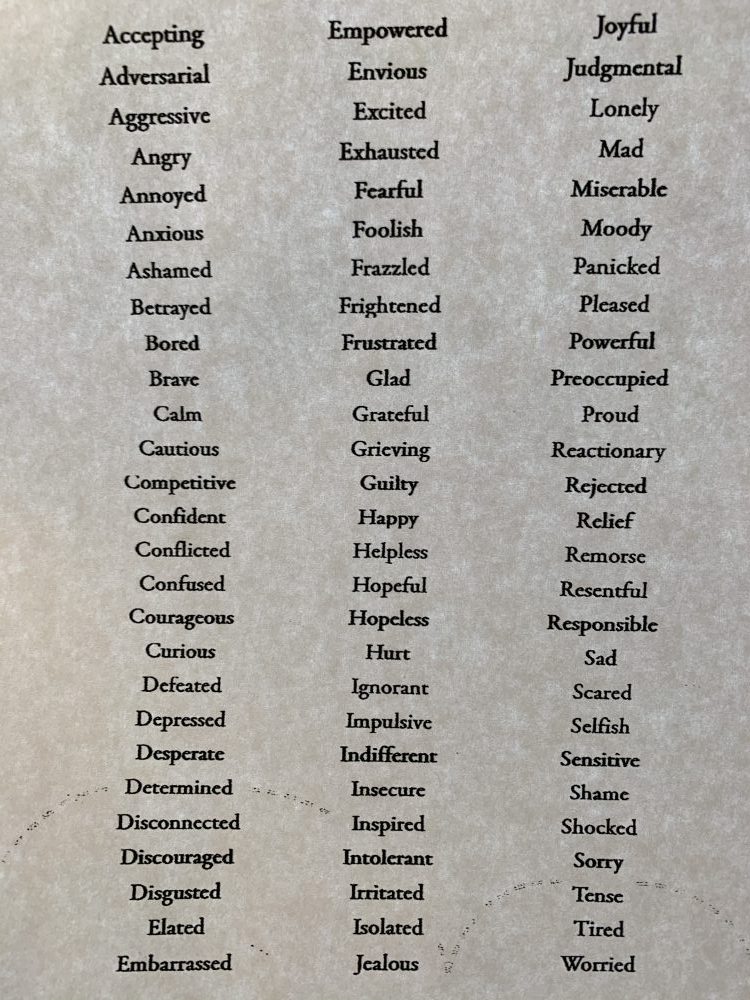
    In this episode, Brooks unpacks the many sources of grief and anxiety that people are facing and expands on the steps she recommends to identify and manage the challenges of the times. She discusses the idea of naming and acknowledging feelings to help release energy around them and shares a practice she uses with her clients using the painted rocks in the photos below.  

    She leaves listeners with a meditation that can be used daily to soothe and ground themselves as we collectively settle in for the long haul. 

    For further information about Brooks’ practice or services, contact holly@hollybrooks.com or visit her FaceBook page

    Resources mentioned:

    Brené Brown on “FFTs” in the Unlocking Us podcast

    That Discomfort You’re Feeling is Grief” by Scott Berinato, Harvard Business Review interview with David Kessler

    List of emotions:

    A lengthy list of emotions Holly Brooks uses with her clients for a “thought download” exercise to help cope with anxiety and grief. (Courtesy photo)
  • Coronavirus and Exercise: Links Roundup

    Coronavirus and Exercise: Links Roundup

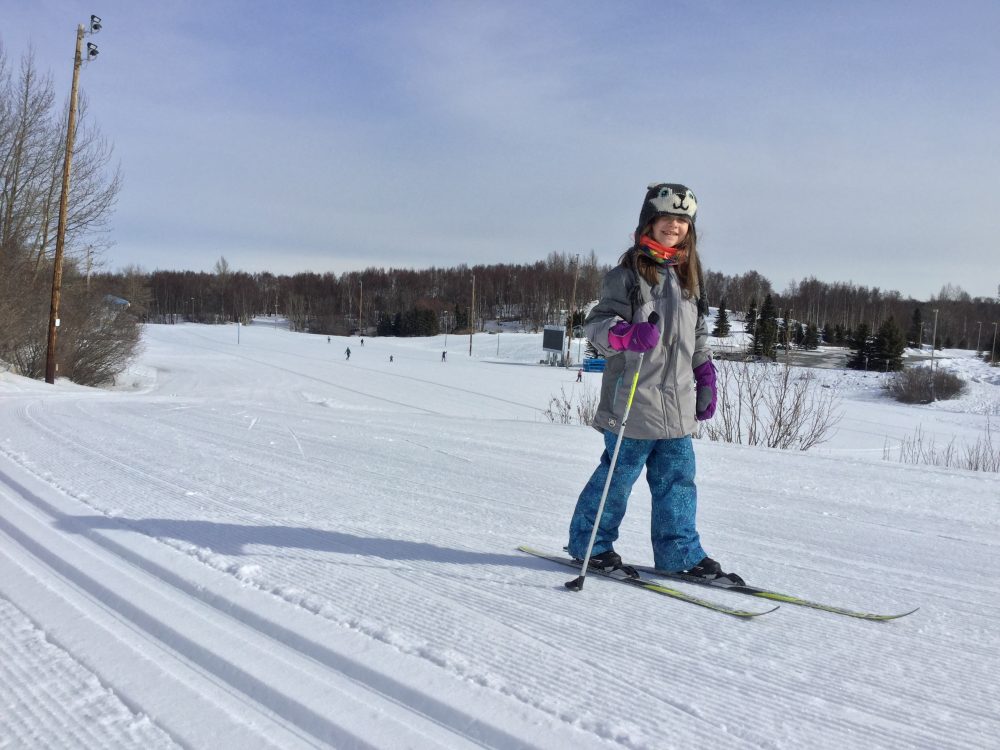
    Bridget Kentch, age 7, skis at Kincaid Park in Anchorage, Alaska, on April 8, 2020, while staying far away from everyone else save her immediate family. (photo: Gavin Kentch)
    Bridget Kentch, age 7, skis at Kincaid Park in Anchorage, Alaska, on April 8, 2020, while staying far away from everyone else save her immediate family. (photo: Gavin Kentch)

    You may have noticed that health concerns are on everyone’s mind these days. You may also have noticed that your favorite park/ski trail/hiking trail/bike path is unusually crowded, as a nation of stay-at-home individuals ventures out for fresh air and the undeniable health benefits that physical exercise provides.

    FasterSkier here compiles some recent popular scholarship on the topics of exercise best practices in the time of coronavirus. FasterSkier explicitly does not give its imprimatur to any of them; this reporter is an attorney-turned-stay-at-home-parent, and is not qualified to pass judgment on the scientific work of credentialed epidemiologists or aerosol scientists.

    With that caveat in mind, here’s a roundup of some recent articles from reputable sources. Be safe out there.

    Christie Aschwanden, “This Is the Exercise Your Body Needs During the Coronavirus Outbreak”

    The social media-friendly title notwithstanding, Aschwanden’s credentials to survey current scientific recommendations are sound; she wrote Good to Go, and has previously contributed to the New York Times, Runner’s World, NPR.org, Discover, and the Washington Post. She has also raced professionally for the Rossignol team, which does not in itself make her a better scientist, but does give her firsthand experience with elite-level training.

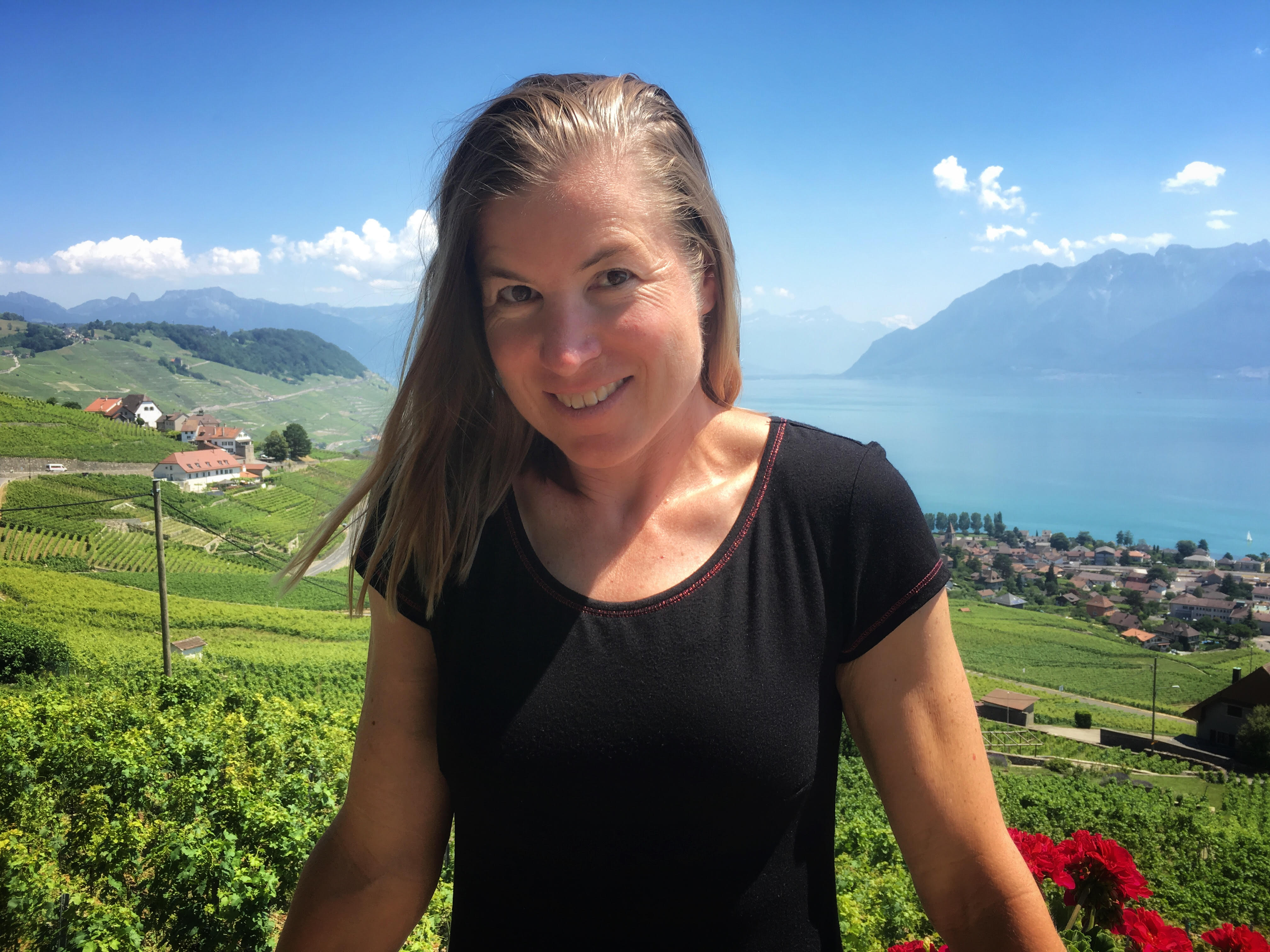
    Christie Aschwanden, author of Good To Go: What the Athlete in All of Us Can Learn from the Strange Science of Recovery, spent two years in Switzerland during her professional ski career competing for the Swiss Rossignol team. (Courtesy photo)

    In Aschwanden’s piece, from March 20, she cites scholarship in the Journal of Sport and Health Science, and interviews David Nieman, the author of relevant studies. She underscores the role of hard exercise in suppressing one’s immune system, writing, “So what kind of exercise intensity and duration is sufficient to push you from helping your immune system to hobbling it? Nieman says that it’s when the effort is hard enough to force your body to dig deep into its muscle glycogen – the stored sugar that fuels muscles. ‘In our lab, the stress starts after 60 minutes of intense efforts and gets really bad after 90 minutes,’ he says.”

    Aschwanden concludes that “A good rule of thumb is to limit sustained exercise (greater than 60% effort, which means 60% of your max heart rate) to no more than 60 minutes at a time. One way to do this while still getting in some harder exercise is with intermittent intensity, where you mix some high-intensity efforts with rest or low-intensity exercise.”

    Alex Hutchinson, “What’s the best way to exercise to maintain a strong immune system?”

    Alex Hutchinson, much like Aschwanden, is both a former high-level athlete (middle-distance track runner, in his case) and the author of a well-reviewed sports science book, in this case Endure: Mind, Body, and the Curiously Elastic Limits of Human Performance. In a March 29 column for Canadian newspaper The Globe and Mail, he surveys much of the same ground as Aschwanden.

    Hutchinson notes that “Doing regular moderate exercise lowers your risk compared to doing nothing; studies typically find that near-daily moderate exercisers report about half the typical number of upper-respiratory tract infections. That’s an important message for anyone who’s tempted to slack off their fitness routine until life returns to normal.” But, much like Aschwanden, he also discusses the potential concerns of too much intensity.

    Hutchinson’s bottom line is the same 60–60 recommendation as Aschwanden’s; both authors cite scholarship by the American immunologist David Nieman to support this conclusion. But Hutchinson also cites work done by a British exercise immunologist, which “compared the effects of two hours of low-intensity running with 30 minutes of high-intensity running. The longer bout disrupted immune response more than the shorter one, suggesting that duration is a bigger risk factor than intensity.”

    Tara Parker-Pope, “Can I Boost My Immune System?”

    If you’re looking for magic bullets, this piece, from a long-time New York Times consumer health writer, is not going to give them to you. But if you’d like to see the science behind why lowering your stress levels, improving your sleep habits, and eating a balanced diet will, probably, improve your body’s overall immune response, Parker-Pope provides the citations.

    The Denver Post“Six feet may not be enough distance to stop the spread of coronavirus, experts say

    This article from April 1 (really) summarizes the working recommendations of 37 scientists making up “a group of global experts in aerosol science.” It quotes an aerosol science professor who notes that the World Health Organization “already recommends wearing respiratory protection such as N95 masks for health care workers performing aerosol-generating procedures. But they have failed to recognize that regular breathing is a well-established aerosol-generating procedure, which is increased by talking or heavier breathing, such as when exercising.”

    Of particular interest to skiers or other athletes, the article also notes, “‘If runners and joggers are breathing hard, it could cause any virus released in their breath to travel farther if they are infected,’ said Linsey Marr, a professor of civil and environmental engineering at Virginia Tech University, who researches the airborne transport of infectious diseases. ‘It wouldn’t hurt for them to maintain a greater distance.’”

  • Crested Butte Nordic Trails Become a Sanctuary During COVID-19 Crisis

    Crested Butte Nordic Trails Become a Sanctuary During COVID-19 Crisis

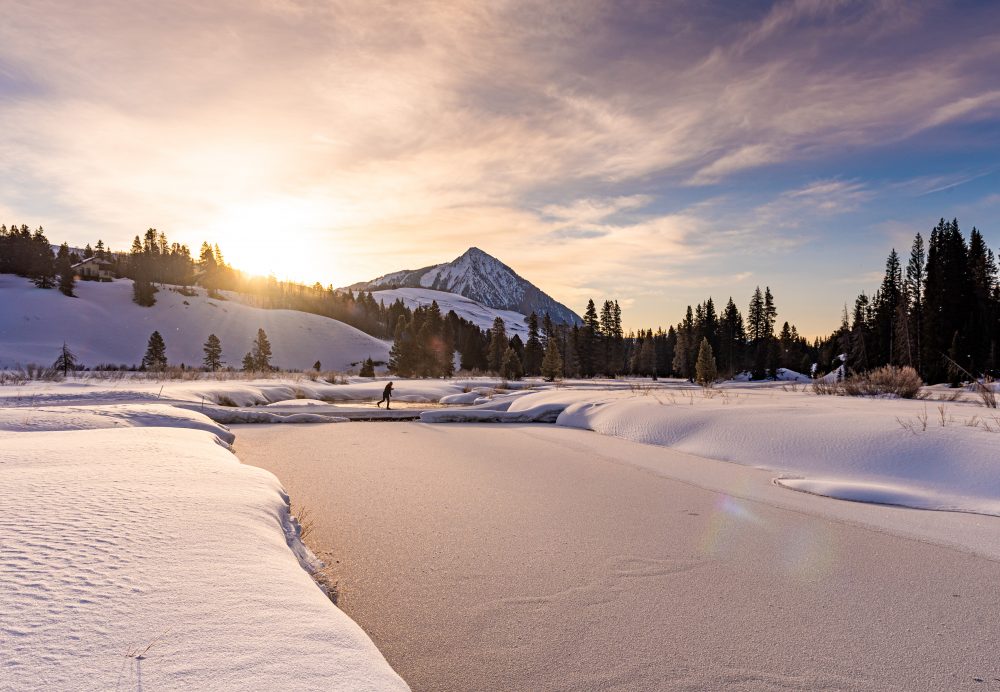
    Sunrise skiing on “Mike’s Mile” in Crested Butte. (Photo: Xavier Fane/CB Nordic)

    Disclaimer: This article is not intended to inspire anyone to travel to Crested Butte at this time. The county’s public health office expressly asks you not to do so even if you are a second home owner. The aim here is to highlight the familiar therapeutic role cross country skiing has played in the community thus far during the COVID-19 crisis. 

    Like many other small mountain towns, Crested Butte has been labeled a “coronavirus county hot spot” as Gunnison County ranked 6th on March 29th for per capita confirmed cases of COVID-19 throughout the country. The small rural hospital has limited resources and staff, insufficient to meet the demands of a large surge in the caseload. Of the roughly 17,000 residents of Gunnison County, there have been 90 confirmed cases, with 20 pending and 711 self-reported as symptomatic as of April 8th. There has been one fatality. 

    When it became apparent that the health of the community was at risk, the county swiftly rolled out stringent public health orders, shutting down all non-essential businesses and short-term lodging. A sleepy ski town community centered upon tourism sputtered to a halt. 

    The message was clear: stay home, isolate. Gatherings of more than one individual who do not live together are forbidden, with few exceptions. This means you are disallowed from meeting up with a buddy for a ski, even if you intend to remain at least six feet apart throughout the activity. 

    On March 14th, Colorado Governor Jared Polis issued an executive order closing all ski resorts. Because the Crested Butte Mountain Resort is no longer patrolled or managed for avalanche hazard, uphill access was also ended

    However, mother nature missed the message that winter activities were coming to an end. Nearly 5 feet of snow fell in March — roughly a third of the annual total — making it the snowiest month of the season. The accumulation also created instability in the Elk Mountain regional snowpack, raising avalanche danger, meaning safe backcountry skiing became limited. 

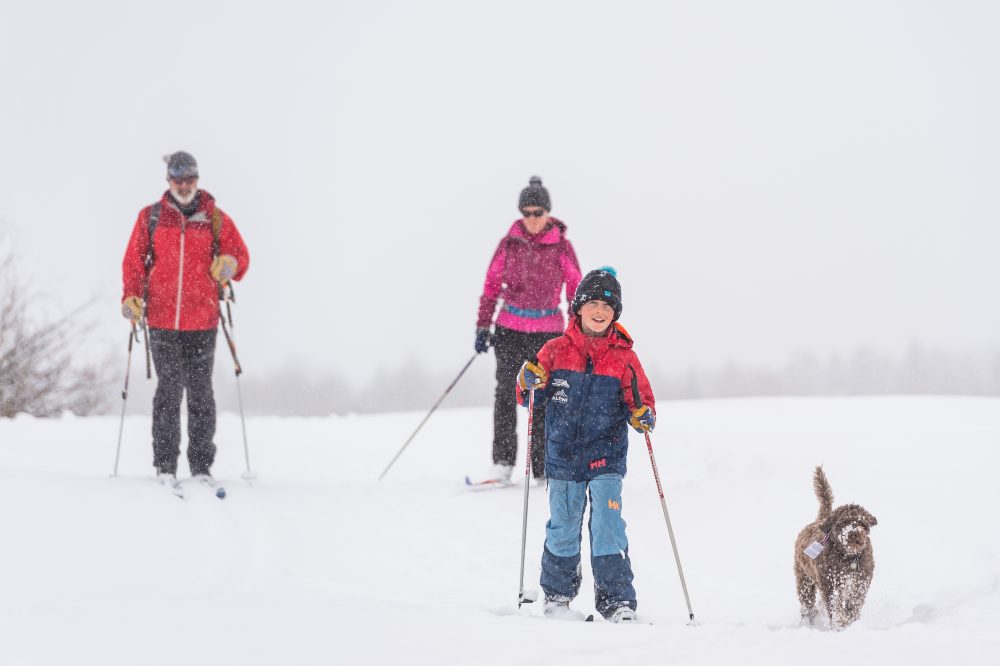
    A family enjoys a snowy March ski-break from quarantine in Crested Butte. (Photo: Xavier Fane/CB Nordic)

    Enter the nordic trails. 

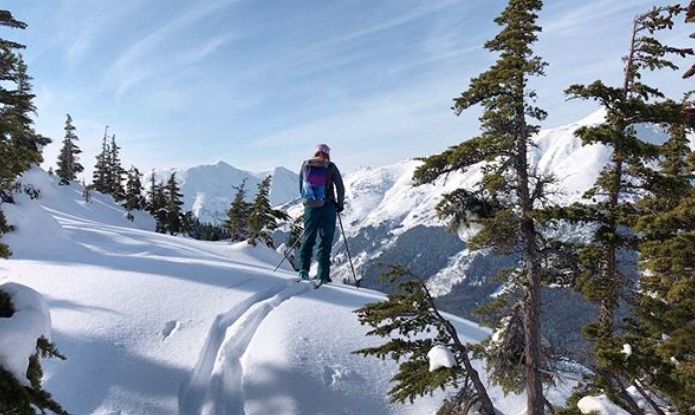
    With over 50-kilometers of pistenbully groomed trails wide enough to maintain a safe physical distance between passing skiers, the local non-profit nordic center, Crested Butte Nordic, was given the green light to continue grooming operations, providing the local residents a reliable opportunity to recreate outside. A little slice of normalcy and serenity to contrast the rapidly changing circumstances around the globe.  

    “Essentially, amidst an enormous public health and economic crisis, here in Crested Butte, nordic skiing has risen up as a critical resource for health and wellbeing,” wrote CB Nordic marketing director Laura Puckett-Daniels in an email to FasterSkier. 

    This sentiment was echoed by CB Nordic executive director Christie Hicks in an email to members.

    “CB Nordic was founded on the principle that cross country skiing and snowshoeing are good for the health of our bodies, our minds, and our community,” wrote Hicks. “Never has this felt more true. While the COVID-19 pandemic rages around us and the snow continues to fall, it has become ever more clear to me that our mission is of vital importance for the health and wellbeing of our community.”

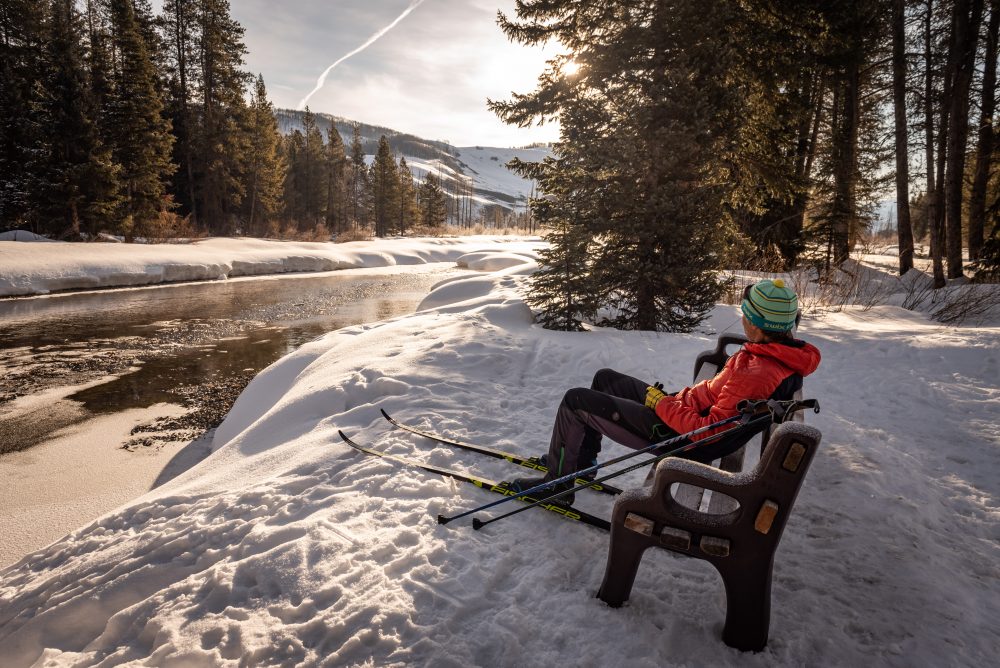
    A skier enjoys a brief respite and sunrise along the Crested Butte nordic trails. (Photo: Xavier Fane/CB Nordic)

    The phrasing is not hyperbolic. As skiers, we understand the positive impact the sport has on our mental health. The expanse of trails in Crested Butte have absorbed and dispersed a multitude of users over the last few weeks, from regulars to first timers, all expressing their deepest appreciation for the trails. 

    “We have seen an overwhelming response to our services in the last three weeks,” wrote Puckett-Daniels. “The trails are full of skiers. Our inboxes and social media feeds are full of gratitude and enthusiasm. In addition to our 1200 regular adult season passholders, we’ve issued over 135 new passes and over 400 rentals since the epidemic hit Gunnison County. CB Nordic has been praised for doing ‘hero work’ by the local paper, recommended by the County, and even designated as a Utility by the County so that we can continue our work.”

    The team at the nordic center adapted operations quickly to abide by regulations without compromising access. They decreased their grooming staff to two, who worked in separate machines and always used the same machine, changed rentals from daily to weekly to reduce the number of exchanges and rolled out an online request system. They also graciously changed rentals and passes to a by-donation system to acknowledge the severe financial impact many residents, some suddenly jobless, are experiencing.  

    “We’ve made all trail passes and adult rentals ‘pay-what-you-can’, so literally everyone, no matter their financial circumstances, can participate,” explained Puckett-Daniels. “We have been able to continue with our services because, as you know, nordic skiing requires minimal infrastructure, is easily accessible, and allows for social distancing.”

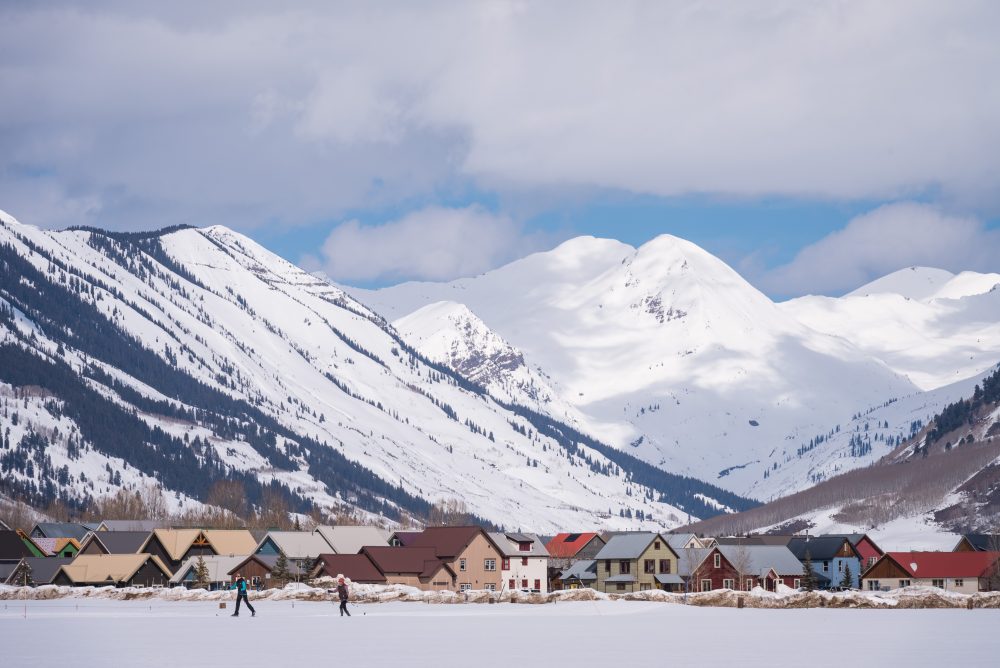
    With over 50-kilometers of wide trails, CB Nordic has remained open to support the health and wellbeing of the community during the COVID-19 crisis. (Photo: Xavier Fane/CB Nordic)

    That is not to say that CB Nordic has not experienced set-backs during this time.

    Like many other small businesses and nonprofits, CB Nordic is not immune from the economic impacts of the shut-down. They cancelled their biggest fundraiser of the year, The Grand Traverse backcountry ski race to Aspen, as well as all their remaining spring lessons, tours, and dinners at the ski-in-ski-out Magic Meadows Yurt

    They are optimistic that summer trail races and mountain bike events, which also benefit CB Nordic and its programming, will run as scheduled.

    CB Nordic will continue to groom its trail system through Sunday, April 12, with a possibility of extension based on conditions. Puckett-Daniels reported that users have done well with respecting physical distancing recommendations and not congregating on the trails, so it is unlikely that the privilege will be revoked.  

    “It’s been easy to stay 6 or more feet away from other trail users, and everyone’s been very good and polite about that, but it’s been hard not to stop and chat with our friends,” Puckett-Daniels shared.  “The smiles and waves are huge, and, especially when the sun’s shining, there’s an infectious joy to being out there. Like we’ve all been able to take a deep sigh of relief…  there’s a strong sense of camaraderie and community out there.” 

    Again, we are not encouraging anyone to travel to Crested Butte, nor do we aim to proliferate a feeling of missing out if you are no longer able to ski. The message is simple: as the COVID-19 pandemic destabilizes our world, access to fresh air, exercise, and sunshine are of vital importance to our collective well being. Puckett-Daniels summed it up best:

    “In a time with so much fear and uncertainty, we feel that this story of “the little sport that could” rising to serve residents’ needs — spreading joy and supporting mental and physical health — is one worth telling.”

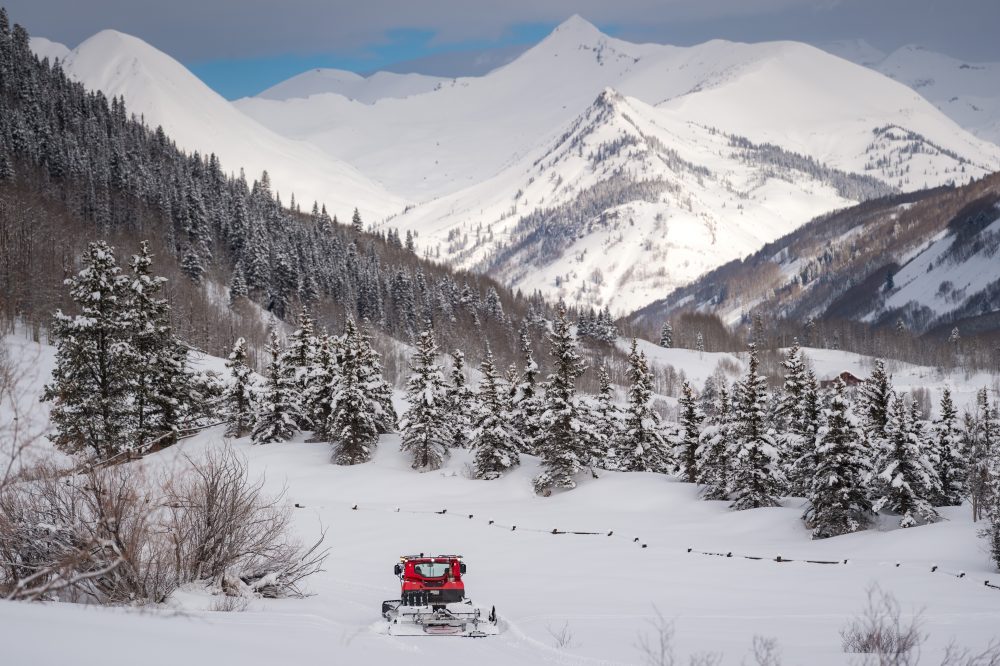
    With plenty of snow left to groom, CB Nordic continues to serve its community during the COVID-19 crisis. (Photo: Xavier Fane/CB Nordic)
  • Silver Linings to an Abbreviated World Cup Season

    On March 13th, the rapidly evolving situation with COVID-19 caused the World Cup to come to an abrupt halt. Quebec, Minneapolis, and Canmore: all cancelled. SuperTour finals: also cancelled.

    For some U.S. athletes including Gus Schumacher and Katie Feldman, this meant missing their first ever World Cup starts. For others, like Andy Newell, it meant missing his last. Jessie Diggins was in sixth place in the overall standings, less than 300 points out of third with one of the women in front of her, Ingvild Flugstad Østberg, injured and unable to compete

    Yes, in the grand scheme of a global pandemic, ski racing is insignificant, but human emotion is natural, and disappointment and frustration in the lost opportunity is to be expected. 

    In the spirit of spreading a little levity and positivity to contrast the uncertainty of the times, FasterSkier reached out to a subset of the coaches and crew who would have raced in the North American tour to find out what their “silver lining” to the early end of the season has been. 

    Here are the responses they’ve shared over the last week. 

    Jessie Diggins (MN)

    “Getting time with my dogs and my family that I otherwise wouldn’t have had!”

    Jessie Diggins enjoys quality time with her parents newest addition, Lucy. (Courtesy photo)

    Gus Schumacher (AK)

    “My silver lining has been coming back to Alaska in its ideal state. So sunny and snowy and cold still, all making for amazing cross country and alpine skiing. Doing these outside activities help me keep my distance from people. I still get bummed when I think about how I’d be racing in Minneapolis right now but I’ve been distracted by doing fun things and seeing friends at home.”

    Matt Whitcomb (VT)

    “I’m feeling healthy, but put myself in quarantine immediately after returning from Quebec City, since I’d like to see my parents this spring. (Apparently there was a staff member from another team in QC with the virus.) Today is my 4th day in lock-down. I love it. Yesterday I skied 50k from my cabin door on a pair of Rossignols I hadn’t waxed in 15 years. They were great on the crust. 

    “I took a long break at 47k, and then limped it in to finish reading ‘Confederacy of Dunces.’ I fell asleep after one page. My only vehicle—at the moment—is a motorcycle, and with newly fallen snow, and only one potato and 75 ProBars remaining, I walked 4 miles into town to get groceries. I’m melting snow in a big pot for drinking water. So, the silver lining is that we all are forced to take the rest we need. The downside is that [my girlfriend] Steffi is stuck in Germany.”

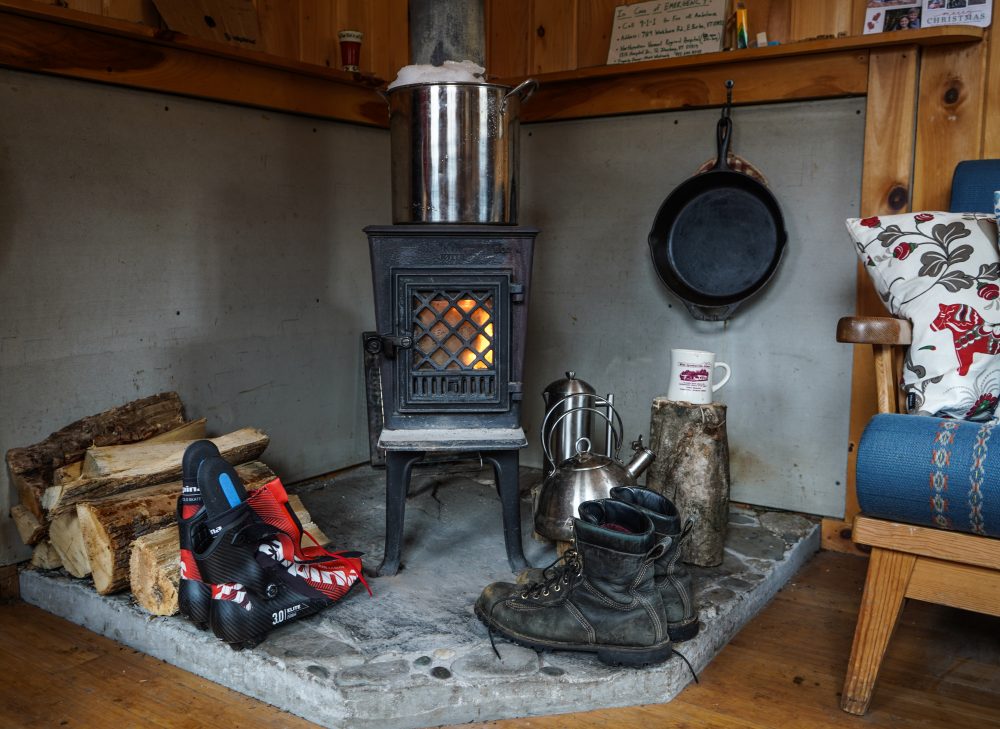
    A cozy scene from inside Matt Whitcomb’s Vermont cabin. (Courtesy Photo)

    Simi Hamilton (VT)

    “Sophie and I, along with a few other southern Vermont locals, have been taking advantage of these crazy times and great spring weather to explore our back yard here in Peru. Since the announcement of the World Cup cancellations we’ve gone on a couple pretty epic forest adventures on some really good crust. Even though you can’t cover quite as much ground as in the west when the crust is good, it’s pretty cool to be able to explore the woods and connect a lot of dots on the map that you can’t do in the summer in your running shoes. 

    “Although Bill Koch has explored probably every square inch of the thousands of acres behind where he lives and where the Caldwells live, it still feels like you’re skiing through land where no one else has ever been before when you’re out there. There are frozen lakes and beaver ponds you can ski across, glades you can make turns in, and countless thickets of buckthorn and hemlock to scrape your way through. 

    “Yesterday our crew consisted of Sophie, Sverre, and me, as well as John, Ben, and Katherine Ogden (who live 10 minutes down the road). We’re for sure taking all the recommended precautions with proximity and exposure to others, but it’s just been great to share conversations, laughs, and adventures with good friends during these challenging times.” 

    Erika Flowers (MT)

    “While I would have loved to be racing and traveling right now, being home has meant more backyard adventures with my sister, Natalie and husband, Andy. There’s a mountain about 20 minutes from our house called Little Ellis that has always been on my backcountry bucket list. It’s not particularly epic but it’s beautiful and when racing every weekend during the winter I’ve never found a good time to ski it. The spring the snowpack can be iffy so a few extra weekends at home in March meant we had the chance to tour up there earlier this week. 

    “All the local ski trails are still being groomed even though the lodges are technically closed. I may not have had the chance to wear my U.S. Ski Team suit at the World Cup but I suited up today for some fun intervals today in the sunshine!”

    Kevin Bolger (WI)

    “I am using this time to enjoy quality time with loved ones at home, finally reading the books I’ve been wanting to, and enjoying some northern Wisconsin spring days.”

    Becca Rorabaugh (AK)

    I got to ski the Arctic to Indian traverse for the first time! Personally, I know I’ll never be this fit in Alaska in March with so much free time— I intend to make the most of it (sans carpooling). The route traverses the Chugach mountains from Arctic Valley Road to the Indian Valley Trailhead. It’s 20 miles — mostly gradual uphill terrain followed by a fun descent from Indian pass down to the trailhead. There are lots of boggy areas and creek crossings that aren’t fun in the summer, so late winder tends to be the time to do it. 

    “It’s been really fun this week to experience skiing in lots of different forms: doing so AT skiing, some nordic touring, and exploring places I don’t usually get to see this time of year.” 

    Becca Rorabaugh stops to take in a spectacular view while touring in Alaska. (Photo: Instagram @beccarorabaugh)


  • News Roundup for Feb. 28 – Engadin Canceled

    News Roundup for Feb. 28 – Engadin Canceled

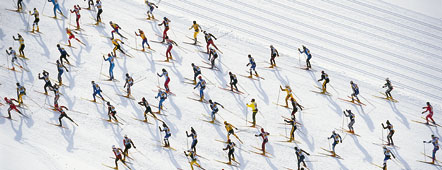
    2014 Engadin Ski Marathon (Photo: www.Engadin-SkiMarathon.ch)

    Engadin Canceled: 

    Amidst the whirlwind of February racing, news happens beyond the ski tracks. Here are some notable news threads. 

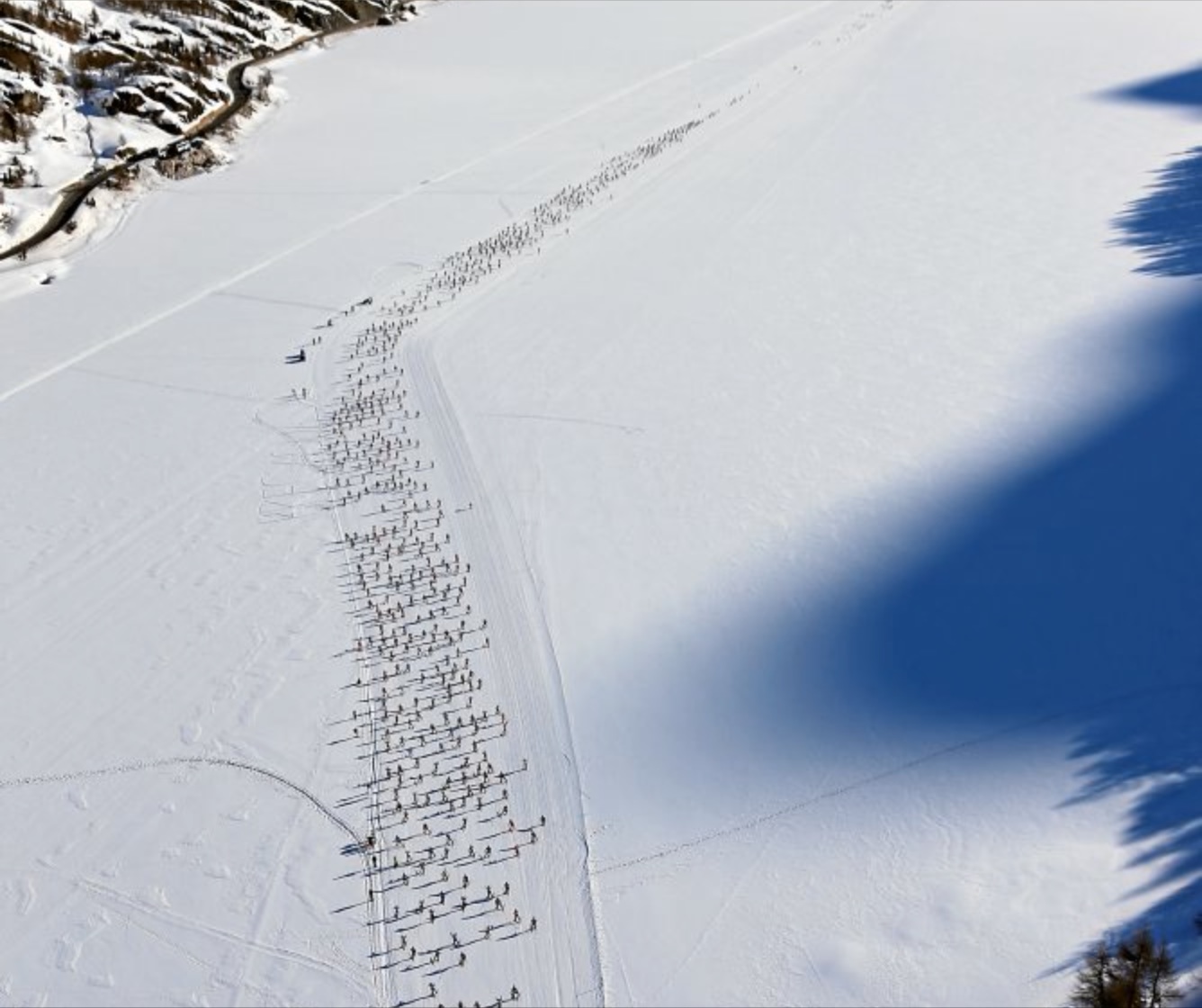
    It was announced yesterday that the famed Engadin Ski Marathon, to be held on March 8, has been canceled due to concerns related to the coronavirus (also referred to as COVID-19). “The spread of the coronavirus in Europe – with two cases in our vicinity – has left the authorities with no choice but to ban big events like our running events for the next ten days in Southern Bundes,” race organizers posted on FaceBook

    Yesterday, four coronavirus cases had been confirmed in Switzerland. According to the Engadin website, the health ministry in this region of Switzerland had called for the cancellation of all public events. Many skiers have been impacted as the race attracts more than 14,000 participants. It is the second time the Engadin had been canceled in its 51-year history.    


    Anti-Doping Research: 

    An interesting research paper on doping in athletics, what we will call track and field, was published on February 25. The article is titled, Prevalence Estimate of Blood Doping in Elite Track and Field Athletes During Two Major International Events, was published in “Frontiers in Physiology: Red Blood Cell Physiology.”

    Researchers analyzed blood samples from men and women at the 2011 and 2013 World Athletics Championships. Over three thousand samples were evaluated with 209 countries represented.

    Perhaps the most startling finding was the prevalence of blood doping in endurance athletes. According to Table 3 in the article, 15 percent of males (endurance) blood doped at the 2011 World Championships, and 22 percent of females (endurance). According to the findings, a prevalence of 18 percent of all athletes (endurance) blood doped at the 2011 WC, compared to 15 percent in 2013.     

    Researchers defined “endurance” as the following: “endurance” comprised all athletes competing in running or walking events with distances equal or longer than 800 m while “non-endurance” included all athletes competing in jumps, sprints, throws, and combined events, as well as distances shorter than 800 m.

    For transparency, the authors disclosed the research had in part been funded by WADA’s Science Department.


    Doping Roundup: 

    Water is water: frozen or otherwise. Chinese Olympic swimmer and megastar, Sun Yang, was handed an eight-year ban from competition on Friday by the Court for Arbitration for Sport (CAS). 

    Yang’s case involves an ongoing saga in which Yang’s mother evidently instructed his security guard to destroy blood samples that had been collected at his home in 2018 by antidoping officials. Yang refused to provide a urine sample at the time of the incident.

    Yang is the Olympic champion in the 400 and 1500 meter freestyles at the 2012 Games and the 200 freestyle champ at the 2016 Olympics.   

    Yang has the option to appeal the ruling to the Swiss federal court. The story is relevant considering the length of Yang’s penalty, which WADA claims is proportionate to the anti-doping violation. 


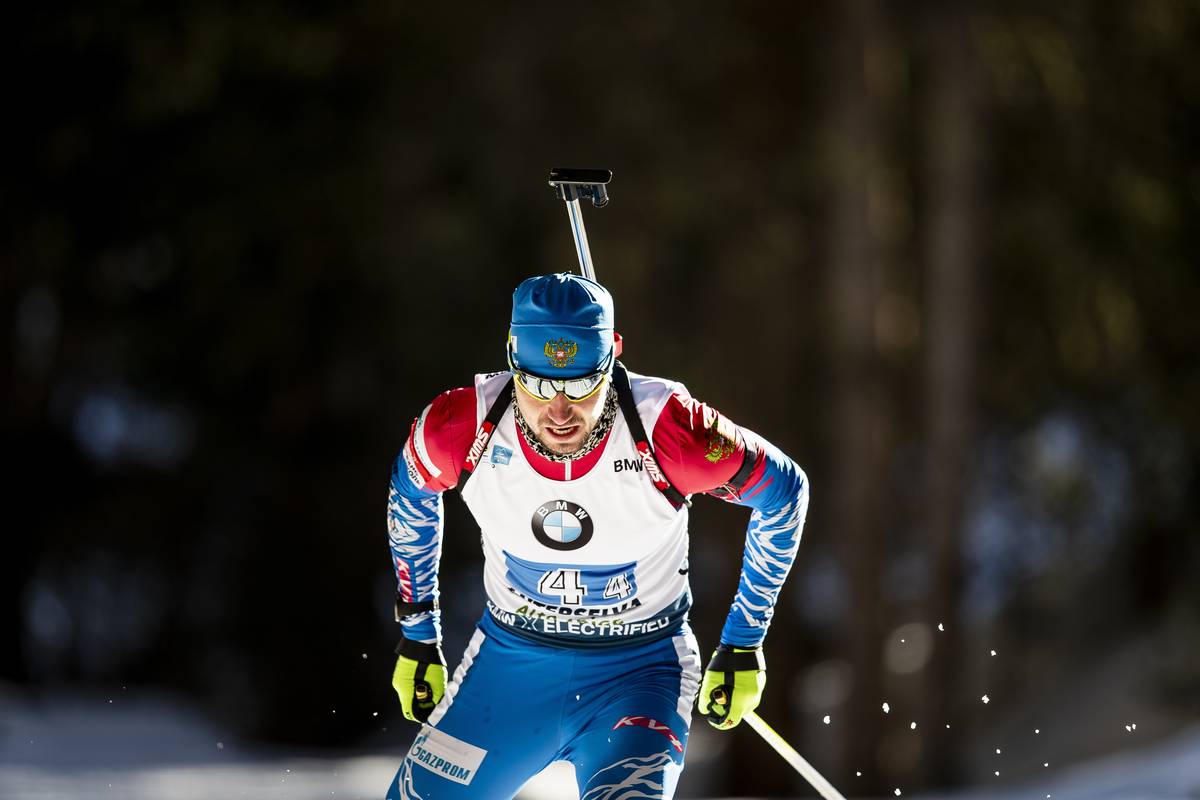
    Alexander Loginov during the men’s relay at the 2020 IBU World Championships. (Photo: NordicFocus)

    Biathlon: 

    At the recently concluded International Biathlon Union’s World Championships, Russia’s Alexander Loginov won gold in the 10 k sprint and bronze in the 12. 5 k pursuit. Loginov was implicated with the use of EPO when a sample collected in November 2013, tested positive. Loginov served a two-year penalty, which ended in 2016. 

    The new news is this: on February 22, Italian police raided Loginov’s hotel room. Police confiscated his laptop and mobile phone. Additionally, it has been reported that Loginov’s coach, Alexander Kasperovich, had his laptop and phone taken as evidence. According to news reports, Kasperovich is suspected of using another person’s accreditation for the World Championships. 

    Loginov claims the raid was prompted by the IBU and carried out by Italian authorities. The IBU claimed it was not given advance notice of the raid. Several Russian news outlets are reporting that Loginov and Kasperovich intend to sue the IBU. 

    This story is developing.