Tag: cryotherapy

  • Wednesday Workout: Optimal Recovery with Dr. Zuzana Rogers

    Wednesday Workout: Optimal Recovery with Dr. Zuzana Rogers

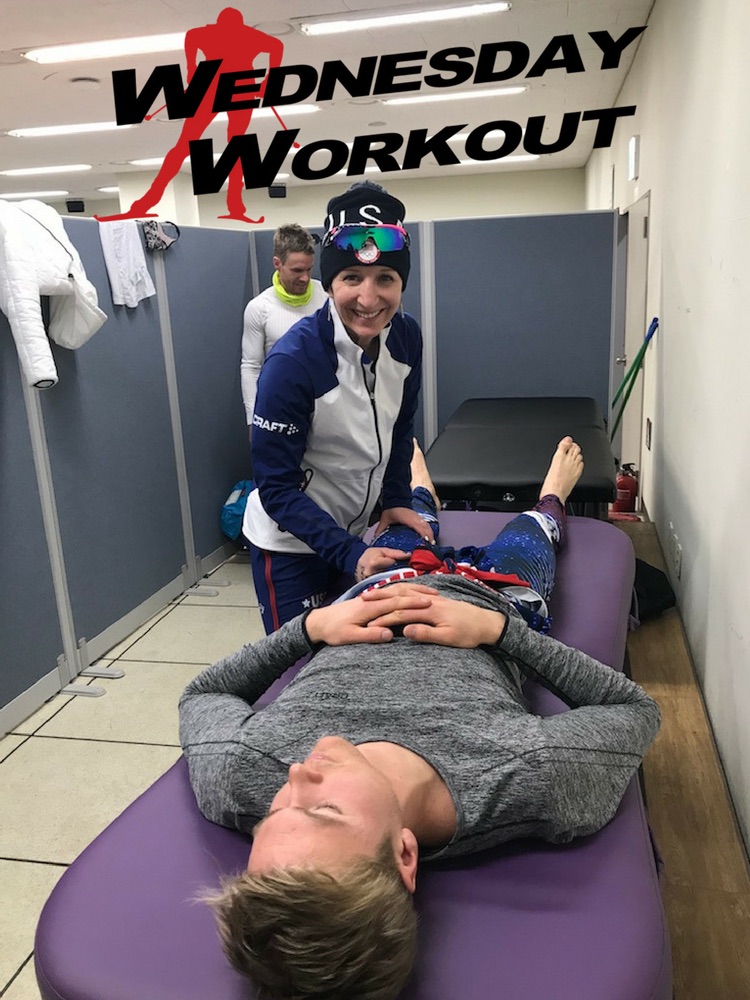
    U.S. Ski Team physical therapist Zuzana Rogers with athlete Erik Bjornsen at the 2018 Winter Olympics in PyeongChang, South Korea. (Courtesy photo)

    The following Wednesday Workout comes from Dr. Zuzana Rogers, PT, ScD, SCS, COMT, of Anchorage, Alaska. Rogers has been the go-to physical therapist for the U.S. Cross Country Ski Team since 2013 and Alaska Pacific University (APU) Nordic team since 2011. 

    ***

    You are probably training hard…but is your recovery optimal?

    As you transition from summer to fall training and the intensity increases, you may start noticing certain tweaks that are happening to your body and the fatigue sets in. But you want to train more than your competitors… Intense training is only a part of the picture. As you get better and training at the edge of human capabilities, what will set you apart for your competition is appropriate recovery. Your body gets stronger and more fit AFTER THE WORKOUT, when it is able to absorb the load you just put it through.

    During the past years, literature has been all over the place when recommending the most effective method of recovery after an intense exercise. Recent systematic analysis (Dupuy et al. 2018) places active recovery, massage, compression garments, cold water immersion, contrast water therapy, and cryotherapy as effective methods in reducing exercise-induced DOMS (delayed onset muscle soreness) and fatigue.

    So let’s look at them one by one:

    1. Active recovery:

    Considered a pretty good method to recover after exercise, it helps to clear CK (creatine kinase) after approximately seven minutes of low-intensity exercise, such as a jog or a spin. It does not seem to make you feel less fatigued, but the physiological benefits are there. The effect of active recovery may be explained through enhanced blood flow in muscle tissue, which facilitates the removal of metabolic waste, and may contribute to a reduction in muscle lesions and pain.

    buy ortho tri-cyclen online, buy yaz

    How about stretching? If done aggressively, stretching has no positive impact on DOMS. Moreover, some results at <6 h after exercise indicated that aggressive stretching might even produce DOMS. However, if done with the right goal in mind, it can improve the functional range of motion of your joints and optimize the length of the muscles. The muscles work the best when used in their optimal range (this is sport-specific). Overstretched muscles become less efficient in their contractibility, therefore the performance goes down.

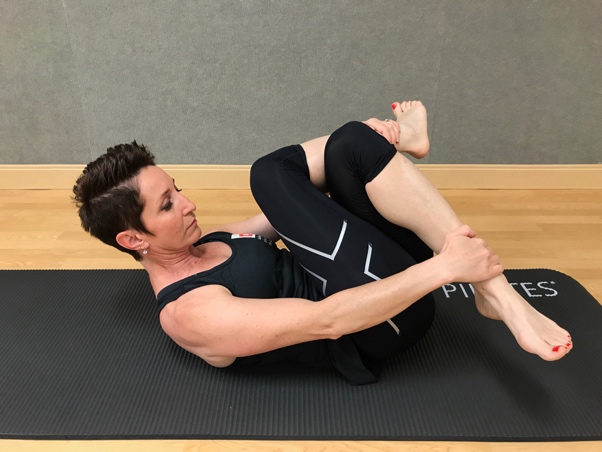
    Here are my favorite mobility exercises, done to improve crucial areas of restrictions found in cross-country skiers and runners:
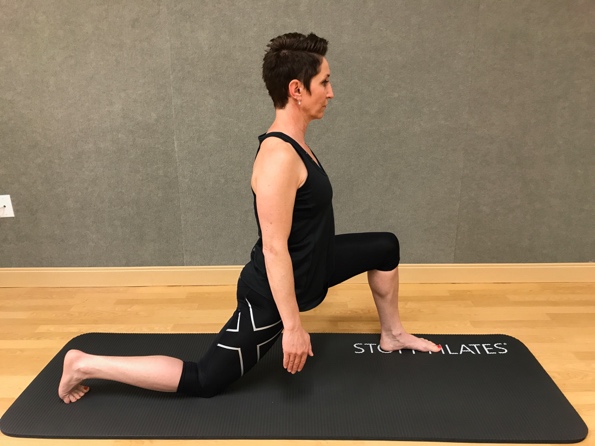
    Hip flexor stretch to improve hip extension, connected with balance in a ½ kneeling position. Try to get your feet to cover a single line. Hold 20 seconds each side.
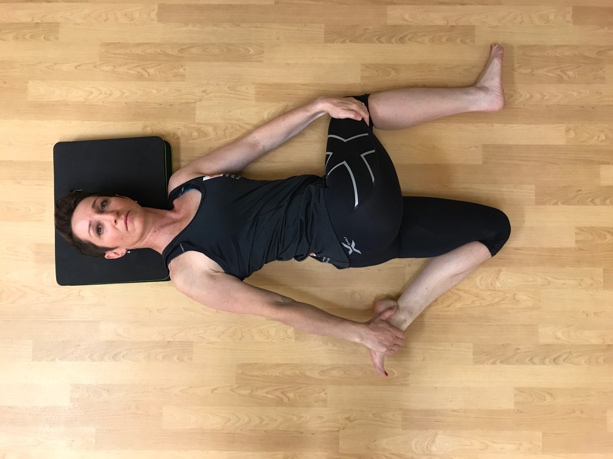
    Piriformis stretch: cross your knees, grab your ankles. Hold 20 seconds each side.
    Quadriceps stretch with added thoracic rotation; the Bretzel. Hold 20 seconds each side.
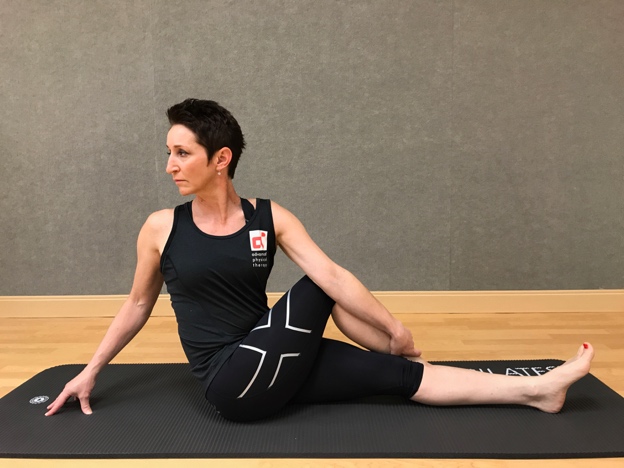
    The Twist: hip mobility and thoracic mobility. Use your core to get into the position and sit tall! Hold 20 seconds.
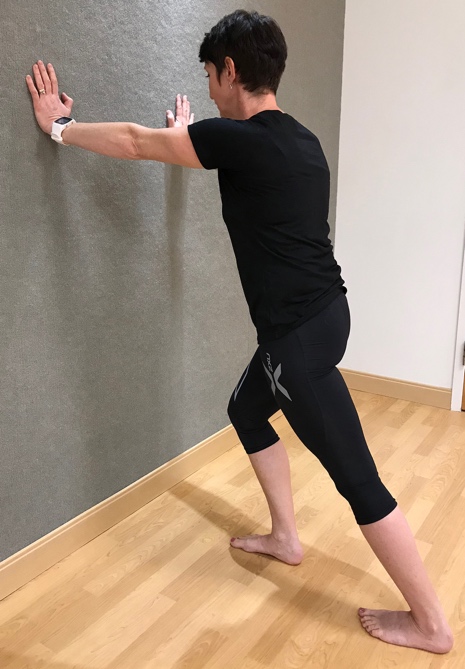
    Gastrocnemius stretch: an old favorite to improve ankle mobility. Make sure your feet are pointing straight forward! Hold 20 seconds. You can also flex your knee.

    2. Massage therapy:  

    Massage is a very traditional way to improve recovery after physical exercise both in sports and rehabilitation contexts. It seems to be the most effective method for reducing DOMS and perceived fatigue. It appears to be effective in reducing micro-inflammation of the muscle by decreasing intramuscular edema after exercise. A 20- to 30-minute massage that is performed immediately following or up to two hours after exercise has been shown to effectively reduce DOMS for 24 hours after exercise. It also reduces circulating Cortisol (stress hormone) and increases blood concentration of beta-endorphins (it makes you feel good!).

    3. Compression garments:

    They are shown to also reduce DOMS when worn after exercise, but to lesser effect than massage therapy. The use of compression garments during exercise as means of preventing DOMS and injuries is still up in the air.

    4. Cold water immersion:

    Overall fatigue after high intensity training and competition can be improved through the use of cold water immersion (cold water bath). Exposure of 11–15°C over 11–15 min was considered to be the optimal circumstance to obtain a positive impact after exercise to reduce DOMS, but this all depends on the type of exercise and its intensity. Both the level of immersion and the cold temperature of the water may reduce the formation of edema and pain sensation after exhaustive physical exercise.

    5. Whole-body cryotherapy:

    So far, the evidence in longer term DOMS reduction and post-workout recovery is limited. Cryochambers are cumbersome and costly.

    Of course, we cannot forget appropriate rehydration, refuel, nutrition and sleep, but that may be a topic for another piece.

    In general, if you are not injured, your training and recovery is straightforward.

    Happy training and recovering!

    Source:

    Dupuy O, Douzi W, Theurot D, Bosquet L, Dugué B. An Evidence-Based Approach for Choosing Post-exercise Recovery Techniques to Reduce Markers of Muscle Damage, Soreness, Fatigue, and Inflammation: A Systematic Review With Meta-Analysis. Frontiers in Physiology. 2018;9:403. doi:10.3389/fphys.2018.00403.
  • World Cup Prep with U.S. NoCo: Cryotherapy Before Seefeld Triple (Video)

    World Cup Prep with U.S. NoCo: Cryotherapy Before Seefeld Triple (Video)

    SEEFELD, Austria — Get up close and personal with three members of U.S. Nordic Combined and Canadian Wesley Savill as they share their first oh-so-cold experience with cryotherapy — essentially a cold sauna at temperatures around -110 degrees Celsius (-166 Fahrenheit) without the dangers of moisture, humidity and windchill.

    “We’re about to get very, very cold,” Taylor Fletcher says to the camera.

    “The science of it is a little shaky; we’re not sure it actually benefits you in any way,” Brett Denney adds. “But it’s more of a team-bonding thing, having a bunch of dudes naked together in a really cold room is gonna help morale a lot I think.”

    For the record, they don’t actually get naked, and Denney wears a sweater.

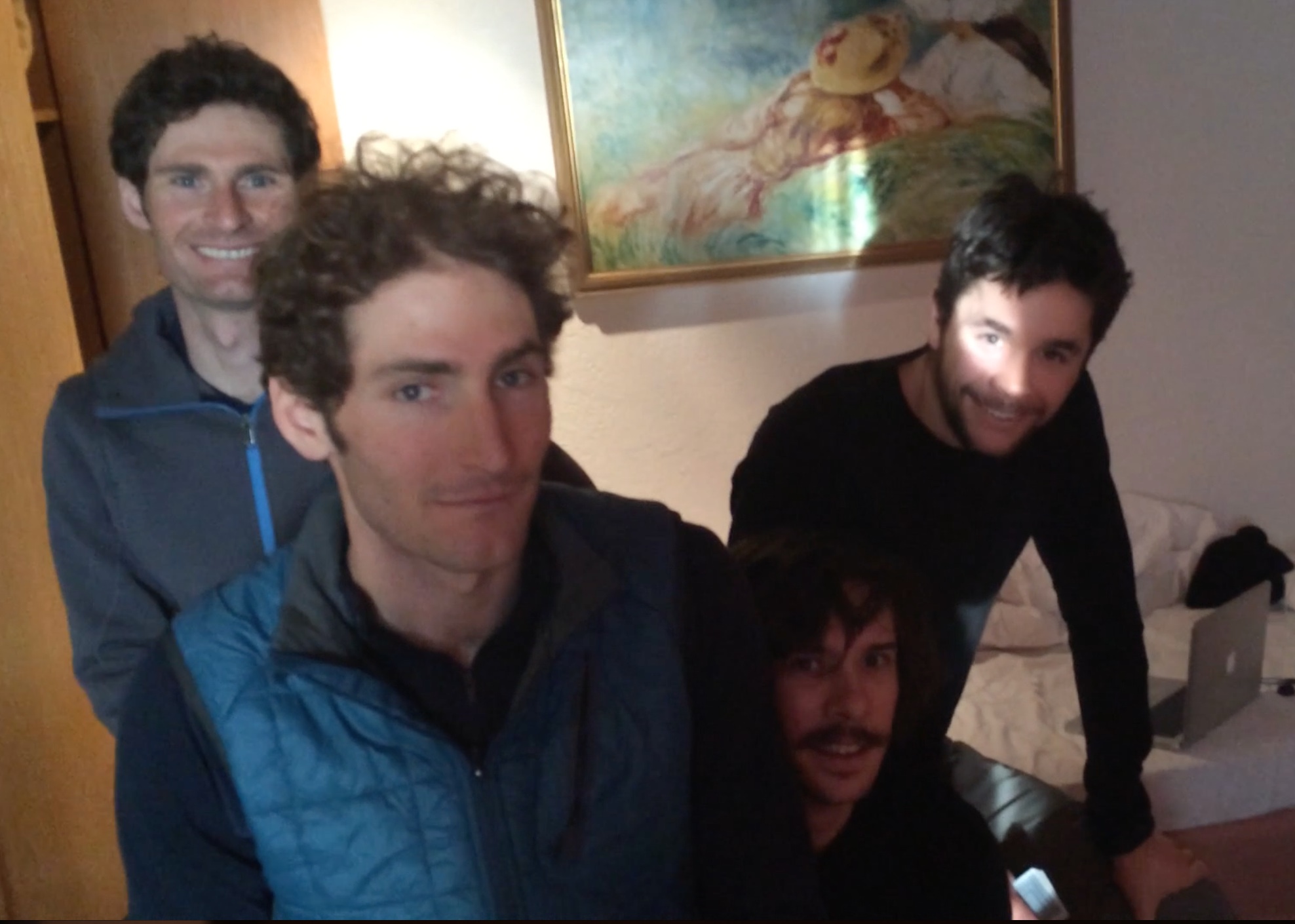
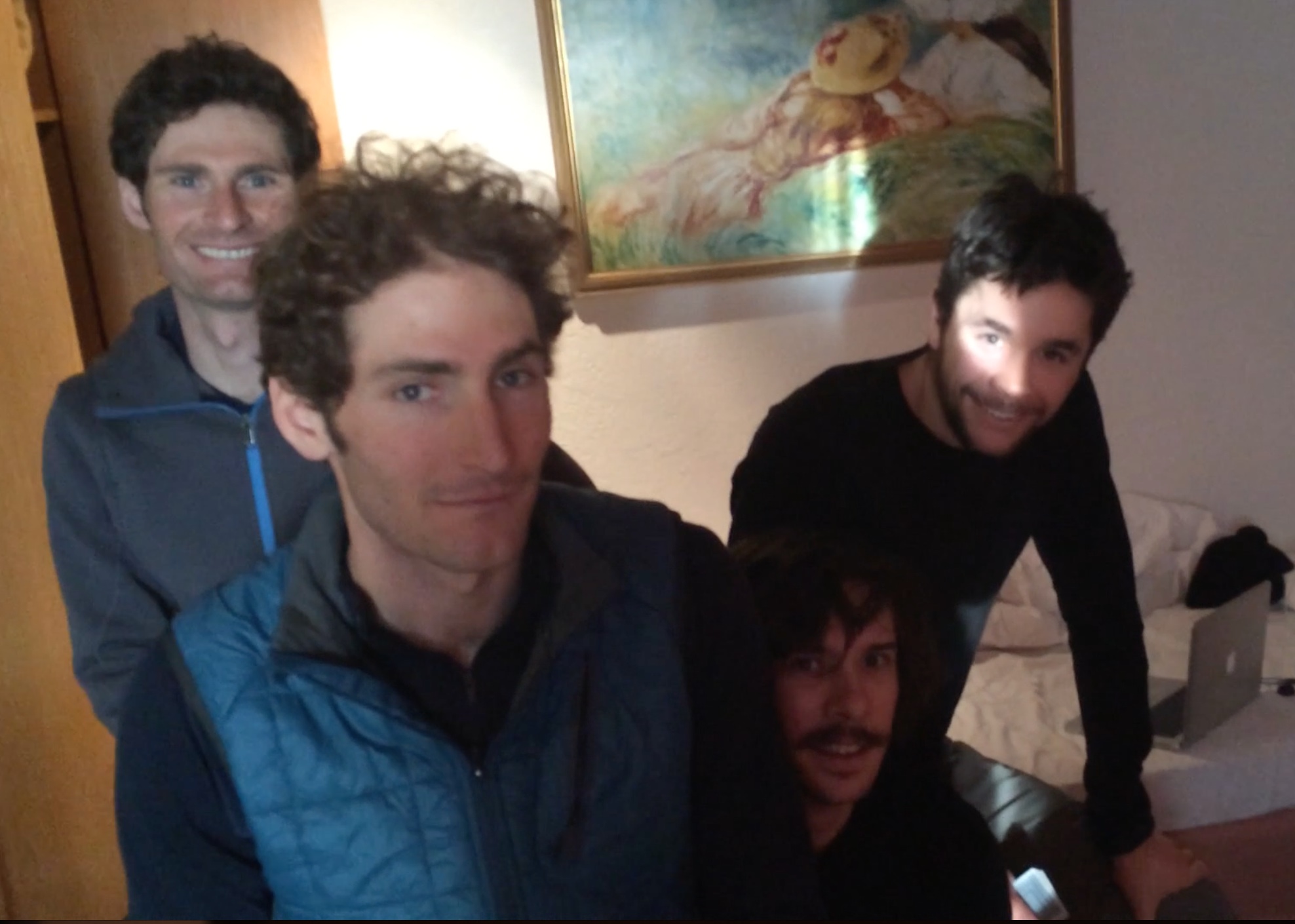
    U.S. Nordic Combined's Bryan Fletcher (l), Taylor Fletcher and Brett Denney (second from r) and Canadian Wesley Savill (r) after their first cryotherapy session in Seefeld, Austria. (Photo: Fast Big Dog)
    U.S. Nordic Combined’s Bryan Fletcher (l), Taylor Fletcher and Brett Denney (second from r) and Canadian Wesley Savill (r) after their first cryotherapy session in Seefeld, Austria. (Photo: Fast Big Dog)

    “Cryotherapy has been around for a while, mostly in the form of ice baths and contrast baths, and this is the latest iteration,” reporter Fast Big Dog (FBD) explains. “The current scientific literature is still mixed on the benefits, though there is a lot of anecdotal evidence from athletes that it is beneficial in recovery.

    “We all use ice baths and contrast baths, but this is the first time any of us have done cryo.  Lots of European special jumpers use it regularly, so we thought we’d give it a try.  Plus, there was a good looking girl at the front desk who kept undressing me with her eyes and I like that.”

    The technician was a good sport and helps film while five of the guys try it out.

    The session takes 10 minutes from start to finish, starting with 30 seconds in a -17 Celsius (1.4 Fahrenheit) “meat locker” pre-chamber, followed by a minute in -57 Celsius (-70 Fahrenheit), and finally, three minutes in -113 Celsius (171 Fahrenheit). Participants listen to music and are encouraged to move around.

    “At the end of the day we all felt like the process mimicked the effects of a good contrast bath session,” FBD writes. “Anecdotally I had crashed in the morning ski at about 100 kph and my neck was all jacked up and after the cryo session I felt right as rain! I believe that the session may have also averted a traumatic brain injury as Billy D said I was totally out of it at lunch following my crash and by the afternoon not even a lawsuit could shut me up.”

    So what’s all this for? The first Nordic Combined World Cup Triple, starting Friday, of course!

    “This is a brand new event on the Nordic Combined World Cup circuit,” explains FBD. “This event is sort of like a pursuit that is based on three days of racing. The first day all competitors jump, then race a 5k. Based on these results, the field is cut to 50 athletes. The second day has one jump, followed by a 10k ski. Based on this results of this second day, the field is then cut to 30. On the final day, there are two jumps, which both count, then a 15k ski which is handicapped by the first 2 days time back as well: the first man across the line wins the overall. All three events are held in Seefeld, Austria.”

    While the longer-term effects of their cryotherapy session are yet to be discovered, the 27-year-old Bryan Fletcher said, “I think I’m a hundred years younger.”

    Trouble viewing video? Click here.