Tag: Dave Stewart

  • FasterSkier News Round-Up (Updated)

    FasterSkier News Round-Up (Updated)

    Dave Stewart transitions from the University of Denver to the Steamboat Winter Sports Club.

    After twelve years as the Nordic Head Coach at the University of Denver (DU), Dave Stewart will be stepping down. Under Stewart’s leadership, DU earned six NCAA Division I national championships in skiing. Stewart’s long list of accomplishments includes a 2016 co-Nordic Coach of the Year honor and five Rocky Mountain Intercollegiate Ski Association (RMSIA) Coach of the Year awards.
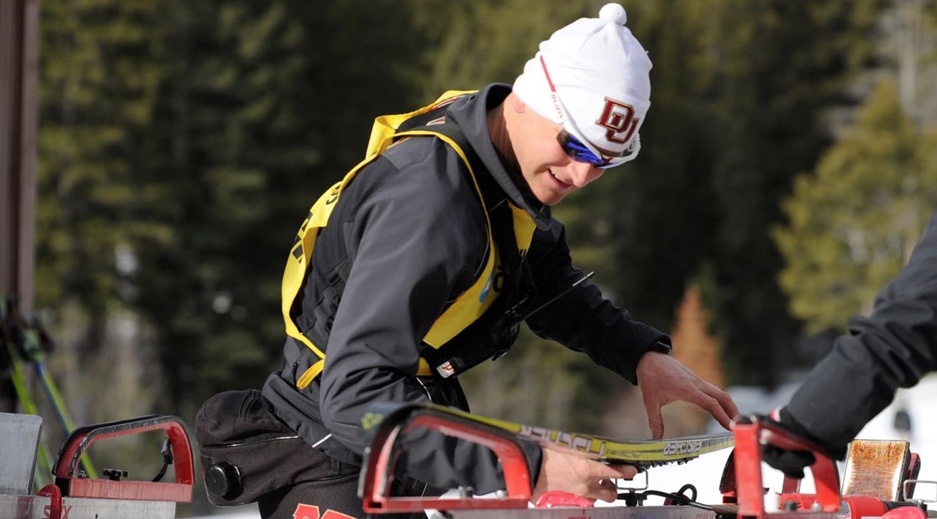
    Dave Stewart waxing skis for the University of Denver. (Photo: University of Denver press release.)

    Stewart will remain in Colorado as he moves to a new position with the Steamboat Winter Sports Club. Stewart will begin his new job in June as the club’s new Athletic Director. His move to Steamboat brings him closer to family members that reside in the town.

    “My wife’s family is up there, her dad and brother, her brother works for the club and is a freestyle coach there,” Stewart said on the telephone with FasterSkier. “And then we love Steamboat too. It is a great community. Being back in the mountains, my wife is from Lake Placid and I am from Vermont so that is a huge drive too. And we have a two-year-old and to get him up in the mountains and expose to some snow a little bit more is a big draw for us as well.”

    Stewart knows the club well as five members of the DU ski team raced with the Steamboat Springs Winter Sports Club as juniors. Moving into an administrative role, Stewart said he welcomes the new broadened opportunity in Steamboat to work with athletes across several different sports.

    “It is almost like a community service working at the club,” said Stewart. “They are right there in town and getting kids out on snow.”

    At DU, Stewart was tasked with not only winning but fostering a collegiate experience that combines both sport and academics.

    “I am sure I will miss coaching,” Stewart reminisced. “I have been involved with cross-country ski racing for a very long time as an athlete and a coach. I have enjoyed it very much. Working with people in this age group, you know, it is like there dream to come and be a student-athlete and pursue those goals, as an athlete and a student, I am going to miss that. There is no question about it. You cannot be a ski coach forever. You get to a point where you are looking to transition to something else. And to maybe a role that is interacting with sport at a different level, more of an administrative role. I think I have some good experience from here to be able to have a good impact on young athletes and coaches in that way. This is a good opportunity to step in that direction. “

    Mathias Ahrens steps away from his role with Biathlon Canada.

    In Canada, Mathias Ahrens left his position of coaching the Canadian National Biathlon team this past April. Ahrens spent 15 years with the team. He becomes the Head Coach at the Biathlon Alberta Training Center.

    A name familiar to cross-country ski fans, Justin Wadsworth – a former U.S. Olympian, U.S. Ski Team coach and Head Coach of the Canadian National Ski Team — has been named interim Head Coach.

    German biathlon star Laura Dahlmeier has retired from the sport at the age of 25

    In a storied career, she began competing internationally in 2011. She won 22 individual World Cup races, earned seven golds, three silver, and five bronze medals at the IBU World Championships. Five of those World Championship medals were earned in Hochfilzen, Austria in 2017. Dahlmeier also won two Olympic golds along with Olympic bronze in PyeongChang.
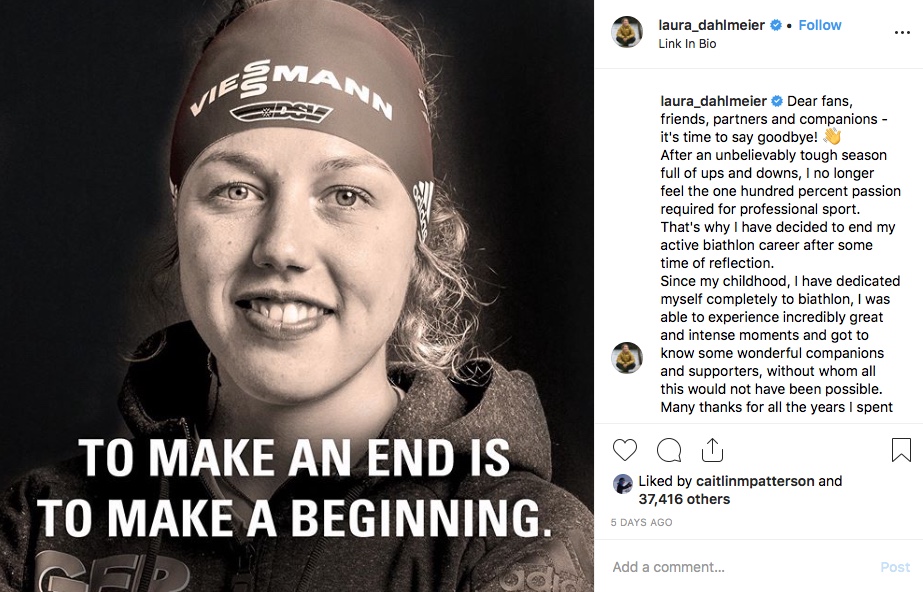
    In a post on Instagram, Dahlmeier said the past season during which she struggled to perform at her historic highs, prompted her to seek a change.


    After an unbelievably tough season full of ups and downs, I no longer feel the one hundred percent passion required for professional sport. That’s why I have decided to end my active biathlon career after some time of reflection,” Dahlmeier wrote.

    Dahlmeier was hospitalized in August and September of 2018 and although she returned to the World Cup, her energy levels were not the same. However, this past season she stood on the World Cup podium three times and won two bronze medals at the 2019 IBU World Championships.

    buy metronidazole online

    Sweden’s Ida Ingemarsdotter announces her retirement.

    Thirty-four-year-old Ida Ingemarsdotter has called it a career after racing on the cross-country World Cup since 2004. The Swede finished last season ranked sixth in the overall sprint standings and 15th in distance. Despite her strong season, Ingemarsdotter stated she lacked the motivation for another season at the elite level.
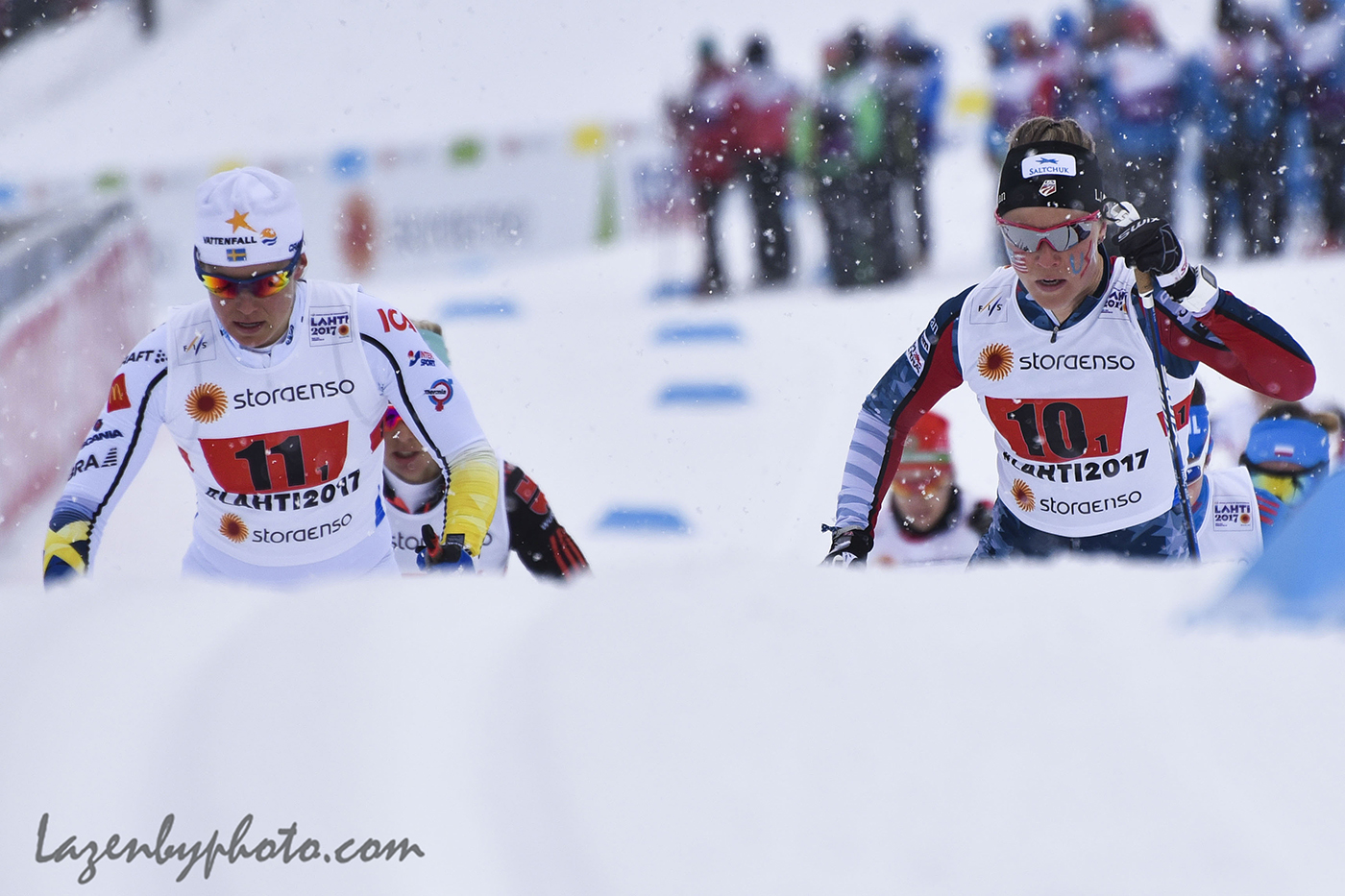
    Sweden’s Ida Ingemarsdotter (11) and American Sadie Bjornsen (10) go head to head in the women’s classic sprint final at 2017 World Championships in Lahti, Finland.

    She stood on two individual World Cup sprint podiums last season and placed in the top-10 eight times.

    Her medal haul includes five World Championship silver medals and one gold. She also won two Olympic medals, a gold, and bronze in Sochi.

    Ingemarsdotter explained in a press release that her best day skiing came during the women’s 4 x 5-kilometer relay at the Sochi Olympics.

    “The biggest day in my sports life was when I took Olympic gold in relay 2014 together with Anna Haag, Charlotte Kalla and Emma Wikén. Everything went our way and it was a real dream day where tears were mixed with laughter and a strange feeling that we did something nobody thought we would succeed with,” Ingemarsdotter said according to a translation of the Swedish National Team’s official retirement announcement.

    The University of Alaska Anchorage announces a new cross-country coach. 

    In a press release on May 10, the University of Alaska Anchorage (UAA) announced that cross-country ski coach Andrew Kastning had stepped down to pursue other opportunities. His coaching replacement is Trond Flagstad.

    No stranger to the UAA program, Flagstad began as an assistant coach in cross country running and skiing at the school back in 2001. Flagstad was head nordic coach from 2004 to 2011. Most recently, Flagstad was ski coaching in Norway.

    “I am very excited to be back at UAA and in the Seawolf family,” said Flagstad according to the UAA press release. “I am looking forward to working with all the great coaches and the talented student-athletes at UAA, especially with the ski team. My goal of winning the NCAA skiing championships with the UAA ski team hasn’t changed since the last time I was here, and after coaching in Norway for three years, I know I am better prepared as a coach to reach those goals. I am excited to recruit and develop young skiers from Alaska to help us win races and championships. In addition I have created some very valuable friendships and connections in Scandinavia and Europe. I have some new ideas and a coaching philosophy that I believe will benefit the UAA ski team, especially the Nordic team on our way to a championship title. I am thrilled to have this opportunity and to move our family back to the house we built up on the hillside.”

  • Wednesday Workout with New DU Assistant Mads Strøm

    Wednesday Workout with New DU Assistant Mads Strøm

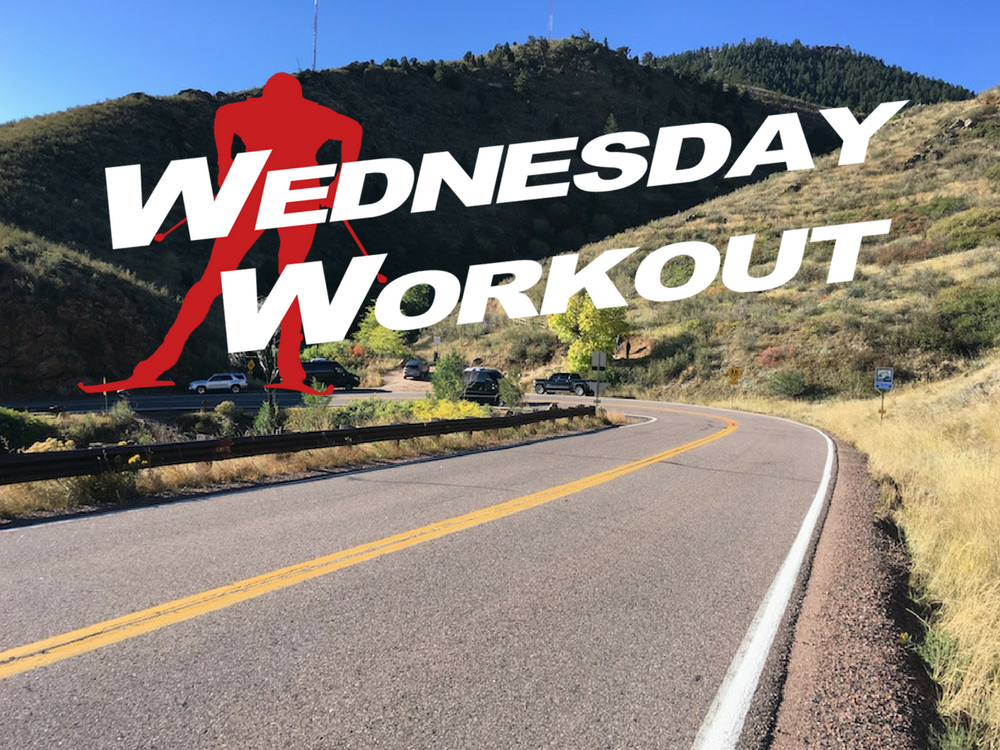
    A glance at Lookout Mountain in Golden, Colorado, where the DU Ski Team held an uphill skate workout last month. (Photo: Mads Ek Strøm)

    At the end of Mads Ek Strøm’s senior year at the University of Colorado-Boulder (CU), the 26-year-old Norwegian had some decisions to make. He started by looking for a job in the U.S., specifically in the finance industry, in addition to pursuing a master’s degree in finance.

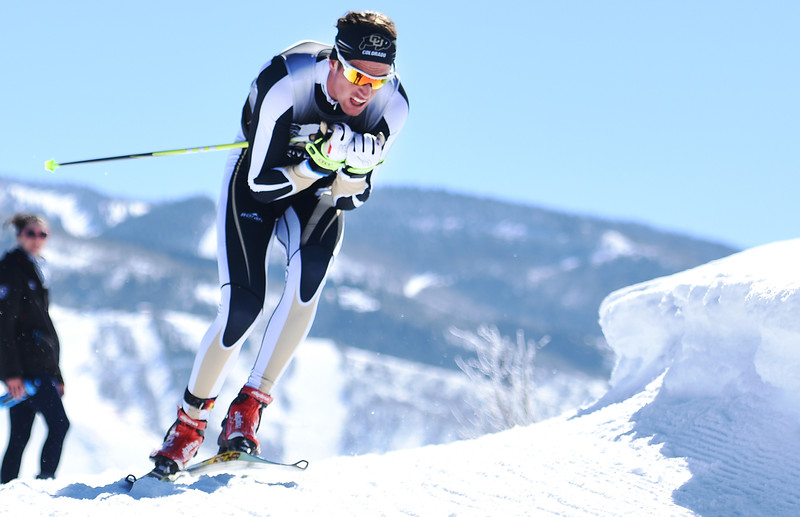
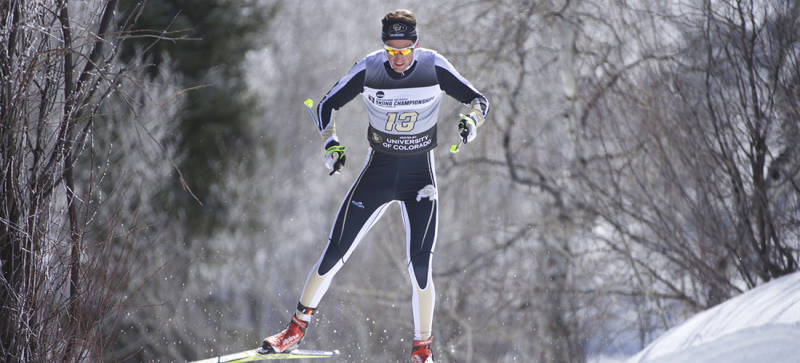
    Mads Ek Strøm of the University of Colorado-Boulder racing to a first place finish in the men’s 10 k freestyle race at the 2016 NCAA Skiing Championships in Steamboat Springs, Colo. (Photo: CUBuffs/Buffzone.com)

    Then the three-time National Collegiate Athletic Association (NCAA) champion — who won back-to-back races at the 2016 championships and came 0.5 seconds from a fourth NCAA title last year — got a call from Dave Stewart, head coach of the University of Denver (DU) Ski Team.

    DU’s assistant coach for the last six years, Hakon Johansen, had accepted a position as head coach of the Chinese biathlon federation, which is aiming to strengthen its snow-sports teams in advance of the 2022 Beijing Winter Olympics, Stewart explained in an email to FasterSkier.

    “When I started thinking about a new coach, Mads was a top choice immediately based on his experience as a competitor, as an NCAA student-athlete and from what I know he invested in his own training and in his teammates,” Stewart wrote of the Oslo native. “I have a lot of faith in a coach who is motivated to pass on to his athletes what he learned from his own experiences.”

    Strøm, a seven-time first-team All American and the winningest male skier in CU history, accepted the offer and started at DU at the beginning of the semester about a month ago. DU announced Strøm’s hiring as assistant nordic coach on Sept. 15.

    “I couldn’t say no when the offer from DU came along,” Strøm wrote in an email. “It’s been awesome so far and it was a great way to still be a part of the skiing community.”

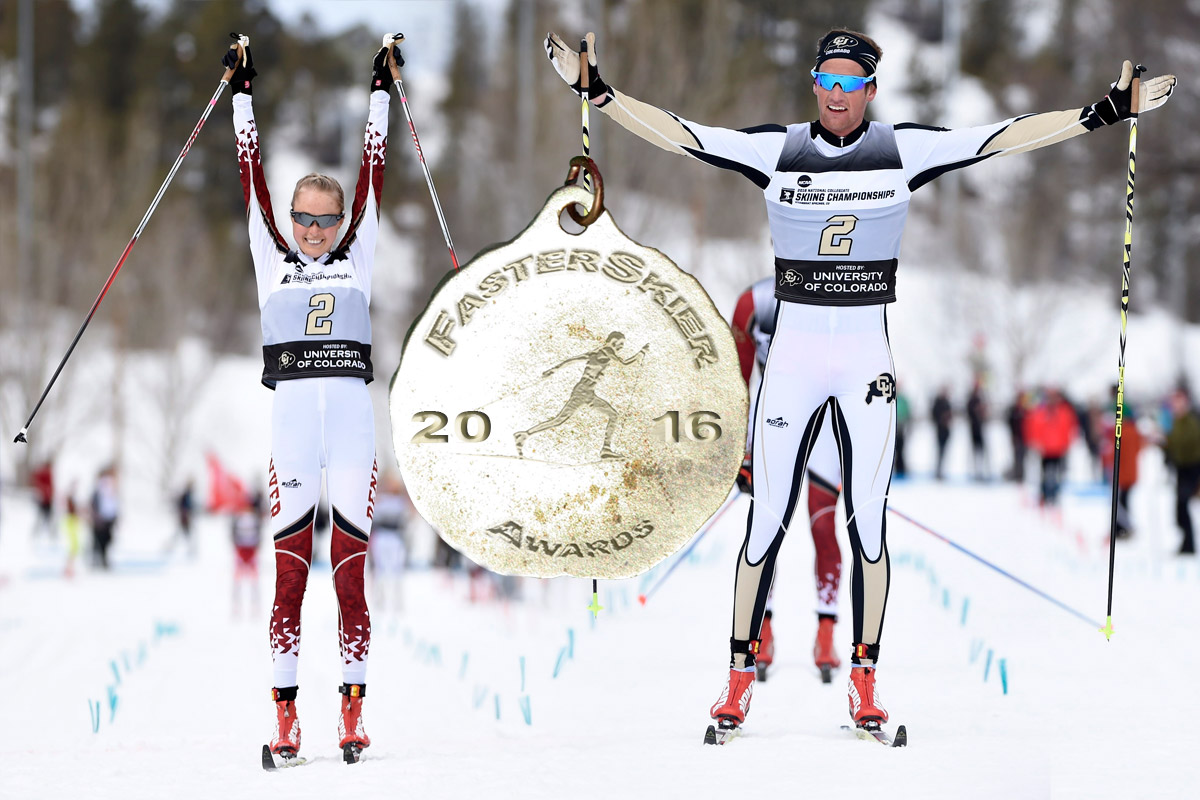
    Mads Strøm (r) and Linn Eriksen were FasterSkier’s Collegiate Skiers of 2016. Strøm is now an assistant coach at DU and Linn Eriksen, also from Oslo, Norway, is a senior at DU. (Photo: Curtis Snyder of the CU Sports Information Dept. and Jamie Schwaberow/NCAA photos).

    His responsibilities include discussing training plans with athletes and helping them reach their goals, he explained.

    “As a coach, I really hope I can help the all the athletes develop as skiers but also as human beings,” Strøm added. “Their goals are my goals and hopefully we can bring back the national championship to Denver for the 24th time. I really want to develop skiers and potentially find and help US skiing to another level.”

    “Mads has hit the ground running here and has been received well by our team,” Stewart noted. “We have a very motivated and fun team this year. A few young new faces and enough experienced returners among both women and men to lead the way. As always, our goals will be to be better than we have been before both individually and as a team and win NCAA’s.”

    We asked Strøm for a Wednesday Workout, and he shared one of the best ones he knows: Level 3 uphill skate intervals.

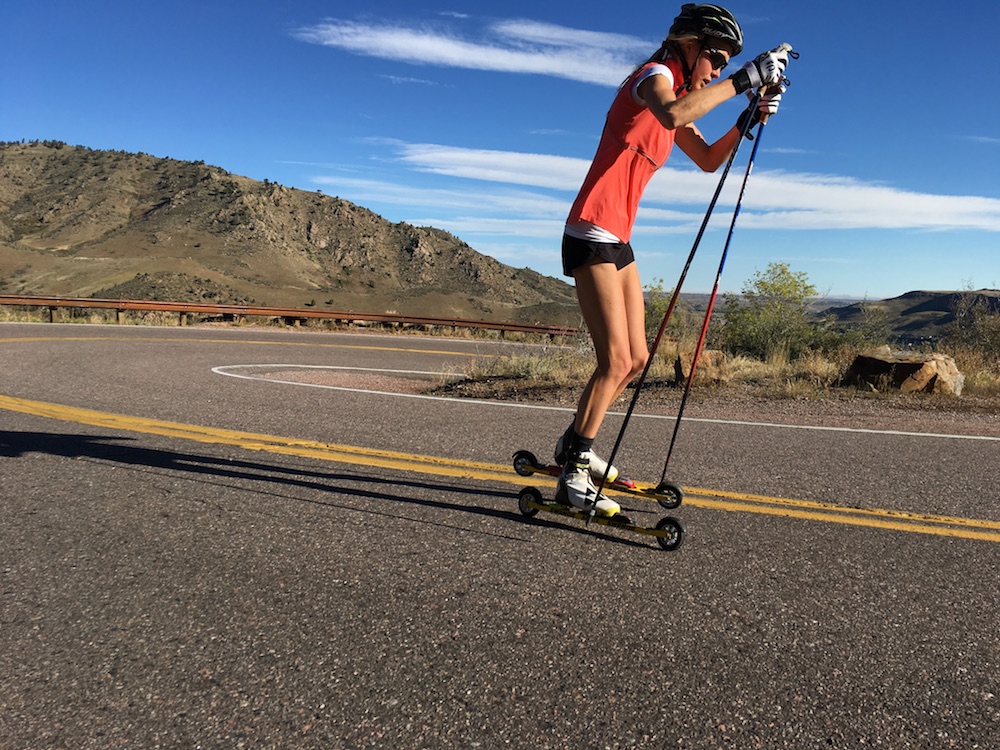
    DU senior Linn Eriksen skating up Lookout Mountain in Golden, Colorado, last month. (Photo: Mads Ek Strøm)

    “You get to increase your VO2 (Level 3-4) and you get lots of repetitive movement which makes you able to work on technique over a longer period of time in ‘race pace’,” he explained.

    “Before the workout try to make it THE workout of the week, as the interval sessions are the ones that makes you a better skier,” Strøm wrote. “Try to create a training plan where you are rested both physically and mentally the morning of the workout. The second session of the day should be a recovery workout (double poling with core strength or just easy running for 45 minutes to an hour).”

    The Workout: Level 3 6-8 x 8-minutes skate uphill

    1. Warmup: Easy skiing for 30 minutes, some minor speed increases to make the body ready for a hard workout.
    2. The Interval: 6 to 8 times 8-minutes uphill skate. Try to pace it so that every single interval is slightly faster. The last one should be in the form of 30/30, where you try increase the pace for 30 seconds and then rest for 30 seconds and do it 8 times; to increase speed and the tolerance for lactic acid to make it race specific.
    3. Cool down: 10 minutes of Level 1 and 5 minutes of Level 2 to remove as much lactic acid as possible. Remember food and drink after the workout as soon as possible (protein bars, Gatorade, etc.)
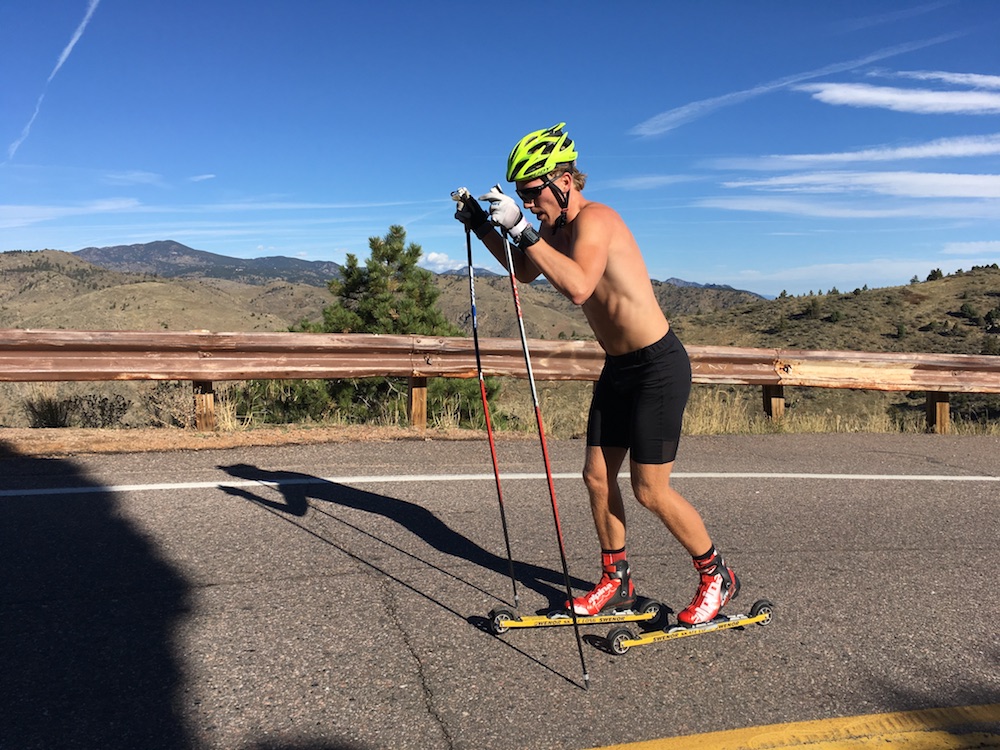
    DU sophomore Eivind Kvaale skating up Lookout Mountain in Golden, Colorado, last month. (Photo: Mads Ek Strøm)


  • In Steamboat, a Denver Kind of Day as DU Wins NCAA Championships

    In Steamboat, a Denver Kind of Day as DU Wins NCAA Championships

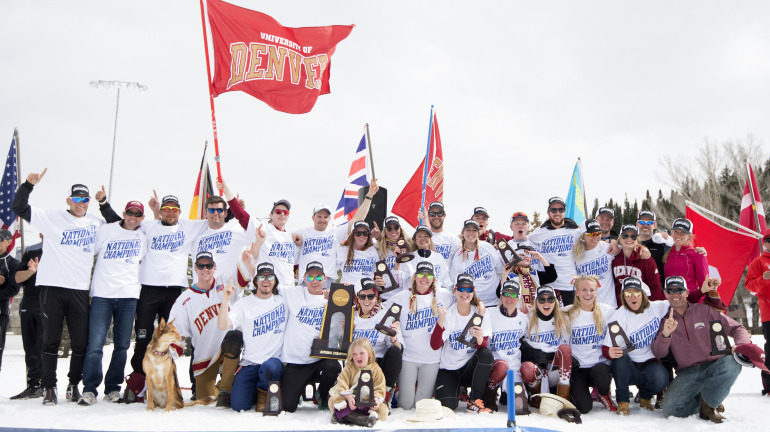
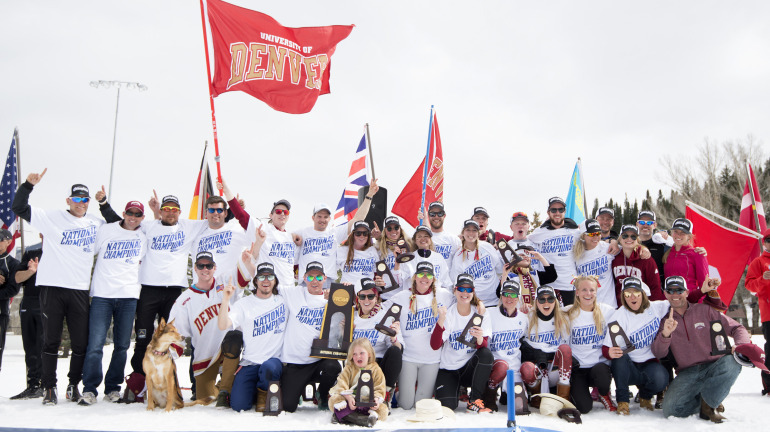
    The University of Denver celebrates its victory during NCAA Division I Men's and Women's Skiing Championships at Howelsen Hill in Steamboat Springs, Colo. (Photo: Jamie Schwaberow/NCAA via DenverPioneers.com)
    The University of Denver celebrates its victory during NCAA Division I Men’s and Women’s Skiing Championships at Howelsen Hill in Steamboat Springs, Colo. (Photo: Jamie Schwaberow/NCAA via DenverPioneers.com)

    After the University of Denver (DU) alpine team pulled the Pioneers into the lead on Friday, surpassing Montana State University (MSU) by 15.5 points with one day remaining in the NCAA Skiing Championships, the DU nordic team took that lead and ran with it on Saturday for Denver’s 23rd national skiing title.

    DU won the four-day 2016 championships with 567.5 points, 76 more than the University of Colorado-Boulder in second and 82.5 ahead of University of Utah in third. Colorado (CU) hosted the championships at Howelsen Hill in Steamboat Springs, Colo., with two days of alpine racing interspersed with two days of nordic.

    “Alpine set us up with a lead that we were able to build on, so this was a balanced team win with both alpine and nordic adding almost the same points to the team total,” Denver Head Nordic Coach Dave Stewart said, according to a DU press release. “Alpine has had a dominant season and it was very special to put it all together this week at NCAA’s.”

    The men’s 20-kilometer and women’s 15 k classic mass starts ended the championships on Saturday, with CU sophomore Mads Strøm winning his second NCAA title in as many races at this year’s championships (and third overall in the last three years).

    Denver sophomore Linn Eriksen skied away from the 39-woman pack to win in 54:37.6 minutes, 19.9 seconds ahead of Kati Roivas of the University of New Mexico (UNM). Ane Johnsen (CU) placed third (+21.2) to round out the podium, while Denver had three in the top 12 with Aja Starkey in sixth (+42.9) and Taeler McCrerey in 12th (+1:10.0).

    In the men’s race, Strøm edged Denver’s Moritz Madlener by 1.7 seconds at the finish, winning the 20 k in 49:41.9 and thus becoming the third CU athlete in history (and sixth skier) to win at least three individual NCAA titles, according to a CU press release. Another 17 seconds back, Niklas Persson (Utah) placed third (+18.7). For Madlener, it was his second podium in as many races after placing third in Thursday’s 10 k freestyle.

    “I really had to focus – I’m happy that I had that rest yesterday,” Strøm said of Friday’s off day for nordic. “A lot of things happen when you win a race. A lot of people want to talk to you. I just had to recover a little bit and try to find some good skis again and just have a smart tactic. I just like to stay behind people, let them do the work and finish strong.”

    The 24-year-old Norwegian explained he switched up his strategy when his teammate Petter Reistad chose to double pole.

    “He didn’t use any kicks, so he had to go hard from the start and just try to ski away from people,” Strøm said. “That really helped me out because other teams had to chase him and I could slip in behind and just ski with them until they eventually caught him. I could just stay in a pack and just save as much energy as possible. My skis were really good and on the last lap I saw there were pretty much only three guys left. I knew all of us were pretty good sprinters so I just tried to tire them out a bit all the way to the top.”

    Mads Strøm racing to the first of his two consecutive wins at 2016 NCAA Skiing Championships: Thursday's 10 k freestyle in Steamboat Springs, Colo. Strøm won the men's 20 k classic mass start on Saturday by 1.7 seconds. (Photo: CUBuffs.com)
    Mads Strøm racing to the first of his two consecutive wins at 2016 NCAA Skiing Championships: Thursday’s 10 k freestyle in Steamboat Springs, Colo. Strøm won the men’s 20 k classic mass start on Saturday by 1.7 seconds. (Photo: CUBuffs.com)

    Coming into the final descent, Strøm told himself that second wouldn’t cut it.

    “I said, ‘OK, I’m going to sacrifice everything. Either I go down or I’m just going to gap,’ and I gapped.  I looked back, and I said, ‘OK, just sprint from here. Just go for it,’ ” he said.

    Reistad placed ninth (+1:35.4) as a freshman and the second CU Buff in the top 10. In the women’s race, Colorado had two skiers in the top five, with Johnsen in third and Jesse Knori in fifth (+36.2).

    Contributing to the team win, Denver had three men in the top 13 with Dag Frode Trolleboe in 10th (+1:42.3) and Lars Hannah in 13th (+2:21.3).

    Aside from winning the overall, Denver also had 15 All-Americans, the most of any team this year, according to an NCAA press release. On Saturday, Eriksen and Madlener were named to the women’s and men’s classical first teams, respectively, while Starkey and Trolleboe earned second-team honors.

    “I am so incredibly proud of the young men and women on our team,” Stewart said. “They came into this championship knowing that it would take nothing less than their best to win a title for DU, and they did just that. The conditions were challenging today with rising temperatures through the morning, but everyone brought such composure and focus to the race that I believe the tough conditions worked in our favor.

    “Moritz and Linn have led the team all year and they did it again today,” he added. “Moritz just missed his first individual national title in a close sprint finish, but his two podium performances this week were huge for the team. Linn skied a masterful race, leading from start to finish, breaking away on the last lap to ski to a solo win. Aja had the race of her life in sixth and Dag Frode had his two best races of the season when the team needed him.”

    Stewart added that the championships came during exam week, requiring every member of the team to take their final exams in advance.

    “These guys are truly model student-athletes and it is my pleasure to be able to coach them,” he said. “We are thrilled to be bringing our 23rd national title back to DU! To end the championship with two exceptional nordic performances, with both men and women winning the team score, was the best ending to the five championships wins I have been a part of over the last 10 years. This one tops them all!  To have all six of our nordic athletes earn All-American honors is just incredible. I’m speechless.”

    Results: Men’s 20 k | Women’s 15 k

    Top 10 men (20 k classic mass start)

    1. Mads Strøm (CU) 49:41.9
    2. Moritz Madlener (DU) +1.7
    3. Niklas Persson (UU) +18.7
    4. Ian Torchia (NMU) +40.2
    5. Adam Martin (NMU) +57.8
    6. Eli Hoenig (Williams) +1:01.3
    7. Kevin Bolger (UU) +1:05.5
    8. Jack Hegman (UVM) +1:07.6
    9. Petter Reistad (CU) +1:35.4
    10. Dag Frode Trolleboe (DU) +1:42.3

    Top 10 women (15 k classic mass start)

    1. Linn Eriksen (DU) 54:37.6
    2. Kati Roivas (UNM) +19.9
    3. Ane Johnsen (CU) +21.2
    4. Veronika Mayerhofer (UU) +28.4
    5. Jesse Knori (CU) +36.2
    6. Aja Starkey (DU) +42.9
    7. Nichole Bathe (UAF) +44.5
    8. Emilie Cedervaern (UNM) +44.9
    9. Olivia Amber (Colby) +53.1
    10. Eva Severrus (UNM) +1:02.2

    Thursday, March 10 

    Men’s Freestyle First Team

    1. Mads Stroem, CU

    2. Ian Torchia, NMU

    3. Moritz Madlener, DU

    4. Adam Martin, NMU

    5. Sawyer Kesselheim, MSU

    Second Team

    6. Petter Reistad, CU

    7  Nick Hendrickson, UU

    8. Lars Hannah, DU

    9. Jake Brown, NMU

    10. Jack Hegman, UVM

    Women’s Freestyle First Team

    1. Anika Miller, MSU

    2. Petra Hyncicova, CU

    3. Sloan Storey, UU

    4. Cambria McDermott, MSU

    5. Emilie Cedervaern, UNM

    Second Team

    6. Natalia Müller, UU

    7. Taeler McCrerey, DU

    8. Linn Eriksen, DU

    9. Ane Johnsen, CU

    10. Mary Kate Cirelli, UVM


    Saturday, March 12

    Men’s Classical First Team

    1. Mads Strøm, CU

    2. Moritz Madlener, DU

    3. Niklas Persson, UU

    4. Ian Torchia, NMU

    5. Adam Martin, NMU

    Second Team

    6. Eli Hoenig, WIL

    7. Kevin Bolger, UU

    8. Jack Hegman, UVM

    9. Petter Reistad, CU

    10. Dag Frode Trolleboe, DU

    Women’s Classical First Team

    1. Linn Eriksen, DU

    2. Kati Roivas, UNM

    3. Ane Johnsen, CU

    4. Veronika Mayerhofer, UU

    5. Jesse Knori, CU

    Second Team

    6. Aja Starkey, DU

    7. Nichole Bathe, UAF

    8. Emilie Cedervaern, UNM

    9. Olivia Amber, COL

    10. Eva Severrus, UNM

  • The College Workout: Stair Repeats with Denver University

    The College Workout: Stair Repeats with Denver University

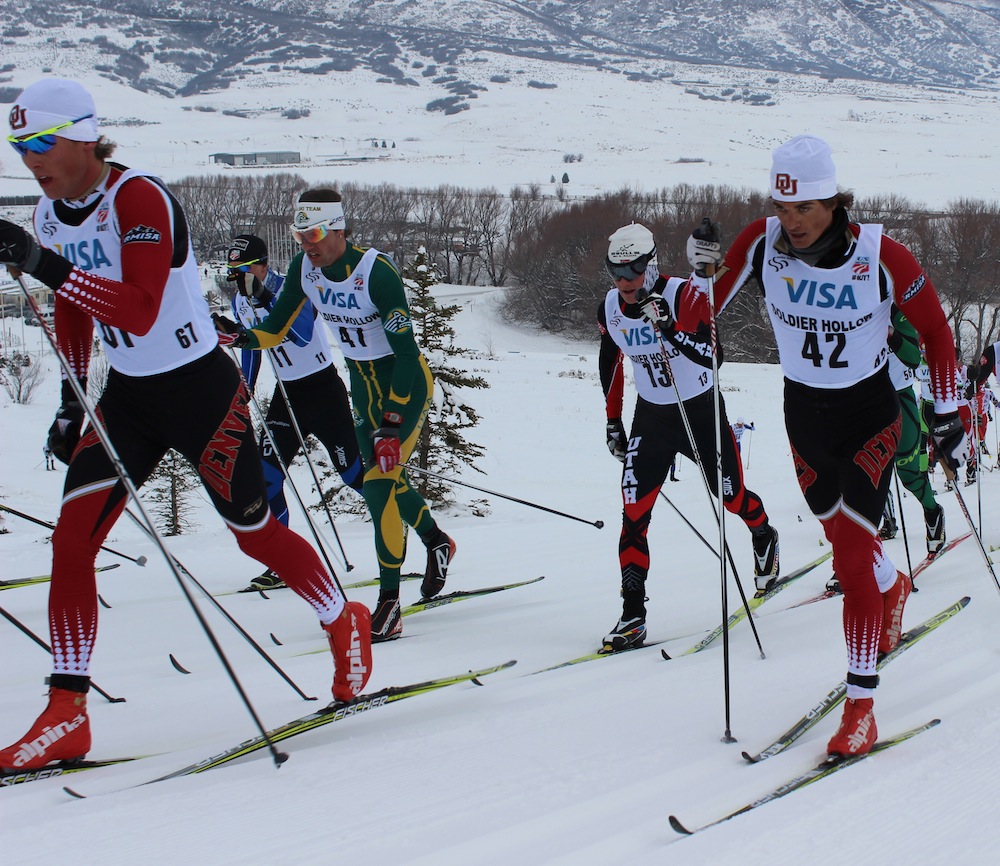
    University of Denver athletes climbing Hermod's Hill at Soldier Hollow this January at U.S. Nationals.
    Joergen By Brevik and Trygve Markset of the University of Denver climbing Hermod’s Hill at Soldier Hollow this January at U.S. Nationals.

    There is a 300-step staircase that leads from below the stage at Red Rocks Amphitheater in Morrison, Colo., to the very top of the stadium seating. Thousands of people climb them every weekend in the summer months to enjoy live music, but on Saturday and Sunday mornings the steps are crowded with hundreds of elite and recreational athletes alike running up and down them. Few activities lead to the pain cave as efficiently as stair repeats, and as a result the massive rock formation has become a popular spot for training.

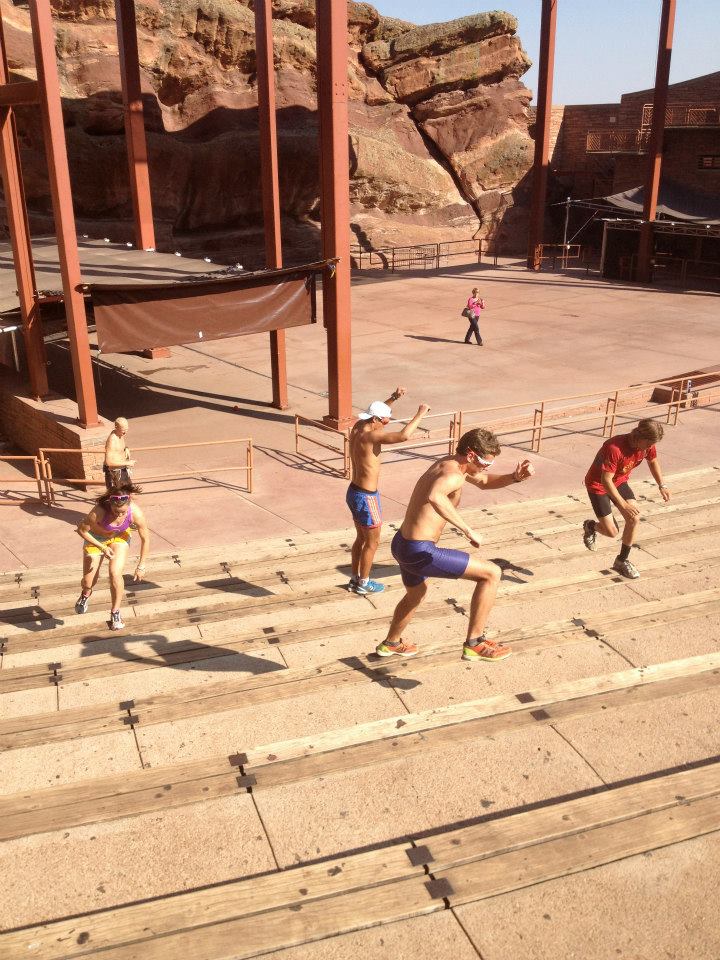
    DU athletes doing spenst drills on the stadium bleachers. (Courtesy photo)
    DU athletes doing spenst drills on the stadium bleachers. (Courtesy photo)

    The University of Denver Ski Team makes a trip to Red Rocks a few times every fall and spring to do a combined workout of specific strength and intervals on the stairs. Head coach Dave Stewart likes the amphitheater because it presents his athletes with the hardest terrain they will ever see —once they’ve conquered 300 stairs a bunch of times, A-climbs are a piece of cake.

    “I think it’s as much mental preparation as a good physical training session,” Stewart says. “It’s so challenging and so steep and so relentless that…Hermod’s Hill at Soldier Hollow doesn’t seem so tough any more.”

    The atmosphere at the amphitheater also keeps things interesting. Hundreds of people flock to the stairs in the summer to make themselves suffer, a kind of presence that nordic skiers don’t often have in the off-season.

    “One of the cool things about it is that other people are doing it at the same time,” Stewart says. “For nordic skiers, a lot of the training we do on rollerskis — you’re definitely the only people doing it. But you go to Red Rocks and there’s a handful of people running the stairs or running the bleachers or doing pushups, so it’s a really cool atmosphere… It’s kind of inspiring.”

    For this edition of the college workout, we’re doing stair repeats.  On top of being a good mental challenge it works the specific leg muscles you use to push of your skis, and will also increase lactate tolerance. DU does this workout in the off-season, but the average nordic enthusiast can do stair repeats at any time of year, weather permitting. Don’t live in Denver? Look to your nearest skyscraper!

    The workout:

    20 minute warmup

    15 minutes of spenst on the stadium bleachers. (These are done on deeper steps than the stairs. Spenst is a set of high-workload, low-repetition Plyometric exercises.)

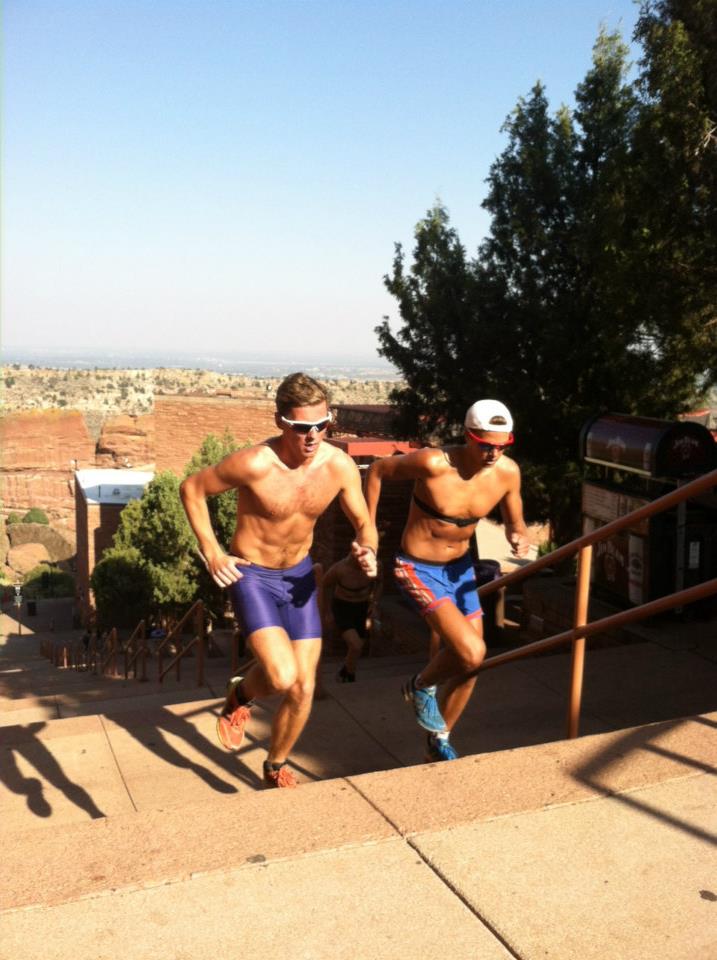
    5 or 6 reps of ~2 minutes up the stairs at Level 4 (do the same distance each time and try to keep your time the same throughout the workout), with 4 minutes rest in between

    Cool down

    One of six intervals on the stairs (Courtesy photo).
    One of six intervals on the stairs (Courtesy photo).

    The short spenst session at the beginning of the workout works on lower body explosiveness, and is best done  before the intervals destroy your legs.

    “We’ve found that including the spenst early on, doing the more explosive shorter bounds early on, is a really good warm-up for doing the stairs afterwards,” Stewart said.

    As for the intervals themselves, make a point of keeping your time the same on every repetition. Stewart says the 300-step set of stairs takes his men between 1:45 and 2:00 minutes, and his women 2:00 to 2:30.

    How do you know you’re doing it right?

    “Your legs are shaking like crazy by the end,” Stewart says. “I used to do it with them and I don’t think I’ve ever done it without throwing up. So it’s pretty tough…it’s definitely the thoughest one we do.”


  • Ski Denver Brings City Skiing To Colorado

    Ski Denver Brings City Skiing To Colorado

    The Denver Nordic Ski Association, or Ski Denver, was founded in June to bring accessible skiing to city residents. On Sunday, experienced and new skiers alike met in Washington Park to promote the organization and get people excited for city skiing.

    One of the more ironic aspects to living in the Front Range of Colorado, from a skier’s perspective, is the fact of being so close to some of the best skiing in the U.S. and yet having to drive so far to actually access it. Denver residents can see snow-capped peaks from the city, but usually have to drive at least an hour to reach decent cross-country skiing.

    The Denver Nordic Ski Association, or Ski Denver, was formed in June to address this dilemma. On top of wanting to make cross-country skiing easily accessible to city residents, the organization’s founders specifically set out to help the sport grow in Denver by making it more affordable for beginners.

    “I’ve been interested in bringing skiing closer to Denver ever since I’ve been coaching here,” said Denver University head coach and Ski Denver co-founder Dave Stewart. “For people who don’t have the means or the time to go up to the mountains, it will be amazing to have skiing in the city.”

    Snowfall in the Front Range isn’t as reliable as it is in the mountains; some winters it stays for just a few days while others it sticks for months at a time. “In 2006 you could have skied in Denver for two and a half months straight,” Stewart said. Even if 2013 is a relatively spare season in the Mile High City, Ski Denver wants to be there from the moment the first flakes fly to prove you don’t have to live in the mountains to ski out your back door.

    CU Boulder head coach Bruce Cranmer, left, with Ski Denver co-founders Dave Stewart and Russ Rizzo in Washington Park.

    The story of Ski Denver’s formation is representative of how badly area skiers have wanted someplace to ski close to home. Stewart began contacting the City of Denver in the spring of 2012 to inquire about the possibility of bringing grooming to existing public land and found that others had already done the same. Stewart joined forces with Matt Medlock, Russ Rizzo and Miles Graham, filed the association’s non-profit paperwork in June, and Ski Denver was born.

    The group’s first objectives are to establish a pilot ski area at one of Denver’s public golf courses and build a strong membership base with which to grow the organized Denver ski community and help pay for grooming operations. The group has already been actively promoting itself in the city with fundraisers and events. According to Rizzo, they currently have 60 paying members and 600 subscribers between its newsletter and Facebook page.

    “There will be groomed trails in Denver for the first time in history, and we’ve seen an outpouring of excitement,” Rizzo said. “I think people in the nordic community are all over Denver and just haven’t been organized before.”

    Rizzo describes himself as a recreational skier. As a relatively new member of the nordic community, he sees outdoor and endurance enthusiasts like him as the people who’d be willing to pick up the sport if it is more accessible.

    “I cross-country ski with my wife because she doesn’t like to downhill ski. We ski in the woods in Indian Peaks Wilderness and I’ve skated a couple times and know it’s really good exercise,” Rizzo said. “I’m a biker and a triathlete. I am the target demographic: the guy who goes, ‘Oh yeah, if it’s closer to me I’d totally buy skis to get out and cross train.’”

    Likewise, Stewart is most excited about introducing the sport to more people. Nearby groomed trails will help his student-athletes train, but the more motivating aspect of his involvement, he says, is bringing local and affordable skiing to a broader base of Denver residents.

    “For us it’s not as big a deal whether there’s snow in the city or not, we have great skiing in the mountains,” Stewart said. “But if we get one day in Denver, that’s great. If we expose people to skiing, and show people we can do this and not have to drive to the mountains, that’s great. That’s the real motivation.”

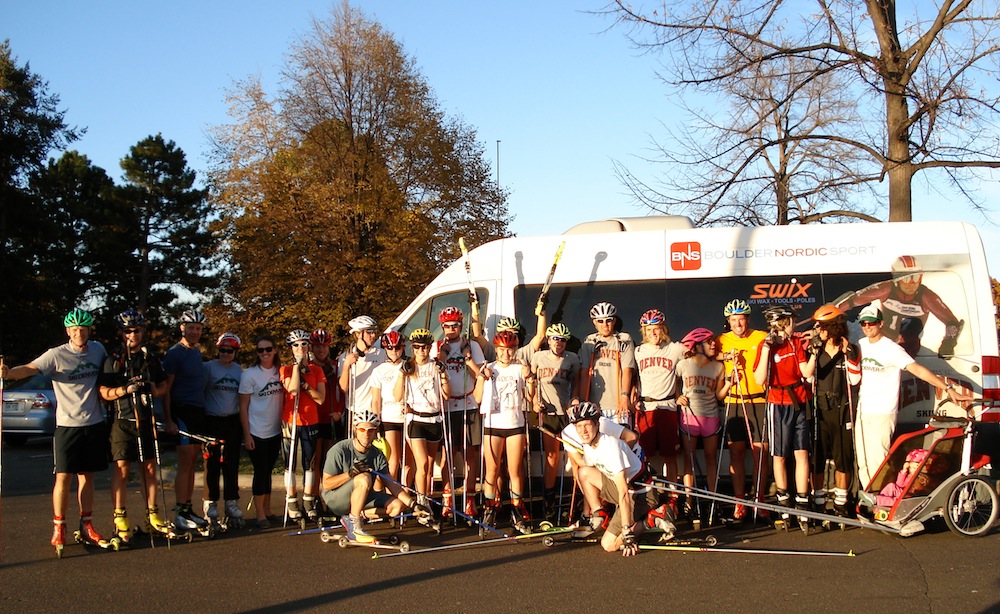
    Ski Denver hosted a rollerski event on Sunday in Washington Park. Experienced skiers from the DU ski team and the Boulder Nordic Junior Race Team were in attendance, but so were people putting on rollerskis for the first time in their lives. Rizzo was one of them, and as he gained confidence skiing back and forth across the pavement, people stopped by to see what was going on.

    “That’s what we’re trying to make happen; get people excited about the sport,” Rizzo said.

    “If you’re a cross-country skier you probably backcountry ski too, and you probably cycle. Those folks love gear, and the nordic community seems to love gear, too. They want to work out the same muscles and be outside because it’s beautiful, but it would never make sense to drive an hour and a half to go do it. Those are the folks that we’re excited to start activating.”