From the FasterSkier archive — posts syndicated from athletes’ and coaches’ own blogs between 2004 and 2012, kept online as published. Current coverage is at fasterskier.com.

Tag: Depression

  • Going It Alone, with Help from Friends: Social Support and Exercise Behavior in Birkie Racers

    Going It Alone, with Help from Friends: Social Support and Exercise Behavior in Birkie Racers

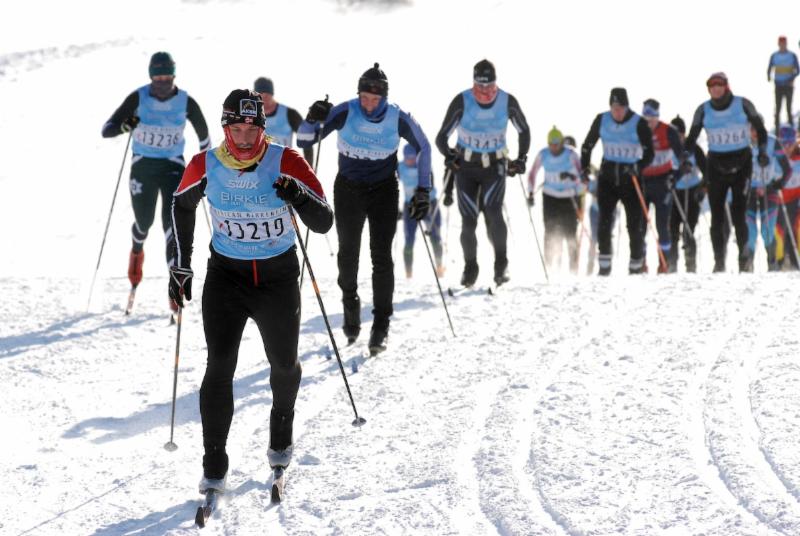
    Racers at the 2014 American Birkebeiner. (Photo: ABSF/Kelly Randolph)

    Part I of this interview discussed findings about general health and exercise habits of American Birkebeiner participants compared to the general public. You can catch up on that piece here.

    When the Birkie Health Study launched in 2014, the role of social support in forming and keeping healthy habits was a big a question for researchers – and their high-profile supporters.

    “Why people choose to get out in the first place, and what keeps them staying active, especially when we’re talking about the social aspect of it which is super huge for girls and women – I’m interested to look at the results and glean some things from it that we can apply to Fast and Female so that we can continue to make our programming more effective, and really work towards achieving our mission of keeping girls and women involved in sports for their whole lives,” World Champion skier Kikkan Randall said at the time.

    Researchers Paul Anderson and Ralph Bovard received survey responses from more than 5,000 people who had participated in the American Birkebeiner, a cross-country ski marathon held every year in Wisconsin.

    While the survey asked about exercise, general health status, and behavior, it also sought to understand why people exercised. Their results were published in BMJ Open last year (and can be read free of charge here).

    Among survey respondents – typically middle-aged, married men with a four-year education and a full-time job – nearly 80% had been introduced to skiing by family or friends, and 96% said that they were “highly motivated to exercise by signing up for races like the Birkie.”

    “I think that the masters athlete movement in America and worldwide has been a terrific incentive to many people,” Bovard wrote in an email. “It lets adults know that it is okay to move and revel in their bodily movement. It is okay to aspire to race and challenge one another in physical activity even if you’re 65 or 85 years old. We hosted the national masters swim meet and Minneapolis in early August… [One older] swimmer said: ‘I can still swim because I’m healthy. But I’m only healthy because I swim.’”

    What does “social support” mean, though?

    The survey asked a series of questions to find out how skiers interacted with other people regarding exercise.

    Maybe most obviously, that meant finding out whether skiers trained with other people. They did. For instance, 35% of respondents said that they most often exercised with other people, and 71% of respondents said that they trained with others at least once a week.

    But other behaviors are also considered social support, and some of them are so simple and basic that a skier might not realize they are doing it. An example is simply talking about exercise with a friend, family member, or co-worker. The survey asked whether family and friends talked about their own exercise, encouraged the respondent to exercise, or simply “discussed exercise with me.”

    That last was the most common social support interaction among all of the choices.

    “Among individuals who are training together or are interested in fitness, verbal processing of training challenges and successes builds connection, reinforces the value of physical activity, and provides a strong context for the positive meaning of an active life,” Anderson wrote in an email. “This is not surprising since language is one of the predominant forms of human connection in virtually all the important aspects of life.”

    Simply talking about a workout might seem trivial, but survey respondents with high “social support scores” were more likely to spend more time exercising, get more sleep, eat more fruits and vegetables, and suffer less from depression or low moods.

    That last relationship is complex, but important. While exercise can often relieve some symptoms of depression, non-exercise specific social support also can lead to better outcomes in depressed patients. So which caused the lower rates of depression in the Birkie skiers?

    “Physical activity is a well-known intervention for mood disorders and I think we observed an expected change in this metric,” Anderson wrote. “Our data doesn’t allow us to speculate about causal relationships, however… we would need to design a study to look at this question specifically if we wanted to answer this question definitively.”

    Besides simply talking about exercise, other forms of social support were also prevalent. Family and friends often offered to exercise with a survey respondent, scheduled activities around the respondent’s need to exercise, or planned to exercise on recreational outings.

    The authors speculated that this was a second mechanism to help survey respondents get over the motivational barriers to exercising. For adults with full-time jobs, time and energy aren’t always in abundance.

    This finding also highlighted an interesting complexity in the data: most survey participants trained primarily alone, and yet training with friends was also very important to them. For instance, only 22% said that they wouldn’t do the Birkie if their family or friends didn’t sign up as well. Yet 75% said that exercising with family or friends motivated them to sign up for races like the Birkie.

    “While these responses seem difficult to reconcile, it may be that on the one hand the predominance of solitary training coupled with the determination to sign up for races regardless of social support suggests a high level of self-efficacy,” the authors wrote in the paper. “On the other hand, the pattern of weekly exercise with others and the fact that skiers do sign up for races because of motivation derived from others suggests that any pre-existing self-efficacy may be reinforced by regular doses of exercise-specific social support.”

    In other words, even those who are highly self-motivated benefit from getting social support.

    “I think a big part of the argument of Paul’s research is that the social aspects of physical activity participation can be life changing,” Bovard wrote. “When I lived in Arizona I joined a master swim group. I did not know any of those people before I went there but they quickly became good friends… I think the essence of this is that people develop a shared, camaraderie that is life enhancing. I always say that I do not hang out with the people I work with, rather I hang out with the people I work out with.”

    Bovard, however, was already looking for a swim group to join: he had pre-existing motivation, and so it was probably relatively easy to fold into a community in a new place. Many skiers have likely experienced the same thing when they move to a new area and sign up for a race or join a training group.

    The question remains of whether such behavior can simply maintain exercise and training habits, or start them off. Can the same social support systems that keep Birkie skiers exercising be used to get a non-exercising member of the public to start being more active?

    “Exactly how this would work between a fitness-minded individual and one who isn’t currently active highlights the complexity of initiating a new behavior,” Anderson wrote in an email. “It would be interesting to study whether or not language (talking) was the strongest factor leading someone to initiate physical activity or if the was another form of social support that was more influential.”

    The survey results generated lots of new ideas and Anderson is looking forward to studying Birkie skiers in more detail. But even these first results give some hints at strategies to improve public health.

    “Those wanting to initiate, maintain or increase physical activity regimens should receive guidance that emphasises the importance of physical activities in groups, especially family of friend groups connected to larger fitness cultures that often surround community races or large national or international competitive events,” the study concluded.

    Interested in this study? Anderson wrote, “We are also very interested in learning what Birkie skiers wonder about and doing some studies that answer their questions too. They should feel free to email me at Paul.J.Anderson@HealthPartners.com with their ideas.”
  • An Open Letter About Depression in Competition

    An Open Letter About Depression in Competition

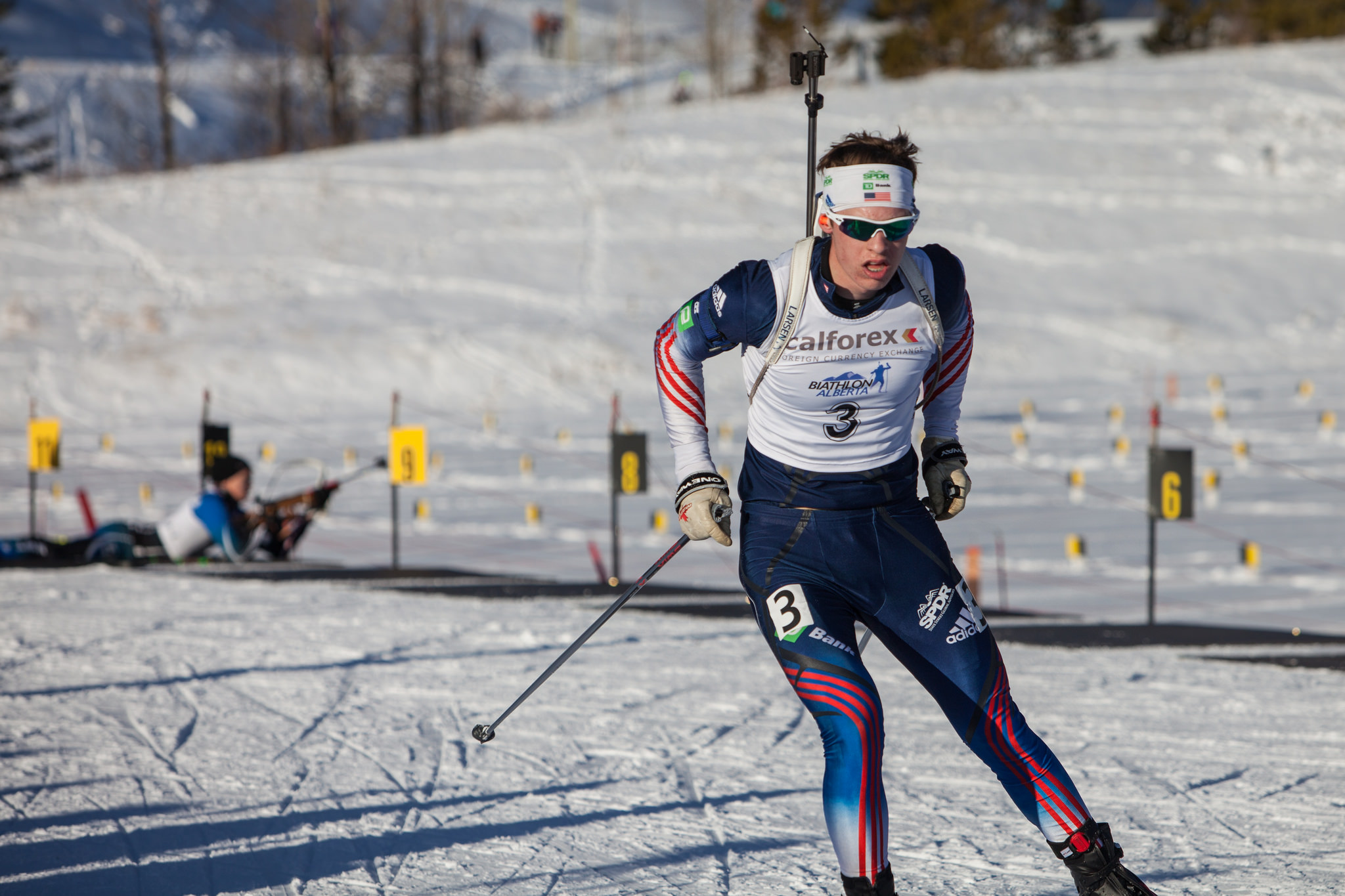
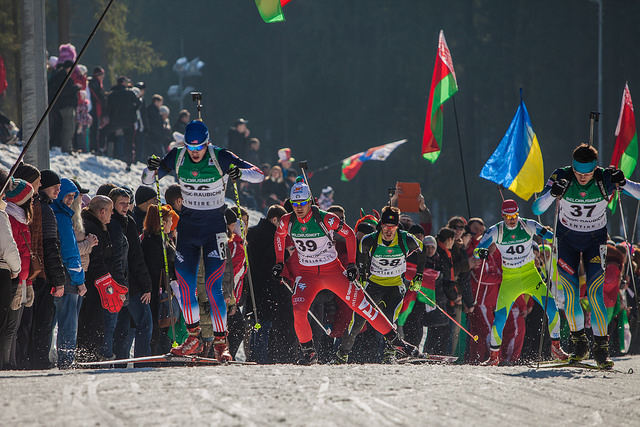
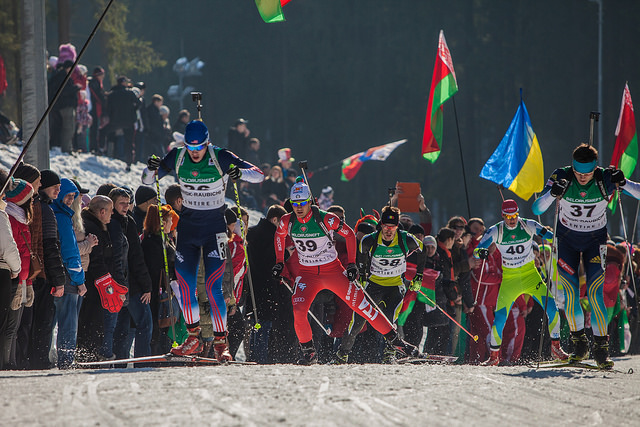
    Paul Everett racing at 2015 IBU Junior World Championships near Minsk, Belarus. (Photo: Jake Ellingson)
    Paul Everett (l) racing at 2015 IBU Junior World Championships near Minsk, Belarus. (Photo: Jake Ellingson)

    If you follow U.S. skiing closely, you’ve probably heard of Paul Everett. After three years on US Biathlon’s development team, Everett, 20, is currently a Montana State University sophomore and member of the Bridger Ski Foundation in Bozeman, Mont. He is studying exercise science and psychology, and wrote the following letter for an assignment. It’s about depression and anxiety in athletes, “more specifically ski racing about what it is like for those competing with these disorders and ways in which athletes and coaches can help with these mental conditions,” Everett wrote in an email to FasterSkier. “I offer this letter … to spread awareness or help other skiers with similar struggles.”

    ***

    Dedicating one’s life to a sport can fittingly be described as near insanity. As complete insanity is defined as doing the same thing over and over again expecting different results, an athlete’s job description nearly meets that criteria, but with at least showing the smallest increments of improvement each time. To compete at the highest of levels in any sport, an athlete needs this narrow, single-sighted vision of reaching their optimal best, and doing only that which will help them achieve this goal. For some this mindset comes easily, but for others like myself, this near insanity that is required of athletes may not always coexist with their own mentality. Much of my life I have suffered from depression and anxiety. Each time this struggle rises, I have always gone to skiing as a way to cope with this mental disorder. While skiing has done tremendous improvements on my mentality towards life and understanding of what it takes for me to be happy with myself, the competitive side of ski racing can take an emotional toll on anyone, especially those suffering this condition.

    For a disorder that affects millions of people, including many athletes, its severity is not always recognized for the damage it can do. Living with depression, energy and motivation seem to drain at even the smallest of obstacles. While thoughts are occupied on unrealistic concerns or perspectives, much of what once brought joy now fades to empty routines. The ability to see the positives of accomplishments is replaced with highlighting the faults within them. It is this voice within the head demanding one’s self to quit, but never itself going away. Though exhausting, these symptoms are not what stop me from racing. While I can quiet this voice much of the time through skiing, it is only when I am faced with expectations of success in racing that my anxiety strengthens these destructive tendencies.

    As a product of depression, you let yourself down countless times by not reaching the impossible standards you set yourself up to attempt. That pain may numb after a while, but the additional anxiety from letting down others cheering you on is what becomes unbearable. Competing with the heavy weights of depression and anxiety on your shoulders can become a crippling task. Trapped within your own head without a filter, negative thoughts become a constant stream for days leading up to a race. Self-esteem is lowered with every comparison of your vulnerabilities to another athlete’s strengths, and when time does finally come to leave it all out there, your only wish during the entirety of the course is to just be on the other side of that finish line. No matter the outcome, be it standing on the podium or the last page of the results, the anxiety always takes its toll.

    Depression and anxiety are a tradeoff pair, both taking turns quieting the other, but also taking turns gaining control of your life. As anxiety acts as a distraction from depression, it is one that only heightens the inevitable fall of the melancholy to come. Being physically and mentally exhausted after a weekend of racing is the perfect time for depression to surface. You need a break like anyone after a hard effort, but this break when left alone makes you susceptible to that retuning voice in your head. Now without the distraction of skiing or the energy to combat it, the voice can take ahold of your thoughts, dragging you once more to your lowest point and letting you surface only when the next race comes for anxiety to take its turn.

    As the years have passed with this disorder, I have learned new ways to help deal with this voice and the thoughts that come with it. While the voice may always be there, distractions and acceptance seem to be what aid me the most. Finding anything productive to do in order to keep my mind from wandering to these thoughts is the most efficient way I am able see positive changes in my mood. This is a disorder that thrives on isolation. To have the company of others I closely regard not only distracts myself, but brings an uplifting environment that can carry with me long after. While this companionship may not always be offered when I need it, finding acceptance is another tool used to great degrees of success. Anxiety is a product from fearing the future’s unknown. By doing what I need to at this moment to ensure the best future for myself and accepting the things I cannot change, there should be no reason for my fear to take ahold of me. Of course more easily said than done, these ideas are things I am still working out for myself today, and hope anyone reading this as well can gain from.

    “Anxiety is a product from fearing the future’s unknown. By doing what I need to at this moment to ensure the best future for myself and accepting the things I cannot change, there should be no reason for my fear to take ahold of me.”

    Depression is not something that will be relieved permanently from my life. That negative voice will always be there, but there are things I can do to quiet it. This letter is not only written for my own benefit, but for any athletes or coaches of athletes who share this burden with me. I have seen positive improvements from my own life by sharing my feelings with family, therapists and coaches. It is not something that should be hidden from others. As like any disorder, one needs support if it is to be managed properly. To the athletes, please shed light of your feelings to your family and coaches, so they can do their own part as well to help. Seek a therapist before you think you even need to. There are therapists out there that can do unbelievable work. It is something that can never be done too soon, and could possibly save your life. To the coaches, if you see your athlete show any signs of abnormal moods or behavior, it is your obligation to talk with them in an appropriate manner in order to know what the best choice is for their health. An athlete’s wellbeing takes priority over any race, and if that means taking time away from skiing in order to address changes that need to be made, so be it.

    I have come out the other side of dark times brought on by this disorder, with a great amount of work still to come. Although I cannot completely prevent others from the reality that is depression, I do have the ability to spread awareness and provide tools to those and their supporters who need it most. There is no reason for you to fight this on your own. Skiing has never only been about competing, but more importantly about having fun, and it’s hard to be sad with a smile on your face.

    Former US Biathlon development skier Paul Everett (Methow Valley Biathlon) racing in December 2014.
    Former US Biathlon development skier Paul Everett (Methow Valley Biathlon) racing in December 2014.
  • “I’m tired of pretending and lies” – Justyna Kowalczyk Reveals her Battle with Depression

    “I’m tired of pretending and lies” – Justyna Kowalczyk Reveals her Battle with Depression

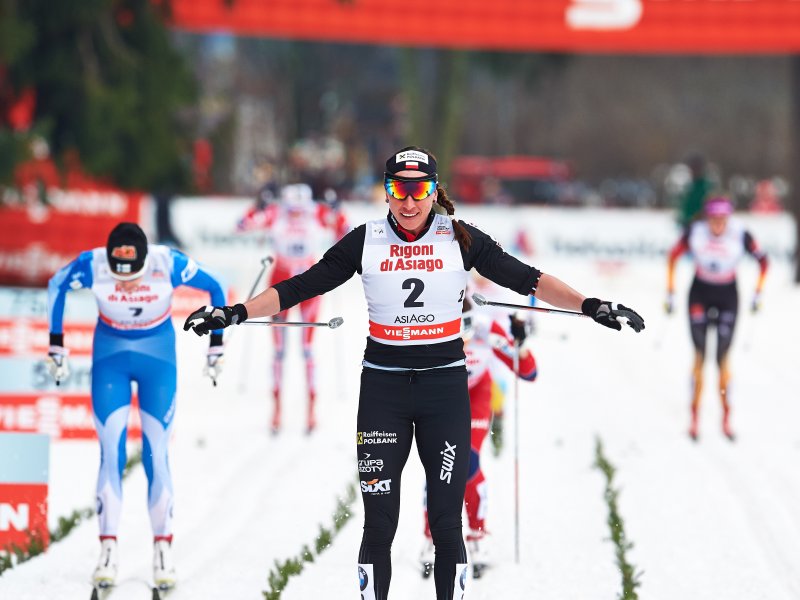
    Justyna Kowalczyk (POL) celebrates her victory in the Asiago, Italy city sprint Photo: Fischer/Nordic Focus
    Justyna Kowalczyk celebrates her victory in the Asiago, Italy city sprint. The 31-year-old skier suffers from depression, which has resulted in several mental breakdowns. The Polish star also dealt with a miscarriage in May of 2013. (Photo: Fischer/Nordic Focus)

    With two Olympic Championships, countless World Cup victories, and limitless admiration from Poland and beyond, Justyna Kowalczyck has led a remarkable life, but even the most remarkable people can suffer from mental illness regardless of the number of podiums they’ve achieved.

    The multiple Tour de Ski victor revealed to Polish news organization, Sport.pl, on June 4th that she has been battling severe depression for over a year. The acclaimed skier also suffered a mental breakdown in May of 2013 as a result of a miscarriage at the time.

    Throughout the past year she has dealt with constant nausea, fainting spells, fevers over 104 degrees, anxiety, and many sleepless nights. Despite many attempts to quell the effects of her depression, including the use of medication, Kowalczyk has yet to find relief.

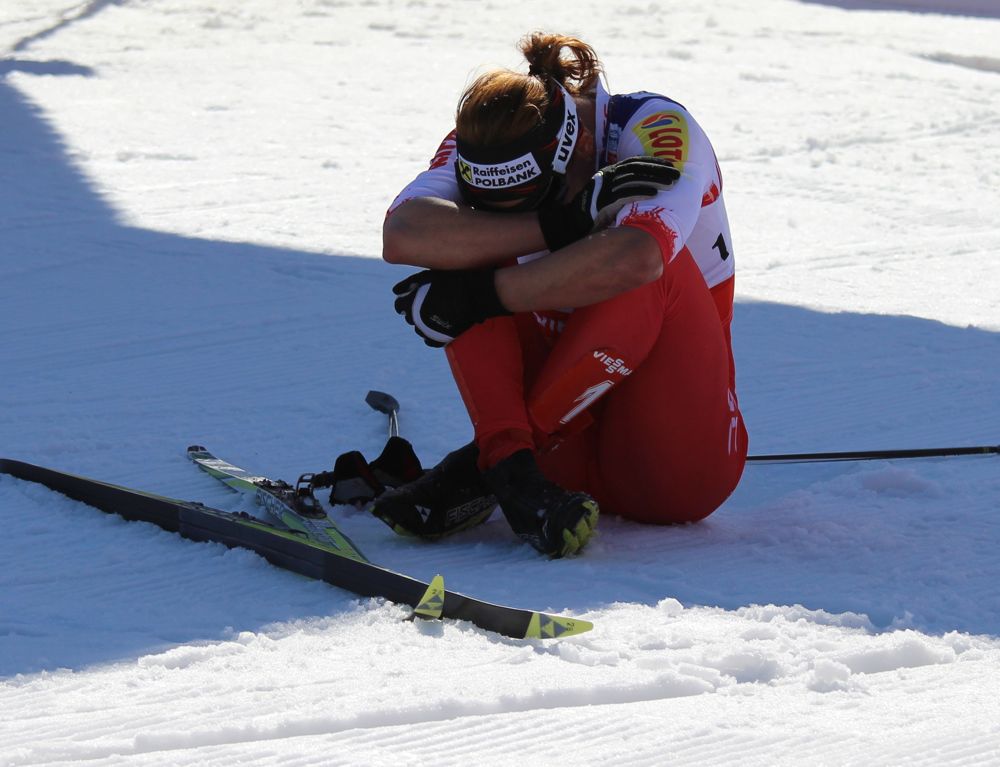
    Justyna Kowalczyk didn't forget what this felt like, after finishing second in the 30 k classic mass start at the 2013 World Championships in Val di Fiemme, Italy. She went on to win Sunday's Lahti World Cup 10 k classic mass start by more than 23 seconds.
    Justyna Kowalczyk after finishing second in the 30 k classic mass start at the 2013 World Championships in Val di Fiemme, Italy. The Polish skier recently revealed her debilitating fight with depression, which has lasted for over a year.

    The news came as a shock to many of Kowalczyk’s fans as it had appeared that the 31-year-old exhibited a successful season, especially after garnering her second Olympic victory.

    The lack of the ski community’s knowledge involving her condition was not due ignorance or lack of interest. Kowalczyk worked to keep her depression and miscarriage a secret during the 2013/2014 season due to concerns of the stigma surrounding depression and the fact that it was an Olympic year.

    “During all this bad time [I was] trying to keep up appearances. Because I was told that [it was] the right thing to do. I pretended to be normal,” said Kowalczyk in her interview with Sport.pl.

    However, this spring Kowalczyk decided that she was done hiding her illness, as she was “tired of pretending and lies.” Her motivation behind the public announcement came both from a personal desire to stop burying the truth, but also to help eliminate the negative connotation surrounding mental illness.

    “This is also one of the reasons why I decided to tell my story. Because public perception is that depression was a shame… Athlete does not [have] the right to such weakness… Many people see in me a strong girl. They tell me sometimes that [I am] the strongest girl in Poland. If the strongest benefits from the help of specialists, it can and someone else breaks through the shame and benefit either dump the mask and to cleanse,” she said.

    Although she contemplated retirement, Kowalczyk has decided to continue skiing in the 2014/2015 season because she believes that training will help fight her depression. The skier hopes that the constant exercise will support her mental health.

    “It’s not for a great love of the sport that I’m returning… I’m returning to fight for myself.”