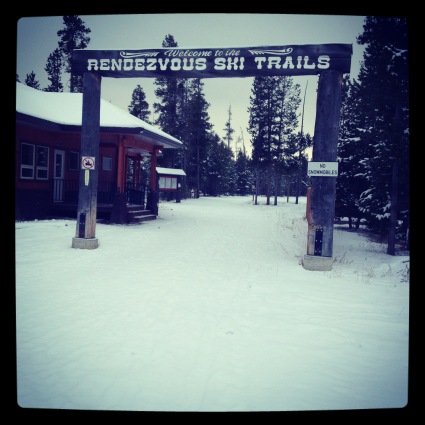
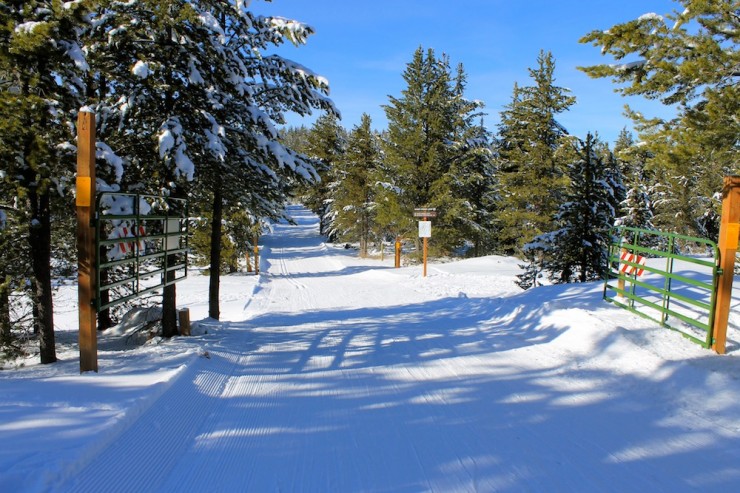
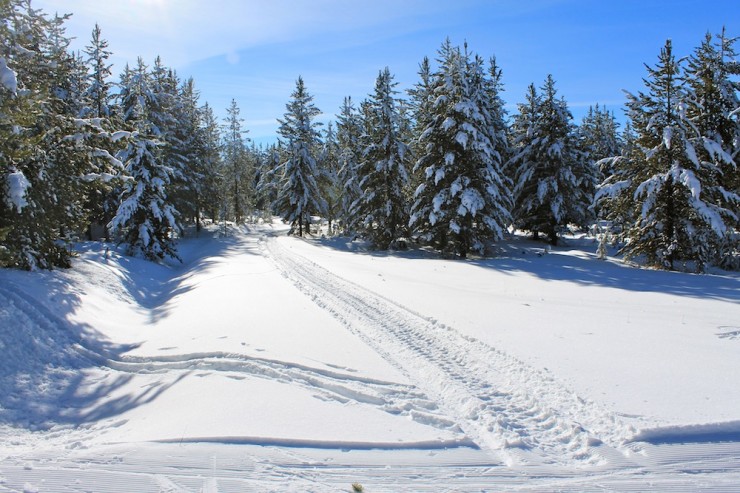
West Yellowstone remains an early season magnet for training. In good snow years, the grooming is otherworldly. In thin times, the fact that several trails are seeded with grass and legendary Rendezvous Ski Trails groomer Doug Edgerton turns water into wine means even meager snow can seem dreamy. And yes, there’s always the higher altitude South Plateau Rd. which comes into play when the winter blanket in town is lacking.
From Nov. 26-30, the Yellowstone Ski Festival will offer skiers new to the sport and those sporting dated Lycra or the latest fashion trends an opportunity to ski, mingle, and learn.
Liz Stephen (U.S. Ski Team) racing to 12th in the women’s 10 k freestyle mass start at 2018 SuperTour Finals in Craftsbury, Vt. (Photo: John Lazenby/Lazenbyphoto.com)
A few Festival highlights are worth mentioning. Former U.S. Ski Team member Liz Stephen will speak the evening of Nov. 29. This woman is formidable. She remains the high-turnover motor of her past World Cup days. Her value to the community persists as she espouses principles that ensure those around her are taken care of: she’s the consummate teammate. Walk of fame worthy in the cross-country community? Indeed. Worth hearing speak? Unequivocally.
Science writer Christie Aschwanden, author of the book “Good to Go: What the Athlete in All of Us Can Learn From the Strange Science of Recovery”, will speak on Nov. 27, the day before Thanksgiving. Aschwanden is known for her fastidious research. Her book is rife with nuggets dispelling what many believe are scientifically proven recovery methods.
Seriously, take a break from the cryotherapy on that Wednesday evening. Maybe shorten the foam rolling session: Aschwanden is the goods.
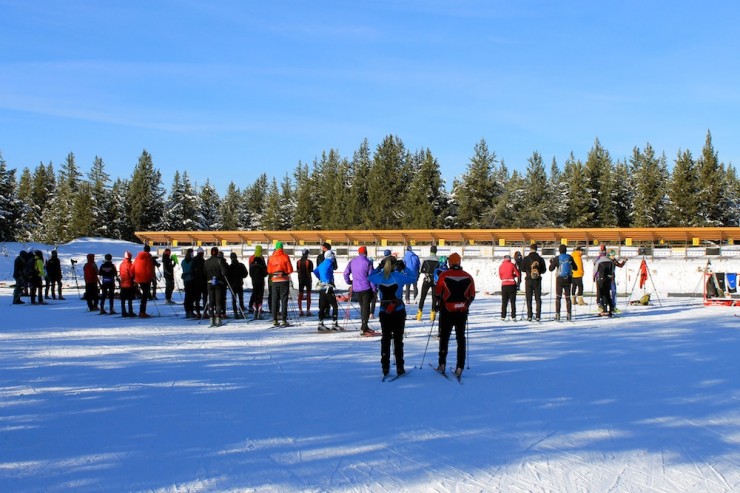
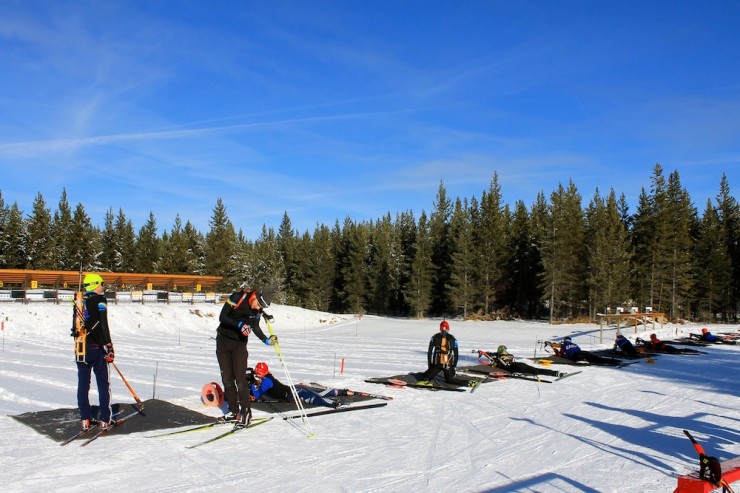
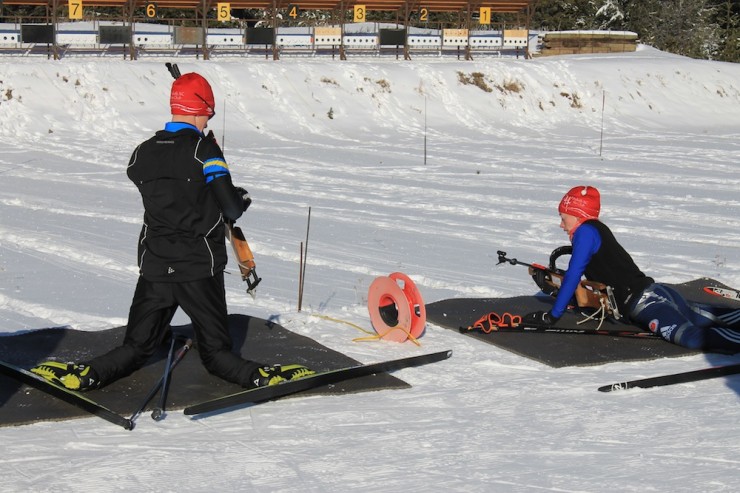
If you are looking for a one-stop, walk-to-the-trails ski vacation, where you can take a clinic, learn about waxing from Toko’s guru Ian Harvey, learn to shoot a biathlon rifle, test the early season fitness with a race, begin each morning with a yoga session, this could be your Thanksgiving destination.
Let’s circle back to note beginners are welcome. You’ll no doubt see plenty of carbon fiber poles, boots, and skis, and patch upon patch sublimated onto custom team clothing. It may look like an overly serious scene for something coined a festival. Remember, everybody was a beginner at some point – and West Yellowstone is the place to start.
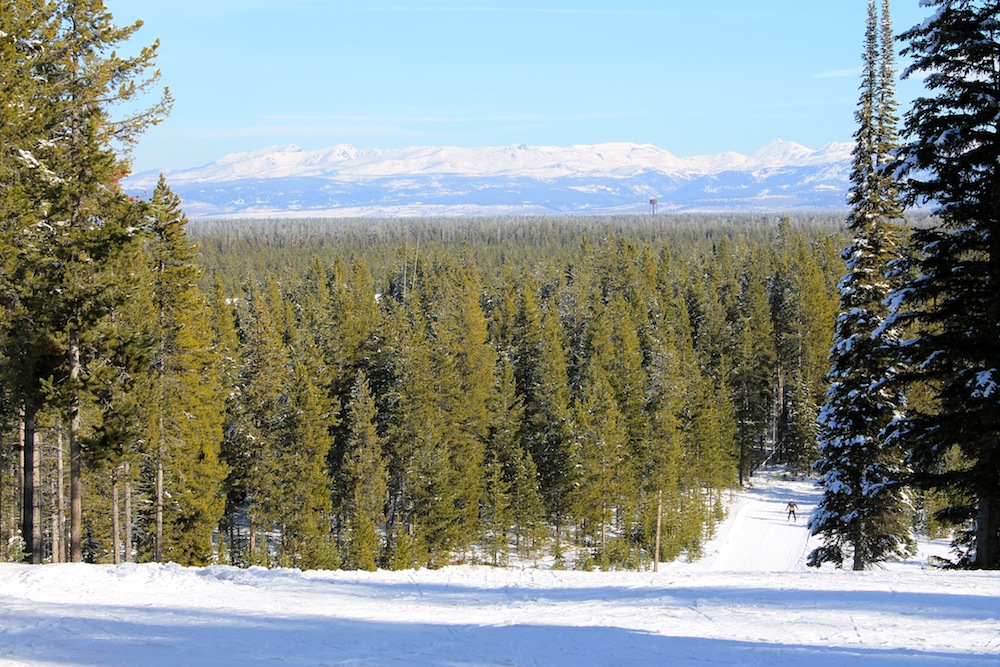
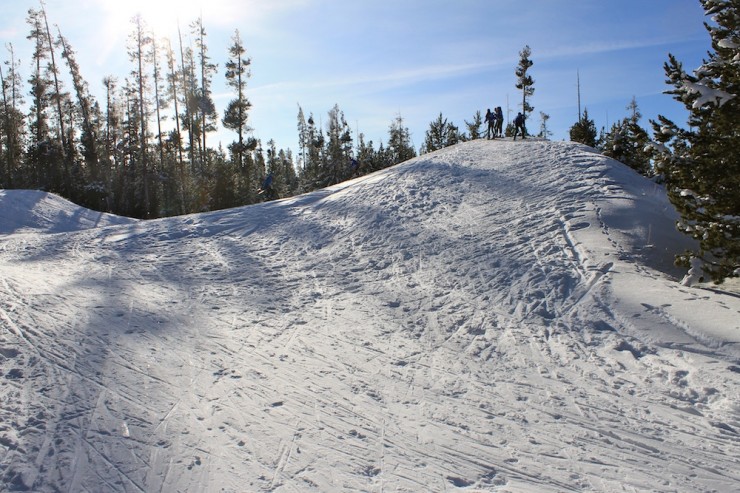
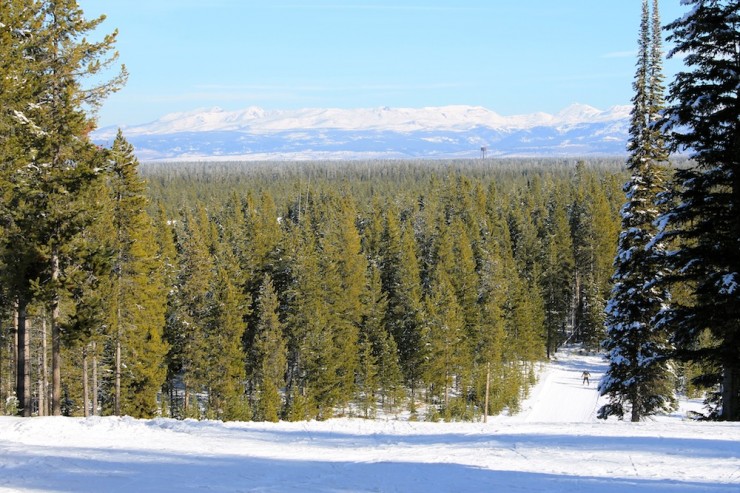
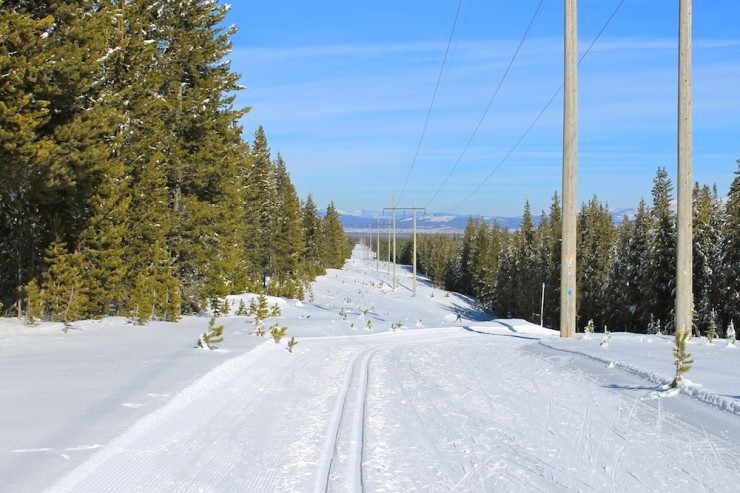
A view of the Gallatin Range north of the Rendezvous Ski Trails in West Yellowstone, Mont. Hundreds of skiers took trails on Tuesday during the annual Yellowstone Ski Festival.
WEST YELLOWSTONE, Mont. – West Yellowstone is one of those places steeped in history, blessed with snow, and encouraging of all-comers. Come to think of it, there’s not many places in the world like it, which is why U.S. Ski Team coaches like Marty Hall deemed it a perfect fit for their annual Fall Camp starting in 1978.
On Tuesday night, Thor Godar, self-proclaimed keeper of the gates at the Rendezvous trailhead and a historian at the Yellowstone Historic Center, spoke to festival-goers about the history of skiing in West Yellowstone. Several parts of his presentation are woven into the following facts about West Yellowstone – by the numbers.
-66: Lowest recorded temperature (Fahrenheit) in West Yellowstone, on Feb. 9, 1933.
-53: A pretty darn cold low (Fahrenheit) recorded three years ago.
-16: Temperature (F) last Friday.
3: Inches of snow Yellowstone Ski Festival organizers had to work with as a base last November on the South Plateau – one of the lowest on record.
8: The length of the cross-country skis (in feet) locals used to trek around town (and miles away for food and supplies) more than a century ago.
10: Inches of snow in town on Tuesday, Nov. 26, with about 3 ½ feet at higher elevations.
15-16: Inches of new snow at higher elevations on the Rendezvous Ski Trails, thanks to a storm last week.
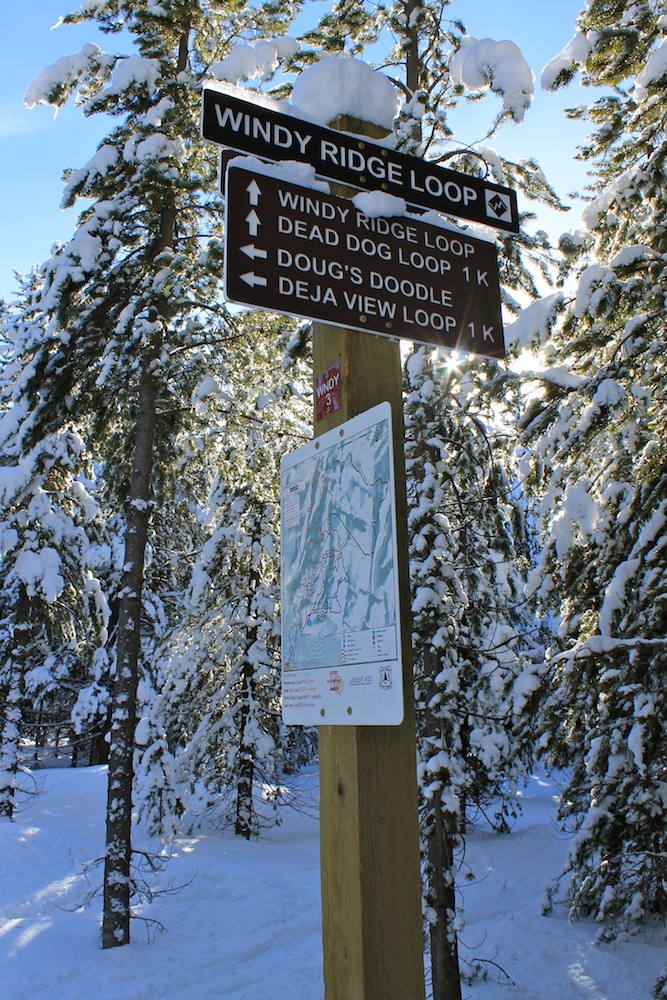
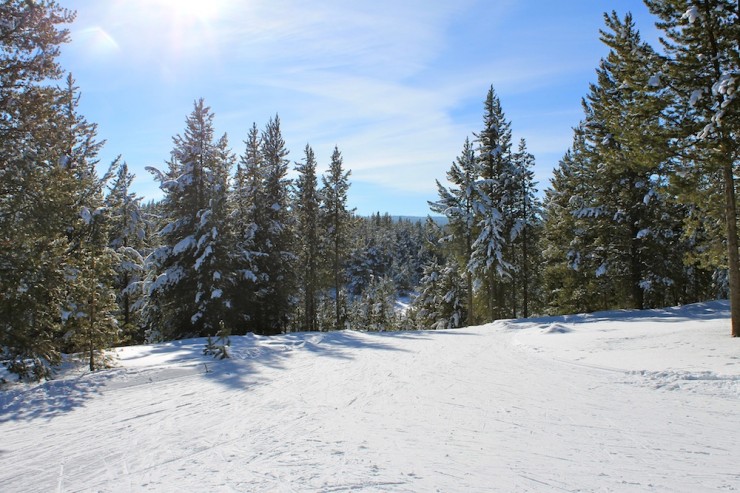
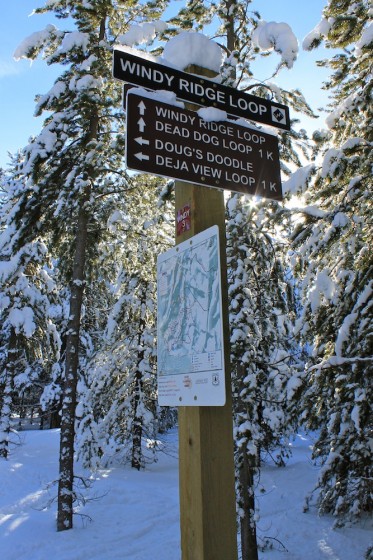
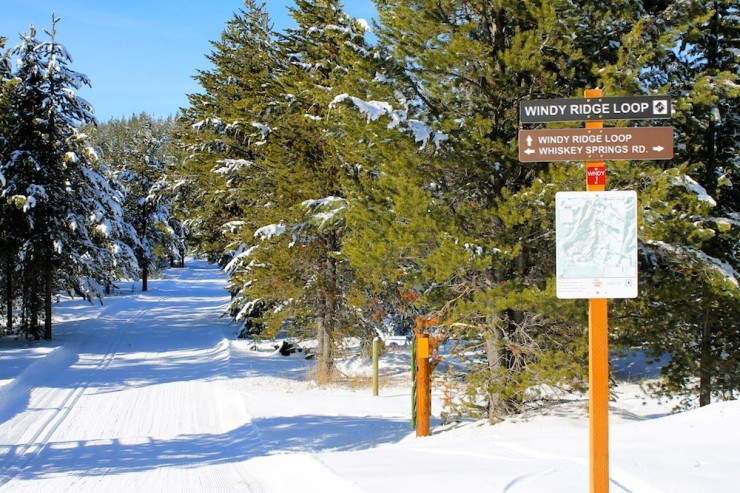
Windy Ridge Loop, a regional favorite at the Rendezvous Ski Trails, is open, which is somewhat rare for November.
25: Percent chance that Windy Ridge Loop is open during the Yellowstone Ski Festival. It opened on Monday.
32: The previous typical high temperature during winter in West Yellowstone. Back in the day, it rarely got above freezing, Godar explained. Occasionally, warm “Chinook” winds push daytime temps into the 40s, according to National Park Travel.
35: Years since the first Fall Camp, which started in 1978 with then-U.S. Ski Team coach Marty Hall and skiers like Bill Koch, Dan Simoneau and Tim Caldwell. Koch didn’t come too many years after because of exercise-induced asthma, which worsened with altitude.
35-plus: Kilometers open at the Rendezvous Ski Trails – basically all of it.
100: Estimated population of West Yellowstone when it was founded in 1908. By 1910, it was up to 140.
171: Inches of snow fall annually, on average, in West Yellowstone. Nearby ski resorts like Grand Targhee in Alta, Wyo., receive more (around 500 inches per year), but West usually keeps most of theirs. The secret? “Ferociously low temperatures,” Godar said.
400-500: Estimated skiers on the Rendezvous Ski Trails on Tuesday, four days before the season-opening U.S. SuperTour race there (with a freestyle sprint on Friday and 10/15 k freestyle race on Saturday).
600-650: Competitive racers at the Yellowstone Ski Festival last year. This year, participation is expected to reach new highs.
1271: Population of West Yellowstone in 2010.
1807: Part of the Lewis and Clark Expedition, John Colter, becomes the first-known white man to explore Yellowstone National Park (before it was officially established). Native Americans had Colter beat by about 13,000 years, and trappers, including French Canadians, also set foot inside the park before him.
1862: Skiers start to explore the park. Uncle Billy Hofer was perhaps the first to circumnavigate the park on skis in 1979. He later became a scout for the U.S. Army when it came to Yellowstone to discourage poachers.
1872: Yellowstone National Park established, spanning 2,219,789 acres across Wyoming, Montana, and Idaho. Approximately 96 percent of the park is in Wyoming, 3 percent in Montana, and 1 percent in Idaho.
1887: Park opened to winter travel, thanks to Lieutenant Schwatka, who didn’t exactly succeed in his expedition to do so. He and his scouts were severely overdressed and packed way too many supplies. Swatka got sick before entering the park and called it quits at a nearby hotel, but his crew pressed on – including Frank Haines, who dubbed himself the official park photographer.
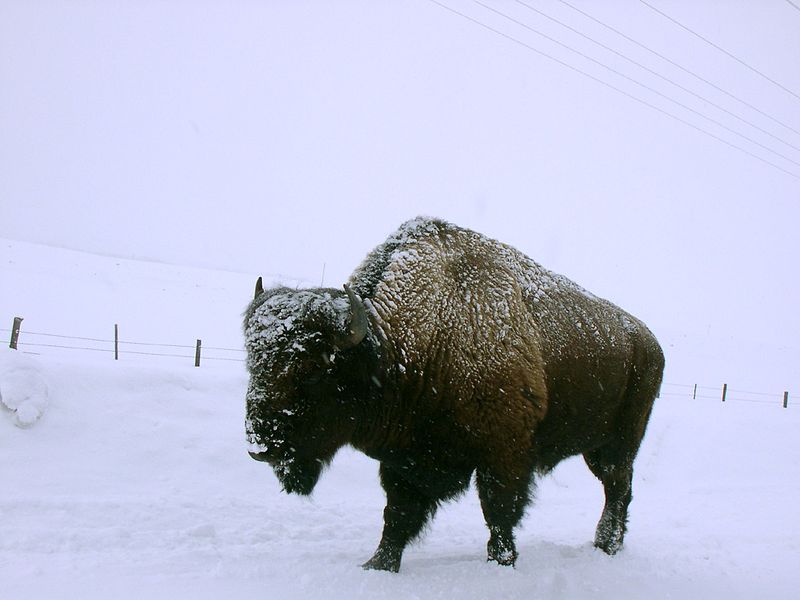
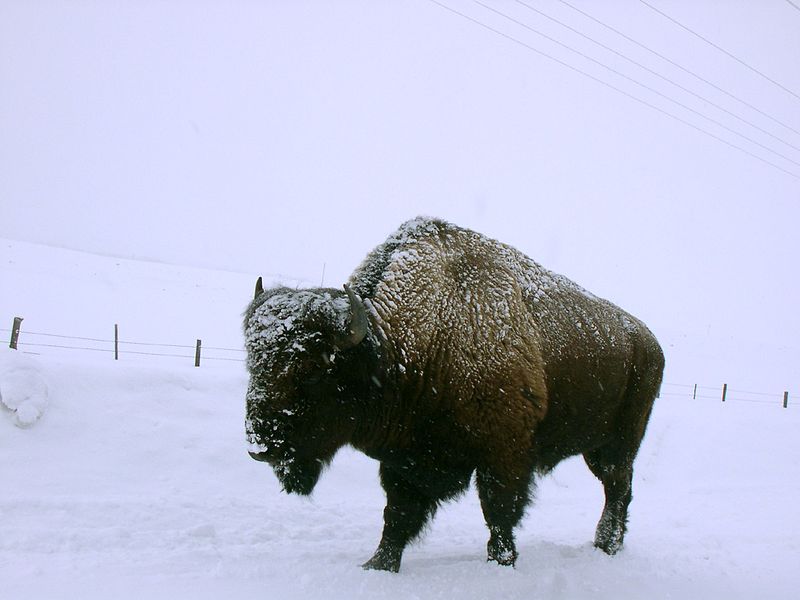
Bison in winter (circa 2006) in West Yellowstone, Mont. Before 1894, their population was down to 25. (Photo: Wikimedia Commons)
1886: Congress decides to stop poaching (elk, bison, etc.) in the park and stations the U.S. Army there. With troops from Arizona, most of the men weren’t too keen on winter, and enforcement lacked as a result. Scouts from the area ended up showing them the ropes and together they build snow cabins around the park. These men, stationed there by the thousands, became the forerunners of the National Park Service. They skied 15 to 20 miles per day and were in darn good shape, Godar said.
1894: Since there was no law against poaching, the bison population went as low as 25 in West Yellowstone, no thanks to a notorious poacher named Howell. The army eventually caught and imprisoned him, but couldn’t convict Howell of any criminal wrongdoing. That prompted Congress to pass the Lacey Act of 1894 to end poaching in West Yellowstone.
1908: The town of West Yellowstone founded, thanks to the Union Pacific Railroad’s extension of the Oregon Short Line to the west gate of the park. According to Godar, the town started as a tourist trap (with the park as the main attraction) and still is.
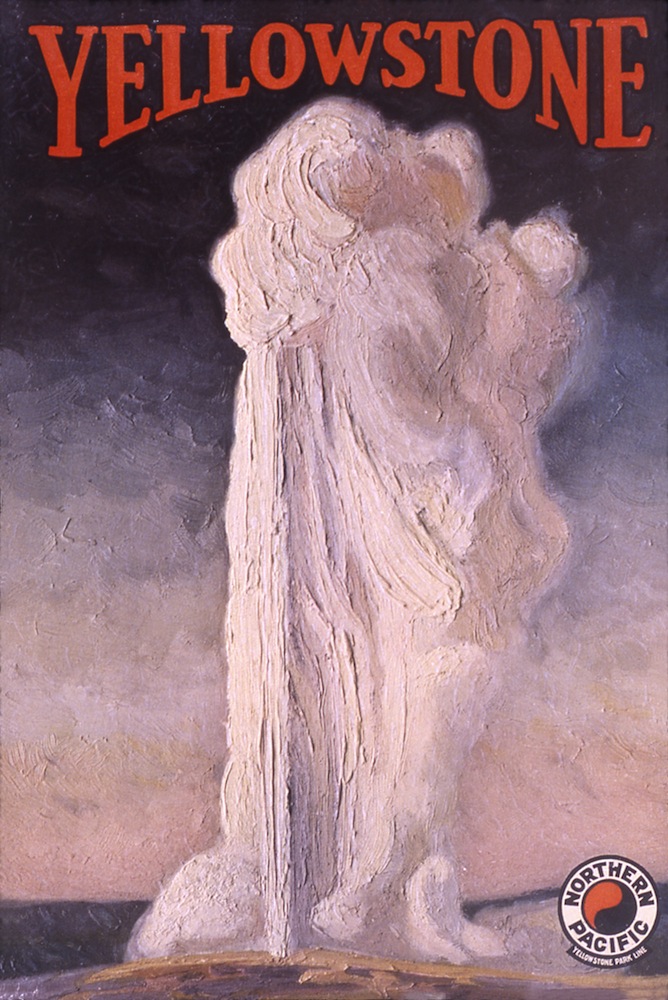
Lewis & Clark Exploration’s Yellowstone “Wonderland 1904” flier. (Photo: NPS.gov)
Without any roads, the railroad was the only means of mechanical transportation in and out of West Yellowstone, and was closed November through March (many transporting tourists June-September). That left West in complete isolation during the winter, and skiing was the best way to get around. Skiers first came to the area to deliver products and goods, including mail and food, like they did in nearby mining towns, including Cooke City.
Knowing the railroad was coming, Yellowstone park employee and a local bartender Sam Eagle bought a piece of commercial space next to the railroad’s right of way. Today it remains in the family trust as Eagle’s Store, near the Freeheel & Wheel ski and bike shop – a local favorite (est. in 1996).
Eagle and his wife, Ida, had 10 kids: nine boys, the youngest of which went on to ski for Montana State College’s first-sanctioned team: Walter Eagle. Wally became the first paid ski coach at Gallatin County High School, instructed at the former Lionhead alpine area near West Yellowstone, and was on the board for Bridger Bowl in Bozeman, Mont., according to The Bozeman Daily Chronicle. Part of the U.S. Freestyle Moguls Team, Olympian Heather McPhie is a great-granddaughter of Sam and Ida Eagle.
1935: First plowed streets in West Yellowstone.
1941: With fears of World War II looming, the U.S. Army considers starting first ski division in Yellowstone. Trumpeter swans were nearing extinction at the time in nearby Island Park (the poachers again), and one Congressman exclaimed that they couldn’t bring the military to such a delicate region. Instead, they established a base in Colorado, which became the 10th Mountain Division.
1948: Lionhead, West Yellowstone’s first ski hill, established, but “wildly unsuccessful,” according to Godar. Despite plowed town roads, the dirt routes that led to West were too harrowing to drive in the winter.
1971: High-school ski teams start coming to West for preseason skiing, with camps that started as early as September on the South Plateau.
1978: U.S. Nordic Ski Team comes to town for the first of many Fall Camps, and the Rendezvous Ski Trails, founded by Neal and Grace Swanson, become a go-to destination.
1980: First Ski Rendezvous Race (50 k classic), which reached an all-time high with 900 skiers seven years ago. Next year’s Yellowstone Rendezvous Race (with distances of 2 k, 5 k, 10 k, 25 k classic, 25 k and 50 k) is set for March 8, 2014.
1984: Rendezvous groomer Doug Edgerton starts his own company, Yellowstone Track Systems, which distributes grooming equipment worldwide. Edgerton worked many high-profile events since, including several Olympics like the 2002 Winter Games in Salt Lake City, where he was chief of course preparation. “In my opinion, [he’s] the best groomer in the world,” Godar said.
2002: Many of the world’s best biathletes come to West Yellowstone to train for the Olympics. According to Godar, they racked up 18 medals that year.
3,000-3,500: Anticipated total participants in this year’s YSF, a near-record, up from around 2,000 last year, Godar said.
6,663: Elevation of West Yellowstone. The Rendezvous Ski Trails are about 6,800 feet above sea level (2,000 meters), and the South Plateau just outside the park is about 1,000 feet higher.
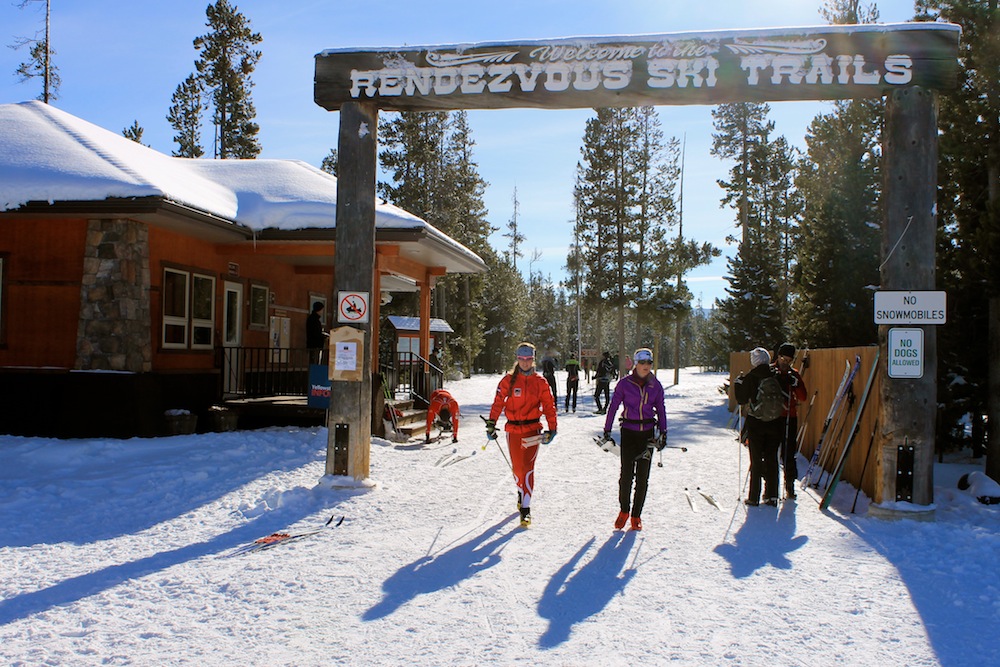
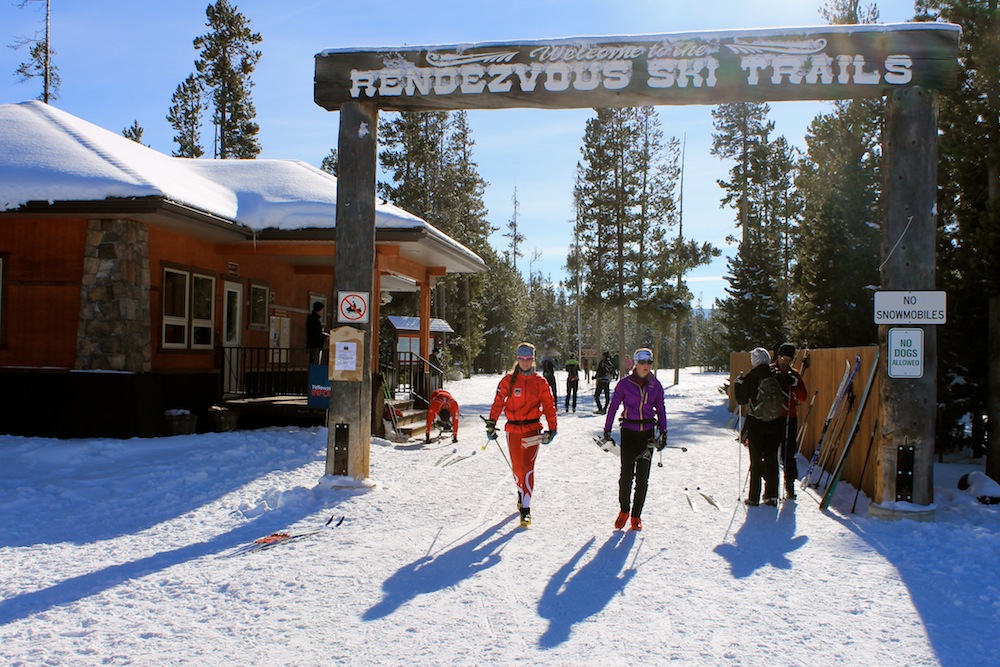
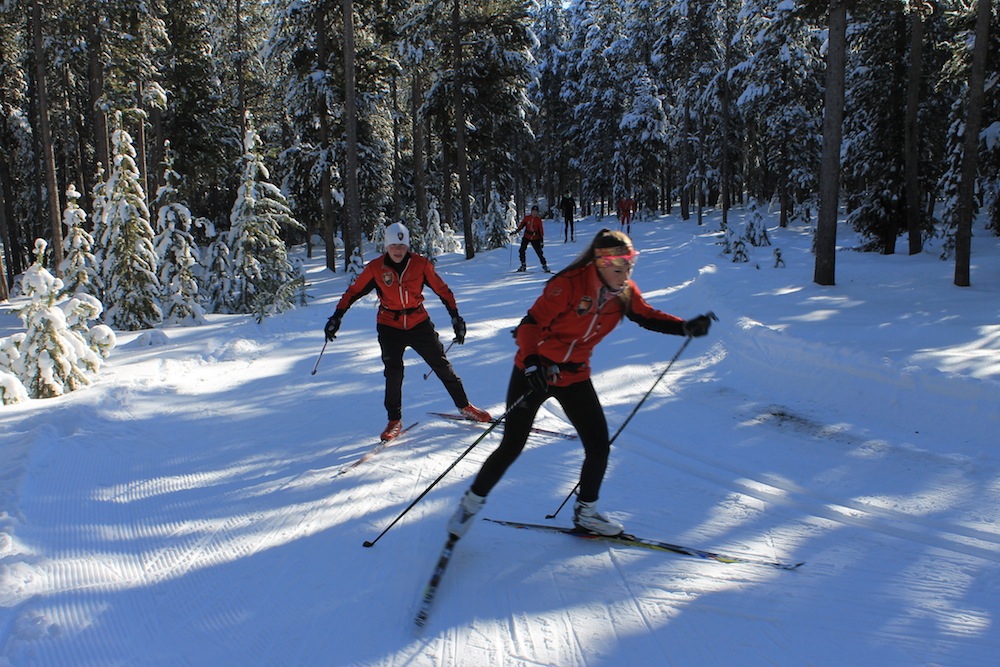
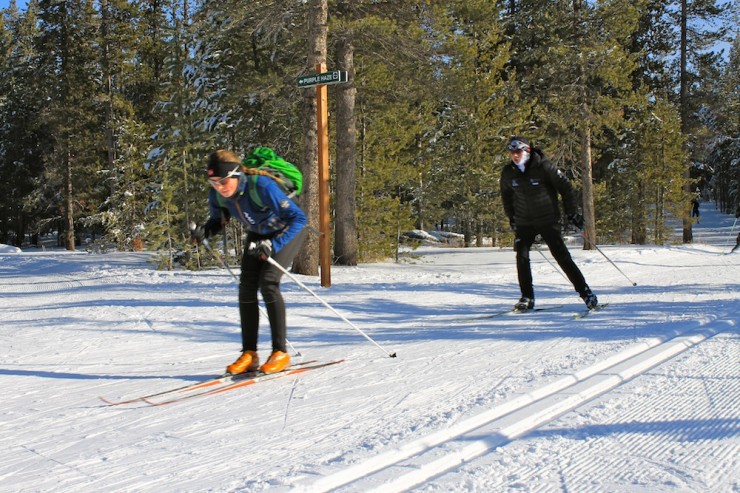
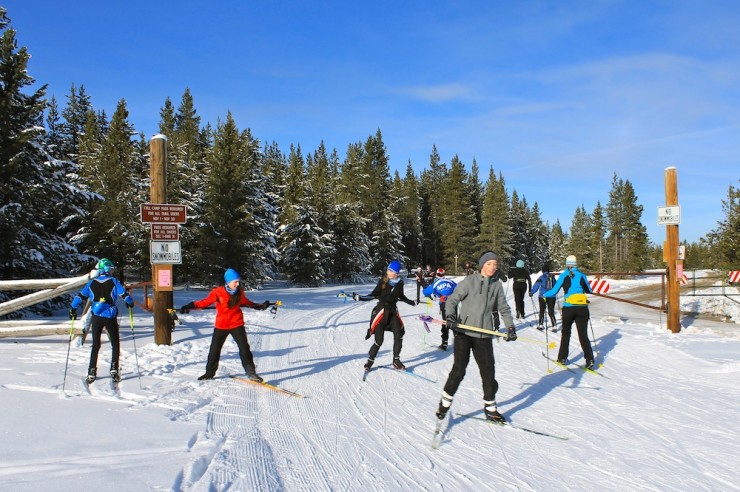
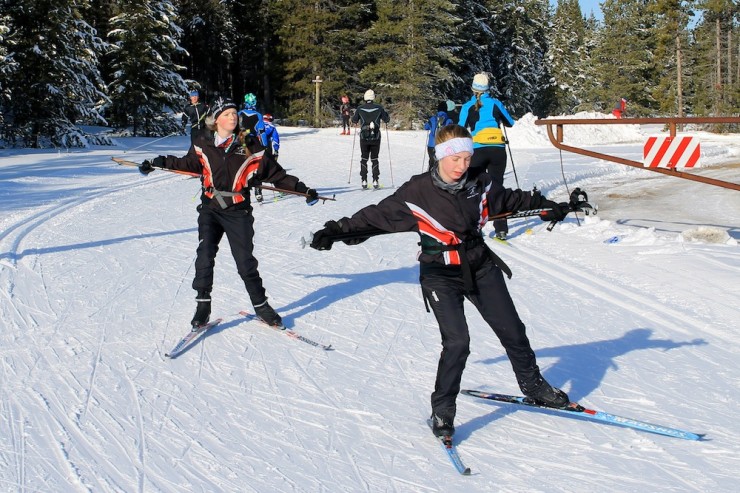
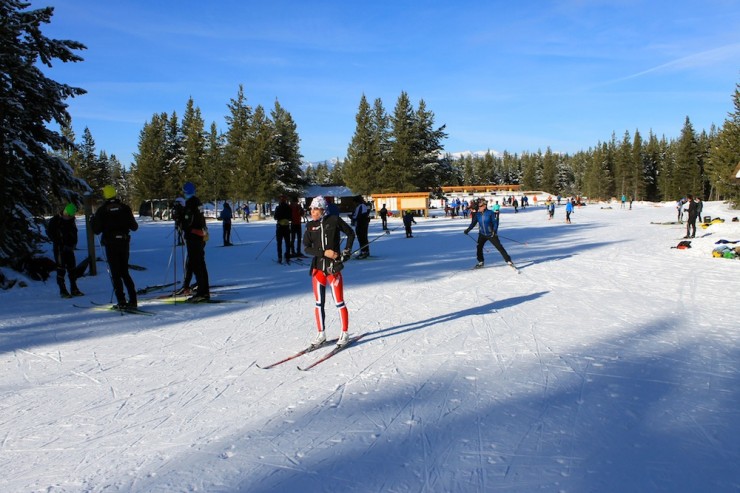
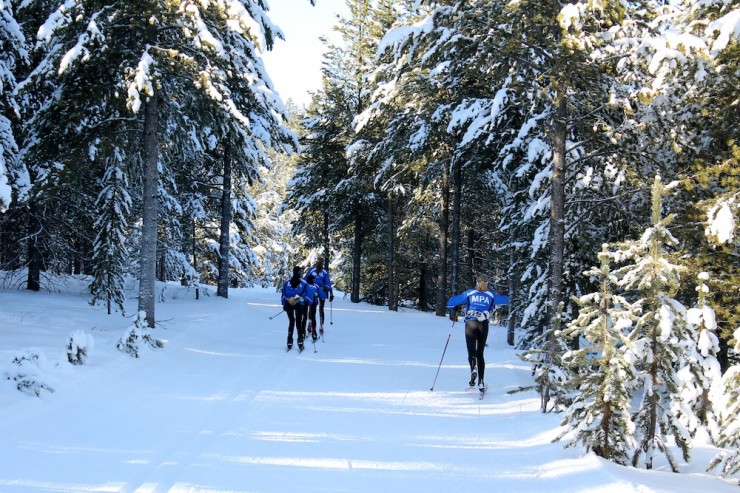
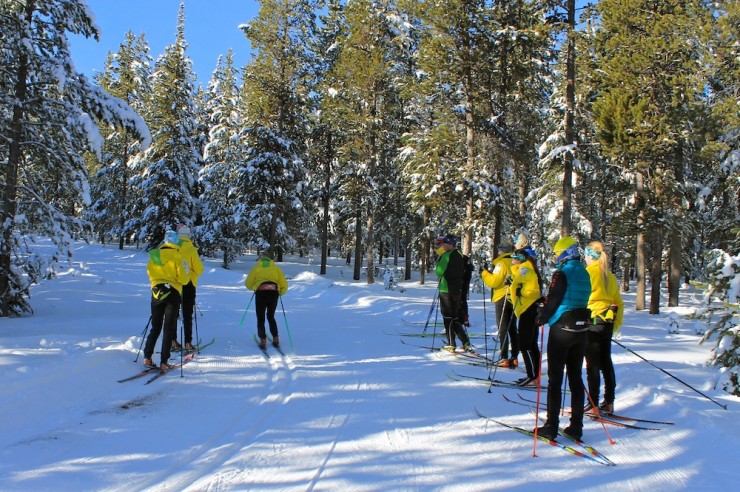
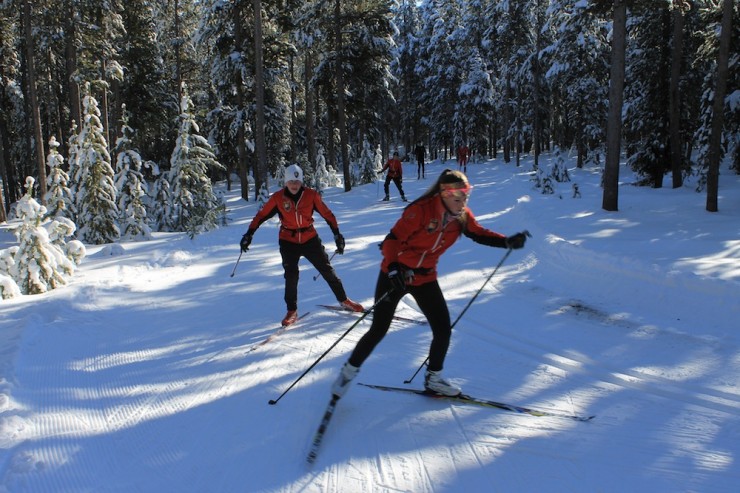
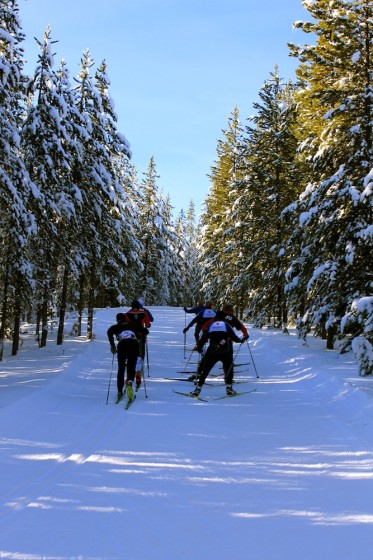
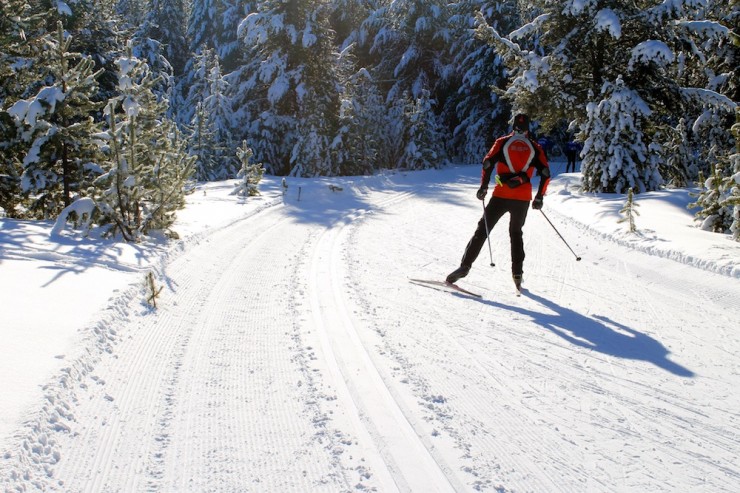
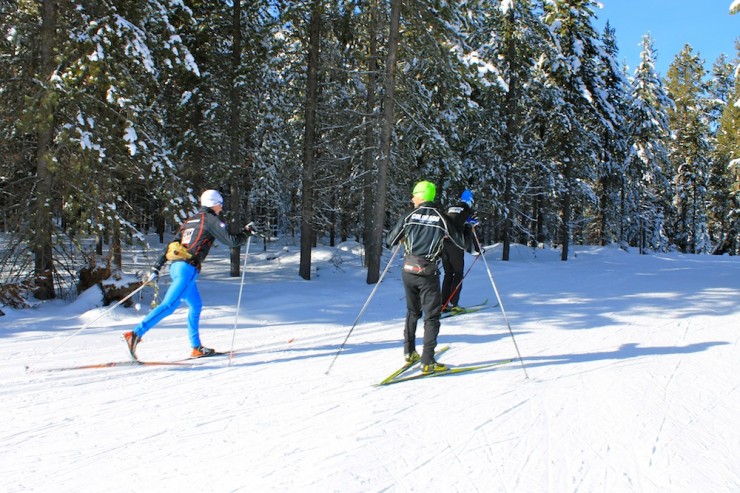
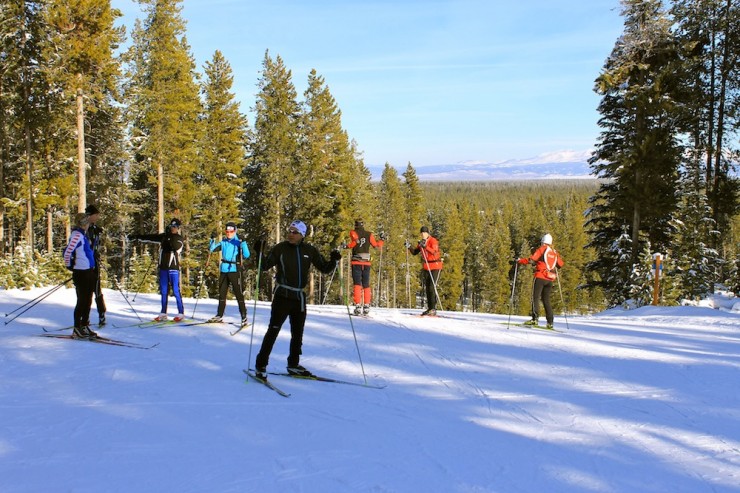
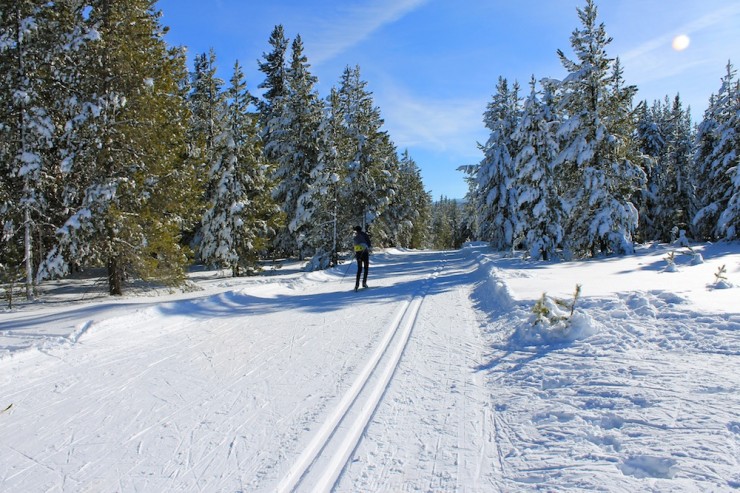
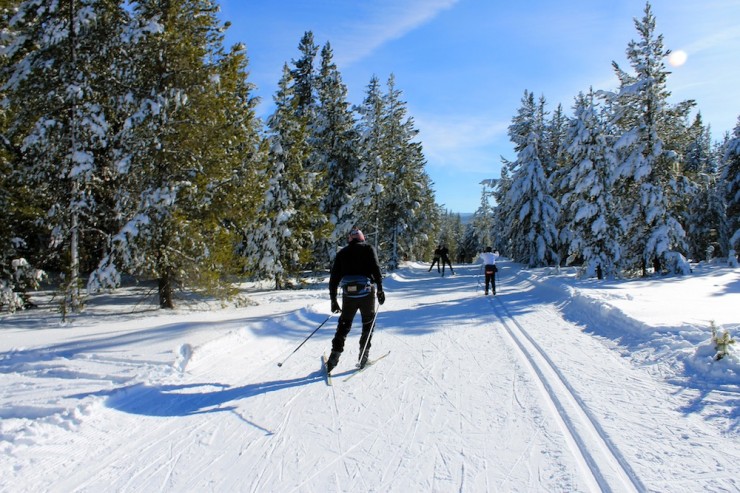
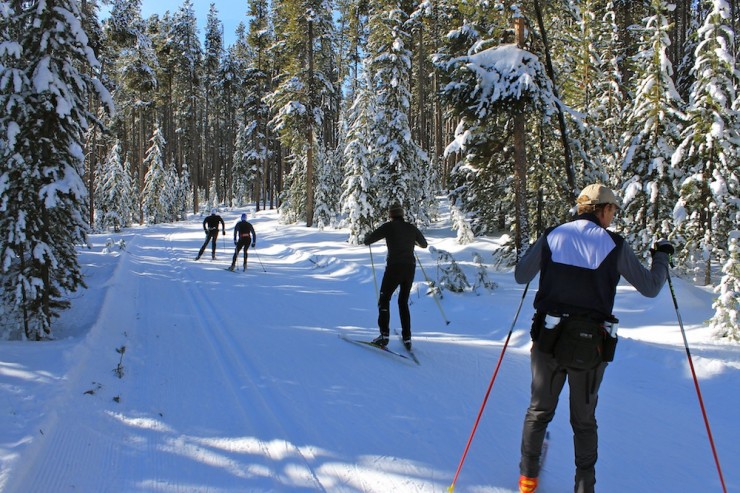
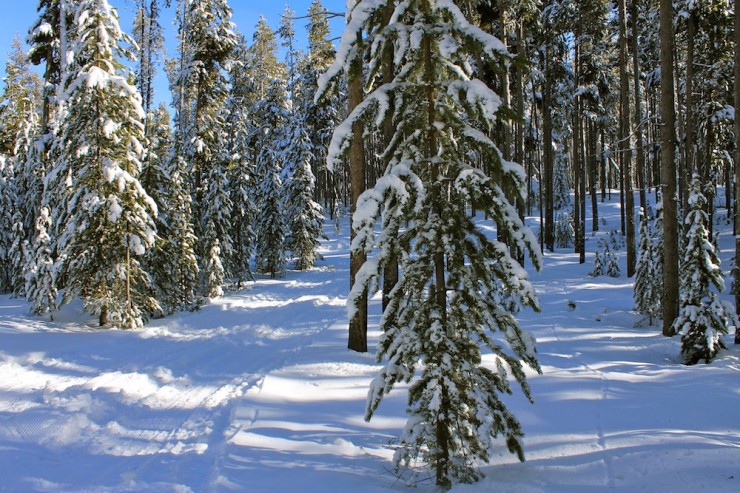
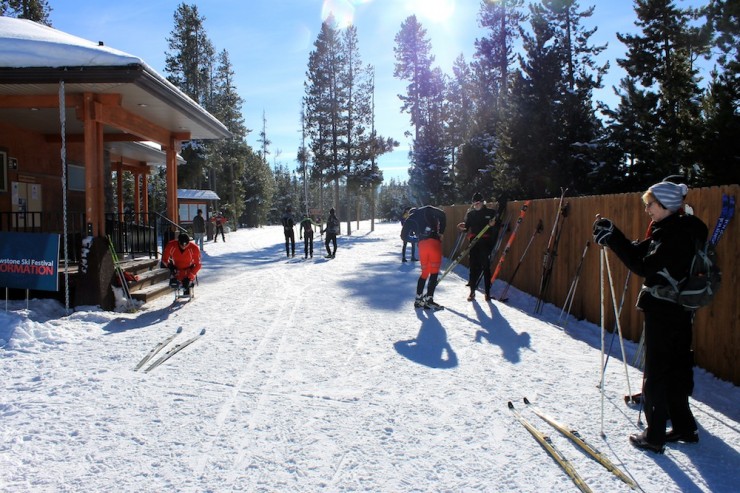
Hundreds of skiers took to the Rendezvous Ski Trails on Tuesday in West Yellowstone, Mont. With complete coverage and all the trails open, it’s a good start to the season — but the snow’s a little different.
WEST YELLOWSTONE, Mont. — The low-snow November woes of 2012 and 2008 are a distant memory for those in West Yellowstone as hundred of cross-country skiers frolicked along the Rendezvous Ski Trails on Tuesday. Several elite teams from across the U.S. have been in town for more than a week, skiing on more than 35 kilometers of trails at nearly 7,000 feet above sea level.
Bridger Ski Foundation juniors on the Deja View trail on Tuesday in West Yellowstone, Mont.
On his ninth day there, Bill Pierce, head coach of the Central Cross Country (CXC) Team, said the conditions are the best they’ve been in 30 years.
Other teams, like Alaska Pacific University (APU), arrived on Saturday after spending a few days north in Bozeman, Mont., and Stratton Mountain School (SMS) skiers have been in West for about a week leading up to the first SuperTour races of the season on Friday and Saturday.
Overseeing the trail-pass distribution for the weeklong Yellowstone Ski Festival, Brian Wilson said the trails have been busy. He estimated 400 to 500 skiers were on the trails Tuesday — coming and going, before and after lunch.
While West might not have as much snow as past Novembers, Wilson said it’s definitely been one of the most consistent snow years to date. A U.S. Forest Service member said there was 3 1/2 feet of snow on Black Bear Cutoff, a snowmobile trail on the South Plateau, south of the nordic trails.
Rendezvous’ chief groomer Doug Edgerton said an unusual mix of high-humidity, plus-temperature storms have made the snow especially skiable. The most recent storm took place just over a week ago with temperatures as warm as 15 degrees Celsius (59 Fahrenheit) high up on Windy Ridge. During the storm temperatures dropped significantly, around -10 degrees Celsius (14 Fahrenheit), which resulted in ice crystals — “a lot like manmade snow,” Edgerton said.
From Nov. 17-19, about 8 to 9 inches accumulated in town and 15 inches at higher parts of the trail system. West has seen about three snowstorms this fall, according to Edgerton: “The first [in early November] was too warm and the ground wasn’t frozen. The second one, the ground was starting to get there and then it got really cold, minus 12 to 14 Fahrenheit.”
About 6 inches accumulated from that second storm and temperatures remained cold, as low as -22 Fahrenheit, Edgerton said. In the last week, the town has received about 5 more inches for a 10-inch base.
“This morning it was very close to zero and that’s about as warm as its been,” he explained. “One of the great things about this place, it gets cold at night and that’s what keeps the snow.”
West has seen more snow in past years — with ski camps up on the Plateau in September — but that was a long time ago, according to Edgerton, who’s been grooming since the ’70s and keeping records since the ’80s. This year’s wetter and generally warmer temperatures are what’s different.
“It’s definitely a little odd for here,” he said. “Historically we’re cold and dry.”
But no one’s complaining. Every trail in the 35+ k system was groomed as of Tuesday, after Windy Ridge Loop opened on Monday. Edgarton drove his PistenBully up to open it earlier, but the locks to the trail’s gates were encased in ice. The Forest Service set out the next day on snowmobile and used a propane torch and shovel to melt the ice and free the gates.
Having that 6.5 k loop open is a major plus, and not always a given.
“Windy is dicy; the ground is not very smooth,” Edgerton said. Usually, he needs two feet of good snow to groom the ridge — or 15 to 16 inches of very high-density snow, like the last storm brought.
“Getting Windy [open] during camp is like a 25-percent chance,” he added.
If you’re a skier in West Yellowstone, consider yourself lucky.
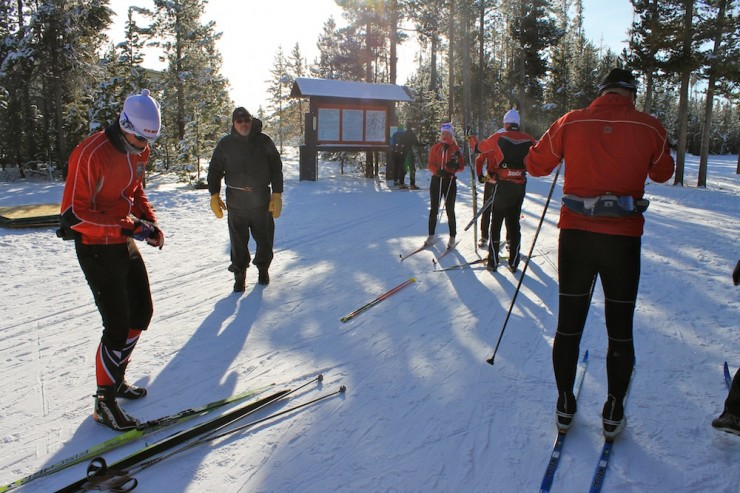
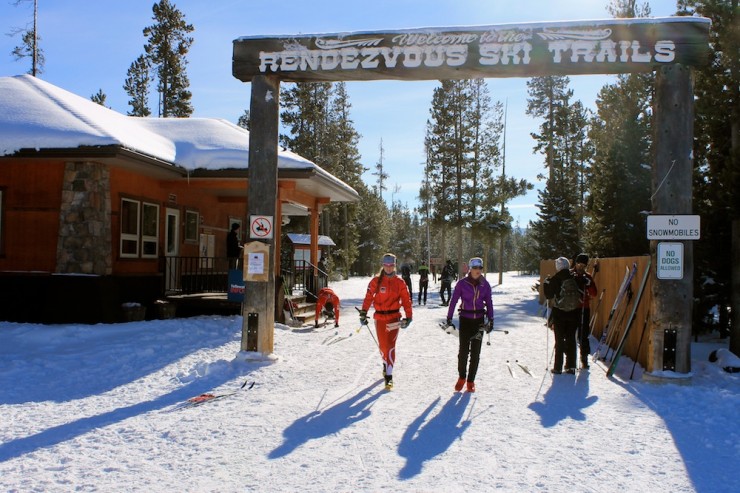
The Rendezvous trailhead master and Yellowstone Historic Center employee, Thor Godar (second from l), greets several skiers Tuesday morning with temperatures in the low teens. It was in the mid-30s by early afternoon.
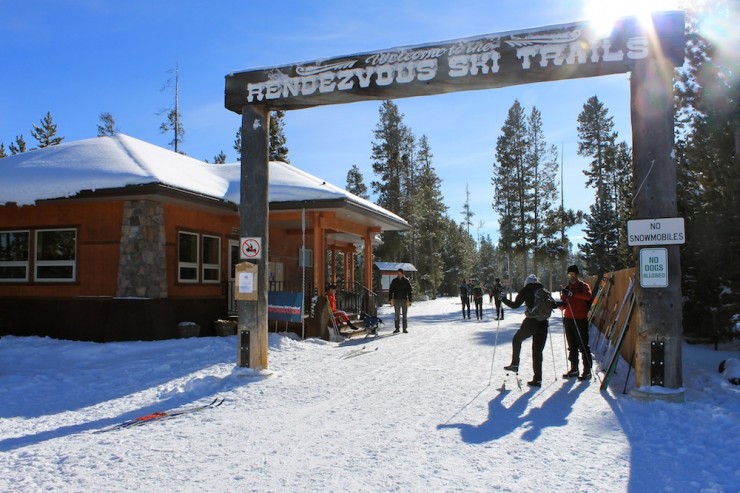
Hundreds of skiers took to the Rendezvous Ski Trails on Tuesday in West Yellowstone, Mont.
Hundreds of skiers took to the Rendezvous Ski Trails on Tuesday in West Yellowstone, Mont.
Hundreds of skiers took to the Rendezvous Ski Trails on Tuesday in West Yellowstone, Mont.
Hundreds of skiers took to the Rendezvous Ski Trails on Tuesday in West Yellowstone, Mont.
Hundreds of skiers took to the Rendezvous Ski Trails on Tuesday in West Yellowstone, Mont.
Hundreds of skiers took to the Rendezvous Ski Trails on Tuesday in West Yellowstone, Mont.
Hundreds of skiers took to the Rendezvous Ski Trails on Tuesday in West Yellowstone, Mont.
Hundreds of skiers took to the Rendezvous Ski Trails on Tuesday in West Yellowstone, Mont.
Hundreds of skiers took to the Rendezvous Ski Trails on Tuesday in West Yellowstone, Mont.
Hundreds of skiers took to the Rendezvous Ski Trails on Tuesday in West Yellowstone, Mont.
Hundreds of skiers took to the Rendezvous Ski Trails on Tuesday in West Yellowstone, Mont.
Hundreds of skiers took to the Rendezvous Ski Trails on Tuesday in West Yellowstone, Mont.
Hundreds of skiers took to the Rendezvous Ski Trails on Tuesday in West Yellowstone, Mont.
Hundreds of skiers took to the Rendezvous Ski Trails on Tuesday in West Yellowstone, Mont.
Hundreds of skiers took to the Rendezvous Ski Trails on Tuesday in West Yellowstone, Mont.
Hundreds of skiers took to the Rendezvous Ski Trails on Tuesday in West Yellowstone, Mont.
Hundreds of skiers took to the Rendezvous Ski Trails on Tuesday in West Yellowstone, Mont.
Hundreds of skiers took to the Rendezvous Ski Trails on Tuesday in West Yellowstone, Mont.
Hundreds of skiers took to the Rendezvous Ski Trails on Tuesday in West Yellowstone, Mont.
Hundreds of skiers took to the Rendezvous Ski Trails on Tuesday in West Yellowstone, Mont.
Hundreds of skiers took to the Rendezvous Ski Trails on Tuesday in West Yellowstone, Mont.
Hundreds of skiers took to the Rendezvous Ski Trails on Tuesday in West Yellowstone, Mont.
Hundreds of skiers took to the Rendezvous Ski Trails on Tuesday in West Yellowstone, Mont.
Hundreds of skiers took to the Rendezvous Ski Trails on Tuesday in West Yellowstone, Mont.
Hundreds of skiers took to the Rendezvous Ski Trails on Tuesday in West Yellowstone, Mont.
Hundreds of skiers took to the Rendezvous Ski Trails on Tuesday in West Yellowstone, Mont.
Hundreds of skiers took to the Rendezvous Ski Trails on Tuesday in West Yellowstone, Mont.
Hundreds of skiers took to the Rendezvous Ski Trails on Tuesday in West Yellowstone, Mont.
Hundreds of skiers took to the Rendezvous Ski Trails on Tuesday in West Yellowstone, Mont.
WEST YELLOWSTONE, Mont. — Doug Edgerton is the man, literally, in West Yellowstone. A resident since 1971, he’s been the town’s primary nordic groomer for nearly as long, getting his starts as grooming snowmobile trails in the ’70s then towing bed springs and a track setter up on South Plateau for then-U.S. Ski Team coach Marty Hall and his crew for the first time in 1978.
Doug Edgerton, Yellowstone Ski Festival chief of grooming, founder/owner of Yellowstone Track Systems, Inc.
Thirty-four years later, Edgerton, 62, has worked several Olympics and is widely considered a go-to guy when it comes to grooming. Technology has changed and the number of people seeking early cross-country skiing in November has grown significantly from the first fall training camp in West Yellowstone. In 1984, Edgerton started his own grooming-equipment business, Yellowstone Track Systems, and remains the man in charge to this day.
He’s the head and only groomer at Rendezvous Ski Trails, which occupies most of his nights in the winter, and works around the clock for nearly three weeks leading up to the annual Yellowstone Ski Festival (YSF) each November. This year, low snow forced organizers to move the SuperTour opening races from Rendezvous to South Plateau, exactly where skiing got going in West Yellowstone.
While the trails and roads up on the plateau, at elevations between 7,000 and 8,000 feet, are mostly used by snowmobiles after December, they’re also a dependable backup for skiers in November. Has West Yellowstone changed much then?
“Oh yeah,” Edgerton said. “The whole world has changed.”
This year’s lack of snow is nothing anyone can control, and it’s similar to what YSF organizers experienced in 2008 when they had to move the SuperTour races to South Plateau for the first time.
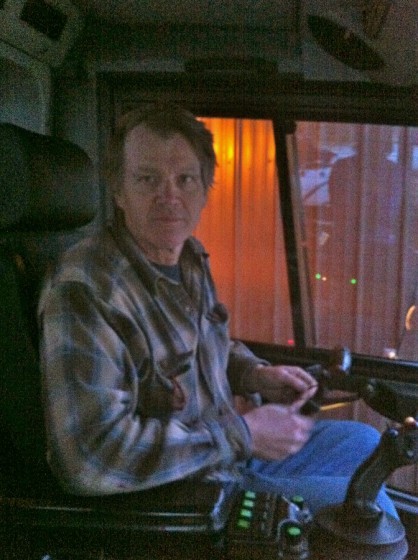
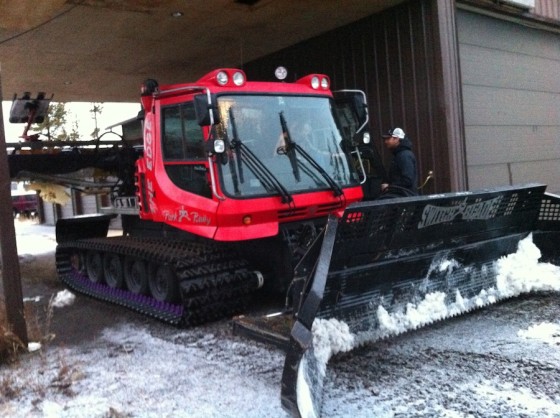
West Yellowstone chief groomer Doug Edgerton sits in his PistenBully with summer tracks while talking to Steve Hoovler, assistant director of the Yellowstone Ski Festival, after grooming South Plateau early Nov. 22.
The difference this year is the amount of snow up on there, about 1,000 feet higher than town. With about a 3-inch base on Wednesday morning, it wasn’t much and about the least Edgerton had ever seen. Then again, Thanksgiving fell earlier this year, moving the festival up to mid-November.
At 3:45 a.m. Edgerton waited in his illuminated PistenBully Edge, one he recently bought used from Mount Baker in Washington, as a FasterSkier reporter hopped in. From there, he drove the 14-foot-wide snowcat several miles up an access road to the plateau and proceeded to groom the 14-foot-wide snowmobile routes: first the Whiskey Trail, then South Plateau.
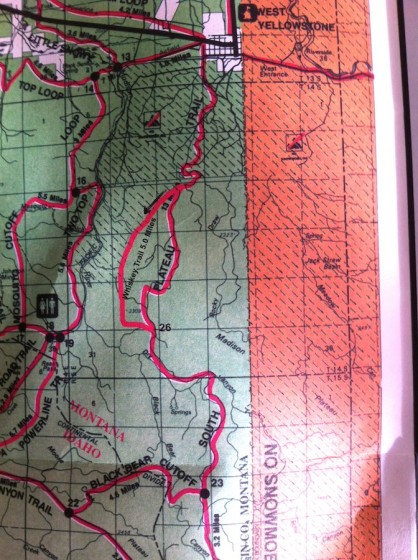
Check out FasterSkier’s firsthand experience of the nearly four-hour trip as Edgerton prepped the trails for hundreds of skiers to use throughout the rest of the week (see video above). For an idea of where they went, and where people are skiing, refer to the map below.
Map of South Plateau trails, including 5-mile Whiskey Trail (where Friday’s point-to-point SuperTour distance race will be held) and the South Plateau road/trail to Black Bear Cutoff near the Idaho border.