From the FasterSkier archive — posts syndicated from athletes’ and coaches’ own blogs between 2004 and 2012, kept online as published. Current coverage is at fasterskier.com.

Tag: Duluth

  • ‘Mileage Is a Distance, Not a Volume’: Chad Salmela on What Runners Can Learn From Cross-Country Skiers

    ‘Mileage Is a Distance, Not a Volume’: Chad Salmela on What Runners Can Learn From Cross-Country Skiers

    This article was made possible through the generous support of our voluntary subscribers. If you value coverage like this, please support FasterSkier with a voluntary subscription.
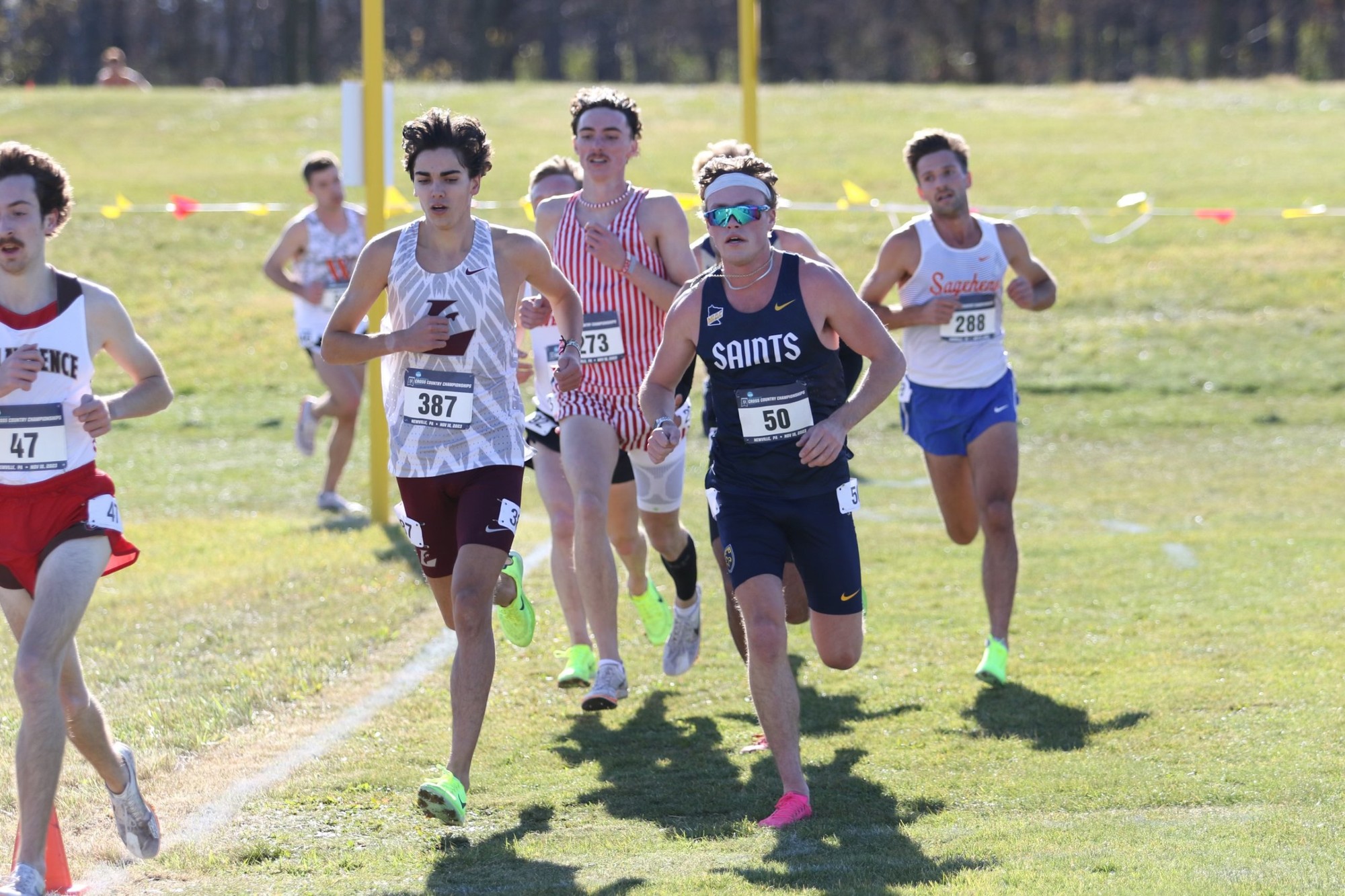
    Lars Dewall in a navy St. Scholastica Saints singlet and bib 50 running in a pack of college runners on a grass cross country course.
    Lars Dewall (50) races for St. Scholastica at the 2023 NCAA Division III Cross Country Championships in Newville, Pennsylvania. (Courtesy photo)

    Lars Dewall has run four marathons and he has never run a slow one.

    The debut was Grandma’s in June of last year, 2:22:57. Then California International in December, 2:14:15. Then Boston in April, 2:12:30. Then Berlin in September, 2:12:13, third American across the line. Four races, four personal bests, each one faster than the last, which is not how marathon careers usually go.

    Dewall came out of Division III. He ran at the College of St. Scholastica in Duluth and was an All-American there in 2023, one of the first two the cross-country program ever produced. He now teaches middle school social studies in San Diego. His training sounding board on broad direction is his college coach, Chad Salmela, who coaches cross-country at St. Scholastica, called the women’s team sprint in PyeongChang for NBC, and spent eight years on the US biathlon team before either of those things.

    Salmela has a theory about why Dewall keeps getting faster, and it is not a comfortable one for American distance running. He has been making the argument for most of two decades, in a sport that was not his first one, and until recently he did not have a runner fast enough to make anybody listen.

    “He’s like my living thesis right now,” Salmela said. “He’s actually texting me as we’re talking.”
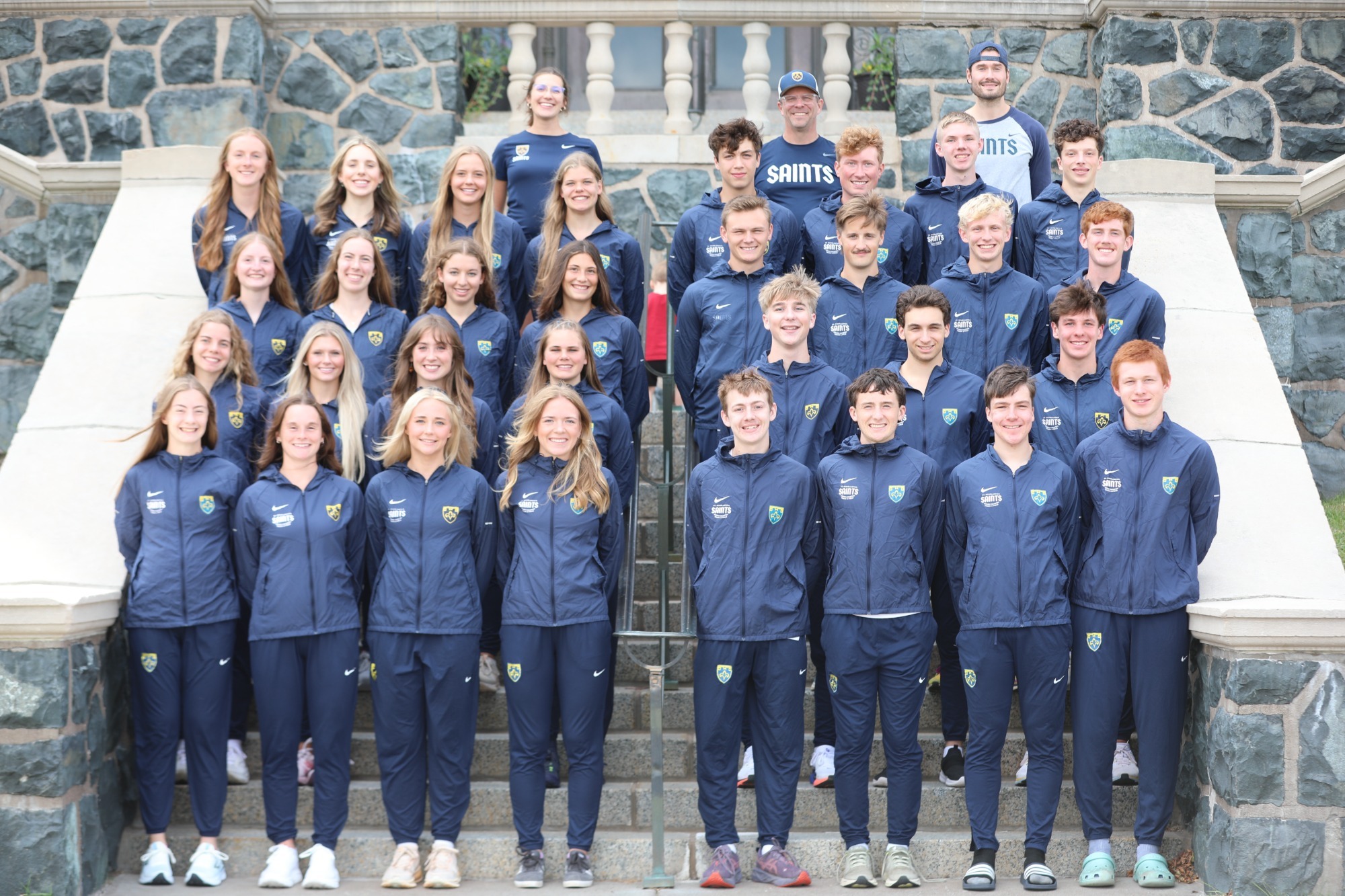
    The St. Scholastica cross country team in navy warm-ups posed in rows on stone steps, women on the left and men on the right, with the coaches standing at the top.
    Chad Salmela, back row center, with the 2026 College of St. Scholastica cross country team. In more recent years, Salmela has given up the nordic coaching role to concentrate on broadcasting during the ski season, which we will cover soon in part two of this series. (Courtesy photo)

    Mileage is a distance, not a volume

    The sentence above is his, written rather than spoken. It appears in the letter he sends to recruits, which is less a sales pitch than a seven-paragraph argument about exercise physiology, and it is the cleanest statement of the thing he believes.

    “Mileage tells you how far you’re running,” he said. “It doesn’t break down what you did in that distance.”

    He has been resisting the number for years and he still resists it.

    “You can have a huge mileage week on threshold. You can have a small mileage week on relatively aerobic,” he said. “Two to three two-hour-plus workouts, that’s going to be fewer miles than three threshold workouts. So that mileage metric, I feel like it kind of misshapes things in people’s minds.”

    Ninety-mile weeks are not the problem, in other words. What is in them is.

    “Ninety-mile weeks at a lactate of 2.5 as opposed to a lactate of 1 is going to have a way bigger consequence down the road,” he said.

    This is where the skiing comes in, and it is worth being precise about the lineage, because Salmela is. The interval sessions he leans on are not his. The one he uses the day before a race, a minute on and thirty seconds off, he calls “a complete ripoff from the Ingebrigtsens,” though the session appears in Marius Bakken’s own published account of the Norwegian model, as does the 45-seconds-on, 15-off session Salmela started using this autumn. Bakken, a Norwegian physician and former 13:06 5,000-meter runner, built the method out of more than 5,500 lactate measurements and mentored Gjert Ingebrigtsen (Jakob’s father) directly between 2011 and 2013. The family made it famous. Bakken wrote it down first.

    What Salmela did was carry it sideways, out of a sport where lactate testing has been routine for forty years into one where it mostly has not. He is blunt in the recruiting letter about why that gap exists and what it costs: the discovery was “established decades ago in the early 1980s, and has been adjusted in many other endurance sports, yet somehow continues to evade American distance running.”

    His own estimate of what the ceiling looks like is deliberately large.

    “If you can train as a runner seven or eight hundred hours of aerobic training, it doesn’t have to all be running; you can improve way more than you think as a runner,” he said. “But how do you get those 800 hours? You can’t do it running. You’re probably going to start having a limitation there.”

    That is a skier’s number, and he knows it. It is also the number he says Dewall has been running at for two years.
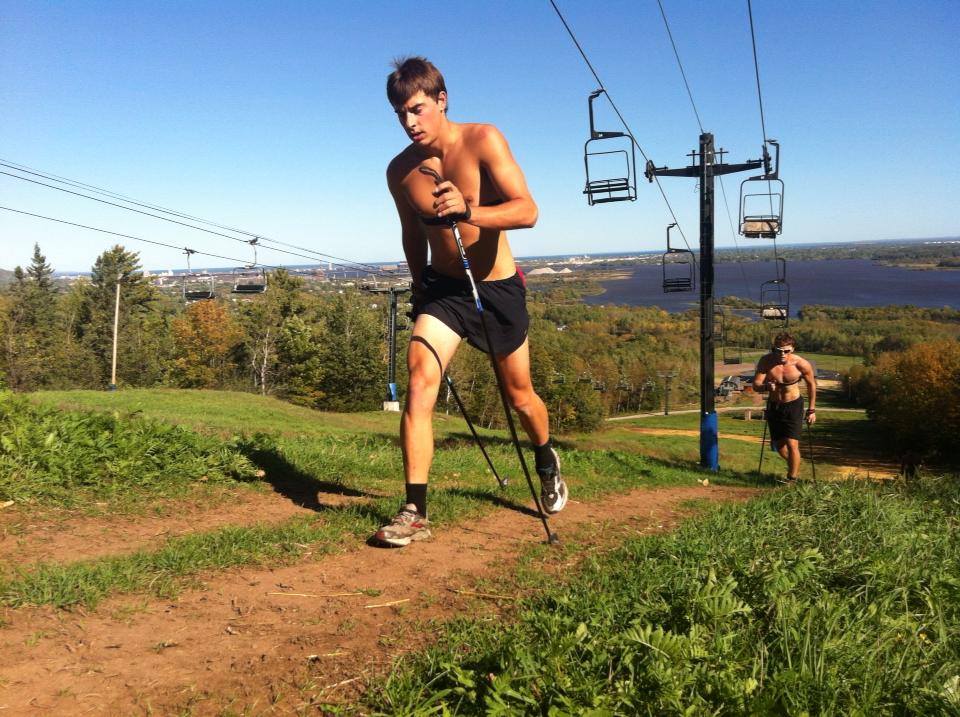
    A runner bounding uphill with ski poles beneath a chairlift, a second runner far behind him.
    St. Scholastica’s Paul Schommer, foreground, and Joe Dubay bounding up Spirit Mountain in Duluth, Minnesota, in the fall of 2014. (Photo: Chad Salmela)

    Injury is not the cost of doing business

    The recruiting letter contains three words in capitals: “Injury is NOT necessary.” He gets more animated about this than anything else in our ninety-minute conversation.

    “The first thing that always drove me nuts as a skier coming into the running world, before I even started coaching, was just the acceptance of injury as part of the deal,” he said.

    He is careful to say he might be wrong, and then says why he does not think he is.

    “Anytime you’re asking your body to do something it’s not able to do, you’re doing something wrong,” he said. “I think that’s a very important thing to remember. If you build the strength and you build the motor to handle it, you can pretty much avoid injury.”

    Then the qualifier, offered without being asked for, which is the mark of someone who has actually thought about the limits of his own claim: “maybe I’ve just never taken anybody to their very maximal capacities so far, and that could be it.”

    The mechanism he proposes is fuel. His argument is that a runner who has never taught their body to burn fat at easy intensities is spending glycogen on workouts that were supposed to be building aerobic efficiency, and that the bill arrives later.

    “You’ve got to define where your aerobic threshold is running, and you have to make sure that you’re burning fat there,” he said.

    He has a blunt way of describing the high school runner doing it wrong.

    “You can’t be running 6.5-minute miles and you got a PR at 15:30. That doesn’t even compute. It’s not easy enough,” he said. “You’re still going to have better immediate success. But somewhere down the road, if you don’t learn how to burn fat, you’re going to probably get hurt.”

    The same protectiveness shows up somewhere less expected, which is how he handles a team that is getting sick. Two weeks before we spoke, a freshman turned up to a threshold session with a sore throat and told nobody until afterwards. Three of the four men in his suite went down. By Thursday the squad was, in Salmela’s description, a shell of itself, and on Saturday fourteen of thirty made the workout.

    The athlete who did not get sick was the fittest one in the room, and Salmela pulled him out of the hard session anyway.

    “I’m not putting you through a level four workout right now when you’re rooming with three guys who probably are carrying the bug, because you’ll be sick by Saturday if we do it,” he said. “He was pissed, but I didn’t let him do it.”

    The rule for everyone else is not negotiable and the arithmetic behind it is simple.

    “If you’re sick today, you’re not training tomorrow,” he said. “The best case scenario is you catch it, you stop, and you have four days that you’re not training. That’s going to be the minimum.”

    Against that he sets what a season costs. His athletes are chasing a minute off an 8k, and he does not think a sick athlete who races anyway gets it.

    “They’re not running a minute faster in 8k this year, and they will not do it if they get sick,” he said. “They won’t do it.”
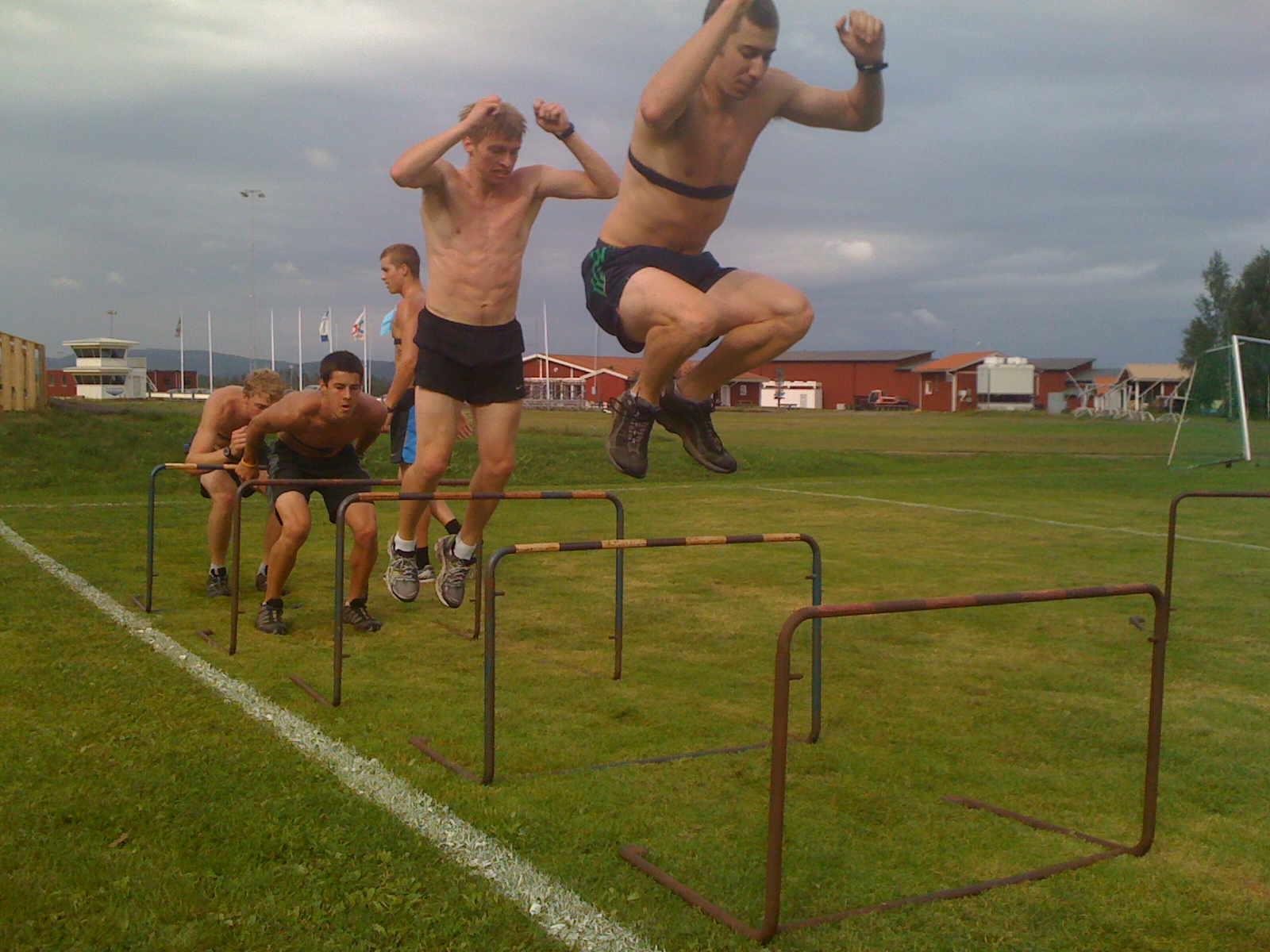
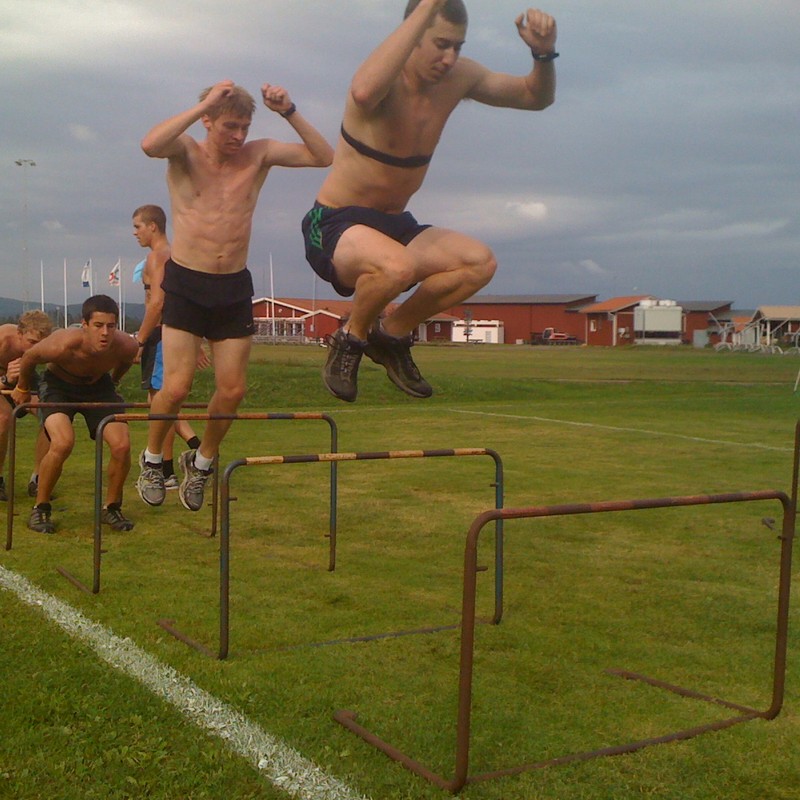
    Five athletes bounding over low hurdles on a grass field under a grey summer sky.
    Hurdle bounding at a St. Scholastica dryland session. Salmela believes in the work and is his own cautionary tale about too much of it; a winter of jumps in his last season as a biathlete left him convinced he had compartment syndrome. (Photo: Chad Salmela)

    What he got wrong first

    Salmela is a strength evangelist who will tell you, unprompted, about the year he ruined a team with it.

    “I loaded too much strength on some of my early teams coaching, and they got flat,” he said. “They got super slow, didn’t stay quick.”

    What he settled on instead is periodized and, more importantly, individual. December is a strength block for everybody. In season it drops to maintenance and bodyweight work. Beyond that he decides person by person, and he is explicit that the people who say runners need strength and the people who say they do not are both partly right.

    “You need a minimal amount of strength just to stay healthy,” he said. “And then some people need strength to be stronger, to be faster as a runner. They actually need strength to be a part of the catalyst that makes you your best.”

    He has a sophomore who worked this out for herself before he did. She ran in high school, never lifted, went through the Air Force, got strong there, and arrived at the conclusion that the strength was the thing she had been missing all along. She now does three sessions a week on her own, more than Salmela gives anyone else on the roster.

    Plyometrics get the same treatment, and the same warning, which comes from his own body. In his last season as a biathlete he loaded up on jumps and spent January and February convinced he had compartment syndrome.

    “Really what it was is I had incredible anaerobic power and the racing season just kind of started having catabolic reactions in my shins,” he said. He credits Dave Bacharach, the exercise physiologist at St. Cloud State, with talking him out of the diagnosis: a lot of type 2 fibre, suddenly drowning in lactate every weekend.

    “You have to be careful with plyos for aerobic sports because it’s anaerobic work, and it’s going to steal some of it,” he said.

    The archaic notion

    Ask him about tapering and he does not hedge.

    “I think the taper is an archaic notion,” he said. “I think some people need a taper. You have to find the person who needs a taper. And there are some people out there, but I’d say they’re the minority.”

    His team runs six to nine hours a week regardless of where the season is. The reasoning is that fitness is the thing being protected, and that the races themselves do the damage a taper is usually blamed on.

    “Great races kick your ass, man,” he said. “They are hard to recover from. So if you want to have two or three great races in a row, you better watch that.”

    When he does drop volume it is recovery, not peaking, and he says so. The most persuasive evidence came from a senior who diagnosed her own pattern and brought it to him: three straight years of running a personal best at conference and then one of her worst races of the season at regionals a week later.

    “She goes, can we fix that? And I’m like, yeah,” he said. “We’re going to keep the volume high. We’re not going to taper.”

    What replaces the taper is a race week with a shape to it, and this is the most directly usable thing he says all afternoon. A maximal effort five days out, long enough to spend real time at max heart rate. Then the Bakken session the day before.

    “The reason I think you need that is because your heart will not be ready to respond to the work if you don’t do that,” he said of the hard day. “And if you do it any closer to the race, you’ll still be trying to recover from it.”

    The day before, he keeps it short: five to eight repetitions of a minute on, thirty seconds off, in the tempo zone, perhaps five minutes of actual work.

    “It’s the best pre-race workout I’ve ever found. Works almost universally,” he said. “Up until that point, I had found some workouts that work for some people and not for others.”

    He does not prescribe the number. He hands the athlete a rule instead, and it is a small masterpiece of coaching.

    “As long as the one you did last feels better than the one you just did before that, do the next one,” he said. “As soon as you feel like you’re working at all, you’re done.”
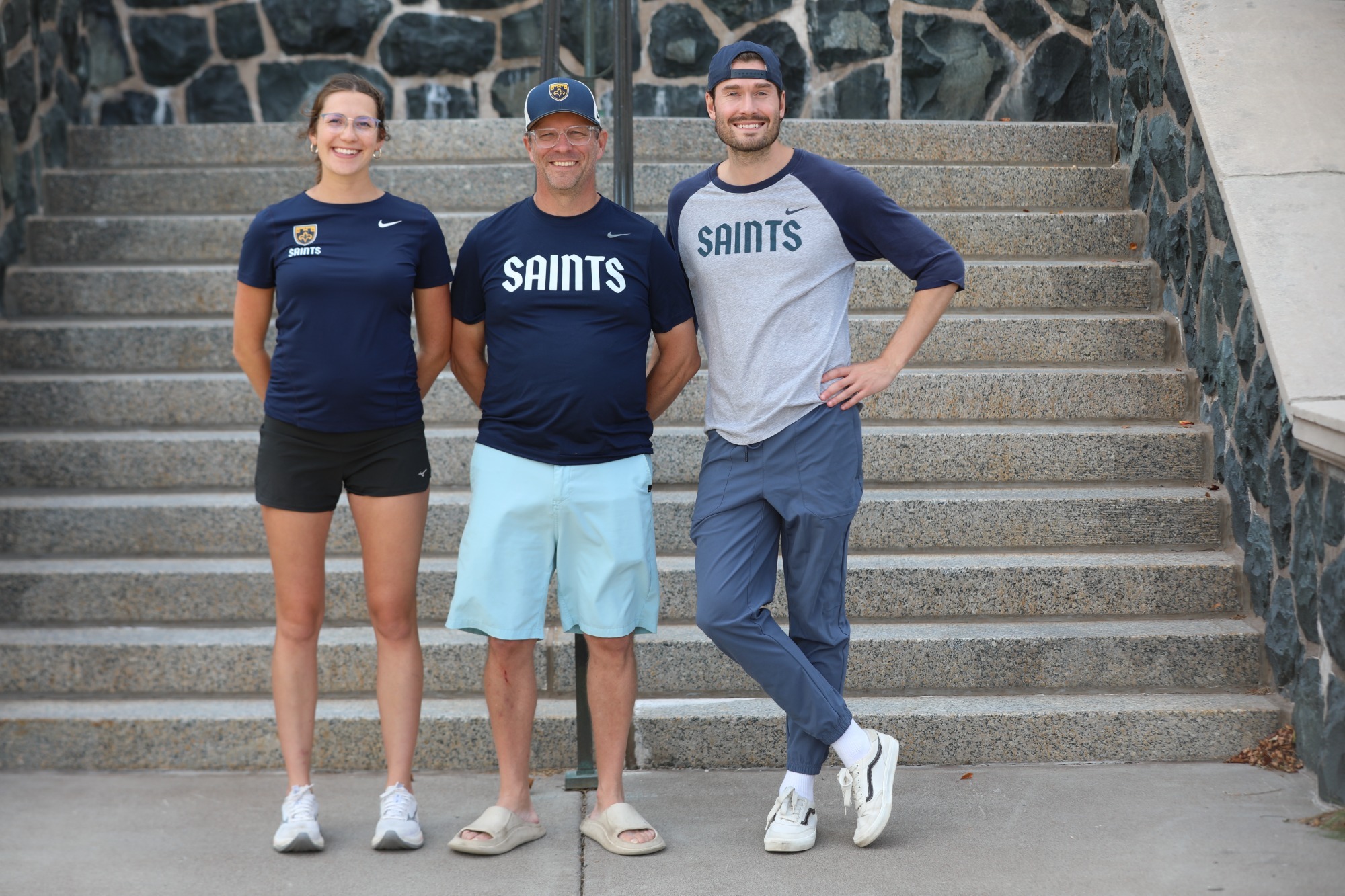
    Three St. Scholastica coaches in Saints shirts standing at the foot of a wide stone staircase, Chad Salmela in the middle in a cap and light blue shorts.
    Salmela, center, with his St. Scholastica cross country coaching staff in August 2026. (Courtesy photo)

    Leave the gait alone

    There is one more piece, and it runs against most of what a modern running program sells.

    “Meddling with natural biomechanics is kind of a no-no in my book,” Salmela said.

    His most successful runner, he said, had a gait nobody admired and plenty of people wanted to correct. She was never injured until she stopped doing strength work.

    “Her gait wasn’t pretty, but it worked, you know, and I recognized that,” he said.

    His evidence for leaving well alone is a runner who arrived last year from a small high school program, had not scored for his team, and spent his first season trying to prove he belonged by going too hard at everything. It did not work. Salmela sent him away for a summer with an instruction to run more, at the intensity he was told and no harder.

    “He comes in here, he looks so good. All the coaches are like, man, his running has improved a ton,” he said. “He had clodhopper feet last year, because he wasn’t a real runner. He hadn’t run enough yet. Comes in this year and he just comes off the ground, he looks natural, he looks like a runner now.”

    Then the part he seems to enjoy most.

    “And I did nothing,” he said. “I didn’t have to tell him anything other than follow the right intent.”
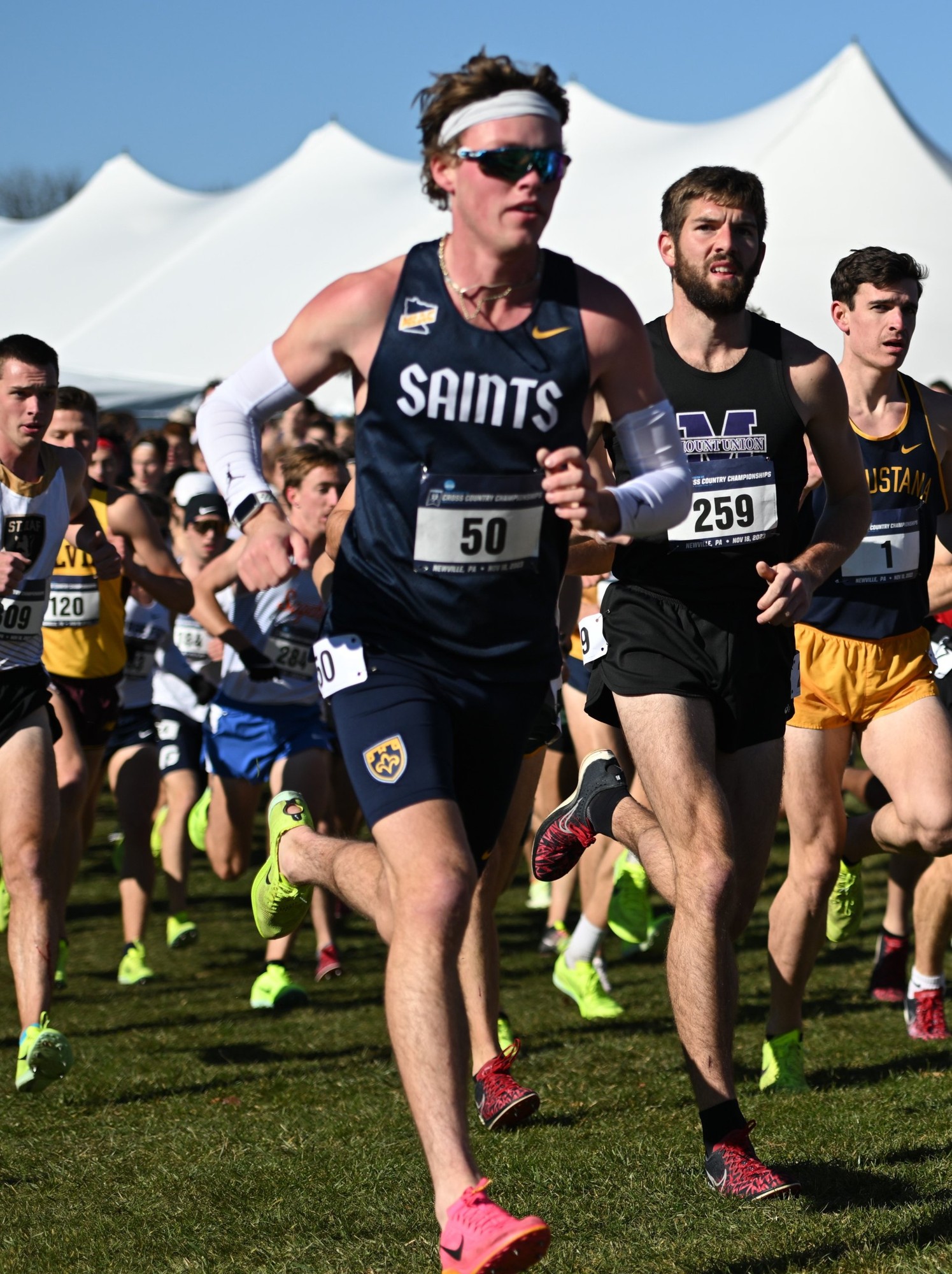
    Lars Dewall in a St. Scholastica singlet, headband and sunglasses running at the front of a large field, with white event tents behind.
    Dewall early in the race at the 2023 NCAA Division III Cross Country Championships, the fall he became one of the first two cross country All-Americans in St. Scholastica history. (Courtesy photo)


    Which is more or less the argument in miniature. Dewall ran 110 to 130 miles a week building for Berlin, more than he had ever run, a third of it on soft surfaces, the intensity governed by lactate rather than by what the paces are supposed to look like. He got support from Puma’s PROJECT 3 program for the race. He went 2:12:13 and took seventeen seconds off a personal best he had set five months earlier in Boston. Salmela is careful not to claim all of it. Dewall now builds most of his training around cutting-edge running technology that Salmela admits he is “not terribly well-versed” in. “Still, I think the thesis IS a huge reason he is blowing minds, and why he can do these workloads,” Salmela wrote after our interview. “But not the only.”

    Salmela has been saying for years that nordic volume would do this to a distance runner if anyone ran it properly. It took him until his fifties to find the runner who would.


    Help Support Our Coverage!

    If you value the thoughtful work and access FasterSkier provides, please consider becoming a Voluntary Subscriber. Your support directly fuels our work to cover the people, places, and moments that make our sport special.

    Join the FasterSkier community!
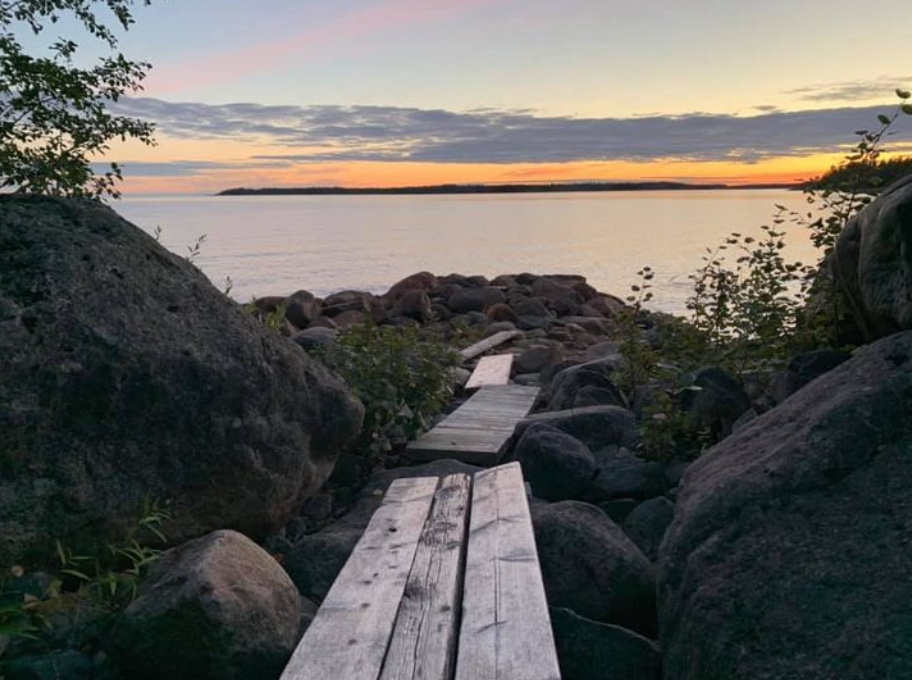
     

    A wooden plank walkway running between boulders toward a calm sea at sunset.
    A path to the Gulf of Bothnia near the Salmela family farm in Finland. The training ideas he has spent most of two decades carrying into American running came out of that part of the world. (Photo: Chad Salmela)
  • Weekend Viewing Guide: Lillehammer and Duluth

    Weekend Viewing Guide: Lillehammer and Duluth

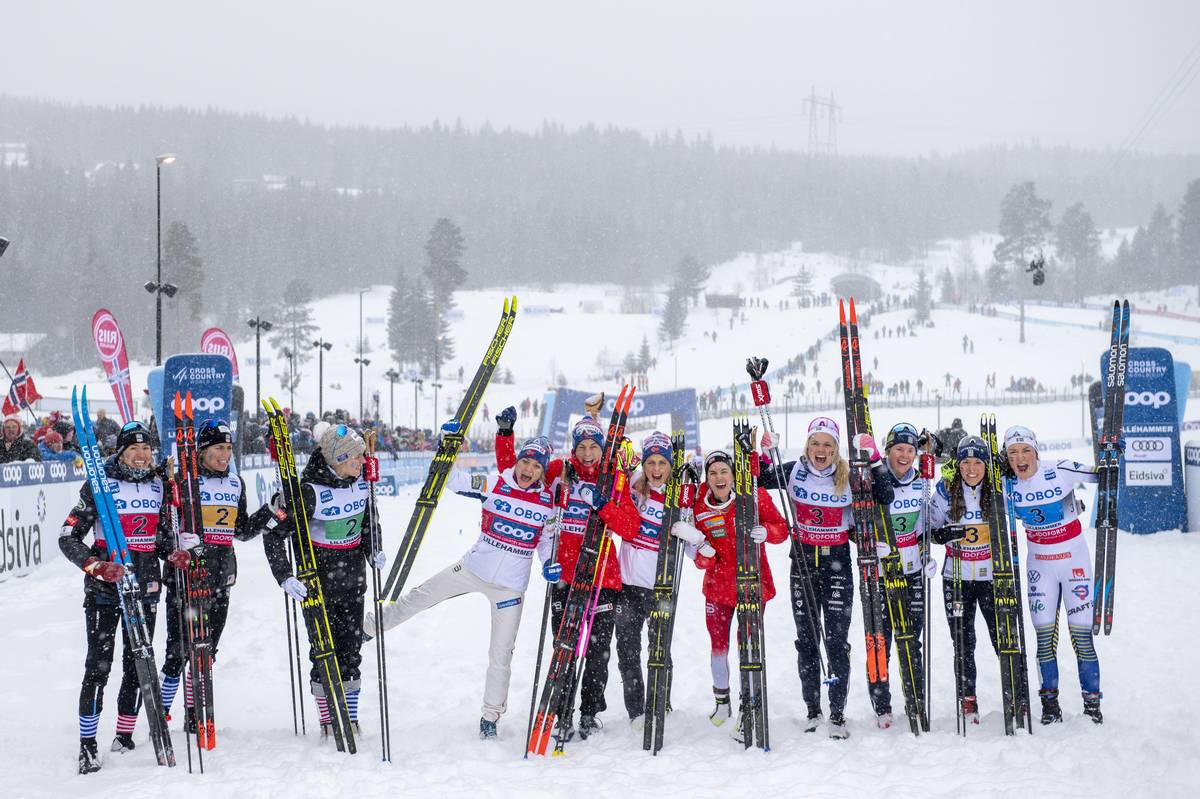
    The last time relays were held in Lillehammer, December 2019: Sophie Caldwell (USA), Sadie Maubet Bjornsen (USA), Rosie Brennan (USA), Maiken Caspersen Falla (NOR), Astrid Uhrenholdt Jacobsen (NOR), Therese Johaug (NOR), Heidi Weng (NOR), Emma Ribom (SWE), Elina Roennlund (SWE), Charlotte Kalla (SWE), Moa Lundgren (SWE), (l-r) www.nordicfocus.com. © Vianney THIBAUT/NordicFocus.

    Want to know how to follow all the action this weekend, domestically and abroad? We’ve got you covered. Times for World Cup races are listed in local time and Eastern Standard Time, to help you calculate the time change.

    (We will of course publish articles on the races after they finish; this is just to help you get your fix of live coverage.)

    Broadcast links for the World Cup races are as follows. Both of these require a subscription, sorry.

    Peacock (raw feed, no commentary) | Ski and Snowboard Live (English language commentary)

    World Cup, Lillehammer

    Friday, December 3: skate sprints. 10 a.m. local time (qualifiers), 12:30 p.m. local time (heats). Broadcast (heats only): 6:30 a.m. Eastern.

    Saturday, December 4: 10/15 k skate. 10 a.m./12 p.m. local time. Broadcast: 4/6 a.m. Eastern.

    Sunday, December 5: relays! (4 x 7.5 k men, 4 x 5 k women) 9:20 a.m./11:45 a.m. local time. Broadcast: 3:15/5:45 a.m. Eastern.
    Results and start lists

    SuperTour, Duluth

    Saturday, December 4: skate sprints. 9:30 a.m. local time (qualifiers), 12 p.m. (senior heats), 1:45 p.m. (U18/U20 heats), 3:20 p.m. (U16 heats). Duluth is in the Central Time Zone, so add one hour for the East Coast or subtract three hours for Alaska.

    Sunday, December 5: 5/10 k skate. 10 a.m. local time, women and U16 boys; 12:30 p.m. local time, U18 and up men.

    Detailed schedule and results/start lists

    Streaming? Sounds like it. Race organizers state, “Races will be live streamed by CXC and will have live announcements.” Try checking here or here over the weekend for broadcast options.

  • Wednesday Workout: Cold Weather Resource for Insiders and Outsiders

    Wednesday Workout: Cold Weather Resource for Insiders and Outsiders

    If you find yourself this morning in a part of the world where it’s truly cold, we feel for you. If you get outside and ski today, say in the Midwest (we’re thinking of you Duluth), the snow might be sandpaper slow, but the upside, there will be no snow melt. The trail conditions will hold until the next banana belt puff of air blows through.

    Here at FasterSkier, we scanned the archives to bring you some cold-related resources. This may not be the type of Wednesday Workout you expected. If it’s not: be careful in the sub-arctic cold, but by all means, head out and kill the 30 x 30’s or the pre-Birkie 4 x 4 threshold efforts.

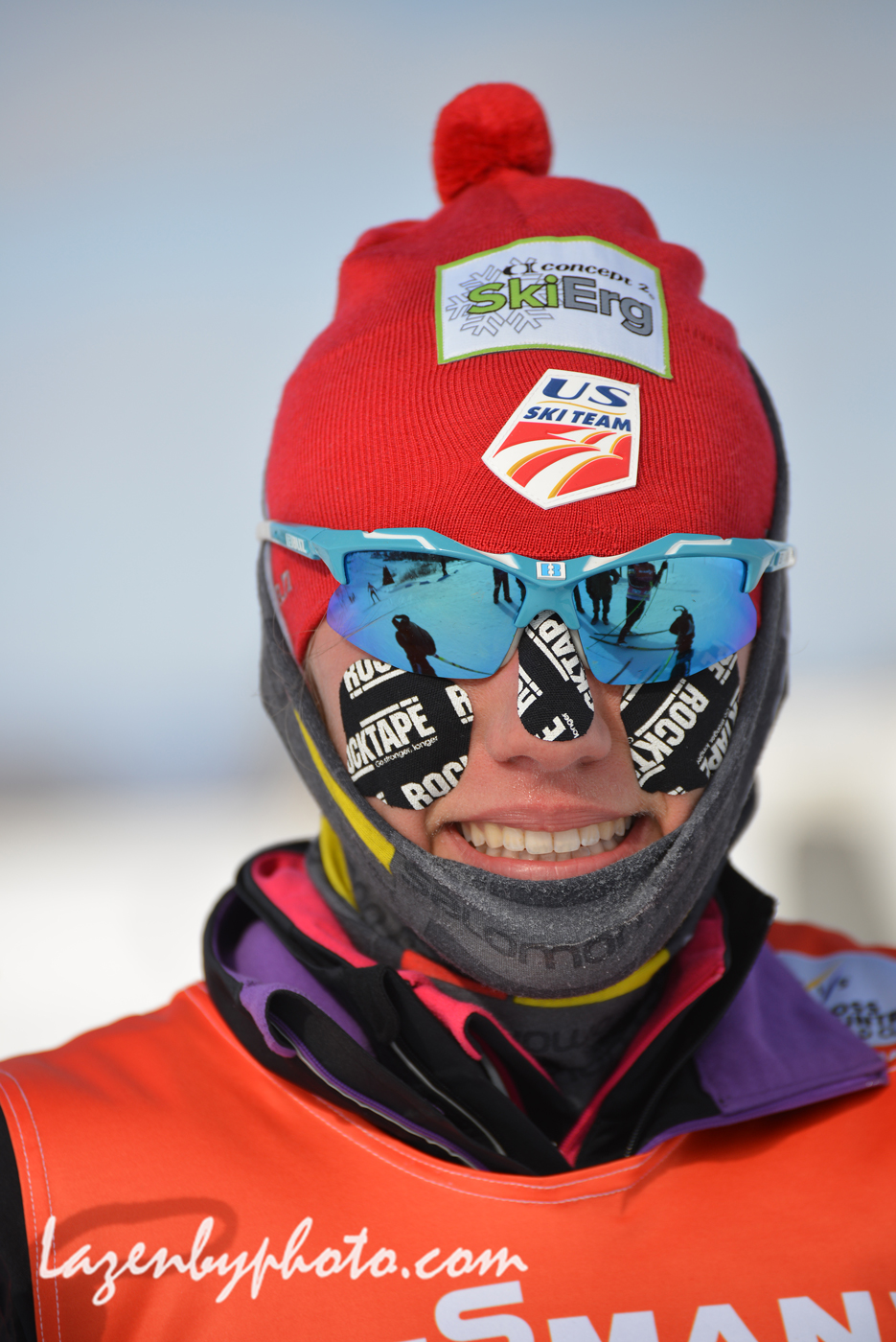
    Kaitlynn Miller (Craftsbury Green Racing Project) on a cold training day in Quebec City on Thursday before the third stage of the Ski Tour Canada. (Photo: John Lazenby/Lazenbyphoto.com)

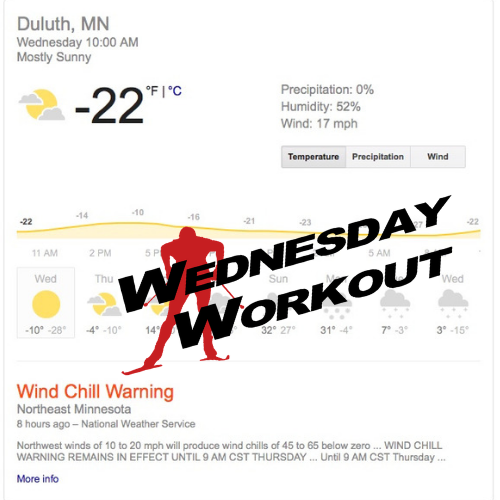
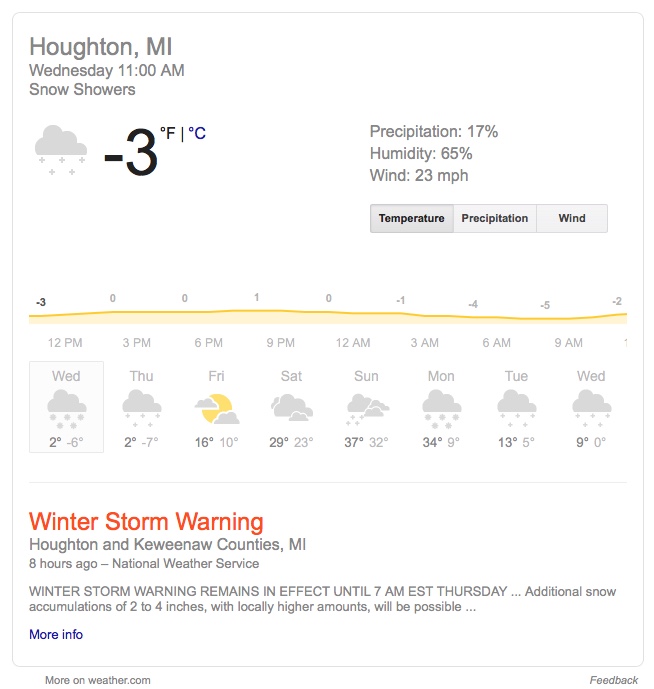
    By the way, not so fast Houghton. By comparison, maybe it’s time for beach towels in the UP. Duluth’s cold is real-deal-cold at -22 Fahrenheit at the time we pressed “publish”. 


    First on the resource list is this brief piece on cold-related injuries. This comes complete with grim photos to deter those from heading out with improper protection.

    The saying goes: “Hydrate or die.” So true. But remaining hydrated in cold air can be a puzzle for some.

    For those of you keen on reading up on respiratory issues and the cold, here’s an interview written by Chelsea Little. The article below features Michael Kennedy, PhD Associate Professor of Kinesiology, Sport, and Recreation at the University of Alberta.

    If you’re ambitious, here’s a link to Dr. Kennedy’s 2017 research on cold air and athletes:

    If you’re looking to log a rest day, and have already written the following into the notes section of your log, “Too Cold to Exercise”, the New York Times (NYT) published a piece back in 2008 that still resonates. And the title of the article may have you rummaging for those hand and toe warmers, face tape, and respiratory heat exchanger. 

    Don’t leave the NYT so fast. Knowing much of the country would be blanketed in frigid air today, they published a short resource for combating cabin fever. 

    Yes, we agree, it is downright cold out there. We’d say under a certain temperature, cold is simply cold, no matter what the thermometer reads. Editors at Scientific American ran a piece yesterday titled, “The Coldest Place on Earth”. They may disagree with the assertion that under a certain benchmark (its personal for each skier) cold is cold.

    They aptly end yesterday’s piece with this sentence: “So take heart if you’re experiencing a polar cold, it will get warmer again, and it could be much worse.” Download this free proxy list as TXT, JSON or CSV with no signup.

    Stay warm out there. Cold-related injuries are no joke.  .j48l5e {display:none}

  • Nordic Nation: The Calling it as He Sees it Episode with Chad Salmela

    Nordic Nation: The Calling it as He Sees it Episode with Chad Salmela

    Long before the “Here comes Diggins” call by 47-year-old Chad Salmela at this season’s Olympics, he was already known throughout the ski world as an athlete and sports commentator. Let’s just say since the now famous call, Salmela’s announcing talents have become more well known. In what now may be considered his spare time, Salmela is a varsity cross country running coach and assistant track and field coach at The College of St. Scholastica in Duluth, Minn. For ten years he was the head coach of St. Scholastica’s nordic ski team. Salmela began the cross-country program before stepping down in 2016.

    Back in his nordic coaching days is Chad Salmela. Now, at 47, he coaches running at The College of St. Scholastica and is the commentator for World Cup nordic skiing and IBU Biathlon at NBC Sports. (Photo: Courtesy Chad Salmela)

    This winter season, Salmela will be the voice of nordic sport for NBC Sports: He’ll be calling both the cross-country World Cup and biathlon’s IBU World Cup. 

    As an athlete, Salmela was a member of the U.S. Biathlon team from 1990-1998. He still skis and enjoys the sweet outdoor access Duluth affords.

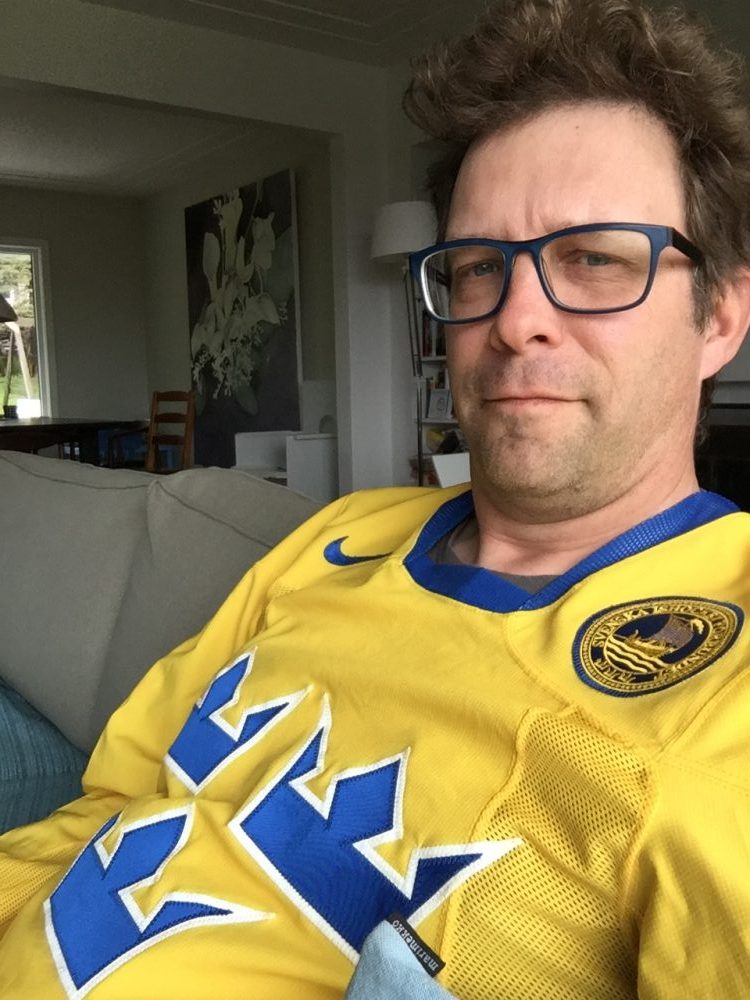
    The selfie. Chad Salmela in his Sweden hockey jersey. He’d been rooting for Sweden while watching the IIHF worlds a few years back.

    In this episode, we talk about the “Here comes Diggins” call, why he stepped away from coaching nordic skiing, and how he prepares for the grind of announcing World Cups. If you’d like to hear a solid interview of Salmela and his experience at the 2018 Winter Games by a great cast of mainstream sports writers and podcasters, you can check that out here.

    And if you have no idea what we are referring to when we bring up the “Here comes Diggins” call, you should click here.

    (To subscribe to the Nordic Nation podcast channel, download the iTunes app. If you have iTunes, subscribe to Nordic Nation here.)

  • How Skiing Saved My Life: Part II

    How Skiing Saved My Life: Part II

    Scott “Bjorn” Cummings rollerskiing near his cabin in Cornell, Wisconsin, on the Old Abe State Trail, a 19.5-mile former railroad track, which is now a bike path. (Courtesy photo)

    In March of 2016, we published an article penned by Scott “Bjorn” Cummings, a Postbaccalaureate student working towards his Academic Behavorial Strategist K-12 (ABS) Special Education License at the University of Minnesota Duluth (UMD), titled “Why Skiing? How a Sport Saved My Life“. He’s now teaching and even more in love with XC. Here is his update.

    ***

    As the start of my sophomore year of teaching and summer winds down, I am starting to reflect on my thoughts on skiing. Some readers might recall my FasterSkier article written last year after the conclusion of ski season.

    The 2017 ski season did not go well for many others and me as a lack of snow in the Upper Midwest shortened or canceled races. Almost every race I did was shortened, canceled, I had the flu, or my race season ended early when I severely contused my knee rollerskiing in late February.

    Scott “Bjorn” Cummings at his favorite place on a Saturday morning, Hyland Park Lake Park Reserve Recreation Area in Bloomington, Minnesota, where there were 5 kilometers of manmade snow on excellent daily grooming. (Courtesy photo)

    To access all of the “Big Three” nordic snowmaking loops, I had to fight rush-hour traffic after work to ski and fight traffic after the ski. That was a battle I didn’t have the energy for most days after teaching. Let alone it was my first year teaching, which drains most teachers.

    The last Tuesday in February, there was hardly any snow around except for at the “Big Three” snowmaking areas in the Twin Cities. The major parks and their respective miles from my West St. Paul apartment are Elm Creek (33.8 miles), Theodore Wirth Regional Park (19.2 miles) and Hyland Lake Park Reserve (18 miles).

    So I decided to rollerski the Morgan Regional Trail right along the Mississippi River and the mini icebergs. I was about to turn around after 10 k when I hit a rock and landed most of weight on the knee. I rollerskied back while the blood dripped down my leg.

    The next day, a significant black-and-blue bruising that started at my knee cap and went all the way down to my ankle. I went to urgent care and the X-ray showed nothing was broken. I asked my doctor sheepishly if I could race the Great Pepsi Challenge up in Biwabik, Minnesota, that weekend. “Absolutely not.” And thus that ended my racing season.

    Ouch! Sometimes, (roller) skiing hurts.

    But I am fine with that because most reasons for a poor race were beyond my control. I did well in the races I did participate in. Nordic skiing teaches you how to carry yourself.

    This is the year is different. For one, I am back teaching at the same position as last year and looking forward to the continuity. Our district is having a big start of the school year kickoff where a speaker will stress the importance of personal wellness, balancing life outside of the classroom and taking care of yourself. No doubt my life as a citizen racer will help.

    Scott “Bjorn” Cummings on his first podium after racing the 2017 NorthShore Inline Marathon on Sept. 16 in Duluth, Minnesota. With what he described as average-speed Marwe rollerskis, he finished in less than three hours for fifth place in the 29-and-under age group (which became third place since the overall first and second place finishers were removed from his age-group podium). (Photo: Jenna Ruzich)

    But this year is different. I joined a local nordic ski club in Endurance United. Since May, I have trained with them once a week. Also with this package comes a supportive and competitive group of nordic skiers who are led a by a highly technical coach. My technique on skate rollerskis has flourished. I am already excited for snow and its September.

    This year is different. This is the year I will learn how to classic ski.  Rather than try to fret about wax in what has been unseasonably warm winters, I will buy skin skis. Depending on how fast I pick up the technique, I might even do a race in classic.

    But next year is the big one. Next year I will race the Norwegian Birkebeiner. Some might recall from last post that I previously skied in Norway — for one whole kilometer. Time to redeem myself. I have always wanted to ski in Europe but now after my journey into skiing, the goal is to race in Europe.

    But to race in Europe, I will need to look fast. Since my skiing nickname is Bjorn, I need a Norwegian race suit and because I have outgrown, both personally and physically, my UMD Bulldog race suit.

    Please vote in the comments below on which one you think will make me fastest!

    A.

    Choice A) Mt. Borah customizable Stride (Borahteamwear.com)

    B.

    Choice B) Mt. Borah customizable Retro (Borahteamwear.com)

    C.

    Choice C) Swix Race 1-Piece Red Suit (2014)(Swixsport.com)

    D.

    Choice D) Mt. Borah Pro XC Suit Norway (Borahteamwear.com)

    I asked my students what they thought. The second Norwegian race suit (choice D) was the big winner!

    About the author: Scott “Bjorn” Cummings is a Special Education Resource Teacher at a Twin Cities southeastern metro high school. He mainly teaches 10th grade and has 20 students for case management. When he is not in school or on the ski trail, he enjoys biking, reading, cast-iron cooking, cheering on the Minnesota Twins, the UMTC- Gopher football, the UMD-Bulldogs Men’s Hockey, and Minnesota United FC. He is always up for a good beer, non-hoppy, and a conversation at a brewery. He resides in Inver Grove Heights with his border terrier dog aptly named Babe Ruth.  He can be reached at Cummings.scottr@gmail.com.

    ***

    Do you have a personal skiing story you’d like to share? Email info@fasterskier.com or get in touch with one of our staff members.

  • 17 Questions for 2017: Jake Brown

    17 Questions for 2017: Jake Brown

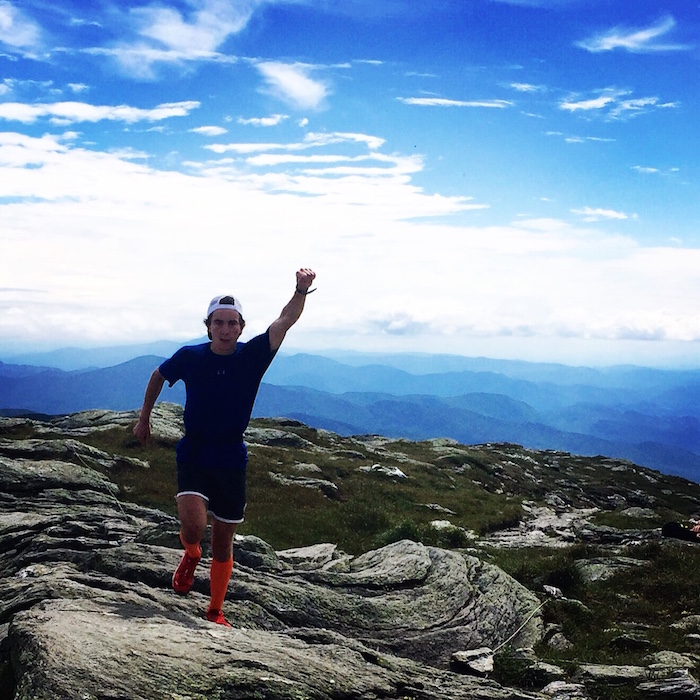
    Jake Brown: "Finished my biggest volume week of the year with a mini-training camp around Mount Mansfield with college teammate Liam John. This was the last summit of the last over-distance." (Courtesy photo)
    Jake Brown: “Finished my biggest volume week of the year with a mini-training camp around Mount Mansfield with college teammate Liam John. This was the last summit of the last over-distance.” (Courtesy photo)

    Welcome to “17 Questions for 2017”, where we are catching up with American and Canadian national-team members before the beginning of the winter season.

    ***

    Jake Brown’s move to Lake Placid wasn’t his first major relocation in recent years: after helping NCAA Division III Saint Olaf win a cross-country running championship, Brown used his final year of ski eligibility to join midwest behemoth Northern Michigan University, where he won the 10 k skate at NCAA Central Regional Championships by over a minute last season. He also became an NCAA All-American and placed sixth in the 30 k skate at U.S. National Championships.

    But Brown has let his International Ski Federation license lapse, picked up a rifle, and moved again. He joined the U.S. Biathlon Association’s X-team this year, after being identified by team staff as a potential talent worth developing.

    Brown had his first on-snow biathlon race in West Yellowstone two weeks ago.

    “I hopped in the biathlon race- overall it was a good opportunity to feel fast with snow underfoot and to get in a hard effort and my first on-snow biathlon race,” he wrote in an email.

    Despite now competing in a new sport, the joys of the West Yellowstone Ski Festival are familiar ones: seeing your community all in one place (mostly).

    Jake Brown competing in his first ever on-snow biathlon race in West Yellowstone, Montana. (Courtesy photo)
    Jake Brown competing in his first ever on-snow biathlon race in West Yellowstone, Montana. (Photo: Alex Larsen)

    “Great vibes and it’s a blast to see a big chunk of the ski community come together,” he wrote. “I was helping coach the Duluth area high school trip and training around the coaching. As a former Minnesota high school skier I really enjoy hearing the kids talk about who might make it out of their section and earn the right to race on the legendary state meet course at Giants Ridge!”

    More recently, Brown finished ninth in both the 10 k sprint and 15 k mass start at biathlon NorAms in Canmore, Alberta.

    1. Biggest change in your life in the last five or so months since the ski season ended?

    I picked up a rifle, put it on my back, and started biathlon after moving to Lake Placid in June.

    2. Biggest change in your training?

    The simple switch in focus from cross-country to biathlon has meant more intervals and easy rollerskiing on a loop, with twists and turns rolling up and down. Aside from the obvious, shooting bullets at black targets after each interval, this means a more targeted focus of working on transitional skiing instead of just pounding away straight up a hill. As a runner-turned-skier, mastering the technical aspects of the sport- including transitional skiing- is an aspect at which I can still improve.

    3. Major areas of improvement you’ve seen so far?

    I have so much appreciation for the work a dedicated biathlete has to put in to improve their shooting and consistency. When I reflect on my progress I can see I’ve taken quite a few clicks up since June- my range time is light years faster, my standing is more stable, and my prone group is getting smaller. However it hasn’t been without work, and when I see where the elite biathletes on our team are and the work they’ve put in to get there I am humbled. I’ve also learned how to ski a biathlon race differently; as my teammate Max Durtschi told me when I first started in June, “this isn’t skiing and shooting- this is biathlon.”

    4. Whom you’ve been working closest with this offseason (coaches or training partners)?

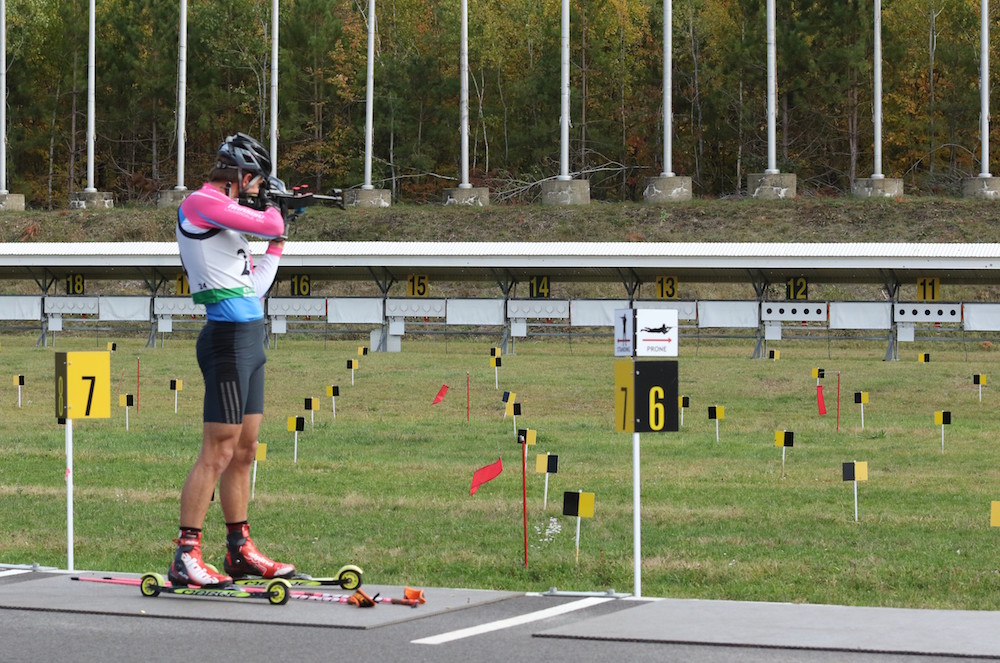
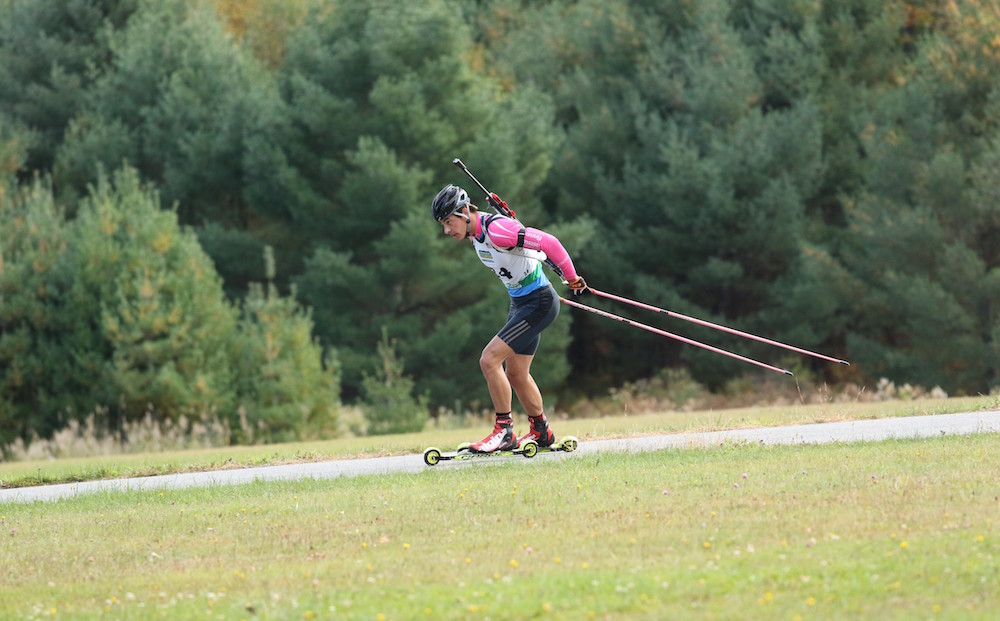
    Jake Brown competing in rollerski trials in Jericho, Vermont, in October. (Photo: Karen Brown)
    Jake Brown competing in rollerski trials in Jericho, Vermont, in October. (Photo: Karen Brown)

    I work most closely with Jean Paquet, the USBA development coach. I’m always impressed when Jean jumps in a workout- trying to hang onto his back wheel during a 70-mile road ride was one of the most joyfully painful experiences of my summer.

    This year has been a fantastic opportunity for me to learn from all the veteran US biathletes- I’ve been lucky to train with each and pick their brains for sage biathlon wisdom. Paul Schommer, a good friend of mine, joined the X-team in August and is who I train with most. He picked up biathlon a year before I and we are close in ski times, so chasing him in shooting is a really valuable challenge for me.

    5. Best trip in the last five months (and why)?

    Over the summer my cousin got married in Seattle, which served as a mini-family reunion. I don’t see my extended family often, so when I get the chance it’s always special.

    6. Favorite cross-training?

    Mountain running. I prefer basketball or climbing for an active recovery day.

    7. Favorite non-athletic activity or pastime this summer?

    Life at the training center can become repetitive, so on occasion I’ll venture into the Adirondack park for a short backpacking excursion. There’s nothing quite like a night in the peace of wilderness to reset your mind, body, and spirit.

    8. Song that was your jam this summer?

    Racers (left to right) Kyle Bratrud of CXC and Northern Michigan University's Adam Martin and Jake Brown, along with Team Freebird's Kris Freeman, chasing a break away group of Brian Gregg (Team Gregg/Madshus) (not shown), Tad Elliot (Ski and Snowboard Club Vail) (not shown), and Kevin Sandau (AWCA) (not shown) half-way throught the second lap of the men's 20 k freestyle mass start race on Thursday at U.S. nationals in Houghton, Mich. Bratrud went on to place tenth overall, Martin fourth, Brown sixth, and Freeman ninth.
    Racers (left to right) Kyle Bratrud of CXC and Northern Michigan University’s Adam Martin and Jake Brown, along with Team Freebird’s Kris Freeman, in the men’s 20 k freestyle mass start race at 2016 U.S. National Championships in Houghton, Mich. Bratrud went on to place tenth overall, Martin fourth, Brown sixth, and Freeman ninth.

    Whatever heavy metal Jean plays in the weightroom.

    9. All time favorite race moment?

    Skiing in the lead pack towards the end of the 2013 Birkebeiner; Matt Liebsch turns and points between himself, Brian Gregg, Sylvan Ellefson, and I and says “For America.” I may or may not have peed my pants I was so excited. To me those guys were legends.

    10. First thing you pack in your bag when you leave for Europe?

    Whenever traveling for skiing I make sure to put my boots in my carry-on. I learned that the hard way after my ski bag, boots included, failed to make it to Lake Placid (when NCAAs were there in 2015) until the day before the first race. I have yet to ski race in Europe, so I hope to get the chance to put others’ packing tips to use soon.

    11. Venue/event you’re most excited to visit this season?

    Mount Itasca in Coleraine, MN. It’s the first true test of the year and a challenging course (if they have natural snow) in my home state. I can’t wait for it all to start.

    12. Who will win the World Cup title this year?

    Tim Burke and Susan Dunklee. I pick with my heart.

    13. Biggest sacrifice you feel you’ve made choosing this career path? 

    I certainly wish I could spend more time with family and friends, especially those who don’t ski and those who live back in MN.

    14. If you could change one thing about your sport, what would it be?

    Lowell Bailey (l) chasing Jake Brown during the men's sprint at the 2016 US Biathlon National Rollerski Championships on Aug. 13 in Jericho, Vt. (Photo: Katrina Howe)
    Lowell Bailey (l) chasing Jake Brown during the men’s sprint at the 2016 US Biathlon National Rollerski Championships on Aug. 13 in Jericho, Vt. (Photo: Katrina Howe)

    Increased access to biathlon, especially in the USA. I’d love to see any youngster be able to bike across town to the local biathlon range, pop on his skis, grab a club-owned rifle, and give the sport five shots. Of course that’s a dreamlike scenario, but developing a passion takes time, and if we want biathlon to grow in this country we need to inspire the next generation. I think the US Ski Team has done an impressive job of developing those passions- they’re a great example for biathlon to follow.

    15. What did you have for breakfast this morning?

    An egg and oatmeal with banana, yogurt, and almond butter. It’s usually oatmeal with whatever I find to put in it. Orange juice to wash it down.

    16. In 5 years, I’ll be ____?

    Skiing, trail running, climbing, triathloning, canoeing, and enjoying the great outdoors in any way possible.

    17. In 50 years, I’ll be ____?

    Skiing, trail running, climbing, triathloning, canoeing, and enjoying the great outdoors in any way possible. Plus skiing my 45th Birkie and waxing skis at Giants Ridge for the Minnesota State High School ski meet.

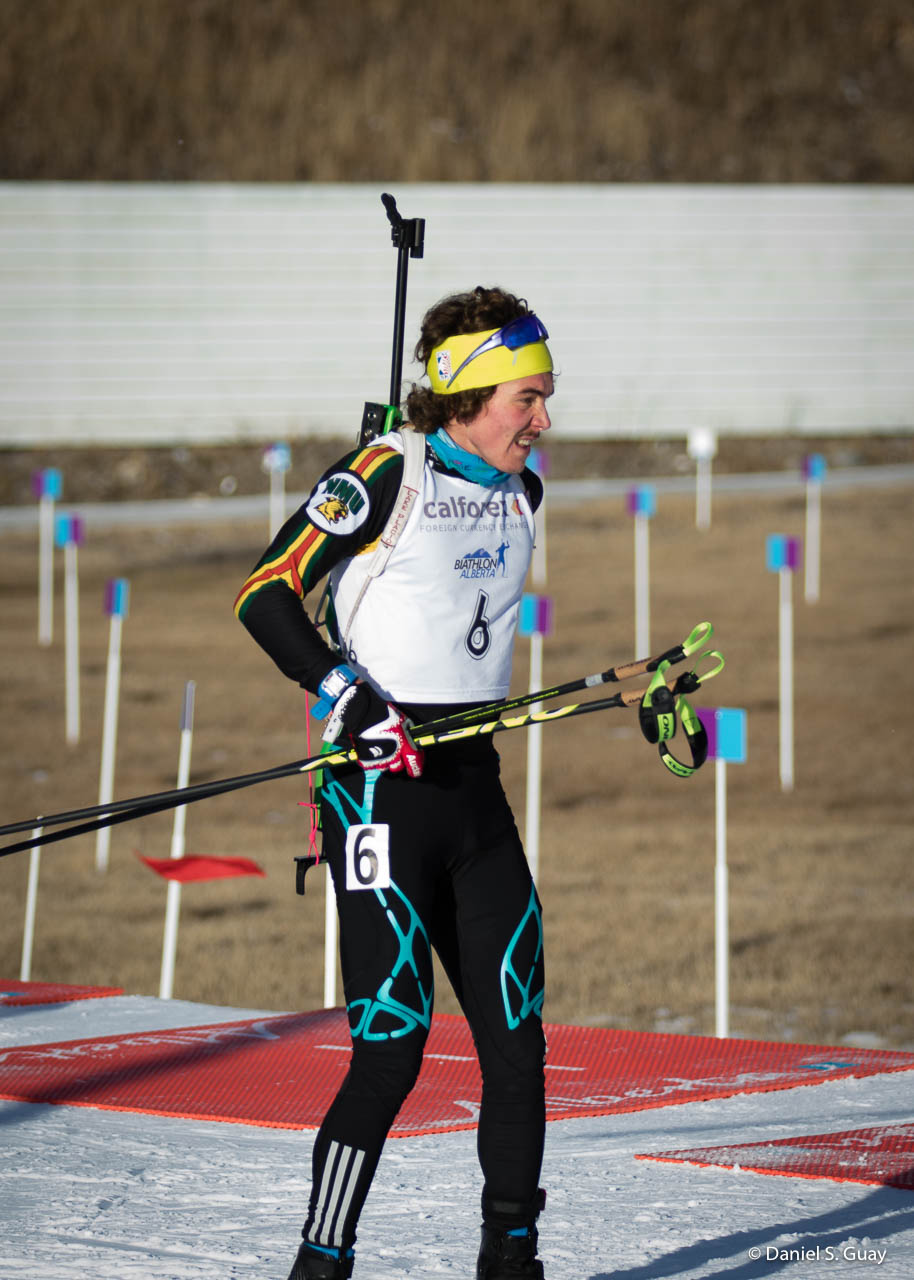
    Jake Brown coming into the shooting range in Canmore, Alberta, during this weekend's NorAm sprint. (Photo: Daniel Guay)
    Jake Brown coming into the shooting range in Canmore, Alberta, during this weekend’s NorAm sprint. (Photo: Daniel Guay)
  • 17 Questions for 2017: Paul Schommer

    17 Questions for 2017: Paul Schommer

    Paul Schommer shooting in Jericho, Vermont, at rollerski trials this fall. (Courtesy photo)
    Paul Schommer, of US Biathlon’s National Development Group, shooting in Jericho, Vt., at rollerski trials this fall. (Courtesy photo)
    Welcome to “17 Questions for 2017″, where we are catching up with American and Canadian national-team members before the beginning of the winter season. 

    ***

    After graduating from the College of St. Scholastica in 2015, Paul Schommer was identified as a potential biathlon talent by the US Biathlon Association. He has been going full bore in his new sport ever since and was recently invited to the national team’s pre-World Cup camp in Canmore, Alberta. Part of US Biathlon’s senior national development group, the 24-year-old Schommer was on the short list for a World Cup starting spot which he ultimately lost out on to Russell Currier, but proved that he’s getting close to the top level of American biathlon just a short time after switching sports.

    1. Biggest change in your life in the last five or so months since the ski season ended?

    I would have to say the biggest change in my life has been moving out to Lake Placid full time. Training in Hayward was great, but coming out to Lake Placid and having all the resources here has been an amazing opportunity. The staff here really makes it possible for us to concentrate on becoming a better athlete by taking care of simple daily tasks. For example, I step out the door and roller ski to the range, which is already set up by all the coaches, and do my workout. When I return back my room has been cleaned by a housekeeping staff member and I head to the cafeteria where food is hot and ready. To me, that’s just amazing and it’s because of all the awesome people here at the OTC that make it happen. It’s also incredible to have world class coaching day in and day out. It really makes a huge difference and am stoked to be able to be here training with the team.

    2. Biggest change in your training?

    Paul Schommer (left) after the Climb to the Castle rollerski race in September, where he placed third. (Courtesy photo)
    Paul Schommer (left) after the Climb to the Castle rollerski race in September, where he placed third, in Wilmington, N.Y. (Courtesy photo)

    I would say sheer volume and intensity has increased in the past year. My coach at St. Scholastica Chad Salmela and I have been working on increasing my aerobic efficiency ever since I got to Duluth, and I am now starting to reap the benefits of that training. My ability to come back day after day and train at a higher level has allowed me to increase my quality training. In conjunction with this, I have not been working a part-time job like in years past. Due to my financial situation in the past, I have always had to work a part-time job to support myself. However, this year I decided if I was going to do biathlon, I would have to do it right. Money is always tight but thankfully God has put a lot of people in my life that have helped out a ton. The increase in training is definitely a result of the work done with Chad while at St. Scholastica, but being able to recover properly between workouts also makes a huge difference.

    3. Major areas of improvement you’ve seen so far?

    I touched briefly on my physiological improvement in the previous question, but biathlon is two sports in one. As my ski performance has continued to improve, so has my shooting performance from day to day. The first year of biathlon is an up and down roller coaster, have good days only to be followed by terrible days. The key is to find consistency, which is coming around more and more. As I have become more and more comfortable on the range, I am able to hit more targets consistently. A lot of this has come from lots of dry fire in the past year and shooting more rounds this summer than last year.

    4. Whom you’ve been working closest with this offseason (coaches or training partners)?

    Schommer competing at rollerski trials in Jericho, Vermont, this fall. (Courtesy photo)
    Schommer competing at rollerski trials in Jericho, Vt., this fall. (Courtesy photo)

    While I was in Hayward this summer, I was all by myself. It was awesome to have that time to myself, work through things on my own and not have to rely on anyone else. However, being able to come to Lake Placid for camps made a huge difference and always helped keep me stay motivated. When in Lake Placid, I worked with Jean Paquet most the time, the head Development Coach at USBA. Working with Jean has been great and I’ve always jived well with him. For a training partner, Jake Brown and I do most of our workouts together. We have a really healthy competitive relationship with each other which allows us to push each other in workouts but still have fun. We are great friends and having him in Lake Placid makes things enjoyable both during and after training.

    5. Best trip in the last five months (and why)?

    Most my traveling is for training purposes, and I don’t have much expendable income for travel beyond that. So when I do have a few days off, I tend to use it to see those I love, whether that be heading home to see family or meeting up with friends. It’s hard to pick on specific trip that means more than another as each one holds its own special meaning. I mean, The Bjorn Bakken Ski Championships of America are a huge deal, the biggest deal, and I had a blast, but also moving my younger brother into college this fall was also awesome, but in a totally different way. So simply put, I’ve had a lot of awesome trips in the past five months and I can’t really say one was better than the other. And what made them all awesome wasn’t because of where I went, but because of the people that were there.

    6. Favorite cross-training?

    Schommer competing at U.S. National Championships in Maine in March. (Courtesy photo)
    Schommer competing at U.S. National Championships in Maine in March. (Courtesy photo)

    Normally I would say mountain biking but this summer I did a lot of paddling in a surfski and really grew to love it. There are so many lakes in the Hayward area and I had a blast going and exploring these on days where it was too hot to double pole, or just wanted a break from the usual training grind. I had a few evenings where I was the only one on the lake with the sunset reflecting of the glassy water and all seemed right in the world.

    7. Favorite non-athletic activity or pastime this summer?

    Probably the exact opposite of that, just sitting around doing nothing. Where I live this summer I didn’t have internet or phone service so I spent a lot of time just sitting around reading and praying, and it was awesome. When I would be in Lake Placid and have internet, I would start to miss the disconnected life I had back in the woods of northern Wisconsin. I loved just hanging out on the porch in the evening just chilling. It was so peaceful and relaxing. It makes me sound old and boring but I loved it.

    8. Song that was your jam this summer?

    King of My Heart by Steffany Gretzinger. There were a lot of times I was out skiing or doing a workout and this song would just be playing in my head and would just bring a smile to my face.

    9. All-time favorite race moment?

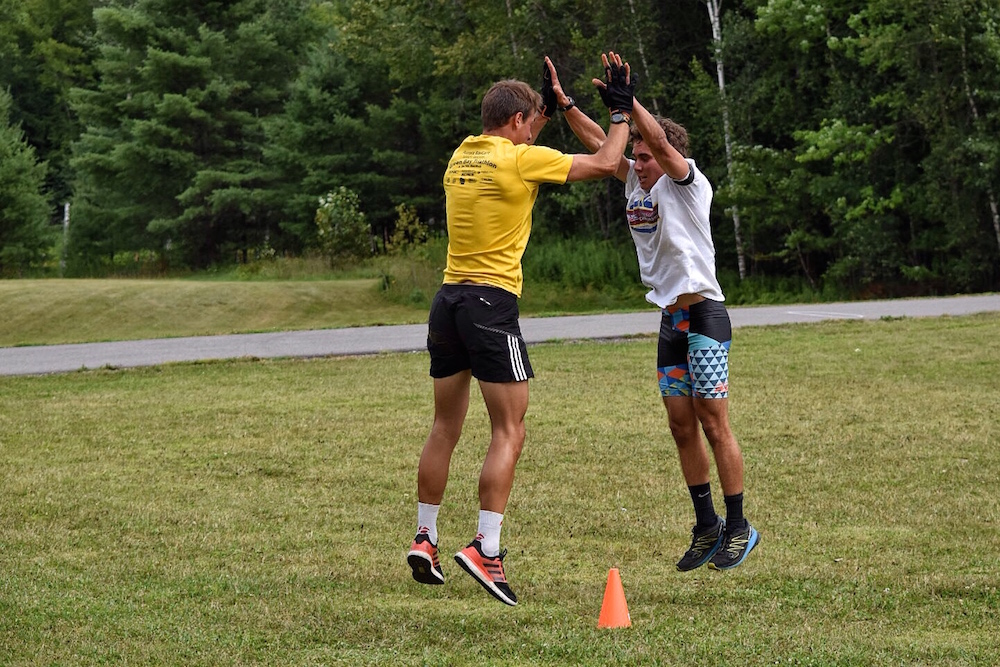
    Paul Schommer (l) and Jake Brown doing high-five partner burpees during a strength workout at the U.S. Biathlon development camp in Jericho, Vermont. (Photo: Katrina Howe)
    Paul Schommer (l) and Jake Brown doing high-five partner burpees during a strength workout at the U.S. Biathlon development camp in Jericho, Vt. Find their workout here. (Photo: Katrina Howe)

    I would have to say the Minneapolis SuperTour at Wirth in 2010. I was a senior in High School and it was my first year ski racing competitively. I was having a bit of a rough season and was having trouble putting together a good race. Before the race my older brother Philip told me, “Paul, if you’re flowing keep it going, if you’re pressin’, you’re messin’.” I took his advice and for the first kilometer or two just tried to flow. As the race continued, I just kept passing people so just kept it flowing. At the finished I was the fastest J1 of the day, which even took me by surprise as my best finish prior to that had been 12th. The best part was at this time absolutely no one knew who I was as I just started competing. When I was looking at results a kid next to me turned to his friend and asked, “Who the heck is Paul Schommer?”

    10. First thing you pack in your bag when you leave for Europe?

    Positive attitude.

    11. Venue/event you’re most excited to visit this season?

    Anywhere I get to race and haven’t been to already. I love going to new places and meeting new people so I hope I have the opportunity to go to new places and meet new people this season. When the season concludes, I always look forward to heading back to the Ski Haus for the Bjorn Bakken Ski Championships of America, the greatest backyard ski race on the planet. They always have a great course to really test the skills.

    12. Who will win the men’s and women’s World Cup titles this year?

    On the women’s side I’d have to go with Marie Dorin Habert. On the men’s side, I think it’s going to be a tight race between Martin Fourcade and Johannes Thingnes Boe.

    13. Biggest sacrifice you feel you’ve made choosing this career path?

    I don’t really feel like I have sacrificed much. Right now, I am thankful to have this opportunity and don’t have any regrets.

    14. If you could change one thing about your sport, what would it be?

    Have people know what it actually is. Haha, this is a blessing and a curse at the same time. Not many people in the US know what biathlon and right off the bat guess it is biking and running. However, this also gives me an opportunity to introduce people to the sport and in turn help grow it. Biathlon is a very spectator friendly sport, which is evident by the fact that it is the most watched winter sport in central Europe. Talking with some people of USBA it sounds like they are going to be doing a few things in the coming year to help bring biathlon to Americans which is pretty exciting.

    15. What did you have for breakfast this morning?

    I’m on this new diet so I had an orange peel, half a banana, and a peanut. I’m only kidding, I had oatmeal.

    16. In 5 years, I’ll be ____?

    Thinking about the Birkie.

    17. In 50 years, I’ll be ____?

    Training for the Birkie.

  • Stuber Takes Over at St. Scholastica: Program is ‘On the Verge of Something Huge’

    Stuber Takes Over at St. Scholastica: Program is ‘On the Verge of Something Huge’

    Maria Stuber has spent the last three years coaching at the Aspen Valley Ski and Snowboard Club in Colorado. (Courtesy photo)
    Maria Stuber has spent the last three years coaching at the Aspen Valley Ski and Snowboard Club in Colorado. (Courtesy photo)

    Ever since the College of St. Scholastica began its NCAA ski team, the face of the program has been one man: head coach Chad Salmela. Over the last decade, his squad notched its first men’s and women’s team wins and saw its first NCAA Skiing Championship qualifiers. And on the way, he changed the lives of dozens of young athletes.

    Now Salmela is shifting roles at the college and will coach the cross-country running team. Taking the reins of the ski team is a new coach coach who is just as excited to build on the program’s burgeoning legacy in Duluth, Minn.

    Maria Stuber, a Wisconsin native, has developed her coaching chops over several assignments, most recently in Colorado with the Aspen Valley Ski and Snowboard Club (AVSC). In three seasons with the club, Stuber increased the size of the team and worked with a variety of athletes, from those who just picked up skiing in high school to those who competed in Europe.

    “At AVSC, coaches made sure we were encouraging brand new skiers to jump into the sport at any age,” she wrote in an email. “If you decided to join our high school team you get to train right alongside the best athletes in the country… This environment gives every athlete the opportunity to make a quick jump and be the best skier they can be. It can be so fun when it works, as our top male skier last year didn’t get into the sport until he was a sophomore in high school.”

    Stuber (second from left) with AVSC athletes. (Courtesy photo)
    Stuber (second from left) with AVSC athletes. (Courtesy photo)

    That attitude seems to be a perfect match for the College of St. Scholastica (CSS), a school which sent two men to NCAA’s in 2012 and two women in 2015 – but which also has a development team and provides growth opportunities for skiers coming in with a variety of backgrounds.

    “Chad didn’t really impact my ski career, he started it,” Paul Schommer, an NCAA All-American in 2014 now pursuing elite biathlon, told FasterSkier this spring.

    “CSS is unique in that it has a development team serving this purpose at the college level,” Stuber wrote. “Kids with college skiing aspirations that are not quite ready to make that jump can come and work hard, get faster, and have the opportunity to reach the same level as the top junior national athletes we recruit.”

    Taking athletes from those two tracks, Saint Scholastica has built teams that compete with the best in the NCAA Central division.

    And international success is on the radar too: grad Anita Kirvesniemi made the sprint heats in season-opening FIS racing in Muonio, Finland, last season; Schommer has caught the eye of the U.S. biathlon team; and current team member Kelsey Dickinson, who pursued biathlon full time for a year at the Maine Winter Sports Center, was back competing again at U.S. Rollerski Biathlon Championships.

    “CSS wants to be a competitive team in the Central Collegiate Ski Associaion conference,” Stuber explained. “In order to do that, we need to be competitive at the national level. What’s really cool about skiing in 2016 is that you need to have international ambitions to be competitive at the national level.”

    Salmela used sports science and lab testing to make that happen, and it’s one of the opportunities that drew Stuber to the program. She received a masters degree in exercise science from Northern Michigan University and relishes a data-based approach.

    Tuber with the rest of the AVSC staff last year. "I love these people!" she wrote. (Courtesy photo)
    Stuber with the rest of the AVSC staff last year. “I love these people!” she wrote. (Courtesy photo)

    “I love that St. Scholastica’s training is all based on science and sound research,” Stuber wrote. “The college has an exercise science lab and the professors are willing to share the space and knowledge with coaches to give the student-athletes more opportunities for success.”

    But more than anything, she is pleased to be part of a framework which will make it possible to integrate running and skiing into a cohesive college athletic career. In explaining his job shift, Salmela was clear that he wanted to see more – and smoother – crossover between the two sports at St. Scholastica, for those athletes who have dual ambitions.

    “The biggest program draws for me at CSS are Chad & Don Olson’s (athletic director’s) vision to create a collegiate endurance sport epicenter where student-athletes can choose to pursue xc running, skiing or both at a very high level,” Stuber wrote. “Linking endurance sports together will create well rounded, big picture athletes that have the support of a bigger peer group and more coaches and resources. I think CSS is on the verge of something huge.”

    Stuber has seen how a variety of teams achieve success. First, as an athlete: she captained the Northern Michigan University (NMU) ski team for three years.

    “My time at NMU had a huge impact on my life path and decision to pursue a career in ski coaching,” Stuber explained. “The running and skiing coaches there, Sten Fjeldheim and Jenny Ryan, have both contributed significantly to my coaching philosophy, training methodology and personal values. They have continued to be mentors, advocates and references for me as I find my way. I will feel extremely proud to consider Sten and Jenny peers and to go up against the Wildcats in December and I hope that they feel like a part of our success at CSS. They both know me well enough to not expect any mercy from us on the trails.”

    Hailey Swirbul of the Aspen Valley Ski Club races the anchor leg while guiding the American team to eighth place in the 4 x 3.3 k relay at the Junior World Championships in Almaty, Kazakhstan, in 2015. (Photo: Logan Hannneman)
    Hailey Swirbul of the Aspen Valley Ski Club races the anchor leg while guiding the American team to eighth place in the 4 x 3.3 k relay at the Junior World Championships in Almaty, Kazakhstan, in 2015. (Photo: Logan Hannneman)

    After college, Stuber raced for the Central Cross Country (CXC) Elite Team and then the Craftsbury Green Racing Project. In her senior career, Stuber was a runner-up at U.S. National Championships in 2009.

    But since retiring from competition, Stuber has been consumed by coaching. She began her career at Alverno College in Wisconsin, before taking over as head men’s and women’s cross-country running coach for Southern Vermont College for two years. Under her leadership, the men’s squad had their best team results ever.

    At AVSC, where the roster eventually neared 200 skiers, Stuber led a team of other coaches. Every year the club sent skiers to Junior National Championships as well as to World Junior Championships or the J1 Scandinavian Cup trip.

    “I will never forget our amazing coaching staff at AVSC that welcomed me to the community that they had carefully built over the past 20+ years,” Stuber wrote. “There is no other ski club in the country with the amazing mix of background, knowledge, energy, perspective and compassion. Working with this group of people will be a life-long career highlight for me… I am so proud of the club’s growing numbers and participation in Carbondale, Glenwood Springs and Aspen.  The way these three communities work together towards a common goal in Nordic skiing is phenomenal.”

    AVSC runs summer training programs and last season organized an end-of-winter race event called Tour de Sea which drew junior skiers from all over Colorado, as well as rave reviews.

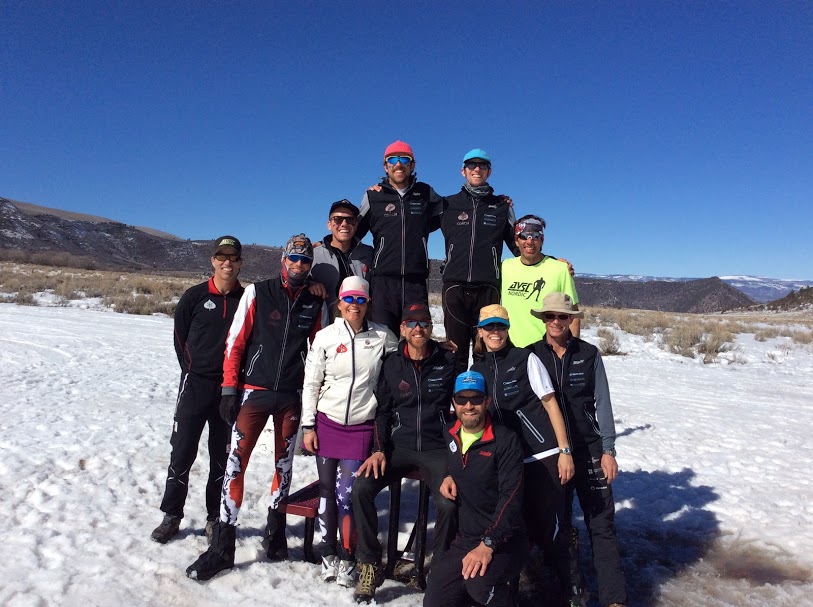
    Stuber and Cook (second and third from right) with AVSC staff at a competition this winter. (Courtesy photo)
    Stuber and Cook (second and third from right) with AVSC staff at a competition this winter. (Courtesy photo)

    It was difficult for her to decide whether to uproot herself from the Roaring Fork Valley, where she and husband Bryan Cook had just bought a condo. They had been “very happy” in the Elk Mountains.

    “We were not feeling 100% certain that we had made the right call until Monday when the CSS announcement was made,” Stuber wrote. “For days straight my phone and email were pinging and beeping non-stop with messages from friends, family, former teammates, fellow coaches and upcoming Midwest skiers and parents from clinics past. The Midwest ski community is a truly special group of people that we are incredibly proud to be a part of. During our racing careers, we leaned on this community for support and they delivered for us big time. I think we missed the Midwest ski culture more than we knew.”

    The couple will move in the first week of September and Stuber is looking forward to getting started with her new team; Cook will enter an MBA program at St. Scholastica.

    And besides the general homecoming, Stuber knows that the athletes she will be working with in Duluth – as well as those on the teams her skiers compete against – embody the same characteristics of the community which is welcoming her back.

    “The CCSA is definitely a powerhouse Nordic conference…. consistently dominating at the US National Championship and NCAA Championship,” Stuber wrote. “The CCSA attracts down-to-earth athletes that want to be great skiers and are willing to work hard to get there. This intrinsic motivation is a recipe for making fast cross country skiers. Midwest kids are tough and they are backed by outstanding club coaches that are looking at the big picture. I can’t imagine a better atmosphere for athlete development.”

  • St. Scholastica Coach Salmela Swaps Skis for Running Shoes: ‘It Almost Seems Nuts’

    St. Scholastica Coach Salmela Swaps Skis for Running Shoes: ‘It Almost Seems Nuts’

    Chad Salmela (r) and Anita Kirvesniemi of Finland. (Courtesy photo)
    The College of St. Scholastica’s nordic head coach for the last decade, Chad Salmela (r) with Saints skier Anita Kirvesniemi of Finland. (Courtesy photo)

    The sound of a Gator utility vehicle heading out to one of the race-course checkpoints. The long lines to the port-a-potties. The tribes of teams stretching in the shade of tree trunks near the white, spray painted start-line boxes.The smell of dirt and sweat. For Chad Salmela, a former high school cross-country runner and coach, nothing compares to the sensory mélange of a cross-country running meet.

    With that in mind, when the head running coach for The College of Saint Scholastica (CSS) for the past 26 years, Steve Pfingsten, decided to retire in mid-February, Salmela — in his 10th year as the CSS nordic head coach — saw an opportunity. He approached the CSS Athletic Department with an idea: if given Pfingsten’s position, using his background and knowledge in both skiing and running, Salmela could work to bring the two CSS endurance sport programs closer together.

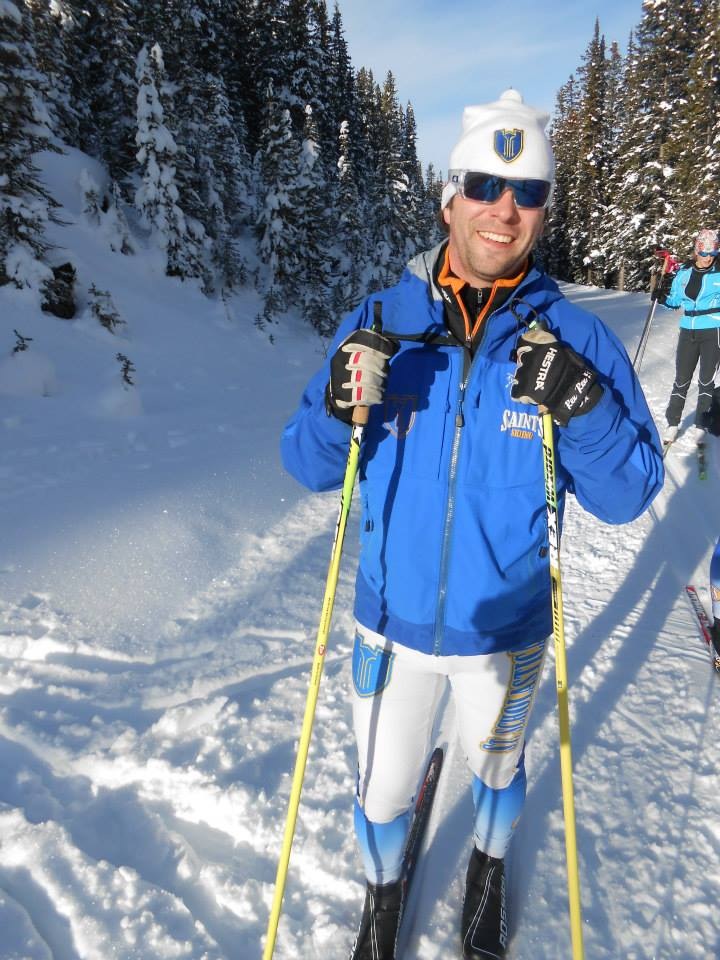
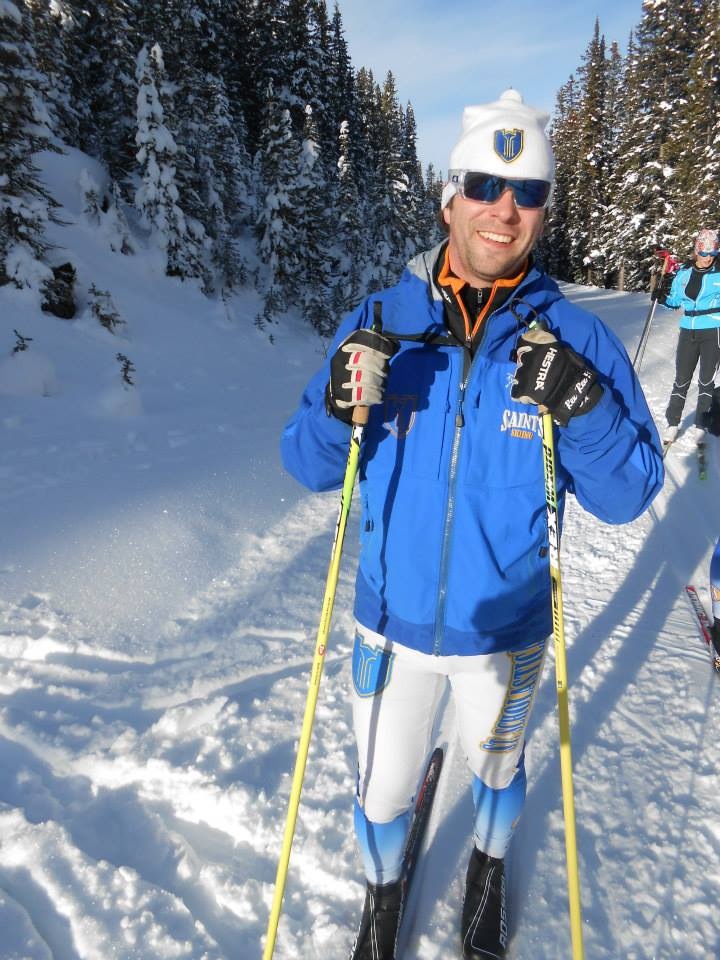
    Chad Salmela in Saint Scholastica gear during a ski at Lake Louise. (Courtesy Photo)
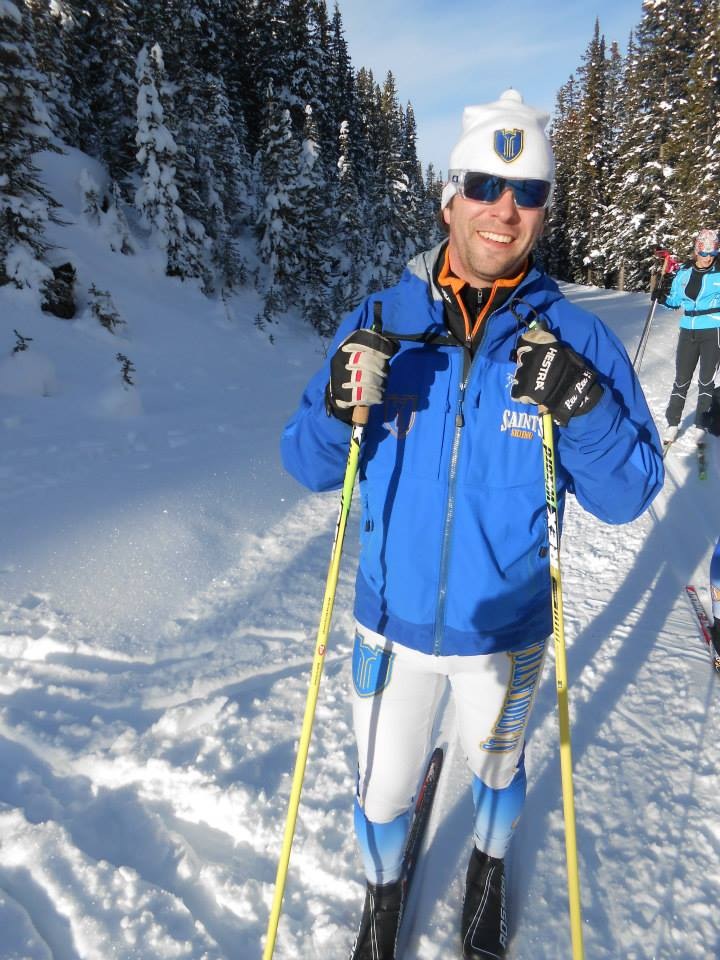
    St. Scholastica Head Coach Chad Salmela during a ski at Lake Louise near Canmore, Alberta. (Courtesy photo)

    Three-and-half months later, Salmela, a Virginia, Minn., native, is the new head coach of the Saints’ cross-country team and assistant distance coach for track and field. His dream to integrate the two programs will take teamwork and communication between himself and the new nordic coach — still to be determined. While he plans to help interview and mentor the new nordic hire as needed, he is most excited about the chance to once again discover himself amidst the fall running season.

    “I can’t wait for that first meet where we get off the bus and the sights and the sounds and the nerves,” Salmela said during a recent phone interview. “There’s something majestic to me about cross-country running … as a coach, there’s just so much more to do the morning of an event in cross-country skiing. You don’t ever get to just revel in the atmosphere quite like you do in cross-country running.”

    Eliminating some of the elements involved with being a nordic ski coach on race day — waxing, testing, wax station set up and break down — doesn’t just afford more time for existential reverie. In Salmela’s eyes, it also creates more opportunity for coaches to engage with their athletes.

    “In cross-country skiing, waxing and ski preparation is important,” the 45-year-old coach said. “I’ve made it important and [the Saints] program has succeeded on the waxing for sure … but there’s a cost to that. The cost is you don’t get to interact with the athletes and really engage with them as well as you could. That’s the one big upside to people starting to limit the fluoro carbon use. I think it will get coaches back in touch with their athletes and sport again.”

    Getting back to basics of athlete-coach interaction is not the only thing Salmela hopes to achieve by making the switch. Though he started the Saints’ ski team in 2006 and has since helped the school develop the competitive Division III program it has today, the key for Salmela as a coach is staying challenged and open to change. Even if that change is a little uncertain.

    “It was not easy for me to leave the ski team,” he said. “I created the program. It’s not just that I was there 10 years, it’s that I was there 10 years and it was nothing when I started. It didn’t exist … and as a DIII program in 10 years of existence, [CSS] is pretty good … we were as good as we’ve ever been two years ago. We had more talent and better results. We won the conference championship, we did well against NMU [Northern Michigan University] and NMU is awesome. So to walk away from all that, it almost seems nuts.”

    The CSS nordic program’s growing success over the years under the guidance of Salmela is evident, with Bjorn Bakken’s first NCAA qualification in 2008 (the team’s second year in existence), Tyler Kjorstad’s second NCAA qualification in 2009, the men’s first team win in 2012, Paul Schommer and Jeremy Hecker’s 3rd and fourth NCAA qualifications in program history in 2012, followed by the Saints women’s first team win in 2014, Schommer’s All-American finish in 2014, and the first dual-female NCAA qualifiers in 2015.

    As Salmela explained, doing so took 10 years’ time and patience, occasionally working with athletes who had been injured or were just beginning their ski careers.

    “Chad didn’t really impact my ski career, he started it,” Schommer, a 2015 grad and now an aspiring Olympic biathlete from Appleton, Wis., wrote in an email. “Without him, I wouldn’t of had the career I’ve had and hopefully will have … I think a lot of athletes overlooked the amount of time Chad put into their training plans, time analyzing lab tests, and preparing skis for race weekends. Chad doesn’t take shortcuts … He cares about more than performance. He cares about the whole picture knowing that to be a high level athlete it’s all the little things that add up.”

    “Chad doesn’t take shortcuts … He cares about more than performance. He cares about the whole picture..” — Paul Schommer, former St. Scholastica skier and All-American on his college coach Chad Salmela

    As Salmela looks to swap skis for running spikes, he explained he is not leaving athletes like Schommer behind. He is discovering ways empower more. After returning from a TED Talk in his hometown presented by the former mayor of Duluth on vulnerability, Salmela realized one reason for the career is change is to ensure that not only is he challenging his athletes, but he is being challenged by his work with them.

    “It does feel like I’m stepping down the rabbit hole into a whole new world,” he said. “[But] I like challenges … and maybe that’s the essence of my coaching, is that I am vulnerable and that there’s some genuineness to being vulnerable and opening yourself up to vulnerability. I’ve certainly made mistakes with athletes, and I’ve certainly taken wrong paths in training. So I’m far from perfect, but I think the search for being a little more perfect is always good. You’re never going to get there, but the destination of trying is pretty powerful.”

    A Change of Pace and Salmela’s Next Steps

    Tempo runs. Hill workouts. Steady states. Strides. When it comes to running, there are quite a few workout sessions that are considered a standard in the sport. Lab testing is not one of them.

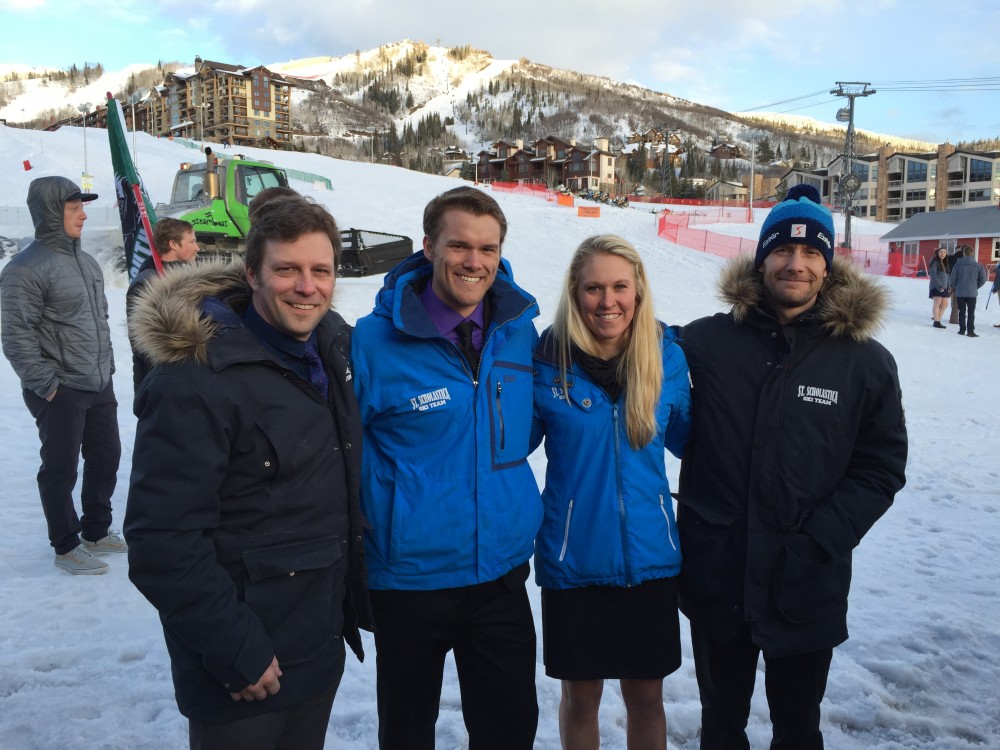
    Chad Salmela (far left) with 2016 NCAA qualifiers Reitler Hodgert and Kelsey Dickinson as well as assistant nordic coach, Josh Tesch at 2016 NCAA Championships in Steamboat Springs, Colo. (Courtesy Photo)
    Chad Salmela (far left) with 2016 NCAA qualifiers Reitler Hodgert and Kelsey Dickinson as well as assistant nordic coach, Josh Tesch at 2016 NCAA Championships in Steamboat Springs, Colo. (Courtesy photo)

    However, athletes who run for the St. Scholastica cross-country and track teams — Salmela predicts around 50 cross-country and 65 to 90 track and field athletes (20 distance runners) will join the program this upcoming season — can expect these tests to become a staple in their training plans.

    A US Biathlon National Team competitor for two years after high school, a US Biathlon assistant coach from 1998-1999 during his undergraduate years at Middlebury College, and the National Junior Development Program Director in 2000 — during which he helped render three future Olympians, Tracy and Lanny Barnes and Annelies Cook — along with seven years of coaching running, Salmela has a wealth of experience with high-end performance training plans. Using his knowledge on physiology primarily from nordic skiing, such as monitoring athletes’ aerobic efficiency in the lab, he hopes to bring a new perspective to the American populist running culture.

    “I don’t think there are a ton of Division III running programs who are bringing athletes into the lab,” he said. “My feeling is that there could be more emphasis generally placed [in running] on aerobic efficiency … I think that if you are strong enough and if you implement the right kinds of stress loads on runners, you can vastly increase the aerobic volume training of a runner, beyond what is commonplace today.”

    While increased aerobic volume training may be novel to many of Salmela’s future runners, he sees change as an imperative part of being an athlete, skiers and runners alike.

    “The one thing 20 years of coaching has taught me is that, for any single person, doing the same thing forever is never the most optimal way to go,” he said. “You have to change. Your body changes and you have to change.”

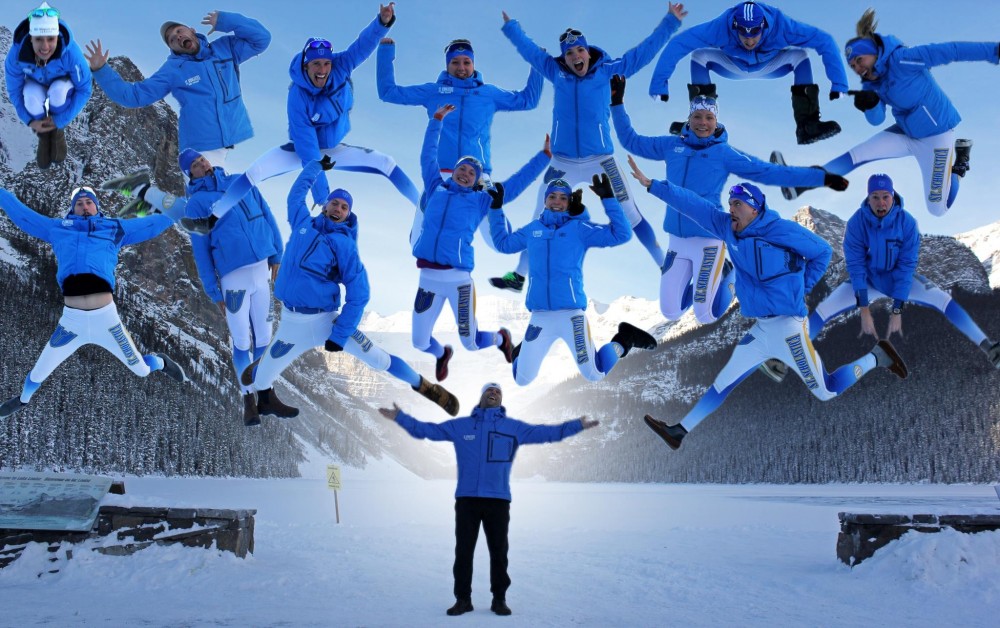
    Chad Salmela (grounded) and his team of Saints. (Courtesy Photo)
    Chad Salmela (below) and his Saints ski team. (Courtesy photo)

    A fresh start, fall racing and forfeiting long winter van drives are not the only things Salmela is embracing as he passes the CSS nordic team torch to the next coach. The switch also opens up the the opportunity for him to further establish himself as cross-country skiing’s garrulous nordic guru.

    “I don’t have any contracts of anything right now, but it frees up the potential to do more T.V. work or commentary work,” said Salmela, who’s been a color commentator for NBC at the last three Winter Olympics, as well as a biathlon and cross-country World Cup commentator. “It’s nice to be able to have that freedom. I certainly thought of that in this process … That’s definitely a factor, but more than anything, I needed a career change.”

    With a career change still steeped in coaching, Salmela does not relinquish the chance to spark and inspire.

    “I can’t travel as many people in skiing just because budget-wise and the number of skis I have to pack,” he said. “So I’m really excited that I get to coach a sport where I get to load a bus full of kids and I get to inspire them all to run the best they can.”

  • St. Scholastica Seeks Nordic Skiing Head Coach

    St. Scholastica Seeks Nordic Skiing Head Coach

    College of St. Scholastica logo

    The College of St. Scholastica, an NCAA Division III institution located in Duluth, Minnesota, invites applications for the position of Nordic Skiing Head Coach.  This is a full-time, 12-month per year position.  The Head Coach is expected to oversee the planning, development and management of the Nordic Skiing program. The coach plays the pivotal leadership role within the program and must be successful in engaging a wide diversity of internal and external community members to advance the collective goals of the program within the larger framework of advancing the College’s Catholic Benedictine heritage, values, and strategic priority of becoming a more diverse and inclusive campus community.

    Duties include, but are not limited to: recruitment and retention of student-athletes, coaching, monitoring of academic progress and personal development of our student-athletes, and administering the program’s budget while demonstrating prudent resource management.

    The position requires a bachelor’s degree, knowledge of the rules, techniques and culture of Nordic skiing, strong leadership skills, and the ability to travel.

    For more information and to apply, visit www.csshrjobs.com. The College of St. Scholastica is an equal opportunity employer committed to creating an educational and work environment that is rich in diversity, inclusive and supportive of all students, faculty and staff. Individuals from diverse racial, ethnic, and cultural backgrounds and persons with disabilities are strongly encouraged to apply. While there is no religious requirement, we are interested in individuals who value and support the rich Catholic Benedictine heritage of the College of St. Scholastica.

  • National U16 Camp Selections and Program for Summer 2016

    ussa nnf logo

    The seventh edition of the NNF/USSA National U16 Camp will be held Sunday July 24, 2016 (arrival day) to Sunday, July 31 2016(departure day) on the campus of St. Scholastica in Duluth, Minnesota. The NU16 camp brings together the top U16 Boys and Girls from across the USA for a week of intensive training and ski sport education as one of the first steps in the USSA National Development Pipeline. The National Nordic Foundation has designated the NU16 camp as one of its Pillar Projects and the NNF has been instrumental in helping the NU16 Camp grow into one of our country’s key athlete development initiatives. The camp rotates in location throughout the country and this year’s camp will be held in the Midwest on the St. Scholastica Campus in Duluth. MN. St. Scholastica and the surrounding area provide ideal training venues in a beautiful natural setting. US Ski Team staff will lead the camp along with a selection of top regional coaches from across the US. Selection for the camp is based on results from this year’s US Junior Championships, held in Cable, WI. In addition to the top twenty boys and top twenty girls selected via JN results, each USSA Division is afforded two discretionary picks of one boy and one girl(must have competed as a U16 last season). The discretionary selections are in addition to however many skiers may have qualified via the JN selection procedure. It is up to each division to select these discretionary picks and forward those selections onto the camp director, Rick Kapala of the Sun Valley Ski Education Foundation rick@svsef.org. Please provide these divisional selections no later than May 1st, 2016 and also be sure to inform the discretionary picks of their selection.

    Attendees are required to organize their own flights or ground transport into Duluth, MN to arrive on Sunday, July 24 by 8pm and to depart on the following Sunday, July 31 by 5pm. Lodging, meals and all associated camp costs are included in the camp fee of $675.00. Skiers who have been selected through the JN selection procedure (see attached list) may immediately confirm their attendance by emailing Camp Director Rick Kapala at rick@svsef.org. Divisional leaders should make their discretionary selections as soon as possible and inform both Rick Kapala and the selected athletes of their naming. Please assist us by disseminating this announcement and selection list to the selected skiers in your divisions so that they are aware of this opportunity.

    Once participants have confirmed their participation by emailing Rick Kapala rick@svsef.org, they will receive a registration packet via email with camp forms, schedule, camp info and payment instructions.

    THE FINAL DATE for PARTICIPANT CONFIRMATION IS FRIDAY MAY 27TH, 2016

    Thank you to all of the committed athletes, coaches, sponsors, race organizers and parents who are helping elevate our sport of Cross Country Ski Racing across the USA.

    2016 National U16 Camp Selections based on Junior National Championships, Cable, WI.

    (World Cup scoring based on best 2 results, both the sprint qualifier and the final results are scored but a skier may only use either the Qual or the Final)

    Boys Selections

    1. Anders SONNESYN (WAYZETA NORDIC SKI CLUB)
    2. Gus SCHUMACHER (ALASKA WINTER STARS)
    3. Luke JAGER (ALASKA PACIFIC UNIV. NSC)
    4. Scott SCHULZ (NEW YORK SEF)
    5. Samuel YORK (ALASKA PACIFIC UNIV. NSC)
    6. Ben OGDEN (STRATTON MOUNTAIN SCHOOL)
    7. James Clinton SCHOONMAKER (AUBURN SKI CLUB)
    8. Ti DONALDSON (NORDIC SKI CLUB FAIRBANKS – FXC)
    9. Adam WITKOWSKI (STRATTON MOUNTAIN SCHOOL)
    10. Conor MUNNS (STRATTON MOUNTAIN SCHOOL)
    11. Thomas GEBHARDS (MCCALL SKI TEAM)
    12. Andrew HULL (ALASKA WINTER STARS)
    13. Sam HODGES (FROST MOUNTAIN NORDIC)
    14. Johnny HAGENBUCH (SUN VALLEY SEF)
    15. Cameron WOLFE (SKI AND SNOWBOARD CLUB VAIL)
    16. Hayden HALVORSEN (SUGAR BOWL ACADEMY)
    17. Greg BURT (MANSFIELD NORDIC CLUB)
    18. James KITCH (CAMBRIDGE SPORTS UNION)
    19. Keenan PETERS (THE UTAH NORDIC ALLIANCE)
    20. Peter MOORE (ENDURANCE UNITED)

    Girls Selections

    1. Sydney PALMER-LEGER (PCNSC)
    2. Abigail JARZIN (ASHWAUBENON NORDIC SKI TEAM)
    3. Margaret GELLERT (ALASKA WINTER STARS)
    4. Novie MCCABE (METHOW VALLEY NORDIC SEF)
    5. Anna LEHMANN (STRATTON MOUNTAIN SCHOOL)
    6. Mae CHALMERS (STRATTON MOUNTAIN SCHOOL)
    7. Kelly KOCH (LOPPET NORDIC RACING)
    8. Callie YOUNG (CRAFTSBURY NORDIC)
    9. Waverly GEBHARDT (STEAMBOAT SPRINGS WSC)
    10. Jenae RASMUSSEN (WASATCH NORDIC SA)
    11. Laura APPLEBY (CAMBRIDGE SPORTS UNION)
    12. Bridget DONOVAN (SKI AND SNOWBOARD CLUB VAIL)
    13.  Sarah MORGAN (WASATCH NORDIC SA)
    14. Phoebe SWEET (CRAFTSBURY NORDIC)
    15. Ezra SMITH (SUMMIT NORDIC SKI CLUB)
    16. Charlotte OGDEN (STRATTON MOUNTAIN SCHOOL)
    17. Sofia SANCHEZ (AUBURN SKI CLUB)
    18. Avery HARRINGTON (STEAMBOAT SPRINGS WSC)
    19. Annabel HAGEN (JACKSON HOLE SC)
    20. Siri BOHACEK (LOPPET NORDIC RACING)