Tag: Far West

  • In Their Eyes: A Norwegian Junior Team’s International Exchange with Sugar Bowl

    In Their Eyes: A Norwegian Junior Team’s International Exchange with Sugar Bowl

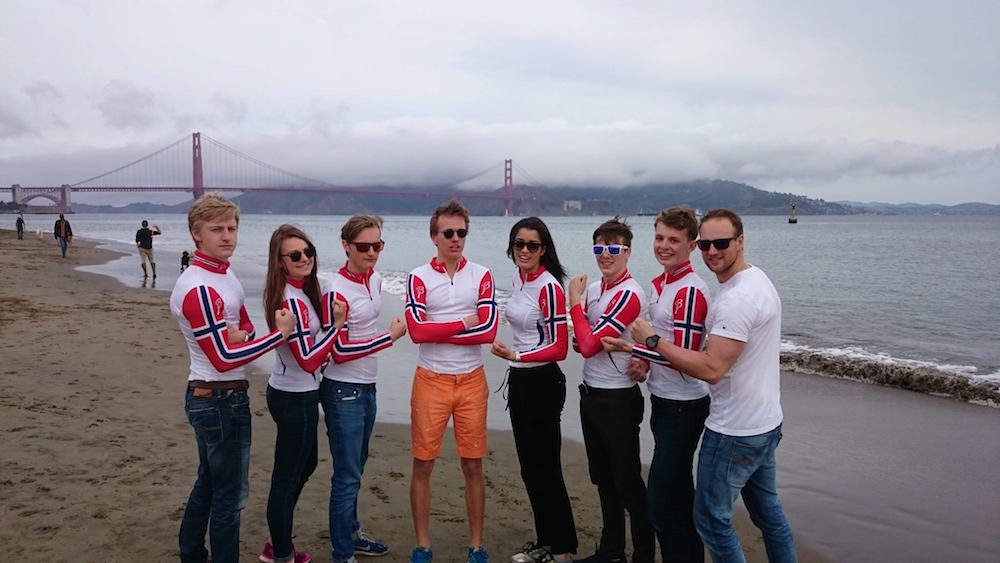
    A team photo of the Heming IL junior contingent that competed at 2015 Junior Nationals in Truckee, Calif.., taken in front of Golden Gate Bridge in San Francisco. (Courtesy photo)
    A team photo of the Heming IL junior contingent that competed at 2015 Junior Nationals in Truckee, Calif.., taken in front of Golden Gate Bridge in San Francisco. (Photo: Björn Ilsemann)

    Note: The following was submitted by Björn Ilsemann, a coach with the Norwegian College of Elite Sports and Heming IL. If you have a team camp or training recap that you’d like to share, please email info@fasterskier.com

    ***

    Earlier this year, U.S. junior nordic skiers from Sugar Bowl Academy competed in the Norwegian Cup and Sprint Junior Nationals, and then welcomed a team from the Oslo ski club of Heming IL to U.S. Junior Nationals in Truckee/Tahoe, Calif.

    It was at the U16 camp last summer when Sugar Bowl Academy coach Martin Benes and Björn Ilsemann from the Norwegian College of Elite Sports and the ski club of Heming decided to do an exchange to race both countries’ junior nationals (JNs). Martin had a lot of experience travelling and racing, both as a skier and as a coach. Björn had done similar exchanges before, leading a group to JNs in Fairbanks in 2013 and hosting several groups of US skiers for Norwegian JNs.

    The plan was easy: The participating  skiers from Sugar Bowl would live with families and train with Heming skiers for a week, and then race a Norwegian Cup weekend and the Junior Sprint Nationals. The Norwegians from Heming would then come over to Truckee and race USJNs.

    During the earlier winter months, the dream became a plan, and in the first week of February, five excited skiers and two coaches embarked a plane heading to Oslo. After being picked up at the airport, the group of skiers from Sugar Bowl and coach Caitlin Bernstein were quickly becoming familiar with how Norwegian skiers in Oslo live and train. Hundreds of kilometers of lit tracks, a five minute subway ride to freshly-groomed tracks and hot chocolate at cabins far out in the backcountry became daily business.

    After an easy Monday recovering from the inevitable jetlag, Björn took the group on three-hour-plus ski in the backcountry on Tuesday morning, followed by a strength and coordination training with his group of skiers at the Norwegian College of Elite Sports. After a quick shower, we headed to town for pizza and the arrival of the last two members of the group who came in from the J1 trip in Sweden, Hannah Halvorsen and coach Martin Benes.

    On Wednesday, the gang did an easy morning ski in the World Cup tracks at Holmenkollen, and met with the junior skiers from Heming for a short-but-hard sprint training session in the evening. Thursday was easy again, the U.S. kids watched a race of the Biathlon World Cup at Holmenkollen and did a rest ski before the Norwegian Cup races on Friday.

    The venue of the Norwegian Cup was pretty close to Oslo — about an hour by car. While the skiers and coaches were shuttled early that morning, you could feel the excitement build up in everybody. But still, no one had expected such a circus of countless wax trailers, big tents and wax cabins, and the intimidating number of close to 1,000 participating junior skiers.

    No one had expected such a circus of countless wax trailers, big tents and wax cabins, and the intimidating number of close to 1,000 participating junior skiers.

    The tracks were really hard and the competition was even harder, but the athletes from Sugar Bowl put up a good fight! To be fair, jetlag and maybe a little nervousness can be blamed a little bit, and the skiers finished in the second halves of their fields. A well-organized race and a lot of help from the wax techs from Heming made the day a good experience anyway.
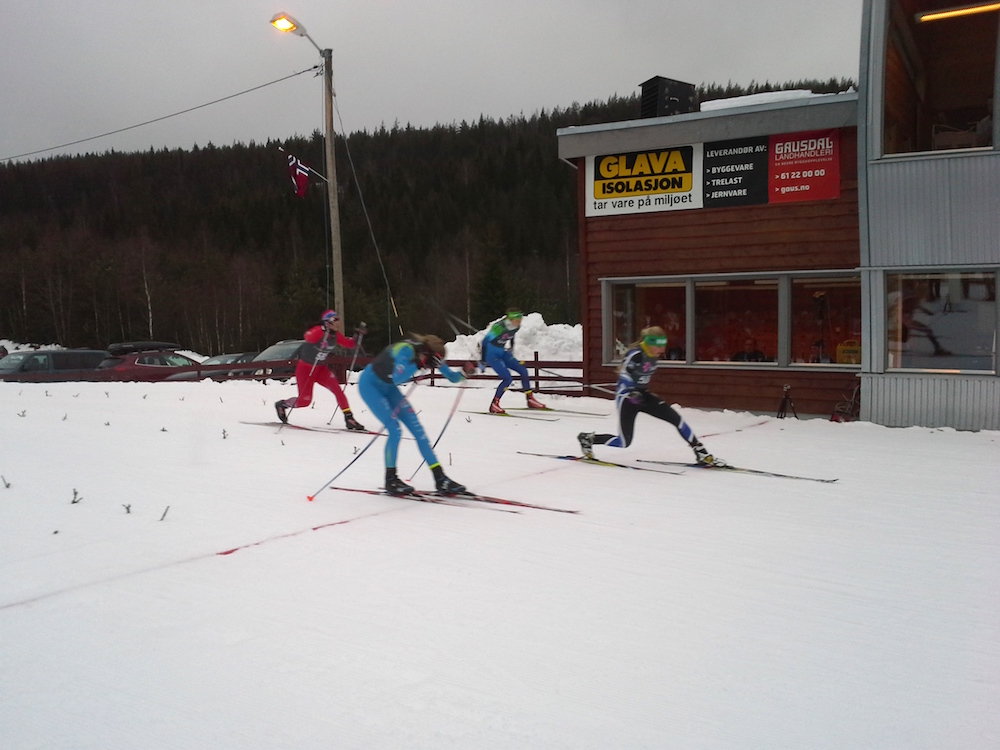
    Hannah Halvorsen (Sugar Bowl Academy) winning the final at Norwegian Junior Sprint Nationals at Nes Skianlegg in Norway. (Photo: Björn Ilsemann)
    Hannah Halvorsen (Sugar Bowl Academy) winning the freestyle-sprint final at Norwegian Junior Sprint Nationals at Nes Skianlegg in Norway. (Photo: Björn Ilsemann)

    On Saturday, the Norwegian Junior Sprint Nationals went underway. With good skis again from the Heming techs, the Sugar Bowl athletes did an amazing job racing and were close to advancing from the prologue.

    Halvorsen, who didn’t race on Friday, didn’t seem very nervous or intimidated by the strong field and managed to win the prologue by two seconds! She didn’t stop there, dominating her quarterfinal and semifinal as well. In the end she stormed into the finish and crashed over the line to win the Norwegian Junior Sprint Nationals!

    On Sunday we raced a classic distance, again as part of the Norwegian Cup. The gang was still excited and had a great day at the venue, which was crowned by a sixth-place finish by Hannah!

    Everyone among the U.S. and the Norwegian skiers who participated in this first part of the project agreed that the trip was a great success. The athletes from Sugar Bowl Academy really got a taste of how it is to live a World Cup-athlete’s routine, and I’m sure they want more of that!

    Almost exactly a month later, the Norwegian skiers and coaches packed their bags and set out on the 20-hour journey to USJNs. With a van crammed full of skis and a joyful gang of seven skiers we drove on highways five-times bigger than at home, but managed to arrive safely but late at night at Truckee.

    With a van crammed full of skis and a joyful gang of seven skiers we drove on highways five-times bigger than at home.

    After having slept way too little, as we felt, we skied our first time on West Coast-snow on Tuesday. The plan was to acclimate to altitude (at home we ski at sea level) and the heat (it was over 25 degrees Celsius warmer than in Norway), and to ski easy with some tiny intervals. That worked nicely, and we felt very welcome by absolutely everybody.

    We considered the first distance race of the JNs on Wednesday as “too dangerous to race hard” in terms of altitude, and decided to ski in a Level 2-3 pace and just do what feels right. All of the skiers felt good, and we had great skis thanks to the help of the Far West test team and our “local,” Martin Benes.
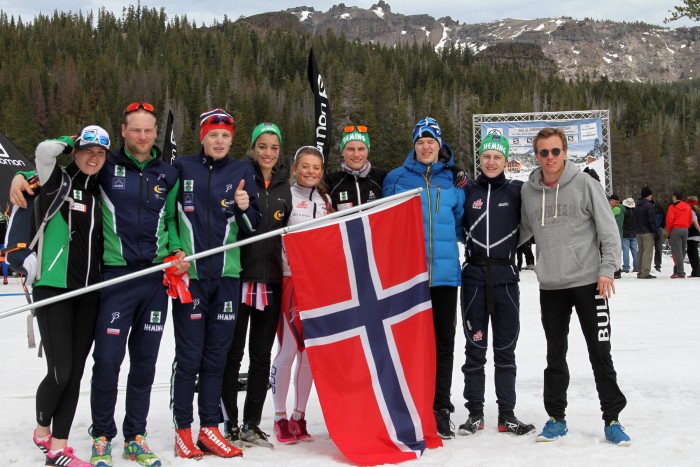
    A Norwegian team photo from 2015 U.S. Junior Nationals in Truckee, Calif., taken after the relay. (Photo: Petter Anderssen)
    A Norwegian team photo from 2015 U.S. Junior Nationals in Truckee, Calif., taken after the relay. (Photo: Petter Anderssen)

    Thursday was easy again, with intervals a little harder than Level 3 and close to a 5 k race pace. The Norwegian athletes used the evening to shop and discover the local food, while the coaches did a presentation on how Norwegian skiers progress from junior to senior skiing, followed by an interesting discussion. The evening ended with a big feast of Mexican food and fun at one of the parents’ houses.

    Friday was the day of the mass start race. The Norwegians had good skis and skied in the front part of the field for the two first loops. Then the altitude and heat took its toll, and one of the Norwegian skiers had to quit and even seek medical attention. The others plowed on, and finished on first and seventh in the U18 field. For the U18 girls, our sole competitor that day Ellinor Høgberg put up a good fight against the U.S. girls, and finished seventh in a really strong field.

    On Saturday, relay day arrived. We gave our best and raced hard, but the U.S. skiers were too strong and we finished sixth for both the U18 boys and the U20 girls.

    Maybe that was because my skiers were already looking forward to the banquet? The evening came, and everybody enjoyed the food and the talks with fellow skiers and new friends.

    The trip home went well, and after some days with jetlag we were back on our skis and racing again. Every single one of my skiers, including us coaches, will remember the trip as an experience for life.

    Every single one of my skiers, including us coaches, will remember the trip as an experience for life. 

    We have to thank Martin Benes and Caitlin Bernstein from Sugar Bowl, as well as all the parents and skiers who participated and helped with this project. Special thanks go to Bryan Fish from USSA and James Southam from NNF, for all your help and support! We also have to thank Joey Caterinichio from USSA for making things work and the discussion, the organizing committee at JNs for letting us participate, and August Teague from Far West for invaluable help and advice in the wax cabin.

    In the end, we want to give a big thank you to U.S. skiing for having us over, for skiing with us and for showing us how much joy and pleasure skiing gives you. Thanks also to Sugar Bowl for coming to Norway, and especially to Hannah for kicking [butt] while you were over here!
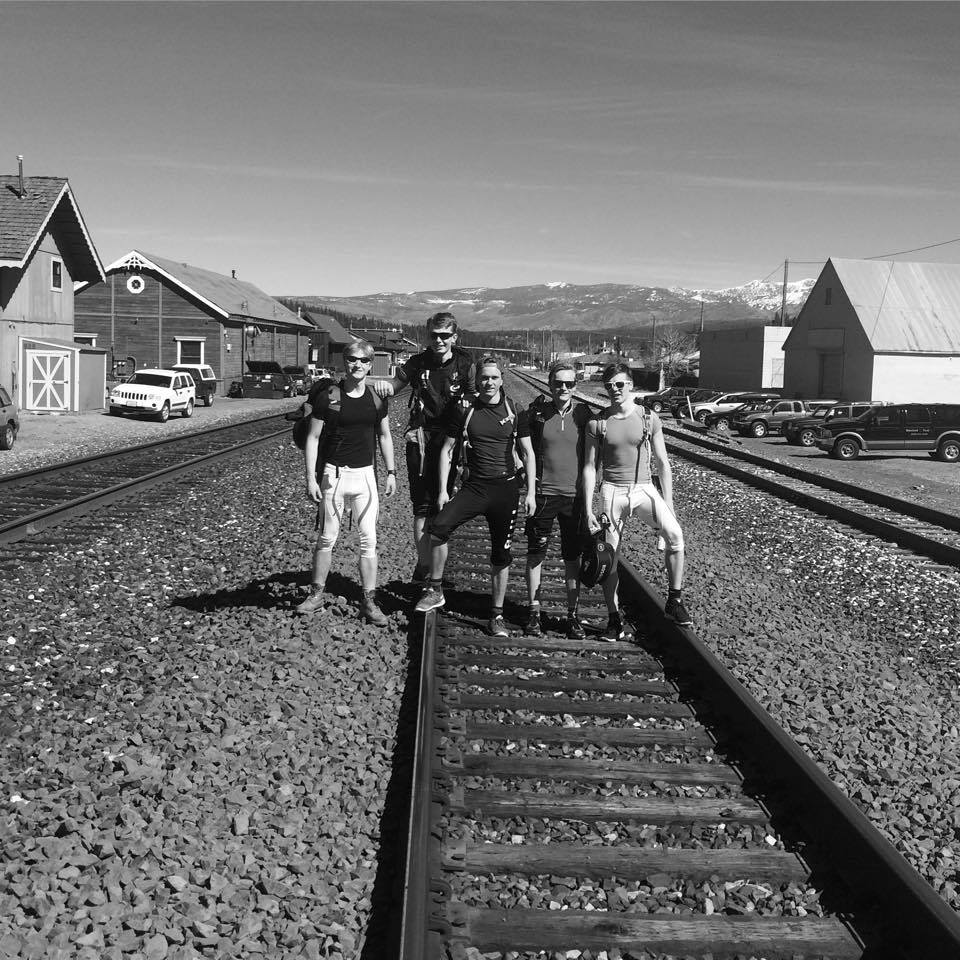
    The Norwegian junior team at 2015 U.S. Junior Nationals in downtown Truckee, Calif. (Photo: Ellinor Høgberg)
    The Norwegian junior team at 2015 U.S. Junior Nationals in downtown Truckee, Calif. (Photo: Ellinor Høgberg)
  • Far West Elite Team Looking to Grow

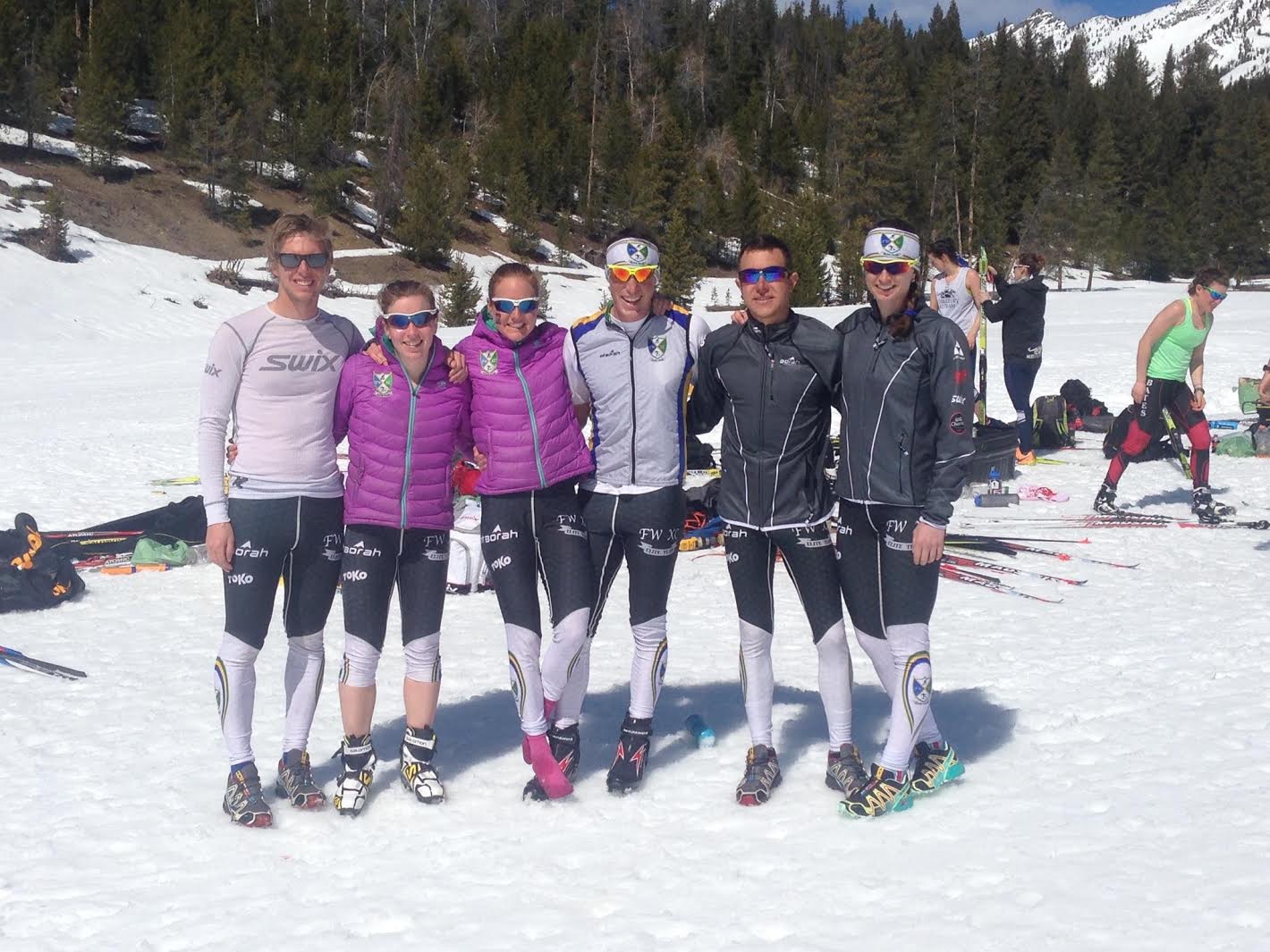
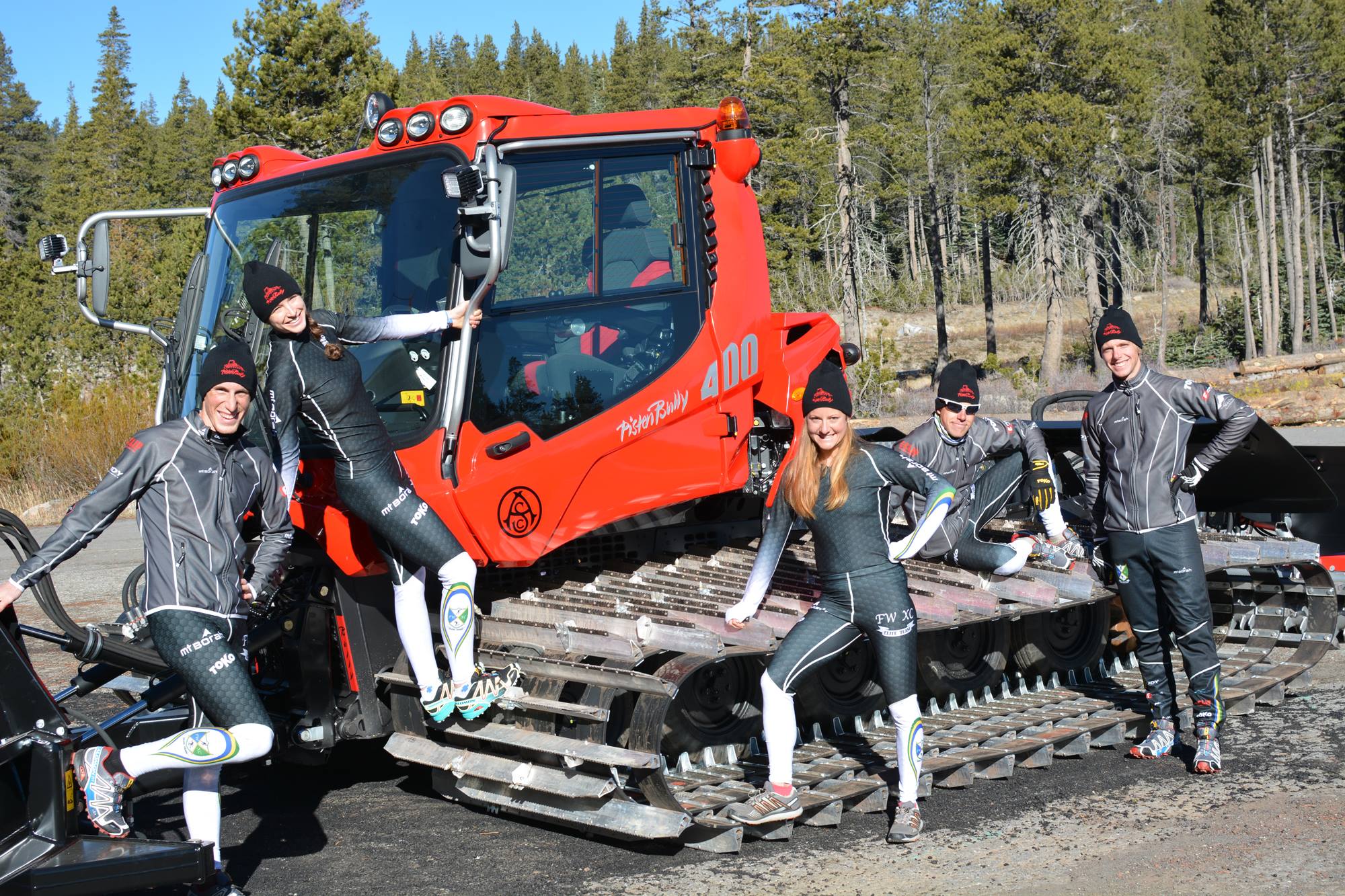
    Far West Elite Team 2014/2015
    (Press release)
    The Far West Elite Team, a post-collegiate senior team based in Truckee, Calif., is looking to support six athletes for the 2015-16 season. Our goal is to develop post-collegiate skiers towards being named to the U.S. Ski Team. The primary focus of the team is the USSA Supertour race series. The large collegiate summer training program, run by Martin Benes, in Truckee makes for excellent summer training. Team members receive funding to offset race, travel, and living expenses as well as additional support within the Tahoe region.
    The team is currently working to iron out specific funding details and an exact dollar amount to be offered to each 2015-2016 athlete. Applications will officially open later this spring. In the meantime, any interested parties are encouraged to contact us to learn more about how the team works and functions throughout the year.
    Team Captain: Spencer Eusden seusden@gmail.com
    Team Manager: Roger Chaney rossi_nordic@yahoo.com
  • Far West Elite Team: Four Years in the Making

    Far West Elite Team: Four Years in the Making

    The 2014/2015 Far West Elite Team (Photo: Auburn Ski Club/Facebook)
    The 2014/2015 Far West Elite Team (Photo: Auburn Ski Club/Facebook)

    When the University of Nevada-Reno (UNR) announced that its ski team would be dismantled in 2010, the nordic-ski community in the greater Tahoe region realized it was in trouble.

    Although the region, also known as Far West, was competitive at the junior level, it was lagging behind the rest of the country in terms of development post-high school. A relatively small number of juniors extended their skiing careers once they graduated while the majority looked for opportunities outside of the ski community.

    UNR had been a clear representation of the path young athletes could take upon the completion of their junior years. However, with the loss of the program, the ski community needed to take action.

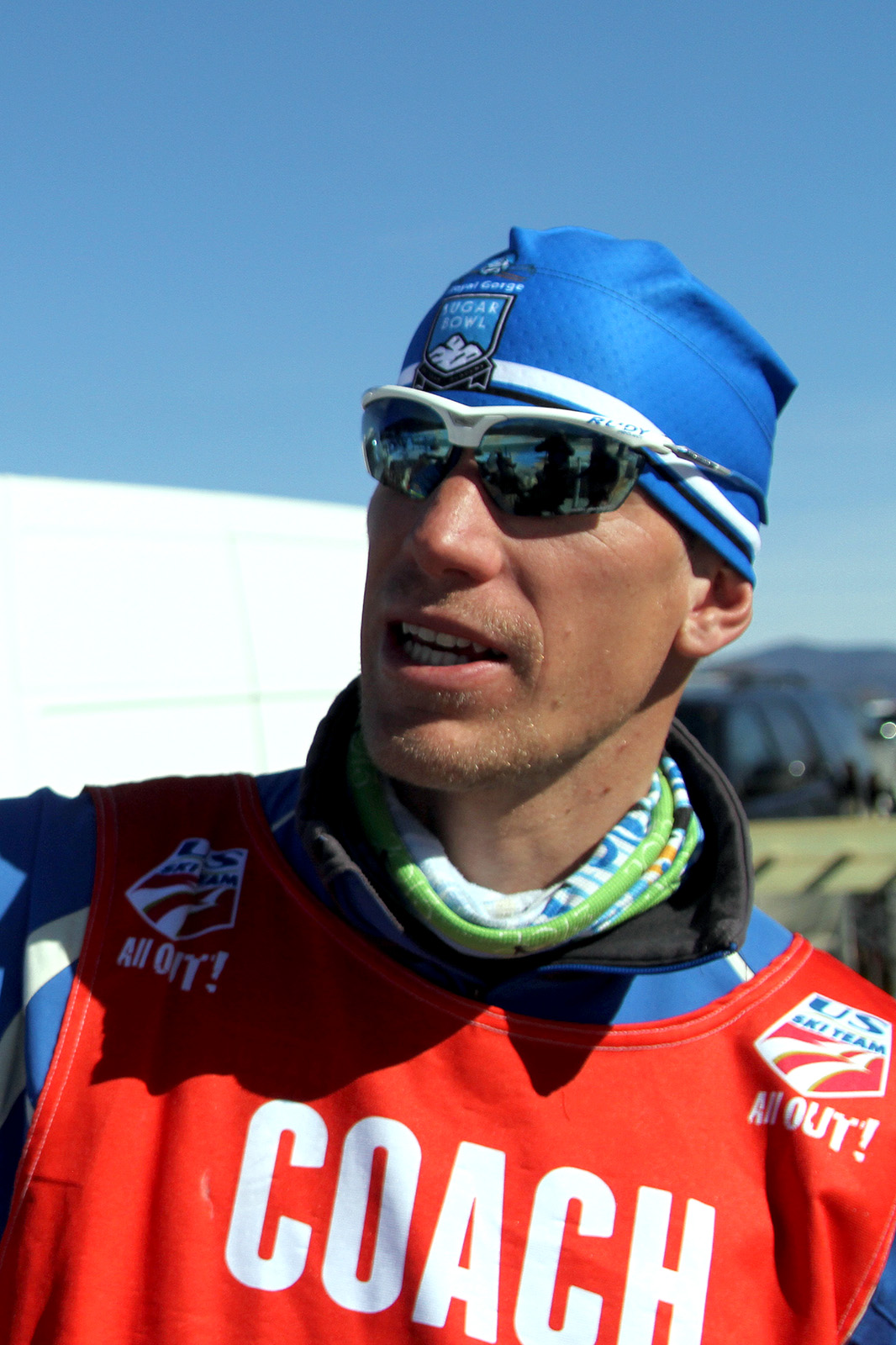
    Martin Benes (Photo: MacBeth Graphics)
    Martin Benes (Photo: Mark Nadell/MacBeth Graphics)

    That’s when Ben Grasseschi stepped in and created the Far West Farm Team. With the help of August Teague and Martin Benes, Grasseschi looked to create a program that rivaled the best elite teams in the country. There was also the hope that the addition of an elite team would create a strong foundation for youth skiers and beyond.

    “[What happened at UNR] was an indication that we needed to do more in this area, and we didn’t want to see that happen to other programs,” Benes said in an interview. “Obviously it was a huge loss … but it made us realize that we needed to do something.”

    Even though the program found success with several skiers, such as current APU athlete Chelsea Holmes, the Farm Team never gained a foothold in domestic elite racing. However, its creation helped encourage the further development of nordic skiing in the Sierra Nevada.

    A major part of that development can be attributed to Benes.

    Benes, a native of the Tahoe area, returned to Truckee, Calif., in 2011 after coaching for both the Dartmouth and Bates College Ski Teams. He became head nordic coach of the local Sugar Bowl Academy and worked with the Farm Team when he could.

    While he gained valuable coaching experience on the eastern collegiate circuit, one of the biggest assets Benes brought with him to Truckee was his ability to recruit.

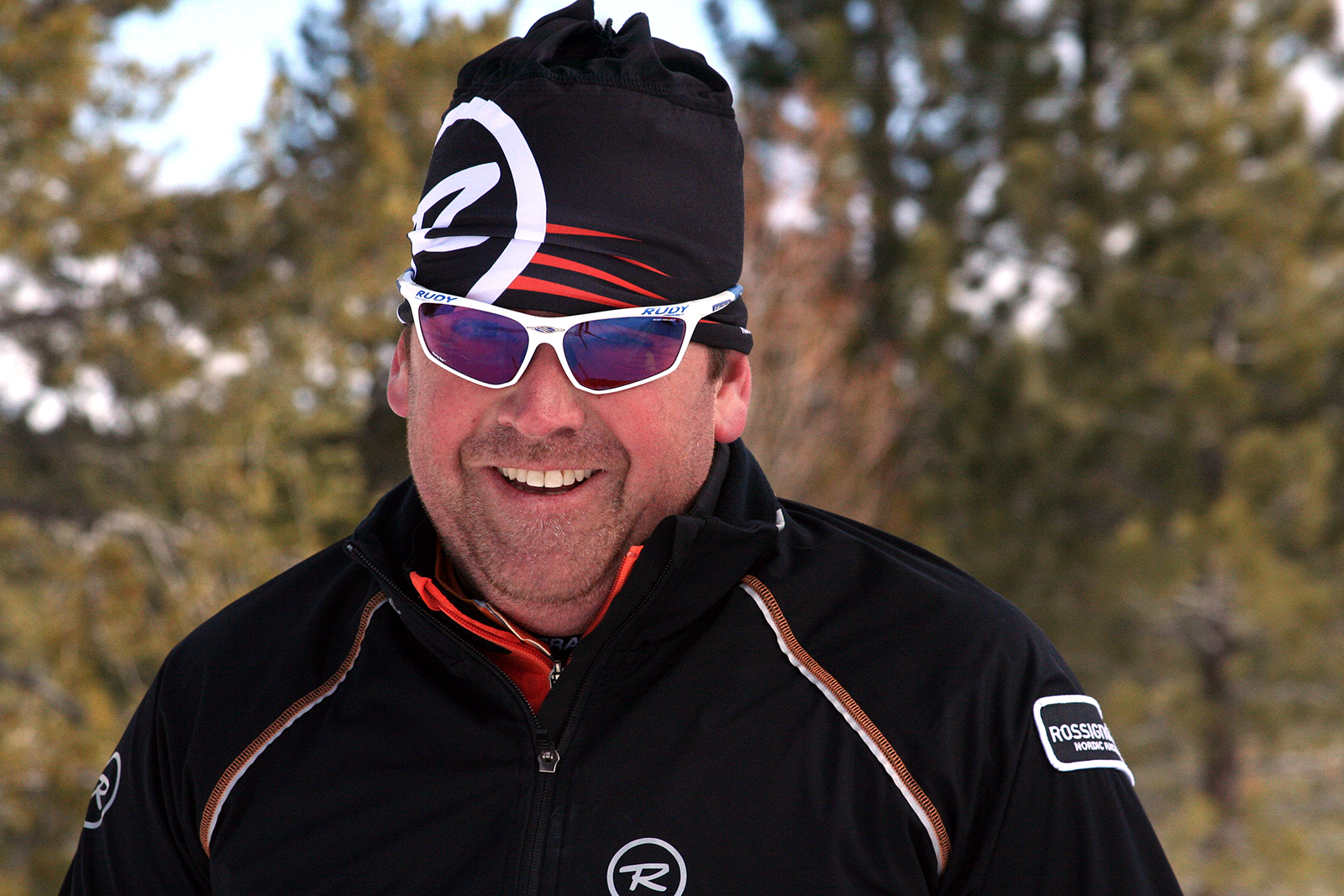
    Roger Cheney (Photo: MacBeth Graphics)
    Roger Chaney (Photo: Mark Nadell/MacBeth Graphics)

    He used his connections to recruit numerous college skiers who were looking for a summer training program. While its beginnings were small, the summer program grew at a steady rate as skiers from Bates, Bowdoin, Dartmouth, Middlebury, Colby, the University of New Hampshire and University of Vermont journeyed across the country to take advantage of what Far West had to offer.

    With copious amounts of skiers coming to Truckee each summer, the elite program began to attract more interest.

    As a result, the 2013/2014 season marked a new beginning for the program. It had a new look and a new name – the Far West Elite Team.

    The team had no official coach (Grasseschi and Teague had left the program to pursue other endeavors), so Benes took on the duty of creating training plans and taking care of each skier’s athletic needs. He also recruited Patrick Johnson, a former NCAA standout at Middlebury, who skied for both the Sun Valley Ski Education Foundation and Alaska Pacific University.

    While the team’s most notable moment of the season was Johnson’s aggressive start to the men’s 30-kilometer mass start at 2014 U.S. nationals in Midway, Utah, the addition of high-achieving athletes and a new professional look caught the eye of many on the national circuit.

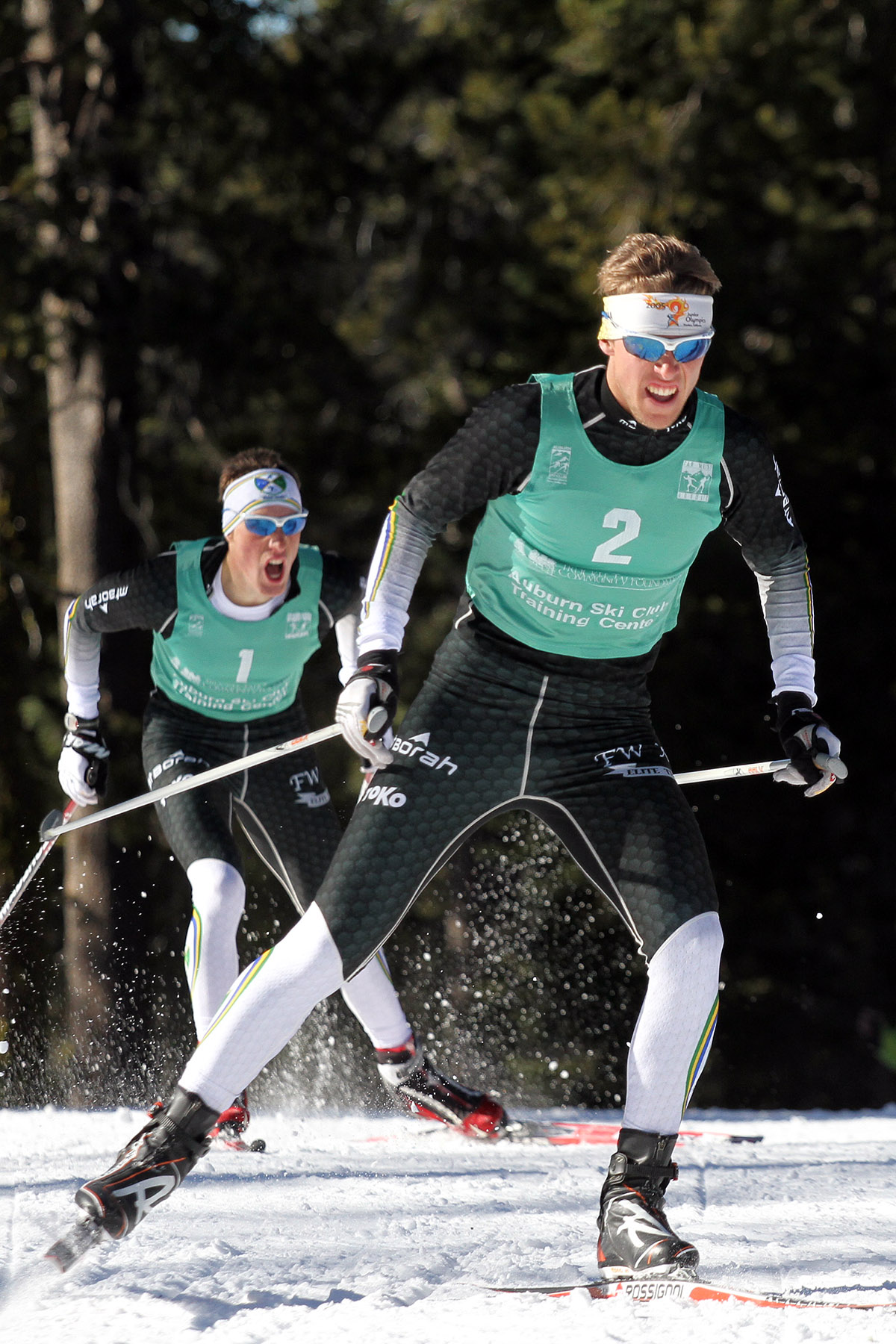
    Spencer Eusden (l) and Patrick Johnson (r) racing at the Auburn Ski Club in 2013. (Photo: Mark Nadell/MacBeth Graphics)
    Spencer Eusden (l) and Patrick Johnson (r) racing at the Auburn Ski Club in 2013. (Photo: Mark Nadell/MacBeth Graphics)

    Soon, it became apparent that the combination of the summer program and the increased visibility of the team meant that further development was inevitable for the 2014/2015 season.

    To speed up the process, the Far West Elite Team hired Reno, Nev., resident and Toko sales representative Roger Chaney to fill the newly created position of team manager. As team manager, Chaney takes care of the logistical needs of the Far West Elite Team athletes and aids them in their fundraising efforts.

    “There has to be accountability for the athletes in terms of fundraising. That became the bigger beast than originally was expected … and there’s definitely a value in making sure that everybody’s expectations are being acknowledged and met,” Chaney explained of his position.

    Benes agreed, stating that, because the team had no official director or coach, it lacked a necessary organizational component that Chaney now fulfills. Additionally, he said that due to his status as the head coach of Sugarbowl Academy it is valuable to have Chaney organize the logistics of training with other local clubs in the region.

    “Because I’m affiliated with a club, it’s nice to have someone who is not affiliated with a club to take that on,” he said.

    For the 2014/2015 season, the Far West Nordic Elite Team consists of six athletes: Johnson, Spencer Eusden, Wyatt Fereday, Anja Gruber, Emily Blackmer, and Sabra Davison.

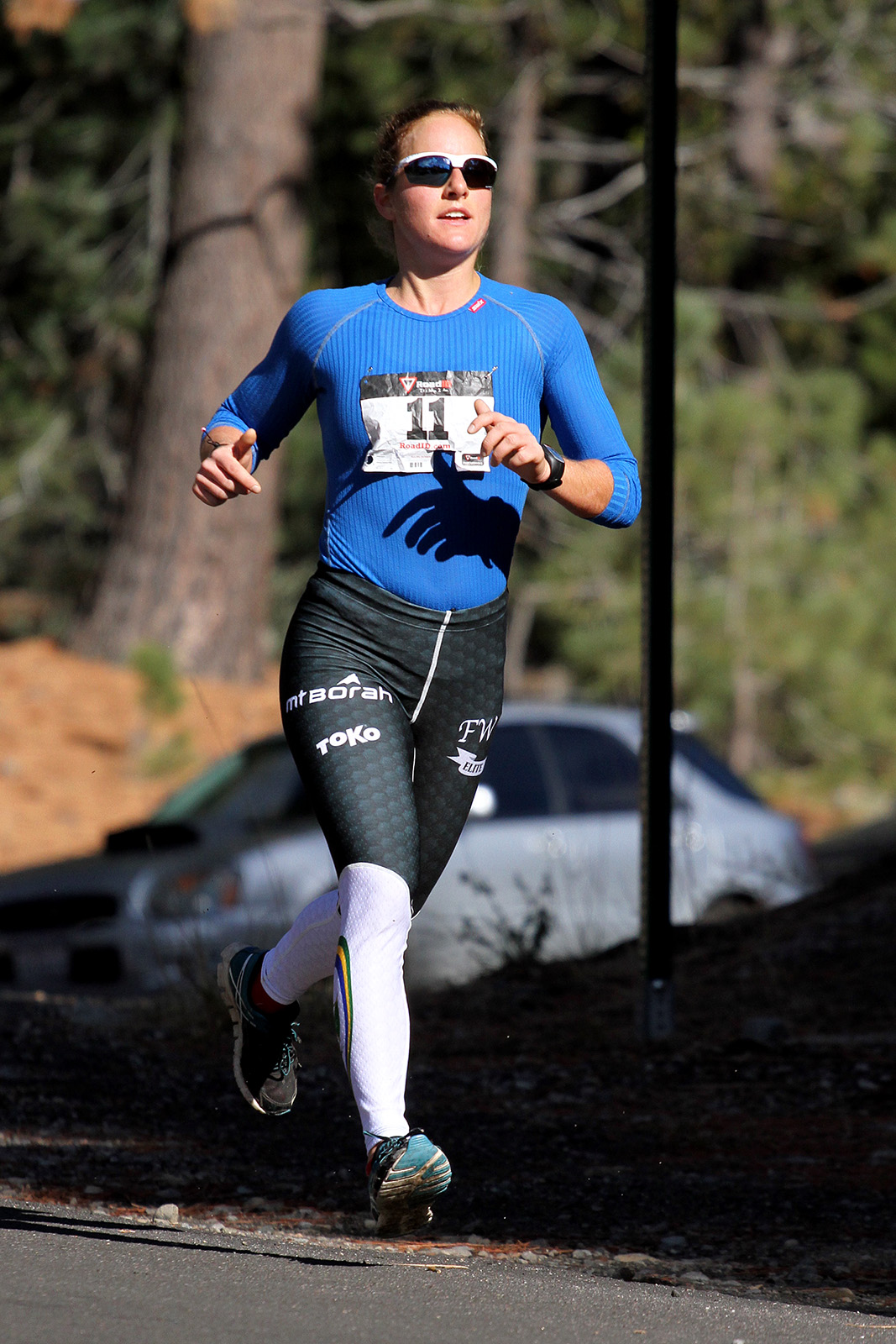
    Anja Gruber in the 2014 Donner Turkey Trot. (Photo: Mark Nadell/MacBeth Graphics)
    Anja Gruber in the 2014 Donner Turkey Trot. (Photo: Mark Nadell/MacBeth Graphics)

    This winter, Johnson will seek out success on the biathlon circuit while jumping into a SuperTour here and there. His goal was to make the U.S. IBU Cup squad this season.

    Gruber, a German standout from UVM and 2013 NCAA Champion, will start her season on the SuperTour and later travel to Europe for the OPA Cup series with the goal of earning a spot on the German National Team.

    Benes explained the strength of the team demonstrates how far both the program and the region have come since UNR cut its ski team.

    “Four years ago, the majority of our athletes were based here for the winter, maybe one would go to U.S. nationals, but now we’re looking at a group where five if not all six will be headed there. We’re getting people who are committed to elite racing and elite results,” he said. 

    As the program develops, both Benes and Chaney are looking beyond season goals to future developments of the club.

    “We’re looking at a vision that goes beyond one season. Ultimately we need to continue to develop that foundational presence,” Chaney said.

    While there are still a few obstacles in the way, like the lack of a full-time coach, their main hope is that the Far West Elite Team will one day be a program that inspires local skiers to continue their athletic pursuits long after their junior years.

  • Roger Chaney Named Manager of Far West Elite Team

    Roger Chaney (Photo: Macbeth Graphics/Mark Nadell)
    Roger Chaney (Photo: Mark Nadell/MacBeth Graphics)

    Far West Nordic Ski Education Association recently announced the hiring of Roger Chaney as the Team’s first official manager of its Elite Team.

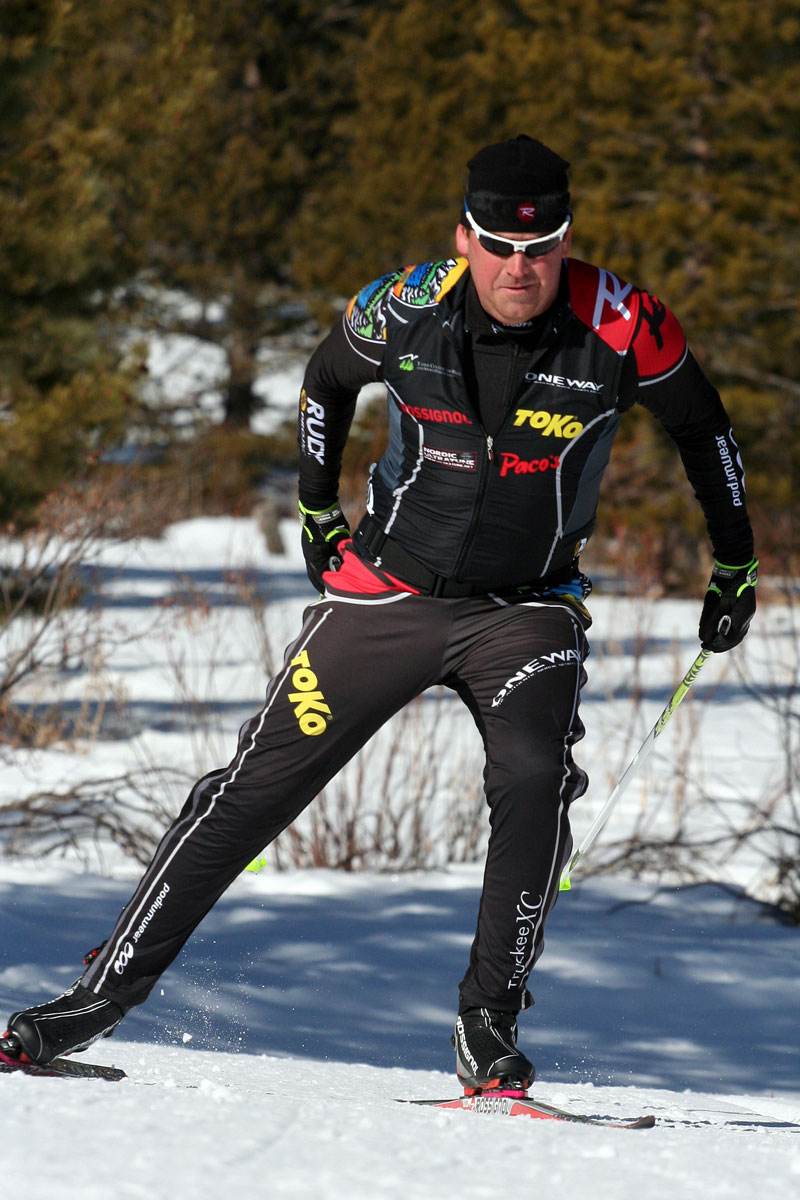
    Roger is no stranger to Far West, having grown up in the North Tahoe area and skied for the program as a teenager, and for Montana State University during his college years. He has been involved in the Nordic industry for many years, as a Technical Representative for Rossignol skis, and currently as sales representative and Technical Team member for Toko.

    He has also supported a regional group of Masters skiers, the Truckee XC team. Roger is a familiar face to many racers at Far West Nordic competitions, serving the public with wax assistance, tuning, and more. Far West is excited to support him in his new role as Elite Team Manager.

    You can reach Roger at rossi_nordic@yahoo.com.

    The 2014-2015 Far West Nordic ELITE TEAM is comprised of Patrick Johnson, Wyatt Fereday, Spencer Eusden, Anja Gruber, Emily Blackmer, and Sabra Davison. To find out more about Roger and the rest of the Elite Team, go to http://farwestnordic.org/fwnsea/seniors/elite-team/


  • Wednesday Workout: 5 x 5 Speed Progressions with Sugar Bowl Academy

    Wednesday Workout: 5 x 5 Speed Progressions with Sugar Bowl Academy

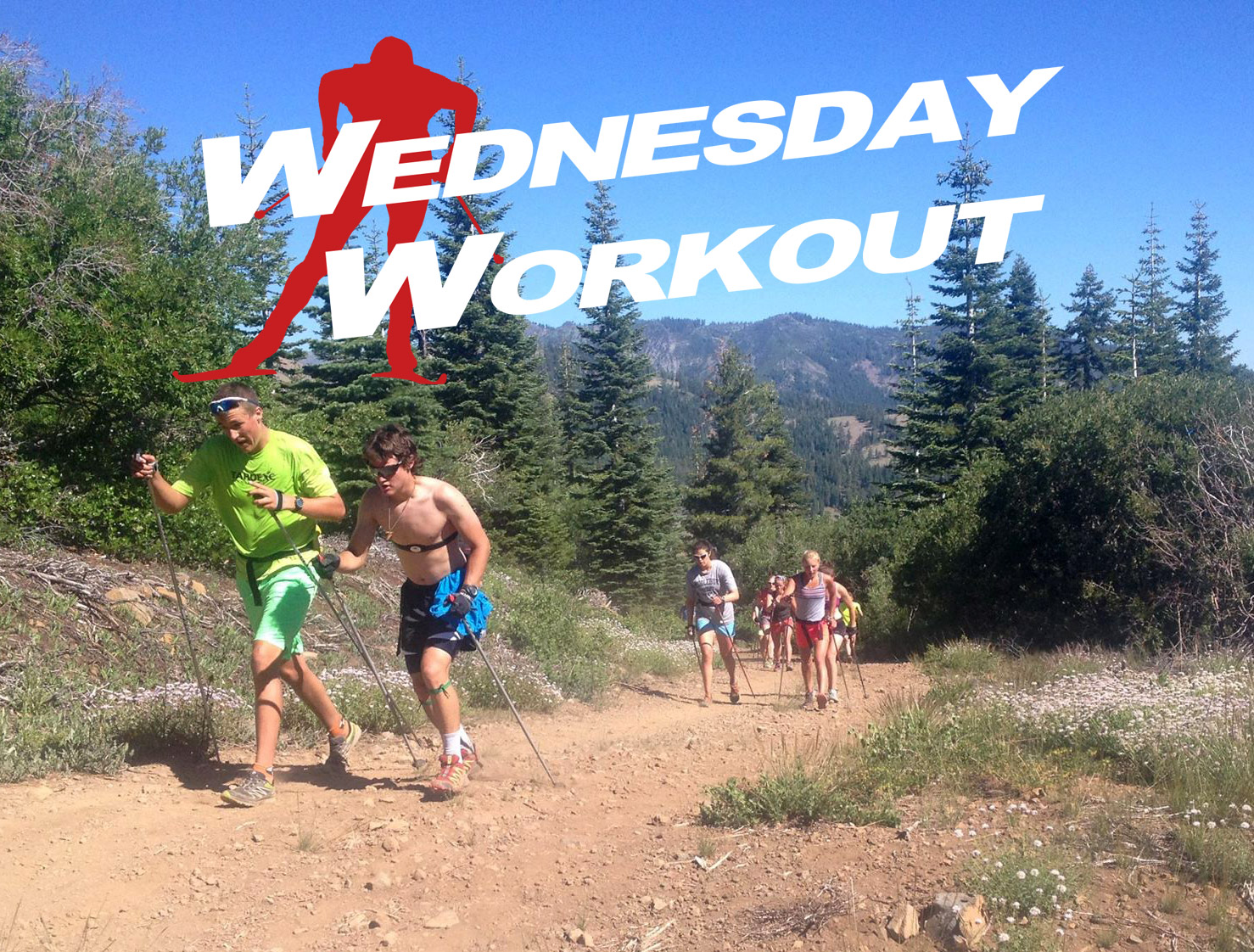
    Far West athletes take advantage of their local terrain to get in a ski bounding workout in July. (Photo: Sugar Bowl Academy/Facebook)
    Far West athletes take advantage of their local terrain to get in a ski bounding workout in July. (Photo: Sugar Bowl Academy/Facebook)

    This week’s workout comes to you from Martin Benes, nordic coach of the Sugar Bowl Academy and the Far West Elite Team Administrator. In addition to coaching the Sugar Bowl and Far West teams, Benes has coached for the Auburn Ski Club, Dartmouth College, and Bates College.

    This workout consists of five repetitions of five different exercises and thus is aptly named  “5 x 5.” I first learned this workout from U.S. Olympic Biathlete Glenn Jobe, who was one of my coaches as a junior. More recently, we’ve worked together to enhance this workout with some dry-land and on-snow progressions.

    This workout is very effective because it requires a progression of effort and speed as the repetitions continue. It forces athletes to be cognizant of their pacing while at the same time allowing them to put in a really hard effort. Many skiers who attempt this workout for the first time often make the mistake of thinking it won’t be that hard, and end up blowing up. In doing so, skiers lose the opportunity to establish quality speed training. The key is to follow the progression.

    First, you need to have your location picked out. You need a steady grade that is good for moosehoofing, so that both the ski-walking and bounding feel natural. You don’t need much of the terrain as each rep starts at the same point.

    Start with a 25-30 minute warm up. This should include some running, and some ski-walking. Also, throw in some dynamic stretching so that the muscles are ready for the progression of speed. You should have poles with you as you will need them for all but one of the exercises in the 5 x 5s

    1. The fist set of exercises are 5 x 1-minute repeats of ski-walking with poles. Start at the same place each time, the walk down is your recovery. These should be focused on good, snappy movements and staying in Level 2.
    1. Once you’ve done five ski-walks you switch to five bound-holds with poles. This is a plyometric exercise. Bound as normal but add a pause on each foot, allowing yourself to balance in an outstretched position. This should feel more like a strength exercise, rather than speed. Go up for one minute and then walk back down to the original starting point.
    1. The next exercise is normal hill-bounding with poles. The five repetitions should be 30-40 seconds each, depending on the age and ability of the athlete. Again, you will walk back down to the starting point in between each one.
    1. Once your hill-bounds are done, you’ll transition into running speeds with poles. The length should be 20-30 seconds. The idea is to accelerate on these so that the final 10-15 seconds are all out. Again, just walk down after each speed as your recovery.
    1. The final exercise is running speeds with the same accelerations, but this time without poles. These should also be 20-30 seconds long. Walk down in between each rep for recovery.

    At the end, you will have done five ski-walks, five bound-holds, five hill-bounds, five sprints with poles, and five sprints without poles. Afterwards, get a cool down of 15-20 minutes in and some good stretching.

  • Far West Elite Team Call for Athlete Applications

    Far West Elite Team Call for Athlete Applications

    far west nordic logo

    The Far West Elite Team is now accepting applications for the 2014-15 race season. We are looking for highly-motivated skiers who are passionate about the sport and capable of being role models and mentors in our community.

    Far West Elite Team member Patrick Johnson. (Photo: Mark Nadell/MacBeth Graphics)
    Far West Elite Team member Patrick Johnson. (Photo: Mark Nadell/MacBeth Graphics)

    These athletes are an essential part of our mission to produce a high level training, racing, and cross country skiing environment in the Far West Division. They will be working closely within the divisional Ski Clubs by volunteering and assisting coaches at junior practices. This is especially important for the perpetual motivation and development of our junior skiers. They will also help elevate the quality of Master skiing in our area by providing support with clinics, coaching and race/training events.

    Far West is excited to offer the selected athletes up to $2000 for race expenses and a partial living subsidy.

    Applications are due by July 21. The team will be named on August 1.

    If you are interested, please submit a cover letter, athletic resume, and proposed race calendar to info@farwestnordic.org. Your cover letter should explain why you would like to come to the Far West region and how you can contribute to our community.

  • Wednesday Workout: The Drifter Time Trial at Tahoe Donner XC

    Wednesday Workout: The Drifter Time Trial at Tahoe Donner XC

    Caitlin Gregg setting a course record at the Drifter Time Trial last summer in Truckee, Calif. She and her husband Brian spent some time in the Sierras last year training with juniors and college students. "It was awesome," coach Mark Nadell says. (Photo: Mark Nadell/MacBeth Graphics)
    Caitlin Gregg setting a course record at the Drifter Time Trial last summer in Truckee, Calif. She and her husband Brian spent some time in the Sierras last year training with juniors and college students. “It was awesome,” coach Mark Nadell says. (Photo: Mark Nadell/MacBeth Graphics: Gallery 1 | Gallery 2)

    This week’s workout comes from Far West coach Mark Nadell on the very day that his athletes will be doing the “Drifter Time Trial” at Tahoe Donner XC in Truckee, Calif. Course records have some weight; they were set by Noah Hoffman in 2007 and Caitlin Gregg just last year in 2013. 

    ***

    Wednesday’s nickname is “Hump Day,” and that will have special meaning today for a large group of Nordic athletes training in the Sierra Nevada. Park City has it’s famed Agony Hill, but Truckee has the “Drifter Time Trial,” a 2 kilometer, 200 meter climb (that’s 1.3 miles and almost 700 feet in elevation, for you metric-impaired) to a high point on the Tahoe Donner Cross Country ski trails — the Drifter Hut.

    “If someone actually took the time to look around (without their eyes being blurry from the effort), they’d see some of the most beautiful scenes in the Truckee Tahoe area, with views of Castle Peak and the Sierra Crest unfolding before them.”

    Part of the incredibly scenic Donner Rim Trail, the Drifter TT begins its warm-up just off of Interstate 80, about halfway to Auburn Ski Club from Truckee, at the Donner Lake Interchange Exit. You begin by hiking up Negro Canyon, starting at the 6,400 foot elevation, and warm up by ascending the Rim Connector Trail to the beginning of the real climb, where you meet the actual Rim Trail.

    Drifter Time Trial in Truckee:
    – Warmup: start at the Donner Lake Interchange Exit. Hike up Negro Canyon (starts at 6,400 feet), ascend Rim Connector Trail to beginning of “real” climb
    – The TT itself: go out at 15-second intervals, fastest first, for 2 k and 200 meters of climbing to nearly 7,500 feet.
    – Cool down: easy jog or hike back down, then jump in Donner Lake on the way back to Truckee.
    – Bonus: Try to beat the course records, set by Noah Hoffman (in 2007) of 10:07, and Caitlin Gregg (2013) of 12:18.

    From the start of the TT, coaches usually send out the athletes at 15 second intervals in order to spread things out, fastest going first, so that passing is at a minimum. The trail switchbacks through the trees, up and up, eventually coming out into the open slopes, and if someone actually took the time to look around (without their eyes being blurry from the effort), they’d see some of the most beautiful scenes in the Truckee Tahoe area, with views of Castle Peak and the Sierra Crest unfolding before them. The trail tops out at almost 7,600 feet, so not only is it tough, the altitude alone can turn those visiting flatlanders inside out.

    The cool down is simple: an easy jog or hike back down the way you came up, with the added bonus of an incredibly refreshing dip in Donner Lake on the way back to Truckee.

    The Drifter Time Trial has a long history of accurate times, so that athletes can compare themselves to some of the top racers in the area, and even the country. The course records were set by none other than Noah Hoffman (in 2007, here for a Regional Elite Group camp), with a time of 10 minutes and 7 seconds, and Caitlin Gregg (just last year in 2013), with a time of 12 minutes and 18 seconds. Top local junior boys are generally in the 12 to 14 minute time frame, with the girls completing the course in 13 to 16 minutes. You can view a complete list of times, dating back to 2005, on the Far West Nordic website.

    Today marks the first summer Time Trial of the season for our group of Junior and Senior athletes, from the Auburn Ski Club Development and Competition Teams, the Sugar Bowl Academy Nordic athletes, and Far West’s Summer College Residency program skiers here from points east. We’ll see if anyone will challenge Noah or Caitlin’s time!
    ***

    From Far West: It’s Summer Training Season! Far West Nordic has a crew of College Summer Athletes in town, and along with Sugar Bowl Academy and Auburn Ski Club Nordic Team skiers, they can be seen all over the roads and trails of Truckee. Check out these pics from Sunday’s rollerski interval session: http://macbethgraphics.smugmug.com/Training/SBAASCCOLLEGE-ROLLERSKI-2014/
    Noah Hoffman setting the Drifter Time Trial course record in 2007 in Truckee, Calif. (Photo: Mark Nadell/MacBeth Graphics)
    Noah Hoffman setting the Drifter Time Trial course record in 2007 at Tahoe Donner Cross Coutnry in Truckee, Calif. (Photo: Mark Nadell/MacBeth Graphics)
    Spencer Eusden (Far West Nordic Elite) and Austin Meng (St. Lawrence Univ.) during the Drifter Time Trial in June 2013 at Tahoe Donner XC in Truckee, Calif. (Photo: Mark Nadell/MacBeth Graphics)
    Spencer Eusden (Far West Nordic Elite) and Austin Meng (St. Lawrence Univ.) during the Drifter Time Trial in June 2013 at Tahoe Donner XC in Truckee, Calif. (Photo: Mark Nadell/MacBeth Graphics)


  • Far West June Lake Camp Recap: Peak-Bagging, Rope Swinging, Watermelon, and More

    Far West June Lake Camp Recap: Peak-Bagging, Rope Swinging, Watermelon, and More

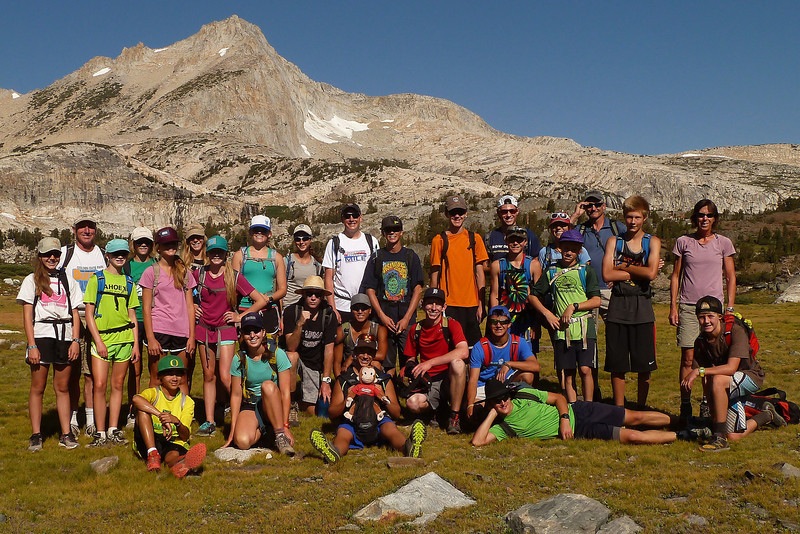
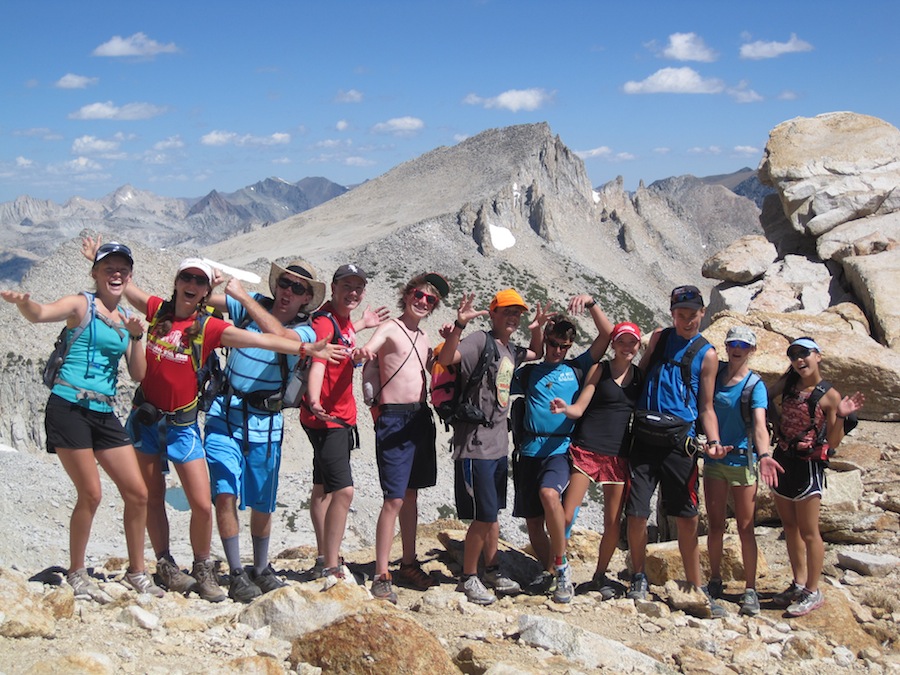
    posing before splitting up into two groups to climb North Peak (in the background). Plus our added "alumni" to make the hike extra special. The 2013 Far West Nordic June Lake Camp, led by Nancy Fiddler, Mark Nadell, and Marie French with a stellar support crew of Mike Mcelravey and Steve Twomey. Athletes included Carson Bold, Laurel Fiddler, Connor Kusumoto, Phillip Oxford, Cameron Small, Cody Atwood, Piper Joubert, Quinn Lehmkuhl, Jane Nall, JC Schoonmaker, Camille Syben, Lindsay Twomey, Cameron Valois, Ryland Belisle, Savannah Blide, Markus Brun, Peter Carroll, Tyler Ferrera, Chloe Gorman, Bri Parker, and Sam Zabell (and, of course, Curious George). Plus a special appearance on our hiking day from Far West alumni Alex Kopytko, Branden Deeter, and Grayson Forsberg. Activities included hiking, ski walking, classic and skate rollerskiing, climbing North Peak, LOTS of beach and rope swing time at the lakes, and many other shenanigans, of course. They came back tired, guaranteed. (If you notice certain faces more than others, it's because they wouldn't get out of the way of the camera. #skihams.) (Photo: Mark Nadell/macbethgraphics.com)
    The Far West Nordic junior team posing before splitting up into two groups to climb North Peak (in the background), plus added “alumni” to make the hike extra special. The 2013 Far West Nordic June Lake Camp was led by Nancy Fiddler (back right), Mark Nadell and Marie French with the support of Mike Mcelravey and Steve Twomey. Athletes included Carson Bold, Laurel Fiddler, Connor Kusumoto, Phillip Oxford, Cameron Small, Cody Atwood, Piper Joubert, Quinn Lehmkuhl, Jane Nall, JC Schoonmaker, Camille Syben, Lindsay Twomey, Cameron Valois, Ryland Belisle, Savannah Blide, Markus Brun, Peter Carroll, Tyler Ferrera, Chloe Gorman, Bri Parker, and Sam Zabell (and, of course, Curious George). Far West alumni include Alex Kopytko, Branden Deeter and Grayson Forsberg. (Photo: Mark Nadell/macbethgraphics.com)

    JUNE LAKE, Calif. – Far West Nordic juniors from Truckee, North Tahoe, Sugar Bowl Academy and Mammoth programs took part in a four-day camp in the Eastern Sierra July 18-21. Camping in June Lake in the Mono Basin National Forest, participants experienced lots of sunshine and warm temperatures while putting in some high-quality training.

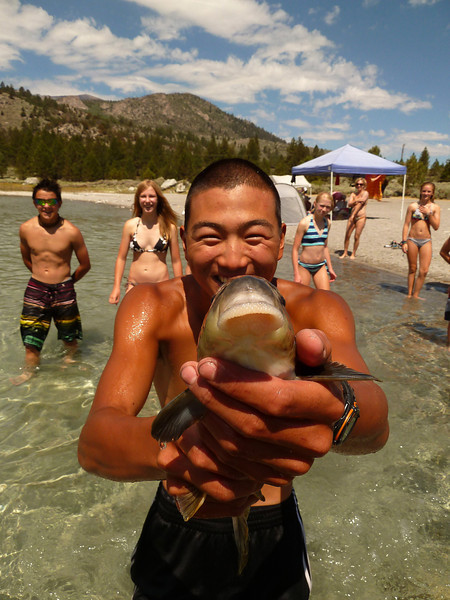
    Peter Carroll demonstrates a true catch and release during the 2013 Far West Nordic June Lake Camp in California. (Photo: Mark Nadell/macbethgraphics.com)
    Far West junior Peter Carroll demonstrates a true catch and release during the 2013 Far West Nordic June Lake Camp in California. (Photo: Mark Nadell/macbethgraphics.com)

    Campers from the north and south merged at the county park on the north shore of scenic Mono Lake on Thursday afternoon for some foot agility, skate plyos, and circuits to kick off the camp. Friday was a double-workout day with a focus on classic skiing. It was all about bounding, moose hoofing and ski walking intensity in the morning, followed by rejuvenation in the cool water of June Lake. Hot is the best single word to describe the afternoon rollerski workout, but the 21 athletes focused on some specific strength drills to complete the day.

    The highlight of the camp is the traditional peak-bagging event on Saturday. Two groups attacked North Peak in Yosemite National Park with 100-percent success rate. One group circumnavigated the peak as well as summiting. Lots of glacial-lake swimming, watermelon on the summit, and a trip to Mono Cone kept the group cool.

    By Sunday morning, there were signs of wear and tear on the campers’ faces, but everyone fired up for one more workout; a skate rollerski with a focus on technique and some distance. Back in camp, it was time to pack up and say goodbyes to old and new friends. Camp coaches Mark Nadell, Marie French and Nancy Fiddler were still standing at the end, and pleased with the effort and enthusiasm of the group.

    For more photos, check out Mark Nadell’s June Lake Camp 2013 gallery.

  • Far West Seeking Fundraising, Membership & Marketing Coordinator

    Far West Seeking Fundraising, Membership & Marketing Coordinator

    Far West Nordic - logo

    Far West Nordic Ski Education Association, a 501(c)(3) nonprofit organization whose mission is to promote the sport of cross country skiing and facilitate competitive XC skiing, is looking for a Fundraising/Membership and Marketing Coordinator.

    This is a part time position that will assist in all existing FM&M efforts, as well as develop new strategies to expand in all these areas. Coordinator will report to the head of the Fundraising/Membership/Marketing committee and the Board, and will work with our staff and volunteers. This position will involve promotion of FWNSEA’s services, membership drives, related event coordination (e.g., annual auction, other fundraisers), as well as marketing/social media coordination.

    Must have excellent communication skills (both verbal and written), superior organizational, and interpersonal skills. Candidate must be proficient in Microsoft Word, PowerPoint, and Excel. Familiarity with cross country skiing and/or our organization will be helpful. Position is available immediately. Pay DOE.

    Contact Kelly McElravey at info@farwestnordic.org.

  • Part of The Team: The Impact of Female Coaches in the U.S.

    Part of The Team: The Impact of Female Coaches in the U.S.

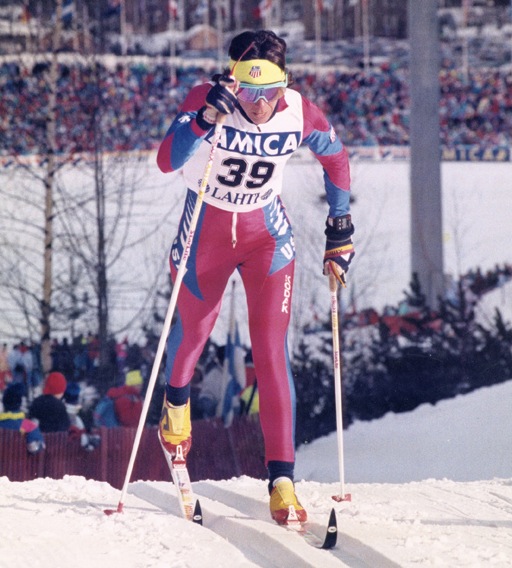
    Former U.S. Ski Team member Nancy Fiddler racing to 15th in the 15 k classic race at 1989 World Championships in Lahti, Finland.
    Former U.S. Ski Team member Nancy Fiddler racing to 15th in the 15 k classic at 1989 World Championships in Lahti, Finland.

    Part I: My Story

    By Nancy Fiddler

    In 1993, after a seven-year stint of racing on the national and international stage, I returned home to Crowley Lake, Calif. I had picked up cross-country skiing late as a college sophomore at Bates in Maine, then quit and floundered for a few years before making a comeback at the age of 30. I was a national champion 14 times over, two-time Olympian and member of the U.S. Ski Team. Now at 37, my ski-racing career was over and my future open-ended. It was time to get on with the rest of my life.

    That spring, the U.S. Olympic Committee (USOC) was offering a career-counseling seminar for retired Olympic athletes in Los Angeles, so I thought, “Why not?” I spent a day with basketball players, swimmers, pole vaulters and other fellow Olympians, going through the steps to finding success in the world outside of sports. We wrestled with career choices, self-evaluations and large life decisions, like moving to a new city, to turn our disciplined ways in a new direction.

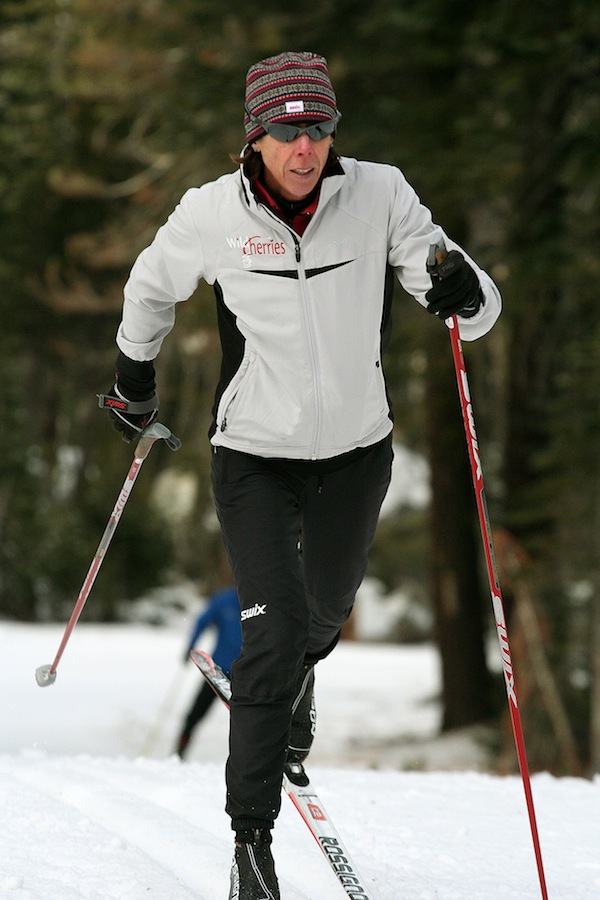
    Nancy Fiddler striding out in 2011 at Auburn Ski Club in Soda Springs, Calif.
    Far West coach Nancy Fiddler striding out in 2011 at Auburn Ski Club in Soda Springs, Calif. (Photo: Mark Nadell/www.macbethgraphics.com)

    The only problem was that I was not ready to leave the sport I had grown to love so much. Move to a city? I wasn’t picturing any of it.  My husband and I had a home in a beautiful place in Crowley Lake and were hoping to start a family. When I asked about careers in our sport, the seminar leader made it clear that staying in my small mountain community and coaching cross-country skiing was not going to take me very far.

    I returned home with all of the fine skills I had acquired as an athlete and subsequently listed on the USOC forms. Discipline, motivation, time management, desire for excellence – all these marketable skills were not going to make me an investment banker, a CEO, a small-business owner, or even a real estate agent.

    Our Eastern Sierra community lies at the bottom of a large downhill ski area and has an equally large alpine and snowboarding culture. Nordic skiing occupies a small space in this environment, and at the time of my retirement 20 years ago, there was not a single youth nordic program in the area. I took a deep breath and began banging my hard head against the wall.

    I began by volunteering to teach skiing at an elementary school phys-ed class in Mammoth Lakes, Calif. I dragged one of my friends along to help me and thus began my coaching career and the nordic programs that still exist today in my community.

    My first high school team was truly a gamble; I walked into the school with some posters advertising a new nordic team; everyone welcome. Of the eight kids who showed up to practice, only one of them had ever been on cross-country skis before.  I taught them all to ski, took them to school-league races in my car and didn’t get paid a thing. On that team alone, I saved one boy from a high-school career of hallway fist fights, gave a few kids their only chance of making a high-school team, coached a roller-hockey player to a Junior Nationals (JN) exhibition sprint title, and saw a bunch of kids fall in love with my favorite sport.

    Twenty years have passed and now those elementary school programs have around 100 participants and another 40 between the middle and high schools. I organized Masters clinics and season-long programs, taught in the nordic ski school, formed a club team and made it my goal to bring nordic culture into my community.

    While I have been a JN coach for Far West many times, most of the coaching I have done has taken place close to home. I have passed up opportunities to travel on World Junior trips and more because I was dedicated to my project and my teams.

    When our daughter was born, it was even more difficult to imagine traveling much farther than the school-league races. Part of me still wonders whether I should have taken the leap right after my racing career ended and moved to a new place and a new career. At the very least, why didn’t I start shopping for a collegiate coaching job?

    Nancy Fiddler's Far West junior summer camp in July 2012.
    Nancy Fiddler’s Far West junior summer camp in July 2012.

    I reasoned there were many kids right here at home needing my skills and dedication. There were many people along the way who had taken the time to teach me the ways of cross-country skiing, and it seemed perfectly natural to turn around and give it back. It changed my life, so why not try to enlighten others?

    After reading Chelsea Little’s recent article tackling the subject of gender stereotypes in nordic skiing, I began to think hard about the situation. What stayed with me was the reference to the scarcity of female coaches on the international circuit. I couldn’t stop thinking about the many highly qualified and experienced women in the U.S. who are leading skiers of all ages and abilities in this greatest of sports. I wondered about their stories and knew it was time to shed some light on the work they do.

    I quickly drew up a list of the female ski coaches I knew. The list grew with the help of some good references, and soon I had a lengthy compilation of coaching contacts across the country, all working at various levels. Many coaches took the time to answer my questions about their careers and themselves. While each story is unique, and each coach has her own voice, there are many common threads. We are all part of The Team.

    Part II of this series will focus on women in collegiate coaching. When I raced at Bates in the late ’70s, there were no female coaches anywhere in college skiing. While men still outnumber women in this field, at least five women now hold head coaching positions on Division I college teams and have changed the traditionally all male climate of collegiate coaching forever.

    Below the collegiate level lies a vast population of junior skiers, from Bill Koch Youth Ski League and other similar programs aimed at 5 to 11 year olds, to school-league teams and rapidly growing club programs for 12 to 19 year olds. Part III will investigate the role female coaches play in the Junior National pipeline. Grassroots programs and the coaches who invest in the youngest skiers are the topic of Part IV.

    It is my hope that my story shows how far the U.S. has come in terms of skier development in the last 20 years. Faster juniors and more of them are coming up through the pipeline with an army of qualified coaches behind them.

    Women are rapidly joining the ranks with plenty to offer in terms of mentoring both boys and girls. The success of the women’s U.S. Ski Team in recent years is a testament to the work of many coaches, all the way down to the most basic level working with the youngest kids.

  • Photo Gallery: SuperTour Finals Training Day

    Photo Gallery: SuperTour Finals Training Day

    FasterSkier’s coverage of SuperTour Finals and U.S. Distance Nationals is brought to you by the generous support of Concept2, the leading manufacturer of indoor rowers, racing oars, and the SkiErg.

    TRUCKEE, Calif. — SuperTour Finals, the last racing push before the offseason, begins on Thursday with a 3.3 k freestyle prologue at the Auburn Ski Club. Though there isn’t enough snow to host the race at Tahoe Donner Cross Country, there is plenty to go around at the backup course. Professional, junior and college athletes from all over the country were out training and testing skis on Wednesday morning to dial in their game plans before the races series gets underway at 9:00 a.m. Thursday.

  • Far West Nordic ‘Farm Team’ Taking Applications for the 2012-2013 Race Season

    Far West Nordic ‘Farm Team’ Taking Applications for the 2012-2013 Race Season

    (Press release)

    The Far West Nordic “Farm Team”, an Olympic Development Senior Team based in Lake Tahoe, California, is seeking to fill 6 positions on its roster for 2012-2013. Still in its infancy, (this will be its third season), the Farm Team has helped foster skiers to great results. We aim to continue this trend. The Farm Team is a grassroots development program which concentrates on athlete results and commitment, community involvement, and junior development. We are looking to attract athletes with a similar focus. And, with the US Distance Nationals/SuperTour Finals, aka.,”Spring Series” being hosted by Far West in April 2013, you could have the home court advantage!

    For those of you who missed Junior Nationals in Far West in 2005 and 2009, Lake Tahoe is legendary for its above-average snowfall yet seemingly cloudless days. It also has 5 outstanding Nordic resorts/venues within the Tahoe Basin and a top-quality Nordic racing scene. Oh, and the Summer time is pretty sweet here too, with two beautiful lakes and endless backcountry terrain to run, swim, and bike in.

    For interested athletes, the Farm Team has available; a top tier coaching staff, world class training venues, race/trip support, and team uniforms. Far West Nordic is currently able to offer a small travel stipend for each of the 6 Farm Team athletes. More financial assistance will depend upon each athlete’s involvement to/with fundraising. Each Farm Team athlete is expected to sign and adhere to an Athlete Contract committing to; results, community involvement/fundraising, junior development, and personal integrity.

    All transportation, housing, and employment is the responsibility of each team member but help with any of these items will be provided.

    If you are interested in being part of the Far West Farm Team, please send a one paragraph bio and your ski resume to Ben Grasseschi at: coach@farwestnordic.org.

    Application Deadline is September 21, 2012 and the Team will be named October 1, 2012. Contract period is from 1 October, 2012 to April 30, 2013.

    *All previous Farm Team members will need to re-apply to be considered.

  • Elite Team Preview: Far West Farm Team

    Elite Team Preview: Far West Farm Team

    Far West Farm Team veteran Phil Violett competing in the 2011 Auburn Ski Club (ASC) Summer Biathlon National Championships in Soda Springs, Calif. Violett won the men’s pro title. (Far West/Mark Nadell photo: www.macbethgraphics.com)

    Note: This is the sixth preview in a quick-and-dirty series on U.S. elite teams. We asked coaches to send their 2012/2013 rosters and tell us what’s new for the coming season. We will be publishing additional reports over the next few weeks. Teams are presented in no particular order.

    Team: Far West Farm Team

    Coaches: Ben Grasseschi (head coach), August Teague, Martin Benes

    Roster: Phillip Violett, Wyatt Fereday

    Who’s new: No one – yet. However, the team is looking to fill four spots on it senior Farm Team and will be sending out criteria and applications in September. Stay tuned to fasterskier.com and farwestnordic.org for more info.

    Who’s missing: Elias Bucher (recently graduated University Nevada-Reno with a degree in health ecology), Gustavo Johnson (2011 University Nevada-Reno grad, English literature major), Kara LaPoint (training for Xterra triathlons) Michael Collins (according Grasseschi, moving on to the “real world.” Head nordic coach at Incline High School on Lake Tahoe).

    Wyatt Fereday competing in February 2012. (Far West/Mark Nadell photo: macbethgraphics.com)

    Top results last season: Bucher was the top overall skier at U.S. Collegiate Ski Association Championships (USCSA) in March, winning the 8.5 k race and placing second in two other events. He was 16th at the Boulder Mountain Tour and tallied multiple local wins or podiums, including the Sierra Ski Chase title.

    Fereday finished fifth in the West Yellowstone Rendezvous 50 k, notched multiple local podiums and was 33rd at the Boulder Mountain Tour. Violett ranked in the top 20 of U.S. biathletes last season. He placed second at the 10th Mountain Division Biathlon and posted several top-10 finishes in US Biathlon races.

    Collins was 127th in this year’s American Birkebeiner skate race, and Gustavo Johnson ranked 43rd in the Boulder Mountain Tour and second to Bucher in the Sierra Ski Chase. LaPoint placed second in the Sierra chase and tallied multiple local podiums. A Team LUNA triathlete, she earned All-American Triathlete honors in 2011.

    Coach’s comment: Head coach Grasseschi wrote in an email that the team was excited to welcome “a new crop of Farmers” in 2012/2013. He hoped applications would come out of the Far West College Residency Program in its second summer. According to Grasseschi, a few recent college grads were on the radar: Beth Taylor (Bates College), Spencer Eusden (Bowdoin College) and Noah Brautigam (Middlebury College).

    “We have an amazing training venue here in sunny, beautiful Tahoe/California region and we also have a top-shelf coaching staff,” Grasseschi wrote. “Together, we hope to take this grassroots Farm Team to the major leagues!”

    Other previews: Bend Endurance Academy | Craftsbury GRPCXC | Maine Winter Sports Center | XC Oregon

  • Video: Junior Olympics Classic Race

    We missed the girls (sorry!!) but were able to get lots of footage from the J1/OJ boys 10km classic race at Auburn Ski Club on Friday. Enjoy!

    Part 1:

    Part 2:

    Part 3: