Tag: FasterSkier Podcast

  • Nordic Nation: The Pete Vordenberg Experience (Episode 1)

    Nordic Nation: The Pete Vordenberg Experience (Episode 1)


    Not exactly a mystery man in nordic-ski circles, former U.S. Ski Team Head Coach Pete Vordenberg has been admittedly reclusive when it comes to staying in the XC ski game. In this two-part episode, Nordic Nation chats with Vordenberg in Bend, Oregon, and connects the dots in terms of what he’s been up to. Vordenberg raced in two Winter Olympics and was a forerunner in a third. (You’ll have to listen to Episode 1 to learn about that forerunning gig.) After skiing with the U.S. Ski Team (USST) for six years, he began coaching for the USST in 2002, retiring as the USST head coach in 2012.
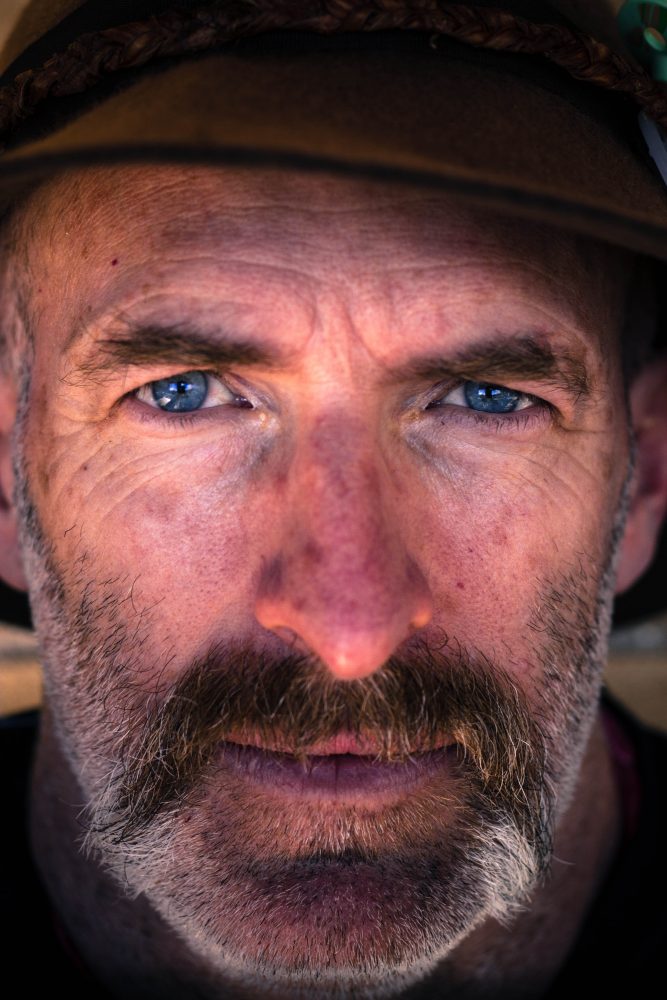
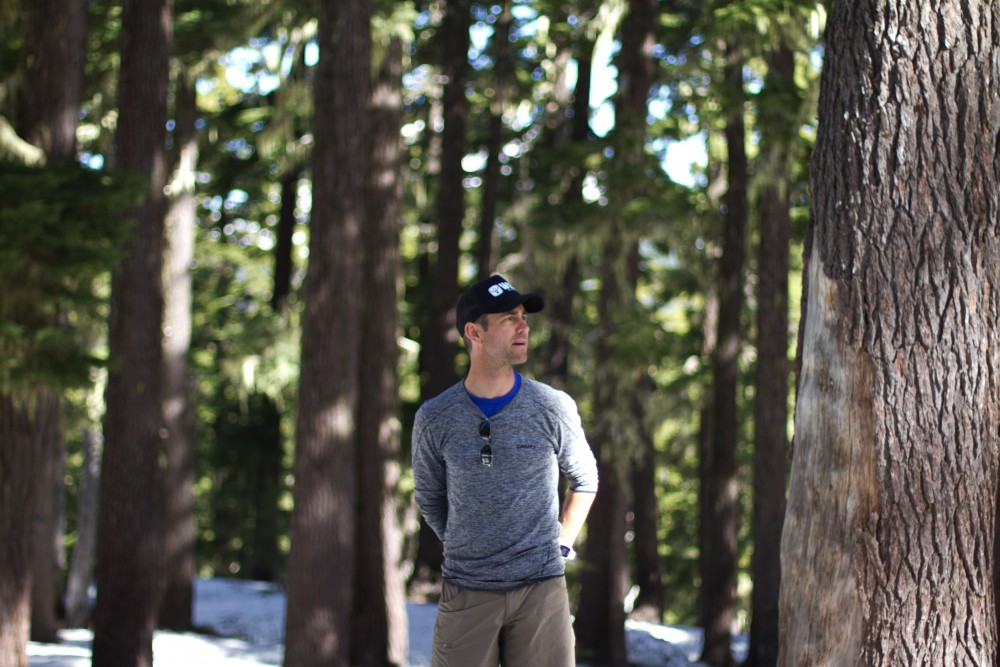
    Former U.S. Ski Team Head Coach and current dad, husband and photographer:Pete Vordenberg. (Photo: Pete Vordenberg)

    This was a wide-ranging interview with numerous digressions: both the interviewer and Vordenberg were easily distracted. Serious attempts in the editing process were made to overcome the interviewer’s deficiencies. And make note, this interview was recorded outdoors at two local Bend breweries, with a brief intermission on bikes.

    In Episode 1, Vordenberg speaks about his book Momentum: Chasing The Olympic Dream, how he started skiing in Boulder, Colorado, and how the USST began to turn it all around on the World Cup.

    But in between all of that, good old type 1 fun.
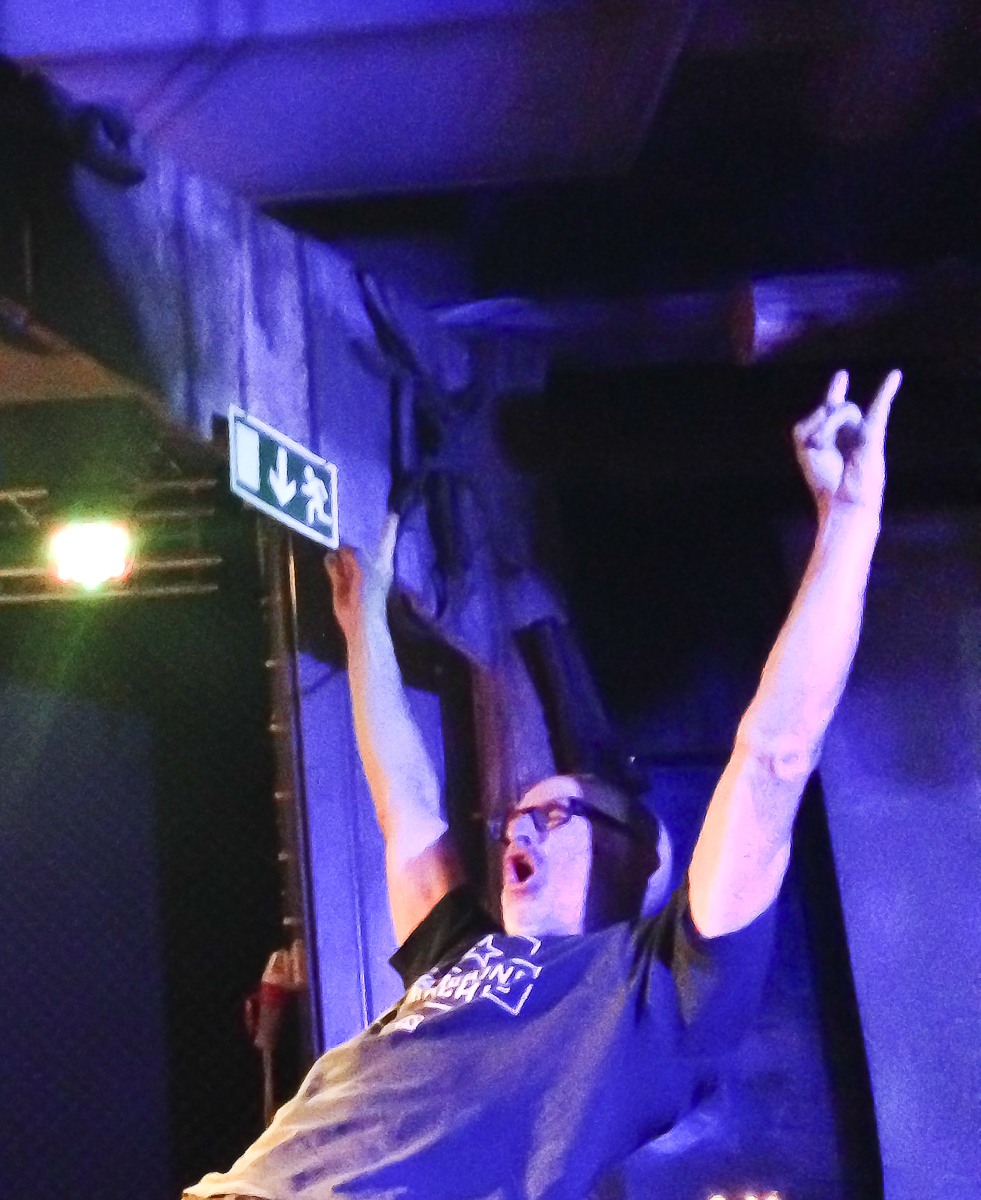
    Pete Vordenberg unwinding in Lahti, Finland 2017. Riding the saddle at an underground Lahti karaoke session. (Photo: FasterSkier)

    Vordenberg is a keen and creative mind. When he’s not being a dad, he’s mastering his art as a photographer. His Instagram account is both stunning and eclectic. Have some time set aside before checking his account out, it can be a wormhole.

    Enjoy the ride listening to The Pete Vordenberg Experience.

    (To subscribe to the Nordic Nation podcast channel, download the iTunes app. If you have iTunes, subscribe to Nordic Nation here.)

    Have a podcast idea? Please email nordicnation@fasterskier.com.
  • Nordic Nation: The Pete Vordenberg Experience (Episode 2)

    Nordic Nation: The Pete Vordenberg Experience (Episode 2)


    Here it is … Episode 2 of Nordic Nation’s “The Pete Vordenberg Experience”.

    If you missed Episode 1, you’ll want to start there for some context. Pete Vordenberg, a two-time U.S. Olympic cross-country skier and former U.S. Ski Team coach, talks about his transformation since leaving skiing to dedicate himself to the hardest job he’s ever had: a stay-at-home dad. In Episode 2, he continues to reflect on how skiing impacted his life and how he would like it to be a part of his daughters’ lives, as well as what he thinks needs to happen globally for the sport to continue.

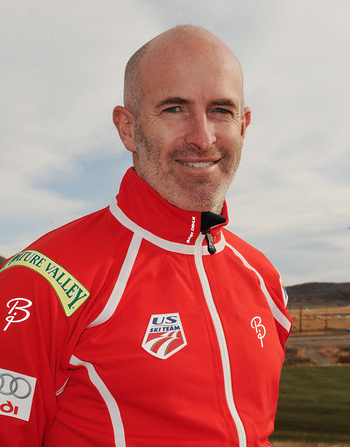
    Pete Vordenberg, former U.S. Ski Team head coach, as seen in 2012. (Photo: USSA)

    You’ll also hear Vordenberg, who lives in Salt Lake City, Utah, discuss selection criteria, decompression from the full-immersion XC-ski life and how he began falling back in love with the sport. And yes, no joke, in Episode 2, you’ll hear how reggae star Matisyahu is — if the math is correct — only two degrees separated from the mythical cross-country deep state.

    Enjoy the ride listening to “The Pete Vordenberg Experience, Episode 2”.

    (To subscribe to the Nordic Nation podcast channel, download the iTunes app. If you have iTunes, subscribe to Nordic Nation here.)

    Have a podcast idea? Please email nordicnation@fasterskier.com.

  • Nordic Nation: Back on the Podium with Sweden’s Hanna Falk

    Nordic Nation: Back on the Podium with Sweden’s Hanna Falk

    It’s certainly not all glory on the World Cup. With rare exceptions, the fields are always stacked. Yeah, maybe the Norwegians miss the wax with the frequency of a total solar eclipse over your zip code, or a freak storm of molasses-like snow falls just as the top end of the Red Group tips the wand for the 10-kilometer interval start race. Statistically speaking, it’s a rare day when an outlier stands atop a World Cup podium.

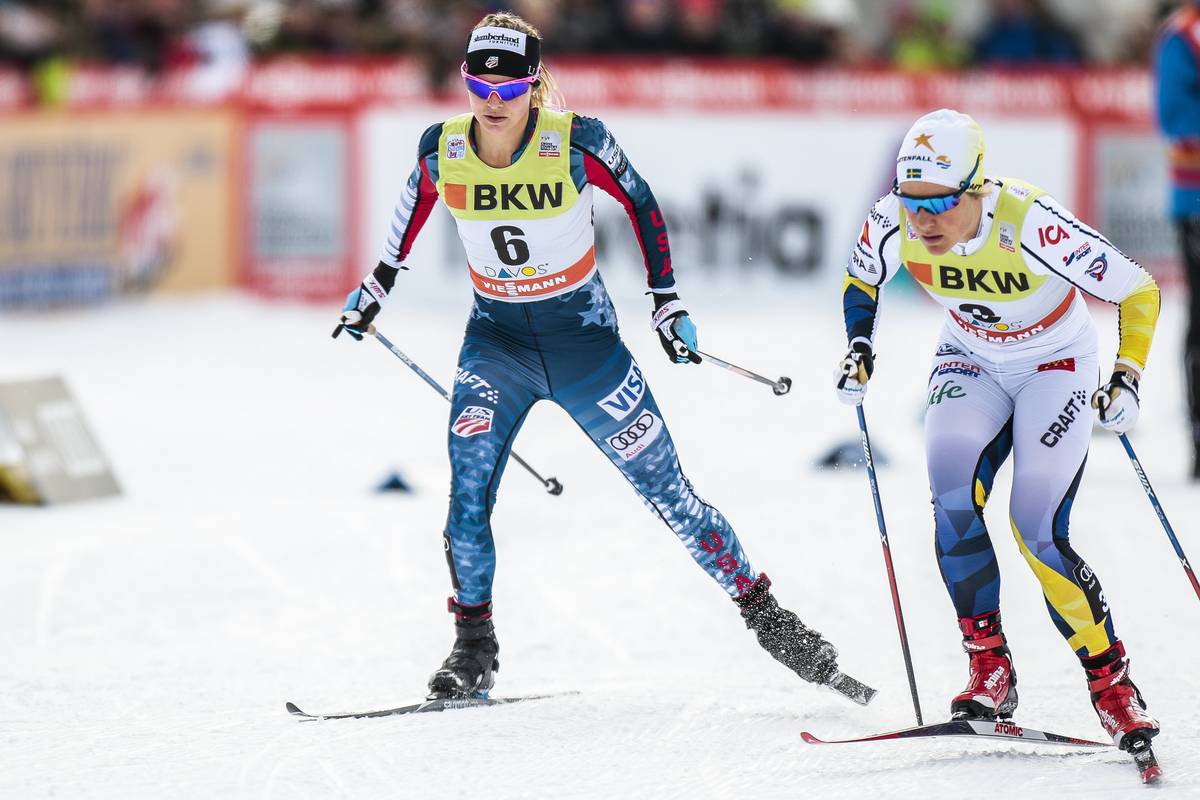
    Sweden’s Hanna Falk (r) races with U.S. Ski Team member Jessie Diggins (6) during a World Cup freestyle sprint in Davos, Switzerland, last December. (Photo: Salomon/NordicFocus)

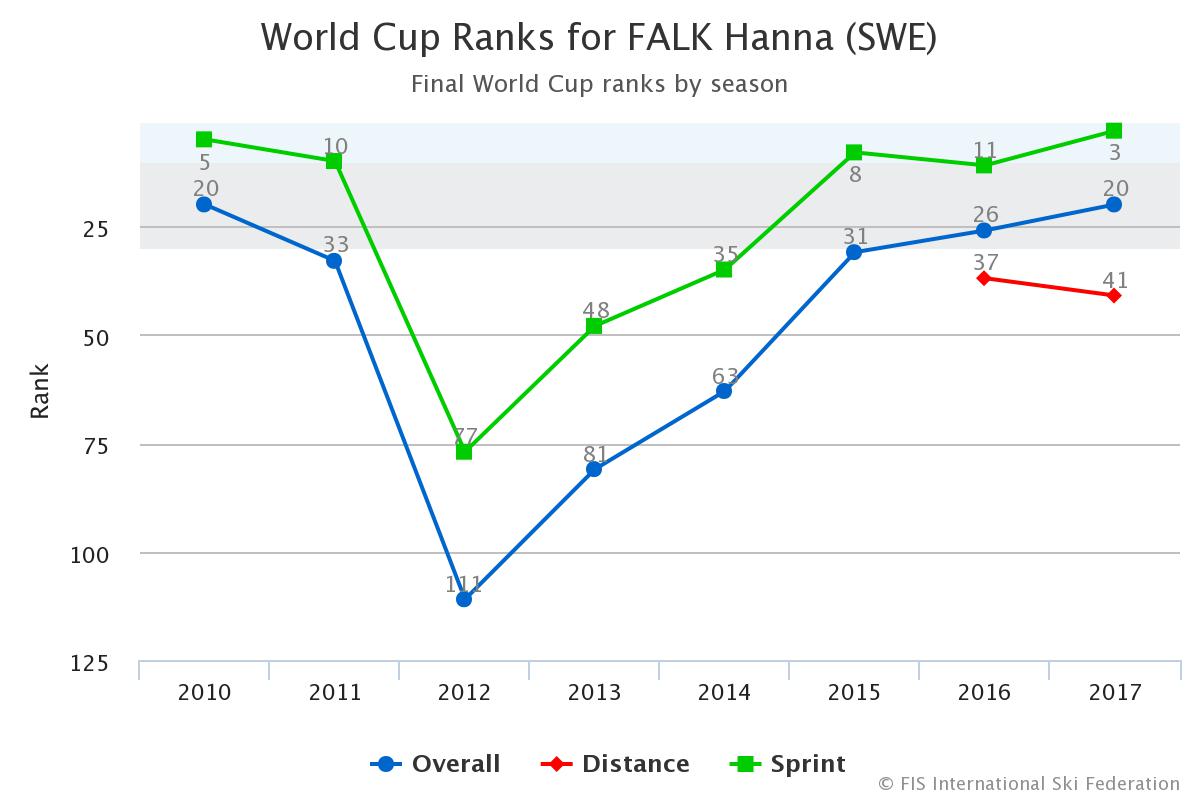
    Swedish National Ski Team member Hanna Falk, 28, knows the top spots are tough to get and fleeting. In 2010, her first full year on the World Cup, she burst onto the scene and finished an astounding fifth overall in the final sprint rankings.

    That early success was hindered by illness. By 2015, Falk rebounded, and this past season finished as the third-ranked sprinter on the World Cup and 20th overall. Falk stuck with it, even with a podium drought that lasted from Jan. 15, 2011 to Feb. 12, 2016.

    World Cup rankings for Sweden’s Hanna Falk (Photo: FIS)

    If you’ve ever had a doubt that the nosedive is terminal, give this episode of Nordic Nation a listen (found at the bottom of this article).

    (To subscribe to the Nordic Nation podcast channel, download the iTunes app. If you have iTunes, subscribe to Nordic Nation here.)

    Have a podcast idea? Please email nordicnation@fasterskier.com.
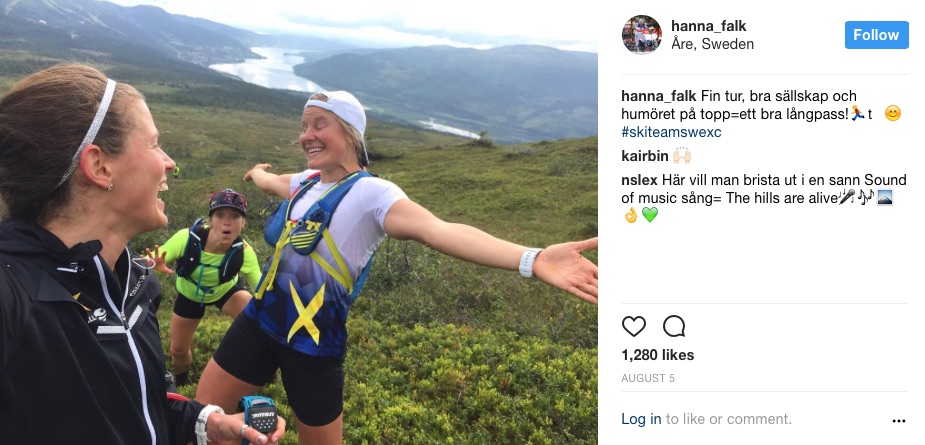
    Hanna Falk is all grins on this run in Sweden. Yes, Liz Stephen (U.S. Ski Team), bombed the photo when she was recently in Sweden to train with the Swedish national team. (Photo: Hanna Falk/Instagram)
  • Nordic Nation: Kris Freeman, A Sample Size of One (Updated for Nordic Nation iTunes feed)

    Nordic Nation: Kris Freeman, A Sample Size of One (Updated for Nordic Nation iTunes feed)

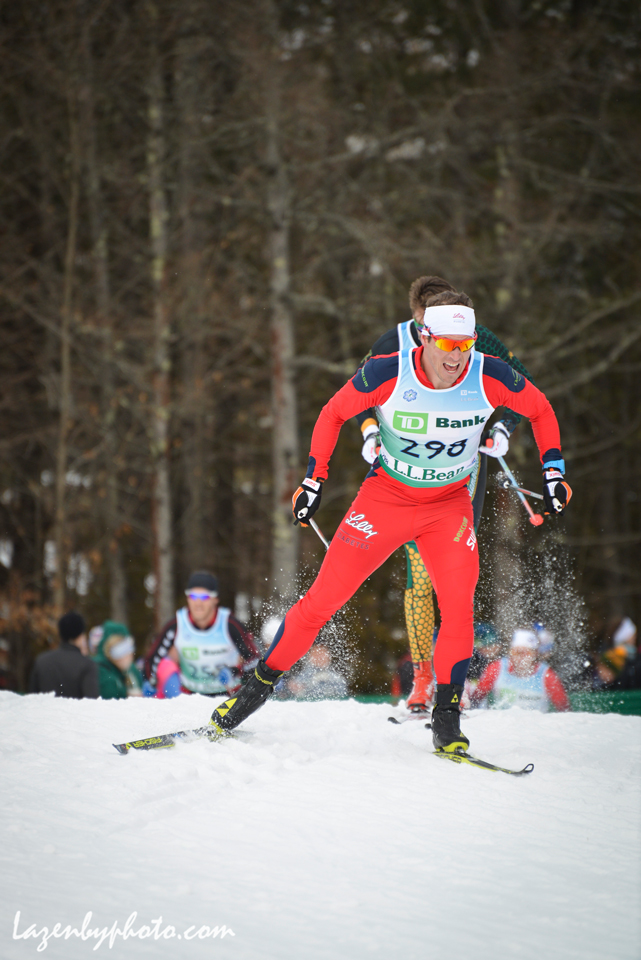
    Kris Freeman (Team Freebird) out on course during the men's SuperTour 10 k classic individual start on Sunday in Craftsbuty, Vermont. (Photo: John Lazenby/Lazenbyphoto.com)
    Kris Freeman (Team Freebird) racing to first in the SuperTour men’s 10 k classic individual start this past February in Craftsbury, Vt. (Photo: John Lazenby/Lazenbyphoto.com)

    Few athletes remain at the top end of endurance for five years, let alone a single decade. New Hampshire native Kris Freeman, at 35, has been chasing fast times and fast skiers around cross-country ski loops for 16 years as a professional.

    For much of that time, Freeman was a staple on the men’s U.S. Ski Team. He was fourth twice, in 2003 and 2009, in the 15-kilometer classic at World Championships.

    Type 1 diabetes is not something we associate with four-time Olympians. Yet Freeman has dispelled the physiological odds of a diabetes diagnosis at the age of 20. Flagged for blood sugar anomalies as a U.S. Ski Team development skier during a routine blood test, Freeman and his tight-knit cadre of coaches and endocrinologists have been managing his disease ever since.

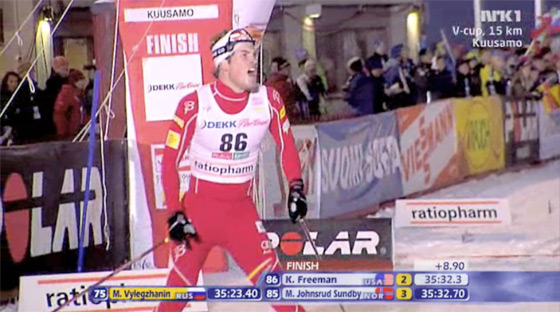
    Kris Freeman at the finish of a race in Finland last year.
    Kris Freeman at the finish of a 2009 World Cup race in Kuusamo, Finland. He finished fourth, 0.4 seconds ahead of Norway’s Martin Johnsrud Sundby.

    Freeman said his initial foray into the literature of elite endurance sport and Type 1 diabetes was a black hole. As an athlete at the highest end of sport — racing to win, not simply finish an event — Freeman remains a sample size of one. And even now, Freeman is a student of what he realizes is the inexact science of managing his blood sugar for endurance sport. Needless to say, all that takes some serious commitment to endure. And endure where a margin of error involves high stakes physiological consequences.

    The upside, Freeman is a role model for countless diabetic children who aspire for normalcy in life and athletic excellence.

    Asked about what advice he’d give an up-and-coming cross country skier with the same predicament, Freeman said this: “Learn as much as you can about physiology, learn as much as you can about diet, and finding doctors that believe in you are the keys. For sure, I am not doing everything perfectly, and I know that. I’m sure it can be done better, I just haven’t figured out how. On the positive side, treatments for diabetes: better insulin pumps, continuous glucose monitors, have gotten light-years better even in the 16 years now that I have had diabetes. So at the progression it is going, I am hoping it will be a lot easier to manage in time.”

    Press the play arrow below to hear about both the ups and downs of Freeman’s ski racing life. And if you didn’t catch this elsewhere, Freeman is also a newlywed.

  • FS Podcast: Skiing for the Maple Leaf, Living in Oslo — It’s Devon Kershaw

    FS Podcast: Skiing for the Maple Leaf, Living in Oslo — It’s Devon Kershaw

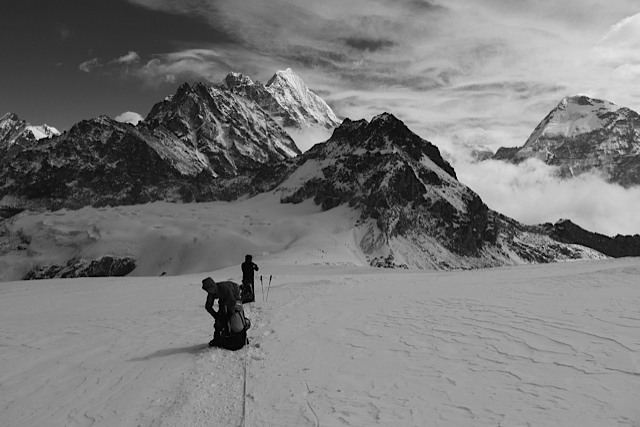
    Heading up to high camp on the glacier of Mera Peak, Nepal. (Photo: Devon Kershaw)
    Heading up to high camp on the glacier of Mera Peak, Nepal, in April 2014. (Photo: Devon Kershaw)

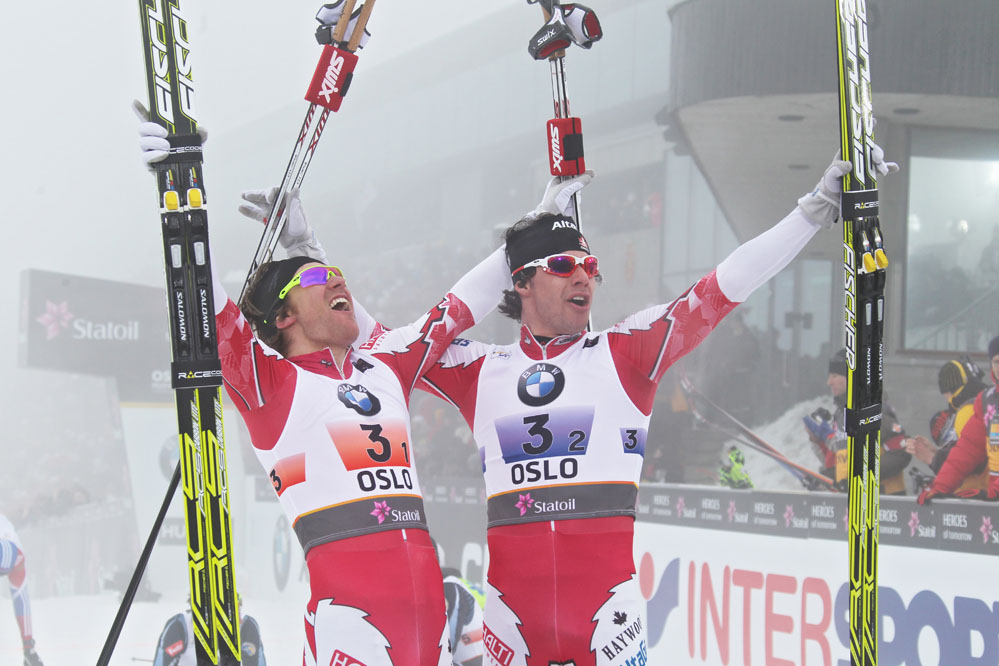
    As long as the Canadian men’s national ski team has been a force, Devon Kershaw’s name has been synonymous with that success. As recently as 2012, Kershaw finished the season ranked second overall in the final World Cup standings. And in 2011, along with teammate Alex Harvey, he won the classic team sprint at World Championships in Oslo, Norway.

    Beyond his Oslo win, Kershaw has settled for the time being with his wife, former Norwegian ski star Kristin Størmer Steira. The two live close to downtown Oslo where Kershaw has found a profoundly livable city; it’s easy to find world-class training and as he works on his Norwegian, he can default to English. Kershaw says nearly the entire population can converse in perfect English.

    Kershaw (L) and Alex Harvey (R) celebrating their team sprint victory at the 2011 World Championships. Photo, Hemmersbach/NordicFocus
    Kershaw (l) and Alex Harvey (r) celebrating their team sprint victory at the 2011 World Championships in Oslo, Norway. (Photo: Hemmersbach/NordicFocus)

    At 33, and having been on the international ski scene for over a decade, Kershaw speaks with experience and authority when it comes to the evolution of the sport. Then there’s the dark side exposed bare this July with the release of the McLaren report.

    “As an athlete, I’m just getting a bit sick of lip service. How much lip service do we need to take? It’s either a priority for us, for like, WADA, IOC, FIS … or it is not,” Kershaw said in the podcast.

    Kershaw notes he’ll continue competing through the 2018 Winter Olympics, then it’s most likely back to school for the Sudbury, Ontario, native.

    Listen to the full podcast here by clicking the play button below.

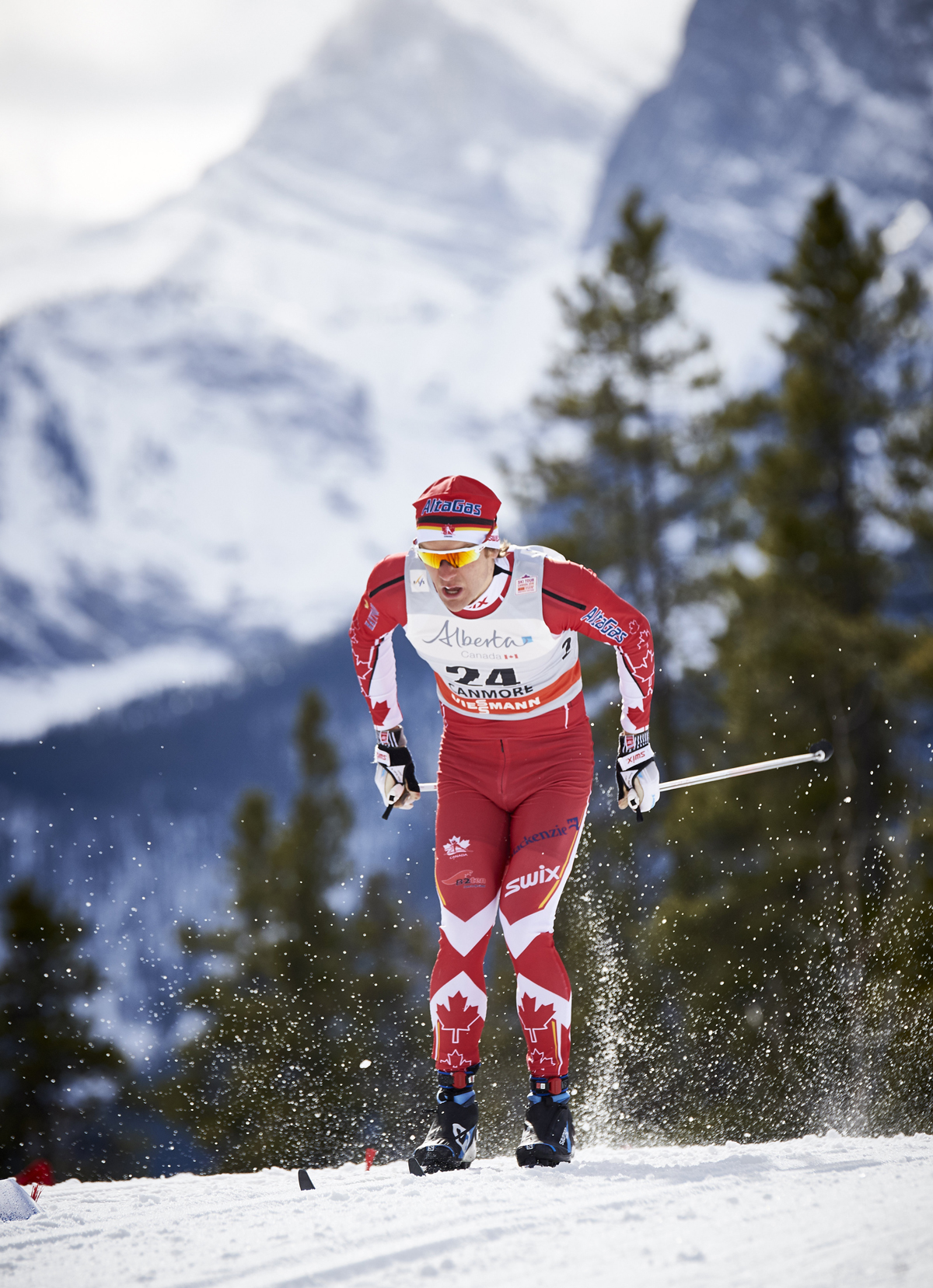
    Devon Kershaw (Canadian World Cup Team) competing in the classic sprint at the Ski Tour Canada on March 8 in Canmore, Alberta. (Photo: Fischer/NordicFocus)
    Devon Kershaw (Canadian World Cup Team) competing in the classic sprint at the Ski Tour Canada on March 8 in Canmore, Alberta. (Photo: Fischer/NordicFocus)
  • FS Podcast: APU’s David Norris Ready for the Next Step

    FS Podcast: APU’s David Norris Ready for the Next Step

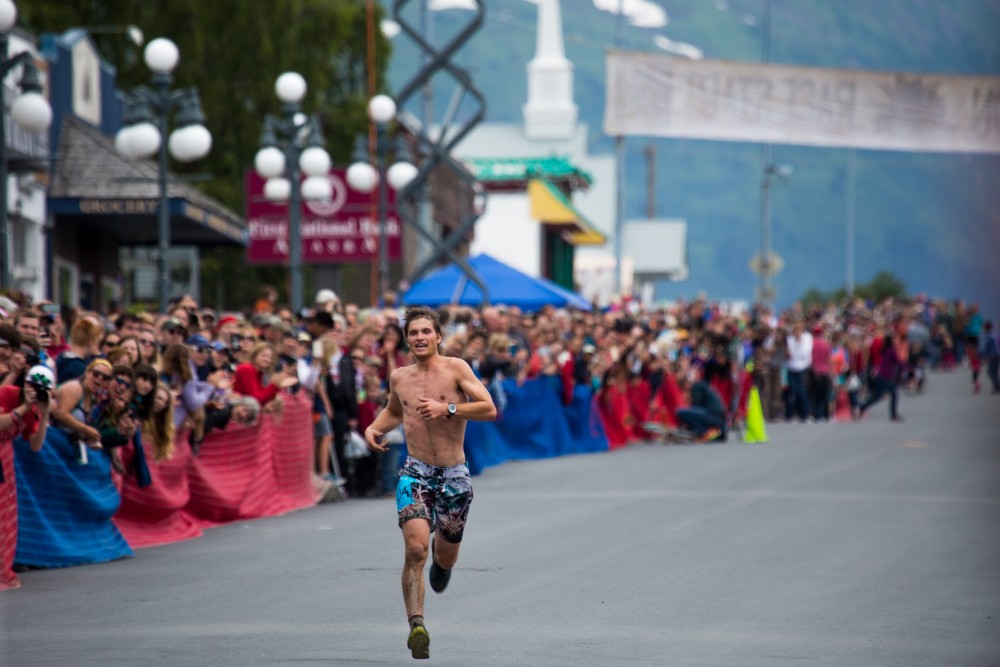
    David Norris winning his first Mt. Marathon Race in Seward, Alaska July 4th.,  2016. (Photo: MMR by Cale Green)
    David Norris winning this year’s Mt. Marathon Race on July 4 in Seward, Alaska. (Photo: MMR by Cale Green)

    For skiers aspiring to World Cup starts, a World Championship or Olympic birth, the International Ski Federation’s (FIS) website can be either a glimmer of hope or something to smudge out dreams. The FIS site allows for a query of any single athlete: there you can analyze the full historical record of a skier’s FIS race results. It’s essentially an elite skier’s domestic and international rankings laid bare.

    This last year of domestic racing proved it may be time for 25-year-old Alaska Pacific University (APU) skier David Norris to break into the international racing scene. A quick analysis of his recent results on the FIS site reveals a skier steadily becoming one of America’s top-tier skiers.

    In January of this year, Norris won his first Super Tour in Lake Placid, N.Y., a freestyle sprint. The next day, he came up huge again, winning the 10 k classic. Three weeks later, Norris capped off the cold months of winter with an American Birkebeiner win.

    Despite the uptick in positive results, Norris’s late-season push did not qualify him for U.S. start rights at the Ski Tour Canada. His strong finish to the season, he also placed third in the 50 k classic at U.S. Distance Nationals, makes him a skier to watch this winter. He’s also a mountain runner to watch — Norris won his first-ever Mt. Marathon Race, a storied uphill and downhill running/scrambling race in Seward, Alaska.

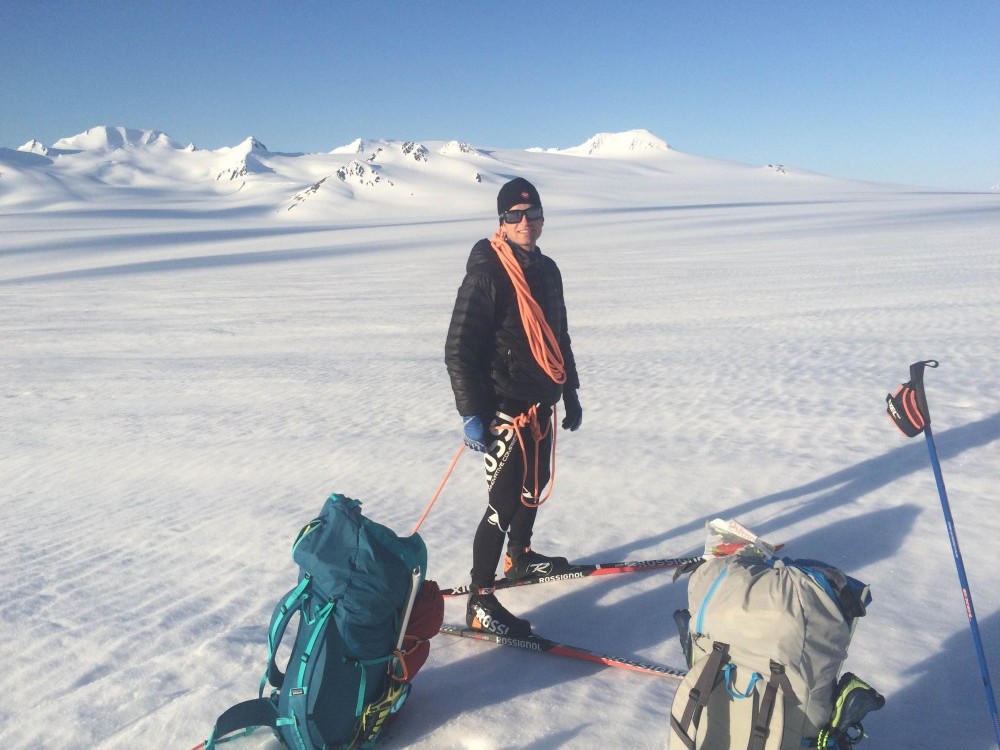
    David Norris on an Alaskan style backcountry skate ski. (Photo: Scott Patterson)
    David Norris on an Alaskan-style backcountry skate ski on the Harding Icefield. (Photo: Scott Patterson)

    FasterSkier interviewed Norris for its latest podcast episode. Norris describes his efforts to heal from a debilitating virus which prevented him from training seriously during the 2013/2014 season and his uncanny ability to pretty much just show up and crush the Mt. Marathon course in record time. He did so even after last year’s Mt. Marathon men’s winner, international trail-running and ski-mo star Kilian Jornet, set a new benchmark.

    “I did go camp in Seward for a weekend a few weeks before the race. I went to the top only once, but I did a few laps of the lower section, where there’s more, I think there’s more danger, and more importance on knowing the specific route you want to take. So I practiced that a few times,” Norris said of his less than hyper-detailed study of the Mt. Marathon course.

    What is clear is that Norris is a quick study, calculated risk taker and able to harness his serious lung power when it’s on the line.

    For the full podcast interview click the play arrow below.

  • FS Podcast: The McLaren Report and Beyond

    FS Podcast: The McLaren Report and Beyond

    mclaren report podcast


    A busy, busy week on the anti-doping front. The big news for cross-country fans was the hit Norway’s reigning World Cup champion Martin Johnsrud Sundby took regarding his asthma-medication use two seasons ago. But casting an even bigger net — one that has implications for global sport and Russia in the both short and long term — was the McLaren report released Monday morning. (You can find the full McLaren report here).

    In this podcast episode, FS takes a shallow dive into the report, illuminates the thoughts of athletes on both the World Anti-Doping Agency (WADA) Athlete Commission and International Olympic Committee (IOC) Athlete’s Commission, and seeks some answers from FS Editor-At-Large Chelsea Little. Yup, there’s a lot in there.

    You’ll hear from Richard McLaren, WADA’s independent counsel/investigator, Beckie Scott (Canada) chair of WADA’s athlete committee; Adam Pengilly (United Kingdom) of the IOC athletes’ commission for skeleton/bobsleigh, Hayley Wickenheiser (Canada) of the IOC athletes’ commission for ice hockey, and Ben Sandford (New Zealand) of the WADA athletes’ commission for skeleton.

    Note: The interview with Little was recorded Thursday before the International Biathlon Union (IBU) responded to the McLaren report with a press release on Friday.

    Press play (the arrow) to listen to the episode.

  • FS Podcast: Boom! Babikov Retires, Becomes Canada’s New Coach

    FS Podcast: Boom! Babikov Retires, Becomes Canada’s New Coach

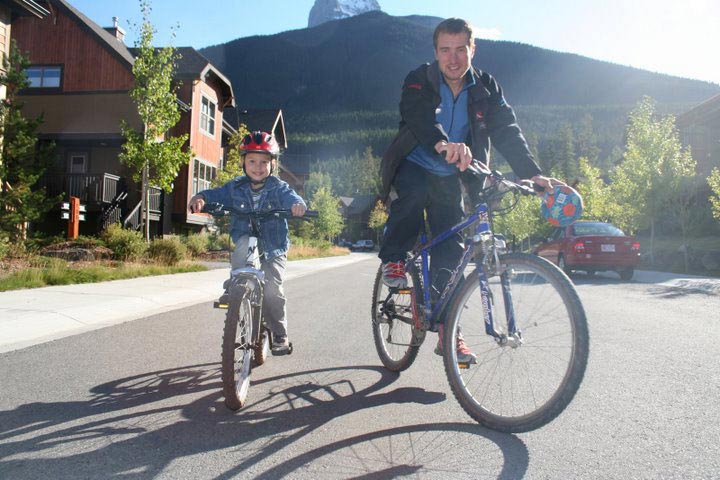
    Ivan Babikov and his son, Sergei, in 2008. (Photo: Ivan Babikov)
    Ivan Babikov and his son, Sergei, in 2008. His oldest son is now 13. (Photo: Ivan Babikov)

    A ski-career-ago, Ivan Babikov (35, he’ll turn 36 on Monday, July 4), made a bold move. Back in 2003, he immigrated to Canada from Russia. With it came a new language, a new culture. Babikov’s ski results on the Canadian domestic scene ultimately fast tracked him up the Cross Country Canada (CCC) hierarchy.

    In 2007, Babikov became a Canadian citizen and represented his new home country at the 2010 and 2014 Olympics. And since 2009, he’s been a pillar of the Canadian men’s national team. With a solid finishing result at the Ski Tour Canada — he placed 14th overall — Babikov seemed to have regained his confidence after beginning the season in a lull.

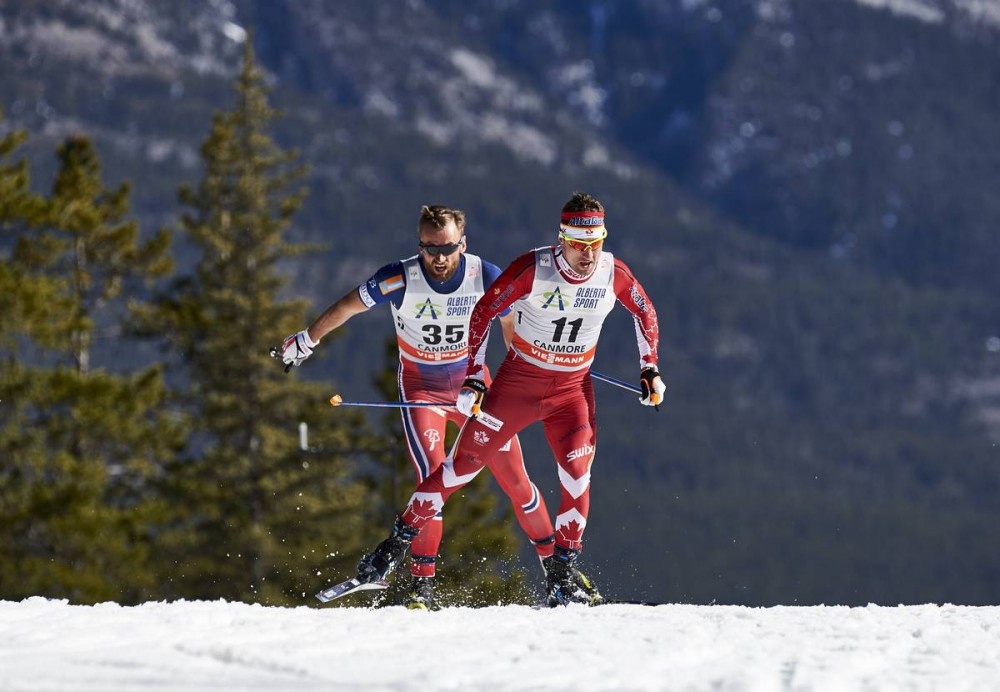
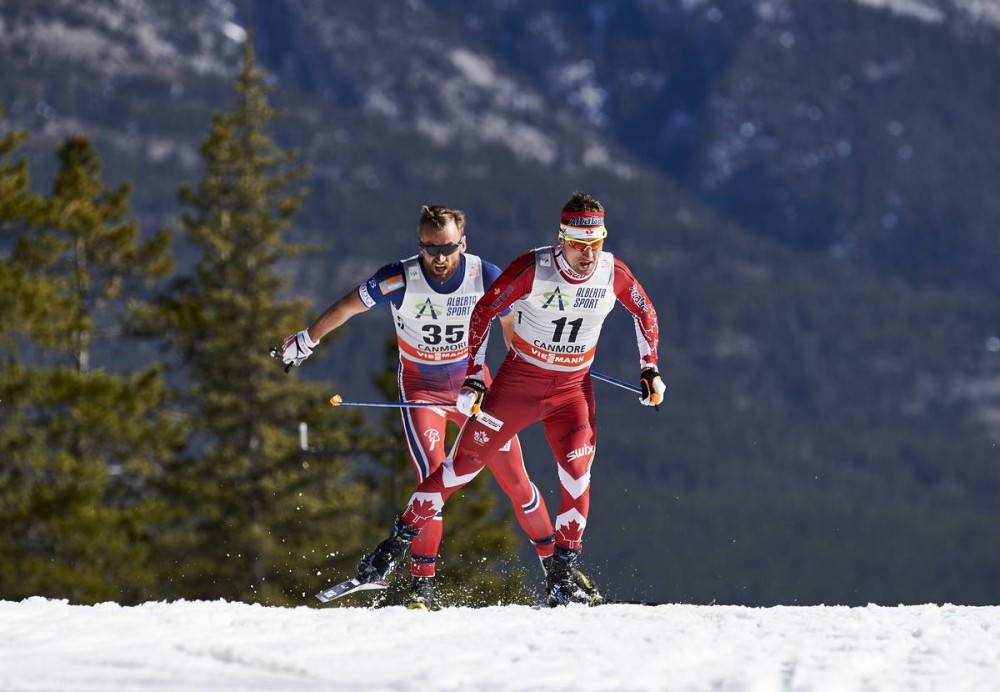
    Canada's Ivan Babikov (11) skiing ahead of Norway's Petter Northug during the men's 15 k freestyle individual start at Stage 7 of the Ski Tour Canada in Canmore, Alberta. Northug placed eighth and Babikov finished 10th on the day. (Photo: Salomon/NordicFocus)
    Canada’s Ivan Babikov (11) skiing ahead of Norway’s Petter Northug during the men’s 15 k freestyle individual start at Stage 7 of the Ski Tour Canada in Canmore, Alberta. Northug placed eighth and Babikov finished 10th on the day. (Photo: Salomon/NordicFocus)

    At this year’s Canadian National Championships he placed third in the 50-kilometer classic mass start and second in the 15 k free. His results indicated he still had game amidst his Canadian peers.

    Then on June 24, CCC announced Babikov was its new hire for national team coach. Babikov will be what’s described as generally a World Cup B-team coach rather than head or lead coach.

    FasterSkier reached Babikov on the phone Thursday for a podcast interview. Currently, Babikov is in Mont-Tremblant, Quebec, helping lead, along with national-team lead coach Louis Bouchard, his first camp in a leadership role.

    Now retired from international racing, Babikov will have an opportunity to lead an experienced team toward the 2017 World Championships and 2018 Olympics.

    “Right now I don’t feel really that much different,” Babikov said. “I’m still spending lots of time with them and going out for some training and some rollerski workouts. But I think I will feel it more when the season actually starts, when they are going to start racing and I’ll be on the sidelines. For now I am totally fine with what I do, I love what I do. Hopefully the guys will feel the same way; that I am doing some, that I am helping them with the stuff they need help with.”

    (Press the play button below to listen to the full audio interview.)

  • FS Podcast: Grover Talks Budget, Veterans and What Future Success Looks Like

    FS Podcast: Grover Talks Budget, Veterans and What Future Success Looks Like

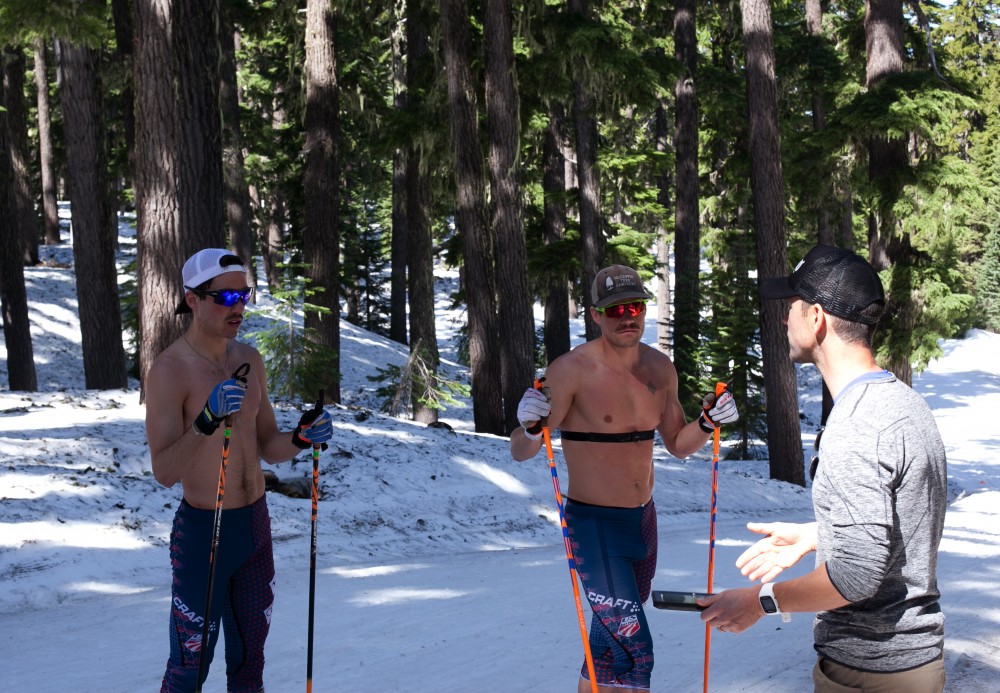
    U.S. Ski Team Head Coach Chris Grover supervises a classic-technique drill at an on-snow camp last month at Mt. Bachelor in Bend, Ore.
    U.S. Ski Team Head Coach Chris Grover supervises a classic-technique drill at an on-snow camp last month at Mt. Bachelor in Bend, Ore.

    Chris Grover has been at it a long time. Since 1993, when he first began coaching cross-country skiing under the tutelage of Sverre Caldwell at the Stratton Mountain School, Grover has migrated from Vermont, to Bend, Ore., and back to his home state of Idaho — all with the goal of fostering the fastest cross-country skiers. Grover caught the attention of the U.S. Ski & Snowboard Association (USSA) and was brought into the national-team fold as an assistant coach in 1999.

    In 2010, he was named head coach of the U.S. Cross Country Ski Team. Since then, the team has experienced unparalleled success. Skiers like Simi Hamilton, Jessie Diggins, Sadie Bjornsen, Kikkan Randall, and Sophie Caldwell have excelled. But that success also comes at a time when the team’s budget is thin compared to powerhouse nations like Norway.

    U.S. Ski Team Head Coach Chris Grover (r) discussing classic technique with national-team members Simi Hamilton (c) and Ian Torchia last month at an on-snow camp in Bend, Ore.
    U.S. Ski Team Head Coach Chris Grover (r) discussing classic technique with national-team members Simi Hamilton (c) and Ian Torchia last month at an on-snow camp in Bend, Ore.

    Despite the wavering budget, the team has made a go of it under Grover’s leadership. Asked about decreasing the stress on B-Team and D-Team athletes that are not fully funded, Grover said the team has created infrastructure to make life easier on the World Cup.

    “We have been able to increase the infrastructure that we build around all athletes on the team, whatever their designation is,” Grover said. “If we go back four or five years ago, we might have only had two to three weeks, maybe four weeks of PT [physiotherapy] coverage on the World Cup during the competition season. And now we are at a point where we have PT coverage continuously on the World Cup season. And that’s because we have been able to use funding to support all athletes all year, to build out the infrastructure.”

    The team is heading into an important two-year cycle with World Championships this coming season followed by the 2018 Olympics. The team is built around a core of skiers that at this point can be called veterans. With that in mind, FasterSkier asked Grover how he attempts to keep skiers from becoming “stale”?

    “Oh gosh. It’s a really good question. It’s one that we are actually we are wrestling with right now, and dealing with right now,” Grover noted.

    Forward thinking and shepherding the skiers to success is foremost on Grover’s mind. Along with his fellow coaches Matt Whitcomb, Jason Cork and Bryan Fish, Grover intends to implement a plan in the next two years he hopes will bring unprecedented success.

    FasterSkier spoke with Grover in Bend on May 19 during the team’s on-snow camp at Mt. Bachelor.

    (To listen to complete interview, click “play” arrow below.)


    Ida Sargent (USA), gets encouragement from coach Chris Grover.
    U.S. Ski Team member Ida Sargent gets encouragement from head coach Chris Grover (r) in 2011.
  • FasterSkier Podcast with New NNF Executive Director, Hennie Kashiwa

    FasterSkier Podcast with New NNF Executive Director, Hennie Kashiwa

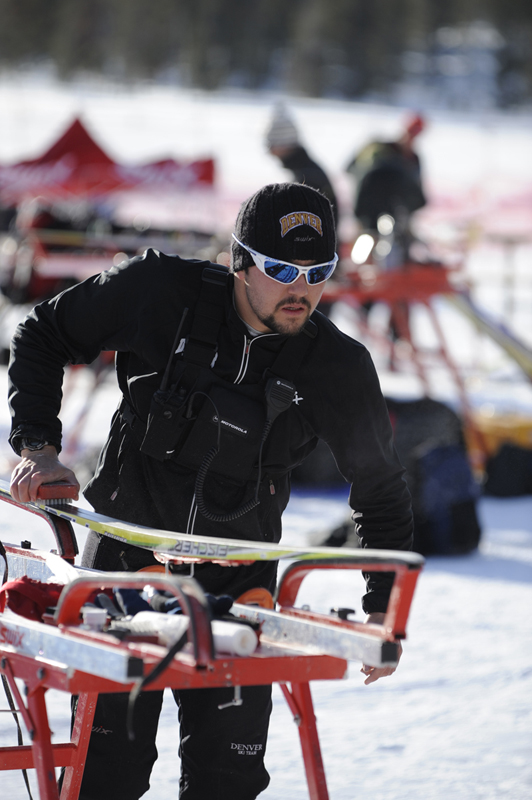
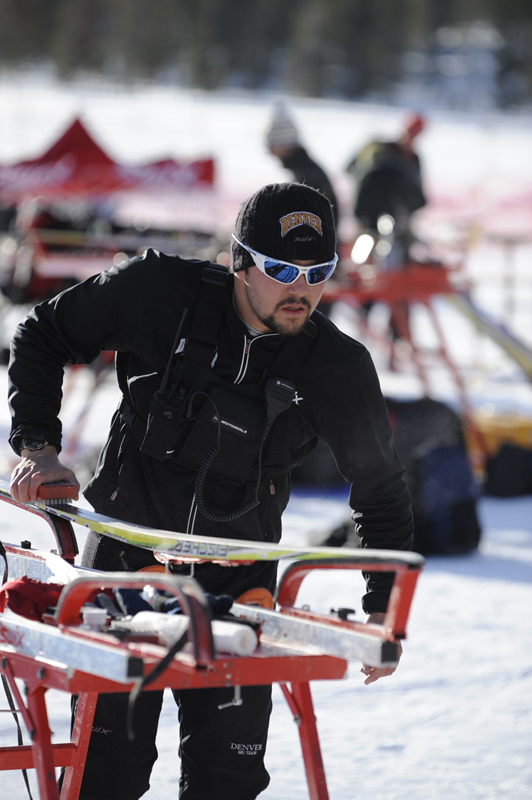
    A Feb., 2009 Hennie Kashiwa on the University of Denver  wax bench, at Devils Thumb Ranch in Tabernash, CO. (Photo ©2009 Brett Wilhelm/Rich Clarkson and Associates, LLC)
    Hennie Kashiwa working the University of Denver wax bench in February 2009  at Devils Thumb Ranch in Tabernash, Colo. (Photo: Brett Wilhelm/Rich Clarkson and Associates, LLC)

    In mid-April, Hennie Kashiwa, a 31-year-old Colorado native, was named the new executive director of the National Nordic Foundation (NNF). The Kashiwa name has been synonymous with snow and skis for generations — Hennie is no stranger to the business and coaching sides of cross-country skiing. He comes to NNF having coached at the NCAA Division I level as well as spending five years in the “industry” working at Boulder Nordic Sport.


    On its website, NNF has posted a succinct and singular mission: “The NNF’s mission is to support athletic excellence in developing nordic athletes in the United States.”

    It’s Kashiwa’s job, officially beginning May 1, to fulfill that mission while working with outgoing executive director James Southam. For Kashiwa, one key component of realizing mission success will be expanding the NNF’s presence by broadening its scope of funders.

    Hennie Kashiwa, the NNF's new executive director, grew up in Steamboat Springs, Colo., and lives in Boulder, Colo., with his wife Sonya and his daughter, Heidi. They are expecting a second daughter in June, according to an NNF press release. (Photo: NNF)
    Hennie Kashiwa, the NNF’s new executive director, grew up in Steamboat Springs, Colo., and lives in Lakewood, Colo., with his wife Sonya and his daughter, Heidi. They are expecting a second daughter in June, according to an NNF press release. (Photo: Tobias Albrigtsen, Boulder Filming)

    Tobias Albrigtsen, Boulder Filming

    Speaking about a specific pitch he’d give potential donors relates to Olympic medal count.

    “One example of a pitch, depending on who you are talking to: cross-country skiing, well, not just cross-country skiing, but nordic skiing. It’s important to remember that nordic combined has given us more nordic medals than cross-country at this point, there’s more medal opportunities in the nordic sports than any other skiing events,” Kashiwa said. “If we really want to boost our medal count, supporting our cross-country and nordic combined skiers should be a priority.”

    As the U.S. Ski Team boasts a powerhouse women’s team and skiers like Simi Hamilton, who finished 10th overall on the Sprint World Cup, breaking through on the men’s side, it still remains vital for U.S. cross-country skiing to maintain a steady pipeline of skiers able to graduate to the international skiing stage. Historically, the NNF has helped fund those aspirations.

    In this podcast, Kashiwa explains what he brings to the NNF and where how he sees the organization evolving.

  • FasterSkier Podcast: Interview with SMS T2’s Gus Kaeding

    FasterSkier Podcast: Interview with SMS T2’s Gus Kaeding

    Just three seasons after finishing his career as a ski racer, Gus Kaeding this year was named the head coach of the newly formed Stratton Mountain School T2 team, where his athletes include star sprinter Andy Newell and breakout talent Jessie Diggins.

    Topher Sabot and Nathaniel Herz caught up with Kaeding last week, as his team prepared for the first SuperTour races of the season.

    The podcast will be off next week for Thanksgiving, but check back a week later for a breakdown of the first World Cup races of the year, featuring our Canadian bureau chief Kieran Jones.