Tag: field reports

  • Toko All Stars and Canadian NorAm Field Report

    Toko logo

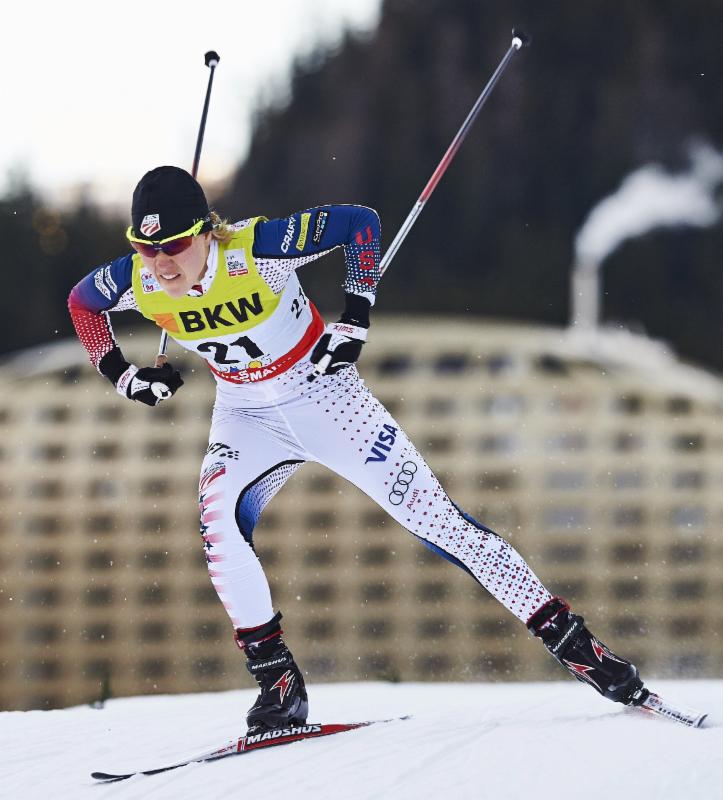
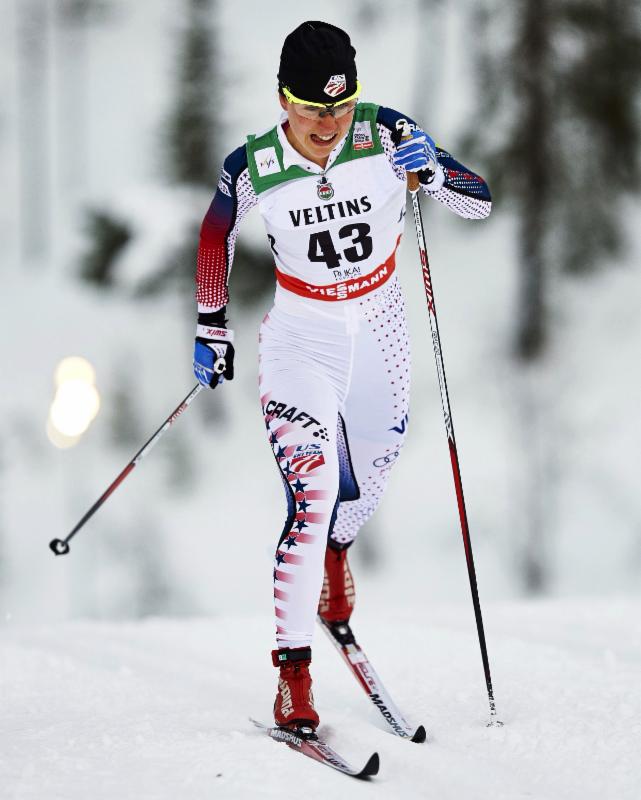
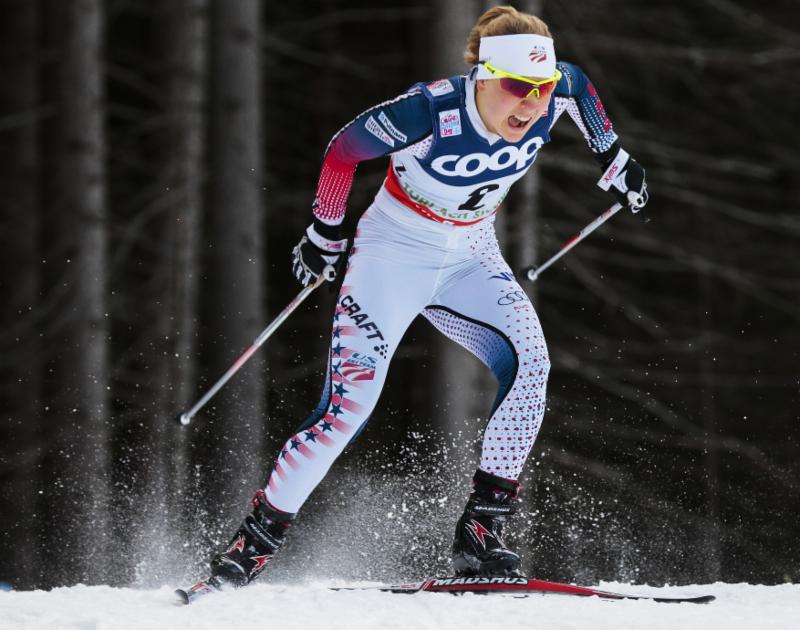
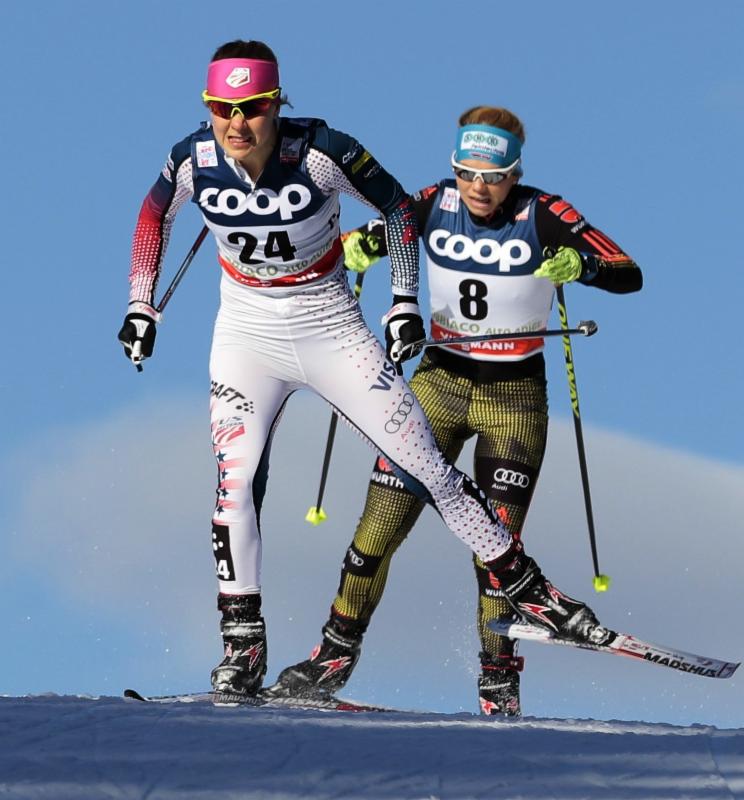
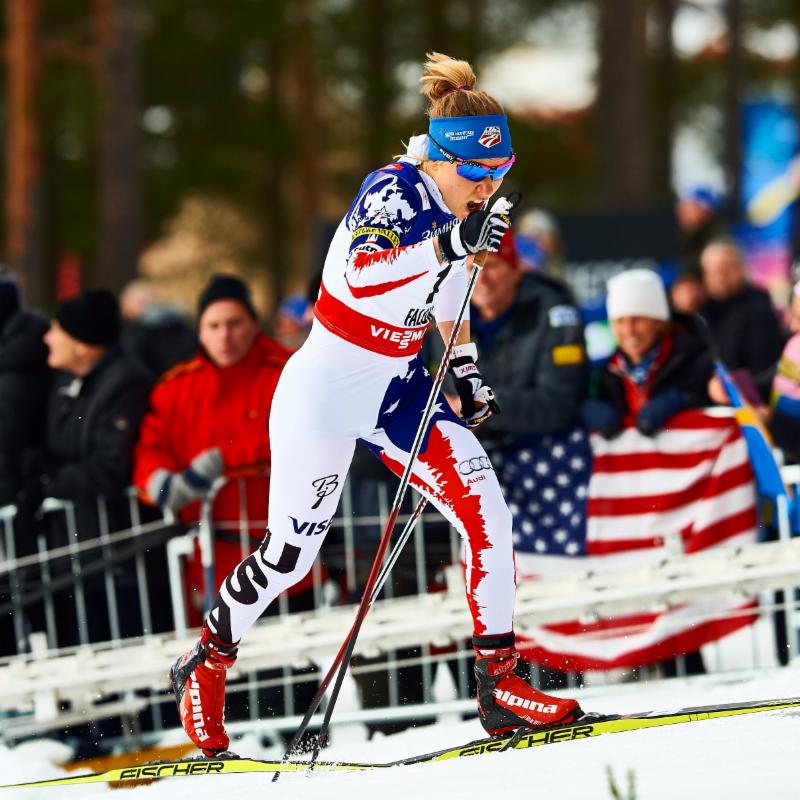
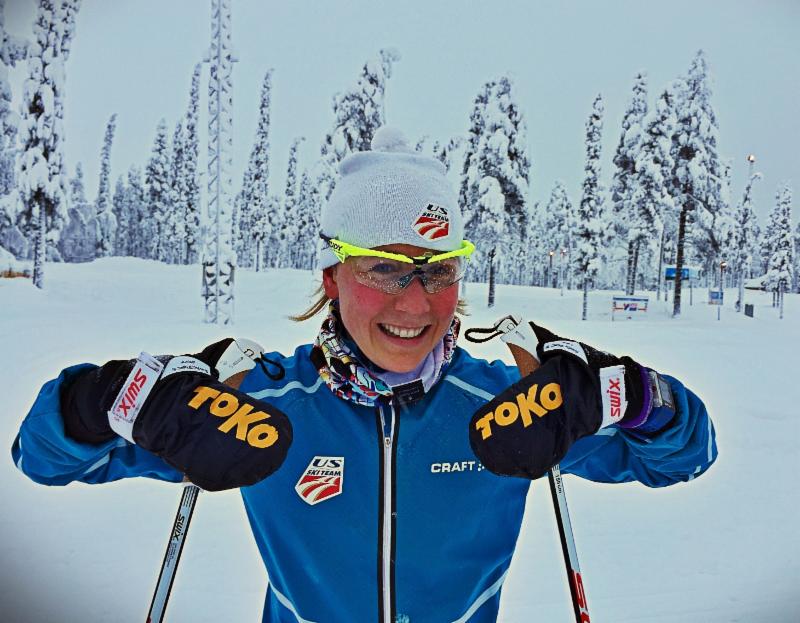
    Ida Sargent

    Toko Glove All Stars: Ida Sargent
    1.  Who was your skiing role model when you were growing up and why?  
    Chandra Crawford- I watched her win Olympic gold with the biggest smile on her face and it doesn’t get more inspiring than that!
    2.  What skier inspires you currently and why?
    Kikkan Randall- she is a leader for our team and an incredible role model. Kikkan isn’t afraid to set big goals and believe in herself as she chases them to success!
    3. Favorite race course and why?
    The courses in Kuusamo are my favorite. I love the big steep uphills and fast downhills.
    4.  Favorite workout and why?
    In the winter when the conditions are right it’s impossible to beat a long classic ski especially when it is firm tracks and sunny skies! In the summer I love point to point running ODs and mountain biking on fun singletrack. I also love max bounding intervals because it’s so easy to go hard and push yourself to new lactate burning highs!
    5.  Favorite place to train and why?
    Craftsbury Vermont! In the winter there are so many awesome trails to ski and they do a great job with grooming and snowmaking. Then in the summer there are lots of trails for running and mountain biking, a lake to jump into after every workout, and not much traffic for rollerskiing. It’s also very quiet so a great place to focus training and the goals at hand!
     6. 
    Favorite Toko glove model (and/or color) and why?
    So many great options! I like the classic for racing and for training I usually have cold hands so I love the Arctic glove and mittens and the new Stars and Stripes colors are awesome!
    Ida Sargent Ida Sargent Ida Sargent Ida Sargent Ida Sargent
    momentum northwest
    Field Report from Momentum Northwest from the Canadian NorAms
    I just got back late Sunday from our first racing trip, to Silver Star for their NorAm. I brought six athletes up, all with some racing experience but they were definitely thrown in to the deep end of the pool given the immense number of Canadian juniors present, and the fact that these races represented qualifiers for upcoming junior trips and such. My guys were awed but stuck to their guns and performed really well, not only in results (which on paper weren’t exceptional but experientially they all came away with excellent lessons), but in execution of their race plans and general habits on a trip. 
    I was able to team up with Scott J for the sprint waxing day. Temps were in the low-mid 20s (F) with fresh snow that had a fair bit of moisture. Base wax was LF Blue – a no-brainer for both Scott and I because we’ve always had success with that as an underlayer; no reason to test. 
    Scott arrived earlier than I did on the morning as he had an older athlete, and tested a variety of (4 different brands) topcoats. When I arrived I threw Jet Stream Red and Blue blocks into the mix, later to add Helix 2.0 Red. His winner was (a product from another brand). I put JetStream Blue against the (previous winner from the other brand) and it was solid – a toss-up in some places but JS ran really well (even better, I’d say) on initial acceleration, especially. We chose JS Blue as the block. 
    For liquids, he didn’t have any of the new Helix so I prepped up a test ski with 2.0 Red and put it against his own. The Helix kicked butt – free all the way from acceleration to top speed on downhills. Scott hadn’t had a chance to use the new versions yet so he was understandably excited to see the results. 
    We went with the LF Blue paraffin, JS Blue block, and Helix 2.0 Red. Because the weather didn’t change much but the tracks began glazing a bit following all the skiers, the Helix seemed to adapt well to that change and continued to run even in the heats. 
    The next day offered very similar snow but with new snow falling; I used the same combination of waxes and again they ran great; all my guys had skis comparable or better to those around them (even though many of those skiers around them were skiing faster; glide was better on downhills). 
    I’m excited to learn how effective that new Helix is, and that I’ve got a couple cans of the Red to work with. We have a few weeks of training before the first Junior Qualifier weekend in Bend, but I’ll touch base with you again after that to let you know how it goes. 
    Have a great holiday!
    Sam Naney, Head Coach Momentum Northwest

    mansfield nordic
    Field Report from Mansfield Nordic Club
    Eastern Cup #1, Craftsbury, VT
    December 19th, Freestyle sprints
    December 20th, 5km Freestyle for all
    Friday afternoon conditions were transformed corn snow the was fast and slick. Overnight, temps dropped to the mid-20s and new snow fell. For the men’s race, temps were mid 20’s rising toward 30 with intermittent sun and clouds. the snow was skied in, fast and slightly glazing from traffic (the qualifier was 2.5 laps per racer, with 200 male and 200 female racers).
    Paraffin layer was a hard layer of graphite (Start brand) followed by Toko HF Red mixed with Toko LF Grey.
    In a test of Jetstream Red 2.0 Block and Helx Red 2.0 the block was preferred and this was the main topcoat for all skis, rotocorked in and brushed. 
    For structure, it was an extremely close call between the Blue Toko Structurite and a cross-hatch pattern created from a Swix tool. The blue was great climbing, but the Swix pattern was great at high speed and when riding flat skis. Because the course only featured one short, significant section of V1 we opted for the Swix tool. 
    All of our skiers felt that their skis were running great and we had some strong performances, most notably a 2nd place in the U16 qualification round. 
    During the qualifying round and before the heats, a big snowstorm rolled in and coated everything. Conditions slowed and the new snow on top of the manmade base meant interesting testing. For the heats we ended up actually dropping down in range to the Jetstream Blue 2.0 block via rotocork topped with Helx Blue 2.0 and the same structure. To make the structure more fine I applied it after corking but before brushing the Jetstream. Between rounds, a little more Blue 2.0 block was briefly hand-corked and re-brushed up.
    A touch more snow fell overnight and temps dropped to the low 20s, and the snow guns were blasting as well. Early Sunday morning ski testing was the best snow of the year so far: firm, silky corduroy. I think pretty much every coach/wax tech out there was having a blast due to the great conditions. 
    Paraffin layer was HF Blue for the women, and a mix of HF Blue and HF Red for men.
    I tested Jetsream Blue 2.0 block versus a mix of Jetstream Blue Powder and X-Cold powder mixed 1:1. Both felt great, so I was confident that a powder layer followed by a block would be a reasonable call. With the sun coming out and the track glazing a bit before start time, I took the X-cold out of the equation and just ironed Jetstream Blue powder into all skis. That was followed by the Jetstream Blue block rotocorked in, then the blue Structurite tool.
    The women were really psyched with their skis and we had at least one really great race. There was a delay to the men’s race, meaning another opportunity to test. The only change I made was mixing the Jetstream Red and Blue blocks together, and the men were equally pumped to have skis that they said were fast and smooth. Another podium in the U16 men’s field was a highlight and capped off a great first weekend of Eastern Cup racing! 
    Adam Terko, Head Coach, Mansfield Nordic Club
    adam terko mansfield
    toko grip and glide
    Toko Grip & Glide Wax: For No Wax Skis
    We get asked all of the time how treat no wax skis and more specifically often times how to prevent wax from clumping up in the kick zone in new falling snow around 32f.  The solution is simple: Toko Grip & Glide Wax.
    Apply Grip & Glide Wax to the entire base of the ski – both the glide areas as well as the kick zone.  The glide areas will glide faster and the grip zone will not have snow sticking to it.
    One thing to watch for though is if the kick zone (tread pattern) already has dirt in the corners and cracks. If this is the case, clean it well with a tooth brush and some wax remover if there is ski wax in there or just soapy water if it is just dirt.  Once this is done, then the regular preparation mentioned above will serve you well.
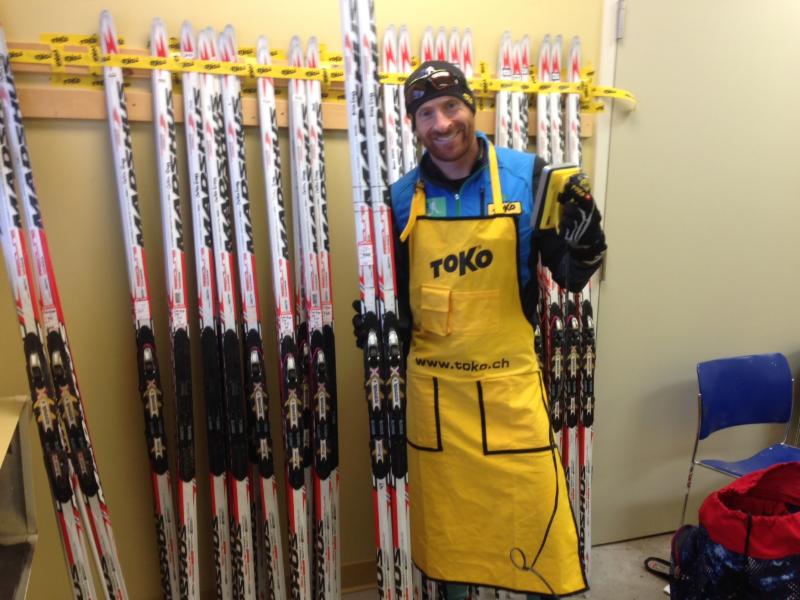
    Grip & Glide Wax is available at most Toko Nordic dealers and has a MSRP of $15.50 for 100ml (pictured above) and $19 for the 200ml size. Enjoy!
  • Field Reports from Momentum Northwest and Mansfield Nordic

    momentum northwest

    Field Report from Momentum Northwest from the Canadian NorAms
    I just got back late Sunday from our first racing trip, to Silver Star for their NorAm. I brought six athletes up, all with some racing experience but they were definitely thrown in to the deep end of the pool given the immense number of Canadian juniors present, and the fact that these races represented qualifiers for upcoming junior trips and such. My guys were awed but stuck to their guns and performed really well, not only in results (which on paper weren’t exceptional but experientially they all came away with excellent lessons), but in execution of their race plans and general habits on a trip. 
    I was able to team up with Scott J for the sprint waxing day. Temps were in the low-mid 20s (F) with fresh snow that had a fair bit of moisture. Base wax was LF Blue – a no-brainer for both Scott and I because we’ve always had success with that as an underlayer; no reason to test. 
    Scott arrived earlier than I did on the morning as he had an older athlete, and tested a variety of (4 different brands) topcoats. When I arrived I threw Jet Stream Red and Blue blocks into the mix, later to add Helix 2.0 Red. His winner was (a product from another brand). I put JetStream Blue against the (previous winner from the other brand) and it was solid – a toss-up in some places but JS ran really well (even better, I’d say) on initial acceleration, especially. We chose JS Blue as the block. 
    For liquids, he didn’t have any of the new Helix so I prepped up a test ski with 2.0 Red and put it against his own. The Helix kicked butt – free all the way from acceleration to top speed on downhills. Scott hadn’t had a chance to use the new versions yet so he was understandably excited to see the results. 
    We went with the LF Blue paraffin, JS Blue block, and Helix 2.0 Red. Because the weather didn’t change much but the tracks began glazing a bit following all the skiers, the Helix seemed to adapt well to that change and continued to run even in the heats. 
    The next day offered very similar snow but with new snow falling; I used the same combination of waxes and again they ran great; all my guys had skis comparable or better to those around them (even though many of those skiers around them were skiing faster; glide was better on downhills). 
    I’m excited to learn how effective that new Helix is, and that I’ve got a couple cans of the Red to work with. We have a few weeks of training before the first Junior Qualifier weekend in Bend, but I’ll touch base with you again after that to let you know how it goes. 
    Have a great holiday!
    Sam Naney, Head Coach Momentum Northwest
    mansfield nordic
    Field Report from Mansfield Nordic Club
    Eastern Cup #1, Craftsbury, VT
    December 19th, Freestyle sprints
    December 20th, 5km Freestyle for all
    Friday afternoon conditions were transformed corn snow the was fast and slick. Overnight, temps dropped to the mid-20s and new snow fell. For the men’s race, temps were mid 20’s rising toward 30 with intermittent sun and clouds. the snow was skied in, fast and slightly glazing from traffic (the qualifier was 2.5 laps per racer, with 200 male and 200 female racers). 
    Paraffin layer was a hard layer of graphite (Start brand) followed by Toko HF Red mixed with Toko LF Grey.
    In a test of Jetstream Red 2.0 Block and Helx Red 2.0 the block was preferred and this was the main topcoat for all skis, rotocorked in and brushed. 
    For structure, it was an extremely close call between the Blue Toko Structurite and a cross-hatch pattern created from a Swix tool. The blue was great climbing, but the Swix pattern was great at high speed and when riding flat skis. Because the course only featured one short, significant section of V1 we opted for the Swix tool. 
    All of our skiers felt that their skis were running great and we had some strong performances, most notably a 2nd place in the U16 qualification round. 
    During the qualifying round and before the heats, a big snowstorm rolled in and coated everything. Conditions slowed and the new snow on top of the manmade base meant interesting testing. For the heats we ended up actually dropping down in range to the Jetstream Blue 2.0 block via rotocork topped with Helx Blue 2.0 and the same structure. To make the structure more fine I applied it after corking but before brushing the Jetstream. Between rounds, a little more Blue 2.0 block was briefly hand-corked and re-brushed up.
    A touch more snow fell overnight and temps dropped to the low 20s, and the snow guns were blasting as well. Early Sunday morning ski testing was the best snow of the year so far: firm, silky corduroy. I think pretty much every coach/wax tech out there was having a blast due to the great conditions. 
    Paraffin layer was HF Blue for the women, and a mix of HF Blue and HF Red for men.
    I tested Jetsream Blue 2.0 block versus a mix of Jetstream Blue Powder and X-Cold powder mixed 1:1. Both felt great, so I was confident that a powder layer followed by a block would be a reasonable call. With the sun coming out and the track glazing a bit before start time, I took the X-cold out of the equation and just ironed Jetstream Blue powder into all skis. That was followed by the Jetstream Blue block rotocorked in, then the blue Structurite tool.
    The women were really psyched with their skis and we had at least one really great race. There was a delay to the men’s race, meaning another opportunity to test. The only change I made was mixing the Jetstream Red and Blue blocks together, and the men were equally pumped to have skis that they said were fast and smooth. Another podium in the U16 men’s field was a highlight and capped off a great first weekend of Eastern Cup racing! 
    Adam Terko, Head Coach, Mansfield Nordic Club
    adam terko mansfield
    toko grip and glide
    Toko Grip & Glide Wax: For No Wax Skis
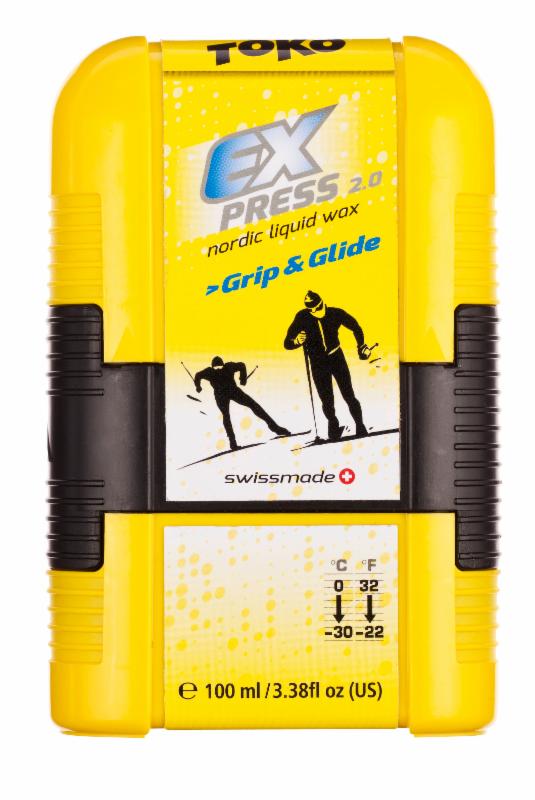
    We get asked all of the time how treat no wax skis and more specifically often times how to prevent wax from clumping up in the kick zone in new falling snow around 32f.  The solution is simple: Toko Grip & Glide Wax.
    Apply Grip & Glide Wax to the entire base of the ski – both the glide areas as well as the kick zone.  The glide areas will glide faster and the grip zone will not have snow sticking to it.
    One thing to watch for though is if the kick zone (tread pattern) already has dirt in the corners and cracks. If this is the case, clean it well with a tooth brush and some wax remover if there is ski wax in there or just soapy water if it is just dirt.  Once this is done, then the regular preparation mentioned above will serve you well.
    Grip & Glide Wax is available at most Toko Nordic dealers and has a MSRP of $15.50 for 100ml (pictured above) and $19 for the 200ml size. Enjoy!

  • Field Reports from the Teams at US Cross Country Nationals

    Far West XC Elite Team logo
    Skate Distance: We liked Toko HF Blue with Jetstream Blue 2.0 Powder with Jetstream Blue 2.0 Bloc on top. The Jetstream Blue 2.0 Bloc ran really well all week as we revisited testing.Classic Sprint: Conditions were slow and sloppy with a fair amount of snow coming down throughout the day. We shortened our athletes kick zones for the sprint to speed up skis. For glide we like the same HF Blue and Jetstream Blue 2.0 Powder and Bloc.

    Classic Mass Start. The course was mostly either up or down with very little gradual terrain. We went with a warmer kick wax than we expected since the glide wax on the ski plays a larger role in ski speed when one is going downhill at higher speeds. The additional kick helped our athletes stay smoothed and relaxed on the courses many climbs. For glide wax the blue Jetstream 2.0 Powder, and especially the Bloc, provided great high end speed.

    Skate Sprint: The unwavering cold temperatures kept our glide test results the same as during the previous races. Adding the Jetstream Blue 2.0 Bloc on top of Toko HF Blue really picked up ski  speed. We were impressed by this since gains from using high or pure fluorinated wax over non-fluorinated paraffins can be diminished at such cold temperatures.

    We basically lived in the Toko Arctic Mitt all week and was very appreciative of how well it performed. Looking back over the week and the Toko waxes we used, the new blue 2.0 block was the biggest stand out to us. It definitely is head and shoulders above the 1.0 bloc and ran well in conditions where non-fluorinated waxes were in the testing mix.
    – Spencer Eusden, FWXC Elite Team
    Team Gregg logo
    Temperatures near zero with high winds made for cold dry snow for the week of US Nationals.  Anticipating the colder temperatures we focused on hardening our ski bases prior to the races with Toko LF Blue and Toko Cold Powder.  It turned out that HF Blue and Cold Powder consistently won the parrafin test and we ran it all week.  For the 15km Freestyle I made the mistake and went on a liquid from another brand that was fast for a kilometer but then slowed down.  Thankfully we were able to make a change for the Women’s 10km to a mix of Blue 2.0 Powder corked in with a block corked in on top.  Caitlin’s skis ran great and she was able to ride them to her 5th National Championship.  On the classic sprint day we added Helix Blue 2.0 to the mix. We are very impressed with the Helix 2.0 line.  I ended up with my top result at Nationals from my weakest event: the Classic Sprint.  We again had a good day in the Freestyle Sprint with Caitlin winning the qualifier and finishing 2nd in the A final.  We ran a mix of Jetstream Blue Block and another bloc corked in with Blue Helix 2.0 over the top.
    – Brian Gregg, Team Gregg
    SMST2 Elite Team

    10/15k skate race: Cold temps, most athletes were on their coldest skis. I went ahead and treated bases with several coats of good cold glide wax to make sure they were adequately hard. I found LF under layers were running comparably well or better than HF so that was my under layer before race day. I went ahead and burnt in Toko jetstream blue block mixed with X-cold as I felt it was running a bit faster than the powder equivalent. I used fiberlene on the iron and made sure the existing structure on the ski was de-tuned as much as possible. I was a little worried about the durability of a block application vs powder but with a hot application it didn’t seem to be an issue. I hit the skis again with another corked block application for additional first lap speed.

    Classic sprint: I again continued hardening the skis with cold wax. I went with an HF under layer on the day and continued blocking the skis during rounds as it seemed to again give better speed than burning in powders.

    For kick I tested a number of different things. Contrary to what I imagined I found that a hard wax binder cut with a warmer blue wax, then shelled with an Xcold kick wax gave both better speed and kick than straight cold hard wax. It seemed that given the snow sheer having a soft under layer of binder covered with a fast hard shell allowed for better kick and speed than straight cold hard wax. This combo worked well for the team with Ben Saxton ending up second on the day and Annie Hart finishing 4th!

    Mass Start Classic: I went with a similar kick decision, but burned in powders for added durability, then finished with a block. Finding the right balance between kick security and ski speed in the slow falling snow seemed to be the most critical factor in delivering good skis. While the snow wasn’t falling as hard as the sprint day, and snow sheer didn’t seem as bad as the sprint day, I still started light on kick wax, adding a warmer wax under foot until the athlete was certain of their kick, then went ahead and shelled it with a colder hard wax.

    Skate Sprint: Nothing too much different to report for the skate sprint. I kept hardening all of the skis throughout the week, making sure they got lots of coats of cold wax and trying to take as much structure out of the ski as possible. I went with an HF under layer and again went with a cold block application throughout the rounds

    Overall on the week, I would say that having a dedicated cold ski for classic and skate is very important. Making sure that ski is appropriately hardened and seasoned seemed to make for that little extra bit of speed that is so important in slow snow like we saw all week.

    Some general feedback and thoughts for the week: the week was dominated by really cold temps and slow snow. I really like the Toko waxes, especially in the blue range. I had good luck with both Jetstream 2.0 block, the powder and the X-cold powder. I tested some combo of straight JS Blue 2.0 block, block with x-cold powder, and JetStream 2.0 powder with x-cold. Results seemed really good with the block and x-cold combo winning many speed tests. I often went ahead and powdered for durability.

    Toko X-cold kick wax has continually impressed me as both a solid training wax and race wax. It delivers good speed when speed is hard to find and solid kick.

    – Patrick O’Brien, Head Coach Elite Team

    CXC logo

    Skate Distance

    Racing began this week at the US National Championships in Houghton, MI with the 10/15k Freestyle races. For snow conditions we experienced cold, fresh, wind blown, lake effect snow. This combination made for very poor gliding snow. We found LF Blue/XCold Powder mix, hardened up the base to provide the best breakaway speed. When testing powders, we saw no difference from our base wax to powders in breakaway speed but at top speed, the powders were clearly better. The powder that we went with was a mix of Jetstream Blue 2.0 and XCold Powder.

    Classic Sprint

    For the classic sprint, we continued to see the same trend with snow conditions: Cold, New, and Windblown. For glide wax, we stuck with same combination that worked well for us in the skate distance race. We ran LF Blue/XCold Powder Mix with Jetstream Blue 2.0/Cold Powder on top. When working on kick, application method proved to be the largest factor in ski speed. The biggest thing we found was we needed to manage the length of the pocket and the thickness of the application. Because of the aggressiveness of the snow any extra bit of kick wax that was not needed would only slow down the glide. With it being a classic sprint, we skipped a binder and went with straight XCold Gripwax for the kick.

    Mass Start Distance Classic

    In the Classic distance race we had our first experience with races happening without snow falling. For the Junior men’s 10k and the Senior Men’s 30k, the forecast left us confident that we could run HF Blue/XCold Poweder and Jetstream Blue 2.0 as our glide layers. The lake effect snow, which came down very dry, would glaze very quickly due to the high humidity after only a few skier passes. This made HF waxes jump the LF waxes we ran in the previous race fairly significantly. For Senior women, we anticipated by that point we would have some snow falling so we kept with the HF Blue/XColdpowder mix but we also added in XCold powder to the Jetstream Blue 2.0.

    For kick layers, in the junior men’s race we went with an Ironed in layer of XCold Gripwax, full layer XCold Gripwax,  Blue Gripwax, and a full cover of XCold Gripwax. Men’s  race, we used a Green binder ironed in, Three tapered layers of Blue Gripwax, and two tapered XCold Gripwax Layers. For women’s race we ran similar to men but decreased layering by 1 on the final XCold Gripwax and also finished with a short zone of Blue Gripwax under the toe.

    Skate Sprint

    For the final race of the week, we finally were awarded with some nice weather. Temperatures were a lot more moderate then the days previous and the sun was out for the heats. We ended up going with an HF Blue/XCold Powder mix for the paraffin layer and top with Jetstream Blue 2.0 for the qualifier. In the heats we ran the same base layers but added in Helix Blue 2.0 when the trails really started to glaze.

    Overall

    I have to say that I am really impressed with the new 2.0 products that have come out. In my experience I have always had great success with the whole Toko Red waxes in the Midwest. Slightly older snow, in temps from mid teens to twentys has always been rocking for the whole red line. It’s good to see the blue line catching up to the other typical Midwestern favorites like Start Green. The combinations that I ran this week during US Nationals were the exact same as what I ran for junior nationals up in Fairbanks. In cold, aggressive snow, I am always trying that Jetstream Blue/XCold Powder mix. I’ve done some basic 1 to 1 comparisons while out skiing and the 2.0 blocks and powders usually take the win in the tests.

    – Andy Keller, CXC Elite Team Head Coach

    Sun Valley SEF logo First off, we found Toko toppings to run exceptionally well throughout the championships.  We were on Toko 2.0 blue block and/or powder for every day of racing, and for almost every individual race.  HelX Blue 2.0 Spray was in the mix a few times.  It may have been a difference in application, but we never found it better when the Toko testers found it better, even applying over blue block like they had said.

    – Tim Baucom, Head Waxer, SVSEF Gold Team

    Toko Brian Gregg

    Waxing “Cold” Racing Skis in General

    Generally the difference between cold and universal skis are flex (more contact on cold skis), structure, and often times base material.  These are what differentiate.  In terms of preparing a cold ski to be “cold” in general, a common mistake is to only use cold waxes.  We have noticed that if you only wax your cold skis with hard waxes, the skis accept less and less wax.  For this reason, it is good to put some softer waxes now and then in the cold skis too.

    When waxing with hard cold waxes, a key point is that the iron needs to be hot enough and exposure long enough that the wax becomes opaque such that there is no air at all between the wax and the ski.  This is the most common mistake.  This means that when the wax is scraped off, except for in the groove (if it was not specifically ironed which is a sound technique), the wax should not at all “spring” off the base, but rather come off like fine sawdust.  If the wax has been applied such that it is opaque and comes off very fine rather than jumping off the ski in chunks, it will be a good application both on race day in when waxing skis to harden the bases in general.

    Toko photos from 2015 U.S. nationals in Houghton, Mich.

    Toko crew

    Race Wax Tips

    The Toko Tech Team, a regional team of wax technicians almost all of which have been working for Toko for over 10 years, have tons of experience, and have been very well trained, research and prescribe race wax tips for you. There is a local and respected name behind every wax tip. Toko race wax tips are generally posted 2 days before an event and updated if needed. This is the most important thing that we do in the Nordic market.

    Click here for the Race Wax Tip portal page

    Wax Clinics

    We are conducting over 100 wax clinics for you to attend and learn throughout the country. Click here for the schedule. Clinics will continue to be added, so be sure to check back.

    facebook_logo

    Toko US Facebook Contest

    Toko US has started a promotion on its Facebook page where questions are asked and the first correct recipient receives a prize.

    Questions range from Toko trivia to “where was this photo taken”? Like Toko US today to have some fun and win some prizes!

    This contest will run all winter!

    Note: there is a Toko worldwide fb page which is quite good, but the contest will be on the Toko US site.