From the FasterSkier archive — posts syndicated from athletes’ and coaches’ own blogs between 2004 and 2012, kept online as published. Current coverage is at fasterskier.com.

Tag: Fin Bailey

  • Colin Rodgers and the Culture of SMS T2

    Colin Rodgers and the Culture of SMS T2

    This article was made possible through the generous support of our voluntary subscribers. If you value coverage like this, please support FasterSkier with a voluntary subscription.

    The first time I saw Colin Rodgers, he was climbing onto a podium in the basement of a hotel in Biwabik, Minnesota. I honestly can’t remember the name of the hotel, but I can remember the rooms, the enormous lobby complete with an indoor minigolf course, and the basement where the awards were taking place. It was Junior Nationals, 1997, and he’d just won the opening U16 race. We were there with the New England contingent. They held the awards in this low-ceilinged basement room, and although he wasn’t the tallest of boys, his blonde hair almost touched the ceiling tiles. Colin went to Holderness School in New Hampshire, and as I looked up at his smiling face, it was obvious that he was the kind of kid who was going somewhere.

    A few years later, I was watching him again, but this time from behind as he skied away from me up one of the small climbs on Woodpecker during the 3 x 5 k Classic Relay at the Williams College Carnival. Colin raced for Middlebury, and I raced for UNH, and at carnivals, he’d ski away from me. That was the deal. He was always a step, or a lot more, ahead.

    We caught up over Zoom last week. Colin was in a hotel room in Falun, Sweden, traveling with the U.S. Ski Team on the World Cup circuit. I was sitting on a rocking chair in the foyer of our local dentist’s office while my boys were inside getting their teeth cleaned. That’s how FasterSkier interviews happen sometimes.

    Colin Rodgers (SVSEF) – 4th Place

    Since his competitive career ended, Colin has given himself fully to coaching. First with the SVSEF Gold Team, who he had raced for at the end of his career, and later junior skiers at Green Mountain Valley School, where he spent nine years. And now, as head coach of the SMS T2 Team at Stratton Mountain School in Vermont, he works with some of the best cross-country skiers in the world.

    The team this year included Jessie Diggins, Ben Ogden, Julia Kern, and Canadian skier Remi Drolet, as well as collegiate skiers Fin Bailey and Jack Lange. Of the professional skiers, three of them finished in the top six at the Olympics. All four were in the top 20. Ben Ogden came home with two silver medals and ended a 50-year Olympic medal drought for American men in cross-country skiing. And Jessie Diggins, who is currently wrapping up a career that is the best of any American skier ever, added a bronze medal to her collection.

    Colin still seemed a little stunned by it all when we spoke.

    “We were so far beyond wherever I thought we were going to be,” he said. “I had a good feeling about this year. But for Ben to take home two silvers, and Jesse a bronze, and Remi to be in the top 20 and really help Canada with a historic relay finish, and Julia in the top six. It’s stuff that I could never believe was truly going to happen. And here we are talking about it.”

    SMS T2’s Rémi Drolet, Ben Ogden, Julia Kern, Jessie Diggins, and coach Colin Rodgers. (Photo: courtesy photo)

    Colin grew up in Westford, Vermont. His father was the program director for the U.S. Biathlon team from 1984 to 1988, which brought the family to northern Vermont. His parents built a house in Westford that year and never left.

    He went to Holderness, then Middlebury, and after college, he headed to the Maine Winter Sports Center, where coaches like Jens Johansson, Eli Brown and Will Sweetser were building something in the northern reaches of the state. From there, he moved to Sun Valley, Idaho, where he joined the SVSEF Gold Team and kept racing.

    Colin was good. He raced on the World Cup. But the jump he’d always hoped to make didn’t quite happen.

    “I think as a nation now, we’re so much more educated,” he said. “I had amazing coaches. But we were just kind of, maybe sometimes trying too hard.”

    He talked about spending time in Scandinavia and being around athletes who were significantly better than him. What he noticed wasn’t that they worked harder. It was that they were smarter about the work.

    “I probably trained at level two way too much of the time,” he said. “Especially being a little more anaerobic and linked to the sprint side. I really needed to be doing the easy training even easier.”

    He paused.

    “When it’s time to go, you’ve got to let the dog run,” he said, quoting his old Middlebury coach Terry Aldrich. “And that was the exact opposite. Like, now it’s time to really peak, and you let it loose.”

    I told him I’d heard a version of that from the other direction. When I was coaching, I used to tell my kids about Matt Whitcomb, who had been a teammate of Rodgers at Middlebury, previewing a course at Junior Nationals and telling the athletes they had to “walk the f-ing dog.” Every time they got to a climb, they were pulling back on the leash. Walking the dog.

    Two coaches. Related metaphor. Opposite leash relationships. That’s about as clean a summary of training philosophy as you’ll find in this sport. Keep the dog relaxed in training often, until it is time to let it run when it matters.

    Matt Gelso on the finishing stretch with coach Colin Rodgers encouraging in West Yellowstone (Photo: Toko)

    Before Stratton, the coaching experience that shaped Colin most was the time he spent around Rick Kapala at Sun Valley.

    Kapala ran the Sun Valley Education Foundation for nearly 30 years and built a program Colin still talks about with real admiration.

    “It was serious training, but it was also really creative,” Colin said. “You’d go out for long mountain adventures, do different kinds of workouts. It kept people engaged.”

    That stuck with him. When he moved to GMVS to coach high school athletes, he kept coming back to a simple question.

    “What would make me really want to go to practice today?”

    He laughed when he said it.

    “It sounds basic. But it actually matters a lot. If people don’t want to be there, something’s probably off.”

    He talked about his coaching years at GMVS and how, for him, the job was about getting kids to believe in what they could do.

    “When kids are in high school, they’re questioning everything. How they look, how they’re growing. And you’re just like, no, dude, this is fun. This can be a real blast. And believe. Like, damn, I can do a good job at this. If I’m doing this every day, I might as well be good at it, right?”

    He spent nine years doing that work. And then the SMS T2 job came along.

    “It was an opportunity there’s no way I was going to pass up,” he said. “It’s changed my life. Literally.”

    The program at Stratton operates under a mission statement crafted by Colin’s predecessor, Sverre Caldwell: international excellence and local inspiration.

    Colin said that phrase was part of what sold him on the job.

    “It’s everything I believe in. We’re trying to be the best we can be, win races, kick ass internationally. But then also, along the way, inspire the next generation of skiers coming up.”

    At Stratton, those two things aren’t separate. The T2 athletes train on the same roads and trails as the younger skiers in the school’s Nordic program. When Stratton kids show up for a summer or fall practice, and the older athletes are there, everyone just funnels in together and heads out.

    “It doesn’t even need to be talked about, really,” Colin said. “It’s just showing up, doing the work. This is how it’s done. And if you keep working really hard for a long time, you’re probably going to get really good too.”

    He brought up the chain of inspiration that runs through American skiing. Jessie Diggins was inspired by Kikkan Randall, by Andy Newell, by Simi Hamilton. Kern was inspired by Diggins.

    “When you get motivated by somebody who’s special and inspiring to you, if you have some talent and the fire to go for it, you realize you can chase that person. And then it’s like, oh, I can maybe be them. And then it’s like, oh, maybe I can be better than them.”

    One of the more interesting aspects of Colin’s role at SMS T2 is that he’s not the only coach in the picture. Not even close.

    Kristen Bourne and Colin Rodgers out for a run during the OD run at Park City camp, 2025. (Photo: Matt Whitcomb)

    Diggins works primarily with Jason Cork on the U.S. Ski Team staff. Ogden’s training has long been guided by Patrick Weaver, his college coach at UVM. Kern has a deep relationship with Kristen Bourne, who is also a national team coach. Drolet works with Dave Wood, a former coach of the Canadian national team. And Bailey goes to UVM and skis for Weaver, while Lange goes to Dartmouth and is coached by Brayton Osgood.

    Colin sees his job as connecting the dots.

    “Each athlete comes in with their own support network,” he said. “Jason has been working with Jesse forever. Ben has a really close connection with Weave. And I’ve been able to learn a lot from Patrick about how Ben ticks.”

    He was honest about what that requires.

    “When you step into a role like this, you have to check your ego,” he said. “It’s not about being the only voice in the room. It’s about helping the athlete succeed.”

    What he brings is proximity. He sees the athletes more frequently than some of their other coaches, especially during training blocks in Vermont. He can offer technique advice, fill gaps when someone else isn’t available, and keep everyone communicating.

    “I think one of my strengths is the ability to connect people,” he said. “And to connect with people.”

    Colin has watched American skiing grow up. When he was racing, relatively few American men were competitive at the highest levels. The development pathways weren’t as clear. The coaching wasn’t as sophisticated.

    “We’re closer as a nation now to what it means to go to that next level,” he said. “We know what to do. As coaches, we’re totally clued in on this systematic, long-term idea of how to periodize correctly, and also how to make it fun.”

    Colin Rodgers, Jessie Diggins and Julia Kern. (Photo: courtesy photo)

    He pointed to results at every level. At the time we spoke, American athletes were fighting with the best in the world at the World Junior Championships. On the World Cup, Diggins, Kern, and Ogden, along with the APU-based skiers, are proving it can happen at the very top.

    “A lot of people have helped build this,” he said. “It’s not just one program or one coach.”

    But the jump from junior skiing to the World Cup is still enormous. And programs like SMS T2 exist to help athletes survive that transition.

    “Having environments where athletes can develop during that stage is really important,” he said. “The gap is huge.”

    Before we wrapped up, I asked Colin what success looks like for him five years from now.

    He went big picture with a slightly longer lens. The 2034 Olympics will be in Salt Lake City. There’s a generation of young American skiers who have already raced at Soldier Hollow, the Nordic venue, during their youth careers. Now they’re looking ahead to competing on home soil.

    “We’re working towards 2034,” he said. “And we want to be successful there. If we stay on this trajectory, we can have medals. That’s our ultimate goal.”

    Within Stratton, he wants to grow the team thoughtfully. This year was lean, focused on supporting the Olympic athletes. Going forward, he wants to build back toward four or five athletes on each side, men and women, plus NCAA skiers.

    “We have to do it the right way,” he said. “We don’t want to take on too many people too fast.”

    Jessie Diggins (USA), whose World Cup career will conclude in a week and a half, celebrates her bronze medal in the Olympic 10 k Freestyle in Tesero, Italy. (Photo: Vanzetta/NordicFocus)

    He’s also thinking about the athletes who won’t be there. Jessie Diggins is retiring. That will leave a void at SMS T2 and on the World Cup, where Colin noted she currently sits at 380 career starts, more than any other skier.

    “Jesse’s going to go on and do a lot of really cool things and still inspire the next generation in new ways,” he said. “And then there’s going to be up-and-comers who are going to step up and be inspired by everything she’s done, and by everything Ben and Julia and Remy are already doing.”

    International excellence. Local inspiration. It’s a simple mission. But Colin Rodgers has spent a career learning that the simple things are usually the ones that matter most.

    He’s been chasing the highest levels of this sport since he was 15 years old, standing on a podium in a hotel basement in Minnesota. The path just looks different now.


    Help Support Our Olympic Coverage!

    If you value the thoughtful work and access FasterSkier provides, please consider becoming a Voluntary Subscriber. Your support directly fuels our work to cover the people, places, and moments that make our sport special.

    Join the FasterSkier community!


    Rémi Drolet and Colin Rodgers. (Photo: courtesy photo)
  • Nordic Nations’ Cup 2023: USA’s Best U18 Skiers Shine in First International Race Experience

    Nordic Nations’ Cup 2023: USA’s Best U18 Skiers Shine in First International Race Experience

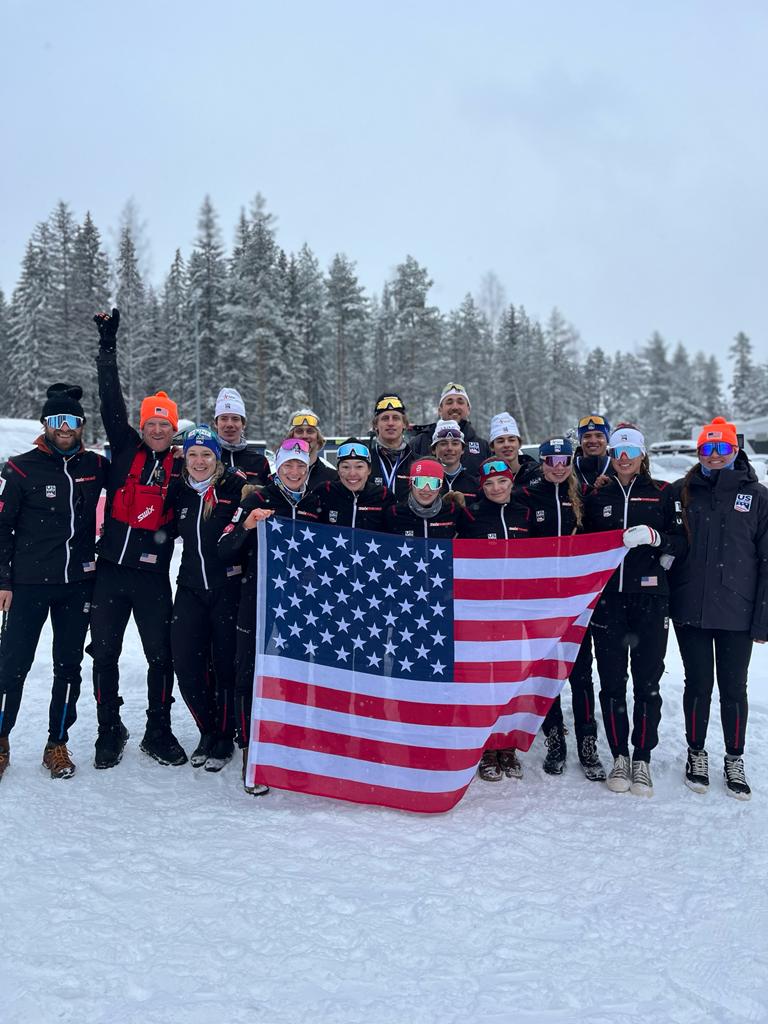
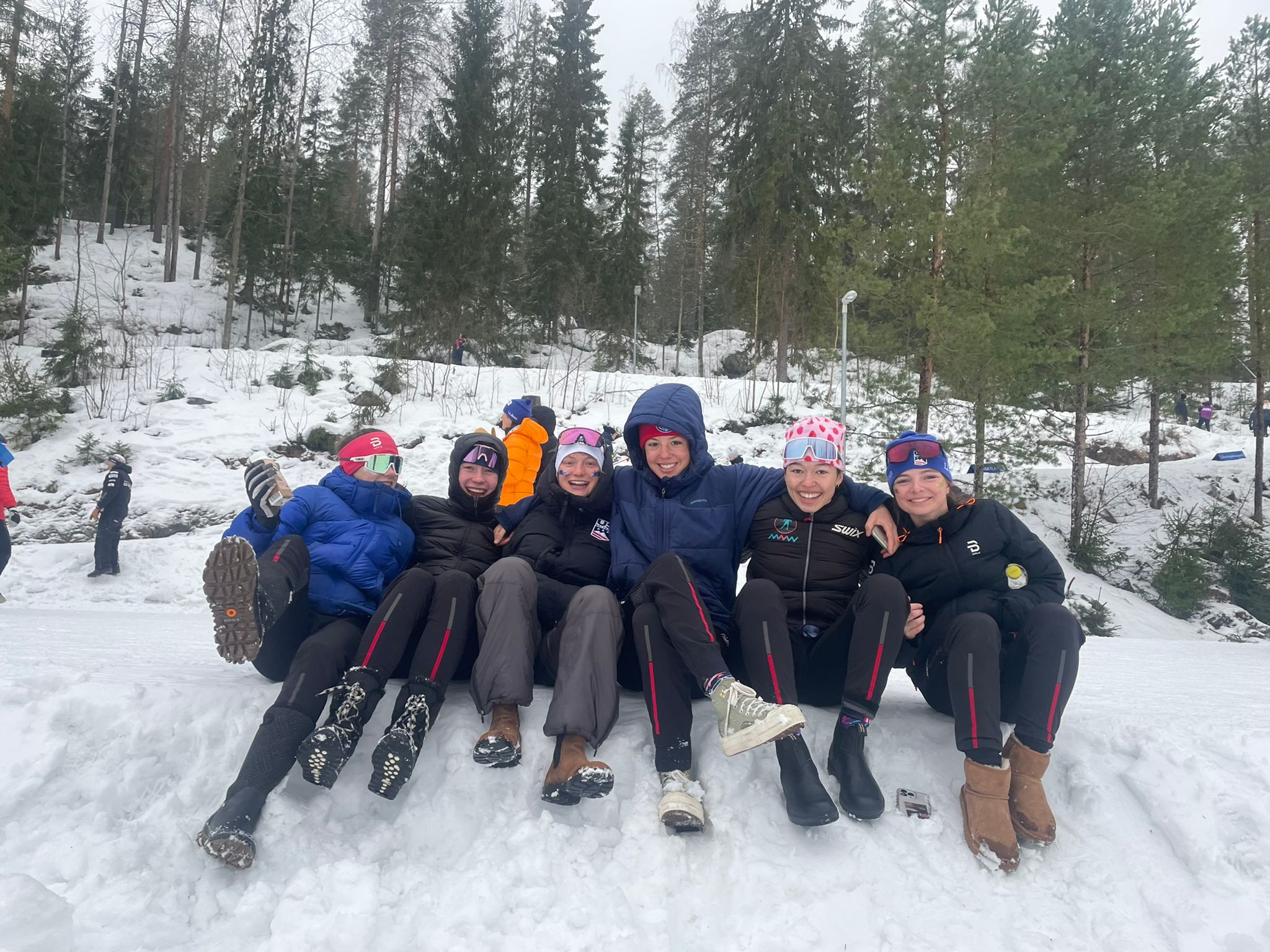
    The US team at Nordic Nations’ Cup in Jyvaskyla, Finland on Sunday. The U18 skiers delivered the best-ever American results in the annual trip sponsored by the US Ski Team and National Nordic Foundation (Photo: Courtesy Image/Jasmine Wiley)

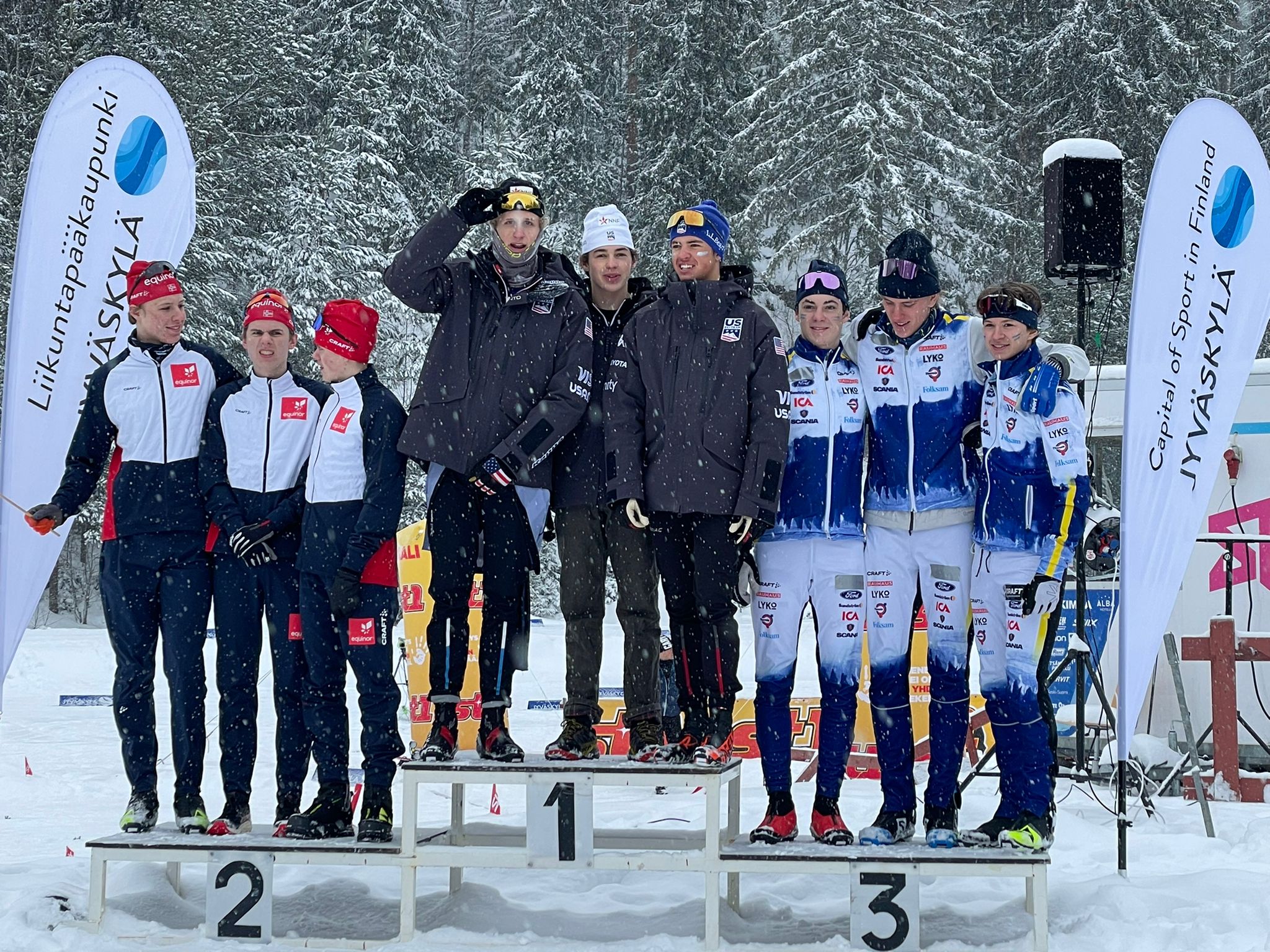
    It was the end of the weekend, but the start of a whole new generation of Americans skiers on the World’s stage. Tabor Greenberg, the Green Mountain Valley School attendee and a U16 national champion last season pulled into the final kilometer of a 3 x 5km Team Relay, locked stride-for-stride with the familiar red suit of his Norwegian counterpart. The stadium was ahead, and for the first time clad in a US Ski Team suit, Greenberg would get a chance to sprint for an international win. The duo entered the stadium in Jyvaskyla, Finland—the self-proclaimed “Capital of Finnish Sport” and the host for this year’s Nordic Nations’ Cup. The stadium was set up in true World Cup style, one giant 180 degree turn into a final sprint. The pairing entered the turn together, but by the time they exited, only one skier was still on their skis. A Norwegian stumble left Greenberg to brace for the impact of the finish line, where he entered the arms of his teammate, Fin Bailey. Team USA, the youngest edition, had ended their first weekend of international racing with a team win. Thus the team relay—an event that has served as the literal incarnation of US skiing’s team-oriented development philosophy—served as a poignant highlight to a weekend with the purpose of fostering that philosophy in the next generation of American skiers.

    Nordic Nations’ Cup Trip
    Team USA takes in sprint heat action last Friday in Jyvaskyla, Finland during this year’s Nordic Nations’ Cup. (Photo: Courtesy Image/Jasmine Wiley)

    The US Ski Team and National Nordic Foundation have sent a delegation of U18 skiers to the Nordic Nations’ Cup, a joint competition between Norway, Sweden, Finland, and Estonia  (formerly the Scandinavian Cup),  as part of their developmental program for years. The trip serves as an introduction to both international racing, and the unique demands placed on American athletes to do so in a primarily European sport, to promising American U18 athletes. It also serves as an exchange of skiing traditions between the nordic ski communities of the Scandinavian Peninsula and the United States. The trip has previously served as an introduction to international racing for US Ski Team members such as Ben Ogden, Julia Kern, Katharine Ogden, and Hannah Halvorsen.

    The year’s Nordic Nations’ Trip took on a special significance too, in that it marked the resumption of the trip for the first time since the COVID pandemic began in 2020. The qualifying athletes on Team USA represented a steadfast group of racers who had come of age in the sport through the challenges of canceled races and day-to-day restrictions of the past few years. They had remained dedicated, they had progressed in the sport, and now they were getting their chance to enter the world’s stage together.

    Last week, they traveled to the heart of Finland’s lake region in Jyvaskyla, and got ready to race a full World Cup-style race schedule that began with a Classic Individual Sprint Friday, before moving to a 10k / 5k Individual Start Freestyle Saturday, and finishing with a 3x5k / 3×3.3k Team Relay Sunday. Previously, the best individual result at the Nordic Nations’ Cup for a US athlete came from Hannah Halvorsen, who finished third in the 5 k Skate in 2015. Likewise, Halvorsen combined with Kern and Ogden to podium in the Team Relay that year. In 2023, a new generation would look to build off past successes for the US while blazing their own trail through the Finnish Northwoods in a jam-packed weekend.

    The results? Well, as US Coach Colin Rodgers (Green Mountain Valley School) would summarize in comments after the weekend, “What we learned, from watching them race and from a little historic research, is that both the men and women as a whole performed very well.”

    Classic Individual Sprint
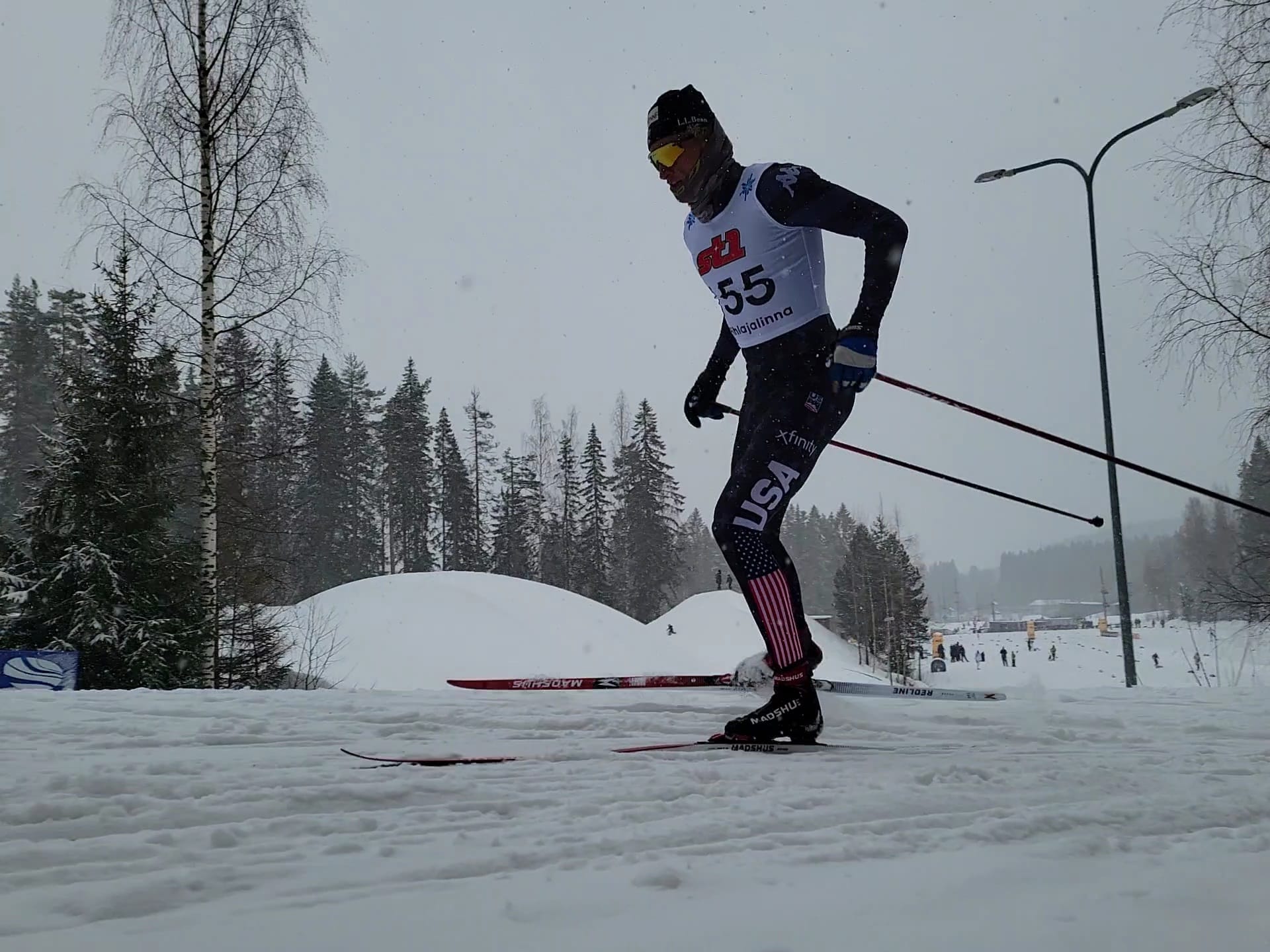
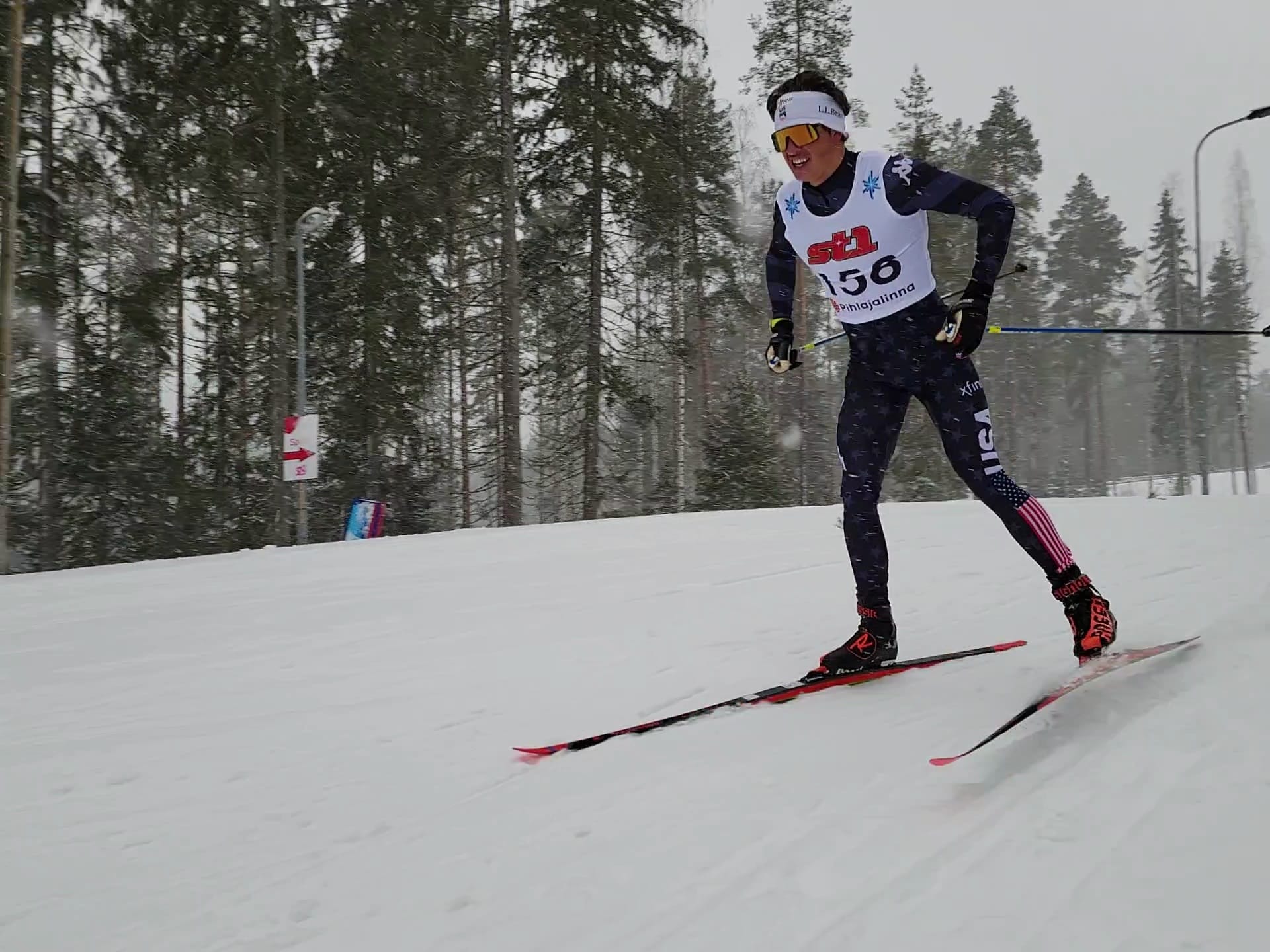
    Fin Bailey (USA) on course in Jyvaskyla. Bailey finished fourth place in Friday’s Classic Sprint action. (Photo: Courtesy Image/Jeff Wyatt)

    The weekend began with a fast and furious Classic sprint. The US team qualified six athletes across the boys and girls field: Finn (Finegan) Bailey (5th), Owen Young (13th), Grey (Benjamin) Barbier (16th), and Landon Wyatt (25th) for the Boys, and Neve Gerard (25th) and Sydney Drevlow (30th) for the Girls.

    In the Girls’ quarterfinals, both Gerard and Drevlow skied with poise in their first international heats. Drevlow got off the line with a good start in her heat, tucking into third place before losing contact with the lead group that formed later in the heat. Gerard followed similarly, but held on to the pairing of Marie Wollan Benum (NOR) and Ellinor Halonen (FIN) into the final stretch, finishing third in her heat.

    In the Boys’ quarterfinal, three of the four American qualifiers raced in the same quarterfinal, Bailey, Barbier, and Wyatt all toeing the line. Barbier led the early charge for the Americans, following leader Maans Ravald (SWE) in the first part of the course. Bailey eventually put a charge in to ski up to Barbier, with the pairing skiing tucking into the stadium together. Ravald would win the heat, and Bailey would outsprint his teammate to advance to the semifinals. Wyatt finished fifth in the heat. In his quarterfinal, Owen Young took an approach that echoed Ben Ogden in Val di Fiemme during this year’s Tour de Ski—pushing the pace from the start. Young’s efforts had the intended effect, with the field pushing an aggressive pace through the middle of the course. Young himself looked to be fading, but when the quarterfinal entered the stadium he had surged again to put himself in contact with the field. He ended up in fifth in the heat, closing in on fourth place as they crossed the line.

    Bailey, then, was the only American to advance to the semifinals, where he finished second in the heat and moved into the finals. When he got there, he matched up against the full array of the Nordic Nations—Norway, Sweden, Finland, and Estonia all present. He opted to hop behind the Norwegian, Eling Broberg, from the start. Broberg wore bib 1, and had taken the field out hard and within a half-kilometer, had gapped the rest of his competitors. Bailey stayed in the pack that came into the stadium together, following Anton Packalen (FIN) and Toni Andree Saarepuu (EST). In a tightly packed final turn, Bailey was forced to the outside of the track, where he would put an all-out double-pole to pull back to contend for third. He ran out of track for his efforts, and finished fourth place on the day. With it, Bailey notched a result that would serve both as an achievement in its own right, and an auspicious sign of things to come for the weekend.

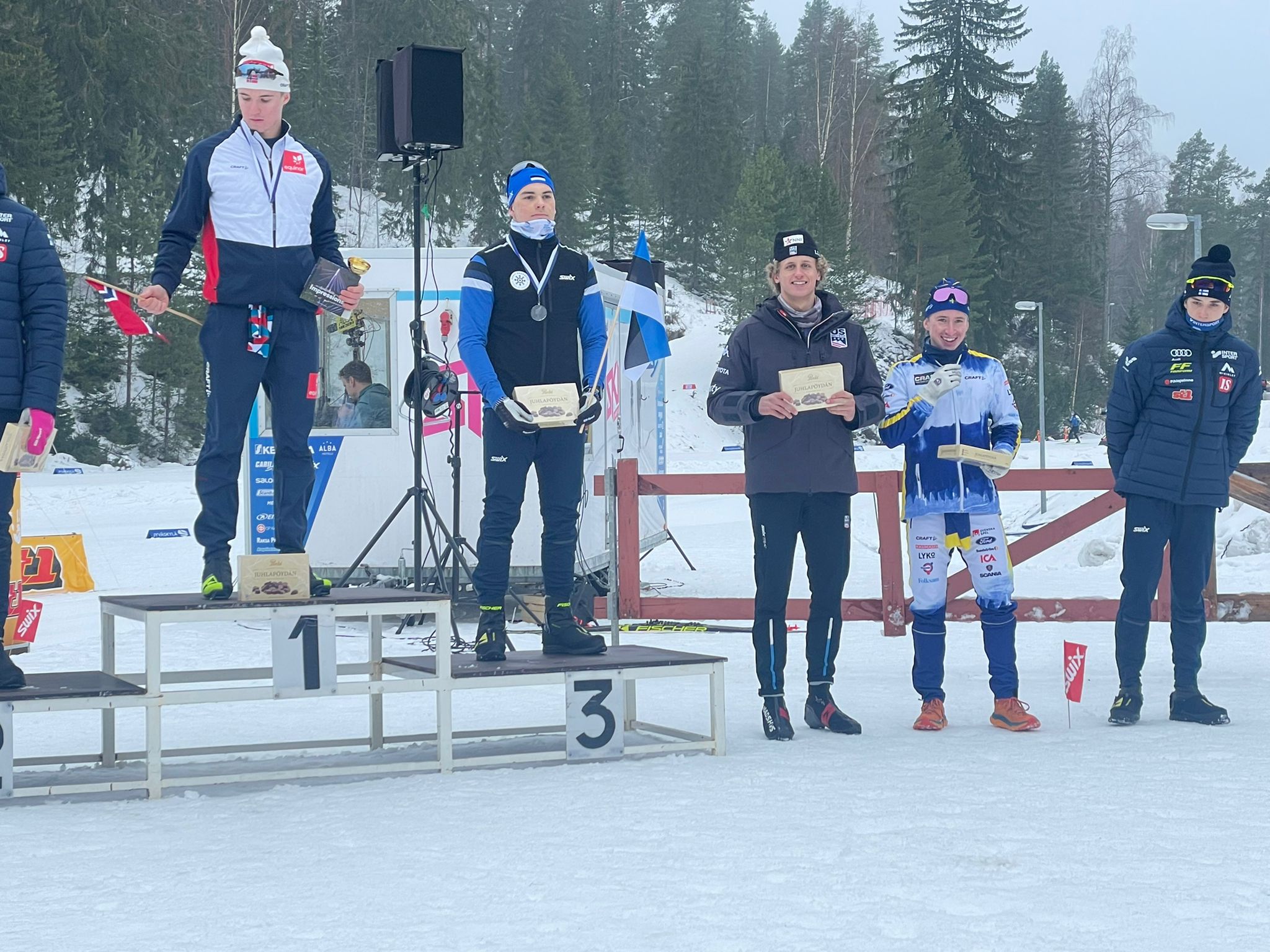
    Fin Bailey (USA) at the award’s ceremony for Friday’s individual classic sprint. Bailey finished fourth place to open the weekend. (Photo: Courtesy Image/Jasmine Wiley)
    10k/5k Individual Start Freestyle

    The next day, skiers switched gears to line up for a skate distance race. The Boys would complete a 10 k, while the Girls competed in a 5 k. The Girls field went out first, with Sydney Drevlow, Neve Gerard, Rose Horning, and Lena Poduska all starting in relatively close proximity to one another. Relative, that is, to where they would finish on the day.

    In a tightly packed results sheet, four American girls would finish within six seconds of each other to go 8th-11th place. The order: 8th) Sydney Drevlow, 9th) Neve Gerard, 10th) Rose Horning, and 11th) Lena Poduska. The quadruple was a novelty: skiers normally separated by a continent finishing within seconds of each other on a race course half a world away from home. Delaney Jackson and Ally Wheeler weren’t far behind, finishing 24th and 27th, respectively. In watching the race unfold, US coach Will Wicherski (Jackson Hole) said, “I was on course at 2k giving splits and it was obvious from how all the girls were skiing that they would be up at the top…we knew it was going to be an impressive team performance!”

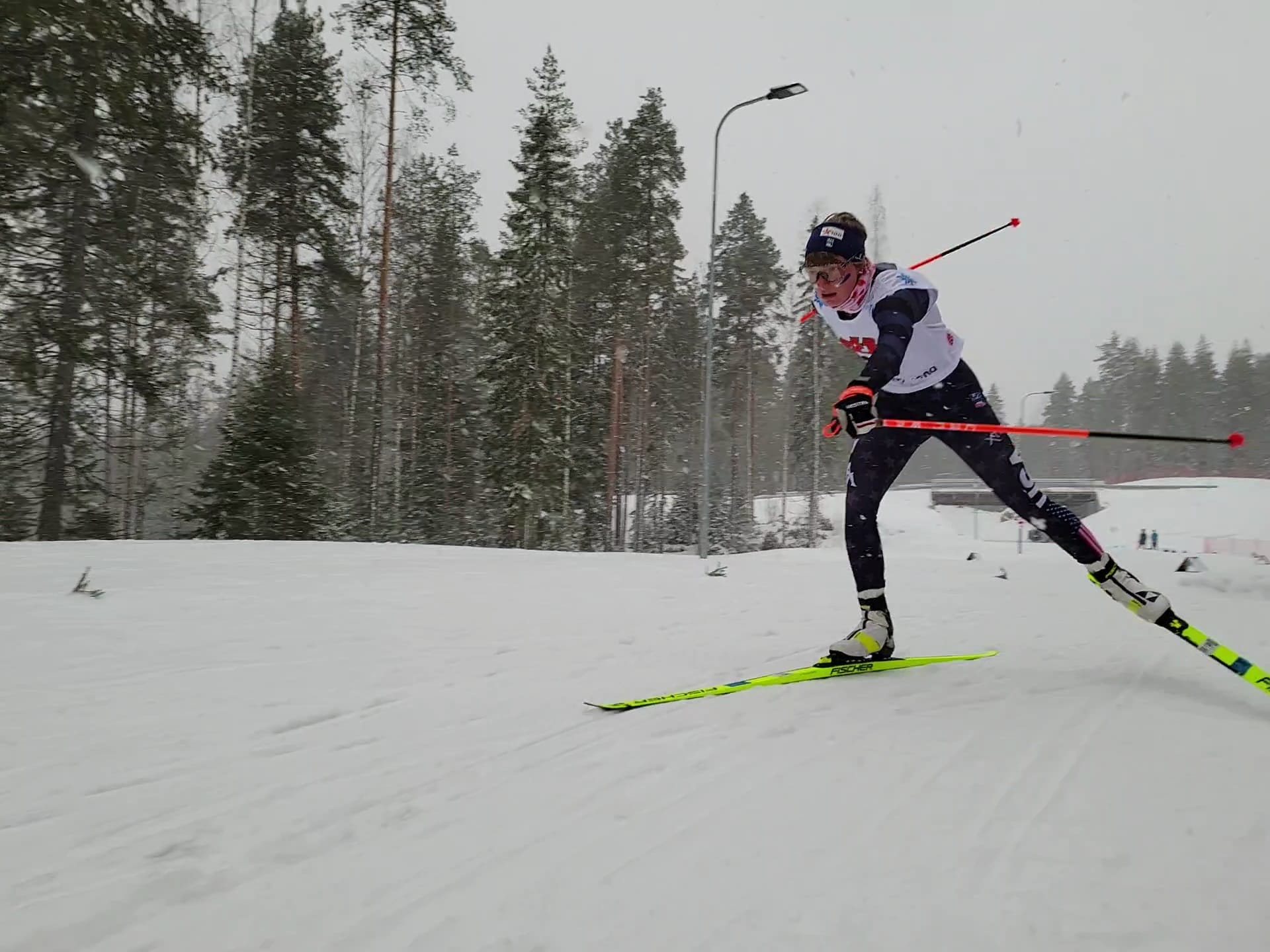
    Rose Horning (USA) during Saturday’s 5 k individual start freestyle race. Horning was part of a quartet of American girls who finished within six seconds of each other, finishing 10th place. (Photo: Courtesy Image/Jeff Wyatt)

    The Boys’ field followed the girls out onto the Jyvaskyla course. Wyatt was the first American on course from Team USA. Davis Isom and Owen Young followed, with Greenberg and Bailey finishing out the start list for the Americans.

    In another tightly packed race, the news from the Americans kept getting better and better. Wyatt finished with a time that would eventually net him 24th place on the day. Then Isom came across with a time just 20 seconds off the fastest time of the day so far in second. It would eventually turn out to be a top 10 performance. Young followed to slot in between Wyatt and Isom, finishing 20th place on the day.

    Tabor Greenberg (USA) during Saturday’s 10 k individual start freestyle. Greenberg became the first American to ever win a race at the Nordic Nations’ Cup, highlighting a day with six top 10 finishes for the US skiers. (Photo: Courtesy Image/Jeff Wyatt)

    Behind those early finishers, Tabor Greenberg was knocking down each checkpoint in the fastest time of the day. He tucked and weaved out of the packs that had formed throughout the course, but was skiing a race, in a league, of his own. When he crossed the finish line, his 23:04.9 stood fastest on the day so far. As finishers continued to roll in, Greenberg’s time kept standing. Bailey came in fast, 33 seconds off his teammate, which would land him in sixth place. Barbier came in 53 seconds off Greenberg, and would get 16th on the day. Greenberg had won the race. In doing so, the young Vermonter became the first American athlete to win at the Nordic Nations’ Cup, and it was only day two.

    3x5k/3×3.3k Team Relay

    The culminating experience for this, and any, U18 Nordic Nations’ Trip came on Sunday. For the young members of Team USA, it was here: their first “relay day.” That moniker, “relay day,” has come to denote something special for US skiing. Careful planning, team spirit, stars and stripes, and, of course, glitter. It was time.

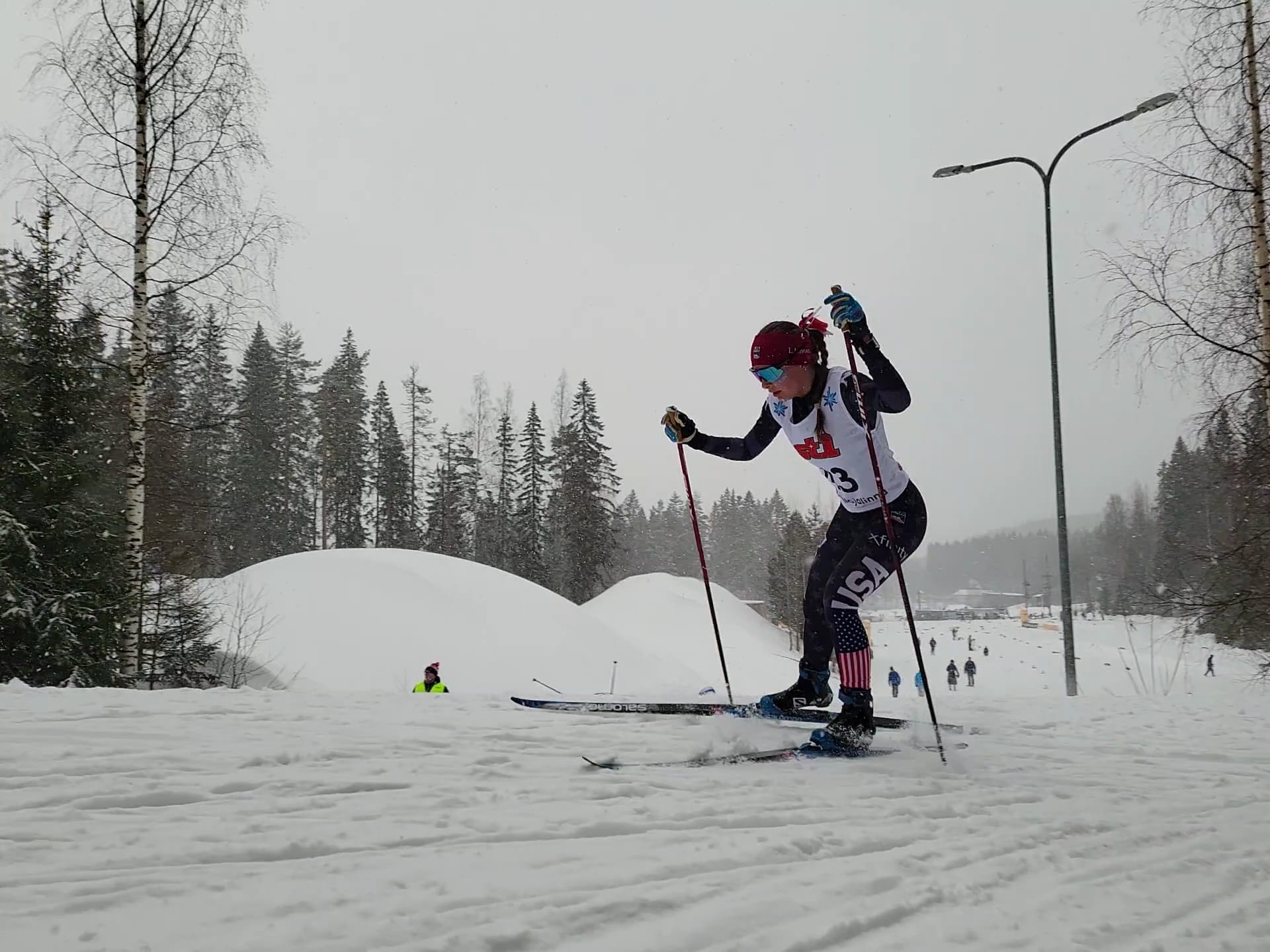
    Neve Gerard (USA), who closed a strong Team Relay for the USA 1 Girls team, skiing to fourth place Sunday. (Photo: Courtesy Image/Jeff Wyatt)

    The US sent two trios out for the Girls 3 x 3.3k. Lineup for Team 1: Sydney Drevlow skiing classic in the first leg, Rose Horning in the first of two freestyle legs in second, and Neve Gerard anchoring. Lineup for Team 2: Lena Poduska in the first leg, Ally Wheeler second leg, and Delaney Jackson anchoring.

    The first classic leg saw the girls field open up, with Norway, Sweden and Finland all taking turns leading the field. Drevlow remained in the front pack, with Poduska holding on to keep both US teams in contention for the race going into leg 2. The race had closed again in leg 2, with Rose Horning and Ally Wheeler skiing fourth and fifth place in a large field. The hand-off to the anchor legs was when the field started to stretch out. Norway won the day, with Sweden edging out Finland for second and third, respectively. 15 seconds off that chaos though, Neve Gerard had closed her all-around strong weekend with a strong leg, skiing USA Team 1 to a fourth place finish. Delaney Jackson gave USA 2 a final boost to finish in eighth place.

    The boys’ lineups would include two teams as well. Team 1 saw Bailey on the first leg, Barbier taking the handoff for the second leg, and Greenberg playing anchor. As US coach Will Wicherski explained, “Fin had a fantastic classic sprint sprint, Tabor had won the day before, and Grey had been skiing really well all week so we put him in the middle leg.” Team 2 included Wyatt for the first leg, Young for the second leg, and Isom in the anchor role.

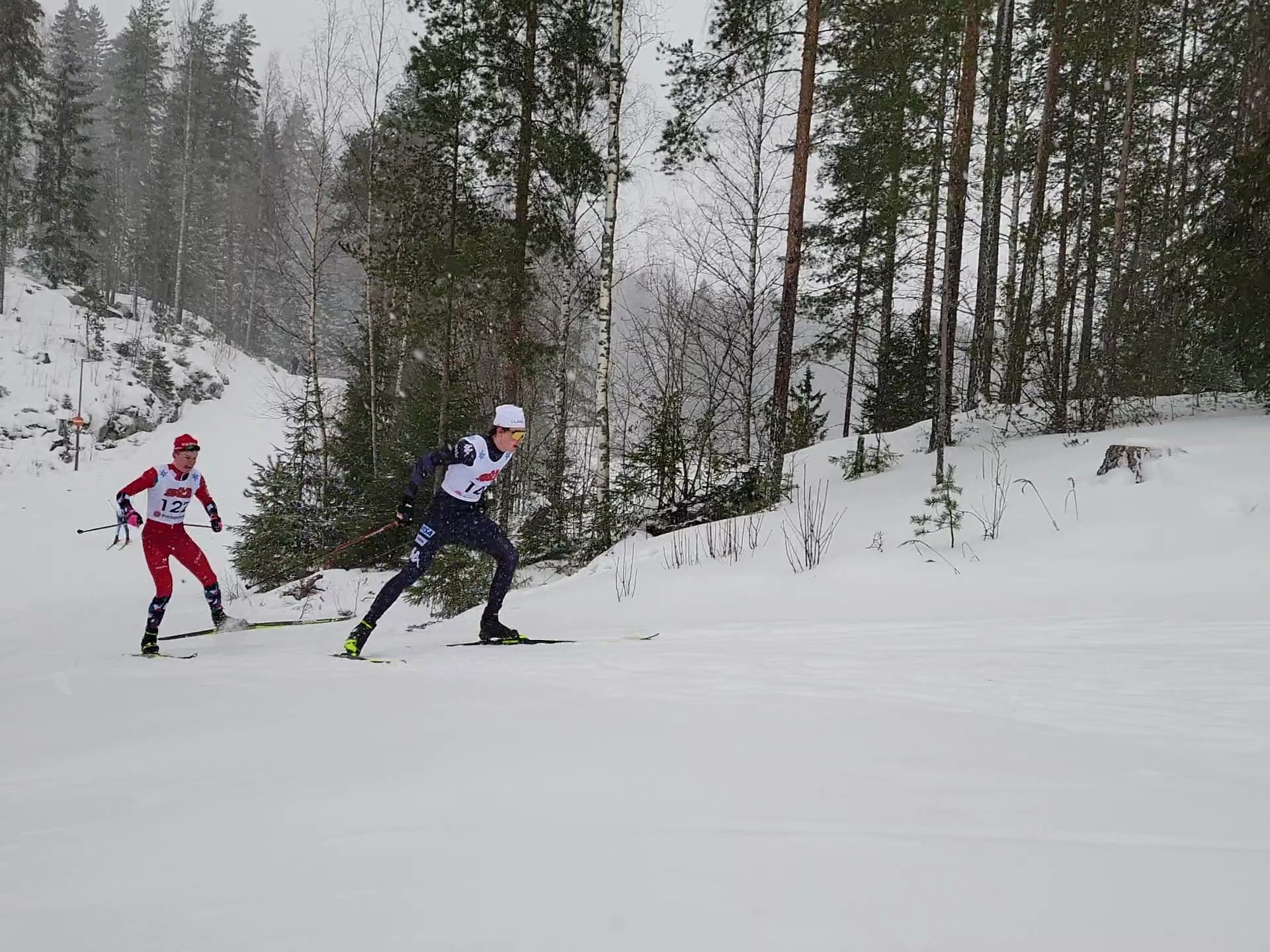
    Ben Barbier (USA) in action last weekend. Barbier skied second leg en route to the USA 1 Boys team victory in the Nordic Nations’ Team Relay. (Photo: Courtesy Image/Jeff Wyatt)

    The race started out with a tight-knit pack, with stretches where Norway’s two teams looked to distinguish themselves from the pack. Bailey held though, keeping the pack together as he marked their moves and kept out of any potential tangles. His hand-off to Barbier saw the field in a pack. Through the second leg, a move from a Finnish team looked to break up the race permanently. Barbier was able to hold onto the chase group that remained behind, and keep the US in striking distance as the other teams ahead kept the pack tight. Barbier handed off to Greenberg with Team USA in sixth place. 

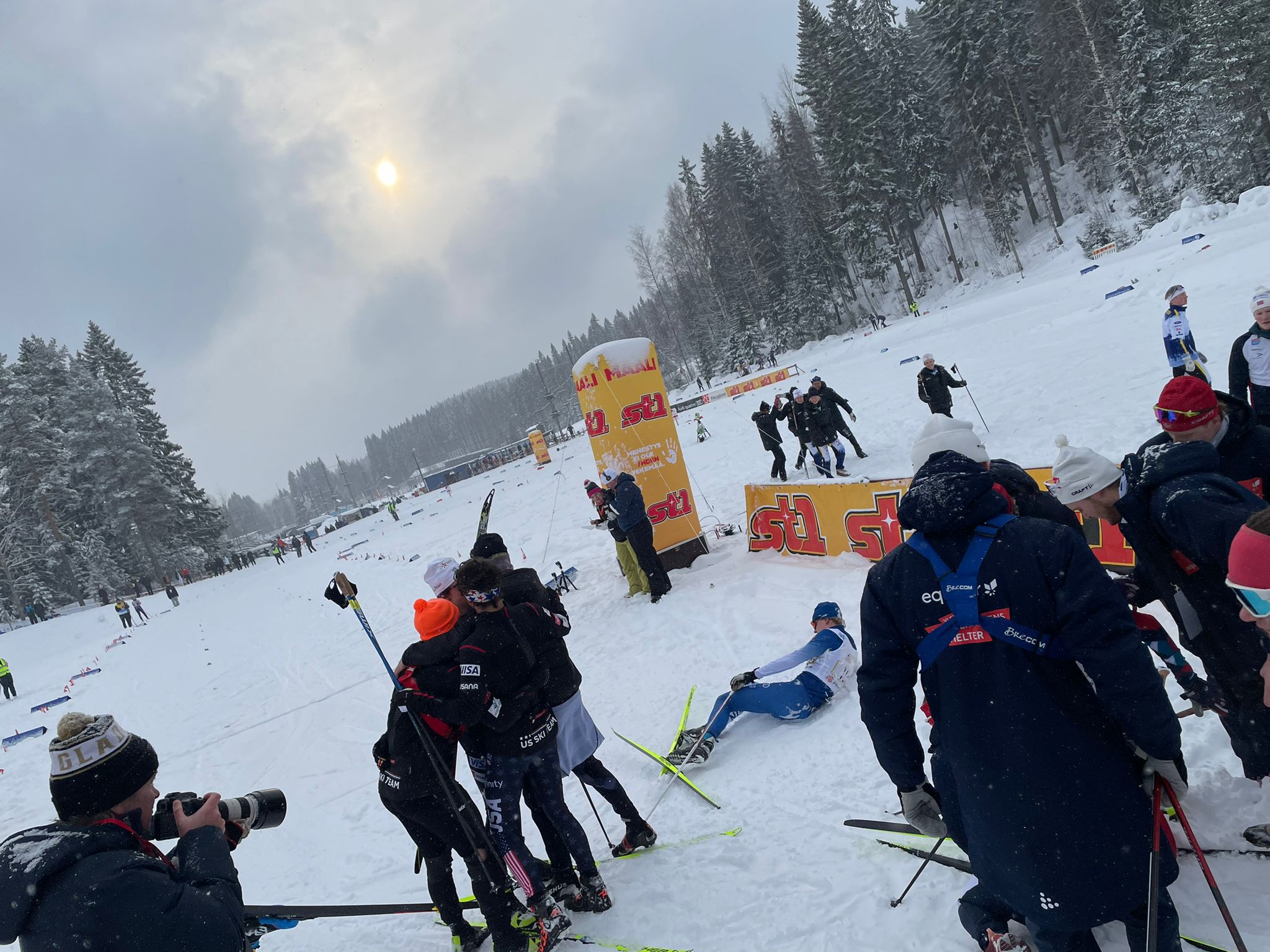
    Two kilometers into his leg, Greenberg was “30 seconds behind the race leader” said Will Wicherski, who was out on course. The Norwegian team in the pack had gone out ahead in the final lap. “We thought he would fight for a podium so [myself, and fellow coach Colin Rogers and Brandon Herhusky] skied back into the stadium. When the US coaches did make their way back to the stadium, a frantic scene greeted them. “We lost our minds when we saw Tabor come into the stadium with the Norwegian leader—he made 30 seconds on the leader in 3k!” Greenberg rounded the bend to close out an astounding leg. The Norwegian stumble beside him only let the US begin celebrations a split second early. “Seeing the USA beat Norway in a relay in Scandinavia was indescribable. It was a really great day for US skiing,” said coach Wicherski in the aftermath.

    USA II finished 12th place after a strong anchor leg from Isom. The celebration of the historic result at the front of the race didn’t obscure the whole extent of the US’ success on the day, with coach Colin Rodger saying post-race that “the [USA 2] girls and boys teams [both were] energized by the top results, and I think we will see this group stepping up to be even stronger next year. [There is] a great positive feedback loop going here now.”

    The USA 1 Boys team embraces as Tabor Greenberg crosses the line in first place. USA and Green Mountain Valley School coach Colin Rogers (orange hat) joined in on the jubilation alongside teammates Finn Bailey and Grey Barbier. (Photo: Courtesy Image/Jeff Wyatt)
    Conclusion

    At the end of races Sunday, the caravan that accompanied Team USA made their way across the stadium in Jyvaskyla. Bailey, Barbier, and Greenberg took a first step onto the top step of an international podium. The US crowd let out a rousing cheer as they were announced, and some brave fans even took to tracing the tune of the “Star Spangled Banner” as it played through the stadium loudspeakers. As a team, and as individual skiers gathered from across the breadth of the US ski community, the trio looked forward together, with dreams and goals to chase. 

    With a trip through the Scandinavian peninsula for some sightseeing to follow, the journey continued for the young skiers who represented Team USA at this year’s Nordic Nations’ Cup. After their return to the United States, many are slated to head to Junior Nationals in Fairbanks to chase their own individual goals. Last weekend in Finland, though, they were banded together in a reminder of the connection between all of US skiing, now, and in its very near future. Simply put by US coach Colin Rodgers, “These kids will be friends for life after this experience and will no doubt be motivated by the success of the group.”

    Full RESULTS

    Full PHOTOSET from the National Nordic Foundation

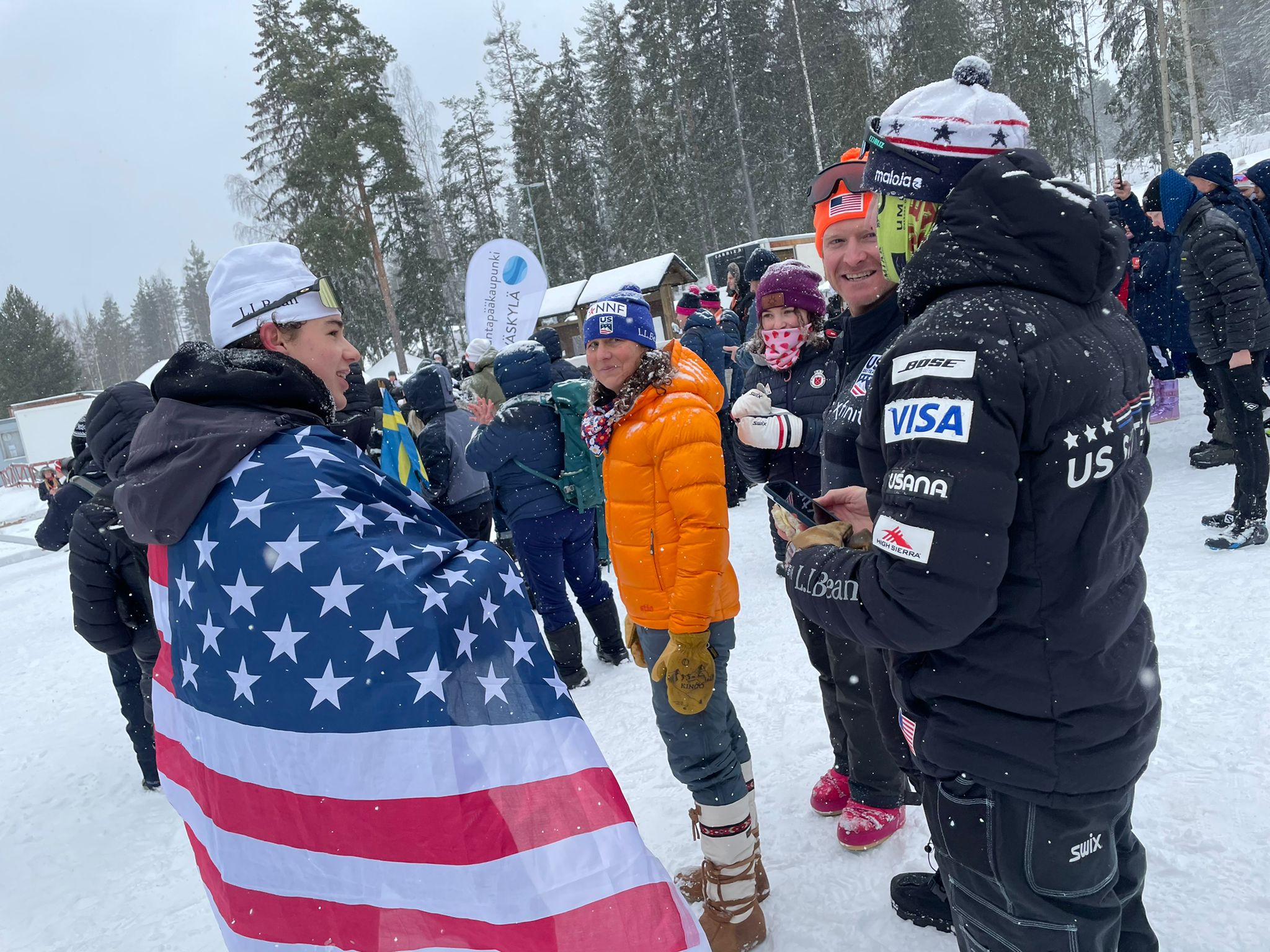
    Tabor Greenberg (USA), clad in the American flag, after his first of two wins in last weekend’s Nordic Nations’ Cup. (Photo: Courtesy Image/Jeff Wyatt)