Tag: FIS Concorde Agreement

  • Alpine Nations Contest FIS Election in CAS in Ongoing Power Struggle

    Alpine Nations Contest FIS Election in CAS in Ongoing Power Struggle

    On Monday, June 20th, the Ski Associations of Austria, Switzerland, Germany, and Croatia made good on threats issued after the FIS Congress in May, and filed an appeal to the Court of Arbitration for Sport (CAS) contesting the voting procedure that elected the unchallenged FIS President Johan Eliasch.

    The four nations argue that it was unlawful to deny them the option of voting no to Eliasch, and that the election procedure violated FIS statutes and Swiss law. 

    Unable to vote no, the dissenting delegates decided to either walk out of the election in protest or abstain from voting altogether. Members of the appealing ski associations have suggested that Eliasch would not have received a majority of the votes cast if an option to vote no had been offered. Had that happened, the appealing nations may have been successful at installing a new candidate. 

    Instead, Eliasch received 100% of the votes cast, leading his opponents to characterize the proceedings as, in the words of the German delegate, a “farce.” Nevertheless, Eliasch received 70 of a possible 117 votes—a clear 59% majority, and a five vote increase from last year. 

    For FIS, an appeal of voting procedure technicalities is unprecedented: as a rule, FIS presidential elections have been uncontested and decided by acclaim. In response FIS released a statement saying the allegations, “are entirely without merit or substance.”

    Eliasch was reportedly told in advance about the appeal during a meeting in Innsbruck with the Austrian Ski Association. “He took it very professionally and said he needed it too, otherwise [the allegations] would resonate throughout his term,” according to Chrisitan Scherer, the head of Austrian skiing. 
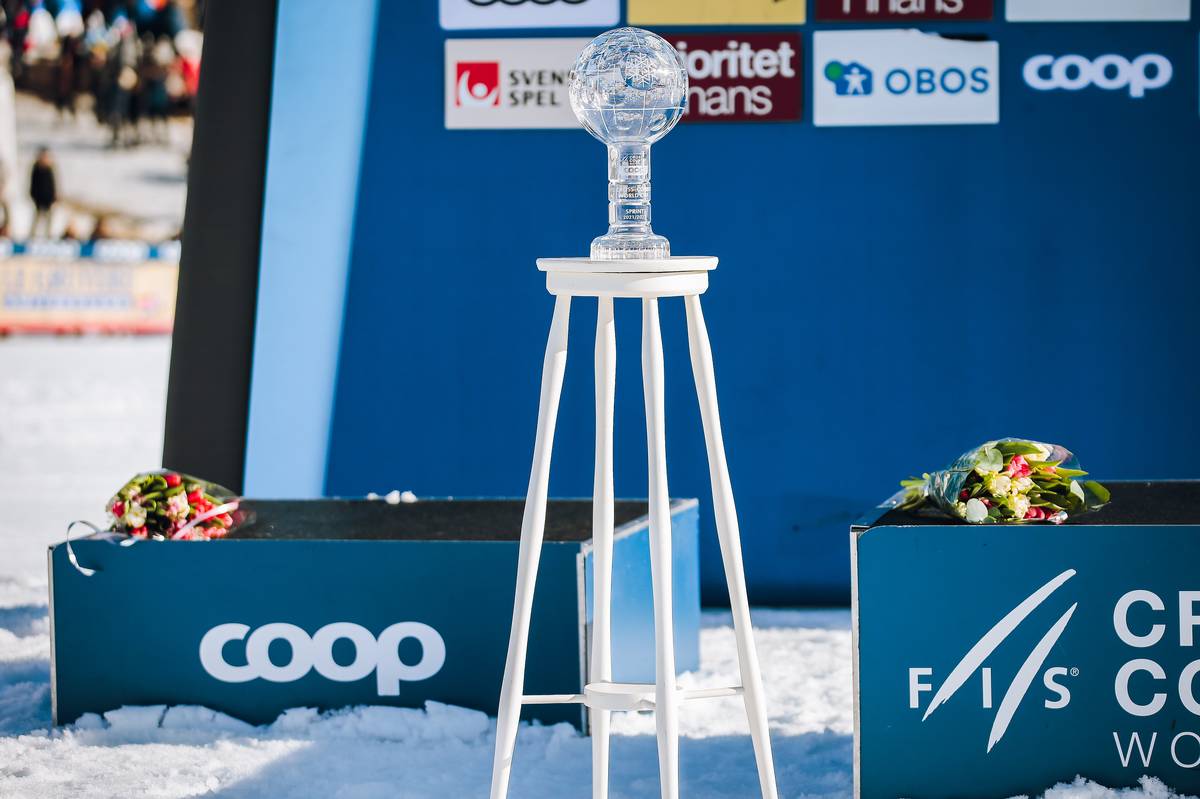
    The women’s sprint crystal globe awaits its recipient at 2021-22 FIS World Cup Finals in Falun, SWE. (Photo: NordicFocus)

    While the CAS case will examine legal minutiae, it is best seen as the latest contest in a power struggle between a bloc of dominant ski nations and FIS President Eliasch, whose agenda to rapidly centralize media rights under FIS and shake up the World Cup calendar has threatened their hegemony. 

    “If you think about the bloc here [in FIS], it’s the French, Germans, Swiss, Austrians, Norwegians, Swedes, and Finns,” said Dexter Paine, the U.S.’s former FIS Vice President and Councilor who was voted off the council over his support of centralization. 

    What the bloc hopes to achieve from the CAS appeal is unclear, though it seems unlikely to overturn the result of the election. The aim may be to stall Eliasch’s agenda as the case will take months to resolve, or to wound him politically and bring him to the bargaining table in a weaker position. It may also be that the four appealing nations are determined to find a way to overturn the election and install their preferred candidate: Urs Lehmann, the head of Swiss Ski.

    Eliasch’s election in 2021 interrupted the Swiss reign at FIS, with just two Swiss men— Marc Holder and Gian Franco Kasper—leading the Federation for the previous 70 years. Lehmann, who called the FIS election a “muppet show”, appears to be an opposition candidate that will preserve the bloc’s established order.
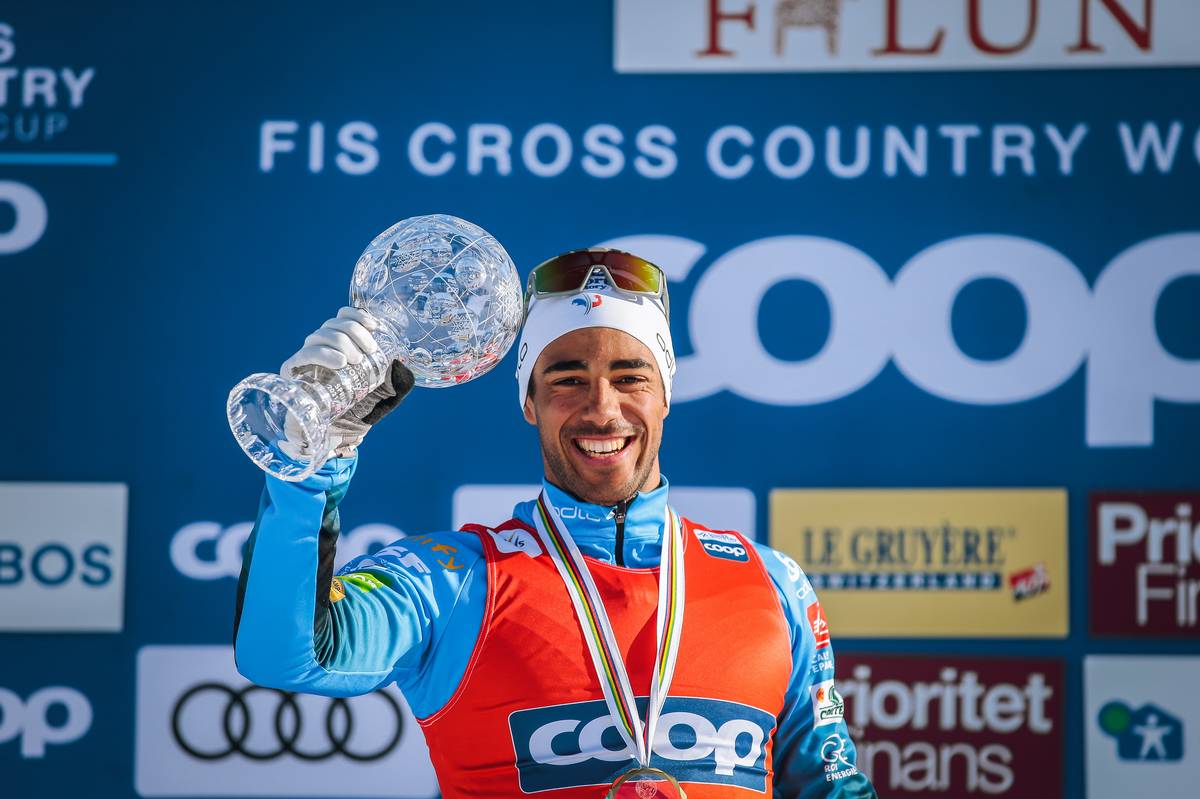
    France’s Richard Jouve earns the 2021-22 FIS sprint crystal globe. (Photo: NordicFocus)

    Both Paine and Eliasch spoke to FasterSkier earlier this month to discuss the issues facing FIS as it attempts to centralize the media rights, expand the reach of the World Cup, and attract a larger audience in North America. 

    Eliasch’s bid to modernize FIS in the near term will now be hampered by Paine’s absence from the council, an assertive bloc, and entanglements at every corner with the sport media company Infront.

    While there has been general disagreement between the bloc and Eliasch over centralization, one development in particular has alarmed the bloc as well as Infront: A judgment won in Swiss court that found FIS to be the rightful owner of World Cup races and not, as was previously understood, the hosting National Ski Association. 

    With this ruling in hand, Eliasch has suggested that the contracts with Infront could be broken—a move that would take centralization from the theoretical realm, where it has support from the bloc, to the immediate, where it does not. 

    Much of Infront’s contracts for FIS events extend to at least the 2025/26 season, with Swiss Ski signing a deal that lasts until 2027/28. 

    Urs Lehmann, the head of Swiss Ski, opposes the notion of breaking contracts. “That’s not possible,” he said to Tages Anzeiger. “Infront hasn’t done anything wrong, on the contrary, it’s a big partner of the FIS when it comes to world championships.”

    For his part, Lehmann said centralization would require a long time frame, presumably after 2028, and could be done only after proving that Ski Associations would receive at least the same amount of money. 

    Eliasch has said that FIS has ample funds to give “cast-iron guarantees” to match Ski Association’s deals with Infront, saying, “We can back it up any day of the week.”

    FIS’s financial assets at the end of 2020 amounted to around $146 million, suggesting that if the Federation is prepared to dip into their reserves, it has the ability to support Ski Associations through the transition. 

    Infront’s VP of Strategic Communications, Jörg Polzer, outlined the risks for FIS of moving away from the current arrangement in an interview in Ski Racing, suggesting that the new proposal “would represent a de facto expropriation of the National Ski Associations.”

    Polzer also felt that the outcome would be a “plethora of legal claims and lawsuits for many years to come,” the result of which could mean that fans might not be able to access “FIS World Cup coverage as conveniently and widely as it is the case today.”

    Centralization under FIS threatens to disrupt both Infront’s profits and its valued portfolio of winter sports which encompasses all seven winter Olympic sport federations. It is likely to respond to broken contracts by both halting payments and pursuing damages from National Ski Associations.

    Eliasch reassured members in a letter to the FIS council stating, “The FIS will award all national ski federations compensation for all claims by Infront.”
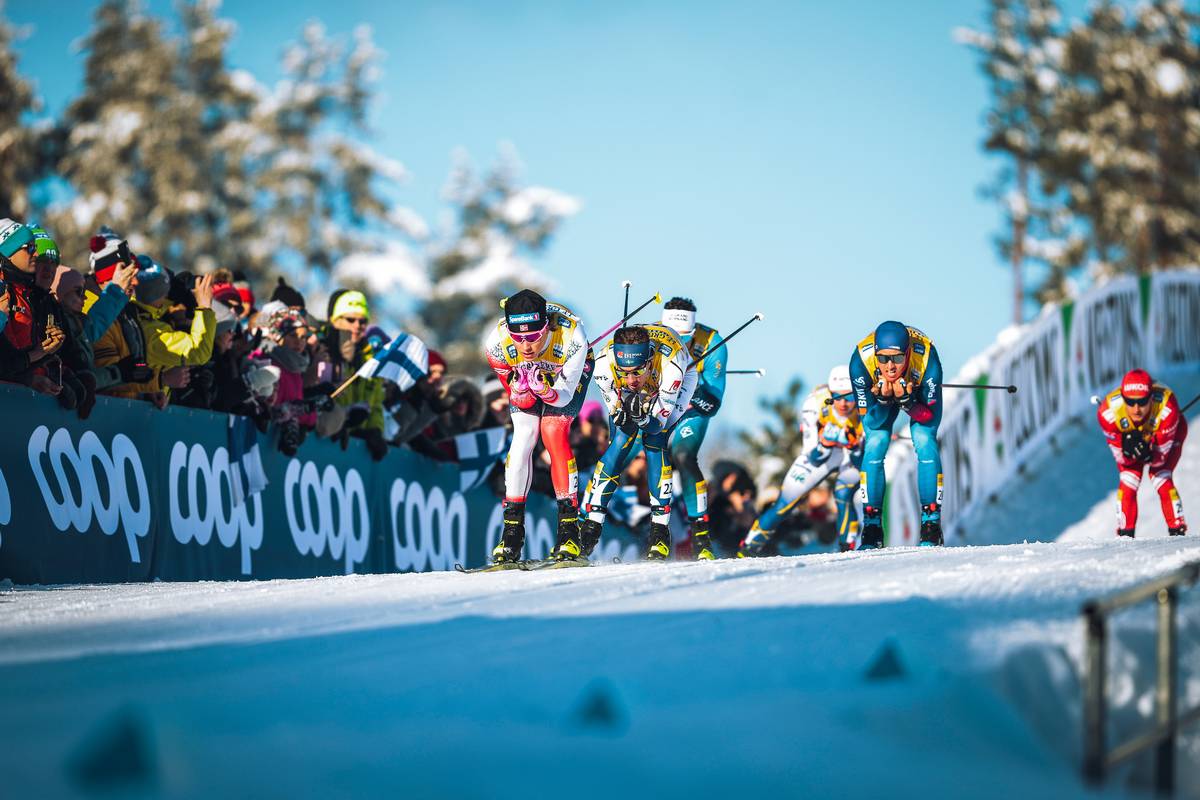
    Johannes Høsflot Klæbo leads his heat during his final sprint of the 2021-22 season in Lahti, FIN. (Photo: NordicFocus)

    The plan to centralize FIS, known as the Concorde Agreement, is supported by US Ski & Snowboard, who believe the proposal would help modernize the sport and increase funding for everyone. 

    Paine said that “Johan [Eliasch] has been really explicit about the fact that he would envision that revenues related to media would increase under the new model. In fact, he’s talking about potentially up to a 25% increase in revenues.” 

    Still, the bloc has opposed the centralization of media rights, with Austria’s Scherer saying, “you can’t just take them (media rights) away from us, as an organizer you also bear the risk.” Scherer’s position is that hosting events should come with a risk/reward incentive. Considering that the opposing nations host many events, including the highest profile ones, the rewards are significant. 

    The Ski Associations of the bloc also oppose the “expropriation” of ownership that centralization presents. Scherer argued that it could only be done on a voluntary basis—an option that would defeat the purpose of centralization, but preserve the bloc’s influence over skiing.

    Facing resistance, Eliasch decided to table the Concorde Agreement to allow for a period of consultations with members. “We decided not to bring [the Agreement] forward to Congress, because it needed more work,” Paine said.

    Some representatives have complained about poor communication between Eliasch and National Ski Associations with regards to his plans for centralization.

    Paine agreed that improvements are needed in this area, saying, “FIS needs to do a much better job articulating why this would be good for everyone in the sport, and how they would make sure that those countries aren’t any worse off than they were before.” 

    Though Paine added that, “Johan has been very explicit about the fact that he is going to seek the advisement of the [FIS] Counsel, and all members, on all the items regarding centralization rights.”

    Entanglements with Infront

    Another challenge for FIS will be breaking free from Infront. The company has become enmeshed in the fabric of FIS, from the television production of races, to long term contracting of rights, to negotiating sponsorships, to even building the FIS app and website.  

    FIS will also have to overcome its own independent marketing agency, FIS Marketing AG, which was created in 2009 to acquire and sell the sponsorship rights to FIS World Cup events. 

    FIS Marketing AG (FISMAG) is majority owned by FIS (51%), with 24.5% owned by Infront, and the final 24.5% owned by Tridem Sports. The venture is led by Christian Pirzer—the CEO of Tridem Sports, a two man marketing firm started by Pirzer in 2008 and based in Freienbach, Switzerland. 

    “Part of Johan’s platform, and I think most candidates’ platform, was to bring all of that in house,” said Paine. “I think people didn’t fully understand why 49% of our marketing organization was owned by a third party.” 

    Infront’s role in the venture has been principally to acquire sponsors, billing €855,000 for its services to FIS Marketing AG, according to an SEC filing in 2018. For its part, FIS recorded its 2018 income from partnerships at 676,000 Swiss francs—around €577,000 at the time. 

    “Most entities own 100% of their sponsorship revenues, and I think it’s unusual that FIS wouldn’t,” Paine said. Questions have been asked about whether this arrangement is in the best interests of FIS. “We don’t [even] have a title sponsor for Snowboard. That just always astounded me.”

    Eliasch intends to end the venture, writing in a letter to the FIS Council, “We have terminated all agreements related to FISMAG so we have removed this obstacle to realizing our sponsorship potential.” To date the firm has not been closed, and Swiss courts are reportedly handling the injunctions necessary to stop it from continuing.

    According to German paper Bild, Pirzer is suing Eliasch to defend himself against allegations that he has been involved in fraud. Pirzer said simply, “I have filed a criminal complaint against Johan Eliasch for defamation.” 
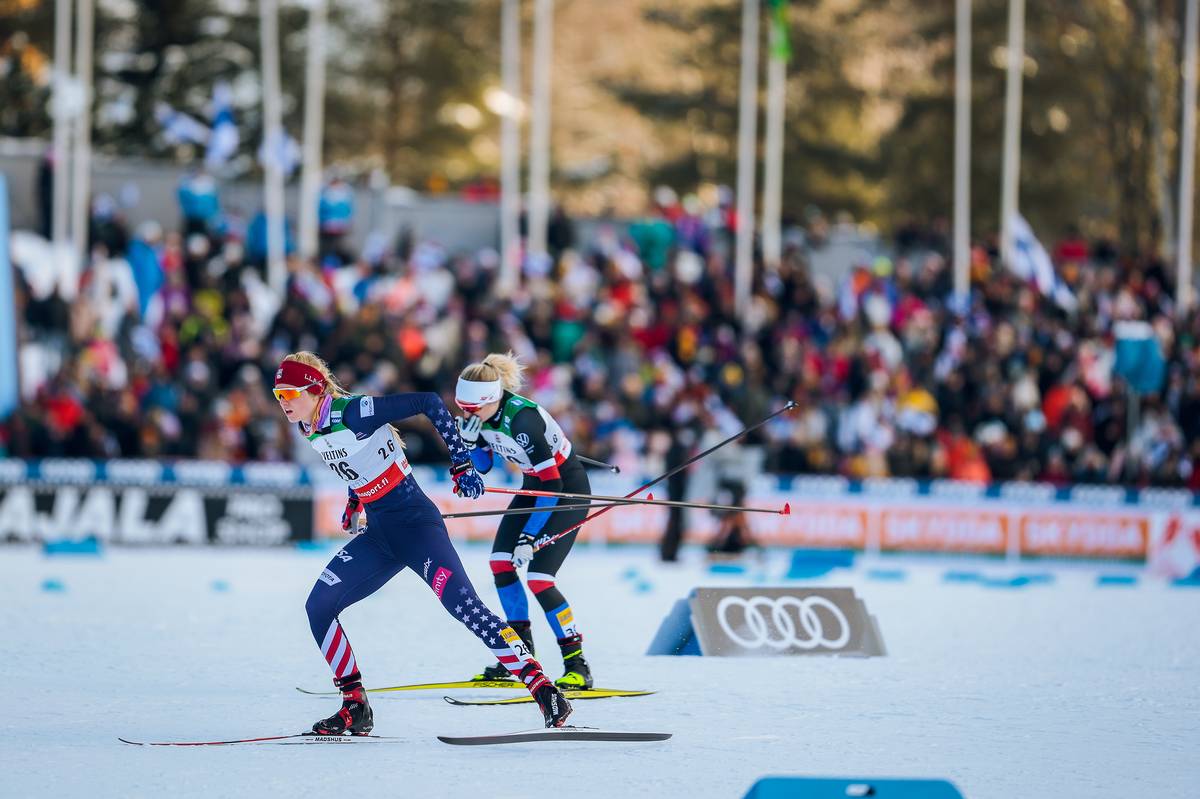
    Hailey Swirbul powers through the quarterfinal during a skate sprint in Lahti, FIN in March 2022. (Photo: NordicFocus)

    Infront Sport and Media is based in Zug, Switzerland, and is led by Phillipe Blatter—nephew of former FIFA president Sepp Blatter who presided over the governing body of soccer from 1998 to 2015 when he stepped down after a massive corruption investigation roiled the organization and put him under investigation for fraud

    After Phillipe Blatter was appointed Infront CEO in 2005, the company won comprehensive distribution rights to the FIFA World Cup until 2022. Infront released a statement in 2015 squashing “unwarranted assumptions” of nepotism with regard to its FIFA contracts. 

    While Infront remains a respected titan of its field, the company has been dogged by investigations over the improper sale of media rights in Italy’s Serie A soccer league, advertising in the German Football Association, and antitrust activities. The company’s 2019 prospectus stated possible investment risks included negative publicity “prompted by actual or alleged criminal activities, such as money laundering, tax evasion or bribery.”

    In 2015, Chinese conglomerate Wanda Group purchased a controlling stake in Infront for $1.2 billion. The Group was a key player in China’s drive to create 300 million Chinese skiers, building, among other things, the world’s largest indoor ski area in Harbin. Wanda Group acquired Infront six months prior to the IOC vote on hosting the 2022 Winter Olympics, and the addition of the Swiss company was seen as a boost to Beijing’s successful bid. 
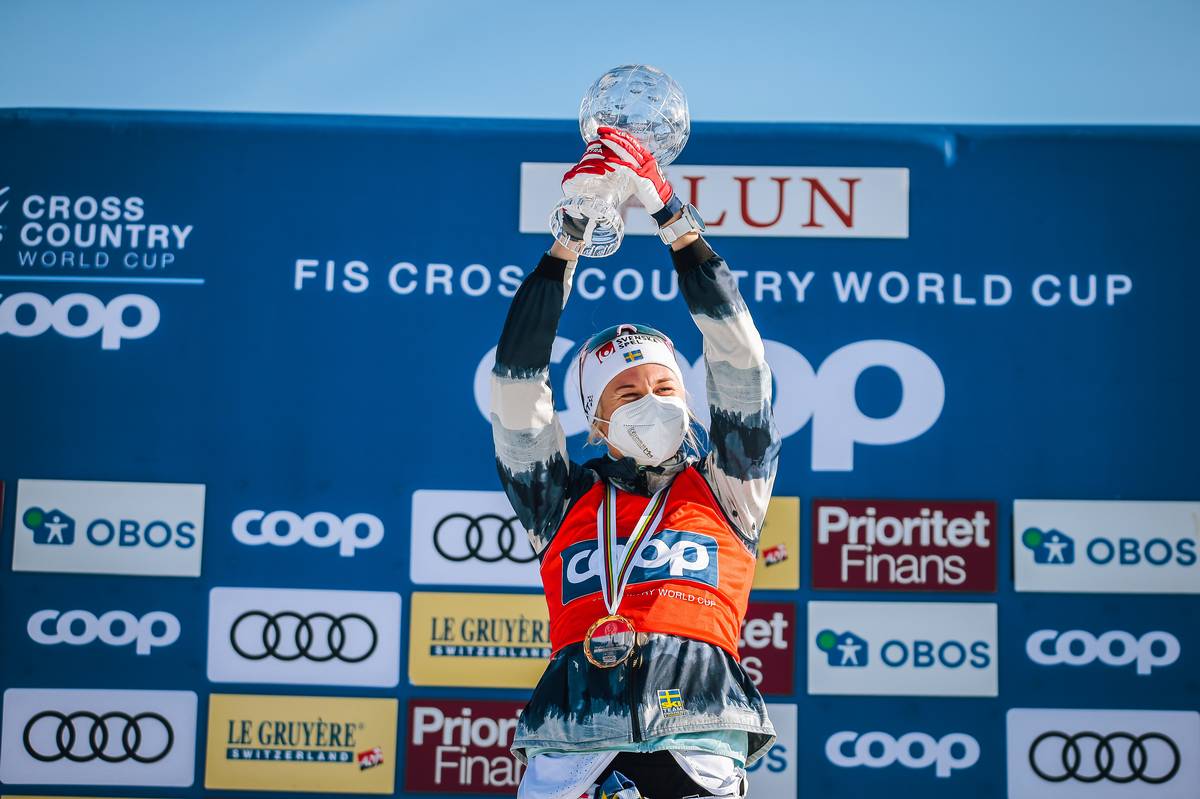
    Sweden’s Maja Dahlqvist hoists her crystal globe after a season that included winning the opening four World Cup sprints, and collecting an Olympic silver medal in both the individual freestyle sprint and the classic team sprint. (Photo: NordicFocus)

    Should Eliasch prove successful at centralizing the rights, it is still likely that Infront would remain involved with FIS, considering its primacy in its field and the fact that other centralized sports such as biathlon and F1 both contract with Infront. 

    Paine said that he’s “been an advocate for Johan sitting down with Infront. I think there has to be some negotiation with all the parties involved, if this is going to come to a successful conclusion.”

    Eliasch met with Infront in May, and was scheduled to meet again in June. “I’ve been a big advocate for those conversations taking place,” Paine said. “I was the loudest advocate, quite frankly, on the Council for making sure that Johan was in dialogue with Infront.”


    A Push for More Racing in the United States

    Paine and Eliasch also drew ire from some nations over their push for more World Cup racing in the United States, aimed at attracting a larger American audience.

    The seasonal stops on the World Cup have grown so indelible that there’s been little room left for visits to new venues. “The calendar from one year to the next has looked very similar,” said Paine. “There were very few changes.”

    The arguably stagnate routine has kept World Cup racing of all disciplines overwhelmingly in the Alps region and in the Nordic countries, and moves to change this has frustrated some nations. “It’s about planning security,” argued Walter Reusser, the Alpine Director at Swiss Ski. 

    Eliasch argued that the prescribed calendar has hindered the growth of the sport, particularly in the U.S. “I know [FasterSkier is] focused on cross-country, but alpine is a good example,” said Eliasch. “NorAm races, which are the second tier, are much more famous than the FIS World Cup races in the U.S. That tells you that something is really off. And when do we come to the U.S.? At the wrong time [November] when there is little interest in ski racing. So we have changed that, at least for alpine, so that we come back in March. We go to Aspen and Palisades Tahoe, as it’s called now. And here we hope we get proper viewership, and we can build much more time and engagement with American viewers.” 

    Though American alpine skiers have gained widespread fame, as a television audience the U.S. does not make the top ten for alpine, ranking somewhere below the likes of Slovenia.

    “Johan has said whether it’s cross-country, or alpine, we need to have more events outside of Central Europe and Scandinavia,” said Paine. “And those countries, once again, are the countries with the most events. If we’re going to hold events in North America or in Asia, they have to come from somewhere.”

    The addition of men’s alpine racing in Aspen and Palisades Tahoe next winter comes at the expense of Norwegian venue Kvitfjell. Erik Røste, the outgoing head of Norwegian skiing responded, “The Norwegian Ski Association will do everything we can to ensure that both women and men can run the World Cup in Norway in the years to come. As a large and dominant alpine nation, this is important.”

    Iivo Niskanen (FIN) takes the distance title for the 2021-22 FIS World Cup season. (Photo: NordicFocus)

    Paine dissauged fears that the Cross-Country World Cup races tentatively scheduled for Minneapolis, MN and Cable, WI in 2024 would be in jeopardy without his seat on the Council. “I don’t believe there’s any issues,” Paine said. “That cross-country calendar seems to be pretty widely supported. Chris [Grover], has done a really nice job in building relationships.

    “Look, there’s going to be a lot of turnover in cross-country as Erik Røste is going to be done in June and there is going to be a new head of the Norwegian Ski Federation, as well as all the issues with races in Russia given the conflict in Ukraine. My sense is that we’re in good shape for the 2024 races, particularly since everyone was ready to go with the Minneapolis races when the pandemic led to its cancellation.

    This is good news for American fans waiting since 2001 for the Cross-Country World Cup to return on home snow. For Paine, long an advocate for more racing on our shores, the bolstered American World Cup calendar is a job well done. 

  • U.S. Ski & Snowboard’s Dexter Paine and FIS President Eliasch Weigh In on Controversial Ski Congress

    U.S. Ski & Snowboard’s Dexter Paine and FIS President Eliasch Weigh In on Controversial Ski Congress

    Elections at FIS Congresses are normally not the scene of political intrigues, particularly when there is only one candidate for President. Yet, in a surprise twist, a bloc of powerful ski nations walked out on FIS President Johan Eliasch’s uncontested election and voted out Dexter Paine, the U.S. Ski & Snowboard representative, as well as a FIS Vice President and Councilor.

    Prior to the vote for President on May 26th in Milan, Italy, Croatia’s representative Vedran Pavlek insisted that the procedure be changed to allow a yes, no, or abstaining vote. Denied by FIS Legal Counsel, the delegates of Switzerland, Austria, Germany, Croatia and Scandinavia walked out. In all, only 70 of the 117 available votes were cast—just over the 63 minimum needed to reelect Eliasch. 

    U.S. Ski & Snowboard representative Dexter Paine was ousted from the FIS Council after a vote during late May Congress sessions. (Photo: U.S. Ski & Snowboard)

    The vote for FIS council followed, and Dexter Paine, who has served on the council since 2014, found himself in third lowest position—an abrupt turn of events for US skiing’s representative.

    “It was a real surprise,” Dexter Paine said on a call with FasterSkier. “A year ago, I was elected with the second largest number of votes. I think it was more of a protest vote against Johan [Eliasch], because, ultimately, he was the only name on the President’s ballot.” 

    “One of the things that I find disappointing,” Paine said, “is that I wish people were more direct and more open on the council and within that community, rather than being political.”

    Austria’s representative, Christian Scherer, seemed to sum up the underhanded attitude in an interview with Kleine Zeitung, saying, “We don’t want to say whether we voted for [Paine] or not. What I can say is that we always had excellent connections with the United States.”

    Paine explained that he received close to the same number of votes (74) as Eliasch and said, “I assume all the countries that walked out voted against me.” 

    President Johan Eliasch said that Paine’s presence on the council “will be missed,” adding, “He’s really been one of the people before I came in that was very strongly driving change for the better. His contribution has been invaluable over the years.”

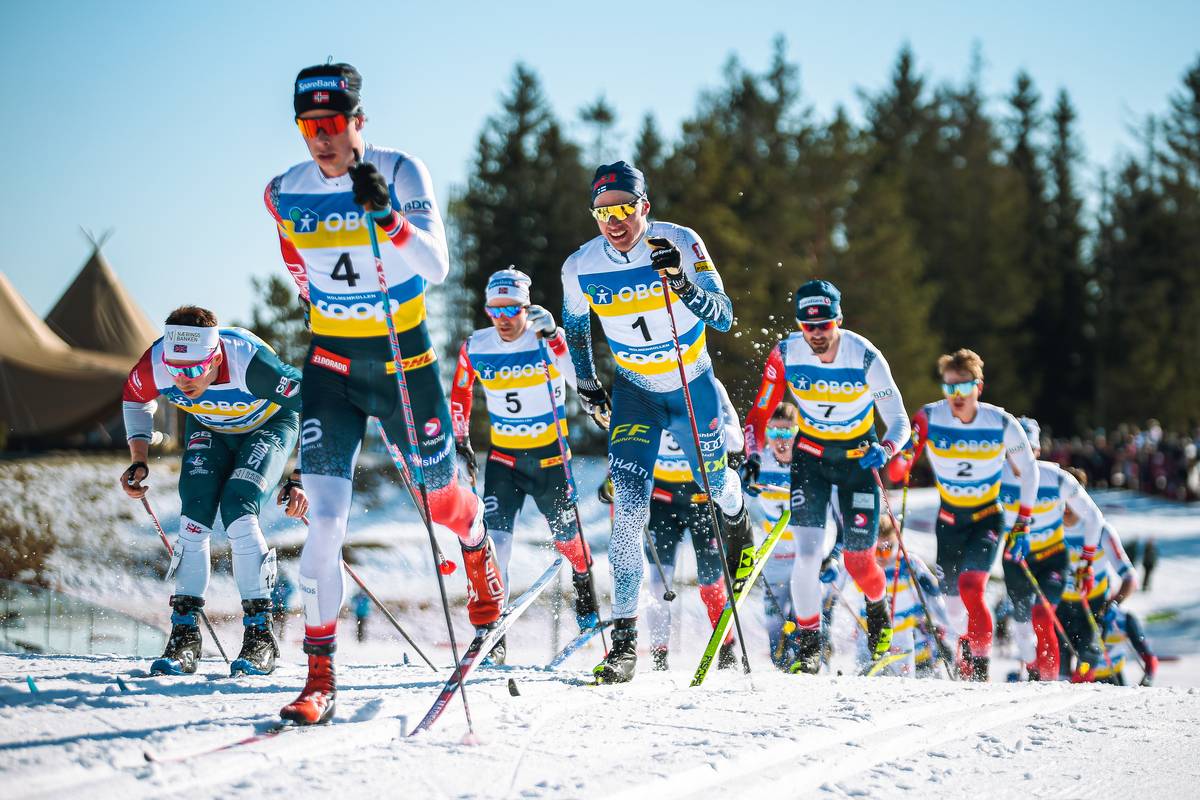
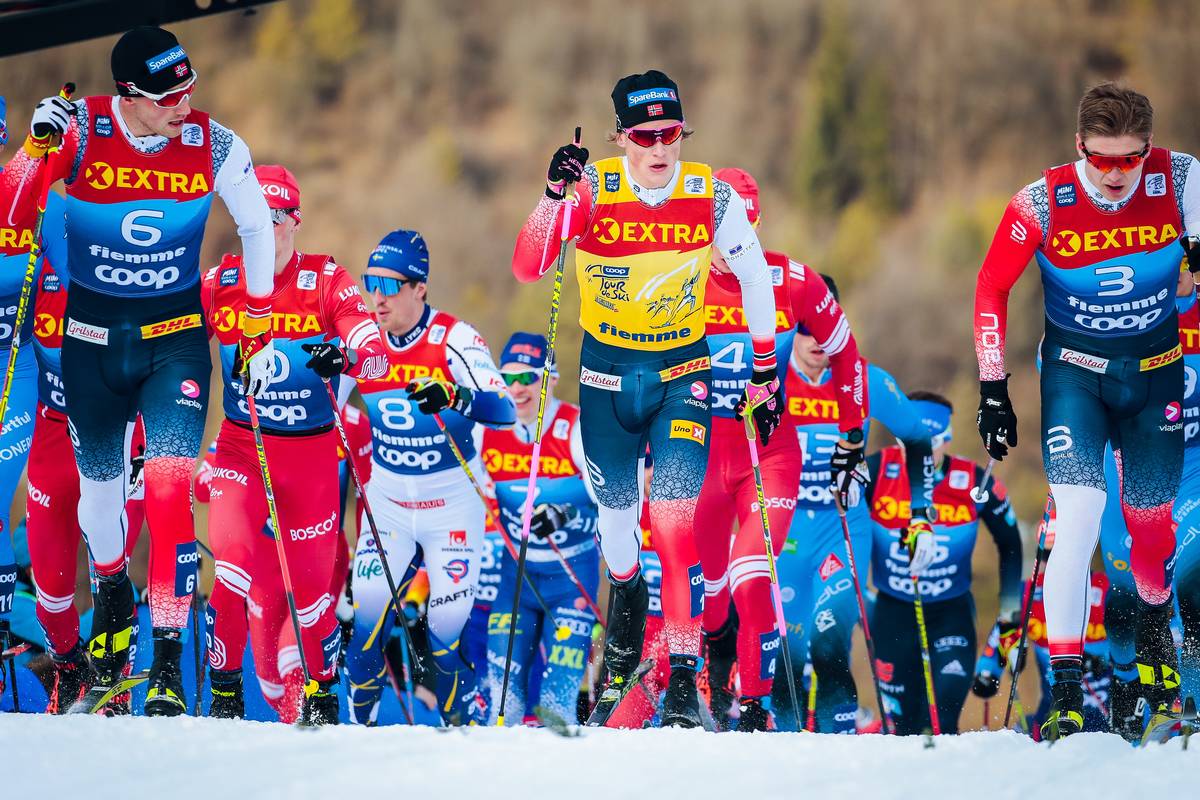
    The lead men kick and glide as a large group early in the 2022 50 k classic at Holmenkollen in Oslo, Norway. (Photo: NordicFocus)

    Paine had long advocated for modernization efforts within FIS—a position that led him to wholeheartedly endorse Eliasch’s progressive platform. Together, they rode a victorious crest during last year’s FIS elections. 

    Their decisive electoral wins in 2021 were interpreted as a mandate for change, and the two men pushed for Eliasch’s positions, key among them, the centralization of media rights that would help fund an overhaul of how FIS presents its sports and funds its athletes. 

    Just one year in, the representatives of large ski nations have seemed to sour on their enthusiasm for disrupting the status quo, with those that walked out of the Congress and voted out Paine decrying the election as undemocratic. 

    “An election is called that because one has a choice,” said Urs Lehmann, the head of Swiss Ski. “But that didn’t exist, that goes against our understanding of the law.” The Swiss, according to Lehmann, are considering legal action to invalidate the election.

    FIS statutes stipulated that candidates who wished to run for President needed to register by March 31st. When none did, Eliasch, who was voted in last year in a competitive election, was left as the lone candidate.

    “Anyone could have run against [Eliasch] 60 days ago,” said Paine. “So, if the folks who objected to the ballot were so focused on a democratic process, they should have run someone 60 days ago. Clearly, they didn’t think that they could run someone and have them win.”

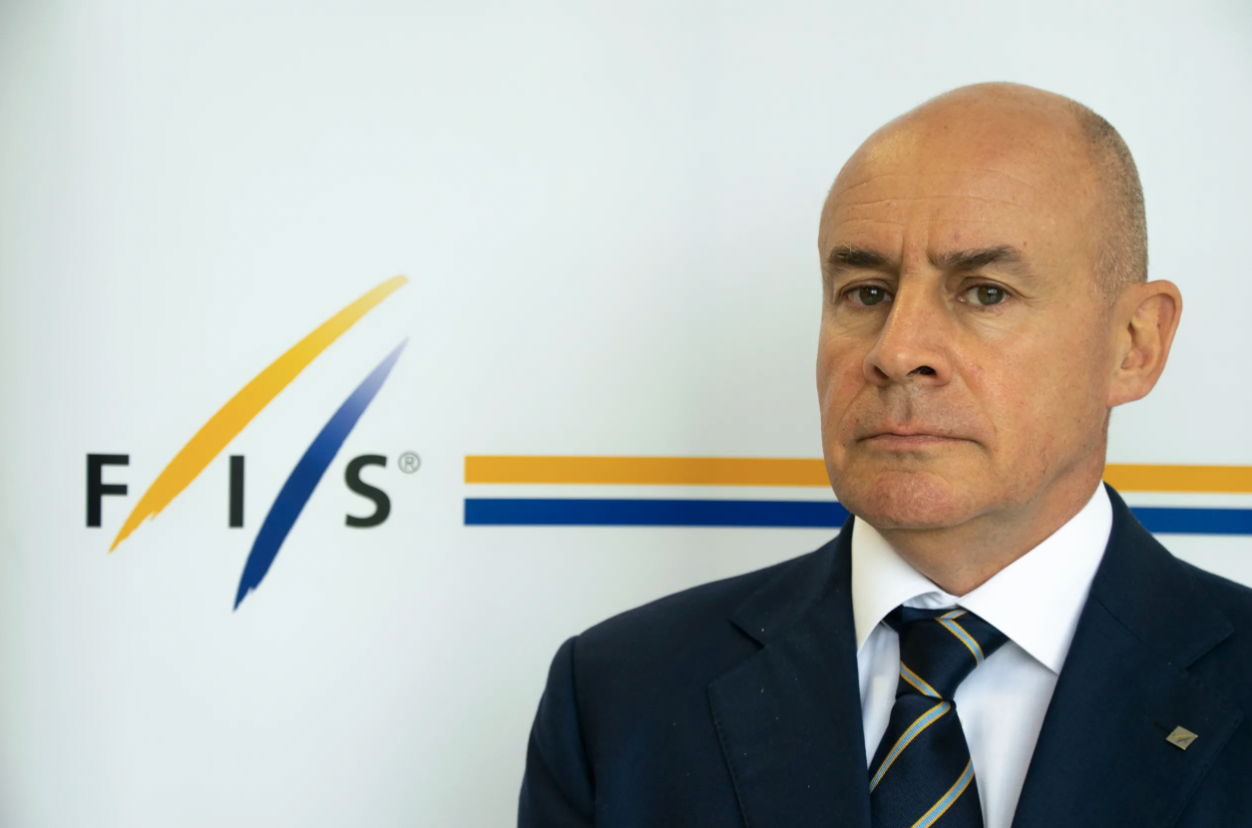
    Johan Eliash was elected president of FIS Council in June 2021. (Photo: FIS-Ski.com)

    Lehmann insisted that the discord with Eliasch only began to occur after March 31, when, according to Tages Anzeiger, Eliasch presented “his sometimes hair-raising plans to National Ski Associations. “The whole thing has only escalated in the last few weeks,” said Lehmann, adding, “the time for a serious candidacy was simply too short.” 

    Paine sees Lehmann’s motivations differently. “I think Urs Lehmann, who’s the head of Swiss Ski, desperately would like to be the President of this organization,” said Paine. “He lost last year and he could have filed his name and run this year, if he chose to.” Better that, Paine thought, than to “create a disruptive event at the Congress.”

    The discontent directed at Eliasch and Paine over the electoral process seems disingenuous. The former FIS President, the late Gian Franco Kasper, ran unopposed throughout the course of his 23 year Presidency—and had much more to do with a plan to centralize media rights under FIS.

    “I’ve been a pretty vocal advocate for centralization of media rights,” Paine said. “Every successful sports organization out there, Formula One [F1], NFL, Premier League, all have centralized rights.” 

    Paine’s position has been backed by U.S. Ski & Snowboard President and CEO Sophie Goldschmidt, who wrote that she is “pro-centralization.” The rights, she said “are valuable, and centralization can offer a significant revenue increase for countries across the board. This is a proven strategy across many successful sports globally, and by building the right structure, all of the national governing bodies under FIS can benefit.”

    Under the current long-standing structure, National Ski Associations (NSAs) presumed ownership of the media rights to FIS events hosted in their countries. Nearly all nations sold the totality of these rights to Infront Sports and Media who in turn brokered deals with broadcasters around the world to air these events.

    Sophia Laukli (right) skis in the pack during a mass start skate race in Val di Fiemme, ITA, the final stop in the 2021-22 FIS Tour de Ski. (Photo: NordicFocus)

    Eliasch and Paine advocated a different approach—a proposal called the FIS Concorde Agreement, in which FIS would own or distribute the rights previously controlled by the NSAs and sell them, much as Infront has done. 

    The potential windfall of income to FIS by retaking control of the media rights would be substantial. “The estimate is that Infront makes somewhere between 40 and 50 million euros on their ski contracts,” said Paine. “If you could instead allocate that increased income to increase prize money for athletes, increase distributions for our members, I think those would all be really good things. We can also do things like give digital rights to athletes.” 

    Currently, an athlete is unable to post videos of themselves racing due to copyright infringement. Paine suggested that if FIS owned the distribution rights, an athlete such as Jessie Diggins would have been able to post footage of her Tour de Ski win. 

    “Today, athletes don’t have that opportunity,” Paine said, “but if we were to control those rights, we could do that to really help our athletes, not just to generate more revenue, but increase our appeal globally.”

    According to Hannah Kearney, an athlete representative on the FIS council, “This is something that would benefit athletes, so I believe they support the centralization.” However, Kearney wrote that “athletes from different countries definitely have unique perspectives on the issue which makes it hard to make a broad claim about how all athletes feel.” 

    The proceeds would also fund the improvement of viewers’ experience. “I think cross country is a great product,” said Eliasch, “but we can make the television production more attractive, so what you see on television is more exciting. That applies across the board. I mean, we’re talking about using drone technology, telemetrics packages, more cameras, stuff like Formula One does. We need a series like ‘Drive to Survive’ like F1.”

    Netflix’s Drive to Survive takes viewers inside the inner workings of F1 and has helped boost interest in the motorsport. The show has been touted by Eliasch as an example of what would be possible if FIS had centralized rights. Asked if he could envision a similar series on cross country skiing, he said, “Yeah, definitely.”

    While Eliasch has promoted the model of F1, Paine has looked to biathlon, which he said was “a perfect example—they’ve been wildly successful. The new biathlon leadership has done a great job with their television contracts, with sponsorship, and really grown revenues and distributions very nicely for athlete prize money.”

    “It is the model we should be looking at,” Paine said chuckling. “I’ll be really direct about that.”

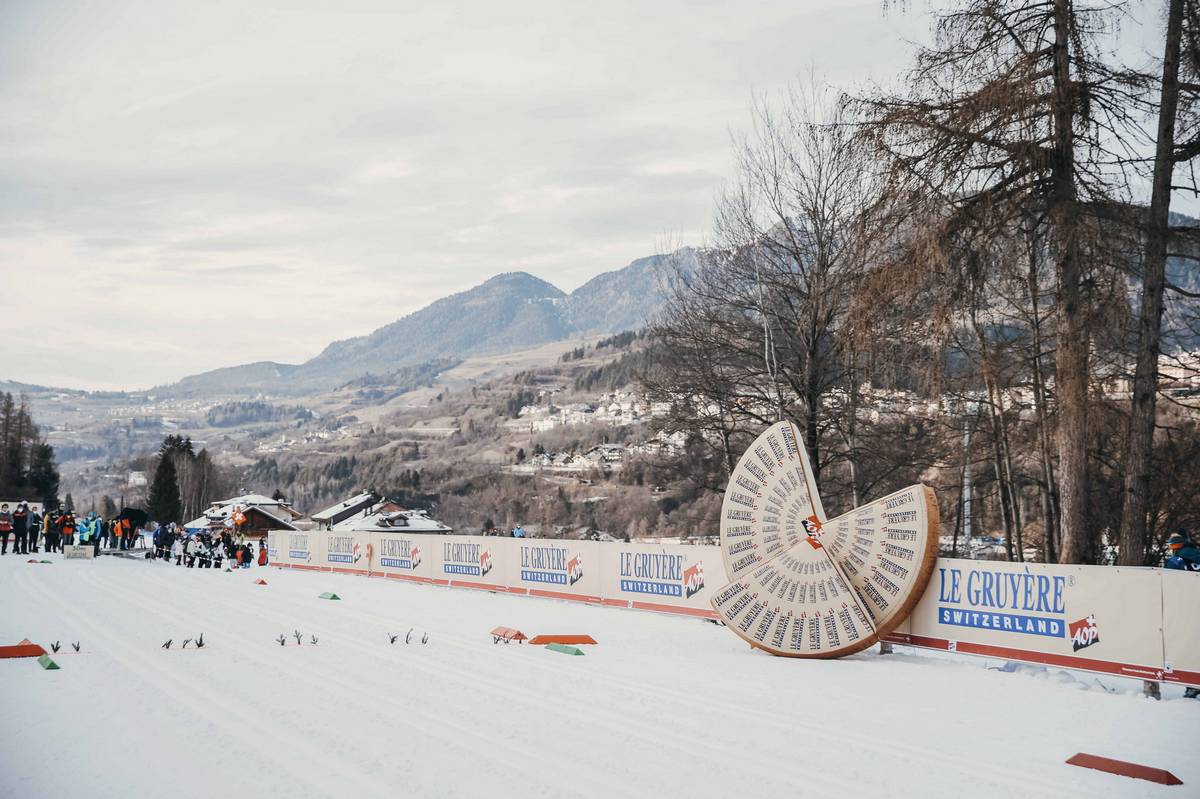
    The course in Val di Fiemme, ITA is prepped and ready for the men’s mass start during the 2021-22 FIS Tour de Ski. (Photo: NordicFocus)

    The basic concept is that FIS, by reinvesting the profits from the rights, would be able to improve both the media product and the competitive field by supporting coaches and athletes from underfunded nations. The more attractive media product and broader competition would draw in more viewers, and in turn, more profits. 

    In theory, the Concorde Agreement would raise all National Ski Associations, through a profit sharing initiative between FIS and the event hosts, and by distributing proceeds to all NSAs.

    Clearly, that is not the view of the big players in the ski world, who have viewed the rapid moves by Eliasch to remove Infront as a threat to their bottom line.  

    Paine explained that the largest TV revenue contracts go to Austria and Switzerland, with Germany and Norway likely close behind. “So I think their very simple calculus is,” Paine said, “they have the most downside—not what is best for the athletes and the sport.” 

    “If you’re Austria, you make €25 or €30 million a year from your TV contract,” said Paine. “That’s how you fund your athletes, and you don’t want to end up with €15 million. Now, Johan [Eliasch] would say that €25 [million] will, in fact, be €30, or €35 [million]—under a new contract [with] centralized rights. But he needs to make sure that people get comfortable with that and understand the math which seems compelling.”

    The FIS President recognized the hesitancy of large ski nations, saying, “For the dominant alpine nations, this is a big change. But it is essential if we want to move forward, because today we don’t have a digital media platform. We don’t have any content. The app and the website are [both] done by the same company—which control FIS’s media and broadcast rights.” 

    For FIS, the problem of Infront as a middleman goes beyond recapturing profits and platforms—the Swiss based media company has made deals that run counter to the interests of both FIS and the NSAs.

    “They’ve been very clever,” Eliasch said of Infront. “They have done the centralization of FIS’s media and broadcast rights—what FIS should have done twenty years ago.”

    “Historically,” said Eliasch of the existing business model, “the FIS World Cup rights have been sold outright, mostly at below fair market value with very onerous terms contributing to a loss of viewership.” 

    “A good example is Scandinavia,” continued Eliasch. “FIS World Cup rights were sold to a marketing agency who in turn sold them to a web based streaming platform for more than double what they paid.”

    Eliasch noted that while “this model proves exceptionally profitable for the marketing agency, the strategy behind the sale is problematic to our future. The streaming channel is a specialty channel with small viewership compared to mainstream broadcasters. Consequently, less people are able to access the product and viewership is down a staggering 40% in Norway and Sweden which is disastrous for our sport.” 

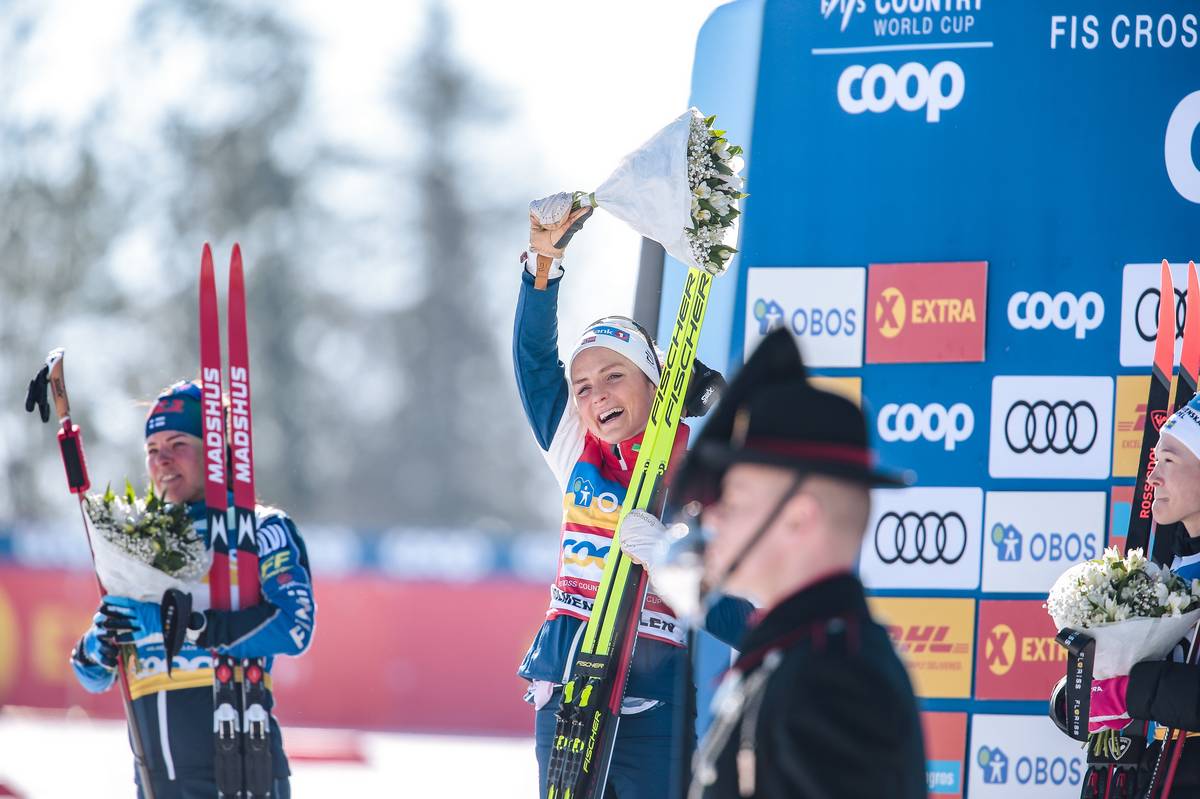
    Norway’s Therese Johaug stands atop her final podium at Holmenkollen, her home course in Oslo, in March 2022. (Photo: NordicFocus)

    The streaming service that Eliasch was referring to is NENT, now rebranded as Viaplay, whose purchase of the rights has taken skiing events off public TV, to various degrees, in Norway, Sweden, and Finland, and put them behind a paywall—an unpopular move that has suppressed viewership in a key market for cross country skiing. 

    In all, the sport has lost 27% of its total audience this season, with Norway losing close to half in just two years. With Scandinavia hemorrhaging viewers, the Viaplay deal could have hardly come at a worse time: the sport is poised to lose a further third of its audience in Russia should it remain banned. All things being equal, this possibility would see cross country skiing’s viewership crater to just a third of what it was a decade ago. 

    While the windfall to Infront from brokering the rights to Viaplay is purportedly worth more than €10 million a year and extends until the 2024/25 season, the sponsorship value lost in the past year—more than €22 million—suggests that the deal only made sense to the third party selling the rights.

    “Future deals will be based on previous audience metrics,” said Eliasch. “Any decline in viewership is a decline in value.”

    For Ski Associations there was little recourse to prevent the Viaplay deal, explained Eliasch. “The current agency rights agreements are so restrictive they prevent an NSA the ability to approve or reject distribution channels, which today is a ‘standard’ right of the IP rights holder.” 

    The FIS President felt that the Viaplay deal demonstrated what happens “if you do an agreement with a complete buyout.”

    By buyout, Eliasch was referring to the policy of selling the totality of the media rights, rather than, say, granting a “license for a live showing and then you [get] the rights back.”

    Eliasch felt a more typical approach would be a commission based contract that grants a “license for a live showing and then you [get] the rights back.”

    “That’s how it [normally] works,” said Eliasch, adding, “If you have a middleman involved, he gets a 15% commission. You get a minimum guarantee, you have controls over the distribution channels. That’s kind of how the business works today. An outright sale to an agent is not how the business is done.”

    When asked how Infront had gained so much influence over FIS, Eliasch replied:

    “I can’t…I can’t begin to explain that. I can only say these agreements make the Versailles Treaty look like a good treaty. But again,” added Eliasch, “we can only blame ourselves. And that is what we have to change.”

    “We must evolve,” he said. “It is essential if we want to move forward. We’re not in control of our own destiny.”

    Norway with the lead during a 15 k mass start classic in Val di Fiemme, ITA in January 2022. From left to right, Even Northug, tour leader Johannes Høsflot Klæbo, and Erik Valnes. (Photo: NordicFocus)

    Eliasch has been clear in his vision for the future of FIS, saying, “We are an FIS for all members, not just for the chosen few—we are for all disciplines, all over the world. I want to strengthen our commercial activities. I want to make sure we’re fit for purpose. I want us to expand our reach, and make us more attractive to young people.”

    Paine remained steadfast in his views despite running afoul of entrenched interests at FIS, saying, “I wouldn’t do anything differently in terms of the positions we advocate for, or what we think is best for the athletes in the sport. I’m very much a person that does what I say I’m going to do.” 

    The election loss was bittersweet for Paine, as he felt that much of his agenda set out in the last couple of years had been accomplished: “We were very focused on electing women to the council,” said Paine, “So we had put through the statute change that required three women [to be elected] and actually four women were elected, which I think is great for the organization.”

    He listed other goals attained at this spring’s Congress such as the culmination of a ten year effort to officially change the name of FIS to include Snowboard, as well as the (likely) integration of Para sports under the FIS umbrella at the end of June. 

    “On the alpine side, we doubled the number of World Cup races we have in the US, including a block in March, which is terrific. We were able to get through many of the things we’ve worked really hard on, that I think will have a really positive impact on athletes,” said Paine, adding, “So that’s exciting.”

    Paine’s presence on the council will be missed by many. “I sincerely appreciate Dexter’s sense of humor and his willingness to stand up for what he believes is right,” Kearney wrote. “Dexter was an energetic, outspoken, and thoughtful Council member. He advocated for the athletes and was a wonderful mentor to me.” 

    U.S. Ski & Snowboard President and CEO Sophie Goldschmidt wrote that “Dexter has been an incredible advocate for modernization and making the FIS more democratic throughout his time on the FIS council.” She added that his work to get smaller nations and women represented on the council “will help bring a global and more inclusive perspective to the FIS.”

    While the US continues to have a vote on the council through athlete representative Hannah Kearney, her role is somewhat different from that of Paine’s. Selected by the fourteen athlete representatives, she wrote that her role is to “represent the interest of the athletes, whereas elected council members balance the interests of all stakeholders across the FIS family.” 

    “I am really sad that we (the US) don’t have an elected voice,” Paine said. “Forget whether it’s me or someone else, I just think it is important to have a voice.” 

    “The good news is,” said Paine, “Johan continues to call a lot. So, I think we continue to have the ear of the presidency.”

    Goldschmidt noted that the US is still well represented in FIS committees and that the “[U.S. Ski & Snowboard] has some great relationships with other countries and members of FIS,” including, “new elects Deidra Dionne from Canada, Magdalena Kast of Argentina, and Fiona Stevens of New Zealand.”

    “While we’re disappointed that Dexter was not reelected,” wrote Goldschmidt, she pointed out that Paine still retains influence at FIS. After his electoral loss, he was voted in as an Ex Officio Honorary Member, a title that lacks voting rights but will, according Goldschmidt, allow Paine to “participate in council meetings and encourage U.S. Ski & Snowboard-backed changes.”

    “Hopefully,” Paine reflected on his eight year career on the FIS council, “it ultimately has been a real benefit to the athletes at FIS.”

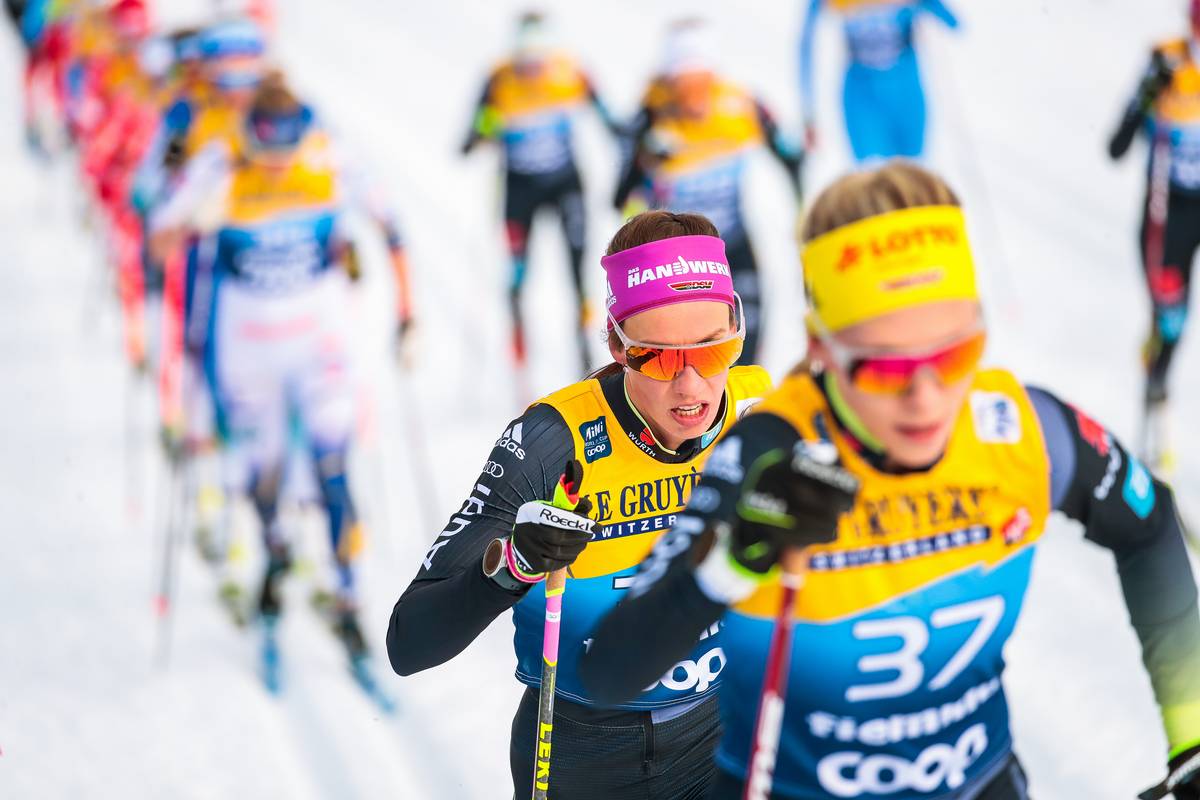
    Germany’s Sofie Krehl in course during a 10 k mass start classic in Val di Fiemme, ITA in January 2022. (Photo: NordicFocus)