Tag: Frisco

  • Summit Nordic Coach Hannah Taylor Dies in Trail Running Accident (Updated)

    Summit Nordic Coach Hannah Taylor Dies in Trail Running Accident (Updated)

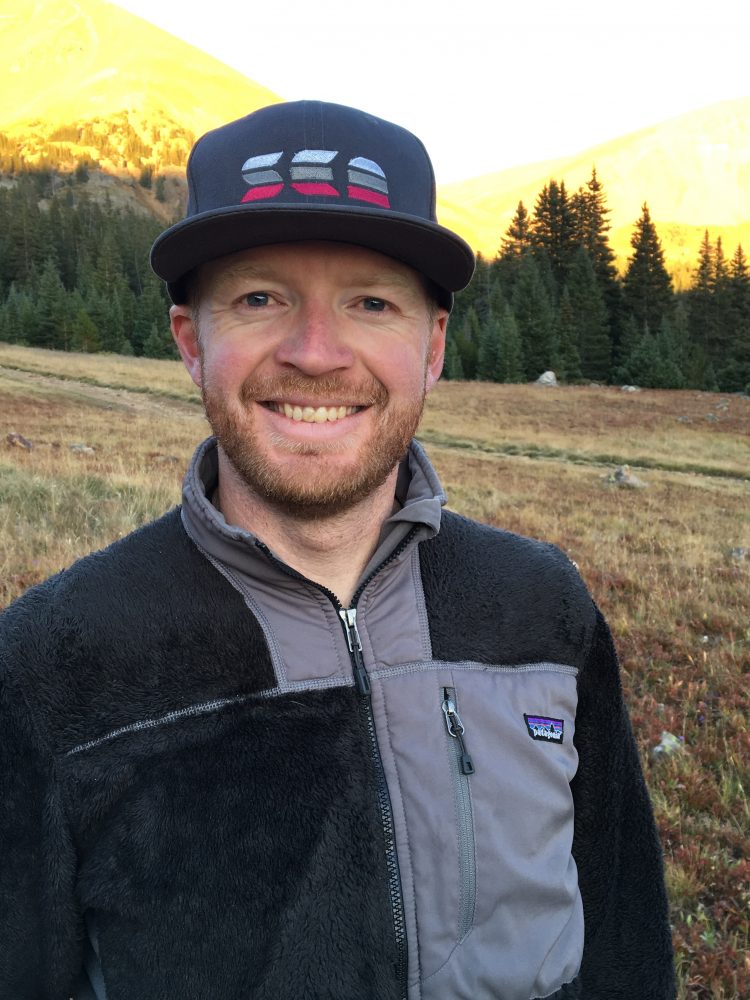
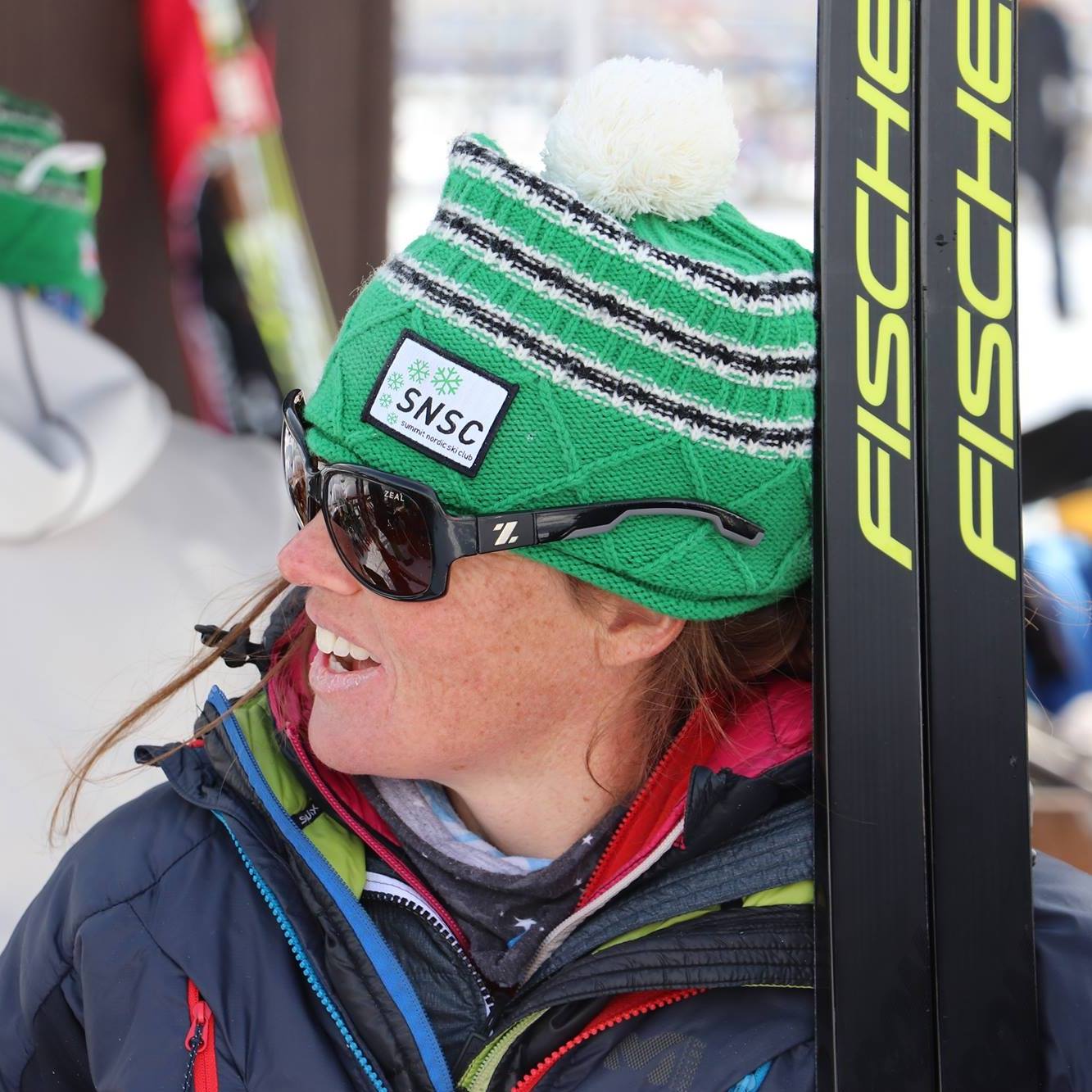
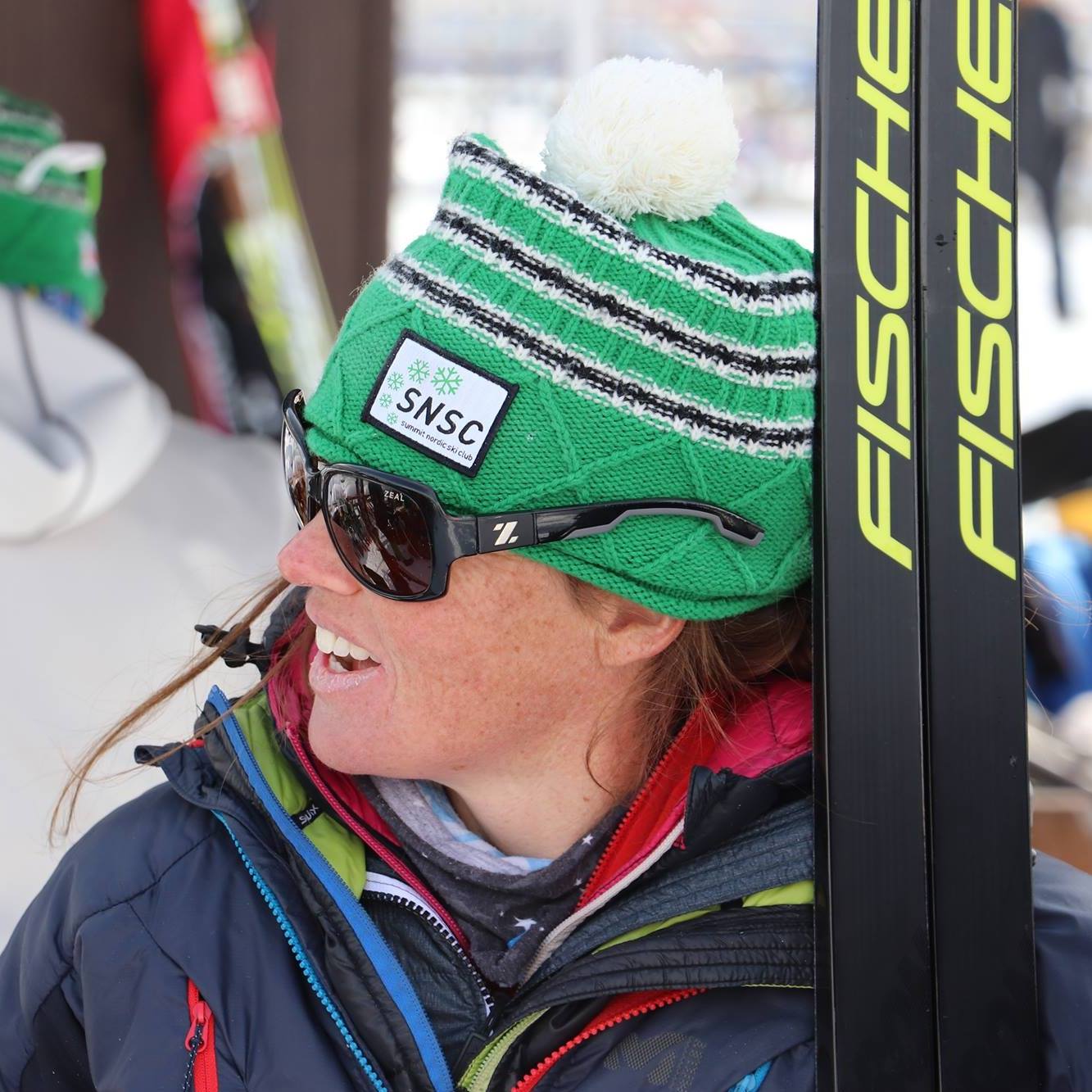
    Summit Nordic Ski Club coach Hannah Taylor passed away on Saturday, July 21. (Photo: Summit Nordic Ski Club/Facebook)

    (Update: On Thursday, Aug. 2, the Summit County coroner’s office provided details on what happened to Hannah Taylor on July 21. Those details can be found here.) 

    A Summit Nordic Ski Club coach for the last 14 years, Hannah Taylor, 39, passed away on Saturday after a trail running accident in the Gore Range near Frisco, Colorado. Originally from Hopkinton, N.H., Taylor, who lived in the Frisco area for the better part of the last two decades, was running on Willow Peak ridge with Summit Nordic’s head coach Olof Hedberg when she grabbed a rock that came loose. According to the Union Leader, she fell some 250 feet into a rock garden below and was pronounced dead at the scene by medical team that arrived by helicopter. The accident occurred around 12:30 p.m. on Saturday.

    On Monday, Summit Nordic posted the following on its Facebook page:

    “On Saturday July 21st SNSC coaches, Hannah Taylor and Olof Hedberg, were out on a mountain run in the Gore range. On the Willow Peak ridge Hannah grabbed a rock that came loose and lost her life.

    Hannah has been with Summit Nordic Ski club for 14 years and there are no words that can describe the impact she has had on our club. We all know that this club wouldn’t exist without her. She wasn’t just a coach with SNSC, she was the heart and soul of SNSC. Her impact on our athletes reached far beyond their ability to ski. She didn’t just help children become successful athletes, but successful and great people.

    Her dedication to our athletes was undeniable. She kept a record of every wax used for every race over the last 10 years and cried every time we missed a wax on a race. She always wanted every athlete to have the best possible situation to perform and spent hours and hours making sure everyone had the perfect conditions no matter if you finish first or 30th.

    She instilled values like hard work, integrity, truthfulness and a sense of adventure into our club. To say that Hannah was an SNSC coach is not enough. SNSC as a whole is a reflection of Hannah Taylor and her values. Without ever asking for the spotlight, she shaped SNSC to a reflection of herself, and every day going forward we will try to honor that reflection and be the best we can. We will miss you every day.”

    Summit Nordic board president Peter Haynes told the Summit Daily how invaluable Taylor had been to their club.

    “She was here through several head coaches; she was our rock,” Haynes said. “This club would not be what it is without Hannah. She was such a strong person and personality, and hard on people. But she loved them so much — the kids especially. She did not give them a lot of breaks, but it was truly because she cared about them so much. She truly made this club better for everybody — coaches, parents and athletes.

    “I’m at a loss at what we will do without her, truly,” he continued. “Her ability to hold it all together when it kind of felt like it was too difficult at times, she just got through it all and did everything we ever asked of her.”

    Taylor skied for Middlebury College in Vermont and worked for the Appalachian Mountain Club before moving to Colorado. There, she began coaching at Summit Nordic and was hired as office manager at the Summit Huts Association, a Breckenridge-based nonprofit that owns and operates four backcountry ski cabins in Summit County. She worked for both entities for more than a decade and became managing director of Summit Huts.

    She was also an ultra runner who won the High Lonesome 100 ultra marathon last summer, finishing nearly two hours ahead of the second woman. Taylor is survived by her family and friends, including her longtime boyfriend and “her trusted dog and adventure buddy,” Saco, according to the Summit Daily.

    A memorial and life celebration is scheduled for Thursday, July 26, at 6:30 p.m. at the Frisco Nordic Center Day Lodge. Summit Nordic encouraged attendance and is seeking photos of Taylor: “If you have any photos of Hannah you are willing to share, please send them to hannahsmemorial@gmail.com or post them to Facebook and tag Hannah.”


  • Wednesday Workout: Redefining Endurance with Joe Howdyshell

    Wednesday Workout: Redefining Endurance with Joe Howdyshell

    Summit Endurance Academy coach/owner Joe Howdyshell getting vertical with his skinny skis. (Photo: Climbbetty.com)

    You name it and Joe Howdyshell, director and founder of Summit Endurance Academy in Frisco, Colo., has probably coached it. From skiers to cyclists to ski mountaineers, Howdyshell’s repertoire extends beyond endurance athletes. His experience with a wide range of outdoor-sport enthusiasts made him a prime candidate for one of our weekly workouts. Here he provides a workout he has all of his endurance athletes do, regardless of sport, throughout the year at the end of their recovery weeks.

    ***

    With the utterance of endurance athlete, a certain individual often comes to mind. The cross-country skier clamoring over boulders during a three-hour hike. The road cyclist grinding up the final hill of a four hour ride. The Ironman competitor, finishing up a 2.4-mile swim with more than a century bike ride and marathon run left to go.

    Many make the list. What about the motocross biker drifting a machine operated hunk of metal around a dirt course? Or the extreme-obstacle-course racer army-crawling under a stretch of barbed wire? Some would say they don’t fall under the same category.

    But 33-year-old Joe Howdyshell, founder and director of Summit Endurance Academy (SEA) in the Colorado Rockies, has a different point of view. He sees these individuals as one in the same. From the athlete he coaches who is currently climbing Everest, to the professional Spartan racer under his advisory, to the motocross racer he provides training plans to, all fall under the umbrella of endurance athlete.

    Joe Howdyshell of Summit Endurance Academy (Photo: Erin Gigliello)

    The key is how one defines endurance and athlete. For Howdyshell and SEA — a training program he started in 2013 that offers coaching and training advice to its members –endurance is defined “as any effort lasting longer than two minutes (this includes crashing time)” and an athlete as “anyone who is trying to systematically improve performance or capacity.”

    If anything, the definition attracts a wide span of participants. At present, Howdyshell has 50 athletes following his training philosophy, 19 of which are Summit County locals. The other 31 athletes he works with hail from various states and countries, including New York, California, Washington, Utah, Vermont, Wyoming, Arizona, New Zealand, Spain, and Ecuador. Many fit the more traditional sense of endurance athlete, such as distance cyclists, skiers, and runners, and others less so.

    “It doesn’t really matter to me how fast they are, if they’re willing to dedicate to the process, then I’m all about working with them and figuring out ways to help them,” Howdyshell said on the phone last month. “So the guy who’s a motocross racer, he’s like, ‘Yeah, I’ll wear a heart-rate monitor every time I’m on the track or every time I’m at the gym.’

    “We looked at his heart-rate profile when he’s in a motocross race, and he’s pegged it for 185 for 15-20 minutes,” Howdyshell continued. “So the cardiovascular demands are insane. By collecting data and being communicative, together we can develop a strategy to make him faster.”

    As Howdyshell continues his professional work with athletes, he also continues to expand his realm of expertise. He began coaching professionally in 2005, and for almost a year now, has served as the head coach for the U.S. Ski Mountaineering national team.

    An average workweek for Howdyshell entails 40-60 hours for the SEA and another four to five hours for his national team coaching duties. His introduction to the U.S. Ski Mountaineering position and sport itself was in large part due to his background in cross-country skiing: he’s been nordic skiing since the age of 12, and he was previously head coach of the Summit Nordic Ski Club prior to founding SEA.

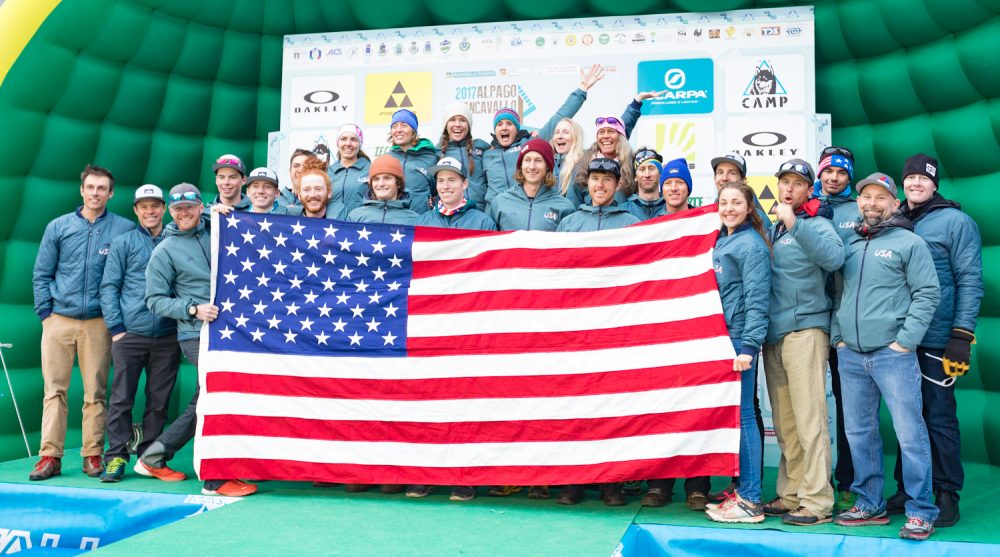
    Coach Joe Howdyshell (third from left, holding flag) with the U.S. Ski Mountaineering national team in Italy. (Photo: Mike Smiley)

    “I was the head coach of the Summit Nordic Ski Club for a number of years and I had all these crazy friends and a lot of the parents who would go skinning,” said Howdyshell, who also has a degree in exercise science. “I was like, ‘What the hell is that?’ … then I did it a few times and friends were like, ‘Hey, you gotta try this ski-mo race thing, so I started doing that. … Then, since there aren’t many coaches in the sport in the U.S., [becoming the national-team head coach] kind of happened naturally.”

    Regardless of which athlete he’s working with, there’s one workout he has each of them do. On the Thursday of a recovery week, whether in-season or off, he has his athletes complete a 20/40 workout: 20 seconds of on-time, followed by 40 seconds off. Each athlete repeats these 20/40s for five minutes, followed by five minutes easy. The set is then repeated two more times. The workout is intended to help athletes safely return to interval training. To an extent, his workout epitomizes what he hopes SEA embodies: demonstrating a way to bring on the “bad ass” without burning out the engine.

    “One of the big things that and I’m still trying to figure out how to say is that idea of what is bad ass,” he said. “Knowing when to work hard and when to just relax. Part of [SEA] is trying to teach people that you can get very, very, very fit if you take the time and you dedicate and you work hard when you need to and you don’t when you don’t need to. …. Training doesn’t have to be a monkish isolated journey that only involves hail. You should be able to have a beer after your workout. I think that too often we see a separation between the people who take it too serious and then people who don’t take it seriously at all. … For me, spreading that message that you can be fast and have fun at the same time, that’s kind of my key goal.”

    The Workout: 20/40 recovery

    Purpose: Remind the body what intervals feel like without overtaxing the system; on-time should not be max pace.

    “Typically I’ll do a rest week every third or fourth week and that’ll be a day off, a day easy, a day off, a day easy, and then I kind of get them back into the training mode with 20/40s,” Howdyshell explained.

    For XC skiers, he recommends doing the workout on rollerskis or running.

    Ideal time: Thursday of a rest week (rest week usually includes two days off and two days easy in four days for his athletes). Can be done year-round.

    Warmup: 15 minutes progressive

    • 5 minutes: Go from the bottom of Level 1 to the top of Level 2
    • 5 minutes: Done at 10-15 beats below Level 3
    • 5 minutes: Back to Level 1

    The set: 20/40s (x 3)

    • 20 seconds on and 40 seconds off for 5 minutes
    • 5 minutes easy
    • Repeat two more times

    (Note: Howdyshell recommends using 2- or 3-kilometer race pace for on-time effort)

    Cool down: 15-20 minutes easy

    Total time: 60-65 minutes

    Howdyshell’s Top-3 Suggestions:

    1. Staying on track sometimes means holding back. The 20 seconds of on-time should not all be done at a full-out sprint. Instead, goal pace should be around 2-3 k race pace. “I’ve had athletes come back and be like, ‘That was so hard,’ and I’m like, ‘Did you hit each one of them as hard as you possibly could?’, ‘Yeah I did,’ ‘Well, that’s exactly what I told you not to do.’ ”
    2. The workout won’t feel the way you want. “Especially if you’re coming off of an extended rest block, you’re going to feel sh*tty,” he said. “And that’s exactly what the workout is for; it’s a bridge to get you out of your body thinking that, after a few days of rest, your body is in couch-potato mode, which is good, it needs to be, but you’re not going to feel amazing right off the bat.”
    3. Make right with your warmup. After an extended period of recovery time, jumping into intensity without a good warmup isn’t always fair to you or your body. “It’s kind of easy to get antsy after a few days of not training too much and jump into the higher intensity too fast,” he said. “Make sure you don’t shortchange the warm up.”
  • Under 23 Questions with Taeler McCrerey

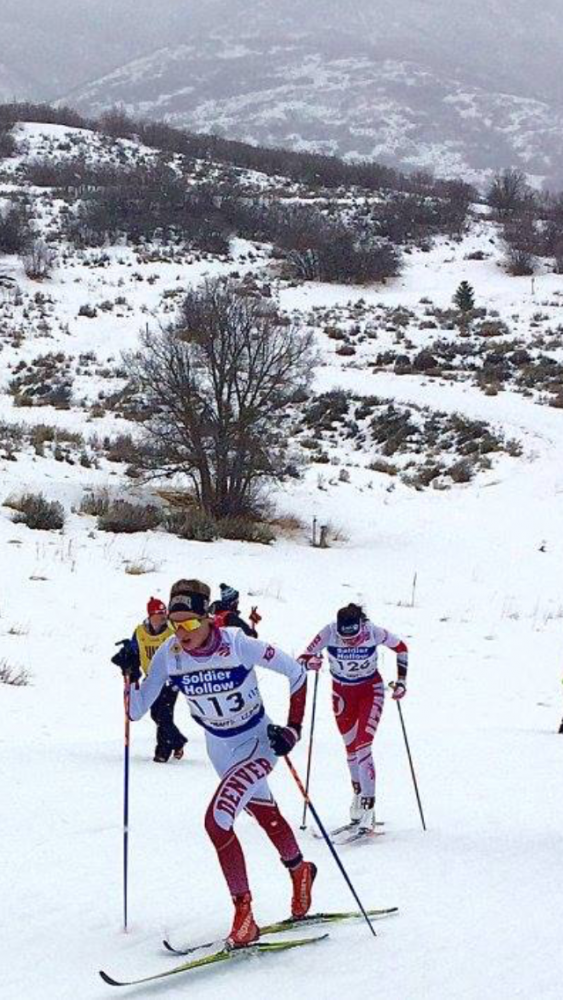
    American Taeler McCrerey (University of Denver) racing to 40th in the women's classic sprint qualifier on Monday at 2017 Junior World Championships at Soldier Hollow in Midway, Utah. (Photo: FlyingPointRoad.com)
    American Taeler McCrerey (University of Denver) racing to 40th in the women’s classic sprint qualifier on Monday at 2017 Junior World Championships at Soldier Hollow in Midway, Utah. She went on to finish 20th in Wednesday’s 5 k freestyle for a career best at her first Junior Worlds. (Photo: FlyingPointRoad.com)

    In an effort to showcase the North Americans competing at this week’s International Ski Federation (FIS) 2017 USANA Nordic Junior World Championships and U23 Cross Country World Championships at Soldier Hollow in Midway, Utah, we asked those qualifying athletes several questions about themselves — actually, we had them fill in the blanks. Here we have 19-year-old Taeler McCrerey, of the University of Denver, representing the U.S. at her first Junior Worlds.

    On Wednesday, she raced to 20th in the 5 k freestyle, and she’s one of four U.S. woman on the start list for Friday’s 10 k skiathlon.

    ***

    “My full name is Taeler Linnea Mccrerery, but you can call me Taeler. I was born in Frisco, Colorado, raised in Frisco, Colo., and one thing you should know about my hometown is we have beautiful mountains.

    Taeler Mccrerey (University of Denver Ski Team) racing in the junior 5 k classic at the 2017 U.S. nationals at Soldier Hollow in Midway, Utah. (Courtesy photo)
    Taeler Mccrerey (University of Denver Ski Team) racing in the junior 5 k classic at the 2017 U.S. nationals at Soldier Hollow in Midway, Utah. (Courtesy photo)

    I started cross-country skiing when I was fourteen, thanks to my brother, Tucker. I currently train in Denver with the University of Denver Ski Team.

    If I’m not skiing, you might find me enjoying the sunshine.

    One of the things I’m most excited about for Junior Worlds at Soldier Hollow is representing the U.S on home soil! One race I’m especially targeting there is the 5 k freestyle.

    The best advice anyone ever gave me about skiing or racing was slow is controlled, and controlled is fast.

    If I could meet one World Cup skier, it would be Stina Nilsson.

    If I don’t end up being a professional skier, I’ll probably be a trauma nurse.

    I’m missing seven days of school to be here, and my teachers are probably thinking, ‘Is she still in my class?

    You can follow me on Instagram  at @taelerlinnea.”