From the FasterSkier archive — posts syndicated from athletes’ and coaches’ own blogs between 2004 and 2012, kept online as published. Current coverage is at fasterskier.com.

Tag: Fueling

  • Prime the Body for Race Day with a Race-Prep Workout from Jessica Yeaton

    Prime the Body for Race Day with a Race-Prep Workout from Jessica Yeaton

    David Norris and Scott Patterson complete a set of pre-race classic intervals to optimize their performance in the next day’s races. (Photo: Tom Horrocks)

    All the athletes are all stripped down to their race suits and zooming around the course with laser focus.  They are breathing hard; in fact, some of them seem to be skiing at max effort. If it weren’t for the lack of announcements, race bibs, and cheering from the crowd (pre-COVID, of course) you might actually think it’s race day – but it’s not. It’s actually the day before the race, and many of the athletes are performing their race-prep workout. 

    For most cross-country skiers, a race-prep workout entails skiing fairly hard, often involving a similar pace to that of the race the following day. This may seem counter-intuitive, as you might think that energy conservation is key to peak performance. I distinctly remember being a middle-school cross-country runner and taking the day before the race entirely off; my race-prep “workout” would then consist of 20 minutes of walking to ensure that my legs didn’t get “too tired”. Sadly, this leisurely myth was debunked, and I have learned over the years that race-prep the day prior is actually a great time to put in some harder efforts to optimize performance. 

    Here are a few of the reasons why it’s a great idea to push yourself out of your comfort zone the day before, and a few suggestions for improving your race-prep workout before your next race.

    Hailey Swirbul completes a pre-race training session in Davos, SUI in December, 2021. (Photo: NordicFocus)

    While rest is important, taking a day off can often make your legs feel heavy or sluggish the next day. This is one of the main reasons why it is important to get out and ski the day prior to a race, even if minimally. Many athletes opt to take two days prior to the race completely off instead. 

    One of the biggest goals of a race-prep workout is to help switch your legs on and avoid any lethargic feelings on race day. It is not uncommon for athletes to report feeling “terrible” and having heavy legs during a race-prep workout. Rather than serving as a bad omen for the race the next day, it actually can be a positive sign that both feelings and performance will improve on race day. That being said, the length of the race helps determine the intensity of the workout the day prior. The shorter and more intense the race is the next day, the harder the pre-race workout will be, and vice versa.

    U.S. Ski Team member and soon to be two-time-Olympian, Rosie Brennan, offered her advice for a race prep-workout and how it differs depending on the type of race. Rosie excels at both sprint and distance racing; last season she won both the sprint and distance world cup races in Davos, Switzerland. Additionally, while many other world cup athletes specialize in sprint or distance events, Rosie’s race calendar consists of a mix, which has given her plenty of practice perfecting her race-prep. 

     “For sprint days, I do one lap of the course L3, take a break, and then one lap L4. After that I will run through a few speeds on key sections of the course.”

    Before distance races, Brennan states that her preparation is a little more variable. “If I’ve been racing a fair amount, I will generally do one 10 min interval that is mostly level 3 and kicks up into level 4 the last few minutes. If I haven’t raced in a while or feel like I need to rev the engine a little more, then I will do something like 3×4 minutes progressive, starting in level 3 and moving into level 4 for the last interval.”

    Race prep is also used to feel the rhythm of the course and practice corners, transitions, downhills, or other key spots on course at race speed. That is the beauty of skiing so quickly during these workouts – you can really get a feel for the way the course will ski the following day. Brennan says that race prep helps her to get a feel of how the course and snow might ski at race speed. “This allows me to better develop a race plan or do some visualization of how I want to ski on race day”, she states. 

    Rosie Brennan powers through the final stretch to finish 4th in Davos in December, 2021. (Photo: NordicFocus)

    Although race-prep is often performed at a zone 3-4 pace, or just below/touching into anaerobic threshold, the total work time rarely exceeds 10-12 minutes.  For elite cross-country skiers, a typical interval set is generally between 25-60 minutes of work time depending on the target heart rate zone. By keeping the total time of race-prep significantly lower than a standard interval set, it ensures that the overall fatigue is minimized while still allowing for adequate practice of critical spots on the race course.

    Another goal of the workout the day before pertains to fueling. Muscle glycogen, or the major source of carbohydrate for energy during exercise, is pertinent to optimal performance. The greater muscle glycogen stores are, the longer the time to exhaustion, and the faster you can ski. Hard race-prep intervals serve as a stimulus for the resynthesis of muscle glycogen. Following this workout, muscle glycogen is rapidly replenished due to increased insulin sensitivity and cell membrane permeability to glucose. (1)

    That being said, it is critical to adequately fuel post-workout to ensure that this happens. So, while the race-prep workout might be slightly taxing in the short term, it ultimately assists our bodies in jump-starting the fueling process and ensuring that our muscles are ready to perform an even higher-intensity workout (race) the next day.
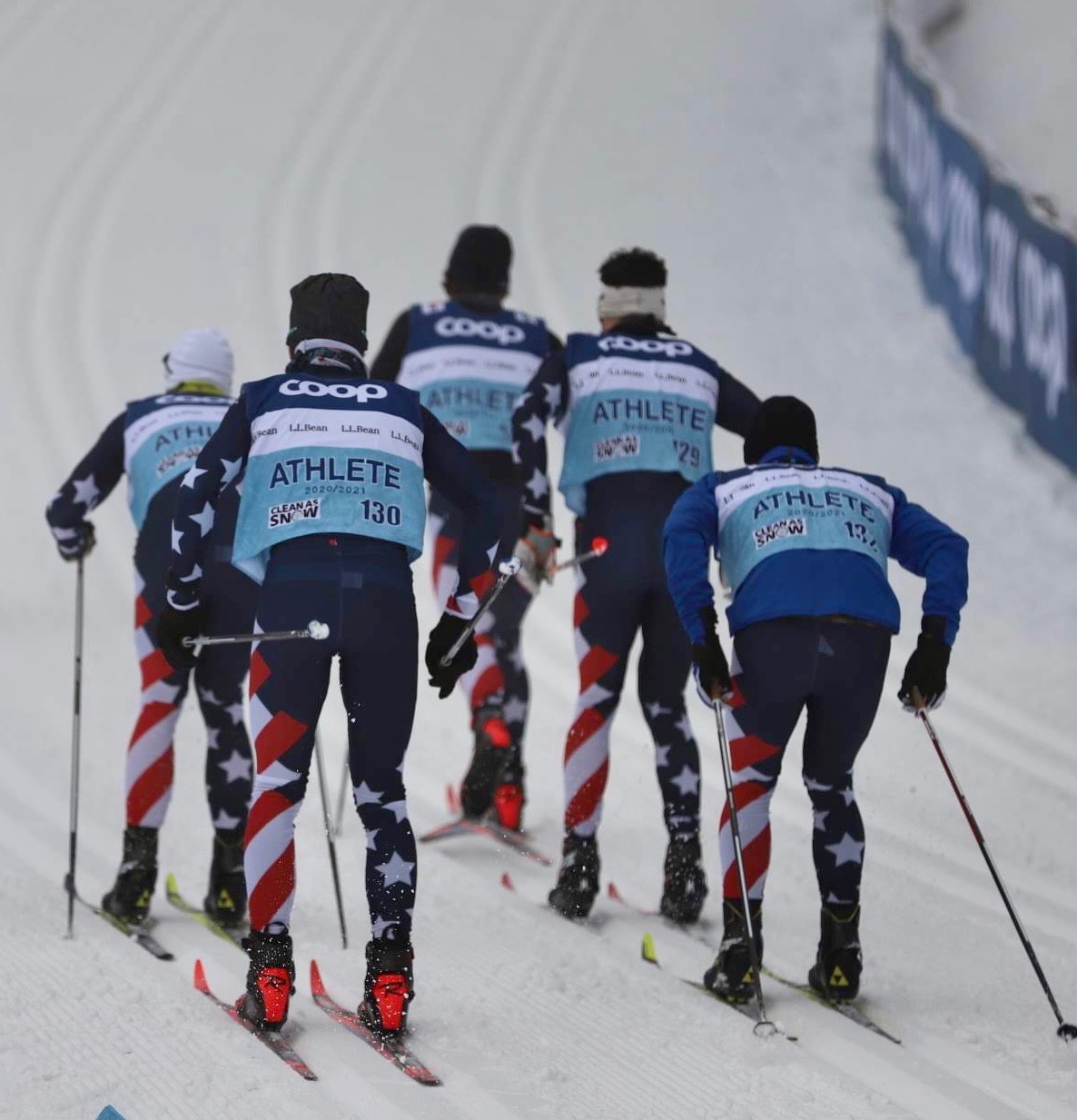
    A group of American men complete their pre-race workout. (Photo: Tom Horrocks)

    Ultimately, race-prep helps prepare our bodies both physically and mentally for a race effort the following day. When performed correctly, the stimulus of intervals the day prior to a race can prime our muscles and spark our metabolism for peak performance. While your legs may not seem super fresh during the session, trust that race-prep helps pave the way for better feelings on race day.


    Sources:
    1.     Ivy JL. Muscle Glycogen Synthesis Before and After Exercise. Sports Med. 1991;11(1):6-19. doi:10.2165/00007256-199111010-00002


  • Recipe testing from Emelie Forsberg’s “Sky Runner”

    Recipe testing from Emelie Forsberg’s “Sky Runner”

    Fans of ski-mountaineering, mountain-running, or ultra events will likely have heard of Emelie Forsberg. A Swedish athlete representing Salomon, Forsberg has an impressive racing resume including, numerous ski-mo World Cup victories, World Championships titles from the Sky running ultra distance series and the women’s Fastest-Known-Time (FKT) on Mont Blanc, the Matterhorn, the Grand Teton, and more.

    Josefina Wikberg, Charlotte Kalla, and Emelie Forsberg (l-r) after completing the Keb Classic, a two day ski mountaineering race in nothern Sweden. (Photo: @tinaemelie)

    Her partner, Kilian Jornet, is a world-renown athlete whose many feats are too numerous to list here. The two live and train in Norway where they are raising their two daughters.

    Kilian Jornet holding their daughter, Maj, while Maui the dog helps Emelie with her shoes. (Photo: @tinaemelie)

    In addition, Forsberg owns and operates Moonvalley farm and company with two fellow Swedish runners, Ida Nilsson and Mimmi Kotka. Needless to say, this woman does it all. 

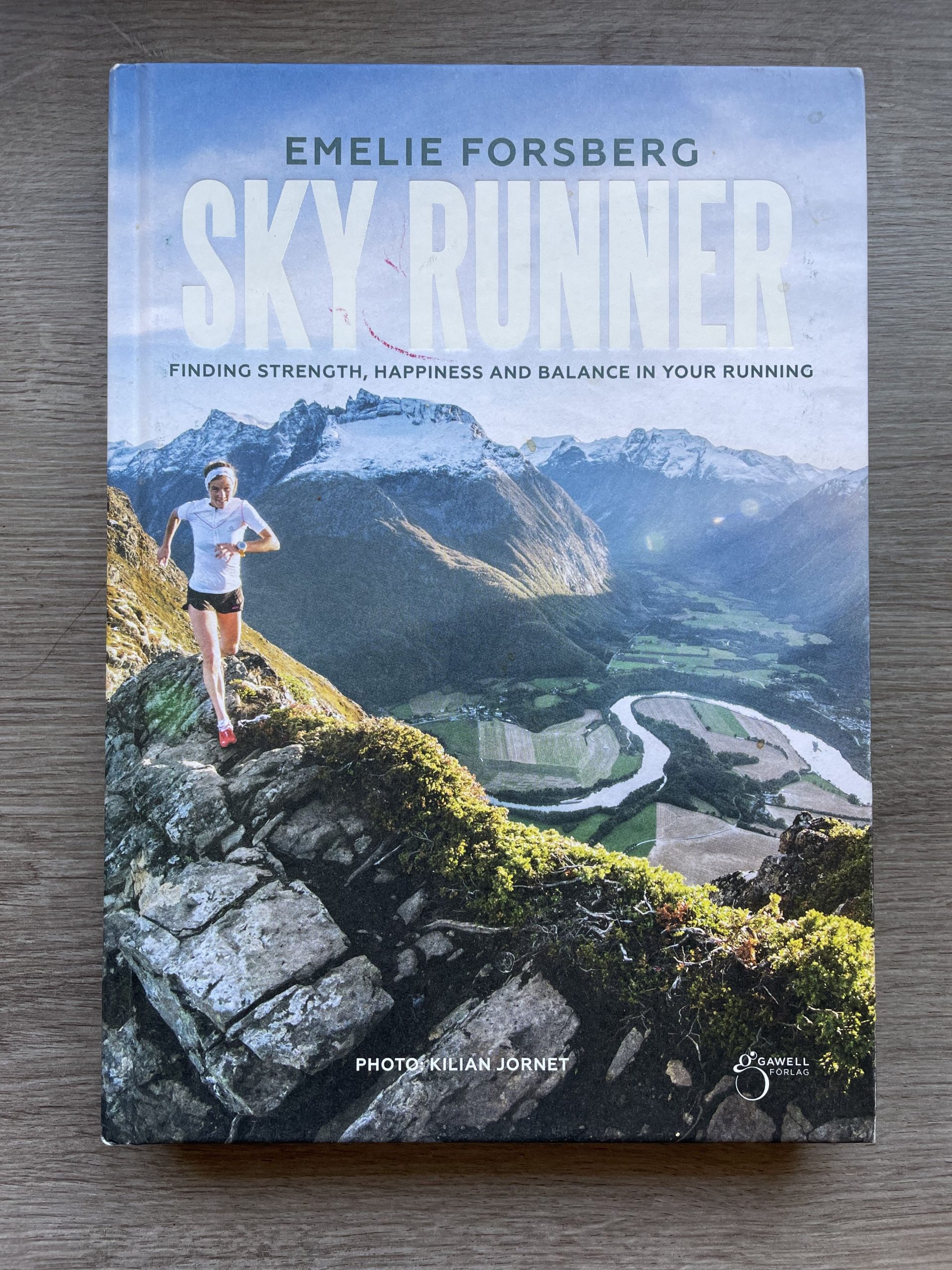
    In 2018, Forsberg published a book, Sky Runner, which covers a little bit of everything relating to her life. Between pages of awe-inspiring photographs and accounts of amazing athletic achievements is a collection of some of Forsberg’s favorite recipes. As Forsberg writes, “I like sharing beautiful views, nice runs and things that give me energy. Food is also a part of that. I like cooking and baking, and I love eating good food made from good products, that gives me the energy that I need.” The recipes are simply described, and recently I felt up to the task of trying and testing out a few.

    The first to be tested was the lentil stew. Based on what vegetables I had at the time, and my affinity for adding sweet potato to everything I eat, I made a few additions, including garlic, kale, and of course sweet potato. Lentils always take longer to cook than I anticipate so I left the stew to simmer longer than Forsberg suggests. The result was a hearty stew that could be served on its own, or over a grain like rice or quinoa, depending on one’s preference. Not only was the final dish colorful, but it was also delicious and something I will definitely make again. 

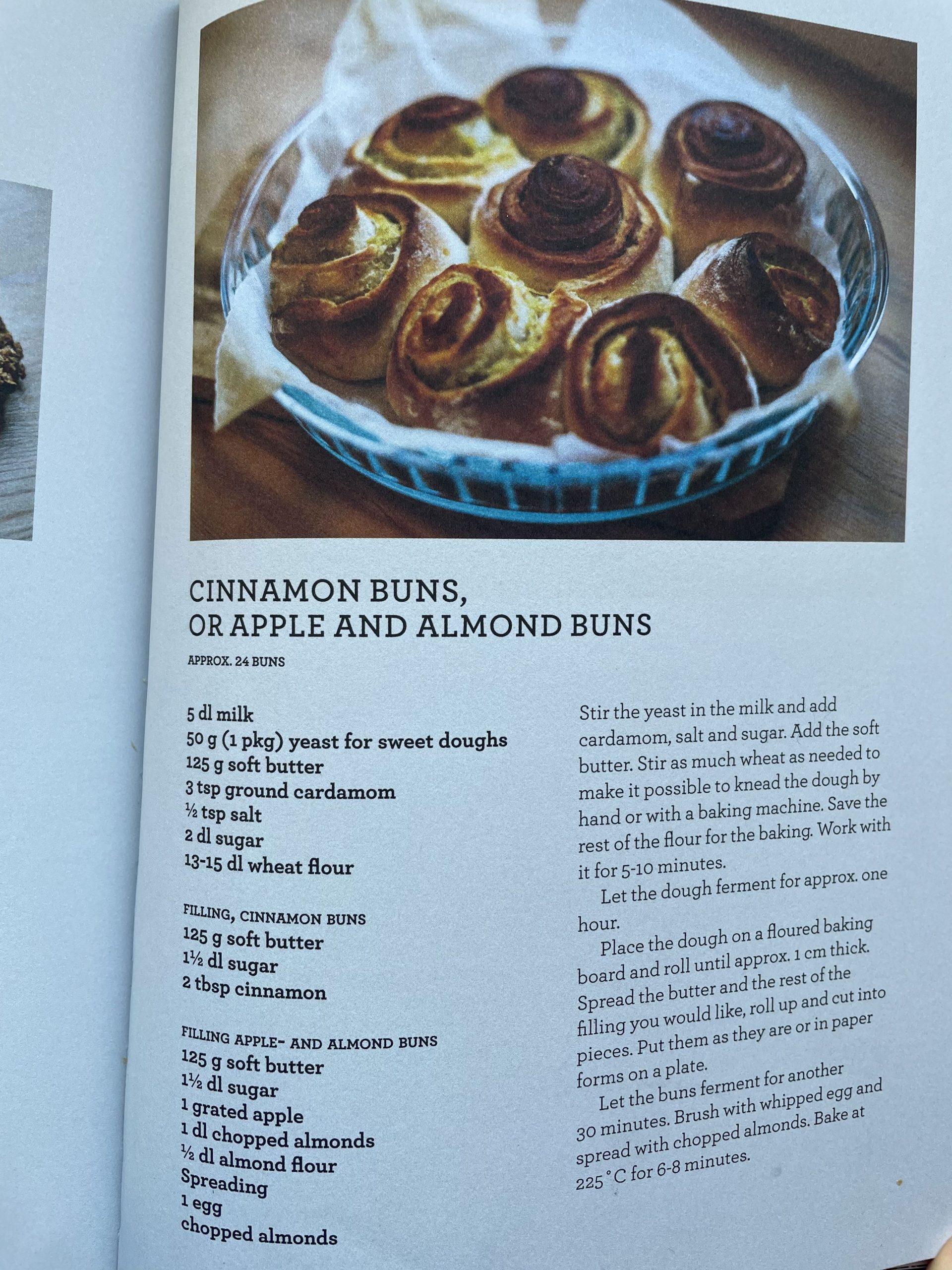
    My second recipe attempt was a bit bolder. I decided to try the cinnamon buns which looked so beautiful and enticing in the book.

    Cinnamon bun recipe from Sky Runner.

    In reality, an American following Swedish measurements using a French kitchen resulted in something a bit less appealing to the eye.

    My recommendation would be to go heavy on the flour to make the rolling and shaping process easier, as well as to bake the buns at a lower temperature for longer than suggested by the recipe. Having not done so in my first go around, I had to deal with a bit of a sticky mess, both pre and post baking. Despite their appearance, the buns tasted great, so I need to revisit the approach to improve the appearance and consistency of my outcomes in the future. 

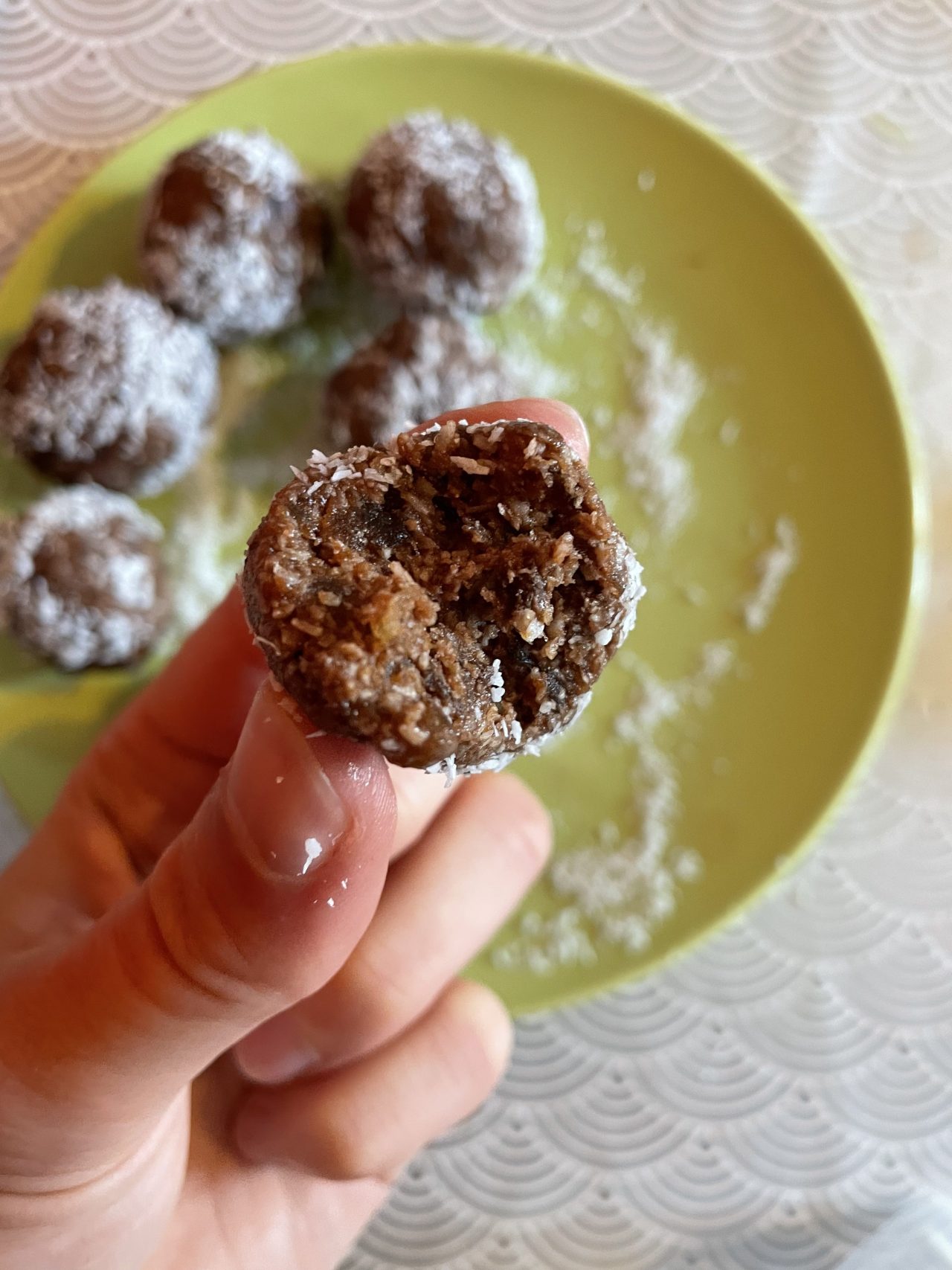
    The final recipe I tested was for truffles. These date-based energy balls were simple to make and tasted amazing. After soaking the dates for a few hours, I was able to easily take the outer skin off, which was not mentioned in the recipe but seemed like a good idea in order to achieve a smooth consistency when blended into a paste. I foresee these energy bites quickly becoming a favorite trail snack of mine. 

    While I have only tested three recipes so far, Sky Runner has many more which all look equally tasty and nutrient dense.

    Beyond the recipes, Sky Runner is worth perusing as Forsberg shares training and lifestyle insights, along with stories that I really enjoyed. Originally written in Swedish, you can order an English version online or through your local bookstore.

  • Cooking My Way Through Emma Coburn’s “The Runner’s Kitchen”

    Cooking My Way Through Emma Coburn’s “The Runner’s Kitchen”

    Olympic and World Champion medalist Emma Coburn authored “The Runner’s Kitchen” cookbook, helping athletes of all levels fuel their active lifestyle. (Photo: Instagram @emmacoburn)

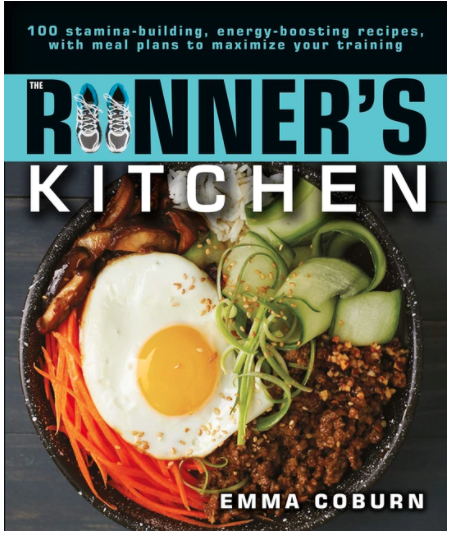
    Starting with a quick disclaimer, I’ve been a fan of Emma Coburn, Olympic Bronze Medalist and World Champion steeplechaser, for most of her career. Spending this winter in her hometown of Crested Butte, Colorado has, if anything, amplified my appreciation for her as both an athlete and role model for other female runners. As such, I was very excited this fall when she announced the release of her cookbook, “The Runner’s Kitchen”, and immediately pre-ordered.

    I’m pleased to say the purchase did not disappoint.

    For starters, the food philosophy Coburn promotes is a breath of fresh air. Contrasting the fad diets often promoted as a panacea in mainstream media — Paleo, keto, vegan, gluten-free — she promotes an “everything in moderation” approach. Her recipes emphasize creating balanced meals that help athletes get the nutrients they need without cutting out foods that simply bring joy and taste delicious.

    Through my time in sport, I’ve seen the prevalence of disordered eating in endurance sport from coach, teammate, and personal perspectives. My history involves a tenuous-at-best relationship with food body image, which I’ve recognized in countless others, male and female. I love the message that butter, all-purpose flour, and bacon are part of an Olympian’s diet even during peak competition season. Yes, fruits, vegetables, and whole grains are important (and prevalent in the recipes), but Coburn eschews the idea that restriction is a necessary element of a healthy diet. It’s a message that athletes of all ages can benefit from.

    “Fueling for performance doesn’t mean that you have to eat only ‘clean’ foods and cut out all of the foods you enjoy,” writes Coburn. “It means finding a balance that allows you to provide your body with the fuel it needs to perform and recover while still enjoying the foods you love.”

    In the introduction, Coburn breaks down how her nutrition strategy changes during the different phases of a training cycle: off-season, mileage increase, and peak season. She guides readers to recipes that can help them similarly tailor their nutrition to meet the demands of their training.

    Emma Coburn

    As her volume and intensity builds from January through April, she notes, “During this phase, I increase my carbs, I am diligent about eating enough protein, and when in doubt, I try to over-fuel a bit. I would rather be eating too much and feeling strong and healthy than be restrictive and risk any injury or illness.”

    While you’ll find recipes for roasted beets, cauliflower-based vegan “mac and cheese”, and kale salad, The Runner’s Kitchen also has recipes for french toast with a brown sugar crumb topping, a baked “fried chicken” sandwich with bacon, and a from-scratch chocolate cake with vanilla buttercream. I most appreciated that the ingredient lists were easy to find –most were already in my pantry– and the recipes were both creative and user friendly.

    Despite being packed with flavor and inspired by a variety of cuisine, few recipes require too much chopping or time in the kitchen — a plus for those of us squeezing in skiing around work and/or family.

    So far, all of the recipes we’ve tried from The Runner’s Kitchen have been remarkably tasty, despite our relatively mediocre cooking skills. As we’ve been trying to avoid frequent trips to the grocery store since last March, it also helped my family break out of a rut from cooking the same meals on repeat.

    Maple turmeric chicken thighs atop stir fried vegetables and rice is one of many flavorful and satisfying recipes in “The Runner’s Kitchen” by Emma Coburn. Your dog will be very jealous.

    The first recipe that caught my attention was maple turmeric chicken thighs, marinated and cooked in a flavorful sauce that has just the right amount of sweetness. Placed atop some rice and veggies, this recipe is unbelievably good. It is by far our most repeated recipe — we’ve made it five times in the two months since receiving the book. Yum.

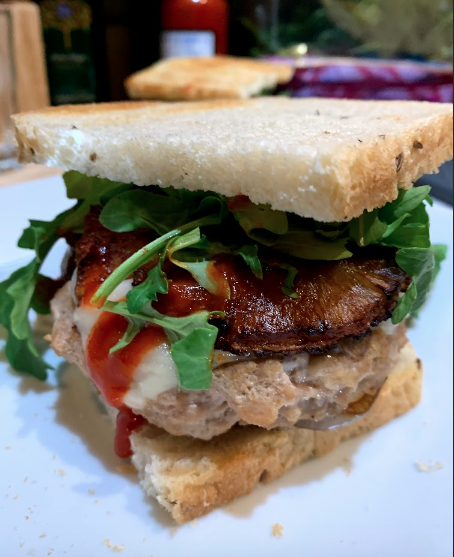
    Topped with marinated and grilled pineapple (or broiled/pan-seared when your grill is buried in snow), the teriyaki turkey burgers check all the boxes: sweet, savory, spicy, and satisfying. We also love the buffalo chicken meatballs — even my husband, who previously was opposed to ground poultry as he didn’t think it could quell his voracious appetite.

    Sweet, spicy, and filling — a teriyaki turkey burger on sourdough from “The Runner’s Kitchen” by Emma Coburn.

    Both the beet and arugula cashew pesto recipes offer a quick and refreshing alternative to our pasta routines, while also being packed with nutrient-rich ingredients.

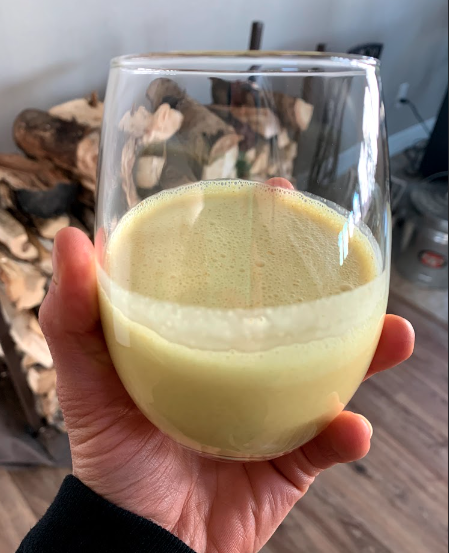
    On long ski days, I’ve taken to making the golden milk latte (with coconut milk because I don’t mix well with dairy) as a satisfying way to get in extra calories with the bonus of anti-inflammatory from the turmeric. The aforementioned chocolate cake doesn’t hurt with offsetting calorie deficits either.

    The author enjoys a nourishing post-ski golden milk latte.

    My “make soon” list includes brunch options, like veggie or chicken apple sausage frittatas, the dutch baby pancake, and shakshouka. When warm weather returns and I begin to crave crunchy and refreshing salads, I have a feeling that the Asian chicken salad will become a mainstay. I’m also eyeing the bibimbap, butternut squash gnocchi, and Pad Thai egg rolls for when I’ve got a little more meal-prep time on my hands.

    Olympic and World Champion medalist Emma Coburn authored “The Runner’s Kitchen” cookbook, helping athletes of all levels fuel their active lifestyle. (Photo: Instagram @emmacoburn)

    If I’ve sold you on Coburn’s message and piqued your interest in these flavorful recipes, you can snag an autographed copy of The Runner’s Kitchen on her website, emmacoburn.com, or order a non-autographed copy on Amazon for $19.99.

  • Dial in Your Race Day Nutrition

    Dial in Your Race Day Nutrition

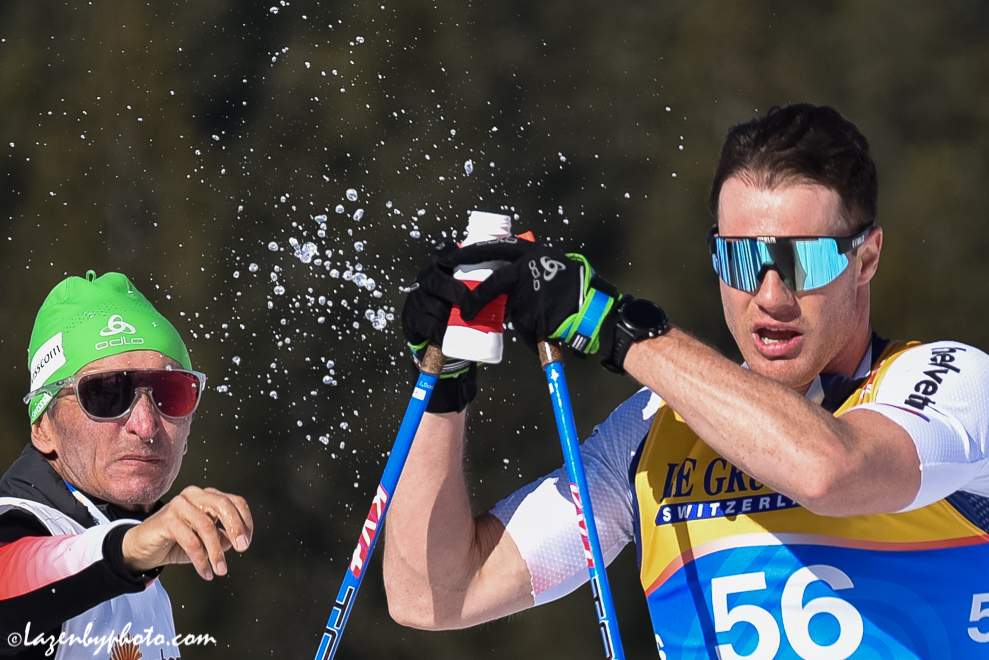
    Jessie Diggins of the U.S. receives a feed women’s 30 k skate at the 2019 World Championships. Diggins placed fourth overall. (Photo: John Lazenby/lazenbyphoto.com)

    You’ve likely heard lots of  different ideas about fueling and feeding on race day. When to eat, what to eat, and how to eat it – there are hundreds of opinions. Ultimately, it comes down to what you find works best for you; the gut can actually be trained to adapt to different diets and eating habits. However, current research does suggest some strategies that will optimize performance on race day. I’ll provide some  answers to big picture concepts to help you ski your fastest, avoid muscle cramps, and recover best for the next race!

    Do I really need to finish eating breakfast 3-4 hours before my race start?

    Unfortunately for your 8 AM Birkie start, yes. The reason for this extends beyond just ensuring that your pre-race nerves don’t cause you to lose your whole bowl of oatmeal before it’s digested. When we eat a meal, the hormone insulin is released by the pancreas in response to rising blood sugar levels. Insulin helps us use the sugar from our meal by assisting its transport into muscle cells. Insulin levels  peak about 60-90 minutes after eating. 

    Here’s why the timing for that meal is important. When we start exercising, insulin sensitivity is increased. [2,3]  This means that if we eat breakfast during the 60-90-minute window before a race start, it aligns perfectly with a blood sugar crash as our bodies work to provide muscles with fuel. This results in classic symptoms of a “bonk”- leaving us feeling shaky, tingly, and nauseous. 

    By eating 3-4 hours before the race start, we ensure that all food is digested and absorbed, our blood sugar is stable, and our muscles are full of glycogen that is ready for use during the race. For those concerned with hunger during a race, consume a smaller, high-carbohydrate snack before the start to give you a boost – just don’t forget to pair your highly concentrated gels/chews with some water as this aids with absorption.

    Should my race-feed sports drink contain protein?

    Although you might think of protein as the golden ticket to long-lasting energy during exercise, research has shown otherwise. When we exercise at a high intensity, we use carbohydrates as our main source of energy. At lower intensities, we start to utilize fat; protein is a last resort, and therefore not something you need to prioritize on race day. Studies have shown no significant effects on time trial performance in cyclists who consumed sports drink that contained protein + carbohydrate versus those who consumed carbohydrate-only sports drink. This was true even during longer events. [4-7] Protein has negative implications, as it has been shown to slow gastric emptying, leading to feelings of GI distress like nausea in many individuals. So, during your race, the potential negative effects of protein consumption outweigh any benefits. Additionally, ingesting protein during exercise has not been shown to enhance subsequent performance at training camps. [4-6] The key to recovery, and protein, comes AFTER exercise (keep reading for more on this).

    A feed zone at the Yellowstone Rendezvous Race.

    Should I drink coke on the last lap?

    Research has unequivocally shown a performance benefit with caffeine consumption; its ability to assist with muscle contraction, energy metabolism, and pain suppression make it a very effective, legal, performance-enhancing drug. [8] Gels, chews, and sports drink with caffeine are all great options to help you perform best on race day. However, similar to any race day routine, you should try these out during a low-stakes event (such as a time trial or hard interval set) to figure out what works best for you. So, what’s the problem with drinking coke on the final lap of your 30k? First, coke has almost double the recommended 6% carbohydrate concentration for sports drink. [9] When you ingest highly concentrated carbohydrates, your body responds by pulling water into your blood, which can lead to GI issues like cramps, diarrhea, and nausea. This is about the last thing you want to deal with when cresting over that final climb! Instead, try watering down flattened coke, as carbonation can cause gastric upset. Alternative, opt for a caffeinated sports drink instead.

    What about plain water?

    Sodium is an essential electrolyte our bodies need in order to conduct electrical signals, which includes telling our muscles to fire. When we ski hard, we lose sodium in our sweat. If we only replace this fluid loss with water, we end up with electrolyte imbalances that can lead to muscle cramping and weakness. In more severe cases (for example, longer races in the heat), there is a risk of rapid brain swelling as your cells retain excess water. 

    While your feeds don’t need to contain protein, a sports drink with high sodium content will help you perform. Experts suggest choosing a sports drink that has a similar concentration of sodium to what you lose in your sweat, or 230–690 mg/L. [8] Some examples that fit this guideline include Nuun Endurance, Maurten Drink Mix 160, Skratch Labs Hydration Mix, and Gatorade Endurance Mix.

    Do I really need to eat right after my race?

    You’ve heard it before, and yes, it IS true- eating as soon as possible after you exercise is the absolute best thing you can do for recovery. This goes back to what was mentioned earlier- that insulin sensitivity is increased during exercise in order to help bring sugar from our blood into our muscles. Athletes should eat right after exercise to take advantage of this increased sensitivity, giving your muscles the opportunity to refuel after a hard effort. [10] 

    Here is where protein comes into play: research has shown that ingesting a post-exercise snack at a ratio of 3-4 g carbohydrate to every 1g of protein is the best way to replenish glycogen stores. [9] This means that eating as much steak as possible after a race isn’t the ticket to optimize recovery; rather, finding foods with the correct ratio of carbohydrate to protein is more important. [8,10] Many recovery drinks and bars already follow this rule, which makes them great choices. Another example of foods that fit this ratio are chocolate milk or a banana with 2 tbs of almond butter.


    1. Jeukendrup AE. Training the Gut for Athletes. Sports Med. 2017;47(1):101-110. doi:10.1007/s40279-017-0690-6
    2. Borghouts LB, Keizer HA. Exercise and insulin sensitivity: a review. Int J Sports Med. 2000;21(1):1-12. doi:10.1055/s-2000-8847
    1. Consitt LA, Dudley C, Saxena G. Impact of Endurance and Resistance Training on Skeletal Muscle Glucose Metabolism in Older Adults. Nutrients. 2019;11(11):2636. doi:10.3390/nu11112636
    1. Hansen M, Bangsbo J, Jensen J, et al. Protein intake during training sessions has no effect on performance and recovery during a strenuous training camp for elite cyclists. J Int Soc Sports Nutr. 2016;13:9. doi:10.1186/s12970-016-0120-4
    1. Breen L, Tipton KD, Jeukendrup AE. No effect of carbohydrate-protein on cycling performance and indices of recovery. Med Sci Sports Exerc. 2010;42(6):1140-1148. doi:10.1249/MSS.0b013e3181c91f1a
    1. van Essen M, Gibala MJ. Failure of protein to improve time trial performance when added to a sports drink. Med Sci Sports Exerc. 2006;38(8):1476-1483. doi:10.1249/01.mss.0000228958.82968.0a
    1. Cosio-Lima LM, Desai B, Stelzer JW, Schuler PB. Effects of 4:1 carbohydrate/protein solution versus a carbohydrate-alone solution on IL-6, TNF-α, and cortisol during prolonged cycling in hot environmental conditions. Open Access J Sports Med. 2012;3:21-26. doi:10.2147/OAJSM.S28176
    1. Vitale K, Getzin A. Nutrition and Supplement Update for the Endurance Athlete: Review and Recommendations. Nutrients. 2019;11(6):1289. doi:10.3390/nu1106128 
    1. Kerksick CM, Arent S, Schoenfeld BJ, et al. International society of sports nutrition position stand: nutrient timing. J Int Soc Sports Nutr. 2017;14(1):1-21. doi:10.1186/s12970-017-0189-4
    1. Alghannam AF, Gonzalez JT, Betts JA. Restoration of Muscle Glycogen and Functional Capacity: Role of Post-Exercise Carbohydrate and Protein Co-Ingestion. Nutrients. 2018;10(2). doi:10.3390/nu10020253


  • Product Review: Tailwind Endurance Fuel

    Product Review: Tailwind Endurance Fuel

    The formidable Pyramid Peak at dawn captured by the author in July from the climb to Buckskin Pass on the Maroon Bells Four Pass Loop.

    Looking for an option to keep your glycogen stores full while logging hours this fall? Consider adding Tailwind Nutrition Endurance Fuel to your bottles for stable energy without distressing your gut. With a variety of tasty flavors that are quickly absorbed, Tailwind claims it’s “All you need, all day. Really.”

    It’s been a weird summer. Yes, that is an obvious minimization of the times. Layered on top of the global pandemic and social and political unrest, most inhabitants of the west have been experiencing a literal haze of smoke from the wildfires raging throughout the dehydrated landscape. The northeastern corner of Maine was the hottest area in the country over Father’s Day Weekend, after New York City had snow on Mother’s Day. Snow recently fell around fires that burn throughout Colorado — an odd blip in a long string of hot, sunny, and dry days. 

    If you’re like me, finding time to exercise has been grounding; a welcome escape from all of this uncertainty. Waking up early, making some coffee, lacing up my shoes, throwing on my running vest, and heading out for a run on the nearby trails routinely provided me a sense of normalcy, quieting my mind and helping me center myself before facing the day ahead. 

    Despite the lack of races, it may have been one of my best summers of running yet. Being more than 1.5 years postpartum and having a great ski season, I had a solid aerobic base and my body felt strong enough to steadily increase the mileage and elevation gain of my long runs. The lack of travel inspired me to dive deeper into maps of the wilderness area closest to my home in Carbondale, CO, finding ways to explore “new” terrain and avoid the more congested trailheads near Aspen. 

    From the beginning of June to the end of August, I logged roughly 650 miles almost exclusively on trail, including a lap of the marathon length Maroon Bells Four Pass Loop with my closest friend and a point-to-point almost 30 miler with 9,000’ of climbing on my 30th birthday. 

    The author crosses a scree field with Snowmass 14,000′ Snowmass looming in the background.

    My weekly adventures in the mountains also provided ample opportunity to experiment with a variety of performance fueling products: drink mixes, gels, chews, candy, etc. One of the products that quickly became a staple in my routine is Tailwind Endurance Fuel, which, in addition to keeping my energy stable on long days, stood out for its digestibility, portability, and flavor. 

    Based in Durango, CO and developed by avid endurance athlete, Jeff Vierling, who was “fed up with fueling issues hijacking the blood, sweat and tears of my training.” After learning as much as he could about sports nutrition, he began tinkering with his own mix, and eventually handing out Ziplock baggies of the powder to his friends. Over a decade later, Tailwind has solidified itself as an excellent choice for athletes across the endurance sports spectrum. (They are a sponsor of SMST2’s Alayna Sonnesyn, who used Tailwind in her bottles during the 2019 American Birkie.)

    Easy on the stomach with a mix of sugars and electrolytes, Tailwind aims to provide stable energy throughout any activity. (Photo: tailwindnutrition.com)

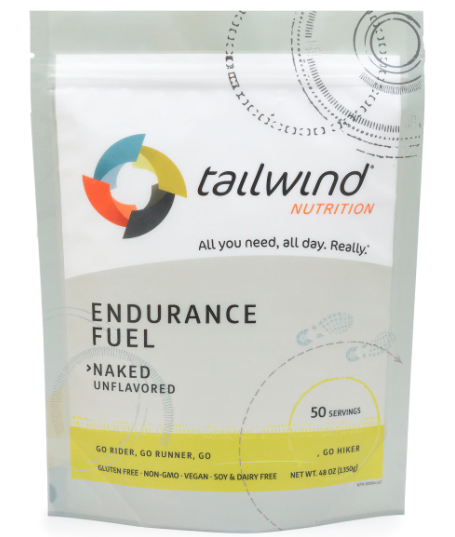
    Tailwind has four Endurance Fuel flavors to choose from, each with 100 calories per serving: Naked (unflavored), Lemon, Mandarin Orange, and Berry. They also produce a line of caffeinated Endurance Fuel, which comes in Colorado Cola, Green Tea Buzz, Raspberry Buzz, and Tropical Buzz, each with 35 mg of caffeine per serving.

    The powders are made with organic and non-GMO ingredients: simple sugars, namely dextrose (glucose) and sucrose (table sugar), and a balance of electrolytes to replace what is lost through sweat, making it a one-stop-shop for hydration and fueling. Dextrose is a monosaccharide — meaning it is a single unit sugar molecule — which can be absorbed through the small intestine without any additional digestive processes, and sucrose is a disaccharide — two joined glucose molecules — which requires minimal digestion. This choice of sugars makes Tailwind easy on the gut and a great source of quick energy.

    Tailwind sent along a “Starter Kit”, allowing me to try out each of the flavors, in addition to their protein shake mix, which has an ideal ratio of carbohydrates to protein to jumpstart recovery after a training session. 

    Not sure what flavor will suit your palate? Try a starter pack bundle with some of each. (Photo: tailwindnutrition.com)

    The quality that stood out first and foremost was the taste — just the right amount of sweetness and flavors that were subtle, natural, and appealing, even five hours deep on a hot day. In particular, I am normally averse to citrus flavored products, as they inexplicably remind me of the overwhelming aroma of bathroom cleaner. I was surprised to find that Tailwind’s Lemon and Mandarin Orange flavors elicited no such response — think homemade lemonade, not Soft Scrub — and I’ve continued to purchase those flavors of the product since exhausting the initial supply. 

    What has kept me using Tailwind products, though, is how reliably gentle it is on my stomach, regardless of the intensity of the run. From early morning easy runs, to hard intervals, to 13,000’ summits, I could trust that sipping on bottles of Endurance Fuel would keep me hydrated and provide steady energy without causing my stomach to bloat, cramp, or slosh. 

    Though I typically keep a bag in the pantry, the two-serving sticks are a convenient method of carrying additional fuel when I know I’ll need to refill bottles. 

    This strategy saved me during the Four Pass Loop — with the final steep climb over West Maroon left to go and an unhappy stomach (thanks, hormones) that made it difficult to get in the calories I needed to feel strong for ~7 hours at altitude, refilling a flask with Raspberry Buzz felt like it rescued me from impending doom. The gels, waffles, and pbj I had packed were a non-option, but I knew that liquid calories from Tailwind would not exacerbate the issue. The quick energy boost from the sugar paired with the kick of caffeine was almost as revitalizing as the giant burrito and Oreos that were consumed on the drive home. 

    Cresting the third of four passes, Frigidaire, ready to descend and refill bottles of Tailwind.

    Tailwind can be found at retailers throughout the U.S. and Canada, or ordered through their website. Large 50-serving bags of Endurance Fuel run at $35.99, or grab a medium sized bag for $25.99. You can also go all in and take the unique “Tailwind Challenge” by purchasing four bags of Endurance Fuel for $130. The concept is simple: if you aren’t happy with using the product during your training and races (when they happen again someday), they’ll pay your entry fee for an upcoming race (up to $150). How’s that for confidence? 

    A smoky sunrise in the mountains during a point-to-point adventure run in August.
  • Product Review: Drink Wholesome Real Food Protein Powders

    Product Review: Drink Wholesome Real Food Protein Powders

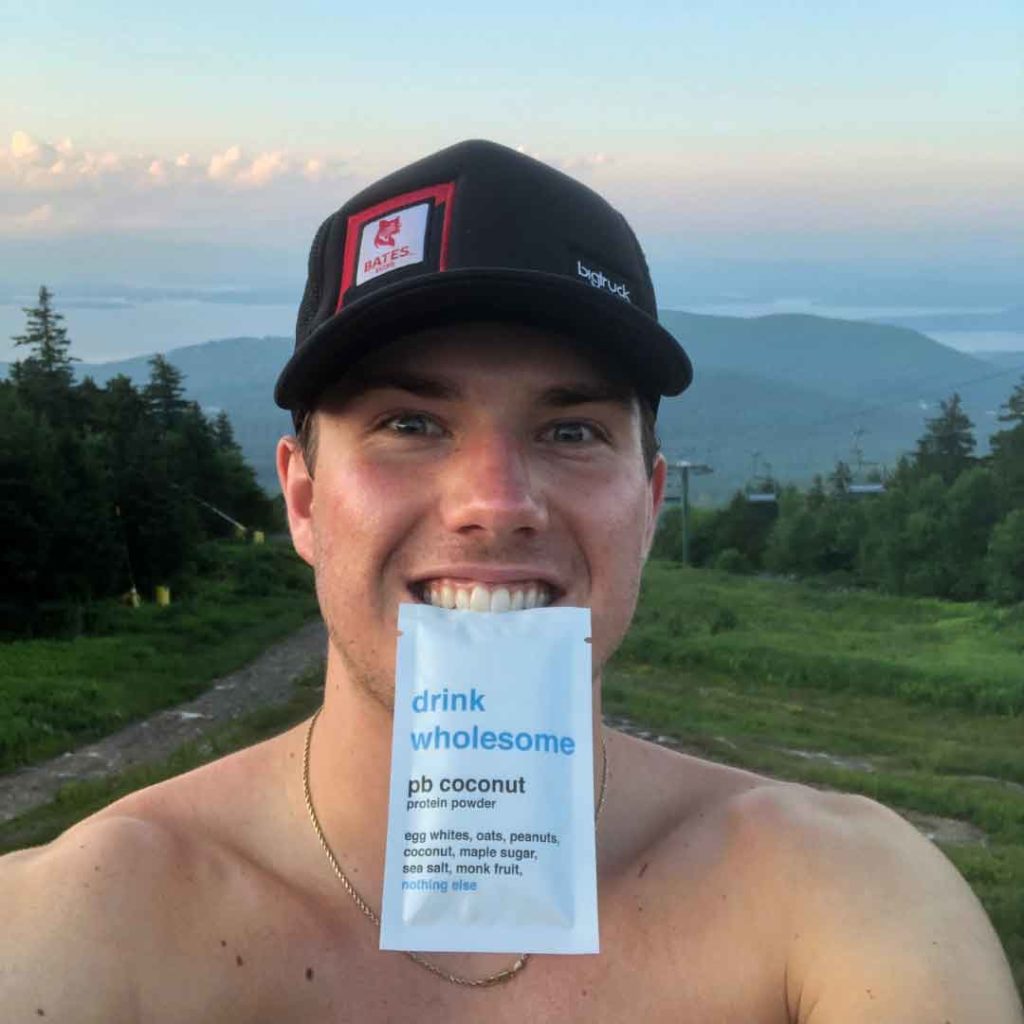
    Based in New Hampshire, Drink Wholesome has roots in the nordic ski community. Founder Jack Schrupp is a Williams Skiing alumn. (Photo: DrinkWholesome.com)

    As summer training hours trend toward a peak, many athletes are looking for ways to support their nutritional needs, matching high volume training with high volume eating. A new product that should be on your radar is Drink Wholesome protein powder, created by former Williams ski racer Jack Schrupp. This protein is basically the RXBAR of protein powders: all natural without artificial flavorings or sweeteners, packing a high nutrient protein dense punch in each scoop. 

    The nature of exercise, in particular the type of training that supports building strength and fitness for cross country skiing, is a cycle of breaking down muscle then allowing the muscle to repair itself and grow stronger. Brick by brick, we build a stronger body and more efficient aerobic and cardiovascular systems to power us down the trail. Regardless of whether you follow a rigorous training schedule, upholding an overall active lifestyle with regular exercise increases the body’s energy demands, particularly carbohydrates to replenish glycogen stores and protein to support muscle recovery. 

    According to the International Society of Sports Nutrition (ISSN), athletes require approximately double the protein intake of an inactive healthy individual to support their overall health and recovery from exercise. By the numbers, an inactive individual requires approximately 0.8 grams of protein per kilogram of body weight, whereas an athlete needs 1.4 – 2 grams per kilogram. For an athlete who weighs 160 lbs, this means consuming 100 to 145 grams of protein each day. 

    Research supports that this is true regardless of the type of exercise an athlete engages in, or whether they are recreational versus elite. The ISSN also explains that insufficient protein intake leads to impairment in the body’s ability to recover from exercise and an increase in muscle catabolism, meaning muscles continue to break down rather than repair after exercise. 

    Endurance athletes — like a road cyclist or marathoner — generally fall on the lower end of the range, while those who engage in more strength and power based sports — like weight lifting or CrossFit — occupy the upper end. Where does this leave skiers who lift heavy, throw down during intensity sessions, AND put in lots of hours of L1? Probably somewhere in the middle. 

    Spreading intake throughout the day has been found to best support muscle protein synthesis, while additionally contributing to a more favorable body composition and improved performance outcomes. This means meals and snacks should contain 20-40 grams of protein each, assuming you’re eating every three to four hours.

    For many, these demands can be met with a balanced and varied diet, but protein powders can be a convenient option to boost protein intake, especially when your stomach might not feel up to a full meal after a hard set of intervals or if you are unable or choose not to eat certain foods. 

    I tend to fall into both of those categories. During the summer, I generally maintain 50 to 60 miles per week of trail running with a day or two of rollerskiing or mountain biking, combined with the general activity of chasing around a toddler requires that I stay on top of my game while properly fueling my body. But hard training tends to throw off my body’s hunger cues – my stomach can only handle a small amount of dairy, and I choose not to eat a lot of meat. 

    Protein powder has been a nice insurance policy to support my nutritional demands and help me stay healthy. However, it can be hard to find one that I feel good about consuming as many are laden with artificial sweeteners and ingredients I’d have to Google. They also often taste chalky, overly sweet, and like artificial flavoring. 

    As such, I was excited to try Drink Wholesome protein. After a similar experience with protein powders, the designer, Schrupp, set out to create a product made only of natural ingredients that also tasted good. What resulted is a line of products that have egg white as the first ingredient, or chickpeas for the vegan protein options. They’re sweetened with monk fruit or maple sugar, taste delicious, and pack in 20 grams of protein per serving. 

    As an extra nod for the ingredient list, Registered Sports Dietician Kylee VanHorn explains in an article for Trail Runner Magazine that egg white protein has been found to be one of the most bioavailable protein sources, meaning it is easily digested and absorbed allowing it to be readily used for muscle repair. It is second to whey protein, but easier on the stomach for many. 

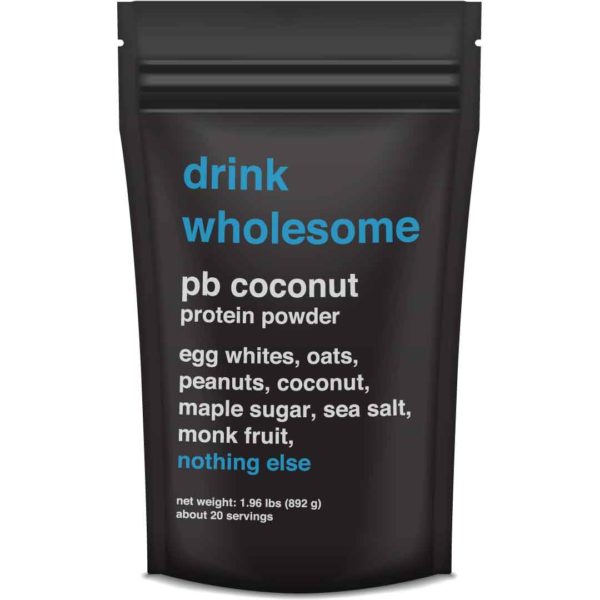
    Drink Wholesome is an all natural protein powder made from ingredients you can pronounce and find in your kitchen. (Photo: DrinkWholesome.com)

    Of the three flavors I tried — peanut butter coconut, mocha, and peanut butter chocolate (vegan) — the pb coconut takes the cake as a total slam dunk. Though perhaps a bit sweeter than the other two, it tastes on its own great blended with water and a splash of almond milk as a post-workout drink to jumpstart recovery. Note that without anti-caking or gelling agents, emulsifiers, or stabilizers, you’ll get the smoothest mixture by preparing this with a blender or in a shaker bottle. 

    Getting in the habit of mixing up a drink, tossing in some ice cubes, and keeping it in my car to drink after long runs in the mountains when I am generally dehydrated, depleted, and usually feeling a little blah from consuming lots of sports nutrition products on the go has made a big difference in how I feel later that day and the next day. 

    Most commonly, I stir a half-serving Drink Wholesome into my post run breakfast bowl of oatmeal topped with berries and nuts. Since the protein is sourced from egg white and peanuts, it doesn’t curdle when mixed into the bowl of hot oats, which I have experienced with whey products, making a thick and creamy texture packed with flavor. The vegan pb chocolate is a close second for this purpose, especially when paired with strawberries. 

    I’ve also enjoyed adding Drink Wholesome to smoothies. One of my go-to blends has become a banana, a handful of spinach, some almond milk, a scoop of mocha protein, and ice, maybe with some nuts tossed in after for texture and fats. It tastes like a coffee milkshake and provides me with plenty of energy to keep me going. 

    As a parent who generally has to share whatever they are eating with their toddler, it also feels good not to hesitate to give my little one a sip or bite since I know the ingredients are all natural, and it has the added benefit of exposing her to multiple common allergens (peanuts and eggs), as is recommended to reduce the risk of developing an allergy to those foods later on. I’ve also noticed a marked decrease in bloating without the whey protein or artificial sweeteners I had been consuming. 

    I also feel good about supporting the company’s principles: “keep it real food, keep it local, keep it green”. Drink Wholesome, which is based in New Hampshire and produced in small batches in Massachusetts, sources free range eggs and organic ingredients locally whenever possible. Not using whey protein cuts out the dairy industry, reducing their environmental footprint, and the company gives back, aiming to donate at least 10% of its profits to the preservation of green spaces in New England by 2022. Specifically, the donation goes toward purchasing undeveloped land for public use, particularly in areas where access is limited. 

    Drink Wholesome offers a vegan protein powder made from chickpeas and peanuts and sweetened with monk fruit. (Photo: DrinkWholesome.com)

    Drink Wholesome protein can be ordered on their website. Full sized bags of egg white based protein retail at $38.00 for 20 servings, or $26.60 for 14 servings of vegan protein. You can also order two free sample servings to see which flavor suits your palate. 

  • Trick or Treat: Candy Fueled Workouts

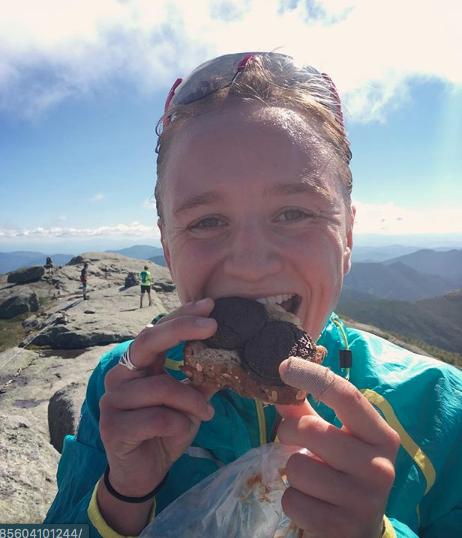
    Alayna Sonnesyn refuels with a peanut butter and Newman-O sandwich at the summit of Mt. Marcy during a U.S. Ski Team women’s camp in Lake Placid in July, 2018. (Photo: Screenshot Instagram @asonnesyn)

    Trick or Treat! ‘Tis the season of hyperglycemia. 

    Before balking at the amount of candy that may be lingering in your house over the next few weeks, it might be worth considering mixing it into your stash of bars and gels to be consumed during a long ride, run, or ski. After all, your body relies primarily on carbohydrates for energy during exercise and candy is loaded with simple sugars. 

    Favorites of the FasterSkier team include Peanut M&M’s, Snickers, Almond Joys and Reese’s Peanut Butter Cups — but not the Reese’s pumpkins which – subjectively – have a flawed ratio of chocolate to peanut butter.  

    My own foray into opting for candy over gels during long runs and skis was born out of necessity, though guised under the explanation, “they have M&M’s at aid stations at trail ultramarathons, so I’m practicing fueling with what will be available in the race.” In reality, I was a broke recent college graduate trying to make it work as a ski coach in Aspen, CO and a single packet of Gu cost more than a sleeve of six fun sized candies. Six times the calories for less money! Despite increasing my financial stability, candy has remained a constant in my endurance fueling stable. 

    But wait: if candy is cheaper and more appetizing than energy gels, why does the latter exist? Can I really just down candy with abandon during my workout?

    Short answer: yes. But before you unwrap that peanut butter cup, registered sports dietician and competitive trail runner Kylee VanHorn of FlyNutrition offers a deeper look into the concept.

    First, VanHorn explains that there are different transporters for different types of sugars (i.e., glucose, fructose, sucrose, maltodextrine) in the gut and too much of one may overload the digestive system, causing gastric upset. Additionally, she explained that fructose is absorbed more slowly than other sugars, which can inhibit the intestine’s ability to pass the sugar into the bloodstream and hinder absorption. 

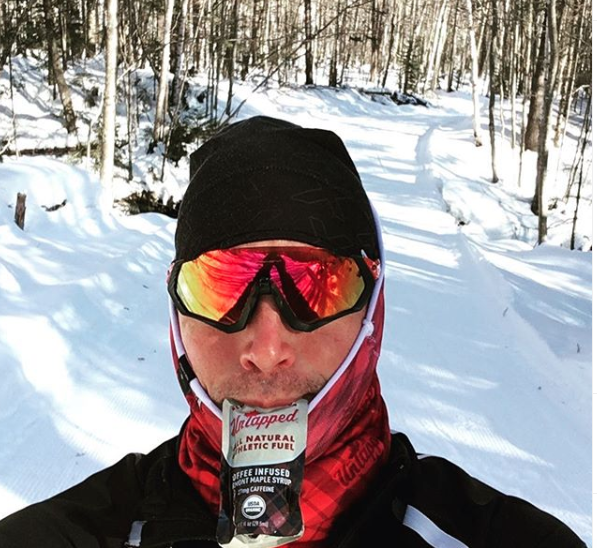
    Kris Freeman takes in an Untapped Maple energy gel during a ski. (Photo: Screenshot Instagram @krisfreebird)

    For the sake of comparison, a standard packet of Gu Energy gel contains 100 calories, 22 g of carbohydrate, and 5 g of sugar. Gu’s are fat free and contain no protein. The sugar used is a combination of maltodextrin and fructose, with maltodextrin being the primary source. According to the Gu Energy website, when these two sugars are consumed together, it increases the oxidation rate in the gut. (Oxidation releases energy.)

    It continues: “when the oxidation rate increases, more carbohydrates can be delivered to the working muscles. For example, when just glucose is consumed, approximately 30g of carbohydrates are utilized by the working muscles per hour. In contrast, when maltodextrin and fructose are consumed together, approximately 60g of carbohydrates can be utilized by the working muscles per hour.”

    The nutrition facts on Halloween candy vary by kind, but in general, a fun sized package contains 80 to 110 calories and are primarily made up of sucrose (table sugar) and corn syrup, which is made up of glucose and fructose.

    VanHorn explained that the simple sugars in candy can certainly fuel exercise, but recommends considering the intensity of the workout in the decision. Over-distance level 1 sessions get the green light, but proceed with caution during intervals. 

    “While they may work for low intensity exercise, be careful with chocolate, nuts, and higher fat candy bars on hard efforts. The fat and protein are digested slower and can lead to stomach upset.”

    For clarity, Reese’s cups, Snickers, and Peanut M&M’s contain approximately 9 g of carbohydrate, 8 g of sugar, 1.5 g of protein, and 4.5 g of fat. 

    “Candies like Swedish fish and Mike and Ike’s may be tolerated better than candy bars but they may be higher in fructose, which can sometimes cause GI distress,” VanHorn continued. 

    These candies contain roughly 27 g of carbohydrate and 23 g of sugar with no protein or fat. 

    “Remember that candy most likely will not contain electrolytes, which are lost in sweat. Be sure to consume electrolytes from a drink mix or other source.”

    While most candy does contain some sodium, the values are less than the 60 mg contained in a Gu. Energy gels also contain potassium, which candy lacks. 

    Finally, as every athlete is unique, VanHorn reminds skiers to test the waters with eating candy during workouts when the stakes are low.  

    “As always, practice your fueling before a race. It is not recommended to use candy on race day if you haven’t practiced with it.”

    “I eat hills for breakfast…and #candy #rollerski #lørdagsgodt” (Photo: Instagram Screenshot @scottgpatterson / @eric.james.ryan)

    Kylee Van Horn is a registered sports dietitian and owner of FlyNutrition, LLC where she offers nutritional counseling services both in person and online.  Van Horn is an accomplished distance runner who turned to the trails after running a 2:49 marathon. You can find her competing in trail races, skinning up the resorts, adventuring in the mountains, and playing with her Aussie shepherd puppy. Van Horn resides with her husband in Carbondale, CO.