From the FasterSkier archive — posts syndicated from athletes’ and coaches’ own blogs between 2004 and 2012, kept online as published. Current coverage is at fasterskier.com.

Tag: Golden Trail Series 2024

  • Laukli’s Summer of Ups and Downs Ends With a Surprise. Part II

    Laukli’s Summer of Ups and Downs Ends With a Surprise. Part II

    In Part I of our interview with Sophia Laukli, FasterSkier caught up with her before she had returned to the Golden Trail Series Tour, and discussed the ups and downs of the difficult summer she had. We’ll continue our discussion with Laukli about the upcoming race season but first, we need to bring readers up to date with how she fared in the Golden Trail Series finals, and how she is feeling after her summer of relentless challenges.
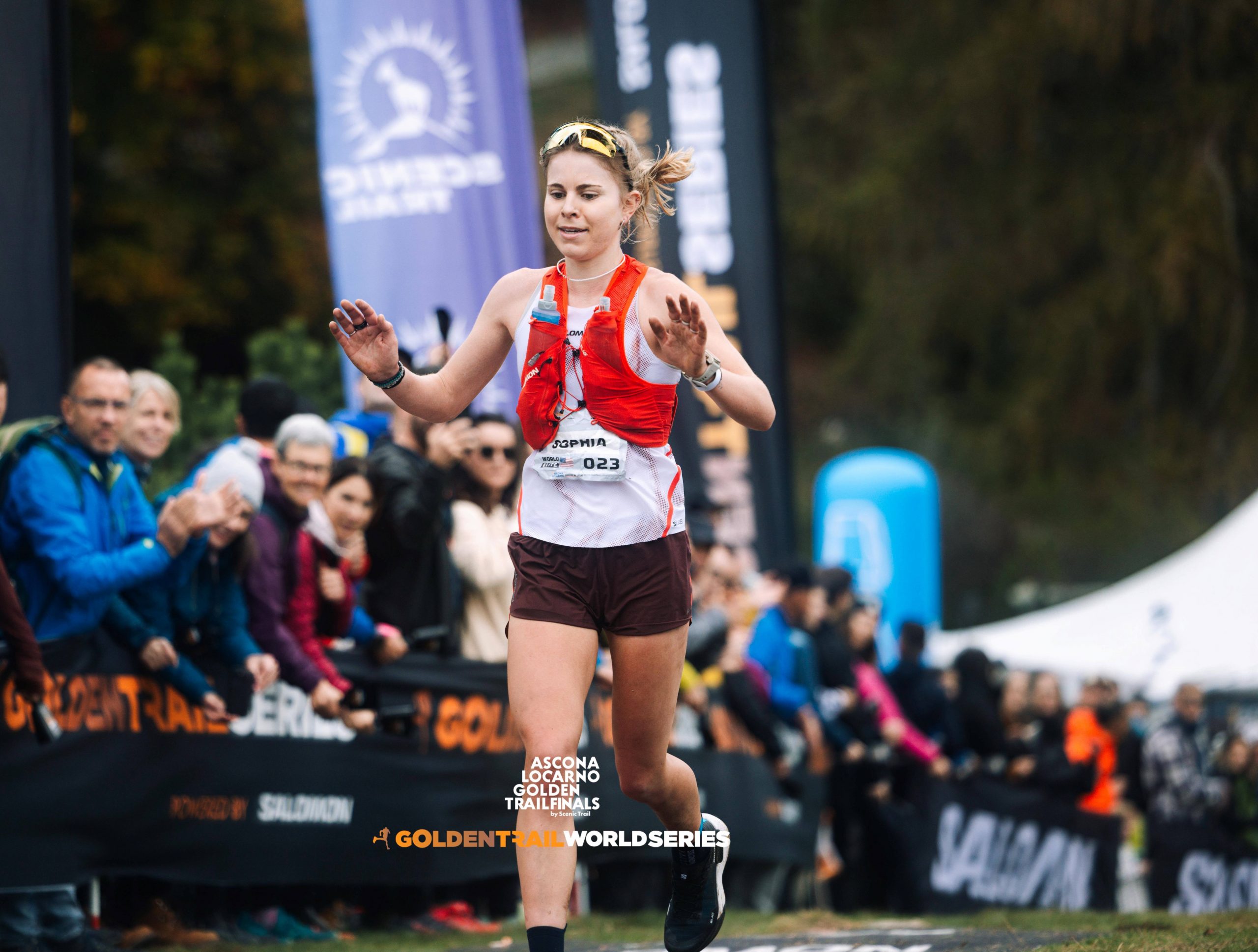
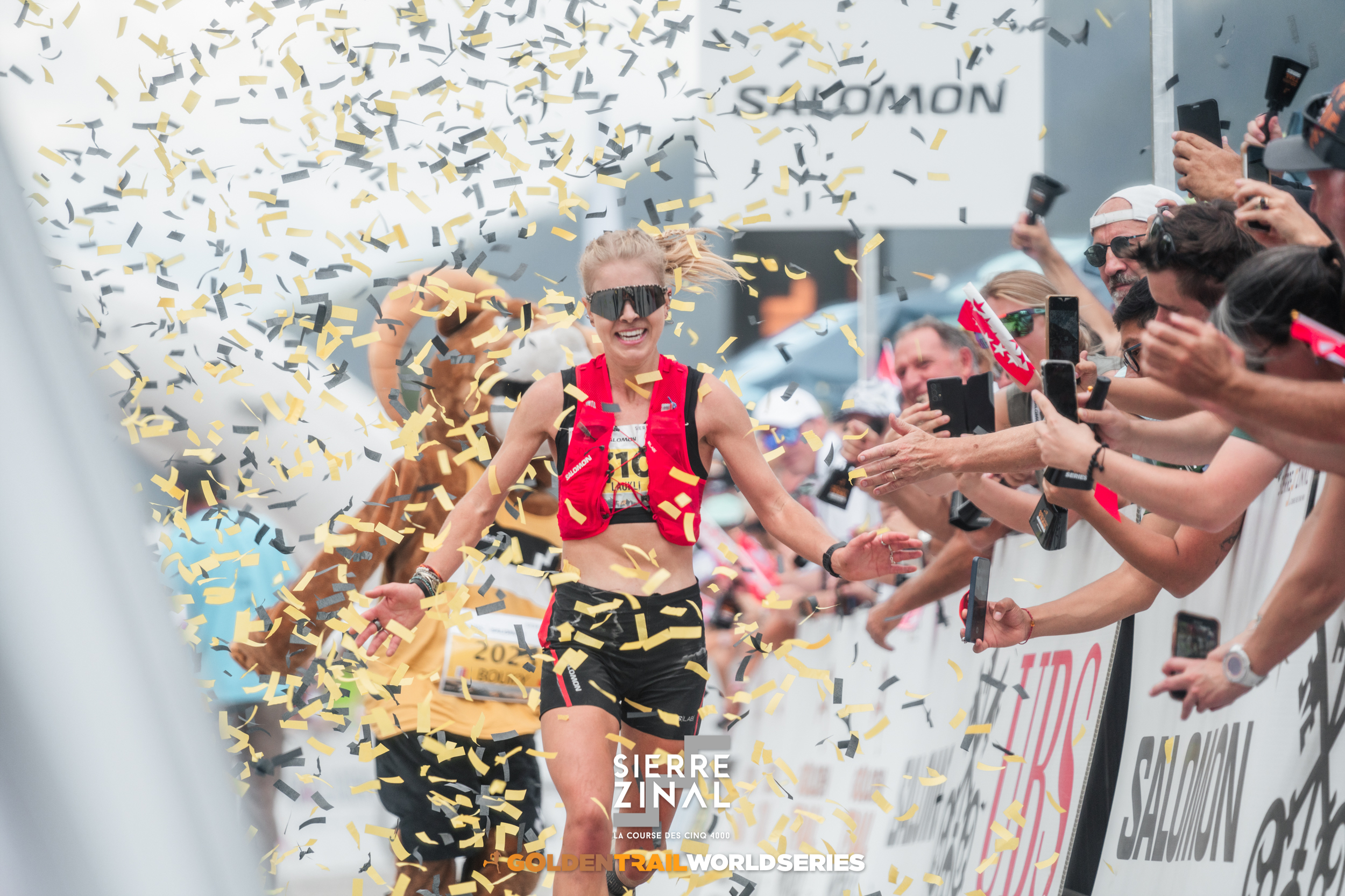
    Laukli glided into the finish at Ascona-Locarno, and looked fresher than she has all season. (Photo:@RisingStory/GTWS Final Ascona-Locarno @JustinGalant)

    In last Thursday’s prologue portion of the final’s race, Laukli had one of the more solid performances she has had all summer, and felt better than she had in months. After the prologue, she told FasterSkier: “Definitely on the right track in terms of feelings, compared to earlier this summer.” She finished fourth in the seven kilometer prologue and was within sight of the winner. Last Saturday, the finals continued with the 23.5 kilometer race.

    The 23.5 final on Saturday went well for her, though she didn’t dominate like she had last year. Laukli finished sixth, but was only a little over a minute off the podium, which might be a good barometer of how she is doing physically. Full results can be found here. It was a nice rebound performance and should serve to remove most of the sour taste of this last season.
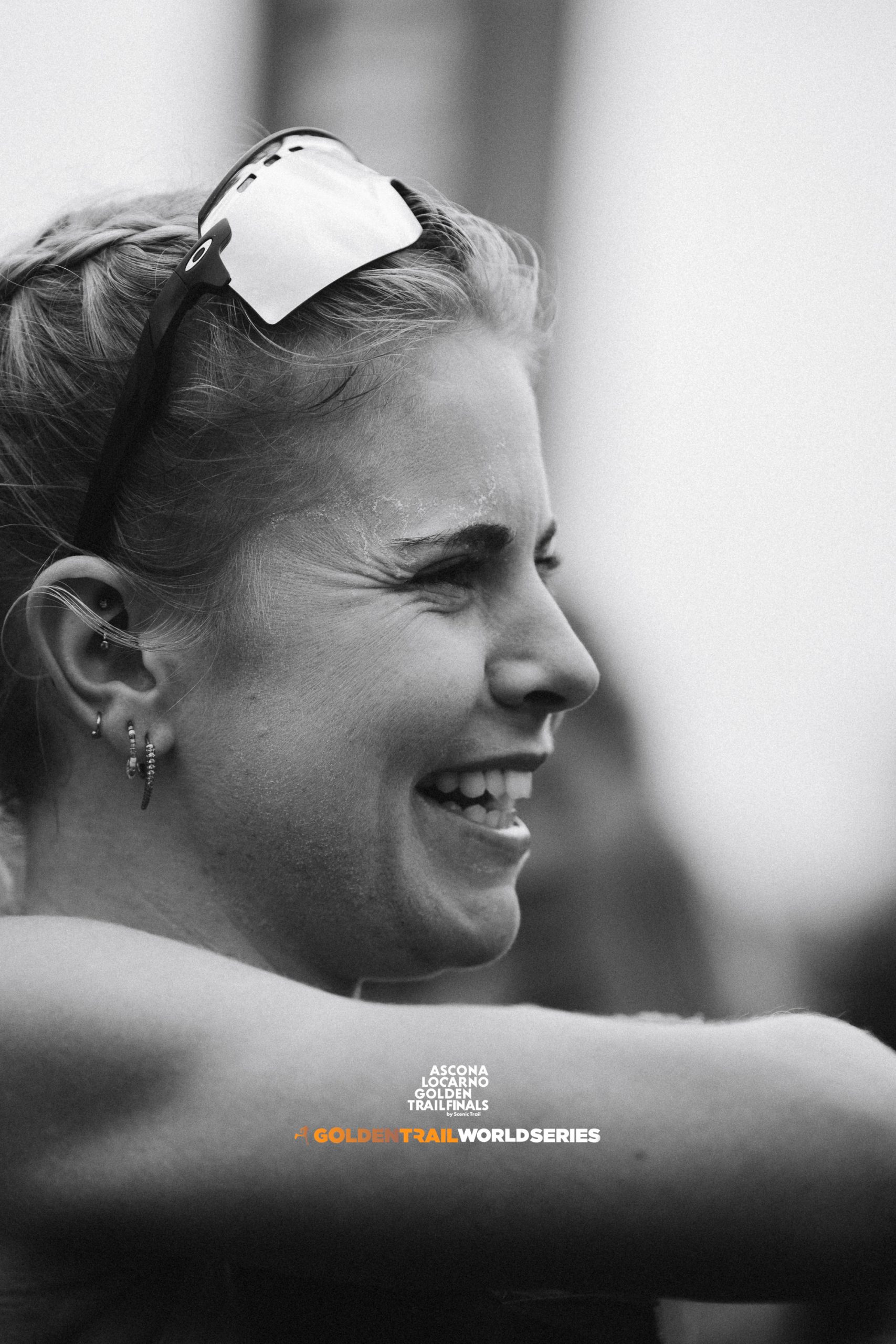
    Laukli was looking refreshed and relaxed before the final race of the summer. Now all focus is on skiing. (Photo: @RisingStory/GTWS Final Ascona-Locarno @Colinolivero)

    After the race, Laukli share her observations with FasterSkier. “Yesterday’s race was decent but I realized pretty quickly that maybe I should not have done the prologue. My legs were totally dead so it made for a very tough and long race. I’m confident the fitness and ski shape is still good, but that doesn’t translate to back to back running races for me…I have done a lot of roller skiing, and not much running, so I guess it’s not the biggest shock. I’m definitely happy I raced the finals, but I think if I wanted to have my best performance before the season end, I should have committed to just doing the final long race.” It’s positive news for American ski fans that Laukli is back to feeling good and having strong race results. Her result might be a little bit off from last year, but not all of it rests with her physical condition. ” I think the biggest thing though is that the field is so deep and so much higher this year. It was honestly one of my better races even though the legs were super heavy, but I’ve had much worse races where I’ve still ended 2nd or 3rd, or even won. I would say I’m close to last year’s level and maybe still improved, it’s just hard to see that in the results.”

    At the end of the day, the decision to race looks like it proved to be the right move for Laukli, and it was definitely the right step psychologically. “So all in all, it’s super motivating for next year but I have a lot of improvement in running to do. But the competition being so high makes me want to put in just as much work as I do for skiing, and that’s a cool thing!”
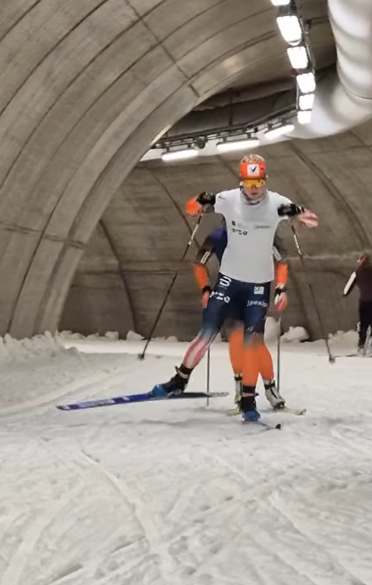
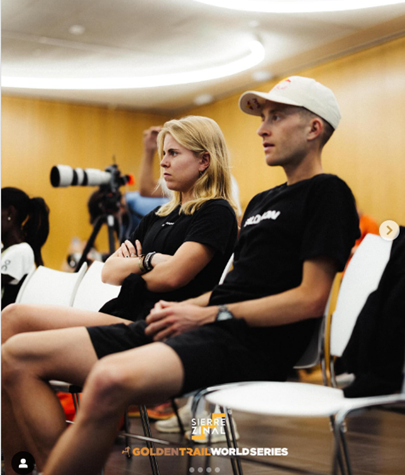
    Laukli spent a week training in the ski tunnel, which she doesn’t like. But she did get to wear her very cool team Aker-Daehlie suit. “It’s super cool,” says Laukli. “I”m going to be wearing it as much as possible.” (Photo: Sophia Laukli/Instagram)

    To bore in on ski training, Laukli recently visited the ski tunnel in Torsby, Sweden. It’s a form of training which she admittedly isn’t thrilled with. “It was mostly technique focus, but I really honestly hate tunnel training. I don’t think I would ever do it if I didn’t see the benefit. I can do it once a year and have a little bit of a boot camp. Many people have no problem with it, but I find it very mentally tough.”

    In the midst of her summer of challenges Laukli did receive some good news. She was promoted on the U.S ski team from B team status to A team. Although there is limited day to day impact of the promotion, she appreciates the change in status. “It’s a motivating thing to move up, because it means that you’re better than the year before. I was really excited about it.”
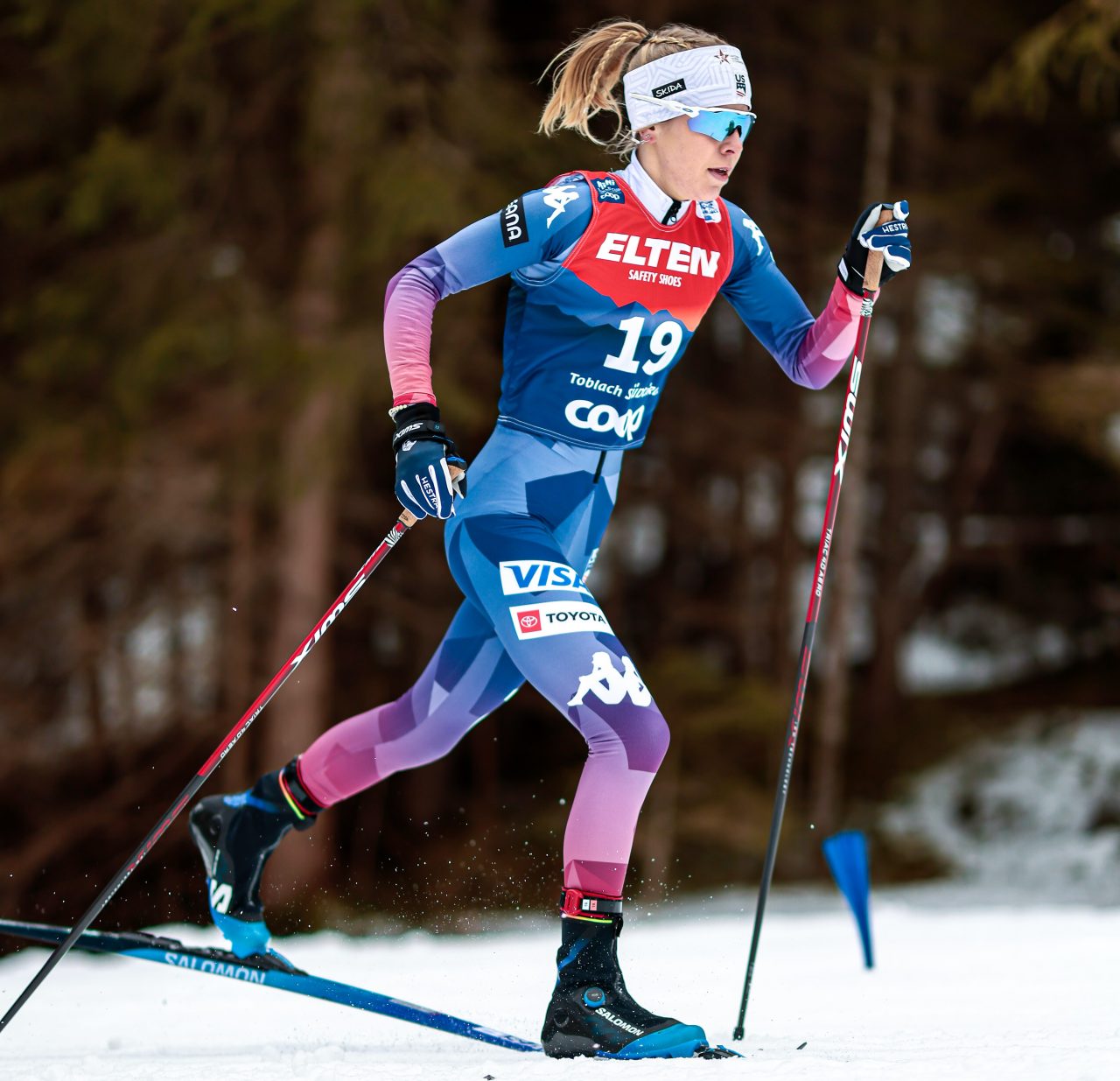
    Laukli acknowledges that to move up in Overall Tour de Ski and World Cup standings, she needs to work on her Classic skiing. (Photo: NordicFocus)

    As she continues to develop as a skier, Laukli has noted, and is quite open, about a couple of significant holes in her game—Sprinting and Classic skiing. She is physically tuned to be a distance athlete, and there’s only so much she can do to change that. This past spring,  Laukli told FasterSkier that she was going to work a little bit more on her Sprinting skills this summer, if for no other reason than that she wouldn’t have to overcome as significant time deficits in the Tour de Ski. But she is realistic about her Sprinting abilities and acknowledges that even making the Sprint heats probably isn’t a realistic goal for this season. While not necessarily working specifically on Sprinting, “I’ve had a huge focus on strength this summer,” which should improve her Sprint results. She’s also been working on her Classic game. “Another thing that brings me down a bit (in Overall standings) is the difference in my Classic and Skating abilities, so I’ve had a bit more Classic focus, so at least I can get a little bit closer to my Skating (ability). I’m never going to be a Sprinter, but if I can get a little bit stronger, and at least get better at Classic, then it helps with focus on the Overall … so I don’t just think about the last stage (Alpe Cermis).”
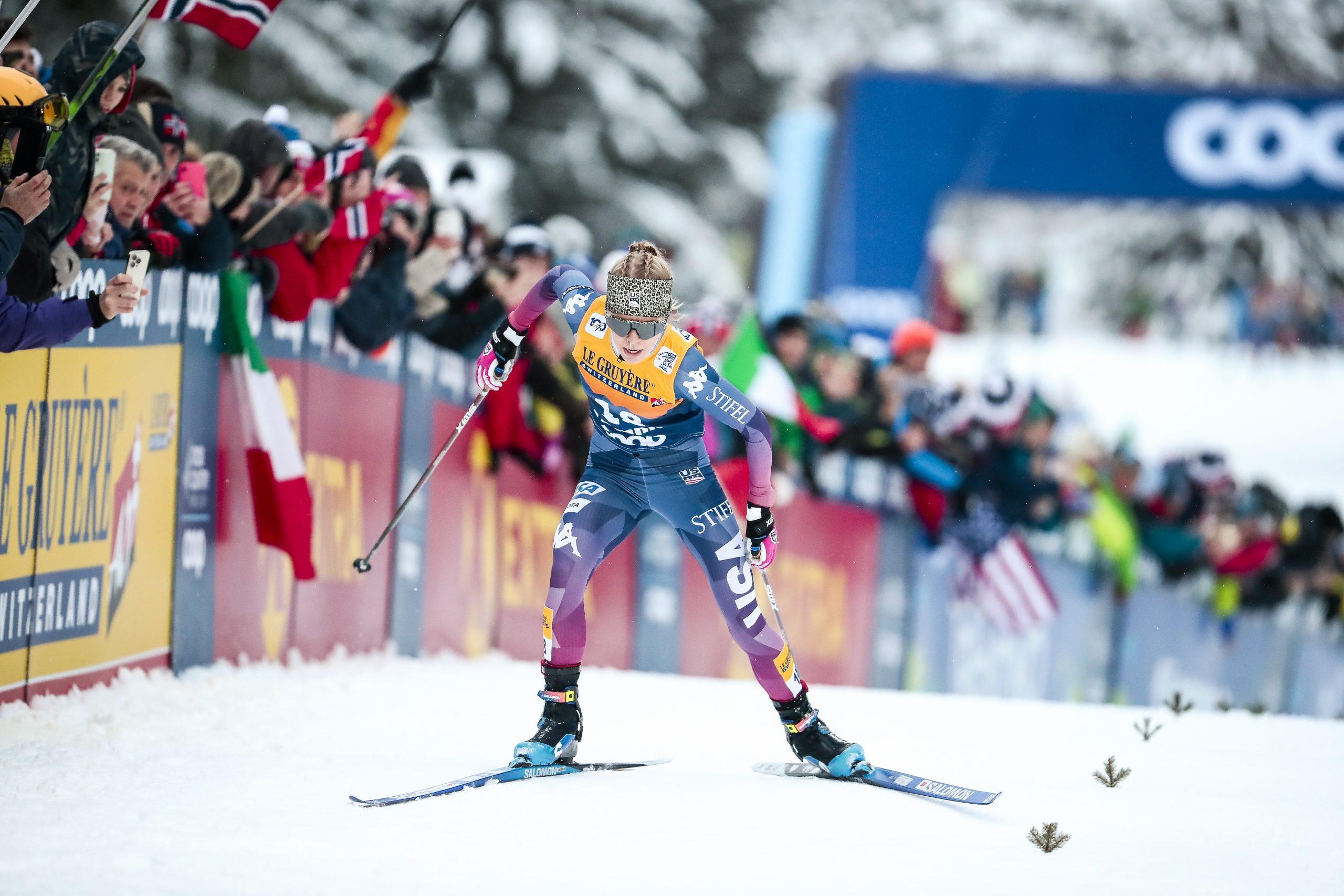
    It was a huge step for Laukli to win a podium by conquering Alpe Cermis, but she wants to be able to focus on more. (Photo: NordicFocus)

    In addition to the Tour de Ski, this is a World Championships year, and Laukli has some definite goals in mind. “I’m very results driven, so not having any results goals makes it hard to figure out what you want to do in the season. What I first do is pinpoint the races that I have the most potential in and base my training around those; so I’m in the best shape for those. The results goals are a little vague, but beyond Alpe Cermis, and the races at altitude, trying for a top five … the biggest focus of the year is the 50k Skate at the World Champs. I want that race to be my best race ever.” For the non-World Championship races, Laukli is primed for racing at Engadin (20k Freestyle) and Les Rousses (10 k Freestyle and 20 k Classic).

    Based on the calendar layout, she will likely face about a two week layoff between her last World Cup race and her first World Championship race, which is fine by her. “You kind of always have these two week blocks of being off. I wouldn’t be confident that I would have a good World Champs if I was just racing through (without time off). I think you’ll see quite a few athletes not racing as much this year because of the World Champs.”  But Laukli acknowledges that when managing the schedule, “you have to be smart. That’s what has gotten me into in trouble now—always wanting to do everything, and not giving things up. So, I think this year, I’ll have to be more cautious, it’s not worth chasing every single race, because World Champs are the focus.”
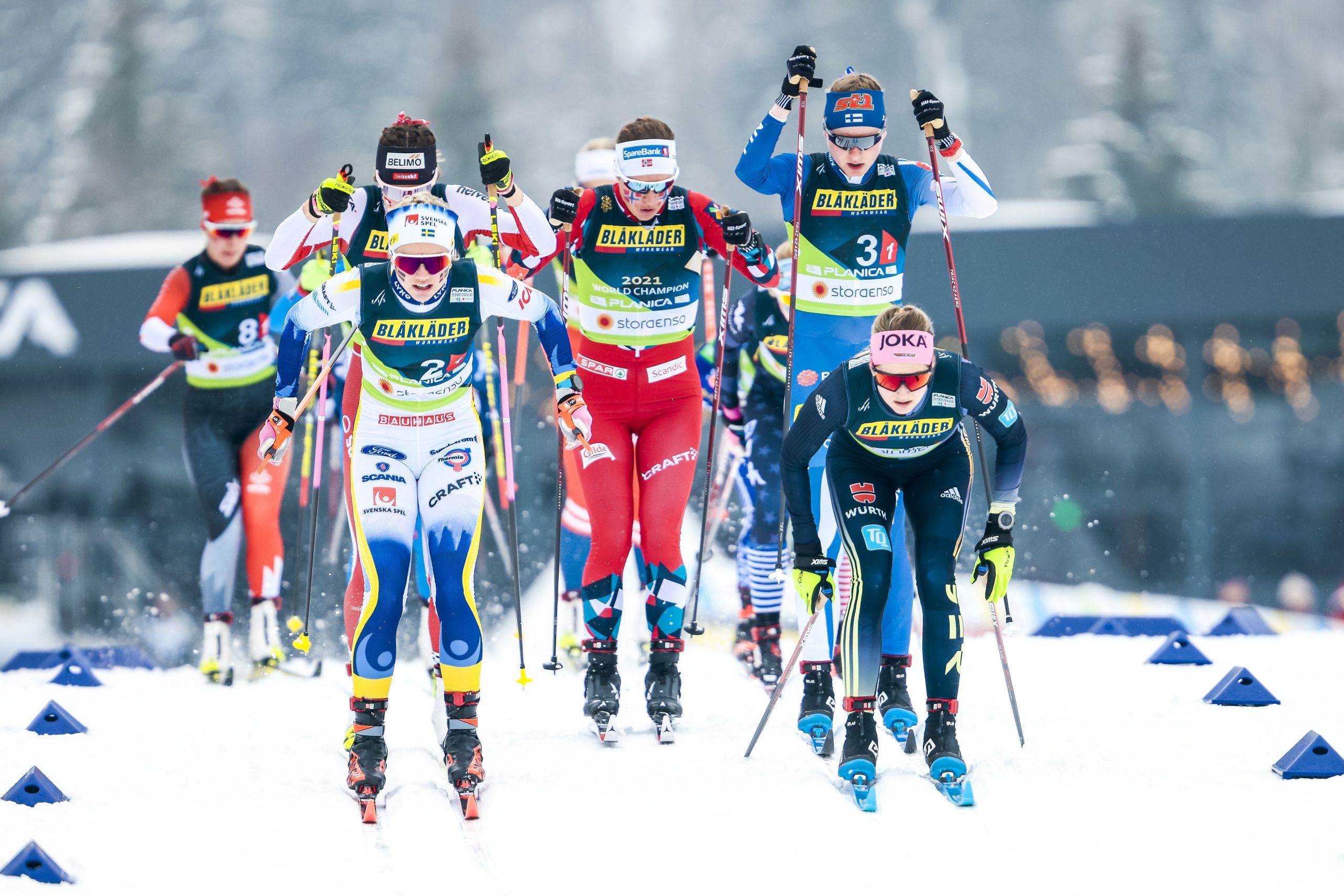
    Laukli would really like to be part of the relay team for the World Championships, but she realizes that might not be in the cards for her. But the relay distances are longer now, so she might have a shot. (Photo: NordicFocus)

    When it comes to the World Championships, even casual cross-country fans know the importance of the relay for the women’s team. A World Championship podium finish in the relay has been the great white whale they have been chasing for years. But the nature of the chase changed somewhat when equal distance racing for men and women went into effect and the legs on the women’s relay were lengthened to 7.5 kilometers. With the longer distance comes an opportunity for Laukli. “I’m glad it’s not five kilometers. Five kilometers is definitely on the brink of being too short for me. 7.5k feels almost like a 10k, so it should be better for me. It’s possible for me (to be on the team). You go into the Championship not banking on it, because you don’t want to be let down. I’m not going in with the mentality that I have that spot, but I would really-really like it.”
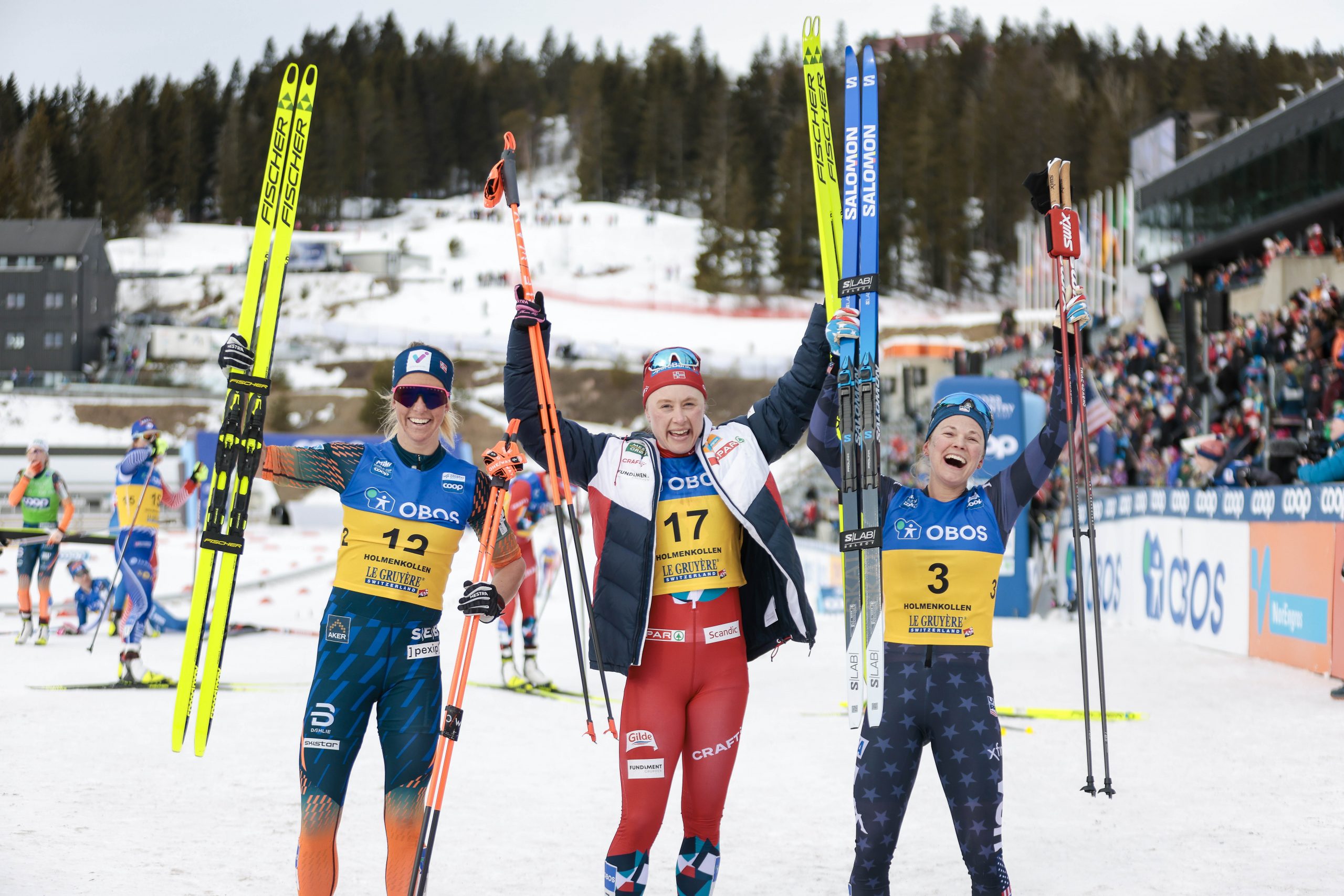
    Laukli sacrificed a Holmenkollen 50k Skate to race at the NCAA championships. She thought there would be more chances, but now she isn’t so sure. (Photo: NordicFocus)

    With the 50 kilometer race taking place at the World Championships, that marathon distance race has been eliminated from the fabled Holmenkollen venue, and Laukli has some strong feelings on that issue. “I’m definitely bummed, but that’s very biased. I understand why (the change was made). It would be too much if you had double (back to back) 50ks, but for me, I’m very upset, because two years ago I gave up the 50k Holmenkollen Skate to race the NCAAs. But I was thinking it was fine because there are so many years of 50k Holmenkollen.” With the schedule changes, she has been deprived of her window of opportunity to Skate the 50k Holmenkollen this year. And, with Olympics in 2026 there’s a chance she might miss Holmenkollen again. “I don’t know what’s going to happen in the Olympic year, there’s a perfectly good excuse not to have it then, and that’s a race I really want to do one day. It will be very telling if they realize how much of a loss not having the race is. The skiers may be less upset about it than the culture of skiing. It’s a pretty crazy decision to make.”

    Laukli has now been on team Aker-Daehlie for two seasons and has grown to see Norway as her home for the foreseeable future. “I was skeptical when I moved last year and wondered if I would just want to move right back, but I’ve been super happy with it, and, as long as I’m a skier, I won’t be moving back to the U.S. I consider Norway more home now.” Laukli’s Norwegian is even becoming respectable. “It has definitely improved. I make the effort to speak it to a handful of people and that has made me improve. I’m not perfect.” But Norway isn’t without some challenges. The food has been a bit of an issue. “That was definitely a big challenge. I was missing a lot of my American food, but I have since realized that there are a couple of things that are way better here.” Bolle, a sweet cinnamon bun has become one of her favorites. “I would still choose American food, and any time my mom comes over, she travels with my American breakfast food because I don’t do Norwegian breakfasts.”

    It seems that Laukli has figured out how to adjust to life in Norway. If her adaptations to training as a two sport athlete prove as adept, there’s no limit on the future for Sophia Laukli.

    FasterSkier thanks Sophia Laukli for taking the time to speak with our reporter.
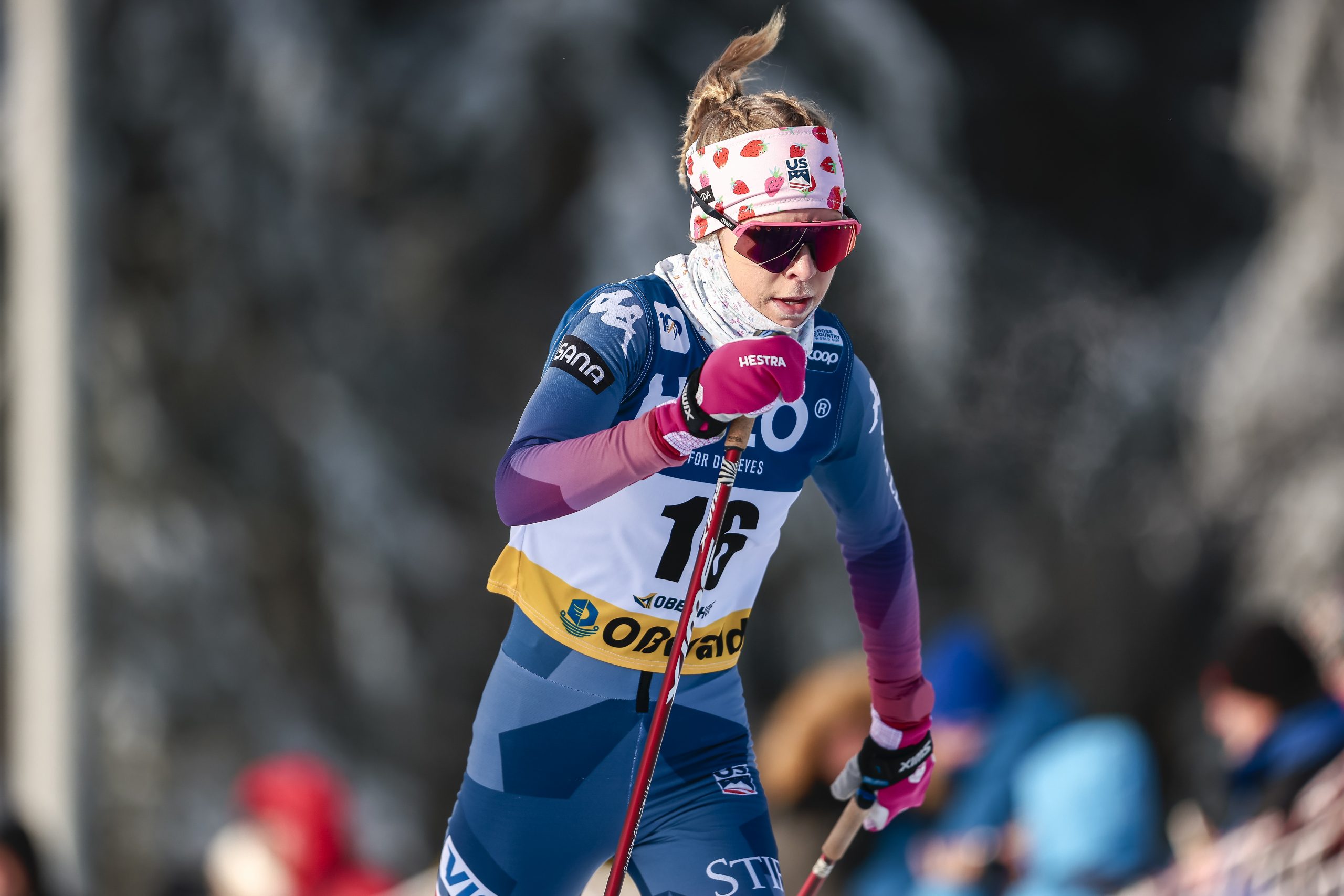
    Sophia Laukli (USA) Oberhof, Germany. (Photo: NordicFocus)


  • Laukli’s Summer of Ups and Downs Ends With a Surprise. Part I

    Laukli’s Summer of Ups and Downs Ends With a Surprise. Part I

    Last running season it was all smiles and great finishes for Laukli. Here she was winning Sierre-Zinal last year. This year has been a non-stop struggle. (Photo: @the.adventure.bakery)

    Last year was a breakout season for Sophia Laukli. She reached the top of the podium in a World Cup race and had a solid skiing season. In her non-skiing job, she also won the Golden Trail Series championship, being crowned the best international trail runner, all while making it look fairly easy. She dominated the race circuit and gave the best professional trail runners fits as she casually strolled to the race starts fresh off her ski training. It was a story which shattered what many pundits thought possible.

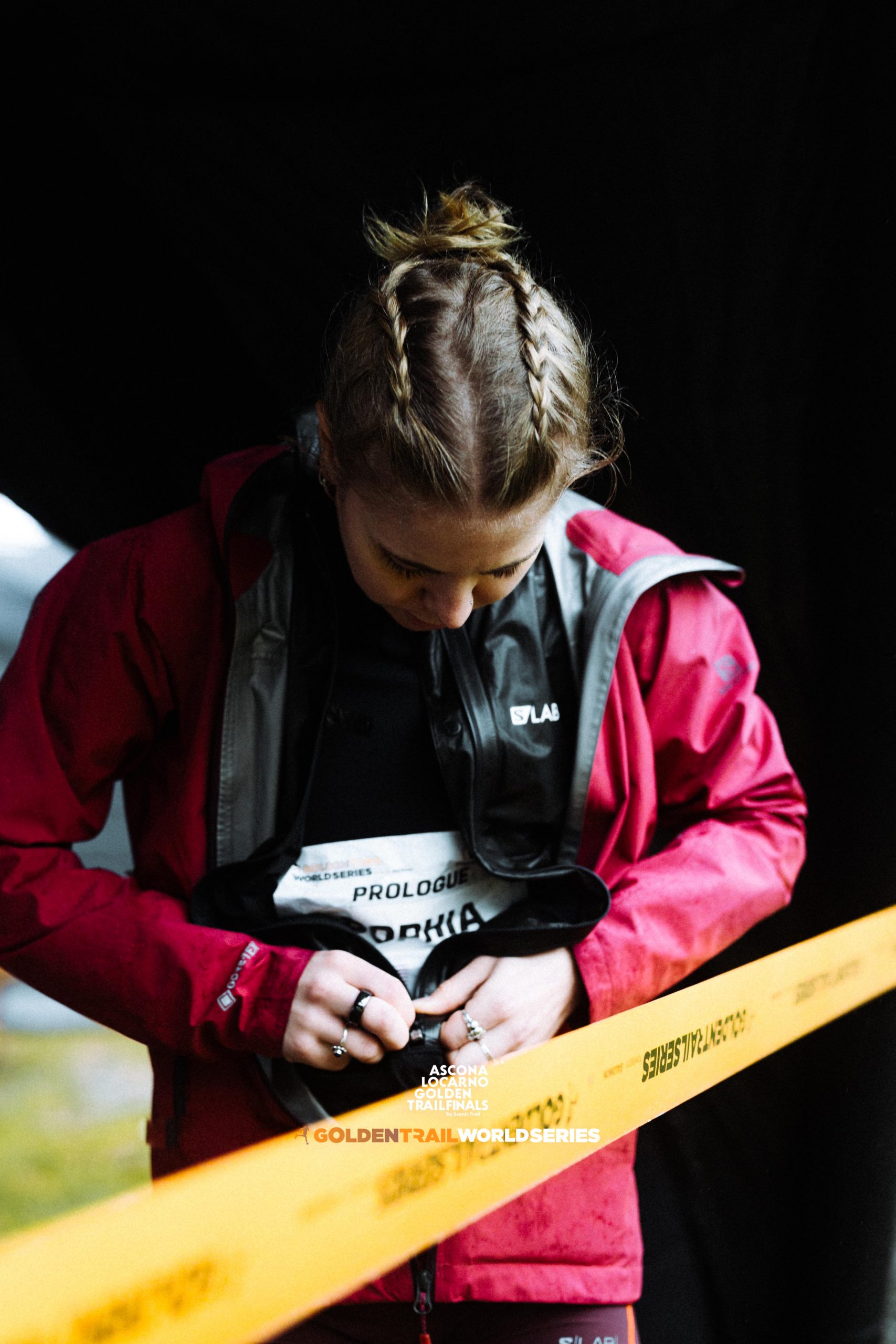
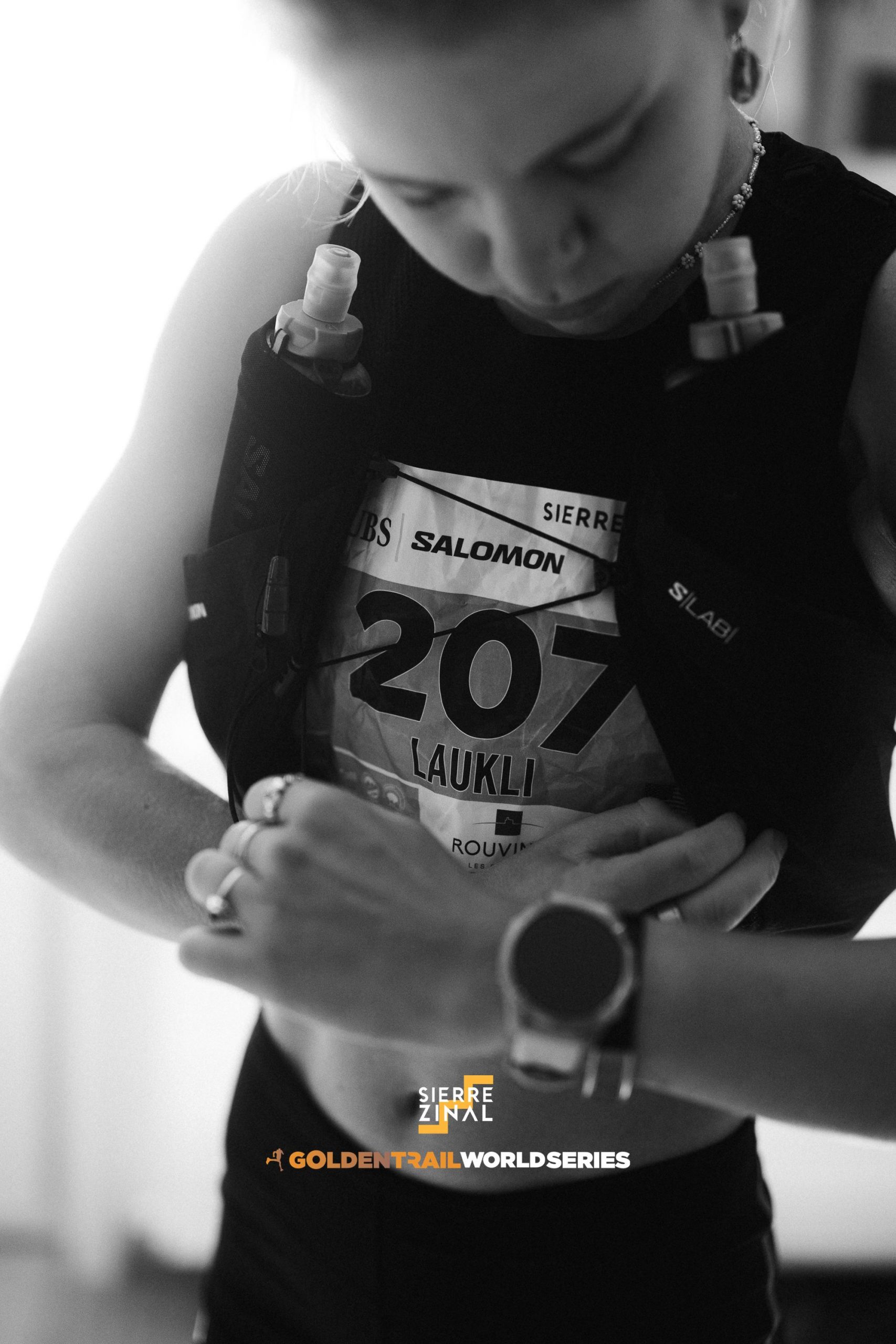
    Laukli readies herself for her comback in the finals. (Photo: @RisingStory/Golden Trail World Series Final/Locarno@JustinGalant)

    Few professional athletes have attempted to do what Laukli has been doing—excelling as a professional at two sports at the same time— and some observers were waiting for the other shoe to drop. And drop it did, as this summer Laukli has faced numerous obstacles. This year, the running deities have taken their revenge as Laukli has struggled with injury, overuse issues, and illness, all of which in early August forced her to announce the cancellation of her trail running season. But, in an unusual twist, after a long period of rest, Laukli has chosen to return to trail racing to compete in the finals of the Golden Trail Series held this weekend (October 17th-October 20th), in the Ascona-Locarno region of Switzerland. This year, she won’t be racing to win all of the marbles and earn her spot as the best trail runner in the world. Instead, she will be racing for validation— of sorts— validation that she’s found her groove again and is ready to fire on all cylinders. But, with the shattered shards of a truncated running season still clearly visible in the rear view mirror, it’s fair to ask whether she is tempting fate as she makes an unexpected return to the trail running scene. For the record, she claims there shouldn’t be any worries.

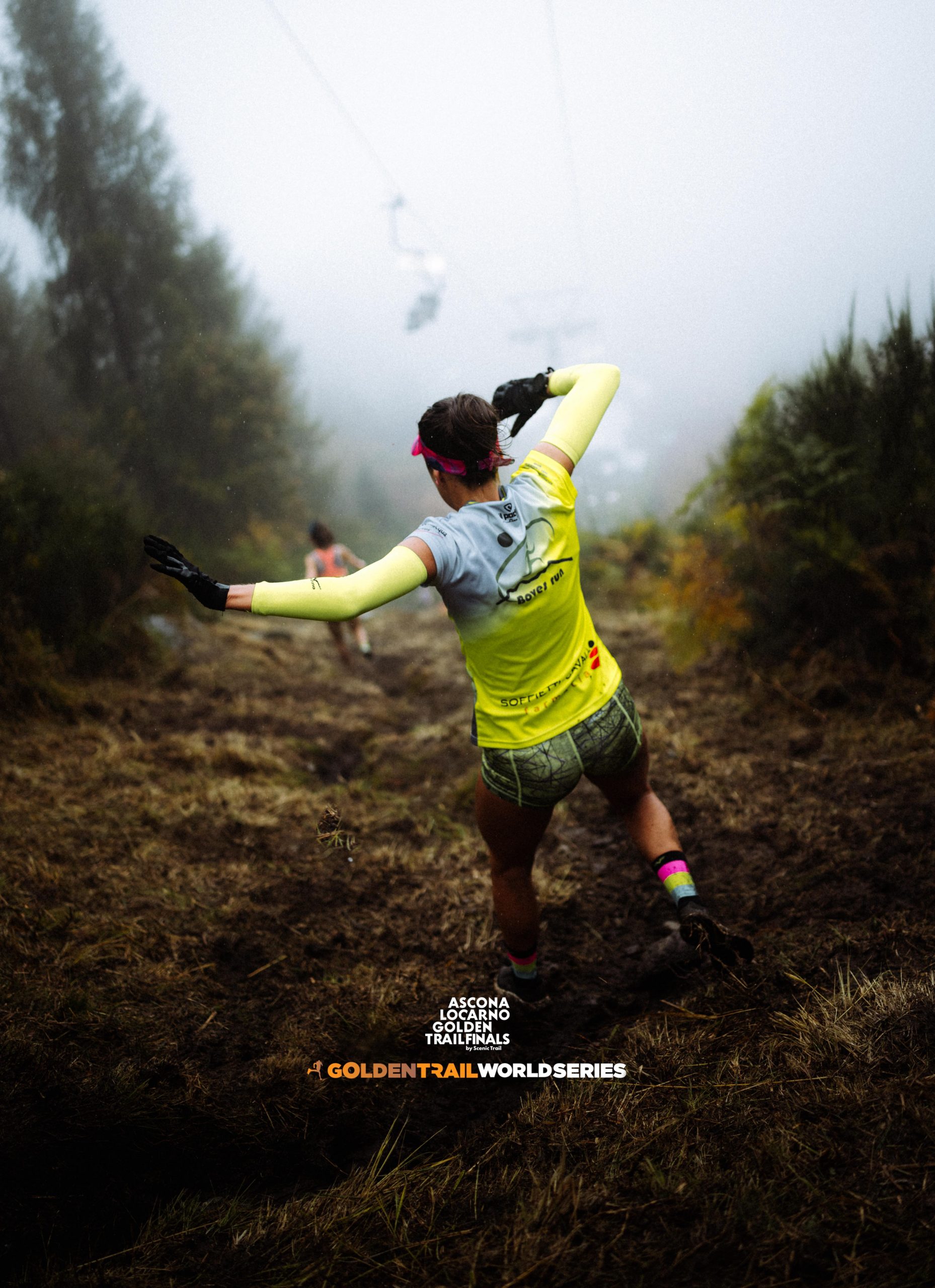
    Despite the prologue only being seven kilometers it had some very serious terrain challenges. (Photo: @RisingStory/Golden Trail World Series Final/Locarno@JustinGalant)

    Laukli has no shot of winning the overall title this year. Going into the finals, she was in 27th place and while it’s not mathematically impossible for her to take the championship, it would require dozens of athletes ahead of her to not show up or do very poorly. She recognizes that she’s not there to win the title, but she chose to race this coming weekend to use it as a barometer, and a bit of a statement to herself, about where her health is now. So far, her choice seems to have paid off. On Thursday, Laukli finished fourth in the final’s prologue, a seven kilometer race which serves as a prelude to Saturday’s 23.5 kilometer main event. She was only 42 seconds off the lead which in a relatively short race is a strong showing for her. The good finish moved her into 21st place in the Overall standings. After the prologue she told FasterSkier that, “yesterday was decent!” She continued that, “definitely on the right track in terms of feelings, compared to earlier this summer. The fitness was back, the downhill skills were maybe more of the issue. But I’ll take that, and think tomorrow will be better!”

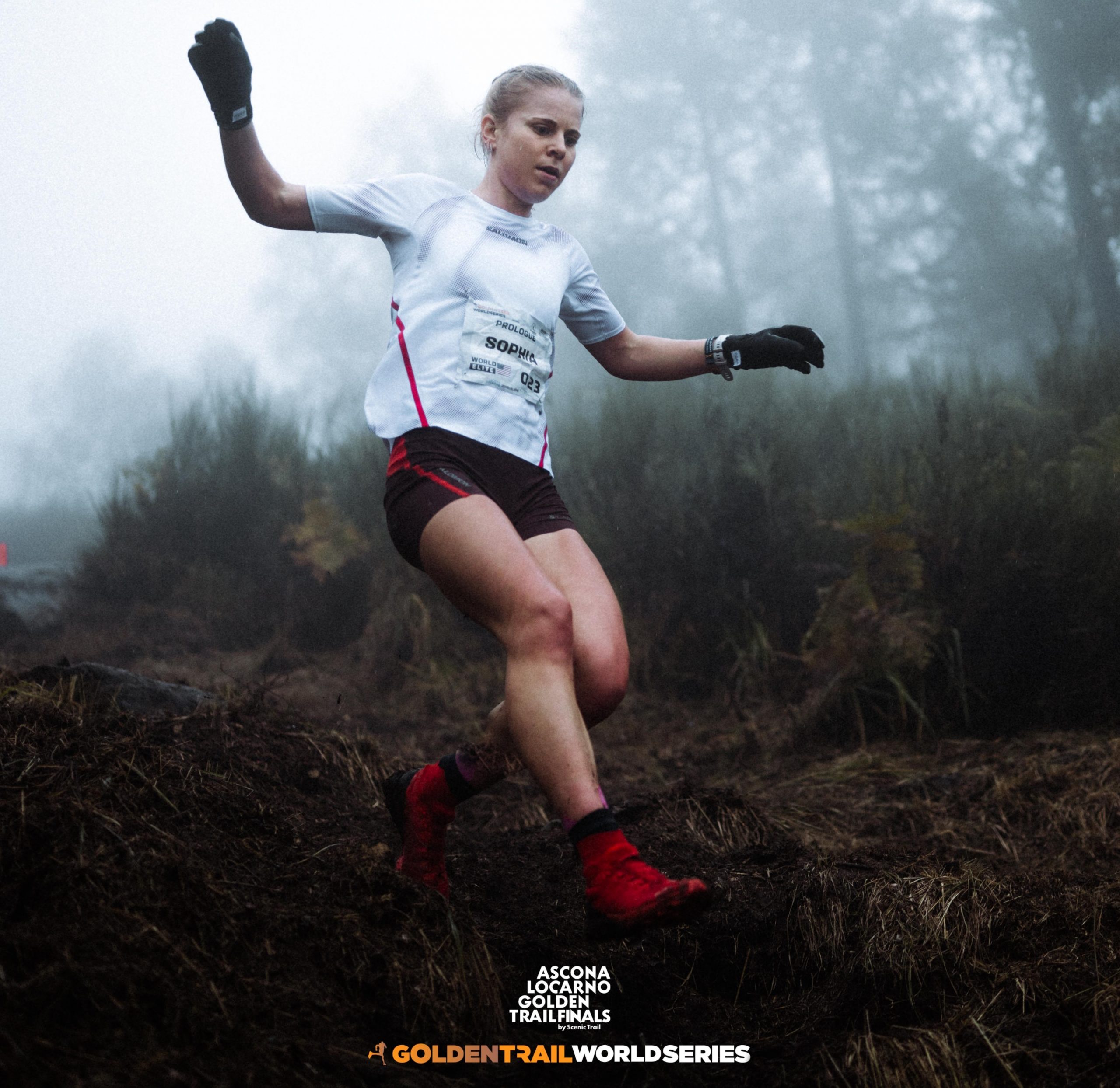
    The prologue at the Golden Trail Series had some intense downhills. (Photo:@RisingStory/Golden Trail World Series Final/Locarno@JustinGalant)

    FasterSkier recently spoke with Laukli while she was in Norway before she left for the finals. She shared the details of her summer of trials and tribulations, and how she feels she’s positioned for the upcoming World Cup season. You can return to FasterSkier after Saturday’s race for an update of how Laukli did in the  Golden Trail Series finale, and for part two of this interview.

    FasterSkier had spoken with Laukli last May when she was in Japan to race the Golden Trail’s Asian events. But she was unable to compete due to a knee injury, and cancelled participation in the Asian races. The knee issue turned out to be a little bit different than originally diagnosed. “Now that’s over,” said Laukli, speaking of her knee problem. “A lot of what happened all summer goes back to that time (of the knee injury). The beginning of what caused an up and down summer was going to running camp two days after the Norwegian (ski) Championships. That was a problem, going straight to running.” The knee pain which kept her out of the Asian events had been attributed to too much running too soon, but only weeks later would she learn that there was more to it. “I had a bike crash, which at the time I didn’t know, but later learned, caused the issue in my knee. It was never super serious, but it did take me out of running for the Asia trip, all of May and the beginning of June.” It wasn’t until she had an MRI later that the pieces were put together and learned that she had damaged her knee in the crash.

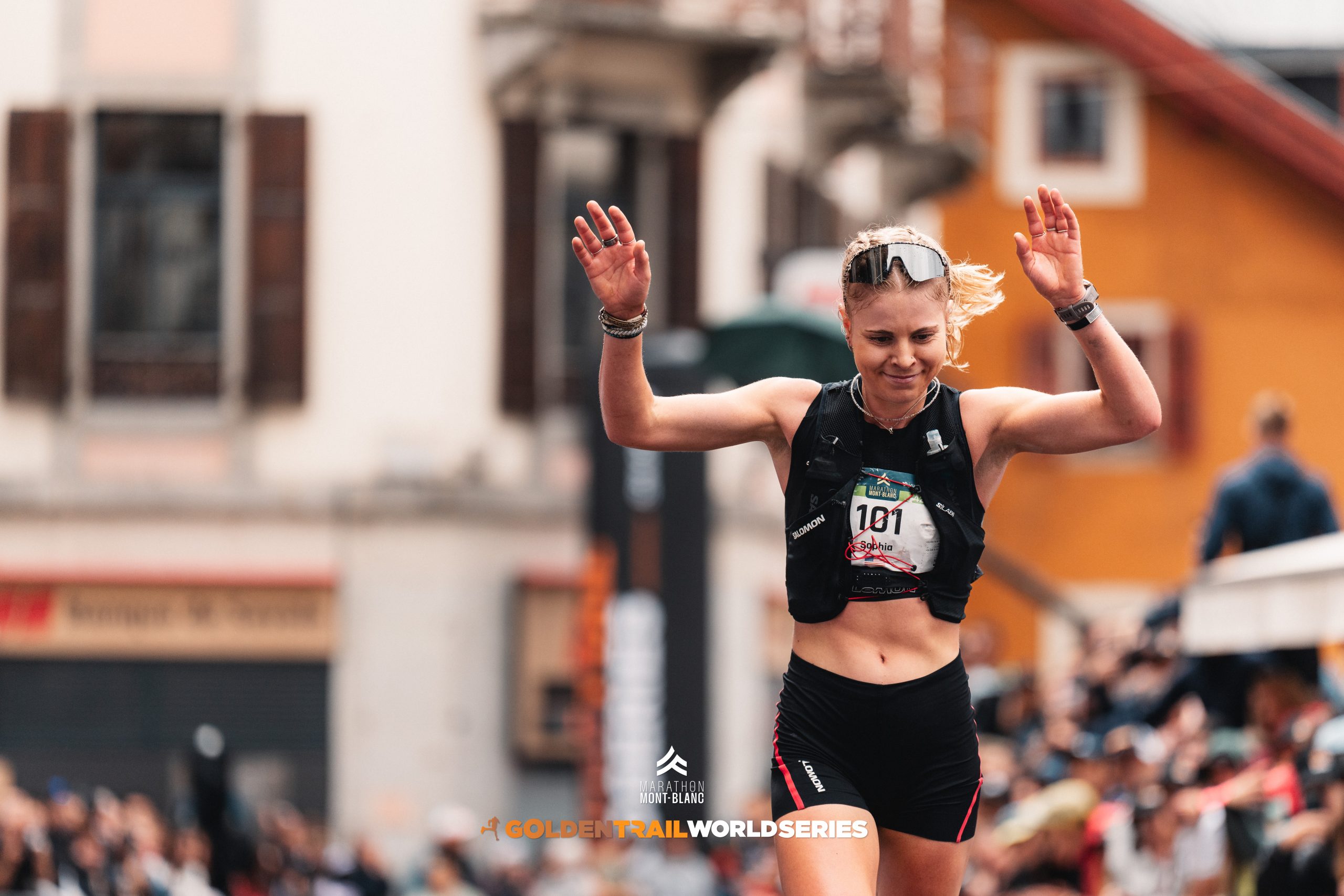
    Laukli put on a brave smile at the Mont Blanc finish, but she knew things weren’t right. (Photo: @RisingStory/Golden Trail World Series @mathisdecroux )

    When she got home from Asia, she wasn’t running, but she was still able to roller ski at full volume. “I got into pretty good shape with that and thought the crossover to running would be pretty simple, but I quickly realized I needed longer to have the running legs. The first race went ok, but it was really hard on my body. That first race was like a band aid rip off.” But Laukli says that the knee injury is behind her and she’s not feeling any ill effects from it.

    That first race was the Mont Blanc marathon, held June 30th in France. She was able to seriously run with minimal pain for only three weeks before Mont Blanc. “I gave myself three weeks of running before trying my first race … which was maybe mistake number two.” Despite her lack of preparation, she ended up finishing fourth, in a race she had won last year. To an outside observer it might have appeared that she was well on her way to recovery, but she knew things still weren’t right.

    Laukli took a little more time off and tested the running waters again by racing outside of the Golden Trail Series circuit. She competed in the Eiger Ultra trail 54 kilometer race July 20th. The race is held on the face of the famous Eiger mountain which is home to decades of famous Alpine climbing history. The race was the longest she had ever run. She ended up winning that race, and once again, to an outsider, it looked like the ship had been righted, and all was well. But the victory didn’t feel right. Despite winning, “I noticed that I was not normal, and thought that maybe it was just going to take more time to get back into running shape.” The lack of depth in the field compared to a Golden Trail Series run helped to create the optics that Laukli was back on top. But it was an optical illusion.

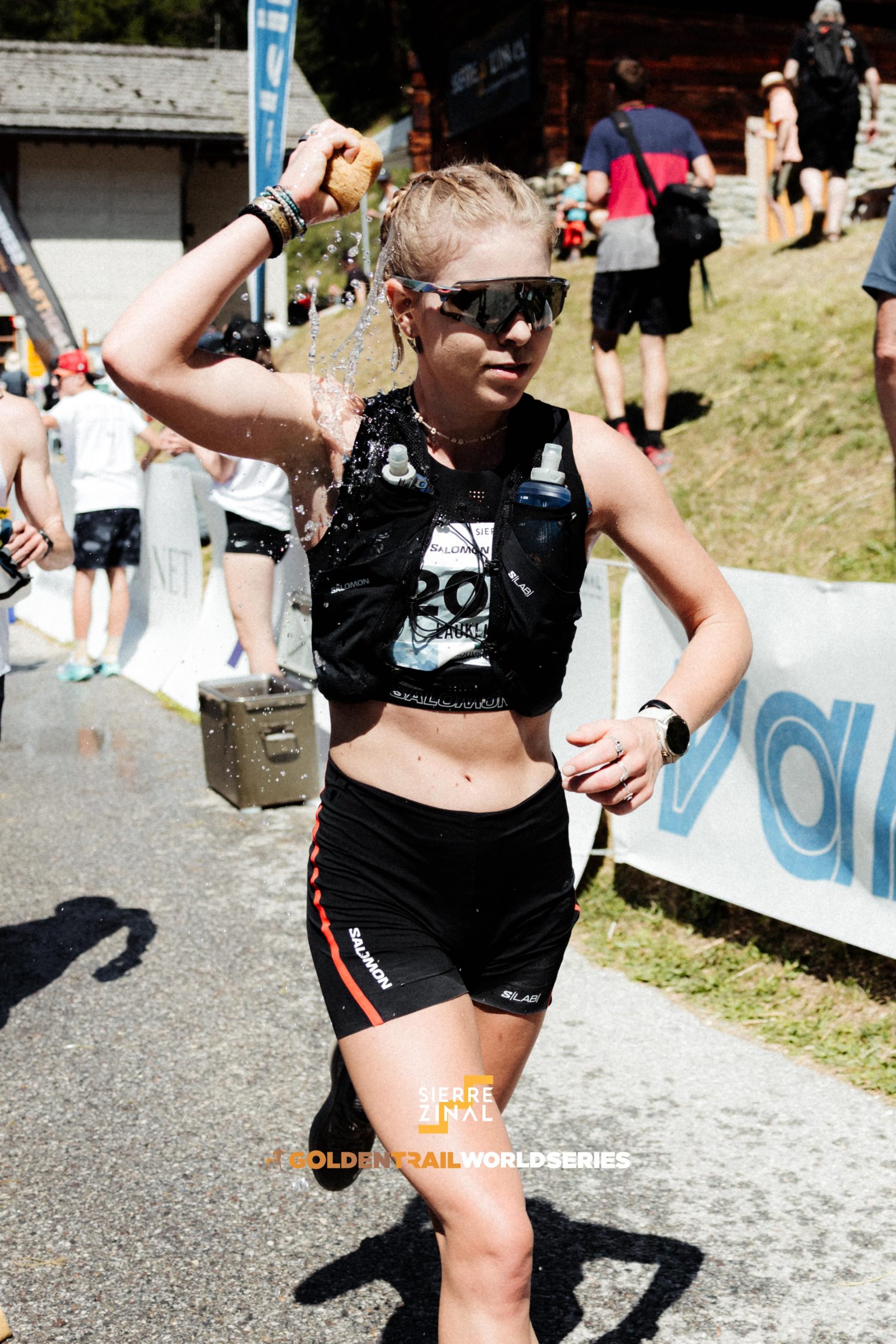
    It was after Sierre-Zinal that Laukli decided to call it quits for the regular season. (Photo:@goldentrailseries// @rising.story)

    More time passed and she decided to rejoin the Golden Trail Series at the Sierre-Zinal run held August 10th in Switzerland; another race which she had won last year. This year she finished seventh, and the wheels were beginning to come off. “The weeks leading into it, I was starting to acknowledge that I had been, since the beginning of May, very tired and just ignoring it. It’s hard when you’re not sick, and not horribly over trained and just ‘mid’ for a very long time. I did some running tests, and they weren’t good, but I thought on race day I’d be fine. I was able to trick myself a bit before Sierre-Zinal thinking that maybe I would have a chance. But that race was the final straw that I really-really needed a break. It kind of all tracked back to the decision in March—going two days from skiing my last race to starting the running season. The knee injury was an added element. But the reason I’ve had such a hard summer trying to get back to my normal level is that I never took any time off. I think last year I was probably lucky that I didn’t think too much, and everything just worked out.”

    As Laukli readied herself for Sierre-Zinal, she knew circumstances were working against her. (Photo: @rising.story_@colinolivero_GTWS_SierreZinal)

    Last year Laukli took a month off after the ski season, but it wasn’t by design, it just happened that way because of her schedule. Now she realizes that she needs the time off after skiing. “It was a long time coming in August. It maybe wasn’t the best mentality, but I knew on the start line (of Sierre-Zinal) that if this is s–t, I’m going home and sit on the couch for a month. I was starting to re-think everything. I had two to three months of pretty bad training and being consistently tired. I kept taking little breaks. The week before Sierre-Zinal, I kind of knew it was not going to go well. It was a horribly tough race mentally”

    It was after Sierre-Zinal that Laukli knew she needed extended rest. (Photo: @rising.story @JustinGalant)

    In addition to all the training snafus, she also tested positive for Covid as soon as she got home from Sierre-Zinal. “I have no idea when I actually got it, but that whole July and August I wasn’t feeling normal.” She’s not certain if she was suffering from Covid during the race, but her time was 20 minutes slower than last year’s which made her think something was definitely wrong.

    But having skiing as her principal sport provided some level of solace. “This is where it’s super nice to be a skier. The day I came home from Sierre-Zinal, I said ‘I’m going to call it for running, now I’ll just be super good in the winter.’ Covid made it easier to take time off.”

    She describes her situation at the time as “mentally and physically frustrated and exhausted. I was in this constant cycle of starting the training, feeling bad, taking a couple of days off, then starting again. After eight weeks of that I knew I had to do something different so that I wasn’t also jeopardizing my ski season. I think what made it easier to deal with was that I knew exactly what I had done wrong. Things have really always gone my way, and this showed me that I have to be more intentional with my training and recovery. I really want to do both of these sports, and this bum year is not a huge dagger in the motivation or confidence because it’s super easy to pinpoint what I need to do differently next year.”

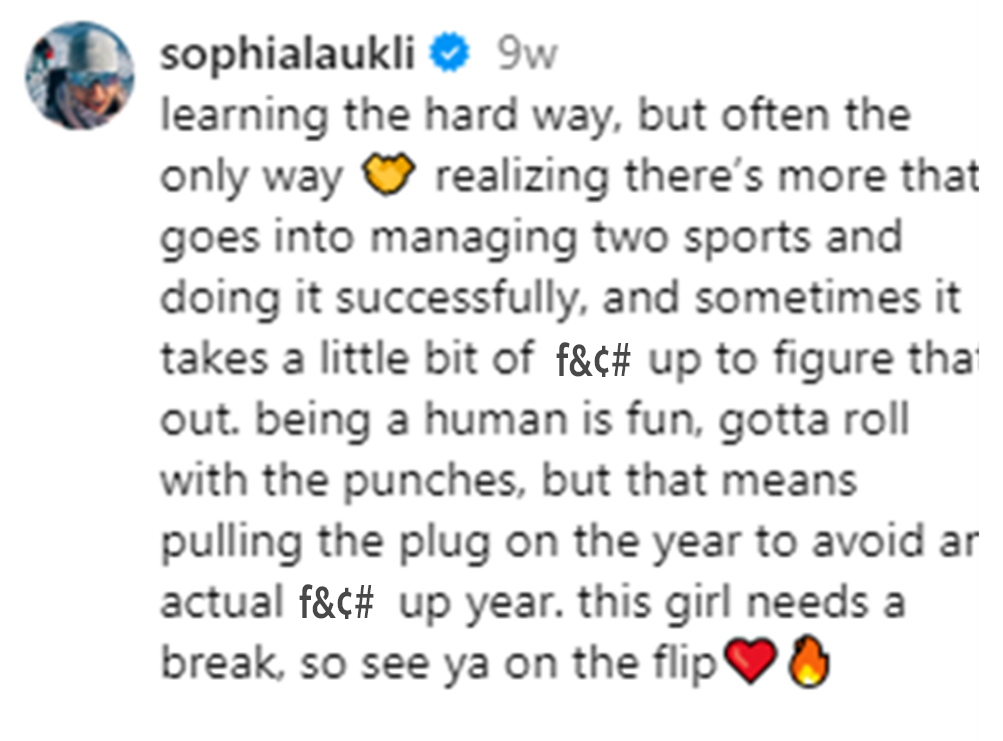
    Laukli was very candid in her public comments that she needed to make some adjustments in her schedule and training. (Photo: Sophia Laukli/Instagram)

    Laukli has been very public and transparent in her mistake and blames no one but herself. She had an Instagram post that said, “realizing there’s more that goes into managing two sports and doing it successfully, and sometimes it takes a little bit of  f—k up to figure that out … ” She was referring to her training errors and not planning better for the season “I know I’m still young, but I can see that I can’t handle doing absolutely everything as much as three years ago when it didn’t really matter if I had a month off. I have to do a little more picking and choosing, and there will be sacrifices. Having another year like this would be very devastating and make me question whether I should try to do both.” But she is not deterred from being a two sport athlete. “I feel like there’s a good way to do it. I’m now ending the summer and starting the ski season knowing what I’m gong to try next, and hopefully it works out better.”

    That’s where the choice to run in the finals of the Golden Trail Series comes in. After a season of fatigue and injury, taking on another running race may seem like an odd choice, but Laukli has a plan. “When I came home from Sierre-Zinal, I committed that I wasn’t going to chase these races (regular season trail races). But I did think that the finals are pretty far away, and if I’m back in normal shape, I’d like to try one more running race, not for the Overall, the results don’t matter. For me it’s the potential for a confidence boost if I can be back to my normal level in a race instead of ending on a sour note. Why not try one more time when I know I’m in a different place now than I have been most of the summer.” And, for the first time in months Laukli feels good about her position. “I finally feel normal in training, and that’s enough to get excited about racing again.” She’s not seeking redemption, “I just want to run where I’m not running on fumes.”

    But is she receiving pressure to race and taking an unnecessary risk with the ski season just around the corner? Laukli says she’s not feeling outside pressure to get in one more running race this season, even with the lucrative payouts running provides compared to skiing. “Maybe in the beginning of the season I was putting pressure on myself since I won the overall last year, that I have to try (to defend her title).” But she has nothing but praise for her sponsor’s support and isn’t feeling pressured. “That’s what’s cool about running and skiing for the same brand, everyone has the same interest, and no one wants me racing if I’m not actually at my level. I’m only going to race if I know it’s not going to harm my health.” Laukli feels that she and her brand, Salomon, are in complete alignment on this issue.

    Despite this year’s setbacks, Laukli’s running technique has been steadily improving. Her downhill running skills have improved even though when she was tired it didn’t necessarily feel that way. “It helps that my starting point was pretty bad. I hadn’t given the downhills enough credit. You have to be in good running form to run good downhills.” Laukli does have a handicap on the downhill sections which her competitors don’t face. They are mostly full time runners and are able to be more aggressive on downhills without having to worry about injuring themselves and ruining their ski season. “It’s hugely mental. I get super nervous … I constantly overthink and brake and sit back. That’s just practice. But if I was not a skier, I’d be a bit more into it, but you’re always worried about injury, so it’s not worth it to be one of the crazy downhill runners.”

    Laukli is unwavering in her commitment to skiing even after her running triumphs.(Photo: NordicFocus)

    Worrying about the ski season is top of mind for Laukli, and it was after Sierre-Zinal that she began to become concerned about making sure she didn’t adversely affect her ski season. But she is sanguine about the upcoming winter. “I still have time to have a perfectly good ski season. I just need to make sure that I do everything right for that. I am fairly confident for the ski season.”

    She also has the complete support of her team Aker-Daehlie coaches. “Last year was a learning experience for everyone … it seemed to work. I’m open that these (trail races) are very important races to me, and it’s totally manageable to fit in these races and have perfectly good ski training if you just work together. I think it has worked very well in that sense.”

    Please return to FasterSkier for Part II of our interview with Sophia Laukli