From the FasterSkier archive — posts syndicated from athletes’ and coaches’ own blogs between 2004 and 2012, kept online as published. Current coverage is at fasterskier.com.
ZHANGJIAKOU, China — Team USA Para Nordic skiers Oksana Masters (Louisville, Kentucky) and Jake Adicoff (Sun Valley, Idaho), alongside guide Sam Wood (Harpswell, Maine) each won silver medals, and Sydney Peterson (Lake Elmo, Minnesota) took bronze in an exciting, fast-paced day of cross-country sprint racing at the Paralympic Winter Games Beijing 2022.
Through five days of competition, the U.S. Para Nordic team has collected 10 medals in cross-country and biathlon at Beijing 2022, with three more days of racing to go at the Zhangjiakou Biathlon Center.
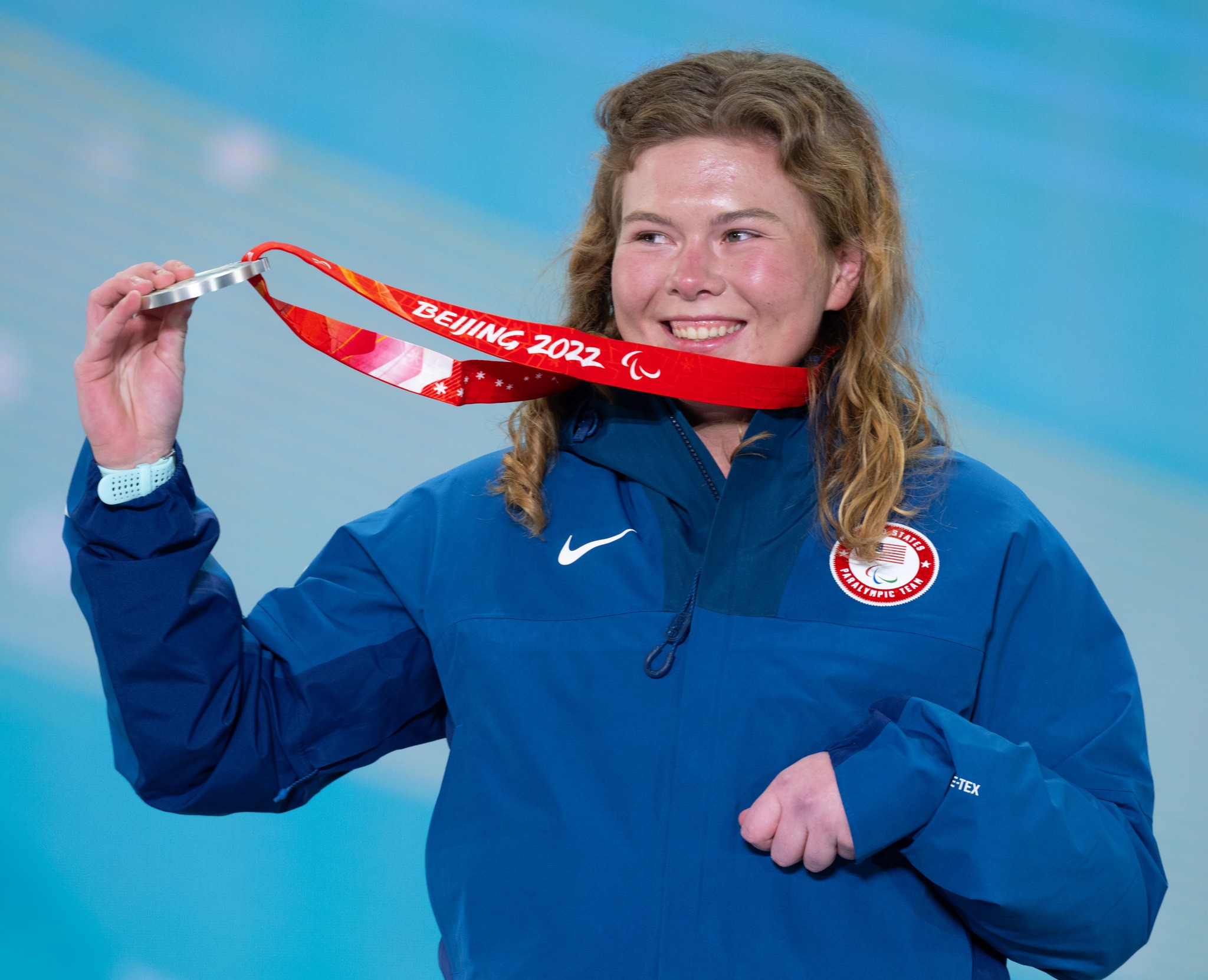
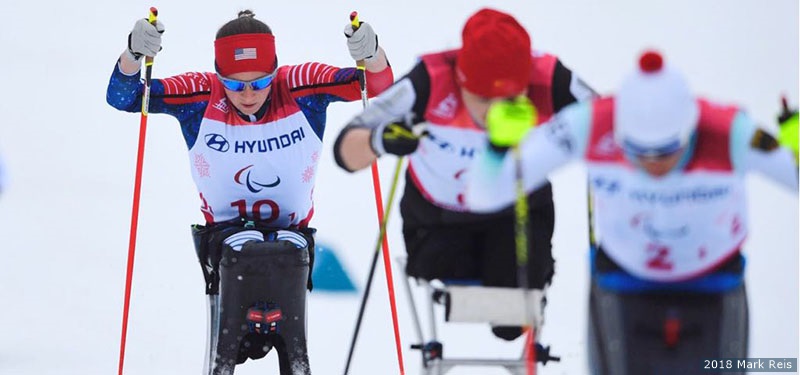
Oksana Masters takes silver in the women’s sitting sprint. (Photo: Mark Reis / Team USA)
Masters has won four medals — in all four races — at Beijing 2022 and now has won 14 medals in her Paralympic career. Masters, the 2021 world champion and 2018 cross-country sprint gold medalist from PyeongChang, finished just 1.7 seconds away from gold on Wednesday.
The cross-country and biathlon star powered up the hills on the 1-kilometer course and sprinted down the finish chute to nearly catch China’s Hongqiong Yang who won gold with a time of 3:18.2. Masters finished in 3:19.9 and Panpan Li of China earned the bronze in 3:31.0.
Team USA’s Kendall Gretsch (Downers Grove, Ill.) placed fifth, in 3:37.3.
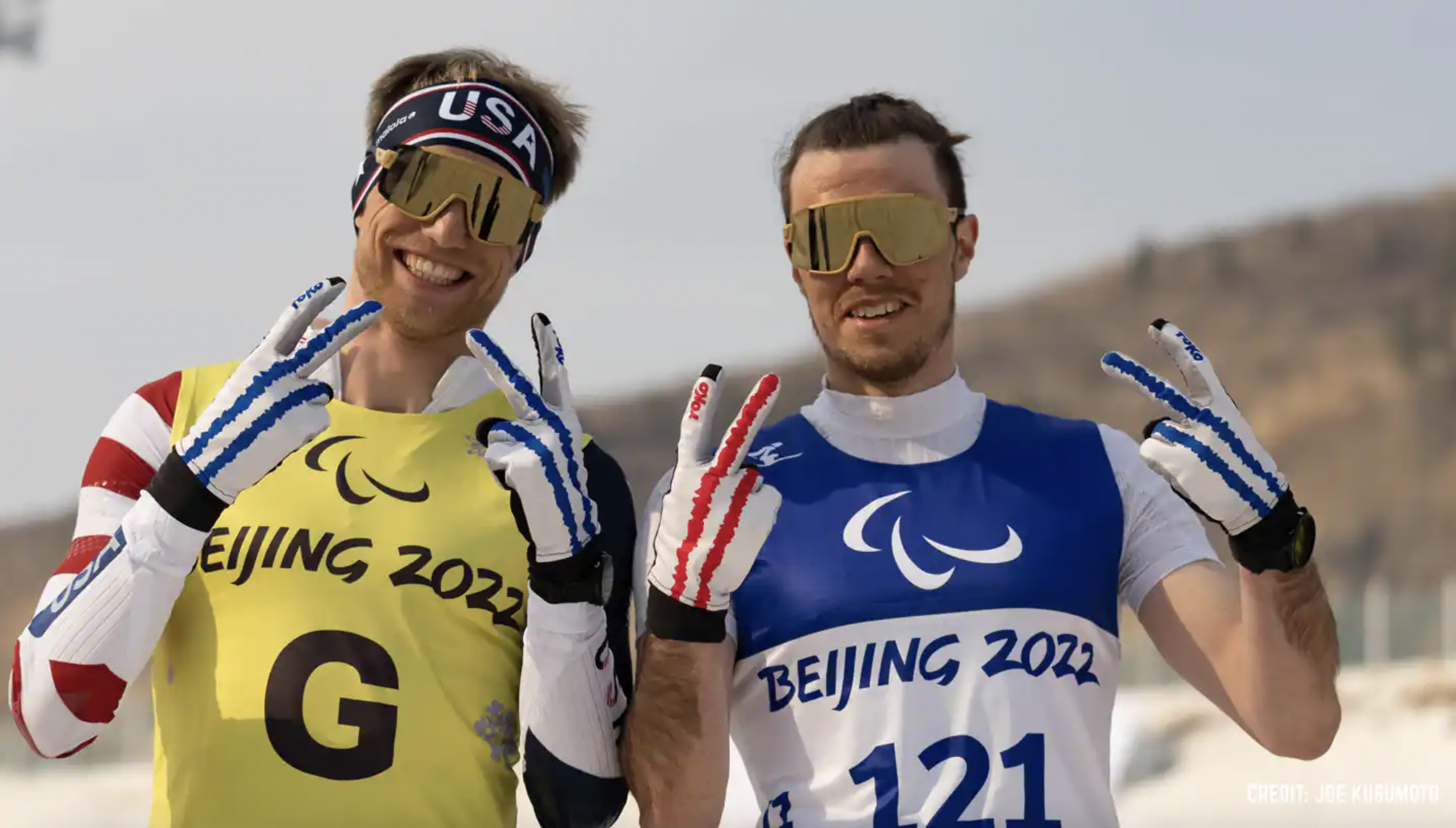
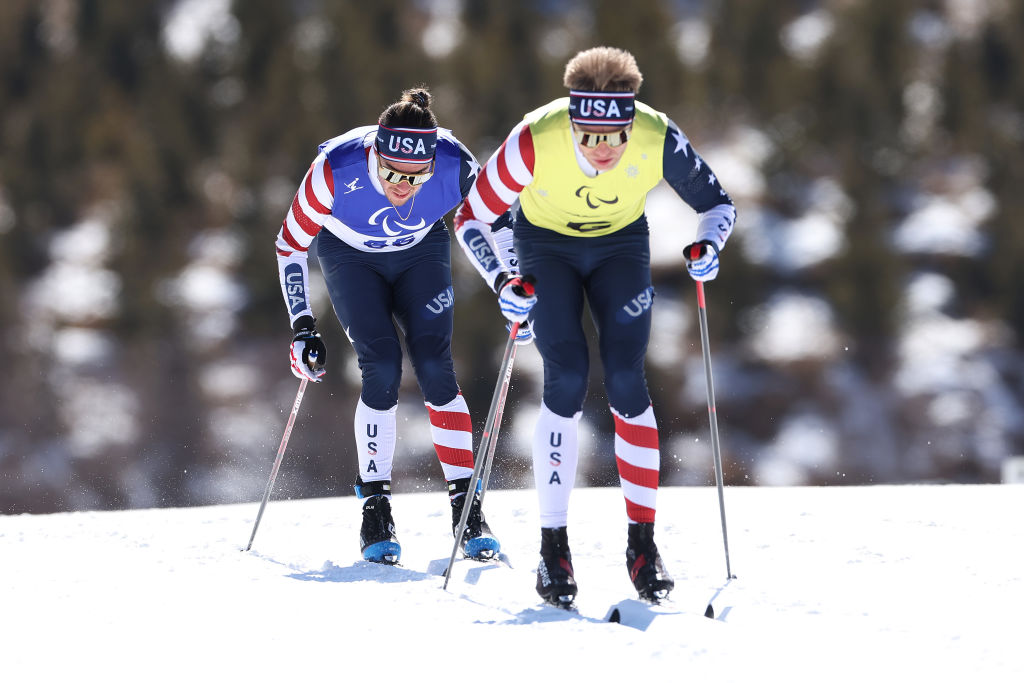
Adicoff and Wood won their second silver medal of Beijing 2022 in the men’s visually impaired category, just 0.8 seconds away from gold. The duo hammered the sprint cross-country course in a time of 3:20.3, just behind Canada’s Brian McKeever, guided by Russell Kennedy. Sweden’s Zebastian Modin, guided by Emil Joensson Haag, took the bronze in a time of 3:37.8.
The silver is Adicoff’s third medal of his Paralympic career — and he’s gunning for two more cross-country medals in Beijing.
Jake Adicoff (right) with guide Sam Wood earn a second silver medal in the visually impaired freestyle sprint, their second medal in two races at the 2022 Beijing Paralympics. (Photo: Joe Kusumoto / Team USA)
“I said it before, but I’ll say it again — ‘We’re going to gun for gold,’” said Adicoff who is a three-time Paralympian who won silver in the 10k cross-country at the 2018 Paralympic Games in PyeongChang.
“Two more to go. We’re hoping for four for four (on the podium) so we’re right on schedule,” Wood said.
Adicoff said the fun of cross-country sprints is the opportunity to cheer on his fellow U.S. Para Nordic teammates. The entire team raced on Wednesday, which began with qualification rounds, a round of semifinals and the final to determine the Paralympic medalists.
“Being with this team is so much fun. Especially on sprint day. Sprint days are the best. You get to watch everyone and it’s an absolute blast,” said Adicoff. “The team had a good day, so we’re psyched.”
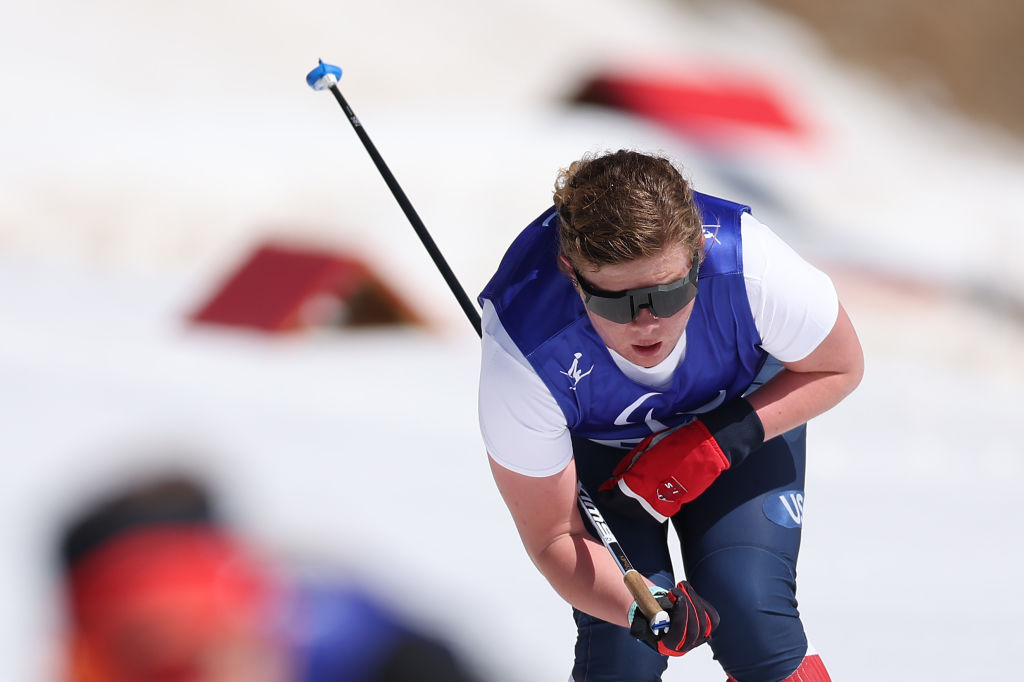
Peterson, who is competing in her first Paralympic Games, won her second medal of Beijing 2022, adding to the silver she won in long-distance cross-country. She completed the sprint cross-country in 4:12.1, behind Canada’s Natalie Wilkie (4:05.1) and Norway’s Vilde Nilsen (4:08.1).
“It was a super challenging race. There were a lot of components to it going throughout the day, but I’m super excited about how it all stacked up,” Peterson said. “I had a ton of people that were out there helping and cheering and it wouldn’t have been possible without all their support.”
Grace Miller races to 14th in the women’s standing freestyle sprint. (Photo: Mark Reis / Team USA)Visually impaired athlete Max Nelson sprints to 14th with guide Simi Hamilton. (Photo: Mark Reis / Team USA)
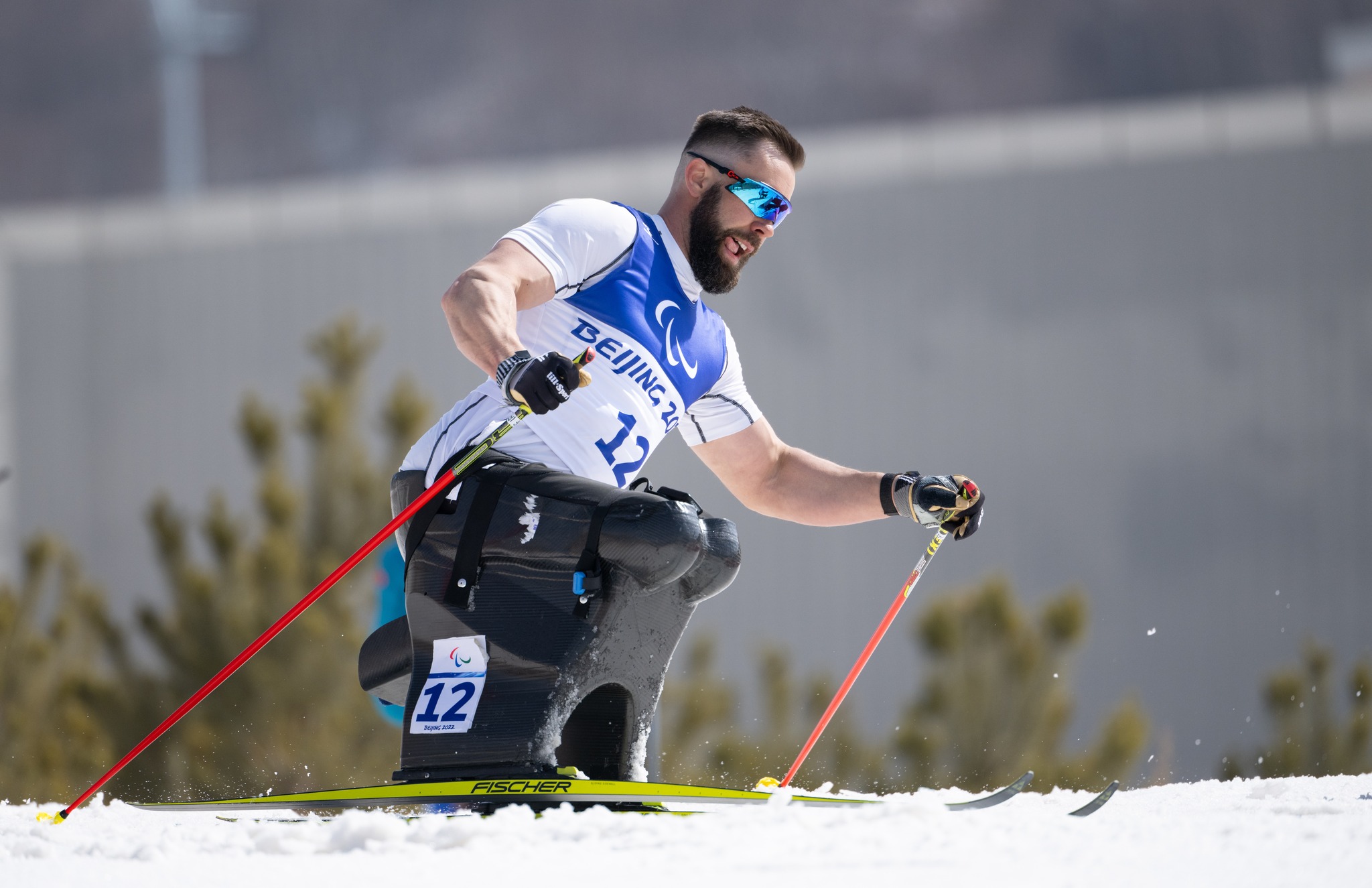
A total of 14 U.S. athletes competed in the day’s events. For the women’s sitting sprint, Lera Doederlein and Erin Martin finished 14th and 16th respectively while Grace Miller took 14th in the women’s standing. In the men’s sitting competition, Dan Cnossen finished just outside a qualifying spot with a 13th place finish while Josh Sweeney finished 19th. Max Nelson took 14th place in the men’s visually impaired qualification round while Drew Shae covered the course in the first round of the men’s standing for 21st.
American teammates Dani Aravich, Ruslan Reiter and Aaron Pike made their way to the semifinal round finishing the sprint competition in 8th, 12th and 12th respectively.
Aaron Pike races into the sprint semifinal, finishing 12th. (Photo: Mark Reis / Team USA)
Nordic athletes will enjoy a rest day on Thursday. Racing is scheduled to resume on Friday, with the men’s and women’s individual biathlon. To follow and watch U.S. Paralympics Nordic Skiing competition from Beijing 2022 on NBC, which features more than 230 hours of coverage across NBC, Peacock, USA Network, the Olympic Channel, NBCOlympics.com and the NBC Sports App. All events will be streamed live on NBC’s Peacock. Follow U.S. Paralympics Nordic Skiing on Facebook, Twitter and Instagram for daily updates from Beijing.
ZHANGJIAKOU, China — Three-time Paralympian Jake Adicoff (Sun Valley, Idaho), alongside guide Sam Wood (Harpswell, Maine), won the silver medal in the men’s visually impaired long-distance cross-country race on Monday, while Paralympic newcomer Sydney Peterson (Lake Elmo, Minnesota) won the silver in the women’s long-distance cross-country race in another banner day for the U.S. Para Nordic team at the Paralympic Winter Games Beijing 2022.
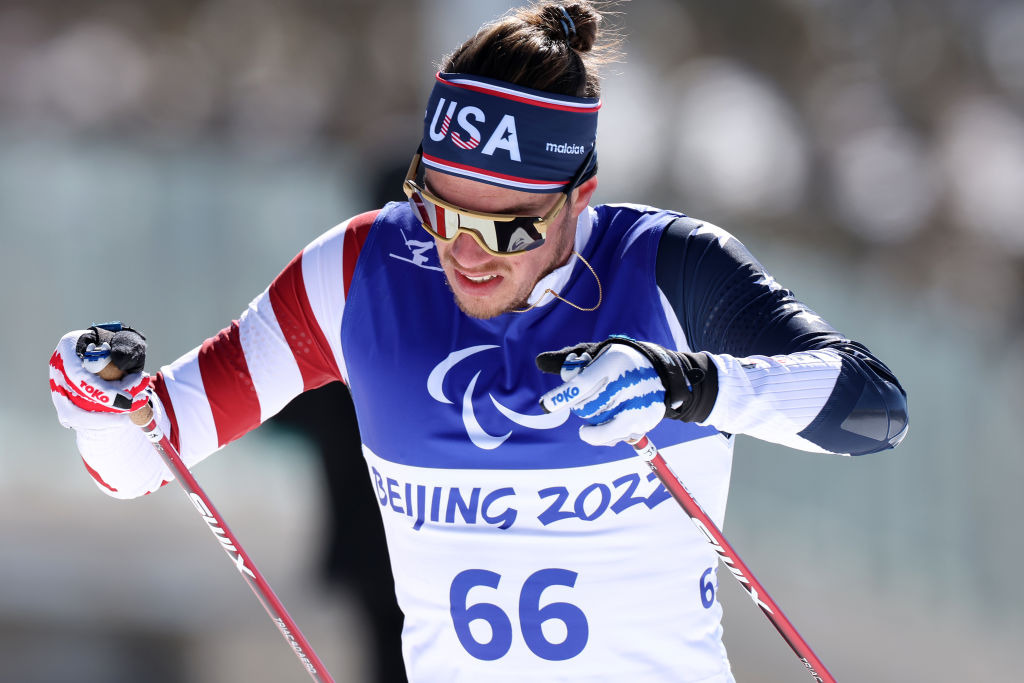
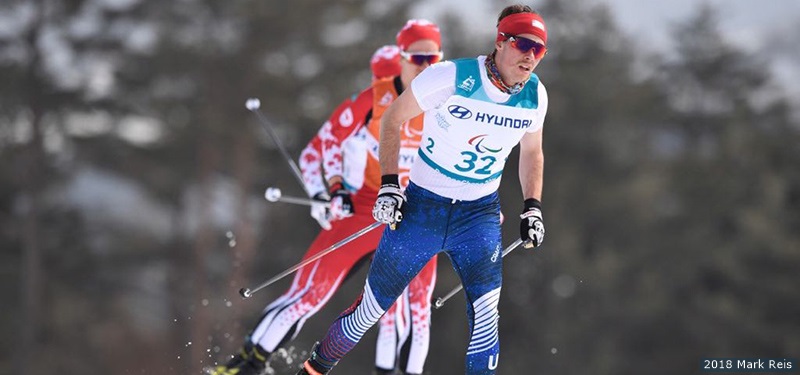
Visually impaired athlete Jake Adicoff earns the second Paralympic silver medal in the 20 k classic, alongside guide Sam Wood. (Photo: Mark Reis / Team USA)
The U.S. Para Nordic team has now collected five medals through three days of cross-country skiing and biathlon competition at Beijing 2022, with five more days of racing to go at the Zhangjiakou Biathlon Center.
Adicoff’s strong performance in the 20-kilometer cross-coutry race on Monday gives him his second Paralympic medal, adding to the silver he won in the 10k cross-country at the Paralympic Winter Games PyeongChang 2018.
Adicoff retired from the sport following those Games, but got the itch to compete again during the early months of the coronavirus pandemic in 2020. With months of dedicated training under his belt, the Sun Valley, Idaho, resident accepted an invitation to join the U.S. Para Nordic team for a training camp in February of 2021.
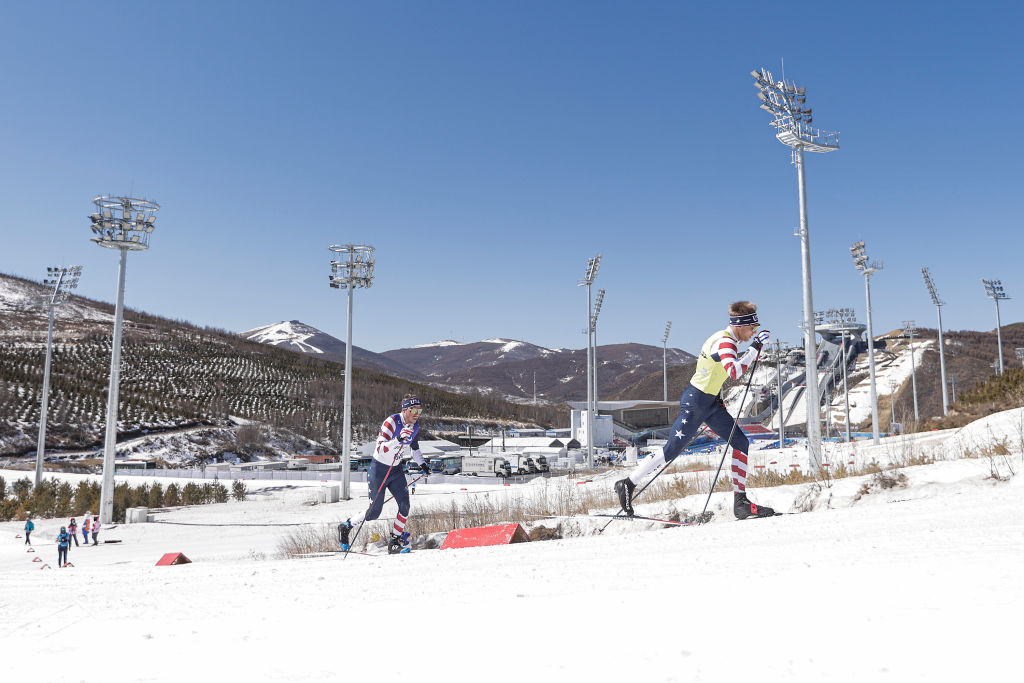
Jake Adicoff and guide Sam Wood race for a silver medal in the 20 k classic. (Photo: Mark Reis / Team USA)
Paired with his longtime friend Wood as his guide, the 26-year-old came to Beijing as one of the top podium contenders in the men’s visually impaired field after the two combined for three medals at the Lillehammer 2022 World Para Snow Sports Championships in January.
(Listen to Adicoff and Wood on the Nordic Nation podcast here.)
Jake Adicoff earns his second Paralympic silver medal in the 20 k classic. (Photo: Mark Reis / Team USA)
On Monday, Adicoff and Wood completed the 20k course in a time of 58:54 solidly in silver position ahead of Sweden’s Zebastian Modin and his guide Emil Joensson Haag who finished in 1:00:05. Canada’s Brian McKeever, with guide Russell Kennedy, won the gold in a time of 55:36.
“It feels good,” Adicoff said. “I’m happy to be on the medal stand today and we’ll do everything we can to get the gold medal next.”
“It’s great to represent Team USA. We just love skiing with this team. It’s so much fun to be surrounded by people who are so dedicated and athletes who are so strong. It’s sweet to be a part of that.”
Sam Wood helps guide Jake Adicoff to silver in the 20 k classic during the 2022 Beijing Paralympic Winter Games. (Photo: Mark Reis / Team USA)
Wood echoed that sentiment and pointed out the U.S. Para Nordic team’s strong culture and commitment to excellence.
“The teammates that we have here are some of the best, most committed athletes in the world. For us to be able to use that to get fired up and get faster, that’s the best thing you can have as an athlete. We have a great support system and teammates,” Wood said.
In the women’s long-distance cross-country race, 20-year-old Peterson completed the 15k course in a factored time of 49:00, fast enough to capture the silver medal in her Paralympic debut. Canada’s Natalie Wilkie (48:04) and Brittany Hudak (49:27) won gold and bronze, respectively.
Sydney Peterson takes silver in the 15 k classic, her career first Paralympic medal. (Photo: Mark Reis / Team USA)
Peterson, a standing skier who is a sophomore at St. Lawrence University, said her silver medal “hasn’t sunk in yet.” Her entire Paralympic experience has been a whirlwind, she said.
It wasn’t until mid-February that she received an official bipartite invitation to earn a spot at the Paralympic Winter Games in Beijing. New to adaptive sports, Peterson raced in only one world cup event this season before traveling to Lillehammer for the world championships. There, she won two silvers and a bronze. Despite the strong performance on the world stage, Monday’s race came as a surprise to the Lake Elmo, Minnesota, native.
“I didn’t really expect to ever be here. It’s all happened really fast. It feels kind of surreal to be here,” Peterson said. “I’m pretty excited [to win the silver medal]. I really didn’t have many expectations. There are so many strong skiers in this field, and I didn’t know where things would stack up today. I felt pretty good [on the course.] I tried to ski smooth throughout the race. It was definitely a very hard race and physically exhausting.”
Sydney Peterson takes silver in the 15 k classic during the 2022 Beijing Paralympic Winter Games. (Photo: Mark Reis / Team USA)
Grace Miller (Palmer, Alaska) also competed in women’s long-distance cross-country placing ninth to round out the U.S. team’s performances. On Tuesday, biathlon competition resumes in Zhangjiakou, as biathletes will compete in the men’s and women’s middle-distance in the sitting, standing and visually impaired classifications.
***
Follow and watch U.S. Paralympics Nordic Skiing competition from Beijing 2022 on NBC, which features more than 230 hours of coverage across NBC, Peacock, USA Network, the Olympic Channel, NBCOlympics.com and the NBC Sports App. All events will be streamed live on NBC’s Peacock. Follow U.S. Paralympics Nordic Skiing on Facebook, Twitter and Instagram for daily updates from Beijing.
COLORADO SPRINGS, Colo. — U.S. Paralympics Nordic Skiing today announced the five Para Nordic skiers named to the national team and two skiers named to the development team for the 2020-21 season. All seven athletes represented Team USA at the Paralympic Winter Games PyeongChang 2018.
“Our program is committed to developing athletes from their first-time experience to the top levels of Nordic skiing and biathlon,” said Eileen Carey, Director of U.S. Paralympics Nordic Skiing. “Our 2020-2021 National Team is representative of that commitment with a combination of up-and-coming athletes and those who are at the pinnacle of the sport internationally.”
The team is led by Paralympic gold medalists Oksana Masters (Louisville, Kentucky), Kendall Gretsch (Downers Grove, Illinois) and Dan Cnossen (Topeka, Kansas). At the 2019 World Para Nordic Skiing Championships, Masters won five world titles (middle-distance biathlon, middle-distance cross-country, cross-country sprint, biathlon sprint and long-distance cross-country) and garnered six total medals in Prince George, British Columbia.
Gretsch returned home as the 2019 world champion in the women’s sitting class of individual biathlon and additionally secured podium finishes in each of her events, claiming four silvers and one bronze.
Cnossen, a retired Navy SEAL, won a pair of medals at the world championships, racing to silver in the men’s sitting class of the middle-distance cross-country and cross-country sprint races. Pike secured the first world championships medal of his career – the bronze medal in the biathlon sprint – at the 2019 world championships.
Cnossen, Masters and Pike were set to compete at the 2020 World Para Biathlon Championships in Ostersund, Switzerland in March before it’s cancellation due to the on-going COVID pandemic.
The 2021 World Para Nordic Championships are scheduled to be held in Lillehammer, Norway from Feb. 11–20 as part of a historic first joint World Para Snow Sports Championships which will also include alpine skiing and snowboarding championships.
National A Team
Dan Cnossen
Kendall Gretsch
Oksana Masters
National C Team
Aaron Pike
Ruslan Reiter
Development Team
Joy Rondeau
Grace Miller
For more information, please contact Annemarie Blanco, U.S. Paralympics Nordic Skiing, at annemarie.blanco@usopc.org or 719-646-6921.
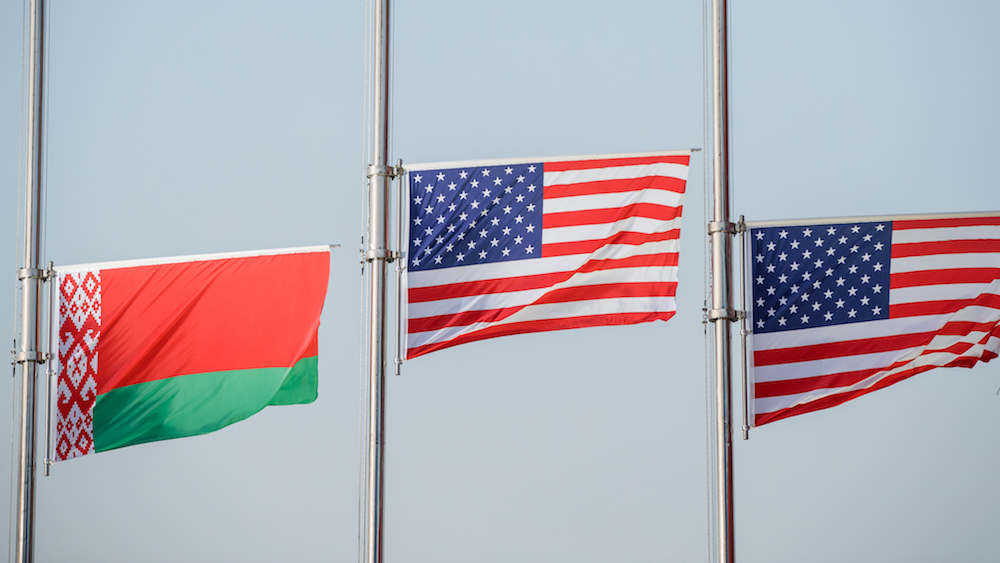
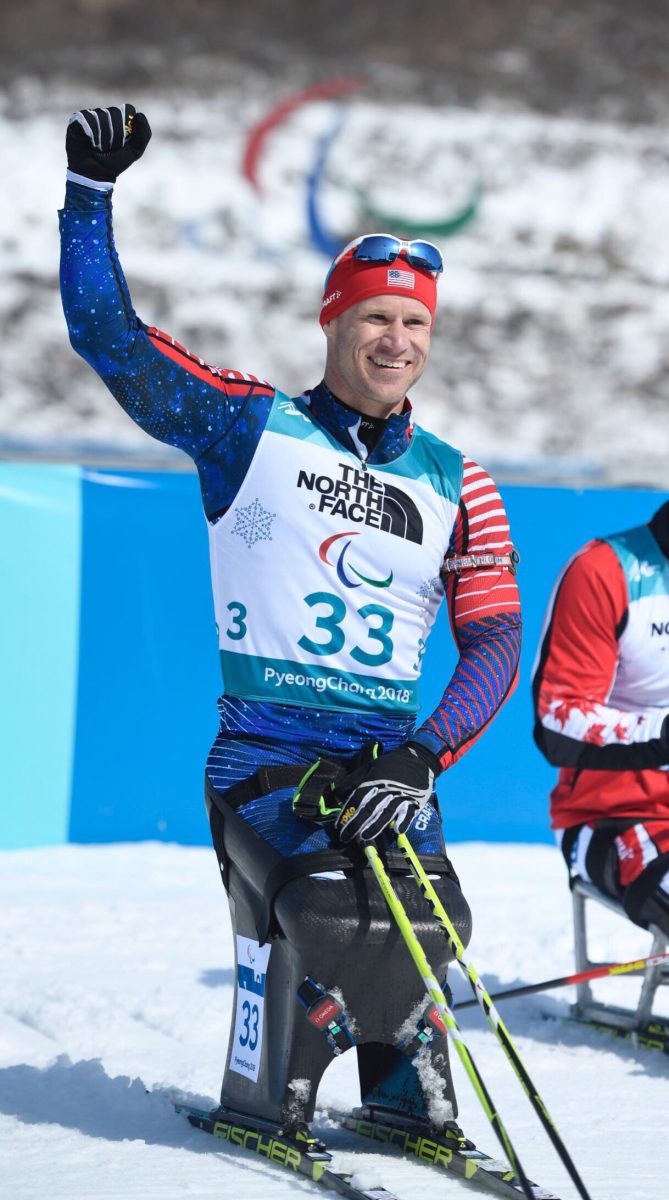
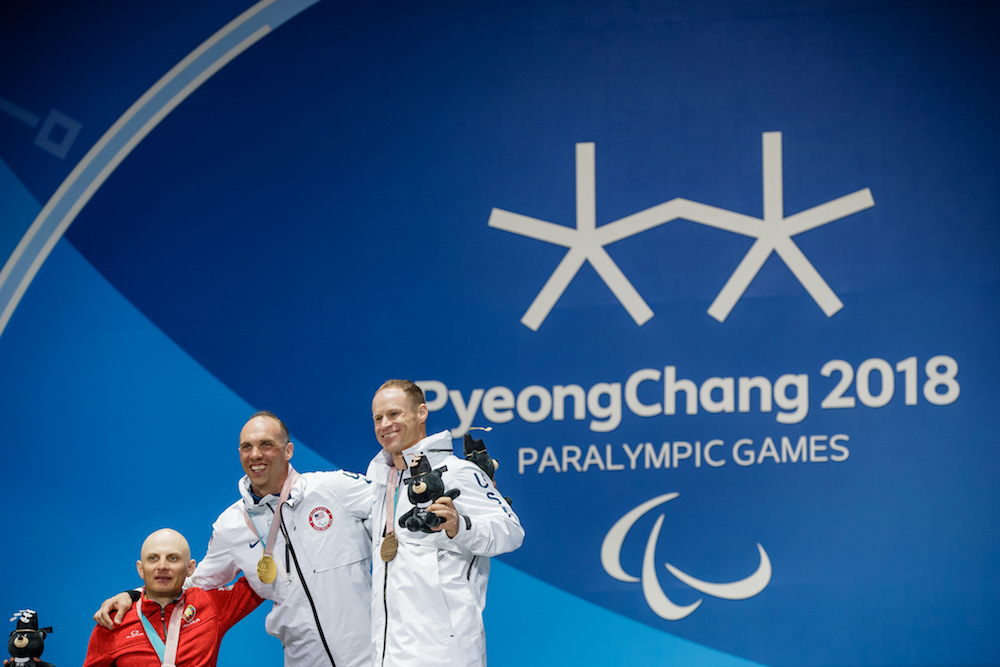
Two American flags and a Belarusian flag being hoisted to honor the medalists in the men’s sitting cross-country sprint at the 2018 Winter Paralympics in PyeongChang, South Korea. Americans Andy Soule and Dan Cnossen placed first and second, respectively, and Dzmitry Loban of Belarus finished third. (Photo: U.S. Paralympics/Joe Kusumoto)
Success to failure. Failure to success. Two trends of two extremes on the performance metrics on the international cross-country skiing spectrum. There are many in-betweens: scoring World Cup points with a top 30, top 10’s, any spot on the podium. There are the Olympic and Paralympic quads featuring a four-year buildup to North America’s singular focus on bronze, silver and gold hardware.
When considering how to develop talent, placing athletes on snow with the absolute best technology available, positioning athletes to medal, the U.S. Paralympics Nordic Program is an enviable high-performance model. That became evident this winter during the 2018 Paralympic Winter Games in PyeongChang, South Korea. U.S. Paralympics Nordic hauled in 16 medals in a week about a month ago.
That many medals for a single team borders on excess. Pursuing the perfection that leads to near-excess has driven the U.S. team staff and athletes for years. Back in 2006 in Torino, Italy, the U.S. Paralympics Nordic team earned three medals. In 2010, in Vancouver, British Columbia, they tallied one medal. In 2014 in Sochi, Russia, they claimed three. This year in PyeongChang: 16.
“I think we have a few factors to our success,” Eileen Carey, head coach of the U.S. Paralympics Nordic team told FasterSkier in a recent phone interview. “We’ve built the entire team — every athlete who has been engaged in the last several years and the staff that we have built are totally committed to the goal of the team. There are not a lot of egos. Everybody has a role. Everybody is really good at what they do, and everybody executes on race day.”
That goal and the team’s execution amounted to 11 medals total between two athletes, both sit-skiers. Thirty-seven-year-old Dan Cnossen entered six races: three cross-country, three biathlon. He medaled in each. Oksana Masters, 28, took five medals: two in biathlon, three in cross-country.
In the leadup to the Games, with buoyant media coverage of para-athletes and opportunities to brand themselves more broadly, the narrative of athletes like Masters and Cnossen were hard to miss. Masters endured a Ukrainian orphanage until she was almost 8. Cnossen is a retired Navy SEAL and a Purple Heart and Bronze Star with Valor recipient. He lost both legs above the knee after stepping on an improvised explosive device (IED) while on patrol in Afghanistan in September 2009.
Biathlon gold medalist Dan Cnossen of the U.S. celebrates his win in the men’s sitting 7.5 k biathlon sprint on opening day of competition at the 2018 Winter Paralympics on March 10 in PyeongChang, South Korea. (Photo: U.S. Paralympics/Mark Reis)
Stories like those of Masters and Cnossen should make us appreciate for a moment our most basic gifts. Their stories are inspiring. That, according to Carey, misses the point when it comes to understanding what exactly manifested in PyeongChang.
“Sure, the Olympic and the Paralympic mission is to inspire people,” Carey said. “But the narrative about Paralympians has historically been far more about inspiration being the central storyline versus Olympians where the essential storyline as about their athletic prowess. The comments that I have heard about these Games are about the athletic performances of the athletes. Whereas in Sochi, and a lot what I have heard before, is a lot about the inspiration.”
Cnossen is a graduate student at Harvard. He receives some support from the school’s cross-country coach, but trains most often north of Cambridge Square at the Craftsbury Outdoor Center in northern Vermont. There, Cnossen benefits from world-class biathlon instruction.
Carey explained that at last season’s 2017 PyeongChang test event, Cnossen performed better in the cross-country races there than in biathlon. As a world-class athlete, traveling several hours for countless four-day Craftsbury weekends and increasing his time spent training on the shooting range were some of the commitments Cnossen made, just like any other hyper-focused, hyper-driven athlete.
Carey also made clear what Craftsbury’s part was in developing Cnossen’s athleticism.
“As a sit skier, you don’t carry a rifle,” she explained. “When you are shooting, that means 100 percent of the time, someone is on the range loading pellets with bare hands when it’s cold outside and handing you your rifle. Dan would shoot three or four times a weekend when he was there, and they supported him 100 percent of that time. He won a medal in every biathlon event. That is Craftsbury’s success as much as anybody else’s.”
Masters’s own drama unfolded two weeks before the Paralympics when she slipped and fell on ice. She dislocated her elbow and chipped all three bones that meet in the elbow. After being operated on at The Steadman Clinic in Vail, Colorado, Masters remained a medal favorite in Korea.
She came to PyeongChang as an all-arounder in both biathlon and sitting cross-country. (Masters, also a multi-sport athlete, competed in rowing at the 2012 London Paralympics — where she earned a bronze medal — and cycling at the 2016 Rio Games.)
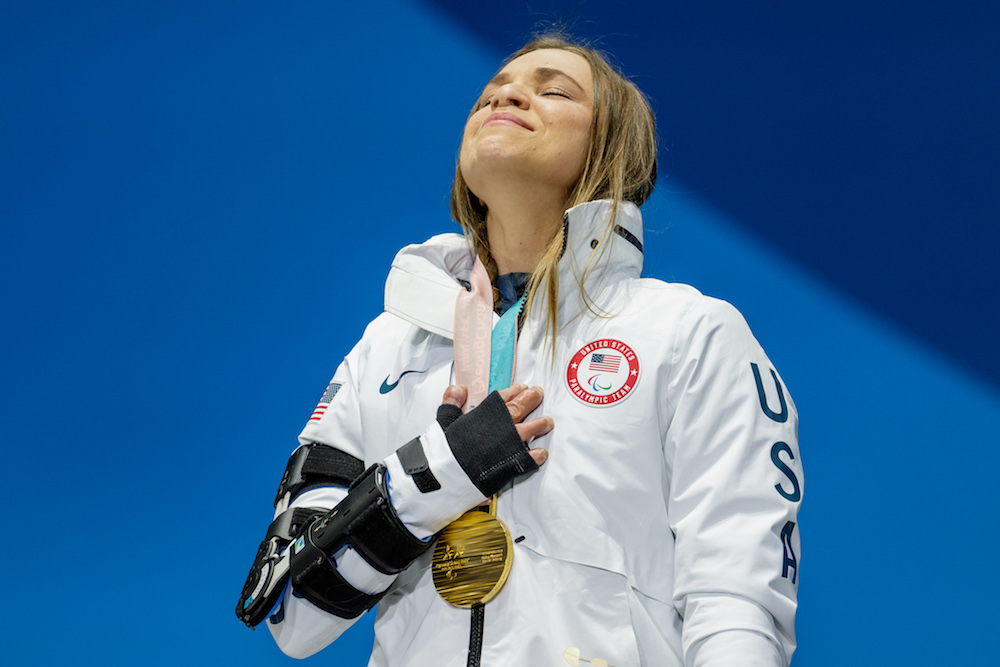
Oksana Masters (U.S. Paralympics Nordic) after winning her first-career Paralympic gold medal in the women’s sitting cross-country sprint at the 2018 Winter Paralympics in PyeongChang, South Korea. (Photo: U.S. Paralympics/Joe Kusumoto)
In her first race in PyeongChang last month, Masters took silver in the biathlon sprint (behind her U.S. teammate Kendall Gretsch in first). Those medals, Gretsch’s first and Masters’s first in biathlon, set the stage for more gritty performances and Masters’s five-medal PyeongChang bounty. Inspiring? Yes. But more to the point, both were athletically dominant.
Masters’s dominance came with a very human off-race. On March 13, during the women’s sitting 10 k biathlon race, Masters fell in her sit ski onto her ailing arm and missed a total of six shots for six penalty laps. While she skied the extra laps, another U.S. coach encouraged Masters to pull herself out of the race. The team’s staff was concerned about her elbow and wanted to ensure her health for her three remaining races.
“I sprinted down the course and just stood in front of her in the middle of the course and pulled her off,” Carey said of how she ultimately persuaded Masters to not finish. “Oksana thought she was done midway through the Games. We X-rayed her again and came up with a plan and taped her elbow in a way that would provide more protection.”
At the 2010 Vancouver Paralympics, Andy Soule earned bronze in biathlon. His medal was the first Paralympic medal in the discipline for the U.S. team. Eight years later in PyeongChang, Soule, a 38-year-old Army veteran, who, like Cnossen, lost both his legs in Afghanistan, delivered the Paralympics equivalent to the “here comes Diggins” moment.
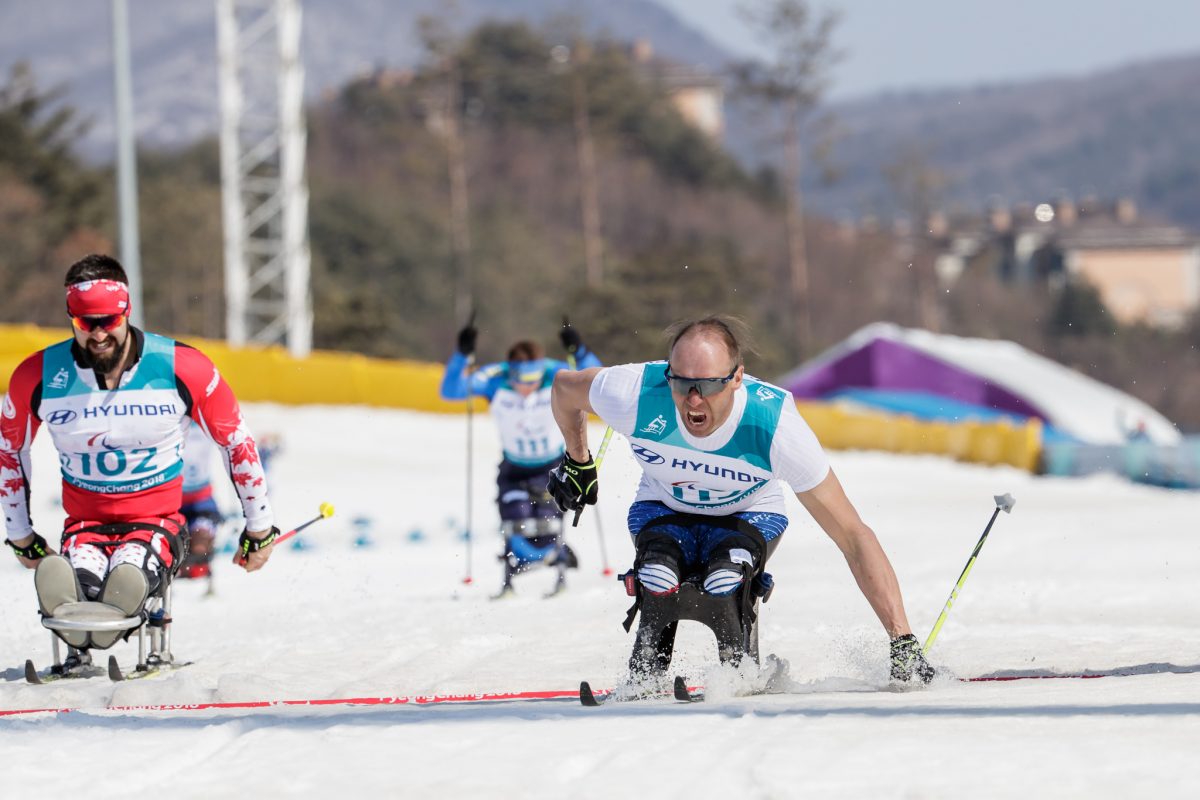
During the men’s sitting cross-country sprint final, Soule came into the last hill in sixth place. He then glided into fourth on final downhill before the last intensive double-poling push to the finish.
With lickety-split skis to match his upper body’s Thor-like power, Soule willed himself into medal contention. From literally out of the camera’s view and into front and center on the final stretch, Soule threw down and accelerated. Bronze, then silver, and at the line, gold came into play. The PyeongChang sprint win was Soule’s first-career Paralympic gold in three Paralympics — he also claimed bronze in the PyeongChang 12.5 k biathlon race. (Soule promptly retired from elite-level competition afterward.)
“Andy has spent a lot of time over the last four years doing a whole lot of stuff, like learning how to move fast on flats, which was something that we had identified from Sochi as being the weak link,” Carey said. “There was something otherworldly about those last 100 meters that was just incredibly cool to watch.”
Cnossen, Masters, and Soule symbolize the U.S. Paralympics Nordic team’s rise. Yet, Carey, along with the team’s high-performance director, John Farra, have been able to build a program that has positioned itself for future medals. Gretsch, 26, may be part of that future. She came to nordic skiing as a world-class para-triathlete and represents what Farra calls “talent transfer”.
“We are super proud with how our sit-ski program has evolved,” Farra said on the phone. “We are super proud that we can take athletes in a talent-transfer situation like Kendall and help her come from being a world champion in triathlon and have her transfer and learn the skills in a short period of time to now being one of the best in the world.”
In PyeongChang, Gretsch captured two golds in the first two races. She won the sitting biathlon sprint and the 12 k sitting cross-country events.
Winter Paralympic rookie Kendall Gretsch racing at the 2018 Paralympics in PyeongChang, South Korea. (Photo: U.S. Paralympics/Joe Kusumoto)
Farra explained that their medal was the first for the U.S. in a visually impaired race at the “modern” Paralympics. The VI classes were historically split between B1, B2 and B3 classes. (B1 athletes have the least amount of vision.) The different classifications are used as a descriptor of each athlete’s degree of blindness. Formerly, each classification of athlete competed against the same classification athletes. For example, in the past, only B1’s competed against B1’s. Today, that format is defunct, and all classifications currently compete against one another. An athlete’s finishing time is adjusted based on their severity of blindness.
As Farra explained, in the “modern” VI medals are harder to come by.
Adicoff, a student at Bowdoin College and a member of the Sun Valley Ski Education Foundation (SVSEF), was competing at his second Paralympics. Kesselheim was a Paralympic rookie.
“They are a team,” Carey said of the Adicoff-Kesselheim pairing. “Visually impaired athletes and guides function much more, in my view, like a cycling team as opposed to a traditional ski racer. … The medal was won by both Jake and Sawyer. In that race, they worked together more effectively than I had ever seen them work together. They were more in sync; they were skiing closer to each other. There is a lot of challenges in guiding when it comes to the communication, and Sawyer is a great communicator. He is an amazing skier and athlete, but he is a great communicator and he has no ego. He was totally bought into being on that team.”
Guide Sawyer Kesselheim leads his U.S. teammate Jake Adicoff during the open relay on March 18 at the 2018 Winter Paralympics in PyeongChang, South Korea. (Photo: U.S. Paralympics/Mark Reis)
The first day of the next Paralympic quad began on March 19, the day after the PyeongChang Paralympic Closing Ceremony. Yet Casey and Farra kept an eye on 2022 by nurturing and investing in more Paralympic rookies by exposing them to their respective sport’s highest level of competition. Grace Miller (standing , Alaska Nordic Racing), Ruslan Reiter (standing, Outdoor Sports Institute), Joy Rondeau (sitting, National Sports Center for the Disabled), and Mia Zutter (visually impaired, CXC/St. Scholastica) participated in their first, yet most likely not their last, Winter Paralympics.
“Having a larger community of people that consider themselves para-nordic skiers is motivating,” Farra said.
In the recent past, Farra explained that identifying and developing standing athletes has been a priority. The U.S. has already been a leader in supporting sitting athletes and providing them with top-end, sit-ski technology.
“We have just scratched the surface of finding a couple of standing and a couple of VI athletes,” Farra continued. “That’s got us pretty excited about the connections they have to their local clubs and colleges, too. We were motivated to bring them to these Games so they could get a taste of what is out there and hopefully, they left absolutely motivated to live a professional athlete lifestyle and train hard with their clubs and their home college programs.”
— Alex Kochon contributed
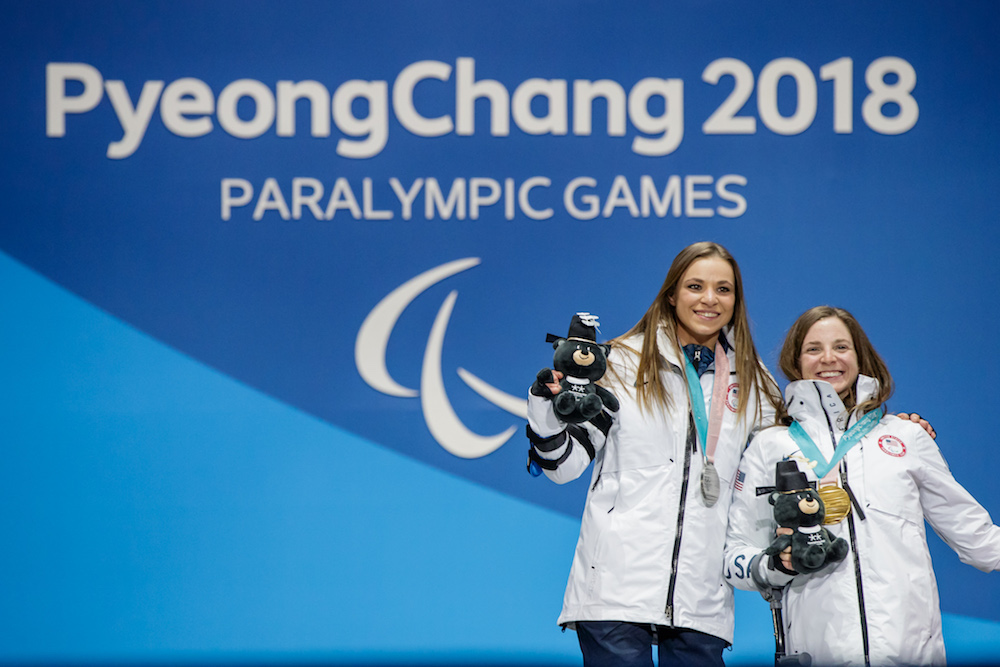
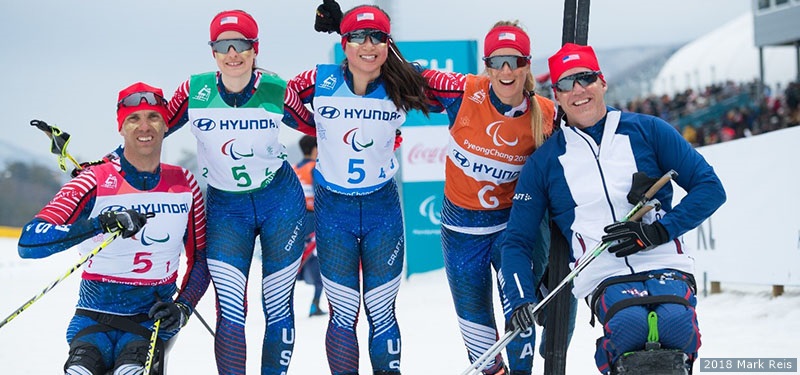
The 2018 PyeongChang Paralympics men’s sitting cross-country sprint podium at the medal ceremony, with Americans Andy Soule (c) and Dan Cnossen (r) in first and second, respectively, and Dzmitry Loban of Belarus in third. (Photo: U.S. Paralympics/Joe Kusumoto)Kendall Gretsch (r) and Oksana Masters at the 2018 Paralympics medal ceremony for the women’s sitting 6 k biathlon sprint after winning gold and silver, respectively, on the first day of competition in PyeongChang, South Korea. (Photo: U.S. Paralympics/Joe Kusumoto)
Canada’s mixed relay after taking silver on the last day of the 2018 Paralympics in PyeongChang, South Korea, with (from left to right) Natalie Wilkie, Chris Klebl, Mark Arendz and Emily Young. (Photo: Dave Holland/Canadian Paralympic Committee)
2018 Winter Paralympics (PyeongChang, South Korea): Mixed and open relays
On the final day of the PyeongChang Paralympic Games, Canada was the only country to medal in both the mixed and open cross-country relays, and its mixed relay anchor, Mark Arendz, became the most decorated Canadian at a single Winter Paralympics with his sixth medal of the week.
In the 4 x 2.5-kilometer mixed relay on Sunday, Natalie Wilkie, Emily Young, Chris Klebl, and Arendz teamed up for silver, 50 seconds behind Ukraine (Iurii Utkin, Liudmyla Liashenko, Yuliia Batenkova-Bauman, and Oksana Shyshkova), which claimed gold in 24:31.9 minutes. On the final skate leg, Arendz held off Germany (Andrea Eskau, Steffen Lehmker and Alexander Ehler) by 3.4 seconds at the line.
Wilkie and Young, standing athletes coming off gold and bronze in Saturday’s 7.5 k cross-country race, started the team off for the first two classic legs. Wilkie, 17, also earned an individual bronze at these Games. While Wilkie tagged Young in fifth, Young went on to tag Klebl, a 2014 Paralympic champion sit-skier, in seventh place.
“Our team worked so well together,” Young said of the relay, according to a Cross Country Canada press release. “It looked a little scary in the beginning, but we knew we had Chris in third and Mark anchoring which was going to be the difference. We each held our own in our individual sections and it is so fun to win this one as a team.”
Klebl, 46, made up 27 seconds on the field and tagged Arendz in fourth. Arendz then caught and passed Japan’s Taiki Kawayoke and later Germany’s Ehler on the last downhill into the finishing stretch to finish second.
“This is fantastic. It is our first relay medal ever,” Arendz, 28, told Cross Country Canada. “It is great to end the Games with a historic moment that we get to share with each other for the rest of our lives. This is a great team of two veterans and two rookies. I’m so happy we were able to get this done.”
Arendz, who elected flag bearer of the Canadian Paralympic Team for Sunday’s Closing Ceremony, is taking home a gold medal from the 15 k biathlon race, two silvers, and three bronze medals. He competed in all but one race throughout the week, skipping the distance cross-country race.
“I came in here thinking I could get three medals, but to get six is incredible,” Arendz said. “Today’s is a special one. I am happy we got this done, but there is no way I could do another race. I’m done.”
American Kendall Gretsch (l) racing in the 4 x 2.5 k open relay at the 2018 Paralympic Winter Games in PyeongChang, South Korea. (Photo: U.S. Paralympics/Mark Reis)
The U.S. team, with Kendall Gretsch, Ruslan Reiter, Jake Adicoff (and guide Sawyer Kesselheim) placed seventh in the mixed relay, 1:35.7 out of first. Gretsch skied both the first and third legs and tagged Adicoff in ninth out of 13 teams at the last exchange.
“It’s a little bit nerve-wracking and a little bit fun,” Adicoff said of skiing the anchor leg. “They did an awesome job on the first three legs.”
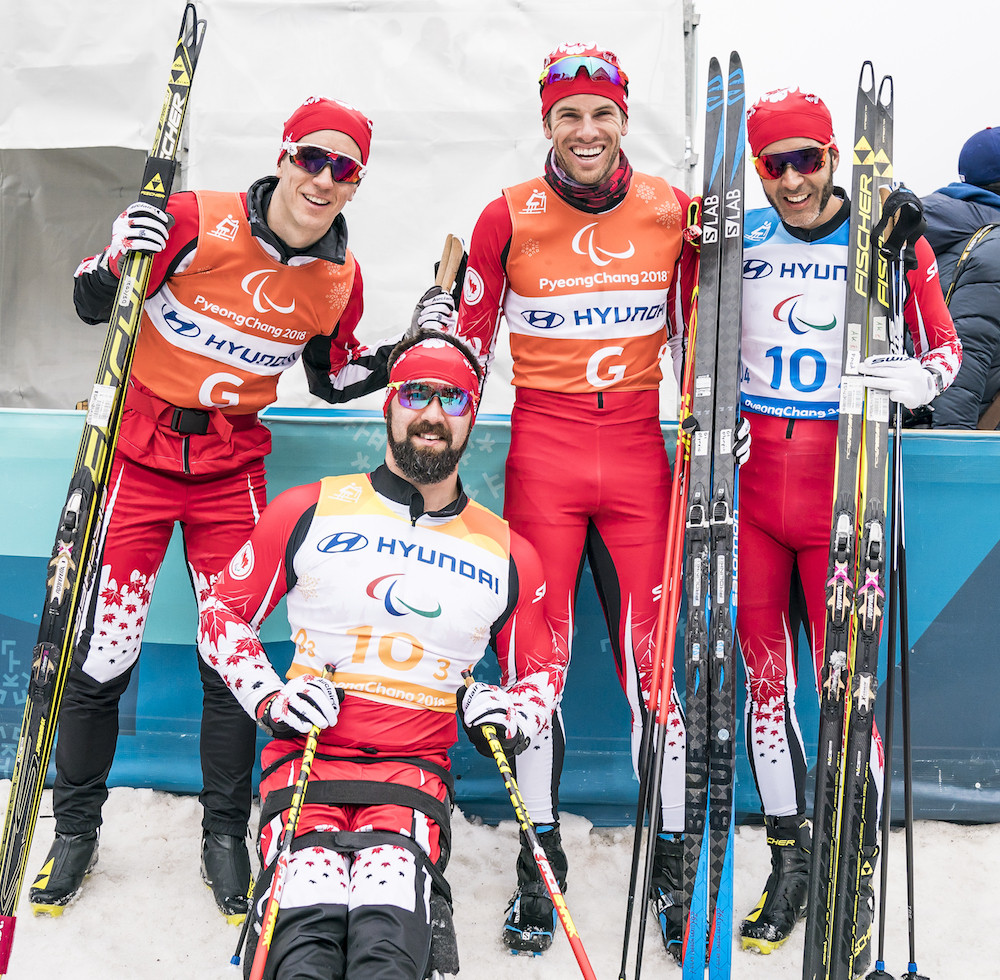
In the 4 x 2.5 k open relay an hour later, Canada raced to bronze with two athletes: sit-skier Collin Cameron and visually impaired skier Brian McKeever (and his guides Graham Nishikawa and Russell Kennedy).
The duo finished 1:05.8 behind France, which placed first with Benjamin Daviet, Anthony Chalencon and Thomas Clarion in 22:46.6. Norway finished 22.5 seconds back for silver, with Nils-Erik Ulset, Hakon Olsrud and Eirik Bye.
Ukraine (Iaroslav Reshetynskyi, Olha Prylutska, Grygorii Vovchynskyi, and Anatolii Kovalevskyi) crossed the line in third but was penalized 30 seconds for an early exchange and slipped to fifth (+1:26.3), while Canada moved into third and Belarus placed fourth (+1:23.7).
Canada’s open relay after taking bronze on the last day of the 2018 Paralympics in PyeongChang, South Korea, with (from left to right) Graham Nishikawa (guide), Collin Cameron, Russell Kennedy (guide), and Brian McKeever. (Photo: Dave Holland/Canadian Paralympic Committee)
Early in the race, Cameron tagged McKeever in eighth at the first exchange, and McKeever and his guide raced up to fourth. On the third leg, Cameron was skiing in third until he dropped a pole on the last climb and had to turn around to recover it. He came through the last exchange in sixth, 25 seconds behind Ukraine in third. McKeever went on to crossed the finish line fourth place, but his team was awarded bronze after Ukraine was penalized for tagging outside the exchange zone.
The bronze medal was Cameron’s third of the week after he placed third in two biathlon races earlier in the week. For McKeever, Canada’s most decorated Winter Paralympian of all time who won all three individual cross-country races he competed in over the last week, it was the 17th medal of his Paralympic career.
“I just tried to pace it properly and be as fast as I could. It was so much fun,” Cameron, 28, told Cross Country Canada. “This is my first relay, so I was really looking forward to this. I am super happy to leave here with three medals.”
“It’s incredible to get two relay medals today,” McKeever, 38, said. “We knew we had a shot if we all had really good days. What Mark, Chris and the girls did in that first relay was awesome. These races are so interesting with all different disabilities together. It is never over until last tour around, and in both cases, we saw that today with lots of different lead changes out there.”
The U.S. open relay at the 2018 Paralympics in PyeongChang, South Korea, with (from left to right) Andy Soule, Grace Miller, and Mia Zutter, Kristina Trygstad-Saari (guide), and Sean Halsted. (Photo: U.S. Paralympics/Mark Reis)
The U.S. team, with Andy Soule, Sean Halsted, Grace Miller, and Mia Zutter (and guide Kristina Trygstad-Saari), placed 12th in the open relay out of 12 teams.
“It’s been an amazing Paralympic Games,” Soule, 38, told U.S. Paralympics Nordic. “The organizers have put on a great event. This is a great team to be involved with. We’ve had a lot of fun here. This is my last Paralympic race, but we have a couple of young athletes here. We’ll have a great team for a long time.”
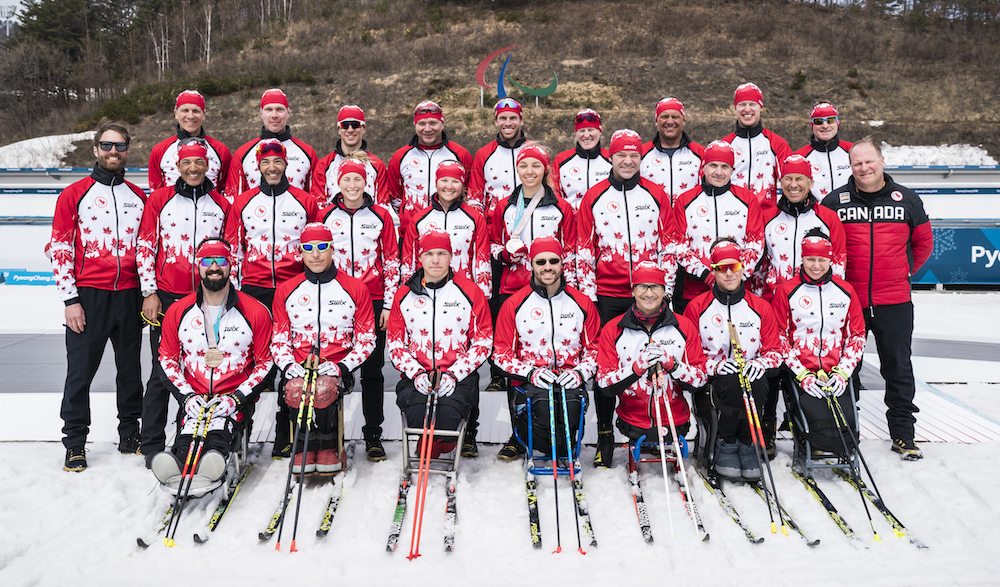
In total, both the Canadian and U.S. Paralympic teams tallied 16 medals between nordic and biathlon in PyeongChang — a record for both programs. Notably, every member of Canada’s Para-Nordic World Cup Team is taking home at least one medal.
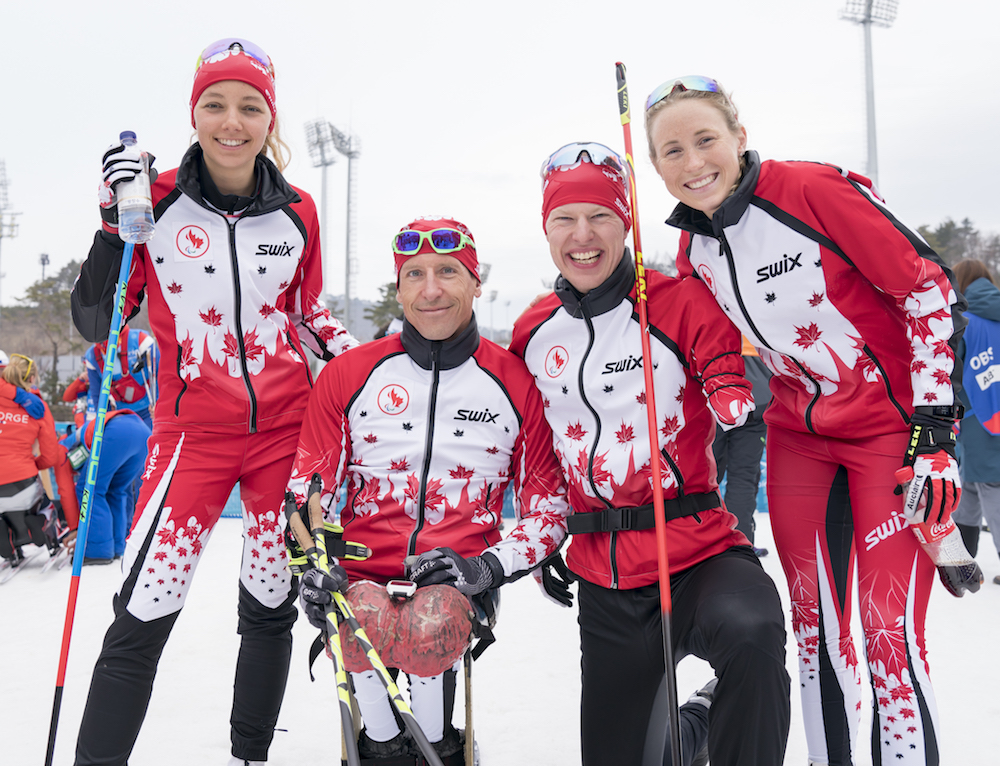
Canada’s 2018 Paralypmic cross-country and biathlon team at the Alpensia Biathlon Centre on the last day of the Games in Pyeongchang, South Korea. (Photo: Dave Holland/Canadian Paralympic Committee)
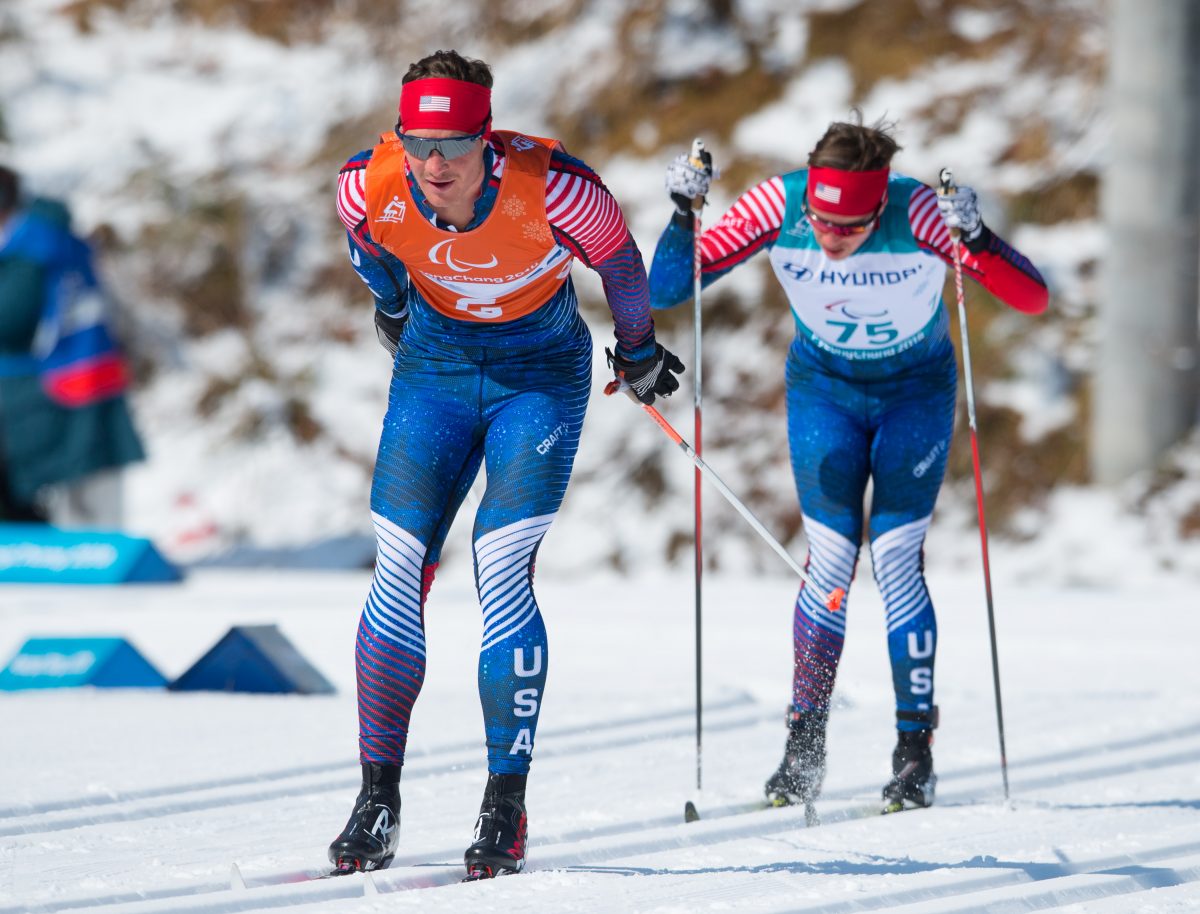
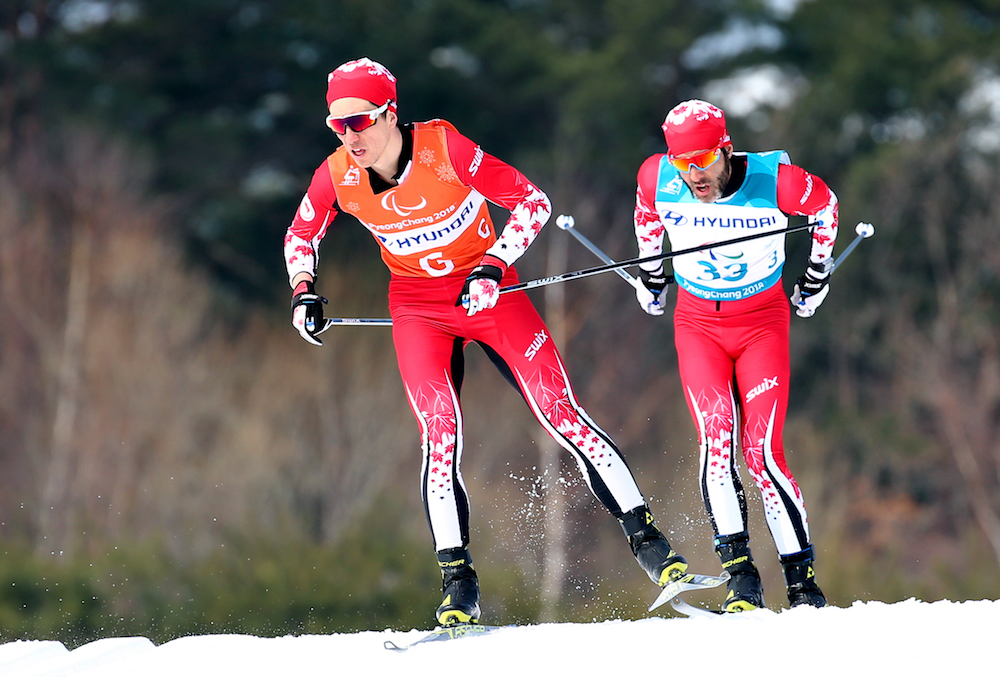
Brian McKeever follows guide Graham Nishikawa during the men’s visually impaired 20 k freestyle on Monday at the 2018 Paralympics in PyeongChang, South Korea. Along with guide Russell Kennedy, they won the race by over a minute for McKeever’s 14th Paralympic medal and 11th gold. (Photo: Scott Grant/Canadian Paralympic Committee)
2018 Winter Paralympics (PyeongChang, South Korea): 15/20 k visually impaired and standing races
Make that record-breaking medal No. 14 for Brian McKeever. In his fifth Paralympics, the 38-year-old Canadian raced to the 11th gold medal of his career (and 14th medal total) on Monday at the 2018 Paralympics in PyeongChang, South Korea. He did so in the 20-kilometer visually impaired freestyle cross-country race with his guides Graham Nishikawa and Russell Kennedy, who traded guiding responsibilities during the four-lap race.
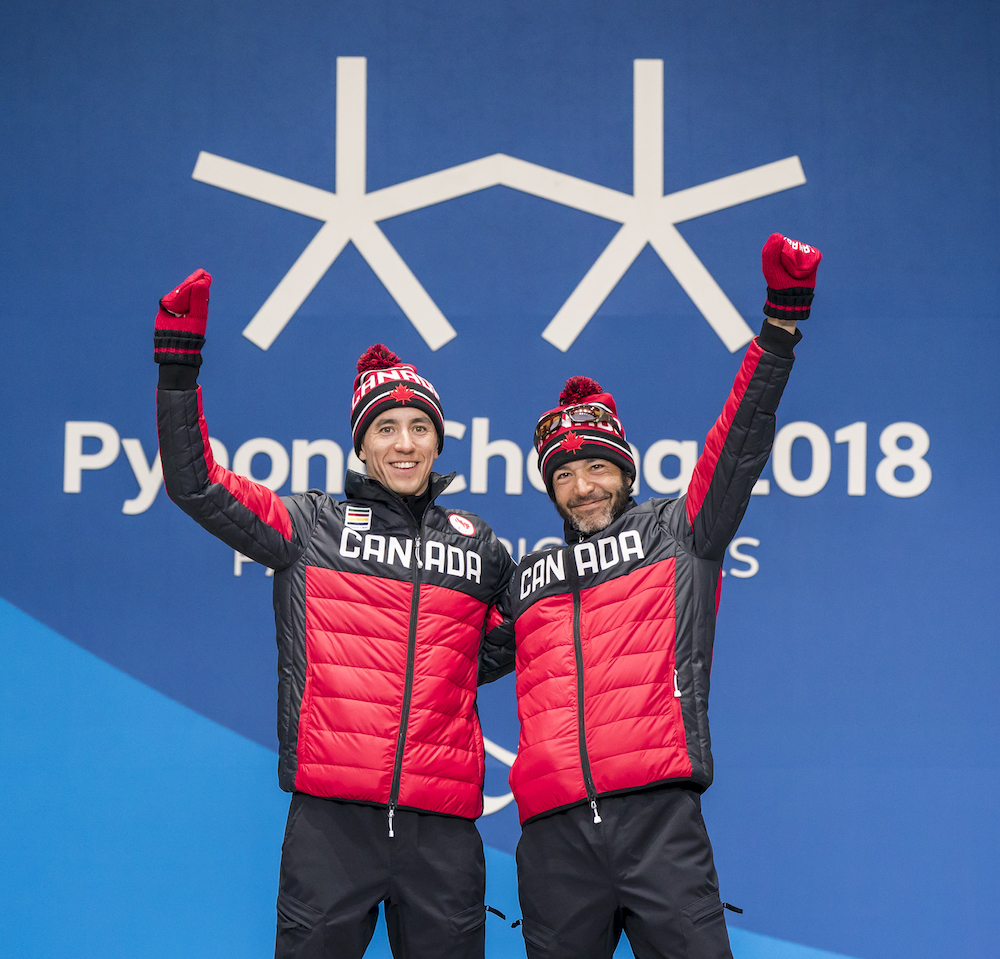
Canada’s Brian McKeever (l) and one of his two guides on Monday, Graham Nishikawa, (Russell Kennedy was the other), at Monday night’s medal ceremony after they all teamed up for gold in the visually impaired 20 k freestyle cross-country race at the 2018 Paralympics in PyeongChang, South Korea. (Photo: Dave Holland/Canadian Paralympic Committee)
McKeever finished in 46:02.4 minutes, more than a minute faster than silver medalist Yury Holub and his guide Dzmitry Budzilovich of Belarus, who finished 1:05 back in second. France’s Thomas Clarion (with guide Antoine Bollet) completed the podium in third (+1:33.3), Sweden’s Sebastian Modin (with guide Johannes Andersson) took fourth (+1:38.4) and American Jake Adicoff and his guide Sawyer Kesselheim placed fifth (+3:41.0).
“It was super good today. Thanks to our wax techs and both of these guides. They all did an awesome job,” McKeever said, according to a Canadian Paralympic Committee press release. “It is super windy out there so to be able to tuck in behind these big boys is important for me. They pushed hard, skied well and towed me along the whole way.”
Nishikawa led McKeever for the first half of the race before handing off to Kennedy.
“The biggest thing about coming in mid-race is I have to remember that I’m fresh and Brian has already skied 10 kilometres so you have to be careful not to go out too hard or he could blow up,” Kennedy explained. “Brian is such an incredible athlete. He is so fit, so I knew it would not be a major problem. It worked out really well today.”
After pushing hard in the middle of the race, McKeever changed skis at 14 k, then worked to hang on to the sizable lead he had built.
“The plan was to ski comfortably into it and build towards the end, and I think I built a little too much during the middle and almost undid it because that last lap was very hard to keep the pace,” McKeever said with a laugh. “It was touch and go there for a bit, but we did enough in the middle to build a nice cushion, and we were able to manage it and hang on.”
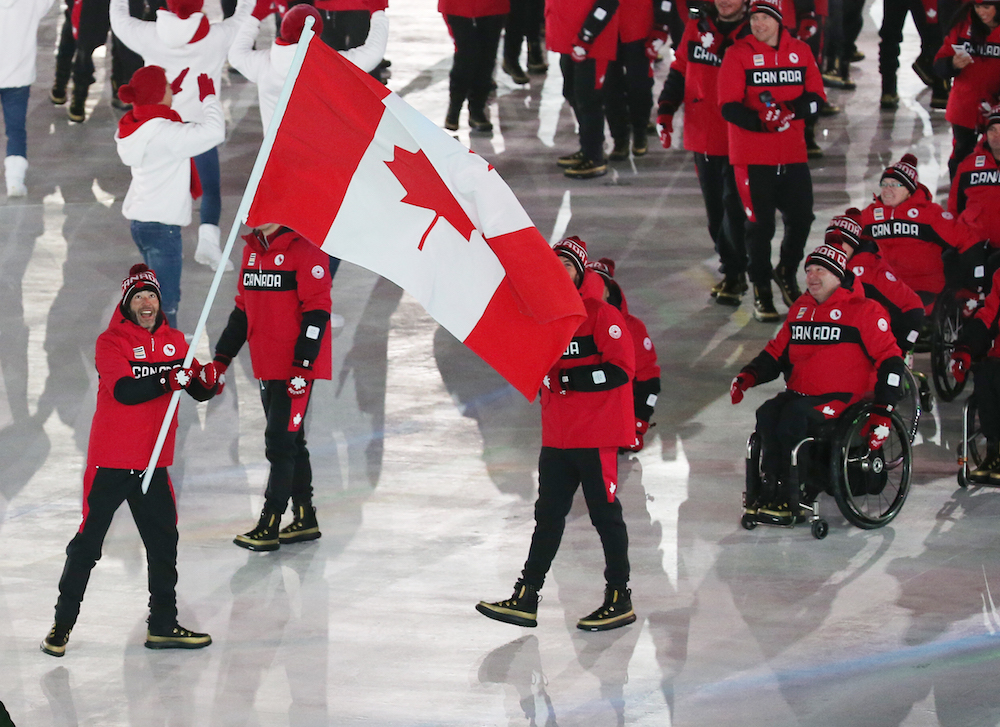
Brian McKeever leads the Canadian Paralympic team during the Opening Ceremony of the 2018 Paralympic Games in PyeongChang, South Korea. (Photo: Scott Grant/Canadian Paralympic Committee)
The race was McKeever’s first of the 2018 Games and came three days after he served as Canada’s flag bearer at the Paralympics’ Opening Ceremony. With his 14th medal, he became Canada’s most decorated Winter Paralympian, surpassing the late Para-alpine skier Lana Spreeman, who amassed 13 medals in five Paralympics.
“I wasn’t aware of this record, but it is pretty cool,” McKeever said. “I think for me more than anything is this is a testament to our entire program. We’ve had so many great skiers leading the way for me with my brother, Robin who is now coaching us, and Colette Bourgonje. Now it is awesome for me to be a part of a new generation that has arrived in Mark [Arendz], Colin Cameron, and the young women like Emily [Young], Brittany [Hudak] and Natalie [Wilkie], who are ready to carry the torch. I’m so excited to be around all of them this week and to be there cheering them on.”
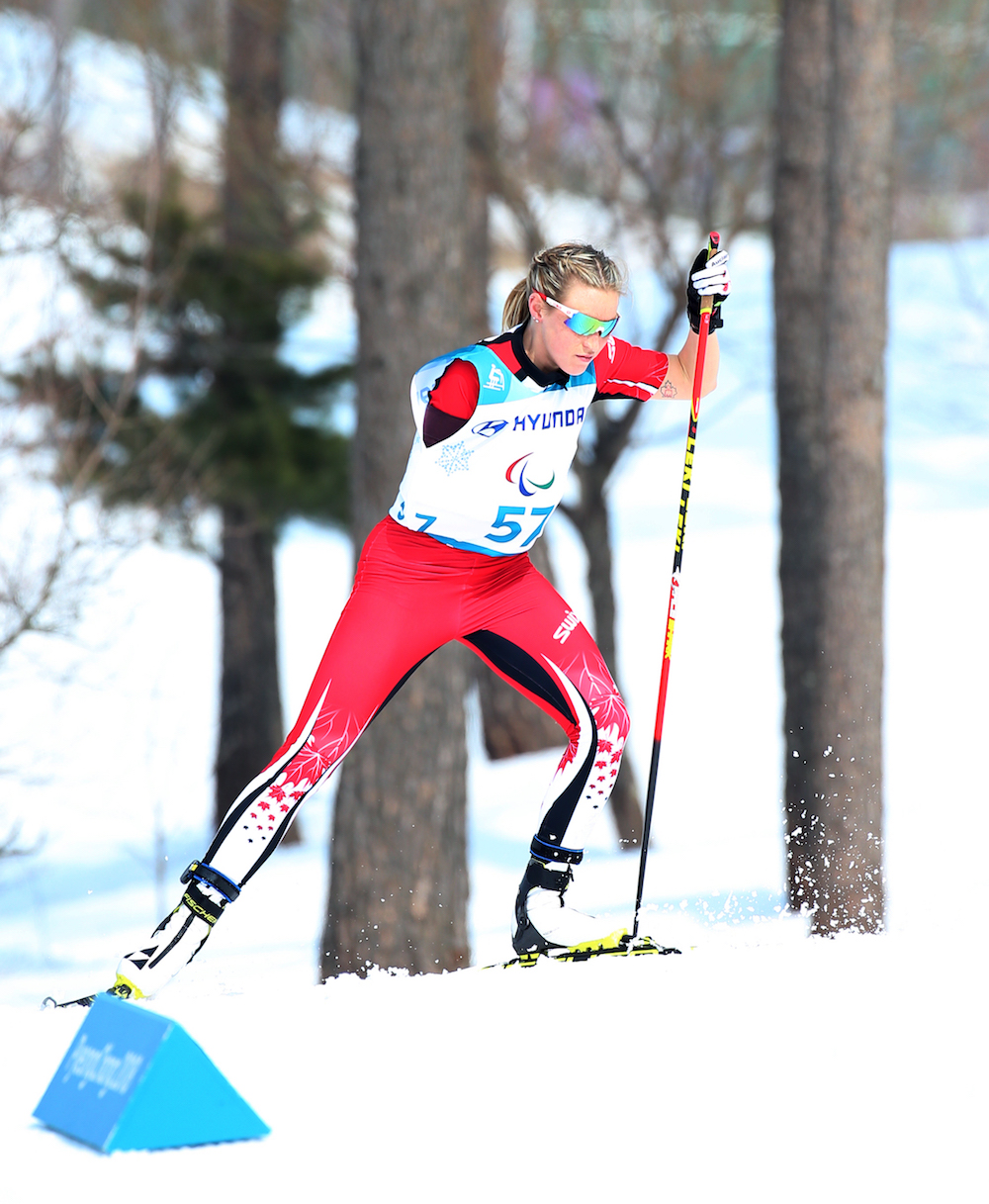
Canada’s Emily Young racing to fifth in the women’s standing 15 k freestyle on Monday at the 2018 Paralympic Games in PyeongChang, South Korea. (Photo: Scott Grant/Canadian Paralympic Committee)
In the women’s standing 15 k freestyle race, his teammate Emily Young raced to fifth in slushy conditions, 2:21.3 behind Ekaterina Rumyantseva, a Russian designated as a Neutral Paralympic Athlete (NPA), in first. Anna Milenia, also an NPA, placed second (+1:21.0), and Ukraine’s Liudmyla Liashenko took bronze (+1:32.9).
Canada’s 17-year-old Natalie Wilkie, the youngest member of her team in her first Paralympic race, raced to sixth (+2:41.9). Eighteen-year-old Grace Miller, of the U.S., placed 10th (+20:02) in that race.
“That was really tough – a lot tougher than I thought it was going to be,” Wilkie said. “I’ve never raced over five kilometres before in these types of conditions. It wasn’t easy, but I’m happy I was able to push to the end.”
In his second Paralympics, Adicoff, a 22-year-old Bowdoin College skier, led the U.S. team on Monday in fifth place in the visually impaired 20 k skate. The result bested his previous Paralympic mark of sixth place in the 20 k classic at the 2014 Games in Sochi, Russia.
“First lap felt pretty good. We were right in it,” Adicoff recalled in a U.S. Paralympics press release. “I just got tired and started to slow down, ended up getting bumped from the podium.
American Jake Adicoff leading Canada’s Graham Nishikawa and Brian McKeever in the men’s visually impaired 20 k freestyle on Monday at the Paralympic Winter Games in PyeongChang, South Korea. (Photo: US Paralympics/Mark Reis)
“It’s pretty warm out, but the skiing stayed fast. It was awesome out there,” he added.
In the women’s visually impaired 15 k on Monday, Americans Mia Zutter and her guide Kristina Trygstad-Saari raced to eighth place, 13:09.0 behind Belarusian winner Sviatlana Sakhanenka and her guide Raman Yashchanka. Ukraine’s Oksana Shyshkova (with guide Vitaliy Kazakov) placed second (+8.2) and Mikhalina Lysova (with guide Alexey Ivanov) of the NPA placed third (+3:20.1).
“It was so much fun,” Zutter, 18, told U.S. Paralympics Nordic. “I competed here [in PyeongChang] last year, so I kind of had an idea of what to expect, but definitely the big ‘Games’ title made it a lot more nerve-wracking but also really fun.”
Paralympic action continues Tuesday with men’s and women’s middle-distance biathlon races, starting at 10:00 a.m. Korea time (7 p.m. EDT on Monday).