From the FasterSkier archive — posts syndicated from athletes’ and coaches’ own blogs between 2004 and 2012, kept online as published. Current coverage is at fasterskier.com.

Tag: Ironman

  • Letters to My Younger Self: Murray Banks on Embracing Opportunity and Living Life to the Fullest

    Letters to My Younger Self: Murray Banks on Embracing Opportunity and Living Life to the Fullest

    Editor’s note: This is the third essay in our series, “Letters to my younger self.” Lauren Fleshman provided the modern locus classicus for this genre, while John Wood and Adam Verrier kick-started the series on FasterSkier. 

    When the private school at which my husband teaches offered him a sabbatical for the 2020-21 school year, we quickly began to fantasize about the ski town(s) in which we’d spend the following winter. A February 2020 trip to the Alley Loop Marathon had me captivated by the tiny high-altitude town of Crested Butte, which, despite being roughly 40 miles from our home in Carbondale as the crow flies, is over four hours by car in the winter, over 2,000’ higher in elevation, and has a truly magical community surrounding its nordic center. It’s pure paradise for cross country skiing.

    We lucked into a rental on Craigslist in mid-February, only a few weeks before the pandemic descended on the US and made such rentals (and prices) impossible to find as a mass exodus from cities began for those who were suddenly able to work from anywhere in the world. We also lucked into jobs at the Crested Butte Nordic Center, myself coaching in the masters programs and instructing private lessons, and my husband coaching the youth programs. 

    It was in the masters performance group that I had the chance to work alongside Murray Banks, whose reputation as a one-of-a-kind, enthusiastic, high-energy coach with a keen eye for technique preceded him. 
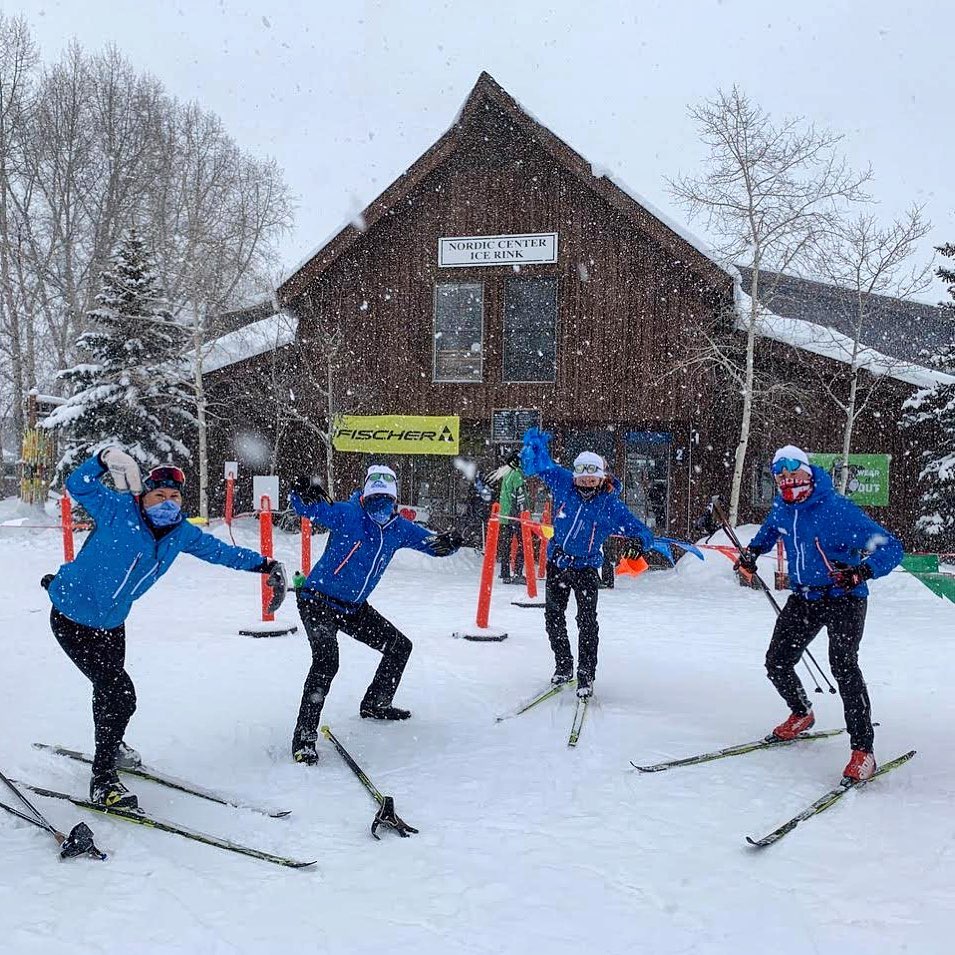
    The masked-up smurfs behind the 2020-2021 masters performance group in Crested Butte, CO. From left to right, Rachel Bachman Perkins, Murray Banks, Cam Smith, Woody Martineau.

    Coaching with Murray was an unforgettable experience. His energy and positivity are the right kind of infectious – the type that makes you want to be a better version of yourself, overall. The kind that leaves you wanting to ski better, try harder, be kinder, and recognize that attitude is everything, even when life throws you some massive curveballs. 

    You’d never know that Murray was fighting cancer. Even on the days where most would throw in the towel, Murray would slip into his ski boots and make his way to practice. On days he wasn’t feeling well, he’d ski more slowly and keep the distance traveled to a minimum, but that didn’t prevent him from showing up with an ever-present grin, ready to encourage the group of skiers through technique cues and an interval session. 

    Though we only worked together for a few months, his impact was lasting. It is my pleasure to share the following letter Murray penned to his younger self. 

    March, 2015

    Hey Murray,

    Wow, you look so young! Oh yeah, you’re only 6. Have you got freckles? I don’t remember having freckles. Anyway, this is a bit unusual but a friend here in 2015 asked if I’d write you a letter with a few observations and perhaps a tip or two. Have a seat, this will be long as there has been a lot of water under the bridge over the past 68 years. I’m surprised you are reading this, you’re usually out in the neighborhood playing endless tag games with your friends. Did you have a hockey rink in the yard this past winter? Oops, gotta run, headed out to ski with my/your granddaughter Winter who is actually 6 just like you!
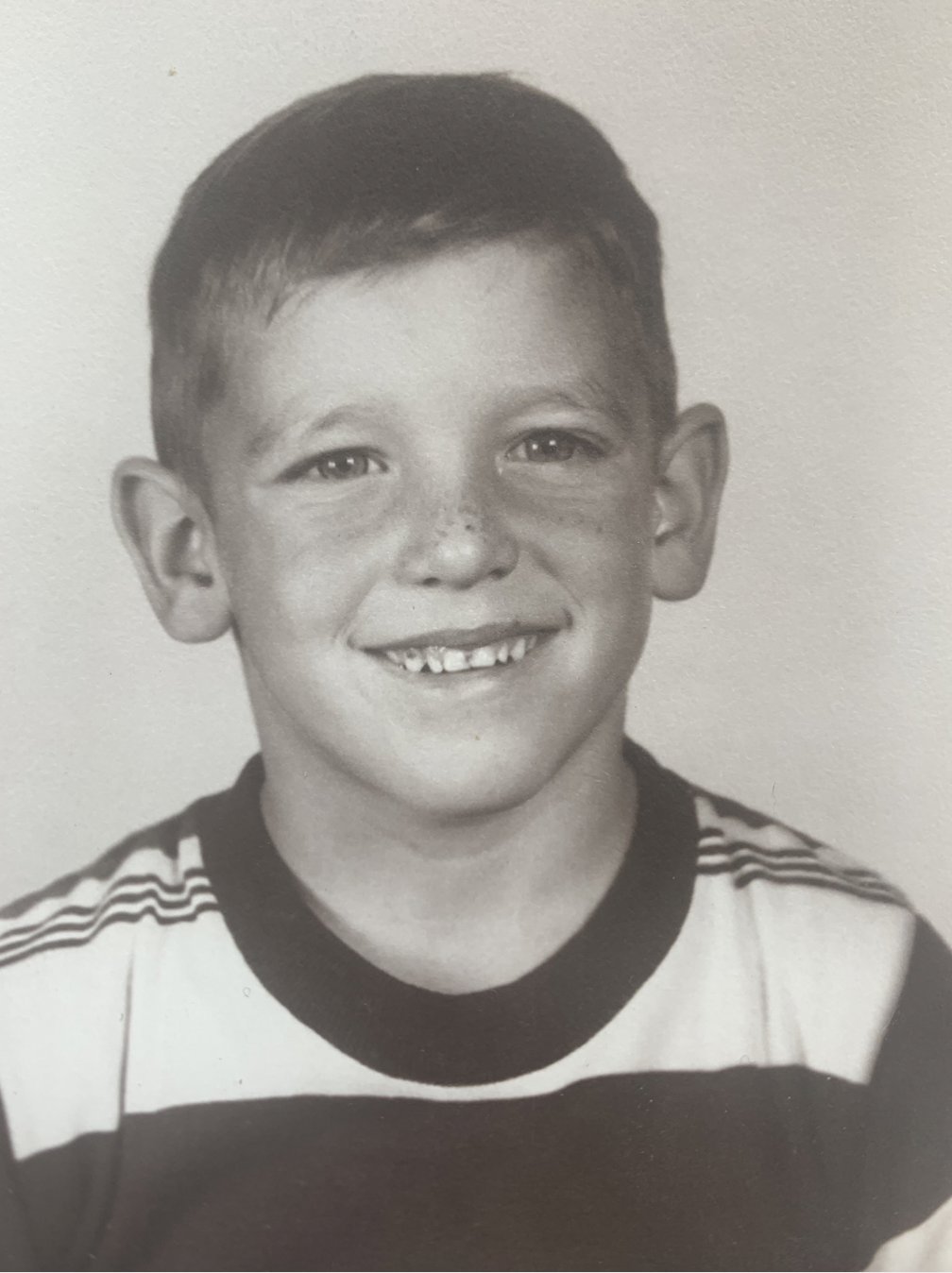
    A young Murray Banks. (Courtesy photo)

    March 2022

    Sorry about that, I started this 7 years ago but got busy. That’s probably good though as you will have a better handle on some of the insights I’ll be sharing with you now that you are 13. OK, here in 2022 you are 75 years old. Hard to believe that you will be as old as your great gramma is now.

    As you are learning, yours is an athletic family and we play almost every sport imaginable. And when we’re not playing an official sport, we are riding our bikes, competing in a tenacious whiffle ball game or playing capture the Flag ’til way after dark. Playing sports is our family thing and you are doing them all… baseball, basketball, football and hockey. It is a perfect childhood so I hate to do tell you this, but you will hold your own in sports until high school, then everyone else will grow and you won’t. Hey, it’s ok, you were born in late October and everyone is way older than you. 

    First, the bad news: you aren’t going to continue to be a star baseball player like you are now. And you aren’t going to make it in basketball either. And the football coach will say to you “Banks, you’re a tough kid but I can only use you when it’s 3rd down and 3 miles to go. You should run cross country.” I don’t think you even know what cross country is! 

    But, here’s the good news: you’re going to love running and you will become quite good at it in a few years. One more thing, don’t fret about maturing late… when you are in your 40’s and racing triathlons, you’ll go to your 25th class reunion, look around and wonder who all those old people are. Triathlon, bet you don’t even know what that sport is. It’s a cool sport that involves three events you already love and will be invented when you are in your 30’s, more about that later.

    Murray Banks joins the cross country team at Cortland State in Upstate New York. (Courtesy photo)

    In a few years, you will have to decide on a college — well, if you put a bit more focus on your school work, you will. You will get lucky and choose a school and major that you love and be on championship teams with great guys and coaches. One day while walking to class, a professor with national prominence for his teaching and coaching, will stop you and say, “Ya know Banks, you’re tougher than hell and someday all your training and determination will pay off big time. Keep up the good work.” 

    That interaction may only last 60 seconds but the eventual benefit will last 60 years. This is important, pay careful attention to older, wiser people you admire and respect. 

    They see things you can’t possibly see at your youthful, exuberant age. They have perspective that will benefit you in ways you can’t imagine now. Oh, and one more thing about college… you’re going to meet a very special girl on your track team. She’s a sprinter, she’s smart and she’s really attractive. If you don’t mess this up, she will become your lifelong love and training buddy.

    With a bachelors degree in hand, you will embark on a teaching and coaching career that will earn you several honors and great satisfaction… slow down and soak it all in. Now this will be hard to fathom, but getting cut from baseball, basketball and football will come in very handy in a few years. As a high school running coach, you will seek out athletes who were rejected from other sports and turn them into championship caliber runners. The energy and imagination that often got you in trouble in school, will produce unique results in your teaching, coaching and racing career — hard to imagine isn’t it? Your struggles academically won’t last, just remember what Einstein said, “Imagination is more important than intelligence.”
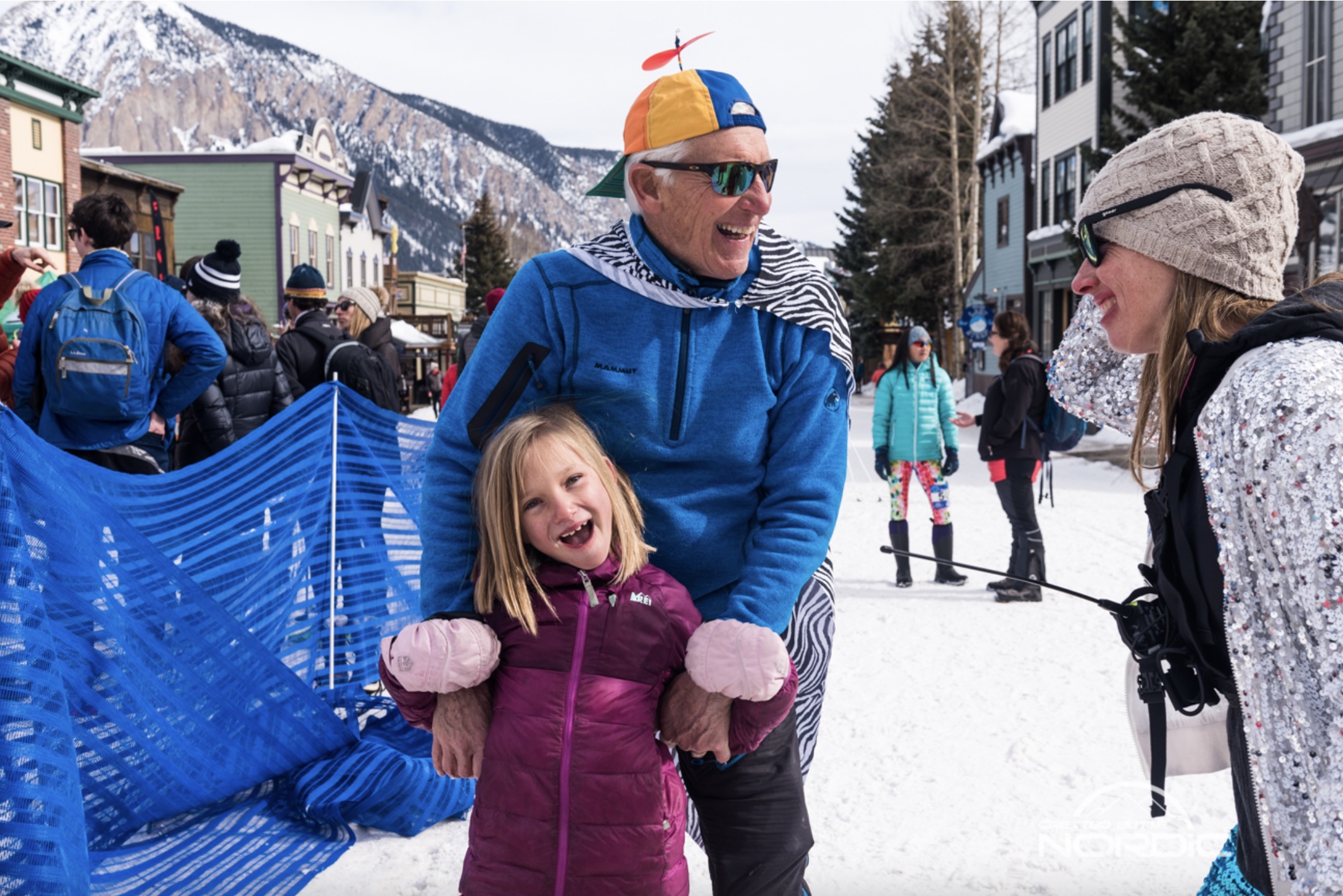
    “When you coach kids, you lose 40 years off your chronological age.” – Murray Banks (Photo: Xavier Fane / Crested Butte Nordic)

    Now, back to that girl you will meet in college… she is a sprinter and you are a distance runner, that’s how she catches you, you just weren’t fast enough! But, she will become quite an accomplished endurance athlete and the two of you will enjoy years of racing all over the world. And it will be in two sports you aren’t even aware of now: triathlon and cross country skiing. And, as a bonus, when you marry her you will get an island! Yup, your teaching careers will enable you to spend summers on the family island and you can swim, bike & run a lot and become quite proficient at that triathlon sport. Actually, so proficient that you will both race in the world championship and people will pay you to do it. Really, honest, not kidding, this will be your job for a few years, you lucky guy! 
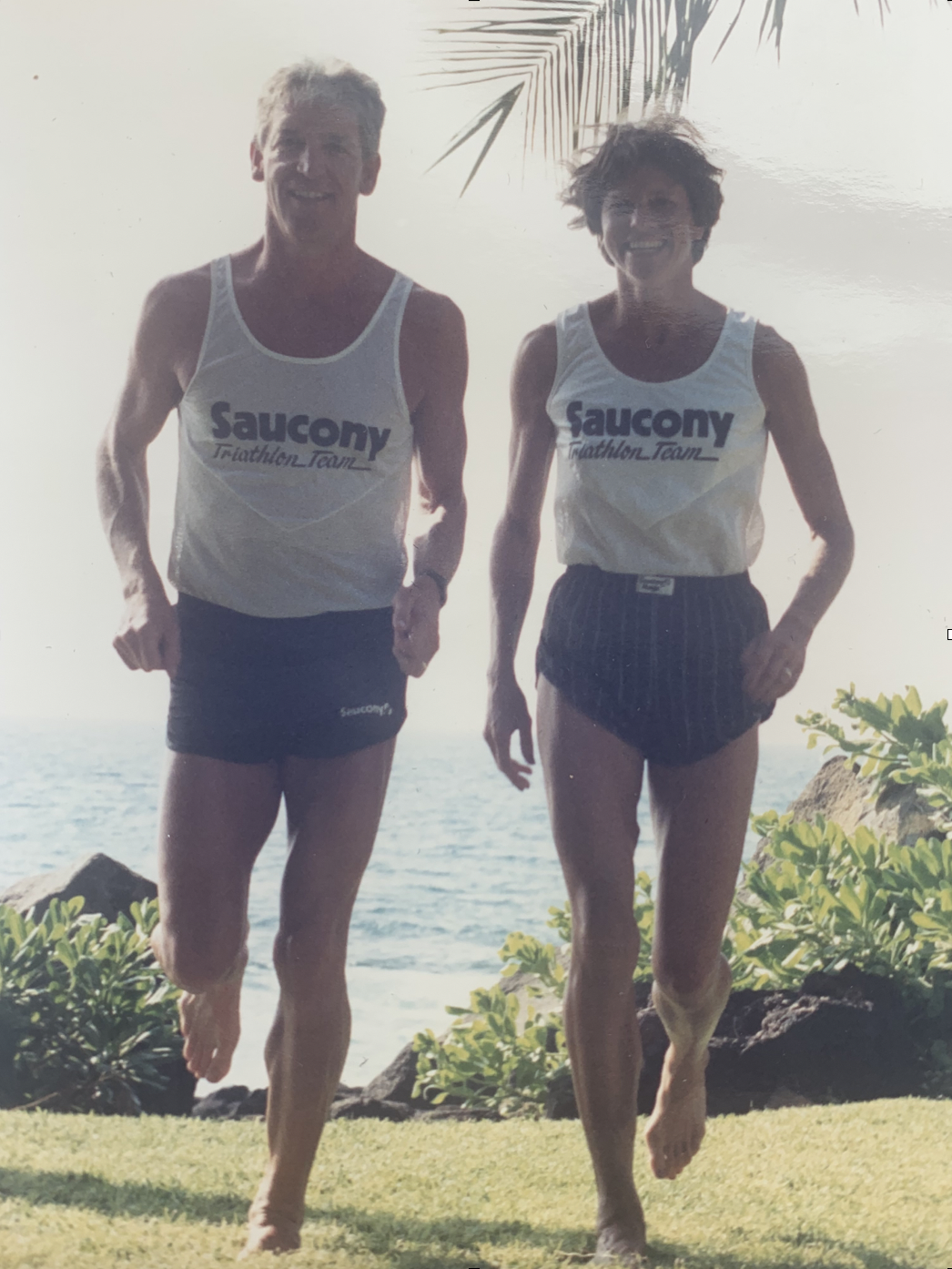
    Murray Banks and his wife prepare for Ironman Hawaii, 1988. (Courtesy photo)

    Although you will absolutely love teaching, you will have an opportunity to take time off to be a full time athlete. And your 8th grade teacher Mrs Bentley, who will say to you “You’ll never make anything of yourself just playing sports, Mr Banks!” Well, turns out she was wrong, but probably best if you don’t say anything to her. 

    Instead, you will create a niche as a speaker and corporate trainer that provides the time to train and race nearly full time. It’s an occupation that resembles training and racing in every way… you prepare thoroughly for long periods of time; you need to be focused and goal oriented; you work intensely hard for short periods of time, followed by longer periods of recovery; and, when it’s time to race or deliver a presentation, you really need to be on your game, there is no room for mediocrity. Any time your work, recreation and passions intersect, you have the best of all worlds and so many good things arise. So, younger Murray, keep all options in your life open, there is no predicting what opportunities will present themselves.
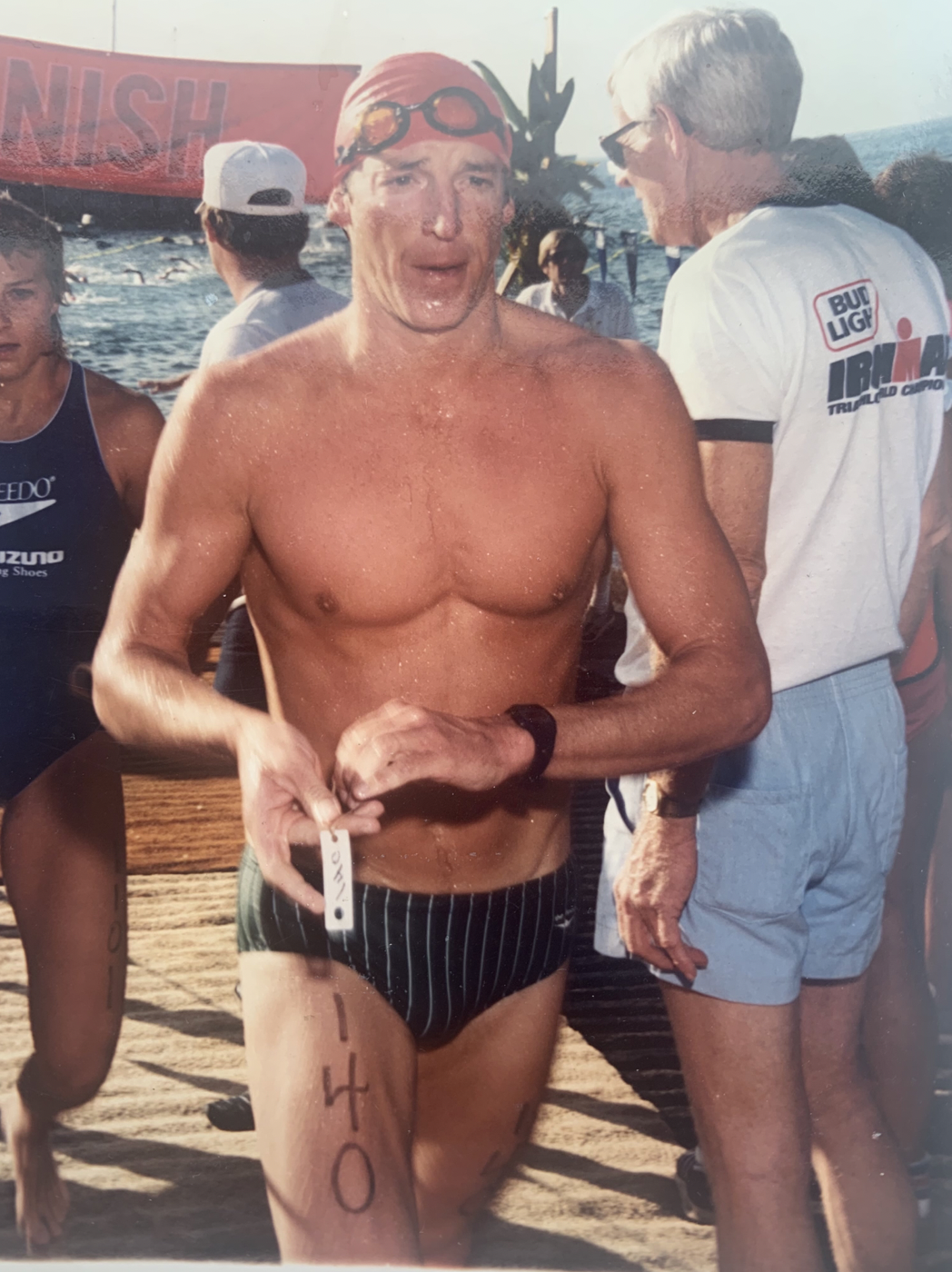
    Ironman Hawaii, 1983. (Courtesy photo)

    But, I digress. Training for triathlons during long, cold Vermont winters was a challenge so you know what comes next? Cross country skiing. 

    For several years, skiing will just be winter fitness for triathlons but eventually, skiing will became your favorite family activity. You and Janie will eventually have two rambunctious boys who love to play outside day and night, just like you! They will play all the usual sports but will eventually get into ski racing and soon you will be going to races to cheer for them rather than the other way around. 
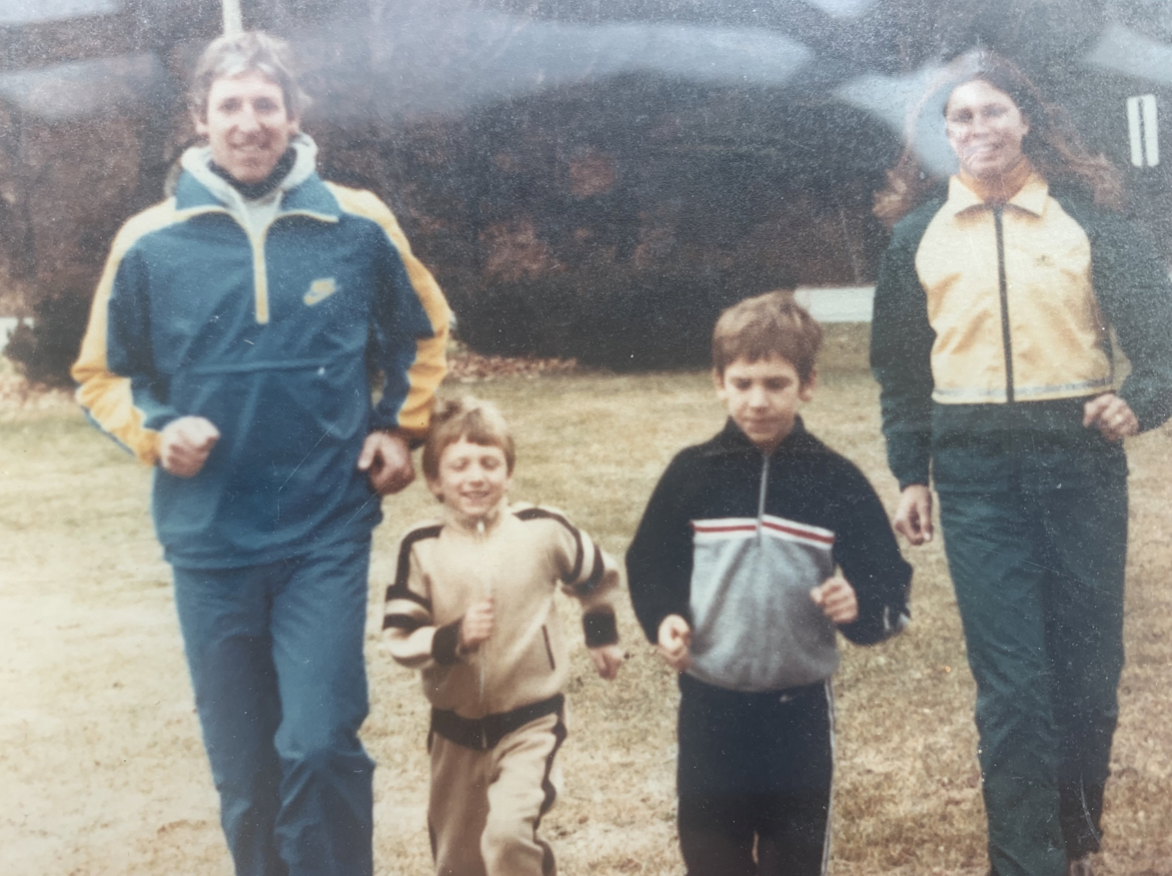
    Team Banks at a community fun run in Vermont. (Courtesy photo)

    So finally, cross country skiing… get this, skiing downhill is way more fun than running down hill! And, while triathlon training can be tedious, arduous and exhausting, skiing is generally fun and challenging. So, you will retire from triathlons and spend most of your athletic energy training for and racing in cross country skiing and have the opportunity to race in cool places like Norway, Austria and Italy.

    Masters World Championship, Asiago, Italy, 2014

    You and that sprinter girl will both win gold medals at various masters world championships and you will meet people from those countries that will become lifelong friends. And, you will find that folks in their 50’s and 60’s who continue to ski race are really an energetic and positive group of people to hang out with.

    And those boys you and the sprinter girl so enjoyed skiing with when they were kids…they took that joy for snow and mountains and parlayed it into careers as international mountain guides. And the best part? You will get to ski big peaks all over the world with them, which it sure beats playing basketball and baseball!
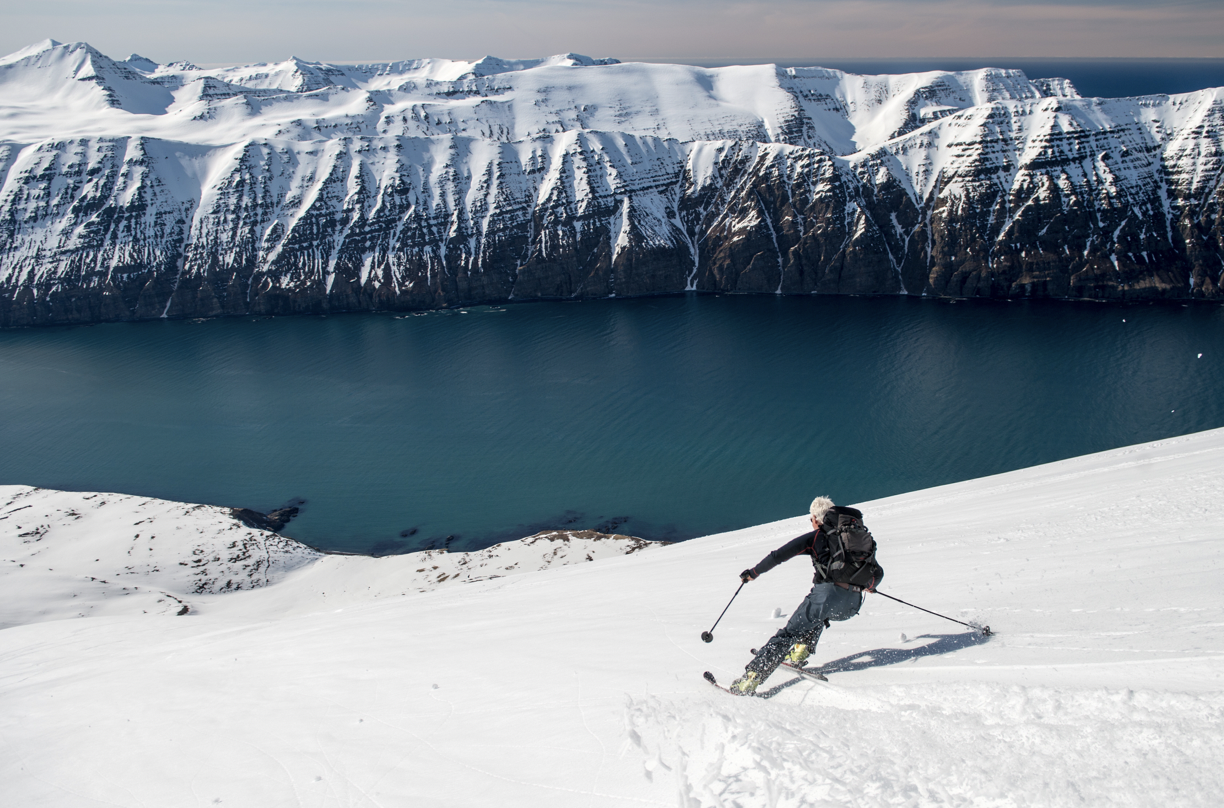
    Troll Peninsula, Iceland, 2017. (Courtesy photo)

    This all sounds a little too good to be true doesn’t it? Well, as you have probably guessed, it is. At the very pinnacle of your personal, athletic and professional success, life will throw you a curveball… cancer. 

    Now, at your young age, you may not understand what cancer is, so I’ll break it down a bit for you. Cancer is an insidious disease that eats at you over time and saps the energy and strength that have been hallmarks of your life. In your case, you will endure surgeries, radiation treatments and a bevy of drugs that will end your racing career. You will need every ounce of patience, optimism and tenacity that you’ve spent a lifetime developing through sports. 

    It will be the greatest test of endurance that you have experienced in your lifetime. But, there is an interesting cancer/ski racing analogy, bear with me on this. Imagine, you are in a 50km classic ski marathon, with temps at freezing and a damp, cold wind that makes the track indiscernible and waxing impossible.

    The track is poorly marked and you are never 100% sure if you are on course. There are no kilometer signs and the route is ambiguous. Your kick wax has failed you – one minute you are slipping and the next your are walking on snow stilts. You pass spectators and ask “is this the way?” and they respond “not sure, just keep going.” You ask others “how far to the finish?” and they respond “not sure, just keep going.” The blowing snow and poor markings obscure any semblance of direction and you press on not knowing which trail to take.

    Yup, living with an aggressive cancer is very much like a tough ski marathon… you know you have to keep going, but you have no idea how long and you can only hope the ones giving directions know the best path forward.
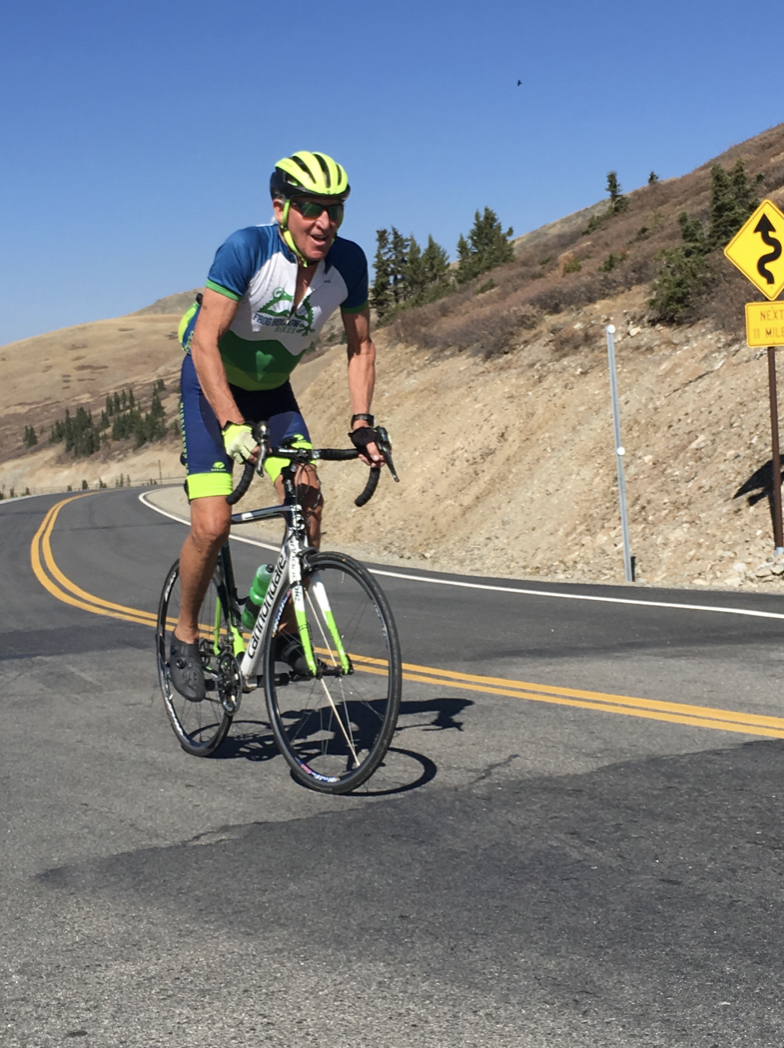
    2020 Covid Cancer Climb with buddies at the summit of 12,300’ Cottonwood Pass, CO. (Courtesy photo)

    But, my younger self, you are well prepared. All those years of endurance training and racing are paying off now as mental toughness, dealing with pressure, staying focused and learning to exceed your perceived limitations will carry you far longer than you might expect. Those teammates and coaches you loved will support and encourage you, just like they did decades ago. And, no matter how exhausted and frail you may feel, you will find strength and joy in doing what you’ve always done… getting outside in the sunshine to ski and bike with your friends.

    At your age here in 1959, sport is a competition that you prepare for and do your best at. You are in the moment and not thinking of the lifelong benefits. But looking back, you will see that training, competition and pushing yourself was the best possible preparation for a lifetime of great joy, professional success and personal satisfaction. But most importantly, it will give you the ability to withstand discomfort, uncertainty and challenges you did not sign up for. 

    As an endurance athlete, you developed a unique life skill set that you can cash in when you need it most; and here in 2022, you are reaping those benefits.
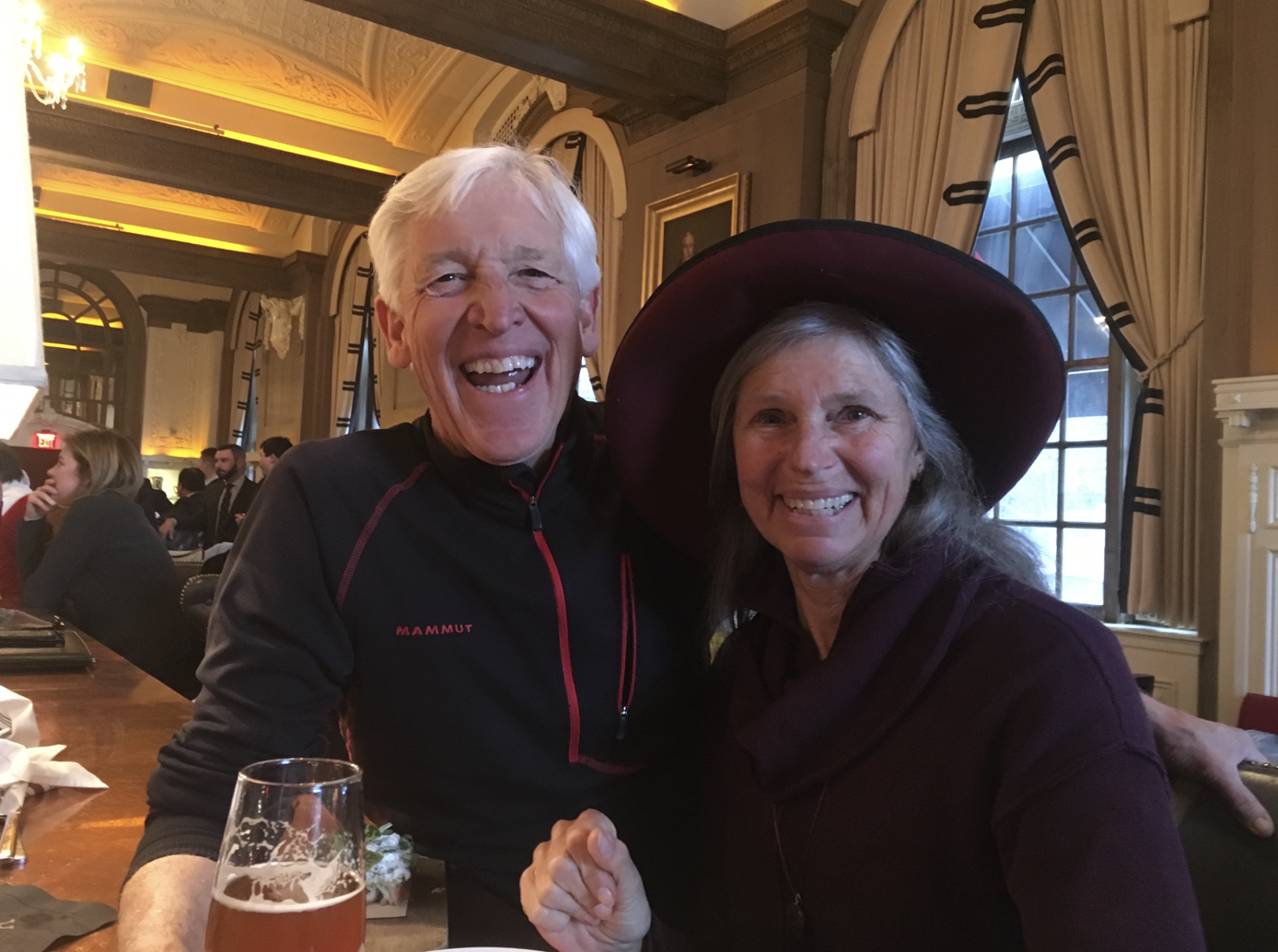
    Murray Banks and “the sprinter girl”, his lovely life partner, Janie. (Courtesy photo)
  • Wednesday Workout: Testing the (Endurance) Waters

    Wednesday Workout: Testing the (Endurance) Waters

    FS intern Ian Tovell is a longtime skier and triathlete training for his first Ironman. Here, he provides an indoor-swimming workout for anyone looking to measure their endurance.
    FS intern Ian Tovell is a longtime skier and triathlete training for his first Ironman. Here, he provides an indoor-swimming workout for anyone looking to measure their endurance.

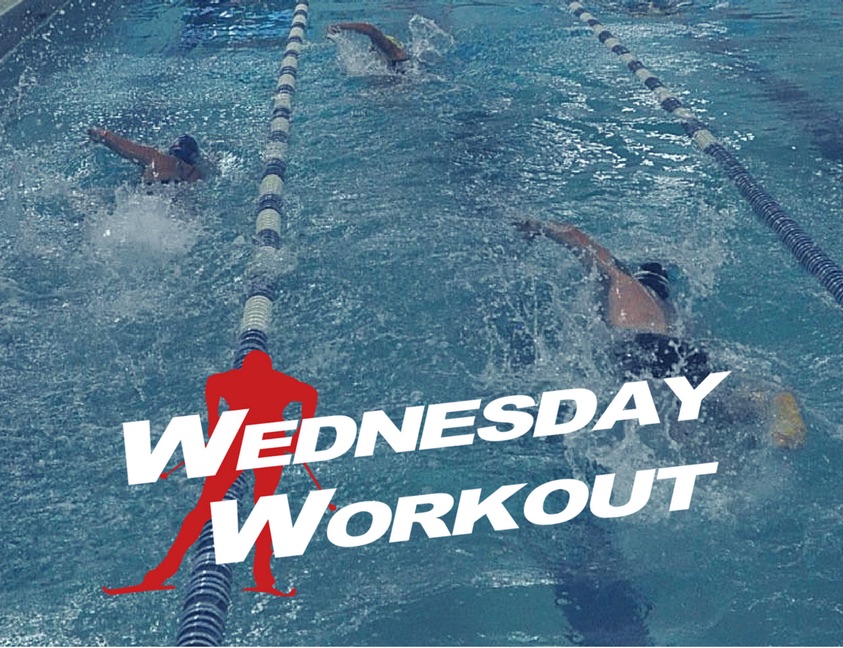
    Living in New England, the adult version of Christmas is waiting for the first snowfall. For most skiers in New England usually by the time the first race comes around you have skied once or twice on snow if you are lucky. The key to be race ready without going on snow is to train your body in race conditions. We do this by rollerskiing, running, strength, etc. One workout that I do to make sure my endurance is up where I need it to be is swimming. Swimming being one of the best aerobic exercises you can do (after nordic skiing, of course) is one of the main reasons a lot of skier use that in the offseason.

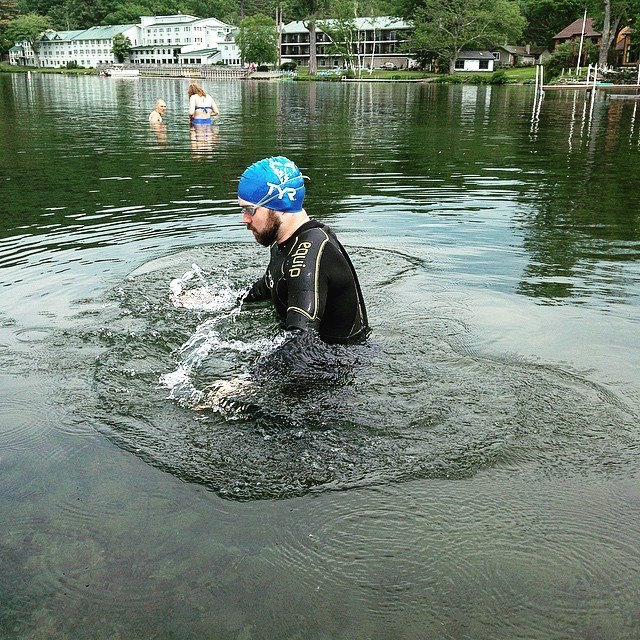
    Ian Tovell getting ready to dive right in.
    Ian Tovell getting ready to dive right in.

    Swimming is a great way to keep up your ski fitness while changing up your daily routine. As a nordic skier and triathlete, I like to mix up my workouts so that I can work on other muscles while still staying in shape for nordic in the winter. Being able to get to the pool and work on my endurance has made the transition to skiing quite easy.

    This past week, I did two hard workouts to really test the endurance level and see what I need to work on. The key was to make sure that the two workouts were separated by a few days to ensure I was rested between the two tests.

    Swimming Workout 1

    Warmup: 800 yards:

    • 300 choice
    • 100 kick
    • 6×50 strong (Level 3), each followed by 15 seconds rest
    • 100 easy

    Main Set: 950 yards (at Level 3-4):

    • 50 freestyle (1-minute recovery)
    • 100 freestyle (1:30-minute recovery)
    • 800 freestyle (2-minute recovery, or as long as you need before the cool down)

    Cool down: 250 yards

    • 5×50 Free

    Total Distance: 2000 yards

    Swimming Workout 2

    Warmup: 800 yards:

    • 300 choice
    • 100 kick
    • 4×75 build (Level 2-3), with each pool length (25 yards) faster than the last
    • 100 easy

    Main Set: 600 yards:

    • 200 freestyle as fast as you can (2-minute recovery)
    • 400 freestyle as fast as you can (2-minute recovery or as much time as you need before the cool down)

    Cool down: 350 yards:

    • 100 Choice
    • 5×50 easy

    Total Distance: 1750 yards

    During your warmup you should focus on your technique. This is the time to make sure that your technique doesn’t fall apart during the main set. The warmup is also the best time to get the junk out of your system and really gauge how your main workout will go.

    When you get to the main set, this is where the fun begins. The effort should be between Level 3-4, but be at a pace that you can sustain for the whole workout. For example, you shouldn’t do the 200 freestyle as fast as you can, then by the time you get to the 400 you die halfway through it. The times for each interval will be dependent on how fast you swim. Just like in skiing, you want to be as consistent as possible with your perceived effort. Both Workout 1 and Workout 2 should be done at the same effort to get the most accurate times.

    During the main set, one of the most important things is to make sure you take the appropriate rest between each set. During the rest, catch your breath, drink water and refuel your body before the next interval. Like in skiing, rest is just as important as the interval itself so ensuring you take the accurate rest is critical. The total time for each workout will vary depending on how long it takes you to warm up, race and cool down, but it usually will take about 40-60 minutes to complete from start to finish.

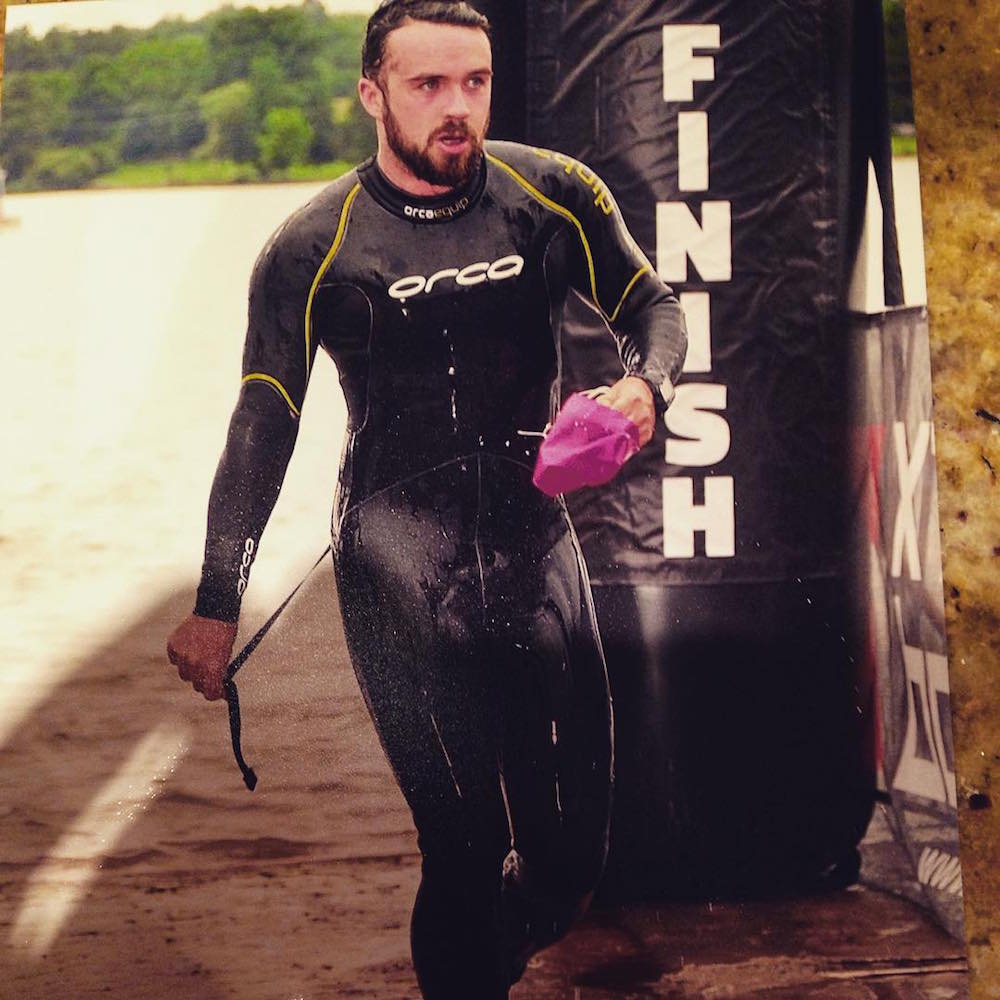
    Ian Tovell after the swim leg of a triathlon. Ian is training for Ironman Mont-Tremblant.
    Ian Tovell after the swim leg of a triathlon. Ian is training for Ironman Mont-Tremblant.

    The cool down is the final part of the workout and should be done fully. This will help to ensure that your muscles relax and you won’t be sore or unable to move your arms the next day. The cool down should be slow and easy with the effort being Level 1 or less.

    A little background about myself is that I am not only a nordic skier, but I am also an avid triathlete. I am currently training for Ironman Mont-Tremblant, and this is part of my own Ironman training plan. I have done triathlons for the last 12 years and have been a nordic skier for the last 16 years. I have found a great balance between both and have found that each helps me prepare for the other. I have a great coach, Kyle Burnell, who works for PBM Coaching and provides me with workouts to help reach my full potential.  He gave me this workout in order to test my “Critical Swim Speed” so that when I am in the pool I will have paces to hit based on the perceived effort for each workout.

  • Wednesday Workout: The Art of Tapering

    Wednesday Workout: The Art of Tapering

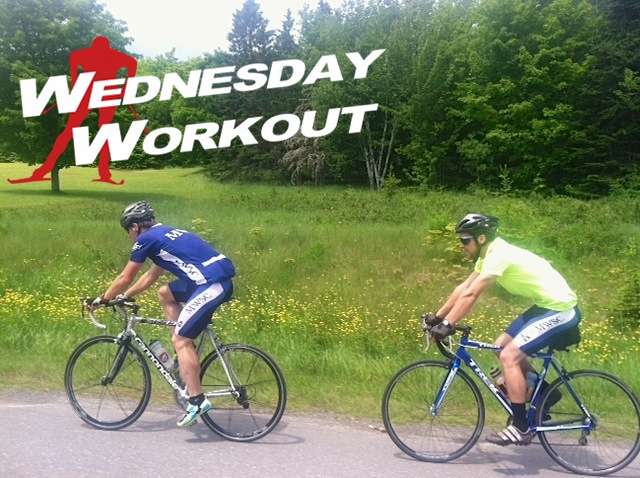
    One of Zach Caldwell's athletes, Kris Freeman (l) leads Maine Winter Sports Center teammate Welly Ramsey during a recent century-ride workout in Maine. With the Olympics in February, Freeman won't be tapering for a while, but Caldwell stressed the importance of rest days. (Photo: Will Sweetser)
    One of Zach Caldwell’s athletes, Kris Freeman (l) leads Maine Winter Sports Center teammate Welly Ramsey during a recent century-ride workout in Maine. With the Olympics in February, Freeman won’t be tapering for a while, but Caldwell stressed the importance of rest days. (Photo: Will Sweetser)

    Months of training have culminated to this. You’ve worked hard, darn it, and now you’re ready for a little R & R, that taper period (reduced training load) before your big race.

    Many people rely on the conventional wisdom that a week of taking it easy with light workouts and a rest day or two the week before should get you into fighting shape when that weekend event rolls around. But is it really that simple? Not really, otherwise, we’d be PR-ing all over the place.

    So what’s the secret? Because we’re all individuals, with individualized training methods and different bodies capable of different workloads, we’ve got to take the time to listen to ourselves – rather than follow some clipping out of a magazine.

    That said, athletes training for an endurance event (i.e. the Lake Placid Ironman on Sunday, or the Birkie next February) should take a close look at what they’re doing the week before. No need to continue those multiple-hour efforts; make time to kick back, watch your nutrition, and get plenty of rest.

    Worried about losing it all or even a little before the big day? When it comes to speed and strength, if you’ve been building those up for a while, it’s not going to disappear overnight.

    “The two big advantages of a fitness component that takes a long time to build are that it takes a long time to lose, and that it is easy to maintain with a reduced workload,” according to Alan Woodward’s article on triathlete.com, How to Taper for an Ironman. “It is for these reasons that sprinters can reduce their training a long way out from a race without seeing a decline in performance. In fact they experienced increased performance as their muscles achieve a highly anabolic and recovered state during the taper.”

    But what about endurance athletes – those people doing distance triathlons, running ultras or skiing marathons? Woodward said the ability to sustain energy or race intensity over a longer period of time actually comes faster in training, and therefore can be lost quicker. He recommends a week taper for these athletes rather than three easy weeks.

    “We know from experience that we start to see a decline in endurance ability within seven to 10 days,” he wrote. “The endurance part of training must be maintained until seven to 10 days out from race day.

    “In the last few weeks before a race you need to structure your training to maximize endurance and maintain strength and speed gains,” he added. “You don’t need to hammer out long sessions every day to develop peak endurance; a weekly long ride and long run are enough, nor do you need to perform a large amount of speed and strength training to maintain the speed and strength you developed earlier in the training cycle.”

    Easy enough. But it’s not foolproof. Zach Caldwell, personal ski coach and owner/operator of Caldwell Sport in Putney, Vt., wrote in an email that it’s difficult to prescribe a one-size-fits-all taper method because of all the variables involved, but one of the biggest issues for non-professional racers is finding time to chill out.

    “It’s one thing for [U.S. Ski Team member] Noah [Hoffman] to add an hour and half nap every day, or taper back the training. But anybody with a real job, or even school, has a much bigger task balancing life-energy demands with training and racing energy demands,” Caldwell wrote. “Finding balance for training usually isn’t that hard, but making enough room for a peaking effort can be REALLY difficult.”

    Caldwell wrote the following on peaking and the process of finding that maximal energy state (and thus performance) on race day:

    “Great performances in ski racing are generally characterized by really high energy. Energy states can vary a great deal week to week and even day to day. A 95-percent energy performance from a 90-percent fit athlete will beat an 80-percent energy performance from a 99-percent fit athlete. On the day of the race I’ll pick peak energy over peak fitness every time.

    The problem is that a “high-energy” state is really hard to define in any kind of physiological terms. As soon as we acknowledge energy state as an important consideration, and organize training and tapering efforts around bringing peak energy to a race day, we’re pretty much off the reservation when it comes to working with traditional concepts in physiology.

    An outline of the steps we take to prepare for high-energy performances looks something like this:

    1. Practice – Organize training so that you practice recovery frequently. To manage energy during a racing season with frequent races, training and travel, you need to be able to take advantage of brief recovery periods. You don’t want to get into a situation where you need a week of rest in order to be fast. So, in training, we generally plan to assess recovery at least once or twice a week by building easy days into the schedule.

    2. Understanding – It’s important for a racer to know how long it will take to recover from hard training. That will depend a lot on the overall load and energy state. In general, hard training will make you weaker for a little while, and then you’ll recover, compensate, and be stronger. How long will it take you to realize the benefit of hard training? If you do a set of intervals, when do you expect to be faster because of those intervals? During the training season, a lot of the hard work that gets done can be “hay in the barn” – you don’t need to get an immediate benefit. But during the race season you want to structure your efforts so that you realize the benefit quickly.

    3. Train-Up – We seldom see great race efforts when the racer is trying to rest into racing shape. The best results come when a light intensity session soon before a race actually provides a performance boost. Kris Freeman’s best races have come when he’s been well rested coming into a race, and then done about a 15-minute threshold “activation” session the day before the race. Often he’ll simply take a lap of a 5 k race course. If he’s got good enough energy to benefit from that session within 24 hours, then he’ll make a pretty good race. If he needs recovery instead, then we’ve got no reason for optimism. Great race performances come when you’re in a good place to “train-up” to a peak effort.

    4. Manage – Ensuring peak energy means managing recovery and expenditure. Obviously you need to take some rest – reduce the training load. But it’s also important to remember that the energy you use for racing is the same as the energy you use for everything else. At World Championships in Val di Fiemme, Noah Hoffman had a sub-par and very disappointing performance in his first race – the 30 k skiathlon. After that opening 30 k, he focused on the details of energy management – he took an hour and a half nap every day, he turned his computer off by nine p.m. every night, and he made sure he was in bed with the lights out by 10 p.m. Four days after the 30 k, he was 15th in the 15 k skate – certainly one of his most impressive races to date.”

    — Zach Caldwell | CaldwellSport.com

    For more on tapering and how it affects the body, check out Margaret Waechter’s article in the Master Skier.

  • Ian Tovell

    Ian Tovell

    Ian Tovell

    Ian Tovell began skiing when he went to a practice with his friend to see what it was all about, and after that the rest is history as they say. Ian skied throughout middle school and high school where he raced at a high level at Vermont Academy. He attended University of Vermont where he decided to “hang up the skis” and pursue his other passion, cross-country running. After an injury sidelined him from running, he picked up triathlon and has been racing triathlon across the country for the last eight years. After graduation, Ian found his love of skiing again, and now races the American Birkiebeiner every year.