From the FasterSkier archive — posts syndicated from athletes’ and coaches’ own blogs between 2004 and 2012, kept online as published. Current coverage is at fasterskier.com.

Tag: James Southam

  • Holly Brooks’s Letter of Support, Signed By Alaska Olympians

    (Holly Brooks, a former U.S. Ski Team member, two-time Olympian and Anchorage local, sent FasterSkier a copy of the following letter of support, addressed to the University of Alaska President Jim Johnsen, and granted permission to post.) 

    ***

    Dear President Johnsen,

    My name is Holly Brooks and I am one of Alaska’s Olympic Cross Country skiers. I am writing this on behalf of several of our local Olympians, who have agreed to sign their names below, and encourage you to take the time to read this letter and gain an understanding of how much we care about the health of our ski community. We are aware that the fiscal situation facing the University is challenging and that difficult and unpopular decisions will have to be made, but we urge you to continue funding the most “Alaskan” sport UA has, ski racing.  From what we understand, men’s and women’s skiing seem to be one of the few “unprotected sports” under your leadership. Thus, the purpose of this letter is to “raise our hand” in support of the University of Alaska ski team.

    Alaska has a strong skiing background. UAA’s NCAA program is an integral part of the heart and soul of a sport that is a natural fit for our great state.  Nordic and alpine skiing are wildly popular recreational sports in Anchorage and the collegiate teams serve as examples or “pedestals” of what many Anchorage citizens aspire to in their own athletics. Anchorage hosts the largest high school ski race in the entire country, the Lynx Loppet. Many youth in Anchorage including the Junior Nordic Program and the ASD high school programs look forward to seeing UAA skiers zip by them on the trails, serving as a “real-life” example of fitness and/or technique. What other sports can recreational or developing athletes literally jump in behind collegiate athletes and hang on for the ride?

    The UAA ski team also has a long history of community service and activism.  Last spring the UAA Ski Team hosted the Turnagain Arm trail race, a perennial favorite for Anchorage Trail runners. This spring the athletes and coaches volunteered their time for a program called Skiku teaching nordic skiing in remote Alaskan villages one week at a time with the goal of instilling healthy, active lifestyles. Every fall, UAA skiing athletes have volunteered for a program Sadie, Kikkan and I help host called Fast and Female – a youth empowerment through sport program that attracts 300 of Anchorage’s girls ages 9-17.  At this event, adolescent girls get to meet their athletic role models including your UAA college skiers!

    Skiing in particular is an amazing sport because once athletes “retire” from competing at a high level they keep skiing 9 times out of 10. Skiing is a lifelong sport. For this community it means those people are giving back as coaches and role models. I sincerely believe that a community is only as strong as it’s members and a community of people who give back are what creates economic, social & emotional stability. In these pressing times our community is our most valuable asset.

    Last but not least, skiing is a sport occurring in the winter. While we haven’t had great snow lately, winter is historically a time when Alaskans opt to stay indoors. Drinking, domestic violence, and levels of depression are elevated. Because of these reasons and SAAD (Seasonal affective disorder) we believe it is imperative to support activities that promote health and wellness during our coldest and darkest months. Skiing does that and the UAA’s ski teams serve as a vehicle. Your team provides healthy heroes and role models and without that, I believe Alaskan skiing would take a large hit.

    So please, I know we’re in a budget crisis but I hope that you decide to retain skiing as a UAA NCAA Division II sport.  If you have any further questions or would like to speak with me, I’m all ears. Thanks for your time.

    Sincerely,

    Holly Brooks 

    • 2010 Vancouver & 2014 Sochi Cross Country Skiing Olympian

    Kikkan Randall

    • 2002 Salt Lake City, 2006 Torino, 2010 Vancouver, and 2014 Sochi Cross Country Skiing Olympian

    Tommy Moe

    • 1992 Albertville, 1994 Lillehammer, and 1998 Nagano Alpine Skiing Olympian

    Megan Gerety

    • 1994 Lillehammer Alpine Skiing Olympian

    Lars Flora

    • 2002 Salt Lake City, and 2006 Torino Cross Country Skiing Olympian (member of 98/99 UAA Ski Team)

    Sadie Bjornsen

    • 2014 Sochi Cross Country Skiing Olympian (member of 2008/9 UAA Ski Team)

    Erik Bjornsen

    • 2014 Sochi Cross Country Skiing Olympian (member of 2010/11 UAA Ski Team)

    James Southam

    • 2006 Torino, and 2010 Vancouver Cross Country Skiing Olympian

    Adam Verrier

    • 1994 Lillehammer Cross Country Skiing Olympian, UAA Volunteer Coach since 2009

    Sara Studebaker-Hall

    • 2010 Vancouver, and 2014 Sochi Biathlon Olympian

    Anna Berecz

    • 2010 Vancouver and 2014 Sochi Alpine Olympian for Hungary (Graduated UAA in 2015)

    Rachel Steer

    • 2002 Salt Lake City, and 2006 Torino Biathlon Olympian (Graduated UAA in 2007)

    Alex Wilson

    • 1998 Nagano Freestyle Olympian (Teaching Certificate from UAA in 2013)
  • NNF Funds International Junior Camp

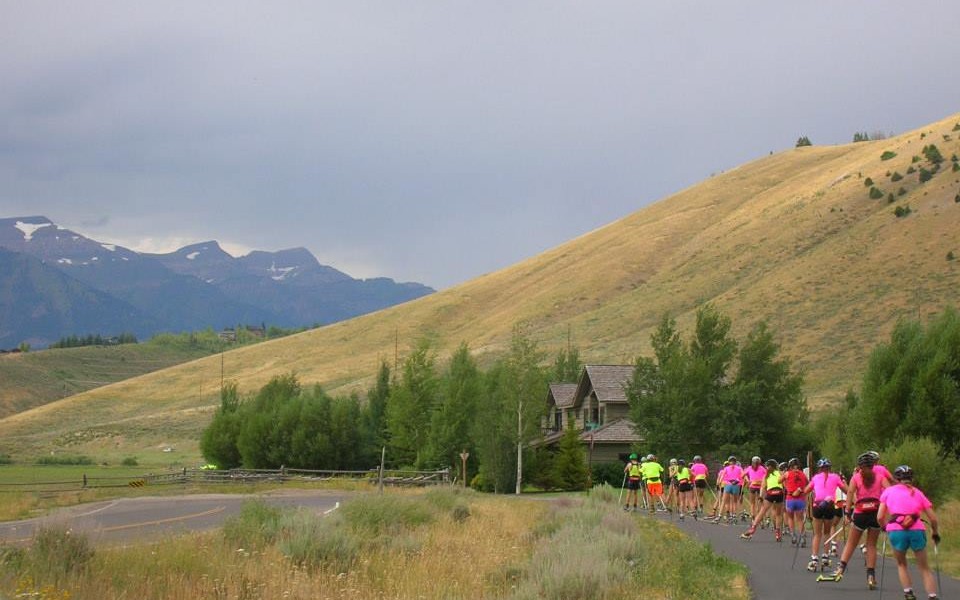
    NNF Norway camp

    (Press release)
    SALT LAKE CITY, Utah – Consistent with its mission of supporting athletic excellence in developing U.S. Nordic athletes, the National Nordic Foundation announced financial support for a new junior camp for rising cross country skiers. Happening August 6 – 14, 2015, the International Junior Camp includes athletes selected from the a National Ranking List, as well as criteria set by coaches at the USSA congress. Camp participants include:

    WOMEN:
    Katharine Ogden, SMS
    Julia Kern, CSU
    Hannah Halvorsen, Sugar Bowl Academy
    Hailey Swirbul, AVSC
    Alayna Sonnesyn, SISU / UVM
    MEN:
    Zak Ketterson, LNR
    Max Donaldson, Fairbanks
    Lars Hannah, Steamboat
    Karsten Hokanson, Wasatch Nordic Ski Academy

    “Last year we learned that Norway’s national ski federation had invited 8 different nations to attend an international camp with the best internationally accomplished coaches, Olympic and World Championship athletes attending all for the sake of International Development of top level Junior’s, i.e. for the good of the sport !   In the past few years our own U.S. domestic training camps have become much more collabortive and we are contually producing better results on an international level. This International camp is the next step in helping the next generation of successful athletes,” Dave Knoop, NNF Executive Director explained.

    US Ski Team Development Coach, Bryan Fish added, “The aim of the International Junior Camp is to provide junior elite athletes from many nations the knowledge and experience about each nation’s training philosophies, development skills and also develop strong athlete rapport.  Most important, is the opportunity to for hands-on learning through physical train with one another.  There will be seminars at this camp for athletes and coaches. Included will be guest presentations for Norwegian A-team athletes.”

    The National Nordic Foundation will provide funding to support the camp. Each athlete will receive $950.00 in support of the trip. The total cost of the trip is $15,500 excluding airfare. The cost to each athlete is then $600 for the week in Norway.

    “This is a unique opportunity for our top young athletes to get another level of exposure to what some of the best skiers their age in the world are doing to prepare as well as some of the top skiers on the World Cup. It is a chance to build relationships, open their eyes, breakdown walls of perception and the mystery of what the Euro’s do to train, ” echoed James Southam, operations director for the NNF.

  • In Their Eyes: A Norwegian Junior Team’s International Exchange with Sugar Bowl

    In Their Eyes: A Norwegian Junior Team’s International Exchange with Sugar Bowl

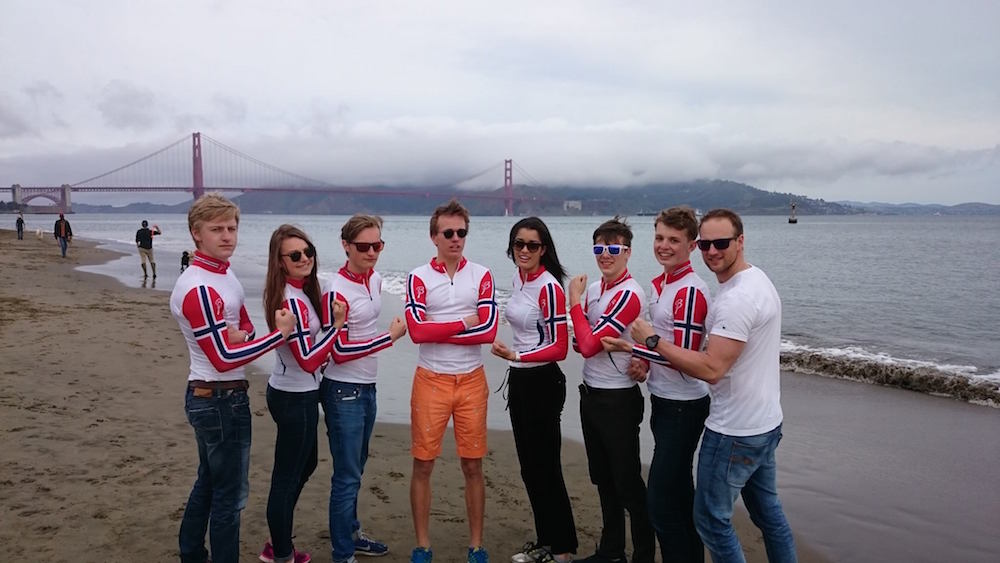
    A team photo of the Heming IL junior contingent that competed at 2015 Junior Nationals in Truckee, Calif.., taken in front of Golden Gate Bridge in San Francisco. (Courtesy photo)
    A team photo of the Heming IL junior contingent that competed at 2015 Junior Nationals in Truckee, Calif.., taken in front of Golden Gate Bridge in San Francisco. (Photo: Björn Ilsemann)

    Note: The following was submitted by Björn Ilsemann, a coach with the Norwegian College of Elite Sports and Heming IL. If you have a team camp or training recap that you’d like to share, please email info@fasterskier.com. 

    ***

    Earlier this year, U.S. junior nordic skiers from Sugar Bowl Academy competed in the Norwegian Cup and Sprint Junior Nationals, and then welcomed a team from the Oslo ski club of Heming IL to U.S. Junior Nationals in Truckee/Tahoe, Calif.

    It was at the U16 camp last summer when Sugar Bowl Academy coach Martin Benes and Björn Ilsemann from the Norwegian College of Elite Sports and the ski club of Heming decided to do an exchange to race both countries’ junior nationals (JNs). Martin had a lot of experience travelling and racing, both as a skier and as a coach. Björn had done similar exchanges before, leading a group to JNs in Fairbanks in 2013 and hosting several groups of US skiers for Norwegian JNs.

    The plan was easy: The participating  skiers from Sugar Bowl would live with families and train with Heming skiers for a week, and then race a Norwegian Cup weekend and the Junior Sprint Nationals. The Norwegians from Heming would then come over to Truckee and race USJNs.

    During the earlier winter months, the dream became a plan, and in the first week of February, five excited skiers and two coaches embarked a plane heading to Oslo. After being picked up at the airport, the group of skiers from Sugar Bowl and coach Caitlin Bernstein were quickly becoming familiar with how Norwegian skiers in Oslo live and train. Hundreds of kilometers of lit tracks, a five minute subway ride to freshly-groomed tracks and hot chocolate at cabins far out in the backcountry became daily business.

    After an easy Monday recovering from the inevitable jetlag, Björn took the group on three-hour-plus ski in the backcountry on Tuesday morning, followed by a strength and coordination training with his group of skiers at the Norwegian College of Elite Sports. After a quick shower, we headed to town for pizza and the arrival of the last two members of the group who came in from the J1 trip in Sweden, Hannah Halvorsen and coach Martin Benes.

    On Wednesday, the gang did an easy morning ski in the World Cup tracks at Holmenkollen, and met with the junior skiers from Heming for a short-but-hard sprint training session in the evening. Thursday was easy again, the U.S. kids watched a race of the Biathlon World Cup at Holmenkollen and did a rest ski before the Norwegian Cup races on Friday.

    The venue of the Norwegian Cup was pretty close to Oslo — about an hour by car. While the skiers and coaches were shuttled early that morning, you could feel the excitement build up in everybody. But still, no one had expected such a circus of countless wax trailers, big tents and wax cabins, and the intimidating number of close to 1,000 participating junior skiers.

    No one had expected such a circus of countless wax trailers, big tents and wax cabins, and the intimidating number of close to 1,000 participating junior skiers.

    The tracks were really hard and the competition was even harder, but the athletes from Sugar Bowl put up a good fight! To be fair, jetlag and maybe a little nervousness can be blamed a little bit, and the skiers finished in the second halves of their fields. A well-organized race and a lot of help from the wax techs from Heming made the day a good experience anyway.

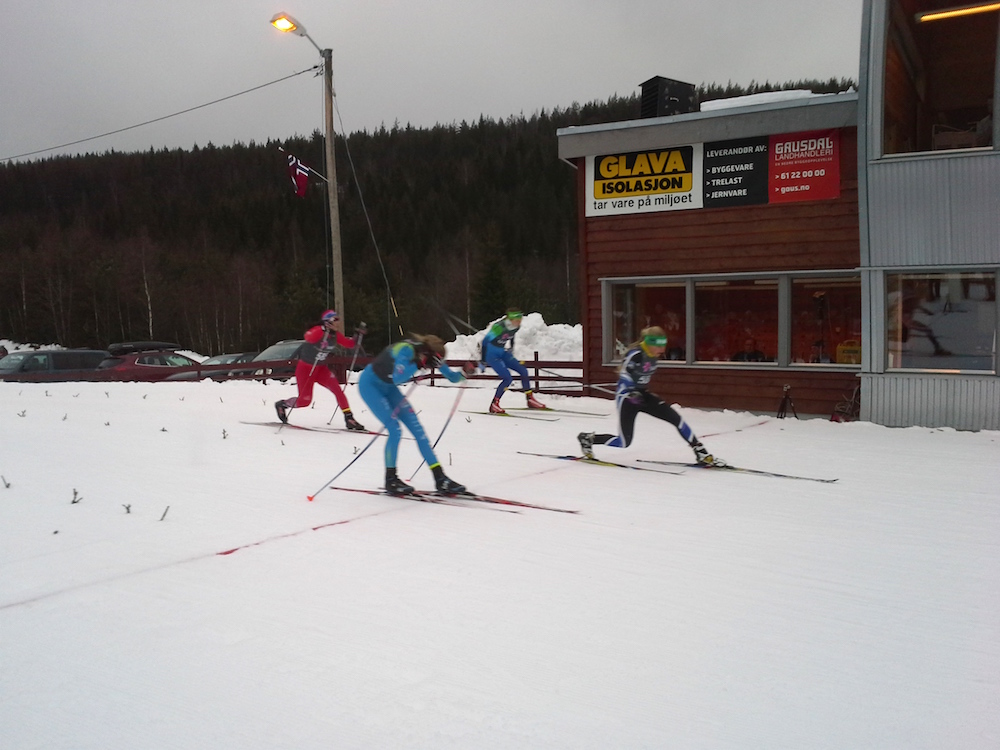
    Hannah Halvorsen (Sugar Bowl Academy) winning the final at Norwegian Junior Sprint Nationals at Nes Skianlegg in Norway. (Photo: Björn Ilsemann)
    Hannah Halvorsen (Sugar Bowl Academy) winning the freestyle-sprint final at Norwegian Junior Sprint Nationals at Nes Skianlegg in Norway. (Photo: Björn Ilsemann)

    On Saturday, the Norwegian Junior Sprint Nationals went underway. With good skis again from the Heming techs, the Sugar Bowl athletes did an amazing job racing and were close to advancing from the prologue.

    Halvorsen, who didn’t race on Friday, didn’t seem very nervous or intimidated by the strong field and managed to win the prologue by two seconds! She didn’t stop there, dominating her quarterfinal and semifinal as well. In the end she stormed into the finish and crashed over the line to win the Norwegian Junior Sprint Nationals!

    On Sunday we raced a classic distance, again as part of the Norwegian Cup. The gang was still excited and had a great day at the venue, which was crowned by a sixth-place finish by Hannah!

    Everyone among the U.S. and the Norwegian skiers who participated in this first part of the project agreed that the trip was a great success. The athletes from Sugar Bowl Academy really got a taste of how it is to live a World Cup-athlete’s routine, and I’m sure they want more of that!

    Almost exactly a month later, the Norwegian skiers and coaches packed their bags and set out on the 20-hour journey to USJNs. With a van crammed full of skis and a joyful gang of seven skiers we drove on highways five-times bigger than at home, but managed to arrive safely but late at night at Truckee.

    With a van crammed full of skis and a joyful gang of seven skiers we drove on highways five-times bigger than at home.

    After having slept way too little, as we felt, we skied our first time on West Coast-snow on Tuesday. The plan was to acclimate to altitude (at home we ski at sea level) and the heat (it was over 25 degrees Celsius warmer than in Norway), and to ski easy with some tiny intervals. That worked nicely, and we felt very welcome by absolutely everybody.

    We considered the first distance race of the JNs on Wednesday as “too dangerous to race hard” in terms of altitude, and decided to ski in a Level 2-3 pace and just do what feels right. All of the skiers felt good, and we had great skis thanks to the help of the Far West test team and our “local,” Martin Benes.

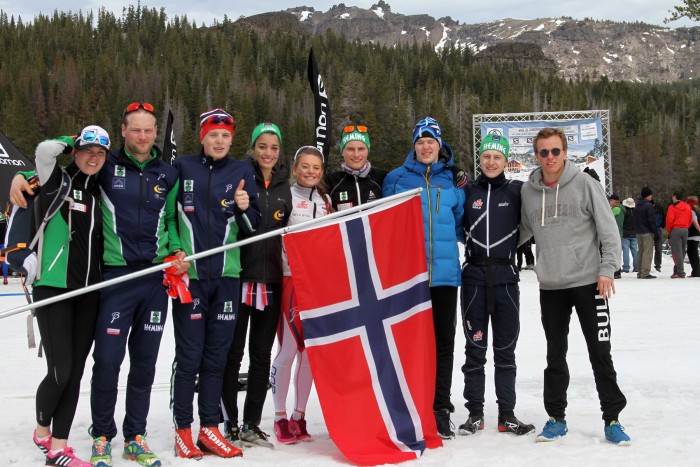
    A Norwegian team photo from 2015 U.S. Junior Nationals in Truckee, Calif., taken after the relay. (Photo: Petter Anderssen)
    A Norwegian team photo from 2015 U.S. Junior Nationals in Truckee, Calif., taken after the relay. (Photo: Petter Anderssen)

    Thursday was easy again, with intervals a little harder than Level 3 and close to a 5 k race pace. The Norwegian athletes used the evening to shop and discover the local food, while the coaches did a presentation on how Norwegian skiers progress from junior to senior skiing, followed by an interesting discussion. The evening ended with a big feast of Mexican food and fun at one of the parents’ houses.

    Friday was the day of the mass start race. The Norwegians had good skis and skied in the front part of the field for the two first loops. Then the altitude and heat took its toll, and one of the Norwegian skiers had to quit and even seek medical attention. The others plowed on, and finished on first and seventh in the U18 field. For the U18 girls, our sole competitor that day Ellinor Høgberg put up a good fight against the U.S. girls, and finished seventh in a really strong field.

    On Saturday, relay day arrived. We gave our best and raced hard, but the U.S. skiers were too strong and we finished sixth for both the U18 boys and the U20 girls.

    Maybe that was because my skiers were already looking forward to the banquet? The evening came, and everybody enjoyed the food and the talks with fellow skiers and new friends.

    The trip home went well, and after some days with jetlag we were back on our skis and racing again. Every single one of my skiers, including us coaches, will remember the trip as an experience for life.

    Every single one of my skiers, including us coaches, will remember the trip as an experience for life. 

    We have to thank Martin Benes and Caitlin Bernstein from Sugar Bowl, as well as all the parents and skiers who participated and helped with this project. Special thanks go to Bryan Fish from USSA and James Southam from NNF, for all your help and support! We also have to thank Joey Caterinichio from USSA for making things work and the discussion, the organizing committee at JNs for letting us participate, and August Teague from Far West for invaluable help and advice in the wax cabin.

    In the end, we want to give a big thank you to U.S. skiing for having us over, for skiing with us and for showing us how much joy and pleasure skiing gives you. Thanks also to Sugar Bowl for coming to Norway, and especially to Hannah for kicking [butt] while you were over here!

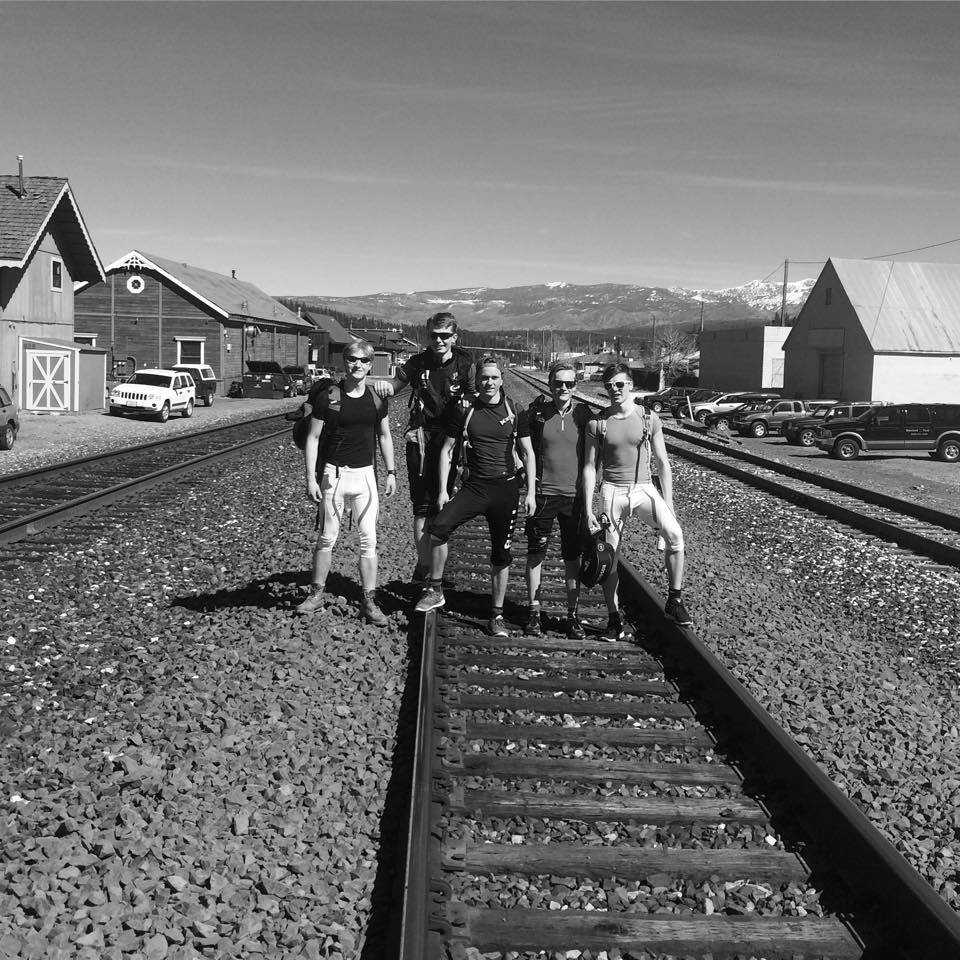
    The Norwegian junior team at 2015 U.S. Junior Nationals in downtown Truckee, Calif. (Photo: Ellinor Høgberg)
    The Norwegian junior team at 2015 U.S. Junior Nationals in downtown Truckee, Calif. (Photo: Ellinor Høgberg)
  • NNF Announces OPA Cup Finals Prize Money

    fitz-caldwell-brennan (NNF photo)
    SALT LAKE CITY, Utah — The NNF announced a prize money win schedule for any American competing at OPA Cup Finals events. As a pillar project, the OPA Cup represents a priority for NNF funding. The key development trip is funded with $31,000 of NNF trip support. This year, the NNF is raising the stakes for skiers competing by adding a bonus win schedule for any U.S. skiers seeking to compete. Prize money for OPA Cup stage results will follow these guidelines. (All funds in USD.)
    • 1st – $2500
    • 2nd – $1250
    • 3rd – $750
      In the event of a pursuit start, the prize money will be awarded based on the top 3 across the line. (Not best times of the day.)
    “We have created a consistent platform for our best athletes to compete at the OPA Cup level year after year,” James Southam, Operations Director for the NNF explained, “This offer is similar to our standing offer to cover the cost of an athletes U23/World Junior Championship trip if they reach the podium, encouraging and rewarding those who are performing at the top level of the development step right below the World Cup.”
    The funds will be available for this year’s OPA Finals Cup trip beginning in February.
  • Ultimate Team Event: Anchorage Hosts Coed Relay at National Championships

    Ultimate Team Event: Anchorage Hosts Coed Relay at National Championships

    It's an amiable atmosphere at Spring Series in Anchorage, Alaska. Teams will be competing for a national title on Tuesday in Kincaid Park in the coed 4 x 5 k, the first race of U.S. Distance Nationals. (Photo: Rob Whitney)
    It’s an amiable atmosphere at Spring Series in Anchorage, Alaska, as seen here after Sunday’s classic-sprint final. Teams will compete for a national title on Tuesday in Kincaid Park in the coed 4 x 5 k, the first race of U.S. Distance Nationals. From left to right: Andy Newell (SMST2/USST), Reese Hanneman (APU/USST), Ben Saxton (SMS), Pat O’Brien (CGRP), Dakota Blackhorse-von Jess (BEA), and Tyler Kornfield (APU). (Photo: Rob Whitney)

    When the U.S. Ski and Snowboard Association (USSA) met last spring, they decided it was time for a bit of a change at the season-ending SuperTour Finals and U.S. Distance Nationals. Instead of a hill climb, they opted for a team relay at the races in Anchorage, Alaska, scheduled for the following March 22-28.

    According to the event’s race director James Southam, a two-time Olympian from Anchorage, athletes brought up the idea of a team event last year. An opening in the schedule made the 4 x 5-kilometer relay possible for 2014.

    But unlike most four-person relays, the one going off Tuesday at 5 p.m. Alaska time will be coed with a male scramble classic leg tagging to a female classic skier, then male freestyle skier, and finally, a female freestyle anchor.

    “I think it’s gonna be fun,” Southam said. “The last distance relay I remember doing was I think in Bend [Ore.] in 1998 or something like that for nationals. I think having the coed is going to be cool. … You don’t need four good guys or four good girls; I think it makes it a little more competitive.”

    Eighteen official teams (including two junior squads), each made up of two males and two females from the same USSA club, will compete for a national title — and $750 dollars in prize money to split four ways. The second-place team will receive $500, and third gets $300.

    It’s the second-to-last competition before Friday’s 30 and 50 k classic mass starts, which will be held at a different venue than the rest of the races at Kincaid Park, at the Hillside Trail System on the east side of town.

    Teams to watch include Alaska Pacific University’s first team, with Reese Hanneman, Sadie Bjornsen, Erik Bjornsen, and Kikkan Randall, in that order. The top team from Stratton Mountain School T2, Andy Newell, Sophie Caldwell, Simi Hamilton, and Jessie Diggins will also contend for the title, along with Craftsbury’s Patrick O’Brien, Ida Sargent, Gordon Vermeer, and Caitlin Patterson, and Sun Valley’s Mikey Sinnott, Mary Rose, Matt Gelso, and Chelsea Holmes.

    Several college teams, such as the University of Vermont, Northern Michigan, New Mexico, and the University of Alaska-Anchorage will also be vying with the best of them.

    There are also few unofficial teams with skiers from different clubs that have a shot at winning for glory rather than cash. Fastest of the Fast Twitch includes Brian Gregg (Team Gregg/Madshus), Liz Stephen of the U.S. Ski Team (USST), Noah Hoffman (SSCV/Team HomeGrown/USST), and Caitlin Gregg (Team Gregg/Madshus). The Vagabonds are Karl Nygren (Podiumwear), Jennie Bender (Bridger Ski Foundation), Mark Iverson (Rossignol), and Cambria McDermott (independent).

    Each competitor will ski two laps of either a roughly 3.3 k classic loop (for 6.6 k total) or a 2.6 k skate loop (for approximately 5.2 k).

    As for the 5 p.m. start? It’s all about getting the best bang for the buck in terms of participation, volunteers and spectators.

    “We want as many of the kids from around town to be able to race in it as well and to come out and watch it,” Southam said. “When you have midweek races at 11 o’clock it’s hard to get the kids out to watch. One of the big reasons we wanted to host these races is, after the Olympics people have been paying attention to skiing all winter long and it’s pretty powerful for kids coming up to be able to watch Olympians and world champions.”

    Of the 26 teams entered in Tuesday’s relay, the two official junior squads are from APU. One unofficial team includes three men and a woman, another has four junior males, and one has three males, which will complete three legs and then call it a race.

    Start list

  • America’s Top Skiers Converge on Kincaid

    America’s Top Skiers Converge on Kincaid

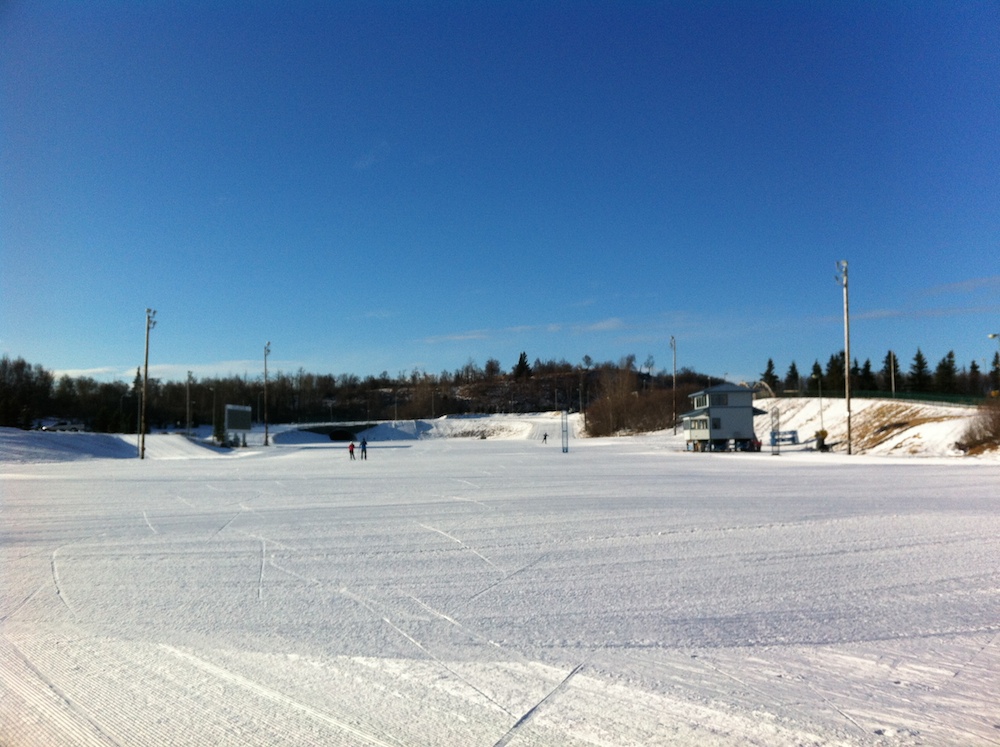
    The secondary stadium at World Cup start, 0.8 miles from the Kincaid Chalet and main open-aired stadium at Kincaid Park in Anchorage, Alaska, on Friday morning. While the primary stadium is snow covered, it's exposed and not quite deep enough for setting tracks.
    The secondary stadium at World Cup start, 0.8 miles from the Kincaid Chalet and main open-aired stadium at Kincaid Park in Anchorage, Alaska, on Friday morning. While the primary stadium has a thin base of snow cover, it’s exposed.

    Editor’s Note: Normally, FasterSkier will be doing the reporting and the Anchorage Daily News (ADN) will help with photos from this year’s SuperTour Finals and U.S. Distance Nationals, but on the eve of the first of four races, we’ll let the ADN do the talking in the form of this preview, which ran both in print and online.

    Like her U.S. Ski Team teammates, Anchorage’s Holly Brooks spent this winter living out of duffel bags, grinding out World Cup nordic races all over Europe and Olympic races in Sochi, rarely staying in one location for long.

    That schedule proved exhausting, and Brooks is finally back home in Airport Heights after four months away.

    But she can’t hit full relax-mode yet, not with the season’s final four races, replete with the strongest fields in North America this season, scheduled here beginning Saturday, when the 2014 U.S. National Championships and the SuperTour Finals open at Kincaid Park.

    The main stadium at Kincaid Park, which will not be used this week for SuperTour Finals and U.S. Distance Nationals because of Anchorage's low-snow situation. The trails are covered, and race organizers have yet to determine whether all the races will be held at Kincaid -- including the 30 and 50 k next Friday. Races are planned for the original site unless otherwise noted.
    The main stadium at Kincaid Park, which will not be used this week for SuperTour Finals and U.S. Distance Nationals because of Anchorage’s low-snow situation. The trails are covered, and race organizers have yet to determine whether all the races will be held at Kincaid — including the 30 and 50 k next Friday. Races are planned for Kincaid unless otherwise noted.

    Anchorage Olympians Brooks, Kikkan Randall, Sophie Bjornsen and Erik Bjornsen, who all compete for the APU Nordic Center, are part of the stacked fields registered. By Brooks’ count, 12 of the 14 U.S. Olympians from Sochi will be skiing. And SuperTour points leaders Reese Hanneman of APU and Caitlin Gregg of Minneapolis are also registered.

    “It’s the highest level that’s taking place in North America this year,” said two-time Olympian James Southam, the race director. “It’s the only time all season the best athletes in the country are in one place, and in the U.S.

    “For Anchorage to be holding these races, I think, is a super-cool opportunity for people to get out and see what the best in the world look like.”

    Brooks said she plans to ski all four races — two SuperTour events and two national championship events.

    “This is our only chance to ski domestically all season,” she said. “It’s also kind of a reunion of sorts, to catch up with old friends, teammates, old coaches. Most people will plan to ski all the races. It’s the end of the season — there’s nothing to save for, nothing to hold back.”

    Randall, the four-time Olympian who recently wrapped up her third consecutive World Cup sprint title, said she also intends to race every event. She appreciates that the country’s top skiers, almost to a person, have traveled here to end the season with loaded fields.

    “Everybody’s doing a good job the last few years of respecting the final races, to race domestically and to compete for your club,” Randall said.

    Randall said she’s excited for the upcoming races, in part because they will mark the first time she has competed in her hometown since the 2010 U.S. Olympic Trials.

    Southam said he was psyched nearly all the top racers have come here at season’s end.

    “At this time of year, you don’t always see the best ones because they’re super-tired,” Southam said. “But for the best to come here is great. The last few years, Anchorage has put itself on the map, especially with the APU program. People are like, ‘What’s going on there?’ What’s in the water?’ ”

    The races are all scheduled to take place on the world-class trails at Kincaid Park. That could change if conditions or temperatures change significantly. The trails at APU and Hillside give organizers alternatives.

    The SuperTour and national championship races lure top racers to compete against the best of the best in the hunt for titles. Prize money is another incentive. All together, about $10,000 in prize money will be awarded

    The SuperTour races — Saturday’s individual freestyle race and Sunday’s classical sprints — pay $750 to both the men’s and women’s winners. Second place will earn $500, third place $250, fourth $200, fifth $150 and sixth $100. The fastest male and female qualifiers in the sprint will each earn $250.

    In the national championship distance races — 30-K for women, 50-K for men — the winners will earn $1,200, the runner-up gets $600 and third place merits $300. In the relay, the top four-person team will split $750, the runners-up will earn $500 and third place will split $300.

    Find Doyle Woody’s blog at adn.com/hockeyblog, email him at dwoody@adn.com or call him at 257-4335.

    SuperTour (ST) and U.S. National Championship (NC) Nordic Races

    All events at Kincaid Park (subject to change)

    Saturday — Men’s 15K freestyle (ST), 11 a.m.; women’s 10K freestyle, 12:30 p.m.

    Sunday — Classical sprint (ST); qualifications, 11 a.m.; heats, 1 p.m.

    Tuesday — Mixed relay (NC), 4x5K, 5 p.m.

    Friday, March 28 — Women’s 30K classical (NC), 10 a.m.; men’s 50K classical (NC), 1 p.m.

  • Finances and European Focus Drive Elimination of SuperTour Prize Money

    For the last two years, the U.S. Ski Team (USST) and U.S. Ski and Snowboard Association (USSA) have been pushing American athletes to compete more in Europe, citing a need for experience in the cutthroat racing environment there.

    Belying that push, however, were thousands of dollars in prize money awarded to the winners of the sprint and distance disciplines of the SuperTour, the four month-long domestic race series. Those bonuses—$2,000 for each one, for men and women—have long served as an incentive for athletes to follow the stateside circuit, since each SuperTour race presented an opportunity to accumulate points in the season standings.

    For the upcoming year, that will change: USSA budget cuts have eliminated all $8,000 of those bonuses, association staff revealed in interviews last week.

    That move will almost certainly shift the priorities of individual athletes. But there will also be repercussions on a larger scale, for the SuperTour—which has served as a launching pad for a number of elite American athletes over the last decade.

    Kris Freeman (USST) racing at the SuperTour Finals in March 2011..

    “We do the SuperTour because it is the means to a strategic end. In the foreseeable future, we are going to want to emphasize the development-level racing in Europe more and more,” said Luke Bodensteiner, the executive vice president for athletics at USSA. “We will see how this change shakes out, but I think, where we are at…the emphasis is of course going to continue to be [on the] World Cup, and now also, this level below it.”

    In interviews with two SuperTour veterans on Sunday, both expressed concern that the cuts could cause the series to wither—though both also said that they understood USSA was in a tight spot with regards to its budget.

    Individual SuperTour races will still keep their own prize purses, which are paid out by the event organizers, not USSA. But for the time being, at least, there will be no more season-long chases for the big payouts.

    The bonuses, said CXC’s Brian Gregg, are “one of the reasons I’ve raced a lot of the SuperTours—in some years, almost every single SuperTour,” he said. “I think that will really hurt, as far as the full following of the entire circuit.”

    This season, Gregg started 23 of the 24 SuperTour races, and ended up a scant 25 points ahead of Lars Flora (APU) in the distance standings. That title was his second straight, meaning that he has collected $4,000 in bonuses from USSA over the last two years.

    “There’s a group of older athletes,” he said, that have “sort of fallen outside the bubble of support from the national team, and I think SuperTour prize money has been a way they’ve been able to support themselves.”

    James Southam, the retired two-time Olympian and 2009 SuperTour distance champion, echoed Gregg, noting that the bonuses were one of the “the few places where they [USSA] support athletes directly for something that’s purely based on results.”

    Southam, who is now the cross-country athlete representative to the USSA board, acknowledged the need for European racing experience for developing athletes, and he said he thought that it’s getting easier for those skiers to accumulate it.

    But at the same time, Southam said, he was worried that the SuperTour was going to become “underutilized.”
    “The future of it, unless something changes, is not very good,” he said.

    Southam striding out at the 2011 Lake Placid SuperTour

    Without the bonuses, Southam continued, there’s little reason for athletes to follow the domestic circuit unless they’re competing for World Cup start rights, which are awarded to the man and woman atop the combined SuperTour sprint and distance rankings at various points throughout the season.

    Southam said he thought attendance at the SuperTour Finals in March would continue to be strong, but that the fall races in West Yellowstone and elsewhere could see a drop as more athletes head to Europe during that part of the year.

    And if skiers aren’t going to show up for the races, Southam added, “venues are not going to hold them.”
    “Why hold a SuperTour if it’s just basically a JOQ [junior Olympic qualifier]?” he said. “What’s the benefit to the community to put this on?”

    If the SuperTour indeed falters, the challenge, Southam said, will be for young skiers to make the jump from racing locally to racing in Europe, since the domestic circuit has served in the past as “a bridge.”

    Bodensteiner, who was one of the architects of the current SuperTour format, said that he didn’t have any concrete plans to scale back the schedule. The reason the current calendar includes competitions throughout the whole year, he added, is because an increasing number of club and professional teams have been willing to travel to race them over the past decade.

    “You want to match the schedule with the demands the athletes place on the system,” he said. “We had gone through a period of 10 years where we were really emphasizing the SuperTour, and pushing up the prize money, and got it up to pretty significant levels.”

    Now, Bodensteiner said, USSA has made a strategic shift, with its push towards European racing. But that, he added, is based on the level of the nation’s athletes. And at this point, the SuperTour bonuses were “probably less important than emphasizing some of the other areas of the international development.”

    Bodensteiner was noncommittal on the subject of future prize money, leaving open the possibility of a reinstatement of cash awards.

    Southam did have one idea for combatting the potential for diminished attendance presented by the loss of the bonuses: awarding World Cup start rights to the SuperTour distance and sprint leaders, just like the ones that are awarded to the skiers at the top of the overall standings.

    “There’s two key things to trying to make it in this sport,” he said. “One is funding, and one is opportunity. And if you can’t fund, but there’s an unfunded opportunity, I think it would be a…straightforward and fair way for people to earn a World Cup start.”

    —Topher Sabot contributed reporting.

  • So now what?

    So now what? That is the question I have been getting lately. Starting in 2005 I have been a part of every major championships. Some have gone pretty well for myself others have been disasters but now those days are done. Weird to write. 

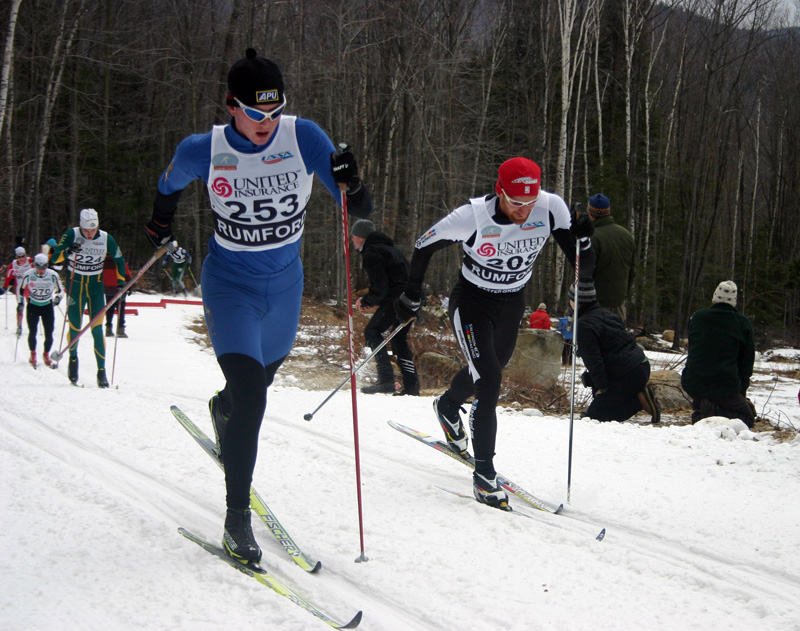
     When I got home last week it was a really odd feeling. All that I have been working for and trying to do has come to an end. I really don’t know where this season went wrong. Training was on pace or ahead of last year, interval times were the same or better as well. I am fit, it just never came together… There are a lot of little things I can point to but who knows… I do know that I had some pretty nasty allergies that I was dealing with in Rumford and was able to fight thru them in the 15k but my 30k still confounds me. 

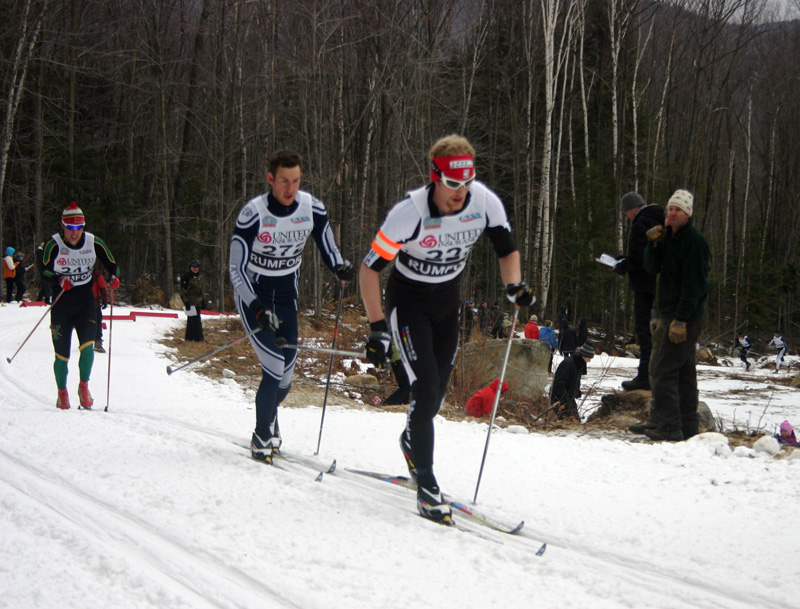
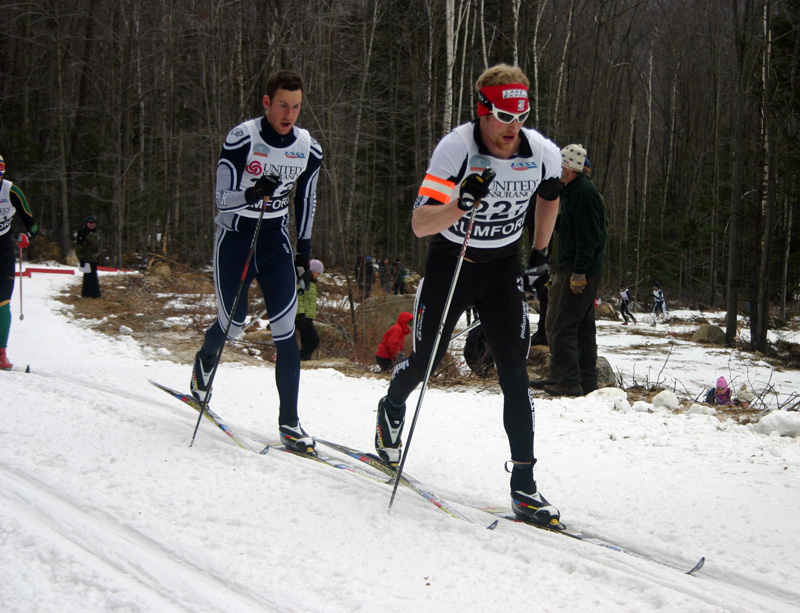
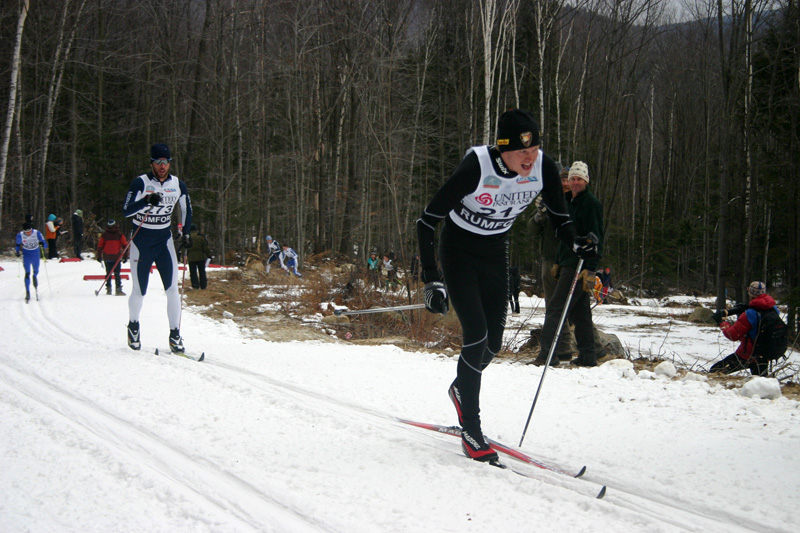
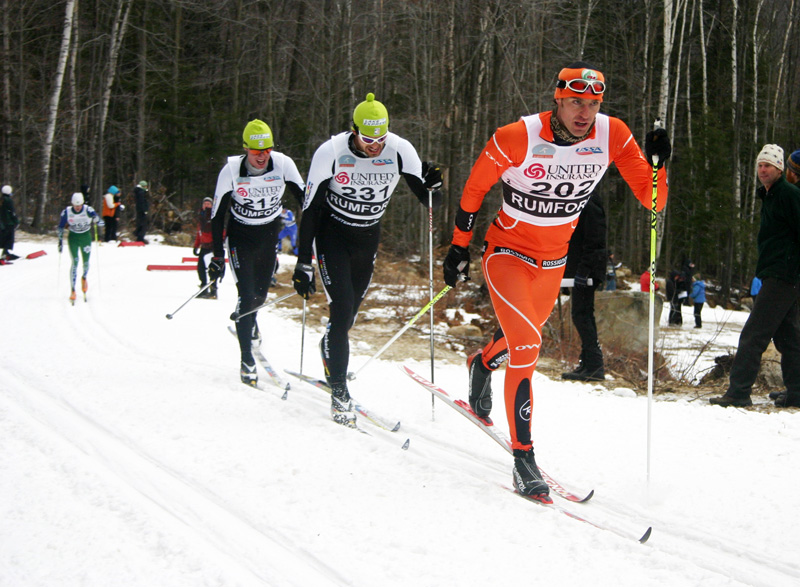
    The week after Nationals was one of my hardest as a skier. I have always known that I could never give the Ski Team the choice not to take me and I knew I gave them a good one this time. Still I held out hope that they might take me to World Champs. That my 15k in Rumford would be enough after being the top American guy at the Olympics to get me there. When I got the call and found out that I didn’t make the team it hit me harder than I was expecting. I knew I probably wasn’t going to make it but to hear it was not going to happen was giant kick in the gut. I tried to rally for the classic race in Placid a few days later but one lap into the race I hit a patch of ice on a downhill and fell. From there the race just unravelled. I needed a break then I needed a plan. 

    It was so nice to finally come home after two months on the road and be able to step away from skiing. Wake up that first morning and have my girls around. To be able to relax and not talk about skiing, play with my daughter, hang out with my wife and just live.

    Over the next few days I thought about going to Europe to do some World Loppet’s, the Vasaloppet and the Norwegian Birkebeiner are two that I have always wanted to do. Norwegian Nationals was also a possiblity. In the end I knew that I wanted to win the 50k Championship and those didn’t set me up well for that. I also have wanted to make a run at the American Birkebeiner. So those are the two big dates on my calendar along with some racing here at home that fit well with preparing for those. It is not what I had in mind coming into the season but given my options I am really excited about the possibilities and the process.

    I still have my moments of frustration but now that I have a plan and have started to implement it, the freedom I have to train and race has been enjoyable. For years I have envied top runners who get to pick a race and train just for that. Now I have that chance. One week back training I already feel like I am is as good of shape as I ever have. Drives me nuts because I would love to see what I could do against the best in the World but fun because, well, it’s always fun to be in great shape and to be able to use that shape to hopefully make some money is even better. 

    Next up for me is Pia’s Classic. A 30k classic at Kincaid. After that a few weeks of just training before a tune up 30k before I head south to the Birkie. 

    I feel so lucky to have been able to put everything I could into ski racing and grateful to all those who have helped make this journey possible. 


  • APU, USST Members Headline Lake Placid SuperTour Races

    SuperTour action continues this weekend, as the domestic circuit moves from Rumford, ME, to Lake Placid for races on Friday and Saturday.

    Organizers are expecting between 325 and 350 athletes competing in a 10 k/6 k classic and a 15 k/10 k freestyle, headlined by competitors from the U.S. Ski Team and the Alaska Pacific University Nordic Ski Club.

    With two hours until entries closed at noon on Wednesday, Noah Hoffman (USST), Lars Flora (APU), and James Southam (APU) were among the favorites registered for the men’s races, while APU’s Holly Brooks, Sadie Bjornsen, and Morgan Smyth lead the way for women.

    Sun Valley’s Mike Sinnott is also registered for both events, while Craftsbury’s Ida Sargent is signed up for Friday’s classic race.

    The standard SuperTour prize purse is on the line, paying six athletes deep, including $750 for the winner of each race, $500 for second, and $250 for third.

    According to event chair Ethan Townsend, the classic race has been moved from Mt. Van Hoevenberg to the Olympic Jumping Complex due to a lack of snow depth, while the skate race remains scheduled on the biathlon trails at Mount Van Hoevenberg.

    “Conditions are okay. They’re not deep enough to set a track—at least, not a really decent, consistent track that doesn’t hit dirt and grass—anywhere on Hoevenberg,” Townsend said.

    Even with a snowstorm rolling through the northeast on Wednesday, Townsend said it would be unlikely for the classic race to move back to Mt. Van Hoevenberg.

    “We’ve already got things in place and rolling towards this plan,” he said.

    At the Jumping Complex on Friday, athletes will race on a two-kilometer loop. The women will complete three laps for six kilometers—one more than originally planned—while men will complete five laps.

    At Mt. Van Hoevenberg on Saturday, athletes will ski a five-kilometer loop—three laps for men; two for women.

    In addition to serving as a SuperTour, the event is also the opening event of the 12-member Eastern Intercollegiate Ski Association circuit. Six athletes of each gender from colleges around the northeast will be competing for qualifying points for the 2011 NCAA Championships in Stowe, VT, and in team competitions, as well.

    To see a list of entries, click here.

  • After Sprint Setback, Flora Fires Back in 15 K

    After Sprint Setback, Flora Fires Back in 15 K

    Lars Flora on his way to the win in Wednesday's classic distance race. Photo, Kris Dobie.

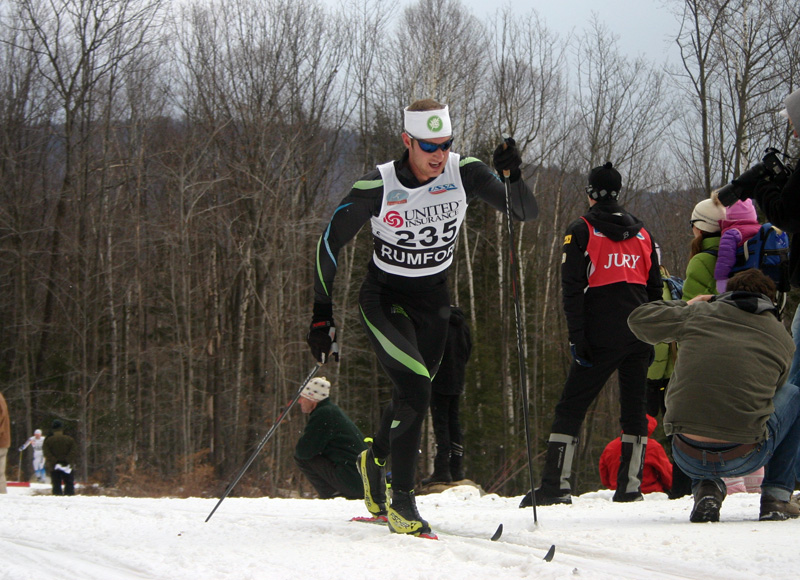
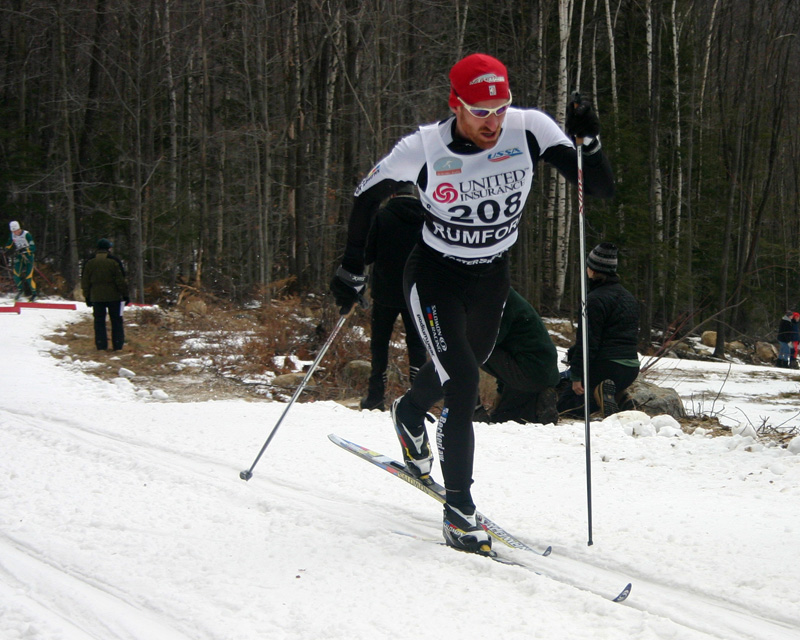
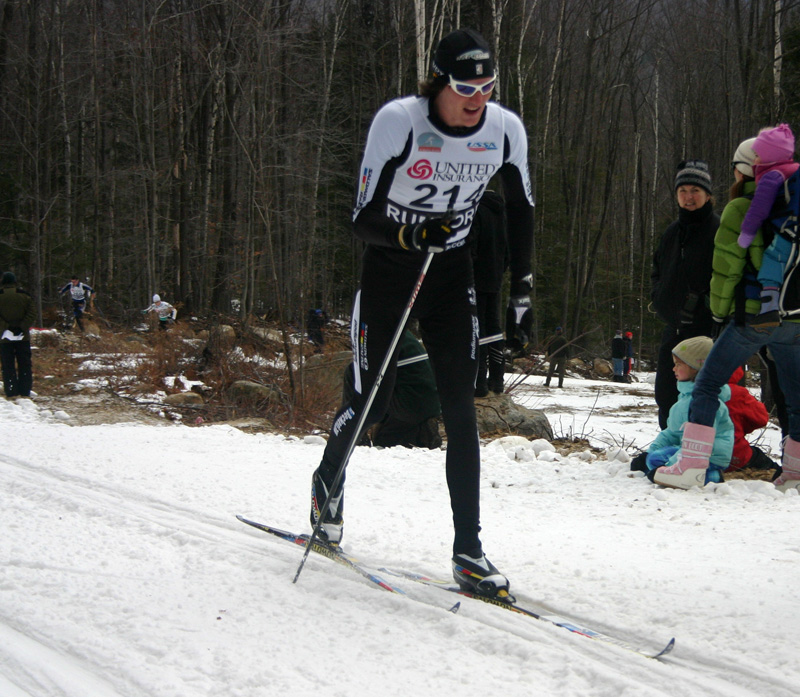
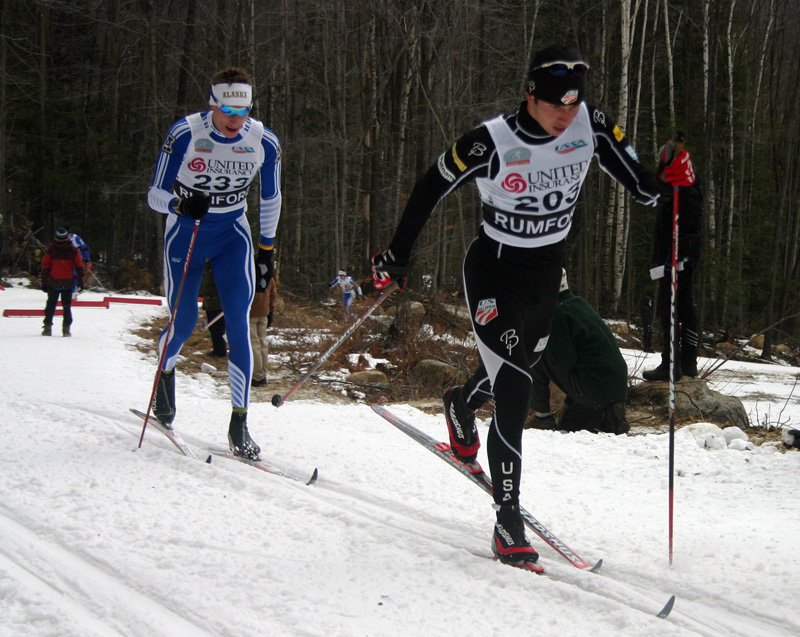
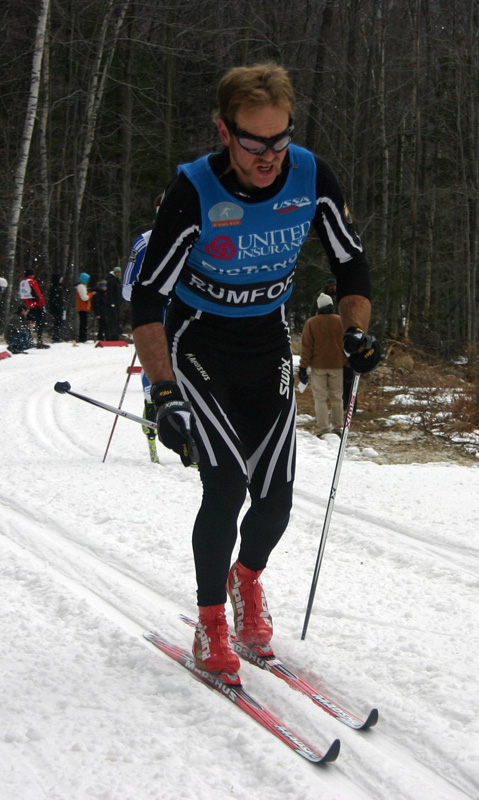
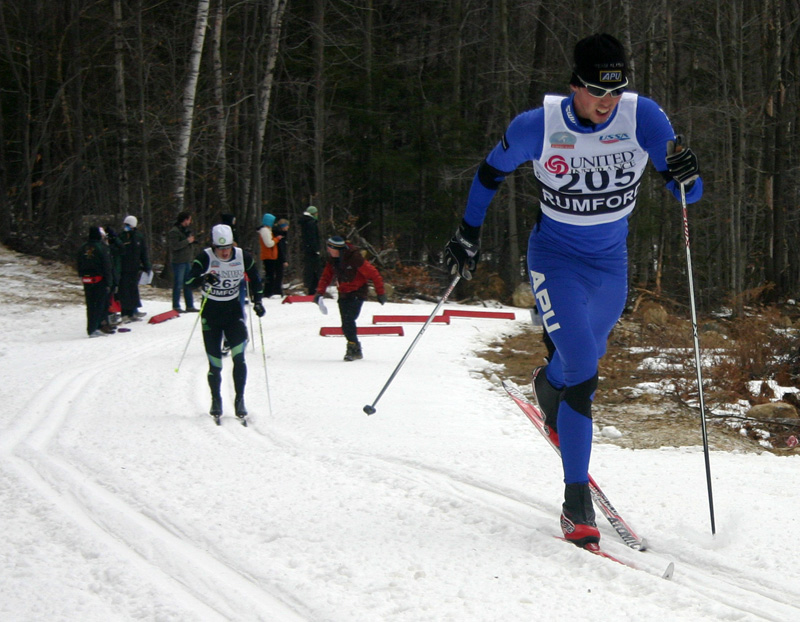
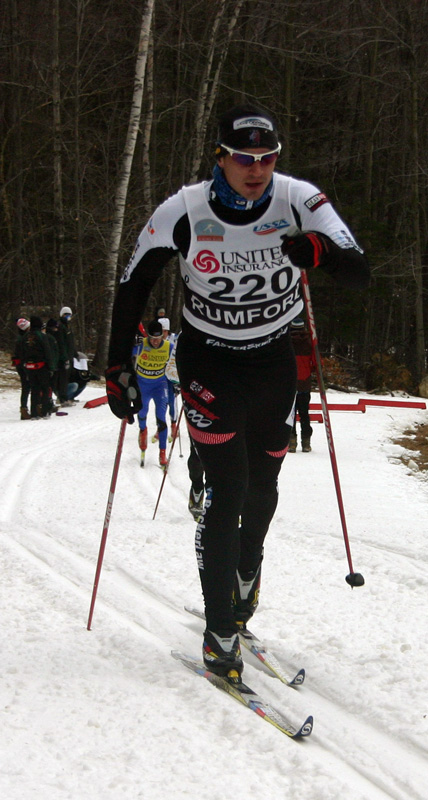
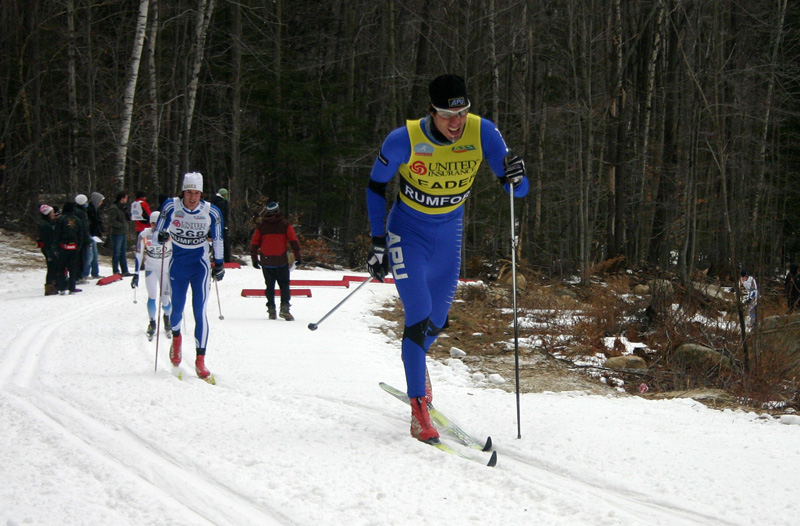
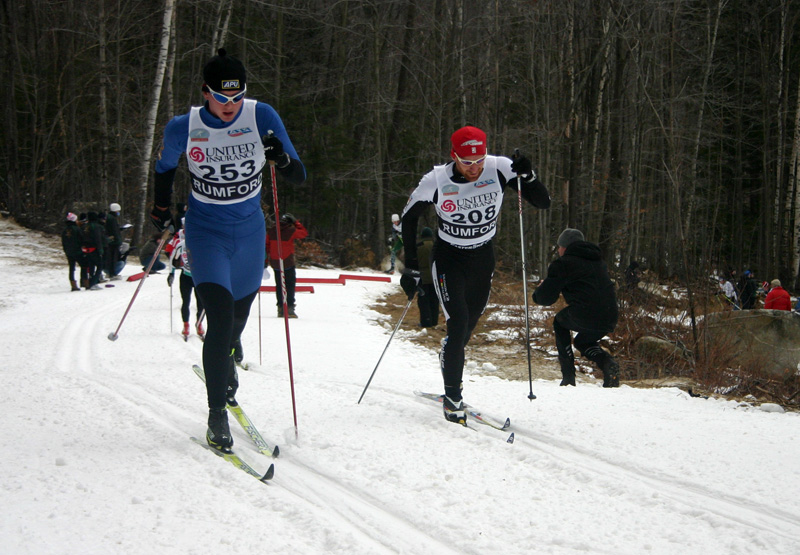
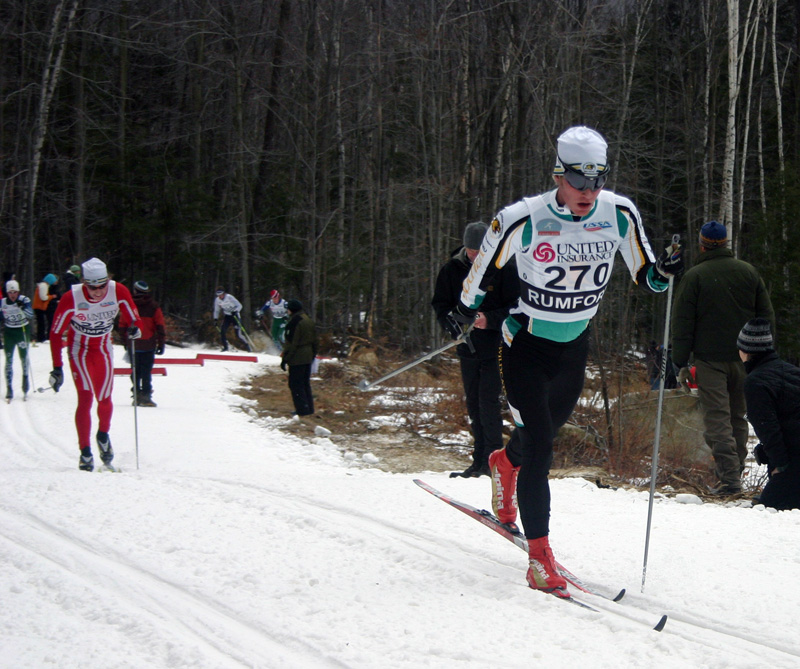
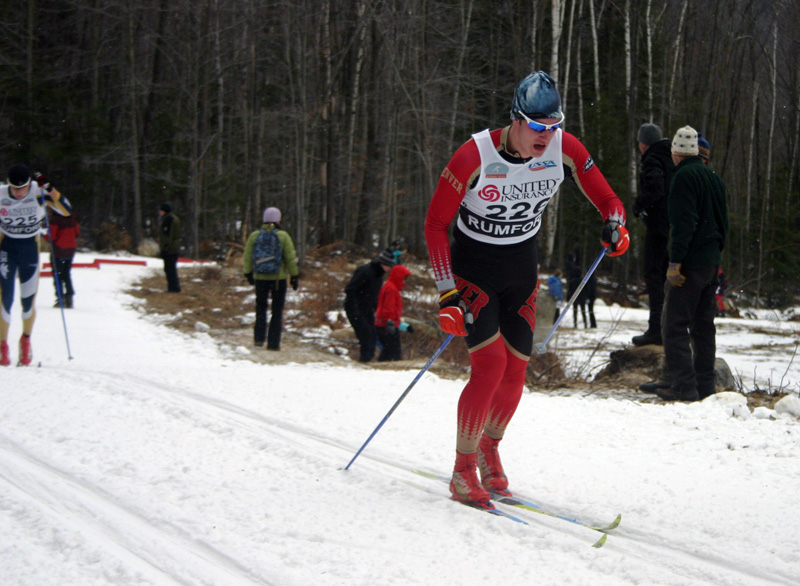
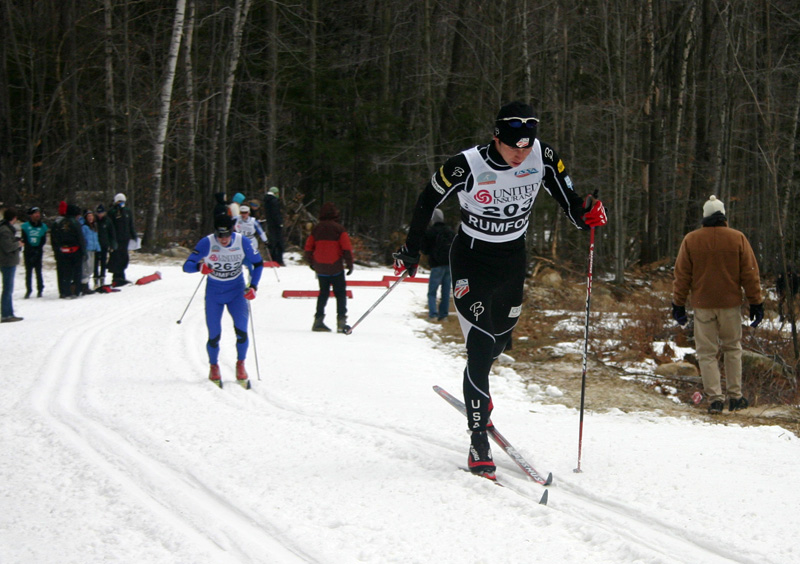
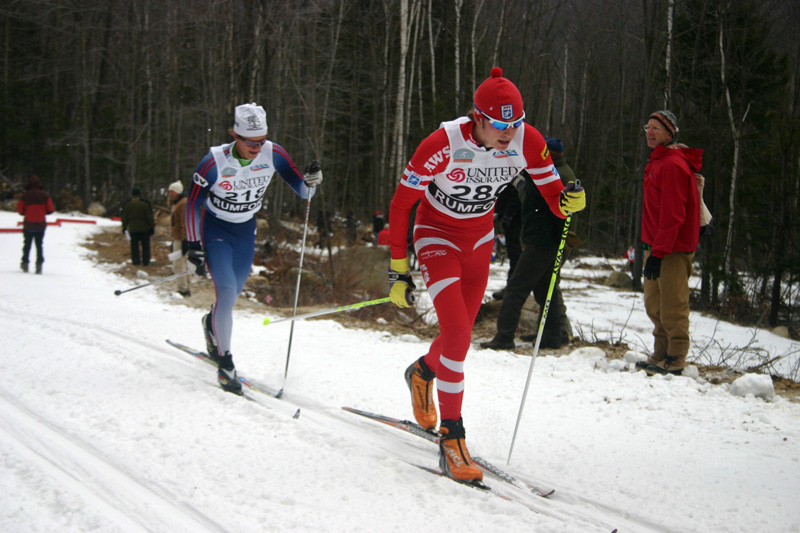
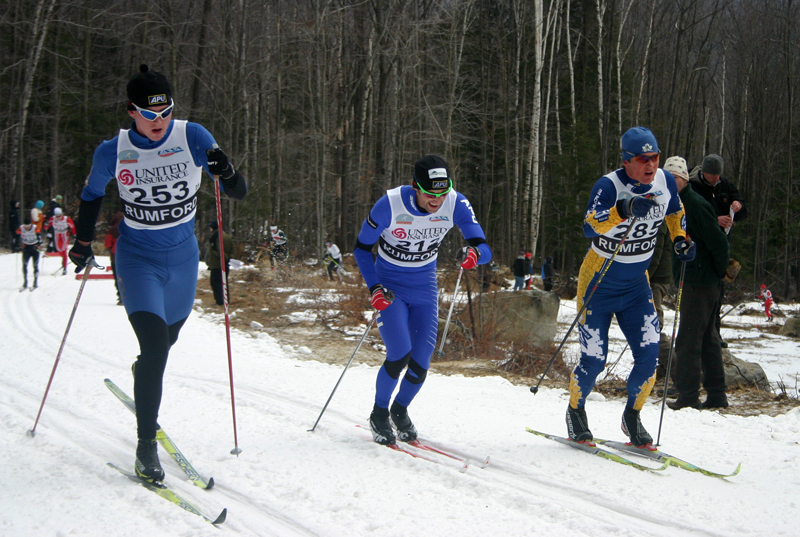
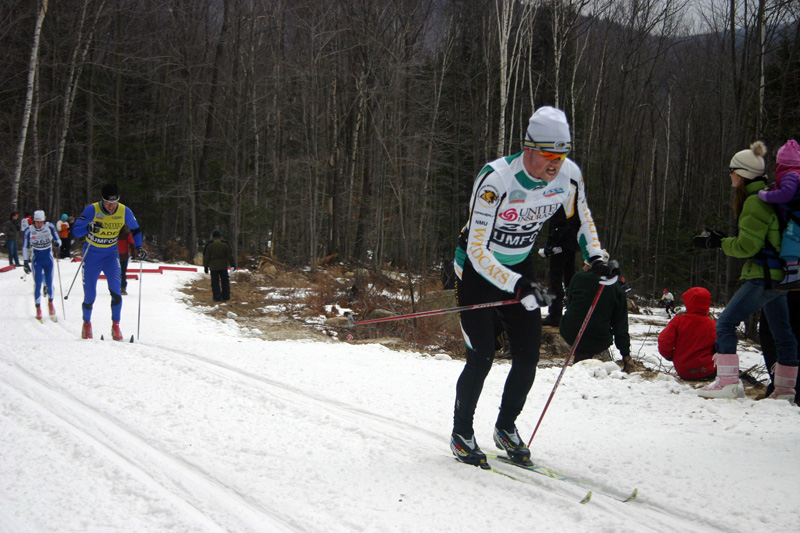
    Going into the 15 k classic race in Rumford, APU’s Lars Flora had a total of four national championships to his name. But to say that he had endured a dry spell would be an understatement: it had been 1098 days since his last title, which came in Houghton, MI in 2008.

    James Southam on course in Wednesday's 15 k. Photo, Kris Dobie.

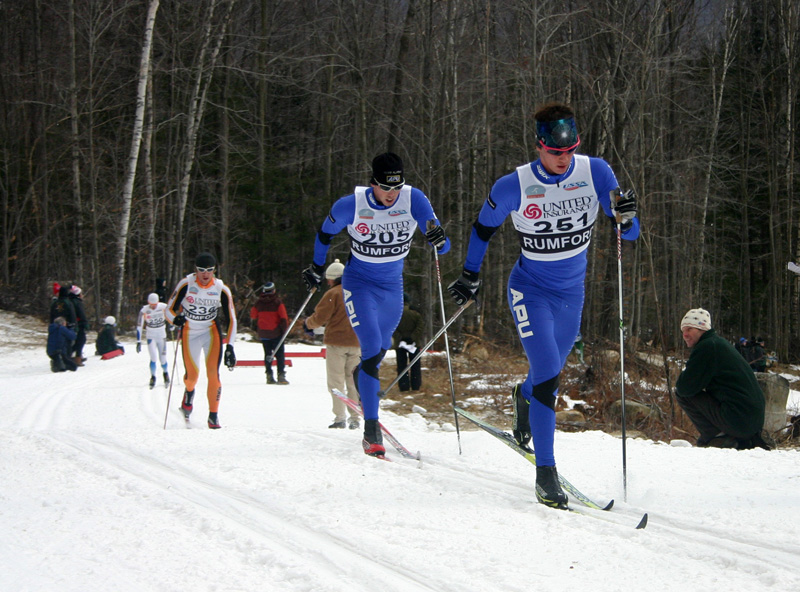
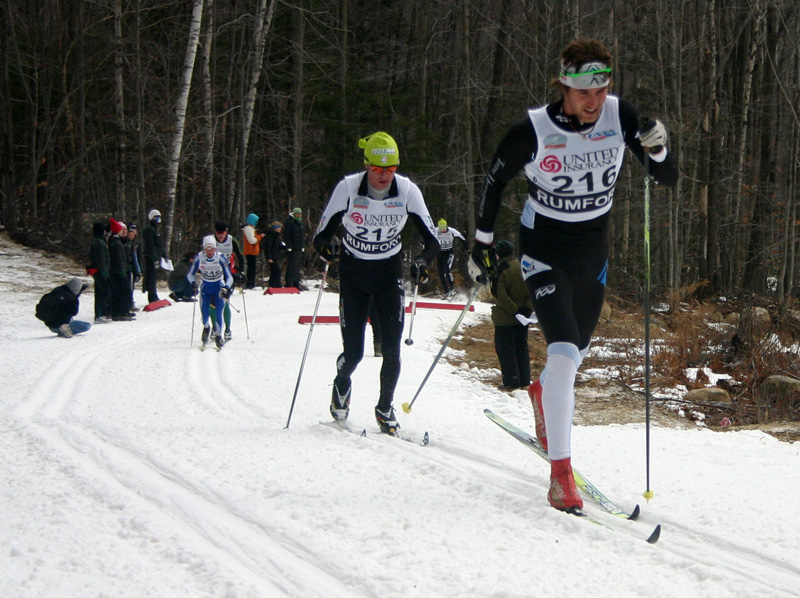
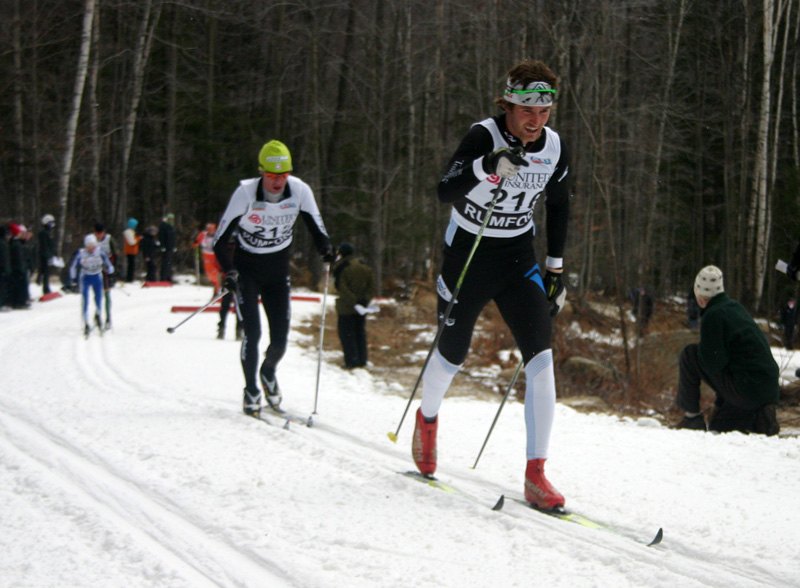
    After two tough seasons, and a demoralizing defeat in Sunday’s sprint, the 32-year-old Flora finally broke through on Thursday to collect his fifth crown, besting his teammate James Southam by 18 seconds.

    “It’s good to see him skiing well again,” Southam said.

    Two skiers from the University of Alaska-Fairbanks (UAF) rounded out the top four, with David Norris completing the podium, 41 seconds back, and Lex Treinen in fourth.

    The men ran six laps of the same course used by the women in the morning race. While organizers were limited to a 2.5-kilometer loop due to poor snow conditions, many athletes said that the race didn’t lack for challenging terrain.

    Flora, however, said he still would have preferred more hills—and he opted for slick skis, which he used to stake himself to an early lead over Southam.

    “The first two laps, I think I blazed it. I was really worried I was going to blow up out there,” he said.

    Both Noah Hoffman (USST) and Torin Koos (Methow ODT) were within 10 seconds of Flora through five kilometers, but both lost significant time over the latter portion of the race.

    For Koos, it was just the second distance competition of the year, and while he tried to ease into the race, the course’s two big climbs began to take the punch out of his legs towards the end.

    “I thought I started conservative—I was really going to try to bring it home [in] the last two laps. But more, I think I just kind of skied it kind of consistent,” he said. “It was a tough course…I [could] hardly see the tracks the last two laps.”

    Hoffman had nearly cracked the top-30 on the World Cup earlier this season, and he said he was skiing to win on Wednesday, in hopes of securing a spot on the U.S. team for World Championships. He looked sharp and quick on the first few laps, but couldn’t hold on.
    “I just didn’t quite have what I was looking for,” he said.

    Southam ultimately overtook both men by the finish, though he didn’t have quite enough to match Flora. The two are good friends, and entering Thursday’s race, they owned the same number of national titles.

    “If I’m going to get beat by someone, it might as well be Lars. Although I hate to get beat by Lars,” Southam said.

    Meanwhile, the 20-year-old Norris put in a strong closing lap to pick off several places and move up to third.

    UAF's David Norris. Photo, Kris Dobie.

    It was an impressive performance, though not altogether unexpected—Norris was fourth in the national championships 30 k last year in Anchorage.

    Norris was actually sitting in third for most of that event, before bonking and missing out on the podium; he said that it was “awesome” to finally finish a race in the top three.

    Treinen, Norris’s roommate at UAF, was another nine seconds back in fourth, and their teammate Tyler Kornfield was ninth, marking the second time in as many years that the school has turned in strong results at nationals. In last year’s classic sprint in Anchorage, UAF put three of their skiers in the top five.

    According to Head Coach Scott Jerome, his team is a straightforward bunch. (Jerome included—informed of his athletes’ finishes over a walkie-talkie, the strongest language he could muster was a “holy smokes!”)

    “We don’t do any super crazy peaking thing—we don’t have any secrets,” he said. “I think it’s just a good, solid training plan.”

    Ultimately, though, not even UAF could touch Flora on Thursday.

    While the win was his first in Rumford, it was the third captured by APU this week; between men and women, they’ve captured 75 percent of the titles awarded.

    For Flora, the performance was especially gratifying after his struggles in Sunday’s classic sprint.  In that race, he set the fastest time in qualification and blazed through two heats, only to collapse in the finals and watch Koos take the victory.

    “I haven’t been that disappointed after a race in a long time…It wasn’t that I didn’t win or anything. It was just that I wanted a chance to go against Torin, because I was feeling so good, and I haven’t beat Torin in a sprint in forever,” he said. “I just wanted a head-to-head battle.”

    The result was disappointing for Flora, but he showed Thursday that he’s still at the same level he’s been all year—a step above the form he’s found in the last two seasons.

    An Olympian in 2002 and 2006, Flora missed the U.S. team for Vancouver last year, and was forced to skip a big chunk of the domestic calendar when he came down sick. But according to Koos, his occasional training partner, Flora still had the potential.

    “He hasn’t raced that well the last two years, but besides for [Kris] Freeman, I think he’s the most talented distance skier we’ve got in the U.S.,” said Koos.

    This year, Flora said, more rest and a few changes to his training plan left him in better shape for early-season races in West Yellowstone, where he captured three podium finishes.

    Since then, he said, “it’s just confidence.”

    “It’s a big difference once you start doing well—you get to relax a little bit, not second-guessing yourself,” he said. “The past few years, I’ve done so much of that.”

    For complete results.

    James Southam and APU Head Coach Erik Flora. Photo, flyingpointroad.com.
  • Don’t Lose Count, 4 More Laps to Go: Photos of US Nationals Men’s Classic Race

    Don’t Lose Count, 4 More Laps to Go: Photos of US Nationals Men’s Classic Race

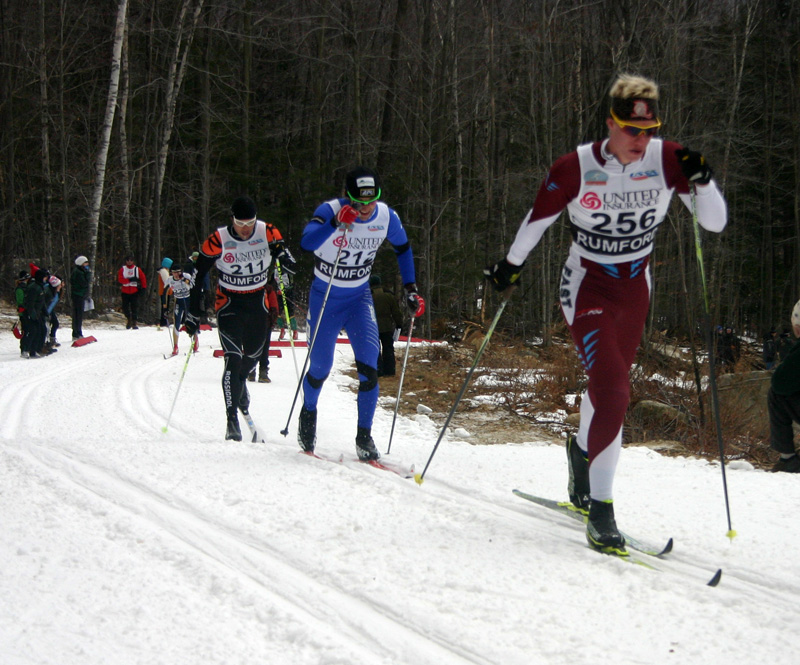
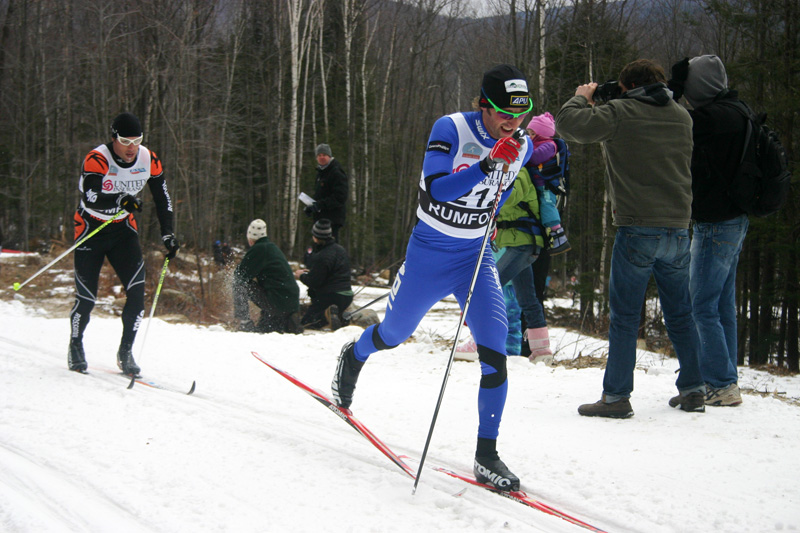
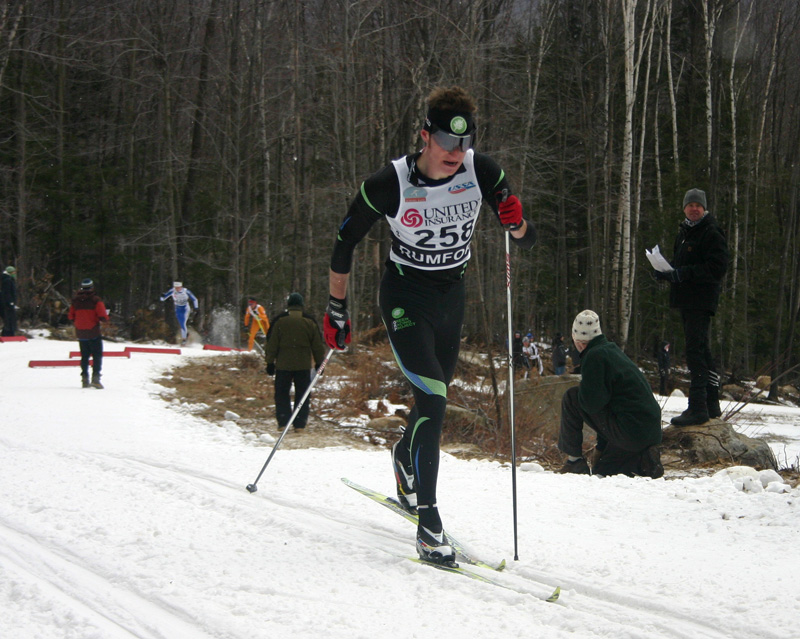
    With the men doing six laps in their 15km classic race today at the US National Cross-Country Ski Championships there was plenty of opportunity for photography.  These aren’t the best, but will give you an idea of how things looked out there.

  • Racing Returns to Rumford Wednesday; Classic Distance on Tap

    Racing Returns to Rumford Wednesday; Classic Distance on Tap

    One of the two main climbs on the Rumford distance course at U.S. Nationals on Wednesday morning.

    Classic distance races are on tap for the U.S. National Championships in Rumford, ME on Wednesday, after two days of rest to allow for optimal course preparation.

    Volunteers, coaches, and even U.S. Ski Team member Liz Stephen worked with heavy equipment and shovels throughout Tuesday, leaving a 2.5-kilometer loop available for racing at Rumford’s Black Mountain.

    Under clear skies and with temperatures cooler—in the 20’s—the action gets started with the women’s 10 k at 10 a.m. The skiing will be fast and furious from the gun—the jury elected to seed the highest-ranked athletes first, which means Stephen will be the first starter of the day.

    The men go off at 12:30, led by Leif Zimmerman (BSF), Torin Koos (Methow ODT), and Noah Hoffman (USST).

    Both races should be tight and exciting. On the women’s side, Stephen and her teammate Morgan Arritola—who both returned to the U.S. in late December after a fall on the World Cup—will be matched up against some strong domestic talent, including CXC’s

    The tracks out on course.

    Jessie Diggins and APU’s Holly Brooks, who won Sunday’s classic sprint.

    Fresh off the World Cup himself, Hoffman will be the man to beat in the afternoon, but he’ll also be challenged. APU has a pair of crafty vets in Lars Flora and James Southam, and Zimmermann also skied very well early this season in West Yellowstone, MT.

    Over the course of the last three days, the 2.5 k loop in Rumford has been transformed from a soggy, dirty mess to a mostly-white ribbon of snow snaking through the woods, complete with two firm, icy tracks. A few dirty spots still remained, with a small amount of dirt and grass mixed in throughout.

    “Considering what these guys have had to work with, it’s amazing,” said Travis Jones, the head coach of the Sun Valley Olympic Development Team. “It’s a great place to see, and you’d love to see it at its best. But I think considering the conditions, and considering the cards these guys have been dealt, they’ve done a hell of a job…It’s gonna be a ski race.”

    Check out a video with the Bridger Ski Foundation’s service staff on Wednesday’s waxing challenges.

    The Continental Cup will have updates throughout the day, as well as @FasterSkier on Twitter. Live results, if available, will be found here.

  • U.S. Nationals: Men’s Preview

    U.S. Nationals: Men’s Preview

    With U.S. Nationals looming, there’s quite a collection of domestic skiers who think they could ski to a podium finish in the biggest races of the year.

    Besides the eternal glory of winning a national championship, there’s more on the line: for seniors, the races will be their best shot of earning low National Ranking List (NRL) points, which will qualify them for World Championships, and for younger skiers a strong result could mean a chance to race at U23 or Junior World Championships or on the J1 Scandinavian Cup trip.

    And while a few racers will see their hopes and dreams come true in Rumford, Maine, competition is going to be fierce. Here’s a summary of what to watch for in the men’s races.

    Sprints

    Hamilton sprinting at the Vancouver Olympics.

    U.S. Nationals is bookended by two sprints. Racing kicks off with a classic sprint on January 2nd, and finishes with a skate sprint on January 8th. The course is identical for each sprint: a winding, spectator-friendly loop introduced last year in Eastern Cup competition.

    Andy Newell, the top U.S. sprinter, won’t be in attendance – he’s racing the Tour de Ski.

    In his absence, the two skiers to look out for are in all likelihood Simi Hamilton (U.S. Ski Team/Sun Valley), fresh from off a 16th-place finish at the World Cup in Davos, and Torin Koos (Methow Olympic Development). Koos has had an up-and-down beginning to the season – in FIS races in Rovaniemi, Finland, and Gaalaa, Norway, he finished 4th and 2nd, but didn’t qualify well. However, in a domestic race he should have no problem making the heats, and he has more experience with head-to-head sprinting than anyone else in the field.

    As for who else might make a final, sprinting is unpredictable, so it’s really anybody’s guess. But Hamilton’s Sun Valley teammate Mikey Sinnott was the top American in both the Sovereign Lakes and Rossland NorAm sprints. And Colin Rogers, who finished third in the skate sprint in West Yellowstone, could easily give Sun Valley three men in the final.

    Koos in Rovaniemi, Finland.

    The other club to look out for is, of course, Alaska Pacific University (APU). Lars Flora finished second – the top American – in both of the West Yellowstone sprints, and was the second American behind Sinnott in Sovereign Lakes. Teammate Mark Iverson was third in the West Yellowstone classic sprint, while Reese Hanneman made the final of the classic sprint last year.

    Tyler Kornfield of the University of Alaska Fairbanks made a name for himself in the sprints at Nationals last year. He hasn’t competed in a single FIS race so far this season, so it’s somewhat unknown whether he has the same form this year.

    U.S. Ski Team alums Chris Cook (Steinbock Racing) and Garrott Kuzzy (CXC) haven’t had excellent starts to the season, but are some of the more experienced sprinters in the field and could definitely make an appearance in the finals.

    And don’t forget about the Eastern skiers. Although most of them haven’t raced at the NorAms this fall and are flying a little below the radar, unlike the rest of the field, they’ve had a chance to race on the sprint course. Tim Reynolds (Craftsbury Green Racing Project) won an Eastern Cup sprint last weekend over Kevin Cutts of Northern Michigan University. And Pat O’Brien (Craftsbury Green Racing Project) finished in the top-20 at the FIS sprint in Rovaniemi, Finland. Finally, Dartmouth junior Eric Packer made the final of the classic sprint last year – can he do it again?

    Distance Races

    Noah Hoffman at the Owl Creek Chase. Photo: Hunter Mooneyham.

    The 15 k interval start classic race held on January 4th will use basically all of the trails available at Black Mountain. While the men will head up the fabled High School Hill twice, they’ll also have to navigate the longer climbs at the back of the trail system. With every man having to grunt it out for himself, some interesting results could occur.

    The 30 k mass start skate to be held on January 6th won’t cover quite as much ground. Skiers will have to complete 5 laps of a 6 k loop including High School Hill and the longer, larger climb behind it. Unlike the classic race, tactics are going to be in play, and there should be some exciting sprint finishes, since the course ends with a kilometer of rolling downill from the high point.

    With Kris Freeman off racing the Tour de Ski, the U.S. Ski Team’s best hope in the distance races will be Noah Hoffman. In the first period of World Cups, Hoffman had some great results – he finished 31st in the 15 k skate at Gallivare, and then the next day, as the Americans’ third relay leg, tagged off to Cook in seventh place. No matter whether Hoffman tops the domestic field or not, his results compared to other American racers – who he hasn’t faced yet this year – will reveal a lot about the state of American distance skiing.

    Of the men who have a shot in the sprints, Flora is probably the one who has the best chance in the distance races, too. He won two NorAm distance races in Canada – a 10 k skate in Rossland and a 15 k skate in Sovereign Lakes.

    Flora racing in West Yellowstone.

    Also look out for Flora’s APU teammate James Southam, who won the mass start classic race at last year’s nationals. This season, his best result to date was fourth place in the 15 k skate at Sovereign Lakes. A two-time Olympian, Southam definitely has the experience necessary to ski to some strong results in Rumford.

    Relative youngsters Tad Elliott (CXC) and Leif Zimmerman (Bridger Ski Foundation) round out the podium favorites. Each won a race in West Yellowstone, and each have had podium finishes at U.S. Nationals before.

    Behind the frontrunners, though, there’s a solid pack of skiers who will be fighting tooth and nail for a spot in the top ten. A few of them are true all-around skiers: Sinnott and Kuzzy have each had some solid distance results out west this season, and Reynolds and O’Brien had strong races in Finland.

    CXC teammates Brian Gregg and Bryan Cook have had some good NorAm results so far, while Team Homegrown’s Sylvan Ellefson won a pair of NRL races in Colorado in December. APU’s Bart Dengel and Iverson haven’t done too badly either.

    From the East, look for last year’s college standouts Dylan McGuffin (now skiing for the Craftsbury Green Racing Project) and Nils Koons (Dartmouth College), as well as UVM freshman Scott Patterson. Justin Freeman, who puts the “blast” in “master-blaster”, could have another top-ten result, and the 30 k skate seems tailor-made for Eli Enman (VTXC), who is training more than he has in the last several years, to make a comeback.

    Finally, 2009 NCAA Champion Glenn Randall (Bridger Ski Foundation) should factor in the skate race – he finished an impressive 36th at the stacked Muonio, Finland FIS race in November – while 2010 NCAA Champion and classic specialist Juergen Uhl (VTXC) is returning to the course where he won his title.

  • 2011 Tour of Anchorage

    2011 Tour of Anchorage

    Tour of Anchorage – 2010

    In its 24-year existence, the Tour of Anchorage cross-country ski race, hosted by the Nordic Skiing Association of Anchorage, has grown from just a few hundred participants to almost 2,000 ski- enthusiasts—making it one of the largest ski races in North America. This year’s event, slated for March 6th, will start at the foot of the Chugach Mountains and wind through beautiful birch and aspen forests, around the University of Anchorage campus, through Anchorage’s midtown and along the shores of Cook Inlet to the finish line at Kincaid Park’s world-class Nordic center. The Tour includes distances and waves for all levels of skiers including world class racers. Distances include 25K freestyle, 25K classic, 40K freestyle, and 50K freestyle divisions.

    With hundreds of kilometers of groomed trails weaving their way through town, Anchorage’s winter-sports community is truly unique. During the first week of March Anchorage transforms itself for a festive celebration of winter with the annual Fur Rondy festival, the ceremonial start of the 1,000-mile Iditarod Dog Sled race and, finally, the Tour of Anchorage.

    Come ski the Tour of Anchorage on March 6th and see why this winter city has developed top Olympic Nordic skiers Kikkan Randall, James Southam, Nina Kemppel and Holly Brooks. Please visit www.tourofanchorage.com for more information. Register by January 1st and save!

    2007 Tour of Anchorage
  • Canadians Host, But Americans Storm Podium in Sovereign Lake Skate Races

    While Sunday’s Haywood NorAm 10 and 15 k freestyle races were held in Canada, it was the Americans who took the top step of both podiums – and convincingly.

    The men’s race started in sloppy conditions – approximately 20 centimeters of snow fell overnight, and continued right up until the start of the men’s race, resulting in ankle deep snow in some places. The men skied three loops of 5 k, and each one contained two large climbs, as well as a large number of flat sections.

    Weather notwithstanding, APU’s Lars Flora proved that he is the pre-eminent male distance skier in North America. Flora won every single split en route to the win, posting a time of 41:39, a comfortable 30 seconds up on the second place finisher, Canadian Graham Nishikawa of the Alberta World Cup Academy (AWCA).

    CXC’s Brian Gregg rounded out the podium, crossing the line four seconds behind Nishikawa for third place.

    Nishikawa described himself as “pretty satisfied,” with his race in an interview with FasterSkier. Like most racers, he identified the conditions as “challenging”, but he said they played to his strengths. “I was pretty pumped when I got to the course and saw the deep snow,” he said.

    Nishikawa stressed that skiing well technically and proper pacing were crucial to his success on the day. He focused on being smooth on the deep snow of the uphills, plus carrying his speed well onto the flats.

    He skied most of his day alone, but on the third lap managed to connect with CXC’s Garrott Kuzzy and a train of skiers, which gave him a little bit of extra motivation.

    James Southam (APU) finished fourth, 6.4 seconds behind Gregg. Saturday’s sprint winner Drew Goldsack was the second Canadian finisher, rounding out the top five just under a minute behind Flora’s winning time.

    Despite finishing fourth, Southam was disappointed with his result. ”I felt pretty steady, pretty solid, so I was a little annoyed, no, actually, really annoyed with the result,” he said in an interview with FasterSkier, “I was in second place for most of the race. I didn’t feel like I slowed down, but the others must have sped up. I was definitely hoping for more.”

    Southam had good splits, and knew his position most of the time. But he didn’t expect to be pushed off the podium, unless it was by fractions of a second.

    “I thought maybe one more racer would squeeze in between Lars [Flora] and me, but not both of them,” he said.

    The women’s side saw American Olympian Holly Brooks (APU) shell the field, finishing the 10 k in a time of 30:44, nearly a full minute up on her nearest competition. While Brooks was clearly in a class of her own, the CXC women were not to be outdone after Gregg’s podium finish earlier in the day.

    Caitlin Compton (CXC) finished second, while Brooke Gosling, a Canadian national also skiing for CXC, rounded out the podium, narrowly preventing an American sweep. Junior Jessie Diggins (CXC), who holds dual citizenship, finished fourth, two tenths of a second back of Gosling.

    “I think I started a bit too hard,” Gosling said via e-mail. “Basically, the plan was to ski relaxed, and race the course the best I could…with what I had. I definitely lost a bit of momentum at the end.”

    While the conditions were a challenge for some, Gosling said they suited her; she considers soft snow and the resulting adversity a bit of a specialty.

    After Gosling, the next Canadian finisher was Perianne Jones, winner of Saturday’s classic sprint. She crossed the line eighth, more than a minute behind Brooks. Brittany Webster (AWCA) was the third Canadian, finishing tenth overall.

    In a phone interview with FasterSkier, Jones described the uphills as “choppy and slow,” as the women skied after the open men on the same course.

    Jones, who considers distance skate races her weakest event, said she benefitted from the many quick American women in attendance.

    Evelyn Dong (XC Oregon) started 30 seconds behind Jones, and went by the Canadian near the end of the first 5 k lap. Jones stayed on the American’s tail for much of the second lap, getting away from her on the downhills and ultimately finished just 15 seconds behind.

    Of the strong American results compared to the Canadian contingent, Jones acknowledged that “we clearly have a ways to go on the distance side of things; the Americans are so strong in distance racing right now.”

    The Canadian NorAm racing continues next weekend with a mini-tour event, being held in Rossland, B.C. The mini-tour is the first event of its kind being held on the NorAm circuit, and it also functions as part of the qualification process for the Canadian team for the World Ski Championships.

    Many athletes are taking advantage of the two events’ location in fairly close proximity, opting to either stay at altitude near Sovereign Lake for a few extra days of training before heading to Rossland, or simply heading down right away.

  • Pro Workout: Testing Fitness with Reese Hanneman

    Pro Workout: Testing Fitness with Reese Hanneman

    Alaska Pacific University's Reese Hanneman racing in West Yellowstone in November.

    If you’re wondering about your fitness heading into the new racing season, Reese Hanneman has a workout for you.

    The session—a long threshold interval peppered with 30-second all-out sprints—will give you a good idea of whether you’re ready to rock, or whether you’ve got some more work to do before pulling on a bib.

    “It’s a good one of those eye-opening workouts,” Hanneman said.

    Hanneman has only done this session once, in mid-October with the rest of his team, the Anchorage-based Alaska Pacific University (APU).

    The group began their workout at sea level—close to the ocean—then made their way uphill, ultimately climbing some 2,000 vertical feet.

    The mechanics are straightforward: start with four-and-a-half-minutes of low level three (50 k pace, Hanneman said), followed immediately by a 30-second all-out sprint. Then repeat. And repeat, and repeat, until you’ve been going for 45 minutes, in Hanneman’s case. There are no breaks after the sprints.

    Reese Hanneman at U.S. Nationals in Anchorage last year.

    “You’re supposed to just keep rolling—you don’t stop,” he said. “You just revert back to threshold.”

    The workout is an end in itself, but just as importantly, Hanneman said, it’s designed to show how quickly one can clear lactic acid.

    For APU’s distance specialists, like James Southam, the surges might not be too difficult to handle. But they took a toll on Hanneman, who’s more of a sprinter.

    “Within about 10 minutes, it became really obvious to me that I was having a hard time operating at all,” he said. “After the 30-second sprint, I would have to basically stop…and [Southam] could just kind of ski away from me. He was recovering right away.”

    For Hanneman, the session ended up being a firsthand experience in the strengths and weaknesses of his fitness profile.

    “I can go fast, and I can make a lot of lactate really quickly, but then the trick is dealing with that afterwards—and trying to keep going at a pace that’s not pathetic,” he said. “It’s one of the workouts that by next year, I want to be a lot better at…I think that’d be a good indication.”

    Key to the workout, Hanneman said, is finding a consistent, challenging grade, because rolling terrain isn’t quite tough enough to keep him in zone three. Stop signs are problematic, too—you’ll want a clear path for the sprints.

    While Hanneman limited the length of his session to 45 minutes, he said that some of the other members of his team, like Southam, will sometimes extend it to an hour. If you’re not quite up to that kind of challenge, you can try scaling it back to, say, 30 minutes.

    And you don’t have to end the workout with a sprint—at least, APU doesn’t. That, Hanneman said, kept him from falling into the ditch on the side of the road.

    “You can’t fake it, it doesn’t seem like,” he said of the workout. “I knew what I was in for after one sprint.”