From the FasterSkier archive — posts syndicated from athletes’ and coaches’ own blogs between 2004 and 2012, kept online as published. Current coverage is at fasterskier.com.

Tag: Johan Eliasch

  • The Russia Question: Federations and Athletes Divided on Russian Return

    The Russia Question: Federations and Athletes Divided on Russian Return

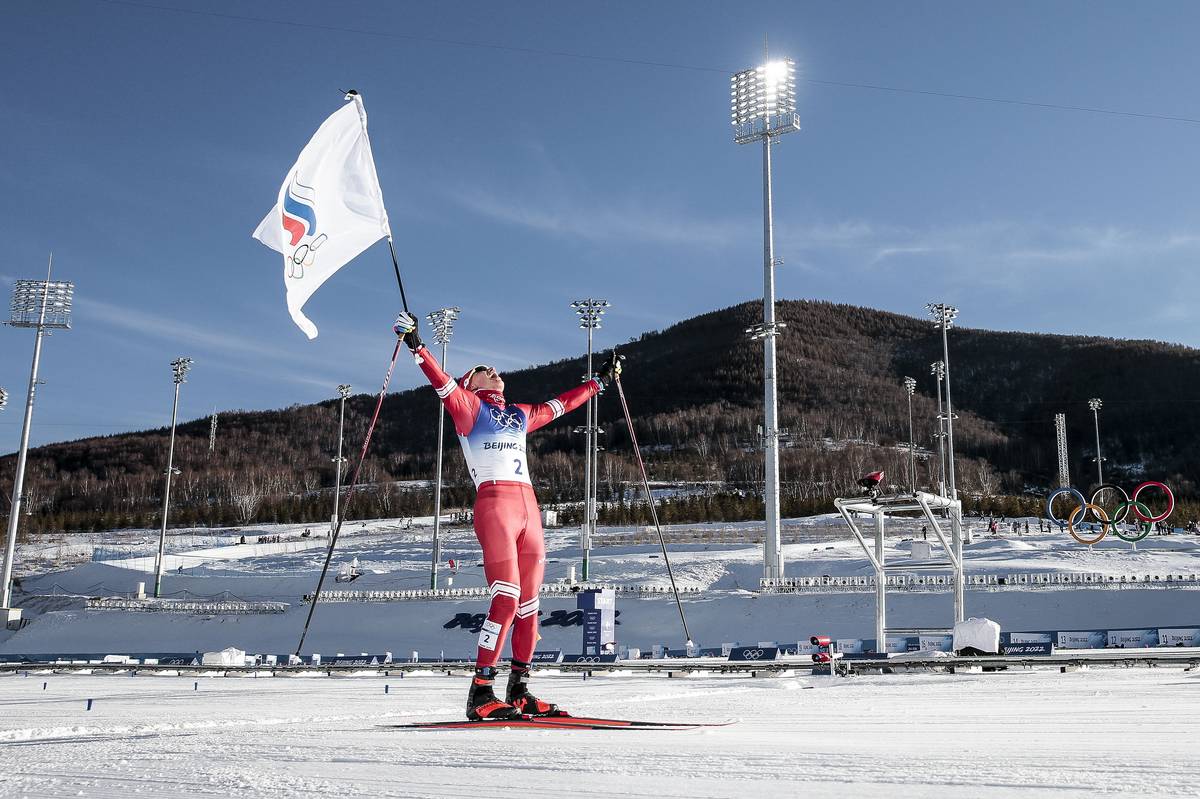
    Alexander Bolshunov of Russia celebrates a dominant victory in the Olympic skiathlon in 2022. (Photo: NordicFocus)

    TRONDHEIM, NORWAY — On the eve of the first race at the Nordic World Ski Championships, an anonymous source told Swedish national broadcaster SVT that the International Olympic Committee (IOC) has urged both the International Ski Federation (FIS) and the International Biathlon Union (IBU) to allow Russian and Belarussian athletes to return to international competition in time for the 2026 Olympic Games in Italy.

    IBU President Olle Dahlin confirmed to SVT that the IOC is encouraging winter sport federations to adopt the same “Individual Neutral Athlete” (AIN) regime used at the Paris Olympics in 2024, which saw 15 Russian and 17 Belarussian athletes take part. 

    Dahlin, however, stated the IBU is not currently considering a Russian or Belarussian return to racing.

    Meanwhile, FIS president Johan Eliasch—who is running to become the new IOC President in a vote later this month—is hopeful that athletes from Russia and Belarus will be back on the start line at the next Winter Olympics. 

    Both FIS and the IBU have instituted a ban on all Russian and Belarussian athletes and staff from international competition since March of 2022. This decision followed a stand-off between the Norwegian Ski Association—who refused to welcome Russian athletes to their events—and FIS, who initially insisted on Russian participation but changed course after the IOC recommended a ban. 

    The IOC did not make anyone available for an interview, but shared a written statement with FasterSkier which called on international sports federations and event organizers to adopt the Individual Neutral Athlete protocol in time for the 2026 Milano Cortina Olympics. 
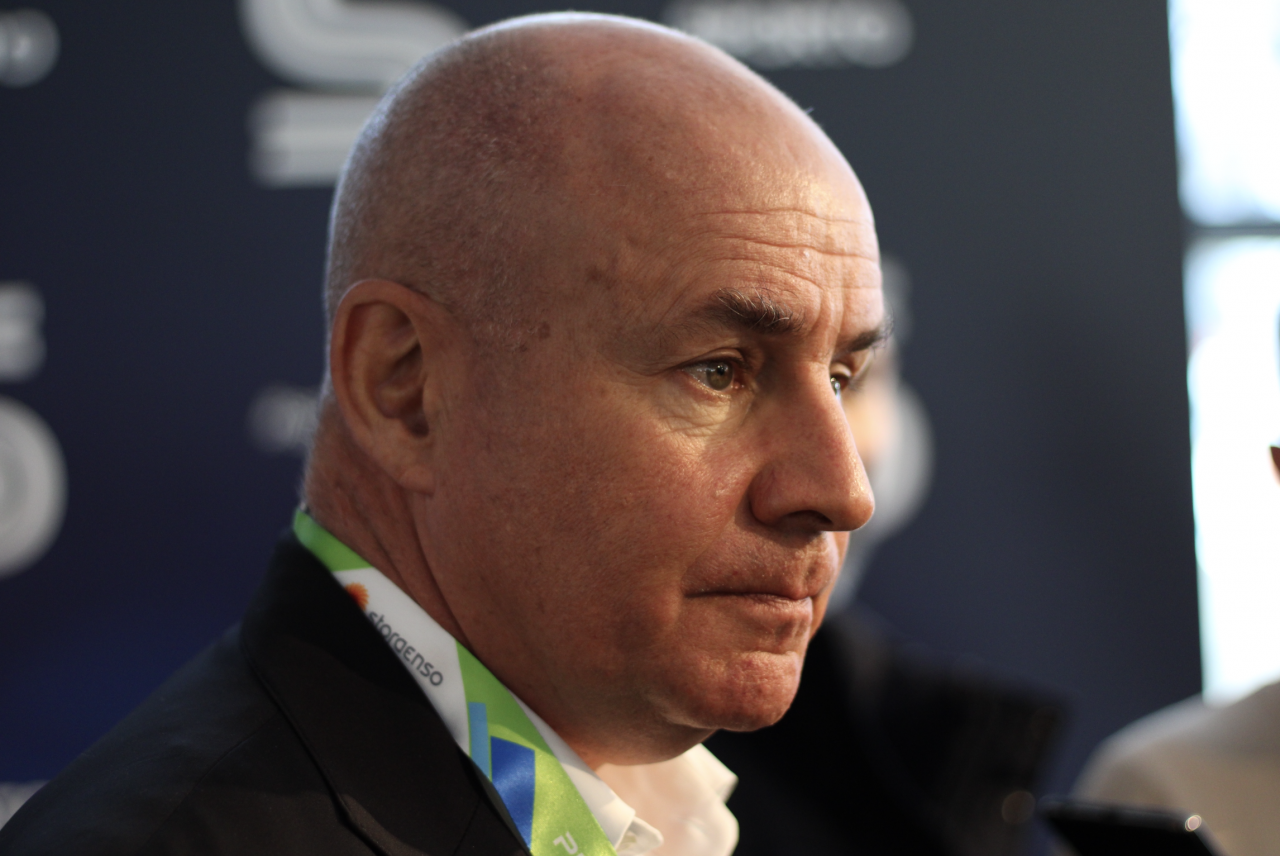
    FIS President Johan Eliasch spoke before the start of the World Ski Championships in Slovenia in 2023. (Nathaniel Herz/FasterSkier)

    In a telephone interview with FasterSkier, Eliasch said that the blanket ban on Russian athletes is unfair: “The athletes can’t choose where they were born,” the FIS president said, adding that he would like to see the Individual Neutral Athlete program carried forward to next year’s Games. 

    Eliasch emphasized that, in order to be invited to the Olympics as an AIN, “Athletes have to fulfill very clear criteria, and there is a process for vetting.” These criteria, based on recommendations from the IOC’s Ethics Board, exclude Russian and Belarussian athletes who are contracted by their nation’s military and security forces, as well as those athletes who actively support the Russian invasion of Ukraine.

    “It’s worked well,” said the president about the independent evaluation process, “So I fully support this program.”

    Secretary general of the Ski Federation of Ukraine Julia Syparenko says that the AIN scheme has been less effective than Eliasch suggests: “There have been numerous cases where these so-called neutral athletes failed to meet the established requirements,” Syparenko said via email.

    A 2024 investigation by Global Right Compliance found that two thirds of Russian athletes who had been invited by the IOC to participate at the Paris Olympics had in fact shown support for the invasion of Ukraine, often by “liking” pro-war posts on social media. 

    Syparenko was unable to provide exact numbers, but said that many former athletes from the Ski Federation of Ukraine currently serve in the military, and that some have been killed in the fighting. The British Government estimates that up until the Paris 2024 Olympics, 487 Ukrainian athletes had been killed in the war, and that roughly 4,000 Ukrainian athletes continue to serve in the war effort. Similar statistics are not available for Russian athletes. 

    Syparenko said that Russian attacks have destroyed homes and displaced athletes, coaches, and officials, and competitions can only be held in the west of the country — and only so long as there are bomb shelters in place. Previous reporting from FasterSkier has detailed the risks that Ukrainian athletes have had to face to pursue their sport, and the losses they’ve endured during the war. 
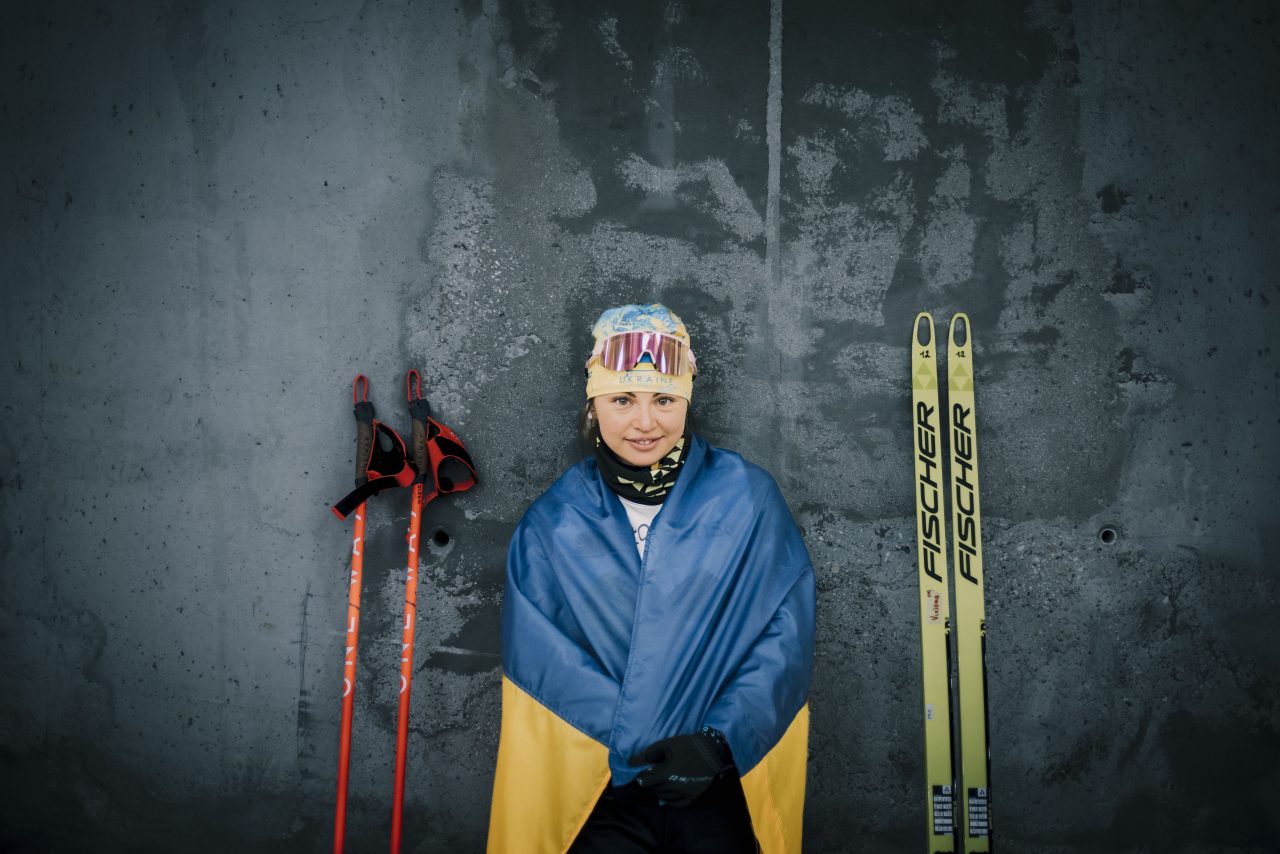
    Viktoriia Olekh, a Ukrainian Olympic cross-country skier, posed for a photo at the World Ski Championships in Slovenia in 2023.(Federico Modica)

    According to Syparenko, the Individual Neutral Athlete scheme used at the Olympic Games was an inadequate response to the realities of the invasion: “In such questions as war one cannot be neutral,” she said. “Either you don’t support the war and you say it, or otherwise you support the war, saying nothing against it.”

    When asked for comment, Nordiq Canada’s acting CEO Megan Begley reiterated the federation’s stated position from 2022, which reads: “Nordiq Canada and its national team athletes fully support the decision by FIS to immediately suspend Russian and Belarusian athletes and officials from participating in FIS-sanctioned competitions.”

    U.S. Ski and Snowboard did not respond to an interview request. 

    Russian powerhouse Alexander Bolshunov had been the main challenger to Norwegian Johannes Høsflot Klæbo until Russia was excluded from all FIS competitions in March 2022, following Russia’s full-scale invasion of Ukraine.

    Bolshunov told the Russian website sports.ru in 2023 that he had no intention of returning to international racing following FIS’s ban. “Honestly,” he said, “I’m not interested in how these dirty competitions go.”

    “I think it’s better to compete where we are expected,” Bolshunov said. “First you are disappointed, but now in Russia there are excellent competitions, broadcasts are organized, and you forget about it.”
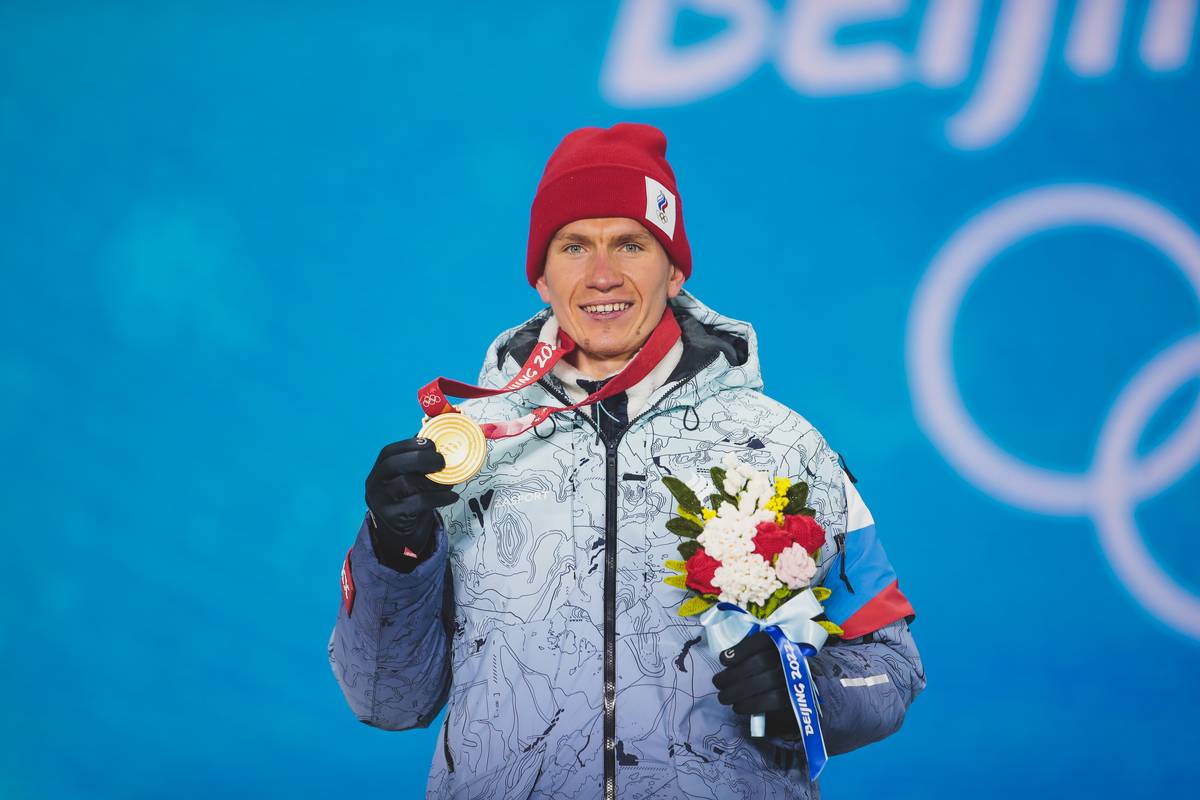
    Alexander Bolshunov won five medals at the Beijing Olympics in 2022. (Nordic Focus)

    But the nine-time Olympic medallist has since had a change of heart.

    Last Friday, Bolshunov told the Russian outlet Match TV: “If there are no Olympics, why train and run? For all-Russian competitions? No, thank you.”

    Bolshunov is a captain in the National Guard of Russia and has appeared on stage at public rallies in support of the Russian invasion.

    Though he declined to comment on the situation of any particular athlete before they had undergone the vetting process, Eliasch confirmed that an athlete who had been contracted by a Russian national security agency or had participated in state propaganda “would not qualify under the AIN scheme.”

    British skier James Clugnet — who is serving as an athlete representative to FIS —  understands that his peers are divided on the subject of Russia’s return: “Over 50% of the athletes voted that they didn’t want the Russians to come back,” he said. “And 48% said that they were happy for the Russians to come back with conditions.”

    Italian athlete Federico Pellegrino — who, in 2021 joined a Russian Ski Team training group led by coach Markus Cramer — is fed up with questions about the fate of his former training partners: “Again and again, always always. I say the same since four years.” 

    “In my opinion, sport must unite people, not divide, as it’s many times said in the North,” said the Italian sprint star. “I hope that the institution will do their job without the push from different things that are not right for the good of sport and, hopefully, for the end of the war.”
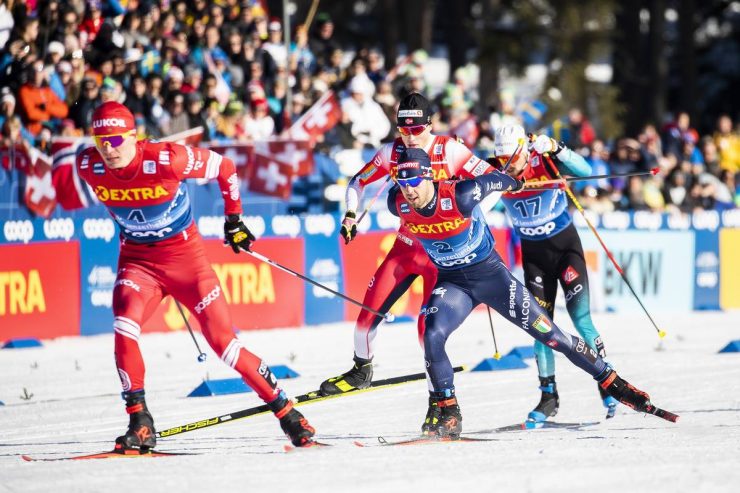
    Alexander Bolshunov, left, and Federico Pellegrino, center. (Photo: NordicFocus)

    Canadian Katherine Stewart-Jones says that it is important for athletes to stay engaged in the debate surrounding the Russian situation: “We’re the ones that are living the consequences of the decision. So I think it is a fair question to ask.”

    As for whether the Russians should be allowed back to FIS and IOC competitions — under a neutral flag or otherwise — Stewart-Jones is concerned that inviting Russian athletes back to racing at this stage would compromise the ethical principles of the Olympic Charter, which are supposed to ensure respectful and meaningful competition. “Sport should be promoting peace and fair play and all those things,” she said, “And I just feel that what Russia is doing right now doesn’t go with the values of sport and the values of the Olympics in general.”

    Canada’s Katherine Stewart-Jones after a race at the 2025 World Championships in Norway. (Nordic Focus)

    The Canadian skier is wary of what motivates those who advocate for a Russian return: “I think that sport should bring people together,” Stewart-Jones said, “And people sometimes use that as an excuse to have them back.” 

    Stewart-Jones says that the sport’s international governing body may be motivated to welcome Russian athletes back into the sporting fold out of a desire to draw audiences back to ski racing, rather than in response to a substantive change in the war. 

    “We know that cross-country skiing is in trouble,” said Stewart-Jones. 

    She remarks that FIS and the IOC have a financial incentive to allow the Russian competitors to return: “That’s where a lot of the viewership is from, and we’ve been losing a lot of viewership.” 

    FIS World Cup television ratings have almost halved in the Russian team’s absence. From an international viewership of 1.28 billion in 2021 prior to the full-scale invasion of Ukraine, audiences have since shrivelled to 690 million viewers worldwide. 

    Reporting from the BBC estimates that at least 70,000 Ukrainian soldiers, and between 160,000 and 235,000 Russian-aligned fighters have been killed in combat since the full-scale invasion began in February 2022. 

    James Clugnet racing at this year’s World Championships. (Nordic Focus)

    Clugnet shares some of Stewart-Jones’ moral concerns, and says that the Federation may have already backed itself into a corner: “If FIS returns the Russians, I think it kind of loses credibility — because why did they ban the Russians in the first place if they’re going to put them back in when there’s been no change in the war?”

    While the present bans and the IOC’s Individual Neutral Athlete program each pose their own moral dilemmas, Clugnet says that skiing’s governing body should soften its stance toward the Russian athletes: “I think FIS should follow the IOC guidelines,” said the Brit, “Because I think the sport is actually better with the Russians.”

    Whether or not athletes from Russia and Belarus will — or should — be invited to compete for medals at next year’s Olympics is still in question, and as the geopolitical winds seem to shift as wildly as the Trondheim weather, we may not have an answer any time soon.
  • A Chinese athlete took cross-country skiing by storm last year. But as World Championships kick off, he’s stuck at home.

    A Chinese athlete took cross-country skiing by storm last year. But as World Championships kick off, he’s stuck at home.

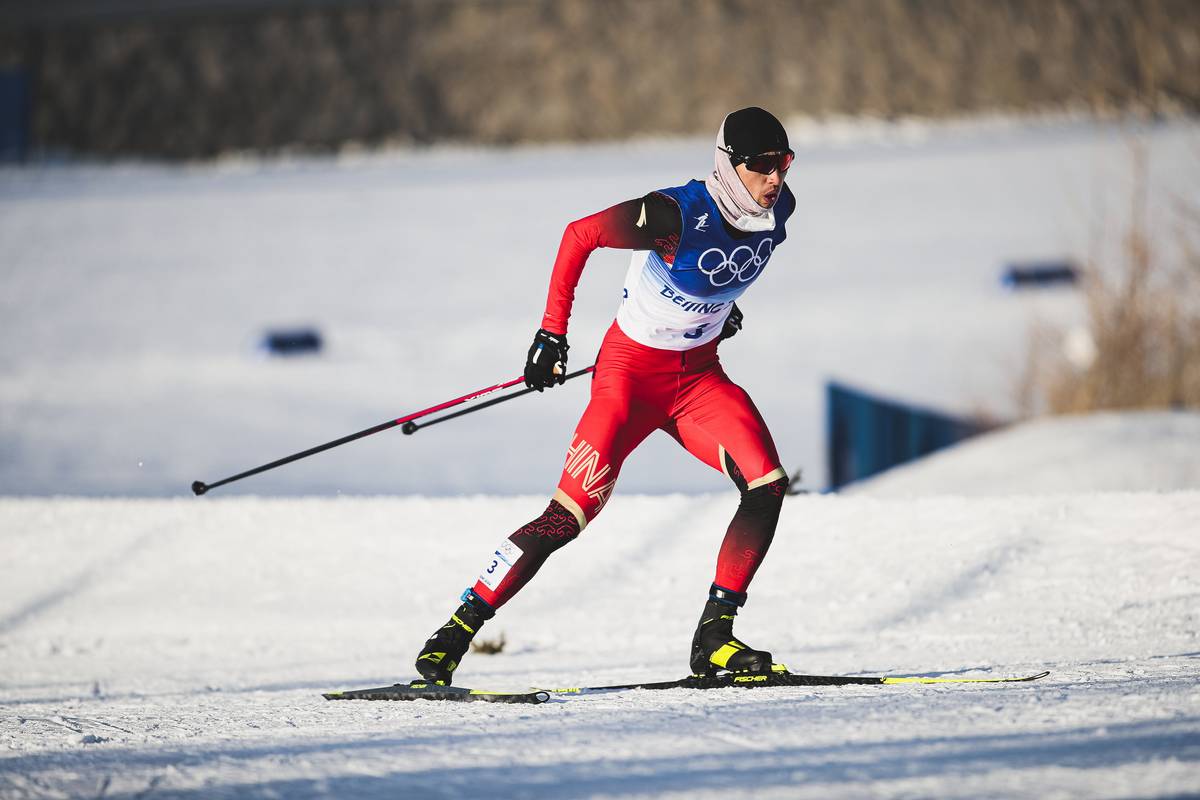
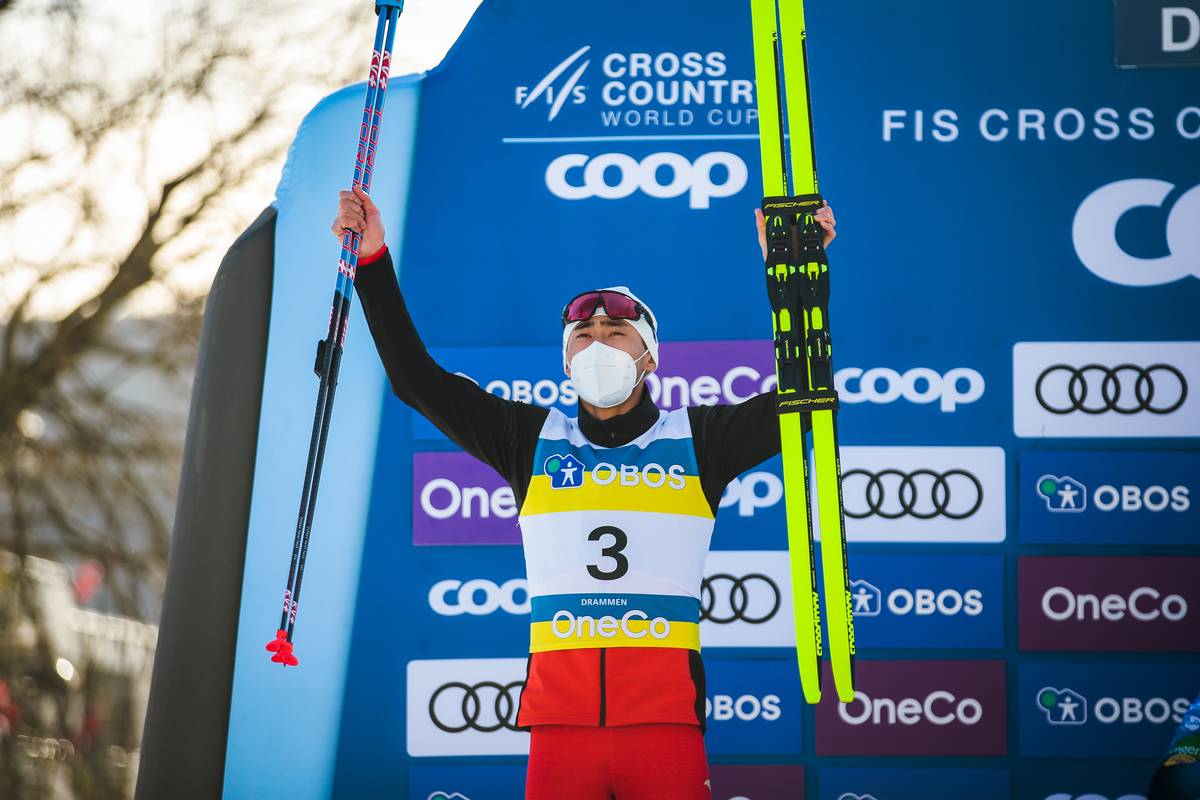
    Wang Qiang became the first Chinese athlete to podium in a World Cup last year, finishing 2nd in a classic sprint in Norway. This year, political turmoil has stranded him at home and kept him out of the World Ski Championships in Slovenia. (Photo: NordicFocus)

    This World Championship coverage is made possible through the generous support of Marty and Kathy Hall and A Hall Mark of Excellence Award. To learn more about A Hall Mark of Excellence Award, or to learn how you can support FasterSkier’s coverage, please contact info@fasterskier.com.

    PLANICA, SLOVENIA – Wang Qiang was cross-country skiing’s Next Big Thing.

    Wang, 29, was the product of a colossal investment from his home country to identify and train potential medal winners in the lead-up to the 2022 Beijing Olympics. Communist Party leaders saw cross-country skiing as a prestige sport and poured hundreds of millions of dollars into their national team, building an indoor ski tunnel and recruiting top coaches from Europe.

    The effort didn’t produce medals at the Olympics. But a big payoff came just weeks later, when Wang cracked his first podium on the World Cup circuit, a huge accomplishment that came against some of the same competitors he faced in Beijing.

    In a sport typically dominated by Europeans, Wang’s podium was a breakthrough — an announcement of a rising power in cross-country skiing.

    Wang Qiang was fifth in the skate sprint qualifier at the 2022 Beijing Olympic Winter Games. (Photo: NordicFocus)

    Team leaders said the program would continue after the Games, and over the summer, Wang trained in Norway, with European support staff and a Chinese interpreter and physical therapist. In September, he told a Norwegian television station that he would compete at the 2023 World Championships in Slovenia.

    But when Wang’s best event, the sprint, was held at those championships Thursday, he was missing — apparently back home, in China, where he’d been forced to watch the entire World Cup season from the sidelines. On social media, he published a screenshot of a Norwegian news story about his absence, the latest in a string of posts expressing regrets about his departure from Europe.

    The tale of Wang’s unexplained disappearance has become something of a tragedy and a mystery among his friends and competitors on cross-country skiing’s World Cup circuit, who say he’s one of the few athletes with the raw talent to challenge Norway’s superstar sprinter, Johannes Høsflot Klæbo.

    “They’ve got this one guy that could be the world’s best skier, and he just doesn’t get to race. I don’t quite understand it,” said Andrew Musgrave, a British cross-country skier who lives and trains in Norway. “It just seems bizarre.”

    Wang’s experience is emblematic of what’s happened in Chinese snow sports since the end of the Beijing Olympics: turmoil, without a clear explanation.

    The country’s national cross-country ski team has been shut down, and it hasn’t fielded athletes in top-level competitions this year. Its nordic combined team is also missing from the World Championships in Slovenia.

    China’s Olympic alpine skiers haven’t competed internationally since Beijing. And the country’s biathlon squad, after its own substantial investment in the lead-up to the Games, has also largely disappeared, skipping World Cup competitions and sending a skeleton crew to recent World Championships races in Germany.

    In a strange twist, though, China’s best ski jumpers have been consistently present on the World Cup circuit since January, and are competing at World Championships in Slovenia this week.

    In a brief interview outside the team’s wax cabin Friday evening, the Finnish coach who leads China’s jumping squad, Jani Klinga, said the group has a step-by-step, four-year plan building toward the 2026 Olympics.

    A nordic combined team is forming some time later, Klinga added, but he said he has no information about the fate of China’s cross-country skiers.

    “I don’t know about the cross-country athletes, the situation over there,” Klinga said. “But on our side, everything is moving forward.”

    International snow sports leaders also appear to be largely in the dark about China’s plans.

    In biathlon, contracts with the foreigners hired to coach the national team were not renewed, and a plan to buy 3,000 laser training rifles each year also has not been carried out, said Max Cobb, the International Biathlon Union’s secretary general.

    “They were really making progress as a nation and had some really decent results from their athletes,” Cobb said in a phone interview Friday. “It’s really hard to know what the plan and leadership structure is, and who’s ultimately responsible. We certainly hope that they’ll come back — there’s just, at the moment, not a lot of activity, and it feels like the momentum’s been lost.”

    International Ski Federation President Johan Eliasch said his organization is in close contact with the Chinese Ski Association and that “everything we hear is aligned with their stated commitment to proliferate winter sports in China.”

    FIS President Johan Eliasch speaks with reporters Wednesday before the start of the World Ski Championships in Planica. (Nathaniel Herz/FasterSkier)

    But in remarks to reporters in Planica this week, Eliasch said he couldn’t comment on the Chinese cross-country ski team’s absence from World Championships other than citing the nation’s restrictive coronavirus protocols — which were lifted in December.

    The leader of China’s defunct cross-country ski team, Zhang Bei, didn’t respond to an emailed request for comment.

    But in phone interviews, two sources close to China’s cross-country program described Wang’s absence as a symptom of a larger realignment in the nation’s sports regime after the 2022 Olympics.

    In the lead-up to the Beijing Games, they said, China’s sports minister, Gou Zhongwen, was not actually a sports expert: He was a well-connected Communist Party insider, who used those connections to secure ample budgets for his programs.

    The nation’s cross-country ski team was among Gou’s most favored projects, the sources said, because of European countries’ longstanding dominance in the sport: If China could win a medal, it would be a major triumph over the West.

    But the massive investment in cross-country skiing didn’t produce any hardware: Wang, the country’s top prospect, was disqualified from the Olympic sprint race when he crashed into a Norwegian competitor.

    Once the Games were over, Gou retired. His replacement, Gao Zhidan, is a sports specialist who lacks the same level of political support, and the same interest in cross-country skiing, the sources said.

    “After the Olympics, the cards have been reshuffled. And cross-country lost its aces,” said one of the sources, who worked in Chinese sports in the lead-up to the Games.

    Around the same time as the change in ministers, Norwegian media reported, Wang was returned home from Europe to China. The national cross-country ski team was also disbanded, the sources said, and its athletes were sent back to their regional teams.

    Those regional teams, the sources said, prioritize Chinese national championships over international racing because there’s substantial prize money at stake.

    An internal audit of the cross-country program is also underway, according to the other source, a Chinese resident.

    There’s a good chance the national ski team will be rebuilt in time for next winter, said the Chinese source, who requested anonymity because of “internal struggles” in their home country. But even insiders don’t really know what will happen, the source added.

    “Even if you’re in the Communist Party, you don’t know,” the source said. “You need to be connected with the right people. Otherwise, forget about it.”

    During his involuntary break from international-caliber competition, Wang has continued training and stayed relatively optimistic, avoiding direct criticism that could put him in conflict with the political leaders who control his future.

    “I am aware that I am missing out on a fantastic season. But I have to accept the situation,” he told a Swedish newspaper recently. “I want to concentrate on training this summer and be in the World Cup next season. I think I’ll make it.”

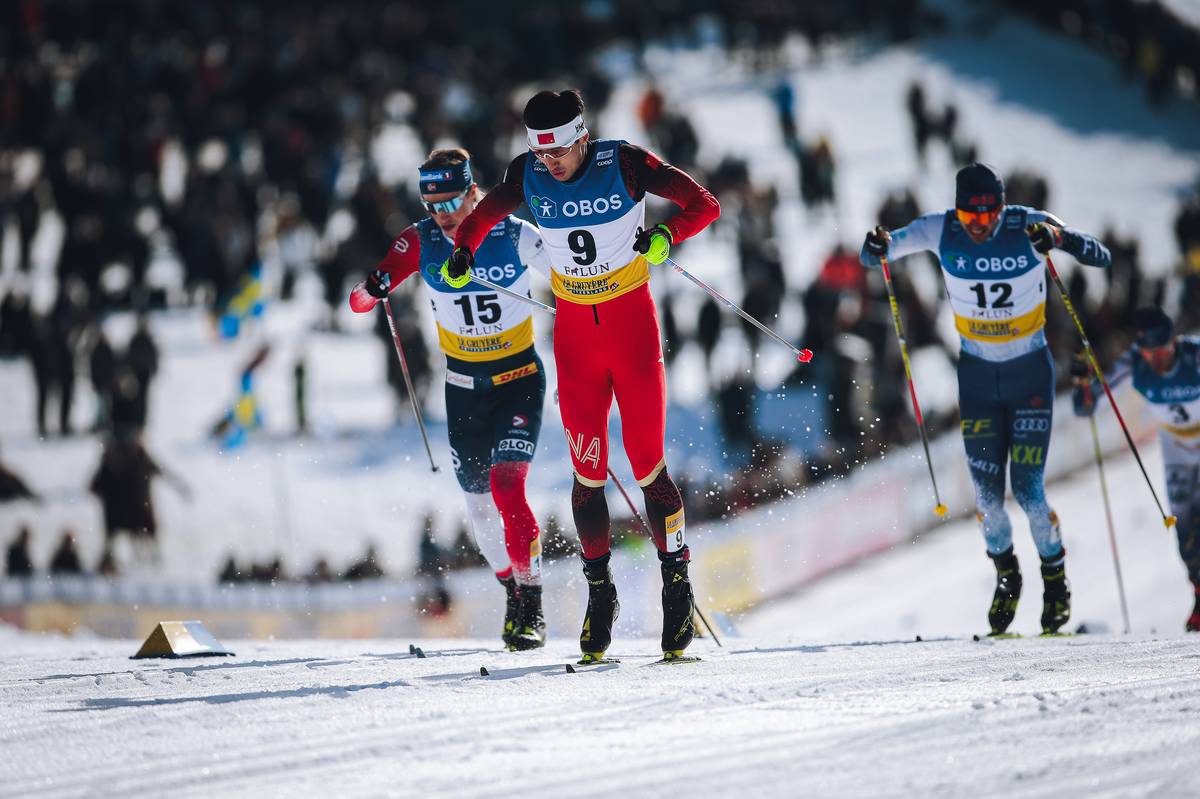
    Wang Qiang races in a World Cup classic sprint last year in Falun, Sweden. (Photo: NordicFocus)

    But his friends and fellow competitors said they’re worried about the effects of isolation on Wang and his Chinese teammates, who haven’t done much of the kind of tight, close-quarters racing that happens on the World Cup. There’s also Wang’s advancing age: He turns 30 this year.

    “It’s difficult when they are not here, because they need the experience in every World Cup race,” said Finnish skier Remi Lindholm, who trained with some of the Chinese athletes for several months in the lead-up to the Olympics.

    Like Musgrave, Lindholm said Wang “absolutely” has the potential to beat Klaebo, the Norwegian superstar. Which makes it sad, Lindholm added, that Wang is stuck in his home country.

    “He’s a good guy,” Lindholm said. “And he knows that he has to do the job every day to get to the World Cup.”

  • Alpine Nations Contest FIS Election in CAS in Ongoing Power Struggle

    Alpine Nations Contest FIS Election in CAS in Ongoing Power Struggle

    On Monday, June 20th, the Ski Associations of Austria, Switzerland, Germany, and Croatia made good on threats issued after the FIS Congress in May, and filed an appeal to the Court of Arbitration for Sport (CAS) contesting the voting procedure that elected the unchallenged FIS President Johan Eliasch.

    The four nations argue that it was unlawful to deny them the option of voting no to Eliasch, and that the election procedure violated FIS statutes and Swiss law. 

    Unable to vote no, the dissenting delegates decided to either walk out of the election in protest or abstain from voting altogether. Members of the appealing ski associations have suggested that Eliasch would not have received a majority of the votes cast if an option to vote no had been offered. Had that happened, the appealing nations may have been successful at installing a new candidate. 

    Instead, Eliasch received 100% of the votes cast, leading his opponents to characterize the proceedings as, in the words of the German delegate, a “farce.” Nevertheless, Eliasch received 70 of a possible 117 votes—a clear 59% majority, and a five vote increase from last year. 

    For FIS, an appeal of voting procedure technicalities is unprecedented: as a rule, FIS presidential elections have been uncontested and decided by acclaim. In response FIS released a statement saying the allegations, “are entirely without merit or substance.”

    Eliasch was reportedly told in advance about the appeal during a meeting in Innsbruck with the Austrian Ski Association. “He took it very professionally and said he needed it too, otherwise [the allegations] would resonate throughout his term,” according to Chrisitan Scherer, the head of Austrian skiing. 

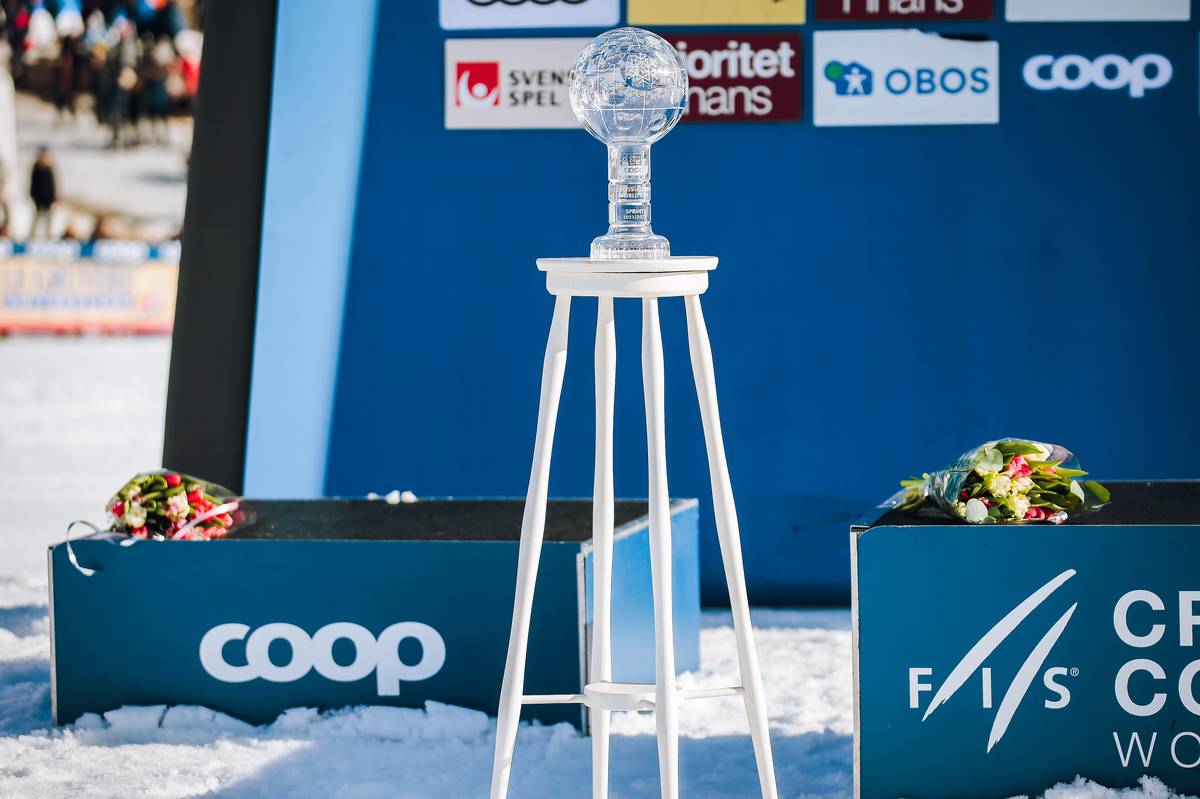
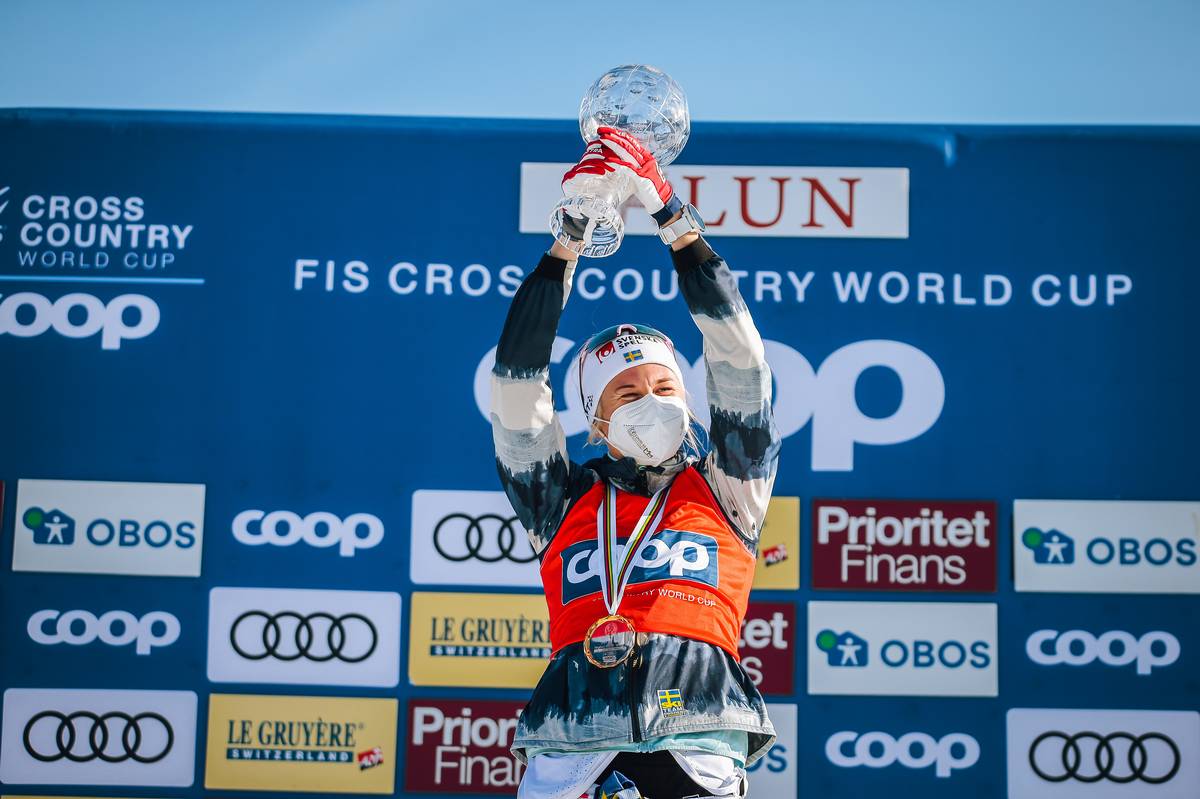
    The women’s sprint crystal globe awaits its recipient at 2021-22 FIS World Cup Finals in Falun, SWE. (Photo: NordicFocus)

    While the CAS case will examine legal minutiae, it is best seen as the latest contest in a power struggle between a bloc of dominant ski nations and FIS President Eliasch, whose agenda to rapidly centralize media rights under FIS and shake up the World Cup calendar has threatened their hegemony. 

    “If you think about the bloc here [in FIS], it’s the French, Germans, Swiss, Austrians, Norwegians, Swedes, and Finns,” said Dexter Paine, the U.S.’s former FIS Vice President and Councilor who was voted off the council over his support of centralization. 

    What the bloc hopes to achieve from the CAS appeal is unclear, though it seems unlikely to overturn the result of the election. The aim may be to stall Eliasch’s agenda as the case will take months to resolve, or to wound him politically and bring him to the bargaining table in a weaker position. It may also be that the four appealing nations are determined to find a way to overturn the election and install their preferred candidate: Urs Lehmann, the head of Swiss Ski.

    Eliasch’s election in 2021 interrupted the Swiss reign at FIS, with just two Swiss men— Marc Holder and Gian Franco Kasper—leading the Federation for the previous 70 years. Lehmann, who called the FIS election a “muppet show”, appears to be an opposition candidate that will preserve the bloc’s established order.

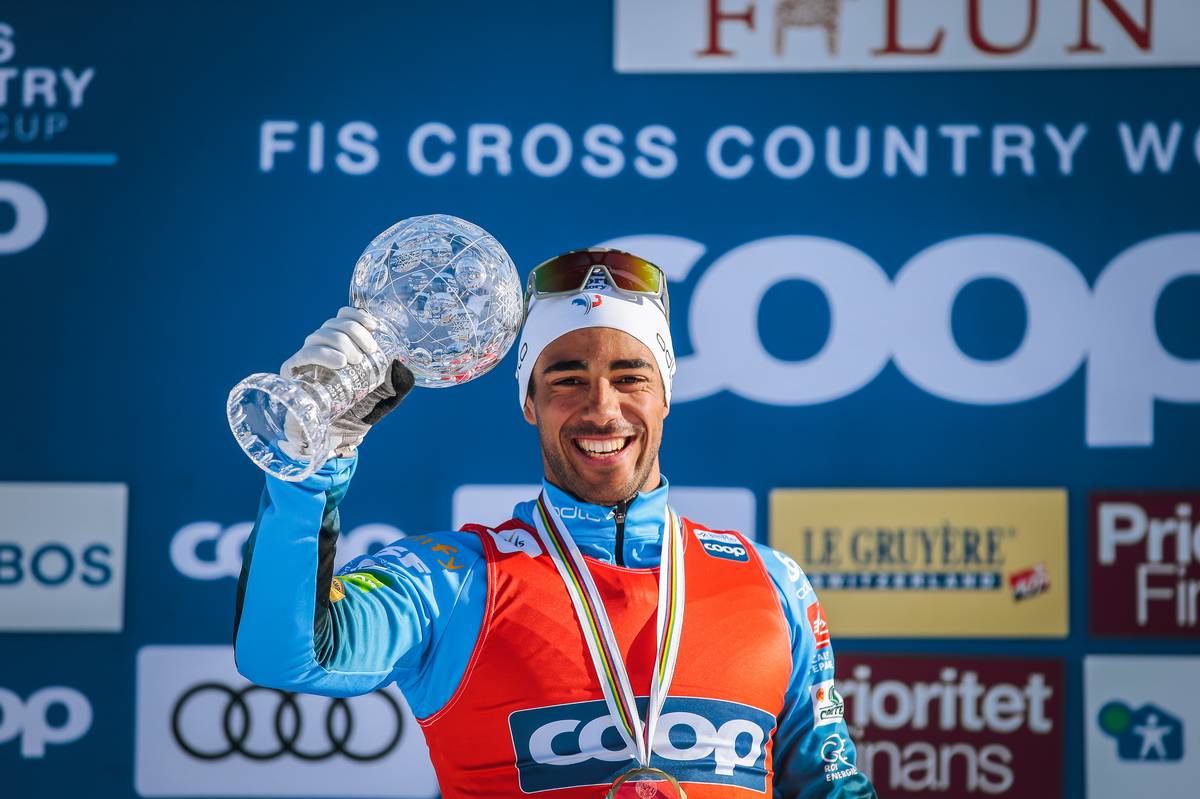
    France’s Richard Jouve earns the 2021-22 FIS sprint crystal globe. (Photo: NordicFocus)

    Both Paine and Eliasch spoke to FasterSkier earlier this month to discuss the issues facing FIS as it attempts to centralize the media rights, expand the reach of the World Cup, and attract a larger audience in North America. 

    Eliasch’s bid to modernize FIS in the near term will now be hampered by Paine’s absence from the council, an assertive bloc, and entanglements at every corner with the sport media company Infront.

    While there has been general disagreement between the bloc and Eliasch over centralization, one development in particular has alarmed the bloc as well as Infront: A judgment won in Swiss court that found FIS to be the rightful owner of World Cup races and not, as was previously understood, the hosting National Ski Association. 

    With this ruling in hand, Eliasch has suggested that the contracts with Infront could be broken—a move that would take centralization from the theoretical realm, where it has support from the bloc, to the immediate, where it does not. 

    Much of Infront’s contracts for FIS events extend to at least the 2025/26 season, with Swiss Ski signing a deal that lasts until 2027/28. 

    Urs Lehmann, the head of Swiss Ski, opposes the notion of breaking contracts. “That’s not possible,” he said to Tages Anzeiger. “Infront hasn’t done anything wrong, on the contrary, it’s a big partner of the FIS when it comes to world championships.”

    For his part, Lehmann said centralization would require a long time frame, presumably after 2028, and could be done only after proving that Ski Associations would receive at least the same amount of money. 

    Eliasch has said that FIS has ample funds to give “cast-iron guarantees” to match Ski Association’s deals with Infront, saying, “We can back it up any day of the week.”

    FIS’s financial assets at the end of 2020 amounted to around $146 million, suggesting that if the Federation is prepared to dip into their reserves, it has the ability to support Ski Associations through the transition. 

    Infront’s VP of Strategic Communications, Jörg Polzer, outlined the risks for FIS of moving away from the current arrangement in an interview in Ski Racing, suggesting that the new proposal “would represent a de facto expropriation of the National Ski Associations.”

    Polzer also felt that the outcome would be a “plethora of legal claims and lawsuits for many years to come,” the result of which could mean that fans might not be able to access “FIS World Cup coverage as conveniently and widely as it is the case today.”

    Centralization under FIS threatens to disrupt both Infront’s profits and its valued portfolio of winter sports which encompasses all seven winter Olympic sport federations. It is likely to respond to broken contracts by both halting payments and pursuing damages from National Ski Associations.

    Eliasch reassured members in a letter to the FIS council stating, “The FIS will award all national ski federations compensation for all claims by Infront.”

    Johannes Høsflot Klæbo leads his heat during his final sprint of the 2021-22 season in Lahti, FIN. (Photo: NordicFocus)

    The plan to centralize FIS, known as the Concorde Agreement, is supported by US Ski & Snowboard, who believe the proposal would help modernize the sport and increase funding for everyone. 

    Paine said that “Johan [Eliasch] has been really explicit about the fact that he would envision that revenues related to media would increase under the new model. In fact, he’s talking about potentially up to a 25% increase in revenues.” 

    Still, the bloc has opposed the centralization of media rights, with Austria’s Scherer saying, “you can’t just take them (media rights) away from us, as an organizer you also bear the risk.” Scherer’s position is that hosting events should come with a risk/reward incentive. Considering that the opposing nations host many events, including the highest profile ones, the rewards are significant. 

    The Ski Associations of the bloc also oppose the “expropriation” of ownership that centralization presents. Scherer argued that it could only be done on a voluntary basis—an option that would defeat the purpose of centralization, but preserve the bloc’s influence over skiing.

    Facing resistance, Eliasch decided to table the Concorde Agreement to allow for a period of consultations with members. “We decided not to bring [the Agreement] forward to Congress, because it needed more work,” Paine said.

    Some representatives have complained about poor communication between Eliasch and National Ski Associations with regards to his plans for centralization.

    Paine agreed that improvements are needed in this area, saying, “FIS needs to do a much better job articulating why this would be good for everyone in the sport, and how they would make sure that those countries aren’t any worse off than they were before.” 

    Though Paine added that, “Johan has been very explicit about the fact that he is going to seek the advisement of the [FIS] Counsel, and all members, on all the items regarding centralization rights.”

    Entanglements with Infront

    Another challenge for FIS will be breaking free from Infront. The company has become enmeshed in the fabric of FIS, from the television production of races, to long term contracting of rights, to negotiating sponsorships, to even building the FIS app and website.  

    FIS will also have to overcome its own independent marketing agency, FIS Marketing AG, which was created in 2009 to acquire and sell the sponsorship rights to FIS World Cup events. 

    FIS Marketing AG (FISMAG) is majority owned by FIS (51%), with 24.5% owned by Infront, and the final 24.5% owned by Tridem Sports. The venture is led by Christian Pirzer—the CEO of Tridem Sports, a two man marketing firm started by Pirzer in 2008 and based in Freienbach, Switzerland. 

    “Part of Johan’s platform, and I think most candidates’ platform, was to bring all of that in house,” said Paine. “I think people didn’t fully understand why 49% of our marketing organization was owned by a third party.” 

    Infront’s role in the venture has been principally to acquire sponsors, billing €855,000 for its services to FIS Marketing AG, according to an SEC filing in 2018. For its part, FIS recorded its 2018 income from partnerships at 676,000 Swiss francs—around €577,000 at the time. 

    “Most entities own 100% of their sponsorship revenues, and I think it’s unusual that FIS wouldn’t,” Paine said. Questions have been asked about whether this arrangement is in the best interests of FIS. “We don’t [even] have a title sponsor for Snowboard. That just always astounded me.”

    Eliasch intends to end the venture, writing in a letter to the FIS Council, “We have terminated all agreements related to FISMAG so we have removed this obstacle to realizing our sponsorship potential.” To date the firm has not been closed, and Swiss courts are reportedly handling the injunctions necessary to stop it from continuing.

    According to German paper Bild, Pirzer is suing Eliasch to defend himself against allegations that he has been involved in fraud. Pirzer said simply, “I have filed a criminal complaint against Johan Eliasch for defamation.” 

    Hailey Swirbul powers through the quarterfinal during a skate sprint in Lahti, FIN in March 2022. (Photo: NordicFocus)

    Infront Sport and Media is based in Zug, Switzerland, and is led by Phillipe Blatter—nephew of former FIFA president Sepp Blatter who presided over the governing body of soccer from 1998 to 2015 when he stepped down after a massive corruption investigation roiled the organization and put him under investigation for fraud. 

    After Phillipe Blatter was appointed Infront CEO in 2005, the company won comprehensive distribution rights to the FIFA World Cup until 2022. Infront released a statement in 2015 squashing “unwarranted assumptions” of nepotism with regard to its FIFA contracts. 

    While Infront remains a respected titan of its field, the company has been dogged by investigations over the improper sale of media rights in Italy’s Serie A soccer league, advertising in the German Football Association, and antitrust activities. The company’s 2019 prospectus stated possible investment risks included negative publicity “prompted by actual or alleged criminal activities, such as money laundering, tax evasion or bribery.”

    In 2015, Chinese conglomerate Wanda Group purchased a controlling stake in Infront for $1.2 billion. The Group was a key player in China’s drive to create 300 million Chinese skiers, building, among other things, the world’s largest indoor ski area in Harbin. Wanda Group acquired Infront six months prior to the IOC vote on hosting the 2022 Winter Olympics, and the addition of the Swiss company was seen as a boost to Beijing’s successful bid. 

    Sweden’s Maja Dahlqvist hoists her crystal globe after a season that included winning the opening four World Cup sprints, and collecting an Olympic silver medal in both the individual freestyle sprint and the classic team sprint. (Photo: NordicFocus)

    Should Eliasch prove successful at centralizing the rights, it is still likely that Infront would remain involved with FIS, considering its primacy in its field and the fact that other centralized sports such as biathlon and F1 both contract with Infront. 

    Paine said that he’s “been an advocate for Johan sitting down with Infront. I think there has to be some negotiation with all the parties involved, if this is going to come to a successful conclusion.”

    Eliasch met with Infront in May, and was scheduled to meet again in June. “I’ve been a big advocate for those conversations taking place,” Paine said. “I was the loudest advocate, quite frankly, on the Council for making sure that Johan was in dialogue with Infront.”


    A Push for More Racing in the United States

    Paine and Eliasch also drew ire from some nations over their push for more World Cup racing in the United States, aimed at attracting a larger American audience.

    The seasonal stops on the World Cup have grown so indelible that there’s been little room left for visits to new venues. “The calendar from one year to the next has looked very similar,” said Paine. “There were very few changes.”

    The arguably stagnate routine has kept World Cup racing of all disciplines overwhelmingly in the Alps region and in the Nordic countries, and moves to change this has frustrated some nations. “It’s about planning security,” argued Walter Reusser, the Alpine Director at Swiss Ski. 

    Eliasch argued that the prescribed calendar has hindered the growth of the sport, particularly in the U.S. “I know [FasterSkier is] focused on cross-country, but alpine is a good example,” said Eliasch. “NorAm races, which are the second tier, are much more famous than the FIS World Cup races in the U.S. That tells you that something is really off. And when do we come to the U.S.? At the wrong time [November] when there is little interest in ski racing. So we have changed that, at least for alpine, so that we come back in March. We go to Aspen and Palisades Tahoe, as it’s called now. And here we hope we get proper viewership, and we can build much more time and engagement with American viewers.” 

    Though American alpine skiers have gained widespread fame, as a television audience the U.S. does not make the top ten for alpine, ranking somewhere below the likes of Slovenia.

    “Johan has said whether it’s cross-country, or alpine, we need to have more events outside of Central Europe and Scandinavia,” said Paine. “And those countries, once again, are the countries with the most events. If we’re going to hold events in North America or in Asia, they have to come from somewhere.”

    The addition of men’s alpine racing in Aspen and Palisades Tahoe next winter comes at the expense of Norwegian venue Kvitfjell. Erik Røste, the outgoing head of Norwegian skiing responded, “The Norwegian Ski Association will do everything we can to ensure that both women and men can run the World Cup in Norway in the years to come. As a large and dominant alpine nation, this is important.”

    Iivo Niskanen (FIN) takes the distance title for the 2021-22 FIS World Cup season. (Photo: NordicFocus)

    Paine dissauged fears that the Cross-Country World Cup races tentatively scheduled for Minneapolis, MN and Cable, WI in 2024 would be in jeopardy without his seat on the Council. “I don’t believe there’s any issues,” Paine said. “That cross-country calendar seems to be pretty widely supported. Chris [Grover], has done a really nice job in building relationships.

    “Look, there’s going to be a lot of turnover in cross-country as Erik Røste is going to be done in June and there is going to be a new head of the Norwegian Ski Federation, as well as all the issues with races in Russia given the conflict in Ukraine. My sense is that we’re in good shape for the 2024 races, particularly since everyone was ready to go with the Minneapolis races when the pandemic led to its cancellation.

    This is good news for American fans waiting since 2001 for the Cross-Country World Cup to return on home snow. For Paine, long an advocate for more racing on our shores, the bolstered American World Cup calendar is a job well done. 

  • U.S. Ski & Snowboard’s Dexter Paine and FIS President Eliasch Weigh In on Controversial Ski Congress

    U.S. Ski & Snowboard’s Dexter Paine and FIS President Eliasch Weigh In on Controversial Ski Congress

    Elections at FIS Congresses are normally not the scene of political intrigues, particularly when there is only one candidate for President. Yet, in a surprise twist, a bloc of powerful ski nations walked out on FIS President Johan Eliasch’s uncontested election and voted out Dexter Paine, the U.S. Ski & Snowboard representative, as well as a FIS Vice President and Councilor.

    Prior to the vote for President on May 26th in Milan, Italy, Croatia’s representative Vedran Pavlek insisted that the procedure be changed to allow a yes, no, or abstaining vote. Denied by FIS Legal Counsel, the delegates of Switzerland, Austria, Germany, Croatia and Scandinavia walked out. In all, only 70 of the 117 available votes were cast—just over the 63 minimum needed to reelect Eliasch. 

    U.S. Ski & Snowboard representative Dexter Paine was ousted from the FIS Council after a vote during late May Congress sessions. (Photo: U.S. Ski & Snowboard)

    The vote for FIS council followed, and Dexter Paine, who has served on the council since 2014, found himself in third lowest position—an abrupt turn of events for US skiing’s representative.

    “It was a real surprise,” Dexter Paine said on a call with FasterSkier. “A year ago, I was elected with the second largest number of votes. I think it was more of a protest vote against Johan [Eliasch], because, ultimately, he was the only name on the President’s ballot.” 

    “One of the things that I find disappointing,” Paine said, “is that I wish people were more direct and more open on the council and within that community, rather than being political.”

    Austria’s representative, Christian Scherer, seemed to sum up the underhanded attitude in an interview with Kleine Zeitung, saying, “We don’t want to say whether we voted for [Paine] or not. What I can say is that we always had excellent connections with the United States.”

    Paine explained that he received close to the same number of votes (74) as Eliasch and said, “I assume all the countries that walked out voted against me.” 

    President Johan Eliasch said that Paine’s presence on the council “will be missed,” adding, “He’s really been one of the people before I came in that was very strongly driving change for the better. His contribution has been invaluable over the years.”

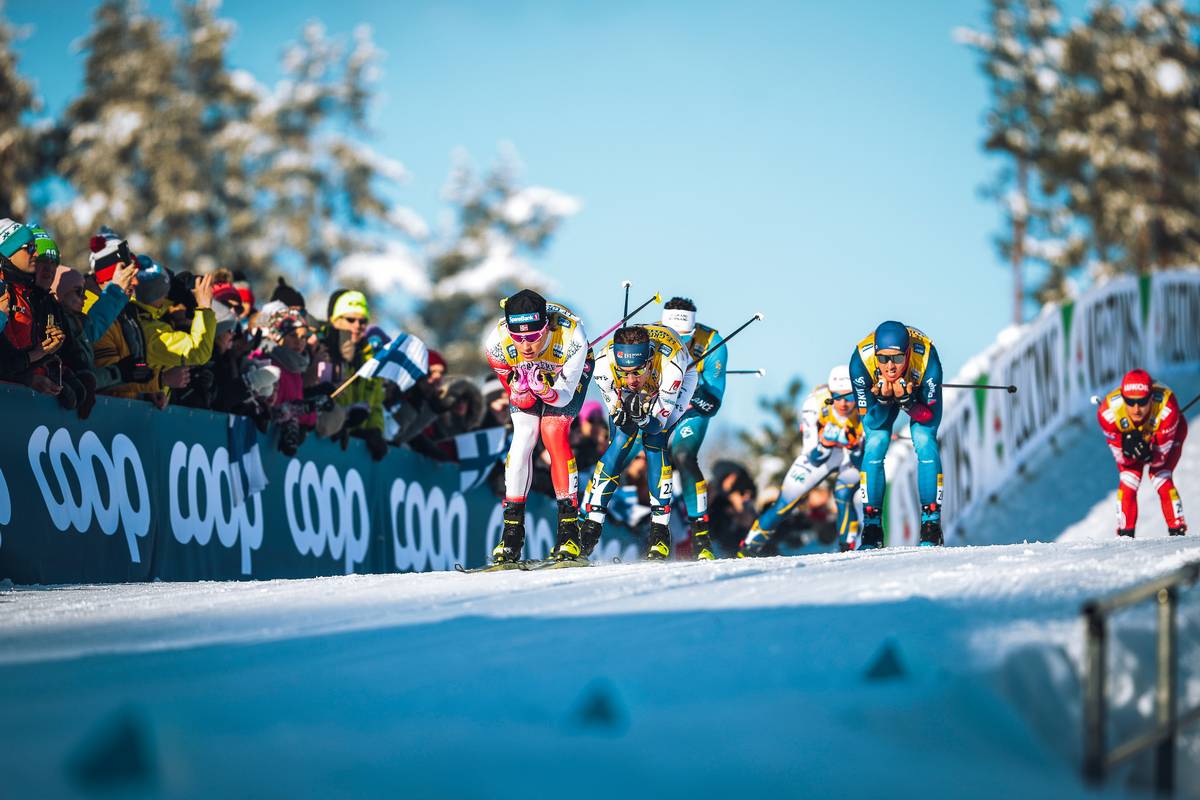
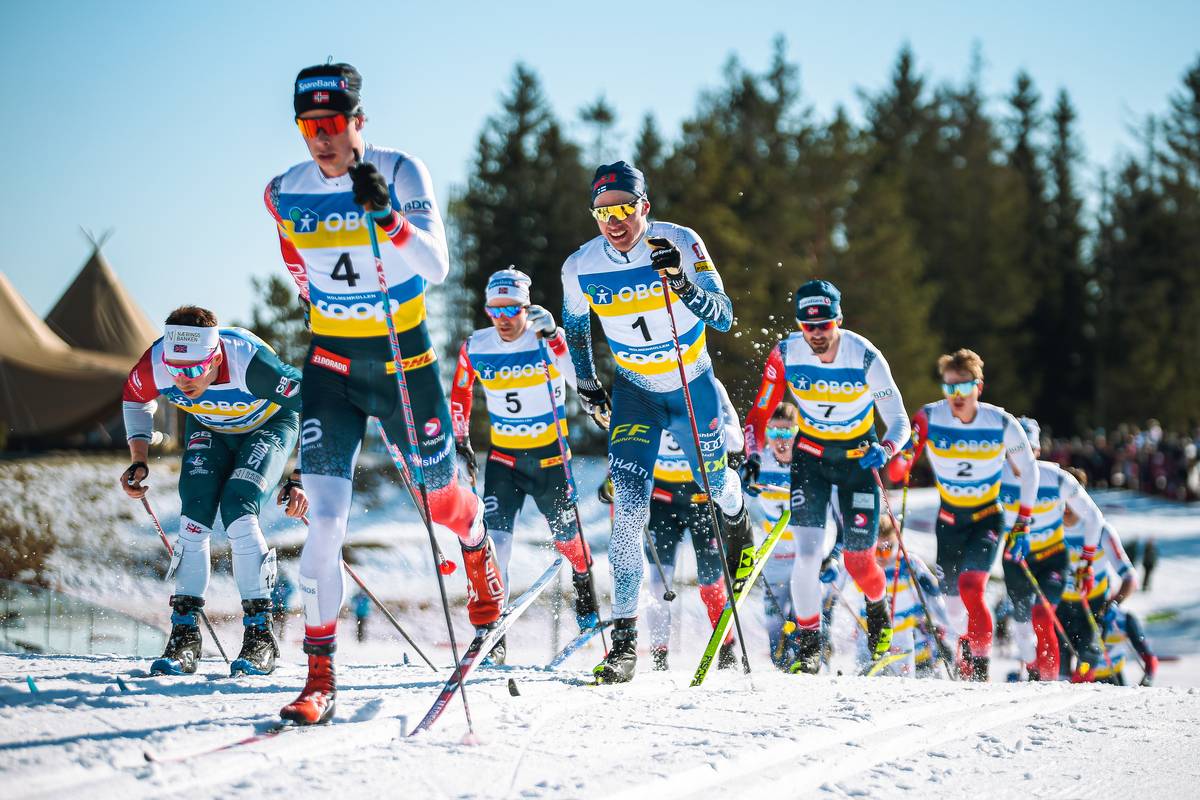
    The lead men kick and glide as a large group early in the 2022 50 k classic at Holmenkollen in Oslo, Norway. (Photo: NordicFocus)

    Paine had long advocated for modernization efforts within FIS—a position that led him to wholeheartedly endorse Eliasch’s progressive platform. Together, they rode a victorious crest during last year’s FIS elections. 

    Their decisive electoral wins in 2021 were interpreted as a mandate for change, and the two men pushed for Eliasch’s positions, key among them, the centralization of media rights that would help fund an overhaul of how FIS presents its sports and funds its athletes. 

    Just one year in, the representatives of large ski nations have seemed to sour on their enthusiasm for disrupting the status quo, with those that walked out of the Congress and voted out Paine decrying the election as undemocratic. 

    “An election is called that because one has a choice,” said Urs Lehmann, the head of Swiss Ski. “But that didn’t exist, that goes against our understanding of the law.” The Swiss, according to Lehmann, are considering legal action to invalidate the election.

    FIS statutes stipulated that candidates who wished to run for President needed to register by March 31st. When none did, Eliasch, who was voted in last year in a competitive election, was left as the lone candidate.

    “Anyone could have run against [Eliasch] 60 days ago,” said Paine. “So, if the folks who objected to the ballot were so focused on a democratic process, they should have run someone 60 days ago. Clearly, they didn’t think that they could run someone and have them win.”

    Johan Eliash was elected president of FIS Council in June 2021. (Photo: FIS-Ski.com)

    Lehmann insisted that the discord with Eliasch only began to occur after March 31, when, according to Tages Anzeiger, Eliasch presented “his sometimes hair-raising plans” to National Ski Associations. “The whole thing has only escalated in the last few weeks,” said Lehmann, adding, “the time for a serious candidacy was simply too short.” 

    Paine sees Lehmann’s motivations differently. “I think Urs Lehmann, who’s the head of Swiss Ski, desperately would like to be the President of this organization,” said Paine. “He lost last year and he could have filed his name and run this year, if he chose to.” Better that, Paine thought, than to “create a disruptive event at the Congress.”

    The discontent directed at Eliasch and Paine over the electoral process seems disingenuous. The former FIS President, the late Gian Franco Kasper, ran unopposed throughout the course of his 23 year Presidency—and had much more to do with a plan to centralize media rights under FIS.

    “I’ve been a pretty vocal advocate for centralization of media rights,” Paine said. “Every successful sports organization out there, Formula One [F1], NFL, Premier League, all have centralized rights.” 

    Paine’s position has been backed by U.S. Ski & Snowboard President and CEO Sophie Goldschmidt, who wrote that she is “pro-centralization.” The rights, she said “are valuable, and centralization can offer a significant revenue increase for countries across the board. This is a proven strategy across many successful sports globally, and by building the right structure, all of the national governing bodies under FIS can benefit.”

    Under the current long-standing structure, National Ski Associations (NSAs) presumed ownership of the media rights to FIS events hosted in their countries. Nearly all nations sold the totality of these rights to Infront Sports and Media who in turn brokered deals with broadcasters around the world to air these events.

    Sophia Laukli (right) skis in the pack during a mass start skate race in Val di Fiemme, ITA, the final stop in the 2021-22 FIS Tour de Ski. (Photo: NordicFocus)

    Eliasch and Paine advocated a different approach—a proposal called the FIS Concorde Agreement, in which FIS would own or distribute the rights previously controlled by the NSAs and sell them, much as Infront has done. 

    The potential windfall of income to FIS by retaking control of the media rights would be substantial. “The estimate is that Infront makes somewhere between 40 and 50 million euros on their ski contracts,” said Paine. “If you could instead allocate that increased income to increase prize money for athletes, increase distributions for our members, I think those would all be really good things. We can also do things like give digital rights to athletes.” 

    Currently, an athlete is unable to post videos of themselves racing due to copyright infringement. Paine suggested that if FIS owned the distribution rights, an athlete such as Jessie Diggins would have been able to post footage of her Tour de Ski win. 

    “Today, athletes don’t have that opportunity,” Paine said, “but if we were to control those rights, we could do that to really help our athletes, not just to generate more revenue, but increase our appeal globally.”

    According to Hannah Kearney, an athlete representative on the FIS council, “This is something that would benefit athletes, so I believe they support the centralization.” However, Kearney wrote that “athletes from different countries definitely have unique perspectives on the issue which makes it hard to make a broad claim about how all athletes feel.” 

    The proceeds would also fund the improvement of viewers’ experience. “I think cross country is a great product,” said Eliasch, “but we can make the television production more attractive, so what you see on television is more exciting. That applies across the board. I mean, we’re talking about using drone technology, telemetrics packages, more cameras, stuff like Formula One does. We need a series like ‘Drive to Survive’ like F1.”

    Netflix’s Drive to Survive takes viewers inside the inner workings of F1 and has helped boost interest in the motorsport. The show has been touted by Eliasch as an example of what would be possible if FIS had centralized rights. Asked if he could envision a similar series on cross country skiing, he said, “Yeah, definitely.”

    While Eliasch has promoted the model of F1, Paine has looked to biathlon, which he said was “a perfect example—they’ve been wildly successful. The new biathlon leadership has done a great job with their television contracts, with sponsorship, and really grown revenues and distributions very nicely for athlete prize money.”

    “It is the model we should be looking at,” Paine said chuckling. “I’ll be really direct about that.”

    The course in Val di Fiemme, ITA is prepped and ready for the men’s mass start during the 2021-22 FIS Tour de Ski. (Photo: NordicFocus)

    The basic concept is that FIS, by reinvesting the profits from the rights, would be able to improve both the media product and the competitive field by supporting coaches and athletes from underfunded nations. The more attractive media product and broader competition would draw in more viewers, and in turn, more profits. 

    In theory, the Concorde Agreement would raise all National Ski Associations, through a profit sharing initiative between FIS and the event hosts, and by distributing proceeds to all NSAs.

    Clearly, that is not the view of the big players in the ski world, who have viewed the rapid moves by Eliasch to remove Infront as a threat to their bottom line.  

    Paine explained that the largest TV revenue contracts go to Austria and Switzerland, with Germany and Norway likely close behind. “So I think their very simple calculus is,” Paine said, “they have the most downside—not what is best for the athletes and the sport.” 

    “If you’re Austria, you make €25 or €30 million a year from your TV contract,” said Paine. “That’s how you fund your athletes, and you don’t want to end up with €15 million. Now, Johan [Eliasch] would say that €25 [million] will, in fact, be €30, or €35 [million]—under a new contract [with] centralized rights. But he needs to make sure that people get comfortable with that and understand the math which seems compelling.”

    The FIS President recognized the hesitancy of large ski nations, saying, “For the dominant alpine nations, this is a big change. But it is essential if we want to move forward, because today we don’t have a digital media platform. We don’t have any content. The app and the website are [both] done by the same company—which control FIS’s media and broadcast rights.” 

    For FIS, the problem of Infront as a middleman goes beyond recapturing profits and platforms—the Swiss based media company has made deals that run counter to the interests of both FIS and the NSAs.

    “They’ve been very clever,” Eliasch said of Infront. “They have done the centralization of FIS’s media and broadcast rights—what FIS should have done twenty years ago.”

    “Historically,” said Eliasch of the existing business model, “the FIS World Cup rights have been sold outright, mostly at below fair market value with very onerous terms contributing to a loss of viewership.” 

    “A good example is Scandinavia,” continued Eliasch. “FIS World Cup rights were sold to a marketing agency who in turn sold them to a web based streaming platform for more than double what they paid.”

    Eliasch noted that while “this model proves exceptionally profitable for the marketing agency, the strategy behind the sale is problematic to our future. The streaming channel is a specialty channel with small viewership compared to mainstream broadcasters. Consequently, less people are able to access the product and viewership is down a staggering 40% in Norway and Sweden which is disastrous for our sport.” 

    Norway’s Therese Johaug stands atop her final podium at Holmenkollen, her home course in Oslo, in March 2022. (Photo: NordicFocus)

    The streaming service that Eliasch was referring to is NENT, now rebranded as Viaplay, whose purchase of the rights has taken skiing events off public TV, to various degrees, in Norway, Sweden, and Finland, and put them behind a paywall—an unpopular move that has suppressed viewership in a key market for cross country skiing. 

    In all, the sport has lost 27% of its total audience this season, with Norway losing close to half in just two years. With Scandinavia hemorrhaging viewers, the Viaplay deal could have hardly come at a worse time: the sport is poised to lose a further third of its audience in Russia should it remain banned. All things being equal, this possibility would see cross country skiing’s viewership crater to just a third of what it was a decade ago. 

    While the windfall to Infront from brokering the rights to Viaplay is purportedly worth more than €10 million a year and extends until the 2024/25 season, the sponsorship value lost in the past year—more than €22 million—suggests that the deal only made sense to the third party selling the rights.

    “Future deals will be based on previous audience metrics,” said Eliasch. “Any decline in viewership is a decline in value.”

    For Ski Associations there was little recourse to prevent the Viaplay deal, explained Eliasch. “The current agency rights agreements are so restrictive they prevent an NSA the ability to approve or reject distribution channels, which today is a ‘standard’ right of the IP rights holder.” 

    The FIS President felt that the Viaplay deal demonstrated what happens “if you do an agreement with a complete buyout.”

    By buyout, Eliasch was referring to the policy of selling the totality of the media rights, rather than, say, granting a “license for a live showing and then you [get] the rights back.”

    Eliasch felt a more typical approach would be a commission based contract that grants a “license for a live showing and then you [get] the rights back.”

    “That’s how it [normally] works,” said Eliasch, adding, “If you have a middleman involved, he gets a 15% commission. You get a minimum guarantee, you have controls over the distribution channels. That’s kind of how the business works today. An outright sale to an agent is not how the business is done.”

    When asked how Infront had gained so much influence over FIS, Eliasch replied:

    “I can’t…I can’t begin to explain that. I can only say these agreements make the Versailles Treaty look like a good treaty. But again,” added Eliasch, “we can only blame ourselves. And that is what we have to change.”

    “We must evolve,” he said. “It is essential if we want to move forward. We’re not in control of our own destiny.”

    Norway with the lead during a 15 k mass start classic in Val di Fiemme, ITA in January 2022. From left to right, Even Northug, tour leader Johannes Høsflot Klæbo, and Erik Valnes. (Photo: NordicFocus)

    Eliasch has been clear in his vision for the future of FIS, saying, “We are an FIS for all members, not just for the chosen few—we are for all disciplines, all over the world. I want to strengthen our commercial activities. I want to make sure we’re fit for purpose. I want us to expand our reach, and make us more attractive to young people.”

    Paine remained steadfast in his views despite running afoul of entrenched interests at FIS, saying, “I wouldn’t do anything differently in terms of the positions we advocate for, or what we think is best for the athletes in the sport. I’m very much a person that does what I say I’m going to do.” 

    The election loss was bittersweet for Paine, as he felt that much of his agenda set out in the last couple of years had been accomplished: “We were very focused on electing women to the council,” said Paine, “So we had put through the statute change that required three women [to be elected] and actually four women were elected, which I think is great for the organization.”

    He listed other goals attained at this spring’s Congress such as the culmination of a ten year effort to officially change the name of FIS to include Snowboard, as well as the (likely) integration of Para sports under the FIS umbrella at the end of June. 

    “On the alpine side, we doubled the number of World Cup races we have in the US, including a block in March, which is terrific. We were able to get through many of the things we’ve worked really hard on, that I think will have a really positive impact on athletes,” said Paine, adding, “So that’s exciting.”

    Paine’s presence on the council will be missed by many. “I sincerely appreciate Dexter’s sense of humor and his willingness to stand up for what he believes is right,” Kearney wrote. “Dexter was an energetic, outspoken, and thoughtful Council member. He advocated for the athletes and was a wonderful mentor to me.” 

    U.S. Ski & Snowboard President and CEO Sophie Goldschmidt wrote that “Dexter has been an incredible advocate for modernization and making the FIS more democratic throughout his time on the FIS council.” She added that his work to get smaller nations and women represented on the council “will help bring a global and more inclusive perspective to the FIS.”

    While the US continues to have a vote on the council through athlete representative Hannah Kearney, her role is somewhat different from that of Paine’s. Selected by the fourteen athlete representatives, she wrote that her role is to “represent the interest of the athletes, whereas elected council members balance the interests of all stakeholders across the FIS family.” 

    “I am really sad that we (the US) don’t have an elected voice,” Paine said. “Forget whether it’s me or someone else, I just think it is important to have a voice.” 

    “The good news is,” said Paine, “Johan continues to call a lot. So, I think we continue to have the ear of the presidency.”

    Goldschmidt noted that the US is still well represented in FIS committees and that the “[U.S. Ski & Snowboard] has some great relationships with other countries and members of FIS,” including, “new elects Deidra Dionne from Canada, Magdalena Kast of Argentina, and Fiona Stevens of New Zealand.”

    “While we’re disappointed that Dexter was not reelected,” wrote Goldschmidt, she pointed out that Paine still retains influence at FIS. After his electoral loss, he was voted in as an Ex Officio Honorary Member, a title that lacks voting rights but will, according Goldschmidt, allow Paine to “participate in council meetings and encourage U.S. Ski & Snowboard-backed changes.”

    “Hopefully,” Paine reflected on his eight year career on the FIS council, “it ultimately has been a real benefit to the athletes at FIS.”

    Germany’s Sofie Krehl in course during a 10 k mass start classic in Val di Fiemme, ITA in January 2022. (Photo: NordicFocus)
  • Johan Eliasch, the Newly Elected President of FIS Promises Change

    Johan Eliasch, the Newly Elected President of FIS Promises Change

    Last week after winning 65 of the 119 total votes, Johan Eliasch (59), a dual citizen of Sweden and the United Kingdom, was elected the new President of the International Ski Federation (FIS). Eliasch succeeds Gian-Franco Kasper who has been in the position for 23 years.

    Nominated for the position by GB Snowsport, Eliasch brings a long history of business acumen as the CEO of Head Sport to FIS. Eliasch is credited with leading HEAD Sport into a period of growth and profitability. Eliasch has since resigned from his position at Head.

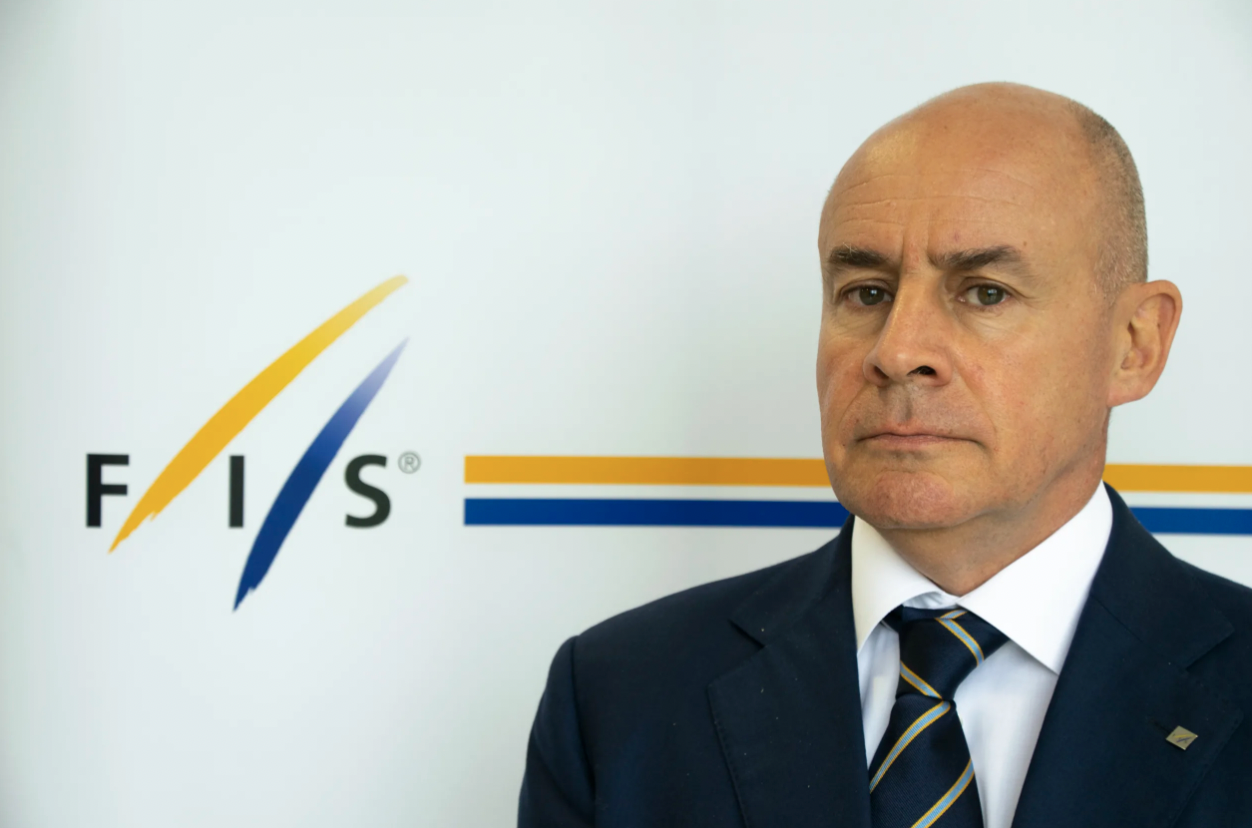
    Johan Eliasch, the newly elected President of FIS. (Photo: FIS-Ski.com)

    In a message posted on the FIS website, Eliasch wrote, “after any election generally there are winners and losers. I don’t see any losers in this election. This was all about FIS starting on a new journey. All candidates saw a bright and growing future, and that collective vision is something I want to build upon during my tenure as President. In thanking those who supported me, I thank also everyone who played their part in making this election one which brought out the best of the FIS family – a passion for snowsport and taking it to the next level.”

    Along with the message from Eliasch, a video highlights his proposed vision for FIS. In the highly produced video, Eliasch likens his mission at FIS to mountain climbing. “To succeed in any great endeavor, as like conquering a mountain, you must be prepared,” Eliasch said.

    Eliasch’s wide-ranging resume should position him for making an impact at FIS. He cites his military service, academic studies, experience with corporate turnarounds and private equity, his work with the British Olympic Association, and attempts to impact climate change policy, as qualifying him to lead the institution. (Eliasch co-founded Cool Earth to curb the deforestation of the rainforest).

    The bread and butter for FIS is alpine racing. And Eliasch, from his tenure at Head, knows that game well. Early on as Head skis rebounded in the marketplace, they hitched a sweet ride as they sponsored several notable alpine skiers. Head often wins or is near the top of the FIS alpine brand rankings. In a room mixing with business leaders and elite alpine athletes, Eliasch can mingle.

    What Eliasch’s messaging appears to recognize is the need to package the FIS product across generations, not simply the demographic still planted in front of the television each weekend.

    “We must grow and appeal to a wider and younger audience to get access to the large and lucrative and growing market out there,” Eliasch says in the video. “But to do this we need a more integrated approach to selling our sponsorship and television rights to give us more leverage to extract better value for everyone.”

    Here in North America, and more specifically thinking about the nordic disciplines, streaming and televised events have become increasingly more difficult to access since the 2018 Olympics. FIS does have an opportunity in cross-country skiing, for example, to experiment with its live feed and generate a more palatable product for a wider audience. FIS, unlike the International Biathlon Union (IBU), sells off its broadcast rights in their respective markets. In the U.S., NBC Sports, or an affiliate like Peacock or the Olympic Channel, traditionally produces the programming on race day. This past season, despite securing those rights, NBC chose to cease televised broadcasts of the cross-country World Cup after the sprints in Dresden, Germany in mid-December.

    Admittedly, this was a funky season for all the stakeholders. However, who would have imagined three seasons out from the Diggins-Randall Olympic gold that fans of the sport in North America would struggle to access highly produced cross-country broadcasts in English.

    Pulling the plug after Dresden left a vacuum for fans here in the U.S. Consider that a massive missed opportunity for FIS as American Jessie Diggins eventually won the overall this past season.

    Without using a VPN, which we are aware many American fans of the sport use, U.S.-based viewers were left with races streamed on Peacock with no commentary. Online, Peacock’s cross-country coverage featured a raw television feed. That type of product might work for those of us covering the sport, or die-hard fans. In terms of growing the sport in the U.S. and expanding its reach during a time when silent outdoor sports are booming, that type of product is a dead end.

    In the video posted on the FIS site, Eliasch seems to speak to these broader possibilities. “I am fully committed to bringing a more diverse, engaging, and entertaining experience for all skiing and snowboarding enthusiasts,” he says. “Finding this balance between the fundamental values of our sport and entertainment can only be accomplished in close cooperation with all of our stakeholders, especially our athletes and sponsors.”

    “I believe in change,” flashes on the video at the 9:00 minute mark. After a lengthy Kasper reign, FIS is possibly positioned to generate an exciting product under Eliasch. FIS, like many sport governing bodies, has been accused of poor leadership and insularity. In his public statements so far, Eliasch hits many of the right notes. Let’s hope it is time for FIS to sing.

  • FIS Poised to Elect a New Leader After 23 Years 

    FIS Poised to Elect a New Leader After 23 Years 


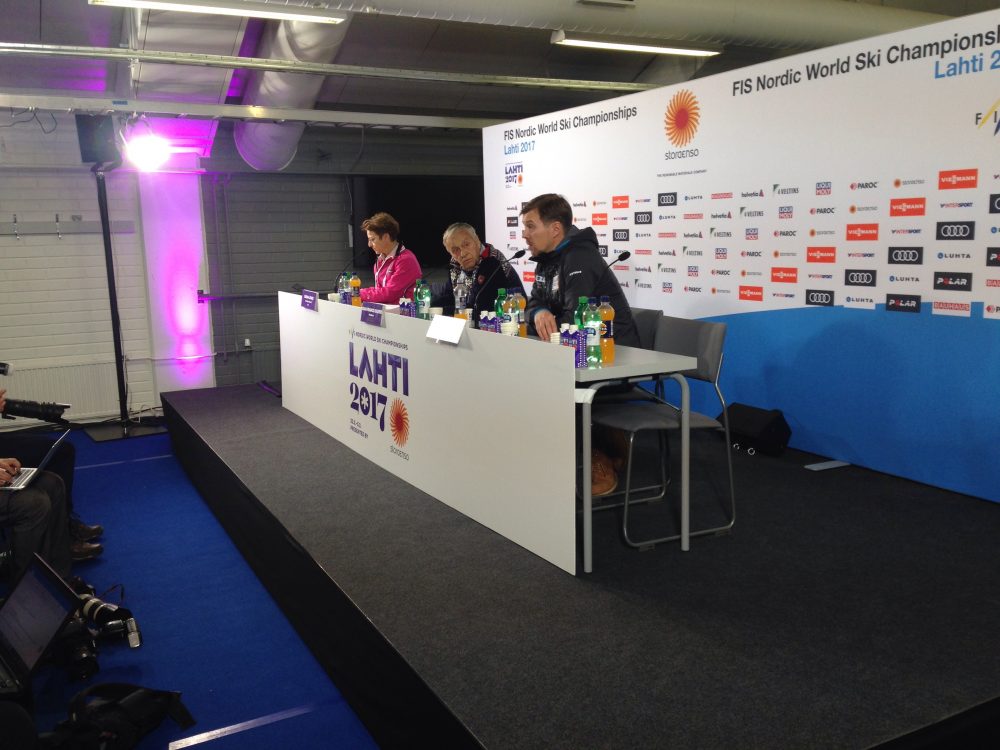
    FIS President Gian Franco Kasper (c) during a press conference at the 2017 Nordic World Ski Championships. Sarah Lewis (l), at the time served as Secretary General of FIS.

    Gian-Franco Kasper, the President of FIS for the past 23 years, will step down after a new candidate is elected at the FIS virtual FIS Congress on Friday, June 4th. The new President will be only the fifth person to hold that role since the inception of FIS in 1924. The elections come at an inflection point within the organization as it looks to navigate the ski sports under its governance into a new, post-pandemic era. Four candidates are vying to replace Kasper as the leader of world skiing.

    Here is a brief look at each candidate and where they may take the organization in the future.


    Mats Årjes

    Titles: Swedish Olympic Committee President, and FIS Vice President. 

    Mats Årjes (Photo: Fis-Ski.com)

    Billed as the safe pair of hands to modernize FIS, Mats Årjes is Kasper’s preferred successor at FIS. He brings experience from a decade with FIS and 17 years as the CEO of SkiStar, which operates Scandinavia’s largest resorts. Årjes’ agenda is to review FIS practices, bring together stakeholders, promote ski sports more widely, and establish environmental standards for FIS events. As the mainstream candidate to take over FIS, Årjes has put forward a cautious, middle-of-the-road agenda that can be described as a gentle transition to a reformed FIS.

    Opposition: Årjes has stated that if elected he will continue in his role as President of the Swedish Olympic Committee, and will hold dual presidencies. Whether or not Årjes will be distracted by his Olympic Committee duties and the potential for conflicts of interest remain a concern. As Kasper’s favored successor, he will need to win over delegates who are looking for change to come from outside of FIS.

    Pet Campaign Promise: Environmental standards 


    Urs Lehmann

     Title: Swiss Ski President

    Urs Lehmann. (Photo: urs-lehmann.ch)

    Lehmann is running on the promise of replicating his leadership successes at Swiss Ski, both organizationally and financially, at FIS. Lehmann believes that FIS must be run more like a company, and suggests that the organization’s structure is outdated, telling SkiRacing.com that, “it has become dusty over the years.” In response, he proposes streamlining its product in the fashion of the IBU. “Things have been done in bits and pieces, but there is no clear system.” 

    He also promotes changing the tenor of its governance, telling Inside the Games, “FIS has to take the lead” when it comes to big issues such as the environment, human rights, and inclusivity. “What about transparency? What about gender diversity? People are talking about this, but there is no clear set of values and ethics,” Lehmann lamented to SkiRacing. Lehmann told Inside the Games that his solution was simple: “FIS has to take a clear position on all these big issues.”

    Lehmann points to a possible source of future income from gaming. “The key word for me is E-gaming”, he has said, and points to FIFA—a popular soccer game—that helped keep the governing body of soccer fiscally afloat during the pandemic.

    He advocates bringing a more muscular approach to FIS leadership in all respects: He wants more World Cup events to take place outside of Europe, a more efficient FIS that takes a strong stand on issues, and a more developed financial model for the sport. In short, Lehmann promises that FIS, under his presidency, will lead.

    Opposition: If elected, Lehmann will be the third consecutive Swiss man to head the organization that has been run by Swiss men since 1951. The sentiment of those advocating for change suggests it is time for the 70-year reign of Swiss men at FIS to end. Lehmann has challenged this opposition by saying, “It’s not about nationality, change, or the color of your skin…It’s about the best person available in the world to take the role.”

    Pet Project: E-gaming

    You can learn more about Lehmann’s candidacy at this link.


    Johan Eliasch

    Titles: CEO of HEAD

    Johan Eliasch (Photo: johaneliasch.com)

    Eliasch, the billionaire CEO of ski company HEAD, and dual Swedish-British citizen is campaigning as the outsider and radical change agent in this election. His manifesto is expansive and he calls for, among other things, rethinking how ski events are produced. Viewer-friendly production that includes night races, interactive experiences, and content streaming are all part of his plan. He would like to take the FIS racing package in the direction of the PGA or Formula 1.

    He sees a wider frame of view for FIS that engages smaller nations. Speaking to Skiracing he said, “We need to create level playing fields across the board when it comes to training opportunities, access, coaching development and move away from just alpine in Central Europe.”

    When it comes to governance, Eliasch proposes a more active and transparent organization. He is in favor of term limits for the President and an advisory board of experts and specialized committees. “That is important so that people, our sponsors and stakeholders see we are an organization that is robust, transparent, gender diverse, diverse, open-minded and we’re going to make things happen,” 

    Eliasch calls for sweeping change to shepherd FIS into the 21st century, and argues that his success in the ski industry is the sort of outsider know-how the organization has been lacking. 

    Opposition: Eliasch summed up the reasons to vote against him best in his statement to delegates reported by Skiracing: “I have a vision and I can execute that vision. If you don’t want change, then I’m not your candidate. If you do want change, then I’m your choice.” The comfort of the status quo may prove difficult for some delegates to overcome.

    Pet Project: Interactive content  

    You can learn more about Eliasch’s candidacy at this link.


    Sarah Lewis

    Titles: Former Secretary General of FIS

    Sarah Lewis. (Photo: sarah-lewis.com / Tom Trachsel)

    Sarah Lewis has developed a manifesto she calls the “FIS piste map” for the future of the organization. The piste map is a part of her three-pillar strategy that will also offer national associations financial help in recovering from losses during the pandemic and reformed governance at FIS. 

    She is championing the possibilities of bringing in private equity investments to support World Cup skiing, and eyeing new revenue models including virtual reality, suggesting to Skiracing, “Wouldn’t you love to be in the eyes of that skier as she’s dropping into Cortina?” She points to expanding snowsports in new markets, with China as a key opportunity.

    Opposition: Paradoxically Lewis is considered to be both the outsider and the status quo candidate. From 2000 – 2020 Lewis served as FIS Secretary General before being suddenly terminated from the position “based on a total lack of confidence”, according to a short-lived FIS statement.

    FIS has provided no further information on the matter, but Dagbladet reported that her ouster had to do with a deteriorating relationship between Lewis and Kasper and other FIS officials that came to a head over poor work performance due to the amount of time Lewis was spending campaigning for president. Lewis, on a call with the AP, said she was shocked by her dismissal, saying, “I was probably blindsided that there were politics going on behind the scenes.” The decision to remove her from her post by the FIS Council has been reported by SVT and Nettavissen as being 15-1.

     Lewis has been nominated by the Belgian Ski Federation after her home federation of Great Britain opted to nominate Eliasch. The Washington Times reported that she was positioning herself as the global candidate with support from Russia, China, and South Korea. Whatever truth lies behind her dismissal from FIS, a Lewis presidency is likely to be divisive within the organization. 

    Pet Project: Pandemic recovery funds for National Federations 

    You can learn more about Lewis’s candidacy at this link.