From the FasterSkier archive — posts syndicated from athletes’ and coaches’ own blogs between 2004 and 2012, kept online as published. Current coverage is at fasterskier.com.

Tag: Jörgen Brink

  • Ski Classics Opens with Doubleheader in Italy 

    Ski Classics Opens with Doubleheader in Italy 

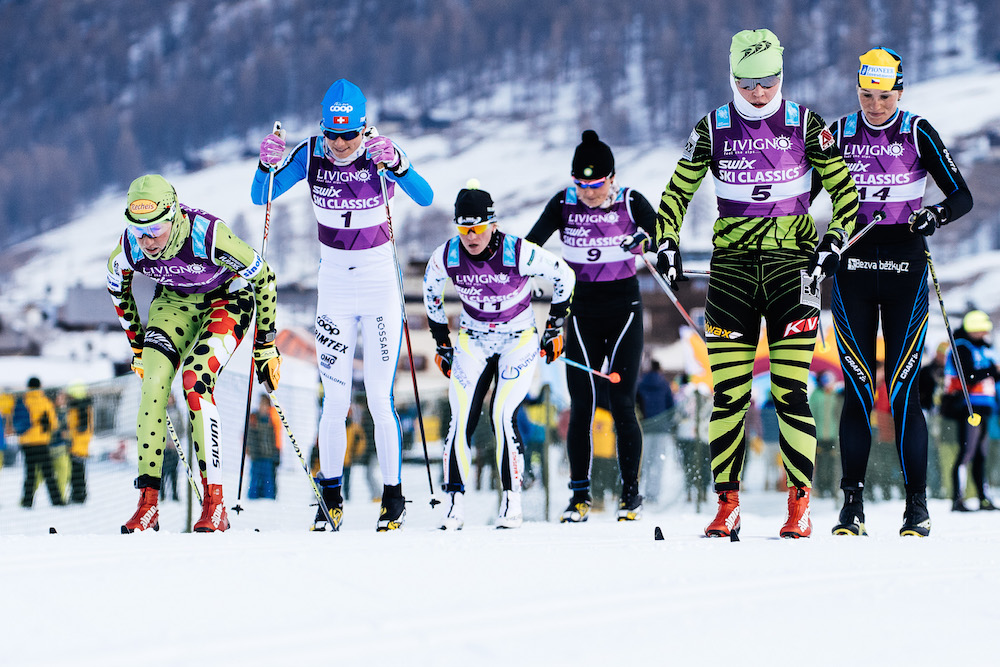
    Last year's Team Tempo Prologue in Livigno, Italy, which Team Coop won. This year, the team prologue will again open the Ski Classics series in Livigno on Saturday, followed by the shortened La Sgambeda classic race on Sunday. (Photo: Visma Ski Classics)
    Last year’s Team Tempo Prologue in Livigno, Italy, which Team Coop (in bib 1) won. This year, the team prologue will again open the Ski Classics series in Livigno on Saturday, followed by the shortened La Sgambeda classic race on Sunday. (Photo: Visma Ski Classics)

    The 2016 Ski Classics kicks off with a doubleheader in Italy on Saturday and Sunday, and the marathon regulars are chomping at the bit to get started with the long-distance race series.

    The 15-kilometer Proteam Prologue in Livigno, Italy, on Saturday opens the show for the marathon series, now called the Visma Ski Classics (with a new title sponsor in place of Swix), which has been extended to nine venues this season.
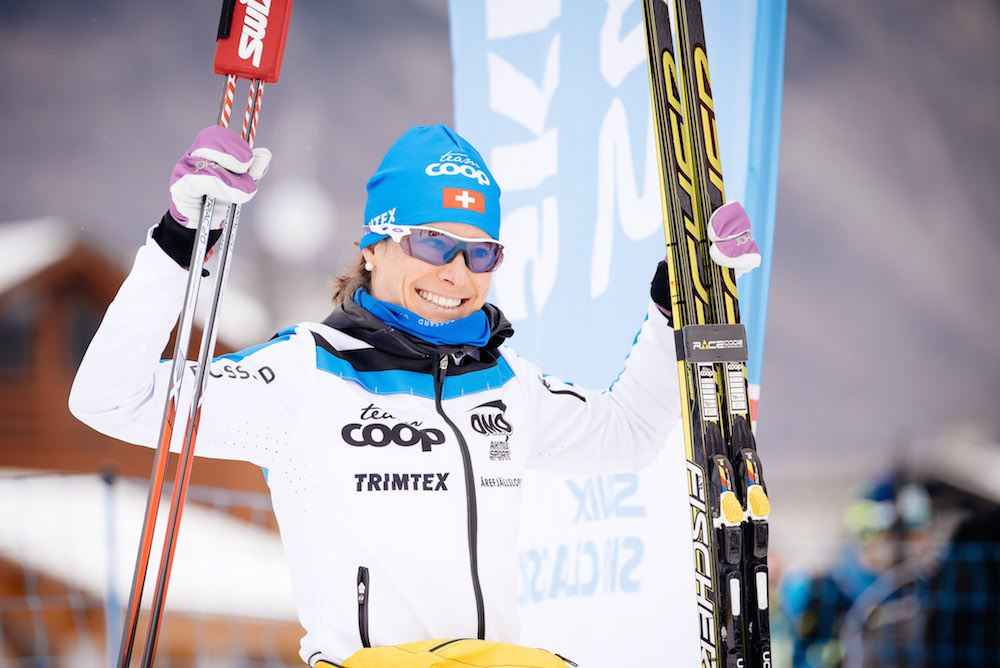
    Seraina Boner of Switzerland and Team Coop/Exspirit after winning the 2014 La Sgambeda in Italy last season. (Photo: Ski Classics)
    Seraina Boner of Team Coop (now called Team Exspirit) after winning the 2014 La Sgambeda in Italy last season. (Photo: Ski Classics)

    On the women’s side, last season’s Ski Classics champion Katerina Smutna of the Czech Republic will be on the start line for the first races this weekend, but she will face plenty of competition. Team Exspirit’s Seraina Boner of Switzerland is eager to take back the overall title, which she has earned three times (2011, 2013 and 2014), beginning with La Sgambeda.

    Poland’s World Cup star and the queen of the FIS Tour de Ski, Justyna Kowalczyk, will be doing several of the Ski Classics long-distance events this season with the Norwegian Team Santander headed by the Aukland brothers. And Britta Johansson Norgren of Sweden, who was on the podium at several of the Ski Classics events last season, is one to keep an eye on. Last season, she raced with the all women’s team Ski Pro Am, and this year she is a part of Sweden’s Lager 157 Ski Team, with teammates such as three-time Vasaloppet champion Jörgen Brink of Sweden.

    Among the men, 2015 Ski Classics overall champion Petter Eliassen of Norway makes his season debut in Italy this weekend. He will have to fend off a large and deep field of competitors such as Norway’s 43-year-old marathon veteran Anders Aukland and his Santander teammates, including younger brother Jørgen Aukland, and former World Cup skiers Tord Asle Gjerdalen of Norway and Johan Olsson of Sweden.

    Norwegian stayers such as Johan Kjölstad, Øystein Pettersen, Eldar Rønning, and John Kristian Dahl of Team United Bakeries, as well as Ski Classics veterans of Team Exspirit, including Daniel Richardsson, Anders Södergren and Jimmie Johnsson of Sweden and Norway’s Morten Eide Pedersen, will certainly do their best to make it a tough season opener from Day 1.

    Two unique competitions in Livigno

    The Prologue, in which the teams must field at least three racers to compete, was added last year, and is a team effort where the third person’s time determines the team result. The next day, on Sunday, the skiers embark on the first distance event, the now-24-kilometer classic technique La Sgambeda.
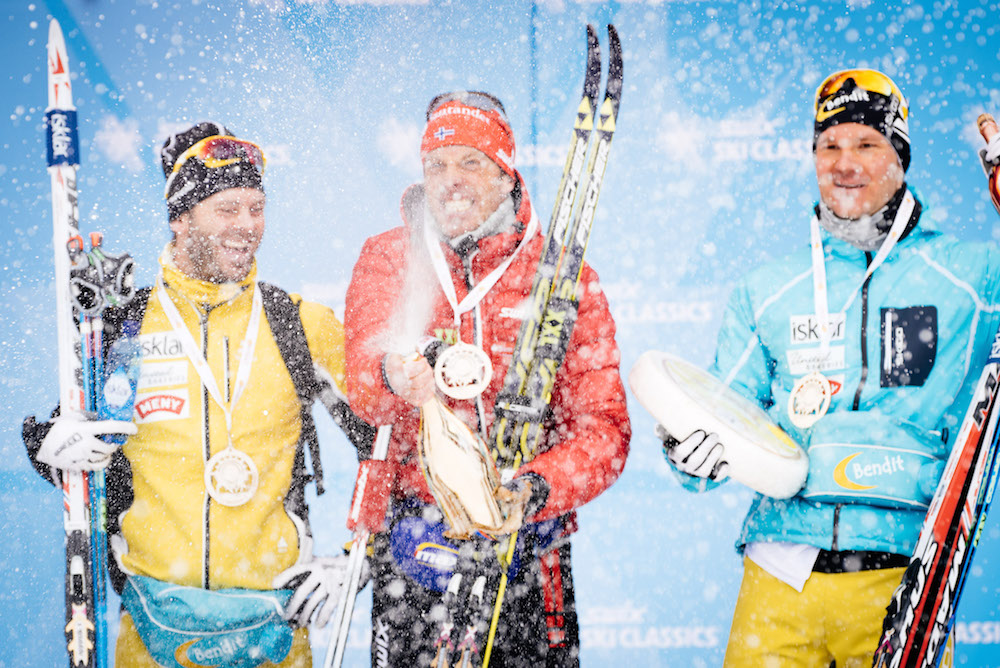
    Team Santander's Anders Aukland (c) after winning the 2014 La Sgambeda in Livigno, Italy. Johan Kjølstad  (l) and Øystein Pettersen (r) both of Team United Bakeries, placed second and third, respectively.  (Photo: Ski Classics)
    Team Santander’s Anders Aukland (c) after winning the 2014 La Sgambeda in Livigno, Italy. Johan Kjølstad (l) and Øystein Pettersen (r) both of Team United Bakeries, placed second and third, respectively. (Photo: Ski Classics)

    Team Exspirit (previously known as Team Coop) won the prologue last year and is aiming to defend the title this year.

    “We have had great preparations here in Livigno, skiing on the race course and acclimatizing to the high altitude,” team member Jimmie Johnsson said in a press release on Friday. “Of course, we’re aiming to defend our victory and we’re faster this season than ever before.”

    Team Exspirit’s Seraina Boner won La Sgambeda last year after breaking away from the field on the hard climb at the turning point of the course. This year, the course is shortened to from 35 k to 24 k due to lack of snow and is also flatter. While Boner prefers more elevation gain, she was still optimistic before the race.

    “The tougher course fits me better than the flatter one we have now,” she said. “But I will do my best, and I am really excited to finally start the long distance season together with my teammates.”

    While the Team Prologue is only open to professional teams registered with the 2016 Ski Classics, La Sgambeda on Sunday is open to amateurs and pros alike.

    Saturday’s Prologue will be held on the original course, but due to lack of snow in Livigno, the classic marathon on Sunday will be run on 6 k loops.

    “Last season, seven of the nine Ski Classics events had to change their courses due to weather issues,” Ski Classics CEO David Nilsson in a press release earlier this week. “We can just cross our fingers that the political leaders at the environmental summit in Paris this week are able to make the right decision.”

    For the 2016 season, there are 28 pro teams registered for the Ski Classics series.

    After the season opener in Italy, the Ski Classics takes a break until the Jizerská Padesatka in Liberec, Czech Republic, on January 10, 2016. The race series concludes April 2 with Årefjällsloppet in Sweden as the season finale, as it has been for years. New this year is the Toblach/Dobbiaco Cortina, a 50 k classic race in Italy on Feb. 13.

    Vasaloppet matters most

    For Madshus racer John Kristian Dahl of Norway, who won the Vasaloppet two years ago, the 90 k race from Sälen to Mora in Sweden is the main goal for the 2016 season.

    “It’s the longest and one of the oldest races in the circuit, and very special with the flats. That package makes it very unique, and difficult to win, too. In our world, it’s the championships in marathon skiing, and I’m happy that we have it every year,” Dahl said in an interview with Ski Classics earlier this fall.

    Live streaming in English

    In order for fans to follow the action live, Visma Ski Classics has launched the Live Streaming “Season Pass” available with English commentary on the app or the Tour Live Center at Visma skiclassics.com.

    2016 Ski Classics Schedule

    1. Dec. 5, 2015: Proteam Tempo Prologue, 15 k classic, Italy
    2. Dec. 6, 2015: La Sgambeda, 24 k classic, Italy
    3. Jan. 10, 2016: Jizerská Padesatka, 50 k classic, Czech Republic
    4. Jan. 23, 2016: La Diagonela, 65 k classic, Switzerland
    5. Jan. 31, 2016: Marcialonga, 70 k classic, Italy
    6. Feb. 7, 2016: König Ludwig Lauf, 50 k classic, Germany
    7. Feb. 13, 2016: Toblach/Dobbiaco Cortina, 50 k classic, Italy
    8. March 6, 2016: Vasaloppet, 90 k classic, Sweden
    9. March 19, 2016: Birkebeinerrennet, 54 k classic, Norway
    10. April 2, 2016: Årefjällsloppet, 65 k classic, Sweden

    For race recaps, follow FasterSkier’s marathon blog.

  • Gearing up for the Long Run: Ski Classics’ Jizerská 50 in Czech Republic on Sunday

    Gearing up for the Long Run: Ski Classics’ Jizerská 50 in Czech Republic on Sunday

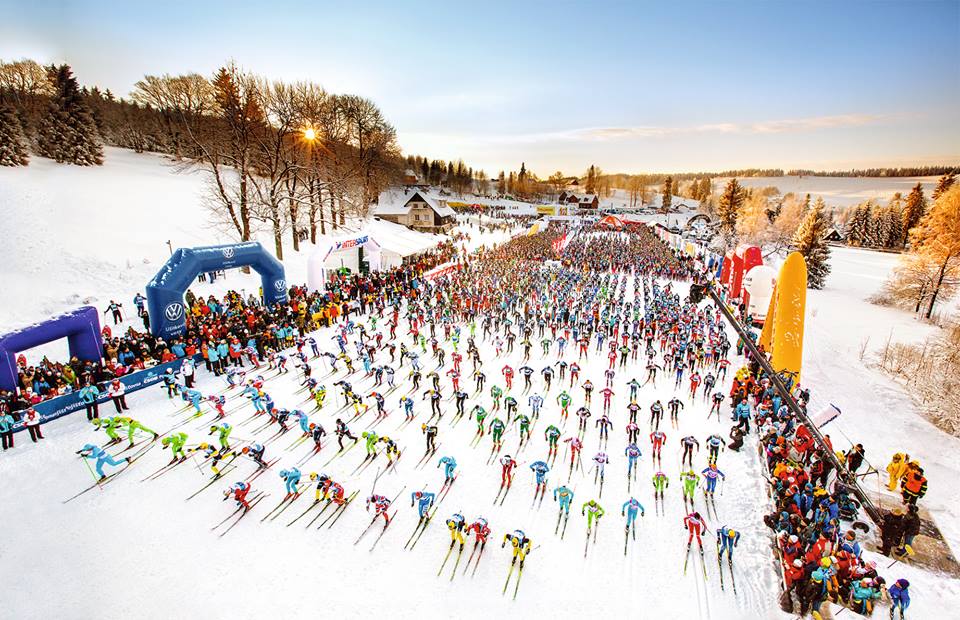
    Start of the Jizerská Padesatka, a 50 k classic race near Liberec Czech, Republic. (Photo: Swix Ski Classics)
    Start of the Jizerská Padesatka, a 50 k classic race near Liberec Czech, Republic. (Photo: Swix Ski Classics)

    Sunday’s 50-kilometer classic race Jizerská Padesatka near Liberec, Czech Republic, is the next event in the 2015 Swix Ski Classics long-distance circuit and racers are eager to hit the tracks after a long break since the first races in Italy in mid-December.

    Going into the third event in the Ski Classics (after the opening Pro Team Prologue and La Sgambeda), Norway’s Anders Aukland of Team Santander tops the overall ranking. Johan Kjølstad, who won the overall Ski Classics title last season, is second overall.

    In the Ski Classics athlete ranking, 42-year-old Aukland tops the list in front of his younger brother Jørgen Aukland. Kjølstad, who races with Team United Bakeries, is in third place, three points ahead of Czech veteran Stanislav Rezac of Team Silvani Madshus, while Sweden’s Jörgen Brink of Team Lager 157 is fifth overall going into the Jizerská 50 k on Sunday.

    In the overall sprint competition, Andreas Nygaard (Team Santander) is currently wearing the green points bib, while Team United Bakeries’ Øystein Pettersen is in second place, 10 points behind Nygaard.

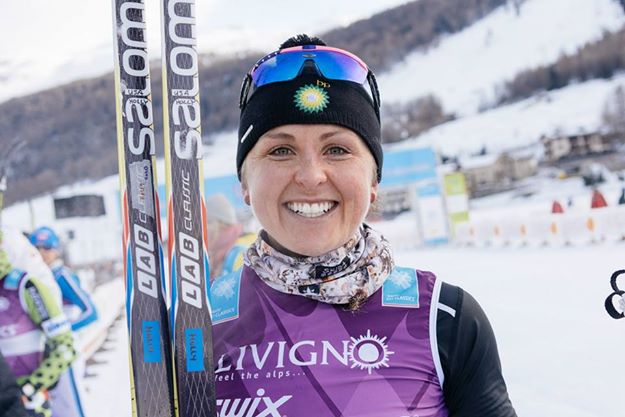
    Holly Brooks at the Pro Team Tempo, which opened the Swix Ski Classics season in mid-December in Livigno, Italy. (Photo: Swix Ski Classics)
    Holly Brooks at the Pro Team Tempo, which opened the Swix Ski Classics season in mid-December in Livigno, Italy. (Photo: Swix Ski Classics)

    Brooks Skips the Jizerská

    American Holly Brooks, who was picked up by the Aukland brothers’ Team Santander just a day prior to the start of the Ski Classics season, is in sixth place in the women’s overall competition. Seraina Boner of Switzerland, who races for Team Coop, tops both the overall standing as well as the athlete ranking.

    However, Brooks is sitting out the Jizerská, returning to Europe for the Dolomitenlauf on Jan. 18, and joining her team for the Marcialonga a week later.

    “I’m just trying to balance the FIS Marathon Cup, the Swix Ski Classics, and travel,” Brooks wrote in an email. “In years past I’ve done maybe three races 30K and longer spread out over a season, so I don’t know how my body is going to react and/or how the fatigue will build.

    “My goal is to race as much as possible without a downgrade in performance,” she added. “I have a feeling I will be very, very tired by the end of the season.”

    New Women Join Circuit

    Prior to the Jizerská, the competition for the women’s overall Ski Classics title gets tougher. Three different Pro Teams have entered new female skiers into the long-distance series: Norway’s Hilde Landheim will race for Team Coop, Viktoria Melina joins the Russian Marathon Team, and Masako Ishida of Japan will race for Team United Bakeries.

    In the Ski Classics, each professional team may enter a total of 10 skiers per season, male and female skiers included. Once entered, the teams may not unregister athletes, but they can enter additional athletes until they reach the maximum of 10 skiers.

    Stellar Conditions

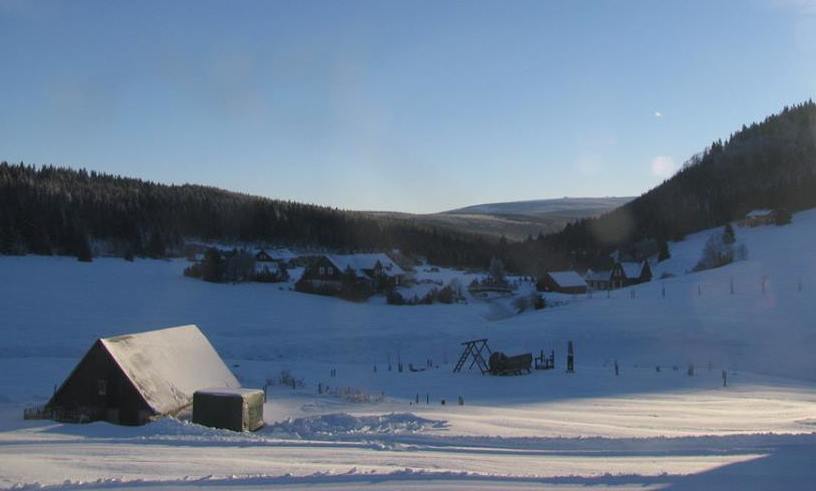
    Czech Republich, home of the Jizerská 50, which will be held on Sunday, as pictured on Jan. 6.
    Czech Republich, home of the Jizerská 50, which will be held on Sunday, as pictured on Jan. 6.

    Last year, the Jizerská races were canceled due to lack of snow, so event organizers are especially excited to put on the races this year and are proud to present stellar conditions on the race course. Promising weather forecasts, decent snowfall in the past week and cold weather have made it possible to produce enough artificial snow to cover the whole course, and the organizers are confident that they will be able to run the race as planned given the weather forecast, which predicted snow at the start and temperatures around freezing.

    “We are happy to see that the weather has turned fine and the winter conditions have finally arrived,” Martin Koucky, a member of the Jizerská 50 Organizing Committee, said in a press release. “The whole Jizerská 50 track is now covered with snow while the race preparations continue to run along at full speed. There are some thirty centimeters of artificial and natural snow at potential critical points: at the Bedrichov stadium as

    In addition to the 50 k Ski Classic on Sunday, the Jizerská race weekend opens with a 30 k skate race and a children’s race on Friday, and also offers a 25 k classic race as well as a corporate relay race on Saturday. New this year is a 1.5-kilometer double-pole sprint on Friday.

    Six More Marathons on Tap

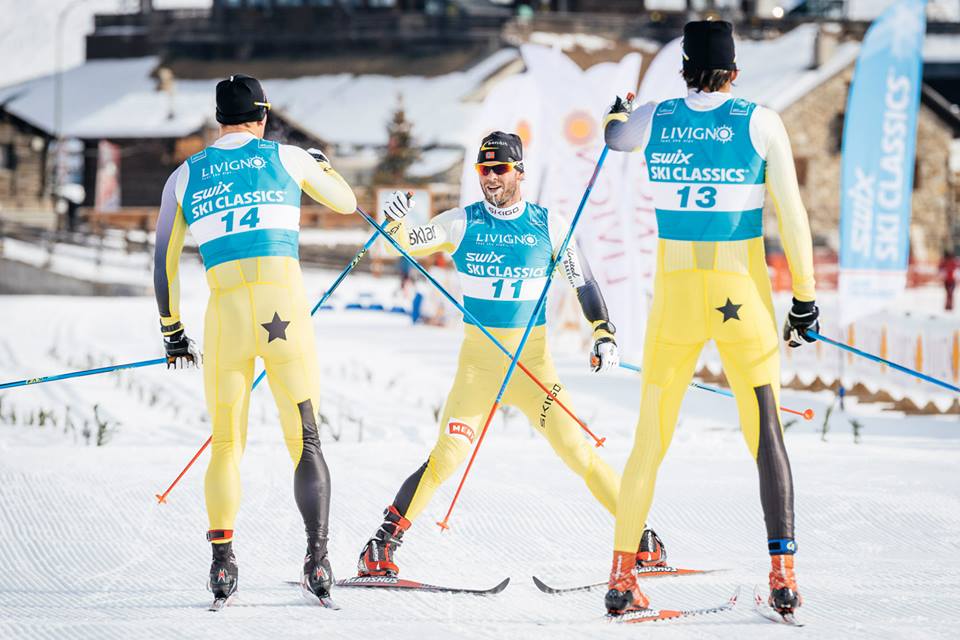
    Team United Bakeries' Pettersen (14), Berdal (11), and Kjølstad (13) at last month's La Sgambeda in Livigno, Italy. (Photo Swix Ski Classics)
    Team United Bakeries’ Pettersen (14), Berdal (11), and Kjølstad (13) at last month’s La Sgambeda in Livigno, Italy. (Photo Swix Ski Classics)

    After the Jizerská 50 on Sunday, the Ski Classics moves to Switzerland for the brand-new La Diagonela on Jan. 17.

    La Diagonela was introduced to the race series last winter as a replacement for the Jizerská 50, which was be canceled, but was such a success that the circuit included the race as a new, permanent installment on the Ski Classics calendar for the 2014/2015 season. This year, the 65-kilometer La Diagonela will be held on a picturesque new course through the villages of St. Moritz, Zuoz and Pontresina in the Engadin Valley.

    After the stop in Switzerland, the Ski Classics moves to Italy for the Marcialonga in the valleys of Val di Fassa and Val di Fiemme on Jan. 25. The 70 k race is famous for its notorious final uphill climb, the Cascata, to the finish in Cavalese town square.

    From Italy, the Pro Teams travel to Germany for the 50 k König Ludwig Lauf in Oberammergau, Bavaria, on Feb. 1.

    After the König Ludwig Lauf, the athletes get a well-deserved break from competing until the legendary 90 k Vasaloppet from Saelen to Mora, Sweden, on March 8.

    After Vasaloppet, the circuit moves on to Norway’s Birkebeinerrennet on March 21. The 54 k classic race starts in Rena, crosses to mountains to the finish line in Lillehammer, the host of the 1994 Winter Olympics.

    The series once again ends with the season finale Årefjällsloppet in Sweden on March 28. The 75 k race offers stunning views from the in Vallbo to the finish line in Åre.

    More information and complete Ski Classics schedule

  • Musgrave Aligns with Alsgaard’s New Team LeasePlan Go

    Musgrave Aligns with Alsgaard’s New Team LeasePlan Go

    The faces of the newly formed Team LeasePlan Go, with Anders Södergren, Emil Søbak Gundersen, Jörgen Brink, Christoffer Callesen, Per Kristian Nygård, Johanna Ojala, Espen Frorud, Simen Sveen, Thomas Alsgaard, Andrew Musgrave, Torgeir Skare Thygesen, Audun Laugaland, and Kjetil Hagtvedt Dammen. A five-time Olympic gold medalist, Alsgaard (fourth from top right) formed the team this year with the help of Gundersen (top left). Musgrave (second from bottom right) is the only non-Scandinavian athlete. (Photo: www.facebook.com/TeamLeaseplanGo)
    The newly formed Team LeasePlan Go, with Anders Södergren, Emil Søbak Gundersen, Jörgen Brink, Christoffer Callesen, Per Kristian Nygård, Johanna Ojala, Espen Frorud, Simen Sveen, Thomas Alsgaard, Andrew Musgrave, Torgeir Skare Thygesen, Audun Laugaland, and Kjetil Hagtvedt Dammen. A five-time Olympic gold medalist, Alsgaard (fourth from top right) formed the team this year with the help of Gundersen (top l). Musgrave (second from bottom r), a British skier, is the only non-Scandinavian athlete. (Photo: facebook.com/TeamLeaseplanGo)

    Earlier this month, Andrew Musgrave, a 23-year-old World Cup skier from Great Britain, met one of the greatest cross-country racers of all time: Thomas Alsgaard. What was more, they were going to be teammates on the newly formed Team LeasePlan Go.

    Musgrave could hardly contain himself as he trained with the 41-year-old Norwegian near the Oslo airport. He also worked out alongside Swedish superstars Anders Södergren and Jørgen Brink at the training camp in Gardermoen, Norway.

    “They’re probably getting annoyed with me,” Musgrave said with a laugh on the phone from Trondheim, Norway, where he’s studying engineering at the Norwegian University of Science and Technology (NTNU).

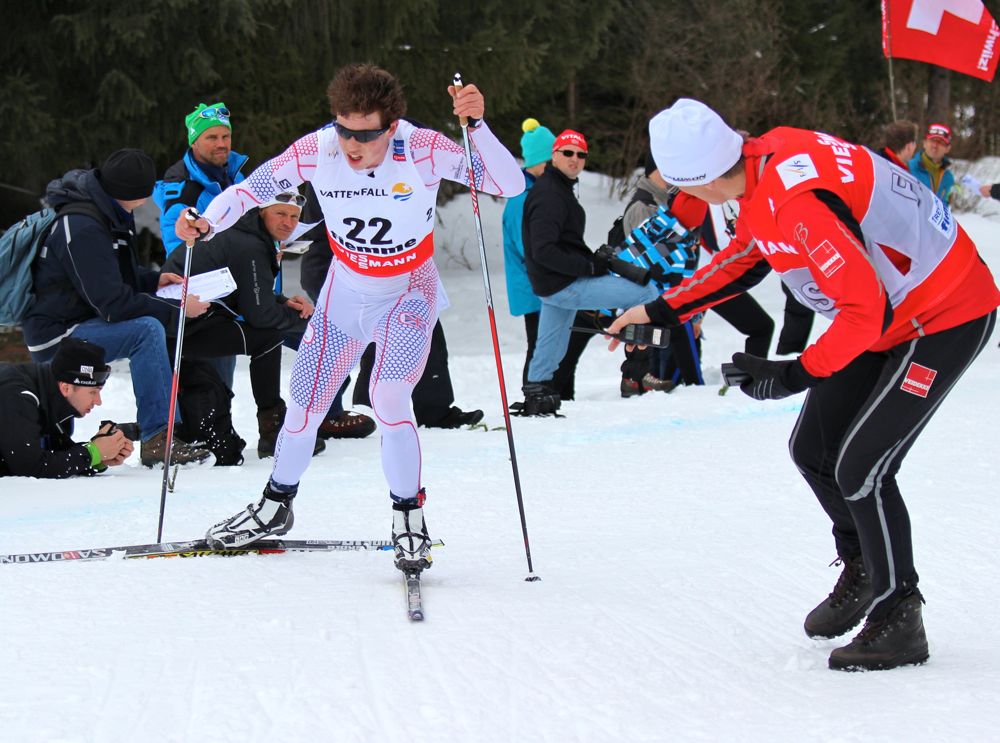
    Great Britain's Andrew Musgrave and his coach during the 15 k freestyle individual start at 2013 World Championships in Val di Fiemme, Italy. Musgrave placed 28th for his best result of the championships, but considered his season mostly inconsistent.
    Great Britain’s Andrew Musgrave and his coach during the 15 k freestyle individual start at 2013 World Championships in Val di Fiemme, Italy. Musgrave placed 28th for his best result of the championships, but considered his season mostly inconsistent.

    A part-time student and full-time racer, Musgrave has been there since last autumn and in Norway for the last four years. Conveniently and perhaps essentially, he speaks Norwegian.

    “I always ask them what they do when they’re training and how they normally do this and that, all sorts of questions so they’re probably getting quite bored of me,” he said. “But for me, it’s definitely good being on the team with these guys. I think I’ve learned a lot from training with them just the one-week camp we’ve had now.”

    Lucky for him, there are more camps to come. According to Team LeasePlan’s manager, Emil Søbak Gundersen, the privately sponsored, 12-man squad will meet for two camps at Alsgaard’s home in Nannestad, Norway, and also in Austria or Italy this summer.

    With athletes scattered throughout Norway and Sweden, the team is Alsgaard’s brainchild and means of getting back into full-time racing full time after more or less retiring 10 years ago.

    A couple questions come to mind; first – what’s Alsgaard’s plan?

    In an email, Gundersen explained that Alsgaard approached him in December. Alsgaard had his own marathon team at the time, Team United Bakeries, but he wanted to do less paperwork and more skiing, maybe even win the Vasaloppet.

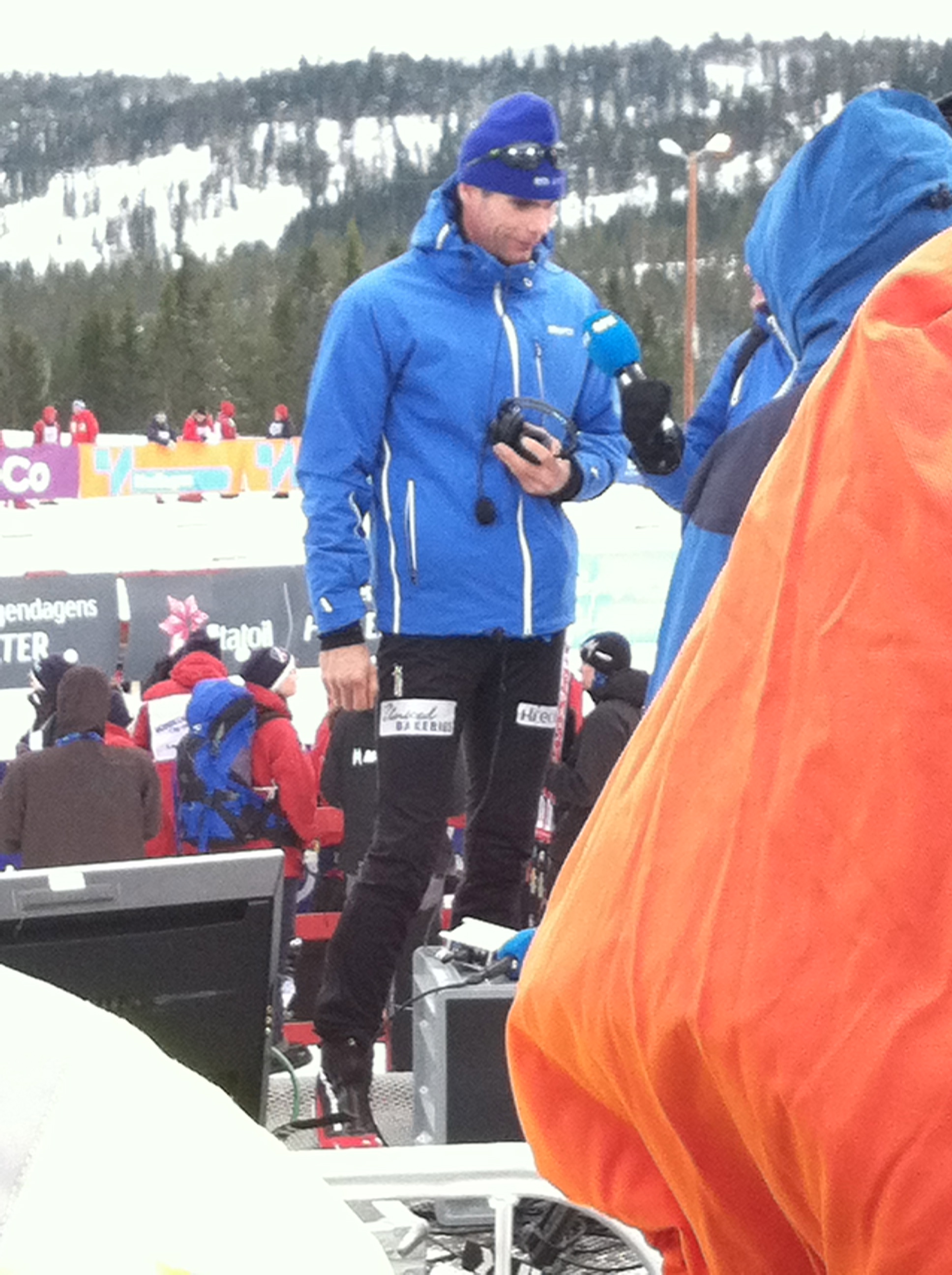
    Alsgaard pulling double duty as commentator and racer at 2012 Norwegian nationals.
    Alsgaard pulling double duty as commentator and racer at 2012 Norwegian nationals.

    Formerly of Team Norgehus, Gundersen decided Alsgaard was worth the investment and helped him launch a new concept – Team LeasePlan Go – pulling racers from the now-defunct Norgehus and United Bakeries.

    Alsgaard quit his job commentating for the Norwegian Broadcasting Company, telling VG, “I want to give myself a year off, get back the shape,” according to a translation. “I will follow the team and be more present … I will be fighting for the win in the Vasaloppet, Birkie, Marcialonga and other races.” He could not be reached for additional comment.

    Of the 12 handpicked skiers on LeasePlan (a car-leasing company), six make up its marathon team: Alsgaard, Södergren, Brink, Christoffer Callessen, Kjetil Hagvedt Dammen and Audun Laugaland. Gundersen stated their goal is to win all of the Swix Ski Classics, with an emphasis on the Vasaloppet, Norwegian Birkebeiner and Swedish Årefjellsloppet.

    Six younger guys comprise the all-around team geared toward World Cup racing and specifically the Olympics this season. Musgrave joins Per Kristian Nygård, Ånund Lid Byggland, Simen Sveen, Torgeir Skare Thygesen, and Espen Udjus Frorud in this group after his old team, Norway’s Team Veidekke, lost its title sponsor this spring.

    So how did Musgrave get involved in Alsgaard’s latest project? Once he found out Veidekke was going to be no longer, he started searching for a new affiliation.

    “I was speaking to a few people and just finding out if there were any other teams interested in having me, and I heard there was this new team,” Musgrave said.

    He contacted Søbak, who explained the breakdown of their long-distance and all-around teams. Musgrave could join the latter and train with peers while periodically working out with Alsgaard and veterans like Brink, 39, a three-time Vasaloppet winner, and Södergren, 36, a multiple Olympic medalist who won the Holmenkollen 50 k in 2006 and 2008.

    Musgrave was thrilled and even more excited after their first training camp from May 9-15. He knew four of his teammates from Team Hovden in Lillehammer, where he lived and trained from 2010 to 2012. The next year, Musgrave and Nygård, another all-around teammate, skied for Veidekke.

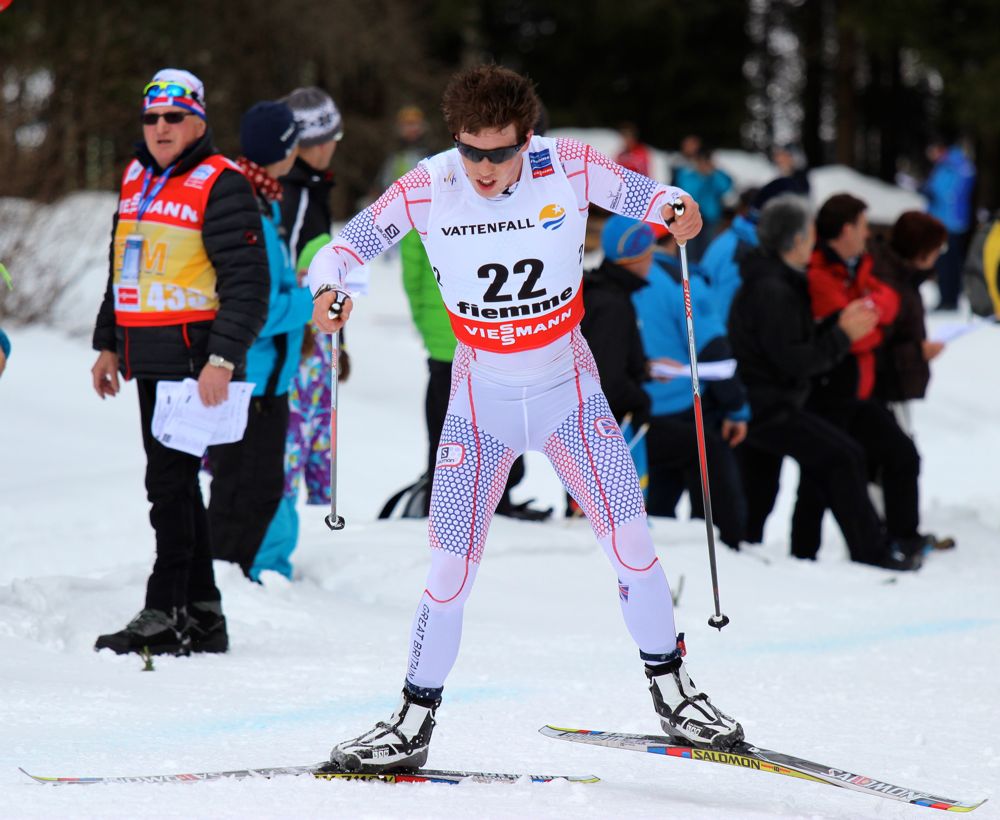
    Andrew Musgrave (GBR) en route to 28th in the 15 k skate at 2013 World Championships in Val di Fiemme.
    Andrew Musgrave (GBR) en route to 28th in the 15 k skate at 2013 World Championships in Val di Fiemme.

    “It’s really, really professional,” Musgrave said of Team LeasePlan. “I think it’s the best setup I’ve been with by far. … The distance team, it’s got all the well-known guys. Like three of the best skiers of the last 20 years are on that team.”

    In Gardermoen, he met all-around coach Johanna Ojala and was immediately impressed with her extensive knowledge on technique.

    “I’m possibly one of the ugliest skiers there are,” Musgrave said with a laugh. “Terrible technique at some times. … I think if I improve my technical skiing then hopefully I’ll be able to go a lot faster.”

    Last year, Musgrave broke through with a career best 11th in the Tour de Ski freestyle sprint in Val Müstair, Switzerland. He was fourth at U23 World Championships in the 15 k skate.

    “The season was pretty good, but I was quite inconsistent,” he said. “Under 23s was OK, although I was a bit disappointed to miss out on a medal. Next year, consistency is the important thing, to be at a high level throughout the whole season instead of being up and down and never quite knowing if I was gonna have a good race or not.”

    Headed into his second Olympics, Musgrave is looking to break through the top 50 and finish in the top 10 of the freestyle sprint in Sochi, Russia.

    “I really like the sprint course there ’cause it’s long and hard and it suits distance skiers,” he said. “I’m sort of a distance skier that can do OK at sprints sometimes, especially if it’s a long, hard course at altitude like it is.”

    In the meantime, he’ll take every opportunity to absorb pointers from seasoned guys like Alsgaard. Chances are, he won’t mind.

    “One thing that surprises me is how little people are curious,” Alsgaard told Dagbladet after placing fourth in the 15 k at 2012 Norwegian nationals. Musgrave was second in the event.

    “Fast skiers live into their own world and their own bubble,” he added. “Nobody has come to me and asked, ‘What are you doing?’ ‘Why do you do it?’ There has not been one question. No trainers, no skiers. … One should have faith in themselves and have confidence, but it is important to be curious, too.”

    Alsgaard expressed a similar sentiment in a 2011 interview with FasterSkier.

    “It’s always very important to be curious and always try to ask questions when you meet people, no matter if they have been good skiers or not,” he said. “That’s an area, I think, maybe [the Norwegian national team] could work harder.

  • Norwegian Birkie: Rezac, Boner Take Final FIS Ski Classic Event

    Lillehammer, Norway: Stanislav Rezac (CZE) won the exhilarating sprint finish in the men’s elite wave of the Norwegian Birkebeiner Saturday. He polished off the 54 kilometers from Rena to Lillehammer in 2 hours, 39 minutes and 54 seconds. Jörgen Brink (SWE) was right on his tails, finishing in 2:39:55, with Jerry Ahrlin another second back for third place.

    “I had fantastic skis, super glide and perfect kick the whole way,” said Rezac, who skis for the Madshus Marathon Team.

    In the women’s elite wave, Seraina Boner (SUI) won by almost a minute. She clocked in at 3:11:17, with Jenny Hansson (SWE/NOR) posted 3:12:05 for second place. Sara Svendsen (NOR) was third in 3:12:09.

    “I really had to fight for it. This is probably the hardest course I’ve ever done. It’s up and down all the time and there is no place to recover,” Boner said to langrenn.com after the race.

    “I had really good skis, and I’m in great shape right now, so I really hammered the uphills. I think that was the difference between first and fourth place today,” Boner explained.

    Stephanie Howe (XC Oregon) was 17th in the FIS elite women’s wave, posting 3:38:29 for the 54-kilometer course. Brayton Osgood (XC Oregon) finished in 3:02:38 and earned him 24th place – the same as in the Engadin Ski Marathon last weekend. Teammates Taylor Leach was 33 in the 25-29 age category while Sarah Max was 11 in the 35-39 bracket.

    Postcard beautiful weather and solid tracks made for an enjoyable day across the mountains for all participants. The Norwegian Birkebeiner was filled to capacity, a maximum of 16,000 skiers, already in October, less than an hour after online registration opened. Complete and searchable results here. http://resultatservice.birkebeiner.no/sok_resultater2.php?arr=2&per=2011

  • Brink Wins Second Consecutive Vasaloppet, Hansson Finally Gets The Win

    The 87th Vasaloppet took place Sunday, with over 14,000 skiers taking part in the historic 90 k race from Salen to Mora, Sweden.

    Norway’s Torjus Borsheim took the early lead, winning three intermediate sprints, and holding at one point a two-minute lead over the rest of the field.

    However, three members of Team Xtra Personnel, Norway’s premiere marathon racing team, Arne Post, Anders Aukland and Jerry Ahrlin, along with Czech Stanislav Rezac took the lead. Post quickly dropped from the pack, and was replaced by Jorgen Brink, who had suffered a broken pole earlier in the race.

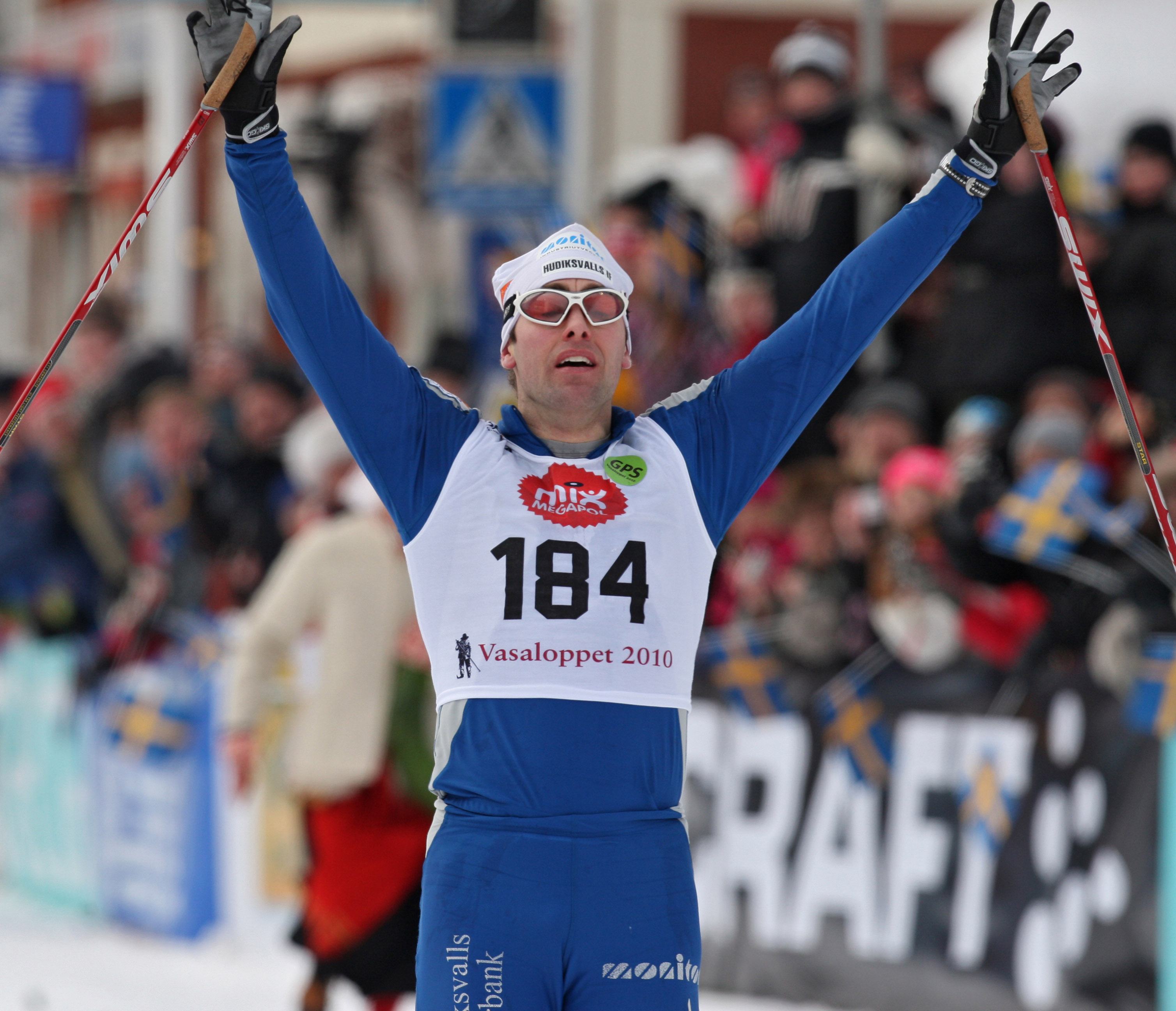
    Brink, skiing for Hudiksvalls IF and Team United Bakeries not only bounced back to make contact, but took the lead to the finish, and was closely challenged only by Rezac, who ended up second.

    Ahrlin crossed the line third, five seconds behind Brink, while Aukland was fourth, 11 seconds back.

    The victory is Brinks’ second consecutive at the prestigious event – in 2010 he won by a narrow margin over Norwegian Daniel Tynell. And at 37 years of age, Brink also becomes the oldest winner in event history.

    “To win the Vasaloppet is something you dream about, and to do it twice is amazing,” said Brink to SVT, a Swedish news outlet after the race.

    While Brink has emerged as an excellent marathon skier, he is perhaps best known for one race. At the 2003 World Championships in Val di Fiemme, Brink, the anchor of the Swedish relay team, was given a massive lead and it was assumed he would ski for the win. Instead, he blacked out, was passed by both the Norwegian and German anchors, and barely crossed the line to give Sweden the bronze medal.

    The deep men’s field featured some recognizable World Cup names, including Swedish sprinter Teodor Peterson, who finished ninth, just ahead of Norwegian Johann Kjoelstad, who crossed the line 10th. Norwegian Simen Oestensen, who recorded two top 10 finishes in the 2011 Tour de Ski finished 15th, and three-time sprint World Cup winner Boerre Naess finished 25th.

    Meanwhile, Sweden’s Jenny Hansson won the women’s race, and gained a certain amount of redemption after finishing third in the Vasaloppet in two previous attempts.

    “I have been waiting for the perfect day and I did perfect skiing today,” Hansson said to SVT after having crossed the finish line.

    “I was fighting all the way and it is long since I have been so tired. It feels so good and I am extremely happy inside.”

    Susanne Nystrom, winner of the women’s race in 2010, and a fellow member of Team Xspirit finished second, 48 seconds back of Hansson. Sofia Bleckur of IFK Mora finished third, just over five minutes off Nystrom’s pace.

    Full Results

  • Team 3: Sweden

    Sweden

    Nations Cup Ranking: 3rd (6793 pts)

    Men: 3rd (3535 pts)

    Women: 3rd (3258 pts)

    2010/2011 A Team

    Men

    Emil Joensson

    Mats Larsson

    Robin Bryntesson

    Jesper Modin

    Teodor Peterson

    Daniel Richardsson

    Anders Soedergren

    Marcus Hellner

    Johan Olsson

    Jens Eriksson

    Women

    Lina Andersson

    Magdalena Pajala

    Anna Haag

    Ida Ingemarsdotter

    Charlotte Kalla

    Hanna Falk

    Hanna Brodin

    Sara Lindborg

    What You May Have Missed Last Season

    Hanna Falk coming from absolute obscurity to lead a strong Swedish women’s sprint team. For the average or even the dedicated World Cup fan, there would have been no reason to know Falk’s name before last fall. Prior to the start of the season, she had just one World Cup start, which was an uninspiring, out-of-the points finish, and some good-but-unremarkable results at two World Junior Championships.

    But after three World Cup starts in two weekends before Christmas, Falk had a victory, a second place and a top 10 finish, shaking up the predictable women’s sprint standings. She never looked back, making the final twice more, as well as collecting another win on her way to a fifth-place finish in the sprint rankings. In her eight career individual World Cup starts, she has earned two wins, which is pretty darn impressive.

    While sprinting has long been an area where the Swedes have excelled, as Bjoern Lind and Peter Larsson have shown, Emil Joensson is cut from the same cloth. In winning the Sprint Cup, the man failed to make the final in just a single sprint race this past year, in Oslo. So long as he steered clear of those pesky Russians, Joensson was a good bet to make the podium every time he hit the start line.

    Emil Joensson (SWE) captures the World Cup victory in Canmore, Alberta. Photo: Philip Bowen.

    What You Should Know For This Season

    The Swedes have arguably the best all-around team on the circuit, as one might expect from a top three country.

    In distance events, they have greater male skiing depth than Norway. Marcus Hellner, Johan Olsson, Daniel Richardsson and Anders Soedergren showed at the Olympics that Sweden is no longer playing second fiddle – and so long as they don’t pull a Brink (make sure you have the sound on – we need announcers like that here in North America), they will be Norway’s greatest competition in Oslo come February.

    The only hole in the line up is women’s distance skiing. While the return of Charlotte Kalla – arguably the best skater on the circuit – to top form will be an answer to Marit Bjoergen, Kalla doesn’t have much help. Anna Haag can chip in on distance, but it’s a long way down to Magdalena Pajala after that.

    They have greater consistency in sprinting than just about everyone. Emil Joensson is as good as they come, and Jesper Modin is a tower of power, standing at 6’7. Hanna Falk and Ida Ingemarsdotter finished fifth and sixth in the sprint cup, leading a collection of young, strong sprint women. The Swedes had a skier in every single final in a sprint on the World Cup last year, which is the only way to keep pace with the Norwegians and Russians.

    Anders Soedergren has to be the most unlucky skier on the circuit. He has a lengthy track record of illness and injury, and this summer he got into an altercation with an off-duty police officer while rollerskiing that resulted in a fairly serious injury. Also, his house burned down this fall, luckily without him in it. And the International Ski Federation is taking away his favorite race, the 50 k individual start!

    While Soedergren seems to have nothing but bad luck, his team mate Marcus Hellner has elevated his skiing to the next level. After taking a few lumps early in his career, Hellner is now on track, and is considered one of Petter Northug’s main rivals – especially after their poker showdown in Las Vegas this past summer.

    The retirement of Anna Olsson, who went out with a bang in the Stockholm city sprint, is no big deal, as there are loads of young Swedish sprinters itching to get into the action. While the Norwegians are pressing the panic button over the lack of women in their system, the Swedes have no such problems.

    Also, in case you were still holding out hope, Charlotte Kalla is taken. Anders Svanebo, an up and coming Swedish skier is looking for a spot on the World Cup so the two can hang out. And Hanna Falk is apparently not interested, either.

    Who You Should Watch

    Hanna Brodin. Brodin finished 11th in her first World Cup of the season, and cracked the final in the Stockholm city sprint. She looked a little out of place in her non-national team suit in the same sprint final in Stockholm where Olsson retired, and she did get blown away, but so would just about anyone else with that field.

    Brodin has an excellent track record as a junior sprinter, owning a silver medal from World Junior Championships in 2009 as well as gold from 2010.

  • Duel of the Marathoners

    Duel of the Marathoners

    OSLO, NORWAY – Oslo’s local ski organization Skiforeningen and Thomas Alsgaard’s new distance initiative Team United Bakeries dish up a 10K classic suffer fest with more than 1,200 feet elevation gain. Start is Sørkedalen, Oslo, finish at Tryvann.

    Jörgen Brink Photo: Madshus AS

    According to the start list, both Team United Bakeries and Team Xtra Personell are well represented in the elite wave. Both current Vasaloppet champion from Team United Bakeries, Jörgen Brink (SWE), and 2008 Vasaloppet champion Jørgen Aukland (NOR) from Team Xtra Personell are registered and ready to duke it out for bragging rights. Add 2008 and 2009 Vasaloppet champion Sandra Hansson (SWE) in the women’s race to the mix for a total of three Vasaloppet champions on the start line.

    “We’re really excited to have this kind of a marathon field. We think this event has potential, and next year, we’re planning to have the finish in the new roller ski arena at Holmenkollen,” Ole Kristian Sørland of Skiforeningen says to the Norwegian web site birken.no.

    From www.skiforeningen.no and www.birkebeiner.no, compiled by Inge Scheve, FasterSkier.

  • Work and Skiing: Martin Rosvall Challenges the Pros

    Work and Skiing: Martin Rosvall Challenges the Pros

    This is the first of a two-part profile on Swede Martin Rosvall, who recently completed hi post-graduate degree at the University of Washington.  Rosvall finished 15th in the 2010 Vasaloppet, challenging some of the world’s top skiers.

    Most of his competitors train full time; Martin Rosvall, 32, works full time. In March, Rosvall was 15th overall at the Vasaloppet, after having led the podium finishers large portions of the way from Sälen to Mora. No small feat for an amateur.

    Rosvall became quite a celebrity among the Seattle-area skiers and beyond while doing his post-graduate research at the University of Washington from 2006 to 2008. Rosvall won just about every local race, was 9th at the 2008 US Nationals 50K in Fairbanks and delivered a long list of solid Nor-Am results, as well as placing 2nd in the 2009 Ski2Sea Nordic leg in Bellingham. This year he was 4th at Ski2Sea, beat by Ivan Babikov, Brian Gregg and Eric Bjoernsen, but edging out Olympians including Torin Koos. That following a season where he had skied alongside World Cup skiers such as Axel Teichmann, Jörgen Brink, Jerry Ahrlin and Mathias Fredriksson in several FIS events.

    World Cup talent

    Rosvall, a native of Umeå in northern Sweden and a member of Lycksele IF ski club, grew up training and competing with former Olympian Per Elofsson, as well as World Cup racers Björn Lind and Björn Ferry. While nobody could challenge Elofsson, Rosvall outskied Ferry and Lind on several occasions during his last junior season, and the success changed his perspective on racing.

    “After chasing the podium for so many years, beating Björn Ferry and Björn Lind gave me a chance to feel what it was like to win. But it wasn’t what I thought it would be. It didn’t feel any different than before. That’s when I realized I love skiing for the sake of skiing. It’s not about winning. So for an underchallenged high school student, choosing a university degree over a World Cup career was not hard. And it’s a decision I have never regretted.”

    The benefits of a career

    Now Rosvall works full-time as an assistant professor in physics at the University of Umeå and finds that ski racing and a professional career are not mutually exclusive.

    “I’m always the underdog. A pro should beat an amateur, so whenever I beat a pro, it’s a victory in itself,” Rosvall says, noting that having a career adds another dimension to his life.

    “I notice that the moods of my full-time pro skier friends entirely depend on their performance. When they ski well, they’re happy. If they’re not having success, they’re grumpy. If I have a bad day on the trails or a bad race, I can always come back to my career and my research, and vice versa,” he says.

    Furthermore, Rosvall thinks his lifestyle lets him get the most out of his training hours.

    “Every workout is fun and feels like a luxury. If I were to increase my annual hours by 30 percent from 600 hours to just below 800 hours, I’d have a 50 percent chance of becoming 2 percent fasters. I’d also have a 50 percent chance of training too hard and becoming 10 percent slower,” Rosvall says.

    Martin Rosvall at the 2010 Ski2Sea in Bellingham, Wash. Photo: Debbie Kolp

    Less is more

    So how does a full-time worker with time constraints, extensive work travel, conferences and hotel life in non-skiable places keep up with World Cup racers? The answer is simple, according to Rosvall: Less is more. Less hours means feeling fresher more often.

    “I trained less this year than before. Every skier knows when to take a day off, but they don’t. This year I did. The result is that I start every intensity workout feeling fresh, and I recover better. I get the most out of every workout. I logged fewer hours overall, but better hours. I didn’t do any more intensity than before, just better quality,” Rosvall explains. And the strategy paid off.

    “The only bonk I had was teaching a class. I ran out of things to say, my brain ran out of glycogen and class ended early. I tried to teach for five more minutes, but I realized that I couldn’t even understand what I was trying to say myself,” Rosvall recalls.

    Then what separates the World Cup racers from a 15th place Vasaloppet finisher? Mostly, speed and sprint capacity.

    “I couldn’t do well on Olympic courses compared to the pro skiers. There are no short cuts. 50 percent more training hours in the log makes you on average 2 percent faster. That equation doesn’t work with a full-time job,” Rosvall explains. “They’re sprinters and can burn lots of fuel in a short time. I get too much lactate sooner than they do. But in long races, it’s all endurance. In a flatter, 90K race, they don’t have that much of an advantage from being good at 15K courses with lots of hills.”

    Changing the recipe

    “Having a different strategy was certainly part of the success this year, but also I was stronger than I have been before,” Rosvall says. The secret to more strength? None. Rosvall simply started doing strength workouts on a regular basis.

    “This was my first year in the gym,” Rosvall says with a laugh. He completed one or two max strength workouts in the gym each week, focusing on a few key exercises.

    “I went in before work and did an hour of few reps and high weights. I focus on my weak parts, which is hamstrings and core,” Rosvall says. Dynamic/ explosive lunges with a weighted bar, chin-ups, dips and hamstring kick-back on a machine was the mainstay of the diet, in addition to a healthy dose of core drills.

    Rosvall also changed the way he did intervals.

    “No more pushing beyond threshold. I did mostly nine to ten minute intervals at race pace, or right below my lactate threshold,” Rosvall says, noting that he believes max effort intervals tend to increase recovery time while adding little to the capacity for marathon racing.

    Additionally, Rosvall is convinced that countless hours running through wetlands with poles pay off.

    “For a strength workout, there is nothing that really compares. It’s a full body workout, both strength and cardio, and all with very little impact on the joints compared to running even on trails,” he says, adding that running in sand might deliver similar benefits.

    More than one basket

    Rosvall didn’t put all his eggs in the Vasaloppet basket. He built up to the race by doing a number of other high-profile events, including the 42K Dolomitenlauf (skate) in the Alps, followed by the 70K Marcialonga (classic) in Italy the week after, and a handful of Swedish FIS-sanctioned races. Of the Swedish races, the 45K classic Åsanespelen stands out. Rosvall skied neck a neck with Jörgen Brink, Jerry Ahrlin and Mathias Fredriksson – Swedish World Cup and full-time racers that he would encounter again at the Vasa in March. Rosvall was 4th overall in Åsane.

    “Åsanespelen was a great opportunity to ski with the best. I realized that I really could ski with them. I was right there for 30K, when we hit a long uphill. That’s where you recognized that they are World Cup skiers and I’m not. World Cup skiers start out fast on the hills and they continue at the same pace, even when you can’t see them anymore,” Rosvall explains.

    Martin Rosvall at the summit of Cutthroat trail as it crosses the Pacific Crest Trail. Photo: Kent Murdoch