Tag: journals

  • This Month in Journals: Does Birthdate Matter in Winning, or Staying In, Youth Sports?

    This Month in Journals: Does Birthdate Matter in Winning, or Staying In, Youth Sports?

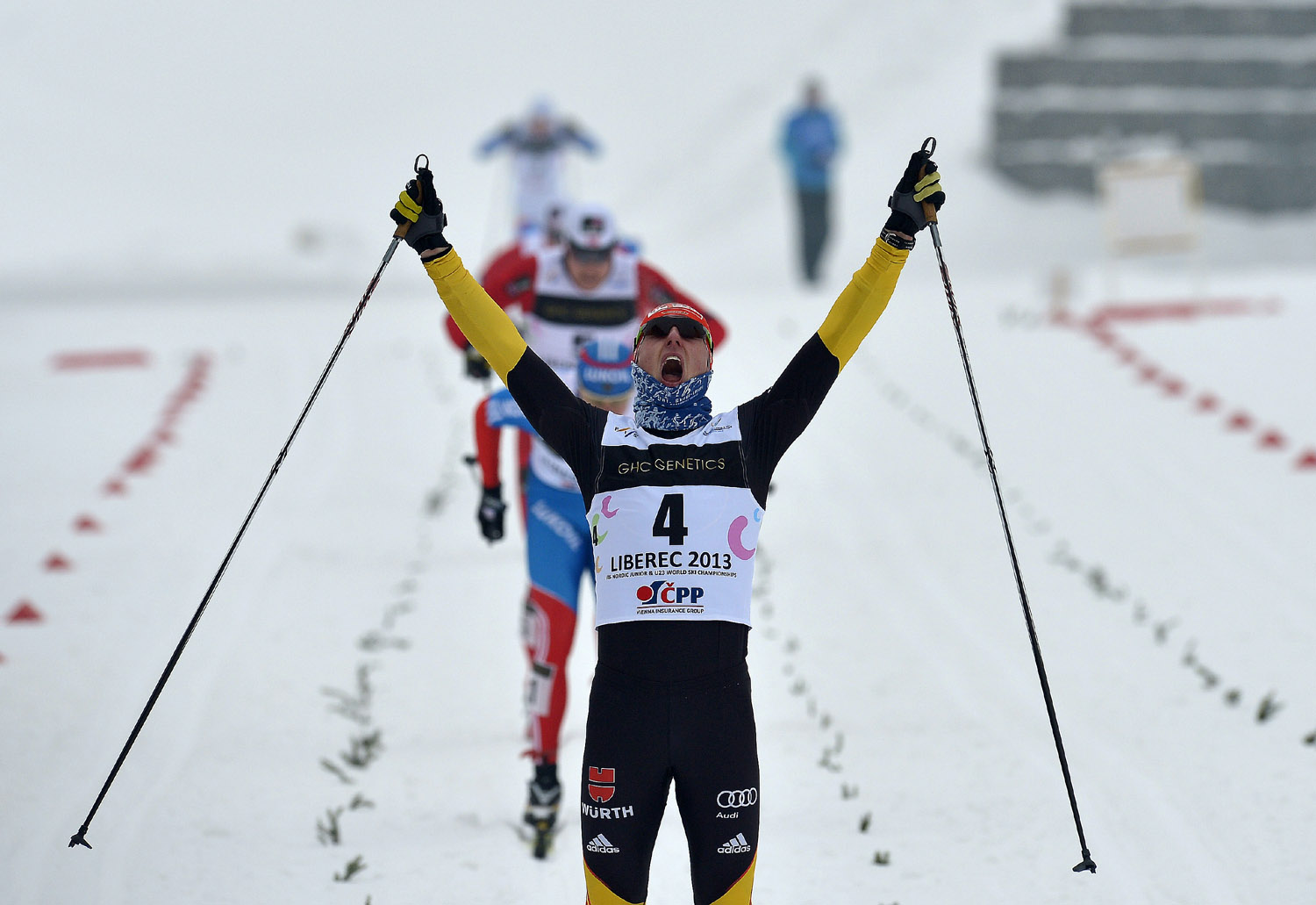
    Born in November 1993, Lennart Metz of Germany was one of the oldest competitors at Junior World Championships in 2013. Did that help him win the classic sprint? Photo: Liberec2013.
    Born in November 1993, Lennart Metz of Germany was one of the oldest competitors at Junior World Championships in 2013. Did that help him win the classic sprint? Photo: Liberec2013.

    From children’s racing through Masters World Championships, athletes are divided into age classes in order to ensure fair competition and to identify the best racers at different developmental stages. In fact, only at the senior elite level is birthday a non-factor in determining what race you can win.

    But how are these age groups defined? A group of researchers in Switzerland asked whether being born earlier or later in the year impacted athletic success and opportunity.

    The concept is called “relative age effect” (RAE) and describes how within a given a give age class, for example J2 ski racers in the United States, birthdates might have a skewed distribution. For instance, being born earlier in the year might confer an advantage because young athletes might have developed further or simply grown taller.

    At junior national championships, a skier who is 15 years and 11 months old, for instance, might be significantly stronger and have more developed ski technique than one who is 14 years and 3 months old. He or she might also be more mentally mature and have a better handle on high-pressure competition situations.

    Looking at age distributions at championship events, you can see hints of this pattern. Look at 2013 World Junior Championships in skiing, for example. In the men’s classic sprint, half of the final heat comprised athletes born in the last five months of 1993, at the edge of the age eligibility window. It might have been because they were bigger, stronger, or faster – or that they’d had better development opportunities because as very young skiers, they were identified as talent earlier.

    (In other sports, there is a “reverse RAE” where being younger is advantageous.)

    Michael Romann and Jörg Fuchslocher applied these questions specifically to young female athletes in primarily individual sports. Both are areas lacking substantial research: across all sports science, male athletes are much better-represented as study subjects, and furthermore there is plenty of money and resources to investigate high-profile team sports with robust development structures, such as soccer.

    Those previous studies found that young male soccer players were more likely to drop out of sport if they had late birthdays making them relatively younger than the rest of their age class, for instance. But with significant physiological differences between men and women, differences in the ages at which male and female athletes hit puberty and mature, and even in technique and ideal body type for men and women in some sports, the same wouldn’t necessarily be true for girls.

    For instance, look back at that World Junior Championships in 2013: in the women’s sprint final, the second- and fourth-place finishers, Victoria Carl of Germany and Natalia Nepryaeva of Germany, were born in 1995 – they weren’t even the oldest classes of juniors at that point.

    Romann and Fuchslocher used data from 301,428 young women (age 10-20) participating in Switzerland’s recreational “Youth and Sport” programs, and looked at a subset of 1,177 young women involved in the National Talent Development Program in several sports to look for RAE’s.

    Among the greater dataset of women in the recreational program, athletes had earlier birthdays than would be predicted by the overall Swiss distribution in alpine skiing, tennis, track and field, snowboarding, and fencing.

    Results were different among the most dedicated young athletes, though. In the National Talent Development program, where athletes train at least 400 hours per year, there were more early birthday for alpine skiing and tennis, but more late birthdays for snowboarding, table tennis, and fencing.

    The authors noted that this represented considerably more variation in the strength and direction of relative age effects at the elite youth level than has previously been found for male athletes. One reason, the authors suggested, might be that societal pressure contributes in different ways to girls’ decisions to participate or stay in sports.

    For instance, media and culture push the idea that being feminine means having a specific body type – a thin and delicate one. That is at odds with the idea body type for many sports, where size and muscle are advantageous. They argue that girls who mature earlier might be more cognizant of these pressures, drop out of sports where physicality is important, and switch, for example, from tennis to table tennis, which is more technical and where having a traditionally “feminine” body type might be less of a disadvantage.

    Likewise, the combination of RAE’s and reverse RAE’s might be because girls initially enroll in the most high-profile sports (in Switzerland, alpine skiing and tennis), but the younger, less physically strong participants might drop out when they realize they don’t have as good a chance of success. If they then switch to sports like snowboarding and fencing, this could explain why there are a higher prevalence of late birthdays in these second-tier sports.

    At the recreational level, though, it seems clear that girls at the younger end of the yearly age distributions are less likely to enroll or stay involved in sports. This presents two problems. One is elite- and woman-specific. In countries like Switzerland where women’s national teams are often quite small compared to the full rosters of men’s teams (for example, the country didn’t send a female biathlete to the Olympics until 2010), as many young female athletes as possible should be encouraged to continue in sports.

    But at a more general level, for both girls and the previously-studied young male athletes, dropping out of sports represents an obstacle for those pushing the health and social benefits of lifelong recreational sports. If having a late birthday means that you are less active and less likely to develop sports-based social bonds with friends, there are potential public health consequences.

    Several unwieldy solutions have been suggested, such as making competitive or weight classes rather than age classes, as is done in judo; making age classes narrower, for instance with 6-month spans to minimize the age differences between competitors; or changing what time of year the cutoff dates fall at each season so that athletes will always have a relative age advantage at least once in their career.

    Instead, the authors suggest, perhaps a solution can begin with the attitudes of youth sports coaches. If youth teams prioritize long-term development and potential rather than immediate performance, they might be more likely to select or invest in a smaller, younger athlete who nevertheless might excel in a few years’ time. After all, schemes like Switzerland’s National Talent Development Program by definition should be thinking long-term.

    The concept and consequences of relative age effects should be taught in coaching education programs, they added.


  • This Month in Journals: Detecting Xenon Gas, A New Banned Substance – and Why You’d Want To

    This Month in Journals: Detecting Xenon Gas, A New Banned Substance – and Why You’d Want To

    Xenon gas isn't usually thought of in a medical context, but its applications are growing, from use as an anesthetic to a neuroprotectant to a performance-enhancing drug. Photo by Jim Nelson, creative commons.
    Xenon gas isn’t usually thought of in a medical context, but its applications are growing, from use as an anesthetic to a neuroprotectant to a performance-enhancing drug. Photo by Jim Nelson, creative commons.

    Xenon gas has been in the sports news since this winter, when it was revealed that Russian skiers had been breathing the gas to increase the oxygen-carrying capacity of their blood. It caused something of an uproar, but only a quiet one because people were confused: what exactly is going on here? Isn’t xenon a noble gas that has a purplish spectra? Regardless of whether it makes you faster, why would you breathe that? Should we be outraged?

    Xenon has many properties which have been used in relation to medical fields for decades. It’s an anesthetic which will soon be introduced to broader use in Europe, in part because it is more potent and thus requires a lower proportion in the bloodstream in comparison to commonly-used N2O. It’s also a neuroprotectant, and clinical trials are being developed to determine whether breathing xenon gas when the body is oxygen-starved (or recovering from such a state) can help prevent brain damage.

    In the doping context, breathing xenon leads to a series of steps which may increase athletic performance. First, the presence of xenon increases the production of a transcription factor (HIF1A) – a protein which binds to a specific region of our DNA. This transcription factor codes for a protein which is usually produced only in low-oxygen, hypoxic environments. This in turn boosts erythropoietin levels, so that the blood can carry more oxygen: an obvious benefit for endurance athletes.

    Yet very little research has confirmed that this actually translates into athletic improvement. One of the only studies ever published on the topic of using xenon in a training regime is in Russian, and thus inaccessible to most of the rest of the world.

    So despite the perplexed look on everyone’s faces when the Russian xenon-huffing scandal broke, most were quick to condemn the practice. In fact, some argued that it might already be breaking the World Anti-Doping Agency (WADA) code. Although xenon was not, at that point, expressly banned, the following sentence described prohibited methods. It’s banned to:

    “Artificially enhancing the uptake, transport or delivery of oxygen, including, but not limited to, perfluorochemicals, efaproxiral (RSR13) and modified haemoglobin products (e.g. haemoglobin-based blood substitutes, microencapsulated haemoglobin products), excluding supplemental oxygen.”

    Since breathing xenon does artificially enhance the uptake of oxygen, it seemed like a slam dunk. Former WADA president Dick Pound told the German news service WDR, which was doing an investigation into xenon as a performance-enhancing drug, that he was “in no doubt that it is doping.”

    The team doctor for the Garmin-Sharp cycling team said that his team had considered using xenon, but decided not to because it was potentially dangerous and, they had concluded, definitely illegal. And cycling teams aren’t usually the most trustworthy people on doping issues.

    But WADA was quiet until it added an amendment this spring expressly banning xenon (and argon, a neighbor on the periodic table) in no uncertain terms.

    Now, scientists have been trying to develop a test to detect the use of xenon. Writing in Rapid Communications in Mass Spectroscopy, a team from Cologne and Düsseldorf, Germany, report on a new test that seems to be working.

    The team used a combination of techniques including gas chromatography and mass spectroscopy, accounting for the specific mass of three different xenon isotopes, to detect xenon concentrations in the blood. In the first part of their trials, they fortified blood plasma with xenon to specific concentrations, and then tested whether their method could detect it.

    With that success under their belt, they moved on to realistic human trials. Their subject was a woman who was undergoing anesthesia using xenon gas. The team collected blood samples during the anesthesia as well as 4, 8, and 24 hours afterwards, and then ran the samples through their test – sometimes after storing them for up to 36 hours. Even the samples collected 24 hours after the anesthesia had xenon detected by the team’s test.

    The team writes that the application of the test for antidoping purposes is not necessarily a slam dunk. From reports, for instance, athletes might breathe xenon through a mask for just a few minutes, which is different from the amount of the gas which might be taken in during anesthesia – and potentially harder to detect. It’s also unclear whether samples taken further after breathing xenon would still show detectable signs of the gas.

    But it’s a first step towards testing for the use of this newly-banned substance.

    “… accredited laboratories are in need of adequate detection assays, and the pilot study presented in this communication demonstrated the suitability of conventional [athlete biological passport] doping control samples for detecting the anesthetic substance by commonly available GC/MS (or HRMS) instruments,” the authors conclude. “Further studies are required to allow the assessment of detection windows for xenon under different gas mixture and exposure time settings.”

  • This Month In Journals: Acetominophen, Huffing O2, and the Difference between Men and Women

    This Month In Journals: Acetominophen, Huffing O2, and the Difference between Men and Women

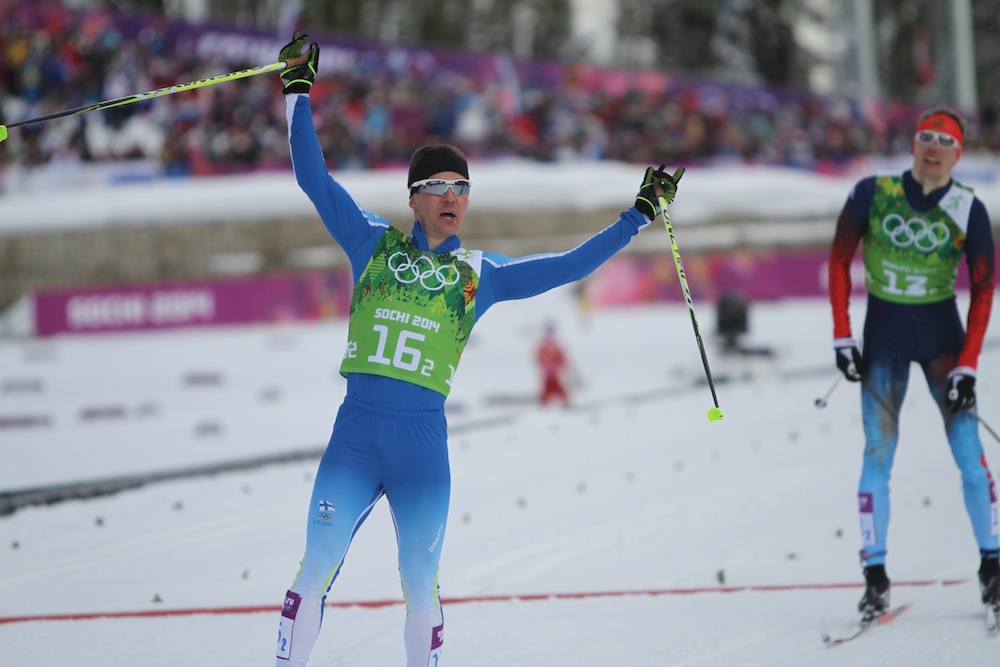
    Finland's Sami Jauhojärvi crosses the line ahead of Russia's Nikita Kriukov to win a gold medal in the Sochi Olympic team sprint. A recent study looked at whether breathing pure oxygen from a mask between laps of a team sprint would help recovery.
    Finland’s Sami Jauhojärvi crosses the line ahead of Russia’s Nikita Kriukov to win a gold medal in the Sochi Olympic team sprint. A recent study looked at whether breathing pure oxygen from a mask between laps of a team sprint would help recovery.

    Welcome back to This Month in Journals! After catching up with what happened in scientific and social research this winter, we’re back on track. Here is what was published in scientific journals in April.

    * At the European Journal of Applied Physiology, a discussion is raging about whether acetominophen should be considered a performance-enhancing drug and places on the WADA Prohibited List.

    Several studies in the past few years have found that acetominophen, also called paracetemol, can improve sprint performance and reduce the slowing-down that usually occurs over the course of a race or intervals/heats. It is the main ingredient in Tylenol and is widely available over-the-counter to treat pain, fevers, and colds, and other illnesses.

    One such study was published in the journal this winter. A team from the University of Kent and the University of Bedfordshire found that giving active men a 1.3 g dose of acetominophen improved their power output during a series of sprints on stationary bicycles, and reduced the decline in power output from one sprint to the next.

    Drs. Giusppe Lippi and Fabian Sanches-Gomar of the University of Parma and the University of Valencia, respectively, voiced concern in a letter to the editor: if this has been shown over and over, why is acetominophen not on the banned list? They pointed out that not only is the drug dangerous in high doses (safety is a common rationale for banning performance-enhancing drugs), but it is easily detectable in urine using a fast and cheap testing technique.

    This prompted a response from the original authors, who first hurried to assure readers that though they test the effects of acetominophen on sports performance, they do not condone doping.

    Next, they acknowledged that the drug certainly seems to be performance-enhancing. Their research over several years has shown that although it also has effects such as preventing core temperature from shooting up in a hot environment and improving nervous system activation, the main mode of performance enhancement is by reducing the sensation of pain.

    The Kent/Bedfordshire team explained that acetominophen is safe at therapeutic doses, and that amateur athletes are widely acknowledged to use many other pain-masking drugs which are much more dangerous. Should those other drugs not be a bigger priority to regulate? Like another common compound which enhances performance – caffeine – acetominophen is possibly not banned because it is so widespread. Furthermore, there are many legitimate reasons to use the drug, so implementing a TUE requirement would likely be tedious.

    “Consequently, more robust definitions for what constitutes doping, and clearer criteria for establishing a banned substance are warranted,” the authors concluded in their reply.

    This debate is probably not over!

    * Next, the debate over xenon gas brought up at the Sochi Olympics is not the only instance of skiers breathing something special to enhance performance. A team of researchers from Switzerland and Germany looked at the effects of the oxygen content of air breathed in between laps of a team sprint on recovery and performance. The results were published in Medicine and Science in Sports and Exercise.

    Eight well-trained male skiers did team sprint simulations on a SkiErg, with race distance based on that at the Turin and Vancouver Olympics. The elevation, meanwhile, was simulated at 1800 m (the elevation of the Sochi Olympic venue) via an oxygen mask. Each skier did the team sprint twice. Once, in between laps they breathed air with an excess of oxygen. The other time, they breathed air with very low oxygen. The order of the trials was randomized and the athletes didn’t know which air they were breathing – except by how they felt, of course.

    The researchers found that neither power output nor perceived exertion differed between the two trials. However, breathing the oxygen-enriched air did improve the oxygen saturation of the skiers’ hemoglobin. The skiers also didn’t accumulate as much lactate in their blood when they breathed the oxygen-enriched air during their recovery time between laps.

    So why was there no performance response? Lead author Anna Hauser of the Swiss Federal Institute of Sport guessed that maybe the recovery time of just 3 minutes in between laps was not long enough for the body to respond to the benefit of extra oxygen.

    Or, there might be another explanation. The team did find that there were athlete-specific responses: some skiers did improve when breathing the oxygen-rich air, while others didn’t. With a small sample size of only eight athletes, this likely confounded their ability to find statistically significant results. Individual variation in response to this technique deserves further research.

    * Dr. Sandra Hunter of Marquette University took on the task of reviewing research on muscle fatigue in men and women. Writing in Acta Physiologica, she pointed out that it’s difficult to get a clear picture of how male and female athletes differ in terms of fatiguability because the vast majority of sports science research is performed on men.

    Then, however, she went on to give an in-depth analysis of what we do know. Men are generally assumed to be stronger than women, but for some muscle groups, women are much less fatiguable. For instance, men are stronger at isometric (static) contractions of knee extensors or elblow flexors, but they also have a shorter time or number of repetitions to failure.

    The same is true of repeated dynamic muscle contractions, such as lifting an object. Men also showed a greater relative reduction in the force they were applying, although not necessarily a bigger absolute reduction, because they started off as stronger in the first place.

    With repeated dynamic muscle extensions however, such as lowering an object, women were actually more fatiguable than men. Muscle extensions lead to muscle damage and delayed-onset muscle soreness (DOMS), so some researchers hypothesize that the reduction in power output by women is because they have lower pain thresholds and are feeling the burn.

    Forget strength – what about power? In sprint repetitions on a stationary bike, men usually experience bigger reductions in power output over a set of intervals than women do, and women recover more quickly between sets.

    Hovering around all of these phenomena is the big question: do men tire more quickly because they have higher strength or power to start out with? In many of the studies where pairs of men and women are matched for their initial strength or power, the sex differences disappear. Nevertheless, scientists don’t feel like they have finished answering this question.

    There are many other potential explanations, from sex hormones to the sympathetic nervous system. Women have higher lipid metabolism in their skeletal muscle than men do, but men have higher rates of glycolysis; is that it? When generating a force, women have greater vasodilation in their muscles, but men have higher mechanical compression; what about that?

    Interestingly, when women are stressed or distracted, their reduced fatiguability goes away. If men and women are asked questions, told to do mental math, or given electric shocks during isometric work, the women’s performance declines at a much faster rate than the men’s. Basically, stress may affect men’s and women’s bodies differently through the sympathetic nervous system.

    * Lastly, a quick one. Has your coach ever had you run a bunch of sprints, and then do a set up pushups? If so, they were a smart coach. A study in the European Journal of Applied Physiology compared strength training to combined strength and sprint training. Even though the group doing the combined protocol had half as many sessions a week compared to the strength-only group, the researchers found that both groups got stronger at the same rate – and that the combined training protocol produced improvements in VO2Max and time to exhaustion, whereas the strength protocol, unsurprisingly, did not.

  • This Winter in Journals, Part Two: Skis and Boots, Injuries and Eating

    Welcome back to This Month in Journals! After taking the winter off to focus on race reporting, we’re doing a series to catch up on the ski-related research that has been published in scientific and social science journals this winter.

    * In the journal Sports Engineering, five researchers from Trondheim, Norway, reported having built an “instrumented rollerski.”

    Come again?

    The team built full bridge strain gauges into the shaft of the rollerskis so that they could measure force while a skier trained on a treadmill. A wireless sensor picked up the information and transmitted to a base station via a radio transmitter. They also used a motion-capture system to track the rollerski’s position in three-dimensional space.

    That allowed them to be able to detect differences in technique between two skiers, or for instance between the same skier when he was skating with and without poles. The researchers hope that the system will allow better work on ski technique – but they wrote that a few adjustments still had to be made to the system.

    * Meanwhile in Austria, researchers were focusing on boots.

    “Ski boot quality is determined by mechanical properties and comfort,” Dr. Patrick Hofer and four coauthors wrote in their abstract in Applied Ergonomics. “Comfort is strongly affected by cold feet.”

    Point taken. The group set out to determine the “microclimate” in ski boots: temperature, humidity, and how much water the boots absorbed. They asked five skiers to participate in their study, using two different brands of alpine ski boots. The men went into a climate chamber set at various temperatures and simulated skiing (rounds of squats, followed by rests so simulate riding on a chairlift); two of the men also did field tests.

    The ski boots were outfitted with sensors to detect the temperature and humidity. After the simulation was done, the wetness of the boot liner was measured by weighing it on a scale and seeing how much water weight it had gained.

    Alpine boots are completely different than cross-country ski boots, but some of the researchers’ conclusions are still quite valid for our community. Because there are no large muscles in the foot, feet are kept warm only by blood flow. That means that once boots (and feet) start to get cold, they just keep going. In every case, the temperature in the boots declined once the skiing began.

    The men began saying that their feet were cold and hurt when their toes reached about 20ºC (68ºF), or when they were about 5ºC colder than the main part of the foot (toes and feet had different sensors). The coldest temperature any of the mens’ toes reached was 11ºC (52ºCF), at which point he said his toes were numb.

    The researchers also found that ski boots got far wetter in the field than in the climate chamber (duh) and noted that although boots have good insulation, when they are exposed to snow and get wet, that insulation doesn’t work as well.

    In order to keep feet from getting cold – important! – the researchers said that boots would probably have to be built with different materials and maybe even different designs.

    * Other researchers were studying the health effects of sports. The American Medical Society for Sports Medicine published a position statement in the British Journal of Sports Medicine about overuse injuries and burnout in youth sports. Noting a culture pushing children towards excellence at younger and younger ages, the panel gave an overview of possible effects with the aim of helping doctors identify young athletes at risk.

    Among the consequences of heavier training loads for young athletes, they discussed that:

    • overuse injuries are most likely to occur during the adolescent growth spurt
    • prior injury is the biggest risk factor for developing an overuse injury
    • growth cartilage may be particularly susceptible to repetitive stress
    • early “sport specialization” increases injury and burnout; participating in a diverse array of sports should be encouraged early in a child’s athletic “career”
    • scheduled rest periods are essential in maintaining a physically and mentally healthy relationship to sport
    • emphasis should be placed on skill development and correct technique, not just competition
    • pressure from family and peers is discouraged
    • the female athlete triad places girls at increased risk of injury

    * While we’re on the subject of the female athlete triad…. Two other research groups addressed the phenomenon. Defined as a combination of disordered eating and irregular menstrual cycles, which eventually through hormonal effects can lead to decreased bone density, the triad, also sometimes referred to as relative energy deficiency syndrome, is assumed to be common in female athletes.

    Not all three symptoms have to be present for a woman’s health to be affected. Even without disordered eating, for example, a female athlete can be taking in few enough calories to stress daily body function, at which point reproductive functioning is diminished. Regardless, reducing the energy deficiency – that is, making sure an athlete is taking in more calories than they are burning – can solve a lot of the problems.

    The IOC put out a consensus statement pointing out that male athletes are also affected, although few studies have examined to what extent. In any case, the IOC listed the potential effects of relative energy deficiency: decreases in metabolic rate, menstrual function, bone health, immunity, protein synthesis, and cardiovascular health. Because of these risks, which can have long-term consequences, it is important to remedy the symptoms of the triad.

    The group called for better clinical approaches to dealing with the syndrome, and suggested dividing athletes into three categories, each with different treatment plans in relation to when they should be allowed to return to sport.

    Low-risk athlete should be encouraged to play their sport full-time, with an emphasis on healthy eating. Medium-risk athletes should be placed on a training plan and diet plan, and allowed to train if they follow these plans; they can be cleared for competition by their doctor. For high-risk athletes, competition should not be allowed, and only minimal training under supervision.

    The statement was published in the British Journal of Sports Medicine, which also published a paper by a group of Scandinavian researchers who developed a questionnaire to determine whether athletes are affected by the triad. Consisting of 25 questions, validation showed that the survey was effective in identifying female athletes who showed signs of the triad. The researchers suggested that such a questionnaire (called LEAF-Q) be used for early detection of the triad so that female athletes could change their habits before the effects became more serious.

  • This Month in Journals: With Impending Climate Change, What’s the Cost of Less Skiing Around Oslo?

    Welcome back to This Month in Journals, where we read the latest exercise and sports science and pull out some research that might be of interest to skiers.

    Drs. Håkon Sælen and Torgeir Ericson from the Center for International Climate and Environmental Research in Oslo, Norway, recently published an assessment of how weather affects skiers’ attitudes towards the cost of trail access to go skiing. Published in the Journal of Environmental Management, the paper explores how these preferences interact with predicted future changes in climate to imply changes for the ski industry.

    The study was done outside of Oslo in the Marka, a 1700 square-kilometer forested area around the city that contains miles and miles of ski trails. The location makes the results both particularly relevant for the future of skiing, and also perhaps difficult to apply globally, as Norwegians have a unique relationship with skiing and the Marka area is the most heavily-used trail system in the country. It is easily reached by public transport from many different areas of the capital city, and the Normarka trails connect to those at Holmenkollen, the famous racing venue.

    “Our interest in the impact of diminished snow cover in Norway is due to the special role snow and skiing play for many citizens, both recreationally and culturally,” the authors wrote.

    They also quote Thomas Hylland Eriksen’s 1996 article, Norwegians and Nature: “You can become a Norwegian, culturally speaking, by putting on a pair of skis and heading down the trail… [Oslo residents go to the Marka] to surround themselves with winter temperatures and snow for a few hours …to confirm that they are Norwegian, despite all.”

    With this background, the researchers headed to the Marka and talked to recreational skiers. Offering hot drinks as an incentive, they talked to 207 skiers about their recreational habits, asked them demographic questions, and finally presented them with a “choice experiment.”

    For instance: if you had a choice between traveling 5 km to reach a forest with no snow (maybe to go bicycling), or traveling 20 km to reach a forest with snow, which would you choose? What if one was slush? What if the distances were 40 km and 70 km? At what point would you rather just stay home?

    In this experiment, because skiing is free in the Marka, the travel was considered the “cost” to go skiing. Each distance to travel was assigned a set of time costs and monetary costs depending on whether the participant usually traveled by car, public transportation, or bicycle; the cost included both bus fares or car fuel (for example, 5 km requires 7 crowns [$1.15 U.S. dollars] of fuel or 20 crowns [$3.26] in transportation tickets), as well as the cost of their time defined as 1/3 of their wage rate.

    The results: only about half of trail users would be willing to travel just five kilometers to reach slushy trails. The average user would be willing to pay about 47 Norwegian crowns to get there ($7.67 in U.S. dollars) if the conditions were slushy; the cost of traveling 5 km averaged of 48 crowns to drive and 73 crowns to take public transportation.

    Another way to look at it? Users would be willing to travel just 1.5 km to get to slushy trails, on average. This wasn’t any significantly different from just staying home.

    Users preferred bare ground to slush, likely because they could walk, run, or bike instead of having poor skiing conditions. The average user was willing to pay 124 crowns ($20.70) to get to dry trails, and/or travel 23 km to get there.

    Finally, of course, having snow was the most desirable option of all. The average user was willing to pay 209 crowns ($34.11) to reach skiable trails. They were willing to travel 45 km – and the most dedicated users almost 50 km – to get there.

    The researchers also found that car owners were willing to travel farther than users who rely solely on public transportation, and that the level of wealth of a family partially determined the strength of their preferences for their favorite conditions – that is, wealthier users could afford to be more picky, whereas less affluent users were more likely to accept conditions at the closest trailhead even if they weren’t ideal.

    Climate change brings a prediction that southern Norway will have far fewer days with snow in future winters, yet the cost of loss of skiing has only been addressed in a few ways. It may affect tourism and, to that extent, the economy, but since many trailheads do not require trail fees, this economic portion has been left out of the picture.

    The authors assert that the considerable time and money Norwegians are willing to put into traveling to snow on a day-to-day basis suggests that skiing has a significant value to the community’s welfare. For instance: the population would probably be much less happy and healthy if they weren’t able to ski. Thus, even if there’s not a family-run ski area losing money like we might have in the United States, the cost of warming winters might be extremely high in the area around Oslo.

    “Looking at the results in relation to those of similar studies and in relation to results of studies of other popular recreational activities that have a market price, the absolute value of the [Willingness to Pay] for the average trip suggests that skiing is important to people, and that the recreational value from skiing in Marka is sizeable,” the authors conclude. “The large variation in the relative value of different conditions indicates that fewer snow days result in a considerable welfare loss.”

  • This Month in Journals: Managing Risks from Sun and Weight Loss; More Inhaler Fights

    This Month in Journals: Managing Risks from Sun and Weight Loss; More Inhaler Fights

    Welcome back to This Month in Journals, where we read the latest exercise and sports science and pull out some research that might be of interest to skiers.

    Don't forget this stuff! Photo: Robert S. Donovan/creative commons.
    Don’t forget this stuff! Photo: Robert S. Donovan/creative commons.

    * Young skiers, watch out: a new study in Phytochemical and Phytobiological Sciences reports that skiing exposes you to enough UV radiation from the sun to potentially cause skin cancer. As most skiers are aware, sunlight reflects off the snow and creates an even bigger risk than if you were out hiking on a nice summer day. If you happen to be skiing at altitude, the sun is even stronger. It feels good on your face, but the study hammers a point home: slather up with sunscreen, especially kids!

    Children have skin that is both thinner and more sensitive to UV radiation, wrote Dr. Maria-Antonia Serrano and colleagues. They also cited that about a quarter of a person’s lifetime UV dose comes during childhood, and that the earlier in life this happens, the more time there is to develop skin cancer. Melanoma, responsible for 80% of skin cancer deaths, is primarily caused by sun damage.

    To see just how much sun kids are exposed to when skiing, Serrano and her colleagues placed dosimeters on their shoulders when they headed out for four days of alpine skiing in the Pyrenees. The doses received varied based on cloud cover during different days at the ski school, as well as how active the children were and how much time they spent outside.

    On several days, the children received closed to the minimal erythema dose, or the minimum amount of radiation required to create a sunburn, for multiple European skin types. Depending on how strong the sun was each day and what the cloud cover looked like, children staying out for between 90 minutes and 2 hours could reach that dose. In the ski school, they were outside for more like four or five hours.

    The authors wrote that the part of the body bearing the brunt of this burning was the face – but for cross country skiers, there’s likely more risk. As an active sport, cross country skiers generate more body heat and are more likely to be out skiing in a t-shirt if it’s sunny and not too cold. So the sunscreen message might be expanded: put on sunscreen (SPF 30 or higher, write the authors), and especially on your kids. Perhaps encouraging long sleeves even when the weather gets warm in the spring would be a plus, too.

    * In a different sort of risk, the IOC Medical Commission has released guidelines for athletes in weight-sensitive sports – and they place cross-country skiing and ski jumping in this category. The Ad Hoc Research Working Group on Body Composition, Health and Performance agreed on a consensus statement, or recommendations based on synthesis of all existing research. The guidelines, published in the British Journal of Sports Medicine, notes that athletes in these sports are at risk for developing extreme diets or eating disorders as they try to stay light.

    Yet the effects of this behavior are usually not conducive to good athletic performance. Among the panel’s recommendations are to make sure that athletes are well-educated about nutrition and body composition, so that they see that losing too much weight can mean losing strength, too, and that their bodies are something to be taken care of.

    The panel also suggested that all weight-sensitive sports adopt the “no-start” guidelines used by the Norwegian Olympic Training Center. These guidelines prevent an athlete from competing if they lose too much weight and offer an incentive to stay at a healthy body composition; they recently kept star skier Kristin Størmer Steira off the World Cup. At the time, coaches said that Steira respected the competition ban and it helped her get back on track.

    If you’re interested in a copy of the guidelines, e-mail Chelsea [AT] FasterSkier.com.

    * The battle rages on about whether, and how, beta-2 agonists are performance enhancing. The class of drugs is commonly used to treat asthma and chronic obstructive pulmonary disease (COPD); if you have an inhaler, that’s likely what’s in it. They are banned from international competition by the World Anti-Doping Agency, except with a therapeutic use exemption justified by a doctor. Marit Bjørgen uses one of these inhalers, which has created controversy in the past.

    Now, an international team of scientists has published a review in Clinica Chemica Acta reporting on new b-2 agonists in development and their implications on doping. The paper, which cites 139 other reports, reports that researchers are able to add unique modifications onto older drugs, like salbutamol, clenbuterol, and salmeterol, three of the most common asthma inhaler medicines.

    Many of these new drugs are being developed for good purposes: to fight asthma and COPD even more aggressively. However, the authors write that it is “not improbable in the near future” that they will also be used for doping. This is a problem, since as the number of different compounds proliferates, more and more unique tests must be developed to detect them. Given the amount of money it takes to develop tests and the skill required to do so, it seems unlikely that anti-doping testing can keep up.

    * A lot of sports science focuses on helping athletes prepare and compete well, and understanding why they do or don’t – but what about the people helping the athletes? A recent study in the Scandinavian Journal of Medicine and Science in Sports turned the lens on coaches, and examined whether unhealthy stress affects their performance.

    Coaching can be exhausting and frustrating, noted Dr. Joanne Hudson and her two fellow British co-authors, and can lead to burnout. “Regardless of the effect on the athlete, Thelwell et al. recently commented that, ‘coaches should be classified as performers in their own right’ and, there are significant potential health costs of the psychological stress experienced by coaches,” they wrote in their introduction.

    Unlike previous studies which have used surveys of coaches, Dr. Hudson and her colleagues followed ten team-sport coaches over the course of a competition day and assessed them before, during, and after the competitions. They both asked questions and collected saliva samples to look at alpha amylase, an enzyme which reacts to both physiological and psychological stress.

    First, the team found that there was, indeed, more alpha amylase in the coaches’ saliva on competition days than on non-competition days.

    Looking at the psychological data, the researchers found that many kinds of stress – internal and external, effort and tension – were more prevalent on competition days. So were unpleasant emotions and arousal, defined in psychology as being alert and reactive. There were connections with the alpha amylase, too: for instance, at the beginning of the competition, coaches had more pleasant emotions. But as these were replaced with unpleasant ones, alpha amylase rose.

    Despite all of this, the coaches’ metamotivational states (a long word for what motivates them and their behavior) for the most part stayed the same throughout a match. If a coach started out “telic”, or serious and motivated by achievement, they mostly stayed in that state. In three cases, between halftime and the end of the game, coaches switched from “mastery” to “sympathy”, which are exactly what they sound like: controlling versus compassionate.

    With such a small sample size, the team couldn’t evaluate whether these patterns were related to the outcome of the competition. This would be particularly interesting for the increase in unpleasant emotions, which the researchers were surprised to see so prevalent.

    Regardless, the authors believe that it’s worthwhile to educate coaches about these issues and give them tools to stay calm, focused, and positive – and to avoid a lot of harmful stress.

  • This Month in Journals: The First Life Cycle Analysis of Skis

    This Month in Journals: The First Life Cycle Analysis of Skis

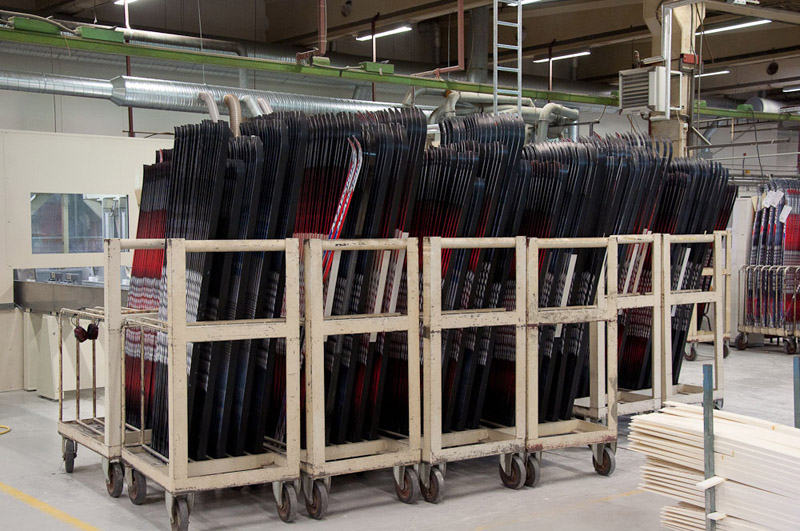
    Several batches of skis nearing the end of the production line. How much energy does it take to make them? Photo: Boulder Nordic Sport.
    Several batches of skis nearing the end of the production line. How much energy does it take to make them? Photo: Boulder Nordic Sport.

    For the first time, a group of researchers published a life cycle assessment for the production of skis. Published in the Journal of Industrial Ecology, Tobias Luthe, Thomas Kagi and Jan Reger examined how a pair of skis made by Grown, a Munich-based manufacturer specializing in ecologically-friendly freeride skis, compared to an average alpine ski.

    “One pair of skis may not considerably affect the environment, but the world market in the season 2004-2005 of about 4 million pairs of Alpine skis and about 1.4 million pairs of Nordic skis sold, and about 3.2 million Alpine skis in the season 2009-2010 reveals the importance of sustainable ski design,” the authors wrote in their introduction.

    The analysis performed was a “cradle-to-grave” assessment starting at where the raw materials come from, going through production and distribution and ultimately ending with when the skis were discarded.

    While the assessment was performed for alpine skis, meaning that material like steel for the edges can be ignored, many aspects would be relevant for nordic skis as well, for instance the polyethylene bases, which must be granulated at a plant, and the wooden cores, which must be awn and kiln dried. All of the materials must be not only harvested but transported to and from production and then to sales and consumers. The authors also considered how much energy went into the fabrication process itself.

    Some nordic skis, like Fischer’s Vasa series and their Superlight Crown and Wax skis, already use a basalt core, which was also examined in the life cycle analysis. This replaces heavily-manufactured fiberglass and/or carbon fiber.

    In terms of greenhouse gas emissions, the entire process of producing freeride alpine skis released about 16.4 kg of CO2 per single Grown ski and 22.6 kg of CO2 per conventional ski. About a third of this came from the materials themselves and 60 percent from production.

    (This 45.2 kg of CO2 compares to, after a quick web search, about 240 kg of emissions that go into the production of your average bicycle; flip flops weigh in at 9 kg while hiking boots are more like 90 kg. The light weight of a pair of skis is a big advantage.)

    The Grown ski saved 30 percent of the energy of a conventional ski because the company selected environmentally-friendly materials, for instance having a cherry wood top-piece that was simply varnished instead of using a conventional plastic top sheet, which adds 7 percent to the materials footprint. The analysis showed that 60 percent of the energy form packaging could be saved just by using recycled cardboard for boxes.

    Major savings could also be made at “end of life”: the authors suggested upcycling old skis.

    “In an upcycling scenario the ski is put back to use as a valuable resource for structural parts in furniture,” they wrote. “Mattress supports in bed frames that require a high flex and stability can be constructed from old skis. The customer is offered an incentive to send back skis that are no longer in use, thus giving the ski a second life.”

    In the nordic ski industry, some steps have been taken. Fischer has advertised since 2009 that all of its ski production is done with renewable energy, primarily biomass; the Atomic factory in Altenmarkt uses a wood-pellet heating system. In 2010 Madshus removed PVC from its entire boot product line, in an effort to be more sustainable. Rossignol has an environmentally-certified manufacturing plant for its bindings. The Salomon website is one of the few to list an environmental policy, but has no details on how it should be accomplished.

    How much of a difference does this make? It’s unclear. The new paper also notes that a single trip driving to a ski area outstrips the entire carbon footprint of ski production and distribution. Getting to the mountains is the biggest environmental flaw in skiing. This is a bit easier for nordic enthusiasts: the luckiest can ski out the backdoor or in city parks. But getting to a truly beautiful natural setting for your ski requires some fuel in most situations.

    In conclusion, the authors offered up two thoughts. The first is that despite the savings the Grown ski made in carbon footprint, skis can go farther. More ecologically-friendly glues could be found and potentially some materials could be used that are byproducts of other manufacturing processes.

    Secondly, consumers may be willing to invest in skis that are more sustainable. A survey of Grown customers in the 2009-2010 season showed that the environmental footprint of their skis was the second-most important factor in purchasing decisions; price was all the way down in sixth place.

    “The balancing process between environmental optimization, social acceptance, technical feasibility, and economic efficiency remains difficult to address,” they wrote. “… We see the general responsibility of the industry and the need to inform the customer accordingly about products in order to reduce complexity and provide transparent information on the impacts of a product and the way individual consumption affects the system.”

    Of note: The authors also wrote that the European market for skis is roughly half what it was a decade ago.

    Link to article abstract (full article available by subscription only)

  • This Month in Journals: Team Dynamics in Individual Sports, How to Prescribe Intervals

    This Month in Journals: Team Dynamics in Individual Sports, How to Prescribe Intervals

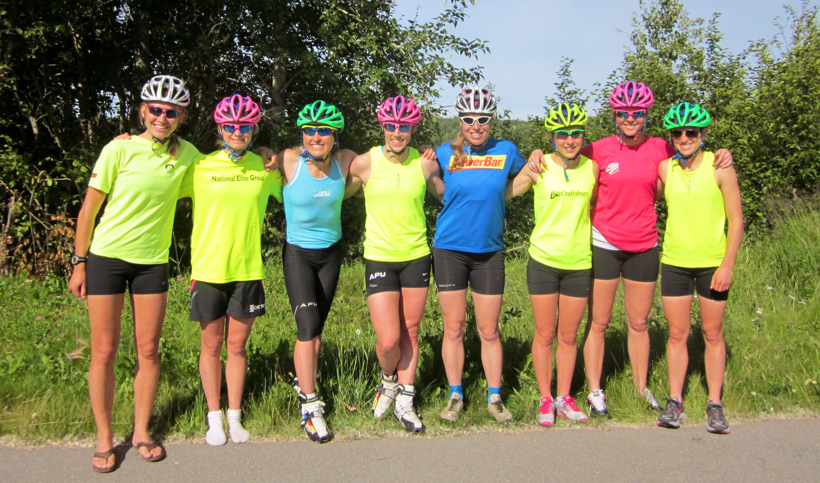
    Team spirit has been widely touted as one of the keys to the U.S. women's recent success. Photo: Matt Whitcomb.
    Team spirit has been widely touted as one of the keys to the U.S. women’s recent success. (Photo: Matt Whitcomb)

    Welcome back to This Month in Journals, where we review the latest exercise and sports science and pull out some research that might be of interest to skiers.

    Αssumptions and research are changing the way that psychologists and coaches think about team dynamics in individual sports.

    It has long been known that team cohesion, leadership and cooperation are important for success in team sports, like soccer or basketball, but far less research has been done on whether these same concepts are important in solo sports, like running and skiing. In fact, one classical theory holds that team cohesion can even be detrimental because it destroys competitive rivalries between teammates that might spur them to better performance.

    But recently, these ideas have been challenged. Beginning in the 1990s, researchers showed that even when teammates in an individual sport don’t have to cooperate on a task during competition to reach their goals, cohesion is positively associated with performance to the same extent that it is in those other team sports, like basketball.

    Blair Evans and Mark Eys of Wilfrid Laurier University and Svenja Wolf of the German Sport University Cologne furthered this work this month, publishing a paper in the Journal of Applied Sport Psychology based on interviews with six distance runners, six cross-country skiers, a mountain biker and a wrestler. All the athletes were Canadian and had several years of experience at the Olympic or World Junior Championships level.

    In terms of performance, there was little doubt that a good team atmosphere made these individual athletes more competitive. A middle-distance runner told the researchers that when she was training on her own, her race times were typically slower than during periods where she had training partners.

    Being able to use teammates as a measuring stick was also frequently cited as a benefit. Athletes talked about times when a teammate was having a good race, and they tried hard to follow because they knew they could keep up during practice every day. Even if they couldn’t achieve the same result that day, teammates’ success often boosted their confidence because they knew they had been doing the same training so a similar result might be possible.

    Finally, the social aspect of a team and the support it provides are extremely important to individual athletes. Despite all of the athletes’ strong drive for competitive success, they almost unanimously cited the group or team as a main reason to compete and to stay in sport. Many discussed how teammates became their closest friends, and that these friendships are maintained even after one or several of the members quit the sport.

    This was particularly important in adolescence, in terms of determining what path an athlete might take, but also at the senior level, where several participants described moving teams or locations or even traveling internationally to be part of a more friendly training group. Group was also important for maintaining motivation when injured and ensuring a comeback to competition.

    And what about that old theory that being friends with your teammates killed any competitive instinct that you might have against them? Athletes were divided on this one – or, more accurately, had experienced groups moving in both directions. In some teams, cohesion bred a healthy sort of competition that facilitated success.

    In other situations, teammates actively sought to avoid competition against one another because they thought it would be detrimental to their relationships. The researchers found that jealousy, for example, was definitely relevant to group dynamics and performance. This isn’t unique to individual sports: once again, it underscores that team dynamics, good or bad, have just as big an effect on running and skiing as they do on soccer or football, and the effects are “context-dependent.”

    Moving from psychology to physiology, a team from the University of Cape Town, South Africa, thought about how to prescribe interval training.

    The most common approaches used by coaches are to give instructions on the effort level based on a percent of VO2Max, or a percent of maximal heart rate.

    But different athletes respond differently to effort; for instance the same percentage of maximal heart rate may produce a different amount of lactate in one athlete than another, leading more quickly to exhaustion. Is there an easy way around this, or do instructions have to be specific to each individual athlete?

    Writing in the journal Sports Medicine, Theresa Mann, Robert Patrick Lamberts and Michael Ian Lambert describe that a more uniform way to prescribe workouts would be as a percentage of aerobic threshold or anaerobic threshold. These thresholds can be determined in physiological tests, and should provide a good “anchor” at which all athletes respond in the same way.

    This has many benefits: “less variation in time to exhaustion during constant-intensity exercise, a more homogenous exercise stimulus at the molecular level, and less individual variation in the adaptive responses following a training program,” the authors write.

    But for many low- and mid-level athletes, this approach might not be possible as repeated testing is needed to accurately pinpoint thresholds, and not every team has a physiology lab available to them. The authors suggest that using regular lactate testing during a non-laboratory workout can be used as verification, since below the anaerobic threshold, for instance, lactate production should be no different than baseline. If a coach prescribes a workout below the threshold assumed from, say, one laboratory test, but the athlete is still producing high lactate, then the threshold is probably wrong.

    And speaking of how to prescribe intervals, what terrain is best?

    Many times, athletes are instructed to do their interval training going uphill, to make sure that the work is very hard. A South Dakota team of Derek Ferley, Roy Osborn, and Matthew Vukovitch wondered if that was really ideal. They recruited 32 distance runners and compared the effects of uphill interval training to that of level-ground workouts.

    Strangely, though, they prescribed the two groups completely different workouts. Twice a week, the hill-running group would complete 10 or more 30-second sprints at a steep grade; they also did several normal long runs. The flat group did the same long runs, but their intervals were longer and fewer in number, with runners completing just four to six intervals.

    The authors concluded in the Journal of Strength and Conditioning Research that hill-running had great merit as a training plan, because it changed some metabolic processes for the better. However, they also pointed out that the flat-training group had greater improvements in time-to-exhaustion, so maybe coaches are overprescribing hill workouts. As a result, they advocate that level-ground workouts that are fit to an individual’s own physiological parameters will create the biggest gains.

    It’s difficult to see how they directly tested the effects of hills themselves, considering that athletes did different workouts. But the last conclusion, whether on hills or on the flats, seems like common sense that can be followed no matter what.

  • This Month in Journals: What Happens When We Get Old

    This Month in Journals: What Happens When We Get Old


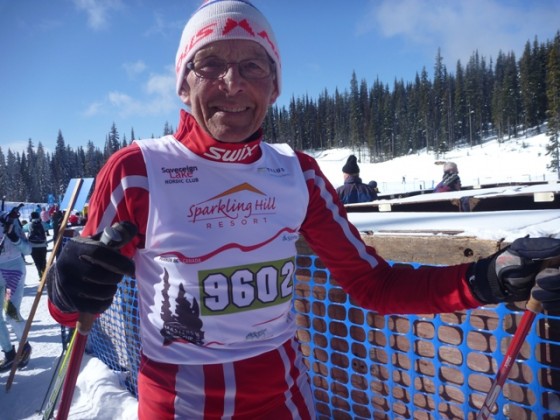
    Here's to racing well into our old age: like  Norway's Gunnar Tronsmoen, who won 3 gold medals at 2011 Masters World Championships. Photo: Inge Scheve
    Here’s to racing well into our old age: like Norway’s Gunnar Tronsmoen, who won 3 gold medals at 2011 Masters World Championships. Photo: Inge Scheve

    Welcome back to This Month in Journals, where we read the latest exercise and sports science and pull out some research that might be of interest to skiers.

    – Gentlemen of the ski world, some good news: if you started out as an athlete young, it will likely help you in your old age. Dr. Magnus Tveit and his colleagues at Lund University in southern Sweden have completed a cohort study of over 2000 men and concluded that once you hit your 70’s, ex-athletes have a much lower risk of breaking bones.

    “This study, currently the largest retrospective matched controlled cohort study published, with the aim at estimate any fracture and fragility fracture incidence in old former athletes, shows a 50% lower risk of sustaining fragility fractures in athletes after career end than would be expected with age,” Tveit et al. wrote in Medicine and Science in Sports and Exercise.

    However, the team was unable to completely parse why this might be true. Exercising when you’re growing up increases bone mass, yet it’s unclear whether better bone mass density is maintained after an athlete retires, or for how long. Exercise can also increase bone size, which would independently reduce fracture risk. And are athletes more likely to risk traumatic injuries? How does that fit into the picture?

    The researchers also admitted that they would like to work with an even older age group in the future. After the age of 50, rates of hip fractures roughly double every five years; they weren’t sure whether the pattern of fewer broken bones would hold for hips as well. They added that doing sports has an effect on the amount and type of soft tissue in hips and knees, which may interact with the bone qualities themselves to change fracture rates – for better or for worse.

    Regardless of the causes, the team was confident in their conclusion: men who are former athletes are less likely to find themselves wrapped up in plaster casts when they hit the golden years.

    – Ladies, don’t worry, we’re not left out. And this reporter believes that the conclusions from the previous study are likely applicable to women too, at least to some extent; one main problem with including women was the difficulty of finding hundreds of septuagenarian ex-elite athletes to study. The group of men had been gleaned from a Swedish Olympic Committee book about former athletes, and at the time when the men were competing there were far fewer women in the highest levels of sports than there are today.

    But another team looked at a different aspect of aging, and how it affected men and women who exercise. Dr. Michael Deschenes of the College of William and Mary wrote that in young or even middle-aged athletes, men and women metabolize different energy sources with differing levels of efficiency; men gain muscle faster while women lose it faster when they stop exercising; and women seem to maintain stability better during endurance tasks.

    Previous studies had compared young and old men, or young and old women, but this was one of the first to directly compare old men and women, the authors claim. In the American Journal of Human Biology, Deschenes and his team reported that sexual dimorphism disappeared in his older group of test subjects, who had a mean age of 70 years. Of the multiple variables investigated, not one varied by sex.

    To be clear, the test subjects weren’t all the same: the men still had higher VO2Max scores and more muscle mass. But once they started exercising, men’s and women’s cardiovascular, thermoregulatory, metabolic, and circulatory systems behaved in more or less the same way.

    That means that masters can all follow the same training plan – and ladies, do we have some hope of beating the guys? (Probably not – pesky muscle mass. We’ll have to work on our technique.)

    – Lots of attention has been focused recently on the effect of exercise on heart health. A year and a half ago, we wrote about a study that used cohort data from the Vasaloppet to show that lifelong skiers were at a higher risk of heart arrhythmias. Bradycardia, as the arrhythmias are called, go along with a syndrome called “athlete’s heart.”

    And yet many of the symptoms of athlete’s heart were linked to the left side of the organ itself; for instance, the left ventricle typically enlarges and the heart walls of that chamber become thicker.

    But last month, the discussion widened. First a team from Strasbourg, France, reported on cases of atrioventricular (AV) block in two 56-year-old triathletes; these were just the second and third cases of such blocks, which occur when the conduction of the electrical signal in the heart is stopped, having been brought on by exercise (in the athlete’s heart syndrome, these AV blocks disappear when exercise is begun).

    Writing in Medicine and Science in Sports and Exercise, they concluded that these types of blocks did in fact happen to athletes, and since there is little clinical precedent to go on, should be handled carefully.

    Meanwhile, an Italian team led by Dr. Antonello D’Andrea, the head of the Cardiology division at the Second University of Naples, widened their own scope by looking at the right side of the heart instead of the left. And they did so with impressive attention to detail, comparing 395 top-level endurance athletes to 225 strength-trained competitors. In the International Journal of Cardiology, D’Andrea and his associates wrote that the “right heart,” too, experiences changes.

    Using echocardiography, they found that both the right ventricle and right atrium were larger in endurance athletes than strength athletes, with both groups being larger than non-athletes. They also found a correlation between left ventricle stroke volume and the dimensions of the right side of the heart, showing that the chambers grow in cooperation. The team believes it has now defined the “upper limits” of the dimensions of an athlete’s heart.

    – A few weeks ago, we wrote about scientists who are looking for the genes that determine how an individual responds to endurance training. Well, the March edition of Annals of Human Genetics included an update from a different team, which used a different group of individuals – this time just 60 women – to identify 39 genes which seemed to be differentially expressed in the individuals who responded best to training. This confirms not only the work, but the concept of the previous research.

    This Month in Journals is our occasional series surveying the world of sports science and trying to extract tidbits of research that might be of interest to the skiing public. Previous editions can be found here: February, January, December, October, and September.


  • This Month In Journals: All About Intervals

    This Month In Journals: All About Intervals

    This month, we’re doing a slightly different take on journal club. We’ll look at some new academic research into endurance training, then question how it can be applied to cross country skiing.

    We’ve already discussed, on several occasions, how VO2Max is not necessarily a good predictor of success as a ski racer. But this is often one of the response variables for studies of training responses, along with time to exhaustion, power output, and lactate levels. So how easy is it to take research that focuses on raising these numbers, and apply it to a complex, dynamic sport such as skiing?

    Before delving into this question further, let’s review a few papers that came out in the last month looking at different aspects on interval and intensity training. Here’s what researchers have recently been addressing.

    Kristiansand Study: A team from the University of Agden in Kristiansand, Norway, wanted to know how training intensity and accumulated time at intensity across a training block affect an athlete’s adaptation to work hard.

    Dr. Stephen Seiler and his colleagues designed four seven-week training plans: one of only easy distance training, and three with varying levels of intervals, ranging from 16-minute repeats at threshold to four-minute intervals at higher than race pace. The study subjects, masters cyclists, were assigned to a training plan, and physiological changes were tracked compared to their initial conditioning. Within each group of athletes, the intervals were assigned twice a week.

    The study’s results, published in the Scandinavian Journal of Medicine and Science in Sports, showed that the greatest physiological gains came from the group of test subjects who did 8-minute intervals twice a week at about 90 % of their maximum heart rate. That group showed significant gains in VO2Max, power at peak VO2, and time to exhaustion when doing max tests at the end of the study.

    In other words: it’s not all that useful to do threshold intervals that are too short, but submaximal effort is still incredibly valuable.

    “Our findings seemingly contradict recent research concluding that ‘up to an intensity approzimating VO2Max, intensity determines the training response, not duration,’” the authors wrote. “… Intensity and work duration appear to be integrated, and not independent of each other as signaling components of the adaptive response to training.”

    Stirling-Dublin Study: A group from the University of Stirling in Scotland and University College Dublin in Ireland looked at a slightly different question in regards to training block design – whether training sessions within a block should be similar or very different. Dr. Craig Neal and his colleagues published a study in the Journal of Applied Physiology asserting that having a large difference between intensities of training led to the biggest performance gains.

    Like the Kristiansand group, this team used cyclists, and designed two six-week training blocks. One featured 80% of the work at low intensity and 20 % of the work at high intensity; the second was more broadly distributed, with none at high intensity but 43 % of the work at middle or threshold intensity. The 80/20 treatment was similar to the Kristiansand group’s high-intensity treatment: three times a week, the cyclists did 6 x 4 minute intervals. The other treatment consisted of continuous 60-minute stretches of mid-level exertion on the “workout” days.

    Across most of the physiological indicators – lactate threshold, peak power output, and work capacity at 95 % – the 80/20 group showed significant, and in some cases very significant, improvement while the threshold group did not.

    “The present study therefore confirms the hypothesis that a polarized training-intensity distribution model is an effective strategy in already well-trained endurance athletes,” the authors concluded. “[It] is recommended for trained cyclists wishing to maximally improve performance and physiological adaptation over a short-term training period, particularly if they are currently following a threshold training distribution model.”


    * * *

    Now. What do these studies actually mean? Because at face value, they have different conclusions: one supports high-intensity, four-minute intervals, the other, longer eight-minute threshold intervals. Should skiers switch their training to focus on one or the other? And if they did, how would they choose between them?

    Why All These Studies?

    The fact that two studies, assessing very similar questions, were published in the same month is not surprising – training is big business, not just for elite athletes with their sponsors and prize money, but for the booming recreational sports industry and weekend warriors always looking for the best way to train.

    A Web of Knowledge search for “interval training” revealed more than 1,000 articles. Not all were about endurance training – some focused on other sports, like soccer or football – but you get the idea. There are tons of studies addressing these questions, and more coming out every year. Why should we take one of these recent papers as uprooting all this previous research?

    First, let’s turn to the authors themselves. The Kristiansand team noted that their study was different from several other recent papers because many researchers prescribe the same amount of work across groups in a study, but have that work be at different intensity. They believe their approach, of varying from longer intervals at a slightly lower work rate to short intervals at absolute maximum, more realistically matches how athletes and coaches design their training.

    The Scottish and Irish researchers, also asserted that their training design was more relevant to actual athletes than previous research, noting that an 80/20 distribution of low- and high-intensity training was common. They also invoked the idea that “zone 2” training was useless, and claimed to have demonstrated as much with the failure of their threshold training program.

    In comparing the two studies, one major problem immediately jumps out: they don’t report the same types of data or use the same response variables. For instance, the Kristiansand team reported extensively on the characteristics of the work done in each training regimen, including data for percent of maximum heart rate and blood lactate levels during intervals for each group.

    Those metrics were nowhere to be seen in the other paper, which prescribed the “zones” for the athletes to train in based on lactate threshold and lactate turning point, but gave no information about the actual measurements taken on athletes during the workouts. Instead, they reported power output and real heart rate. Because the zones were so large, it’s actually very relevant to wonder exactly where within them the athletes were training.

    So it’s impossible to compare actual data from the two studies. And that might be one reason that so many studies are being done – it’s in many cases hard to directly compare protocols and results from one to another. It’s easy to argue that the specific way a study is conducted is new and adds some knowledge to what’s already out there.

    What About Skiing?

    But perhaps the bigger question is how these hyper-controlled studies interact with actual training plans for skiers. Because it’s all well and good to conclude that eight-minute intervals are the way to go, or that mid-level training is pointless, but what elite athlete only does one type of intervals, in the same formulation, week after week? No coach would recommend one of the training protocols tested above to their athlete.

    (That said, master skiers, recreational skiers, and just plain busy people who can’t fit in too many workouts each month and are looking for quick increases in fitness might be interested to see these results – if you can only do one set of intervals per week and can’t make the brainspace to plan an elaborate, multi-workout rotation, one of these might be a good candidate.)

    If it seems a little outrageous that more research isn’t being done on actual, realistic training plans, it’s important to remember who researchers are writing for. The goal of academic research is to answer a question and test a specific hypothesis, and to do so, scientists must control all other potentially confounding factors. They’re not writing for athletes or coaches, although they hope that the information they discover might be useful. Instead, they are writing for the academic community.

    And in terms of applying tightly-controlled, simplified training studies to actual sports, skiers present one of the biggest challenges in the endurance world. Like other athletes, skiers periodize their training. Each week is different than the last, and a given week likely includes several sets of intervals, of different lengths and intensities. But while runners do most of their training on foot and cyclists do most of their training on bikes, in that same week a skier might rollerski, run, bike, hike, and bound with poles, adding yet another of complexity.

    Imagine writing the methods section of an academic paper that describes a skier’s yearly training plan, and remember that the reviewers, editors, and readers are not familiar with the sport. There’s no “Journal of Cross Country Ski Science.”

    All of this is not to say that academic research is useless to skiers – far from it. If all of these studies were stopped and discontinued for the future, we’d all suffer. By oversimplifying the training regimens they prescribe, scientists are hoping not only to learn what kind of intervals are best, but also why they might be best. If they can answer some underlying physiological question, then the new knowledge can be built into complex, real-life training plans.

    So if you’re a real training and physiology geek, don’t stop reading about new research. Just remember that you’re never going to find a magic key to athletic greatness in a sports science journal – those kinds of studies don’t exist. Instead, look at the big picture, and try to find trends and underlying physiological explanations in the papers.

    This Month in Journals is our occasional series surveying the world of sports science and trying to extract tidbits of research that might be of interest to the skiing public. Previous editions can be found here: January, December, October, and September.


  • This Month in Journals: Youth Olympic Games in Focus; Norwegian Students Get Slower

    This Month in Journals: Youth Olympic Games in Focus; Norwegian Students Get Slower

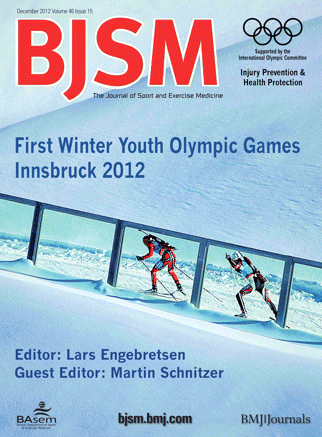
    The cover of a recent edition of the British Journal of Sports Medicine, which was dedicated to issues arising from last season’s Youth Olympic Games in Innsbruck, Austria.

    Welcome back to our almost-monthly series, this month in journals! One of the most visible developments in the last month has been that the British Journal of Sports Medicine devoted an entire issue to the 2012 Youth Olympic Games in Innsbruck, Austria. This was the result of the journal’s partnership with the International Olympic Committee’s medical commission. The cover featured biathletes skiing up a hill.

    Inside, an editorial explained how the organizing committee is taking an academic approach to examining long-term legacies for athletes and others involved in the event, which is especially important as the Youth Olympic Games is a new series and can be adapted and improved in the future. Specific articles examined how relative age, quality of life, coaching behavior, and parental involvement affected competition.

    Most of the health-related research concerned either alpine skiing or snowboarding. However, the journal also published a large-scale review of health services at the Games, which is important because there has been little study of how to deliver medical care at youth sports events of this size, compared to assessing adult athletes.

    “As injury risk and patterns of young elite athletes may vary from their older professional counterparts, injury surveillance of young elite athletes is needed to gain knowledge about the injury risk among this highly competitive population,” the University of Innsbruck team wrote.

    They found, using the IOC’s injury surveillance system and other techniques, that 11 percent of athletes had an injury of some sort during the Games, while nine percent got sick. Of injuries, 60 percent occurred in competition and 40 percent in training. Most injuries occurred in alpine skiing, snowboarding, ski cross, and hockey; six percent of cross country skiers, six percent of nordic combined skiers, and one percent of biathletes reported an injury.

    Nordic skiers were not so lucky in the illness department, with ten percent reportedly getting sick. The overwhelming majority of these cases were respiratory illnesses.

    Recommendations included efforts to remove stress and competitive anxiety for young athletes, with the hypothesis that these mental and emotional challenges create an environment where injuries are more likely. The team also asked whether young athletes were as well-equipped to handle multiple high-pressure competitions in a short time span. Finally, they noticed that girls were almost twice as likely as boys to get sick and recommended gender-specific strategies to keep young athletes healthy and competing.

    * Elsewhere in news about youth, a Norwegian study in The Scandinavian Journal of Medicine and Science in Sports found that high school students are less fit that they used to be. Using nearly 5,000 test results from 3,000 meter running tests (something intimately familiar to nordic skiers…) collected over 40 years at two high schools, researchers in Stavanger, Norway, found that boys’ running times have increased by 10 percent and girls’ by six percent.

    However, all hope is not lost for Norway. The fastest runners are not much slower than they were in the late 1960’s; it’s the slowest decile of runners that has lost the most ground. The authors correlated their findings to other studies showing the similar patterns across Europe, as well as to rising BMI and lower levels of physical activity in some segments of the population.

    “The aerobic fitness decline for the least aerobically fit pupils is comprehensive and is alarming as physical activity and aerobic fitness are inversely associated with metabolic risk and low aerobic exercise capacity is a strong predictor of mortality in adults,” the team wrote. “This increasing gap in aerobic fitness among pupils can result in a larger class distinction in physical fitness and health.”

    * There has been debate for years about whether stretching before exercise improves performance, and if so, what kind of stretching. This month in the same journal, a team led by Dr. Fabio Esposito from the University of Milan tackled a common target in the debates, static stretching, and used it to assess cycling performance. The team noted that most previous studies had used running, but cycling recruited different muscles and even different types of muscle fibers, and that the impact of stretching might be activity-specific.

    Using nine men as subjects, the team administered VO2Max tests and 85-percent effort tests with and without passive stretching. The stretching protocol focused on lower-body muscles and consisted of several rounds of 45-second stretches, using a force (for instance, the assistance of another person) to stretch the muscle to the point of discomfort before allowing 15 seconds of recovery.

    The team found that athletes were more flexible after stretching, but that stretching did not affect their VO2Max outcomes. However, the men took less time to reach exhaustion in the 85-percent trials after stretching than they did without stretching – by a whopping 26 percent. Cycling efficiency decreased over the course of the test for both conditions, but more markedly after stretching.

    “These results are compatible with stretching-induced alterations of the motor unit recruitment pattern and utilization, and with changes in muscle–tendon unit mechanical and viscoelastic characteristics, leading to a less efficient system,” the authors concluded. “From a practical point of view, these findings suggest that care must be taken in administering stretching immediately before an endurance task… stretching can affect not only maximum strength but also heavy-intensity aerobic exercise.”

    * In a study that examined the same general topic – use of different types of muscles and how they affect exhaustion – a team based out of Salt Lake City and Verona, Italy, examined the tolerance level for fatigue when using small muscled versus large muscle groups. In Acta Physiologica, they compared biking to knee extensions, and found that subjects could perform knee-extension exercises for longer than biking before becoming exhausted.

    Wait, you might say – that’s clearly because extending your knee is easier than biking. That’s true, to an extent. The team also found, however, greater changes to the muscles’ ability to contract following the knee extension sessions, and using stimulation of the femoral nerve saw that the muscles were actually more fatigued.

    The implication, they wrote, was that using small muscle mass exercises, an athlete can achieve a higher workload and level of fatigue before the body’s tolerance limit is reached – the sensory system doesn’t pick up on the fact that it is tired. To get muscles to adapt to exercise, it may be beneficial to sometimes work on muscle-specific activities, not only on doing the entire activity for which you are training.

    Previous additions of This Month in Journals: SeptemberOctober

  • This Month in Journals: Does Compartment Syndrome Diagnosis Method Lead to Unnecessary Surgeries?

    This Month in Journals: Does Compartment Syndrome Diagnosis Method Lead to Unnecessary Surgeries?

    FasterSkier is starting a once-a-month series looking at new research in the field of sports science. Periodically, we’ll flip through some of the world’s best peer-reviewed medical journals and summarize, in plain English, studies that we think will be of interest to skiers. Here’s our second installment; you can check out the first here.

    * Compartment syndrome, the compression of muscles with in a myofascial “compartment,” is prevalent though it has become in cross-country skiing, but is not a well-understood disease. Drs. Andrew Roberts and Andrew Franklyn-Miller of Surrey, England, admit as much in a recent paper in the Scandinavian Journal of Medicine and Science in Sports.

    The pathophysiology of the condition is poorly understood, and the criteria used to make the diagnosis are based on small sample sizes of symptomatic patients,” they write.

    Chronic exertional compartment syndrome, or CECS, can’t be diagnosed just by MRI’s or other non-invasive means. Instead, doctors typically cut a slit in the skin and insert a catheter (in some cases a fluid-filled needle) into the muscle, then ask the patient to exercise on a treadmill or bike and measure how the pressure in the muscle changes from rest to exercise.

    CECS also usually can’t be cured simply by resting or doing physiotherapy. Typically, skiers (and other athletes) with bad cases of CECS have surgery to remove the fascia, or coating, around the affected muscles in their calves or shins so that they can expand without causing pain.

    Nobody wants to have surgery that they don’t need, so it’s troubling that there doesn’t seem to be a quick and easy diagnosis. Drs. Roberts and Franklyn-Miller examined the use of intramuscular pressures to assess the technique’s accuracy. Even before starting their literature review, they knew that some of the studies which were used to set the cutoff values defining CECS had failed to use a control group of healthy subjects.

    So, the pair set out in search of studies that would give them some baseline information. And what they found was troubling: when researchers actually look at intramuscular pressure in healthy people, the values are sometimes above the cutoff currently used to diagnose CECS.

    “If a measured [intramuscular pressure] is above the criteria, clinicians can not have confidence as to whether the subject belongs to the upper end of the distribution curve for healthy subjects or at the lower end of the curve for subjects with CECS,” the authors wrote.

    Furthermore, they found that factors such as how deep the catheter was inserted and its position in the muscle, as well as which activity the patient was doing and even shoe shape contributed to variation in measurements of intramuscular pressure. The authors called the intramuscular pressure method “flawed” and wrote that they would not recommend it as a mode of diagnosis.

    “The [intramuscular pressure] at all the gold-standard time points has shown to be dependent on variables other than the presence or absence of CECS, and considerable overlap exists in the available literature between normal and symptomatic subjects in IMP measurement,” Robers and Franklyn-Miller wrote. “The current diagnostic criteria certainly cannot be applied with reliable certainty… These flaws could potentially lead to false positives and subsequent fasciotomy where it is not indicated.”

    Among other things, the authors suggested that rest and conservative treatments be tried before jumping to surgery. For instance, the fact that shoe shape and construction could determine intramuscular pressure dictates that athletes might want to change their footwear – several times – before going under the knife and losing weeks or months of training. The takeaway message for skiers is not to jump to conclusions when their calves and shins start hurting – and that if pain isn’t severe, having high measured intramuscular pressure doesn’t mean that it’s compartment syndrome.

    * In Acta Physiologica, both an editorial by Dr. Timothy Carroll of the University of Queensland and a paper by researchers from Deakin University in Melbourne argue that a large part of an athlete’s improvement in strength can be tied to adaptations in their brains, not just the muscles themselves.

    The Deakin team, led by Dr. Dawson Kidgell and his graduate student Ashleigh Weier, began from the pattern that athletes generally see improvements in strength very early on in a training program, before their muscles actually get significantly bigger. To examine whether the improvements might be all in their heads, the team used transcranial magnetic stimulation: they sent of magnetic pulses through a subjects head, which then gave them information about synaptic activity and possible inhibitions.

    Briefly, the magnetic pulse technique has been used many times before to examine how the brain controls performance of many tasks, including strength training – where results have been conflicting and inconclusive. The Deakin team took a slightly different approach of comparing single-pulse with paired-pulse stimulations.

    After four weeks of training, university students improved their squats significantly but did not develop thicker muscles compared to a control group. More importantly, the study showed an adaptation to training: the students who had been training showed changes in the motor cortex that led them to perform better.

    The editorial further hypothesized that, compared to other studies, the more complex a task is, the larger the magnitude of change in the cortex will be. Because the maximum-load squats were both taxing and required very specific technique combining multiple muscle and joint movements, the brain changed more to facilitate the difficult task.

    “It seems likely that repetitive muscle actions against high loads alter motor cortical connectivity to facilitate the specific patterns of muscle activity required to produce maximal force in the training context,” Carroll wrote.

    Training: maybe it really is mind over matter….

    * The International Olympic Committee published its consensus statement on thermoregulation and altitude adjustment this month in the British Journal of Sports Medicine. In short, the IOC wants to make sure that environmental conditions don’t adversely affect the health of its athletes. As examples of some conditions they want to control, they listed heat, cold, wind, altitude, and humidity.

    The group, anchored by Dr. Lars Engebretsen of the University of Oslo, noted that it was difficult to set hard-and-fast criteria for conditions given that each sport – summer to winter, from land to water – encountered different challenges.

    In terms of challenges relevant to nordic sports, the IOC started by writing off hypothermia: “And while some Nordic skiing and biathlon events require 2 h to complete, metabolic heat production during these activities is even higher, often reaching 13–18 METS (1250–1800 W)… these very high-metabolic rates will offset heat loss and prevent athletes from developing hypothermia during competition in conditions typifying the past three winter Olympics, and probably even with much more extreme cold conditions.”

    It’s worth noting, however, that the group used as its guidelines only the temperatures from the last three winter Olympics – including, for example, the rather warm Vancouver edition. They wrote that air temperature would have to be below -4° F – the technical cutoff for FIS-sanctioned races – for nordic athletes to get frostbite, and suggested that it was more a concern to worry about coaches, volunteers, and support staff.

    The group went on to note the prevalence of exercise-induced asthma and bronchial hyper-responsiveness in elite skiers and swimmers.  “Furthermore,” the authors wrote, “participation in competitive cross-country skiing over a winter season markedly enhanced airway infl ammation in bronchial biopsies in young skiers with and without asthma.”

    What to do? The IOC helpfully recommends recording temperature and wind speed at events and telling athletes to wear warm, windblocking clothes when training. and notes that inhaled steroids can treat asthma without being performance-enhancing and warned against over-using beta-2 agonists (read more about that issue in our piece from last week).

    While the consensus statement itself was based on many previously published studies and revealed little that was new or exciting, it did provide a pulling-together of the IOC’s thoughts on many medical issues. And perhaps the group failed to make any bold statements because they are waiting on more results from researchers around the world: the piece closed with a call for more work to be done.

    “We urge the Commission and Federations leaders to assertively and openly press further in their pursuit to better appreciate, closely monitor and appropriately respond to the health and safety challenges in all sport venues, so every Olympic and international-level athlete is adequately protected and thus given the opportunity to demonstrate optimal athletic performance,” the group wrote.