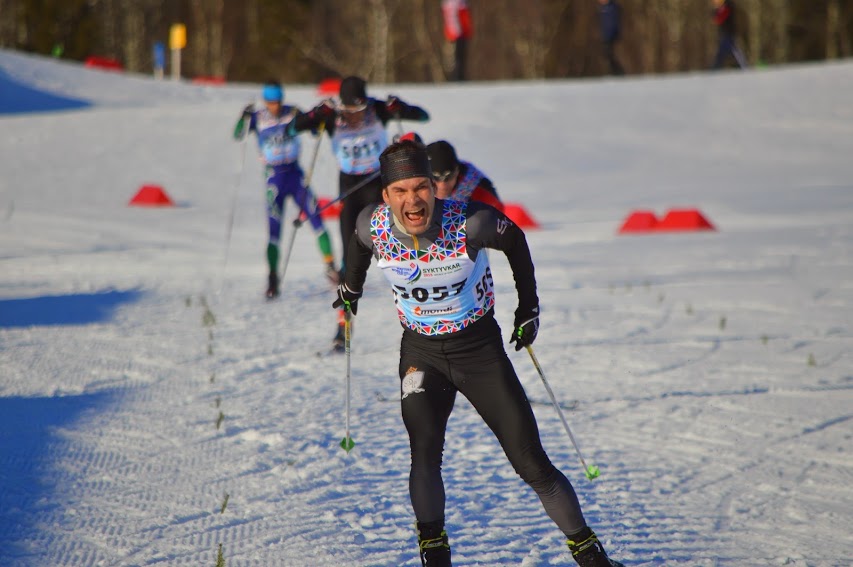
Tag: Kent Murdoch

  • Sustaining Success: Year Two for the Methow’s Ski to the Sun Marathon and Relay

    Sustaining Success: Year Two for the Methow’s Ski to the Sun Marathon and Relay

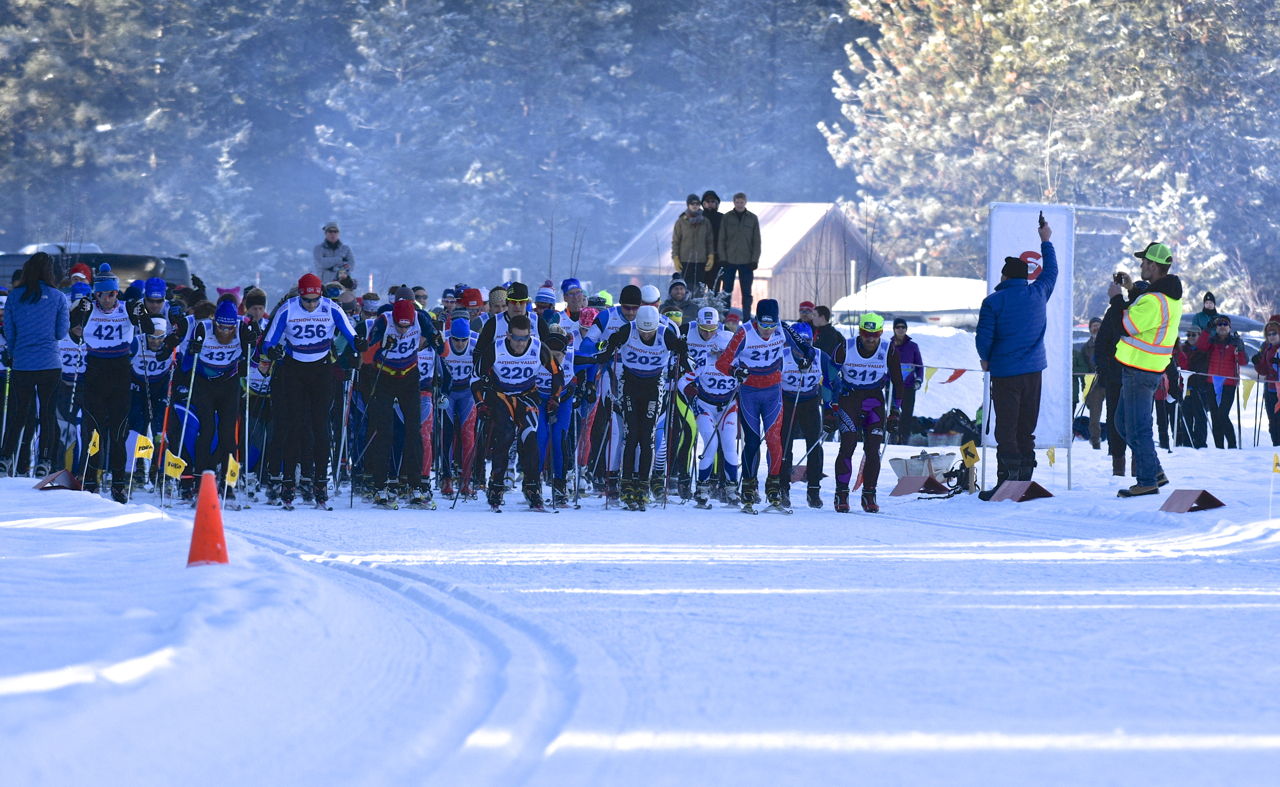
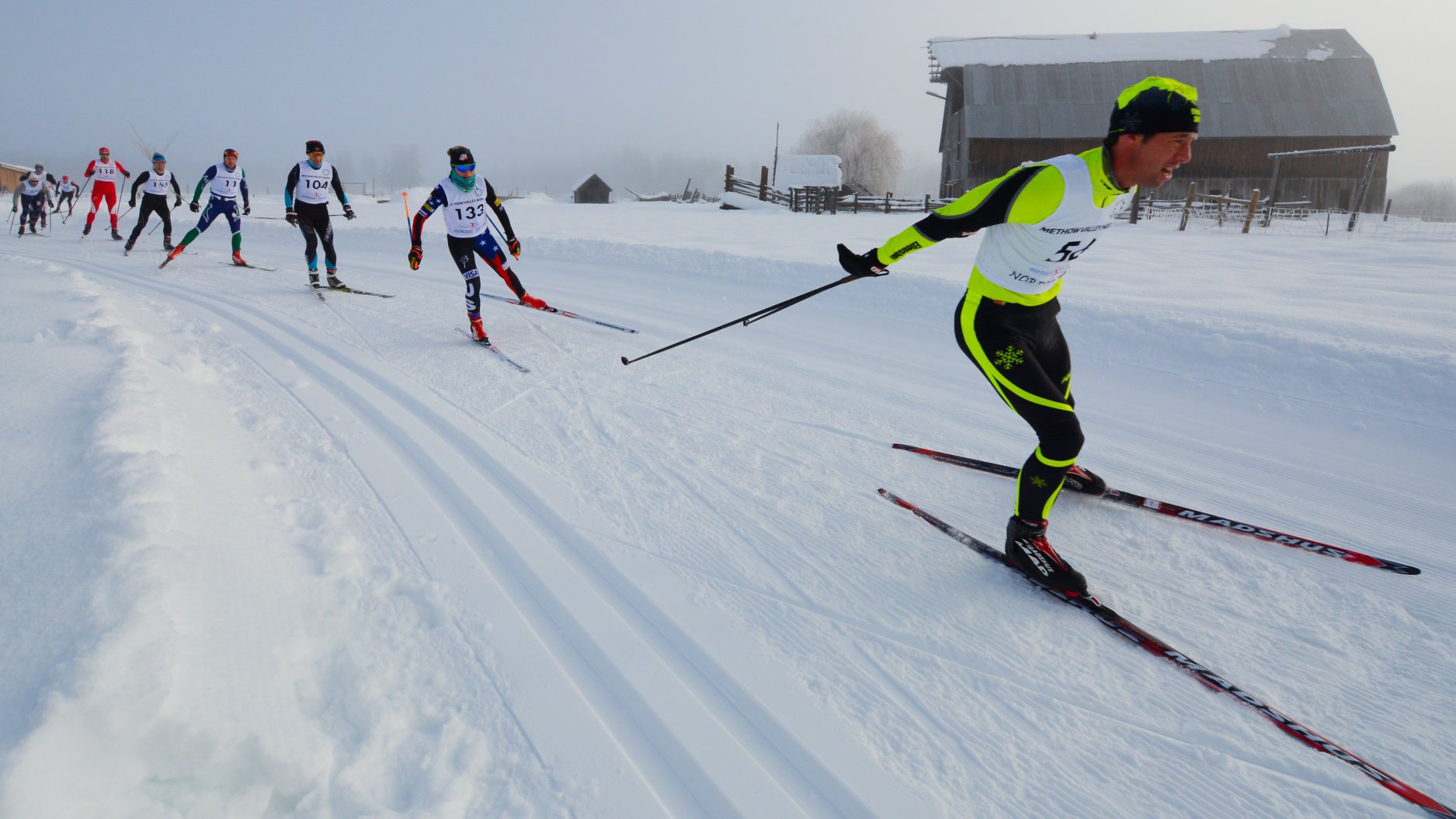
    Racers on the valley floor during the first Ski to the Sun Marathon and Relay in the Methow. (Photo: Methow Trails)

    All things aligned: a gauzy low fog burned off into bluebird skies and the snow skied crisp along a 42-kilometer gem during the Methow Valley’s inaugural Ski to the Sun Marathon and Relay. Last year, we ran a piece exploring how the Ski to the Sun Marathon organizers were rebooting their marquee ski race. The valley’s signature race had for years been a two-day pursuit. An attractive format to many, but it eventually stagnated with a core cadre of skiers roughly one-hundred strong participating. 

    A rethink was in order to highlight one of North America’s premier ski destinations. Creating a must race event is not as simple as build it and they will come. Many pieces must fall into place, let alone the weather and snow conditions on a race date often selected more than a year out. 

    In our previous article, Kent Murdoch, who has been making the trip from Seattle to the Methow for eons, told FasterSkier that a signature event was not on the minds of the pursuit race organizers. But over time, as the valley’s considerable volunteer energy became evident, creating an event that was a regional draw for cross-country skiers became a goal. 

    The Methow appears to have found a formula that works.

    “We went from wanting something bigger than the previous existing pursuit, and I think that we had four times the number of people,” said Pete Leonard, Executive Director of the Methow Valley Nordic Ski Education Foundation, during a conversation this January. 

    Four hundred skiers in a first year event. A massive win considering longstanding events like Sun Valley’s Boulder Mountain Tour cap their 34 k marathon at 775 skiers. 

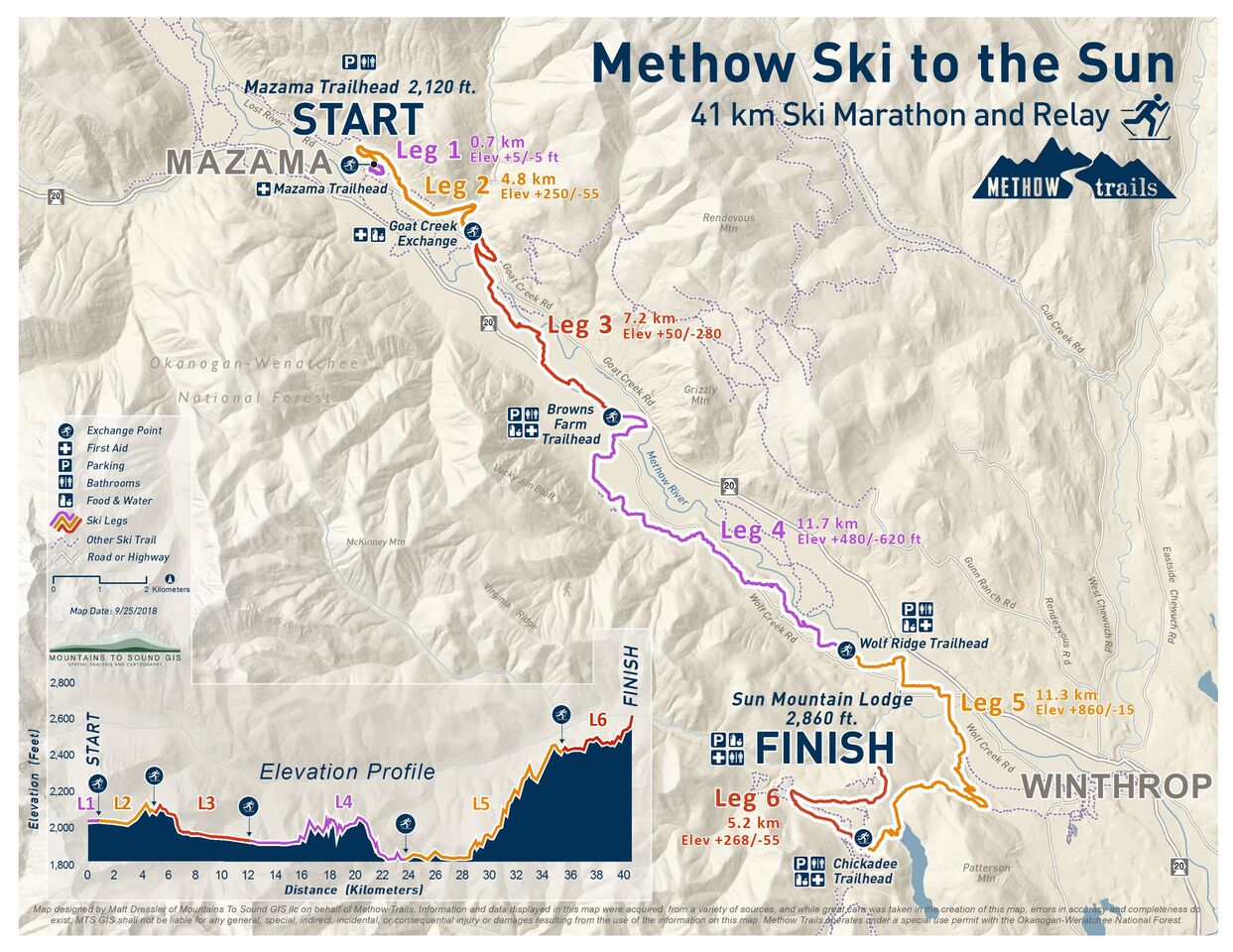
    The Ski to the Sun Marathon, which runs this year on February 8th,  spans the valley from the north in Mazama south towards Winthrop. Before skirting across farm and ranch-land into Winthrop proper, the course takes a lovely – and heart-rate-rising- 12 k stair step climb from the valley floor to the finish at Sun Mountain Lodge. Here’s the thing: you can imagine it’s your own Tour de Ski final stage grind with it’s Alpe finish, or register with a relay team and save the ascent for a teammate. 
    There’s something for hardened master racers and those simply seeking a cool social scene bundled into a ski race.

    This year, organizers are bringing Olympic champion Kikkan Randall to the race where she will also be available for a meet and greet. Randall is also expected to compete.    

    What follows is an interview with two of the race organizers, Kent Murdoch and Pete Leonard. We explored what they had learned after year one of the Ski to Sun Marathon and Relay. We thought it might be useful to other communities thinking about developing a premier ski race to learn from those in the Methow as they forge ahead with creating a signature event on the race calendar. 

    FasterSkier: A race like this is an investment in the community, but it also takes considerable resources — both human capital and money. Can you talk about the finances? 

    Pete Leonard: Everybody grouped together to deal with some of the unknowns and for our race committee that was a little bit stressful leading up to the race. But everything seemed to come off and everything seemed to work out. But one item was noteworthy, we were able to balance the budget the first edition – which was no small feat.  

    Kent Murdoch: I would also add that we weren’t planning to actually be in the positive in the end. We were expecting to take a little hit, being the first year. But, it was surprising. Honestly, you also have to take into account that there is a ton of community volunteer work that goes into it. And I think the volunteers in the valley really pulled out the stops.

    FasterSkier: You spoke about some unknowns. What were some of the unknowns besides weather and snow coverage. What did you stress about? 

    Pete Leonard: The logistics of a relay — those are the things we didn’t necessarily think about. With a relay happening simultaneously with a marathon, or starting 10 to 15 minutes behind, lots can go wrong. We have all these people driving down valley and using different zones to tag their partners. That took some coordination. It’s also a trail system and race course through some private land holdings. We have road crossings that can complicate race course set up. We also cross driveways and someone simply might not have their driveway plowed. Those are little things, but we were worried about them. 

    Another issue we learned about was limited parking at the finish. There was a big conference last year up at Sun Mountain Lodge the same weekend as the race. That was a little bit of a worry. We also stressed about accommodating all those people for dinner. And then there was the cooking and food for 300 people. Just constantly thinking how it was all going to come together. 

    I think sometimes that is a little bit of race organization, making sure you are pushing to do your absolute best by the racers so you give them the best product.
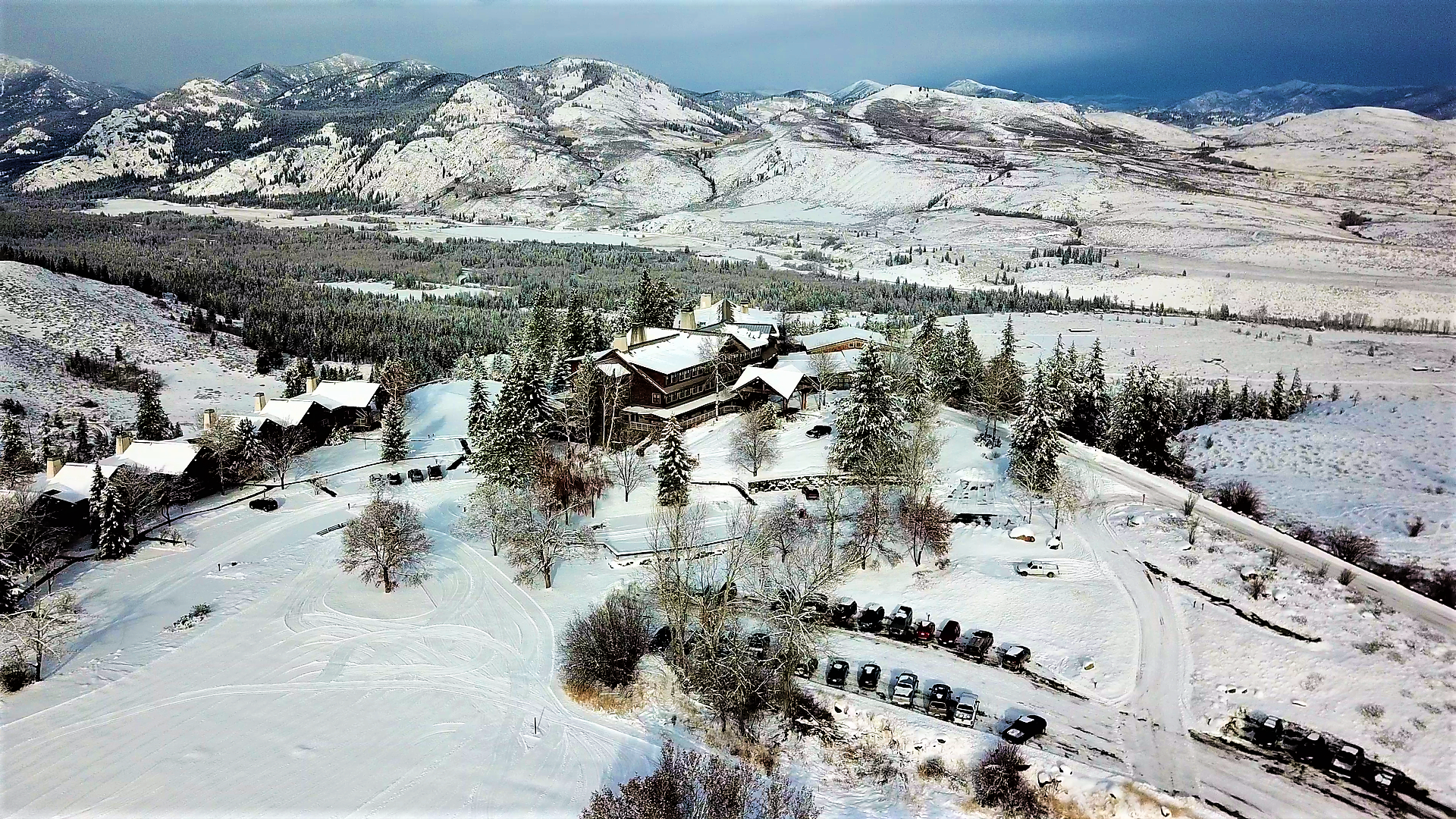
     

    Sun Mountain Lodge – near the finish area of the Ski to the Sun Marathon and Relay. (Photo: Methow Trails)

    FasterSkier: Can you talk about the somewhat unexpected bump from 100 skiers in the old pursuit race, to a start list with nearly 400 skiers including relay participants?   

    Kent Murdoch: In our first year of the Ski to the Sun it took us a bit by surprise because so many people entered kind of last minute. I think that is typical for many events, but it made it more of a challenge to plan for the banquet meals. I’m not sure exactly what that is about, but I think people want to make sure they are healthy and their is going to be snow. And so it does make it hard to plan for. 

    For this year, we modified our fee schedule to moderate that a bit. I do not know what to expect. We did something like December 1st and January 1st fee bumps — meaning the entry fees increased on those dates.  

    Pete Leonard: We also have February 1st as the closing date for the relay. And then there is a very substantial fee bump if you want to wait to the last week for the marathon. We are just really trying to encourage people to make the commitment to race because that helps us deliver a better product and make sure all the pieces are there.

    FasterSkier: Skiing has yet to really find the equivalent to the gravel scene in biking. How are you trying to draw more people into skiing with this event?

    Kent Murdoch: The relay aspect is the biggest change we have made with regard to events we have held. And it’s an attempt to broaden the appeal of a ski race likes this. We are getting both this year and last year about a 50-50 split of those entering the marathon versus the relay. So the thing about the relay is it really opens it up to anybody, we have one leg that is less than a kilometer on flat terrain. And then we have every kind of leg that you would want. There are many relay combinations that can suit any team, and an individual can do more than one leg. That flexibility seems to have been successful so far. 

    Pete Leonard: It is not a single facet that is going to bring new people to a ski race. Sometimes we get into these discussions where we are looking for that one key ingredient that is important to every racer. I think that there are a variety of ingredients that are important to every racer and we are trying to do a good job on a lot of fronts.

    To every racer those fronts matter a little but differently. For some they are tuned into one part of the event, but it still matters to them that the course is well groomed even if they are out there and they are motivated by the social part of it or the epic adventure type of thing. 

    I think to reach out to a broader segment, it starts with making it obtainable, which is what Kent talked about with the relay there. We had a lot of people who did the relay last year and were like ‘oh man I am going to do the marathon next year,’ because they thought that was not as hard as it was going to be.

    I think one of the big challenges with cross-country skiing is reaching out to new segments of people who might know the sport and be attracted to it, but they are not going to be stoked to sign up and line up next to the Lycra clad master racers of the world because they feel they are not ready for that — but they are fit. They could be an ultra-runner, or a biker, or a rower or something like that and they are going to want to come over to the Methow. This is their experiment with cross-country racing. This is one important aspect as we build it — that we are not just speaking to the people who are already part of your tribe.  

    But trying to build your ski racing tribe up to with these other people and bring them into the fold.
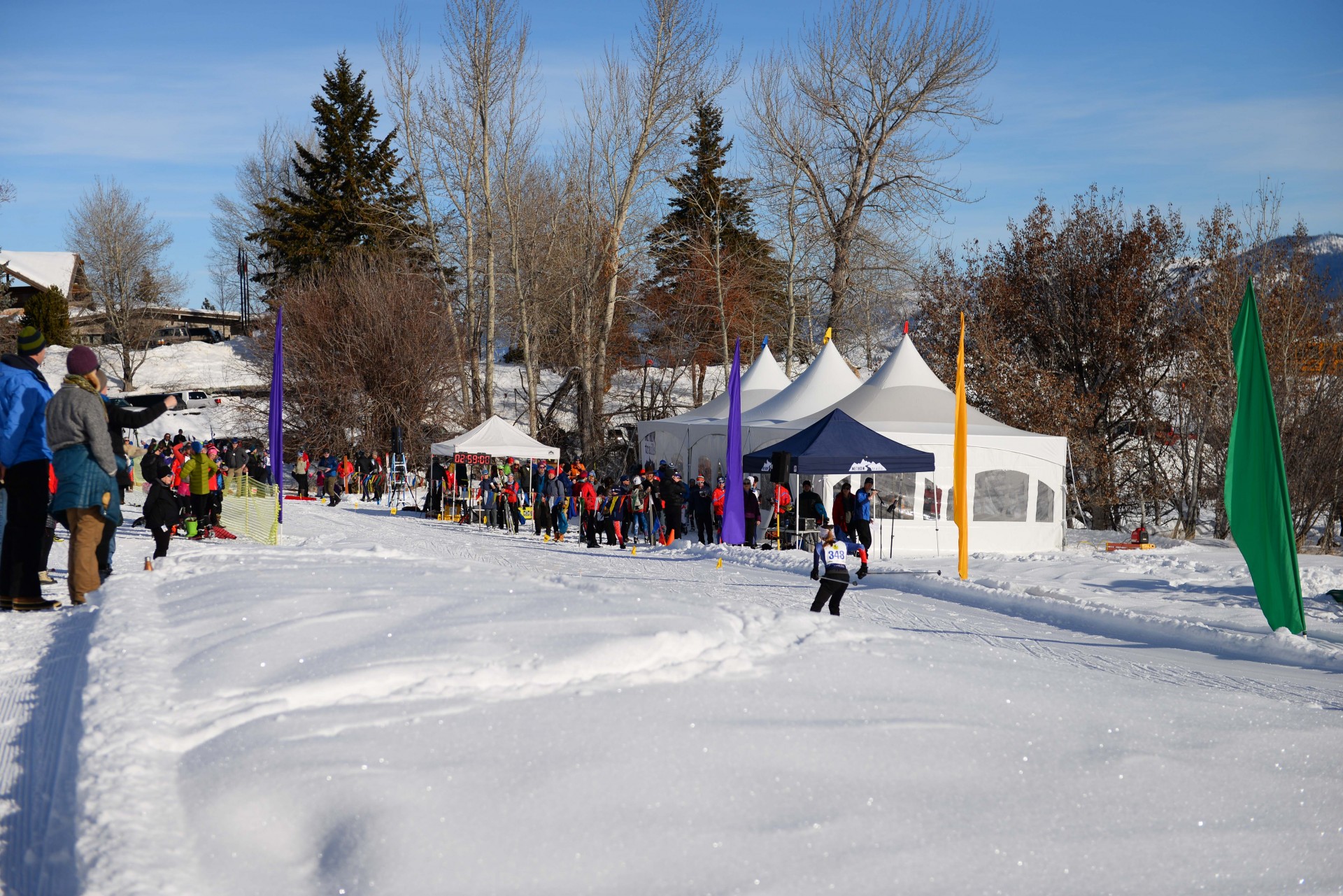
    Big support along the race course. (Photo: Methow Trails)
  • A New Start For the Methow Valley in its Quest for a Signature Race

    A New Start For the Methow Valley in its Quest for a Signature Race

    Ready, set, go: racers at the start of the skate portion of the 2018 Methow Pursuit. (Photo: Methow Trails)

    Washington’s Methow Valley is the literal end of the road in winter. There’s one way in from the south.  There’s route 20, a sinuous side spur plunging down from Omak in the Okanogan Highlands to the Methow’s eastern edge. Otherwise, travel by car terminates just beyond Mazama — the small town nestled in the valley’s north.   

    The Methow’s charm remains its solitude and mellowed pace. Despite the wifi and cell service, there’s the real sense of being unplugged.

    For nordic skiers, that remoteness coupled with the Methow’s epic skiing make it paradise. Regionally, it’s hard to argue any other nordic ski destination matches the raw number of kilometers, terrain, and vibe etched into the Methow’s DNA.  

    Despite those travel brochure-worthy qualities, the cadre of skiers residing in the region have struggled to create a signature cross-country race event. By signature event, we’re talking races like Sun Valley’s Boulder Mountain Tour, Craftsbury’s storied marathon, and the behemoth American Birkebeiner which stands alone in terms of its draw.

    “In the early 90’s is when I think the Methow Pursuit first started,” said Kent Murdoch, a long time Methow skier who bounces between homes outside Seattle and the Methow. “The first iteration of that long distance race was a point to point from Cub Creek, up and over the Rendezvous pass, and dropping down into Mazama to finish.”

    That 42 kilometer skate race featured gut-punching climbs matched with a never-ending technical descent. The second day’s classic pursuit threaded from Mazama to Winthrop on the hallmark Community trail.

    “It was essentially a double pole race,” added Murdoch. “But it was pretty popular for the people that are established racers that knew about it.”

    Periodically, stakeholders within the community have attempted to recreate the concept of a must-race event. In a place defined in winter as much as the Methow is by nordic skiing, one would assume a marathon type race there would be an annual pilgrimage for many.

    That is not to say efforts failed. It is to say a rethink was due if success is measured by drawing a broad spectrum of the nordic community.

    “I knew the event had struggled over the years and as I dove into planning for it, I quickly realized why,” said Adrienne Schaefer, the Partnership Manager for Methow Trails. “In an effort to have something for everyone, the event had grown into a somewhat complicated format, which was fine for skiers who were familiar with racing but seemed hard to navigate for someone who had never entered a race and didn’t actually know what a loppet even was. Numbers for last year’s Pursuit were close to 70 on Saturday and around 35 on Sunday. It was clear that something needed to change.”

    Last spring, the race reboot began.  

    “We had just completed our Sunflower Marathon, Half Marathon and Relay and had 1,100 runners at the event,” Schaefer said. “The question was, why not just do a winter version of the Sunflower?”

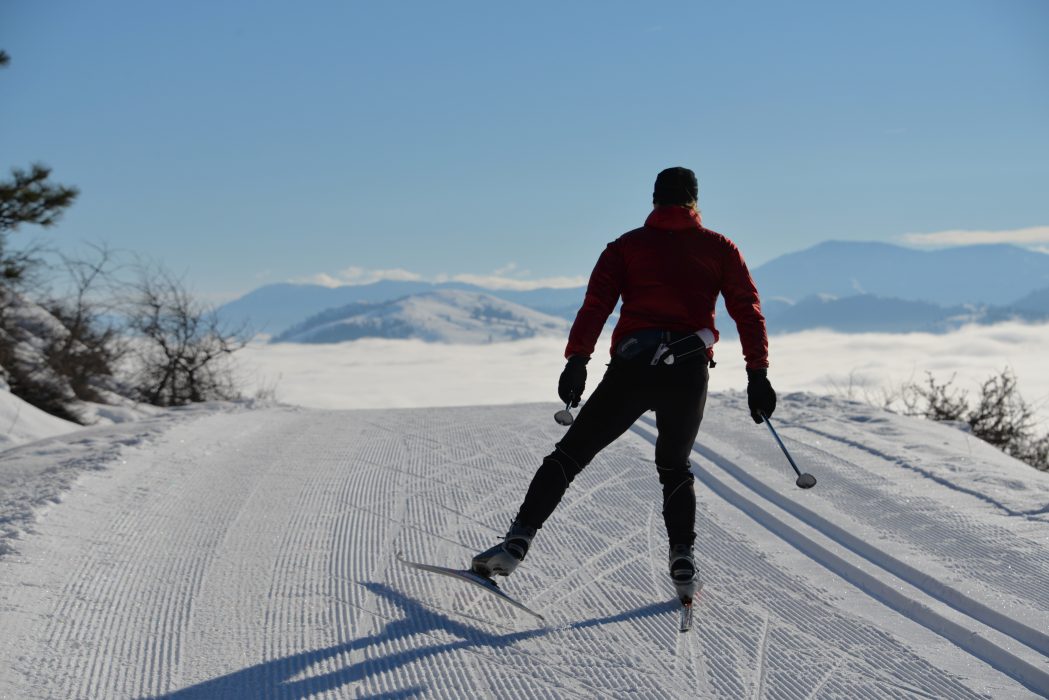
    Skiing above the fog and under a big sky in the Methow Valley. (Photo: Methow Trails)

    The Sunflower is a five-leg trail running race connecting Mazama on the valley’s north end to Twisp in the south. Participants have the option of running the marathon solo or as part of a relay team. Relay teams consist of two to five participants. The half-marathon starts near Mazama and shares the same finish as the marathon. The end result is a race with enough options to draw the hardcore and recreationist.

    What Schaefer saw in the success of the Sunflower was its accessibility. A concept easily applied to the cross-country ski version of the event.

    Murdoch was equally invested in formulating a successful winter-edition model of the Sunflower.

    “The area really warrants putting something like this on,” Murdoch said. “A few friends and I have been envisioning this for a few years and I am now on the Board for the ski team. I Have taken this as my main focus to not just build this race but eventually a week-long festival with multiple events. We want to appeal to people of all ages and skill levels.”

    On January 26, the Methow’s inaugural Ski to the Sun Marathon and Relay kicks off.

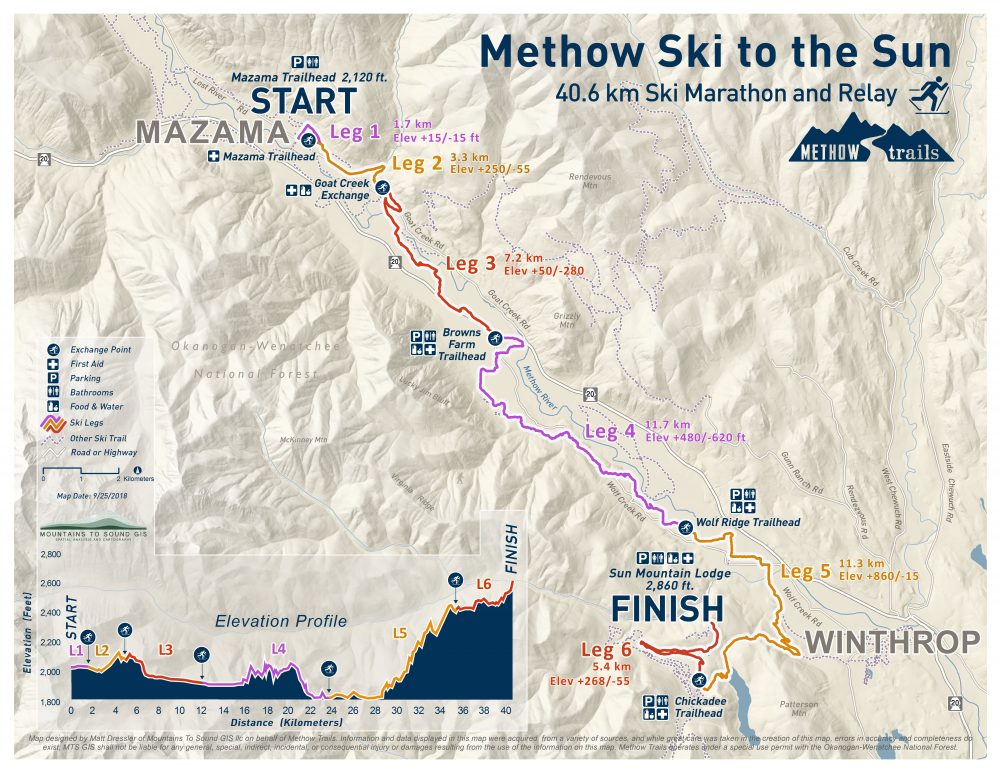
    Valley local Laura McCabe, a timeless podium magnet and herself fond of burly skis, along with Murdoch worked to piece together a course appealing to all comers. Beginning in Mazama, the envisioned course runs a solid 40.6 k for individual skiers. The relay is broken into six segments – teams may have between two to six members.

    For the first quarter, the race route streams the middle of the valley floor. At the end of the third leg, at 13 k, the course turns towards the west and trends to the rolling hills buffering the valley’s flanks. After approximately 28 k, the climbing begins towards the finish at Sun Mountain Lodge.

    “It is very skiable,” Murdoch added. “There is nothing in it that is, I think, that is going to turn anyone away purely based on difficulty. And it doesn’t have the technical descents. So technically it should be doable for a very large group of people. And for the people that are not interested in the climb, it is possible to get on a relay team. I think some of the legs are only 2 to 3 kilometers and are totally flat. So there is something for everyone.”

    Course map and profile : Methow Ski to the Sun Marathon and Relay.

    For skiers on the sharp end of the race, keen on fast splits and podiums, Murdoch believes the race will deliver. For those with an affinity for warm drinks and food as they tick off kilometers, organizers plan to staff numerous feed zones along the course to keep participants comfortable. In an appeal to families, racers 17 and under race for free.  The race is freestyle technique, but skiers may skate or classic. 

    “We know this is not going to happen overnight,” Murdoch said of the Methow’s desire to cement itself on the race circuit with the Ski to the Sun Marathon and Relay. “The basic answer to why we lack a signature event is that I don’t think we ever set out, in the beginning, to envision a course and the post-race dinner and award ceremonies and marketing especially. This is new to all of us. How to go about that. In previous years it was never really intended to be that kind of event. Now we have the energy.”

  • Masters World Cup 2015: The Russian Experience

    Masters World Cup 2015: The Russian Experience

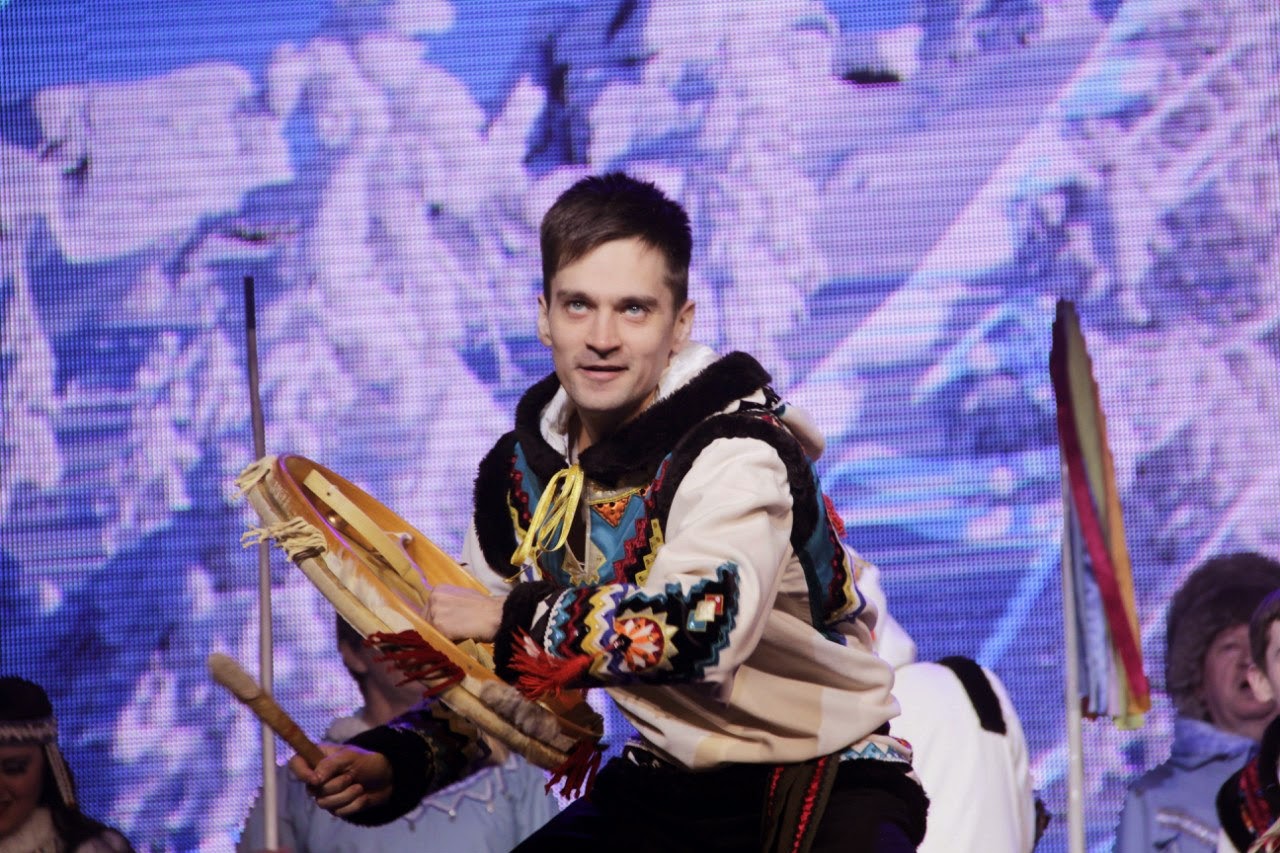
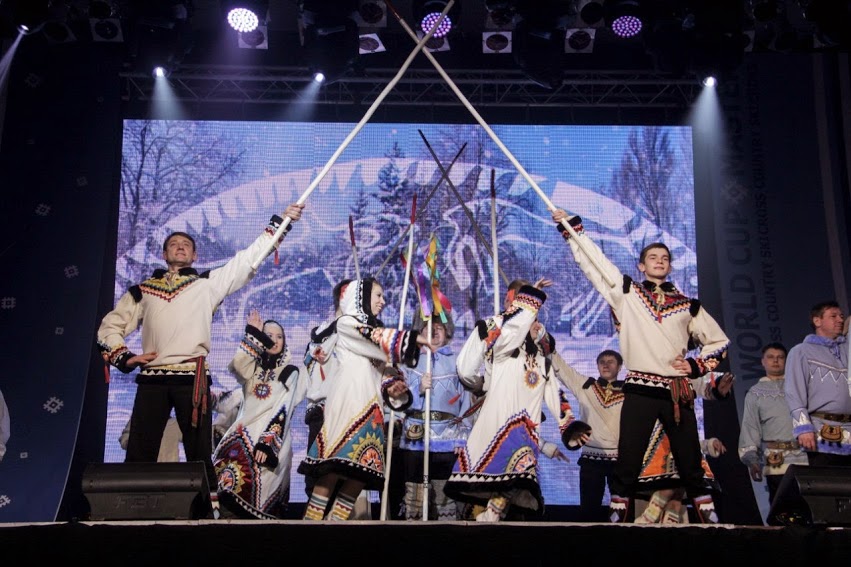
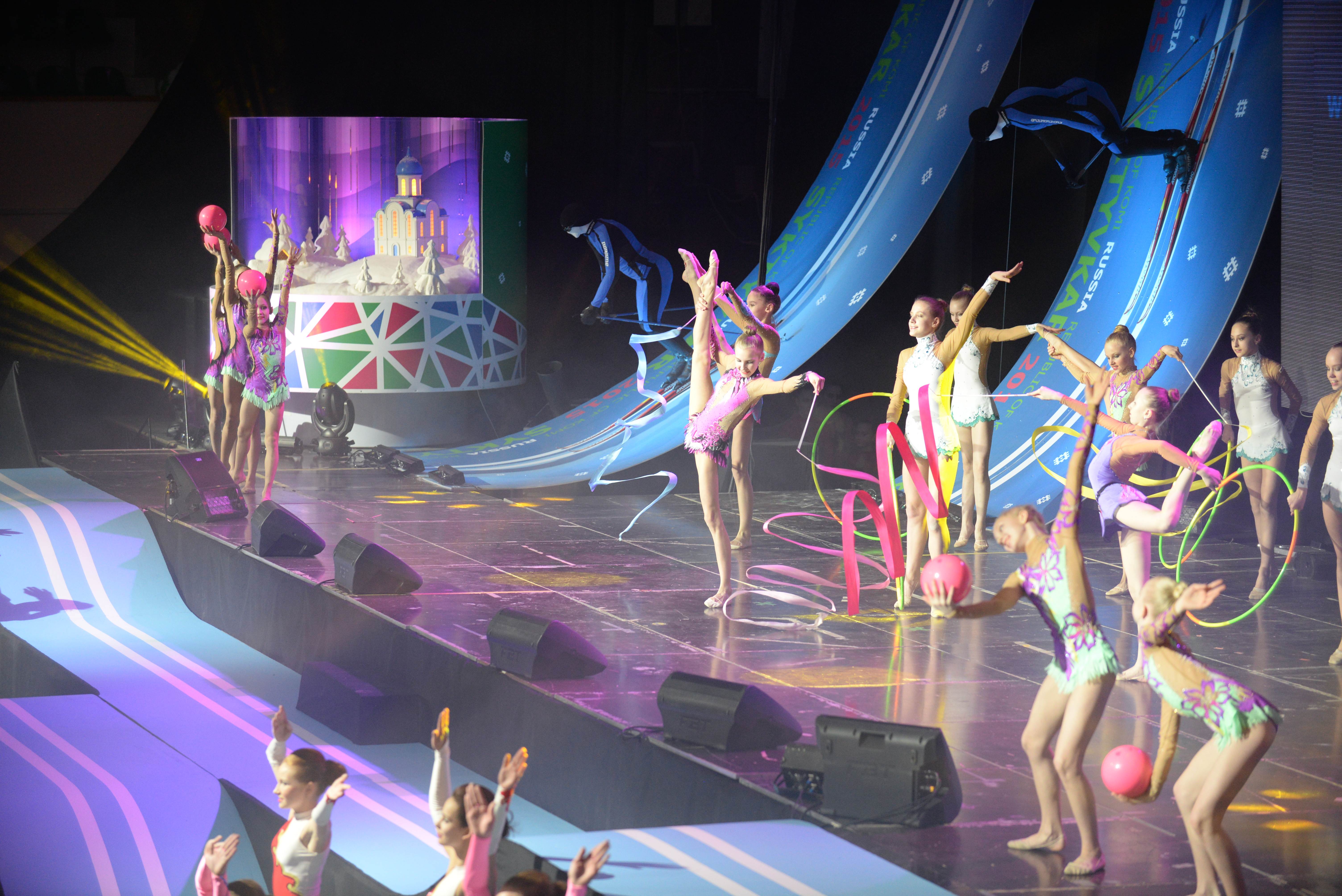
    From the opening ceremony. Photo: MWC2015
    A scene from the opening ceremony at the 2105 Masters World Cup in Syktyvkar, Russia. (Photo: Masters World Cup 2015)

    The following is an editorial submitted by FasterSkier contributor Inge Scheve, a Norwegian native who lived in Fairbanks, Alaska, and Bend, Ore., for a number of years where she became an avid skier and masters racer. Scheve recently returned from competing in her fifth Masters World Cup in Syktyvkar, Russia.

    ***

    Russia was quite a trip. Literally. The 2015 Masters World Cup in Syktyvkar, Russia, from  March 14 to 20 was amazing, maybe one of the best I’ve experienced in terms of racing, depth of competition, facilities, professionally run venue and race organization, as well as opening ceremony, medals ceremony and entertainment that made you feel like these championships were a big deal.

    The head of grooming was the same guy who was in charge for the 2014 Winter Olympics in Sochi, Russia. The courses and stadium fit every International Ski Federation (FIS) technical specifications and rules for World Cup standard. Each national team was given its own wax room complete with amenities, premium ventilation and work conditions, locker rooms, bathrooms and showers.

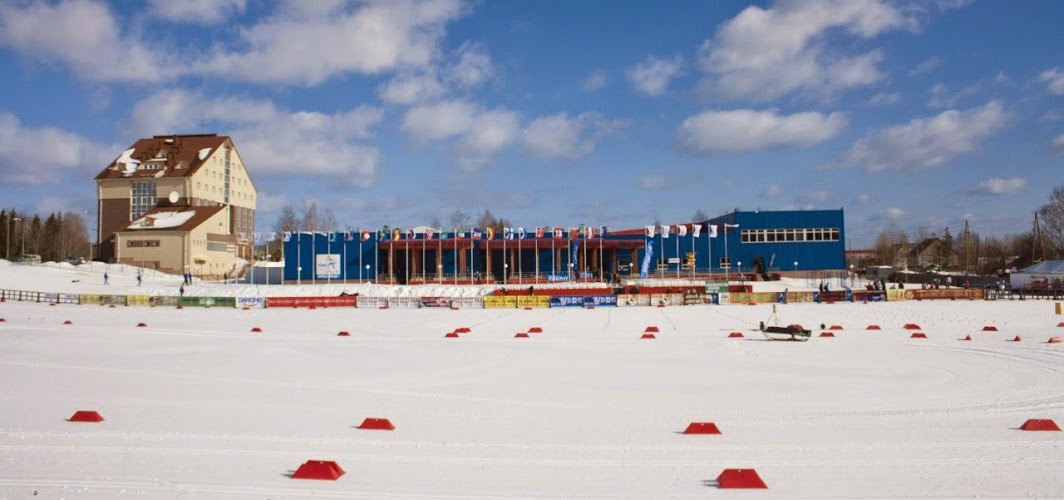
    The Smetanina Sports Complex at Masters World Cup 2015. (Photo: MWC2015)
    The Smetanina Sports Complex at Masters World Cup 2015. (Photo: MWC2015)

    The U.S. team consisted of a scant dozen travelers, including supporting spouses and a couple of racers who ended up injured just prior to the trip, but still decided to go because of the novelty of the destination. And you can certainly argue that it was.

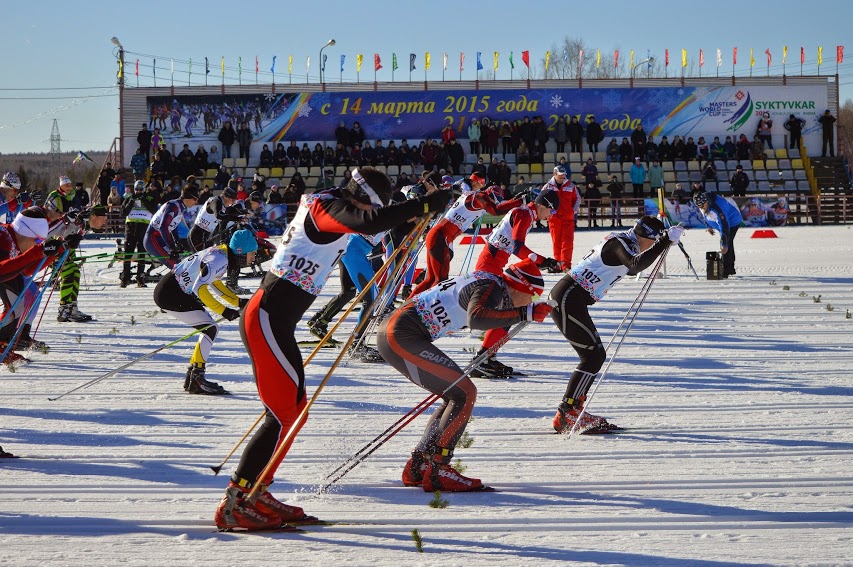
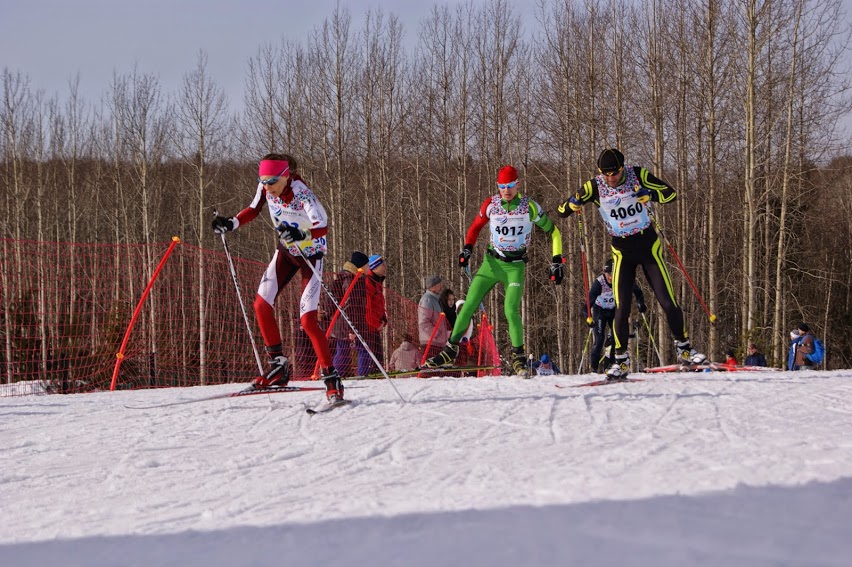
    Start of a race in the M1 category. (Photo: MWC2015)
    Start of a race in the M1 category. (Photo: MWC2015)

    We stayed at the Olympiets Hotel at the venue, with a view of the courses from our rooms, and within spitting distance of the wax rooms and venue.

    For a lot of us, Masters World Cup is the main event of the season, and the most important training and performance goal. It’s what you have in the back of your mind through the soggiest moosehoofing intervals in the fall and on those the frigid long-distance workouts in January.

    And it’s also the closest most of us working folks get to a taste of Petter Northug and Marit Bjørgen’s world, with no further comparison. We certainly don’t ski as fast, but many definitely dig just as deep for the finish line.

    Masters World Cup is one week of racing your brains out in events where the competition is fair,  and you don’t have to worry about racers stepping on your gear out of the start and excessive jockeying and fighting for positions.

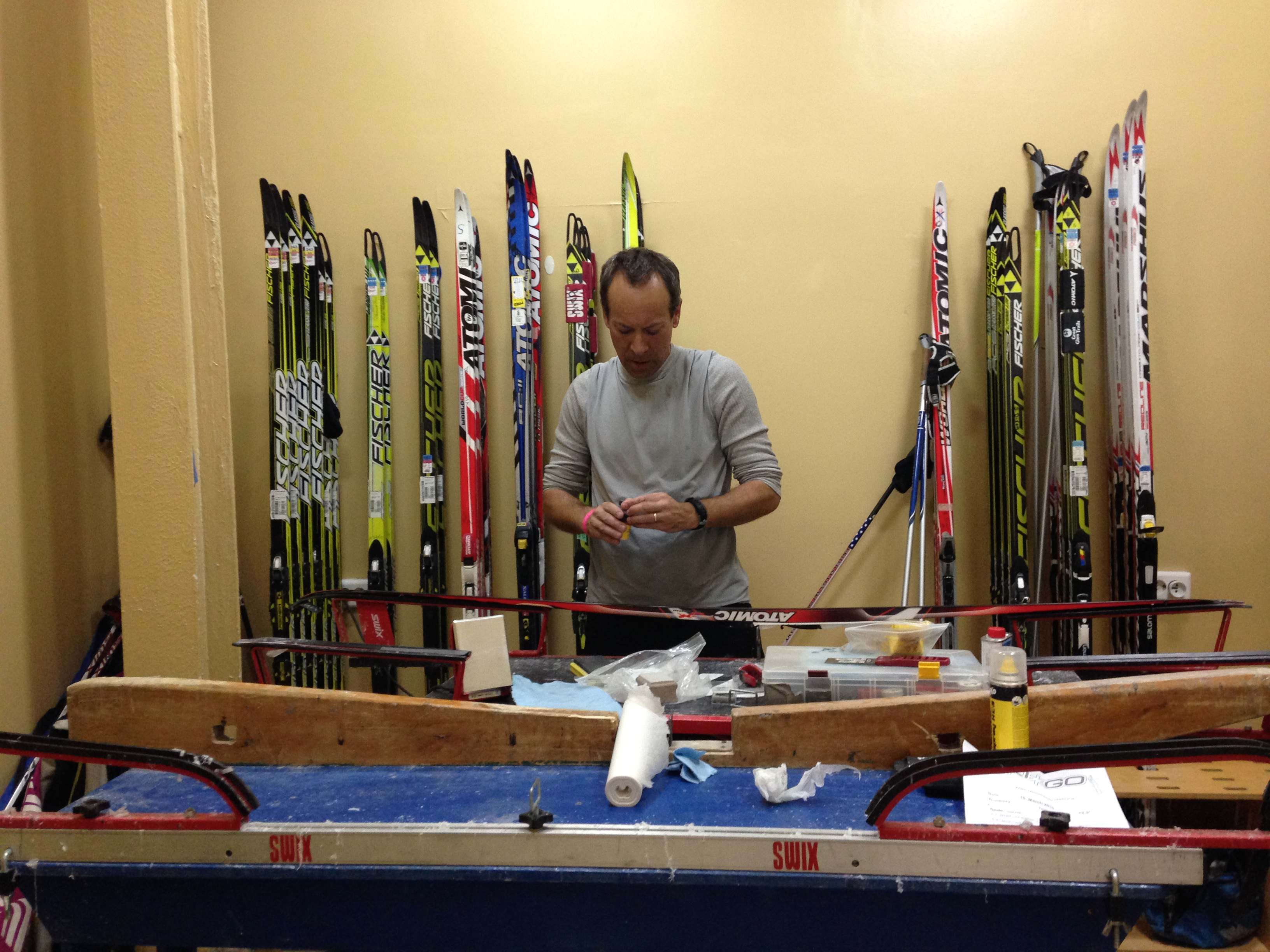
    JD Downing at work in the U.S. wax room at the Smetanina Sports Complex at 2015 Masters World Cup. (Photo: Inge Scheve)
    JD Downing at work in the U.S. wax room at the Smetanina Sports Complex at 2015 Masters World Cup. (Photo: Inge Scheve)

    It’s unlike so many of the mass events such as the Birkebeiner and the Engadin with 10,000 to 15,000 racers on course. Even in the largest men’s categories, the start field at the Masters World Cup rarely exceeds 50 to 70 racers, and even those fields string out fairly quickly.

    But Masters World Cup is so much more than just a week of crazy hard racing. It’s the five-week peaking plan leading up to the event. It starts with three hell weeks of volume and intensity that makes you wonder if you are going to bury yourself entirely, followed by two tapering weeks when you finally feel speed and snappiness come to you. You are race-ready and bursting at the seems.

    And it’s a week where the world revolves around sleeping, eating, training, racing, waxing, and performing.

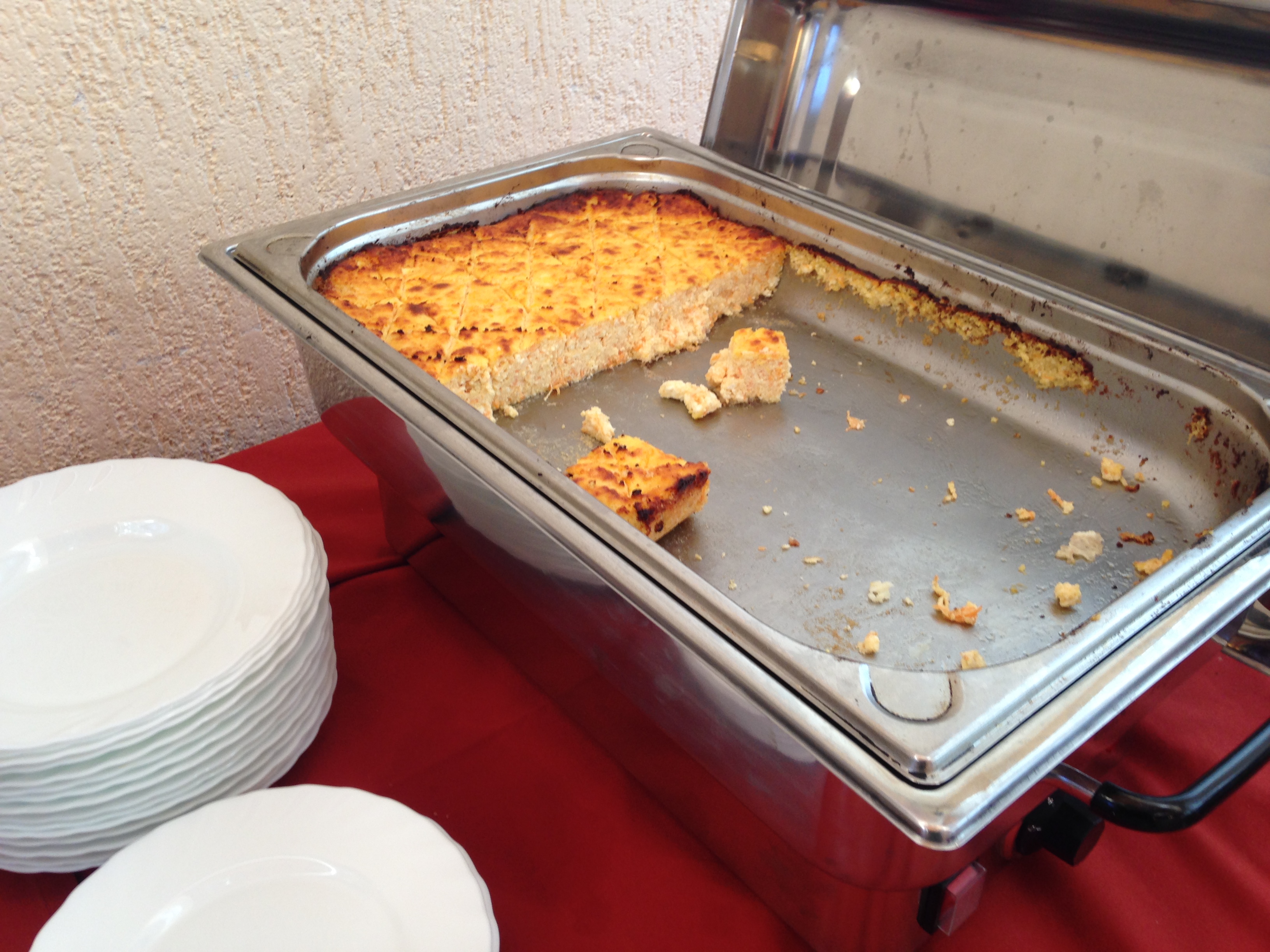
    The dubious cottage cheese pudding at the Olympiets cafeteria. Not sure it will make me an Olympian. Photo: Inge Scheve
    The dubious cottage cheese pudding at the Olympiets cafeteria. Not sure it will make me an Olympian.

    Staying healthy is an important part of that equation, and it’s at the forefront of our minds to the point where some even start to feel they are coming down with something. Many carry hand sanitizers and try to avoid the obvious germ traps such as excessive hugging and handshaking, sharing water bottles, and avoid using the serving spoons in the cafeteria and touching handrails and elevator buttons.

    But all kinds of precautions only go so far when the food-service hygiene fails. Food is expensive in Russia – relative to Russians, of course – and at our hotel’s cafeteria, leftover food was kept for a long time, reheated and resurfaced day after day. That creates a perfect growing environment for bacteria, and by the end of the week, many of us had both colds and stomach infections.

    Syktyvkar is also the home of former Olympians Raisa Smetanina, Vasiliy Rotchev and Nikolay Bazhukov, who were on the World Cup circuit in the 1970s and ’80s. The stadium facilities, courses and venues are named after Smetanina. This is the national training center for the Komi Republic, where Syktyvkar is the capital, and from time to time, there are World Cup races both in cross country and biathlon at the Smetanina Sports Complex.

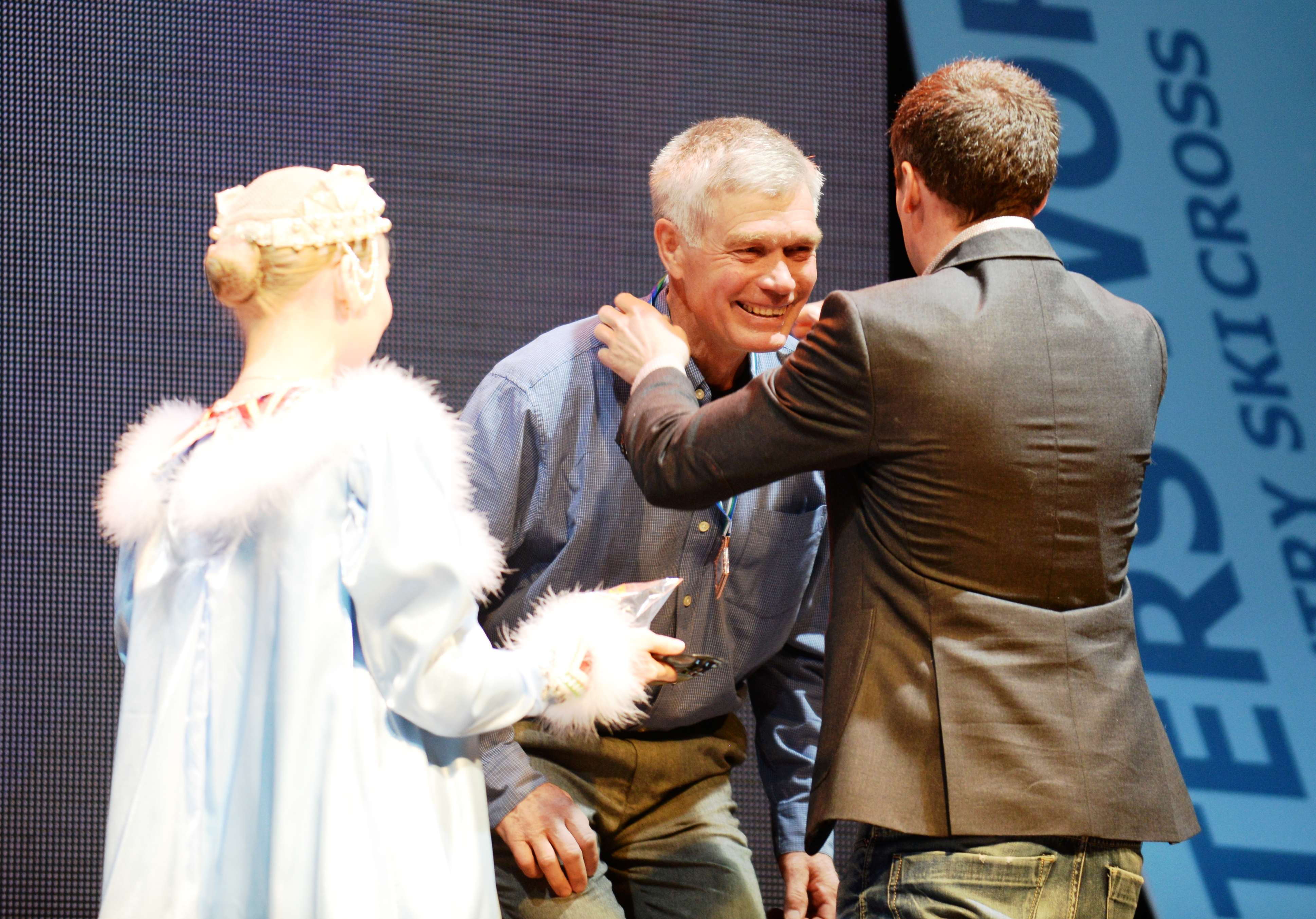
    Bob Gray receiving his bronze medal. Photo: Kent Murdoch
    Bob Gray receiving his bronze medal. (Photo: Kent Murdoch)

    The quick and dirty on U.S. results at MWC

    Eight U.S. athletes collected a total of seven medals in Syktyvkar: Milan Baic of Michigan earned bronze in the men’s 30-kilometer skate on March 14, the first day of the races, as well as a bronze medal in the men’s 45 k skate on March 19.

    On March 16, Bob Gray of Vermont took bronze in the men’s 5 k classic, and I finished second in the women’s 10 k skate.

    Baic also scrambled for the U.S. men’s relay team that earned bronze in the M5 category on March 18. Gray skied the second leg for the team, Steve Smigiel of Michigan skied the third leg, and Kent Murdoch of Washington anchored the team to third place.

    There were also several top-10 finishes during the Syktyvkar race week, including Murdoch’s fifth place and Gray’s sixth place in the men’s 10 k skate, Murdoch’s 10th place in the 30 k skate and my fifth place in the 15 k skate on March 14. On March 19, I placed fifth in the 30 k skate and Murdoch was sixth in the 45 k skate.

    Additionally, the U.S. team consisted of Sherry and Richard Dixon, Alec Davies, and the U.S. national director of the Masters World Cup Association, J.D. Downing, who also raced two events during the Syktyvkar championships week. Dan Nolan was also part of the team, but did not race due to a thumb injury.

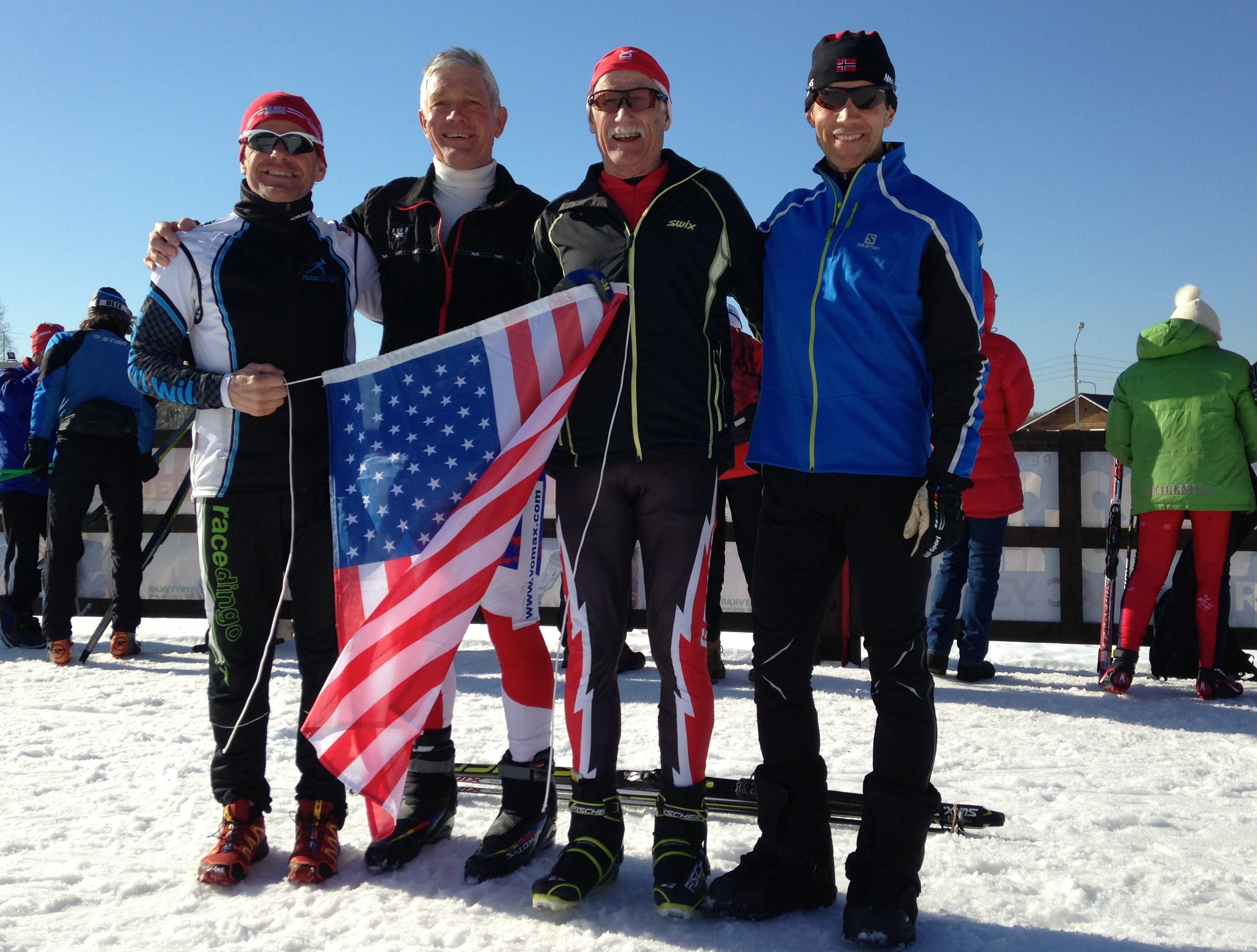
    The USA bronze medal relay team: Milan Baic, Bob Gray, Steve Smiegel and Kent Murdoch. Photo: Inge Scheve
    The U.S. bronze-medal relay team: (from left to right) Milan Baic, Bob Gray, Steve Smiegel and Kent Murdoch. (Photo: Inge Scheve)
    The cheering was first class: John Downing kept tabs and splits on all the US racers. Photo: Inge Scheve
    The cheering was first class: U.S. National Director J.D. Downing kept tabs and splits on all of the U.S. racers.

    The Syktyvkar experience

    We have competed against the Russians in many World Masters events before. I’ve wondered about their race faces and admit that they can be quite intimidating on the start line. They’re serious about the racing, with everything from ski testing to warmup routines and recovery. They mean business.

    But off the course, the Russians are warm people, excited to share their culture and proud of their heritage. And with the global political situation starting to resemble the intensity of the Cold War days, most Russians are eager to show that they are not the regime. They are genuine, compassionate and generous. The organizers had more than 1,500 volunteers, and each national team was assigned a team of young students who worked as guides and interpreters, guiding us smoothly through language barriers, red tape and bureaucracy, and happy to take us anywhere we wanted to go, be it the mall, the supermarket or the ballet.

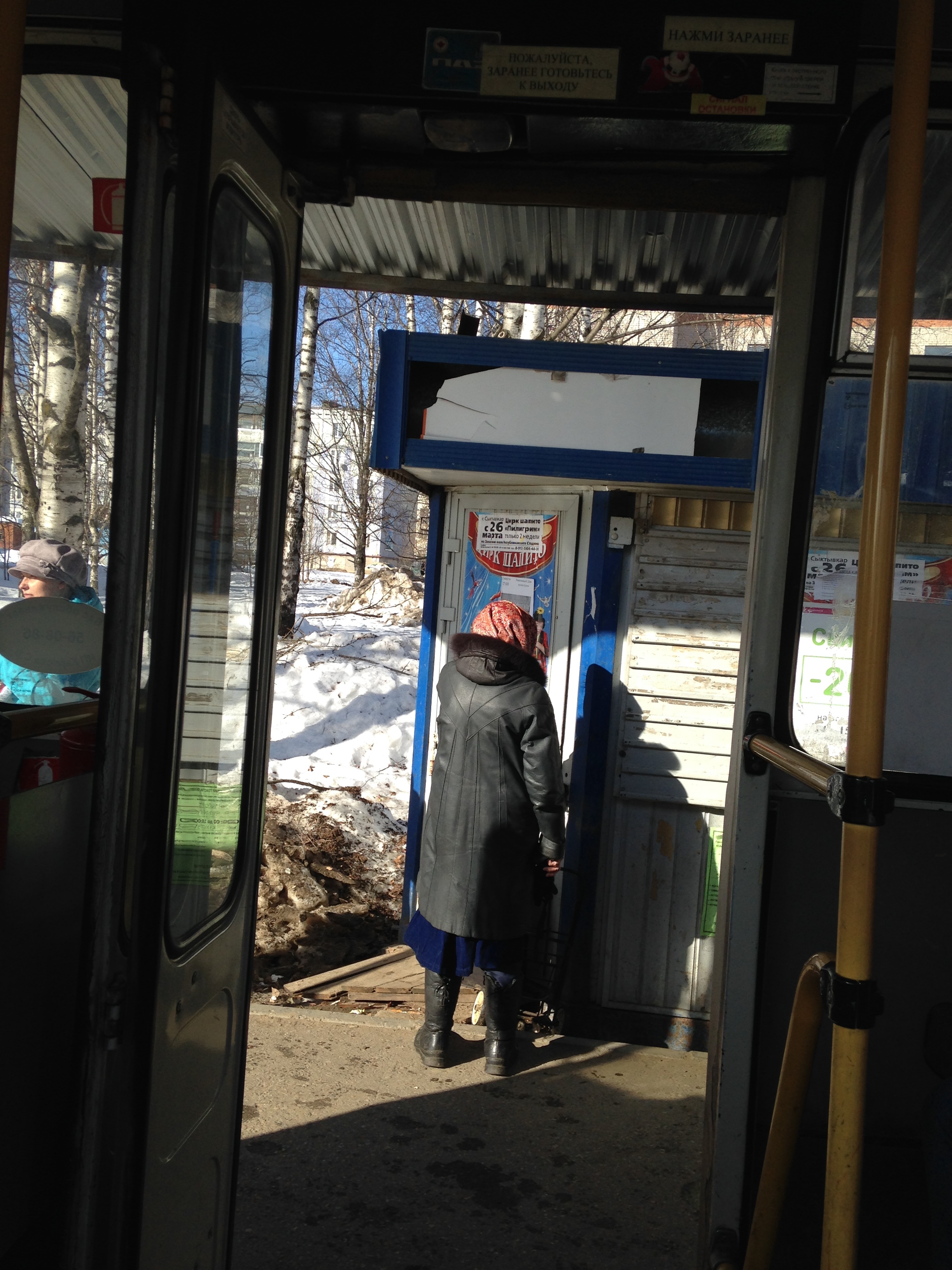
    Downtown Syktyvkar, from the city bus. Photo: Inge Scheve
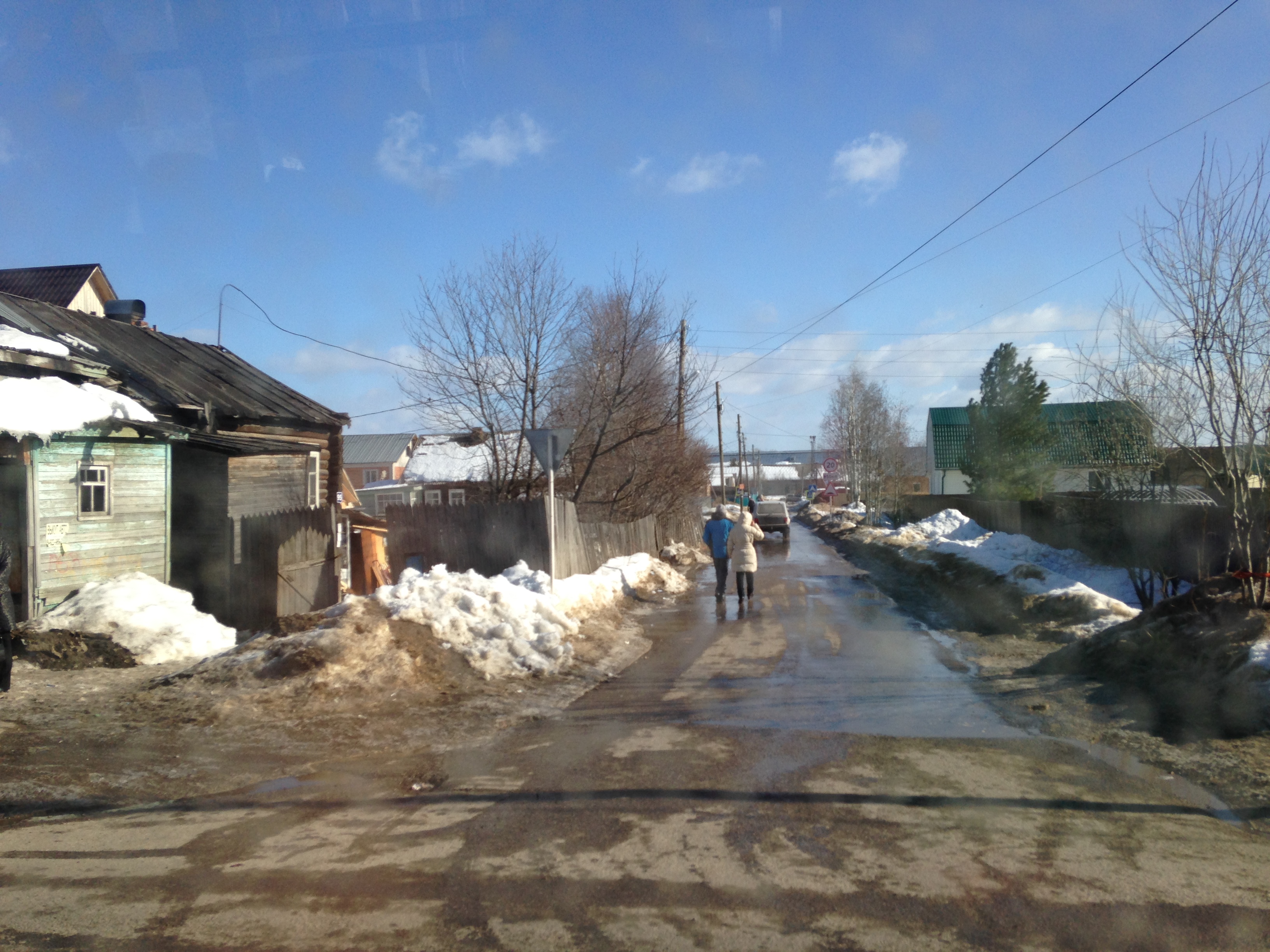
    A snapshot of downtown Syktyvkar, taken from the city bus.

    Syktyvkar is the capital of the Komi Republic and has been a city since Catherine the Great granted such status in 1780. The Tsarina needed timber and natural resources from the north, and also a new location for a penal colony. That tradition was continued by Stalin, who established a number of gulag prison camps in the area from 1929 and well into the post-World War II era. Prison gangs built rails and roads, towns and mines and most of the industrial infrastructure of Syktyvkar and other Komi cities, as well as numerous other Soviet communities. On paper, these gulags were no longer used after 1955, but it has later been documented that they were alive well into the Gorbachev era in the 1980s.

    I must admit that Syktyvkar’s past sent chills down my spine when walking the muddy streets of the city and taking the bus through the town. Knowing that every ditch and road here is carved out manually with only crude tools and by scantly clad and undernourished prisoners, many sent there without a proper trial and only on dubious charges, casts a dark shadow over the beautiful cathedral roofs.

    Syktyvkar city street.
    Syktyvkar city street.

    Syktyvkar, a town of a couple of hundred-thousand people at the foothills of the Ural mountains, now has a university and several large corporations in timber industry, mining, oil and natural gas. At first glance, Syktyvkar looks like just another mid-size town consisting of endless gray communist-era housing projects in various stages of decay and suburbs of shabby-looking wooden cabins that reflect on the region’s economic state.

    But the area has a vibrant cultural scene, with numerous museums, a theater of ballet and opera and performing arts, evident during the spectacular opening and closing ceremonies and the daily medal ceremonies at the Masters World Cup. At all of these events, local artists performed traditional music and dances.

    From the opening ceremony at the 2+15 MWC in Syktyvkar, Russia. Photo: MWC2015
    From the Opening Ceremony at the 2015 MWC in Syktyvkar, Russia. (Photo: MWC2015)
    From the opening ceremony at the 2015 MWC in Syktyvkar, Russia. Photo: Kent Murdoch
    The Opening Ceremony at the 2015 MWC in Syktyvkar, Russia. (Photo: Kent Murdoch)

    The racing

    Yours truly on the final lap of the 30k skate. Photo: MWC2015
    Yours truly (l) on the final lap of the 30 k skate. (Photo: MWC2015)

    I’m quite content with the results at Worlds this year, especially given the rocky preparation and the stressful winter I’ve had with my professional work situation.

    The fifth place in the 15 k skate on the opening day felt like a solid effort, where I raced the best I could on that day. The field was stacked with Russian skiers without prior Worlds points, which made them total wild cards. I beat the racers whom I generally compete with at these events, but I was also beat by a couple of these wild cards. So, overall a solid effort.

    But the silver in the 10 k skate was particularly exciting. At that event, I also beat a couple of the wild-card racers who topped me in the first race. The feeling of having dug so deep, put it all on the line and making it to the podium is magic.

    The feeling of having dug so deep, put it all on the line and making it to the podium is magic.

    However, digging so deep sure took a toll. The next couple of days I felt very tired, even shorts workouts seemed like they required more recovery than expected, and I was on the brink of coming down with a full-on cold, which had been circulating in the team for a few days.

    Then on the day of the 30 k, I woke up in the middle of the night with a monster head congestion in addition to the race hack I had been dealing with since the 15 k on Saturday. As if that wasn’t enough, several of the team suffered from the revenge of the cafeteria – stomach pain and the runs. Not a great setup for a 30 k race. But given that this was the last race of the week, I gave it a shot with the ambition of finishing in style. So a fifth place under those circumstances felt like another success.

    The price to pay was that the trip from Syktyvkar to Lillehammer, Norway, the following day became a bear. The same is true for Murdoch, who was sixth in the 45 k skate and suffered a similar illness both before the race and during the expedition trek to Lillehammer. Needless to say, only working at the Norwegian Birkebeiner on March 21 felt quite all right. Neither one of us felt a desire to race the 54 k classic event, despite the best conditions in several years. But we will be back!

    Kent Murdoch (back of the train) in his 45k skate. Photo: MWC2015
    Kent Murdoch (back of the train) during the 45 k skate at 2015 Masters World Cup. (Photo: MWC2015)

    About the author:

    A longtime contributor, Inge Scheve was born and bred in Norway, and learned to ski about the time she learned to walk. She always loved skiing, but didn’t really get into racing until she came to the University of Alaska Fairbanks, where she was introduced to collegiate ski racing American style. After UAF, she moved to Bend, Ore., in 2001 to ski with XC Oregon. She has competed for the U.S. in five World Masters, earning eight gold medals, 10 silver and 11 bronze.

    When she’s not skiing, Inge loves caribou hunting on the tundra in her native Rendalen valley in Norway, dabbles in adventure racing, mountain biking, road cycling, hiking, trail running and kayaking. Inge really wants to become a wine snob, but realizes that probably involves learning to like red wine.