Dr. Michael Kennedy, a researcher at the University of Alberta, is a cardiovascular specialist. He has spent time working on a variety of different projects: studying muscle oxygenation, fatigue in athletes, the relationship between fitness and injury, even the effects of caffeine.
But recently he returned to a question which had kept him curious since his days as a wax technician with x-c.com, a Canadian senior race team in the mid-2000’s.
“In Silver Star [early season] the big house we rented was always quiet but by the time Nationals rolled around [in March] you could hear the women hacking away while they tried to sleep,” Kennedy wrote in an email last week. “This sparked a conversation with my colleague and friend Neil Eves whom at that time was working in respiratory health… it became clear from Neil’s standpoint that the cough was not a respiratory infection, but a chronic cough much like he would see in clinical populations.”
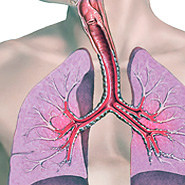
So last year, Kennedy and some colleagues recruited 18 Canadian women who were competing full-time as cross-country skiers, and surveyed their lung inflammation over the course of a season using a technique known as sputum sampling.
What the team found was that, indeed, airway inflammation and injury increased significantly over course of a season in ways that were completely unrelated from the prevalence of colds and respiratory infections. By the end of the season, the cough was affecting the women’s ability to sleep and recover.
The paper was recently published by the Scandinavian Journal of Medicine & Science in Sports.
“We were very careful to make sure that we were investigating what we thought was inflammation and chronic cough,” Kennedy explained. “We did not test a participant at a time when they had a cold or felt they were coming down with something. It made things certainly more challenging in terms of testing, but we feel like we did a good job of not having a participant who had some sort of infection going on.”
Kennedy explains that this syndrome is different for women and men: because women have smaller lungs, they are operating at peak airway respiration much earlier in the max-effort race or training session. That leads to greater airway damage in dry, cold weather.
We caught up with him by phone to learn more about the study, and what it means for the health of female cross-country skiers. This interview has been edited and condensed.
FasterSkier: So between your work on the cardiovascular system and Neil Eves’ expertise, it sounds like this was an interdisciplinary project.
Dr. Michael Kennedy: I was always interested in respiratory issues. It’s something that lots of skiers talk about on a weekly basis.
But yes, it really was. I know a lot about respiratory physiology because obviously the respiratory system and the cardiovascular system are deeply attached. But Neil, and working with a few key clinicians in Calgary, made it interdisciplinary. Warren Davidson, who is a respirologist, and Richard Leigh who developed the sputum analysis technique. So you put together cellular biology with clinicians and respiratory physiologists to pull off the project.
FS: What was the process of the sputum sampling?
MK: In our development of the project, Neil and I discussed ways in which we could explore analyzing inflammation in the lungs. Really there’s two ways you can do it. You can do it invasively through a tissue sample, so you put a scope down someone’s throat and clip off a little bit of the airway and analyze the cells within that sample. That really still is the gold standard because you have a physical tissue sample. There are some risks, and it’s very difficult on people, it’s not the funnest.
The new technique, the sputum sample, is non-invasive. It doesn’t require being in a sterilized environment with a scope. By inhaling a high dose of what we call nebulized saline, so basically a big breath of water vapor with a lot of saline in it, which basically begins to activate and draw cells off the airway wall – by doing that, it’s like trying to scrape paint off of siding. You peel off little sputum chunks.
Then through a deep cough that you coach the person through, you cough those out. It’s a way to basically get the same cells that you would with a physical tissue sample, without having to clip off a piece of the airway.
FS: What were you looking for in the sample?
MK: We went after the key inflammatory cells which would be indicative of airway injury. The key ones would be neutrophils, which are an early responders to injury, and eosinophils which are inflammatory responders. And then macrophages, which come along and are like the garbage trucks but also very involved in the inflammatory reponse. And lymphocytes which are ones that are often activators stimulating the immune system to fight the infection or the inflammation.
FS: How did the findings link to quality of life indicators that you checked in your questionnaires?
MK: The fundamental question was, first is there inflammation occurring that increases as you move into fall and winter month, and second, whether that leads to cough and quality of life symptoms.
With the quality of life indicators, we chose what we believe was the most valid measure of quality of life, which is this recovery-stress questionnaire, REST-Q. We didn’t see any changes in REST-Q, because my experience with these female athletes was that they really were struggling towards the end of the season. But what we did see was certainly an increase in cough-related symptoms and disturbed sleep due to coughing bouts.
I think what you can take home from that is that the cough is prevalent and does improve through the season, but that athletes don’t feel like athletes feel like it’s affecting their quality of life necessarily. It comes with the territory and they’re coping pretty well.
FS: If these are longtime skiers, do you think it’s possible that they just see it as normal winter quality of life, and don’t realize that it’s abnormal?
MK: That’s a really good point. Normal for them might be this persistent cough, and so when they fill out a quality of life index it might not seem different, even though relative to a healthy population it might be quite different.
And I’m sure you’ve experienced post-race cough, which is frustrating and affects your conversations and you feel a tight chest and then it goes away. And you just deal with that and say, well it’s winter, that’s normal for me.
FS: You talk about why women might be more prone to airway damage due to their smaller lungs. But because of that, women are also moving less air through their airways, right? So how does that work?
MK: It’s an interesting phenomenon. Ironically, with the cardiovascular system, these years and years of training essentially overdevelop the cardiovascular system in relation to the respiratory system in female athletes.
In male athletes, you get the same overdevelopment of the cardiovascular system relative to another adult at the same age, but men’s lungs are significantly larger. They have a larger capacity. So with the overdevelopment of the cardiovascular system in males, they don’t operate at this same maximum percent of airway function because they have a bigger thorax.
In female athletes, that overdevelopment of the cardiovascular system puts them right at the upper limit of their respiratory system. They just don’t have the same amount of volume to operate with. So that does then create really really hard shear stress. So there is higher flow along the airway which potentially increases the amount of injury and inflammation.
This has been documented a number of times, where basically on a flow-volume measurement of the respiratory and expiratory volumes and flow rates reaches the maximum very early on in intensity. So put another way, if you’re doing a VO2max test, at about 75 to 80% of VO2max female athletes are at their absolute maximum respiratory flow rate. They can’t increase their ventilation any more essentially. For male athletes that occurs at 95 or 100%. Their respiratory capacity is much more matched to their cardiovascular capacity.
FS: In terms of how this injury happens, do you have any sense of whether it is primarily the day-to-day wear of training in winter, or is it worse if you have one super cold day, maybe weather that’s not legal to race?
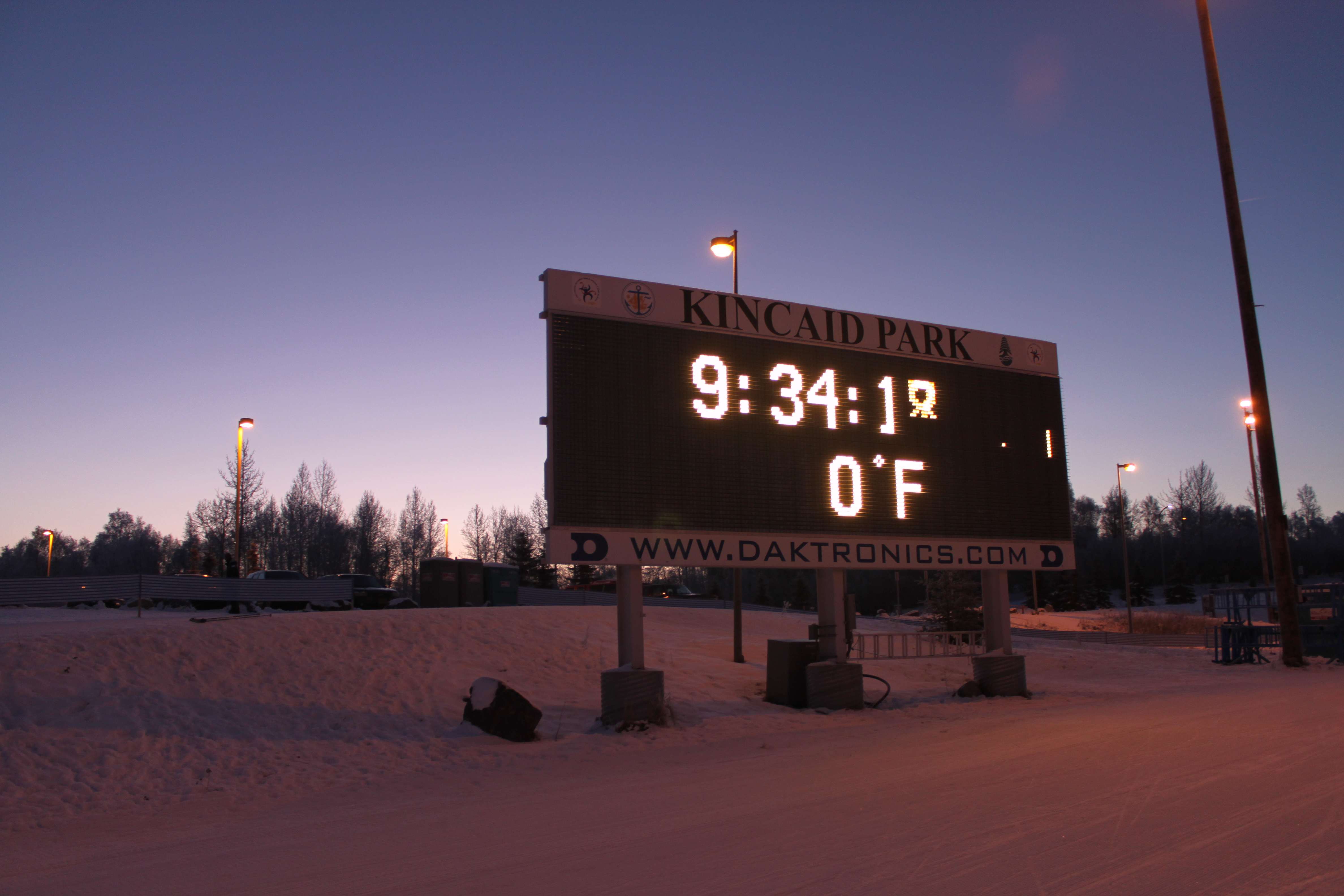
MK: I think there’s two things. One, I would be remiss to not say that these very cold days or races where organizers still have people race, they can create airway that some athletes never recover from. I’ve known female athletes who have to leave the sport because of one really horrible cold race where they did severe airway damage.
But I think in general, there’s some knowledge of that. The athletes and participants we had in our study were pretty savvy of that. I would say that they don’t train on those days. So it really it is really that general accumulation, ventilation with dry air that happens in the fall, and cold dry air in the winter especially with intensity. And that’s just part of being a ski racer.
As part of my concern for the well-being for endurance athletes, I’d like to say that [even without cold weather] if someone is struggling with cough symptoms, or wheeze, or tight chest, go and get screened. Go and get tested. Get a full pulmonary function test done, so that it’s medically documented and so that if there’s potential that any of the new classes of inhalers or corticosteroids could help you, that’s really helpful not only to your performance, but also probably to your long-term lung health. That’s the public health message: people really should go see a respirologist.
FS: You mentioned at the end of the paper that there are some more testable hypotheses out there. Is this the end of your research on this subject?
MK: No, I’ve become much more interested in this area!
One thing is that in January we will look at the acute response. We’ll find some really cold days in Edmonton, and have some skiers run a 5 k at race pace and then measure their acute airway inflammation responses. So we will track them immediately, and then 12 hours, 24, 48, and 72 hours after. We want to try to get some more information around this post-race inflammation and cough pattern.