From the FasterSkier archive — posts syndicated from athletes’ and coaches’ own blogs between 2004 and 2012, kept online as published. Current coverage is at fasterskier.com.

Tag: Magnus Kim

  • Closing the Gap: A Game of Seconds

    Closing the Gap: A Game of Seconds

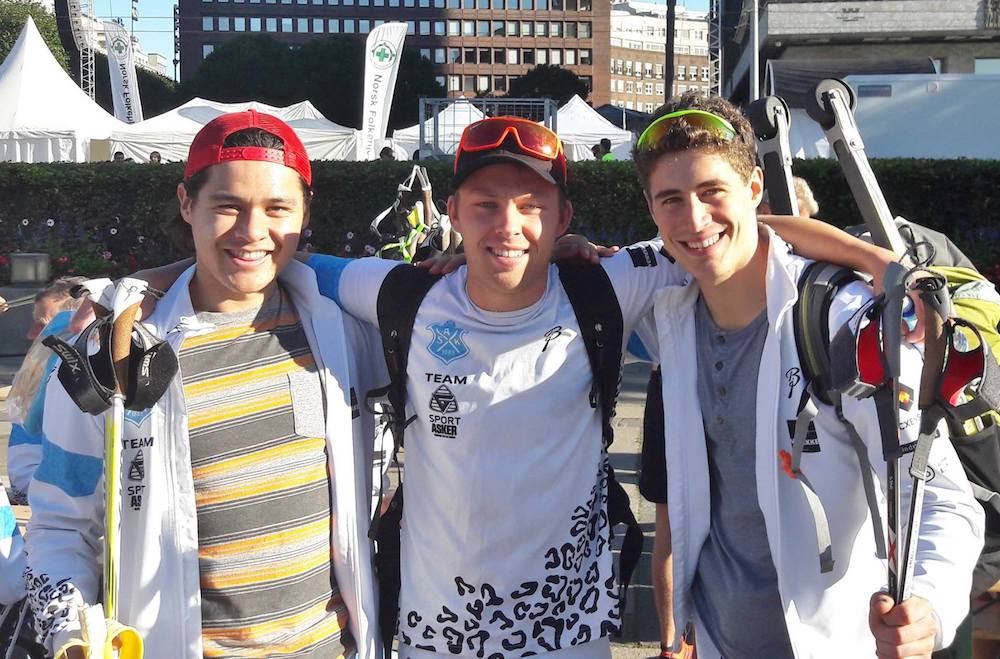
    Canadians Ryan Jackson (l) and Maks Zechel (r) with Team Asker coach Ola Kvisle at the Oslo Marathon 10 k rollerski race in Oslo, Norway. (Photo: Anne Haarstad)

    Editor’s Note: The following is part of a series proposed by Maks Zechel, a 20-year-old Canadian cross-country skier embarking on his first season training abroad. In August, he recently made the big move to Norway, where he’ll be training and racing with Team Asker for the entire winter. Through these updates, Maks hopes to share his personal “observations, stories and lessons learned” to help close the gap between North American and Scandinavian nordic skiing. Previous posts: #1, #2, #3, #4, and #5.

    ***

    It was a typically frigid day of January ski racing in Thunder Bay, Canada (any Canadian cross-country skier will have grimaced just from reading that). Halfway through the A-final of the Ontario Cup U16 classic sprint, I was already far behind the leaders, Tony Gunka and Ryan Jackson. The previous day I had won the distance classic race, my first ever “O-Cup” medal, finishing only three seconds ahead of Ryan, and now my expectations were higher than ever. The margin between us in the qualifier that morning? Three seconds.

    Swinging around a fast corner into the last big climb of the race, already out of contention for the win, I looked at the ground in front of me and just skied as hard as I could. I had nothing to lose, so I skied my best. As I crested the hill, I suddenly noticed that I had caught Ryan and Tony and was dropping them. Elated by the empty track ahead, I double poled as hard as I could.
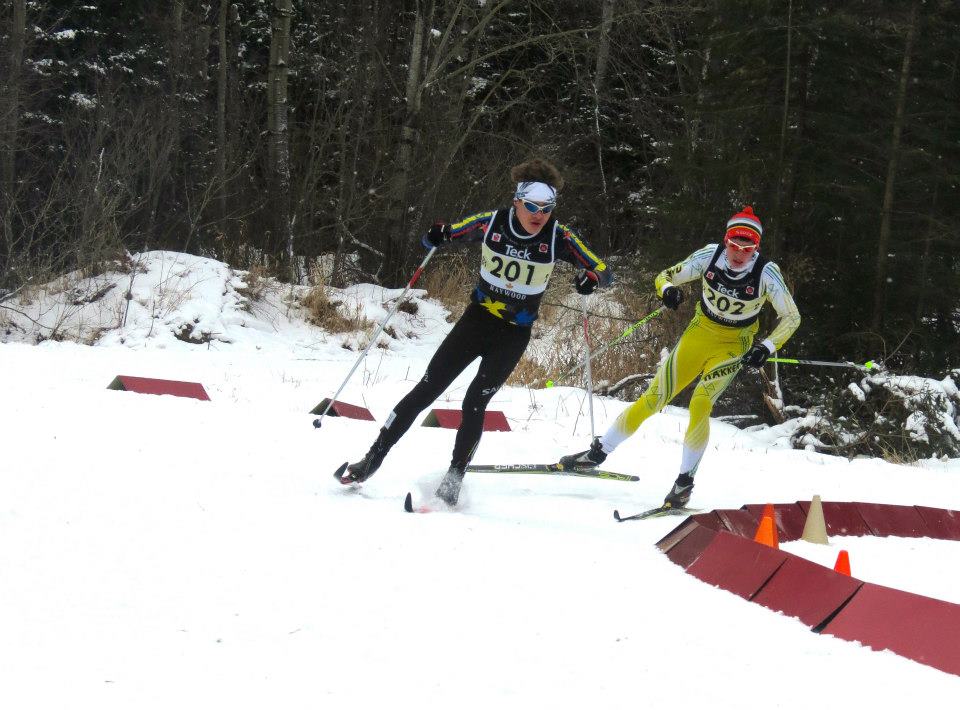
    Ryan Jackons (front) and Maks Zechel turning the final corner during a 2013 classic sprint in Thunder Bay, Ontario.

    Suddenly, Ryan and I were neck-and-neck again. We turned the final corner and could see the whiskers marking the finishing lanes, tantalizingly close. Side by side, neither of us able to see, just focusing on slamming those poles down. We remained stubborn until the finish, with Ryan pulling in front right before the line.

    The remainder of the season continued in much the same way, and strangely the margin between Ryan and I in most of our races, no matter the distance, was three seconds. We didn’t know it at the time, but every time one of us lost to the other, we both won.

    Since that year, Ryan and I have been close friends and competitors, even roommates for a year. We have both had good and bad years of results, but I have continually been inspired to push my own limits by his work ethic and accomplishments. On Sept. 15, Ryan joined me here in Norway, where we begin our latest venture to see how fast we can become.

    Ryan arrived in the middle of my second testing week with Team Asker, where I was happy to achieve new personal bests in the uphill running test, skate time trial (not too difficult as I went the wrong way last time…), and the double-pole sprint qualifier. Most of these improvements are likely due to being more familiar with the courses and being more comfortable here, but regardless it was nice to move forwards.

    Testing week was highlighted by the replacement of our regular uphill double-pole test with a 10-kilometer classic rollerski race in downtown Oslo, as a part of the Oslo Marathon race weekend. The week prior to this race, Team Asker held a 10 k qualification race, where the top-10 Asker skiers were selected to race in the Oslo Marathon for the team prize of $30,000 NOK (approx. $4,673 Canadian). This qualification race was the most tactical rollerskiing race that I have ever competed in. About 16 of us raced eight laps of a mostly flat 1.4 k loop. Like a road-biking race, positions were constantly changing. It was great for me to practice staying calm and absorbing speed changes so as not to waste energy, but I still regularly found myself catching up to the lead pack after being “accordion-ed” off the back of an attack. Having been sick that entire week, I didn’t have an excellent race, but it was enough for me to qualify (see a video of the race, and me flying off the course on the first lap, below).

    The night before the Oslo Marathon was not the usual quiet, pre-race evening. Having crossed the finish line of the uphill running race at around 7 p.m., I biked home where I met Ryan and helped him settle in for his first night in Norway. A long pre-race sleep was quickly lost to our excitement of having finally both made it to Norway, a trip that has been in various stages of planning since we first discussed the idea on an offseason run through Vincent Massey Park in Ottawa two years ago.

    After a short night, we were out the door before 7 a.m. to take the train to Oslo for a 9 a.m. race start. The big stress that morning was how we would survive the race without suffering broken limbs or equipment. I had skied the course the weekend before with Team Asker, and in just that easy ski through the streets of Oslo, we broke three pole tips. The race organizers were predicting that 50 percent of the field would break poles.

    I thanked the “ski gods” for the perfect sunny day and dry pavement that the morning had brought, as I outlined the obstacles of the race for Ryan: a fast downhill right after the start leading into a sharp turn and funneling the race through a narrow, cobblestoned street guarded by waist-high posts in the middle of the race course; multiple stretches of streetcar rails; sewer grates and small curbs to be hopped; more sections of cobblestones; and a downhill finishing stretch marred by manhole covers and pavement dished out by years of traffic. Oh, and then we had to jump two tall timing mats across the finish line. At least road cyclists can use bikes designed for cobblestones when they race Paris-Roubaix, not so with rollerski wheels that fit perfectly between cracks. It was an excellent opportunity to work on agility while racing with 60 other skiers and being filmed by NRK … at least that’s what I told myself. (See course preview below)

    https://www.youtube.com/watch?v=0i7U4lvBXOY&feature=youtu.be

    In typical skier fashion, we complained a lot about the race conditions until the race started, the field spread out and it ended up being surprisingly easy for most people to stay on their feet. Our team raced well and we won the team competition, with teammates Erland Kvisle and Harald Amundsen coming third and fourth behind Junior World Championships medalists Thomas Helland Larsen and Magnus Kim. Andrew Young, a World Cup sprint medalist, was fifth. I finished 18th, 1:45 minutes behind the winner.
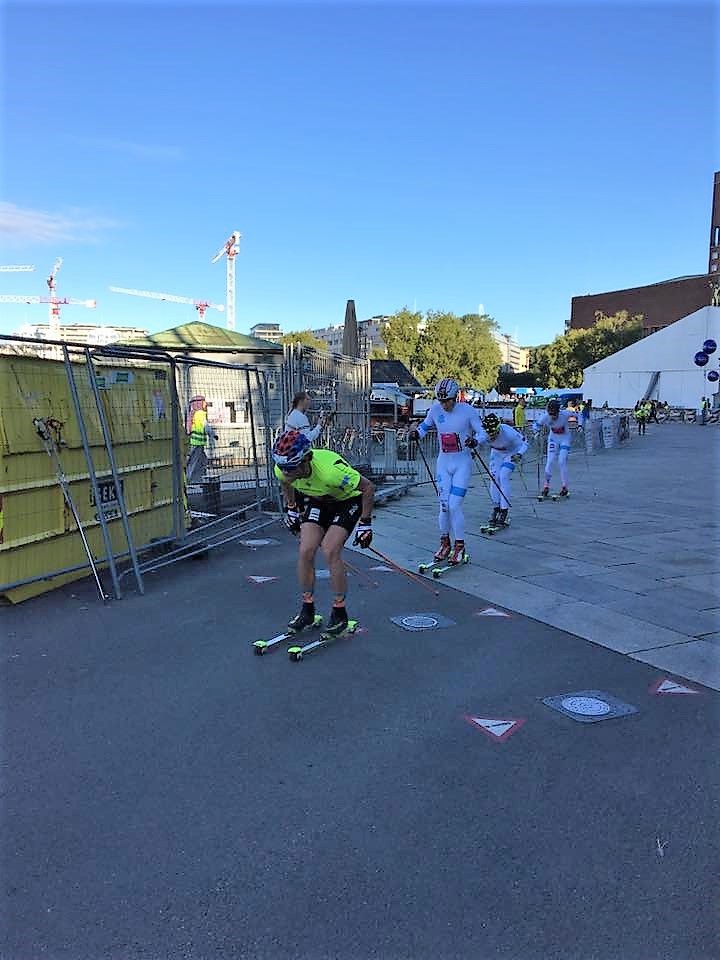
    Part of the lead group at the Oslo Marathon 10 k classic rollerski race on Sept. 16 in Oslo, Norway. (Photo: Sindre Ryan)

    How do I react to these results? I finished 19 seconds behind the winner in the qualification race and 1:45 back in the Oslo Marathon, both against world-class competition. On the outside, these margins seem like nothing, but in reality they represent a massive gap between where I am now and where I hope to be in the coming years. It is easy to dismiss seconds as being irrelevant, but these seconds mean everything in the winter. This winter, 19 seconds in a 10 k race at a Scandinavian Cup could mean the difference between finishing in the top 50 and finishing in the top 100. If I am unwilling to fight for those seconds now, then the winter’s results will reflect that. To close a gap of seconds, it will require a lot more than just improving my recovery strategies or drinking a litre of beet juice a day. My fight for seconds has to be taken to every interval session and time trial and become a mantra taken into race season.

    It may not be such a big gap now, but come winter, this game of seconds will become a real life battle for minutes. For Ryan and I, this is nothing new, but now the stage is bigger than ever before. To come three seconds behind the other will mean ten spots on the results sheet. It is a daunting reality for any skier, but I am lucky to have a friend from home to pursue these challenges with. In a foreign place, teammates and friends are more than just people to hang out with — they’re family.

    Norwegian Phrase of the Week

    It’s not the fart that kills you, it’s the smell. – Petter Solberg

    Translation: It’s not the speed that kills you, it’s the slam (crash).

    *A quote from Norwegian professional rally car racing legend, Petter Solberg, known for speaking “Noglish” (Norwegian-English), resulting in excellent quotes lost in translation.*
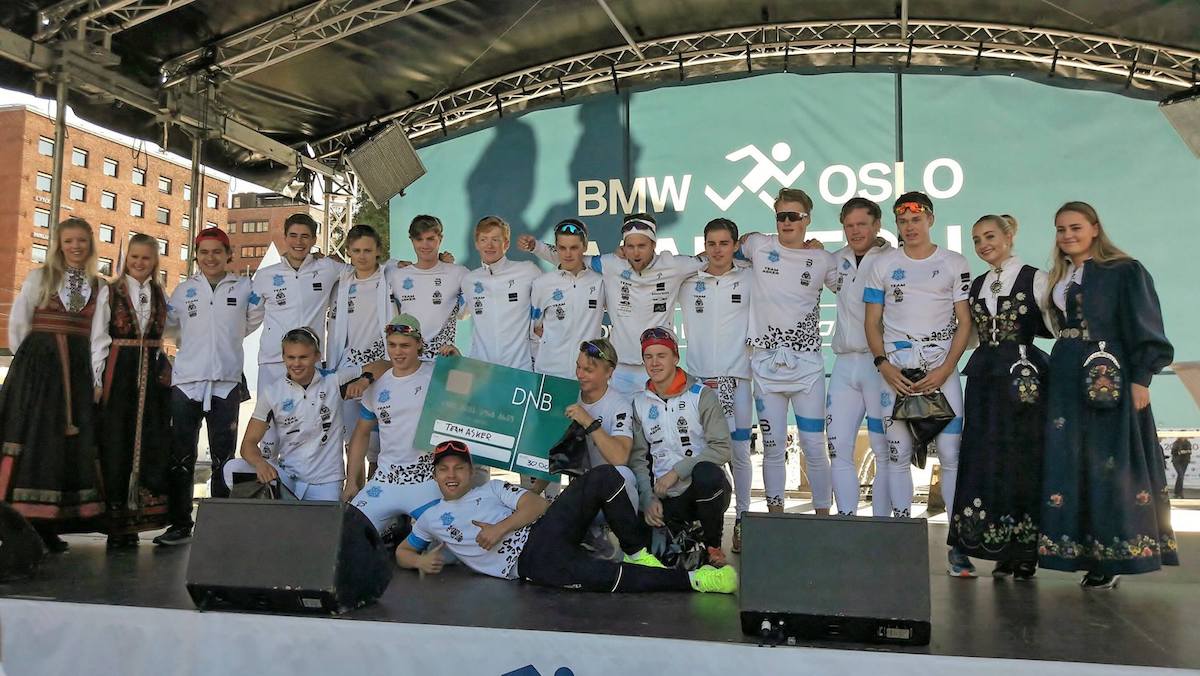
    Team Asker on the podium after winning the team competition at the Oslo Marathon 10 k classic rollerski race on Sept. 16 in Oslo, Norway. (Photo: Anne Haarstad)

    ***

    About Maks: Maks Zechel is a competitive cross-country skier who secretly wants to become a professional mile runner. He loves hiking and going on canoe trips with his family, as well as peanut butter cups in ice cream. Johan Olsson is his favourite skier and he hopes to race the Cortina-Toblach stage of the Tour de Ski one day. He enjoys writing about his experiences. Follow him on Instagram @makszechel.
  • Ogden 13th, Kern 18th in Junior Worlds 5 k Classic; Good 11th in NoCo Opener

    Ogden 13th, Kern 18th in Junior Worlds 5 k Classic; Good 11th in NoCo Opener

    Katharine Ogden didn’t worry too much about the slush at Junior World Championships on Tuesday. She tested her skis once, remained confident in her kick and resolved to “hammer the whole thing” because 5 kilometers is pretty short, the 18-year-old Stratton Mountain School and U.S. Ski Team D-team member explained in an email.

    “I didn’t notice too much of a change in the conditions between laps, although by my second lap I’m not sure I would have noticed much, it was definitely a sufferfest out there,” she wrote.

    Ogden raced to 13th in the 5 k classic individual start on the second day of U23/Junior World Championships in Rasnov, Romania, leading the U.S. team on a classic distance day with temperatures in the mid-to-upper 50 degrees Fahrenheit.

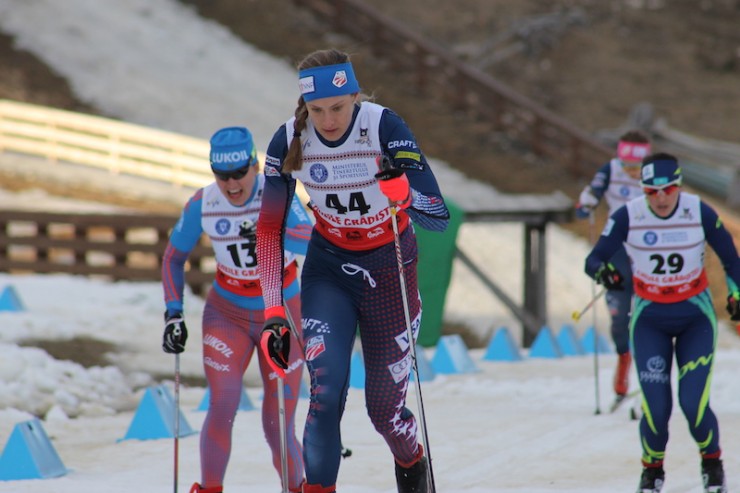
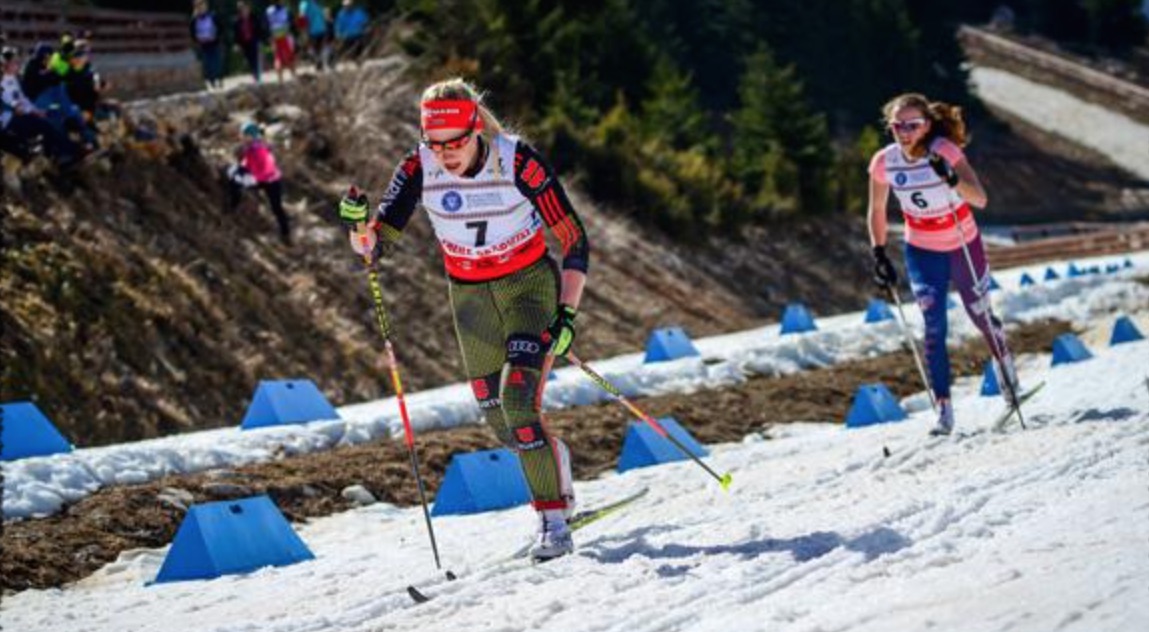
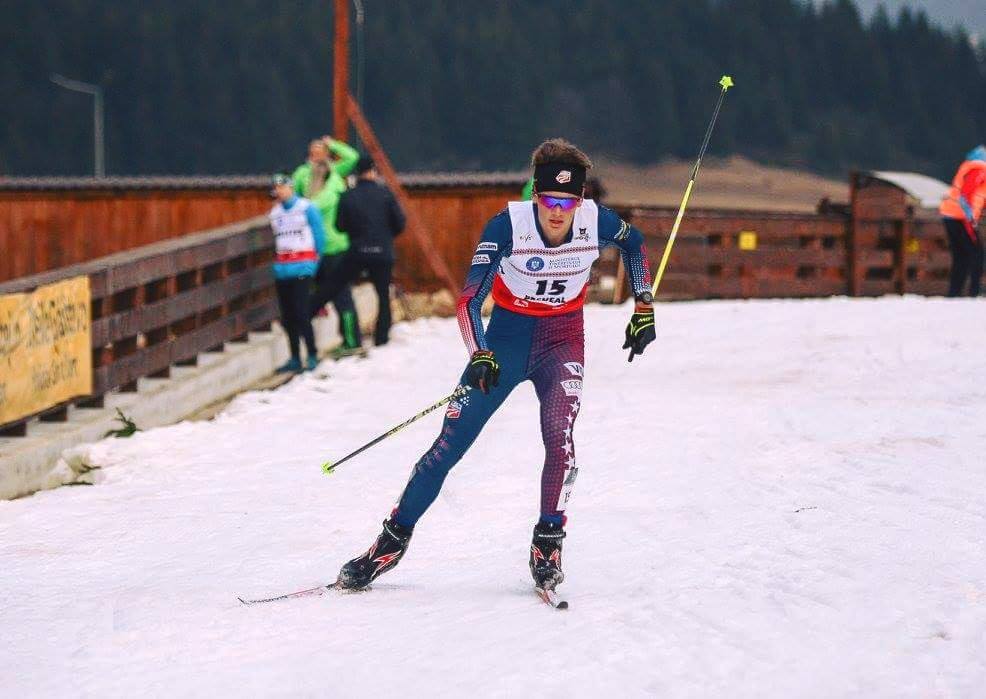
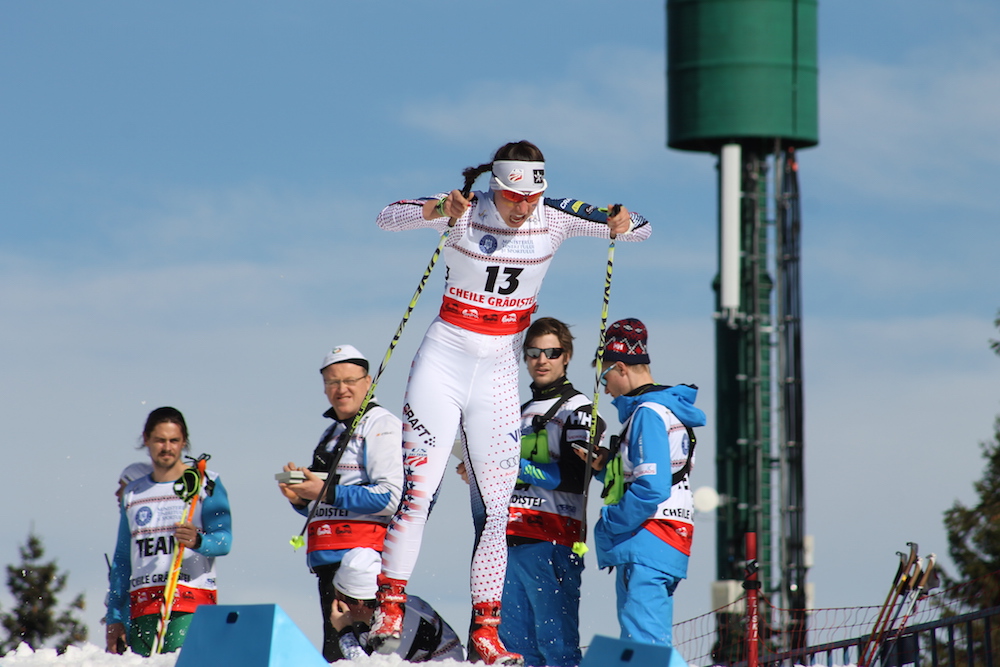
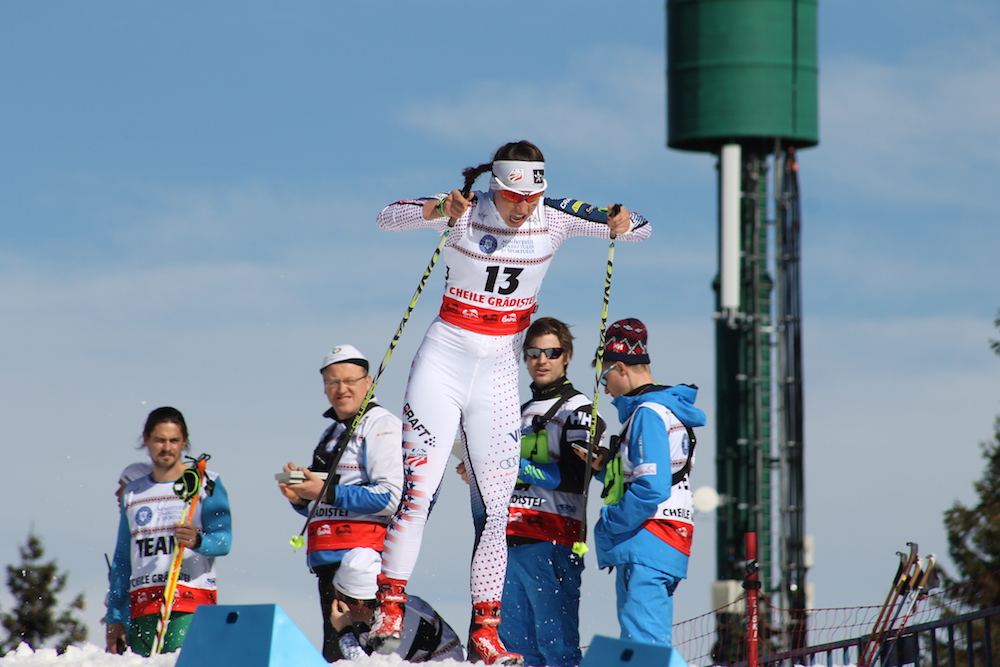
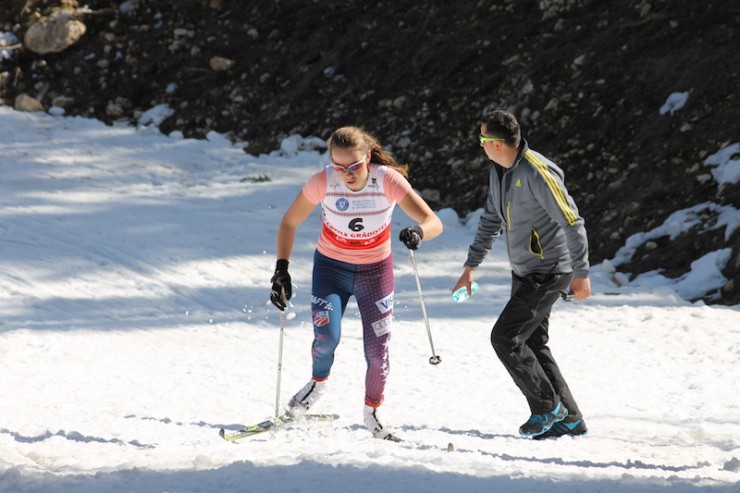
    American Katharine Ogden (6), of the Stratton Mountain School and U.S. Ski Team, chases Germany’s Antonia Fraebel during the junior women’s 5 k classic at the Junior World Championships on Tuesday in Rasnov, Romania. (Photo: FIS Nordic JWSC & U23 WSC)
    American Katharine Ogden (6), of the Stratton Mountain School and U.S. Ski Team, chases Germany’s Antonia Fraebel during the junior women’s 5 k classic at the Junior World Championships on Tuesday in Rasnov, Romania. (Photo: FIS Nordic JWSC & U23 WSC)

    The sixth starter, Ogden finished 56.8 seconds behind the winner Marte Mæhlum Johansen of Norway, who completed the two-lap race in 15:34. In Ogden’s second junior world championships, the result was her third best after placing sixth in the 10 k skiathlon and 11th in the 5 k freestyle last year in Almaty, Kazakhstan.

    “I’m psyched about my race and I’m hoping to carry the momentum into the skate 10k which is a much better event for me,” she wrote of Thursday’s race. “I’m mostly focused on the skate race here.”

    When asked how Rasnov compares to Almaty, Ogden explained they are “pretty similar in some ways but completely different in others.

    “Almaty was a huge industrial city while Rasnov is a small rural mountain town,” she wrote. “The low snow has been common to both venues, however the situation is much worse here in Romania. It’s pretty awesome that we get the opportunity to travel to these crazy places and race because neither place is one that I would ordinarily get to experience.”

    Finishing 21.2 second off her teammate’s pace and 1:18 behind the winner, Julia Kern (SMS/USST) notched her second-straight top 20 in as many races at this year’s junior worlds.

    Kern finished 18th, and like Ogden, whose time ranked 18th at the halfway point, Kern sped up on her second lap to improve from the 24th-fastest split at 2.5 k.

    “Honestly, my plan was to feel it out as I went along because when I saw the first starters lap, they looked like they were in a lot of pain and that it was super slow and grueling,” Kern wrote in an email. “I also had talked with my coach Matt Boobar about water ‘feeds’, where he would dump cold water on me while I was racing so I could cool off a little. I found the cold water helped me cool off a little in the heat.”

    She started the race 26th out of almost 80 junior women and felt the conditions were likely similar for everyone: “hot, wet, slow, and slushy,” she wrote.

    “Quickly after I had started out, my body set into a pace automatically that was appropriate,” Kern explained. “Is was so slow out there that it was really hard to go significantly faster without wasting a lot of energy; it was almost like the speed you were going was hard to change. … I definitely didn’t feel like I was having a good race just by how slow I was skiing, but I guess the results showed otherwise.”

    Her goal had been a top 25, so 18th place exceeded that.

    “I am very happy with my result today and pleasantly surprised!” she added. “The coaches had done a great job giving splits out on course, but I knew that when they said I was top 20, there were plenty of fast girls still behind me. It is hard to tell how I feel about the actual race because I don’t think it felt good for anyone; it was all about who could fight through the pain the fastest.”

    Finishing 5.3 seconds behind the winner, Norway’s Lotta Udnes Weng placed second for the second-straight day and Germany’s Antonia Fraebel took third (+10.7).

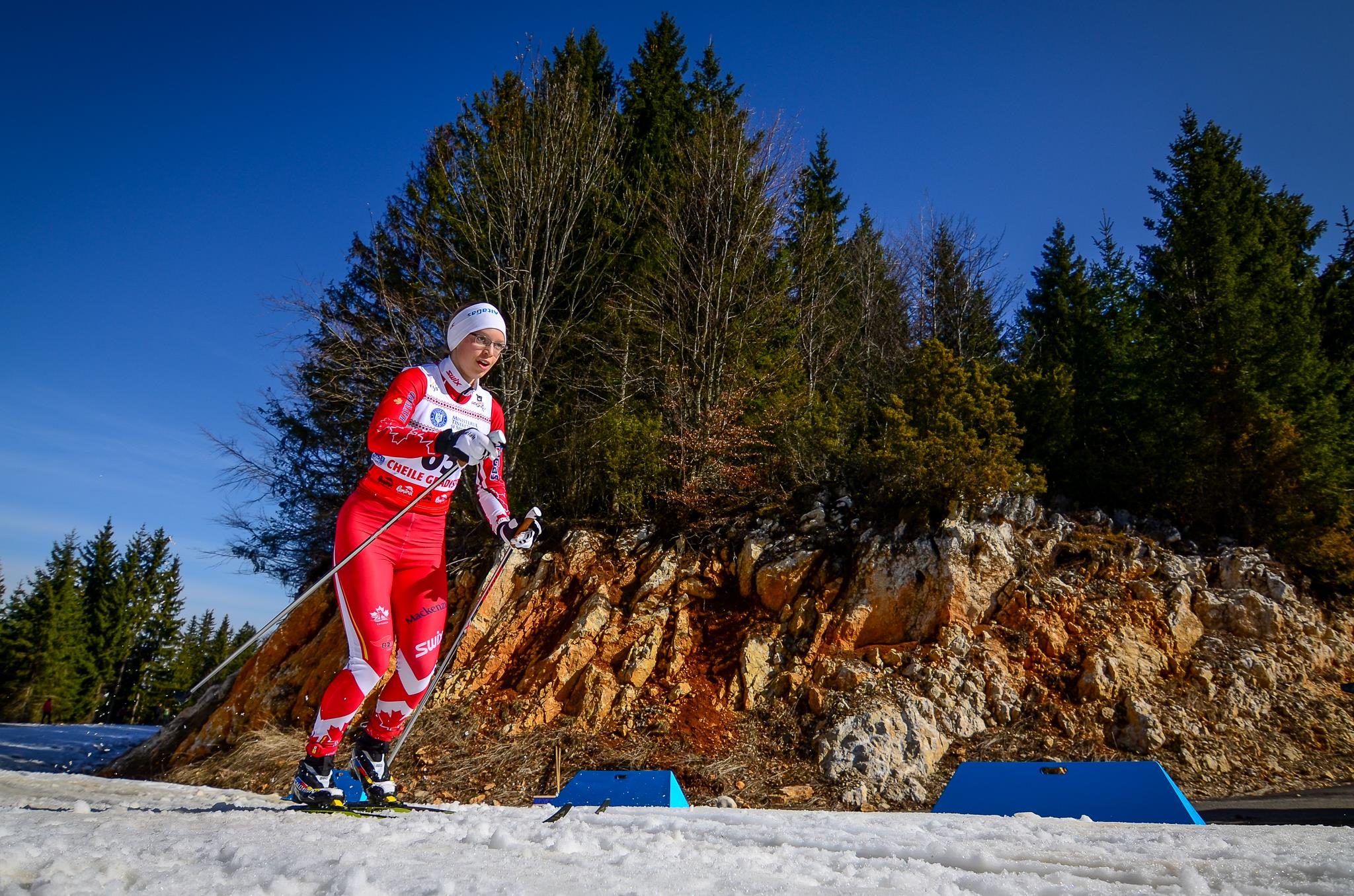
    Canada's Hannah Mehain racing to 44th in the women 5 k classic on Tuesday at Junior World Championships in Rasnov, Romania. (Photo: FIS Nordic JWSC & U23 WSC 2016/Facebook)
    Canada’s Hannah Mehain racing to 44th in the women 5 k classic on Tuesday at Junior World Championships in Rasnov, Romania. (Photo: FIS Nordic JWSC & U23 WSC 2016/Facebook)

    Canada’s Marie Corriveau placed 37th, 2:04.8 behind the winner, and explained in an email that she found it difficult to push hard in the slushy conditions.

    “I am not used to skiing in those conditions,” Corriveau, of the Pierre-Harvey National Training Centre in Quebec City, wrote. “I know it was the same for everybody, but usually I take advantage because of my good technique, but today it was almost impossible to ski well.

    “I am not feeling bad [about] my race, because i know I gave everything!” she added. “For sure, I would expect better for a 5km classic, but with the circumstances, I am pretty happy with this 37th place!”

    Behind her, Canada’s Hannah Mehain placed 44th, Natalie Hynes was 58th and Sadie White 62nd. For the U.S., Vivian Hett placed 48th, and Leah Lange was 52nd.

    Junior women’s 5 k results

    Three Americans in the U23 men’s 15 k classic finished in the top 30, with Adam Martin of Northern Michigan University leading the way in 23rd. Paddy Caldwell (Dartmouth/SMS/USST) placed 27th and Kyle Bratrud (CXC) was 29th.

    Unlike the junior women, who raced two laps, the men rounded the 2.5 k loop six times. A few men opted to double pole on skate skis and two of them, including Canada’s Julien Locke, were disqualified for violating classic technique.

    “Preparing for this race presented some challenges I haven’t encountered before,” Martin, who previously raced at 2014 Junior World Championships in Val di Fiemme, Italy, wrote in an email. “To preserve snow, race organizers only allowed athletes to ski in short time periods on Sunday and Monday. I don’t think this affected me as I was able to pick my skis and execute the intervals I had planned, but it was definitely something new.”

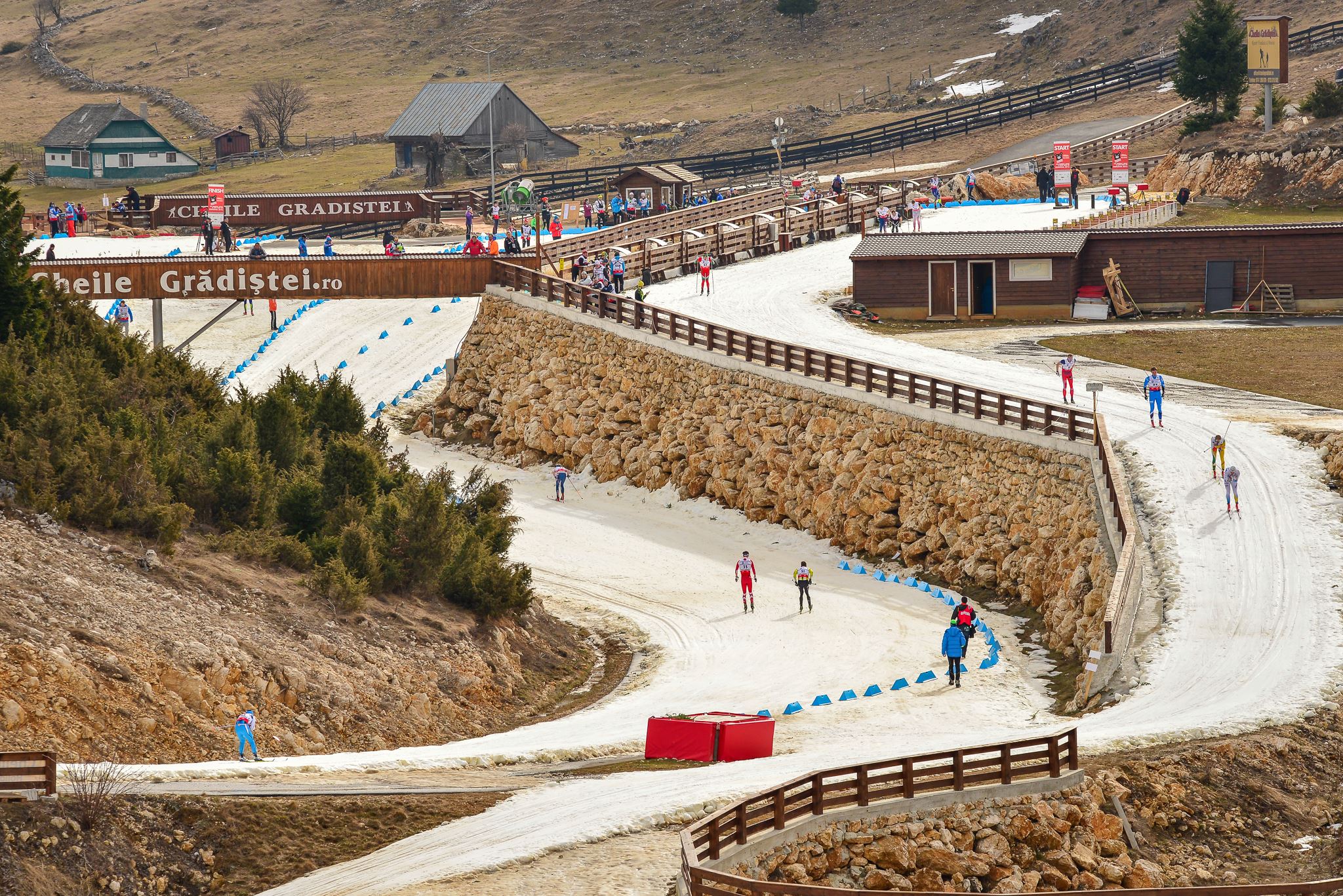
    A bird's eye view of the race course at U23/Junior World Championships in Rasnov, Romania. (Photo: FIS Nordic JWSC & U23 WSC 2016/Facebook)
    A bird’s eye view of the race course at U23/Junior World Championships in Rasnov, Romania. (Photo: FIS Nordic JWSC & U23 WSC 2016/Facebook)

    The 21st starter out of approximately 70, Martin recalled the snow feeling significantly slower on his third lap.

    “I usually make an effort to start very hard, but considering the conditions, my focus was more on being relaxed at the beginning,” he explained. “I am happy with that strategy because it didn’t take long to feel the effort.”

    Considering this was his personal best at a world championships, after placing 26th in the 10 k classic at 2014 junior worlds, Martin wrote that it felt great to improve.

    “But to be honest it’s hard for me to celebrate too much when there are 22 guys beating me by up to three minutes at the event,” he added after finishing 3:02.2 behind the winner, Jens Burman of Sweden, who took gold in 40:02.

    Russia’s Alexey Chervotkin was 26.8 seconds back in second place, and Norway’s Mikael Gunnulfsen placed third (+36.6).

    In an email to FasterSkier, U.S. Ski Team Chris Grover recently explained that Martin had turned down World Cup starts for the Ski Tour Canada. In his place, there is one opening on the men’s roster that can be filled with an “outstanding performance” at U23 World Championships.

    “As a collegiate skier … I think in some sense NCAAs is my only obligation each year for NMU,” Martin wrote of his decision to decline the spot. “Furthermore, I think I have some improvements I need to make especially in sprinting before I am ready to race a World Cup. Finally, I’m very excited to race some fast guys at NCAAs in a few weeks; I think they will be very high quality competitions.”

    Finishing 25.2 seconds back from Martin on Tuesday, Caldwell placed 27th (+3:27.4) in his second U23 World Championships (after placing 15th in the 15 k freestyle and 20th in the 30 k skiathlon in Almaty last year). He started 19th and hung in the top 30 throughout his six laps.

    Also in his second appearance at U23 worlds, Bratrud, in bib 22, notched his second-career top 30 after placing 19th in the 15 k freestyle last year. On Tuesday, he finished 3:46.1 back after posting faster splits earlier in the race.

    Canada’s Scott James Hill racing to 36th in the men's 15 k classic at U23 World Championships in Rasnov, Romania.  (Photo: FIS Nordic JWSC & U23 WSC 2016/Facebook)
    Canada’s Scott James Hill racing to 36th in the men’s 15 k classic at U23 World Championships in Rasnov, Romania. (Photo: FIS Nordic JWSC & U23 WSC 2016/Facebook)

    “The race course today was pretty insane,” Bratrud wrote. “Originally it resembled Eagle glacier [in Alaska] which had me pretty stoked but as the race went on it broke down pretty bad. I’m not sure I have ever raced in conditions like that. Definitely an experience. Maybe the longest 15k I have ever done, at least feeling wise.

    “I have been targeting these races my whole season so I was definitely disappointed with my result, but all things considered I am not super worried,” the 23-year-old Minnesota native added. “I didn’t feel great warming up and I generally don’t classic well in these type of conditions nor have I raced on them this year or more then a handful of times in my entire career. The wax techs worked extremely hard to give us great skis in these extremely challenging conditions. I am really looking forward to the skate race and the races moving forward [this season] in Germany and Italy.”

    About 16 seconds outside the top 30, Canada’s Scott James Hill placed 36th (+4:03.3), Jack Carlyle was 42nd, and Alexis Dumas finished 53rd.

    American Logan Hanneman was 55th, coming off 15th place in the freestyle sprint on Monday. He started 53rd, the latest of the North Americans aside from Locke, of Canada, who started 59th but was disqualified for skating.

    U23 men’s 15 k results

    In the junior men’s 10 k classic, Norway’s Johannes Høsflot Klæbo claimed his second-straight gold in 28:57.8. Coming off three medals at the Youth Olympic Games, South Korea’s Magnus Kim (who is half Norwegian) placed second, 11.2 seconds back, and Finland’s Lauri Lepisto earned bronze (+25.4).

    American Cully Brown finished 35th (+2:01.9), Ian Torchia was 43rd, Thomas O’Harra 54th, and Henry Harmeyer 65th for the U.S.

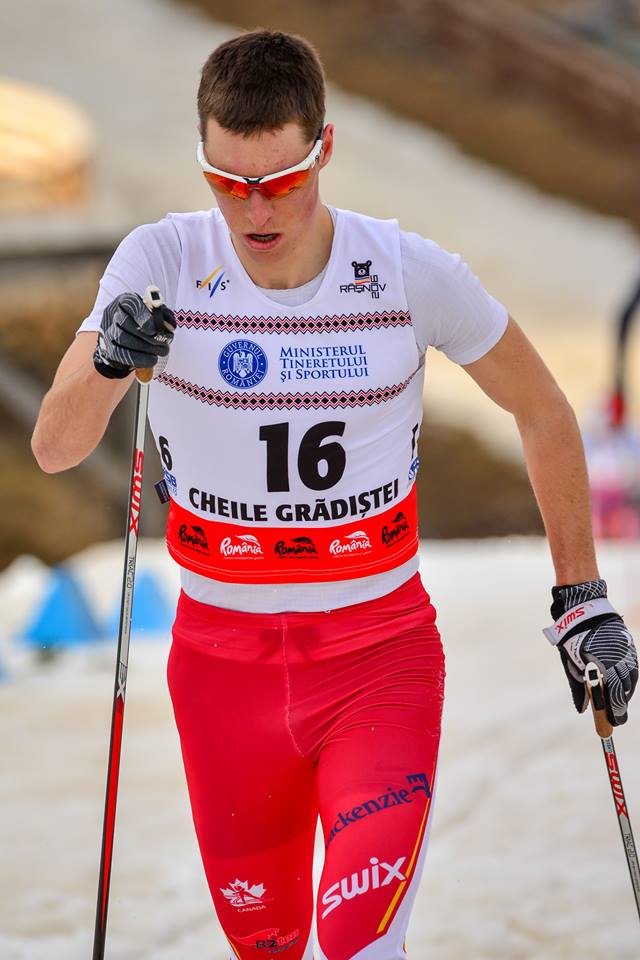
    Ryan Jackson was the top Canadian in 46th, followed by Antoine Blais in 52nd, Joey Foster in 56th, and Philippe Boucher in 67th.

    Junior men’s 10 k results

    In the U23 women’s 10 k classic, Heather Mooney, a former Middlebury skier, was the top American in 38th (+4:27), just ahead of Canada’s Frédérique Vezina in 39th (+4:31).

    Russia’s Anastasia Sedova won gold in 28:49.4, while Germany’s Victoria Carl finished 13.1 seconds back in second, and Petra Novakova of the Czech Republic was third (+17).

    Also for the U.S., Kristen Bourne placed 40th, Felicia Gesior was 42nd, and Kelsey Phinney 44th.

    Canada’s Kendra Murray finished between Gesior and Phinney in 43rd, Jenn Jackson was 45th and Sophie Carrier-Laforte was 46th.

    U23 women’s 10 k results

    Jasper Good (U.S. Nordic Combined) racing to a career-best 11th in his fourth Junior World Championships on Tuesday in Rasnov, Romania. (Photo:  Romina Eggert/Facebook)
    Jasper Good (U.S. Nordic Combined) racing to a career-best 11th in his fourth Junior World Championships on Tuesday in Rasnov, Romania. (Photo: Romina Eggert/Facebook)

    Also on Tuesday, 19-year-old Jasper Good raced to 11th for U.S. Nordic Combined in the normal hill/10 k Gundersen. In his fourth Junior World Championships, it was his first individual top 20.

    Fifteenth on the hill, he posted the 13th-fastest ski time to finish 11th, 3:48.9 behind the winner, Austria’s Bernhard Flaschberger. Germany’s Vinzenz Geiger crossed the line nearly a minute later in second (+59.6). Germany’s Terence Weber held onto third (+1:08.5) by three-tenths of a second over Eero Hirvonen of Finland in fourth.

    “This year’s World Junior Championships are full of schedule changes and an extreme lack of snow here in Rasnov,” Good wrote on his Facebook page. “We were able to get the first individual competition off yesterday and I had a career best finish of 11th place! I didn’t ski my best race, but I was able to move up from 15th after jumping! I’m happy with this and excited to improve in the next competition! “

    Also for the U.S., Stephen Schumann placed 31st, Jared Shumate was 37th and Koby Vargas 44th.

    Nordic Combined results

    Racing continues Thursday with the cross-country 10/15 k freestyle individual starts, replacing the skiathlons. Friday’s junior relays have been shortened to 4 x 2.5 k for the women (and remain 4 x 5 k for the men), and Wednesday’s nordic combined event was postponed.

    Nordic combined has two remaining competitions: the normal hill/5 k on Thursday and normal hill/4 x 5 k team event on Friday.

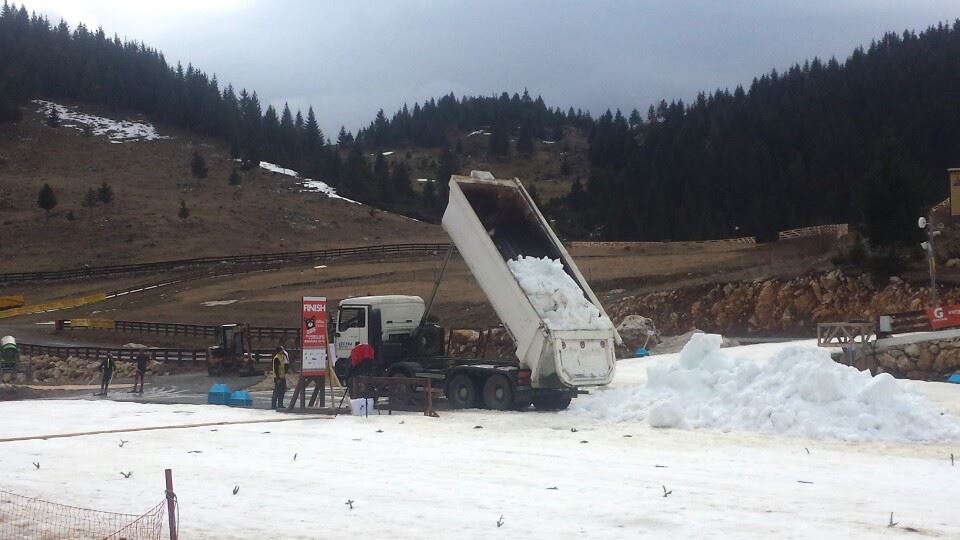
    Organizers unload snow onto the course Wednesday during the off-day at U23/Junior World Championships in Rasnov, Romania. (Photo: FIS Nordic JWSC & U23 WSC 2016/Facebook)
    Organizers unload snow onto the course Wednesday during the off-day at U23/Junior World Championships in Rasnov, Romania. (Photo: FIS Nordic JWSC & U23 WSC 2016/Facebook)
  • Logan Hanneman Sprints to 15th on 50-Degree Day at U23/Junior Worlds

    Logan Hanneman Sprints to 15th on 50-Degree Day at U23/Junior Worlds

    American Julia Kern (SMS/USST) racing to a career-best 16th in the Junior World Championships freestyle sprint on Monday in Rasnov, Romania. (Photo: Pete Leonard)
    American Julia Kern (SMS/USST) racing to a career-best 16th in the Junior World Championships freestyle sprint on Monday in Rasnov, Romania. (Photo: Pete Leonard)

    Note: This article has been updated to include comments from Canada’s Marie Corriveau and American Ben Saxton.

    Julia Kern’s biggest hurdle on Monday? Hands down: the heat.

    “The conditions today we’re a very good representation of how poor this winter has been,” 18-year-old Julia Kern, of the Stratton Mountain School and U.S. Ski Team D-team, wrote in an email on the opening day of U23/Junior World Championships racing in Rasnov, Romania.

    Kern placed 16th in the junior women’s 1.3-kilometer freestyle sprint, qualifying with the 14th-fastest time then placing fourth in her quarterfinal, 2.8 seconds out of first.

    “It was about 50 degrees and sunny, so pretty darn hot, and man made snow,” she continued. “Almost the entire course was deep slush, making it hard to power through a sprint like I usually do. My approach was to ski light and quick, but still getting power through the legs and poles. I hammered the first hill, leaving a little left in the tank to really work the flats and the finish.

    “The heat was definitely one of my biggest challenges today because I tend to overheat very quickly,” Kern, a Massachusetts native, added. “I found that pouring some water on my hair and staying in the shade before I started helped.”

    Sixteenth marked her career best at Junior World Championships since placing 32nd and 38th in the classic sprint and skiathlon, respectively, at last year’s junior worlds in Almaty, Kazakhstan.

    “My goals for these championships were pretty conservative because I wasn’t sure how I compared with others after having injuries this year and I also had no strong sprint results thus far,” wrote Kern, who had compartment-syndrome surgery last spring followed by a back injury at the start of the season. “My goal was to make the heats and I achieved that. Anything more than that was just a bonus!”

    She was one of two North American junior women to reach the heats on Monday: Canada’s Marie Corriveau qualified 29th and went on to place 25th when she finished fifth in her quarterfinal, 12.41 seconds behind the winner of that heat.

    Kern had qualified 14th, 9.63 seconds behind the top qualifier, Anastasia Kirillova of Belarus.

    “I was pretty confident about my qualifier,” Kern explained. “I felt like I was gaining on the Russian who started in front of me. By the time I was half way down the downhill, my legs were burning more than they ever have, to the point where I couldn’t feel them. I knew that I had given it my all. The heats were a lot different since the course is really tight, barely 2 people wide.”

    In her quarterfinal, she found herself in sixth early after what she considered “a really bad start”. The pack remained together until a 180-degree turn, where Kern recalled one of the two Germans in the heat stepping on the skis of France’s Delphine Claudel, causing Claudel to spin around and face Kern.

    “I tried to ski as quickly as I could around her, but had lost contact to the first 3 girls,” Kern wrote. “I worked the flat and downhill, almost catching up the 3rd, but not quite. I was still content with how I raced and was really excited to place 16th!”

    Sweden’s Emma Ribom won the heat in 3:07.28 and would ultimately place fifth in the final.  Norway took first and second overall with Amalie Håkonsen Ous, who won the final in 2:55.77, and runner-up Lotta Udnes Weng, 0.22 seconds back. Sweden’s Jenny Solin placed third, 0.71 behind the winner.

    In an email, Corriveau explained she started her quarterfinal with the goal of staying behind the leaders as long as possible.

    “I stayed with them the first part of the sprint, but after this point I was not able to follow anymore, they were really too fast for me,” the 18-year-old Pierre-Harvey National Training Centre (CNEPH) athlete wrote. Weng won her heat.

    “I am feeling very good about my result today, especially that it was my first international race, so I am very happy with a top 25 to start the week!” Corriveau wrote.

    After being officially named to the Ski Tour Canada team for the World Cups March 1-12, Corriveau explained she would likely leave for Ottawa on Friday.

    Also in the junior women’s sprint, Americans Sarah Bezdicek placed 36th, Leah Lange was 42nd and Nicole Schneider 52nd. For the Canadian team, Sadie White placed 44th, Hannah Mehain was 47th and Natalie Hynes 70th.

    Junior women’s results

    In the junior men’s 1.3 k sprint, Henry Harmeyer was the top American in 35th, Zak Katterson placed 51st, Thomas O’Harra was 58th, and Leo Hipp 66th. For Canada, Antoine Blais finished 41st, William Dumas was 44th, Philippe Boucher 52nd, and Joey Foster 63rd.

    Another Norwegian topped the junior field, with Johannes Høsflot Klæbo winning the final in 2:31.42, by 0.67 seconds over Korea’s Magnus Kim in second place. Italy’s Giacomo Gabrielli edged Russia’s Denis Spitsov by 0.07 seconds for third, 1.02 seconds behind Klæbo.

    Junior men’s results

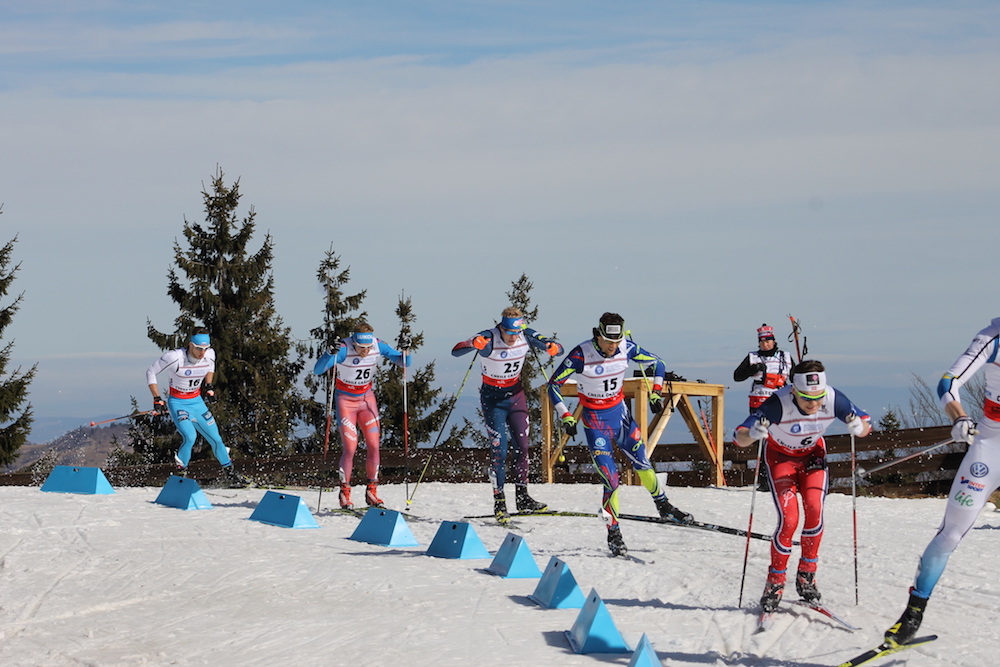
    American Logan Hanneman (c) racing to third in his quarterfinal of the freestyle sprint at U23 World Championships in Rasnov, Romania. He ended the day 15th overall. (Photo: Pete Leonard)
    American Logan Hanneman (25) racing to third in his freestyle sprint quarterfinal at U23 World Championships in Rasnov, Romania. He ended the day 15th overall. (Photo: Pete Leonard)

    In the U23 men’s 1.3 k skate sprint, Logan Hanneman of Alaska Pacific University pulled out a career-best 15th at his second U23 World Championships (fourth including junior worlds as well). Hanneman, 22, had previously placed 16th in the classic sprint at 2013 junior worlds and 23rd in the classic sprint at Almaty U23’s last year.

    “After Nationals in Houghton, I headed home to heal and rest my back, as well as to put in some good weeks of training,” Hanneman, who placed ninth in the U.S. nationals skate sprint in January, wrote in an email. “The skiing back home in Fairbanks has been absolutely amazing, so I was able to get many weeks of very solid training in. Unfortunately, those amazing conditions were nowhere to be found here Romania. I probably should have gone training out in an ungroomed field if I wanted to be prepared for the slush that was on the race course today.”

    After qualifying in 25th, Hanneman raced to third in his quarterfinal, 2.57 seconds behind the winner.

    “Out of the start, I was last……I need to work on my starts,” he explained. “From there, I was just patient and kept making moves where I could. Coming down the downhill into the finishing rise, I was fourth and a little behind 1st – 3rd, but I just went really hard and was able to real another guy in and pass him. I was satisfied because the guy I passed in the finish [Norway’s Håvard Solås Taugbøl] was 7th in the Lahti World Cup Sprint just 2 days earlier. It was a great feeling.”

    While he finished 0.39 seconds ahead of Taugbøl, Hanneman was one place and 2.39 seconds away from automatically advancing to the semifinals.

    “My main goals were to make it out of my quarterfinal and place high in the sprint,” Hanneman wrote of his goals for the championships. “Perhaps a very good placing in this sprint may have given me a chance to race [at the Ski Tour] Canada, but who knows exactly. Due to the conditions that were not very well suited for me, I am very happy with the result. After skiing the little bit during my warm up, I honestly could tell that it was going to be a tough one.”

    “I probably should have gone training out in an ungroomed field if I wanted to be prepared for the slush that was on the race course today.” — Logan Hanneman, top North American in 15th in Monday’s skate sprint at U23 Word Championships

    Behind him, Ben Saxton placed 25th for the U.S., after qualifying in 29th then placing fifth in his quarterfinal, 10.59 seconds behind the winner of that heat. In an email, the 22-year-old Saxton, of the SMST2 Team, explained this would be his only race of the week.

    “I got a tough lane draw, but I won my start and slotted into second behind a German guy,” Saxton explained of his quarterfinal. “It was really relaxed up the hill, and when we hit the top everyone punched it as hard as they could. On the top section there was some real WWE style skiing going on, but that’s what these races are usually like, this time though it ended up with me in 4th place around the 180 degree turn and not much way to get back on the leaders. I think I felt quite good, I’m just mad at myself for not anticipating the physical contact that came up top and suffering because of it.”

    Also for the U.S., Paddy Caldwell finished 43rd and Akeo Maifeld-Carucci was 48th.

    “Logan and Julia were standouts at 15 and 16th, respectively but we felt like the day left us wanting more,” U.S. Ski Team Development Coach Bryan Fish wrote in an email. “Logan skied smart and surged from the 5th and out sprinted Haavard Taugboel (7th overall last weekend in the Lahti World Cup sprint) into 3rd in his heat.  Unfortunately, he did not move on as a Lucky Loser. Ben Saxton started strong in 3rd in his heat for most of his quarter, but ran into traffic and faded toward the finish.”

    Canada's Julien Locke (Black Jack) placed 16th in his first-ever race outside of North America -- the freestyle sprint at U23 World Championships -- on Monday in Rasnov, Romania. (Photo: CCC)
    Canada’s Julien Locke (Black Jack) placed 16th in his first-ever race outside of North America — the freestyle sprint at U23 World Championships — on Monday in Rasnov, Romania. (Photo: CCC)

    Canada’s top finisher on Monday, Julien Locke of Black Jack placed 16th on the day after qualifying 27th then placing third in his quarterfinal, 0.94 seconds out of first. Not only was it his debut U23 World Championships, but his breakthrough result came in his first race outside of North America.

    “Today’s race was my main focus for the week, and also for the year,” Locke, 22, wrote in an email. “My goal since May was to be in the A-Final, so to come up short is disappointing. Despite that, it was fun to be in the mix and I believe that while the level here is high, it’s well within reach.”

    He planned to race Tuesday’s 15 k classic individual start then return to Canada on Thursday morning. Locke was on the bubble of being selected to the Ski Tour Canada (STC), but was not on the final list released Monday.

    “It’s been quite neat to be here in Romania,” he wrote. “I had a few great rollerskis through some small villages down in the valley. The people (many of whom were working in their fields alongside the road) were very friendly and seemed very intrigued to see skiers on their roads. Up here at the venue, the organizers have been working very hard to put on the races. Given the weather, they have done an impressive job to make the races happen.”

    “Today’s race was my main focus for the week, and also for the year. My goal since May was to be in the A-Final … I believe that while the level here is high, it’s well within reach.” — Julien Locke, top Canadian in 16th in U23 World Championships skate sprint

    Locke led three other Canadian U23 men, with Scott James Hill in 39th, Angus Foster in 50th and Jack Carlyle in 56th.

    France’s Lucas Chanavat won the final in 2:35.78, outlasting Sweden’s Karl-Johan Dyvik by 0.92 seconds. The second Frenchman on the podium, Jean Tiberghien placed third (+1.11).

    U23 men’s results

    In the U23 women’s sprint, also 1.3 k long, Jenn Jackson of Canada’s Thunder Bay National Development Centre (NDC) placed 29th overall in her first world championships.

    In an email, Jackson, who turned 21 on Saturday, described being “on the edge with my health the week before leaving for Europe.” She took a turn for the worse upon arriving in Seefeld, Austria, on Feb. 13 and was unable to train for several days.

    “So I wasn’t as primed to race as I’d hoped, very well rested though,” Jackson wrote. “Being unable to deliberately prepare for the races was frustrating. On Saturday the tightness and pain in my chest had subsided enough that I was okay’d to do intensity. It was a painful wake up call after being without any hard efforts since Eastern [Canadian Championships], clearing the rust out of the pipes.”

    She raced to 25th in the qualifier before placing sixth in her quarterfinal, 2.63 seconds behind the winner.

    “I had a good start from an outside lane and held my ground to hit the hill in third,” Jackson wrote of her quarterfinal. “The two girls ahead of me spread across the trail and I swung to follow on the outside, which would ultimately be the end of my contention in the race. I got pushed to the edge of the track and lost a lot of speed running up behind the girl in front of me. The two of us got gapped by the rest of the field and I didn’t have the jam to get back on…

    “I didn’t feel outclassed by the competition and I know my decision on who to follow up the hill was my undoing,” she added. “But that was a decision in the moment, not a mistake, so again, I’m content with how I raced.”

    Jackson was one of 12 women chosen to represent Canada at the Ski Tour Canada. She plans to fly to Ottawa on Thursday.

    “My coach and I agreed that if I was going to make the most of the opportunities of both U23’s and Ski Tour that this was the best option,” she wrote.

    In terms of a goal for her last race of U23’s — Tuesday’s classic individual start — Jackson isn’t getting stuck on numbers.

    “As with today’s sprint, I don’t have a number goal because I don’t know how my body will handle the full race effort. A top 20 would be really great, another top 30 would be nice, and being the top North American is also on my check list,” she wrote.

    Two-hundredths of a second away from 30th, which would have qualified her for the heats, Canada’s Alannah Maclean placed 31st on Monday. She made the cut for the STC team, as did Sophie Carrier-Laforte in 40th, while Kendra Murray placed 47th for Canada.

    Kelsey Phinney was the top American in 34th (0.69 seconds out of qualifying), Felicia Gesior placed 39th, and Heather Mooney was 46th.

    Sweden’s Jonna Sundling topped the U23 women’s final in 2:52.14, edging Switzerland’s Nadine Fähndrich by 0.36 seconds. Another Swede, Maja Dahlqvist rounded out the podium in third (+1.33).

    U23 women’s results

    “Our athletes have done a good job staying composed and focused despite the schedule changes and inability to get on snow,” Fish wrote. “The athletes and staff hadn’t been able to ski until Sunday – the day before the sprint today. On Sunday, each gender got 1 hr to test their skis and ski the sprint course in preparation for the sprint race.”

    He explained that it was 11 degrees Celsius (52 Fahrenheit) on Monday, and the manmade snow was melting fast.

    “The competition schedule has been changed and condensed,” Fish wrote. “The skiathlon was replaced with a mass start skate and tonight it was decided to change it again to an interval start skate due to the narrow width. The [organizing committee] has worked hard to host these championships in the very warm conditions.”

    Updated U23/Junior World Championships schedule:

    – Tuesday: Junior 5/10k and U23 10/15 k classic

    – Wednesday: Course closed due to predicted rain throughout the day

    – Thursday: Junior 10/15 k and U23 10/15 k freestyle

    – Friday: Junior relays

  • Bumps, Jumps, XC Cross, and Biathlon: YOG Weekend Roundup

    Bumps, Jumps, XC Cross, and Biathlon: YOG Weekend Roundup

    (Above: Complete race video of inaugural Cross-Country Cross event at the 2016 Youth Olympic Games. To view on YouTube, click here.)

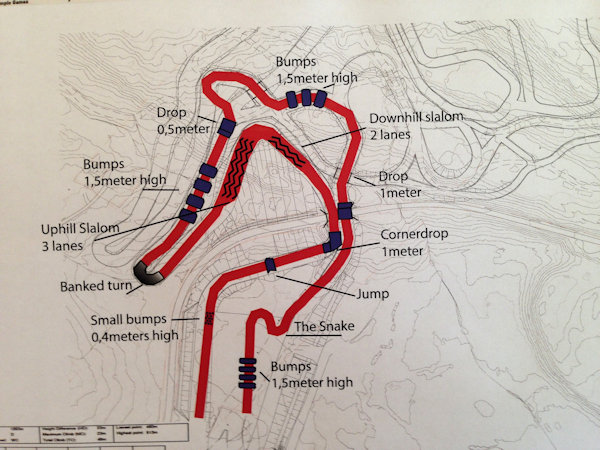
    Bumps? Jumps? An uphill and downhill slalom? While racing through an obstacle course on skis is challenging enough on its own, competitors at the 2016 Youth Olympic Games (YOG) in Lillehammer, Norway, maneuvered around obstructions and other racers as well last Saturday, Feb. 13, for the opening event: the Cross-Country Cross (XCX) 1.4-kilometer freestyle sprint.

    Beyond ‘bumps,’ the YOG’s first-race event competition also differed in sprint brackets. After racing a qualifier, the top-30 athletes advanced to one of three semifinals.

    The top two finishers in each semifinal then automatically advanced to the sprint final. The sprint final totaled 10 skiers: the two winners from each semi-final, as well as two lucky losers from the two fastest semifinals.

    The Cross-Country Cross (XCX) course at the 2016 Youth Olympic Games
    The Cross-Country Cross (XCX) course at the 2016 Youth Olympic Games

    Once on course, four 1.5-meter high ‘bumps’ greeted the athletes a little over 100-meters from the start. Competitors then cruised into a sharp lefthand turn, followed by a sharp righthand turn through a part of the course called ‘The Snake.’

    After The Snake, skiers tackled the course’s first major climb. In the following descent, racers spent some hang time while passing over a 1-meter high drop.

    With increased speed, competitors soared into the second major incline on course, as well as another series of three 1.5-meter high rollers and a 0.5-meter high drop.

    The next course challenge tested athlete’s coordination and balance during an alternating ‘bumps’ section. The section prompted many skiers to take on a classic striding arm and leg swing movement.

    After a tight hairpin turn, athletes then worked their climbing strength and stamina in an uphill slalom. Immediately upon cresting the top of the incline, competitors descended into a downhill slalom.

    With no major climbs left, racers worked their way over another jump and one final set of 0.4-meter high rollers before the flat 100-meter sprint to the finish.

    Sweden’s Moa Lundgren proved most adept on course. She remained unchallenged by any competitor all day, winning the qualifier in 3:27.59, as well as her semifinal and eventually the final in a time of 3:26.36.

    Finishing 1.7 seconds behind Lundgren was Swedish teammate, Johanna Hagstrøm.

    Rounding out the women’s top three was French skier Laura Chamiot-Maitral who crossed 3.21 seconds after Lundgrun.

    Hannah Halvorsen (Far West/Sugar Bowl Academy) qualified 10th in the first-ever Cross-Country Cross event at the 2016 Youth Olympic Games in Lillehammer, Norway. (Photo: Far West/Facebook)
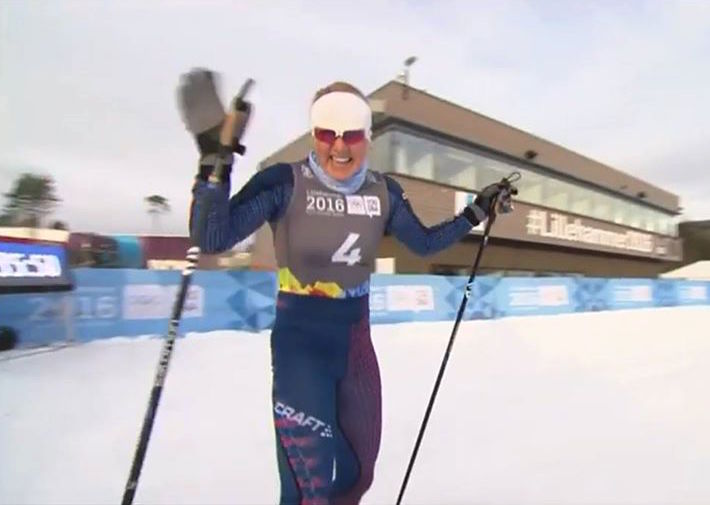
    Hannah Halvorsen (Far West/Sugar Bowl Academy) qualified 10th in the first-ever Cross-Country Cross event at the 2016 Youth Olympic Games in Lillehammer, Norway. (Photo: Far West/Facebook)

    Two North Americans competed in Saturday’s XCX event for the first time, American Hannah Halvorsen and Canada’s Annika Richardson.

    Halvorsen qualified in 10th, 16.45 seconds back from Lundgren. She then advanced to semifinal 3, where she raced in third behind Chamiot-Maitral and Germany’s Anna-Maria Dietze until the uphill slalom.

    Losing steam during the climb, Halvorsen moved into fourth, while China’s Chi Chunxue cranked her way into third. Hot on Halvorsen’s heels through the slalom gates was Russia’s Yuliya Petrova.

    As the women came through the final bumps, Halvorsen moved to the outside right and Petrova gained momentum in the middle lane.

    Halvorsen finished the heat in fifth, 1.7 seconds off of earning a lucky loser spot and advancing to the final, and 3.7 seconds off the heat winner Maitral-Chamiot (3:36.20).

    After qualifying in 25th (+26.3), Richardson advanced to the first semifinal where she finished in ninth, 19.7 seconds back from her heat’s winner, Lundgrun.

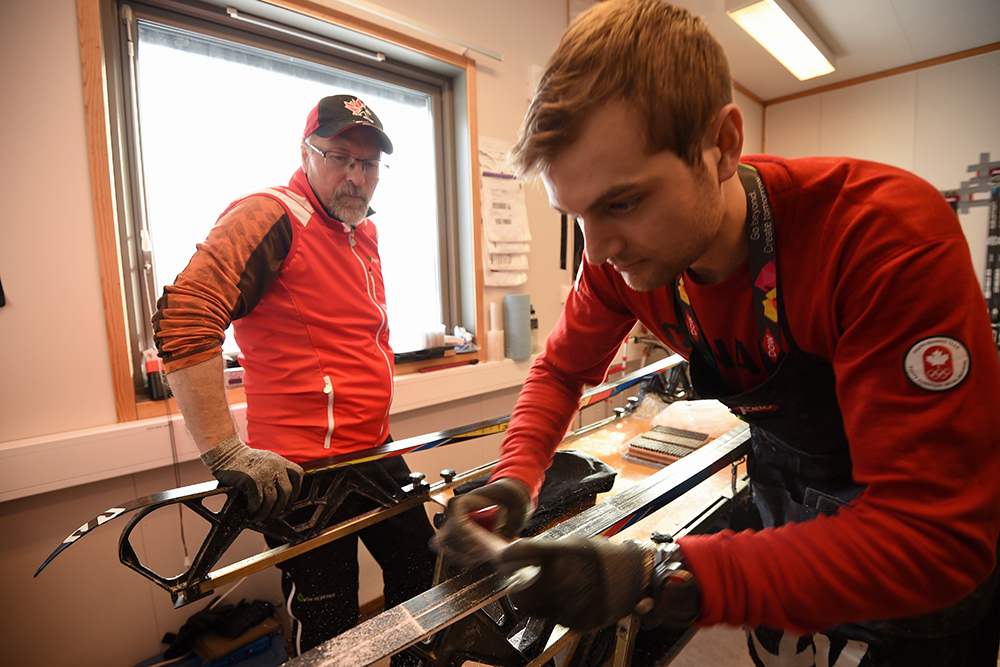
    Canadian wax technicians Mike Mappin (l) and Camille Cheskey (r) hard at work during the during the 2016 Winter Youth Olympic Games on Feb. 10 in Lillehammer Norway. (Photo: Jon Buckle for YIS/IOC)
    Canadian wax technicians Mike Mappin (l) and Camille Cheskey (r) hard at work during the during the 2016 Winter Youth Olympic Games on Feb. 10 in Lillehammer Norway. (Photo: Jon Buckle for YIS/IOC)

    “It went really really well all things considered,” Richardson said in an interview with Cross Country Canada.

    “Definitely a lot of stuff I can work on with the technical aspects of the course, but I felt really strong in the last half of my heat going up the hill. I’m just really grateful to be here and be experiencing all the Olympic spirit,” she added.

    Women’s results

    ***

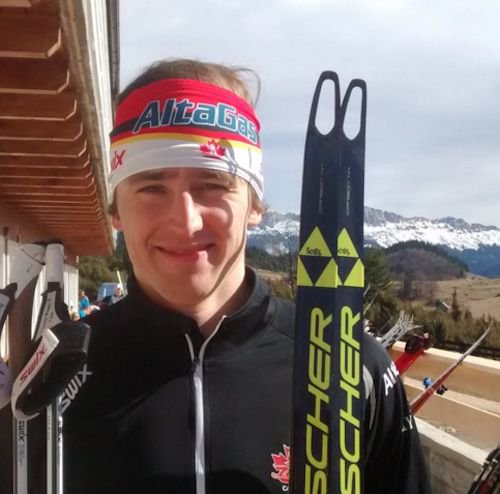
    In the men’s event, Korea’s Magnus Kim topped the results. He won the qualifier in a time of 3:01.45, his semifinal and eventually the final in 2:59.56.

    In second place, 1.17 seconds off of Kim was Norwegian skier Thomas Helland Larson.

    Rounding out the men’s top three was Lauri Mannila of Finland, finishing 2.28 seconds behind Kim.

    Canadian skier Levi Nadlersmith and American Hunter Wonders nabbed the last two qualifying spots in 29th and 30th, respectively.

    Wonders advanced to the first semifinal, where he finished ninth, 8.8 seconds behind the heat’s winner, Kim.

    In his first international race ever, Nadlersmith also finished in ninth (+16.51) in the second semifinal.

    “I felt really strong climbing a the top of the course,” Nadlersmith told Cross Country Canada.

    “Going down into the last corner I had a weird line and I guess someone stumbled in front of me, so I had to do a quick maneuver to go around them. Then kind of after that I felt good, but lost a bit of my steam going over the last hill. I think for the most part I felt really good,” he added.

    Men’s results

    ***

    Day 2: Biathlon Begins

    While some were shooting cupid’s arrows on Sunday, Feb. 14, biathlon competitors at the YOG shot targets. The second day of events included the men’s 7.5 k and women’s 6 k biathlon sprints at the Birkeneineren Biathlon Stadium.

    On the men’s side, Emilien Claude of France won the event in a time of 19:01.5 after shooting clean during both the prone and standing stages.

    “In lap three, in my head it was ‘maybe I win, maybe second’,” Claude said, according to an Inside the Games press release. “But when I finished and saw that I was first, I thought, ‘Wow.’ ”

    Taking the second place silver medal, 7.1 seconds back, was Norway’s Sivert Guttorm Bakken, who missed one shot prone and one standing.

    Third place and the bronze medal went to Russian racer Egor Tutmin. Tutmin skied the first of the three 2.5 k laps the fastest and shot clean during the prone stage. However, after two penalties standing, he finished 18.0 seconds back from the race winner’s time.

    Two Canadians competed in Sunday’s event, including Ben Churchill and Leo Grandbois.

    Churchill finished in 17th overall (+1:35.5) with one penalty (1+0). Grandbois placed 22nd (+1:58.6) after missing two shots during the standing stage.

    The American men also had two competitors in Sunday’s 7.5 k sprint, Vasek Cervenka and Eli Nielsen.

    Cervenka was the first American across the line in 36th place (+2:50.7) after skiing four penalties (1+3). Nielsen finished one minute and 7.4 seconds after Cervenka in 46th, (+3:58.1) after a total of six penalties (2+4).

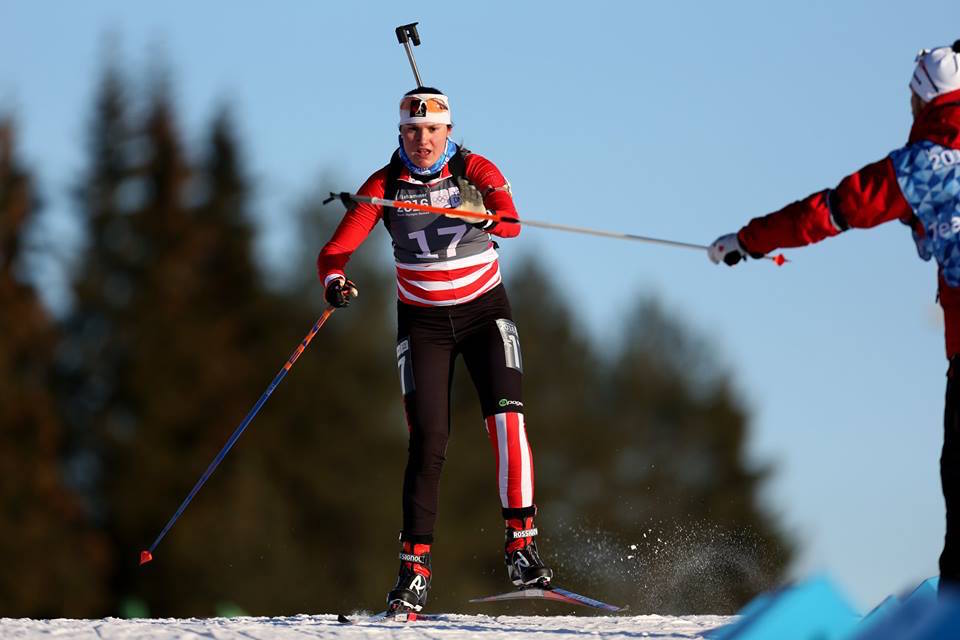
    Canada's Gillian Gowling receives a pole during the women's 6 k sprint at the Youth Olympic Games on Sunday in Lillehammer, Norway. (Photo: Lillehammer 2016 Olympic Games/Facebook)
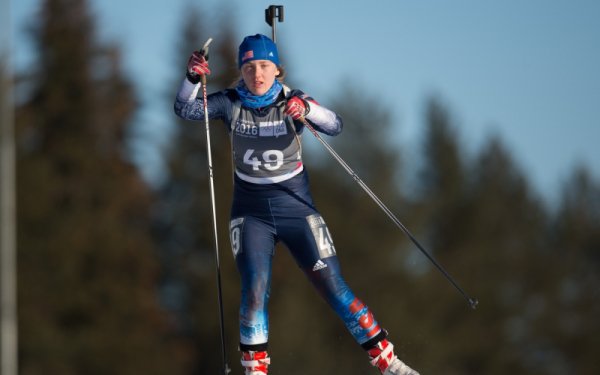
    Canada’s Gillian Gowling receives a pole during the women’s 6 k sprint at the Youth Olympic Games on Sunday in Lillehammer, Norway. (Photo: Lillehammer 2016 Olympic Games/Facebook)

    With perfect shooting on Sunday, Germany’s Juliane Fruehwirt won the women’s 6 k sprint event, covering the 3 x 2 k course in a time of 18:23.5.

    Norwegian skier Marthe Krakstad Johansen was the next closest contender for the gold medal. After missing one shot standing, Johansen finished in second place, 5.6 seconds behind Fruehwirt’s time.

    Rounding out the women’s podium finishers on Sunday was bronze medalist Arina Pantova of Kazakhstan. After two penalties (1+1), Pantova completed the course 17.1 seconds behind Fruehwirt.

    American Amanda Kautzer cracked the top 10 on Sunday and finished in 10th overall (+58.9) after skiing two penalties (1+1). U.S. skier Chloe Levins missed the top 20 by 1.7 seconds, and finished in 22nd overall with a clean round of prone shooting, but two standing penalties.

    After cleaning both the prone and standing stages, Canada’s Gillian Gowling finished 30th (+2:27.8). Her Canadian teammate, Tekarra Banser finished 14.4 seconds later  in 35th (2:42.2) after two penalties (0+2).

    Results: Men | Women

    ***

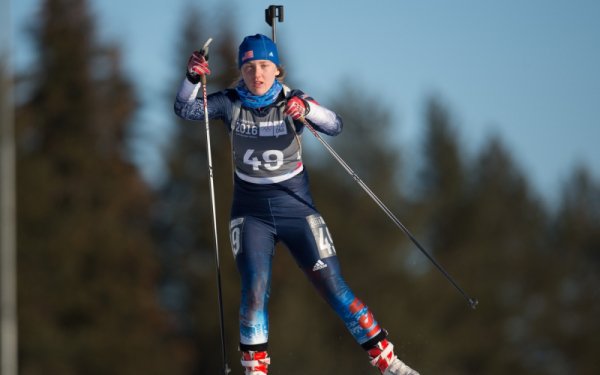
    Chloe Levins shoots clean and races to a fourth place overall in the women's 7.5 k pursuit at the Youth Olympic Games on Monday in Lillehammer, Norway. (Photo: US Biathlon/Twitter)
    Chloe Levins shoots clean and races to a historic fourth place for the U.S. in the women’s 7.5 k pursuit at the Youth Olympic Games on Monday in Lillehammer, Norway. (Photo: US Biathlon/Twitter)

    Day 3: Levins Just Outside of the Medals, Fourth in Pursuit

    Monday marked the third day of the YOG and the second set of biathlon races with the 7.5 /10 k pursuits.

    The women’s 7.5 k pursuit event saw Ukraine’s Khrystyna Dmytrenko at the top of Monday’s podium.

    Starting 26 seconds back from Sunday’s race winner, Dmytrenko missed two shots during her first stage of prone shooting and then cleaned the rest of her shots to finish the 5 x 1.5 k course in a time of 25:12.9.

    In a photo finish, Norway’s Johansen bested France’s Lou Jeanmonnot Laurent by one tenth of a second. Johansen finished 7.5 seconds behind Dmytreno after skiing four penalties (2+0+1+1). Jeanmonnot Laurent finished 7.6 seconds off of Dymtrenko’s time after missing two shots standing (0+0+1+1).

    With perfect shooting, American Chloe Levins finished in fourth overall (+34.7), just outside of medal contention.

    “The pursuit in Lillehammer today was a dream,” Levins said according to a US Biathlon press release. “As Susan [Dunklee] said earlier in the season, every race is a team effort. We had great skis and excellent conditions for today’s race. My race was made on the shooting range. Of course, it is bittersweet to be close to the podium in 4th position, but I shot clean and skied well, so it is an incredibly satisfying result.”

    Read more about Levins’ historic result here

    American Amanda Kautzer finished in 27th (+4:04.2) with a total of eight penalties (3+2+1+2). Canada’s Banser finished in 35th (+ 5:43.6) after missing five shots (1+0+2+2) and her teammate Gowling placed 45th (+9:45.30) after missing six shots ( 1+1+2+2).

    After winning Sunday’s sprint, France’s Claude was the first skier on the Birkebeineren Biathlon Stadium’s 5 x 2 k course.

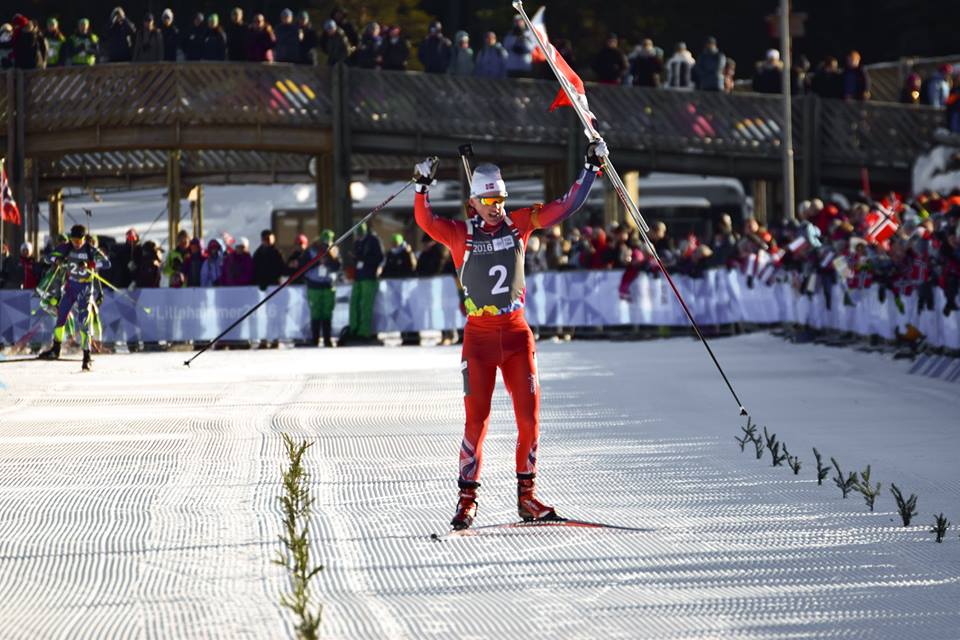
    Norway's Sivert Guttorm Bakken after winning the men's 10 k biathlon pursuit at the Youth Olympic Games on Monday in Lillehammer, Norway. (Photo: Lillehammer 2016 Olympic Games/Facebook)
    Norway’s Sivert Guttorm Bakken after winning the men’s 10 k biathlon pursuit at the Youth Olympic Games on Monday in Lillehammer, Norway. (Photo: Lillehammer 2016 Olympic Games/Facebook)

    Starting 7.0 seconds later was Monday’s eventual race winner and Sunday’s silver medalist, Bakken of Norway. Bakken missed four shots (1+1+1+1), but ultimately came away with the 10 k pursuit win in a time of 28:10.7.

    Moving up to second place after Sunday’s event was Russia’s Tutmin. With an extra penalty (0+1+3+1), Tutman completed the course one minute and 10.7 seconds behind Bakken’s time.

    Taking the event’s bronze medal was Said Karimulla Khalili of Russia. Khalili shot the same as Bakken and finished 1:17.7 behind the race winner.

    With two penalties (0+0+1+1), Canada’s Churchill crept into the top 10, finishing in 10th overall (+2:49.1). Cervanka of the U.S. improved his result from Sunday to 20th overall (+3:54.2) after missing just one standing shot.

    “Vasek also made a great comeback with 95 percent shooting score and a good skiing performance,” U.S. coach Jean Paquet said in a US Biathlon press release.

    “He looked more at ease on the skis and liked the fight on the course. He gained 16 positions by shooting well on the shooting range.”

    The next North American was Canada’s Grandbois, who placed 25th (+4:40.7)after skiing five penalties (1+0+1+3).

    In 46th was Nielsen of the U.S. (+8:13.4) with six penalties (0+2+2+2).

    Results: Women | Men