Tag: Mark Pollock

  • ‘Turning August Into February’: Sun Valley Gold Team Spends Month in Australia

    ‘Turning August Into February’: Sun Valley Gold Team Spends Month in Australia

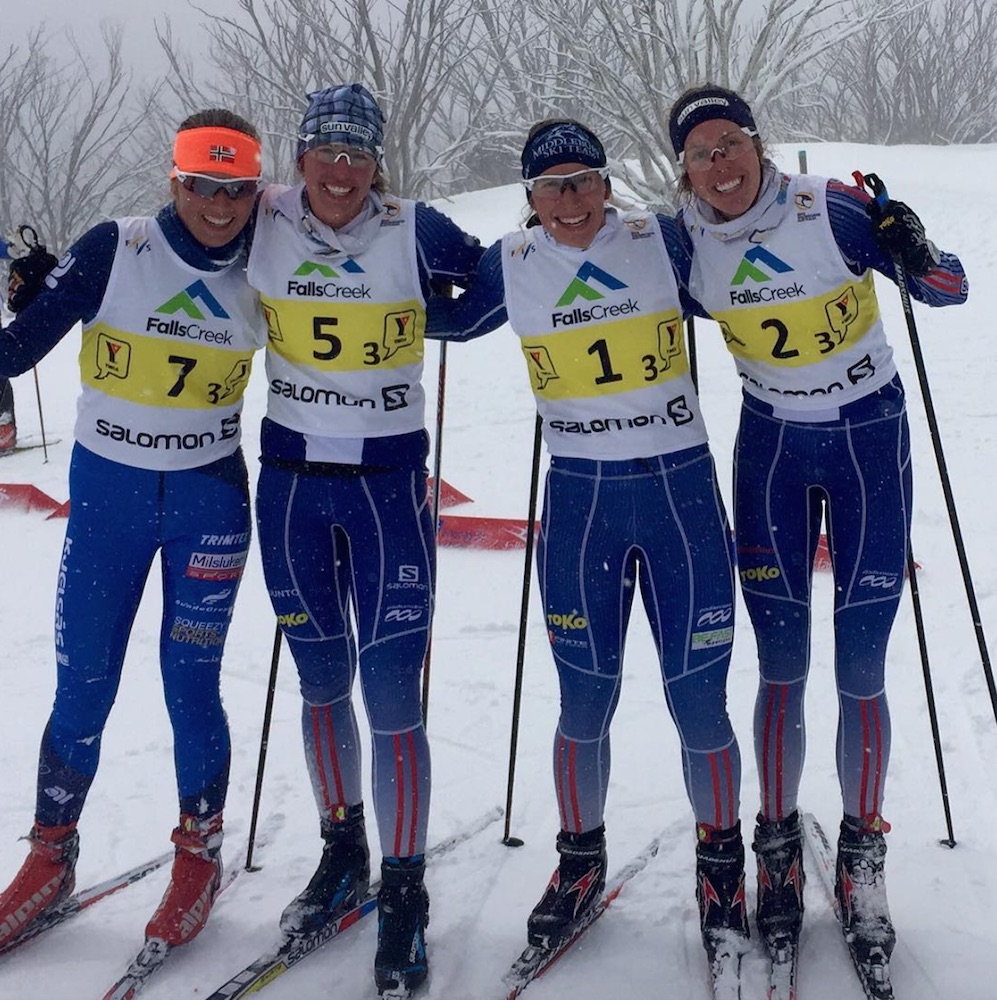
    Sun Valley Ski Education Foundation Gold Team members Kelsey Phinney, Annie Pokorny, Mary Rose, and Deedra Irwin skiing at Falls Creek Resort in Victoria Australia in August. (Photo: Mary Rose)
    Sun Valley Ski Education Foundation Gold Team members Kelsey Phinney, Annie Pokorny, Mary Rose, and Deedra Irwin skiing at Falls Creek Resort in Victoria, Australia, earlier this month. (Photo: Mary Rose)

    Getting there means 24 hours are lost somewhere in limbo and layovers that are more than cause for lethargy. But even with a disappearing day and assured hours of drowsy adjustment, traveling to the Land Down Under presents a unique opportunity for any western traveler, especially those who nordic ski. That’s because in the state of Victoria in southeastern Australia, nearly a four-hour drive north of the country’s second-most populated city, Melbourne, Falls Creek boasts accommodations, trails and most importantly, a winter season with snow.  

    For those of us in the Northern Hemisphere, the months of June, July and August often bring heat waves rising off the blacktop, but in Falls Creek, this the season for a mixture of snow flurries and sun.
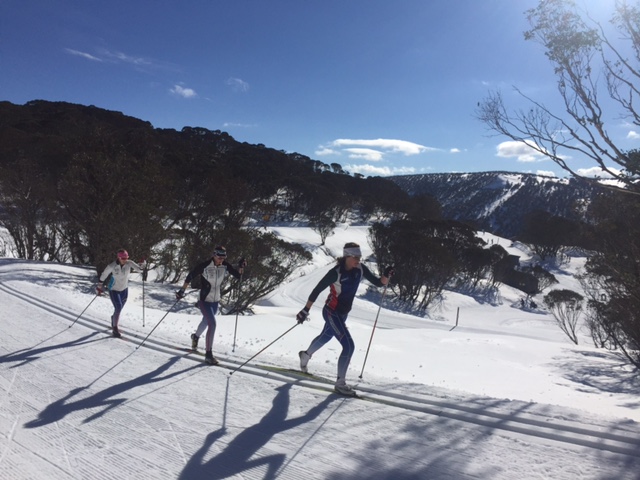
    Right to left: Sun Valley Ski Education Foundation Gold Team members Annie Pokorny, Mary Rose, and Kelsey Phinney during a classic ski at Falls Creek Resort in Victoria Australia in August. (Photo: Colin Rogers)
    SVSEF Gold Team members (right to left) Annie Pokorny, Mary Rose and Kelsey Phinney classic skiing at Falls Creek Resort in Victoria, Australia. (Photo: Colin Rodgers)

    With the promise of the latter from early June to late September — the peak season taking place in July and August — and a decent deal on plane tickets, several Sun Valley Ski Education Foundation (SVSEF) Gold Team members decided that when it came to the month of August, Falls Creek was where they wanted be.

    “The team has never been here before, but one of our SVSEF coaches, Tom Smith, spent a summer coaching down here and told us how great the training was,” Colin Rodgers, SVSEF Gold Team head coach, wrote in an email from Australia. “We decided we had a great opportunity to come here and train this year because the airline tickets were quite inexpensive from the Western USA. Overall the skiing has been great so far!”

    Along with Rogers, five Gold Team skiers made the trek to Falls Creek on Aug. 1, including Annie Pokorny, Kelsey Phinney, Mary Rose, Deedra Irwin, and Matt Gelso. The crew planned to remain in Australia for on-snow training until the end of the month, returning to the U.S. on Aug. 29.

    This past weekend, the Sun Valley women swept the freestyle-sprint podium at Australian Cross-Country Ski Championships on Saturday, with Phinney winning the International Ski Federation (FIS) Australia/New Zealand Cup race, Rose placing second and Irwin taking third. Norway’s Nora Ulvang finished fourth just ahead of Pokorny in fifth.

    On Sunday, Rose and Irwin again reached the podium in the 10 k classic, finishing second and third, 14.9 seconds and 30.5 seconds behind winner Chisa Obayashi of Japan, respectively. Pokorny repeated in fifth.
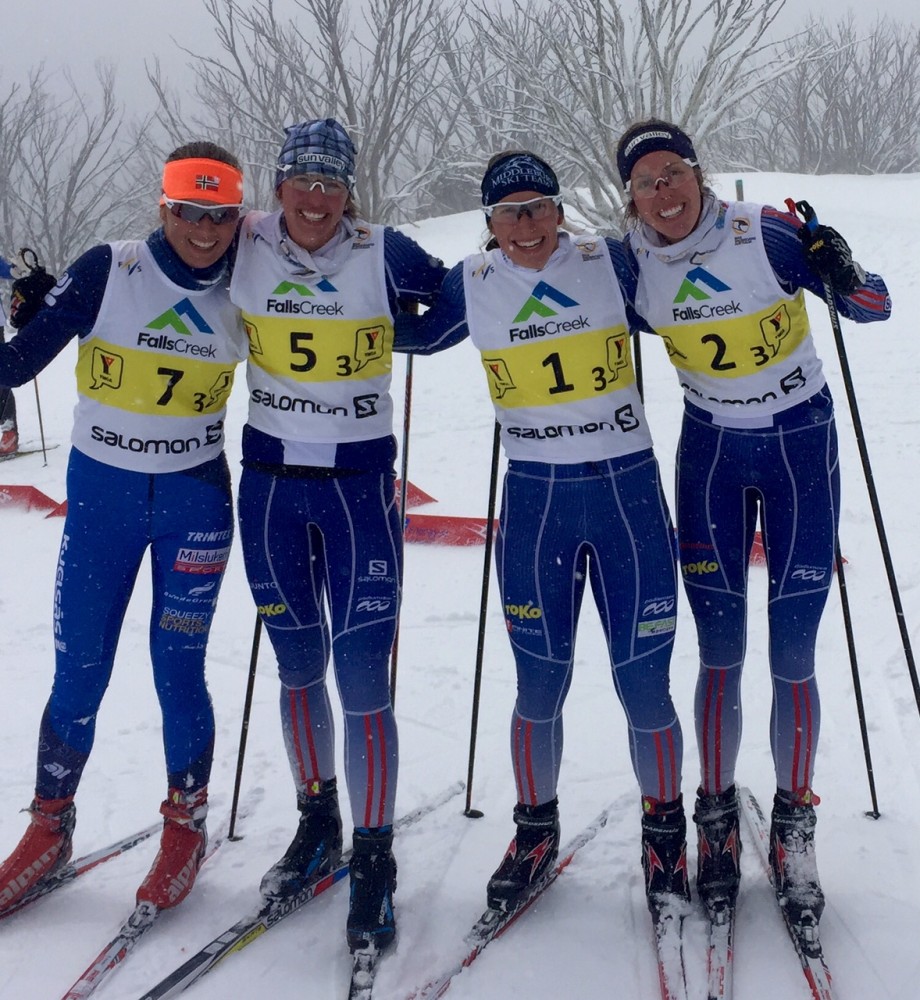
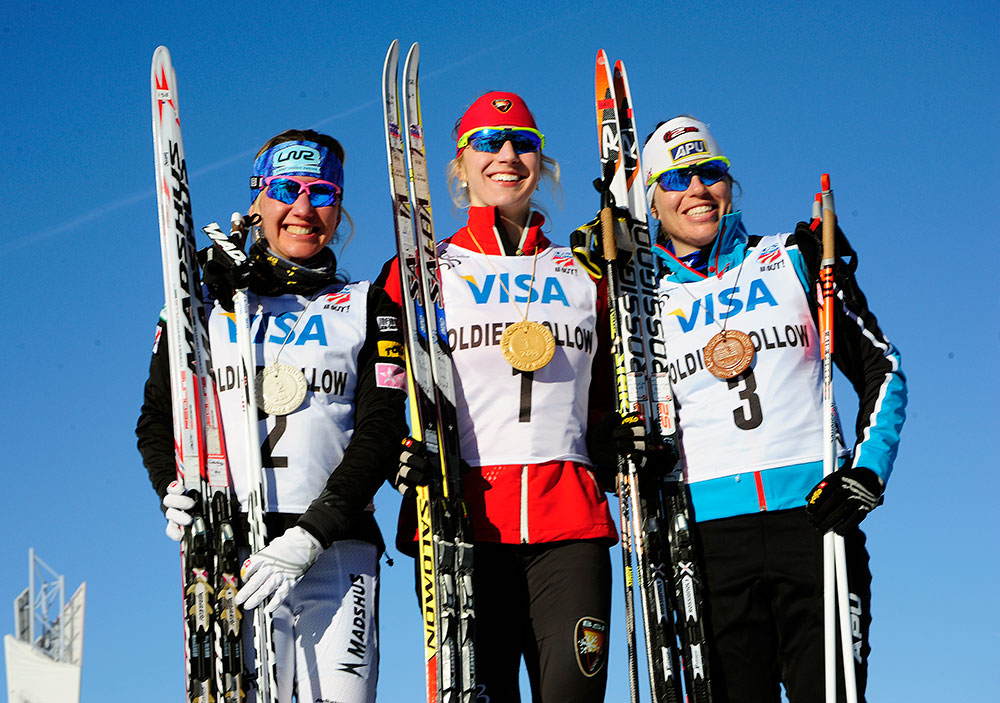
    The women's skate sprint podium at Australian national championships in Falls Creek, Victoria. 1st Kelsey Phinney, 2nd Mary Rose, 3rd Deedra Irwin, 4th Nora Ulvang (Norway). (Photo: XCGoldTeam/Instagram)
    The women’s skate sprint podium at 2016 Australian Cross-country Ski Championships on Saturday, Aug. 20, in Falls Creek, Victoria. Kelsey Phinney (1) placed first, Mary Rose (2) took second, Deedra Irwin (5) was third, and Norway’s Nora Ulvang (7) was fourth. (Photo: XCGoldTeam/Instagram)

    “The races this past weekend were a very unique experience,” Rose wrote in an email. “Not often do you have a chance to race in the middle of August. The conditions were very challenging for everyone. I took this weekend as a great opportunity to practice skiing through all the sprint heats as well as learning to deal with less than ideal race conditions. Living in the West, I don’t get much opportunity to race in the pouring rain. This was a great learning experience!”

    The men’s freestyle sprint and 15 k classic results were not available at press time. Due to a cold, Gelso did not race this past weekend.

    While much of the Gold Team’s camp revolved around logging hours and kilometers on snow, Rodgers also anticipated his group would jump into a few races, including the Kangaroo Hoppet 42 k skate marathon on Aug. 27.

    According to him, the opportunity to travel to Australia and compete was largely due to the international relationships the SVSEF has fostered.

    “Our club has hosted several Australian skiers over the past few seasons (Kat Paul, Casey Wright, Mark Pollock- to name a few) so we have established a good relationship with many of the athletes,” Rodgers wrote. “They have all always told us we should come to Australia to ski. It seemed like a far off dream, but then we started looking at the details and all of a sudden we realized we could make it happen without breaking the bank. The Australian Jr and U23 team is coming to prepare for the Soldier Hollow World Jr/ U23 World Championships in Sun Valley this winter. They will be in Ketchum for about 8 weeks leading into those Championships so we have a nice partnership growing.”

    “This is not spending a week on a glacier in summer. This is turning August into February.” — SVSEF Gold Team member Matt Gelso on training on snow in Australia

    New to the SVSEF Gold Team, Pokorny reflected that the chance to travel to Australia to train has been somewhat surreal. This year marked one of her first summer snow-skiing experiences.

    “This year, with support from SVSEF and the Australian race organizers, I’m able to get my first summer skis AND do it during one of the biggest training blocks of the year,” Pokorny wrote in an email. “I’ve gotten to work on technique and put in big hours while exploring a part of the world I’d never thought I would get to visit, which has made this trip incredibly valuable to me both athletically and personally.”
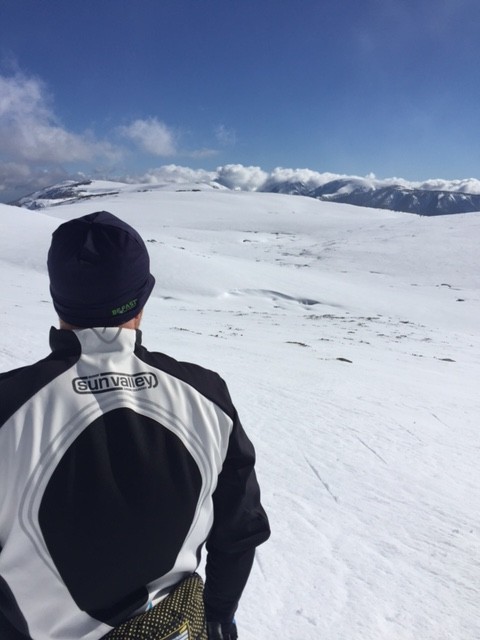
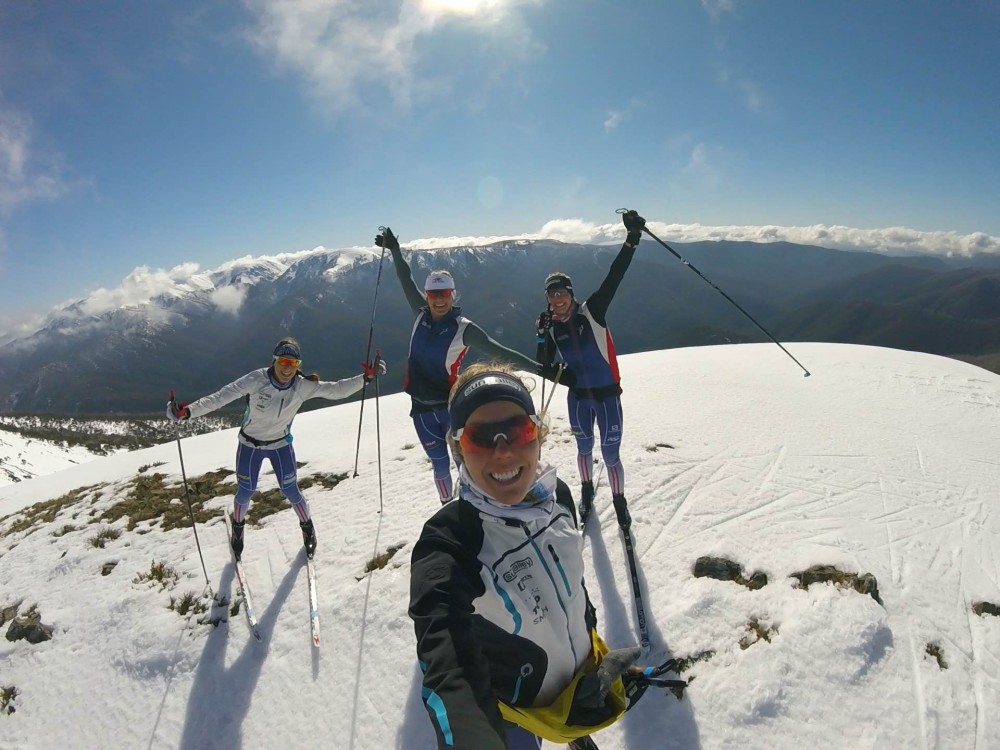
    Sun Valley Ski Education Foundation Gold Team member Matt Gelso takes in the view during a ski at Falls Creek Resort in Victoria Australia in August. (Photo: Colin Rogers)
    Sun Valley Ski Education Foundation Gold Team member Matt Gelso takes in the view during a ski at Falls Creek Resort in Victoria Australia in August. (Photo: Colin Rodgers)

    In his sixth year with the SVSEF Gold Team, Gelso remarked that this camp was much bigger than an average week on snow.

    “This is not spending a week on a glacier in summer, this is turning August into February, and it is a new experience for me, but a very positive one for ski training,” Gelso wrote in an email. “Not only getting on snow and getting the feel for skis, but being here for long enough that I can actually make gains is huge.”  

    Both Pokorny and Gelso pointed out that spending a month skiing in Australia is a memory they won’t forget.

    “I have been wrapping my head around the sun being in the northern sky, and the north slopes being the warm, sunny side…. Pretty different,” Gelso wrote. “Also the trees, they have these Snowgum trees that don’t lose their leaves, it feels like the coast, it has taken some time to get used to it all.”

    “My favorite part, by far, has been the landscapes we see on our long skis,” Porkorny wrote. “Snow capped mountains over green jungles, burned and growing gum trees, and violently changing weather have kept every training session interesting.”

    With less than a week left, the crew continues to adventure and can be followed on the SVSEF Gold Team’s Facebook page or Instagram.

    — Alex Kochon contributed reporting

  • For Aspiring Skiers, World Championships Qualifier Much More Than a Race

    For Aspiring Skiers, World Championships Qualifier Much More Than a Race

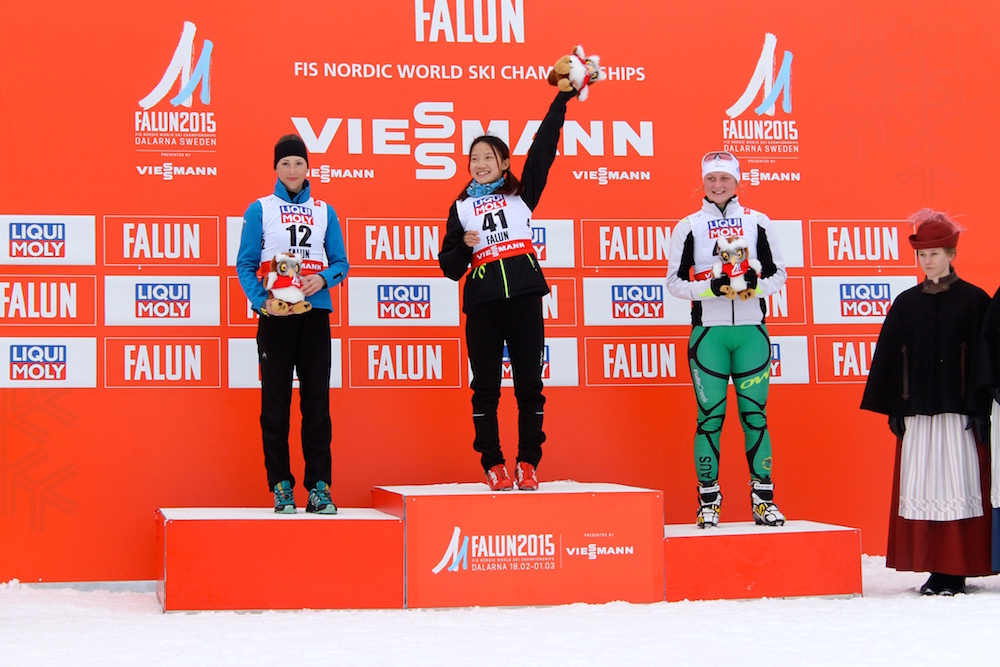
    Seventeen-year-old Chi Chunxue celebrates her qualifying win on Wednesday in the women's 10 k freestyle, which advanced her along with the top 10 to the remaining distance races at 2015 FIS Nordic World Ski Championships in Falun, Sweden.Bosnia and Herzegovina's Tanja Karisk placed second (+49.3) and Australia's Casey Wright was third (+1:07.5).
    Seventeen-year-old Chi Chunxue (c) celebrates her qualifying win on Wednesday in the women’s 10 k freestyle, which advanced her along with the top 10 to the remaining distance races at 2015 FIS Nordic World Ski Championships in Falun, Sweden. Bosnia and Herzegovina’s Tanja Karisk (l) placed second (+49.3) and Australia’s Casey Wright was third (+1:07.5).

    By Colin Abbott

    FasterSkier’s coverage of the 2015 FIS Nordic World Ski Championships in Falun, Sweden, is brought to you by the generous support of L.L. Bean, now featuring a complete line of Kikkan Randall training wear.

    FALUN, Sweden — The buzz is building at the 2015 FIS Nordic World Ski Championships with the completion of the first races in Falun. Wednesday saw the individual-start distance qualification races take place with 45 women and 69 men and women skiing 5 kilometers and 10 k, respectively.

    These initial races did not crown world champions, but they have another purpose that is just as important to the athletes racing. These races offer the opportunity for skiers that have not in the past year made the minimum International Ski Federation (FIS) point standard for men (90 points) and women (120 points). The top-10 men and women in these races qualify for the remaining distance races at World Championships (the skiathlon, individual start and mass start).

    Athletes selected with these races are part of a nations quota of starts. Most countries with a regular presence on the World Cup have athletes with low FIS points and select teams long before the start of the World Championships. This leads to lesser-known ski nations concentrating on these races as an opportunity for athletes to qualify and participate in World Championships.

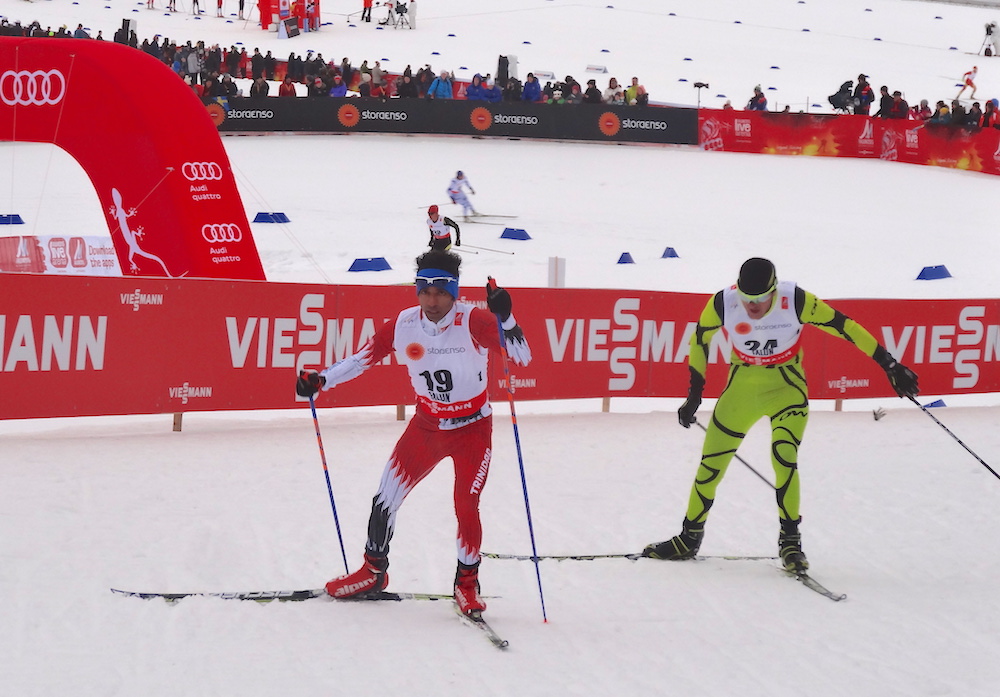
    Mark Rajak racing for Trinidad and Tobago in Wednesday's 10 k freestyle individual start qualification race on the first day of 2015 World Championships in Falun, Sweden.
    Mark Rajak (19) racing for Trinidad and Tobago in Wednesday’s 10 k freestyle individual start qualification race on the first day of 2015 World Championships in Falun, Sweden.

    After the races on Wednesday, FasterSkier caught up with skiers hailing from countries where many citizens will never see snow. Trinidad and Tobago, Iran, Australia, and Brazil offered us a glimpse into the role of skiing in their nations.

    The Australian ski program has grown into a World Championships team that includes 11 athletes and six support staff. Central to their success as a nation is a development program termed the “Victorian squad” — an inclusive, tiered learn-to-ski program focused on teaching children how to ski and supporting athletes who want to race. Those young racers have athletes such as Callum Watson and PK Kovacs to look up to now which, according to 22-year-old skier Mark Pollock, is key to motivating and developing high-performance skiers.

    At a certain point, the lack of snow makes it difficult to progress as an athlete in Australia. Their best skiers are seeking out options to continue skiing in other places. Last summer, Pollock trained with the Bridger Ski Foundation in Bozeman, Mont., while his teammate Jessica Yeaton trained with Alaska Pacific University in Anchorage, Alaska. These training initiatives taken by Australian athletes have allowed them to improve their depth and competitiveness internationally, with Yeaton qualifying for the nation’s full-fledged World Championships team outright.

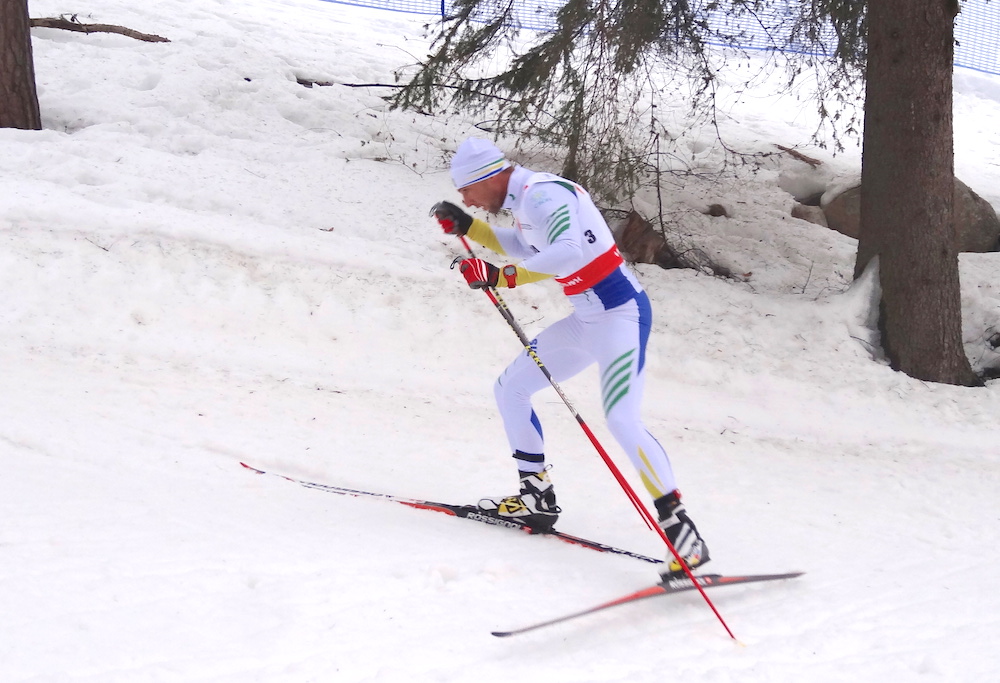
    Fabrizio Bourguignon racing for Brazil  in Wednesday's 10 k freestyle individual start qualification race on the first day of 2015 World Championships in Falun, Sweden.
    Fabrizio Bourguignon racing for Brazil in Wednesday’s 10 k freestyle individual start qualification race on the first day of 2015 World Championships in Falun, Sweden.

    Brazil was represented by three national team members on Wednesday: one woman, Mirlene Picin, and two men. Leandro Lutz, 33, and Fabrizio Bourguignon, 38, have both been skiing for a number of years. Like Yeaton and Pollock, Lutz decided that in order to optimize his training, an on-snow location was necessary for part of the year. Lutz chose to spend the first half of this winter in Denver, Colo., to train on snow in order to prep for three months of racing in Europe. And like Australia, Brazil is experiencing a growth in the popularity in skiing. According to Lutz, there are seven Brazilian junior racers currently in Europe — three racing the IBU Youth/Junior World Championships in Belarus and the remainder racing FIS junior races in Scandinavia.

    Racing the sprint on Thursday is another Brazilian, Leandro Rubella. Two years ago, Rubella started a social project in Sao Paulo to help children from impoverished families escape violence and poverty and establish the skills needed to live a good life. This project took the unlikely form of a learn-to-rollerski program. A key message of this initiative is that “anything is possible.” The hope is that a citizen from a country with no snow can make it to the Nordic World Championships, a child born into poor circumstances will see that it is possible to overcome the most difficult challenges.

    The birth of a similar program may soon occur in another tropical country, Trinidad and Tobago. Mark Rajack, 33, toed the start line Wednesday afternoon in Falun to compete for the Caribbean island nation in his first international race. Even though Rajack, who has lived in Ottawa, Ontario, since a young age, has only been skiing for two years, he sees the potential for skiing to bring positive changes to his native country.

    Rajack sees benefits similar to those envisioned by Rubella in Brazil. In addition to teaching important life skills, Rajack sees a rollerski program as a way to teach citizens a skill that would allow immigrants from Trinidad and Tobago to easily integrate with societies in the Northern Hemisphere, should they choose to leave their country. This vision originated with the positive experience Rajack has had with the ski community in Ottawa.

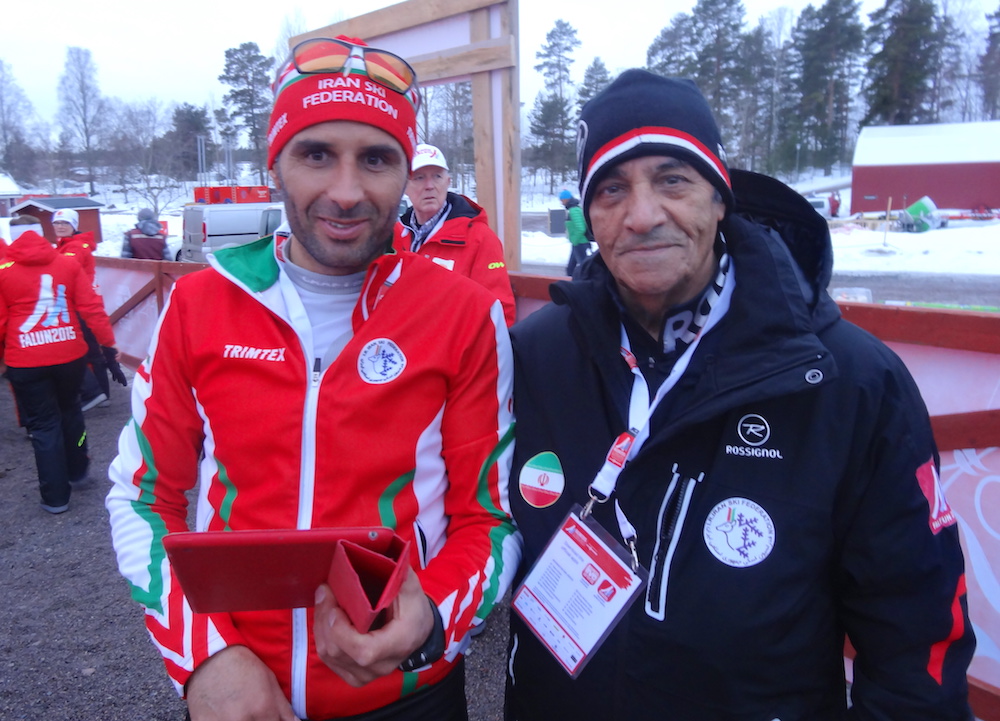
    Seyed Sattar Seyd of Iran (l) with his coach after the men's 10 k freestyle individual start qualification race on the first day of 2015 World Championships in Falun, Sweden.
    Seyed Sattar Seyd of Iran (l) with his coach after the men’s 10 k freestyle individual start qualification race on the first day of 2015 World Championships in Falun, Sweden. He placed eighth to qualify for the remaining distance races at the championships.

    Seyed Sattar Seyd posted one of the best Iranian cross-country skiing results ever on Wednesday after finishing eighth in the men’s qualifying race. Seyed, 27, is an experienced racer, having competed in both the 2010 and 2014 Winter Olympics.

    Iran now has a FIS-homologated race site at Knoor, approximately 60 k outside its capital of Tehran. Much of the training done by Iranian athletes happens within the borders of Iran and it appears that the current government will assist in keeping it that way. The addition of a biathlon range is planned for the Knoor facility in the near future and the Iranian contingent here in Falun sees a bright future for the sport.

    Below are the top-10 competitors that qualified for the remaining distance races at 2015 World Championships. Those who did not qualify have the opportunity to race Thursday’s 1.4-kilometer classic sprint qualifier.

    OFFICIAL RESULTS 

    Women’s 5 k freestyle

    1. CHI Chunxue 1998 CHN 13:33.8
    2. KARISIK Tanja 1991 BIH +49.3
    3. WRIGHT Casey 1994 AUS +1:07.5
    4. TRNKA Anna 1994 AUS +1:07.8
    5. MUIZHNIECE Anda 1991 LAT +1:09.7
    6. PASHKOVSKA Inga 1992 LAT +1:37.3
    7. PAPP Ildiko 1982 HUN +1:39.1
    8. KIROSKA Rosana 1991 MKD +1:44.9
    9. KLAUZA Laima 1969 LAT +1:47.0
    10. GALSTYAN Katya 1993 ARM +1:49.2

    Complete women’s results

    Men’s 10 k freestyle

    1. BELOMAZHEV Stanimir 1988 BUL 23:56.8
    2. PLAKALOVIC Mladen 1991 BIH +16.6
    3. KONYA Adam 1992 HUN +31.4
    4. HULGAARD Lasse 1991 DAN +47.6
    5. SLOTINS Roberts 1991 LAT +54.5
    6. SMRKOVIC Rejhan 1991 SRB +57.8
    7. PAIPALS Janis 1983 LAT +1:05.1
    8. SEYD Seyed Sattar 1987 IRA +1:11.4
    9. HADZIFEJZOVIC Dzevad 1991 SRB +1:23.3
    10. ANGELIS Apostolos 1993 GRE +1:30.9

    Complete men’s results

    About the Author: Colin Abbott hails from the Yukon Territory where he learned to ski and race from a young age. Years later his life mostly revolves around skiing. At the moment, Colin is racing for the Yukon Elite Squad and the Carleton Ravens university team. He sits on the board of directors for Cross Country Canada and is involved in the education and womens committees there. He has also started writing ski-related articles for XCOttawa and FasterSkier and for the next week is supporting the Trinidad and Tobago team at FIS Nordic World Ski Championships.

  • After Turbulent Summer, BSF Rebounds with New Focus

    After Turbulent Summer, BSF Rebounds with New Focus

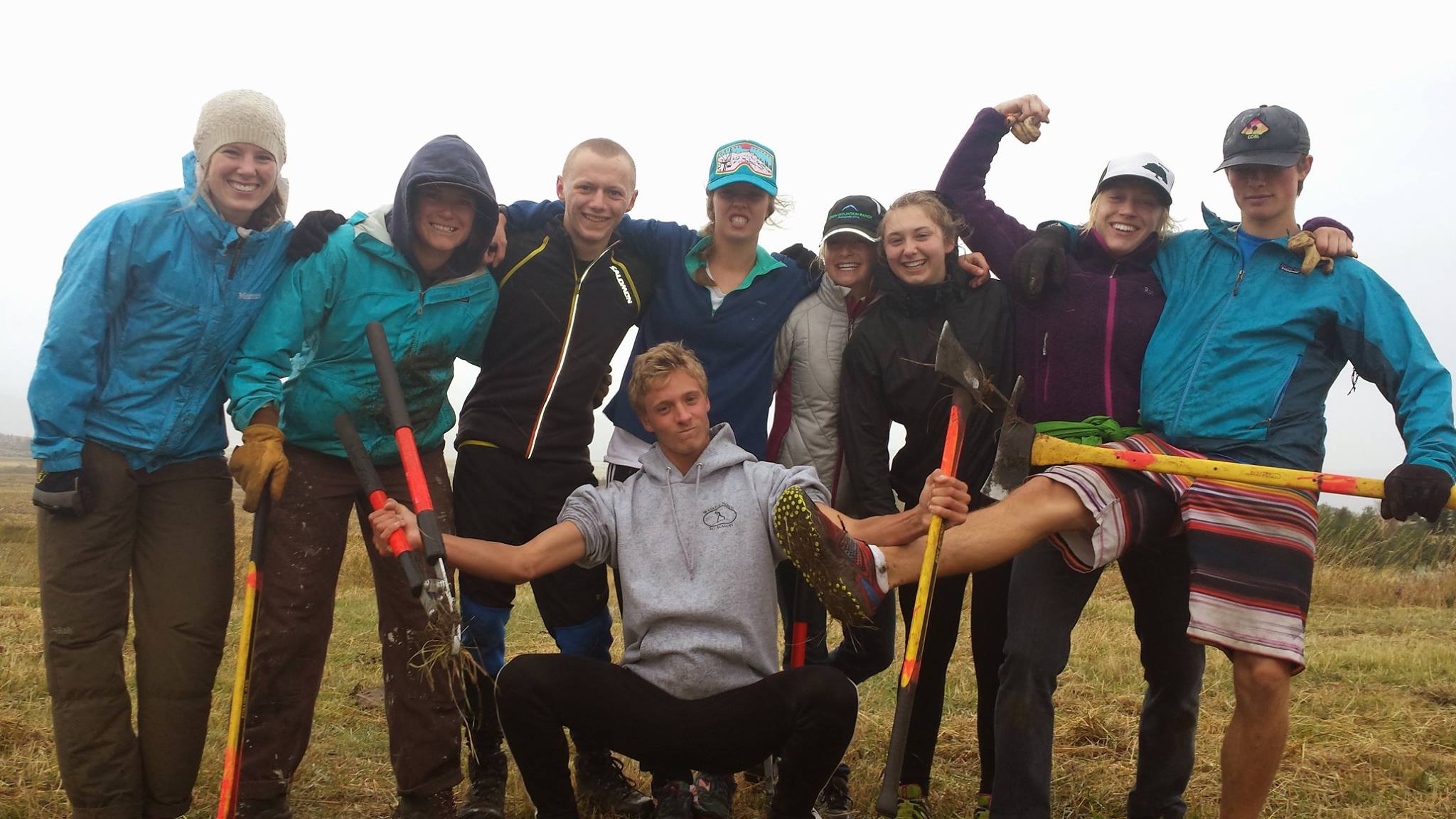
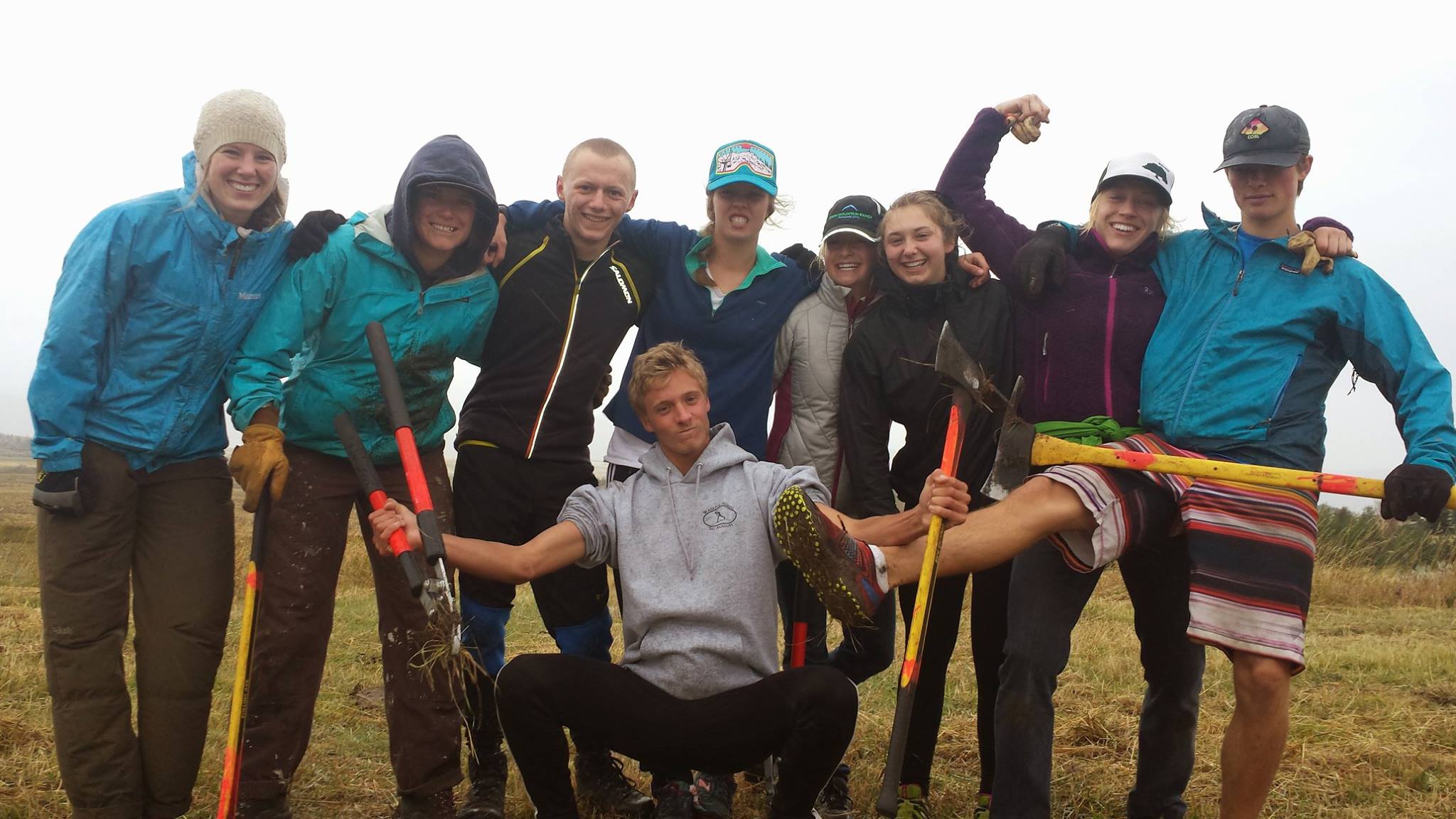
    Members of the Bridger Ski Foundation elite and postgraduate perform trail maintenance at Bozeman's Lindley Park in September. (Photo: Bridger Ski Foundation)
    Members of the Bridger Ski Foundation elite and postgraduate perform trail maintenance at Bozeman’s Lindley Park in September. (Photo: Bridger Ski Foundation)

    The future of the Bridger Ski Foundation (BSF) elite and postgraduate team was a bit uncertain in July.

    Shortly after coming on as BSF’s new elite-and-postgrad coach in May, alumna and Bozeman, Mont., native Kristina Trygstad-Saari left her position to lead the Montana State University (MSU) nordic team.

    To make matters worse, soon-to-be BSF athletes Sam Tarling and Eric Wolcott decided to retire from skiing, leaving just two elite skiers, Jennie Bender and Riley Eusden, on the team.

    Today, however, the woes of the summer are behind BSF as it says its team is stronger than it has been in years. In a remarkable turn of events, the elite and postgraduate team now boasts 14 high-level athletes led by Truckee-native Bernie Nelson.

    Rebuilding the Team

    Dragan Danevski, the Bridger Ski Foundation head coach and program director. (Photo: Bridger Ski Foundation)
    Dragan Danevski, the Bridger Ski Foundation head coach and program director. (Photo: Bridger Ski Foundation)

    According to BSF Head Coach Dragan Danevski, the summer months were trying for the team’s skiers and coaches due to the uncertainty of the program. However, Danevski and his colleagues worked tirelessly to build the team from the bottom-up.

    “It was not good for BSF’s image in the summer,” Danevski said in a phone interview. “Many of us were not happy with how that developed. It was disappointing for us.”

    According to Danevski, the first step in rebuilding the team was hiring a coach.

    Nelson, who served as assistant coach to Grethe Hagensen and Chad Andersen at MSU, was exactly what Danevski was looking for: she had extensive knowledge of the sport, experience racing, and energy.

    “This is not a job for everybody. Everyday you have to work with athletes, you have to energize them, and you have to motivate them,” he said. “You can do that only if you as a coach are energetic and enthusiastic. That is what we see with Bernie.”

    Once Danevski hired Nelson, he was faced with the daunting task of completing the team roster.

    With persistence and good luck, Danevski recruited 10 incoming and current MSU students to join the postgraduate program.

    Nelson was also instrumental in building the the team’s numbers. Given her experience as a college athlete from her days at MSU, the 23 year old could relate to university students as they balanced school and skiing.

    With the postgraduate team squared away, all that remained was the addition of more elite skiers to the team.

    American skiers had already been with their respective teams since the beginning of the summer, but fortunately for Danevski and BSF, two foreign skiers were looking for an American team to join.

    Bernadette Nelson joined BSF as its post graduate and elite coach in September after Kristina Trygstad Sarri left the position in June. (Photo: LinkedIn)
    Bernadette Nelson joined BSF as its elite and postgraduate coach in September after Kristina Trygstad Sarri left the position in June. (Photo: LinkedIn)

    Australian Paul Kovacs contacted Danevski this spring about the possibility of training with the BSF elite team. Always open to new energy, Danevski remained in touch with the Australian and accepted him on his squad. After hearing about the opportunity from Kovacs, another Australian skier, Mark Pollock jumped at the chance to train in Montana and worked to earn a spot on the team as well.

    Both Kovacs and Pollock raced in the FIS Australia New Zealand Cup this summer, and now that the Australian winter is over, the two will travel to Bozeman in the coming weeks to begin their training and racing with the team.

    Reflecting on the changes to his team, Danevski said he was pleased with the progress and happy that the program was able to recover from a tumultuous summer.

    Bender, who spent part of August and September in the east, said that she didn’t recognize the team when she returned to Bozeman.

    “When I left for the Lake Placid [training camp] there were three athletes,” she said. “When I came back there were 14 new people and a new coach. Now that we have this big group, there’s been great a vibe.”

    Team Veteran: Bender 

    The women's 1.5 k freestyle sprint podium, with winning Jennie Bender (c) of the Bridger Ski Foundation, Caitlin Gregg (l) of Team Gregg/Madshus in second, and Rosie Brennan (APU) in third. (Photo: Tom Kelly/USSA)
    The women’s 1.5 k freestyle sprint podium at the 2014 U.S. Cross Country Championships , with Jennie Bender (c) of the Bridger Ski Foundation, Caitlin Gregg (l) of Team Gregg/Madshus in second, and Rosie Brennan (APU) in third. (Photo: Tom Kelly/USSA)

    At the center of the BSF elite team, Bender has seen it all. In the past two years, she’s had ranging results spanning from the top of the podium to the back of the pack.

    Since she began skiing with BSF last season, the Vermont-native earned her second national title in January. At the same time, however, she failed to accomplish her goal of making the 2014 Olympics and struggled to find her form in last March at the World Cups in Finland and Norway.

    Bender said that a major factor in her inconsistent results over the past two years was her health. In addition to a case of mono and Lyme disease in 2012, Bender suffered a herniated disk in 2013. Due to fatigue and pain, her training and racing suffered.

    “The last two years have been a physical struggle and a mental struggle,” Bender on the phone. “Having a couple good races at nationals was huge. … I didn’t go out and accomplish what I was hoping to do with my World Cup starts, but having those starts was important for me and I’m hoping to have more because I’m ready for that next stage. I feel that there is more that I can give.”

    Despite the impediments of the the last two years, Bender said she believes the 2014/2015 season will be her best yet. With her health intact and little-to-no pain in her back, she said she recently finished her most consistent-and-productive summer training to date.

    She also has a new outlook on life and skiing. Bender said she learned important aspects about herself from the past ups and downs, and that such lessons will aid her in her search for top results.

    “Tenacity became really important. I’ve had my lowest of the lows and my highest of the highs all in one year with being at my wits end and then being on top of the podium,” she explained. “Being thrown into different those two different spectrums, I’ve learned to maintain a solid head and realize what’s important and what’s not important in life. I think it’s been a good lesson on how to stay positive and not dwell on the negative.”

    As the winter approaches, Bender said that she is excited to demonstrate the hard work she has put into her training over the past months. Her season goals are lofty – a spot on the 2015 U.S. World Championships team – but not out of reach.

    A Team of Potential

    Bender’s teammates are also aiming high.

    According to Danevski, Kovacs hopes to compete for the Australian World Championships team in Sweden this February, while Pollock’s main goal is to race at the U23 World Championships in Kazakhstan.

    Three of the nine postgraduate skiers are training to compete at Junior World Championships, while the rest of the squad is looking to prequalify for Junior Nationals by ranking as top-20 juniors at U.S. nationals in January in Houghton, Mich.

    While the team will have the opportunity to accomplish their goals in a few short months, the way BSF sees it, it’s already won half the battle, rebuilding from what many would call a devastating summer.

    “I think BSF has potential to be a very solid elite team,” Bender said. “Everyone on the team is in a really good space. Everyone is working hard and it’s great.”