Tag: mark vosburgh

  • Small Montana Town Working to Create a Big Nordic Ski Vision

    Small Montana Town Working to Create a Big Nordic Ski Vision

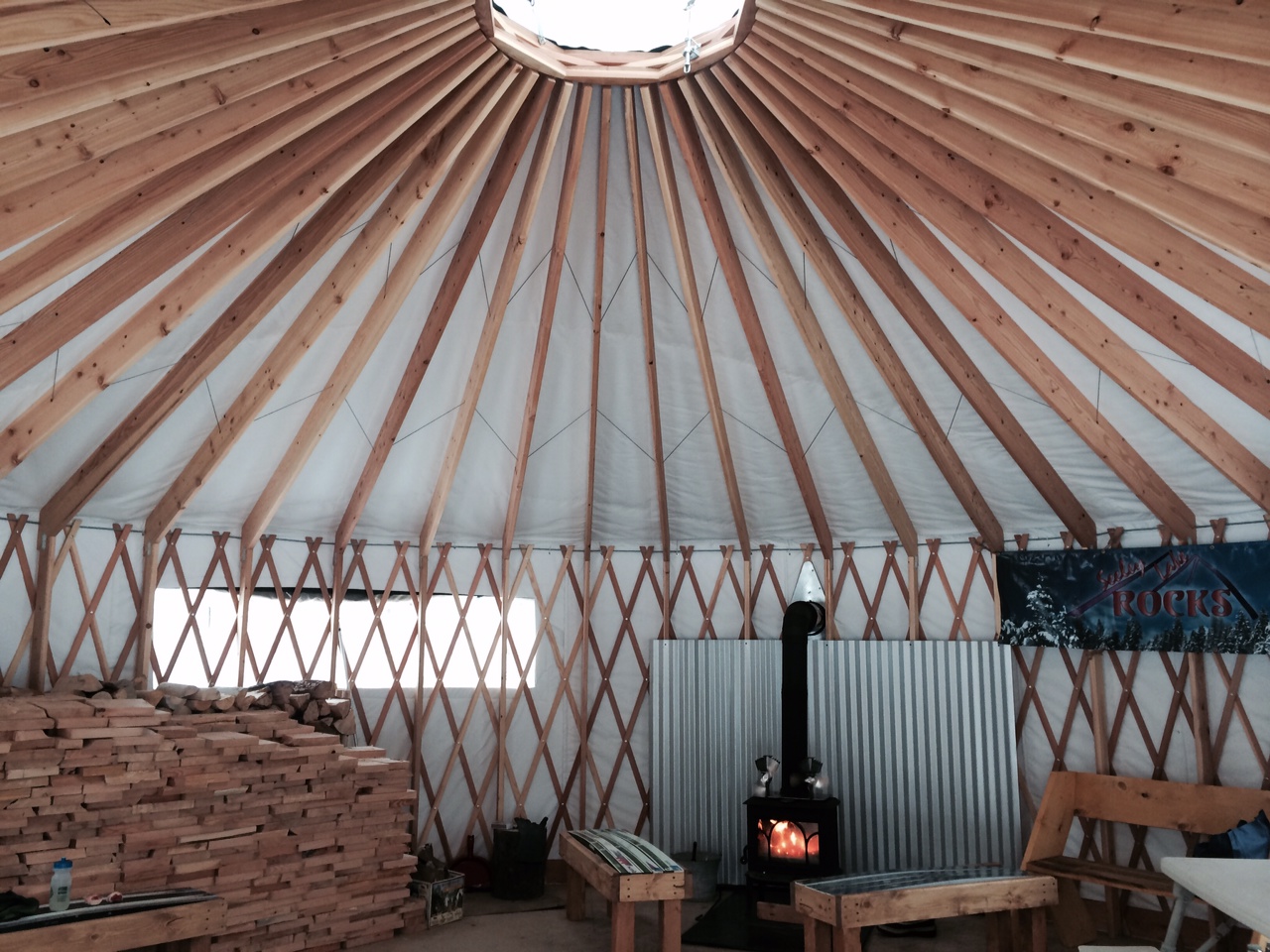
    Inside the Seeley Lake ROCKS new warming yurt in Seeley Lake, Mont.
    Inside the Seeley Lake ROCKS new warming yurt in Seeley Lake, Mont.

    SEELEY LAKE, Mont. — Inspired by the birth of the Maine Winter Sports Center, a group of Seeley Lake (population 1,659) residents formed the Seeley Lake Regional Outdoor Center for Kinetic Sports (ROCKS).

    That was in 2010.

    In the spring of 2015, ROCKS will file an application for a Special Use Permit with the United States Forest Service (USFS) to build a new Seeley Lake nordic-ski venue, which is “intentionally being designed to international race-ready specs, fully homologated, with both the skier and spectator in mind,” according to ROCKS President Chris Lorentz.
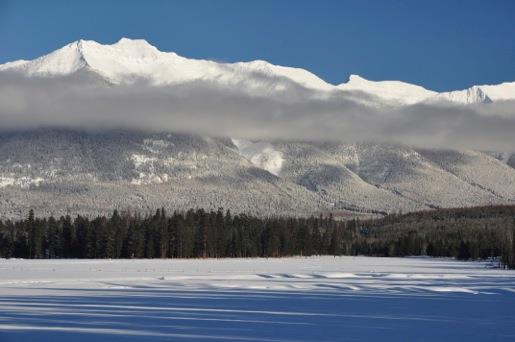
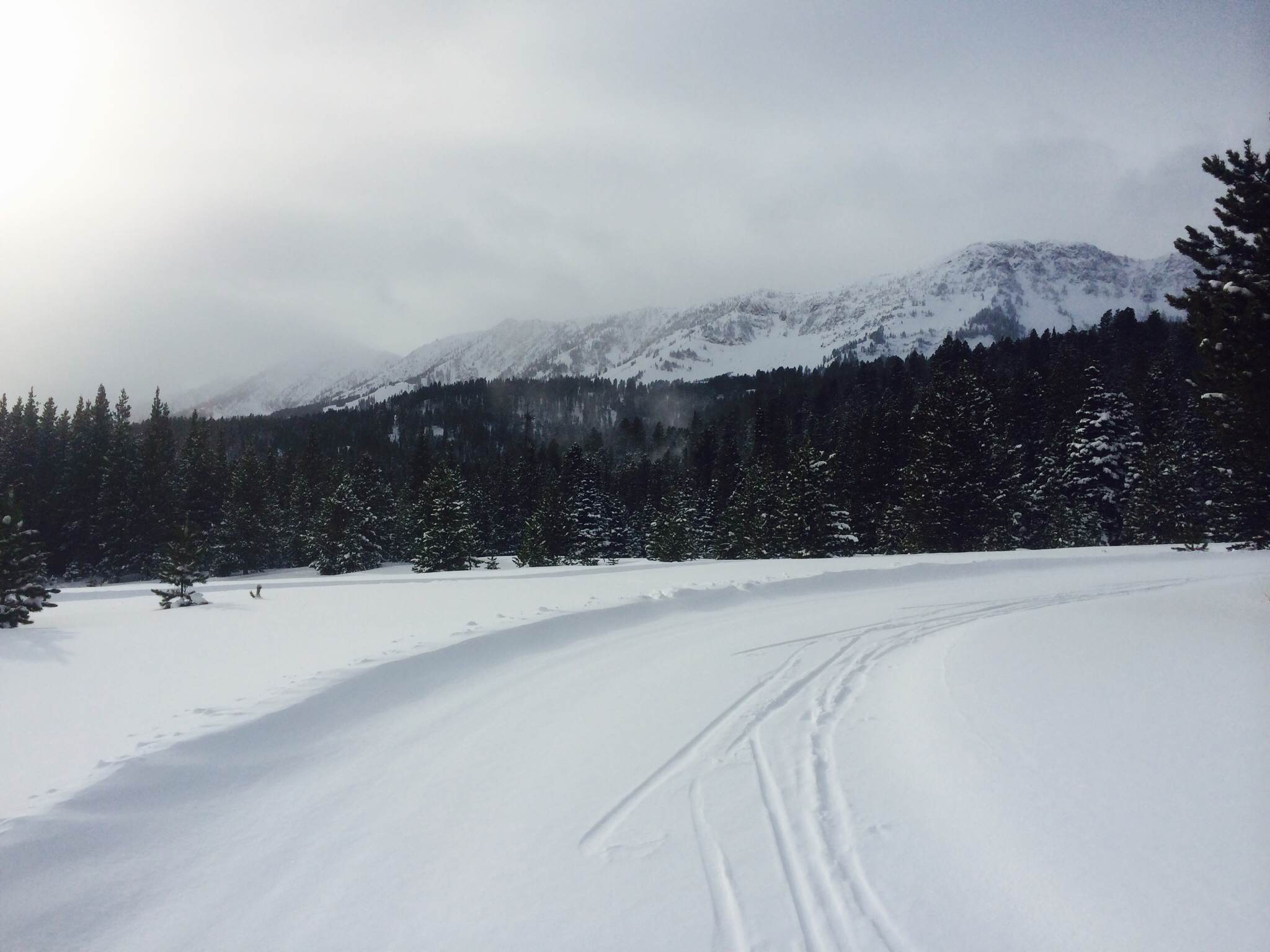
    Swan Range forms the backdrop for the Seeley Lake ski trails. (Photo: Seeley Lake Nordic)
    Swan Range forms the backdrop for the Seeley Lake ski trails. (Photo: Seeley Lake Nordic)

    Lorentz said the Forest Service will review the permit application, perform an environmental analysis (including a mandatory 90 day public input period) and provide a decision by October 1, 2016.

    “We believe the (process) will result in a positive decision notice,”  Lorenz said.

    ROCKS hired John Morton, owner of Morton Trails, to provide both a feasibility study (2011) and course design (2012) for the new Seeley Lake venue. According to a report issued by Morton Trails to the USFS, Morton states that efforts have “resulted in a workable concept for what offers to be a nationally, and even internationally, recognized cross country skiing venue … suitable for hosting Continental Cup races such as US Junior Olympics, US Nationals, North American races [i.e. Super Tour], as well as regional races where participants can be awarded FIS points for international ranking.”

    Morton’s design would meet specifications for D-category homologation, making Seeley Lake one of six venues certified to this level in the United States. A D-certification allows a venue to host all events, including mass-start freestyle races. The only event requiring a designation beyond a D category is the skiathlon, which requires two separate courses (used concurrently).  Soldier Hollow in Midway, Utah, is the only course in the US which currently has this designation.

    To provide Seeley Lake with an advantage in bidding for major events and training camps, and to keep the door open for a possible World Cup event bid, Morton designed the course to “comply to a World Cup standard – which will make this venue truly representative of courses hosting the most elite competitions.”  The most recent FIS Homologation Manual would have allowed for certification with a 25-meter climb; however, Morton chose to exceed this standard and comply with the World Cup’s 30-meter requirement.
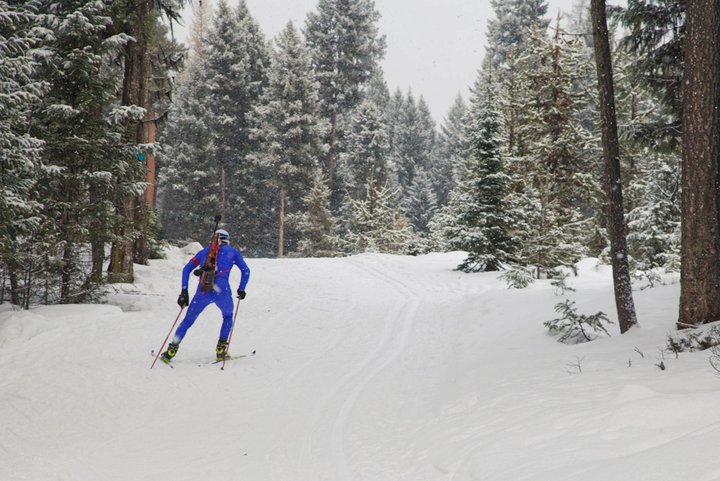
    In January, Seeley Lake hosted its 8th annual biathlon, with 115 racers participating in three events. (Photo: Seeley Lake Nordic)
    In January, Seeley Lake hosted its 8th annual biathlon, with 115 racers participating in three events. (Photo: Seeley Lake Nordic)

    Morton’s design includes a 15-point biathlon range and identifies a location for a 30-point range (meeting the IBU World Cup requirements) that could be installed with some additional construction. The course design for the five-kilometer loop is “spectator friendly” allowing  spectators to view competitors five to seven total times, or 10 to 14 times for a 10 k race.

    While USFS permit approval, new venue construction, and hosting of events at the new venue are years in the future, Seeley Lake, is not waiting for course completion to continue taking steps forward.  Recent ROCKS activities have clearly energized the town which has a long standing nordic ski racing tradition.

    The town’s existing nordic ski trails at Seeley Creek have seen an upsurge in use following the installation of a new yurt (installed by Seeley Lake ROCKS) at the trailhead.

    “The yurt is way more popular than we expected,” Lynn Carey of the Seeley Lake Nordic Ski Club said. “Our metal ranger now takes in more money than any other ranger in the state.”
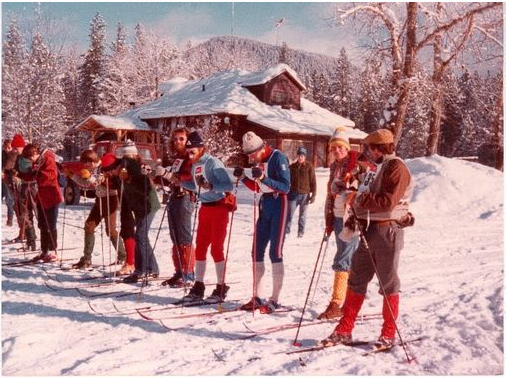
    Seeley Lake, Montana, has a long history of ski racing.  This is a photo of the start 1983 OSCR race. (Courtesy Seeley Lake Pathfinder)
    Seeley Lake, Montana, has a long history of ski racing. This is a photo of the start 1983 OSCR race. (Courtesy Seeley Lake Pathfinder)

    ROCKS founder Karen Pratt notes, “The idea is that you need a culture shift to bring in an elite race [to Seeley Lake] and get enough interest in town to support it.  An international race is a lot of work!”

    The ROCKS plan seems to be working.

    “There has already been a big culture shift in Seeley,” Pratt said. The Seeley school system started a ski program where any student above the 3rd grade can access free skis, transportation and ski instruction. Twenty students have caught the ski bug and joined the school’s newly formed nordic ski racing team.

    According to Pratt, many local parents are learning to ski as a result of the new youth programs.  She is convinced that the increased activity is improving community health.  “It’s not a good thing when the people in Seeley don’t get out of the house in the winter,” she said.
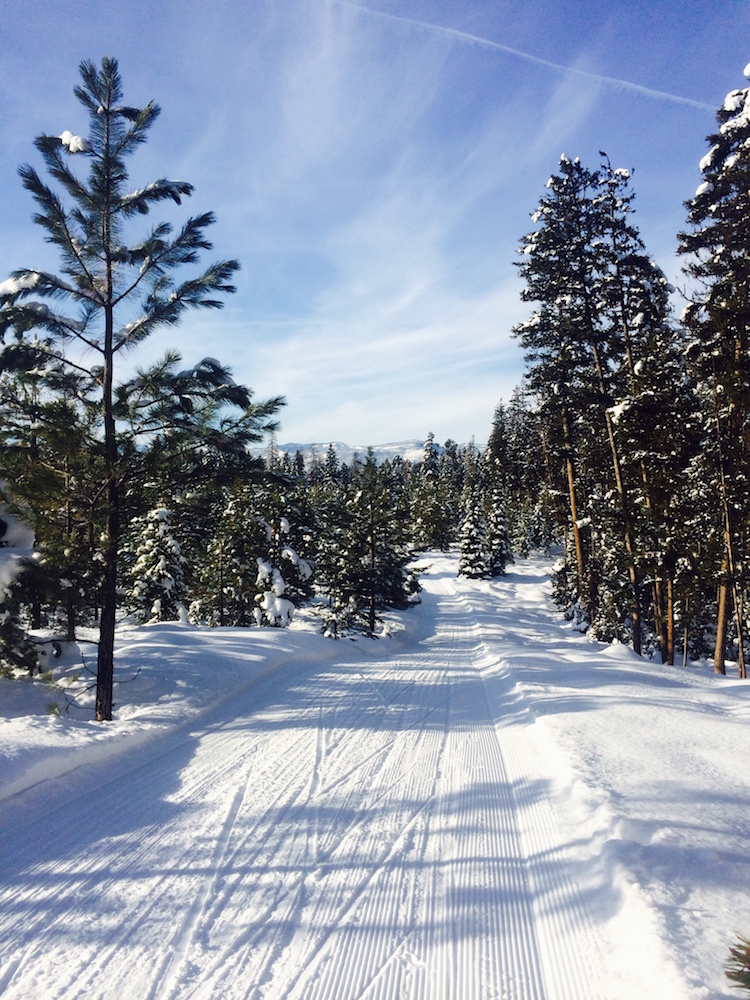
    Seeley Lake's existing ski trails at Seeley Creek. (Photo: Mark Vosburgh)
    Seeley Lake’s existing ski trails at Seeley Creek. (Photo: Mark Vosburgh)

    Grooming the 23-kilometer Seeley Creek trail system is now conducted daily, and several trails that had been abandoned or rarely groomed have been re-opened.  The rolling trail system, designed by Olympian Jon Elliott, is seeing a resurgence in use and the trails are receiving rave reviews from regional skiers.  The eighth-annual Seeley Lake biathlon had 115 entrants this year, nearly double last year’s count, according to race director Cheri Thompson.

    Once the new trails at Fawn Creek are open, ROCKS organizers hope that overnight visits and resulting economic benefits to Seeley Lake will increase with skiers spending two days in the  Seeley Lake area in order to ski both trail networks.

    Pratt credits generous donations from the late Peter Hale and his estate for supporting the Seeley Lake ski program with skis, waxing supplies and equipment. Hale’s connection to Seeley and his passion for skiing is in part responsible for at least one concrete example of increased economic activity sought by ROCKS.
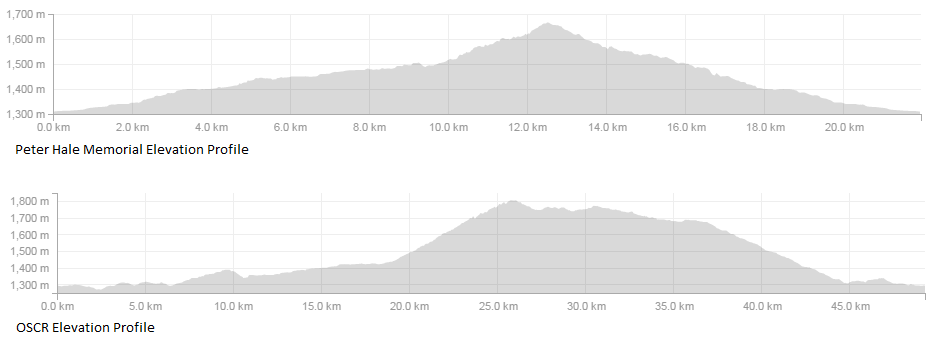
    Elevation profiles for Seeley Lake's signature nordic ski races, the Peter Hale Memorial and OSCR.
    Elevation profiles for Seeley Lake’s signature nordic ski races, the Peter Hale Memorial and OSCR.

    In 2012, Mike and Cathy Kahnle opened Seeley’s first bike-and-ski shop, Rocky Mountain Adventure Gear. Describing how he came to a decision to start the business, Mike said, “ROCKS was happening … Peter Hale contacted me prior to putting this business together and just filled my ear… It was pretty evident his love for skiing was overwhelming.

    “Peter basically talked me into running Madshus skis in a shop that didn’t exist,” he continued. “You couldn’t have a conversation with him without feeling better about yourself and life in general.”

    A passionate endurance athlete, Kahnle was also attracted to Seeley by its reputation for challenging endurance events like the Over Seeley’s Creeks and Ridges (OSCR, pronounced “Oscar”) 50 k ski race.

    Describing the race, Kahnle said, “No matter what level athlete you are, you are going to have the opportunity to push yourself to find the limits of what you’ve got.” Referring to the nearly 800 meters of elevation gain in OSCR, he added, “If you want an easy race, go somewhere flat because we are not going to have it for you here.”

    Carey, OSCR race director since 1991, agreed: “OSCR [founded in 1981] is a damn-tough race. It always has been, and we are proud of it … really it’s an adventure more than a race.”
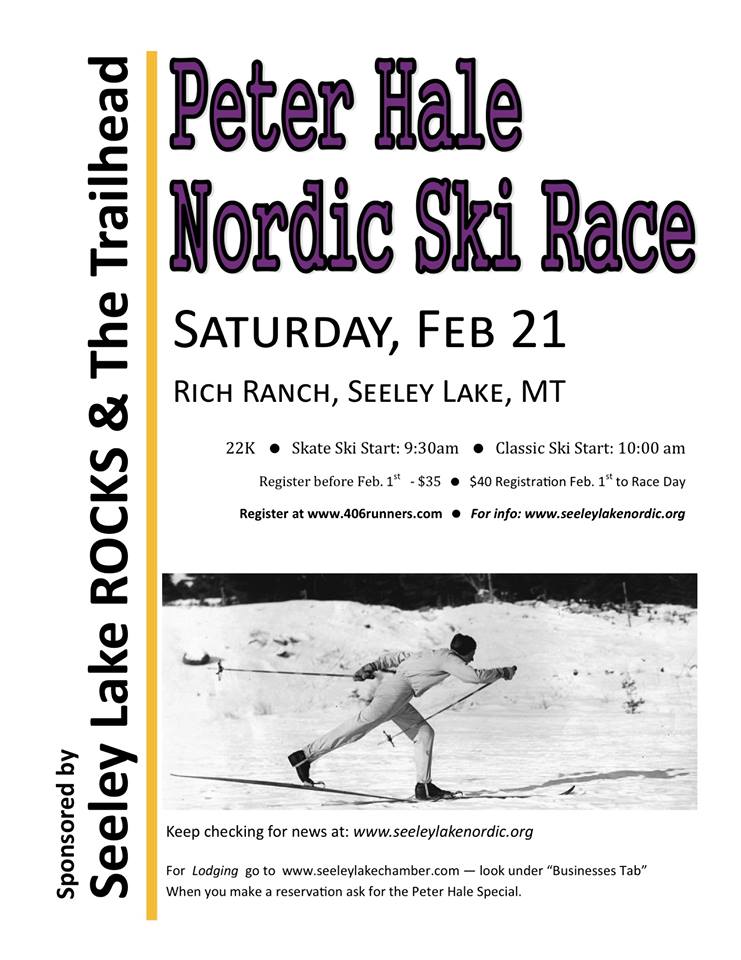
    Peter Hale 2015 Race Poster
    The second Peter Hale Nordic Ski Race will be held Saturday, Feb. 21, in Seeley Lake, Mont.

    ROCKS will hold the Second Annual Peter Hale Memorial 22 k Ski Race on February 21, 2015.  With an elevation gain of nearly 400 meters, the race is not easy.  In honor of Hale’s love of classic skiing, both classic and freestyle races are offered.  Inaugural race feedback (in spite of frigid temperatures) was positive with about half of the participants choosing the classic event.  Pratt anticipates that the race entry will need to be capped after this year’s event due to capacity limitation of the venue.

    With momentum building in Seeley Lake, the ROCKS vision for a national and international caliber ski venue is moving forward.  “The focus is on the new course right now because it has to be,” Pratt said.

    While not everyone in Seeley Lake is optimistic about the outcome of the ROCKS effort, Pratt stated, “If we did have a venue that brought in a week’s worth of high-end racers, it would mean us [in Seeley Lake] having a larger number of people who would have a larger vision about what is possible.”
  • Common Training Mistakes: Exposed at West Yellowstone!

    Common Training Mistakes: Exposed at West Yellowstone!

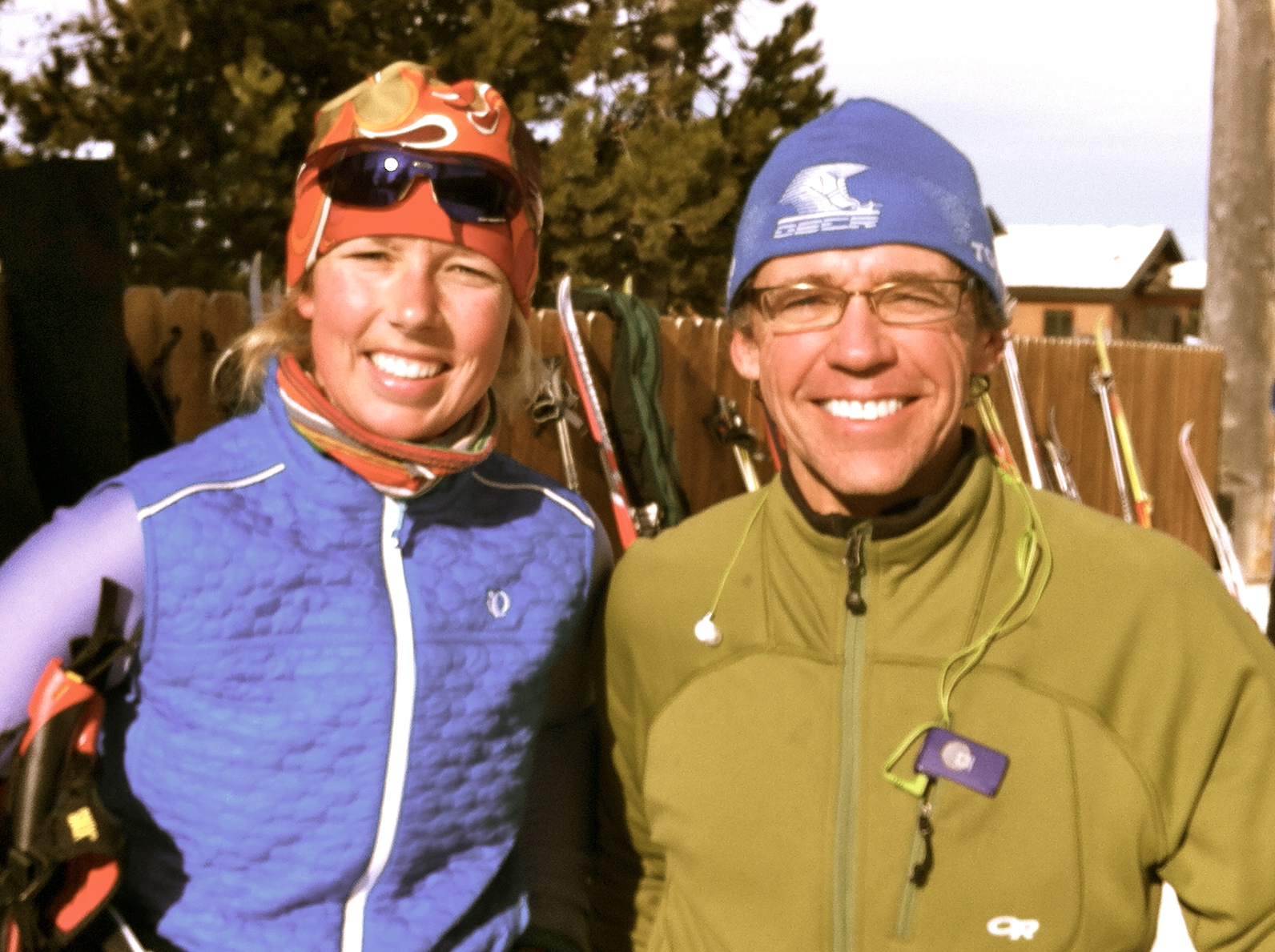
    From left to right: Alex Matthews, Managing Editor, and Mark Vosburgh, Para Nordic Contributor, in West Yellowstone, Mont.  "Let the races begin!"
    FasterSkier contributor Mark Vosburgh (r) with editor Alex Kochon last Thanksgiving 2013 in West Yellowstone, Mont.
    I have been following the Central Ski Association’s CXC Academy training program since last January, so when I traveled to the Yellowstone Ski Festival this Thanksgiving, I was eager to see how my preparations would translate to skiing on snow.In my enthusiasm, I skied long and hard from day one, eagerly testing my limits.  As with past years at West, I was utterly exhausted at the end of each day and pretty much toast by the end of the week.  Additionally, I believed my high-intensity early season training would be the winning formula for improving my racing results this season.
    Early season skiing at the 2014 West Yellowstone Ski Festival as pictured on Nov. 24. (Photo: Lander Karath)
    Early season skiing at the 2014 West Yellowstone Ski Festival as pictured on Nov. 24. (Photo: Lander Karath)

    Then, on my last night at the festival, I attended Scott Johnston’s lecture: Capacity Training vs. Utilization Training; making an informed decision. As I listened, my confidence in my training approach was shaken.

    Johnston, coach of the Methow Olympic Development Program, climber and former U.S. Ski Team member, said that he has seen many athletes whose training habits result in a phenomena called Aerobic Deficiency Syndrome (ADS). With ADS, athletes are forced to rely on inefficient high-intensity anaerobic energy pathways for even slow paced workouts.

    In the lecture, Johnson looked out at the conference room full of fit, dedicated skiers and said he guessed that many, and possibly most of the attendees fit into this category.

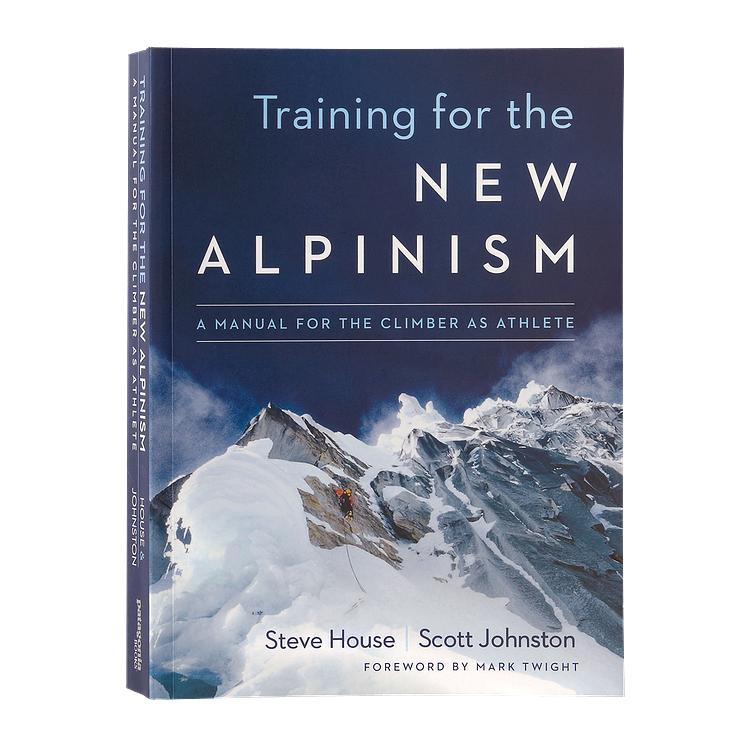
    Intrigued, I followed up the lecture by reading Johnston’s book,Training for the New Alpinism: a Manual for the Climber as Athlete,” co-authored with mountaineer Steve House.  In the book, Johnston goes into detail on the importance of proper aerobic training.Starting with the familiar concept of training zones, Johnston points out that the vast bulk of training, for athletes at all levels, should be done in Zone 1 (below the aerobic threshold).  He states, “The better developed the aerobic base, the faster you can move for extended periods.”

    “The better developed the aerobic base, the faster you can move for extended periods.” — Scott Johnston, Methow Olympic Development Program head coach

    He points out that even world-class endurance (defined as efforts lasting around two minutes or longer) athletes, including 800-meter runners, excel by developing a huge aerobic base before adding the high-intensity work needed to peak for competition.
    "Training for the New Alpinism: a Manual for the Climber as Athlete" by Scott Johnston and Steve House
    “Training for the New Alpinism: a Manual for the Climber as Athlete” by Scott Johnston and Steve House
    Johnston goes on to explain the mistake that I (and apparently many others) make.  For many of us, our Zone 1 workouts are mistakenly performed at intensities too high to give us the aerobic system benefits that are intended.”Harder is not better when it comes to development of your aerobic threshold,” he stresses.Johnston says that part of the problem is that Zone 1 aerobic training may feel too easy and too slow to be beneficial, a problem that worsens as we do more and more high-intensity training.   Without physiological testing to identify our aerobic threshold, we are left with a variety of methods including perceived exertion to heart-rate monitoring to gauge our intensity. In the real world, many of us overestimate the effort required to effectively train our aerobic energy systems.  As a result, our aerobic capacity can actually decrease.

    The symptoms of improperly training our aerobic base include not being able to ski without breathing hard, and prematurely tapping into our high-powered, but short-lived anaerobic energy reserves.Johnston points out that “long slow distance” aerobic training is better described as “long easy distance” training.  As our aerobic base develops, we should be able to ski faster and faster on our long distance days while not losing the feeling of “easy” effort.

    Scott Johnston (r) with Olympian Torin Koos in 2010. (Courtesy photo)
    Scott Johnston (r) with Olympian Torin Koos in 2010. (Courtesy photo)

    Another symptom of improper aerobic training was what I experienced at West Yellowstone.  Since I trained too hard on my long easy days and warm-ups, I was simply too tired to effectively train during my harder Zone 3, 4 and 5 workouts.  My exhaustion at the end of the week should have been a red flag my training was unsustainable, given my inadequately developed aerobic energy system.

    In his lecture and in his book, Johnston provides a prescription and practical methods to avoid Aerobic Deficiency Syndrome. If you are unable to get a laboratory test to find your aerobic threshold heart rate, Johnston recommends starting to exercise slowly while breathing through your nose only.

    “As you increase intensity/speed, note the point at which this nose breathing becomes noisy and labored,” he notes.  This is the upper limit of Zone 1 (your aerobic threshold).

    Brian Gregg (Team Gregg/Madshus) racing to second in the SuperTour 15 k freestyle in late November in West Yellowstone, Mont. (Photo: Toko)
    Brian Gregg (Team Gregg/Madshus) racing to second in the SuperTour 15 k freestyle in late November in West Yellowstone, Mont. (Photo: Toko)

    In his lecture, Johnston described coaching 2014 U.S. Olympian Brian Gregg and prescribing months of long distance aerobic base training at an effort where Gregg would breathe only through his nose.  At first, Gregg found it very challenging to stay at this low intensity, and joked that he felt like training with “a bag over his head” because he was embarrassed that he was running so slowly.

    With time, Gregg’s aerobic capacity increased to the point where he could easily click off mile after mile at a faster pace while maintaining Johnston’s nose-breathing limit. Johnston credits Gregg’s improved aerobic capacity as setting the stage for Gregg’s eventual selection to the 2014 U.S. Olympic team.

    My experience with the nose-breathing method mirrors Johnston’s description in the book: “For some of you this (Zone 1) will be the hardest zone to train in.  You may find that you can barely jog or can only hike uphill very slowly … before you must begin mouth breathing … and your heart-rate climbs … right through Zone 2 and into Zone 3.”

    In my experiment with the CXC Academy training plan, I realize that I should have paid more attention to the information on training zones.  While the information is provided in the plan, I skimmed over it.  It took me hearing Johnson’s lecture and reading his book to jar me into recognizing my two major (but common) training mistakes.  Johnson summarized these mistakes in an Outside Online interview:

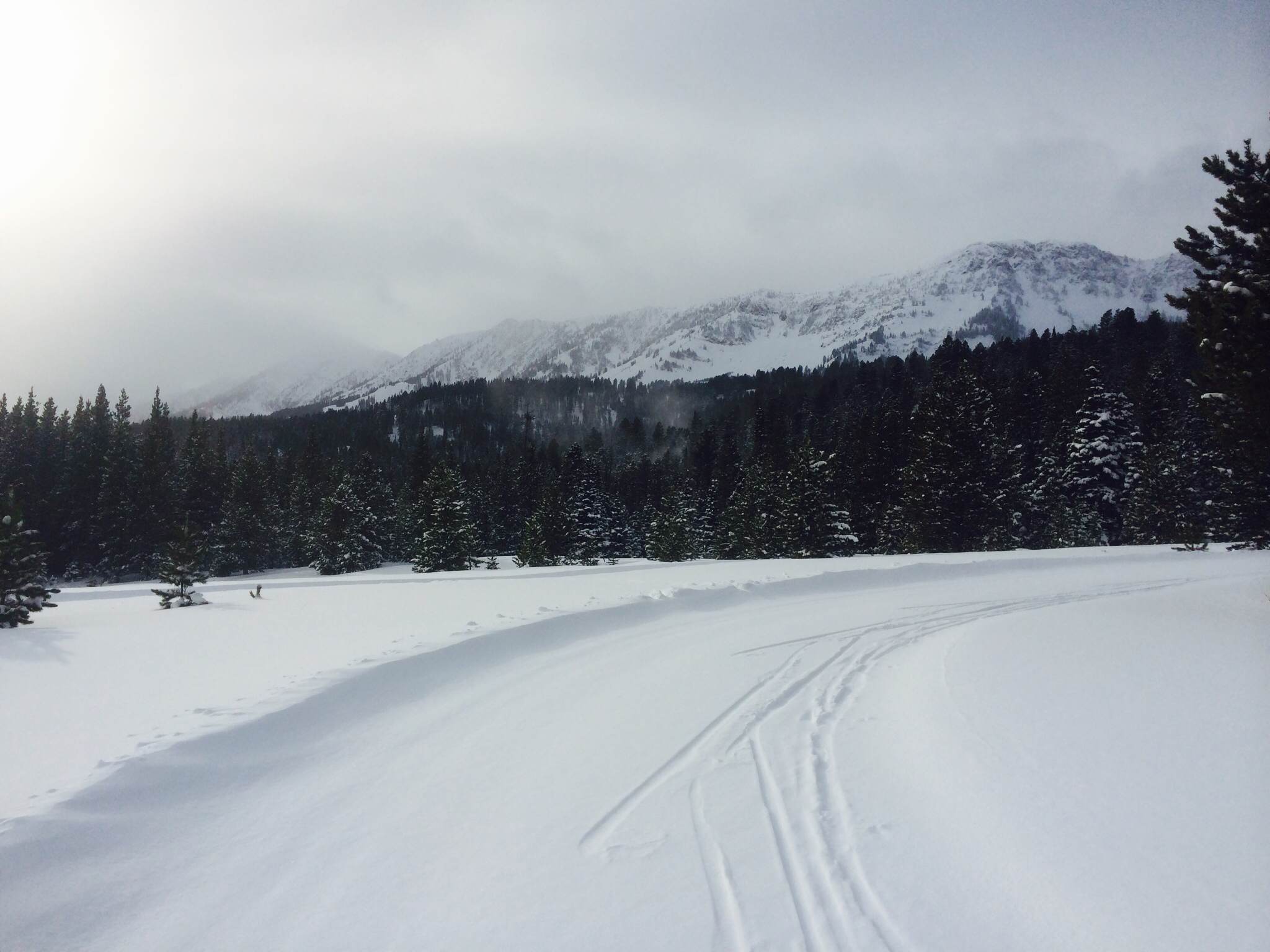
    Fresh tracks this winter at Bohart ranch near Bozeman, Mont. (Photo: Mark Vosburgh)
    Fresh tracks this winter at Bohart ranch near Bozeman, Mont. (Photo: Mark Vosburgh)

    “Most people, regardless of sport, train basic aerobic endurance too hard or fast. This happens for two primary reasons. The first is that this intensity level ‘feels like training’ because it feels moderately hard. Secondly, many people are time-limited in their training and imagine that they can make up for the duration of training by increasing the intensity.”

    So now, armed with good information, I’m back on track with my training plan.  I credit the CXC Academy training plan for a steep change improvements in my ski specific strength and ski technique.

    Now, I’m looking forward to improving my aerobic capacity.  On my CXC Academy prescribed Zone 1 over-distance days at Montana’s Bohart Ranch and Seeley Lake trails, I’ll be skiing easy, breathing through my nose, and avoiding the temptation to put a bag over my head!


  • Rollerskiing for the Rest of Us? A Beginner’s Guide

    Rollerskiing for the Rest of Us? A Beginner’s Guide

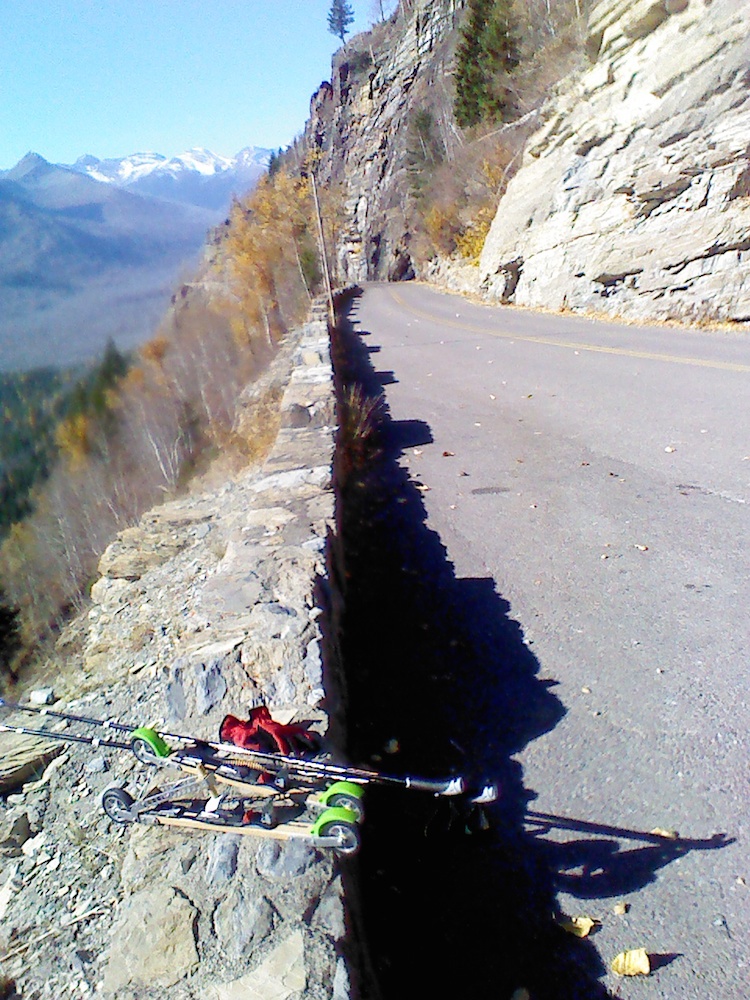
    Author Mark Vosburgh and his rollerskis in Glacier National Park, Mont.
    Author Mark Vosburgh and his rollerskis in Glacier National Park, Mont.

    Editor’s Note: This article appeared last November on MakeitMissoula.com and was written by FasterSkier’s Para Nordic Contributor Mark Vosburgh

    Elite nordic racers and Olympic hopefuls train on rollerskis during the offseason to prepare for their transition to snow.  Are they right for us mortals who are recreational skiers or occasional citizen racers? Last year, this author decided to find out.

    Oh the places you'll see (i.e. Glacier National Park in Montana)
    Oh the places you’ll see (i.e. Glacier National Park in Montana)

    What are they? 

    Rollerskis are basically skis with wheels that are designed to simulate classic and skate styles of nordic skiing.   They are mounted with ski bindings and so you “roll”  in your regular ski boots.

    Most have aluminum shafts but I bought a pair of skate skis made of wood from a company called Woodski. My skis had a trial period of 30 days which was good, because I really wasn’t sure if they would work out for me.

    What about poles?

    Regular ski poles are fine but you’ll need to buy some hardened steel ski tips ($15) without a basket and install them.   I bought a spare set of carbon fiber poles for $65 that I reserve for dryland training.  You’ll also need a diamond file to keep your tips sharp so they “stick” in the pavement.

    Woodski President Peter Breu was very helpful in answering my questions and setting me up with gear.  He has some great videos on his website about how to file ski tips etc.

    antabuse

    Where to rollerski?

    This was my main concern.  Could I find enough places to ski?  This has taken some creativity and exploration but I’ve discovered that while smoother pavement is better, my skis can handle a bit roughness and bits of small gravel.   I’ve skied in subdivisions, on frontage roads, paved country roads, paved forest roads,  bike paths and just recently, the Going to the Sun Road in Glacier National Park.

    I look for low traffic areas (the Going-to-The-Sun Road in Glacier National Park was closed to cars when I went), and I wear bright yellow shirt or jackets.  I’ve been treated really well by cars and I’m sure the high visibility clothes are the key.

    How do you stop?

    My skis came with a simple break [sic brake] system that vastly expands the places I’m willing to ski.  It takes practice to learn how to use them and learn their limits.  

    What’s the final verdict?

    I love these things!  Its amazing how well they simulate skiing on snow.  I’ve had some blissful days “skiing” in beautiful locations this summer and fall.  I have no doubt I’ll be WAY ahead of the curve come ski season.

    Any caveats?

    Oh yeah.  Falling on pavement REALLY hurts.  I still have memories of painful fall when I but borrowed a friend’s skisfew years ago.

    There is a learning curve.  I’ve XC skied for years and it took me about a month of roller skiing to feel comfortable.  I started very slowly with full knee, elbow pads, helmet and gloves on flat terrain and built gradually.

    World-class athletes have had career ending injuries and a friend of mine suffered a broken wrist on them.   Roller skis deserve respect!

    Final word.

    I’ve found rollerskis to be a great ski training tool, which I expected.   There’s really no better way to train up all those balance stabilizer, arm, back, core and leg muscles you use when nordic skiing.

  • McFadden Takes Silver in Sochi Sprint, Dream Comes True; Masters One Second from Bronze

    McFadden Takes Silver in Sochi Sprint, Dream Comes True; Masters One Second from Bronze

    Silver Medalist Tatyana McFadden (L) and gold medalist Mariann Marthinsen following the women's 1 k sprint race.
    U.S. silver medalist Tatyana McFadden (l) and Norway’s gold medalist Mariann Marthinsen after the women’s 1 k sprint race. (Photo: Greg Rawlings/U.S. Paralympics Nordic)
    In a phone interview from Sochi just before the opening of 2014 Paralympic Winter Games, Tatyana McFadden told FasterSkier,  “The sprint is my favorite, I love to sprint in track and I love to sprint on skis.”

    On Wednesday, the marathon-racing queen’s love of sprinting transformed to silver.

    In the women’s 1-kilometer sit-ski sprint final at the Laura Cross Country Center in Krasnaya Polyana, Russia, McFadden finished second overall, just one-tenth of a second behind Norway’s gold-medal winer Mariann Marthinsen.

    Second out of the start behind Germany’s Andrea Eskau, McFadden surged to first when Eskau fell. The American Winter Paralympics rookie led the race until the finish line where she was edged out by Marthinsen.
    “I could not go easy, I needed to go hard from the start,” McFadden told the U.S. Olympic Committee. “I knew that they were coming and I could feel them down my neck.”
    American Oksana Masters (second from l) with her silver medal from the first sit-ski competition of the 2014 Sochi Paralympics. In her second race on Wednesday, she earned bronze to become the most successful female nordic skier in U.S. Paralympic history. (Photo U.S. Paralympics Nordic)
    American Oksana Masters (second from l) with her silver medal from the 12 k sit-ski competition, the first of the 2014 Sochi Paralympics. In her second race on Wednesday, the 1 k sprint, she placed fourth, one second away from bronze. (Photo: U.S. Paralympics Nordic)

    McFadden’s teammate, who also picked up the sport last season, Oksana Masters finished fourth, one second away from bronze.

    Masters was in third until the final straightaway, where Russia’s Marta Zaynullia passed her for bronze.  Eskau was disqualified  due to an illegal lane change.

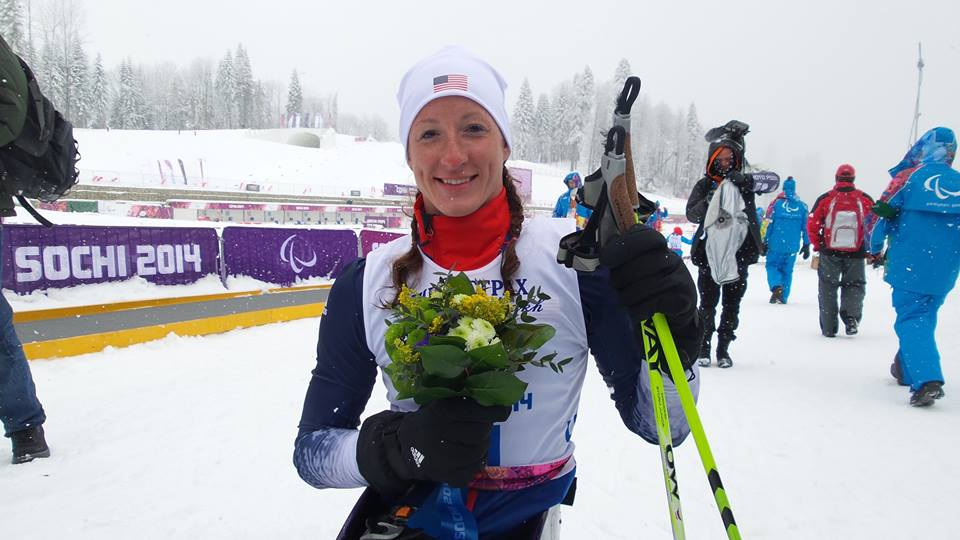
    McFadden, 24, of Clarksville, Md., became the second U.S. women to win a Paralympic medal in cross county skiing in last 20 years. The first was Masters, who won bronze in the women’s 12 k distance race on Sunday.

    After picking up skiing just over a year ago, McFadden advanced to the finals on Wednesday by placing fourth in the qualifier and second to Marthinsen in the semifinal. Masters was third in the qualifier round and second in her semi.

    At age 6, McFadden was adopted from St. Petersburg, Russia, by American Deborah McFadden. Her birth mother, whom Tatyana recently met, has been in attendance at the Games to watch her compete.

    Oksana Masters' silver  medal in the 12 k distance event at the 2014 Sochi Paralympics. (Photo: U.S. Paralympics Nordic)
    Oksana Masters’ silver medal in the 12 k distance event at the 2014 Sochi Paralympics. (Photo: U.S. Paralympics Nordic)

    McFadden told FasterSkier before the Games that having both her moms there with her in Sochi “has definitely been a dream of mine … Just having my whole family in the stands is going to be a huge fulfillment so I’m going to take that energy and put it into my skiing.”

    Describing McFadden’s rise from a skiing newcomer to Winter Paralympic medalist, U.S. Paralympics Nordic High Performance Director John Farra wrote in an email, “It was definitely a like cramming for a final exam … like fitting in 4 years of college education into one semester, but we started with an athlete with RAW physical talent, power and strength and willingness to work.”

    McFadden is a 10-time world champion and three-time Paralympic gold medalist in track racing. She’s competed at three Summer Paralympics and became the first person to win all four major marathons (Boston, London, Chicago, and New York) in a single season. In the 12 k distance event on Saturday, she placed fifth in her first Winter Paralympics race.

    “It was definitely a like cramming for a final exam … but we started with an athlete with RAW physical talent, power and strength and willingness to work.” — U.S. High Performance Director John Farra on Tatyana McFadden

    “We kept her on snow as much as possible from the start of the season until Sochi … and today it all came together for her,” Farra explained.

    A packed cross country stadium at the 2014 Winter Paralympic Games sprint races.
    A packed cross country stadium at the 2014 Winter Paralympic Games sprint races. (Photo U.S. Paralympics Nordic)

    In the men’s sprint final Andy Soule placed fifth and Dan Cnossen took sixth. Sochi roommates, Soule and Cnossen were 6.4 and 8.3 seconds back from bronze, respectively.

    “My performances here have been very good for me, every race has been one of the very best of my career,” wrote Soule, who won bronze in biathlon at the 2010 Paralympics.

    Soule’s best race, the distance biathlon, will be held Friday March 14th.   “I feel very confident about the final biathlon event.  The long distance biathlon is a very good event for me.” Soule noted.
    Cnossen, a newcomer to the  Paralympic Games,  described his races in an e-mail, ” [In the semi final] I came around that first sharp right turn wide … then drafted off two Russians and came in third.  In the final, I stumbled at the start … and was never able to reel in the other competitors.”
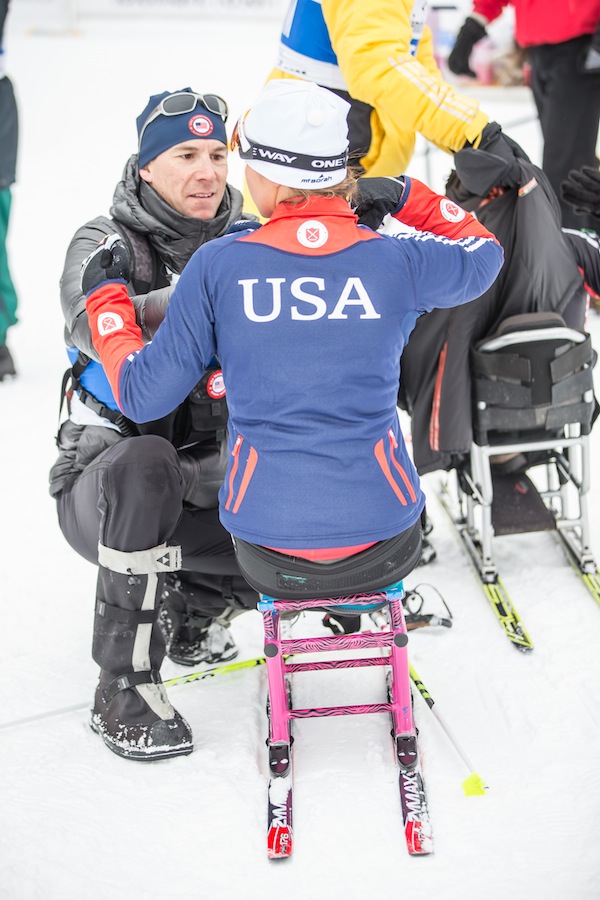
     

    U.S. Paralympics silver medalist Tatyana McFadden with her first medal of the Winter Games in Sochi, Russia, on Wednesday after placing second in the 1 k sit-ski sprint. (Photo: John Farra/U.S. Paralympics Nordic)
    U.S. Paralympics silver medalist Tatyana McFadden with her first medal of the Winter Games in Sochi, Russia, on Wednesday after placing second in the 1 k sit-ski sprint. (Photo: John Farra/U.S. Paralympics Nordic)
  • Masters Notches First-Ever U.S. Cross-Country Silver at Paralympics, Teammates in the Hunt

    Masters Notches First-Ever U.S. Cross-Country Silver at Paralympics, Teammates in the Hunt

    Oksana Masters racing for silver medal in the women's 12 K race at the 2014 Winter Paralympic Games in Sochi.
    U.S. Winter Paralympics rookie Oksana Masters on her way to a silver medal in the women’s 12 k sit-ski race at the 2014 Paralympic Games in Sochi, Russia. (Photo: U.S. Paralympics Nordic Program)

    Oksana Masters won silver in the women’s sit-ski 12-kilometer cross-country race on Sunday, the second day of competition at the 2014 Paralympics in Sochi, Russia.

    The medal ends a 20-year-medal drought for U.S. women’s Paralympic cross-country skiing. According to a U.S. Paralympics press release, Michelle Drolet last claimed a medal for the U.S. in cross-country, taking bronze in the women’s visually impaired 5 k freestyle at the 1994 Lillehammer Paralympics. No woman has ever won silver — until Masters, a 24-year-old Ukrainian-born American Paralympic rower (originally) from Louisville, Kentucky. At the 2012 London Summer Paralympics, she earned the first U.S. medal in trunk-and-arms mixed double scull.

    In a press release, Masters credited her rowing background for her early success in skiing after picking up the snow sport last season.

    “I really have to thank my training from rowing because it prepared me well for skiing,” she said. “I am so happy right now.”
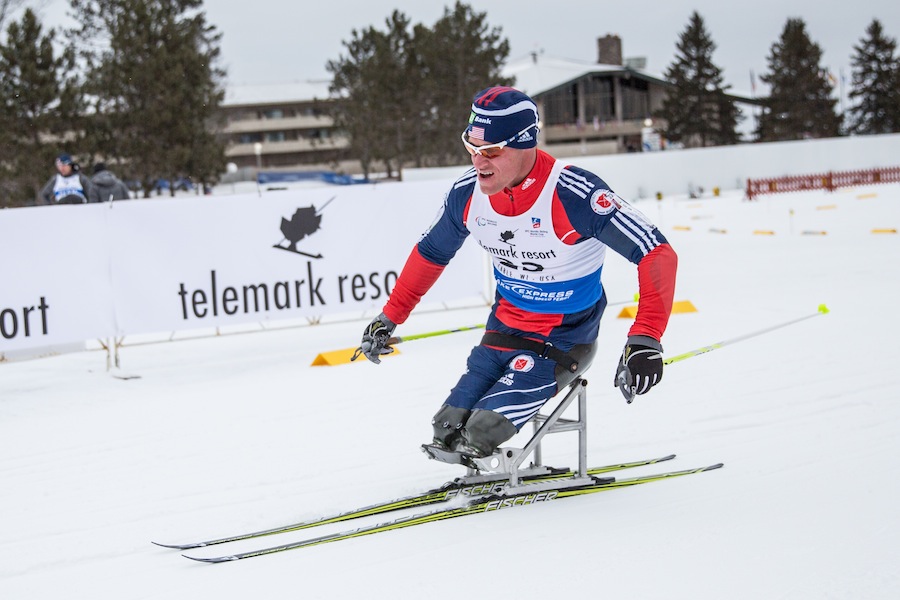
    Masters narrowly missed the podium on Saturday in her first Paralympic competition, placing fourth in the women’s 6 k biathlon race.

    “[Today was] a fabulous day for us again!” said U.S. Paralympics Nordic High Performance Director John Farra.

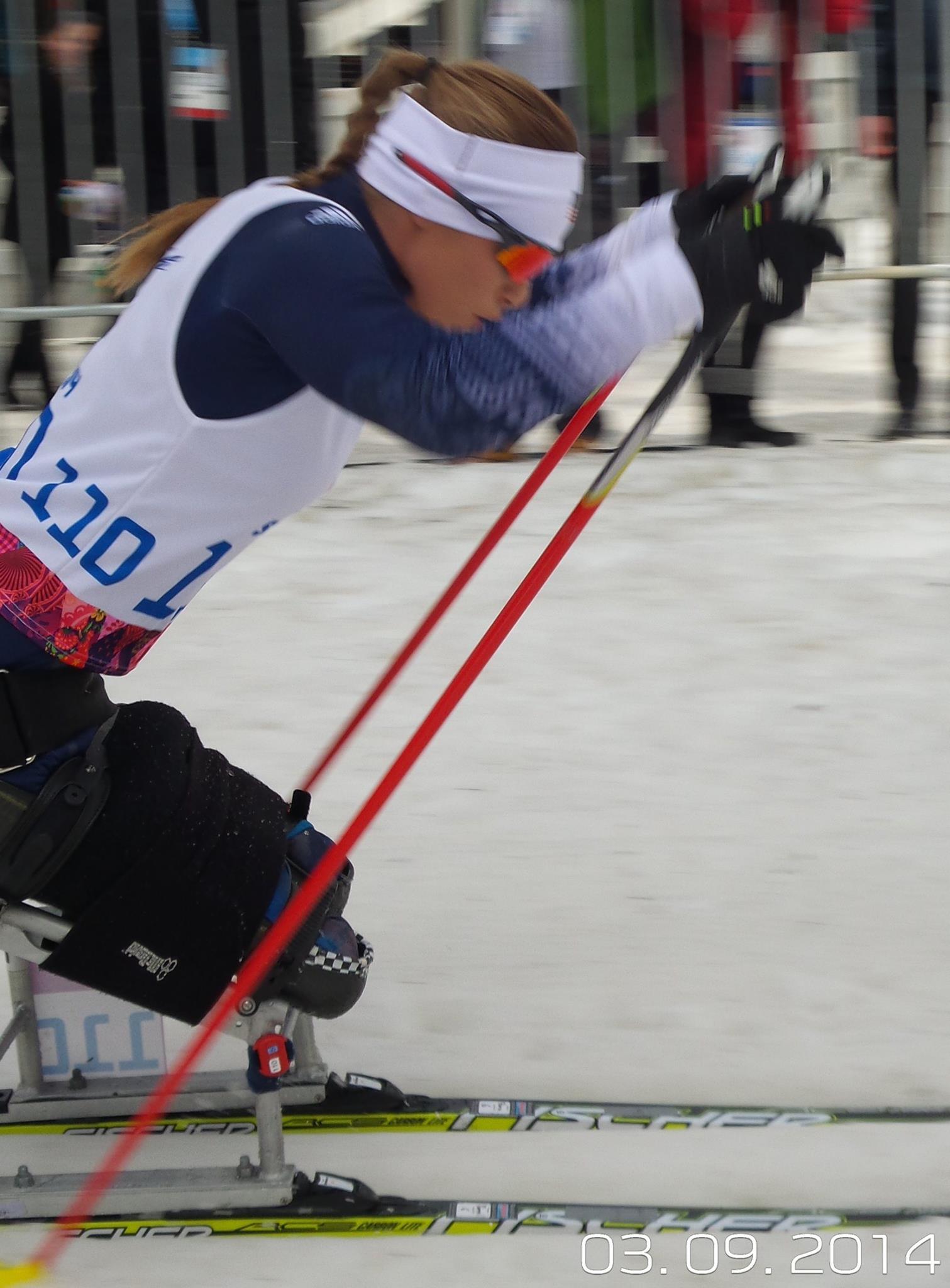
    Wheelchair racing champion Tatyana McFadden, in her Winter Paralympic debut, placed fifth in Sunday’s sit-ski race. Her previous best at this distance was ninth at the International Paralympic Committee (IPC) World Cup in Oberstdorf, Germany, earlier this season.

    In an interview with FasterSkier before the race McFadden said she found the 12 k distance to be the hardest. “It takes takes more technique and technique plays in where you put your power in the snow,” she said. “I’m still learning and different snow conditions and the conditions are constantly changing.”

    McFadden had difficulty with cornering in her distance race, falling three times.  On her Facebook page, McFadden wrote, “Came in 5th place for my first winter games race in the 12k. Not too bad for falling 3x…need to get better at the turns. Exhausted but happy.”

    Farra said McFadden’s technique was especially smooth on Sunday.  “Great technique on the trails today,” he said. “A few crashes, but she is learning everyday …  great day for her!”

    Andy Soule following his fifth place finish in the men's 15 K 12  race at  2014 Winter Paralympic Games in Sochi.
    Andy Soule following his fifth place finish in the men’s 15 K 12 race at 2014 Winter Paralympic Games in Sochi. (Photo U.S. Paralympics Nordic Program)

    In the men’s 15 k distance race, Andy Soule placed fifth and Sean Halsted finished ninth for the U.S.

    Soule narrowly missed the podium in Saturday’s biathlon race, also placing fourth.

    “Andy is a pro,” Farra said. “He knew what he needed to do … he has stuck with his plan and seems to be on his best form … maybe ever.

    “It appears that some of our athletes are hitting their stride — peaking if you will — at the right moment, and that was always the plan,” he added. “I am happy to see it.  Hoping we will see a few of the others hitting theirs before we leave Sochi.”

  • World-Class Wheelchair Racer, McFadden Sets Sights on Sochi

    World-Class Wheelchair Racer, McFadden Sets Sights on Sochi

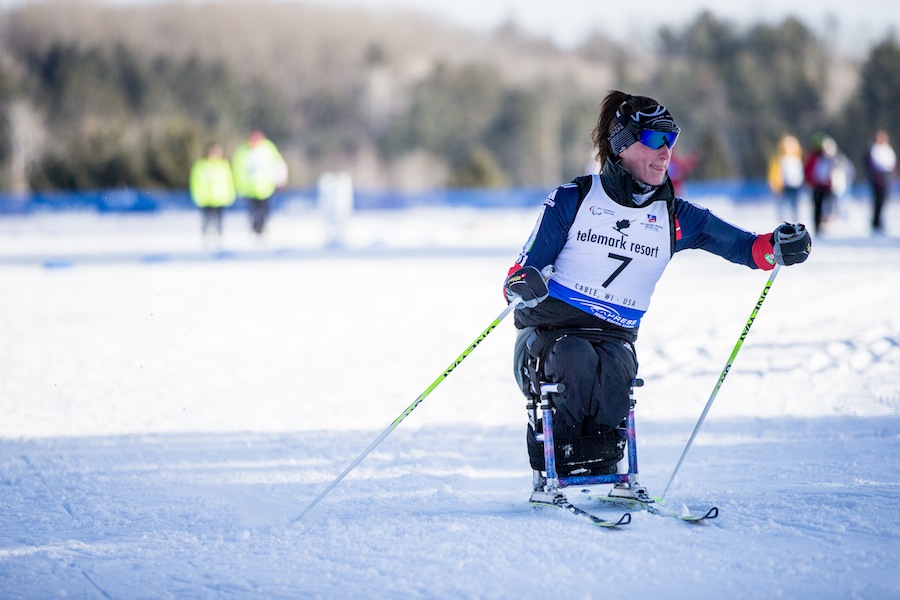
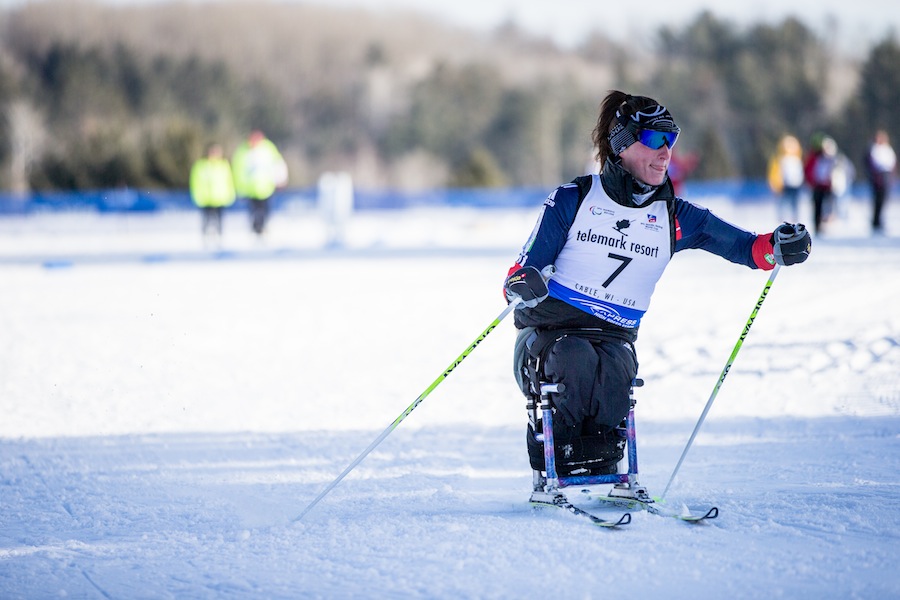
    Tatyana McFadden competes at the 2013 IPC World Cup in Cable, Wis.(Photo: James Netz)
    Tatyana McFadden competing at one of her first international cross-country ski races at the 2013 IPC World Cup in Cable, Wis.(Photo: James Netz)

    Tatyana McFadden is coming off an impressive couple of years.

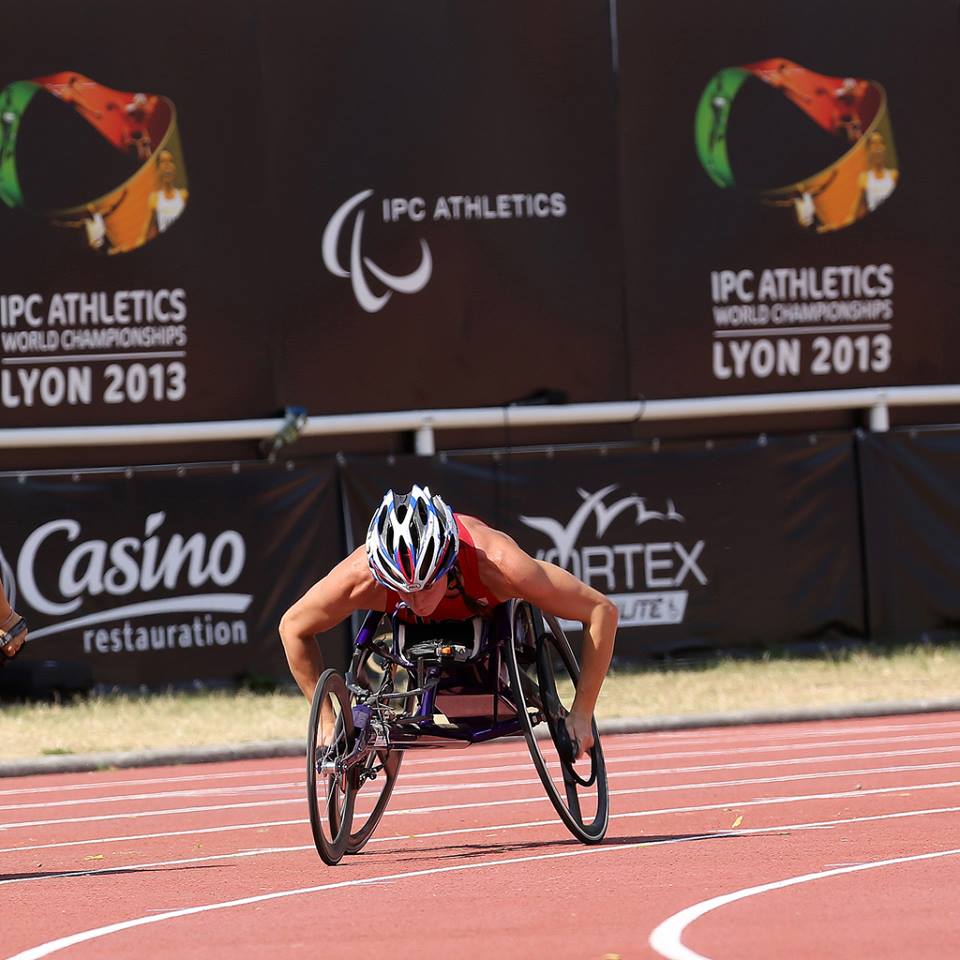
    Winning the New York City Marathon last month, the 24-year-old University of Illinois student became the first person to win the Chicago, Boston, London and New York City marathons – the elusive Grand Slam – in a single year.  In July, McFadden became the first athlete to win six gold medals at the International Paralympic Committee (IPC) Athletics World Championships in Lyon, France.  No stranger to elite competition, the three-time Paralympian holds 10 medals in wheelchair racing, three of them gold from the 2012 London Paralympic Games.

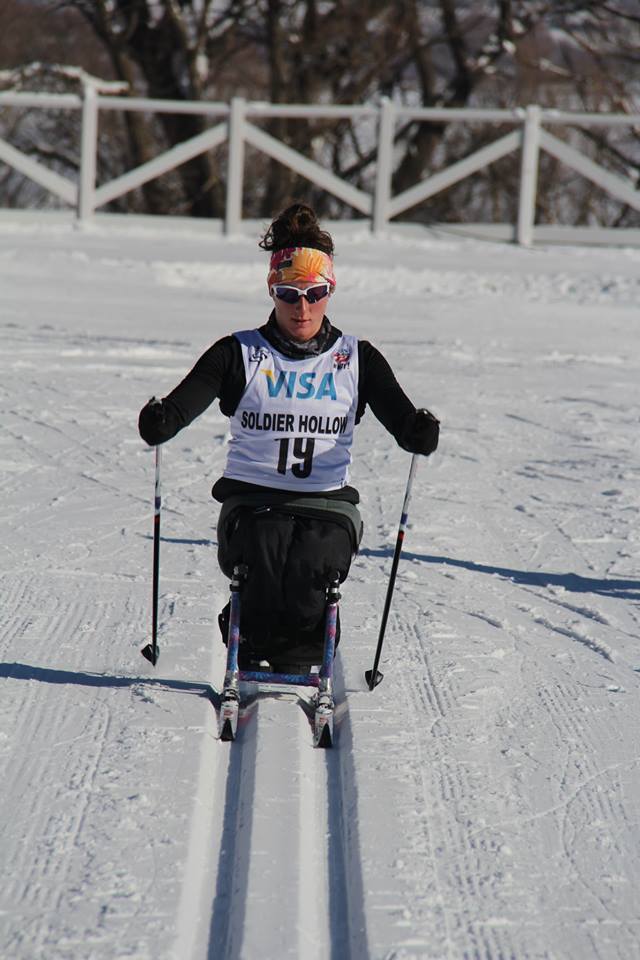
    Tatyana McFadden as 2012 National Adaptive Ski Championships, Soldier Hollow.
    Tatyana McFadden at the 2013 U.S. Adaptive National Championships at Soldier Hollow in Midway, Utah, where McFadden won the sit-ski sprint. (Courtesy photo)

    Now with her track and marathon seasons over for the year and with the 2014 Winter Paralympics in Sochi, Russia, on the horizon, McFadden is days away from beginning her second season as a nordic skier at the IPC World Cup in Canmore, Alberta, starting Dec. 9.

    John Farra, the U.S. Paralympics Nordic high-performance director, tells the story of how McFadden came to his sport.

    “About a year and a half ago I got a text message at midnight from the [U.S. Paralympics] alpine director [Kevin Jardine] saying, ‘Hey, I’m at the ESPYs and Tatyana McFadden wants to be a nordic skier!’ ” Farra said.

    According to the Chicago Tribune, Jardine reportedly told her, “Are you kidding me? No one wants to do nordic. Do you know how hard that is?”

    “I guess you don’t understand anything about me,” McFadden replied.

    “She contacted me and said ‘How can I get into the skiing thing?’ ” Farra explained. “So she comes to the national championships and won the sprint race and was very competitive in the others.  I said, ‘You should come to the World Cup in Cable, Wisconsin. There may be time for you to make the Paralympic Games.’ So she did and she made the national team in just one race.  She’s just so frickin’ strong.”

    In a phone interview last week, McFadden described her busy upcoming month, which starts this week in Canmore.

    “I’ll be there a few days before and I’ll do a competition, then I literally fly back [to Illinois], take a final, graduate, move out, then I head home for Christmas,” she said.

    Majoring in human development and family studies, she will give the graduation speech to her class.

    Born in St. Petersburg, Russia, with spina bifida, a birth defect that paralyzed her from the waist down, McFadden spent her first six years in an orphanage walking on her hands. A disabilities commissioner for the US Health Department, Deborah McFadden visited the orphanage and adopted Tatyana before raising her in Baltimore. Since then, Tatyana has been an activist on several fronts, advocating against a 2012 Russian law prohibiting Americans from adopting Russian children. She was also behind the Maryland Athletics Equity for Students with Disabilities Act, which was passed in 2010.

    Tatyana McFadden racing at the 2013  IPC World Cup in Lyon where she won six gold medals.
    McFadden racing at the 2013 IPC Athletics World Championships in Lyon, France, where she won an unprecedented six gold medals. (Courtesy photo)

    For now, she’s focused on getting back to Russia, this time as a Winter Paralympian. To manage the transition from wheelchair racing to skiing, McFadden said she’s been spending a lot of time in the gym on the SkiErg and doing interval training.

    One of her biggest challenges has been learning how to handle the cold. McFadden experienced some issues with frostbite while training, but her enthusiasm toward the sport has made up for the hardships. Nicknamed “The Beast,” it’s no surprise when McFadden says, “I love to train really hard.”

    She is also excited to get on snow in her new sit-ski.  At last season’s U.S. Adaptive Ski Championships at Soldier Hollow in Midway, Utah, McFadden won the sit-ski sprint in a borrowed, ill-fitting sled.

    “[The ski] was too big for me,” she said. “I’m a size 10 1/2 and I was riding in a size 14; it was way too big. I was sitting too high which really threw off my balance. I didn’t have control going down the hill too well and I really wanted to be shorter.”

    Her new sit ski is designed to put her in a more-forward position, similar to her racing wheelchair. McFadden said it feels “a lot more natural and transitions well from wheelchair racing. … [It’s] literally just the bucket and it’s an absolutely beautiful, beautiful bucket. It’s extremely light and it’s purple, my favorite color.  I’m really excited to take it out again.”

    Starting in Canmore, McFadden will have plenty of opportunity to get used to her new setup. At the end of the month, she’ll head to Utah for her second nordic nationals in early January, once again at Soldier Hollow. Then she’ll head to Germany for the IPC World Cup in Oberstdorf from Jan. 16-19, and after that, Winter Park, Colo., for more altitude training.

    Tatayan McFadden shows off her new sit ski in a promotional photo from her sponsor BP.   https://www.facebook.com/BPTeamUSA
    Tatayan McFadden shows off her new sit ski in a promotional photo from her sponsor BP. (Photo: BP Team USA/Facebook)

    “As soon as I graduate I’ll be on snow all the way up to Sochi,” McFadden said.

    According to Farra, working with her on snow will the give the U.S. Paralympics Nordic coaches a chance to help her improve her technique.

    “She’s so strong and unbelievably fit,” Farra said. “So she’s got the most important part of being a nordic skier down, and you can’t fake that.”

    McFadden has no illusions about the challenges ahead of her. “I am really new to skiing,” she said. “My goals are, first of all, to make the team and head over.  Then I’ll take it event by event. My goal [in Sochi] is to make the finals.”

    As for her podium potential, Farra said,  “We really don’t know. She’s fired up about it. She’ll have a day or two to train in Canmore before the races and she’ll spend the rest of the winter skiing with us trying to get ready for Sochi to see what she can do there.”

    While Farra can’t predict McFadden’s performance in her new sport, he knows what kind of attention she can bring to the developing sport.

    “When the Games are on, you are going to see Kikkan Randall skiing in a BP commercial and you’re going to see Tatyana McFadden skiing in a sit-ski on these commercials that are run all the time throughout the winter,” he said. In partnership with the U.S. Olympic Committee, NBC has committed to 50 hours of coverage for the 2014 Paralympics.

    Thinking about her first Winter Paralympics, McFadden isn’t sure what to expect.

    Tatayan McFadden shows off her new sit ski in a promotional photo from her sponsor BP.   https://www.facebook.com/BPTeamUSA
    Tatayan McFadden shows off her new sit ski in a promotional photo from her sponsor BP. (Photo: BP Team USA/Facebook)

    “For track, since I’ve been to other races and other Paralympics… I know what to expect between events and the transitions and about getting on the bus and off the bus and into the venue and what its going to feel like,” she said. “For Sochi, I don’t know any of that. I have no idea because everything is so new for me. I have to just be relaxed and go with the transitions and then when it comes time for me to put my skis on the snow, I have to remember everything I’ve learned … and ski as fast as I can and hopefully make people proud.”

    Among the new experiences awaiting McFadden is biathlon racing. Due to a relatively small pool of athletes, adaptive skiers are encouraged to compete in both nordic and biathlon races. Brand new to skiing at nationals last year, she didn’t race biathlon. “I told John [Farra] that I wanted to focus on skiing,” McFadden said.

    However, she did get introduced to the sport and practiced a bit on the shooting range. Despite some archery experience, McFadden said she never shot a gun before trying biathlon last January.

    “It’s going to be a lot of fun,” she said. “I’ll shoot the targets as best I can, and if I miss them all, I know what it feels like to do a lot of laps. In track, doing [laps] is just a normal day for me. I’m not really too concerned about it. What is really different about biathlon is that I’m not used to stopping in a race. I’m used to going hard from start to finish and not having to slow down and take a deep breath and try to hit the targets.”

    When asked what it will mean to her to return to Russia, she said she’s “really excited.”

    “It’s part of my culture, it’s part of who I am, and that will never be apart from me,” she added. “But I’m going to be going and competing for the United States of America.”

    Comparing her two “home” nations, she says the Russians are behind the times when it comes to accepting people with disabilities.

    “[In the U.S.], you can get jobs and you can live a normal life,” she said. “That’s not really the case for Russia. Some places are not accessible, in America places have to be accessible. Just seeing athletes come in and seeing how strong the athletes are and seeing them compete. I think its going to be really good for them.”

    Requist, a first-time contender at nationals, won the women’s 5 k in 25:13.9. Tatyana McFadden repeated her second-place performance from Saturday, finishing just 20.7 seconds behind on Sunday. Kristy Vaughn (U.S. Paralympics Development Team) was third (+2:34.4).
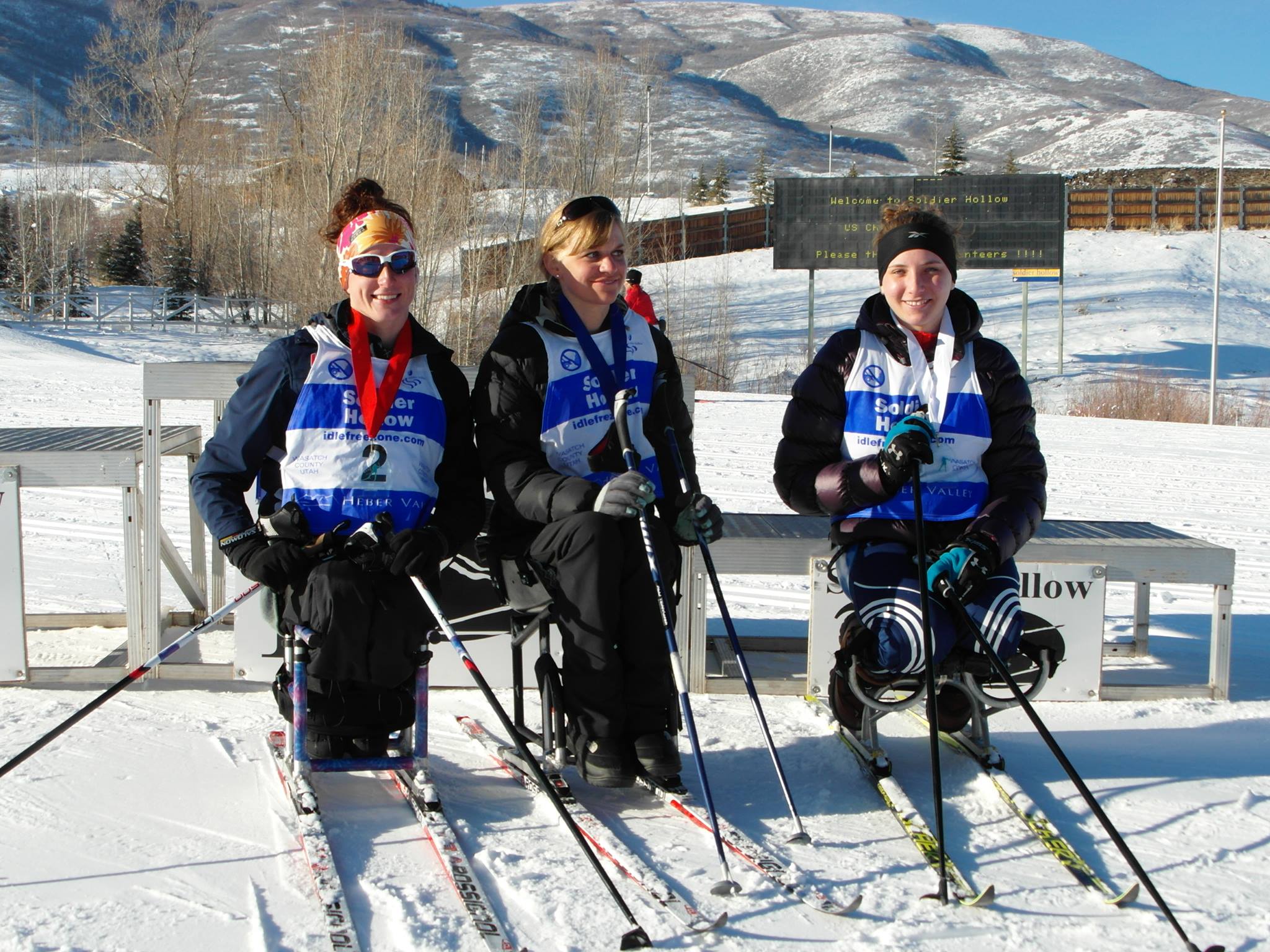
    Now a U.S. Paralympics National Team member, Tatyana McFadden (l) after placing second in the women’s 5 k at 2013 U.S. Adaptive Championships last January. Beth Requist (c) won it in 25:13.9, and Kristy Vaughn (U.S. Paralympics Development Team) was third (+2:34.4).
  • Happy Thanksgiving from FS!

    Happy Thanksgiving from FS!

    From across the country, FasterSkier wishes you a very Happy Thanksgiving — from our extended staff (often scattered around the world!) We’re thankful for you and your love of all things nordic.

  • U.S. Paralympics Outlook: Farra’s Vision of a World-Leading Team

    U.S. Paralympics Outlook: Farra’s Vision of a World-Leading Team

    John Farra, high-performance director of the U.S. Paralympics Nordic Program, helps one of his athletes at last year's IPC World Cup in Cable, Wis. (Photo: James Netz)
    John Farra, high-performance director of the U.S. Paralympics Nordic Program, helps one of his athletes at last year’s IPC World Cup in Cable, Wis. (Photo: U.S. Paralympics/James Netz)

    At the 2010 Winter Paralympic Games in Vancouver, B.C., the U.S. finished fifth in the overall medal count. A dominant performance by the U.S. alpine team resulted 11 medals, three of them gold.

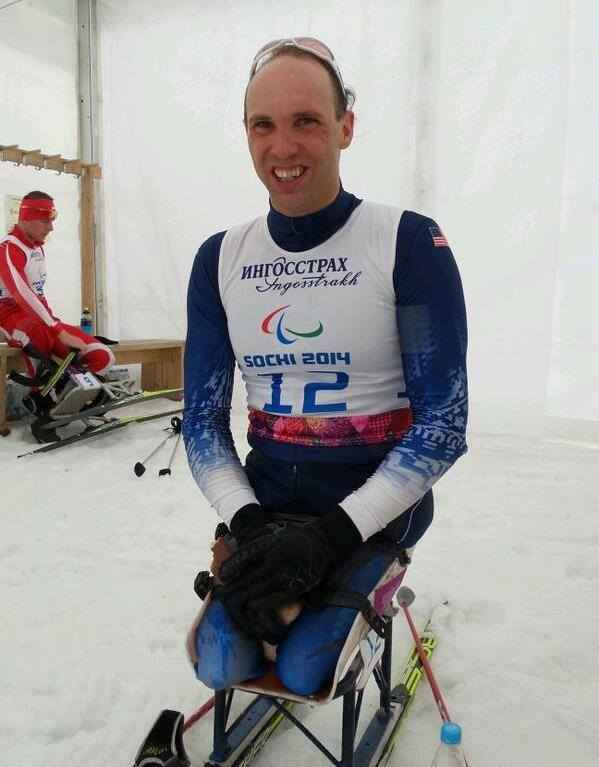
    Meanwhile, the U.S. Olympic nordic team, including biathlon, consisted of just six athletes and a handful of coaches and support staff. Albeit small, the team was not without success. Andy Soule, an Afghanistan war veteran and double above-the-knee amputee, made history by becoming the first American to medal in biathlon in either Paralympic or Olympic competition.

    At the 2014 Paralympics in Sochi, Russia, nordic skiing and biathlon will account more that half of the available medals.  To improve overall team results, the U.S. Olympic Committee realized that the U.S. needed more focus on these sports.

    In 2011, John Farra, an Olympic cross-country skier and then-U.S. Ski and Snowboard Association (USSA) nordic director, was the man selected as the first high-performance director of the U.S. Paralympics Nordic Program. Today, he leads a team of coaches and staff responsible for building a world-class program.

    U.S. Paralympics national-team member Dan Cnossen at the 2013 IPC World Cup in Cable, Wis. (Photo: James Netz)
    U.S. Paralympics national-team member Dan Cnossen at the 2013 IPC World Cup in Cable, Wis. (Photo: U.S Paralympics/James Netz)

    In a recent phone interview, Farra cited growth in the sport as evidence that the U.S. is on its way to that goal.  At the Sochi Paralympics in March, Farra will field a team of 19 athletes, four coaches and 13 support staff. The Russians will max out at the allotted team size of 30 athletes, a goal that Farra has set for his team size for 2018 Winter Games in Pyeongchang, South Korea.

    Assessing the team’s prospects for Sochi, Farra said, “On the men’s side, we have three guys who, on any given day, can be somewhere in the top six in the world.”

    In a test event in Sochi last March, Dan Cnossen,  Soule and Sean Halsted finished fourth, fifth and sixth, respectively. One of the newest and most promising men on the national team, Farra described Cnossen as “a really tough guy who trains unbelievably professionally and really puts everything towards it.”

    “While we are not expected to win any medals, when we are that close we are spending a lot of time and effort to find that extra half percent or 1 percent,” Farra said. “That gets them into the top three to steal a medal from the Russians or the Ukrainians.”

    On the women’s side, Farra saw potential when he spoke with Tatyana McFadden a year and a half ago. A world-class wheelchair racer with nine gold medals between several Paralympics and World Championships, McFadden expressed interest in competitive nordic skiing. On Nov. 3, the 24-year-old University of Illinois student completed an unprecedented marathon “Grand Slam,” winning the Boston, Chicago, London, and New York road marathons in a single year.

    U.S. National Team:

    • Dan Cnossen (Sit ski; Navy)
    • Sean Halsted (Sit ski; ret., Air Force)
    • Andy Soule (Sit ski; ret., Army)
    • Jeremy Wagner (Sit ski; ret., Army reserves)
    • Aaron Pike (Sit ski,;Univ. of Illinois Champaign)
    • Tatyana McFadden (Sit ski; Civ, Univ. of Illinois Champaign)

    Development Team (Emerging & Military)

    • Eric Frazier (Sit ski; ret., Marines, Team Semper Fi)
    • Travis Dodson (Sit ski – ret., Marines, Univ. of Illinois Champaign)
    • Augusto Perez (Sit ski)
    • Kevin Burton (Visually impaired; ret., Navy)
    • Omar Bermejo (Standing; ret., Marines)
    • Jake Adicoff (Visually impaired)
    • Oksana Masters (Sit ski)
    • Beth Requist (Sit ski)

    A multiple ESPY Award (ESPN) nominee, McFadden’s celebrity status is steadily rising, and she was twice featured on the NBC Nightly News for her New York City win. Her sponsor, British Petroleum featured her in its TV promotional spots, and in other positive news, NBC announced it will provide a landmark 100 hours of television coverage for the Winter Paralympics.

    “Next year when the Games are on you’ll be seeing national TV spots featuring Tatyana McFadden sit skiing and Olympian Kikkan Randall skiing,” Farra said.

    Adding to McFadden’s media appeal is her storyline of returning to Russia to where she was born with spina bifida, a birth defect in which bones fails to form properly around the spinal cord. Abandoned in a Russian orphanage, she was adopted by Deborah McFadden and brought to the U.S. at age 6.  Since 2012, Tatyana has actively advocated against a Russian law that prevents Americans from adopting Russian children.

    “We hope she continues to have a good experience [with skiing] and that will drive some interest to our sport,” Farra said. “She has more fans than we’ll ever have, but our job is to not let it become a distraction and to prepare her with the technical skills to get around the course.  She’s a good gal and it’s really fun to have her on the team.”

    On McFadden’s chances for a medal in Sochi, Farra said, “Who knows? She is super strong and unbelievably fit. She has the most important part of nordic skiing down which is the fitness, and that’s impossible to fake. Technical skills will be an issue for her because her racing wheelchair doesn’t slide around corners and have the potential of going off the course and crashing into trees.  It would be a huge challenge for anyone to go from newbie to Paralympic athlete in such a short period of time.”

    McFadden first demonstrated her potential by winning the sprint race at last year’s U.S. Adaptive Cross Country Championships at Soldier Hollow last year in a borrowed and somewhat ill-fitting sit ski. After, Farra contacted a Japanese company that makes sit skis designed to accommodate McFadden’s more forward-leaning position in wheelchair racing.

    “As soon as she slipped in there, and I mean slipped in there because it’s a tight fit, she got this big smile on her face,” he said.  “We’ll see how it works out because her first race in it will be at the IPC [International Paralympic Committee] World Cup races in Canmore in December.”

    Wheelchair-racing superstar Tatyana McFadden at her first IPC World Cup races in Cable, Wis., last season.  (Photo: U.S. Paralympics/James Netz)
    Wheelchair-racing superstar Tatyana McFadden at her first IPC World Cup races in Cable, Wis., last season. (Photo: U.S. Paralympics/James Netz)

    In addition to finalizing the team at World Cup and National Championship races this season, Farra’s strategy is to use these races to get his staff ready for Sochi.

    “We plan to bring a large team and the entire Sochi staff to Canmore [in December] because we’ve had a huge transition from being a country that shows up with only a few athletes,” he said of the early season World Cups.  “We need to make sure we protect the chances of our top athletes to steal a medal and give the appropriate level of service to those developing athletes who are experiencing their first Paralympics. We’re looking forward to getting all those things dialed in.”

    Nationals are held alongside the able-bodied U.S. Cross Country Championships at Soldier Hollow in January, followed by World Cup races in Oberstdorf, Germany.

    In October, national-team coach James Upham accompanied four sit-skiers – Cnossen, Soule, Halsted, and Oksana Masters – at a U.S. Paralympics Nordic camp in Oberhof, Germany. It was the team’s first training camp in the ski tunnel there.

    According to Farra, they’ll take six or seven athletes to Oberstdorf for the World Cup races from January 16-19.

    “We’re going to bring a small elite group … who we feel need to be there to dial in their chances of winning medals in Sochi,” Farra said.  “After Germany the team will hole up in Winter Park Colorado which will be good in terms of an altitude strategy.  After that, we’ll head to Italy a week before the games and stay at a beautiful five-star resort on the top of a mountain with ski in ski out and a biathlon range, to relax a bit and get used to the time change before flying to Sochi.

    “And that’s it,” he added. “We’ll be there and then we’ll be back here in March after we win a bunch of medals.  Then we’ll come home and hang them up and enjoy them!”

    ***

    About the Author:

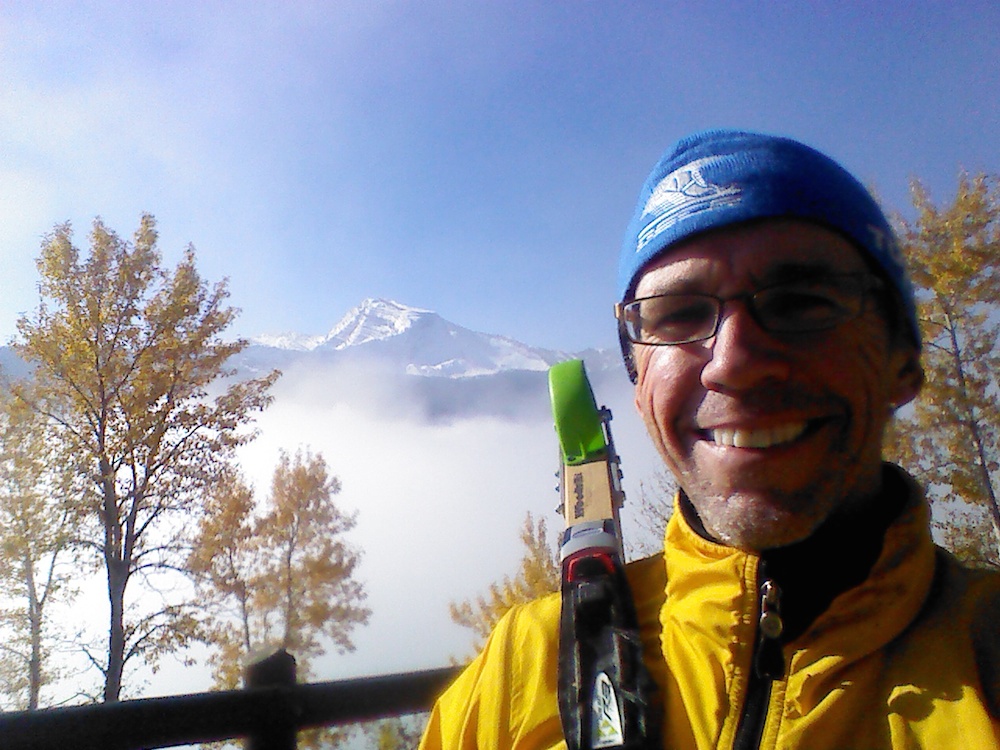
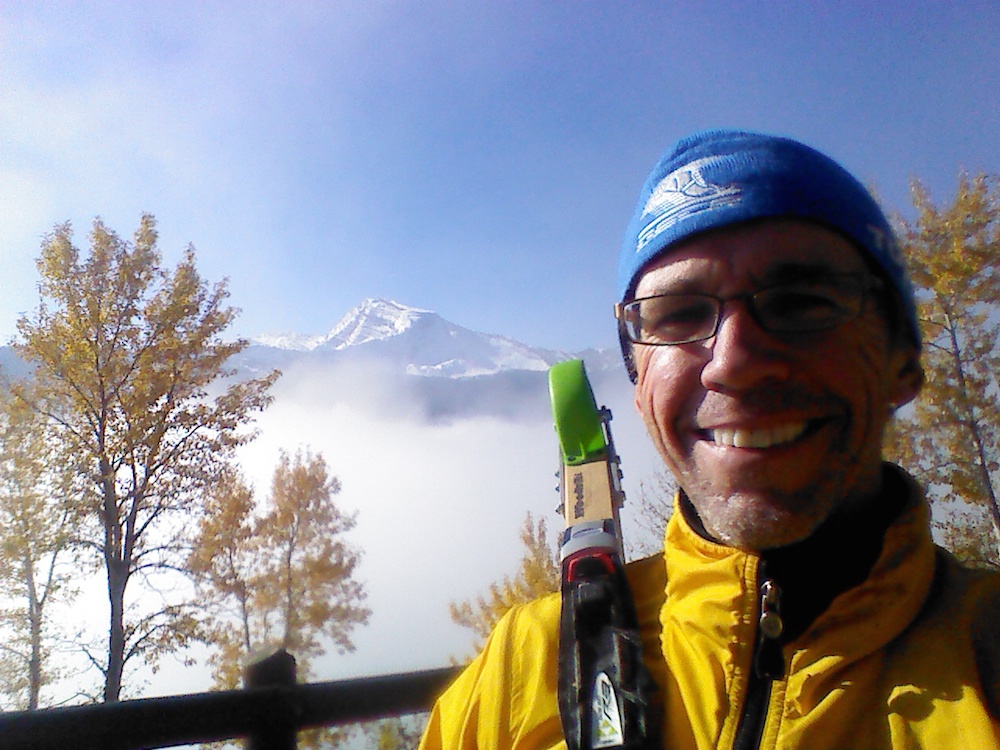
    FasterSkier’s Para-Nordic contributor, Mark Vosburgh lives in Missoula, Mont., where he works as a Wildfire Scientist for the US Forest Service.  In addition to being a chemical engineer, Mark is a cross -country and backcountry skier, bluegrass musician, and biker. He’s also a freelance writer for numerous publications, including 48 Degrees North and MakeitMissoula.com.