Tag: massage

  • Wednesday Workout: The Rest of the Work, Giving 110 Percent

    Wednesday Workout: The Rest of the Work, Giving 110 Percent

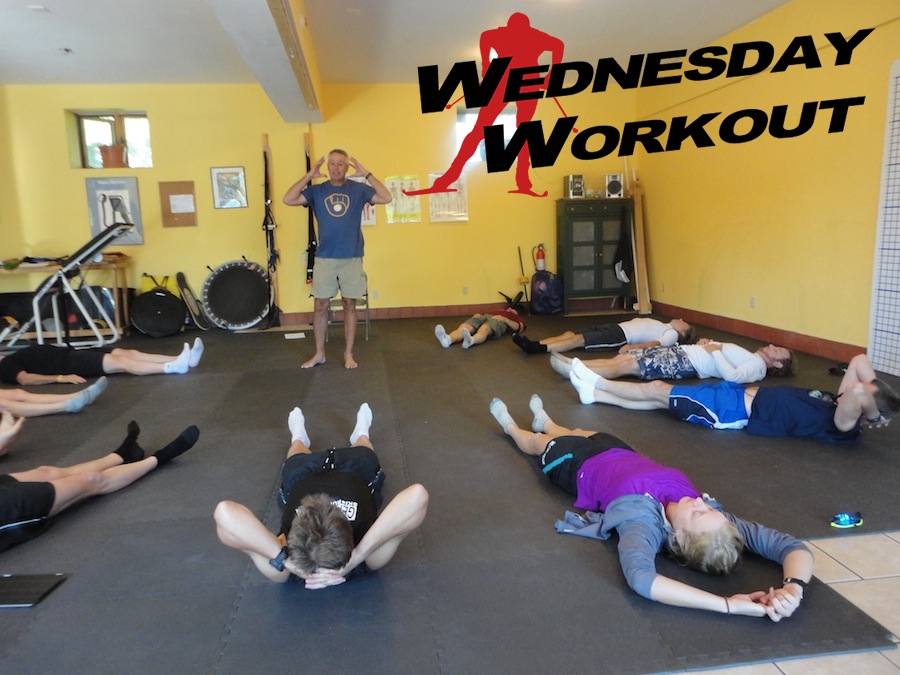
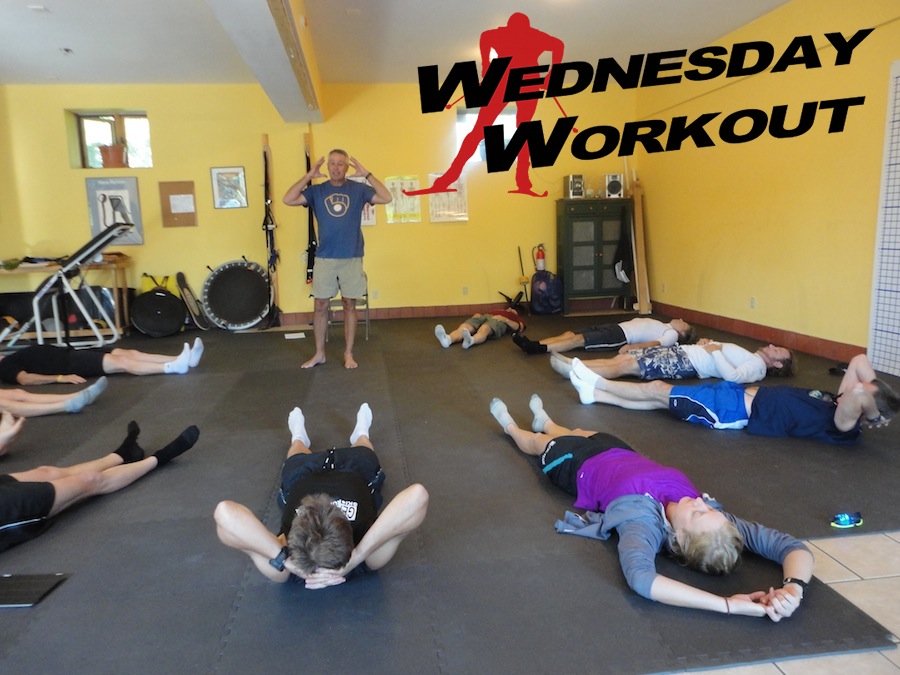
    Jay Tapper, who runs stretching programs for a company called ActivEdge, leads a masters group through some floor exercises and core work last fall. (Photo: Bill Pierce)
    Jay Tapper, who runs stretching programs for a company called ActivEdge, leads a masters group through some floor exercises and core work last fall. (Photo: Bill Pierce)

    By Bill Pierce

    Welcome to Wednesday Workout, the newest workout series on FasterSkier. This week, Central Cross Country (CXC) Elite Team coach Bill Pierce talks about going the extra 10 percent by being diligent about flexibility, recovery and agility. 

    ***
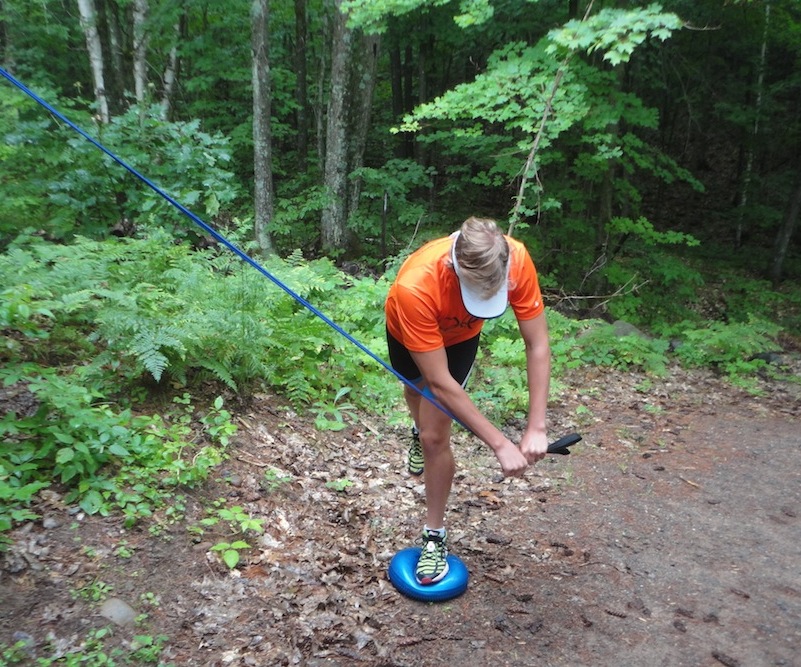
    A cross-over bungee pull: a simple leg and arm pendulum swinging and the other. While standing on the pillow, pull 90 degrees, twisting the shoulders and core but not the hips. This fires the glutes and the IT band for leg alignment and stabilization during the glide phase. Development of the glute is especially important in having a stable and aligned leg during the loading of the glide phase. (Photo: Bill Pierce)
    A cross-over bungee pull: a simple leg and arm pendulum swinging and the other. While standing on the pillow, pull 90 degrees, twisting the shoulders and core but not the hips. This fires the glutes and the IT band for leg alignment and stabilization during the glide phase. Development of the glute is especially important in having a stable and aligned leg during the loading of the glide phase. (Photo: Bill Pierce)

    I can think of quite a few workouts that I could call my favorites but I thought that I would contribute some work ideas that I have been focusing on as a coach with athletes and the team this season. When it comes to the workouts in our resume of experience, we are either working on endurance, intensity, or strength.

    When we add up all the time and ratios of this work it should be 100%. I tell athletes that if we are to be the best, you have to give 110%, all the time.  So, what do I think the other 10% is? Flexibility, physical recovery, and agility.

    At the beginning of the month Mikey Sinnott penned an article on stretching. It was spot on! Best advice was “make it a routine”, like brushing your teeth. We talk about it at clinics, camps, and workout sessions, but we just don’t do it on a consistent daily basis.

    While full-body stretching from extremities to core should be worked on, at the very least skiers should focus on stretching the body zones of power application; shoulders and chest, core, and hips/glutes/quads/hamstrings are the three areas that if ignored will very quickly tighten. Eventually a decrease in performance and an increase injuries will happen.  Bottom line, stretching will enhance your performance and keep you less prone to injury, ask Mikey!

    Shoulders and chest, core, and hips/glutes/quads/hamstrings are the three areas that if ignored will very quickly tighten.

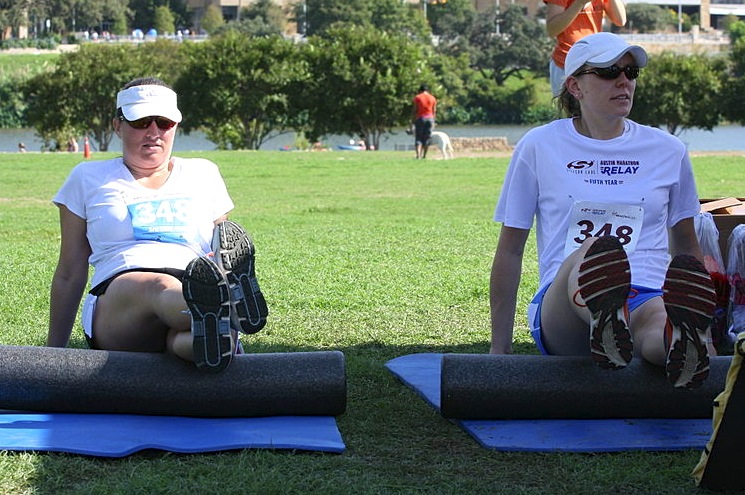
    The second piece of the extra 10% is physical recovery. Foam rolling, stick massage, icing/baths, and sauna are just a few of the options for speeding recovery that athletes should be using. Foam rolling and massage are not options. Every athlete from juniors, collegiate, seniors, and masters should own and travel with a foam roller.
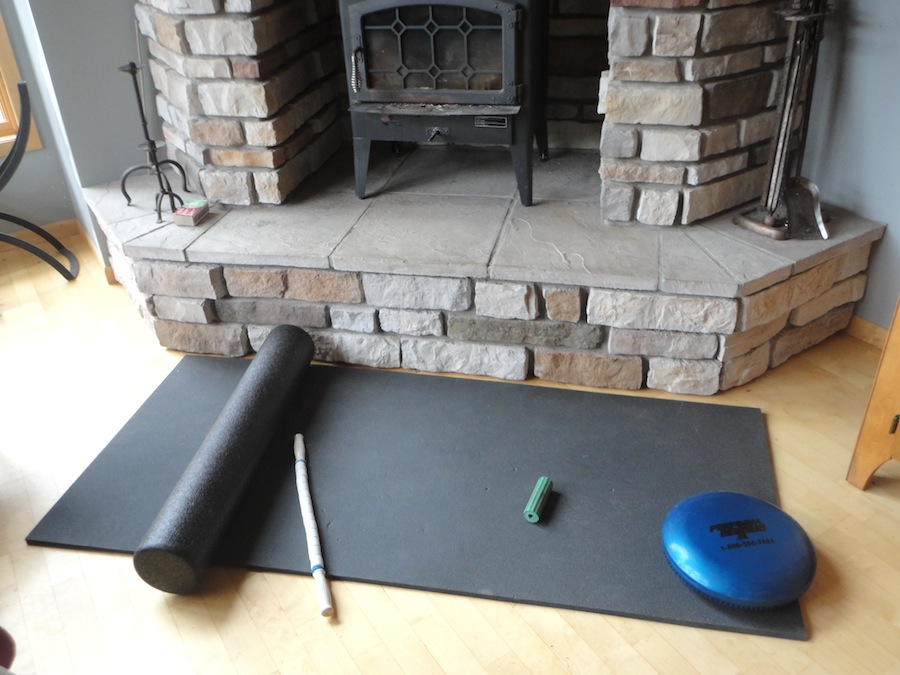
    Tools for success: a mat, foam roller (l), dowel, small ribbed roller (great for the bottom of the foot and helping prevent plantar fasciitis issues) and balance pillow (r). (Photo: Bill Pierce)
    Tools for success: a mat, foam roller (l), dowel, small ribbed roller (great for the bottom of the foot and helping prevent plantar fasciitis issues) and balance pillow (r). (Photo: Bill Pierce)

    While stretching is the first component to a post-workout routine, rolling should be the second. Self-massage or myofascial release (tissue work via gentle pressure or stretching) will help knead out trigger points, further stretch and massage the muscle, and increase circulation to the muscle to speed the recovery process. Again, developing the routine and habit of rolling the specific muscle groups used in a workout will speed your recovery and enhance your performance down the line.

    And the last piece of the extra 10% is agility. Being agile on skis is all about our balance skill. In order to possess that skill, we must train the muscle groups and movement patterns that help us achieve balance.  The more we work at it from the strength room to the trail, the quicker we learn it.
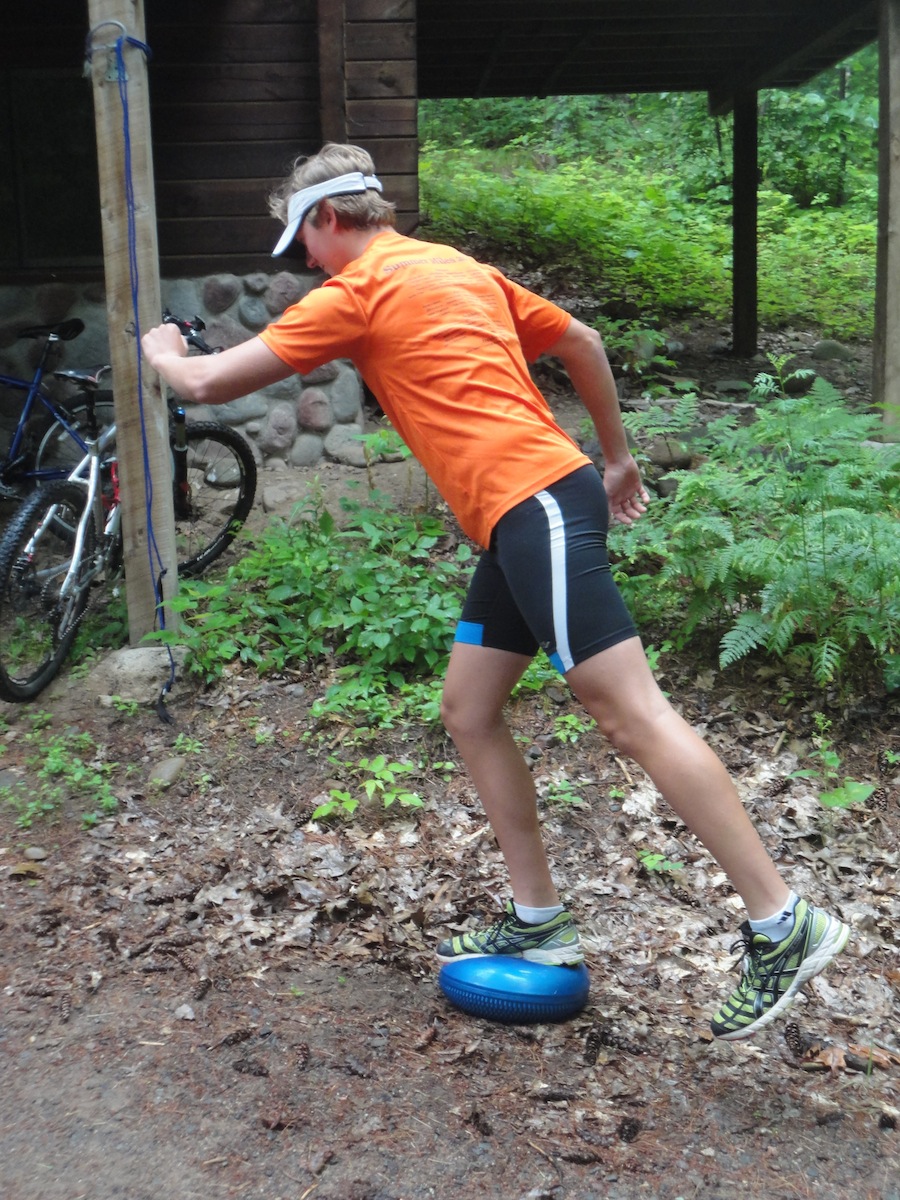
    A balancing exercise on what Bill Pierce calls the balance or air pillow.
    A balancing exercise on what Bill Pierce calls the balance or air pillow.

    One of the tools I have been using the past half dozen years is the balance (air) pillow, or the Bosu.  Athletes start by learning how to first stand and “swing out” on a pillow. Swinging out is nothing more than a pendulum motion of the arms and legs for warm up and movement pattern development. Push ups, squats and toe touches can all be exercises done off of unstable bearing in order to enhance the development of balance.

    Eventually, we incorporate many of their strength exercises onto a pillow so that they can simulate the instability of snow conditions in the power application phase of ski technique. Quiet a few of the exercises that we incorporate or design into a routine help develop the ability to quiet the core and stabilize the leg. While some athletes may have a better understanding of body awareness, it is mostly a learned and trained skill. You still have to do the work.

    So when you find yourself looking for that extra edge and advantage when you step to the line this winter, ask yourself, “Are you giving 110% everyday?” It’s never too late to start!

    Related: Foam Rolling – How To Start and Finish That Workout Right
  • Foam Rolling: How To Start and Finish That Workout Right
    Foam Rolling: How To Start and Finish That Workout Right
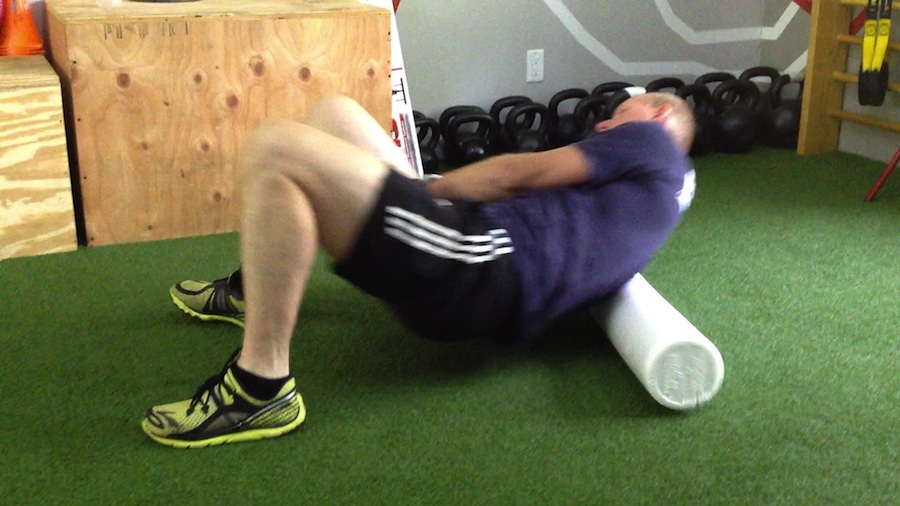
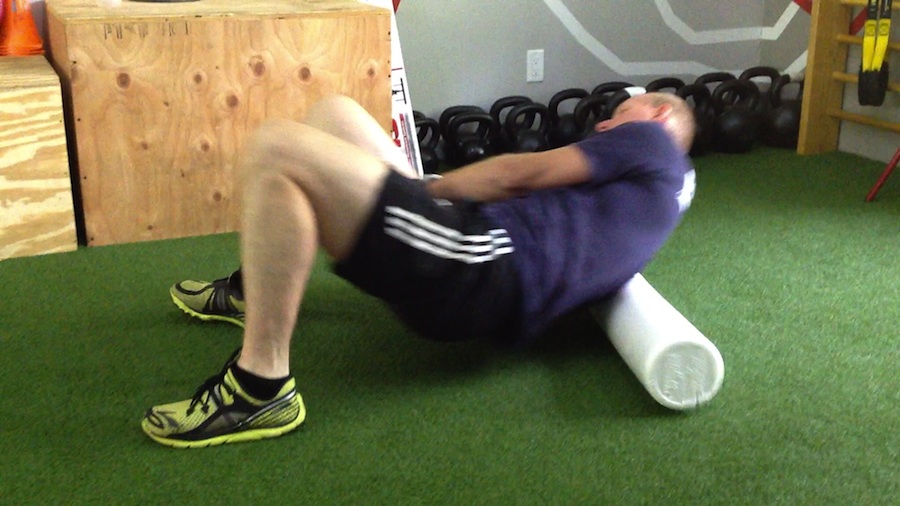
    Author Stuart Kremzner demonstrates one way to use a foam roller to work out the kinks along the spine and back.
    Author Stuart Kremzner demonstrates one way to use a foam roller to work out the kinks along the spine and back.

    Editor’s Note: Wednesday Workout fans, you’re in luck! The following article complements Bill Pierce’s recommendations for stretching, agility and self-massage. Not exactly sure how to use a foam roller? Stuart Kremzner, exercise physiologist, owner of E3 Sports Performance, nordic skier and coach, explains.  

    ***

    Many of us have been to training centers and weight rooms and seen the foam rollers in the corners. Maybe even seen someone using it moving around on it and usually grimacing, puffing, and cursing it.  Foam rollers are a tool to be used in preparation for exercise to limber us up. You will find after foam rolling, you will usually have an increased range of motion, and your muscles will feel suppler.

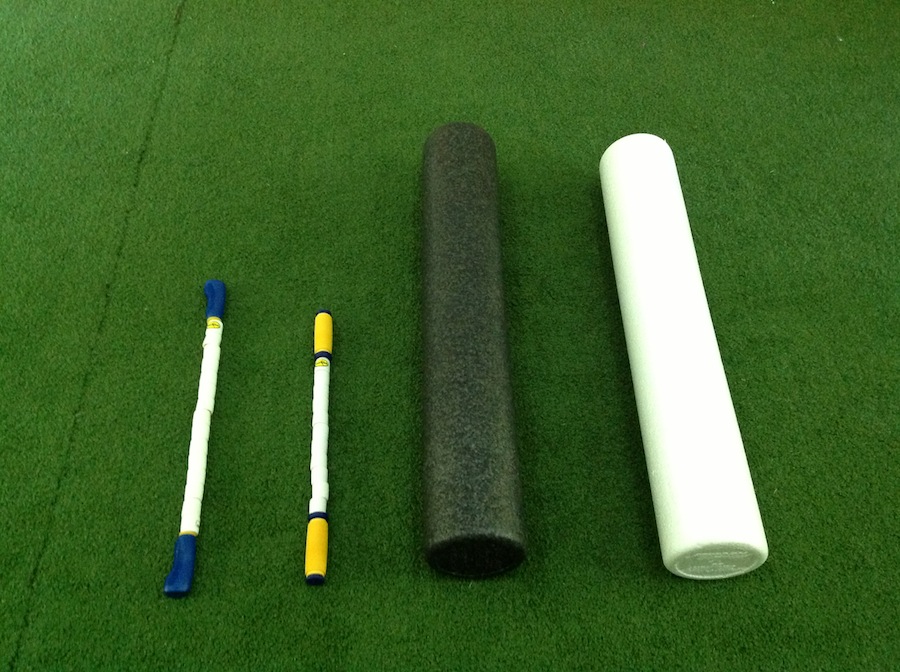
    Stick rollers (l) and foam rollers.
    Stick rollers (l) and foam rollers.

    The purpose of foam rolling is to achieve the same outcomes as from tissue massage or other physical therapy techniques such as manual therapy or active release therapy (or the more scientific term myofascial release), just without the masseuse or therapist working on you.

    The goal is to loosen up those tight muscles and trigger points (“small areas of muscle that act differently … this increases tension throughout the entire muscle and can cause pain in another area of the body,” according to physical therapist and author Gray Cook).

    We all know what tight muscles feel like. Rolling can release these areas of tightness just like massage will, and can give you some short-term improvements in muscle range of motion. Rolling out can also help with recovery after a workout. Like many of the warm-up and warm-down tools you need to try it to see if it works well for you and if you feel better in your workouts when utilized. Like with most training methods you will have responders and non-responders. My experience has been most athletes benefit from this as part of their warm-up and warm-down routine.

    Foam rolling can help ease sore muscles after a race and aid in recovery after a workout. (Photo: Wiki Commons)
    Foam rolling can help ease sore muscles after a race and aid in recovery after a workout. (Photo: Wiki Commons)

    How to use it?

    Rolling out is best done as the first and last step in a workout. For general loosening up roll over one muscle group back and forth 10-15 times. If you find a knot or trigger point roll over that area in shorter, lighter strokes until it releases or feels less tender.

    Stick vs. Foam Rollers:

    • Sticks: smaller muscle groups (i.e. back, arms, front of shin)
    • Foam: larger muscle groups (i.e. lower body, legs, back).Start with basic low- to mid-density foam roller before trying a harder or textured one.

    There are a variety of rolling devices. Fifteen years ago there were about two – now any fitness catalog will present a mind-numbing variety; it is like trying to buy shampoo in Wal-Mart!

    The primary two are the stick rollers and foam rollers. Sticks are best for work on harder to get areas, and smaller muscle groups (back, arms, front of the shin).  The foam roller pretty much does the same thing but you move your body over it versus rolling the stick over your muscles. Since a foam roller is wider it can hit a bigger area.

    I find sticks are best when you have less time to roll out and are also more portable, so you can pack it for a race so you are not trying to roll out in an icy or sandy parking lot.  That said, the foam roller will feel great for those larger muscle groups, primarily in the lower body and back (where you can’t reach with a stick by yourself). After a while you will find both come in handy.

    Rollers also come in various densities and textures, start simple with a basic low- to mid-density foam roller and then once you get used to it try a harder or textured roller.

    It’s a great way to start and finish your workouts as part of your warm-up and warm-down routine.