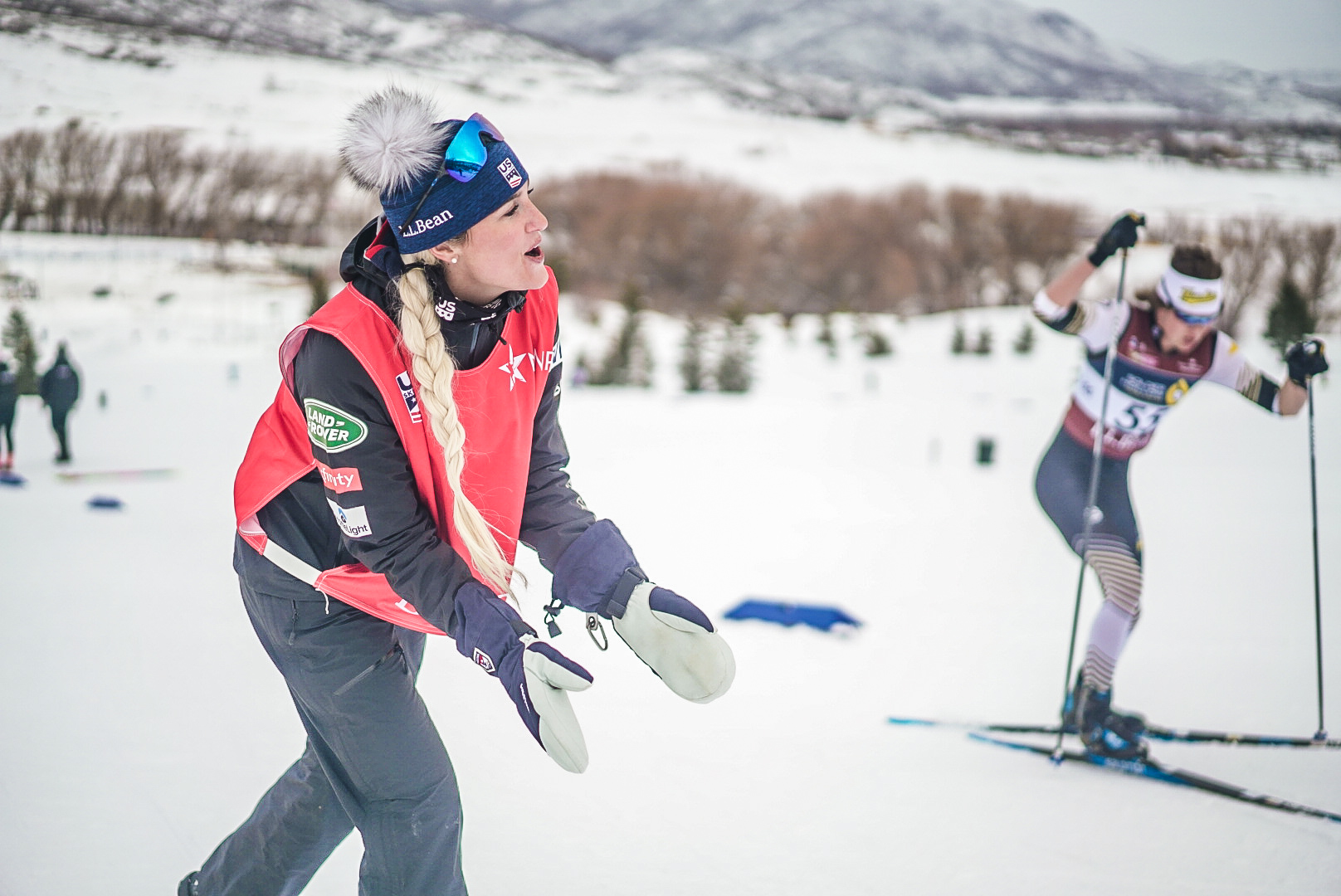
Convened for the first time since the pandemic, USSS’s biennial coaches National Coaches’ Symposium brings focus to US Skiing’s progress, and highlights the ever-evolving nature of the sport.
Last held in 2019, the US Ski and Snowboard’s National Coaches’ Symposium has traditionally provided insight into program priorities and training philosophies of those coaches working directly with the US Ski Team. With in-person conventions having been interrupted by the Covid pandemic, this season’s re-convening of the two-day Coaches’ Symposium represented a welcome return to the dialogue that has typically benefitted the Nordic skiing community. The virtual venue ostensibly helped reduce attendance costs for coaches, but also spoke to a key theme of accessibility and collaboration touched on as a strength of contemporary US skiing throughout the conference.
Friday
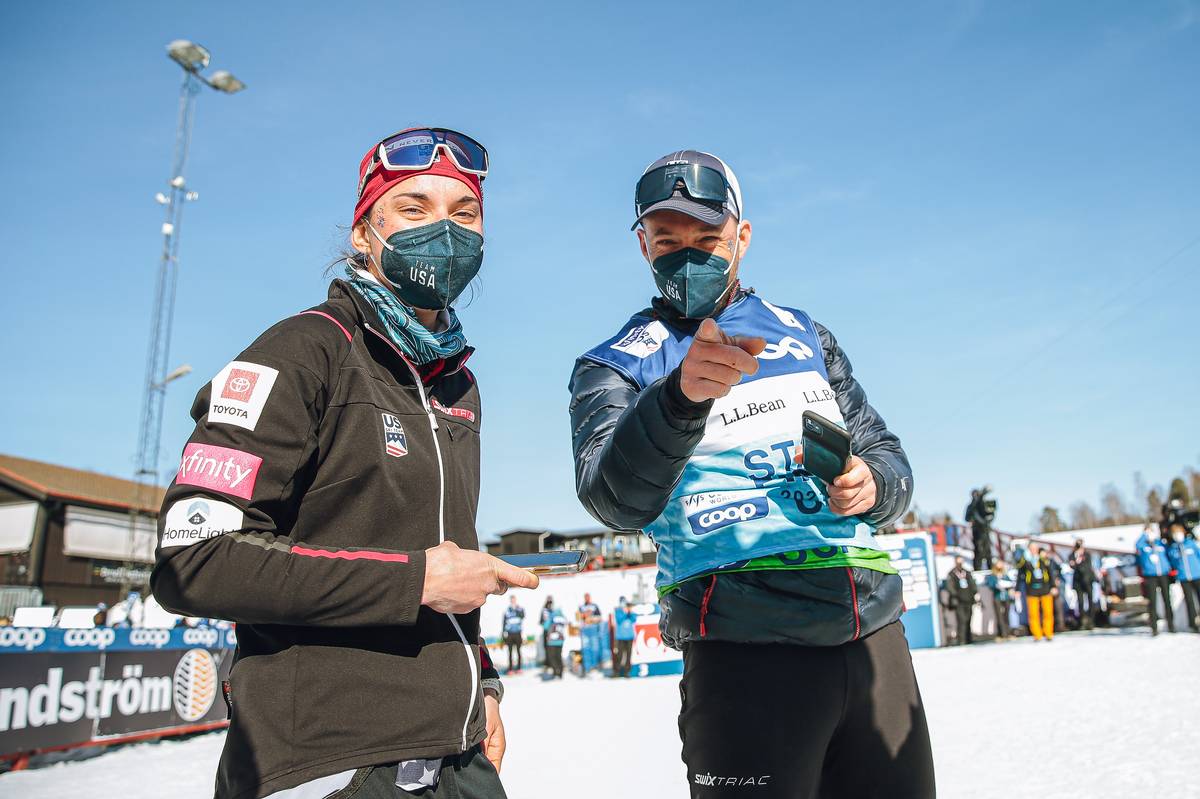
Friday’s program began with an introduction from US Ski Team Sport Development Director, Bryan Fish. “There’s 138 people on the call right now,” Fish said, which reminded attendees that the audience was larger than could have fit into the Center of Excellence in Park City where previous symposiums had convened. There was much important information that presenters were to convey, and many eager listeners had gathered to hear it.
Dr. Hans Kristian Stadheim
Friday’s keynote speaker was Dr. Hans Kristian Stadheim, the current British National Team Endurance Performance Director, and a coach long-renowned for his intricate and scientific approach to endurance as it specifically applies to nordic skiing. As Matt Whitcomb commented in his introduction of Dr. Stadheim, “when you’re at the World Cup, Hans stands out as the one who’s really digging into what makes [ski training and racing] work.”
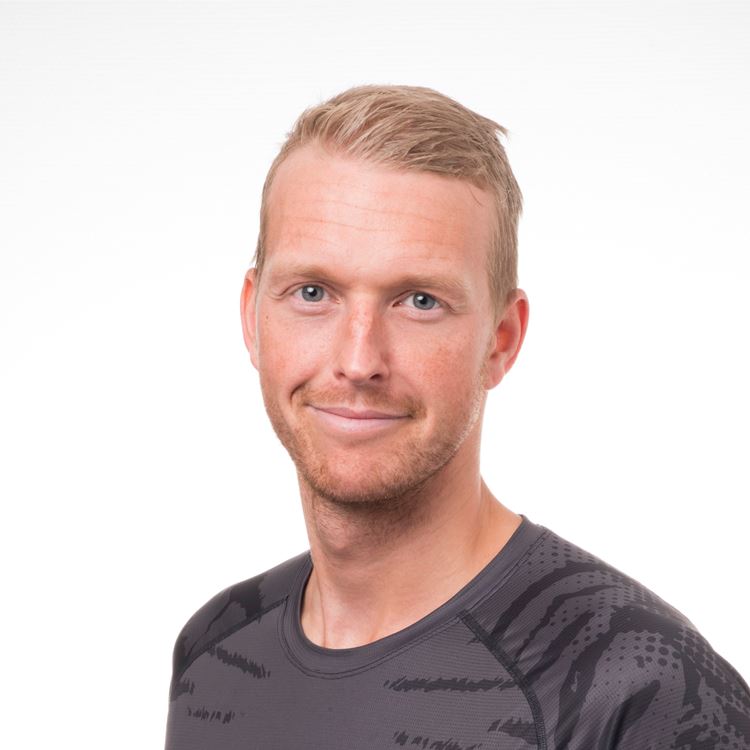
Stadheim’s presentation, “The Norwegian training method and experiences working with British team,” discussed the evidence behind current trends in nordic ski training, including the principles behind Norway’s dominance that Stadheim applied to building an elite program in Britain. He used his coaching with Simen Hegstad Krüger (NOR) as a case study for pointing out the training trajectory that the Norweigans follow for fostering a skier from junior to Olympic champion. The big takeaway from this example was that, “[The Norwegian] method is a gradual increase in training load with stress on limiting high volume at an early age.”
That point fueled a lively Q and A facilitated by Matt Whitcomb, which focused on implications for coaches working with junior and college athletes. Stadheim—along with useful addendums from Whitcomb—provided thoughts on balancing Threshold and VO2 max work, recovery metrics, and fitting individualized training into a team environment. Key recommendations included:
- Intensity work for juniors should focus heavily on increasing VO2 max.
- Recovery should be gauged dynamically using analytical tools and athlete perception.
- Building a national program requires retention of a robust base of athletes from the junior level through to higher levels of competition.
The remainder of Friday’s program featured discussions and demonstrations by medical and training staff members of the US Ski Team. Jen Kimball and Tschana Schillier, alongside Luke Jager, demonstrated mobility and strength movements that target particular weaknesses seen in cross-country athletes. Dr. Heather Cichanowski and Dr. Tod Olin detailed the medical community’s interest in the high occurrence of respiratory issues among competitive skiers, chiefly asthma and vocal cord dysfunction. Then, Jessica LaRoche wrapped up the program with a talk on athlete wellness.
Saturday
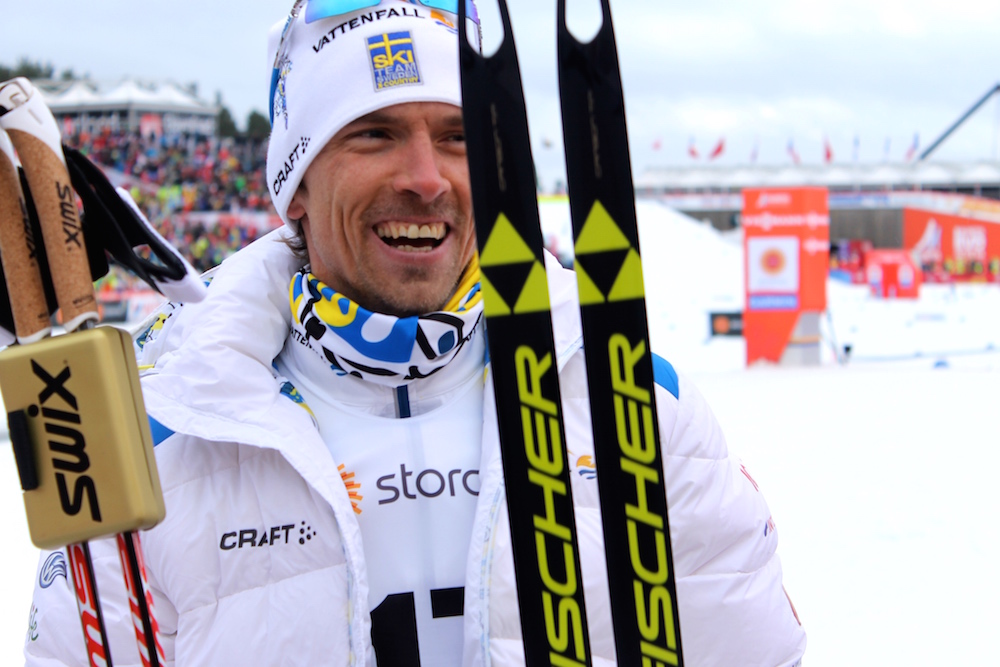
Johan Olsson
Saturday’s presentations began with a keynote from Swedish skiing legend Johan Olsson. Since his retirement in 2015, Olsson has developed a career as a TV contributor to Swedish National Television’s (SVT) ski coverage. From a career that included fourteen Olympic and World Championship medals (2nd only to Gunde Svan in the history of Swedish skiing), Olsson shared anecdotes that illustrated breakthroughs in his approach to ski racing, with a special focus on mental preparation. Olsson’s career took place prior to the detailed focus on mental preparation and wellness in training that are common at the elite level today. His anecdotes, therefore, illustrated an innovative individual approach that soon saw parts become common in competitive skiing today.
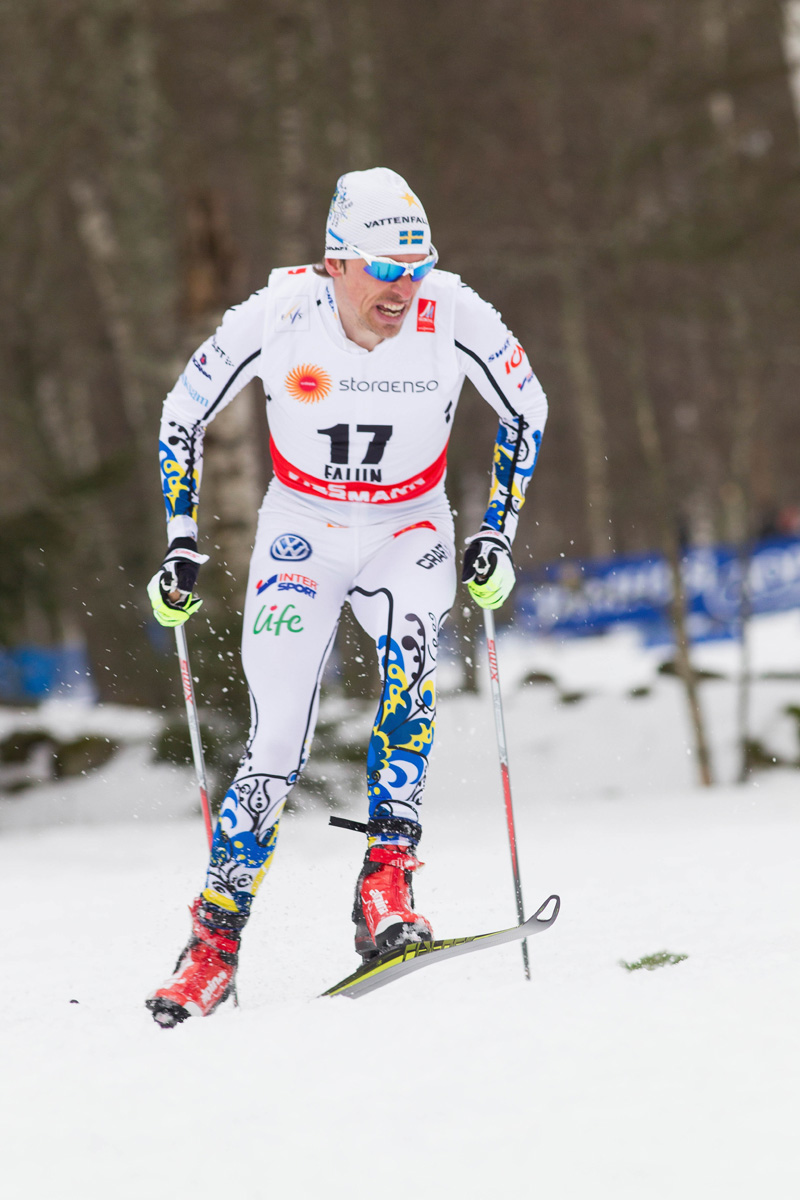
In one anecdote, Olsson detailed how his development of a dedicated mental approach to racing grew out of his own treatment for anxiety. After a disappointing 15k Classic at 2009 World Championships, Olsson’s wife Anna (also an accomplished Swedish skier) prescribed a self-imposed grieving period for him. “You have until 6pm tonight to be sad,” she said. “But then you will come to dinner and be the same positive Johan you always are.” Olsson popped in a cassette tape of “the saddest Neil Young songs I could find” and went about devising psychological strategies not unlike those found in Sport Psychology books today. A year later—at the 2010 Vancouver Olympics—Olsson’s charge in his relay leg saw Team Sweden win Gold in the event for the first time since Calgary in 1988. It was the culmination of a persistent application of techniques he had devised while wallowing in the saddest songs of Neil Young who—in an ironic twist—was seen passing through the crowd while Olsson stood atop the Olympic podium. Full circle, indeed.
Bryan Fish
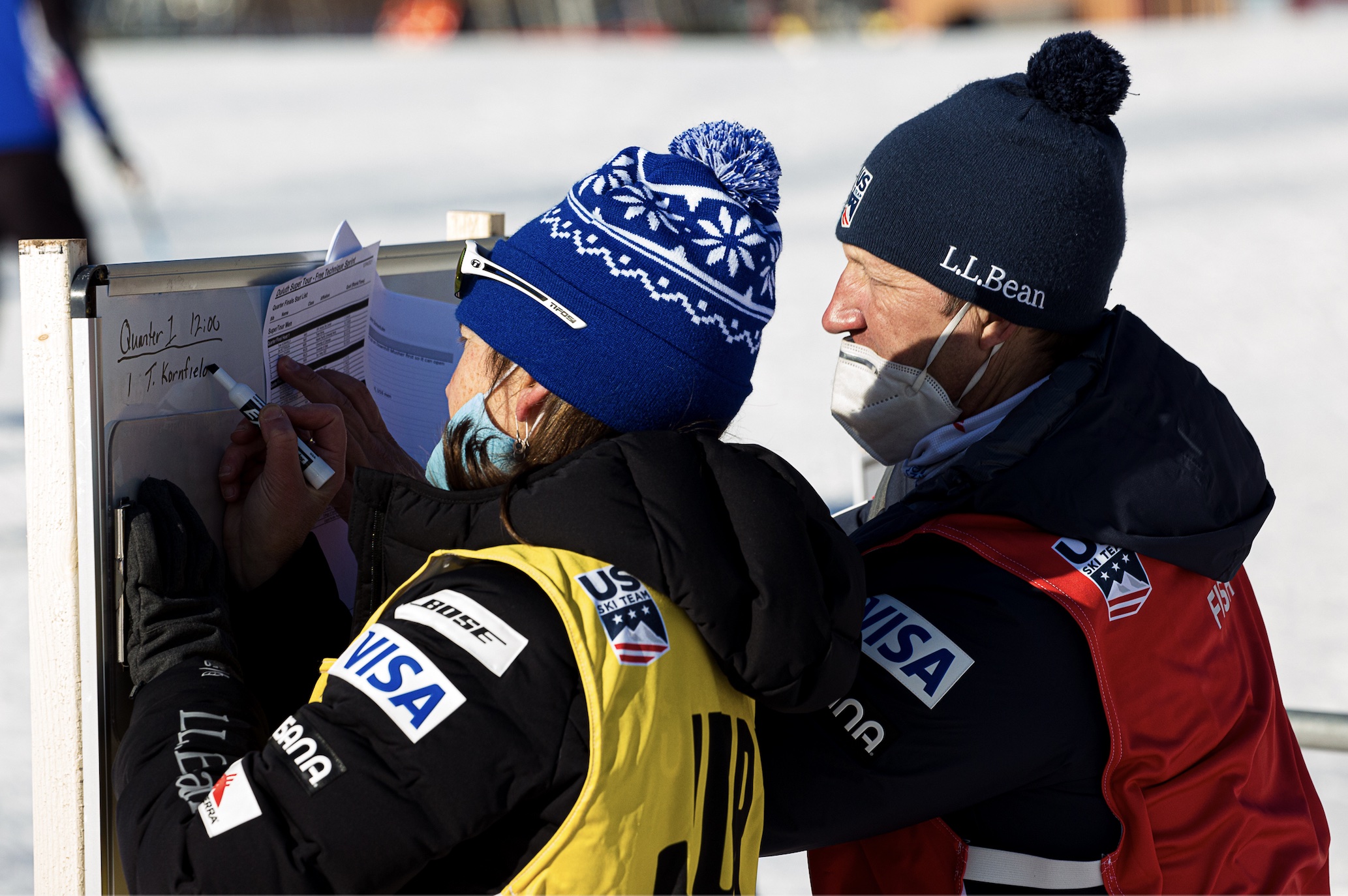
Bryan Fish described trends in training and development philosophy on which he and US Ski and Snowboard are currently focused. Fish’s presentation implicitly conveyed the strong progress US Skiing has made, as well as identifying next steps. Strong points identified include a philosophy towards “not training the most, but training really well,” an emphasis on strength training, and a spirit of collaboration among US Ski Team programs, local clubs, and regional associations.
Greta Anderson
What Bryan Fish had described as US Ski Team’s “holistic approach” was a continued focus during Greta Anderson’s presentation. Anderson spoke in detail on the number of athletes being reached by international trips, national training/elite groups, and regional elite groups. She further emphasized the ways each region uniquely incorporates its ski resources into this developmental program. For example, Eastern collegiate coaches played active roles in the Eastern/Midwestern U16 camp. In the Midwest, Team Birkie pros and U14 Dream Camp both expanded the region’s Regional Elite Group camp to more skiers. Anderson reiterated that these types of partnerships with clubs and programs feeding the US’ national development pathway were likely to continue. Matt Whitcomb quickly followed with an appeal to mobilize the US skiing community through the National Nordic Foundation, which will hold its annual Drive to 25 from November 21st-25th this year.
Jason Cork
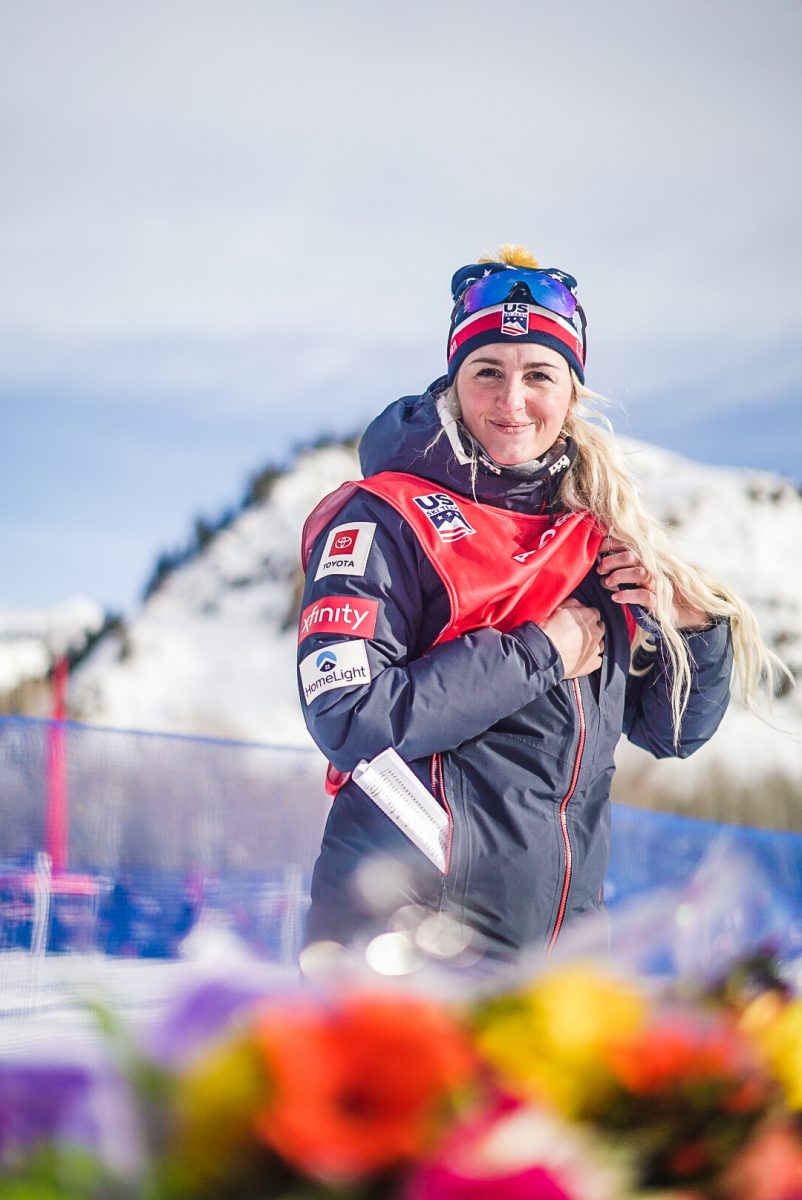
In the final presentation of the symposium, Jason Cork narrowed US skiing’s development focus from the entire system to just one athlete: Jessie Diggins. In a candid and entertaining talk that considered the ethereal mix of trust, knowledge, and competence required in the coach-athlete relationship, Cork delved into the minutiae of training numbers, and how data derived from Diggins’ training logs reveals pertinent information about peaking. He rattled off Diggins’ history-making results in a casual tone, while being much more serious about the types of workouts, training cycles, and long-term trajectories that led to World Cup Overall wins and Olympic medals. Those accomplishments would tend to suggest that American skiing is doing things right, and that this symposium was a valuable opportunity to describe the knowledge, the practice, and the craft of bringing those performances about.
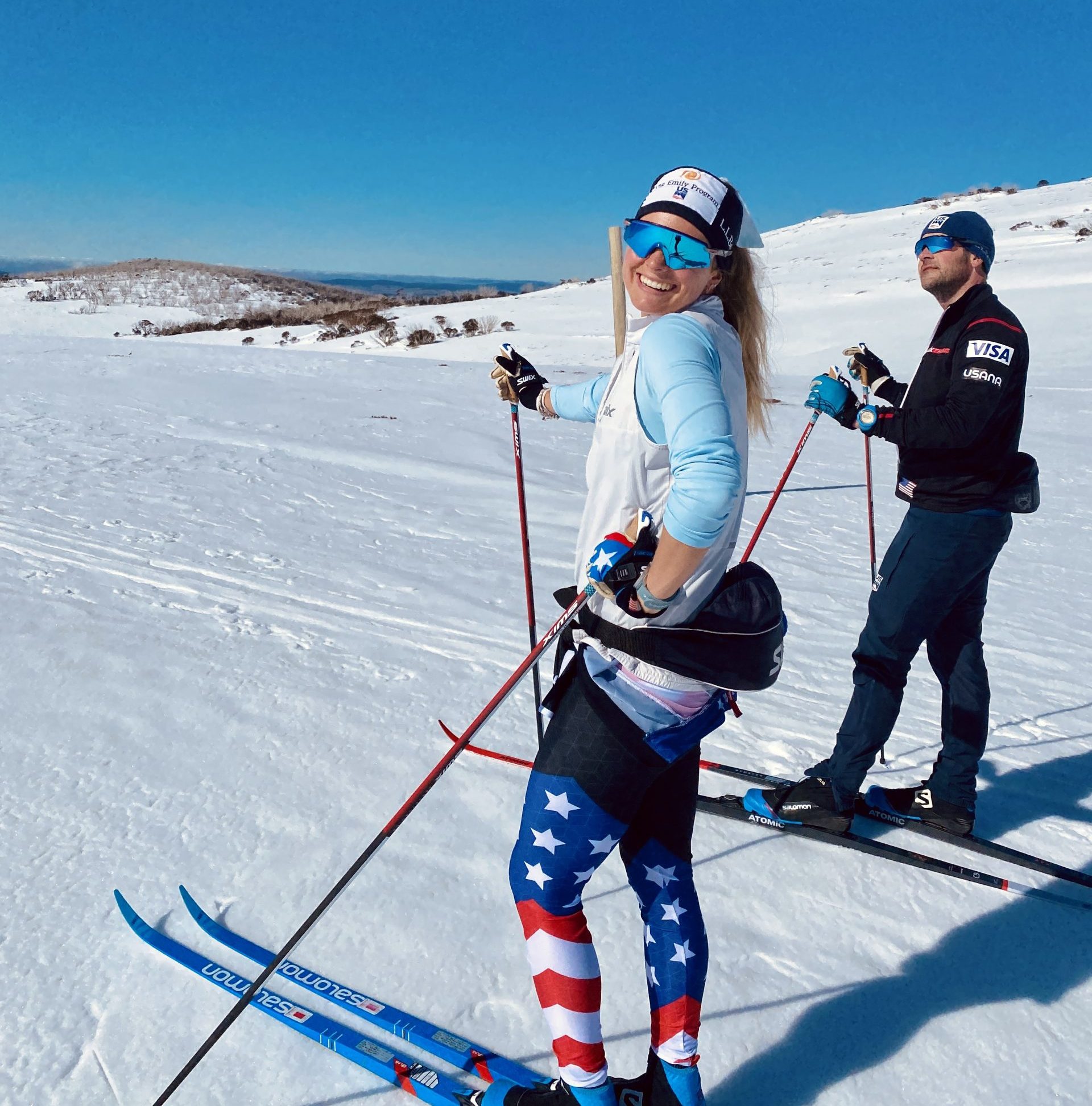
“Let’s let this knowledge radiate out to our athletes,” said Bryan Fish in closing out US Ski and Snowboard’s first-ever virtual coaching symposium. It was a call-to-action that resonated on Zoom screens across America, leaving a whole community of coaches ready for the demanding season to come.