From the FasterSkier archive — posts syndicated from athletes’ and coaches’ own blogs between 2004 and 2012, kept online as published. Current coverage is at fasterskier.com.

Tag: Norwegian Ski Association

  • With eroding control, FIS bans Russia and Belarus in belated reaction to threatened protest-cancellation of World Cup events in Norway and Sweden

    With eroding control, FIS bans Russia and Belarus in belated reaction to threatened protest-cancellation of World Cup events in Norway and Sweden

    Today the International Ski Federation (FIS) banned all Russian and Belarusian athletes and officials from taking part in any remaining FIS competitions. The press release stated, “The FIS Council decided unanimously in line with the IOC recommendation, that with immediate effect, no Russian or Belarusian athlete shall participate in any FIS competition at any level through the end of the 2021-2022 season.”
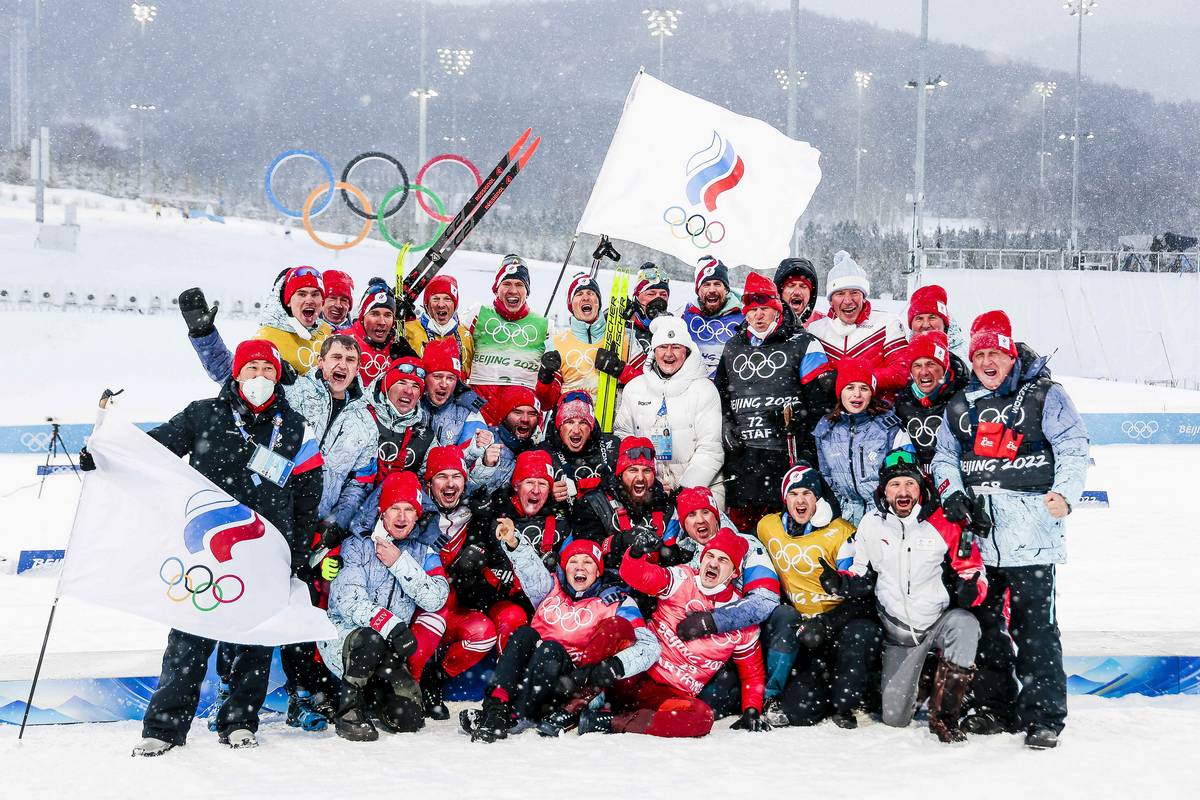
    The Russian team celebrates a dominant performance at the men’s 4 x 10 k relay during the 2022 Olympic Winter Games. (Photo: NordicFocus)

    The belated decision came after a power struggle between the Norwegian Ski Association and FIS, roiling the ski world and casting doubt upon the remainder of the World Cup season. 

    On Saturday, February 26th the board of the Norwegian Ski Association decided in a special meeting to uninvite Russian and Belarusian athletes from its upcoming World Cup races in Drammen and Holmenkollen. The position of the Ski Association was clear: “We do not want their participation.” 

    However, the Norwegian Ski Association and the event organizers lacked the authority to bar athletes, and FIS stood by their position of allowing all athletes to compete, telling NRK “The FIS board has been clear in its approach to Russian athletes in all FIS competitions… national federations and local organizers should not exclude athletes on the grounds of gender, race, nationality or sexual orientation.”

    On Monday, February 28 the Russian cross country ski team arrived in Oslo despite their lack of welcome and were met by Norwegian reporters at the Gardermoen airport. The athletes declined to speak, but Bolshunov’s coach, Yuri Borodavko did. “Well, it’s a terrible situation,” Borodavko told NRK. “War is always terrible. No one has ever wanted a war, not even us. Thank God there are sensible people with common sense, who do not give in to the panic that is now spreading throughout the world, and it is the leaders of FIS.”
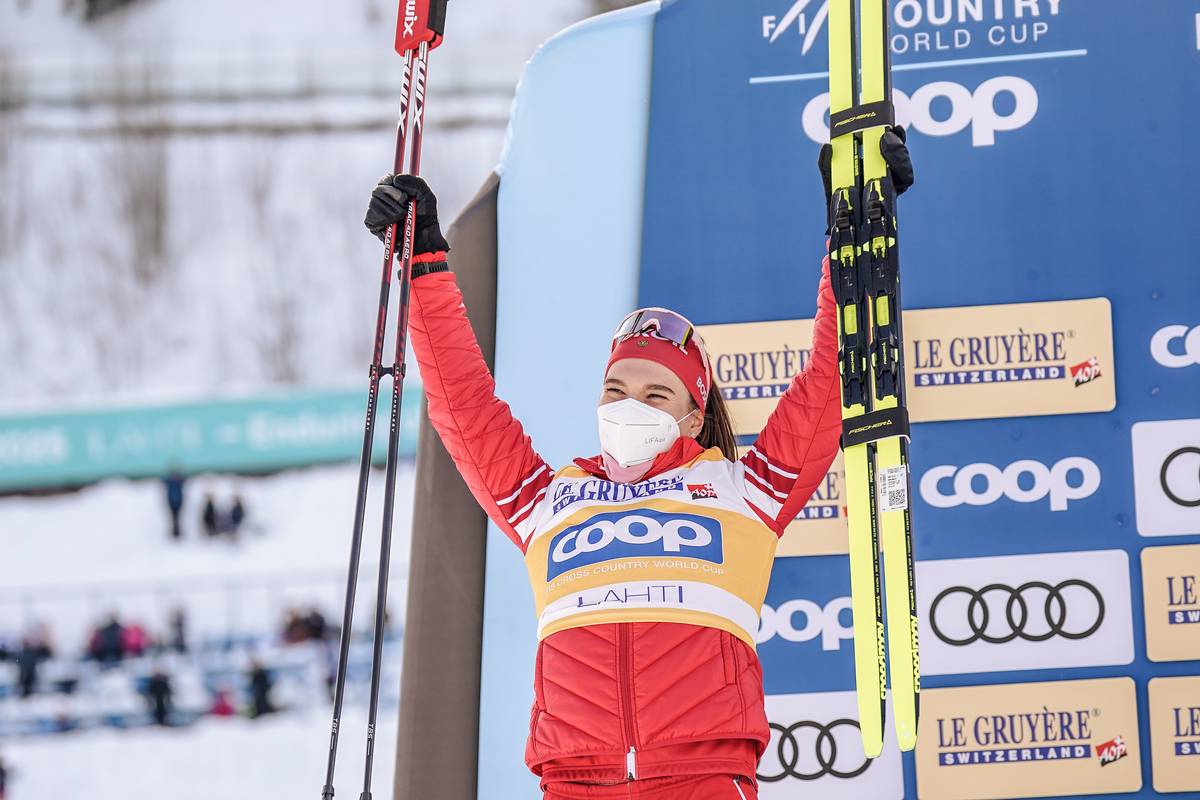
    Russia’s Natalia Nepryaeva steps onto the podium following a second place finish in the 10 k classic in Lahti. (Photo: NordicFocus)

    On Monday the Ski Associations for Norway, Sweden, and Finland wrote to FIS to ask for the exclusion of Russian athletes. Later in the day, the International Olympic Committee (IOC) revised their advice and requested the exclusion of Russian and Belarusian athletes.

    “[The Ski Associations] letter was somewhat surprising to us,” said FIS Secretary General Michel Vion.

    FIS, seemingly unable to move in tandem with events, made no response, and Vegard Ulvang pushed the Norwegian Ski Association to carry through with the refusal to host Russian athletes, saying, “It is a decision that FIS should have made. When they do not take it, it is we [Norway], who own the event, who must take it. If FIS disagrees with the decision, they can take the World Cup from us, it is a risk we should take. Then we will also force FIS to take active action.”

    With no word from FIS, the Norwegian Ski Association hosted a series of crisis meetings on Monday night and early Tuesday morning, during which the organization decided to override FIS and ban all Russian and Belarussian athletes from competing, regardless of the consequences of the action. 

    “We had hoped that FIS would come to that decision on behalf of the entire ski sport,” said Norwegian Ski Association President Erik Røste, “But now the Ski Association can not wait any longer.”

    FIS Secretary General Vion dismissed the position of the Norwegians saying, “We received some emails, with inquiries that were not reality-oriented. The Norwegian Ski Association does not have the authority to cancel anything or to exclude athletes. They express a wish that there will be no Russian athletes, but it was just a wish.”

    The Russian ski team, training in Holmenkollen on Tuesday morning confirmed that they would leave Norway and not participate in the World Cup. “Let our rivals compete,” Borodavko told VG. “Let’s just say they are not our friends and not comrades.” 

    With the decision effectively already taken, FIS seized the moment at noon Central European time on Tuesday and banned the Russian and Belarusian athletes and officials. “I am very happy that FIS ended up in that position,” said Røste, adding, “It has taken too long, it could have come earlier.”
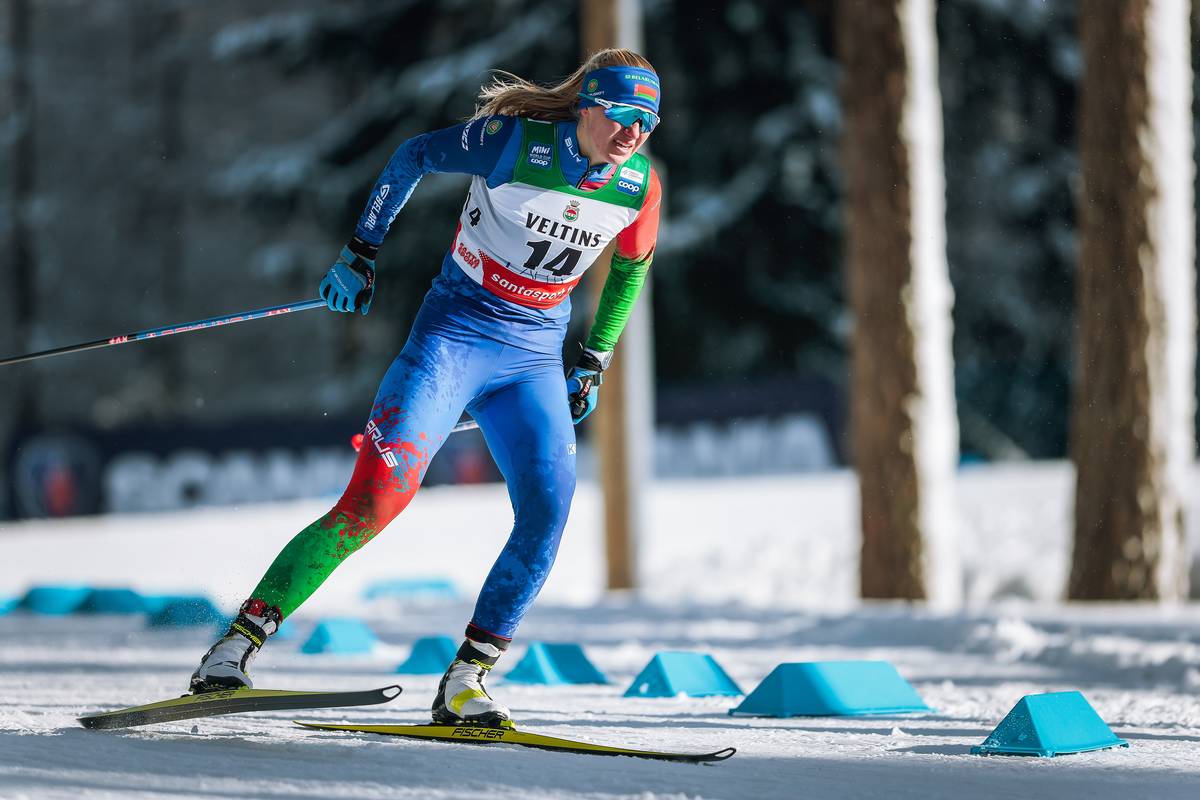
    Belarussian athlete Hanna Karaliova races the freestyle sprint qualifier last weekend in Lahti, FIN. (Photo: NordicFocus)

    The FIS decision narrowly averted the likely cancellation of the remaining World Cup races and the flight of sponsors. 

    Geirr Kihle, the event organizer of the Drammen city sprints this Thursday had urged fans to come to the event in the blue and yellow of the Ukrainian colors. He said he hoped the public’s reception to the Russian athletes would be, “to put it a little simply, sour.”

    On Tuesday morning, Drammen said they would withdraw from hosting the race if the Russian athletes were not banned. 

    Pressure on FIS also came from Coop—the title sponsor of the World Cup. “We have given FIS clear guidelines for what we believe,” said Takle Friis, the Director of Communications for Coop to VG. “They must respond immediately. In sympathy and solidarity with Ukraine, we can not accept that the Russian team will go to the World Cup.”

    Coop will adopt the Ukrainian colors for their logo on race bibs, and are working to change trailside billboards at Holmenkollen to promote donations to the Red Cross. 

    Sponsorship deals for Russian athletes also began to evaporate. Brav, the parent company of Swix and Toko announced on Monday that effective immediately, it will end all business in Russia and sever ties with Russian athletes. 

    The conflict between the sporting associations and FIS is yet another note in a habit of day-too-late decision making by the governing body of world skiing. Following the Russian invasion of Ukraine, the US ski team along with Norway, Sweden, and Finland all declared that they would not send teams to the scheduled World Cup Finals in Tyumen, Russia. After a day of urging FIS to act, the following day FIS canceled all remaining events in Russia. By then, it was already a moot point—no one was going. 
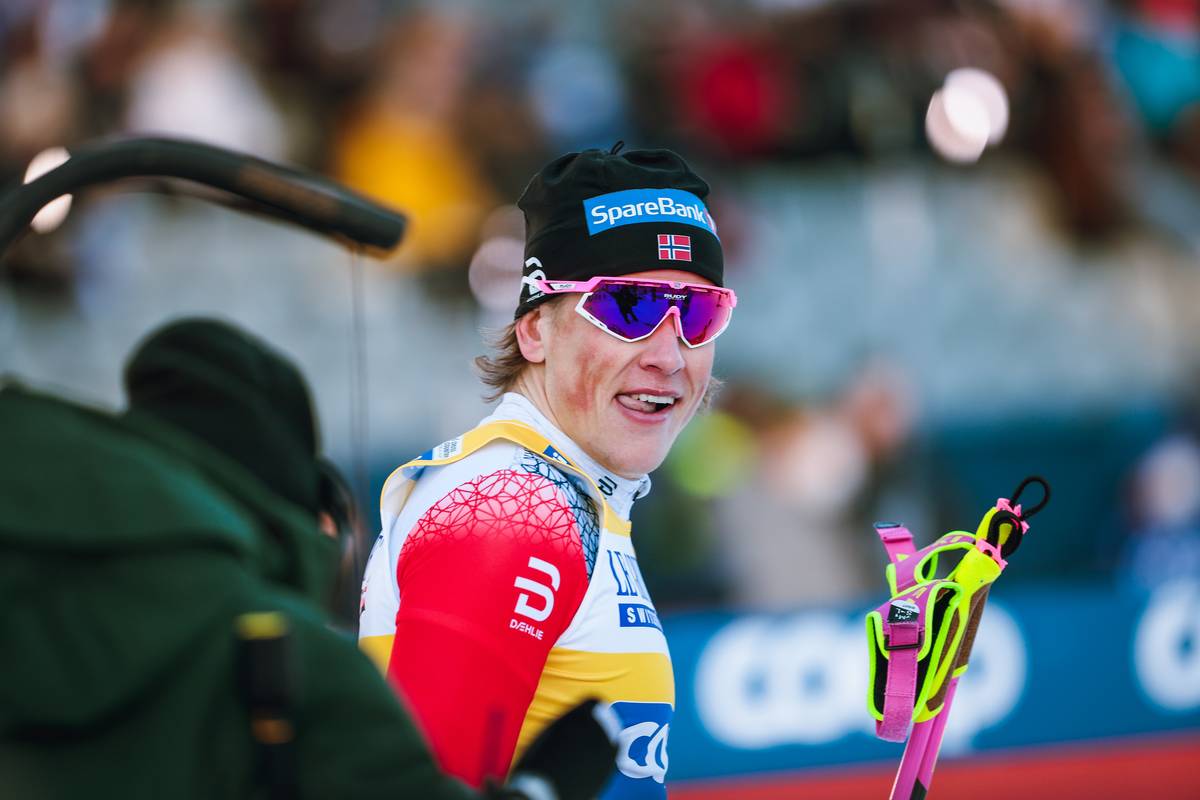
    Johannes Høsflot Klæbo enjoys a victory in Lahti’s freestyle sprint. (Photo: NordicFocus)

    Johannes Klæbo has been perhaps the most outspoken athlete on the issue. On Monday, he told VG “I think it is both cowardly and weak that FIS does not make the decision to deny Russia participation in Norway and in the World Cup. FIS should have done as Ski Classics [did] – and said no to Russia.”

    The Visma Ski Classics, a rival circuit to that of FIS World Cup, moved swiftly on Monday to remove Russian skiers from the Vasaloppet and the season long competition. 

    The FIS decision came too late for some quarters: Ӧstersund announced that there was no longer sufficient time to get a budget and sponsorship ready to host the World Cup Finals. 

    A day earlier, the municipality of Ӧstersund, which owns the ski trails, declared that they would bar the use of the ski trails for the event if FIS did not ban Russian athletes. 

    The World Cup will now likely end a week earlier than scheduled in Falun, Sweden on March 13th. 

    The late decision from FIS stoked grumbles that the federation may be overly beholden to Russian interests. As Drammen race organizer Geirr Kihle put it about sport federations in general, “Those who are called the ‘high lords’ have a hard time deciding. It is very common for Russians to sit on the boards. They are involved in deciding and will probably almost veto if they do not get what they want.”

    Norwegian newspaper Dagbladet also questioned the interests of new FIS President Johan Eliasch, the Swedish-British billionaire and former CEO of the ski company HEAD. Dagbladet challenged Eliasch’s record of supporting Russian tennis star, and HEAD athlete Maria Maria Sharapova, after tested positive in 2016 for banned substance Meldonium. Eliasch at the time said “Has WADA something against Russia? I believe they do.”

    The assertion that FIS is biased towards Russia was refuted by Secretary General Vion who replied to the NRK question, “Of course not! How can you say that?” He pointed out that Elena Valbe, the head of Russian skiing, is the only Russian to sit on the 19 member council. 

    Nevertheless, the situation is far from resolved. NRK ​​commentator Jan Petter Saltvedt rejected the phrasing that FIS used to ban the athletes which focused on athlete safety and in his words, lacked “the essential thing, namely the condemnation of Russia’s invasion.”

    “The whole reasoning is untrustworthy and deficient,” argued Saltvedt. “Many questions remain about what kind of power struggle this has been and what FIS leaders really think about this.”

    The cautious wording from FIS likely has much to do with an expected appeal by the Russians in the Court of Arbitration for Sport (CAS). 
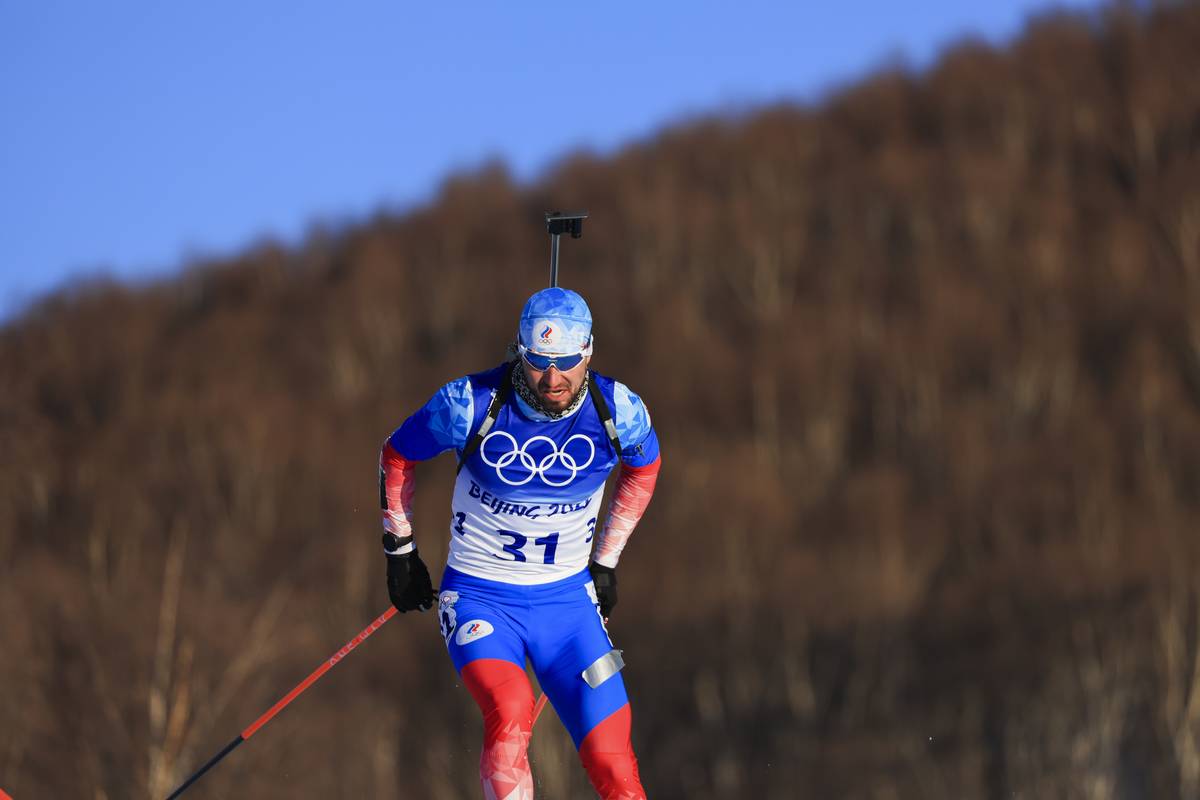
    Russian biathlete Alexander Loginov competes in the men’s individual competition during the 2022 Beijing Olympic Winter Games. (Photo: NordicFocus)

    When the International Biathlon Union decided on Saturday to require Russian athletes to compete under a neutral flag, their team promptly withdrew from the World Cup, stating, “We are furious at these illegal actions of the IBU and will defend the rights of our athletes and the rights of the RBU as a member of the International Federation.”

    The case is expected to end up in CAS, and there is a likelihood that the same will occur in cross country skiing. 

    The Russian team will leave Norway on Wednesday, reported Borodavko to NRK. “When you start to mix politics into the picture,” Borodavko said, “there is something we can not accept, so therefore we go back.” With no flights between Europe and Russia, their journey home will likely route them through Turkey. 

    The manner in which FIS came to the decision will likely deal a blow to its credibility, managing in a single stroke to alienate both its Scandinavian and Russian partners. FIS has struggled to rise to the challenge that this season has presented, with previous misses being the COVID related cancellations of World Cup races in France and Slovenia, an impromptu shortening of the men’s Olympic 50 k, and a belated cancelation of the World Cup Finals in Russia. 

    “Things take time,” Klæbo said on Friday, adding, “But I certainly think we do not have to wait until the longest every single time.” 

    Jens Burman of Sweden may have summed it best to Aftenbladet on Tuesday morning before FIS’s announcement. “In principle, everyone has excluded them, but not FIS. You are almost a little ashamed.”
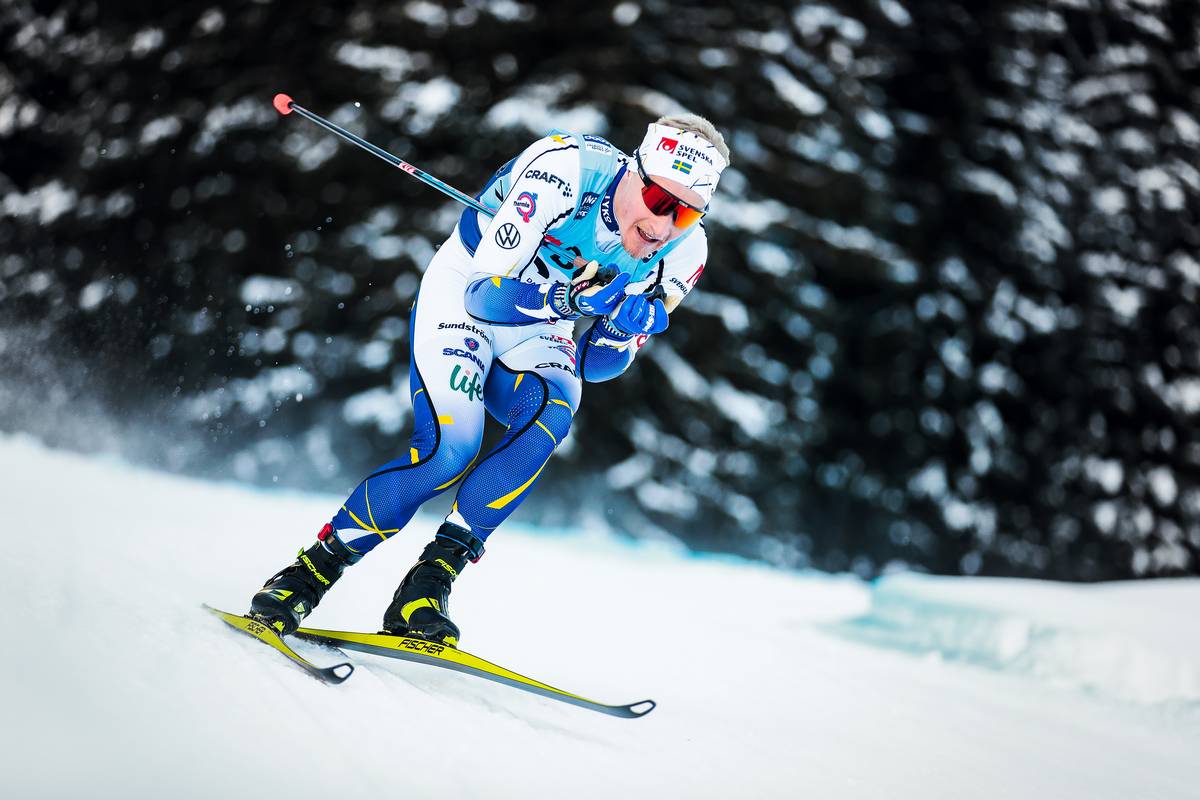
    Sweden’s Jens Burman races the 15 k skate during a December 2021 World Cup in Davos, SUI. (Photo: NordicFocus)
  • Russian athletes expected to compete in Norway despite Norwegian Ski Association message that they are not welcome

    Russian athletes expected to compete in Norway despite Norwegian Ski Association message that they are not welcome

    On February 26th, the Norwegian Ski Association (NSA) released a statement indicating that in light of the nation’s recent invasion of the Ukraine, Russian participation was not welcome at the upcoming World Cup sprint races in Dramman or the storied Holmenkollen distance races outside of Oslo. In addition to these cross country events, Norway is scheduled to host competitions in alpine, nordic combined, and ski jumping, including the World Ski Flying Championships in Vikersund. 

    A press release shared by Norwegian news source NRK stated: “The board of the Norwegian Ski Association has today discussed the situation related to Russia’s invasion of Ukraine, and how this affects the upcoming World Cup races and the world championship in Norway. The Norwegian Ski Association’s message to Russia and Russian athletes is crystal clear; We do not want their participation!”

    NSA president Erik Røste told NRK that a request had been made to the International Ski Federation (FIS) to officially bar the Russian program from participating, but as of Saturday, FIS had not taken action to comply with the request, instead pointing to the official cancellation of remaining FIS events held in Russia. 

    “The attack on the Ukrainian people and the great suffering we see pictures of now, the sport can not remain passive and be neutral,” Røste said of the request. “Therefore, the board of the Norwegian Ski Association was clear that this must have consequences beyond what has already been decided. Therefore, we will send a clear and distinct signal to FIS that we do not want Russia and Russian athletes to participate in competitions in Norway in the coming weeks.”

    Ultimately, it is up to the board of FIS whether Russia will be allowed to compete in the remainder of World Cup events. A response NRK received via email today stated: 

    “The FIS board has been clear in its approach to Russian athletes in all FIS competitions. To ensure fair and inclusive competitions at all FIS events, national federations and local organizers should not exclude athletes on the grounds of gender, race, nationality or sexual orientation.”

    Alexander Bolshunov (RUS) wins the 2020 Holmenkollen 50 k in the fog, ahead of Norway’s Simen Hegstad Krüger. (Photo: NordicFocus)

    As such, no Russian athletes or coaches have been denied entry to Norway, and Stefan Marx, the general manager of Holmenkollen ski festival, indicated there is little more that the organizers can do to prevent Russian participation in the events.

    “We must let them participate,” Marx said to NRK. “Those who FIS and the Norwegian Ski Association say must be allowed to participate. We do not have the authority to refuse anyone to participate, but we have supported the Ski Association and the Sports Association’s position. It is up to FIS or the authorities to decide, but we are clear in our support for the Ski Association’s proposal that Russian athletes are not wanted due to violations of international law that have been committed.”

    After flying from Helsinki following the Lahti World Cup races, Russian teams have begun to arrive in Norway. When pressed by the media upon his arrival, World Cup distance leader and favorite for the upcoming 50 k classic at the Holmenkollen, Alexander Bolshunov chose to remain silent. NRK did, however, receive comments from multiple Russian coaches, including head coach Marcus Cramer who felt that sport and politics should be kept separate.

    “​​What do sports and athletes have to do with this situation? It’s really tough. I just get sad that the Norwegian association thinks like that. We really have a good communication between us. With everyone who works there. It’s sad to hear this, especially when they take it to the press and not us first,” said Cramer.

    Another Russian coach, Jegor Sorin, who had been working at the Junior/U23 World Championships in Lygna, NOR and planned to join the Russian team in Oslo, echoed that Russian athletes should not be held accountable for the 

    “I am very upset that the Norwegian association wants this,” Sorin told NRK. “I can understand that no one wants to travel to Tyumen for the World Cup, but I do not know what happens to us… We are Russian athletes. We are here, we are not in any war. We are athletes, not soldiers. Maybe they think we have weapons. We want peace and for me this is very strange.”

    Alexander Bolshuonv is photographed with his four Olympic medals from the 2022 Games, with one event remaining. He would leave the Games with three gold medals, and a total of nine Olympic medals including those won in 2018. (Photo: NordicFocus)

    Though the Russian coaches focused on a separation between sport and politics, others have pointed out the direct ties between sporting success and military recognition. Used as an example, Bolshunov and Denis Spitsov were promoted to the rank of captain in Russia’s National Guard in recognition of their success during the 2022 Olympics. Bolshunov, who has earned a medal in each of his nine Olympic appearances, including three gold medals in Beijing, received additional honors in the form of the Alexander Nevsky Order, given in recognition of “special service for the fatherland.”

    FIS cross-country committee leader, Vegard Ulvang told NRK, “Russian athletes are [military] officers. This makes the symbolic value [of their participation] even greater.”

    A similar statement was made by Global Athlete representative and former U.S. Ski Team athlete Noah Hoffman. 

    “While I feel for the individual athletes, all Russian skiers should be banned from the FIS Cross Country World Cup for the rest of the season,” Hoffman tweeted. “Their results are used to drum up nationalism and bolster the Russian State. Allowing them to compete aids Russia. #StandWithUkraine.”

    Ulvang is urging a stronger response from the Norwegian Ski Federation, suggesting that they relinquish the FIS World Cup status of the events at the Holmenkollen in order to gain the authority to prohibit Russian participation.

    Jan Petter Saltvedt, a Sports Commentator for NRK described Ulvang’s statements as a “moral ultimatum.”

    “Ulvang demands an open rebellion from NSF against his own superiors,” Saltvedt said. “And he should get it. Vegard Ulvang puts so much pressure on the Norwegian Ski Association that they can not help but act… At the same time, he expresses a very strong and clear criticism of FIS, where he himself is one of the powerful committee leaders, but still does not feel he is heard at all.”

    Norwegian athletes who have been asked for comment have given mixed responses, often acknowledging the complexity of the issue and whether the athletes themselves should be at fault for government decisions.

    Among those with a clear stance, Erik Valnes spoke of disallowing Russian participation. “There is a heavy symbolism in it. It would send a signal. Since [Bolshunov] is [a captain of the Russian National Guard], they have already mixed sports and politics in a way. It is difficult. It is a great pity that it will be like that.”

    Erik Vales and Johannes Høsflot Klæbo earn gold in the classic team sprint during the 2022 Beijing Games. (Photo: NordicFocus)

    Johannes Høsflot Klæbo also spoke in support of the NSA urging FIS to remove Russian athletes from competition.

    “As an athlete, you want the best to start. We train all year to compete and then you want the best to participate,” Klæbo said to NRK. “At the same time, I support the attitude of the ski association now. There is no doubt about what is happening in Ukraine, and Russia must be condemned. I strongly condemn it and I think it is good that the association takes a stand.”

    Therese Johaug acknowledged that athletes may not have direct involvement in the military actions of Russia, speaking instead to their role in representing their country through sport.

    “I feel sorry for the athletes, first and foremost, I understand that they have nothing to do with this,” Therese Johaug told NRK after narrowly winning Lahti’s 10 k classic over Russian Natalia Nepryaeva. “But on the other hand, I think it is completely wrong. They front their country and the flag both on the chest and on the forehead. And that a country should also ravage the sports arena and fight for victories and front their country in the situation we are in – I think that is completely wrong.”

    Therese Johaug voices her thoughts on Russian World Cup participation following her win in Lahti’s 10 k classic. (Photo: NordicFocus)

    The stance is not unanimous amongst the Norwegian team. Sindre Bjørnestad Skar, who took third in Lahti’s freestyle sprint, spoke to the unfairness for Russian athletes.

    “Of course, I am 100 percent against everything that is happening between Russia and Ukraine now. It is completely inconceivable. But then I also do not think that the fact that they have a Russian passport, means that they should be punished and deprived of the opportunity to do their job. In a way, I think that is a bit unfair too,” Skar told NRK. 

    For the time being, no further changes in Russian participation have been reported. FasterSkier will continue to follow this story as it evolves over the next few days. World Cup classic sprint races are currently scheduled in Drammen Thursday, with the women’s 30 k mass start classic in Oslo happening Saturday March 5th, followed by the men’s 50 k on Sunday. 

  • ‘I Have Everything to Gain,’ Norway’s Kari Øyre Slind Tells FS, on Breaking Through

    ‘I Have Everything to Gain,’ Norway’s Kari Øyre Slind Tells FS, on Breaking Through

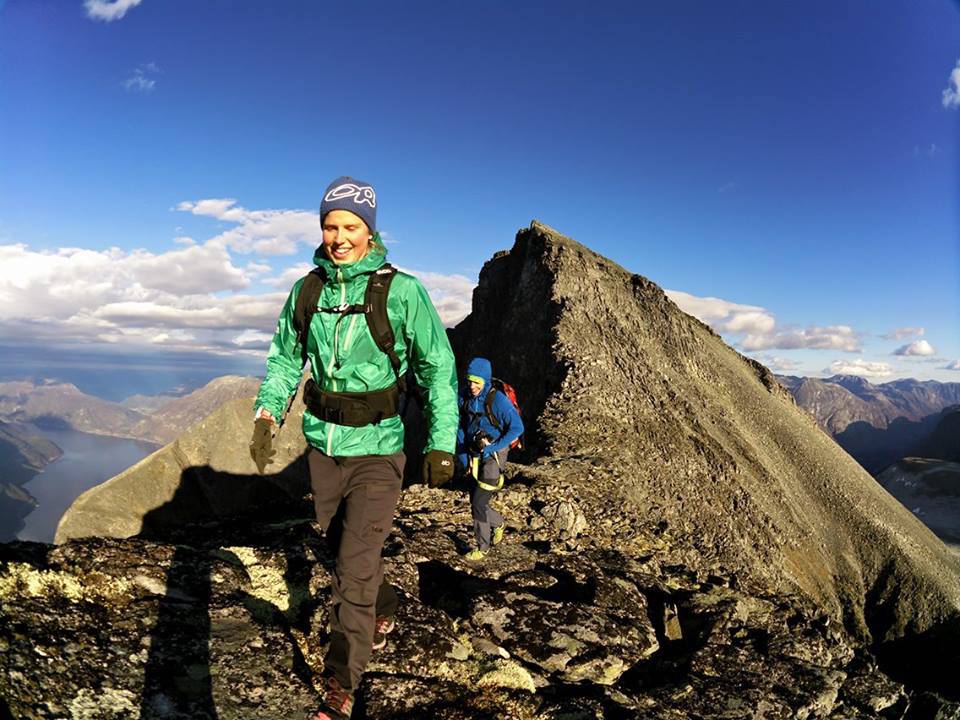
    Norway's Kari Øyre Slind in her element with her favorite kind of training: long touring adventures. (Courtesy photo)
    Norway’s Kari Øyre Slind in her element with her favorite kind of training: long touring adventures. (Courtesy photo)

    “I have everything to gain, they have everything to lose,” says Kari Øyre Slind, a 24-year-old Norwegian development skier who recently earned a spot in the World Cup opener this coming weekend.

    Two weekends ago in Beitostølen, Norway, Slind notched two consecutive podiums in the preseason International Ski Federation (FIS) races. That put her in a position to start the season in earnest on the World Cup. She’s raced in four individual Word Cups previously — most of which were sprints. On Nov. 13 and 14 in Beitostølen, she was second in the 7.5-kilometer freestyle and third in the 7.5 k classic behind national-team leaders Therese Johaug and Heidi Weng, respectively.

    As a result, Slind was selected to help fill the Norwegian World Cup team’s distance quota. But she isn’t overly nervous for the upcoming World Cup, which starts Friday in Kuusamo, Finland.

    “I felt like I skied a pretty average race, and I don’t dare to hope that I will rank as high in the World Cup opener,” Slind told FasterSkier in a recent phone interview. “I thought I would be the last of the girls on my team. My dryland time-trial performances and fall workouts haven’t exactly been outstanding this year.”

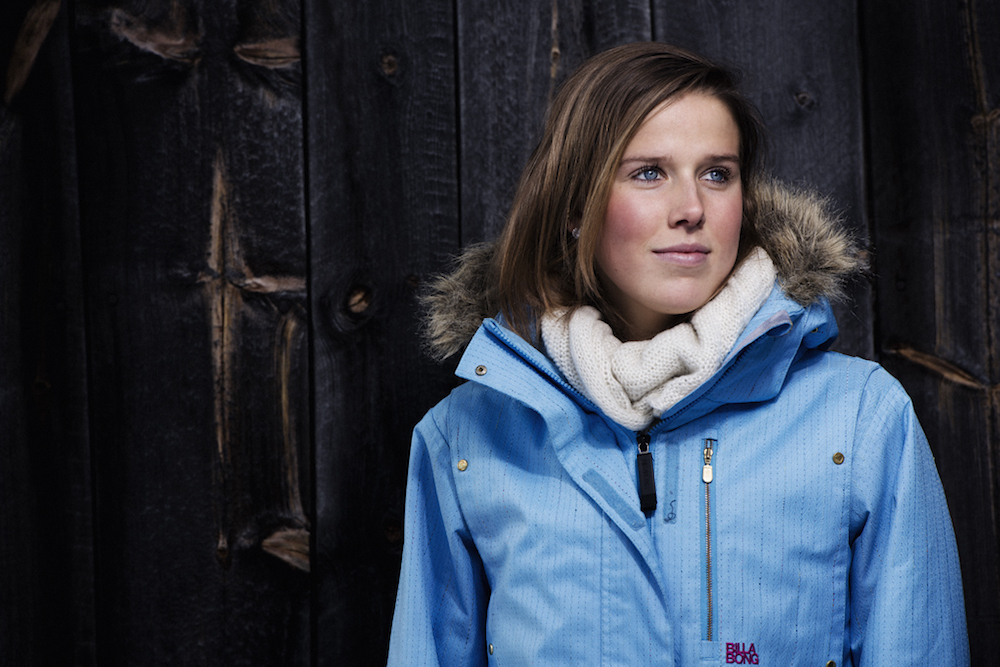
    Norway's Kari Øyre Slind (Photo: Martin I Dalen)
    Norway’s Kari Øyre Slind (Photo: Martin I Dalen)

    Slind, who is a part of the Norwegian Ski Association’s regional-development project Team Veidekke Trøndelag, pointed out that she rarely wins dryland races, but generally performs much better once the season starts.

    “When we start ski racing, I often beat those who beat me in fall,” she said.

    Slind has never been named to the World Cup team for distance events. In 2010, she was selected to her first international World Cup in Düsseldorf, Germany, where she placed 22nd in the skate sprint. Also that 2010/2011 season, she placed 22nd in a World Cup skate sprint in Drammen, Norway. This past March, she raced the Holmenkollen 30 k skate, where she was 33rd.

    But those times, Slind was part of the national quota; the host nation receives a higher number of World Cup berths for the events they host.

    So this is big for her, and while she’s excited about her two races so far, she remains grounded.

    “I choose to think of the Beitostølen weekend as a performance out of the ordinary,” she said. “But now I know that I can perform with the best on a good day.”

    Much to be Gained

    Slind explains that the support she’s received from the national-team women during and after Beitostølen has been very encouraging. The fact that they are impressed with her means a lot to Slind.

    “Therese said that she felt faster at the season opener this year than last year, and both Heidi and Astrid [Uhrenholdt Jacobsen] are skiers who aren’t exactly list fillers at the World Cup races,” Slind said. “So that means my race was really good. It would have been different if they said they didn’t feel like they raced well.”

    Kari Øyre Slind Stats:

    – Birthdate: Oct. 22, 1991
    – From: Oppdal, Norway
    – Club: Oppdal IL
    – Team: Team Veidekke Trøndelag (One of five regional development teams supported by the Norwegian Ski Association)
    – First World Cup: March 2010 in Drammen, Norway
    – Best Individual World Cup Finish: 22nd in the skate sprints in both Düsseldorf 2010 and Drammen 2011.

    Despite a good start to the season, Slind said she won’t set her heart on making additional World Cups later this season. She will race at the Lillehammer World Cup Dec. 6-7 in Norway, but for those races she was selected via the national quota.

    “I have no expectations for placing at the World Cup opener in Finland,” she said. “I’m racing against a bunch of athletes who are at a really amazing performance level. I almost feel like if I had expectations, I would almost be trashing and downplaying the established World Cup athletes. I don’t really belong in that company.

    “I’m going there to have a good time at the races, enjoy myself and just take things as they come,” she added. “I have everything to win and nothing to lose.”

    Slind found her Beitostølen breakthrough especially surprising after a season where she mostly trained alone and did few hard workouts.

    “I have focused on long workouts that border to recovery efforts rather than performance training, such as long mountain runs,” Slind said, noting that those are her favorite kind of workouts.

    “When I can just run for hours, I train with the team during team camps, and sometimes with my sisters [Astrid and Silje Øyre Slind] when they are home, but I actually really like training alone,” she said. “Just being outside makes me so happy, seeing our beautiful surroundings right here where I live in Oppdal, and just allowing my thoughts to drift.”

    Ownership and Balance

    Previously a member of the Norwegian junior and then the development teams, Slind trained independently last season. She explained she truly enjoyed the freedom and flexibility of setting her own schedule and being in charge of her own training program. At the same time, she trained with the Trondheim-based university program Team NTNU.

    “They were really welcoming and inclusive,” she said. “It was really nice to know that any time I wanted, I could join them for camps and that I had a place to stay and support for races during the winter. I’m very thankful for that.”

    While Slind enjoys her own company and likes training alone, she also likes to socialize.

    “Being a part of a team helps break up the routines. Actually, I really miss being a student,” she said. This spring, Slind earned her bachelor’s degree in exercise science.

    “I loved studying, and I loved being a part of a student community where you can talk about different things than just training, racing and skiing,” she added.

    She is considering pursuing a master’s in exercise science, but will take off this winter at least to train and race full time.

    “I don’t feel like going to school while racing was a problem. Sure, there were times when you had a lot of work hanging over you, and that might have added to the total stress load, but for the most part I just really enjoyed my field of study and I was really excited to learn,” she said.

    “But this is a point where I have a chance to take a season and try out what it’s like to just focus on skiing.”

  • Åge Skinstad Takes New Position with the Norwegian Ski Association

    The Norwegian Ski Association (NSF) is reorganizing, and as a result, national team director Åge Skinstad will change jobs and titles. He is now the cross country team director, an entirely new position in the organization.

    “There will be three different divisions under the cross country team director: The national teams, depth/recruiting, and marketing. Additionally, we are also considering a communications position,” Hermod Bjørkestøl said, the chair of the NSF cross country committee.

    The reorganization will better take care of the entire sport in Norway, and considers all aspects of cross-country skiing. The new organization will put marketing and depth/recruitment at the same level as the national teams, the press release stated.

    “I am really excited to start this process. At the same time, I am also happy that we have determined and defined the overall direction of the new organization. I think the new organization will serve the sport well in that it puts equal emphasis and importance on citizen racing and recreation as on national teams,” Skinstad said.

    Bjørkestøl explained that the NSF started talking about how to reorganize the cross-country division for the future already last fall. In January, the cross-country committee started discussing specific models, and it didn’t take long to agree on the new model, he said.

    The cross country committee chair denied that NSF’s main sponsor, Aker, has had any influence on the hiring process in NSF-Cross Country. However, Bjørkestøl said there have been interesting conversations with several of the sponsors about how NSF-Cross Country can capitalize on the amazing results from the past season and the 2011 World Championships.

    The cross country director will work closely with the cross country committee to further shape the new positions in the organization. The cross country committee will honor and respect current contracts.

    Press release from the Norwegian Ski Association, April 5, 2011. Translation by Inge Scheve

  • Cross-Pollinating Future Ski Champions

    Cross-Pollinating Future Ski Champions

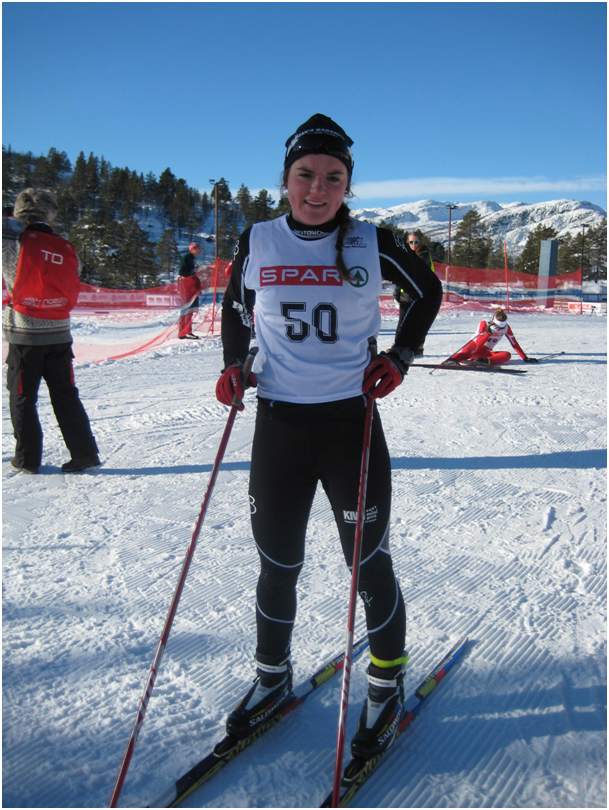
    Hilde Losgård Landheim, one of the 20 athletes in Team Morgendagens Helter.

    NORWAY – The Norwegian elite development project “Morgendagens Helter” (Ed. Tomorrow’s Heroes) brings 20 handpicked junior talents from all six of the ski disciplines organized under the Norwegian Ski Association (NSF) into one team.

    The athletes are assigned individual mentors on the national team level, receive an annual stipend of NOK 50,000 (roughly $8,500) that is split 50/50 between the athlete and his or her home club, and are invited to several team project training camps.  The money directed to the athletes’ local clubs is earmarked for talent development, recruitment, expanding local resources and coaches’ education.

    The goal is to encourage sharing of know-how and experience – both from the pros to the next generation, as well as between the different disciplines.

    “In order to succeed, it’s crucial to have the ability to learn not only from those who have made it to the top in you sport, but also to learn from those who have succeeded in other fields,” explains Kjetil Undhjem of Statoil, the NSF’s main sponsor for the project. He also feels that the athletes contribute value to his organization, and that the project is a win-win situation for all involved parties.

    Unique

    The project, a 5-year initiative backed by Statoil, is unique in that it combines talented skiers, mentors and coaches from all the FIS ski disciplines into one program. Athletes were handpicked by the association based on personal profiles, general attitude, posted results, motivation, stated ambitions and geographic considerations. Each of the NSF discipline directors picked their athletes, a task that was not easy.

    “There were a lot of good candidates, and there are talents who might feel that they should have been included on the team. However, they will have a new chance already next year,” says Bård A. Amundsen, the NSF’s secretary general. He points out that the team members have a unique opportunity to contribute to recruitment and development in their own clubs or ski academies, by sharing the project resources locally.

    During the camps, which are organized in various parts of the country, the athletes are introduced not only to different workouts and training methods in the ski disciplines but also to the training philosophies and methods of the other sports. During the August camp in Trondheim, for example, the athletes did a track workout led by cross-country skier and project mentor Therese Johaug, suffered through a grueling plyometrics session on the jumping hill stairs with telemark racer and mentor Eirik Rykhus, as well as several general workouts.

    The skiers also made a field trip to one of Norway’s biggest and most successful professional soccer clubs, Rosenborg, where they participated in a workout with the soccer coaches and were treated to a Champions League game afterward. And finally, the skiers were challenged to create computer-guided ski robots made from Legos at the Norwegian University of Science and Engineering (NTNU) – a task they handled with excellence once they discovered there were prizes for the teams that finished first.

    Solid ambassadors

    In addition to the individual mentors, the project also has two major ambassadors: Bente Skari (cross-country), and Kjetil Andre Aamodt (alpine), both former Olympians and world champions. Mentors include Johaug and Eldar Rønning (cross-country), Nina Løseth and Lars Elton Myhre (alpine), Rykhus (telemark) and Anders Jacobsen (jumping).

    The athletes have already completed two dryland camps, and the third will take place close to the start of the ski season.

    The team consists of three telemark skiers, four ski jumpers, three cross-country skiers, three alpine freestyle skiers, three alpine skiers and three nordic combined skiers.

    Well received

    “It’s so nice to have a mentor who has already made it to the World Cup and knows what it takes to get to the top. My mentor, Therese Johaug, is a skier I knew a little bit from before, and that makes it easier to pick up the phone and call her,” says Hilde Losgård Landheim, one of three cross-country skiers in the project. “We’ve talked a few times now, and she gives me a lot of good advice on training. That’s really useful.”

    Hilde Losgård Landheim

    Landheim particularly enjoys training with athletes from other ski disciplines during the team camps. So often, she says, cross-country skiers get stuck in a pattern.

    “I think it’s really healthy for us to see how other athletes train, and get some ideas for basic fitness and strength. I think in those areas, it’s really beneficial to try exercises you’ve never done before and don’t handle so well. I like being challenged and new things definitely do that,” Landheim says, explaining that she finds the project concept motivating.

    “It’s nice that the ski association and Statoil are spending this kind of money on us young skiers. It makes me want to train hard. I really enjoy meeting athletes from other sports, and it’s really motivating,” she says, adding that she had no idea NSF would pick her for the project.

    “I was really surprised when I got the call last winter. I am honored and excited to be a part of this project,” she says, admitting that she didn’t know a lot about it before she accepted.

    Landheim also finds that the project schedule works well with her existing training program from her local club (Tynset IF) and the regional division (Hedmark Skikrets).

    “The project team camps are generally fairly short and held in central locations, which makes it both convenient and easy to fit into my other training program. I’m excited about the next camp already,” Landheim says. “And I really liked the pro soccer game in Trondheim.”

  • Motivating to Get Tips From the Mentors

    TRONDHEIM, NORWAY – Håvard Solås Taugbøl and the other skiers on “Team Morgendagens Helter” (Ed: “Team Tomorrow’s Heroes”) are certainly learning from the best.

    This week the team had a training camp in Trondheim, and the takeaways include experiences, tips and a radio controlled airplane.

    Before Christmas last year, the Norwegian Ski Association initiated a 5-year talent development project backed by some of the association’s major sponsors. “Team Morgendagens Helter,” a talent development group consisting of hand-picked individuals from six of the ski disciplines, is a key element in this project.

    “At the camps, we meet athletes from other sports and learn from them. We also get pointers from our individual mentors, including Eldar Rønning and Therese Johaug. They simply tell us what they’re up to, and then we can take that home and adapt it to our own training programs. And they also just do a lot of really crazy, funny things,” says Taugbøl, one of the young cross-country talents on the team.

    The Lillehammer native was picked for the project as a representative for cross-country, along with Vilde Haugan Burkhall, Hilde Landheim and Sindre Bjørnestad Skar. Earlier this week, they joined the other team members and mentors in Trondheim.

    Winner

    Last season, Taugbøl won his age class in the Norwegian national cup by a healthy margin. During the camp in Trondheim, he was able to show that he knows more than just how to ski fast.

    “We were challenged to enter something called the Robot Ski Challenge at NTNU (Ed. Norwegian University of Science and Engineering). The point was to program computers to enable some robots to maneuver various obstacles on skis,” he explains. “I and this telemark racer Niklas Windmarken won the challenge,” Taugbøl says with a grain of humility.

    Just for fun

    The award for the engineering challenge was that each received their radio controlled airplane. Taugbøl doubts the prize will give him any advantages on snow, though.

    “I’m pretty sure I won’t ski any faster even though I did pretty well in the code writing department,” he says. “But it was fun and creative, at the same time as we had to be very detail-oriented and focused to make the code work,” Taugbøl adds.

    Plyometrics
    However, as an athlete with eyes on the podium, the workouts are the most important elements.

    “We did a really hard stair workout with Eldar Rønning on Monday. That was a really good workout, so maybe I’ll try to incorporate some of that on my own,” Taugbøl says.

    Motivated

    – How long will it take before you’re as good as Eldar Rønning?

    “That’s a tough question,” Taugbøl says and thinks about it. “But I’m planning to train a lot, train hard and train smart for a long time. Then time will show whether it will take two years or ten years. But I hope I can match his level some day,” Taugbøl says.

    Healthy
    After spending most of the spring and early summer battling whooping cough, the ambitious junior racer is now just smiles and joy.

    “I finally got rid of the whooping cough and can train full steam ahead. It feels good to be able to go level 5,” he says. “Now I’m focusing on building a good foundation so I can race fast this winter,” Taugbøl concludes. Be warned.

    From Langrenn.com, August 18, 2010. By Ivar Haugen, translation by Inge Scheve