Tag: on-snow camp

  • Sovereign Lake Hosts 1st Annual Enduro Ski Race (with Video)

    Sovereign Lake Hosts 1st Annual Enduro Ski Race (with Video)

    VERNON, British Columbia — Each year, the Sovereign Lake Nordic Centre reopens its trails in May to let skiers start the new training season on snow at its annual Spring Fling Ski Camp.  In addition to the local skiers, groups came from Whitehorse, Canmore, Saskatchewan, and Methow Valley to absorb some Vitamin D and snow. The longest travel award goes to Mark who travelled from Atlanta, Georgia, for a long weekend on snow.
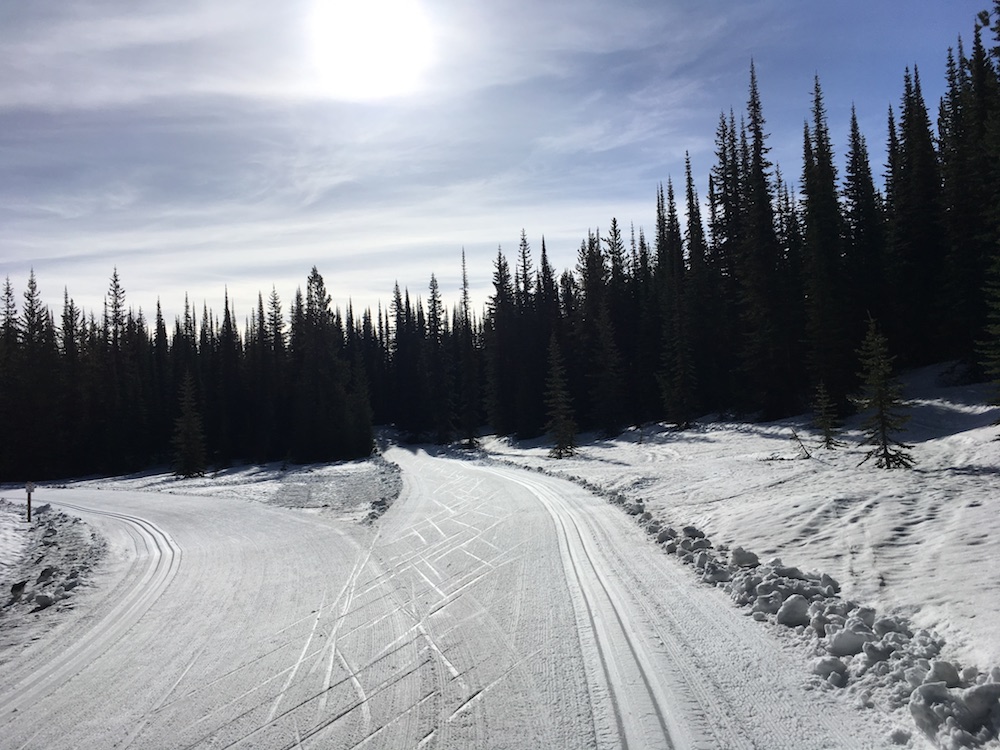
    Day three of Spring Fling, May 12th, 2018. (Photo: Gerry Furseth)
    Crusty morning on Day 3 of Sovereign Lake’s 2018 Spring Fling Ski Camp on May 12.

    The trails were open from 6:30 a.m. to 2 p.m. each day to take advantage of the cooler mornings, with a crusty start and a soft layer over a firm base later on. Air temperatures rose from 1 degree Celsius to 10-15 degrees by noon (34 degrees Fahrenheit to 50-60 F). Most athletes skated early, switched to classic as the snow softened, and then headed down to the valley for biking, running, and paddle boarding in the afternoon.

    While there was enough snow to open the whole system, the club only set about 20 kilometers each day as there were only a few hundred skiers expected.

    Last year’s innovation was the pushup time trial, which was so much fun it was repeated with double the participation on Saturday, May 12.

    This year, the club added an ‘enduro’ race on Sunday, May 13 to spice things up.

    Enduro is a popular mountain-bike race format, with a defined course that everyone must complete, but only the downhill stages are timed. The winner is the person whose total time for the timed stages is the lowest.

    buy nasonex online

    The response from the 53 participants was generally positive, with most wanting to repeat the event next year.  Many suggested the long flat runout at the end of Stage 2 didn’t feel flat with soft, sticky snow in the sunshine on race day. A few said they were going to copy the event at their home ski area next season.
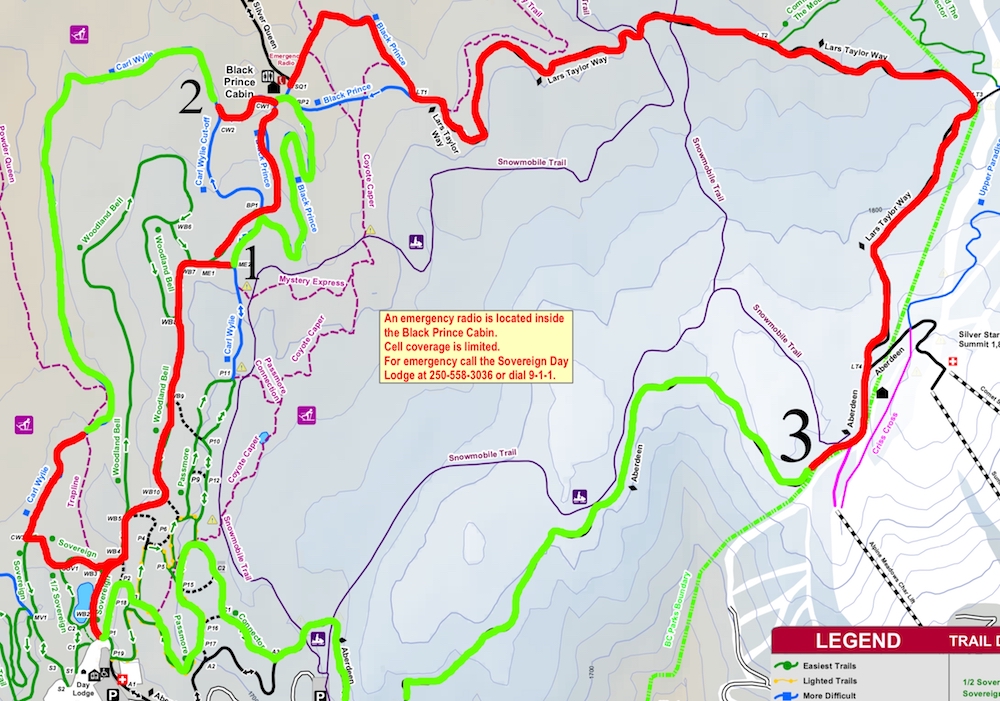
    The official course map. The green sections are timed stages, the red is the route to the next stage.
    The official course map. The green sections are timed stages, the red is the route to the next stage.

    How to Host an Enduro

    Pick a course that is safe for the snow conditions you’re dealt. Especially in spring, transitions can be dangerous. When the predicted high on race day was 17 C, the start time was advanced by an hour and the stages were slightly modified for safety.

    Balance the distance with the number of athletes you expect to attend. Sovereign used a 20 k loop with three stages of roughly 1 k, 1.5 k and 4 k.

    If your budget doesn’t suit chip timing, have the racers self-time their sections. This event used four volunteers. One covered the front desk in the day lodge while the manager started the event. Three wrote down the self-reported stage times on clipboards. Strava is an option for mountain-bike events, but not many skiers carry a GPS.

    Plan for some slow skiing. Many athletes skied the non-timed sections as a group chat. The transfer to the start of Stage 3 had a total climb of about 250 meters which, combined with hot and sunny weather, made for a very slow average pace with the first finishers arriving about 30 minutes later than estimated.

    Focus on fun. There are no FIS points for this race format, which means the organization can be very laid back. As this was the fourth day of a volume camp for most athletes, participants were more focussed on having fun than winning. Women’s winner Olivia Bouffard-Nesbitt didn’t check the results and was surprised to be awarded a prize (a 10-day Sovereign punch pass) as she packed her skis at the end of the weekend.

    Official results were not available at press time, but it appeared Olivia Bouffard-Nesbitt (Rocky Mountain Racers) won the women’s enduro and Sam Hendry (Canmore Nordic) was the men’s winner.
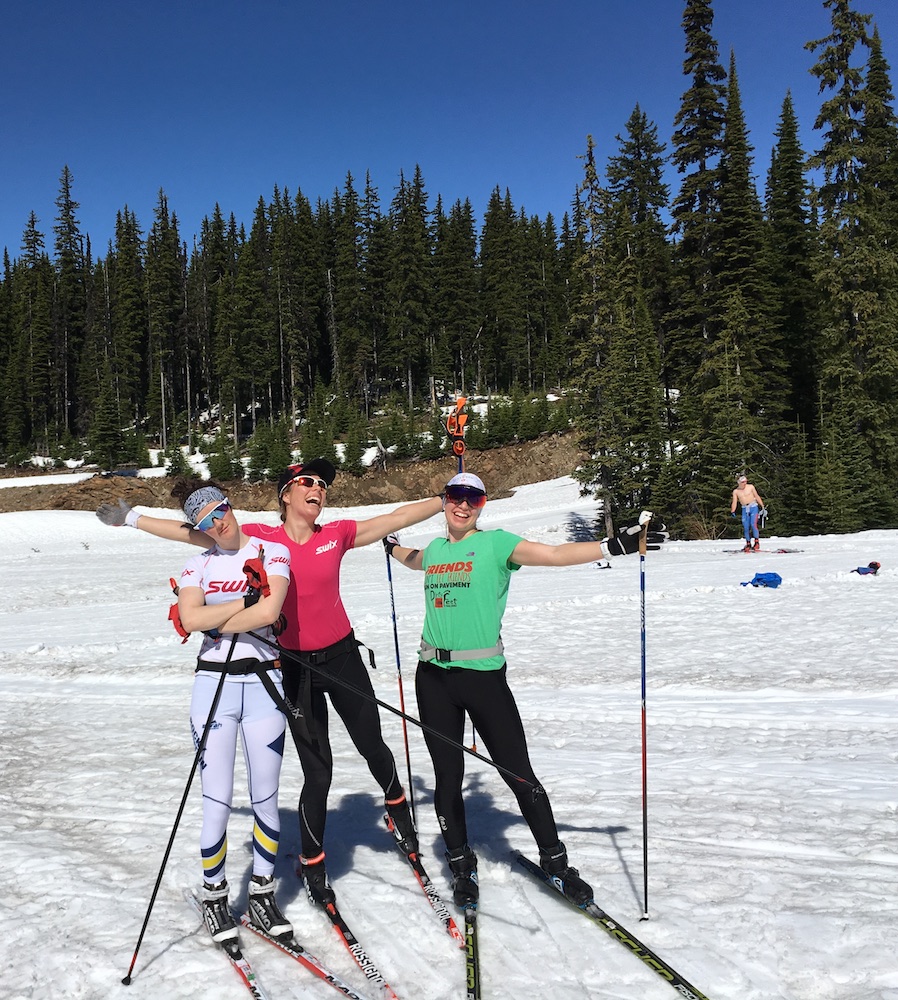
    Olivia Bouffard-Nesbitt (RMR), Maya MacIsaac-Jones (U25 national team and RMR), and Hannah Mehain (Sovereign Lake) at the finish.
    From left to right: Olivia Bouffard-Nesbitt of Rocky Mountain Racers (RMR), Maya MacIsaac-Jones (National U25 Team and RMR), and Hannah Mehain (Sovereign Lake) at the finish.
  • APU Masters Glacier Camp June 28-July 1

    This summer APU is hosting a masters on-snow ski camp at the Thomas Training Center on Eagle Glacier. Come experience glacier training, just as APU’s Elite team and Olympians Kikkan Randall, Holly Brooks, Erik and Sadie Bjornsen make their seasons.

    “Skiers are made in the Summer”

    The camp is coached by APU Elite coach Erik Flora, Greta Anderson and Galen Johnson. Erik has coached at Olympic and World Championship levels, including three time Overall World Sprint Champion. Galen and Greta are APU Master coaches and skied for the APU Elite-University Team. Snow camp will be from the evening of June 28 to the morning of July 1, including 4-5 ski sessions.

    Camp includes classic and skate techniques. There is opportunity to ski a lot, plus take part in technique discussion and video review. Includes skiing, coaching, housing, and food. Space is limited.

    Please contact Greta Anderson (gretaanderson13@gmail.com) for registration.

    Registration form

  • GRP Finds Stellar Conditions at On-Snow Camp in Austria

    GRP Finds Stellar Conditions at On-Snow Camp in Austria

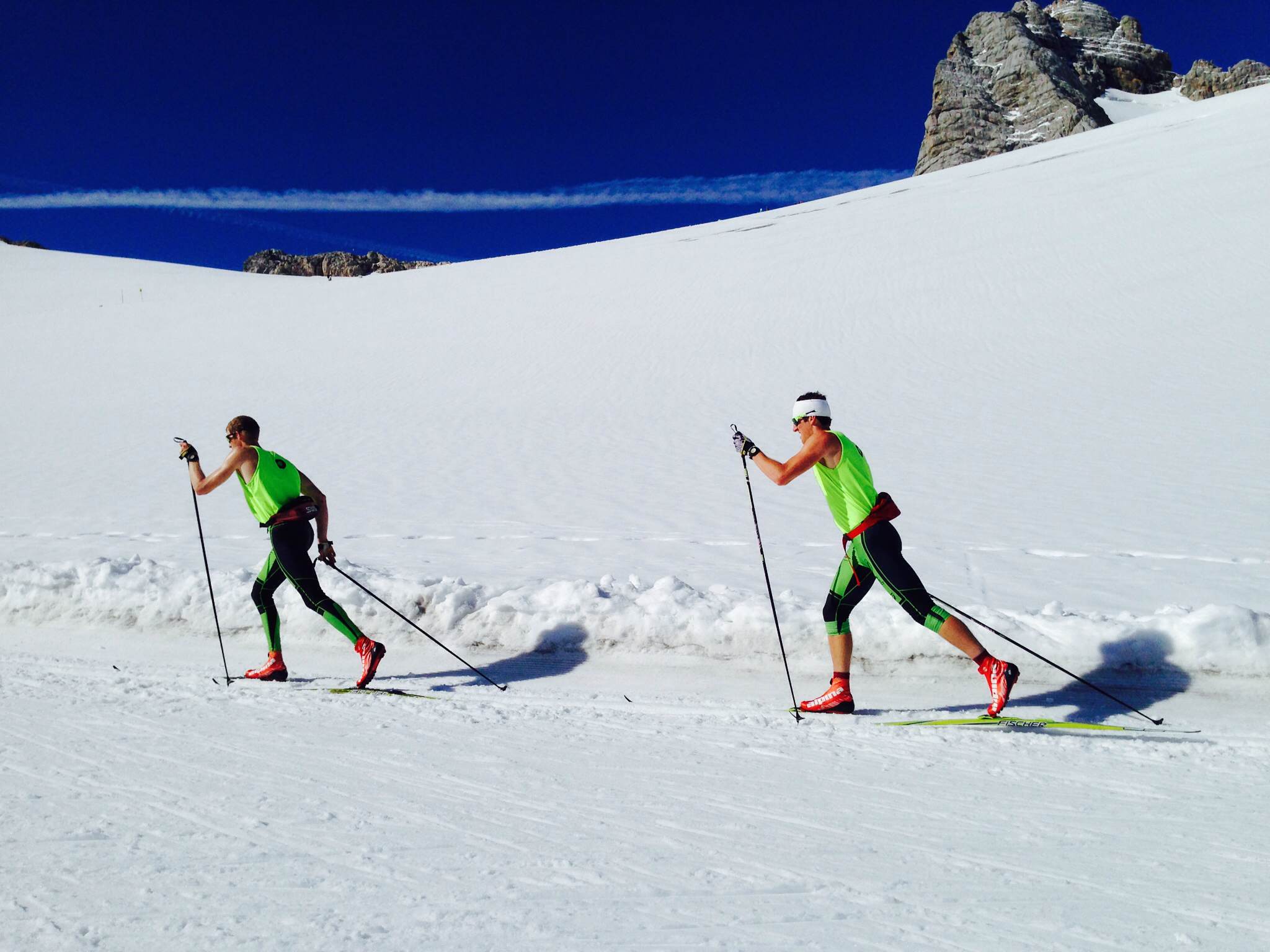
    Craftsbury Green Racing Project skiers traverse the Dachstien Glacier in Rasmau, Austria as part of the teams on-snow camp in September 2014.
    Craftsbury Green Racing Project skiers traverse the Dachstien Glacier in Rasmau, Austria as part of the teams on-snow camp in September 2014.

    Anne Kyllönen is an exemplary skier. The Finnish athlete’s technique – both flawless and efficient – has served as an example for the USST and other American club teams over the 2014 summer to help visualize improvements.

    But why watch a video when the real thing can be right in front of you?

    Such was the case for Ida Sargent, who had the opportunity to mimic the 2014 Olympic medalist’s technique in-person during the Craftsbury Green Racing Project’s (GRP) training camp in Ramsau, Austria.

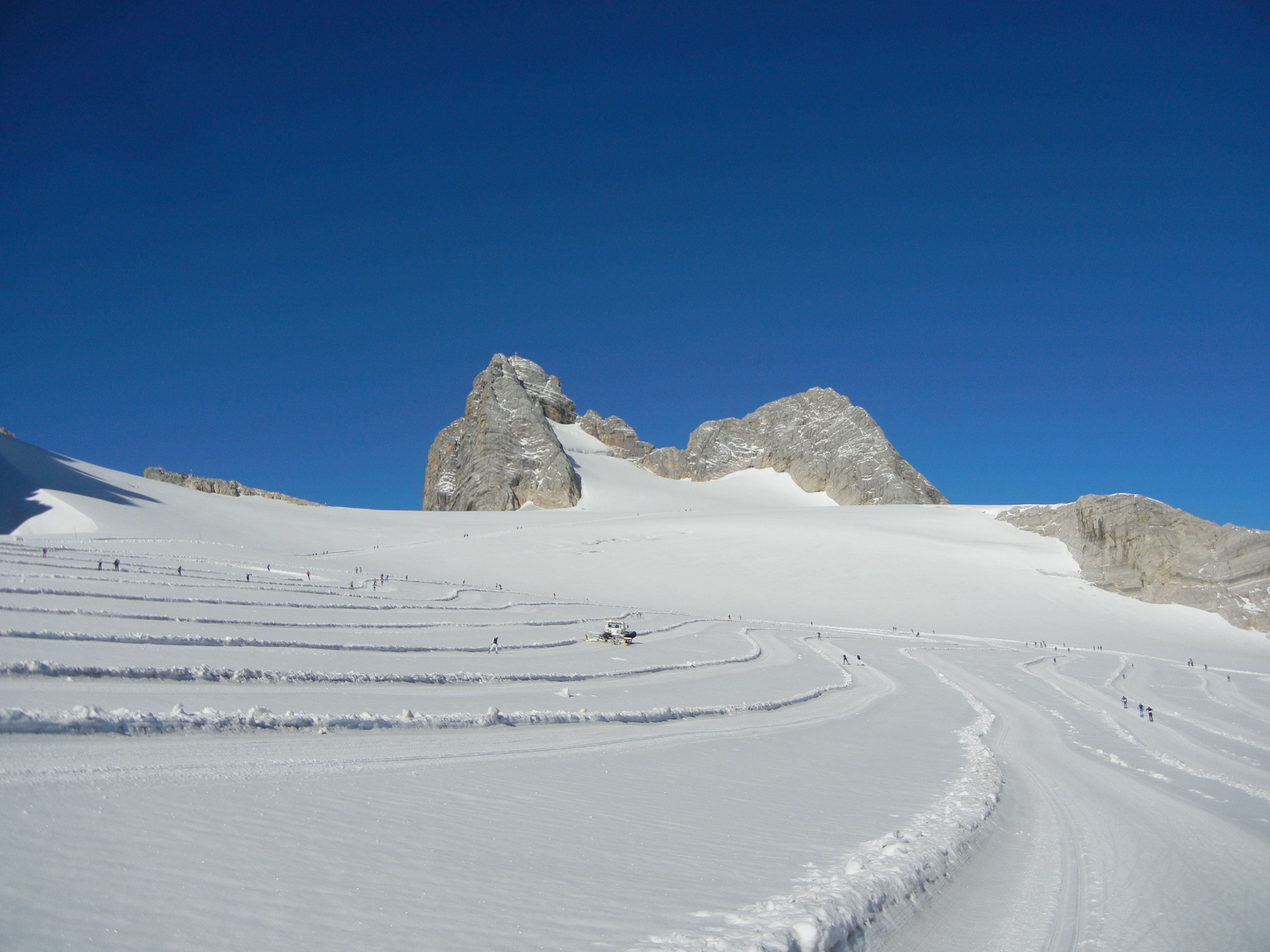
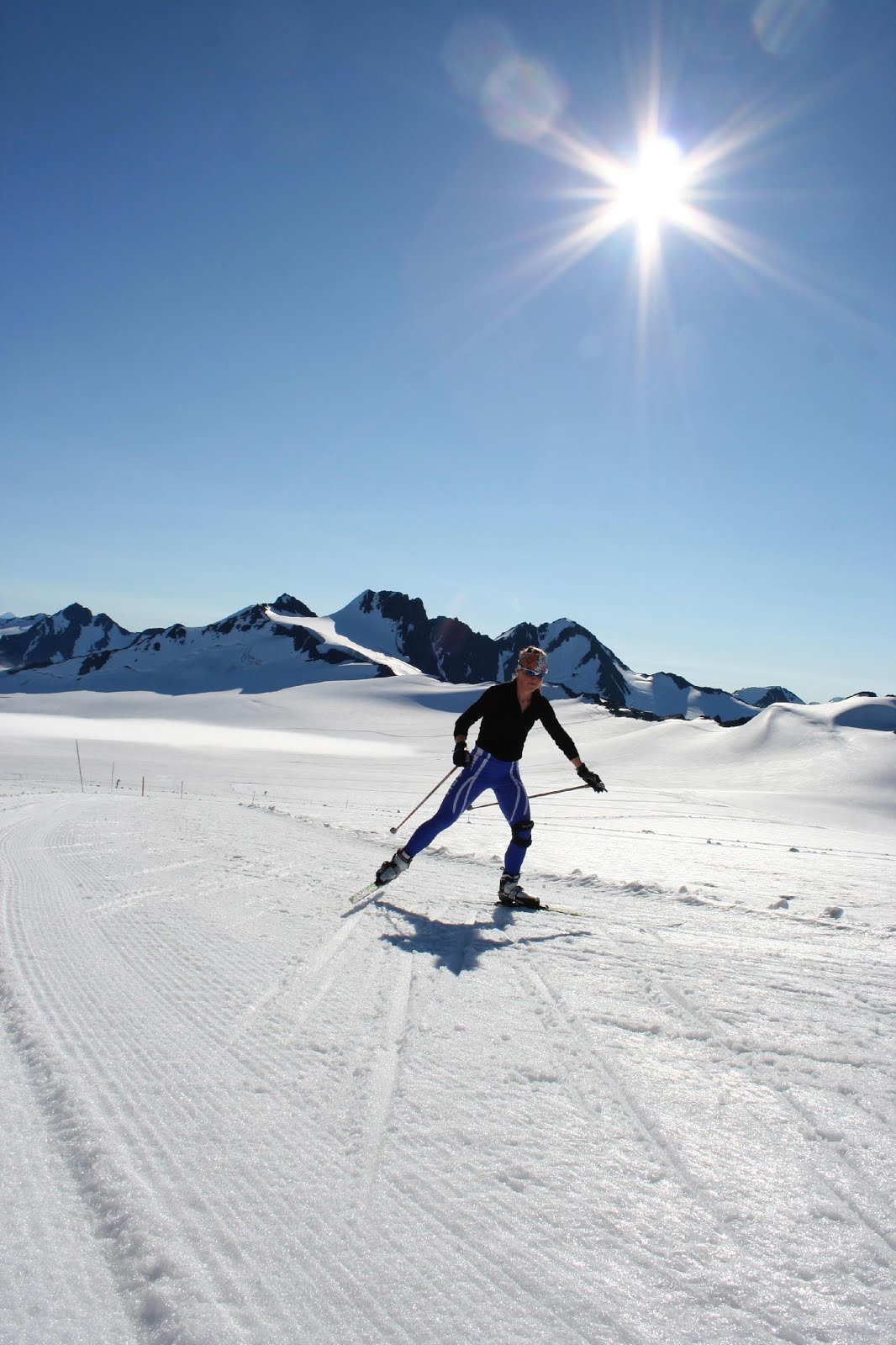
    Pristine September skiing on the Dachstein Glacier in Ramsau, Austria. (Photo: GRP Blog)
    Pristine September skiing on the Dachstein Glacier in Ramsau, Austria. (Photo: GRP Blog)

    This is the first year that GRP has made the summer trip to Austria, and so far the team’s skiers have given the experience rave reviews. While traveling across the globe to find on-snow training opportunities has become a rarity in U.S. skiing in recent years (Noah Hoffman was the sole USST member to make the trip to New Zealand this year), Austria might be closer than it seems.

    According to GRP athlete Liz Guiney, it is just as demanding to travel to Europe from the East Coast as it would be to go to Haig or Eagle Glaciers, which are located in Canada and Alaska.

    “Once we made it to Munich, it was an easy three hour drive to Ramsau, and we were all set,” Guiney wrote in an email. “Logistically speaking, it makes more sense for our team to come here, because anyone is welcome to use the Dachstein (Glacier) and you don’t have to take a helicopter up there.”

    The team arrived in Austria Sept. 8 and will remain until the Sept. 27. The squad of GRP athletes in attendance includes Gordon Vermeer, Pete Hegman, Alex Schulz, Andrew Dougherty, Ethan Dreissigacker, Jake Barton, Mike Gibson, Caitlin Patterson, Kaitlynn Miller, Guniey, USST member Sargent and the coaching staff of Pepa Miloucheva and Nick Brown..

    The Dachstein Glacier, which boasts an elevation of 2,800 m, or just under 9,200 ft., is one of several European glaciers that is groomed for off-season skiing. Each year skiers from around the world take advantage of the 9 k of groomed summer trails.

    According to Sargent, the glacier’s conditions have been better than expected with hard and fast tracks. Even though the team endured some rain and fog during the camp’s first week, she said the sunny days have been spectacular.

    “The skiing conditions have been really good… The past couple days have been those magical days when you have to pinch yourself to see if it is actually real,” she wrote in an email. “It is sunny and warm but the tracks were staying very firm and fast.  I didn’t even know that was possible.”

    https://www.youtube.com/watch?v=EfwXde3TC0s

    While the afternoons can be too warm for skiing, the team often runs on one of the many trails that take them straight from the door of their house in the Austrian Alps. The lower elevation running also helps diversify their training.

    According to Sargent, the main purpose of the Rasmau camp is to implement technique changes made during the summer to on snow skiing. With the Austrain camp, Canmore’s Frozen Thunder, and the start of the World Cup season in November she hopes to eliminate as much off-snow training as possible.

    GRP coach Miloucheva explained that partaking in on-snow training for an extended period of time in the summer and fall can aid her athletes in avoiding the technique mistakes of the previous season. 

    “Back in U.S. we normally have only a few days to a week on snow before we start racing and this isn’t enough, so normally everyone goes straight to same mistakes they did last winter,” she wrote in an email.  

    Guiney explained that the Rasmau camp helps skiers like herself have a seamless start to the season because it allows for a low-pressure transition from rollerskis to snow.

    “That real snow feeling is very hard to replicate, and making technique changes in, say, West Yellowstone, when you also have to prepare to race a few days later, can be challenging,” she said. “This way we can make and implement changes, and it will make the transition to snow in November that much easier.”

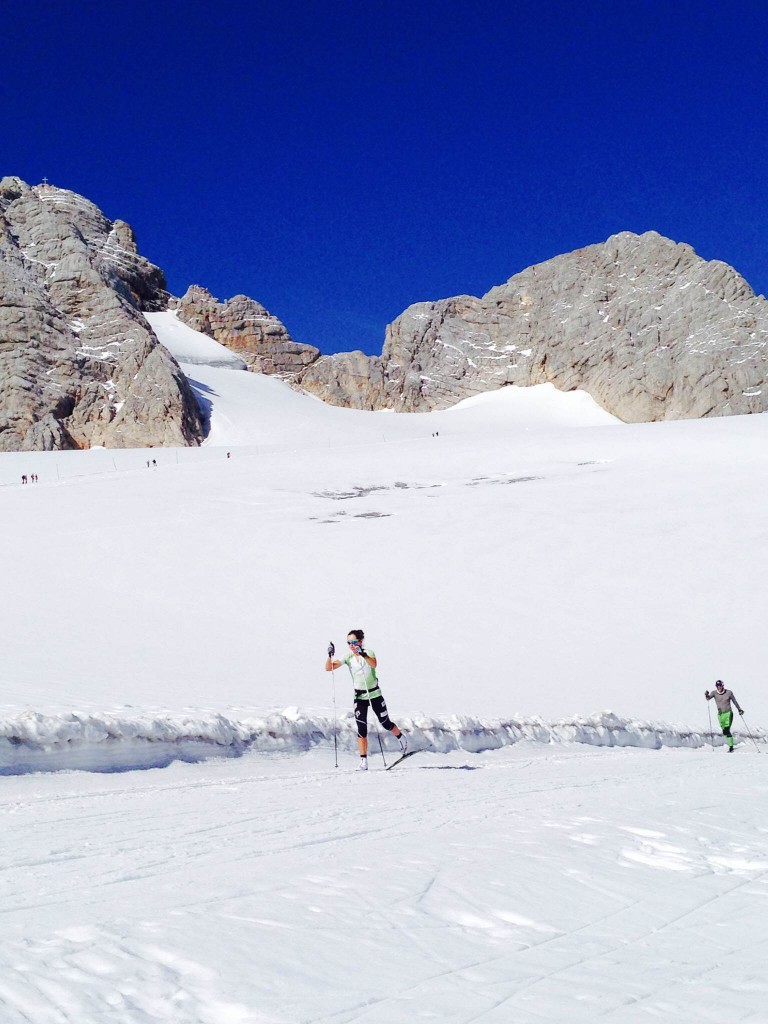
    Caitlin Patterson (GRP) takes advantage of the sunshine to ski the firm and fast conditions of the Dachstien Glacier in Ramsau, Austria as part of the GRP's on-snow training camp. (Photo: GRP Blog)
    Caitlin Patterson (GRP) takes advantage of the sunshine to ski the firm and fast conditions of the Dachstien Glacier in Ramsau, Austria as part of the GRP’s on-snow training camp. (Photo: GRP Blog)

    GRP isn’t the only team hoping to take advantage of early fall skiing. The Swedish, Finnish, Russian, Estonian, and Japanese national teams have been training alongside the American team – an experience that has proven to be extremely valuable for some of GRP’s athletes.

    “It’s really inspirational to share a training venue with the best skiers in the world; technique lessons are just a matter of looking around you or hopping in behind someone and hoping they don’t mind,” explained Guiney, who said that she spent time skiing behind both Swedish star Charlotte Kalla and Kyllönen.

    Guiney said that one of the highlights of the camp was witnessing GRP skier Andrew Dougherty jump in behind Olympic champion Giorgio Di Centa of Italy.

    “Andrew is always wearing hats with pom-poms – it’s kind of his ‘look.’ We always joke that he looks just like Di Centa, and seeing them ski together was priceless,” she said.

    Despite the many skiers on the glacier’s trails, Sargent said that space wasn’t an issue. The 26-year-old, who has been regularly skiing with several Swedish and Finnish skiers over the course of the camp, said that it has been great to catch up with friends from the World Cup.

    GRP continues its Rasmau training camp until Sept. 27, when it returns to the U.S. for the rest of the fall training season.

  • Hoffman Lone U.S. Ski Team Member to Train in New Zealand

    Hoffman Lone U.S. Ski Team Member to Train in New Zealand

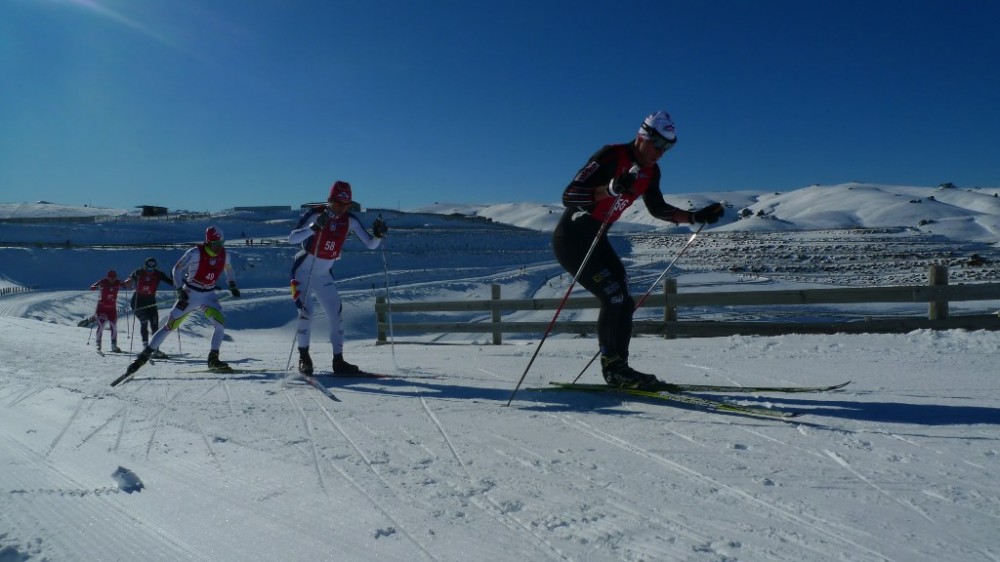
    Polish skier Maciej Kreczmer leads Noah Hoffman in the 2014 Merino Muster at the Snow Farm in New Zealand. Noah Hoffman spent roughly two weeks training at the Wanaka venue. (Photo: Noah Hoffman/NoahHoffman.Com)
    Poland’s Maciej Kreczmer (r) leads Noah Hoffman (c) in the 2014 Merino Muster at the Snow Farm in New Zealand. Hoffman spent roughly two weeks training at the Wanaka venue. (Photo: Noah Hoffman/NoahHoffman.com)

    Noah Hoffman isn’t one to take his training lightly. The way he sees it, a serious-and-dedicated plan will allow the the 25-year-old U.S. Ski Team (USST) member to achieve his lofty career goals, which include winning an Olympic gold medal and an FIS World Cup Distance Globe.

    Given his driven nature, Hoffman is willing to venture outside the standard USST plan in order to bolster his training and address what he’s identified as his weaknesses.

    This summer, that meant participating in a solo camp at New Zealand’s Snow Farm following the USST men’s camp in Alaska.

    From Aug. 9 t0 Aug. 25, Hoffman had 15 full days of on-snow training at the Snow Farm in Wanaka, New Zealand. Over the course of his camp, he trained more than 50 hours.

    For Hoffman, the decision to make the summer trip to New Zealand was easy. He’s been adding the trip to his training plan for the last three years and finds that the often-fast, hard snow is ideal for his technique work. This year, he said conditions were especially favorable.

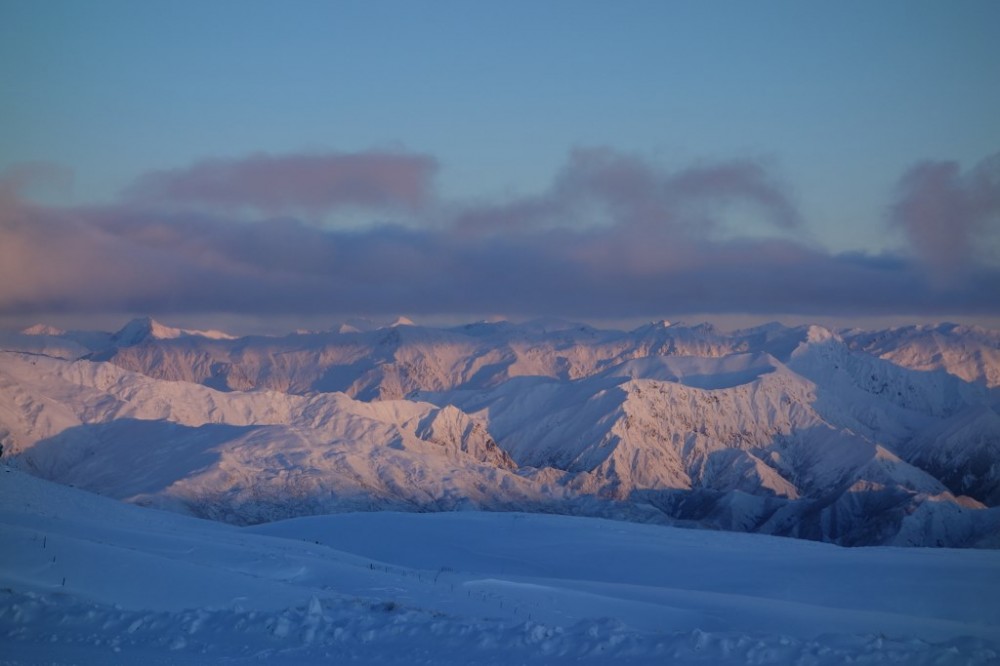
    The view from the Snow Farm in Wanaka, New Zealand. Accodring to Hoffman, the conditions were the best he's seen in five years at the venue. (Photo: Noah Hoffman/NoahHoffman.com)
    The view from the Snow Farm in Wanaka, New Zealand. Accodring to Hoffman, the conditions were the best he’s seen in five years at the venue. (Photo: Noah Hoffman/NoahHoffman.com)

    “I had the best snow conditions that I’ve seen in any of my five years going there,” he wrote in an email. “I was hard-wax skiing the entire time and had 14 days of beautiful weather.”

    Hoffman explained that his New Zealand trip served as an additional on-snow camp used to supplement the USST camp schedule. For the Colorado native, his continued on-snow training has helped him improve his technique.

    “I think the additional on-snow time has been essential to the technique improvements that I’ve made in the last two years and is critical to my technique goals for this summer and beyond,” he wrote.

    While Hoffman appreciates the value of North-American summer glacier camps, he found that New Zealand’s skiing better replicated winter World Cup conditions.

    “Training at the Snow Farm is significantly more valuable than on-snow time on a glacier in the Northern Hemisphere,” he wrote. “Glacier skiing is slow and soft. It is a different type of skiing than we see at most venues in the winter.”

    Often times during the race season, World Cup venues are hit with warm conditions and organizers salt the course to increase snow speed.

    Even though Hoffman was the sole USST member to travel to New Zealand this year, his coaches and teammates who remained stateside were extremely supportive.

    “They understand my goals and support the plan that my personal coaches and I believe is best for my training,” Hoffman explained.

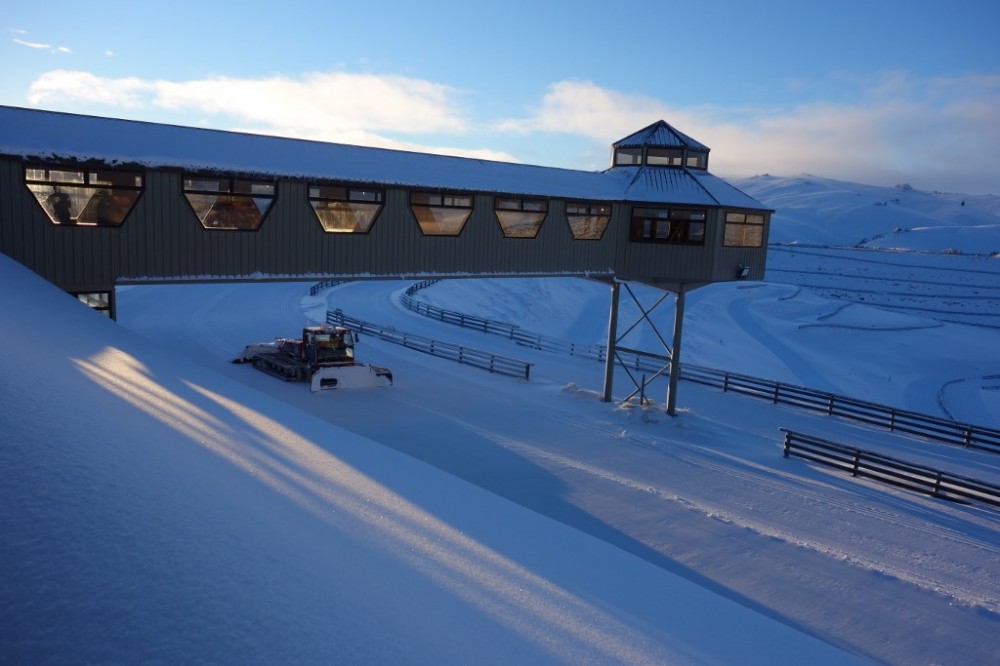
    The Snow Farm in Wanaka, New Zealand. (Photo: Noah Hoffman/NoahHoffman.com)
    The Snow Farm in Wanaka, New Zealand. (Photo: Noah Hoffman/NoahHoffman.com)

    While most of his training in New Zealand was spent alone, Hoffman was able to connect with Canada’s multiple-time Paralympic gold medalist Brian McKeever and one of his guides Graham Nishikawa for several training sessions. And when he wasn’t training, Hoffman spent meals with the Canadian Para-Nordic Team.

    “That social activity was critical for me to stay happy down there,” he wrote.

    Hoffman’s training also included the 2014 Merino Muster. The 42 k freestyle mass start took place on Aug. 16 and included several international competitors, such as Poland’s Justyna Kowalczyk.

    Hoffman placed second, 11 seconds behind Poland’s Maciej Kreczmer.

    While he would have liked to win the race, he wrote on his blog that he was happy with the outcome and that the race served as an excellent intensity workout.

    The goal is not to be good in August,” he wrote. 

    Hoffman also allotted time for some lighthearted charity work. With the help of his Canadian counterparts, he participated in the Amyotrophic Lateral Sclerosis (ALS) Ice Bucket Challenge, a social-media phenomenon intended to raise awareness and research funding for the illness, also known as Lou Gehrig’s disease.

    Hoffman returned to the U.S. on Aug. 25, where he will continue the remainder of his summer training. This year he will sit out the USST Lake Placid camp in New York (taking place Aug. 26-Sept. 7), as his trip to New Zealand served as its replacement.

    Reflecting on his summer, Hoffman said his training was “almost ideal,” citing his health, happiness, and technique improvement. Looking ahead, he feels prepared for the season ahead.

    “I believe I’m really well set up to transition to higher intensity and more race-type fitness as the fall progresses,” he wrote. “I’m very happy and excited with the way things have gone.”

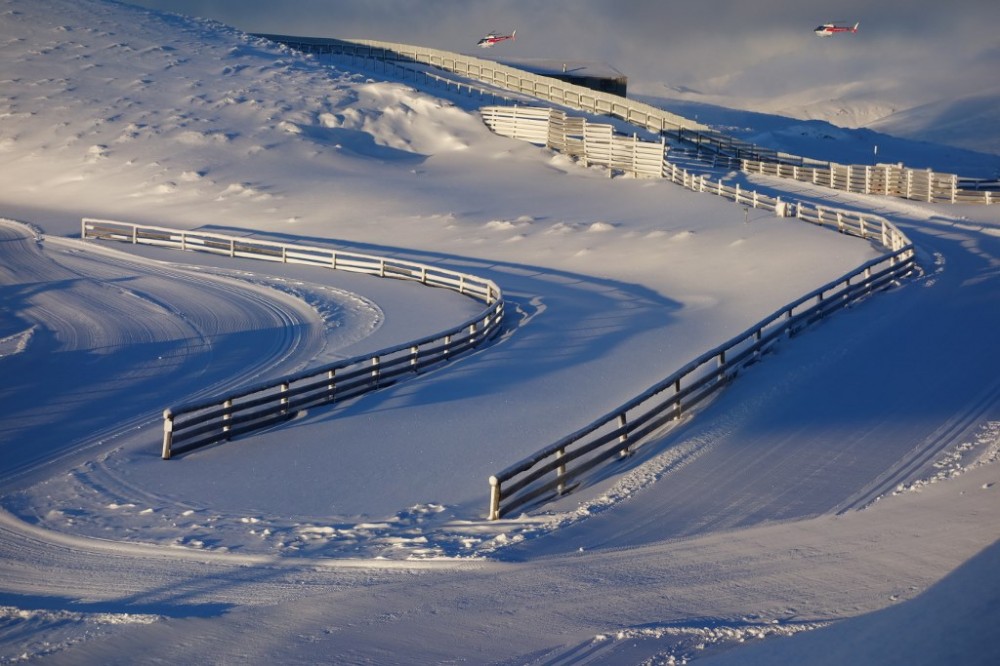
    The Snow Farm in Wanaka, New Zealand. (Photo: Noah Hoffman/Noahhoffman.com)
    The Snow Farm in Wanaka, New Zealand. (Photo: Noah Hoffman/Noahhoffman.com)


  • APU Masters On-Snow Camp on Eagle Glacier June 28-July 1

    APU Masters Camp:

    June 28-July 1

    This summer APU is hosting a masters on-snow ski camp at the Thomas Training Center on Eagle Glacier. Come experience glacier training, just as APU’s Elite team and Olympians Kikkan Randall, Holly Brooks, Erik and Sadie Bjornsen make their seasons.

    Skiers are made in the summer.
    “Skiers are made in the summer”

    The camp is coached by APU Elite coach Erik Flora, Don Haering and Greta Anderson. Erik has coached at Olympic and World Championship levels, including three time Overall World Sprint Champion. Don and Greta are APU Master coaches and skied for the APU Elite-University Team. Snow camp will be from the evening of June 28 to the morning of July 1, including 4-5 ski sessions.

    Camp includes classic and skate techniques. There is opportunity to ski a lot, plus take part in technique discussion and video review. Cost $775. Includes skiing, coaching, housing, and food. Space is limited. Addition fee for helicopter transport, approximately $220.

    Please contact Greta Anderson (gretaanderson13@gmail.com) for registration.

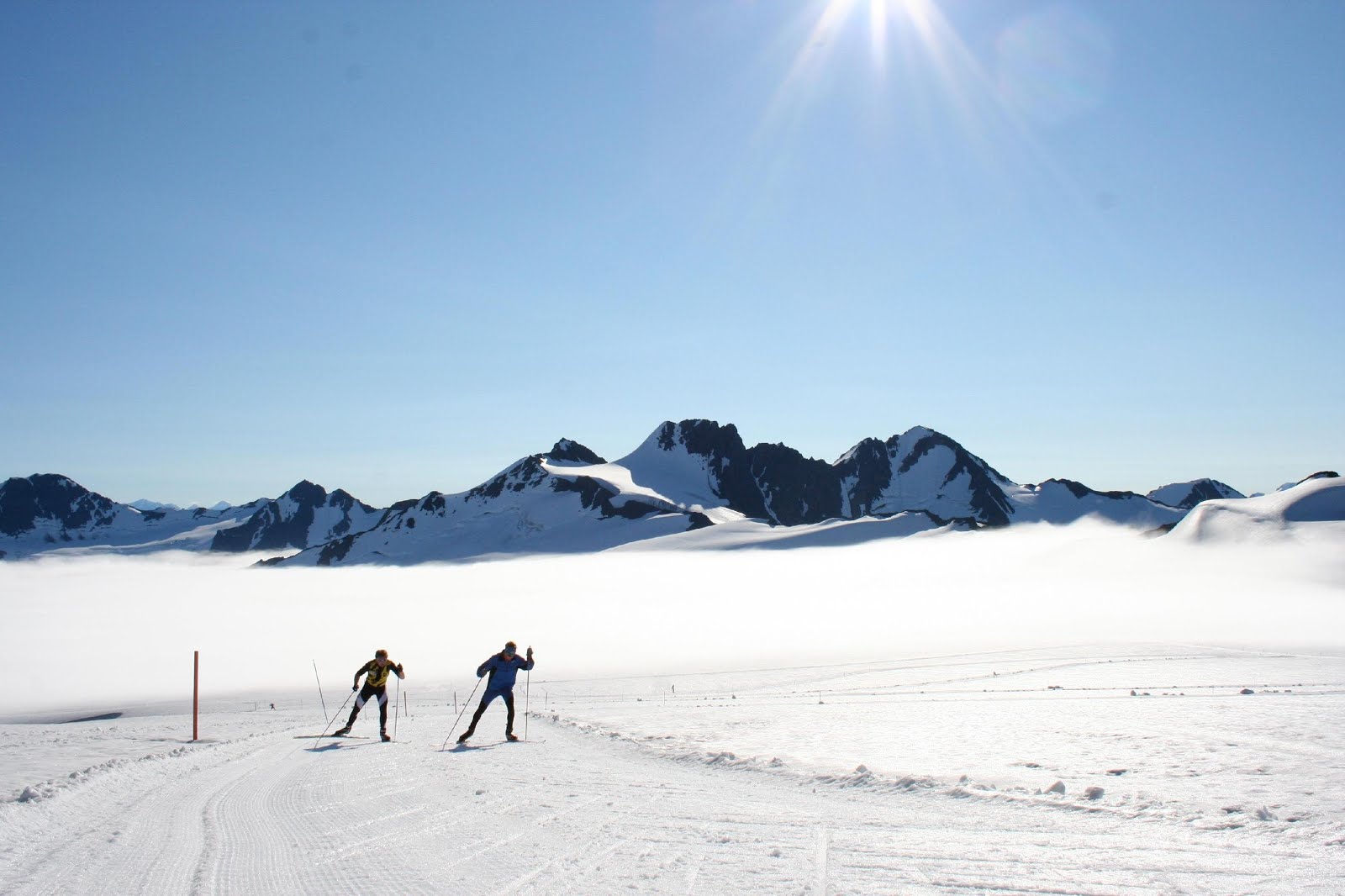
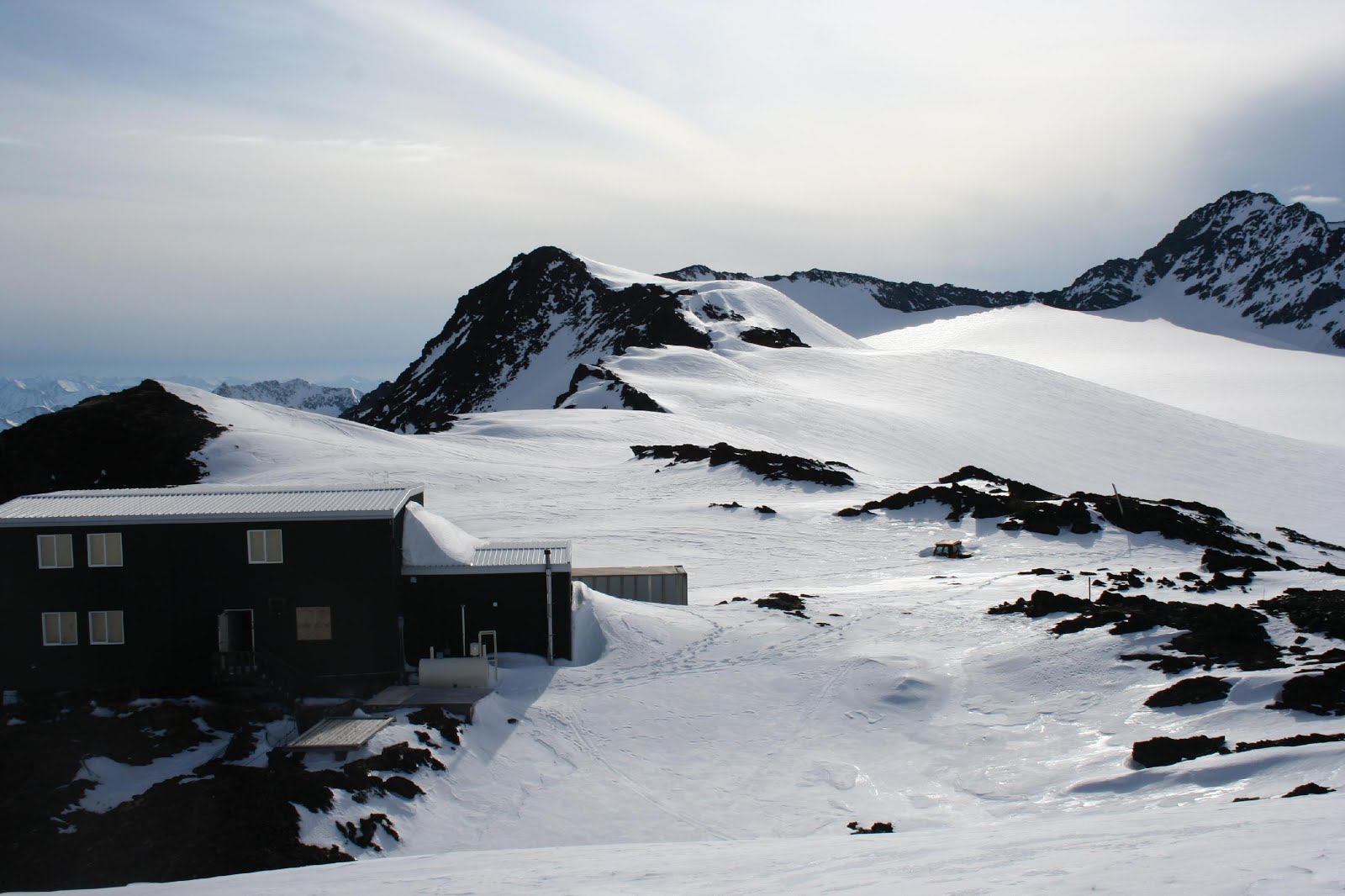
    Eagle Glacier (Photo: APU)
    Eagle Glacier (Photo: APU)
    Eagle Glacier (Photo: APU)
    Eagle Glacier (Photo: APU)