From the FasterSkier archive — posts syndicated from athletes’ and coaches’ own blogs between 2004 and 2012, kept online as published. Current coverage is at fasterskier.com.

Tag: oura ring

  • Quantifying Recovery: An Intro to Heart Rate Variability by Ned Dowling, PT

    Quantifying Recovery: An Intro to Heart Rate Variability by Ned Dowling, PT

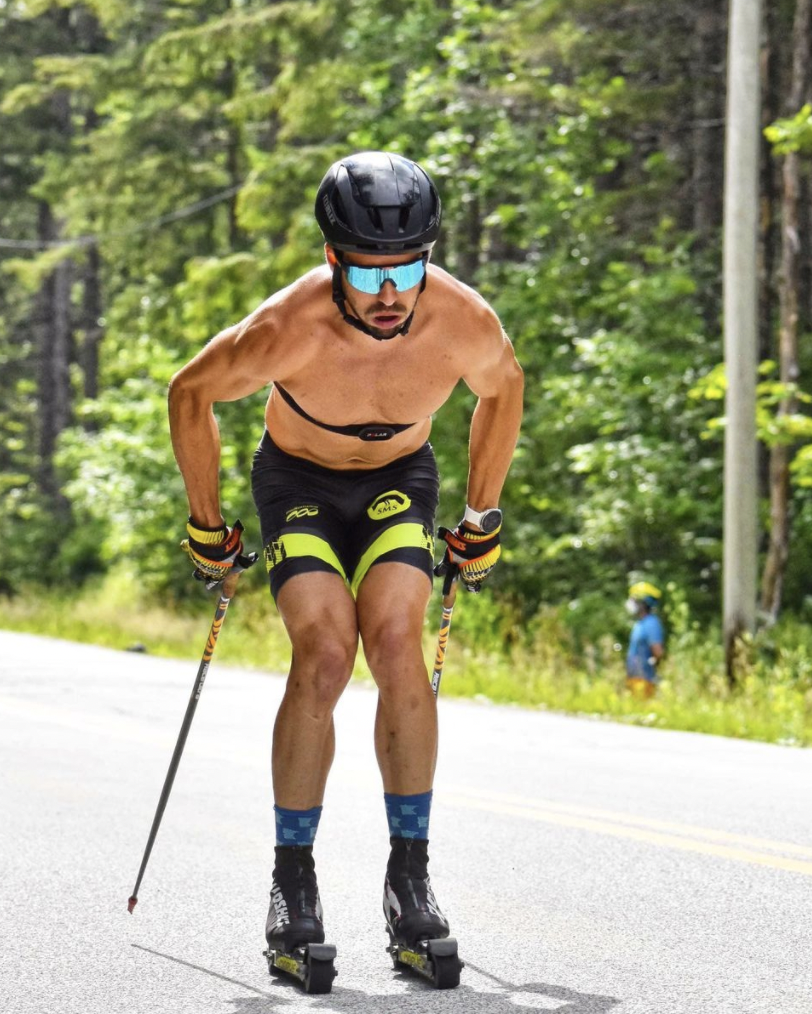
    Ian Torchia (SMS T2) pushes through a set of double pole intervals. (Photo: Tom Horrocks / Instagram @fullytorched)

    As endurance athletes, and especially as cross country skiers, we like to suffer. We enjoy a sport that takes place in the coldest months of the year and requires both strength and endurance to climb big hills and descend on skinny skis with no edges. We like to breathe hard. Most of us are in it for the suffering and the healthy dose of chemicals that our bodies release when the heart rate goes up and the muscles begin to burn. The runner’s high, an endorphin rush, pick your preferred phrasing. 

    Hopefully, we’re smart enough by now to know that we can’t go hard all of the time, at least not without consequences. The really smart among us are able to listen to their bodies and know intuitively when they can step on the gas and when they need to back off. But the rest of us could probably benefit from some type of external governor besides the voices in our heads egging us on, or constantly available Strava competition taunting from inside our pocket.

    If life was just eat, sleep, and train, the calculus of easy/hard or short/long might be pretty easy. But work, school, kids, relationships, global pandemics, and social media bring no shortage of life stressors. And, physiologically, these life stressors can load the body just the same as an interval session. Stress is stress, and stress takes a toll on the body. 

    So, your training plan might call for a hard session, but what if work was crazy, the kid kept you up all night, and you made the mistake of reading the news headlines this morning? Is your body in the right place to make the workout productive? (Or at least not detrimental?) How do you know?

    I think the honest answer is that we don’t always have an answer, but there are some metrics that can help us shape a well-informed guess. 

    Since Polar introduced the first functionally useful heart rate monitor in 1984 and Garmin gave us the GPS watch in 2006, wearable training technology has evolved considerably. Current wearables can track — and thus quantify — everything from steps to sleep to intensity. I don’t dare dive into that vast sea except to highlight and discuss what metrics might be the best at answering our question, “How hard should I push myself today?”

    But before we even get there, it’s worth having a quick refresher on some principles of training, exercise, and activity. Depending on your goals, Nordic skiing can be an activity that simply gets you out in nature, a tool to maintain fitness for other sports like cycling or running in the winter, or it can be a year-round focus with time on snow dichotomized into either training or racing. In any of these scenarios, the cumulative load on the body is a very important variable to manage. 

    Too much load and we stop having fun, plateau or lose fitness, and begin to risk injury. Too little load and we don’t progress, but I doubt that’s an issue with the majority of us. We must also remember that the basic recipe for improving strength and fitness is load + recovery = adaptation. Or as Brad Stulberg and Steve Magness phase it, stress + rest = growth.
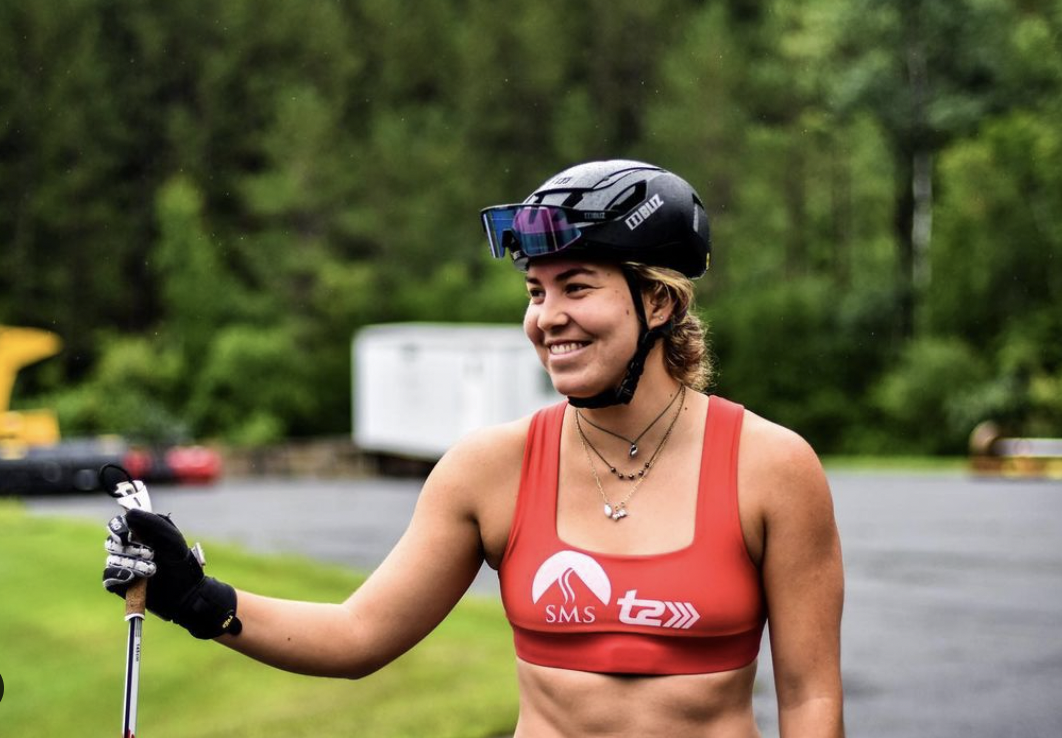
    Lina Sutro (SMS T2) models the female skier’s signature “heart rate monitor tucked under sports bra band” look while training in Vermont. (Photo: Julia Kern)

    Our bodies respond to load by making adaptations, but if we go too hard too often, and/or take too little rest and recovery, the equation becomes out of balance. We lose out on adaptation, and thus our capacity for improvement stalls out. 

    Strategies like polarization and periodization aim to apply the load/recovery equation to maximize the training adaptations and improvements. Briefly, polarized training is the division of activities into either “hard” or “easy” intensity in roughly a 20:80 ratio. There is no “moderate.” The premise being that moderate efforts are neither hard enough to stimulate adaptations nor easy enough to allow to develop aerobic pathways or for active recovery — putting in “junk miles”, as it’s often described. 

    In a periodized training program, polarization is taken a step further with hard and easy sessions layered together over longer cycles (think weeks and months). A periodized training plan builds progressively toward a goal race, followed by a period of time following the event that is focused on rest and unstructured training.

    During that macrocycle, the split of your weekly training might stay roughly at the 80/20 ratio, but every third or fourth week might be recovery-focused, with a lower volume than the previous weeks. This three to four week block might be called a microcycle. On average, the easy-to-hard ratio is the same, but the overall load of the week is lower, allowing the body to adapt and repair. (And you can catch up on your laundry.)

    These fundamental concepts should be incorporated in any good training strategy, whether it’s a week-by-week homemade plan or a comprehensive annual program from a coach. But, just because the plan is intended to provide a roadmap for loading and resting doesn’t mean we will always get the implementation right. 

    This is not the coach’s fault. It’s life’s fault. A training program is written to balance training load and frequently doesn’t account for the additional stressors of work, school, or family. Stress is stress, regardless of the source. We can’t achieve the intended balance in training if we are over-tired from traveling for work, have been chasing our kids around all day, or burned the midnight oil trying to get our work done when our kids’ school is shut down. Similarly, pushing too hard when we should be going easy leaves us over-cooked before an interval session, deeming it unproductive. But how do we gage the load our body’s have been under?

    (If you read the previous paragraphs and said, “This is stupid, I just want to ski” I don’t blame you. I don’t think everyone needs a rigid or even dichotomized workout schedule. However, if all of your exercise is at a hard intensity your risk of injury is increased so you might consider rethinking your strategy. If all of your exercise is at moderate intensity, then you’re just unlikely to get faster. For a lot of people, that’s not a priority, which is perfectly fine and you shouldn’t be judged or dissuaded. Go have fun!)
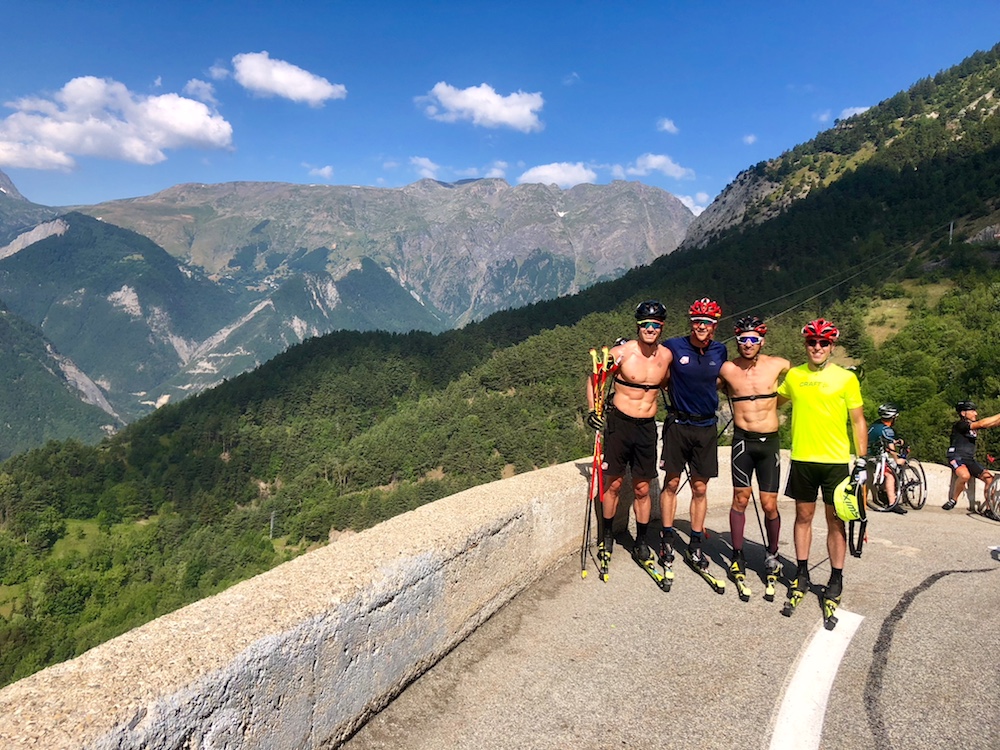
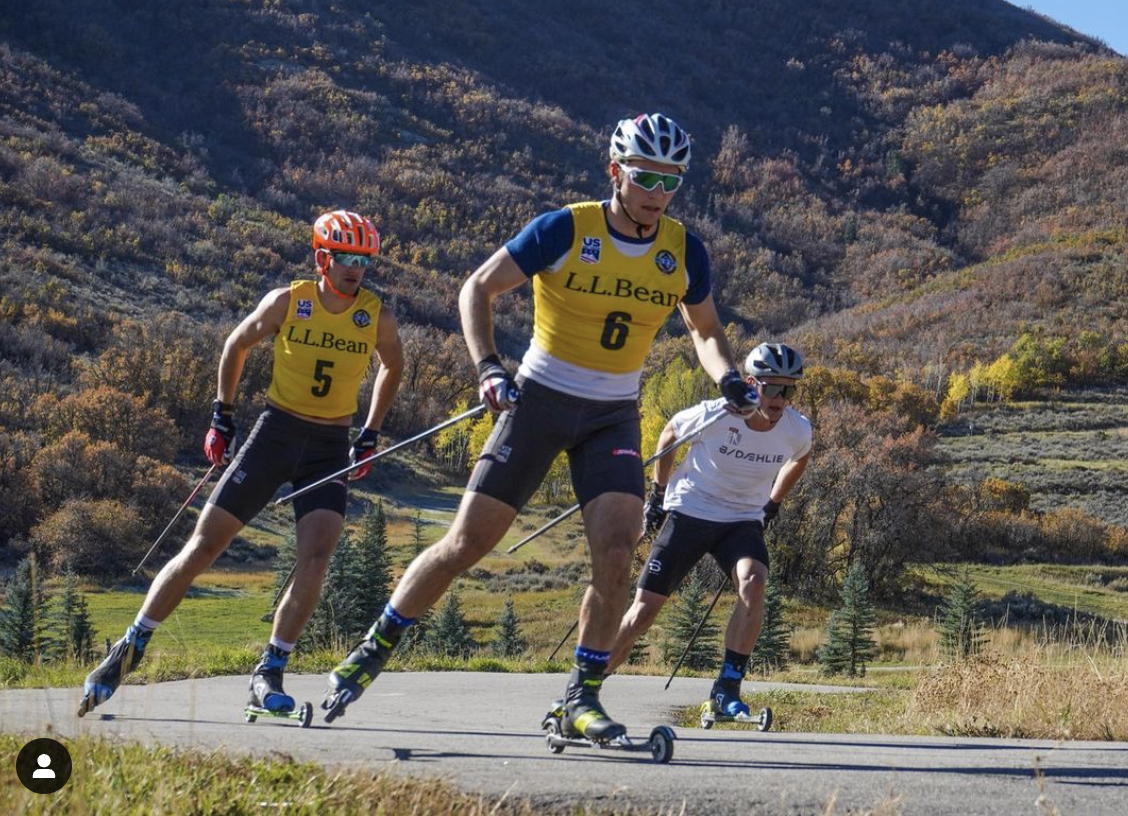
    From l to r: Simi Hamilton, Erik Bjornsen, Ian Torchia, and Paddy Caldwell of the U.S. men’s team during a 2018 rollerski up l’Alpe d’Huez in France. (Photo: Chris Grover)

    There’s an old proverb in bike racing about burning matches. Everyone on the starting line starts with the same number of matches. During the race, matches are burned quickly by riding at the front, attacking, covering attacks, and just riding above one’s threshold. At the end of the race it’s often not the strongest rider who wins but the one who burns the least matches (the 2021 men’s Paris-Roubaix is a perfect example). 

    We, too, start the day with a set number of matches that we’ll burn up with road rage, frustrations at work, frustrations at home, social media FOMO, and of course training. The number of matches we get each day is directly related to how rested and recovered we are heading into the day, both mentally and physically. Exactly how many matches are in the box goes back to recovery, and, once again, to our original question: “How hard should I push myself today?”

    If your matches are burnt up before you head out to train, the answer might be “Not very,” regardless of what the training plan says.

    One of the earlier attempts to answer this analogue question with a binary “hard or easy”, was resting heart rate. It’s a simple concept: Take your heart rate every morning for a few weeks and calculate an average. If your heart rate has increased by more than 5 beats per minute from the average, then your inventory of matches is not fully replenished. While this article won’t go deeply into the details, there is some research to indicate that resting heart rate doesn’t correlate that well with fatigue levels. This article from Marco Altini goes into significant detail on the topic. (If you follow that link, you’ll find that you’ve arrived on the last of a five part series on Heart Rate Variability. Dr Altini is one of the leading experts and innovators in the field, you may find his articles to be more robust than one you’re currently reading.)

    Relative Effort, TSS, EPOC, PTE, CTL, ATL, are all metrics generated by modern wearables to quantify training load and, therefore, stress on the body. These numbers are based largely on heart rate and duration: the higher your heart rate and the longer you keep it there, the more points you score. This is certainly useful information, especially with regards to periodization and keeping track of hard vs easy training sessions; however, it only gives you one number in the load + recovery = adaptation equation. 

    Gus Schumacher and Kevin Bolger, heart rate straps on and up, bump fists after a training session in Soldier Hollow. (Photo: Simi Hamilton / Instagram @gus.schumacher)

    We still haven’t answered the question, “How hard should I push myself today?”The same device or app that gave you a training load score will likely give a number for recovery status or a time needed to recover; this evaluation is typically still based on average heart rate during training and the overall duration of the previous session(s). It does not take into account the other life stressors. Enter Heart Rate Variability (HRV).

    In a nutshell, HRV is a measurement of the time between heart beats rather than the number of beats itself. More specifically, HRV looks at the inconsistency of timing between heart muscle contractions. 

    Heart rate is governed by the autonomic nervous system, or the division of the nervous system that is responsible for body functions that happen automatically. This is the same part of the nervous system that controls things like temperature regulation (sweating and shivering) and digestion — bodily functions that we don’t have to consciously think about to make happen. 

    The autonomic nervous system is influenced by the sympathetic nervous system — the “fight or flight” mode that upregulates the body to prepare for battle (heart rate increases, armpits get sweaty, digestion gets turned off, etc.), and by the parasympathetic nervous system, which calms the body down. Our bodies are programmed to seek homeostasis — that happy place where everything can function optimally. The sympathetic and parasympathetic systems work to maintain that balance. 

    HRV attempts to quantify that balance between the parasympathetic and sympathetic systems, and thus the measurement is a gauge of how the body is down-regulating versus up-regulating — homeostasis. 

    Somewhat counterintuitively, a higher HRV, which indicates more variability and less consistency in the time between heartbeats, is indicative of greater parasympathetic versus sympathetic influence on the autonomic nervous system. Looked at another way, the greater the stress on the body, the greater the influence of the sympathetic system, which decreases the variability in time between heartbeats and therefore equals lower HRV. 
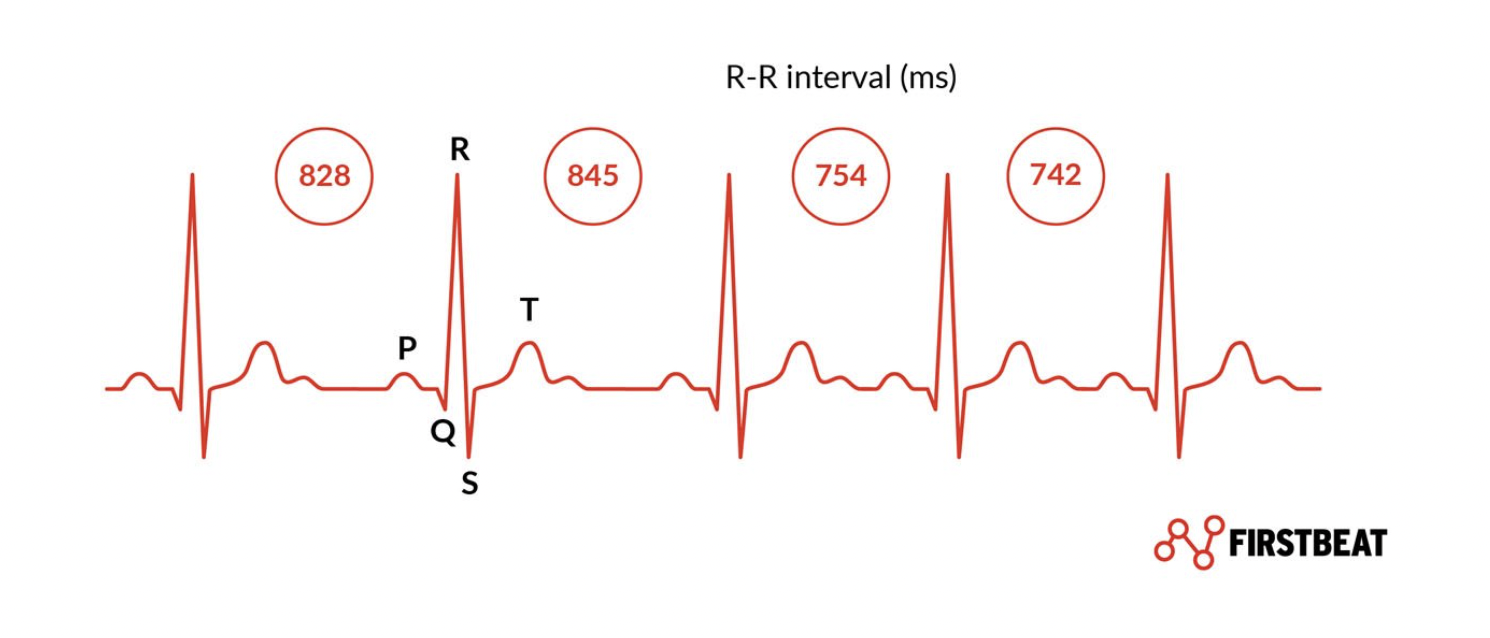
    This infographic from Firstbeat Technologies, an industry leader in heart rate training science, modeling heart rate variability. (Photo: Firstbeat.com)

    These days, there are many options for recording and tracking HRV: Whoop is a 24/7 wristband with an LED sensor that measures a gazillion things, but specific to HRV, the measurement is taken every night during sleep. The Oura Ring, which is used by some members of the U.S. Cross Country Ski Team, also contains an LED sensor and records automatically during sleep. HRV4Training has an app that turns the camera and flash of your smartphone into a recording device much like a pulse oximeter. EliteHRV uses a device that goes on your finger very much like a pulse oximeter. Firstbeat, who use a proprietary ECG style sensor, were one of the first commercially available HRV trackers on the market (as mentioned in a Nordic Nation podcast with Jim Galanes and in this old article from Zach Caldwell, which also discusses HRV in all the detail you’d expect from Zach).

    With all platforms, consistency in recording is key so you can recognize patterns over time. The devices that record automatically during sleep (Whoop, Oura, and Firstbeat) have the advantage in being the no-brainers as long as you’re wearing the gizmo, but they have the disadvantage of being the most expensive. Both HRV4Training and EliteHRV require you to take the recording daily at a consistent time and in a consistent way. Ideally this is first thing in the morning (I go to the bathroom first then immediately sit down and record). I’m a creature of habit and since building this into my morning routine, I’ve not had much trouble incorporating the one minute it takes to record a daily HRV measurement. If consistency is going to be a challenge, invest in one of the automated devices.

    This brings us to the utility of HRV: tracking the body’s response to stress over time. The emphasis here is over time. HRV can help answer our question, “How hard should I push myself today?”, but it’s not exactly a stoplight. Waking up to a low score doesn’t necessarily mean you should go easy if you still feel good, but waking up to a seven day average with a negative trend means you should probably skip the hard workouts until your HRV stabilizes. For example, both this paper and this paper found benefits to using HRV to modify training vs strictly following a periodized schedule.

    From what we know about the metric so far, the primary goal is to keep HRV stable. If your training plan is appropriately balanced, you’re keeping life stressors in check, and your body is responding favorably, then HRV will remain fairly uniform, even after a hard workout. (A low HRV score after a hard session is definitely not a goal or badge of honor.) But if your HRV becomes unstable, especially a downward trend over at least a few days, that is when it really has the potential to catch an issue while it’s small, whether that’s due to training load, illness, or life stressors. Anecdotally, I’ve heard of notable dips in HRV with people just prior to illness (especially COVID) and after the vaccine. These are situations where maybe you’ve not yet become symptomatic — your body hasn’t started yelling at you — but it is already enduring stress, and the additional load from hard training is not going to be welcomed.

    Ultimately, HRV is just another tool in the box. It’s not necessarily there to change what you do on any given day, at least not without subjective input on sleep quality, soreness, emotional state, and how much you drank last night. It’s best viewed as a safety device like anti-lock brakes on your car: if you’re always looking down the road and anticipating what’s to come, you might never need them. But sometimes, when we’re training hard and emotionally invested in our goals, it’s like driving through a snowstorm to make it home for Christmas. It can be easy to focus on the objective outcome and wanting to get there as quickly as possible, rather than slowing down and proactively adapting to the road conditions. Chances are, you’ll make it to your destination unscathed, but in the event that a deer runs across the road or you hit a patch of black ice coming into an intersection, the antilock brakes might help you stop and reset rather than crash.

    As Jason Cork, World Cup Coach for the US XC Ski Team, put it, “I think it has some utility as long as you’re honestly also taking into account how you feel, how long you slept, energy, etc. I guess an analogy is if your HR at L3 is usually 180, and you’re super tired, it might be incredibly easy to hit 180 at an L1 velocity or incredibly difficult [to hit all-out velocity because HR is suppressed]. But the question really should be, ‘If you’re tired, why are you doing intensity?’”

    Author’s disclaimer: I have no affiliation with any company that tracks HRV. I personally use the HRV4Training app, a Suunto watch, a Wahoo chest strap, and Strava, all of which I have paid for without discount.

     

  • A Data Driven  Search for What Matters in Skiing: An Interview with Gus Kaeding

    A Data Driven Search for What Matters in Skiing: An Interview with Gus Kaeding

    How many medals will the U.S. Ski Team win in the future? What, really, is perfect ski technique? Gus Kaeding — the one man team behind the US Ski Team’s analytics department — aims to provide data-driven answers to these questions. From his office in the Center of Excellence in Park City, Utah, he delves into the data that may help illuminate a path to success for both individual athletes and the greater cross country ski collective in the U.S. 

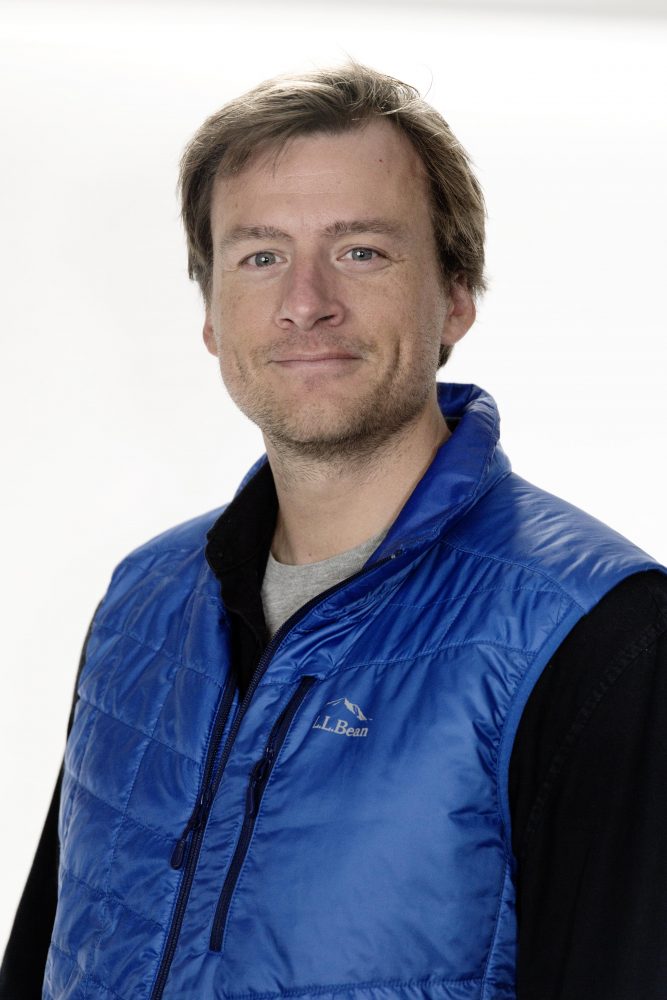
    The man behind U.S. Ski and Snowboard data analytics, Gus Kaeding. (Photo: Sarah Brunson/U.S. Ski & Snowboard)

    Kaeding, whose background as both a nordic ski athlete and coach led him to his current role with U.S. Ski and Snowboard, discussed his current and future projects with FasterSkier over the summer. Talking with him, it became clear that many assumptions about the sport remain unproven, and in his perspective, “we actually understand very little of what happens in between the start gun and the finish tape.” 

    Through data analysis and some exciting new technologies, Kaeding has a plan to gain a deeper understanding of the fundamentals of ski performance. This interview has been edited for clarity and length.

    FasterSkier: I’ve read a little bit about what you’re up to with the analytics department, but I’m not totally up to speed. 

    Gus Kaeding: Yeah, I don’t think anyone really is.

    FS: What sort of projects are you working on?

    GK: If you watched the Bend camp, a number of coaches and athletes are now using Archinisis bibs. They basically look like a sports bra with a GPS unit in the back. I tested these last winter, and you’ll see a lot of the Scandinavian countries using them or something similar.

    The Archinisis bibs can not only give you the GPS [data], but they can also tell you what technique you’re using. If you’re skating, it tells you your time in V1 versus V2, versus V2 alternate—to a pretty good percent of accuracy. The coolest thing is you can compare [the metrics] to each other, and also to yourself, meaning if you set a rollerski loop, and do it multiple times, you’re able to see an overlay of previous performances and where you’re gaining or losing time, and it’s really visualized nicely. You can do the same with multiple athletes, and then compare athletes and say: “you were three seconds slower than another athlete over the top of this hill. And as a result, you were five seconds slower at the bottom of the hill,” which are insights that we didn’t really have a lens into before. 

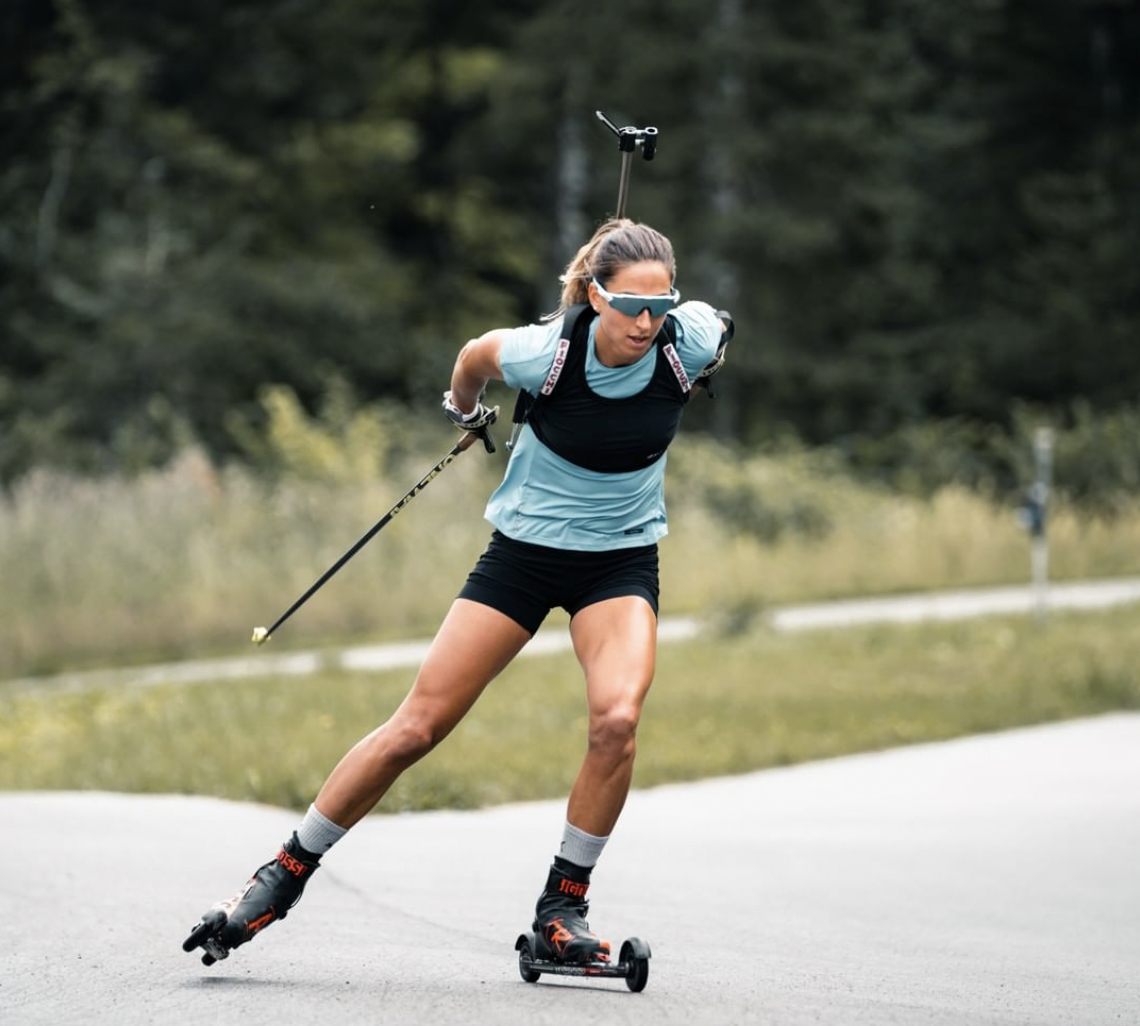
    Italian biathlite Lisa Vittozzi trains with a Archinisis bib. (Photo: Instagram @archinisis)

    That’s still in the test mode—we’ve got six of them. We had the option of rolling it out to the whole team and taking a big financial risk, but we chose to start small, and see where there’s value. Part of the risk when you roll out something like that is: who’s managing the project? Do they have the bandwidth to do it?

    Someone like Jason Cork is super excited about things like that, and then if it ends up adding value, we’ll probably roll it out further next year, to a larger squad, and have a few bibs we can rotate through. 

    We may also have a few set courses around the country, so that when people come in, they can say, “I want to do a time trial against previous performances”, and afterward they can really look granularly where they’ve had success or need to improve a bit. 


    FS: What other ideas are you working on?

    GK: The second one that I’m really excited about but didn’t get funded this year, is a ski treadmill at the Center of Excellence here in Park City. The problem is, the cross country team does not come here very often. One of the weaknesses, frankly, as a team is just general technique compared to the other nations—I don’t think that’s a secret. So we’ve been looking for a way to improve that for a few years now. 

    What we proposed was installing a 3D motion capture system around our ski treadmill, to get a better quantitative idea of what is good technique. What are the markers we should be looking for? And what are the markers we should be ignoring? That project did not get funded, but it got positive reviews. So I think in the future, there is hopefully a good chance [of getting it]. 

    The idea would be to have the athletes come in once a year and do a movement assessment while on roller skis. From that, we would be able to break down multiple speeds, techniques, and inclines. Then we would look at where our techniques are similar across our athletes and where they are dissimilar. Where do we think they’re improving and where do they need some work? 

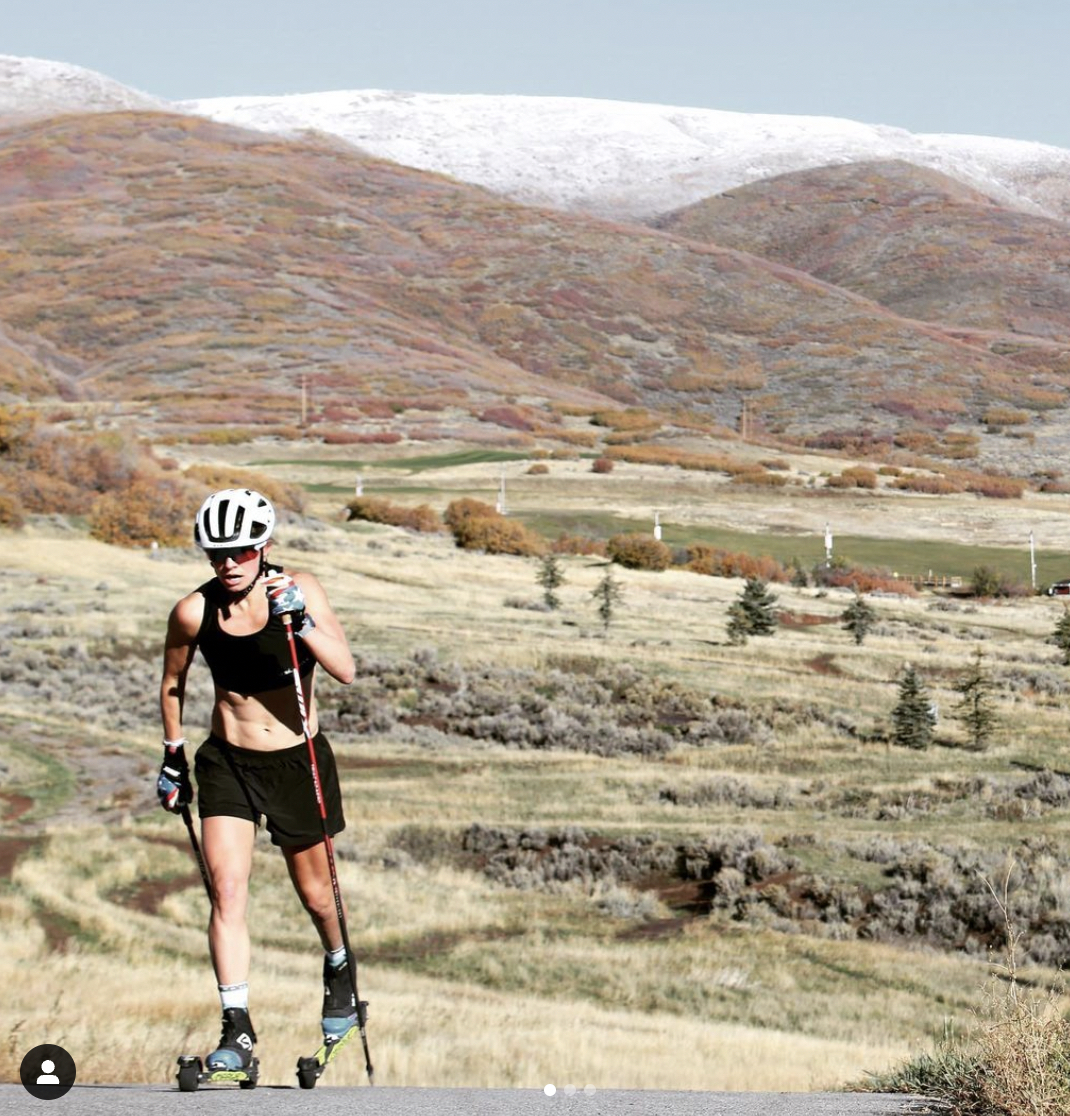
    Scenes from the 2021 Park City Training camp: from left to right, Kevin Bolger, JC Schoonmaker, and Simon Zink during a rollerski intensity session. (Photo: Simi Hamilton / Instagram @isaschoon)

    I would build into that proposal getting someone who’s really got some stronger chops as a biomechanist. A lot of other countries have multiple people on staff who have PhDs in skate technique, so it’s like, “Yeah, no kidding, they have better technique”.  So we need to do a little bit better job there. This is a project that has yet to come to fruition, but I think is going to be promising in the next 12 months.


    FS: I believe Sweden’s been a leader in adopting 3D motion capture technology.  

    GK: Sweden with HD [Hans Christer Holmberg] and Norway with Oyvend [Sandbaak], do a lot of research in this area. Fortunately for us, they make a lot of it public, so we don’t have to start from scratch. We can play catch up for a little while until we feel like we’re in a place where we’re able to start to innovate ahead of the other countries. We’re still a few years from that, for sure.


    FS: Tell me about your research into sleep?

    GK: We’ve been looking for ways to quantify recovery and sleep. Finally, a couple of years ago, we decided to take the Oura ring as our primary recovery tool. So that’s been a project for the past two years.

    We could look back at athletes who had Covid and their Oura data previous to that. Fortunately, we didn’t have a large sample set of people. Were the results conclusive on anything? No, probably not, but I will say the main similarity between everyone was that three days prior to showing Covid symptoms, their [sleep] temperatures just went bonkers. Whether high or low, it was all over the place. The deviation from the standard variation was nuts. So I think, for anyone out there that has a Whoop or an Oura, anytime your temperature goes one way or the other, watch out.

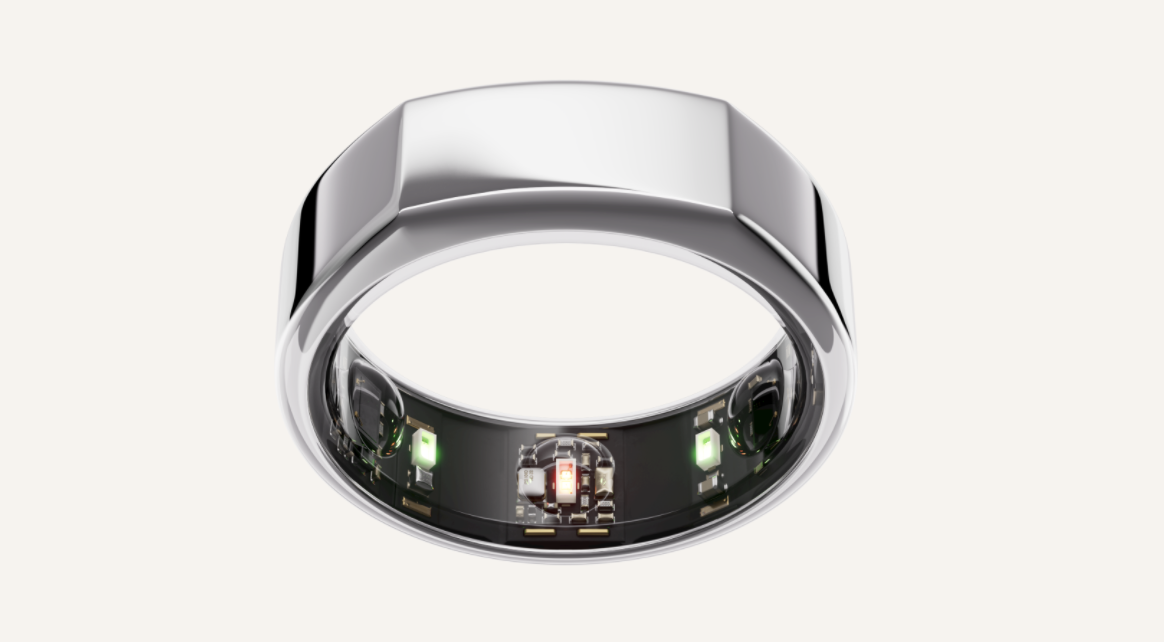
    The latest version of the Oura Ring sleep and recovery tracker. (Photo: ouraring.com)

    FS: What is the main goal of collecting this sleep data?

    GK: It gives you some indication of how stressed out you are. It’s helped us add another lens to evaluate athlete load and upcoming performance.


    FS: What are the challenges to gathering the kind of data you would like to work with?

    GK: One of the major problems is, when the coaches are at races, they are busy—really busy, and you really can’t ask them to do anything more. You know, “go collect this data, collect that data”. And if you do, it better be able to return immediate, impactful results.

    I think if we’re looking at the model that works in other sports, like soccer and basketball, you really need to have someone traveling with each team who’s just in charge of collecting and analyzing data. We’re just not at that point, as a sport, or as a program yet. Certainly one of the aims, probably in the next quadrennial, is putting a research/data person with each team: cross country, alpine, snowboard, just to gather data, analyze, and then innovate. That is in our long term planning. Until then, we are just not going to be able to even collect the data necessary to do any type of really interesting analysis. Because it does take having someone there, and that being their sole priority.


    FS: That makes sense. It brings me to my other question of what sort of data do you wish you could gather? 

    GK: We do a lot of video analysis, but we don’t do a great job of storing that video. To me, it would be really helpful to have a video library of Jessie Diggins’ V1 technique through the years, to overlay year after year, and look where improvements have been made and then look at results on sections of trails. Have these V1 technique changes correlated to actual faster split times on V1 sections? 

    FS: Are you able to get enough video from World Cup races to effectively analyze those questions? 

    GK: We use the video for, say, qualitative analysis. I think the future is in computer vision and pose estimation [technologies] that would be able to look at technique just from the FIS feeds available now. They’re just starting to hit the sport level, in terms of price and scale. Those are technologies we’ve all got our eye on, and a lot of other sports do too. The NBA has started to dabble in it, but [the cost] is in the millions of dollars and the math is also hugely complicated. That’s the future, but it’s still a ways off for us.


    FS: How do you envision data helping the program as a whole?

    GK: We know, essentially, what results athletes need to get at each level. But we don’t do a good enough job of helping athletes figure out what is important to get those results. 

    The big goal of this next year, for every sport, is going to be to formulate a list with the coaches on what are really the most important factors to creating a good skier, and then figuring out ways to measure each of those. 

    Is it fitness? Is it power in the gym? Is it technique? Is it sports psychology? There’s so much on tap there. We need to do a little bit better job of delineating how important each is, and then being able to help the community and lead them a bit, showing what’s important at what age.

    I think we do a pretty good job of that, but it would be nice to say: if you want to be one of the best skiers in the world, you should be achieving these results and here’s how to do it. We haven’t quite gotten there yet. 

    Scenes from the 2021 Park City Training camp: Jessie Diggins strides it out. (Photo: Simi Hamilton / Instagram @jessiediggins)

    FS: That seems like a large project. 

    GK: Yeah. The goal over time would be to have all of [the categories] with objective measures. That’s another area ahead of us: innovative ways of measuring all those elements of a skier’s development and what the opportunities are to get better.

    One of the things we’re working on is a sensor project that allows you to look at all these different metrics that we haven’t really gotten before, in order to understand what goes into an alpine turn. The technology is 100% applicable to cross country skiing as well, and now we can understand a bit more of what goes into the push phase. 

    Whether it’s cross country, or alpine, we actually understand very little of what happens in between the start gun and the finish tape besides time, pace, and heart rate. So it’ll be good to start to understand that with some more physical markers. So that’s where we’re at. The whole thing comes back to what matters. 


    FS: You mentioned that you can predict, to some degree of accuracy, future medals for the US Ski Team. How do you quantify that?

    GK: We can break it down to: “we need this many athletes, at this level, to expect a medal in five years”, which is cool. I did a pretty quick analysis the other day — it was kind of back of the napkin math, but I figured out that with the implementation of the bigger development team that we started in 2018, and by really putting more of an emphasis there, we can expect another medal. [This is] simply from that team being established, and the level that it’s brought not only those junior skiers, but the rest of the skiers around them.

    Once you start to get into expected medals, and expected performances, then you can do a better job of evaluating how well you’ve done as a staff, as a coach, and as an athlete. That’s something we’re a little bit lacking right now. Not that all those [calculations] are going to be correct, but you can continue to improve those over time. So far, they’ve played out pretty well.

    The U20 World Juniors 4 x 5 k relay first place team from the U.S, (l-r) Luke Jager, Ben Ogden, Johnny Hagenbuch, and Gus Schumacher. (Photo: JWSC2019 / Mikaela Takala)

    FS: You have a few interns this summer that are nordic athletes, what are they working on?

    GK: One of our interns is Annabel Hagen, who is currently at Harvard on the cross country ski team. She is working on a project that is near and dear to my heart. She is looking at a spike in USSA membership in 2012, and how it correlated to 2015/2016. Are we seeing a greater influx on the national team if we had 30% more participation at the 13 year old level in 2012? We break that down by numbers, but also by region, by state, and by club. We’re really looking at doing a better job with our demographics, and looking at where our athletes are coming from. 

    There’s also Jackie Garso, who’s a training biathlete right now and is a recent graduate from St. Lawrence College. She’s working primarily with our women’s alpine team, looking at our force plate data. Another is current US Ski Team athlete Sophia Laukli. She’s at Middlebury College and is a math major like myself. She’s been looking at alpine skiing when you start a World Cup at the back. She’s trying to figure out when it is beneficial [for an athlete] to go down a level into the Europa cup, and try to score their best points in order to get back to the World Cup with a better start spot. 


    FS: Gus, thanks for speaking with FasterSkier. Is there anything you’d like to add?

    GK: We have a really smart community and a really innovative community, so if there are people out there who want to help or are interested in one subject or another, I am definitely willing to utilize their expertise.


    If you’re interested in getting involved with the analytics department at the US Ski Team, you can reach Gus Kaeding by email at:  gus.kaeding@usskiandsnowboard.org