From the FasterSkier archive — posts syndicated from athletes’ and coaches’ own blogs between 2004 and 2012, kept online as published. Current coverage is at fasterskier.com.

Tag: Part of The Team

  • Part of the Team, Part IV: Female Youth Development Coaches

    Part of the Team, Part IV: Female Youth Development Coaches

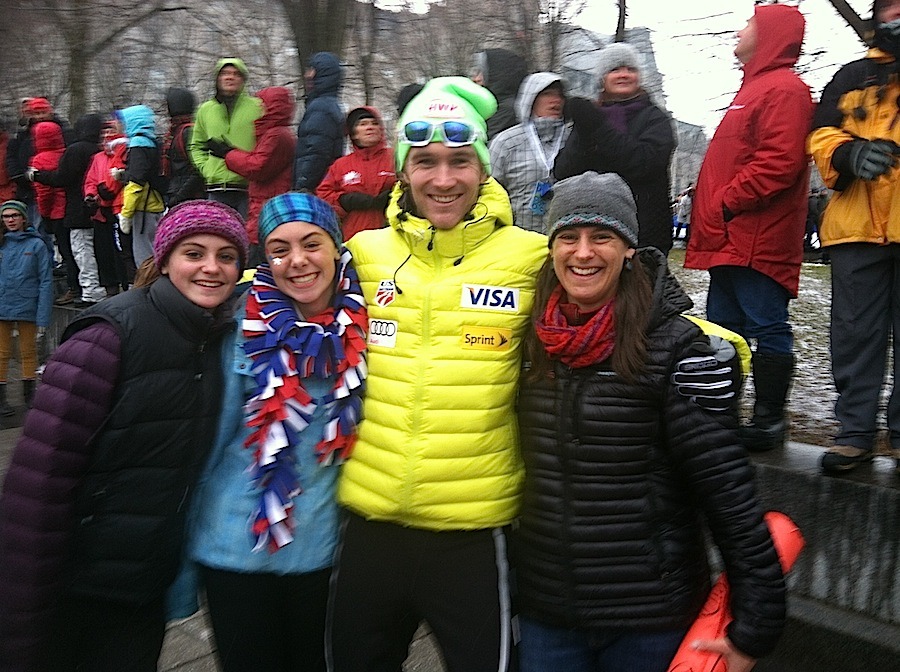
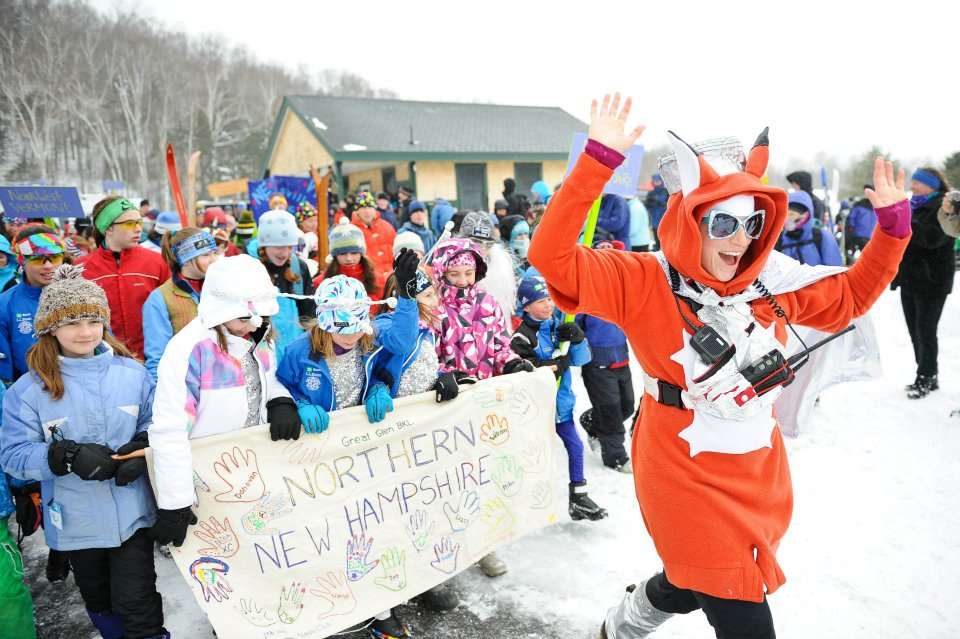
    The "NENSA Fox," Abby Weissman, youth programs director for the New England Nordic Ski Association (NENSA), at the 2012 TD Bank Bill Koch Festival. Weissman wears the fox costume at events and writes a weekly newsletter called “Fox Tales.” (Courtesy photo)
    The “NENSA Fox,” Abby Weissman (r), youth programs director for the New England Nordic Ski Association (NENSA), at the 2012 TD Bank Bill Koch Festival. Weissman wears the costume at events and writes a weekly newsletter called “Fox Tales.” (Photo: Kris Dobie)

    Editor’s note: This is the final piece of a four-part series called ‘Part of the Team: The Impact of Female Coaches in the U.S.’ In Part I, two-time Olympian and former U.S. Ski Team member Nancy Fiddler introduced herself, Part II took a look at several influential female collegiate coaches, and Part III explored female coaching at the junior level. Part IV discusses women who work with the little guys, the future of skiing, through youth programs across the country.

    ***

    For many years, the height of my winter weeks came on Friday afternoons at 3:00. The snowy parking lot of the Tamarack Cross Country Ski Center in Mammoth Lakes, Calif., would fill with cars full of kids with an end-of-school-week itch. Soon, the ski center was full of snowsuit-clad youngsters jostling for space on the pine benches.

    The ski center prepares for the Gliders’ arrival ahead of time, lining up rental boots on the counter in a row from smallest to biggest. Skis and poles are fanned out across the snow out front, and the coaches are dressed and ready for action. Dashing between the tasks of helping the youngest tie, zip, and Velcro their boots and fitting tiny hands into pole straps, while also greeting and chatting with parents, I was typically in a full sweat by the time the Gliders lined up behind their team nation flags at 3:15.
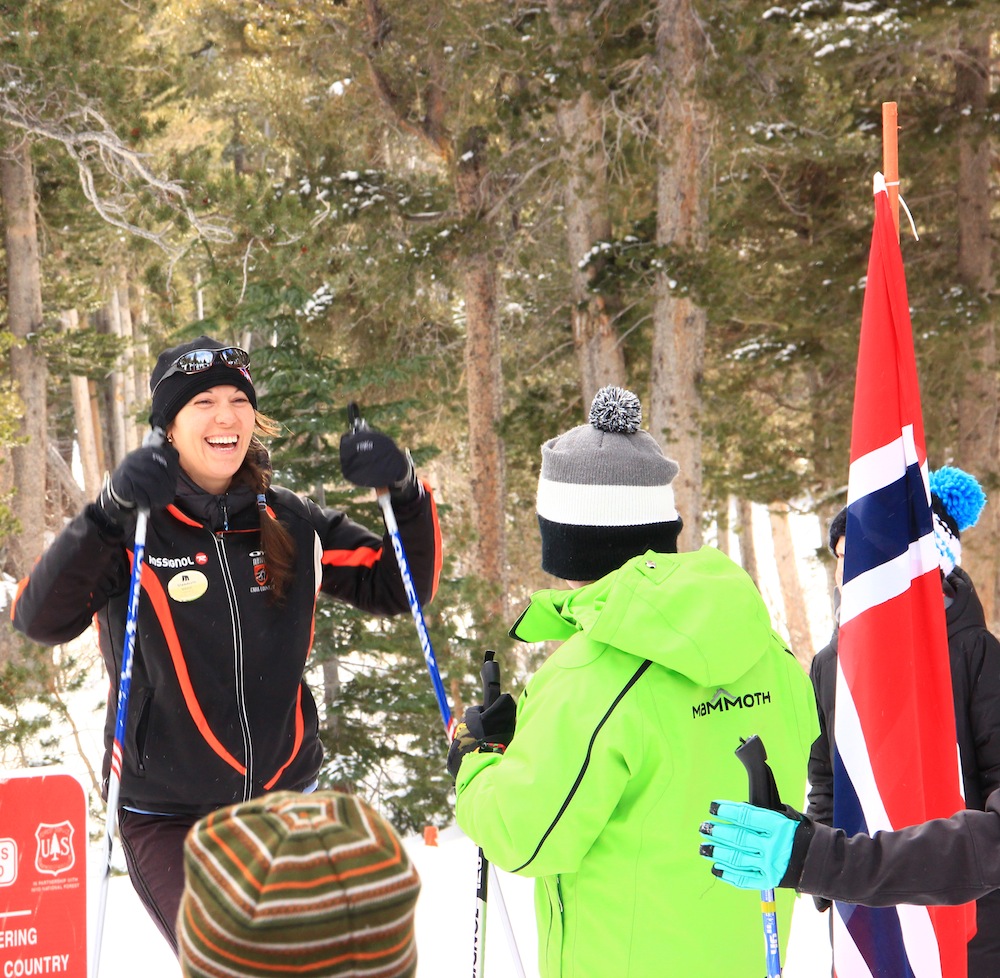
    Tamarack Gliders coach Marie French with her 10-11-year-old group, the "Norwegians." (Courtesy photo)
    Gliders coach Marie French with her 10-11-year-old group, the “Norwegians” at the Tamarack Cross Country Ski Center in Mammoth Lakes, Calif. (Courtesy photo)

    Fifty skiers between the ages of 6 and 10 are divided into Norwegians, Swedes, Americans, Russians, and Italians. The coaches stand at the head of the team lines. My favorite way to begin sessions was by calling first for quiet, and then for the Gliders’ Stomp. The sound of a hundred skis stomping on the packed snow begins in a disharmonious din, but grows into a unified beat of left, right, left, right, louder and louder. With the energy channeled, the coaches siphon off their groups, race through the teaching lanes and into the afternoon’s planned activities.

    Shouts, squeals, and laughter ring through the Lower Lakes Basin for the next hour and a quarter, as the kids skate through games of Sharks and Minnows, hunt for treasures, do relay races, or take off on adventures through the snowy forest. With plentiful snowfall in the Eastern Sierra, a favorite Glider activity is Powder Pigging.

    The goal of Powder Pigging is simple; climb a large hill either by means of a groomed trail or by breaking trail and then, simply, ski down through the un-groomed snow. The coaches themselves are big fans of Powder Pigging, because, after all, they are just overgrown kids who like to ski the trees. Powder Pigging is the hidden teacher of all skiing skills: balance, stance, weight shift, turning, and getting up after the occasional crash. Above all, Powder Pigging is the big motivator to ski repeatedly up the hill in pursuit of that perfect downhill run.

    Heading back to the ski center for the awaiting hot chocolate and Oreo snack after an exhilarating game or adventure, tired and happy, we smile those silly grins that almost hurt your face.

    Skiing with the youngest kids feels like the most important coaching I have ever done. When I retired from ski racing in 1993, I made it a goal to bring cross-country skiing to the kids of the Eastern Sierra. I began with high school and middle school teams, but didn’t get around to forming the Gliders program until my daughter, Laurel, was 5 and in need of an organized ski program.

    I had gone about the process in the wrong order, I realized. The youngest kids form the base of the skiing pyramid! They are the future of our sport; the life-long participants, the racers, the coaches, the officials, the instructors, and the parents of the next generation of cross-country skiers.

    Part IV of my series on the role of female coaches in U.S. skiing focuses on women who work with the youngest participants of the many cross-country ski programs around the country. I connected through email with six female youth coaches from Maine, Idaho, and California to find out more about their jobs, their programs, and their love of cross-country skiing.

    Grassroots ski programs take the form of Bill Koch Youth Ski League, local ski clubs, Ski P.E., and middle-school teams. The coaches who help foster these programs are working close to home with a large base of participants. Youth nordic ski coaches are often providing a child’s first outdoor winter experience. They are getting kids off couches and onto skis from New England to California.

    Sparking Interest

    “Our team is open to any kid who can find boots. We have no tryouts and supply two pairs of skis, two sets of poles and a uniform. We are trying to expose as many kids as we can to cross-country skiing in a community with a very strong alpine skiing leaning.” — Mary Ellen Benier, head nordic coach at Alder Creek Middle School, Truckee, Calif.

    With big ski mountains offering thousands of feet of terrain and plentiful snowfall, places like Truckee and Mammoth Lakes have a lot to offer downhillers. Kids growing up in these communities have plenty of opportunities to ski and snowboard the steep and deep, and play in the half pipes and terrain parks of giant ski areas. Attracting kids to cross-country skiing in these places can be challenging.
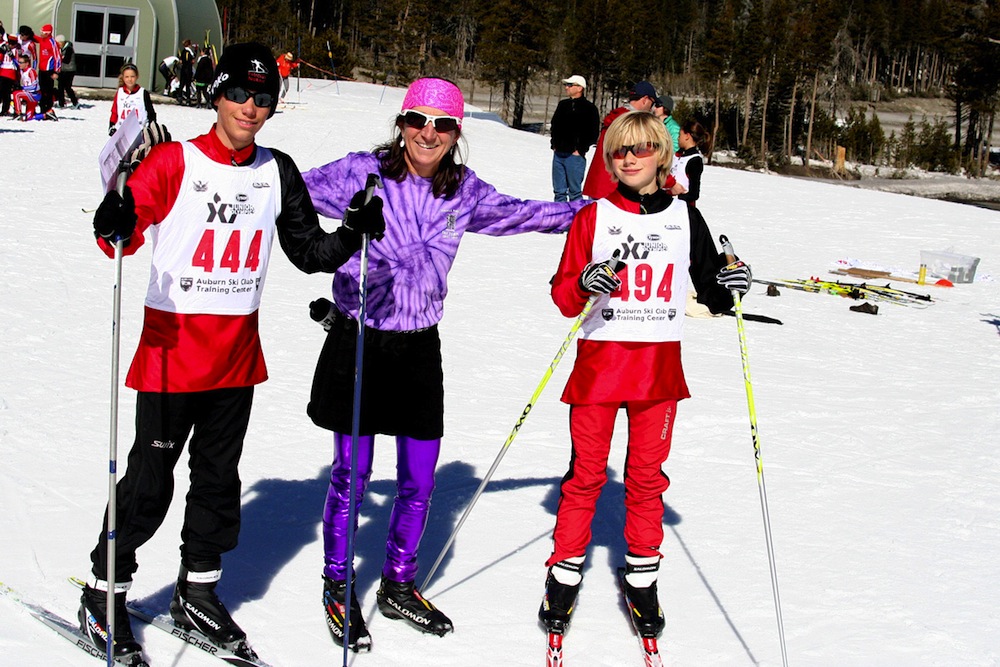
    Mary Ellen Benier, head coach of the Alder Creek Middle School nordic team, with Ian Smith (r) and David Dalicandro (l) last winter. (Photo: Mark Nadell/MacBeth Graphics)
    Mary Ellen Benier, head coach of the Alder Creek Middle School nordic team, with Ian Smith (r) and David Dalicandro (l) last winter. (Photo: Mark Nadell/MacBeth Graphics)

    Despite the lure of the alpine areas in the region, the Alder Creek Middle School (ACMS) team draws nearly 80 kids annually. The Tahoe-Truckee area is home to four major nordic areas with long operating seasons. The community of people who live in this area have embraced the active lifestyle, including nordic skiing. Benier and her co-coach, Mark Nadell, have worked hard to capture a large number of participants to the middle-school program.

    Benier wrote she aims to keep her program “big, fun, accessible and viable. My pay works out to probably .20/hr, so it’s a labor of love. The draw is the fun factor and the enthusiasm of the kids.”

    The ACMS team has become established in Truckee as a cool place to be, thanks to the efforts of Benier and the rest of the staff. It is affordable, the equipment has been taken care of, and it can compete with alpine and snowboarding teams with its reputation for being inclusive and fun. Kids want to be part of this energy.

    Nordic youth programs across the country are finding ways to attract the youngest skiers to the sport. Lauren Jacobs is the mid-Maine Healthy Hometowns coach for the Maine Winter Sports Center (MWSC). Jacobs’ job is to support active, outdoor lifestyles in the communities she serves. The MWSC offers year-round programming to help promote healthy living, and nordic skiing is a good solution to the long Maine winters.

    According to Jacobs, “The main issue I see is less about how to retain skiers for the long-term than it is about getting them to start in the first place,” she wrote. “Money plays a big role in this. Getting started in skiing can be an expensive endeavor, one that many parents are reluctant to try if they’re not sure their kids will enjoy it. Children who grow up in active, outdoor families often get started in sports like nordic skiing ‘automatically’, but kids who don’t come from that background can have a really difficult time getting involved.”
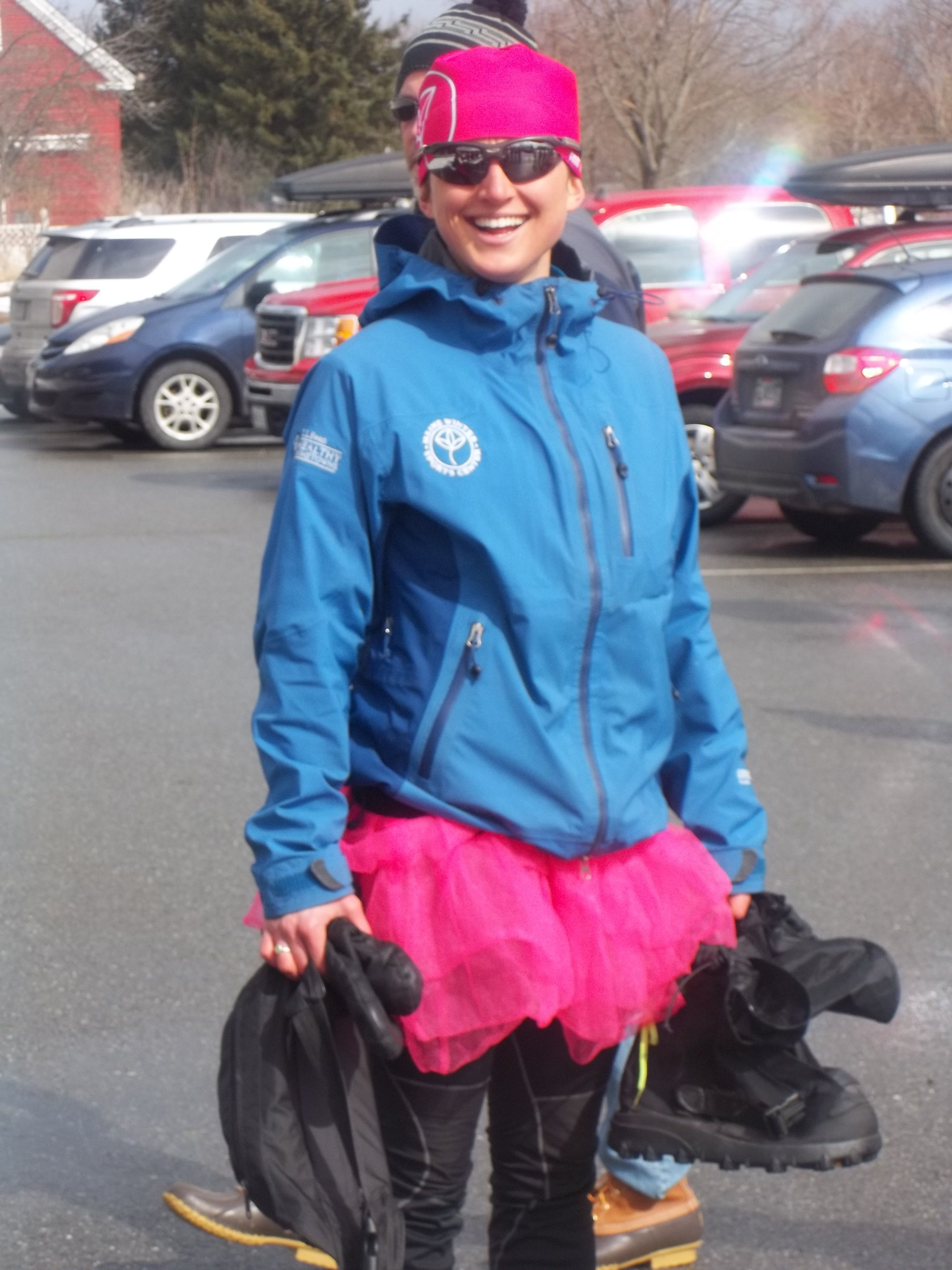
    Lauren Jacobs (Courtesy photo)
    Lauren Jacobs (Courtesy photo)

    Jacobs cites initiatives like the MWSC and New England Nordic Ski Association (NENSA) ski-lease programs as being instrumental in getting families to introduce their kids to nordic.

    The MWSC has figured out a way to expose large numbers of the general youth population to cross-country skiing. Jacobs explained that the children who come from skiing families come to the sport fairly easily. The MWSC is literally bringing skiing to the places where kids actually are; school and after-school programs.

    “One of my favorite things is bringing our Healthy Hometowns ski trailer to different schools for a couple weeks at a time,” she wrote. “Getting to ski with PE and Health classes means I’m getting to ski with all kids, whether they come from an outdoorsy background or not.”

    Jacobs echoed Benier’s commentary on boosting participation. “My job is to make the introductory experiences as positive, fun, and accessible as possible,” Jacobs wrote.

    Abby Weissman is NENSA’s youth and introductory programs director. A Maine native, she’s responsible for putting on major events like the Bill Koch Festival, which draws 600 kids and their families.

    New England is home to over 40 active Bill Koch League (BKL) clubs. There are a lot of kids who are exposed to skiing in New England because of this activity. Weissman is going into her sixth year working for NENSA and has seen the organization’s youth membership grow 40 percent since she started.

    “It’s all about momentum and community,” she wrote. “The key is to have lots of excited families who are bringing their energy and flavor to local programs. That’s where the growth comes from. There’s not a cookie cutter approach that will work perfectly for each club — it has to be adapted to the energy and needs of the families and skiers in that club.”

    Weissman is clear that everything NENSA accomplishes would not be possible without tremendous community support. She sings praises of the many volunteers who consistently give back.

    “There are a lot of moving parts and my favorite part of my job is seeing how wide the community reaches and how much we can accomplish when we work together,” she wrote.

    The Skis for Kids lease program, which Weissman oversees, provides over 300 pairs of skis to New England kids. Accessible equipment, abundant Bill Koch League clubs, and volunteer support and activism are providing plenty of cross-country skiing opportunities to children in the northeastern US.

    Must Love Skiing

    “I began coaching two years ago. I’d grown up alpine skiing and came to nordic skiing as an adult. I fell in love with the sport, the local nordic community and culture and wanted to get more involved and keep learning.” — Mia James, development coach at the Sun Valley Ski Education Foundation (SVSEF), Sun Valley, Idaho

    So how does one become a nordic youth coach? With all the kids out there running around on cross-country skis, it would take an army of leaders to provide a safe environment where the fun and learning take place. The female coaches referenced in this story have a diverse set of skills and backgrounds, but share one important passion: a special relationship with skiing.
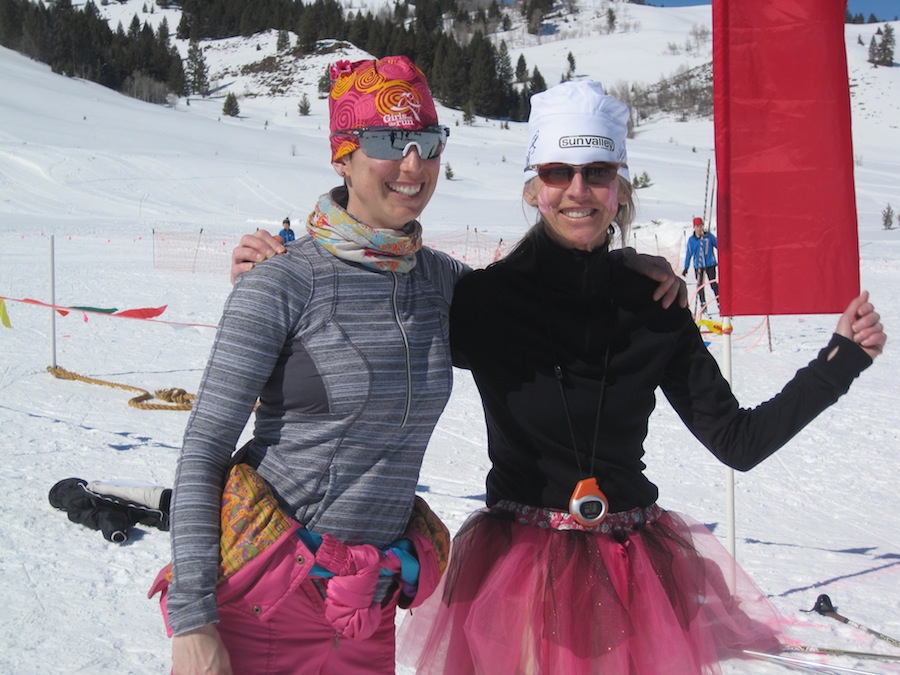
    Sun Valley Ski Education Foundation (SVSEF) devolopment coaches Mia James (l) and Laurie Leman at the 2013 Devo Tri. (Photo: Nancy Fiddler)
    Sun Valley Ski Education Foundation (SVSEF) devolopment coaches Mia James (l) and Laurie Leman at the 2013 Devo Tri. (Photo: Nancy Fiddler)

    James has been coaching the Devo Team at Sun Valley for two years. She has done some local racing and knocked the American Birkebeiner off her bucket list. A self-acclaimed newbie, James is fueled by her enthusiasm and respect for skiing.

    “Like any new discovery, I want others to be as excited as I am about skiing,” she wrote.

    Being involved with 7- to 11-year-old kids on snow has been an empowering experience for James. She sees skiing as a source of lifelong fun and friendships.

    “I hope that I can build confidence by helping kids realize that with dedication and focus they can accomplish things they thought were beyond them – a lesson they will carry throughout life,” she wrote.

    It does take a village for someone like James to find a footing as a nordic ski coach. She credits the support of the SVSEF coaching staff, which she describes as outstanding examples of skiers, coaches and people.

    She acknowledges Muffy Ritz and her VAMPS (all-women masters nordic program with over 160 participants) program. “Like SVSEF, the VAMPS coaching staff is first rate — a huge source of technical knowledge, confidence, and enthusiasm. I certainly would not be the skier or coach I am without my VAMPS experience.”

    James sees herself as a contributor to the big picture of U.S. skiing. She feels she is at the foundation of the sport, helping establish future generations of skiers who will take it forward.

    At Tamarack Cross Country, Jane Lester has been teaching and coaching for 14 years. Like James, she was a latecomer, drawn to the sport because of its camaraderie. An occasional citizen racer, Lester loves the peaceful quality of skiing most of all.

    Lester heads up the Tamarack Gliders program for 5 to 11 year olds. She has used a lifetime of teaching experience to become the coach she is today. She feels that her special skill is developing personal connections with each student.

    “I am passionate about the sport so it is easy to come to work!” she wrote. “I feel like I am making a difference locally. We maintain a very high level of programming, all the way down to the 5 year olds.”

    Marie French has been coaching the Tamarack Gliders for five years – not much longer than she’s been skiing. Regardless, French is an avid participant in all the local races and attended the Masters World Cup in Italy last winter.

    “I like racing and training myself,” she explained. “It felt very natural to work with kids who have fun and passion for cross-country skiing”.

    French hopes to continue to improve as a skier and racer so that she can bring more knowledge back to the kids she works with. She is channeling her excitement about nordic skiing directly into the children and knows she is making a difference when the Gliders move up to the middle school team and then the high school team.
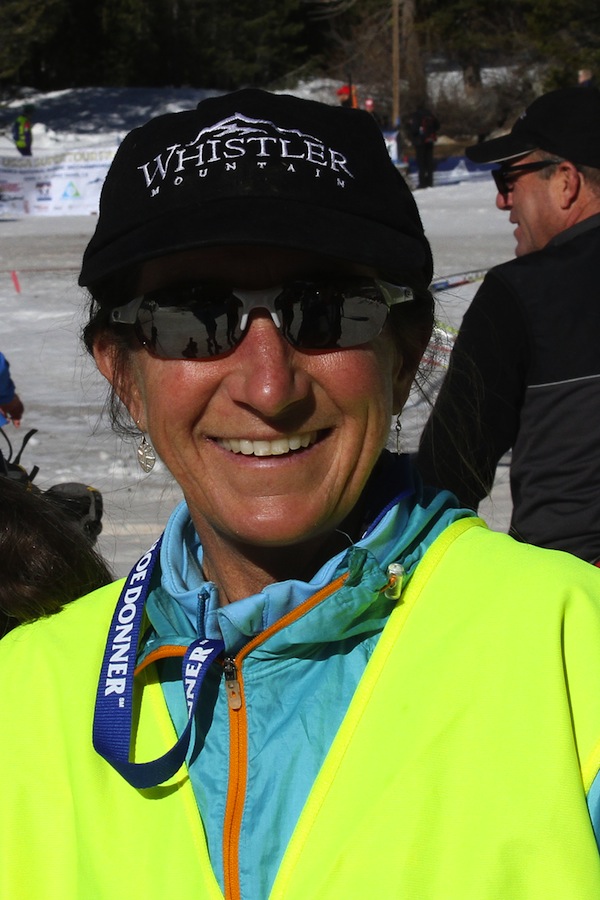
    Mary Ellen Benier at the 2013 U.S. Distance Nationals at Royal Gorge in Soda Springs, Calif. (Photo: Mark Nadell/MacBeth Graphics)
    Mary Ellen Benier at the 2013 U.S. Distance Nationals at Royal Gorge in Soda Springs, Calif. (Photo: Mark Nadell/MacBeth Graphics)

    Benier has been leading the ACMS team for eight years. She plunged into coaching when her son, Stefan, joined the team in sixth grade.

    “His draw to join the team was primarily social and resulted in nordic kids becoming his core group of friends through college,” she wrote.

    A skate-skiing enthusiast for 15 years before she took up coaching middle schoolers, Benier considers herself a proficient skier, but without any formal training or racing experience outside of the occasional Great Race.

    Benier’s son moved beyond middle school a long time ago, but Benier has continues to coach the team. “It is a benefit to our society to turn any kid onto exercise and a sport you can do for a lifetime,” she wrote.

    Once a mom, always a mom? Benier explained she possesses some special “kid skills” that apply to coaching. She brings something else to the mentoring table as well: “a female perspective on hurt feelings, tired bodies, bad days, silliness, total success, crushing failure, and hugs.”

    Lester and Benier share the desire to function as female role models for the girls. They’re concerned lots of girls drop out of sports in middle and high school, but Benier believes she is making a difference.

    “I can’t match the racing backgrounds of some male co-coaches, but I can offer the perspective of cross-country skiing as a lifestyle and what you can get out of it,” she wrote.

    Jacobs picked up nordic as a senior in high school at Gould Academy in Bethel, Maine. She skied her way onto the Bates team, where she competed for four years. From there, she skied for the Skibec Club in Quebec City, followed by two years with the Craftsbury Green Racing Project (CGRP).

    Jacobs blended her athletic career with an interest in coaching early on. “Coaching started for me as a young gymnast coaching other young gymnasts,” she wrote. “I guess I’ve sort of always been a coach! I just enjoy sharing the sports I love. It seems natural.”

    Coaching gymnastics was a stepping-stone to coaching high-school skiing in Farmington, Maine, after college. Jacobs got into coaching the local BKL program while training with Craftsbury , and it was not long after that she started working at MWSC.

    For Jacobs, her own experience serves as her platform for coaching. “As someone who didn’t start skiing until my senior year of high school, it’s nice to be able to tell kids that they don’t have to have grown up with skis on their feet to still love the sport and go far with it,” she explained.

    While not every kid will become a ski racer, Jacobs’ message is this: “I think it’s really important that the ski community recognizes how essential to our community every member is.”

    She points out that aspiring female nordic coaches in New England are fortunate in that they have an amazing group of mentors to look up to in elite and collegiate coaches Cami Thompson-Graves, Becky Woods, Tracey Cote and Pepa Miloucheva.
    Abby Weissman at the Frost Mountain Nordic Grand Prix (Courtesy photo)
    Abby Weissman at the Frost Mountain Nordic Grand Prix (Photo: Matt Trueheart)

    Weissman wrote that she fell “completely and wildly in love with cross-country skiing” when she moved to Carrabassett Valley, Maine, in 2004. A competitive runner in high school and college, her exposure to skiing was limited to family outings while growing up in Maine.

    Working in the Sugarloaf Outdoor Center and then as an English teacher at Carrabassett Valley Academy, she spent many hours nordic skiing in the woods nearby.

    “I worked really hard on my technique then with the goal of being a more efficient skier,” she wrote. “I wasn’t interested in competing, just being in good enough shape to enjoy long adventures.”

    Weissman feels that her experience as a “middle-of-the-pack athlete” has fueled her interest in coaching kids. “I loved the hard work of training and the thrill of competition but my goal was never to win events,” she wrote. “I just loved the process. I got so much out of being on a team and learning how to be an endurance athlete. It was always fun to me.”

    Besides working for NENSA, Weissman puts on Fast and Female events in New England. She’s inspired by the current U.S. women’s national team, which, she wrote is a “phenomenal example of teamwork and healthy competition.” She couldn’t ask for better role models for kids in the East.

    Weissman acknowledges NENSA’s former executive director Pat Cote for his leadership and encouragement. “He would always listen to my crazy ideas and never shot them down.”

    Kids on Skis

     “It’s all about fun for the younger skiers. If we catch their interest year after year, even if it’s with a ride on the groomer or rolling around in the powder, they will love cross-country skiing and come back for more.” — French

    The departing shot of this story – and series – is of the kids (and adults) who benefit from the creative energy of the female leaders of their programs. The many clubs, leagues, programs and teams around the country are alive and well. Youth development is producing outdoor enthusiasts, healthy kids, ski racers, and lifetime nordic skiers.

    At least for kids, the secret is in the play. Lester is a firm believer in teaching skills through fun activities.

    “Treasure hunts and patrol races are always big hits. No season would be complete without some time off track,” she wrote. “Powder pigging in the deep snow is a must! I think it is so important to access the fun and freedom of cross-country skiing to retain the youngest skiers. They already know how to play, it’s the coaches’ job to play with them!”

    Jacobs is a fan of ski games because “they get kids moving, increase balance and speed, and- more importantly-help establish a really positive, fun atmosphere among a group,” she wrote. adding that she uses scavenger hunts to encourage kids to ski longer distances.

    Another way to motivate kids to ski longer is the Kilometer Odometer chart used by the Tamarack Gliders. Lester doesn’t like to overemphasize skiing kilometers just for the sake of kilometers. She wrote that the chart works because “cross-country skiing is a very challenging sport and tracking the distance covered is a way for them to ‘see’ their accomplishments daily.”

    Lester likes the skill-pin program that they adopted from Auburn Ski Club as another motivator. “The kids earn pins according to the skills they master,” she explained. “They can move up through the different colors to help them track their improvement over the years.”

    Weissman’s nickname is “NENSA Fox” for the fox costume she wears at events. In keeping with this theme, she writes a weekly newsletter called “Fox Tales.” Working tirelessly to organize Bill Koch League events and competitions, Weissman stays on track with how youth participation fits into the big picture of skiing in the U.S.

    “Youth Development is one of the most important pieces of developing a thriving ski community,” she stated. “If the goal is to have top athletes at the Olympic level, then growing the base helps to have a bigger pool to draw from and more kids to raise the level of competition. I’m less concerned with the competition and more about the fun and the lasting benefits of being involved with sports at an early age.”

     ***

  • Part of the Team, Part II: Female Collegiate Coaches in the U.S

    The Bates College nordic team after winning the Broomhall Cup last season. (Photo: Flying Point Road Photography/flyingpointroad.com)
    The Bates College nordic team after winning its third Chummy Broomhall Cup last season. (Photo: Flying Point Road Photography/flyingpointroad.com)

    Editor’s note: This is the second installment of a four-part series on the impact of female nordic coaches in the U.S. In Part I, former U.S. Ski Team member Nancy Fiddler introduced herself and reason for writing about the topic. Part II takes a look at several female collegiate coaches and their influence at that level. Parts III and IV will discuss female coaches in the Junior Nationals pipeline as well as grassroots programs across the country.

    ***

    Part II of my series on female cross-country ski coaches in the U.S. looks at the careers of five female collegiate coaches. As I have said before, back in the 1970’s, when I was a collegiate racer, there were no female coaches on the scene. I contacted these women through email and was pleasantly surprised by their generous and very eloquent responses. Each has made a contribution to skiing and has a distinctive story to tell.

    To give a little background, Cami Thompson-Graves is an old teammate and friend, Tracey Cote someone I have heard much about and finally met a year ago, and Becky Woods is the daughter of Bob Flynn, who was the head ski coach when I was at Bates. As a coach, I watched Abi Holt and Kristina Trygstad-Saari during their racing careers, and now am following their coaching careers with interest.

    Cami Thompson-Graves

    Women’s Team Coach, Dartmouth College, 24 years

    “I see myself as just one person contributing to a team.” — Cami Thompson-Graves, on how she’s contributing to the big picture of women’s skiing in the U.S.

    Cami Thompson-Graves and Kristina Trygstad-Saari (Photo: Flying Point Road Photography/flyingpointroad.com)
    Dartmouth women’s coach Cami Thompson-Graves (r) and interim men’s coach Kristina Trygstad-Saari. (Photo: Flying Point Road Photography/flyingpointroad.com)

    Cami Thompson-Graves has indeed contributed to the recent success of the U.S. Women’s Cross Country Ski Team. Just this spring, 2012 Dartmouth graduate Sophie Caldwell was named to the U.S. Ski Team (USST) B-team.

    While Dartmouth did not win the 2013 NCAA Championships, its women are definitely players on the national collegiate stage, with freshman Mary O’Connell taking second and fourth places in March in Ripton, Vt. With the woman affectionately known as Coach Cami at the helm, Dartmouth won NCAAs in 2007.

    Her own racing pedigree, which spans a career from Vermont High School Ski Meister to USST member, has seen some success. Thompson-Graves was a promising racer in the mid ’80s with near perfect technique whose career was cut short after a bout of overtraining. She turned her talents to coaching.

    Thompson-Graves’ 24-year career at Dartmouth College in Hanover, N.H., puts her at the leading edge of the phenomenon of female collegiate coaches in a traditionally all-male environment.  Pursuing an interest in motivating and developing athletes, Thompson-Graves began her career at Dartmouth as a development team coach, soon moving up to the head women’s coach position.

    “I love the women I work with,” she said. “They have such different personalities and work towards their goals each in their own way.”

    Dartmouth women have a strong role model to look up to in their coach, who juggles her career with being married and parenting. Thompson-Graves feels like she is making a difference for the skiers in her program.

    “I think we have a great team here, and it is all those women working together that help each of them achieve whatever their goals are,” she said.

    Beyond teaching the women in green the secrets to maintaining a rigorous training and racing schedule while attending classes in one of the country’s top schools, Thompson-Graves is impacting her skiers in other ways.

    “Hopefully they are learning to think big … and to make their own decisions,” she said. “It is so important for women to realize they can do this.”

    Her coaching style is distinctive; one might say she leads in a soft manner.

    “I feel strongly that a coach is a mentor, not a dictator,” she said. “We should be challenging, guiding, and nurturing rather than micro-managing and directing.”

    On the subject of whether female nordic coaches are on a par with their male peers, Thompson-Graves is vehement that a woman is capable of doing anything a man can in this field. The difficulty for women, she believes, is that the lifestyle is tough, especially for young coaches.

    “If we want more women to be involved in the sport, then we need young women to see it is something they can and might want to aspire to,” she said. “I am lucky that I can do my job and still have a family. Some coaching jobs are much less family friendly.”

    Thompson-Graves will be leading young women in skiing for some time to come; she knows she has a great coaching situation and she appears to get just as much back as she gives to the team she coaches. As long as Thompson-Graves feels like she is doing a good job, she will continue to coach.

    “When I see so many of the women I have worked with still involved in the sport in some way I am proud of what I have accomplished,” she said

    Tracey Cote

    Head Nordic Coach, Colby College, 16 years

    “I’m modeling the great things about being involved in skiing for a long time. Some of my proudest moments have been to watch my former skiers in their new roles as coaches. This contribution, I know, is making a difference.” – Tracey Cote

    Tracey Cote (Photo: Flying Point Road Photography/flyingpointroad.com)
    Tracey Cote (Photo: Flying Point Road Photography/flyingpointroad.com)

    Tracey Cote was running cross-country at the University of Minnesota-Duluth when her teammates convinced her to go out for the brand-new nordic team. Cote ended up pursuing her love for her the sport even after the Duluth team was cut two years later, transferring to Northern Michigan University, where she ran and skied for the duration of her undergraduate career.

    A year after taking a part-time coaching position at Colby College in Waterville, Maine, Cote was offered a full-time faculty position there, coaching the men’s and women’s nordic teams. On top of her racing experience, Cote has a Master’s degree in health education and a teaching degree.

    Heading into her 16th year at Colby, she hasn’t looked back.

    “The one thing about ski coaching is that as sad as it is to see your seniors leave, you’re always excited to see your incoming skiers develop and you can’t imagine not being her for their four years,” she said. “This pattern could keep me coaching for the next 25 years!”

    Citing fellow college coaches Becky Woods (Bates College) and Dartmouth’s Thompson-Graves as mentors, Cote soon hit her stride as a coach and leader of young people. Athlete development is what she likes most about her job and the challenge to inspire each skier to reach his or her potential.

    “My biggest reward is seeing what my skiers accomplish after Colby,” she said. “I feel lucky to have developed close relationships with such amazing people.”

    Cote said she’s not afraid to push her skiers to make them better, but she is their biggest fan and supports them when they are struggling.

    With three boys, ages 4, 6 and 9, Cote and her husband, Patrick, are an involved nordic-skiing family.  Waterville has recently been a hotbed of activity with the formation of the Central Maine Ski Club four years ago and the recent addition of the Quarry Road racing venue just a short distance from campus. While on sabbatical leave last year, Cote jumped into athlete development at the grassroots level and got the “Get Ready to Race Program” for third- and fourth-graders off the ground.

    Cote will be back on the college circuit next winter and looks forward to getting back to her job developing athletes at the highest level.

    “Although I coach a small program in the scheme of things, I do my best to develop athletes at the highest level,” she said. “I see my program as a step to bigger opportunities in skiing.”

    On the topic of gender equality in coaching nordic, Cote said she “feels very lucky to be in the college world, as I feel men and women are treated very equally and the Eastern [conference] coaches are very professional.”

    She is not sure that coaching at the Junior National level has reached that degree of professionalism and is more male-dominated, but thinks this will change with time.

    Between her jobs as head coach, associate athletic director and senior women’s administrator at Colby, Cote is a wife and a mom. She knows what it is like to be busy.

    “Obviously, the U.S. Ski Team has been primarily coached by men, and I may be wrong, but I don’t think too many women are willing to live the lifestyle it takes at that level,” she said.

    Cote sees herself as a role model for women and said she’s “really proud to be one of a few women in any college sports program coaching men … with the U.S. women doing so well and being such an inspiration to a whole new crop of women, I hope we see female coaches at the highest ranks.”

    Abi Holt

    Head Nordic Coach, University of Utah, four years

    “I think I am one of a few coaches in the country who has coached at literally every level of skiing.  I have coached youth ski leagues, middle school skiers, high school skiers, college, US Ski Team, and masters… and taught beginner ski lessons.” – Abi Holt

    Abi Holt and Rick Kapala (Photo: Max Durtschi/SVSEF blog http://blogs.fasterskier.com/svsef/2008/02/05/photos-max-durtschi/)
    A former Sun Valley junior and eventual coach, Abi Holt (l) with SVSEF nordic director Rick Kapala (Photo: Max Durtschi/SVSEF blog)

    Abi Holt, head coach of the men’s and women’s nordic teams at the University of Utah in Salt Lake City has a solid grasp on the skiing pipeline. Her own ski-racing background covers just as much ground.

    As a junior from Sun Valley, Idaho, Holt was a three-time junior national champion and an 18-time junior All-American. Skiing for Dartmouth, she was an NCAA All-American. She said she fell into coaching “sort of by accident.”

    All it took was a phone call from Park City coach, John Callahan (formerly of The Utah Nordic Alliance, or TUNA) to steer Holt to a career in ski coaching in 1999. Fresh out of college and new in town, Holt needed a job, so she spent the winter as Callahan’s assistant coaching the high-school-age competition team the following season.

    After three years in Park City, Holt moved back to Sun Valley, coaching there for five years, then put in a year in Vancouver, British Columbia, as the Hollyburn Ski Team head coach. Back in Utah, she took a position as University of Utah assistant coach and signed a joint contract with the USST as an assistant development coach. Holt is now heading into her fourth year as Utah’s head coach.

    The lifestyle appears to agree with Holt, who said she likes her job for

    “the variety! Getting outside and not sitting at a desk all day. Watching young people develop into fantastic human beings. The challenge of managing team dynamics.”

    Holt’s impact on the men and women she coaches goes beyond the management of training and racing.

    “I believe that involvement with Nordic skiing creates great humans,” she said. “I hope that young skiers who I am involved with learn how to mix the necessary intensity of the sport with some humor.”

    Holt knows she has a great situation in her position at Utah.  She loves her job and her confidence demonstrates that she is at the top of her game. After finishing second at NCAA Championships for the last three years, Holt is focused on winning in 2014. She believes that college skiing has a place in the pipeline of U.S. skiing.

    “College programs are well-funded and we have access to a tremendous amount of support for our athletes,” she said. “Additionally, nearly every coach in this country has come through a college skiing program, so if nothing else, we are feeding the coaching system.”

    Holt sees herself as a role model for her athletes, but also for women looking at coaching as a career option. At Utah, she is the only woman who is a head coach of a men’s team at a university where many men serve as head coaches of women’s teams.

    “I’d like to think that my team’s success serves as proof that women can be successful as ski coaches, no matter which gender they are working with,” she said.

    Holt has dedicated herself to her career and sees herself as “one of the women who is leaning in to the profession and the industry,” she said. “I have worked hard and pushed hard to get to this position.”

    She is a self-proclaimed “true fan of American nordic skiing” and a “constant advocate of college skiing.” Finally, Holt believes that “women coaches are on par with the male coaches in the U.S. – there just aren’t enough of them!”

    Becky Woods

    Head Nordic Coach, Bates College, 20 years

    “Performance and success correlate with one another! If I can help my athletes perform well and find success in ski racing this will translate into their personal lives as well.  It is about building confidence, finding self-assurance, and believing in your abilities.” – Becky Woods

    Bates head coach Becky Woods (r) with one of her former athletes, Sylvan Ellefson, who graduated in 2009, and her daughters Kaelyn and Emma at the World Cup sprints last December in Quebec City. (Courtesy photo)
    Bates head coach Becky Woods (r) with one of her former athletes, Sylvan Ellefson, who graduated in 2009, and her daughters Kaelyn and Emma at the World Cup sprints last December in Quebec City. (Courtesy photo)

    The head men’s and women’s nordic coach at Bates College in Lewiston, Maine, for the last two decades, Becky Woods can be described as a quiet force. She has built the team into a reputable program over the years and has become a much-beloved coach by her athletes.

    Woods, who skied for Bates and graduated in 1989, began her career as an assistant coach on weekends, where she helped out on the Carnival circuit. After a stint in coaching juniors of various ages in Colorado, she returned to Maine, where she was asked to come back to Bates as head coach.

    While Bates might not be the biggest heavy-hitter on the NCAA circuit, Woods consistently turns out high-quality skiers. Among them are four All-American skiers – Sylvan Ellefson, Justin Easter, David Chamberlain, and Justin Freeman – who have all had a big presence on the U.S. skiing stage.

    For Woods, coaching runs in the family as her father, Bob Flynn, coached at Bates for many decades. In the ’70s, he served as head ski coach and also served many years as a coach of baseball and golf. He continues to coach as one of Woods’s assistants in the winter. She called him her mentor: “My Dad ‘Coach Flynn’ was and continues to be someone I go to for advice, support, and a few laughs!”

    As a collegiate coach, Woods is highly in-tune with her athletes.

    “I think I build some solid relationships with my skiers,” she said. “It is really important for me to get to know the ‘whole’ person so I can help them be the best ski racers they can be.”

    She considers herself to be a big part of their lives while they are at Bates.  “We consider ourselves a ski family here,” she said. “So in that sense, once you enter the family, you are here to stay!”

    The life of a college skier is a demanding one, and Woods is there to help her athletes.

    “Balancing their workloads is a challenge,” she said. “Academic schedules combined with daily, consistent training and racing is a tough combination but something that is so worth it.”

    Woods is a strong believer in collegiate skiing. “The opportunities that my athletes have are just fantastic and to be a part of that is a privilege.”

    She knows she’s preparing her skiers for a career in ski racing beyond college, should they choose this path. “When skiers from Bates are skiing on the World Cup and at the Olympics, it certainly feels like we are having an influence at a level larger than just collegiate skiing.”

    While not all Bates skiers continue on to the big leagues beyond college racing, Woods prepares everyone for life. “I think my role as a D1 college coach is to prepare athletes physically, mentally and emotionally for what is to come,” She said.

    She said she’s equally proud of “those folks who leave Bates and go on to give back in skiing.  It is a true testament to their experiences here at Bates and their passion for skiing.”

    Woods credits her husband, Tucker, with whom she has two teenage daughters, for giving her the support she needs to pursue her career. She believes that the women who coach skiing are absolutely on par with their male peers.

    “There are fewer women coaching, but I don’t think that speaks to the abilities of the coaches, more to the choices that people make professionally,” she said.

    Kristina Trygstad-Saari

    Interim Men’s Coach, Dartmouth College, one year

    “From both my experiences as an athlete and a coach, it’s important to have women in the mix … as a junior skier, it was always beneficial to be around strong, healthy, positive women.  I figure that more perspective and diversity is always better.” – Kristina Trygstad-Saari

    Kristina Trygstad-Saari (BSF)
    Kristina Trygstad-Saari while training with the Bridger Ski Foundation. (Courtesy photo)

    Dartmouth grad Kristina Trygstad-Saari (’07) thought she was returning to her alma mater last year to serve as the development-team assistant. In the end, the men’s team needed her more and she wound up coaching that team for the fall and winter.

    Trygstad-Saari has been a cross-country ski racer most of her life, and now she wants to give back some of what she learned during her racing career. She had a stellar career as a junior with the Bridger Ski Foundation (BSF) in Bozeman, Mont.  She holds nine Junior National titles and was sixth at World Juniors, and has competed in World Cup races and skied on the U.S. Development Team.

    While studying at Dartmouth in Hanover, N.H., Trygstad-Saari decided to take a break from serious skiing. She didn’t stay away long, making a trip to the NCAAs her junior year in 2006. After a few years of racing out of college and an Olympic-team bid, Trygstad-Saari turned her experience toward coaching.

    Trygstad-Saari quickly climbed the coaching ladder, returning to BSF to work for her former coach, Dragan Danevski. Coaching J5’s her first year and J2’s and masters the next year, Trygstad-Saari drew from Danevski’s knowledge.

    “Once I started coaching for BSF, he was an obvious mentor and a resource,” she said. “He has incredible experience with coaching and athletics.”

    It was just a year later that Trygstad-Saari was learning from another revered coach, this time at Dartmouth.

    “Coach Cami Thompson-Graves was an exceptional mentor,” she said. “She gave me the freedom to learn through experience while also sharing her own knowledge and experiences to help me along.”

    Trygstad-Saari sees herself as a role model for the athletes she works with and feels that she is making a difference through her coaching. She has a big worldview of cross-country skiing, but works on a very “local and personal level,” she said. “I really try to connect with each individual I‘m working with, and if I can have even the smallest positive effect on most of the people I work with, then I’m happy. A little bit can go a long way.”

    Trygstad-Saari uses her own experiences as an athlete, ski racer, and student to guide her athletes. “I had a lot of ups and downs in my ski career, especially during college, and I try to share what I learned to help others.”

    Having fun and working hard go hand-in-hand for Trygstad-Saari and are the foundation of her coaching method. She reminds her skiers that a love of the sport is just as important as success.

    “Creating a healthy environment for training and racing is one of my priorities,” she said. “Providing this on the development levels will only help skiing on the highest levels.”

    Trygstad-Saari sees a future for herself in ski coaching and would eventually like to be a head coach of a college team. Her coaching plans are open-ended, but for the time being, she is working at her favorite summer job: catering. That said, come next winter, Trygstad-Saari will be pursuing her passion for coaching cross-country skiing.

  • Part of The Team: The Impact of Female Coaches in the U.S.

    Part of The Team: The Impact of Female Coaches in the U.S.

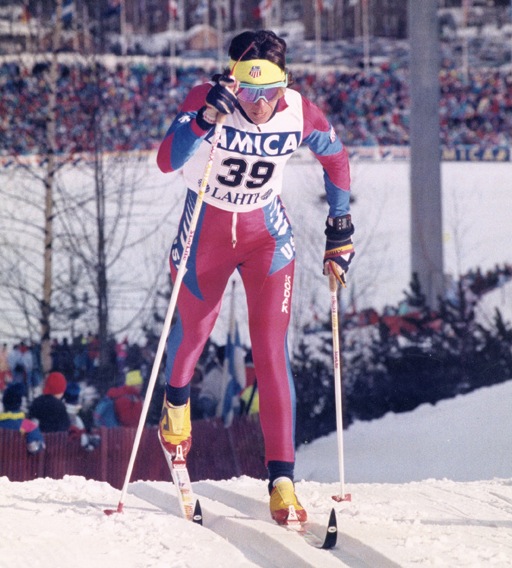
    Former U.S. Ski Team member Nancy Fiddler racing to 15th in the 15 k classic race at 1989 World Championships in Lahti, Finland.
    Former U.S. Ski Team member Nancy Fiddler racing to 15th in the 15 k classic at 1989 World Championships in Lahti, Finland.

    Part I: My Story

    By Nancy Fiddler

    In 1993, after a seven-year stint of racing on the national and international stage, I returned home to Crowley Lake, Calif. I had picked up cross-country skiing late as a college sophomore at Bates in Maine, then quit and floundered for a few years before making a comeback at the age of 30. I was a national champion 14 times over, two-time Olympian and member of the U.S. Ski Team. Now at 37, my ski-racing career was over and my future open-ended. It was time to get on with the rest of my life.

    That spring, the U.S. Olympic Committee (USOC) was offering a career-counseling seminar for retired Olympic athletes in Los Angeles, so I thought, “Why not?” I spent a day with basketball players, swimmers, pole vaulters and other fellow Olympians, going through the steps to finding success in the world outside of sports. We wrestled with career choices, self-evaluations and large life decisions, like moving to a new city, to turn our disciplined ways in a new direction.

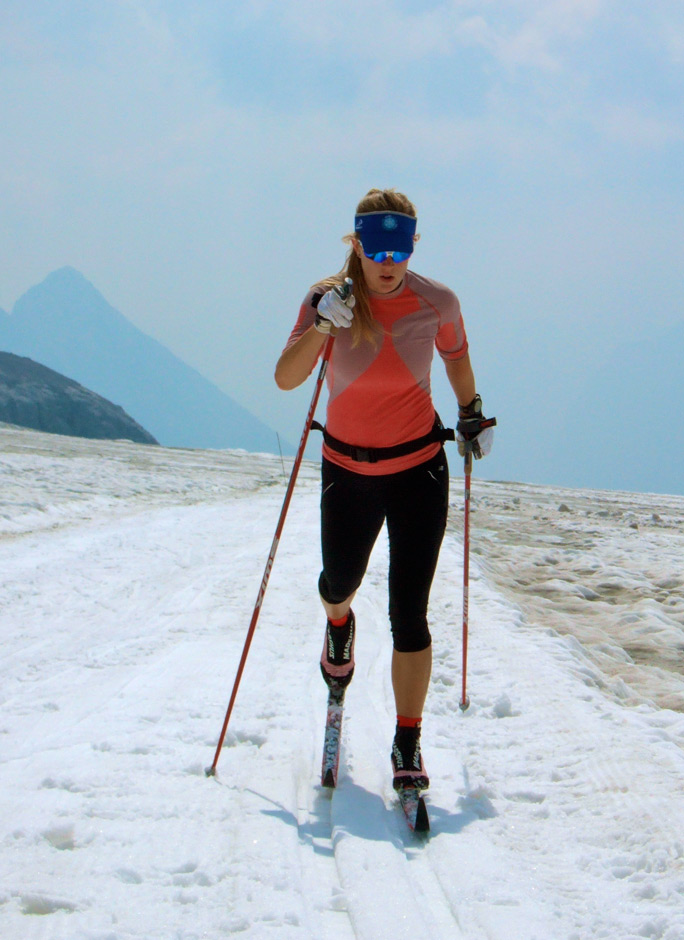
    Nancy Fiddler striding out in 2011 at Auburn Ski Club in Soda Springs, Calif.
    Far West coach Nancy Fiddler striding out in 2011 at Auburn Ski Club in Soda Springs, Calif. (Photo: Mark Nadell/www.macbethgraphics.com)

    The only problem was that I was not ready to leave the sport I had grown to love so much. Move to a city? I wasn’t picturing any of it.  My husband and I had a home in a beautiful place in Crowley Lake and were hoping to start a family. When I asked about careers in our sport, the seminar leader made it clear that staying in my small mountain community and coaching cross-country skiing was not going to take me very far.

    I returned home with all of the fine skills I had acquired as an athlete and subsequently listed on the USOC forms. Discipline, motivation, time management, desire for excellence – all these marketable skills were not going to make me an investment banker, a CEO, a small-business owner, or even a real estate agent.

    Our Eastern Sierra community lies at the bottom of a large downhill ski area and has an equally large alpine and snowboarding culture. Nordic skiing occupies a small space in this environment, and at the time of my retirement 20 years ago, there was not a single youth nordic program in the area. I took a deep breath and began banging my hard head against the wall.

    I began by volunteering to teach skiing at an elementary school phys-ed class in Mammoth Lakes, Calif. I dragged one of my friends along to help me and thus began my coaching career and the nordic programs that still exist today in my community.

    My first high school team was truly a gamble; I walked into the school with some posters advertising a new nordic team; everyone welcome. Of the eight kids who showed up to practice, only one of them had ever been on cross-country skis before.  I taught them all to ski, took them to school-league races in my car and didn’t get paid a thing. On that team alone, I saved one boy from a high-school career of hallway fist fights, gave a few kids their only chance of making a high-school team, coached a roller-hockey player to a Junior Nationals (JN) exhibition sprint title, and saw a bunch of kids fall in love with my favorite sport.

    Twenty years have passed and now those elementary school programs have around 100 participants and another 40 between the middle and high schools. I organized Masters clinics and season-long programs, taught in the nordic ski school, formed a club team and made it my goal to bring nordic culture into my community.

    While I have been a JN coach for Far West many times, most of the coaching I have done has taken place close to home. I have passed up opportunities to travel on World Junior trips and more because I was dedicated to my project and my teams.

    When our daughter was born, it was even more difficult to imagine traveling much farther than the school-league races. Part of me still wonders whether I should have taken the leap right after my racing career ended and moved to a new place and a new career. At the very least, why didn’t I start shopping for a collegiate coaching job?

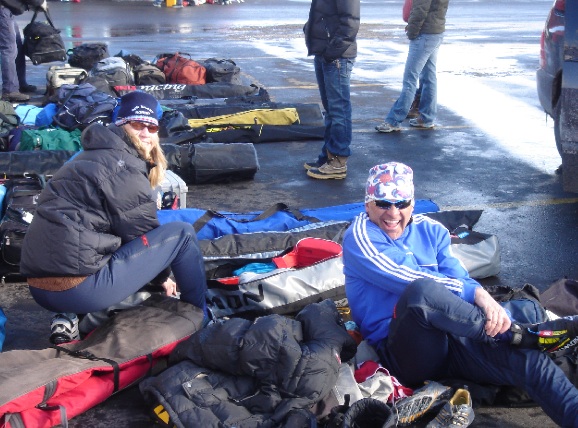
    Nancy Fiddler's Far West junior summer camp in July 2012.
    Nancy Fiddler’s Far West junior summer camp in July 2012.

    I reasoned there were many kids right here at home needing my skills and dedication. There were many people along the way who had taken the time to teach me the ways of cross-country skiing, and it seemed perfectly natural to turn around and give it back. It changed my life, so why not try to enlighten others?

    After reading Chelsea Little’s recent article tackling the subject of gender stereotypes in nordic skiing, I began to think hard about the situation. What stayed with me was the reference to the scarcity of female coaches on the international circuit. I couldn’t stop thinking about the many highly qualified and experienced women in the U.S. who are leading skiers of all ages and abilities in this greatest of sports. I wondered about their stories and knew it was time to shed some light on the work they do.

    I quickly drew up a list of the female ski coaches I knew. The list grew with the help of some good references, and soon I had a lengthy compilation of coaching contacts across the country, all working at various levels. Many coaches took the time to answer my questions about their careers and themselves. While each story is unique, and each coach has her own voice, there are many common threads. We are all part of The Team.

    Part II of this series will focus on women in collegiate coaching. When I raced at Bates in the late ’70s, there were no female coaches anywhere in college skiing. While men still outnumber women in this field, at least five women now hold head coaching positions on Division I college teams and have changed the traditionally all male climate of collegiate coaching forever.

    Below the collegiate level lies a vast population of junior skiers, from Bill Koch Youth Ski League and other similar programs aimed at 5 to 11 year olds, to school-league teams and rapidly growing club programs for 12 to 19 year olds. Part III will investigate the role female coaches play in the Junior National pipeline. Grassroots programs and the coaches who invest in the youngest skiers are the topic of Part IV.

    It is my hope that my story shows how far the U.S. has come in terms of skier development in the last 20 years. Faster juniors and more of them are coming up through the pipeline with an army of qualified coaches behind them.

    Women are rapidly joining the ranks with plenty to offer in terms of mentoring both boys and girls. The success of the women’s U.S. Ski Team in recent years is a testament to the work of many coaches, all the way down to the most basic level working with the youngest kids.