From the FasterSkier archive — posts syndicated from athletes’ and coaches’ own blogs between 2004 and 2012, kept online as published. Current coverage is at fasterskier.com.
ZHANGJIAKOU — Patrick Moore is a cheerful accountant from Edmonton, Alberta. Tim Baucom spends his summers working sales for a Vermont plank flooring company. Oleg Ragilo runs a cosmetic shop in Estonia with his wife.
Jessie Diggins, the American cross-country ski star, couldn’t have won her Olympic bronze without them.
Jessie Diggins earns an Olympic bronze medal in the 1.5 k freestyle sprint. (Photo: NordicFocus)
Moore, Baucom and Ragilo all belong to America’s nine-member ski service team here — a mix of mostly paid staff and a couple of volunteers like Moore.
“I can’t speak highly enough of their work ethic — they’ve been out here every single day, hours and hours and hours, probably skiing like 50 k a day,” Diggins said after finishing eighth Thursday in her third race of the Games. She added, referring to her medal-winning ski: “They delivered such a clutch performance the other night.”
The service crew is charged with the complicated, high-stakes work of choosing the right skis and wax for the snow conditions in Zhangjiakou, the mountain resort town outside Beijing where Olympic cross-country events are taking place.
The task sometimes can make the difference between an average day and a medal.
But the work, which happens in drab tan buildings off a corner of the stadium, is relatively anonymous — except when things go wrong.
“I think it’s sometimes hard for people at my regular job what I look like here,” said Moore, the accountant. “And it’s probably hard for people at this job to understand what I look like there.”
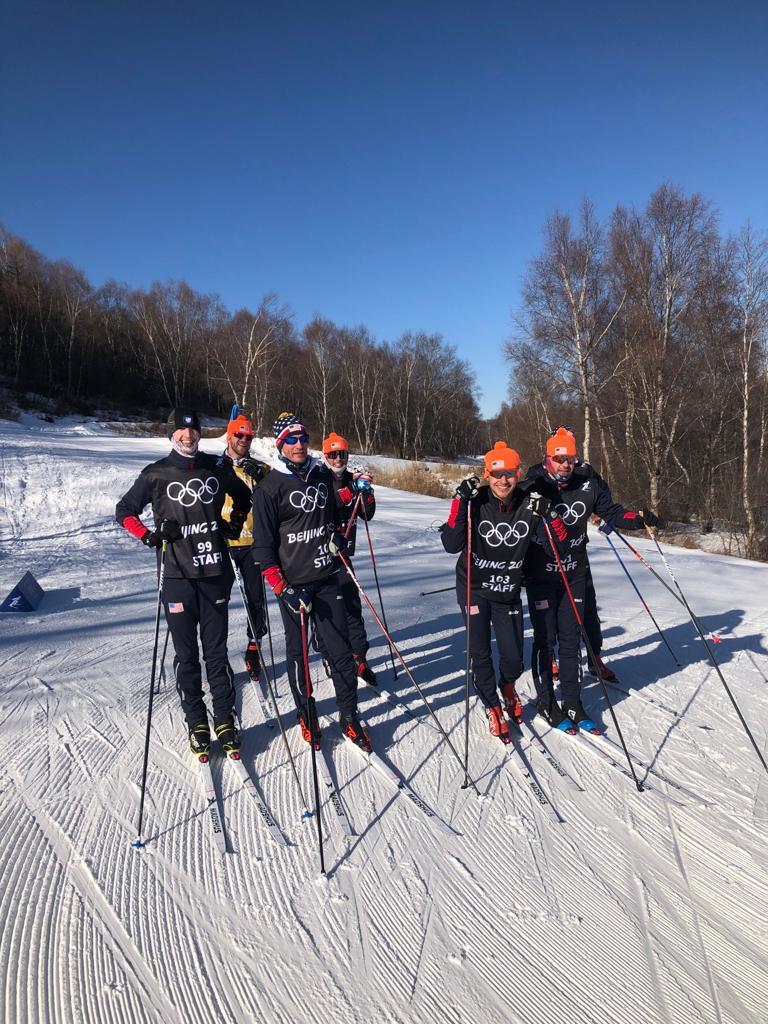
The U.S. wax staff arrives in Zhangjiakou. From left to right, Patrick Moore, Andrew Morehouse, Bjorn Heimdal, Tim Baucom, Chris Hecker, Jason Cork, and Eli Brown. (Photo courtesy fellow technician, Karel Kruuser)
The U.S. service team is composed of a mix of Americans and Europeans — including Ragilo, who previously waxed for superstars in Estonia and is something of a legend there.
To appreciate the crew’s work requires a quick lesson in ski technology.
Cross-country ski bases — the part that slides across the snow — are generally made of a plastic called polyethylene, or p-tex. The material has tiny pores, somewhat like a sponge, which means it absorbs wax that’s ironed or rubbed in by technicians; the excess can be scraped off to leave what appears to be a smooth plastic surface.
Manufacturers produce different waxes to help the skis slide faster in different conditions: warmer or colder, natural snow or man-made.
The waxes are typically layered, and they can be applied in different ways — ironed in, rubbed in with a corkor even a spinning wool cylinder attached to a drill, for example.
Technicians can also enhance the gliding potential of skis with metal tools that press tiny, intricate patterns into the bases, known as structure. Then there are the skis themselves, which are built stiffer or softer to suit snow conditions. American athletes each brought dozens of pairs to the Olympics — perhaps 300 total.
Sorting through each of those variables and identifying the best skis, waxes and structures takes hours and hours of testing. U.S. service team members arrived in Zhangjiakou a week before the first race, and got to work.
“None of us are scientists,” said Baucom. “But we just tinker around with all this stuff.”
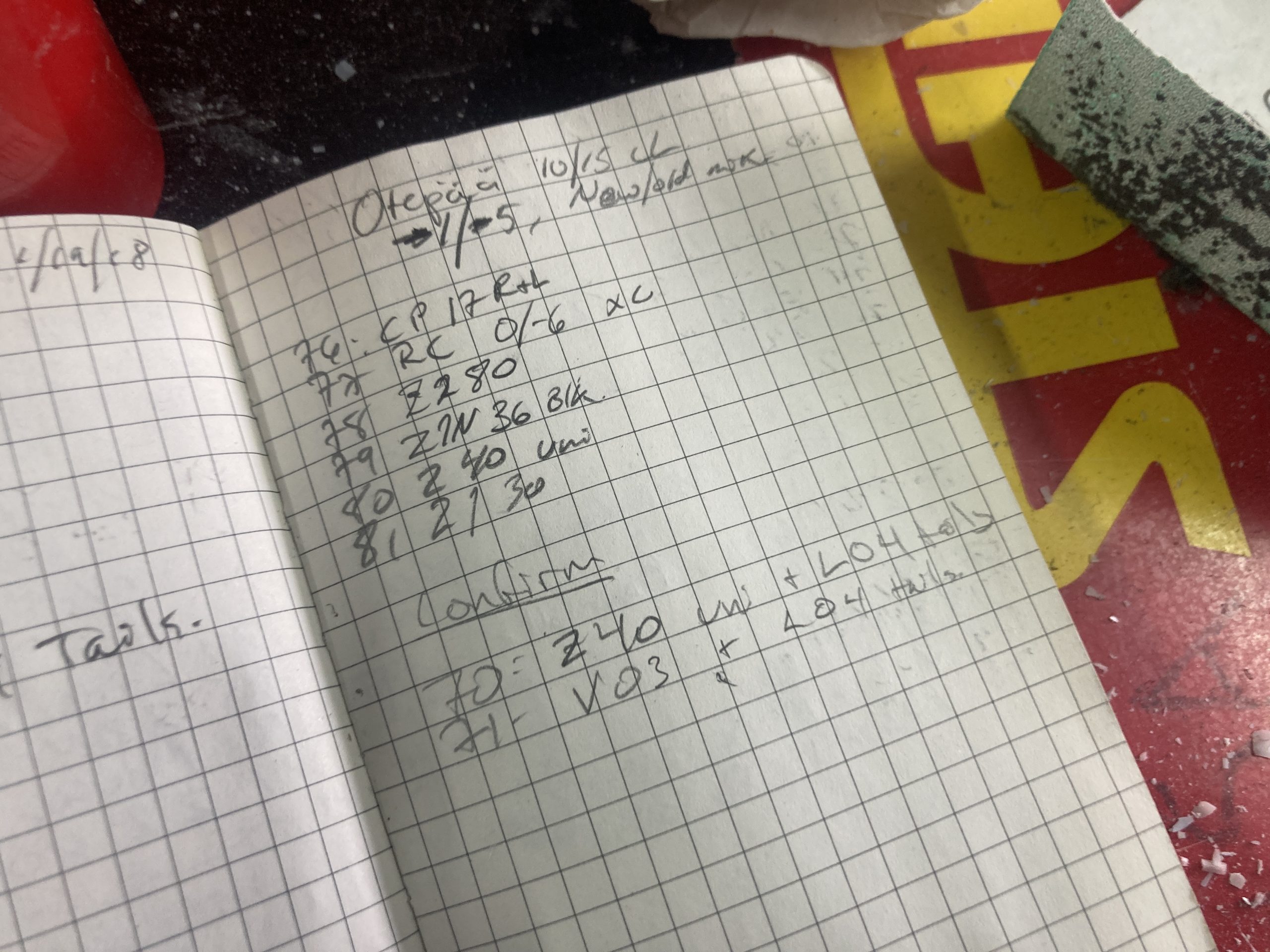
Old entries in a U.S. wax technician’s notebook keep track of the many iterations tested en route to a winning selection. (Photo: Nat Herz/FasterSkier-ADN)
The crew spends its first day or two skiing the race courses, setting up gear and getting a feel for the place. Then, they start testing the first layers of waxes and the best methods for applying them, as well as durability: How far can they ski before the wax starts losing potency?
Most of the testing is done by feel, with two technicians gliding down a hill, side by side, on two pairs of skis with different waxes to see which pair is faster. The American technicians can ski 30 kilometers a day or more; some or the Scandinavian teams with larger staffs have workers whose sole job is testing and can ski twice that far.
When race day arrives, the U.S. team may have tested 50 or 60 types of glide wax, and a similar number of kick waxes, which skiers use to grip the snow and push themselves uphill.
Olympic team staff test skis and wax Friday, February 4, 2022 at the Zhangjiakou National Cross-Country Skiing Center. (Nat Herz/FasterSkier-ADN)
They’ll narrow that number to perhaps 16 waxes to test in the hours before the gun goes off. Athletes, who are paired with the technicians, will also test a handful of pairs of skis before a race to see which are fastest.
The Americans aren’t typically expecting to find a magic bullet that makes their skis the best in the field, said Baucom, the U.S. team’s head of glide waxing in Zhangjiakou.
“You always want to have skis that are ridiculous, and make you look good,” he said. “But really, our goal is to have competitive skis. And it seems like in these conditions, as far as I can tell, almost every team has had pretty competitive skis.”
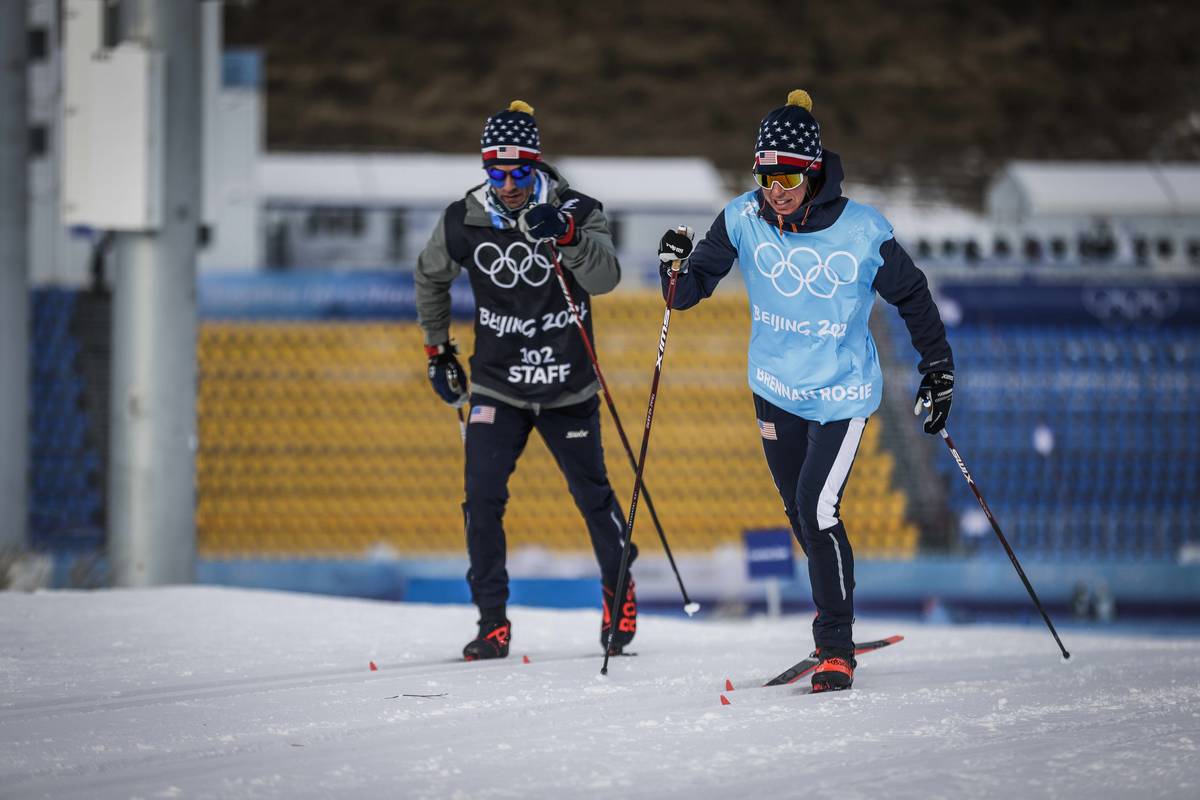
Rosie Brennan tests skis with her tech, Bjørn Heimdal, before the opening 15 k skiathlon. (Photo: NordicFocus)
The area is not far from the Gobi desert and gets minimal precipitation, so skiers are racing mostly on manmade snow. Before the Games, Baucom heard about storms that deposited sand on the trails that ruined skis.
But so far, he said, the skiing at the Olympics has been quite good, even if the snow is a little dirty and wears away wax a bit more quickly than usual.
“It’s not throwing us for a loop as far as being very different from other really cold, dry snow that we’ve raced on,” Baucom said. “It’s abrasive, but it’s not, like, crazy.”
Ski preparation at the elite level can be something of an arms race: On the European World Cup cup circuit, bigger teams, including the U.S., travel with huge trucks that have been outfitted as roving wax rooms at a cost of $500,000 or more. Those trucks, however, did not make the trip to Zhangjiakou.
Scandinavian teams spend more money on ski service and have bigger workforces, which can sometimes produce inequities. At the World Championships in Germany last year, the U.S. technicians had an especially tough day in the women’s pursuit race, where the skis they gave athletes were too slow to be competitive. Baucom described the feeling as “gut-wrenching” for the staff.
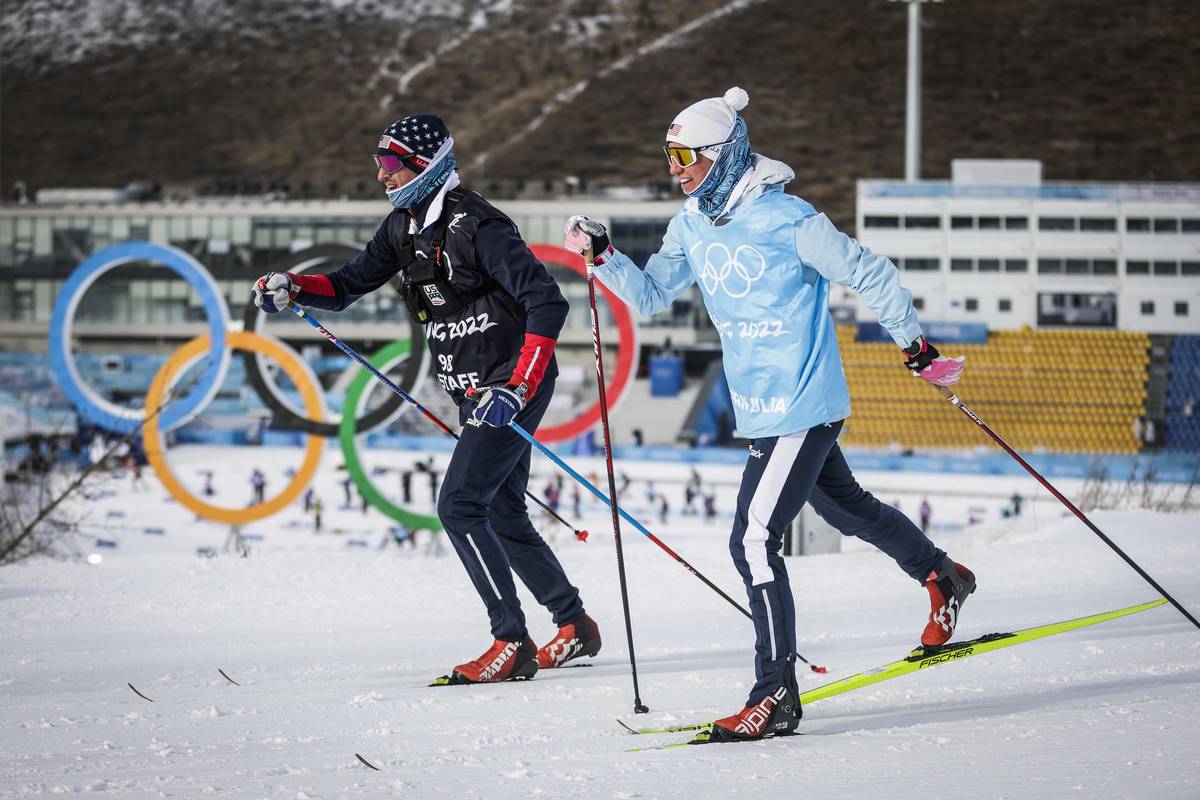
Julia Kern prepares for the 15k skiathlon with her wax technician, Eli Brown. (Photo: NordicFocus)
When things go wrong, the U.S. team will often collect skis after the race and retest, to see what went wrong.
At the Olympics, though, conditions have been stable and relatively straightforward for waxing, even after a flurry of fresh snow Saturday morning. So far, the American athletes have had few complaints.
“It feels good to know that everyone has a pretty fair shot,” Diggins said. “I’m just so grateful to our staff, because we win as a team.”
Day 12: Masters World Cup Total World Domination Package
Day Twelve. We made it. Wow. Sure, we lost a few along the way, good men (and women, though most women were likely smart enough to not set foot on this sinking ship in the first place)
Taking a journey with 12 Days of FBD writing is like going on a poorly captained cruise ship (though thankfully with much, much less diarrhea and WAY fewer fat people). Come aboard, we’ve been expecting you.
As a quick aside, I bartended at Smullin’s rehearsal dinner, so I naturally wore a name tag that read, “Isaac,” and YES, I sure as hell did the “double gun” finger point all night. I am frickin’ awesome.
So as we are pulling into port, thanks to the steady hand of Captain Stubing, the compassion of Julie McCoy, and the vision and brilliance of yours truly, I am pleased to report that all of your relationship issues have been solved and life is good. That’s what happened every week on The Love Boat and it’s what is going to happen here. We’re going to end this wonderful series but going back to where we started, racing.
In Day 1 (yes, I know, that seems like a long, long time ago, doesn’t it?), we focused on recovery. Why? (Let’s all say it together) You don’t get fast from doing hard workouts, you get fast by recovering from hard workouts. What is probably the hardest of all workouts? Racing. So we’re going to come full circle and finish up by talking about racing, more specifically, Master Blaster Worlds (MBW). I know, I know, they have some super-serious, long, fancy name, but to all of us “in the know,” they are Master Blaster Worlds. And this year they just so happen to be in the good ol’ U.S. of A.
So one of my many goodbye gifts to you (there have been so many, as I view each of my written words as a gift to you. I told you I was a ‘giver.’), is that I (with the help of my latest Cracker Jack crew) am going to get you styled out for MBWs. If you don’t have all of the race gear, race clothing, casual clothing, recovery tools, and every other piece of equipment, software, or soft goods that you could even possibly need by now, well then God help you, as I don’t know if it would have been possible for me to write any more on any of these topics. At one point a few days ago I even got a call from the Internet, asking me to delete some of my earlier columns, because the Internet had run out of room.
This means that you can’t possibly need anything else to wear, so what else could you need? Wax, that’s what. Wait a minute, wait a minute FBD, didn’t you that kook Caldwell yell at you about wax a few days ago? Yes, he did, and all of that yelling is still as applicable today as the day it was yelled, and I’m going to call that ‘good general ski wax knowledge,’ but since no one loves you like I do, I also going to go one step further and also bring in another panel of experts to talk about their years of experience training on racing on the exact MBW course.
Take it from someone who has spent a lot of time in World Cup wax cabins, nothing beats local knowledge. There’s a reason why we send techs to World Championship and Olympic venues a year or two or THREE in advance, to start testing waxes. Can you imagine if you had over 40 years of experience testing in one particular venue under your belt? Well, you don’t need to imagine it, because that’s what I’m bringing to you here today, along with a few hard good recommendations as well.
As I did was Zach and Nathan in Day 7, I am stepping back a bit and letting Matt Liebsch and the crew at Pioneer Midwest take the controls here, so full disclosure, I have not tested all of these products. These are the recommendations of Pioneer Midwest, written by Pioneer Midwest, not me, so if you have crappy skis at MBW and U R so PO’d that it’s a BFD, HU ML at PM ASAP 2 say FU.
I also feel compelled to give credit where credit is due — the phrase, “Total World Domination, (TWD)” or at least in the context that it is used here, was created by Duncan Douglas, a.k.a., Jacked Up Old Man. If you don’t know Duncan, well, you are missing out. “TWD” is Duncan’s approach to each and every workout, from his early days as an Olympic biathlete, to whatever the hell insane 9 hours of activity he did last night, that’s just how JUOM rolls. He is my hero.
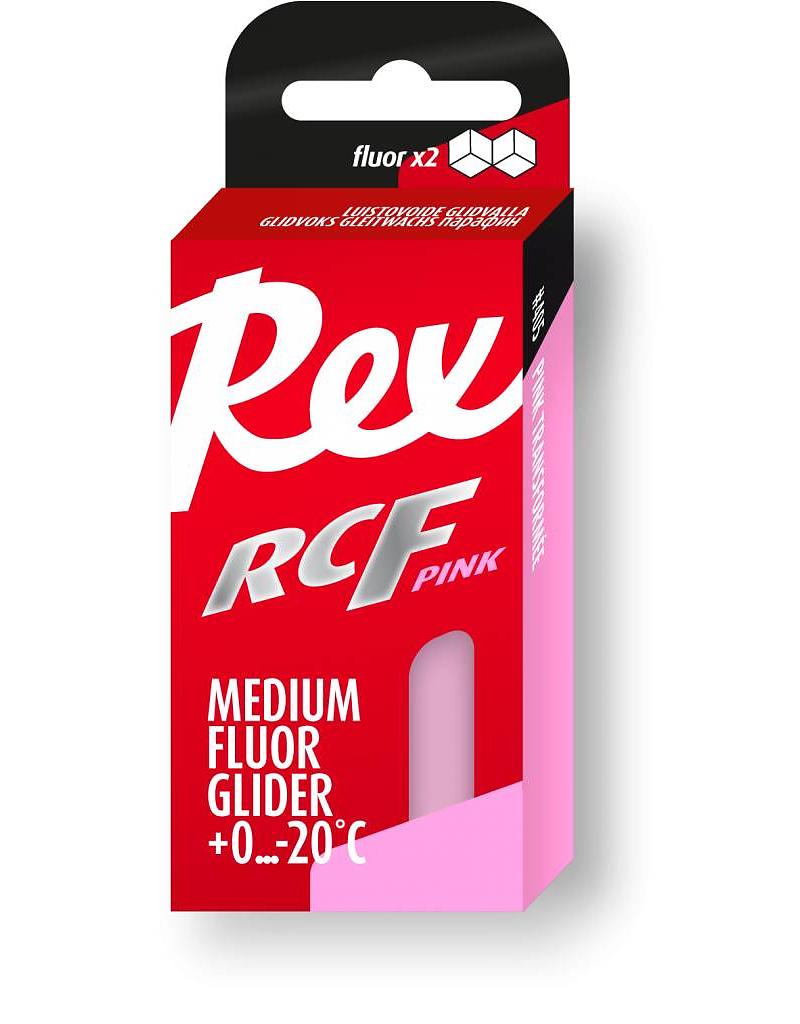
This pink block of wax is hard and medium-fluorinated, which is great for all the manmade snow at Wirth Park. Your waxing strategy needs to be built upon a solid base that will resist abrasion from granular snow, which is exactly the type of conditions present at Wirth Park the past few years. RCF Pink is a go to wax for World Cup technicians because World Cup races are regularly held on courses with manmade snow. This is a great wax for Wirth as long as the snow is not brand new. Patrick Moore is an awesome dude and one of the best techs on the World Cup… he shows how to apply this hard stuff in this video.
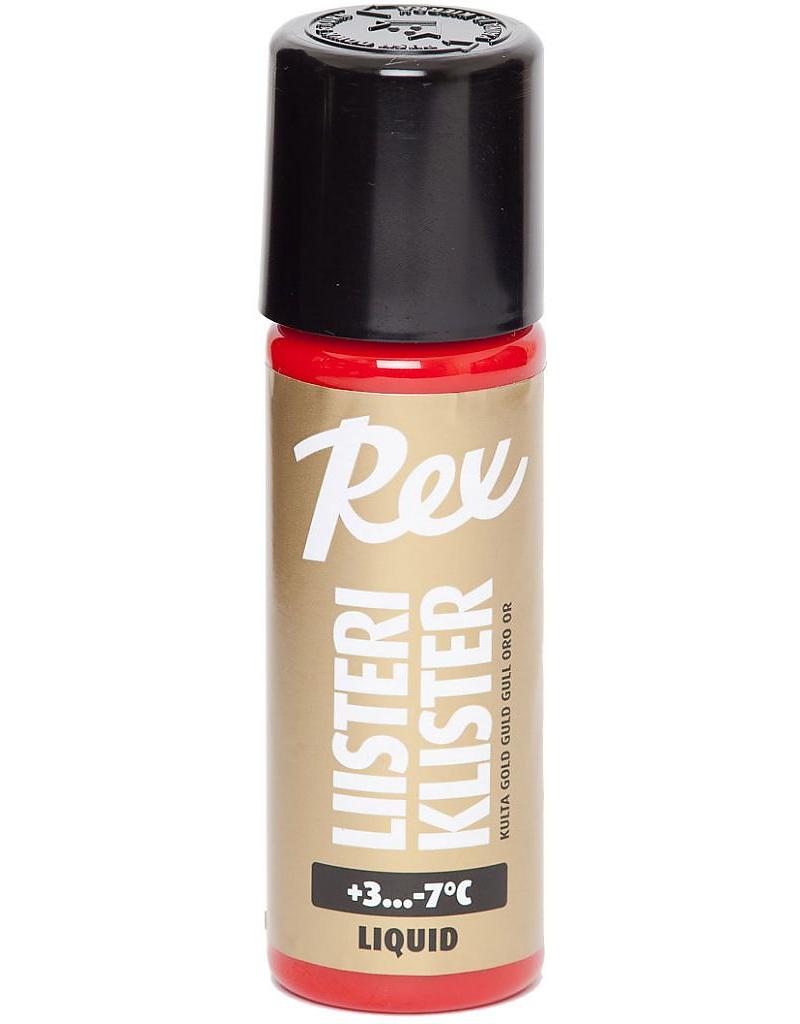
Thin to win right?! Well that is easier said when working with klister. Rex has some new liquid klisters that apply easily with a sponge applicator. They are incredibly easy to use while keeping the layer of klister thin and mess free. No more klister running off the tails of your skis. We have found Rex Base Klister a workable solution in many conditions at Wirth as a base-kick option and the Rex Gold… that stuff is just the best on artificial snow.
Whenever I have great success classic skiing at Wirth Park it seems to involve me using Rex Hydrex.
This is a gliding wax used to cover kicking waxes. If you are on klister, it generally speeds things up without sacrificing kick, but make sure to always test it on your warmup skis before shot-gunning it. It works awesome as a treatment for skin skis or zero skis. Also, in warm temps it can be used on the gliding zones as well and I know for a fact it has seen high-level success at the World Cup both as a covering wax for kick and as a glide top coat.
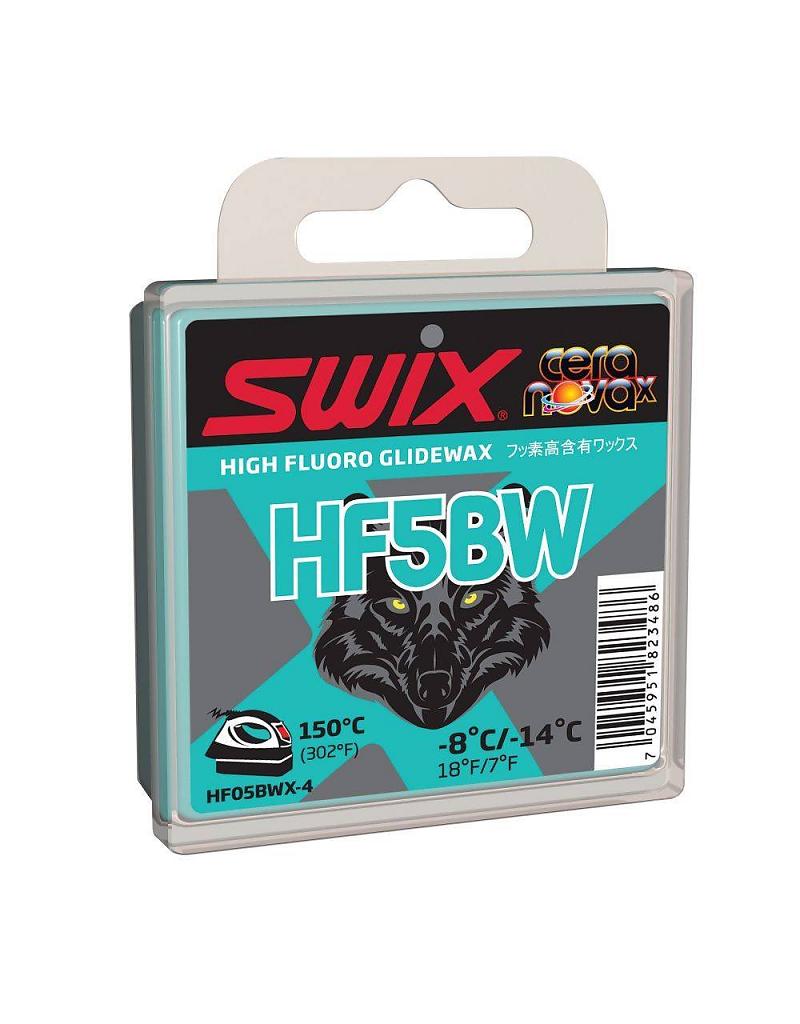
This is a go-to race paraffin for Wirth Park when they don’t have natural snow (most of the time). The workable temp range is huge for this wax at Wirth: 10 F to 35 F+. Most years they have mixed dirty artificial snow and HF5BW is near unbeatable in standard (unfortunately standard) Wirth snow conditions. If there is no new snow in sight, use this. The other standby that shines under these conditions is Rex RCF Pink.
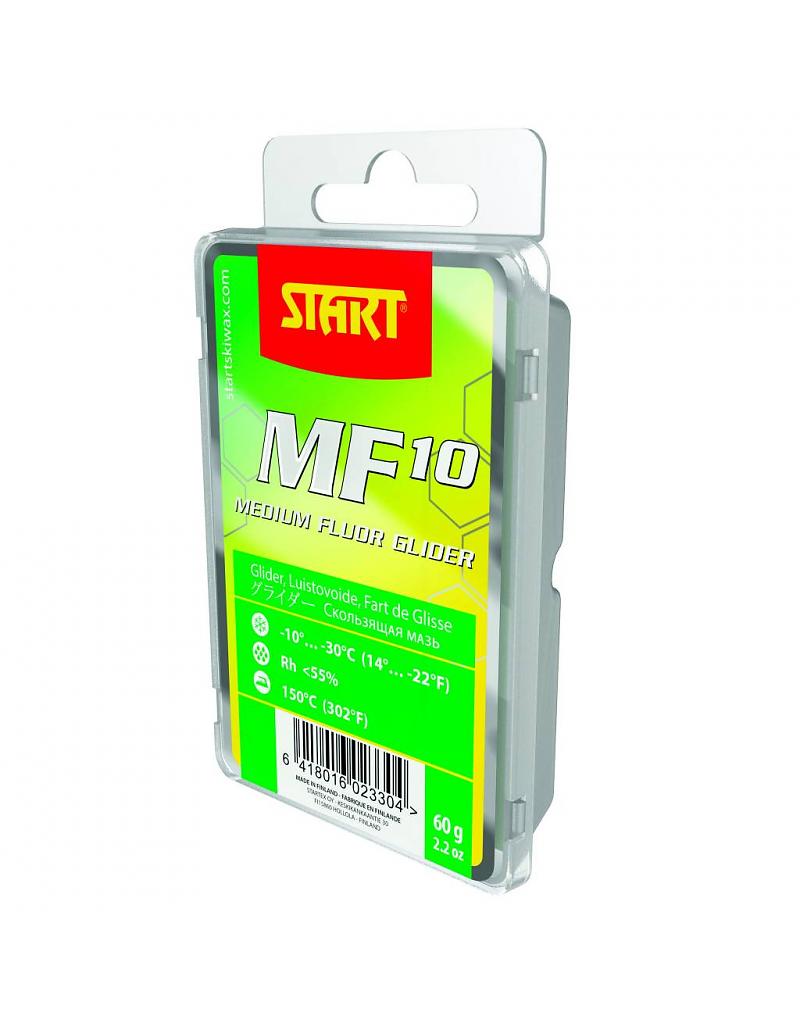
Natural snow in Minneapolis in January means only one thing … it is freakin’ cold. My #1 tested cold natural snow race base wax for the Twin Cities is Start MF10. I have tried to beat it for years; Start HF10 comes close as do a lot of things, but if you are looking for something that works all the time and does not cost a fortune, you cannot miss with this wax in super-cold squeaky natural snow conditions. Make sure you have a cold profile ski and a super-cold grind…. I like our SC0. Check out our stone-grinding services.
Want to leave the waxing supplies at home for World Masters and have us take care of it all for you? We have been skiing at Wirth Park for over 20 years. We know what works and more importantly we know what does not work. Whenever I have traveled the country and world I have had great success getting wax support and grind support from the locals because they know what works the best. Pioneer Midwest will be and are your local experts. Let us take care of your skis for you and we will prepare them for whatever the weather and Wirth Park throws at us for World Masters.
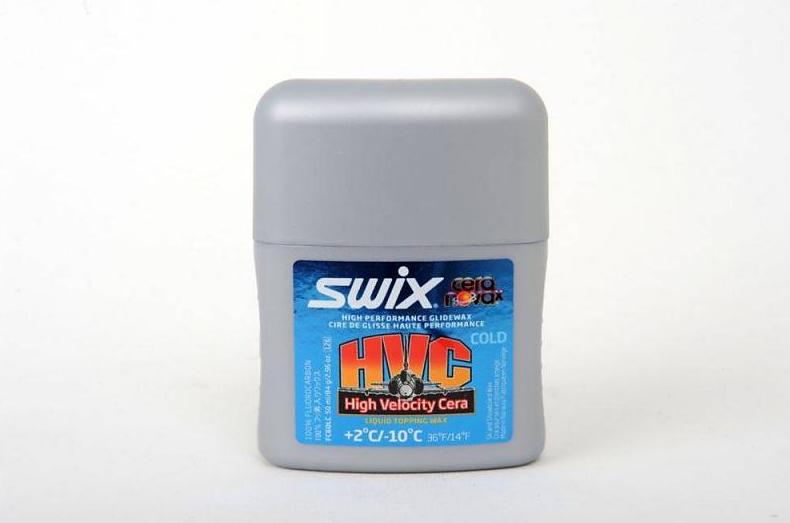
Speed without having to think about it. The Swix HVC liquids are super easy and extraordinarily fast on the artificial snow at Wirth Park. Again, I have tested a boatload of liquid waxes at Wirth and these are always near the top. I qualified top 6 in a SuperTour sprint qualifier a few years ago at Wirth on HVC and that is outstanding considering my history of sprinting. When the conditions are below 25 F and artificial snow, we use the cold version, and when warmer than 25 F, we use the warm version. This stuff is super easy to use, wipe on, let dry 3 minutes or longer, go race. An application of Swix HVC can last upwards of 15 km. But careful in mixed new snow as they can be a liability, but when skiing on old snow grab the appropriate Swix HVC and go for it. The other staple liquid to try if the snow gets a little dirtier from heavy use is Rex Ruka.
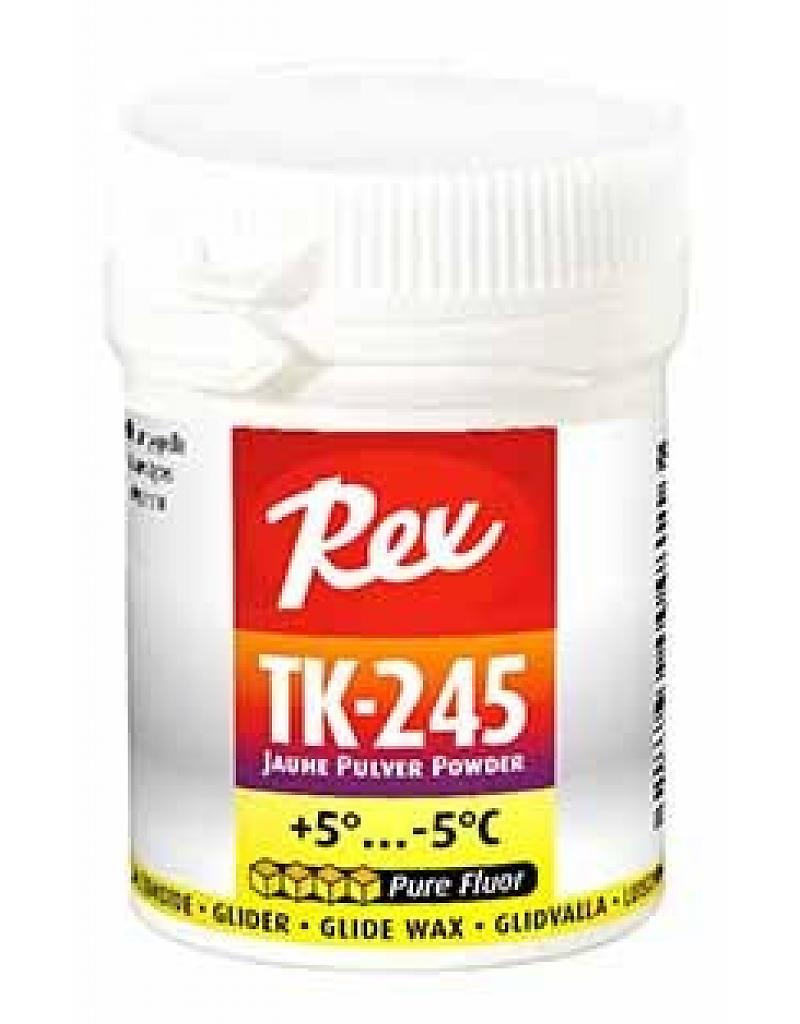
If I had to shotgun one powder for warm weather racing above 20 F, this would be it. This wax has a Birkie win under its belt and it has been a no-brainer choice on the World Cup for years. It runs very well at Wirth Park. The other powder that always seems to be in the mix at Wirth in the artificial snow is Toko Red 2.0.
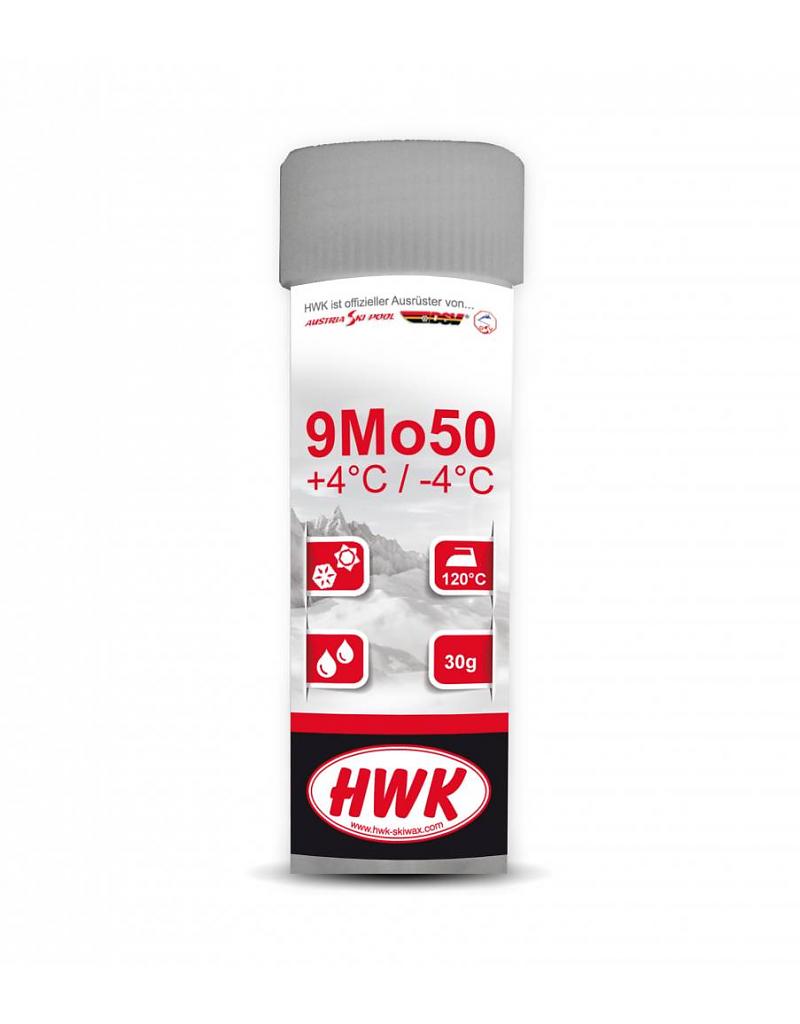
Wet and dirty snow at Wirth Park seems to happen more often than we would like. The HWK guys are always testing on the WC biathlon circuit and they race and test on wet, dirty, artificial snow all the time. This was my top coat at the Birkie 2 years ago and I have won a few SuperTour races at Wirth Park on this wax. It is easy to apply and a no-brainer in wet/dirty Minneapolis city snow if we get those conditions.
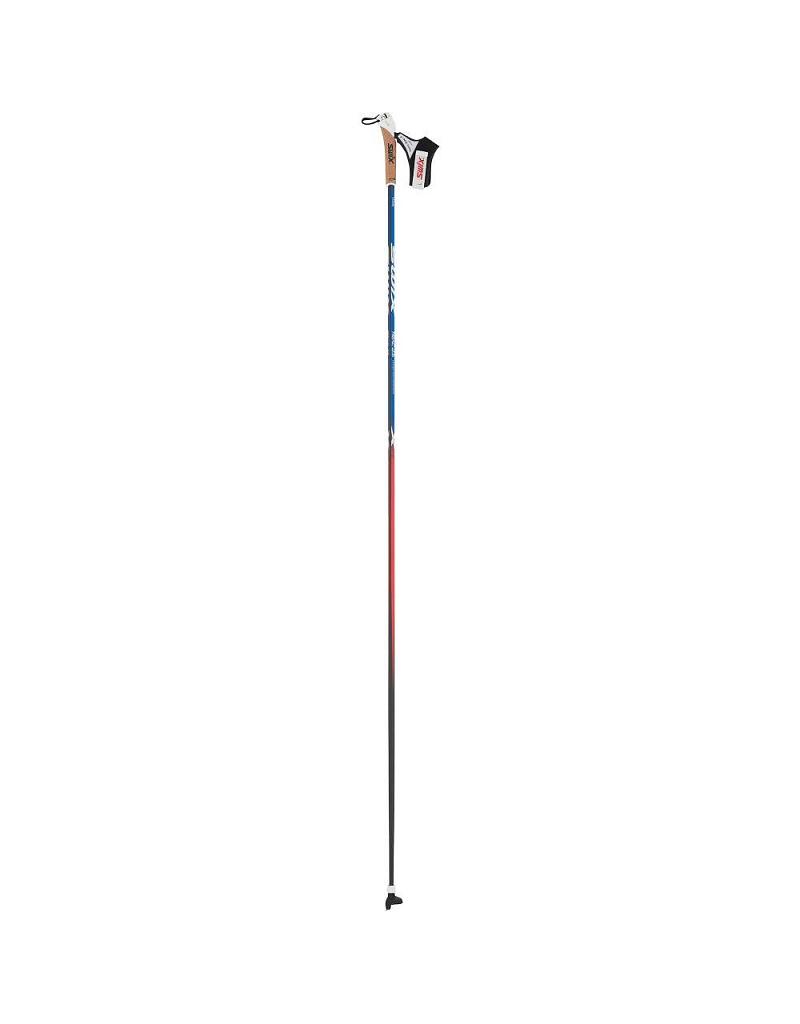
Want a top level pole without having to spend $500? This is your ticket. We have a lot of Triac 2.5 poles on closeout and it is the same shaft as the new $500 Triac 3.0. The difference is the strap and if you are keen on watching a lot of World Cup racing you may have noticed many of the best skiers in the world were using the 2.5 pole even after the 3.0 was released. Why? Well the traditional strap/grip with some real estate to rest your thumb is very nice at a cost of only a few grams. Plus we think the graphics on the 2.5 are better.
Panic waxing, no more. Yes, a perfectly waxed classic ski with the perfect application will outperform a no-wax ski most of the time. But how often does that happen?! Even Norway screws up the kick wax — look what happened at Ruka this year. Klæbo won the men’s World Cup distance classic race on no-wax skis. Wouldn’t it be nice to have a backup race classic ski for when you or your wax tech miss the kick wax and you have no kick or too much kick and you start panic-mode 15 minutes before your race start? Think about how great it could be if you have a rocket-fast skin ski with bomber kick, covered in Rex Hydrex waiting in case of panic. We stock every major brand of racing skins, just drop us a line if you want to order some anti-panic skis. Check out our Ski Request services.
As we are winding this down, questions continue to roll in as to how I managed to get all of these amazing reviews done, not only so amazingly well, but also so amazingly fast. Part of my secret I shared the other day with this very insightful video, and part of it derives from my scrupulous attention to detail and a work ethic that I learned from Hunter S. Thompson.
For anyone unfamiliar with his legendary schedule, I strong encourage you to carefully review this and adapt to your life, as necessary.
In reality, my own schedule is quite similar. First off, I applaud Mr. Thompson for getting a full 8 hours of sleep each “night,” as every good athlete knows that recovery is the key to success. Well done, Hunter. I choose to follow this lead wherever possible, with only a slight 14-hour shift in the prescribed bedtime (Wow, Hunter and I sure used the word ‘prescribed’ in a very different sense, huh?).
Regarding diet, this is also another key pillar to success to all athletes and one small area in which Mr. Thompson and I deviate slightly. My food profile is a little more centered around fresh fruits and vegetables and a little less centered around cocaine and cigarettes, but I think we’re really splitting hairs here. Can starting the day with three lines of blow and a Marlboro Red really be all that different than a kale smoothie and a quinoa/egg white omlette? I think most doctors will tell you no.
Apparently he and I also share a love for pasta, orange juice and Dove bars, so I have to believe that I am well on my way. To where? Who knows, but I do know one thing, it’s not here.
Wait, perhaps that a bit too dramatic — I am neither quitting, nor being fired (at least not to the best of my knowledge, but I suppose that could change at any moment), but this does mark the end of 12 Days of FBD and what a ride it has been.
I hope everyone has enjoyed reading this work as much as I have enjoyed writing it and I would most certainly be amiss if I didn’t pay a huge thanks to my evil, corporate overlords at FasterSkier who give me a TREMENDOUS amount of room to run and support me completely in what assuredly is the most “colorful” gear review out there.
In particular, I want to say an extra special thanks to my editor, Alex Kochon. Despite the fact that the word “cochon” is French for pig, Alex is anything but that. This may come as a huge surprise to all of you, but I can be exceedingly difficult to work with — I submit 7,000 word reviews on even the simplest of topics and I have a deep emotional attachment to each and every one of those words. From my perspective, the removal of even one of my carefully chosen locutions results is such a devastating seismic shift that the newly butchered text takes on a completely different dimension, one with potentially earth-destroying consequences. In addition to this unbreakable ionic bond I have to each and every carefully chosen and very precise phase, I also have a flair for the melodramatic. And I am also quite needy. No, really, it’s true. I’m not sure, but I think I also complain a lot. However, I do know that a lot of people complain about me, so in my mind, those two kind of balance out.
Combine all of this with the fact that I regularly submit work at well past midnight and hopefully it is evident how key a role Alex played in this process. She is a smart, calm, caring person and truly a joy to work with each day, as always manages to quickly and efficiently format and post my work, thankfully usually only with a minimum of edits. Her professionalism is unrivaled, as are her talents (this is the case for most of the FS staff, with the notable exceptions of Albert and Kentch, who are terrible, terrible hacks). This team has some of my biggest fans and the feeling is most certainly mutual.
We do need to teach Alex a lesson though, so when you see her on the tracks, the street, or in the grocery store, please ask her to tell you the third fictional name that she removed from my rant about the oh-so-annoying trends in child naming. Not only is it “family friendly”, but it is also hilarious. And she took this from you. You have been robbed. Now she must pay. So ask. And ask. And ask. If she says no, ask her again.
So as I prepare to sign off, I sincerely hope that these columns were of some assistance, albeit minor. Whether I somehow managed to provide you a good holiday gift idea idea or even if these rambling diatribes just helped you kill a few minutes at work and stick it to The Man, it doesn’t really matter. It’s not important if you read each and every column, hanging on every work, skimmed a few when you were stuck in an airport with absolutely nothing else to do, or just looked at it for the funny pictures, if you got even one things out of all of this, that’s all that matters.
Hopefully the biggest thing that you did get out of the columns is my hope that everyone realizes that we’re all in this life together. Clean air and clean water shouldn’t be a partisan issue. It just should not. Everyone on the planet deserves access to land not choked with pollution and a safe place to raise their families. We’re at a cross-roads in this country on many of these issues and hopefully enough people will realize the seriousness of these problems and get involved before it is too late.
Science!
So get involved. Pay attention (not just to the signs for baggage claim, but everything in the world around you. Even if a problem isn’t in your backyard, you should still care). Vote. Demand more of your politicians and yourself. We created all of these problems and it is up to us to fix them. But let’s not just fix them, let’s also fix our approach: thoughtful, rational discourse is our only way out, so let’s all hope we can find this, as soon. Facts are nothing to be feared, they are our salvation. Science isn’t always perfect, but it’s the best tool that we have, so it should not be feared, scorned, suppressed, or redacted, it should be embraced.
Finally, even though I took a lot of cheap shots at people, places, and institutions in the past 12 days, it was all done in good fun and with nothing but the best of intentions, (except for you, American Airlines, you truly suck, that was a legal carry-on bag that you made me check it. And I haven’t forgotten about it.) This is a wonderful sport and a wonderful community, so on behalf of the entire FasterSkier team, I’d like to wish everyone a very happy, sexy and snowy holiday. Be kind. Be aware. Be awesome.
Alexander Legkov (RUS) after winning Stage 5 of the 2012 Tour de Ski.
TOBLACH, Italy – It took 11 races, but Alexander Legkov finally got his first win of the 2012 season in Stage 5 of the Tour de Ski on Tuesday.
With the help of a new coach and the right pair of skis, the Russian powered through finicky conditions to edge Eldar Roenning (NOR) and Dario Cologna (SUI) in the 5 k individual-start classic race.
Petter Northug (NOR) floundered through the slick, soft conditions in Toblach, finishing 12th and losing his lead in the overall Tour standings to Cologna, who now enjoys a 16-second cushion heading into Wednesday’s skate sprint.
“I felt like a tourist doing the Birkie,” Northug told NRK, the Norwegian national broadcaster.
More than six inches of fresh powder fell in Toblach last night, and when the moist new snow mixed in with cold, man-made crystals below the surface, the resulting tracks were a mushy mess that ended up being a headache for waxers—even though the weather had cleared up by Tuesday morning.
Almost all of the top skiers ended up racing on zeroes—classic skis without wax that grip the snow with a synthetic material—but at the start of the day, “everything was in the mix, at certain points,” according to U.S. Ski Team waxer Patrick Moore.
“We had hard wax, klister—everything was out there,” he said.
Roenning said that he excels in conditions like Tuesday’s, but he was also prepared with his equipment: he has four pairs of zero skis with him in Toblach, and tested some 20 sets over the past two years in his hometown of Trondheim, Norway.
Eldar Roenning (2nd).
“That’s the way in these conditions,” he said. “You have to have some good skis, and a good shape.”
The 5 k was the first time that the World Cup men raced the distance on the Tour. But there didn’t seem to be any special strategies: “Five, 10, 15: All is difficult,” Legkov said.
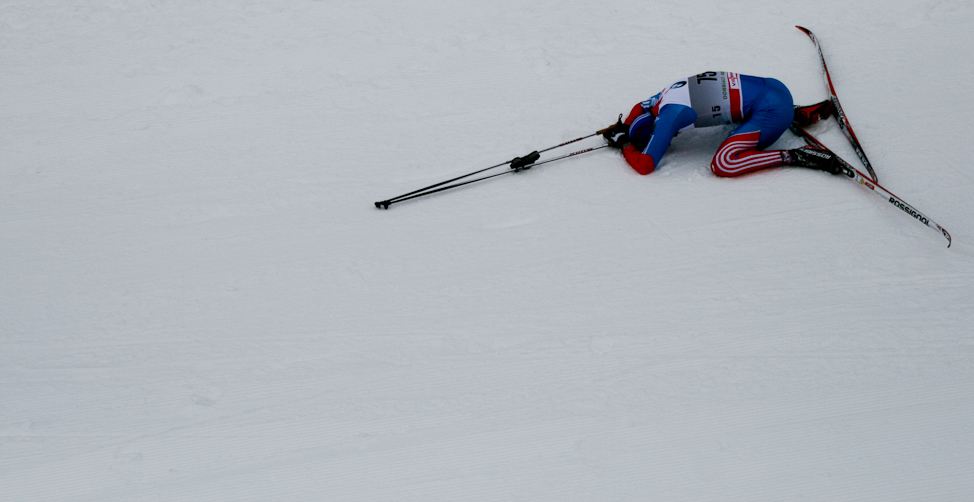
Roenning set the fastest time early, but that was before Legkov came storming home. The Russian gobbled up the last 200 meters of the course with huge double-pole strokes, lunged at the finish, then crashed and spent the next 30 seconds writhing in pain.
His time was 1.7 seconds better than Roenning’s, and though Cologna made a heroic charge down the finishing stretch shortly after, his efforts left him two seconds out of the lead.
Legkov Lunges at the Line
While Legkov was strong at the beginning of the last season, his win on Tuesday was not only his first of this winter, but also his first time on the podium. That, he said afterward, was because of a training plan that had him peaking for the Tour de Ski.
Legkov picked up a new coach this season, the former Swiss World Cup racer Reto Burgermeister, through a connection with his physiotherapist. In an interview after the race, Burgermeister said that he has been working with Legkov on technique, and also on dialing back the intensity of some of his training sessions.
“His thinking is simple,” Burgermeister told FasterSkier through a translator. “He will always train really hard, so you have to stop, not to push him.”
Legkov now sits third in the overall Tour standings, 39 seconds behind Cologna.
Thanks to a five-second bonus for his third-place finish on Tuesday, Cologna took a total of 17 seconds from Northug, his main rival, in the 5 k race.
“It was a really good race for me, and I’m happy to take the overall lead back,” Cologna said.
Northug told the Norwegian media that he never got comfortable on his classic skis, and while he didn’t criticize his country’s staff, Roenning said that he could tell that his teammate’s skis were “a little bit slow and…slippery.”
Northug Atop the First Hill (12th).
If that was the case, it was an unlikely victory for the Swiss team in the wax department, since Cologna said his own skis were good.
While Cologna has two personal ski technicians, the Norwegians have by far the deepest pockets of any team here, with 14 waxers and a massive trailer to house them all.
“Fortunately, waxing is not always just about manpower,” Cologna said. “We have a lot of know-how on the team, and also you sometimes need a little bit of luck.”
Cologna has full faith in his waxers, he added, who constitute a “small, but good team.”
Cologna (3rd).
“You have to trust the service guys,” he said. “You can wax yourself, but I think it’s not a good idea. They know what they are doing, so I trust them 100 percent.”
With the Tour more than halfway over, Cologna currently has the edge. But with four tough stages remaining, as he acknowledged on Tuesday, he’s “won nothing” yet.
In what may be a first in the North American skiing, FasterSkier brought together four of the best ski technicians around for a roundtable discussion on a variety of issues.
Nathan Schultz of Boulder Nordic Sport, Mark Waechter of Nordic Ultratune, Zach Caldwell of Caldwell Sport, and Patrick Moore of the Alberta World Cup Academy digitally joined FasterSkier Editor Topher Sabot and Associate Editor Audrey Mangan from all corners of the continent.
The discussion is split into two segments. Part 1 focuses mainly on the World Cup and associated issues, while Part 2 tackles topics relevant to racers at all levels.
As the weather turns colder and skiers start thinking more about their winter equipment, FasterSkier is bringing together the top technicians from around North America tomorrow, September 13, for a podcast all about skis. Joining us will be Nathan Schultz (Boulder Nordic Sport), Zach Caldwell (Caldwell Sport), Patrick Moore (Fast Trax Run and Ski Shop/Alberta World Cup Academy) and Mark Waechter (Nordic Ultratune) to talk about advancements in grind technology, ski service on the World Cup and gear they’re excited about this season.